1. Search Result
Search Result
Results for "

LPS-induced NO production

" in MedChemExpress (MCE) Product Catalog:

128

Inhibitors & Agonists

4

Peptides

62

Natural
Products

1

Isotope-Labeled Compounds

Targets Recommended:
Cat. No. 상품명 Target 연구분야 Chemical Structure
  • HY-15648F
    GSK-J4 hydrochloride
    Maximum Cited Publications
    55 Publications Verification

    Histone Demethylase Cancer
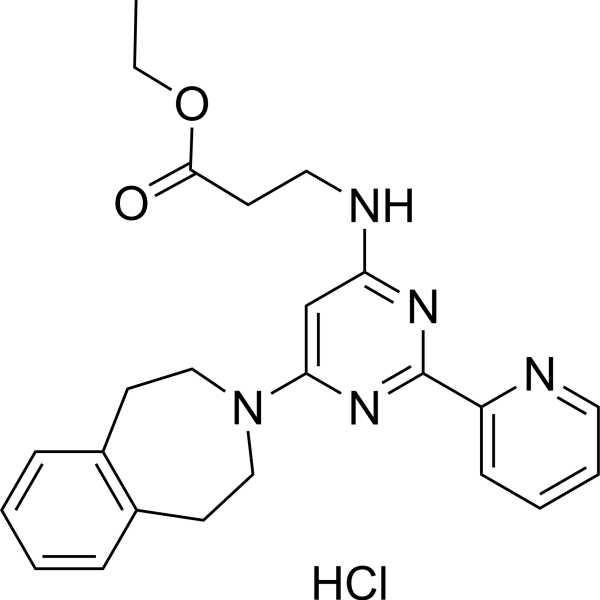
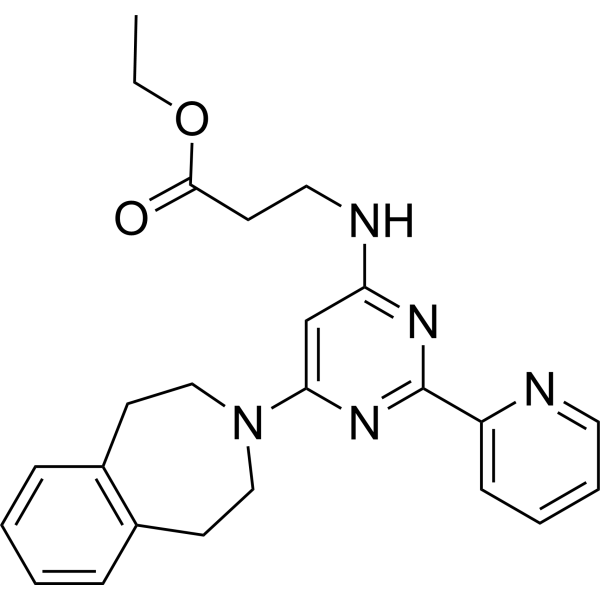
    GSK-J4 hydrochloride is a potent dual inhibitor of H3K27me3/me2-demethylases JMJD3/KDM6B and UTX/KDM6A with IC50s of 8.6 and 6.6 μM, respectively. GSK-J4 hydrochloride inhibits LPS-induced TNF-α production in human primary macrophages with an IC50 of 9 μM. GSK-J4 hydrochloride is a cell permeable proagent of GSK-J1 .
    GSK-J4 hydrochloride
  • HY-106950

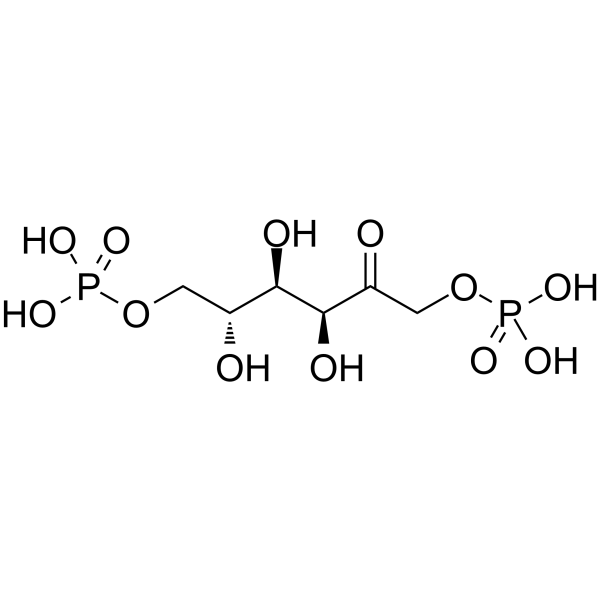
    Diphosphofructose; Esafosfan; FDP

    Toll-like Receptor (TLR) COX Cardiovascular Disease Neurological Disease Metabolic Disease
    Fosfructose is an orally active cyclooxygenase-2 inhibitor and Toll-like receptor 4 modulator. Fosfructose reduces the expression of cyclooxygenase-2, thereby decreasing prostaglandin production. By inhibiting the Toll-like receptor 4 signaling pathway, Fosfructose downregulates LPS-induced adhesion molecule expression. Fosfructose is applicable to research related to ischemic stroke, epilepsy, sepsis, myocardial injury, osteoporosis, and ultraviolet B-induced skin damage .
    Fosfructose
  • HY-N0498
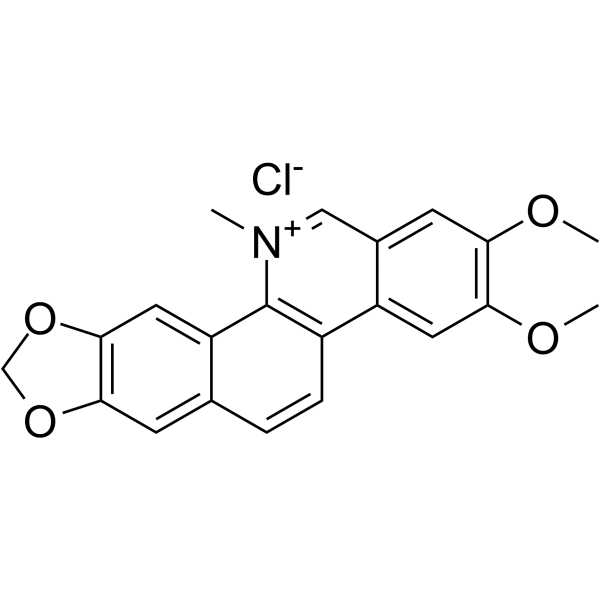
    Nitidine chloride
    4 Publications Verification

    Parasite Apoptosis STAT Topoisomerase ERK FAK p38 MAPK NF-κB Inflammation/Immunology Cancer
    Nitidine chloride, a potential anti-malarial lead compound derived from Zanthoxylum nitidum (Roxb) DC, exerts potent anticancer activity through diverse pathways, including inducing apoptosis, inhibiting STAT3 signaling cascade, DNA topoisomerase 1 and 2A, ERK and c-Src/FAK associated signaling pathway, also has anti-inflammatory activity. Nitidine chloride inhibits LPS-induced inflammatory cytokines production via MAPK and NF-kB pathway .
    Nitidine chloride
  • HY-N5060

    4-Allylanisole

    Environmental Pollutants Parasite Apoptosis Keap1-Nrf2 NF-κB Infection Neurological Disease Inflammation/Immunology
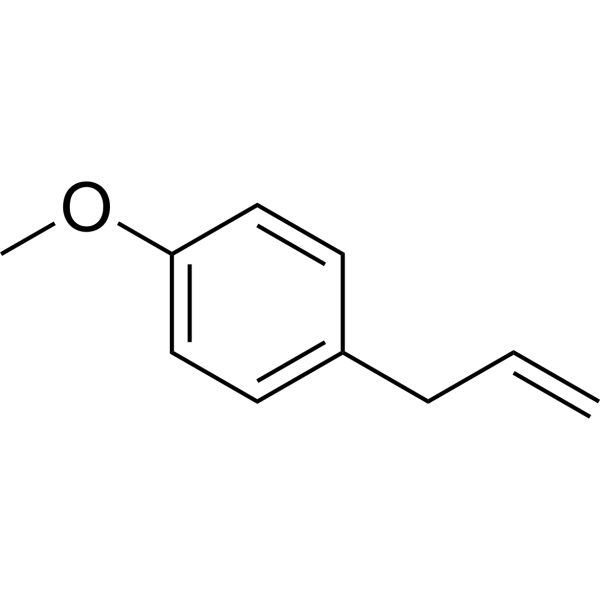
    Estragole (4-Allylanisole) is a relatively nontoxic volatile terpenoid ether and major component of the essential oil from many plants. Estragole significantly triggers Apoptosis, suppresses LPS-induced intracellular ROS production. Estragole activats Nrf-2 and regulates NF-κB. Estragole has anti-toxoplasma, anti-inflammatory, anti-edema, antioxidant and immunomodulatory properties. Estragole blocks DRG neuron excitability. Estragole has improves gastric ulcer activity .
    Estragole
  • HY-W047187

    Xanthine Oxidase NO Synthase TNF Receptor Others
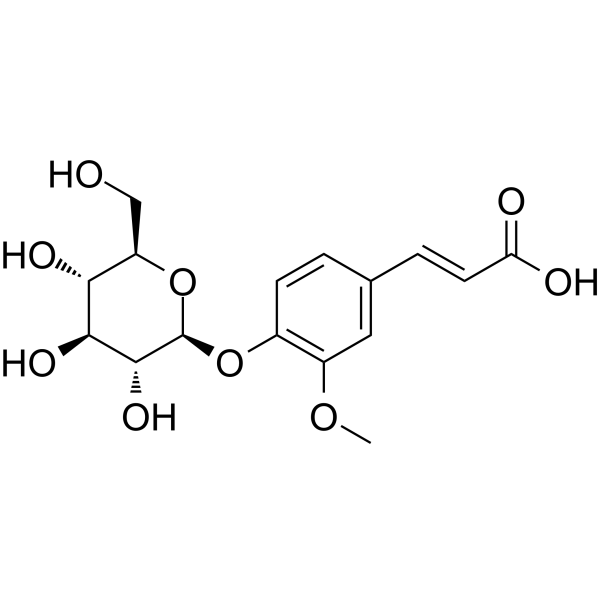
    Lavandoside is an ABTS ?+ free radical scavenger and a moderate inhibitor of xanthine oxidase (XO), with an IC50 of 71.6 μM for inhibiting NO production in LPS-induced macrophages. Lavandoside exerts its antioxidant and potential anti-inflammatory effects by directly scavenging free radicals and inhibiting XO activity, a mechanism related to the hydroxyl groups in its molecular structure. Lavandoside can be isolated from lavender and can be used in the development of natural antioxidants and in research on oxidative stress-related diseases and inflammation-related diseases .
    Lavandoside
  • HY-20070

    TNF Receptor Inflammation/Immunology
    BMS-566394 is a selective, orally active TACE (ADAM17) inhibitor. BMS-566394 inhibits LPS-induced TNF-α production in whole blood. BMS-566394 selectively inhibits TACE activity .
    BMS-566394
  • HY-N0896
    Inulicin
    1 Publications Verification

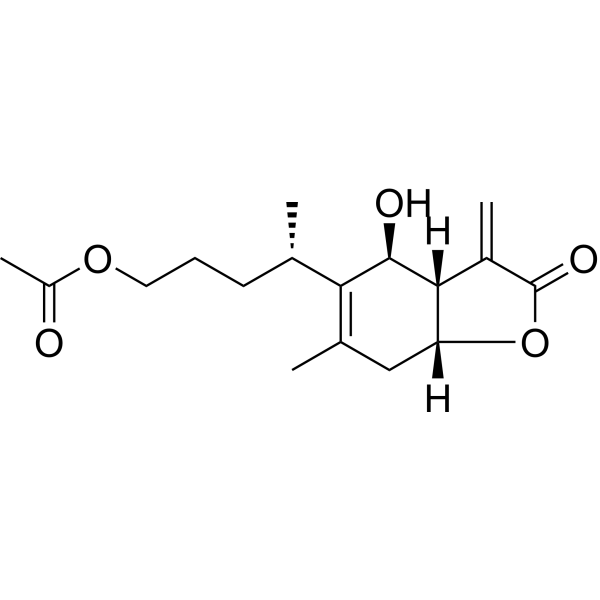
    1-O-Acetylbritannilactone

    NF-κB COX Inflammation/Immunology Cancer
    Inulicin (1-O-Acetylbritannilactone) is an active compound that inhibits VEGF-mediated activation of Src and FAK. Inulicin (1-O-Acetylbritannilactone) inhibits LPS-induced PGE2 production and COX-2 expression, and NF-κB activation and translocation.
    Inulicin
  • HY-148591

    Epigenetic Reader Domain Inflammation/Immunology
    GSK761 is a selective inhibitor of speckled 140 kDa (SP140) with an IC50 value of 77.79 nM. GSK761 reduces monocyte-to-inflammatory macrophage differentiation and lipopolysaccharide (LPS)-induced inflammatory activation. GSK761 induces the production of CD206 + regulatory macrophages by inhibiting SP140 .
    GSK761
  • HY-B1817

    Environmental Pollutants Apoptosis Biochemical Assay Reagents HSP Cardiovascular Disease Inflammation/Immunology Cancer
    Zinc acetate acts as an immune response modulator. Zinc acetate enhances the expression of HSP-70 mRNA. Zinc acetate restores the proliferation and cytokine production capacities of splenocytes. Zinc acetate reduces the Apoptosis level of splenocytes in endotoxemic mice. Zinc acetate increases plasma zinc levels and improves survival rates in mice with LPS-induced lethal endotoxemia. Zinc acetate induces rapid death of prostate cancer cell lines in vitro. Zinc acetate inhibits the growth of prostate cancer xenografts in SCID mice. Zinc acetate can be used in endotoxemia research .
    Zinc acetate
  • HY-124151

    2'-AMP; AdeNOsine 2'-phosphate; AMP 2'-phosphate

    Adenosine Receptor Endogenous Metabolite Neurological Disease
    Adenosine-2'-monophosphate (2'-AMP) is converted by extracellular 2’,3'-CAMP. Adenosine-2'-monophosphate is further metabolized to extracellular adenosine (a mechanism called the extracellular 2’,3’-cAMP-adenosine pathway). Adenosine-2'-monophosphate inhibits LPS-induced TNF-α and CXCL10 production via A2A receptor activation .
    Adenosine-2'-monophosphate
  • HY-N2008

    NO Synthase Reactive Oxygen Species (ROS) Inflammation/Immunology
    Luteolin 5-O-glucoside, a major flavonoidfrom Cirsium maackii, possesses anti-inflammatory activity. Luteolin 5-O-glucoside inhibits LPS-induced NO production and t-BHP-induced ROS generation. Luteolin 5-O-glucoside suppresses the expression of iNOS and COX-2 in macrophages .
    Luteolin 5-O-glucoside
  • HY-118828B
    12-Oxo phytodienoic acid (≥90%)
    1 Publications Verification

    12-OPDA (≥90%)

    NF-κB p38 MAPK TNF Receptor Interleukin Related NO Synthase Keap1-Nrf2 Neurological Disease Inflammation/Immunology
    12-Oxo phytodienoic acid (≥90%) (12-OPDA (≥90%)) is a plant lipid-derived anti-inflammatory compound. 12-Oxo phytodienoic acid (≥90%) induces the expression of SOCS-1 and inhibits LPS (HY-D1056)-induced activation of the NF-κB and p38 MAPK signaling pathways. 12-Oxo phytodienoic acid (≥90%) inhibits LPS-induced expression of IL-6 and TNF-α, and reduces LPS-induced NO production by decreasing iNOS levels. 12-Oxo phytodienoic acid (≥90%) induces activation of the Nrf2 signaling cascade. 12-Oxo phytodienoic acid (≥90%) can be used for the research of neurodegenerative diseases .
    12-Oxo phytodienoic acid (≥90%)
  • HY-N11011

    NF-κB STAT PERK JNK p38 MAPK PGE synthase Interleukin Related TNF Receptor COX Inflammation/Immunology Cancer
    Withaphysalin A is a withanolide compound with anti-inflammatory and antioxidant activities. Withaphysalin A inhibits LPS (HY-D1056)-induced nuclear translocation of NF-κB p65, as well as phosphorylation of STAT3, ERK, JNK and p38 MAPK. Withaphysalin A upregulates the expression of HO-1. Withaphysalin A inhibits LPS-induced production of NO, PGE2, IL-1β, IL-6 and TNF-α. Withaphysalin A downregulates LPS-induced expression of iNOS and COX-2. Withaphysalin A interacts with B-cell activating factor protein (BAFF) to exert inhibitory effects. Withaphysalin A exhibits ELOVL6 inhibitory activity. Withaphysalin A can be used in the research of inflammatory diseases, nephrotic syndrome and chronic myeloid leukemia .
    Withaphysalin A
  • HY-N8371

    NO Synthase COX Interleukin Related TNF Receptor Inflammation/Immunology
    Shizukaol B is a lindenane-type dimeric sesquiterpene, used to be isolated from the whole plant of Chloranthus henryi. Shizukaol B has anti-inflammatory effect against lipopolysaccharide (LPS)-induced activation of BV2 microglial cells. Shizukaol B inhibits iNOS and COX-2, and suppresses NO production, TNF-α, and IL-1β expression .
    Shizukaol B
  • HY-147972

    NF-κB p38 MAPK NO Synthase COX Inflammation/Immunology
    NF-κB/MAPK-IN-1 (compound 11a) is a potent inhibitor of NF-κB and MAPK pathway. NF-κB/MAPK-IN-1 shows inhibitory activity against NO production, with an IC50 of 6.96 µM. NF-κB/MAPK-IN-1 suppresses LPS-induced iNOS, COX-2, ERΚ and P38 signaling activation. NF-κB/MAPK-IN-1 can prevent LPS induced inflammatory response in macrophages. NF-κB/MAPK-IN-1 can be used for rheumatoid arthritis (RA) research .
    NF-κB/MAPK-IN-1
  • HY-18862

    p38 MAPK Inflammation/Immunology
    PF-03715455 is a potent inhaled p38 MAPK inhibitor. PF-03715455 shows some selectivity for p38α over p38β with respective IC50 values of 0.88 and 23 nM. PF-03715455 potently inhibits LPS-induced TNFα production in human whole blood (IC50=1.7 nM). PF-03715455 has potential for the treatment of COPD (chronic obstructive pulmonary disease) .
    PF-03715455
  • HY-W014223

    Ultraviolet absorber UV-0

    Environmental Pollutants Toll-like Receptor (TLR) NF-κB Reactive Oxygen Species (ROS) MyD88 IRAK Inflammation/Immunology
    2,4′-Dihydroxybenzophenone (Ultraviolet absorber UV-0) occupies the hydrophobic pocket of MD2 and blocks the dimerization of TLR4. 2,4′-Dihydroxybenzophenone inhibits the LPS induced mtROS production, and LPS induced inflammatory response by downregulating pro-inflammatory mediators and decreasing the expression of MyD88, p-IRAK4, and NF-κB. 2,4′-Dihydroxybenzophenone is also a UV absorber .
    2,4′-Dihydroxybenzophenone
  • HY-112456

    IKK Inflammation/Immunology
    IKK2-IN-4 (compound 4) is a potent IKK-2 inhibitor, with an IC50 of 25 nM. IKK2-IN-4 can inhibit the LPS-induced production of TNFα in PBMCs .
    IKK2-IN-4
  • HY-126390
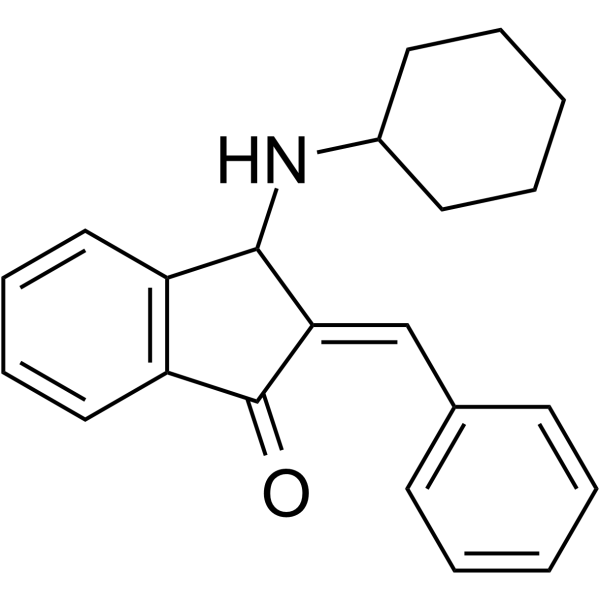
    (E/Z)-BCI
    1 Publications Verification

    NSC 150117

    Phosphatase Apoptosis Inflammation/Immunology Cancer
    (E/Z)-BCI (NSC 150117) is a dual-specificity phosphatase 6 (DUSP6) inhibitor with anti-inflammatory activities. (E/Z)-BCI attenuates LPS-induced inflammatory mediators and ROS production in macrophage cells via activating the Nrf2 signaling axis and inhibiting the NF-κB pathway .
    (E/Z)-BCI
  • HY-145564

    PF-07265803

    p38 MAPK Cardiovascular Disease Inflammation/Immunology
    Emprumapimod (PF-07265803) is a potent, orally active and selective inhibitor of p38α MAPK directly inhibits LPS-induced IL-6 production from RPMI-8226 cell (IC50=100 pM). Emprumapimod can be used for the research of dilated cardiomyopathy and acute inflammatory pain .
    Emprumapimod
  • HY-N3364

    Flavivirus Dengue Virus TNF Receptor NF-κB NO Synthase COX JNK p38 MAPK IKK Infection Inflammation/Immunology
    Lucidone, an anti-inflammatory agent that can be isolated from the fruit of Lindera erythrocarpa Makino. Lucidone inhibits LPS-induced NO and PGE2 production in RAW 264.7 mouse macrophages. Lucidone also decreases TNF-α secretion, iNOS and COX-2 expression. Lucidone prevents NF-κB translocation and inhibits JNK and p38MAPK signals. Lucidone also has inhibitory activity against Dengue virus (DENV) (EC50=25 μM) .
    Lucidone
  • HY-123789
    T5342126
    1 Publications Verification

    Toll-like Receptor (TLR) Inflammation/Immunology
    T-5342126 is a toll-like receptor 4 (TLR4) antagonist. It reduces LPS-induced production of nitric oxide (NO) in RAW 264.7 cells (IC50=27.8 μM), as well as decreases LPS-induced IL-8, TNF-α, and IL-6 production in isolated human whole blood (IC50s=110.5, 315.6, and 318.4 μM, respectively). T-5342126 (82 mg/kg) reduces ethanol intake and the abundance of ionized calcium-binding adapter molecule 1 (Iba1), a marker of microglial activation, in the central nucleus of the amygdala in ethanol-dependent mice.
    T5342126
  • HY-176402

    DYRK NO Synthase Neurological Disease Metabolic Disease Inflammation/Immunology Cancer
    Dyrk1A-IN-13 (Compound 1) is a DYRK1A inhibitor (IC50: 41 nM). Dyrk1A-IN-13 reduces LPS-induced NO production and has antioxidant and anti-inflammatory activities. Dyrk1A-IN-13 can be used in the research of Alzheimer's disease, cancer and diabetes .
    Dyrk1A-IN-13
  • HY-155850

    Pyruvate Kinase Neurological Disease
    CIAC001 is a Pyruvate Kinase PKM2 inhibitor with anti-neuroinflammatory activity. CIAC001 inhibits LPS-induced proinflammatory nitric oxide (NO) production and protects immunologically active BV-2 cells (IC50=2.5 μM). CIAC001 also has anti-neuroinflammation in mouse models and inhibits chronic morphine-induced addiction .
    CIAC001
  • HY-153673

    IRAK PROTACs Cancer
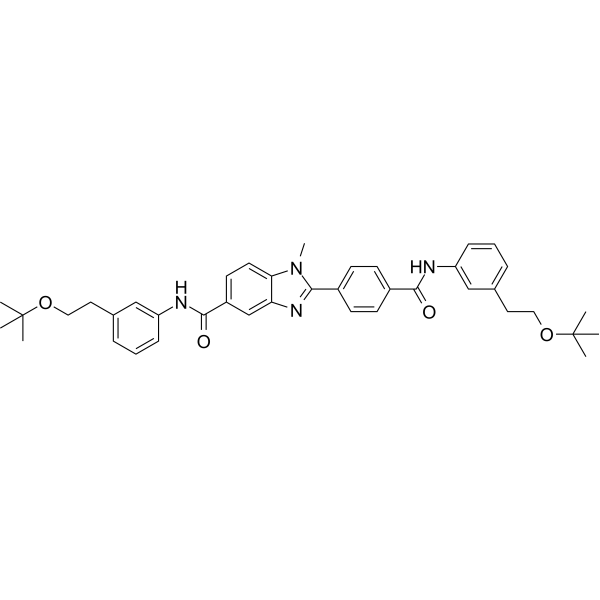
    PROTAC IRAK4 degrader-8 (Compound 2) is a PROTAC IRAK4 degrader (IC50: 15.5 nM). PROTAC IRAK4 degrader-8 degrades IRAK4 in THP-1 cells (DC50: 1.8 nM)。PROTAC IRAK4 degrader-8 also inhibits L-6 production in human whole blood and LPS-induced human PBMC cells, with IC50s of 246 nM and 2.2 nM respectively .
    PROTAC IRAK4 degrader-8
  • HY-101041

    (E)-Tyrphostin AG 556

    EGFR Inflammation/Immunology
    (E)-AG 556 is a highly selective EGFR inhibitor and also blocks LPS-induced TNF-α production .
    (E)-AG 556
  • HY-N8631

    Acetylschisantherin L

    NO Synthase Inflammation/Immunology
    O-Acetylschisantherin L (Acetylschisantherin L) is a natural lignan, which exhibits inhibitory effects on LPS-induced NO production in BV-2 cells with an IC50 of 23.1 μM .
    O-Acetylschisantherin L
  • HY-N7697C

    Toll-like Receptor (TLR) Interleukin Related Reactive Oxygen Species (ROS) Cardiovascular Disease Metabolic Disease Inflammation/Immunology
    Chitohexaose hexahydrochloride is a small molecular polysaccharide. Chitohexaose hexahydrochloride inhibits the binding of AgW to TLR4. Chitohexaose hexahydrochloride upregulates IL-10, inhibits LPS-induced upregulation of ROS, induces alternative activation of macrophages/monocytes, and suppresses LPS-induced production of TNF-α, IL-1β and IL-6. Chitohexaose hexahydrochloride reverses the mortality of mice challenged with APAP or LPS. Chitohexaose hexahydrochloride can be used in research related to Acetaminophen (HY-66005)-induced hepatotoxicity and endotoxemia .
    Chitohexaose hexahydrochloride
  • HY-118160

    NSC 73233

    NO Synthase Drug Derivative IKK NF-κB HDAC Reactive Oxygen Species (ROS) AMPK mTOR PI3K Akt Autophagy Apoptosis Cardiovascular Disease Infection Neurological Disease Inflammation/Immunology Cancer
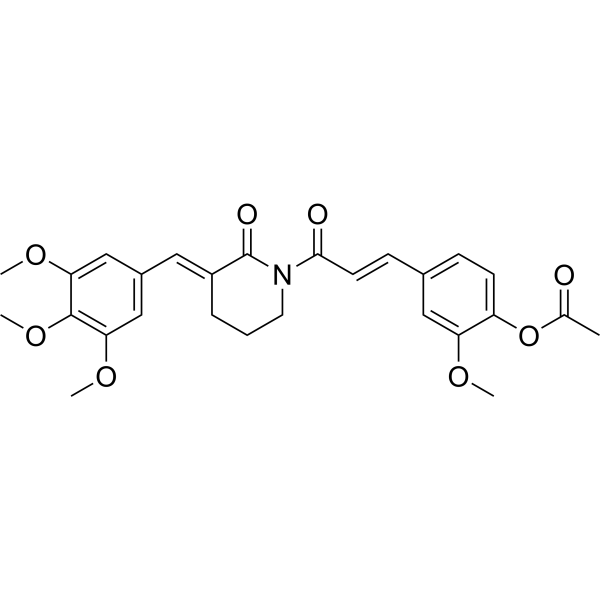
    PPM-18 (NSC 73233) is a Vitamin K (HY-B2172) analog. PPM-18 prevents LPS-induced IκBα degradation, thereby inhibiting NF-κB activation and nuclear translocation of NF-κB. PPM-18 inhibits LPS-induced nitrite production and iNOS expression. PPM-18 inhibits HDAC6. PPM-18 induces ROS accumulation, activates AMPK, inhibits the mTORC1 and PI3K/AKT pathways, initiates Autophagy, and induces Apoptosis. PPM-18 suppresses seizures in zebrafish and mouse epilepsy models. PPM-18 prevents LPS-induced lethal toxicity and delayed hypotension. PPM-18 exhibits anticancer activity against leukemia and bladder cancer. PPM-18 can be used in research related to septic shock, bladder cancer and atherosclerosis .
    PPM-18
  • HY-18759

    p38 MAPK TNF Receptor Inflammation/Immunology
    BMS-751324 is a p38α MAPK inhibitor. BMS-751324 equips a precursor of carbamyl-methyl linkage, containing esters and phosphate functional groups derived from hydroxyphenylacetic acid (HPA). BMS-751324 effectively inhibits foot swelling and LPS-induced TNFα production in an arthritic rat model .
    BMS-751324
  • HY-N13184

    TNF Receptor Inflammation/Immunology
    Giraldoid B is an active ingredient that can be isolated from Girald Daphne Bark. Giraldoid B can inhibit LPS induced NO and b>TNF-α production in RAW264.7 and has anti-inflammatory activity .
    Giraldoid B
  • HY-N3392

    NO Synthase Inflammation/Immunology
    Lethedoside A is a natural flavonoid that shows inhibitory activity for LPS-induced NO production in RAW 264.7 cells .
    Lethedoside A
  • HY-N1317

    Others Neurological Disease
    Salirepin is a phenolic glycoside from fruits of Idesia polycarpa, inhibits LPS-induced nitric oxide production .
    Salirepin
  • HY-N8427

    NO Synthase Inflammation/Immunology
    Bisacurone is a natural terpenoid, exhibits inhibitory activities on LPS-induced NO production with an IC50 of 29.8 μM .
    Bisacurone
  • HY-N12042

    TNF Receptor PI3K Reactive Oxygen Species (ROS) Interleukin Related Inflammation/Immunology
    Taxamairin B is a potent anti-inflammatory agent. Taxamairin B decreases proinflammatory cytokines (TNF-α, IL-1β and IL-6) expression and the production of NO and ROS in LPS-induced RAW264.7 cells. Taxamairin B exhibits significant protective effects in LPS-induced acute lung injury in mice .
    Taxamairin B
  • HY-P10159

    Bacterial Infection
    Diplacol ia a natural compound from from Mimulus clevelandi and shows potent inhibitory activities against lipopolysaccharide (LPS)-induced nitric oxide production .
    DJK-5
  • HY-N12693

    Others Inflammation/Immunology
    Isobiflorin is an anti-inflammatory agent and can be isolated from Syzygium aromaticum. Isobiflorin inhibits LPS-induced PGE2 production with an IC50 value of 46.0 μM .
    Isobiflorin
  • HY-N8104

    Others Inflammation/Immunology
    15a-Hydroxy-3,11,23-trioxo-lanost-8,20-dien-26-oic acid, a Lanostane triterpenoid, possesses NO production inhibitory activities of LPS-induced microglia .
    15a-Hydroxy-3,11,23-trioxo-lanost-8,20-dien-26-oic acid
  • HY-N12283

    NF-κB Inflammation/Immunology
    NF-κB-IN-13 (compound 12) can significantly inhibit LPS-induced NF-κB activation and NO production in RAW264.7 macrophages. NF-κB-IN-13 has anti-inflammatory effects .
    NF-κB-IN-13
  • HY-120299

    TNF Receptor Inflammation/Immunology
    KC01 is an effective inhibitor of ABHD16A, with IC50s of 90 nM for hABHD16A and 520 nM for mABHD16A. KC01 significantly reduces lyso-PSs, and decreases lyso-PS and LPS-induced cytokine production in mouse macrophages .
    KC01
  • HY-N9866

    Others Inflammation/Immunology
    It is a bioactive compound with anti-inflammatory activity that inhibits LPS-induced NO production in RAW 264.7 cells and acts by inhibiting the phosphorylation of MAPK (ERK, JNK and p38) and NF-κB p65. Grasshopper ketone, as an ingredient, has shown its potential in anti-inflammatory inhibition .
    Grasshopper ketone
  • HY-120041

    IRAK Cancer
    ND-2158 is a competitive IRAK4 inhibitor, with the Ki of 1.3 nM. ND-2158 suppresses LPS-induced TNF production in human white blood cells, alleviated collagen-induced arthritis, and blocked gout formation in mouse models. ND-2158 has antitumor activity in vivo .
    ND-2158
  • HY-151921

    p38 MAPK Inflammation/Immunology
    Anti-inflammatory agent 33 is a potent p38α inhibitor. Anti-inflammatory agent 33 inhibits NO production. Anti-inflammatory agent 33 inhibits LPS-induced iNOS, COX-2, p-p38α, p-MK2 protein expression. Anti-inflammatory agent 33 shows anti-inflammatory activity .
    Anti-inflammatory agent 33
  • HY-150733

    IRAK Inflammation/Immunology
    IRAK4-IN-19 is a potent interleukin-1 receptor-associated kinase 4 (IRAK4) inhibitor with an IC50 value of 4.3 nM. IRAK4-IN-19 can inhibit LPS-induced IL23 production in THP and DC cells, and stop arthritis development in arthritis rats. IRAK4-IN-19 can be used for researching arthritis disease .
    IRAK4-IN-19
  • HY-172977

    Cathepsin NO Synthase TNF Receptor Neurological Disease Inflammation/Immunology
    FGA139 is a cysteine proteases inhibitor with IC50 values of 4.98/3.14 μM for cathepsin B/L. FGA139 reduces LPS-induced NO production in RAW264.7 cells and tumor necrosis factor (TNFα) levels in microglia, and has anti-oxidative stress and anti-inflammatory activities. FGA139 promotes the secretion of neuroprotective metabolites purine and linoleic acid by LPS-stimulated microglia. FGA139 can be used in neuroinflammatory diseases research .
    FGA139
  • HY-117622

    IRAK Inflammation/Immunology Cancer
    ND-2110 is a selective IRAK4 inhibitor (Ki: 7.5 nM). ND-2110 binds to the ATP pocket of IRAK4. ND-2110 targets the subset of activated B cell-like (ABC) subtype of diffuse large B cell lymphoma (DLBCL) cell lines with MYD88 L265P mutations,. ND-2110 inhibits LPS-induced TNF production, alleviates collagen-induced arthritis, and blocks gout formation in mouse models .
    ND-2110
  • HY-P11250

    Bacterial NO Synthase Interleukin Related Reactive Oxygen Species (ROS) Toll-like Receptor (TLR) ERK JNK p38 MAPK Infection Inflammation/Immunology
    HVF18-a3-d is an antimicrobial peptide. HVF18-a3-d reduces NO production. HVF18-a3-d inhibits the production of TNF-α and IL-6, reduces ROS production, and suppresses the TLR4 signaling pathway, as well as LPS-induced phosphorylation of ERK, JNK, and p38 MAPK. HVF18-a3-d exhibits antimicrobial activity against a variety of bacteria by disrupting their outer and inner membranes. HVF18-a3-d protects mice from fatal septic shock induced by Acinetobacter baumannii resistant to Carbapenem. HVF18-a3-d shows anti-inflammatory and antioxidant effects .
    HVF18-a3-d
  • HY-N1330

    NO Synthase Inflammation/Immunology
    Rubranol is an inhibitor of NO Synthase. Rubranol inhibits LPS-induced NO production in activated macrophages with 74% inhibition .
    Rubranol
  • HY-N2053

    NO Synthase Endogenous Metabolite Inflammation/Immunology
    Physalin L inhibits LPS-induced NO production in macrophages with the average inhibitory rate of 70.97%. Anti-inflammatory activity .
    Physalin L
  • HY-117601

    FXR NO Synthase Inflammation/Immunology
    11-Deoxyalisol B, a triterpene, shows the potent inhibitory activity on Lipopolysaccharide (LPS)-induced nitric oxide (NO) production .
    11-Deoxyalisol B

온라인 문의

Your information is safe with us. * Required Fields.

호칭


Country or Region *

고객명 *


회사명 *

Department *


메일주소 *


상품명 *

Cat. No.


Requested quantity *

전화번호 *


비고

온라인 문의

Inquiry Information

상품명:
Cat. No.:
수량:
MCE Japan Authorized Agent:

