From 11:00 pm to 12:00 pm EST ( 8:00 pm to 9:00 pm PST ) on January 6th, the website will be under maintenance. We are sorry for the inconvenience. Please arrange your schedule properly.
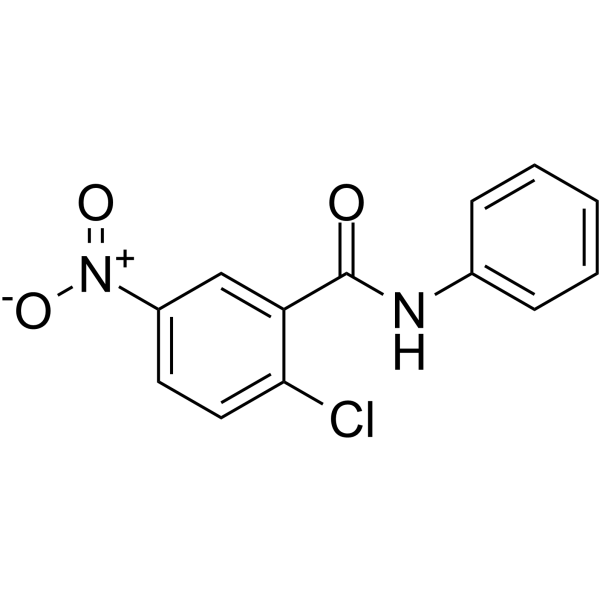
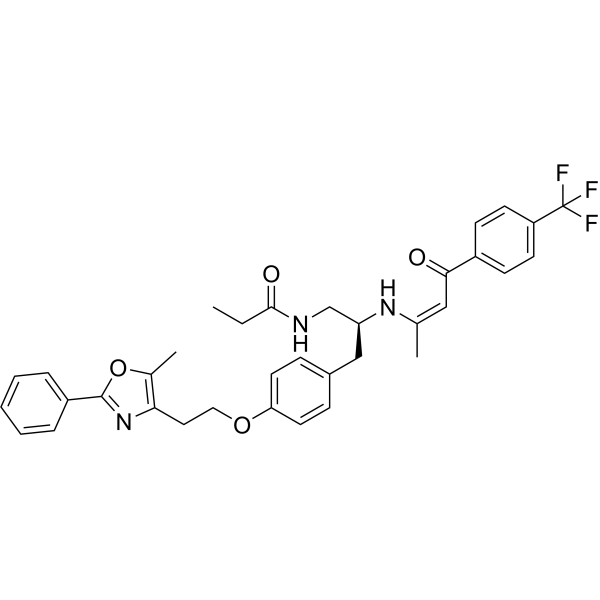
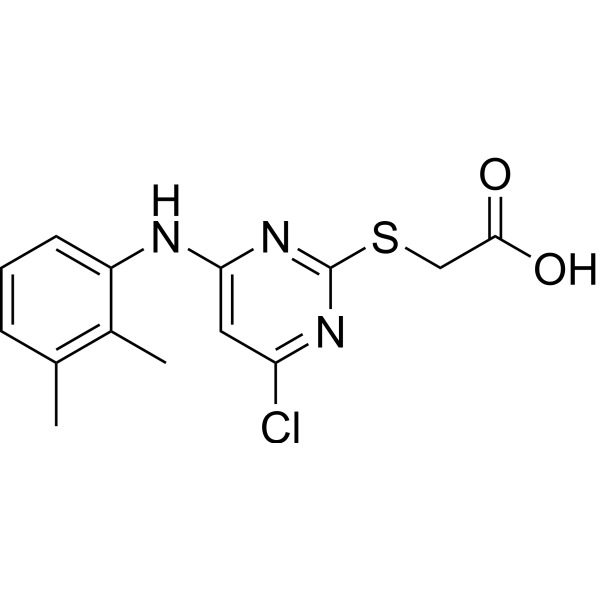
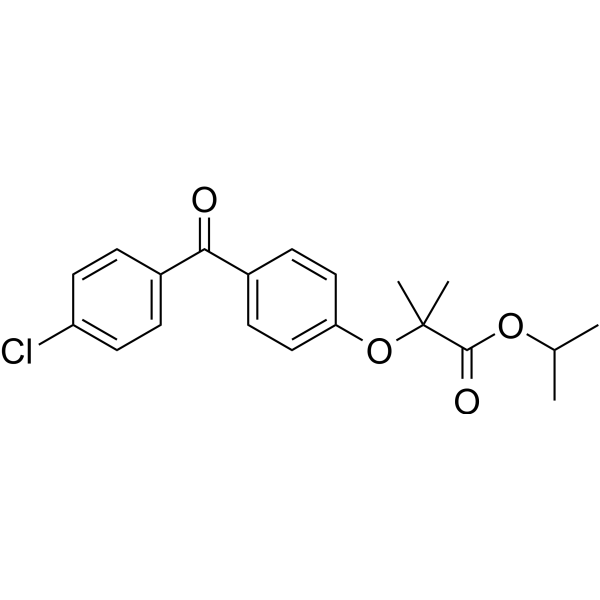
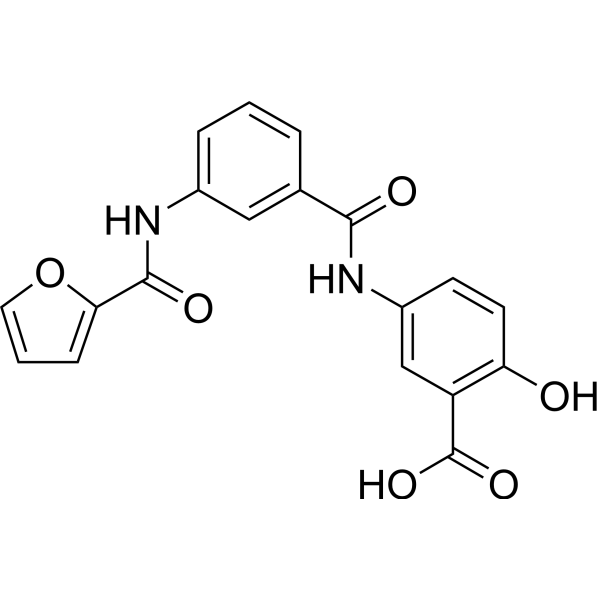
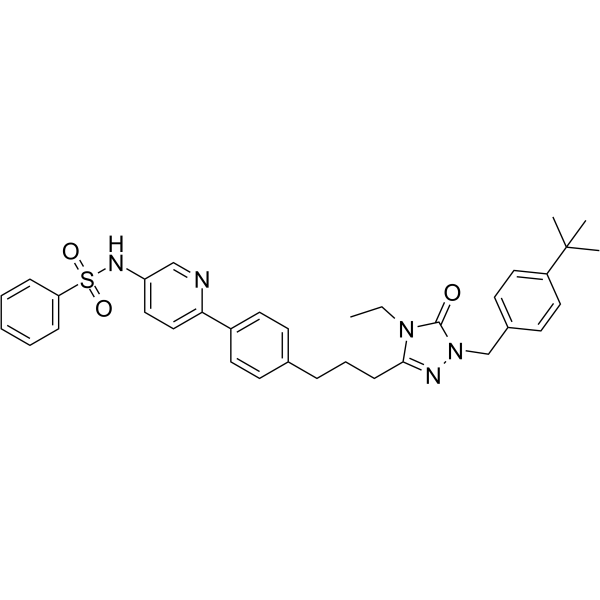
GW6471 is a selective peroxisome proliferator-activated receptor α(PPARα) antagonist. GW6471 reduces cancer stem cell viability, proliferation, and spheroid formation. GW6471 induces apoptosis and causes metabolic impairment including energy imbalance. GW6471 can be used for the research of paragangliomas and triple-negative breast cancer .
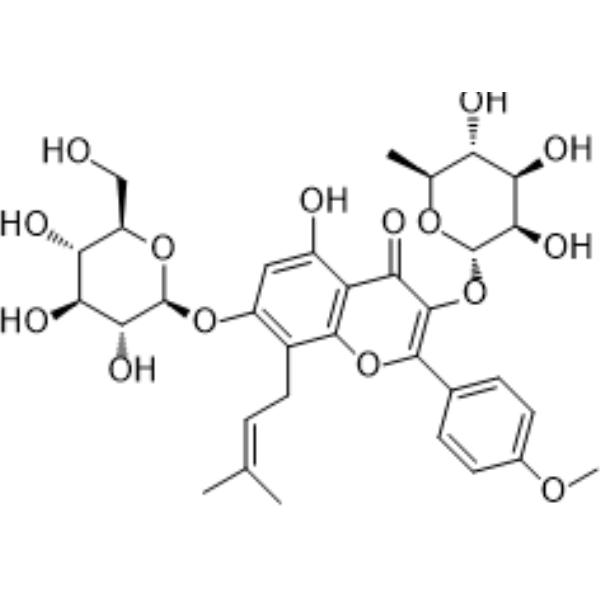
Icariin is a flavonol glycoside. Icariin inhibits PDE5 and PDE4 activities with IC50s of 432 nM and 73.50 μM, respectively. Icariin also is a PPARα activator.
Pirinixic acid (Wy-14643) is a potent agonist of PPARα, with EC50s of 0.63 μM, 32 μM for murine PPARα and PPARγ, and 5.0 μM, 60 μM, 35 μM for human PPARα, PPARγ and PPARδ, respectively.
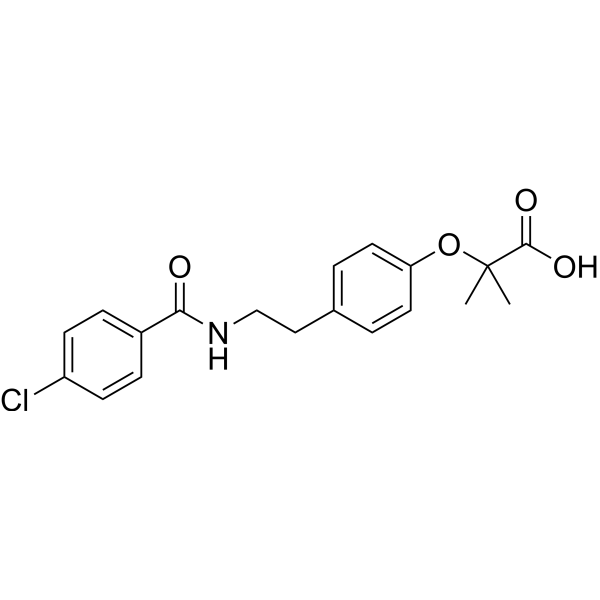
Bezafibrate is an agonist of PPAR, with EC50s of 50 μM, 60 μM, 20 μM for human PPARα, PPARγ and PPARδ, and 90 μM, 55 μM, 110 μM for murine PPARα, PPARγ and PPARδ, respectively; Bezafibrate is used as an hypolipidemic agent.
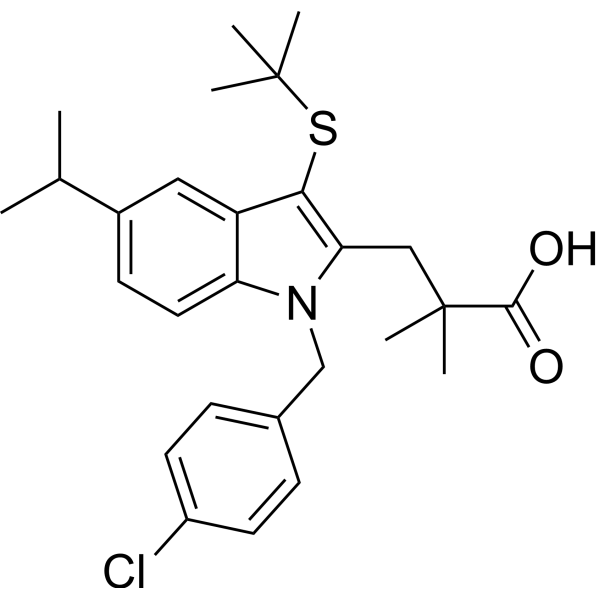
MK-886 (L 663536) is a potent, cell-permeable and orally active FLAP (IC50 of 30 nM) and leukotriene biosynthesis (IC50s of 3 nM and 1.1 μM in intact leukocytes and human whole blood, respectively) inhibitor. MK-886 is also a non-competitive PPARα antagonist and can induce apoptosis .
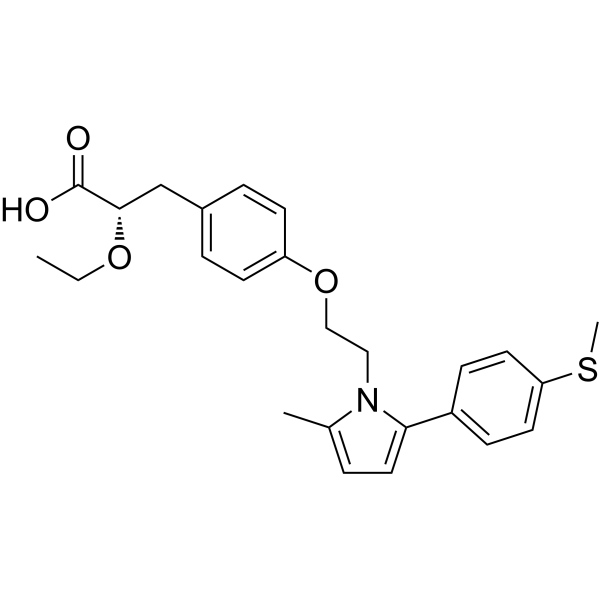
Tesaglitazar is a dual-target PPARα/γ agonist with an EC50 of 13.4 μM for rat PPARα and 3.6 μM for human PPARα. Tesaglitazar affects lipid and glucose metabolism by activating PPARα and PPARγ receptors, and has the potential to improve blood sugar and relieve pain. Tesaglitazar can be used to induce in vivo tumor models and can be used in the study of type 2 diabetes, dyslipidemia, and neuropathic pain .
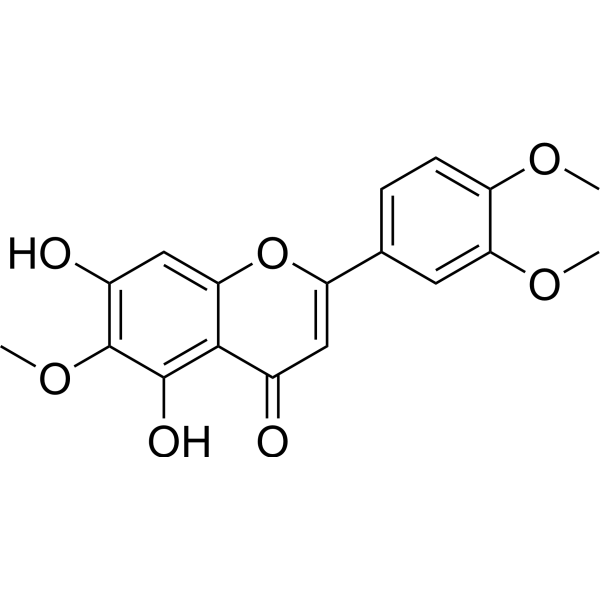
Eupatilin, a lipophilic flavonoid isolated from Artemisia argyi Lévl. et Van., is a PPARα agonist, and possesses anti-apoptotic, anti-oxidative and anti-inflammatory activities.
Bilobetin, an active component of Ginkgo biloba, can reduce blood lipids and improve the effects of insulin. Bilobetin ameliorated insulin resistance, increased the hepatic uptake and oxidation of lipids, reduced very-low-density lipoprotein triglyceride secretion and blood triglyceride levels, enhanced the expression and activity of enzymes involved in β-oxidation and attenuated the accumulation of triglycerides and their metabolites in tissues. Bilobetin also increased the phosphorylation, nuclear translocation and activity of PPARα accompanied by elevated cAMP level and PKA activity .
Perfluoro (2-methyl-3-oxahexanoic) acid (HFPO-DA) is an orally active PPARα agonist with an EC50 of 2.1 μM for human PPARα. Perfluoro (2-methyl-3-oxahexanoic) acid induces peroxisome proliferation and increases the levels of proinflammatory mediators. It impairs intestinal barrier function and disrupts cecal flora balance. Perfluoro (2-methyl-3-oxahexanoic) acid is applicable to research related to developmental toxicity, hepatotoxicity and intestinal toxicity .
Raspberry ketone is a major aromatic compound of red raspberry, widely used as a fragrance in cosmetics and as a flavoring agent in foodstuff; also shows PPAR-α agonistic activity.
NXT629 is a potent, selective, and competitive PPAR-α antagonist, with an IC50 of 77 nM for human PPARα, shows high selectivity over other nuclear hormone receptor, such as PPARδ, PPARγ, ERβ, GR and TRβ, IC50s are 6.0, 15, 15.2, 32.5 and >100 μM, respectively . NXT629 has potent anti-tumor activity and inhibits experimental metastasis of cancer cell in animal models .
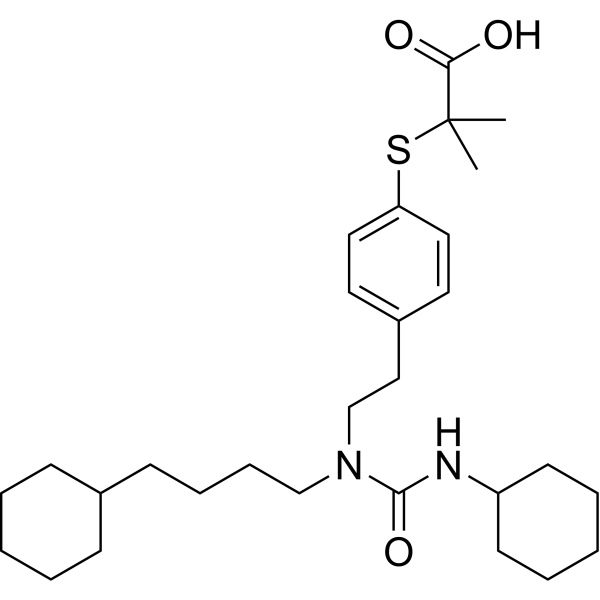
CUDA is a potent inhibitor of soluble epoxide hydrolase (sEH), with IC50s of 11.1 nM and 112 nM for mouse sEH and human sEH, respectively . CUDA selectively increases peroxisome proliferator-activated receptor (PPAR) alpha activity. CUDA may be valuable for the research of cardiovascular disease .
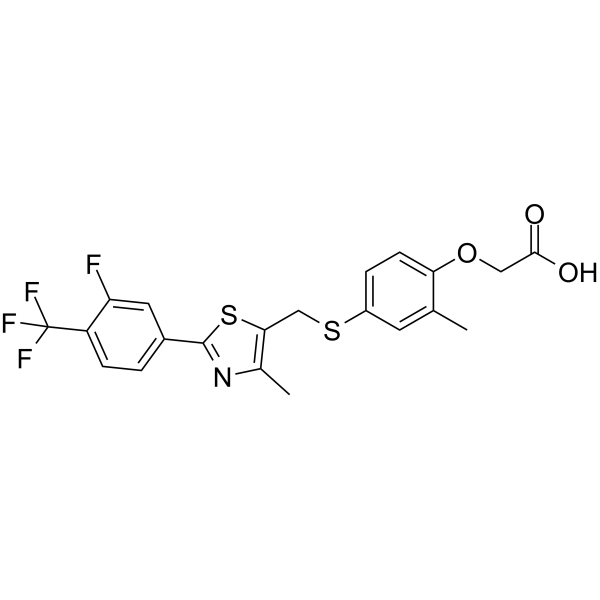
BMS-687453 is a potent and selective PPARα agonist, with an EC50 and IC50 of 10 nM and 260 nM for human PPARα and 4100 nM and >15000 nM for PPARγ in PPAR-GAL4 transactivation assays.
Perfluorononanoic acid (PFNA) is an orally active PPARα activator. Perfluorononanoic acid activates PPARα-mediated gene expression, including upregulating target genes associated with lipid metabolism and triglyceride storage. Perfluorononanoic acid exhibits certain developmental and reproductive toxicity. Perfluorononanoic acid causes hepatomegaly in pregnant mice, induces high postnatal mortality in neonatal mice, and leads to dose-dependent delays in eye-opening time and puberty onset in mouse offspring .
LY518674 is a potent, selective PPARα agonist, with an EC50 of 42 nM for human PPARα. LY518674 reduces triglycerides in and increased HDL-C and is used for the treatment of atherosclerosis .
GW 590735 is a potent and selective PPARα agonist. GW 590735 showsEC50=4 nM on PPARα and at least 500-fold selectivity versus PPARδ and PPARγ. GW 590735 can be used for the research of dyslipidemia .
Methyl dehydroabietate is an orally active resin acid. Methyl dehydroabietate disrupts microbial cell walls and exhibits significant antibacterial activity. Methyl dehydroabietate induces the expression of PPARα in the liver and PPARγ in adipose tissue, and promotes adipocyte differentiation. Methyl dehydroabietate improves insulin resistance, reduces TNFα levels, and alleviates adipocyte hypertrophy and hepatic steatosis in obese mice. Methyl dehydroabietate can be used in research related to obesity, insulin resistance and hepatic steatosis .
Ragaglitazar is a PPARα and PPARγ agonist with potent lipid-lowering and insulin-sensitizing efficacy in animal models. Ragaglitazar improves glycemic control and lipid profile in type 2 diabetic.
PPARα/γ agonist 1 (compound 5b) is a potent and dual PPARα/γ partial agonist with EC50 values of 28 nM and 69 nM for PPARα and PPARγ, respectively. PPARα/γ agonist 1 is a promising prototype for dyslipidemia and diabetes research .
CP-775146 is a selective PPARα agonist (Ki of 24.5 nM) that binds strongly to the PPARα ligand. CP-775146 has no observable affinity for PPARβ and PPARγ.CP-775146 shows hypolipidemic activity. CP-775146 efficiently alleviates obesity-induced liver damage, prevents lipid accumulation by activating the liver fatty acid β-oxidation pathway .
AM3102 is an oleoylethanolamide (OEA) analog. AM3102 is an endogenous high-affinity PPAR-alpha agonist. AM3102 resists enzymatic hydrolysis, activates PPAR-alpha with high potency in vitro, and persistently reduces feeding when administered in vivo either parenterally or orally .
9 (10)-Nitrooleate (9(10)-Nitrated oleic acid) is an endogenous lipid signaling mediator with vasoprotective effects. 9 (10)-Nitrooleate enhances enzymatic activity and improves nitric oxide bioavailability by inducing phosphorylation of Akt and ERK1/2, regulating the multi-site phosphorylation status of eNOS and optimizing its interaction with Hsp90. 9 (10)-Nitrooleate also activates PPARα, PPARδ and PPARγ receptors, thereby regulating adipogenesis, glucose uptake and inflammation-related gene expression, and exhibits immunosuppressive effects by inhibiting neutrophil migration and cytokine secretion. 9 (10)-Nitrooleate is widely used in studies of sepsis and related inflammatory diseases .
Oleoylethanolamide-d4 is the deuterium labeled Oleoylethanolamide. Oleoylethanolamide is a high affinity endogenous PPAR-α agonist, which plays an important role in the treatment of obesity and arteriosclerosis.
Oleoylethanolamide-d2 is the deuterium labeled Oleoylethanolamide. Oleoylethanolamide is a high affinity endogenous PPAR-α agonist, which plays an important role in the treatment of obesity and arteriosclerosis.
PPARα/δ agonist 1 is a potent PPARα/PPARδ dual agonist (PPARαEC50=7.0 nM; PPARδ EC50=8.4 nM). PPARα/δ agonist 1 is a high selectivity over PPARγ (PPARγ EC50=1316.1 nM). PPARα/δ agonist 1 has the potential for the research of nonalcoholic steatohepatitis .
9(S)-HOTrE is a PPARα activator and an inducer of apolipoprotein A-I (apoA-I) mRNA expression. 9(S)-HOTrE upregulates the expression of PPARα target gene CPT1α. 9(S)-HOTrE can be used in the research of cardiovascular diseases .
AZD4619 is an orally active, selective peroxisome proliferator-activated receptor α (PPARα) agonist. AZD4619 increases alanine aminotransferase 1 (ALT1) protein expression in a dose-dependent manner in human, but not in rat primary hepatocytes. AZD4619 is a lipid-lowering drug .
(10E,12E)-9-Oxo-10,12-octadecadienoic acid (9-oxo-ODA) is a PPARα agonist that can be isolated from the basidiomycete Gomphus floccosus. (10E,12E)-9-Oxo-10,12-octadecadienoic acid enhances fatty acid oxidation through PPARα activation, thereby inhibiting triglyceride accumulation. (10E,12E)-9-Oxo-10,12-octadecadienoic acid also has antifungal (Fungal) activity .
Bezafibrate-d6 is the deuterium labeled Bezafibrate. Bezafibrate is an agonist of PPAR, with EC50s of 50 μM, 60 μM, 20 μM for human PPARα, PPARγ and PPARδ, and 90 μM, 55 μM, 110 μM for murine PPARα, PPARγ and PPARδ, respectively; Bezafibrate is used as an hypolipidemic agent.
Oleoylethanolamide (Standard) is the analytical standard of Oleoylethanolamide. This product is intended for research and analytical applications. Oleoylethanolamide is a high affinity endogenous PPAR-α agonist, which plays an important role in the treatment of obesity and arteriosclerosis.
PPARα agonist 2 (compound 4u) is a potent and selective PPARα agonist with an EC50 of 37 nM. PPARα agonist 2 exhibits >2,700-fold selectivity for PPARα over other PPAR isoforms. PPARα agonist 2 has the potential for retinal disorders research .
KRP-105 is a potent, highly selective, and orally effective PPAR alpha (EC50 = 8 nM) agonist. KRP-105 can significantly reduce serum triglyceride, total cholesterol, and non high density lipoprotein cholesterol levels. KRP-105 can be used for research on metabolic diseases such as dyslipidemia .
Cevoglitazar (LBM-642) is an orally active and highly potent PPARα and PPARγ dual agonist. Cevoglitazar can reduce food intake, body weight, and fasting plasma insulin in obese mice and cynomolgus monkeys. Cevoglitazar has the potential for diabetes and obesity-related disorders research .
CUDA disodium is a potent inhibitor of soluble epoxide hydrolase (sEH), with IC50s of 11.1 nM and 112 nM for mouse sEH and human sEH, respectively . CUDA disodium selectively increases peroxisome proliferator-activated receptor (PPAR) alpha activity. CUDA disodium may be valuable for the research of cardiovascular disease .
Clofibrate (Standard) is the analytical standard of Clofibrate. This product is intended for research and analytical applications. Clofibrate is an agonist of PPAR, with EC50s of 50 μM, ~500 μM for murine PPARα and PPARγ, and 55 μM, ~500 μM for human PPARα and PPARγ, respectively.
NS-220 is an orally active PPARα agonist with high subtype selectivity, with EC50 values of 1.9×10 -8 M, 9.6×10 -6 M and >10 -4 M for PPARα, PPAR γ and PPARδ, respectively. NS-220 is used in the research for hyperlipidemia or metabolic disorders in type-2 diabetes .
MK-886 (L 663536) sodium salt is a potent, cell-permeable and orally active FLAP (IC50 of 30 nM) and leukotriene biosynthesis (IC50s of 3 nM and 1.1 μM in intact leukocytes and human whole blood, respectively) inhibitor. MK-886 sodium salt is also a non-competitive PPARα antagonist and can induce apoptosis .
MK-886 (Standard) is the analytical standard of MK-886. This product is intended for research and analytical applications. MK-886 (L 663536) is a potent, cell-permeable and orally active FLAP (IC50 of 30 nM) and leukotriene biosynthesis (IC50s of 3 nM and 1.1 μM in intact leukocytes and human whole blood, respectively) inhibitor. MK-886 is also a non-competitive PPARα antagonist and can induce apoptosis .
ESP-31015 (ETC-1001) is an orally active and non-fibrate based PPARα agonists. ESP-31015 demonstrates significant lipid-regulating effects in the obese Zucker rat model. ESP-31015 can be used in cardiovascular disease research .
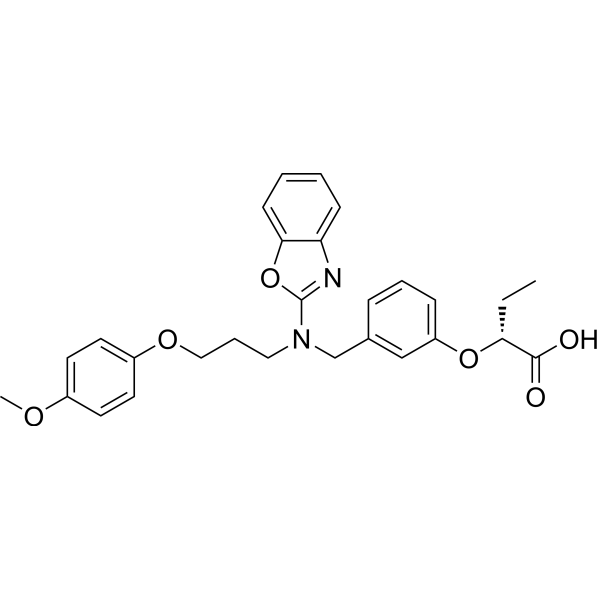
Pemafibrate racemate (K13675 racemate) is the racemate of pemafibrate, and activates PPARα activity, with EC50s of 1 nM, >10 μM and 1.7 μM for h-PPARα, h-PPARγ and h-PPARδ, respectively.
GW409544 is a potent PPARα and PPARγ activator, with EC50 values of 2.3 nM and 0.28 nM for PPARα and PPARγ, respectively. GW409544 can be used for the research of metabolic and cardiovascular diseases .
Sitofibrate is a Clofibrate (HY-B0287) derivative. Sitofibrate is aperoxisome proliferator activated receptor-α (PPAR-α) agonist. Sitofibrate is an antihyperlipidemic agent .
PPARα agonist 4 (compound BH400) is a PPARα agonist (EC50= 1.2 μM). PPARα agonist 4 also inhibits STING (IC50: 8.1 μM). PPARα agonist 4 reduces the CoCl2-induced production of ROS and LPS-induced secretion of IL-6. The PPARα agonist 4 restores the decreased expression of PCG1α induced by LPS .
PPARα agonist 5 is an orally available, selective partial agonist of PPARα (EC50: 3 nM). PPARα agonist 5 reduces lipid accumulation and upregulates key PPARα target genes, exerting anti-fatty liver effects. PPARα agonist 5 also exhibits significant hypolipidemic and hypoglycemic effects through partial PPARγ agonist activity and mild inhibition of protein tyrosine phosphatase 1B (PTP1B) (IC50: 79.1 μM). PPARα agonist 5 has a good safety profile and can be used in the study of type 2 diabetes with dyslipidemia .
PPARα/δ agonist 2 (compound 14) is a potent PPARα and PPARδ agonist with EC50s of 3255 nM and 1475 nM for human PPARα and PPARβ/δ, respectively. PPARα/δ agonist 2 shows anti-inflammatory effects .
PPARα/γ agonist 2 is an orally active PPARα full agonist and PPARγ partial agonist. PPARα/γ agonist 2 activates PPARα and PPARγ with EC50 values of 0.95 μM and 0.91 μM respectively. PPARα/γ agonist 2 is also a PTP1B inhibitor. PPARα/γ agonist 2 is an anti-diabetic agent .
PPARα/δ agonist 3 (Compound 8) is the orally active agonist for PPAR, that activates PPARα, PPARδ and PPARγ with EC50s of 5.6, 3.4 and 1278 nM, respectively. PPARα/δ agonist 3 exhibits anticholestatic activity in mouse ANIT- or CDCA (HY-76847)-induced cholestatic liver disease models .
PPARα/γ agonist 4 (Compound (S)-7) is an orally active dual potent agonist of PPARα and PPARγ, with EC50 values of 0.061 μM and 1.42 μM respectively. PPARα/γ agonist 4 acts through an insulin-independent mechanism and exhibits mitochondrial pyruvate carrier inhibition and anti-diabetic properties. PPARα/γ agonist 4 is expected to be used in research for dyslipidemic type 2 diabetes .
PPAR agonist 6 (compound 5a) is an agonist of PPAR with EC50 values of 3.6 μM, 2.6 μM, and 2.7 μM for PPARα, PPARβ/δ, and PPARγ, respectively. PPAR agonist 6 represses the transactivation of the TNFα-dependent NF-κB-driven reporter in L929 cells .
CP-868388 free base is a potent, selective and orally active PPARα agonist with a Ki value of 10.8 nM. CP-868388 free base has little or no affinity for PPARβ (Ki of 3.47 μM) and PPARγ. CP-868388 free base has hypolipidemic and anti-inflammatory actions .
(E/Z)-Oleamide (Octadec-9-enamide) is a PPARα ligand in hippocampal nuclei. (E/Z)-Oleamide can be isolated from plant Galium aparine L. (GA). (E/Z)-Oleamide controls hippocampal plasticity via transcriptional activation of CREB, and regulates feeding and sexual behavior in rats .
Bilobetin (Standard) is the analytical standard of Bilobetin. This product is intended for research and analytical applications. Bilobetin, an active component of Ginkgo biloba, can reduce blood lipids and improve the effects of insulin. Bilobetin ameliorated insulin resistance, increased the hepatic uptake and oxidation of lipids, reduced very-low-density lipoprotein triglyceride secretion and blood triglyceride levels, enhanced the expression and activity of enzymes involved in β-oxidation and attenuated the accumulation of triglycerides and their metabolites in tissues. Bilobetin also increased the phosphorylation, nuclear translocation and activity of PPARα accompanied by elevated cAMP level and PKA activity .
Pirinixic acid (Standard) is the analytical standard of Pirinixic acid. This product is intended for research and analytical applications. Pirinixic acid (Wy-14643) is a potent agonist of PPARα, with EC50s of 0.63 μM, 32 μM for murine PPARα and PPARγ, and 5.0 μM, 60 μM, 35 μM for human PPARα, PPARγ and PPARδ, respectively.
Clofibrate-d4 is the deuterium labeled Clofibrate. Clofibrate is an agonist of PPAR, with EC50s of 50 μM, ∼500 μM for murine PPARα and PPARγ, and 55 μM, ∼500 μM for human PPARα and PPARγ, respectively.
GW9820 is PPARα and PPARγ activator (EC50s: 0.37 μM for PPARα; 0.288 μM for PPARγ). GW9820 increases CLA-1. GW9820 can be used in the research of atherosclerosis .
GW7647 (Standard) is the analytical standard of GW7647. This product is intended for research and analytical applications. GW7647 is a potent PPARα agonist, with EC50s of 6 nM, 1.1 μM, and 6.2 μM for human PPARα, PPARγ and PPARδ, respectively.
PPARα/γ agonist 3 (Compound 4) is a dual agonist of PPARα/γ. PPARα/γ agonist 3 has anti-inflammatory activity, significantly reducing inflammatory markers such as IL-6 and MCP-1 on THP-1 macrophages through NF-κB activation. PPARα/γ agonist 3 can be used in the study of metabolic syndrome and metabolic dysfunction-related fatty liver disease (MAFLD) .
PPARα/γ agonist 5 is a dual PPARα/γ agonist with significant biological activity exhibited at low concentrations. The EC50 of PPARα/γ agonist 5 are 0.358μM and 1.21μM respectively, showing its potential in inhibiting type 2 diabetes and lipid metabolism disorders. PPARα/γ agonist 5 was selected for clinical development due to its high efficacy .
BMS711939 is a selective agonist for peroxisome proliferator-activated receptor α (PPAR α), with EC50 of 4 nM and 4.5 μM, for human PPARα and human PPARγ. BMS711939 exhibits good pharmacokinetic characters in rats models. BMS711939 increases HDL cholesterol, reduces LDL cholesterol and triglycerides .
Bezafibrate-d4 is deuterium labeled Bezafibrate. Bezafibrate is an agonist of PPAR, with EC50s of 50 μM, 60 μM, 20 μM for human PPARα, PPARγ and PPARδ, and 90 μM, 55 μM, 110 μM for murine PPARα, PPARγ and PPARδ, respectively; Bezafibrate is used as an hypolipidemic agent.
TZD18 is a potent and orally active PPARα and PPARγ dual agonist with IC50 values of 0.028, 0.057, >10 µM for PPARα, PPARγ, PPARδ, respectively. TZD18 reduces plasma levels of both glucose and triglycerides in diabetic mice. TZD18 has the potential for the research of type 2 diabetes .
PPARα/γ/δ agonist 1 (Compound 2) is a potent PPARα/γ/δ agonist, with an IC50 of 70 nM for PPARγ. PPARα/γ/δ agonist 1 can be used for the research of type 2 diabetes .
Bezafibrate (Standard) is the analytical standard of Bezafibrate. This product is intended for research and analytical applications. Bezafibrate is an agonist of PPAR, with EC50s of 50 μM, 60 μM, 20 μM for human PPARα, PPARγ and PPARδ, and 90 μM, 55 μM, 110 μM for murine PPARα, PPARγ and PPARδ, respectively; Bezafibrate is used as an hypolipidemic agent.
Bezafibrate- 13C6 (BM15075- 13C6) is 13C labeled Bezafibrate. Bezafibrate is an agonist of PPAR, with EC50s of 50 μM, 60 μM, 20 μM for human PPARα, PPARγ and PPARδ, and 90 μM, 55 μM, 110 μM for murine PPARα, PPARγ and PPARδ, respectively; Bezafibrate is used as an hypolipidemic agent.
Pemafibrate (Standard) is the analytical standard of Pemafibrate. This product is intended for research and analytical applications. Pemafibrate is a highly selective PPARα agonist, with an EC50 of 1 nM.
Peroxisome proliferator-activated receptors (PPARs) play an important role in regulating lipid and glucose metabolism, and oleoylethanolamide (OEA) is a natural ligand for PPARα. N-Octadecyl-N'-propyl-sulfamide is an analog of OEA and a potent activator of PPARα, with selective binding affinity for PPARα (EC50=100 nM, compared to 120 nM for OEA). N-Octadecyl-N'-propyl-sulfamide (10 mg/kg; ip) inhibits food intake and reduces body weight gain in rats. At a dose of 1 mg/kg, N-Octadecyl-N'-propyl-sulfamide induces satiety, thereby reducing food intake, body weight, and plasma triglyceride concentrations in free-feeding Wistar rats and obese Zucker (fa/fa) rats.
Reglitazar is an agonist for peroxisome proliferator-activated receptor α and β (PPAR α and PPAR β), which enhances insulin sensitivity, lowers blood glucose and regulates blood lipid levels .
PPARα/δ antagonist-1 is an orally active, highly selective dual antagonist of PPARα/δ, with IC50 values of 0.113 μM and 0.025 μM against human PPARα and PPARδ, respectively. PPARα/δ antagonist-1 exhibits an excellent in vitro activity profile and preliminary efficacy in mouse tumor models. PPARα/δ antagonist-1 can be used in studies related to cancers (melanoma metastasis, ovarian cancer) .
PPARα/δ agonist 4 is a potent orally active and selective dual peroxisome proliferator-activated receptor (PPAR)α/δ agonist with EC50s of 0.36 and 1.31 nM, respectively. PPARα/δ agonist 4 exhibits >123-fold selectivity over PPARγ (EC50 = 160.84 nM). PPARα/δ agonist 4 upregulates expression of downstream fatty acid oxidation genes PDK4, CPT1A, and ACADVL. PPARα/δ agonist 4 can be used for the research of metabolic dysfunction-associated steatohepatitis .
BGT-002 (326E) is an orally active dual ACLY inhibitor and PPARα agonist. BGT-002 reduces lipogenesis by inhibiting synthesis and promoting efflux. BGT-002 demonstrates efficacy in ameliorating metabolic dysfunction-associated steatohepatitis (MASH) and improving hyperlipidemia in vivo. BGT-002 can be used for hypercholesterolemia and MASH research .
BMS-687453 (Standard) is the analytical standard of BMS-687453 (HY-10678). This product is intended for research and analytical applications. BMS-687453 is a potent and selective PPARα agonist, with an EC50 and IC50 of 10 nM and 260 nM for human PPARα and 4100 nM and >15000 nM for PPARγ in PPAR-GAL4 transactivation assays.
GW 590735 (Standard) is the analytical standard of GW 590735 (HY-106278). This product is intended for research and analytical applications. GW 590735 is a potent and selective PPARα agonist. GW 590735 showsEC50=4 nM on PPARα and at least 500-fold selectivity versus PPARδ and PPARγ. GW 590735 can be used for the research of dyslipidemia .
ZINC08438472 is a potent and selective peroxisome proliferator activated receptors-α (PPAR-α) agonist with an EC50 value of 12.1 nM. ZINC08438472 is promising for research of diabetes, hyperlipidaemia and inflammatory disorders .
Saroglitazar is a novel peroxisome proliferator-activated receptor (PPAR) agonist with predominant PPARα and moderate PPARγ activity with EC50 values of 0.65 pM and 3 nM in HepG2 cells, respectively.
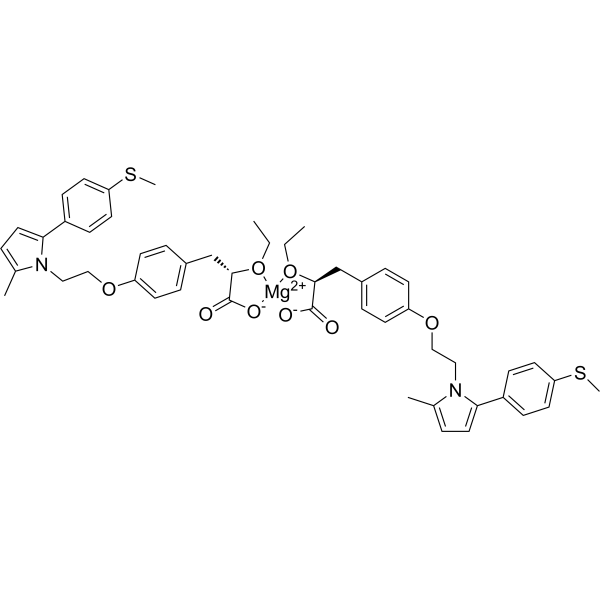
Saroglitazar magnesium is a novel peroxisome proliferator-activated receptor (PPAR) agonist with predominant PPARα and moderate PPARγ activity with EC50 values of 0.65 pM and 3 nM in HepG2 cells, respectively.
10-Hydroxystearic acid (10-HSA) is a PPARα agonist. 10-Hydroxystearic acid stimulates collagen synthesis. 10-Hydroxystearic acid is an anti-aging agent and reduces the appearance of pores and hyperpigmented lesions .
KRP-297 is a PPARα and PPARγ agonist potentially for the research of type 2 diabetes and dyslipidemia. KRP-297 restores reduced lipid oxidation, and inhibits of enhanced lipogenesis and triglyceride accumulation in the liver.
Romazarit (RO 31-3948) is an anti-inflammatory agent with antirheumatic effect. Romazarit exhibits PPARα agonist activity. Romazarit (30 mg/kg) inhibits the development of hindpaw inflammation in an adjuvant arthritis model .
Edaglitazone is a potent, selective and orally active PPARγ agonist, with EC50s of 35.6 nM and 1053 nM for PPARα and PPARγ, respectively. Edaglitazone displays antiplatelet, antidiabetic and anti-hyperglycemic activity .
MD001 is a PPARα/γ dual agonist and can increase the transcriptional activity of PPARα and PPARγ. MD001 enhances the expression of genes related to β-oxidation and fatty acid and glucose uptake .
CAY10514 is an aromatic of 8(S)-HETE. CAY10514 acts as a dual agonist of peroxisome proliferator-activated receptor α (PPARα) and PPARγ with IC50 of 0.173 and 0.642 μM, respectively .
KRP-101 is a compound that regulates the expression of genes related to lipid metabolism. It is a PPARα agonist that can highly sensitively regulate the expression of genes such as apolipoprotein A-IV, which may be related to lowering serum triglycerides and increasing HDL.
Muraglitazar is a PPAR α/γ dual agonist for the research of type 2 diabetes and associated dyslipidemia. Muraglitazar shows potent activity in vitro at human PPARα (EC50 = 320 nM) and PPARγ(EC50 = 110 nM) .
Eupatilin (Standard) is the analytical standard of Eupatilin. This product is intended for research and analytical applications. Eupatilin, a lipophilic flavonoid isolated from Artemisia argyi Lévl. et Van., is a PPARα agonist, and possesses anti-apoptotic, anti-oxidative and anti-inflammatory activities.
Ciprofibrate impurity A is an impurity of Ciprofibrate. Ciprofibrate (Win35833) is a potent peroxisome proliferator, increases the phosphorylation level of the PPARalpha .
Raspberry ketone (Standard) is the analytical standard of Raspberry ketone. This product is intended for research and analytical applications. Raspberry ketone is a major aromatic compound of red raspberry, widely used as a fragrance in cosmetics and as a flavoring agent in foodstuff; also shows PPAR-α agonistic activity.
LG100754 (UVI 2112) is a RXR dimers modulater. LG100754 acts as a RXR:RXR homodimer antagonist, but functions as a agonist towards RXR:PPARα and RXR:PPARγ heterodimers. LG100754 is an insulin sensitizer that functions through RXR .
GW0742 is a potent PPARβ and PPARδ agonist, with an IC50 of 1 nM for human PPARδ in binding assay, and EC50s of 1 nM, 1.1 μM and 2 μM for human PPARδ, PPARα, and PPARγ, respectively.
Icariin (Standard) is the analytical standard of Icariin. This product is intended for research and analytical applications. Icariin is a flavonol glycoside. Icariin inhibits PDE5 and PDE4 activities with IC50s of 432 nM and 73.50 μM, respectively. Icariin also is a PPARα activator.
Ertiprotafib is an inhibitor of PTP1B, IkB kinase β (IKK-β), and a dual PPARα and PPARβ agonist, with an IC50 of 1.6 μM for PTP1B, 400 nM for IKK-β, an EC50 of ~1 μM for PPARα/PPARβ.
GW9662 (Standard) is the analytical standard of GW9662. This product is intended for research and analytical applications. GW9662 is a potent and selective PPARγ antagonist with an IC50 of 3.3 nM, showing 10 and 1000-fold selectivity over PPARα and PPARδ, respectively.
GW9662-d5 is the deuterium labeled GW9662. GW9662 is a potent and selective PPARγ antagonist with an IC50 of 3.3 nM, showing 10 and 1000-fold selectivity over PPARα and PPARδ, respectively .
Fenofibric acid, an active metabolite of fenofibrate, is a PPAR activitor, with EC50s of 22.4 μM, 1.47 μM, and 1.06 μM for PPARα, PPARγ and PPARδ, respectively; Fenofibric acid also inhibits COX-2 enzyme activity, with an IC50 of 48 nM.
N-Oleoyl-DPPE ammonium is an N-acylphosphatidylethanolamine (NAPE). N-Oleoyl-DPPE ammonium is a biosynthetic precursor of oleoylethanolamide (OEA), an endocannabinoid derivative and peroxisome proliferator-activated receptor α (PPARα) agonist. N-Oleoyl-DPPE ammonium can be used in the study of neuroinflammation and alcohol abuse .
TUG-1375 is an agonist of free fatty acid receptor 2 (FFA2/GPR43), with a pKi of 6.69. TUG-1375 is inactive on FFA3, FFA4, PPARα, PPARγ, PPARδ, LXRα or LXRβ .
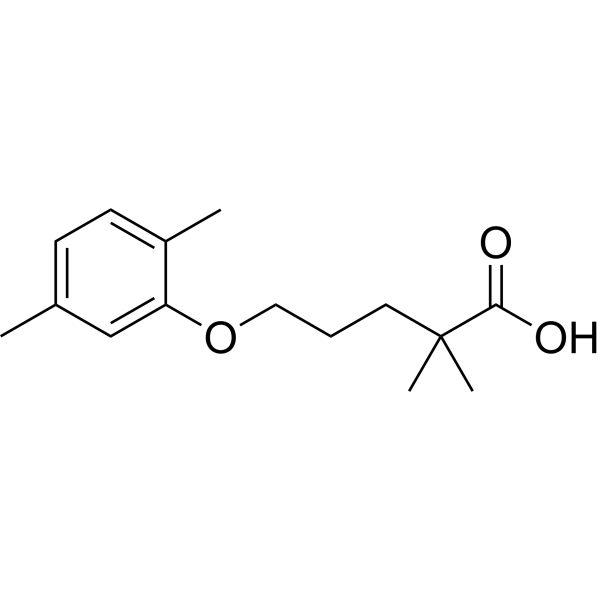
Gemfibrozil is an activator of PPAR-α, used as a lipid-lowering agent; Gemfibrozil is also a nonselective inhibitor of several P450 isoforms, with Ki values for CYP2C9, 2C19, 2C8, and 1A2 of 5.8, 24, 69, and 82 μM, respectively.
Saroglitazar-d4 is the deuterium-labeled Saroglitazar (HY-19937). Saroglitazar-d4 is a novel peroxisome proliferator-activated receptor (PPAR) agonist with predominant PPARα and moderate PPARγ activity with EC50 values of 0.65 pM and 3 nM in HepG2 cells, respectively.
Chiglitazar (Standard) is the analytical standard of Chiglitazar (HY-106266). This product is intended for research and analytical applications. Chiglitazar (Carfloglitazar) is a PPARα/γ dual agonist, with EC50s of 1.2, 0.08, 1.7 μM for PPARα, PPARγ and PPARδ, respectively.
Seladelpar (MBX-8025) sodium salt is an orally active, potent and specific PPARδ agonist with an EC50 of 2 nM. Seladelpar sodium salt shows more than 750-fold and 2500-fold selectivity over the PPARα and PPARγ receptors, respectively. Seladelpar sodium salt hydrochloride can be used for the study of primary biliary cholangitis .
Seladelpar (MBX-8025) is an orally active, potent and specific PPARδ agonist with an EC50 of 2 nM. Seladelpar shows more than 750-fold and 2500-fold selectivity over the PPARα and PPARγ receptors, respectively. Seladelpar can be used for the study of primary biliary cholangitis .
PPAR agonist 4 (Compound 12) is an orally active agonist for peroxisome proliferator-activated receptor (PPAR), which activates PPARα, PPARδ and PPARγ with EC50s of 0.7, 0.7 and 1.8 μM, respectively. PPAR agonist 4 exhibits anti-liver fibrosis efficacy .
K-111 (BM-170744) is an oral active PPAR alpha agonist. K-111 show efficacy in improving insulin resistance, reducing body weight, and ameliorating atherogenic dyslipidemia. K-111 can be used for study of type 2 diabetes, dyslipidaemia, obesity and the metabolic syndrome .
Elaidyl-sulfamide (N-(9E)-9-Octadecen-1-ylsulfamide) is a PPARα agonist. Elaidyl-sulfamide reduces body weight gain and food intake and reduces circulating cholesterol levels and increases both glucose and insulin levels. Elaidyl-sulfamide has the potential for the research of complicated obesity .
Gemfibrozil-d6 is the deuterium labeled Gemfibrozil. Gemfibrozil is an activator of PPAR-α, used as a lipid-lowering agent; Gemfibrozil is also a nonselective inhibitor of several P450 isoforms, with Ki values for CYP2C9, 2C19, 2C8, and 1A2 of 5.8, 24, 69, and 82 μM, respectively.
Dihydrocurcumin, a major metabolites of curcumin, reduces lipid accumulation and oxidative stress. Dihydrocurcumin regulates mRNA and protein expression levels of SREBP-1C, PNPLA3 and PPARα, increases protein expression levels of pAKT and PI3K, and reduced the levels of cellular NO and ROS via Nrf2 signaling pathways .
Seladelpar (MBX-8025) lysine is an orally active, potent and specific PPARδ agonist with an EC50 of 2 nM. Seladelpar lysine shows more than 750-fold and 2500-fold selectivity over the PPARα and PPARγ receptors, respectively. Seladelpar lysine can be used for the study of primary biliary cholangitis .
Linalool-d3 is the deuterium labeled Linalool . Linalool is natural monoterpene in essential olis of coriander, acts as a competitive antagonist of Nmethyl d-aspartate (NMDA) receptor, with anti-tumor, anti-cardiotoxicity activity .Linalool is a PPARα ligand that reduces plasma TG levels and rewires the hepatic transcriptome and plasma metabolome .
Dehydroabietic acid is a diterpene resin acid that can be isolated from Pinus and Picea. Dehydroabietic acid has anti-bacterial, anti-fungal, anti-inflammatory, and anticancer activities. Dehydroabietic acid is a dual PPAR-α/γ agonist and PPAR-γ partial agonist, which can attenuate insulin resistance (IR) and hepatic steatosis induced by HFD-consumption in mice .
OLHHA is a dual CB1 receptor antagonist and PPARα agonist. OLHHA also is a alcohol intake inhibitor with an EC50 value of 0.2 mg/kg. OLHHA reduces both hepatic lipid accumulation and circulating triglyceride levels. OLHHA shows anti-steatotic activity and has the potential for the research of non-alcoholic fatty liver disease (NAFLD) .
Lobeglitazone is a new type of thiazolidinedione. Lobeglitazone is the orally active agonist for PPAR with EC50 of 137.4 nM and 546.3 nM for PPARγ and PPARα. Lobeglitazone is the inhibitor for ERK/JNK/Smad/NF-κB signaling pathway. Lobeglitazone exhibits anti-inflammatory, anti-diabetic, anti-fibrotic and anti-atherosclerotic properties .
13-Oxo-9E,11E-octadecadienoic acid, an isomer of 9-oxo-ODA, is a potent PPARα activator derived from tomato juice. 13-Oxo-9E,11E-octadecadienoic acid decreases plasma and hepatic triglyceride in obese diabetic mice .
Linalool (Standard) is the analytical standard of Linalool. This product is intended for research and analytical applications. Linalool is natural monoterpene in essential olis of coriander, acts as a competitive antagonist of Nmethyl d-aspartate (NMDA) receptor, with anti-tumor, anti-cardiotoxicity activity .Linalool is a PPARα ligand that reduces plasma TG levels and rewires the hepatic transcriptome and plasma metabolome .
Fucosterol is a sterol isolated from algae, seaweed or diatoms. Fucosterol exhibits various biological activities, including antioxidant, anti-adipogenic, blood cholesterol reducing, anti-diabetic and anti-cancer activities . Fucosterol regulates adipogenesis via inhibition of PPARα and C/EBPα expression and can be used for anti-obesity agents development research .
Fenofibric acid (Standard) is the analytical standard of Fenofibric acid. This product is intended for research and analytical applications. Fenofibric acid, an active metabolite of fenofibrate, is a PPAR activitor, with EC50s of 22.4 μM, 1.47 μM, and 1.06 μM for PPARα, PPARγ and PPARδ, respectively; Fenofibric acid also inhibits COX-2 enzyme activity, with an IC50 of 48 nM.
GW0742 (Standard) is the analytical standard of GW0742. This product is intended for research and analytical applications. GW0742 is a potent PPARβ and PPARδ agonist, with an IC50 of 1 nM for human PPARδ in binding assay, and EC50s of 1 nM, 1.1 μM and 2 μM for human PPARδ, PPARα, and PPARγ, respectively.
Fenofibric acid- 13C8 (FNF acid- 13C8) is 13C labeled Fenofibric acid. Fenofibric acid, an active metabolite of fenofibrate, is a PPAR activitor, with EC50s of 22.4 μM, 1.47 μM, and 1.06 μM for PPARα, PPARγ and PPARδ, respectively; Fenofibric acid also inhibits COX-2 enzyme activity, with an IC50 of 48 nM.
MHY 553 is a PPARα agonist that is effective when taken orally. MHY 553 helps alleviate liver fat accumulation by increasing fatty acid oxidation and reducing inflammation during the aging process. MHY 553 inhibits the accumulation of triglycerides induced by liver X receptor agonists in HepG2 cells. MHY 553 significantly suppresses the expression of inflammatory mRNA in aging rats .
Gemfibrozil (Standard) is the analytical standard of Gemfibrozil. This product is intended for research and analytical applications. Gemfibrozil is an activator of PPAR-α, used as a lipid-lowering agent; Gemfibrozil is also a nonselective inhibitor of several P450 isoforms, with Ki values for CYP2C9, 2C19, 2C8, and 1A2 of 5.8, 24, 69, and 82 μM, respectively.
LG100754 (Standard) is the analytical standard of LG100754 (HY-108523). This product is intended for research and analytical applications. LG100754 (UVI 2112) is a RXR dimers modulater. LG100754 acts as a RXR:RXR homodimer antagonist, but functions as a agonist towards RXR:PPARα and RXR:PPARγ heterodimers. LG100754 is an insulin sensitizer that functions through RXR .
CUDA-d11 is deuterium labeled CUDA (HY-121538). CUDA is a potent inhibitor of soluble epoxide hydrolase (sEH), with IC50s of 11.1 nM and 112 nM for mouse sEH and human sEH, respectively . CUDA selectively increases peroxisome proliferator-activated receptor (PPAR) alpha activity. CUDA may be valuable for the research of cardiovascular disease .
Norathyriol (Mangiferitin) is a natural metabolite of Mangifera. Norathyriol inhibits α-glucosidase in a noncompetitive manner with an IC50 of 3.12 μM . Norathyriol inhibits PPARα, PPARβ, and PPARγ with IC50s of 92.8 µM, 102.4 µM, and 153.5 µM, respectively . Antioxidant, anticancer, antimicrobial, anti-inflammatory, anti-bacterial activities.
Gypenoside XLIX (Standard) is the analytical standard of Gypenoside XLIX. This product is intended for research and analytical applications. Gypenoside XLIX, a dammarane-type glycoside, is a prominent component of G. pentaphyllum. Gypenoside XLIX is a selective peroxisome proliferator-activated receptor (PPAR)-alpha activator and inhibits cytokine-induced vascular cell adhesion molecule-1 (VCAM-1) overexpression and hyperactivity in human endothelial cells .
Fenofibric acid-d4 (FNF acid-d4) is deuterium labeled Fenofibric acid. Fenofibric acid, an active metabolite of fenofibrate, is a PPAR activitor, with EC50s of 22.4 μM, 1.47 μM, and 1.06 μM for PPARα, PPARγ and PPARδ, respectively; Fenofibric acid also inhibits COX-2 enzyme activity, with an IC50 of 48 nM.
Lobeglitazone sulfate is a new type of thiazolidinedione. Lobeglitazone sulfate is the orally active agonist for PPAR with EC50 of 137.4 nM and 546.3 nM for PPARγ and PPARα. Lobeglitazone sulfate is the inhibitor for ERK/JNK/Smad/NF-κB signaling pathway. Lobeglitazone sulfate exhibits anti-inflammatory, anti-diabetic, anti-fibrotic and anti-atherosclerotic properties .
Gypenoside XLIX (Standard) is the analytical standard of Gypenoside XLIX. This product is intended for research and analytical applications. Gypenoside XLIX, a dammarane-type glycoside, is a prominent component of G. pentaphyllum. Gypenoside XLIX is a selective peroxisome proliferator-activated receptor (PPAR)-alpha activator and inhibits cytokine-induced vascular cell adhesion molecule-1 (VCAM-1) overexpression and hyperactivity in human endothelial cells .
Seladelpar (Standard) is the analytical standard of Seladelpar. This product is intended for research and analytical applications. Seladelpar (MBX-8025) is an orally active, potent and specific PPARδ agonist with an EC50 of 2 nM. Seladelpar shows more than 750-fold and 2500-fold selectivity over the PPARα and PPARγ receptors, respectively. Seladelpar can be used for the study of primary biliary cholangitis .
8(S)-HETE (8(S)-Hydroxyeicosatetraenoic acid) is a major lipoxygenase product in PMA-treated murine epidermis. It activates mouse keratinocyte protein kinase C with an IC50 of 100 μM. 8(S)-HETE also activates PPARα selectively at concentrations as low as 0.3 μM. Stereochemical assignment of the (S) enantiomer is based on comparison of chiral HPLC retention times to published results.
Raspberry ketone-d5 (Frambione-d5; 4-(4-Hydroxyphenyl)-2-butanone-d5) is the deuterium labeled Raspberry ketone (HY-N1426). Raspberry ketone is a major aromatic compound of red raspberry, widely used as a fragrance in cosmetics and as a flavoring agent in foodstuff; also shows PPAR-α agonistic activity.
Fenofibric acid-d6 (FNF acid-d6) is the deuterium labeled Fenofibric acid. Fenofibric acid, an active metabolite of fenofibrate, is a PPAR activitor, with EC50s of 22.4 µM, 1.47 µM, and 1.06 µM for PPARα, PPARγ and PPARδ, respectively; Fenofibric acid also inhibits COX-2 enzyme activity, with an IC50 of 48 nM.
CF-Vanillin is an orally active hypolipidemic/hepatic protector with strong binding affinity for PPAR-α. CF-Vanillin exerts antioxidant and anti-inflammatory effects by activating the Nrf2/HO-1 signaling pathway. CF-Vanillin reduces triglyceride and total cholesterol levels and alleviates liver injury. CF-Vanillin can be used in the research of diseases such as hyperlipidemia and liver injury .
GW 590735 sodium is a potent and selective PPARα agonist with activity in regulating lipid metabolism. GW 590735 significantly increased high-density lipoprotein (HDL) cholesterol, decreased low-density lipoprotein (LDL) and very low-density lipoprotein (VLDL) cholesterol, and significantly reduced triglycerides. The maximum increases in HDL cholesterol for GW 590735 were 37%, 53% and 84%, respectively, compared with bezafibrate, torcetrapib and GW 590735 .
1,1'-(Azodicarbonyl)-dipiperidine (ADDP) can be used in the condensation reaction of alcohols with acidic compounds. 1,1'-(Azodicarbonyl)-dipiperidine can also be used in the synthesis of GPR120 agonists with antidiabetic activity, as well as the synthesis of triple agonists for PPARα, PPARγ, and PPARδ. 1,1'-(Azodicarbonyl)-dipiperidine can be used in metabolic disease research .
Fenofibrate is a selective PPARα agonist with an EC50 of 30 μM. Fenofibrate also inhibits human cytochrome P450 isoforms, with IC50s of 0.2, 0.7, 9.7, 4.8 and 142.1 μM for CYP2C19, CYP2B6, CYP2C9, CYP2C8, and CYP3A4, respectively.
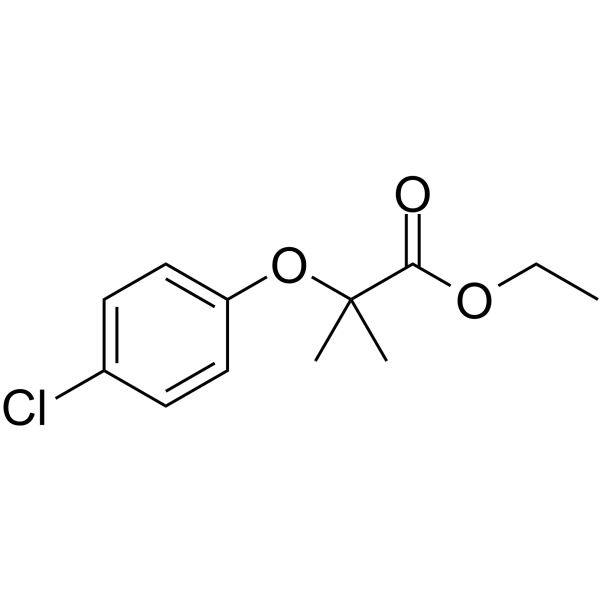
Clofibric acid (Chlorofibrinic acid) is an orally active PPARα agonist. Clofibric acid inhibits the fimbriation of Escherichia coli. Clofibric acid increases SOD activity. Clofibric acid lowers blood lipids and prevents experimental pyelonephritis. Clofibric acid has anticancer activity against ovarian cancer. Clofibric acid is also a herbicide. Clofibric acid is used in ovarian cancer, liver cancer, obesity, and urinary tract infection research .
Hexadecanamide (Palmitamide) is a fatty acid amide that has orally active anti-allergic, antioxidant, and neuroprotective effects. Hexadecanamide exerts protective effects in Staphylococcus aureus- and SARA-induced mastitis. Hexadecanamide suppresses S. aureus-induced activation of the NF-κB pathway and improves blood-milk barrier integrity. Hexadecanamide activates PPARα. Hexadecanamide enhances sperm motility in vitro. Hexadecanamide can be studied in research for mastitis and asthenozoospermia .
Dehydroabietic acid (Standard) is the analytical standard of Dehydroabietic acid. This product is intended for research and analytical applications. Dehydroabietic acid is a diterpene resin acid that can be isolated from Pinus and Picea. Dehydroabietic acid has anti-bacterial, anti-fungal, anti-inflammatory, and anticancer activities. Dehydroabietic acid is a dual PPAR-α/γ agonist and PPAR-γ partial agonist, which can attenuate insulin resistance (IR) and hepatic steatosis induced by HFD-consumption in mice .
3,7,11,15-Tetramethyl-2-hexadecen-1-ol can be used to synthesize vitamin E and vitamin E's precursor vitamin K1. 3,7,11,15-Tetramethyl-2-hexadecen-1-ol regulates transcription in cells through the transcription factor PPAR-alpha and the retinoid X receptor (RXR)43 .
Fucosterol (Standard) is the analytical standard of Fucosterol. This product is intended for research and analytical applications. Fucosterol is a sterol isolated from algae, seaweed or diatoms. Fucosterol exhibits various biological activities, including antioxidant, anti-adipogenic, blood cholesterol reducing, anti-diabetic and anti-cancer activities . Fucosterol regulates adipogenesis via inhibition of PPARα and C/EBPα expression and can be used for anti-obesity agents development research .
Mifobate (SR-202) is a potent and specific PPARγ antagonist. Mifobate (SR-202) selectively inhibits Thiazolidinedione (TZD)-induced PPARγ transcriptional activity (IC50=140 μM). Mifobate (SR-202) does not affect basal or ligand-stimulated transcriptional activity of PPARα, PPARβ, or the farnesoid X receptor (FXR). Mifobate (SR-202) shows antiobesity and antidiabetic effects .
Gemfibrozil-d6-1 (CI-719-d6-1) is the deuterium labeled Gemfibrozil (HY-B0258). Gemfibrozil is an activator of PPAR-α, used as a lipid-lowering agent; Gemfibrozil is also a nonselective inhibitor of several P450 isoforms, with Ki values for CYP2C9, 2C19, 2C8, and 1A2 of 5.8, 24, 69, and 82 μM, respectively .
Fenofibrate-d6 is the deuterium labeled Fenofibrate. Fenofibrate is a selective PPARα agonist with an EC50 of 30 μM. Fenofibrate also inhibits human cytochrome P450 isoforms, with IC50s of 0.2, 0.7, 9.7, 4.8 and 142.1 μM for CYP2C19, CYP2B6, CYP2C9, CYP2C8, and CYP3A4, respectively.
Fenofibrate-13C6 is a deuterated labeled Fenofibrate . Fenofibrate is a selective PPARα agonist with an EC50 of 30 μM. Fenofibrate also inhibits human cytochrome P450 isoforms, with IC50s of 0.2, 0.7, 9.7, 4.8 and 142.1 μM for CYP2C19, CYP2B6, CYP2C9, CYP2C8, and CYP3A4, respectively.
Fenofibrate-d4 is the deuterium labeled Fenofibrate . Fenofibrate is a selective PPARα agonist with an EC50 of 30 μM. Fenofibrate also inhibits human cytochrome P450 isoforms, with IC50s of 0.2, 0.7, 9.7, 4.8 and 142.1 μM for CYP2C19, CYP2B6, CYP2C9, CYP2C8, and CYP3A4, respectively .
20-HEPE is a metabolite of eicosapentaenoic acid formed by ω-oxidation of EPA by cytochrome P450 (CYP) ω-oxidases, including human CYP4F3B. At 10 μM, it activates peroxisome proliferator-activated receptor α (PPARα) in COS-7 cells expressing a luciferase reporter gene. 20-HEPE also activates mouse transient receptor potential vanilloid receptor 1 (mTRPV1) in vitro but lacks analgesic activity in rats.
Hexadecanamide (Standard) is the analytical standard of Hexadecanamide. This product is intended for research and analytical applications. Hexadecanamide (Palmitamide) is a fatty acid amide that has orally active anti-allergic, antioxidant, and neuroprotective effects. Hexadecanamide exerts protective effects in Staphylococcus aureus- and SARA-induced mastitis. Hexadecanamide suppresses S. aureus-induced activation of the NF-κB pathway and improves blood-milk barrier integrity. Hexadecanamide activates PPARα. Hexadecanamide enhances sperm motility in vitro. Hexadecanamide can be studied in research for mastitis and asthenozoospermia .
CF-Carvacrol is an orally active lipid-lowering agent synthesized by merging the pharmacophores of Carvacrol (HY-N0711) and Clofibric acid (HY-B1415). CF-Carvacrol has a good affinity for PPAR-α. CF-Carvacrol has significant hypolipidemic activity and may exert antioxidant and anti-inflammatory activity by activating the Nrf2/HO-1 signaling pathway to reduce liver injury. CF-Carvacrol can be used for the study of CF-induced liver damage .
Fenofibrate (Standard) is the analytical standard of Fenofibrate. This product is intended for research and analytical applications. Fenofibrate is a selective PPARα agonist with an EC50 of 30 μM. Fenofibrate also inhibits human cytochrome P450 isoforms, with IC50s of 0.2, 0.7, 9.7, 4.8 and 142.1 μM for CYP2C19, CYP2B6, CYP2C9, CYP2C8, and CYP3A4, respectively.
Clofibric acid (Standard) is the analytical standard of Clofibric acid (HY-B1415). This product is intended for research and analytical applications. Clofibric acid (Chlorofibrinic acid) is an orally active PPARα agonist. Clofibric acid inhibits the fimbriation of Escherichia coli. Clofibric acid increases SOD activity. Clofibric acid lowers blood lipids and prevents experimental pyelonephritis. Clofibric acid has anticancer activity against ovarian cancer. Clofibric acid is also a herbicide. Clofibric acid is used in ovarian cancer, liver cancer, obesity, and urinary tract infection research .
Mifobate (Standard) is the analytical standard of Mifobate. This product is intended for research and analytical applications. Mifobate (SR-202) is a potent and specific PPARγ antagonist. Mifobate (SR-202) selectively inhibits Thiazolidinedione (TZD)-induced PPARγ transcriptional activity (IC50=140 μM). Mifobate (SR-202) does not affect basal or ligand-stimulated transcriptional activity of PPARα, PPARβ, or the farnesoid X receptor (FXR). Mifobate (SR-202) shows antiobesity and antidiabetic effects .
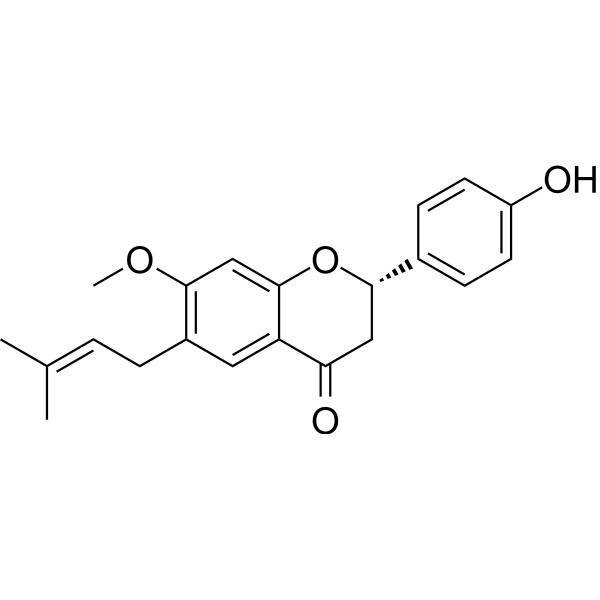
Bavachinin is agonist of pan-peroxisome proliferator-activated receptor (PPAR), with the IC50 value of 21.043 μM, 12.819 μM, and 0.622 μM to PPAR-α, RRAR-β/δ, and PPAR-γ, respectively. Bavachinin is an inhibitor of HIF-1α. Bavachinin exhibits antitumor activity against non-small cell lung cancer by targeting RRAR-γ. Bavachinin is a natural compound with anti-inflammatory and anti-angiogenic activities. Bavachinin has orally bioactivity. .
Clofibric acid-d4 is the deuterium labeled Clofibric acid (HY-B1415). Clofibric acid also is an herbicideClofibric acid (Chlorofibrinic acid) is an orally active PPARα agonist. Clofibric acid inhibits the fimbriation of Escherichia coli. Clofibric acid increases SOD activity. Clofibric acid lowers blood lipids and prevents experimental pyelonephritis. Clofibric acid has anticancer activity against ovarian cancer. Clofibric acid is also a herbicide. Clofibric acid is used in ovarian cancer, liver cancer, obesity, and urinary tract infection research .
Seladelpar (MBX-8025) Lysine dihydrate is the Lysine dihydrate salt form of Seladelpar (HY-19522). Seladelpar Lysine dihydrate is an orally active agonist for potent PPAR-δ, with EC50 of 2 nM. Seladelpar Lysine dihydrate shows more than 750-fold and 2500-fold selectivity over the PPARα and PPARγ receptors, respectively. Seladelpar Lysine dihydrate can be used for the study of primary biliary cholangitis. Seladelpar Lysine dihydrate normalizes hyperglycemia, hyperinsulinemia, glucose, serum lipids and cholesterol levels, ameliorates the nonalcoholic steatohepatitis in mouse model .
Fenofibrate (GMP) is Fenofibrate (HY-17356) produced by using GMP guidelines. GMP small molecules work appropriately as an auxiliary reagent for cell therapy manufacture. Fenofibrate is a selective PPARα agonist with an EC50 of 30 μM. Fenofibrate also inhibits human cytochrome P450 isoforms, with IC50s of 0.2, 0.7, 9.7, 4.8 and 142.1 μM for CYP2C19, CYP2B6, CYP2C9, CYP2C8, and CYP3A4, respectively.
Cetaben is a PPARα-independent peroxisome proliferator. Cetaben is a non-fibrate hypolipidemic agent and potently reduces the concentration of cholesterol and triglycerides .
Bavachinin (Standard) is the analytical standard of Bavachinin. This product is intended for research and analytical applications. Bavachinin is agonist of pan-peroxisome proliferator-activated receptor (PPAR), with the IC50 value of 21.043 μM, 12.819 μM, and 0.622 μM to PPAR-α, RRAR-β/δ, and PPAR-γ, respectively. Bavachinin is an inhibitor of HIF-1α. Bavachinin exhibits antitumor activity against non-small cell lung cancer by targeting RRAR-γ. Bavachinin is a natural compound with anti-inflammatory and anti-angiogenic activities. Bavachinin has orally bioactivity. .
ABP/PPAR modulator 1 is an orally active FABP and PPAR multiple modulator (IC50s of 0.65 μM and 1.08 μM for FABP1 and FABP4, EC50 s of 9.19 μM, 2.20 μM and 1.58 μM for PPARα, PPARγ and PPARδ). ABP/PPAR modulator 1 has potent anti-metabolic dysfunction-associated steatohepatitis (MASH) activity. ABP/PPAR modulator 1 dose-dependently ameliorates multiple pathological characteristics of fatty liver in WD + Carbon tetrachloride-induced MASH mice model .
Acetic acid-d3 sodium is the deuterium labeled Acetic acid (HY-Y0319) . Acetic acid is a carboxylic acid and short-chain fatty acid (SCFAs). Acetic acid activates AMPK, increases ROS, cleaved caspase 9, PPARα, downregulates SREBP-1c, ChREBP expression. Acetic acid exhibits antifungal activity against Saccharomyces cerevisiae W303-1A. Acetic acid regulates energy metabolism. Acetic acid has anticancer activity against gastric cancer. Acetic acid induces writhing reaction and ulcerative colitis. Acetic acid can be used in the researches for gastric cancer, ulcerative colitis, hepatic steatosis, and pain.
AM9053 is a selective, effective and slowly reversible inhibitor of N-acyl ethanolamine acid amidease (NAAA) (IC50 = 30 nM). The effect of AM9053 on FAAH activity is limited (IC50 > 100 nM). AM9053 inhibits the proliferation of colorectal cancer cells by activating the PPAR-α and TRPV1 dependent mechanisms and induces S-phase cell cycle arrest. AM9053 alleviates intestinal fibrosis by regulating macrophage activity and inhibiting the IL-23 signaling pathway. AM9053 leads to an increase in NAE levels, especially PEA and OEA. AM9053 can be used for the study of colorectal cancer and intestinal fibrosis .
Gypenoside XLIX is a multifunctional bioactive compound that can be isolated from Gynostemma pentaphyllum, with a Ka value of 1.58 μM for its binding to SIRT1. Gypenoside XLIX acts as a PPAR-α agonist. It inhibits the activation of TLR4-mediated NF-κB signaling pathway by activating the Sirt1/Nrf2 signaling pathway, reduces ROS accumulation, and alleviates hepatic inflammatory injury in mice with sepsis-induced liver disease. Gypenoside XLIX targets SIRT1 to block YAP-NLRP3 activation and improve sepsis-induced cardiomyopathy. Gypenoside XLIX inhibits apoptosis (Apoptosis), pyroptosis (Pyroptosis), autophagy (Autophagy), lipid peroxidation, pro-inflammatory cytokines and anti-inflammatory cytokines. Gypenoside XLIX alleviates sepsis-induced splenic injury by inhibiting inflammation and oxidative stress, and mitigates sepsis-associated encephalopathy by targeting PPAR-α. Gypenoside XLIX prevents acute kidney injury by inhibiting IGFBP7/IGF1R-mediated programmed cell death and inflammation. Gypenoside XLIX inhibits the expression and activity of vascular cell adhesion molecule-1 in cytokine-induced human endothelial cells. Gypenoside XLIX is applicable to research related to acute liver injury, lung injury, cardiomyopathy, acute splenic injury, sepsis-associated encephalopathy, acute kidney injury, atherosclerosis and chronic inflammation .
Gnetol is a phenolic compound isolated from the root of Gnetum montanum . Gnetol potently inhibits COX-1 (IC50 of 0.78 μM) and HDAC. Gnetol is a potent tyrosinase inhibitor with an IC50 of 4.5 μM for murine tyrosinase and suppresses melanin biosynthesis. Gnetol has antioxidant, antiproliferative, anticancer and hepatoprotective activity. Gnetol also possesses concentration-dependent α-Amylase, α-glucosidase, and adipogenesis activities .
Acetic acid lead is a carboxylic acid and short-chain fatty acid (SCFAs). Magnesium acetate tetrahydrate activates AMPK, increases ROS, cleaved caspase 9, PPARα, downregulates SREBP-1c, ChREBP expression. Acetic acid lead exhibits antifungal activity against Saccharomyces cerevisiae W303-1A. Acetic acid lead regulates energy metabolism. Acetic acid lead has anticancer activity against gastric cancer. Acetic acid lead induces writhing reaction and ulcerative colitis. Acetic acid lead can be used in the researches for gastric cancer, ulcerative colitis, hepatic steatosis, and pain .
PROTAC ERRα ligand 1 is a PROTAC target protein ligand. PROTAC ERRα ligand 1 is an orally active ERRα inverse agonist with IC50 values of 0.6 μM for ERRα. PROTAC ERRα ligand 1 shows no significant activity against a panel of other nuclear receptors, including ERα c, ERRγ, ERβ, PPARα, PPARγ, PPARδ, and RXRα. PROTAC ERRα ligand 1 can provide enhanced insulin sensitivity in vivo. PROTAC ERRα ligand 1 can be used for metabolic diseases research, such as type 2 diabetes and obesity .
AM-3189 is an orally active and selective GPR40 agonist with EC50 values in buffer solution and in 100% human serum of 33 nM and 10 μM respectively. AM-3189 shows no significant activity on GPR41 and GPR43, and no agonistic activity on PPAR-α, -δ, and -γ. AM-3189 enhances glucose-stimulated insulin secretion by activating GPR40 on pancreatic β cells. AM-3189 has extremely low penetration into the central nervous system and significantly reduces blood glucose levels in two humanized GPR40 mouse models. AM-3189 can be used for the study of type 2 diabetes .
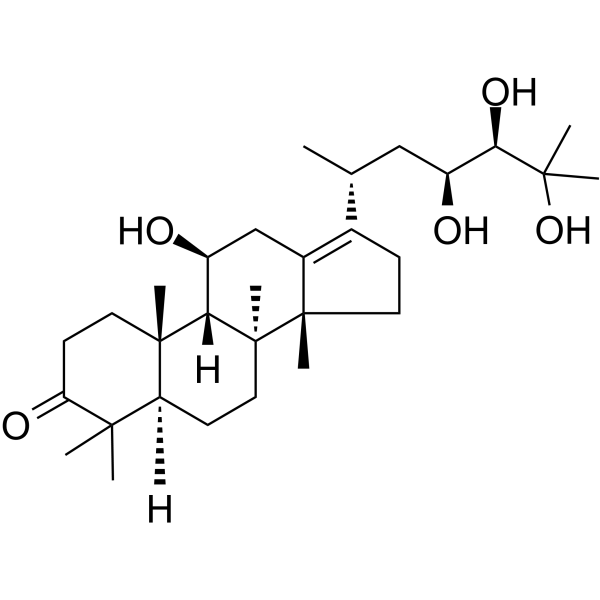
Alisol A is an orally active tetracyclic triterpenoid compound of the prototerpane type. Alisol A can be extracted from the rhizome of Alisma orientale. Alisol A activates AMPK/ACC/SREBP-1c, SIRT1, PPARα, inhibits MMP-2/-9, decreases inflammatory cytokine expression (IL-1β, IL-6, IL-8). Alisol A has anti-tumor activity against breast cancer and colorectal cancer. Alisol A has anti-obesity and anti-atherosclerotic activities. Alisol A can be used in the research of hepatitis B, breast cancer, colorectal cancer, atherosclerosis, and obesity .
Ophiopogonin D (Standard) is the analytical standard of Ophiopogonin D. This product is intended for research and analytical applications. Ophiopogonin D, isolated from the tubers of Ophiopogon japonicus, is a rare naturally occurring C29 steroidal glycoside . Ophiopogonin D is a CYP2J3 inducer that significantly inhibits Ang II induced NF-κB nuclear translocation, IκBα down-regulation, intracellular Ca2+ overload and activation of pro-inflammatory cytokines by increasing the expression of CYP2J2/EETs and PPARα in human umbilical vein endothelial cells (HUVECs). Ophiopogonin D has been used to treat inflammatory and cardiovascular diseases for thousands of years .
Acetic acid sodium (Standard) (Anhydrous sodium acetate (Standard) is the analytical standard of Anhydrous sodium acetate. This product is intended for research and analytical applications. Acetic acid is a carboxylic acid and short-chain fatty acid (SCFAs). Acetic acid activates AMPK, increases ROS, cleaved caspase 9, PPARα, downregulates SREBP-1c, ChREBP expression. Acetic acid exhibits antifungal activity against Saccharomyces cerevisiae W303-1A. Acetic acid regulates energy metabolism. Acetic acid has anticancer activity against gastric cancer. Acetic acid induces writhing reaction and ulcerative colitis. Acetic acid can be used in the researches for gastric cancer, ulcerative colitis, hepatic steatosis, and pain .
Magnesium acetate tetrahydrate, for molecular biology is a carboxylic acid and short-chain fatty acid (SCFAs). Magnesium acetate tetrahydrate, for molecular biology activates AMPK, increases ROS, cleaved caspase 9, PPARα, downregulates SREBP-1c, ChREBP expression. Magnesium acetate tetrahydrate, for molecular biology exhibits antifungal activity against Saccharomyces cerevisiae W303-1A. Magnesium acetate tetrahydrate, for molecular biology regulates energy metabolism. Magnesium acetate tetrahydrate, for molecular biology has anticancer activity against gastric cancer. Magnesium acetate tetrahydrate, for molecular biology induces writhing reaction and ulcerative colitis. Magnesium acetate tetrahydrate, for molecular biology can be used in the researches for gastric cancer, ulcerative colitis, hepatic steatosis, and pain .
8(9)-EET is one of the main metabolites produced by the metabolism of arachidonic acid (HY-109590) through the cytochrome P450 epoxide pathway. 8(9)-EET is an effective substrate for COX-1 and COX-2. 8(9)-EET activates PPARα in HEK293 cells and inhibits the activity of NF-κB induced by IL-1β in a PPARα-dependent and -independent manner. The (8S,9R)-isomer of 8(9)-EET ([(8S,9R)-EET]) causes vasoconstriction, thereby reducing renal plasma flow and glomerular filtration rate .
(E/Z)-ABP/PPAR modulator 1 is a mixture of the E and Z isomers of ABP/PPAR modulator 1 (HY-172883). ABP/PPAR modulator 1 is an orally active FABP and PPAR multiple modulator (IC50s of 0.65 μM and 1.08 μM for FABP1 and FABP4, EC50 s of 9.19 μM, 2.20 μM and 1.58 μM for PPARα, PPARγ and PPARδ). ABP/PPAR modulator 1 has potent anti-metabolic dysfunction-associated steatohepatitis (MASH) activity. ABP/PPAR modulator 1 dose-dependently ameliorates multiple pathological characteristics of fatty liver in WD + Carbon tetrachloride-induced MASH mice model .
Esculeogenin A is the sapogenol of tomato saponin Esculeoside A (HY-N18067). Esculeogenin A is an orally active hepatoprotective, hypolipidemic, and antioxidant agent. Esculeogenin A regulates molecular targets like PPARα, SREBP1, Nrf2, NF-κB, ACAT1/ACAT2 to promote hepatic fatty acid oxidation, suppress de novo lipogenesis, enhance antioxidant defense, and inhibit inflammation. Esculeogenin A improves liver function, alleviates hyperlipidemia, and inhibits hepatic steatosis and foam cell formation, preventing nonalcoholic fatty liver disease in high-fat-diet-fed rats and reducing atherosclerotic lesions in apoE-deficient mice. Esculeogenin A can be used for the research of nonalcoholic fatty liver disease, atherosclerosis, and hyperlipidemia .
(±)8(9)-EET is one of the main metabolites produced by the metabolism of arachidonic acid (HY-109590) through the cytochrome P450 epoxide pathway. (±)8(9)-EET is an effective substrate for COX-1 and COX-2. (±)8(9)-EET activates PPARα in HEK293 cells and inhibits the activity of NF-κB induced by IL-1β in a PPARα-dependent and -independent manner. The (8S,9R)-isomer of (±)8(9)-EET ([(8S,9R)-EET]) causes vasoconstriction, thereby reducing renal plasma flow and glomerular filtration rate .
3,7,11,15-Tetramethyl-2-hexadecen-1-ol (Standard) is the analytical standard of 3,7,11,15-Tetramethyl-2-hexadecen-1-ol (HY-W107616). This product is intended for research and analytical applications. 3,7,11,15-Tetramethyl-2-hexadecen-1-ol can be used to synthesize vitamin E and vitamin E's precursor vitamin K1. 3,7,11,15-Tetramethyl-2-hexadecen-1-ol regulates transcription in cells through the transcription factor PPAR-alpha and the retinoid X receptor (RXR)43 .
Aleglitazar (R1439) is a potent dual PPARα/γ agonist, with IC50s of 38 nM and 19 nM for human PPARa and PPARγ, respectively. Aleglitazar can be used for the research of type II diabetes .
OSS_128167 (Standard) is the analytical standard of OSS_128167 (HY-107454). This product is intended for research and analytical applications. OSS_128167 is a potent selective sirtuin 6 (SIRT6) inhibitor with IC50s of 89 μM, 1578 μM and 751 μM for SIRT6, SIRT1 and SIRT2, respectively. OSS_128167 has anti-HBV activity that inhibits HBV transcription and replication. OSS_128167 has anti-cancer, anti-inflammation and anti-viral effects .
OSS_128167 is a potent selective sirtuin 6 (SIRT6) inhibitor with IC50s of 89 μM, 1578 μM and 751 μM for SIRT6, SIRT1 and SIRT2, respectively. OSS_128167 has anti-HBV activity that inhibits HBV transcription and replication. OSS_128167 has anti-cancer, anti-inflammation and anti-viral effects .
YS121 is a dual inhibitor of microsomal prostaglandin E2 synthase-1 (mPGES-1; IC50 = 3.4 μM) and 5-lipoxygenase (5-LOX; IC50 = 6.5 μM). YS121 exhibits direct, reversible, and specific binding to mPGES-1 (KD = 10-14 μM) . YS121 dose-dependently reduces PGE2 production with an EC50 of 12 μM in IL-1β-stimulated A549 cells . YS121 (compound 9) activates PPAR-α and -γ (EC50 = 1 and 3.6 μM, respectively) . YS121 exhibits anti-inflammatory efficiency in human whole blood as well as in vivo. YS121 can be used for pleurisy research .
Hydrangeic acid is an orally effective stilbene-type glycolipid metabolism regulator that lowers blood glucose and lipids. It can be isolated from processed leaves of Hydrangea macrophylla var. thunbergii. Hydrangeic acid is associated with glycolipid metabolism and insulin sensitivity regulation. Hydrangeic acid does not directly activate PPARγ or PPARα, but instead upregulates the mRNA expression of adiponectin, PPARγ2, GLUT4, and fatty acid-binding protein aP2, and downregulates TNF-α mRNA expression, promoting adipogenesis, glucose uptake, and GLUT4 translocation in 3T3-L1 cells. Simultaneously, Hydrangeic acid inhibits inflammatory factor-induced NO production, exerting activity in improving insulin resistance. Hydrangeic acid can be used in research related to type 2 diabetes and does not cause liver weight gain as a side effect.
Alisol A (Standard) is the analytical standard of Alisol A (HY-N0853). This product is intended for research and analytical applications. Alisol A is an orally active tetracyclic triterpenoid compound of the prototerpane type. Alisol A can be extracted from the rhizome of Alisma orientale. Alisol A activates AMPK/ACC/SREBP-1c, SIRT1, PPARα, inhibits MMP-2/-9, decreases inflammatory cytokine expression (IL-1β, IL-6, IL-8). Alisol A has anti-tumor activity against breast cancer and colorectal cancer. Alisol A has anti-obesity and anti-atherosclerotic activities. Alisol A can be used in the research of hepatitis B, breast cancer, colorectal cancer, atherosclerosis, and obesity .
PPAR agonist 7 is an orally active pan-PPAR agonist, demonstrating potent activation of all three subtypes, PPARα (EC50 = 1.51 μM), PPARδ (EC50 = 1.11 μM), and PPARγ (EC50 = 3.14 μM). PPAR agonist 7 significantly enhances glucose uptake in adipocytes while exhibiting minimal adipogenic activity. PPAR agonist 7 can suppress PPARγ Ser273 phosphorylation in white adipose tissue and upregulate insulin-sensitizing genes. PPAR agonist 7 does not cause weight gain or fluid retention in high-fat diet (HFD)/
Streptozotocin (HY-13753) (STZ)-induced type 2 diabetes mellitus (T2DM) models. PPAR agonist 7 has selective modulation of PPAR signaling pathways without activation of adipogenic gene programs. PPAR agonist 7 can be used for the study of diabetes .
DHICA (5,6-Dihydroxyindole-2-carboxylic acid) is an eumelanin building block, GPR35 agonist and melanin synthesis intermediate. DHICA activates GPR35, triggering dynamic mass redistribution and β-arrestin translocation. DHICA interacts with DNA and interferes with Fpg activity . DHICA promotes the generation of single-strand breaks in plasmid DNA. DHICA increases the activity and expression levels of SOD and Catalase. DHICA is applicable to research related to skin cancer and colon cancer .
CC618 is a selective PPARβ/δ antagonist.CC618 covalently modifies conserved Cys249 in the PPARβ/δ ligand-binding pocket via nucleophilic aromatic substitution, converting its thiol moiety to a 5-trifluoromethyl-2-pyridylthioether .
Ophiopogonin D can be isolated from the tubers of Ophiopogon japonicus, is a rare naturally occurring C29 steroidal glycoside. Ophiopogonin D is a CYP2J3 inducer that significantly inhibits Ang II induced NF-κB nuclear translocation, IκBα down-regulation, intracellular Ca 2+ overload and activation of pro-inflammatory cytokines by increasing the expression of CYP2J2/EETs and PPARα in human umbilical vein endothelial cells (HUVECs). Ophiopogonin D can inhibit isteoclastic differentiation in RAW264.7 cells. Ophiopogonin D has protective effect as an antioxidant in H2O2-induced endothelial injury. Ophiopogonin D blocks ERK signaling cascades. Ophiopogonin D alleviates high-fat diet-induced metabolic syndrome and changes the structure of gut microbiota in mice. Ophiopogonin D has been used against inflammatory, metabolic and cardiovascular diseases .
Neomangiferin is an orally active natural flavonoid. Neomangiferin partially ameliorates non-alcoholic fatty liver disease (NAFLD) by regulating the expression of genes related to free fatty acid uptake and lipid oxidation. Neomangiferin exerts anti-colitis effects by inhibiting Th17/Treg cell differentiation. Neomangiferin exerts anti-aging and lifespan-extending effects by targeting upregulation of bas-1, which in turn activates the autophagy, IIS and MAPK pathways. Neomangiferin has the potential to prevent aseptic loosening of prostheses after total joint arthroplasty due to its significant anti-inflammatory and osteoclastogenesis-inhibiting effects .
HSD17B13/PPAR modulator-1 (Compound 17) is a HSD17B13/PPAR multitarget modulator. HSD17B13/PPAR modulator-1 is an inhibitor of HSD17B13, with its IC50 value being 0.91 μM. HSD17B13/PPAR modulator-1 is a PPAR agonist, with the EC50 values for PPARα, PPARδ, and PPARγ being 1.55, 0.12, and 0.01 μM respectively. HSD17B13/PPAR modulator-1 can significantly improve liver function, regulate lipid metabolism, alleviate fibrosis, and exert antioxidant and anti-inflammatory effects in the model of metabolic dysfunction-related steatohepatitis (MASH). HSD17B13/PPAR modulator-1 can be used for the study of MASH .
Ophiopogonin D (Standard) is the analytical standard of Ophiopogonin D. This product is intended for research and analytical applications. Ophiopogonin D can be isolated from the tubers of Ophiopogon japonicus, is a rare naturally occurring C29 steroidal glycoside. Ophiopogonin D is a CYP2J3 inducer that significantly inhibits Ang II induced NF-κB nuclear translocation, IκBα down-regulation, intracellular Ca2+ overload and activation of pro-inflammatory cytokines by increasing the expression of CYP2J2/EETs and PPARα in human umbilical vein endothelial cells (HUVECs). Ophiopogonin D can inhibit isteoclastic differentiation in RAW264.7 cells. Ophiopogonin D has protective effect as an antioxidant in H2O2-induced endothelial injury. Ophiopogonin D blocks ERK signaling cascades. Ophiopogonin D alleviates high-fat diet-induced metabolic syndrome and changes the structure of gut microbiota in mice. Ophiopogonin D has been used against inflammatory, metabolic and cardiovascular diseases .
Isorhapontigenin is an orally active dietary polyphenol. Isorhapontigenin acts as a potent antioxidant that reduces the production of reactive oxygen species (ROS). Isorhapontigenin promotes the binding of JUN to the AP-1 site on the SESN2 promoter, induces SESN2 transcription, triggers MAPK8-dependent JUN activation, and upregulates the expression of PPAR-α, PGC-1α and CPT-1A to facilitate fatty acid oxidation. Isorhapontigenin induces autophagy, apoptosis and preadipocyte differentiation; it inhibits tumor growth, cell invasion, NF-κB transcriptional activity, the PI3K/Akt signaling pathway, STAT1 phosphorylation and MMP-2 expression. Isorhapontigenin alleviates oxidative stress, inflammatory cytokine release and triglyceride accumulation; it increases intracellular ATP levels and promotes Nrf2 nuclear translocation. Isorhapontigenin improves insulin sensitivity in adipose tissue and glucose tolerance, and reduces postprandial blood glucose, insulin and free fatty acid levels. Isorhapontigenin is applicable to research on bladder cancer, liver injury, chronic obstructive pulmonary disease, acute lung injury and type 2 diabetes .
Isorhapontigenin (Standard) is the analytical standard of Isorhapontigenin (HY-N2593). This product is intended for research and analytical applications. Isorhapontigenin is an orally active dietary polyphenol. Isorhapontigenin acts as a potent antioxidant that reduces the production of reactive oxygen species (ROS). Isorhapontigenin promotes the binding of JUN to the AP-1 site on the SESN2 promoter, induces SESN2 transcription, triggers MAPK8-dependent JUN activation, and upregulates the expression of PPAR-α, PGC-1α and CPT-1A to facilitate fatty acid oxidation. Isorhapontigenin induces autophagy, apoptosis and preadipocyte differentiation; it inhibits tumor growth, cell invasion, NF-κB transcriptional activity, the PI3K/Akt signaling pathway, STAT1 phosphorylation and MMP-2 expression. Isorhapontigenin alleviates oxidative stress, inflammatory cytokine release and triglyceride accumulation; it increases intracellular ATP levels and promotes Nrf2 nuclear translocation. Isorhapontigenin improves insulin sensitivity in adipose tissue and glucose tolerance, and reduces postprandial blood glucose, insulin and free fatty acid levels. Isorhapontigenin is applicable to research on bladder cancer, liver injury, chronic obstructive pulmonary disease, acute lung injury and type 2 diabetes.
(E)-Osmundacetone is an inhibitor of the MAPK pathway. (E)-Osmundacetone inhibits the activation of the MAPK signaling pathway and restores the expression of PPARα/ACOX1. (E)-Osmundacetone abrogates abnormal cell proliferation, migration and liver metastasis induced by PTPRO silencing in colorectal cancer cells. (E)-Osmundacetone blocks OA-RD17-mediated activation of the MAPK signaling pathway, thereby reducing macrophage proliferation and migration. (E)-Osmundacetone is applicable to relevant research on colorectal cancer .
(10E,12Z)-Octadeca-10,12-dienoic acid (trans-10,cis-12 CLA2) is an orally active PPARα activator and inhibits adipocyte differentiation. (10E,12Z)-Octadeca-10,12-dienoic acid and its downstream metabolites have various antioxidant and antitumor activities. (10E,12Z)-Octadeca-10,12-dienoic acid can induce proinflammatory cytokines and chemokines, which would lead to decreased adipogenesis and insulin resistance in adipose tissue. (10E,12Z)-Octadeca-10,12-dienoic acid can affect many aspects of milk fat synthesis. (10E,12Z)-Octadeca-10,12-dienoic acid reduces expression of lipogenic enzymes and inhibits the desaturation of fatty acids. (10E,12Z)-Octadeca-10,12-dienoic acid can reduce lipoprotein lipase (LPL) activity in cultured 3T3-L1 adipocytes and enhance triacylglycerol release from these cells. (10E,12Z)-Octadeca-10,12-dienoic acid decreases the expression of hepatic stearoyl-CoA desatyrase mRNA in mice. (10E,12Z)-Octadeca-10,12-dienoic acid is associated with changes in mucosal NF-κB and Cyclin D1 protein levels in mice .
Fenofibrate (GMP) is Fenofibrate (HY-17356) produced by using GMP guidelines. GMP small molecules work appropriately as an auxiliary reagent for cell therapy manufacture. Fenofibrate is a selective PPARα agonist with an EC50 of 30 μM. Fenofibrate also inhibits human cytochrome P450 isoforms, with IC50s of 0.2, 0.7, 9.7, 4.8 and 142.1 μM for CYP2C19, CYP2B6, CYP2C9, CYP2C8, and CYP3A4, respectively.
Acetic acid lead is a carboxylic acid and short-chain fatty acid (SCFAs). Magnesium acetate tetrahydrate activates AMPK, increases ROS, cleaved caspase 9, PPARα, downregulates SREBP-1c, ChREBP expression. Acetic acid lead exhibits antifungal activity against Saccharomyces cerevisiae W303-1A. Acetic acid lead regulates energy metabolism. Acetic acid lead has anticancer activity against gastric cancer. Acetic acid lead induces writhing reaction and ulcerative colitis. Acetic acid lead can be used in the researches for gastric cancer, ulcerative colitis, hepatic steatosis, and pain .
Magnesium acetate tetrahydrate, for molecular biology is a carboxylic acid and short-chain fatty acid (SCFAs). Magnesium acetate tetrahydrate, for molecular biology activates AMPK, increases ROS, cleaved caspase 9, PPARα, downregulates SREBP-1c, ChREBP expression. Magnesium acetate tetrahydrate, for molecular biology exhibits antifungal activity against Saccharomyces cerevisiae W303-1A. Magnesium acetate tetrahydrate, for molecular biology regulates energy metabolism. Magnesium acetate tetrahydrate, for molecular biology has anticancer activity against gastric cancer. Magnesium acetate tetrahydrate, for molecular biology induces writhing reaction and ulcerative colitis. Magnesium acetate tetrahydrate, for molecular biology can be used in the researches for gastric cancer, ulcerative colitis, hepatic steatosis, and pain .
Fenofibrate (GMP) is Fenofibrate (HY-17356) produced by using GMP guidelines. GMP small molecules work appropriately as an auxiliary reagent for cell therapy manufacture. Fenofibrate is a selective PPARα agonist with an EC50 of 30 μM. Fenofibrate also inhibits human cytochrome P450 isoforms, with IC50s of 0.2, 0.7, 9.7, 4.8 and 142.1 μM for CYP2C19, CYP2B6, CYP2C9, CYP2C8, and CYP3A4, respectively.
Icariin is a flavonol glycoside. Icariin inhibits PDE5 and PDE4 activities with IC50s of 432 nM and 73.50 μM, respectively. Icariin also is a PPARα activator.
Fucosterol is a sterol isolated from algae, seaweed or diatoms. Fucosterol exhibits various biological activities, including antioxidant, anti-adipogenic, blood cholesterol reducing, anti-diabetic and anti-cancer activities . Fucosterol regulates adipogenesis via inhibition of PPARα and C/EBPα expression and can be used for anti-obesity agents development research .
Eupatilin, a lipophilic flavonoid isolated from Artemisia argyi Lévl. et Van., is a PPARα agonist, and possesses anti-apoptotic, anti-oxidative and anti-inflammatory activities.
Bilobetin, an active component of Ginkgo biloba, can reduce blood lipids and improve the effects of insulin. Bilobetin ameliorated insulin resistance, increased the hepatic uptake and oxidation of lipids, reduced very-low-density lipoprotein triglyceride secretion and blood triglyceride levels, enhanced the expression and activity of enzymes involved in β-oxidation and attenuated the accumulation of triglycerides and their metabolites in tissues. Bilobetin also increased the phosphorylation, nuclear translocation and activity of PPARα accompanied by elevated cAMP level and PKA activity .
Hexadecanamide (Palmitamide) is a fatty acid amide that has orally active anti-allergic, antioxidant, and neuroprotective effects. Hexadecanamide exerts protective effects in Staphylococcus aureus- and SARA-induced mastitis. Hexadecanamide suppresses S. aureus-induced activation of the NF-κB pathway and improves blood-milk barrier integrity. Hexadecanamide activates PPARα. Hexadecanamide enhances sperm motility in vitro. Hexadecanamide can be studied in research for mastitis and asthenozoospermia .
Bavachinin is agonist of pan-peroxisome proliferator-activated receptor (PPAR), with the IC50 value of 21.043 μM, 12.819 μM, and 0.622 μM to PPAR-α, RRAR-β/δ, and PPAR-γ, respectively. Bavachinin is an inhibitor of HIF-1α. Bavachinin exhibits antitumor activity against non-small cell lung cancer by targeting RRAR-γ. Bavachinin is a natural compound with anti-inflammatory and anti-angiogenic activities. Bavachinin has orally bioactivity. .
Ophiopogonin D can be isolated from the tubers of Ophiopogon japonicus, is a rare naturally occurring C29 steroidal glycoside. Ophiopogonin D is a CYP2J3 inducer that significantly inhibits Ang II induced NF-κB nuclear translocation, IκBα down-regulation, intracellular Ca 2+ overload and activation of pro-inflammatory cytokines by increasing the expression of CYP2J2/EETs and PPARα in human umbilical vein endothelial cells (HUVECs). Ophiopogonin D can inhibit isteoclastic differentiation in RAW264.7 cells. Ophiopogonin D has protective effect as an antioxidant in H2O2-induced endothelial injury. Ophiopogonin D blocks ERK signaling cascades. Ophiopogonin D alleviates high-fat diet-induced metabolic syndrome and changes the structure of gut microbiota in mice. Ophiopogonin D has been used against inflammatory, metabolic and cardiovascular diseases .
Isorhapontigenin is an orally active dietary polyphenol. Isorhapontigenin acts as a potent antioxidant that reduces the production of reactive oxygen species (ROS). Isorhapontigenin promotes the binding of JUN to the AP-1 site on the SESN2 promoter, induces SESN2 transcription, triggers MAPK8-dependent JUN activation, and upregulates the expression of PPAR-α, PGC-1α and CPT-1A to facilitate fatty acid oxidation. Isorhapontigenin induces autophagy, apoptosis and preadipocyte differentiation; it inhibits tumor growth, cell invasion, NF-κB transcriptional activity, the PI3K/Akt signaling pathway, STAT1 phosphorylation and MMP-2 expression. Isorhapontigenin alleviates oxidative stress, inflammatory cytokine release and triglyceride accumulation; it increases intracellular ATP levels and promotes Nrf2 nuclear translocation. Isorhapontigenin improves insulin sensitivity in adipose tissue and glucose tolerance, and reduces postprandial blood glucose, insulin and free fatty acid levels. Isorhapontigenin is applicable to research on bladder cancer, liver injury, chronic obstructive pulmonary disease, acute lung injury and type 2 diabetes .
Gypenoside XLIX is a multifunctional bioactive compound that can be isolated from Gynostemma pentaphyllum, with a Ka value of 1.58 μM for its binding to SIRT1. Gypenoside XLIX acts as a PPAR-α agonist. It inhibits the activation of TLR4-mediated NF-κB signaling pathway by activating the Sirt1/Nrf2 signaling pathway, reduces ROS accumulation, and alleviates hepatic inflammatory injury in mice with sepsis-induced liver disease. Gypenoside XLIX targets SIRT1 to block YAP-NLRP3 activation and improve sepsis-induced cardiomyopathy. Gypenoside XLIX inhibits apoptosis (Apoptosis), pyroptosis (Pyroptosis), autophagy (Autophagy), lipid peroxidation, pro-inflammatory cytokines and anti-inflammatory cytokines. Gypenoside XLIX alleviates sepsis-induced splenic injury by inhibiting inflammation and oxidative stress, and mitigates sepsis-associated encephalopathy by targeting PPAR-α. Gypenoside XLIX prevents acute kidney injury by inhibiting IGFBP7/IGF1R-mediated programmed cell death and inflammation. Gypenoside XLIX inhibits the expression and activity of vascular cell adhesion molecule-1 in cytokine-induced human endothelial cells. Gypenoside XLIX is applicable to research related to acute liver injury, lung injury, cardiomyopathy, acute splenic injury, sepsis-associated encephalopathy, acute kidney injury, atherosclerosis and chronic inflammation .
Gnetol is a phenolic compound isolated from the root of Gnetum montanum . Gnetol potently inhibits COX-1 (IC50 of 0.78 μM) and HDAC. Gnetol is a potent tyrosinase inhibitor with an IC50 of 4.5 μM for murine tyrosinase and suppresses melanin biosynthesis. Gnetol has antioxidant, antiproliferative, anticancer and hepatoprotective activity. Gnetol also possesses concentration-dependent α-Amylase, α-glucosidase, and adipogenesis activities .
Alisol A is an orally active tetracyclic triterpenoid compound of the prototerpane type. Alisol A can be extracted from the rhizome of Alisma orientale. Alisol A activates AMPK/ACC/SREBP-1c, SIRT1, PPARα, inhibits MMP-2/-9, decreases inflammatory cytokine expression (IL-1β, IL-6, IL-8). Alisol A has anti-tumor activity against breast cancer and colorectal cancer. Alisol A has anti-obesity and anti-atherosclerotic activities. Alisol A can be used in the research of hepatitis B, breast cancer, colorectal cancer, atherosclerosis, and obesity .
Raspberry ketone is a major aromatic compound of red raspberry, widely used as a fragrance in cosmetics and as a flavoring agent in foodstuff; also shows PPAR-α agonistic activity.
Dehydroabietic acid is a diterpene resin acid that can be isolated from Pinus and Picea. Dehydroabietic acid has anti-bacterial, anti-fungal, anti-inflammatory, and anticancer activities. Dehydroabietic acid is a dual PPAR-α/γ agonist and PPAR-γ partial agonist, which can attenuate insulin resistance (IR) and hepatic steatosis induced by HFD-consumption in mice .
Dihydrocurcumin, a major metabolites of curcumin, reduces lipid accumulation and oxidative stress. Dihydrocurcumin regulates mRNA and protein expression levels of SREBP-1C, PNPLA3 and PPARα, increases protein expression levels of pAKT and PI3K, and reduced the levels of cellular NO and ROS via Nrf2 signaling pathways .
Norathyriol (Mangiferitin) is a natural metabolite of Mangifera. Norathyriol inhibits α-glucosidase in a noncompetitive manner with an IC50 of 3.12 μM . Norathyriol inhibits PPARα, PPARβ, and PPARγ with IC50s of 92.8 µM, 102.4 µM, and 153.5 µM, respectively . Antioxidant, anticancer, antimicrobial, anti-inflammatory, anti-bacterial activities.
Neomangiferin is an orally active natural flavonoid. Neomangiferin partially ameliorates non-alcoholic fatty liver disease (NAFLD) by regulating the expression of genes related to free fatty acid uptake and lipid oxidation. Neomangiferin exerts anti-colitis effects by inhibiting Th17/Treg cell differentiation. Neomangiferin exerts anti-aging and lifespan-extending effects by targeting upregulation of bas-1, which in turn activates the autophagy, IIS and MAPK pathways. Neomangiferin has the potential to prevent aseptic loosening of prostheses after total joint arthroplasty due to its significant anti-inflammatory and osteoclastogenesis-inhibiting effects .
(E)-Osmundacetone is an inhibitor of the MAPK pathway. (E)-Osmundacetone inhibits the activation of the MAPK signaling pathway and restores the expression of PPARα/ACOX1. (E)-Osmundacetone abrogates abnormal cell proliferation, migration and liver metastasis induced by PTPRO silencing in colorectal cancer cells. (E)-Osmundacetone blocks OA-RD17-mediated activation of the MAPK signaling pathway, thereby reducing macrophage proliferation and migration. (E)-Osmundacetone is applicable to relevant research on colorectal cancer .
Methyl dehydroabietate is an orally active resin acid. Methyl dehydroabietate disrupts microbial cell walls and exhibits significant antibacterial activity. Methyl dehydroabietate induces the expression of PPARα in the liver and PPARγ in adipose tissue, and promotes adipocyte differentiation. Methyl dehydroabietate improves insulin resistance, reduces TNFα levels, and alleviates adipocyte hypertrophy and hepatic steatosis in obese mice. Methyl dehydroabietate can be used in research related to obesity, insulin resistance and hepatic steatosis .
3,7,11,15-Tetramethyl-2-hexadecen-1-ol can be used to synthesize vitamin E and vitamin E's precursor vitamin K1. 3,7,11,15-Tetramethyl-2-hexadecen-1-ol regulates transcription in cells through the transcription factor PPAR-alpha and the retinoid X receptor (RXR)43 .
Icariin (Standard) is the analytical standard of Icariin. This product is intended for research and analytical applications. Icariin is a flavonol glycoside. Icariin inhibits PDE5 and PDE4 activities with IC50s of 432 nM and 73.50 μM, respectively. Icariin also is a PPARα activator.
Linalool (Standard) is the analytical standard of Linalool. This product is intended for research and analytical applications. Linalool is natural monoterpene in essential olis of coriander, acts as a competitive antagonist of Nmethyl d-aspartate (NMDA) receptor, with anti-tumor, anti-cardiotoxicity activity .Linalool is a PPARα ligand that reduces plasma TG levels and rewires the hepatic transcriptome and plasma metabolome .
Acetic acid lead is a carboxylic acid and short-chain fatty acid (SCFAs). Magnesium acetate tetrahydrate activates AMPK, increases ROS, cleaved caspase 9, PPARα, downregulates SREBP-1c, ChREBP expression. Acetic acid lead exhibits antifungal activity against Saccharomyces cerevisiae W303-1A. Acetic acid lead regulates energy metabolism. Acetic acid lead has anticancer activity against gastric cancer. Acetic acid lead induces writhing reaction and ulcerative colitis. Acetic acid lead can be used in the researches for gastric cancer, ulcerative colitis, hepatic steatosis, and pain .
9(S)-HOTrE is a PPARα activator and an inducer of apolipoprotein A-I (apoA-I) mRNA expression. 9(S)-HOTrE upregulates the expression of PPARα target gene CPT1α. 9(S)-HOTrE can be used in the research of cardiovascular diseases .
(10E,12E)-9-Oxo-10,12-octadecadienoic acid (9-oxo-ODA) is a PPARα agonist that can be isolated from the basidiomycete Gomphus floccosus. (10E,12E)-9-Oxo-10,12-octadecadienoic acid enhances fatty acid oxidation through PPARα activation, thereby inhibiting triglyceride accumulation. (10E,12E)-9-Oxo-10,12-octadecadienoic acid also has antifungal (Fungal) activity .
Oleoylethanolamide (Standard) is the analytical standard of Oleoylethanolamide. This product is intended for research and analytical applications. Oleoylethanolamide is a high affinity endogenous PPAR-α agonist, which plays an important role in the treatment of obesity and arteriosclerosis.
Ophiopogonin D (Standard) is the analytical standard of Ophiopogonin D. This product is intended for research and analytical applications. Ophiopogonin D can be isolated from the tubers of Ophiopogon japonicus, is a rare naturally occurring C29 steroidal glycoside. Ophiopogonin D is a CYP2J3 inducer that significantly inhibits Ang II induced NF-κB nuclear translocation, IκBα down-regulation, intracellular Ca2+ overload and activation of pro-inflammatory cytokines by increasing the expression of CYP2J2/EETs and PPARα in human umbilical vein endothelial cells (HUVECs). Ophiopogonin D can inhibit isteoclastic differentiation in RAW264.7 cells. Ophiopogonin D has protective effect as an antioxidant in H2O2-induced endothelial injury. Ophiopogonin D blocks ERK signaling cascades. Ophiopogonin D alleviates high-fat diet-induced metabolic syndrome and changes the structure of gut microbiota in mice. Ophiopogonin D has been used against inflammatory, metabolic and cardiovascular diseases .
Raspberry ketone (Standard) is the analytical standard of Raspberry ketone. This product is intended for research and analytical applications. Raspberry ketone is a major aromatic compound of red raspberry, widely used as a fragrance in cosmetics and as a flavoring agent in foodstuff; also shows PPAR-α agonistic activity.
13-Oxo-9E,11E-octadecadienoic acid, an isomer of 9-oxo-ODA, is a potent PPARα activator derived from tomato juice. 13-Oxo-9E,11E-octadecadienoic acid decreases plasma and hepatic triglyceride in obese diabetic mice .
Fucosterol (Standard) is the analytical standard of Fucosterol. This product is intended for research and analytical applications. Fucosterol is a sterol isolated from algae, seaweed or diatoms. Fucosterol exhibits various biological activities, including antioxidant, anti-adipogenic, blood cholesterol reducing, anti-diabetic and anti-cancer activities . Fucosterol regulates adipogenesis via inhibition of PPARα and C/EBPα expression and can be used for anti-obesity agents development research .
Eupatilin (Standard) is the analytical standard of Eupatilin. This product is intended for research and analytical applications. Eupatilin, a lipophilic flavonoid isolated from Artemisia argyi Lévl. et Van., is a PPARα agonist, and possesses anti-apoptotic, anti-oxidative and anti-inflammatory activities.
Bilobetin (Standard) is the analytical standard of Bilobetin. This product is intended for research and analytical applications. Bilobetin, an active component of Ginkgo biloba, can reduce blood lipids and improve the effects of insulin. Bilobetin ameliorated insulin resistance, increased the hepatic uptake and oxidation of lipids, reduced very-low-density lipoprotein triglyceride secretion and blood triglyceride levels, enhanced the expression and activity of enzymes involved in β-oxidation and attenuated the accumulation of triglycerides and their metabolites in tissues. Bilobetin also increased the phosphorylation, nuclear translocation and activity of PPARα accompanied by elevated cAMP level and PKA activity .
Gypenoside XLIX (Standard) is the analytical standard of Gypenoside XLIX. This product is intended for research and analytical applications. Gypenoside XLIX, a dammarane-type glycoside, is a prominent component of G. pentaphyllum. Gypenoside XLIX is a selective peroxisome proliferator-activated receptor (PPAR)-alpha activator and inhibits cytokine-induced vascular cell adhesion molecule-1 (VCAM-1) overexpression and hyperactivity in human endothelial cells .
Dehydroabietic acid (Standard) is the analytical standard of Dehydroabietic acid. This product is intended for research and analytical applications. Dehydroabietic acid is a diterpene resin acid that can be isolated from Pinus and Picea. Dehydroabietic acid has anti-bacterial, anti-fungal, anti-inflammatory, and anticancer activities. Dehydroabietic acid is a dual PPAR-α/γ agonist and PPAR-γ partial agonist, which can attenuate insulin resistance (IR) and hepatic steatosis induced by HFD-consumption in mice .
Hexadecanamide (Standard) is the analytical standard of Hexadecanamide. This product is intended for research and analytical applications. Hexadecanamide (Palmitamide) is a fatty acid amide that has orally active anti-allergic, antioxidant, and neuroprotective effects. Hexadecanamide exerts protective effects in Staphylococcus aureus- and SARA-induced mastitis. Hexadecanamide suppresses S. aureus-induced activation of the NF-κB pathway and improves blood-milk barrier integrity. Hexadecanamide activates PPARα. Hexadecanamide enhances sperm motility in vitro. Hexadecanamide can be studied in research for mastitis and asthenozoospermia .
Bavachinin (Standard) is the analytical standard of Bavachinin. This product is intended for research and analytical applications. Bavachinin is agonist of pan-peroxisome proliferator-activated receptor (PPAR), with the IC50 value of 21.043 μM, 12.819 μM, and 0.622 μM to PPAR-α, RRAR-β/δ, and PPAR-γ, respectively. Bavachinin is an inhibitor of HIF-1α. Bavachinin exhibits antitumor activity against non-small cell lung cancer by targeting RRAR-γ. Bavachinin is a natural compound with anti-inflammatory and anti-angiogenic activities. Bavachinin has orally bioactivity. .
Ophiopogonin D (Standard) is the analytical standard of Ophiopogonin D. This product is intended for research and analytical applications. Ophiopogonin D, isolated from the tubers of Ophiopogon japonicus, is a rare naturally occurring C29 steroidal glycoside . Ophiopogonin D is a CYP2J3 inducer that significantly inhibits Ang II induced NF-κB nuclear translocation, IκBα down-regulation, intracellular Ca2+ overload and activation of pro-inflammatory cytokines by increasing the expression of CYP2J2/EETs and PPARα in human umbilical vein endothelial cells (HUVECs). Ophiopogonin D has been used to treat inflammatory and cardiovascular diseases for thousands of years .
Alisol A (Standard) is the analytical standard of Alisol A (HY-N0853). This product is intended for research and analytical applications. Alisol A is an orally active tetracyclic triterpenoid compound of the prototerpane type. Alisol A can be extracted from the rhizome of Alisma orientale. Alisol A activates AMPK/ACC/SREBP-1c, SIRT1, PPARα, inhibits MMP-2/-9, decreases inflammatory cytokine expression (IL-1β, IL-6, IL-8). Alisol A has anti-tumor activity against breast cancer and colorectal cancer. Alisol A has anti-obesity and anti-atherosclerotic activities. Alisol A can be used in the research of hepatitis B, breast cancer, colorectal cancer, atherosclerosis, and obesity .
Isorhapontigenin (Standard) is the analytical standard of Isorhapontigenin (HY-N2593). This product is intended for research and analytical applications. Isorhapontigenin is an orally active dietary polyphenol. Isorhapontigenin acts as a potent antioxidant that reduces the production of reactive oxygen species (ROS). Isorhapontigenin promotes the binding of JUN to the AP-1 site on the SESN2 promoter, induces SESN2 transcription, triggers MAPK8-dependent JUN activation, and upregulates the expression of PPAR-α, PGC-1α and CPT-1A to facilitate fatty acid oxidation. Isorhapontigenin induces autophagy, apoptosis and preadipocyte differentiation; it inhibits tumor growth, cell invasion, NF-κB transcriptional activity, the PI3K/Akt signaling pathway, STAT1 phosphorylation and MMP-2 expression. Isorhapontigenin alleviates oxidative stress, inflammatory cytokine release and triglyceride accumulation; it increases intracellular ATP levels and promotes Nrf2 nuclear translocation. Isorhapontigenin improves insulin sensitivity in adipose tissue and glucose tolerance, and reduces postprandial blood glucose, insulin and free fatty acid levels. Isorhapontigenin is applicable to research on bladder cancer, liver injury, chronic obstructive pulmonary disease, acute lung injury and type 2 diabetes.
Esculeogenin A is the sapogenol of tomato saponin Esculeoside A (HY-N18067). Esculeogenin A is an orally active hepatoprotective, hypolipidemic, and antioxidant agent. Esculeogenin A regulates molecular targets like PPARα, SREBP1, Nrf2, NF-κB, ACAT1/ACAT2 to promote hepatic fatty acid oxidation, suppress de novo lipogenesis, enhance antioxidant defense, and inhibit inflammation. Esculeogenin A improves liver function, alleviates hyperlipidemia, and inhibits hepatic steatosis and foam cell formation, preventing nonalcoholic fatty liver disease in high-fat-diet-fed rats and reducing atherosclerotic lesions in apoE-deficient mice. Esculeogenin A can be used for the research of nonalcoholic fatty liver disease, atherosclerosis, and hyperlipidemia .
3,7,11,15-Tetramethyl-2-hexadecen-1-ol (Standard) is the analytical standard of 3,7,11,15-Tetramethyl-2-hexadecen-1-ol (HY-W107616). This product is intended for research and analytical applications. 3,7,11,15-Tetramethyl-2-hexadecen-1-ol can be used to synthesize vitamin E and vitamin E's precursor vitamin K1. 3,7,11,15-Tetramethyl-2-hexadecen-1-ol regulates transcription in cells through the transcription factor PPAR-alpha and the retinoid X receptor (RXR)43 .
Hydrangeic acid is an orally effective stilbene-type glycolipid metabolism regulator that lowers blood glucose and lipids. It can be isolated from processed leaves of Hydrangea macrophylla var. thunbergii. Hydrangeic acid is associated with glycolipid metabolism and insulin sensitivity regulation. Hydrangeic acid does not directly activate PPARγ or PPARα, but instead upregulates the mRNA expression of adiponectin, PPARγ2, GLUT4, and fatty acid-binding protein aP2, and downregulates TNF-α mRNA expression, promoting adipogenesis, glucose uptake, and GLUT4 translocation in 3T3-L1 cells. Simultaneously, Hydrangeic acid inhibits inflammatory factor-induced NO production, exerting activity in improving insulin resistance. Hydrangeic acid can be used in research related to type 2 diabetes and does not cause liver weight gain as a side effect.
PPAR alpha Protein, Mouse (His), a member of the nuclear receptor family, is a transcription factor that regulates the expression of genes related to lipid metabolism in a ligand-dependent manner.
PPAR alpha Protein, human (His), a member of the nuclear receptor family, is a transcription factor that regulates the expression of genes related to lipid metabolism in a ligand-dependent manner.
Linalool-d3 is the deuterium labeled Linalool . Linalool is natural monoterpene in essential olis of coriander, acts as a competitive antagonist of Nmethyl d-aspartate (NMDA) receptor, with anti-tumor, anti-cardiotoxicity activity .Linalool is a PPARα ligand that reduces plasma TG levels and rewires the hepatic transcriptome and plasma metabolome .
Fenofibric acid-d6 (FNF acid-d6) is the deuterium labeled Fenofibric acid. Fenofibric acid, an active metabolite of fenofibrate, is a PPAR activitor, with EC50s of 22.4 µM, 1.47 µM, and 1.06 µM for PPARα, PPARγ and PPARδ, respectively; Fenofibric acid also inhibits COX-2 enzyme activity, with an IC50 of 48 nM.
Fenofibrate-d6 is the deuterium labeled Fenofibrate. Fenofibrate is a selective PPARα agonist with an EC50 of 30 μM. Fenofibrate also inhibits human cytochrome P450 isoforms, with IC50s of 0.2, 0.7, 9.7, 4.8 and 142.1 μM for CYP2C19, CYP2B6, CYP2C9, CYP2C8, and CYP3A4, respectively.
Oleoylethanolamide-d4 is the deuterium labeled Oleoylethanolamide. Oleoylethanolamide is a high affinity endogenous PPAR-α agonist, which plays an important role in the treatment of obesity and arteriosclerosis.
Oleoylethanolamide-d2 is the deuterium labeled Oleoylethanolamide. Oleoylethanolamide is a high affinity endogenous PPAR-α agonist, which plays an important role in the treatment of obesity and arteriosclerosis.
Acetic acid-d3 sodium is the deuterium labeled Acetic acid (HY-Y0319) . Acetic acid is a carboxylic acid and short-chain fatty acid (SCFAs). Acetic acid activates AMPK, increases ROS, cleaved caspase 9, PPARα, downregulates SREBP-1c, ChREBP expression. Acetic acid exhibits antifungal activity against Saccharomyces cerevisiae W303-1A. Acetic acid regulates energy metabolism. Acetic acid has anticancer activity against gastric cancer. Acetic acid induces writhing reaction and ulcerative colitis. Acetic acid can be used in the researches for gastric cancer, ulcerative colitis, hepatic steatosis, and pain.
Bezafibrate-d6 is the deuterium labeled Bezafibrate. Bezafibrate is an agonist of PPAR, with EC50s of 50 μM, 60 μM, 20 μM for human PPARα, PPARγ and PPARδ, and 90 μM, 55 μM, 110 μM for murine PPARα, PPARγ and PPARδ, respectively; Bezafibrate is used as an hypolipidemic agent.
Gemfibrozil-d6 is the deuterium labeled Gemfibrozil. Gemfibrozil is an activator of PPAR-α, used as a lipid-lowering agent; Gemfibrozil is also a nonselective inhibitor of several P450 isoforms, with Ki values for CYP2C9, 2C19, 2C8, and 1A2 of 5.8, 24, 69, and 82 μM, respectively.
GW9662-d5 is the deuterium labeled GW9662. GW9662 is a potent and selective PPARγ antagonist with an IC50 of 3.3 nM, showing 10 and 1000-fold selectivity over PPARα and PPARδ, respectively .
Clofibrate-d4 is the deuterium labeled Clofibrate. Clofibrate is an agonist of PPAR, with EC50s of 50 μM, ∼500 μM for murine PPARα and PPARγ, and 55 μM, ∼500 μM for human PPARα and PPARγ, respectively.
Bezafibrate-d4 is deuterium labeled Bezafibrate. Bezafibrate is an agonist of PPAR, with EC50s of 50 μM, 60 μM, 20 μM for human PPARα, PPARγ and PPARδ, and 90 μM, 55 μM, 110 μM for murine PPARα, PPARγ and PPARδ, respectively; Bezafibrate is used as an hypolipidemic agent.
Bezafibrate- 13C6 (BM15075- 13C6) is 13C labeled Bezafibrate. Bezafibrate is an agonist of PPAR, with EC50s of 50 μM, 60 μM, 20 μM for human PPARα, PPARγ and PPARδ, and 90 μM, 55 μM, 110 μM for murine PPARα, PPARγ and PPARδ, respectively; Bezafibrate is used as an hypolipidemic agent.
Saroglitazar-d4 is the deuterium-labeled Saroglitazar (HY-19937). Saroglitazar-d4 is a novel peroxisome proliferator-activated receptor (PPAR) agonist with predominant PPARα and moderate PPARγ activity with EC50 values of 0.65 pM and 3 nM in HepG2 cells, respectively.
Fenofibric acid- 13C8 (FNF acid- 13C8) is 13C labeled Fenofibric acid. Fenofibric acid, an active metabolite of fenofibrate, is a PPAR activitor, with EC50s of 22.4 μM, 1.47 μM, and 1.06 μM for PPARα, PPARγ and PPARδ, respectively; Fenofibric acid also inhibits COX-2 enzyme activity, with an IC50 of 48 nM.
CUDA-d11 is deuterium labeled CUDA (HY-121538). CUDA is a potent inhibitor of soluble epoxide hydrolase (sEH), with IC50s of 11.1 nM and 112 nM for mouse sEH and human sEH, respectively . CUDA selectively increases peroxisome proliferator-activated receptor (PPAR) alpha activity. CUDA may be valuable for the research of cardiovascular disease .
Fenofibric acid-d4 (FNF acid-d4) is deuterium labeled Fenofibric acid. Fenofibric acid, an active metabolite of fenofibrate, is a PPAR activitor, with EC50s of 22.4 μM, 1.47 μM, and 1.06 μM for PPARα, PPARγ and PPARδ, respectively; Fenofibric acid also inhibits COX-2 enzyme activity, with an IC50 of 48 nM.
Raspberry ketone-d5 (Frambione-d5; 4-(4-Hydroxyphenyl)-2-butanone-d5) is the deuterium labeled Raspberry ketone (HY-N1426). Raspberry ketone is a major aromatic compound of red raspberry, widely used as a fragrance in cosmetics and as a flavoring agent in foodstuff; also shows PPAR-α agonistic activity.
Gemfibrozil-d6-1 (CI-719-d6-1) is the deuterium labeled Gemfibrozil (HY-B0258). Gemfibrozil is an activator of PPAR-α, used as a lipid-lowering agent; Gemfibrozil is also a nonselective inhibitor of several P450 isoforms, with Ki values for CYP2C9, 2C19, 2C8, and 1A2 of 5.8, 24, 69, and 82 μM, respectively .
Fenofibrate-13C6 is a deuterated labeled Fenofibrate . Fenofibrate is a selective PPARα agonist with an EC50 of 30 μM. Fenofibrate also inhibits human cytochrome P450 isoforms, with IC50s of 0.2, 0.7, 9.7, 4.8 and 142.1 μM for CYP2C19, CYP2B6, CYP2C9, CYP2C8, and CYP3A4, respectively.
Fenofibrate-d4 is the deuterium labeled Fenofibrate . Fenofibrate is a selective PPARα agonist with an EC50 of 30 μM. Fenofibrate also inhibits human cytochrome P450 isoforms, with IC50s of 0.2, 0.7, 9.7, 4.8 and 142.1 μM for CYP2C19, CYP2B6, CYP2C9, CYP2C8, and CYP3A4, respectively .
Clofibric acid-d4 is the deuterium labeled Clofibric acid (HY-B1415). Clofibric acid also is an herbicideClofibric acid (Chlorofibrinic acid) is an orally active PPARα agonist. Clofibric acid inhibits the fimbriation of Escherichia coli. Clofibric acid increases SOD activity. Clofibric acid lowers blood lipids and prevents experimental pyelonephritis. Clofibric acid has anticancer activity against ovarian cancer. Clofibric acid is also a herbicide. Clofibric acid is used in ovarian cancer, liver cancer, obesity, and urinary tract infection research .
Fucosterol is a sterol isolated from algae, seaweed or diatoms. Fucosterol exhibits various biological activities, including antioxidant, anti-adipogenic, blood cholesterol reducing, anti-diabetic and anti-cancer activities . Fucosterol regulates adipogenesis via inhibition of PPARα and C/EBPα expression and can be used for anti-obesity agents development research .
Western blot analysis of extracts from THP-1(lane 2(20μg), Jurkat (lane 3(20μg) and NIH3T3(lane 4(20μg) using FOXO1A (HY-P80132) Rabbit mAb. Proteins were transferred
to a PVDF membrane and blocked with 5% non-fat milk in TBST for 2 hour at room temperature. The primary antibody (1/1000) and Loading control antibody (Beta Actin, HY-P80438, 1/10000) was
used in 5% non-fat milk in TBST at 4°C overnight. Goat Anti-Mouse/Rabbit IgG-HRP Secondary Antibody (1/10000) was used for 1 hour at room temperature.
Western blot analysis of extracts from THP-1(lane 2(20μg), Jurkat (lane 3(20μg) and NIH3T3(lane 4(20μg) using FOXO1A (HY-P80132) Rabbit mAb. Proteins were transferred
to a PVDF membrane and blocked with 5% non-fat milk in TBST for 2 hour at room temperature. The primary antibody (1/1000) and Loading control antibody (Beta Actin, HY-P80438, 1/10000) was
used in 5% non-fat milk in TBST at 4°C overnight. Goat Anti-Mouse/Rabbit IgG-HRP Secondary Antibody (1/10000) was used for 1 hour at room temperature.
Western blot analysis of extracts from THP-1(lane 2(20μg), Jurkat (lane 3(20μg) and NIH3T3(lane 4(20μg) using FOXO1A (HY-P80132) Rabbit mAb. Proteins were transferred
to a PVDF membrane and blocked with 5% non-fat milk in TBST for 2 hour at room temperature. The primary antibody (1/1000) and Loading control antibody (Beta Actin, HY-P80438, 1/10000) was
used in 5% non-fat milk in TBST at 4°C overnight. Goat Anti-Mouse/Rabbit IgG-HRP Secondary Antibody (1/10000) was used for 1 hour at room temperature.
Western blot analysis of extracts from THP-1(lane 2(20μg), Jurkat (lane 3(20μg) and NIH3T3(lane 4(20μg) using FOXO1A (HY-P80132) Rabbit mAb. Proteins were transferred
to a PVDF membrane and blocked with 5% non-fat milk in TBST for 2 hour at room temperature. The primary antibody (1/1000) and Loading control antibody (Beta Actin, HY-P80438, 1/10000) was
MedchemExpress Validation 03
Western blot analysis of extracts from THP-1(lane 2(20μg), Jurkat (lane 3(20μg) and NIH3T3(lane 4(20μg) using FOXO1A (HY-P80132) Rabbit mAb. Proteins were transferred
MedchemExpress Validation 04
Western blot analysis of extracts from THP-1(lane 2(20μg), Jurkat (lane 3(20μg) and NIH3T3(lane 4(20μg) using FOXO1A (HY-P80132) Rabbit mAb. Proteins were transferred
to a PVDF membrane and blocked with 5% non-fat milk in TBST for 2 hour at room temperature. The primary antibody (1/1000) and Loading control antibody (Beta Actin, HY-P80438, 1/10000) was
used in 5% non-fat milk in TBST at 4°C overnight. Goat Anti-Mouse/Rabbit IgG-HRP Secondary Antibody (1/10000) was used for 1 hour at room temperature.
MedchemExpress Validation
Western blot analysis of extracts from THP-1(lane 2(20μg), Jurkat (lane 3(20μg) and NIH3T3(lane 4(20μg) using FOXO1A (HY-P80132) Rabbit mAb. Proteins were transferred
to a PVDF membrane and blocked with 5% non-fat milk in TBST for 2 hour at room temperature. The primary antibody (1/1000) and Loading control antibody (Beta Actin, HY-P80438, 1/10000) was
used in 5% non-fat milk in TBST at 4°C overnight. Goat Anti-Mouse/Rabbit IgG-HRP Secondary Antibody (1/10000) was used for 1 hour at room temperature.
Western blot analysis of extracts from THP-1(lane 2(20μg), Jurkat (lane 3(20μg) and NIH3T3(lane 4(20μg) using FOXO1A (HY-P80132) Rabbit mAb. Proteins were transferred
to a PVDF membrane and blocked with 5% non-fat milk in TBST for 2 hour at room temperature. The primary antibody (1/1000) and Loading control antibody (Beta Actin, HY-P80438, 1/10000) was
used in 5% non-fat milk in TBST at 4°C overnight. Goat Anti-Mouse/Rabbit IgG-HRP Secondary Antibody (1/10000) was used for 1 hour at room temperature.
MedchemExpress Validation
Western blot analysis of extracts from THP-1(lane 2(20μg), Jurkat (lane 3(20μg) and NIH3T3(lane 4(20μg) using FOXO1A (HY-P80132) Rabbit mAb. Proteins were transferred
to a PVDF membrane and blocked with 5% non-fat milk in TBST for 2 hour at room temperature. The primary antibody (1/1000) and Loading control antibody (Beta Actin, HY-P80438, 1/10000) was
used in 5% non-fat milk in TBST at 4°C overnight. Goat Anti-Mouse/Rabbit IgG-HRP Secondary Antibody (1/10000) was used for 1 hour at room temperature.
MedchemExpress Validation
Western blot analysis of extracts from THP-1(lane 2(20μg), Jurkat (lane 3(20μg) and NIH3T3(lane 4(20μg) using FOXO1A (HY-P80132) Rabbit mAb. Proteins were transferred
to a PVDF membrane and blocked with 5% non-fat milk in TBST for 2 hour at room temperature. The primary antibody (1/1000) and Loading control antibody (Beta Actin, HY-P80438, 1/10000) was
used in 5% non-fat milk in TBST at 4°C overnight. Goat Anti-Mouse/Rabbit IgG-HRP Secondary Antibody (1/10000) was used for 1 hour at room temperature.
MedchemExpress Validation
Western blot analysis of extracts from THP-1(lane 2(20μg), Jurkat (lane 3(20μg) and NIH3T3(lane 4(20μg) using FOXO1A (HY-P80132) Rabbit mAb. Proteins were transferred
to a PVDF membrane and blocked with 5% non-fat milk in TBST for 2 hour at room temperature. The primary antibody (1/1000) and Loading control antibody (Beta Actin, HY-P80438, 1/10000) was
used in 5% non-fat milk in TBST at 4°C overnight. Goat Anti-Mouse/Rabbit IgG-HRP Secondary Antibody (1/10000) was used for 1 hour at room temperature.
MedchemExpress Validation
Western blot analysis of extracts from THP-1(lane 2(20μg), Jurkat (lane 3(20μg) and NIH3T3(lane 4(20μg) using FOXO1A (HY-P80132) Rabbit mAb. Proteins were transferred
to a PVDF membrane and blocked with 5% non-fat milk in TBST for 2 hour at room temperature. The primary antibody (1/1000) and Loading control antibody (Beta Actin, HY-P80438, 1/10000) was
used in 5% non-fat milk in TBST at 4°C overnight. Goat Anti-Mouse/Rabbit IgG-HRP Secondary Antibody (1/10000) was used for 1 hour at room temperature.
MedchemExpress Validation
Western blot analysis of extracts from THP-1(lane 2(20μg), Jurkat (lane 3(20μg) and NIH3T3(lane 4(20μg) using FOXO1A (HY-P80132) Rabbit mAb. Proteins were transferred
to a PVDF membrane and blocked with 5% non-fat milk in TBST for 2 hour at room temperature. The primary antibody (1/1000) and Loading control antibody (Beta Actin, HY-P80438, 1/10000) was
used in 5% non-fat milk in TBST at 4°C overnight. Goat Anti-Mouse/Rabbit IgG-HRP Secondary Antibody (1/10000) was used for 1 hour at room temperature.
MedchemExpress Validation
Western blot analysis of extracts from THP-1(lane 2(20μg), Jurkat (lane 3(20μg) and NIH3T3(lane 4(20μg) using FOXO1A (HY-P80132) Rabbit mAb. Proteins were transferred
to a PVDF membrane and blocked with 5% non-fat milk in TBST for 2 hour at room temperature. The primary antibody (1/1000) and Loading control antibody (Beta Actin, HY-P80438, 1/10000) was
used in 5% non-fat milk in TBST at 4°C overnight. Goat Anti-Mouse/Rabbit IgG-HRP Secondary Antibody (1/10000) was used for 1 hour at room temperature.
MedChemExpress values your privacy and your trust is important to us. We use cookies to enhance your website experience. Some cookies are necessary to run the website.
Privacy and Cookie Policy

