Delivery of temperature sensitive items including proteins and kits will be paused on 6/19 for the Juneteenth holiday. For urgent orders please contact customer service.
Lactulose is an orally active galactose-fructose disaccharide. Lactulose suppresses upregulation of TNF-α and IL-6. Lactulose decreases the degree of DNA damage. Lactulose exhibits many of the properties of other oligosaccharides, including increasing the numbers of Bifidobacteria in feces. Lactulose restores the structure and composition of the intestinal microbiota, mitigates inflammation, and suppresses inflammatory tumorigenesis in mice with colitis-associated cancer. Lactulose can be used in the research of constipation .
4'-O-Methylpyridoxine is an orally active antivitamin B6 compound found in Ginkgo biloba seeds and leaves. 4'-O-Methylpyridoxine inhibits pyridoxal kinase. 4'-O-Methylpyridoxine reduces brain pyridoxal-5'-phosphate (PLP) levels, decreases gamma-aminobutyric acid/glutamate (GABA/Glu) ratio. 4'-O-Methylpyridoxine increases plasma levels of pyridoxal-5'-phosphate and pyridoxal. 4'-O-Methylpyridoxine induces hyperactivity, convulsions, pathological tissue changes, organ damage in rodent brain and heart .
Methyl 4-O-feruloylquinate (4-O-Feruloylquinic acid methyl ester) is a natural product. Methyl 4-O-feruloylquinate can be purified from Stemona Japonica by preparative high-performance liquid chromatography. Methyl 4-O-feruloylquinate has anti-H5N1 activity with a 3% protective rate at 5 μM in MDCK cells .
Pinoresinol 4-O-β-D-glucopyranoside ((+)-Pinoresinol 4-O-β-D-glucopyranoside) is an orally active α-glucosidase inhibitor, with an IC50 of 48.13 μg/mL. Pinoresinol 4-O-β-D-glucopyranoside binds to estrogen receptors. Pinoresinol 4-O-β-D-glucopyranoside inhibits phosphodiesterase. Pinoresinol 4-O-β-D-glucopyranoside exhibits various activities such as antioxidant, anti-inflammatory, anti-hyperglycemic, hepatoprotective and anti-epileptic effects [4] .
Hydroxytyrosol 4-O-glucoside is a phenolic compound found in olive pulp, vegetation water, and pomace of olive oil processing. Hydroxytyrosol 4-O-glucoside can be used in research on antibacterial, hypoglycemic, lipid-lowering, and cholesterol-lowering effects .
4-O-Methyl honokiol is a natural neolignan isolated from Magnolia officinalis, acts as a PPARγ agonist, and inhibtis NF-κB activity, used for cancer and inflammation research.
Maltobionic acid (4-O-α-D-Glucopyranosyl-D-gluconic acid) is an orally active oligosaccharide and iron chelator with antibacterial activity. Maltobionic acid inhibits the expression of NFATc1, suppresses osteoclast differentiation, inhibits bone resorption, and increases serum calcitonin levels. Maltobionic acid protects mammalian cells from hydrogen peroxide (H2O2)-induced oxidative damage; resists fermentation by the gut microbiota; and exhibits anti-digestive and anti-fermentative properties. Maltobionic acid can be used in research related to osteoporosis, bacterial infections, and constipation [4].
Vitexin-4''-O-glucoside (4''-O-Glucosylvitexin) is an orally active natural flavonoid component with multiple pharmacological effects including antioxidation, anti-inflammation, cytoprotection and anti-apoptosis. Vitexin-4''-O-glucoside regulates the MAPK signaling pathway by downregulating the phosphorylation levels of JNK and p38, thereby blocking endoplasmic reticulum stress responses. Vitexin-4''-O-glucoside alleviates oxidative stress by reducing MDA content and upregulating the activities of SOD and CAT, attenuates inflammation by downregulating the expressions of inflammatory factors TNF-α, IL-1β and IL-6, and also reduces LDH release and inhibits caspase-3 activation. Vitexin-4''-O-glucoside effectively improves drug-induced acute liver injury and exerts significant protective effects against myocardial hypoxia/reoxygenation injury. Vitexin-4''-O-glucoside can be used in studies on acute liver injury, cardiovascular diseases and myocardial hypoxia-reoxygenation injury [4].
Luteolin-4'-O-glucoside is an IL-5 inhibitor with an IC50 of 3.7 μM. Luteolin-4'-O-glucoside resists hyperuricemia and acute gouty arthritis activity. Luteolin-4'-O-glucoside shows anticancer activity .
(-)-Pinoresinol 4-O-glucoside ((-)-Pinoresinol 4-O-β-D-glucopyranoside) is a potent and orally active α-glucosidase inhibitor with an IC50 value of 48.13 µM. (-)-Pinoresinol 4-O-glucoside increases cell migration and early differentiation of pre-osteoblasts. (-)-Pinoresinol 4-O-glucoside increases protein level of BMP2, p-Smad1/5/8, RUNX2. (-)-Pinoresinol 4-O-glucoside attenuates oxidative stress, hyperglycemia and hepatic toxicity. (-)-Pinoresinol 4-O-glucoside has the potential for the research of osteoporosis and periodontal disease .
Ellagic acid 4-O-β-D-xylopyranoside is a natural ellagitannin with antimicrobial activity. Ellagic acid 4-O-β-D-xylopyranoside is an xanthine oxidase inhibitor with an 50 of 2.1 μg/mL .
4-O-β-Galactopyranosyl-D-mannopyranose is a biochemical reagent that can be used as a biological material or organic compound for life science related research.
Rifamycin B (4-O-(Carboxymethyl)-Rifamycin) is a member of ansamycin antibiotics family with an anti-mycobacterial activity against tuberculosis, leprosy and AIDS-related mycobacterial infections. Rifamycin B is a metabolic product of Nocardia inediterranei, which can yield Rifamycin O and Rifamycin S (HY-125365) by microbial transformation .
4''-O-Methylcatalposide (compound 7) is a glycoside from the stem bark of Catalpa ovata. 4''-O-Methylcatalposide exhibits peroxynitrite (ONOO −)-scavenging activity with an IC50 of 36.4 μM. 4''-O-Methylcatalposide can be used for anti-inflammatory research .
4-O-Methylepisappanol (compound 9) is nature product that could be isolated from heartwood of Caesalpinia sappan. 4-O-Methylepisappanol is a potent neuraminidase inhibitor on the surface of influenza viruses with IC50 values of 42.8, 63.2, and 63.2 µM for A/Chicken/Korea/MS96/96 [H9N2], A/PR/8/34 [H1N1], and A/Hong Kong/8/68 [H3N2], respectively .
Maltulose monohydrate (4-O-α-D-Glucopyranosyl-D-fructose monohydrate) can be used as an energy source for bacteria. Maltulose monohydrate is a biomaterial or organic compound that can be used in life science research .
Cryptochlorogenic acid (Standard) is the analytical standard of Cryptochlorogenic acid. This product is intended for research and analytical applications. Cryptochlorogenic acid is a natural product.
4-O-Methyl-α-D-glucurono-β-D-xylan is a biochemical reagent that can be used as a biological material or organic compound for life science related research.
Epipodophyllotoxin acetate (4-O-Epipodophyllotoxinyl acetate; compound 4) is a cyclolignan that exhibits antineoplastic and antiviral activities. Epipodophyllotoxin acetate inhibits HSV and VSV, with IC50s of 0.2 and 0.1 μg/mL, respectively .
hCAII/IX-IN-1 (compound 4o) is a potent inhibitor of hCAII and hCAIX, with the Kis of 7.4 and 7.0 nM, respectively. hCAII/IX-IN-1 plays an important role in cancer research .
Antitumor agent-150 (V10), an anti-breast cancer agent, is a PROTAC-based MDM2 protein degrader (Red: Ganoderic acid A; Black: 4O-PEG linker; Blue: VHL ligand) .
Anti-inflammatory agent 91 (Compound 4o) is an anti-inflammatory agent that can reduce inflammatory cytokines by inhibiting the STAT3 and NF-κB signaling pathways. Anti-inflammatory agent 91 can be used in research to improve skin inflammation associated with psoriasis .
Antiproliferative agent-5 (compound 4o) can significantly and irreversibly inhibit proliferation of gastric cancer cells. Antiproliferative agent-5 causes the G2/M phase arrest, and induces ROS accumulation and activation of autophagy. Antiproliferative agent-5 can be used for researching anticancer .
4-O-Methylsappanol is a natural isoflavonoid with antifungal activities. 4-O-Methylsappanol shows activity against Beauveria bassiana . 4-O-Methylsappanol (EC50 of 4.6 μM) strongly suppresses Melanin (Melanin) synthesis in HMV-II cells .
Piceatannol 4'-O-glucoside is an antioxidant. Piceatannol 4'-O-glucoside is active against oxidation of the human LDL. Piceatannol 4'-O-glucoside can be isolated from Mexican Bamboo .
Luteolin-4'-O-glucoside (Standard) is the analytical standard of Luteolin-4'-O-glucoside. This product is intended for research and analytical applications. Luteolin-4'-O-glucoside is an IL-5 inhibitor with an IC50 of 3.7 μM. Luteolin-4'-O-glucoside resists hyperuricemia and acute gouty arthritis activity. Luteolin-4'-O-glucoside shows anticancer activity .
4-O-Methylbutein is a phenolic glucoside that can be isolated from Elsholtzia ciliata.4-O-Methylbutein exhibits neuroprotective effects against glutamate-induced HT22 cell death with an EC50 of 35.2 μM .
1,4-O-Diferuloylsecoisolariciresinol (compound 7) is a nature product that could be isolated from Hypericum nagasawae. 1,4-O-Diferuloylsecoisolariciresinol can be used in research of cancer .
Methyl 4-O-caffeoylquinate is an extract naturally
derived from the leaf ofIlex paraguariensis. Methyl
4-O-caffeoylquinate has human neutrophilic elastase (HNE) inhibitory activity
.
Pinoresinol 4-O-β-D-glucopyranoside (Standard) is the analytical standard of Pinoresinol 4-O-β-D-glucopyranoside (HY-N2168). This product is intended for research and analytical applications. Pinoresinol 4-O-β-D-glucopyranoside is an orally active α-glucosidase inhibitor, with an IC50 of 48.13 μg/mL. Pinoresinol 4-O-β-D-glucopyranoside binds to estrogen receptors. Pinoresinol 4-O-β-D-glucopyranoside inhibits phosphodiesterase. Pinoresinol 4-O-β-D-glucopyranoside exhibits various activities such as antioxidant, anti-inflammatory, anti-hyperglycemic, hepatoprotective and anti-epileptic effects [4] .
AMOZ-CHPh-4-O-acid is a hapten, containing 2 carbon and 1 oxygen spacer. AMOZ-CHPh-4-O-acid can be used for antibody production. AMOZ-CHPh-4-O-acid is coupled to BSA for immunogens and coupled to OVA for coating antigens .
4-O-Demethyl-11-deoxydoxorubicin is an anthracycline antibiotic with antibacterial and antitumor activities. 4-O-Demethyl-11-deoxydoxorubicin is cytotoxic to Hela cells .
Vitexin 2''-O-(4'''-O-acetyl)rhamnoside (4'''-O-Acetyl-2''-O-rhamnosylvitexin) is a Diterpenoids product that can be isolated from the needles and twigs of Taxus cuspidata. .
3,4-O-Isopropylidene-shikimicn acid is a natural product that can be isolated from the whole plants of Hypericum wightianum. 3,4-O-Isopropylidene-shikimic acid has anti-inflammatory effect and antioxidant activities .
4'-O-Methylnyasol is an inhibitor of β-hexosaminidase. 4'-O-Methylnyasol inhibits β-hexosaminidase release from rat basophilic leukemia-2H3 cells with an IC50 of 52.67 μM .
Episyringaresinol 4'-O-β-D-glncopyranoside (Standard) is the analytical standard of Episyringaresinol 4'-O-β-D-glncopyranoside. This product is intended for research and analytical applications. Episyringaresinol 4'-O-β-D-glncopyranoside (compound 22), isolated from Alhagi sparsifolia Shap, is a natural potential neuroinflammatory inhibitor .
Ferulic acid 4-O-sulfate (Standard) is the analytical standard of Ferulic acid 4-O-sulfate. This product is intended for research and analytical applications. Ferulic acid 4-O-sulfate (Ferulic acid 4-sulfate) is a metabolite of Ferulic acid (HY-N0060). Ferulic acid 4-O-sulfate relaxes arteries and lowers blood pressure in mice[1].
4-O-Methyl honokiol is a natural neolignan isolated from Magnolia officinalis, acts as a PPARγ agonist, and inhibtis NF-κB activity, used for cancer and inflammation research.
4-O-[4,6-O-(Phenylmethylene)-α-D-glucopyranosyl]-D-glucoseis a class of biochemical reagents used in glycobiology research. Glycobiology studies the structure, synthesis, biology, and evolution of sugars. It involves carbohydrate chemistry, enzymology of glycan formation and degradation, protein-glycan recognition, and the role of glycans in biological systems. This field is closely related to basic research, biomedicine, and biotechnology .
Lactose-3'-sulfate (4-O-(3-O-Sulfo-β-D-galactopyranosyl)-D-glucose) is a class of biochemical reagents used in glycobiology research. Glycobiology studies the structure, synthesis, biology, and evolution of sugars. It involves carbohydrate chemistry, enzymology of glycan formation and degradation, protein-glycan recognition, and the role of glycans in biological systems. This field is closely related to basic research, biomedicine, and biotechnology .
4-O-β-D-Galactopyranosyl-D-galactopyranose is a class of biochemical reagents used in glycobiology research. Glycobiology studies the structure, synthesis, biology, and evolution of sugars. It involves carbohydrate chemistry, enzymology of glycan formation and degradation, protein-glycan recognition, and the role of glycans in biological systems. This field is closely related to basic research, biomedicine, and biotechnology .
Lactulose (Standard) is the analytical standard of Lactulose. This product is intended for research and analytical applications. Lactulose (4-O-β-D-Galactopyranosyl-D-fructose) is a poorly absorbed sugar that can be used to study constipation and hepatic encephalopathy. The drug generally begins to take effect 8 to 12 hours after administration, but it may take two days to improve constipation.
4-O-acetyl-3,6-di-O-(tert-butyldiphenylsilyl) -d-Glucal is a class of biochemical reagents used in the study of glycobiology. Glycobiology studies the structure, synthesis, biology, and evolution of sugars. It deals with carbohydrate chemistry, glycan formation and degradation enzymology, protein-glycan recognition, and the role of glycans in biological systems. The field is closely related to basic research, biomedicine and biotechnology .
4-O-Acetyl-2,5-anhydro-1,3-O-isopropylidene-6-trityl-D-glucitol is a class of biochemical reagents used in glycobiology research. Glycobiology studies the structure, synthesis, biology, and evolution of sugars. It involves carbohydrate chemistry, enzymology of glycan formation and degradation, protein-glycan recognition, and the role of glycans in biological systems. This field is closely related to basic research, biomedicine, and biotechnology .
(-)-Epigallocatechin-4'-O-methylether ((-)-EGC-4'-O-ME) is an orally active natural phenolic catechin with antioxidant, free radical-scavenging and hepatoprotective activities. (-)-Epigallocatechin-4'-O-methylether interferes with radiation-induced free radical formation, scavenges DPPH free radicals, inhibits carbon tetrachloride-induced increases in serum GOT and GPT, suppresses carbon tetrachloride-induced TBA-RS formation, and counteracts carbon tetrachloride-induced hepatocyte toxicity. (-)-Epigallocatechin-4'-O-methylether binds specifically to human serum albumin. (-)-Epigallocatechin-4'-O-methylether can be used in studies related to liver injury [4].
Luteolin 4'-O-β-D-glucuronopyranoside is a flavonoid glycoside. Luteolin 4'-O-β-D-glucuronopyranoside can be isolated from the aerial parts of C. rotundus L.. Luteolin 4'-O-β-D-glucuronopyranoside inhibits α-amylase. Luteolin 4'-O-β-D-glucuronopyranoside shows antioxidant activity. Luteolin 4'-O-β-D-glucuronopyranoside can be used in research on diabetes .
Phloracetophenone 4'-O-glucoside (2',4',6'-Trihydroxyacetophenone 4'-O-β-D-glucoside) is a triterpenoid product that can be isolated from Salacia impressifolia .
4′-O-Methylglabridin is an apoptosis inducer with antioxidant, cell cycle-disrupting and anticancer cytotoxic activities. 4′-O-Methylglabridin inhibits various cancer cell lines including liver cancer, breast cancer and colorectal cancer cell lines. By reducing the expression levels of phosphorylated Rb (Ser807/811) and p21 proteins, 4′-O-Methylglabridin promotes cell accumulation at the subG1 and G2/M phases, and triggers caspase-dependent apoptosis via cytochrome C release and caspase-9 activation. 4′-O-Methylglabridin also exerts antioxidant effects by inhibiting lipid peroxide levels and reducing β-carotene consumption, thereby blocking LDL oxidation. 4′-O-Methylglabridin can be used in the research of various cancers and atherosclerotic diseases .
4-O-Methyl-ascochlorin (Compound MAC) is a derivative of Ascochlorin (HY-101021). 4-O-Methyl-ascochlorin can selectively induce apoptosis of K562 leukemia cells, cause G1 phase arrest and downregulate c-Myc expression. 4-O-Methyl-ascochlorin can promote the phosphorylation of AMPK and inhibit the phosphorylation of mTOR and its target proteins, including p70S6 K and 4E-BP-1. 4-O-Methyl-ascochlorin can be used for research of leukemia .
(rac)-2,4-O-Dimethylzearalenone-d6 is deuterium labeled (rac)-2,4-O-Dimethylzearalenone. (rac)-2,4-O-Dimethylzearalenone is a Zearalenone analog with blocked resorcinol OH groups
4-O-Methylolivetolcarboxylic acid is an olivetolcarboxylic acid derivative that can be found in the lichen Cladonia stellaris, belonging to the category of secondary metabolites .
Vanillic acid 4-O-β-D-glucopyranoside is a vanillic acid glycoside with moderate antioxidant activity. Vanillic acid 4-O-β-D-glucopyranoside scavenges DPPH free radicals and superoxide anion radicals, and inhibits AAPH-induced lipid peroxidation in the linoleic acid system. The IC50 value of Vanillic acid 4-O-β-D-glucopyranoside against HIV-1 integrase is >100 μg/mL, indicating that it is not an effective HIV-1 integrase inhibitor. Vanillic acid 4-O-β-D-glucopyranoside is isolable from the ethyl acetate extract of Gardeniae Fructus.
4-O-Acetyl-2,5-anhydro-1,3-O-isopropylidene-D-glucitol is a class of biochemical reagents used in glycobiology research. Glycobiology studies the structure, synthesis, biology, and evolution of sugars. It involves carbohydrate chemistry, enzymology of glycan formation and degradation, protein-glycan recognition, and the role of glycans in biological systems. This field is closely related to basic research, biomedicine, and biotechnology .
4'-O-Methylbavachalcone is an orally active prenylated flavonoid that inhibits the activity of SARS-CoV papain-like protease (PLpro), with an IC50 of 10.1 μM and a Ki of 4.6 μM. 4'-O-Methylbavachalcone inhibits poly (ADP-ribose) polymerase-mediated cell death (parthanatos), reduces cerebral infarct volume, binds to the orthosteric site of SUCNR1, blocks the interaction between succinate and SUCNR1, inhibits SUCNR1 activity, blocks the nuclear translocation of NFATc4, suppresses the activation of the ERK1/2 signaling pathway, inhibits cardiomyocyte hypertrophy and restores the expression of α-actinin. 4'-O-Methylbavachalcone can be used in studies related to ischemic stroke, SARS-CoV and cardiomyocyte hypertrophy .
Ferulic acid 4-O-sulfate (Ferulic acid 4-sulfate) is a metabolite of Ferulic acid (HY-N0060). Ferulic acid 4-O-sulfate relaxes arteries and lowers blood pressure in mice .
2',4',6'-Trihydroxydihydrochalcone 4'-O-glucoside (Compound 45) is a phenolic compound. 2',4',6'-Trihydroxydihydrochalcone 4'-O-glucoside can be isolated from Shorea roxburghii. 2',4',6'-Trihydroxydihydrochalcone 4'-O-glucoside can be used in the research of Cyclophosphamide (HY-17420)-induced peripheral neuropathy .
AChE/BChE/BACE-1-IN-2 (Compound 4o) is an orally active inhibitor of AChE, BChE, and BACE-1 with IC50 values of 0.069, 0.127 and 0.097 μM against hAChE, hBChE and hBACE-1, respectively. AChE/BChE/BACE-1-IN-2 shows considerable PAS-AChE binding capability, excellent brain permeation, potential disassembly of Aβ aggregates, and neuroprotective activity against Aβ-induced stress. AChE/BChE/BACE-1-IN-2 has remarkable antioxidant potential .
4'-O-β-D-Glucosyl-5,3'-dihydroxy-7-methoxyflavanone (Compound 3) (4'-O-β-D-Glucosyl-7-methoxy-eriodictiol) is a flavonoid. 4'-O-β-D-Glucosyl-5,3'-dihydroxy-7-methoxyflavanone can be isolated from the plant Aerva persica.
Oxyresveratrol 4-O-β-D-glucopyranoside (compound 3) is a natural product that can be obtained from the root bark of Morus atropurpurea. Oxyresveratrol 4-O-β-D-glucopyranoside has potential in studies of diabetes, arthritis, rheumatism, cough and headache .
Puerarin-4'-O-β-D-glucopyranoside (compound 8) is a isoflavone from Pueraria lobata root (PLR). Puerarin-4'-O-β-D-glucopyranoside has estrogenic activity and anti-proliferation of MCF-7 human breast carcinoma cells .
N-(m-PEG4)-N'-(m-PEG4)-O-(m-PEG4)-O'-(propargyl-PEG4)-Cy5 is a PEG-based PROTAC linker that can be used in the synthesis of PROTACs . N-(m-PEG4)-N'-(m-PEG4)-O-(m-PEG4)-O'-(propargyl-PEG4)-Cy5 is a click chemistry reagent, it contains an Alkyne group and can undergo copper-catalyzed azide-alkyne cycloaddition (CuAAc) with molecules containing Azide groups.
MRTX849-amide-C4-(o)-carborane is a KRAS G12C inhibitor with mutation selectivity for cells expressing KRAS G12C. MRTX849-amide-C4-(o)-carborane shows low intrinsic cytotoxicity in cancer cells. MRTX849-amide-C4-(o)-carborane covalently binds to Cys12 of KRAS G12C, recruits Hsp70, promotes ubiquitination, and induces proteasome-dependent degradation of the target protein. MRTX849-amide-C4-(o)-carborane inhibits the activity of the downstream ERK signaling pathway and induces apoptosis signaling in cancer cells. MRTX849-amide-C4-(o)-carborane is applicable for the research of KRAS G12C-positive cancers .
cis-Ferulic acid 4-O-β-D-glucopyranoside (compound 7) is a phenolic glycosid, which can be isolated from Nitraria sibirica.. cis-Ferulic acid 4-O-β-D-glucopyranoside exhibits antioxidant activity and potent inhibitory effect on Phosphatase PTP1B .
D-Galactose-4-O-sulfate sodium salt is a biochemical reagent that can be used as a biological material or organic compound for life science related research.
N-(m-PEG4)-N'-(m-PEG4)-O-(m-PEG4)-O'-(azide-PEG4)-Cy5 is a PEG-based PROTAC linker that can be used in the synthesis of PROTACs . N-(m-PEG4)-N'-(m-PEG4)-O-(m-PEG4)-O'-(azide-PEG4)-Cy5 is a click chemistry reagent, it contains an Azide group and can undergo copper-catalyzed azide-alkyne cycloaddition reaction (CuAAc) with molecules containing Alkyne groups. It can also undergo strain-promoted alkyne-azide cycloaddition (SPAAC) reactions with molecules containing DBCO or BCN groups.
Thyroxine 4'-O-β-D-glucuronide (T4-Glc) is a conjugate of Thyroxine (T4) and Glucuronic acid. Thyroxine 4'-O-β-D-glucuronide is a major metabolite of Thyroxine (HY-18341) .
Thalidomide-4-O-C7-Br is a synthesized E3 ligase ligand-linker conjugate that incorporates the Thalidomide based CRBN ligand and a linker used in PROTAC technology. Thalidomide-4-O-C7-Br can be connected to the ligand for protein by a linker to form PROTAC FAK degrader 3 (HY-175459) .
N-trans-Feruloyltyramine 4′-O-β-D-glucopyranoside is a phenolic amide glycoside compound found in Suaeda japonica. N-trans-Feruloyltyramine 4′-O-β-D-glucopyranoside exhibits antioxidant activity, capable of effectively scavenging DPPH free radicals and reducing the production of ROS induced by H2O2 in cells, thus protecting cells from oxidative stress damage. N-trans-Feruloyltyramine 4′-O-β-D-glucopyranoside is promising for research of cardiovascular diseases and neurodegenerative diseases .
Thalidomide-4-O-C14-NH2 hydrochloride is the Thalidomide (HY-10984)-based cereblon ligand used in the recruitment of CRBN protein.Thalidomide-4-O-C14-NH2 hydrochloride can be connected to the ligand for protein by a linker to form PROTACs .
Thalidomide-4-O-C12-NH2 hydrochloride is the Thalidomide (HY-10984)-based cereblon ligand used in the recruitment of CRBN protein.Thalidomide-4-O-C12-NH2 hydrochloride can be connected to the ligand for protein by a linker to form PROTACs .
Thalidomide-4-O-C13-NH2 hydrochloride is the Thalidomide (HY-10984)-based cereblon ligand used in the recruitment of CRBN protein.Thalidomide-4-O-C13-NH2 hydrochloride can be connected to the ligand for protein by a linker to form PROTACs .
Thalidomide-4-O-C7-NH2 hydrochloride is the Thalidomide (HY-10984)-based cereblon ligand used in the recruitment of CRBN protein.Thalidomide-4-O-C7-NH2 hydrochloride can be connected to the ligand for protein by a linker to form PROTACs .
Thalidomide-4-O-C10-NH2 hydrochloride is the Thalidomide (HY-10984)-based cereblon ligand used in the recruitment of CRBN protein.Thalidomide-4-O-C10-NH2 hydrochloride can be connected to the ligand for protein by a linker to form PROTACs .
Thalidomide-4-O-C11-NH2 hydrochloride is the Thalidomide (HY-10984)-based cereblon ligand used in the recruitment of CRBN protein.Thalidomide-4-O-C11-NH2 hydrochloride can be connected to the ligand for protein by a linker to form PROTACs .
Thalidomide-4-O-C9-NH2 hydrochloride is the Thalidomide (HY-10984)-based cereblon ligand used in the recruitment of CRBN protein.Thalidomide-4-O-C9-NH2 hydrochloride can be connected to the ligand for protein by a linker to form PROTACs .
4'-O-Methyl-8-prenylnaringenin is a prenylated flavonoid compound with antibacterial activity, which can be isolated from propolis of the Solomon Islands. 4'-O-Methyl-8-prenylnaringenin exerts its antibacterial activity by enhancing cell penetration and damaging bacterial cell membranes or cell walls. The minimum inhibitory concentrations (MICs) against Staphylococcus aureus, Bacillus subtilis, and Pseudomonas aeruginosa are 32 μg/mL, 32 μg/mL, and 128 μg/mL, respectively .
cis-Oxyresveratrol-4'-O-glucoside (compound 2a) is a β-D-glucoside derivative of oxyresveratrol, whose parent compound possesses potential anti-inflammatory, antioxidant, free radical scavenging, and tyrosinase inhibitory activities, and can be used in anti-inflammatory, antioxidant, and whitening-related research. cis-Oxyresveratrol-4'-O-glucoside is a product obtained by the biotransformation of oxyresveratrol using cell suspension cultures of Solanum mammosum (a plant of the genus Solanum in the Solanaceae family) .
Thalidomide-4-O-C5-Br is a synthesized E3 ligase ligand-linker conjugate that incorporates the Thalidomide based CRBN ligand and a linker used in PROTAC technology. Thalidomide-4-O-C5-Br can be connected to the ligand for protein by a linker to form PROTAC EZH2 Degrader-11 (HY-181306) .
Thalidomide-4-O-C11-Br is a synthesized E3 ligase ligand-linker conjugate that incorporates the Thalidomide based CRBN ligand and a linker used in PROTAC technology. Thalidomide-4-O-C11-Br can be connected to the ligand for protein by a linker to form PROTAC EZH2 Degrader-23 (HY-181324) .
Thalidomide-4-O-C12-Br is a synthesized E3 ligase ligand-linker conjugate that incorporates the Thalidomide based CRBN ligand and a linker used in PROTAC technology. Thalidomide-4-O-C12-Br can be connected to the ligand for protein by a linker to form PROTAC EZH2 Degrader-24 (HY-181325) .
Thalidomide-4-O-C6-Br is a synthesized E3 ligase ligand-linker conjugate that incorporates the Thalidomide based CRBN ligand and a linker used in PROTAC technology. Thalidomide-4-O-C6-Br can be connected to the ligand for protein by a linker to form PROTAC EZH2 Degrader-12 (HY-181307) .
Thalidomide-4-O-C4-Br is a synthesized E3 ligase ligand-linker conjugate that incorporates the Thalidomide based CRBN ligand and a linker used in PROTAC technology. Thalidomide-4-O-C4-Br can be connected to the ligand for protein by a linker to form PROTAC EZH2 Degrader-10 (HY-181305) .
Thalidomide-4-O-C8-Br is a synthesized E3 ligase ligand-linker conjugate that incorporates the Thalidomide based CRBN ligand and a linker used in PROTAC technology. Thalidomide-4-O-C8-Br can be connected to the ligand for protein by a linker to form PROTAC EZH2 Degrader-15 (HY-181309) .
Thalidomide-4-O-C9-Br is a synthesized E3 ligase ligand-linker conjugate that incorporates the Thalidomide based CRBN ligand and a linker used in PROTAC technology. Thalidomide-4-O-C9-Br can be connected to the ligand for protein by a linker to form PROTAC EZH2 Degrader-19 (HY-181320) .
Thalidomide-4-O-C10-Br is a synthesized E3 ligase ligand-linker conjugate that incorporates the Thalidomide based CRBN ligand and a linker used in PROTAC technology. Thalidomide-4-O-C10-Br can be connected to the ligand for protein by a linker to form PROTAC EZH2 Degrader-22 (HY-181323) .
Apigenin-4'-O-(2",6"-di-O-coumaroyl)-β-D-glucopyranoside is a flavonoid compound that can be isolated from the methanol extract of Lycopodium cernuum .
3,4-O-Isopropylidene-D-mannitol is a biochemical reagent that can be used as a biological material or organic compound for life science related research.
Thalidomide-4-O-CH2-COO(t-Bu) is t-Bu modified Thalidomide (HY-14658), which is the final step intermediate in the synthesis of Thalidomide-4-OH (HY-123096). Thalidomide-4-O-CH2-COO(t-Bu) acts as a Cereblon ligand to recruit CRBN proteins. The t-Bu protecting group at the end of Thalidomide-4-O-CH2-COO(t-Bu) can be removed under acidic conditions to participate in the synthesis of PROTAC molecules. Thalidomide-4-O-CH2-COO(t-Bu) is a key intermediate in the synthesis of CRBN-based designed PROTAC molecules.
Propargyl-PEG4-O-C1-Boc is a PEG-based PROTAC linker can be used in the synthesis of PROTACs . Propargyl-PEG4-O-C1-Boc is a click chemistry reagent, it contains an Alkyne group and can undergo copper-catalyzed azide-alkyne cycloaddition (CuAAc) with molecules containing Azide groups.
Propargyl-PEG4-O-C1-NHS ester (compound 8) is a PEG-based PROTAC linker can be used in the synthesis of PROTACs. Propargyl-PEG4-O-C1-NHS ester is a click chemistry reagent, it contains an Alkyne group and can undergo copper-catalyzed azide-alkyne cycloaddition (CuAAc) with molecules containing Azide groups.
Dihydrotamarixetin (4'-O-Methyldihydroquercetin; Blumeatin A) is a flavonoid with a saturated 2,3-bond and a non-catechol B ring. Dihydrotamarixetin acts as an inhibitor of NADPH Oxidase .
(-)-Epigallocatechin-3-O-(4-O-methyl)gallate is an orally active catechin derivative found in Taiwanese oolong tea. (-)-Epigallocatechin-3-O-(4-O-methyl)gallate can inhibit histamine release and exhibits anti-inflammation and anti-allergic effect. (-)-Epigallocatechin-3-O-(4-O-methyl)gallate can be used for the researches of immunology and inflammation, such as type I allergic .
Brefeldin A 4-O-nicotinate (CHNQD-01228) is a dual inhibitor of Arf1 and BMX proteins. The IC50 value for the proliferation of T24 cells is 0.22 μM. It can also dose-dependently inhibit the migration and colony formation of T24 cells, induce G1 phase arrest and trigger Apoptosis. Brefeldin A 4-O-nicotinate exerts its anti-cancer activity by targeting the BMX protein to inhibit the AKT/p-AKT and STAT3/p-STAT3 signaling pathways, as well as by inhibiting the Arf1 protein to eliminate bladder cancer stem cells and activate anti-tumor immunity. Brefeldin A 4-O-nicotinate can be used in the research related to bladder cancer .
Dehydrodiconiferyl alcohol 4-O-β-D-glucopyranoside is a Lignans product that can be isolated from the roots of Ligusticopsis wallichiana (DC) Pimenov & Kljuykov. .
N-Acetyl-D-galactosamine-4-O-sulfate sodium salt is a biochemical reagent that can be used as a biological material or organic compound for life science related research.
Neochilenin (3-O-Methylquercetin 4 '-O-glucoside) is a glycoside of 3-O-methylquercetin, which can be isolated from the sub-family Cereoideae (Cactaceae). .
Methyl syringate-4-O-β-D-glucopyranoside (Glucoside 9) is an aromatic compound glycoside that can be isolated from the fruits of Pimpinella anisum L. (anise) .
3'-Deoxy-4-O-methylsappanol shows cytotoxicity against melanoma HMV II cell (IC50=50.4 μM) and has significant anti-melanogenic activities (EC50=72 μM) .
2-Cyclohexylethyl-4-O-(α-D-glucopyranosyl)-β-D-glucopyranoside, 98% (2-Cyclohexylethyl-4-O-(alpha-D-glucopyranosyl)-beta-D-glucopyranoside, 98%) is a detergent that can be used for the purification and crystallization of membrane-bound proteins in their native structure. It can self-assemble into micelles and vesicles in aqueous solution and can be used for the study of biomembrane models.
4'-Methoxyresveratrol (4'-O-Methylresveratrol) is a polyphenol derived from Dipterocarpaceae, with antiandrogenic, antifungal and anti-inflammatory activities. 4'-Methoxyresveratrol alleviates AGE-induced inflammation through suppressing RAGE-mediated MAPK/NF-κB signaling pathway and NLRP3 inflammasome activation .
(-)-Syringaresnol-4-O-β-D-apiofuranosyl-(1→2)-β-D-glucopyranoside (Standard) is the analytical standard of (-)-Syringaresnol-4-O-β-D-apiofuranosyl-(1→2)-β-D-glucopyranoside. This product is intended for research and analytical applications. (-)-Syringaresnol-4-O-β-D-apiofuranosyl-(1→2)-β-D-glucopyranoside is a lignan glycoside that can be isolated from the stem bark of Albizia julibrissin Durazz .
Hesperetin dihydrochalcone-4′-O-β-D-glucoside is a type of dihydrochalcone compound that has flavor-modulating properties in various natural zero-calorie/low-calorie sweeteners .
Pinoresinol-4-O-β-D-apiosyl-(1→2)β-D-glucoside is a lignan compound and a melanogenesis inhibitor with low cytotoxicity. Pinoresinol-4-O-β-D-apiosyl-(1→2)β-D-glucoside is isolable from the stem bark of Acer buergerianum (Acer buergerianum). Pinoresinol-4-O-β-D-apiosyl-(1→2)β-D-glucoside effectively inhibits the melanogenesis process in α-MSH (HY-P0252)-stimulated B16 melanoma cells. Pinoresinol-4-O-β-D-apiosyl-(1→2)β-D-glucoside exhibits extremely high safety towards normal cells, and serves as an ideal tool molecule for studying melanoma mechanisms and developing related whitening products .
Thalidomide-4-O-C2-NH2 is a synthesized E3 ligase ligand-linker conjugate that incorporates the Thalidomide based cereblon ligand and a linker used in PROTAC technology .
Thalidomide-4-O-C8-NH2 hydrochloride is a synthesized E3 ligase ligand-linker conjugate that incorporates the Thalidomide based cereblon ligand and a linker used in PROTAC technology .
Thalidomide-4-O-C7-NH2 is a synthesized E3 ligase ligand-linker conjugate that incorporates the Thalidomide based cereblon ligand and a linker used in PROTAC technology .
Thalidomide-4-O-C5-NH2 hydrochloride is a synthesized E3 ligase ligand-linker conjugate that incorporates the Thalidomide based cereblon ligand and a linker used in PROTAC technology .
Thalidomide-4-O-C5-NH2 is a synthesized E3 ligase ligand-linker conjugate that incorporates the Thalidomide based cereblon ligand and a linker used in PROTAC technology .
Thalidomide-4-O-C10-NH2 is a synthesized E3 ligase ligand-linker conjugate that incorporates the Thalidomide based cereblon ligand and a linker used in PROTAC technology .
Thalidomide-4-O-C3-NH2 hydrochloride is a synthesized E3 ligase ligand-linker conjugate that incorporates the Thalidomide based cereblon ligand and a linker used in PROTAC technology .
Thalidomide-4-O-C6-NH2 is a synthesized E3 ligase ligand-linker conjugate that incorporates the Thalidomide based cereblon ligand and a linker used in PROTAC technology .
Thalidomide-4-O-C8-NH2 is a synthesized E3 ligase ligand-linker conjugate that incorporates the Thalidomide based cereblon ligand and a linker used in PROTAC technology .
Thalidomide-4-O-C2-NH2 hydrochloride is a synthesized E3 ligase ligand-linker conjugate that incorporates the Thalidomide based cereblon ligand and a linker used in PROTAC technology .
Thalidomide-4-O-C6-NH2 hydrochloride is a synthesized E3 ligase ligand-linker conjugate used in the PROTAC dTAG-13, a degrader of FKBP12 F36V and BET .
Thalidomide-4-O-C4-NH2 hydrochloride is a synthesized E3 ligase ligand-linker conjugate that incorporates the Thalidomide (HY-14658) based cereblon ligand and a linker used in PROTAC technology.
Trans-Resveratrol-4'-O-D-Glucuronide (R-4G) is a metabolite of resveratrol with anti-fat accumulation property, and can be used for metabolic research .
Quinovic acid 3-O-(3',4'-O-isopropylidene)-β-D-fucopyranoside is a Triterpenoids product that can be isolated from the herbs of Mitragyna rotundifolia .
Meliasendanin D 4'-O-β-D-glucopyranoside (Example 1) is a neolignan-type lignan that may have potential functions in controlling blood sugar, lowering blood pressure, and exhibiting antibacterial, anti-inflammatory, analgesic, or immunomodulatory effects, which require further experimental verification.
3-O-Methylellagic acid-4′-O-α-L-rhamnopyranoside is an ellagic acid glycoside compound that can be isolated from the stem bark of Aphananthe aspera and can be used for the research of inflammation and pain .
Thalidomide-4-O-C6-NH2 TFA is a synthesized E3 ligase ligand-linker conjugate used in the PROTAC dTAG-13 (HY-114421), a degrader of FKBP12 F36V and BET .
Methyl 3,4-O-isopropylidene-L-threonate is a class of biochemical reagents used in glycobiology research. Glycobiology studies the structure, synthesis, biology, and evolution of sugars. It involves carbohydrate chemistry, enzymology of glycan formation and degradation, protein-glycan recognition, and the role of glycans in biological systems. This field is closely related to basic research, biomedicine, and biotechnology .
Picropodophyllin-4-O-β-D-glucopyranosyl-(1→6)-β-D-glucopyranoside (compound 17) is a lignan isolated from the roots and rhizomes of Podophyllum sinensis .
(2′S)-4′-O-β-D-apiofuranosyl-(1→6)-O-β-D-glucopyranosylvisamminol is a chromone Glycoside that could be isolated from Roots of Saposhnikovia divaricate. (2′S)-4′-O-β-D-apiofuranosyl-(1→6)-O-β-D-glucopyranosylvisamminol exhibits weak anti-cancer activity in human cancer cell lines .
(-)-Syringaresnol-4-O-β-D-apiofuranosyl-(1→2)-β-D-glucopyranoside is a lignan glycoside that can be isolated from the stem bark of Albizia julibrissin Durazz .
Tamarixetin (4'-O-Methyl Quercetin) is an orally active natural flavonoid derivative of quercetin and caseinolytic protease p (ClpP) inhibitor with anti-inflammatory, antioxidant and antitumor effects. Tamarixetin inhibits the hydrolytic activity of ClpP to the fluorescent substrate Suc-LY-AMC with an IC50 of 49.73 μM, which can be used for the study of Staphylococcus aureus infection. Tamarixetin inhibits tumor cell growth, induces apoptosis, and cell cycle arrest. Tamarixetin prevents cardiac hypertrophy by inhibiting the NFAT and AKT pathways [4].
Pomalidomide-C3-O-C4-O-C3-NH2 is an E3 ligase ligand-linker conjugate that contains Pomalidomide (HY-10984). Pomalidomide-C3-O-C4-O-C3-NH2 can be used for the synthesis of PROTACs targeting glycogen synthase kinase 3β (GSK-3β), such as PROTAC GSK-3β Degrader-1 (HY-149845) .
Me-(S,R,S)-AHPC-CO-CH2-PEG4-O-CH2-COOH is the conjugate composed of an E3 ligase ligand and a linker. Me-(S,R,S)-AHPC-CO-CH2-PEG4-O-CH2-COOH can be used for synthesis of PROTAC degrader MS4322 (HY-141877) .
4'-Methoxyresveratrol (Standard) is the analytical standard of 4'-Methoxyresveratrol. This product is intended for research and analytical applications. 4'-Methoxyresveratrol (4'-O-Methylresveratrol) is a polyphenol derived from Dipterocarpaceae, with antiandrogenic, antifungal and anti-inflammatory activities. 4'-Methoxyresveratrol alleviates AGE-induced inflammation through suppressing RAGE-mediated MAPK/NF-κB signaling pathway and NLRP3 inflammasome activation .
Methyl 3,4-O-isopropylidene-α-D-galactopyranoside is a class of biochemical reagents used in glycobiology research. Glycobiology studies the structure, synthesis, biology, and evolution of sugars. It involves carbohydrate chemistry, enzymology of glycan formation and degradation, protein-glycan recognition, and the role of glycans in biological systems. This field is closely related to basic research, biomedicine, and biotechnology .
4-Hydroxy propofol 4-O-β-D-Glucuronide is a class of biochemical reagents used in the study of glycobiology. Glycobiology studies the structure, synthesis, biology, and evolution of sugars. It deals with carbohydrate chemistry, glycan formation and degradation enzymology, protein-glycan recognition, and the role of glycans in biological systems. The field is closely related to basic research, biomedicine and biotechnology .
N-methyl-N'-methyl-O-(m-PEG4)-O'-(propargyl-PEG4)-Cy3 is a PEG-based PROTAC linker that can be used in the synthesis of PROTACs . N-methyl-N'-methyl-O-(m-PEG4)-O'-(propargyl-PEG4)-Cy3 is a click chemistry reagent, it contains an Alkyne group and can undergo copper-catalyzed azide-alkyne cycloaddition (CuAAc) with molecules containing Azide groups.
N-methyl-N'-methyl-O-(m-PEG4)-O'-(propargyl-PEG4)-Cy5 is a PEG-based PROTAC linker that can be used in the synthesis of PROTACs . N-methyl-N'-methyl-O-(m-PEG4)-O'-(propargyl-PEG4)-Cy5 is a click chemistry reagent, it contains an Alkyne group and can undergo copper-catalyzed azide-alkyne cycloaddition (CuAAc) with molecules containing Azide groups.
Maltol-3-O-(4'-O-p-coumaroyl-6'-O-(3-hydroxy-3-methylglutaroyl))-β-glucopyranoside is a sortase A inhibitor of Streptococcus mutans, with an IC50 value of 94.3 μM. Maltol-3-O-(4'-O-p-coumaroyl-6'-O-(3-hydroxy-3-methylglutaroyl))-β-glucopyranoside inhibits saliva-induced aggregation of Streptococcus mutans. Maltol-3-O-(4'-O-p-coumaroyl-6'-O-(3-hydroxy-3-methylglutaroyl))-β-glucopyranoside can be used in caries-related research .
4''-methyloxy-Daidzin (Daidzein 7-O-Β-D-glucoside 4''-O-methylate), an isoflavone methyl-glycoside, is isolated from Cordyceps militaris grown on germinated soybeans. Isoflavones possess immunomodulating and antiallergic activities .
4-Methoxyphenyl 3, 4-O-isopropylidene-β-d-Galactopyranoside is a class of biochemical reagents used for the study of glycobiology. Glycobiology studies the structure, synthesis, biology, and evolution of sugars. It deals with carbohydrate chemistry, glycan formation and degradation enzymology, protein-glycan recognition, and the role of glycans in biological systems. The field is closely related to basic research, biomedicine and biotechnology .
4′-O-Acetyl-3-O-α-L-arabinopyranosyl-23-hydroxyolea-12-en-28-oic acid is a natural product that can be found in hedera nepalensis?var.?sinensis?(tobl.) rehd.
4-Nitrophenyl 3,4-O-(1-methylethylidene)-α-D-galactopyranoside is a class of biochemical reagents used in glycobiology research. Glycobiology studies the structure, synthesis, biology, and evolution of sugars. It involves carbohydrate chemistry, enzymology of glycan formation and degradation, protein-glycan recognition, and the role of glycans in biological systems. This field is closely related to basic research, biomedicine, and biotechnology .
4-(4-Hydroxyphenyl)-2-butanone 4'-O-β-D-(2-O-galloyl-6-O-cinnamoyl)glucopyranoside is a pancreatic lipase inhibitor, with an IC50 value of 2.91 μM. 4-(4-Hydroxyphenyl)-2-butanone 4'-O-β-D-(2-O-galloyl-6-O-cinnamoyl)glucopyranoside can effectively reduce lipid absorption and regulate obesity-related metabolic disorders, making it useful for research on obesity .
2-(Acetylamino)-2-deoxy-4-O-(6-deoxy-α-L-galactopyranosyl)-D-glucose (Fuc-α-2-4-GlcNAc) is a class of biochemical reagents used in glycobiology research. Glycobiology studies the structure, synthesis, biology, and evolution of sugars. It involves carbohydrate chemistry, enzymology of glycan formation and degradation, protein-glycan recognition, and the role of glycans in biological systems. This field is closely related to basic research, biomedicine, and biotechnology .
N-methyl-N'-methyl-O-(m-PEG4)-O'-(azide-PEG4)-Cy5 is a PEG-based PROTAC linker that can be used in the synthesis of PROTACs . N-methyl-N'-methyl-O-(m-PEG4)-O'-(azide-PEG4)-Cy5 is a click chemistry reagent, it contains an Azide group and can undergo copper-catalyzed azide-alkyne cycloaddition reaction (CuAAc) with molecules containing Alkyne groups. It can also undergo strain-promoted alkyne-azide cycloaddition (SPAAC) reactions with molecules containing DBCO or BCN groups.
N-Methyl-N'-methyl-O-(m-PEG4)-O'-(azide-PEG4)-Cy3 is a PEG-based PROTAC linker that can be used in the synthesis of PROTACs . N-Methyl-N'-methyl-O-(m-PEG4)-O'-(azide-PEG4)-Cy3 is a click chemistry reagent, it contains an Azide group and can undergo copper-catalyzed azide-alkyne cycloaddition reaction (CuAAc) with molecules containing Alkyne groups. It can also undergo strain-promoted alkyne-azide cycloaddition (SPAAC) reactions with molecules containing DBCO or BCN groups.
Tamarixetin (Standard) is the analytical standard of Tamarixetin. This product is intended for research and analytical applications. Tamarixetin (4'-O-Methyl Quercetin) is an orally active natural flavonoid derivative of quercetin and caseinolytic protease p (ClpP) inhibitor with anti-inflammatory, antioxidant and antitumor effects. Tamarixetin inhibits the hydrolytic activity of ClpP to the fluorescent substrate Suc-LY-AMC with an IC50 of 49.73 μM, which can be used for the study of Staphylococcus aureus infection. Tamarixetin inhibits tumor cell growth, induces apoptosis, and cell cycle arrest. Tamarixetin prevents cardiac hypertrophy by inhibiting the NFAT and AKT pathways .
Genistein 7-O-β-D-glucopyranoside-4'-O-[α-L-rhamnopyranosyl-(1→2)-β-D-glucopyranoside] is an isoflavone triglycoside that could be isolated from Sophora japonica .
Methyl 3,4-O-Isopropylidene-6-O-trityl-α-D-galactopyranoside is a class of biochemical reagents used in glycobiology research. Glycobiology studies the structure, synthesis, biology, and evolution of sugars. It involves carbohydrate chemistry, enzymology of glycan formation and degradation, protein-glycan recognition, and the role of glycans in biological systems. This field is closely related to basic research, biomedicine, and biotechnology .
Methyl 6-deoxy-3,4-O-(1-methylethylidene)-α-D-galactopyranoside is a class of biochemical reagents used in glycobiology research. Glycobiology studies the structure, synthesis, biology, and evolution of sugars. It involves carbohydrate chemistry, enzymology of glycan formation and degradation, protein-glycan recognition, and the role of glycans in biological systems. This field is closely related to basic research, biomedicine, and biotechnology .
1,6-Anhydro-3,4-O-(1-methylethylidene)-β-D-galactopyranose is a class of biochemical reagents used in glycobiology research. Glycobiology studies the structure, synthesis, biology, and evolution of sugars. It involves carbohydrate chemistry, enzymology of glycan formation and degradation, protein-glycan recognition, and the role of glycans in biological systems. This field is closely related to basic research, biomedicine, and biotechnology .
2-(Acetylamino)-2-deoxy-4-O-β-D-mannopyranosyl-D-glucose is a class of biochemical reagents used in glycobiology research. Glycobiology studies the structure, synthesis, biology, and evolution of sugars. It involves carbohydrate chemistry, enzymology of glycan formation and degradation, protein-glycan recognition, and the role of glycans in biological systems. This field is closely related to basic research, biomedicine, and biotechnology .
TBK1 ligand 2-C-O-C4-O-C3-O-C-amide is a conjugate of TBK1 ligand and linker, which can be used in the synthesis of PROTAC TBK1 degrader-2 (HY-112557) .
Benzyl 2,3-Di-O-benzyl-4-O-benzoyl-β-D-galactopyranoside is a class of biochemical reagents used in glycobiology research. Glycobiology studies the structure, synthesis, biology, and evolution of sugars. It involves carbohydrate chemistry, enzymology of glycan formation and degradation, protein-glycan recognition, and the role of glycans in biological systems. This field is closely related to basic research, biomedicine, and biotechnology .
4′-O-(β-D-2″,3″,4″,6″-Tetraacetyl-glucopyranosyl)-4-nitrophloretin is a class of biochemical reagents used in glycobiology research. Glycobiology studies the structure, synthesis, biology, and evolution of sugars. It involves carbohydrate chemistry, enzymology of glycan formation and degradation, protein-glycan recognition, and the role of glycans in biological systems. This field is closely related to basic research, biomedicine, and biotechnology .
(6-O-p-Coumaroyl)-β-D-glucopyranosyl-2-O-(4-hydroxybenzoyl)-4-O-β-D-glucopyranosyl-6-hydroxyphenylacetate is a selective α-glucosidase inhibitor (IC50=10.53 μg/mL) with anti-hepatic fibrosis and anti-diabetic properties. It also inhibits the growth of mouse hepatic stellate cells (t-HSC/Cl-6) with an IC50 of 109.2 μg/mL. (6-O-p-Coumaroyl)-β-D-glucopyranosyl-2-O-(4-hydroxybenzoyl)-4-O-β-D-glucopyranosyl-6-hydroxyphenylacetate can be isolated from the ester derivatives of Impatiens balsamina L. flowers. (6-O-p-Coumaroyl)-β-D-glucopyranosyl-2-O-(4-hydroxybenzoyl)-4-O-β-D-glucopyranosyl-6-hydroxyphenylacetate can be used in research related to hepatic fibrosis and type 2 diabetes.
2'-Nitrophenyl 2,3-di-O-acetyl-4-O-triethylsilyl-β-D-xylopyranoside is a class of biochemical reagents used in glycobiology research. Glycobiology studies the structure, synthesis, biology, and evolution of sugars. It involves carbohydrate chemistry, enzymology of glycan formation and degradation, protein-glycan recognition, and the role of glycans in biological systems. This field is closely related to basic research, biomedicine, and biotechnology .
5,6,7-Trihydroxy-4'-methoxyflavone (4'-O-Methylscutellarein) is a flavonoid and a weak inhibitor of xanthine oxidase. 5,6,7-Trihydroxy-4'-methoxyflavone possesses antithrombotic and antioxidant activities. 5,6,7-Trihydroxy-4'-methoxyflavone has an IC50 value of 25.29 µM for DPPH free radical scavenging. 5,6,7-Trihydroxy-4'-methoxyflavone can also inhibit H2O2-induced damage to PC12 cells. 5,6,7-Trihydroxy-4'-methoxyflavone is applicable for the research of diseases such as cerebrovascular disorders .
Methyl 6-deoxy-2-O-methyl-3,4-O-(1-methylethylidene)-α-D-galactopyranoside is a class of biochemical reagents used in glycobiology research. Glycobiology studies the structure, synthesis, biology, and evolution of sugars. It involves carbohydrate chemistry, enzymology of glycan formation and degradation, protein-glycan recognition, and the role of glycans in biological systems. This field is closely related to basic research, biomedicine, and biotechnology .
(7S,8R)-4,9,9'-Trihydroxy-3,3',5-trimethoxy-8,4'-oxyneolignan 4-O-β-D-glucopyranoside (5) is a lignan compound that can be isolated from Smilax trinervula .
(7R,8R)-Threo-7,9,9′-trihydroxy-3,3′-dimethoxy-8-O-4′-neolignan-4-O-β-D-glucopyranoside (compound 13) is a lignin glycoside that can be isolated from the fruits of Arctium lappa (burdock, Asteraceae) .
(7S,8S)-Threo-7,9,9′-trihydroxy-3,3′-dimethoxy-8-O-4′-neolignan-4-O-β-D-glucopyranoside (compound 16) is a lignin glycoside that can be isolated from the fruits of Arctium lappa (burdock, Asteraceae) .
5-O-Methylvisammioside (4'-O-β-D-Glucosyl-5-O-methylvisamminol) is an orally active natural chromone glycoside and multiple biological activities. 5-O-Methylvisammioside inhibits ferroptosis by activating the Nrf2/HO-1 signaling axis. 5-O-Methylvisammioside alleviates intestinal barrier damage by inhibiting the ROS/NF-κB/NLRP3 pathway. 5-O-Methylvisammioside exerts a protective effect against acute liver injury by reducing ALT/AST, decreasing inflammatory infiltration, and inhibiting IκB-α phosphorylation and NF-κB nuclear translocation. 5-O-Methylvisammioside blocks the HMGB1/RAGE/MEK/ERK signaling axis to exert anti-tumor and anti-angiogenic effects. 5-O-Methylvisammioside improves depression-like behaviors by inhibiting Src kinase and the NF-κB pathway [4] .
IST-622 (6-O-(3-Ethoxypropionyl)-3',4'-O-exo-benzylidenechartreusin) is an anti-tumor agent with significant growth inhibitory activity. IST-622 exhibits significant anti-tumor effects against a variety of mouse tumors such as P388 and L1210 leukemias, B16 melanoma, Lewis lung carcinoma, Colon 26 and Colon 38 adenocarcinomas, and M5076 reticulum cell sarcoma. IST-622 was orally administered and the results showed efficacy in different tumor types. In addition, IST-622 provided significant inhibitory effects against two human tumor xenograft models: large cell lung carcinoma (Lu-116) and gastric adenocarcinoma (St-4). IST-622 also exhibited significant growth inhibitory activity against P388 leukemia in vitro, with a half inhibitory concentration (IC50) more than 20 times lower than CT .
5-O-Methylvisammioside (4'-O-β-D-Glucosyl-5-O-methylvisamminol) (Standard) is the analytical standard of 5-O-Methylvisammioside. This product is intended for research and analytical applications. 5-O-Methylvisammioside is an orally active natural chromone glycoside and multiple biological activities. 5-O-Methylvisammioside inhibits ferroptosis by activating the Nrf2/HO-1 signaling axis. 5-O-Methylvisammioside alleviates intestinal barrier damage by inhibiting the ROS/NF-κB/NLRP3 pathway. 5-O-Methylvisammioside exerts a protective effect against acute liver injury by reducing ALT/AST, decreasing inflammatory infiltration, and inhibiting IκB-α phosphorylation and NF-κB nuclear translocation. 5-O-Methylvisammioside blocks the HMGB1/RAGE/MEK/ERK signaling axis to exert anti-tumor and anti-angiogenic effects. 5-O-Methylvisammioside improves depression-like behaviors by inhibiting Src kinase and the NF-κB pathway.
Spiraeoside, an orally active natural compound, exerts antioxidant activity, inhibits reactive oxygen species (ROS) and malondialdehyde production. Spiraeoside possesses antiallergic, anti-inflammatory and antitumor activities .
Kaempferide is an orally active flavonol isolated from Hippophae rhamnoides L. Kaempferide has anticancer, anti-inflammatory, antioxidant, antidiabetic, antiobesity, antihypertensive, and neuroprotective activities. Kaempferide induces apoptosis. Kaempferide promotes osteogenesis through antioxidants and can be used in osteoporosis research [4] .
Sikokianin A is a biflavanone that can be isolated from the root of Stellera chamaejasme. Sikokianin A has antimitotic and antifungal activity to against Pyricularia oryzae .
Spiraeoside (Standard) is the analytical standard of Spiraeoside. This product is intended for research and analytical applications. Spiraeoside, an orally active natural compound, exerts antioxidant activity, inhibits reactive oxygen species (ROS) and malondialdehyde production. Spiraeoside possesses antiallergic, anti-inflammatory and antitumor activities .
4'-Demethylepipodophyllotoxin (Standard) is the analytical standard of 4'-Demethylepipodophyllotoxin. This product is intended for research and analytical applications. 4'-Demethylepipodophyllotoxin (4'-DMEP) is an intermediate compound that inhibits microtubule assembly.
O-Methyldauricine ((-)-O-Methyldauricine) is an alkaloid with benzylisoquinoline group, which can be separated from P. ophthalmicus. O-Methyldauricine has antibacterial activity .
Resveratroloside (Resveratrol glycoside) is an orally active competitive inhibitor of α-glucosidase. Resveratroloside has hypoglycemic and cardioprotective effects. Resveratroloside can be used for the research of diabetes and heart system diseases .
(2R,3R,4R,5R)-5-(6-Amino-2-fluoro-9H-purin-9-yl)-2-((bis(4-methoxyphenyl)(phenyl)methoxy)methyl)-4-((tert-butyldimethylsilyl)oxy)tetrahydrofuran-3-yl (2-cyanoethyl) diisopropylphosphoramidite is a phosphoramidite that can be used in the synthesis of oligonucleotides.
O-(4-Nitrobenzyl)hydroxylamine hydrochloride is a biochemical assay reagent used for the preparation of N-(4-nitrobenzyloxy)-amino acid as substrates for an unambiguous N-hydroxypeptide synthesis.
3'-O-Acetyl-akebia saponin D (compound 23) is a triterpenoid saponin found in the roots of Dipsacus asper (Radix Dipsaci).3'-O-Acetyl-akebia saponin D is an isomer of 4'-O-acetyl-akebia saponin D .
Dopamine 4-sulfate (DA-4S) is an inactive metabolite of the catecholamine dopamine. It is formed from dopamine by the sulfotransferase (SULT) isoform SULT1A3. Dopamine 4-O-sulfate is found at lower levels in the brain and circulation than dopamine 3-O-sulfate.
Nornarwedine (N-Demethylnarwedine) is an amaryllidaceae alkaloid and also a key precursor in the synthetic pathway of Galanthaminone (HY-I0020). Nornarwedine can be synthesized in yeast with 4'-O-methylnorbelladine as the substrate via the catalytic activity of CYP96T6. Nornarwedine is applicable to research related to Alzheimer's disease .
Methyl 3-O-benzyl-4, 6-O-Benzylidene-2-deoxy-2-N-Phthalimido-β-d-Glucopyranoside is a class of biochemical reagents used in the study of glycobiology. Glycobiology studies the structure, synthesis, biology, and evolution of sugars. It deals with carbohydrate chemistry, glycan formation and degradation enzymology, protein-glycan recognition, and the role of glycans in biological systems. The field is closely related to basic research, biomedicine and biotechnology .
Isosulfazecin (iSZ) is a novel β-lactam antibiotic produced by Pseudomonas acidophilus sp., synthesized in a nutrient solution supplemented with glycerol and sodium thiosulfate under aerobic conditions in parallel with bacterial growth. It is purified by chromatography and crystallization from aqueous methanol. Physicochemical analysis determined its molecular formula to be C12H20N4O9S, showing a structure with a β-lactam ring, methoxyl and sulfonate groups. Acid hydrolysis yields L-alanine and D-glutamic acid. iSZ is a diastereomer of sulfadiazine and exhibits moderate activity against both gram-positive and gram-negative bacteria, but potent activity against bacteria resistant to β-lactam antibiotics .
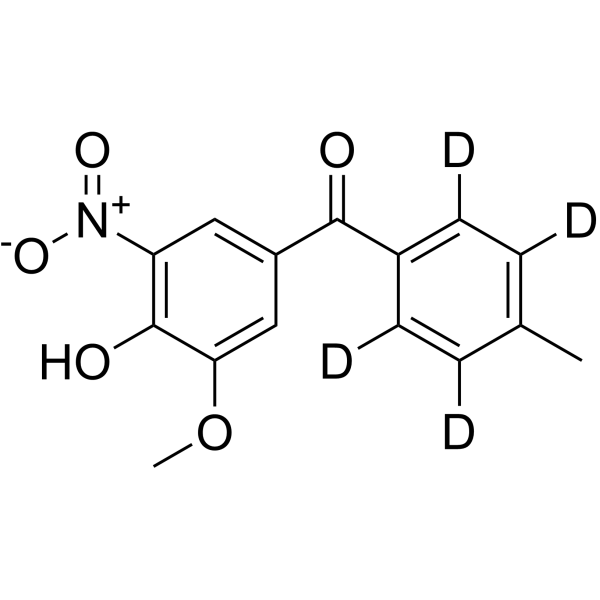
3-O-Methyltolcapone-d4 (Ro 40-7591 d4) is a deuterium labeled 3-O-Methyltolcapone (HY-174062). 3-O-Methyltolcapone (Ro 40-7591) is a metabolite of Tolcapone (HY-17406). Tolcapone (Ro 40-7592) is a selective, potent and orally active COMT inhibitor with an IC50of 773 nM. Tolcapone can inhibits α-syn and Aβ42 oligomerization and fibrillogenesis. Tolcapone can cause oxidative stress and induce cancer cells apoptosis and ROS production. Tolcapone can be used for the researches of cancer and neurological disease, such as Parkinson disease and neuroblastoma [4] .
PROTAC SARS-CoV-2 Mpro degrader-4 (Compound LLP019) is a SARS-CoV-2 M ProPROTAC degrader with a DC50 value of 4.7 μM. PROTAC SARS-CoV-2 Mpro degrader-4 induces M Pro ubiquitination and proteasomal degradation to inhibit SARS-CoV-2 replication. PROTAC SARS-CoV-2 Mpro degrader-4 is promising for research of COVID-19 and related coronavirus infections. (Pink: DH03 (HY-32717); Black: linker (HY-42149); Blue: Thalidomide-4-O-CH2-COO(t-Bu) (HY-42771) .
4-Methylumbelliferone ferulic acid ester serves as a substrate for feruloyl esterase. 4-Methylumbelliferone ferulic acid ester forms an activated aryl ester intermediate, 4-O-acetylated 4-methylumbelliferone ferulic acid ester, which is used for the synthesis of feruloyl esterase substrates .
Maltobionic acid (4-O-α-D-Glucopyranosyl-D-gluconic acid) is an orally active oligosaccharide and iron chelator with antibacterial activity. Maltobionic acid inhibits the expression of NFATc1, suppresses osteoclast differentiation, inhibits bone resorption, and increases serum calcitonin levels. Maltobionic acid protects mammalian cells from hydrogen peroxide (H2O2)-induced oxidative damage; resists fermentation by the gut microbiota; and exhibits anti-digestive and anti-fermentative properties. Maltobionic acid can be used in research related to osteoporosis, bacterial infections, and constipation [4].
4-O-β-Galactopyranosyl-D-mannopyranose is a biochemical reagent that can be used as a biological material or organic compound for life science related research.
O-(4-Nitrobenzyl)hydroxylamine hydrochloride is a biochemical assay reagent used for the preparation of N-(4-nitrobenzyloxy)-amino acid as substrates for an unambiguous N-hydroxypeptide synthesis.
N-Acetyl-D-galactosamine-4-O-sulfate sodium salt is a biochemical reagent that can be used as a biological material or organic compound for life science related research.
Maltulose monohydrate (4-O-α-D-Glucopyranosyl-D-fructose monohydrate) can be used as an energy source for bacteria. Maltulose monohydrate is a biomaterial or organic compound that can be used in life science research .
4-O-Methyl-α-D-glucurono-β-D-xylan is a biochemical reagent that can be used as a biological material or organic compound for life science related research.
D-Galactose-4-O-sulfate sodium salt is a biochemical reagent that can be used as a biological material or organic compound for life science related research.
3,4-O-Isopropylidene-D-mannitol is a biochemical reagent that can be used as a biological material or organic compound for life science related research.
4-O-[4,6-O-(Phenylmethylene)-α-D-glucopyranosyl]-D-glucoseis a class of biochemical reagents used in glycobiology research. Glycobiology studies the structure, synthesis, biology, and evolution of sugars. It involves carbohydrate chemistry, enzymology of glycan formation and degradation, protein-glycan recognition, and the role of glycans in biological systems. This field is closely related to basic research, biomedicine, and biotechnology .
Lactose-3'-sulfate (4-O-(3-O-Sulfo-β-D-galactopyranosyl)-D-glucose) is a class of biochemical reagents used in glycobiology research. Glycobiology studies the structure, synthesis, biology, and evolution of sugars. It involves carbohydrate chemistry, enzymology of glycan formation and degradation, protein-glycan recognition, and the role of glycans in biological systems. This field is closely related to basic research, biomedicine, and biotechnology .
4-O-β-D-Galactopyranosyl-D-galactopyranose is a class of biochemical reagents used in glycobiology research. Glycobiology studies the structure, synthesis, biology, and evolution of sugars. It involves carbohydrate chemistry, enzymology of glycan formation and degradation, protein-glycan recognition, and the role of glycans in biological systems. This field is closely related to basic research, biomedicine, and biotechnology .
4-Hydroxy propofol 4-O-β-D-Glucuronide is a class of biochemical reagents used in the study of glycobiology. Glycobiology studies the structure, synthesis, biology, and evolution of sugars. It deals with carbohydrate chemistry, glycan formation and degradation enzymology, protein-glycan recognition, and the role of glycans in biological systems. The field is closely related to basic research, biomedicine and biotechnology .
4-O-acetyl-3,6-di-O-(tert-butyldiphenylsilyl) -d-Glucal is a class of biochemical reagents used in the study of glycobiology. Glycobiology studies the structure, synthesis, biology, and evolution of sugars. It deals with carbohydrate chemistry, glycan formation and degradation enzymology, protein-glycan recognition, and the role of glycans in biological systems. The field is closely related to basic research, biomedicine and biotechnology .
1,6-Anhydro-3,4-O-(1-methylethylidene)-β-D-galactopyranose is a class of biochemical reagents used in glycobiology research. Glycobiology studies the structure, synthesis, biology, and evolution of sugars. It involves carbohydrate chemistry, enzymology of glycan formation and degradation, protein-glycan recognition, and the role of glycans in biological systems. This field is closely related to basic research, biomedicine, and biotechnology .
2'-Nitrophenyl 2,3-di-O-acetyl-4-O-triethylsilyl-β-D-xylopyranoside is a class of biochemical reagents used in glycobiology research. Glycobiology studies the structure, synthesis, biology, and evolution of sugars. It involves carbohydrate chemistry, enzymology of glycan formation and degradation, protein-glycan recognition, and the role of glycans in biological systems. This field is closely related to basic research, biomedicine, and biotechnology .
4-O-Acetyl-2,5-anhydro-1,3-O-isopropylidene-6-trityl-D-glucitol is a class of biochemical reagents used in glycobiology research. Glycobiology studies the structure, synthesis, biology, and evolution of sugars. It involves carbohydrate chemistry, enzymology of glycan formation and degradation, protein-glycan recognition, and the role of glycans in biological systems. This field is closely related to basic research, biomedicine, and biotechnology .
Methyl 6-deoxy-2-O-methyl-3,4-O-(1-methylethylidene)-α-D-galactopyranoside is a class of biochemical reagents used in glycobiology research. Glycobiology studies the structure, synthesis, biology, and evolution of sugars. It involves carbohydrate chemistry, enzymology of glycan formation and degradation, protein-glycan recognition, and the role of glycans in biological systems. This field is closely related to basic research, biomedicine, and biotechnology .
Methyl 3-O-benzyl-4, 6-O-Benzylidene-2-deoxy-2-N-Phthalimido-β-d-Glucopyranoside is a class of biochemical reagents used in the study of glycobiology. Glycobiology studies the structure, synthesis, biology, and evolution of sugars. It deals with carbohydrate chemistry, glycan formation and degradation enzymology, protein-glycan recognition, and the role of glycans in biological systems. The field is closely related to basic research, biomedicine and biotechnology .
2-Cyclohexylethyl-4-O-(α-D-glucopyranosyl)-β-D-glucopyranoside, 98% (2-Cyclohexylethyl-4-O-(alpha-D-glucopyranosyl)-beta-D-glucopyranoside, 98%) is a detergent that can be used for the purification and crystallization of membrane-bound proteins in their native structure. It can self-assemble into micelles and vesicles in aqueous solution and can be used for the study of biomembrane models.
Methyl 3,4-O-isopropylidene-L-threonate is a class of biochemical reagents used in glycobiology research. Glycobiology studies the structure, synthesis, biology, and evolution of sugars. It involves carbohydrate chemistry, enzymology of glycan formation and degradation, protein-glycan recognition, and the role of glycans in biological systems. This field is closely related to basic research, biomedicine, and biotechnology .
Methyl 3,4-O-isopropylidene-α-D-galactopyranoside is a class of biochemical reagents used in glycobiology research. Glycobiology studies the structure, synthesis, biology, and evolution of sugars. It involves carbohydrate chemistry, enzymology of glycan formation and degradation, protein-glycan recognition, and the role of glycans in biological systems. This field is closely related to basic research, biomedicine, and biotechnology .
4-Methoxyphenyl 3, 4-O-isopropylidene-β-d-Galactopyranoside is a class of biochemical reagents used for the study of glycobiology. Glycobiology studies the structure, synthesis, biology, and evolution of sugars. It deals with carbohydrate chemistry, glycan formation and degradation enzymology, protein-glycan recognition, and the role of glycans in biological systems. The field is closely related to basic research, biomedicine and biotechnology .
4-Nitrophenyl 3,4-O-(1-methylethylidene)-α-D-galactopyranoside is a class of biochemical reagents used in glycobiology research. Glycobiology studies the structure, synthesis, biology, and evolution of sugars. It involves carbohydrate chemistry, enzymology of glycan formation and degradation, protein-glycan recognition, and the role of glycans in biological systems. This field is closely related to basic research, biomedicine, and biotechnology .
2-(Acetylamino)-2-deoxy-4-O-(6-deoxy-α-L-galactopyranosyl)-D-glucose (Fuc-α-2-4-GlcNAc) is a class of biochemical reagents used in glycobiology research. Glycobiology studies the structure, synthesis, biology, and evolution of sugars. It involves carbohydrate chemistry, enzymology of glycan formation and degradation, protein-glycan recognition, and the role of glycans in biological systems. This field is closely related to basic research, biomedicine, and biotechnology .
Methyl 3,4-O-Isopropylidene-6-O-trityl-α-D-galactopyranoside is a class of biochemical reagents used in glycobiology research. Glycobiology studies the structure, synthesis, biology, and evolution of sugars. It involves carbohydrate chemistry, enzymology of glycan formation and degradation, protein-glycan recognition, and the role of glycans in biological systems. This field is closely related to basic research, biomedicine, and biotechnology .
2-(Acetylamino)-2-deoxy-4-O-β-D-mannopyranosyl-D-glucose is a class of biochemical reagents used in glycobiology research. Glycobiology studies the structure, synthesis, biology, and evolution of sugars. It involves carbohydrate chemistry, enzymology of glycan formation and degradation, protein-glycan recognition, and the role of glycans in biological systems. This field is closely related to basic research, biomedicine, and biotechnology .
Methyl 6-deoxy-3,4-O-(1-methylethylidene)-α-D-galactopyranoside is a class of biochemical reagents used in glycobiology research. Glycobiology studies the structure, synthesis, biology, and evolution of sugars. It involves carbohydrate chemistry, enzymology of glycan formation and degradation, protein-glycan recognition, and the role of glycans in biological systems. This field is closely related to basic research, biomedicine, and biotechnology .
Benzyl 2,3-Di-O-benzyl-4-O-benzoyl-β-D-galactopyranoside is a class of biochemical reagents used in glycobiology research. Glycobiology studies the structure, synthesis, biology, and evolution of sugars. It involves carbohydrate chemistry, enzymology of glycan formation and degradation, protein-glycan recognition, and the role of glycans in biological systems. This field is closely related to basic research, biomedicine, and biotechnology .
4-O-Acetyl-2,5-anhydro-1,3-O-isopropylidene-D-glucitol is a class of biochemical reagents used in glycobiology research. Glycobiology studies the structure, synthesis, biology, and evolution of sugars. It involves carbohydrate chemistry, enzymology of glycan formation and degradation, protein-glycan recognition, and the role of glycans in biological systems. This field is closely related to basic research, biomedicine, and biotechnology .
4′-O-(β-D-2″,3″,4″,6″-Tetraacetyl-glucopyranosyl)-4-nitrophloretin is a class of biochemical reagents used in glycobiology research. Glycobiology studies the structure, synthesis, biology, and evolution of sugars. It involves carbohydrate chemistry, enzymology of glycan formation and degradation, protein-glycan recognition, and the role of glycans in biological systems. This field is closely related to basic research, biomedicine, and biotechnology .
Lactulose is an orally active galactose-fructose disaccharide. Lactulose suppresses upregulation of TNF-α and IL-6. Lactulose decreases the degree of DNA damage. Lactulose exhibits many of the properties of other oligosaccharides, including increasing the numbers of Bifidobacteria in feces. Lactulose restores the structure and composition of the intestinal microbiota, mitigates inflammation, and suppresses inflammatory tumorigenesis in mice with colitis-associated cancer. Lactulose can be used in the research of constipation .
4'-O-Methylpyridoxine is an orally active antivitamin B6 compound found in Ginkgo biloba seeds and leaves. 4'-O-Methylpyridoxine inhibits pyridoxal kinase. 4'-O-Methylpyridoxine reduces brain pyridoxal-5'-phosphate (PLP) levels, decreases gamma-aminobutyric acid/glutamate (GABA/Glu) ratio. 4'-O-Methylpyridoxine increases plasma levels of pyridoxal-5'-phosphate and pyridoxal. 4'-O-Methylpyridoxine induces hyperactivity, convulsions, pathological tissue changes, organ damage in rodent brain and heart .
Methyl 4-O-feruloylquinate (4-O-Feruloylquinic acid methyl ester) is a natural product. Methyl 4-O-feruloylquinate can be purified from Stemona Japonica by preparative high-performance liquid chromatography. Methyl 4-O-feruloylquinate has anti-H5N1 activity with a 3% protective rate at 5 μM in MDCK cells .
Pinoresinol 4-O-β-D-glucopyranoside ((+)-Pinoresinol 4-O-β-D-glucopyranoside) is an orally active α-glucosidase inhibitor, with an IC50 of 48.13 μg/mL. Pinoresinol 4-O-β-D-glucopyranoside binds to estrogen receptors. Pinoresinol 4-O-β-D-glucopyranoside inhibits phosphodiesterase. Pinoresinol 4-O-β-D-glucopyranoside exhibits various activities such as antioxidant, anti-inflammatory, anti-hyperglycemic, hepatoprotective and anti-epileptic effects [4] .
Hydroxytyrosol 4-O-glucoside is a phenolic compound found in olive pulp, vegetation water, and pomace of olive oil processing. Hydroxytyrosol 4-O-glucoside can be used in research on antibacterial, hypoglycemic, lipid-lowering, and cholesterol-lowering effects .
4'-O-Methylbavachalcone is an orally active prenylated flavonoid that inhibits the activity of SARS-CoV papain-like protease (PLpro), with an IC50 of 10.1 μM and a Ki of 4.6 μM. 4'-O-Methylbavachalcone inhibits poly (ADP-ribose) polymerase-mediated cell death (parthanatos), reduces cerebral infarct volume, binds to the orthosteric site of SUCNR1, blocks the interaction between succinate and SUCNR1, inhibits SUCNR1 activity, blocks the nuclear translocation of NFATc4, suppresses the activation of the ERK1/2 signaling pathway, inhibits cardiomyocyte hypertrophy and restores the expression of α-actinin. 4'-O-Methylbavachalcone can be used in studies related to ischemic stroke, SARS-CoV and cardiomyocyte hypertrophy .
4-O-Methyl honokiol is a natural neolignan isolated from Magnolia officinalis, acts as a PPARγ agonist, and inhibtis NF-κB activity, used for cancer and inflammation research.
Vitexin-4''-O-glucoside (4''-O-Glucosylvitexin) is an orally active natural flavonoid component with multiple pharmacological effects including antioxidation, anti-inflammation, cytoprotection and anti-apoptosis. Vitexin-4''-O-glucoside regulates the MAPK signaling pathway by downregulating the phosphorylation levels of JNK and p38, thereby blocking endoplasmic reticulum stress responses. Vitexin-4''-O-glucoside alleviates oxidative stress by reducing MDA content and upregulating the activities of SOD and CAT, attenuates inflammation by downregulating the expressions of inflammatory factors TNF-α, IL-1β and IL-6, and also reduces LDH release and inhibits caspase-3 activation. Vitexin-4''-O-glucoside effectively improves drug-induced acute liver injury and exerts significant protective effects against myocardial hypoxia/reoxygenation injury. Vitexin-4''-O-glucoside can be used in studies on acute liver injury, cardiovascular diseases and myocardial hypoxia-reoxygenation injury [4].
Luteolin-4'-O-glucoside is an IL-5 inhibitor with an IC50 of 3.7 μM. Luteolin-4'-O-glucoside resists hyperuricemia and acute gouty arthritis activity. Luteolin-4'-O-glucoside shows anticancer activity .
(-)-Pinoresinol 4-O-glucoside ((-)-Pinoresinol 4-O-β-D-glucopyranoside) is a potent and orally active α-glucosidase inhibitor with an IC50 value of 48.13 µM. (-)-Pinoresinol 4-O-glucoside increases cell migration and early differentiation of pre-osteoblasts. (-)-Pinoresinol 4-O-glucoside increases protein level of BMP2, p-Smad1/5/8, RUNX2. (-)-Pinoresinol 4-O-glucoside attenuates oxidative stress, hyperglycemia and hepatic toxicity. (-)-Pinoresinol 4-O-glucoside has the potential for the research of osteoporosis and periodontal disease .
Ellagic acid 4-O-β-D-xylopyranoside is a natural ellagitannin with antimicrobial activity. Ellagic acid 4-O-β-D-xylopyranoside is an xanthine oxidase inhibitor with an 50 of 2.1 μg/mL .
2',4',6'-Trihydroxydihydrochalcone 4'-O-glucoside (Compound 45) is a phenolic compound. 2',4',6'-Trihydroxydihydrochalcone 4'-O-glucoside can be isolated from Shorea roxburghii. 2',4',6'-Trihydroxydihydrochalcone 4'-O-glucoside can be used in the research of Cyclophosphamide (HY-17420)-induced peripheral neuropathy .
4''-O-Methylcatalposide (compound 7) is a glycoside from the stem bark of Catalpa ovata. 4''-O-Methylcatalposide exhibits peroxynitrite (ONOO −)-scavenging activity with an IC50 of 36.4 μM. 4''-O-Methylcatalposide can be used for anti-inflammatory research .
4-O-Methylepisappanol (compound 9) is nature product that could be isolated from heartwood of Caesalpinia sappan. 4-O-Methylepisappanol is a potent neuraminidase inhibitor on the surface of influenza viruses with IC50 values of 42.8, 63.2, and 63.2 µM for A/Chicken/Korea/MS96/96 [H9N2], A/PR/8/34 [H1N1], and A/Hong Kong/8/68 [H3N2], respectively .
Cryptochlorogenic acid (Standard) is the analytical standard of Cryptochlorogenic acid. This product is intended for research and analytical applications. Cryptochlorogenic acid is a natural product.
Epipodophyllotoxin acetate (4-O-Epipodophyllotoxinyl acetate; compound 4) is a cyclolignan that exhibits antineoplastic and antiviral activities. Epipodophyllotoxin acetate inhibits HSV and VSV, with IC50s of 0.2 and 0.1 μg/mL, respectively .
4-O-Methylsappanol is a natural isoflavonoid with antifungal activities. 4-O-Methylsappanol shows activity against Beauveria bassiana . 4-O-Methylsappanol (EC50 of 4.6 μM) strongly suppresses Melanin (Melanin) synthesis in HMV-II cells .
Piceatannol 4'-O-glucoside is an antioxidant. Piceatannol 4'-O-glucoside is active against oxidation of the human LDL. Piceatannol 4'-O-glucoside can be isolated from Mexican Bamboo .
Luteolin-4'-O-glucoside (Standard) is the analytical standard of Luteolin-4'-O-glucoside. This product is intended for research and analytical applications. Luteolin-4'-O-glucoside is an IL-5 inhibitor with an IC50 of 3.7 μM. Luteolin-4'-O-glucoside resists hyperuricemia and acute gouty arthritis activity. Luteolin-4'-O-glucoside shows anticancer activity .
4-O-Methylbutein is a phenolic glucoside that can be isolated from Elsholtzia ciliata.4-O-Methylbutein exhibits neuroprotective effects against glutamate-induced HT22 cell death with an EC50 of 35.2 μM .
1,4-O-Diferuloylsecoisolariciresinol (compound 7) is a nature product that could be isolated from Hypericum nagasawae. 1,4-O-Diferuloylsecoisolariciresinol can be used in research of cancer .
Methyl 4-O-caffeoylquinate is an extract naturally
derived from the leaf ofIlex paraguariensis. Methyl
4-O-caffeoylquinate has human neutrophilic elastase (HNE) inhibitory activity
.
Pinoresinol 4-O-β-D-glucopyranoside (Standard) is the analytical standard of Pinoresinol 4-O-β-D-glucopyranoside (HY-N2168). This product is intended for research and analytical applications. Pinoresinol 4-O-β-D-glucopyranoside is an orally active α-glucosidase inhibitor, with an IC50 of 48.13 μg/mL. Pinoresinol 4-O-β-D-glucopyranoside binds to estrogen receptors. Pinoresinol 4-O-β-D-glucopyranoside inhibits phosphodiesterase. Pinoresinol 4-O-β-D-glucopyranoside exhibits various activities such as antioxidant, anti-inflammatory, anti-hyperglycemic, hepatoprotective and anti-epileptic effects [4] .
4-O-Demethyl-11-deoxydoxorubicin is an anthracycline antibiotic with antibacterial and antitumor activities. 4-O-Demethyl-11-deoxydoxorubicin is cytotoxic to Hela cells .
Vitexin 2''-O-(4'''-O-acetyl)rhamnoside (4'''-O-Acetyl-2''-O-rhamnosylvitexin) is a Diterpenoids product that can be isolated from the needles and twigs of Taxus cuspidata. .
3,4-O-Isopropylidene-shikimicn acid is a natural product that can be isolated from the whole plants of Hypericum wightianum. 3,4-O-Isopropylidene-shikimic acid has anti-inflammatory effect and antioxidant activities .
4'-O-Methylnyasol is an inhibitor of β-hexosaminidase. 4'-O-Methylnyasol inhibits β-hexosaminidase release from rat basophilic leukemia-2H3 cells with an IC50 of 52.67 μM .
Episyringaresinol 4'-O-β-D-glncopyranoside (Standard) is the analytical standard of Episyringaresinol 4'-O-β-D-glncopyranoside. This product is intended for research and analytical applications. Episyringaresinol 4'-O-β-D-glncopyranoside (compound 22), isolated from Alhagi sparsifolia Shap, is a natural potential neuroinflammatory inhibitor .
Oxyresveratrol 4-O-β-D-glucopyranoside (compound 3) is a natural product that can be obtained from the root bark of Morus atropurpurea. Oxyresveratrol 4-O-β-D-glucopyranoside has potential in studies of diabetes, arthritis, rheumatism, cough and headache .
Puerarin-4'-O-β-D-glucopyranoside (compound 8) is a isoflavone from Pueraria lobata root (PLR). Puerarin-4'-O-β-D-glucopyranoside has estrogenic activity and anti-proliferation of MCF-7 human breast carcinoma cells .
cis-Ferulic acid 4-O-β-D-glucopyranoside (compound 7) is a phenolic glycosid, which can be isolated from Nitraria sibirica.. cis-Ferulic acid 4-O-β-D-glucopyranoside exhibits antioxidant activity and potent inhibitory effect on Phosphatase PTP1B .
N-trans-Feruloyltyramine 4′-O-β-D-glucopyranoside is a phenolic amide glycoside compound found in Suaeda japonica. N-trans-Feruloyltyramine 4′-O-β-D-glucopyranoside exhibits antioxidant activity, capable of effectively scavenging DPPH free radicals and reducing the production of ROS induced by H2O2 in cells, thus protecting cells from oxidative stress damage. N-trans-Feruloyltyramine 4′-O-β-D-glucopyranoside is promising for research of cardiovascular diseases and neurodegenerative diseases .
4-O-Methyl honokiol is a natural neolignan isolated from Magnolia officinalis, acts as a PPARγ agonist, and inhibtis NF-κB activity, used for cancer and inflammation research.
Apigenin-4'-O-(2",6"-di-O-coumaroyl)-β-D-glucopyranoside is a flavonoid compound that can be isolated from the methanol extract of Lycopodium cernuum .
Lactulose (Standard) is the analytical standard of Lactulose. This product is intended for research and analytical applications. Lactulose (4-O-β-D-Galactopyranosyl-D-fructose) is a poorly absorbed sugar that can be used to study constipation and hepatic encephalopathy. The drug generally begins to take effect 8 to 12 hours after administration, but it may take two days to improve constipation.
(-)-Epigallocatechin-4'-O-methylether ((-)-EGC-4'-O-ME) is an orally active natural phenolic catechin with antioxidant, free radical-scavenging and hepatoprotective activities. (-)-Epigallocatechin-4'-O-methylether interferes with radiation-induced free radical formation, scavenges DPPH free radicals, inhibits carbon tetrachloride-induced increases in serum GOT and GPT, suppresses carbon tetrachloride-induced TBA-RS formation, and counteracts carbon tetrachloride-induced hepatocyte toxicity. (-)-Epigallocatechin-4'-O-methylether binds specifically to human serum albumin. (-)-Epigallocatechin-4'-O-methylether can be used in studies related to liver injury [4].
Luteolin 4'-O-β-D-glucuronopyranoside is a flavonoid glycoside. Luteolin 4'-O-β-D-glucuronopyranoside can be isolated from the aerial parts of C. rotundus L.. Luteolin 4'-O-β-D-glucuronopyranoside inhibits α-amylase. Luteolin 4'-O-β-D-glucuronopyranoside shows antioxidant activity. Luteolin 4'-O-β-D-glucuronopyranoside can be used in research on diabetes .
Phloracetophenone 4'-O-glucoside (2',4',6'-Trihydroxyacetophenone 4'-O-β-D-glucoside) is a triterpenoid product that can be isolated from Salacia impressifolia .
4′-O-Methylglabridin is an apoptosis inducer with antioxidant, cell cycle-disrupting and anticancer cytotoxic activities. 4′-O-Methylglabridin inhibits various cancer cell lines including liver cancer, breast cancer and colorectal cancer cell lines. By reducing the expression levels of phosphorylated Rb (Ser807/811) and p21 proteins, 4′-O-Methylglabridin promotes cell accumulation at the subG1 and G2/M phases, and triggers caspase-dependent apoptosis via cytochrome C release and caspase-9 activation. 4′-O-Methylglabridin also exerts antioxidant effects by inhibiting lipid peroxide levels and reducing β-carotene consumption, thereby blocking LDL oxidation. 4′-O-Methylglabridin can be used in the research of various cancers and atherosclerotic diseases .
4-O-Methyl-ascochlorin (Compound MAC) is a derivative of Ascochlorin (HY-101021). 4-O-Methyl-ascochlorin can selectively induce apoptosis of K562 leukemia cells, cause G1 phase arrest and downregulate c-Myc expression. 4-O-Methyl-ascochlorin can promote the phosphorylation of AMPK and inhibit the phosphorylation of mTOR and its target proteins, including p70S6 K and 4E-BP-1. 4-O-Methyl-ascochlorin can be used for research of leukemia .
4-O-Methylolivetolcarboxylic acid is an olivetolcarboxylic acid derivative that can be found in the lichen Cladonia stellaris, belonging to the category of secondary metabolites .
Vanillic acid 4-O-β-D-glucopyranoside is a vanillic acid glycoside with moderate antioxidant activity. Vanillic acid 4-O-β-D-glucopyranoside scavenges DPPH free radicals and superoxide anion radicals, and inhibits AAPH-induced lipid peroxidation in the linoleic acid system. The IC50 value of Vanillic acid 4-O-β-D-glucopyranoside against HIV-1 integrase is >100 μg/mL, indicating that it is not an effective HIV-1 integrase inhibitor. Vanillic acid 4-O-β-D-glucopyranoside is isolable from the ethyl acetate extract of Gardeniae Fructus.
4'-O-β-D-Glucosyl-5,3'-dihydroxy-7-methoxyflavanone (Compound 3) (4'-O-β-D-Glucosyl-7-methoxy-eriodictiol) is a flavonoid. 4'-O-β-D-Glucosyl-5,3'-dihydroxy-7-methoxyflavanone can be isolated from the plant Aerva persica.
4'-O-Methyl-8-prenylnaringenin is a prenylated flavonoid compound with antibacterial activity, which can be isolated from propolis of the Solomon Islands. 4'-O-Methyl-8-prenylnaringenin exerts its antibacterial activity by enhancing cell penetration and damaging bacterial cell membranes or cell walls. The minimum inhibitory concentrations (MICs) against Staphylococcus aureus, Bacillus subtilis, and Pseudomonas aeruginosa are 32 μg/mL, 32 μg/mL, and 128 μg/mL, respectively .
cis-Oxyresveratrol-4'-O-glucoside (compound 2a) is a β-D-glucoside derivative of oxyresveratrol, whose parent compound possesses potential anti-inflammatory, antioxidant, free radical scavenging, and tyrosinase inhibitory activities, and can be used in anti-inflammatory, antioxidant, and whitening-related research. cis-Oxyresveratrol-4'-O-glucoside is a product obtained by the biotransformation of oxyresveratrol using cell suspension cultures of Solanum mammosum (a plant of the genus Solanum in the Solanaceae family) .
Dihydrotamarixetin (4'-O-Methyldihydroquercetin; Blumeatin A) is a flavonoid with a saturated 2,3-bond and a non-catechol B ring. Dihydrotamarixetin acts as an inhibitor of NADPH Oxidase .
(-)-Epigallocatechin-3-O-(4-O-methyl)gallate is an orally active catechin derivative found in Taiwanese oolong tea. (-)-Epigallocatechin-3-O-(4-O-methyl)gallate can inhibit histamine release and exhibits anti-inflammation and anti-allergic effect. (-)-Epigallocatechin-3-O-(4-O-methyl)gallate can be used for the researches of immunology and inflammation, such as type I allergic .
Dehydrodiconiferyl alcohol 4-O-β-D-glucopyranoside is a Lignans product that can be isolated from the roots of Ligusticopsis wallichiana (DC) Pimenov & Kljuykov. .
Neochilenin (3-O-Methylquercetin 4 '-O-glucoside) is a glycoside of 3-O-methylquercetin, which can be isolated from the sub-family Cereoideae (Cactaceae). .
Methyl syringate-4-O-β-D-glucopyranoside (Glucoside 9) is an aromatic compound glycoside that can be isolated from the fruits of Pimpinella anisum L. (anise) .
3'-Deoxy-4-O-methylsappanol shows cytotoxicity against melanoma HMV II cell (IC50=50.4 μM) and has significant anti-melanogenic activities (EC50=72 μM) .
4'-Methoxyresveratrol (4'-O-Methylresveratrol) is a polyphenol derived from Dipterocarpaceae, with antiandrogenic, antifungal and anti-inflammatory activities. 4'-Methoxyresveratrol alleviates AGE-induced inflammation through suppressing RAGE-mediated MAPK/NF-κB signaling pathway and NLRP3 inflammasome activation .
(-)-Syringaresnol-4-O-β-D-apiofuranosyl-(1→2)-β-D-glucopyranoside (Standard) is the analytical standard of (-)-Syringaresnol-4-O-β-D-apiofuranosyl-(1→2)-β-D-glucopyranoside. This product is intended for research and analytical applications. (-)-Syringaresnol-4-O-β-D-apiofuranosyl-(1→2)-β-D-glucopyranoside is a lignan glycoside that can be isolated from the stem bark of Albizia julibrissin Durazz .
Hesperetin dihydrochalcone-4′-O-β-D-glucoside is a type of dihydrochalcone compound that has flavor-modulating properties in various natural zero-calorie/low-calorie sweeteners .
Pinoresinol-4-O-β-D-apiosyl-(1→2)β-D-glucoside is a lignan compound and a melanogenesis inhibitor with low cytotoxicity. Pinoresinol-4-O-β-D-apiosyl-(1→2)β-D-glucoside is isolable from the stem bark of Acer buergerianum (Acer buergerianum). Pinoresinol-4-O-β-D-apiosyl-(1→2)β-D-glucoside effectively inhibits the melanogenesis process in α-MSH (HY-P0252)-stimulated B16 melanoma cells. Pinoresinol-4-O-β-D-apiosyl-(1→2)β-D-glucoside exhibits extremely high safety towards normal cells, and serves as an ideal tool molecule for studying melanoma mechanisms and developing related whitening products .
Quinovic acid 3-O-(3',4'-O-isopropylidene)-β-D-fucopyranoside is a Triterpenoids product that can be isolated from the herbs of Mitragyna rotundifolia .
Meliasendanin D 4'-O-β-D-glucopyranoside (Example 1) is a neolignan-type lignan that may have potential functions in controlling blood sugar, lowering blood pressure, and exhibiting antibacterial, anti-inflammatory, analgesic, or immunomodulatory effects, which require further experimental verification.
3-O-Methylellagic acid-4′-O-α-L-rhamnopyranoside is an ellagic acid glycoside compound that can be isolated from the stem bark of Aphananthe aspera and can be used for the research of inflammation and pain .
Picropodophyllin-4-O-β-D-glucopyranosyl-(1→6)-β-D-glucopyranoside (compound 17) is a lignan isolated from the roots and rhizomes of Podophyllum sinensis .
(2′S)-4′-O-β-D-apiofuranosyl-(1→6)-O-β-D-glucopyranosylvisamminol is a chromone Glycoside that could be isolated from Roots of Saposhnikovia divaricate. (2′S)-4′-O-β-D-apiofuranosyl-(1→6)-O-β-D-glucopyranosylvisamminol exhibits weak anti-cancer activity in human cancer cell lines .
(-)-Syringaresnol-4-O-β-D-apiofuranosyl-(1→2)-β-D-glucopyranoside is a lignan glycoside that can be isolated from the stem bark of Albizia julibrissin Durazz .
Tamarixetin (4'-O-Methyl Quercetin) is an orally active natural flavonoid derivative of quercetin and caseinolytic protease p (ClpP) inhibitor with anti-inflammatory, antioxidant and antitumor effects. Tamarixetin inhibits the hydrolytic activity of ClpP to the fluorescent substrate Suc-LY-AMC with an IC50 of 49.73 μM, which can be used for the study of Staphylococcus aureus infection. Tamarixetin inhibits tumor cell growth, induces apoptosis, and cell cycle arrest. Tamarixetin prevents cardiac hypertrophy by inhibiting the NFAT and AKT pathways [4].
4'-Methoxyresveratrol (Standard) is the analytical standard of 4'-Methoxyresveratrol. This product is intended for research and analytical applications. 4'-Methoxyresveratrol (4'-O-Methylresveratrol) is a polyphenol derived from Dipterocarpaceae, with antiandrogenic, antifungal and anti-inflammatory activities. 4'-Methoxyresveratrol alleviates AGE-induced inflammation through suppressing RAGE-mediated MAPK/NF-κB signaling pathway and NLRP3 inflammasome activation .
Maltol-3-O-(4'-O-p-coumaroyl-6'-O-(3-hydroxy-3-methylglutaroyl))-β-glucopyranoside is a sortase A inhibitor of Streptococcus mutans, with an IC50 value of 94.3 μM. Maltol-3-O-(4'-O-p-coumaroyl-6'-O-(3-hydroxy-3-methylglutaroyl))-β-glucopyranoside inhibits saliva-induced aggregation of Streptococcus mutans. Maltol-3-O-(4'-O-p-coumaroyl-6'-O-(3-hydroxy-3-methylglutaroyl))-β-glucopyranoside can be used in caries-related research .
4''-methyloxy-Daidzin (Daidzein 7-O-Β-D-glucoside 4''-O-methylate), an isoflavone methyl-glycoside, is isolated from Cordyceps militaris grown on germinated soybeans. Isoflavones possess immunomodulating and antiallergic activities .
4′-O-Acetyl-3-O-α-L-arabinopyranosyl-23-hydroxyolea-12-en-28-oic acid is a natural product that can be found in hedera nepalensis?var.?sinensis?(tobl.) rehd.
4-(4-Hydroxyphenyl)-2-butanone 4'-O-β-D-(2-O-galloyl-6-O-cinnamoyl)glucopyranoside is a pancreatic lipase inhibitor, with an IC50 value of 2.91 μM. 4-(4-Hydroxyphenyl)-2-butanone 4'-O-β-D-(2-O-galloyl-6-O-cinnamoyl)glucopyranoside can effectively reduce lipid absorption and regulate obesity-related metabolic disorders, making it useful for research on obesity .
Tamarixetin (Standard) is the analytical standard of Tamarixetin. This product is intended for research and analytical applications. Tamarixetin (4'-O-Methyl Quercetin) is an orally active natural flavonoid derivative of quercetin and caseinolytic protease p (ClpP) inhibitor with anti-inflammatory, antioxidant and antitumor effects. Tamarixetin inhibits the hydrolytic activity of ClpP to the fluorescent substrate Suc-LY-AMC with an IC50 of 49.73 μM, which can be used for the study of Staphylococcus aureus infection. Tamarixetin inhibits tumor cell growth, induces apoptosis, and cell cycle arrest. Tamarixetin prevents cardiac hypertrophy by inhibiting the NFAT and AKT pathways .
Genistein 7-O-β-D-glucopyranoside-4'-O-[α-L-rhamnopyranosyl-(1→2)-β-D-glucopyranoside] is an isoflavone triglycoside that could be isolated from Sophora japonica .
(6-O-p-Coumaroyl)-β-D-glucopyranosyl-2-O-(4-hydroxybenzoyl)-4-O-β-D-glucopyranosyl-6-hydroxyphenylacetate is a selective α-glucosidase inhibitor (IC50=10.53 μg/mL) with anti-hepatic fibrosis and anti-diabetic properties. It also inhibits the growth of mouse hepatic stellate cells (t-HSC/Cl-6) with an IC50 of 109.2 μg/mL. (6-O-p-Coumaroyl)-β-D-glucopyranosyl-2-O-(4-hydroxybenzoyl)-4-O-β-D-glucopyranosyl-6-hydroxyphenylacetate can be isolated from the ester derivatives of Impatiens balsamina L. flowers. (6-O-p-Coumaroyl)-β-D-glucopyranosyl-2-O-(4-hydroxybenzoyl)-4-O-β-D-glucopyranosyl-6-hydroxyphenylacetate can be used in research related to hepatic fibrosis and type 2 diabetes.
5,6,7-Trihydroxy-4'-methoxyflavone (4'-O-Methylscutellarein) is a flavonoid and a weak inhibitor of xanthine oxidase. 5,6,7-Trihydroxy-4'-methoxyflavone possesses antithrombotic and antioxidant activities. 5,6,7-Trihydroxy-4'-methoxyflavone has an IC50 value of 25.29 µM for DPPH free radical scavenging. 5,6,7-Trihydroxy-4'-methoxyflavone can also inhibit H2O2-induced damage to PC12 cells. 5,6,7-Trihydroxy-4'-methoxyflavone is applicable for the research of diseases such as cerebrovascular disorders .
(7S,8R)-4,9,9'-Trihydroxy-3,3',5-trimethoxy-8,4'-oxyneolignan 4-O-β-D-glucopyranoside (5) is a lignan compound that can be isolated from Smilax trinervula .
(7R,8R)-Threo-7,9,9′-trihydroxy-3,3′-dimethoxy-8-O-4′-neolignan-4-O-β-D-glucopyranoside (compound 13) is a lignin glycoside that can be isolated from the fruits of Arctium lappa (burdock, Asteraceae) .
(7S,8S)-Threo-7,9,9′-trihydroxy-3,3′-dimethoxy-8-O-4′-neolignan-4-O-β-D-glucopyranoside (compound 16) is a lignin glycoside that can be isolated from the fruits of Arctium lappa (burdock, Asteraceae) .
5-O-Methylvisammioside (4'-O-β-D-Glucosyl-5-O-methylvisamminol) is an orally active natural chromone glycoside and multiple biological activities. 5-O-Methylvisammioside inhibits ferroptosis by activating the Nrf2/HO-1 signaling axis. 5-O-Methylvisammioside alleviates intestinal barrier damage by inhibiting the ROS/NF-κB/NLRP3 pathway. 5-O-Methylvisammioside exerts a protective effect against acute liver injury by reducing ALT/AST, decreasing inflammatory infiltration, and inhibiting IκB-α phosphorylation and NF-κB nuclear translocation. 5-O-Methylvisammioside blocks the HMGB1/RAGE/MEK/ERK signaling axis to exert anti-tumor and anti-angiogenic effects. 5-O-Methylvisammioside improves depression-like behaviors by inhibiting Src kinase and the NF-κB pathway [4] .
5-O-Methylvisammioside (4'-O-β-D-Glucosyl-5-O-methylvisamminol) (Standard) is the analytical standard of 5-O-Methylvisammioside. This product is intended for research and analytical applications. 5-O-Methylvisammioside is an orally active natural chromone glycoside and multiple biological activities. 5-O-Methylvisammioside inhibits ferroptosis by activating the Nrf2/HO-1 signaling axis. 5-O-Methylvisammioside alleviates intestinal barrier damage by inhibiting the ROS/NF-κB/NLRP3 pathway. 5-O-Methylvisammioside exerts a protective effect against acute liver injury by reducing ALT/AST, decreasing inflammatory infiltration, and inhibiting IκB-α phosphorylation and NF-κB nuclear translocation. 5-O-Methylvisammioside blocks the HMGB1/RAGE/MEK/ERK signaling axis to exert anti-tumor and anti-angiogenic effects. 5-O-Methylvisammioside improves depression-like behaviors by inhibiting Src kinase and the NF-κB pathway.
Spiraeoside, an orally active natural compound, exerts antioxidant activity, inhibits reactive oxygen species (ROS) and malondialdehyde production. Spiraeoside possesses antiallergic, anti-inflammatory and antitumor activities .
Kaempferide is an orally active flavonol isolated from Hippophae rhamnoides L. Kaempferide has anticancer, anti-inflammatory, antioxidant, antidiabetic, antiobesity, antihypertensive, and neuroprotective activities. Kaempferide induces apoptosis. Kaempferide promotes osteogenesis through antioxidants and can be used in osteoporosis research [4] .
Sikokianin A is a biflavanone that can be isolated from the root of Stellera chamaejasme. Sikokianin A has antimitotic and antifungal activity to against Pyricularia oryzae .
Spiraeoside (Standard) is the analytical standard of Spiraeoside. This product is intended for research and analytical applications. Spiraeoside, an orally active natural compound, exerts antioxidant activity, inhibits reactive oxygen species (ROS) and malondialdehyde production. Spiraeoside possesses antiallergic, anti-inflammatory and antitumor activities .
4'-Demethylepipodophyllotoxin (Standard) is the analytical standard of 4'-Demethylepipodophyllotoxin. This product is intended for research and analytical applications. 4'-Demethylepipodophyllotoxin (4'-DMEP) is an intermediate compound that inhibits microtubule assembly.
O-Methyldauricine ((-)-O-Methyldauricine) is an alkaloid with benzylisoquinoline group, which can be separated from P. ophthalmicus. O-Methyldauricine has antibacterial activity .
Resveratroloside (Resveratrol glycoside) is an orally active competitive inhibitor of α-glucosidase. Resveratroloside has hypoglycemic and cardioprotective effects. Resveratroloside can be used for the research of diabetes and heart system diseases .
3'-O-Acetyl-akebia saponin D (compound 23) is a triterpenoid saponin found in the roots of Dipsacus asper (Radix Dipsaci).3'-O-Acetyl-akebia saponin D is an isomer of 4'-O-acetyl-akebia saponin D .
Isosulfazecin (iSZ) is a novel β-lactam antibiotic produced by Pseudomonas acidophilus sp., synthesized in a nutrient solution supplemented with glycerol and sodium thiosulfate under aerobic conditions in parallel with bacterial growth. It is purified by chromatography and crystallization from aqueous methanol. Physicochemical analysis determined its molecular formula to be C12H20N4O9S, showing a structure with a β-lactam ring, methoxyl and sulfonate groups. Acid hydrolysis yields L-alanine and D-glutamic acid. iSZ is a diastereomer of sulfadiazine and exhibits moderate activity against both gram-positive and gram-negative bacteria, but potent activity against bacteria resistant to β-lactam antibiotics .
Hygromycin-B kinase/HPH Proteinas, an aminoglycoside phosphotransferase, phosphorylates and inactivates antibiotic substrates, including hygromycin and related compounds. This selective enzymatic activity highlights its specificity within the aminoglycoside class, regulating antibiotic function and potentially influencing microbial resistance mechanisms. Hygromycin-B kinase/HPH Protein, E.coli (P. pastoris, His) is the recombinant E. coli-derived Hygromycin-B kinase/HPH protein, expressed by P. pastoris , with N-6*His labeled tag.
Hygromycin-B kinase/HPH Proteinas, an aminoglycoside phosphotransferase, phosphorylates and inactivates antibiotic substrates, including hygromycin and related compounds. This selective enzymatic activity highlights its specificity within the aminoglycoside class, regulating antibiotic function and potentially influencing microbial resistance mechanisms. Hygromycin-B kinase/HPH Protein, E.coli (His-SUMO) is the recombinant E. coli-derived Hygromycin-B kinase/HPH protein, expressed by E. coli , with N-His, N-SUMO labeled tag.
3-O-Methyltolcapone-d4 (Ro 40-7591 d4) is a deuterium labeled 3-O-Methyltolcapone (HY-174062). 3-O-Methyltolcapone (Ro 40-7591) is a metabolite of Tolcapone (HY-17406). Tolcapone (Ro 40-7592) is a selective, potent and orally active COMT inhibitor with an IC50of 773 nM. Tolcapone can inhibits α-syn and Aβ42 oligomerization and fibrillogenesis. Tolcapone can cause oxidative stress and induce cancer cells apoptosis and ROS production. Tolcapone can be used for the researches of cancer and neurological disease, such as Parkinson disease and neuroblastoma [4] .
(rac)-2,4-O-Dimethylzearalenone-d6 is deuterium labeled (rac)-2,4-O-Dimethylzearalenone. (rac)-2,4-O-Dimethylzearalenone is a Zearalenone analog with blocked resorcinol OH groups
N-(m-PEG4)-N'-(m-PEG4)-O-(m-PEG4)-O'-(propargyl-PEG4)-Cy5 is a PEG-based PROTAC linker that can be used in the synthesis of PROTACs . N-(m-PEG4)-N'-(m-PEG4)-O-(m-PEG4)-O'-(propargyl-PEG4)-Cy5 is a click chemistry reagent, it contains an Alkyne group and can undergo copper-catalyzed azide-alkyne cycloaddition (CuAAc) with molecules containing Azide groups.
N-(m-PEG4)-N'-(m-PEG4)-O-(m-PEG4)-O'-(azide-PEG4)-Cy5 is a PEG-based PROTAC linker that can be used in the synthesis of PROTACs . N-(m-PEG4)-N'-(m-PEG4)-O-(m-PEG4)-O'-(azide-PEG4)-Cy5 is a click chemistry reagent, it contains an Azide group and can undergo copper-catalyzed azide-alkyne cycloaddition reaction (CuAAc) with molecules containing Alkyne groups. It can also undergo strain-promoted alkyne-azide cycloaddition (SPAAC) reactions with molecules containing DBCO or BCN groups.
Propargyl-PEG4-O-C1-Boc is a PEG-based PROTAC linker can be used in the synthesis of PROTACs . Propargyl-PEG4-O-C1-Boc is a click chemistry reagent, it contains an Alkyne group and can undergo copper-catalyzed azide-alkyne cycloaddition (CuAAc) with molecules containing Azide groups.
Propargyl-PEG4-O-C1-NHS ester (compound 8) is a PEG-based PROTAC linker can be used in the synthesis of PROTACs. Propargyl-PEG4-O-C1-NHS ester is a click chemistry reagent, it contains an Alkyne group and can undergo copper-catalyzed azide-alkyne cycloaddition (CuAAc) with molecules containing Azide groups.
N-methyl-N'-methyl-O-(m-PEG4)-O'-(propargyl-PEG4)-Cy3 is a PEG-based PROTAC linker that can be used in the synthesis of PROTACs . N-methyl-N'-methyl-O-(m-PEG4)-O'-(propargyl-PEG4)-Cy3 is a click chemistry reagent, it contains an Alkyne group and can undergo copper-catalyzed azide-alkyne cycloaddition (CuAAc) with molecules containing Azide groups.
N-methyl-N'-methyl-O-(m-PEG4)-O'-(propargyl-PEG4)-Cy5 is a PEG-based PROTAC linker that can be used in the synthesis of PROTACs . N-methyl-N'-methyl-O-(m-PEG4)-O'-(propargyl-PEG4)-Cy5 is a click chemistry reagent, it contains an Alkyne group and can undergo copper-catalyzed azide-alkyne cycloaddition (CuAAc) with molecules containing Azide groups.
N-methyl-N'-methyl-O-(m-PEG4)-O'-(azide-PEG4)-Cy5 is a PEG-based PROTAC linker that can be used in the synthesis of PROTACs . N-methyl-N'-methyl-O-(m-PEG4)-O'-(azide-PEG4)-Cy5 is a click chemistry reagent, it contains an Azide group and can undergo copper-catalyzed azide-alkyne cycloaddition reaction (CuAAc) with molecules containing Alkyne groups. It can also undergo strain-promoted alkyne-azide cycloaddition (SPAAC) reactions with molecules containing DBCO or BCN groups.
N-Methyl-N'-methyl-O-(m-PEG4)-O'-(azide-PEG4)-Cy3 is a PEG-based PROTAC linker that can be used in the synthesis of PROTACs . N-Methyl-N'-methyl-O-(m-PEG4)-O'-(azide-PEG4)-Cy3 is a click chemistry reagent, it contains an Azide group and can undergo copper-catalyzed azide-alkyne cycloaddition reaction (CuAAc) with molecules containing Alkyne groups. It can also undergo strain-promoted alkyne-azide cycloaddition (SPAAC) reactions with molecules containing DBCO or BCN groups.
Pomalidomide-C3-O-C4-O-C3-NH2 is an E3 ligase ligand-linker conjugate that contains Pomalidomide (HY-10984). Pomalidomide-C3-O-C4-O-C3-NH2 can be used for the synthesis of PROTACs targeting glycogen synthase kinase 3β (GSK-3β), such as PROTAC GSK-3β Degrader-1 (HY-149845) .
(2R,3R,4R,5R)-5-(6-Amino-2-fluoro-9H-purin-9-yl)-2-((bis(4-methoxyphenyl)(phenyl)methoxy)methyl)-4-((tert-butyldimethylsilyl)oxy)tetrahydrofuran-3-yl (2-cyanoethyl) diisopropylphosphoramidite is a phosphoramidite that can be used in the synthesis of oligonucleotides.
Inquiry Online
Your information is safe with us. * Required Fields.
Western blot analysis of extracts from THP-1(lane 2(20μg), Jurkat (lane 3(20μg) and NIH3T3(lane 4(20μg) using FOXO1A (HY-P80132) Rabbit mAb. Proteins were transferred
to a PVDF membrane and blocked with 5% non-fat milk in TBST for 2 hour at room temperature. The primary antibody (1/1000) and Loading control antibody (Beta Actin, HY-P80438, 1/10000) was
used in 5% non-fat milk in TBST at 4°C overnight. Goat Anti-Mouse/Rabbit IgG-HRP Secondary Antibody (1/10000) was used for 1 hour at room temperature.
Western blot analysis of extracts from THP-1(lane 2(20μg), Jurkat (lane 3(20μg) and NIH3T3(lane 4(20μg) using FOXO1A (HY-P80132) Rabbit mAb. Proteins were transferred
to a PVDF membrane and blocked with 5% non-fat milk in TBST for 2 hour at room temperature. The primary antibody (1/1000) and Loading control antibody (Beta Actin, HY-P80438, 1/10000) was
used in 5% non-fat milk in TBST at 4°C overnight. Goat Anti-Mouse/Rabbit IgG-HRP Secondary Antibody (1/10000) was used for 1 hour at room temperature.
Western blot analysis of extracts from THP-1(lane 2(20μg), Jurkat (lane 3(20μg) and NIH3T3(lane 4(20μg) using FOXO1A (HY-P80132) Rabbit mAb. Proteins were transferred
to a PVDF membrane and blocked with 5% non-fat milk in TBST for 2 hour at room temperature. The primary antibody (1/1000) and Loading control antibody (Beta Actin, HY-P80438, 1/10000) was
used in 5% non-fat milk in TBST at 4°C overnight. Goat Anti-Mouse/Rabbit IgG-HRP Secondary Antibody (1/10000) was used for 1 hour at room temperature.
Western blot analysis of extracts from THP-1(lane 2(20μg), Jurkat (lane 3(20μg) and NIH3T3(lane 4(20μg) using FOXO1A (HY-P80132) Rabbit mAb. Proteins were transferred
to a PVDF membrane and blocked with 5% non-fat milk in TBST for 2 hour at room temperature. The primary antibody (1/1000) and Loading control antibody (Beta Actin, HY-P80438, 1/10000) was
MedchemExpress Validation 03
Western blot analysis of extracts from THP-1(lane 2(20μg), Jurkat (lane 3(20μg) and NIH3T3(lane 4(20μg) using FOXO1A (HY-P80132) Rabbit mAb. Proteins were transferred
MedchemExpress Validation 04
Western blot analysis of extracts from THP-1(lane 2(20μg), Jurkat (lane 3(20μg) and NIH3T3(lane 4(20μg) using FOXO1A (HY-P80132) Rabbit mAb. Proteins were transferred
to a PVDF membrane and blocked with 5% non-fat milk in TBST for 2 hour at room temperature. The primary antibody (1/1000) and Loading control antibody (Beta Actin, HY-P80438, 1/10000) was
used in 5% non-fat milk in TBST at 4°C overnight. Goat Anti-Mouse/Rabbit IgG-HRP Secondary Antibody (1/10000) was used for 1 hour at room temperature.
MedchemExpress Validation
Western blot analysis of extracts from THP-1(lane 2(20μg), Jurkat (lane 3(20μg) and NIH3T3(lane 4(20μg) using FOXO1A (HY-P80132) Rabbit mAb. Proteins were transferred
to a PVDF membrane and blocked with 5% non-fat milk in TBST for 2 hour at room temperature. The primary antibody (1/1000) and Loading control antibody (Beta Actin, HY-P80438, 1/10000) was
used in 5% non-fat milk in TBST at 4°C overnight. Goat Anti-Mouse/Rabbit IgG-HRP Secondary Antibody (1/10000) was used for 1 hour at room temperature.
Western blot analysis of extracts from THP-1(lane 2(20μg), Jurkat (lane 3(20μg) and NIH3T3(lane 4(20μg) using FOXO1A (HY-P80132) Rabbit mAb. Proteins were transferred
to a PVDF membrane and blocked with 5% non-fat milk in TBST for 2 hour at room temperature. The primary antibody (1/1000) and Loading control antibody (Beta Actin, HY-P80438, 1/10000) was
used in 5% non-fat milk in TBST at 4°C overnight. Goat Anti-Mouse/Rabbit IgG-HRP Secondary Antibody (1/10000) was used for 1 hour at room temperature.
MedchemExpress Validation
Western blot analysis of extracts from THP-1(lane 2(20μg), Jurkat (lane 3(20μg) and NIH3T3(lane 4(20μg) using FOXO1A (HY-P80132) Rabbit mAb. Proteins were transferred
to a PVDF membrane and blocked with 5% non-fat milk in TBST for 2 hour at room temperature. The primary antibody (1/1000) and Loading control antibody (Beta Actin, HY-P80438, 1/10000) was
used in 5% non-fat milk in TBST at 4°C overnight. Goat Anti-Mouse/Rabbit IgG-HRP Secondary Antibody (1/10000) was used for 1 hour at room temperature.
MedchemExpress Validation
Western blot analysis of extracts from THP-1(lane 2(20μg), Jurkat (lane 3(20μg) and NIH3T3(lane 4(20μg) using FOXO1A (HY-P80132) Rabbit mAb. Proteins were transferred
to a PVDF membrane and blocked with 5% non-fat milk in TBST for 2 hour at room temperature. The primary antibody (1/1000) and Loading control antibody (Beta Actin, HY-P80438, 1/10000) was
used in 5% non-fat milk in TBST at 4°C overnight. Goat Anti-Mouse/Rabbit IgG-HRP Secondary Antibody (1/10000) was used for 1 hour at room temperature.
MedchemExpress Validation
Western blot analysis of extracts from THP-1(lane 2(20μg), Jurkat (lane 3(20μg) and NIH3T3(lane 4(20μg) using FOXO1A (HY-P80132) Rabbit mAb. Proteins were transferred
to a PVDF membrane and blocked with 5% non-fat milk in TBST for 2 hour at room temperature. The primary antibody (1/1000) and Loading control antibody (Beta Actin, HY-P80438, 1/10000) was
used in 5% non-fat milk in TBST at 4°C overnight. Goat Anti-Mouse/Rabbit IgG-HRP Secondary Antibody (1/10000) was used for 1 hour at room temperature.
MedchemExpress Validation
Western blot analysis of extracts from THP-1(lane 2(20μg), Jurkat (lane 3(20μg) and NIH3T3(lane 4(20μg) using FOXO1A (HY-P80132) Rabbit mAb. Proteins were transferred
to a PVDF membrane and blocked with 5% non-fat milk in TBST for 2 hour at room temperature. The primary antibody (1/1000) and Loading control antibody (Beta Actin, HY-P80438, 1/10000) was
used in 5% non-fat milk in TBST at 4°C overnight. Goat Anti-Mouse/Rabbit IgG-HRP Secondary Antibody (1/10000) was used for 1 hour at room temperature.
MedchemExpress Validation
Western blot analysis of extracts from THP-1(lane 2(20μg), Jurkat (lane 3(20μg) and NIH3T3(lane 4(20μg) using FOXO1A (HY-P80132) Rabbit mAb. Proteins were transferred
to a PVDF membrane and blocked with 5% non-fat milk in TBST for 2 hour at room temperature. The primary antibody (1/1000) and Loading control antibody (Beta Actin, HY-P80438, 1/10000) was
used in 5% non-fat milk in TBST at 4°C overnight. Goat Anti-Mouse/Rabbit IgG-HRP Secondary Antibody (1/10000) was used for 1 hour at room temperature.
MedchemExpress Validation
Western blot analysis of extracts from THP-1(lane 2(20μg), Jurkat (lane 3(20μg) and NIH3T3(lane 4(20μg) using FOXO1A (HY-P80132) Rabbit mAb. Proteins were transferred
to a PVDF membrane and blocked with 5% non-fat milk in TBST for 2 hour at room temperature. The primary antibody (1/1000) and Loading control antibody (Beta Actin, HY-P80438, 1/10000) was
used in 5% non-fat milk in TBST at 4°C overnight. Goat Anti-Mouse/Rabbit IgG-HRP Secondary Antibody (1/10000) was used for 1 hour at room temperature.
MedChemExpress values your privacy and your trust is important to us. We use cookies to enhance your website experience. Some cookies are necessary to run the website.
Privacy and Cookie Policy





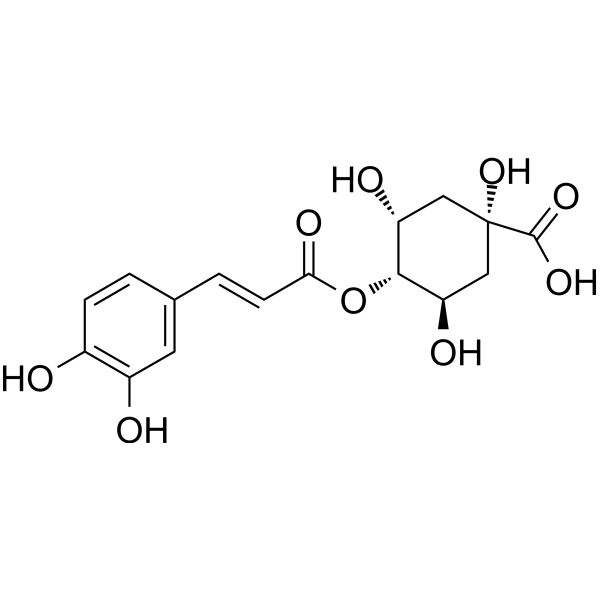
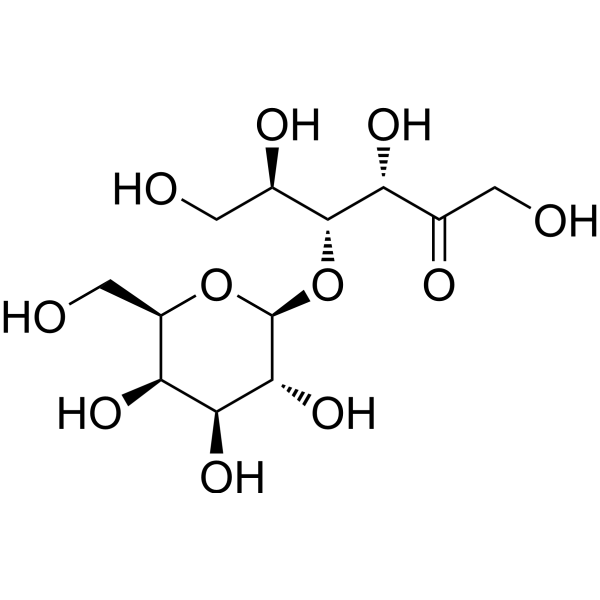
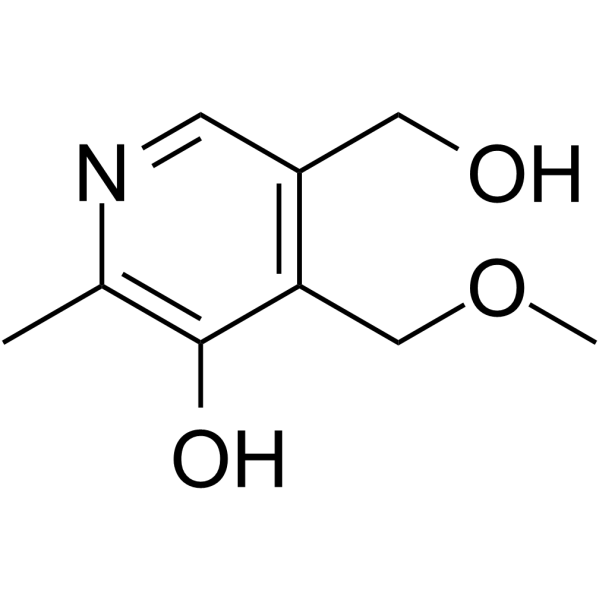

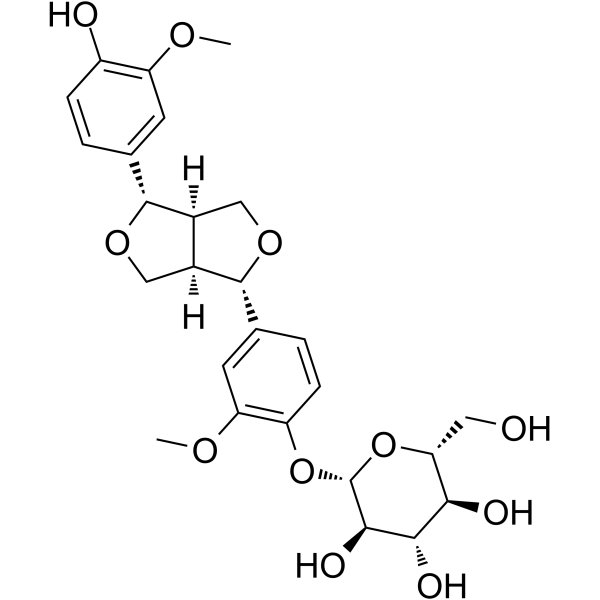
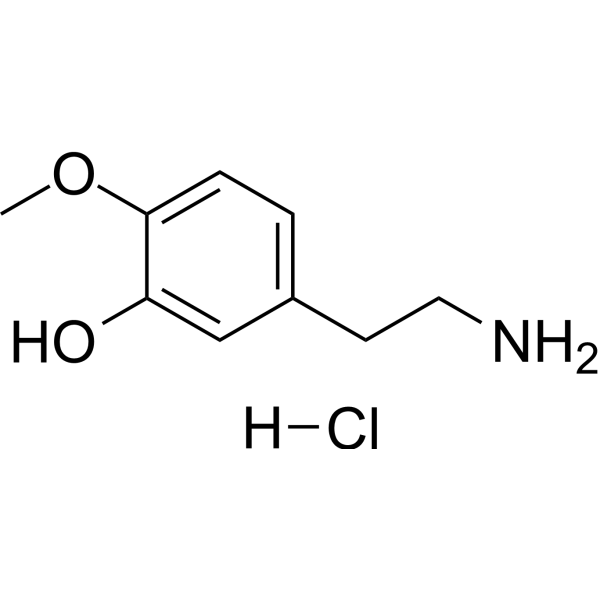

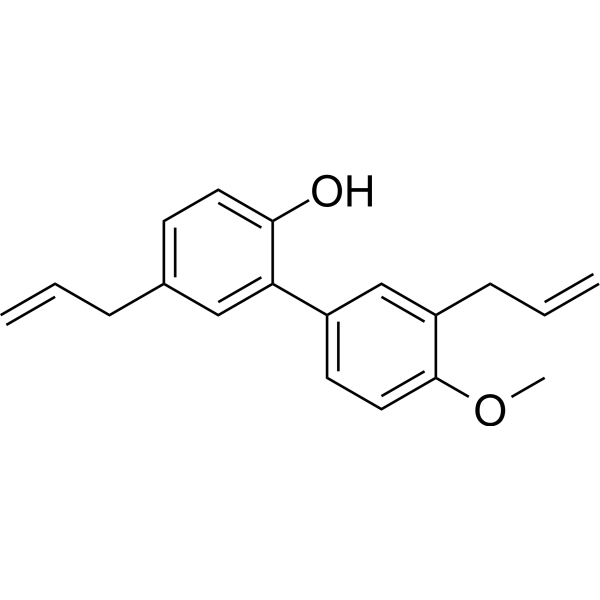

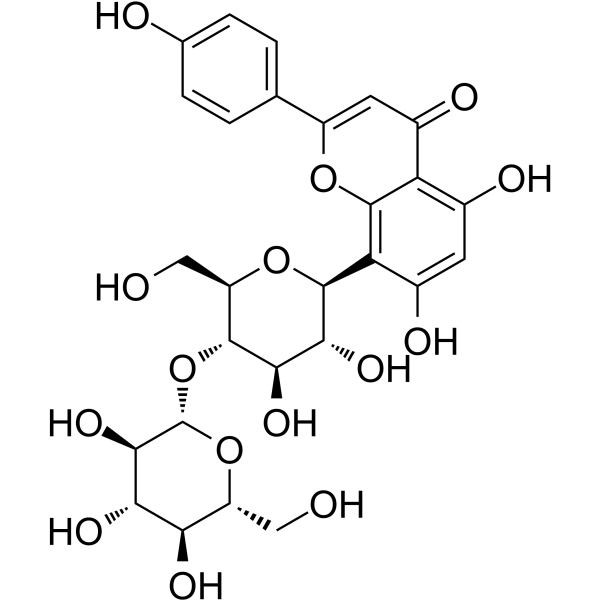
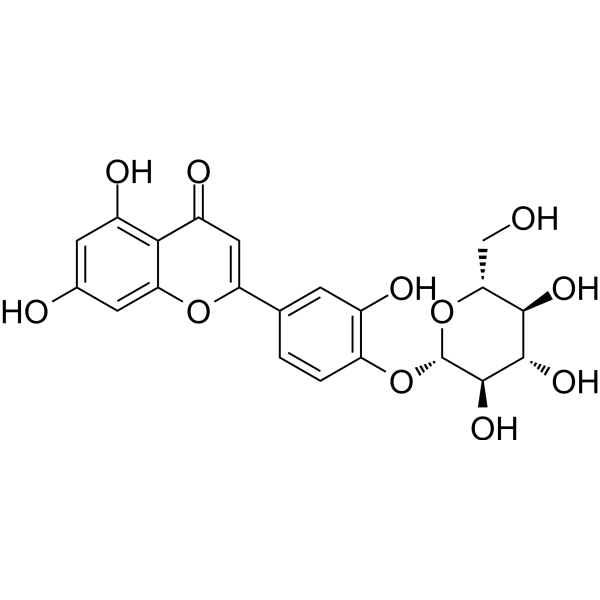
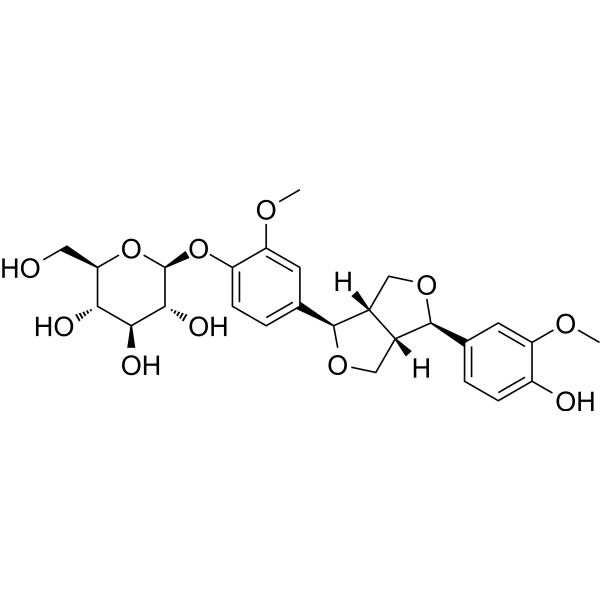
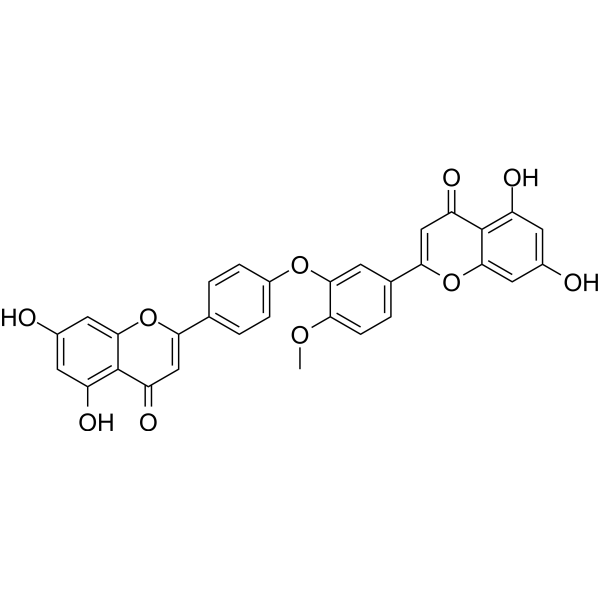


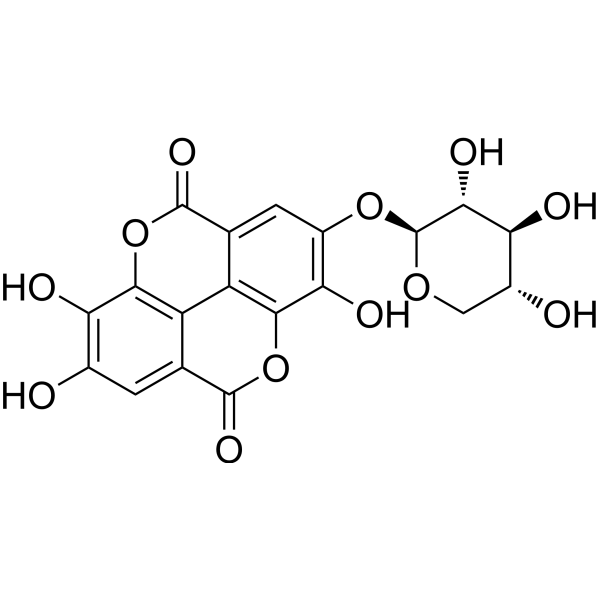
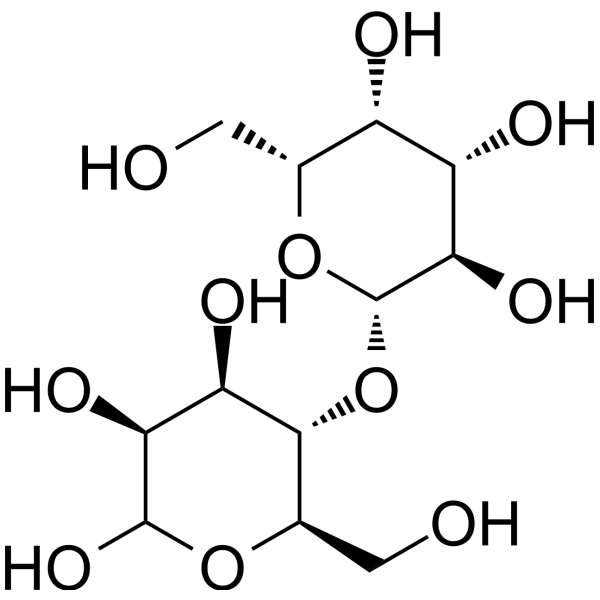


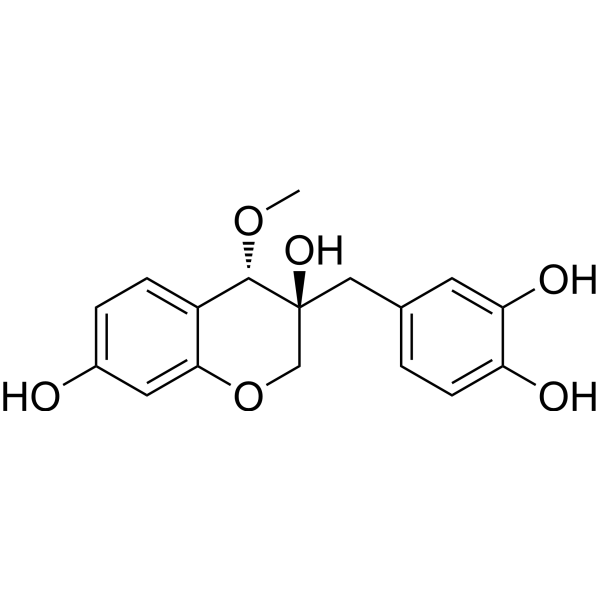
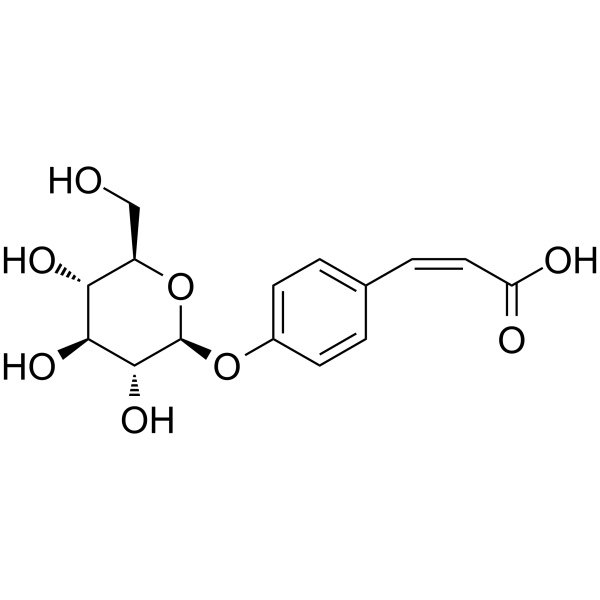


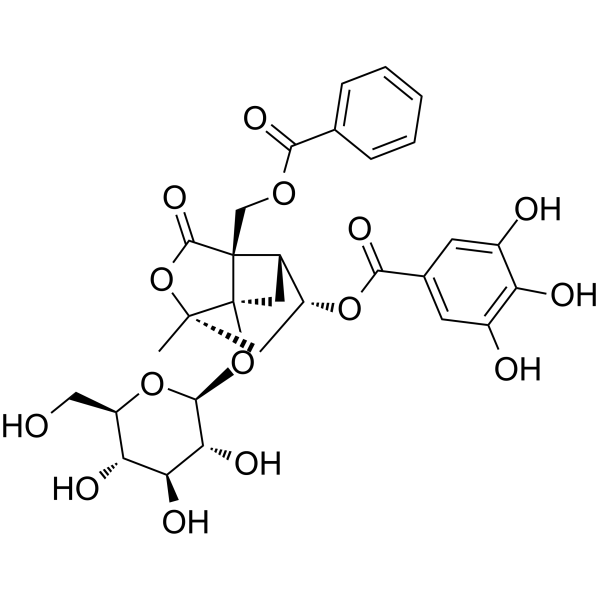
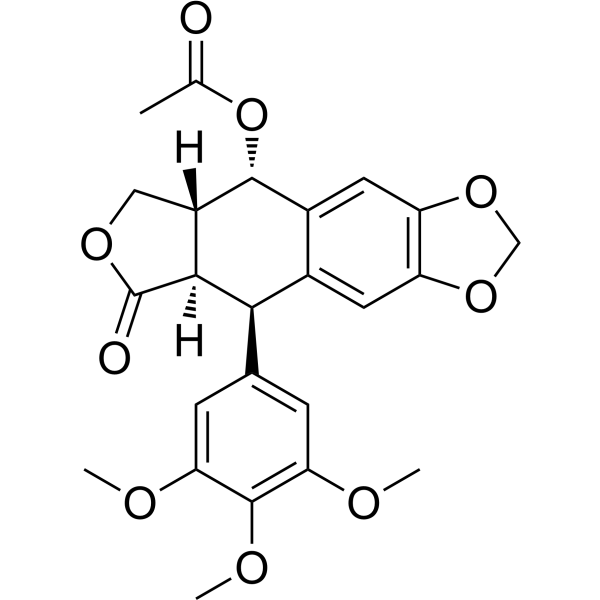

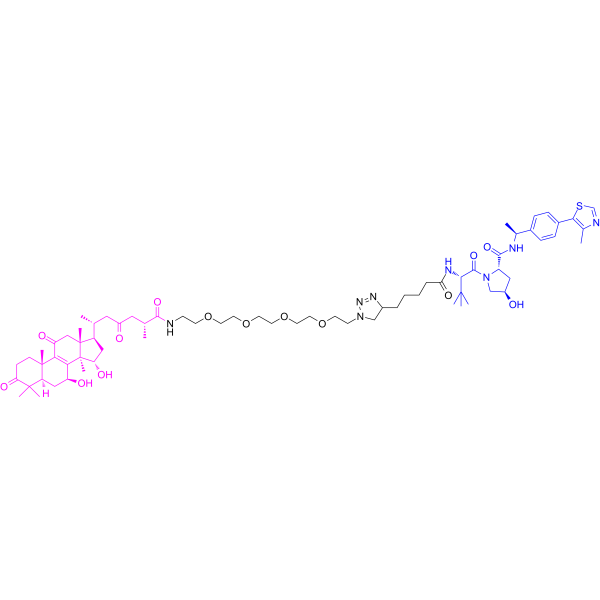

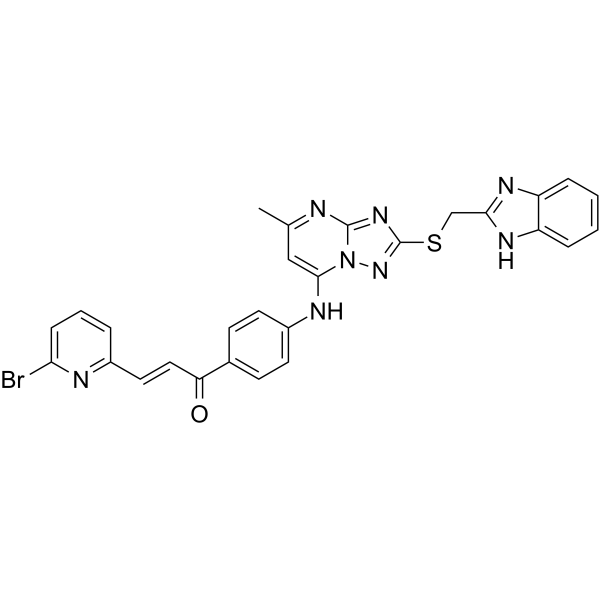

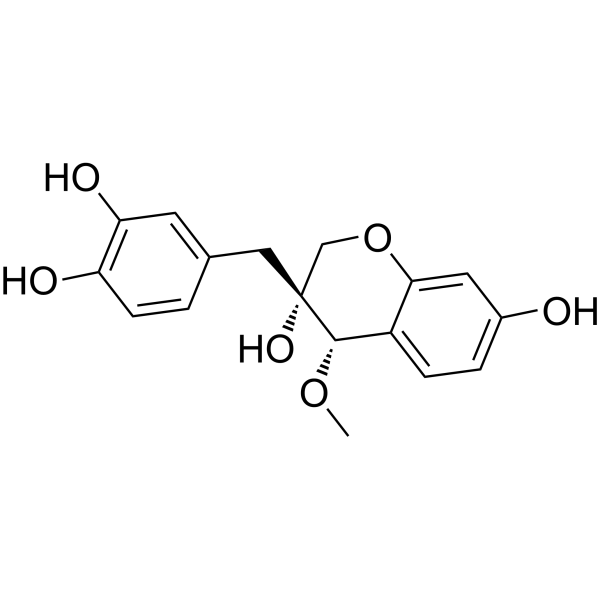


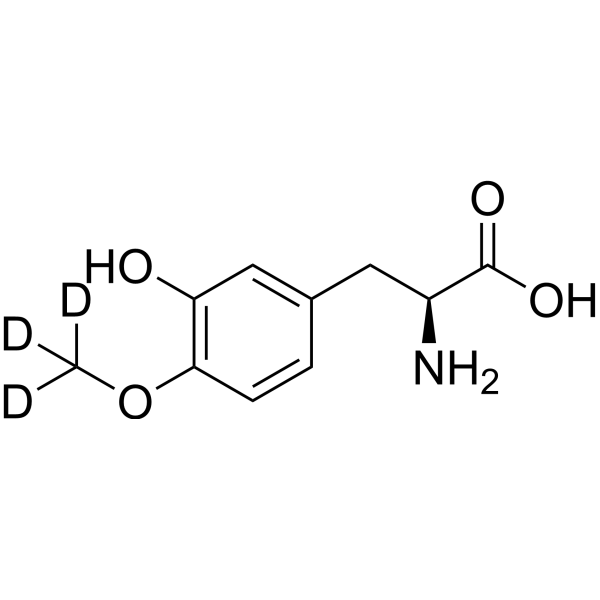

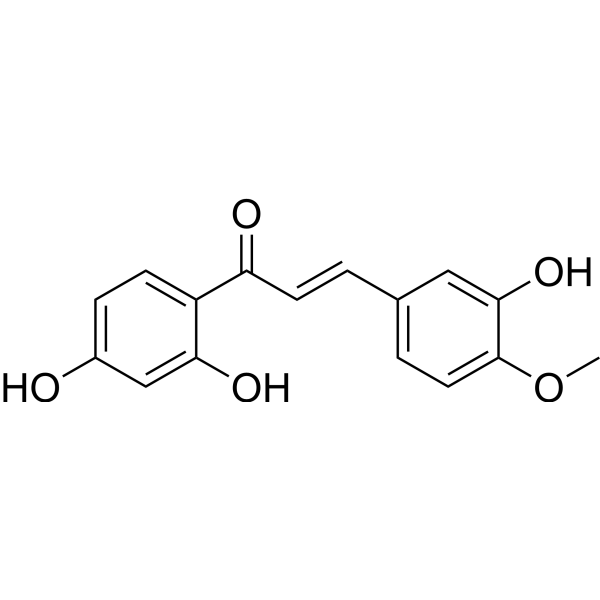
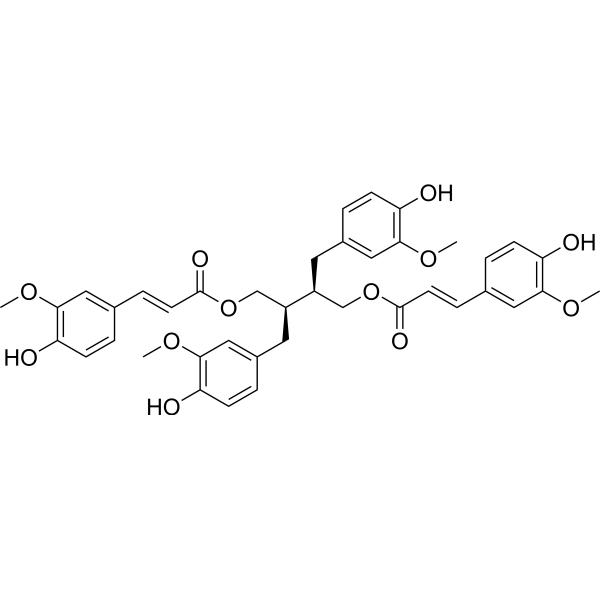
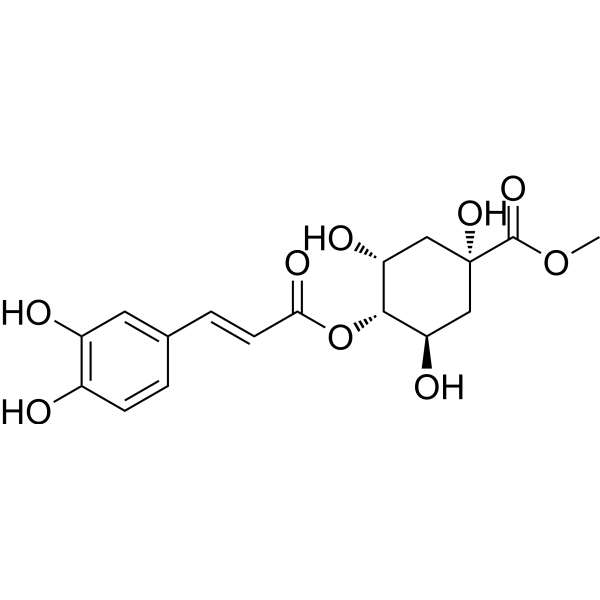

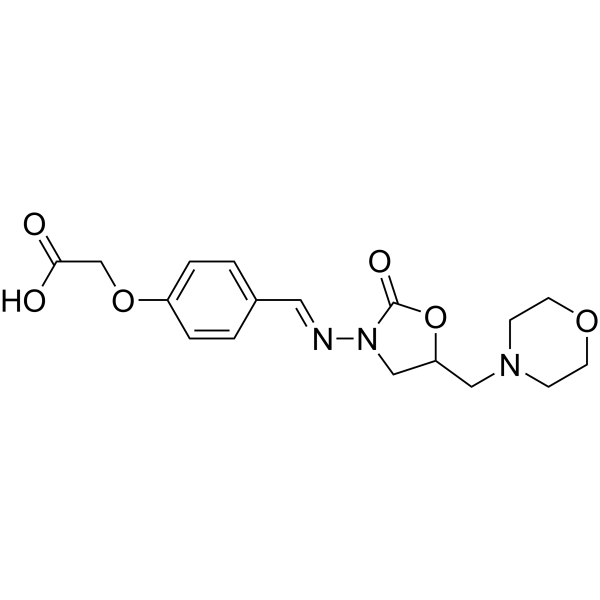
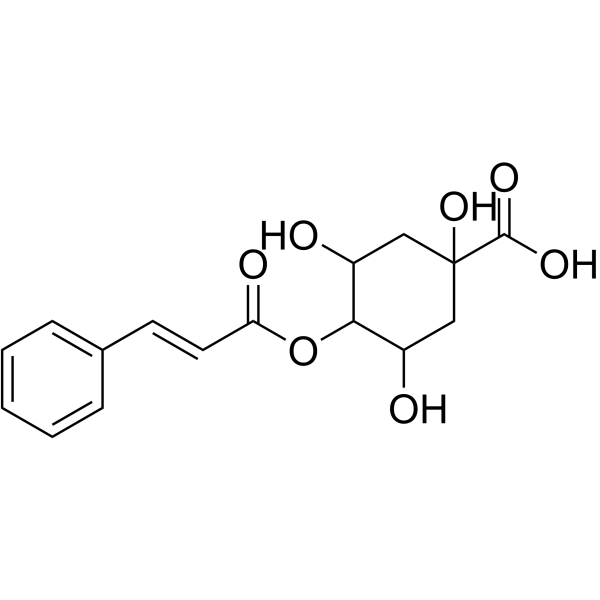
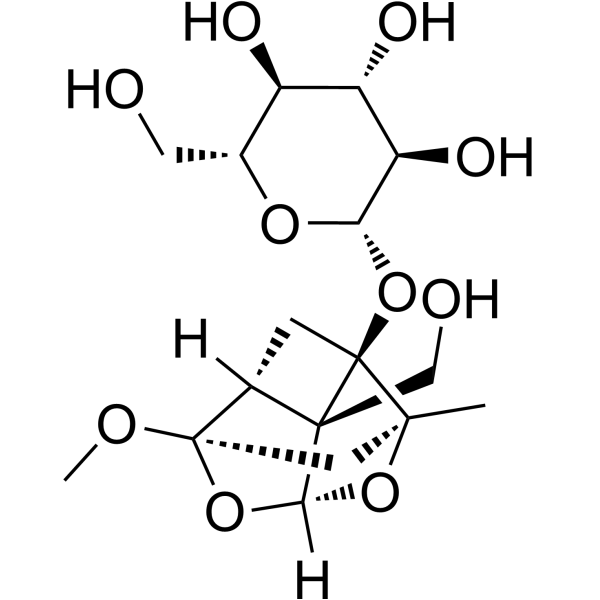


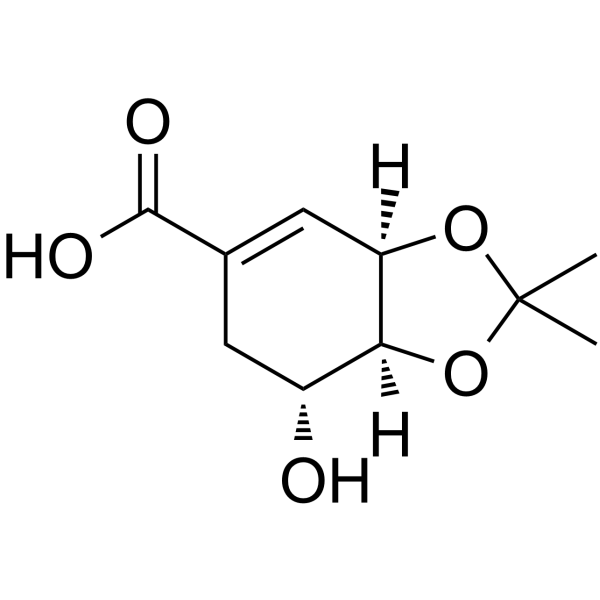
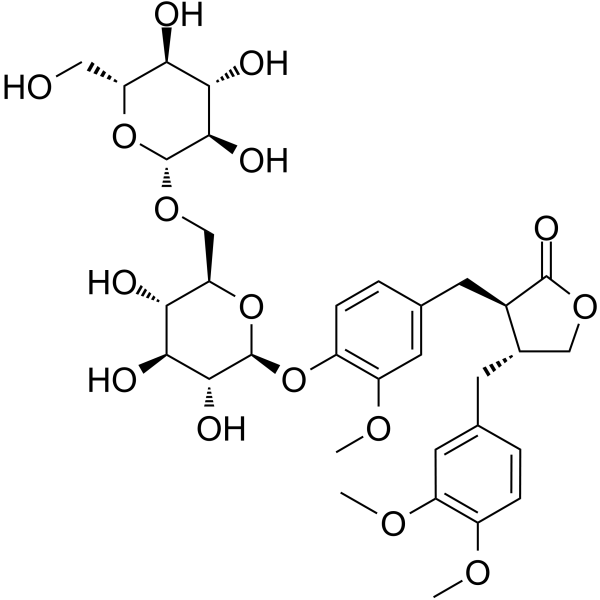
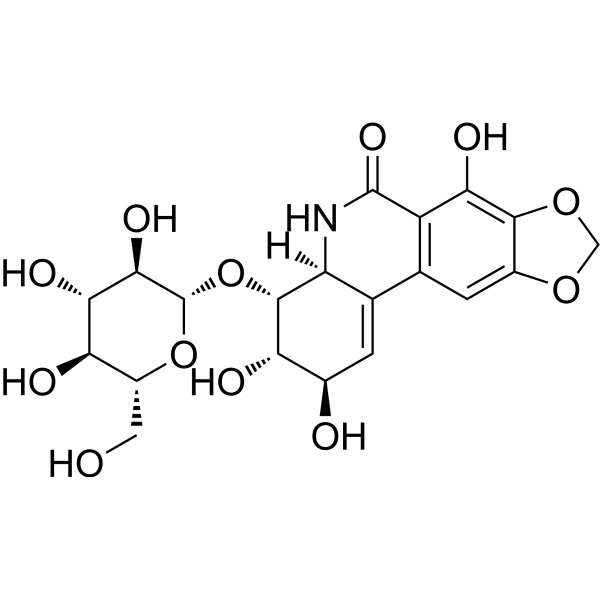
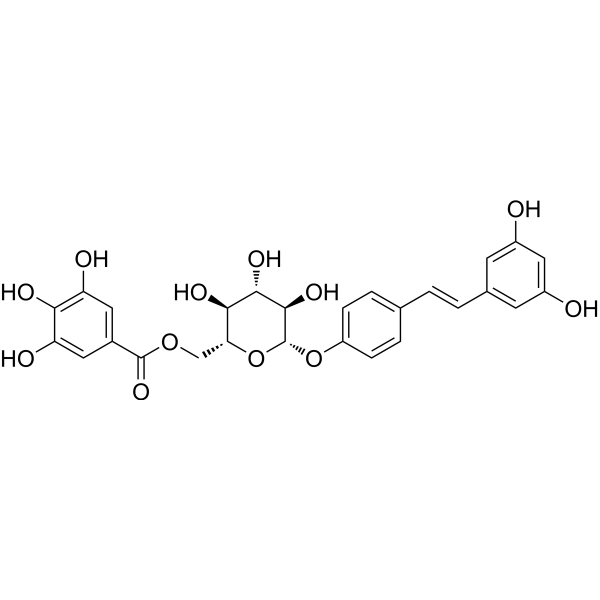

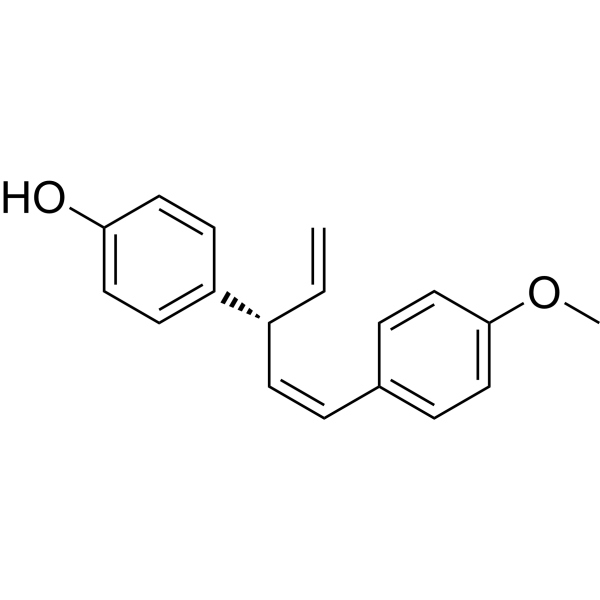


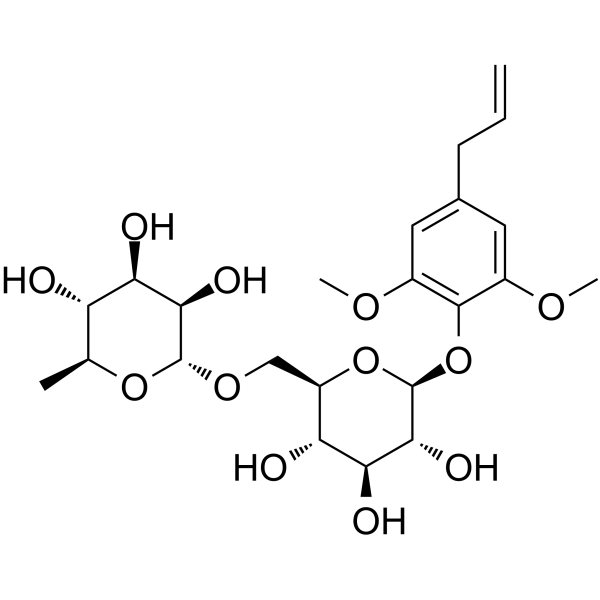
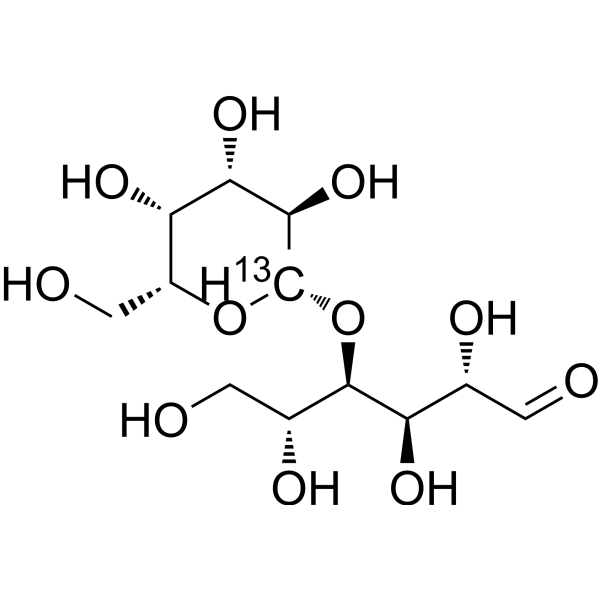


![4-O-[4,6-O-(Phenylmethylene)-α-D-glucopyranosyl]-D-glucose](http://file.medchemexpress.com/product_pic/hy-w347825.gif)


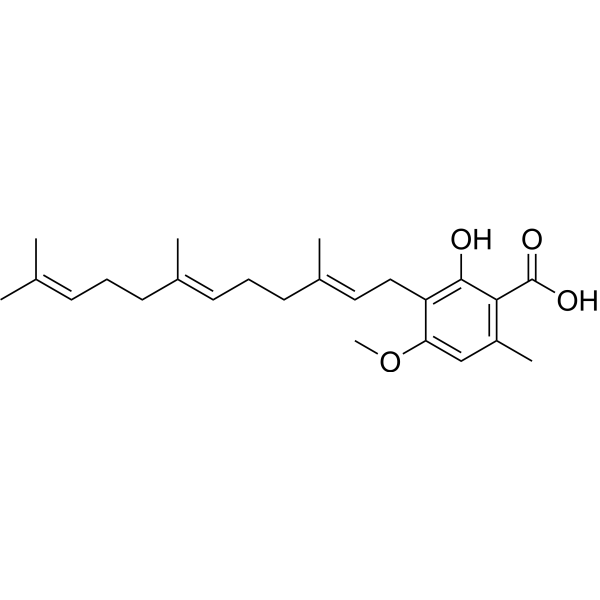
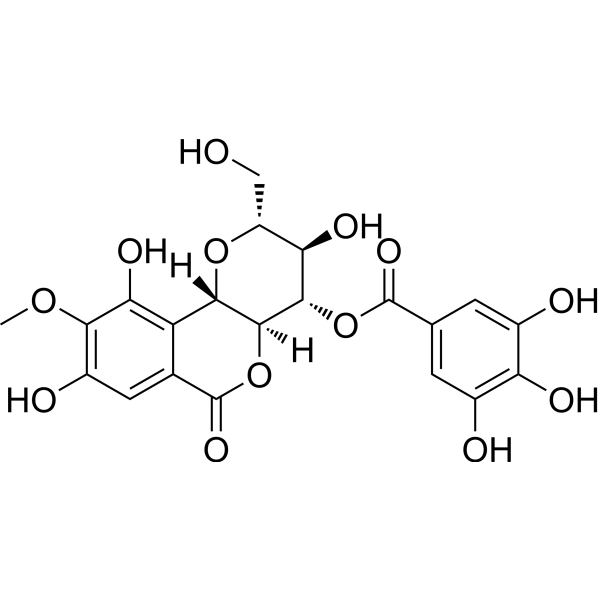


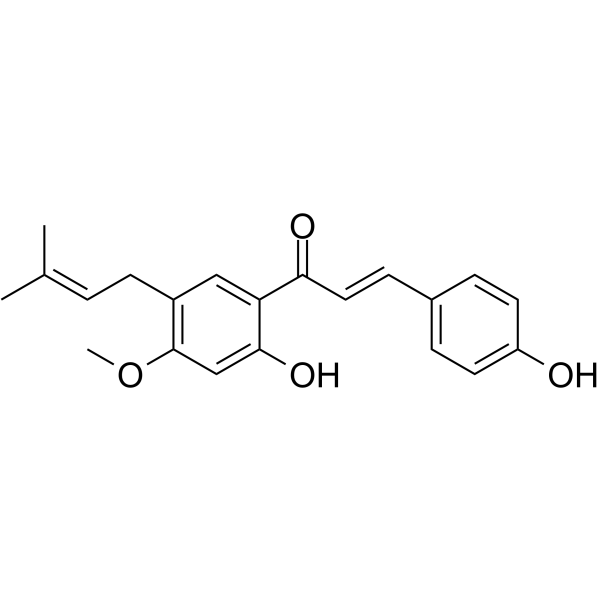
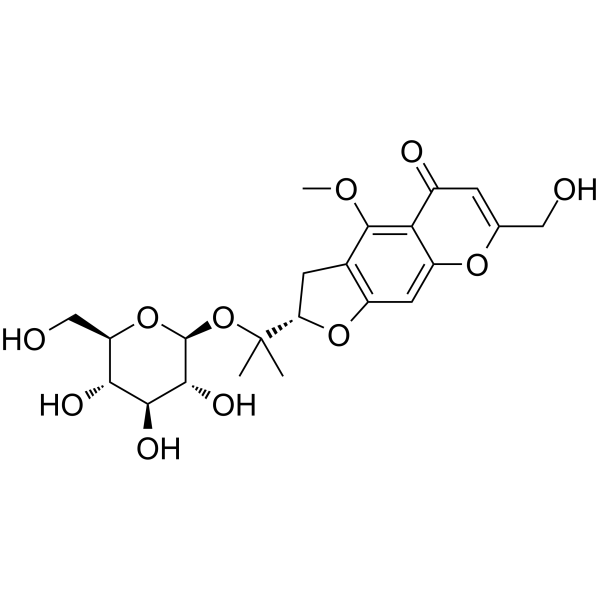

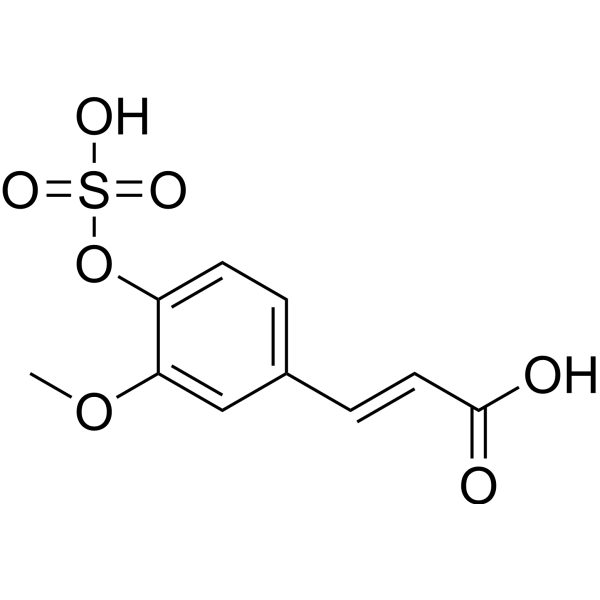

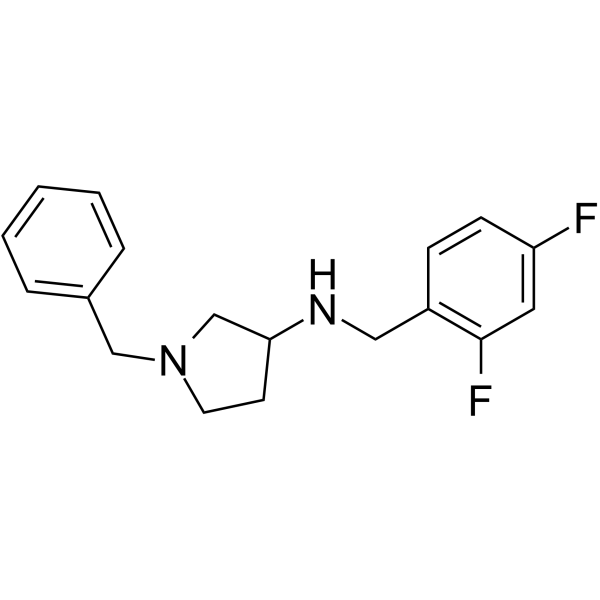


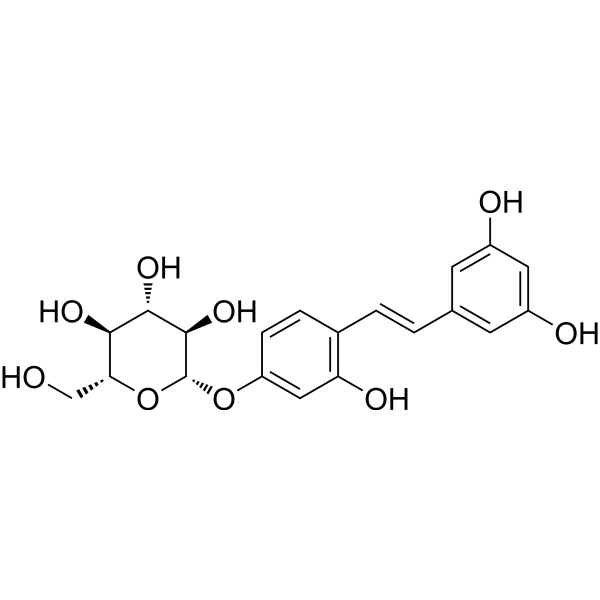
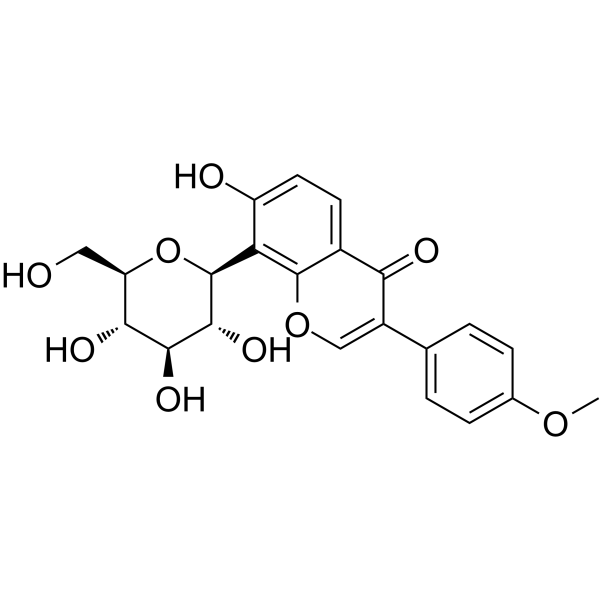


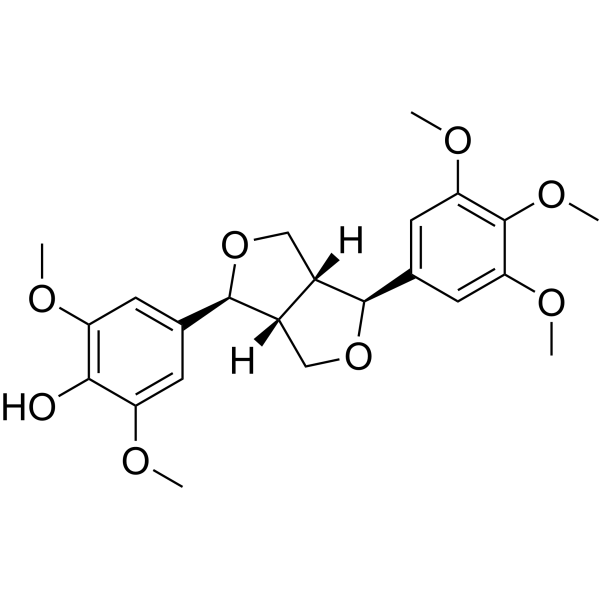
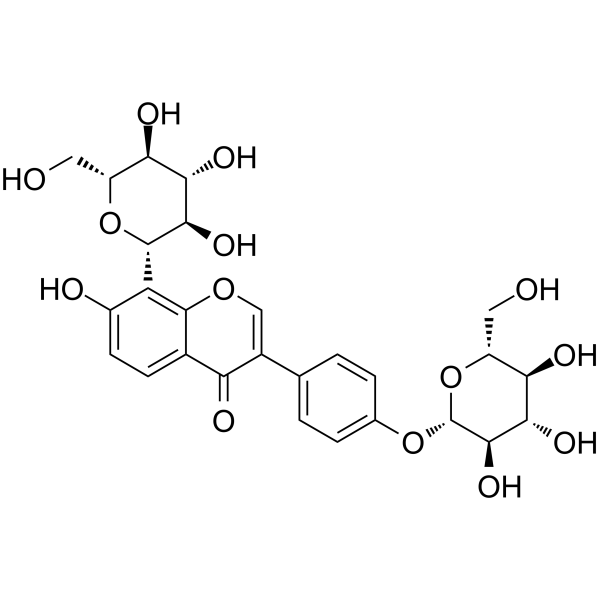

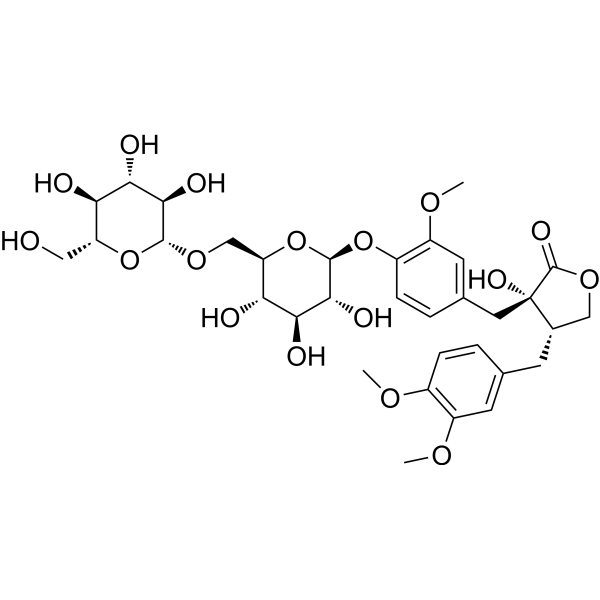
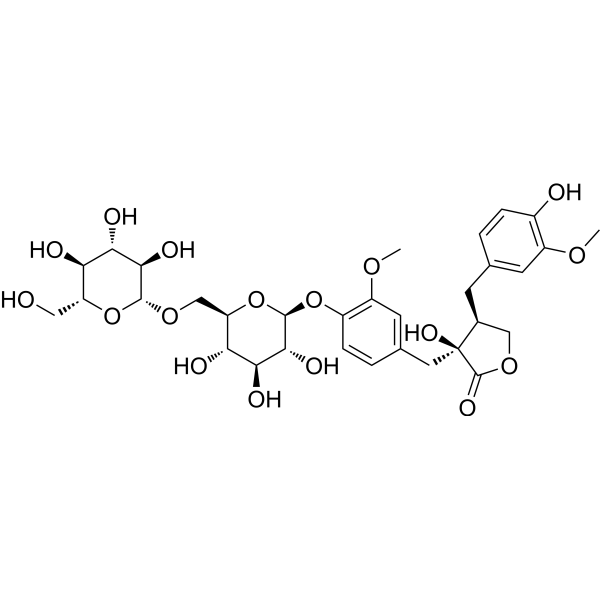
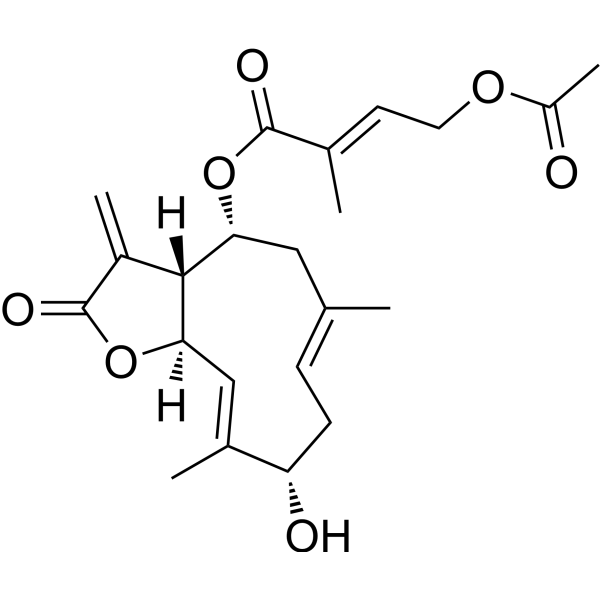
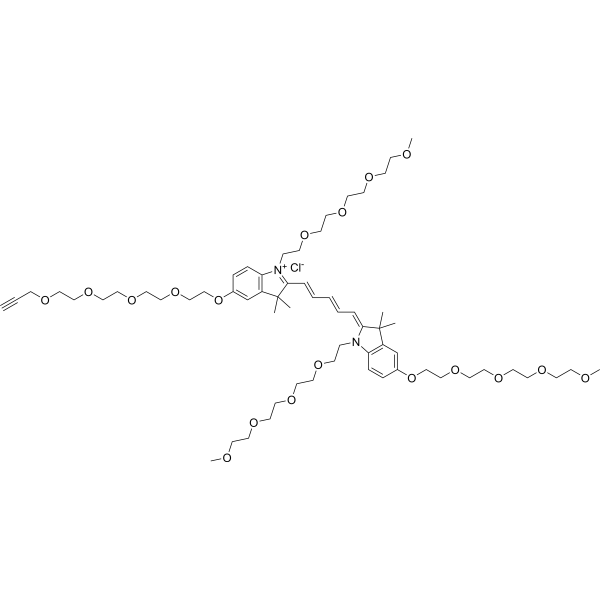
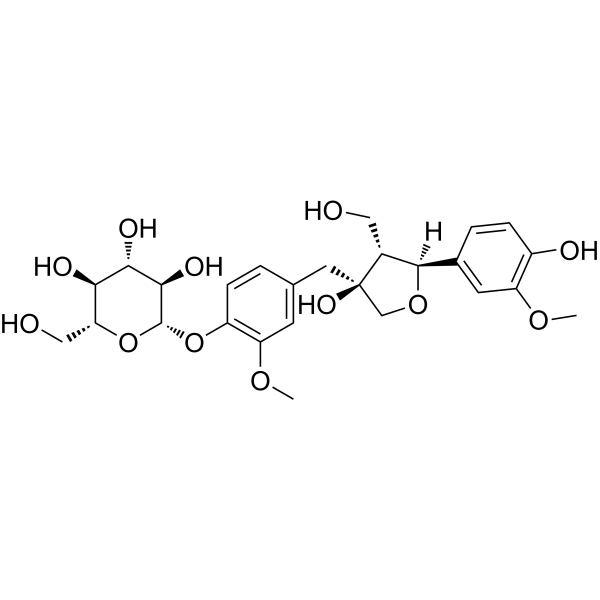
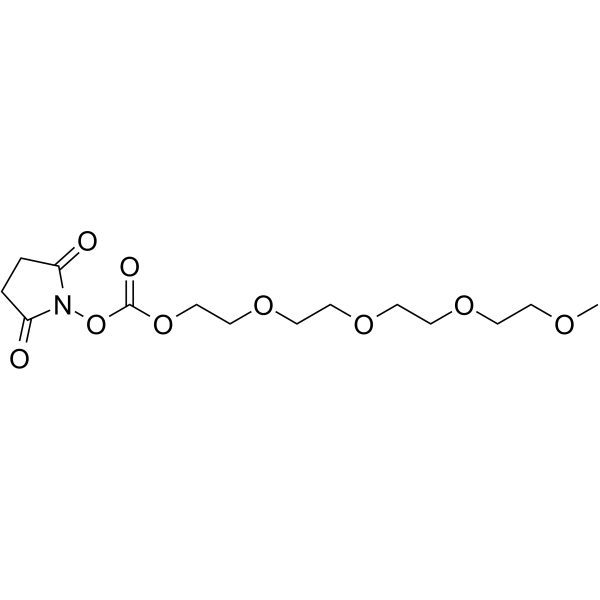

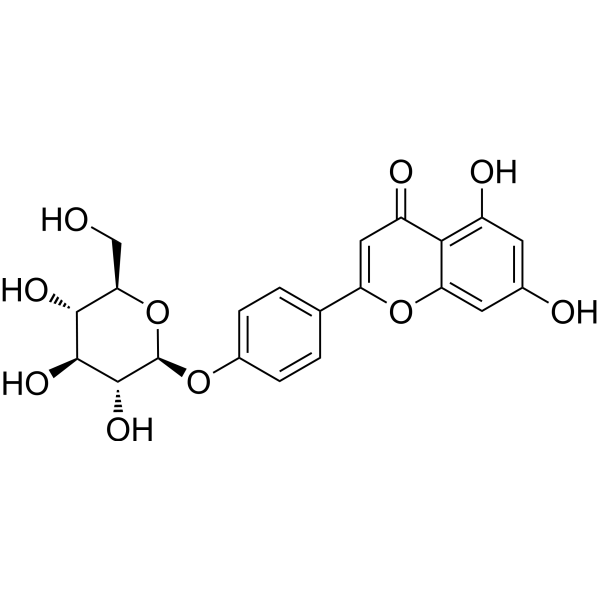

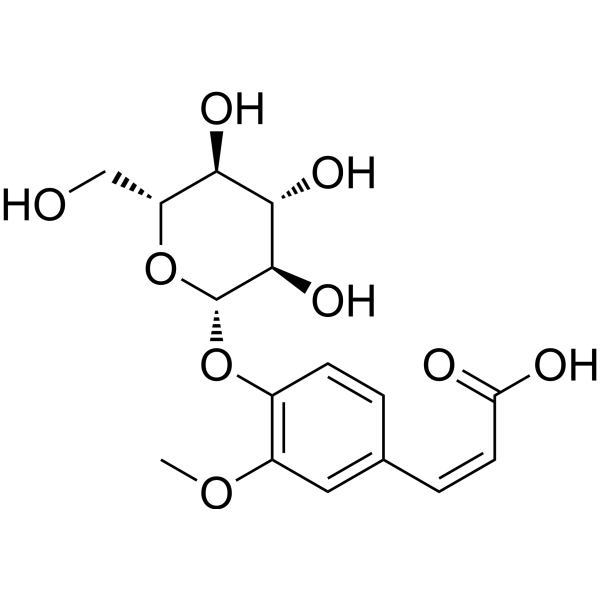
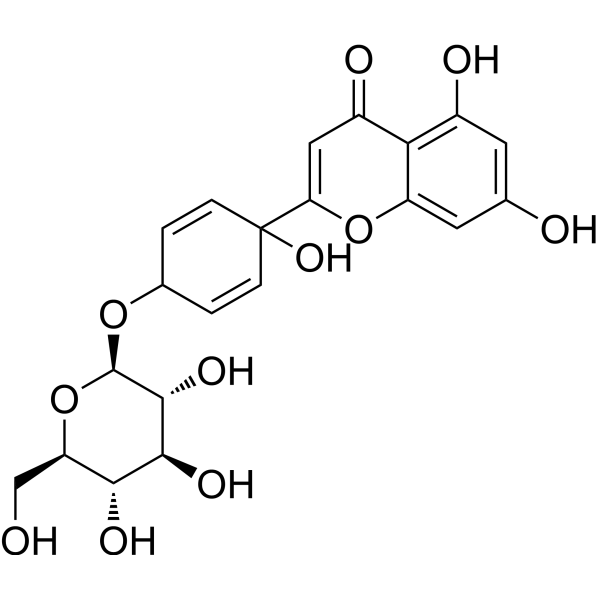
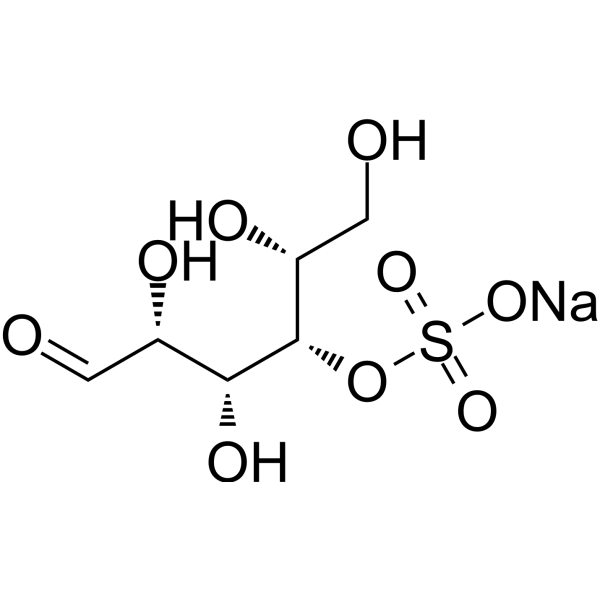
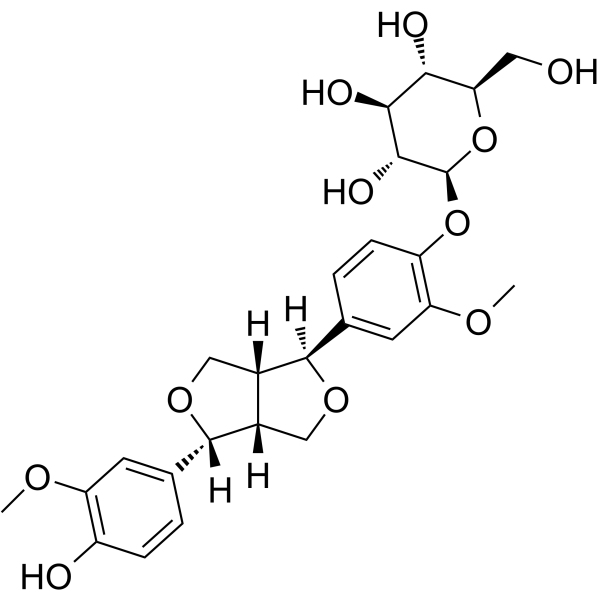

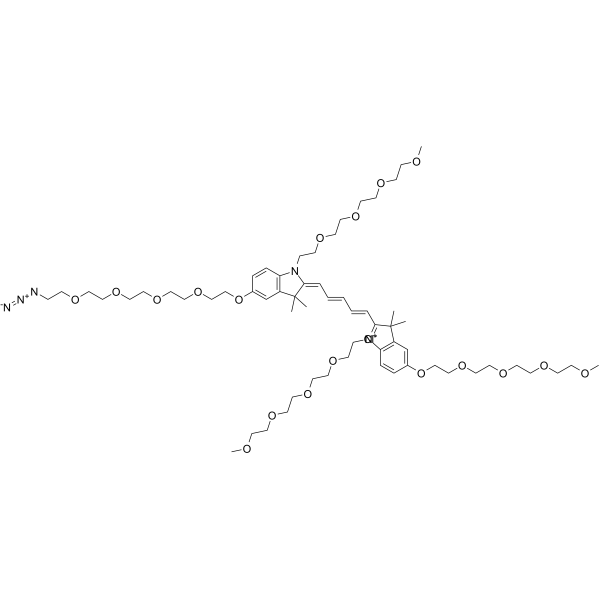


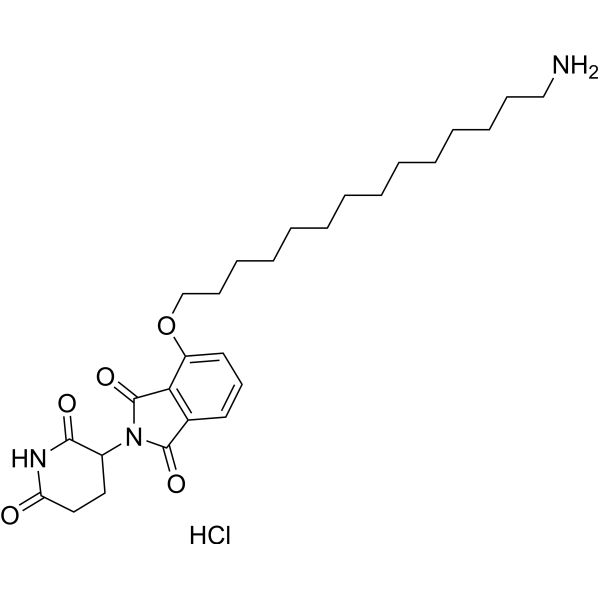
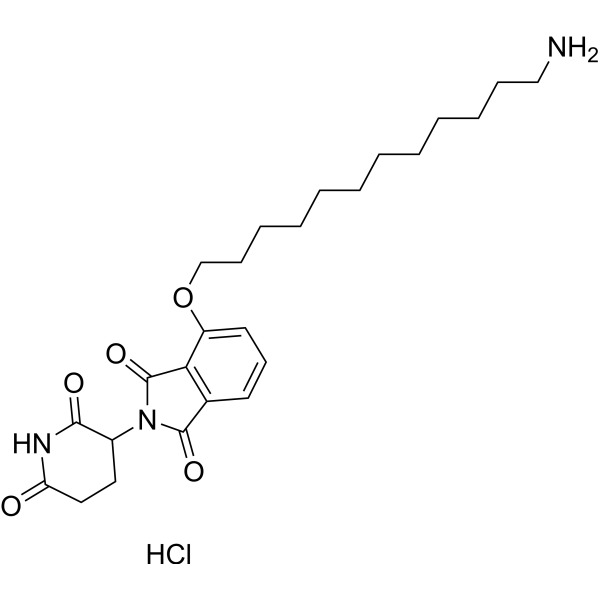
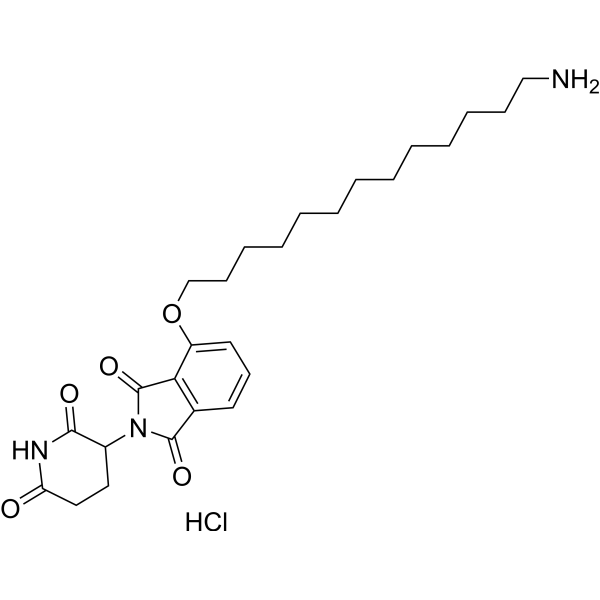
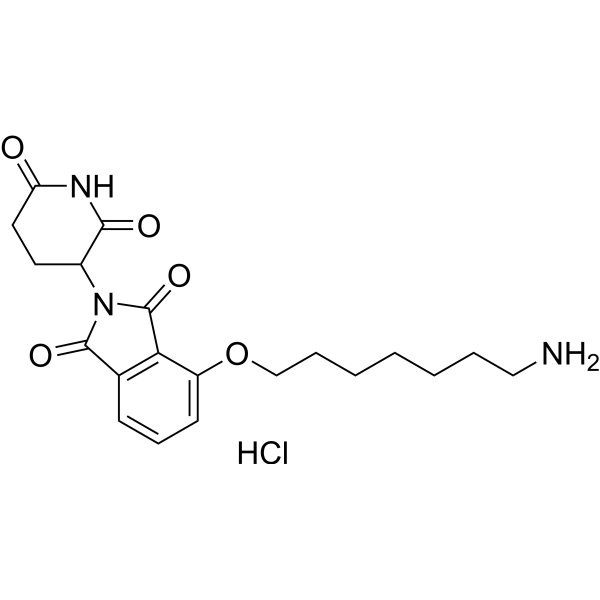
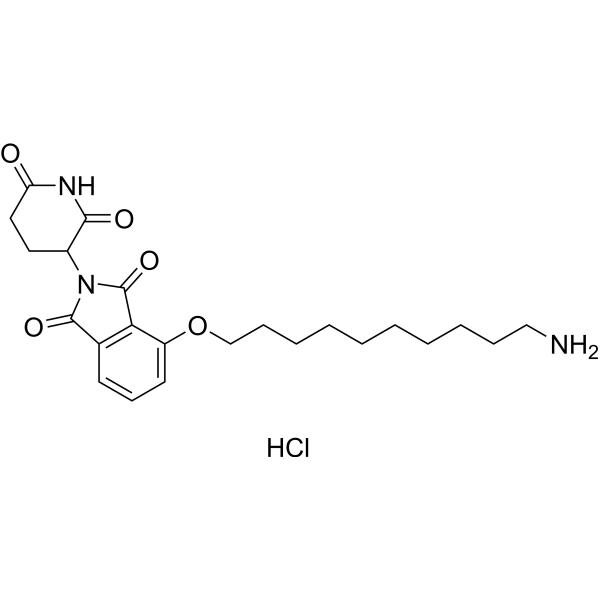
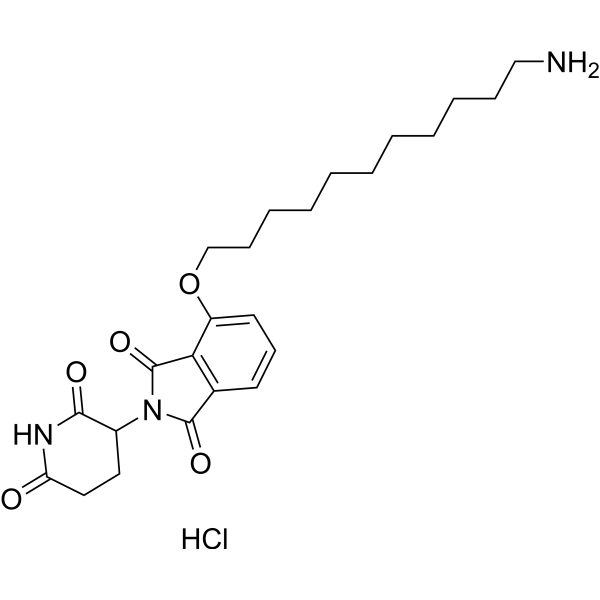
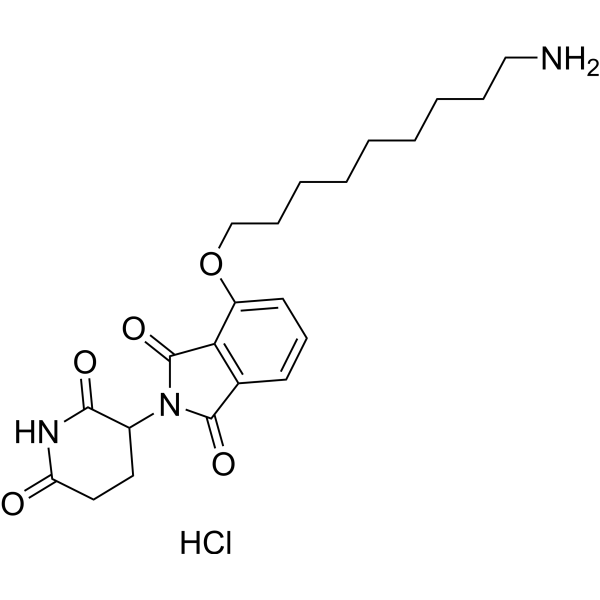


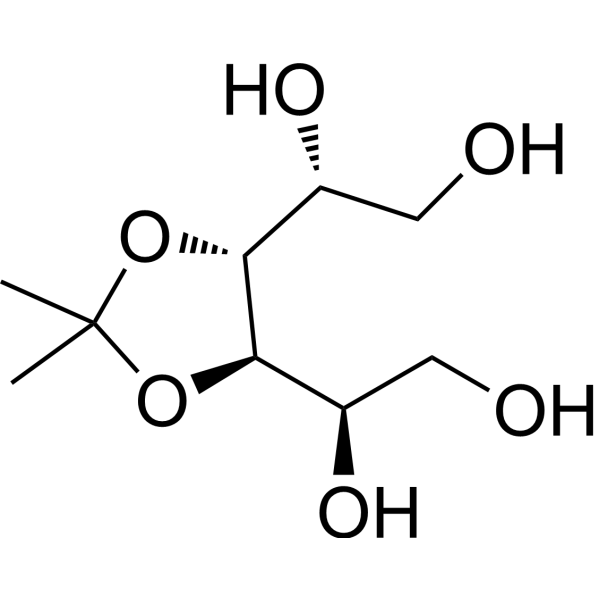
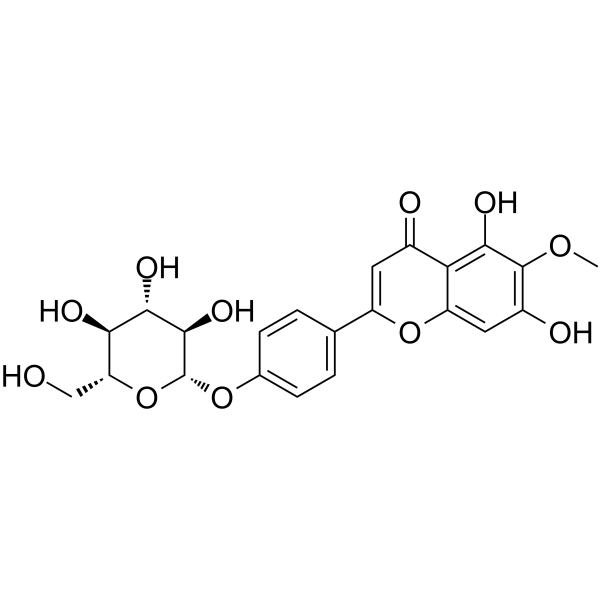

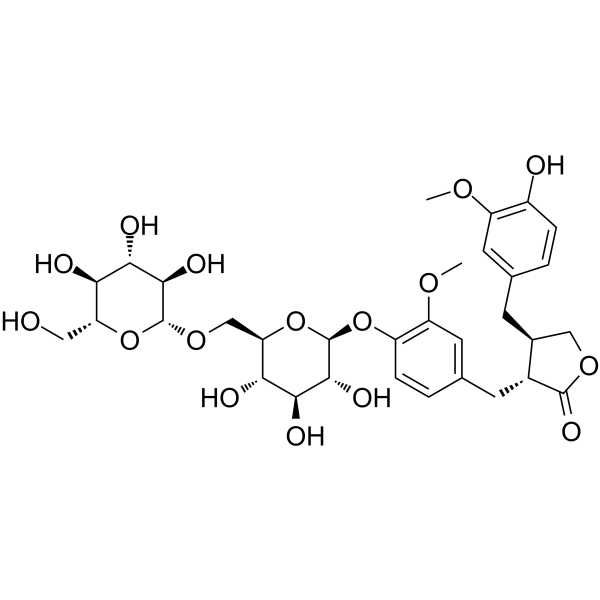
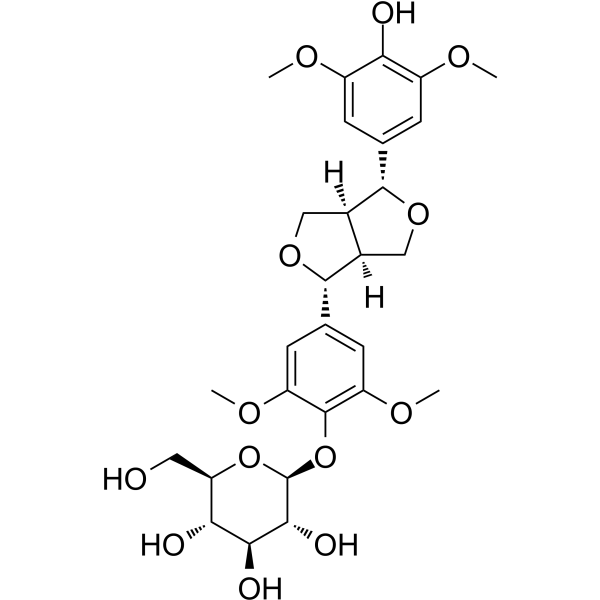


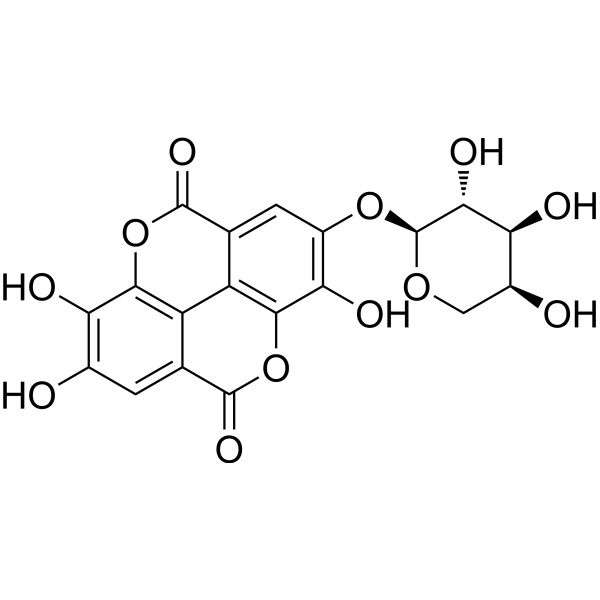
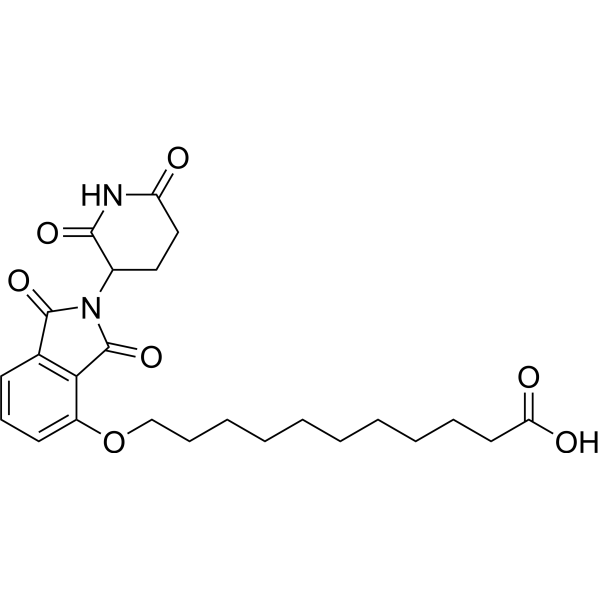
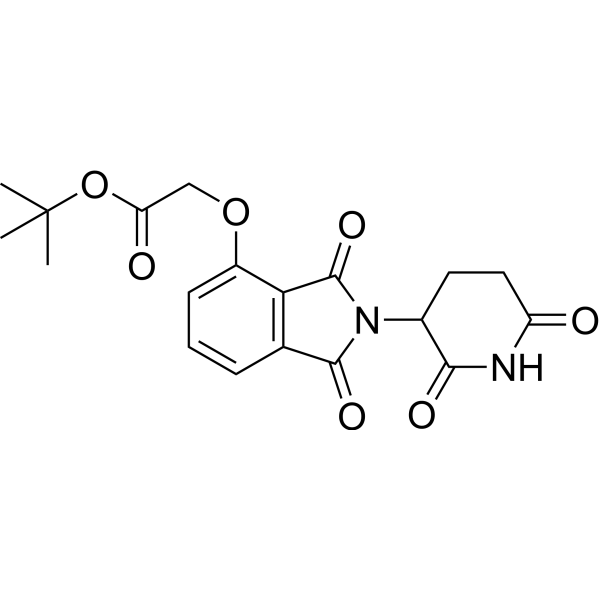
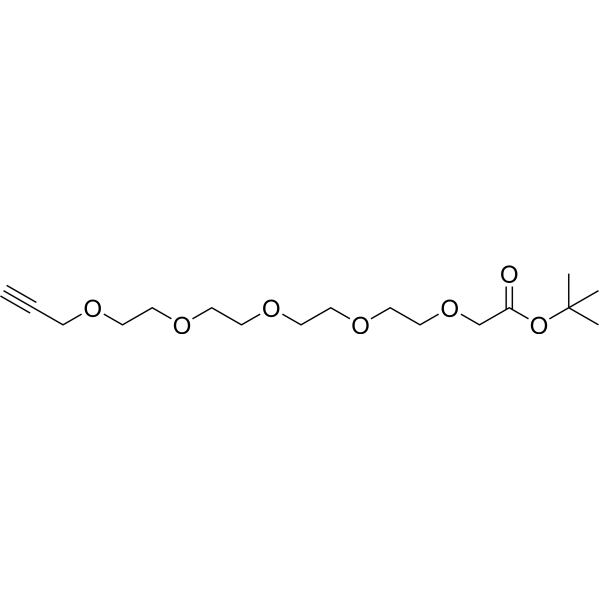


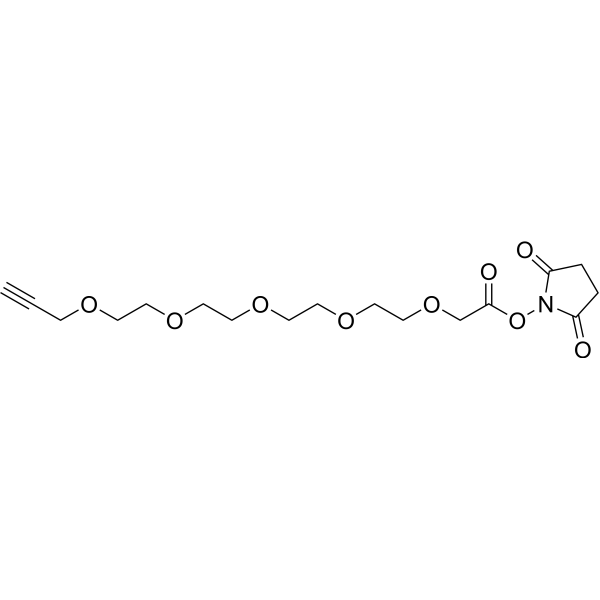
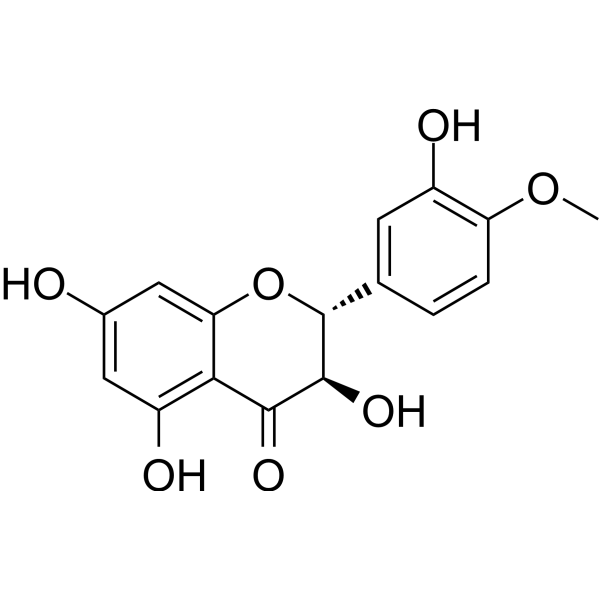


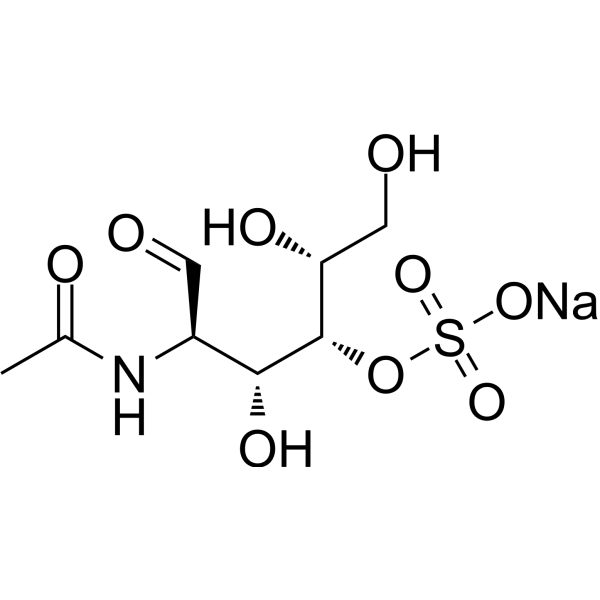
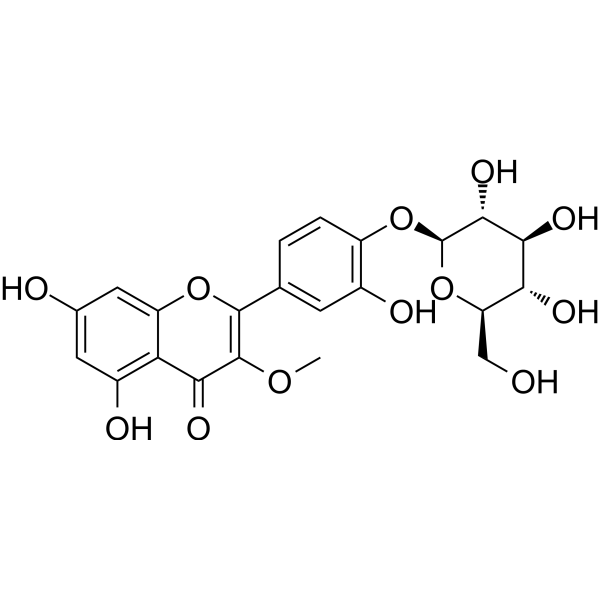

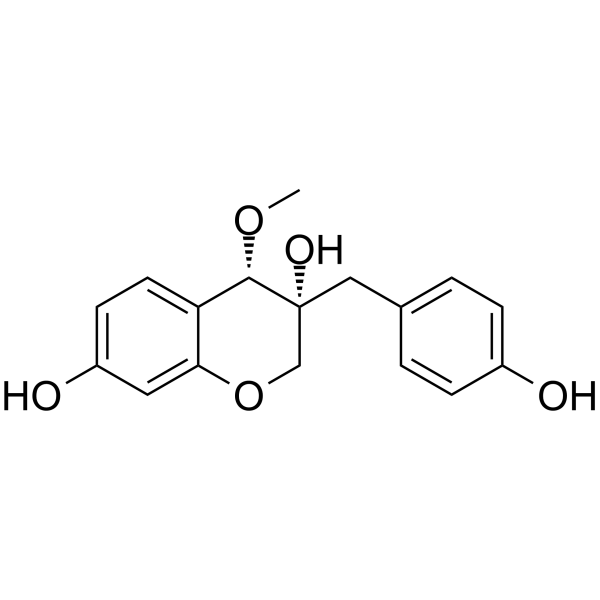


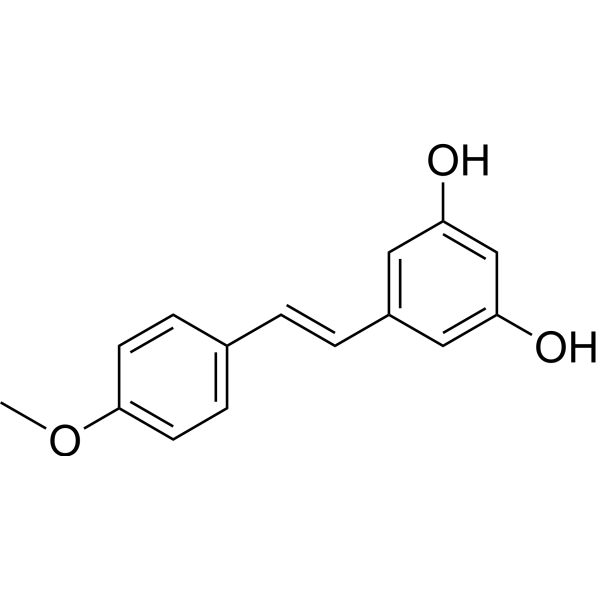

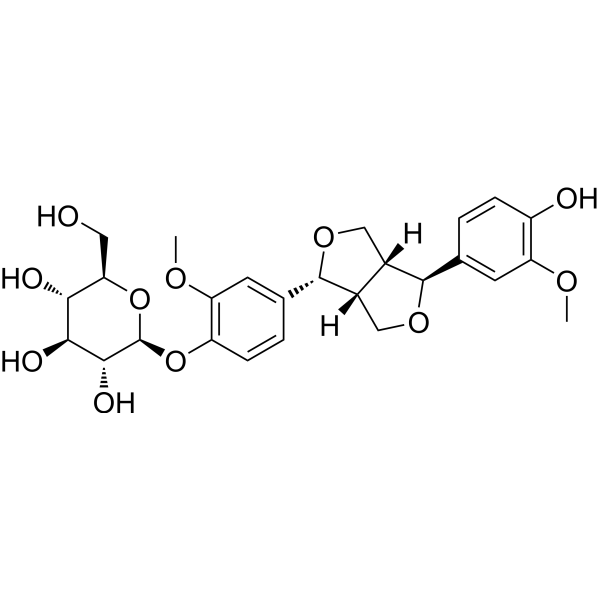

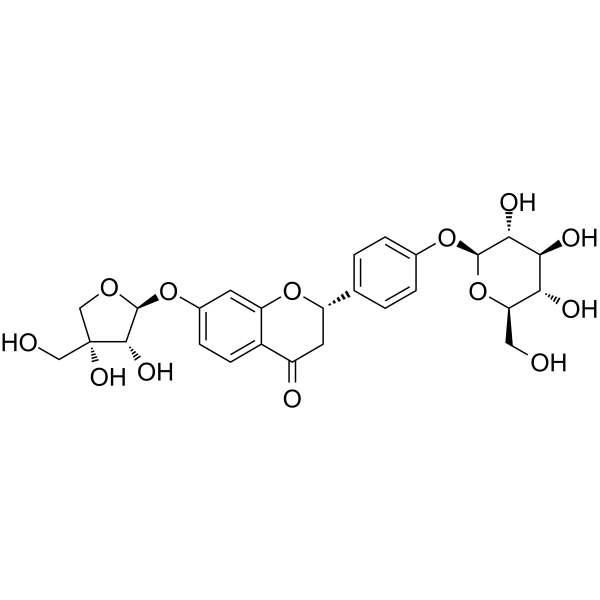

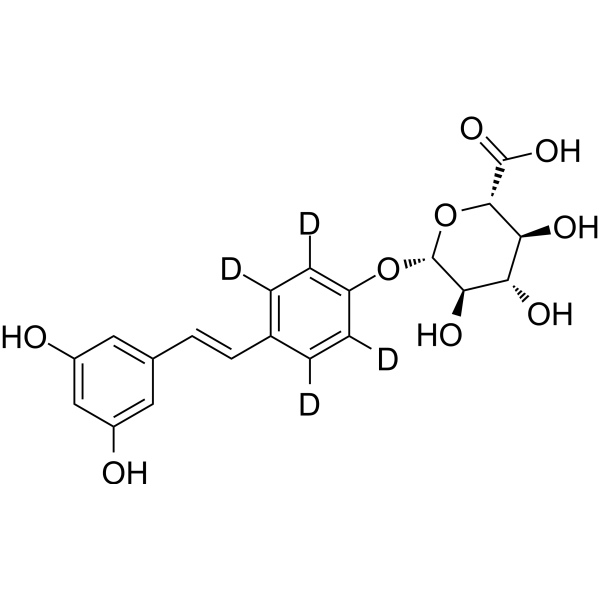

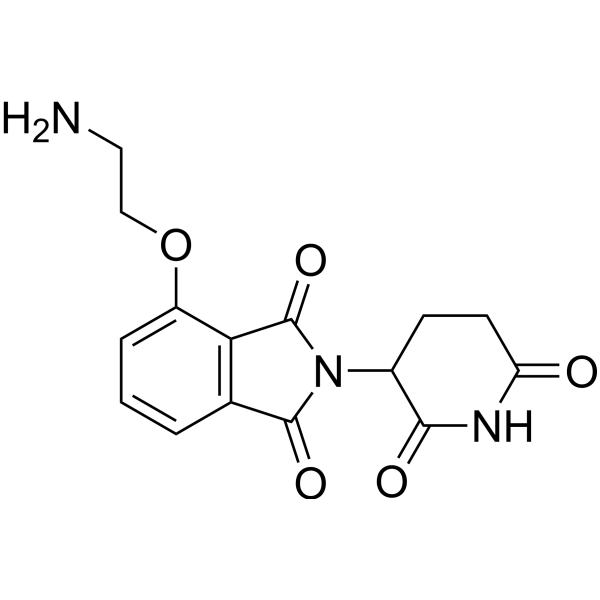
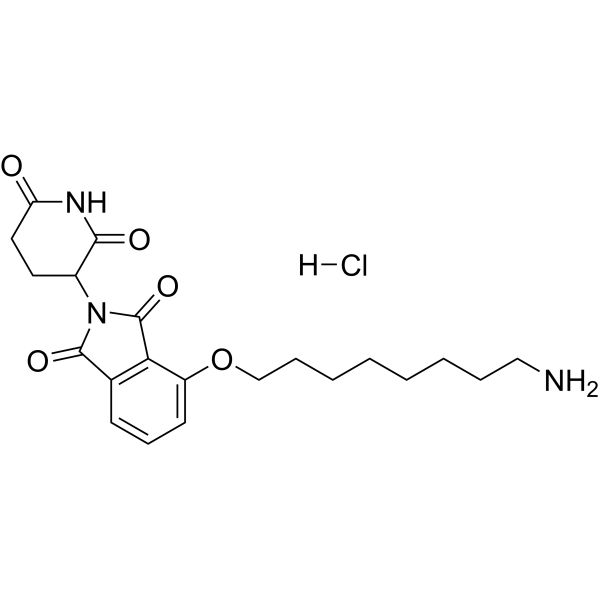
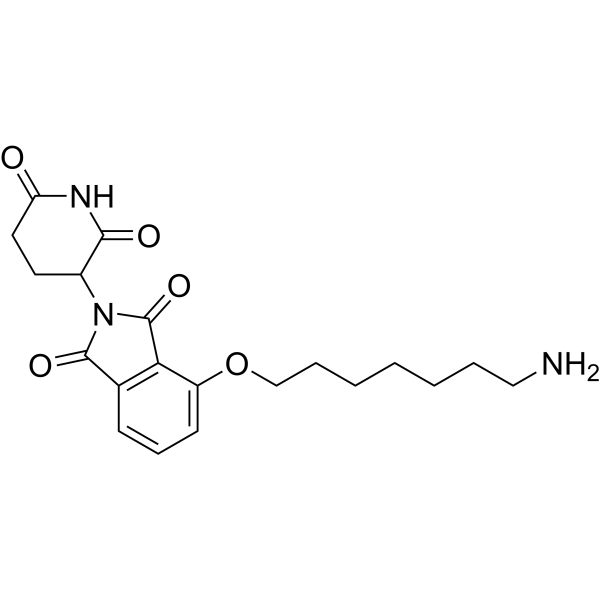
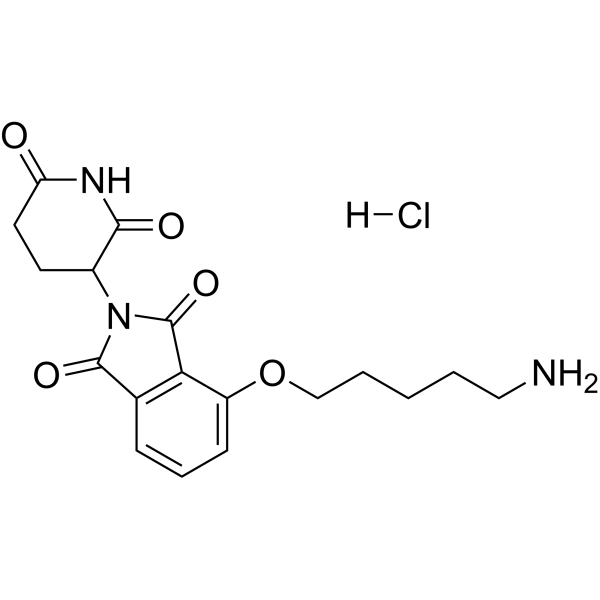
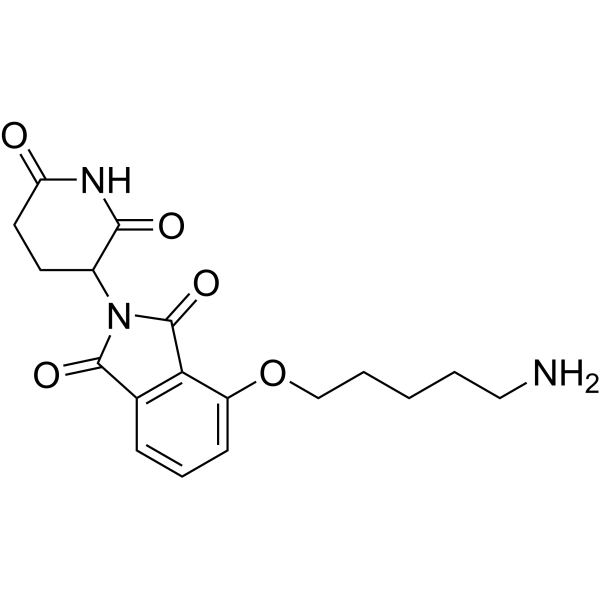
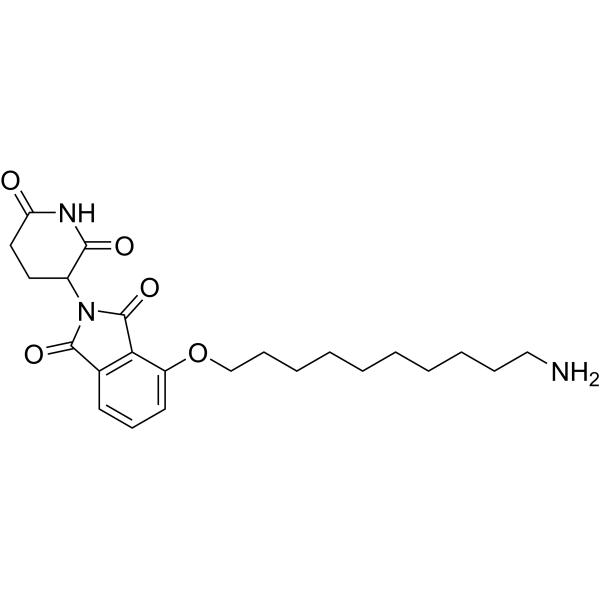
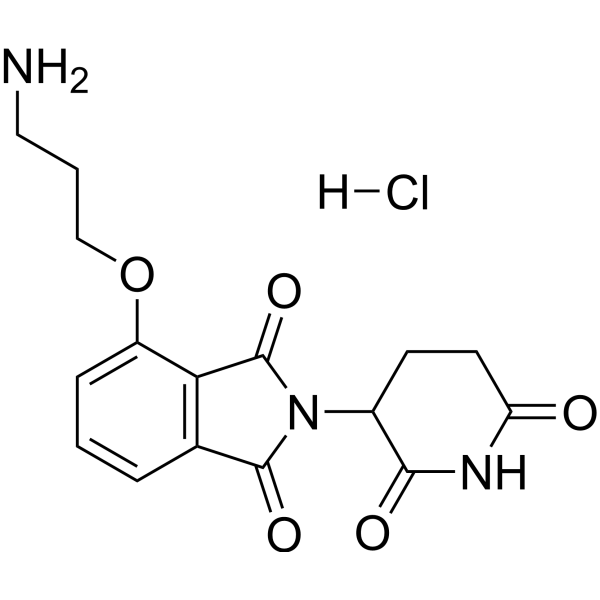
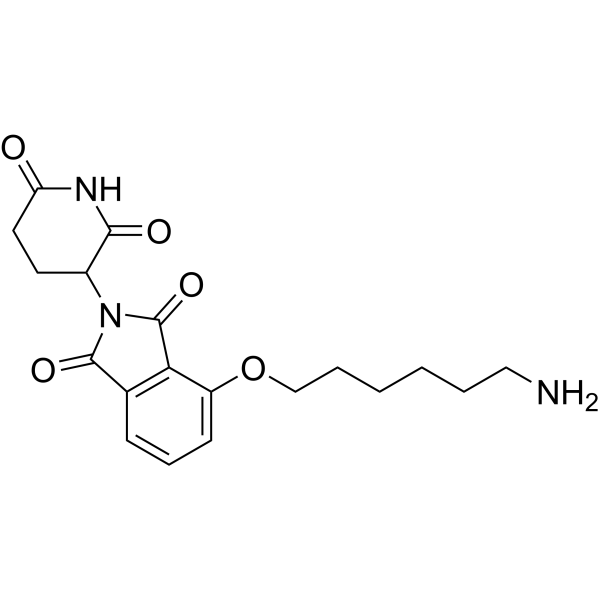
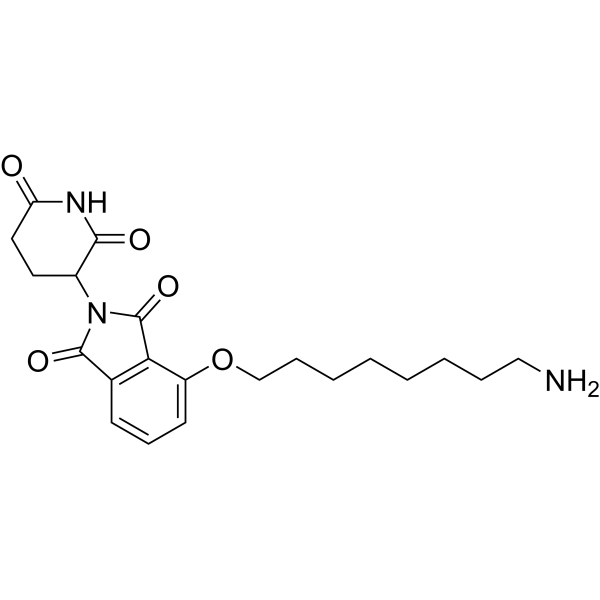
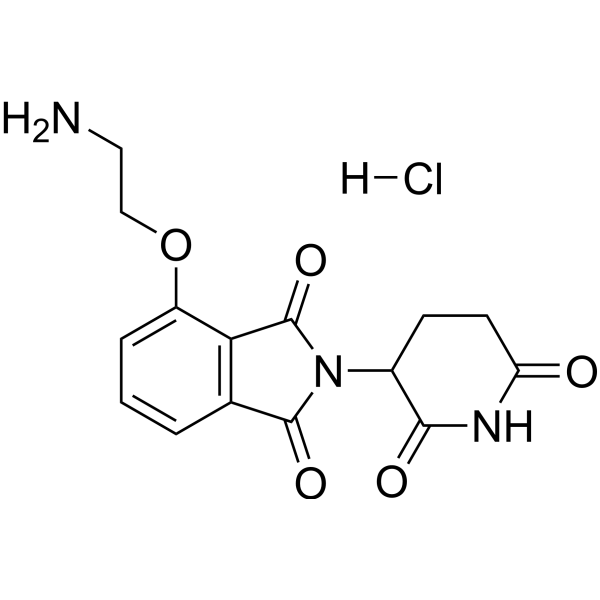

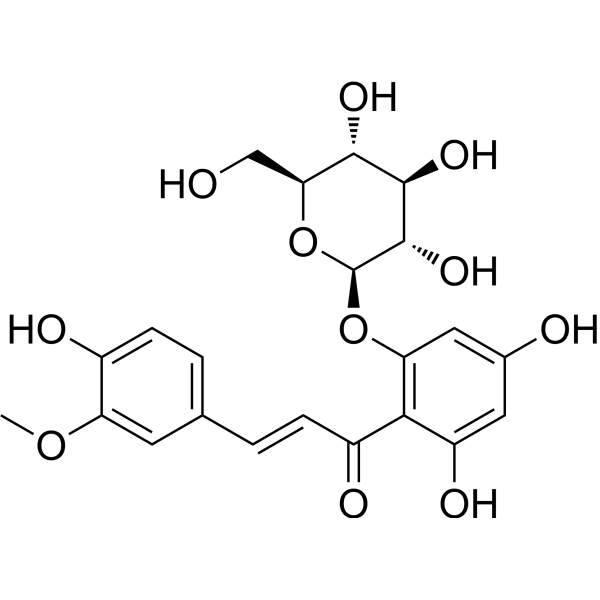
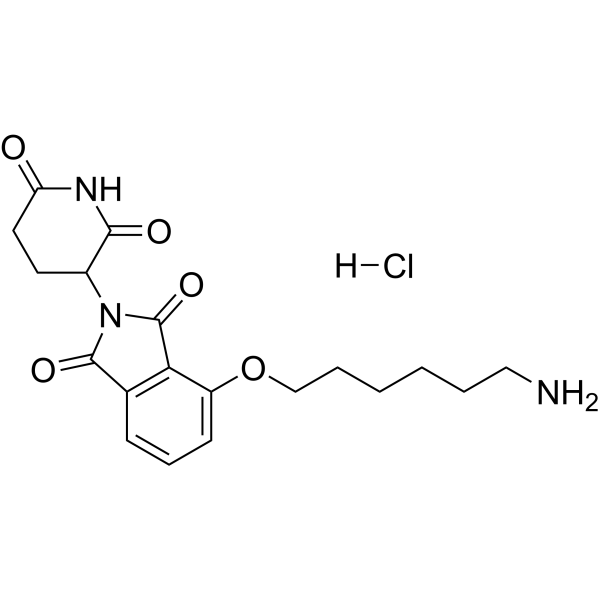
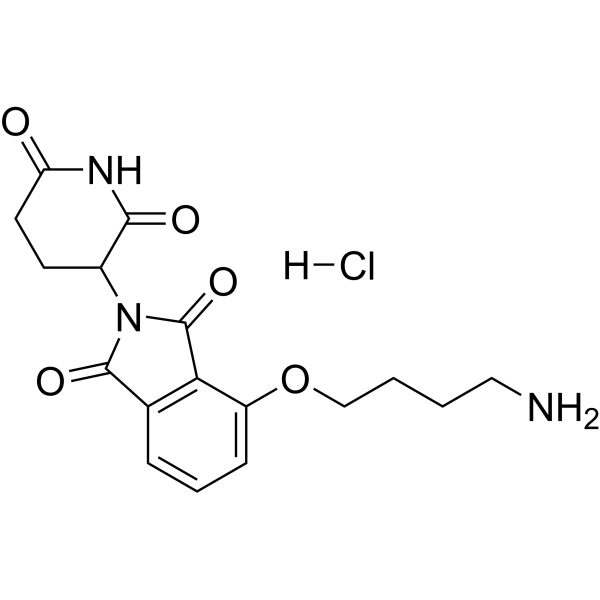
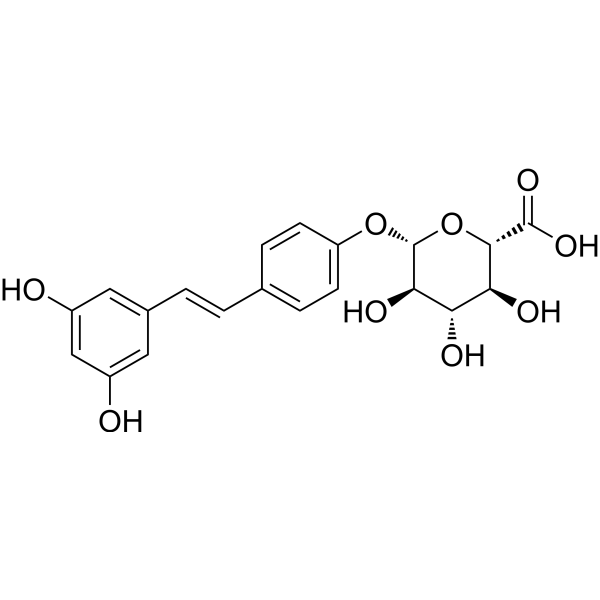
![Isovitexin-7-O-[6-feruloyl]-glucoside-4'-O-glucoside](http://file.medchemexpress.com/product_pic/hy-n13038.gif)


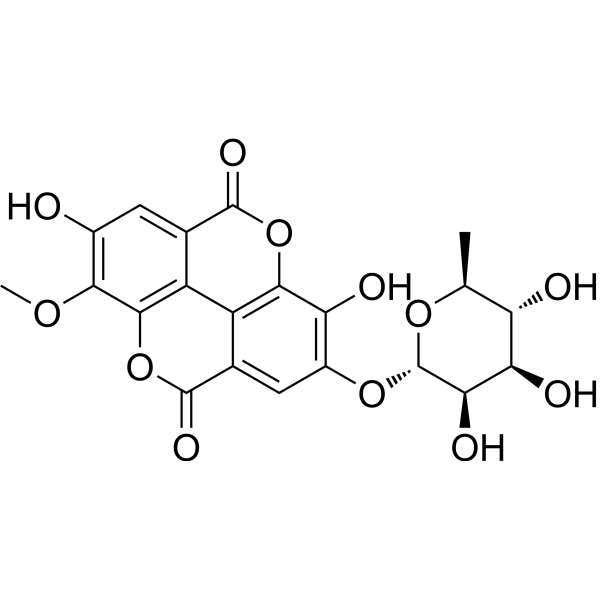
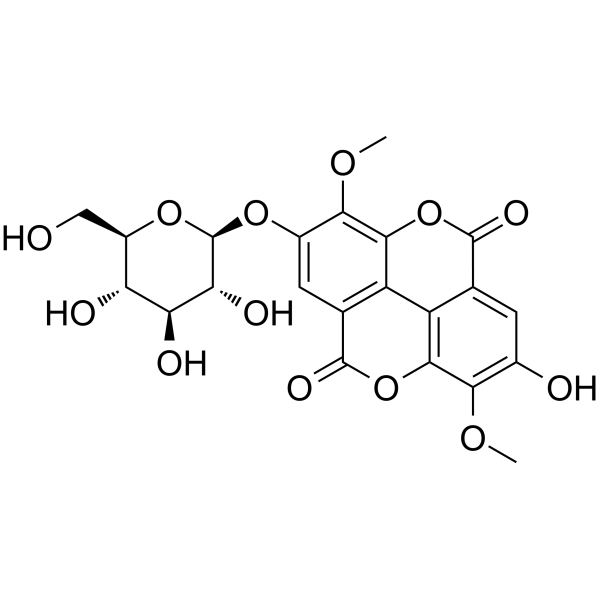
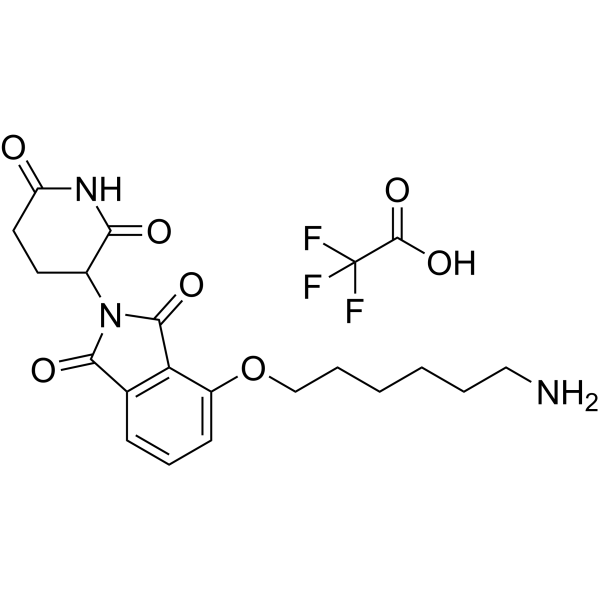

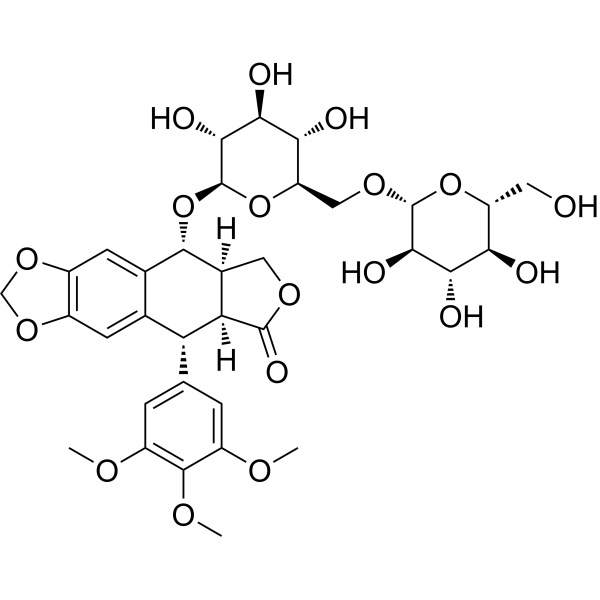
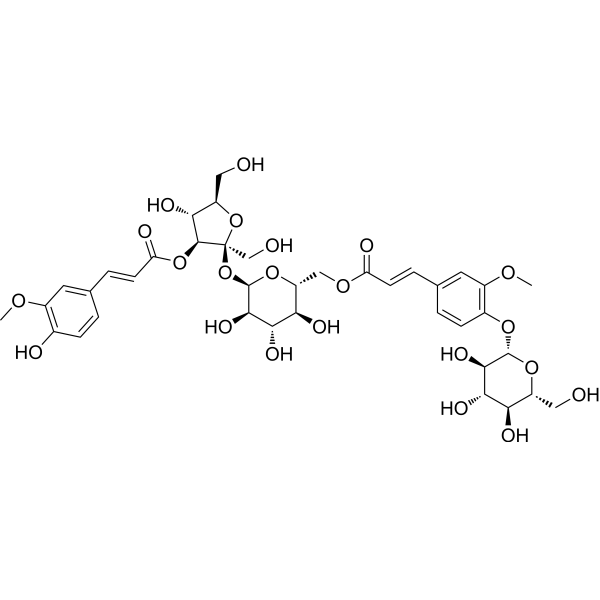
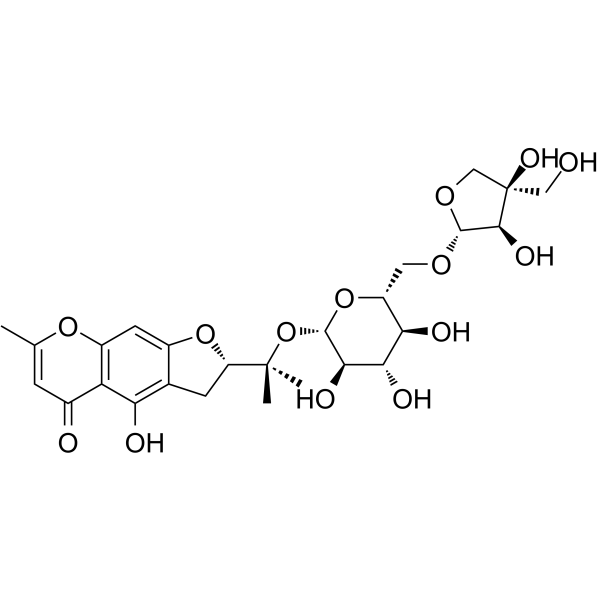
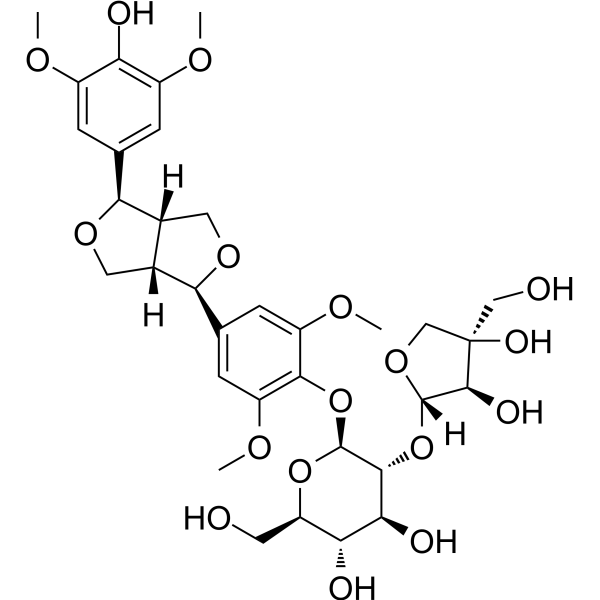
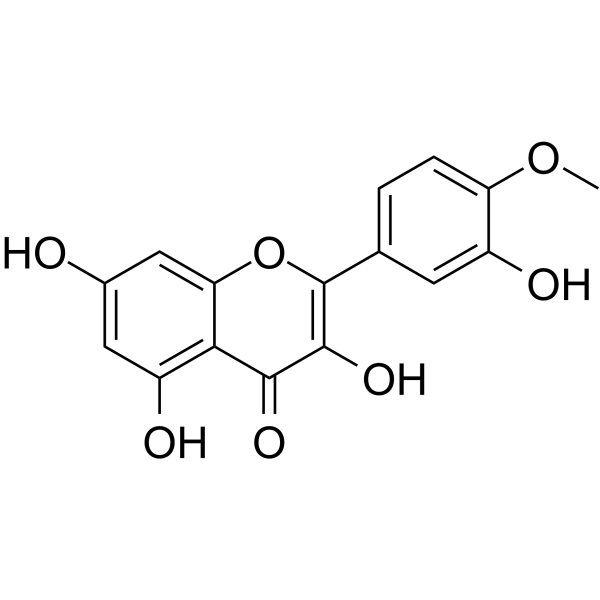


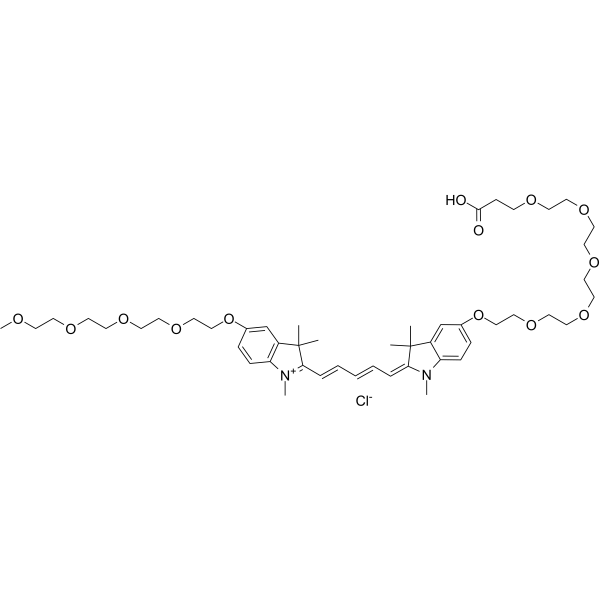


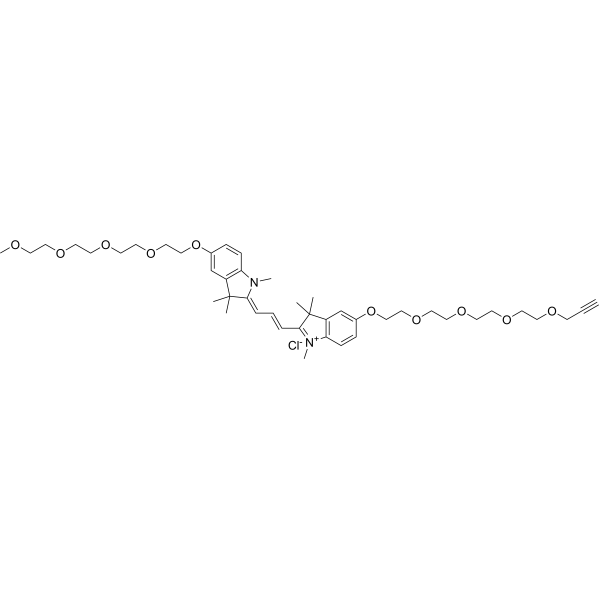
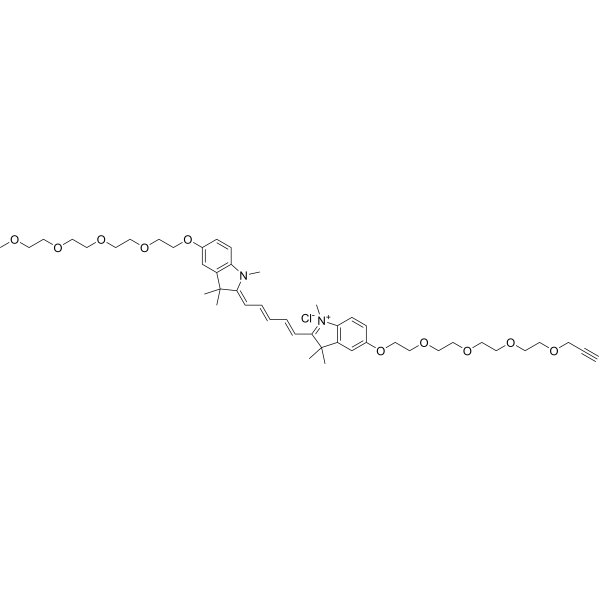

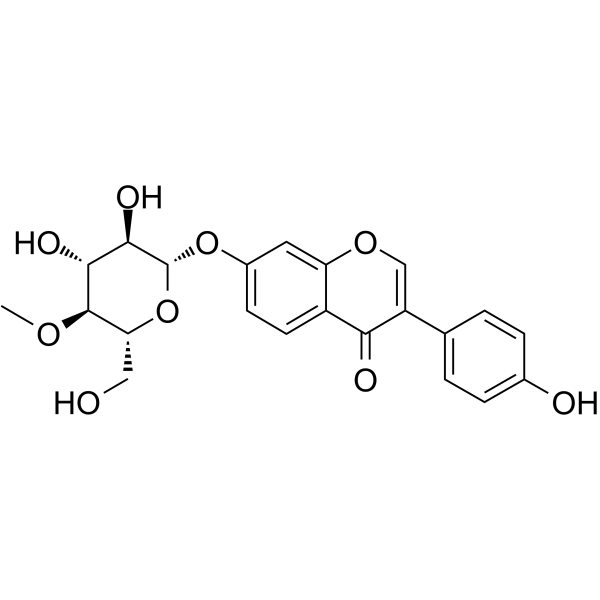


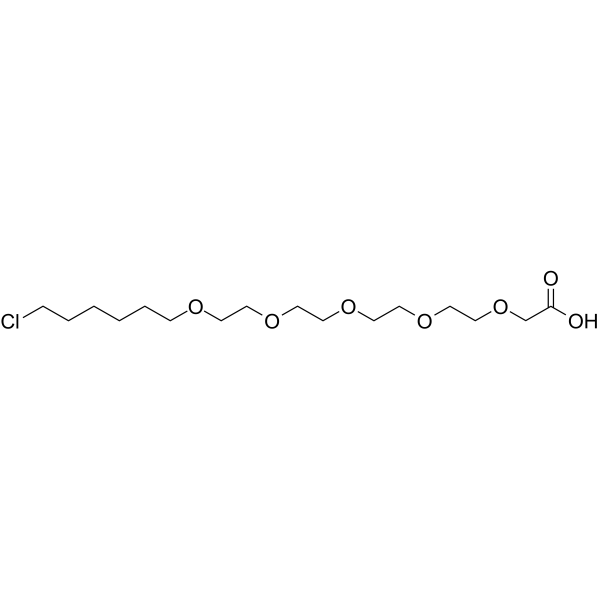


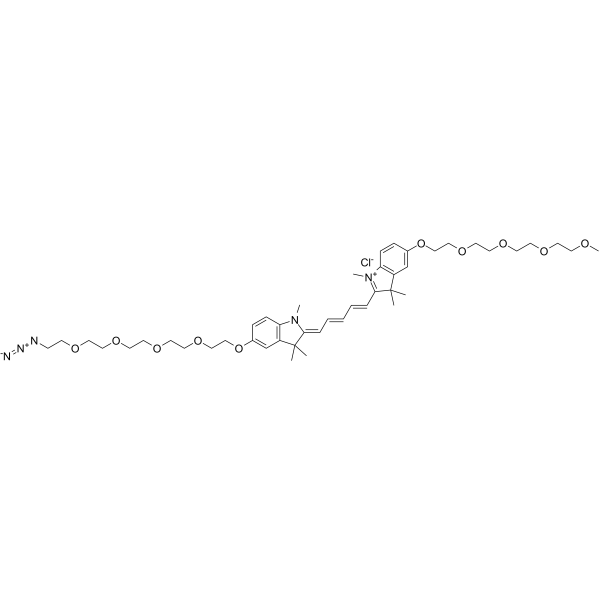
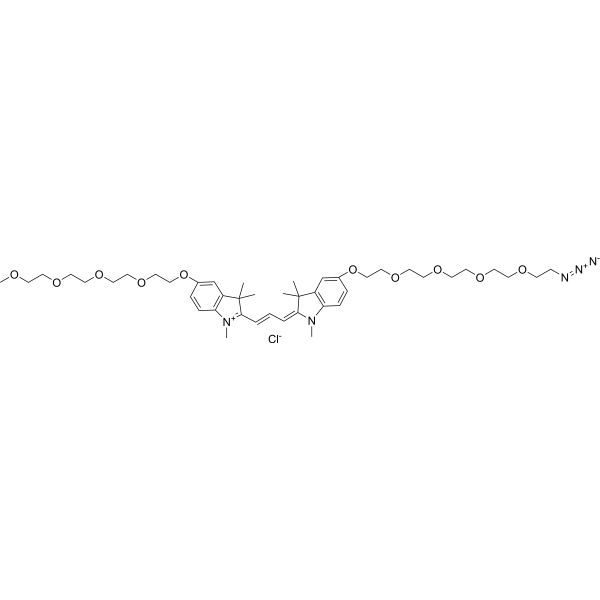

![Genistein 7-O-β-D-glucopyranoside-4'-O-[α-L-rhamnopyranosyl-(1→2)-β-D-glucopyranoside]](http://file.medchemexpress.com/product_pic/hy-n5129.gif)


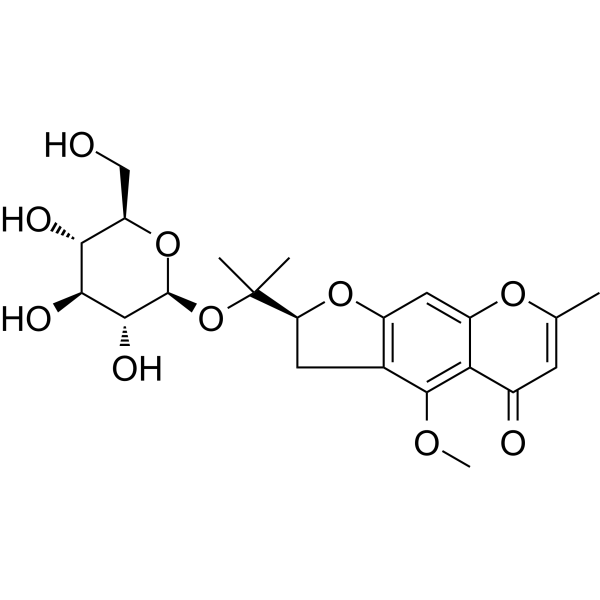


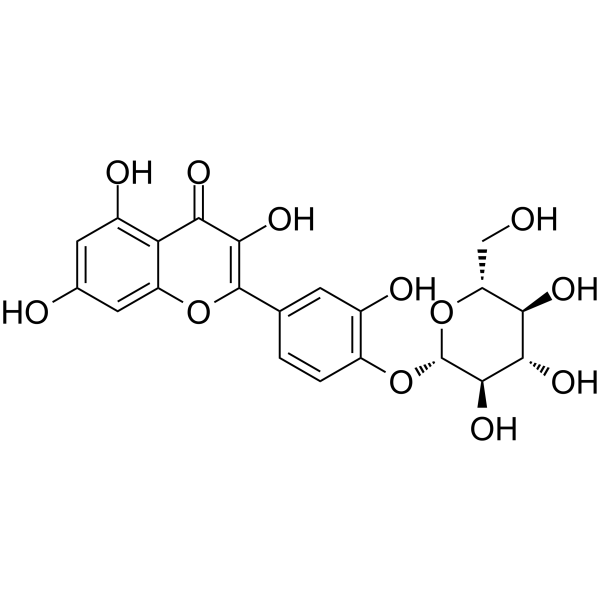
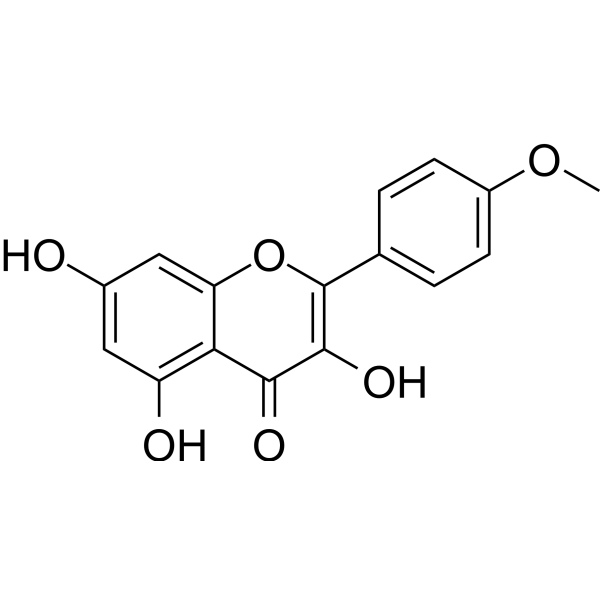
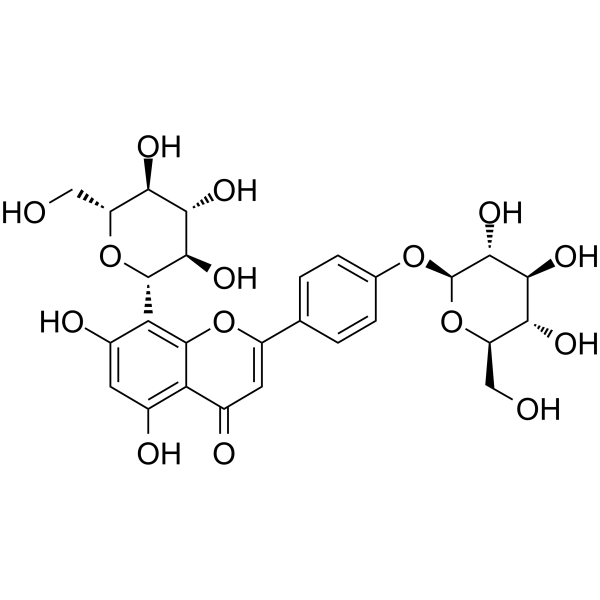
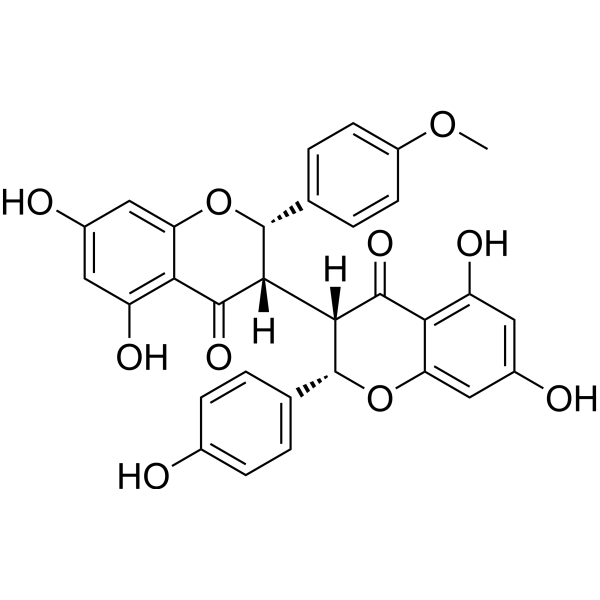

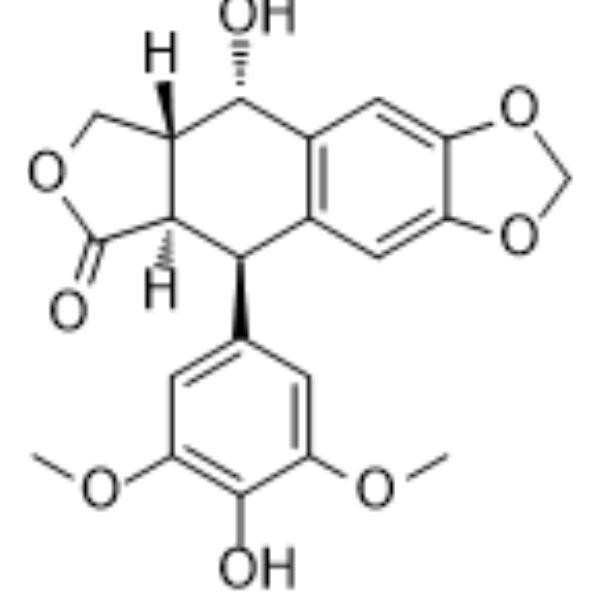

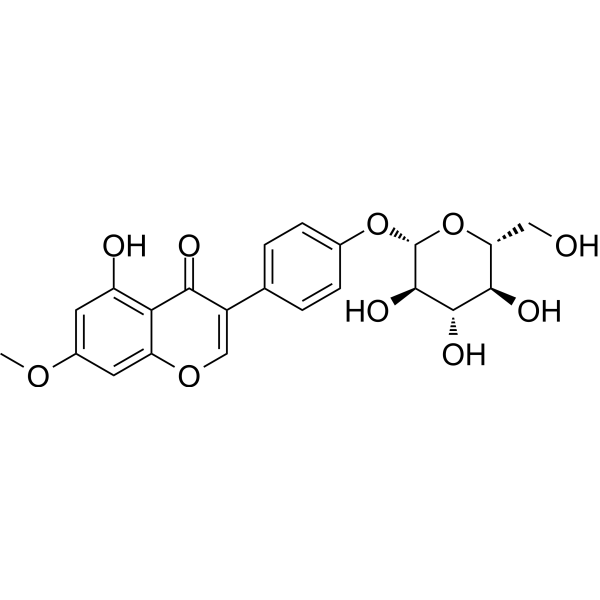
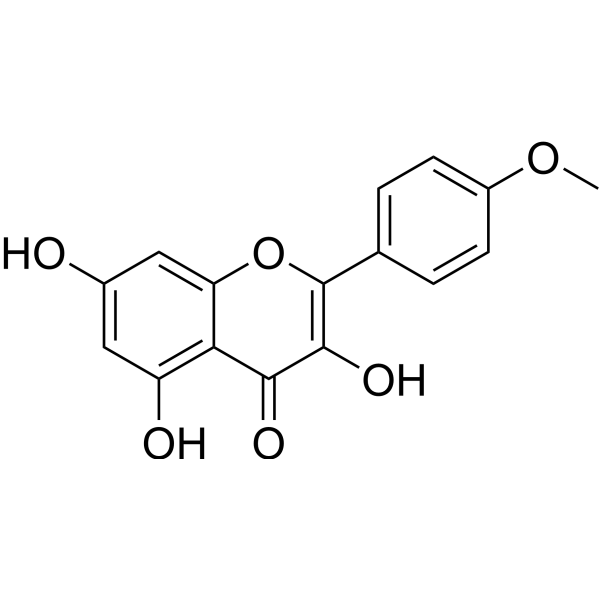


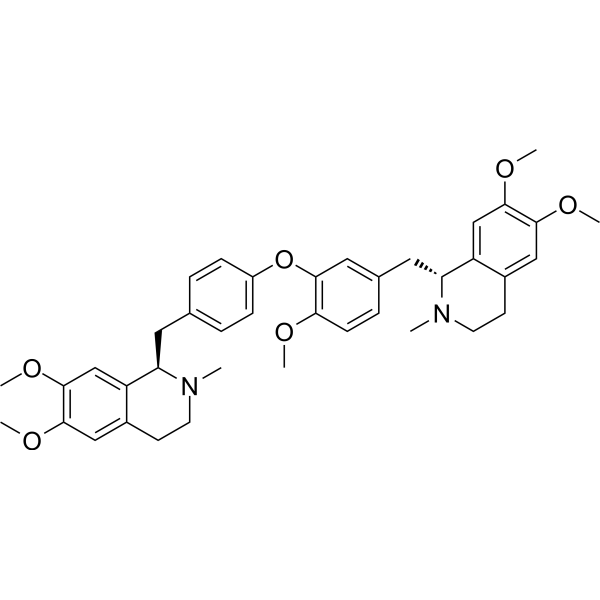
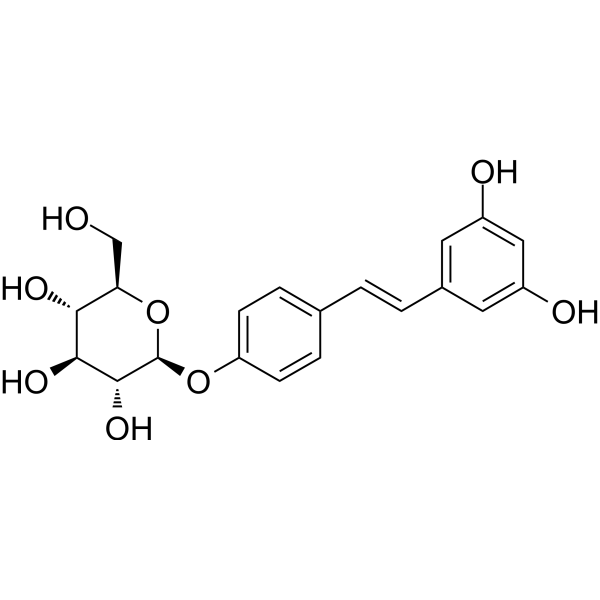
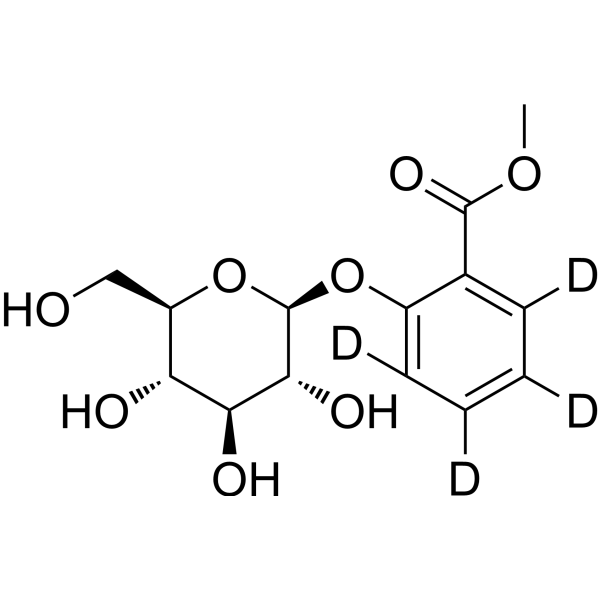


![Ethyl 4'-hydroxy-[1,1'-biphenyl]-4-carboxylate](http://file.medchemexpress.com/product_pic/hy-w140616.gif)


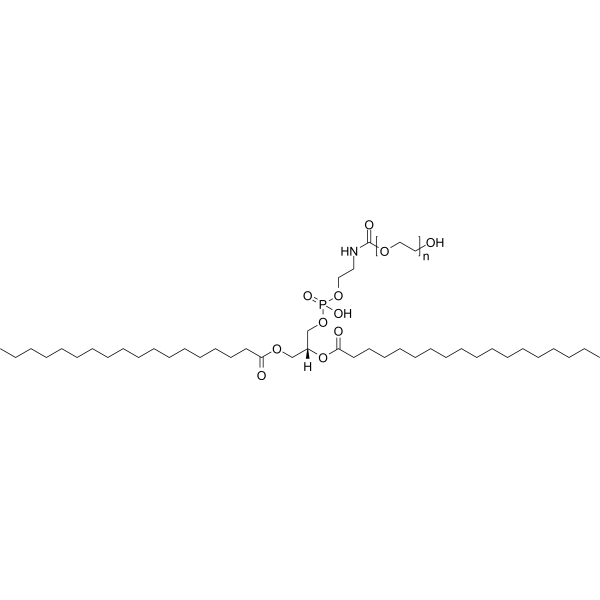


![GlcNPhth[36Bn,4Ac]-β-MP](http://file.medchemexpress.com/product_pic/hy-w145548.gif)