Search Result
Results for "
cancer cell inhibition activity
" in MedChemExpress (MCE) Product Catalog:
6
Isotope-Labeled Compounds
| Cat. No. |
Product Name |
Target |
Research Areas |
Chemical Structure |
-
- HY-16399
-
|
|
Apoptosis
SF3B1
|
Cancer
|
|
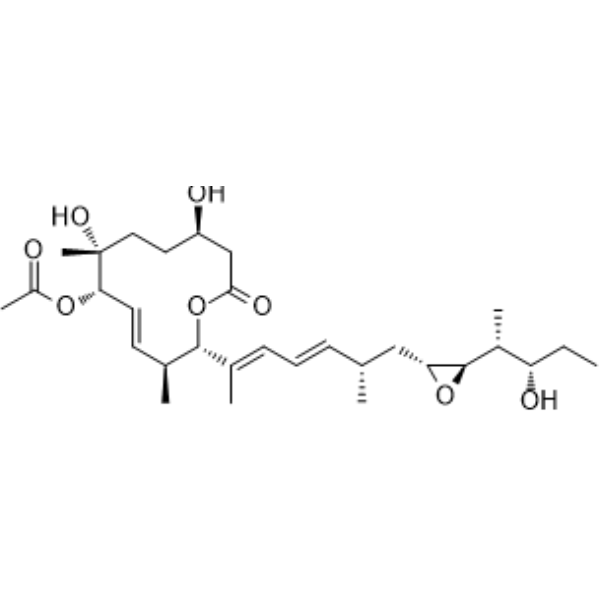
Pladienolide B is a potent cancer cell growth inhibitor that targets the SF3B1 subunit of the spliceosome. Pladienolide B exerts antitumor activities mediated through the inhibition of pre-mRNA splicing. Pladienolide B induces apoptosis .
|
-
-
- HY-N0292
-
|
|
Cytochrome P450
PPAR
Apoptosis
|
Cardiovascular Disease
Inflammation/Immunology
Cancer
|
|
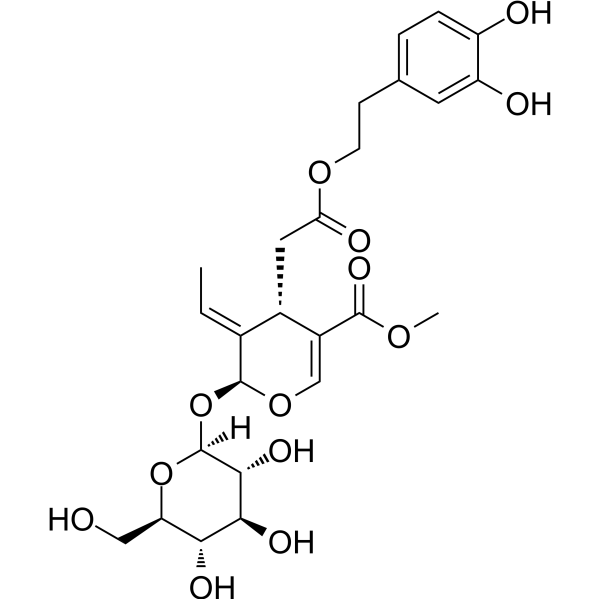
Oleuropein, found in olive leaves and oil, exerts antioxidant, anti-inflammatory and anti-atherogenic effects through direct inhibition of PPARγ transcriptional activity . Oleuropein induces apoptosis in breast cancer cells via the p53-dependent pathway and through the regulation of Bax and Bcl2 genes. Oleuropein also inhibits aromatase .
|
-
-
- HY-156002
-
|
Paluratide
|
Ras
ERK
|
Cancer
|
|
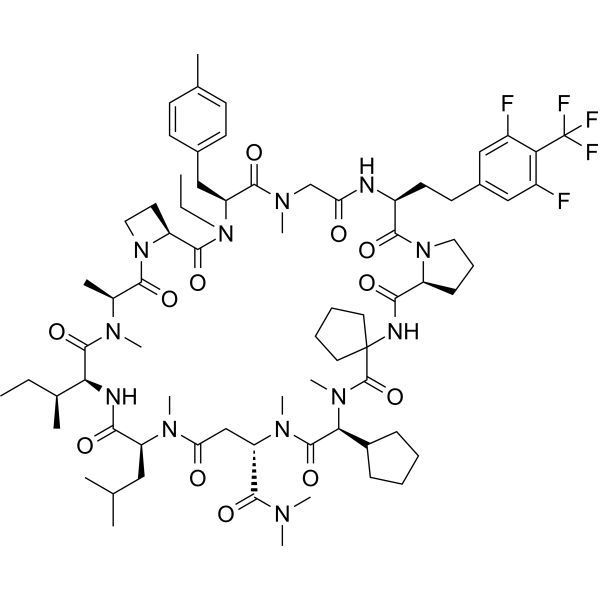
LUNA18 is an orally-available cyclic peptide KRAS and ERK inhibitor. LUNA18 phosphorylates ERK and AKT and decreases cell proliferation in RAS-mutated cancer cells. LUNA18 exhibits RAS signal inhibition and potent anti-cancer activities through inhibiting interaction between RAS and guanine nucleotide exchange factors (GEFs) in a mouse xenograft model. LUNA18 shows significant cellular efficacy against cell lines with KRAS genetic alterations, such as colon cancer, stomach cancer, non-small cell lung cancer and pancreaticcancer .
|
-
-
- HY-N0069
-
Solamargine
Maximum Cited Publications
12 Publications Verification
Solamargin; δ-Solanigrine
|
P-glycoprotein
Apoptosis
|
Cancer
|
|
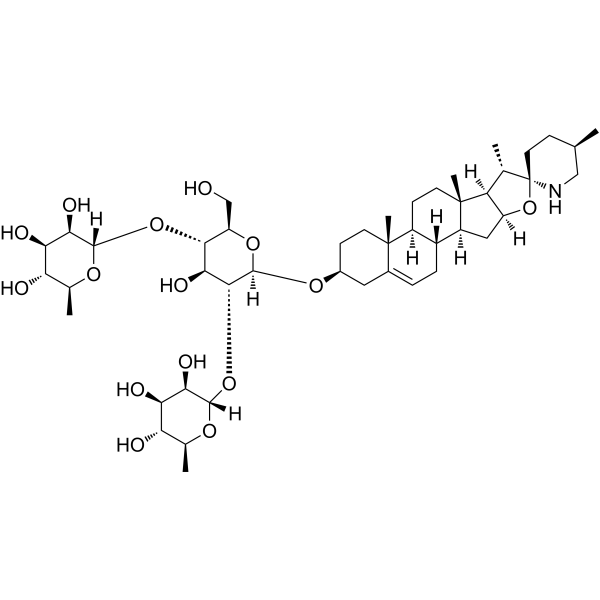
Solamargine, a derivative from the steroidal solasodine in Solanum species, exhibits anticancer activities in numerous types of cancer. Solamargine induces non-selective cytotoxicity and P-glycoprotein inhibition. Solamargine significantly inhibits migration and invasion of HepG2 cells by down-regulating MMP-2 and MMP-9 expression and activity .
|
-
-
- HY-15193
-
EMD638683
Maximum Cited Publications
18 Publications Verification
|
SGK
NOD-like Receptor (NLR)
Interleukin Related
Apoptosis
|
Cardiovascular Disease
Cancer
|
|
EMD638683 is an orally active SGK1 inhibitor with an IC50 of 3 μM. EMD638683 exhibits strong inhibition against SGK1, moderate inhibition against SGK2 and SGK3, and shows excellent selectivity for other AGC kinase family members. EMD638683 has antihypertensive activity by inhibiting SGK1, and independently of the blood pressure-lowering effect, it effectively prevents heart inflammation and fibrosis caused by hypertension by inhibiting the cardiac NLRP3 inflammation body/ IL-1β axis. EMD638683 promotes apoptosis of colon cancer cells and sensitizes radiotherapy. EMD638683 (S-Form) can be used in research related to hypertension, hypertensive heart damage, and colon cancer .
|
-
-
- HY-129388B
-
|
CC-90011 benzenesulfonate; LSD1-IN-7 benzenesulfonate
|
Histone Demethylase
|
Inflammation/Immunology
Cancer
|
|
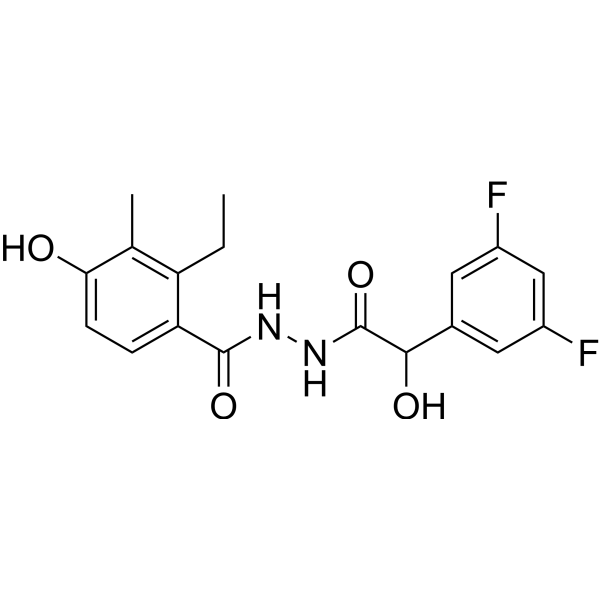
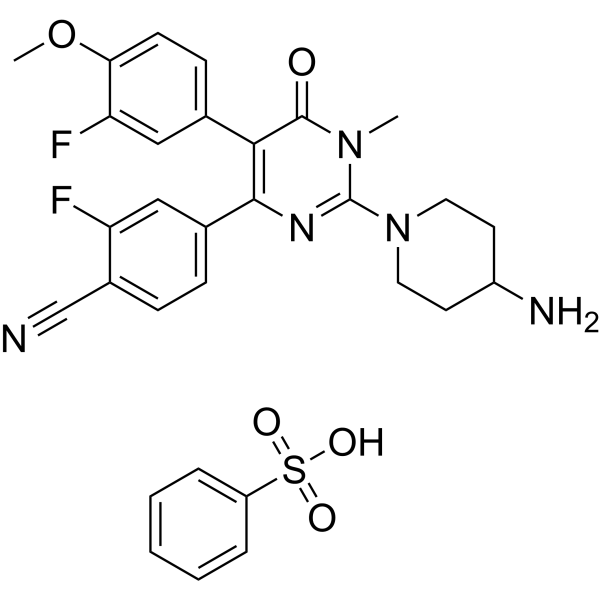
Pulrodemstat (CC-90011) benzenesulfonate is a potent, selective, reversible and orally active inhibitor of lysine specific demethylase-1 (LSD1) with an IC50 of 0.25 nM. Pulrodemstat benzenesulfonate is less enzymatic inhibition against LSD2, MAO-A, and MAO-B. Pulrodemstat benzenesulfonate induces acute myeloid leukemia (AML) and small cell lung cancer (SCLC) cells differentiation and has potent anticancer activity .
|
-
-
- HY-P991097
-
|
PM-8002; BNT-327
|
VEGFR
PD-1/PD-L1
|
Cancer
|
|
Pumitamig (PM-8002, BNT-327) is a bispecific antibody targeting PD-L1 and VEGF-A, with immune activation and anti-angiogenic activities. By binding to PD-L1, Pumitamig restores the function of effector T cells, while neutralizing VEGF-A in the tumor microenvironment to reverse its inhibition on the infiltration and activation of immune cells and normalize tumor blood vessels. Pumitamig can also be combined with various ADCs targeting TROP2, B7H3, HER2, HER3 for the research of advanced/metastatic solid tumors, including non-small cell lung cancer, ovarian cancer, triple-negative breast cancer, cervical cancer, etc. Pumitamig also exhibits potential efficacy in "cold" tumors with low PD-L1 expression that are insensitive to immunotherapy .
|
-

-
- HY-19542
-
|
C6-Cer; N-Hexanoylsphingosine
|
Apoptosis
|
Cancer
|
|
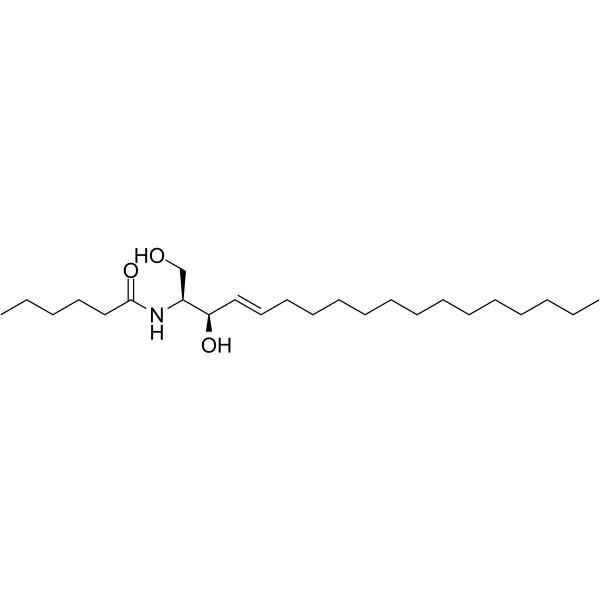
C6 Ceramide (C6-Cer) is a short-chain, cell-permeable ceramide pathway activator with anticancer activity. C6 Ceramide-mediated miR-29b expression participates in the progression of multiple myeloma through suppressing the proliferation, migration and angiogenesis of endothelial cells by targeting Akt signal pathway. C6 Ceramide exhibits multiple anti-cancer properties including cell cycle arrest, Apoptosis, inhibition of tumor growth and enhances the effects of chemotherapy in drug-resistant cancer cells. C6-ceramide can be used as an adjuvant for chemotherapeutic agents, to enhance anti-tumor effects .
|
-
-
- HY-112780
-
|
|
MDM-2/p53
Apoptosis
|
Cancer
|
|
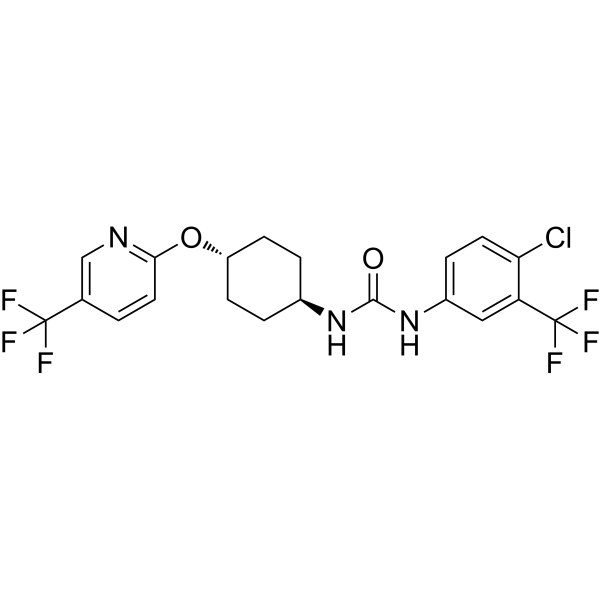
UC2288 is a potent and orally active p21 attenuator (relatively selective activity for p21), which is synthesized based Sorafenib (HY-10201). UC2288 potently inhibits cancer cell growth by inducing apoptosis. UC2288 has no inhibition of VEGFR2 and Raf kinases even at 10 μM .
|
-
-
- HY-126490
-
|
|
Bacterial
Antibiotic
DNA/RNA Synthesis
|
Infection
Cancer
|
|
Phleomycin is a copper-dependent DNA damaging agent and antibiotic with antitumor activity. Phleomycin binds to DNA and produces ROS in the presence of reducing agents (such as dithiothreitol and glutathione), inducing single-strand and double-strand breaks in DNA. Phleomycin can induce cell apoptosis or mutation and is widely used in cancer inhibition, microbial genetic transformation (as a screening marker to improve fungal transformation efficiency) and DNA repair mechanism research .
|
-

-
- HY-128741
-
-
-
- HY-124653
-
|
J2
|
HSP
|
Cancer
|
|
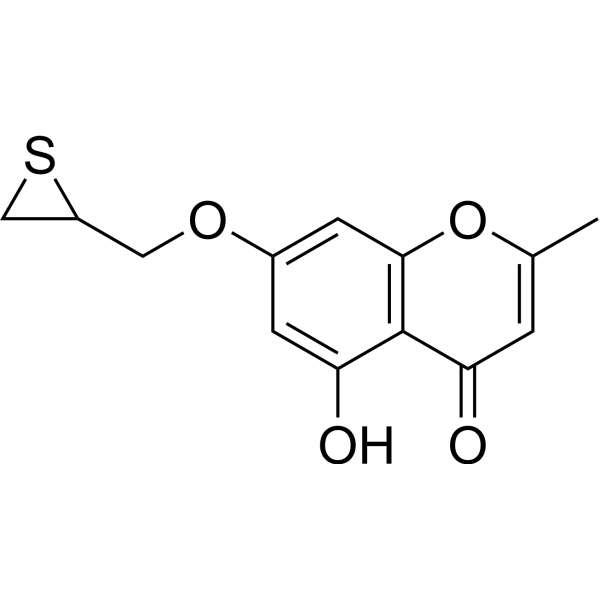
HSP27 inhibitor J2 (J2) is a HSP27 inhibitor, which significantly induces abnormal HSP27 dimer formation and inhibits a production of HSP27 giant polymers, thereby having an effect of inhibiting a chaperone function of the HSP27 and reducing a cell protection function thereof. HSP27 inhibitor J2 (J2) remarkably enhances the antiproliferative activity of 17-AAG and sensitizes cisplatin-induced lung cancer cell growth inhibition .
|
-
-
- HY-N2303
-
|
|
Apoptosis
NF-κB
Autophagy
Reactive Oxygen Species (ROS)
CDK
PPAR
FABP
Akt
mTOR
|
Inflammation/Immunology
Cancer
|
|
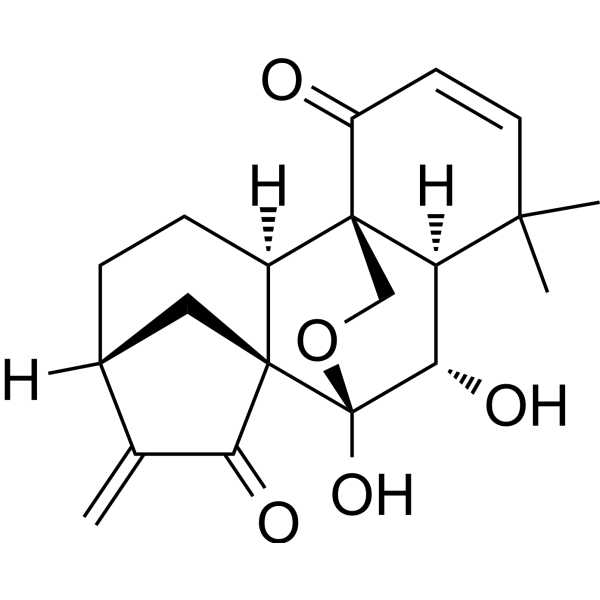
Eriocalyxin B is a diterpenoid compound that can be isolated from Chinese herb Isodon eriocalyx. Eriocalyxin B exhibits multiple activities, such as anti-cancer, anti-inflammatory, and inhibition of adipogenesis. Eriocalyxin B is capable of inducing apoptosis and autophagy in tumor cells. Eriocalyxin B can be used in the research of cancers, autoimmune diseases, and other conditions .
|
-
-
- HY-145102
-
|
|
HSP
Apoptosis
|
Cancer
|
|
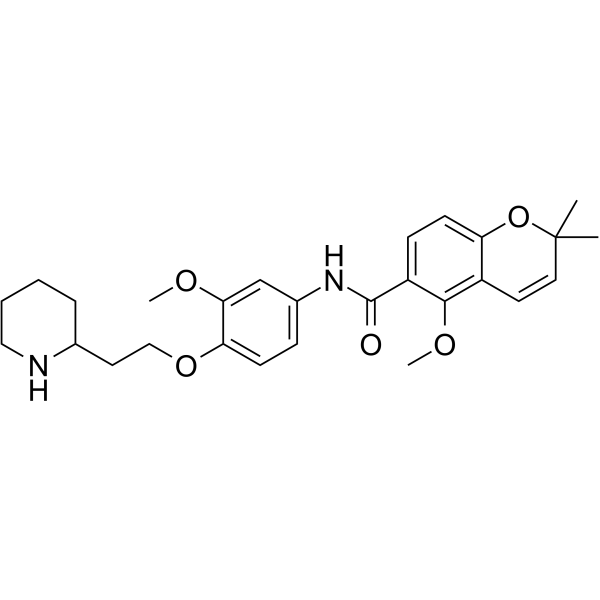
NCT-58 is a potent inhibitor of C-terminal HSP90. NCT-58 does not induce the heat shock response (HSR) due to its targeting of the C-terminal region and elicits anti-tumor activity via the simultaneous downregulation of HER family members as well as inhibition of Akt phosphorylation. NCT-58 kills Trastuzumab-resistant breast cancer stem-like cells. NCT-58 induces apoptosis in HER2-positive breast cancer cells .
|
-
-
- HY-N3387
-
|
|
Apoptosis
NF-κB
Akt
MMP
|
Inflammation/Immunology
Cancer
|
|
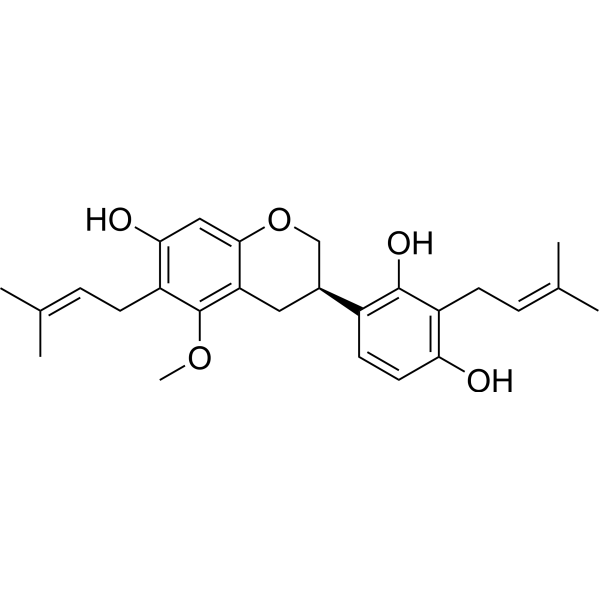
Licoricidin (LCD) is isolated from Glycyrrhiza uralensis Fisch, possesses anti-cancer activities. Licoricidin (LCD) inhibit SW480 cells (IC50=7.2 μM) by inducing cycle arrest, apoptosis and autophagy, and is a potential chemopreventive or chemotherapeutic agent against colorectal cancer . Licoricidin (LCD) inhibits Lung Metastasis by inhibition of tumor angiogenesis and lymphangiogenesis as well as changes in the local microenvironment of tumor tissues the anticarcinogenic effect . Licoricidin enhanced gemcitabine-induced cytotoxicity in Osteosarcoma (OS) cells by inactivation of the Akt and NF-κB pathways in vitro and in vivo . Licoricidin blocks UVA-induced photoaging via ROS scavenging, limits the activity of MMP-1, it can be considered as an active ingredient in new topically applied anti-ageing formulations .
|
-
-
- HY-N1925
-
|
|
Apoptosis
Autophagy
|
Neurological Disease
Inflammation/Immunology
Cancer
|
|
Tea polyphenol is the floorboard of phenolic compounds in tea. Tea polyphenol exhibits biological activity including antioxidant and anti-cancer activities, inhibition of cell proliferation, induction of apoptosis, cell cycle arrest and modulation of carcinogen metabolism .
|
-

-
- HY-147655
-
|
|
RIO Kinase
|
Cancer
|
|
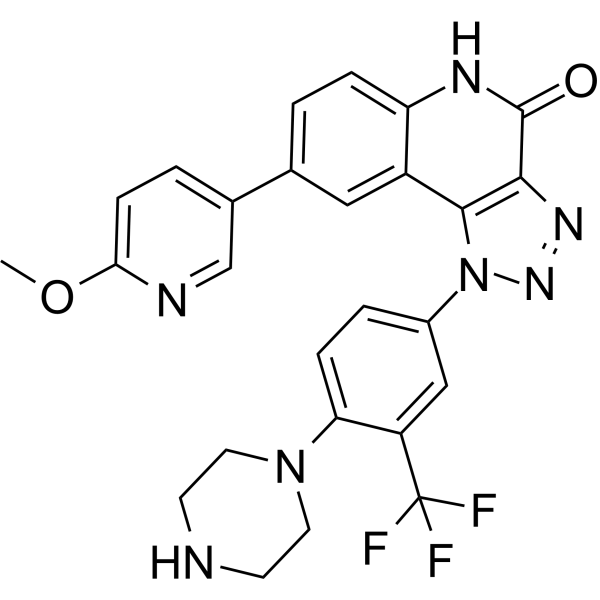
CQ211 is a potent and selective RIOK2 inhibitor with a Kd of 6.1 nM. CQ211 exhibits potent proliferation inhibition activity against multiple cancer cell lines .
|
-
-
- HY-176871
-
|
|
PROTACs
SWI/SNF Complex
DNA/RNA Synthesis
|
Cancer
|
|
PROTAC SMARCA2 degrader-35 (Compound 43) is a selective SMARCA2 PROTAC degrader with a DC50 < 0.1 μM for SMARCA2. PROTAC SMARCA2 degrader-35 has anticancer activity and regulates cancer cell proliferation and growth through cell cycle arrest and DNA replication inhibition in SMARCA4-deleted cancer cells .
|
-

-
- HY-139434
-
|
|
Histone Demethylase
|
Cancer
|
|
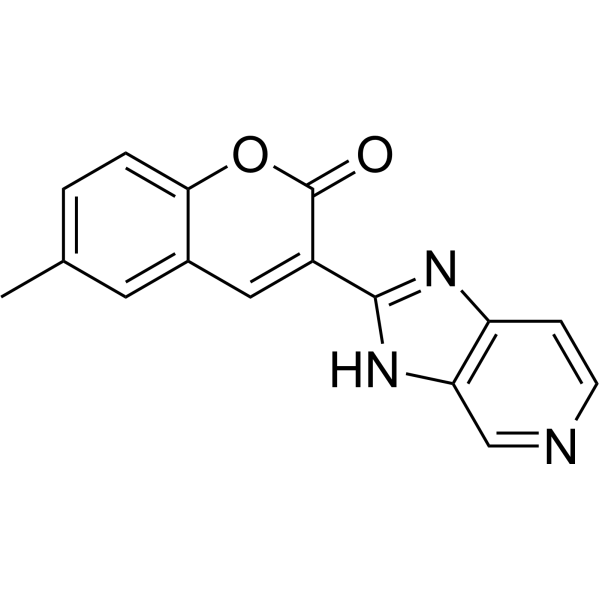
JMJD6-IN-1 is a JMJD6 inhibitor, with an inhibition rate of 82% at 10 μM. JMJD6-IN-1 inhibits MCF-7 and HCC4006 cell proliferation with IC50 values of 19.2 μM and 25.2 μM. JMJD6-IN-1 inhibits JMJD6 demethylase activity. JMJD6-IN-1 can be used for the research of lung adenocarcinoma, prostate cancer, breast cancer, pancreatic cancer, colon cancer, oral squamous cell carcinoma, and glioblastoma .
|
-
-
- HY-P991669
-
|
AML-01
|
Caspase
Apoptosis
|
Cancer
|
|
IGN523 is an anti-CD98 antibody (hCD98, KD = 0.55 nM). IGN523 induces antibody-dependent cell-mediated cytotoxicity (ADCC) activity, lysosomal membrane permeabilization, and inhibition of essential amino acid transport, ultimately leading to caspase-3 and caspase-7-mediated apoptosis of tumor cells. IGN523 inhibits tumor growth in multiple tumor xenograft models. IGN523 is useful in the research of non-small cell lung cancer (NSCLC), acute myeloid leukemia (AML), and other cancers. .
|
-

-
- HY-P99667
-
|
OMP-54F28; FZD8-Fc
|
Wnt
|
Cancer
|
|
Ipafricept (OMP-54F28; FZD8-Fc) is a first class recombinant fusion protein with the extracellular part of the human frizzled-8 receptor fused to a human IgG1 Fc fragment that binds Wnt ligands, which blocks Wnt signaling. Ipafricept reduces tumor growth and results in a decrease in both liver and lung metastases combined with Gemcitabine (HY-17026) in pancreatic cancer mouse models. Ipafricept shows solid tumor inhibition activity with well tolerance, such as desmoid tumor, germ cell cancer, ovarian cancer .
|
-

-
- HY-15163
-
|
TG02; SB1317
|
JAK
CDK
FLT3
|
Cancer
|
|
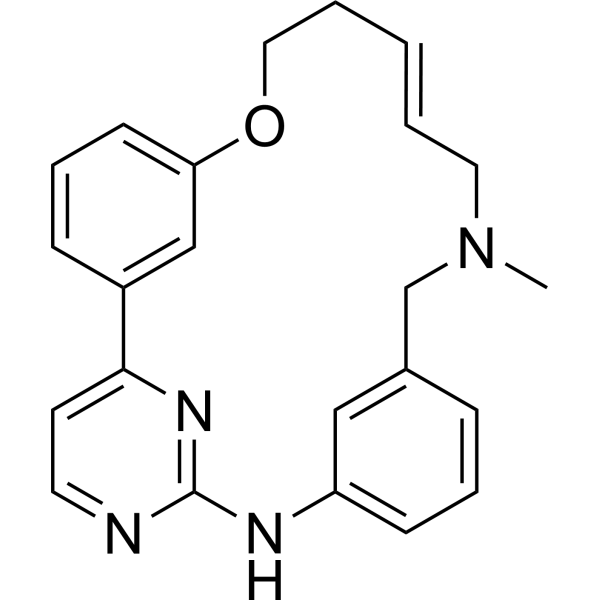
Zotiraciclib (TG02; SB1317) is an orally active JAK2/FLT3/CDK2 inhibitor with IC50 values of 13 nM, 73 nM and 56 nM , respectively. Zotiraciclib inhibits cancer cell proliferation, tumor growth and the activity of CYP2D6. Zotiraciclib exhibits high plasma protein binding rate, Caco-2 permeability and tissue distribution capacity, as well as metabolic stability in human and canine liver microsomes. Zotiraciclib achieves tumor growth inhibition in nude mouse models of colon cancer and lymphoma xenografts. Zotiraciclib can be used for research related to colon cancer, B-cell lymphoma, advanced leukemia, acute leukemia and multiple myeloma .
|
-
-
- HY-P990704
-
|
AZD-2936
|
PD-1/PD-L1
Transmembrane Glycoprotein
|
Cancer
|
|
Rilvegostomig (AZD-2936) is a bispecific humanized IgG1 antibody targeting PD-1 and TIGIT. Rilvegostomig induces tumor growth inhibition and modulates the tumor immune microenvironment. Rilvegostomig exhibits anti-tumor activity in metastatic non-small cell lung cancer (without prior immune checkpoint inhibitor treatment). Rilvegostomig can be used in research related to metastatic non-small cell lung cancer and endometrial cancer .
|
-

-
- HY-135046
-
|
|
DNA/RNA Synthesis
|
Neurological Disease
Inflammation/Immunology
Cancer
|
|
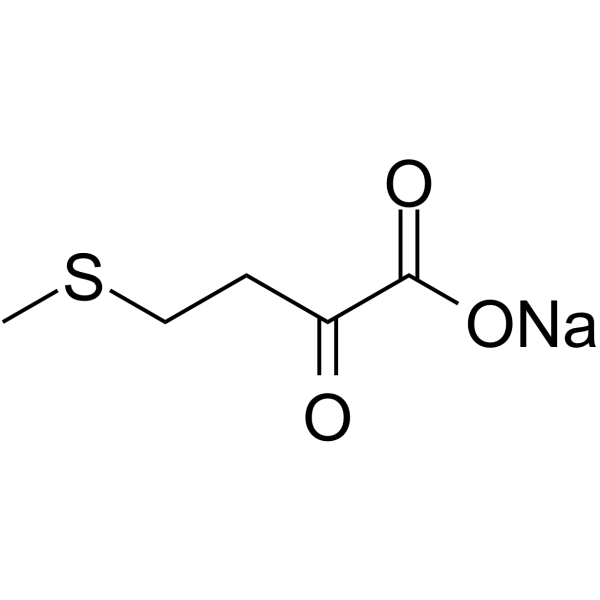
MTOB sodium is a potent C-terminal binding protein (CtBP) inhibitor. MTOB sodium attenuates repetitive head injury-elicited neurologic dysfunction and neuroinflammation via inhibition of the transactivation activity of CtBP1 and CtBP2. MTOB sodium antagonizes the transcriptional regulatory activity of CtBP1 and CtBP2 by eviction from their target promoters in breast cancer cell lines .
|
-
-
- HY-160496
-
|
|
STAT
|
Cancer
|
|
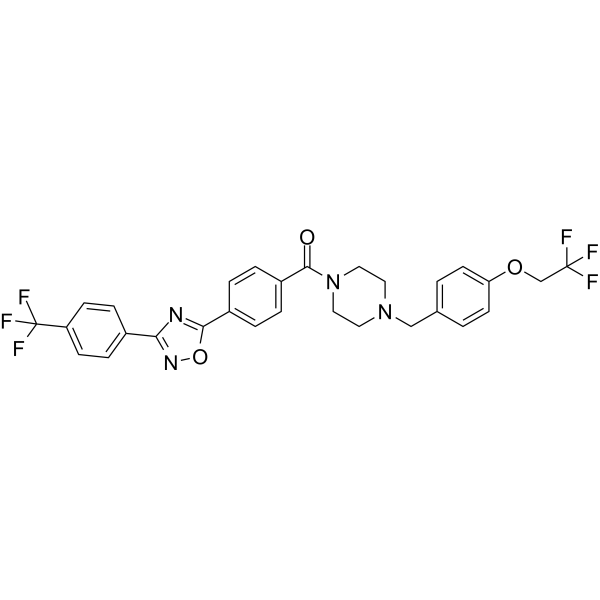
STAT3-IN-25 (Compound 2p) is a potent STAT3 inhibitor with a p-trifluoroethoxy benzyl substituent. STAT3-IN-25 shows STAT3 luciferase inhibition activity using HEK293T cells with an IC50 of 22.3 nM and ATP production inhibition activity using BxPC-3 cells with an IC50 of 32.5 nM. STAT3-IN-25 has the potential for pancreatic cancer research .
|
-

-
- HY-151480
-
|
|
STAT
Apoptosis
|
Cancer
|
|
HP590 is an orally active, novel and potent STAT3 inhibitor (STAT3 luciferase activity: IC50=27.8 nM; ATP inhibition: IC50=24.7 nM). HP590 shows anti-proliferative activity to gastric cancer cells and induces apoptosis .
|
-
-
- HY-103224
-
|
|
PI3K
|
Cancer
|
|
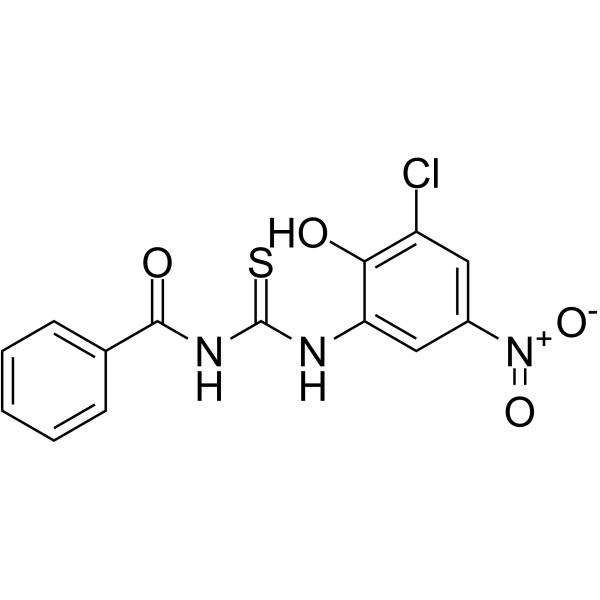
PIT-1 is a selective PIP3 (phosphatidylinositol 3,4,5-trisphosphate) antagonist. PIT-1 inhibits cancer cell survival and induces apoptosis by inhibition of PIP3 dependent PI3K / Akt signaling. PIT-1 exhibits antitumor activity in vivo .
|
-
-
- HY-N7510
-
|
12-Methoxycarnosic acid
|
5 alpha Reductase
|
Infection
Cancer
|
|
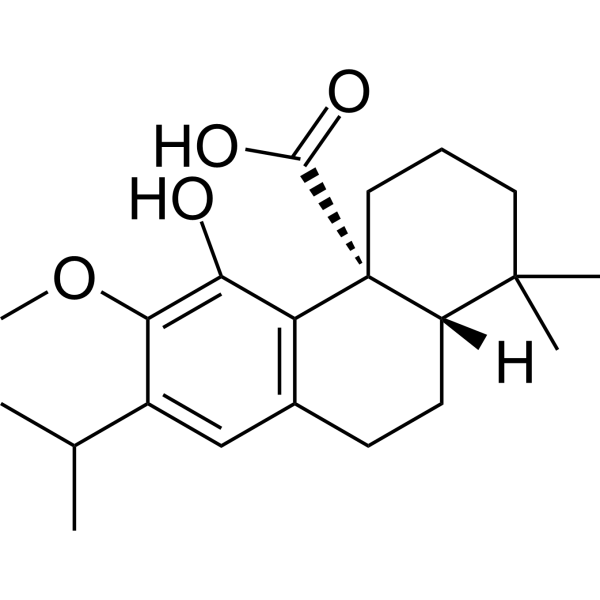
12-O-Methylcarnosic acid (12-Methoxycarnosic acid), a diterpene carnosic acid isolated from the acetone extract of Salvia microphylla, is an active constituent of 5α-reductase inhibition with an IC50 value of 61.7 μM. 12-O-Methylcarnosic acid inhibits proliferation in LNCaP cells. 12-O-Methylcarnosic acid has antioxidant, anti-cancer and antimicrobial activity .
|
-
-
- HY-149075
-
|
|
Salt-inducible Kinase (SIK)
|
Cancer
|
|
MR22 is a potent pan-SIK (salt-inducible kinase) inhibitor. MR22 no longer exhibits activity on STE group kinases and displays excellent selectivity in a representative kinase panel. MR22-dependent SIK inhibition led to centrosome dissociation and subsequent cell-cycle arrest in ovarian cancer cells .
|
-
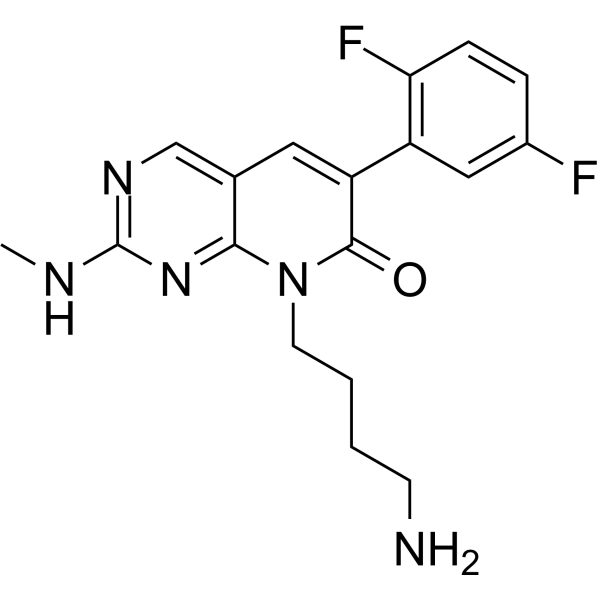
-
- HY-129388A
-
|
CC-90011; LSD1-IN-7
|
Histone Demethylase
|
Inflammation/Immunology
Cancer
|
|
Pulrodemstat (CC-90011) is a potent, selective, reversible and orally active inhibitor of lysine specific demethylase-1 (LSD1) with an IC50 of 0.25 nM. Pulrodemstat is less enzymatic inhibition against LSD2, MAO-A, and MAO-B. Pulrodemstat induces acute myeloid leukemia (AML) and small cell lung cancer (SCLC) cells differentiation and has potent anticancer activity .
|
-
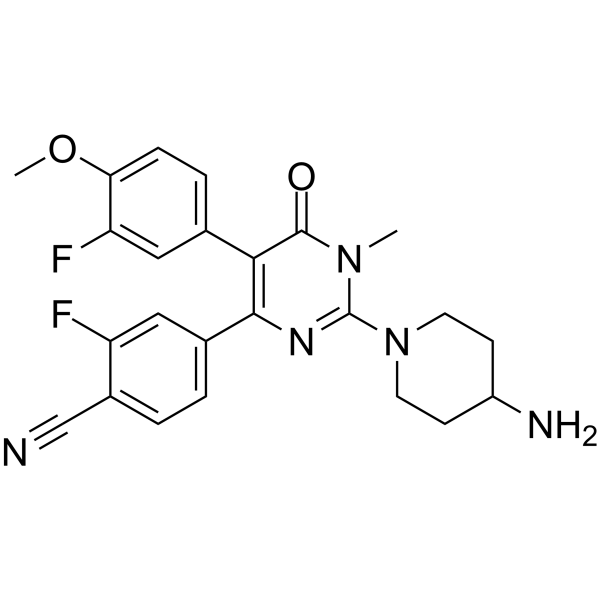
-
- HY-N6932
-
|
|
Cannabinoid Receptor
P-glycoprotein
PI3K
Akt
mTOR
Apoptosis
Autophagy
EGFR
|
Metabolic Disease
Cancer
|
|
Voacamine is an indole alkaloid with cannabinoid 1 (CB1) antagonistic activity. Voacamine can inhibit nuclear translocation. Voacamine is effective in enhancing the effect of Doxorubicin (HY-15142A) as it interferes with the P-glycoprotein (P-gp) function. Voacamine promotes apoptosis-independent autophagic cell death in human osteosarcoma cells. Voacamine activates mitochondrial-associated apoptosis signaling pathway and inhibition of PI3K/Akt/mTOR signaling pathway to suppress breast cancer progression. Voacamine inhibits EGFR to exert oncogenic activity against colorectal cancer .
|
-
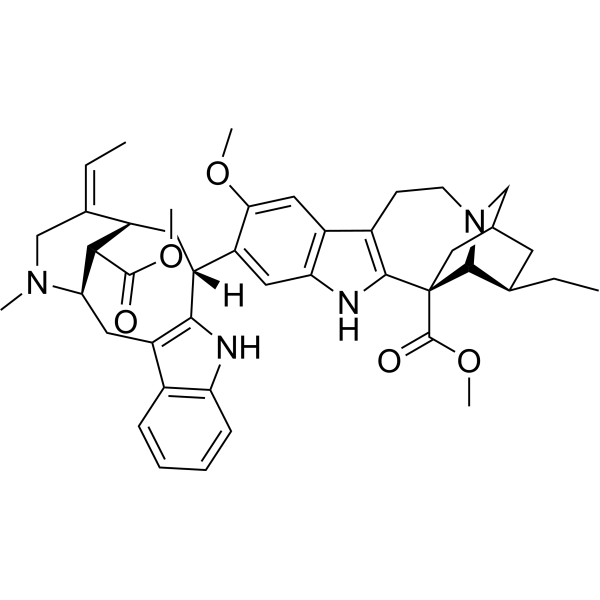
-
- HY-151367
-
|
|
ERK
|
Cancer
|
|
SHR2415 is a highly potent, selective and orally active ERK1/2 inhibitor. SHR2415 has inhibition activity for ERK1 and ERK2 with IC50 values of 2.8 nM and 5.9 nM, respectively. SHR2415 exhibits high potency with an IC50 value of 44.6 nM in Colo205 cells. SHR2415 can be used for the research of cancer .
|
-
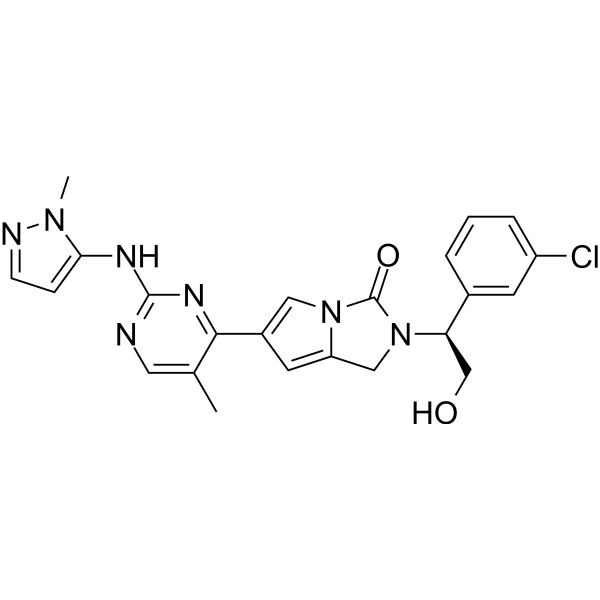
-
- HY-168950
-
|
|
Annexin A
|
Cancer
|
|
ANXA3 degrader 1 (Compound 18a5) is a highly selective ANXA3 degrader with cancer cell inhibition activity. ANXA3 degrader 1 displays excellent inhibitory effect in a triple-negative breast cancer (TNBC) tumor xenograft model (TGI=96%) .
|
-

-
- HY-176549
-
|
|
RAD51
|
Cancer
|
|
(Rac)-IBR120 is the racemate of IBR120 (HY-176549A). IBR120 is a RAD51 inhibitor that has significant growth inhibition activity against MDA-MB-468 cells. (Rac)-IBR120 can be used for the research of difficult-to-treat cancers like triple negative breast cancer .
|
-

-
- HY-N6908
-
-
-
- HY-130326
-
|
Ru(η6-p-cymene)Cl2(pta)
|
Apoptosis
Caspase
|
Cardiovascular Disease
Cancer
|
|
RAPTA-C (Ru(η6-p-cymene)Cl2(pta)) acts as an anti-cancer and anti-angiogenic agent. RAPTA-C exhibits anti-metastatic, anti-angiogenic, and anti-tumoral activities through protein and histone-deoxyribonucleic acid alterations. RAPTA-C exhibits cell growth inhibition by triggering G(2)/M phase arrest in cancer cells. RAPTA-C also enhances the levels of p53 and triggers the mitochondrial Apoptotic pathway, resulting in cytochrome C release and caspase-9 activation. RAPTA-C reduces the growth of tumors with the inhibition of angiogenesis in a ovarian carcinoma model .
|
-

-
- HY-175164
-
|
|
Apoptosis
c-Myc
|
Cancer
|
|
SVC112 is a translation elongation inhibitor that prevents the cyclic dissociation of EF2 from the ribosome, thereby inhibiting the elongation step of translation. SVC112 shows activity in growth inhibition among cancer cell lines of various origins (acute myeloid leukemia (AML), multiple myeloma (Myeloma), colorectal cancer (CRC), and head and neck squamous cell carcinoma (HNSCC)). SVC112 preferentially impedes ribosomal processing of mRNAs, and decreaseds CSC-related proteins including Myc and Sox2. SVC112 induces apoptosis in hematologic cancer cell lines, while phosphorylation of c-Myc correlates with sensitivity to SVC112 in colorectal cancer cell lines. SVC112 inactivates HNSCC stem cells in vitro and prevents the regrowth of HNSCC tumor xenografts in mice. SVC112 can be used for the study of HNSCC .
|
-

-
- HY-175020
-
|
|
Fatty Acid Synthase (FASN)
Apoptosis
Bcl-2 Family
|
Cancer
|
|
QNX-10 is a fatty acid synthase (FASN) inhibitor (IC50 = 0.7 μM) with anticancer activity. QNX-10 exhibits potent FASN inhibition and cytotoxicity against colorectal and breast cancer cells. QNX-10 induces apoptosis and cell cycle arrest in S phase by upregulating the pro-apoptotic protein Bax and downregulating the anti-apoptotic protein Bcl-xL. QNX-10 can be used to investigate anticancer therapies targeting FASN enzymes .
|
-

-
- HY-143251
-
|
|
Microtubule/Tubulin
Apoptosis
|
Cancer
|
|
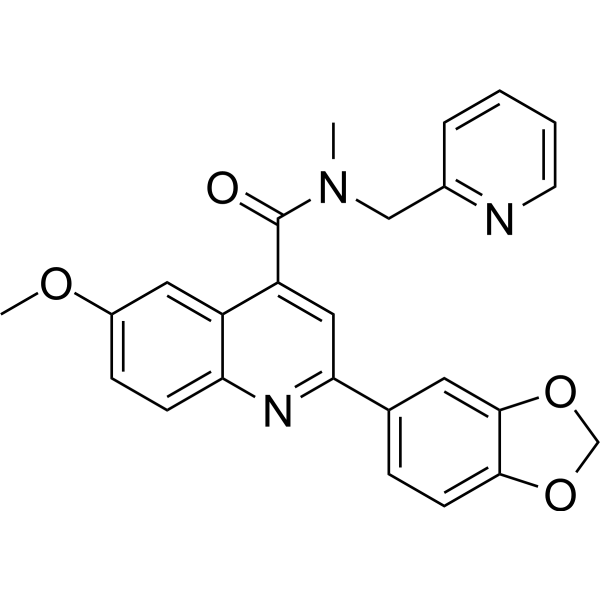
Tubulin inhibitor 13 (E27) is a potent tubulin inhibitor with an IC50 value of 16.1 μM for the tubulin polymerization inhibition. Tubulin inhibitor 13 inhibits migration and invasion of cancer cells, induces apoptosis and has anticancer activity .
|
-
-
- HY-112806
-
|
|
Drug-Linker Conjugates for ADC
HDAC
EGFR
Microtubule/Tubulin
|
Cancer
|
|
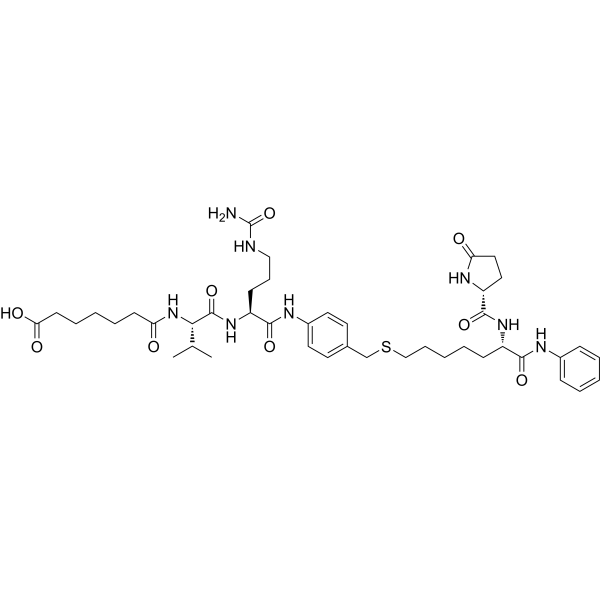
ST8155AA1 is a part of antibody agent conjugates (ADCs) charged with HDAC inhibitor. ST8155AA1 induces α-tubulin, histone H3/H4 acetylation via direct enzymatic inhibition. ST8155AA1 recognizes and binds EGFR, undergoes internalization into EGFR-expressing tumor cells. ST8155AA1 inhibits cancer cell proliferation and exerts activity in mouse tumor models. ST8155AA1 can be used for the research of non-small cell lung cancer .
|
-
-
- HY-121333
-
|
|
Antibiotic
Wnt
β-catenin
Bacterial
|
Infection
Neurological Disease
Cancer
|
|
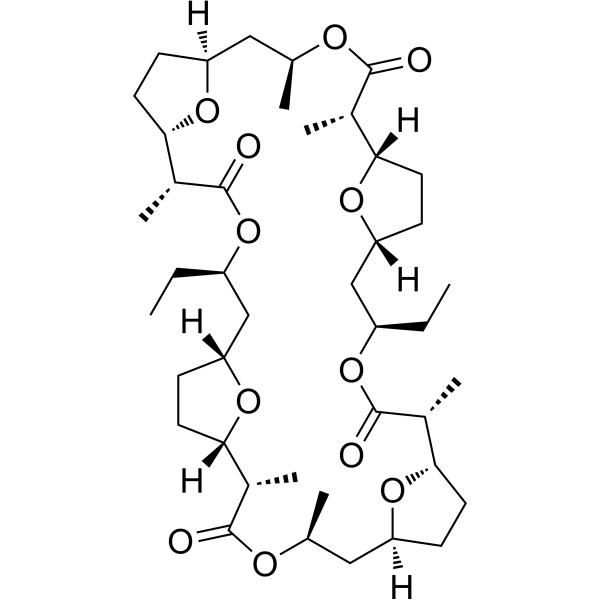
Dinactin, an antibiotic ionophore produced by Streptomyces species, as an effective small molecule targeting Wnt/β-catenin signaling pathway in cancer cells. Dinactin shows marked inhibition of HCT-116 cell growth with an IC50 of 1.1 μM. Dinactin shows anti-proliferative activity against the cancer cells in apoptosis-independent manner. Dinactin is also an effective agent for the research of neuropathic pain .
|
-
-
- HY-178987
-
|
|
Mitochondrial Metabolism
Phosphodiesterase (PDE)
|
Cancer
|
|
BJH-86 is a soluble mitochondrial complex 1 inhibitor (oxygen consumption rate inhibition IC50 = 5 μM). BJH-86 exhibits weak inhibitory activity against phosphodiesterase 10A (PDE10A) (IC50 >10 μM). BJH-86 can reduce cellular oxygen consumption and inhibit cancer cell proliferation. BJH-86 can be used for the research of cancer, such as lung cancer .
|
-

-
- HY-124774
-
|
EXEL-9844
|
Checkpoint Kinase (Chk)
|
Cancer
|
|
XL-844 (EXEL-9844) is an inhibitor of Chk1 and Chk2. XL-844 exhibits antineoplastic activity. XL-844 can result in tumor cell apoptosis through inhibition of cell cycle arrest. XL-844 inhibits VEGFR1 and VEGFR3. XL-844 can be studied in anti-cancer research .
|
-

-
- HY-172430S
-
|
|
TNF Receptor
|
Cancer
|
|
Epaldeudomide (Compound A406) is the inhibitor for TNF-α (>50% inhibition rate at 100 nM). Epaldeudomide inhibits the proliferation of cancer cells MM.1S (IC50 < 300 nM), WSU-DLCL-2 (IC50 < 100 nM) and Rec-1 (IC50 < 100 nM). Epaldeudomide exhibits antineoplastic activity .
|
-

-
- HY-178947
-
|
|
METTL3
Apoptosis
|
Cancer
|
|
ZINC13000658 is a METTL inhibitor. ZINC13000658 exhibits significant anti proliferative activity in various cells and can induce G1 phase cell cycle arrest and apoptosis such as HepG2 (IC50 = 5.632 µM) and SNU-449 (IC50 = 6.184 µM) cells. ZINC13000658 may be related to the inhibition of the activity of multiple methyltransferases such as METTL1, 3, 6, 16, 18, etc. ZINC13000658 can be used for research on various types of cancer .
|
-

-
- HY-129388C
-
|
CC-90011 hydrochloride; LSD1-IN-7 hydrochloride
|
Histone Demethylase
|
Inflammation/Immunology
Cancer
|
|
Pulrodemstat (CC-90011) hydrochloride is a potent, selective, reversible and orally active inhibitor of lysine specific demethylase-1 (LSD1) with an IC50 value of 0.25 nM. Pulrodemstat hydrochloride is less enzymatic inhibition against LSD2, MAO-A, and MAO-B. Pulrodemstat hydrochloride induces acute myeloid leukemia (AML) and small cell lung cancer (SCLC) cells differentiation and has potent anticancer activity .
|
-

-
- HY-121352
-
|
|
Drug Derivative
|
Cancer
|
|
Kibdelone C is a hexacyclic tetrahydroxanthone natural product and anticancer agent with sub-nanomolar GI50 activity against human SR leukemia and SN12C renal carcinoma cell lines. Kibdelone C disrupts the actin cytoskeleton in human cancer cells, leading to cell contraction and actin stress fiber formation, without direct actin binding, actin polymerization effects, topoisomerase I/II inhibition, or DNA binding. Kibdelone C can be used for the research of leukemia, and renal cell carcinoma .
|
-

-
- HY-18652A
-
|
Ro 5126766 potassium; CH5126766 potassium
|
Raf
MEK
|
Cancer
|
|
Avutometinib (CH5126766) (potassium) is a RAF/MEK clamp that potently inhibits RAF/MEK kinase activity and induces dominant negative RAF-MEK complexes preventing phosphorylation of MEK by ARAF, BRAF and CRAF. Avutometinib (potassium) shows anti-proliferative potency across tumor cell lines carrying KRAS mutations including PDAC cell lines. Avutometinib (potassium) induces tumor inhibition and increases survival in a KRAS/p53 pancreatic cancer mouse model. Avutometinib (potassium) is promising for research of low-grade-serous-ovarian-carcinoma (LGSOC), ovarian cancer and pancreatic ductal adenocarcinoma (PDAC) .
|
-

-
- HY-146543
-
|
|
Ras
|
Cancer
|
|
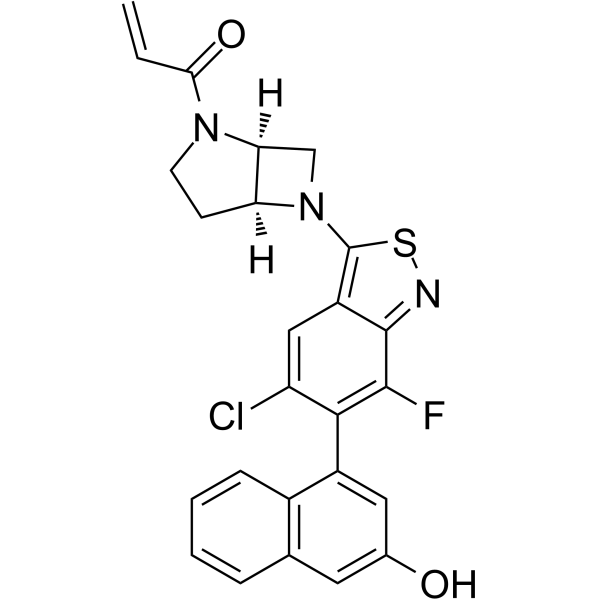
KRAS inhibitor-13 (compound 5-6) is a potent KRAS G12C inhibitor with an IC50 of 0.883 µM. KRAS inhibitor-13 shows p-ERK inhibition activities with IC50s of 5.9, >100 µM in MIA PaCA-2, A549 cells, respectively. KRAS inhibitor-13 has the potential for the research of pancreatic, colorectal, and lung cancers .
|
-
-
- HY-170812
-
|
|
Aurora Kinase
|
Cancer
|
|
BET/Aurora kinase-IN-1 (Compound 38) is a dual BET/Aurora kinase inhibitor. BET/Aurora kinase-IN-1 shows antiproliferative activities on diverse cancer cell lines and favorable antitumor efficacy in renal cell cancer and colon cancer xenograft models with tumor growth inhibition (TGI) of 45.99% and 53.06%, respectively .
|
-

- HY-119324
-
|
|
Apoptosis
|
Others
|
|
Anticancer agent 254 (compound 10) is a dichloroacetic acid-loaded compound with enhanced antitumor activity against leukemia cells in vitro and better stability in vivo, and can be considered for preclinical evaluation of cancer inhibition.
|
-

- HY-173515
-
|
|
FAK
|
Cancer
|
|
FAK-IN-26 is a BBB-penetrable Focal Adhesion Kinase (FAK) inhibitor (IC50: 0.87 nM). FAK-IN-26 significantly suppresses tumor cell viability, cancer stem cell activity, and cell migration in A549 and SKOV-3 cell lines. FAK-IN-26 has potent anti-cancer activity in A549 and SKOV-3 tumor mice models with tumor inhibition rates of 59.15 % and 57.9 % .
|
-

- HY-151588
-
|
|
Virus Protease
|
Cancer
|
|
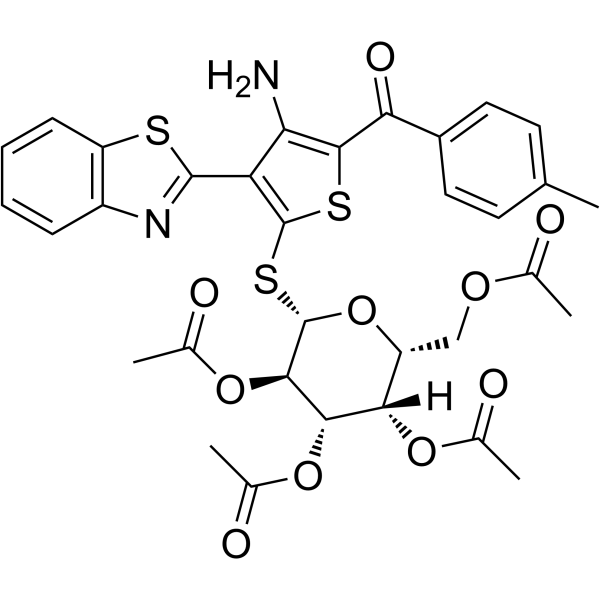
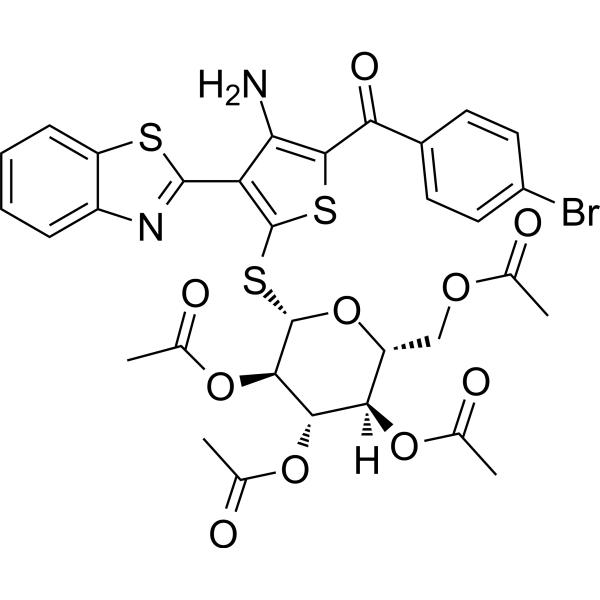
Anticancer agent 90 is a benzothiazole-2-thiophene S-glycoside derivative with antitumor activity. Anticancer agent 90 has high inhibition against the two cell line from ovarian cancer (OVCAR-4), renal cancer (A498) .
|
-
- HY-174392
-
|
|
Biochemical Assay Reagents
|
Cancer
|
|
Anticancer agent 275 is a natural product that has potent anticancer activity. Anticancer agent 275 shows strong proliferation inhibition activity against BT12 cells. Anticancer agent 275 can be studied in research for rare and aggressive atypical teratoid rhabdoid tumor (ATRT) and other cancer cell lines .
|
-

- HY-147861
-
|
|
Topoisomerase
Apoptosis
|
Cancer
|
|
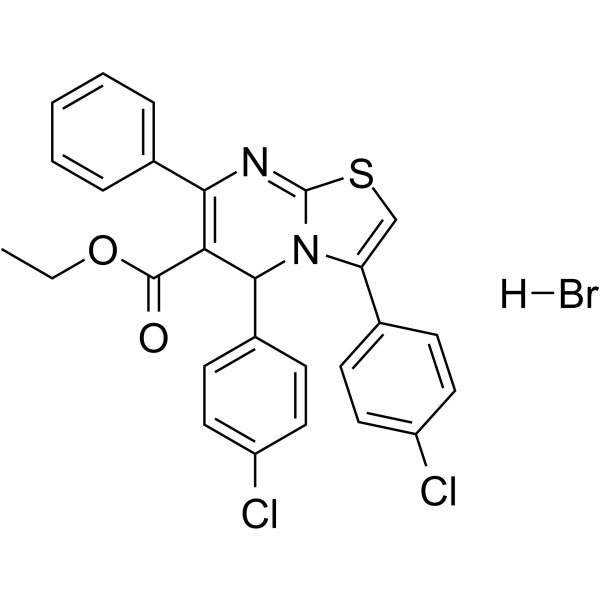
Topoisomerase II inhibitor 11 (compound 3d) is a potent Topoisomerase II inhibitor, with an IC50 of 2.89 μM. Topoisomerase II inhibitor 11 shows 92.46% inhibition on renal cancer cell line A498 with an IC50 of 3.5 μM. Topoisomerase II inhibitor 11 causes cell cycle arrest at the G2/M phase leading to cell proliferation inhibition and pro-apoptotic activity .
|
-
- HY-151587
-
|
|
Others
|
Cancer
|
|
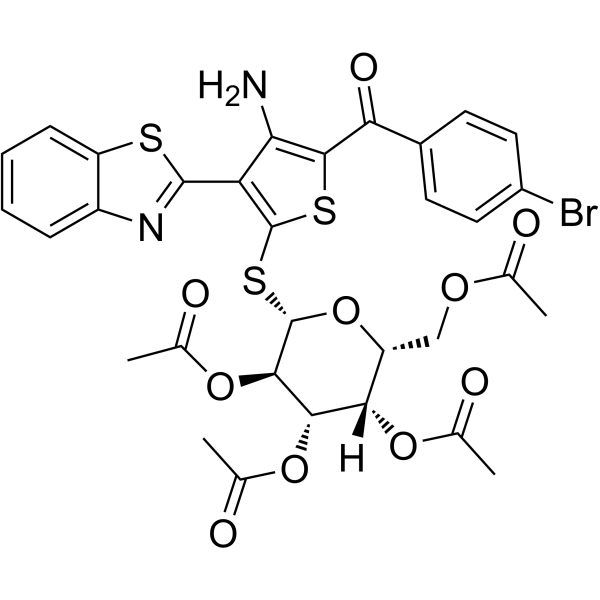
Anticancer agent 89 is a benzothiazole-2-thiophene S-glycoside derivative with antitumor activity, has high inhibition against the three cell line from ovarian cancer (OVCAR-4), renal cancer (A498), and melanoma (SK-MEL-5) .
|
-
- HY-151589
-
|
|
Virus Protease
|
Infection
Cancer
|
|
HCVcc-IN-2 is a benzothiazole-2-thiophene S-glycoside derivative with antitumor and antiviral activity. HCVcc-IN-2 has high inhibition against the three cell line from CNS cancer (SF-539 and SNB-75), colon cancer (HCT-116), and renal cancer (A498) .
|
-
- HY-122315
-
|
NSC-741909
|
JNK
Apoptosis
|
Cancer
|
|
Oncrasin-60 (NSC-741909) is a compound with antitumor activity that is active against multiple cancer cell lines in vitro and can induce tumor regression in vivo, with its mechanism involving JNK activation and STAT3 inhibition.
|
-

- HY-133078
-
|
|
Cytochrome P450
|
Cancer
|
|
Thienyldecyl isothiocyanate is an analog of thienylbutyl isothiocyanate that, like many isothiocyanates, demonstrates antiproliferative activity against cancer cells presumably by modulation of xenobiotic-metabolizing enzymes, such as by inhibition of cytochrome P450, and/or by induction of phase II detoxifying enzymes.
|
-

- HY-146778
-
|
|
Microtubule/Tubulin
|
Cancer
|
|
Tubulin inhibitor 25 is a potent tubulin inhibitor with an IC50 value of 0.98 μM. Tubulin inhibitor 25 exhibits remarkable activity against cancer cell line HT29. Tubulin inhibitor 25 displays the potent inhibition on cell migration and tube formation that contributes to the anti-angiogenesis .
|
-
- HY-146741
-
|
|
Epigenetic Reader Domain
|
Cancer
|
|
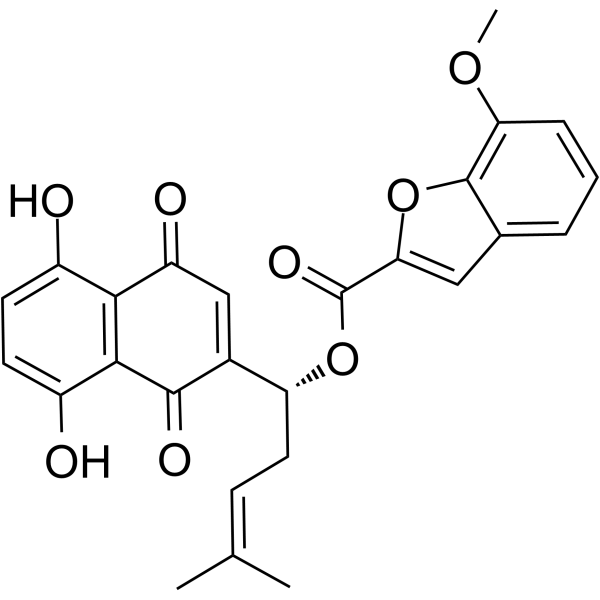
SDR-04 is a BET inhibitor and exhibits strong BRD4-BD1 affinity and inhibition activity. SDR-04 potently suppresses MV4;11 cancer cell line proliferation .
|
-
- HY-122757
-
|
Curcumin pyrazole
|
Others
|
Cancer
|
|
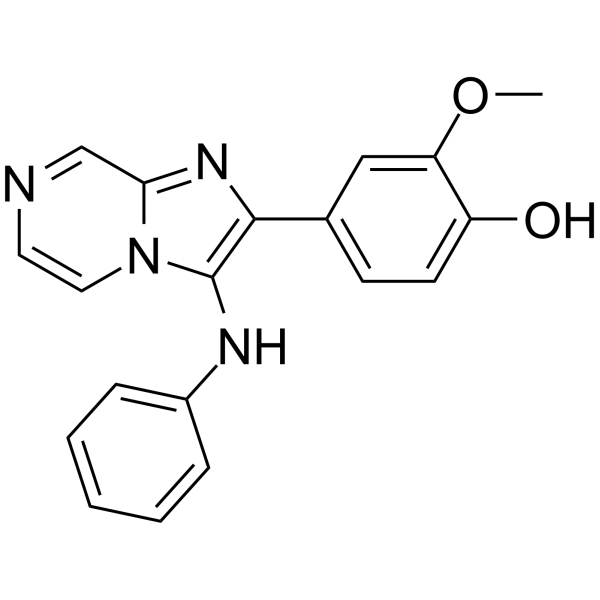
Hydrazinocurcumin (Curcumin pyrazole) is a potent endothelial cell proliferation inhibitor (IC50=520 nM). Hydrazinocurcumin disrupts angiogenic signaling pathways and inhibits endothelial cell migration and tube formation, exerting anti-angiogenic activity. Hydrazinocurcumin is promising for research of tumor angiogenesis inhibition, metastatic cancer, and vascular-dependent diseases such as retinopathies .
|
-

- HY-151592
-
|
|
Antibiotic
|
Cancer
|
|
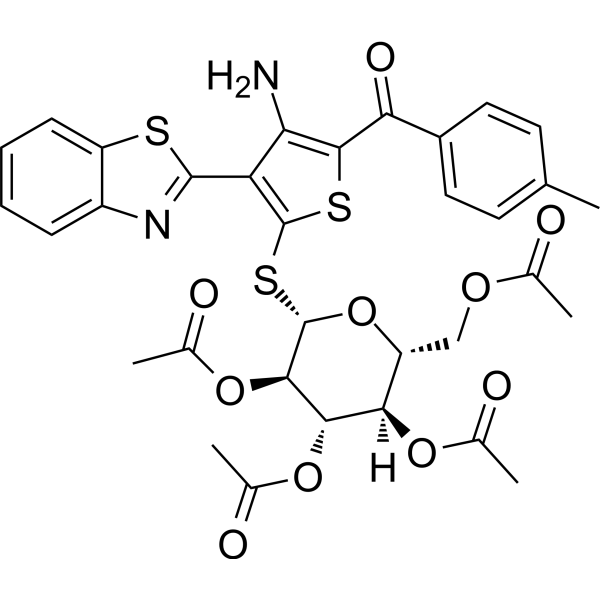
Anticancer agent 91 is a benzothiazole-2-thiophene S-glycoside derivative with antitumor and antiviral activity. Anticancer agent 91 has high inhibition against the two cell line from CNS cancer (SF-539 and SNB-75) .
|
-
- HY-173640
-
|
|
Androgen Receptor
Phosphodiesterase (PDE)
|
Cancer
|
|
ID11916 is an orally active androgen receptor (AR) antagonist and a phosphodiesterase 5 (PDE5) inhibitor. ID11916 blocks androgen binding to AR, nuclear translocation, and androgen-dependent transcriptional activity of AR, while increasing intracellular cGMP levels and activating PKG via inhibition. ID11916 shows potent anti-cancer effect in prostate cancer cell lines VCaP and 22Rv1 and in AR-positive breast cancer cell lines SK-BR-3 .
|
-

- HY-N8230
-
|
|
HIV
HIV Protease
|
Infection
Inflammation/Immunology
Cancer
|
|
Ganosinensic acid C is a triterpenoid compound that can be extracted from Ganoderma lucidum. Ganosinensic acid C has important biological activities such as anti-tumor, anti-prostate cancer, anti-inflammatory, and inhibition of HIV-I protease. Ganosinensic acid C has an IC50 value of 10.5 μM against human highly metastatic lung cancer cell line 95D. Ganosinensic acid C has an IC50 value of Ganosinensic acid C against cervical cancer cell line Hela is 13.2 μM .
|
-

- HY-118041
-
|
|
Carboxylesterase (CES)
Endogenous Metabolite
|
Cancer
|
|
PMPMEase-IN-1 is an allylated methylated protein methylesterase inhibitor with the property of inhibiting PMPMEase activity. PMPMEase-IN-1 may provide a useful strategy for cancer inhibition by enhancing its affinity for polyisoprenyl derivatives. PMPMEase-IN-1 showed the potential to have an effective concentration (EC50) value in causing degeneration of human neuroblastoma SH-SY5Y cells. Specific inhibition of PMPMEase-IN-1 may help regulate the metabolism of polyisoprenyl proteins and thus maintain normal cell survival. Further development and application of PMPMEase-IN-1 may open up new avenues for inhibiting degenerative diseases and cancer .
|
-

- HY-P2088
-
|
Des-N-tetramethyltriostin A
|
Antibiotic
|
Cancer
|
|
TANDEM (Des-N-tetramethyltriostin A) is a synthetic antibiotic drug that has the activity of inhibiting the growth of tumor cells. TANDEM can be used in combination with chemotherapy to enhance the inhibitory effect. TANDEM has shown significant inhibitory effects on a variety of cancer cell lines in in vitro experiments. The structure of TANDEM allows it to effectively target tumor cells during the inhibition process. TANDEM's mechanism of action involves interfering with cell proliferation and survival pathways .
|
-

- HY-W026644
-
|
Acridine-9-carbaldehyde
|
Bacterial
|
Infection
Cancer
|
|
Acridine-9-carboxaldehyde (Acridine-9-carbaldehyde) is a bioactive compound with potential antibacterial and antitumor activities. Acridine-9-carboxaldehyde is widely used as a building block in compound development to synthesize various bioactive derivatives. Acridine-9-carboxaldehyde exhibits significant cytotoxicity against certain cancer cells, making it an important candidate in cancer inhibition research.
|
-

- HY-120599A
-
|
VERU-111 hydrochloride; ABI-231 hydrochloride
|
Microtubule/Tubulin
Apoptosis
HPV
Endogenous Metabolite
|
Cancer
|
|
Sabizabulin hydrochloride is a potent orally bioavailable microtubule inhibitor with activity that interacts with the colchicine binding site. Sabizabulin hydrochloride demonstrated significant inhibition of melanoma tumor growth with an average IC50 of 5.2 nM in melanoma and prostate cancer cell lines. Pharmacological screening of Sabizabulin hydrochloride shows it has a low risk of potential side effects .
|
-

- HY-B0530A
-
|
γ-pipradol hydrochloride
|
Reactive Oxygen Species (ROS)
mAChR
NADPH Oxidase
|
Cancer
|
|
Azacyclonol (γ-pipradol) hydrochloride is a compound with promising anticancer activity, showing effectiveness in inhibiting NOX-derived ROS in A549 human lung cancer cells. Azacyclonol hydrochloride exhibits enhanced proliferation inhibition against androgen-refractory cancer cell lines, specifically DU145 and PC-3. Azacyclonol hydrochloride demonstrates antitumor activity in DU145-xenografted chorioallantoic membrane tumor models. Azacyclonol hydrochloride also acts as a ligand for the M3 muscarinic acetylcholine receptor, which is overexpressed in ARPC. Azacyclonol hydrochloride effectively blocks carbachol-induced proliferation and NOX activity in DU145 cells. Azacyclonol hydrochloride can also be utilized for the treatment of chronic schizophrenia.
|
-

- HY-N10132
-
|
|
nAChR
|
Infection
Neurological Disease
|
|
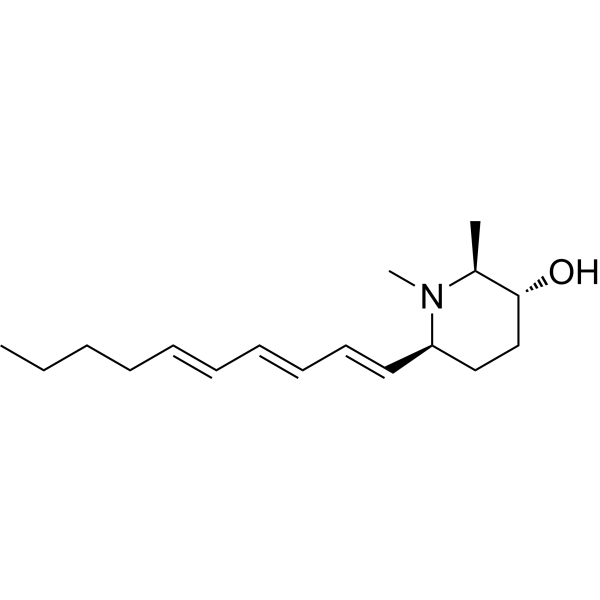
Microgrewiapine A is an antagonist of nAChR. Microgrewiapine A inhibits hα4β2 and hα3β4 activity with 60% and 70% inhibition, respectively. Microgrewiapine A has selective cytotoxic against HT-29 human colon cancer cells with an IC50 of 6.8 μM .
|
-
- HY-172621
-
|
|
EGFR
|
Cancer
|
|
EGFR-IN-159 (compound 12), a dihydropyrimidine, is a potent EGFR inhibitor with an IC50 value of 29.00 nM. EGFR-IN-159 exhibits dose-dependent inhibition against EGFR and HER2. EGFR-IN-159 shows cytotoxicity against MCF-7 breast cancer cells and Vero cells with IC50 values of 16.07 μg/mL and 35.98 μg/mL, respectively. EGFR-IN-159 has no BBB permeation. EGFR-IN-159 shows appreciable anti-cancer activity .
|
-

- HY-164413
-
|
|
VEGFR
EGFR
RET
Apoptosis
|
Cancer
|
|
CLM3, a pyrazolopyrimidine derivative, is a multiple tyrosine kinase inhibitor. CLM3 shows antiproliferative and proapoptotic activity on endothelial and cancer cells, synergistically enhanced by SN38 (HY-13704). These effects are mainly due to its inhibition of phosphorylation of VEGFR-2, EGFR and RET tyrosine kinases and their related signaling pathways .
|
-

- HY-164689
-
|
|
Proteasome
|
Cancer
|
|
Cadmium pyrithione is a metal compound that inhibits protein deubiquitinase activity. Cadmium pyrithione treatment results in significant accumulation of ubiquitinated proteins in cancer cells and primary leukemia cells. Cadmium pyrithione strongly inhibits the activity of proteasome deubiquitinase (such as USP14 and UCHL5), but has a smaller inhibitory effect on 20S proteasome activity. The anticancer activity of Cadmium pyrithione is associated with the induction of apoptosis through caspase activation. Furthermore, Cadmium pyrithione inhibition inhibited proteasome function and suppressed tumor growth in animal xenograft models .
|
-

- HY-129388
-
|
CC-90011 Methylbenzenesulfonate; LSD1-IN-7 Methylbenzenesulfonate
|
Histone Demethylase
|
Inflammation/Immunology
Cancer
|
|
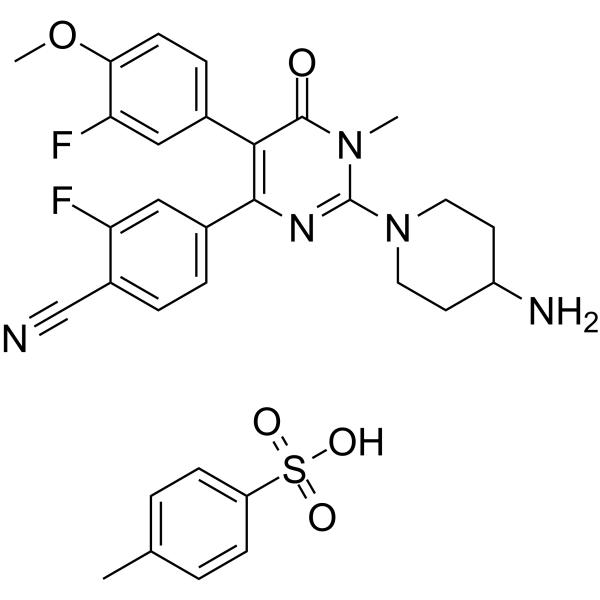
Pulrodemstat (CC-90011) Methylbenzenesulfonate is a potent, selective, reversible and orally active inhibitor of lysine specific demethylase-1 (LSD1) with an IC50 of 0.25 nM. Pulrodemstat Methylbenzenesulfonate is less enzymatic inhibition against LSD2, MAO-A, and MAO-B. Pulrodemstat Methylbenzenesulfonate induces acute myeloid leukemia (AML) and small cell lung cancer (SCLC) cells differentiation and has potent anticancer activity .
|
-
- HY-P11198
-
|
|
Apoptosis
VEGFR
ERK
Akt
Caspase
Bcl-2 Family
|
Cancer
|
|
AC-P19M is an anticancer peptide. AC-P19M induces apoptosis by disrupting the cell membrane of cancer cells. AC-P19M reverses epithelial-mesenchymal transition (EMT). AC-P19M shows anti-angiogenic activity through the inhibition of VEGF-VEGFR2/ERK/Akt signaling. AC-P19M can be used for lung cancer research .
|
-

- HY-N0069R
-
|
Solamargin (Standard); δ-Solanigrine (Standard)
|
P-glycoprotein
Reference Standards
Apoptosis
|
Cancer
|
|
Solamargine (Standard) is the analytical standard of Solamargine. This product is intended for research and analytical applications. Solamargine, a derivative from the steroidal solasodine in Solanum species, exhibits anticancer activities in numerous types of cancer. Solamargine induces non-selective cytotoxicity and P-glycoprotein inhibition. Solamargine significantly inhibits migration and invasion of HepG2 cells by down-regulating MMP-2 and MMP-9 expression and activity .
|
-

- HY-W017378R
-
|
|
Drug Intermediate
Reference Standards
|
Others
|
|
Solamargine (Standard) is the analytical standard of Solamargine. This product is intended for research and analytical applications. Solamargine, a derivative from the steroidal solasodine in Solanum species, exhibits anticancer activities in numerous types of cancer. Solamargine induces non-selective cytotoxicity and P-glycoprotein inhibition. Solamargine significantly inhibits migration and invasion of HepG2 cells by down-regulating MMP-2 and MMP-9 expression and activity .
|
-

- HY-130207
-
|
NSC-743380
|
Endogenous Metabolite
DNA/RNA Synthesis
|
Cancer
|
|
Oncrasin-72 (NSC-743380) is an RNA polymerase II inhibitor with activity in inhibiting growth and inducing cell death in human cancer cells. Oncrasin-72 exhibits antitumor activity through JNK activation and STAT3 inhibition. Analytical method development and validation for Oncrasin-72 is essential for quantifying its concentration in biological fluids for pharmacokinetic studies. This method was able to successfully quantify Oncrasin-72 in different dose groups when applied in rat plasma .
|
-

- HY-146467
-
|
|
Drug Derivative
|
Cancer
|
|
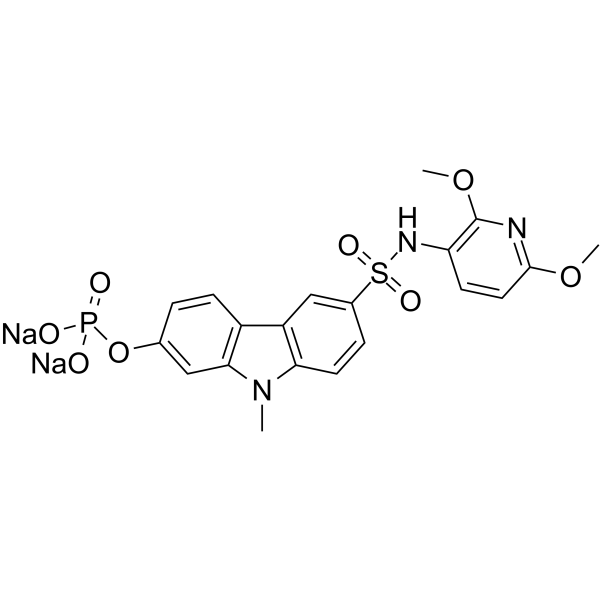
Anticancer agent 62 (compound 4c) is a potent anticancer agent. Anticancer agent 62 shows antiproliferative activity in HepG2, Bel-7402 and MCF-7 cancer cells, with IC50 values of 0.019, 0.060 and 0.016 μM, respectively. Anticancer agent 62 shows effective tumor growth inhibition .
|
-
- HY-146466
-
|
|
Others
|
Cancer
|
|
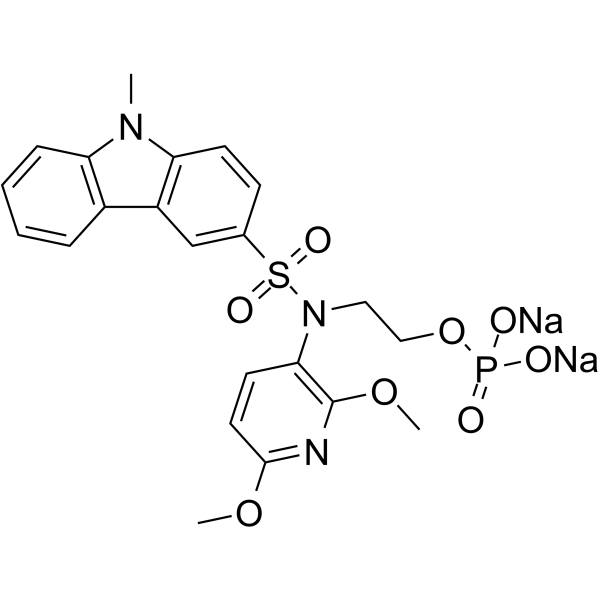
Anticancer agent 61 (compound 3v) is an orally active and potent anticancer agent. Anticancer agent 61 shows antiproliferative activity in HepG2, Bel-7402 and MCF-7 cancer cells, with IC50 values of 1.12, 1.97 and 1.08 μM, respectively. Anticancer agent 61 shows effective tumor growth inhibition .
|
-
- HY-173139
-
|
|
YAP
|
Cancer
|
|
TEAD-IN-19 (Compound 1l) is a transcriptional inhibitor of TEAD, exhibiting inhibition rates of 38.5%, 36.2%, 57.8%, and 71.3% against TEAD1, TEAD2, TEAD3, and TEAD4, respectively, at a concentration of 10 μM. TEAD-IN-19 shows potent anti-proliferative and anti-migratory activities in prostate cancer cell lines and significantly reduces the expression of TEAD-regulated downstream genes. TEAD-IN-19 holds promise for research in the field of cancer therapy .
|
-

- HY-B0067B
-
|
(R)-SM-5887
|
Topoisomerase
|
Cancer
|
|
(R)-Amrubicin ((R)-SM-5887) is an anthracycline that effectively treats lung cancer by intercalating into DNA and inhibiting topoisomerase II activity, which consequently hampers DNA replication as well as RNA and protein synthesis, leading to cell growth inhibition and apoptosis. This compound exhibits superior anti-tumor efficacy compared to traditional anthracycline drugs while lacking the cumulative cardiac toxicity typically associated with this drug class.
|
-

- HY-N6908R
-
|
|
Reference Standards
PARP
Apoptosis
PERK
NF-κB
SOD
Bacterial
Bcl-2 Family
COX
JNK
Interleukin Related
NO Synthase
p38 MAPK
Caspase
|
Infection
Neurological Disease
Inflammation/Immunology
Cancer
|
|
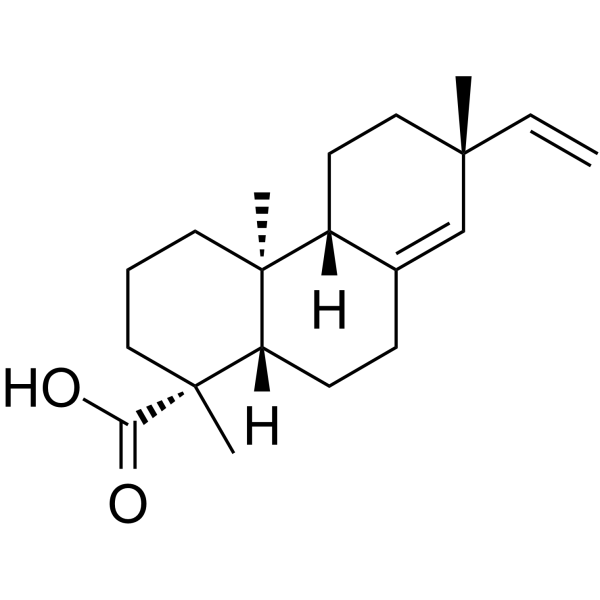
Continentalic acid (Standard) is the analytical standard of Continentalic acid (HY-N6908). This product is intended for research and analytical applications. Continentalic acid is a diterpenoid organic acid. Continentalic acid exhibits multiple activities including anti-inflammatory, antioxidant, neuroprotective, antibacterial and antitumor effects. Continentalic acid alleviates oxidative stress, reduces pro-inflammatory cytokine production, inhibits MAPK phosphorylation and neutrophil infiltration, and induces growth inhibition and apoptosis of cancer cells. Continentalic acid can be used in research related to traumatic brain injury, cancer, inflammation and infections .
|
-

- HY-114563
-
|
dFdG
|
Drug Derivative
|
Cancer
|
|
LY 223592 (Compound I-a) is a Gemcitabine (HY-17026) derivative. LY 223592 has the biological activity of highly selective inhibition of lung cancer cell proliferation (IC50 = 5.6 nM in A549 cells) and low cytotoxicity to normal cells. LY 223592 can be used for the research of cancer, such as non-small cell lung cancer (NSCLC) .
|
-

- HY-181704
-
|
|
PERK
Ras
|
Cancer
|
|
KRAS-IN-54 is a macrocyclic KRAS inhibitor. KRAS-IN-54 exhibits activity against cell viability and pERK inhibition in cells with KRAS G12D and KRAS G13D mutations. KRAS-IN-54 can be used in the research of KRAS-mutant cancers, including pancreatic adenocarcinoma, colorectal cancer, non-small cell lung cancer, esophageal cancer, gallbladder cancer, melanoma, ovarian cancer and endometrial cancer .
|
-

- HY-120187
-
|
|
Others
|
Others
|
|
DDCPPB-Glu (compound 3a) is a compound with anti-tumor activity, which has the activity of inhibiting tumor cell growth and prolonging survival. DDCPPB-Glu has growth inhibition effect on various tumor cell lines, can increase the survival time of leukemia mice, and has inhibitory effect on tumors such as colon cancer and lung cancer.
|
-

- HY-182760
-
|
|
DNA Alkylator/Crosslinker
Bcl-2 Family
Caspase
Apoptosis
Topoisomerase
|
Cancer
|
|
MN33-63 is a Bcl-2 inhibitor, caspase-3 activator and DNA crosslinker with broad-spectrum anticancer activity. MN33-63 improves the water solubility of SN-38 (HY-13704), inhibits tumor growth and proliferation in a dose-dependent manner, and causes no obvious toxicity. MN33-63 relieves the inhibition of the mitochondrial apoptotic pathway, initiates the apoptosis program, inhibits Topo I activity, and promotes its degradation via the ubiquitin-proteasome and autophagy-lysosome pathways. MN33-63 induces DNA crosslinking, G2/M cell cycle arrest, inhibition of cancer cell migration, and cancer cell apoptosis through the mitochondrial pathway. MN33-63 can be used in the research of colorectal cancer, cervical cancer, hepatocellular carcinoma, lung adenocarcinoma and gastric cancer .
|
-

- HY-167938
-
|
(E/Z)-CGC-11047
|
Endogenous Metabolite
|
Cancer
|
|
(E/Z)-PG-11047 ((E/Z)-CGC-11047) is a polyamine analog with potential application in lung cancer inhibition. (E/Z)-PG-11047 effectively inhibited the growth of non-small cell and small cell lung cancer cells. (E/Z)-PG-11047 exhibits significant biochemical effects in non-small cell lung cancer cells, resulting in significant downregulation of polyamine synthetase activity. (E/Z)-PG-11047 induces polyamine metabolism, resulting in a significant reduction in polyamine levels .
|
-

- HY-182378
-
|
|
|
Cancer
|
|
Vps34-IN-5 is an orally active VPS34 inhibitor, 98% target inhibition, and an IC50 categorized as B. Vps34-IN-5 induces additive or synergistic anti-proliferative activity with EGFR inhibitors in cancer cells. Vps34-IN-5 is administered orally alone or with Erlotinib (HY-50896) in mouse xenograft models. Vps34-IN-5 can be used for the research of non-small cell lung cancer .
|
-

- HY-181093
-
|
|
Akt
EGFR
Apoptosis
Necroptosis
Caspase
Bcl-2 Family
MDM-2/p53
|
Cancer
|
|
EGFR-IN-191 is an anti-tumor agent targeting both EGFR and AKT. EGFR-IN-191 exerts its anti-tumor activity by inducing DNA damage, apoptosis, cell cycle arrest, and inhibition of the PI3K/AKT-EGFR signaling pathway in tumor cells. EGFR-IN-191 can be used in the study of tumors such as triple-negative breast cancer .
|
-

- HY-179484
-
|
|
Reactive Oxygen Species (ROS)
ERK
|
Cancer
|
|
KRASG12C IN-19 is a selective and orally active KRAS G12C inhibitor. KRASG12C IN-19 exerts potent antiproliferative activity against the KRAS G12C-mutant non small cell lung cancer (NSCLC) cell line H358 with an IC50 of 7.6 nM, and effectively suppresses downstream ERK phosphorylation (IC50 = 24.06 nM). KRASG12C IN 19 has no significant inhibitory activity against KRAS G12V and KRAS G12D-mutant cancer cells (PANC 1, Panc, AsPC 1, and GP2d cells) with IC50 > 10,000 nM. KRASG12C IN-19 rapidly forms a covalent bond with KRAS G12V-GDP, leading to dose-dependent inhibition of the downstream KRAS pathway. KRASG12C IN 19 can be employed for research in KRAS G12C driven cancers, including non small cell lung cancer, pancreatic cancer, and colorectal cancer .
|
-

- HY-18957C
-
|
BGB-283 hydrochloride
|
Endogenous Metabolite
|
Cancer
|
|
Lifirafenib hydrochloride (BGB-283 hydrochloride) is a novel, reversible B-RAFV600E inhibitor with antitumor activity. Lifirafenib has shown potent antitumor activity against solid tumors with B-RAFV600E mutations, such as melanoma, thyroid cancer, and low-grade serous ovarian cancer. Lifirafenib exhibits selective cytotoxicity in vitro, preferentially inhibiting the proliferation of cancer cells with B-RAFV600E and EGFR mutations/amplification. Lifirafenib can achieve dose-dependent inhibition of tumor growth in animal models, accompanied by partial and complete tumor shrinkage .
|
-

- HY-150108
-
|
|
mTOR
Apoptosis
Caspase
|
Cancer
|
|
RMC-4745 is a selective dual-site inhibitor of mTORC1, with a selectivity of 35 times for mTORC1 and mTORC2. RMC-4745 inhibits the proliferation of MCF-7 cells and upregulates Caspase-3/7 activity to induce cell apoptosis. RMC-4745 does not cause the upregulation of HER3 due to the inhibition of mTORC2. RMC-4745 can be used for the study of breast cancer .
|
-

- HY-173118
-
|
|
EGFR
Apoptosis
|
Cancer
|
|
EGFR-IN-152 (compound D4) is a potent EGFR tyrosine kinase inhibitor, exhibiting potent EGFR L858R/T790M/C797S inhibition activity (IC50 = 40 nM). EGFR-IN-152 induces G0/G1 phase cell cycle arrest and apoptosis, thereby inhibiting colony formation and cell proliferation of non-small cell lung cancer (NSCLC) cells. EGFR-IN-152 can be used for NSCLC research .
|
-

- HY-N13749
-
|
|
Others
|
Cancer
|
|
Juncatrin A is a dihydrophenanthrene compound that can be naturally extracted from the whole plant methanol extract of Juncus atratus Krock. (a plant of the Juncaceae family, Juncus genus). Juncatrin A exhibits only weak antiproliferative activity against HeLa human cervical cancer cells (55.60% inhibition at 30 μM). Juncatrin A can be used in the research of anticancer natural drug precursors and active components of Juncus plants .
|
-

- HY-119618
-
|
|
Endogenous Metabolite
|
Cancer
|
|
R1498 is a multi-target kinase inhibitor with anti-angiogenic and anti-proliferative activities. R1498 mainly targets targets such as Aurora kinase and VEGFR2, which are associated with tumor development. R1498 showed moderate in vitro growth inhibition in a variety of tumor cells, with IC50 values in the micromolar range. R1498 showed anti-tumor efficacy superior to sorafenib in a variety of gastric cancer and hepatocellular carcinoma xenograft models, with tumor growth inhibition rates exceeding 80%, and tumor shrinkage was observed in some models. R1498 showed a 10-30% tumor shrinkage rate in three xenograft models derived from human primary gastric cancer tumors, further demonstrating its inhibitory potential. R1498 effectively inhibited Aurora A activity in vivo and reduced tumor vascularization .
|
-

- HY-180970
-
|
|
PROTACs
Anaplastic lymphoma kinase (ALK)
|
Cancer
|
|
TD-004 is a potent ALK PROTAC degrader. TD-004 exhibits anti-ALK inhibitory activity with an IC50 of 0.11 µM and selectively inhibits the proliferation of SU-DHL-1 and H3122 cells (ALK-positive cancer cells) with IC50s of 0.058 µM and 0.28 µM, respectively. TD-004 induces degradation of ALK fusion proteins (NPM-ALK and EML4-ALK) via recruitment of the VHL E3 ligase and the proteasome pathway. TD-004 demonstrates significant tumor growth inhibition with a favorable safety profile in vivo. TD-004 can be used for the research of anaplastic large cell lymphoma and non-small cell lung cancer .
|
-

- HY-181051
-
|
|
Polo-like Kinase (PLK)
Apoptosis
|
Cancer
|
|
PLK1-IN-16 is a selective polo-like kinase 1 (PLK1) inhibitor with an IC50 of 0.25 nM. PLK1-IN-16 exhibits lower inhibitory potency against PLK2 and PLK3, induces G2 phase cell cycle arrest, induces apoptosis, and exhibits antiproliferative activity against tumor cells. PLK1-IN-16 can be stable under simulated gastric acid environmental conditions, and acceptable CYP 450 inhibition. PLK1-IN-16 can be used for the study of triple-negative breast cancer (TNBC), breast cancer, leukemia .
|
-

- HY-183710
-
|
|
CDK
Androgen Receptor
c-Myc
Apoptosis
DNA/RNA Synthesis
|
Cancer
|
|
CDK9-IN-50 is a selective and orally active CDK9 inhibitor with an IC50 of 2.2 nM. CDK9-IN-50 targets a distinct CDK9-specific subpocket to disrupt RNA polymerase II Ser2 phosphorylation and downregulate short-lived oncoproteins, including AR-V7 and Myc. CDK9-IN-50 exhibits antiproliferative activity against cancer cells, induces apoptosis and induces tumor growth inhibition in CRPC orthotopic mice models. CDK9-IN-50 can be used for the research of cancer, such as prostate cancer .
|
-

- HY-178004
-
|
|
VEGFR
Apoptosis
|
Cancer
|
|
VEGFR-2-IN-73 is a potent and selective VEGFR-2 inhibitor, showing selectively inhibition of VEGFR-2 (IC50 = 0.0787 μM) over EGFR (IC50 = 1.31 μM). VEGFR-2-IN-73 demonstrates potent antiproliferative activity across multiple cancer cell lines. VEGFR-2-IN-73 induces G2/M and Pre-G1 phase arrest and significantly enhances apoptosis. VEGFR-2-IN-73 can be used in cancer research, such as colorectal carcinoma, hepatocellular carcinoma, and breast cancer .
|
-

- HY-182759
-
|
|
DNA Alkylator/Crosslinker
Topoisomerase
Caspase
Bcl-2 Family
Apoptosis
|
Cancer
|
|
MN33-47 is a multi-target anti-tumor compound with broad-spectrum anti-proliferative activity. MN33-47 relieves the inhibition of the mitochondrial apoptosis pathway by downregulating the anti-apoptotic protein Bcl-2, while activating caspase-3 and inhibiting Topoisomerase I activity, thereby promoting its degradation through the ubiquitin-proteasome and autophagy-lysosome pathways. MN33-47 can also induce DNA cross-linking and G2/M cell cycle arrest, inhibit cancer cell migration and activate the mitochondrial apoptosis pathway, thus exerting potent anti-tumor effects. MN33-47 can improve the water solubility of SN-38 (HY-13704), and exhibits dose-dependent tumor growth inhibition effects in CT26 tumor-bearing mouse models without obvious toxic and side effects. MN33-47 can be used in related studies on colorectal adenocarcinoma, cervical adenocarcinoma, hepatocellular carcinoma, alveolar basal epithelial adenocarcinoma, gastric cancer and colon cancer .
|
-

- HY-P991198
-
|
|
Tim3
|
Cancer
|
|
M6903 is a humanized monoclonal IgG2 antibody targeting T cell immunoglobulin and mucin domain-3 (TIM-3) (KD for human TIM-3 is 2.3 nM). M6903 binds to TIM-3, blocking the binding of TIM-3 to phosphatidylserine (PtdSer), carcinoembryonic antigen cell adhesion-related molecule 1 (CEACAM1), and galectin 9 (Gal-9), thus relieving TIM-3-mediated T cell inhibition and exerting the activities of activating antigen-specific T cells and enhancing anti-tumor immunity. M6903 is promising for research of cancers .
|
-

- HY-146533
-
|
|
Ras
|
Cancer
|
|
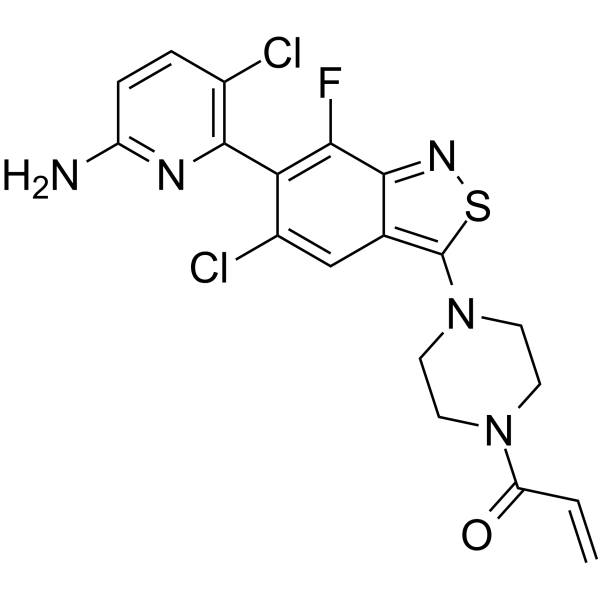
KRAS inhibitor-12 (compound 6-1) is a potent KRAS G12C inhibitor with an IC50 of 0.537 µM. KRAS inhibitor-12 shows p-ERK inhibition activities with IC50s of 1.3, 3.7 µM in MIA PaCA-2, A549 cells, respectively. KRAS inhibitor-12 has the potential for the research of pancreatic, colorectal, and lung cancers .
|
-
- HY-146545
-
|
|
Ras
|
Cancer
|
|
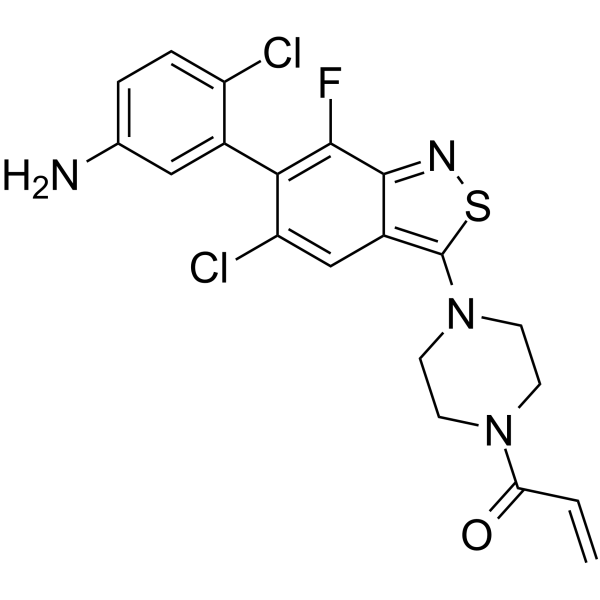
KRAS inhibitor-15 (compound 3-19) is a potent KRAS G12C inhibitor with an IC50 of 0.954 µM. KRAS inhibitor-15 shows p-ERK inhibition activities with IC50s of 2.03, >33.3 µM in MIA PaCA-2, A549 cells, respectively. KRAS inhibitor-15 has the potential for the research of pancreatic, colorectal, and lung cancers .
|
-
- HY-103224R
-
|
|
Reference Standards
PI3K
|
Cancer
|
|
PIT-1 (Standard) is the analytical standard of PIT-1. This product is intended for research and analytical applications. PIT-1 is a selective PIP3 (phosphatidylinositol 3,4,5-trisphosphate) antagonist. PIT-1 inhibits cancer cell survival and induces apoptosis by inhibition of PIP3 dependent PI3K / Akt signaling. PIT-1 exhibits antitumor activity in vivo .
|
-

- HY-146476
-
|
|
Ras
|
Cancer
|
|
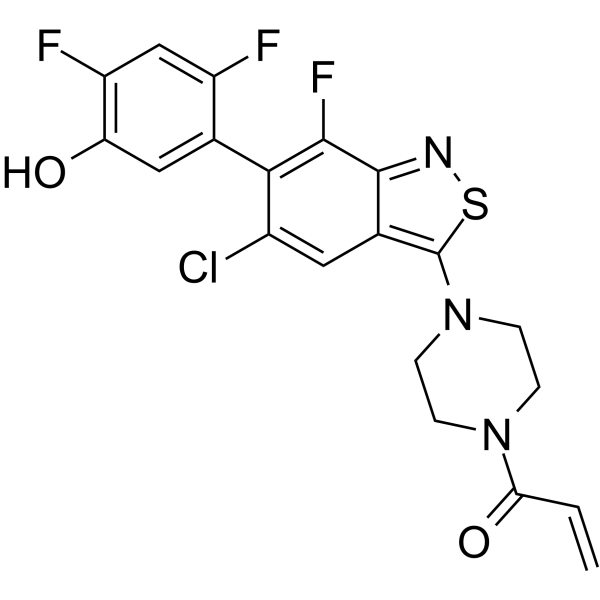
KRAS inhibitor-18 (compound 3-10) is a potent KRAS G12C inhibitor with an IC50 of 4.74 µM. KRAS inhibitor-18 shows p-ERK inhibition activities with IC50s of 66.4, 11.1 µM in MIA PaCA-2, A549 cells, respectively. KRAS inhibitor-18 has the potential for the research of pancreatic, colorectal, and lung cancers .
|
-
- HY-146546
-
|
|
Ras
|
Cancer
|
|
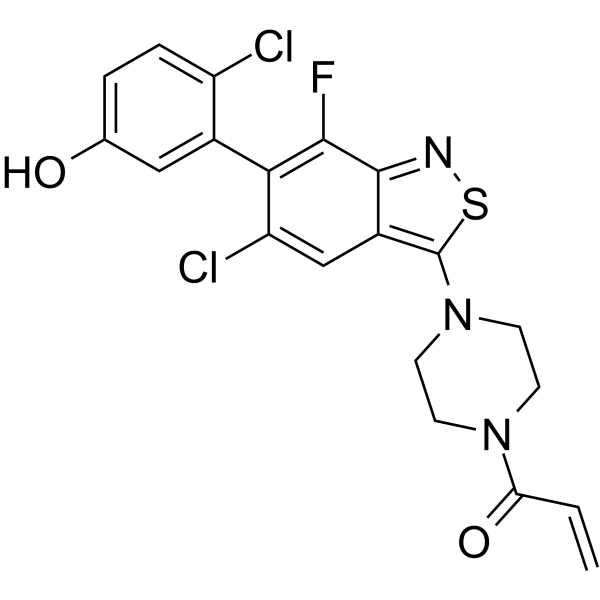
KRAS inhibitor-16 (compound 3-11) is a potent KRAS G12C inhibitor with an IC50 of 0.457 µM. KRAS inhibitor-16 shows p-ERK inhibition activities with IC50s of 3.06, 11.1 µM in MIA PaCA-2, A549 cells, respectively. KRAS inhibitor-16 has the potential for the research of pancreatic, colorectal, and lung cancers .
|
-
- HY-N0292R
-
|
|
Cytochrome P450
Reference Standards
PPAR
Apoptosis
|
Cardiovascular Disease
Inflammation/Immunology
Cancer
|
|
Oleuropein (Standard) is the analytical standard of Oleuropein. This product is intended for research and analytical applications. Oleuropein, found in olive leaves and oil, exerts antioxidant, anti-inflammatory and anti-atherogenic effects through direct inhibition of PPARγ transcriptional activity . Oleuropein induces apoptosis in breast cancer cells via the p53-dependent pathway and through the regulation of Bax and Bcl2 genes. Oleuropein also inhibits aromatase .
|
-

- HY-146475
-
|
|
Ras
|
Cancer
|
|
KRAS inhibitor-17 (compound 3-9) is a potent KRAS G12C inhibitor with an IC50 of 3.37 µM. KRAS inhibitor-17 shows p-ERK inhibition activities with IC50s of 9.25, >33.3 µM in MIA PaCA-2, A549 cells, respectively. KRAS inhibitor-17 has the potential for the research of pancreatic, colorectal, and lung cancers .
|
-
- HY-146544
-
|
|
Ras
|
Cancer
|
|
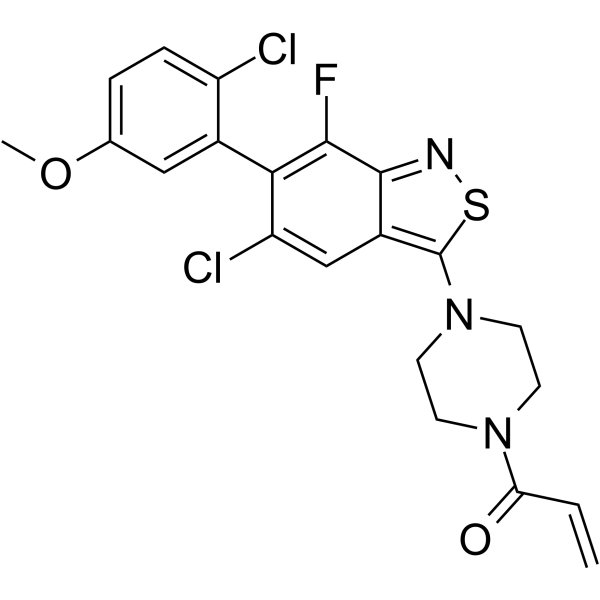
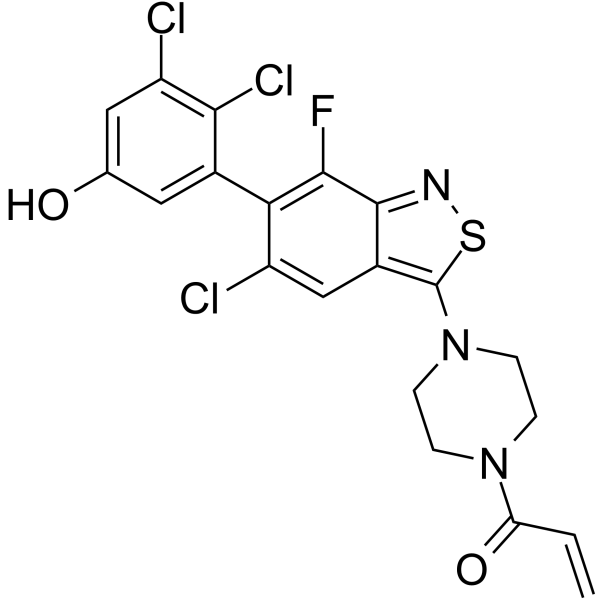
KRAS inhibitor-14 (compound 3-22) is a potent KRAS G12C inhibitor with an IC50 of 0.249 µM. KRAS inhibitor-14 shows p-ERK inhibition activities with IC50s of 1.12, >33.3 µM in MIA PaCA-2, A549 cells, respectively. KRAS inhibitor-14 has the potential for the research of pancreatic, colorectal, and lung cancers .
|
-
- HY-15193R
-
|
|
Reference Standards
SGK
NOD-like Receptor (NLR)
Interleukin Related
Apoptosis
|
Cardiovascular Disease
Cancer
|
|
EMD638683 (Standard) is the analytical standard of EMD638683. This product is intended for research and analytical applications. EMD638683 is an orally effective SGK1 inhibitor with an IC50 of 3 μM. EMD638683 exhibits strong inhibition against SGK1, moderate inhibition against SGK2 and SGK3, and shows excellent selectivity for other AGC kinase family members. EMD638683 has antihypertensive activity by inhibiting SGK1, and independently of the blood pressure-lowering effect, it effectively prevents heart inflammation and fibrosis caused by hypertension by inhibiting the cardiac NLRP3 inflammation body/ IL-1β axis. EMD638683 promotes apoptosis of colon cancer cells and sensitizes radiotherapy. EMD638683 (S-Form) can be used in research related to hypertension, hypertensive heart damage, and colon cancer.
|
-

- HY-128741S
-
|
|
Isotope-Labeled Compounds
Endogenous Metabolite
Akt
Apoptosis
Reactive Oxygen Species (ROS)
PI3K
|
Cancer
|
|
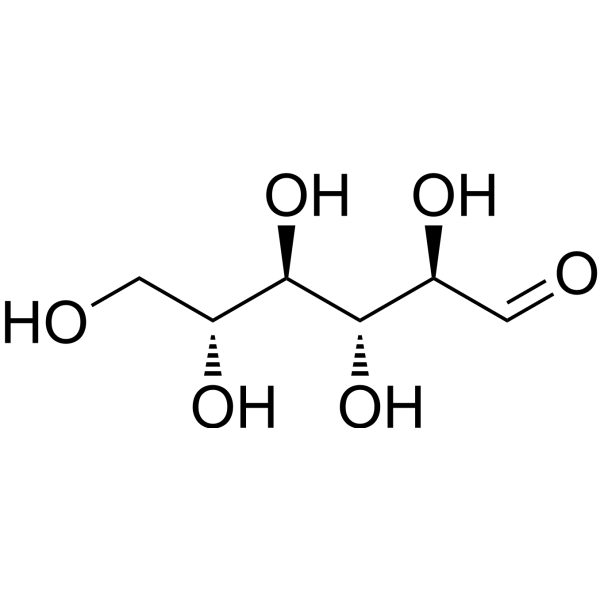
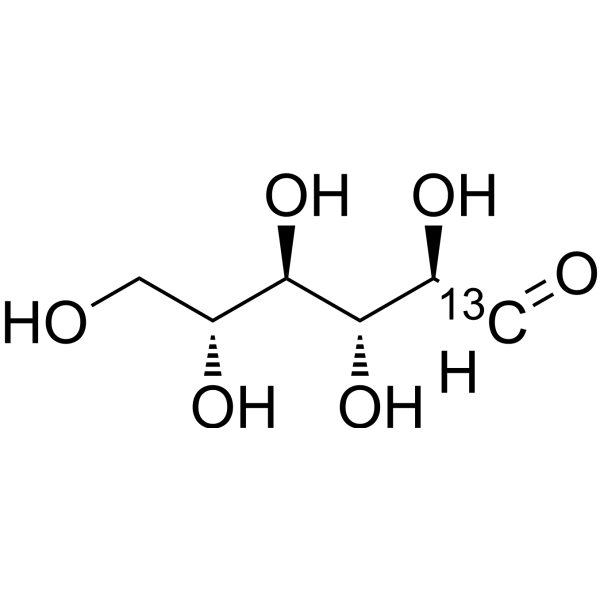
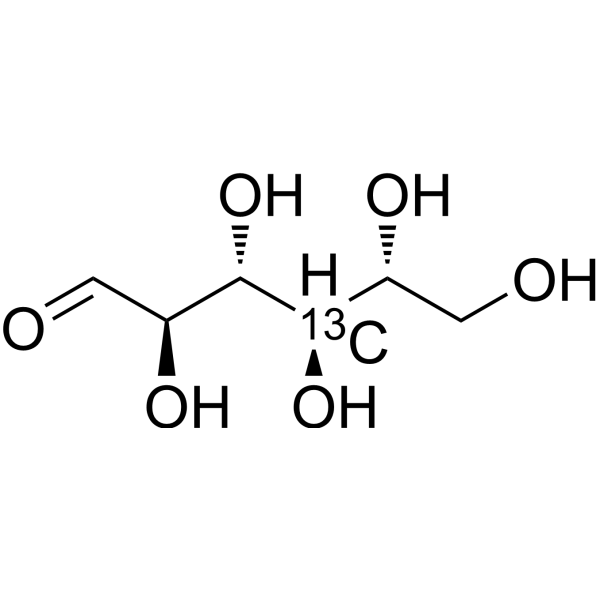
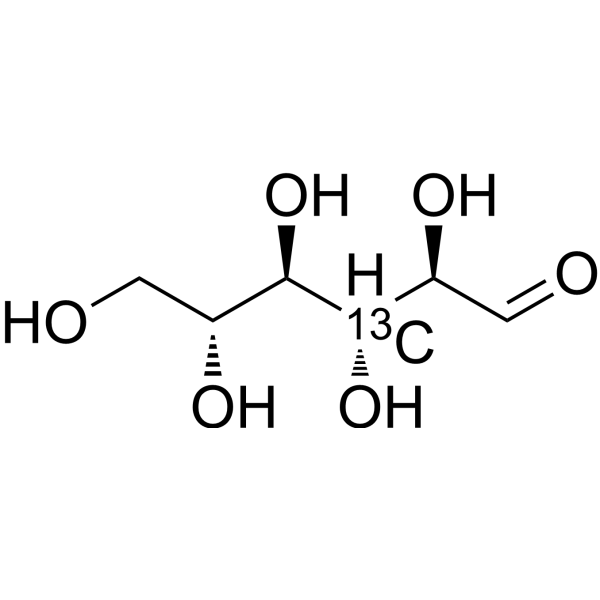
D-Allose- 13C is the 13C labeled D-Allose (HY-128741). D-Allose exhibits antitumor activity against various cancer cells. D-Allose scavenges reactive oxygen species (ROS) and reduces oxidative stress damage. D-Allose exhibits anti-inflammatory and neuroprotective through inhibition of TLR4/PI3K/AKT signaling pathway. D-Allose exhibits antihypertensive, cryoprotective, and anti-osteoporotic activities .
|
-
- HY-128741S2
-
-
- HY-128741R
-
-

- HY-128741S1
-
-
- HY-163343
-
|
|
Phosphodiesterase (PDE)
STING
|
Cancer
|
|
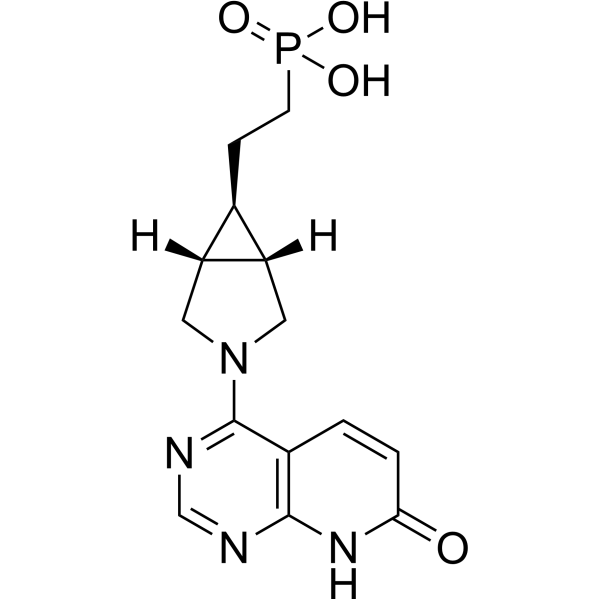
Enpp-1-IN-20 (Compound 31) is an ectonucleotide pyrophosphatase/phosphodiesterase 1 (ENPP1) inhibitor, with an IC50 of 0.09 nM. Enpp-1-IN-20 has strongest inhibitory activity in the cell-based assay, with an IC50 of 8.8 nM. Enpp-1-IN-20 has significant potency in both ENPP1 inhibition and STING pathway stimulation in vitro. Enpp-1-IN-20 can be used for the research of cancer .
|
-
- HY-W011258
-
|
L-Tyrosyl-L-phenylalanine
|
Xanthine Oxidase
Angiotensin-converting Enzyme (ACE)
|
Inflammation/Immunology
Cancer
|
|
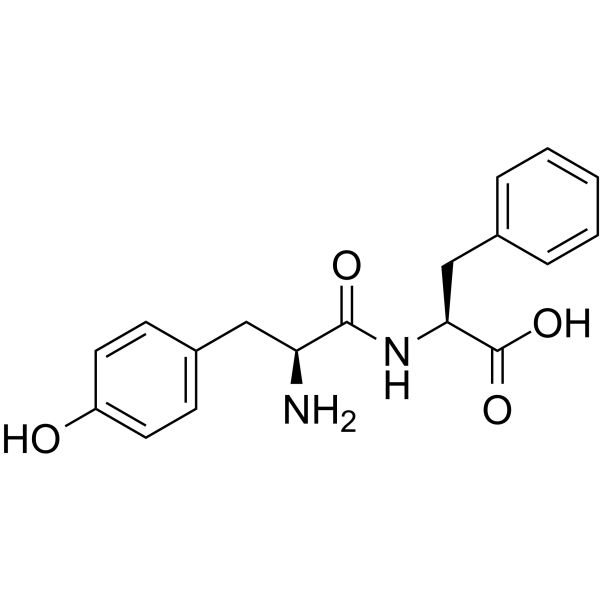
H-Tyr-Phe-OH (L-Tyrosyl-L-phenylalanine) is an orally active inhibitor of Angiotensin converting enzyme (ACE), with an inhibiton rate of 48% at 50 μM. H-Tyr-Phe-OH can be used as an biomarker for differentiating benign thyroid nodules (BTN) from thyroid cancer (TC). H-Tyr-Phe-OH exhibits xanthine oxidase inhibition (uric acid lowering) activity and serves as regulator in IL-8 production in neutrophil-like cells .
|
-
- HY-151374
-
|
|
PKD
|
Cancer
|
|
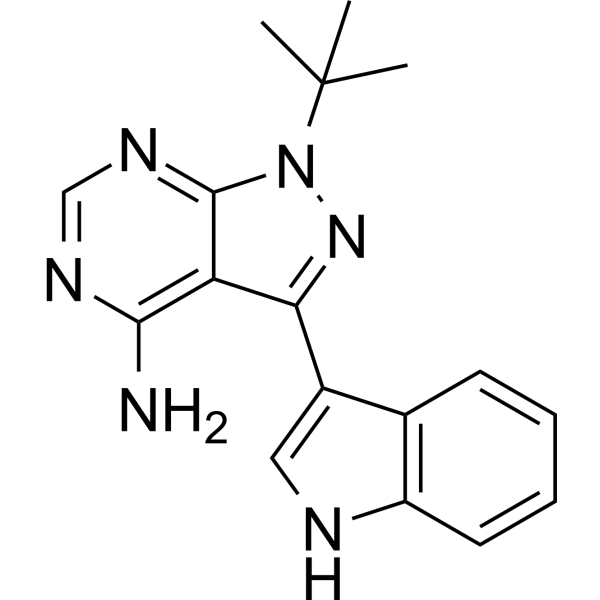
3-IN-PP1 is a protein kinase D (PKD) inhibitor. 3-IN-PP1 has potent pan-PKD inhibitory activity for PKD1, PKD2 and PKD3 with IC50 values of 108, 94 and 108 nM, respectively. 3-IN-PP1 also is a broad spectrum anticancer agent and has inhibition of several tumor cells growth. 3-IN-PP1 can be used for the research of cancer .
|
-
- HY-149838
-
|
|
NF-κB
|
Cancer
|
|
NF-κB-IN-9 is a nuclear factor kappa B (NF-κB) targeting sonosensitizer (λex/λem=489/628 nm). NF-κB-IN-9 exhibits strong inhibition on NF-κB signaling due to its two resveratrol units in one molecule. NF-κB-IN-9 has anti-tumor activity and shows remarkable sonocytotoxicity against cancer cells. NF-κB-IN-9 has biosafety in eenograft mice model.
|
-
- HY-162873
-
|
|
MEK
Raf
|
Cancer
|
|
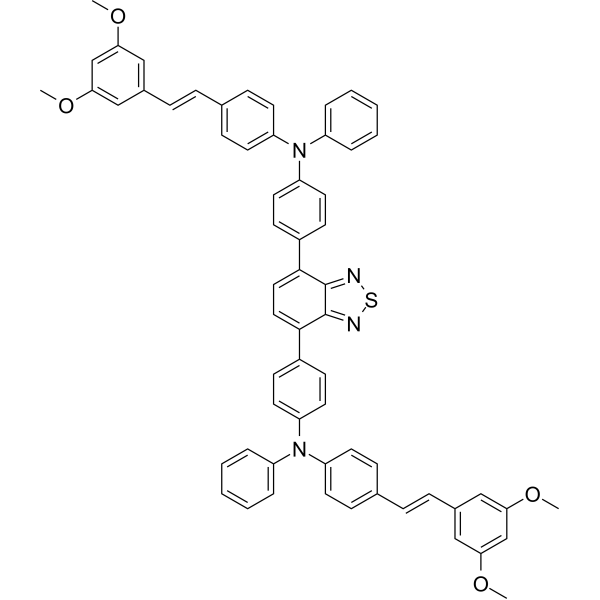
MEK/RAF-IN-1 (Compound 16b) is an inhibitor of both MEK and RAF. It shows potent inhibition with IC50 values of 28 nM for MEK1, and 3 nM each for BRAF and BRAFV600E. MEK/RAF-IN-1 demonstrates significant antitumor activity, effectively inhibiting cell proliferation in vitro against MIA PaCa-2 (G12C KRAS), HCT116 (G13D KRAS), and C26 (G12D KRAS) cells. Additionally, it inhibits tumor growth in xenograft mouse models of colorectal cancer .
|
-

- HY-158230
-
|
|
Topoisomerase
|
Cancer
|
|
SN-398 is a derivative of Camptothecin (HY-158230), which is an antitumor drug. Acting by inhibiting mammalian DNA topoisomerase I (Topo I), stabilizing the Topo I-DNA complex prevents DNA rewiring to induce Topo I mediated DNA breaks. In Hela cell tests, SN-398 shows stronger antitumor activity than SN-38 (HY-13704) (IC50=1.562 μM). SN-398 can be used to study the anti-proliferation and growth inhibition of Topo I in cancer cells .
|
-

- HY-117593
-
|
|
P-glycoprotein
Cytochrome P450
Drug Isomer
|
Cancer
|
|
NSC 23925B is a P-glycoprotein (P-gp) inhibitor, as well as the most biologically active isomer of NSC23925 (HY-19626), which reverses and prevents P-glycoprotein-mediated multidrug resistance in cancer cells. NSC 23925B shows weak inhibition against most CYP450 enzymes (IC50 > 10 μM), and exhibits moderate inhibitory activity against CYP2B6 and CYP2D6 with IC50 values of 8.589 μM and 1.407 μM, respectively. NSC 23925B can be used for the research of multidrug-resistant cancers .
|
-

- HY-N7510R
-
|
12-Methoxycarnosic acid (Standard)
|
Reference Standards
5 alpha Reductase
|
Infection
Cancer
|
|
12-O-Methylcarnosic acid (Standard) is the analytical standard of 12-O-Methylcarnosic acid. This product is intended for research and analytical applications. 12-O-Methylcarnosic acid (12-Methoxycarnosic acid), a diterpene carnosic acid isolated from the acetone extract of Salvia microphylla, is an active constituent of 5α-reductase inhibition with an IC50 value of 61.7 μM. 12-O-Methylcarnosic acid inhibits proliferation in LNCaP cells. 12-O-Methylcarnosic acid has antioxidant, anti-cancer and antimicrobial activity .
|
-

- HY-106963
-
|
LGD1550
|
RAR/RXR
|
Cancer
|
|
ALRT1550 (LGD1550) is a selective retinoic acid receptor (RAR) agonist that binds RARs with exceptional potency, with Kd values of approximately 1-4 nM. ALRT1550 exhibits anti-proliferative activity, with an IC50 value of 0.22 nM in UMSCC-22B squamous carcinoma cells. In a mouse tumor xenograft model, ALRT1550 inhibited tumor growth in a dose-dependent manner, achieving a maximum inhibition rate of 89%. ALRT1550 is applicable for research in the field of cancer .
|
-

- HY-146537
-
|
|
Ras
|
Cancer
|
|
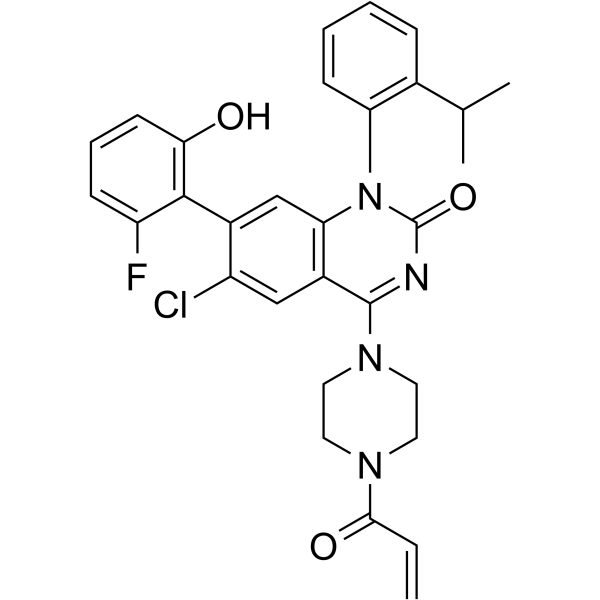
KRAS G12C inhibitor 47 (compound 8-1-1) is a potent KRAS G12C inhibitor with an IC50 of 0.172 µM. KRAS G12C inhibitor 47 shows p-ERK inhibition activities with IC50s of 0.046, 69.8 µM in MIA PaCA-2, A549 cells, respectively. KRAS G12C inhibitor 47 has the potential for the research of pancreatic, colorectal, and lung cancers .
|
-
- HY-144437
-
|
|
TGF-β Receptor
|
Cancer
|
|
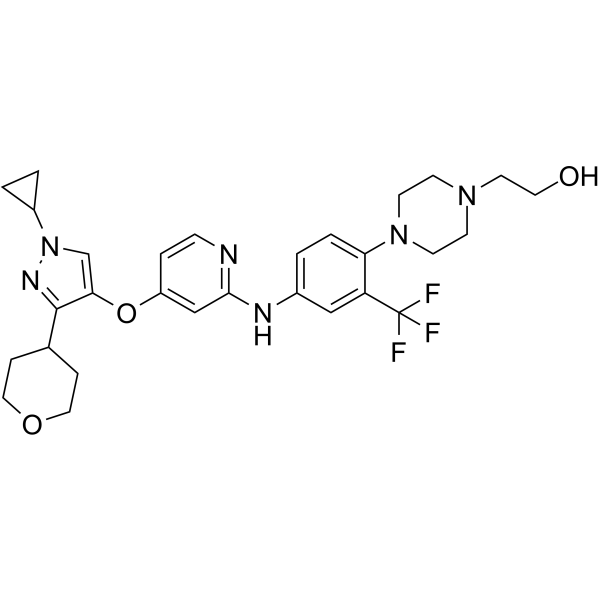
ALK5-IN-9 (Compound 8h) is a potent and orally active inhibitor of TGFβRI (ALK5). ALK5-IN-9 inhibits ALK5 autophosphorylation and NIH3T3 cell activity with IC50 values of 25 nM and 74.6 nM, respectively. ALK5-IN-9 also shows favorable pharmacokinetic profile and ameliorated hERG inhibition. ALK5-IN-9 has the potential for the research of cancer disease .
|
-
- HY-15193B
-
|
|
SGK
Drug Isomer
|
Cardiovascular Disease
Cancer
|
|
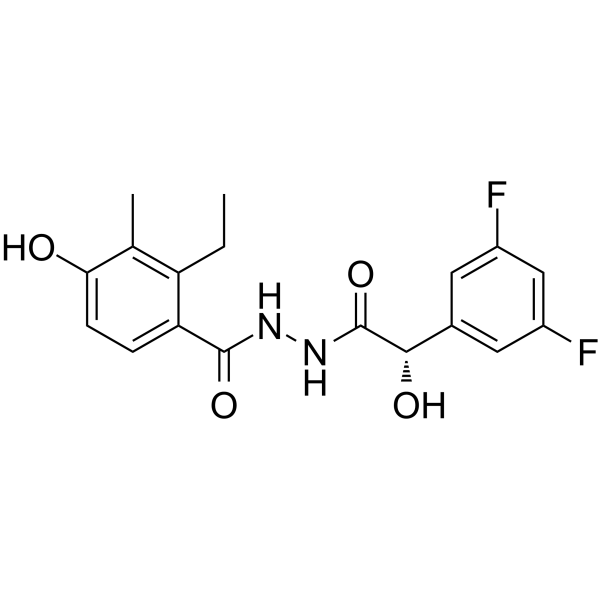
EMD638683 (S-Form) (Compound 1a), the S-enantiomer of EMD638683 (HY-15193), is a SGK1 inhibitor with an IC50 value > 300 nM. EMD638683 is an orally active SGK1 inhibitor with an IC50 of 3 μM. EMD638683 exhibits strong inhibition against SGK1, moderate inhibition against SGK2 and SGK3, and shows excellent selectivity for other AGC kinase family members. EMD638683 has antihypertensive activity by inhibiting SGK1, and independently of the blood pressure-lowering effect, it effectively prevents heart inflammation and fibrosis caused by hypertension by inhibiting the cardiac NLRP3 inflammation body/ IL-1β axis. EMD638683 promotes apoptosis of colon cancer cells and sensitizes radiotherapy. EMD638683 (S-Form) can be used in research related to hypertension, hypertensive heart damage, and colon cancer .
|
-
- HY-179633
-
|
|
CDK
Apoptosis
DNA/RNA Synthesis
Bcl-2 Family
IAP
|
Cancer
|
|
ZLMT-72 is an orally active dual CDK2 and CDK9 inhibitor with IC50s of 0.741 nM and 1.03 nM, respectively. ZLMT-72 shows good selectivity in kinase profiling andcholinesterase inhibition activity. ZLMT-72 has strong antiproliferative effects in the colorectal cancer (CRC) cell line HCT116 (GI50 < 0.1 nM). ZLMT-72 induces apoptosis by inhibiting thephosphorylation of retinoblastoma and RNA polymerase II, resulting in downregulation of antiapoptotic proteins (Mcl-1 and XIAP). ZLMT-72 can be used for the study of colorectal cancer (CRC) .
|
-

- HY-185494
-
|
|
Drug-Linker Conjugates for ADC
DNA Alkylator/Crosslinker
|
Cancer
|
|
Mal-Val-Lys-PAB-CBI-PBD dimer is a Drug-Linker Conjugates for ADC. Mal-Val-Lys-PAB-CBI-PBD dimer consists of the ADC Cytotoxin CBI-PBD dimer and a linker Mal-Val-Lys-PAB. Mal-Val-Lys-PAB-CBI-PBD dimer exhibits alkylating activity at A-T-rich DNA minor groove adenine residues, disrupting DNA integrity. Mal-Val-Lys-PAB-CBI-PBD dimer induces cancer cell growth inhibition and cellular death. Mal-Val-Lys-PAB-CBI-PBD dimer can be used for the research of cancer .
|
-

- HY-186087
-
|
|
Ras
ERK
Cyclophilin
|
Cancer
|
|
RM-046 is an orally active, selective ternary complex inhibitor of KRAS Q61H (active form). RM-046 forms a ternary complex with cyclophilin A, binds to active KRAS Q61H in a non-covalent manner, blocks effector binding via steric hindrance and inhibits downstream signal transduction. RM-046 inhibits ERK phosphorylation and cancer cell proliferation, and induces sustained RAS pathway signal inhibition, anti-tumor activity and tumor regression in preclinical xenograft models. RM-046 can be used for the research of KRAS Q61H mutant cancers .
|
-

- HY-N0863
-
|
NSC-698790; Smilax saponin B
|
Bcl-2 Family
Apoptosis
Akt
c-Myc
ERK
p38 MAPK
JNK
FOXO
|
Cancer
|
|
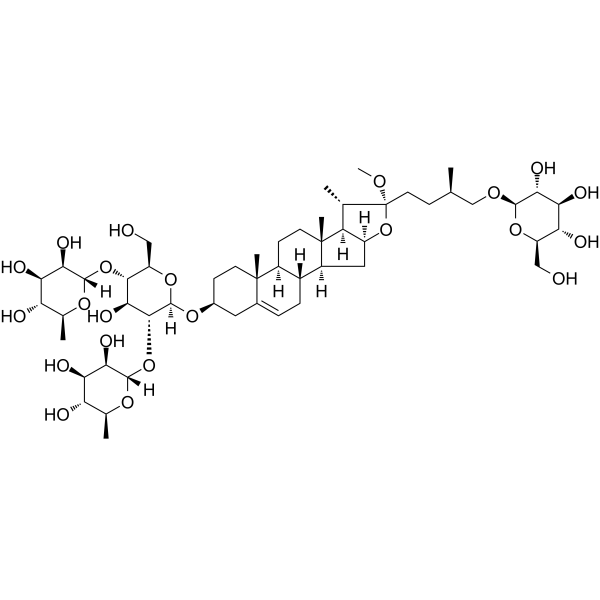
Methyl protodioscin (NSC-698790; Smilax saponin B) is a multi-target, selective, steroidal diglycoside inhibitor with antitumor activity that induces cell cycle arrest. The mechanism of action of Methyl protodioscin is complex, involving the induction of G2/M cell cycle arrest, regulation of the Bcl-2/Bax apoptotic pathway, inhibition of the Akt1/c-Myc axis and MAPK/ERK signaling, while simultaneously downregulating ADAM15 and inducing FOXO1 to reduce cholesterol synthesis. It also inhibits the JNK/c-Jun pathway, reducing the production of inflammatory factors (IL-6, TNF-α). Methyl protodioscin exhibits significant antitumor (inhibiting proliferation, migration, invasion, and inducing apoptosis), anti-inflammatory, and anti-restenosis activities. Methyl protodioscin can be used in research on lung cancer, prostate cancer, pancreatic cancer, and other tumors, as well as inflammatory diseases such as airway inflammation and enteritis .
|
-
- HY-181673
-
|
|
Microtubule/Tubulin
Apoptosis
Bcl-2 Family
Caspase
PARP
|
Cancer
|
|
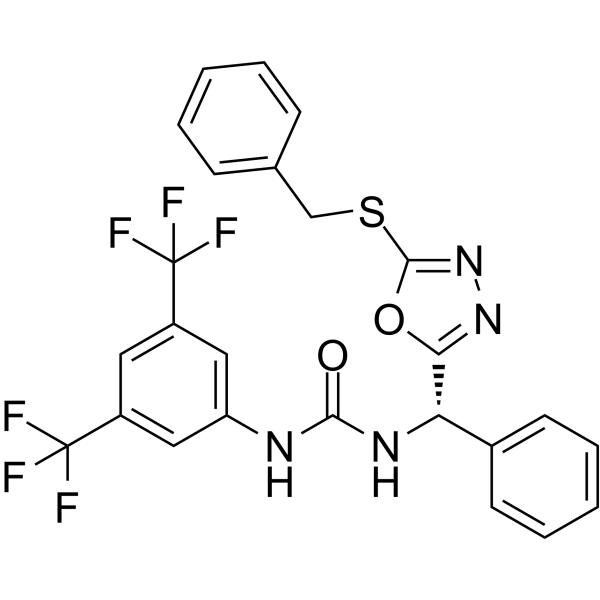
ICD inducer-2 is a immunogenic cell death inducer. ICD inducer-2 binds to the colchicine binding site on tubulin to inhibit tubulin polymerization. ICD inducer-2 exhibits broad-spectrum antiproliferative activity across multiple cancer cell lines. ICD inducer-2 inhibits cells migration, causes G2/M phase and induces apoptosis. ICD inducer-2 promotes infiltration of CD4+ and CD8+ T cells into the tumor microenvironment. ICD inducer-2 downregulates antiapoptotic protein Bcl-2, upregulates proapoptotic proteins Bax and Bim-1, and increases cleaved caspase 3, cleaved caspase 9, and cleaved PARP levels. ICD inducer-2 overcomes paclitaxel resistance in xenograft models and achieves tumor growth inhibition. ICD inducer-2 can be used for the research of cancer, such as lung carcinoma .
|
-

- HY-145685
-
|
|
DNA/RNA Synthesis
|
Cancer
|
|
RECQL5-IN-1 (Compound 4a) acts as an orally effective RECQL5 inhibitor (targeting both enzymatic and nonenzymatic domain). RECQL5-IN-1 is a potent inhibitor of RECQL5 helicase activity (IC50=46.3 nM), stabilizes the interaction between RECQL5-RAD51 proteins, causes RAD51 aggregation and homologous recombination repair (HRR) inhibition, thereby exhibiting selective cytotoxicity in RECQL5-expressing cancer cells .
|
-
- HY-123834
-
|
|
FLAP
ATM/ATR
|
Cancer
|
|
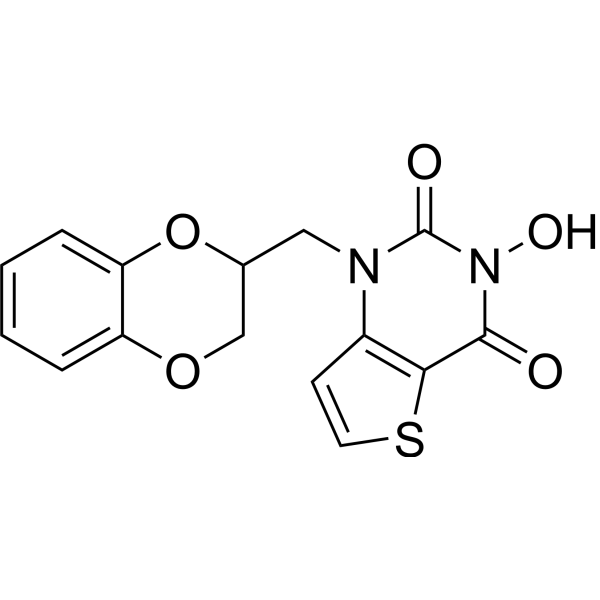
FEN1-IN-1 (compound 1) is a small molecule flap endonuclease 1 (FEN1) inhibitor with antitumor activity. FEN1-IN-1 binds to the active site of FEN1 and partly achieves inhibition by the co-ordination of Mg 2+ ions. FEN1-IN-1 initiaties a DNA damage response and activates the ATM checkpoint signalling pathway, the phosphorylation of histone H2AX and the ubiquitination of FANCD2 in mammalian cells. FEN1-IN-1 is promising for research of cancers .
|
-
- HY-172429A
-
|
ORIC-114 hemihydrate
|
EGFR
|
Neurological Disease
Cancer
|
|
Enozertinib (ORIC-114) hemihydrate is an orally active, CNS-penetrant, highly selective and irreversible dual EGFR/HER2 inhibitor that exhibits potent and targeted inhibition of exon 20 insertion mutations. Enozertinib hemihydrate exhibits high kinome selectivity for the EGFR family of receptors to reduce off-target kinase liabilities. Enozertinib hemihydrate induces tumor regression and demonstrates antitumor activity in central nervous system and non-small cell lung cancer (NSCLC) tumor models. Enozertinib hemihydrate can be used for the research of solid tumors and NSCLC .
|
-

- HY-172429
-
|
ORIC-114
|
EGFR
|
Neurological Disease
Cancer
|
|
Enozertinib (ORIC-114) is an orally active, CNS-penetrant, highly selective and irreversible dual EGFR/HER2 inhibitor that exhibits potent and targeted inhibition of exon 20 insertion mutations. Enozertinib exhibits high kinome selectivity for the EGFR family of receptors to reduce off-target kinase liabilities. Enozertinib induces tumor regression and demonstrates antitumor activity in central nervous system and non-small cell lung cancer (NSCLC) tumor models. Enozertinib can be used for the research of solid tumors and NSCLC .
|
-

- HY-P992335
-
|
|
Interleukin Related
|
Cancer
|
|
COM503 is a high-affinity anti-IL18BP human monoclonal antibody with a Kd value of 0.291 pM. COM503 binds to IL18BP, blocks the IL18BP:IL18 interaction, displaces IL18 from preformed complexes, and enhances the activation and function of T cells and NK cells. COM503 induces anti-tumor effects by relieving the activity inhibition of endogenous IL18 in the tumor microenvironment. COM503 can be used for cancer research. The recommended isotype control is Human IgG4 (S228P) kappa, Isotype Control (HY-P99003) .
|
-

- HY-119979
-
|
Cardanol C15:1
|
Apoptosis
Reactive Oxygen Species (ROS)
Mitochondrial Metabolism
MMP
CDK
Caspase
Bcl-2 Family
PARP
MDM-2/p53
Cholinesterase (ChE)
|
Infection
Inflammation/Immunology
Cancer
|
|
Cardanol monoene (Cardanol C15:1) is a phenolic compound which can be found in cashew nut shell liquid. Cardanol monoene can inhibit cancer cells proliferation, migration, cause S phase arrest, induce apoptosis, ROS production and mitochondrial depolarization. Cardanol monoene downregulates MMP-2, MMP-9, cyclinA1 expression, regulates CDK2, p53, Bax, cytochrome c, cleaved caspase-3, cleaved PARP, Apaf-1 expression and Bax/Bcl-2 ratio. Cardanol monoene shows weak DPPH radical scavenging activity and AChE inhibition activity. Cardanol monoene is lethal to Artemia salina nauplii. Cardanol monoene. Cardanol monoene can be used for the research of cancer, infection and inflamation .
|
-
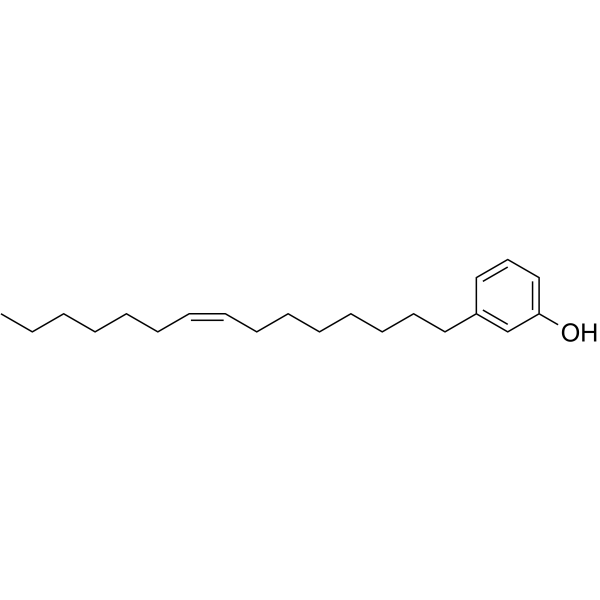
- HY-W766368
-
|
C6-Cer-13C2,d2; N-Hexanoylsphingosine-13C2,d2
|
Isotope-Labeled Compounds
Apoptosis
|
Cancer
|
|
C6 Ceramide- 13C2,d2 (C6-Cer- 13C2,d2) is the deuterium labeled and 13C-labeled C6 Ceramide (HY-19542). C6 Ceramide (C6-Cer) is a short-chain, cell-permeable ceramide pathway activator with anticancer activity. C6 Ceramide-mediated miR-29b expression participates in the progression of multiple myeloma through suppressing the proliferation, migration and angiogenesis of endothelial cells by targeting Akt signal pathway. C6 Ceramide exhibits multiple anti-cancer properties including cell cycle arrest, Apoptosis, inhibition of tumor growth and enhances the effects of chemotherapy in drug-resistant cancer cells. C6-ceramide can be used as an adjuvant for chemotherapeutic agents, to enhance anti-tumor effects .
|
-

- HY-179499
-
|
|
PROTACs
Histone Methyltransferase
Apoptosis
|
Cancer
|
|
PROTAC EZH2 Degrader-9 is orally active EZH2 PROTAC degrader degrading EZH2 via the ubiquitin-proteasome pathway. PROTAC EZH2 Degrader-9 downregulates PRC2 core subunits and potent inhibition of H3K27me3 without affecting common CRBN neosubstrates while it was selective over GSp'T1 and ikZF1/3. PROTAC EZH2 Degrader-9 exhibits potent antiproliferative activity against multiple cancer cell lines by inducing cell cycle and apoptosis. PROTAC EZH2 Degrader-9 reverses PRC2-mediated gene silencing and inhibiting EZH2 non-catalytic target gene activation. PROTAC EZH2 Degrader-9 can be used for leukemia, lymphoma, and non-small cell lung cancer research .
|
-

- HY-169921
-
|
|
c-Myc
Apoptosis
|
Cancer
|
|
c-Myc inhibitor 15 (Compound A5) is a selective c-Myc inhibitor that exerts anticancer effects by disrupting the interaction between c-Myc and Max, leading to the degradation of c-Myc protein and the induction of apoptosis. Its IC50 values are 4.08 μM and 7.86 μM in A549 and NCI-H1299 lung cancer cell lines, respectively, demonstrating strong cytotoxic activity. In a syngeneic tumor model, c-Myc inhibitor 15 exhibited outstanding antitumor efficacy, achieving a tumor growth inhibition rate of 76.4% and significantly reducing c-Myc protein expression levels. c-Myc inhibitor 15 holds promise for research related to c-Myc-driven lung cancers .
|
-

- HY-135699
-
TD52
2 Publications Verification
|
Apoptosis
Phosphatase
Akt
|
Cancer
|
|
TD52, an Erlotinib (HY-50896) derivative, is an orally active, potent cancerous inhibitor of protein phosphatase 2A (CIP2A) inhibitor. TD52 mediates the apoptotic effect in triple-negative breast cancer (TNBC) cells via regulating the CIP2A/PP2A/p-Akt signalling pathway. TD52 indirectly reduced CIP2A by disturbing Elk1 binding to the CIP2A promoter. TD52 has less p-EGFR inhibition and has potent anti-cancer activity . TD52 is a click chemistry reagent, it contains an Alkyne group and can undergo copper-catalyzed azide-alkyne cycloaddition (CuAAc) with molecules containing Azide groups.
|
-
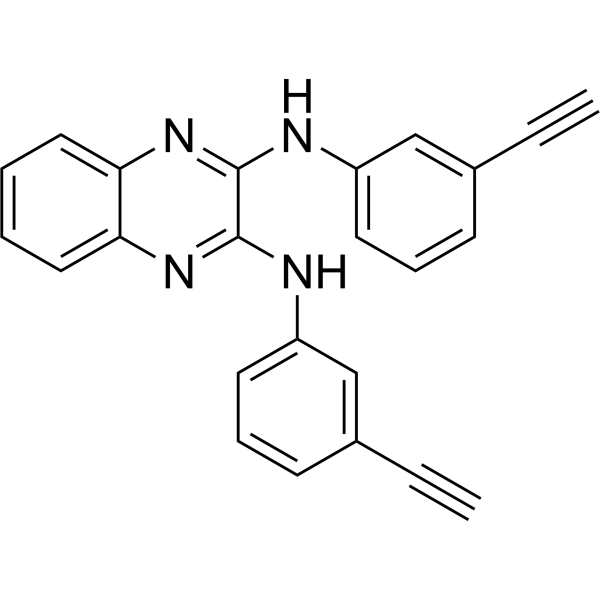
- HY-135699A
-
|
|
Akt
Phosphatase
Apoptosis
|
Cancer
|
|
TD52 dihydrochloride, an Erlotinib (HY-50896) derivative, is an orally active, potent cancerous inhibitor of protein phosphatase 2A (CIP2A) inhibitor. TD52 dihydrochloride mediates the apoptotic effect in triple-negative breast cancer (TNBC) cells via regulating the CIP2A/PP2A/p-Akt signalling pathway. TD52 dihydrochloride indirectly reduced CIP2A by disturbing Elk1 binding to the CIP2A promoter. TD52 dihydrochloride has less p-EGFR inhibition and has potent anti-cancer activity . TD52 (dihydrochloride) is a click chemistry reagent, it contains an Alkyne group and can undergo copper-catalyzed azide-alkyne cycloaddition (CuAAc) with molecules containing Azide groups.
|
-
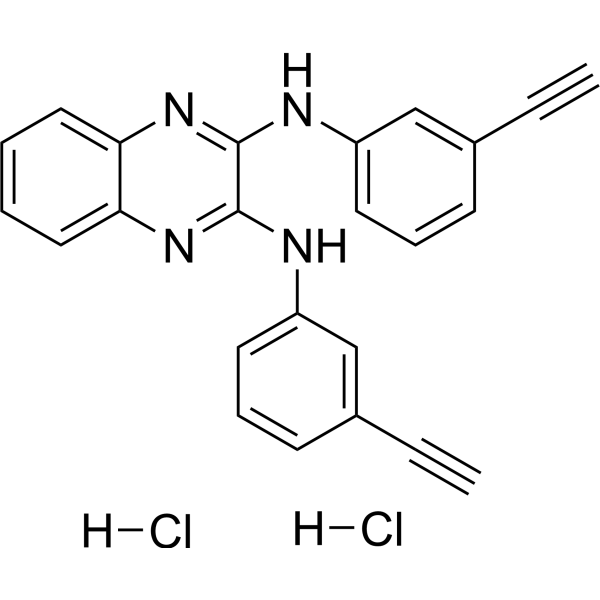
- HY-125209A
-
|
|
Apoptosis
PARP
DNA/RNA Synthesis
|
Cancer
|
|
TH5427 hydrochloride is a NUDT5 inhibitor with a human target IC50 of 29 nM, ~690-fold selectivity over MTH1 in vitro, and selective functional inhibition over other NUDIX hydrolases including NUDT9 .TH5427 hydrochloride binds to the active site of NUDT5, blocking enzymatic activity related to ADP-ribose metabolism and PAR-derived ATP synthesis .TH5427 hydrochloride blocks progestin-dependent nuclear ATP synthesis, impairs progestin-induced chromatin remodeling, inhibits histone H1 displacement, disrupts progestin-dependent gene regulation, and abrogates progestin-dependent proliferation in breast cancer cells .TH5427 hydrochloride functions as a versatile probe to study nuclear ATP dynamics and ADP-ribose-related metabolism in cells .TH5427 hydrochloride engages NUDT5 at physiological temperatures, as demonstrated by Drug Affinity Responsive Target Stability (DARTS) assay .TH5427 hydrochloride stabilizes NUDT5 against thermal denaturation in cell lysates and intact cells, as shown by cellular thermal shift assay (CETSA) .TH5427 hydrochloride functionally inhibits NUDT5 activity, leading to downstream effects on oxidative DNA damage and DNA replication in triple-negative breast cancer (TNBC) cells .TH5427 hydrochloride suppresses proliferation of TNBC cells without inducing cell death or apoptosis, slows DNA replication in TNBC cells, promotes accumulation of oxidative DNA lesions, and triggers DNA damage response in TNBC cells .TH5427 hydrochloride suppresses growth of TNBC cells in vitro, inhibits growth of TNBC xenograft tumors in nude mice in vivo, and shows greater potency against TNBC cell lines compared to ER-positive and normal-like breast cell lines .TH5427 hydrochloride can be used for the research of breast cancer and triple-negative breast cancer .
|
-
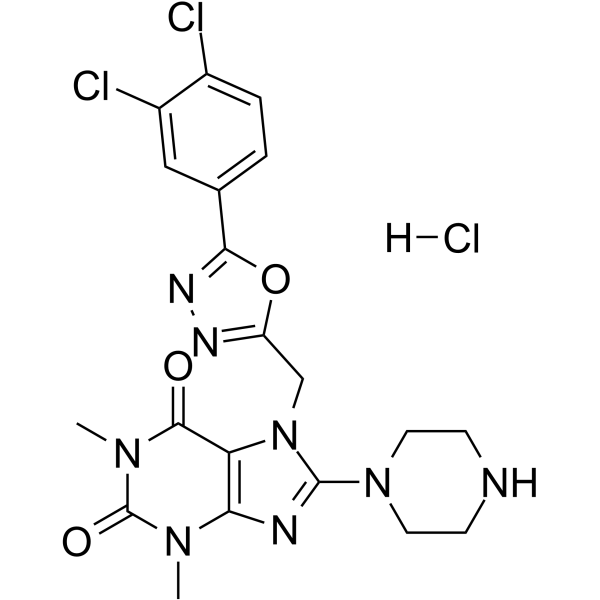
- HY-N14094
-
|
|
JAK
Apoptosis
Autophagy
|
Cancer
|
|
Tubulosine is an alkaloid. Tubulosine can be isolated from Pogonopus tubulosus (DC.) Schumann. Tubulosine is an ATP-competitive, selective JAK3 inhibitor with an IC50 value of 9.9 nM. Tubulosine also inhibits the kinase activities of other JAK family members, the extent of inhibition is less than that of JAK3, with IC50 values of 69.5, 84.9 and 76.3 nM for JAK1, JAK2 and TYK2, respectively. Tubulosine selectively inhibits JAK3 signalling by binding to the ATP-binding site of the kinase of JAK3. Tubulosine induces apoptotic and necrotic/autophagic cell death. Tubulosine inhibits the process of peptide chain elongation by eukaryotic polysomes by, specifically preventing the elongation-factor-2-dependent step of translocation. Tubulosine exhibits anticancer activity in breast cancer cells .
|
-

- HY-180811
-
|
|
Anaplastic lymphoma kinase (ALK)
HDAC
Apoptosis
|
Neurological Disease
|
|
ALK/HDAC-IN-2 (Compound 19b) is an ALK/HDAC inhibitor with IC₅₀ values for ALK WT and total HDACs of 8 nM and 1.18 μM, respectively. ALK/HDAC-IN-2 exhibits inhibitory activity against ALK mutants G1202R, F1174L, and L1196M, with IC₅₀ values of 2.74, 9.23, and 34.28 nM, respectively. ALK/HDAC-IN-2 shows potent and selective inhibition against HDAC1 (IC₅₀ = 0.24 μM), while its inhibitory activity against HDAC7, HDAC6, and HDAC11 is weak (IC₅₀ > 10 μM). ALK/HDAC-IN-2 has broad-spectrum anti-proliferative activity against various cancer cells, inducing cell cycle arrest and apoptosis. ALK/HDAC-IN-2 can be used for the study of neuroblastoma .
|
-

- HY-174981
-
|
|
PROTACs
FGFR
ATP Synthase
|
Cancer
|
|
LC-MF-4 is a selective FGFR3 PROTAC degrader with a DC50 of 30.89 nM in KMS-11 cells. LC-MF-4 inhibits the metabolic function of FGFR3-TACC3 fusion positive cancers with reduction of ATP synthesis and inhibition of mitochondrial biogenesis genes. LC-MF-4 has potent antitumor activity in the Ba/F3-FGFR3-TACC3 xenograft mice model. LC-MF-4 can be used for FGFR3-altered cancers like bladder cancer and urothelial carcinoma (UC) research . Pink: FGFR3 ligand (HY-175414); Blue: VHL ligase ligand (HY-125905); Black: linker (HY-Y1224)
|
-

- HY-173182
-
|
|
Microtubule/Tubulin
P-glycoprotein
|
Cancer
|
|
Antitumor agent-200 (Compound 2g) is a microtubule synthesis inhibitor. By binding to the colchicine site of tubulin, it causes G2/M cell cycle arrest and generates reactive oxygen species (ROS). Antitumor agent-200 exhibits significant inhibitory activity against MCF7/ADR and KBV200 cell lines with overexpression of P-glycoprotein (P-gp), with drug resistance indices (DRI) of 0.83 and 0.58 respectively. In the MCF-7 xenograft model, Antitumor agent-200 (25 mg/kg, intraperitoneal injection) can achieve a tumor growth inhibition rate of 57.2%. Antitumor agent-200 can be used in the research of the anti-cancer field .
|
-

- HY-181967
-
|
|
PROTACs
PARP
DNA/RNA Synthesis
PD-1/PD-L1
|
Cancer
|
|
PROTAC PARP1 degrader-5 is a PARP1 PROTAC degrader with a DC50 of 0.12 μM. PROTAC PARP1 degrader-5 hijacks the ubiquitin-proteasome system via catalytic ternary complex formation to drive sustained PARP1 degradation. PROTAC PARP1 degrader-5 induces DNA damage, drives marginal cytosolic double-stranded DNA accumulation in tumor cells, and up-regulates PD-L1 surface expression in tumor cells. PROTAC PARP1 degrader-5 shows tumor growth inhibition activity in murine melanoma models when encapsulated in lipid nanoparticles. PROTAC PARP1 degrader-5 can be used for the research of cancer, such as melanoma .
|
-

- HY-150652
-
|
|
FGFR
Apoptosis
|
Cancer
|
|
FGFR-IN-8 (Compound 17a) is a highly potent and orally active panFGFR inhibitor against wild-type and mutant FGFRs. FGFR-IN-8 shows inhibition with IC50 values of <0.5, 189.1, <0.5, 22.6, <0.5 and 7.30 nM against FGFR1, V564F-FGFR2, N549H-FGFR2, V555M-FGFR3, FGFR3 and FGFR4, respectively. GFR-IN-8 induces cancer cell apoptosis and shows anticancer activities .
|
-
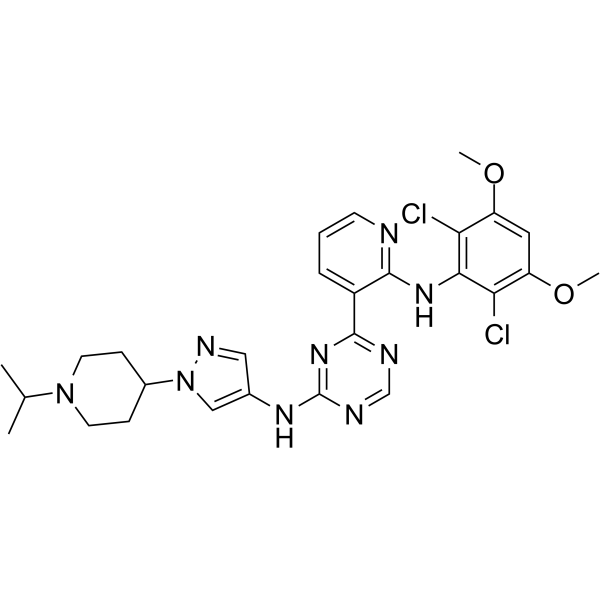
- HY-178021
-
|
|
HDAC
DNA/RNA Synthesis
Apoptosis
RAD51
Caspase
|
Cancer
|
|
HDAC1-IN-11 (Compound 6) is a HDAC1 inhibitor with an IC50 of 106.6 nM. HDAC1-IN-11 inhibits the expression of Sp1 and RAD51, thereby inducing Caspase-dependent apoptosis. HDAC1-IN-11 has antitumor activity and sensitizes Etoposide (HY-13629) and Gemcitabine (HY-17026), promoting synergistic death of NSCLC cells through the inhibition of homologous recombination and non-homologous end joining (NHEJ) pathways involved in DNA DSB repair. HDAC1-IN-11 can be used for chemotherapy of cancers like NSCLC research .
|
-

- HY-178022
-
|
|
HDAC
Apoptosis
Caspase
RAD51
DNA/RNA Synthesis
|
Cancer
|
|
HDAC6-IN-63 (Compound 7) is an orally active HDAC6 inhibitor with an IC50 of 145 nM. HDAC6-IN-63 inhibits the expression of Sp1 and RAD51, thereby inducing Caspase-dependent apoptosis. HDAC6-IN-63 has antitumor activity and sensitizes Etoposide (HY-13629) and Gemcitabine (HY-17026), promoting synergistic death of NSCLC cells through the inhibition of homologous recombination and non-homologous end joining (NHEJ) pathways involved in DNA DSB repair. HDAC6-IN-63 can be used for chemotherapy of cancers like NSCLC research .
|
-

- HY-N6871
-
|
|
Bacterial
IKK
Ferroptosis
|
Infection
Metabolic Disease
Inflammation/Immunology
Cancer
|
Abietic acid, an orally active diterpene isolated from Colophony, displays significant anti-proliferative, anti-inflammatory, anti-obesity effect, bacteriostatic, cell cycle arresting and pro-apoptotic activities. Abietic acid inhibits lipoxygenase activity for allergy. Abietic acid enhances cell migration and tube formation in HUVECs. Abietic acid induces significant angiogenic potential, which is associated with upregulation of extracellular signal-regulated kinase (ERK) and p38 expression. Abietic acid attenuates sepsis-induced lung injury by inhibiting nuclear factor kappa-light-chain-enhancer of activated B cells (NF-κB) pathway to inhibit M1 macrophage polarization. Abietic acid exhibits a positive effect against liver injury by attenuating inflammation and ferroptosis. Abietic acid shows accelerated wound closure in a mouse model of cutaneous wounds. Abietic acid significantly reduces the proliferation and growth of NSCLC cells by IKKβ inhibition.Additionally, Abietic acid ameliorates psoriasis-like inflammation and modulates gut microbiota in mice. Abietic acid is promising for research in non-small-cell lung cancer (NSCLC), liver injury-related deseases and psoriasis .
|
-
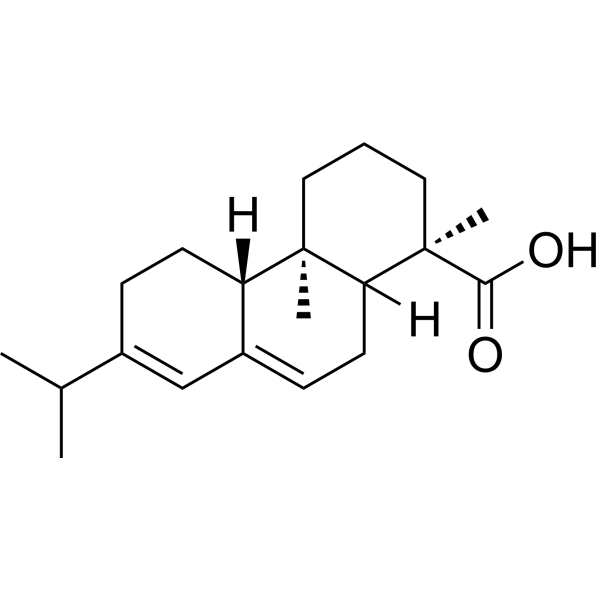
- HY-N4314
-
|
4',5,6,7-Tetramethoxyflavone
|
Bacterial
COX
NO Synthase
NF-κB
|
Infection
Inflammation/Immunology
Cancer
|
|
Scutellarein tetramethyl ether (4',5,6,7-Tetramethoxyflavone) is a bioactive compound extracted from Eupatorium odoratum. Scutellarein tetramethyl ether exhibits anti-inflammatory, antibacterial, pro-coagulant, and anti-tumor activities. Scutellarein tetramethyl ether exerts its anti-inflammatory effects by modulating the NF-κB pathway and regulates bacterial resistance through the inhibition of efflux pumps. Additionally, Scutellarein tetramethyl ether accelerates coagulation time via the endogenous coagulation pathway. Studies have shown that Scutellarein tetramethyl ether can effectively inhibit the growth of the liver cancer cell line HepG2 (IC50= 20.08 μg/mL) .
|
-
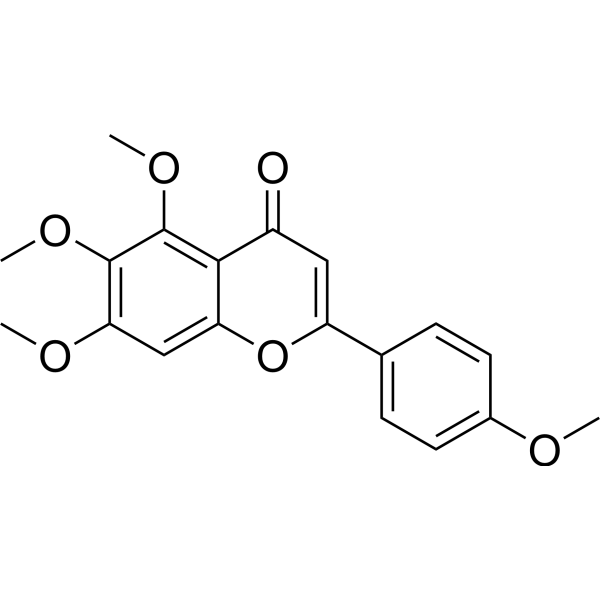
- HY-175021
-
|
|
HDAC
Carbonic Anhydrase
Microtubule/Tubulin
PARP
Apoptosis
Bcl-2 Family
Caspase
|
Cancer
|
|
HDAC-IN-91 is a multiple inhibitor of HDAC (IC50 = 134.22 nM for HDAC1, 66.29 nM for HDAC2), carbonic anhydrase (CA) (Ki = 72.03 nM for CA IX, 50.76 nM for XII), and tubulin polymerization ( IC50 = 2.56 μM). HDAC-IN-91 inhibits PARP1 and increases the Bax/Bcl-2 ratio. HDAC-IN-91 blocks the cell cycle at the G2/M phase and induces apoptosis through a mitochondrial apoptosis activation mechanism. HDAC-IN-91 can exert potent cytotoxic activity through tubulin polymerization inhibition. HDAC-IN-91 can be used in breast, colorectal, cervical and lung cancer research .
|
-

- HY-151137
-
|
|
mTOR
HSP
Apoptosis
Autophagy
|
Cancer
|
|
HSP90/mTOR-IN-1 is a potent and orally active Hsp90 and mTOR inhibitor with IC50 values of 69 nM and 29 nM, respectively. HSP90/mTOR-IN-1 suppresses the proliferation of SW780 cells through the over-activation of the PI3K/AKT/mTOR pathway. HSP90/mTOR-IN-1 induces apoptosis and autophagy via selective Hsp90 and mTOR inhibition. HSP90/mTOR-IN-1 also has considerable in vivo anti-tumor activity. HSP90/mTOR-IN-1 can be used for researching bladder cancer .
|
-
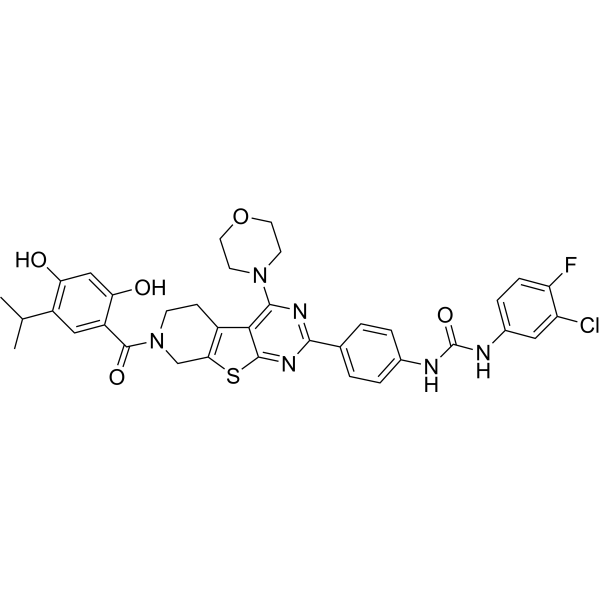
- HY-16265A
-
|
|
Ephrin Receptor
PDGFR
VEGFR
|
Cancer
|
|
JI-101 hydrochloride is an orally active angiogenesis inhibitor and anticancer agent with 55% oral bioavailability in Sprague Dawley rats, high permeability, and no P-gp substrate activity .JI-101 hydrochloride modulates angiogenesis signaling pathways in tumor vessel beds, downregulates EphB4, targets EphB4, VEGFR-2, and PDGFR-β, and inhibits multiple stages of tumor angiogenesis .JI-101 hydrochloride exerts activity against cancer cells and xenografts, exhibits mild to moderate inhibition of CYP3A4, and shows stability in pre-clinical and human liver microsomes .JI-101 hydrochloride undergoes rapid oral absorption in Sprague Dawley rats, has extensive tissue distribution with preferred lung uptake, and is excreted via bile with mono- and di-hydroxy metabolites, with feces as the primary elimination route .JI-101 hydrochloride can be used for the research of ovarian cancer and solid tumors .
|
-

- HY-W015490R
-
|
|
Reference Standards
DNA/RNA Synthesis
NF-κB
Monoamine Oxidase
TNF Receptor
Bacterial
|
Infection
Inflammation/Immunology
Cancer
|
|
1,4-Naphthoquinone is an inhibitor with broad-spectrum inhibitory activity targeting DNA polymerase, NF-κB and monoamine oxidase (MAO-A/B), with antibacterial and anti-biofilm efficacy. 1,4-Naphthoquinone is a competitive inhibitor of MAO-B (Ki=1.4 μM) and a non-competitive inhibitor of MAO-A (Ki=7.7 μM). 1,4-Naphthoquinone inhibits DNA polymerase pol α, β, γ, δ, ε, λ with IC50 ranging from 5.57-128 μM. 1,4-Naphthoquinone inhibits tumor cell proliferation, induces apoptosis and necrosis, and has anti-angiogenic and anti-inflammatory activities by inducing oxidative stress, depleting glutathione (GSH), inhibiting DNA polymerase-mediated DNA synthesis and blocking NF-κB nuclear translocation. 1,4-Naphthoquinone can be used in anti-bacterial , anti-tumor and anti-inflammatory studies, including inhibition of melanoma and colon cancer cell growth and endothelial cell function, as well as LPS-induced inflammation models .
|
-

- HY-W015490
-
|
|
Environmental Pollutants
DNA/RNA Synthesis
NF-κB
Monoamine Oxidase
TNF Receptor
Bacterial
|
Infection
Inflammation/Immunology
Cancer
|
|
1,4-Naphthoquinone is an inhibitor with broad-spectrum inhibitory activity targeting DNA polymerase, NF-κB and monoamine oxidase (MAO-A/B), with antibacterial and anti-biofilm efficacy. 1,4-Naphthoquinone is a competitive inhibitor of MAO-B (Ki=1.4 μM) and a non-competitive inhibitor of MAO-A (Ki=7.7 μM). 1,4-Naphthoquinone inhibits DNA polymerase pol α, β, γ, δ, ε, λ with IC50 ranging from 5.57-128 μM. 1,4-Naphthoquinone inhibits tumor cell proliferation, induces apoptosis and necrosis, and has anti-angiogenic and anti-inflammatory activities by inducing oxidative stress, depleting glutathione (GSH), inhibiting DNA polymerase-mediated DNA synthesis and blocking NF-κB nuclear translocation. 1,4-Naphthoquinone can be used in anti-bacterial , anti-tumor and anti-inflammatory studies, including inhibition of melanoma and colon cancer cell growth and endothelial cell function, as well as LPS-induced inflammation models .
|
-
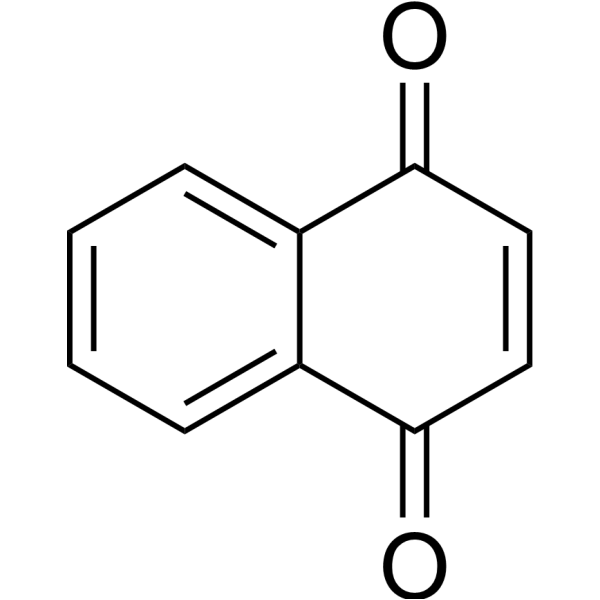
- HY-112356
-
|
|
Apoptosis
Reactive Oxygen Species (ROS)
Polo-like Kinase (PLK)
|
Inflammation/Immunology
Cancer
|
|
Scytonemin is a hydrophobic alkaloid pigment that can be isolated from the outer sheath of cyanobacteria. Scytonemin has protective function against short-wave solar ultraviolet (UV) radiation, which can reduce the generation of reactive oxygen species (ROS) and the formation of DNA damage. Scytonemin also has anti-inflammatory and anti-proliferative activities, produces concentration-dependent inhibition (IC50=2.0 μM) of polo-like kinase 1 (PLK1)-mediated cdc25C phosphorylation, and plays an important role in regulating the G2/M transition in the cell cycle. It can be used in the research of cancer, acute inflammation and sunscreen cosmetics .
|
-
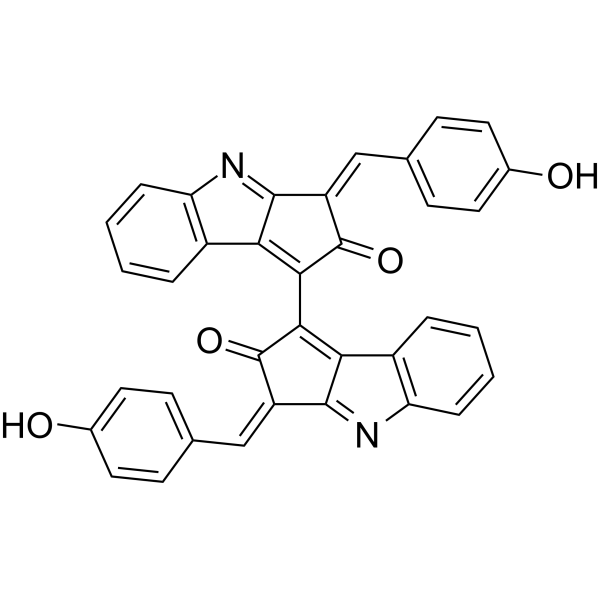
- HY-N4314R
-
|
4',5,6,7-Tetramethoxyflavone (Standard)
|
Reference Standards
Bacterial
COX
NO Synthase
NF-κB
|
Infection
Inflammation/Immunology
Cancer
|
|
Scutellarein tetramethyl ether (Standard) is the analytical standard of Scutellarein tetramethyl ether. This product is intended for research and analytical applications. Scutellarein tetramethyl ether (4',5,6,7-Tetramethoxyflavone) is a bioactive compound extracted from Eupatorium odoratum. Scutellarein tetramethyl ether exhibits anti-inflammatory, antibacterial, pro-coagulant, and anti-tumor activities. Scutellarein tetramethyl ether exerts its anti-inflammatory effects by modulating the NF-κB pathway and regulates bacterial resistance through the inhibition of efflux pumps. Additionally, Scutellarein tetramethyl ether accelerates coagulation time via the endogenous coagulation pathway. Studies have shown that Scutellarein tetramethyl ether can effectively inhibit the growth of the liver cancer cell line HepG2 (IC50= 20.08 μg/mL) .
|
-

- HY-128633
-
|
|
PI3K
Akt
Apoptosis
|
Cancer
|
|
PI3K-IN-4 is a potent Pan-PI3K inhibitor. PI3K-IN-4 has high activity for three PI3K isoforms with the IC50 values of picomole. PI3K-IN-4 shows superior inhibitory activity against PI3Kα (IC50 = 0.20 nM), PI3Kβ (IC50 = 2.99 nM), PI3Kδ (IC50 = 0.48 nM) and PI3Kγ (IC50 = 0.58 nM) and has no significant activity against EGFR. PI3K-IN-4 inhibits cancer cell growth though PI3K/Akt signaling pathway, leading to the inhibition of colony formation and the induction of apoptosis. PI3K-IN-4 can be used for lung, colon and breast cancer research .
|
-

- HY-138074
-
|
5-Ketomilbemycin A4 oxime; 5-Oxomilbemycin A4 5-oxime
|
Parasite
|
Infection
|
|
Milbemycin A4 oxime (5-Ketomilbemycin A4 oxime; 5-Oxomilbemycin A4 5-oxime) is a derivative of Milbemycin A4 (HY-126906) and a component of Milbemycin oxime (HY-B0778), both of which have insecticidal and nematicidal activities. Milbemycin A4 oxime (0.05 mg/kg) reduces the number of microfilariae in naturally infected dogs with D. immitis and inhibits the growth of clinical isolates of Candida glabrata (MIC80=16-32 μg/mL). Milbemycin A4 oxime (2.5 μg/mL) blocks the efflux of Fluconazole (HY-B0101) from clinical isolates of Candida glabrata. Milbemycin A4 oxime enhances doxorubicin-induced cell growth inhibition and increases the intracellular accumulation of doxorubicin and P-glycoprotein substrate Rhodamine 123 (HY-D0816) in doxorubicin-resistant but not sensitive MCF-7 breast cancer cells in a concentration-dependent manner.
|
-

- HY-W015490S
-
|
|
Isotope-Labeled Compounds
DNA/RNA Synthesis
NF-κB
Monoamine Oxidase
TNF Receptor
Bacterial
|
Infection
Inflammation/Immunology
Cancer
|
|
1,4-Naphthoquinone-d6 is the deuterium labeled 1,4-Naphthoquinone. 1,4-Naphthoquinone is an inhibitor with broad-spectrum inhibitory activity targeting DNA polymerase, NF-κB and monoamine oxidase (MAO-A/B), with antibacterial and anti-biofilm efficacy. 1,4-Naphthoquinone is a competitive inhibitor of MAO-B (Ki=1.4 μM) and a non-competitive inhibitor of MAO-A (Ki=7.7 μM). 1,4-Naphthoquinone inhibits DNA polymerase pol α, β, γ, δ, ε, λ with IC50 ranging from 5.57-128 μM. 1,4-Naphthoquinone inhibits tumor cell proliferation, induces apoptosis and necrosis, and has anti-angiogenic and anti-inflammatory activities by inducing oxidative stress, depleting glutathione (GSH), inhibiting DNA polymerase-mediated DNA synthesis and blocking NF-κB nuclear translocation. 1,4-Naphthoquinone can be used in anti-bacterial , anti-tumor and anti-inflammatory studies, including inhibition of melanoma and colon cancer cell growth and endothelial cell function, as well as LPS-induced inflammation models .
|
-
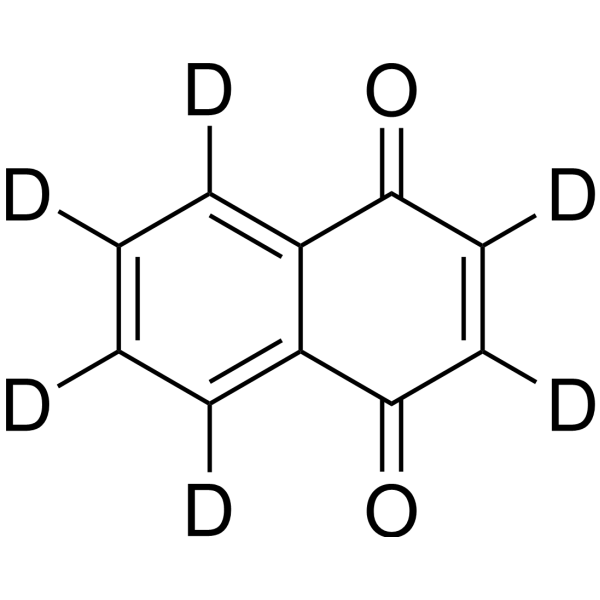
- HY-P11405
-
|
|
Neurotensin Receptor
|
Neurological Disease
Cancer
|
|
[D-Arg1, D-Trp5, 7, 9, Leu11]-Substance P is a potent inhibitor of cell growth in small cell lung cancer (SCLC). [D-Arg1, D-Trp5, 7, 9, Leu11]-Substance P is also a neuropeptide antagonist, capable of blocking colony formation stimulated by various neuropeptides (including vasopressin and bradykinin). [D-Arg1, D-Trp5, 7, 9, Leu11]-Substance P inhibits the mobilization of Ca 2+ and the activation of mitogen-activated protein kinases induced by vasopressin or bradykinin. [D-Arg1, D-Trp5, 7, 9, Leu11]-Substance P inhibits the growth of H-69 xenograft tumors in nude mice .
|
-
![[D-Arg1,D-Trp5,7,9,Leu11]-Substance P](//file.medchemexpress.com/product_pic/hy-p11405.gif)
| Cat. No. |
Product Name |
Target |
Research Area |
-
- HY-156002
-
|
Paluratide
|
Ras
ERK
|
Cancer
|
|
LUNA18 is an orally-available cyclic peptide KRAS and ERK inhibitor. LUNA18 phosphorylates ERK and AKT and decreases cell proliferation in RAS-mutated cancer cells. LUNA18 exhibits RAS signal inhibition and potent anti-cancer activities through inhibiting interaction between RAS and guanine nucleotide exchange factors (GEFs) in a mouse xenograft model. LUNA18 shows significant cellular efficacy against cell lines with KRAS genetic alterations, such as colon cancer, stomach cancer, non-small cell lung cancer and pancreaticcancer .
|
-
- HY-W011258
-
|
L-Tyrosyl-L-phenylalanine
|
Xanthine Oxidase
Angiotensin-converting Enzyme (ACE)
|
Inflammation/Immunology
Cancer
|
|
H-Tyr-Phe-OH (L-Tyrosyl-L-phenylalanine) is an orally active inhibitor of Angiotensin converting enzyme (ACE), with an inhibiton rate of 48% at 50 μM. H-Tyr-Phe-OH can be used as an biomarker for differentiating benign thyroid nodules (BTN) from thyroid cancer (TC). H-Tyr-Phe-OH exhibits xanthine oxidase inhibition (uric acid lowering) activity and serves as regulator in IL-8 production in neutrophil-like cells .
|
-
- HY-P11405
-
|
|
Neurotensin Receptor
|
Neurological Disease
Cancer
|
|
[D-Arg1, D-Trp5, 7, 9, Leu11]-Substance P is a potent inhibitor of cell growth in small cell lung cancer (SCLC). [D-Arg1, D-Trp5, 7, 9, Leu11]-Substance P is also a neuropeptide antagonist, capable of blocking colony formation stimulated by various neuropeptides (including vasopressin and bradykinin). [D-Arg1, D-Trp5, 7, 9, Leu11]-Substance P inhibits the mobilization of Ca 2+ and the activation of mitogen-activated protein kinases induced by vasopressin or bradykinin. [D-Arg1, D-Trp5, 7, 9, Leu11]-Substance P inhibits the growth of H-69 xenograft tumors in nude mice .
|
-
- HY-P2088
-
|
Des-N-tetramethyltriostin A
|
Antibiotic
|
Cancer
|
|
TANDEM (Des-N-tetramethyltriostin A) is a synthetic antibiotic drug that has the activity of inhibiting the growth of tumor cells. TANDEM can be used in combination with chemotherapy to enhance the inhibitory effect. TANDEM has shown significant inhibitory effects on a variety of cancer cell lines in in vitro experiments. The structure of TANDEM allows it to effectively target tumor cells during the inhibition process. TANDEM's mechanism of action involves interfering with cell proliferation and survival pathways .
|
-
- HY-P11198
-
|
|
Apoptosis
VEGFR
ERK
Akt
Caspase
Bcl-2 Family
|
Cancer
|
|
AC-P19M is an anticancer peptide. AC-P19M induces apoptosis by disrupting the cell membrane of cancer cells. AC-P19M reverses epithelial-mesenchymal transition (EMT). AC-P19M shows anti-angiogenic activity through the inhibition of VEGF-VEGFR2/ERK/Akt signaling. AC-P19M can be used for lung cancer research .
|
| Cat. No. |
Product Name |
Target |
Research Area |
Image |
-
- HY-P991097
-
|
PM-8002; BNT-327
|
VEGFR
PD-1/PD-L1
|
Cancer
|
|
Pumitamig (PM-8002, BNT-327) is a bispecific antibody targeting PD-L1 and VEGF-A, with immune activation and anti-angiogenic activities. By binding to PD-L1, Pumitamig restores the function of effector T cells, while neutralizing VEGF-A in the tumor microenvironment to reverse its inhibition on the infiltration and activation of immune cells and normalize tumor blood vessels. Pumitamig can also be combined with various ADCs targeting TROP2, B7H3, HER2, HER3 for the research of advanced/metastatic solid tumors, including non-small cell lung cancer, ovarian cancer, triple-negative breast cancer, cervical cancer, etc. Pumitamig also exhibits potential efficacy in "cold" tumors with low PD-L1 expression that are insensitive to immunotherapy .
|
-

(5)
-
- HY-P991669
-
|
AML-01
|
Caspase
Apoptosis
|
Cancer
|
|
IGN523 is an anti-CD98 antibody (hCD98, KD = 0.55 nM). IGN523 induces antibody-dependent cell-mediated cytotoxicity (ADCC) activity, lysosomal membrane permeabilization, and inhibition of essential amino acid transport, ultimately leading to caspase-3 and caspase-7-mediated apoptosis of tumor cells. IGN523 inhibits tumor growth in multiple tumor xenograft models. IGN523 is useful in the research of non-small cell lung cancer (NSCLC), acute myeloid leukemia (AML), and other cancers. .
|
-
(5)
-
- HY-P99667
-
|
OMP-54F28; FZD8-Fc
|
Wnt
|
Cancer
|
|
Ipafricept (OMP-54F28; FZD8-Fc) is a first class recombinant fusion protein with the extracellular part of the human frizzled-8 receptor fused to a human IgG1 Fc fragment that binds Wnt ligands, which blocks Wnt signaling. Ipafricept reduces tumor growth and results in a decrease in both liver and lung metastases combined with Gemcitabine (HY-17026) in pancreatic cancer mouse models. Ipafricept shows solid tumor inhibition activity with well tolerance, such as desmoid tumor, germ cell cancer, ovarian cancer .
|
-
(5)
-
- HY-P990704
-
|
AZD-2936
|
PD-1/PD-L1
Transmembrane Glycoprotein
|
Cancer
|
|
Rilvegostomig (AZD-2936) is a bispecific humanized IgG1 antibody targeting PD-1 and TIGIT. Rilvegostomig induces tumor growth inhibition and modulates the tumor immune microenvironment. Rilvegostomig exhibits anti-tumor activity in metastatic non-small cell lung cancer (without prior immune checkpoint inhibitor treatment). Rilvegostomig can be used in research related to metastatic non-small cell lung cancer and endometrial cancer .
|
-
(5)
-
- HY-P991198
-
|
|
Tim3
|
Cancer
|
|
M6903 is a humanized monoclonal IgG2 antibody targeting T cell immunoglobulin and mucin domain-3 (TIM-3) (KD for human TIM-3 is 2.3 nM). M6903 binds to TIM-3, blocking the binding of TIM-3 to phosphatidylserine (PtdSer), carcinoembryonic antigen cell adhesion-related molecule 1 (CEACAM1), and galectin 9 (Gal-9), thus relieving TIM-3-mediated T cell inhibition and exerting the activities of activating antigen-specific T cells and enhancing anti-tumor immunity. M6903 is promising for research of cancers .
|
-
(5)
-
- HY-P992335
-
|
|
Interleukin Related
|
Cancer
|
|
COM503 is a high-affinity anti-IL18BP human monoclonal antibody with a Kd value of 0.291 pM. COM503 binds to IL18BP, blocks the IL18BP:IL18 interaction, displaces IL18 from preformed complexes, and enhances the activation and function of T cells and NK cells. COM503 induces anti-tumor effects by relieving the activity inhibition of endogenous IL18 in the tumor microenvironment. COM503 can be used for cancer research. The recommended isotype control is Human IgG4 (S228P) kappa, Isotype Control (HY-P99003) .
|
-
(5)
| Cat. No. |
Product Name |
Category |
Target |
Chemical Structure |
-
- HY-N0292
-
-
-
- HY-N0069
-
-
-
- HY-N6871
-
|
|
Infection
Colophony
Classification of Application Fields
Pinaceae
Ketones, Aldehydes, Acids
Metabolic Disease
Plants
Inflammation/Immunology
Disease Research Fields
|
Bacterial
IKK
Ferroptosis
|
Abietic acid, an orally active diterpene isolated from Colophony, displays significant anti-proliferative, anti-inflammatory, anti-obesity effect, bacteriostatic, cell cycle arresting and pro-apoptotic activities. Abietic acid inhibits lipoxygenase activity for allergy. Abietic acid enhances cell migration and tube formation in HUVECs. Abietic acid induces significant angiogenic potential, which is associated with upregulation of extracellular signal-regulated kinase (ERK) and p38 expression. Abietic acid attenuates sepsis-induced lung injury by inhibiting nuclear factor kappa-light-chain-enhancer of activated B cells (NF-κB) pathway to inhibit M1 macrophage polarization. Abietic acid exhibits a positive effect against liver injury by attenuating inflammation and ferroptosis. Abietic acid shows accelerated wound closure in a mouse model of cutaneous wounds. Abietic acid significantly reduces the proliferation and growth of NSCLC cells by IKKβ inhibition.Additionally, Abietic acid ameliorates psoriasis-like inflammation and modulates gut microbiota in mice. Abietic acid is promising for research in non-small-cell lung cancer (NSCLC), liver injury-related deseases and psoriasis .
|
-
-
- HY-126490
-
-
-
- HY-128741
-
-
-
- HY-112356
-
-
-
- HY-N2303
-
-
-
- HY-N3387
-
-
-
- HY-N0863
-
|
NSC-698790; Smilax saponin B
|
Structural Classification
other families
Classification of Application Fields
Plants
Disease Research Fields
Steroids
Source Classification
Cancer
|
Bcl-2 Family
Apoptosis
Akt
c-Myc
ERK
p38 MAPK
JNK
FOXO
|
|
Methyl protodioscin (NSC-698790; Smilax saponin B) is a multi-target, selective, steroidal diglycoside inhibitor with antitumor activity that induces cell cycle arrest. The mechanism of action of Methyl protodioscin is complex, involving the induction of G2/M cell cycle arrest, regulation of the Bcl-2/Bax apoptotic pathway, inhibition of the Akt1/c-Myc axis and MAPK/ERK signaling, while simultaneously downregulating ADAM15 and inducing FOXO1 to reduce cholesterol synthesis. It also inhibits the JNK/c-Jun pathway, reducing the production of inflammatory factors (IL-6, TNF-α). Methyl protodioscin exhibits significant antitumor (inhibiting proliferation, migration, invasion, and inducing apoptosis), anti-inflammatory, and anti-restenosis activities. Methyl protodioscin can be used in research on lung cancer, prostate cancer, pancreatic cancer, and other tumors, as well as inflammatory diseases such as airway inflammation and enteritis .
|
-
-
- HY-N1925
-
-
-
- HY-119979
-
|
Cardanol C15:1
|
Monophenols
Classification of Application Fields
Phenols
Plants
Anacardium occidentaleL.
Disease Research Fields
Anacardiaceae
Source Classification
Cancer
|
Apoptosis
Reactive Oxygen Species (ROS)
Mitochondrial Metabolism
MMP
CDK
Caspase
Bcl-2 Family
PARP
MDM-2/p53
Cholinesterase (ChE)
|
|
Cardanol monoene (Cardanol C15:1) is a phenolic compound which can be found in cashew nut shell liquid. Cardanol monoene can inhibit cancer cells proliferation, migration, cause S phase arrest, induce apoptosis, ROS production and mitochondrial depolarization. Cardanol monoene downregulates MMP-2, MMP-9, cyclinA1 expression, regulates CDK2, p53, Bax, cytochrome c, cleaved caspase-3, cleaved PARP, Apaf-1 expression and Bax/Bcl-2 ratio. Cardanol monoene shows weak DPPH radical scavenging activity and AChE inhibition activity. Cardanol monoene is lethal to Artemia salina nauplii. Cardanol monoene. Cardanol monoene can be used for the research of cancer, infection and inflamation .
|
-
-
- HY-N4314
-
|
4',5,6,7-Tetramethoxyflavone
|
Infection
Flavonoids
Classification of Application Fields
Flavones
Plants
Compositae
Genista maderensis (Webb & Berthel.) Lowe
Inflammation/Immunology
Disease Research Fields
|
Bacterial
COX
NO Synthase
NF-κB
|
|
Scutellarein tetramethyl ether (4',5,6,7-Tetramethoxyflavone) is a bioactive compound extracted from Eupatorium odoratum. Scutellarein tetramethyl ether exhibits anti-inflammatory, antibacterial, pro-coagulant, and anti-tumor activities. Scutellarein tetramethyl ether exerts its anti-inflammatory effects by modulating the NF-κB pathway and regulates bacterial resistance through the inhibition of efflux pumps. Additionally, Scutellarein tetramethyl ether accelerates coagulation time via the endogenous coagulation pathway. Studies have shown that Scutellarein tetramethyl ether can effectively inhibit the growth of the liver cancer cell line HepG2 (IC50= 20.08 μg/mL) .
|
-
-
- HY-N7510
-
-
-
- HY-N6932
-
-
-
- HY-N0292R
-
-
-
- HY-N6908
-
-
-
- HY-N8230
-
|
|
Microorganisms
Ketones, Aldehydes, Acids
Source Classification
|
HIV
HIV Protease
|
|
Ganosinensic acid C is a triterpenoid compound that can be extracted from Ganoderma lucidum. Ganosinensic acid C has important biological activities such as anti-tumor, anti-prostate cancer, anti-inflammatory, and inhibition of HIV-I protease. Ganosinensic acid C has an IC50 value of 10.5 μM against human highly metastatic lung cancer cell line 95D. Ganosinensic acid C has an IC50 value of Ganosinensic acid C against cervical cancer cell line Hela is 13.2 μM .
|
-
-
- HY-N10132
-
-
-
- HY-N0069R
-
-
-
- HY-N6908R
-
-
-
- HY-128741R
-
-
-
- HY-N7510R
-
-
-
- HY-N4314R
-
|
4',5,6,7-Tetramethoxyflavone (Standard)
|
Structural Classification
Flavonoids
Flavones
Plants
Compositae
Genista maderensis (Webb & Berthel.) Lowe
|
Reference Standards
Bacterial
COX
NO Synthase
NF-κB
|
|
Scutellarein tetramethyl ether (Standard) is the analytical standard of Scutellarein tetramethyl ether. This product is intended for research and analytical applications. Scutellarein tetramethyl ether (4',5,6,7-Tetramethoxyflavone) is a bioactive compound extracted from Eupatorium odoratum. Scutellarein tetramethyl ether exhibits anti-inflammatory, antibacterial, pro-coagulant, and anti-tumor activities. Scutellarein tetramethyl ether exerts its anti-inflammatory effects by modulating the NF-κB pathway and regulates bacterial resistance through the inhibition of efflux pumps. Additionally, Scutellarein tetramethyl ether accelerates coagulation time via the endogenous coagulation pathway. Studies have shown that Scutellarein tetramethyl ether can effectively inhibit the growth of the liver cancer cell line HepG2 (IC50= 20.08 μg/mL) .
|
-
-
- HY-N13749
-
|
|
Structural Classification
Juncaceae
Phenols
Polyphenols
Juncus atratus Krocker
Plants
Source Classification
|
Others
|
|
Juncatrin A is a dihydrophenanthrene compound that can be naturally extracted from the whole plant methanol extract of Juncus atratus Krock. (a plant of the Juncaceae family, Juncus genus). Juncatrin A exhibits only weak antiproliferative activity against HeLa human cervical cancer cells (55.60% inhibition at 30 μM). Juncatrin A can be used in the research of anticancer natural drug precursors and active components of Juncus plants .
|
-
-
- HY-N14094
-
|
|
Structural Classification
Alkaloids
Other Alkaloids
Rubiaceae
Plants
Pogonopus tubulosus (A.Rich. ex DC.) K.Schum.
Source Classification
|
JAK
Apoptosis
Autophagy
|
|
Tubulosine is an alkaloid. Tubulosine can be isolated from Pogonopus tubulosus (DC.) Schumann. Tubulosine is an ATP-competitive, selective JAK3 inhibitor with an IC50 value of 9.9 nM. Tubulosine also inhibits the kinase activities of other JAK family members, the extent of inhibition is less than that of JAK3, with IC50 values of 69.5, 84.9 and 76.3 nM for JAK1, JAK2 and TYK2, respectively. Tubulosine selectively inhibits JAK3 signalling by binding to the ATP-binding site of the kinase of JAK3. Tubulosine induces apoptotic and necrotic/autophagic cell death. Tubulosine inhibits the process of peptide chain elongation by eukaryotic polysomes by, specifically preventing the elongation-factor-2-dependent step of translocation. Tubulosine exhibits anticancer activity in breast cancer cells .
|
-
| Cat. No. |
Product Name |
Chemical Structure |
-
- HY-W015490S
-
|
|
|
1,4-Naphthoquinone-d6 is the deuterium labeled 1,4-Naphthoquinone. 1,4-Naphthoquinone is an inhibitor with broad-spectrum inhibitory activity targeting DNA polymerase, NF-κB and monoamine oxidase (MAO-A/B), with antibacterial and anti-biofilm efficacy. 1,4-Naphthoquinone is a competitive inhibitor of MAO-B (Ki=1.4 μM) and a non-competitive inhibitor of MAO-A (Ki=7.7 μM). 1,4-Naphthoquinone inhibits DNA polymerase pol α, β, γ, δ, ε, λ with IC50 ranging from 5.57-128 μM. 1,4-Naphthoquinone inhibits tumor cell proliferation, induces apoptosis and necrosis, and has anti-angiogenic and anti-inflammatory activities by inducing oxidative stress, depleting glutathione (GSH), inhibiting DNA polymerase-mediated DNA synthesis and blocking NF-κB nuclear translocation. 1,4-Naphthoquinone can be used in anti-bacterial , anti-tumor and anti-inflammatory studies, including inhibition of melanoma and colon cancer cell growth and endothelial cell function, as well as LPS-induced inflammation models .
|
-
-
- HY-172430S
-
|
|
|
Epaldeudomide (Compound A406) is the inhibitor for TNF-α (>50% inhibition rate at 100 nM). Epaldeudomide inhibits the proliferation of cancer cells MM.1S (IC50 < 300 nM), WSU-DLCL-2 (IC50 < 100 nM) and Rec-1 (IC50 < 100 nM). Epaldeudomide exhibits antineoplastic activity .
|
-
-
- HY-128741S
-
|
|
|
D-Allose- 13C is the 13C labeled D-Allose (HY-128741). D-Allose exhibits antitumor activity against various cancer cells. D-Allose scavenges reactive oxygen species (ROS) and reduces oxidative stress damage. D-Allose exhibits anti-inflammatory and neuroprotective through inhibition of TLR4/PI3K/AKT signaling pathway. D-Allose exhibits antihypertensive, cryoprotective, and anti-osteoporotic activities .
|
-
-
- HY-128741S2
-
|
|
|
D-Allose- 13C-2 is the 13C labeled D-Allose (HY-128741). D-Allose exhibits antitumor activity against various cancer cells. D-Allose scavenges reactive oxygen species (ROS) and reduces oxidative stress damage. D-Allose exhibits anti-inflammatory and neuroprotective through inhibition of TLR4/PI3K/AKT signaling pathway. D-Allose exhibits antihypertensive, cryoprotective, and anti-osteoporotic activities .
|
-
-
- HY-128741S1
-
|
|
|
D-Allose- 13C-1 is the 13C labeled D-Allose (HY-128741). D-Allose exhibits antitumor activity against various cancer cells. D-Allose scavenges reactive oxygen species (ROS) and reduces oxidative stress damage. D-Allose exhibits anti-inflammatory and neuroprotective through inhibition of TLR4/PI3K/AKT signaling pathway. D-Allose exhibits antihypertensive, cryoprotective, and anti-osteoporotic activities .
|
-
-
- HY-W766368
-
|
|
|
C6 Ceramide- 13C2,d2 (C6-Cer- 13C2,d2) is the deuterium labeled and 13C-labeled C6 Ceramide (HY-19542). C6 Ceramide (C6-Cer) is a short-chain, cell-permeable ceramide pathway activator with anticancer activity. C6 Ceramide-mediated miR-29b expression participates in the progression of multiple myeloma through suppressing the proliferation, migration and angiogenesis of endothelial cells by targeting Akt signal pathway. C6 Ceramide exhibits multiple anti-cancer properties including cell cycle arrest, Apoptosis, inhibition of tumor growth and enhances the effects of chemotherapy in drug-resistant cancer cells. C6-ceramide can be used as an adjuvant for chemotherapeutic agents, to enhance anti-tumor effects .
|
-
| Cat. No. |
Product Name |
|
Classification |
-
- HY-135699
-
TD52
2 Publications Verification
|
|
Alkynes
|
|
TD52, an Erlotinib (HY-50896) derivative, is an orally active, potent cancerous inhibitor of protein phosphatase 2A (CIP2A) inhibitor. TD52 mediates the apoptotic effect in triple-negative breast cancer (TNBC) cells via regulating the CIP2A/PP2A/p-Akt signalling pathway. TD52 indirectly reduced CIP2A by disturbing Elk1 binding to the CIP2A promoter. TD52 has less p-EGFR inhibition and has potent anti-cancer activity . TD52 is a click chemistry reagent, it contains an Alkyne group and can undergo copper-catalyzed azide-alkyne cycloaddition (CuAAc) with molecules containing Azide groups.
|
-
- HY-135699A
-
|
|
|
Alkynes
|
|
TD52 dihydrochloride, an Erlotinib (HY-50896) derivative, is an orally active, potent cancerous inhibitor of protein phosphatase 2A (CIP2A) inhibitor. TD52 dihydrochloride mediates the apoptotic effect in triple-negative breast cancer (TNBC) cells via regulating the CIP2A/PP2A/p-Akt signalling pathway. TD52 dihydrochloride indirectly reduced CIP2A by disturbing Elk1 binding to the CIP2A promoter. TD52 dihydrochloride has less p-EGFR inhibition and has potent anti-cancer activity . TD52 (dihydrochloride) is a click chemistry reagent, it contains an Alkyne group and can undergo copper-catalyzed azide-alkyne cycloaddition (CuAAc) with molecules containing Azide groups.
|
Your information is safe with us. * Required Fields.
Inquiry Information
- Product Name:
- Cat. No.:
- Quantity:
- MCE Japan Authorized Agent:





![[D-Arg1,D-Trp5,7,9,Leu11]-Substance P](http://file.medchemexpress.com/product_pic/hy-p11405.gif)





