1. Search Result
Search Result
Pathways Recommended: Stem Cell/Wnt Cell Cycle/DNA Damage
Results for "

cell surface receptor

" in MedChemExpress (MCE) Product Catalog:

153

Inhibitors & Agonists

5

Screening Libraries

1

Fluorescent Dyes

47

Biochemical Assay Reagents

17

Peptides

17

Inhibitory Antibodies

10

Natural
Products

55

Recombinant Proteins

5

Isotope-Labeled Compounds

56

Antibodies

6

Click Chemistry

36

Oligonucleotides

Cat. No. Product Name Target Research Areas Chemical Structure
  • HY-108847
    Etanercept
    Maximum Cited Publications
    15 Publications Verification

    TNF Receptor Bacterial Inflammation/Immunology Cancer
    Etanercept, a dimeric fusion protein that binds TNF, acts as a TNF inhibitor. Etanercept competitively inhibits the binding of both TNF-α and TNF-β to cell surface TNF receptors, rendering TNF biologically inactive. Etanercept shows efficacy against rheumatoid arthritis, juvenile idiopathic arthritis, and plaque psoriasis .
    Etanercept
  • HY-112847A
    Sulfosuccinimidyl oleate sodium
    Maximum Cited Publications
    39 Publications Verification

    Sulfo-N-succinimidyl oleate sodium

    Mitophagy Inflammation/Immunology
    Sulfosuccinimidyl oleate sodium (Sulfo-N-succinimidyl oleate sodium) is a long chain fatty acid that inhibits fatty acid transport into cells. Sulfosuccinimidyl oleate sodium is a potent and irreversible inhibitor of mitochondrial respiratory chain. Sulfosuccinimidyl oleate sodium binds the CD36 receptor on the surface of microglia. Anti-inflammatory effect .
    Sulfosuccinimidyl oleate sodium
  • HY-P9980
    Belantamab
    2 Publications Verification

    GSK2857914

    ADC Antibody TNF Receptor Cancer
    Belantamab (GSK2857916) is a humanized IgG1 anti-BCMA/TNFRSF17 monoclonal antibody. Belantamab is linked to MMAF (HY-15579) through a non-cleavable ADC linker to synthesize the antibody-active molecule conjugate (ADC) Belantamab mafodotin (HY-P3239). After binding to BCMA on the surface of tumor cells, Belantamab mafodotin enters the cell through receptor-mediated endocytosis. After entering the cell, Belantamab mafodotin releases MMAF, blocks cell division by inhibiting tubulin polymerization, arrests the cell cycle and induces cell apoptosis. Belantamab can be used for the study of multiple myeloma, especially relapsed/refractory multiple myeloma .
    Belantamab
  • HY-W008859
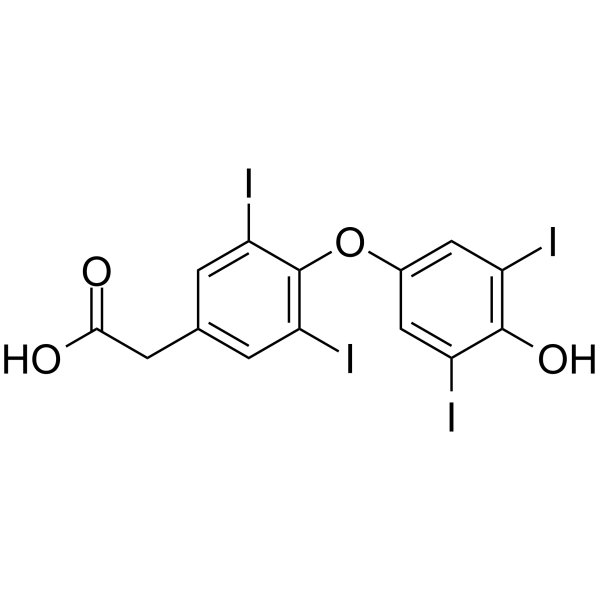
    Tetrac
    1 Publications Verification

    Tetraiodothyroacetic acid; 3,3',5,5'-Tetraiodothyroacetic acid

    Integrin Endogenous Metabolite Cancer
    Tetrac (Tetraiodothyroacetic acid), a derivative of L-thyroxine (T4), is a thyrointegrin receptor antagonist. Tetrac blocks the actions of T4 and 3,5,3'-triiodo-L-thyronine (T3) at the cell surface receptor for thyroid hormone on integrin αvβ3. Tetra has anti-angiogenic and anti-tumor activities .
    Tetrac
  • HY-148118A

    LYTACs Cancer
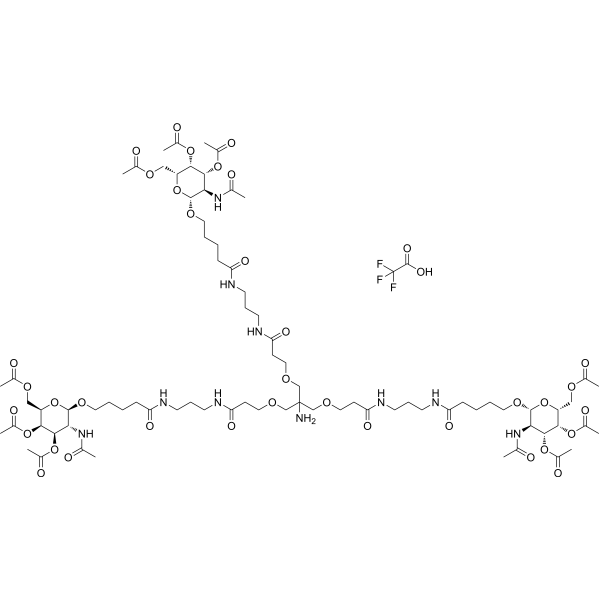
    Tri-GalNAc(OAc)3 TFA is a trivalent N-acetylgalactosamine (GalNAc) derivative that can be used to synthesize GalNAc-LYTAC. Tri-GalNAc is a specific ligand targeting the asialoglycoprotein receptor (ASGPR), mediating the endocytosis and transport of cell surface proteins (such as EGFR, HER2) to lysosomes for degradation by lysosomal targeting chimeras (LYTACs). Tri-GalNAc significantly reduces the level of target proteins and inhibits downstream signaling pathways (such as EGFR-mediated Akt and MAPK signals). Tri-GalNAc(OAc)3 TFA can be used for hepatocyte targeting studies, and can degrade carcinogenic membrane proteins and inhibit tumor cell proliferation in liver cancer cell models .
    Tri-GalNAc(OAc)3 TFA
  • HY-P0251
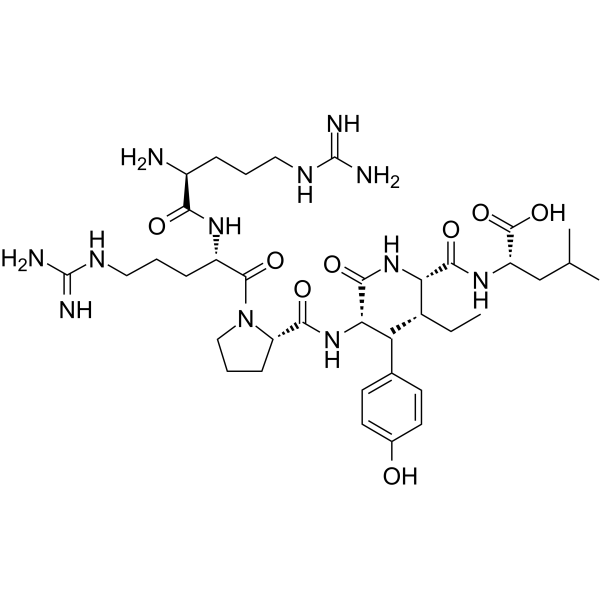
    Neurotensin(8-13)
    1 Publications Verification

    Neurotensin Receptor Neurological Disease
    Neurotensin (8-13) is an active fragment of Neurotensin. Neurotensin(8-13) results in a decrease in cell-surface NT1 receptors (NTR1) density.
    Neurotensin(8-13)
  • HY-P1068
    Lysozyme
    5+ Cited Publications

    Muramidase

    Bacterial TNF Receptor Interleukin Related TGF-β Receptor Infection Inflammation/Immunology
    Lysozyme (Muramidase) is a conserved antimicrobial protein. Lysozyme exerts its bactericidal effect by hydrolyzing bacterial cell wall peptidoglycan (PG). Lysozyme plays an important role in limiting bacterial growth on mucosal surfaces and other sites, not only controlling potential pathogens but also limiting overgrowth of microbiota to prevent dysbiosis. Extracellular lysozyme can also degrade polymeric PG into soluble fragments, activate NOD receptors in mucosal epithelial cells, and lead to the secretion of chemokines and activating factors by neutrophils and macrophages .
    Lysozyme
  • HY-NP006
    Protein A
    1 Publications Verification

    SPA

    Endogenous Metabolite Apoptosis Inflammation/Immunology
    Protein A (SPA) is an immunoglobulin (Ig)-binding protein that exists on the bacterial surface and can be freely secreted into the extracellular environment. Protein A blocks opsonophagocytosis and induces B cell apoptosis in vitro by binding to the Fc region of antibodies and the Fab region of B cell receptors. Protein A can form toxic immune complexes with IgG, thereby inducing leukocyte necrosis. Protein A contributes to the virulence expression of Staphylococcus aureus. Protein A triggers allergic reactions in IgG-pretreated mouse models. Protein A can be used in studies related to immune system diseases .
    Protein A
  • HY-P99152

    Muromanab-CD3

    CD3 Interleukin Related IFNAR Inflammation/Immunology Cancer
    Muromonab (Muromonab-CD3; OKT3) is a mouse monoclonal antibody targeting the CD3 antigen. Muromonab specifically binds to the CD3 antigen on the surface of human and higher primate T cells. Muromonab blocks the function of T cell receptors to recognize foreign antigens and inhibits T cell-mediated immune responses, including cell-mediated lymphocyte lysis and T cell proliferation responses. Muromonab can be used to study acute kidney, liver, heart and combined kidney-pancreas transplant rejection, and can also be used to study graft-versus-host disease in bone marrow transplant patients .
    Muromonab
  • HY-P99682

    hLIV22

    ADC Antibody Cancer
    Ladiratuzumab (hLIV22) is a humanized monoclonal antibody against zinc transporter LIV-1/ZIP6. Ladiratuzumab is conjugated to MMAE (HY-15162) via a cleavable dipeptide linker to synthesize an antibody-drug conjugate (ADC) Ladiratuzumab vedotin (HY-P99683). Ladiratuzumab vedotin selectively targets LIV-1 protein overexpressed on the surface of tumor cells, enters cells through antibody-mediated receptor endocytosis, releases MMAE to inhibit microtubule polymerization, and kills adjacent tumor cells with a bystander effect. Ladiratuzumab can be used in the study of solid tumors such as metastatic triple-negative breast cancer (mTNBC) .
    Ladiratuzumab
  • HY-30170

    Endogenous Metabolite Adrenergic Receptor Neurological Disease
    N-Methylphenethylamine is an indirectly acting sympathomimetic amine that is formed via PNMT-catalyzed N-methylation of phenethylamine (PEA) in the human body. N-Methylphenethylamine exhibits affinity for β-adrenergic receptors on the surface of cancer cells or bacterial cells. N-Methylphenethylamine can be used for neurotransmitter research or as a pharmaceutical intermediate .
    N-Methylphenethylamine
  • HY-P99159

    Interleukin Related Cancer
    Ivuxolimab is a fully human IgG2 agonist targeting OX40 (CD134), which selectively binds to the OX40 receptor on the surface of activated CD4 + and CD8 + T cells without inducing antibody-dependent cytotoxicity. Ivuxolimab can promote T cell proliferation, survival and cytokine (such as IFN-γ, IL-2) secretion, inhibit regulatory T cell function, and enhance anti-tumor immune response. Ivuxolimab can be used in the study of melanoma, hepatocellular carcinoma, head and neck squamous cell carcinoma, etc .
    Ivuxolimab
  • HY-122066

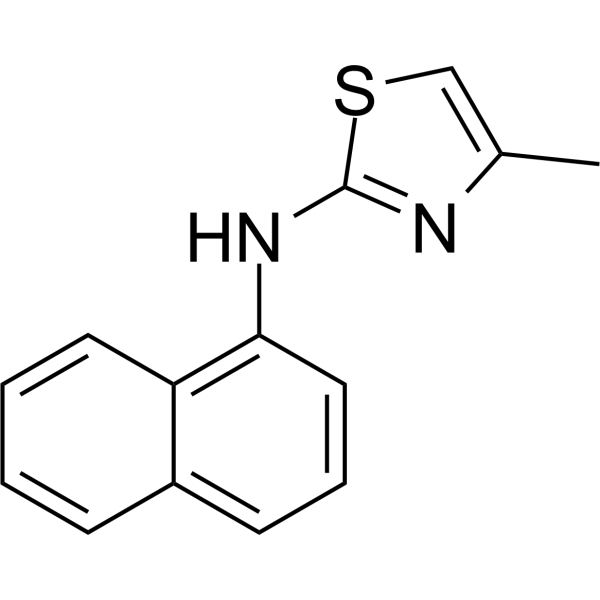
    Others Infection
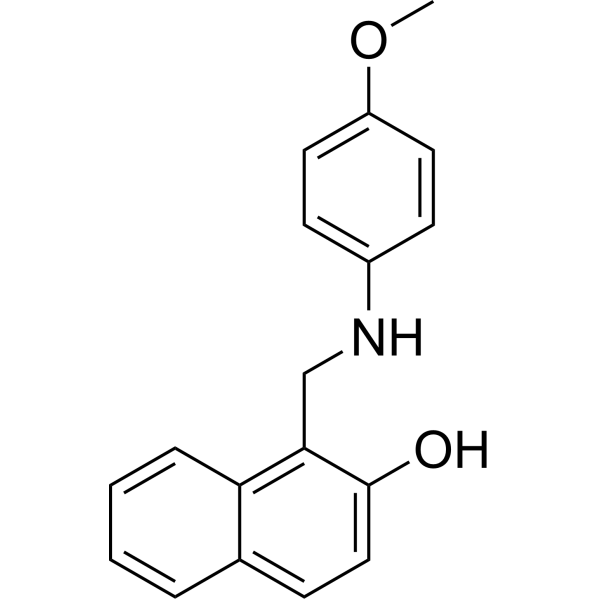
    NSC47924 is a laminin receptor (LR) inhibitor. NSC47924 affects 37/67 kDa LR cell surface localization and interaction with the cellular prion protein. NSC47924 can be used for testing prion diseases .
    NSC47924
  • HY-147266

    VIR-2218 sodium

    Small Interfering RNA (siRNA) HBV Infection
    Elebsiran (VIR-2218) sodium is a siRNA that targets and degrades hepatitis B virus (HBV) and hepatitis D virus (HDV) RNA transcripts. Elebsiran sodium leads to a significant decrease in HBV surface antigen (HBsAg) and a reduction in viral load. Elebsiran sodium binds to the sialic acid-depleted glycoprotein receptor (ASGPR) on the surface of liver cells through the GalNAc ligand, achieving liver-targeted delivery and demonstrating improved liver safety. Elebsiran sodium can be used for the study of chronic HBV/HDV infections .
    Elebsiran sodium
  • HY-159500

    OTL-0078; OTL78

    PSMA Cancer
    Zopocianine (OTL-0078; OTL78) is a near-infrared optical probe targeting PSMA. Zopocianine binds to PSMA on the surface of PSMA-expressing cells, enters cells via receptor-mediated endocytosis, and accumulates in acidic endosomes. Zopocianine selectively accumulates in PSMA-positive cancer tissues and enables the detection of small tumors, primary prostate tumors, and locoregional metastases. Zopocianine helps achieve negative tumor surgical margins during fluorescence-guided surgery. Zopocianine is applicable to research related to prostate cancer .
    Zopocianine
  • HY-P11108

    NF-κB Apoptosis TNF Receptor Caspase Inflammation/Immunology Cancer
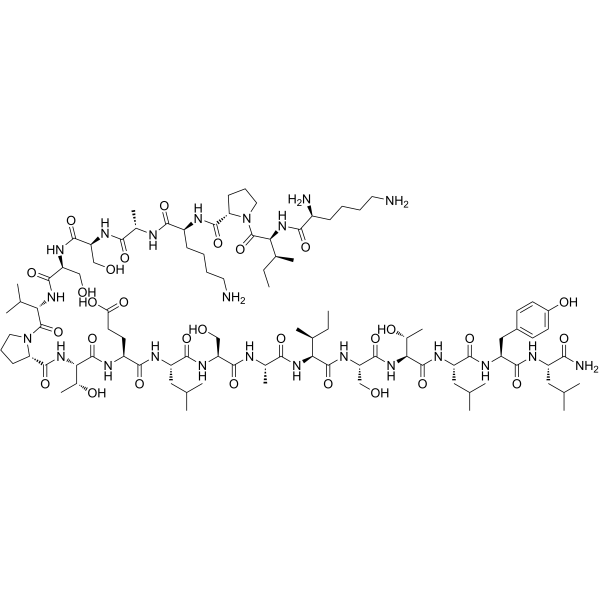
    RP-182 is a synthetic immunomodulatory peptide that exerts anti-tumor effects by targeting the mannose receptor CD206 (Kd = 8 μM) on the surface of tumor-associated macrophages (TAMs). RP-182 induces a conformational switch of the CD206 receptor, which activates NF-κB signaling and phagocytosis in CD206 high TAMs. RP-182 has dual function: activation of canonical NF-κB signaling, triggering TNFα secretion and autocrine activation of the TNF receptor 1 (TNFR1), leading to activation of caspase 8, apoptosis, and cell death. RP-182 is used in pancreatic cancer and melanoma research .
    RP-182
  • HY-P99795

    GSK 3196165; MOR103

    c-Fms Inflammation/Immunology
    Otilimab (GSK 3196165) is an anti-granulocyte-macrophage colony-stimulating factor (GM-CSF) human monoclonal antibody. Otilimab neutralises the biological function of GM-CSF by blocking the interaction of GM-CSF with its cell surface receptor .
    Otilimab
  • HY-P99242
    Alsevalimab
    1 Publications Verification

    CD276/B7-H3 Cancer
    Alsevalimab is a humanized, afucosylated IgG1 monoclonal antibody against B7-H4. Alsevalimab blocks the binding of the B7-H4 protein to the receptors on the surface of T cells, reversing the immunosuppressive state in the tumor microenvironment, thereby activating the killing effect of T cells on cancer cells. Alsevalimab can be used in combination with Pembrolizumab (HY-P9902), and shows good safety profiles .
    Alsevalimab
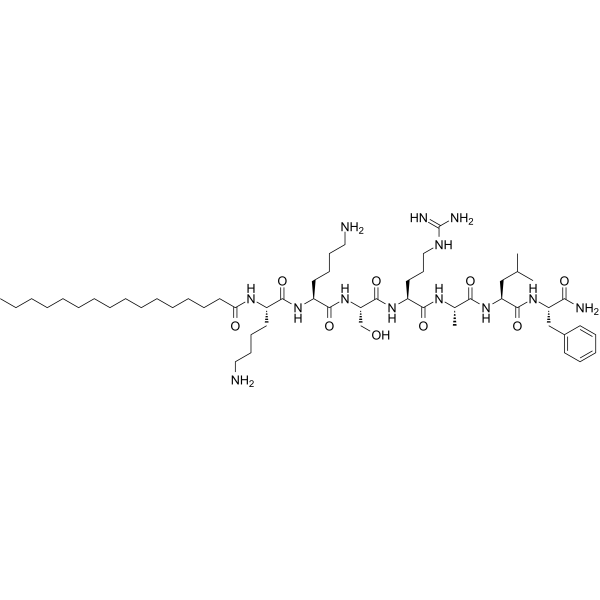
  • HY-107146

    P1pal-7

    Protease Activated Receptor (PAR) Cardiovascular Disease Cancer
    PZ-128 (P1pal-7), a cell-penetrating lipopeptide pepducin, is a first-in-class, specific and reversible protease-activated receptor-1 (PAR1) antagonist. PZ-128 targets the cytoplasmic surface of PAR1 and interrupts signaling to internally-located G (PAR1-G) proteins. PZ-128 has antiplatelet, anti-metastatic, anti-angiogenic and anticancer effects .
    PZ-128
  • HY-144399

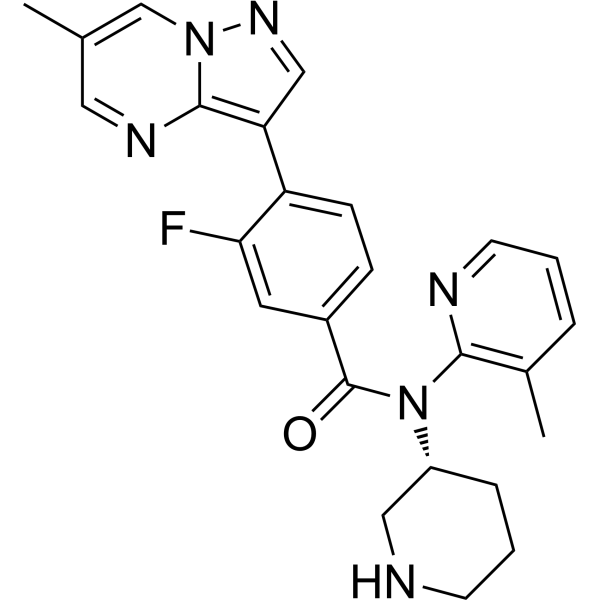
    Transmembrane Glycoprotein Neurological Disease
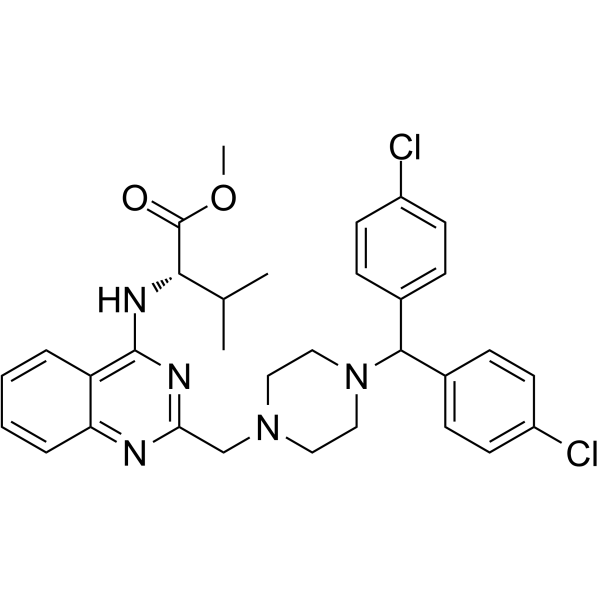
    CD33 splicing modulator 1 (Compound 1) is a CD33 splicing modulator. CD33/Siglec 3 is a myeloid lineage cell surface receptor that is known to regulate microglia activity. CD33 splicing modulator 1 increases exon 2 skipping in cellular mRNA pools. CD33 splicing modulator 1 has the potential for the research of neurodegenerative disease including Alzheimer's disease .

    CD33 splicing modulator 1
  • HY-W1123936B

    DBCO-PEG1000-Folate

    Folate Receptor (FR) Cancer
    DBCO-PEG1000-FA (DBCO-PEG1000-Folate) is a multifunctional bioconjugation reagent, which is a copolymer of DBCO and Folic acid (FA) (HY-16637) and can target folate receptors (FR). Folate receptors are highly overexpressed on the surface of many cancer cells (such as lung cancer, nasopharyngeal cancer, ovarian cancer, etc.), but exhibit extremely low expression levels in normal tissues. DBCO-PEG-FA can be used for click chemistry conjugation via its DBCO terminal, and thus applies to various bioconjugation and drug delivery applications .
    DBCO-PEG1000-FA
  • HY-160901

    Complement System Inflammation/Immunology
    CP-289,503 is an inhibitor of the complement C5a receptor with an IC50 of 1 μM. C5a acts as an activator of leukocytes and phagocytes during complement system activation. The C5a receptor can bind to C5a, which can stimulate the upregulation of cell surface integrins and degranulation of inflammatory cells, leading to endothelial cell damage. C5a receptor inhibitors can block C5a signaling and inhibit a variety of inflammatory diseases .
    CP-289,503
  • HY-P10998

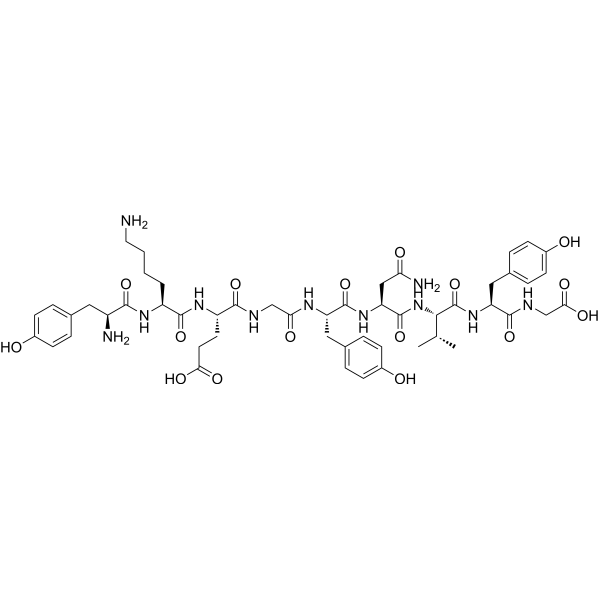
    TET Protein Neurological Disease
    Tet1 peptide is a peptide that specifically binds to neurons. Tet1 peptide binds to GT1B ganglioside and trisialoganglioside clostridial toxin receptor on the surface of neuronal cells, and can be used in peptide conjugation and drug delivery research .
    Tet1 peptide
  • HY-112847

    Sulfo-N-succinimidyl oleate

    Mitophagy Inflammation/Immunology
    Sulfosuccinimidyl oleate (Sulfo-N-succinimidyl oleate) is a long chain fatty acid that inhibits fatty acid transport into cells. Sulfosuccinimidyl oleate is a potent and irreversible inhibitor of mitochondrial respiratory chain. Sulfosuccinimidyl oleate binds the CD36 receptor on the surface of microglia. Anti-inflammatory effect .
    Sulfosuccinimidyl oleate
  • HY-D2004

    Fluorescent Dye Inflammation/Immunology
    ATTO 488 streptavidin is a fluorescent reagent that specifically targets and binds to biotin (biotin), formed by the conjugation of ATTO 488 with streptavidin (HY-P3152). ATTO 488 streptavidin enables visualization of the activity of streptavidin immobilized on the surface of polymeric nanoparticles, or acts as a fluorescent probe to detect the selective binding and internalization process of anti-HB-EGF/NA with cells expressing HB-EGF (with no such effect on cells that do not express this receptor). ATTO 488 streptavidin effectively verifies the function of streptavidin conjugated to the surface of nanoparticles and is suitable for research related to atherosclerotic cardiovascular diseases .
    ATTO 488 streptavidin
  • HY-139201C

    PDLHB (MW 1000-5000)

    CaSR Others
    Poly-D-lysine hydrobromide (MW 1000-5000) (PDLHB (MW 1000-5000)) is a synthetic cationic polypeptide polymer commonly used as a cell adhesion promoter and surface coating molecule. Poly-D-lysine hydrobromide is also known as a calcium-sensing receptor (CaSR) agonist peptide .
    Poly-D-lysine hydrobromide (MW 1000-5000)
  • HY-W159303

    C-type Lectin-like Receptors (CTLRs) Others
    7-Hydroxy-2,2-dimethyl-4-chromanone (compound 41) is an inhibitor of DC-SIGN (Dendritic Cell-Specific Intercellular Adhesion Molecule 3 grabbing non-integrin), with an IC50 of 4.66 mM . DC-SIGN is the C-type lectin receptor presenting on the surface of both macrophages and dendritic cells .
    7-Hydroxy-2,2-dimethyl-4-chromanone
  • HY-112847B

    (E/Z)-Sulfo-N-succinimidyl oleate sodium

    Transmembrane Glycoprotein Mitochondrial Metabolism Drug Isomer Inflammation/Immunology
    (E/Z)-Sulfosuccinimidyl oleate sodium is the racemate of (E)-Sulfosuccinimidyl oleate sodium and (Z)-Sulfosuccinimidyl oleate sodium. Sulfosuccinimidyl oleate sodium (Sulfo-N-succinimidyl oleate sodium) is a long-chain fatty acid that inhibits fatty acid transport into cells. Sulfosuccinimidyl oleate sodium is a potent and irreversible inhibitor of the mitochondrial respiratory chain. Sulfosuccinimidyl oleate sodium binds to the CD36 receptor on the surface of microglial cells. Sulfosuccinimidyl oleate sodium exhibits anti-inflammatory effects .
    (E/Z)-Sulfosuccinimidyl oleate sodium
  • HY-134061

    Apoptosis Mitosis Cancer
    Arecaidine propargyl ester hydrobromide is an agonist of M2 muscarinic acetylcholine receptors and has the activity of inhibiting tumor cell proliferation. The application of arecaidine propargyl ester hydrobromide has shown that it can reduce the number of ovarian cancer cells in vitro and induce apoptosis and the production of reactive oxygen species (ROS) at specific concentrations. Arecaidine propargyl ester hydrobromide can also arrest cells at the G2/M phase of the cell cycle and increase the percentage of abnormal mitosis. Arecaidine propargyl ester hydrobromide is more sensitizing to ovarian surface epithelial cells with higher M2 receptor levels than to cancer cells. Arecaidine propargyl ester hydrobromide exhibits the effect of lowering arterial blood pressure when interacting with the cardiovascular system in a natural physiological state, indicating its potential pharmacological application .
    Arecaidine propargyl ester hydrobromide
  • HY-P99178

    Interleukin Related Inflammation/Immunology Cancer
    CTX-471 is a fully human monoclonal antibody of CD137. CTX-471 has bind affinity for recombinant human, cynomolgus macaque CD137 and mouse CD137 with Kd values of 50 nM, 61 nM and 748 nM, respectively. CTX-471 can be used for the research of immunomodulation and cancer .
    CTX-471
  • HY-156209

    Biochemical Assay Reagents Cardiovascular Disease Cancer
    Gb3 (d18:1/16:0) (Compound 1) is the P k antigen of the P blood group system. Gb3 (d18:1/16:0) acts as a cell surface receptor. Gb3 (d18:1/16:0) is used for research on Burkitt's lymphoma, teratocarcinoma, embryonal carcinoma, and Fabry's disease .
    Gb3(d18:1/16:0)
  • HY-P5351A

    Transmembrane Glycoprotein Inflammation/Immunology Cancer
    Hyaluronan-binding peptide, biotin labeled TFA is a biological active peptide. (This peptide is a hyaluronan-binding peptide biotinylated through a C-terminal GGGSK linker. Hyaluronan (HA) is a nonsulfated glycosaminoglycan expressed in the extracellular matrix and on cell surfaces. HA plays a role in fertilization, embryonic development, wound healing, angiogenesis, leukocyte trafficking to inflamed tissues, and cancer metastasis. This peptide has been shown to block HA binding to CD44 receptors and inhibit T cell proliferation.) .
    Hyaluronan-binding peptide, biotin labeled TFA
  • HY-147385

    CCR Inflammation/Immunology
    CCR4 antagonist 3 is a potent chemokine receptor 4 (CCR4) antagonist with an IC50 value of 1.7 μM for [ 125I]TARC (thymus and activation regulated chemokine). CCR4 antagonist 3 inhibits binding of radiolabeled TARC and macrophage-derived chemokine (MDC) to CCR4 receptors on the surface of CEM cells. CCR4 antagonist 3 also inhibits the in vitro migration of CEM cells mediated by TARC (IC50 = 6.4 μM) .
    CCR4 antagonist 3
  • HY-147266A

    VIR-2218

    HBV Small Interfering RNA (siRNA) Infection
    Elebsiran (VIR-2218) is a siRNA that targets and degrades hepatitis B virus (HBV) and hepatitis D virus (HDV) RNA transcripts. Elebsiran leads to a significant decrease in HBV surface antigen (HBsAg) and a reduction in viral load. Elebsiran binds to the sialic acid-depleted glycoprotein receptor (ASGPR) on the surface of liver cells through the GalNAc ligand, achieving liver-targeted delivery and demonstrating improved liver safety. Elebsiran can be used for the study of chronic HBV/HDV infections .
    Elebsiran
  • HY-W008859R

    Tetraiodothyroacetic acid (Standard); 3,3',5,5'-Tetraiodothyroacetic acid (Standard)

    Reference Standards Integrin Endogenous Metabolite Cancer
    Tetrac (Tetraiodothyroacetic acid), a derivative of L-thyroxine (T4), is a thyrointegrin receptor antagonist. Tetrac blocks the actions of T4 and 3,5,3'-triiodo-L-thyronine (T3) at the cell surface receptor for thyroid hormone on integrin αvβ3. Tetra has anti-angiogenic and anti-tumor activities .
    Tetrac (Standard)
  • HY-NP0144

    WGA (Fluorescein)

    Fluorescent Dye Others
    Succinylated Wheat Germ Agglutinin (Fluorescein) (WGA (Fluorescein)) is a fluorescent lectin that acts as a probe to specifically bind biomolecules. Succinylated Wheat Germ Agglutinin (Fluorescein) binds to cell surface glycoconjugates containing N-acetylglucosamine. Succinylated Wheat Germ Agglutinin (Fluorescein) is a selective agglutinating agent targeting specific red blood cells, thymocytes, splenocytes and lymphocytes. Succinylated Wheat Germ Agglutinin (Fluorescein) binds to fibroblasts and lymphocytes via dual binding sites in a temperature-dependent, saturable manner. Succinylated Wheat Germ Agglutinin (Fluorescein) can be used for quantitative studies of cell surface receptor glycoconjugates (Ex=495 nm, Em=515 nm) .
    Succinylated Wheat Germ Agglutinin (Fluorescein)
  • HY-W1123936C

    DBCO-PEG2000-Folate

    Folate Receptor (FR) Others
    DBCO-PEG2000-FA (DBCO-PEG2000-Folate) is a multifunctional bioconjugation reagent, which is a copolymer of DBCO and Folic acid (FA) (HY-16637) and can target folate receptors (FR). Folate receptors are highly overexpressed on the surface of many cancer cells (such as lung cancer, nasopharyngeal cancer, ovarian cancer, etc.), but exhibit extremely low expression levels in normal tissues. DBCO-PEG-FA can be used for click chemistry conjugation via its DBCO terminal, and thus applies to various bioconjugation and drug delivery applications .
    DBCO-PEG2000-FA
  • HY-160045

    Cholecystokinin Receptor Cancer
    AP1153 aptamer sodium is a DNA aptamer that specifically binds to the cholecystokinin receptor CCKBR (Kd: ~15 pM), but does not activate CCKBR-related signaling pathways. AP1153 aptamer sodium is internalized by pancreatic ductal adenocarcinoma (PDAC) cells in a receptor-mediated manner. AP1153 aptamer sodium can bioconjugate to the surface of fluorescent nanoparticles to facilitate nanoparticle delivery to PDAC tumors in vivo .
    AP1153 aptamer sodium
  • HY-161902

    Ser/Thr Protease Influenza Virus SARS-CoV Infection
    MI-1904 is the inhibitor for matriptase/TMPRSS2, that exhibits antiviral activity against influenza virus H1N1 and H9N2. MI-1904 blocks the cleavage of glycoproteins on the viral surface, prevents the virus from binding to host cell receptors, and thus inhibits the entry and replication of the virus .
    MI-1904
  • HY-144399A

    Transmembrane Glycoprotein Neurological Disease
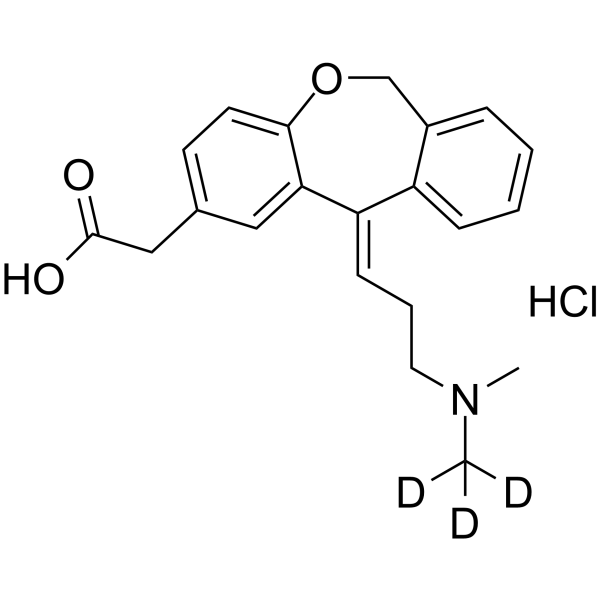
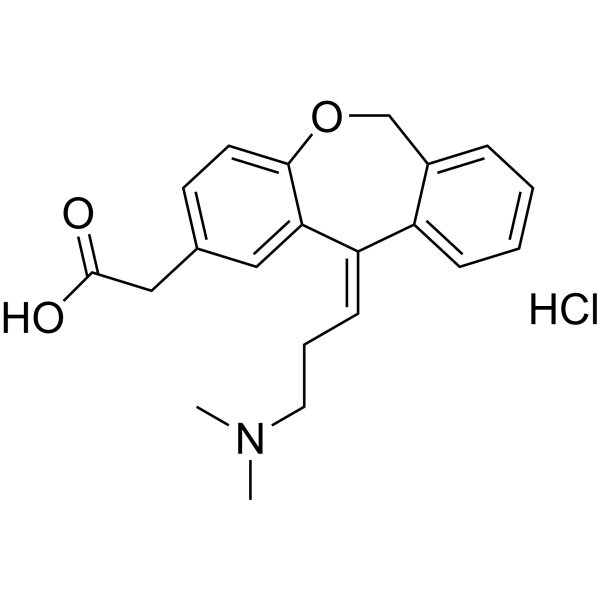
    CD33 splicing modulator 1 (Compound 1) hydrochloride is a CD33 splicing modulator. CD33/Siglec 3 is a myeloid cell surface receptor known to regulate microglial activity. CD33 splicing modulator 1 hydrochloride increases exon 2 skipping in the cellular mRNA pool and can be used to study neurodegenerative diseases including Alzheimer's disease .
    CD33 splicing modulator 1 hydrochloride
  • HY-P1758

    IRRP1

    IFNAR STAT Influenza Virus Infection
    IFN-α Receptor Recognition Peptide 1 (IRRP1) is an amino acid synthetic peptide and also a regulator of IFN-α Receptor. IFN-α Receptor Recognition Peptide 1 binds to IFNAR2, enhances the binding capacity of IFN-α receptor, and slightly increases the IFN-α-induced growth inhibitory activity. IFN-α Receptor Recognition Peptide 1 inhibits IFN-α-induced STAT1 phosphorylation and STAT-DNA binding by blocking the activation of IFNAR by IFN-α. IFN-α Receptor Recognition Peptide 1 increases the occupancy of IFN-α on cell surface receptors, enhances the phosphorylation activation of ISGF3, and elevates IFN-α-induced antiviral activity. IFN-α Receptor Recognition Peptide 1 can be used in studies related to encephalomyocarditis virus infection .
    IFN-α Receptor Recognition Peptide 1
  • HY-W1123936D

    DBCO-PEG3400-Folate

    Folate Receptor (FR) Others
    DBCO-PEG-FA (DBCO-PEG-Folate) (MW 3400) is a multifunctional bioconjugation reagent, which is a copolymer of DBCO and Folic acid (FA) (HY-16637) and can target folate receptors (FR). Folate receptors are highly overexpressed on the surface of many cancer cells (such as lung cancer, nasopharyngeal cancer, ovarian cancer, etc.), but exhibit extremely low expression levels in normal tissues. DBCO-PEG-FA can be used for click chemistry conjugation via its DBCO terminal, and thus applies to various bioconjugation and drug delivery applications .
    DBCO-PEG3400-FA
  • HY-P11108A

    NF-κB Apoptosis TNF Receptor Caspase Inflammation/Immunology Cancer
    RP-182 acetate is a synthetic immunomodulatory peptide that exerts anti-tumor effects by targeting the mannose receptor CD206 (Kd = 8 μM) on the surface of tumor-associated macrophages (TAMs). RP-182 acetate induces a conformational switch of the CD206 receptor, which activates NF-κB signaling and phagocytosis in CD206 high TAMs. RP-182 acetate has dual function: activation of canonical NF-κB signaling, triggering TNFα secretion and autocrine activation of the TNF receptor 1 (TNFR1), leading to activation of caspase 8, apoptosis, and cell death. RP-182 acetate is used in pancreatic cancer and melanoma research .
    RP-182 acetate
  • HY-P991720

    Interleukin Related Inflammation/Immunology
    Tepilukimig is a bivalent humanized IgG1κ monoclonal antibody inhibitor targeting TSLP-IL7Rα and TSLP-CRLF2. Tepilukimig inhibits the binding of TSLP to its receptors (IL7Rα and CRLF2) on the cell surface, thereby completely interrupting the inflammatory signaling pathway driven by TSLP. Tepilukimig can be used for allergic and inflammatory diseases like atopic dermatitis and asthma research .
    Tepilukimig
  • HY-P0251A

    Neurotensin Receptor Neurological Disease
    Neurotensin (8-13) is an active fragment of Neurotensin. Neurotensin(8-13) TFA results in a decrease in cell-surface NT1 receptors (NTR1) density.
    Neurotensin(8-13) TFA
  • HY-P4129

    nAChR Others
    Rabies Virus Matrix Protein Fragment (RV-MAT) is a polypeptide. Rabies Virus Matrix Protein Fragment targets the acetylcholine receptor (AChR) that exists on the cell surface .
    Rabies Virus Matrix Protein Fragment(RV-MAT)
  • HY-E70742

    c-Kit Cancer
    KIT (CD117) is an important cell surface marker used to identify certain types of hematopoietic(blood) progenitors in the bone marrow. KIT is a cytokine receptor expressed on the surface of hematopoietic stem cells as well as other cell types. Altered forms of this receptor may be associated with some types of cancer. KIT V654A is a mutant of KIT. KIT V654A Recombinant Human Active Protein Kinase is a recombinant KIT V654A protein that can be used to study KIT V654A-related functions .
    KIT V654A Recombinant Human Active Protein Kinase
  • HY-174687

    mRNA Cancer
    Human FGFR4 mRNA encodes the human fibroblast growth factor receptor 4 (FGFR4) protein, a tyrosine kinase and cell surface receptor for fibroblast growth factors. FGFR4 is involved in the regulation of several pathways, including cell proliferation, cell differentiation, cell migration, lipid metabolism, bile acid biosynthesis, vitamin D metabolism, glucose uptake, and phosphate homeostasis.
    Human FGFR4 mRNA
  • HY-E70737

    c-Kit Cancer
    KIT (CD117) is an important cell surface marker used to identify certain types of hematopoietic(blood) progenitors in the bone marrow. KIT is a cytokine receptor expressed on the surface of hematopoietic stem cells as well as other cell types. Altered forms of this receptor may be associated with some types of cancer. KIT T670I is a mutant of KIT. KIT T670I Recombinant Human Active Protein Kinase is a recombinant KIT T670I protein that can be used to study KIT T670I-related functions .
    KIT T670I Recombinant Human Active Protein Kinase
  • HY-E70738

    c-Kit Cancer
    KIT (CD117) is an important cell surface marker used to identify certain types of hematopoietic(blood) progenitors in the bone marrow. KIT is a cytokine receptor expressed on the surface of hematopoietic stem cells as well as other cell types. Altered forms of this receptor may be associated with some types of cancer. KIT V559D is a mutant of KIT. KIT V559D Recombinant Human Active Protein Kinase is a recombinant KIT V559D protein that can be used to study KIT V559D-related functions .
    KIT V559D Recombinant Human Active Protein Kinase

Inquiry Online

Your information is safe with us. * Required Fields.

Salutation


Country or Region *

Applicant Name *


Organization Name *

Department *


Email Address *


Product Name *

Cat. No.


Requested quantity *

Phone Number *


Remarks

Inquiry Online

Inquiry Information

Product Name:
Cat. No.:
Quantity:
MCE Japan Authorized Agent: