1. Search Result
Search Result
Results for "

LDL

" in MedChemExpress (MCE) Product Catalog:

180

Inhibitors & Agonists

6

Biochemical Assay Reagents

9

Peptides

7

Inhibitory Antibodies

29

Natural
Products

16

Recombinant Proteins

12

Isotope-Labeled Compounds

11

Antibodies

11

Oligonucleotides

Cat. No. Product Name Target Research Areas Chemical Structure
  • HY-139414
    Lysophosphatidylcholines
    5+ Cited Publications

    Interleukin Related p38 MAPK ERK Apoptosis Inflammation/Immunology
    Lysophosphatidylcholines is an orally active lysolipid and a component of oxidized low density lipoprotein (LDL). Lysophosphatidylcholines induces cell injury, the production of IL-1β and apoptosis. Lysophosphatidylcholines has a proactive effect on sepsis .
    Lysophosphatidylcholines
  • HY-108749
    Olive oil
    Maximum Cited Publications
    6 Publications Verification

    Cropure OL

    Environmental Pollutants Xanthine Oxidase Cardiovascular Disease Metabolic Disease Inflammation/Immunology Cancer
    Olive oil (Cropure OL) is an oleaginous compound found in the fruit of the Olea europaea tree . Olive oil contains many phenolic components and exerts antioxidant activity. Olive oil exhibits hydroxyl radical scavenging, platelet aggregation inhibition and xanthine oxidase inhibitory activity. Olive oil can promote wound healing and relieve inflammation. Olive oil can be used for the research of inflammation, cancer, metabolic and cardiovascular disease, such as diabetic foot ulcers and inflammatory bowel disease .
    Olive oil
  • HY-10626
    T0901317
    40+ Cited Publications

    LXR FXR ROR Apoptosis Cardiovascular Disease Metabolic Disease Cancer
    T0901317 is an orally active and highly selective LXR agonist with an EC50 of 20 nM for LXRα . T0901317 activates FXR with an EC50 of 5 μM . T0901317 is RORα and RORγ dual inverse agonist with Ki values of 132 nM and 51 nM, respectively . T0901317 induces apoptosis and inhibits the development of atherosclerosis in low-density lipoprotein (LDL) receptor-deficient mice .
    T0901317
  • HY-148673
    Laroprovstat
    1 Publications Verification

    AZD0780; PCSK9-IN-12

    PCSK9 Cardiovascular Disease Metabolic Disease
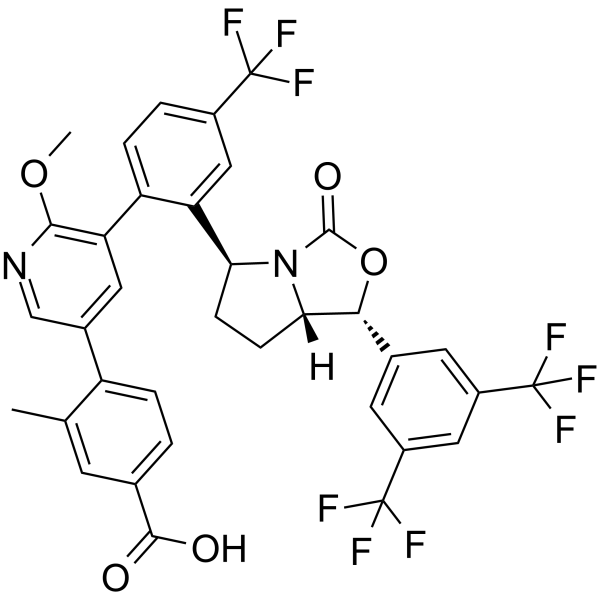
    Laroprovstat (AZD0780) is an orall active PCSK9 inhibitor. PCSK9-IN-12 has bind affinity for PCSK9 with a Kd value of <200 nM. Laroprovstat binds to a pocket in the PCSK9 C-terminal domain and does not affect the PCSK9-LDL receptor (LDLR) interaction. Laroprovstat inhibits lysosomal trafficking of PSCK9-LDLR complexes and prevents PCSK9-induced LDLR degradation. Laroprovstat can be used for the research of hypercholesterolemia .
    Laroprovstat
  • HY-B0388
    Probucol
    2 Publications Verification

    DH-581

    Virus Protease Apoptosis Reactive Oxygen Species (ROS) Glutathione Peroxidase Caspase Infection Neurological Disease Metabolic Disease Inflammation/Immunology Cancer
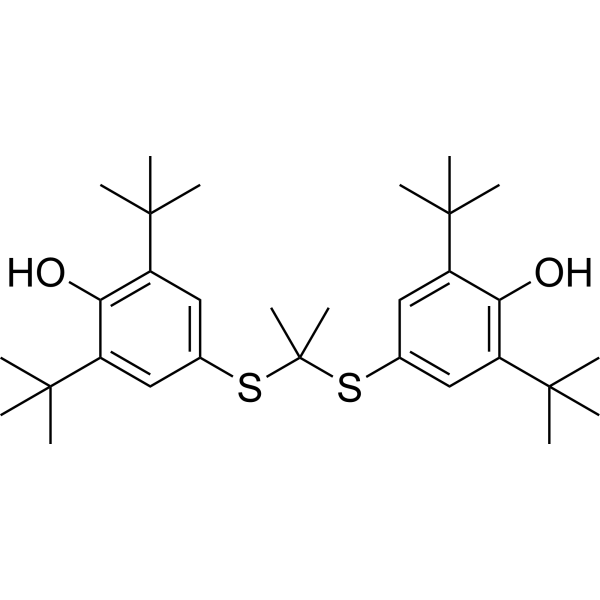
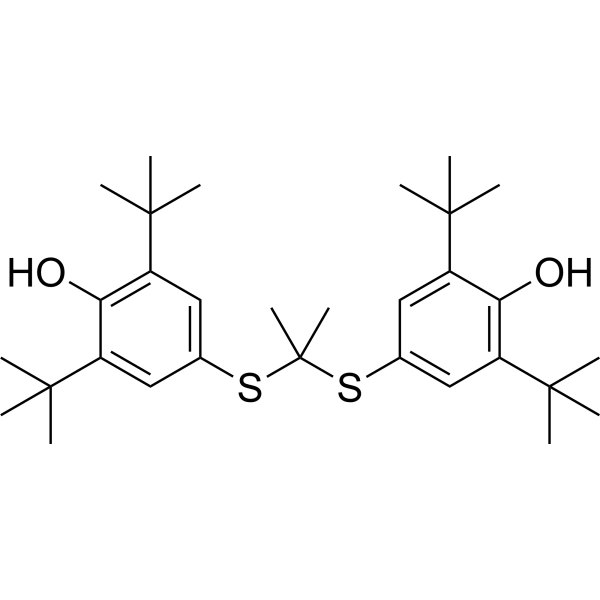
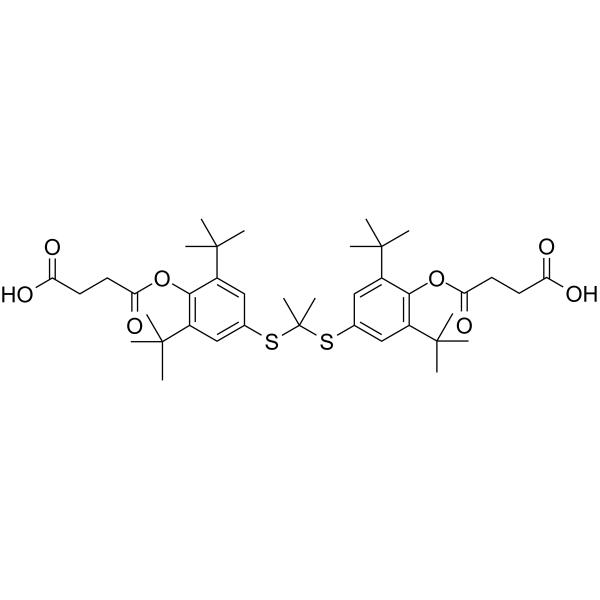
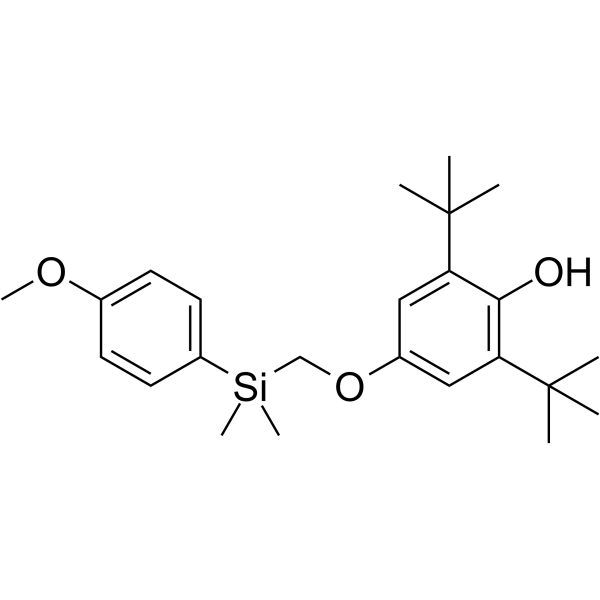
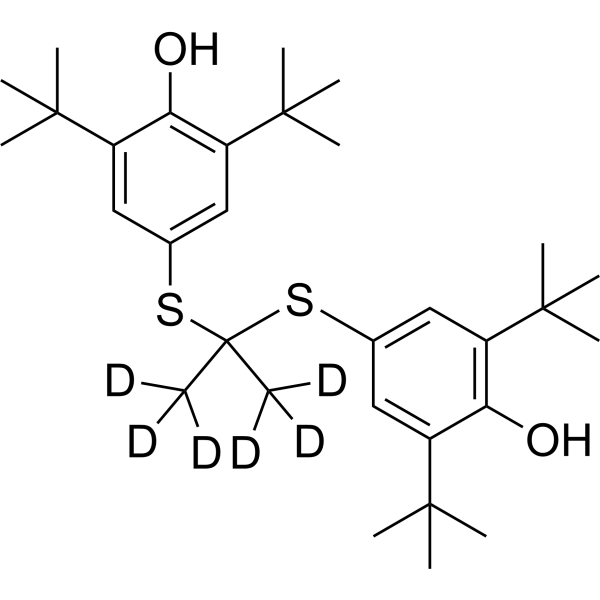
    Probucol (DH-581) is an anti-hyperlipidemic agent. Probucol activates glutathione peroxidase. Probucol promotes low density lipoprotein (LDL) catabolism, inhibits ABCA1-dependent cholesterol efflux, and decreases HDL-C levels. Probucol also has anti-inflammatory, antioxidant and neuroprotective properties. Probucol can be used for researches on bone, cardiovascular, cancer, neurological, and metabolism-related diseases .
    Probucol
  • HY-P99187

    PF-04950615; RN316

    PCSK9 Cardiovascular Disease Metabolic Disease
    Bococizumab (PF-04950615) is an anti-human PCSK9 inhibitory antibody that reduces LDL cholesterol levels. Bococizumab can be used in the research of hypercholesterolemia .
    Bococizumab
  • HY-P9928
    Alirocumab
    1 Publications Verification

    REGN 727; SAR 236553

    PCSK9 NOD-like Receptor (NLR) Keap1-Nrf2 HMG Family NF-κB CX3CR1 Cardiovascular Disease Cancer
    Alirocumab is an anti-PCSK9 human monoclonal antibody. Alirocumab inhibits PCSK9. Alirocumab reduces NLRP3 inflammasome, regulates Nrf2/HO-1, HMGB1/NF-κB and Fractalkine/CX3CR1. Alirocumab increases the ability of the liver to bind LDL-cholesterol (LDL-C) and reduces levels of LDL-C in blood. Alirocumab improves atherosclerosis and inflammation .
    Alirocumab
  • HY-NP013

    Mouse ox-LDL

    LDLR ROR β-catenin Cardiovascular Disease
    Oxidized low density lipoprotein (mouse) (Mouse ox-LDL) is an oxidized low density lipoprotein (LDL). Oxidized low density lipoprotein (mouse) induces atherosclerosis (AS) by facilitating endothelial dysfunction and accelerating the VSMCs growth and migration. Oxidized low density lipoprotein (mouse) can be used to construct an in vitro model of AS .
    Oxidized low density lipoprotein (mouse)
  • HY-P2276

    PCSK9 Cancer
    Pep2-8 is a PCSK9 inhibitor with a binding KD of 0.7 μM and an IC50 of 1.4 μM .
    Pep2-8
  • HY-N0339

    Endogenous Metabolite Bacterial Metabolic Disease
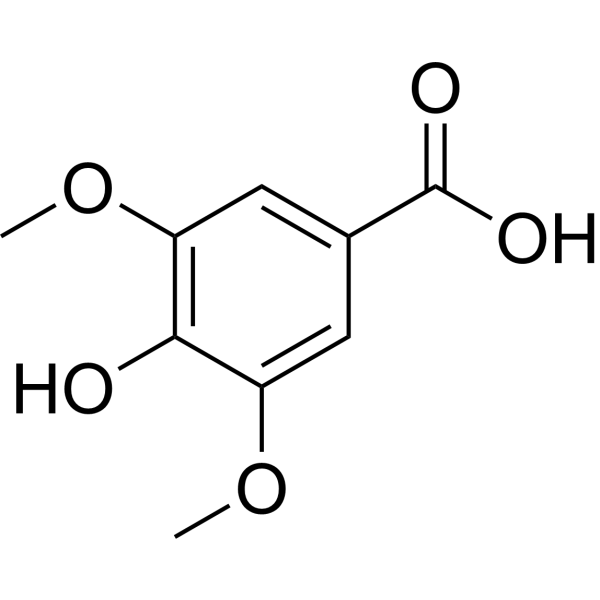
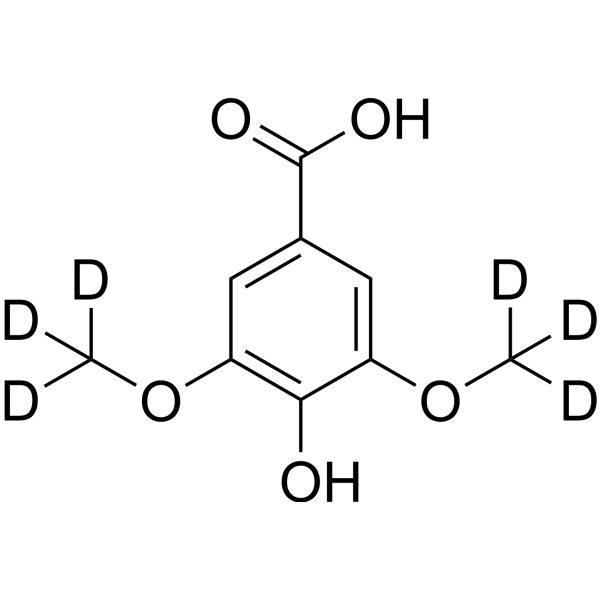
    Syringic acid is correlated with high antioxidant activity and inhibition of LDL oxidation.
    Syringic acid
  • HY-14668
    Lomitapide mesylate
    5+ Cited Publications

    AEGR-733 mesylate; BMS-201038 mesylate

    Microsomal Triglyceride Transfer Protein (MTP) mTOR LDLR Autophagy Apoptosis Cardiovascular Disease Neurological Disease Metabolic Disease Cancer
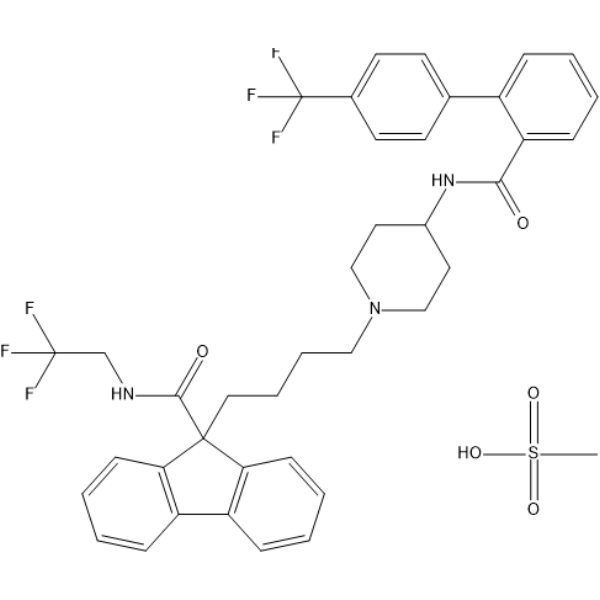
    Lomitapide (AEGR-733; BMS-201038) mesylate is an orally active microsomal triglyceride transfer protein (MTP) inhibitor and a selective mTORC1 inhibitor with lipid-lowering activity and BBB permeability. Lomitapide mesylate significantly reduces plasma LDL levels by blocking the assembly and secretion of very-low-density lipoprotein (VLDL). Lomitapide mesylate inhibits mTORC1 in an ATP-dependent manner, thereby inducing AMPK-independent autophagic cell death and suppressing cancer cell growth and apoptosis. Lomitapide mesylate also enhances tumor infiltration of CD8 + T cells. In addition, Lomitapide mesylate inhibits HDAC, improves endothelial function, effectively alleviates vascular inflammation and oxidative stress, and exerts neuroprotective effects in a cerebral ischemia/reperfusion injury model. Lomitapide mesylate can be used in research on related diseases such as colorectal cancer, breast cancer, melanoma, ischemic stroke, and familial hypercholesterolemia .
    Lomitapide mesylate
  • HY-113110

    L-Cysteinylglycine; Cys-Gly; H-Cys-Gly-OH

    Endogenous Metabolite Reactive Oxygen Species (ROS) DNA/RNA Synthesis Cardiovascular Disease Cancer
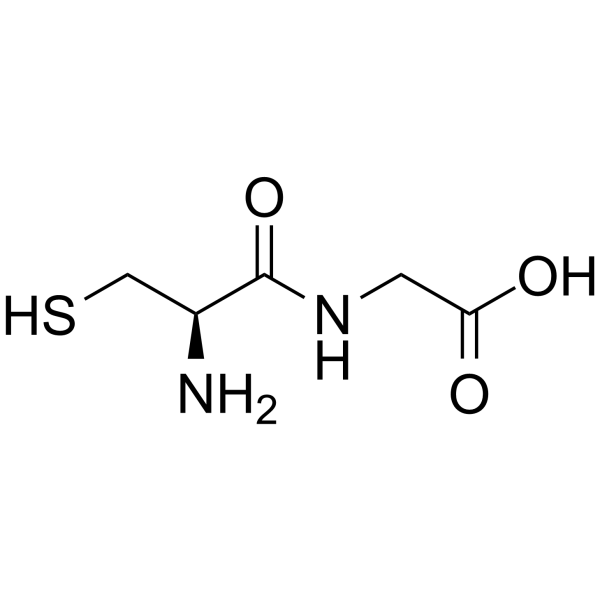
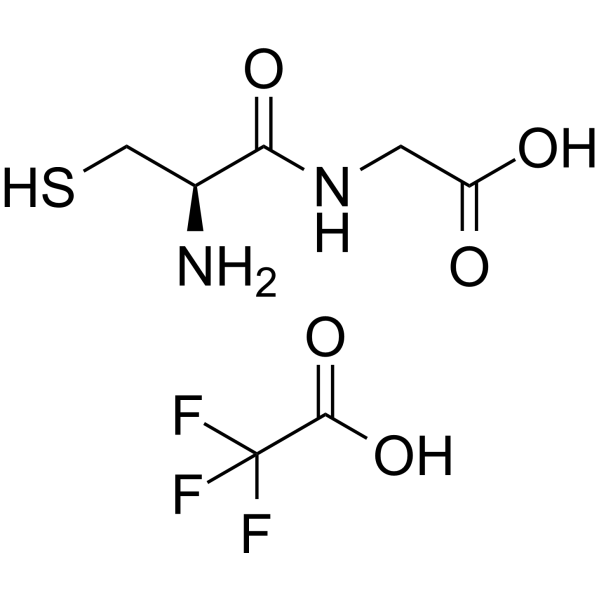
    Cysteinylglycine (L-Cysteinylglycine; Cys-Gly) is a dipeptide formed by the peptide bond linkage between cysteine (Cysteine) and glycine (Glycine). Cysteinylglycine is an important metabolic intermediate in the human body, mainly derived from the degradation of glutathione (GSH). Cysteinylglycine reduces ferric iron to ferrous iron, drives the redox cycle of iron, generates reactive oxygen species (ROS), stimulates oxidative reactions, induces lipid peroxidation of human plasma LDL lipoproteins, and causes oxidative damage to DNA bases. Cysteinylglycine can be used as a biomarker to evaluate ischemic heart disease, breast cancer and other conditions .
    Cysteinylglycine
  • HY-N0521

    Drug Isomer Reactive Oxygen Species (ROS) Metabolic Disease Inflammation/Immunology Cancer
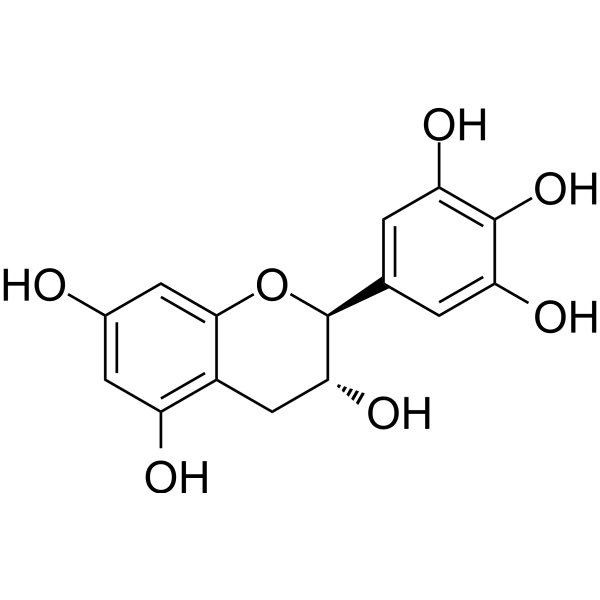
    (-)-Gallocatechin, an epimer of (-)-Epigallocatechin (EGC) (HY-N0225), is contained in various tea products. (-)-Gallocatechin demonstrates antioxidant activity in vitro, including inhibition of LDL oxidation and DPPH radical scavenging .
    (-)-Gallocatechin
  • HY-18778

    TA-8995; DEZ-001; AMG-899

    CETP Apolipoprotein LPL Receptor LDLR Cardiovascular Disease
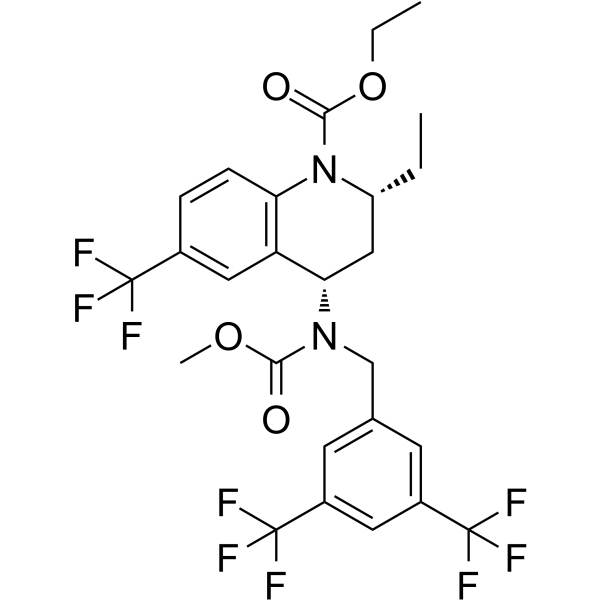
    Obicetrapib (TA-8995; DEZ-001) is an orally active cholesteryl ester transfer protein (CETP) inhibitor. Obicetrapib potently reduces atherogenic lipoproteins (such as LDL-C, ApoB, Lp (a)) and increases HDL-C. Obicetrapib can be used for the research of dyslipidemia and atherosclerotic cardiovascular disease (ASCVD) .
    Obicetrapib
  • HY-150223
    GalNAc unconjugated/naked Inclisiran
    1 Publications Verification

    PCSK9 Small Interfering RNA (siRNA) Cardiovascular Disease
    GalNAc unconjugated/naked Inclisiran is a double-stranded small interfering RNA molecule that targets hepatic PCSK9 production to reduce LDL-C levels. GalNAc unconjugated/naked Inclisiran can be used in the research of cardiovascular diseases and hypercholesterolemia .
    GalNAc unconjugated/naked Inclisiran
  • HY-23999
    BI-0115
    2 Publications Verification

    LOX-1 Cardiovascular Disease
    BI-0115 is a selective inhibitor of LOX-1 (IC50=5.4 μM) that blocks cellular uptake of oxLDL. BI-0115 binding triggers receptor inhibition by formation of dimers of the homodimeric ligand binding domain .
    BI-0115
  • HY-P9928A
    Alirocumab (anti-PCSK9)
    1 Publications Verification

    REGN 727(anti-PCSK9); SAR 236553(anti-PCSK9)

    PCSK9 NOD-like Receptor (NLR) Keap1-Nrf2 HMG Family NF-κB CX3CR1 Cardiovascular Disease Cancer
    Alirocumab (anti-PCSK9) is an anti-PCSK9 human monoclonal antibody. Alirocumab (anti-PCSK9) inhibits PCSK9. Alirocumab (anti-PCSK9) reduces NLRP3 inflammasome, regulates Nrf2/HO-1, HMGB1/NF-κB and Fractalkine/CX3CR1. Alirocumab (anti-PCSK9) increases the ability of the liver to bind LDL-cholesterol (LDL-C) and reduces levels of LDL-C in blood. Alirocumab (anti-PCSK9) improves atherosclerosis and inflammation .
    Alirocumab (anti-PCSK9)
  • HY-P1050
    COG 133
    2 Publications Verification

    nAChR Neurological Disease Inflammation/Immunology
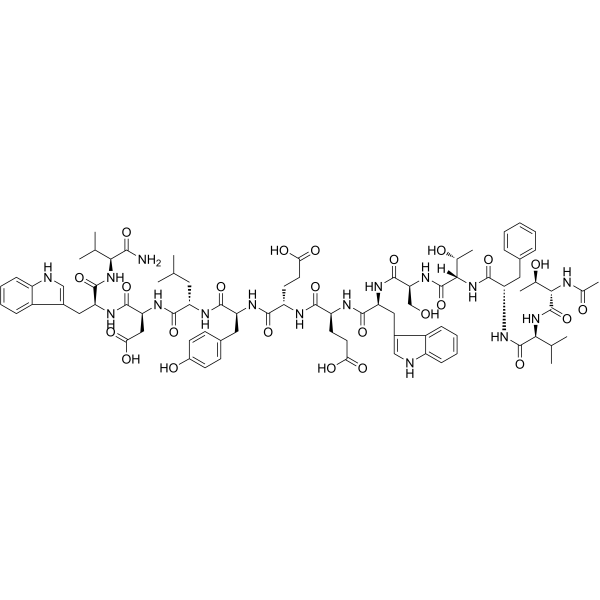
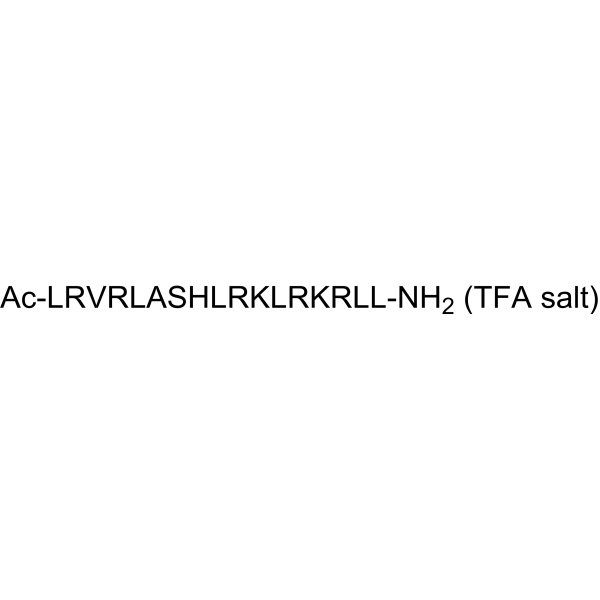
    COG 133 is a fragment of Apolipoprotein E (APOE) peptide. COG 133 competes with the ApoE holoprotein for binding the LDL receptor, with potent anti-inflammatory and neuroprotective effects. COG 133 is also a nAChR antagonist with an IC50 of 445 nM .
    COG 133
  • HY-12402
    SBC-115076
    3 Publications Verification

    PCSK9 Cardiovascular Disease
    SBC-115076 is a potent proprotein convertase subtilisin/kexin type 9 (PCSK9) inhibitor. PCSK9 is a proprotein convertase, which plays a crucial role in LDL receptor metabolism .
    SBC-115076
  • HY-141629

    Sphingomyelin 16:0

    Liposome Endogenous Metabolite Cancer
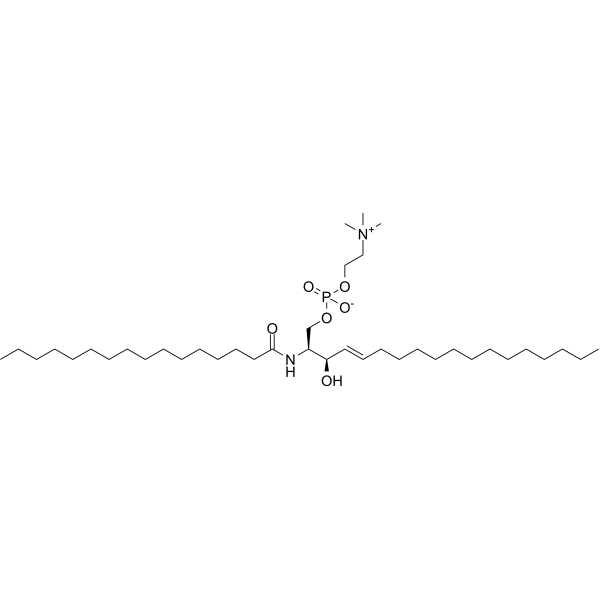
    N-palmitoyl-D-sphingomyelin (sphingomyelin 16:0) is a component of LDL-carrying liposomes. N-palmitoyl-D-sphingomyelin can be used in colorectal cancer research .
    N-Palmitoyl-D-sphingomyelin
  • HY-N0859

    Schizanhenol; Gomisin-K3

    UGT Cholinesterase (ChE) Tau Protein SOD Sirtuin Neurological Disease Inflammation/Immunology Cancer
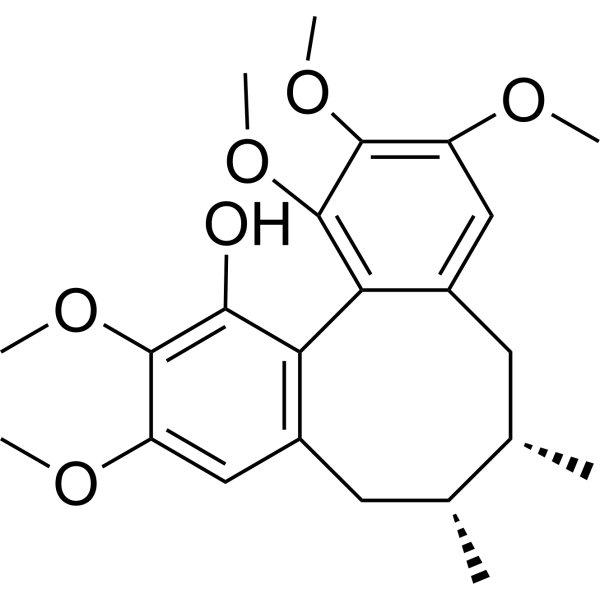
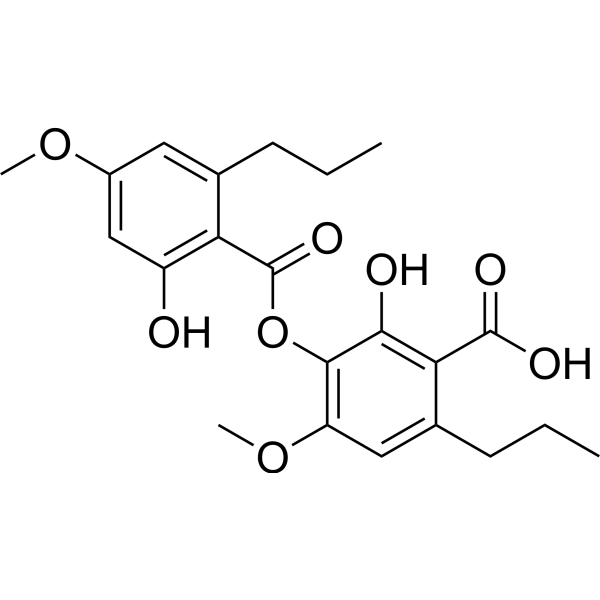
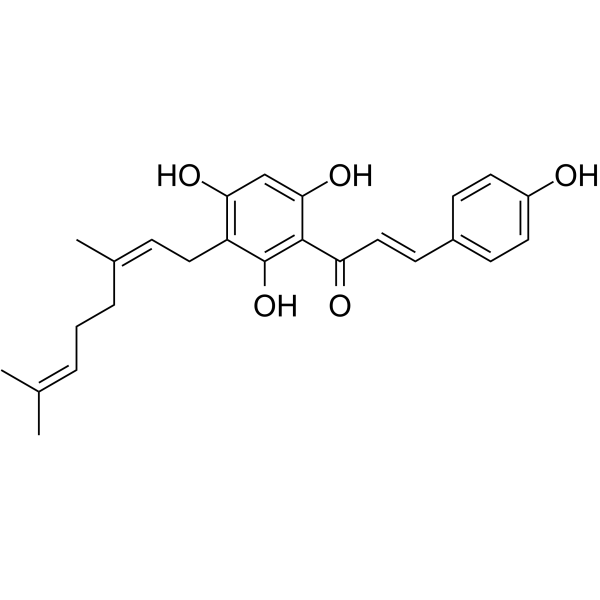
    Schisanhenol (Schizanhenol), a lignan, is an orally active antioxidant. Schisanhenol reduces AChE activity, increases SIRT1 and PGC-1α expression, and decreases phosphorylated Tau (Ser 396) levels. Schisanhenol increases SOD and glutathione peroxidase activity, decreases malondialdehyde (MDA) content, and inhibits UGT2B7 activitY. Schisanhenol attenuates ox-LDL-induced apoptosis, intracellular reactive oxygen species generation, and cytotoxicity in endothelial cells. Schisanhenol inhibits LDL oxidation, brain mitochondrial and membrane peroxidative damage, and brain mitochondrial swelling and disintegration. Schisanhenol can be used for the research of Alzheimer’s disease, atherosclerosis, brain ischemia, and age-related brain deterioration .
    Schisanhenol
  • HY-P1050A
    COG 133 TFA
    2 Publications Verification

    Apolipoprotein nAChR Neurological Disease Inflammation/Immunology
    COG 133 TFA is a fragment of Apolipoprotein E (APOE) peptide. COG 133 TFA competes with the ApoE holoprotein for binding the LDL receptor, with potent anti-inflammatory and neuroprotective effects. COG 133 TFA is also a nAChR antagonist with an IC50 of 445 nM .
    COG 133 TFA
  • HY-145001

    LDLR CETP Metabolic Disease
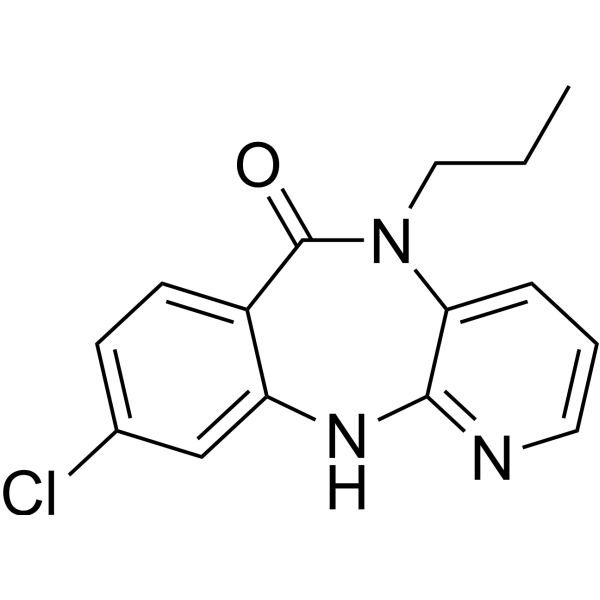
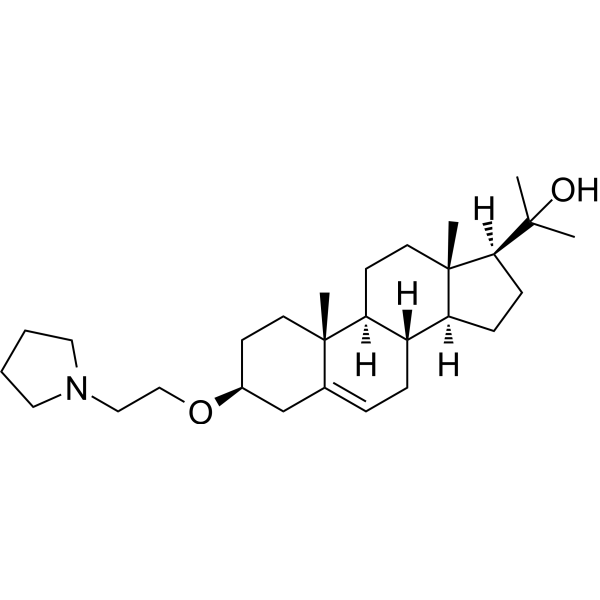
    20-HC-Me-Pyrrolidine (compound AI-3d) is a potent Aster protein inhibitor with IC50s of 0.11 μM, 0.06 μM, and 0.71 μM for Aster-A, Aster-B, and Aster-C, respectively. 20-HC-Me-Pyrrolidine blocks the ability of Asters to bind and transfer cholesterol. 20-HC-Me-Pyrrolidine also inhibits the movement of low-density lipoprotein (LDL) cholesterol to the endoplasmic reticulum (ER) .
    20-HC-Me-Pyrrolidine
  • HY-P99793

    MLDL1278A

    LDLR Inflammation/Immunology
    Orticumab (MLDL1278A) is an antibody targeting to oxidized or malondialdehyde-modified lipoprotein (LDL). Orticumab specifically inhibits oxidized low-density lipoproteins (oxLDL). Orticumab involves in modulation of autoimmune responses against oxLDL, improves atherosclerosis in animal model. Orticumab also can be used for research of psoriasis improvement .
    Orticumab
  • HY-10473

    KB2115

    Thyroid Hormone Receptor Metabolic Disease Endocrinology
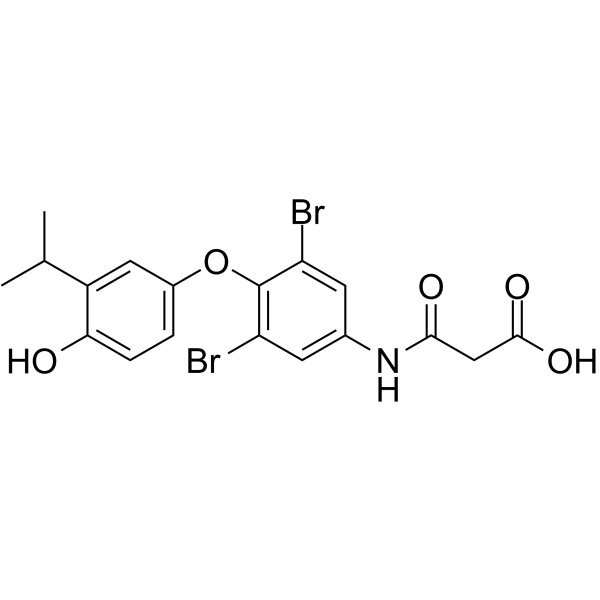
    Eprotirome (KB2115) is a liver-selective thyroid hormone receptor (TR) agonist. KB2115 has modestly higher affinity for TRβ than for TRα. Eprotirome reduces low-density lipoprotein (LDL) cholesterol concentrations. Eprotirome can be used for dyslipidemias and obesity research .
    Eprotirome
  • HY-N2923

    HMG-CoA Reductase (HMGCR) Fungal Infection Cardiovascular Disease Metabolic Disease Inflammation/Immunology
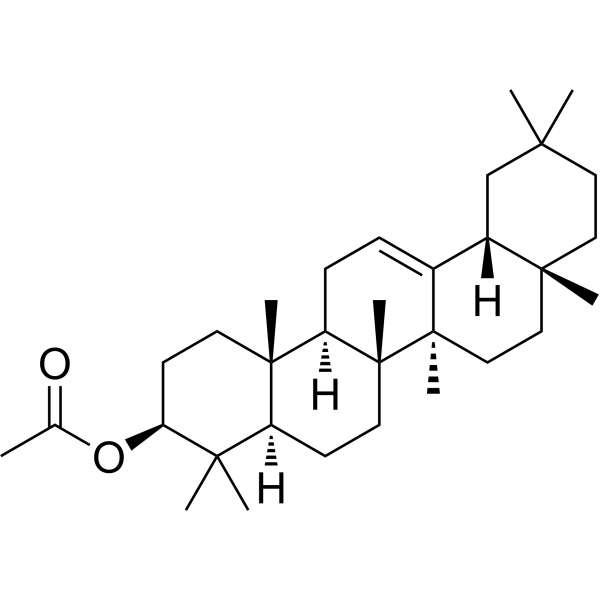
    β-Amyrin acetate is a triterpenoid with potent anti-inflammatory, antifungal, anti-diabetic, anti-hyperlipidemic activities. β-Amyrin acetate can inhibit HMG-CoA reductase activity by locating in the hydrophobic binding cleft of HMG CoA reductase .
    β-Amyrin acetate
  • HY-116175

    LDLR Metabolic Disease
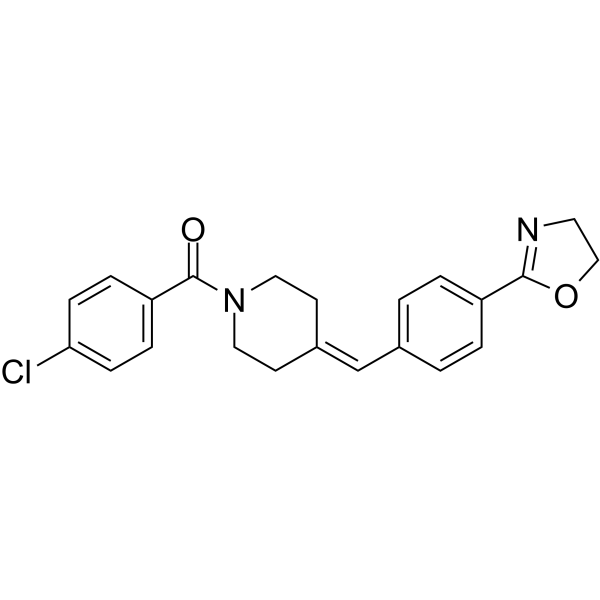
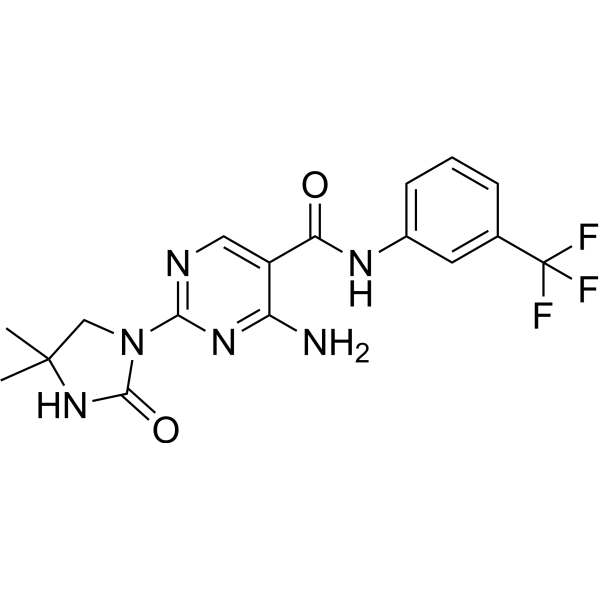
    BIBB 515 is a potent, selective and orally active 2,3-oxidosqualene cyclase (OSC) inhibitor with ED50 values of 0.2-0.5 mg/kg and 0.36-33.3 mg/kg in rats and mice (1-5 hours), respectively. BIBB 515 exerts lipid-lowering effect mainly by inhibiting the production of low-density lipoprotein (LDL) .
    BIBB 515
  • HY-125544

    Agisterol

    LDLR Metabolic Disease
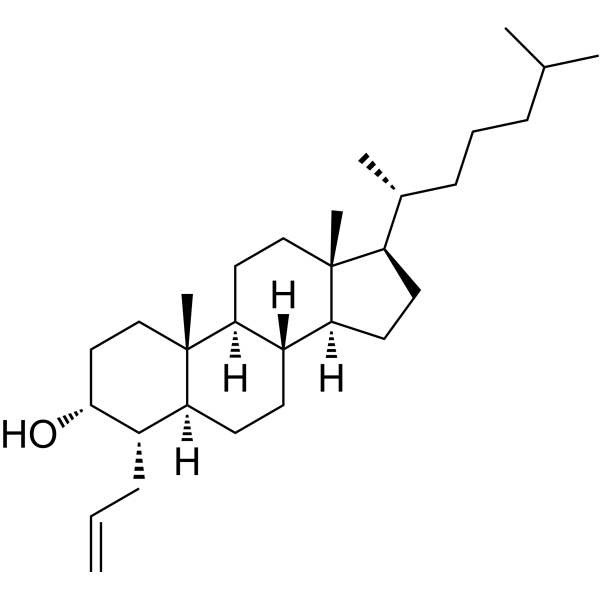
    LY 295427 is a LDL receptor modulator and a hypocholesterolemic agent. LY 295427 derepresses the transcription of the LDLR (LDL Receptor). LY 295427 can be used for hypercholesterolemia research .
    LY 295427
  • HY-W010697

    Endogenous Metabolite Metabolic Disease
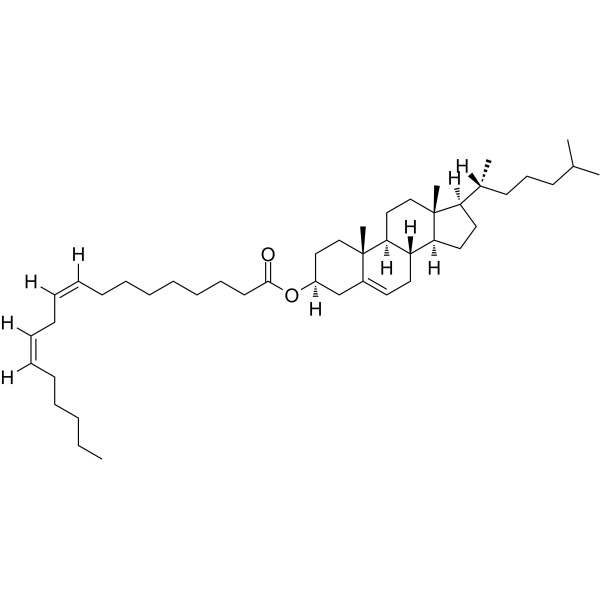
    Cholesteryl linoleate is shown to be the major cholesteryl ester contained in LDL and atherosclerotic lesions.
    Cholesteryl linoleate
  • HY-109567

    PD-72953

    LDLR Metabolic Disease Inflammation/Immunology
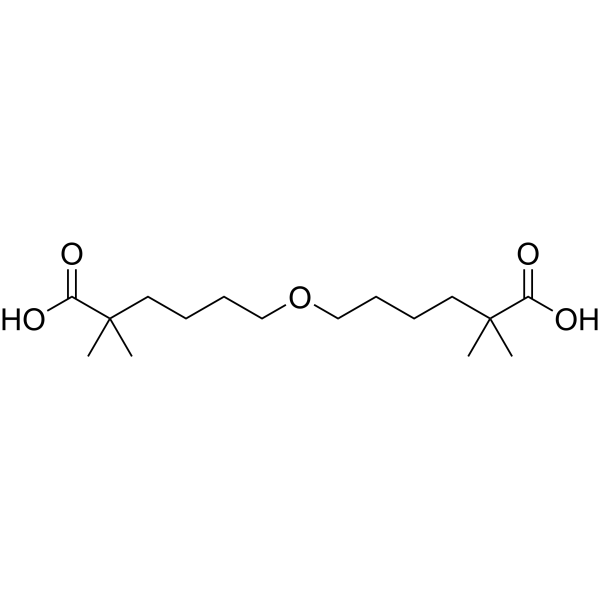
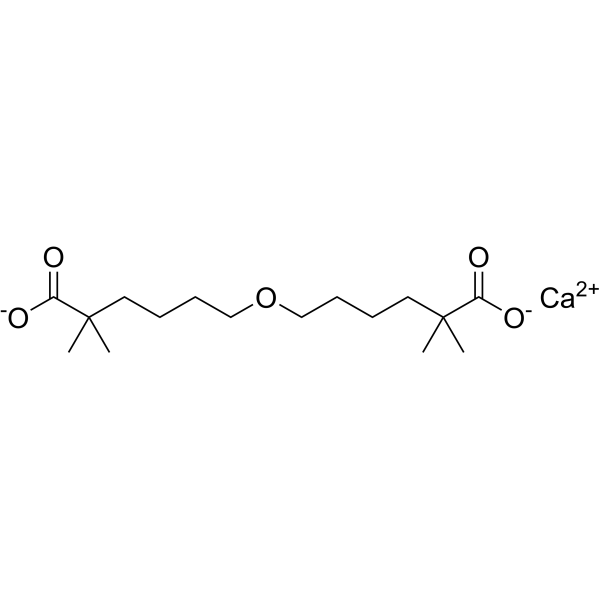
    Gemcabene (PD-72953), a first-in-class lipid-lowering agent, lowers low-density lipoprotein cholesterol (LDL-C), decreases triglycerides, and raises high-density lipoprotein cholesterol (HDL-C) and lowers pro-inflammatory acute-phase protein, C-reactive protein (CRP), exerting anti-inflammatory activity .
    Gemcabene
  • HY-P99822

    SHR-1209

    PCSK9 Metabolic Disease
    Recaticimab (SHR-1209) is a humanized IgG1 mAb that selectively targets PCSK9. Recaticimab reduces low-density lipoprotein cholesterol (LDL-C), non-high-density lipoprotein cholesterol (non-HDL-C), apolipoprotein B (ApoB), triglyceride (TG), and lipoprotein(a) levels. Recaticimab can be used for hyperlipidemia research .
    Recaticimab
  • HY-101529

    HOE-402free base

    LDLR Cardiovascular Disease
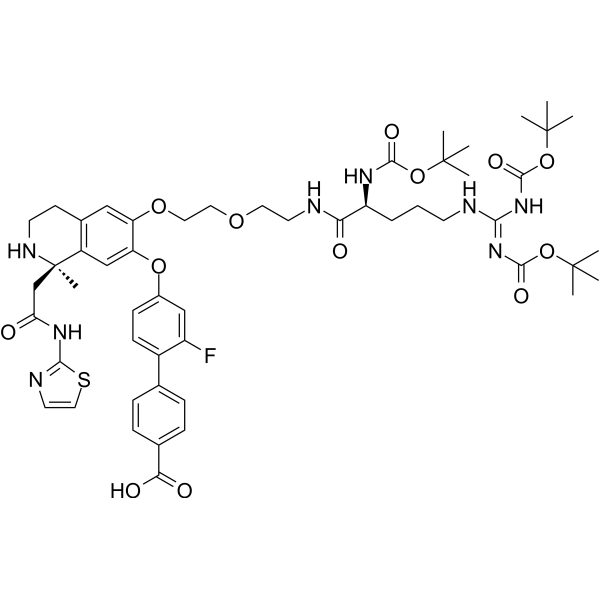
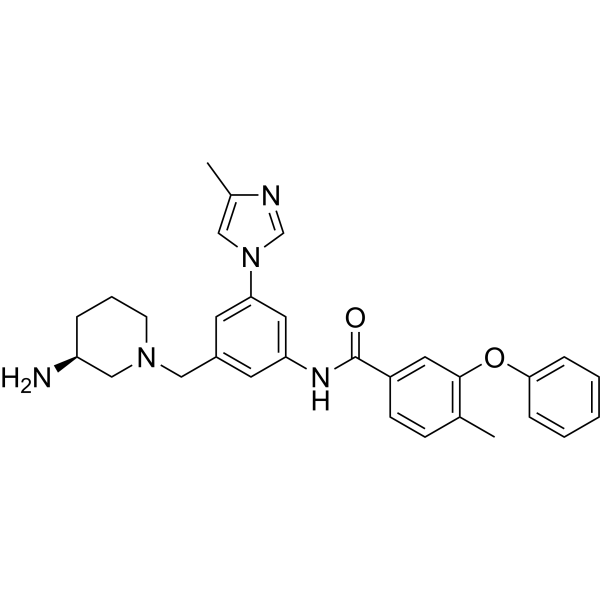
    Imanixil (HOE-402 free base) is an orally active LDL receptor (LDLR) inducer. Imanixil can reduce cholesterol levels by inhibiting VLDL-lipid production. Imanixil can delay atherosclerosis profession. Imanixil can be used for the research of cardiovascular disease, such as atherosclerosis .
    Imanixil
  • HY-158827A

    PCSK9 Metabolic Disease
    AZD8233 sodium, a liver-targeting antisense oligonucleotide (ASO), inhibits subtilisin/kexin type 9 (PCSK9) protein synthesis. AZD8233 sodium increases the available LDL receptors by reducing PCSK9 levels, thereby clearing LDL from the blood and decreasing LDL-C levels.
    AZD8233 sodium
  • HY-113269
    alpha-CEHC
    1 Publications Verification

    Drug Metabolite Others
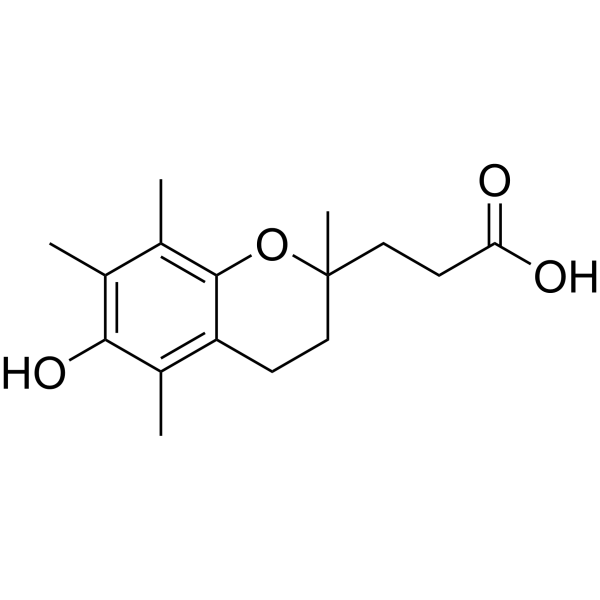
    alpha-CEHC is a water-soluble metabolite of alpha-tocopherol (α-TOH) with potential antioxidant activity. alpha-CEHC slightly inhibits macrophage-induced low-density lipoprotein (LDL) oxidation, and its inhibitory potency is concentration-dependent .
    alpha-CEHC
  • HY-126726

    Biochemical Assay Reagents Others
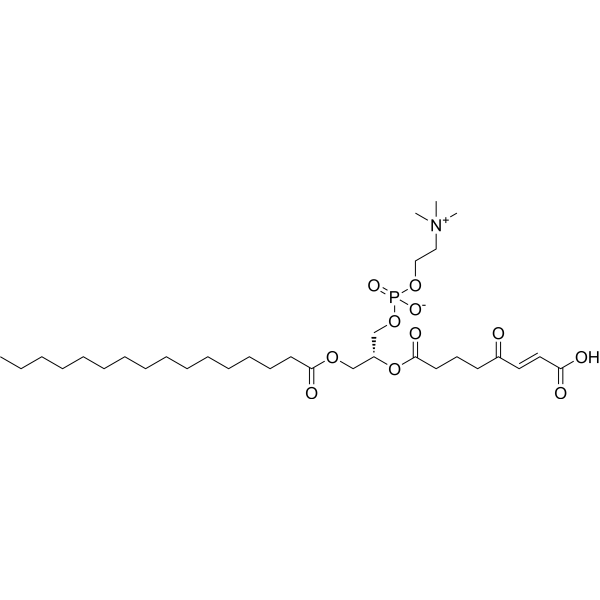
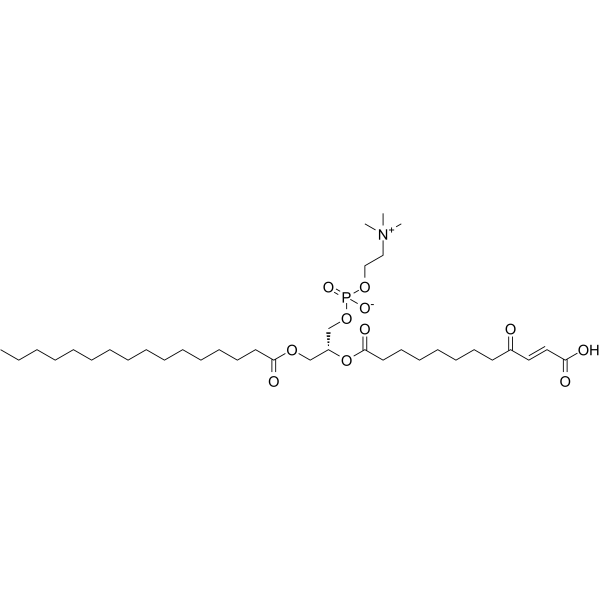
    Oxidized low-density lipoprotein (oxLDL) particles contain low molecular weight species that are cytotoxic and proatherogenic. Many of these species were recently isolated and purified from oxLDL and identified as phosphatidylcholine species containing fragmented oxidized short-chain fatty acid residues at the sn-2 position. 1-(Palmitoyl)-2-(5-keto-6-octene-dioyl)phosphatidylcholine or KOdiA-PC is one of the most potent CD36 ligands of the oxLDL species. KOdiA-PC confers CD36 scavenger receptor binding affinity to LDL at a frequency of only 2 to 3 KOdiA-PC molecules/LDL particle and may be one of the more important structural determinants of oxLDL.
    KOdiA-PC
  • HY-149120

    Phospholipase Cardiovascular Disease Inflammation/Immunology
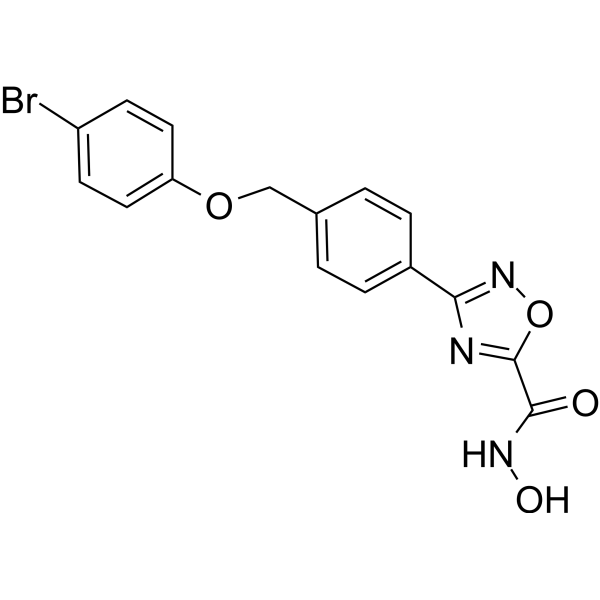
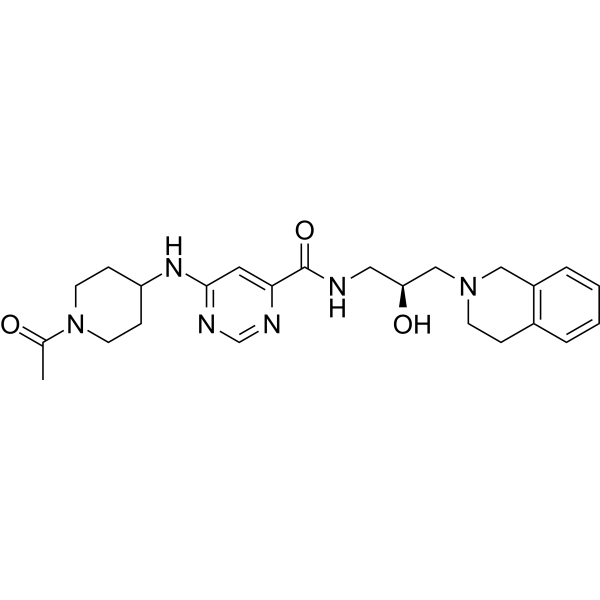
    ASM-IN-1 is a potent and orally active acid sphingomyelinase (ASM) inhibitor with an IC50 value of 1.5 µM. ASM-IN-1 reduces lipid plaques in the aortic arch and aorta and reduces plasma ceramide concentration and Ox-LDL levels. ASM-IN-1 shows antiatherosclerotic and anti-inflammatory activity .
    ASM-IN-1
  • HY-130245

    PCSK9 Metabolic Disease
    PCSK9 degrader 1 (Compound 16) is a small molecule ligand for proprotein convertase substilisin-like/kexin type 9 (PCSK9) and shows high affinity to PCSK9 with a Ki of 107 nM. PCSK9 degrader 1 can involve in a protein-protein interaction with the low-density lipoprotein (LDL) receptor .
    PCSK9 degrader 1
  • HY-W778608
    Quercetin 7-glucuronide
    1 Publications Verification

    Quercetin 7-O-β-glucuronide

    Drug Metabolite Inflammation/Immunology
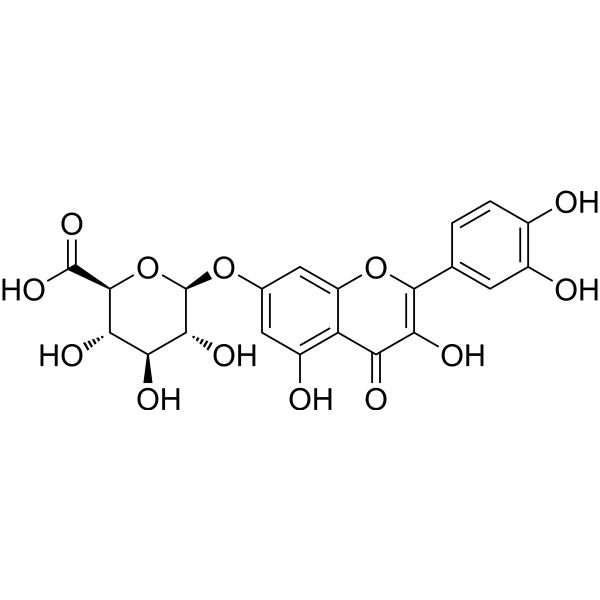
    Quercetin 7-glucuronide (Quercetin 7-O-β-glucuronide), a metabolite of Quercetin (HY-18085), can be isolated from Madagascarian Uncarina species. Quercetin 7-glucuronide can inhibit LDL oxidation .
    Quercetin 7-glucuronide
  • HY-148758

    PCSK9 Cardiovascular Disease Metabolic Disease
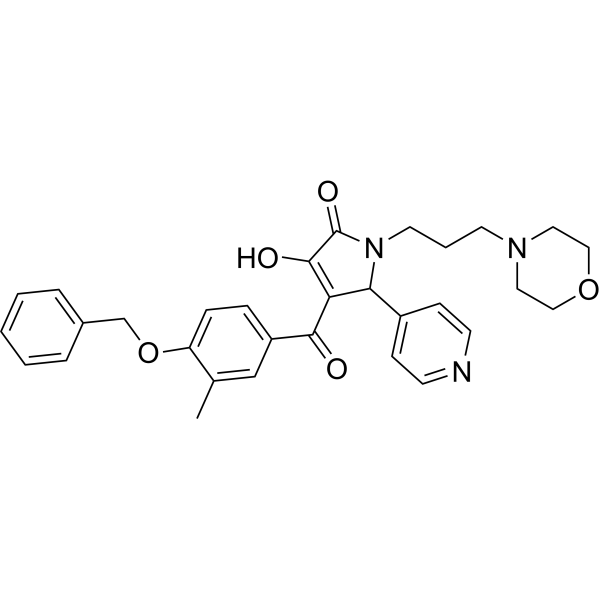
    PCSK9-IN-13(compound 3f) is a potent PCSK9 inhibitor, which can antagonize low-density lipoprotein (LDL) receptor binding by binding to PCSK9, with an IC50 of 537 nM .
    PCSK9-IN-13
  • HY-P99626

    LY 3015014

    PCSK9 Metabolic Disease
    Frovocimab (LY 3015014) is a humanized IgG4 monoclonal antibody (mAb) that neutralizes PCSK9. Frovocimab inhibits PCSK9 binding to LDL receptor (LDLR) while permitting the normal proteolytic cleavage of the bound intact PCSK9 .
    Frovocimab
  • HY-P99552

    IBI-306

    PCSK9 Cardiovascular Disease
    Tafolecimab (IBI-306) is a human lgG2 monoclonal antibody that specifically binds PCSK-9 and reduces LDL-C levels by inhibiting PCSK-9-mediated endocytosis of the LDL receptor, which in turn enhances clearance of LDL-C and leads to a reduction in LDL-C levels. Tafolecimab may be used in studies of hypercholesterolaemia .
    Tafolecimab
  • HY-N0339R

    Reference Standards Endogenous Metabolite Bacterial Metabolic Disease
    Syringic acid (Standard) is the analytical standard of Syringic acid. This product is intended for research and analytical applications. Syringic acid is correlated with high antioxidant activity and inhibition of LDL oxidation.
    Syringic acid (Standard)
  • HY-N2339
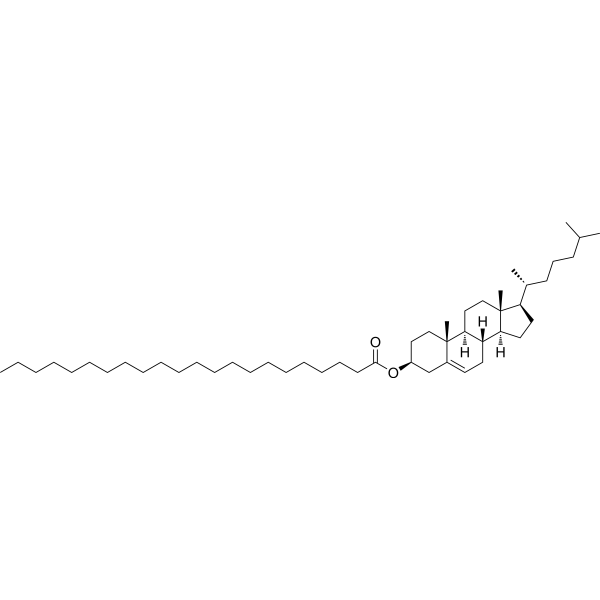
    Cholesteryl behenate
    1 Publications Verification

    Cholesteryl docosanoate; Cholesterol behenate

    Endogenous Metabolite Metabolic Disease
    Cholesteryl behenate is a cholesterol ester associated with the neutral core of low density lipoprotein Receptor-LDL complexes are taken up by lysosomes and hydrolyzed to release cholesterol from the esters.
    Cholesteryl behenate
  • HY-B0388R
    Probucol (Standard)
    2 Publications Verification

    DH-581 (Standard)

    Reference Standards Virus Protease Metabolic Disease
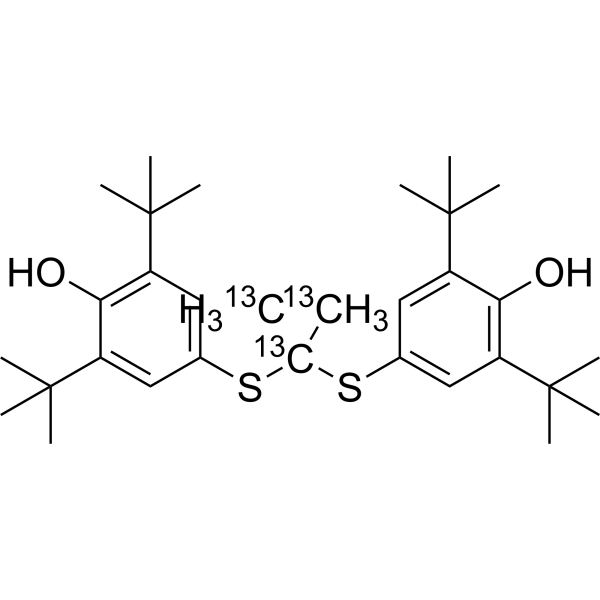
    Probucol (Standard) is the analytical standard of Probucol. This product is intended for research and analytical applications. Probucol (DH-581) is an anti-hyperlipidemic agent by lowering the level of cholesterol in the bloodstream by increasing the rate of LDL catabolism.
    Probucol (Standard)
  • HY-157434

    PCSK9 Cardiovascular Disease
    PCSK9-IN-23 (compound 5C) is a potent PCSK9 inhibitor. PCSK9-IN-23 blocks PCSK9 secretion from HepG2 cells, significantly increases LDL receptor (LDLR) expression .
    PCSK9-IN-23
  • HY-149310

    PCSK9 HMG-CoA Reductase (HMGCR) Metabolic Disease
    Dim16 is a dual PCSK9 inhibitor and HMG-CoAR inhibitor, with an IC50 of 0.8 nM against human PCSK9 and an IC50 of 146.8 μM against HMG-CoAR. Dim16 disrupts the PCSK9-LDLR protein-protein interaction, inhibits the catalytic activity of HMG-CoAR, enhances cellular uptake of extracellular LDL, and suppresses PCSK9-induced platelet aggregation. Dim16 can be used in research related to hypercholesterolemia .
    Dim16
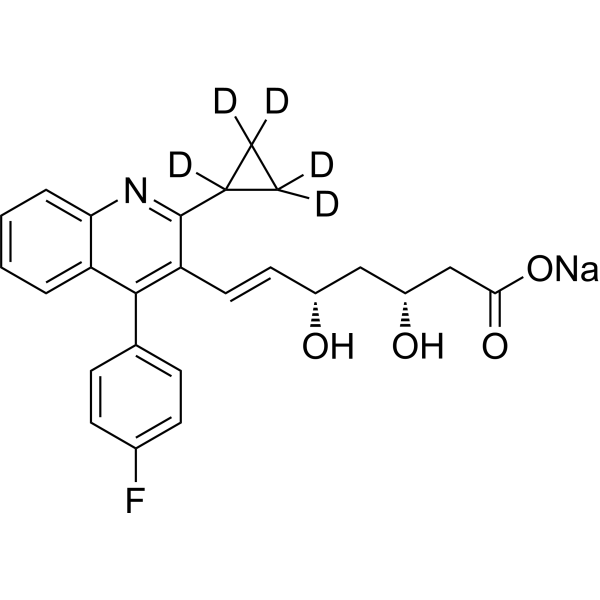
  • HY-B0144AS1

    NK-104-d5 sodium

    Apoptosis HMG-CoA Reductase (HMGCR) Mitophagy Autophagy Metabolic Disease Cancer
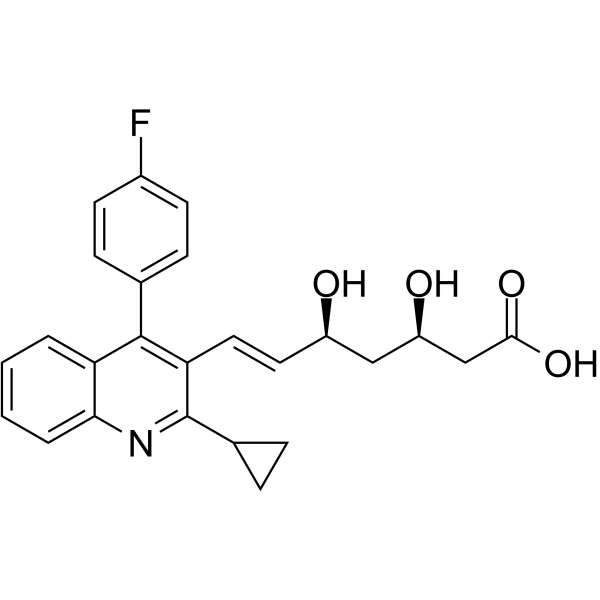
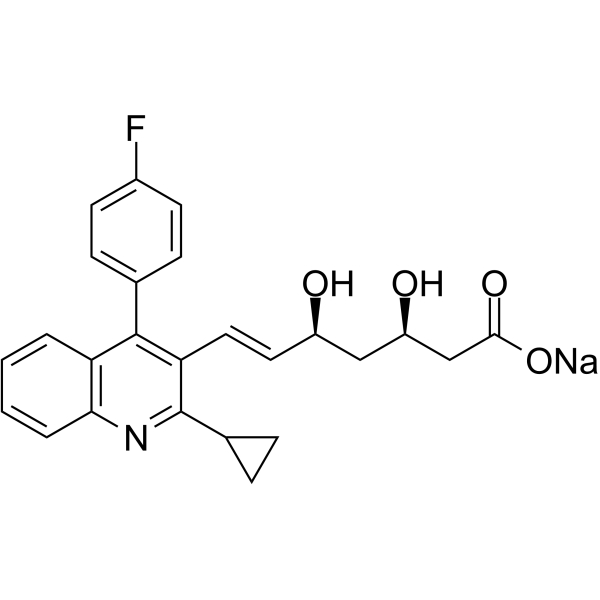
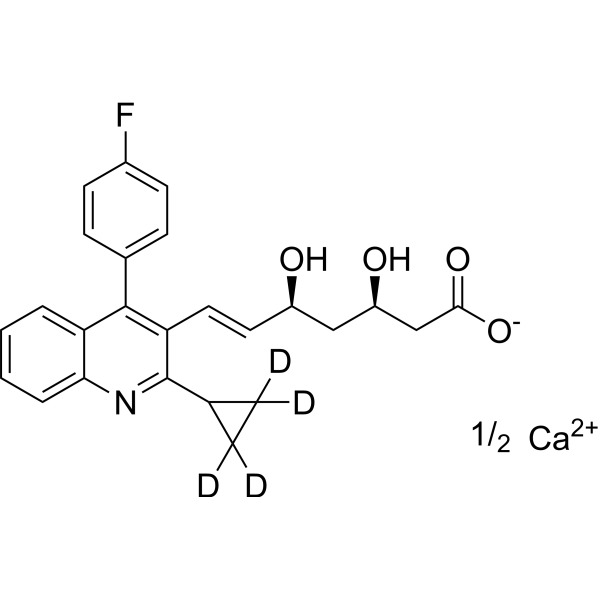
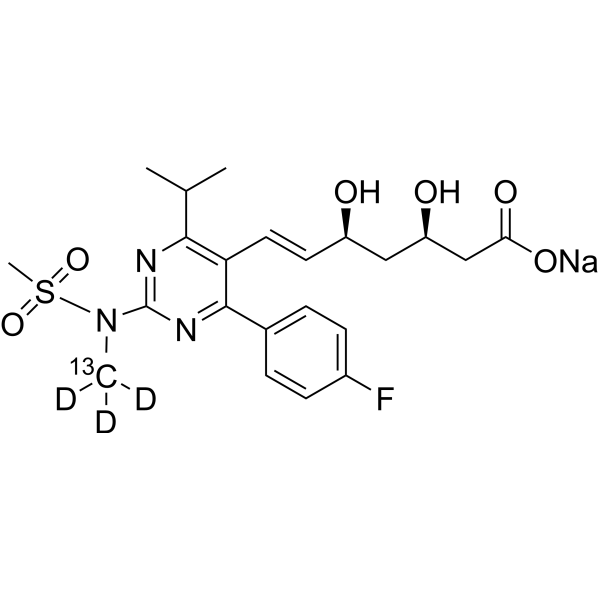
    Pitavastatin-d5 (sodium) is the deuterium labeled Pitavastatin sodium. Pitavastatin (NK-104) is a potent hydroxymethylglutaryl-CoA (HMG-CoA) reductase inhibitor. Pitavastatin inhibits cholesterol synthesis from acetic acid with an IC50 of 5.8 nM in HepG2 cells. Pitavastatin is an efficient hepatocyte low-density lipoprotein-cholesterol (LDL-C) receptor inducer. Anti-cancer activity.
    Pitavastatin-d5 sodium
  • HY-120651

    LDLR Metabolic Disease
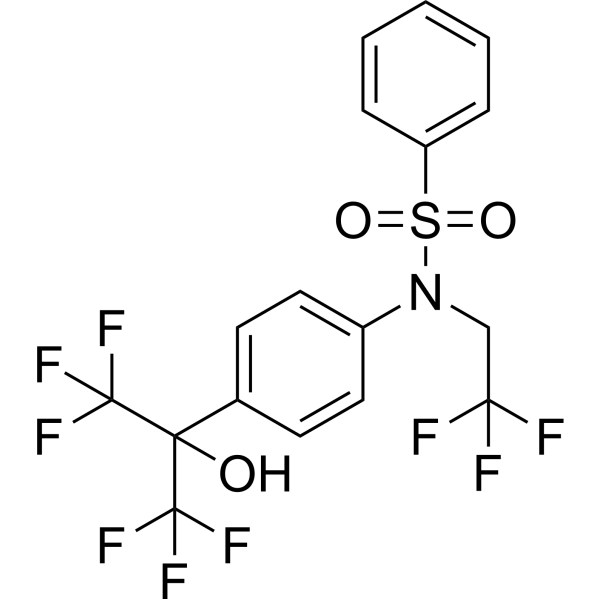
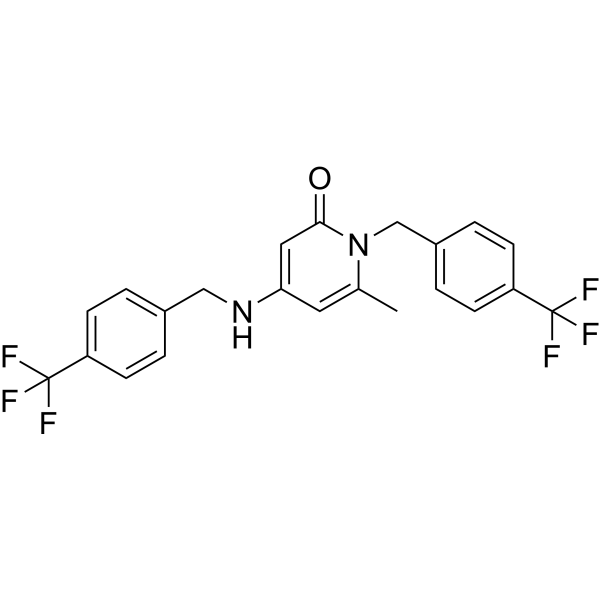
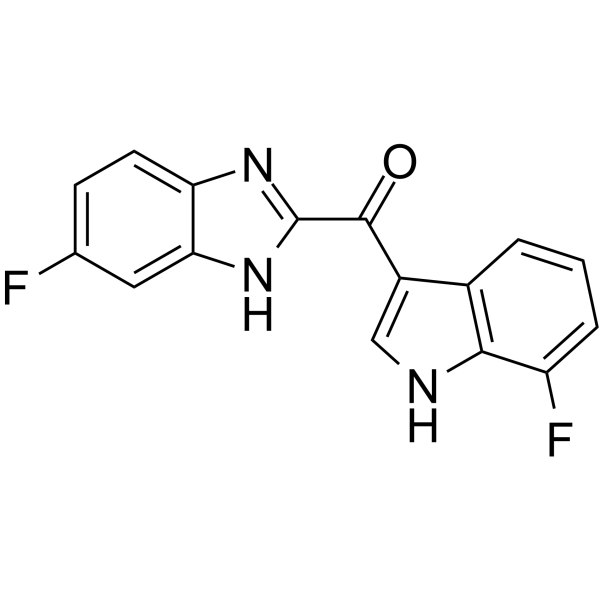
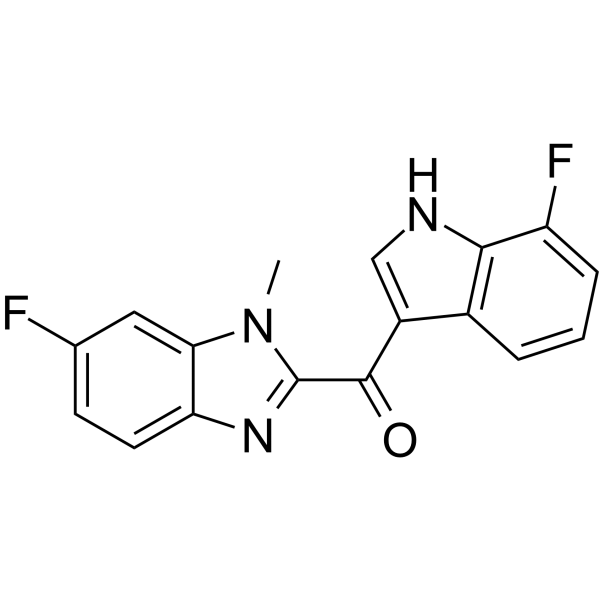
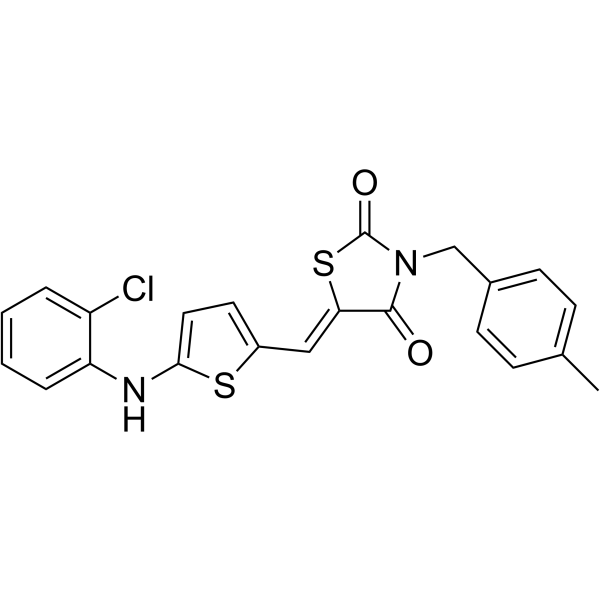
    LDL-IN-2 (compound 3) is an antioxidant against copper mediated low-density lipoproteins (LDL) oxidation .
    LDL-IN-2
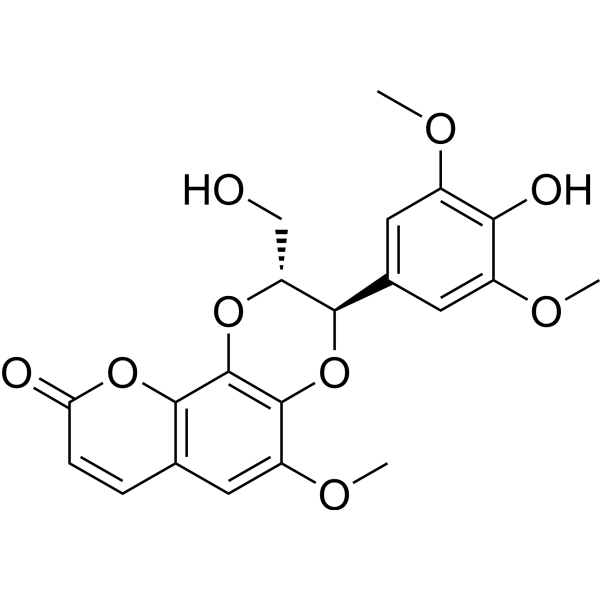
  • HY-N3596

    Aquillochin

    Others Inflammation/Immunology
    Cleomiscosin C (Aquillochin) can be isolated from Aquilaria agallocha. Cleomiscosin C has antioxidant activity. Cleomiscosin C inhibits LDL oxidation and free radicals generation .
    Cleomiscosin C
  • HY-N10638

    Reactive Oxygen Species (ROS) NF-κB Inflammation/Immunology
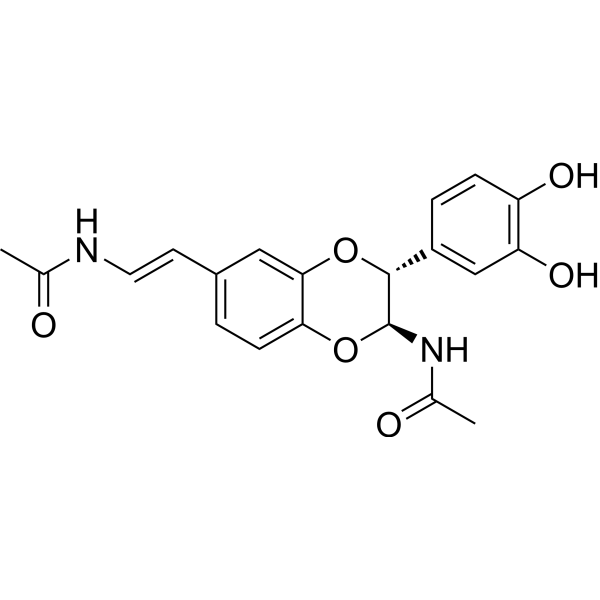
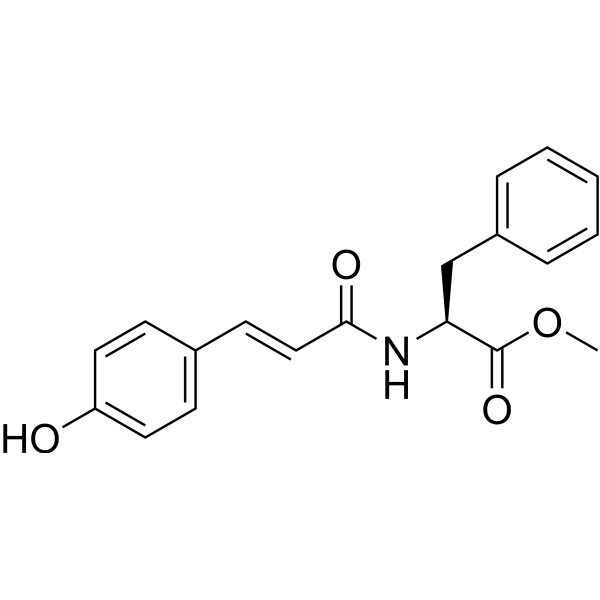
    N-Acetyldopamine dimer-2 (compound 2) is a N-acetyldopamine dimer that can be isolated from the yellow powder form Periostracum Cicadae with antioxidant and anti-inflammatory activities. N-Acetyldopamine dimer-2 inhibits oxidized low-density lipoprotein (LDL) oxidation, ROS generation, NO production, and NF-κB activity .
    N-Acetyldopamine dimer-2

Inquiry Online

Your information is safe with us. * Required Fields.

Salutation


Country or Region *

Applicant Name *


Organization Name *

Department *


Email Address *


Product Name *

Cat. No.


Requested quantity *

Phone Number *


Remarks

Inquiry Online

Inquiry Information

Product Name:
Cat. No.:
Quantity:
MCE Japan Authorized Agent: