

Search Result
Results for "
acute inflammation
" in MedChemExpress (MCE) Product Catalog:
4
Biochemical Assay Reagents
13
Isotope-Labeled Compounds
| Cat. No. |
Product Name |
Target |
Research Areas |
Chemical Structure |
-
- HY-126360
-
|
|
TNF Receptor
Interleukin Related
|
Inflammation/Immunology
|
|
Oxazolone is a haptenizing agent that induces acute or chronic inflammation of the large intestine and is used to construct models of colitis. Oxazolone can cause Th1/Th2-dependent colitis with weight loss and diarrhea. Oxazolone-induced inflammation can be mitigated by neutralizing anti-IL-4 or anti-TNF-α antibodies or decoy IL-13R2-α-FC proteins .
|
-
-
- HY-N0088
-
|
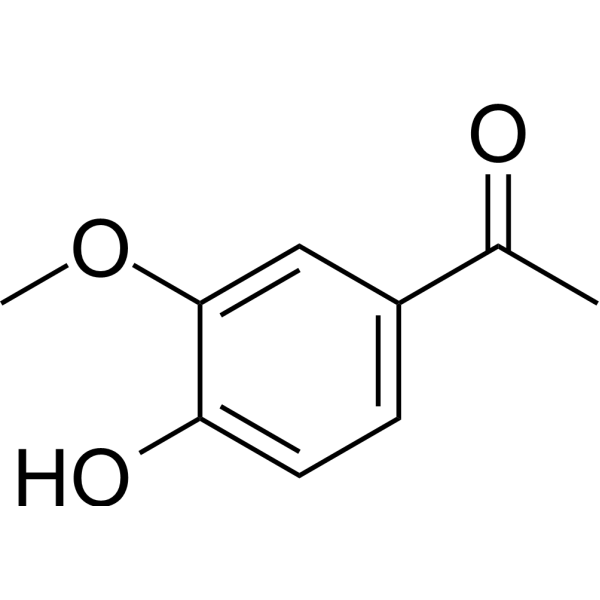
Acetovanillone
|
NADPH Oxidase
|
Metabolic Disease
Inflammation/Immunology
|
|
Apocynin is a selective NADPH-oxidase inhibitor with an IC50 of 10 μM . Apocynin improves acute lung inflammation in Carrageenan (HY-125474)-induced pleurisy mice model . Apocynin can also be used for cancer research . Apocynin reverses the aging process in mesenchymal stem cells to promote osteogenesis and increases bone mass .
|
-
-
- HY-114041
-
|
RvE1
|
Endogenous Metabolite
|
Inflammation/Immunology
|
|
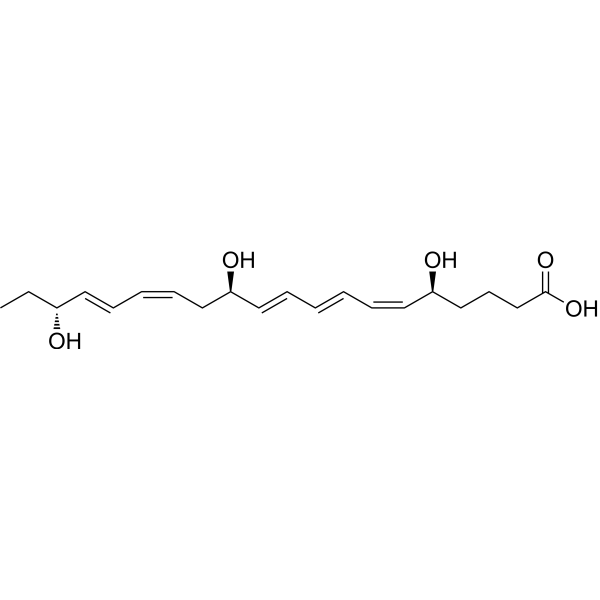
Resolvin E1 (RvE1), a potent endogenous pro-resolving mediator of inflammation, is derived from omega-3 fatty acid eicosapentaenoic acid (EPA). Resolvin E1 is endogenously biosynthesized from EPA in the presence of Aspirin during the spontaneous resolution phase of acute inflammation, where specific cell-cell interactions occur. Resolvin E1 possesses unique counterregulatory actions that inhibit polymorphonuclear leukocyte (PMN) transendothelial migration. Resolvin E1 also acts as a potent inhibitor of leukocyte infiltration, dendritic cell migration, and IL-12 production .
|
-
-
- HY-N0512
-
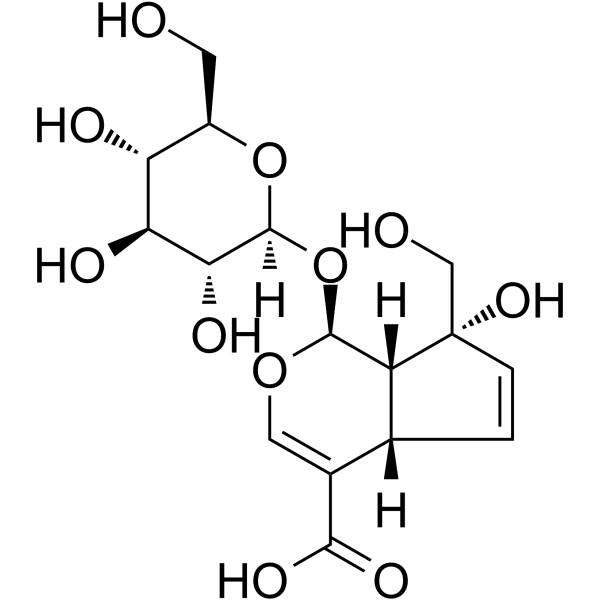
Loganin
5 Publications Verification
Loganoside
|
Reactive Oxygen Species (ROS)
TNF Receptor
Interleukin Related
|
Neurological Disease
Inflammation/Immunology
Cancer
|
|
Loganin is a type of iridoid glycoside compound that possesses anti-inflammatory, antioxidant, and antitumor properties, and offers protective effects against acute lung injury and pulmonary fibrosis. Loganin exerts its protective effects against LPS (HY-D1056)-mediated inflammation and oxidative stress by upregulating the Nrf2/HO-1 signaling pathway, and it reduces neuroinflammation caused by spinal cord injury (SCI) .
|
-
-
- HY-125527
-
|
RvD1
|
Endogenous Metabolite
|
Inflammation/Immunology
|
|
Resolvin D1 (RvD1), an endogenous pro-resolving mediator of inflammation, is derived from omega-3 docosahexaenoic acid during the resolution phase of acute inflammation. Resolvin D1 blocks proinflammatory neutrophil migration by regulating actin polymerization, reduces TNF-α–mediated inflammation in macrophages, and enhances phagocytosis of apoptotic cells by macrophages .
|
-
-
- HY-N3006
-
|
|
Fungal
|
Infection
Inflammation/Immunology
|
|
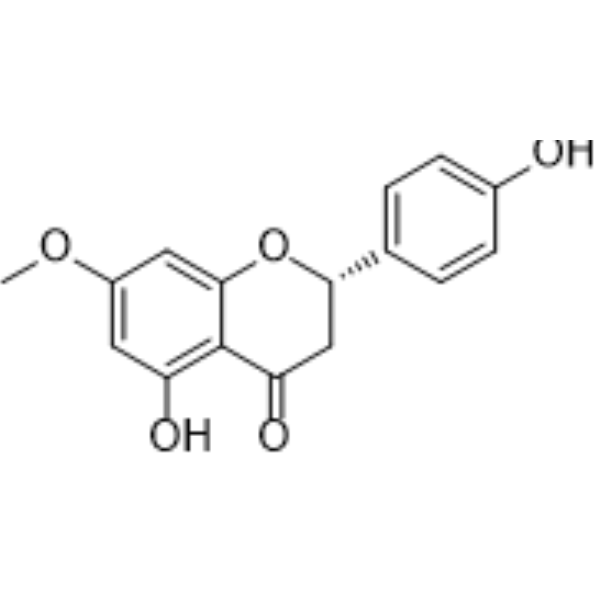
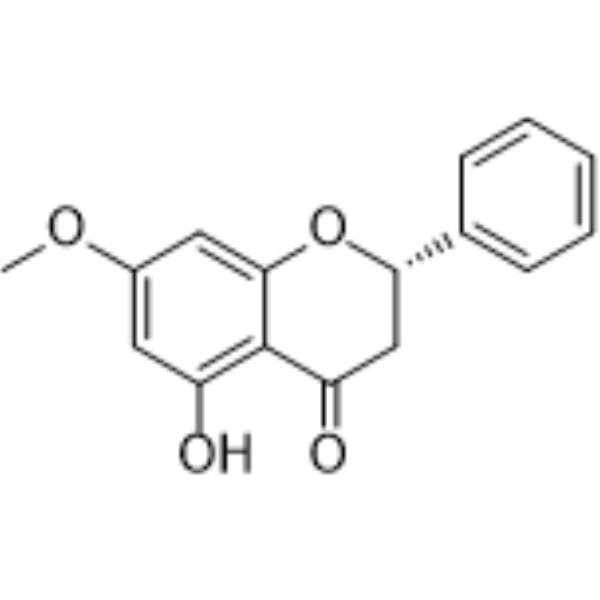
Sakuranetin is a cherry flavonoid phytoalexin, shows strong antifungal activity . Sakuranetin has anti-inflammatory and antioxidative activities. Sakuranetin ameliorates LPS-induced acute lung injury .
|
-
-
- HY-N0031
-
-
-
- HY-W092043
-
-
-
- HY-N2909
-
|
|
NF-κB
RIP kinase
Mixed Lineage Kinase
|
Cardiovascular Disease
Neurological Disease
Inflammation/Immunology
|
|
Aurantiamide is a non-covalent, orally active, blood-brain-permeable GRPR selective antagonist with anti-inflammatory and neuroprotective effects. Aurantiamide reduces inflammation and oxidative stress in renal tissue by inhibiting GRPR-mediated renal necrosis pathways (such as RIPK3/MLKL signaling) and NF-κB inflammatory pathways, exerting anti-acute kidney injury and endothelial function activities. Aurantiamide also inhibits the M1 polarization of microglia and inhibits NLRP3 activation, thereby improving AD mouse models. Aurantiamide has in vivo inhibitory efficacy in acute kidney injury models such as ischemia/reperfusion, sepsis, and hypertension models .
|
-
-
- HY-N1990
-
|
|
PPAR
Sirtuin
Keap1-Nrf2
Toll-like Receptor (TLR)
NF-κB
Reactive Oxygen Species (ROS)
NOD-like Receptor (NLR)
Apoptosis
Pyroptosis
Autophagy
|
Cardiovascular Disease
Neurological Disease
Metabolic Disease
Inflammation/Immunology
|
|
Gypenoside XLIX is a multifunctional bioactive compound that can be isolated from Gynostemma pentaphyllum, with a Ka value of 1.58 μM for its binding to SIRT1. Gypenoside XLIX acts as a PPAR-α agonist. It inhibits the activation of TLR4-mediated NF-κB signaling pathway by activating the Sirt1/Nrf2 signaling pathway, reduces ROS accumulation, and alleviates hepatic inflammatory injury in mice with sepsis-induced liver disease. Gypenoside XLIX targets SIRT1 to block YAP-NLRP3 activation and improve sepsis-induced cardiomyopathy. Gypenoside XLIX inhibits apoptosis (Apoptosis), pyroptosis (Pyroptosis), autophagy (Autophagy), lipid peroxidation, pro-inflammatory cytokines and anti-inflammatory cytokines. Gypenoside XLIX alleviates sepsis-induced splenic injury by inhibiting inflammation and oxidative stress, and mitigates sepsis-associated encephalopathy by targeting PPAR-α. Gypenoside XLIX prevents acute kidney injury by inhibiting IGFBP7/IGF1R-mediated programmed cell death and inflammation. Gypenoside XLIX inhibits the expression and activity of vascular cell adhesion molecule-1 in cytokine-induced human endothelial cells. Gypenoside XLIX is applicable to research related to acute liver injury, lung injury, cardiomyopathy, acute splenic injury, sepsis-associated encephalopathy, acute kidney injury, atherosclerosis and chronic inflammation .
|
-
-
- HY-112248A
-
-
-
- HY-118590
-
|
|
Topoisomerase
DNA/RNA Synthesis
Apoptosis
Fungal
|
Infection
Cardiovascular Disease
Inflammation/Immunology
Cancer
|
|
ICRF-193 is a DNA Topoisomerase II inhibitor. (S,S)- and (R,R)-isomers ICRF-193 make up an racemic mixture, ICRF-196 (HY-118590A). ICRF-193 can inhibit DNA syntheses and induces apoptosis. ICRF-193 exhibits anti-cancer and anti-inflammation effects. ICRF-193 shows cardioprotective effect against anthracycline toxicity to cardiomyocytes. ICRF-193 can be used for the researches of cancer, infection, inflammation and cardiovascular disease, such as acute promyelocytic leukemia .
|
-
-
- HY-P991049
-
|
ATM-001
|
TNF Receptor
|
Metabolic Disease
Inflammation/Immunology
|
|
Atrosimab is an Fv-Fc1K fusion protein with an EC50 value of 0.37 nM against humans. Atrosimab inhibits TNF-induced TNFR1 activation, release of IL-6 and IL-8, and cell death, and alleviates neuroinflammation. Atrosimab is applicable to research related to inflammatory diseases, neurodegenerative diseases, acute and chronic inflammation, experimental arthritis, non-alcoholic steatohepatitis, and experimental autoimmune encephalomyelitis .
|
-
-
- HY-N0554
-
|
|
HIV Protease
Monoamine Oxidase
|
Infection
Inflammation/Immunology
Cancer
|
|
Escin IA is an oral LOXL2 inhibitor and EMT inhibitor, with selectivity for LOXL2-expressing cells. Escin IA suppresses invasion, migration, and metastasis of breast cancer cells, and acts as the primary anti-TNBC metastasis constituent of Aesculus chinensis Bunge fruit saponin fraction. Escin IA can be used for the research of triple-negative breast cancer, acute inflammation, and ethanol-induced gastric mucosal lesions .
|
-
-
- HY-12119
-
|
|
NO Synthase
|
Neurological Disease
Inflammation/Immunology
|
|
GW274150 is a potent, selective, orally active and NADPH-dependent inhibitor of human inducible nitric oxide synthase (iNOS) (IC50=2.19 μM; Kd=40 nM) and rat iNOS (ED50=1.15 μM). GW274150 also displays less potency for both humans or rats endothelial NOS (eNOS) and neuronal NOS (nNOS). GW274150 exerts a protective role in an acute model of lung injury inflammation .
|
-
-
- HY-19929
-
-
-
- HY-103363
-
|
|
CCR
Thymidylate Synthase
|
Inflammation/Immunology
Cancer
|
|
SB-328437 is a potent, selective non-peptide CCR3 antagonist with an IC50 of 4.5 nM. SB-328437 can inhibit eosinophil migration induced by eotaxin, eotaxin-2, and monocyte chemotactic protein-4. In addition, SB-328437 can sensitize 5-FU (HY-90006)-resistant gastric cancer cells. SB-328437 can also reduce the recruitment of neutrophils to the lungs and pulmonary inflammation during acute inflammation. SB-328437 can be used in the research of inflammation-related diseases .
|
-
-
- HY-N0648
-
|
|
Interleukin Related
Keap1-Nrf2
Heme Oxygenase (HO)
NF-κB
Apoptosis
|
Inflammation/Immunology
|
|
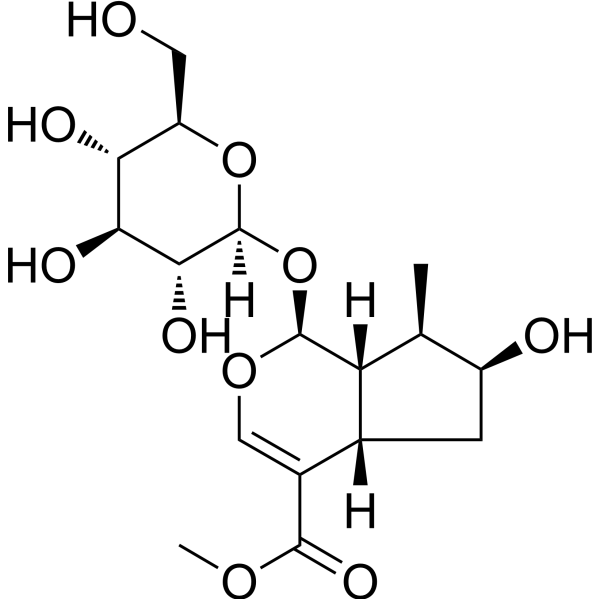
Monotropein is an iridoid glycoside that can be isolated from the roots of Morinda officinalis. Monotropein inhibits the expression of inflammatory mediators in dextran sulfate sodium (DSS)-induced colitis mouse model. Monotropein exerts protective effects against IL-1β-induced apoptosis and catabolic responses on osteoarthritis chondrocytes. Monotropein has cartilage protective activity. Monotropein can alleviate Cisplatin (HY-17394)-induced acute kidney injury by inhibiting oxidative damage, inflammation and apoptosis through activation of Nrf2/HO-1 pathway and inhibition of NF-κB signaling. Monotropein can be studied in research for osteoarthritis, acute kidney injury and acute lung injury .
|
-
-
- HY-106373
-
|
ACTH; Adrenocorticotrophic hormone
|
Androgen Receptor
Reactive Oxygen Species (ROS)
Mitochondrial Metabolism
Interleukin Related
TNF Receptor
|
Metabolic Disease
Inflammation/Immunology
|
|
Adrenocorticotropic hormone (ACTH; Adrenocorticotrophic hormone) is a polypeptide tropic hormone produced by the anterior pituitary gland. Adrenocorticotropic hormone stimulates cortisol secretion from the adrenal cortex via the hypothalamic-pituitary-adrenal (HPA) axis. Adrenocorticotropic hormone regulates cortisol and androgen production. Adrenocorticotropic hormone can promote the development of spermatogenesis. Adrenocorticotropic hormone can relieve acute inflammation in gout models by inhibiting the polarization of macrophages to M1 type, inhibiting ROS and proinflammatory factor production and protecting mitochondrial function. Adrenocorticotropic hormone can be used for the researches of inflammation, endocrinology, metabolic disease, such as gout and nephrotic syndrome .
|
-
-
- HY-108775A
-
|
Sodium hyposulfite (99%, water≤1.0%)
|
Environmental Pollutants
Biochemical Assay Reagents
COX
Interleukin Related
NF-κB
β-catenin
GSK-3
|
Cardiovascular Disease
Neurological Disease
Inflammation/Immunology
Endocrinology
Cancer
|
|
Sodium thiosulfate is an antioxidant. Sodium thiosulfate inhibits the expression of p-GSK-3β and β-catenin proteins, reduces IL-1β, COX-2, and Iba-1, and inhibits NFκB activation. Sodium thiosulfate promotes angiogenesis, inhibits inflammation, and improves acute lung injury. Sodium thiosulfate also exhibits anti-cancer activity against melanoma. Sodium thiosulfate also exerts renal protective effects. Sodium thiosulfate can be used in the research of osteoarthritis, brain inflammation, cancer (such as breast cancer, melanoma), and kidney disease .
|
-
-
- HY-B1024
-
|
DL-Pantothenol; DL-Pantothenyl alcohol
|
Biochemical Assay Reagents
|
Inflammation/Immunology
|
|
DL-Panthenol (DL-Pantothenol) is a precursor of pantothenic acid. DL-Panthenol easily penetrates the skin and has effects of deep moisturizing, promoting wound healing and anti-inflammation. DL-Panthenol can also be used as a hair conditioner in cosmetics. DL-Panthenol has low acute toxicity, non-sensitizing property, and no significant genotoxicity or reproductive and developmental toxicity. DL-Panthenol can be applied to the research of cosmetics .
|
-
-
- HY-N6028
-
|
|
COX
NF-κB
Interleukin Related
TNF Receptor
|
Inflammation/Immunology
|
|
Darutoside is an orally effective diterpene compound with significant anti-inflammatory, analgesic, wound healing promotion, and immunomodulatory activities. Darutoside reduces edema and pain responses by inhibiting the expression of COX-2 and the migration of inflammatory cells. It regulates macrophage polarization towards the M2 type by inhibiting the NF-κB pathway, alleviating inflammation and promoting wound healing. Through multi-target regulation of metabolic networks, Darutoside significantly alleviates acute gouty arthritis .
|
-
-
- HY-N0444
-
|
|
Reactive Oxygen Species (ROS)
|
Inflammation/Immunology
|
|
Rubiadin is an orally active polyketide-derived compound and free radical scavenger that inhibits the activation of the NF-κB pathway. Rubiadin inhibits osteoclast formation, bone resorption, lipid peroxidation, HBV DNA replication and cancer cell proliferation; reduces pro-inflammatory cytokine levels; induces cancer cell apoptosis; and possesses antifungal, antimalarial, antibacterial and anticonvulsant activities. Rubiadin can be used in the research of osteoporosis, acute inflammation, chronic inflammation, carbon tetrachloride-induced liver injury, Alzheimer's disease, breast cancer, iron overload disorders, hepatitis B virus infection, colon cancer, liver cancer, T-lymphocytic leukemia, cervical cancer, diabetic nephropathy, epileptic seizures, fungal infections, malaria and bacterial infections .
|
-
-
- HY-W011641
-
|
|
Potassium Channel
Toll-like Receptor (TLR)
NF-κB
Apoptosis
Caspase
|
Cardiovascular Disease
Neurological Disease
Inflammation/Immunology
Cancer
|
|
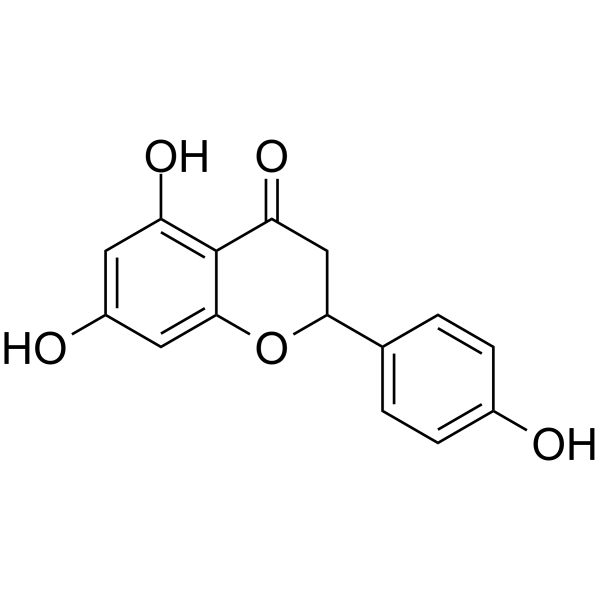
(±)-Naringenin is an orally available anti-inflammatory agent that can regulate both acute and chronic inflammation responses, while also showing antioxidant, neuroprotective, liver-protective, and anti-cancer effects. (±)-Naringenin promotes vasodilation in endothelial cells by activating BKCa channels in muscle cells. It also exerts protective effects against experimental colitis by inhibiting Toll-like receptor 4/NF-κB signaling, making it useful in studies related to sepsis, fulminant hepatitis, fibrosis, and cancer research .
|
-
-
- HY-N4093
-
-
-
- HY-163763
-
|
|
G2A (GPR132)
|
Neurological Disease
Inflammation/Immunology
Cancer
|
|
T-10418 is a potent and highly selective G2A/GPR132 agonist. T-10418 has an EC50 of 0.82 μM for human G2A activation. T-10418 has good water solubility, metabolic stability, and pharmacokinetic properties. T-10418 can be used for the research of various diseases such as neuropathic pain, acute myeloid leukemia, and inflammation .
|
-
-
- HY-114869
-
DPQ
3 Publications Verification
|
PARP
|
Neurological Disease
Cancer
|
|
DPQ is a selective PARP-1 inhibitor that blocks PARP-1-mediated DNA damage repair and NAD +/ATP consumption, thereby inhibiting excessive inflammatory responses. DPQ inhibits NF-κB pathway activation, reduces the expression of pro-inflammatory factors (such as TNF-α, IL-6) and oxidative stress. DPQ can be used in inflammation-related studies of acute lung injury, myocardial infarction, and neurodegenerative diseases .
|
-
-
- HY-123936
-
|
|
NF-κB
IKK
COX
Interleukin Related
|
Neurological Disease
Inflammation/Immunology
|
|
SR12343 is a IKK/NF-κB inhibitor and a mimetic of the NF-κB essential modulator (NEMO)-binding domain (NBD). SR12343 inhibits TNF-α- and LPS-induced NF-κB activation by blocking the interaction between IKKβ and NEMO. SR12343 suppresses LPS-induced acute pulmonary inflammation in mice. SR12343 extends the healthspan of naturally aged and accelerated aging mice. SR12343 can be used for research on inflammatory and degenerative diseases .
|
-
-
- HY-12119A
-
|
|
NO Synthase
|
Neurological Disease
Inflammation/Immunology
|
|
GW274150 phosphate is a potent, selective, orally active and NADPH-dependent inhibitor of human inducible nitric oxide synthase (iNOS) (IC50=2.19 μM; Kd=40 nM) and rat iNOS (ED50=1.15 μM). GW274150 phosphate displays less potency for both humans or rats endothelial NOS (eNOS) and neuronal NOS (nNOS). GW274150 phosphate exerts a protective role in an acute model of lung injury inflammation .
|
-
-
- HY-N14001
-
|
|
TNF Receptor
Interleukin Related
Arginase
PD-1/PD-L1
|
Inflammation/Immunology
Cancer
|
|
Naamidine J is an imidazole-type alkaloids discovered in a sponge. Naamidine J inhibits inflammation by binding to the protein CSE1L (KD = 5.41 μM). Namidine J significantly inhibits the expression of pro-inflammatory factors such as TNF-α, IL-1β, and IL-6, and upregulates anti-inflammatory factors such as CD206 and Arg-1. Namidine J inhibits PD-L1 and shows antitumor activity. Namidine J significantly reduces pulmonary tissue edema, inflammatory cell infiltration and cytokine storm in mice. Namidine J can be used for the research on the immune microenvironment of acute lung injury and tumors .
|
-
-
- HY-173425
-
|
|
STING
IFNAR
TNF Receptor
Interleukin Related
|
Inflammation/Immunology
|
|
STING-IN-15 is an orally active STING inhibitor, with an IC50 of 116 nM against h-STING and an IC50 of 96.3 nM against m-STING. STING-IN-15 inhibits the STING signaling pathway in cells, reduces the secretion of IFN-β and IP-10, downregulates the expression of ISG15, ISG56 and TNF-α, and suppresses the phosphorylation of TBK1/IRF3. STING-IN-15 alleviates systemic and renal inflammation induced by STING agonists in mice, reduces tissue damage and the expression of interferon pathway genes, and inhibits spontaneous tissue inflammation in mice. STING-IN-15 can be used for the research of acute kidney injury and autoimmune/inflammatory diseases .
|
-
-
- HY-128132
-
|
|
Complement System
|
Inflammation/Immunology
|
|
C3a receptor agonist 1 (compound benzeneacetamide) is a potent C3a receptor agonist. C3a receptor agonist 1 has the potential for the research of acute inflammation .
|
-
-
- HY-139915
-
|
|
Glutathione Peroxidase
|
Inflammation/Immunology
|
|
MPO-IN-1 is a potent, orally active, and irreversible indole-containing inhibitor of myeloperoxidase (MPO). MPO-IN-1 has IC50s of 2.6 μM and 5.3 μM for MPO and thyroid peroxidase (TPO), respectively. MPO-IN-1 inhibits MPO activity in an acute mouse model of inflammation .
|
-
-
- HY-P990247
-
|
|
E-Selectin
|
Inflammation/Immunology
Cancer
|
|
Anti-Mouse E-selectin/CD62E Antibody (9A9) is an anti-mouse E-selectin/CD62E IgG2b monoclonal antibody. Anti-Mouse E-selectin/CD62E Antibody (9A9) has an inhibitory effect on cancer cell colonization. Anti-Mouse E-selectin/CD62E Antibody (9A9) can be used for researches on inflammation conditions and cancer such as acute microvascular inflammation and breast cancer .
|
-
-
- HY-16942
-
|
|
Apoptosis
Reactive Oxygen Species (ROS)
Bcl-2 Family
CDK
MMP
Interleukin Related
MDM-2/p53
|
Metabolic Disease
Inflammation/Immunology
Cancer
|
|
Damulin B is a dammarane-type saponin found in Gynostemma pentaphyllum. Damulin B can inhibit cancer cell apoptosis, decrease mitochondrial membrane potential, inhibit ROS production and cause G0/G1 phase arrest. Damulin B can prevent Cisplatin (HY-17394)-induced acute kidney injury and induce hair growth. Damulin B shows anti-inflammation anti-diabetic and anti-obesity effect. Damulin B can be used for the researches of cancer, inflammation, metabolic disease, such as lung cancer, osteoarthritis and diabetes .
|
-
-
- HY-N5073
-
|
4''-O-Glucosylvitexin
|
JNK
p38 MAPK
Interleukin Related
TNF Receptor
Caspase
Lactate Dehydrogenase
Apoptosis
|
Cardiovascular Disease
Metabolic Disease
|
|
Vitexin-4''-O-glucoside (4''-O-Glucosylvitexin) is an orally active natural flavonoid component with multiple pharmacological effects including antioxidation, anti-inflammation, cytoprotection and anti-apoptosis. Vitexin-4''-O-glucoside regulates the MAPK signaling pathway by downregulating the phosphorylation levels of JNK and p38, thereby blocking endoplasmic reticulum stress responses. Vitexin-4''-O-glucoside alleviates oxidative stress by reducing MDA content and upregulating the activities of SOD and CAT, attenuates inflammation by downregulating the expressions of inflammatory factors TNF-α, IL-1β and IL-6, and also reduces LDH release and inhibits caspase-3 activation. Vitexin-4''-O-glucoside effectively improves drug-induced acute liver injury and exerts significant protective effects against myocardial hypoxia/reoxygenation injury. Vitexin-4''-O-glucoside can be used in studies on acute liver injury, cardiovascular diseases and myocardial hypoxia-reoxygenation injury .
|
-
-
- HY-145310
-
|
|
Epigenetic Reader Domain
|
Inflammation/Immunology
|
|
ZL0590 is a potent, orally active BRD4 BD1-selective inhibitor with an IC50 of 90 nM for human BRD4 BD1. ZL0590 exhibits significant anti-inflammatory activities. ZL0590 can reduce mucosal inflammation in animal models of inflammatory bowel disease and restores tissue architecture. ZL0590 can be used in research on inflammatory diseases such as inflammatory bowel disease .
|
-
-
- HY-17479A
-
-
-
- HY-106373A
-
|
ACTH TFA; Adrenocorticotrophic hormone TFA
|
Androgen Receptor
Reactive Oxygen Species (ROS)
Mitochondrial Metabolism
Interleukin Related
TNF Receptor
|
Metabolic Disease
Inflammation/Immunology
|
|
Adrenocorticotropic hormone (ACTH; Adrenocorticotrophic hormone) TFA is a polypeptide tropic hormone produced by the anterior pituitary gland. Adrenocorticotropic hormone TFA stimulates cortisol secretion from the adrenal cortex via the hypothalamic-pituitary-adrenal (HPA) axis. Adrenocorticotropic hormone TFA regulates cortisol and androgen production. Adrenocorticotropic hormone TFA can promote the development of spermatogenesis. Adrenocorticotropic hormone TFA can relieve acute inflammation in gout models by inhibiting the polarization of macrophages to M1 type, inhibiting ROS and proinflammatory factor production and protecting mitochondrial function. Adrenocorticotropic hormone TFA can be used for the researches of inflammation, endocrinology, metabolic disease, such as gout and nephrotic syndrome .
|
-
-
- HY-114041S
-
|
RvE1-d4
|
Isotope-Labeled Compounds
Endogenous Metabolite
|
Inflammation/Immunology
|
|
Resolvin E1-d4 (RvE1-d4) is deuterium labeled Resolvin E1. Resolvin E1 (RvE1), a potent endogenous pro-resolving mediator of inflammation, is derived from omega-3 fatty acid eicosapentaenoic acid (EPA). Resolvin E1 is endogenously biosynthesized from EPA in the presence of Aspirin during the spontaneous resolution phase of acute inflammation, where specific cell-cell interactions occur. Resolvin E1 possesses unique counterregulatory actions that inhibit polymorphonuclear leukocyte (PMN) transendothelial migration. Resolvin E1 also acts as a potent inhibitor of leukocyte infiltration, dendritic cell migration, and IL-12 production .
|
-
-
- HY-162152
-
|
|
Keap1-Nrf2
|
Inflammation/Immunology
|
|
biKEAP1 (compound 3) is an inhibitor targeting the dimerKEAP1. biKEAP1 binds to cellular KEAP1 dimers and releases the NRF2 protein sequestered by KEAP1, resulting in immediate activation of NRF2. biKEAP1 also promotes nuclear translocation of NRF2 and directly inhibits proinflammatory cytokine transcription. biKEAP1 can reduce acute inflammation and reduce inflammatory damage in acute inflammation models .
|
-
-
- HY-125527S
-
|
RvD1-d5
|
Isotope-Labeled Compounds
Endogenous Metabolite
|
Inflammation/Immunology
|
|
Resolvin D1-d5 is the deuterium labeled Resolvin D1. Resolvin D1 (RvD1), an endogenous pro-resolving mediator of inflammation, is derived from omega-3 docosahexaenoic acid during the resolution phase of acute inflammation. Resolvin D1 blocks proinflammatory neutrophil migration by regulating actin polymerization, reduces TNF-α-mediated inflammation in macrophages, and enhances phagocytosis of apoptotic cells by macrophages .
|
-
-
- HY-N0278
-
|
Pulsatilla camphor; Anemonine; trans-Anemonin
|
PKC
NO Synthase
|
Inflammation/Immunology
|
|
Anemonin (Pulsatilla camphor), a selective iNOS inhibitor, is also a PKC-θ inhibitor. Anemonin can significantly inhibit the translation or protein stability of PKC-θ protein. Anemonin also ameliorates dextran sodium sulfate-induced acute ulcerative colitis (UC) in mice. Anemonin can be used in the research of inflammation-related diseases .
|
-
-
- HY-N0278A
-
|
(Rac)-Pulsatilla camphor; (Rac)-Anemonine
|
PKC
NO Synthase
|
Inflammation/Immunology
|
|
(Rac)-Anemonin ((Rac)-Pulsatilla camphor) is the diastereoisomer of Anemonin (HY-N0278). Anemonin (Pulsatilla camphor), a selective iNOS inhibitor, is also a PKC-θ inhibitor. Anemonin can significantly inhibit the translation or protein stability of PKC-θ protein. Anemonin also ameliorates dextran sodium sulfate-induced acute ulcerative colitis (UC) in mice. Anemonin can be used in the research of inflammation-related diseases .
|
-
-
- HY-118282
-
|
|
PGE synthase
|
Endocrinology
|
|
mPGES-1-IN-2 (compound III) is a benzimidazole-based mPGES-1 inhibitor that also inhibits adipophysin PGD synthase (I-PGDS) (5 μM, IR=60 %). mPGES-1-IN-2 reduces PGE2 production and tends to reduce levels of other prostaglandins. mPGES-1-IN-2 effectively inhibits acute inflammation in an air sac model stimulated by Carrageenan (HY-125474) in mice .
|
-
-
- HY-170772
-
|
|
p38 MAPK
STAT
Interleukin Related
Cathepsin
JAK
|
Inflammation/Immunology
|
|
Dual Cathepsin L/JAK-IN-1 (Compound A8) is a dual inhibitor of Cathepsin L (CTSL) and JAK, with IC50 values of 0.68 μM, 337.1 nM, 5.251 nM, 27.29 nM, and 172.6 nM for CTSL, JAK1/2/3, and TYK2, respectively. Dual Cathepsin L/JAK-IN-1 effectively blocks the activation of the MAPK, NF-κB, and JAK/STAT signaling pathways, leading to significant anti-inflammatory therapeutic effects. Dual Cathepsin L/JAK-IN-1 can be used in research on acute lung injury (ALI) .
|
-
-
- HY-17479BS
-
|
|
Isotope-Labeled Compounds
|
Others
|
|
Amfenac-d5 sodium is deuterated-labeled Amfenac sodium. Amfenac Sodium is an orally active and potent anti-inflammatory compound possessing antipyretic and analgesic properties. Amfenac Sodium can be used for the research of acute and chronic inflammation .
|
-
-
- HY-17479S
-
|
|
Isotope-Labeled Compounds
|
Others
|
|
Amfenac-d5 is the deuterium labeled Amfenac. Amfenac is an orally active and potent anti-inflammatory compound possessing antipyretic and analgesic properties. Amfenac can be used for the research of acute and chronic inflammation .
|
-
-
- HY-W042216
-
-
-
- HY-P10966A
-
|
|
IKK
NF-κB
|
Inflammation/Immunology
|
|
Tat-IKIP (46-60) TFA is the trifluoroacetic acid of Tat-IKIP (46-60) (HY-P10966). Tat-IKIP (46-60) is a IκB kinase (IKK)-targeting membrane-penetrating peptide. Tat-IKIP (46-60) inhibits IKK activation and NF-κB targeted gene expression by disrupting the IKKβ/NEMO complex. Tat-IKIP (46-60) significantly reduces DSS (HY-116282)-induced acute inflammation in inflammatory bowel disease (IBD) mice model and attenuates Zymosan-induced acute arthritis in acute arthritis model (AAM). Tat-IKIP (46-60) can be used for inflammatory diseases research, such as IBD, pancreatitis and rheumatoid arthritis .
|
-
- HY-P11354
-
|
|
TGF-β Receptor
Apoptosis
Interleukin Related
Integrin
Cadherin
|
Inflammation/Immunology
|
|
THR-123 is an orally active ALK3 peptide agonist. THR-123 has a relatively weak binding to ALK2, but does not bind to ALK6. THR-123 suppresses inflammation, apoptosis and the epithelial-to-mesenchymal transition program and reverses established fibrosis in five mouse models of acute and chronic renal injury. THR-123 can be used for the study of kidney fibrosis .
|
-
- HY-114041S1
-
|
RvE1-d4-1
|
Isotope-Labeled Compounds
Endogenous Metabolite
|
Inflammation/Immunology
|
|
Resolvin E1-d4-1 is the deuterium labeled Resolvin E1. Resolvin E1 (RvE1), a potent endogenous pro-resolving mediator of inflammation, is derived from omega-3 fatty acid eicosapentaenoic acid (EPA). Resolvin E1 is endogenously biosynthesized from EPA in the presence of Aspirin during the spontaneous resolution phase of acute inflammation, where specific cell-cell interactions occur. Resolvin E1 possesses unique counterregulatory actions that inhibit polymorphonuclear leukocyte (PMN) transendothelial migration. Resolvin E1 also acts as a potent inhibitor of leukocyte infiltration, dendritic cell migration, and IL-12 production .
|
-
- HY-125567
-
|
|
CXCR
|
Inflammation/Immunology
|
|
Antileukinate, a hexapeptide, is a potent inhibitor of CXC-chemokine receptor (CXCR). Antileukinate inhibits neutrophil chemotaxis and activation. Antileukinate can be used for the research of acute inflammation and injury .
|
-
- HY-178776
-
|
|
Ser/Thr Protease
IKK
NF-κB
TNF Receptor
Interleukin Related
|
Inflammation/Immunology
|
|
DCLK1-IN-6 (Compound 12n) is a Doublecortin-like kinase 1 (DCLK1) inhibitor with an IC50 of 58 nM. DCLK1-IN-6 significantly inhibits DCLK1 enzyme activity and its mediated inflammatory pathway. DCLK1-IN-6 has remarkable anti-inflammatory activity and significantly alleviates symptoms in acute lung injury (ALI) and sepsis mouse models. DCLK1-IN-6 can be used for acute inflammation diseases research .
|
-
- HY-N3006R
-
-
- HY-179429
-
|
|
NOD-like Receptor (NLR)
TNF Receptor
Interleukin Related
|
Inflammation/Immunology
|
|
NLRP3-IN-85 (compound 5d) is a potent NLRP3 inhibitor that targets mitochondria in a ΔΨm-independent manner. NLRP3-IN-85 protects mitochondria from oxidative stress and inflammation damage and suppresses key inflammatory factors (NO, TNF-α, IL-6). NLRP3-IN-85 relives acute lung injury in mice and inhibits paw edema in rats. NLRP3-IN-85 can be used for acute lung injury (ALI) research .
|
-
- HY-107355
-
|
|
Reactive Oxygen Species (ROS)
|
Inflammation/Immunology
|
|
Letosteine is an orally active, potent and safe expectorant. Letosteine has the effect of scavenging reactive oxygen species (ROS). Letosteine dissolves bronchial mucus and reduces respiratory inflammation symptoms, and restores gas exchanges and natural defense mechanisms in the lung. Letosteine can be used for acute or chronic respiratory diseases (such as bronchopneumopathies) research .
|
-
- HY-P4720
-
|
|
Interleukin Related
|
Inflammation/Immunology
Cancer
|
|
Interleukin-6 fragment (human) is a pleiotropic cytokine produced by lymphocytes and non-lymphocytes. The Interleukin-6 fragment (human) coding gene is located on human chromosome 7, with a length of approximately 5 kilobases. Interleukin-6 fragment (human) has potential applications in immune response, acute response, inflammation, tumors, and hematopoiesis .
|
-
- HY-118590A
-
|
|
Topoisomerase
DNA/RNA Synthesis
Apoptosis
Fungal
|
Infection
Cardiovascular Disease
Inflammation/Immunology
Cancer
|
|
ICRF-196 is an racemic mixture of the (S,S)- and (R,R)-isomers of ICRF-193 (HY-118590). ICRF-193 is a DNA Topoisomerase II inhibitor. ICRF-193 can inhibit DNA syntheses and induces apoptosis. ICRF-193 exhibits anti-cancer and anti-inflammation effects. ICRF-193 shows cardioprotective effect against anthracycline toxicity to cardiomyocytes. ICRF-193 can be used for the researches of cancer, infection, inflammation and cardiovascular disease, such as acute promyelocytic leukemia .
|
-
- HY-P11354A
-
|
|
TGF-β Receptor
Apoptosis
Interleukin Related
Integrin
Cadherin
|
Inflammation/Immunology
|
|
THR-123 TFA is an orally active ALK3 peptide agonist. THR-123 TFA has a relatively weak binding to ALK2, but does not bind to ALK6. THR-123 TFA suppresses inflammation, Apoptosis and the epithelial-to-mesenchymal transition program and reverses established fibrosis in five mouse models of acute and chronic renal injury. THR-123 TFA can be used for the study of kidney fibrosis .
|
-
- HY-107248
-
|
|
Others
|
Inflammation/Immunology
|
|
Escin IIa, isolated from horse chestnut, the seeds of Aesculus hippocastanum L., has positive effects on acute inflammation in animals. Escin IIa has gastroprotections on ethanol-induced gastric mucosal lesions in rats .
|
-
- HY-17479
-
|
|
COX
|
Inflammation/Immunology
|
|
Amfenac (AHR 5850) is an orally active and potent anti-inflammatory compound possessing antipyretic and analgesic properties. Amfenac can be used for the research of acute and chronic inflammation .
|
-
- HY-17479B
-
|
AHR 5850 sodium
|
COX
|
Inflammation/Immunology
|
|
Amfenac sodium (AHR 5850 sodium) is an orally active and potent anti-inflammatory compound possessing antipyretic and analgesic properties. Amfenac sodium can be used for the research of acute and chronic inflammation .
|
-
- HY-107247
-
|
|
Others
|
Inflammation/Immunology
|
|
Escin IIb, isolated from horse chestnut, the seeds of Aesculus hippocastanum L., has positive effects on acute inflammation in animals . Escin IIb showed potent protective effects against ethanol-induced gastric mucosal lesions .
|
-
- HY-P991591
-
|
|
Integrin
|
Inflammation/Immunology
|
|
MOR101 is a humanized monoclonal antibody inhibitor targeting ICAM-1/CD54. MOR101 can be used to study acute and chronic inflammation, such as burns .
|
-
- HY-155029
-
|
|
Epoxide Hydrolase
|
Inflammation/Immunology
|
|
sEH inhibitor-16 is a soluble epoxide hydrolase (sEH) inhibitors with an IC50 of 2 nM. sEH inhibitor-16 reduces the inflammatory damage in Cerulein (HY-A0190)-induced acute pancreatitis (AP) in mice and can be used for inflammation/immunology research .
|
-
- HY-124954
-
|
|
Cannabinoid Receptor
TNF Receptor
|
Neurological Disease
Inflammation/Immunology
|
|
MN-25 (compound 4a) is an orally active indolpyridone that serves as a novel cannabinoid ligand. MN-25 has Ki of 245 nM and 11 nM for CB1 and CB2. MN-25 has CB2 agonist activity and inhibits TNF-R release in human peripheral blood mononuclear cells in vitro with an IC50 of 33 μM. MN-25 shows efficacy in a mouse acute inflammation model at oral doses up to 50 mg/kg >[1].
|
-
- HY-N0088R
-
|
Acetovanillone (Standard)
|
Reference Standards
NADPH Oxidase
|
Metabolic Disease
Inflammation/Immunology
|
|
Apocynin (Standard) is the analytical standard of Apocynin. This product is intended for research and analytical applications. Apocynin is a selective NADPH-oxidase inhibitor with an IC50 of 10 μM . Apocynin improves acute lung inflammation in Carrageenan (HY-125474)-induced pleurisy mice model . Apocynin can also be used for cancer research . Apocynin reverses the aging process in mesenchymal stem cells to promote osteogenesis and increases bone mass .
|
-
- HY-131416
-
|
|
Others
|
Inflammation/Immunology
|
|
DD-3305 is an anti-inflammatory agent with comparable anti-inflammatory activity to the known anti-inflammatory agent indomethacin (HY-14397). In a carrageenin-induced rat inflammation model, DD-3305 was effective in inhibiting chronic and acute inflammation as well as induced allergies. .
|
-
- HY-125495
-
|
|
NO Synthase
|
Inflammation/Immunology
|
|
Telmesteine is an amucolitic agent. Telmesteine has anti-protease activity. Telmesteine inhibits LPS-induced NO production in RAW264.7 cells. Telmesteine can be used for research of inflammation, such as acute and chronic bronchitis and obstructive airways disease .
|
-
- HY-139364
-
|
|
PGE synthase
|
Others
|
|
mPGES1-IN-4 (compound 32) is a polysubstituted pyrimidine compound and a submicromolar PGE2 production inhibitor. It exerts its anti-inflammatory effect mainly by inhibiting mPGES-1 and has a significant inhibitory effect on the acute inflammation model in vivo.
|
-
- HY-139365
-
|
|
PGE synthase
|
Others
|
|
mPGES1-IN-5 (compound 18) is a polysubstituted pyrimidine compound and a submicromolar PGE2 production inhibitor. It exerts its anti-inflammatory effect mainly by inhibiting mPGES-1 and has a significant inhibitory effect on the acute inflammation model in vivo.
|
-
- HY-174604
-
|
|
mRNA
|
Inflammation/Immunology
|
|
Human IL4 mRNA encodes the human interleukin 4 (IL4) protein, a pleiotropic cytokine produced by activated T cells. IL4 is considered an important cytokine for tissue repair, counterbalancing the effects of proinflammatory type 1 cytokines, however, it also promotes allergic airway inflammation. Moreover, IL-4 mediates and regulates a variety of human host responses such as allergic, anti-parasitic, wound healing, and acute inflammation.
|
-
- HY-157809
-
|
|
Interleukin Related
TNF Receptor
NF-κB
p38 MAPK
|
Inflammation/Immunology
|
|
Anti-inflammatory agent 74 (B5) is an anti-inflammatory agent that can inhibit NO, IL-6, and TNF-α, with IC50 values of 10.88 μM and 4.93 μM for NO and IL-6, respectively. Anti-inflammatory agent 74 alleviates acute lung injury (ALI) by regulating inflammatory mediators and inhibiting the MAPK and NF-κB signaling pathways .
|
-
- HY-P10966
-
|
|
IKK
NF-κB
|
Inflammation/Immunology
|
|
Tat-IKIP (46-60) is a IκB kinase (IKK)-targeting membrane-penetrating peptide. Tat-IKIP (46-60) inhibits IKK activation and NF-κB targeted gene expression by disrupting the IKKβ/NEMO complex. Tat-IKIP (46-60) significantly reduces DSS (HY-116282)-induced acute inflammation in inflammatory bowel disease (IBD) mice model and attenuates Zymosan-induced acute arthritis in acute arthritis model (AAM). Tat-IKIP (46-60) can be used for inflammatory diseases research, such as IBD, pancreatitis and rheumatoid arthritis .
|
-
- HY-168129
-
|
|
GSK-3
mTOR
|
Inflammation/Immunology
|
|
GSK3β/MTOR MODULATOR 1 (Derivative 2) is the GSK3β/mTOR signaling channel regulator. GSK3β/MTOR MODULATOR 1 can be used for acute lung damage (ALI) and inflammation research .
|
-
- HY-149248
-
|
|
NF-κB
|
Inflammation/Immunology
|
|
NF-κB-IN-8 competitively antagonizes LPS binding to MD-2. NF-κB-IN-8 reduces the expression of inflammatory factors by binding to MD-2. NF-κB-IN-8 also inhibits ALP activity. NF-κB-IN-8 can be used for the research of inflammation such as acute lung injury (ALI) .
|
-
- HY-N0648R
-
|
|
Reference Standards
Interleukin Related
Heme Oxygenase (HO)
Keap1-Nrf2
NF-κB
Apoptosis
|
Inflammation/Immunology
|
|
Monotropein (Standard) is the analytical standard of Monotropein. This product is intended for research and analytical applications. Monotropein is an iridoid glycoside that can be isolated from the roots of Morinda officinalis. Monotropein inhibits the expression of inflammatory mediators in dextran sulfate sodium (DSS)-induced colitis mouse model. Monotropein exerts protective effects against IL-1β-induced apoptosis and catabolic responses on osteoarthritis chondrocytes. Monotropein has cartilage protective activity. Monotropein can alleviate Cisplatin (HY-17394)-induced acute kidney injury by inhibiting oxidative damage, inflammation and apoptosis through activation of Nrf2/HO-1 pathway and inhibition of NF-κB signaling. Monotropein can be studied in research for osteoarthritis, acute kidney injury and acute lung injury .
|
-
- HY-W590845
-
|
|
AMPK
Keap1-Nrf2
|
Neurological Disease
Inflammation/Immunology
|
|
Ethyl (E)-ferulate is an AMPK/Nrf2 signaling pathway activator that can reduce lipopolysaccharide (HY-D1056)-induced acute lung injury. Additionally, Ethyl (E)-ferulate exhibits free radical scavenging properties, providing anti-inflammatory, antioxidant, neuroprotective, and sunscreen effects. Ethyl (E)-ferulate holds promise for research in the fields of inflammation and neurodegenerative diseases .
|
-
- HY-169059
-
|
|
Ferroptosis
|
Inflammation/Immunology
|
|
Ferroptosis-IN-12 (Cpd-A1) is a ferroptosis inhibitor. Ferroptosis-IN-12 exhibits effective ferroptosis inhibition in Erastin (HY-15763)-treated mouse tubular epithelial cells (mTECs) and improves kidney function, alleviates renal tubular damage, and reduces inflammation in a dose-dependent manner in acute kidney injury (AKI) mouse models induced by ischemia/reperfusion (I/R) or cecal ligation and puncture (CLP). Ferroptosis-IN-12 demonstrates good plasma stability and high distribution in kidney tissues in pharmacokinetic studies in mice. Ferroptosis-IN-12 holds promise for research in the field of acute kidney injury (AKI) .
|
-
- HY-N0031R
-
|
|
Reference Standards
NF-κB
PI3K
Apoptosis
Autophagy
p38 MAPK
Src
|
Cardiovascular Disease
Neurological Disease
Metabolic Disease
Inflammation/Immunology
Cancer
|
|
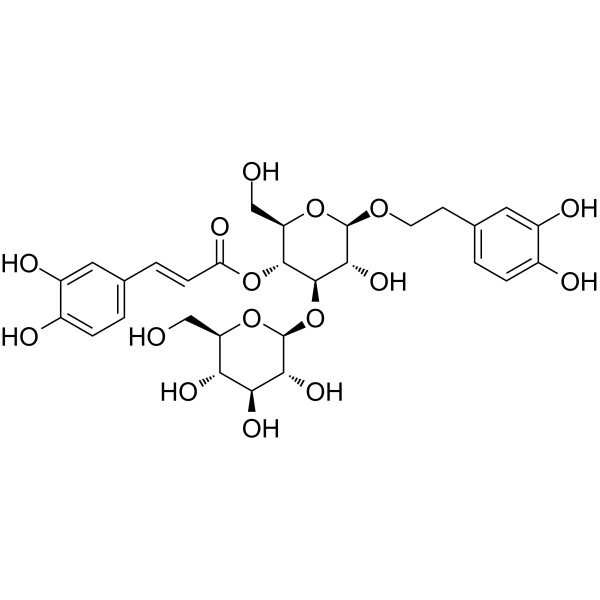
Plantamajoside (Standard) is the analytical standard of Plantamajoside. This product is intended for use in research and analytical applications. Plantamajoside is an orally active phenylpropanoid glycoside. Plantamajoside can be isolated from Plantago asiatica L.(Plantaginaceae). Plantamajoside inactivates NF-κB, PI3K/akt, induces Apoptosis, and improves Autophagy. Plantamajoside regulates MAPK, integrin-linked kinase/c-Src. Plantamajoside inhibits multiple cancers, improves lung and kidney damage. Plantamajoside has neuroprotective and anti-inflammatory effects .
|
-
- HY-17479AR
-
|
|
COX
Reference Standards
|
Inflammation/Immunology
|
|
Amfenac (Sodium Hydrate) (Standard) is the analytical standard of Amfenac (Sodium Hydrate). This product is intended for research and analytical applications. Amfenac Sodium Hydrate is a COX-2 inhibitor.
|
-
- HY-12119B
-
|
|
NO Synthase
|
Neurological Disease
Inflammation/Immunology
|
|
GW274150 (dihydrochloride) is a potent, selective, orally active and NADPH-dependent inhibitor of human inducible nitric oxide synthase (iNOS) (IC50=2.19 μM; Kd=40 nM) and rat iNOS (ED50=1.15 μM). GW274150 (dihydrochloride) displays less potency for both humans or rats endothelial NOS (eNOS) and neuronal NOS (nNOS). GW274150 (dihydrochloride) exerts a protective role in an acute model of lung injury inflammation .
|
-
- HY-E70609
-
|
|
PI3K
|
Inflammation/Immunology
Cancer
|
|
PIK3CG Recombinant Human Active Lipid Kinase belongs to PI3K enzyme family that is directly regulated by Gβγ and Ras in the G protein coupled receptor (GPCR) pathway. PIK3CG has the function of regulating cellular inflammation and immunity. PIK3CG is also a potential target for the treatment of a few malignant tumors such as acute lymphoblastic leukemia, medulloblastoma, claudin-low breast cancer (CLBC) and Kaposi sarcoma .
|
-
- HY-119681
-
|
|
Others
|
Inflammation/Immunology
|
|
YM 11124 is an orally active selective immunosuppressive agent. YM 11124 can inhibit cell-mediated immune responses (type IV allergic reactions, such as delayed-type hypersensitivity and allogenic skin graft rejection) and type III allergic reactions (such as passive Arthus reaction). YM 11124 has no effect on type I, type II allergic reactions or acute inflammation. YM 11124 can be used in research related to organ transplantation and immune hypersensitivity .
|
-
- HY-N4093R
-
-
- HY-W424851
-
|
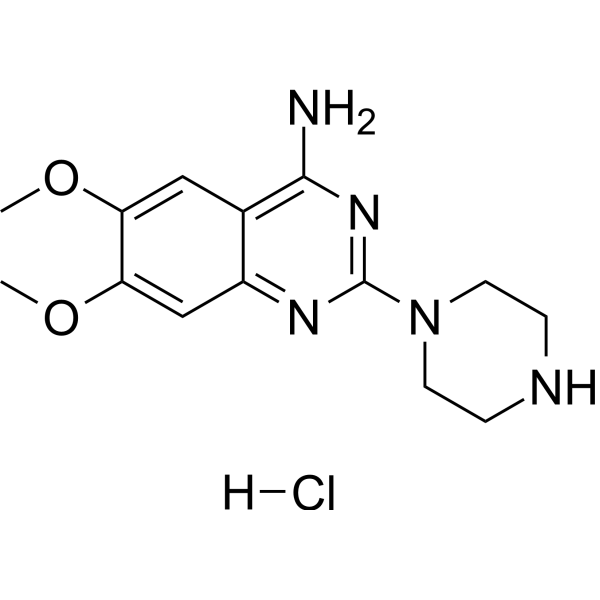
6,7-Dimethoxy-2-(1-piperazinyl)-4-quinazolinamine hydrochloride
|
PARP
|
Infection
Inflammation/Immunology
|
|
DPQ hydrochloride is a blood-brain barrier permeable and selective PARP-1 inhibitor that blocks PARP-1-mediated DNA damage repair and NAD +/ATP consumption, thereby inhibiting excessive inflammatory responses. DPQ hydrochloride inhibits NF-κB pathway activation, reduces the expression of pro-inflammatory factors (such as TNF-α, IL-6) and oxidative stress. DPQ hydrochloride can be used in inflammation-related studies of acute lung injury, myocardial infarction, and neurodegenerative diseases .
|
-
- HY-161996
-
|
|
Indoleamine 2,3-Dioxygenase (IDO)
|
Inflammation/Immunology
|
IDO1-IN-25 is a dual inhibitor of IDO1/TDO2, with IC50 values of 0.17 μM and 3.2 μM, respectively. IDO1-IN-25 can effectively inhibit the production of NO in RAW264.7 cells stimulated by lipopolysaccharide (LPS). IDO1-IN-25 can exert anti-inflammatory effects in a mouse ear edema acute inflammation model induced by croton oil .
|
-
- HY-D3168
-
|
|
Fluorescent Dye
Reactive Oxygen Species (ROS)
|
Inflammation/Immunology
|
|
PCL-2 is a reactive oxygen species-responsive fluorescent probe that shows almost no response to biologically relevant reactive oxygen species other than hydrogen peroxide. PCL-2 reacts with hydrogen peroxide to release 6-hydroxy-2-cyanobenzothiazole. PCL-2 can be used for chemoselective imaging of hydrogen peroxide in in vitro models and acute inflammation mouse models. PCL-2 is applicable to studies related to acute inflammation .
|
-
- HY-N18146
-
|
|
Others
|
Inflammation/Immunology
|
|
14-Acetoxy-12-β-methylbutyl-2E,8E,10E-trien-4,6-diyn-1-ol is an orally active acetylenic compound present in the rhizomes of Atractylodes macrocephala Koidz. 14-Acetoxy-12-β-methylbutyl-2E,8E,10E-trien-4,6-diyn-1-ol is applicable to the research of acute inflammation .
|
-
- HY-D3169
-
|
|
Fluorescent Dye
Caspase
|
Inflammation/Immunology
|
|
IETDC is a caspase 8 probe substrate. IETDC is cleaved by activated caspase 8 to release D-cysteine. The D-cysteine released by IETDC binds to HCBT to generate firefly luciferin in situ, accompanied by a bioluminescent signal produced by H2O2-mediated release of 6-hydroxy-2-cyanobenzothiazole. IETDC is applicable to studies related to acute inflammation .
|
-
- HY-N18124
-
|
|
Others
|
Neurological Disease
|
|
1-O-Tigloyl-1-O-debenzoylohchinal is an orally active limonoid-type triterpenoid anti-inflammatory and peripheral analgesic agent isolated from the fruits of Melia toosendan. 1-O-Tigloyl-1-O-debenzoylohchinal significantly inhibits acetic acid (HY-Y0319)-induced increase in vascular permeability, λ-Carrageenan (HY-N9470)-induced paw edema, and acetic acid-induced writhing response in mice. 1-O-Tigloyl-1-O-debenzoylohchinal shows no significant analgesic effect in the hot-plate test, and acts mainly on the peripheral rather than the central nervous system. 1-O-Tigloyl-1-O-debenzoylohchinal can be widely used in the research of acute or chronic inflammation, stomachache and other related diseases .
|
-
- HY-183337
-
|
|
NOD-like Receptor (NLR)
Interleukin Related
|
Inflammation/Immunology
|
|
ZM734 is an orally active and selective NLRP3 inflammasome inhibitor. ZM734 inhibits the secretion of IL-1β. ZM734 alleviates pulmonary inflammation in a mouse model of acute lung injury. ZM734 can be used for the research of inflammatory diseases such as acute lung injury .
|
-
- HY-106797
-
|
|
SOD
Xanthine Oxidase
|
Cardiovascular Disease
Inflammation/Immunology
Cancer
|
|
CV 3611 is a potent and orally active free radical scavenger. CV 3611 shows anti-inflammatory, antiarrhythmic and anticancer effects. CV 3611 can be used for the researches of cancer, inflammation and cardiovascular disease, such as hepatocellular carcinoma and acute pancreatitis .
|
-
- HY-122692
-
|
|
TRP Channel
|
Neurological Disease
Inflammation/Immunology
|
|
TRPV4/TRPA1-IN-1 is a TRPV4/TRPA1 inhibitor that suppresses TRPV4/TRPA1-mediated calcium influx. TRPV4/TRPA1-IN-1 alleviates pain behaviors in a mouse trigeminal stimulation pain model and inhibits inflammation and pain-related behaviors in a mouse acute pancreatitis model. TRPV4/TRPA1-IN-1 can be used in research on acute pancreatitis .
|
-
- HY-103363R
-
|
|
Reference Standards
CCR
Thymidylate Synthase
|
Inflammation/Immunology
Cancer
|
|
SB-328437 (Standard) is the analytical standard of SB-328437 (HY-103363). This product is intended for research and analytical applications. SB-328437 is a potent, selective non-peptide CCR3 antagonist with an IC50 of 4.5 nM. SB-328437 can inhibit eosinophil migration induced by eotaxin, eotaxin-2, and monocyte chemotactic protein-4. In addition, SB-328437 can sensitize 5-FU (HY-90006)-resistant gastric cancer cells. SB-328437 can also reduce the recruitment of neutrophils to the lungs and pulmonary inflammation during acute inflammation. SB-328437 can be used in the research of inflammation-related diseases .
|
-
- HY-19090
-
|
|
NO Synthase
HSP
|
Cardiovascular Disease
Inflammation/Immunology
|
|
FK 409 is a NO donor that can penetrate cell membranes. FK 409 has a vasodilatory effect on bovine retinal arteries. FK 409 alleviates acute-phase inflammation, induces HSP, and mitigates liver transplantation injury in a rat model of orthotopic liver transplantation. FK 409 can be used in research on cardiovascular diseases and liver transplant rejection and inflammatory immune system disorders .
|
-
- HY-107355R
-
|
|
Reactive Oxygen Species (ROS)
Reference Standards
|
Inflammation/Immunology
|
|
Letosteine (Standard) is the analytical standard of Letosteine (HY-107355). This product is intended for research and analytical applications. Letosteine is an orally active, potent and safe expectorant. Letosteine has the effect of scavenging reactive oxygen species (ROS). Letosteine dissolves bronchial mucus and reduces respiratory inflammation symptoms, and restores gas exchanges and natural defense mechanisms in the lung. Letosteine can be used for acute or chronic respiratory diseases (such as bronchopneumopathies) research .
|
-
- HY-183545
-
|
|
Epoxide Hydrolase
Interleukin Related
|
Inflammation/Immunology
|
|
sEH-IN-24 (Compound (+)-34) is an orally active soluble epoxide hydrolase (sEH) inhibitor with an IC50 of 1.9 nM. sEH-IN-24 inhibits the pro-inflammatory cytokines TNF-α and IL-6. sEH-IN-24 exhibits anti-inflammatory effects and exerts analgesic activity in vivo. sEH-IN-24 prevents pancreatic edema, inflammation and parenchymal atrophy. sEH-IN-24 can be used for the research of acute pancreatitis .
|
-
- HY-19086
-
|
|
COX
Lipoxygenase
|
Inflammation/Immunology
|
|
SKF-105809 is a dual-action inhibitor of lipoxygenase and COX. SKF-105809 inhibits edema and inflammatory cell infiltration in mouse models of ear, paw, and peritoneum inflammation. SKF-105809 inhibits the production of relevant acute-phase reactive proteins in a mouse model of arthritis. SKF-105809 exhibits analgesic activity in a mouse abdominal contraction test and inhibits ulceration. SKF-105809 can be used in research on inflammatory and immune system diseases such as peritonitis and arthritis .
|
-
- HY-173596
-
|
|
VAP-1
Glutathione Peroxidase
|
Inflammation/Immunology
|
|
SNT-8370 is an orally active inhibitor of VAP-1 (IC50: 10 nM) and myeloperoxidase (MPO) (IC50: 17 nM), with >100-1000 fold more potency for VAP-1 and MPO versus other mammalian (per)oxidases. SNT-8370 inhibits MPO-mediated LDL lipid peroxidation. SNT-8370 inhibits leukocyte infiltration in lung injury models of acute inflammation. SNT-8370 is an anti-inflammatory agent, and can be used for research of inflammatory disorders .
|
-
- HY-N0164
-
|
Matridin-15-one; Vegard; α-Matrine
|
PINK1/Parkin
Opioid Receptor
Autophagy
Mitophagy
Ferroptosis
Apoptosis
|
Inflammation/Immunology
Cancer
|
|
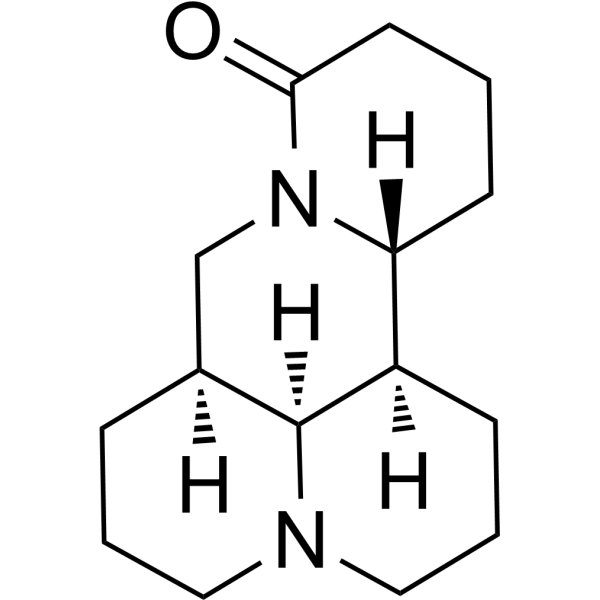
Matrine (Matridin-15-one) is an alkaloid found in plants from the Sophora genus that can act as a kappa opioid receptor and u-receptor agonist. Matrine has a variety of pharmacological effects, including anti-cancer, anti-oxidative stress, anti-inflammation and anti-apoptosis effects. Matrine is potential in the research of disease like human non-small cell lung cancer, hepatoma, papillary thyroid cancer and acute kidney injury (AKI) .
|
-
- HY-N0352
-
|
|
Parasite
|
Infection
|
|
Tuberostemonine is a stenine alkaloid that can be isolated from Stemona tuberosa and Stemona sessifolia. Tuberostemonine is an antimalarial agent that has inhibitory activity against Ferredoxin-NADP + reductases (FNRs) from Plasmodium falciparum (PfFNR). Tuberostemonine can reduce the number of citric acid-induced coughs in guinea pigs. Tuberostemonine decreases bronchoalveolar lavage fluid (BALF), neutrophil and macrophage infiltration and reduces peribronchial and perivascular inflammatory cell infiltration in mouse model of acute lung inflammation. Tuberostemonine has a level of activity as a feeding deterrent .
|
-
- HY-P990164
-
|
|
Transmembrane Glycoprotein
|
Inflammation/Immunology
Cancer
|
|
Anti-Mouse RGMb Antibody (307.9D1) is a rat-derived IgG2a κ type antibody inhibitor, targeting to mouse RGMb. Anti-Mouse RGMb Antibody (307.9D1) blocks RGMb binding to PD-L2. Anti-Mouse RGMb Antibody (307.9D1) can be used for the researches of cancer inflammation and immunology, such as acute myeloid leukemia (AML) and graft versus-host disease (GVHD) .
|
-
- HY-180822
-
|
|
COX
TNF Receptor
Interleukin Related
|
Inflammation/Immunology
|
|
COX-2-IN-63 (Compound 6k) is an orally active COX-2 inhibitor with an IC50 of 0.89 μM. COX-2-IN-63 reduces the levels of inflammatory mediators PGE2, TNF-α, and IL-6. COX-2-IN-63 can effectively alleviate acute inflammation in a rat paw edema model and has a lower risk of gastrointestinal side effects. COX-2-IN-63 can be used in anti-inflammatory research .
|
-
- HY-N3700
-
|
Rutaceline
|
Bacterial
HIV
TNF Receptor
Interleukin Related
|
Infection
Inflammation/Immunology
|
|
Decarine (Rutaceline) is a benzophenanthridine alkaloid found in Zanthoxylum species. Decarinewith shows anti-inflammatory, antimycobacterial, and anti-HIV activity. Decarine inhibits NO, TNF-α, IL-1β, IL-6, and IL-8 production in inflammatory cell models. Decarine inhibits growth of Mycobacterium tuberculosis strains, reduces intracellular Mycobacterium tuberculosis survival, and shows low cytotoxicity toward human macrophages. Decarine inhibits HIV replication in acutely infected lymphocytes. Decarine can be used for the researches of inflammation, tuberculosis, and HIV infection .
|
-
- HY-N3011
-
|
|
PI3K
Akt
Pyruvate Kinase
JAK
STAT
NF-κB
Apoptosis
Reactive Oxygen Species (ROS)
|
Metabolic Disease
Inflammation/Immunology
Cancer
|
|
Iridin is an orally active natural isoflavone. Iridin inhibits the PI3K/AKT and PKM2 signaling pathways, and downregulates the JAK/STAT and NF-κB pathways. Iridin induces Fas-mediated extrinsic apoptosis, G2/M cell cycle arrest, and inhibits cell proliferation. Iridin reduces inflammation, inhibits ROS production, suppresses glycolysis, and also exhibits antioxidant and antidiabetic activities. Iridin can be used in research related to gastric cancer and acute lung injury .
|
-
- HY-172135
-
|
|
p38 MAPK
Phosphodiesterase (PDE)
|
Inflammation/Immunology
|
|
PDE4-IN-26 (Compound A5) is an orally active and highly selective PDE4 inhibitor. PDE4-IN-26 has anti-inflammatory activity and can inhibit the phosphorylation of p38 MAPK. In mouse models of acute lung injury and chronic obstructive pulmonary disease, PDE4-IN-26 can improve pulmonary inflammation, injury and fibrosis, promote sputum secretion and relieve cough in mice. PDE4-IN-26 can be used for the research of lung injury-related diseases .
|
-
- HY-N0512R
-
|
Loganoside (Standard)
|
Reference Standards
Apoptosis
Keap1-Nrf2
TNF Receptor
Interleukin Related
|
Neurological Disease
Inflammation/Immunology
Cancer
|
|
Loganin (Standard) is the analytical standard of Loganin. This product is intended for research and analytical applications. Loganin is a type of iridoid glycoside compound that possesses anti-inflammatory, antioxidant, and antitumor properties, and offers protective effects against acute lung injury and pulmonary fibrosis. Loganin exerts its protective effects against LPS (HY-D1056)-mediated inflammation and oxidative stress by upregulating the Nrf2/HO-1 signaling pathway, and it reduces neuroinflammation caused by spinal cord injury (SCI) .
|
-
- HY-P990181
-
|
|
Glutathione Peroxidase
STING
|
Inflammation/Immunology
|
|
Anti-Mouse myeloperoxidase/MPO Antibody (6G4) is an anti-mouse myeloperoxidase/MPO IgG2c monoclonal antibody. Anti-Mouse myeloperoxidase/MPO Antibody (6G4) can activate the cGAS/STING pathway. Anti-Mouse myeloperoxidase/MPO Antibody (6G4) induces acute and chronic kidney injury in mice. Anti-Mouse myeloperoxidase/MPO Antibody (6G4) is often used in the construction of inflammation conditions models such as anti-neutrophil cytoplasmic antibody (ANCA)-associated vasculitides (AAV) .
|
-
- HY-17484
-
|
CP 65703
|
Drug Derivative
|
Inflammation/Immunology
|
|
Ampiroxicam is an orally active prodrug of non-steroidal anti-inflammatory drug (NSAID). Ampiroxicam inhibits paw swelling in adjuvant-induced arthritis and acute inflammation models, and suppresses phenylbenzoquinone-induced stretching responses in mice. Ampiroxicam is rapidly and completely converted to Piroxicam (HY-B0253) via non-specific esterases and first-pass metabolism. Ampiroxicam induces contact hypersensitivity and photosensitivity reactions through photoproducts generated by UVA. Ampiroxicam can be used in research related to photosensitivity, adjuvant-induced arthritis, rheumatism, osteoarthritis and other inflammatory diseases .
|
-
- HY-N0164R
-
|
Matridin-15-one (Standard); Vegard (Standard); α-Matrine (Standard)
|
PINK1/Parkin
Reference Standards
Opioid Receptor
Autophagy
Mitophagy
Ferroptosis
Apoptosis
|
Inflammation/Immunology
Cancer
|
|
Matrine (Standard) is the analytical standard of Matrine. This product is intended for research and analytical applications. Matrine (Matridin-15-one) is an alkaloid found in plants from the Sophora genus that can act as a kappa opioid receptor and u-receptor agonist. Matrine has a variety of pharmacological effects, including anti-cancer, anti-oxidative stress, anti-inflammation and anti-apoptosis effects. Matrine is potential in the research of disease like human non-small cell lung cancer, hepatoma, papillary thyroid cancer and acute kidney injury (AKI) .
|
-
- HY-160109
-
|
|
Mucin
|
Inflammation/Immunology
Cancer
|
|
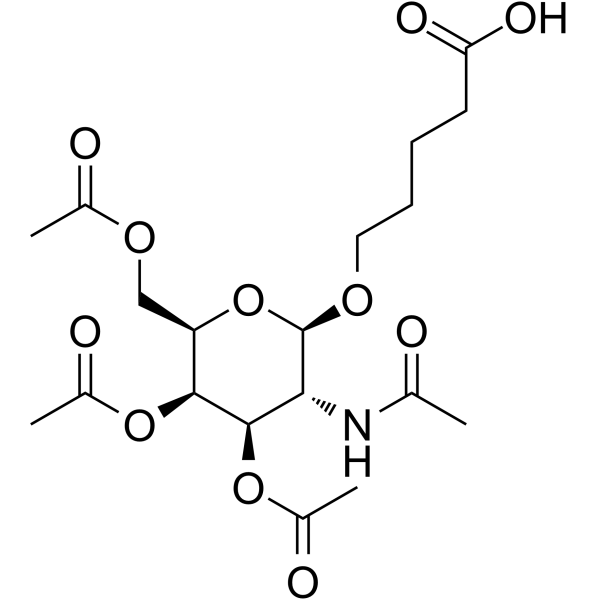
Ac5GalNTGc is a potent, peracetylated C-2 thioglycolyl-substituted GalNAc analog that efficiently inhibits mucin-type O-glycan biosynthesis. Ac5GalNTGc reduces leukocyte sialyl-Lewis-X expression and inhibits L-/P-selectin mediated rolling under flow, as well as P-selectin dependent leukocyte-platelet adhesion. Ac5GalNTGc exhibits anti-inflammatory activity in a thioglycollate-induced acute peritonitis model. Ac5GalNTGc can be used for studies of O-glycan/mucin biology, inflammation, and related translational research .
|
-
- HY-114504
-
|
|
Epigenetic Reader Domain
|
Inflammation/Immunology
|
|
RVX-297 is a potent, orally active BET bromodomain inhibitor with selectivity for BD2. RVX-297 shows IC50s of 0.08, 0.05, and 0.02 μM for BRD2(BD2), BRD3(BD2), and BRD4(BD2), respectively. RVX-297 suppresses inflammatory gene expression in multiple immune cell types. RVX-297 is effective in acute inflammation and autoimmunity models .
|
-
- HY-N0469R
-
|
|
Reference Standards
Endogenous Metabolite
Virus Protease
HSV
|
Infection
Metabolic Disease
Inflammation/Immunology
|
L-Lysine (Standard) is the analytical standard of L-Lysine. This product is intended for research and analytical applications. L-lysine is an essential amino acid for humans with orally activity. L-lysine can inhibit the occurrence of HSV infections and is used in herpes research. L-lysine increases calcium absorption, reduces diabetes-related diseases, improves gut health, and alleviates pancreatic inflammation. L-lysine can be used in research on metabolism, infection, and inflammation .
IC50 & Target:L-lysine (150 mg/kg) promotes, but not initiates, bladder cancer. The administration of L-lysine to rats submitted to colovesical cystoplasty accelerates the development of transitional metaplasia of the intestinal epithelium .
L-lysine (10 mg/kg) treatment attenuates pancreatic tissue injury induced by L-arginine by inhibiting the release of the inflammatory cytokine IL-6 and enhance antioxidant activity .
In Vivo:L-lysine (10?mg/kg, p.o., pre-treated or post-treated, administration duration 15 days) treatment attenuates pancreatic tissue injury induced by L-arginine by inhibiting the release of the inflammatory cytokine IL-6 and enhance antioxidant activity in acute pancreatitis mice model .
L-lysine (5 or 10?mg/kg, p.o., 45 days) ameliorates sepsis-induced acute lung injury in a lipopolysaccharide (HY-D1056)-induced mouse model .
|
-
- HY-171900
-
|
|
Liposome
|
Inflammation/Immunology
|
|
Lipid 114 is an ionizable cationic lipid with a pKa of approximately 6.8. Lipid 114 can be used to generate lipid nanoparticles (LNP) to deliver siRNA in vitro as well as in vivo. Lipid 114 LNPs encapsulating siRNA that targets IL-1β can reduce IL-1β expression in macrophages. Lipid 114 LNPs encapsulating siRNA that targets IL-1β also reduces hepatic and renal expression of IL-1β, as well as decreasing hepatic inflammation in mouse model with LPS-induced acute liver failure .
|
-
- HY-W654256
-
|
Matridin-15-one-d3; Vegard-d3; α-Matrine-d3
|
Isotope-Labeled Compounds
PINK1/Parkin
Opioid Receptor
Autophagy
Mitophagy
Ferroptosis
Apoptosis
|
Inflammation/Immunology
Cancer
|
|
Matrine-d3 (Matridin-d3) is a deuterium labeled Matrine (HY-N0164). Matrine (Matridin-15-one) is an alkaloid found in plants from the Sophora genus that can act as a kappa opioid receptor and u-receptor agonist. Matrine has a variety of pharmacological effects, including anti-cancer, anti-oxidative stress, anti-inflammation and anti-apoptosis effects. Matrine is potential in the research of disease like human non-small cell lung cancer, hepatoma, papillary thyroid cancer and acute kidney injury (AKI) .
|
-
- HY-N7372
-
|
|
Apoptosis
|
Infection
Inflammation/Immunology
|
Licoisoflavanone is an orally active isoflavane-based immunomodulator with multiple activities including antiviral, anti-inflammatory, cytoprotective and cancer cell apoptosis-inducing effects. Licoisoflavanone can be isolated from the roots and rhizomes of Glycyrrhiza uralensis Fisch. Licoisoflavanone not only enhances the body's immunity, but also effectively prevents acute respiratory distress syndrome and multiple organ damage by alleviating cytokine storm, thereby reducing the degree of inflammation. In rats, Licoisoflavanone undergoes multiple metabolic transformation processes such as glucuronidation, hydroxylation, sulfation, methylation and dehydrogenation. Licoisoflavanone has become an important candidate molecule for research on COVID-19 and related inflammatory diseases .
|
-
- HY-P11264
-
|
|
GPR55
Collagen
Reactive Oxygen Species (ROS)
Apoptosis
|
Metabolic Disease
Inflammation/Immunology
|
|
Cyclic peptide P1-1 is a high-potent GPR55 antagonist. Cyclic peptide P1-1 antagonizes GPR55 and suppresses collagen secretion. Cyclic peptide P1-1 reduces ROS production, attenuates ER stress, and inhibits mitochondria-associated Apoptosis. Cyclic peptide P1-1 inhibits the expression of α-SMA and COL1α. Cyclic peptide P1-1 ameliorates CCl4 (HY-Y0298)-induce and MCD-diet-induce acute liver inflammation and fibrosis .
|
-
- HY-174405
-
|
|
PROTACs
Phosphodiesterase (PDE)
TNF Receptor
Interleukin Related
|
Inflammation/Immunology
|
|
PROTAC PDE4 degrader-1 (Compound 9m) is a selective and orally active PDE4 PROTAC degrader with a DC50 of 41.98 μM. PROTAC PDE4 degrader-1 potently inhibits the secretion of pro-inflammatory cytokines such as TNF-α and IL-6. PROTAC PDE4 degrader-1 significantly alleviates pulmonary inflammation in LPS (HY-D1056)-induced acute lung injury (ALI) mice Model . Pink: PDE4 ligand (HY-174410); Blue: CRBN ligase ligand (HY-10984); Black: linker
|
-
- HY-125474
-
|
|
Environmental Pollutants
HIV
HSV
|
Infection
Cancer
|
|
Carrageenan is an antiviral and anticancer agent. Carrageenan inhibits herpes simplex virus (HSV), HIV, and hepatitis A virus (HAV) by directly binding to the viral capsid to block the attachment of viruses such as HPV to HSPG factors on the cell surface. Carrageenan delays and arrests cell cycle progression, exhibits cytotoxicity against HeLa cancer cells, and can be applied to studies related to cervical cancer, genital warts, hepatitis A, and other conditions. Carrageenan also induces acute non-immune inflammation, triggers a three-phase inflammatory response involving the release of multiple proinflammatory mediators, and causes persistent edema, hyperalgesia, and neutrophil recruitment in mice .
|
-
- HY-P990094
-
|
CSL311
|
c-Fms
|
Inflammation/Immunology
|
|
Trabikibart (CSL311) is a specific inhibitor targeting the βc receptor (CSF2RB) that inhibits signal transduction mediated by GM-CSF, IL-5, and IL-3. Trabikibart exhibits significant anti-inflammatory and anti-edema effects, reduces myeloid cell infiltration, and inhibits inflammatory cell survival. Trabikibart also possesses antiviral immune functions, which alleviate pulmonary inflammation, reverse airway dysfunction and fibrosis, and thereby restore impaired pulmonary function. Trabikibart can be used in research on related diseases such as acute respiratory distress syndrome, viral pneumonia, asthma, and chronic rhinosinusitis with nasal polyps .
|
-
- HY-17484R
-
|
CP 65703 (Standard)
|
Reference Standards
|
Inflammation/Immunology
|
|
Ampiroxicam (Standard) is the analytical standard of Ampiroxicam. This product is intended for research and analytical applications. Ampiroxicam is an orally active prodrug of non-steroidal anti-inflammatory drug (NSAID). Ampiroxicam inhibits paw swelling in adjuvant-induced arthritis and acute inflammation models, and suppresses phenylbenzoquinone-induced stretching responses in mice. Ampiroxicam is rapidly and completely converted to Piroxicam (HY-B0253) via non-specific esterases and first-pass metabolism. Ampiroxicam induces contact hypersensitivity and photosensitivity reactions through photoproducts generated by UVA. Ampiroxicam can be used in research related to photosensitivity, adjuvant-induced arthritis, rheumatism, osteoarthritis and other inflammatory diseases.
|
-
- HY-N3011R
-
|
|
Reference Standards
Apoptosis
PI3K
Pyruvate Kinase
Reactive Oxygen Species (ROS)
JAK
Akt
NF-κB
STAT
|
Metabolic Disease
Inflammation/Immunology
Cancer
|
|
Iridin (Standard) is the analytical standard of Iridin. This product is intended for research and analytical applications. Iridin is an orally active natural isoflavone. Iridin inhibits the PI3K/AKT and PKM2 signaling pathways, and downregulates the JAK/STAT and NF-κB pathways. Iridin induces Fas-mediated extrinsic apoptosis, G2/M cell cycle arrest, and inhibits cell proliferation. Iridin reduces inflammation, inhibits ROS production, suppresses glycolysis, and also exhibits antioxidant and antidiabetic activities. Iridin can be used in research related to gastric cancer and acute lung injury .
|
-
- HY-P990002
-
|
|
c-Kit
|
Inflammation/Immunology
Cancer
|
|
Anti-Mouse CD117/c-Kit Antibody (2B8) is an IgG2b antibody, targeting to mouse CD117/c-Kit. Anti-Mouse CD117/c-Kit Antibody (2B8) reacts with mouse c-Kit (also known as CD117), which is expressed on hematopoietic progenitor cells, mast cells, and acute myeloid leukemia (AML) cells. Anti-Mouse CD117/c-Kit Antibody (2B8) can be used for the detection of flow cytometry, immunofluorescence and immunohistochemistry in cancer and inflammation .
|
-
- HY-B0197
-
|
GR-85548A
|
5-HT Receptor
|
Cardiovascular Disease
Neurological Disease
Inflammation/Immunology
|
|
Naratriptan is an orally active and selective 5-HT1B/1D receptor agonist. Naratriptan is peripherally active and has good oral bioavailability, inducing cranial artery vasoconstriction by activating 5-HT1B/1D receptors (EC50=0.11 μM for dog basilar artery). Naratriptan also inhibits trigeminal nerve-mediated dural neurogenic plasma extravasation and reduces sterile inflammation. Naratriptan is mainly used in the research of acute migraine, targeting cranial vascular and neuroinflammatory mechanisms .
|
-
- HY-172242
-
|
|
Cathepsin
Dipeptidyl Peptidase
|
Inflammation/Immunology
|
|
Verducatib (BI 1291583) is an orally active inhibitor of cathepsin C (also known as DPP1). Verducatib restores the protease-inhibitor balance by inhibiting the activation of neutrophil serine proteases, thereby alleviating pulmonary inflammation and regulating infection responses. Verducatib significantly reduces the risk (including severe exacerbations) and frequency of acute exacerbations in bronchiectasis (BE). Verducatib also improves lung function and quality of life, and shortens the duration of antibiotic use. The overall incidence of adverse events of Verducatib is comparable to that of placebo, with only slightly more mild-to-moderate cutaneous adverse events observed in the high-dose group, demonstrating promising clinical application potential .
|
-
- HY-119171
-
|
|
KMO
|
Neurological Disease
Inflammation/Immunology
|
|
GSK 366 is a type II kynurenine-3-monooxygenase (KMO) inhibitor with IC50 values of 2.3 nM and 0.7 nM for human KMO and P. fluorescens-KMO (Pf-KMO). GSK 366 binds to KMO’s substrate site, prevents productive NADPH association, substrate binding, and FAD hydroperoxy species formation. GSK 366 does not stimulate hydrogen peroxide (H2O2) production and reduces H2O2 levels. GSK 366 can be used for the researches of inflammation and neurological disease, such as acute pancreatitis multiple organ dysfunction syndrome and Alzheimer’s disease .
|
-
- HY-169052
-
|
|
JNK
Apoptosis
|
Cardiovascular Disease
Inflammation/Immunology
|
|
Cyy-272 is an orally active JNK inhibitor with IC50 values of 1.25 μM for JNK1, 1.07 μM for JNK2, and 1.24 μM for JNK3. Cyy-272 exerts anti-inflammatory effects by inhibiting JNK phosphorylation, thereby alleviating acute lung injury (ALI) induced by lipopolysaccharide (LPS, HY-D1056). Additionally, Cyy-272 significantly reduces inflammation in cardiomyocytes and cardiac tissue induced by high lipid concentrations, further mitigating cardiac hypertrophy, fibrosis, and apoptosis. Cyy-272 can be used in the study of obese cardiomyopathy .
|
-
- HY-160109A
-
|
|
Mucin
|
Inflammation/Immunology
|
|
Ac5GalNTGc epimer is an analogue of hexosamine and the racemate of Ac5GalNTGc (HY-160109). Ac5GalNTGc is a potent, peracetylated C-2 thioglycolyl-substituted GalNAc analog that efficiently inhibits mucin-type O-glycan biosynthesis. Ac5GalNTGc reduces leukocyte sialyl-Lewis-X expression and inhibits L-/P-selectin mediated rolling under flow, as well as P-selectin dependent leukocyte-platelet adhesion. Ac5GalNTGc exhibits anti-inflammatory activity in a thioglycollate-induced acute peritonitis model. Ac5GalNTGc can be used for studies of O-glycan/mucin biology, inflammation, and related translational research .
|
-
- HY-172350
-
|
|
SARS-CoV
Virus Protease
Interleukin Related
|
Infection
|
|
WEHI-P8 is an orally active SARS-CoV-2 papain-like protease (PLpro) inhibitor with an IC50 of 12 nM and a Kd of 9.0 nM. WEHI-P8 reduces viral load, body weight loss, pulmonary inflammation, immune cell infiltration and pro-inflammatory mediator levels in SARS-CoV-2-infected mice. WEHI-P8 prevents pulmonary hemorrhage, immune cell infiltration, fibrotic remodeling and neuroinflammation, and improves cognitive function in a mouse model of post-acute sequelae of SARS-CoV-2 infection (PASC). WEHI-P8 is applicable for the research of COVID-19 and PASC .
|
-
- HY-B0197A
-
|
GR-85548A hydrochloride
|
5-HT Receptor
|
Cardiovascular Disease
Neurological Disease
Inflammation/Immunology
|
|
Naratriptan (GR-85548A) hydrochloride is a selective 5-HT1B/1D receptor agonist. Naratriptan hydrochloride is peripherally active and has good oral bioavailability, inducing cranial artery vasoconstriction by activating 5-HT1B/1D receptors (EC50=0.11 μM for dog basilar artery). Naratriptan hydrochloride also inhibits trigeminal nerve-mediated dural neurogenic plasma extravasation and reduces sterile inflammation. Naratriptan hydrochloride is mainly used in the research of acute migraine, targeting cranial vascular and neuroinflammatory mechanisms .
|
-
- HY-182939
-
|
|
MNK
Eukaryotic Initiation Factor (eIF)
NF-κB
|
Inflammation/Immunology
|
|
MNK1/2-IN-10 is an orally active, selective MNK1/MNK2 inhibitor, with an IC50 of 10.84 nM for MNK1 and an IC50 of 12.81 nM for MNK2. MNK1/2-IN-10 inhibits eIF4E phosphorylation, the NF-κB signaling pathway, macrophage polarization, oxidative stress and the production of pro-inflammatory cytokines. MNK1/2-IN-10 alleviates kidney and spleen damage in LPS (HY-D1056)-induced inflammatory mouse models. Anti-inflammatory agent 115 is applicable for research related to acute inflammation .
|
-
- HY-163748
-
|
|
GSK-3
|
Inflammation/Immunology
|
|
GSK-3β inhibitor 17 (compound 5 n) is a potent GSK-3β inhibitor. GSK-3β inhibitor 17 decreases cisplatin (HY-17394) induced p-p65, KIM-1 protein and mRNA expression. GSK-3β inhibitor 17 decreases cisplatin induced TNF-α, IL-1β, IL-6 and MCP-1 mRNA expression. GSK-3β inhibitor 17 shows anti-inflammation effect and has the potential for the research of acute kidney injury .
|
-
- HY-182517
-
|
|
TRP Channel
|
Inflammation/Immunology
|
|
AG1529 is a TRPV1 inhibitor and capsaicinoid-based soft agent with a human TRPV1 IC50 of 0.9-0.93 μM. AG1529 reversibly blocks capsaicin-evoked TRPV1 activation, binds to the TRPV1 capsaicin binding site, moderately affects pH-induced TRPV1 gating, and does not alter voltage- or heat-mediated TRPV1 responses. AG1529 suppresses TRPV1-mediated neuronal excitability, reduces capsaicin- and pH-evoked neuronal firing, abolishes histaminergic and inflammation-mediated TRPV1 sensitization. AG1529 exhibits anti-nociceptive and antipruritic effects, attenuates in vivo hyperalgesia and pruritus, dose-dependently reduces acute histaminergic itch in rodents, and mildly blocks hTRPA1 and hTRPM8 channel activity. AG1529 undergoes hydrolysis and dermal deactivation, minimizes TRPV1-associated side reactions, does not evoke capsaicin-like burning sensation, and does not disrupt physiological thermal regulation. AG1529 can be used for the research of inflammatory cutaneous nociception and acute histaminergic pruritus .
|
-
- HY-176274
-
-
- HY-N0488A
-
Vincristine
Maximum Cited Publications
74 Publications Verification
Leurocristine; NSC-67574; 22-Oxovincaleukoblastine
|
Apoptosis
Microtubule/Tubulin
Mitosis
|
Infection
Cancer
|
|
Vincristine (Leurocristine; NSC-67574; 22-Oxovincaleukoblastine) is a microtubule inhibitor that disrupts microtubule polymerization by binding to β-tubulin (with a Ki of 85 nM in bovine), arrests the cell cycle and induces apoptosis. Vincristine inhibits cell replication, tumor blood flow and the proliferation of various cancer cells, while triggering effects such as oxidative stress, inflammation, calcium overload, epithelial-mesenchymal transition and peripheral neuropathic pain. Vincristine upregulates the expression of various transporters and nuclear receptors, and enriches gastric cancer stem-like cells. Vincristine is used in research related to various tumors including acute lymphoblastic leukemia, lymphoma, melanoma, gastric cancer, solid tumors and sarcomas .
|
-
- HY-181168
-
|
|
Caspase
Pyroptosis
|
Inflammation/Immunology
|
|
Lb54 is a caspase-3 and caspase-7 activator with an EC50 of 660.9 nM for human procaspase-3. Lb54 activates caspase-3/7, which cleaves Gasdermin D (GSDMD) at aspartic acid residue 87 to generate a p10 fragment, preventing formation of the pore-forming p30 fragment of GSDMD. Lb54 suppresses GSDMD-mediated pyroptosis through caspase-3/7 activation, thereby attenuating inflammatory responses and conferring protection against sepsis. Lb54 alleviates acute lung injury, and inhibited systemic inflammation by restraining the maturation of monocyte-derived dendritic cells. Lb54 can be used for the research of sepsis .
|
-
- HY-A0259
-
|
|
COX
|
Inflammation/Immunology
|
|
Floctafenine, a nonsteroidal anti-inflammatory agent (NSAID), acts as an effective analgesic agent . Floctafenine is an inhibitor of COX-1 and COX-2 activities in vitro,showing a slightly higher potency towards COX-I. Floctafenine is used for the research of short term pain research .
|
-
- HY-N5063
-
|
|
Angiotensin-converting Enzyme (ACE)
IKK
Calcium Channel
PKC
Reactive Oxygen Species (ROS)
NF-κB
Apoptosis
Sirtuin
NOD-like Receptor (NLR)
|
Cardiovascular Disease
Neurological Disease
Inflammation/Immunology
|
|
Plantainoside D, a phenylethanoid glycosides, is a IKK-β inhibitor with diverse biological activities. Plantainoside D shows inhibitory activity of angiotensin-converting enzyme (ACE) with an IC50 of 2.17 mM. Plantainoside D significantly reduces the release of glutamate from nerve terminals in the cerebral cortex of rats by inhibiting the voltage-dependent calcium channel (VDCCs) and protein kinase C (PKC) signaling cascade. Plantainoside D significantly alleviates cell apoptosis by inhibiting the generation of ROS and the activation of NF-κB. Plantainoside D significantly improves acute lung injury (ALI) induced by sepsis by regulating the Sirt3/NLRP3 signaling pathway. Plantainoside D can be used for the study of neuroprotection, antioxidant, anti-inflammation, antihypertension .
|
-
- HY-112356
-
|
|
Apoptosis
Reactive Oxygen Species (ROS)
Polo-like Kinase (PLK)
|
Inflammation/Immunology
Cancer
|
|
Scytonemin is a hydrophobic alkaloid pigment that can be isolated from the outer sheath of cyanobacteria. Scytonemin has protective function against short-wave solar ultraviolet (UV) radiation, which can reduce the generation of reactive oxygen species (ROS) and the formation of DNA damage. Scytonemin also has anti-inflammatory and anti-proliferative activities, produces concentration-dependent inhibition (IC50=2.0 μM) of polo-like kinase 1 (PLK1)-mediated cdc25C phosphorylation, and plays an important role in regulating the G2/M transition in the cell cycle. It can be used in the research of cancer, acute inflammation and sunscreen cosmetics .
|
-
- HY-163897
-
|
|
PROTACs
Ferroptosis
Reactive Oxygen Species (ROS)
|
Inflammation/Immunology
|
|
PROTAC NCOA4 degrader-1 is a VHL-based PROTAC NCOA4 degrader. PROTAC NCOA4 degrader-1 is a ferroptosis inhibitor. PROTAC NCOA4 degrader-1 reduces Fe 2+ elevation, ROS production, MDA content and PTGS2 mRNA expression. PROTAC NCOA4 degrader-1 ameliorates liver damage in a CCl4-induced acute liver injury model. PROTAC NCOA4 degrader-1 can be used for the researches of inflammation and immunology. (Pink: NCOA4 ligand (HY-149457). Black: linker (HY-163903). Blue: VHL ligand (HY-138678B)) .
|
-
- HY-176180
-
|
|
PROTACs
STING
NF-κB
IKK
|
Inflammation/Immunology
|
|
PROTAC STING degrader-4 is a nitro-free covalent STING PROTAC degrader with a DC50 of 3.23 μM. PROTAC STING degrader-4 effectively inhibits STING as well as its downstream signaling, such as p-TBK1 and p-NF-κB (p-P65), and immune-inflammatory cytokines. PROTAC STING degrader-4 mitigates kidney and blood inflammation in Cisplatin (HY-17394)-induced acute kidney injury (AKI) mice model . Pink: STING ligand (HY-176183); Blue: CRBN ligase ligand (HY-103596); Black: linker (HY-176182); CRBN ligase ligand + linker: HY-176181
|
-
- HY-N0488
-
|
Leurocristine sulfate; NSC-67574 sulfate; 22-Oxovincaleukoblastine sulfate
|
Apoptosis
Microtubule/Tubulin
Mitosis
|
Cancer
|
|
Vincristine (Leurocristine; NSC-67574; 22-Oxovincaleukoblastine) sulfate is a microtubule inhibitor that disrupts microtubule polymerization by binding to β-tubulin (with a Ki of 85 nM in bovine), arrests the cell cycle and induces apoptosis. Vincristine sulfate inhibits cell replication, tumor blood flow and the proliferation of various cancer cells, while triggering effects such as oxidative stress, inflammation, calcium overload, epithelial-mesenchymal transition and peripheral neuropathic pain. Vincristine sulfate upregulates the expression of various transporters and nuclear receptors, and enriches gastric cancer stem-like cells. Vincristine sulfate is used in research related to various tumors including acute lymphoblastic leukemia, lymphoma, melanoma, gastric cancer, solid tumors and sarcomas .
|
-
- HY-B0197S
-
|
GR-85548A-d3-1
|
5-HT Receptor
|
Cardiovascular Disease
Neurological Disease
Inflammation/Immunology
|
|
Naratriptan-d3 (GR-85548A-d3) is the deuterium labeled Naratriptan (HY-B0197). Naratriptan is a selective 5-HT1B/1D receptor agonist. Naratriptan is peripherally active and has good oral bioavailability, inducing cranial artery vasoconstriction by activating 5-HT1B/1D receptors (EC50=0.11 μM for dog basilar artery). Naratriptan also inhibits trigeminal nerve-mediated dural neurogenic plasma extravasation and reduces sterile inflammation. Naratriptan is mainly used in the research of acute migraine, targeting cranial vascular and neuroinflammatory mechanisms .
|
-
- HY-B0197AR
-
|
GR-85548A hydrochloride (Standard)
|
Reference Standards
5-HT Receptor
|
Cardiovascular Disease
Neurological Disease
Inflammation/Immunology
|
|
Naratriptan (GR-85548A) hydrochloride (Standard) is the analytical standard of Naratriptan hydrochloride (HY-B0197A). This product is intended for research and analytical applications. Naratriptan is a selective 5-HT1B/1D receptor agonist. Naratriptan is peripherally active and has good oral bioavailability, inducing cranial artery vasoconstriction by activating 5-HT1B/1D receptors (EC50=0.11 μM for dog basilar artery). Naratriptan also inhibits trigeminal nerve-mediated dural neurogenic plasma extravasation and reduces sterile inflammation. Naratriptan is mainly used in the research of acute migraine, targeting cranial vascular and neuroinflammatory mechanisms .
|
-
- HY-B0197AS
-
|
GR-85548A d3
|
5-HT Receptor
|
Cardiovascular Disease
Neurological Disease
Inflammation/Immunology
|
|
Naratriptan-d3 (GR-85548A-d3) is the deuterium labeled Naratriptan hydrochloride (HY-B0197A). Naratriptan hydrochloride is a selective 5-HT1B/1D receptor agonist. Naratriptan hydrochloride is peripherally active and has good oral bioavailability, inducing cranial artery vasoconstriction by activating 5-HT1B/1D receptors (EC50=0.11 μM for dog basilar artery). Naratriptan hydrochloride also inhibits trigeminal nerve-mediated dural neurogenic plasma extravasation and reduces sterile inflammation. Naratriptan hydrochloride is mainly used in the research of acute migraine, targeting cranial vascular and neuroinflammatory mechanisms .
|
-
- HY-160844
-
|
|
Prostaglandin Receptor
TNF Receptor
Interleukin Related
|
Inflammation/Immunology
|
|
CT-133 is a selective and potent CRTH2 Receptor antagonist, with a Ki value of 2.2 nM. The Ki value for the DP1 receptor is greater than 3800 nM. CT-133 inhibits neutrophil migration induced by PGD2 (HY-101988). CT-133 significantly alleviates lung inflammation and improves lung function impairment in a mouse model of acute lung injury (ALI) induced by cigarette smoke. CT-133 effectively inhibits the excessive expression of pro-inflammatory cytokines (TNF-α, IL-1β, and IL-6) and chemokines (KC), and reverses the inhibition of the anti-inflammatory factor IL-10. CT-133 can be used for the study of ALI .
|
-
- HY-N2542
-
-
- HY-113298
-
|
Methylmaleic acid
|
NOD-like Receptor (NLR)
Keap1-Nrf2
Reactive Oxygen Species (ROS)
|
Cardiovascular Disease
Inflammation/Immunology
|
|
Citraconic acid (Methylmaleic acid) is an orally active inhibitor targeting the NLRP3 inflammasome and Keap1-Nrf2 pathway. Citraconic acid reduces reactive oxygen species (ROS) generation by inhibiting succinate dehydrogenase (SDH) activity. Citraconic acid also modifies the conformation of Keap1 protein, relieves its inhibition of Nrf2, promotes antioxidant gene expression, and inhibits NLRP3 activation and the release of pro-inflammatory factors such as IL-1β and IL-18. Citraconic acid has anti-inflammatory and antioxidant activities, can reduce oxidative stress and cell pyroptosis, improve tissue damage, and can be used for the research of inflammation-related diseases such as acute renal ischemia-reperfusion injury. Citraconic acid is an isomer of Itaconic acid (HY-Y052) .
|
-
- HY-N0488S
-
|
Leurocristine-d3 sulfate; NSC-67574-d3 sulfate; 22-Oxovincaleukoblastine-d3 sulfate
|
Isotope-Labeled Compounds
Apoptosis
Microtubule/Tubulin
Mitosis
|
Cancer
|
|
Vincristine-d3 sulfate is the deuterium labeled Vincristine sulfate. Vincristine sulfate (Leurocristine; NSC-67574; 22-Oxovincaleukoblastine) is a microtubule inhibitor that disrupts microtubule polymerization by binding to β-tubulin (with a Ki of 85 nM in bovine), arrests the cell cycle and induces apoptosis. Vincristine sulfate inhibits cell replication, tumor blood flow and the proliferation of various cancer cells, while triggering effects such as oxidative stress, inflammation, calcium overload, epithelial-mesenchymal transition and peripheral neuropathic pain. Vincristine sulfate upregulates the expression of various transporters and nuclear receptors, and enriches gastric cancer stem-like cells. Vincristine sulfate is used in research related to various tumors including acute lymphoblastic leukemia, lymphoma, melanoma, gastric cancer, solid tumors and sarcomas .
|
-
- HY-N0488S2
-
|
Leurocristine-d6 sulfate; NSC-67574-d6 sulfate; 22-Oxovincaleukoblastine-d6 sulfate
|
Isotope-Labeled Compounds
Apoptosis
Mitosis
Microtubule/Tubulin
|
Cancer
|
|
Vincristine-d6 (sulfate) is the deuterium labeled Vincristine sulfate. Vincristine sulfate (Leurocristine; NSC-67574; 22-Oxovincaleukoblastine) is a microtubule inhibitor that disrupts microtubule polymerization by binding to β-tubulin (with a Ki of 85 nM in bovine), arrests the cell cycle and induces apoptosis. Vincristine sulfate inhibits cell replication, tumor blood flow and the proliferation of various cancer cells, while triggering effects such as oxidative stress, inflammation, calcium overload, epithelial-mesenchymal transition and peripheral neuropathic pain. Vincristine sulfate upregulates the expression of various transporters and nuclear receptors, and enriches gastric cancer stem-like cells. Vincristine sulfate is used in research related to various tumors including acute lymphoblastic leukemia, lymphoma, melanoma, gastric cancer, solid tumors and sarcomas .
|
-
- HY-W072025
-
|
|
Cytochrome P450
Keap1-Nrf2
Heme Oxygenase (HO)
Reactive Oxygen Species (ROS)
|
Inflammation/Immunology
|
|
CYP2E1-IN-1 (Compound 10) is an orally active cytochrome P450 2E1 (CYP2E1) inhibitor with a Kd of 7.02 μM, an IC50 of 1.64 μM, and a Ki of 0.897 μM. CYP2E1-IN-1 activates the Nrf2/HO-1 signaling pathway and inhibits ROS production, thereby alleviating pancreatic injury. CYP2E1-IN-1 has significant anti-inflammatory and antioxidant activities and can effectively reduce inflammation and oxidative stress in severe acute pancreatitis (SAP). CYP2E1-IN-1 can be used in the study of SAP and other inflammatory-related diseases .
|
-
- HY-P990160
-
|
|
MHC
|
Neurological Disease
Metabolic Disease
Inflammation/Immunology
|
|
Anti-Rat TCR alpha/beta Antibody (R73) is an anti-mouse TCR alpha/beta IgG1 monoclonal antibody. Anti-Rat TCR alpha/beta Antibody (R73) suppresses immune response by depleting α/β + T cells. Anti-Rat TCR alpha/beta Antibody (R73) can inhibit the expression of pro-inflammatory cytokines. Anti-Rat TCR alpha/beta Antibody (R73) can extend graft survival time by reducing infiltration of T cells and neutrophils. Anti-Rat TCR alpha/beta Antibody (R73) can be used for researches on inflammation, metabolic conditions and xenotransplantation such as arthritis, acute inflammatory peripheral neuropathy and diabetes .
|
-
- HY-181488
-
|
|
NOD-like Receptor (NLR)
Caspase
Interleukin Related
|
Metabolic Disease
Inflammation/Immunology
|
|
NLRP3-IN-87 is a selective and orally active NLRP3 inhibitor with a Kd of 0.23 μM. NLRP3-IN-87 binds directly to the NLRP3 NACHT domain, disrupts NLRP3-NEK7 and NLRP3-ASC interactions, inhibits ASC oligomerization, and blocks inflammasome assembly. NLRP3-IN-87 suppresses caspase-1 activation and IL-1β secretion. NLRP3-IN-87 exhibits anti-inflammatory and analgesic activity, reducing joint swelling, inflammation, and pain in an MSU (HY-B2130A)-induced acute gout mouse model. NLRP3-IN-87 can be used for the research of gout .
|
-
- HY-109509
-
|
PK 10169; Enoxaparin sodium
|
Factor Xa
Thrombin
SARS-CoV
|
Infection
Cardiovascular Disease
Neurological Disease
Inflammation/Immunology
Cancer
|
|
Enoxaparin (PK 10169), a low-molecular-weight heparin (LMWH) derivative. Enoxaparin exerts anticoagulant activity through antithrombin III, an endogenous inhibitor of factor Xa and thrombin IIa. Enoxaparin protect the rat hippocampus against TBI (traumatic brain injury) via antioxidant and anti-inflammatory properties. Enoxaparin can be used for the research of deep vein thrombosis (DVT), pulmonary embolism, TBI and COVID-19 .
|
-
- HY-N0488R
-
|
Leurocristine sulfate (Standard); NSC-67574 sulfate (Standard); 22-Oxovincaleukoblastine sulfate (Standard)
|
Reference Standards
Apoptosis
Microtubule/Tubulin
Mitosis
|
Cancer
|
|
Vincristine (sulfate) (Standard) is the analytical standard of Vincristine (sulfate). This product is intended for research and analytical applications. Vincristine sulfate (Leurocristine; NSC-67574; 22-Oxovincaleukoblastine) is a microtubule inhibitor that disrupts microtubule polymerization by binding to β-tubulin (with a Ki of 85 nM in bovine), arrests the cell cycle and induces apoptosis. Vincristine sulfate inhibits cell replication, tumor blood flow and the proliferation of various cancer cells, while triggering effects such as oxidative stress, inflammation, calcium overload, epithelial-mesenchymal transition and peripheral neuropathic pain. Vincristine sulfate upregulates the expression of various transporters and nuclear receptors, and enriches gastric cancer stem-like cells. Vincristine sulfate is used in research related to various tumors including acute lymphoblastic leukemia, lymphoma, melanoma, gastric cancer, solid tumors and sarcomas .
|
-
- HY-113298R
-
|
Methylmaleic acid (Standard)
|
Reference Standards
NOD-like Receptor (NLR)
Keap1-Nrf2
Reactive Oxygen Species (ROS)
|
Cardiovascular Disease
Inflammation/Immunology
|
|
Citraconic acid (Methylmaleic acid) (Standard) is the analytical standard of Citraconic acid (HY-113298). This product is intended for research and analytical applications. Citraconic acid is an orally active inhibitor targeting the NLRP3 inflammasome and Keap1-Nrf2 pathway. Citraconic acid reduces reactive oxygen species (ROS) generation by inhibiting succinate dehydrogenase (SDH) activity. Citraconic acid also modifies the conformation of Keap1 protein, relieves its inhibition of Nrf2, promotes antioxidant gene expression, and inhibits NLRP3 activation and the release of pro-inflammatory factors such as IL-1β and IL-18. Citraconic acid has anti-inflammatory and antioxidant activities, can reduce oxidative stress and cell pyroptosis, improve tissue damage, and can be used for the research of inflammation-related diseases such as acute renal ischemia-reperfusion injury. Citraconic acid is an isomer of Itaconic acid (HY-Y052) .
|
-
- HY-N0488S1
-
|
Leurocristine-d3-1 sulfate; NSC-67574-d3-1 sulfate; 22-Oxovincaleukoblastine-d3-1 sulfate
|
Isotope-Labeled Compounds
Apoptosis
Mitosis
Microtubule/Tubulin
|
Cancer
|
|
Vincristine-d3 sulfate is the deuterium labeled Vincristine sulfate. Vincristine-1 sulfate (Leurocristine; NSC-67574; 22-Oxovincaleukoblastine) is a microtubule inhibitor that disrupts microtubule polymerization by binding to β-tubulin (with a Ki of 85 nM in bovine), arrests the cell cycle and induces apoptosis. Vincristine-1 sulfate inhibits cell replication, tumor blood flow and the proliferation of various cancer cells, while triggering effects such as oxidative stress, inflammation, calcium overload, epithelial-mesenchymal transition and peripheral neuropathic pain. Vincristine-1 sulfate upregulates the expression of various transporters and nuclear receptors, and enriches gastric cancer stem-like cells. Vincristine-1 sulfate is used in research related to various tumors including acute lymphoblastic leukemia, lymphoma, melanoma, gastric cancer, solid tumors and sarcomas .
|
-
- HY-169138
-
|
|
Lipoxygenase
|
Inflammation/Immunology
|
|
ZD 2138 is a selective 5-lipoxygenase (5-lipoxygenase) inhibitor with an IC50 of 20-50 nM. ZD 2138 inhibits cytokine-induced rolling and adhesion of leukocytes on bovine aortic endothelial cells. ZD 2138 is applicable to research related to inflammatory diseases such as acute asthma .
|
-
- HY-N2127
-
-
- HY-N0168A
-
|
|
TGF-beta/Smad
NF-κB
|
Infection
Inflammation/Immunology
Cancer
|
|
(Rac)-Hesperetin is the racemate of Hesperetin (HY-N0168), an orally active multi-target inhibitor. (Rac)-Hesperetin exhibits significant anti-tumor and anti-inflammatory activities by blocking the TGF-β1-mediated Fyn/RhoA signaling axis and the TLR4-MyD88-NF-κB inflammatory pathway. (Rac)-Hesperetin inhibits the formation of actin stress fibers and the migration and invasion of cancer cells, and is suitable for triple-negative breast cancer research. In inflammation models, (Rac)-Hesperetin effectively alleviates lung injury by reducing the release of pro-inflammatory mediators and regulating the activity of oxidative stress enzymes, and is suitable for acute lung injury research. (Rac)-Hesperetin also interferes with the entry and early replication processes of channel catfish virus, inhibits viral gene expression and progeny virus production, thereby protecting cells from virus-induced cytopathic effects .
|
-
- HY-N0168AS
-
|
|
Isotope-Labeled Compounds
NF-κB
TGF-beta/Smad
|
Neurological Disease
Cancer
|
|
(Rac)-Hesperetin-d3 is the deuterium labeled (Rac)-Hesperetin. (Rac)-Hesperetin is the racemate of Hesperetin (HY-N0168), an orally active multi-target inhibitor. (Rac)-Hesperetin exhibits significant anti-tumor and anti-inflammatory activities by blocking the TGF-β1-mediated Fyn/RhoA signaling axis and the TLR4-MyD88-NF-κB inflammatory pathway. (Rac)-Hesperetin inhibits the formation of actin stress fibers and the migration and invasion of cancer cells, and is suitable for triple-negative breast cancer research. In inflammation models, (Rac)-Hesperetin effectively alleviates lung injury by reducing the release of pro-inflammatory mediators and regulating the activity of oxidative stress enzymes, and is suitable for acute lung injury research. (Rac)-Hesperetin also interferes with the entry and early replication processes of channel catfish virus, inhibits viral gene expression and progeny virus production, thereby protecting cells from virus-induced cytopathic effects .
|
-
- HY-108831
-
|
|
Integrin
|
Inflammation/Immunology
Cancer
|
|
Natalizumab (AN100226; BG00002) is a humanized monoclonal IgG4 antibody inhibitor that selectively targets α4 integrin (CD49d). It blocks the interaction of integrins such as α4β1 (VLA-4) with vascular cell adhesion molecule VCAM-1, intercellular adhesion molecule ICAM-1, and fibronectin by competitively binding to the α4 subunit. Natalizumab inhibits the adhesion, retention, and transendothelial migration of immune cells (such as CD4 + T cells), reducing the infiltration of inflammatory cells into the central nervous system or lesion sites, thus exerting anti-inflammatory and immunomodulatory activity. Natalizumab is used in the study of relapsing-remitting multiple sclerosis (RRMS) and also has applications in the study of autoimmune or inflammation-related diseases such as Crohn's disease, B-cell lymphoma, and non-infectious uveitis. Natalizumab can also prevent lymphocytes from entering the central nervous system, thereby preventing acute demyelinating relapses .
|
-
- HY-N0168AR
-
|
|
Reference Standards
NF-κB
TGF-beta/Smad
|
Neurological Disease
Cancer
|
|
(Rac)-Hesperetin (Standard) is the analytical standard of (Rac)-Hesperetin. This product is intended for research and analytical applications. (Rac)-Hesperetin is the racemate of Hesperetin (HY-N0168), an orally active multi-target inhibitor. (Rac)-Hesperetin exhibits significant anti-tumor and anti-inflammatory activities by blocking the TGF-β1-mediated Fyn/RhoA signaling axis and the TLR4-MyD88-NF-κB inflammatory pathway. (Rac)-Hesperetin inhibits the formation of actin stress fibers and the migration and invasion of cancer cells, and is suitable for triple-negative breast cancer research. In inflammation models, (Rac)-Hesperetin effectively alleviates lung injury by reducing the release of pro-inflammatory mediators and regulating the activity of oxidative stress enzymes, and is suitable for acute lung injury research. (Rac)-Hesperetin also interferes with the entry and early replication processes of channel catfish virus, inhibits viral gene expression and progeny virus production, thereby protecting cells from virus-induced cytopathic effects .
|
-
- HY-B0182
-
-
- HY-B0182R
-
-
- HY-N0168AS1
-
|
|
Isotope-Labeled Compounds
NF-κB
TGF-beta/Smad
|
Neurological Disease
Cancer
|
|
(Rac)-Hesperetin- 13C,d3 is the 13C- and deuterium labeled (Rac)-Hesperetin. (Rac)-Hesperetin is the racemate of Hesperetin (HY-N0168), an orally active multi-target inhibitor. (Rac)-Hesperetin exhibits significant anti-tumor and anti-inflammatory activities by blocking the TGF-β1-mediated Fyn/RhoA signaling axis and the TLR4-MyD88-NF-κB inflammatory pathway. (Rac)-Hesperetin inhibits the formation of actin stress fibers and the migration and invasion of cancer cells, and is suitable for triple-negative breast cancer research. In inflammation models, (Rac)-Hesperetin effectively alleviates lung injury by reducing the release of pro-inflammatory mediators and regulating the activity of oxidative stress enzymes, and is suitable for acute lung injury research. (Rac)-Hesperetin also interferes with the entry and early replication processes of channel catfish virus, inhibits viral gene expression and progeny virus production, thereby protecting cells from virus-induced cytopathic effects .
|
-
- HY-108831A
-
|
AN100226; BG00002
|
Integrin
|
Inflammation/Immunology
Cancer
|
|
Natalizumab (Anti-CD49d) (AN100226; BG00002) Solution is a humanized monoclonal IgG4 antibody inhibitor that selectively targets α4 integrin (CD49d), blocking the interaction of integrins such as α4β1 (VLA-4) with vascular cell adhesion molecule VCAM-1, intercellular adhesion molecule ICAM-1, and fibronectin by competitively binding to the α4 subunit. Natalizumab solution inhibits the adhesion, retention, and transendothelial migration of immune cells (such as CD4 + T cells), reducing the infiltration of inflammatory cells into the central nervous system or lesion sites, thereby exerting anti-inflammatory and immunomodulatory activity. Natalizumab (Anti-CD49d) solution is used in the study of relapsing-remitting multiple sclerosis (RRMS) and is also applied in the research of autoimmune or inflammation-related diseases such as Crohn's disease, B-cell lymphoma, and non-infectious uveitis. Natalizumab (Anti-CD49d) can also prevent lymphocytes from entering the central nervous system, thus preventing acute demyelinating relapses .
|
-
- HY-P10854
-
|
|
NF-κB
Interleukin Related
STAT
Akt
|
Neurological Disease
Inflammation/Immunology
|
|
TAT-N15 is a p55PIK inhibitor with remarkable anti-inflammatory activity and neuroprotective effects. TAT-N15 can significantly inhibit the activation of IL-6, IL-8, Akt, and NF-κB pathways, as well as suppress the protein expression of phosphorylated STAT3 and NF-κB. By inhibiting the activation of Akt, STAT3, and NF-κB pathways, TAT-N15 is used in research on acute conjunctivitis, allergic rhinitis, chronic obstructive pulmonary disease (COPD), and stroke .
|
-
- HY-170621
-
-
- HY-D1056A3
-
|
LPS, from Escherichia coli (O26:B6)
|
Toll-like Receptor (TLR)
|
Inflammation/Immunology
|
Lipopolysaccharides, from E. coli (Escherichia coli) O26:B6 are lipopolysaccharide endotoxins and TLR-4 activators derived from E. coli, classified as S-type LPS, which can activate pathogen-associated molecular patterns (PAMP) of the immune system and induce cellular secretion of migrasomes. Lipopolysaccharides, from E. coli O26:B6 exhibit a typical three-part structure: O-antigen, core oligosaccharide, and lipid A, and can be recognized by the core-specific monoclonal antibody MAb J8-4C10. Lipopolysaccharides, from E. coli O26:B6 can promote an increase in pro-inflammatory cytokines in plasma, thereby triggering hypothalamic-pituitary-adrenal (HPA) activation and leading to adrenal oxidative damage. The pathogenic effects of Lipopolysaccharides, from E. coli O26:B6 can be used to construct various models, such as cellular inflammation models, sepsis, acute lung injury models, adrenal dysfunction models, and bladder infection models, etc .
It is recommended to prepare a solution with concentration ≥2 mg/mL. Vortex thoroughly for more than 10 minutes. Due to the adsorption characteristics of LPS, silanized container or low adsorption centrifuge tubes should be used for aliquoting and storage, and mix thoroughly before use.
|
-
| Cat. No. |
Product Name |
Type |
-
- HY-D3168
-
|
|
Fluorescent Dyes
|
|
PCL-2 is a reactive oxygen species-responsive fluorescent probe that shows almost no response to biologically relevant reactive oxygen species other than hydrogen peroxide. PCL-2 reacts with hydrogen peroxide to release 6-hydroxy-2-cyanobenzothiazole. PCL-2 can be used for chemoselective imaging of hydrogen peroxide in in vitro models and acute inflammation mouse models. PCL-2 is applicable to studies related to acute inflammation .
|
-
- HY-D3169
-
|
|
Fluorescent Dyes
|
|
IETDC is a caspase 8 probe substrate. IETDC is cleaved by activated caspase 8 to release D-cysteine. The D-cysteine released by IETDC binds to HCBT to generate firefly luciferin in situ, accompanied by a bioluminescent signal produced by H2O2-mediated release of 6-hydroxy-2-cyanobenzothiazole. IETDC is applicable to studies related to acute inflammation .
|
| Cat. No. |
Product Name |
Type |
-
- HY-125474
-
|
|
Biochemical Assay Reagents
|
|
Carrageenan is an antiviral and anticancer agent. Carrageenan inhibits herpes simplex virus (HSV), HIV, and hepatitis A virus (HAV) by directly binding to the viral capsid to block the attachment of viruses such as HPV to HSPG factors on the cell surface. Carrageenan delays and arrests cell cycle progression, exhibits cytotoxicity against HeLa cancer cells, and can be applied to studies related to cervical cancer, genital warts, hepatitis A, and other conditions. Carrageenan also induces acute non-immune inflammation, triggers a three-phase inflammatory response involving the release of multiple proinflammatory mediators, and causes persistent edema, hyperalgesia, and neutrophil recruitment in mice .
|
-
- HY-D1056A3
-
|
LPS, from Escherichia coli (O26:B6)
|
Biochemical Assay Reagents
|
Lipopolysaccharides, from E. coli (Escherichia coli) O26:B6 are lipopolysaccharide endotoxins and TLR-4 activators derived from E. coli, classified as S-type LPS, which can activate pathogen-associated molecular patterns (PAMP) of the immune system and induce cellular secretion of migrasomes. Lipopolysaccharides, from E. coli O26:B6 exhibit a typical three-part structure: O-antigen, core oligosaccharide, and lipid A, and can be recognized by the core-specific monoclonal antibody MAb J8-4C10. Lipopolysaccharides, from E. coli O26:B6 can promote an increase in pro-inflammatory cytokines in plasma, thereby triggering hypothalamic-pituitary-adrenal (HPA) activation and leading to adrenal oxidative damage. The pathogenic effects of Lipopolysaccharides, from E. coli O26:B6 can be used to construct various models, such as cellular inflammation models, sepsis, acute lung injury models, adrenal dysfunction models, and bladder infection models, etc .
It is recommended to prepare a solution with concentration ≥2 mg/mL. Vortex thoroughly for more than 10 minutes. Due to the adsorption characteristics of LPS, silanized container or low adsorption centrifuge tubes should be used for aliquoting and storage, and mix thoroughly before use.
|
-
- HY-108775A
-
|
Sodium hyposulfite (99%, water≤1.0%)
|
Biochemical Assay Reagents
|
|
Sodium thiosulfate is an antioxidant. Sodium thiosulfate inhibits the expression of p-GSK-3β and β-catenin proteins, reduces IL-1β, COX-2, and Iba-1, and inhibits NFκB activation. Sodium thiosulfate promotes angiogenesis, inhibits inflammation, and improves acute lung injury. Sodium thiosulfate also exhibits anti-cancer activity against melanoma. Sodium thiosulfate also exerts renal protective effects. Sodium thiosulfate can be used in the research of osteoarthritis, brain inflammation, cancer (such as breast cancer, melanoma), and kidney disease .
|
-
- HY-B1024
-
|
DL-Pantothenol; DL-Pantothenyl alcohol
|
Biochemical Assay Reagents
|
|
DL-Panthenol (DL-Pantothenol) is a precursor of pantothenic acid. DL-Panthenol easily penetrates the skin and has effects of deep moisturizing, promoting wound healing and anti-inflammation. DL-Panthenol can also be used as a hair conditioner in cosmetics. DL-Panthenol has low acute toxicity, non-sensitizing property, and no significant genotoxicity or reproductive and developmental toxicity. DL-Panthenol can be applied to the research of cosmetics .
|
| Cat. No. |
Product Name |
Target |
Research Area |
-
- HY-106373
-
|
ACTH; Adrenocorticotrophic hormone
|
Androgen Receptor
Reactive Oxygen Species (ROS)
Mitochondrial Metabolism
Interleukin Related
TNF Receptor
|
Metabolic Disease
Inflammation/Immunology
|
|
Adrenocorticotropic hormone (ACTH; Adrenocorticotrophic hormone) is a polypeptide tropic hormone produced by the anterior pituitary gland. Adrenocorticotropic hormone stimulates cortisol secretion from the adrenal cortex via the hypothalamic-pituitary-adrenal (HPA) axis. Adrenocorticotropic hormone regulates cortisol and androgen production. Adrenocorticotropic hormone can promote the development of spermatogenesis. Adrenocorticotropic hormone can relieve acute inflammation in gout models by inhibiting the polarization of macrophages to M1 type, inhibiting ROS and proinflammatory factor production and protecting mitochondrial function. Adrenocorticotropic hormone can be used for the researches of inflammation, endocrinology, metabolic disease, such as gout and nephrotic syndrome .
|
-
- HY-106373A
-
|
ACTH TFA; Adrenocorticotrophic hormone TFA
|
Androgen Receptor
Reactive Oxygen Species (ROS)
Mitochondrial Metabolism
Interleukin Related
TNF Receptor
|
Metabolic Disease
Inflammation/Immunology
|
|
Adrenocorticotropic hormone (ACTH; Adrenocorticotrophic hormone) TFA is a polypeptide tropic hormone produced by the anterior pituitary gland. Adrenocorticotropic hormone TFA stimulates cortisol secretion from the adrenal cortex via the hypothalamic-pituitary-adrenal (HPA) axis. Adrenocorticotropic hormone TFA regulates cortisol and androgen production. Adrenocorticotropic hormone TFA can promote the development of spermatogenesis. Adrenocorticotropic hormone TFA can relieve acute inflammation in gout models by inhibiting the polarization of macrophages to M1 type, inhibiting ROS and proinflammatory factor production and protecting mitochondrial function. Adrenocorticotropic hormone TFA can be used for the researches of inflammation, endocrinology, metabolic disease, such as gout and nephrotic syndrome .
|
-
- HY-P10966A
-
|
|
IKK
NF-κB
|
Inflammation/Immunology
|
|
Tat-IKIP (46-60) TFA is the trifluoroacetic acid of Tat-IKIP (46-60) (HY-P10966). Tat-IKIP (46-60) is a IκB kinase (IKK)-targeting membrane-penetrating peptide. Tat-IKIP (46-60) inhibits IKK activation and NF-κB targeted gene expression by disrupting the IKKβ/NEMO complex. Tat-IKIP (46-60) significantly reduces DSS (HY-116282)-induced acute inflammation in inflammatory bowel disease (IBD) mice model and attenuates Zymosan-induced acute arthritis in acute arthritis model (AAM). Tat-IKIP (46-60) can be used for inflammatory diseases research, such as IBD, pancreatitis and rheumatoid arthritis .
|
-
- HY-P11354
-
|
|
TGF-β Receptor
Apoptosis
Interleukin Related
Integrin
Cadherin
|
Inflammation/Immunology
|
|
THR-123 is an orally active ALK3 peptide agonist. THR-123 has a relatively weak binding to ALK2, but does not bind to ALK6. THR-123 suppresses inflammation, apoptosis and the epithelial-to-mesenchymal transition program and reverses established fibrosis in five mouse models of acute and chronic renal injury. THR-123 can be used for the study of kidney fibrosis .
|
-
- HY-125567
-
|
|
CXCR
|
Inflammation/Immunology
|
|
Antileukinate, a hexapeptide, is a potent inhibitor of CXC-chemokine receptor (CXCR). Antileukinate inhibits neutrophil chemotaxis and activation. Antileukinate can be used for the research of acute inflammation and injury .
|
-
- HY-P4720
-
|
|
Interleukin Related
|
Inflammation/Immunology
Cancer
|
|
Interleukin-6 fragment (human) is a pleiotropic cytokine produced by lymphocytes and non-lymphocytes. The Interleukin-6 fragment (human) coding gene is located on human chromosome 7, with a length of approximately 5 kilobases. Interleukin-6 fragment (human) has potential applications in immune response, acute response, inflammation, tumors, and hematopoiesis .
|
-
- HY-P11354A
-
|
|
TGF-β Receptor
Apoptosis
Interleukin Related
Integrin
Cadherin
|
Inflammation/Immunology
|
|
THR-123 TFA is an orally active ALK3 peptide agonist. THR-123 TFA has a relatively weak binding to ALK2, but does not bind to ALK6. THR-123 TFA suppresses inflammation, Apoptosis and the epithelial-to-mesenchymal transition program and reverses established fibrosis in five mouse models of acute and chronic renal injury. THR-123 TFA can be used for the study of kidney fibrosis .
|
-
- HY-P10966
-
|
|
IKK
NF-κB
|
Inflammation/Immunology
|
|
Tat-IKIP (46-60) is a IκB kinase (IKK)-targeting membrane-penetrating peptide. Tat-IKIP (46-60) inhibits IKK activation and NF-κB targeted gene expression by disrupting the IKKβ/NEMO complex. Tat-IKIP (46-60) significantly reduces DSS (HY-116282)-induced acute inflammation in inflammatory bowel disease (IBD) mice model and attenuates Zymosan-induced acute arthritis in acute arthritis model (AAM). Tat-IKIP (46-60) can be used for inflammatory diseases research, such as IBD, pancreatitis and rheumatoid arthritis .
|
-
- HY-P11264
-
|
|
GPR55
Collagen
Reactive Oxygen Species (ROS)
Apoptosis
|
Metabolic Disease
Inflammation/Immunology
|
|
Cyclic peptide P1-1 is a high-potent GPR55 antagonist. Cyclic peptide P1-1 antagonizes GPR55 and suppresses collagen secretion. Cyclic peptide P1-1 reduces ROS production, attenuates ER stress, and inhibits mitochondria-associated Apoptosis. Cyclic peptide P1-1 inhibits the expression of α-SMA and COL1α. Cyclic peptide P1-1 ameliorates CCl4 (HY-Y0298)-induce and MCD-diet-induce acute liver inflammation and fibrosis .
|
-
- HY-P10854
-
|
|
NF-κB
Interleukin Related
STAT
Akt
|
Neurological Disease
Inflammation/Immunology
|
|
TAT-N15 is a p55PIK inhibitor with remarkable anti-inflammatory activity and neuroprotective effects. TAT-N15 can significantly inhibit the activation of IL-6, IL-8, Akt, and NF-κB pathways, as well as suppress the protein expression of phosphorylated STAT3 and NF-κB. By inhibiting the activation of Akt, STAT3, and NF-κB pathways, TAT-N15 is used in research on acute conjunctivitis, allergic rhinitis, chronic obstructive pulmonary disease (COPD), and stroke .
|
-
- HY-D3169
-
|
|
Fluorescent Dye
Caspase
|
Inflammation/Immunology
|
|
IETDC is a caspase 8 probe substrate. IETDC is cleaved by activated caspase 8 to release D-cysteine. The D-cysteine released by IETDC binds to HCBT to generate firefly luciferin in situ, accompanied by a bioluminescent signal produced by H2O2-mediated release of 6-hydroxy-2-cyanobenzothiazole. IETDC is applicable to studies related to acute inflammation .
|
| Cat. No. |
Product Name |
Target |
Research Area |
Image |
-
- HY-108831A
-
|
AN100226; BG00002
|
Integrin
|
Inflammation/Immunology
Cancer
|
|
Natalizumab (Anti-CD49d) (AN100226; BG00002) Solution is a humanized monoclonal IgG4 antibody inhibitor that selectively targets α4 integrin (CD49d), blocking the interaction of integrins such as α4β1 (VLA-4) with vascular cell adhesion molecule VCAM-1, intercellular adhesion molecule ICAM-1, and fibronectin by competitively binding to the α4 subunit. Natalizumab solution inhibits the adhesion, retention, and transendothelial migration of immune cells (such as CD4 + T cells), reducing the infiltration of inflammatory cells into the central nervous system or lesion sites, thereby exerting anti-inflammatory and immunomodulatory activity. Natalizumab (Anti-CD49d) solution is used in the study of relapsing-remitting multiple sclerosis (RRMS) and is also applied in the research of autoimmune or inflammation-related diseases such as Crohn's disease, B-cell lymphoma, and non-infectious uveitis. Natalizumab (Anti-CD49d) can also prevent lymphocytes from entering the central nervous system, thus preventing acute demyelinating relapses .
|
-
(5)
-
- HY-P991049
-
|
ATM-001
|
TNF Receptor
|
Metabolic Disease
Inflammation/Immunology
|
|
Atrosimab is an Fv-Fc1K fusion protein with an EC50 value of 0.37 nM against humans. Atrosimab inhibits TNF-induced TNFR1 activation, release of IL-6 and IL-8, and cell death, and alleviates neuroinflammation. Atrosimab is applicable to research related to inflammatory diseases, neurodegenerative diseases, acute and chronic inflammation, experimental arthritis, non-alcoholic steatohepatitis, and experimental autoimmune encephalomyelitis .
|
-
(5)
-
- HY-P990094
-
|
CSL311
|
c-Fms
|
Inflammation/Immunology
|
|
Trabikibart (CSL311) is a specific inhibitor targeting the βc receptor (CSF2RB) that inhibits signal transduction mediated by GM-CSF, IL-5, and IL-3. Trabikibart exhibits significant anti-inflammatory and anti-edema effects, reduces myeloid cell infiltration, and inhibits inflammatory cell survival. Trabikibart also possesses antiviral immune functions, which alleviate pulmonary inflammation, reverse airway dysfunction and fibrosis, and thereby restore impaired pulmonary function. Trabikibart can be used in research on related diseases such as acute respiratory distress syndrome, viral pneumonia, asthma, and chronic rhinosinusitis with nasal polyps .
|
-
(5)
-
- HY-108831
-
|
|
Integrin
|
Inflammation/Immunology
Cancer
|
|
Natalizumab (AN100226; BG00002) is a humanized monoclonal IgG4 antibody inhibitor that selectively targets α4 integrin (CD49d). It blocks the interaction of integrins such as α4β1 (VLA-4) with vascular cell adhesion molecule VCAM-1, intercellular adhesion molecule ICAM-1, and fibronectin by competitively binding to the α4 subunit. Natalizumab inhibits the adhesion, retention, and transendothelial migration of immune cells (such as CD4 + T cells), reducing the infiltration of inflammatory cells into the central nervous system or lesion sites, thus exerting anti-inflammatory and immunomodulatory activity. Natalizumab is used in the study of relapsing-remitting multiple sclerosis (RRMS) and also has applications in the study of autoimmune or inflammation-related diseases such as Crohn's disease, B-cell lymphoma, and non-infectious uveitis. Natalizumab can also prevent lymphocytes from entering the central nervous system, thereby preventing acute demyelinating relapses .
|
-
(5)
-
- HY-P990247
-
|
|
E-Selectin
|
Inflammation/Immunology
Cancer
|
|
Anti-Mouse E-selectin/CD62E Antibody (9A9) is an anti-mouse E-selectin/CD62E IgG2b monoclonal antibody. Anti-Mouse E-selectin/CD62E Antibody (9A9) has an inhibitory effect on cancer cell colonization. Anti-Mouse E-selectin/CD62E Antibody (9A9) can be used for researches on inflammation conditions and cancer such as acute microvascular inflammation and breast cancer .
|
-
(5)
-
- HY-P990002
-
|
|
c-Kit
|
Inflammation/Immunology
Cancer
|
|
Anti-Mouse CD117/c-Kit Antibody (2B8) is an IgG2b antibody, targeting to mouse CD117/c-Kit. Anti-Mouse CD117/c-Kit Antibody (2B8) reacts with mouse c-Kit (also known as CD117), which is expressed on hematopoietic progenitor cells, mast cells, and acute myeloid leukemia (AML) cells. Anti-Mouse CD117/c-Kit Antibody (2B8) can be used for the detection of flow cytometry, immunofluorescence and immunohistochemistry in cancer and inflammation .
|
-
(5)
-
- HY-P990181
-
|
|
Glutathione Peroxidase
STING
|
Inflammation/Immunology
|
|
Anti-Mouse myeloperoxidase/MPO Antibody (6G4) is an anti-mouse myeloperoxidase/MPO IgG2c monoclonal antibody. Anti-Mouse myeloperoxidase/MPO Antibody (6G4) can activate the cGAS/STING pathway. Anti-Mouse myeloperoxidase/MPO Antibody (6G4) induces acute and chronic kidney injury in mice. Anti-Mouse myeloperoxidase/MPO Antibody (6G4) is often used in the construction of inflammation conditions models such as anti-neutrophil cytoplasmic antibody (ANCA)-associated vasculitides (AAV) .
|
-
(5)
-
- HY-P990164
-
|
|
Transmembrane Glycoprotein
|
Inflammation/Immunology
Cancer
|
|
Anti-Mouse RGMb Antibody (307.9D1) is a rat-derived IgG2a κ type antibody inhibitor, targeting to mouse RGMb. Anti-Mouse RGMb Antibody (307.9D1) blocks RGMb binding to PD-L2. Anti-Mouse RGMb Antibody (307.9D1) can be used for the researches of cancer inflammation and immunology, such as acute myeloid leukemia (AML) and graft versus-host disease (GVHD) .
|
-
(5)
-
- HY-P991591
-
|
|
Integrin
|
Inflammation/Immunology
|
|
MOR101 is a humanized monoclonal antibody inhibitor targeting ICAM-1/CD54. MOR101 can be used to study acute and chronic inflammation, such as burns .
|
-
(5)
-
- HY-P990160
-
|
|
MHC
|
Neurological Disease
Metabolic Disease
Inflammation/Immunology
|
|
Anti-Rat TCR alpha/beta Antibody (R73) is an anti-mouse TCR alpha/beta IgG1 monoclonal antibody. Anti-Rat TCR alpha/beta Antibody (R73) suppresses immune response by depleting α/β + T cells. Anti-Rat TCR alpha/beta Antibody (R73) can inhibit the expression of pro-inflammatory cytokines. Anti-Rat TCR alpha/beta Antibody (R73) can extend graft survival time by reducing infiltration of T cells and neutrophils. Anti-Rat TCR alpha/beta Antibody (R73) can be used for researches on inflammation, metabolic conditions and xenotransplantation such as arthritis, acute inflammatory peripheral neuropathy and diabetes .
|
-
(5)
| Cat. No. |
Product Name |
Category |
Target |
Chemical Structure |
-
- HY-N0488
-
|
Leurocristine sulfate; NSC-67574 sulfate; 22-Oxovincaleukoblastine sulfate
|
Apocynaceae
Alkaloids
Structural Classification
Classification of Application Fields
Anti-aging
Plants
Disease Research Fields
Alkaloid Dimers
Catharanthus roseus (L.) G. Don
Source Classification
Cancer
|
Apoptosis
Microtubule/Tubulin
Mitosis
|
|
Vincristine (Leurocristine; NSC-67574; 22-Oxovincaleukoblastine) sulfate is a microtubule inhibitor that disrupts microtubule polymerization by binding to β-tubulin (with a Ki of 85 nM in bovine), arrests the cell cycle and induces apoptosis. Vincristine sulfate inhibits cell replication, tumor blood flow and the proliferation of various cancer cells, while triggering effects such as oxidative stress, inflammation, calcium overload, epithelial-mesenchymal transition and peripheral neuropathic pain. Vincristine sulfate upregulates the expression of various transporters and nuclear receptors, and enriches gastric cancer stem-like cells. Vincristine sulfate is used in research related to various tumors including acute lymphoblastic leukemia, lymphoma, melanoma, gastric cancer, solid tumors and sarcomas .
|
-
-
- HY-N0164
-
-
-
- HY-N0488A
-
Vincristine
Maximum Cited Publications
74 Publications Verification
Leurocristine; NSC-67574; 22-Oxovincaleukoblastine
|
Apocynaceae
Alkaloids
Structural Classification
Classification of Application Fields
Plants
Disease Research Fields
Alkaloid Dimers
Catharanthus roseus (L.) G. Don
Source Classification
Cancer
|
Apoptosis
Microtubule/Tubulin
Mitosis
|
|
Vincristine (Leurocristine; NSC-67574; 22-Oxovincaleukoblastine) is a microtubule inhibitor that disrupts microtubule polymerization by binding to β-tubulin (with a Ki of 85 nM in bovine), arrests the cell cycle and induces apoptosis. Vincristine inhibits cell replication, tumor blood flow and the proliferation of various cancer cells, while triggering effects such as oxidative stress, inflammation, calcium overload, epithelial-mesenchymal transition and peripheral neuropathic pain. Vincristine upregulates the expression of various transporters and nuclear receptors, and enriches gastric cancer stem-like cells. Vincristine is used in research related to various tumors including acute lymphoblastic leukemia, lymphoma, melanoma, gastric cancer, solid tumors and sarcomas .
|
-
-
- HY-N0088
-
-
-
- HY-114041
-
-
-
- HY-N0512
-
-
-
- HY-125527
-
-
-
- HY-N3006
-
-
-
- HY-N0031
-
-
-
- HY-113298
-
-
-
- HY-N2909
-
-
-
- HY-N1990
-
|
|
Cardiovascular Disease
Triterpenes
Structural Classification
Classification of Application Fields
Terpenoids
Cucurbitaceae
Plants
Gynostemma pentaphyllum (Thunb.) Makino
Disease Research Fields
Source Classification
|
PPAR
Sirtuin
Keap1-Nrf2
Toll-like Receptor (TLR)
NF-κB
Reactive Oxygen Species (ROS)
NOD-like Receptor (NLR)
Apoptosis
Pyroptosis
Autophagy
|
|
Gypenoside XLIX is a multifunctional bioactive compound that can be isolated from Gynostemma pentaphyllum, with a Ka value of 1.58 μM for its binding to SIRT1. Gypenoside XLIX acts as a PPAR-α agonist. It inhibits the activation of TLR4-mediated NF-κB signaling pathway by activating the Sirt1/Nrf2 signaling pathway, reduces ROS accumulation, and alleviates hepatic inflammatory injury in mice with sepsis-induced liver disease. Gypenoside XLIX targets SIRT1 to block YAP-NLRP3 activation and improve sepsis-induced cardiomyopathy. Gypenoside XLIX inhibits apoptosis (Apoptosis), pyroptosis (Pyroptosis), autophagy (Autophagy), lipid peroxidation, pro-inflammatory cytokines and anti-inflammatory cytokines. Gypenoside XLIX alleviates sepsis-induced splenic injury by inhibiting inflammation and oxidative stress, and mitigates sepsis-associated encephalopathy by targeting PPAR-α. Gypenoside XLIX prevents acute kidney injury by inhibiting IGFBP7/IGF1R-mediated programmed cell death and inflammation. Gypenoside XLIX inhibits the expression and activity of vascular cell adhesion molecule-1 in cytokine-induced human endothelial cells. Gypenoside XLIX is applicable to research related to acute liver injury, lung injury, cardiomyopathy, acute splenic injury, sepsis-associated encephalopathy, acute kidney injury, atherosclerosis and chronic inflammation .
|
-
-
- HY-N0554
-
-
-
- HY-112356
-
-
-
- HY-N0168A
-
|
|
Structural Classification
Flavonoids
other families
Flavonones
Phenols
Polyphenols
Plants
Source Classification
|
TGF-beta/Smad
NF-κB
|
|
(Rac)-Hesperetin is the racemate of Hesperetin (HY-N0168), an orally active multi-target inhibitor. (Rac)-Hesperetin exhibits significant anti-tumor and anti-inflammatory activities by blocking the TGF-β1-mediated Fyn/RhoA signaling axis and the TLR4-MyD88-NF-κB inflammatory pathway. (Rac)-Hesperetin inhibits the formation of actin stress fibers and the migration and invasion of cancer cells, and is suitable for triple-negative breast cancer research. In inflammation models, (Rac)-Hesperetin effectively alleviates lung injury by reducing the release of pro-inflammatory mediators and regulating the activity of oxidative stress enzymes, and is suitable for acute lung injury research. (Rac)-Hesperetin also interferes with the entry and early replication processes of channel catfish virus, inhibits viral gene expression and progeny virus production, thereby protecting cells from virus-induced cytopathic effects .
|
-
-
- HY-N0648
-
-
-
- HY-N6028
-
-
-
- HY-N0444
-
|
|
Quinones
Structural Classification
Classification of Application Fields
Anthraquinones
Rubiaceae
Phenols
Polyphenols
Plants
Morinda officinalis How
Inflammation/Immunology
Disease Research Fields
Source Classification
|
Reactive Oxygen Species (ROS)
|
|
Rubiadin is an orally active polyketide-derived compound and free radical scavenger that inhibits the activation of the NF-κB pathway. Rubiadin inhibits osteoclast formation, bone resorption, lipid peroxidation, HBV DNA replication and cancer cell proliferation; reduces pro-inflammatory cytokine levels; induces cancer cell apoptosis; and possesses antifungal, antimalarial, antibacterial and anticonvulsant activities. Rubiadin can be used in the research of osteoporosis, acute inflammation, chronic inflammation, carbon tetrachloride-induced liver injury, Alzheimer's disease, breast cancer, iron overload disorders, hepatitis B virus infection, colon cancer, liver cancer, T-lymphocytic leukemia, cervical cancer, diabetic nephropathy, epileptic seizures, fungal infections, malaria and bacterial infections .
|
-
-
- HY-W011641
-
-
-
- HY-N5063
-
-
-
- HY-N2127
-
-
-
- HY-N4093
-
-
-
- HY-N0352
-
|
|
Infection
Alkaloids
other families
Pyrrole Alkaloids
Classification of Application Fields
Plants
Disease Research Fields
Source Classification
|
Parasite
|
|
Tuberostemonine is a stenine alkaloid that can be isolated from Stemona tuberosa and Stemona sessifolia. Tuberostemonine is an antimalarial agent that has inhibitory activity against Ferredoxin-NADP + reductases (FNRs) from Plasmodium falciparum (PfFNR). Tuberostemonine can reduce the number of citric acid-induced coughs in guinea pigs. Tuberostemonine decreases bronchoalveolar lavage fluid (BALF), neutrophil and macrophage infiltration and reduces peribronchial and perivascular inflammatory cell infiltration in mouse model of acute lung inflammation. Tuberostemonine has a level of activity as a feeding deterrent .
|
-
-
- HY-N3011
-
-
-
- HY-N14001
-
|
|
Structural Classification
Alkaloids
Marine natural products
Sponge
Imidazole Alkaloids
Source Classification
|
TNF Receptor
Interleukin Related
Arginase
PD-1/PD-L1
|
|
Naamidine J is an imidazole-type alkaloids discovered in a sponge. Naamidine J inhibits inflammation by binding to the protein CSE1L (KD = 5.41 μM). Namidine J significantly inhibits the expression of pro-inflammatory factors such as TNF-α, IL-1β, and IL-6, and upregulates anti-inflammatory factors such as CD206 and Arg-1. Namidine J inhibits PD-L1 and shows antitumor activity. Namidine J significantly reduces pulmonary tissue edema, inflammatory cell infiltration and cytokine storm in mice. Namidine J can be used for the research on the immune microenvironment of acute lung injury and tumors .
|
-
-
- HY-N2542
-
-
-
- HY-16942
-
-
-
- HY-N5073
-
-
-
- HY-N0469R
-
|
|
Structural Classification
Microorganisms
Disease markers
Endocrine diseases
Amino acids
Nervous System Disorder
Endogenous metabolite
Source Classification
|
Reference Standards
Endogenous Metabolite
Virus Protease
HSV
|
L-Lysine (Standard) is the analytical standard of L-Lysine. This product is intended for research and analytical applications. L-lysine is an essential amino acid for humans with orally activity. L-lysine can inhibit the occurrence of HSV infections and is used in herpes research. L-lysine increases calcium absorption, reduces diabetes-related diseases, improves gut health, and alleviates pancreatic inflammation. L-lysine can be used in research on metabolism, infection, and inflammation .
IC50 & Target:L-lysine (150 mg/kg) promotes, but not initiates, bladder cancer. The administration of L-lysine to rats submitted to colovesical cystoplasty accelerates the development of transitional metaplasia of the intestinal epithelium .
L-lysine (10 mg/kg) treatment attenuates pancreatic tissue injury induced by L-arginine by inhibiting the release of the inflammatory cytokine IL-6 and enhance antioxidant activity .
In Vivo:L-lysine (10?mg/kg, p.o., pre-treated or post-treated, administration duration 15 days) treatment attenuates pancreatic tissue injury induced by L-arginine by inhibiting the release of the inflammatory cytokine IL-6 and enhance antioxidant activity in acute pancreatitis mice model .
L-lysine (5 or 10?mg/kg, p.o., 45 days) ameliorates sepsis-induced acute lung injury in a lipopolysaccharide (HY-D1056)-induced mouse model .
|
-
-
- HY-N0278
-
|
Pulsatilla camphor; Anemonine; trans-Anemonin
|
Natural Products
Ranunculaceae
Clematis crassifolia Benth.
Plants
Source Classification
|
PKC
NO Synthase
|
|
Anemonin (Pulsatilla camphor), a selective iNOS inhibitor, is also a PKC-θ inhibitor. Anemonin can significantly inhibit the translation or protein stability of PKC-θ protein. Anemonin also ameliorates dextran sodium sulfate-induced acute ulcerative colitis (UC) in mice. Anemonin can be used in the research of inflammation-related diseases .
|
-
-
- HY-N0278A
-
|
(Rac)-Pulsatilla camphor; (Rac)-Anemonine
|
Natural Products
Ranunculaceae
Clematis crassifolia Benth.
Plants
Source Classification
|
PKC
NO Synthase
|
|
(Rac)-Anemonin ((Rac)-Pulsatilla camphor) is the diastereoisomer of Anemonin (HY-N0278). Anemonin (Pulsatilla camphor), a selective iNOS inhibitor, is also a PKC-θ inhibitor. Anemonin can significantly inhibit the translation or protein stability of PKC-θ protein. Anemonin also ameliorates dextran sodium sulfate-induced acute ulcerative colitis (UC) in mice. Anemonin can be used in the research of inflammation-related diseases .
|
-
-
- HY-N7372
-
-
-
- HY-N3006R
-
-
-
- HY-N3700
-
|
Rutaceline
|
Structural Classification
Alkaloids
Rutaceae
Plants
Isoquinoline Alkaloids
Zanthoxylum simulans Hance
Source Classification
|
Bacterial
HIV
TNF Receptor
Interleukin Related
|
|
Decarine (Rutaceline) is a benzophenanthridine alkaloid found in Zanthoxylum species. Decarinewith shows anti-inflammatory, antimycobacterial, and anti-HIV activity. Decarine inhibits NO, TNF-α, IL-1β, IL-6, and IL-8 production in inflammatory cell models. Decarine inhibits growth of Mycobacterium tuberculosis strains, reduces intracellular Mycobacterium tuberculosis survival, and shows low cytotoxicity toward human macrophages. Decarine inhibits HIV replication in acutely infected lymphocytes. Decarine can be used for the researches of inflammation, tuberculosis, and HIV infection .
|
-
-
- HY-N0488R
-
|
Leurocristine sulfate (Standard); NSC-67574 sulfate (Standard); 22-Oxovincaleukoblastine sulfate (Standard)
|
Apocynaceae
Alkaloids
Structural Classification
Plants
Alkaloid Dimers
Catharanthus roseus (L.) G. Don
Source Classification
|
Reference Standards
Apoptosis
Microtubule/Tubulin
Mitosis
|
|
Vincristine (sulfate) (Standard) is the analytical standard of Vincristine (sulfate). This product is intended for research and analytical applications. Vincristine sulfate (Leurocristine; NSC-67574; 22-Oxovincaleukoblastine) is a microtubule inhibitor that disrupts microtubule polymerization by binding to β-tubulin (with a Ki of 85 nM in bovine), arrests the cell cycle and induces apoptosis. Vincristine sulfate inhibits cell replication, tumor blood flow and the proliferation of various cancer cells, while triggering effects such as oxidative stress, inflammation, calcium overload, epithelial-mesenchymal transition and peripheral neuropathic pain. Vincristine sulfate upregulates the expression of various transporters and nuclear receptors, and enriches gastric cancer stem-like cells. Vincristine sulfate is used in research related to various tumors including acute lymphoblastic leukemia, lymphoma, melanoma, gastric cancer, solid tumors and sarcomas .
|
-
-
- HY-107248
-
-
-
- HY-107247
-
-
-
- HY-N0088R
-
-
-
- HY-N0648R
-
-
-
- HY-N0031R
-
-
-
- HY-N4093R
-
-
-
- HY-N0512R
-
-
-
- HY-N0164R
-
-
-
- HY-N3011R
-
-
-
- HY-113298R
-
|
Methylmaleic acid (Standard)
|
Structural Classification
Microorganisms
Ketones, Aldehydes, Acids
Endogenous metabolite
Source Classification
|
Reference Standards
NOD-like Receptor (NLR)
Keap1-Nrf2
Reactive Oxygen Species (ROS)
|
|
Citraconic acid (Methylmaleic acid) (Standard) is the analytical standard of Citraconic acid (HY-113298). This product is intended for research and analytical applications. Citraconic acid is an orally active inhibitor targeting the NLRP3 inflammasome and Keap1-Nrf2 pathway. Citraconic acid reduces reactive oxygen species (ROS) generation by inhibiting succinate dehydrogenase (SDH) activity. Citraconic acid also modifies the conformation of Keap1 protein, relieves its inhibition of Nrf2, promotes antioxidant gene expression, and inhibits NLRP3 activation and the release of pro-inflammatory factors such as IL-1β and IL-18. Citraconic acid has anti-inflammatory and antioxidant activities, can reduce oxidative stress and cell pyroptosis, improve tissue damage, and can be used for the research of inflammation-related diseases such as acute renal ischemia-reperfusion injury. Citraconic acid is an isomer of Itaconic acid (HY-Y052) .
|
-
-
- HY-N0168AR
-
|
|
Structural Classification
Flavonoids
other families
Flavonones
Phenols
Polyphenols
Plants
Source Classification
|
Reference Standards
NF-κB
TGF-beta/Smad
|
|
(Rac)-Hesperetin (Standard) is the analytical standard of (Rac)-Hesperetin. This product is intended for research and analytical applications. (Rac)-Hesperetin is the racemate of Hesperetin (HY-N0168), an orally active multi-target inhibitor. (Rac)-Hesperetin exhibits significant anti-tumor and anti-inflammatory activities by blocking the TGF-β1-mediated Fyn/RhoA signaling axis and the TLR4-MyD88-NF-κB inflammatory pathway. (Rac)-Hesperetin inhibits the formation of actin stress fibers and the migration and invasion of cancer cells, and is suitable for triple-negative breast cancer research. In inflammation models, (Rac)-Hesperetin effectively alleviates lung injury by reducing the release of pro-inflammatory mediators and regulating the activity of oxidative stress enzymes, and is suitable for acute lung injury research. (Rac)-Hesperetin also interferes with the entry and early replication processes of channel catfish virus, inhibits viral gene expression and progeny virus production, thereby protecting cells from virus-induced cytopathic effects .
|
-
-
- HY-N18146
-
-
-
- HY-N18124
-
|
|
Structural Classification
Melia azedarach Linn.
Ketones, Aldehydes, Acids
Plants
Meliaceae
Source Classification
|
Others
|
|
1-O-Tigloyl-1-O-debenzoylohchinal is an orally active limonoid-type triterpenoid anti-inflammatory and peripheral analgesic agent isolated from the fruits of Melia toosendan. 1-O-Tigloyl-1-O-debenzoylohchinal significantly inhibits acetic acid (HY-Y0319)-induced increase in vascular permeability, λ-Carrageenan (HY-N9470)-induced paw edema, and acetic acid-induced writhing response in mice. 1-O-Tigloyl-1-O-debenzoylohchinal shows no significant analgesic effect in the hot-plate test, and acts mainly on the peripheral rather than the central nervous system. 1-O-Tigloyl-1-O-debenzoylohchinal can be widely used in the research of acute or chronic inflammation, stomachache and other related diseases .
|
-
| Cat. No. |
Product Name |
Chemical Structure |
-
- HY-114041S
-
|
|
|
Resolvin E1-d4 (RvE1-d4) is deuterium labeled Resolvin E1. Resolvin E1 (RvE1), a potent endogenous pro-resolving mediator of inflammation, is derived from omega-3 fatty acid eicosapentaenoic acid (EPA). Resolvin E1 is endogenously biosynthesized from EPA in the presence of Aspirin during the spontaneous resolution phase of acute inflammation, where specific cell-cell interactions occur. Resolvin E1 possesses unique counterregulatory actions that inhibit polymorphonuclear leukocyte (PMN) transendothelial migration. Resolvin E1 also acts as a potent inhibitor of leukocyte infiltration, dendritic cell migration, and IL-12 production .
|
-
-
- HY-125527S
-
|
|
|
Resolvin D1-d5 is the deuterium labeled Resolvin D1. Resolvin D1 (RvD1), an endogenous pro-resolving mediator of inflammation, is derived from omega-3 docosahexaenoic acid during the resolution phase of acute inflammation. Resolvin D1 blocks proinflammatory neutrophil migration by regulating actin polymerization, reduces TNF-α-mediated inflammation in macrophages, and enhances phagocytosis of apoptotic cells by macrophages .
|
-
-
- HY-N0488S
-
|
|
|
Vincristine-d3 sulfate is the deuterium labeled Vincristine sulfate. Vincristine sulfate (Leurocristine; NSC-67574; 22-Oxovincaleukoblastine) is a microtubule inhibitor that disrupts microtubule polymerization by binding to β-tubulin (with a Ki of 85 nM in bovine), arrests the cell cycle and induces apoptosis. Vincristine sulfate inhibits cell replication, tumor blood flow and the proliferation of various cancer cells, while triggering effects such as oxidative stress, inflammation, calcium overload, epithelial-mesenchymal transition and peripheral neuropathic pain. Vincristine sulfate upregulates the expression of various transporters and nuclear receptors, and enriches gastric cancer stem-like cells. Vincristine sulfate is used in research related to various tumors including acute lymphoblastic leukemia, lymphoma, melanoma, gastric cancer, solid tumors and sarcomas .
|
-
-
- HY-17479BS
-
|
|
|
Amfenac-d5 sodium is deuterated-labeled Amfenac sodium. Amfenac Sodium is an orally active and potent anti-inflammatory compound possessing antipyretic and analgesic properties. Amfenac Sodium can be used for the research of acute and chronic inflammation .
|
-
-
- HY-17479S
-
|
|
|
Amfenac-d5 is the deuterium labeled Amfenac. Amfenac is an orally active and potent anti-inflammatory compound possessing antipyretic and analgesic properties. Amfenac can be used for the research of acute and chronic inflammation .
|
-
-
- HY-114041S1
-
|
|
|
Resolvin E1-d4-1 is the deuterium labeled Resolvin E1. Resolvin E1 (RvE1), a potent endogenous pro-resolving mediator of inflammation, is derived from omega-3 fatty acid eicosapentaenoic acid (EPA). Resolvin E1 is endogenously biosynthesized from EPA in the presence of Aspirin during the spontaneous resolution phase of acute inflammation, where specific cell-cell interactions occur. Resolvin E1 possesses unique counterregulatory actions that inhibit polymorphonuclear leukocyte (PMN) transendothelial migration. Resolvin E1 also acts as a potent inhibitor of leukocyte infiltration, dendritic cell migration, and IL-12 production .
|
-
-
- HY-N0168AS1
-
|
|
|
(Rac)-Hesperetin- 13C,d3 is the 13C- and deuterium labeled (Rac)-Hesperetin. (Rac)-Hesperetin is the racemate of Hesperetin (HY-N0168), an orally active multi-target inhibitor. (Rac)-Hesperetin exhibits significant anti-tumor and anti-inflammatory activities by blocking the TGF-β1-mediated Fyn/RhoA signaling axis and the TLR4-MyD88-NF-κB inflammatory pathway. (Rac)-Hesperetin inhibits the formation of actin stress fibers and the migration and invasion of cancer cells, and is suitable for triple-negative breast cancer research. In inflammation models, (Rac)-Hesperetin effectively alleviates lung injury by reducing the release of pro-inflammatory mediators and regulating the activity of oxidative stress enzymes, and is suitable for acute lung injury research. (Rac)-Hesperetin also interferes with the entry and early replication processes of channel catfish virus, inhibits viral gene expression and progeny virus production, thereby protecting cells from virus-induced cytopathic effects .
|
-
-
- HY-W654256
-
|
|
|
Matrine-d3 (Matridin-d3) is a deuterium labeled Matrine (HY-N0164). Matrine (Matridin-15-one) is an alkaloid found in plants from the Sophora genus that can act as a kappa opioid receptor and u-receptor agonist. Matrine has a variety of pharmacological effects, including anti-cancer, anti-oxidative stress, anti-inflammation and anti-apoptosis effects. Matrine is potential in the research of disease like human non-small cell lung cancer, hepatoma, papillary thyroid cancer and acute kidney injury (AKI) .
|
-
-
- HY-B0197AS
-
|
|
|
Naratriptan-d3 (GR-85548A-d3) is the deuterium labeled Naratriptan hydrochloride (HY-B0197A). Naratriptan hydrochloride is a selective 5-HT1B/1D receptor agonist. Naratriptan hydrochloride is peripherally active and has good oral bioavailability, inducing cranial artery vasoconstriction by activating 5-HT1B/1D receptors (EC50=0.11 μM for dog basilar artery). Naratriptan hydrochloride also inhibits trigeminal nerve-mediated dural neurogenic plasma extravasation and reduces sterile inflammation. Naratriptan hydrochloride is mainly used in the research of acute migraine, targeting cranial vascular and neuroinflammatory mechanisms .
|
-
-
- HY-N0488S2
-
|
|
|
Vincristine-d6 (sulfate) is the deuterium labeled Vincristine sulfate. Vincristine sulfate (Leurocristine; NSC-67574; 22-Oxovincaleukoblastine) is a microtubule inhibitor that disrupts microtubule polymerization by binding to β-tubulin (with a Ki of 85 nM in bovine), arrests the cell cycle and induces apoptosis. Vincristine sulfate inhibits cell replication, tumor blood flow and the proliferation of various cancer cells, while triggering effects such as oxidative stress, inflammation, calcium overload, epithelial-mesenchymal transition and peripheral neuropathic pain. Vincristine sulfate upregulates the expression of various transporters and nuclear receptors, and enriches gastric cancer stem-like cells. Vincristine sulfate is used in research related to various tumors including acute lymphoblastic leukemia, lymphoma, melanoma, gastric cancer, solid tumors and sarcomas .
|
-
-
- HY-N0488S1
-
|
|
|
Vincristine-d3 sulfate is the deuterium labeled Vincristine sulfate. Vincristine-1 sulfate (Leurocristine; NSC-67574; 22-Oxovincaleukoblastine) is a microtubule inhibitor that disrupts microtubule polymerization by binding to β-tubulin (with a Ki of 85 nM in bovine), arrests the cell cycle and induces apoptosis. Vincristine-1 sulfate inhibits cell replication, tumor blood flow and the proliferation of various cancer cells, while triggering effects such as oxidative stress, inflammation, calcium overload, epithelial-mesenchymal transition and peripheral neuropathic pain. Vincristine-1 sulfate upregulates the expression of various transporters and nuclear receptors, and enriches gastric cancer stem-like cells. Vincristine-1 sulfate is used in research related to various tumors including acute lymphoblastic leukemia, lymphoma, melanoma, gastric cancer, solid tumors and sarcomas .
|
-
-
- HY-B0197S
-
|
|
|
Naratriptan-d3 (GR-85548A-d3) is the deuterium labeled Naratriptan (HY-B0197). Naratriptan is a selective 5-HT1B/1D receptor agonist. Naratriptan is peripherally active and has good oral bioavailability, inducing cranial artery vasoconstriction by activating 5-HT1B/1D receptors (EC50=0.11 μM for dog basilar artery). Naratriptan also inhibits trigeminal nerve-mediated dural neurogenic plasma extravasation and reduces sterile inflammation. Naratriptan is mainly used in the research of acute migraine, targeting cranial vascular and neuroinflammatory mechanisms .
|
-
-
- HY-N0168AS
-
|
|
|
(Rac)-Hesperetin-d3 is the deuterium labeled (Rac)-Hesperetin. (Rac)-Hesperetin is the racemate of Hesperetin (HY-N0168), an orally active multi-target inhibitor. (Rac)-Hesperetin exhibits significant anti-tumor and anti-inflammatory activities by blocking the TGF-β1-mediated Fyn/RhoA signaling axis and the TLR4-MyD88-NF-κB inflammatory pathway. (Rac)-Hesperetin inhibits the formation of actin stress fibers and the migration and invasion of cancer cells, and is suitable for triple-negative breast cancer research. In inflammation models, (Rac)-Hesperetin effectively alleviates lung injury by reducing the release of pro-inflammatory mediators and regulating the activity of oxidative stress enzymes, and is suitable for acute lung injury research. (Rac)-Hesperetin also interferes with the entry and early replication processes of channel catfish virus, inhibits viral gene expression and progeny virus production, thereby protecting cells from virus-induced cytopathic effects .
|
-
| Cat. No. |
Product Name |
|
Classification |
-
- HY-174604
-
|
|
|
mRNA
Interleukin & Receptors
|
|
Human IL4 mRNA encodes the human interleukin 4 (IL4) protein, a pleiotropic cytokine produced by activated T cells. IL4 is considered an important cytokine for tissue repair, counterbalancing the effects of proinflammatory type 1 cytokines, however, it also promotes allergic airway inflammation. Moreover, IL-4 mediates and regulates a variety of human host responses such as allergic, anti-parasitic, wound healing, and acute inflammation.
|
-
- HY-171900
-
|
|
|
Cationic Lipids
|
|
Lipid 114 is an ionizable cationic lipid with a pKa of approximately 6.8. Lipid 114 can be used to generate lipid nanoparticles (LNP) to deliver siRNA in vitro as well as in vivo. Lipid 114 LNPs encapsulating siRNA that targets IL-1β can reduce IL-1β expression in macrophages. Lipid 114 LNPs encapsulating siRNA that targets IL-1β also reduces hepatic and renal expression of IL-1β, as well as decreasing hepatic inflammation in mouse model with LPS-induced acute liver failure .
|
Your information is safe with us. * Required Fields.
Inquiry Information
- Product Name:
- Cat. No.:
- Quantity:
- MCE Japan Authorized Agent:

