Search Result
Results for "
mouse fibroblasts
" in MedChemExpress (MCE) Product Catalog:
2
Biochemical Assay Reagents
| Cat. No. |
Product Name |
Target |
Research Areas |
Chemical Structure |
-
- HY-107588
-
TC-I 15
3 Publications Verification
|
Integrin
|
Cardiovascular Disease
|
|
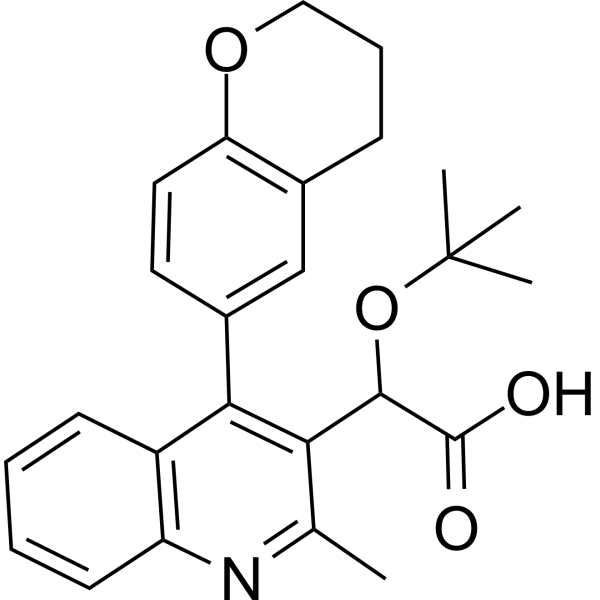
TC-I 15 (TC-I-15) is a type of allosteric collagen-binding integrin α2β1 inhibitor, and it also inhibits α1β1 and α11β1. TC-I 15 inhibits platelet adhesion to collagen and thrombus deposition. TC-I 15 prevents the formation of a pre-metastatic microenvironment by inhibiting the uptake of cancer-associated fibroblast (CAF) extracellular vesicles (EVs) by lung fibroblasts, which reduces the metastasis of salivary gland adenocystic carcinoma (SACC) to the lungs in mouse models, .
|
-
-
- HY-P991218
-
-
-
- HY-P990117
-
|
|
Integrin
|
Cardiovascular Disease
Cancer
|
|
Anti-Mouse/Rat/Human Osteopontin/SPP1 Antibody (MPIIIB10) is a mouse-derived Osteopontin/SPP1 IgG1 κ type antibody inhibitor. Anti-Mouse/Rat/Human Osteopontin/SPP1 Antibody (MPIIIB10) blocks Angiotensin II (HY-13948)-induced DNA synthesis and collagen gel contraction in cardiac fibroblasts. Anti-Mouse/Rat/Human Osteopontin/SPP1 Antibody (MPIIIB10) significantly inhibits tumor growth in CT26 or MC38 tumors mice models .
|
-
-
- HY-148764
-
M47
1 Publications Verification
|
Cryptochrome
Molecular Glues
Apoptosis
|
Cancer
|
|
M47 is a molecular glue that selectively destabilizes Cryptochrome 1 (CRY1) and increases degradation of the CRY1 in the nucleus. M47 enhances apoptosis in Ras-transformed P53-deficient mouse skin fibroblast lines and enhances life span in p53 knockout mice. M47 can be used in research of cancer .
|
-
-
- HY-113365
-
|
4-Cholesten-3-one
|
Endogenous Metabolite
|
Infection
Metabolic Disease
|
|
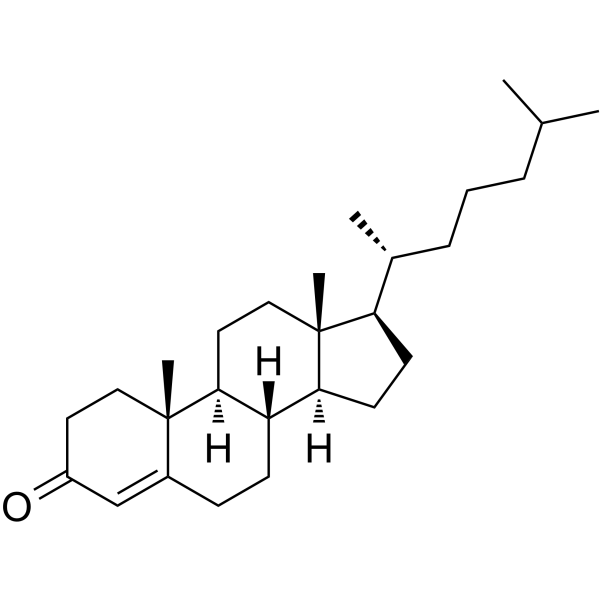
Cholestenone (4-cholesten-3-one) is an orally available antimicrobial agent that is metabolized primarily in the liver as an intermediate oxidation product of cholesterol. Cholestenone inhibits human dermal fibroblast migration and fights Helicobacter pylori infection in vitro and in mouse models by inhibiting cholesterol-α-D-glucopyranoside (CGL). Cholestenone also alleviates metabolic disorders caused by obesity in db/db mice .
|
-
-
- HY-A0299
-
|
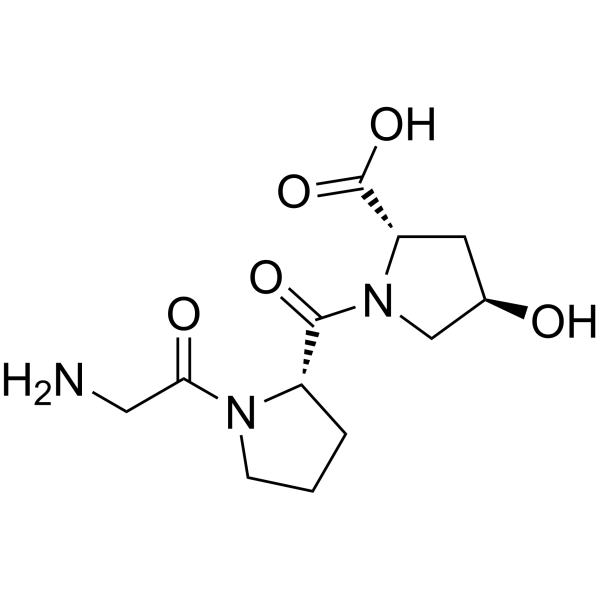
Tripeptide 29
|
MMP
|
Inflammation/Immunology
|
|
H-Gly-Pro-Hyp-OH is a collagen-derived peptide and also a dipeptidyl peptidase-4 inhibitor.\nH-Gly-Pro-Hyp-OH inhibits the activity of dipeptidyl peptidase-4 in vitro. H-Gly-Pro-Hyp-OH binds to the DNA-binding site of the JUN/FOS complex, blocks the formation of the DNA-JUN/FOS complex, and inhibits transcriptional activity. H-Gly-Pro-Hyp-OH is applicable to research related to skin photoaging, UVB-induced skin aging/photoaging, and thrombosis .
|
-
-
- HY-128895
-
KL1333
1 Publications Verification
|
Quinone Reductase
Mitochondrial Metabolism
|
Metabolic Disease
|
|
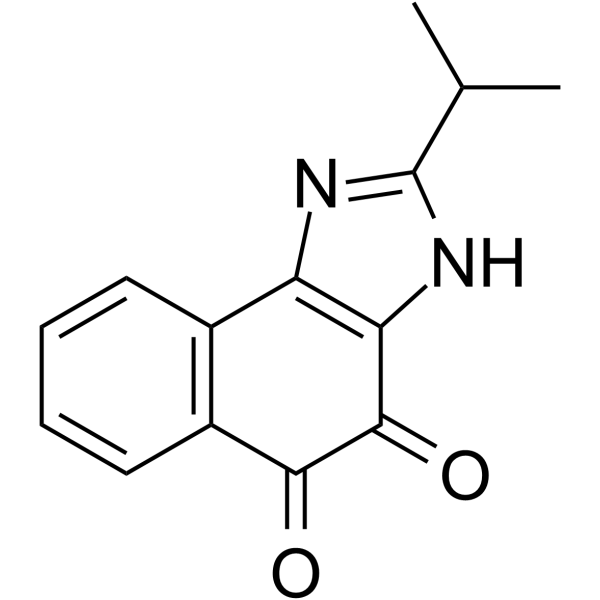
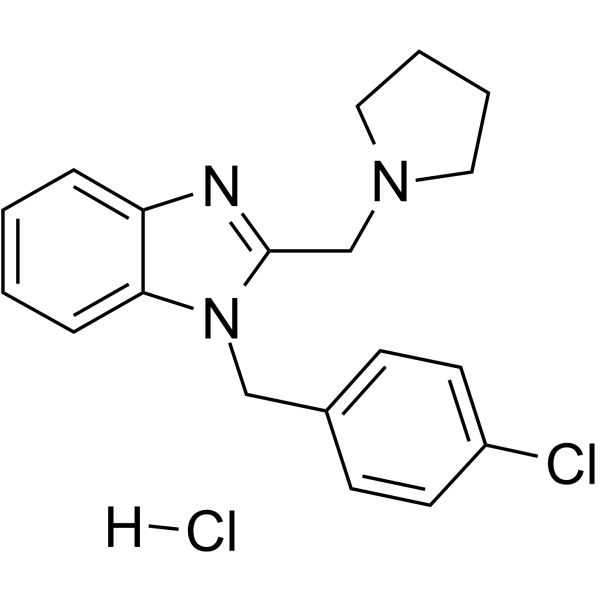
KL1333, a derivative of β-lapachone, is an orally available NAD+ modulator. KL1333 reacts with NAD(P)H:quinone oxidoreductase 1 (NQO1) as a substrate, resulting in increases in intracellular NAD+ levels via NADH oxidation. KL1333 improves energy metabolism and mitochondrial dysfunction in MELAS fibroblasts. KL1333 protects against Cisplatin-induced ototoxicity in mouse cochlear cultures .
|
-
-
- HY-148098
-
|
|
Ras
|
Cancer
|
|
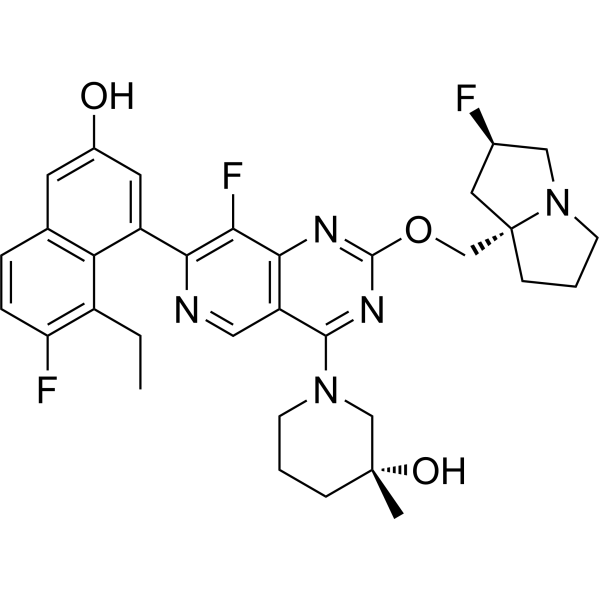
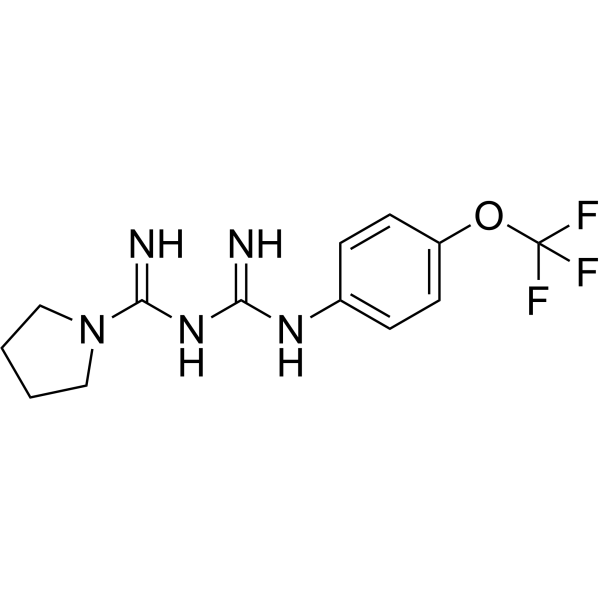
Pan KRas-IN-1 is a pan KRas inhibitor, can be used for agent resistance in cancer developed with KRas G12C inhibitors .
|
-
-
- HY-P10728
-
|
|
RXFP Receptor
ERK
|
Cardiovascular Disease
Inflammation/Immunology
|
|
B7-33 is a single-chain relaxin mimetic and a selective relaxin receptor 1 (RXFP1) agonist. B7-33 phosphorylates ERK1/2 without inducing activation of the cAMP signaling pathway. B7-33 exhibits anti-fibrotic and cardioprotective activities. B7-33 can be used in the research of vascular diseases such as cardiomyopathy, myocardial infarction and fibrosis .
|
-
-
- HY-16160
-
|
|
Autophagy
ICMT
|
Neurological Disease
Cancer
|
|
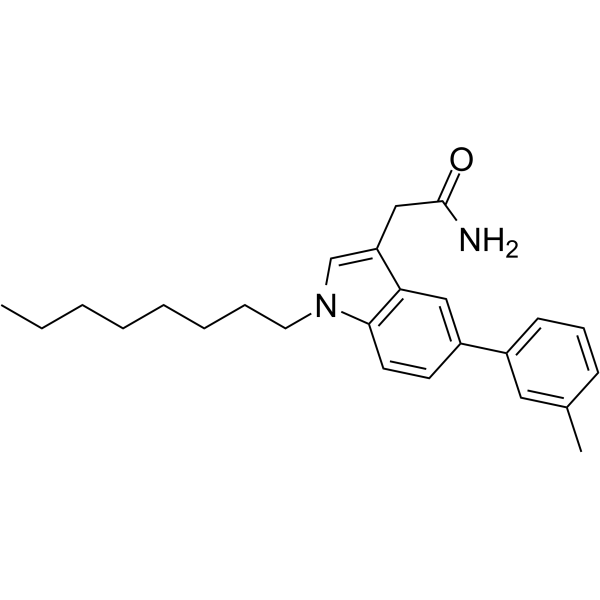
Cysmethynil is an Icmt inhibitor(IC50 = 2.4 μM). Cysmethynil inhibites RAS membrane binding and EGF signal transduction. Cysmethynil prevents the cells in the G1 phase and induces autophagy. Cysmethynil inhibits PC3 cells proliferation, has synergistic effect with Paclitaxel (HY-B0015) and Doxorubicin (HY-15142A). Cysmethynil has anti-tumor effects and can be used for solid tumor (such as prostate cancer et al.) research .
|
-
-
- HY-N0008
-
|
|
Wnt
p38 MAPK
mTOR
Keap1-Nrf2
TGF-β Receptor
|
Neurological Disease
Metabolic Disease
|
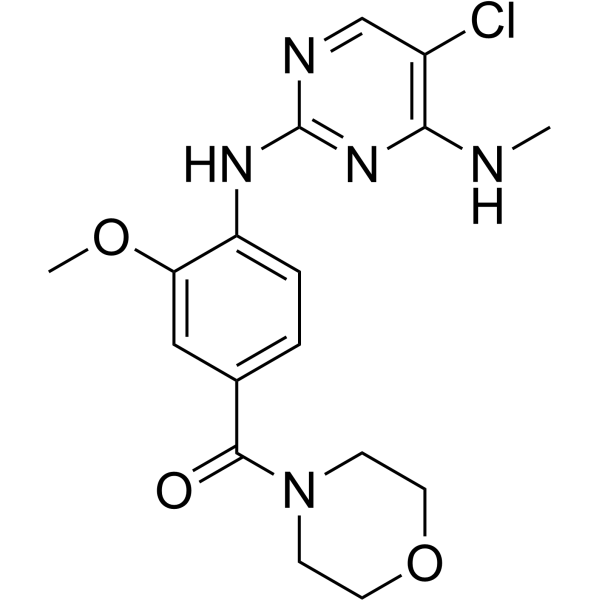
|
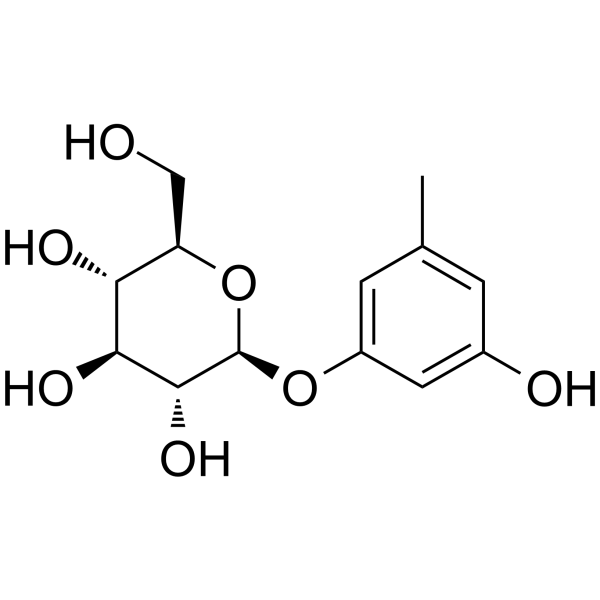
Orcinol glucoside is an orally active, blood-brain barrier permeable osteoblast proliferation promoter that targets the Nrf2/Keap1, mTOR and p38 signaling pathways. Orcinol glucoside promotes Nrf2 nuclear translocation, upregulates antioxidant enzyme levels, enhances the phosphorylation of mTOR and p70S6K, and inhibits the enzymatic activity of HAS2 as well as the nuclear translocation of GR. Orcinol glucoside also alleviates oxidative stress, inhibits autophagic flux, osteoclastogenesis and TGF-β1-induced M2 polarization, while reducing collagen deposition and effectively promoting the proliferation, differentiation and mineralization of osteoblasts. Orcinol glucoside also exhibits anti-pulmonary fibrosis, anxiolytic and antidepressant activities. Orcinol glucoside can be used in the research of senile and glucocorticoid-induced osteoporosis, idiopathic pulmonary fibrosis (IPF), anxiety and other related diseases .
|
-
-
- HY-168438
-
|
|
EGFR
Akt
ERK
|
Cardiovascular Disease
|
|
ERBB agonist-1 (Compound EF-1) is an agonist for ERBB4, that activates the ERBB4 signaling pathway by inducing dimerization of the ERBB4 receptor with an EC50 of 10.5 μM. ERBB agonist-1 induces phosphorylation of Akt and ERK1/2, reduces the collagen expression in cardiac fibroblasts, inhibits H2O2-induced cardiomyocyte death and Ang II (HY-13948)-induced cardiomyocyte hypertrophy. ERBB agonist-1 prevents fibrosis and exhibits cardioprotective efficacy in mouse models .
|
-
-
- HY-13488
-
|
|
LRRK2
MNK
|
Neurological Disease
|
|
HG-10-102-01 is a highly potent, selective, and brain-penetrable LRRK2 inhibitor, with IC50 values of 20.3 and 3.2 nM against wild-type LRRK2 and LRRK2[G2019S], respectively. HG-10-102-01 also inhibits MNK2 and MLK1, with IC50 values of 0.6 and 2.1 μM. HG-10-102-01 can be used for Parkinson's disease (PD) research .
|
-
-
- HY-173189A
-
|
2′,5′-ApApA pentasodium; 2′,5′-trioligoadenylate pentasodium; 5'-O-Triphosphoryladenylyl-(2'→5')-adenylyl-(2'→5')-adenosine pentasodium
|
RSV
DNA/RNA Synthesis
|
Infection
Cancer
|
2-5A (2′,5′-ApApA) pentasodium solution 100 mM is a high-affinity (Ka=0.04 nM) RNase L binder. 2-5A pentasodium solution 100 mM activates the nuclease activity of latent RNase L to cleave single-stranded RNA by inducing conformational changes and dimerization of latent RNase L, thereby mediating critical antiviral responses and enhancing interferon effects. 2-5A pentasodium solution 100 mM not only effectively inhibits Rauscher murine leukemia virus replication, reduces viremia and splenomegaly, but also enhances antileukemic efficacy when combined with amphotericin B and exhibits favorable high-dose tolerance. 2-5A pentasodium solution 100 mM is an important tool molecule for investigating the pathological mechanisms of viral infection, hereditary prostate cancer and leukemia .
|
-
-
- HY-18601
-
(±)-BI-D
Maximum Cited Publications
6 Publications Verification
|
HIV
HIV Integrase
|
Infection
|
|
(±)-BI-D is a potent ALLINI (allosteric integrase inhibitor). (±)-BI-D binds integrase at the LEDGF/p75 binding site. (±)-BI-D inhibits HIV-Luc infection in cells (IC50: 0.16 μM in Psip1 knockout E9 mouse embryonic fibroblasts, 2.9 μM in wild-type E9 mouse embryonic fibroblasts) .
|
-
-
- HY-137807
-
|
|
Endogenous Metabolite
|
Cancer
|
|
Thymidine 5′-monophosphate p-nitrophenyl ester sodium (Compound 2a) is the derivative of thymidine 5'-phosphate (TMP). Thymidine 5′-monophosphate p-nitrophenyl ester sodium is potential as an antitumor prodrug .
|
-
-
- HY-141591
-
|
|
Biochemical Assay Reagents
|
Others
|
|
CYT296 is a target chromatin de-condensation compound. CYT296 can improve the induction of induced pluripotent stem cell (iPSCs) mediated by defined factors (OSKM) and induce an open chromatin state in Mouse Embryonic Fibroblast (MEFs) to facilitate somatic cell reprogramming. CYT296 can be used for cell replacement therapies and drug screening research .
|
-
-
- HY-D0967
-
|
|
Fluorescent Dye
|
Others
|
|
Cy5-bifunctional dye is a bifunctional dye used for covalent labeling of primary amines on proteins or oligonucleotides (Ex/Em = 649 nm/670 nm). Cy5-bifunctional dye can label recombinant annexin-V to assess phosphatidylserine exposure on the cell surface via flow cytometry. Cy5-bifunctional dye can label anti-human IgG (H + L) secondary antibodies. Cy5-bifunctional dye is applicable to studies of glanders and melioidosis .
|
-
-
- HY-160222
-
|
|
HSV
STING
IFNAR
NF-κB
|
Infection
|
|
HSV-60mer sodium is a 60 bp double-stranded DNA oligonucleotide derived from the HSV-1 genome, and also an IFNβ inducer. HSV-60mer sodium colocalizes with endogenous cytoplasmic IFI16 in immune cells. HSV-60mer sodium activates the transcription factors IRF3 and NF-κB, induces the production of proinflammatory cytokines, and inhibits HSV-1 replication in immune cells. HSV-60mer sodium can be used in studies related to herpes simplex virus type 1 infection .
|
-
-
- HY-115701
-
|
1-Stearoyl-2-15(S)-HpETE-sn-glycero-3-phosphoethanolamine; 15(S)-HpETE-SAPE; 15(S)-hydroperoxyeicostetraenoic acid-SAPE
|
Ferroptosis
|
Inflammation/Immunology
|
|
1-Stearoyl-2-15(S)-HpETE-sn-glycero-3-Pe is a phospholipid that contains stearic acid (HY-B2219) at the sn-1 position and 15(S)-HpETE at the sn-2 position. It is produced via oxidation of 1-stearoyl-2-arachidonoyl-sn-glycero-3-Pe (SAPE) by 15-lipoxygenase (15-LO). 1-Stearoyl-2-15(S)-HpETE-sn-glycero-3-Pe (0.6 and 0.9 μM) increases ferroptotic cell death in wild-type and Acsl4 knockout Pfa1 mouse embryonic fibroblasts (MEFs) treated with the GPX4 inhibitor RSL3.
|
-
-
- HY-125366
-
|
|
FAP
|
Metabolic Disease
|
|
ARI-3099 is an oral fibroblast activation protein (FAP) inhibitor. ARI-3099 specifically inhibits the proteolytic activity of FAP and blocks the cleavage of human FGF-21 between residues P171 and S172. ARI-3099 extends the half-life of circulating human FGF-21 in mice. ARI-3099 can be used in the research of type 2 diabetes and metabolic disorders .
|
-
-
- HY-156696
-
|
|
Na+/H+ Exchanger (NHE)
|
Metabolic Disease
|
|
S3226 is a highly selective NHE-3 inhibitor (IC50<1 μM) that specifically blocks NHE-3-mediated sodium transport. S3226 significantly inhibits blastocyst formation and expansion in mouse embryos, and reduces fluid and electrolyte reabsorption in rat proximal tubules in a dose-dependent manner. S3226 effectively alleviates ischemia-induced acute renal failure by improving renal function parameters, reducing renal tubular injury and restoring intracellular pH homeostasis, without interfering with the normal tubuloglomerular feedback response. S3226 is widely used in studies of acute renal failure and related pathological mechanisms .
|
-
-
- HY-N6701
-
|
|
Arp2/3 Complex
DNA/RNA Synthesis
Calcium Channel
|
Inflammation/Immunology
|
|
Dihydrocytochalasin B is an Actin disruptor. Dihydrocytochalasin B disrupts actin microfilament bundles, inhibits actin polymerization, and alters intracellular actin cytoskeletal structures. Dihydrocytochalasin B blocks the initiation of DNA synthesis. Dihydrocytochalasin B inhibits Calcium transport. Dihydrocytochalasin B inhibits cytokinesis and alters cell morphology. Dihydrocytochalasin B can be used in studies related to rickets .
|
-
-
- HY-115930
-
|
|
Bcl-2 Family
|
Cardiovascular Disease
|
|
Bim-IN-1 is a potent Bim expression inhibitor. Bim-IN-1 reduces Bim expression levels and has little inhibitory effect upon protein kinase A activity and minimal toxicity .
|
-
-
- HY-136093B
-
|
IM156 free base; HL156A free base; HL271 free base
|
Mitochondrial Metabolism
AMPK
|
Neurological Disease
Inflammation/Immunology
|
|
Lixumistat (IM156 free base) is a potent and orally active AMPK activator and OXPHOS inhibitor. Lixumistat strongly activates AMPK, while it lacks the systemic metabolic regulatory effects of classic metformin, such as hypoglycemic and weight-lowering activities. Lixumistat exhibits significant therapeutic effects on cognitive decline associated with brain aging and pulmonary fibrosis .
|
-
-
- HY-159768A
-
|
|
Radionuclide-Drug Conjugates (RDCs)
FAP
|
Neurological Disease
Cancer
|
|
DOTAGA.Glu.(FAPi) 2 is a FAPI homodimer in which a central glutamic acid (Glu) linker connects FAPI and a chelator. Radiolabeled with gallium- 68, lutetium- 177 or terbium- 161, DOTAGA.Glu.(FAPi) 2 is applicable to FAP-positive cancer PET imaging studies. DOTAGA.Glu.(FAPi) 2 is suitable for research related to prostate adenocarcinoma and recurrent glioblastoma multiforme .
|
-
-
- HY-P3513
-
|
|
ERK
MMP
|
Neurological Disease
|
|
β-Neo-Endorphin is an endogenous opioid peptide. β-Neo-Endorphin is a hypothalamic “big” Leu-enkephalin of porcine origin. β-Neo-Endorphin shows activation of the Erk1/2, MMP-2 and MMP-9 .
|
-
-
- HY-W196368
-
|
|
COX
SARS-CoV
|
Infection
Inflammation/Immunology
Cancer
|
|
Thymohydroquinone is a COX-2 inhibitor and anti-SARS-CoV-2 agent that induces cytotoxicity, antiproliferative effects and inhibits tumor growth. Thymohydroquinone cannot scavenge superoxide radicals via σ (hydrogen atom transfer) and π-π attacks with superoxide anions. Thymohydroquinone can be used in research related to squamous cell carcinoma, fibrosarcoma and coronavirus disease 2019 (SARS-CoV-2 infection) .
|
-
-
- HY-176798
-
|
|
Lactate Dehydrogenase
Reactive Oxygen Species (ROS)
Apoptosis
|
Cancer
|
|
NCI-006 is an orally active lactate dehydrogenase (LDH) inhibitor (LDHA IC50 = 0.06 μM; LDHB IC50 = 0.03 μM). NCI-006 inhibits intratumoral LDH activity, lactate production, and tumor growth in a mouse pancreatic cancer model. NCI-006 inhibits glycolysis and induces apoptosis in vitro. NCI-006 enhances the radiosensitivity of glycolytic tumor cell lines while sparing non-glycolytic/normal cells (1522, skin fibroblasts) in combination with ionizing radiation (IR). NCI-006 exhibits synergistic antitumor effects in combination with IACS-010759 (HY-112037) against colorectal and gastric cancers. NCI-006 targets glycolysis by inhibiting lactate dehydrogenase impairs tumor growth in an Ewing sarcoma model .
|
-
-
- HY-P4550
-
|
|
Endogenous Metabolite
|
Metabolic Disease
|
|
H-Hyp-Gly-OH is a dipeptide containing hydroxyproline and glycine. H-Hyp-Gly-OH promotes the growth of mouse primary fibroblasts on collagen gel. H-Hyp-Gly-OH has potential applications in improving skin by ingesting hydrolyzed collagen. H-Hyp-Gly-OH can be used for metabolic research .
|
-
-
- HY-164102
-
|
|
TNF Receptor
NF-κB
|
Inflammation/Immunology
|
|
TNF-α-IN-18 (Compound 61) is an inhibitor for TNF-α (IC50 of 1.8 μM), that inhibits TNF signaling pathway through block of NF-kB migration from cytoplasm to nucleus. TNF-α-IN-18 exhibits slight cytotoxicity to mouse fibroblast LM cell, with a CC50 >50 μM. TNF-α-IN-18 ameliorates the TNF- or Lipopolysaccharide (HY-D1056)-induced sepsis in mouse models. TNF-α-IN-18 protects mice from rheumatoid arthritis .
|
-
-
- HY-P11211
-
|
|
Antibiotic
Bacterial
|
Infection
|
|
D2A21, a cecropin peptide, demonstrates a minimum cidal concentration of 21.69 μg/mL against Chlamydia trachomatis .
|
-
-
- HY-128034
-
|
|
PIN1
|
Cancer
|
|
PPIase-Parvulin inhibitor (compound B) is a cell-permeable inhibitor targeting PPIase Pin1 and Par14, with IC50s of 1.5 and 1.0 µM, respectively. PPIase-Parvulin inhibitor has anticancer activity and inhibits the growth and proliferation of mouse embryonic fibroblasts (MEFs) .
|
-
-
- HY-153413
-
|
|
Ras
|
Cancer
|
|
Kras4B G12D-IN-1 is a Kras4B G12D inhibitor with anticancer effects. Kras4B G12D-IN-1 decreases Kras protein expression in mouse embryonic fibroblasts (MEF) expressing Kras4B G12D (WO2016179558A1, Comp 994566) .
|
-
-
- HY-101317
-
|
SB-205607 dihydrobromide
|
Opioid Receptor
|
Neurological Disease
|
|
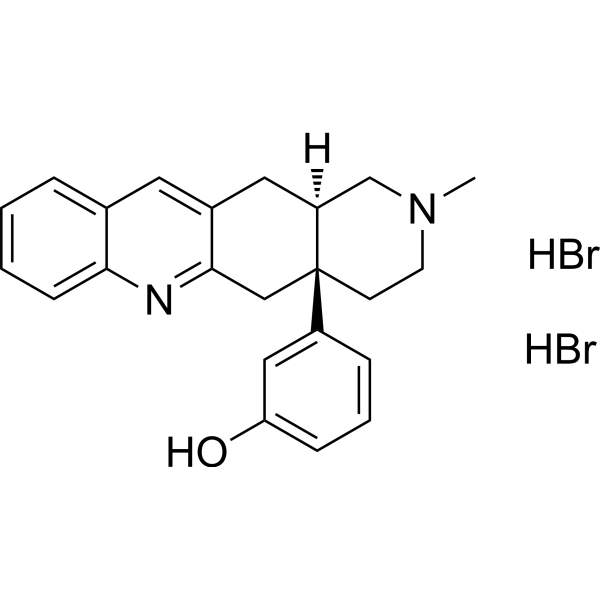
TAN-67 (SB-205607) dihydrobromide is a potent and selective nonpeptidic δ-opioid receptor agonist with a Ki value of 0.647 nM. TAN-67 dihydrobromide has neuroprotective effect. TAN-67 dihydrobromide can be used in research of ischemic stroke .
|
-
-
- HY-N7325
-
|
|
PTEN
Orexin Receptor (OX Receptor)
|
Neurological Disease
Cancer
|
|
Valerosidate is an OX2R antagonist. Valerosidate increases expression of tumor suppressor proteins p53 and PTEN, selectively reduces colon cancer cell viability, and suppresses colon cancer cell migration. Valerosidate can be used for the research of colon cancer and insomnia .
|
-
-
- HY-124514
-
|
|
SOS1
Ras
ERK
|
Cancer
|
|
UC-857993 is a selective SOS1-Ras inhibitor (Kd=14.7 μM, His6-SOS1cat), suppressing catalytic activity. UC-857993 also inhibits ERK and Ras activation, suppresses the growth of mouse embryonic fibroblasts (MEFs) .
|
-
-
- HY-155732
-
|
|
Parasite
|
Infection
|
|
NPD-2975 (compound 30) is an orally active antitrypanosomal agent, against Human African Trypanosomiasis (HAT). NPD-2975 has low toxicity potential against human MRC-5 lung fibroblasts, and acute mouse model of T. b. brucei infection. NPD-2975 shows acceptable metabolic stability, inhibits T. b. brucei with IC500 of 70 nM in vitro. NPD-2975 also inhibits CYP enzymes resulted in IC50 values of 0.16 and 0.42 μM against CYP1A2 and CYP2C19, respectively .
|
-
-
- HY-148775
-
|
|
Biochemical Assay Reagents
|
Infection
Neurological Disease
Cancer
|
|
PLGA-PEG-MAL (60kDa-3.4kDa, LA:GA ratio 75:25) is a biodegradable amphipathic polymeric nanocarrier of poly (lactic-co-glycolic acid)-block-poly (ethylene glycol) (PLGA-PEG-Mal) that allows covalent modification of functional molecules. PLGA-PEG-MAL (60kDa-3.4kDa, LA:GA ratio 75:25) modified with Angiopep-2 can cross the blood-brain barrier and exhibits targeting selectivity for glioblastoma cells. PLGA-PEG-MAL (60kDa-3.4kDa, LA:GA ratio 75:25) can capture tumor-derived protein antigens, and exerts immunomodulatory effects when conjugated with anti-OX40 antibody; when used in combination with A2-CL/Dbait nanoparticles and radiotherapy, it prolongs survival time and reduces tumor volume in glioblastoma mouse models. PLGA-PEG-MAL (60kDa-3.4kDa, LA:GA ratio 75:25) can be used for studies related to bacterial wound infections and glioblastoma .
|
-
-
- HY-P10720
-
|
|
Endogenous Metabolite
|
Cardiovascular Disease
|
C-Type Natriuretic Peptide (1-53), Porcine, Rat, mouse is an activator of particulate guanylate cyclase B (pGC-B), which is highly expressed in endothelial cells, kidneys, and the heart. C-Type Natriuretic Peptide (1-53), Porcine, Rat, mouse can mediate a potent anti-fibrotic effect in human cardiac and renal fibroblasts by generating the second messenger cGMP .
|
-
-
- HY-122989
-
|
|
DYRK
|
Inflammation/Immunology
|
|
Aristolactam BIII is a potent DYRK1A inhibitor and inhibits the kinase activity of DYRK1A in vitro (IC50= 9.67 nM. Aristolactam BIII rescues the proliferative defects of DYRK1A transgenic (TG) mouse-derived fibroblasts and neurological and phenotypic defects of DS-like Drosophila models .
|
-
-
- HY-149708
-
|
|
ICMT
|
Others
|
|
UCM-13207 is a selective isoprenylcysteine carboxylmethyltransferase (ICMT) inhibitor with a human IC50 of 1.4 μM and human Ka of 7.2 μM. UCM-13207 modulates progerin localization, stability, and levels, reduces DNA damage, increases cellular viability, and decreases tissue senescence. UCM-13207 can be used for the research of Hutchinson−Gilford progeria syndrome .
|
-
-
- HY-117000A
-
|
|
DNA/RNA Synthesis
Dihydrofolate reductase (DHFR)
|
Neurological Disease
|
|
D156844 (Compound 11a) hydrochloride is a SMN2 promoter activator with an EC50 of 4 nM. D156844 hydrochloride increases the mRNA expression of the mouse SMN in NSC-34 cells and human SMN2 promoter in severe type I spinal muscular atrophy (SMA) fibroblasts as well as full-length human SMN protein. D156844 hydrochloride overcomes DHFR inhibition. D156844 hydrochloride can be used for SMA research .
|
-
-
- HY-139062
-
|
C6 Ceramide (d18:1/6:0) Urea; Cer(d18:1/6:0) Urea; D-erythro-Urea-C6-Ceramide
|
Apoptosis
Ceramidase
Autophagy
β-catenin
|
Cancer
|
|
C6 Urea Ceramide (Cer(d18:1/6:0) Urea) is an inhibitor of neutral ceramidase. C6 Urea Ceramide increases total ceramide levels in wild-type mouse embryonic fibroblasts (MEFs) and HT-29 colon cancer cells. C6 Urea Ceramide (5-10 μM) inhibits proliferation of HT-29 cells and induces apoptosis and autophagy, but is not toxic to non-cancerous cells. C6 Urea Ceramide decreases total and phosphorylated β-catenin levels in HT-29 and HCT116 cells, and induces colocalization of β-catenin with the 20S proteasome. C6 Urea Ceramide (1.25, 2.5, and 5 mg/kg) reduced tumor growth and increased C16, C18, C20, and C24 ceramide levels in tumor tissues in the HT-29 mouse xenograft model.
|
-
-
- HY-159771
-
|
|
FAP
|
Cancer
|
|
FAP6-19 is a fibroblast activation protein (FAP) targeting radioligand with a Kd of 18.2 nM. FAP6-19 selectively delivers therapeutic radioactive nuclides (such as 177Lu) to the tumor site by targeting the overexpressed FAP protein in the tumor microenvironment, achieving precise killing of cancer cells while minimizing radiation damage to healthy tissues. FAP6-19 exhibits extremely high total cellular uptake and good intracellular retention ability in HT1080 cells. After being labeled with 111In, FAP6-19 produced extremely high tumor/kidney and tumor/liver dose ratios in the mouse model with 4T1 tumors. FAP6-19 can be used in the research of solid tumors expressing FAP.
|
-
-
- HY-115550
-
|
|
Parasite
|
Infection
|
|
Chalcone 4 hydrate is an anti-parasitic agent. Chalcone 4 hydrate inhibits the growth and proliferation of Babesia and Theileria in vitro. Chalcone 4 hydrate reduces the viability of mammalian fibroblasts and kidney cells in vitro. Chalcone 4 hydrate can be used for the research of parasitic infections .
|
-
-
- HY-N4308
-
|
Hexa-O-methylquercetagetin; Quercetagetin hexamethyl ether; 3,5,6,7,3',4'-Hexamethoxyflavone
|
NF-κB
IKK
Bcl-2 Family
|
Cancer
|
|
Hexamethylquercetagetin (Hexa-O-methylquercetagetin; Quercetagetin hexamethyl ether; 3,5,6,7,3',4'-Hexamethoxyflavone) is an orally active NF-κB inhibitor. Hexamethylquercetagetin inhibits NF-κB-derived luciferase activity, reduces phosphorylated p65 and IκBα, Cyclin D1, Bcl-2 and blocks TNFα-induced NF-κB activation. Hexamethylquercetagetin inhibits survival and proliferation of cervical carcinoma cells. Hexamethylquercetagetin suppresses tumor volume and weight in BALB/c nude mouse xenograft models of cervical carcinoma. Hexamethylquercetagetin can be used for the research of cancer, such as cervical carcinoma .
|
-
-
- HY-P5891
-
|
|
PKC
|
Cardiovascular Disease
|
|
TAT-SAMβA is the peptide consist of RNAENFDRF (SAMβA; HY-P3429) conjugated to the cell penetrating TAT protein-derived peptide TAT47–57. TAT-SAMβA is a selective antagonist of Mfn1-βIIPKC association. TAT-SAMβA protects mouse embryonic fibroblast cells (MEFs) against oxidative stress-induced cytotoxicity .
|
-
-
- HY-162418
-
|
|
Bacterial
Fungal
|
Infection
|
|
Antibacterial agent 203 (Compound 5h) has antibacterial and antifungal activity. Antibacterial agent 203 has potent antifungal activity against C. albicans, with a MIC of 3.90 μg/mL. Antibacterial agent 203 has antimicrobial activity on healthy mouse fibroblast cells (L929), with an IC50 of 75.96 μM .
|
-
-
- HY-N3775
-
|
|
ERK
|
Metabolic Disease
|
|
Dodoviscin I (Dodoviscin A) is an adipogenic agent that increases triglyceride content in 3T3L1 mouse fibroblasts. Dodoviscin I inhibits ERK2 with an IC50 of 10.79 μM.
|
-
- HY-P3600
-
|
|
Apoptosis
|
Inflammation/Immunology
|
|
FIZZ-1 (32-51) (mouse) is a cysteine-rich secretory protein that is highly expressed by macrophages, bronchial epithelial and type II alveolar epithelial cells (AEC) in allergic airway inflammation. FIZZ1 (32-51) (mouse) also shows an antiapoptotic effect on lung fibroblasts. FIZZ-1 (32-51) (mouse) can be used in the study of allergic pneumonia .
|
-
- HY-N14038
-
|
|
Fungal
|
Infection
|
|
Crocacin A has anti-yeast and filamentous fungal activity. Crocacin A can inhibit mouse fibroblasts L929. In the microsomes of the calf's heart, Crocacin A can interrupt the bc1 segment of electronic transmission, causes redshift of 569 nm peak in cytochrome B reduction spectrum .
|
-
- HY-167835A
-
|
|
Bacterial
|
Infection
|
|
Tembetarine chloride is a alkaloid that can be isolated from Tinospora cordifolia that exhibits antibacterial activity. Tembetarine chloride exhibits weak cytotoxicity against mouse fibroblasts (L929) and human embryonic kidney cells (HEK293) with IC50 of 1245.33 μg/mL and 1642.81 μg/mL, respectively .
|
-
- HY-117249
-
|
AK-2123
|
Apoptosis
Caspase
|
Cancer
|
|
Sanazole (AK-2123) is a hypoxic cell radiosensitizer. Sanazole enhances radiation-induced DNA strand breaks. In mouse fibroblast tumors, Sanazole increases nuclear condensation and fragmentation, as well as elevates caspase-3 activity, thereby enhancing radiation-induced apoptosis .
|
-
- HY-N14040
-
|
|
Fungal
|
Infection
|
|
Crocacin B has anti-yeast and filamentous fungal activity. Crocacin B can inhibit mouse fibroblasts L929. In the microsomes of the calf's heart, Crocacin B can interrupt the bc1 segment of electronic transmission, causes redshift of 569 nm peak in cytochrome B reduction spectrum .
|
-
- HY-117000
-
|
|
DNA/RNA Synthesis
Dihydrofolate reductase (DHFR)
|
Neurological Disease
|
|
D156844 (Compound 11a) is a SMN2 promoter activator with an EC50 of 4 nM. D156844 increases the mRNA expression of the mouse SMN in NSC-34 cells and human SMN2 promoter in severe type I spinal muscular atrophy (SMA) fibroblasts as well as full-length human SMN protein. D156844 overcomes DHFR inhibition. D156844 can be used for SMA research .
|
-
- HY-146561
-
|
|
Glucocorticoid Receptor
NF-κB
|
Inflammation/Immunology
|
|
S-HP210 is a potent and selective glucocorticoid receptor (GR) with an IC50 value of 1.92 μM for NF-κB transrepression (TR). S-HP210 represses the LPS-induced transcription of a variety of proinflammatory genes such as IL-1β, IL-6 and COX-2. S-HP210 is nontoxic at effective doses against mouse fibroblasts 3T3 cells .
|
-
- HY-117560
-
|
|
GABA Receptor
|
Neurological Disease
|
|
PWZ-029 is a selective inverse agonist for 5 GABAA receptors. PWZ-029 is a benzodiazepine site ligand. PWZ-029 shows a weak but significant partial agonistic effect at 1- and 3-containing receptors. PWZ-029 significantly increases retention session latency in mouse fibroblast cells. PWZ-029 can improve object recognition in normal and scopolamine-treated rat model .
|
-
- HY-N15343
-
|
|
Antibiotic
Bacterial
Fungal
|
Infection
Cancer
|
|
Albiducin A is an antibiotic found in Hymenoscyphus albidus, exhibiting antibacterial and anticancer activities. The MIC range of Albiducin A against bacteria and fungi is 16.7-66.7 mg/mL. Its IC50 values for mouse fibroblast cell line (L929) and human cervical carcinoma cell line (KB3-1) are 6.1 and 2.7 μg/mL, respectively. Albiducin A holds promise for research in the fields of infection and cancer diseases .
|
-
- HY-163005
-
|
|
Glycosidase
|
Metabolic Disease
|
|
α-Glucosidase-IN-43 (compound AS14) is an α-glucosidase inhibitor (IC50: 4.32 μM) with acute hypoglycemic activity. α-Glucosidase-IN-43 exhibits safety and in vivo efficacy, is nontoxic to normal mouse fibroblasts, and is able to rescue streptozotocin (HY-13753)-induced diabetic rats. α-Glucosidase-IN-43 can be used to study postprandial hyperglycemia in diabetic patients .
|
-
- HY-125102
-
|
|
IGF-1R
|
Cancer
|
|
AZ12253801 is an ATP-competitive IGF-1R tyrosine kinase inhibitor that shows ∼10-fold selectivity over the insulin receptor. AZ12253801 inhibits IGF-1R–driven proliferation in 3T3 mouse fibroblasts (transfected with human IGF-1R) with an IC50 of 17 nmol/L. The IC50 for epidermal growth factor receptor (EGFR)–driven proliferation is 440 nmol/L. Anti-tumor activity.
|
-
- HY-128895A
-
|
|
Mitochondrial Metabolism
Quinone Reductase
|
Metabolic Disease
|
|
KL1333 hydrochloride is an orally active NAD + modulator that reacts with NAD(P)H:quinone oxidoreductase 1 (NQO1) as a substrate, leading to increased intracellular NAD + levels through NADH oxidation. Elevated NAD + levels trigger activation of SIRT1 and AMPK, and subsequently activate PGC-1α. KL1333 hydrochloride improves energy metabolism and mitochondrial dysfunction in mitochondrial encephalomyopathy, lactic acidosis, and stroke-like episodes (MELAS) fibroblasts. KL1333 hydrochloride protects against cisplatin-induced ototoxicity in mouse cochlear cultures .
|
-
- HY-N14734
-
|
|
Apoptosis
Fungal
Microtubule/Tubulin
Mitosis
|
Cancer
|
|
Disorazol A1 is an tubulin inhibitor with antifungal activity. Disorazol A1 functions by inhibiting tubulin polymerization, interfering with microtubule formation, blocking mitosis, thus arresting the cell cycle at the G2/M phase and inducing apoptosis. Disorazol A1 also exhibits an inhibitory effect against L929 mouse fibroblasts with an IC50 value of 3 pM. Disorazol A1 causes the accumulation of p53 protein in the cell nucleus. Disorazol A1 is promising for research of cancers .
|
-
- HY-P3513A
-
|
|
ERK
MMP
|
Neurological Disease
|
|
β-Neo-Endorphin acetate is an endogenous opioid peptide. β-Neo-Endorphin acetate is a hypothalamic "big" Leu-enkephalin of porcine origin. β-Neo-Endorphin acetate shows activation of the Erk1/2, MMP-2 and MMP-9 .
|
-
- HY-170551
-
|
|
Carbonic Anhydrase
VEGFR
|
Cancer
|
|
CA IX/VEGFR-2-IN-3 (Compound 6i) is an inhibitor of Carbonic Anhydrase IX and VEGFR-2, with IC50 values of 41 and 48 nM, respectively. CA IX/VEGFR-2-IN-3 exhibits anticancer activity, inhibiting the growth of MCF-7 breast cancer cells (with an IC50 of 22.33 μM) and mouse fibroblast cell line 3T3 (where cell viability is less than 40% at a concentration of 100 μM). CA IX/VEGFR-2-IN-3 can be used for research in the field of cancer treatment .
|
-
- HY-165603
-
|
|
Liposome
VEGFR
FGFR
|
Cardiovascular Disease
Inflammation/Immunology
Cancer
|
|
Si5-N14 is a key component of siloxane-incorporated lipid nanoparticles (SiLNP), possessing pro-vascular repair and anti-tumor activities. In the transgenic GFP mouse model, Si5-N14 can mediate CRISPR-Cas9 editing. In the Lewis lung carcinoma (LLC) tumor-bearing mouse model, Si5-N14 can knock out the expression of Vascular Endothelial Growth Factor Receptor 2 (VEGFR2) to exert an anti-tumor effect. In a mouse model of lung injury induced by viral infection, the delivery of Fibroblast Growth Factor-2 (FGF-2) mRNA via Si5-N14 can promote vascular repair, increase blood oxygen levels, and improve lung function. Si5-N14 shows promise for research in the fields of oncology, pneumonia, and cardiovascular diseases .
|
-
- HY-130743
-
|
Bis-eugenol; Dehydrodieugenol
|
Parasite
|
Infection
|
|
Dieugenol is a neolignan that has been found in N. leucantha and has antioxidative and antiprotozoal activities. It inhibits the formation of thiobarbituric acid reactive substances (TBARS) and scavenges superoxide anions, but not hydroxyl radicals, in cell-free assays. It has anti-trypanosomal activity against T. cruzi amastigotes and trypomastigotes (IC50s=15.1 and 11.5 μM, respectively) but is cytotoxic to NCTC L-929 fibroblasts with a 50% cytotoxic concentration (CC50) value of 58.2 μM.2 Dieugenol (15 μM) disrupts the integrity of the T. cruzi trypomastigote plasma membrane but does not induce the production of reactive oxygen species (ROS) in trypomastigotes or LPS-stimulated and unstimulated isolated mouse peritoneal macrophages.
|
-
- HY-112453
-
|
|
Parasite
|
Infection
|
|
IMDNQ1 is a Trypanosoma cruzi inhibitor derived from 1,4-naphthoquinone substituted with cyclic imide. IMDNQ1 effectively inhibits the proliferation of Trypanosoma cruzi epimastigotes, while also reducing the viability of mouse fibroblasts. The selectivity index between the antiproliferative activity and cytotoxicity of IMDNQ1 is 60.25, indicating a certain level of safety. IMDNQ1 can be widely used in studies related to Chagas disease .
|
-
- HY-181652
-
|
|
PPAR
|
Endocrinology
|
|
PPARδ agonist 13 is a potent, selective and orally active PPARδ agonist with an EC50 values of 0.50 nM. PPARδ agonist 13 binds to the PPARδ ligand-binding pocket and upregulates PPARδ target gene expression. PPARδ agonist 13 inhibits renal fibroblast activation, restores fatty acid oxidation, and attenuates TGF-β1-induced renal fibroblast activation. PPARδ agonist 13 exhibits anti-renal fibrosis effects in a mouse model of unilateral ureteral obstruction. PPARδ agonist 13 can be used for the research of renal fibrosis .
|
-
- HY-203233
-
|
|
Fluorescent Dye
|
Others
|
|
Rhodamine-DHPE is a fluorescently labeled phosphatidylethanolamine lipid that labels phospholipid bilayers. Rhodamine-DHPE serves as a fluorescence quenching substrate and membrane stain. The fluorescence lifetime of Rhodamine-DHPE decreases significantly in the presence of Cu 2+-PS complexes. Rhodamine-DHPE effectively stains the membranes of human red blood cells and mouse fibroblasts, and supports lifetime-resolved imaging via pump-probe fluorescence microscopy .
|
-
- HY-181152
-
|
|
FGFR
|
Cancer
|
|
FGFR3-IN-11(compound B11) is a Fibroblast growth factor receptor 3 (FGFR3) inhibitor with a Ka value of 4.8 μM. FGFR3-IN-11 induces apoptosis, suppresses colony formation, and causes dose-dependent G0/G1 cell cycle arrest in cancer cells. FGFR3-IN-11 exerts anticancer activity against cancer cells with minimal toxicity toward normal hepatocytes and demonstrates tumor growth suppression in xenograft mouse models. FGFR3-IN-11 can be used for the research of hepatocellular carcinoma .
|
-
- HY-W115785
-
|
|
Environmental Pollutants
VEGFR
RUNX
|
Metabolic Disease
|
|
Zinc borate is a bioactive inorganic substance with properties including osteogenic induction, pro-angiogenesis, antioxidation, antimutagenesis and cytotoxicity. In the field of bone tissue engineering, Zinc borate is often incorporated into chitosan scaffolds. By releasing zinc ions and borate ions, Zinc borate induces the differentiation of human dental pulp stem cells into osteoblasts, upregulates the expression of bone-related genes and promotes calcium deposition. Zinc borate also promotes angiogenesis by upregulating key factors such as vascular endothelial growth factor. Zinc borate exhibits antioxidant capacity to scavenge free radicals, and can specifically reduce mutagenicity under specific conditions. Zinc borate reduces the survival rate of mouse fibroblasts, but it can still be used in studies related to bone tissue engineering .
|
-
- HY-P991815
-
|
|
Transmembrane Glycoprotein
|
Inflammation/Immunology
|
|
Anti-Mouse CD90.1 Antibody (OX-7) reacts with the mouse and rat CD90.1. CD90 is present on a variety of cell types in murine and rat, including lymphatic vessels, T cells, neurons and fibroblasts. Recommend Isotype Controls: Mouse IgG1 kappa, Isotype Control (HY-P99977) .
|
-
- HY-N14043
-
|
|
Fungal
|
Infection
|
|
Crocacin C has anti-yeast and filamentous fungal activity. Crocacin C can inhibit mouse fibroblasts L929. In the microsomes of the calf's heart, Crocacin C can interrupt the bc1 segment of electronic transmission, causes redshift of 569 nm peak in cytochrome B reduction spectrum .
|
-
- HY-N14044
-
|
|
Fungal
|
Infection
|
|
Crocacin D has anti-yeast and filamentous fungal activity. Crocacin D can inhibit mouse fibroblasts L929. In the microsomes of the calf's heart, Crocacin D can interrupt the bc1 segment of electronic transmission, causes redshift of 569 nm peak in cytochrome B reduction spectrum .
|
-
- HY-P991840
-
|
|
Transmembrane Glycoprotein
|
Inflammation/Immunology
|
|
Anti-CD68 Antibody (KP1) is a anti-CD68 monoclonal antibody (mAb). CD68 is present in various cell types, including monocytes/macrophages and fibroblasts. Recommend Isotype Controls: Mouse IgG1 kappa, Isotype Control (HY-P99977) .
|
-
- HY-172745
-
|
|
Others
|
Cancer
|
|
Conglobatin B1 is a compound that can be isolated from Australian Streptomyces MST-91080. Conglobatin B1 is cytotoxic to the NS-1 myeloma cell line with an IC50 of 0.084 μg/mL, but has low toxicity to NFF human fibroblasts. Conglobatin B1 can be used in the study of cancer .
|
-
- HY-107588R
-
|
|
Reference Standards
Integrin
|
Cardiovascular Disease
|
|
TC-I 15 (Standard) is the analytical standard of TC-I 15 (HY-107588). This product is intended for research and analytical applications. TC-I 15 (TC-I-15) is a type of allosteric collagen-binding integrin α2β1 inhibitor, and it also inhibits α1β1 and α11β1. TC-I 15 inhibits platelet adhesion to collagen and thrombus deposition. TC-I 15 prevents the formation of a pre-metastatic microenvironment by inhibiting the uptake of cancer-associated fibroblast (CAF) extracellular vesicles (EVs) by lung fibroblasts, which reduces the metastasis of salivary gland adenocystic carcinoma (SACC) to the lungs in mouse models, .
|
-
- HY-P992465
-
|
|
Fc Receptor (FcR)
|
Cancer
|
|
SIWA318H is an adbanvced glycation end product (AGE) specific antibody. SIWA318H selectively binds to advanced glycation end product biomarkers, human FcγRIIIa, and pancreatic cancer cells, and cancer-associated fibroblasts. SIWA318H suppresses tumor growth in mouse PSN1 xenografts. SIWA318H can be used for the research of pancreatic cancer .
|
-
- HY-P11797
-
|
|
Transmembrane Glycoprotein
|
Cardiovascular Disease
|
|
EP9 is a peptide targeting CD63. EP9 binds specifically to the extracellular region of CD63, including a groove in the large extracellular loop (EC2) or the extracellular end of CD63’s central cavity, triggering endocytosis of decorated nanoemulsions/liposomes into cells. EP9 promotes cellular uptake of decorated nanoemulsions/liposomes into activated cardiac fibroblasts and epicardial stromal cells via caveolae and/or clathrin-coated pits. EP9 can be used for the research of myocardial infarction, cardiac fibrosis .
|
-
- HY-183419
-
|
RGB-315389
|
CMV
|
Infection
|
|
AX-7396 (RGB-315389) is a pUL97 protein kinase inhibitor with an IC50 of 0.35 μM against HCMV pUL97 kinase. AX-7396 inhibits the replication of wild-type and agent-resistant HCMV, GPCMV, MCMV and RCMV in vitro, with the strongest potency against MCMV (IC50 1.6 μM). AX-7396 shows no significant antiviral activity in a mouse cytomegalovirus infection model. AX-7396 can be used in studies related to cytomegalovirus infection .
|
-
- HY-W053641
-
|
|
Cholinesterase (ChE)
|
Neurological Disease
|
|
(E)-2-Nitrocinnamic acid (Compound 1k) is an Acetylcholinesterase inhibitor. (E)-2-Nitrocinnamic acid is applicable to research related to Alzheimer's disease .
|
-
- HY-N9353
-
|
|
Others
|
Cardiovascular Disease
Inflammation/Immunology
Cancer
|
|
Pabulenol is a linear furanocoumarin derivative with anti-proliferative, cytotoxic and anti-platelet aggregation activities. Pabulenol inhibits the proliferation of lymphoma cells and platelet aggregation. Pabulenol can be used in relevant studies on T-cell lymphoma, hypertension and thrombotic diseases such as atherosclerosis .
|
-
- HY-182266
-
|
|
Mitochondrial Metabolism
Apoptosis
Reactive Oxygen Species (ROS)
DNA/RNA Synthesis
|
Cancer
|
|
FBP is a mitochondria-targeted, selective anticancer agent. FBP induces oxidative stress and mitochondrial dysfunction, leading to Apoptosis. FBP generates ROS and causes double-strand DNA breaks in cancer cells. FBP exhibits cytotoxic efficacy against cancer cells, with cervical cancer cells being the most sensitive. FBP can be used for the research of cervical cancer, lung cancer, melanoma and breast cancer .
|
-
- HY-D3283
-
|
|
Fluorescent Dye
|
Others
|
|
Ctrl-CCF1 is a control probe for CCF1. Ctrl-CCF1 can be used to distinguish copper-dependent responses from potential dye-dependent variations, such as cellular uptake, retention, subcellular accumulation, and changes in pH, redox or hydrophobic/hydrophilic environments .
|
-
- HY-178230
-
|
|
P2X Receptor
Apoptosis
|
Inflammation/Immunology
|
|
EVT-401 is an orally active, potent and highly selective human P2X7R antagonist, with an IC50 of 10 nM and a Ki of 7.6 nM for human P2X7R, and an IC50 of 220 nM for mouse P2X7R. EVT-401 promotes apoptosis and induces cell cycle arrest in human rheumatoid arthritis synovial fibroblasts (RA SF), reduces the production of proinflammatory and joint-destructive mediators, and mitigates aggressive phenotypes. EVT-401 exhibits favorable oral bioavailability and a good safety profile, making it suitable for research into rheumatoid arthritis .
|
-
- HY-P992410
-
|
|
PAI-1
TGF-beta/Smad
|
Inflammation/Immunology
|
|
MEDI-579 is a fully human monoclonal antibody against PAI-1, with a KD value of 6 pM for human PAI-1 and 105 pM for rat PAI-1. MEDI-579 restores renal plasmin activity and inhibits PAI-1-mediated intracellular signal transduction. MEDI-579 reduces albuminuria, glomerulosclerosis severity, TGF-β1 expression level, and phosphorylated Smad2 level induced in diabetic mice. MEDI-579 decreases the levels of active PAI-1 in plasma and kidneys, and increases plasma plasmin level in a mouse model of lupus nephritis. MEDI-579 can be used in research related to diabetic nephropathy and lupus nephritis. The recommended isotype control is human IgG1 kappa (HY-P99001) .
|
-
- HY-185347
-
-
- HY-N18339
-
|
|
Drug Derivative
|
Cancer
|
|
Camaroside is a flavonoid glycoside with weak cytotoxic activity against cancer cells and fibroblasts, and no significant antimicrobial activity. Camaroside reduces metabolic activity of fibroblasts and liver cancer cells.C amaroside can be found in the vegetative stems of Calotropis procera .
|
-
- HY-182250
-
|
|
FAP
ERK
GLUT
|
Metabolic Disease
Inflammation/Immunology
|
|
BR103354 is an orally active, selective fibroblast activation protein (FAP) inhibitor with an IC50 value of 14 nM against hFAP. BR103354 restores the levels of phosphorylated ERK and Glut1 that are reduced by co-treatment with hFGF21 and FAP, decreases non-fasting blood glucose concentrations, improves glucose tolerance, and reduces hepatic triglyceride content. BR103354 ameliorates hepatic steatosis and hepatic fibrosis. BR103354 can be used in the research of type 2 diabetes and non-alcoholic steatohepatitis .
|
-
- HY-N18093
-
-
- HY-181439
-
|
|
Wnt
β-catenin
|
Inflammation/Immunology
|
|
SNX3-IN-1 is a sorting nexin 3 (SNX3) inhibitor. SNX3-IN-1 reduces SNX3 protein expression and inhibits SNX3-mediated activation of the Wnt/β-catenin signaling pathway. SNX3-IN-1 inhibits the proliferation and migration of pulmonary fibrosis-related cells, and decreases the expression of fibrosis markers α-SMA and COL-1. SNX3-IN-1 can be used in research related to pulmonary fibrosis .
|
-
- HY-P4083A
-
|
|
Fluorescent Dye
|
Others
|
|
(Arg)9,TAMRA-labeled acetate is a TAMRA-labeled, membrane-permeable cationic cell-penetrating polyarginine peptide. (Arg)9,TAMRA-labeled acetate acts as a cell-penetrating peptide for drug delivery .
|
-
- HY-N20641
-
|
|
Fungal
Bacterial
|
Infection
|
|
Turonicin A is an anti-fungal and anti-bacterial agent found in Australian Streptomyces sp. MST-123921. Turonicin A inhibits growth of Candida albicans and Saccharomyces cerevisiae fungi. Turonicin A inhibits growth of Bacillus subtilis and Staphylococcus aureus bacteria. Turonicin A can be used for the research of fungal infections, bacterial infections .
|
-
- HY-W743094
-
|
|
Drug Derivative
|
Inflammation/Immunology
Cancer
|
|
Methylstenbolone is a steroid and an anti-inflammatory agent. Methylstenbolone inhibits nitric oxide production in macrophages and exhibits cytotoxicity against breast cancer cells and normal fibroblasts. Methylstenbolone can be used for the research of inflammation and breast cancer .
|
-
- HY-183950
-
|
|
Anaplastic lymphoma kinase (ALK)
|
Inflammation/Immunology
|
|
ALK5-IN-87 is a potent lung-restricted ALK5 inhibitor with a pKi of 10.13. ALK5-IN-87 exerts antifibrotic activity in a mouse model of lung fibrosis. ALK5-IN-87 can be used for the research of idiopathic pulmonary fibrosis .
|
-
- HY-P2158
-
|
|
Drug Intermediate
|
Cancer
|
|
Hemoregulatory peptide 5b is an acidic pentapeptide and also a selective inhibitor of myeloid hematopoiesis. Hemoregulatory peptide 5b inhibits myeloid hematopoietic colony formation, as well as the proliferation of committed myeloid hematopoietic stem cells and differentiating myeloid cells. Hemoregulatory peptide 5b exerts anticancer effects against mouse breast cancer and rat glioma. Hemoregulatory peptide 5b exhibits dose-dependent complex hematopoietic regulatory effects in vivo. Hemoregulatory peptide 5b can be used in research related to breast cancer, glioma, and lymphoma .
|
-
- HY-N20676
-
|
|
Fungal
Drug Derivative
|
Infection
|
|
Geministatin D is a derivative of Geministatin A that retains the C17 (Z,Z)-diene alkyl side chain but lacks the complete diester backbone. As a chemical degradation fragment of the parent compound, Geministatin D shows weak antibacterial activity against Gram-positive bacteria but exerts mild inhibitory effects on Saccharomyces cerevisiae. Geministatin D can be used in studies on fungal infections caused by Saccharomyces cerevisiae .
|
-
- HY-184149
-
|
|
ROCK
TGF-beta/Smad
STAT
|
Inflammation/Immunology
|
|
ROCK2-IN-17 is an orally active and selective ROCK2 inhibitor with an IC50 of 8.1 nM. ROCK2-IN-17 achieves its antifibrotic effect by inhibiting the TGF-β/Smad and ROCK2/STAT3 signaling pathways. ROCK2-IN-17 can be used for pulmonary fibrosis research .
|
-
- HY-B1509B
-
|
|
Parasite
|
Infection
Endocrinology
|
|
Trypaflavin bromide is an orally active acridine compound and antimalarial agent. Trypaflavin bromide invades germ cells. Trypaflavin bromide induces aberrations in unfertilized oocytes. Trypaflavin bromide increases the frequency of chromosomal aberrations. Trypaflavin bromide shows weak mutagenicity. Trypaflavin bromide is highly toxic to Leishmania, causing immediate lysis of the leptomonads .
|
-
- HY-W002199
-
|
6:2 FTOH; 1H,1H,2H,2H-Perfluoro-1-octanol; 2-(Perfluorohexyl)ethanol
|
Bacterial
Apoptosis
ERK
TNF Receptor
|
Infection
Neurological Disease
|
|
6:2 Fluorotelomer alcohol (6:2 FTOH) is an orally active, blood-brain barrier-permeable modulator of cyclin D1 and ETS1. 6:2 Fluorotelomer alcohol downregulates cyclin D1 expression, upregulates ETS1 via the TNF-α/ERK 1/2 pathway, impairs mitochondrial membrane potential and respiratory function, increases reactive oxygen species levels, disrupts calcium homeostasis and activates endoplasmic reticulum stress markers, and induces cell proliferation inhibition and endothelial-mesenchymal transition. Furthermore, 6:2 Fluorotelomer alcohol induces morphological abnormalities in zebrafish embryos and liver developmental damage, while disrupting the brain immune microenvironment in mice, causing systemic toxicity and delayed pup maturation in CD-1 mice. 6:2 Fluorotelomer alcohol also induces cortical neuron apoptosis, glial cell activation, synaptic abnormalities, colonic barrier damage, intestinal dysbiosis and autism spectrum disorder-like symptoms in mice. 6:2 Fluorotelomer alcohol shows no mutagenic, clastogenic, primary skin/eye irritation or skin sensitizing effects, exhibits no selective reproductive toxicity in CD-1 mice, and is classified as GHS Category 4 for acute oral toxicity. 6:2 Fluorotelomer alcohol can be used in studies of neurodevelopmental disorders and autism spectrum disorders .
|
-
- HY-182056
-
|
|
Bacterial
|
Infection
|
|
Antibacterial agent 331 is an antibacterial agent with anti-biofilm activity. Antibacterial agent 331 exhibits activity against a variety of Gram-positive and Gram-negative bacteria. Antibacterial agent 331 eliminates MRSE 62 and promotes the repair of infected wounds in mouse models. Antibacterial agent 331 can be used for research on infections .
|
-
- HY-120031
-
|
|
STAT
PARP
Apoptosis
|
Cancer
|
|
NSC-368262 is a STAT3 inhibitor. NSC-368262 selectively alkylates and covalently modifies STAT3 Cys468 at the DNA-binding interface of STAT3, blocks the DNA-binding activity of STAT3, and inhibits the phosphorylation of STAT3. NSC-368262 blocks the accumulation of activated STAT3 in the nucleus of cancer cells, induces PARP cleavage and apoptosis in cells, and inhibits tumor growth in mouse models. NSC-368262 can be used in research related to breast cancer and cervical cancer .
|
-
- HY-181267
-
-
- HY-P11648
-
|
|
Osteopontin
|
Inflammation/Immunology
Cancer
|
|
SVVYGLR is an osteopontin-derived peptide. SVVYGLR can promote the differentiation of fibroblasts into myofibroblast-like cells and promote the production of type III collagen by cardiac fibroblasts. SVVYGLR can activate the adhesion, migration and tubule formation of endothelial cells in vitro. SVVYGLR promotes angiogenesis and wound healing and promotes the migration of dermal fibroblasts and keratinocytes. SVVYGLR can be used for research related to angiogenesis, dermal wounds and bone regeneration .
|
-
- HY-P99047
-
|
AB 0024; GS 6624
|
Monoamine Oxidase
|
Cardiovascular Disease
Inflammation/Immunology
|
|
Simtuzumab (AB 0024; GS 6624) is a monoclonal antibody directed against Lysyl oxidase like-2 (LOXL2). Simtuzumab non-competitively blocks collagen cross-linking, reduces LOXL2 protein expression and attenuates extracellular matrix changes. Simtuzumab reduces myocardial fibrosis and prevents cardiac dysfunction. Simtuzumab lowers Myh7 and Nppa gene expression, reduces contraction heterogeneity, and cuts COL1A1 deposition. Simtuzumab can be used for the research of LMNA mutation-induced dilated cardiomyopathy, idiopathic pulmonary fibrosis, and primary sclerosing cholangitis .
|
-
- HY-183788
-
|
|
EGFR
Apoptosis
|
Cancer
|
|
EGFR-IN-212 is an EGFR inhibitor with human IC50 values of 1.83 μM. EGFR-IN-212 reduces EGFR mRNA expression and induces apoptosis. EGFR-IN-212 can be used for the research of non-small cell lung carcinoma .
|
-
- HY-P1290
-
|
PKI-(6-22)-amide
|
PKA
|
Neurological Disease
|
|
PKA Inhibitor Fragment (6-22) amide is a highly potent and specific competitive inhibitor of PKA, with Ki values of 1.7 nM and 1.6 nM against human and bovine PKA catalytic subunits, respectively. The IC50 of PKA Inhibitor Fragment (6-22) amide targeting bovine PKA is 8.6 nM. PKA Inhibitor Fragment (6-22) amide effectively abolishes PKA activity in mouse brain and spinal cord, and exerts in vivo efficacy via intracerebroventricular administration. PKA Inhibitor Fragment (6-22) amide significantly reverses low-dose morphine analgesic tolerance in mice and blocks photoaffinity labeling of cAMP-dependent protein kinase. PKA Inhibitor Fragment (6-22) amide can be applied to research in fields related to the mechanism of morphine analgesic tolerance and skin wound healing .
|
-
- HY-117987
-
|
N-(Hydroxymethyl)thalidomide
|
Nuclear Factor of activated T Cells (NFAT)
NF-κB
Reactive Oxygen Species (ROS)
|
Cancer
|
|
CPS-11 (N-(Hydroxymethyl)thalidomide) a Thalidomide (HY-14658) analogue, is a potent anti-cancer agent. CPS-11 inhibits NF-κB, activates NFAT, and repress cytokine expression through elevated ROS. CPS-11 exhibits a wider activity spectrum and higher potency against MM (multiple myeloma) cell lines .
|
-
- HY-NP0144
-
|
WGA (Fluorescein)
|
Fluorescent Dye
|
Others
|
|
Succinylated Wheat Germ Agglutinin (Fluorescein) (WGA (Fluorescein)) is a fluorescent lectin that acts as a probe to specifically bind biomolecules. Succinylated Wheat Germ Agglutinin (Fluorescein) binds to cell surface glycoconjugates containing N-acetylglucosamine. Succinylated Wheat Germ Agglutinin (Fluorescein) is a selective agglutinating agent targeting specific red blood cells, thymocytes, splenocytes and lymphocytes. Succinylated Wheat Germ Agglutinin (Fluorescein) binds to fibroblasts and lymphocytes via dual binding sites in a temperature-dependent, saturable manner. Succinylated Wheat Germ Agglutinin (Fluorescein) can be used for quantitative studies of cell surface receptor glycoconjugates (Ex=495 nm, Em=515 nm) .
|
-
- HY-164826
-
|
|
Interleukin Related
Reactive Oxygen Species (ROS)
MMP
Pyroptosis
Ferroptosis
Notch
Keap1-Nrf2
PINK1/Parkin
Mitophagy
Caspase
Apoptosis
|
Inflammation/Immunology
Cancer
|
|
Acetyl zingerone is an analog of Zingerone (HY-14621). Acetyl zingerone downregulates the expression of ROS metabolism-related genes, fibroblast senescence-related genes, keratinocyte differentiation-related genes, and IL-17A target genes. Acetyl zingerone inhibits the activities of MMP-1, MMP-3, and MMP-12, as well as the activation of NLRP3 inflammasome, pyroptosis (pyroptosis), ferroptosis (ferroptosis), cartilage destruction, and UVA-induced cyclobutane pyrimidine dimer formation. Acetyl zingerone upregulates the expression of collagen, proteoglycan, extracellular matrix glycoprotein, Notch pathway, and GPX4 gene, activates Nrf2 and HO-1, induces extracellular matrix synthesis and PINK1/Parkin-mediated mitophagy (mitophagy), and promotes chondrocyte survival. Acetyl zingerone alleviates the progression of osteoarthritis in mice . Acetyl zingerone can be used in research related to skin aging, inflammatory skin diseases, osteoarthritis, melanoma, and non-melanoma skin cancer .
|
-
- HY-111165
-
|
|
HSP
NF-κB
ERK
JNK
PDGFR
c-Myc
DNA/RNA Synthesis
Apoptosis
|
Inflammation/Immunology
Cancer
|
|
SNX-7081 is an Hsp90 inhibitor with Ki and IC50 values of 26 nM and 44 nM, respectively. SNX-7081 blocks the nuclear translocation of NF-κB, inhibits the production of pro-inflammatory cytokines, attenuates the ERK/JNK and PDGF signaling pathways, and suppresses LPS (HY-D1056)-induced nitric oxide production. SNX-7081 inhibits DNA repair, induces G2/M cell cycle arrest, and triggers apoptosis via downregulation of MYC/nucleolin and activation of Fas. SNX-7081 can be used in research related to rheumatoid arthritis and cancer .
|
-
- HY-138135
-
|
Fidaxomicin metabolite OP-1118
|
NF-κB
ERK
Apoptosis
Bacterial
|
Infection
|
|
OP-1118 (Fidaxomicin metabolite OP-1118) is an orally active dual inhibitor of NF-κB and ERK1/2, with low systemic plasma exposure, no accumulation, and primary excretion via feces. By inhibiting the phosphorylation of NF-κB and ERK1/2 and reducing the expression of pro-inflammatory cytokines, OP-1118 exerts significant anti-inflammatory, cytoprotective, anti-apoptotic and antibacterial activities. In Clostridium difficile infection models, OP-1118 effectively blocks toxin-mediated intestinal inflammation, cell rounding, histological damage and apoptosis, and its protective effect can be reversed by PMA (HY-18739) .
|
-
- HY-N19233
-
|
|
Antibiotic
Bacterial
|
Infection
|
|
Geministatin B is a potent antibiotic that can be found in the fungus Austroacremonium gemini MST-FP2131. Geministatin B exhibits antibacterial activity against Gram-positive bacteria including Bacillus subtilis, Staphylococcus aureus, and methicillin-resistant S. aureus (MRSA). Geministatin B can be used for the research of bacterial infections .
|
-
- HY-W145516
-
|
|
Environmental Pollutants
Biochemical Assay Reagents
|
Metabolic Disease
|
|
Guar gum is an orally active nonionic galactomannan polysaccharide. It is present in the endosperm of Cyamopsis tetragonolobus seeds. Guar gum reduces cholesterol levels, regulates body weight, and acts as a thickener and viscosity modifier by forming hydrogen-bonded aqueous solutions. It serves as a rate-controlling excipient in compound delivery systems, and finds applications in the food, tissue engineering, nanosensing and industrial fields .
|
-
- HY-N20645
-
|
|
Bacterial
Endogenous Metabolite
Antibiotic
|
Infection
|
|
Capricostatin A is a glycosylated heteromeric depsipeptide and Antibacterial agent. Capricostatin A is present in the fungus Austroacremonium gemini MST-FP2131. Capricostatin A inhibits the growth of Gram-positive bacteria, including Bacillus subtilis, Staphylococcus aureus, and MRSA. Capricostatin A exhibits no antifungal activity against Saccharomyces cerevisiae and no cytotoxicity against mammalian cells. Capricostatin A can be used in the research of bacterial infections caused by Bacillus subtilis and Staphylococcus aureus .
|
-
- HY-182917
-
|
|
|
Cancer
|
|
MMB-DTCs-1,3-diaminopropane-DTCs-MMB is a Cuproptosis/Ferroptosis/Apoptosis inducer, and serves as the active metabolite of DMAPT-DTCs-1,3-diaminopropane-DTCs-DMAPT dimethanesulfonate (HY-182918). MMB-DTCs-1,3-diaminopropane-DTCs-MMB induces mitochondrial dysfunction, promotes reactive oxygen species (ROS) production, disrupts redox homeostasis, and triggers apoptosis, ferroptosis and cuproptosis in lung cancer cells. MMB-DTCs-1,3-diaminopropane-DTCs-MMB can be used in the research of lung cancer .
|
-
- HY-P992076
-
|
|
TGF-β Receptor
TGF-beta/Smad
Cholinesterase (ChE)
Fungal
|
Infection
Cancer
|
Anti-Candida auris β-1,3-glucans Antibody (2G8) is an antibody targeting Candida auris β-1,3-glucans, and also acts as an inhibitor of AChE and TGF-β receptor 2. Anti-Candida auris β-1,3-glucans Antibody (2G8) also targets fungal cell wall components, effectively inhibits fungal growth and interferes with capsule formation, thereby significantly reducing the fungal load in mouse tissues. Anti-Candida auris β-1,3-glucans Antibody (2G8) not only blocks TGF-β receptor binding to inhibit the Smad signaling pathway, reduces fibroblast activation and collagen deposition, but also induces epithelial differentiation of tumor cells and reduces pancreatic tumor metastasis. Anti-Candida auris β-1,3-glucans Antibody (2G8) specifically binds to the conserved N-linked glycoepitope on AChE to inhibit its activity without interfering with BChE, and can be used in studies of cryptococcosis and related tumor mechanisms .The isotype control is Human IgG1 kappa, Isotype Control (HY-P99001).
|
-
- HY-119753
-
|
SC-31828
|
Others
|
Cardiovascular Disease
|
|
Disobutamide (SC-31828) is an orally active, blood-brain barrier permeable cationic amphiphilic ditertiary amine piperidine ring compound with antiarrhythmic properties. Disobutamide induces lysosomal phospholipid accumulation, which triggers extensive cytoplasmic vacuolization and leads to cell death. Disobutamide prolongs multiple electrocardiographic intervals in canine hearts, induces cardiac arrest at high doses, and causes decreased retinal reflectivity. Disobutamide can be used in studies related to arrhythmias, and also serves as a model drug for investigating the storage mechanisms and toxicity thresholds of intracellular amphiphilic compounds .
|
-
- HY-129630
-
|
|
Drug Metabolite
Glucocorticoid Receptor
|
Neurological Disease
Cancer
|
|
Tetrahydrocortisol is a metabolite of Hydrocortisone (HY-N0583) that fails to activate glucocorticoid receptor. Tetrahydrocortisol inhibits Dexamethasone (HY-14648)-induced formation of cross-linked actin networks. Tetrahydrocortisol acts as a synergist to enhance the activity of anticancer agents. Tetrahydrocortisol can be used in the research of primary open-angle glaucoma, ocular hypertension, lung cancer and breast cancer .
|
-
- HY-N2217
-
-
- HY-116540
-
|
7DMB-Forskolin free base
|
Adenylate Cyclase
|
Cardiovascular Disease
|
|
L 858051 (7DMB-Forskolin free base), an analog of Forskolin (HY-15371), is an adenylyl cyclase stimulator. L 858051 directly activates adenylyl cyclase to increase intracellular, cellular, and ciliary cAMP levels. L 858051 activates recombinant cyclic nucleotide-gated (E583M CNGA2) channels to induce a non-selective, Mg 2+-sensitive current in adult rat ventricular myocytes. L 858051 maximally stimulates L-type Ca 2+ current in adult rat ventricular myocytes. L 858051 increases total PDE3 and PDE4 activities in adult rat ventricular myocytes, with effects insensitive to PKA inhibition. L 858051 serves as a tool to elevate intracellular cAMP for studying subsarcolemmal cAMP dynamics and compartmentation in adult rat ventricular myocytes .
|
-
- HY-116540A
-
|
7DMB-Forskolin
|
Adenylate Cyclase
|
Cardiovascular Disease
|
|
L 858051 (7DMB-Forskolin) dihydrochloride, an analog of Forskolin (HY-15371), is an adenylyl cyclase stimulator. L 858051 dihydrochloride directly activates adenylyl cyclase to increase intracellular, cellular, and ciliary cAMP levels. L 858051 dihydrochloride activates recombinant cyclic nucleotide-gated (E583M CNGA2) channels to induce a non-selective, Mg 2+-sensitive current in adult rat ventricular myocytes. L 858051 dihydrochloride maximally stimulates L-type Ca 2+ current in adult rat ventricular myocytes. L 858051 dihydrochloride increases total PDE3 and PDE4 activities in adult rat ventricular myocytes, with effects insensitive to PKA inhibition. L 858051 dihydrochloride serves as a tool to elevate intracellular cAMP for studying subsarcolemmal cAMP dynamics and compartmentation in adult rat ventricular myocytes .
|
-
- HY-13101
-
|
|
Opioid Receptor
Autophagy
|
Cardiovascular Disease
Neurological Disease
|
|
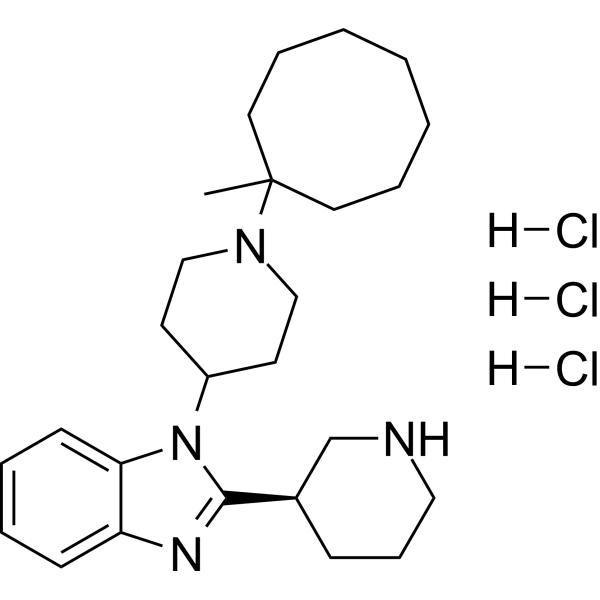
MCOPPB trihydrochloride is a NOP/ORL1 G protein-coupled receptor agonist and autophagy inhibitor that can cross the blood-brain barrier. MCOPPB trihydrochloride clears senescent cells, regulates locomotion, lipid storage and immune responses, and inhibits fibrosis and angiogenesis. MCOPPB trihydrochloride blocks autophagic flux, induces changes in locomotion and lipid storage, and activates the stress-responsive immune transcription network, thereby improving post-infarction cardiac function and exerting anxiolytic effects. MCOPPB trihydrochloride can be applied to research fields such as aging-related diseases and ischemic heart failure .
|
-
- HY-N3266
-
|
|
Tyrosinase
Phosphatase
Cholinesterase (ChE)
SARS-CoV
PERK
JNK
p38 MAPK
TGF-beta/Smad
Apoptosis
Reactive Oxygen Species (ROS)
AMPK
MMP
|
Cardiovascular Disease
Infection
Neurological Disease
Inflammation/Immunology
Cancer
|
|
Methyl rosmarinate is an orally active hydroxycinnamic acid. Methyl rosmarinate exhibits an IC50 of 24.70 μM and a Ki of 15.29 μM against PTP1B, an IC50 of 41.46 μg/mL against BChE, a Ki of 0.61 mM against mushroom tyrosinase, and an IC50 of 2.50 μM against SARS-CoV-2 3CLpro. Methyl rosmarinate downregulates the phosphorylation levels of ERK, JNK, p38, Smad2 and Smad3. Methyl rosmarinate activates erythrocyte BPGM and promotes the production of 2,3-BPG. Methyl rosmarinate induces apoptosis of fibroblasts. Methyl rosmarinate prolongs the survival time of hypoxic mice. Methyl rosmarinate improves insulin sensitivity. Methyl rosmarinate binds to SARS-CoV-2 3CLpro and inhibits viral replication. Methyl rosmarinate induces glioblastoma cell death. Methyl rosmarinate activates the TGR5/AMPK axis and reduces the levels of ROS and MDA. Methyl rosmarinate shows inhibitory activity against MMP-1. Methyl rosmarinate can be used in research related to pulmonary fibrosis, hypoxia-induced injury, type 2 diabetes, Alzheimer's disease, hyperpigmentation disorders, COVID-19, glioblastoma and myocardial ischemia-reperfusion injury .
|
-
| Cat. No. |
Product Name |
Type |
-
- HY-D0967
-
|
|
Fluorescent Dyes
|
|
Cy5-bifunctional dye is a bifunctional dye used for covalent labeling of primary amines on proteins or oligonucleotides (Ex/Em = 649 nm/670 nm). Cy5-bifunctional dye can label recombinant annexin-V to assess phosphatidylserine exposure on the cell surface via flow cytometry. Cy5-bifunctional dye can label anti-human IgG (H + L) secondary antibodies. Cy5-bifunctional dye is applicable to studies of glanders and melioidosis .
|
-
- HY-203233
-
|
|
Fluorescent Dyes
|
|
Rhodamine-DHPE is a fluorescently labeled phosphatidylethanolamine lipid that labels phospholipid bilayers. Rhodamine-DHPE serves as a fluorescence quenching substrate and membrane stain. The fluorescence lifetime of Rhodamine-DHPE decreases significantly in the presence of Cu 2+-PS complexes. Rhodamine-DHPE effectively stains the membranes of human red blood cells and mouse fibroblasts, and supports lifetime-resolved imaging via pump-probe fluorescence microscopy .
|
-
- HY-D3283
-
|
|
Fluorescent Dyes
|
|
Ctrl-CCF1 is a control probe for CCF1. Ctrl-CCF1 can be used to distinguish copper-dependent responses from potential dye-dependent variations, such as cellular uptake, retention, subcellular accumulation, and changes in pH, redox or hydrophobic/hydrophilic environments .
|
| Cat. No. |
Product Name |
Type |
-
- HY-148775
-
|
|
Biochemical Assay Reagents
|
|
PLGA-PEG-MAL (60kDa-3.4kDa, LA:GA ratio 75:25) is a biodegradable amphipathic polymeric nanocarrier of poly (lactic-co-glycolic acid)-block-poly (ethylene glycol) (PLGA-PEG-Mal) that allows covalent modification of functional molecules. PLGA-PEG-MAL (60kDa-3.4kDa, LA:GA ratio 75:25) modified with Angiopep-2 can cross the blood-brain barrier and exhibits targeting selectivity for glioblastoma cells. PLGA-PEG-MAL (60kDa-3.4kDa, LA:GA ratio 75:25) can capture tumor-derived protein antigens, and exerts immunomodulatory effects when conjugated with anti-OX40 antibody; when used in combination with A2-CL/Dbait nanoparticles and radiotherapy, it prolongs survival time and reduces tumor volume in glioblastoma mouse models. PLGA-PEG-MAL (60kDa-3.4kDa, LA:GA ratio 75:25) can be used for studies related to bacterial wound infections and glioblastoma .
|
-
- HY-NP0144
-
|
WGA (Fluorescein)
|
Biochemical Assay Reagents
|
|
Succinylated Wheat Germ Agglutinin (Fluorescein) (WGA (Fluorescein)) is a fluorescent lectin that acts as a probe to specifically bind biomolecules. Succinylated Wheat Germ Agglutinin (Fluorescein) binds to cell surface glycoconjugates containing N-acetylglucosamine. Succinylated Wheat Germ Agglutinin (Fluorescein) is a selective agglutinating agent targeting specific red blood cells, thymocytes, splenocytes and lymphocytes. Succinylated Wheat Germ Agglutinin (Fluorescein) binds to fibroblasts and lymphocytes via dual binding sites in a temperature-dependent, saturable manner. Succinylated Wheat Germ Agglutinin (Fluorescein) can be used for quantitative studies of cell surface receptor glycoconjugates (Ex=495 nm, Em=515 nm) .
|
| Cat. No. |
Product Name |
Target |
Research Area |
-
- HY-A0299
-
|
Tripeptide 29
|
MMP
|
Inflammation/Immunology
|
|
H-Gly-Pro-Hyp-OH is a collagen-derived peptide and also a dipeptidyl peptidase-4 inhibitor.\nH-Gly-Pro-Hyp-OH inhibits the activity of dipeptidyl peptidase-4 in vitro. H-Gly-Pro-Hyp-OH binds to the DNA-binding site of the JUN/FOS complex, blocks the formation of the DNA-JUN/FOS complex, and inhibits transcriptional activity. H-Gly-Pro-Hyp-OH is applicable to research related to skin photoaging, UVB-induced skin aging/photoaging, and thrombosis .
|
-
- HY-P10728
-
|
|
RXFP Receptor
ERK
|
Cardiovascular Disease
Inflammation/Immunology
|
|
B7-33 is a single-chain relaxin mimetic and a selective relaxin receptor 1 (RXFP1) agonist. B7-33 phosphorylates ERK1/2 without inducing activation of the cAMP signaling pathway. B7-33 exhibits anti-fibrotic and cardioprotective activities. B7-33 can be used in the research of vascular diseases such as cardiomyopathy, myocardial infarction and fibrosis .
|
-
- HY-P1290
-
|
PKI-(6-22)-amide
|
PKA
|
Neurological Disease
|
|
PKA Inhibitor Fragment (6-22) amide is a highly potent and specific competitive inhibitor of PKA, with Ki values of 1.7 nM and 1.6 nM against human and bovine PKA catalytic subunits, respectively. The IC50 of PKA Inhibitor Fragment (6-22) amide targeting bovine PKA is 8.6 nM. PKA Inhibitor Fragment (6-22) amide effectively abolishes PKA activity in mouse brain and spinal cord, and exerts in vivo efficacy via intracerebroventricular administration. PKA Inhibitor Fragment (6-22) amide significantly reverses low-dose morphine analgesic tolerance in mice and blocks photoaffinity labeling of cAMP-dependent protein kinase. PKA Inhibitor Fragment (6-22) amide can be applied to research in fields related to the mechanism of morphine analgesic tolerance and skin wound healing .
|
-
- HY-P3513
-
|
|
ERK
MMP
|
Neurological Disease
|
|
β-Neo-Endorphin is an endogenous opioid peptide. β-Neo-Endorphin is a hypothalamic “big” Leu-enkephalin of porcine origin. β-Neo-Endorphin shows activation of the Erk1/2, MMP-2 and MMP-9 .
|
-
- HY-P4550
-
|
|
Endogenous Metabolite
|
Metabolic Disease
|
|
H-Hyp-Gly-OH is a dipeptide containing hydroxyproline and glycine. H-Hyp-Gly-OH promotes the growth of mouse primary fibroblasts on collagen gel. H-Hyp-Gly-OH has potential applications in improving skin by ingesting hydrolyzed collagen. H-Hyp-Gly-OH can be used for metabolic research .
|
-
- HY-P11211
-
|
|
Antibiotic
Bacterial
|
Infection
|
|
D2A21, a cecropin peptide, demonstrates a minimum cidal concentration of 21.69 μg/mL against Chlamydia trachomatis .
|
-
- HY-P10720
-
|
|
Endogenous Metabolite
|
Cardiovascular Disease
|
C-Type Natriuretic Peptide (1-53), Porcine, Rat, mouse is an activator of particulate guanylate cyclase B (pGC-B), which is highly expressed in endothelial cells, kidneys, and the heart. C-Type Natriuretic Peptide (1-53), Porcine, Rat, mouse can mediate a potent anti-fibrotic effect in human cardiac and renal fibroblasts by generating the second messenger cGMP .
|
-
- HY-159771
-
|
|
FAP
|
Cancer
|
|
FAP6-19 is a fibroblast activation protein (FAP) targeting radioligand with a Kd of 18.2 nM. FAP6-19 selectively delivers therapeutic radioactive nuclides (such as 177Lu) to the tumor site by targeting the overexpressed FAP protein in the tumor microenvironment, achieving precise killing of cancer cells while minimizing radiation damage to healthy tissues. FAP6-19 exhibits extremely high total cellular uptake and good intracellular retention ability in HT1080 cells. After being labeled with 111In, FAP6-19 produced extremely high tumor/kidney and tumor/liver dose ratios in the mouse model with 4T1 tumors. FAP6-19 can be used in the research of solid tumors expressing FAP.
|
-
- HY-P5891
-
|
|
PKC
|
Cardiovascular Disease
|
|
TAT-SAMβA is the peptide consist of RNAENFDRF (SAMβA; HY-P3429) conjugated to the cell penetrating TAT protein-derived peptide TAT47–57. TAT-SAMβA is a selective antagonist of Mfn1-βIIPKC association. TAT-SAMβA protects mouse embryonic fibroblast cells (MEFs) against oxidative stress-induced cytotoxicity .
|
-
- HY-P3600
-
|
|
Apoptosis
|
Inflammation/Immunology
|
|
FIZZ-1 (32-51) (mouse) is a cysteine-rich secretory protein that is highly expressed by macrophages, bronchial epithelial and type II alveolar epithelial cells (AEC) in allergic airway inflammation. FIZZ1 (32-51) (mouse) also shows an antiapoptotic effect on lung fibroblasts. FIZZ-1 (32-51) (mouse) can be used in the study of allergic pneumonia .
|
-
- HY-P11797
-
|
|
Transmembrane Glycoprotein
|
Cardiovascular Disease
|
|
EP9 is a peptide targeting CD63. EP9 binds specifically to the extracellular region of CD63, including a groove in the large extracellular loop (EC2) or the extracellular end of CD63’s central cavity, triggering endocytosis of decorated nanoemulsions/liposomes into cells. EP9 promotes cellular uptake of decorated nanoemulsions/liposomes into activated cardiac fibroblasts and epicardial stromal cells via caveolae and/or clathrin-coated pits. EP9 can be used for the research of myocardial infarction, cardiac fibrosis .
|
-
- HY-P4083A
-
|
|
Fluorescent Dye
|
Others
|
|
(Arg)9,TAMRA-labeled acetate is a TAMRA-labeled, membrane-permeable cationic cell-penetrating polyarginine peptide. (Arg)9,TAMRA-labeled acetate acts as a cell-penetrating peptide for drug delivery .
|
-
- HY-P2158
-
|
|
Drug Intermediate
|
Cancer
|
|
Hemoregulatory peptide 5b is an acidic pentapeptide and also a selective inhibitor of myeloid hematopoiesis. Hemoregulatory peptide 5b inhibits myeloid hematopoietic colony formation, as well as the proliferation of committed myeloid hematopoietic stem cells and differentiating myeloid cells. Hemoregulatory peptide 5b exerts anticancer effects against mouse breast cancer and rat glioma. Hemoregulatory peptide 5b exhibits dose-dependent complex hematopoietic regulatory effects in vivo. Hemoregulatory peptide 5b can be used in research related to breast cancer, glioma, and lymphoma .
|
-
- HY-P5423C
-
|
|
Peptides
|
Others
|
|
GALA-Cys is a chemically modified GALA peptide (HY-P5423) that retains GALA functions while acquiring strong covalent conjugation capability. GALA-Cys undergoes pH-driven reversible secondary structure transition, rearranges into an amphipathic α-helix, self-oligomerizes, penetrates lipid membranes to form pores, and disrupts lipid bilayers, thereby enabling endosomal escape and cytosolic cargo delivery. GALA-Cys can be conjugated with lipid DPTE for integration into liposomes, self-assembles into a tilted monolayer on gold surfaces, and serves as a pH-responsive coating for particle surface functionalization. GALA-Cys is applicable to studies related to targeted cargo delivery .
|
-
- HY-P11648
-
|
|
Osteopontin
|
Inflammation/Immunology
Cancer
|
|
SVVYGLR is an osteopontin-derived peptide. SVVYGLR can promote the differentiation of fibroblasts into myofibroblast-like cells and promote the production of type III collagen by cardiac fibroblasts. SVVYGLR can activate the adhesion, migration and tubule formation of endothelial cells in vitro. SVVYGLR promotes angiogenesis and wound healing and promotes the migration of dermal fibroblasts and keratinocytes. SVVYGLR can be used for research related to angiogenesis, dermal wounds and bone regeneration .
|
| Cat. No. |
Product Name |
Target |
Research Area |
Image |
-
- HY-P991218
-
-
(5)
-
- HY-P990117
-
|
|
Integrin
|
Cardiovascular Disease
Cancer
|
|
Anti-Mouse/Rat/Human Osteopontin/SPP1 Antibody (MPIIIB10) is a mouse-derived Osteopontin/SPP1 IgG1 κ type antibody inhibitor. Anti-Mouse/Rat/Human Osteopontin/SPP1 Antibody (MPIIIB10) blocks Angiotensin II (HY-13948)-induced DNA synthesis and collagen gel contraction in cardiac fibroblasts. Anti-Mouse/Rat/Human Osteopontin/SPP1 Antibody (MPIIIB10) significantly inhibits tumor growth in CT26 or MC38 tumors mice models .
|
-
(5)
-
- HY-P99047
-
|
AB 0024; GS 6624
|
Monoamine Oxidase
|
Cardiovascular Disease
Inflammation/Immunology
|
|
Simtuzumab (AB 0024; GS 6624) is a monoclonal antibody directed against Lysyl oxidase like-2 (LOXL2). Simtuzumab non-competitively blocks collagen cross-linking, reduces LOXL2 protein expression and attenuates extracellular matrix changes. Simtuzumab reduces myocardial fibrosis and prevents cardiac dysfunction. Simtuzumab lowers Myh7 and Nppa gene expression, reduces contraction heterogeneity, and cuts COL1A1 deposition. Simtuzumab can be used for the research of LMNA mutation-induced dilated cardiomyopathy, idiopathic pulmonary fibrosis, and primary sclerosing cholangitis .
|
-
(5)
-
- HY-P991815
-
|
|
Transmembrane Glycoprotein
|
Inflammation/Immunology
|
|
Anti-Mouse CD90.1 Antibody (OX-7) reacts with the mouse and rat CD90.1. CD90 is present on a variety of cell types in murine and rat, including lymphatic vessels, T cells, neurons and fibroblasts. Recommend Isotype Controls: Mouse IgG1 kappa, Isotype Control (HY-P99977) .
|
-
(5)
-
- HY-P991840
-
|
|
Transmembrane Glycoprotein
|
Inflammation/Immunology
|
|
Anti-CD68 Antibody (KP1) is a anti-CD68 monoclonal antibody (mAb). CD68 is present in various cell types, including monocytes/macrophages and fibroblasts. Recommend Isotype Controls: Mouse IgG1 kappa, Isotype Control (HY-P99977) .
|
-
(5)
-
- HY-P992465
-
|
|
Fc Receptor (FcR)
|
Cancer
|
|
SIWA318H is an adbanvced glycation end product (AGE) specific antibody. SIWA318H selectively binds to advanced glycation end product biomarkers, human FcγRIIIa, and pancreatic cancer cells, and cancer-associated fibroblasts. SIWA318H suppresses tumor growth in mouse PSN1 xenografts. SIWA318H can be used for the research of pancreatic cancer .
|
-
(5)
-
- HY-P992410
-
|
|
PAI-1
TGF-beta/Smad
|
Inflammation/Immunology
|
|
MEDI-579 is a fully human monoclonal antibody against PAI-1, with a KD value of 6 pM for human PAI-1 and 105 pM for rat PAI-1. MEDI-579 restores renal plasmin activity and inhibits PAI-1-mediated intracellular signal transduction. MEDI-579 reduces albuminuria, glomerulosclerosis severity, TGF-β1 expression level, and phosphorylated Smad2 level induced in diabetic mice. MEDI-579 decreases the levels of active PAI-1 in plasma and kidneys, and increases plasma plasmin level in a mouse model of lupus nephritis. MEDI-579 can be used in research related to diabetic nephropathy and lupus nephritis. The recommended isotype control is human IgG1 kappa (HY-P99001) .
|
-
(5)
-
- HY-P992076
-
|
|
TGF-β Receptor
TGF-beta/Smad
Cholinesterase (ChE)
Fungal
|
Infection
Cancer
|
Anti-Candida auris β-1,3-glucans Antibody (2G8) is an antibody targeting Candida auris β-1,3-glucans, and also acts as an inhibitor of AChE and TGF-β receptor 2. Anti-Candida auris β-1,3-glucans Antibody (2G8) also targets fungal cell wall components, effectively inhibits fungal growth and interferes with capsule formation, thereby significantly reducing the fungal load in mouse tissues. Anti-Candida auris β-1,3-glucans Antibody (2G8) not only blocks TGF-β receptor binding to inhibit the Smad signaling pathway, reduces fibroblast activation and collagen deposition, but also induces epithelial differentiation of tumor cells and reduces pancreatic tumor metastasis. Anti-Candida auris β-1,3-glucans Antibody (2G8) specifically binds to the conserved N-linked glycoepitope on AChE to inhibit its activity without interfering with BChE, and can be used in studies of cryptococcosis and related tumor mechanisms .The isotype control is Human IgG1 kappa, Isotype Control (HY-P99001).
|
-
(5)
| Cat. No. |
Product Name |
Category |
Target |
Chemical Structure |
-
- HY-113365
-
-
-
- HY-129630
-
-
-
- HY-N0008
-
|
|
Curculigo orchioides Gaertn.
Structural Classification
Monophenols
Phenols
Plants
Amaryllidaceae
Source Classification
|
Wnt
p38 MAPK
mTOR
Keap1-Nrf2
TGF-β Receptor
|
|
Orcinol glucoside is an orally active, blood-brain barrier permeable osteoblast proliferation promoter that targets the Nrf2/Keap1, mTOR and p38 signaling pathways. Orcinol glucoside promotes Nrf2 nuclear translocation, upregulates antioxidant enzyme levels, enhances the phosphorylation of mTOR and p70S6K, and inhibits the enzymatic activity of HAS2 as well as the nuclear translocation of GR. Orcinol glucoside also alleviates oxidative stress, inhibits autophagic flux, osteoclastogenesis and TGF-β1-induced M2 polarization, while reducing collagen deposition and effectively promoting the proliferation, differentiation and mineralization of osteoblasts. Orcinol glucoside also exhibits anti-pulmonary fibrosis, anxiolytic and antidepressant activities. Orcinol glucoside can be used in the research of senile and glucocorticoid-induced osteoporosis, idiopathic pulmonary fibrosis (IPF), anxiety and other related diseases .
|
-
-
- HY-N2217
-
-
-
- HY-N3266
-
|
|
Structural Classification
Classification of Application Fields
Adenocarpus cincinnatus (Ball) Maire
Simple Phenylpropanols
Labiatae
Phenols
Polyphenols
Phenylpropanoids
Plants
Disease Research Fields
Source Classification
Cancer
|
Tyrosinase
Phosphatase
Cholinesterase (ChE)
SARS-CoV
PERK
JNK
p38 MAPK
TGF-beta/Smad
Apoptosis
Reactive Oxygen Species (ROS)
AMPK
MMP
|
|
Methyl rosmarinate is an orally active hydroxycinnamic acid. Methyl rosmarinate exhibits an IC50 of 24.70 μM and a Ki of 15.29 μM against PTP1B, an IC50 of 41.46 μg/mL against BChE, a Ki of 0.61 mM against mushroom tyrosinase, and an IC50 of 2.50 μM against SARS-CoV-2 3CLpro. Methyl rosmarinate downregulates the phosphorylation levels of ERK, JNK, p38, Smad2 and Smad3. Methyl rosmarinate activates erythrocyte BPGM and promotes the production of 2,3-BPG. Methyl rosmarinate induces apoptosis of fibroblasts. Methyl rosmarinate prolongs the survival time of hypoxic mice. Methyl rosmarinate improves insulin sensitivity. Methyl rosmarinate binds to SARS-CoV-2 3CLpro and inhibits viral replication. Methyl rosmarinate induces glioblastoma cell death. Methyl rosmarinate activates the TGR5/AMPK axis and reduces the levels of ROS and MDA. Methyl rosmarinate shows inhibitory activity against MMP-1. Methyl rosmarinate can be used in research related to pulmonary fibrosis, hypoxia-induced injury, type 2 diabetes, Alzheimer's disease, hyperpigmentation disorders, COVID-19, glioblastoma and myocardial ischemia-reperfusion injury .
|
-
-
- HY-W196368
-
-
-
- HY-N7325
-
-
-
- HY-122989
-
-
-
- HY-N4308
-
|
Hexa-O-methylquercetagetin; Quercetagetin hexamethyl ether; 3,5,6,7,3',4'-Hexamethoxyflavone
|
Structural Classification
Flavonols
other families
Flavonoids
Classification of Application Fields
Plants
Disease Research Fields
Source Classification
Cancer
|
NF-κB
IKK
Bcl-2 Family
|
|
Hexamethylquercetagetin (Hexa-O-methylquercetagetin; Quercetagetin hexamethyl ether; 3,5,6,7,3',4'-Hexamethoxyflavone) is an orally active NF-κB inhibitor. Hexamethylquercetagetin inhibits NF-κB-derived luciferase activity, reduces phosphorylated p65 and IκBα, Cyclin D1, Bcl-2 and blocks TNFα-induced NF-κB activation. Hexamethylquercetagetin inhibits survival and proliferation of cervical carcinoma cells. Hexamethylquercetagetin suppresses tumor volume and weight in BALB/c nude mouse xenograft models of cervical carcinoma. Hexamethylquercetagetin can be used for the research of cancer, such as cervical carcinoma .
|
-
-
- HY-N3775
-
-
-
- HY-N14038
-
|
|
Natural Products
Microorganisms
Source Classification
|
Fungal
|
|
Crocacin A has anti-yeast and filamentous fungal activity. Crocacin A can inhibit mouse fibroblasts L929. In the microsomes of the calf's heart, Crocacin A can interrupt the bc1 segment of electronic transmission, causes redshift of 569 nm peak in cytochrome B reduction spectrum .
|
-
-
- HY-167835A
-
-
-
- HY-N14040
-
|
|
Natural Products
Microorganisms
Source Classification
|
Fungal
|
|
Crocacin B has anti-yeast and filamentous fungal activity. Crocacin B can inhibit mouse fibroblasts L929. In the microsomes of the calf's heart, Crocacin B can interrupt the bc1 segment of electronic transmission, causes redshift of 569 nm peak in cytochrome B reduction spectrum .
|
-
-
- HY-N15343
-
|
|
Microorganisms
Phenols
Polyphenols
Source Classification
|
Antibiotic
Bacterial
Fungal
|
|
Albiducin A is an antibiotic found in Hymenoscyphus albidus, exhibiting antibacterial and anticancer activities. The MIC range of Albiducin A against bacteria and fungi is 16.7-66.7 mg/mL. Its IC50 values for mouse fibroblast cell line (L929) and human cervical carcinoma cell line (KB3-1) are 6.1 and 2.7 μg/mL, respectively. Albiducin A holds promise for research in the fields of infection and cancer diseases .
|
-
-
- HY-N14734
-
|
|
Natural Products
Microorganisms
Source Classification
|
Apoptosis
Fungal
Microtubule/Tubulin
Mitosis
|
|
Disorazol A1 is an tubulin inhibitor with antifungal activity. Disorazol A1 functions by inhibiting tubulin polymerization, interfering with microtubule formation, blocking mitosis, thus arresting the cell cycle at the G2/M phase and inducing apoptosis. Disorazol A1 also exhibits an inhibitory effect against L929 mouse fibroblasts with an IC50 value of 3 pM. Disorazol A1 causes the accumulation of p53 protein in the cell nucleus. Disorazol A1 is promising for research of cancers .
|
-
-
- HY-N14043
-
|
|
Natural Products
Microorganisms
Source Classification
|
Fungal
|
|
Crocacin C has anti-yeast and filamentous fungal activity. Crocacin C can inhibit mouse fibroblasts L929. In the microsomes of the calf's heart, Crocacin C can interrupt the bc1 segment of electronic transmission, causes redshift of 569 nm peak in cytochrome B reduction spectrum .
|
-
-
- HY-N14044
-
|
|
Natural Products
Microorganisms
Source Classification
|
Fungal
|
|
Crocacin D has anti-yeast and filamentous fungal activity. Crocacin D can inhibit mouse fibroblasts L929. In the microsomes of the calf's heart, Crocacin D can interrupt the bc1 segment of electronic transmission, causes redshift of 569 nm peak in cytochrome B reduction spectrum .
|
-
-
- HY-172745
-
|
|
Natural Products
Microorganisms
Source Classification
|
Others
|
|
Conglobatin B1 is a compound that can be isolated from Australian Streptomyces MST-91080. Conglobatin B1 is cytotoxic to the NS-1 myeloma cell line with an IC50 of 0.084 μg/mL, but has low toxicity to NFF human fibroblasts. Conglobatin B1 can be used in the study of cancer .
|
-
-
- HY-N9353
-
-
-
- HY-N18339
-
-
-
- HY-N18093
-
-
-
- HY-N20641
-
-
-
- HY-N20676
-
|
|
Structural Classification
Microorganisms
Ketones, Aldehydes, Acids
Source Classification
|
Fungal
Drug Derivative
|
|
Geministatin D is a derivative of Geministatin A that retains the C17 (Z,Z)-diene alkyl side chain but lacks the complete diester backbone. As a chemical degradation fragment of the parent compound, Geministatin D shows weak antibacterial activity against Gram-positive bacteria but exerts mild inhibitory effects on Saccharomyces cerevisiae. Geministatin D can be used in studies on fungal infections caused by Saccharomyces cerevisiae .
|
-
-
- HY-N19233
-
-
-
- HY-N20645
-
|
|
Structural Classification
Microorganisms
Antibiotics
Source Classification
|
Bacterial
Endogenous Metabolite
Antibiotic
|
|
Capricostatin A is a glycosylated heteromeric depsipeptide and Antibacterial agent. Capricostatin A is present in the fungus Austroacremonium gemini MST-FP2131. Capricostatin A inhibits the growth of Gram-positive bacteria, including Bacillus subtilis, Staphylococcus aureus, and MRSA. Capricostatin A exhibits no antifungal activity against Saccharomyces cerevisiae and no cytotoxicity against mammalian cells. Capricostatin A can be used in the research of bacterial infections caused by Bacillus subtilis and Staphylococcus aureus .
|
-
| Cat. No. |
Product Name |
|
Classification |
-
- HY-W145516
-
|
|
|
Thickeners
Suspending Agents
|
|
Guar gum is an orally active nonionic galactomannan polysaccharide. It is present in the endosperm of Cyamopsis tetragonolobus seeds. Guar gum reduces cholesterol levels, regulates body weight, and acts as a thickener and viscosity modifier by forming hydrogen-bonded aqueous solutions. It serves as a rate-controlling excipient in compound delivery systems, and finds applications in the food, tissue engineering, nanosensing and industrial fields .
|
-
- HY-173189A
-
|
2′,5′-ApApA pentasodium; 2′,5′-trioligoadenylate pentasodium; 5'-O-Triphosphoryladenylyl-(2'→5')-adenylyl-(2'→5')-adenosine pentasodium
|
|
Nucleotide Analogs
Adenine Nucleotide
|
2-5A (2′,5′-ApApA) pentasodium solution 100 mM is a high-affinity (Ka=0.04 nM) RNase L binder. 2-5A pentasodium solution 100 mM activates the nuclease activity of latent RNase L to cleave single-stranded RNA by inducing conformational changes and dimerization of latent RNase L, thereby mediating critical antiviral responses and enhancing interferon effects. 2-5A pentasodium solution 100 mM not only effectively inhibits Rauscher murine leukemia virus replication, reduces viremia and splenomegaly, but also enhances antileukemic efficacy when combined with amphotericin B and exhibits favorable high-dose tolerance. 2-5A pentasodium solution 100 mM is an important tool molecule for investigating the pathological mechanisms of viral infection, hereditary prostate cancer and leukemia .
|
-
- HY-148775
-
|
|
|
Polymers
|
|
PLGA-PEG-MAL (60kDa-3.4kDa, LA:GA ratio 75:25) is a biodegradable amphipathic polymeric nanocarrier of poly (lactic-co-glycolic acid)-block-poly (ethylene glycol) (PLGA-PEG-Mal) that allows covalent modification of functional molecules. PLGA-PEG-MAL (60kDa-3.4kDa, LA:GA ratio 75:25) modified with Angiopep-2 can cross the blood-brain barrier and exhibits targeting selectivity for glioblastoma cells. PLGA-PEG-MAL (60kDa-3.4kDa, LA:GA ratio 75:25) can capture tumor-derived protein antigens, and exerts immunomodulatory effects when conjugated with anti-OX40 antibody; when used in combination with A2-CL/Dbait nanoparticles and radiotherapy, it prolongs survival time and reduces tumor volume in glioblastoma mouse models. PLGA-PEG-MAL (60kDa-3.4kDa, LA:GA ratio 75:25) can be used for studies related to bacterial wound infections and glioblastoma .
|
Your information is safe with us. * Required Fields.
Inquiry Information
- Product Name:
- Cat. No.:
- Quantity:
- MCE Japan Authorized Agent:

