1. Search Result
Search Result
Pathways Recommended: Stem Cell/Wnt Cell Cycle/DNA Damage
Results for "

pancreatic tumor cells

" in MedChemExpress (MCE) Product Catalog:

206

Inhibitors & Agonists

1

Screening Libraries

2

Fluorescent Dyes

13

Peptides

29

Inhibitory Antibodies

19

Natural
Products

5

Isotope-Labeled Compounds

2

Click Chemistry

3

Oligonucleotides

Cat. No. Product Name Target Research Areas Chemical Structure
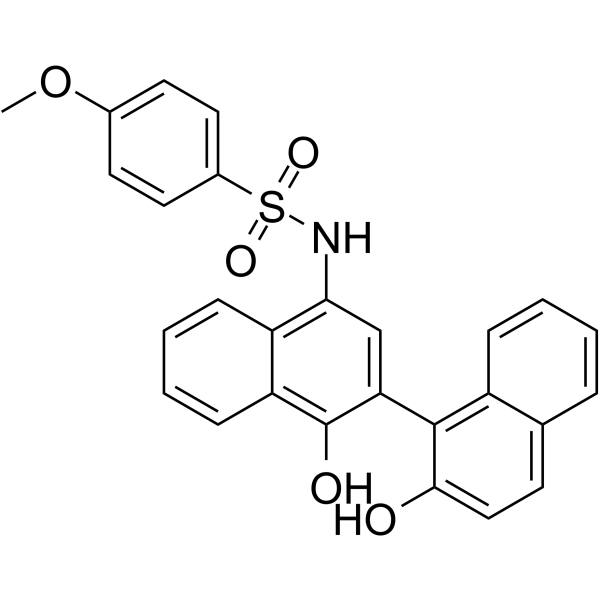
  • HY-112288
    C188-9
    30+ Cited Publications

    TTI-101

    STAT Apoptosis DNA Methyltransferase Metabolic Disease Inflammation/Immunology Cancer
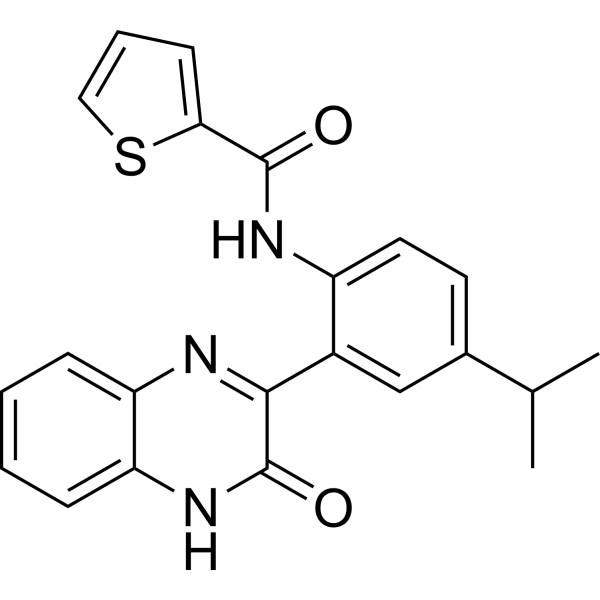
    C188-9 (TTI-101) is a STAT3 inhibitor with a Kd value of 4.7 nM. C188-9 targets the SH2 domain of STAT3, blocks the processes of STAT3 ligand binding, receptor recruitment, homodimerization and phosphorylation, and regulates STAT3-mediated genes associated with tumorigenesis and radioresistance. C188-9 regulates STAT1-mediated genes related to radioresistance and reduces the activation level of STAT1. C188-9 downregulates the expression of DNMT1, enhances DAC-induced demethylation and re-expression of RASSF1A, and simultaneously potentiates the anti-tumor effect of DAC on pancreatic cancer cells. C188-9 inhibits both anchorage-dependent and anchorage-independent growth of cancer cells, induces Apoptosis, blocks the growth of tumor xenografts, and suppresses muscle atrophy. C188-9 maintains muscle mass, increases body weight and improves grip strength in tumor-bearing mice. C188-9 can be used in research related to head and neck squamous cell carcinoma, pancreatic cancer, sepsis-related skeletal muscle wasting, non-small cell lung cancer, acute myeloid leukemia and cancer cachexia .
    C188-9
  • HY-129046
    RNase A, Bovine pancreas
    5 Publications Verification

    Ribonuclease A; EC 4.6.1.18; RNase A

    Endonuclease DNA/RNA Synthesis Others
    RNase A (Bovine pancreatic RNase) is a widely used Endonuclease in DNA purification by specifically hydrolyzing cytosine or uracil residues of RNA. RNase A degrades the RNA in the RNA/DNA duplex. RNase A catalyses the breakdown of 3',5'-phosphodiester linkages of single stranded RNA. RNase A family members in organisms are tightly involved in various physiological and pathological processes including cell growth and development, proliferation, differentiation and migration. Dysregulation of RNase A activity or expression level is closely related to pancreatic, ovarian, bladder and thyroid cancer. RNase A has tumor cell-killing ability .
    RNase A, Bovine pancreas
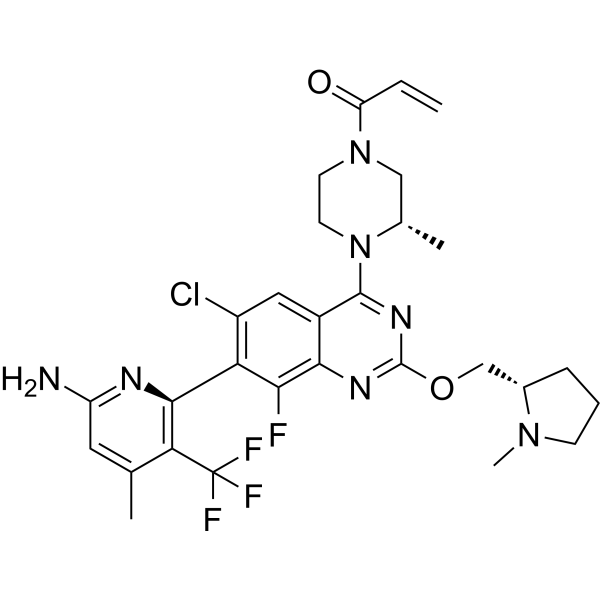
  • HY-145928
    Divarasib
    5+ Cited Publications

    GDC-6036

    Ras Cancer
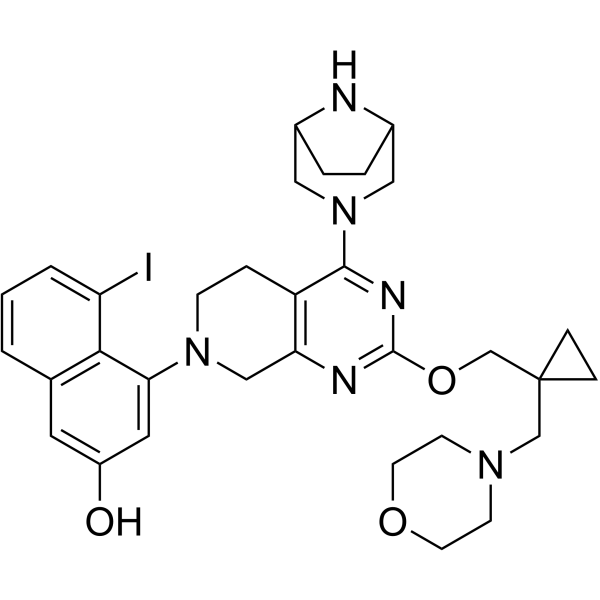
    Divarasib (GDC-6036) is an orally active, selective KRAS G12C inhibitor with an IC50 of <0.01 μM. Divarasib covalently binds Cys12 in GDP-bound KRAS G12C, occupies the switch II pocket, blocks GTP binding and SOS-mediated reactivation, and inhibits oncogenic KRAS signaling. Divarasib induces tumor shrinkage and robust tumor growth inhibition in KRAS G12C-positive models and cancer cells. Divarasib can be used for the research of non-small cell lung cancer, colorectal adenocarcinoma, pancreatic ductal adenocarcinoma, and other KRAS G12C-mutated solid tumors .
    Divarasib
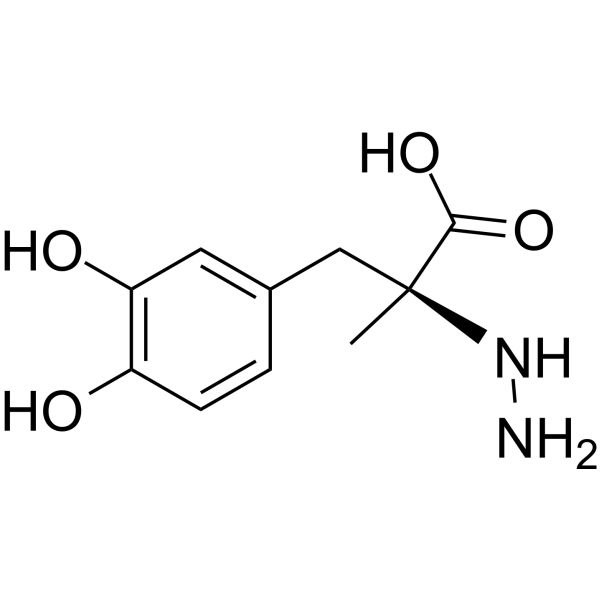
  • HY-B0311
    Carbidopa
    2 Publications Verification

    (S)-(-)-Carbidopa

    Aryl Hydrocarbon Receptor Neurological Disease Cancer
    Carbidopa ((S)-(-)-Carbidopa), a peripheral decarboxylase inhibitor, can be used for the research of Parkinson's disease. Carbidopa is a selective aryl hydrocarbon receptor (AhR) modulator. Carbidopa inhibits pancreatic cancer cell and tumor growth .
    Carbidopa
  • HY-P99275
    Patritumab
    1 Publications Verification

    AMG-888; U3-1287

    EGFR Akt ERK PARP Survivin Cancer
    Patritumab (Human Anti-ERBB3 Recombinant Antibody) is a neutralizing monoclonal antibody to ERBB3. Patritumab shows a synergy with Cetuximab (HY-P9905), potently inhibits the phosphorylation of EGFR, HER2, HER3, ERK, and AKT. Patritumab also induces cell apoptosis and suppresses the growth of pancreatic, non-small cell lung cancer, and colorectal cancer xenograft tumors .
    Patritumab
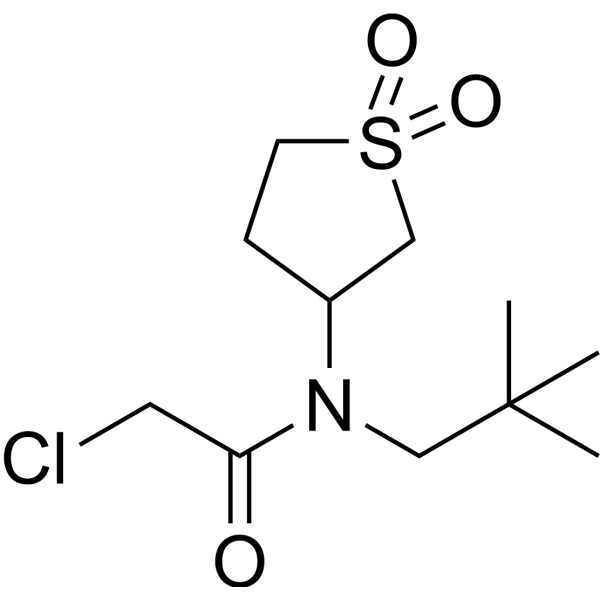
  • HY-139361
    Sulfopin
    3 Publications Verification

    PIN1-3

    PIN1 Cancer
    Sulfopin (PIN1-3) is a highly selective covalent inhibitor of Pin1 with an apparent Ki of 17 nM. Sulfopin blocks Myc-driven tumors in vivo. The peptidyl-prolyl isomerase, Pin1, is exploited in cancer to activate oncogenes and inactivate tumor suppressors .
    Sulfopin
  • HY-148808

    RXC007

    ROCK Cancer
    Zelasudil (RXC007) is an orally active, highly selective small molecule Rho-associated coiled-coil containing protein kinase 2 (ROCK2) inhibitor with anti-fibrotic efficacy. Zelasudil elicits positive immunomodulatory effects in metastatic pancreatic tumors with increase of CD8+ and CD4+ T cell infiltrate into the tumor cortex and reduction in immunosuppressive FOXP3+ regulatory T cells at the tumor border. Zelasudil is promising for research of pancreatic ductal adenocarcinoma .
    Zelasudil
  • HY-15096
    MKT-077
    15+ Cited Publications

    FJ-776

    Fluorescent Dye HSP Cancer
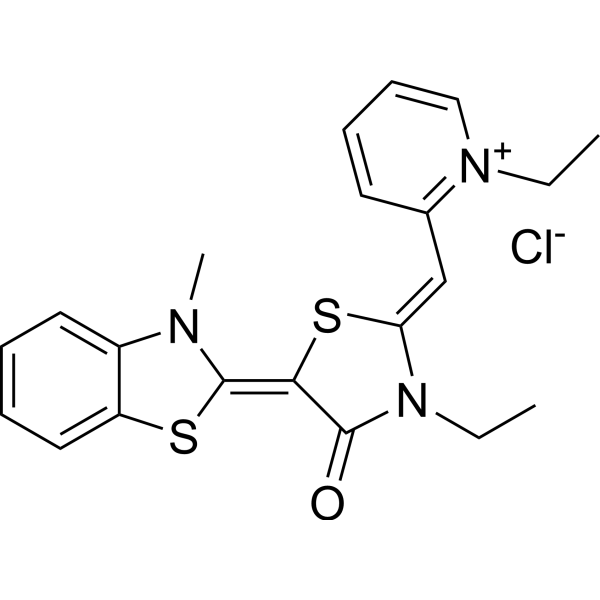
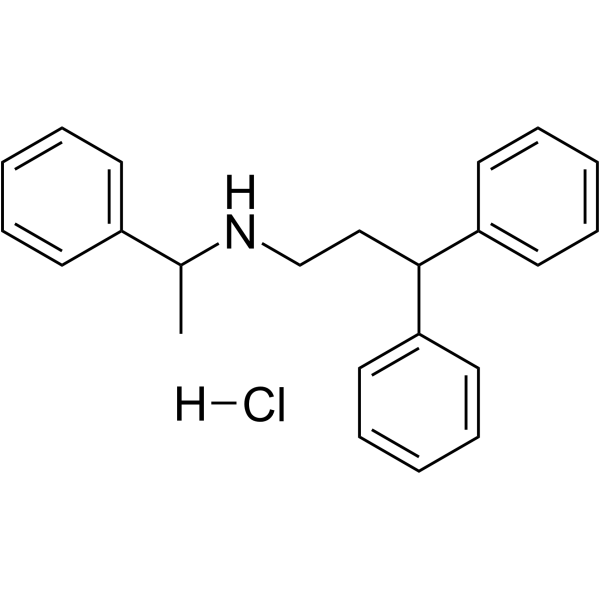
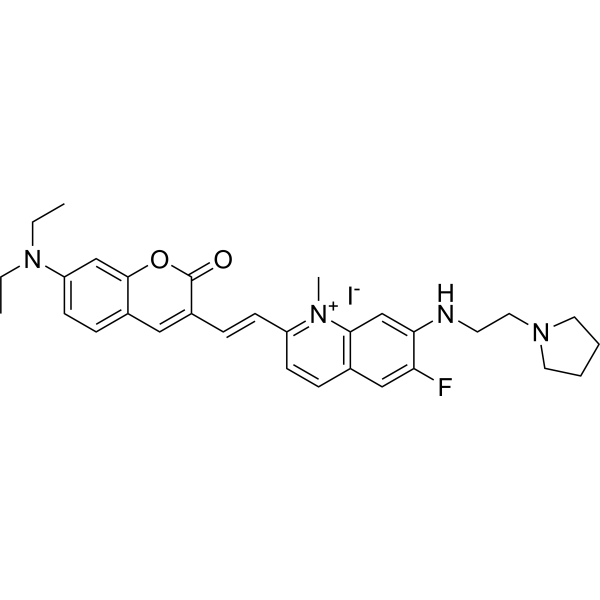
    MKT-077 (FJ-776), a highly water-soluble mitochondrial dye, has significant antitumor activity . MKT-077 exhibits low cytotoxicity, and inhibits broad-spectrum human cancer cell lines (colon cancer, breast cancer, pancreatic cancer). MKT-077 inhibits the growth of tumor in nude mice enograft tumor model. Ex/Em=488/543 nm .
    MKT-077
  • HY-100367

    Quinone Reductase NF-κB Cancer
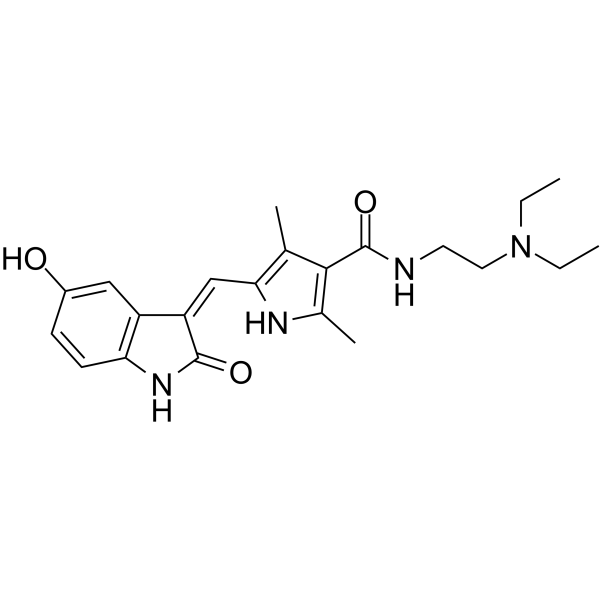
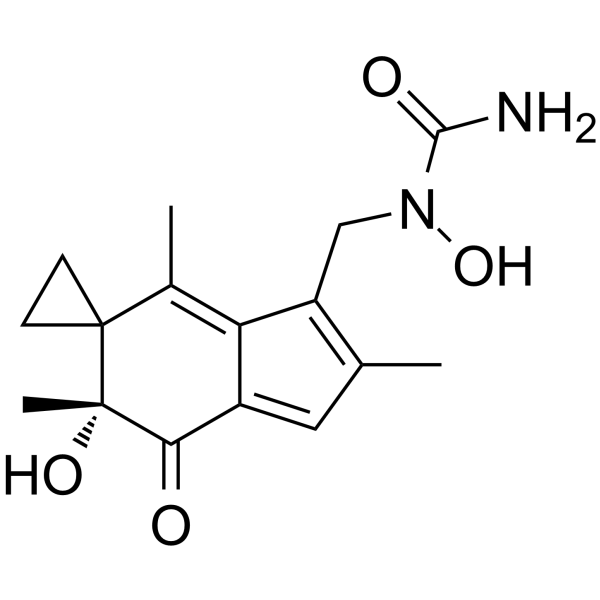
    ES 936 is a potent and specific NQO1 inhibitor. ES 936 inhibits the growth of MIA PaCa-2 and BxPC-3 cells, with IC50 values of 108 nM and 365 nM, respectively. ES936 significantly inhitbits the growth rate of MIA PaCa-2 xenograft tumors in mice. ES 936 can be used for the study of pancreatic cancer .
    ES 936
  • HY-P990957

    BCA-101; FMAB2

    EGFR TGF-beta/Smad Inflammation/Immunology Cancer
    Ficerafusp alfa (BCA-101) is a bispecific antibody targeting EGFR and TGFβ, with a Kd of 2.58 nM against EGFR and a Kd of 61.3 nM against TGFβ1. Ficerafusp alfa binds to EGFR, inhibits EGFR phosphorylation, blocks EGF-dependent cell proliferation, and mediates antibody-dependent cellular cytotoxicity against EGFR-positive tumor cells. Ficerafusp alfa sequesters TGFβ via its TGFβRII ECD domain, neutralizes the activity of TGFβ and TGFβ1, and blocks TGFβ-dependent processes, including epithelial-mesenchymal transition, cell invasion, and differentiation of inducible regulatory T cells. Ficerafusp alfa is applicable to research related to head and neck squamous cell carcinoma, advanced solid tumors, squamous non-small cell lung cancer, anal squamous cell carcinoma, colorectal cancer, and pancreatic cancer .
    Ficerafusp alfa
  • HY-P10102
    Kp7-6
    2 Publications Verification

    Apoptosis PERK NF-κB Caspase JNK Inflammation/Immunology Cancer
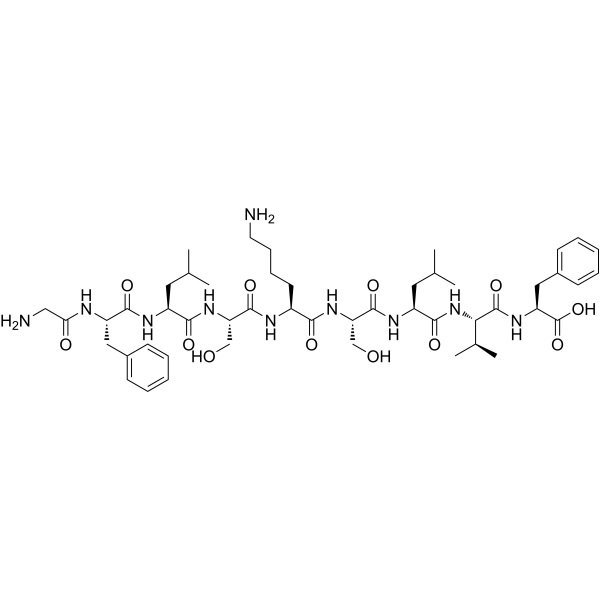
    Kp7-6 is a Fas mimetic peptide and also a Fas/FasL antagonist. Kp7-6 specifically binds to Fas and FasL, disrupts receptor complexes, and blocks downstream apoptosis signaling pathways. Kp7-6 inhibits the phosphorylation of ERK1-2, induces the phosphorylation of IκBα, and activates NF-κB. Kp7-6 inhibits the activation of caspase-8, caspase-3 and JNK, and suppresses human amylin-induced β-cell apoptosis. Kp7-6 inhibits FasL-induced lymphoid cytotoxicity and apoptosis. Kp7-6 reduces local tumor FasL expression, increases CD8 +Fas + T cell infiltration, and decreases tumor volume in pancreatic neuroendocrine tumor models. Kp7-6 prevents concanavalin A-induced liver injury in mice. Kp7-6 is applicable to research related to type 2 diabetes, concanavalin A-induced hepatitis and pancreatic neuroendocrine tumors .
    Kp7-6
  • HY-13631I

    (1S,9R)-DX8951f

    Drug Derivative Topoisomerase Apoptosis Cancer
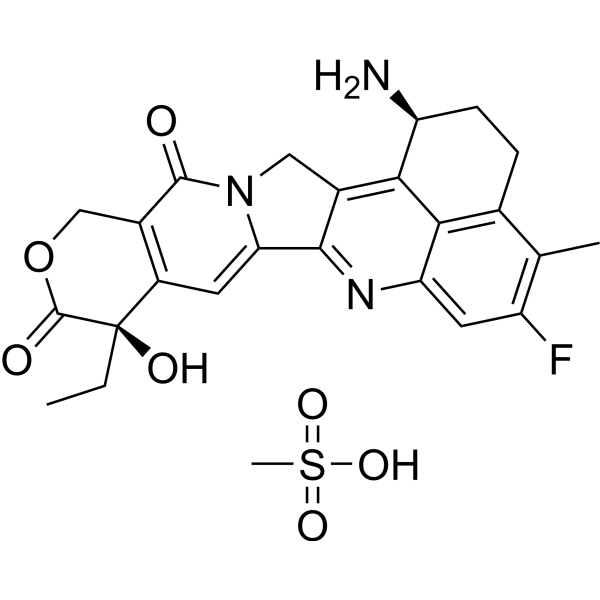
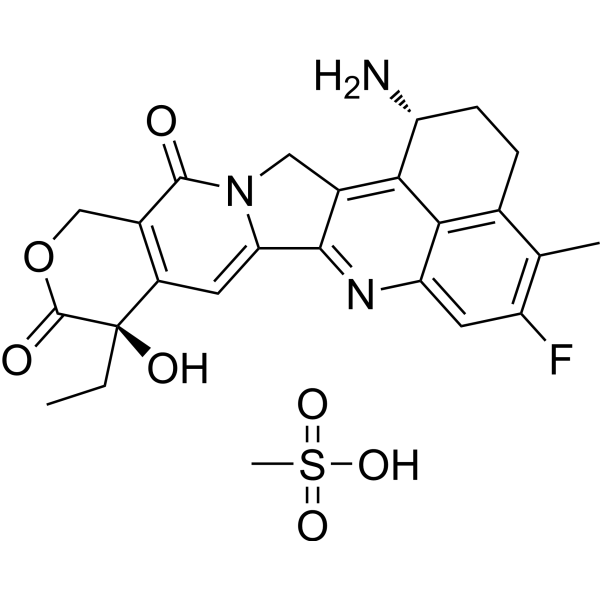
    (1S,9R)-Exatecan mesylate ((1S,9R)-DX8951f) is a non-prodrug camptothecin derivative and a topoisomerase I inhibitor (IC50=0.975 μg/mL in mice and 0.82 μg/mL in humans). (1S,9R)-Exatecan mesylate blocks enzyme activity and induces apoptosis by stabilizing the enzyme-DNA cleavable complex. (1S,9R)-Exatecan mesylate not only effectively inhibits the proliferation of various malignant tumor cells and tumor growth, but also circumvents P-glycoprotein-mediated multidrug resistance. (1S,9R)-Exatecan mesylate is widely used in preclinical studies of various cancers such as pancreatic cancer, lung cancer, breast cancer, and leukemia .
    The chiral isomer of (1S,9R)-Exatecan mesylate is (1R,9R)-Exatecan mesylate (HY-13631J).
    (1S,9R)-Exatecan mesylate
  • HY-B0311A
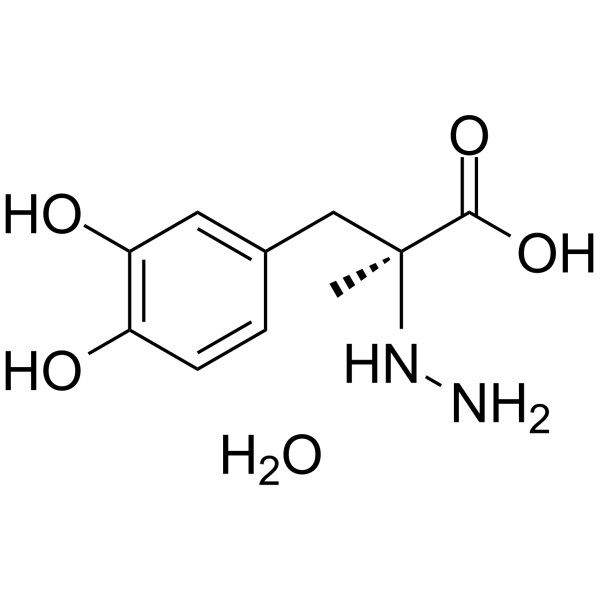
    Carbidopa monohydrate
    2 Publications Verification

    (S)-(-)-Carbidopa monohydrate

    Aryl Hydrocarbon Receptor Neurological Disease Cancer
    Carbidopa ((S)-(-)-Carbidopa) monohydrate, a peripheral decarboxylase inhibitor, can be used for the research of Parkinson's disease. Carbidopa monohydrate is a selective aryl hydrocarbon receptor (AhR) modulator. Carbidopa monohydrate inhibits pancreatic cancer cell and tumor growth .
    Carbidopa monohydrate
  • HY-137432
    Avotaciclib
    3 Publications Verification

    BEY1107

    CDK Apoptosis Cancer
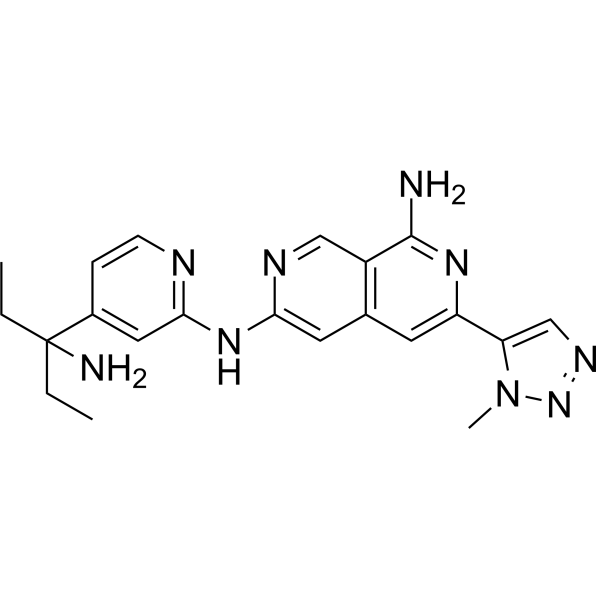
    Avotaciclib (BEY1107) is an orally active cyclin-dependent kinase 1 (CDK1) inhibitor. Avotaciclib can inhibit the proliferation and induce apoptosis of tumor cells. Avotaciclib can be used in the research of cancer such as pancreatic cancer and lung cancer .
    Avotaciclib
  • HY-129046I

    DNA/RNA Synthesis Endonuclease Endocrinology Cancer
    RNase A (Bovine pancreatic RNase) is a widely used Endonuclease in DNA purification by specifically hydrolyzing cytosine or uracil residues of RNA. RNase A degrades the RNA in the RNA/DNA duplex. RNase A catalyses the breakdown of 3',5'-phosphodiester linkages of single stranded RNA. RNase A family members in organisms are tightly involved in various physiological and pathological processes including cell growth and development, proliferation, differentiation and migration. Dysregulation of RNase A activity or expression level is closely related to pancreatic, ovarian, bladder and thyroid cancer. RNase A has tumor cell-killing ability. RNase A, Recombinant (animal free) is recombinant RNase A with no animal-derived components .
    RNase A, Recombinant (animal free)
  • HY-16511
    Upamostat
    1 Publications Verification

    WX-671

    PAI-1 Ser/Thr Protease Infection Cancer
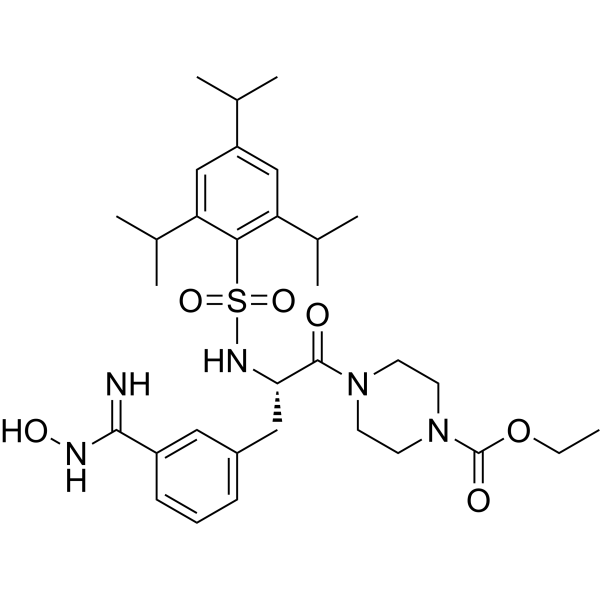
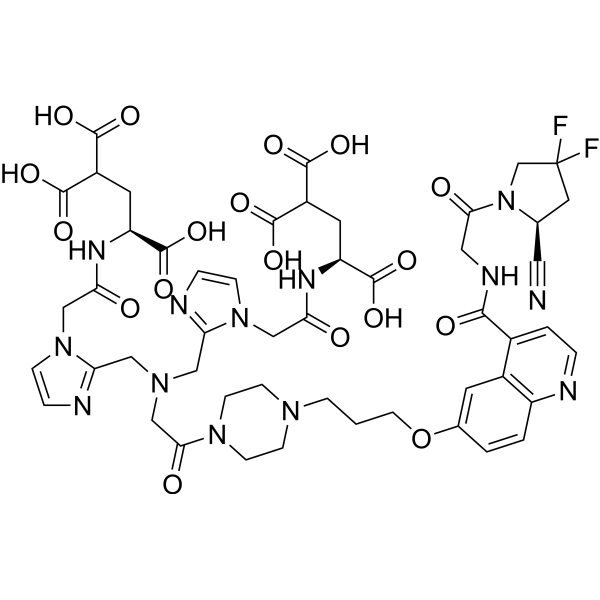
    Upamostat (WX-671), a prodrug of WX-UK1, is an orally active serine protease inhibitor. Upamostat inhibits the urokinase-type plasminogen activator (uPA) system, blocking the plasminogen activation process mediated by it, thereby suppressing the invasion, migration and metastasis of tumor cells. Upamostat can be used in the research of metastatic breast cancer and locally advanced pancreatic cancer .
    Upamostat
  • HY-P991372

    RN927C antibody

    TROP2 Cancer
    Anti-TROP2 Antibody (RN927C antibody) is a human monoclonal antibody targeting Trop-2. Anti-TROP2 Antibody exerts in vitro inhibitory effects on a variety of tumor cell lines. Anti-TROP2 Antibody exhibits anti-tumor activity in mouse pancreatic PDX, ovarian PDX, lung PDX and triple-negative breast cancer (TNB) PDX models. Anti-TROP2 Antibody can be used for research on pancreatic cancer, ovarian cancer, lung cancer and triple-negative breast cancer .
    Anti-TROP2 Antibody
  • HY-75954
    2-Hydroxyhexanoic acid
    2 Publications Verification

    Endogenous Metabolite Cancer
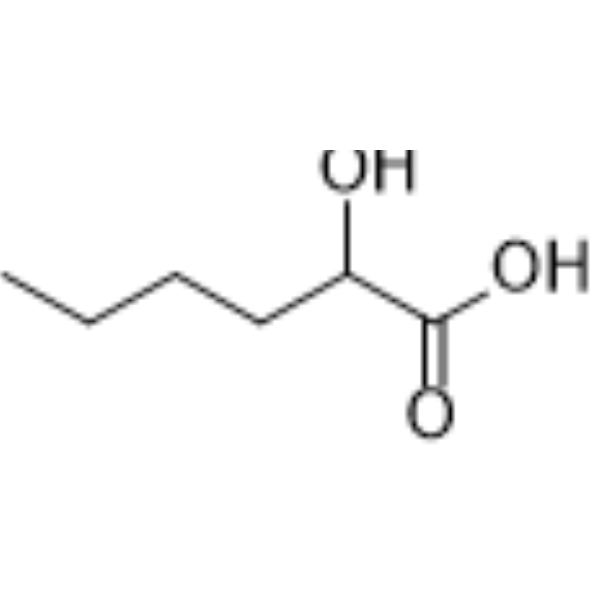
    2-Hydroxyhexanoic acid is a metabolite. 2-Hydroxyhexanoic acid is elevated in metastatic pancreatic neuroendocrine tumors. 2-Hydroxyhexanoic acid does not promote the proliferation, migration or invasion of pancreatic neuroendocrine tumor cells. 2-Hydroxyhexanoic acid can be used in the research of metastatic pancreatic neuroendocrine tumors .
    2-Hydroxyhexanoic acid
  • HY-156715

    MASTL Cancer
    MASTL-IN-1 is a selective and orally active MASTL inhibitor with a Ki <0.03 nM. MASTL-IN-1 inhibits phosphorylation of ENSA and inhibits proliferation in cancer cells. MASTL-IN-1 induces tumor growth inhibition and stasis in pancreatic cancer xenograft models .
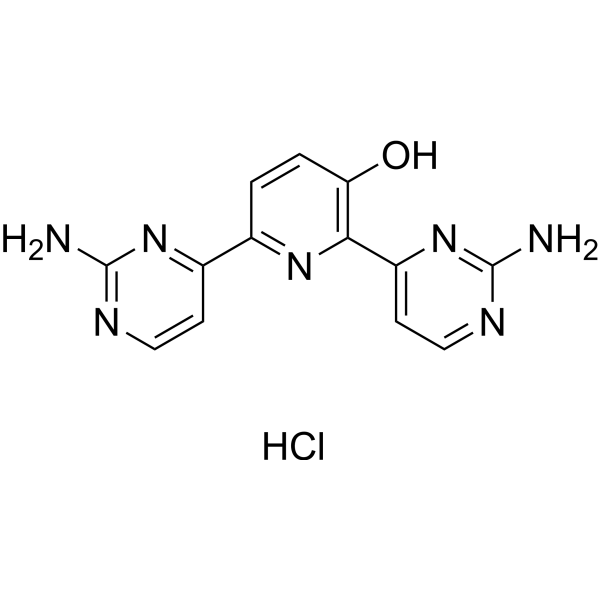
    MASTL-IN-1
  • HY-129046D

    Ribonuclease A, Recombinant

    Endonuclease DNA/RNA Synthesis Endocrinology Cancer
    RNase A (Bovine pancreatic RNase) is a widely used Endonuclease in DNA purification by specifically hydrolyzing cytosine or uracil residues of RNA. RNase A degrades the RNA in the RNA/DNA duplex. RNase A catalyses the breakdown of 3',5'-phosphodiester linkages of single stranded RNA. RNase A family members in organisms are tightly involved in various physiological and pathological processes including cell growth and development, proliferation, differentiation and migration. Dysregulation of RNase A activity or expression level is closely related to pancreatic, ovarian, bladder and thyroid cancer. RNase A has tumor cell-killing ability. RNase A, Recombinant (Ribonuclease A, Recombinant) is a recombinant form of RNase A .
    RNase A, Recombinant
  • HY-P99667
    Ipafricept
    4 Publications Verification

    OMP-54F28; FZD8-Fc

    Wnt Cancer
    Ipafricept (OMP-54F28; FZD8-Fc) is a first class recombinant fusion protein with the extracellular part of the human frizzled-8 receptor fused to a human IgG1 Fc fragment that binds Wnt ligands, which blocks Wnt signaling. Ipafricept reduces tumor growth and results in a decrease in both liver and lung metastases combined with Gemcitabine (HY-17026) in pancreatic cancer mouse models. Ipafricept shows solid tumor inhibition activity with well tolerance, such as desmoid tumor, germ cell cancer, ovarian cancer .
    Ipafricept
  • HY-N3126

    Drug Derivative Fungal Apoptosis Caspase PARP Neurological Disease Cancer
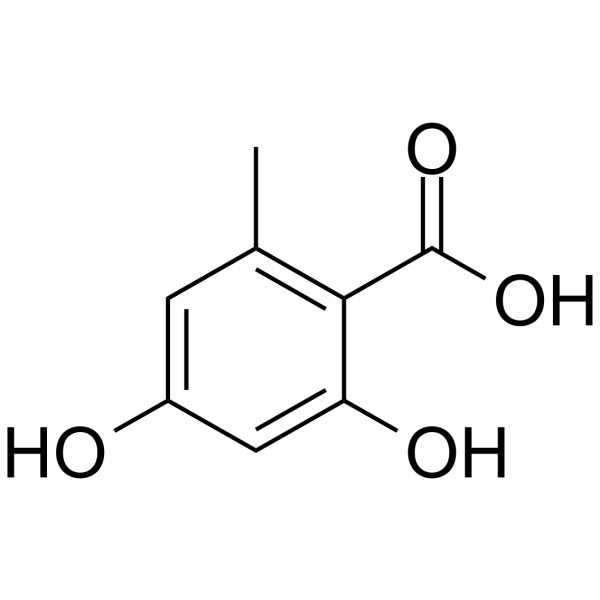
    Orsellinic acid is a Benzoic acid (HY-N0216) derivative. Orsellinic acid can be isolated from Chaetomium globosum endophytic on Ephedra fasciculata (Mormon tea). Orsellinic acid blocks PAF-mediated Apoptosis, inhibits caspase-3/7 activation, and PARP cleavage. Orsellinic acid can be used in research of neurons and various tumors (non-small cell lung cancer, breast cancer, neuroblastoma, pancreatic cancer) .
    Orsellinic acid
  • HY-13072
    Cenisertib
    1 Publications Verification

    AS-703569; R-763

    Aurora Kinase Bcr-Abl Akt STAT FLT3 Cancer
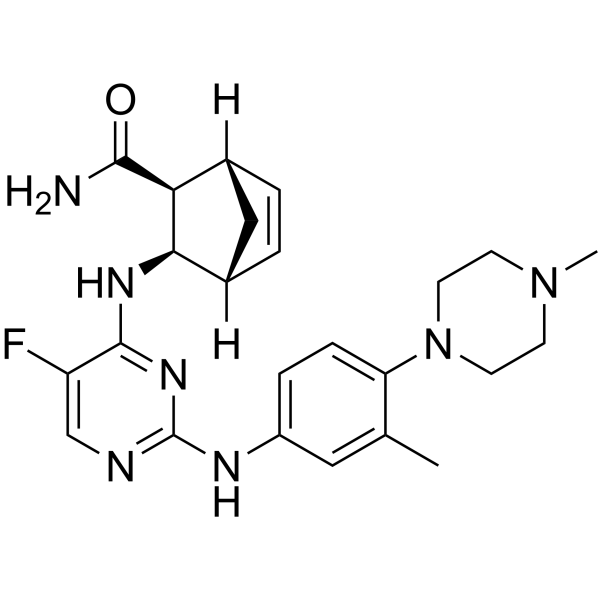
    Cenisertib (AS-703569) is an ATP-competitive multi-kinase inhibitor that blocks the activity of Aurora-kinase-A/B, ABL1, AKT, STAT5 and FLT3. Cenisertib induces major growth-inhibitory effects by blocking the activity of several different molecular targets in neoplastic mast cells (MC). Cenisertib inhibits tumor growth in xenograft models of pancreatic, breast, colon, ovarian, and lung tumors and leukemia .
    Cenisertib
  • HY-178836

    Drug-Linker Conjugates for ADC Ras Cancer
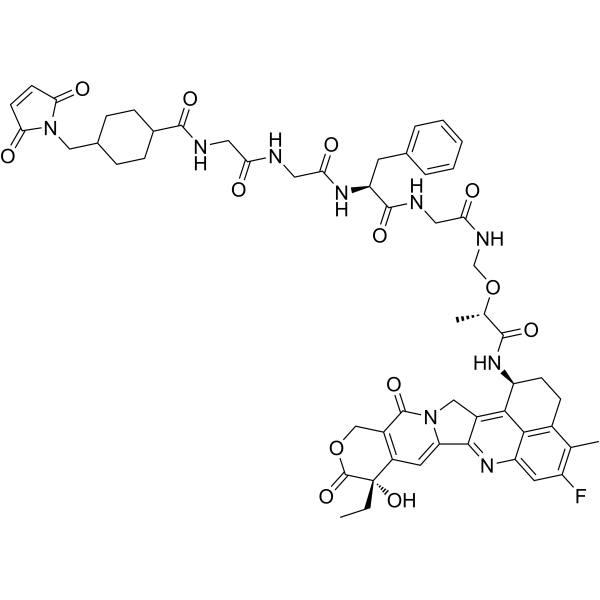
    Z56-L23 is a conjugate of RAS-targeting ADC cytotoxic payload-linker with anti-tumor activity. Z56-L23 can be conjugated with HER3 antibody, EGFR antibody or EGFRxHER3 bispecific antibody to form intact antibody-drug conjugates (ADCs). ADC molecules related to Z56-L23 effectively inhibit the proliferation of tumor cells and also significantly suppress tumor growth in xenograft mouse models. Z56-L23 can be used in the research of pancreatic cancer .
    Z56-L23
  • HY-P10239

    Somatostatin Receptor Radionuclide-Drug Conjugates (RDCs) Cancer
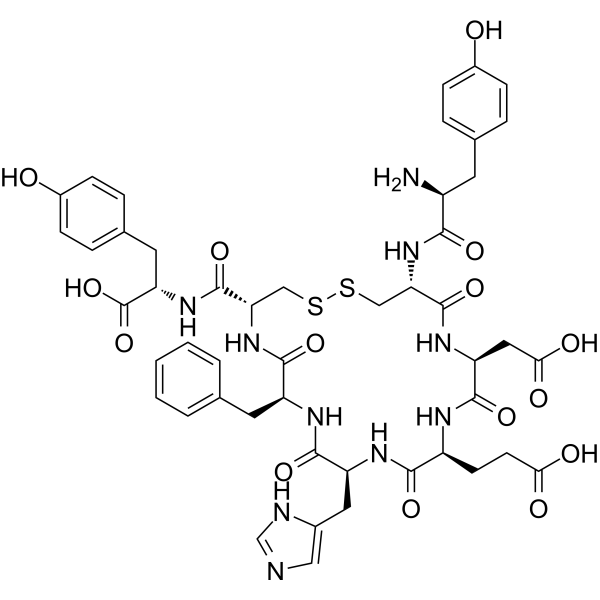
    Tyr3-Octreotate is a ligand for somatostatin receptor subtype 2 (sst2), with an IC50 value of 1.3 nM against sst2 when labeled with [ 111In-DTPA], and an IC50 value of 1.6 nM against sst2 when labeled with [ 90Y-DOTA]. Radiolabeled Tyr3-Octreotate generates cell-associated radioactivity, and acts as both a tumor growth inhibitor and a tumor cytotoxic agent. When radiolabeled with 177Lu or 90Y, Tyr3-Octreotate serves as a peptide receptor radionuclide therapy (PRRT) analog. Tyr3-Octreotate can be used in studies related to pancreatic tumors .
    Tyr3-Octreotate
  • HY-137432A
    Avotaciclib trihydrochloride
    3 Publications Verification

    BEY1107 trihydrochloride

    CDK Apoptosis Cancer
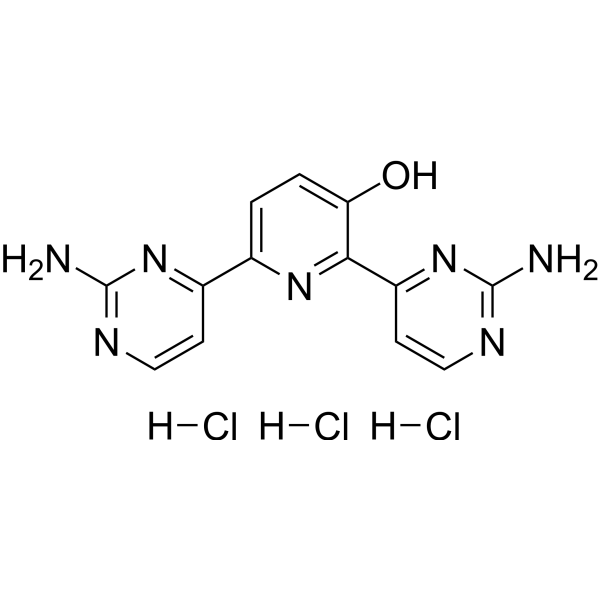
    Avotaciclib (BEY1107) trihydrochloride is an orally active cyclin-dependent kinase 1 (CDK1) inhibitor. Avotaciclib trihydrochloride can inhibit the proliferation and induce apoptosis of tumor cells. Avotaciclib trihydrochloride can be used in the research of cancer such as pancreatic cancer and lung cancer .
    Avotaciclib trihydrochloride
  • HY-P991481

    CCR Inflammation/Immunology Cancer
    S-531011 is a high-affinity, selective, and reversible CCR8 ligand with antibody-dependent cellular cytotoxicity (ADCC) against CCR8-expressing cells. S-531011 induces the death of tumor-infiltrating CCR8 + regulatory T cells while preserving regulatory T cells in peripheral blood, thereby reinvigorating anti-tumor immunity. The combination of S-531011 with anti-PD-1 antibody effectively inhibits tumor growth, and S-531011 can be used for research on advanced solid tumors and various cancers including non-small cell lung cancer, ovarian cancer, colon cancer, breast cancer, and pancreatic ductal adenocarcinoma .
    S-531011
  • HY-173178

    Estrogen Receptor/ERR Cancer
    LNS8801 is an orally active agonist of the G protein-coupled estrogen receptor (GPER). By activating GPER, LNS8801 mediates downstream signaling pathways, such as promoting the production of cyclic adenosine monophosphate (cAMP) and activating the cAMP response element-binding protein (CREB) signaling, thereby exerting anti-tumor activities including inhibiting tumor cell proliferation, inducing cell differentiation, and enhancing tumor immunogenicity. LNS8801 can be used in the research of various cancers (e.g., melanoma, pancreatic cancer, colorectal cancer, lung cancer, etc.) and relevant studies exploring the roles of GPER in normal physiological and pathological processes .
    LNS8801
  • HY-175202

    Discoidin Domain Receptor Apoptosis Caspase Interleukin Related PERK Cancer
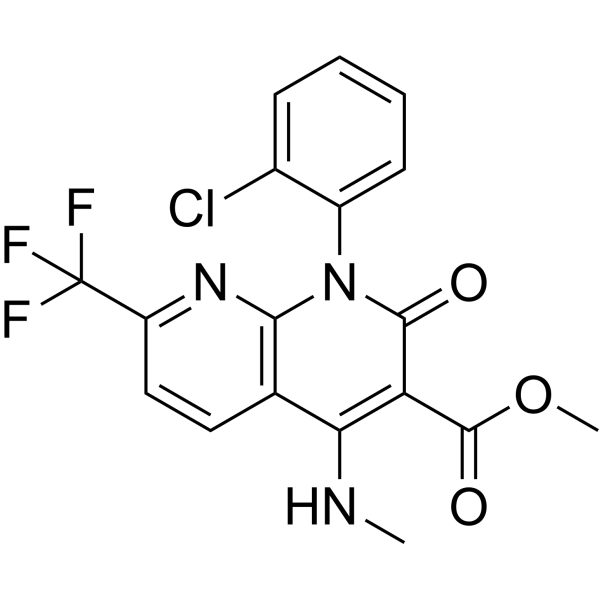
    CIDD-8633 is a potent DDR2 inhibitor with an IC50 of 6.105 μM. CIDD-8633 inhibits cell migration and halts the cell cycle and induces apoptosis, significantly suppressing pancreatic ductal adenocarcinoma (PDAC) tumor growth. CIDD-8633 can be used for the study of pancreatic cancer such as PDAC .
    CIDD-8633
  • HY-164546

    STAT Apoptosis Cancer
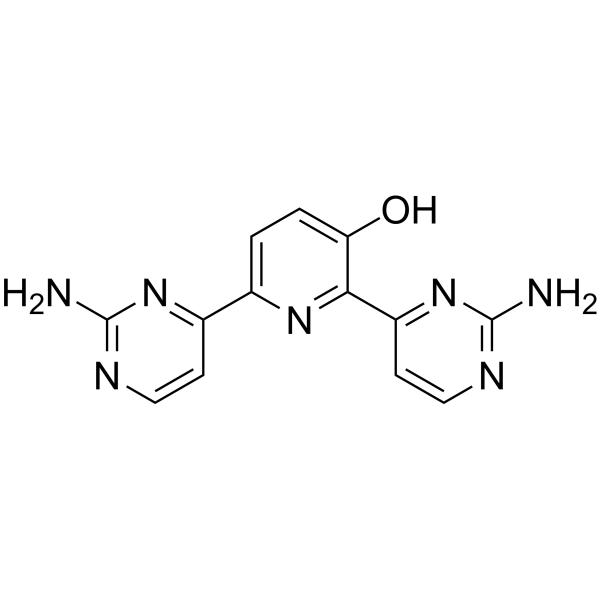
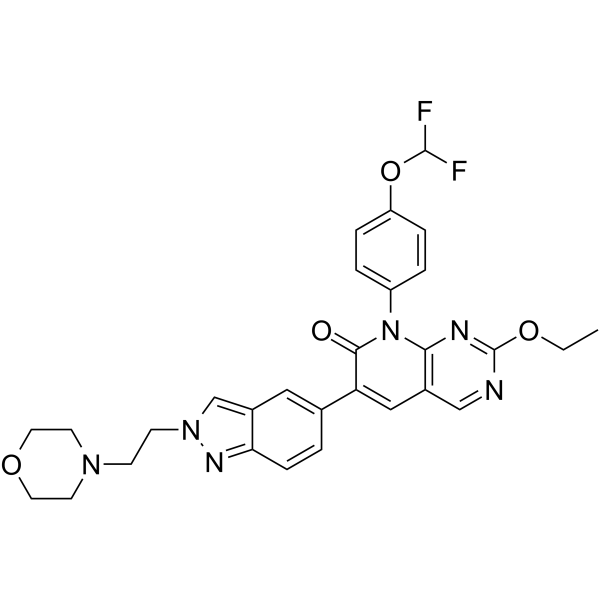
    WB436B is a highly selective STAT3 inhibitor. WB436B can selectively inhibit STAT3-Tyr705 phosphorylation and the expression of STAT3 target genes, showing cytotoxic effects on pancreatic cancer cells and inducing apoptosis. WB436B can suppress tumor growth and metastasis in pancreatic cancer mouse models, extending the survival of tumor-bearing mice .
    WB436B
  • HY-165245

    Transmembrane Glycoprotein Cancer
    SBI-183 is an orally active inhibitor of QSOX1 (Kd: 20 μM). SBI-183 suppresses the proliferative and invasive phenotype of renal cancer cell lines, including triple negative breast cancer cell line, lung adenocarcinoma cell line and pancreatic ductal adenocarcinoma. SBI-183 inhibits tumor growth in two human xenograft mouse models of renal cell carcinoma in vivo .
    SBI-183
  • HY-169090

    DNA/RNA Synthesis Cancer
    TS-002902 is a selective small-molecule inhibitor of TUT4 and TUT7 enzymes, with IC50 values of 0.36 nM and 9.6 nM, respectively. TS-002902 induces an antiproliferative effect in FOCAD-deficient cancer cells. TS-002902 is applicable for research on FOCAD-deficient solid tumors (including glioblastoma, non-small cell lung cancer, and pancreatic cancer) .
    TS-002902
  • HY-129046E

    Ribonuclease A DNase & Protease Free, Recombinant

    Endonuclease DNA/RNA Synthesis Endocrinology Cancer
    RNase A (Bovine pancreatic RNase) is a widely used Endonuclease in DNA purification by specifically hydrolyzing cytosine or uracil residues of RNA. RNase A degrades the RNA in the RNA/DNA duplex. RNase A catalyses the breakdown of 3',5'-phosphodiester linkages of single stranded RNA. RNase A family members in organisms are tightly involved in various physiological and pathological processes including cell growth and development, proliferation, differentiation and migration. Dysregulation of RNase A activity or expression level is closely related to pancreatic, ovarian, bladder and thyroid cancer. RNase A has tumor cell-killing ability. RNase A (DNase & Protease Free), Recombinant is recombinant RNase A, which does not contain DNase and protease .
    RNase A DNase & Protease Free, Recombinant
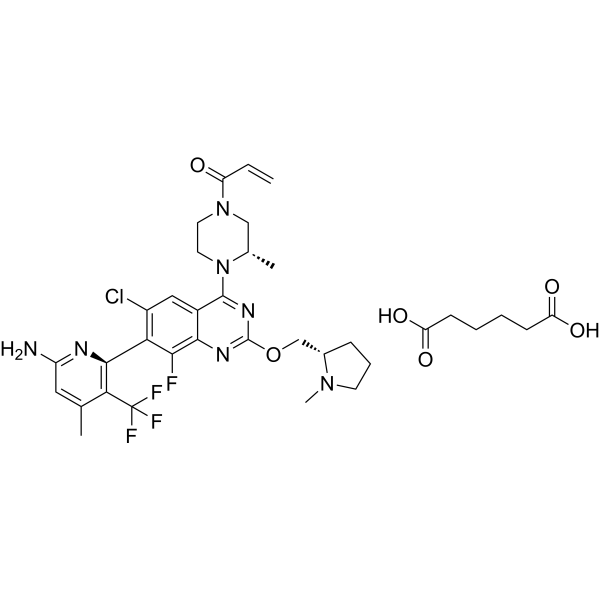
  • HY-145928B
    Divarasib adipate
    5+ Cited Publications

    GDC-6036 adipate

    Ras Cancer
    Divarasib (GDC-6036) adipate is an orally active, selective KRASG12C inhibitor with an IC50 of <0.01 μM. Divarasib adipate covalently binds Cys12 in GDP-bound KRASG12C, occupies the switch II pocket, blocks GTP binding and SOS-mediated reactivation, and inhibits oncogenic KRAS signaling. Divarasib adipate induces tumor shrinkage and robust tumor growth inhibition in KRASG12C-positive models and cancer cells. Divarasib adipate can be used for the research of non-small cell lung cancer, colorectal adenocarcinoma, pancreatic ductal adenocarcinoma, and other KRASG12C-mutated solid tumors .
    Divarasib adipate
  • HY-129046B

    Ribonuclease A DNase & Protease Free

    Endonuclease DNA/RNA Synthesis Others Endocrinology Cancer
    RNase A (Bovine pancreatic RNase) is a widely used Endonuclease in DNA purification by specifically hydrolyzing cytosine or uracil residues of RNA. RNase A degrades the RNA in the RNA/DNA duplex. RNase A catalyses the breakdown of 3',5'-phosphodiester linkages of single stranded RNA. RNase A family members in organisms are tightly involved in various physiological and pathological processes including cell growth and development, proliferation, differentiation and migration. Dysregulation of RNase A activity or expression level is closely related to pancreatic, ovarian, bladder and thyroid cancer. RNase A has tumor cell-killing ability. RNase A, Bovine Pancreas (DNase & Protease Free) is RNase A derived from bovine pancreas and does not contain DNase or protease .
    RNase A, Bovine Pancreas DNase & Protease Free
  • HY-135680
    I-OMe-Tyrphostin AG 538
    1 Publications Verification

    I-OMe-AG 538

    IGF-1R Metabolic Disease Cancer
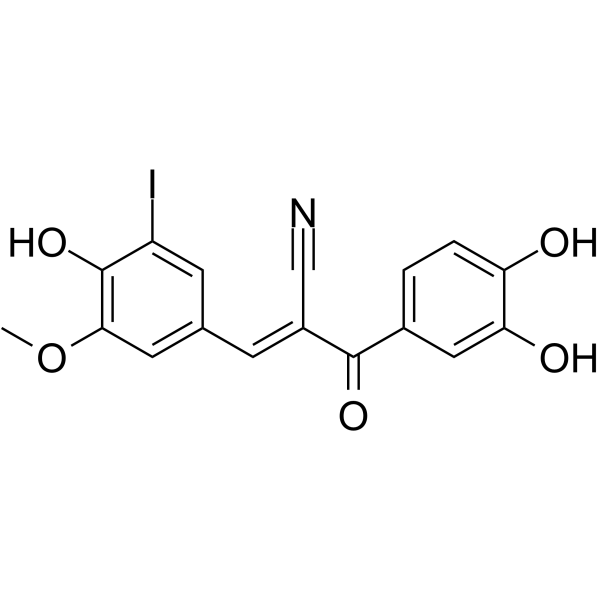
    I-OMe-Tyrphostin AG 538 (I-OMe-AG 538) is a specific inhibitor of IGF-1R (insulin-like growth factor-1 receptor tyrosine kinase). I-OMe-Tyrphostin AG 538 inhibits IGF-1R-mediated signaling and is preferentially cytotoxic to nutrient-deprived PANC1 cells.?I-OMe-Tyrphostin AG 538 is an ATP-competitive inhibitor of phosphatidylinositol-5-phosphate 4-kinase α (PI5P4Kα), with an IC50?of 1 μM .
    I-OMe-Tyrphostin AG 538
  • HY-139453

    Drug Derivative DNA Alkylator/Crosslinker Cancer
    LP-184 (compound 6), an acylfulvene analog, inhibits tumor growth. LP-184 has potent anti-cancer activity in the ovarian, colon, prostate and pancreatic cell lines. (patent WO2007019308A2).
    LP-184
  • HY-137432B
    Avotaciclib hydrochloride
    3 Publications Verification

    BEY1107 hydrochloride

    CDK Apoptosis Cancer
    Avotaciclib (BEY1107) hydrochloride is an orally active cyclin-dependent kinase 1 (CDK1) inhibitor. Avotaciclib hydrochloride can inhibit the proliferation and induce apoptosis of tumor cells. Avotaciclib hydrochloride can be used in the research of cancer such as pancreatic cancer and lung cancer .
    Avotaciclib hydrochloride
  • HY-P991237

    HMBD-001

    EGFR Cancer
    Nezutatug (HMBD-001) is a humanized IgG1 monoclonal antibody inhibitor targeting HER3. Nezutatug inhibits the dimerization of HER3 and inhibits the growth, proliferation and other activities of tumor cells. Nezutatug is promising for research of cancers, such as pancreatic cancer and non-small cell lung cancer .
    Nezutatug
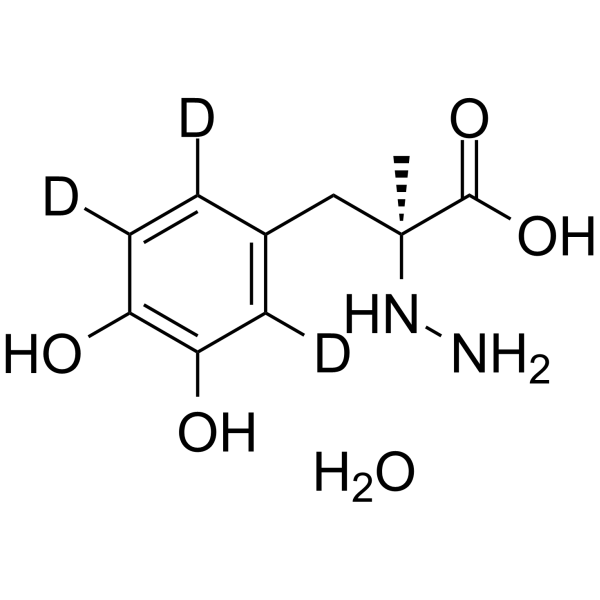
  • HY-B0311AS

    (S)-(-)-Carbidopa-d3 monohydrate

    Aryl Hydrocarbon Receptor Neurological Disease Cancer
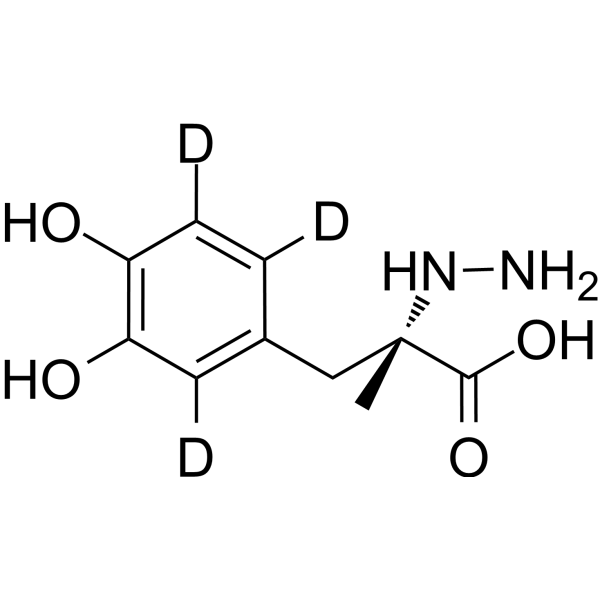
    Carbidopa-d3 (monohydrate) is the deuterium labeled Carbidopa monohydrate. Carbidopa ((S)-(-)-Carbidopa) monohydrate, a peripheral decarboxylase inhibitor, can be used for the research of Parkinson's disease. Carbidopa monohydrate is a selective aryl hydrocarbon receptor (AhR) modulator. Carbidopa monohydrate inhibits pancreatic cancer cell and tumor growth .
    Carbidopa-d3 monohydrate
  • HY-129046H

    DNA/RNA Synthesis Endonuclease Endocrinology Cancer
    RNase A (Bovine pancreatic RNase) is a widely used Endonuclease in DNA purification by specifically hydrolyzing cytosine or uracil residues of RNA. RNase A degrades the RNA in the RNA/DNA duplex. RNase A catalyses the breakdown of 3',5'-phosphodiester linkages of single stranded RNA. RNase A family members in organisms are tightly involved in various physiological and pathological processes including cell growth and development, proliferation, differentiation and migration. Dysregulation of RNase A activity or expression level is closely related to pancreatic, ovarian, bladder and thyroid cancer. RNase A has tumor cell-killing ability. RNase A, Recombinant (Protease & DNase free, animal free) is recombinant RNase A that does not contain protease and DNase and does not contain animal components .
    RNase A, Recombinant Protease & DNase free, animal free
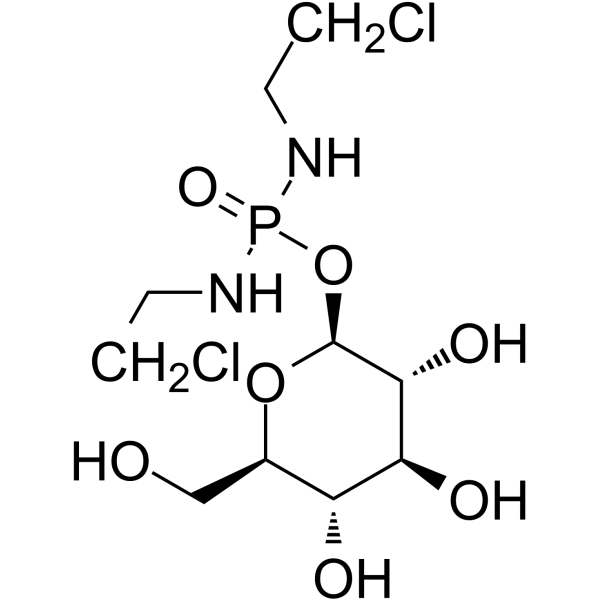
  • HY-16232

    D 19575; Glucosylifosfamide mustard

    Apoptosis Caspase Bcl-2 Family Cancer
    Glufosfamide is a glucose-conjugated alkylating cytotoxic agent and a derivative of Ifosfamide (HY-17419). Glufosfamide induces apoptosis frequency and increase the expression of caspase-9 and caspase-3 in cancer cells. Glufosfamide shows great anti-tumor activity in MiaPaCa-2-RFP mouse model. Glufosfamide can be used for the study of hepatocellular carcinoma, prostate cancer and pancreatic carcinoma .
    Glufosfamide
  • HY-106777
    Cyclopentenylcytosine
    1 Publications Verification

    CPEC; NSC 375575

    DNA/RNA Synthesis Nucleoside Antimetabolite/Analog Apoptosis Necroptosis Influenza Virus HSV Infection Cancer
    Cyclopentenylcytosine (CPEC), a carbocyclic nucleoside analog of cytosine, is a potent inhibitor of CTP synthetase and causes depletion of CTP and dCTP pools. Cyclopentenylcytosine shows broad-spectrum (both DNA and RNA viruses) antiviral activity. Cyclopentenyl cytosine increases Gemcitabine (HY-17026) radiosensitisation in human pancreatic cancer cells. Cyclopentenylcytosine shows effective antiviral activity in the Ad5/NZW rabbit ocular replication model and shows anti-tumor activity in various tumor xenografts model. Cyclopentenylcytosine can be used for the study of infection and cancer .
    Cyclopentenylcytosine
  • HY-175230

    Lactate Dehydrogenase Apoptosis Cancer
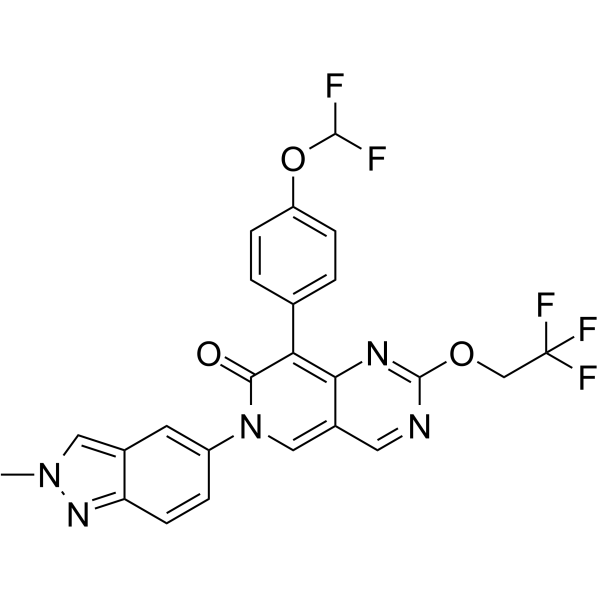
    ZG-2492 is an orally active LDHA inhibitor with an IC50 of 156 nM. ZG-2492 can reduce lactate production and induce cell cycle arrest and apoptosis in pancreatic cancer cells . ZG-2492 has antitumor activity and can be used in the research of tumors such as pancreatic cancer .
    ZG-2492
  • HY-178522

    Cadherin Cancer
    BAS00093476 is an E-cadherin inhibitor. BAS00093476 exhibits inhibitory activity against E-cadherin-mediated cell-cell adhesion in human pancreatic tumor BxPC-3 cells. BAS00093476 can be applied to the research on the modulation of E-cadherin-mediated cell-cell adhesion in solid tumors expressing cadherins .
    BAS00093476
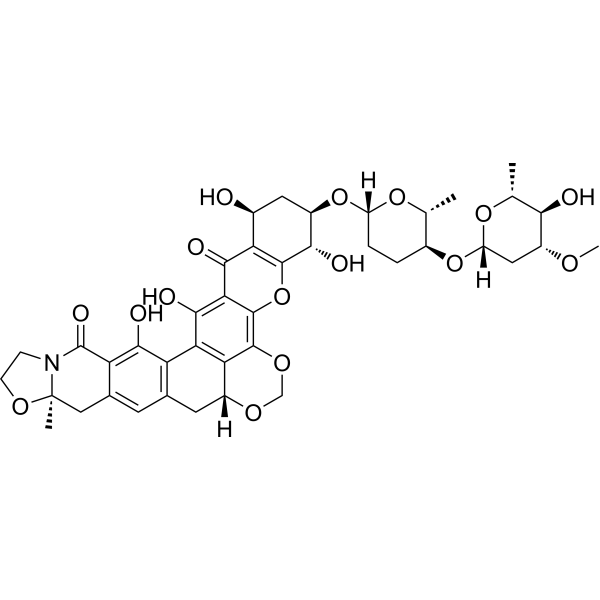
  • HY-127155

    Bacterial Antibiotic Infection Cancer
    Kigamicin C is an anti-tumor antibiotic that selectively kills pancreatic cancer PANC-1 cells only in nutrient-poor conditions. Kigamicin C has antimicrobial activity against Gram-positive bacteria including methicillin-resistant Staphylococcus aureus (MRSA) .
    Kigamicin C
  • HY-N6237

    Aminotransferases (Transaminases) Apoptosis Cancer
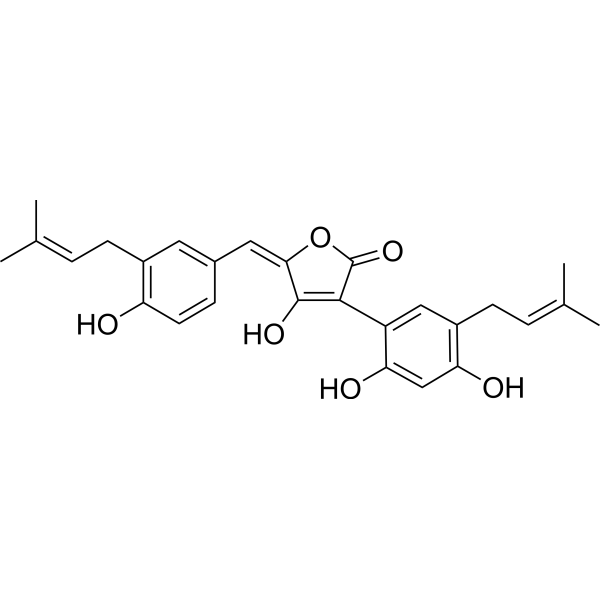
    Aspulvinone O is a selective inhibitor of glutamate oxaloacetate aminotransferase GOT1. Aspulvinone O inhibits glutamine metabolism and reduces NADPH production, thereby inducing oxidative stress and apoptosis in pancreatic ductal adenocarcinoma (PDAC) cells. Aspulvinone O inhibits PDAC cell proliferation in vitro and tumor growth in xenograft models .
    Aspulvinone O
  • HY-13072R

    AS-703569 (Standard); R-763 (Standard)

    Aurora Kinase Bcr-Abl Akt STAT FLT3 Reference Standards Cancer
    Cenisertib (Standard) is the analytical standard of Cenisertib. This product is intended for research and analytical applications. Cenisertib (AS-703569) is an ATP-competitive multi-kinase inhibitor that blocks the activity of Aurora-kinase-A/B, ABL1, AKT, STAT5 and FLT3. Cenisertib induces major growth-inhibitory effects by blocking the activity of several different molecular targets in neoplastic mast cells (MC). Cenisertib inhibits tumor growth in xenograft models of pancreatic, breast, colon, ovarian, and lung tumors and leukemia .
    Cenisertib (Standard)
  • HY-P99525

    R 84 (antibody); GNR-011

    VEGFR Cancer
    Varisacumab (R 84; GNR-011) is a fully humanized IgG1 monoclonal antibody targeting VEGF. Varisacumab specifically blocks the interaction between VEGF and VEGFR2, but does not interfere with the interaction between VEGF and VEGFR1. Varisacumab achieves effective anti-tumor and anti-angiogenic effects and can be used in the research of non-small cell lung cancer and pancreatic cancer.
    Varisacumab
  • HY-171745

    ATM/ATR Cancer
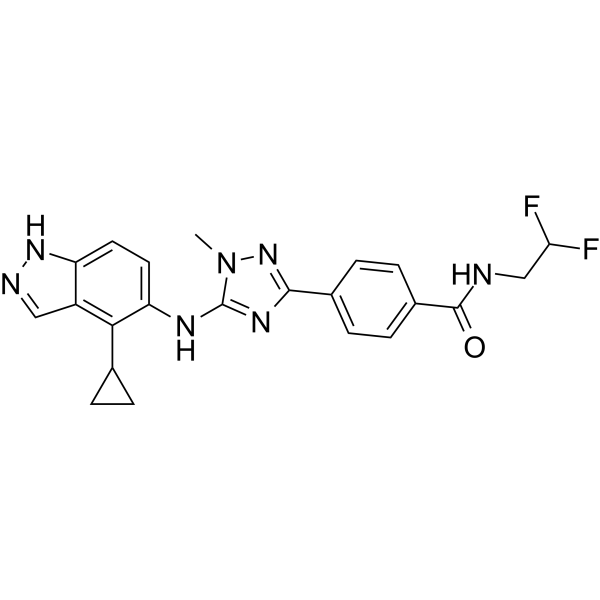
    ATR-IN-32 is an orally active ATR inhibitor. ATR-IN-32 potently inhibits the proliferation of MIA PaCa-2 cells. ATR-IN-32 exerts significant tumor growth inhibition in mice bearing LOVO and HT-29 xenografts. ATR-IN-32 can be used for the study of cancers mediated by ATR protein kinase, such as colorectal cancer, pancreatic cancer .
    ATR-IN-32

Inquiry Online

Your information is safe with us. * Required Fields.

Salutation


Country or Region *

Applicant Name *


Organization Name *

Department *


Email Address *


Product Name *

Cat. No.


Requested quantity *

Phone Number *


Remarks

Inquiry Online

Inquiry Information

Product Name:
Cat. No.:
Quantity:
MCE Japan Authorized Agent: