







Search Result
Results for "
Cell-penetrating
" in MedChemExpress (MCE) Product Catalog:
14
Biochemical Assay Reagents
| Cat. No. |
Product Name |
Target |
Research Areas |
Chemical Structure |
-
- HY-P0281
-
|
TAT(47-57); HIV-1 TAT protein (47-57)
|
HIV
|
Infection
|
|
TAT (YGRKKRRQRRR) is derived from the transactivator of transcription (TAT) of human immunodeficiency virus-1 (HIV-1) and is a cell-penetrating peptide. TAT can increase the yields and the solubility of heterologous proteins .
|
-
-
- HY-P4108
-
|
|
Influenza Virus
|
Infection
|
|
TAT-HA2 Fusion Peptide is a peptide-based delivery agent that combines the pH-sensitive HA2 fusion peptide from Influenza and the cell-penetrating peptide TAT from HIV. TAT-HA2 Fusion Peptide is a transactivator of transcription and hemaglutanin for endosomal release. TAT-HA2 Fusion Peptide enhances cellular uptake of macromolecules .
|
-
-
- HY-P0282A
-
|
|
HIV
|
Infection
|
|
TAT peptide (TFA) is a cell penetrating peptide (GRKKRRQRRRPQ) derived from the trans-activating transcriptional activator (Tat) from HIV-1 .
|
-
-
- HY-P10373
-
|
|
JAK
IFNAR
Interleukin Related
|
Infection
Inflammation/Immunology
|
|
pJAK2(1001-1013) is a cell-penetrating peptide that corresponds to the activation loop of JAK2 tyrosine kinase and functions as a SOCS1/3antagonist. pJAK2 (1001-1013) blocks SOCS1-mediated negative regulation of immune function, and enhances the biological activity of cytokines such as IFNγ and IL6. pJAK2(1001-1013) inhibits the replication of a broad range of viruses and exerts dose-dependent protective efficacy against lethal viral infections. pJAK2(1001-1013) can be used for the study of immune regulation and infection .
|
-
-
- HY-P4093
-
|
|
Biochemical Assay Reagents
|
Others
|
|
Cys-Penetratin is a cysteine-containing cell-penetrating peptide with sequence CRQIKIWFQNRRMKWKK. Cys-Penetratin can Cys-Penetratin can be used for the research for the research of drug delivery .
|
-
-
- HY-P10275
-
|
|
Apoptosis
|
Neurological Disease
|
|
Tat-NTS peptide is a cell-penetrating peptide with neuroprotective effects. Tat-NTS peptide can specifically inhibit the nuclear translocation of ANXA1 and reduce neuronal apoptosis in ischemic areas. Moreover, Tat-NTS peptide can reduce the volume of cerebral ischemic infarction and can be used in the research of ischemic stroke .
|
-
-
- HY-P0133
-
|
Nona-L-arginine; Peptide R9
|
Ser/Thr Protease
|
Neurological Disease
|
|
(Arg)9 (Nona-L-arginine) is a cell-penetrating peptide (CPP) made up of 9 arginine residues, which is an inhibitor of serine endoprotease Furin. (Arg)9 has neuroprotective property, exhibits neuroprotective activity with an IC50 of 0.78 μM in the glutamic acid model .
|
-
-
- HY-P11016
-
-
-
- HY-P1732
-
|
|
Biochemical Assay Reagents
|
Cancer
|
|
Transportan is an amphipathic cell-penetrating peptide containing 12 functional amino acids from the amino terminus of the neuropeptide galanin and mastoparan in the carboxyl terminus, connected via a lysine. Transportan interacts with galanin receptors and G-proteins, modulates GTPase activity, enters cells via direct translocation and endocytic pathways, accumulates in cytoplasmic, nuclear, and membranous structures, and delivers cargo including peptides, PNAs, proteins, siRNA, and liposomes [12].
|
-
-
- HY-P4076
-
|
|
HIV
DNA Alkylator/Crosslinker
|
Infection
|
|
MPG peptides, Pβ is an amphipathic cell-penetrating peptide. MPG peptides, Pβ consists of three components: the hydrophobic fusion sequence (GALFLGFLGAAGSTMGA) of HIV glycoprotein 41, a spacer domain (WSQP), and the nuclear localization signal (KKKRKV) of the large T antigen of Simian virus 40. MPG peptides, Pβ can form stable non-covalent complexes with nucleic acids (including DNA) through electrostatic interactions and improve their intracellular delivery. MPG peptides, Pβ can be used in studies of HIV-1-related immune responses .
|
-
-
- HY-108136A
-
|
BIM-X hydrochloride; Ro31-8425 hydrochloride
|
PKC
CDK
|
Cardiovascular Disease
Inflammation/Immunology
Cancer
|
|
Bisindolylmaleimide X hydrochloride(Ro 31-8425 hydrochloride, BIM-X hydrochloride) is a cell-penetrating PKC inhibitor. Bisindolylmaleimide X hydrochloride is a potent cyclin-dependent kinase 2 (CDK2) antagonist with an IC50 of 200 nM. Bisindolylmaleimide X hydrochloride inhibits the proliferation of CD4 T cells in vitro. Bisindolylmaleimide X hydrochloride inhibits eNOS-Ser1177 phosphorylation in human embryonic vein endothelial cells. Bisindolylmaleimide X hydrochloride can be used for research on the immune system and cardiovascular diseases .
|
-
-
- HY-172279A
-
|
|
Liposome
|
Cancer
|
|
DSPE-PEG2000-TAT is a cell-penetrating peptide-modified PEGylated phospholipid conjugate and cellular uptake enhancer. DSPE-PEG2000-TAT forms via conjugation of Cys-TAT to DSPE-PEG2000-Mal. DSPE-PEG2000-TAT enhances liposomal cellular uptake and siRNA transfection efficiency in glomerular mesangial and macrophage cells. DSPE-PEG2000-TAT can be used for drug delivery .
|
-
-
- HY-P11115
-
|
|
Apoptosis
NF-κB
Reactive Oxygen Species (ROS)
|
Inflammation/Immunology
Cancer
|
|
CIGB-552 is a cell-penetrating peptide with anti-tumor properties with the IC50 of 23 μM in H460 cells. CIGB-552 can increase the level of protein COMMD1. CIGB-552 significantly inhibits the NF-κB signaling pathway. CIGB-552 can promote apoptosis of the tumor cells. CIGB-552 can induce the accumulation of reactive oxygen species (ROS) in tumor cells. CIGB-552 has anti-inflammatory and anti-angiogenic effects. CIGB-552 can be used for the research of the lung cancer and colon cancer.
|
-
-
- HY-P0133A
-
|
Nona-L-arginine TFA; Peptide R9 TFA
|
Ser/Thr Protease
|
Neurological Disease
|
|
(Arg)9 (Nona-L-arginine) TFA is a cell-penetrating peptide (CPP) made up of 9 arginine residues. (Arg)9 TFA has neuroprotective property, exhibits neuroprotective activity with an IC50 of 0.78 μM in the glutamic acid model .
|
-
-
- HY-P1491
-
|
|
HIV
|
Infection
|
|
HIV-1 TAT (48-60) is a cell-penetrating peptide derived from the human immunodeficient virus (HIV)-1 Tat protein residue 48-60. It has been used to deliver exogenous macromolecules into cells in a non-disruptive way.
|
-
-
- HY-P0282
-
|
|
HIV
|
Infection
|
|
TAT peptide is a cell penetrating peptide (GRKKRRQRRRPQ) derived from the trans-activating transcriptional activator (Tat) from HIV-1 .
|
-
-
- HY-P4086
-
|
|
RABV
nAChR
|
Neurological Disease
Cancer
|
Chimeric Rabies Virus Glycoprotein Fragment (RVG-9R) is a cell-penetrating peptide that is synthesized by adding nona-arginine motif to the carboxy terminus of RVG (rabies virus glycoprotein). Chimeric Rabies Virus Glycoprotein Fragment (RVG-9R) binds to nAChR on neuronal cells to mediate receptor-mediated endocytosis and targeted siRNA delivery. Chimeric Rabies Virus Glycoprotein Fragment (RVG-9R) protects complexed siRNA from degradation, enhances transcellular siRNA delivery in neuronal cells, and promotes efficient, pecific gene silencing. Chimeric Rabies Virus Glycoprotein Fragment (RVG-9R) can be used for the researches of neurological disease and cancer .
|
-
-
- HY-P10710
-
-
-
- HY-P1848
-
|
|
Interleukin Related
|
Cancer
|
|
Pep-1 (uncapped) is a specific ligand of IL-13Ra2. Pep-1 (uncapped) exerts cell penetrating activity through receptor-mediated endocytosis, can cross the blood-tumor barrier (BTB) and target glioma cells. Pep-1 (uncapped) can enhance the uptake of nanoparticles by tumor cells and enhance the cell penetration ability of nanoparticles, and can be used to develop targeted drug delivery systems for glioma .
|
-
-
- HY-P11228
-
|
|
PROTACs
Apoptosis
DNA/RNA Synthesis
|
Cancer
|
|
FPP29 is a potent peptide-based FOXM1 PROTAC degrader. FPP29 induces ubiquitination and degradation of FOXM1. FPP29 inhibits FOXM1 via the ubiquitin-proteasome degradation pathway. FPP29 induces Apoptosis. FPP29 suppresses tumor growth in hepatocellular carcinoma xenograft models. FPP29 can be used in the research of hepatocellular carcinoma (cell-penetrating peptide: (HY-P0133); VHL ligase ligand: (HY-P11493); linker: (HY-W013664); FOXM1 ligand: (HY-P11494)) .
|
-
-
- HY-P10861A
-
|
|
Tau Protein
|
Neurological Disease
|
|
RI-AG03 acetate is a proteolytically stable tau aggregation inhibitor that crosses the blood-brain barrier and exhibits oral efficacy. RI-AG03 acetate inhibits tau aggregation and promotes the formation of alternative amorphous aggregates that are non-amyloidogenic. RI-AG03 acetate mediates cellular uptake through direct membrane penetration and macropinocytosis, and its conjugation with cell-penetrating peptide sequences (CPPs) enhances the binding of cells to liposomes. RI-AG03 acetate suppresses aggregation-dependent neurodegenerative and behavioral phenotypes, and extends the lifespan of Drosophila models of tauopathy. RI-AG03 acetate can be used for research on tau-related diseases such as Alzheimer's disease .
|
-
-
- HY-P0133B
-
|
Nona-L-arginine acetate; Peptide R9 acetate
|
Ser/Thr Protease
|
Neurological Disease
|
|
(Arg)9 (Nona-L-arginine) acetate is a cell-penetrating peptide (CPP) made up of 9 arginine residues. (Arg)9 acetate has neuroprotective property, exhibits neuroprotective activity with an IC50 of 0.78 μM in the glutamic acid model .
|
-
-
- HY-P3432
-
|
|
Biochemical Assay Reagents
|
Others
|
|
DfTat is a dimer of the prototypical cell-penetrating peptide TAT. DfTat can deliver small molecules, peptides and proteins into live cells with a particularly high efficiency. DfTat labeled with the rhodamine can be used as a tracer for easy detection .
|
-
-
- HY-P0281A
-
|
TAT(47-57) TFA; HIV-1 TAT protein (47-57) TFA
|
HIV
|
Infection
|
|
TAT TFA (YGRKKRRQRRR) is derived from the transactivator of transcription (TAT) of human immunodeficiency virus (HIV-1) and is a cell-penetrating peptide. TAT can increase the yields and the solubility of heterologous proteins .
|
-
-
- HY-P4122A
-
|
|
HIV
|
Others
|
|
TAT (47-57), FAM-labeled acetate is a 5(6)-Carboxyfluorescein (HY-15940)-labeled TAT (HY-P0281). TAT (YGRKKRRQRRR) is derived from the transactivator of transcription (TAT) of human immunodeficiency virus-1 (HIV-1) and is a cell-penetrating peptide .
|
-
-
- HY-P4122
-
|
|
HIV
|
Others
|
|
TAT (47-57), FAM-labeled is a 5(6)-Carboxyfluorescein (HY-15940)-labeled TAT (HY-P0281). TAT (YGRKKRRQRRR) is derived from the transactivator of transcription (TAT) of human immunodeficiency virus-1 (HIV-1) and is a cell-penetrating peptide .
|
-
-
- HY-107146
-
|
P1pal-7
|
Protease Activated Receptor (PAR)
|
Cardiovascular Disease
Cancer
|
|
PZ-128 (P1pal-7), a cell-penetrating lipopeptide pepducin, is a first-in-class, specific and reversible protease-activated receptor-1 (PAR1) antagonist. PZ-128 targets the cytoplasmic surface of PAR1 and interrupts signaling to internally-located G (PAR1-G) proteins. PZ-128 has antiplatelet, anti-metastatic, anti-angiogenic and anticancer effects .
|
-
-
- HY-W011400
-
TLR1
3 Publications Verification
|
MyD88
|
Inflammation/Immunology
|
|
TLR1 (compound 4a) is a low molecular weight, cell-penetrating Toll/IL-1 receptor/resistance (TIR) domain/BB-Loop mimic. TLR1 inhibits IL-1 receptor-mediated responses .
|
-
-
- HY-P0285
-
|
|
RABV
|
Infection
|
|
Rabies Virus Glycoprotein is a 29-amino-acid cell penetrating peptide derived from a rabies virus glycoprotein that can cross the blood-brain barrier (BBB) and enter brain cells.
|
-
-
- HY-P10710A
-
|
|
IFNAR
Interleukin Related
COX
NO Synthase
|
Inflammation/Immunology
|
|
BMP-4 (15-24) acetate is a cell-penetrating heparin-binding peptide with the sequence RKKNPNCRRH. BMP-4 (15-24) acetate exhibits anti-inflammatory and anti-chondrogenic activities. BMP-4 (15-24) acetate can be used in the research of arthritis .
|
-
-
- HY-P10446
-
|
|
Epigenetic Reader Domain
PROTACs
|
Cancer
|
|
TAT-PiET-PROTAC is a proteolysis-targeting chimera (PROTAC)-modified TAT-PiET (HY-P10445), which is a cell-penetrating peptide targeting the extra-terminal (ET) domain of BRD4. TAT-PiET-PROTAC can reduce BRD4 and JMJD6 levels and inhibit cell proliferation. TAT-PiET-PROTAC also resists the endocrine resistance of ERα-positive breast cancer cells. TAT-PiET-PROTAC can be used for the research of cancer, such as breast cancer .
|
-
-
- HY-P2500
-
|
|
Fluorescent Dye
|
Others
|
|
(Arg)9, FAM-labeled, a cell-penetrating peptide (CPP), is a nona-arginine (ARG) with FAM label. CPPs have emerged as powerful tools for delivering bioactive cargoes into the cytosol of intact cells .
|
-
-
- HY-P4123
-
|
|
MMP
|
Cardiovascular Disease
Inflammation/Immunology
Cancer
|
|
TAT (47-57) GGG-Cys (Npys) is a cell-penetrating peptide and delivery carrier derived from TAT. TAT (47-57) GGG-Cys (Npys) facilitates the translocation of conjugated drug molecules across cell membranes. TAT (47-57) GGG-Cys (Npys) acts as a delivery carrier for MT1-MMP inhibitors. TAT (47-57) GGG-Cys (Npys) is applicable to research on diseases associated with MT1-MMP activity, such as cancer, arthritis, heart disease, and vascular disorders .
|
-
-
- HY-P4119
-
|
|
Biochemical Assay Reagents
|
Others
|
|
Pep-1-Cysteamine is an amphipathic chimeric cell-penetrating peptide. Pep-1-Cysteamine can penetrate biological membranes in an energy-independent manner without forming transmembrane pores, and efficiently deliver active proteins into cells, with its translocation dominated by electrostatic interactions and membrane perturbation .
|
-
-
- HY-P1801A
-
|
Cys-[HIV-Tat (47-57)] TFA
|
HIV
Drug Derivative
|
Others
|
|
Cys-TAT(47-57) (Cys-[HIV-Tat (47-57)]) TFA, TAT (HY-P0281) derivative, is a Cysteine (HY-Y0337)-tagged cell-penetrating peptide (CPP) derived from the HIV TAT protein. Cys-TAT(47-57) TFA can be used for the research for the research of drug delivery .
|
-
-
- HY-P4087
-
|
|
HIV
|
Infection
Cancer
|
|
Cys(Npys)-(Arg)9 is a synthetic cationic cell-penetrating peptide with a reversible thiol-reactive nitropyridyl (Npys) group. Cys(Npys)-(Arg)9 efficiently mediates the internalization and delivery of various "cargo" such as proteins and antibodies by forming reversible disulfide bonds with surface-exposed cysteine residues. Cys(Npys)-(Arg)9 endows TALEN proteins with cell-penetrating activity, enabling gene knockout in mammalian cells and protein transduction in wheat microspores. Cys(Npys)-(Arg)9 can be conjugated with antibodies to form cationized IgG for enhancing endosomal escape of oligonucleotides, or form siRNA delivery complexes. When the molar ratio of Cys(Npys)-(Arg)9 to loaded molecules is higher than 1:1, it exerts certain cytotoxic effects on cells. Cys(Npys)-(Arg)9 can be used in studies related to oral squamous cell carcinoma and HIV infection .
|
-
-
- HY-P2483
-
|
|
Proteasome
Bacterial
|
Infection
Inflammation/Immunology
Cancer
|
|
Octaarginine is a cell-penetrating peptide and proteasome inhibitor. Octaarginine exhibits mixed-type inhibition against 20S proteasome chymotrypsin-like, caspase-like, and trypsin-like activities, and inhibits 26S proteasome activity with decreased efficiency. Octaarginine induces ubiquitin-conjugated protein accumulation, mediates HSPG-dependent cellular internalization via macropinocytosis, enhances liposomal cargo uptake and gene delivery. Octaarginine can be used for the research of cervix carcinoma, collagen antibody-induced arthritis, and bacterial infections .
|
-
-
- HY-P11341
-
|
|
Kisspeptin Receptor
|
Endocrinology
|
|
Kisspeptin antagonist p271 is a Kisspeptin antagonist with cell-penetrating ability. Kisspeptin antagonist p271 can block the binding of endogenous Kisspeptin to GPR54 on pituitary somatotropes, thereby relieving the inhibition of growth hormone secretion. Kisspeptin antagonist p271 can specifically and significantly stimulate growth hormone secretion, while inhibiting luteinizing hormone without affecting prolactin or cortisol. Kisspeptin antagonist p271 can be used in the research of diseases related to insufficient growth hormone secretion .
|
-
-
- HY-P2483B
-
|
|
Bacterial
Proteasome
|
Infection
Inflammation/Immunology
Cancer
|
|
Octaarginine acetate is a cell-penetrating peptide and proteasome inhibitor. Octaarginine acetate exhibits mixed-type inhibition against 20S proteasome chymotrypsin-like, caspase-like, and trypsin-like activities, and inhibits 26S proteasome activity with decreased efficiency. Octaarginine acetate induces ubiquitin-conjugated protein accumulation, mediates HSPG-dependent cellular internalization via macropinocytosis, enhances liposomal cargo uptake and gene delivery. Octaarginine acetate can be used for the research of cervix carcinoma, collagen antibody-induced arthritis, and bacterial infections .
|
-
-
- HY-P10861
-
|
|
Tau Protein
|
Neurological Disease
|
|
RI-AG03 is a proteolytically stable tau aggregation inhibitor that crosses the blood-brain barrier and exhibits oral efficacy. RI-AG03 inhibits tau aggregation and promotes the formation of alternative amorphous aggregates that are non-amyloidogenic. RI-AG03 mediates cellular uptake through direct membrane penetration and macropinocytosis, and its conjugation with cell-penetrating peptide sequences (CPPs) enhances the binding of cells to liposomes. RI-AG03 suppresses aggregation-dependent neurodegenerative and behavioral phenotypes, and extends the lifespan of Drosophila models of tauopathy. RI-AG03 can be used for research on tau-related diseases such as Alzheimer's disease .
|
-
-
- HY-P11032
-
|
|
SARS-CoV
Virus Protease
|
Infection
|
|
Mp-4D7-pF2, a cell-penetrating bicyclic peptide, is a noncovalent SARS-CoV-2 main protease inhibitor with an IC50 of 4.51 μM. Mp-4D7-pF2 has an antiviral activity against SARS-CoV-2 with no cytotoxicity. Mp-4D7-pF2 can used for COVID-19 infections research .
|
-
-
- HY-172279
-
|
|
Liposome
|
Infection
|
|
DSPE-PEG1000-TAT is a PEG compound which composed of DSPE and a cell-penetrating peptide (TAT) (HY-P0281). DSPE-PEG1000-TAT can be used for drug delivery .
|
-
-
- HY-172279C
-
|
|
Liposome
|
Infection
|
|
DSPE-PEG3400-TAT is a PEG compound which composed of DSPE and a cell-penetrating peptide (TAT) (HY-P0281). DSPE-PEG3400-TAT can be used for drug delivery .
|
-
-
- HY-P0285A
-
|
|
RABV
|
Infection
|
|
Rabies Virus Glycoprotein (TFA) is a 29-amino-acid cell penetrating peptide derived from a rabies virus glycoprotein that can cross the blood-brain barrier (BBB) and enter brain cells .
|
-
-
- HY-P10839
-
|
|
NF-κB
|
Inflammation/Immunology
|
|
NBD peptide inhibits NF-κB signaling pathway through inhibition of the NEMO-IKK complex combination. NBD peptide exhibits anti-inflammatory efficacy through block of pro-inflammatory cytokines production. NBD peptide exhibits immunosuppressive activity through regulation of immune cells. NBD peptide enhances its transmembrane ability by combining with cell-penetrating peptide HIV-TAT .
|
-
-
- HY-P10895
-
|
|
Biochemical Assay Reagents
|
Others
|
|
HR97 TFA is a cell-penetrating peptide that can be combined with engineered melanin to prepare eye drops HR97-SunitiGel. The peptide-drug conjugate in HR97-SunitiGel can provide sustained ocular drug delivery .
|
-
-
- HY-P1801
-
|
Cys-[HIV-Tat (47-57)]
|
HIV
Drug Derivative
|
Others
|
|
Cys-TAT(47-57) (Cys-[HIV-Tat (47-57)]), TAT (HY-P0281) derivative, is a Cysteine (HY-Y0337)-tagged cell-penetrating peptide (CPP) derived from the HIV TAT protein. Cys-TAT(47-57) can be used for the research for the research of drug delivery .
|
-
-
- HY-P10559
-
|
|
Bacterial
|
Infection
|
|
(RXR)4XB is a cell-penetrating peptide, that binds the phosphorodiamidate morpholino oligomers (PMOs), forms peptide-conjugated PMOs (PPMOs), and improves the delivery of PMO into bacterial cells. (RXR)4XB-PMO conjugate prevents the formation of biofilms, inhibits Pseudomonas aeruginosa with MIC50 of 0.5 to 16 μM, and reduces the bacterial burden in mouse acute pneumonia models .
|
-
-
- HY-P10638A
-
|
|
CaMK
|
Cardiovascular Disease
Neurological Disease
|
|
TAT-CN21 (scrambled) is a nonsense sequence control peptide fused with the TAT cell-penetrating sequence. It exerts no inhibitory effect on CaMKII activity and serves as a negative control for TatCN21 (HY-P10638) .
|
-
-
- HY-P10560
-
|
|
Biochemical Assay Reagents
|
Others
|
|
M918 is a cell-penetrating peptide. M918 is internalized by cells through endocytosis and can effectively penetrate a variety of cells in a non-toxic manner. M918 can be used in gene therapy and drug delivery system research .
|
-
- HY-P4087B
-
|
|
HIV
|
Others
|
|
Cys(Npys)-(Arg)9 acetate is a synthetic cationic cell-penetrating peptide with a reversible thiol-reactive nitropyridyl (Npys) group. Cys(Npys)-(Arg)9 acetate efficiently mediates the internalization and delivery of various "cargo" such as proteins and antibodies by forming reversible disulfide bonds with surface-exposed cysteine residues. Cys(Npys)-(Arg)9 acetate endows TALEN proteins with cell-penetrating activity, enabling gene knockout in mammalian cells and protein transduction in wheat microspores. Cys(Npys)-(Arg)9 acetate can be conjugated with antibodies to form cationized IgG for enhancing endosomal escape of oligonucleotides, or form siRNA delivery complexes. When the molar ratio of Cys(Npys)-(Arg)9 acetate to loaded molecules is higher than 1:1, it exerts certain cytotoxic effects on cells. Cys(Npys)-(Arg)9 acetate can be used in studies related to oral squamous cell carcinoma and HIV infection .
|
-
- HY-P11219
-
|
|
YAP
|
Cancer
|
|
TAT-PDHPS1 is a YAP inhibitor composed of the endogenous peptide PDHPS1 and the cell-penetrating peptide sequence TAT. PDHPS1 binds to protein phosphatase 2 phosphatase activator (PTPA), an essential activator of protein phosphatase 2A (PP2A), leading to increased YAP phosphorylation, which inactivates YAP and suppresses the expression of its downstream target genes. TAT-PDHPS1 is potentially useful in ovarian cancer research .
|
-
- HY-P11208
-
|
|
GABA Receptor
|
Inflammation/Immunology
|
|
mNLS-CPP-WSTF is a nuclear localization signal (NLS)-cell-penetrating peptide based on the mouse WSTF sequence. mNLS-CPP-WSTF significantly inhibits the GABARAP-WSTF interaction, WSTF degradation and inflammatory gene expression. mNLS-CPP-WSTF effectively attenuates chronic inflammation, liver fibrosis and cartilage damage in metabolic-dysfunction-associated steatohepatitis (MASH) and osteoarthritis (OA) mice model. mNLS-CPP-WSTF is promising for research of chronic inflammatory diseases such as MASH and OA .
|
-
- HY-P10553
-
|
|
Apoptosis
|
Cancer
|
|
ARF(26–44), cell-permeable is a cell-penetrating peptide derived from a specific amino acid sequence of the p14ARF tumor suppressor protein. As a functional inhibitor of FoxM1, ARF(26–44) cell-permeable shows significant anti-tumor activity in the treatment of mouse hepatocellular carcinoma (HCC), significantly increasing tumor cell apoptosis and reducing tumor cell proliferation and angiogenesis. ARF(26–44), cell-permeable can be used in research on tumor therapy .
|
-
- HY-P4105
-
-
- HY-P10559A
-
|
|
Bacterial
|
Infection
|
|
(RXR)4XB TFA is a cell-penetrating peptide, that binds the phosphorodiamidate morpholino oligomers (PMOs), forms peptide-conjugated PMOs (PPMOs), and improves the delivery of PMO into bacterial cells. (RXR)4XB TFA-PMO conjugate prevents the formation of biofilms, inhibits Pseudomonas aeruginosa with MIC50 of 0.5 to 16 μM, and reduces the bacterial burden in mouse acute pneumonia models .
|
-
- HY-172278A
-
|
|
Liposome
|
Cancer
|
|
DSPE-PEG2000-CGKRK is a PEG compound which composed of DSPE and a cell-penetrating peptide (CGKRK). DSPE-PEG2000-CGKRK can be used for drug delivery .
|
-
- HY-P0281B
-
|
TAT(47-57) acetate; HIV-1 TAT protein (47-57) acetate
|
HIV
|
Infection
|
|
TAT (TAT(47-57)) acetate is derived from the transactivator of transcription (TAT) of human immunodeficiency virus-1 (HIV-1) and is a cell-penetrating peptide. TAT acetate can increase the yields and the solubility of heterologous proteins .
|
-
- HY-172279B
-
|
|
Liposome
|
Infection
|
|
DSPE-PEG5000-TAT is a PEG compound which composed of DSPE and a cell-penetrating peptide (TAT) (HY-P0281). DSPE-PEG5000-TAT can be used for drug delivery .
|
-
- HY-172276A
-
|
|
Liposome
|
Cancer
|
|
DSPE-PEG2000-R8 is a PEG compound which composed of DSPE and a cell-penetrating peptide (R8). pDSPE-PEG2000-R8 can be used for drug delivery .
|
-
- HY-P10357
-
|
|
HIV
iGluR
|
Infection
Inflammation/Immunology
|
|
TAT-CBD3, a 15-amino acid peptide from CRMP2, fused to the TAT cell-penetrating motif of the HIV-1 protein, disrupts CRMP2-NMDAR interaction without change in NMDAR localization .
|
-
- HY-P11083
-
|
|
HBV
|
Cancer
|
|
Xentry is a cell-penetrating peptide (CCP) consisting of only 7 amino acids of hepatitis B virus: LCLRPVG. Xentry-linked anti-B-raf antibodies and siRNAs demonstrates the capability to kill B-raf-dependent melanoma cells. Xentry alone or conjugated to β-galactosidase leads to its delivery to most tissues in mice, except circulating blood cells. Xentry can be used for the delivery of large molecules (antibodies, siRNA, enzymes) .
|
-
- HY-P10553A
-
|
|
Apoptosis
|
Cancer
|
|
ARF(26–44), cell-permeable acetate is a cell-penetrating peptide derived from a specific amino acid sequence of the p14ARF tumor suppressor protein. As a functional inhibitor of FoxM1, ARF(26–44) cell-permeable acetate shows significant anti-tumor activity in the treatment of mouse hepatocellular carcinoma (HCC), significantly increasing tumor cell apoptosis and reducing tumor cell proliferation and angiogenesis. ARF(26–44), cell-permeable acetate can be used in research on tumor therapy .
|
-
- HY-P1781A
-
|
|
Secretin Receptor
|
Cancer
|
|
Peptide C105Y TFA, a synthetic and cell-penetrating peptide based on the amino acid sequence corresponding to residues 359-374 of α1-antitrypsin, enhances gene expression from DNA nanoparticles .
|
-
- HY-P11115A
-
|
|
Apoptosis
NF-κB
Reactive Oxygen Species (ROS)
|
Cancer
|
|
CIGB-552 TFA is a cell-penetrating peptide with anti-tumor properties with the IC50 of 23 μM in H460 cells. CIGB-552 TFA can increase the level of protein COMMD1. CIGB-552 TFA significantly inhibits the NF-κB signaling pathway. CIGB-552 TFA can promote apoptosis of the tumor cells. CIGB-552 TFA can induce the accumulation of reactive oxygen species (ROS) in tumor cells. CIGB-552 TFA has anti-inflammatory and anti-angiogenic effects. CIGB-552 TFA can be used for the research of the lung cancer and colon cancer.
|
-
- HY-P1261
-
-
- HY-P1262
-
-
- HY-P4103
-
-
- HY-P1261A
-
-
- HY-P1262A
-
-
- HY-P10796
-
|
|
MAPKAPK2 (MK2)
|
Inflammation/Immunology
|
|
YARA peptide, a cell-penetrating peptide, is a MK2 inhibitor. YARA-loaded nanoparticles decreases the levels of inflammatory cytokines (IL-1β, IL-6, and TNF-α) in an ex vivo skin culture model. YARA peptide is promising for research of atopic dermatitis (AD) .
|
-
- HY-P10445
-
|
|
Epigenetic Reader Domain
|
Cancer
|
|
TAT-PiET is a cell-penetrating peptide targeting the extra-terminal (ET) domain of BRD4. TAT-PiET can reduce BRD4 and JMJD6 levels and inhibit cell proliferation. TAT-PiET also resists the endocrine resistance of ERα-positive breast cancer cells. TAT-PiET can be used for the research of cancer, such as breast cancer .
|
-
- HY-101993
-
|
|
Amino Acid Derivatives
|
Others
|
|
Nap-FF is a cell-penetrating dipeptide that can be used in the preparation of hydrogel chemosensors and in the research of targeted drug delivery .
|
-
- HY-P4250A
-
-
- HY-P2483A
-
|
|
Proteasome
Bacterial
|
Infection
Neurological Disease
Cancer
|
|
Octaarginine TFA is a cell-penetrating peptide and proteasome inhibitor. Octaarginine TFA exhibits mixed-type inhibition against 20S proteasome chymotrypsin-like, caspase-like, and trypsin-like activities, and inhibits 26S proteasome activity with decreased efficiency. Octaarginine TFA induces ubiquitin-conjugated protein accumulation, mediates HSPG-dependent cellular internalization via macropinocytosis, enhances liposomal cargo uptake and gene delivery. Octaarginine TFA can be used for the research of cervix carcinoma, collagen antibody-induced arthritis, and bacterial infections .
|
-
- HY-P10562
-
|
|
TMV
|
Others
|
|
BMV Gag-(7 25) is an arginine-rich peptide with cell-penetrating ability. BMV Gag-(7 25) can be used in drug delivery and gene therapy research .
|
-
- HY-P10995
-
|
|
EGFR
IFNAR
Interleukin Related
TNF Receptor
Complement System
Apoptosis
|
Inflammation/Immunology
Cancer
|
|
TAT-327 is cell-penetrating peptide. TAT-327 selectively inserts into cancer cell membranes and shows potent antitumor activity. TAT-327 effectively inhibits cancer cells proliferation, induces apoptosis and disrupts EGFR signal pathway by inhibiting downstream signals (such as IL-2, TNF-α and IFN-γ) expression and the Eps8/EGFR interaction. TAT-327 significantly inhibits tumor growth in HT-29 xenograft mcie models .
|
-
- HY-172278B
-
|
|
Liposome
|
Cancer
|
|
DSPE-PEG5000-CGKRK is a PEG compound which composed of DSPE and a cell-penetrating peptide (CGKRK). DSPE-PEG5000-CGKRK can be used for drug delivery .
|
-
- HY-172278
-
|
|
Liposome
|
Cancer
|
|
DSPE-PEG1000-CGKRK is a PEG compound which composed of DSPE and a cell-penetrating peptide (CGKRK). DSPE-PEG1000-CGKRK can be used for drug delivery .
|
-
- HY-162371
-
|
|
Aminoacyl-tRNA Synthetase
|
Infection
|
|
NRPSs-IN-1 (Compound 7) is a cell-penetrating inhibitor of non-ribosomal peptide synthetase (NRPSs). NRPSs-IN-1 K inhibits gramicidin S synthetase A (GrsA) with a Kd value of 16.6 nM .
|
-
- HY-172278C
-
|
|
Liposome
|
Cancer
|
|
DSPE-PEG3400-CGKRK is a PEG compound which composed of DSPE and a cell-penetrating peptide (CGKRK). DSPE-PEG3400-CGKRK can be used for drug delivery .
|
-
- HY-P10773
-
-
- HY-172276C
-
|
|
Liposome
|
Cancer
|
|
DSPE-PEG3400-R8 is a PEG compound which composed of DSPE and a cell-penetrating peptide (R8). pDSPE-PEG3400-R8 can be used for drug delivery .
|
-
- HY-172276B
-
|
|
Liposome
|
Cancer
|
|
DSPE-PEG5000-R8 is a PEG compound which composed of DSPE and a cell-penetrating peptide (R8). pDSPE-PEG5000-R8 can be used for drug delivery .
|
-
- HY-P10074
-
|
|
ERK
|
Inflammation/Immunology
|
|
TAT-MEK1 is an inhibitor ofERK2, consisting of TAT and MEK1 (N-terminal), TAT (YGRKKRRQRRR) derived from human immunodeficiency (HIV-1) transcriptional trans activator (TAT), is a cell-penetrating peptide. TAT-MEK1 IC50 in vitro for ERK2 is 29 μM .
|
-
- HY-P5914
-
|
WaTx
|
TRP Channel
|
Neurological Disease
|
|
Wasabi Receptor Toxin is a cell-penetrating scorpion toxin. Wasabi Receptor Toxin is the activator for TRPA1 ion channel with EC50 in nanomolar level, and prolongs the channel open time, but reduces Ca 2+ permeability. Wasabi Receptor Toxin causes thermal hypersensitivity and mechanical allodynia in rats, without triggering neurogenic inflammation .
|
-
- HY-P10157
-
|
|
Biochemical Assay Reagents
|
Others
|
|
ARF(1-22) is potentially capable of intracellular penetration to deliver small molecules, proteins, imaging agents, and pharmaceutical nanocarriers .
|
-
- HY-P10465
-
|
|
TRP Channel
|
Inflammation/Immunology
|
|
TRPV1-Tat is an antagonistic peptide that fuses the TRPV1 (transient receptor potential vanilla subtype 1) of the cell-penetrating peptide Tat. TRPV1-Tat blocks this phosphorylation process by competitively binding to the AKAP79 binding site of TRPV1, thereby inhibiting the sensitization of TRPV1. TRPV1-Tat can be used in the study of inflammatory pain .
|
-
- HY-155077
-
|
|
JNK
|
Cancer
|
|
JNK-IN-12 (compound P2) is a mitochondrial-targeted JNK inhibitor (IC50=66.3 nM), consisting of a mitochondrial-specific cell-penetrating peptide and a specific inhibitor of JNK, SP600125 (HY-12041). JNK-IN-12 doesn't inhibit nuclear JNK signaling, but does inhibit mitochondrial JNK phosphorylation. JNK-IN-12 helps to improve the Parkinson's disease (PD) both in vitro and in vivo .
|
-
- HY-P5914A
-
|
WaTx TFA
|
TRP Channel
|
Neurological Disease
|
|
Wasabi Receptor Toxin TFA (WaTx TFA) is the TFA salt form of Wasabi Receptor Toxin (HY-P5914). Wasabi Receptor Toxin TFA is a cell-penetrating scorpion toxin. Wasabi Receptor Toxin TFA is the activator for TRPA1 ion channel with EC50 in nanomolar level, and prolongs the channel open time, but reduces Ca 2+ permeability. Wasabi Receptor Toxin TFA causes thermal hypersensitivity and mechanical allodynia in rats, without triggering neurogenic inflammation .
|
-
- HY-P10711
-
|
|
Autophagy
|
Cancer
|
|
ALA-A2 is an anticancer peptide discovered in alpha-lactalbumin that selectively kills cancer cells by inducing Autophagy. ALA-A2 has cell-penetrating capabilities, allowing it to effectively enter cells without relying on membranolytic effects. In A549 lung cancer cells, ALA-A2 demonstrates significant dose-dependent anticancer activity. ALA-A2 holds promise for research in cancer therapy and autophagy regulation .
|
-
- HY-P99803
-
|
VAL-1221
|
Glycosidase
|
Others
|
|
Clervonafusp alfa (VAL-1221) is a fusion protein targeting both cytosolic and lysosomal glycogen. Clervonafusp alfa is comprised of the Fab portion of a cell-penetrating antibody and recombinant human acid alpha glucosidase (rhGAA), the former utilizing the nucleoside transporter ENT-2 to gain access to the cytosol, and the latter enters lysosomes via mannose-6-phosphate receptors (M6PRs). Clervonafusp alfa can be used for late-onset Pompe disease research .
|
-
- HY-P4083A
-
|
|
Fluorescent Dye
|
Others
|
|
(Arg)9,TAMRA-labeled acetate is a TAMRA-labeled, membrane-permeable cationic cell-penetrating polyarginine peptide. (Arg)9,TAMRA-labeled acetate acts as a cell-penetrating peptide for drug delivery .
|
-
- HY-107146R
-
|
P1pal-7 (Standard)
|
Reference Standards
Protease Activated Receptor (PAR)
|
Cardiovascular Disease
Cancer
|
|
PZ-128 (Standard) (P1pal-7 (Standard)) is the analytical standard of PZ-128 (HY-107146). This product is intended for research and analytical applications. PZ-128 (P1pal-7), a cell-penetrating lipopeptide pepducin, is a first-in-class, specific and reversible protease-activated receptor-1 (PAR1) antagonist. PZ-128 targets the cytoplasmic surface of PAR1 and interrupts signaling to internally-located G (PAR1-G) proteins. PZ-128 has antiplatelet, anti-metastatic, anti-angiogenic and anticancer effects .
|
-
- HY-172276
-
|
|
Liposome
|
Cancer
|
|
DSPE-PEG1000-R8 is a PEG compound which composed of DSPE and a cell-penetrating peptide (R8). pDSPE-PEG1000-R8 can be used for drug delivery .
|
-
- HY-P10357A
-
|
|
HIV
iGluR
|
Infection
Inflammation/Immunology
|
|
Tat-CBD3 TFA, a 15-amino acid peptide from CRMP2, fused to the TAT cell-penetrating motif of the HIV-1 protein, disrupts CRMP2-NMDAR interaction without change in NMDAR localization .
|
-
- HY-P0307B
-
|
|
Biochemical Assay Reagents
|
Neurological Disease
|
|
Penetratin-Cys is a cell-penetrating peptide derived from Antennapedia Peptide (HY-P0307) via C-terminal cysteine modification. Penetratin-Cys acts as a cytotoxin and reduces the viability of differentiated neuronal cells. Penetratin-Cys localizes to the perinuclear region and binds to the Golgi apparatus. Penetratin-Cys can be used in research related to neurological disorders .
|
-
- HY-183488
-
|
RRRRRRRRRCCLGIPEQEY
|
Apoptosis
PARP
|
Cancer
|
|
R9-caPep (RRRRRRRRRCCLGIPEQEY) is a cell-penetrating peptide derived from proliferating cell nuclear antigen (PCNA). R9-caPep selectively blocks the interactions between PCNA and FEN1, as well as between PCNA and LIGI, while preserving the binding of POLD3 to PCNA. R9-caPep interferes with DNA synthesis and homologous recombination-mediated double-strand DNA break repair, inducing S-phase arrest, DNA damage accumulation, and apoptosis. R9-caPep inhibits the growth of tumor volume and weight of neuroblastoma in nude mice . R9-caPep can be used in research related to neuroblastoma and triple-negative breast cancer .
|
-
- HY-P11759
-
|
|
Drug Derivative
|
Cancer
|
|
Myr-transportan-Cys is a derivative of the cell-penetrating peptide Transportan (HY-P1732), and its conjugated myristoyl group (Myr) enhances the interaction between the peptide and cell membranes. Myr-transportan-Cys integrates three key delivery functions: nucleic acid condensation, cell penetration, and endosomal escape. Myr-transportan-Cys can form immunostimulatory tandem peptide nanocomplexes (iTPNCs) for encapsulating and delivering immunostimulatory oligonucleotide cargos to tumors .
|
-
- HY-108136
-
|
BIM-X; Ro31-8425
|
PKC
CDK
|
Cardiovascular Disease
Inflammation/Immunology
|
|
Bisindolylmaleimide X (Ro 31-8425, BIM-X) is a cell-penetrating PKC inhibitor. Bisindolylmaleimide X is a potent cyclin-dependent kinase 2 (CDK2) antagonist with an IC50 of 200 nM. Bisindolylmaleimide X inhibits the proliferation of CD4 T cells in vitro. Bisindolylmaleimide X inhibits eNOS-Ser1177 phosphorylation in human embryonic vein endothelial cells. Bisindolylmaleimide X can be used for research on the immune system and cardiovascular diseases .
|
-
- HY-173522
-
|
|
Kinesin
Microtubule/Tubulin
|
Cancer
|
|
KIF2C-IN-1 is a cell-penetrating, selective KIF2C inhibitor with fluorescent properties (Ex/Em = 410/510 nm). KIF2C-IN-1 exhibits notable cytotoxicity and weak inhibitory effects on KIF2A/B. KIF2C-IN-1 prohibits the dissociation of KIF2C from microtubules. KIF2C-IN-1 inhibiting KIF2C reverses cross-resistance to microtubule-targeting agents. KIF2C-IN-1 reduces tumorigenesis in chemoresistant triple-negative breast cancer (TNBC) model in mice with the combination of Paclitaxel (HY-B0015) .
|
-
- HY-100223
-
-
- HY-181164
-
|
|
PROTACs
Epigenetic Reader Domain
HIV
|
Infection
|
|
PROTAC BRD4 Degrader-43 is a BRD4 PROTAC degrader. PROTAC BRD4 Degrader-43 recruits the DCAF1-DDB1-Cul4A E3 ligase complex via a Vpr-derived peptide moiety to induce BRD4 ubiquitination and degradation through the ubiquitin-proteasome system. PROTAC BRD4 Degrader-43 exhibits potent HIV latency-reversing activity. PROTAC BRD4 Degrader-43 can be used for the research of HIV-1 latent infection . (Pink: BRD4 ligand (HY-13030); Blue: Cul4A-DDB1-DCAF1 ligand (HY-P11640); Black: conjugate of PEG linker + cell-penetrating peptide (HY-P2483))
|
-
- HY-100223R
-
|
|
Reference Standards
Cathepsin
Proteasome
Apoptosis
|
Inflammation/Immunology
|
|
Calpeptin (Standard) is the analytical standard of Calpeptin. This product is intended for research and analytical applications. Calpeptin is a potent, cell penetrating calpain inhibitor, with an ID50 of 40 nM for Calpain I in human platelets . Calpeptin is also an inhibitor of cathepsin K .
|
-
- HY-P5107A
-
|
LMWP acetate; TDSP5 acetate
|
VEGFR
|
Cancer
|
|
Low molecular weight protamine acetate (LMWP acetate;TDSP5 acetate) is a truncated arginine-rich protamine peptide, which also acts as an antidote for heparin/low molecular weight heparin and a cell-penetrating delivery vector. Low molecular weight protamine acetate neutralizes heparin-induced anticoagulant activities, including aPTT, anti-Xa and anti-IIa activities. Low molecular weight protamine acetate translocates across mammalian cell membranes, delivers conjugated impermeable molecules through tumor tissues, enhances the skin permeability of conjugated epidermal growth factor, and accelerates wound healing when conjugated with epidermal growth factor. Low molecular weight protamine acetate retains the in vitro cell proliferation activity of conjugated EGF, and also enables site-specific conjugation with peptides or proteins via genetic recombination. Low molecular weight protamine acetate can be used in studies related to colon cancer, skin wounds and diabetic skin wounds .
|
-
- HY-172692
-
|
|
Liposome
|
Cancer
|
|
DSPE-PEG1000-TH is a PEG compound which composed of DSPE and a pH-responsive cell penetrating peptide (TH). TH is activated in an acidic environment (such as the tumor microenvironment) and can selectively carry small molecules, oligonucleotides, proteins, etc. into tumor cells .
|
-
- HY-172694
-
|
|
Liposome
|
Cancer
|
|
DSPE-PEG5000-TH is a PEG compound which composed of DSPE and a pH-responsive cell penetrating peptide (TH). TH is activated in an acidic environment (such as the tumor microenvironment) and can selectively carry small molecules, oligonucleotides, proteins, etc. into tumor cells .
|
-
- HY-172693
-
|
|
Liposome
|
Cancer
|
|
DSPE-PEG2000-TH is a PEG compound which composed of DSPE and a pH-responsive cell penetrating peptide (TH). TH is activated in an acidic environment (such as the tumor microenvironment) and can selectively carry small molecules, oligonucleotides, proteins, etc. into tumor cells .
|
-
- HY-P10644
-
|
|
Fluorescent Dye
|
Cancer
|
|
CPP9 is a small, amphipathic, cyclic cell penetrating peptide (CPP). CPPs bind directly to the plasma membrane phospholipids and enter mammalian cells via endocytosis, followed by efficient release from the endosome. CPP9 can be used for intracellular delivery of therapeutic agents and chemical probes .
|
-
- HY-P10514
-
|
|
Small Interfering RNA (siRNA)
|
Others
|
|
Transportan 10 is a derivative of Transportan (HY-P1732) and is an amphiphilic cell penetrating peptide (CPP). Transportan 10 helps molecules penetrate cell membrane barriers by directly interacting with the lipid bilayer. Transportan 10 can be used in gene therapy or siRNA delivery vector research .
|
-
- HY-P5107
-
|
LMWP; TDSP5
|
VEGFR
|
Cancer
|
|
Low molecular weight protamine (LMWP;TDSP5) is a truncated arginine-rich protamine peptide, as well as a heparin/low-molecular-weight heparin antidote and a cell-penetrating delivery carrier. Low molecular weight protamine neutralizes heparin-induced anticoagulant activities, including aPTT, anti-Xa and anti-IIa activities, and also neutralizes anti-Xa activity of commercially available low-molecular-weight heparin preparations. Low molecular weight protamine translocates across mammalian cell membranes, delivers conjugated impermeable molecules across tumor tissues, enhances skin permeability of conjugated epidermal growth factor, and accelerates wound healing when conjugated with epidermal growth factor. Low molecular weight protamine retains the in vitro cell proliferation activity of conjugated EGF, and also enables site-specific conjugation with peptides or proteins via genetic recombination. Low molecular weight protamine can be used in studies related to colon adenocarcinoma, skin wounds and diabetic skin wounds .
|
-
- HY-146127A
-
|
|
Src
|
Others
|
|
Grb2 SH2 domain inhibitor 1 TFA is a conformationally restricted cyclic cell penetrating peptide (CPP) containing d-pro-l-pro motif ring (AF Φ Rpprrfq) (where Φ It is L-naphthylalanine, R is D-arginine, P is D-proline), which is mainly used as a cyclic peptide inhibitor.
|
-
- HY-P10556
-
|
|
Bacterial
|
Infection
|
|
(KFF)3K is a cell penetrating peptide that can promote the absorption of other antibiotics by disrupting the outer membrane of bacteria. (KFF)3K can be introduced into a hydrocarbon scaffold to induce its antibacterial properties, making it an effective antimicrobial peptide. (KFF)3K can be used in the development of new antimicrobial agents .
|
-
- HY-P5891
-
|
|
PKC
|
Cardiovascular Disease
|
|
TAT-SAMβA is the peptide consist of RNAENFDRF (SAMβA; HY-P3429) conjugated to the cell penetrating TAT protein-derived peptide TAT47–57. TAT-SAMβA is a selective antagonist of Mfn1-βIIPKC association. TAT-SAMβA protects mouse embryonic fibroblast cells (MEFs) against oxidative stress-induced cytotoxicity .
|
-
- HY-P10846
-
|
|
Isotope-Labeled Compounds
|
Cardiovascular Disease
|
|
HYNIC-CTP is a conjugate of HYNIC and CTP (cardiac-targeting peptide). HYNIC-CTP can bind with the radionuclide 99mTc through HYNIC acting as a chelator, forming 99mTc-HYNIC-CTP. 99mTc-HYNIC-CTP is specifically taken up by the heart and used for cardiac imaging, thereby facilitating research into heart diseases .
|
-
- HY-P11208C
-
|
|
GABA Receptor
|
Inflammation/Immunology
|
|
mNLS-CPP-WSTF TFA is the trifluoroacetate salt of mNLS-CPP-WSTF (HY-P11208). mNLS-CPP-WSTF is a nuclear localization signal (NLS)-cell-penetrating peptide based on the mouse WSTF sequence. mNLS-CPP-WSTF significantly inhibits the GABARAP-WSTF interaction, WSTF degradation and inflammatory gene expression. mNLS-CPP-WSTF effectively attenuates chronic inflammation, liver fibrosis and cartilage damage in metabolic-dysfunction-associated steatohepatitis (MASH) and osteoarthritis (OA) mice model. mNLS-CPP-WSTF is promising for research of chronic inflammatory diseases such as MASH and OA .
|
-
- HY-P0117
-
|
Tat-NR2Bct; NA-1
|
iGluR
NO Synthase
|
Neurological Disease
|
|
Tat-NR2B9c (Tat-NR2Bct; NA-1) is a postsynaptic density-95 (PSD-95) inhibitor, with EC50 values of 6.7 nM and 670 nM for PSD-95d2 (PSD-95 PDZ domain 2) and PSD-95d1, respectively. Tat-NR2B9c disrupts the PSD-95/NMDAR interaction, inhibiting NR2A and NR2B binding to PSD-95 with IC50 values of 0.5 μM and 8 μM, respectively. Tat-NR2B9c also inhibits neuronal nitric oxide synthase (nNOS)/PSD-95 interaction, and possesses neuroprotective efficacy .
|
-
- HY-P3669
-
|
|
ADC Linker
Drug Intermediate
|
Cancer
|
|
Gly-Gly-Phe-Gly is a peptide spacer and can be applied to Doxorubicin (HY-15142A) (DXR) conjugates. Gly-Gly-Phe-Gly can be used as an ADC linker to synthesize ADCs, such as Puxitatug samrotecan (AZD 8205) (HY-171689) .
|
-
- HY-P0069A
-
-
- HY-12290
-
|
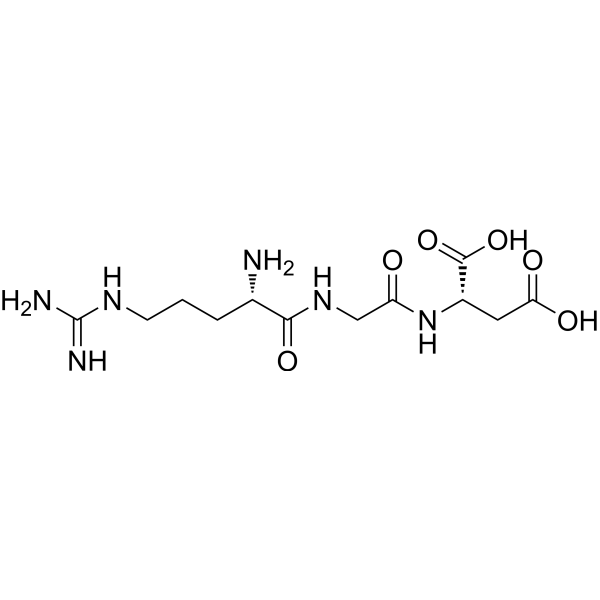
RGDS peptide; Fibronectin tetrapeptide
|
Integrin
|
Inflammation/Immunology
|
|
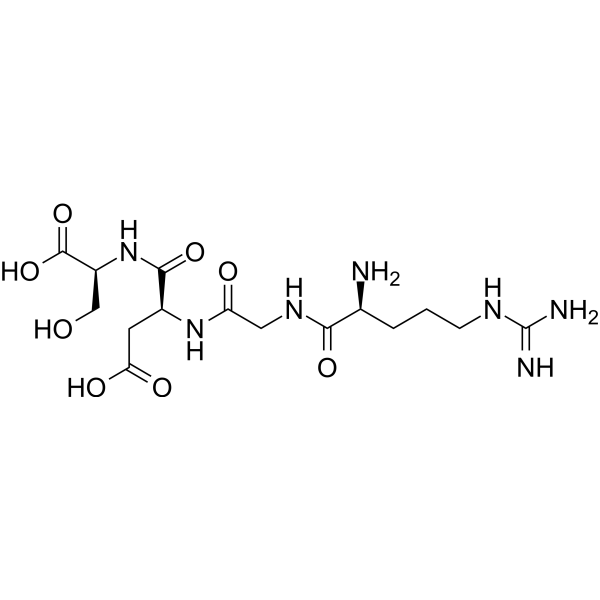
Arg-Gly-Asp-Ser is an integrin binding sequence that inhibits integrin receptor function. Arg-Gly-Asp-Ser directly and specifically bind pro-caspase-8, pro-caspase-9 and pro-caspase-3, while it does not bind pro-caspase-1.
|
-
- HY-P3743
-
|
|
Src
Others
|
Others
|
|
p60c-src Substrate is an efficient and specific substrate for p60c-src protein tyrosine kinase (PTK). p60c-src Substrate can be used to synthesize chimeric branched peptides .
|
-
- HY-P4079
-
-
- HY-P10991A
-
|
Stearylated octaarginine TFA
|
Biochemical Assay Reagents
|
Others
|
|
Stearyl-(homoarginine)8 (Stearylated octaarginine) TFA is an effective gene delivery vector that can deliver plasmid DNA into cells. Stearyl-(homoarginine)8 TFA can make plasmid DNA more effectively internalized into cells and improve the nuclear delivery rate .
|
-
- HY-P4121
-
|
|
Potassium Channel
|
Inflammation/Immunology
Cancer
|
|
L17E is an attenuated cationic amphiphilic lytic (ACAL) peptide that can be used to deliver a variety of macromolecules, including proteins, antibodies, and DNA nanostructures. L17E inserts and cleaves the membrane structure through electrostatic interaction, enabling intracellular escape. The efficiency of L17E-mediated delivery is strongly correlated with the expression level of KCNN4 (the gene encoding the calcium-activated potassium channel KCa3.1). L17E also promotes the cellular uptake of macromolecules by inducing micropinocytosis. L17E can be further optimized and improved through dimerization strategies and in combination with other delivery systems, such as nuclear localization signal peptides and cell membrane-coated nanoparticles .
|
-
- HY-P1847
-
|
|
NF-κB
|
Cancer
|
|
IKKγ NBD Inhibitory Peptide is a highly specific inhibitor NF-κB inhibitor. IKKγ NBD Inhibitory Peptide acts by disrupting the interaction between IKKγ/NEMO-binding domain (NBD) with IKKα and IKKβ, thus blocking TNF-α-induced NF-kB activation. IKKγ NBD Inhibitory Peptide could significantly suppresses inflammation and ameliorate the cerebral ischemia-induced neurological deficits .
|
-
- HY-P3245
-
|
|
Apoptosis
|
Cancer
|
|
HXR9 is a cell-permeable peptide and a competitive antagonist of HOX/PBX interaction. HXR9 antagonizes the interaction between HOX and a second transcrip-tion factor (PBX), which binds to HOX proteins in paralogue groups1 to 8. HXR9 selectively decreases cell proliferation and promotes apoptosis in cells with a high level of expression of the HOXA/PBX3 genes, such as MLL-rearranged leukemic cells .
|
-
- HY-P2493
-
|
|
HIV
|
Others
|
|
(Cys47)-HIV-1 tat Protein (47-57) has membrane translocation function and can be used to derivatize the surface of magnetic pharmaceuticals and substantially facilitated their uptake into target cells .
|
-
- HY-P1026
-
-
- HY-P4114
-
|
|
HIV
|
Others
|
|
TAT-NSF700scr consists the intact TAT domain and glycine linker, followed by the NSF amino acids in a random order. TAT-NSF700scr is used as a control peptide that does not inhibit SNAREmediated exocytosis .
|
-
- HY-P4133
-
|
|
ERK
MEK
|
Cancer
|
|
MEK1 Derived Peptide Inhibitor 1 is a peptide inhibitor. MEK1 Derived Peptide Inhibitor 1 can inhibit the in vitro activation of ERK2 by MEK1 with an IC50 value of 30 μM. MEK1 Derived Peptide Inhibitor 1 can be used for the research of cell-permeable .
|
-
- HY-P1876A
-
|
|
DNA/RNA Synthesis
|
Cancer
|
|
NLS (PKKKRKV) TFA is the TFA form of NLS (PKKKRKV) (HY-P1876). NLS (PKKKRKV) is a nuclear localization signal (NLS) derived from the simian virus 40 large tumor antigen (SV40 large T antigen), that mediates binding of the karyophilic protein to importin α. NLS (PKKKRKV) can function as a method to enhance nuclear entry in the field of gene transfer research .
|
-
- HY-P1399A
-
|
Myr-Pep2m TFA
|
PKC
|
Neurological Disease
|
|
Pep2m, myristoylated TFA (Myr-Pep2m TFA) is a cell-permeable peptide. Pep2m, myristoylated TFA can disrupt the protein kinase ζ (PKMζ) downstream targets, N-ethylmaleimide-sensitive factor/glutamate receptor subunit 2 (NSF/GluR2) interactions. PKMζ is an autonomously active isozyme of protein kinase C (PKC) .
|
-
- HY-P0151
-
-
- HY-P0084A
-
|
SRIF-14 acetate; Somatostatin-14 acetate
|
Endogenous Metabolite
|
Cardiovascular Disease
Metabolic Disease
|
|
Cyclic somatostatin (SRIF-14) acetate is a growth hormone-release inhibiting factor used in the research of severe, acute hemorrhages of gastroduodenal ulcers. Cyclic somatostatin acetate is a neuropeptide co-stored with acetylcholine in the cardiac parasympathetic innervation, exerts influences directly on contraction of ventricular cardiomyocytes. Cyclic somatostatin acetate inhibits the contractile response of isoprenaline with an IC50 value of 13 nM. Cyclic somatostatin acetate can be used for the research of cardiovascular disease .
|
-
- HY-P1876B
-
|
|
DNA/RNA Synthesis
|
Cancer
|
|
NLS (PKKKRKV) hydrochloride is the hydrochloride form of NLS (PKKKRKV) (HY-P1876). NLS (PKKKRKV) is a nuclear localization signal (NLS) derived from the simian virus 40 large tumor antigen (SV40 large T antigen), that mediates binding of the karyophilic protein to importin α. NLS (PKKKRKV) can function as a method to enhance nuclear entry in the field of gene transfer research .
|
-
- HY-P4115
-
|
|
FABP
|
Cancer
|
|
CooP is a linear glioblastoma-targeting nonapeptide. CooP binds to the mammary-derived growth inhibitor/fatty acid binding protein 3 (FABP3) in the glioblastoma cells and its associated vasculature. CooP is used for the targeted delivery of chemotherapy and different nanoparticles .
|
-
- HY-P0295
-
|
GRGDS
|
Integrin
|
Others
|
|
Gly-Arg-Gly-Asp-Ser (GRGDS) is a pentapeptide that forms the cell-binding domain of a glycoprotein, osteopontin. Gly-Arg-Gly-Asp-Ser binds to integrin receptors αvβ3 and αvβ5 with estimated IC50 of ~5 and ~6.5 μM
|
-
- HY-P3668
-
-
- HY-P0142
-
|
|
PKG
|
Cardiovascular Disease
|
|
DT-3 is a membrane-permeable protein kinase G Iα (PKG Iα) inhibitory peptide and shows pharmacological blockade of the cGMP-PKG signalling .
|
-
- HY-P4095
-
|
|
CXCR
|
Cancer
|
|
NoxaBH3 is a cysteine-based cross-linked peptide with increased cell permeability and higher inhibitory activity against Mcl-1. NoxaBH3 binds to the endogenous CXCR4 ligand to produce ubiquitin-Noxabh3 conjugate. NoxaBH3 is then delivered to cancer cells .
|
-
- HY-P4125
-
|
|
HIV
Fluorescent Dye
|
Infection
|
|
FITC-LC-TAT (47-57) is a FITC-labeled TAT peptide (HY-P0281) (λex: 493 nm, λem: 522 nm). Derived from the trans-activator of transcription (TAT) of human immunodeficiency virus (HIV-1), TAT enhances the yield of heterologous proteins .
|
-
- HY-P2297A
-
-
- HY-P0175
-
740 Y-P
Maximum Cited Publications
241 Publications Verification
740YPDGFR; PDGFR 740Y-P
|
PI3K
Autophagy
|
Cancer
|
|
740 Y-P (740YPDGFR; PDGFR 740Y-P) is a potent and cell-permeable PI3K activator. 740 Y-P readily binds GST fusion proteins containing both the N- and C- terminal SH2 domains of p85 but fails to bind GST alone .
|
-
- HY-P1430A
-
-
- HY-P0117A
-
|
Tat-NR2Bct TFA; NA-1 TFA
|
iGluR
NO Synthase
|
Neurological Disease
|
|
Tat-NR2B9c TFA (Tat-NR2Bct TFA) is a postsynaptic density-95 (PSD-95) inhibitor, with EC50 values of 6.7 nM and 670 nM for PSD-95d2 (PSD-95 PDZ domain 2) and PSD-95d1, respectively. Tat-NR2B9c TFA disrupts the PSD-95/NMDAR interaction, inhibiting NR2A and NR2B binding to PSD-95 with IC50 values of 0.5 μM and 8 μM, respectively. Tat-NR2B9c TFA also inhibits neuronal nitric oxide synthase (nNOS)/PSD-95 interaction, and possesses neuroprotective efficacy .
|
-
- HY-P4106
-
|
|
Amino Acid Derivatives
|
Neurological Disease
|
|
Tat-GluR23Y, scrambled is the scrambled peptide of Tat-GluR23Y (HY-P2259). Tat-GluR23Y is a synthetic peptide containing tyrosine residues that inhibit AMPAR endocytosis and is effective in the research of long-term depression (LTD) .
|
-
- HY-P10152
-
|
|
Biochemical Assay Reagents
|
Infection
|
|
INF7 is a derivative of the N-terminal domain of the HA2 protein and is sensitive to pH. INF7 disrupts the stability of endosomal membranes through a mechanism independent of membrane fusion. INF7 can be used to enhance the endosome escape of complex or liposome-encapsulated proteins. Co-encapsulation of INF7 and molecular imaging probes in liposomes can enhance intracellular signaling and probe retention .
|
-
- HY-P1116A
-
|
|
Bacterial
|
Infection
Inflammation/Immunology
|
|
PBP10 TFA is a decapeptide. PBP10 TFA selectively binds to lipoteichoic acid (LTA), lipopolysaccharide (LPS) and phosphatidylinositol-4,5-bisphosphate (PIP2). PBP10 TFA penetrates cell membranes and possesses bactericidal, anti-inflammatory, cell motility-inhibiting and actin assembly-regulating activities. PBP10 TFA is applicable to relevant research on bacterial infections, microbe-induced inflammation, skin and soft tissue infections, as well as sepsis .
|
-
- HY-P1430
-
-
- HY-P3245A
-
|
|
Apoptosis
|
Cancer
|
|
HXR9 hydrochloride is a cell-permeable peptide and a competitive antagonist of HOX/PBX interaction. HXR9 hydrochloride antagonizes the interaction between HOX and a second transcrip-tion factor (PBX), which binds to HOX proteins in paralogue groups1 to 8. HXR9 hydrochloride selectively decreases cell proliferation and promotes apoptosis in cells with a high level of expression of the HOXA/PBX3 genes, such as MLL-rearranged leukemic cells .
|
-
- HY-W142467
-
-
- HY-P0295A
-
|
GRGDS TFA
|
Integrin
|
Inflammation/Immunology
|
|
Gly-Arg-Gly-Asp-Ser (TFA) is a pentapeptide that forms the cell-binding domain of a glycoprotein, osteopontin . Gly-Arg-Gly-Asp-Ser binds to integrin receptors αvβ3 and αvβ5 with estimated IC50 of ∼5 and ∼6.5 μM .
|
-
- HY-P4110
-
|
|
iGluR
|
Metabolic Disease
Inflammation/Immunology
|
|
TAT-NSF222 Fusion Peptide is a fusion polypeptide with two domains, a TAT domain, which enters cells through macropinocytosis, and an NSF domain that inhibits N-ethylmaleimide-sensitive factor (NSF). TAT-NSF222 Fusion Peptide is an exocytosis inhibitor .
|
-
- HY-P2297
-
-
- HY-P0175A
-
|
740YPDGFR TFA; PDGFR 740Y-P TFA
|
PI3K
Autophagy
|
Cancer
|
|
740 Y-P TFA is a potent and cell-permeable PI3K activator. 740 Y-P TFA readily binds GST fusion proteins containing both the N- and C- terminal SH2 domains of p85 but fails to bind GST alone .
|
-
- HY-P0240
-
-
- HY-P1764
-
|
|
Dopamine Receptor
|
Neurological Disease
|
|
Secretoneurin, rat, a 33-amino acid polypeptide, is generated by proteolytic processing of secretogranin II (SgII). Secretoneurin, rat induces dopamine release in the rat striatum in vivo and in vitro, and it exerts a very strong chemotactic effect on monocytes and eosinophils but not on granulocytes .
|
-
- HY-P4091
-
|
|
Biochemical Assay Reagents
|
Cancer
|
|
LSD is a peptide. LSD can specifically recognize the lymphatics of C8161 melanoma, but it does not bind to the lymphatics of normal tissues or tumor blood vessels. When conjugated with a proapoptotic peptide, LSD can reduce the number of tumor lymphatics. LSD can be used in the research of targeted therapy and diagnosis of tumor lymphatics .
|
-
- HY-P0240A
-
-
- HY-P1286A
-
-
- HY-P4111
-
|
|
CXCR
|
Inflammation/Immunology
Cancer
|
|
Peptide R is a cyclic peptide and a specific CXCR4 antagonist. Peptide R exhibits excellent ability to effectively remodel tumor stroma. Peptide R has potential for use in tumor research .
|
-
- HY-P0069
-
|
AM-111; XG-102
|
JNK
|
Others
|
|
D-JNKI-1 (AM-111) is a highly potent and cell-permeable peptide inhibitor of JNK.
|
-
- HY-P1876
-
|
|
DNA/RNA Synthesis
|
Cancer
|
|
NLS (PKKKRKV) is a nuclear localization signal (NLS) derived from the SV40 large T antigen, which mediates the binding of karyophilic proteins to importin α. NLS (PKKKRKV) serves as a method to enhance nuclear entry in the field of gene transfer research .
|
-
- HY-P2341
-
|
|
LDLR
|
Cancer
|
|
Angiopep-2 hydrochloride is a brain peptide vector. The conjugation of anticancer agents with the Angiopep-2 peptide vector could increase their efficacy in the treatment of brain cancer .
|
-
- HY-P2259
-
|
|
iGluR
HIV Integrase
Adenosine Receptor
|
Cardiovascular Disease
Neurological Disease
|
|
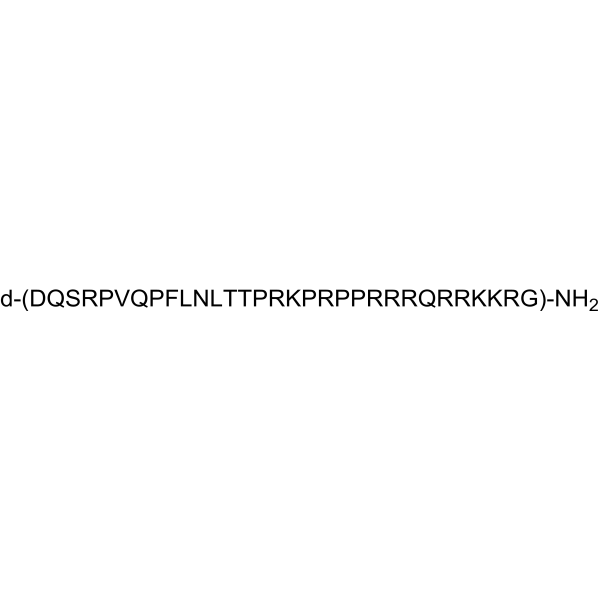
TAT-GluA2 3Y is a blood-brain barrier-permeable AMPA receptor inhibitory peptide that crosses cell membranes via the HIV-1 TAT protein domain. TAT-GluA2 3Y blocks the endocytosis of AMPA receptors, including the internalization of GluA1/GluA2 subunits, by disrupting interactions with the AP2, Brag2 and Syt3-GluA2 complexes, while also inhibiting long-term depression. TAT-GluA2 3Y blocks hypoxia-mediated AMPAR internalization, alleviates A1R-induced persistent synaptic inhibition, and reduces cerebral ischemic volume, neurological deficits and spatial memory deficits. TAT-GluA2 3Y blocks the effect of NLRP3 deficiency on fear generalization, inhibits amphetamine-induced behavioral/neurochemical sensitization, weakens the unconditioned stimulus-conditioned stimulus association of morphine, and promotes the extinction of morphine CPP. TAT-GluA2 3Y can be used in studies related to fear generalization, ischemic stroke, hypoxia, drug addiction and opioid addiction .
|
-
- HY-P4111A
-
|
|
CXCR
|
Cancer
|
|
Peptide R (TFA) is a synthetic and specific CXCR4 antagonist. Peptide R (TFA) shows outstanding capacities to remodel the tumor stroma. Peptide R (TFA) can be used for solid tumor (glioblastoma, etc.) research .
|
-
- HY-P1286
-
-
- HY-12290R
-
|
RGDS peptide (Standard); Fibronectin tetrapeptide (Standard)
|
Integrin
Reference Standards
|
Inflammation/Immunology
|
|
Arg-Gly-Asp-Ser (Standard) is the analytical standard of Arg-Gly-Asp-Ser. This product is intended for research and analytical applications. Arg-Gly-Asp-Ser is an integrin binding sequence that inhibits integrin receptor function. Arg-Gly-Asp-Ser directly and specifically bind pro-caspase-8, pro-caspase-9 and pro-caspase-3, while it does not bind pro-caspase-1.
|
-
- HY-P1404
-
|
|
Pim
|
Cancer
|
|
R8-T198wt is a cell-permeable carboxyl-terminal p27 Kip1 peptide exhibits anti-tumor activity by inhibiting Pim-1 kinase .
|
-
- HY-P1399
-
|
Myr-Pep2m
|
PKC
|
Neurological Disease
|
|
Pep2m, myristoylated (Myr-Pep2m) is a cell-permeable peptide. Pep2m, myristoylated can disrupt the protein kinase ζ (PKMζ) downstream targets, N-ethylmaleimide-sensitive factor/glutamate receptor subunit 2 (NSF/GluR2) interactions. PKMζ is an autonomously active isozyme of protein kinase C (PKC) .
|
-
- HY-P1043
-
|
|
Aminopeptidase
|
Cancer
|
|
NGR peptide containing the Asn-Gly-Arg (NGR) motif. NGR peptide binds to APN/CD13. NGR peptide is directly conjugated to imaging agents that can be used for tumor imaging .
|
-
- HY-P2213A
-
|
|
MMP
Apoptosis
|
Cancer
|
|
GPLGIAGQ TFA, a MMP2-cleavable polypeptide, is used as a stimulus-sensitive linker in both liposomal and micellar nanocarriers for MMP2-triggered tumor targeting. GPLGIAGQ TFA can be used to synthesis unique MMP2-targeted photosensitizer in photodynamic therapy (PDT) .
|
-
- HY-P0111
-
|
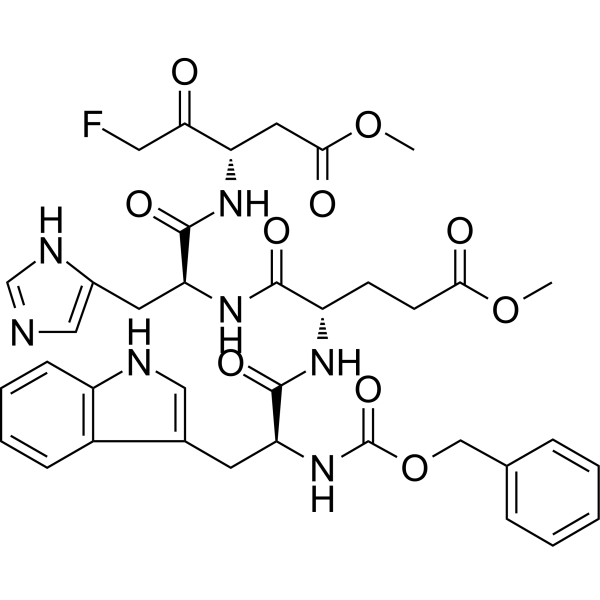
Z-WE(OMe)HD(OMe)-FMK
|
Caspase
Cathepsin
|
Cancer
|
|
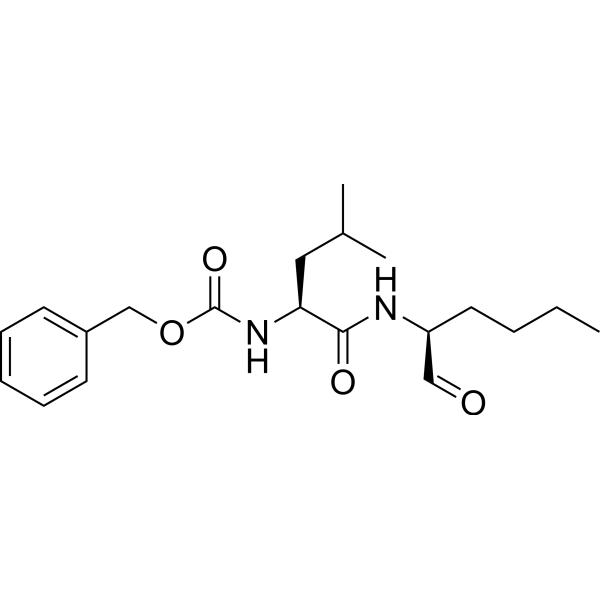
Z-WEHD-FMK is a potent, cell-permeable and irreversible caspase-1/5 inhibitor. Z-WEHD-FMK also exhibits a robust inhibitory effect on cathepsin B activity (IC50=6 μM). Z-WEHD-FMK can be used to investigate cells for evidence of apoptosis .
|
-
- HY-P0278A
-
|
|
Integrin
|
Cancer
|
|
RGD Trifluoroacetate is a tripeptide that effectively triggers cell adhesion, addresses certain cell lines and elicits specific cell responses; RGD Trifluoroacetate binds to integrins.
|
-
- HY-P4138
-
|
|
Fluorescent Dye
|
Cancer
|
|
Antennapedia Peptide FAM-labeled is a fluorophore labeled peptide. Antennapedia Peptide FAM-labeled also can be used for the research of cancer as a molecular probe .
|
-
- HY-W142467R
-
-
- HY-P4136
-
|
|
ERK
|
Cancer
|
|
Myristoyl-MEK1 Derived Peptide Inhibitor 1 is the myristoylated form of the MEK1 Derived Peptide Inhibitor 1 (HY-P4133). Myristoyl-MEK1 Derived Peptide Inhibitor 1 inhibits ERK activation with an IC50 of 10 μM .
|
-
- HY-P2314
-
|
|
Transferrin Receptor
|
Cancer
|
|
HAIYPRH hydrochloride, a targeting ligand, can specially bind to transferrin receptor (TfR). HAIYPRH hydrochloride can mediate the transport of nanocarriers across the blood-brain barrier .
|
-
- HY-12290A
-
|
RGDS peptide TFA; Fibronectin tetrapeptide TFA
|
Integrin
|
Inflammation/Immunology
|
|
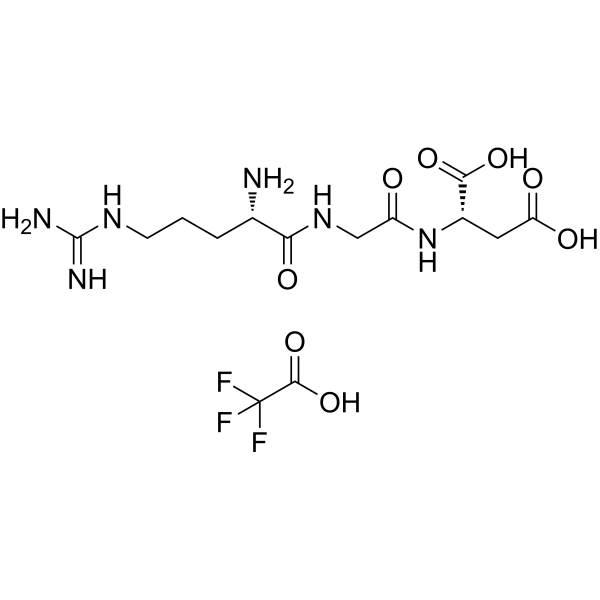
Arg-Gly-Asp-Ser (TFA) is an integrin binding sequence that inhibits integrin receptor function. Arg-Gly-Asp-Ser (TFA) directly and specifically bind pro-caspase-8, pro-caspase-9 and pro-caspase-3, while it does not bind pro-caspase-1 .
|
-
- HY-P4109
-
|
NT21MP; V1 peptide
|
CXCR
|
Inflammation/Immunology
Cancer
|
|
vMIP-II (1-21) (NT21MP) is an inhibitor of CXCR4. vMIP-II (1-21) interacts broadly with CC and CXC chemokine receptors. vMIP-II (1-21) inhibits CXCR4 by competing with 125I-SDF-1R for binding sites (IC50=190 nM) .
|
-
- HY-P1111A
-
|
|
Src
Interleukin Related
|
Inflammation/Immunology
|
|
Lyn peptide inhibitor TFA is a potent and cell-permeable inhibitor of Lyn-coupled IL-5 receptor signaling pathway, while keeping other signals intact. Lyn peptide inhibitor TFA blocks Lyn activation and inhibits the binding of Lyn tyrosine kinase to βc subunit of IL-3/GM-CSF/IL-5 receptors. Lyn peptide inhibitor TFA can be used for study of asthma, allergic, and other eosinophilic disorders .
|
-
- HY-P4118
-
|
penetrating analog
|
Amino Acid Derivatives
Peptide-Drug Conjugates (PDCs)
|
Others
|
|
EB1 peptide (Penetrating analog) is an endosomolytic agent and siRNA delivery agent. EB1 peptide forms an amphipathic alpha helix upon protonation in early-late endosomes, drives endosomal membrane permeabilization, and enables endocytosed siRNA escape into the cytosol. EB1 peptide facilitates biologically active siRNA cellular uptake and targeted gene silencing. EB1 peptide forms complexes with siRNA. EB1 peptide can be used for drug delivery research .
|
-
- HY-P1566
-
|
|
HIV
|
Infection
|
|
MPG, HIV related is 27-aa peptide, derived from both the nuclear localisation sequence of SV40 large T antigen and the fusion peptide domain of HIV-1 gp41 and is a potent delivery agent for the generalised delivery of nucleic acids and of oligonucleotides into cultured cells.
|
-
- HY-P4083
-
|
|
Fluorescent Dye
|
Others
|
|
(Arg)9,TAMRA-labeled is a TAMRA-labeled cell permeable peptide. (Arg)9 is a cell-permeable peptide used for drug delivery .
|
-
- HY-P0278
-
|
|
Integrin
|
Cancer
|
|
RGD is a tripeptide that effectively triggers cell adhesion, addresses certain cell lines and elicits specific cell responses; binds to integrins.
|
-
- HY-P3707
-
|
|
Apoptosis
|
Cancer
|
|
Tumor targeted pro-apoptotic peptide (CNGRC-GG-D(KLAKLAK)2) is an anti-tumor peptide. Tumor targeted pro-apoptotic peptide disrupts mitochondrial membranes and promotes apoptosis, showing anticancer activity in mice .
|
-
- HY-P4117
-
-
- HY-P4101
-
|
|
HIV
|
Infection
|
|
Cys(Npys)-TAT (47-57) is a peptide fragment of TAT peptide and it is able to interact with plasmid DNA electrostatically. Cys(Npys)-TAT (47-57) is corresponding to the transduction domain of TAT with an activated cysteine residue C. TAT is a small nuclear transcriptional activator protein encoded by HIV-1 .
|
-
- HY-P4135
-
|
|
Fluorescent Dye
|
Others
|
|
FITC-LC-Antennapedia Peptide is a FITC labeled Antennapedia Peptide (HY-P0307). Antennapedia Peptide is a cellular-membrane permeable peptides (CPP). FITC-LC-Antennapedia Peptide has good penetration in 3T3 cell line, which was rapidly accumulated into nuclei .
|
-
- HY-P4100
-
|
|
Somatostatin Receptor
|
Others
|
|
Cyclic SSTR agonist octreotide is a Octreotide (HY-P0036), serving as the cyclic Somatostatin Receptor SSTR agonist .
|
-
- HY-P4096
-
|
|
Bacterial
|
Inflammation/Immunology
|
|
HAP-1 is a synovial-targeted transduction peptide. HAP-1 facilitates specific internalization of protein complexes into human and rabbit synovial cells. HAP-1 fused to an antimicrobial peptide, (KLAK)2, to generate a proapoptotic peptide DP2 .
|
-
- HY-P1575A
-
|
|
HIV
|
Infection
|
|
TAT (48-57) (TFA) is a cell-permeable peptide, derived from HIV-1 transactivator of transcription (Tat) protein residue 48-57 .
|
-
- HY-P4129
-
|
|
nAChR
|
Others
|
|
Rabies Virus Matrix Protein Fragment (RV-MAT) is a polypeptide. Rabies Virus Matrix Protein Fragment targets the acetylcholine receptor (AChR) that exists on the cell surface .
|
-
- HY-P1575
-
|
|
HIV
|
Infection
|
|
TAT (48-57) is a cell-permeable peptide, derived from HIV-1 transactivator of transcription (Tat) protein residue 48-57.
|
-
- HY-P3229
-
SN52
2 Publications Verification
|
NF-κB
|
Cancer
|
|
SN52 is a potent, competitive, and cell-permeable inhibitor of NF-κB2. SN52 is a variant of the SN50 peptide and inhibits the nuclear translocation of p52-RelB heterodimers. SN52 has a strong radiosensitization effect on prostate cancer cells. SN52 can be used for cancer research .
|
-
- HY-P0246
-
-
- HY-P1847A
-
|
|
NF-κB
|
Inflammation/Immunology
|
|
IKKγ NBD Inhibitory Peptide TFA is a highly specific inhibitor NF-κB inhibitor. IKKγ NBD Inhibitory Peptide TFA acts by disrupting the interaction between IKKγ/NEMO-binding domain (NBD) with IKKα and IKKβ, thus blocking TNF-α-induced NF-kB activation. IKKγ NBD Inhibitory Peptide TFA could significantly suppresses inflammation and ameliorate the cerebral ischemia-induced neurological deficits .
|
-
- HY-P11733
-
|
|
Bacterial
|
Infection
|
(KFF)3K-acpP is an antibacterial agent conjugating of cell penetrating peptide (KFF)3K (HY-P10556) and acpP peptide nucleic acid. (KFF)3K-acpP binds to the translation start site region of acpP mRNA, sterically blocking ribosome binding and inhibiting translation of the acyl carrier protein. (KFF)3K-acpP induces bacterial envelope stress response pathways, and triggers depletion of outer membrane protein F (ompF) transcript. (KFF)3K-acpP can be used for the research of infections .
|
-
- HY-P1630
-
|
|
Bacterial
|
Infection
|
|
Buforin II, derived from buforin I, a protein isolated from the stomach of the Asian toad Bufo bufo gargarizans, is a potent antimicrobial peptide. Buforin II has antimicrobial activity against a broad spectrum of Gram-positive and Gram-negative bacteria .
|
-
- HY-P0122
-
|
c(CRGDKGPDC)
|
Integrin
|
Cancer
|
|
iRGD peptide is a 9-amino acid cyclic peptide, triggers tissue penetration of agents by first binding to αv-integrins, then proteolytically cleaved in the tumor to produce CRGDK/R to interact with neuropilin-1, and has tumor-targeting and tumor-penetrating properties.
|
-
- HY-P2467
-
|
|
Fluorescent Dye
|
Metabolic Disease
|
|
Biotin-TAT (47-57), a biotin tagged TAT, is a transactivator of transcription. Biotin-TAT (47-57) is one of the most widely used protein transduction domains (PTDs) into different primary cells is ATP- and temperature-dependent, indicating the involvement of endocytosis .
|
-
- HY-P1601
-
-
- HY-P0084
-
|
SRIF-14; Somatostatin-14
|
Endogenous Metabolite
|
Cardiovascular Disease
Neurological Disease
|
|
Cyclic somatostatin (SRIF-14) is a growth hormone-release inhibiting factor used in the research of severe, acute hemorrhages of gastroduodenal ulcers. Cyclic somatostatin is a neuropeptide co-stored with acetylcholine in the cardiac parasympathetic innervation, exerts influences directly on contraction of ventricular cardiomyocytes. Cyclic somatostatin inhibits the contractile response of isoprenaline with an IC50 value of 13 nM. Cyclic somatostatin can be used for the research of cardiovascular disease .
|
-
- HY-P11020
-
|
|
E1/E2/E3 Enzyme
|
Cancer
|
|
p27 Analogue CP2 is a macrocyclic peptide inhibitor targeting the Cks1-Skp2-Skp1 complex (Kd = 32 nM). p27 Analogue CP2 blocks SCFSkp2/Cks1-mediated ubiquitylation and degradation of p27, restoring p27 levels and inhibiting cell proliferation. p27 Analogue CP2 is promising for research of cancers dependent on Skp2 overexpression such as breast cancer .
|
-
- HY-P5366
-
|
|
Liposome
|
Others
|
|
PEP1 is an amphipathic α-helical peptide containing 31 residues. The interaction of PEP1 with POPC-supported lipid bilayers (SLBs) is concentration-dependent: at low concentrations, it inserts into SLBs to generate compressive stress; at medium concentrations, it saturates the membrane surface to maintain constant stress; and at high concentrations, it solubilizes SLBs. PEP1 can be used for research on the mechanism of membrane-peptide interactions .
|
-
| Cat. No. |
Product Name |
Type |
-
- HY-172279A
-
|
|
Biochemical Assay Reagents
|
|
DSPE-PEG2000-TAT is a cell-penetrating peptide-modified PEGylated phospholipid conjugate and cellular uptake enhancer. DSPE-PEG2000-TAT forms via conjugation of Cys-TAT to DSPE-PEG2000-Mal. DSPE-PEG2000-TAT enhances liposomal cellular uptake and siRNA transfection efficiency in glomerular mesangial and macrophage cells. DSPE-PEG2000-TAT can be used for drug delivery .
|
-
- HY-172279
-
|
|
Biochemical Assay Reagents
|
|
DSPE-PEG1000-TAT is a PEG compound which composed of DSPE and a cell-penetrating peptide (TAT) (HY-P0281). DSPE-PEG1000-TAT can be used for drug delivery .
|
-
- HY-172279C
-
|
|
Biochemical Assay Reagents
|
|
DSPE-PEG3400-TAT is a PEG compound which composed of DSPE and a cell-penetrating peptide (TAT) (HY-P0281). DSPE-PEG3400-TAT can be used for drug delivery .
|
-
- HY-172278A
-
|
|
Biochemical Assay Reagents
|
|
DSPE-PEG2000-CGKRK is a PEG compound which composed of DSPE and a cell-penetrating peptide (CGKRK). DSPE-PEG2000-CGKRK can be used for drug delivery .
|
-
- HY-172279B
-
|
|
Biochemical Assay Reagents
|
|
DSPE-PEG5000-TAT is a PEG compound which composed of DSPE and a cell-penetrating peptide (TAT) (HY-P0281). DSPE-PEG5000-TAT can be used for drug delivery .
|
-
- HY-172276A
-
|
|
Biochemical Assay Reagents
|
|
DSPE-PEG2000-R8 is a PEG compound which composed of DSPE and a cell-penetrating peptide (R8). pDSPE-PEG2000-R8 can be used for drug delivery .
|
-
- HY-172278B
-
|
|
Biochemical Assay Reagents
|
|
DSPE-PEG5000-CGKRK is a PEG compound which composed of DSPE and a cell-penetrating peptide (CGKRK). DSPE-PEG5000-CGKRK can be used for drug delivery .
|
-
- HY-172278
-
|
|
Biochemical Assay Reagents
|
|
DSPE-PEG1000-CGKRK is a PEG compound which composed of DSPE and a cell-penetrating peptide (CGKRK). DSPE-PEG1000-CGKRK can be used for drug delivery .
|
-
- HY-172278C
-
|
|
Biochemical Assay Reagents
|
|
DSPE-PEG3400-CGKRK is a PEG compound which composed of DSPE and a cell-penetrating peptide (CGKRK). DSPE-PEG3400-CGKRK can be used for drug delivery .
|
-
- HY-172276C
-
|
|
Biochemical Assay Reagents
|
|
DSPE-PEG3400-R8 is a PEG compound which composed of DSPE and a cell-penetrating peptide (R8). pDSPE-PEG3400-R8 can be used for drug delivery .
|
-
- HY-172276B
-
|
|
Biochemical Assay Reagents
|
|
DSPE-PEG5000-R8 is a PEG compound which composed of DSPE and a cell-penetrating peptide (R8). pDSPE-PEG5000-R8 can be used for drug delivery .
|
-
- HY-172693
-
|
|
Biochemical Assay Reagents
|
|
DSPE-PEG2000-TH is a PEG compound which composed of DSPE and a pH-responsive cell penetrating peptide (TH). TH is activated in an acidic environment (such as the tumor microenvironment) and can selectively carry small molecules, oligonucleotides, proteins, etc. into tumor cells .
|
-
- HY-172276
-
|
|
Biochemical Assay Reagents
|
|
DSPE-PEG1000-R8 is a PEG compound which composed of DSPE and a cell-penetrating peptide (R8). pDSPE-PEG1000-R8 can be used for drug delivery .
|
-
- HY-172694
-
|
|
Biochemical Assay Reagents
|
|
DSPE-PEG5000-TH is a PEG compound which composed of DSPE and a pH-responsive cell penetrating peptide (TH). TH is activated in an acidic environment (such as the tumor microenvironment) and can selectively carry small molecules, oligonucleotides, proteins, etc. into tumor cells .
|
| Cat. No. |
Product Name |
Target |
Research Area |
-
- HY-P0281
-
|
TAT(47-57); HIV-1 TAT protein (47-57)
|
HIV
|
Infection
|
|
TAT (YGRKKRRQRRR) is derived from the transactivator of transcription (TAT) of human immunodeficiency virus-1 (HIV-1) and is a cell-penetrating peptide. TAT can increase the yields and the solubility of heterologous proteins .
|
-
- HY-P4108
-
|
|
Influenza Virus
|
Infection
|
|
TAT-HA2 Fusion Peptide is a peptide-based delivery agent that combines the pH-sensitive HA2 fusion peptide from Influenza and the cell-penetrating peptide TAT from HIV. TAT-HA2 Fusion Peptide is a transactivator of transcription and hemaglutanin for endosomal release. TAT-HA2 Fusion Peptide enhances cellular uptake of macromolecules .
|
-
- HY-P2529
-
|
|
Peptides
|
Others
|
|
Penetratin is a cell-penetrating peptides derived from a nonviral protein. Penetratin can powerfully enhance drug absorption. Penetratin can be used for drug delivery research in the treatment of various diseases .
|
-
- HY-P0282A
-
|
|
HIV
|
Infection
|
|
TAT peptide (TFA) is a cell penetrating peptide (GRKKRRQRRRPQ) derived from the trans-activating transcriptional activator (Tat) from HIV-1 .
|
-
- HY-P4093
-
|
|
Biochemical Assay Reagents
|
Others
|
|
Cys-Penetratin is a cysteine-containing cell-penetrating peptide with sequence CRQIKIWFQNRRMKWKK. Cys-Penetratin can Cys-Penetratin can be used for the research for the research of drug delivery .
|
-
- HY-P10275
-
|
|
Apoptosis
|
Neurological Disease
|
|
Tat-NTS peptide is a cell-penetrating peptide with neuroprotective effects. Tat-NTS peptide can specifically inhibit the nuclear translocation of ANXA1 and reduce neuronal apoptosis in ischemic areas. Moreover, Tat-NTS peptide can reduce the volume of cerebral ischemic infarction and can be used in the research of ischemic stroke .
|
-
- HY-P0133
-
|
Nona-L-arginine; Peptide R9
|
Ser/Thr Protease
|
Neurological Disease
|
|
(Arg)9 (Nona-L-arginine) is a cell-penetrating peptide (CPP) made up of 9 arginine residues, which is an inhibitor of serine endoprotease Furin. (Arg)9 has neuroprotective property, exhibits neuroprotective activity with an IC50 of 0.78 μM in the glutamic acid model .
|
-
- HY-P0307
-
|
Penetratin peptide
|
Peptides
|
Cancer
|
|
Antennapedia Peptide (Penetratin peptide) is a 16 amino acid peptide, originally derived from the 60 amino acid long homeodomain of the Drosophila transcription factor Antennapedia and is a member of the family of cell-penetrating peptides.
|
-
- HY-P11016
-
-
- HY-P1732
-
|
|
Biochemical Assay Reagents
|
Cancer
|
|
Transportan is an amphipathic cell-penetrating peptide containing 12 functional amino acids from the amino terminus of the neuropeptide galanin and mastoparan in the carboxyl terminus, connected via a lysine. Transportan interacts with galanin receptors and G-proteins, modulates GTPase activity, enters cells via direct translocation and endocytic pathways, accumulates in cytoplasmic, nuclear, and membranous structures, and delivers cargo including peptides, PNAs, proteins, siRNA, and liposomes [12].
|
-
- HY-P4076
-
|
|
HIV
DNA Alkylator/Crosslinker
|
Infection
|
|
MPG peptides, Pβ is an amphipathic cell-penetrating peptide. MPG peptides, Pβ consists of three components: the hydrophobic fusion sequence (GALFLGFLGAAGSTMGA) of HIV glycoprotein 41, a spacer domain (WSQP), and the nuclear localization signal (KKKRKV) of the large T antigen of Simian virus 40. MPG peptides, Pβ can form stable non-covalent complexes with nucleic acids (including DNA) through electrostatic interactions and improve their intracellular delivery. MPG peptides, Pβ can be used in studies of HIV-1-related immune responses .
|
-
- HY-P0133A
-
|
Nona-L-arginine TFA; Peptide R9 TFA
|
Ser/Thr Protease
|
Neurological Disease
|
|
(Arg)9 (Nona-L-arginine) TFA is a cell-penetrating peptide (CPP) made up of 9 arginine residues. (Arg)9 TFA has neuroprotective property, exhibits neuroprotective activity with an IC50 of 0.78 μM in the glutamic acid model .
|
-
- HY-P2193
-
|
|
Peptides
|
Infection
|
|
TAT-amide is a cell penetrating peptide. Cell-penetrating peptides (CPPs) are short amino acid sequences able to enter different cells .
|
-
- HY-P10068
-
|
|
Peptides
|
Others
|
|
LAH5 is an amphipathic cell-penetrating peptide. LAH5 forms nanocomplexes with both RNP and RNP/HDR cargo .
|
-
- HY-P1491
-
|
|
HIV
|
Infection
|
|
HIV-1 TAT (48-60) is a cell-penetrating peptide derived from the human immunodeficient virus (HIV)-1 Tat protein residue 48-60. It has been used to deliver exogenous macromolecules into cells in a non-disruptive way.
|
-
- HY-P0282
-
|
|
HIV
|
Infection
|
|
TAT peptide is a cell penetrating peptide (GRKKRRQRRRPQ) derived from the trans-activating transcriptional activator (Tat) from HIV-1 .
|
-
- HY-P4086
-
|
|
RABV
nAChR
|
Neurological Disease
Cancer
|
Chimeric Rabies Virus Glycoprotein Fragment (RVG-9R) is a cell-penetrating peptide that is synthesized by adding nona-arginine motif to the carboxy terminus of RVG (rabies virus glycoprotein). Chimeric Rabies Virus Glycoprotein Fragment (RVG-9R) binds to nAChR on neuronal cells to mediate receptor-mediated endocytosis and targeted siRNA delivery. Chimeric Rabies Virus Glycoprotein Fragment (RVG-9R) protects complexed siRNA from degradation, enhances transcellular siRNA delivery in neuronal cells, and promotes efficient, pecific gene silencing. Chimeric Rabies Virus Glycoprotein Fragment (RVG-9R) can be used for the researches of neurological disease and cancer .
|
-
- HY-P10710
-
-
- HY-P1848
-
|
|
Interleukin Related
|
Cancer
|
|
Pep-1 (uncapped) is a specific ligand of IL-13Ra2. Pep-1 (uncapped) exerts cell penetrating activity through receptor-mediated endocytosis, can cross the blood-tumor barrier (BTB) and target glioma cells. Pep-1 (uncapped) can enhance the uptake of nanoparticles by tumor cells and enhance the cell penetration ability of nanoparticles, and can be used to develop targeted drug delivery systems for glioma .
|
-
- HY-P0133B
-
|
Nona-L-arginine acetate; Peptide R9 acetate
|
Ser/Thr Protease
|
Neurological Disease
|
|
(Arg)9 (Nona-L-arginine) acetate is a cell-penetrating peptide (CPP) made up of 9 arginine residues. (Arg)9 acetate has neuroprotective property, exhibits neuroprotective activity with an IC50 of 0.78 μM in the glutamic acid model .
|
-
- HY-P3432
-
|
|
Biochemical Assay Reagents
|
Others
|
|
DfTat is a dimer of the prototypical cell-penetrating peptide TAT. DfTat can deliver small molecules, peptides and proteins into live cells with a particularly high efficiency. DfTat labeled with the rhodamine can be used as a tracer for easy detection .
|
-
- HY-P0281A
-
|
TAT(47-57) TFA; HIV-1 TAT protein (47-57) TFA
|
HIV
|
Infection
|
|
TAT TFA (YGRKKRRQRRR) is derived from the transactivator of transcription (TAT) of human immunodeficiency virus (HIV-1) and is a cell-penetrating peptide. TAT can increase the yields and the solubility of heterologous proteins .
|
-
- HY-P4122A
-
|
|
HIV
|
Others
|
|
TAT (47-57), FAM-labeled acetate is a 5(6)-Carboxyfluorescein (HY-15940)-labeled TAT (HY-P0281). TAT (YGRKKRRQRRR) is derived from the transactivator of transcription (TAT) of human immunodeficiency virus-1 (HIV-1) and is a cell-penetrating peptide .
|
-
- HY-P4122
-
|
|
HIV
|
Others
|
|
TAT (47-57), FAM-labeled is a 5(6)-Carboxyfluorescein (HY-15940)-labeled TAT (HY-P0281). TAT (YGRKKRRQRRR) is derived from the transactivator of transcription (TAT) of human immunodeficiency virus-1 (HIV-1) and is a cell-penetrating peptide .
|
-
- HY-107146
-
|
P1pal-7
|
Protease Activated Receptor (PAR)
|
Cardiovascular Disease
Cancer
|
|
PZ-128 (P1pal-7), a cell-penetrating lipopeptide pepducin, is a first-in-class, specific and reversible protease-activated receptor-1 (PAR1) antagonist. PZ-128 targets the cytoplasmic surface of PAR1 and interrupts signaling to internally-located G (PAR1-G) proteins. PZ-128 has antiplatelet, anti-metastatic, anti-angiogenic and anticancer effects .
|
-
- HY-P0285
-
|
|
RABV
|
Infection
|
|
Rabies Virus Glycoprotein is a 29-amino-acid cell penetrating peptide derived from a rabies virus glycoprotein that can cross the blood-brain barrier (BBB) and enter brain cells.
|
-
- HY-P10710A
-
|
|
IFNAR
Interleukin Related
COX
NO Synthase
|
Inflammation/Immunology
|
|
BMP-4 (15-24) acetate is a cell-penetrating heparin-binding peptide with the sequence RKKNPNCRRH. BMP-4 (15-24) acetate exhibits anti-inflammatory and anti-chondrogenic activities. BMP-4 (15-24) acetate can be used in the research of arthritis .
|
-
- HY-P2500
-
|
|
Fluorescent Dye
|
Others
|
|
(Arg)9, FAM-labeled, a cell-penetrating peptide (CPP), is a nona-arginine (ARG) with FAM label. CPPs have emerged as powerful tools for delivering bioactive cargoes into the cytosol of intact cells .
|
-
- HY-P4104
-
|
|
Peptides
|
Others
|
|
pVEC (Cadherin-5) is a cell-penetrating 18-amino acid-long peptide derived from the murine sequence of the cell adhesion molecule vascular endothelial cadherin. pVEC (Cadherin-5) is efficiently and rapidly taken up into cells, it can be used as a carrier peptide .
|
-
- HY-P4123
-
|
|
MMP
|
Cardiovascular Disease
Inflammation/Immunology
Cancer
|
|
TAT (47-57) GGG-Cys (Npys) is a cell-penetrating peptide and delivery carrier derived from TAT. TAT (47-57) GGG-Cys (Npys) facilitates the translocation of conjugated drug molecules across cell membranes. TAT (47-57) GGG-Cys (Npys) acts as a delivery carrier for MT1-MMP inhibitors. TAT (47-57) GGG-Cys (Npys) is applicable to research on diseases associated with MT1-MMP activity, such as cancer, arthritis, heart disease, and vascular disorders .
|
-
- HY-P4119
-
|
|
Biochemical Assay Reagents
|
Others
|
|
Pep-1-Cysteamine is an amphipathic chimeric cell-penetrating peptide. Pep-1-Cysteamine can penetrate biological membranes in an energy-independent manner without forming transmembrane pores, and efficiently deliver active proteins into cells, with its translocation dominated by electrostatic interactions and membrane perturbation .
|
-
- HY-P4098
-
|
|
Peptides
|
Infection
Neurological Disease
Cancer
|
|
SynB1 is a cell-penetrating peptide with blood-brain barrier permeability, derived from the antimicrobial peptide Protegrin 1. SynB1 enhances the cellular uptake efficiency and cytoplasmic localization level of conjugated constructs. SynB1 can be used in studies related to rabies and glioblastoma .
|
-
- HY-P10649
-
|
|
Peptides
|
Cancer
|
|
CPP12 is a small, amphipathic, cyclic cell-penetrating peptide (CPP). CPP12 binds directly to plasma membrane phospholipids, enters mammalian cells via endocytosis, and then efficiently escapes from endosomes. CPP12 can be used for the intracellular delivery of drugs and chemical probes .
|
-
- HY-P10649A
-
|
|
Peptides
|
Cancer
|
|
CPP12 TFA is a small, amphipathic, cyclic cell-penetrating peptide (CPP). CPP12 TFA binds directly to plasma membrane phospholipids, enters mammalian cells via endocytosis, and then efficiently escapes from endosomes. CPP12 TFA can be used for the intracellular delivery of drugs and chemical probes .
|
-
- HY-P1801A
-
|
Cys-[HIV-Tat (47-57)] TFA
|
HIV
Drug Derivative
|
Others
|
|
Cys-TAT(47-57) (Cys-[HIV-Tat (47-57)]) TFA, TAT (HY-P0281) derivative, is a Cysteine (HY-Y0337)-tagged cell-penetrating peptide (CPP) derived from the HIV TAT protein. Cys-TAT(47-57) TFA can be used for the research for the research of drug delivery .
|
-
- HY-P10153
-
|
|
Peptides
|
Others
|
|
gH625 is a cell-penetrating viral peptide which is a part of glycoprotein H of Herpes simplex virus type I. gH625 is able to cross the cell membrane and to transport many conjugated cargoes into the cytosol. gH625 is permeable to the blood-brain barrier (BBB) and can enter the rat brain in vivo without toxic effects. gH625 can be used for siRNA delivery research .
|
-
- HY-P4087
-
|
|
HIV
|
Infection
Cancer
|
|
Cys(Npys)-(Arg)9 is a synthetic cationic cell-penetrating peptide with a reversible thiol-reactive nitropyridyl (Npys) group. Cys(Npys)-(Arg)9 efficiently mediates the internalization and delivery of various "cargo" such as proteins and antibodies by forming reversible disulfide bonds with surface-exposed cysteine residues. Cys(Npys)-(Arg)9 endows TALEN proteins with cell-penetrating activity, enabling gene knockout in mammalian cells and protein transduction in wheat microspores. Cys(Npys)-(Arg)9 can be conjugated with antibodies to form cationized IgG for enhancing endosomal escape of oligonucleotides, or form siRNA delivery complexes. When the molar ratio of Cys(Npys)-(Arg)9 to loaded molecules is higher than 1:1, it exerts certain cytotoxic effects on cells. Cys(Npys)-(Arg)9 can be used in studies related to oral squamous cell carcinoma and HIV infection .
|
-
- HY-P2483
-
|
|
Proteasome
Bacterial
|
Infection
Inflammation/Immunology
Cancer
|
|
Octaarginine is a cell-penetrating peptide and proteasome inhibitor. Octaarginine exhibits mixed-type inhibition against 20S proteasome chymotrypsin-like, caspase-like, and trypsin-like activities, and inhibits 26S proteasome activity with decreased efficiency. Octaarginine induces ubiquitin-conjugated protein accumulation, mediates HSPG-dependent cellular internalization via macropinocytosis, enhances liposomal cargo uptake and gene delivery. Octaarginine can be used for the research of cervix carcinoma, collagen antibody-induced arthritis, and bacterial infections .
|
-
- HY-P10156
-
|
Cell-penetrating peptide MAP17
|
Peptides
|
Others
|
|
MAP17 (Cell-penetrating peptide MAP17) is a synthetic secondary amphipathic cell-penetrating peptides, with sequence of QLALQLALQALQAALQLA .
|
-
- HY-P11032
-
|
|
SARS-CoV
Virus Protease
|
Infection
|
|
Mp-4D7-pF2, a cell-penetrating bicyclic peptide, is a noncovalent SARS-CoV-2 main protease inhibitor with an IC50 of 4.51 μM. Mp-4D7-pF2 has an antiviral activity against SARS-CoV-2 with no cytotoxicity. Mp-4D7-pF2 can used for COVID-19 infections research .
|
-
- HY-P0285A
-
|
|
RABV
|
Infection
|
|
Rabies Virus Glycoprotein (TFA) is a 29-amino-acid cell penetrating peptide derived from a rabies virus glycoprotein that can cross the blood-brain barrier (BBB) and enter brain cells .
|
-
- HY-P10839
-
|
|
NF-κB
|
Inflammation/Immunology
|
|
NBD peptide inhibits NF-κB signaling pathway through inhibition of the NEMO-IKK complex combination. NBD peptide exhibits anti-inflammatory efficacy through block of pro-inflammatory cytokines production. NBD peptide exhibits immunosuppressive activity through regulation of immune cells. NBD peptide enhances its transmembrane ability by combining with cell-penetrating peptide HIV-TAT .
|
-
- HY-P4139
-
|
|
Peptides
|
Others
|
|
activable cell-penetrating peptide (ACCP) consists of a polycationic CPP (typically arg9 or r9) connected via a cleavable linker to a matching polyanion (typically glu9 or e9), which reduces the net charge to nearly zero and thereby inhibits adhesion and uptake into cells .
|
-
- HY-P4090
-
|
|
Peptides
|
Others
|
|
CPP2 is a cell-penetrating peptide, with a high intracellular translocation efficiency .
|
-
- HY-P4084
-
|
|
Peptides
|
Others
|
|
KLA seq is a cell-penetrating α-helical amphipathic model peptide .
|
-
- HY-P10895
-
|
|
Biochemical Assay Reagents
|
Others
|
|
HR97 TFA is a cell-penetrating peptide that can be combined with engineered melanin to prepare eye drops HR97-SunitiGel. The peptide-drug conjugate in HR97-SunitiGel can provide sustained ocular drug delivery .
|
-
- HY-P1801
-
|
Cys-[HIV-Tat (47-57)]
|
HIV
Drug Derivative
|
Others
|
|
Cys-TAT(47-57) (Cys-[HIV-Tat (47-57)]), TAT (HY-P0281) derivative, is a Cysteine (HY-Y0337)-tagged cell-penetrating peptide (CPP) derived from the HIV TAT protein. Cys-TAT(47-57) can be used for the research for the research of drug delivery .
|
-
- HY-P0307A
-
|
Penetratin peptide TFA
|
Peptides
|
Inflammation/Immunology
Cancer
|
|
Antennapedia Peptide (Penetratin peptide) TFA is a 16 amino acid peptide, originally derived from the 60 amino acid long homeodomain of the Drosophila transcription factor Antennapedia and is a member of the family of cell-penetrating peptides.
|
-
- HY-P10559
-
|
|
Bacterial
|
Infection
|
|
(RXR)4XB is a cell-penetrating peptide, that binds the phosphorodiamidate morpholino oligomers (PMOs), forms peptide-conjugated PMOs (PPMOs), and improves the delivery of PMO into bacterial cells. (RXR)4XB-PMO conjugate prevents the formation of biofilms, inhibits Pseudomonas aeruginosa with MIC50 of 0.5 to 16 μM, and reduces the bacterial burden in mouse acute pneumonia models .
|
-
- HY-P4131
-
|
|
Peptides
|
Others
|
|
MPS-Gαi3 is a cell penetrating peptide that can be used for drug delivery .
|
- HY-P10638A
-
|
|
CaMK
|
Cardiovascular Disease
Neurological Disease
|
|
TAT-CN21 (scrambled) is a nonsense sequence control peptide fused with the TAT cell-penetrating sequence. It exerts no inhibitory effect on CaMKII activity and serves as a negative control for TatCN21 (HY-P10638) .
|
- HY-P10560
-
|
|
Biochemical Assay Reagents
|
Others
|
|
M918 is a cell-penetrating peptide. M918 is internalized by cells through endocytosis and can effectively penetrate a variety of cells in a non-toxic manner. M918 can be used in gene therapy and drug delivery system research .
|
- HY-P4119A
-
|
|
Peptides
|
Others
|
|
Pep-1-Cysteamine TFA is a chimeric cell-penetrating peptide (CPP) with a primary amphipathicity. Pep-1-Cysteamine TFA has the ability to translocate across biological membranes and introduce active proteins inside cells .
|
- HY-P10190
-
|
|
Peptides
|
Others
|
|
CADY is a cell-penetrating peptide (CPPs) peptide with a sequence of GLWRALWRLLRSLWRLLWRA. CADY can be used as a vector tool for intracellular delivery .
|
- HY-P4087B
-
|
|
HIV
|
Others
|
|
Cys(Npys)-(Arg)9 acetate is a synthetic cationic cell-penetrating peptide with a reversible thiol-reactive nitropyridyl (Npys) group. Cys(Npys)-(Arg)9 acetate efficiently mediates the internalization and delivery of various "cargo" such as proteins and antibodies by forming reversible disulfide bonds with surface-exposed cysteine residues. Cys(Npys)-(Arg)9 acetate endows TALEN proteins with cell-penetrating activity, enabling gene knockout in mammalian cells and protein transduction in wheat microspores. Cys(Npys)-(Arg)9 acetate can be conjugated with antibodies to form cationized IgG for enhancing endosomal escape of oligonucleotides, or form siRNA delivery complexes. When the molar ratio of Cys(Npys)-(Arg)9 acetate to loaded molecules is higher than 1:1, it exerts certain cytotoxic effects on cells. Cys(Npys)-(Arg)9 acetate can be used in studies related to oral squamous cell carcinoma and HIV infection .
|
- HY-P11219
-
|
|
YAP
|
Cancer
|
|
TAT-PDHPS1 is a YAP inhibitor composed of the endogenous peptide PDHPS1 and the cell-penetrating peptide sequence TAT. PDHPS1 binds to protein phosphatase 2 phosphatase activator (PTPA), an essential activator of protein phosphatase 2A (PP2A), leading to increased YAP phosphorylation, which inactivates YAP and suppresses the expression of its downstream target genes. TAT-PDHPS1 is potentially useful in ovarian cancer research .
|
- HY-P11207
-
|
NLS-Cell penetrating peptide
|
Peptides
|
Inflammation/Immunology
|
|
NLS-CPP is a nuclear localization signal (NLS)-cell-penetrating peptide, which contains the NLS of OCT6. NLS-CPP facilitates nuclear delivery. NLS-CPP can be used for chronic inflammatory diseases s research, such as metabolic-dysfunction-associated steatohepatitis (MASH) and osteoarthritis (OA) .
|
- HY-P4132
-
|
|
Peptides
|
Cancer
|
|
Membrane-Permeable Sequence, MPS is a cell-penetrating peptide (CPP). Membrane-Permeable Sequence, MPS can be used for the research of membrane crossing mechanism .
|
- HY-P4105
-
- HY-P10559A
-
|
|
Bacterial
|
Infection
|
|
(RXR)4XB TFA is a cell-penetrating peptide, that binds the phosphorodiamidate morpholino oligomers (PMOs), forms peptide-conjugated PMOs (PPMOs), and improves the delivery of PMO into bacterial cells. (RXR)4XB TFA-PMO conjugate prevents the formation of biofilms, inhibits Pseudomonas aeruginosa with MIC50 of 0.5 to 16 μM, and reduces the bacterial burden in mouse acute pneumonia models .
|
- HY-P4250
-
|
|
Peptides
|
Others
|
|
Tetraarginine (RRRR), consisting of four arginines, is used in cell-penetrating peptide-based gene delivery vehicles .
|
- HY-P4075
-
|
|
Peptides
|
Others
|
|
Antennapedia Leader Peptide (CT) is a cell penetrating peptide that can be used for drug delivery .
|
- HY-P0281B
-
|
TAT(47-57) acetate; HIV-1 TAT protein (47-57) acetate
|
HIV
|
Infection
|
|
TAT (TAT(47-57)) acetate is derived from the transactivator of transcription (TAT) of human immunodeficiency virus-1 (HIV-1) and is a cell-penetrating peptide. TAT acetate can increase the yields and the solubility of heterologous proteins .
|
- HY-P10357
-
|
|
HIV
iGluR
|
Infection
Inflammation/Immunology
|
|
TAT-CBD3, a 15-amino acid peptide from CRMP2, fused to the TAT cell-penetrating motif of the HIV-1 protein, disrupts CRMP2-NMDAR interaction without change in NMDAR localization .
|
- HY-P4099
-
|
|
Peptides
|
Others
|
|
Cys(Npys)-(D-Arg)9 is an amphipathic R9 cell penetrating peptide (CPP). Cys(Npys)-(D-Arg)9 has cytotoxicity for microspore cells with the amount higher than 1 nmol .
|
- HY-P11083
-
|
|
HBV
|
Cancer
|
|
Xentry is a cell-penetrating peptide (CCP) consisting of only 7 amino acids of hepatitis B virus: LCLRPVG. Xentry-linked anti-B-raf antibodies and siRNAs demonstrates the capability to kill B-raf-dependent melanoma cells. Xentry alone or conjugated to β-galactosidase leads to its delivery to most tissues in mice, except circulating blood cells. Xentry can be used for the delivery of large molecules (antibodies, siRNA, enzymes) .
|
- HY-P1781A
-
|
|
Secretin Receptor
|
Cancer
|
|
Peptide C105Y TFA, a synthetic and cell-penetrating peptide based on the amino acid sequence corresponding to residues 359-374 of α1-antitrypsin, enhances gene expression from DNA nanoparticles .
|
- HY-P2193A
-
|
|
Peptides
|
Infection
|
|
TAT-amide TFA is a cell penetrating peptide. Cell-penetrating peptides (CPPs) are short amino acid sequences able to enter different cells .
|
- HY-P4077
-
|
Penetratin amide
|
Peptides
|
Others
|
|
Antennapedia Peptide, amide is a C-terminal amide cell-penetrating peptide .
|
- HY-P4134
-
|
|
Peptides
|
Others
|
|
Lipid Membrane Translocating Peptide is a cell-penetrating peptide consisting of 13 amino acids .
|
- HY-P10068A
-
|
|
Peptides
|
Others
|
|
LAH5 TFA is an amphipathic cell-penetrating peptide. LAH5 THA forms nanocomplexes with both RNP and RNP/HDR cargo .
|
- HY-P1261
-
- HY-P1262
-
- HY-P4103
-
- HY-P1261A
-
- HY-P1262A
-
- HY-P4081
-
|
|
Peptides
|
Others
|
|
Plsl is a cell-penetrating peptide (CPP), with sequence of RVIRVWFQNKRCKDKK. Plsl, belongs to Penetralia family, and origins from Igl-1 homeodomain .
|
- HY-P1781
-
|
|
Peptides
|
Cancer
|
|
Peptide C105Y, a synthetic and cell-penetrating peptide based on the amino acid sequence corresponding to residues 359-374 of α1-antitrypsin, enhances gene expression from DNA nanoparticles .
|
- HY-P10796
-
|
|
MAPKAPK2 (MK2)
|
Inflammation/Immunology
|
|
YARA peptide, a cell-penetrating peptide, is a MK2 inhibitor. YARA-loaded nanoparticles decreases the levels of inflammatory cytokines (IL-1β, IL-6, and TNF-α) in an ex vivo skin culture model. YARA peptide is promising for research of atopic dermatitis (AD) .
|
- HY-P10445
-
|
|
Epigenetic Reader Domain
|
Cancer
|
|
TAT-PiET is a cell-penetrating peptide targeting the extra-terminal (ET) domain of BRD4. TAT-PiET can reduce BRD4 and JMJD6 levels and inhibit cell proliferation. TAT-PiET also resists the endocrine resistance of ERα-positive breast cancer cells. TAT-PiET can be used for the research of cancer, such as breast cancer .
|
- HY-P4250A
-
- HY-P2483A
-
|
|
Proteasome
Bacterial
|
Infection
Neurological Disease
Cancer
|
|
Octaarginine TFA is a cell-penetrating peptide and proteasome inhibitor. Octaarginine TFA exhibits mixed-type inhibition against 20S proteasome chymotrypsin-like, caspase-like, and trypsin-like activities, and inhibits 26S proteasome activity with decreased efficiency. Octaarginine TFA induces ubiquitin-conjugated protein accumulation, mediates HSPG-dependent cellular internalization via macropinocytosis, enhances liposomal cargo uptake and gene delivery. Octaarginine TFA can be used for the research of cervix carcinoma, collagen antibody-induced arthritis, and bacterial infections .
|
- HY-P10562
-
|
|
TMV
|
Others
|
|
BMV Gag-(7 25) is an arginine-rich peptide with cell-penetrating ability. BMV Gag-(7 25) can be used in drug delivery and gene therapy research .
|
- HY-P10995
-
|
|
EGFR
IFNAR
Interleukin Related
TNF Receptor
Complement System
Apoptosis
|
Inflammation/Immunology
Cancer
|
|
TAT-327 is cell-penetrating peptide. TAT-327 selectively inserts into cancer cell membranes and shows potent antitumor activity. TAT-327 effectively inhibits cancer cells proliferation, induces apoptosis and disrupts EGFR signal pathway by inhibiting downstream signals (such as IL-2, TNF-α and IFN-γ) expression and the Eps8/EGFR interaction. TAT-327 significantly inhibits tumor growth in HT-29 xenograft mcie models .
|
- HY-P4316
-
|
|
Peptides
|
Others
|
|
Cys(NPys)-D{Arg-Arg-Arg-Arg-Arg-Arg-Arg-Arg-Arg}-NH2 is a cell-penetrating polypeptide composed of nine arginines and cysteines, used to carry therapeutic agent into the cell .
|
- HY-P10773
-
- HY-P10443
-
|
|
Peptides
|
Others
|
|
ppTG20 is an amphiphilic cell penetrating peptide (KALA) that can be used for gene transfection. ppTG20 can bind to DNA, destabilize membranes, and mediate DNA transfection .
|
- HY-P10074
-
|
|
ERK
|
Inflammation/Immunology
|
|
TAT-MEK1 is an inhibitor ofERK2, consisting of TAT and MEK1 (N-terminal), TAT (YGRKKRRQRRR) derived from human immunodeficiency (HIV-1) transcriptional trans activator (TAT), is a cell-penetrating peptide. TAT-MEK1 IC50 in vitro for ERK2 is 29 μM .
|
- HY-P5914
-
|
WaTx
|
TRP Channel
|
Neurological Disease
|
|
Wasabi Receptor Toxin is a cell-penetrating scorpion toxin. Wasabi Receptor Toxin is the activator for TRPA1 ion channel with EC50 in nanomolar level, and prolongs the channel open time, but reduces Ca 2+ permeability. Wasabi Receptor Toxin causes thermal hypersensitivity and mechanical allodynia in rats, without triggering neurogenic inflammation .
|
- HY-P10157
-
|
|
Biochemical Assay Reagents
|
Others
|
|
ARF(1-22) is potentially capable of intracellular penetration to deliver small molecules, proteins, imaging agents, and pharmaceutical nanocarriers .
|
- HY-P11492
-
|
|
Peptides
|
Others
|
|
Hair cell targeting-peptide A665 is a hair cell targeting-peptide that specifically binds to the prestin protein on the surface of inner ear hair cells. Hair cell targeting-peptide A665 can be modified on the surface of nanocarriers and work in synergy with cell-penetrating peptides to enhance the permeability of the cylindrical window membrane, helping loaded drugs cross the blood-labyrinth barrier and enter the inner ear .
|
- HY-P10465
-
|
|
TRP Channel
|
Inflammation/Immunology
|
|
TRPV1-Tat is an antagonistic peptide that fuses the TRPV1 (transient receptor potential vanilla subtype 1) of the cell-penetrating peptide Tat. TRPV1-Tat blocks this phosphorylation process by competitively binding to the AKAP79 binding site of TRPV1, thereby inhibiting the sensitization of TRPV1. TRPV1-Tat can be used in the study of inflammatory pain .
|
- HY-P10711
-
|
|
Autophagy
|
Cancer
|
|
ALA-A2 is an anticancer peptide discovered in alpha-lactalbumin that selectively kills cancer cells by inducing Autophagy. ALA-A2 has cell-penetrating capabilities, allowing it to effectively enter cells without relying on membranolytic effects. In A549 lung cancer cells, ALA-A2 demonstrates significant dose-dependent anticancer activity. ALA-A2 holds promise for research in cancer therapy and autophagy regulation .
|
- HY-P4083A
-
|
|
Fluorescent Dye
|
Others
|
|
(Arg)9,TAMRA-labeled acetate is a TAMRA-labeled, membrane-permeable cationic cell-penetrating polyarginine peptide. (Arg)9,TAMRA-labeled acetate acts as a cell-penetrating peptide for drug delivery .
|
- HY-107146R
-
|
P1pal-7 (Standard)
|
Reference Standards
Protease Activated Receptor (PAR)
|
Cardiovascular Disease
Cancer
|
|
PZ-128 (Standard) (P1pal-7 (Standard)) is the analytical standard of PZ-128 (HY-107146). This product is intended for research and analytical applications. PZ-128 (P1pal-7), a cell-penetrating lipopeptide pepducin, is a first-in-class, specific and reversible protease-activated receptor-1 (PAR1) antagonist. PZ-128 targets the cytoplasmic surface of PAR1 and interrupts signaling to internally-located G (PAR1-G) proteins. PZ-128 has antiplatelet, anti-metastatic, anti-angiogenic and anticancer effects .
|
- HY-P10357A
-
|
|
HIV
iGluR
|
Infection
Inflammation/Immunology
|
|
Tat-CBD3 TFA, a 15-amino acid peptide from CRMP2, fused to the TAT cell-penetrating motif of the HIV-1 protein, disrupts CRMP2-NMDAR interaction without change in NMDAR localization .
|
- HY-P10520
-
|
|
Peptides
|
Others
|
|
RWmix is ??a synthetic cell-penetrating peptide. The secondary amphiphilic nature of RWmix promotes cellular uptake, mainly due to the alternating arrangement of arginine and tryptophan. The presence of tryptophan enhances the anchoring of the peptide to the cell membrane, thereby improving its ability to penetrate the cell membrane. RWmix can be used for gene therapy and siRNA delivery research .
|
- HY-P0307B
-
|
|
Biochemical Assay Reagents
|
Neurological Disease
|
|
Penetratin-Cys is a cell-penetrating peptide derived from Antennapedia Peptide (HY-P0307) via C-terminal cysteine modification. Penetratin-Cys acts as a cytotoxin and reduces the viability of differentiated neuronal cells. Penetratin-Cys localizes to the perinuclear region and binds to the Golgi apparatus. Penetratin-Cys can be used in research related to neurological disorders .
|
- HY-183488
-
|
RRRRRRRRRCCLGIPEQEY
|
Apoptosis
PARP
|
Cancer
|
|
R9-caPep (RRRRRRRRRCCLGIPEQEY) is a cell-penetrating peptide derived from proliferating cell nuclear antigen (PCNA). R9-caPep selectively blocks the interactions between PCNA and FEN1, as well as between PCNA and LIGI, while preserving the binding of POLD3 to PCNA. R9-caPep interferes with DNA synthesis and homologous recombination-mediated double-strand DNA break repair, inducing S-phase arrest, DNA damage accumulation, and apoptosis. R9-caPep inhibits the growth of tumor volume and weight of neuroblastoma in nude mice . R9-caPep can be used in research related to neuroblastoma and triple-negative breast cancer .
|
- HY-P11759
-
|
|
Drug Derivative
|
Cancer
|
|
Myr-transportan-Cys is a derivative of the cell-penetrating peptide Transportan (HY-P1732), and its conjugated myristoyl group (Myr) enhances the interaction between the peptide and cell membranes. Myr-transportan-Cys integrates three key delivery functions: nucleic acid condensation, cell penetration, and endosomal escape. Myr-transportan-Cys can form immunostimulatory tandem peptide nanocomplexes (iTPNCs) for encapsulating and delivering immunostimulatory oligonucleotide cargos to tumors .
|
- HY-P5914A
-
|
WaTx TFA
|
TRP Channel
|
Neurological Disease
|
|
Wasabi Receptor Toxin TFA (WaTx TFA) is the TFA salt form of Wasabi Receptor Toxin (HY-P5914). Wasabi Receptor Toxin TFA is a cell-penetrating scorpion toxin. Wasabi Receptor Toxin TFA is the activator for TRPA1 ion channel with EC50 in nanomolar level, and prolongs the channel open time, but reduces Ca 2+ permeability. Wasabi Receptor Toxin TFA causes thermal hypersensitivity and mechanical allodynia in rats, without triggering neurogenic inflammation .
|
- HY-P11208
-
|
|
GABA Receptor
|
Inflammation/Immunology
|
|
mNLS-CPP-WSTF is a nuclear localization signal (NLS)-cell-penetrating peptide based on the mouse WSTF sequence. mNLS-CPP-WSTF significantly inhibits the GABARAP-WSTF interaction, WSTF degradation and inflammatory gene expression. mNLS-CPP-WSTF effectively attenuates chronic inflammation, liver fibrosis and cartilage damage in metabolic-dysfunction-associated steatohepatitis (MASH) and osteoarthritis (OA) mice model. mNLS-CPP-WSTF is promising for research of chronic inflammatory diseases such as MASH and OA .
|
- HY-P10553A
-
|
|
Apoptosis
|
Cancer
|
|
ARF(26–44), cell-permeable acetate is a cell-penetrating peptide derived from a specific amino acid sequence of the p14ARF tumor suppressor protein. As a functional inhibitor of FoxM1, ARF(26–44) cell-permeable acetate shows significant anti-tumor activity in the treatment of mouse hepatocellular carcinoma (HCC), significantly increasing tumor cell apoptosis and reducing tumor cell proliferation and angiogenesis. ARF(26–44), cell-permeable acetate can be used in research on tumor therapy .
|
- HY-P10567
-
|
|
Peptides
|
Others
|
|
Pip6a is an arginine-rich cell-penetrating peptide. Pip6a has the ability to deliver associated cargoes across the plasma and endosomal membranes and is stable to serum proteolysis. Pip6a is composed of a hydrophobic core region flanked on each side by arginine-rich domains containing β-alanine and aminohexanoyl spacers. Pip6a-conjugated morpholino phosphorodiamidate oligomer (PMO) dramatically enhanced antisense oligonucleotide (ASO) delivery into striated muscles of myotonic dystrophy (DM1) mice .
|
- HY-P10446
-
|
|
Epigenetic Reader Domain
PROTACs
|
Cancer
|
|
TAT-PiET-PROTAC is a proteolysis-targeting chimera (PROTAC)-modified TAT-PiET (HY-P10445), which is a cell-penetrating peptide targeting the extra-terminal (ET) domain of BRD4. TAT-PiET-PROTAC can reduce BRD4 and JMJD6 levels and inhibit cell proliferation. TAT-PiET-PROTAC also resists the endocrine resistance of ERα-positive breast cancer cells. TAT-PiET-PROTAC can be used for the research of cancer, such as breast cancer .
|
- HY-P11341
-
|
|
Kisspeptin Receptor
|
Endocrinology
|
|
Kisspeptin antagonist p271 is a Kisspeptin antagonist with cell-penetrating ability. Kisspeptin antagonist p271 can block the binding of endogenous Kisspeptin to GPR54 on pituitary somatotropes, thereby relieving the inhibition of growth hormone secretion. Kisspeptin antagonist p271 can specifically and significantly stimulate growth hormone secretion, while inhibiting luteinizing hormone without affecting prolactin or cortisol. Kisspeptin antagonist p271 can be used in the research of diseases related to insufficient growth hormone secretion .
|
- HY-P10553
-
|
|
Apoptosis
|
Cancer
|
|
ARF(26–44), cell-permeable is a cell-penetrating peptide derived from a specific amino acid sequence of the p14ARF tumor suppressor protein. As a functional inhibitor of FoxM1, ARF(26–44) cell-permeable shows significant anti-tumor activity in the treatment of mouse hepatocellular carcinoma (HCC), significantly increasing tumor cell apoptosis and reducing tumor cell proliferation and angiogenesis. ARF(26–44), cell-permeable can be used in research on tumor therapy .
|
- HY-P2483B
-
|
|
Bacterial
Proteasome
|
Infection
Inflammation/Immunology
Cancer
|
|
Octaarginine acetate is a cell-penetrating peptide and proteasome inhibitor. Octaarginine acetate exhibits mixed-type inhibition against 20S proteasome chymotrypsin-like, caspase-like, and trypsin-like activities, and inhibits 26S proteasome activity with decreased efficiency. Octaarginine acetate induces ubiquitin-conjugated protein accumulation, mediates HSPG-dependent cellular internalization via macropinocytosis, enhances liposomal cargo uptake and gene delivery. Octaarginine acetate can be used for the research of cervix carcinoma, collagen antibody-induced arthritis, and bacterial infections .
|
- HY-P5283
-
- HY-P10794
-
|
|
Peptides
|
Cancer
|
|
LH2 peptide is a pH-responsive cell-penetrating peptide dimer with the amino acid sequence LHHLCHLLHHLCHLAG. It can increase its uptake in tumor cells under weakly acidic conditions (such as the tumor microenvironment) through the protonation of histidine residues (pKa approximately 6). When conjugated with the anticancer drug Paclitaxel (HY-B0015), the PTX-LH2 conjugate showed superior tumor suppression effects compared to paclitaxel alone in a subcutaneous breast tumor model. The LH2 peptide holds potential as a drug delivery vehicle in cancer research .
|
- HY-P11228
-
|
|
PROTACs
Apoptosis
DNA/RNA Synthesis
|
Cancer
|
|
FPP29 is a potent peptide-based FOXM1 PROTAC degrader. FPP29 induces ubiquitination and degradation of FOXM1. FPP29 inhibits FOXM1 via the ubiquitin-proteasome degradation pathway. FPP29 induces Apoptosis. FPP29 suppresses tumor growth in hepatocellular carcinoma xenograft models. FPP29 can be used in the research of hepatocellular carcinoma (cell-penetrating peptide: (HY-P0133); VHL ligase ligand: (HY-P11493); linker: (HY-W013664); FOXM1 ligand: (HY-P11494)) .
|
- HY-P10373
-
|
|
JAK
IFNAR
Interleukin Related
|
Infection
Inflammation/Immunology
|
|
pJAK2(1001-1013) is a cell-penetrating peptide that corresponds to the activation loop of JAK2 tyrosine kinase and functions as a SOCS1/3antagonist. pJAK2 (1001-1013) blocks SOCS1-mediated negative regulation of immune function, and enhances the biological activity of cytokines such as IFNγ and IL6. pJAK2(1001-1013) inhibits the replication of a broad range of viruses and exerts dose-dependent protective efficacy against lethal viral infections. pJAK2(1001-1013) can be used for the study of immune regulation and infection .
|
- HY-P11115
-
|
|
Apoptosis
NF-κB
Reactive Oxygen Species (ROS)
|
Inflammation/Immunology
Cancer
|
|
CIGB-552 is a cell-penetrating peptide with anti-tumor properties with the IC50 of 23 μM in H460 cells. CIGB-552 can increase the level of protein COMMD1. CIGB-552 significantly inhibits the NF-κB signaling pathway. CIGB-552 can promote apoptosis of the tumor cells. CIGB-552 can induce the accumulation of reactive oxygen species (ROS) in tumor cells. CIGB-552 has anti-inflammatory and anti-angiogenic effects. CIGB-552 can be used for the research of the lung cancer and colon cancer.
|
- HY-P11115A
-
|
|
Apoptosis
NF-κB
Reactive Oxygen Species (ROS)
|
Cancer
|
|
CIGB-552 TFA is a cell-penetrating peptide with anti-tumor properties with the IC50 of 23 μM in H460 cells. CIGB-552 TFA can increase the level of protein COMMD1. CIGB-552 TFA significantly inhibits the NF-κB signaling pathway. CIGB-552 TFA can promote apoptosis of the tumor cells. CIGB-552 TFA can induce the accumulation of reactive oxygen species (ROS) in tumor cells. CIGB-552 TFA has anti-inflammatory and anti-angiogenic effects. CIGB-552 TFA can be used for the research of the lung cancer and colon cancer.
|
- HY-P10861
-
|
|
Tau Protein
|
Neurological Disease
|
|
RI-AG03 is a proteolytically stable tau aggregation inhibitor that crosses the blood-brain barrier and exhibits oral efficacy. RI-AG03 inhibits tau aggregation and promotes the formation of alternative amorphous aggregates that are non-amyloidogenic. RI-AG03 mediates cellular uptake through direct membrane penetration and macropinocytosis, and its conjugation with cell-penetrating peptide sequences (CPPs) enhances the binding of cells to liposomes. RI-AG03 suppresses aggregation-dependent neurodegenerative and behavioral phenotypes, and extends the lifespan of Drosophila models of tauopathy. RI-AG03 can be used for research on tau-related diseases such as Alzheimer's disease .
|
- HY-P10861A
-
|
|
Tau Protein
|
Neurological Disease
|
|
RI-AG03 acetate is a proteolytically stable tau aggregation inhibitor that crosses the blood-brain barrier and exhibits oral efficacy. RI-AG03 acetate inhibits tau aggregation and promotes the formation of alternative amorphous aggregates that are non-amyloidogenic. RI-AG03 acetate mediates cellular uptake through direct membrane penetration and macropinocytosis, and its conjugation with cell-penetrating peptide sequences (CPPs) enhances the binding of cells to liposomes. RI-AG03 acetate suppresses aggregation-dependent neurodegenerative and behavioral phenotypes, and extends the lifespan of Drosophila models of tauopathy. RI-AG03 acetate can be used for research on tau-related diseases such as Alzheimer's disease .
|
- HY-P10733
-
|
|
Peptides
|
Others
|
|
LAH4-L1 Is a histidine-rich cell penetrating peptide. LAH4-L1 can form complexes with DNA or siRNA and help their transport .
|
- HY-P4099A
-
|
|
Peptides
|
Others
|
|
Cys(Npys)-(D-Arg)9 TFA is an amphipathic R9 cell penetrating peptide (CPP). Cys(Npys)-(D-Arg)9 TFA has cytotoxicity for microspore cells with the amount higher than 1 nmol .
|
- HY-P5107A
-
|
LMWP acetate; TDSP5 acetate
|
VEGFR
|
Cancer
|
|
Low molecular weight protamine acetate (LMWP acetate;TDSP5 acetate) is a truncated arginine-rich protamine peptide, which also acts as an antidote for heparin/low molecular weight heparin and a cell-penetrating delivery vector. Low molecular weight protamine acetate neutralizes heparin-induced anticoagulant activities, including aPTT, anti-Xa and anti-IIa activities. Low molecular weight protamine acetate translocates across mammalian cell membranes, delivers conjugated impermeable molecules through tumor tissues, enhances the skin permeability of conjugated epidermal growth factor, and accelerates wound healing when conjugated with epidermal growth factor. Low molecular weight protamine acetate retains the in vitro cell proliferation activity of conjugated EGF, and also enables site-specific conjugation with peptides or proteins via genetic recombination. Low molecular weight protamine acetate can be used in studies related to colon cancer, skin wounds and diabetic skin wounds .
|
- HY-P10644
-
|
|
Fluorescent Dye
|
Cancer
|
|
CPP9 is a small, amphipathic, cyclic cell penetrating peptide (CPP). CPPs bind directly to the plasma membrane phospholipids and enter mammalian cells via endocytosis, followed by efficient release from the endosome. CPP9 can be used for intracellular delivery of therapeutic agents and chemical probes .
|
- HY-P10514
-
|
|
Small Interfering RNA (siRNA)
|
Others
|
|
Transportan 10 is a derivative of Transportan (HY-P1732) and is an amphiphilic cell penetrating peptide (CPP). Transportan 10 helps molecules penetrate cell membrane barriers by directly interacting with the lipid bilayer. Transportan 10 can be used in gene therapy or siRNA delivery vector research .
|
- HY-P5107
-
|
LMWP; TDSP5
|
VEGFR
|
Cancer
|
|
Low molecular weight protamine (LMWP;TDSP5) is a truncated arginine-rich protamine peptide, as well as a heparin/low-molecular-weight heparin antidote and a cell-penetrating delivery carrier. Low molecular weight protamine neutralizes heparin-induced anticoagulant activities, including aPTT, anti-Xa and anti-IIa activities, and also neutralizes anti-Xa activity of commercially available low-molecular-weight heparin preparations. Low molecular weight protamine translocates across mammalian cell membranes, delivers conjugated impermeable molecules across tumor tissues, enhances skin permeability of conjugated epidermal growth factor, and accelerates wound healing when conjugated with epidermal growth factor. Low molecular weight protamine retains the in vitro cell proliferation activity of conjugated EGF, and also enables site-specific conjugation with peptides or proteins via genetic recombination. Low molecular weight protamine can be used in studies related to colon adenocarcinoma, skin wounds and diabetic skin wounds .
|
- HY-P10644A
-
|
|
Peptides
|
Cancer
|
|
CPP9 TFA is a small, amphipathic, cyclic cell penetrating peptide (CPP). CPPs bind directly to the plasma membrane phospholipids and enter mammalian cells via endocytosis, followed by efficient release from the endosome. CPP9 TFA can be used for intracellular delivery of therapeutic agents and chemical probes .
|
- HY-169756
-
|
|
Peptides
|
Others
|
|
L17E-OH is a derived peptide of L17E, an endosomolytic peptide, a cationic amphipathic peptide with specific membrane lytic activity against late endosomes (Les) .
|
- HY-146127A
-
|
|
Src
|
Others
|
|
Grb2 SH2 domain inhibitor 1 TFA is a conformationally restricted cyclic cell penetrating peptide (CPP) containing d-pro-l-pro motif ring (AF Φ Rpprrfq) (where Φ It is L-naphthylalanine, R is D-arginine, P is D-proline), which is mainly used as a cyclic peptide inhibitor.
|
- HY-P10556
-
|
|
Bacterial
|
Infection
|
|
(KFF)3K is a cell penetrating peptide that can promote the absorption of other antibiotics by disrupting the outer membrane of bacteria. (KFF)3K can be introduced into a hydrocarbon scaffold to induce its antibacterial properties, making it an effective antimicrobial peptide. (KFF)3K can be used in the development of new antimicrobial agents .
|
- HY-P5891
-
|
|
PKC
|
Cardiovascular Disease
|
|
TAT-SAMβA is the peptide consist of RNAENFDRF (SAMβA; HY-P3429) conjugated to the cell penetrating TAT protein-derived peptide TAT47–57. TAT-SAMβA is a selective antagonist of Mfn1-βIIPKC association. TAT-SAMβA protects mouse embryonic fibroblast cells (MEFs) against oxidative stress-induced cytotoxicity .
|
- HY-P10846
-
|
|
Isotope-Labeled Compounds
|
Cardiovascular Disease
|
|
HYNIC-CTP is a conjugate of HYNIC and CTP (cardiac-targeting peptide). HYNIC-CTP can bind with the radionuclide 99mTc through HYNIC acting as a chelator, forming 99mTc-HYNIC-CTP. 99mTc-HYNIC-CTP is specifically taken up by the heart and used for cardiac imaging, thereby facilitating research into heart diseases .
|
- HY-P11208C
-
|
|
GABA Receptor
|
Inflammation/Immunology
|
|
mNLS-CPP-WSTF TFA is the trifluoroacetate salt of mNLS-CPP-WSTF (HY-P11208). mNLS-CPP-WSTF is a nuclear localization signal (NLS)-cell-penetrating peptide based on the mouse WSTF sequence. mNLS-CPP-WSTF significantly inhibits the GABARAP-WSTF interaction, WSTF degradation and inflammatory gene expression. mNLS-CPP-WSTF effectively attenuates chronic inflammation, liver fibrosis and cartilage damage in metabolic-dysfunction-associated steatohepatitis (MASH) and osteoarthritis (OA) mice model. mNLS-CPP-WSTF is promising for research of chronic inflammatory diseases such as MASH and OA .
|
- HY-P0117
-
|
Tat-NR2Bct; NA-1
|
iGluR
NO Synthase
|
Neurological Disease
|
|
Tat-NR2B9c (Tat-NR2Bct; NA-1) is a postsynaptic density-95 (PSD-95) inhibitor, with EC50 values of 6.7 nM and 670 nM for PSD-95d2 (PSD-95 PDZ domain 2) and PSD-95d1, respectively. Tat-NR2B9c disrupts the PSD-95/NMDAR interaction, inhibiting NR2A and NR2B binding to PSD-95 with IC50 values of 0.5 μM and 8 μM, respectively. Tat-NR2B9c also inhibits neuronal nitric oxide synthase (nNOS)/PSD-95 interaction, and possesses neuroprotective efficacy .
|
- HY-P3827
-
|
|
Peptides
|
Inflammation/Immunology
|
|
Cys-Gly-Tyr-Gly-Pro-Lys-Lys-Lys-Arg-Lys-Val-Gly-Gly is a13-mer synthetic peptide containing seven amino acids homologous to SV40 T antigen. Cys-Gly-Tyr-Gly-Pro-Lys-Lys-Lys-Arg-Lys-Val-Gly-Gly is capable of inducing nuclear transport .
|
- HY-P3669
-
|
|
ADC Linker
Drug Intermediate
|
Cancer
|
|
Gly-Gly-Phe-Gly is a peptide spacer and can be applied to Doxorubicin (HY-15142A) (DXR) conjugates. Gly-Gly-Phe-Gly can be used as an ADC linker to synthesize ADCs, such as Puxitatug samrotecan (AZD 8205) (HY-171689) .
|
- HY-P4074
-
|
|
Peptides
|
Others
|
|
Anti-BetaGamma, a peptide, is MPS-Phosducin-like protein C terminus .
|
- HY-P0069A
-
- HY-12290
-
|
RGDS peptide; Fibronectin tetrapeptide
|
Integrin
|
Inflammation/Immunology
|
|
Arg-Gly-Asp-Ser is an integrin binding sequence that inhibits integrin receptor function. Arg-Gly-Asp-Ser directly and specifically bind pro-caspase-8, pro-caspase-9 and pro-caspase-3, while it does not bind pro-caspase-1.
|
- HY-P3743
-
|
|
Src
Peptides
|
Others
|
|
p60c-src Substrate is an efficient and specific substrate for p60c-src protein tyrosine kinase (PTK). p60c-src Substrate can be used to synthesize chimeric branched peptides .
|
- HY-P2530
-
|
|
Peptides
|
Others
|
|
KALA is an amphiphilic peptide that forms an α-helical structure at physiological pH. KALA modifies a plasmid DNA-encapsulating liposomal membrane and is used as a fusogenic peptide in order to achieve effective liver targeting and transfection of DNA via galactose receptors .
|
- HY-P4078
-
|
|
Peptides
|
Others
|
|
(Arg)9 biotin labeled is a cell-permeable peptide. (Arg)9 biotin labeled can be used for drug delivery. (Arg)9 biotin labeled can traverse the plasma membrane of eukaryotic cells .
|
- HY-P4079
-
- HY-P10991A
-
|
Stearylated octaarginine TFA
|
Biochemical Assay Reagents
|
Others
|
|
Stearyl-(homoarginine)8 (Stearylated octaarginine) TFA is an effective gene delivery vector that can deliver plasmid DNA into cells. Stearyl-(homoarginine)8 TFA can make plasmid DNA more effectively internalized into cells and improve the nuclear delivery rate .
|
- HY-P4121
-
|
|
Potassium Channel
|
Inflammation/Immunology
Cancer
|
|
L17E is an attenuated cationic amphiphilic lytic (ACAL) peptide that can be used to deliver a variety of macromolecules, including proteins, antibodies, and DNA nanostructures. L17E inserts and cleaves the membrane structure through electrostatic interaction, enabling intracellular escape. The efficiency of L17E-mediated delivery is strongly correlated with the expression level of KCNN4 (the gene encoding the calcium-activated potassium channel KCa3.1). L17E also promotes the cellular uptake of macromolecules by inducing micropinocytosis. L17E can be further optimized and improved through dimerization strategies and in combination with other delivery systems, such as nuclear localization signal peptides and cell membrane-coated nanoparticles .
|
- HY-P4113
-
|
|
Peptides
|
Neurological Disease
|
|
TAT-NSF700 Fusion Peptide is a potent N-ethyl-maleimide-sensitive factor (NSF) inhibitor. TAT-NSF700 Fusion Peptide can readily permeate the cell membrane and interact with the intracellular organelle directly .
|
- HY-P1847
-
|
|
NF-κB
|
Cancer
|
|
IKKγ NBD Inhibitory Peptide is a highly specific inhibitor NF-κB inhibitor. IKKγ NBD Inhibitory Peptide acts by disrupting the interaction between IKKγ/NEMO-binding domain (NBD) with IKKα and IKKβ, thus blocking TNF-α-induced NF-kB activation. IKKγ NBD Inhibitory Peptide could significantly suppresses inflammation and ameliorate the cerebral ischemia-induced neurological deficits .
|
- HY-P3245
-
|
|
Apoptosis
|
Cancer
|
|
HXR9 is a cell-permeable peptide and a competitive antagonist of HOX/PBX interaction. HXR9 antagonizes the interaction between HOX and a second transcrip-tion factor (PBX), which binds to HOX proteins in paralogue groups1 to 8. HXR9 selectively decreases cell proliferation and promotes apoptosis in cells with a high level of expression of the HOXA/PBX3 genes, such as MLL-rearranged leukemic cells .
|
- HY-P2493
-
|
|
HIV
|
Others
|
|
(Cys47)-HIV-1 tat Protein (47-57) has membrane translocation function and can be used to derivatize the surface of magnetic pharmaceuticals and substantially facilitated their uptake into target cells .
|
- HY-P1026
-
- HY-P4114
-
|
|
HIV
|
Others
|
|
TAT-NSF700scr consists the intact TAT domain and glycine linker, followed by the NSF amino acids in a random order. TAT-NSF700scr is used as a control peptide that does not inhibit SNAREmediated exocytosis .
|
- HY-P4133
-
|
|
ERK
MEK
|
Cancer
|
|
MEK1 Derived Peptide Inhibitor 1 is a peptide inhibitor. MEK1 Derived Peptide Inhibitor 1 can inhibit the in vitro activation of ERK2 by MEK1 with an IC50 value of 30 μM. MEK1 Derived Peptide Inhibitor 1 can be used for the research of cell-permeable .
|
- HY-P4094
-
CTP
2 Publications Verification
Cardiac targeting peptide
|
Peptides
|
Cardiovascular Disease
|
|
CTP (cardiac targeting peptide) can transduce cardiomyocytes in vitro. CTP leads to efficient and specific transduction of heart tissue in mice model. CTP can be reversibly linked (e.g. via enolases, thiol groups) to cargo (e.g. miRNAs) for delivery specifically to cardiomyocytes over all other organs .
|
- HY-P1876A
-
|
|
DNA/RNA Synthesis
|
Cancer
|
|
NLS (PKKKRKV) TFA is the TFA form of NLS (PKKKRKV) (HY-P1876). NLS (PKKKRKV) is a nuclear localization signal (NLS) derived from the simian virus 40 large tumor antigen (SV40 large T antigen), that mediates binding of the karyophilic protein to importin α. NLS (PKKKRKV) can function as a method to enhance nuclear entry in the field of gene transfer research .
|
- HY-P1399A
-
|
Myr-Pep2m TFA
|
PKC
|
Neurological Disease
|
|
Pep2m, myristoylated TFA (Myr-Pep2m TFA) is a cell-permeable peptide. Pep2m, myristoylated TFA can disrupt the protein kinase ζ (PKMζ) downstream targets, N-ethylmaleimide-sensitive factor/glutamate receptor subunit 2 (NSF/GluR2) interactions. PKMζ is an autonomously active isozyme of protein kinase C (PKC) .
|
- HY-P3052
-
|
|
Peptides
|
Cancer
|
|
RGDV is a platelet aggregation inhibitor. RGDV inhibits platelet-dependent thrombus formation. RGDV is used for tumor recognition via the targeting effect .
|
- HY-P0151
-
- HY-P0084A
-
|
SRIF-14 acetate; Somatostatin-14 acetate
|
Endogenous Metabolite
|
Cardiovascular Disease
Metabolic Disease
|
|
Cyclic somatostatin (SRIF-14) acetate is a growth hormone-release inhibiting factor used in the research of severe, acute hemorrhages of gastroduodenal ulcers. Cyclic somatostatin acetate is a neuropeptide co-stored with acetylcholine in the cardiac parasympathetic innervation, exerts influences directly on contraction of ventricular cardiomyocytes. Cyclic somatostatin acetate inhibits the contractile response of isoprenaline with an IC50 value of 13 nM. Cyclic somatostatin acetate can be used for the research of cardiovascular disease .
|
- HY-P1876B
-
|
|
DNA/RNA Synthesis
|
Cancer
|
|
NLS (PKKKRKV) hydrochloride is the hydrochloride form of NLS (PKKKRKV) (HY-P1876). NLS (PKKKRKV) is a nuclear localization signal (NLS) derived from the simian virus 40 large tumor antigen (SV40 large T antigen), that mediates binding of the karyophilic protein to importin α. NLS (PKKKRKV) can function as a method to enhance nuclear entry in the field of gene transfer research .
|
- HY-P4115
-
|
|
FABP
|
Cancer
|
|
CooP is a linear glioblastoma-targeting nonapeptide. CooP binds to the mammary-derived growth inhibitor/fatty acid binding protein 3 (FABP3) in the glioblastoma cells and its associated vasculature. CooP is used for the targeted delivery of chemotherapy and different nanoparticles .
|
- HY-P0295
-
|
GRGDS
|
Integrin
|
Others
|
|
Gly-Arg-Gly-Asp-Ser (GRGDS) is a pentapeptide that forms the cell-binding domain of a glycoprotein, osteopontin. Gly-Arg-Gly-Asp-Ser binds to integrin receptors αvβ3 and αvβ5 with estimated IC50 of ~5 and ~6.5 μM
|
- HY-P3668
-
- HY-P0142
-
|
|
PKG
|
Cardiovascular Disease
|
|
DT-3 is a membrane-permeable protein kinase G Iα (PKG Iα) inhibitory peptide and shows pharmacological blockade of the cGMP-PKG signalling .
|
- HY-P4089
-
|
|
Peptides
|
Cancer
|
|
REA is a peptide. REA recognizes lymphatics of a premalignant stage, but not to the tumor lymphatic vessels .
|
- HY-P4095
-
|
|
CXCR
|
Cancer
|
|
NoxaBH3 is a cysteine-based cross-linked peptide with increased cell permeability and higher inhibitory activity against Mcl-1. NoxaBH3 binds to the endogenous CXCR4 ligand to produce ubiquitin-Noxabh3 conjugate. NoxaBH3 is then delivered to cancer cells .
|
- HY-P0138A
-
|
|
Peptides
|
Others
|
|
MART-1 (26-35) (human) TFA is amino acid residue 26 to 35 of MART-1 protein.
|
- HY-P4125
-
|
|
HIV
Fluorescent Dye
|
Infection
|
|
FITC-LC-TAT (47-57) is a FITC-labeled TAT peptide (HY-P0281) (λex: 493 nm, λem: 522 nm). Derived from the trans-activator of transcription (TAT) of human immunodeficiency virus (HIV-1), TAT enhances the yield of heterologous proteins .
|
- HY-P2297A
-
- HY-P0175
-
740 Y-P
Maximum Cited Publications
241 Publications Verification
740YPDGFR; PDGFR 740Y-P
|
PI3K
Autophagy
|
Cancer
|
|
740 Y-P (740YPDGFR; PDGFR 740Y-P) is a potent and cell-permeable PI3K activator. 740 Y-P readily binds GST fusion proteins containing both the N- and C- terminal SH2 domains of p85 but fails to bind GST alone .
|
- HY-P1430A
-
- HY-P0117A
-
|
Tat-NR2Bct TFA; NA-1 TFA
|
iGluR
NO Synthase
|
Neurological Disease
|
|
Tat-NR2B9c TFA (Tat-NR2Bct TFA) is a postsynaptic density-95 (PSD-95) inhibitor, with EC50 values of 6.7 nM and 670 nM for PSD-95d2 (PSD-95 PDZ domain 2) and PSD-95d1, respectively. Tat-NR2B9c TFA disrupts the PSD-95/NMDAR interaction, inhibiting NR2A and NR2B binding to PSD-95 with IC50 values of 0.5 μM and 8 μM, respectively. Tat-NR2B9c TFA also inhibits neuronal nitric oxide synthase (nNOS)/PSD-95 interaction, and possesses neuroprotective efficacy .
|
- HY-W142467A
-
|
|
Peptides
|
Others
|
|
Tetraglycine hydrochloride is a oligopeptide composed of four glycine monomers .
|
- HY-P4106
-
|
|
Amino Acid Derivatives
|
Neurological Disease
|
|
Tat-GluR23Y, scrambled is the scrambled peptide of Tat-GluR23Y (HY-P2259). Tat-GluR23Y is a synthetic peptide containing tyrosine residues that inhibit AMPAR endocytosis and is effective in the research of long-term depression (LTD) .
|
- HY-P10152
-
|
|
Biochemical Assay Reagents
|
Infection
|
|
INF7 is a derivative of the N-terminal domain of the HA2 protein and is sensitive to pH. INF7 disrupts the stability of endosomal membranes through a mechanism independent of membrane fusion. INF7 can be used to enhance the endosome escape of complex or liposome-encapsulated proteins. Co-encapsulation of INF7 and molecular imaging probes in liposomes can enhance intracellular signaling and probe retention .
|
- HY-P1116A
-
|
|
Bacterial
|
Infection
Inflammation/Immunology
|
|
PBP10 TFA is a decapeptide. PBP10 TFA selectively binds to lipoteichoic acid (LTA), lipopolysaccharide (LPS) and phosphatidylinositol-4,5-bisphosphate (PIP2). PBP10 TFA penetrates cell membranes and possesses bactericidal, anti-inflammatory, cell motility-inhibiting and actin assembly-regulating activities. PBP10 TFA is applicable to relevant research on bacterial infections, microbe-induced inflammation, skin and soft tissue infections, as well as sepsis .
|
- HY-P1430
-
- HY-P3245A
-
|
|
Apoptosis
|
Cancer
|
|
HXR9 hydrochloride is a cell-permeable peptide and a competitive antagonist of HOX/PBX interaction. HXR9 hydrochloride antagonizes the interaction between HOX and a second transcrip-tion factor (PBX), which binds to HOX proteins in paralogue groups1 to 8. HXR9 hydrochloride selectively decreases cell proliferation and promotes apoptosis in cells with a high level of expression of the HOXA/PBX3 genes, such as MLL-rearranged leukemic cells .
|
- HY-W142467
-
- HY-P0310
-
|
|
Peptides
|
Infection
|
|
SV40 large T antigen NLS is from Large T antigen residue 47 to 55, enables protein import into cell nucleus.
|
- HY-P4102
-
|
|
Peptides
|
Cancer
|
|
Cyclic PSAP peptide is a cyclic pentapeptide (DWLPK). Cyclic PSAP peptide exhibits agent-like properties and could inhibit metastatic spread and restrain tumor development in general in vivo .
|
- HY-P4085
-
|
|
Peptides
|
Cancer
|
|
AGR is a peptide. AGR recognizes lymphatic vessels in fully developed prostate tumors but not in the pre-malignant lesions .
|
- HY-P0295A
-
|
GRGDS TFA
|
Integrin
|
Inflammation/Immunology
|
|
Gly-Arg-Gly-Asp-Ser (TFA) is a pentapeptide that forms the cell-binding domain of a glycoprotein, osteopontin . Gly-Arg-Gly-Asp-Ser binds to integrin receptors αvβ3 and αvβ5 with estimated IC50 of ∼5 and ∼6.5 μM .
|
- HY-P4110
-
|
|
iGluR
|
Metabolic Disease
Inflammation/Immunology
|
|
TAT-NSF222 Fusion Peptide is a fusion polypeptide with two domains, a TAT domain, which enters cells through macropinocytosis, and an NSF domain that inhibits N-ethylmaleimide-sensitive factor (NSF). TAT-NSF222 Fusion Peptide is an exocytosis inhibitor .
|
- HY-P2297
-
- HY-P0175A
-
|
740YPDGFR TFA; PDGFR 740Y-P TFA
|
PI3K
Autophagy
|
Cancer
|
|
740 Y-P TFA is a potent and cell-permeable PI3K activator. 740 Y-P TFA readily binds GST fusion proteins containing both the N- and C- terminal SH2 domains of p85 but fails to bind GST alone .
|
- HY-P0240
-
- HY-P4130
-
|
|
Peptides
|
Cancer
|
|
MPS-Gαi2 is a peptide (membrane-permeable sequence). MPS-Gαi2 can be used for the research of cell adhesion .
|
- HY-P4120
-
|
|
Peptides
|
Others
|
|
MHV EPTM is a peptide used for in vitro giant unilamellar vesicle (GUV) deformation analysis. MHV-EPTM peptide with the GUV membranes made the GUVs smaller in size and more rugged in appearance .
|
- HY-P1764
-
|
|
Dopamine Receptor
|
Neurological Disease
|
|
Secretoneurin, rat, a 33-amino acid polypeptide, is generated by proteolytic processing of secretogranin II (SgII). Secretoneurin, rat induces dopamine release in the rat striatum in vivo and in vitro, and it exerts a very strong chemotactic effect on monocytes and eosinophils but not on granulocytes .
|
- HY-P4091
-
|
|
Biochemical Assay Reagents
|
Cancer
|
|
LSD is a peptide. LSD can specifically recognize the lymphatics of C8161 melanoma, but it does not bind to the lymphatics of normal tissues or tumor blood vessels. When conjugated with a proapoptotic peptide, LSD can reduce the number of tumor lymphatics. LSD can be used in the research of targeted therapy and diagnosis of tumor lymphatics .
|
- HY-P0240A
-
- HY-P1286A
-
- HY-P0122B
-
|
|
Peptides
|
Cancer
|
|
iRGD peptide 1 TFA is the prototypic tumor-specific tissue-penetrating peptide, which delivers agents deep into extravascular tumor tissue. iRGD peptide 1 TFA has anti-metastatic activity .
|
- HY-P4137
-
|
|
Peptides
|
Others
|
|
Cys(Npys) Antennapedia Peptide, amide is a peptide. Cys(Npys) Antennapedia Peptide, amide can be used for various biochemical studies .
|
- HY-P4111
-
|
|
CXCR
|
Inflammation/Immunology
Cancer
|
|
Peptide R is a cyclic peptide and a specific CXCR4 antagonist. Peptide R exhibits excellent ability to effectively remodel tumor stroma. Peptide R has potential for use in tumor research .
|
- HY-P0069
-
|
AM-111; XG-102
|
JNK
|
Others
|
|
D-JNKI-1 (AM-111) is a highly potent and cell-permeable peptide inhibitor of JNK.
|
- HY-P1876
-
|
|
DNA/RNA Synthesis
|
Cancer
|
|
NLS (PKKKRKV) is a nuclear localization signal (NLS) derived from the SV40 large T antigen, which mediates the binding of karyophilic proteins to importin α. NLS (PKKKRKV) serves as a method to enhance nuclear entry in the field of gene transfer research .
|
- HY-P2341
-
|
|
LDLR
|
Cancer
|
|
Angiopep-2 hydrochloride is a brain peptide vector. The conjugation of anticancer agents with the Angiopep-2 peptide vector could increase their efficacy in the treatment of brain cancer .
|
- HY-P2259
-
|
|
iGluR
HIV Integrase
Adenosine Receptor
|
Cardiovascular Disease
Neurological Disease
|
|
TAT-GluA2 3Y is a blood-brain barrier-permeable AMPA receptor inhibitory peptide that crosses cell membranes via the HIV-1 TAT protein domain. TAT-GluA2 3Y blocks the endocytosis of AMPA receptors, including the internalization of GluA1/GluA2 subunits, by disrupting interactions with the AP2, Brag2 and Syt3-GluA2 complexes, while also inhibiting long-term depression. TAT-GluA2 3Y blocks hypoxia-mediated AMPAR internalization, alleviates A1R-induced persistent synaptic inhibition, and reduces cerebral ischemic volume, neurological deficits and spatial memory deficits. TAT-GluA2 3Y blocks the effect of NLRP3 deficiency on fear generalization, inhibits amphetamine-induced behavioral/neurochemical sensitization, weakens the unconditioned stimulus-conditioned stimulus association of morphine, and promotes the extinction of morphine CPP. TAT-GluA2 3Y can be used in studies related to fear generalization, ischemic stroke, hypoxia, drug addiction and opioid addiction .
|
- HY-P4088
-
|
|
Peptides
|
Cancer
|
|
LyP-2 is a peptide that homes to tumor lymphatics. LyP2 homes to lymphatics of C8161 melanomas and cervical carcinomas and K14-HPV16 skin, but not to MDA-MB435 tumors, showing heterogeneity in the molecular markers of tumor cells and lymphatics .
|
- HY-P4111A
-
|
|
CXCR
|
Cancer
|
|
Peptide R (TFA) is a synthetic and specific CXCR4 antagonist. Peptide R (TFA) shows outstanding capacities to remodel the tumor stroma. Peptide R (TFA) can be used for solid tumor (glioblastoma, etc.) research .
|
- HY-P1286
-
- HY-12290R
-
|
RGDS peptide (Standard); Fibronectin tetrapeptide (Standard)
|
Integrin
Reference Standards
|
Inflammation/Immunology
|
|
Arg-Gly-Asp-Ser (Standard) is the analytical standard of Arg-Gly-Asp-Ser. This product is intended for research and analytical applications. Arg-Gly-Asp-Ser is an integrin binding sequence that inhibits integrin receptor function. Arg-Gly-Asp-Ser directly and specifically bind pro-caspase-8, pro-caspase-9 and pro-caspase-3, while it does not bind pro-caspase-1.
|
- HY-P1404
-
|
|
Pim
|
Cancer
|
|
R8-T198wt is a cell-permeable carboxyl-terminal p27 Kip1 peptide exhibits anti-tumor activity by inhibiting Pim-1 kinase .
|
- HY-P4097
-
|
|
Peptides
|
Others
|
|
293P-1 is a peptide with tissue-specific homing properties. 293P-1 is specific for hepatocytes with sequences of SNNNVRPIHIWP .
|
- HY-P1399
-
|
Myr-Pep2m
|
PKC
|
Neurological Disease
|
|
Pep2m, myristoylated (Myr-Pep2m) is a cell-permeable peptide. Pep2m, myristoylated can disrupt the protein kinase ζ (PKMζ) downstream targets, N-ethylmaleimide-sensitive factor/glutamate receptor subunit 2 (NSF/GluR2) interactions. PKMζ is an autonomously active isozyme of protein kinase C (PKC) .
|
- HY-P1043
-
|
|
Aminopeptidase
|
Cancer
|
|
NGR peptide containing the Asn-Gly-Arg (NGR) motif. NGR peptide binds to APN/CD13. NGR peptide is directly conjugated to imaging agents that can be used for tumor imaging .
|
- HY-P2213A
-
|
|
MMP
Apoptosis
|
Cancer
|
|
GPLGIAGQ TFA, a MMP2-cleavable polypeptide, is used as a stimulus-sensitive linker in both liposomal and micellar nanocarriers for MMP2-triggered tumor targeting. GPLGIAGQ TFA can be used to synthesis unique MMP2-targeted photosensitizer in photodynamic therapy (PDT) .
|
- HY-P0111
-
|
Z-WE(OMe)HD(OMe)-FMK
|
Caspase
Cathepsin
|
Cancer
|
|
Z-WEHD-FMK is a potent, cell-permeable and irreversible caspase-1/5 inhibitor. Z-WEHD-FMK also exhibits a robust inhibitory effect on cathepsin B activity (IC50=6 μM). Z-WEHD-FMK can be used to investigate cells for evidence of apoptosis .
|
- HY-P0278A
-
|
|
Integrin
|
Cancer
|
|
RGD Trifluoroacetate is a tripeptide that effectively triggers cell adhesion, addresses certain cell lines and elicits specific cell responses; RGD Trifluoroacetate binds to integrins.
|
- HY-P4138
-
|
|
Fluorescent Dye
|
Cancer
|
|
Antennapedia Peptide FAM-labeled is a fluorophore labeled peptide. Antennapedia Peptide FAM-labeled also can be used for the research of cancer as a molecular probe .
|
- HY-W142467R
-
- HY-P4136
-
|
|
ERK
|
Cancer
|
|
Myristoyl-MEK1 Derived Peptide Inhibitor 1 is the myristoylated form of the MEK1 Derived Peptide Inhibitor 1 (HY-P4133). Myristoyl-MEK1 Derived Peptide Inhibitor 1 inhibits ERK activation with an IC50 of 10 μM .
|
- HY-P4080
-
|
|
Peptides
|
Others
|
|
MPG peptides, Pα is an amphipathic carrier peptide that can be used for drug delivery .
|
- HY-P2314
-
|
|
Transferrin Receptor
|
Cancer
|
|
HAIYPRH hydrochloride, a targeting ligand, can specially bind to transferrin receptor (TfR). HAIYPRH hydrochloride can mediate the transport of nanocarriers across the blood-brain barrier .
|
- HY-12290A
-
|
RGDS peptide TFA; Fibronectin tetrapeptide TFA
|
Integrin
|
Inflammation/Immunology
|
|
Arg-Gly-Asp-Ser (TFA) is an integrin binding sequence that inhibits integrin receptor function. Arg-Gly-Asp-Ser (TFA) directly and specifically bind pro-caspase-8, pro-caspase-9 and pro-caspase-3, while it does not bind pro-caspase-1 .
|
- HY-P4092
-
|
|
Peptides
|
Cancer
|
|
HN-1 is a 12-mer peptide with specific activity to head and neck squamous cell cancer (HNSCC) cells. HN-1, as a tumor-specific peptide, is capable of penetrating tumor tissues. HN-1 is capable of translocating agents across cell membranes .
|
- HY-P4109
-
|
NT21MP; V1 peptide
|
CXCR
|
Inflammation/Immunology
Cancer
|
|
vMIP-II (1-21) (NT21MP) is an inhibitor of CXCR4. vMIP-II (1-21) interacts broadly with CC and CXC chemokine receptors. vMIP-II (1-21) inhibits CXCR4 by competing with 125I-SDF-1R for binding sites (IC50=190 nM) .
|
- HY-P1111A
-
|
|
Src
Interleukin Related
|
Inflammation/Immunology
|
|
Lyn peptide inhibitor TFA is a potent and cell-permeable inhibitor of Lyn-coupled IL-5 receptor signaling pathway, while keeping other signals intact. Lyn peptide inhibitor TFA blocks Lyn activation and inhibits the binding of Lyn tyrosine kinase to βc subunit of IL-3/GM-CSF/IL-5 receptors. Lyn peptide inhibitor TFA can be used for study of asthma, allergic, and other eosinophilic disorders .
|
- HY-P4118
-
|
penetrating analog
|
Amino Acid Derivatives
Peptide-Drug Conjugates (PDCs)
|
Others
|
|
EB1 peptide (Penetrating analog) is an endosomolytic agent and siRNA delivery agent. EB1 peptide forms an amphipathic alpha helix upon protonation in early-late endosomes, drives endosomal membrane permeabilization, and enables endocytosed siRNA escape into the cytosol. EB1 peptide facilitates biologically active siRNA cellular uptake and targeted gene silencing. EB1 peptide forms complexes with siRNA. EB1 peptide can be used for drug delivery research .
|
- HY-P1566
-
|
|
HIV
|
Infection
|
|
MPG, HIV related is 27-aa peptide, derived from both the nuclear localisation sequence of SV40 large T antigen and the fusion peptide domain of HIV-1 gp41 and is a potent delivery agent for the generalised delivery of nucleic acids and of oligonucleotides into cultured cells.
|
- HY-P4083
-
|
|
Fluorescent Dye
|
Others
|
|
(Arg)9,TAMRA-labeled is a TAMRA-labeled cell permeable peptide. (Arg)9 is a cell-permeable peptide used for drug delivery .
|
- HY-P0278
-
|
|
Integrin
|
Cancer
|
|
RGD is a tripeptide that effectively triggers cell adhesion, addresses certain cell lines and elicits specific cell responses; binds to integrins.
|
- HY-P3707
-
|
|
Apoptosis
|
Cancer
|
|
Tumor targeted pro-apoptotic peptide (CNGRC-GG-D(KLAKLAK)2) is an anti-tumor peptide. Tumor targeted pro-apoptotic peptide disrupts mitochondrial membranes and promotes apoptosis, showing anticancer activity in mice .
|
- HY-P4117
-
- HY-P1877
-
|
|
Peptides
|
Cancer
|
|
SV40 T-Ag-derived NLS peptide is a nuclear localization signal DNA tagged to this peptide efficiently translocates into the cell nucleus .
|
- HY-P2513
-
|
|
Peptides
|
Others
|
|
Src Optimal Peptide Substrate is a highly specific Src substrate. Src Optimal Peptide Substrate can used to measure the Src activity .
|
- HY-P10155
-
|
|
Peptides
|
Others
|
|
VT5 is a β-sheet amphipathic peptide consisting of 26 amino acids. VT5 has the ability to form β-sheets for cellular internalization .
|
- HY-P4101
-
|
|
HIV
|
Infection
|
|
Cys(Npys)-TAT (47-57) is a peptide fragment of TAT peptide and it is able to interact with plasmid DNA electrostatically. Cys(Npys)-TAT (47-57) is corresponding to the transduction domain of TAT with an activated cysteine residue C. TAT is a small nuclear transcriptional activator protein encoded by HIV-1 .
|
- HY-P4135
-
|
|
Fluorescent Dye
|
Others
|
|
FITC-LC-Antennapedia Peptide is a FITC labeled Antennapedia Peptide (HY-P0307). Antennapedia Peptide is a cellular-membrane permeable peptides (CPP). FITC-LC-Antennapedia Peptide has good penetration in 3T3 cell line, which was rapidly accumulated into nuclei .
|
- HY-P4100
-
|
|
Somatostatin Receptor
|
Others
|
|
Cyclic SSTR agonist octreotide is a Octreotide (HY-P0036), serving as the cyclic Somatostatin Receptor SSTR agonist .
|
- HY-P4096
-
|
|
Bacterial
|
Inflammation/Immunology
|
|
HAP-1 is a synovial-targeted transduction peptide. HAP-1 facilitates specific internalization of protein complexes into human and rabbit synovial cells. HAP-1 fused to an antimicrobial peptide, (KLAK)2, to generate a proapoptotic peptide DP2 .
|
- HY-P1575A
-
|
|
HIV
|
Infection
|
|
TAT (48-57) (TFA) is a cell-permeable peptide, derived from HIV-1 transactivator of transcription (Tat) protein residue 48-57 .
|
- HY-P4129
-
|
|
nAChR
|
Others
|
|
Rabies Virus Matrix Protein Fragment (RV-MAT) is a polypeptide. Rabies Virus Matrix Protein Fragment targets the acetylcholine receptor (AChR) that exists on the cell surface .
|
- HY-P4112
-
|
|
Peptides
|
Others
|
|
TAT-NSF222scr Fusion Polypeptide, scrambled is a control peptide of TAT-NSF700 Fusion Peptide (HY-P4113). TAT-NSF222scr Fusion Polypeptide, scrambled is consisted of the intact TAT domain followed by the amino acid residues of NSF 222-243 in a scrambled order .
|
- HY-P1575
-
|
|
HIV
|
Infection
|
|
TAT (48-57) is a cell-permeable peptide, derived from HIV-1 transactivator of transcription (Tat) protein residue 48-57.
|
- HY-P3229
-
SN52
2 Publications Verification
|
NF-κB
|
Cancer
|
|
SN52 is a potent, competitive, and cell-permeable inhibitor of NF-κB2. SN52 is a variant of the SN50 peptide and inhibits the nuclear translocation of p52-RelB heterodimers. SN52 has a strong radiosensitization effect on prostate cancer cells. SN52 can be used for cancer research .
|
- HY-P0246
-
- HY-P1847A
-
|
|
NF-κB
|
Inflammation/Immunology
|
|
IKKγ NBD Inhibitory Peptide TFA is a highly specific inhibitor NF-κB inhibitor. IKKγ NBD Inhibitory Peptide TFA acts by disrupting the interaction between IKKγ/NEMO-binding domain (NBD) with IKKα and IKKβ, thus blocking TNF-α-induced NF-kB activation. IKKγ NBD Inhibitory Peptide TFA could significantly suppresses inflammation and ameliorate the cerebral ischemia-induced neurological deficits .
|
- HY-P4116
-
|
pHLIP
|
Peptides
|
Metabolic Disease
Cancer
|
|
pH-Low Insertion Peptide (pHLIP) is a short, pH-responsive peptide capable of inserting across a cell membrane to form a transmembrane helix at acidic pH. pH-Low Insertion Peptide targets the acidic tumor microenvironment for tumors at early and metastatic stages with high specificity, used as a specific ligand. pH-Low Insertion Peptide successfully modify polylysine polymers to have the pH-responsive capability. pH-Low Insertion Peptide-based targeting of cancer presents an opportunity to monitor metabolic changes, and to selectively deliver imaging and therapeutic agents to tumors .
|
- HY-P11733
-
|
|
Bacterial
|
Infection
|
(KFF)3K-acpP is an antibacterial agent conjugating of cell penetrating peptide (KFF)3K (HY-P10556) and acpP peptide nucleic acid. (KFF)3K-acpP binds to the translation start site region of acpP mRNA, sterically blocking ribosome binding and inhibiting translation of the acyl carrier protein. (KFF)3K-acpP induces bacterial envelope stress response pathways, and triggers depletion of outer membrane protein F (ompF) transcript. (KFF)3K-acpP can be used for the research of infections .
|
- HY-P1630
-
|
|
Bacterial
|
Infection
|
|
Buforin II, derived from buforin I, a protein isolated from the stomach of the Asian toad Bufo bufo gargarizans, is a potent antimicrobial peptide. Buforin II has antimicrobial activity against a broad spectrum of Gram-positive and Gram-negative bacteria .
|
- HY-P0122
-
|
c(CRGDKGPDC)
|
Integrin
|
Cancer
|
|
iRGD peptide is a 9-amino acid cyclic peptide, triggers tissue penetration of agents by first binding to αv-integrins, then proteolytically cleaved in the tumor to produce CRGDK/R to interact with neuropilin-1, and has tumor-targeting and tumor-penetrating properties.
|
- HY-P2467
-
|
|
Fluorescent Dye
|
Metabolic Disease
|
|
Biotin-TAT (47-57), a biotin tagged TAT, is a transactivator of transcription. Biotin-TAT (47-57) is one of the most widely used protein transduction domains (PTDs) into different primary cells is ATP- and temperature-dependent, indicating the involvement of endocytosis .
|
- HY-P1601
-
- HY-P0084
-
|
SRIF-14; Somatostatin-14
|
Endogenous Metabolite
|
Cardiovascular Disease
Neurological Disease
|
|
Cyclic somatostatin (SRIF-14) is a growth hormone-release inhibiting factor used in the research of severe, acute hemorrhages of gastroduodenal ulcers. Cyclic somatostatin is a neuropeptide co-stored with acetylcholine in the cardiac parasympathetic innervation, exerts influences directly on contraction of ventricular cardiomyocytes. Cyclic somatostatin inhibits the contractile response of isoprenaline with an IC50 value of 13 nM. Cyclic somatostatin can be used for the research of cardiovascular disease .
|
- HY-P11020
-
|
|
E1/E2/E3 Enzyme
|
Cancer
|
|
p27 Analogue CP2 is a macrocyclic peptide inhibitor targeting the Cks1-Skp2-Skp1 complex (Kd = 32 nM). p27 Analogue CP2 blocks SCFSkp2/Cks1-mediated ubiquitylation and degradation of p27, restoring p27 levels and inhibiting cell proliferation. p27 Analogue CP2 is promising for research of cancers dependent on Skp2 overexpression such as breast cancer .
|
- HY-P5366
-
|
|
Liposome
|
Others
|
|
PEP1 is an amphipathic α-helical peptide containing 31 residues. The interaction of PEP1 with POPC-supported lipid bilayers (SLBs) is concentration-dependent: at low concentrations, it inserts into SLBs to generate compressive stress; at medium concentrations, it saturates the membrane surface to maintain constant stress; and at high concentrations, it solubilizes SLBs. PEP1 can be used for research on the mechanism of membrane-peptide interactions .
|
| Cat. No. |
Product Name |
Target |
Research Area |
Image |
-
- HY-P99803
-
|
VAL-1221
|
Glycosidase
|
Others
|
|
Clervonafusp alfa (VAL-1221) is a fusion protein targeting both cytosolic and lysosomal glycogen. Clervonafusp alfa is comprised of the Fab portion of a cell-penetrating antibody and recombinant human acid alpha glucosidase (rhGAA), the former utilizing the nucleoside transporter ENT-2 to gain access to the cytosol, and the latter enters lysosomes via mannose-6-phosphate receptors (M6PRs). Clervonafusp alfa can be used for late-onset Pompe disease research .
|
-
(5)
| Cat. No. |
Product Name |
Category |
Target |
Chemical Structure |
| Cat. No. |
Product Name |
|
Classification |
-
- HY-172279A
-
|
|
|
Pegylated Lipids
|
|
DSPE-PEG2000-TAT is a cell-penetrating peptide-modified PEGylated phospholipid conjugate and cellular uptake enhancer. DSPE-PEG2000-TAT forms via conjugation of Cys-TAT to DSPE-PEG2000-Mal. DSPE-PEG2000-TAT enhances liposomal cellular uptake and siRNA transfection efficiency in glomerular mesangial and macrophage cells. DSPE-PEG2000-TAT can be used for drug delivery .
|
-
- HY-172279
-
|
|
|
Pegylated Lipids
|
|
DSPE-PEG1000-TAT is a PEG compound which composed of DSPE and a cell-penetrating peptide (TAT) (HY-P0281). DSPE-PEG1000-TAT can be used for drug delivery .
|
-
- HY-172279C
-
|
|
|
Pegylated Lipids
|
|
DSPE-PEG3400-TAT is a PEG compound which composed of DSPE and a cell-penetrating peptide (TAT) (HY-P0281). DSPE-PEG3400-TAT can be used for drug delivery .
|
-
- HY-172278A
-
|
|
|
Pegylated Lipids
|
|
DSPE-PEG2000-CGKRK is a PEG compound which composed of DSPE and a cell-penetrating peptide (CGKRK). DSPE-PEG2000-CGKRK can be used for drug delivery .
|
-
- HY-172279B
-
|
|
|
Pegylated Lipids
|
|
DSPE-PEG5000-TAT is a PEG compound which composed of DSPE and a cell-penetrating peptide (TAT) (HY-P0281). DSPE-PEG5000-TAT can be used for drug delivery .
|
-
- HY-172276A
-
|
|
|
Pegylated Lipids
|
|
DSPE-PEG2000-R8 is a PEG compound which composed of DSPE and a cell-penetrating peptide (R8). pDSPE-PEG2000-R8 can be used for drug delivery .
|
-
- HY-172278B
-
|
|
|
Pegylated Lipids
|
|
DSPE-PEG5000-CGKRK is a PEG compound which composed of DSPE and a cell-penetrating peptide (CGKRK). DSPE-PEG5000-CGKRK can be used for drug delivery .
|
-
- HY-172278
-
|
|
|
Pegylated Lipids
|
|
DSPE-PEG1000-CGKRK is a PEG compound which composed of DSPE and a cell-penetrating peptide (CGKRK). DSPE-PEG1000-CGKRK can be used for drug delivery .
|
-
- HY-172278C
-
|
|
|
Pegylated Lipids
|
|
DSPE-PEG3400-CGKRK is a PEG compound which composed of DSPE and a cell-penetrating peptide (CGKRK). DSPE-PEG3400-CGKRK can be used for drug delivery .
|
-
- HY-172276C
-
|
|
|
Pegylated Lipids
|
|
DSPE-PEG3400-R8 is a PEG compound which composed of DSPE and a cell-penetrating peptide (R8). pDSPE-PEG3400-R8 can be used for drug delivery .
|
-
- HY-172276B
-
|
|
|
Pegylated Lipids
|
|
DSPE-PEG5000-R8 is a PEG compound which composed of DSPE and a cell-penetrating peptide (R8). pDSPE-PEG5000-R8 can be used for drug delivery .
|
-
- HY-172692
-
|
|
|
Pegylated Lipids
|
|
DSPE-PEG1000-TH is a PEG compound which composed of DSPE and a pH-responsive cell penetrating peptide (TH). TH is activated in an acidic environment (such as the tumor microenvironment) and can selectively carry small molecules, oligonucleotides, proteins, etc. into tumor cells .
|
-
- HY-172693
-
|
|
|
Pegylated Lipids
|
|
DSPE-PEG2000-TH is a PEG compound which composed of DSPE and a pH-responsive cell penetrating peptide (TH). TH is activated in an acidic environment (such as the tumor microenvironment) and can selectively carry small molecules, oligonucleotides, proteins, etc. into tumor cells .
|
-
- HY-172276
-
|
|
|
Pegylated Lipids
|
|
DSPE-PEG1000-R8 is a PEG compound which composed of DSPE and a cell-penetrating peptide (R8). pDSPE-PEG1000-R8 can be used for drug delivery .
|
-
- HY-172694
-
|
|
|
Pegylated Lipids
|
|
DSPE-PEG5000-TH is a PEG compound which composed of DSPE and a pH-responsive cell penetrating peptide (TH). TH is activated in an acidic environment (such as the tumor microenvironment) and can selectively carry small molecules, oligonucleotides, proteins, etc. into tumor cells .
|
Your information is safe with us. * Required Fields.
Inquiry Information
- Product Name:
- Cat. No.:
- Quantity:
- MCE Japan Authorized Agent:

