

1. Search Result
Search Result
Results for "

Hepatotoxic

" in MedChemExpress (MCE) Product Catalog:

163

Inhibitors & Agonists

1

Screening Libraries

4

Biochemical Assay Reagents

2

Peptides

1

Inhibitory Antibodies

62

Natural
Products

6

Isotope-Labeled Compounds

1

Oligonucleotides

Cat. No. Product Name Target Research Areas Chemical Structure
  • HY-P2149
    Concanavalin A
    5 Publications Verification

    Mitosis Infection Metabolic Disease Inflammation/Immunology Cancer
    Concanavalin A can be coupled to agarose to form Concanavalin A (agarose) (HY-P2149A). Concanavalin A (ConA) is a selective, competitive binding agent that targets specific carbohydrate structures containing glucose and mannose; it acts as a mitogen and exhibits varying degrees of cytotoxicity, hepatotoxicity, and teratogenicity. Concanavalin A is also utilized for in vivo blood glucose monitoring in the context of diabetes .
    Concanavalin A
  • HY-B0208
    Methimazole
    3 Publications Verification

    Thiamazole

    Thyroid Hormone Receptor Endocrinology Cancer
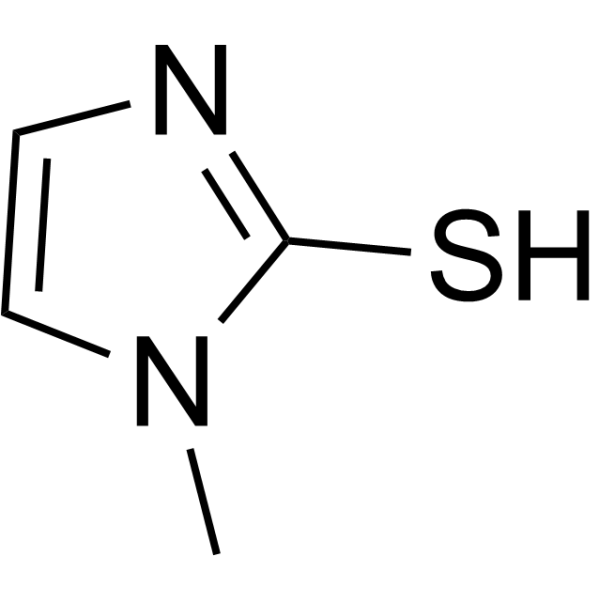
    Methimazole (Thiamazole) is an anti-thyroid agent, which blocks thyroid hormone production from the thyroid gland. Metamizol can cause hepatotoxicity .
    Methimazole
  • HY-W010800

    Topoisomerase DNA/RNA Synthesis Apoptosis Necroptosis Cancer
    Cholesteryl hemisuccinate is a with hepatoprotective an anticancer activity. Cholesteryl hemisuccinate inhibits Acetaminophen (AAP, HY-66005) hepatotoxicity, and prevents AAP-induced hepatic apoptosis and necrosis. Cholesteryl hemisuccinate inhibits DNA polymerase and DNA topoisomerase to inhibit DNA replication and repair and cell division. Thus, Cholesteryl hemisuccinate inhibits tumor growth .
    Cholesteryl hemisuccinate
  • HY-21065
    Tienilic acid
    2 Publications Verification

    Ticrynafen; ANP 3624

    Cytochrome P450 Cardiovascular Disease Metabolic Disease
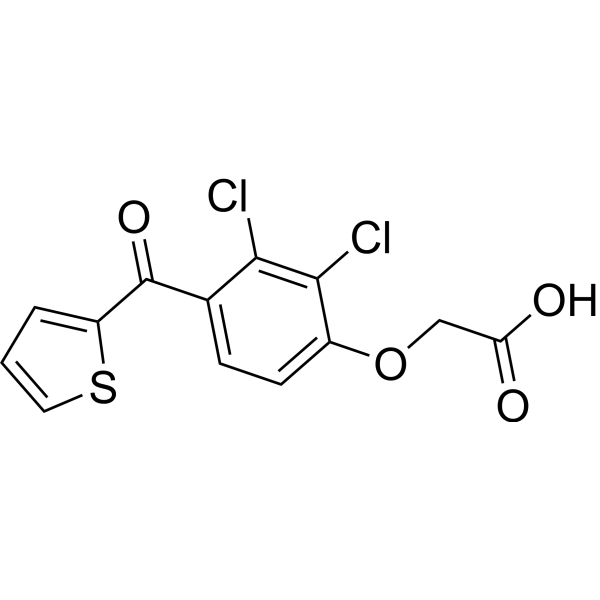
    Tienilic acid (Ticrynafen; ANP 3624) acts as a diuretic hypotensive agent. However, Tienilic acid induces hepatotoxicity. Tienilic acid is converted into electrophilic metabolites by cytochrome P450 (CYP) in vitro .
    Tienilic acid
  • HY-N0330
    Momordin Ic
    5 Publications Verification

    Apoptosis Autophagy PI3K c-Myc Metabolic Disease Inflammation/Immunology Cancer
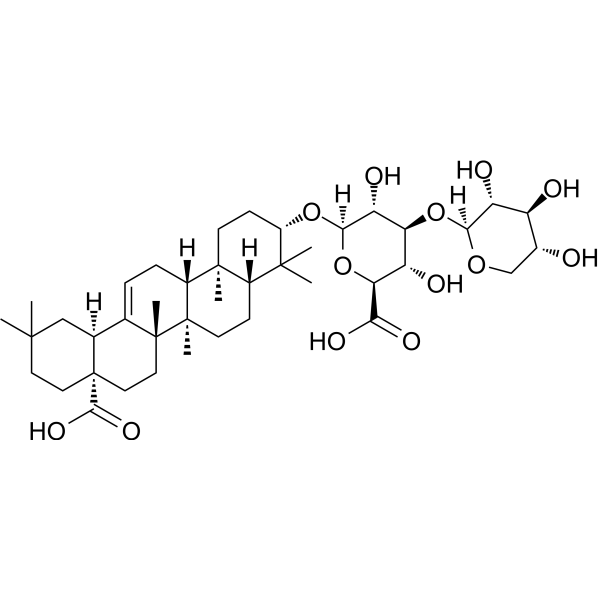
    Momordin Ic is an orally active triterpenoid saponin that can be isolated from Kochia scoparia. It is also a SUMO specific protease 1 (SENP1) inhibitor, SENP1/c-MYC signaling pathway inhibitor, and apoptosis inducer. Momordin Ic induces autophagy and apoptosis in liver cancer cells through the PI3K/Akt and MAPK signaling pathways mediated by reactive oxygen species. Momordin Ic has the ability to control glucose induced blood glucose elevation, inhibit gastric emptying, resist rheumatoid arthritis, reduce CCl4 (HY-Y0298) induced hepatotoxicity and anti-tumor activity .
    Momordin Ic
  • HY-N6638
    Retrorsine
    2 Publications Verification

    Others Metabolic Disease
    Retrorsine is a naturally occurring toxic pyrrolizidine alkaloid. Retrorsine can bind with DNA and inhibits the proliferative capacity of hepatocytes. Retrorsine can be used for the research of hepatocellular injury .
    Retrorsine
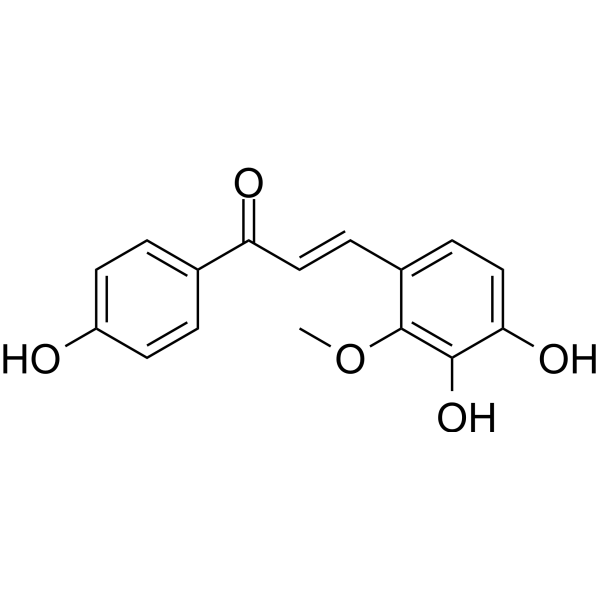
  • HY-N0373
    Licochalcone B
    Maximum Cited Publications
    12 Publications Verification

    Amyloid-β Apoptosis NOD-like Receptor (NLR) Neurological Disease
    Licochalcone B is an extract from the root of Glycyrrhiza uralensis. Licochalcone B inhibits amyloid β (42) self-aggregation (IC50=2.16 μM) and disaggregate pre-formed Aβ42 fibrils, reduce metal-induced Aβ42 aggregation through chelating metal ionsLicochalcone B inhibits phosphorylation of NF-κB p65 in LPS signaling pathway. Licochalcone B inhibits growth and induces apoptosis of NSCLC cells. Licochalcone B specifically inhibits the NLRP3 inflammasome by disrupting NEK7‐NLRP3 interaction .
    Licochalcone B
  • HY-W010800A

    Cholesterol hydrogen succinate Tris salt; CHS-Tris

    Biochemical Assay Reagents Topoisomerase DNA/RNA Synthesis Apoptosis Necroptosis Inflammation/Immunology Cancer
    Cholesterol hemisuccinate (Cholesterol hydrogen succinate) Tris salt is a compound with hepatoprotective and anticancer activity. Cholesterol hemisuccinate Tris salt inhibits Acetaminophen (AAP) (HY-66005) hepatotoxicity, and prevents AAP-induced hepatic apoptosis and necrosis. Cholesterol hemisuccinate Tris salt inhibits DNA polymerase and DNA topoisomerase to inhibit DNA replication and repair and cell division. Cholesterol hemisuccinate Tris salt inhibits tumor growth. Cholesterol hemisuccinate Tris salt can be used for buffer preparation .
    Cholesterol hemisuccinate Tris salt
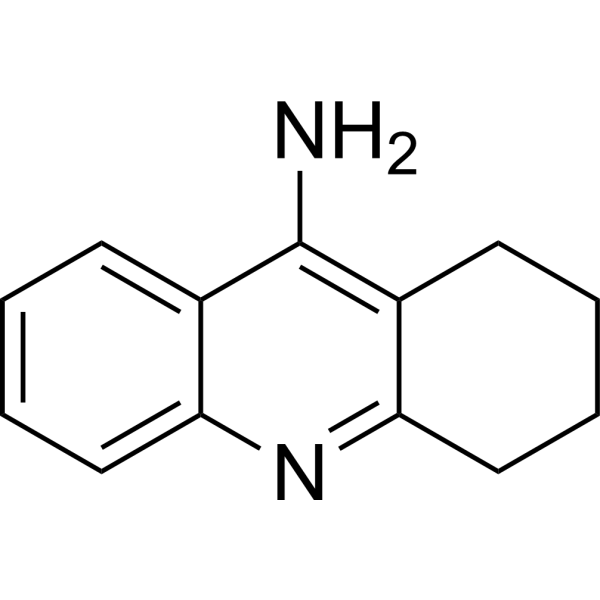
  • HY-111338
    Tacrine
    5+ Cited Publications

    Cholinesterase (ChE) Neurological Disease
    Tacrine is an effective oral acetylcholine (AChE) inhibitor (IC50 = 109 nM) and also acts as an active substrate for CYP1A2. Tacrine can restore cognitive dysfunction in elderly rats. Tacrine can cause liver toxicity and is used in research related to Alzheimer's disease .
    Tacrine
  • HY-W017464

    N-Acetyl-4-benzoquinone Imine

    Drug Metabolite Endogenous Metabolite Metabolic Disease
    NAPQI is the toxic metabolite of Acetaminophen (HY-66005). NAPQI is also an inhibitor of enzymes in the vitamin K cycle. NAPQI is rapidly detoxified by glutathione (GSH), but in situations of GSH deficiency, excess NAPQI reacts with cysteine residues in proteins, causing cell death and toxicity in the liver .
    NAPQI
  • HY-B0886A
    Iproniazid
    2 Publications Verification

    Monoamine Oxidase Apoptosis Neurological Disease Metabolic Disease Endocrinology
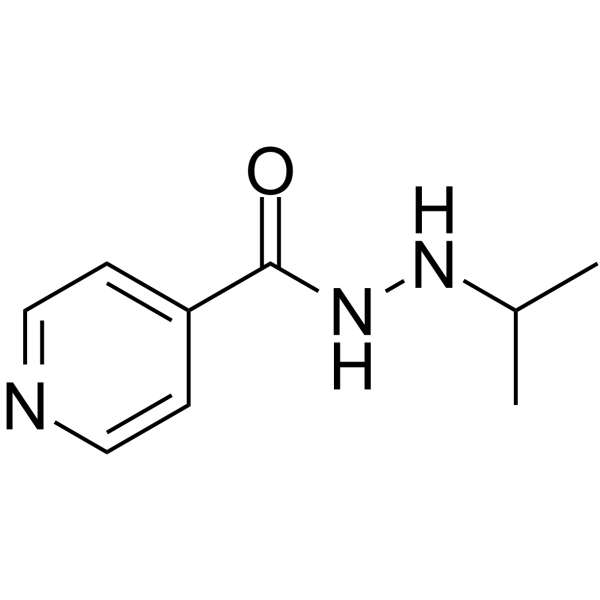
    Iproniazid is an orally active, irreversible, non-selective monoamine oxidase (MAO) inhibitor. Iproniazid inhibits MAO activity and enhances Rotenone (HY-B1756)-induced Apoptosis. Iproniazid modulates neurotransmitter levels, affects neuronal function, induces hepatic necrosis, and interferes with the endocrine system. Iproniazid can be used in the research of depression, Parkinson's disease, and hepatotoxicity .
    Iproniazid
  • HY-P2149A

    Mitosis Others Metabolic Disease
    Concanavalin A (agarose) is composed of Concanavalin A (HY-P2149) conjugated with agarose. Concanavalin A (ConA) is a selective competitive binder targeting the specific carbohydrate structures of glucose and mannose, inducing mitosis, and exhibiting certain cytotoxicity, hepatotoxicity, and teratogenicity. Concanav in A (agarose) can be used for in vivo blood glucose monitoring in diabetes, and for "fishing out" specific glycoproteins or removing sugar impurities from complex samples .
    Concanavalin A (agarose)
  • HY-N6807
    Elemicin
    1 Publications Verification

    Stearoyl-CoA Desaturase (SCD) Influenza Virus Bacterial Infection Cancer
    Elemicin is an orally active alkenylbenzene widely distributed in many herbs and spices. Elemicin inhibits Stearoyl-CoA Desaturase 1 (SCD1) by metabolic activation. Elemicin has anti-influenza activities, antimicrobial, antioxidant, and antiviral activities. Elemicin and its reactive metabolite of 1′-Hydroxyelemicin can induce hepatotoxicity .
    Elemicin
  • HY-108292

    NF-κB Neurological Disease Cancer
    Propacetamol hydrochloride is an orally active prodrug of paracetamol and an inducer of acute liver injury models, with multiple properties including antinociception, antioxidation and gastroprotection. Propacetamol hydrochloride potentiates Tramadol and attenuates Aspirin (HY-14654)-induced gastric mucosal damage and lipid peroxidation. Under specific conditions, Propacetamol hydrochloride also acts as a hepatotoxic inducer, triggering acute liver injury, oxidative stress and apoptosis, with strain differences in toxicity sensitivity. Propacetamol hydrochloride can be used in the research of acute liver injury, drug-induced hepatotoxicity and gastric mucosal damage .
    Propacetamol hydrochloride
  • HY-113486
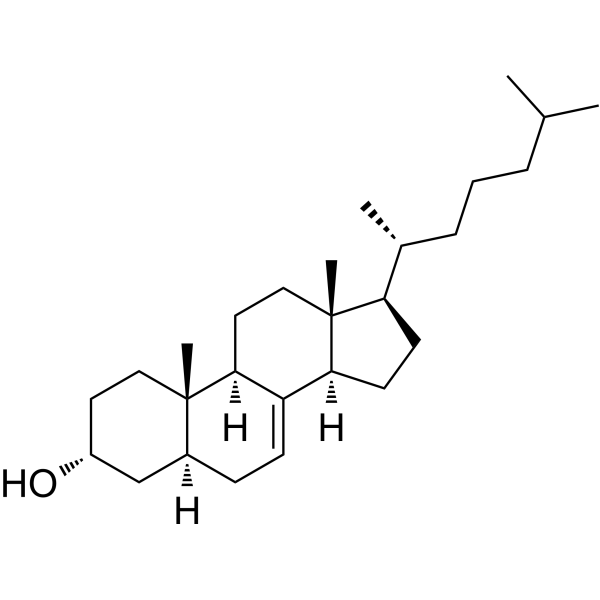
    Lathosterol
    2 Publications Verification

    Endogenous Metabolite SOD Lactate Dehydrogenase Metabolic Disease
    Lathosterol is a plant sterol and cholesterol-like molecule. Lathosterol increases antioxidant enzymes (such as SOD, CAT, and GSH) and decreases LDH. Lathosterol has a hepatoprotective effect on mice with acetaminophen (HY-66005)-induced liver injury [1] .
    Lathosterol
  • HY-B1169
    Timonacic
    1 Publications Verification

    1,3-Thiazolidine-4-carboxylic acid

    Amino Acid Derivatives Cardiovascular Disease Cancer
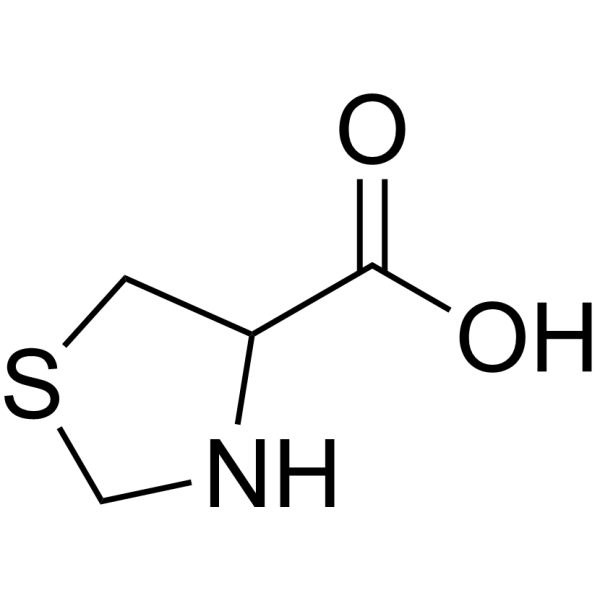
    Timonacic (1,3-Thiazolidine-4-carboxylic acid) is an orally active thiol antioxidant. Timonacic has anti-aging and anti-hepatotoxic effects. Timonacic has a LD50 of 400 mg/kg for mice. Timonacic can be used in the research of liver diseases, gastrointestinal diseases, and cancer .
    Timonacic
  • HY-75087

    (+)-(R)-Proline; (R)-(+)-Proline; (R)-2-Carboxypyrrolidine; (R)-Proline

    Endogenous Metabolite Metabolic Disease
    (R)-pyrrolidine-2-carboxylic acid ((+)-(R)-Proline) is a proline isomer that exhibits high renal and hepatotoxicity in rats. (R)-pyrrolidine-2-carboxylic acid can be used to study amino acid metabolism and toxicity mechanisms .
    (R)-pyrrolidine-2-carboxylic acid
  • HY-W275295

    PFDoA

    Reactive Oxygen Species (ROS) Caspase Mitochondrial Metabolism Neurological Disease Metabolic Disease
    Perfluorododecanoic acid (PFDoA) is an orally active, blood-brain barrier-permeable perfluorinated compound. Perfluorododecanoic acid increases Caspase 3 activity, disrupts mitochondrial membrane potential, and elevates ROS levels. Perfluorododecanoic acid induces cognitive deficits. Perfluorododecanoic acid exhibits hepatotoxicity .
    Perfluorododecanoic acid
  • HY-W042193

    δ-Valerolactam

    Endogenous Metabolite Metabolic Disease
    2-Piperidone is an endogenous metabolite. 2-Piperidone is the biomarker for the activity of CYP2E1 .
    2-Piperidone
  • HY-B0842
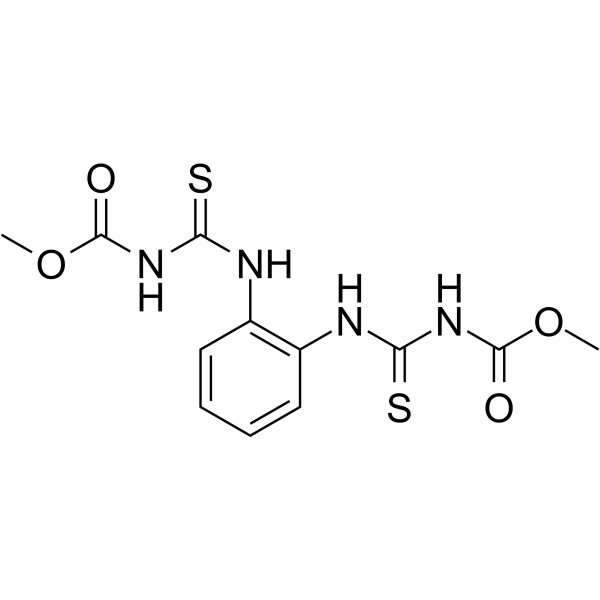
    Thiophanate-Methyl
    3 Publications Verification

    Environmental Pollutants Fungal Apoptosis Bcl-2 Family Caspase TNF Receptor SOD Reactive Oxygen Species (ROS) Infection
    Thiophanate-Methyl is a pesticide residue and fungicide. Thiophanate-Methyl induces hepatotoxicity via caspase-3-mediated apoptosis and oxidative stress, thereby causing metabolic imbalance in the liver of zebrafish. Thiophanate-Methyl impairs the rhizobacteria-mediated defense response of cucumber against fusarium wilt .
    Thiophanate-Methyl
  • HY-21197

    Perfluoroheptanoic acid; Tridecafluoroheptanoic acid; PFHpA

    PPAR Neurological Disease Metabolic Disease Inflammation/Immunology
    Perfluoroenanthic acid (Perfluoroheptanoic acid) is a kind of perfluoroalkyl carboxylic acid organic pollutant. Perfluoroenanthic acid has environmental persistence and bioaccumulation, and exposure can occur via oral, dermal and other routes. Perfluoroenanthic acid exhibits reproductive toxicity, neurotoxicity, hepatotoxicity, immunotoxicity and endocrine-disrupting effects. Perfluoroenanthic acid exerts definite adverse effects on development, spermatogenesis, neuronal activity and liver tissue .
    Perfluoroenanthic acid
  • HY-B0869A

    Environmental Pollutants SOD Acetolactate Synthase (ALS) Herbicide Metabolic Disease
    Bispyribac sodium is a selective, orally active, systemic and post-emergence herbicide. Bispyribac sodium reduces SOD levels and inhibits ALS activity. Bispyribac sodium blocks the biosynthesis of branched-chain amino acids, resulting in growth retardation, chlorosis and necrosis of weeds. Bispyribac sodium exerts herbicidal activity against grass, sedge and broadleaf weeds in rice fields. Bispyribac sodium is hepatotoxic and genotoxic .
    Bispyribac sodium
  • HY-12346

    NSC 12407; BRD-K4477

    Quinone Reductase Others
    FH1 (NSC 12407) is a NQO2 inhibitor with hepatoprotective effects. FH1 enhances hepatocyte function and promotes differentiation of induced pluripotent stem (iPS)-derived hepatocytes to a more mature phenotype and maturation of well-differentiated hepatocyte-like cell (iHeps) cultures. FH1 protects against Acetaminophen (HY-66005)-induced hepatotoxicity in both embryos and adult zebrafish .
    FH1
  • HY-W007318

    2-Iodophenylamine

    Drug Derivative Others
    2-Iodoaniline (2-Iodophenylamine) is an aniline derivative, and has potential hepatotoxic and nephrotoxic activity .
    2-Iodoaniline
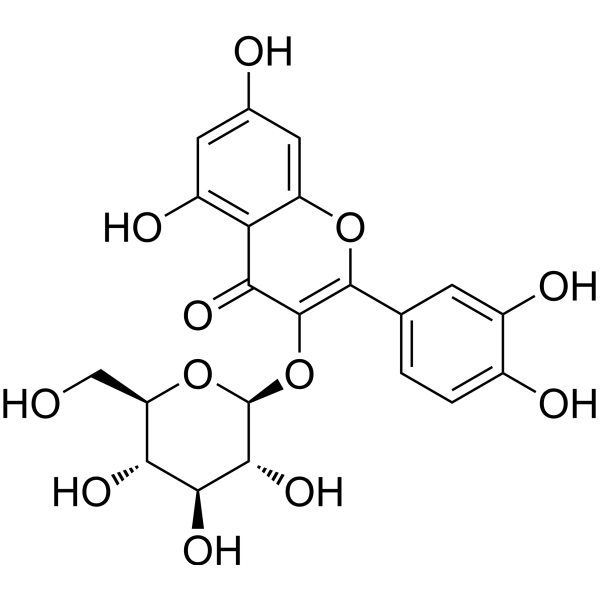
  • HY-N7905

    Others Inflammation/Immunology
    Myricetin 3'-glucoside is a glycoside derivative of quercetin. Myricetin 3'-glucoside significantly prevents ethanol-induced hepatotoxicity by reducing hepatic transaminase activity and inflammatory response in HepG2 cells. Myricetin 3'-glucoside has a certain protective effect on alcohol-induced liver injury .
    Myricetin 3'-glucoside
  • HY-B1483

    Thenylpyramine hydrochloride

    Environmental Pollutants Histamine Receptor Inflammation/Immunology
    Methapyrilene (Thenylpyramine) hydrochloride is an orally active H1-receptor antihistamine and an anticholinergic agent of the pyridine chemical class. Methapyrilene hydrochloride has hepatotoxicity and can be used as a hepatotoxin that cause periportal hepatic necrosis in vivo
    Methapyrilene hydrochloride
  • HY-128380

    N-​(2-​Chloroethyl)​dibenzylamine hydrochloride

    Adrenergic Receptor Metabolic Disease
    Dibenamine hydrochloride is a competitive and irreversible adrenergic blocking agent and is known to modify the pharmacological effects of epinephrine. Dibenamine hydrochloride cause a significant increase in the rate of destruction of I-epinephrine in the mouse .
    Dibenamine hydrochloride
  • HY-N7697B

    Others Others
    Chitobiose dihydrochloride is an orally active chitosan oligosaccharide (degree of polymerization 2). Chitobiose dihydrochloride shows hepatoprotective activity and counteracts CCl4-induced elevation of plasma aspartate transaminase and alanine transaminase activities in rats. Chitobiose dihydrochloride can be used for the research of carbon tetrachloride-induced acute hepatotoxicity .
    Chitobiose dihydrochloride
  • HY-N2168
    Pinoresinol 4-O-β-D-glucopyranoside
    1 Publications Verification

    (+)-Pinoresinol 4-O-β-D-glucopyranoside

    Glycosidase Estrogen Receptor/ERR Phosphodiesterase (PDE) Neurological Disease Metabolic Disease Cancer
    Pinoresinol 4-O-β-D-glucopyranoside ((+)-Pinoresinol 4-O-β-D-glucopyranoside) is an orally active α-glucosidase inhibitor, with an IC50 of 48.13 μg/mL. Pinoresinol 4-O-β-D-glucopyranoside binds to estrogen receptors. Pinoresinol 4-O-β-D-glucopyranoside inhibits phosphodiesterase. Pinoresinol 4-O-β-D-glucopyranoside exhibits various activities such as antioxidant, anti-inflammatory, anti-hyperglycemic, hepatoprotective and anti-epileptic effects .
    Pinoresinol 4-O-β-D-glucopyranoside
  • HY-W013058

    DBDPE; 1,2-Bis(perbromophenyl)ethane

    Biochemical Assay Reagents Neurological Disease Metabolic Disease
    Decabromodiphenyl ethane (DBDPE; 1,2-Bis(perbromophenyl)ethane) is a brominated flame retardant. Decabromodiphenyl ethane can exhibit neurotoxicity, thyroid toxicity, reproductive developmental toxicity, hepatotoxicity, and oxidative stress in living organisms .
    Decabromodiphenyl ethane
  • HY-101063

    Histamine Receptor Inflammation/Immunology
    Amthamine is a histamine receptor (H1R-H4R) agonist. Amthamine can produce liver congestion and necrosis of liver cells. Amthamine can be used to study the induction effect of H1R-H4 agonist on hepatotoxicity .
    Amthamine dihydrobromide
  • HY-N7697F

    Others Metabolic Disease
    Chitobiose is an orally active chitosan oligosaccharide (degree of polymerization 2). Chitobiose shows hepatoprotective activity and counteracts CCl4-induced elevation of plasma aspartate transaminase and alanine transaminase activities in rats. Chitobiose can be used for the research of carbon tetrachloride-induced acute hepatotoxicity .
    Chitobiose
  • HY-N1282

    Glutathione S-transferase Cytochrome P450 Cancer
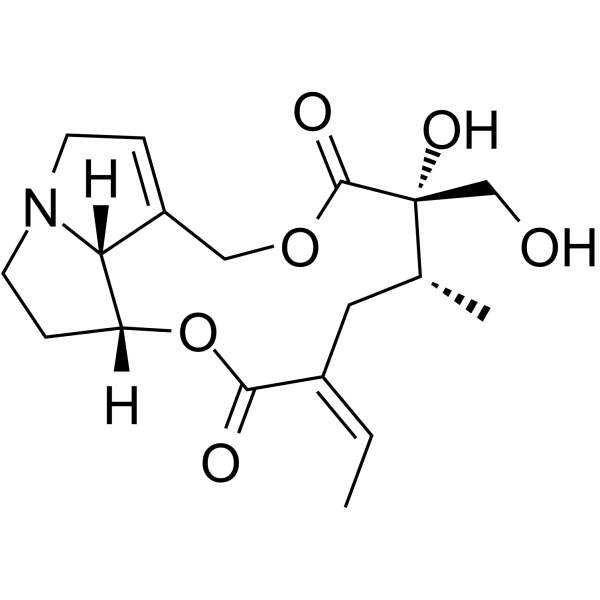
    Seneciphylline is an orally effective hepatotoxic inducer. Seneciphylline is metabolized by CYP450 enzymes into active intermediates, which covalently bind to intracellular biomacromolecules such as proteins and DNA to form adducts, which in turn trigger a series of toxic reactions, such as inducing cell apoptosis and damaging mitochondrial function. Seneciphylline can be used in hepatotoxicity research[1][2].
    Seneciphylline
  • HY-N2996

    HIV Protease Infection
    Ganodermanondiol is a melanogenesis inhibitor isolated from the Ganoderma lucidum .Ganodermanondiol exhibits potent cytoprotective effects on tert-butyl hydroperoxide-induced hepatotoxicity . Ganodermanondiol shows significant anti-HIV-1 protease activity with an IC50 of 90 μM . Ganodermanondiol exhibits a strong anticomplement activity against the classical pathway of the complement system with an IC50 of 41.7μM .
    Ganodermanondiol
  • HY-125539

    Antibiotic Phosphatase Fungal Infection
    Roridin E is a glucose-6-phosphatase (G6Pase) inhibitor and antibiotic, and is a metabolic byproduct of Roridin A (HY-N9599). Roridin E induces significant oxidative stress, characterized by depletion of glutathione in vivo, induction of hepatic lipid peroxidation, and inhibition of renal superoxide dismutase activity. Roridin E reduces blood glucose levels in rats, but exhibits acute toxicity (which is enhanced when co-administered with linoleic acid (HY-N0729)) and causes hepatotoxicity in male albino mice. Roridin E induces a decrease in total blood protein and increases in the levels of total lipids, γ-glutamyltransferase, alkaline phosphatase, and 5'-nucleotidase. Roridin E can be isolated from molds, and possesses cytostatic and antifungal activities similar to those of Verrucarin A (HY-107426) and Roridin A. Roridin E exhibits in vivo activity in rodents and is commonly used in hepatotoxicity-related studies .
    Roridin E
  • HY-B0886
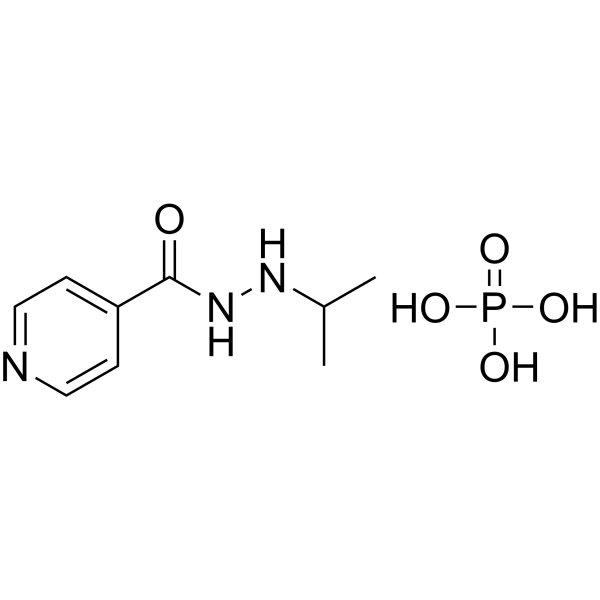
    Iproniazid phosphate
    2 Publications Verification

    Monoamine Oxidase Apoptosis Neurological Disease Metabolic Disease Endocrinology
    Iproniazid phosphate is an orally active, irreversible, non-selective monoamine oxidase (MAO) inhibitor. Iproniazid phosphate inhibits MAO activity and enhances Rotenone (HY-B1756)-induced Apoptosis. Iproniazid phosphate modulates neurotransmitter levels, affects neuronal function, induces hepatic necrosis, and interferes with the endocrine system. Iproniazid phosphate can be used in the research of depression, Parkinson's disease, and hepatotoxicity .
    Iproniazid phosphate
  • HY-148147

    Dipyrone free base; Methamizole

    Thyroid Hormone Receptor Cardiovascular Disease Cancer
    Metamizol (Methamizole) is an anti-thyroid agent, which blocks thyroid hormone production from the thyroid gland. Metamizol can cause hepatotoxicity .
    Metamizole
  • HY-N9279

    Monocrotaline pyrrole; MCTP; 3,8-Didehydromonocrotaline

    Endogenous Metabolite Cardiovascular Disease Cancer
    Dehydromonocrotaline is a mitochondrial respiratory chain complex I NADH oxidase inhibitor, with a IC50 of 62.06 μM and a Ki of 8.1 μM in rats. Dehydromonocrotaline exerts non-competitive inhibitory effects by modifying cysteine thiol groups on complex I, and does not bind to the NADH-binding site. Dehydromonocrotaline dissipates mitochondrial membrane potential and reduces ATP levels. Dehydromonocrotaline can be used in studies related to hepatotoxicity, pulmonary hypertension and liver tumors .
    Dehydromonocrotaline
  • HY-N7026
    Celosin I
    1 Publications Verification

    Others Metabolic Disease
    Celosin I, an oleanane-type triterpenoid saponin isolated from the seeds of Celosia argentea L, could be used as chemical markers for the quality control of C. argentea seeds. Celosin I exhibits significant hepatoprotective effect on carbon tetrachloride-induced and N,N-dimethylformamide-induced hepatotoxicity in mice .
    Celosin I
  • HY-W010800R

    Reference Standards Topoisomerase DNA/RNA Synthesis Apoptosis Necroptosis Cancer
    Cholesteryl hemisuccinate (Standard) is the analytical standard of Cholesteryl hemisuccinate. This product is intended for research and analytical applications. Cholesteryl hemisuccinate is a with hepatoprotective an anticancer activity. Cholesteryl hemisuccinate inhibits Acetaminophen (AAP, HY-66005) hepatotoxicity, and prevents AAP-induced hepatic apoptosis and necrosis. Cholesteryl hemisuccinate inhibits DNA polymerase and DNA topoisomerase to inhibit DNA replication and repair and cell division. Thus, Cholesteryl hemisuccinate inhibits tumor growth[1][2].
    Cholesteryl hemisuccinate (Standard)
  • HY-117082

    GBL-5g

    TNF Receptor Inflammation/Immunology
    UTL-5g (GBL-5g), an anti-inflammatory TNF-α inhibitor, has chemoprotective and liver radioprotective effects. UTL-5g lowers hepatotoxicity, nephrotoxicity, and myelotoxicity induced by Cisplatin through TNF-α inhibition among other factors .
    UTL-5g
  • HY-148642

    12-hydroxy-NVP; 12-OH-NVP

    Drug Metabolite Infection
    12-Hydroxynevirapine (12-hydroxy-NVP; 12-OH-NVP) is a major oxidative metabolite of Nevirapine (HY-10570). Nevirapine is a non-nucleoside reverse transcriptase inhibitor indicated for the HIV-1 infections. Nevirapine causes idiosyncratic hepatotoxicity and mild-to-severe skin rashes. 12-Hydroxynevirapine, a non-reactive metabolite, can be bioactivated by sulphotransferases (SULTs) in the liver and skin, yielding the reactive species 12-Sulphoxy-nevirapine .
    12-Hydroxynevirapine
  • HY-135627

    cyclo(L-Hyp-L-Ser)

    Endogenous Metabolite Others
    JBP485 (cyclo-trans-4-L-hydroxyprolyl-L-serine) is a dipeptide with anti-hepatotoxic and wound healing properties. JBP485 can be used for research of various kinds of corneal epithelial diseases .
    JBP485
  • HY-B0208S

    Isotope-Labeled Compounds Thyroid Hormone Receptor Endocrinology
    Methimazole-d3 is a deuterium labeled Methimazole (HY-B0208). Methimazole (Thiamazole) is an anti-thyroid agent, which blocks thyroid hormone production from the thyroid gland. Metamizol can cause hepatotoxicity .
    Methimazole-d3
  • HY-129508

    Histamine Receptor Inflammation/Immunology
    Amthamine is a histamine receptor (H1R-H4R) agonist. Amthamine can produce liver congestion and necrosis of liver cells. Amthamine can be used to study the induction effect of H1R-H4 agonist on hepatotoxicity .
    Amthamine
  • HY-146459
    Akt1-IN-1
    1 Publications Verification

    Akt Cancer
    Akt1-IN-1 (compound 5b) is a potent and selective Akt1 inhibitor with an IC50 value of 18.79 nM in MIA Paca-2 cells. Akt1-IN-1 does not exhibit obvious teratogenicity, hepatotoxicity and cardiotoxicity (No Observed Adverse Effect Level > 100 µM). Akt1-IN-1 can be used for researching anticancer .
    Akt1-IN-1
  • HY-108385

    Isotope-Labeled Compounds Endogenous Metabolite DNA/RNA Synthesis PPAR Reactive Oxygen Species (ROS) Apoptosis Fungal Inflammation/Immunology Cancer
    Ochratoxin A-D4 (Phe-​OTA-D4) is the deuterium labeled Ochratoxin A. Ochratoxin A is an orally active food-borne mycotoxin that can cross the blood-brain barrier. Ochratoxin A is a secondary metabolite of fungi belonging to the genera Aspergillus and Penicillium, and is classified as a Group 2B carcinogen. Ochratoxin A exerts its effects through multiple pathways, including inducing oxidative stress, inhibiting mitochondrial respiration, causing oxidative DNA damage, disrupting the PPAR-γ-CD36 axis, inducing immunosuppression, generating ROS, mediating mitochondria-dependent apoptosis, inhibiting glutamate uptake, triggering demyelination and neuroinflammation, inducing DNA hypomethylation, and inhibiting cell proliferation. Ochratoxin A can induce nephrotoxicity, hepatotoxicity, immunotoxicity, and neurotoxicity, and also exhibits mutagenicity, teratogenicity, and carcinogenicity.
    Ochratoxin A-D4
  • HY-N3765

    Apoptosis Metabolic Disease
    Diosbulbin D is a potential hepatotoxic compound that can be isolated from Dioscorea bulbifera L.. Diosbulbin D induces apoptosis in L-02 cells .
    Diosbulbin D
  • HY-138291

    Orphan Receptor Constitutive Androstane Receptor Keap1-Nrf2 Drug Metabolite Inflammation/Immunology
    Ethoxyquin dimer is a dimer of Ethoxyquin (HY-B1425). Ethoxyquin dimer is an antioxidant. Ethoxyquin dimer can more readily accumulate in liver and adipose tissue compared with Ethoxyquin. Ethoxyquin above 10 mg/kg shows hepatotoxicity in mice .
    Ethoxyquin dimer
  • HY-B1169R

    1,3-Thiazolidine-4-carboxylic acid (Standard)

    Amino Acid Derivatives Reference Standards Cardiovascular Disease Cancer
    Timonacic (Standard) is the analytical standard of Timonacic. This product is intended for research and analytical applications. Timonacic (1,3-Thiazolidine-4-carboxylic acid) is an orally active thiol antioxidant. Timonacic has anti-aging and anti-hepatotoxic effects. Timonacic has a LD50 of 400 mg/kg for mice. Timonacic can be used in the research of liver diseases, gastrointestinal diseases, and cancer .
    Timonacic (Standard)

Inquiry Online

Your information is safe with us. * Required Fields.

Salutation


Country or Region *

Applicant Name *


Organization Name *

Department *


Email Address *


Product Name *

Cat. No.


Requested quantity *

Phone Number *


Remarks

Inquiry Online

Inquiry Information

Product Name:
Cat. No.:
Quantity:
MCE Japan Authorized Agent:

