Search Result
Results for "
LOXs
" in MedChemExpress (MCE) Product Catalog:
2
Biochemical Assay Reagents
3
Isotope-Labeled Compounds
| Cat. No. |
Product Name |
Target |
Research Areas |
Chemical Structure |
-
- HY-Y1750
-
-
-
- HY-12341
-
|
|
Lipoxygenase
|
Inflammation/Immunology
|
|
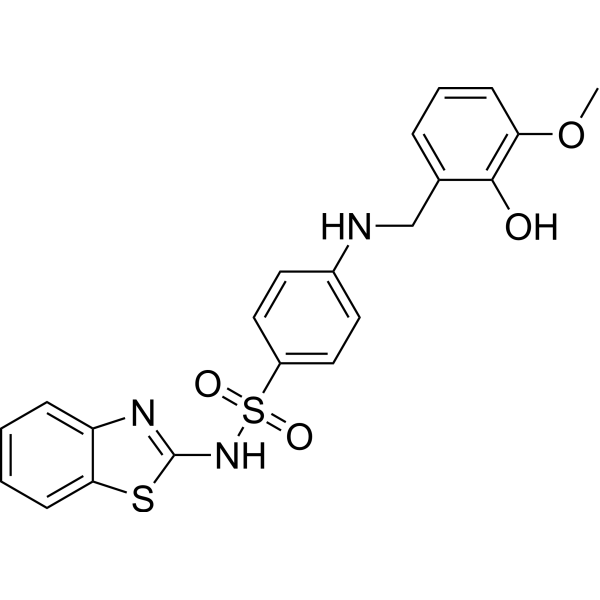
ML355 is a potent and selective inhibitor of 12-Lipoxygenase (12-LOX) with an IC50 of 0.34 μM, shows excellent selectivity over related lipoxygenases and cyclooxygenases, and possesses favorable ADME properties.
|
-
-
- HY-111310
-
ML351
2 Publications Verification
|
Lipoxygenase
|
Neurological Disease
Metabolic Disease
|
|
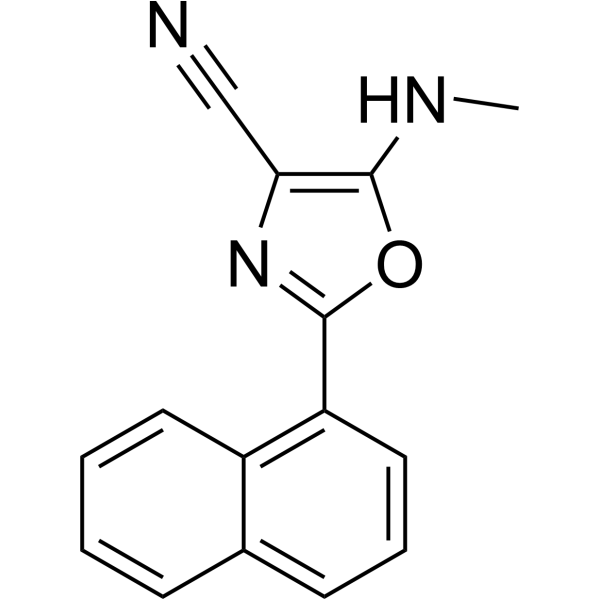
ML351 is a potent and highly specific 15-LOX-1 inhibitor with an IC50 of 200 nM. ML351 shows excellent selectivity (>250-fold) versus the related isozymes, 5-LOX, platelet 12-LOX, 15-LOX-2, ovine COX-1, and human COX-2 . ML351 prevents dysglycemia and reduces β-cell oxidative stress in nonobese diabetic mouse model of T1D .
|
-
-
- HY-P99646
-
|
MEDI6570
|
LOX-1
|
Metabolic Disease
Inflammation/Immunology
|
|
Gocdacimab (MEDI6570) is a fully human IgG1 monoclonal antibody inhibitor targeting the lectin-like oxidized low-density lipoprotein receptor LOX-1. By binding to LOX-1 and blocking its function, gocdacimab effectively reduces the level of free soluble LOX-1, thereby inhibiting key pathological processes such as lipid accumulation, foam cell formation, and vascular wall inflammation. Gocdacimab can interfere with atherosclerosis-related mechanisms, and it is used for research on atherosclerosis, and type 2 diabetes mellitus .
|
-

-
- HY-N2176
-
|
(+)-Marmesin; (S)-Marmesin
|
COX
Lipoxygenase
|
Others
|
|
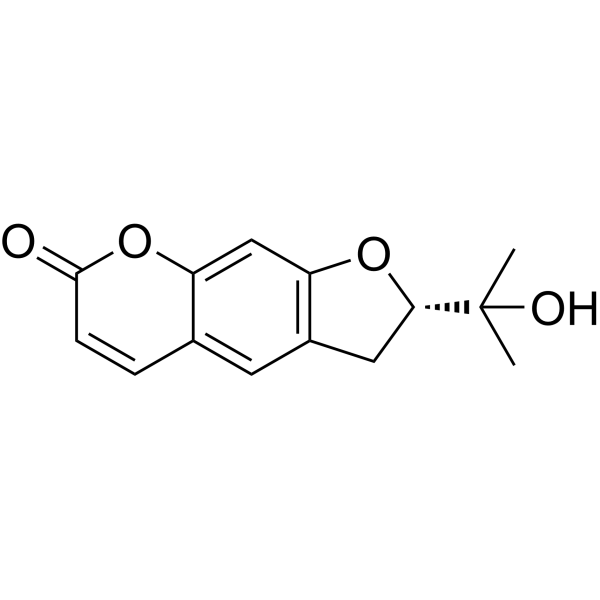
S-(+)-Marmesin is a natural coumarin, exhibiting COX-2/5-LOX dual inhibitory activity.
|
-
-
- HY-138625A
-
|
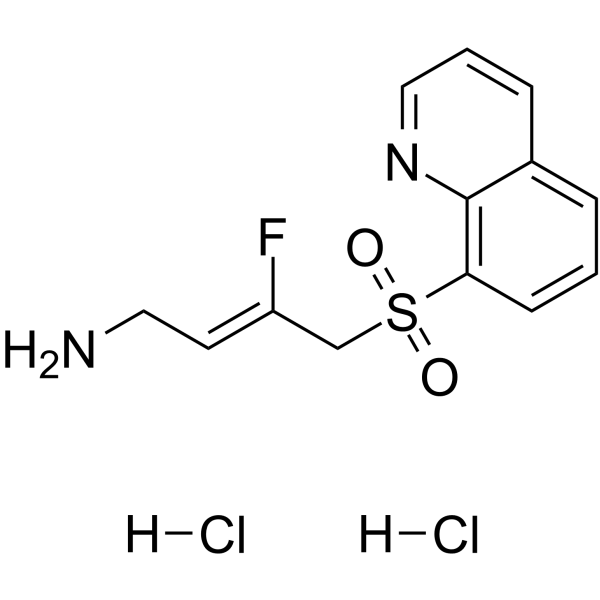
LOX-IN-3 dihydrochloride
|
Monoamine Oxidase
|
Cancer
|
|
PXS-5505 anhydrous (LOX-IN-3 dihydrochloride) is an orally active lysyl oxidase (LOX) inhibitor. PXS-5505 anhydrous can be used for fibrosis, cancer and angiogenesis research .
|
-
-
- HY-N0232
-
|
|
COX
Lipoxygenase
Notch
Reactive Oxygen Species (ROS)
Bacterial
|
Cancer
|
|
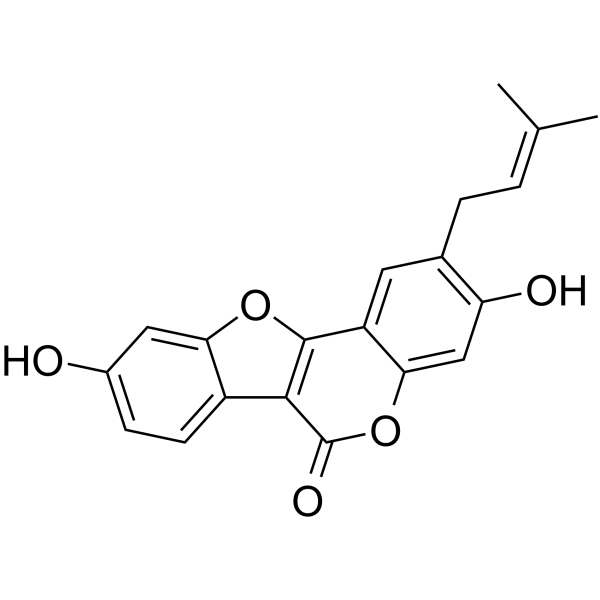
Psoralidin is a dual inhibitor of COX-2 and 5-LOX, regulates ionizing radiation (IR)-induced pulmonary inflammation.Anti-cancer, anti-bacterial, and anti-inflammatory properties . Psoralidin significantly downregulates NOTCH1 signaling. Psoralidin also greatly induces ROS generation .
|
-
-
- HY-138625
-
|
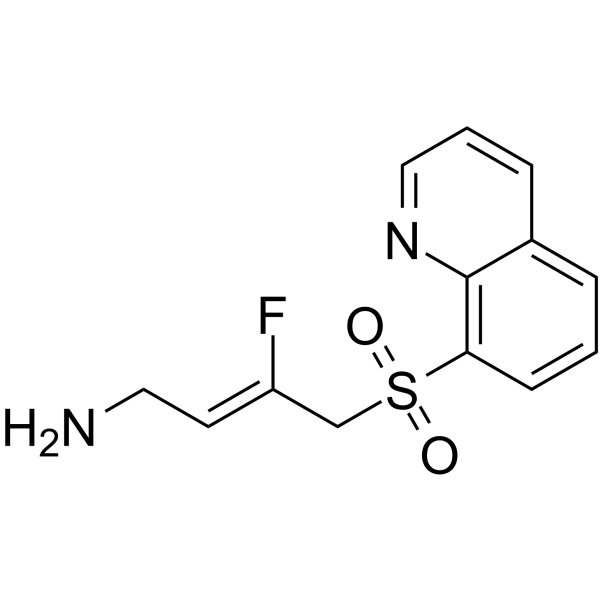
LOX-IN-3
|
Monoamine Oxidase
|
Cancer
|
|
PXS-5505 free base (LOX-IN-3) is an orally active lysyl oxidase (LOX) inhibitor. PXS-5505 free base can be used for fibrosis, cancer and angiogenesis research .
|
-
-
- HY-23999
-
BI-0115
2 Publications Verification
|
LOX-1
|
Cardiovascular Disease
|
|
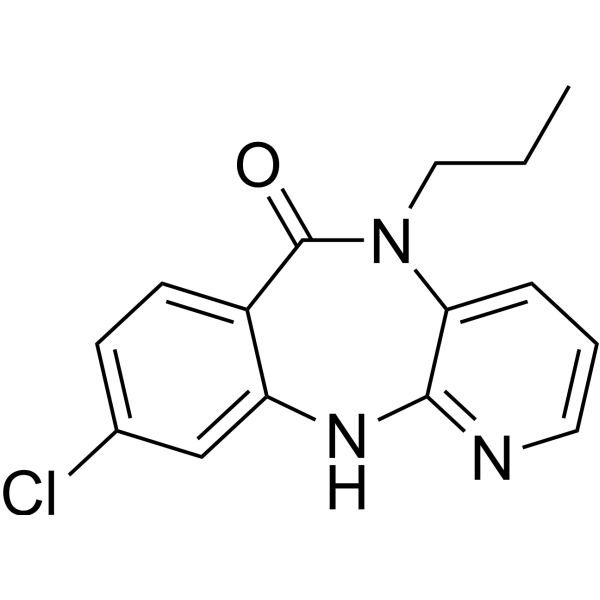
BI-0115 is a selective inhibitor of LOX-1 (IC50=5.4 μM) that blocks cellular uptake of oxLDL. BI-0115 binding triggers receptor inhibition by formation of dimers of the homodimeric ligand binding domain .
|
-
-
- HY-B1452
-
|
ML-3000
|
COX
Lipoxygenase
Apoptosis
|
Inflammation/Immunology
Cancer
|
|
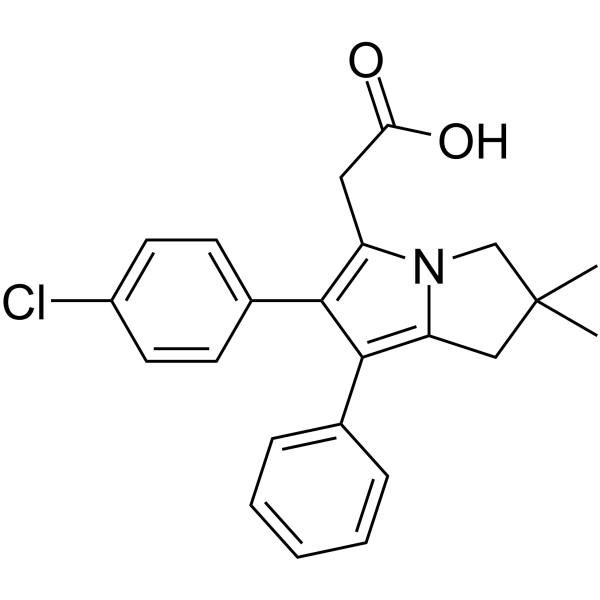
Licofelone (ML-3000) is a dual COX/5-lipoxygenase (5-LOX) inhibitor (IC50=0.21/0.18 μM, respectively) for the treatment of osteoarthritis. Licofelone exerts anti-inflammatory and anti-proliferative effects. Licofelone induces apoptosis, and decreases the production of proinflammatory leukotrienes and prostaglandins .
|
-
-
- HY-138989
-
|
|
Lipoxygenase
|
Inflammation/Immunology
|
|
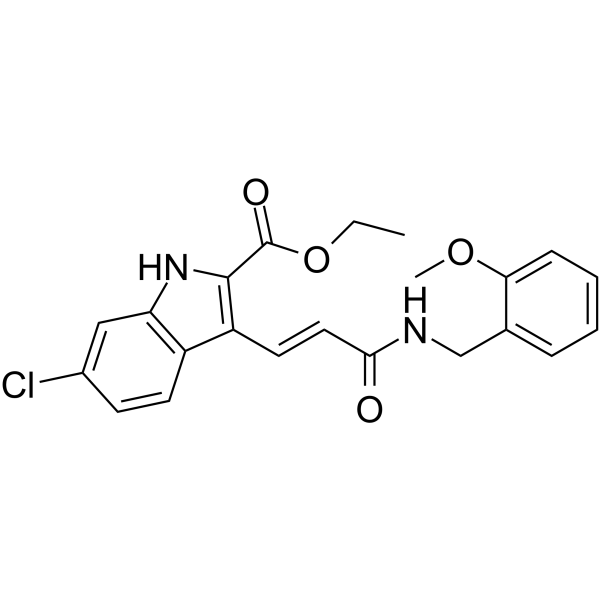
15-LOX-1 inhibitor 1 is a potent inhibitor of 15-LOX-1 (15-lipoxygenase-1) with an IC50 value of 0.19 μM. 15-LOX-1 inhibitor 1 protects macrophages from lipopolysaccharide-induced cytotoxicity. 15-LOX-1 inhibitor 1 inhibits NO formation and lipid peroxidation .
|
-
-
- HY-139196
-
-
-
- HY-10439
-
|
|
PGE synthase
|
Inflammation/Immunology
|
|
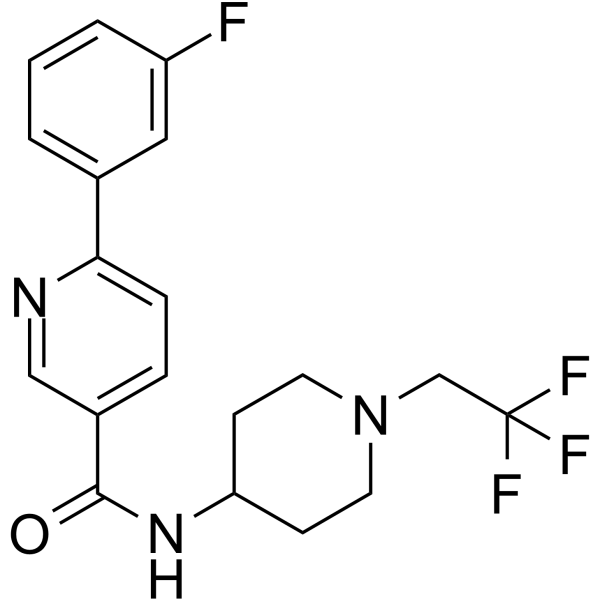
HPGDS inhibitor 1 is a potent, selective and orally active Hematopoietic Prostaglandin D Synthase (HPGDS) inhibitor with an IC50s of 0.6 nM and 32 nM in enzyme and cellular assays, respectively. HPGDS inhibitor 1 does not inhibit human L-PGDS, mPGES, COX-1, COX-2, or 5-LOX .
|
-
-
- HY-W009248
-
|
|
COX
Lipoxygenase
|
Inflammation/Immunology
|
|
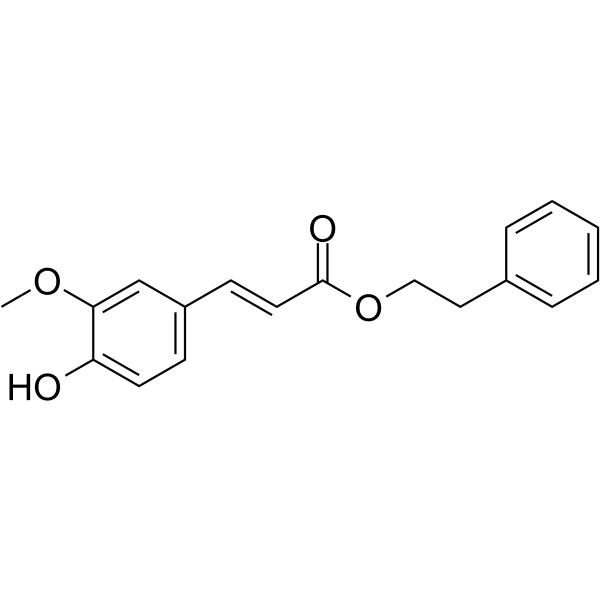
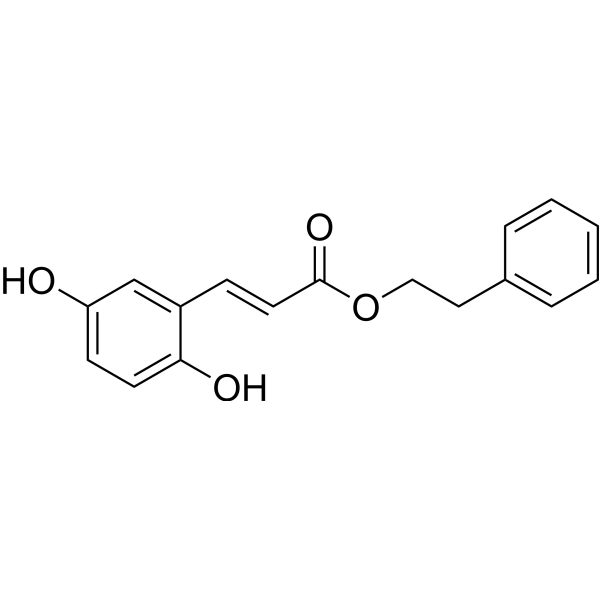
Phenethyl ferulate is a major constituent ofQianghuo, shows inhibitory activity against cyclooxygenase (COX) and 5-lipoxygenase (5-LOX) with IC50 values of 4.35 μM and 5.75 μM, respectively .
|
-
-
- HY-170538
-
|
|
Lysyl Oxidase
Cytochrome P450
|
Cardiovascular Disease
Metabolic Disease
|
|
SNT-5382 is a lysyl oxidase family (LOX) inhibitor and anti-fibrotic agent. SNT-5382 binds to the LTQ cofactor of LOXL2 and inhibits the enzymatic activities of LOXL3, LOXL4, LOXL1, CYP2C9, and CYP2C19. SNT-5382 reduces cardiac and liver fibrosis as well as collagen crosslinks, and improves cardiac function. SNT-5382 can be used for the research of heart failure, myocardial infarction, and nonalcoholic steatohepatitis-related liver fibrosis .
|
-

-
- HY-149922
-
|
|
LOX-1
|
Cardiovascular Disease
|
|
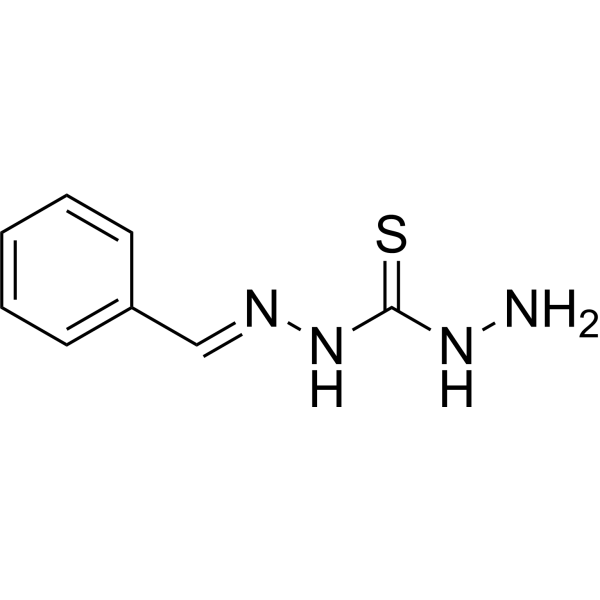
DKI5, also known as (E)-N’-benzylidenehydrazinecarbothiohydrazide, is a LOX-1 inhibitor with an IC50 value of 22.5 μM .
|
-
-
- HY-121585
-
|
|
Lipoxygenase
|
Inflammation/Immunology
|
|
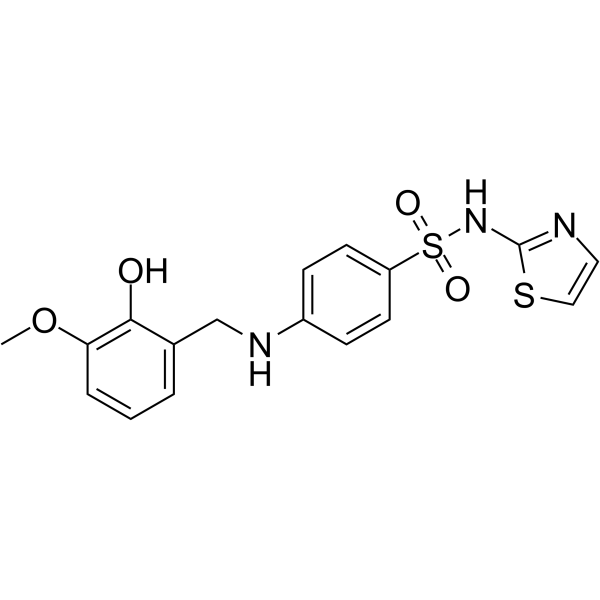
CAY10698 (compound 1) is a potent and selective inhibitor of 12-Lipoxygenase (12-LOX) with an IC50 of 5.1 μM. CAY10698 is inactive against 5-LOX, 15-LOX-1, 15-LOX-2 and COX-1/2 .
|
-
-
- HY-117048
-
|
PF-04191834
|
Lipoxygenase
|
Inflammation/Immunology
|
|
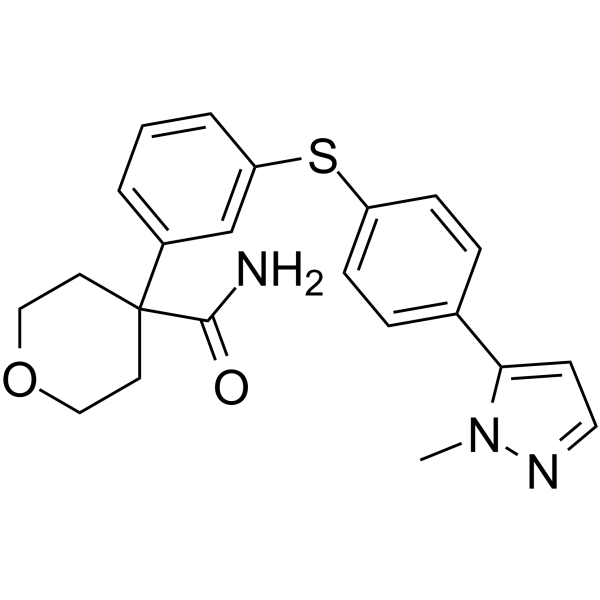
PF-4191834 (PF-04191834) is an orally active, noniron chelating, and non-redox inhibitor of the 5-Lipoxygenase (5-LOX) (IC50=229 nM), displays ~300-fold selectivity for 5-LOX over 12-LOX and 15-LOX, shows no activity toward the cyclooxygenase enzymes, and is effective in inflammation and pain .
|
-
-
- HY-148134
-
|
|
Lipoxygenase
|
Inflammation/Immunology
|
|
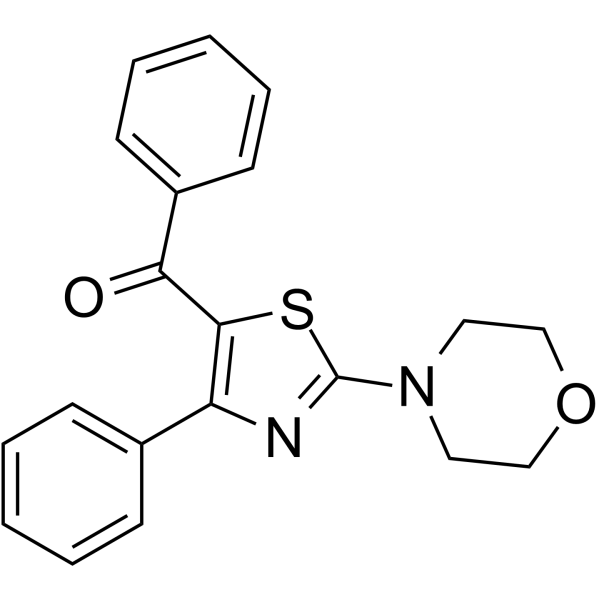
5-LOX-IN-1 (compound 2b) is an inhibitor of human 5-Lipoxygenase (5-LOX) with an IC50 value of 2.3 μM. 5-LOX-IN-1 can be used for the research of inflammation .
|
-
-
- HY-Y1750A
-
-
-
- HY-170573A
-
|
|
Monoamine Oxidase
|
Cancer
|
|
LOX-IN-5 tosylate (compound 22) is a selective and orally active lysyl oxidase-like 2 (LOXL2) inhibitor with an IC50 of <300 nM. LOX-IN-5 tosylate possess anti-fibrosis properties .
|
-

-
- HY-151498A
-
|
|
Monoamine Oxidase
|
Others
|
|
PXS-4787 hydrochloride is a specific and effective pan-LOX (lysyl oxidase) inhibitor for abolishing lysyl oxidase activity. PXS-4787 hydrochloride inhibits LOX with IC50s of 2 μM (Bovine LOX), 3.2 μM (rh LOXL1), 0.6 μM (rh LOXL2), 1.4 μM (rh LOXL3), 0.2 μM (rh LOXL4), respectively. PXS-4787 hydrochloride reduces deposition and crosslinking of collagen I secreted by human fibroblasts .
|
-

-
- HY-105024
-
|
|
Lipoxygenase
COX
|
Inflammation/Immunology
|
|
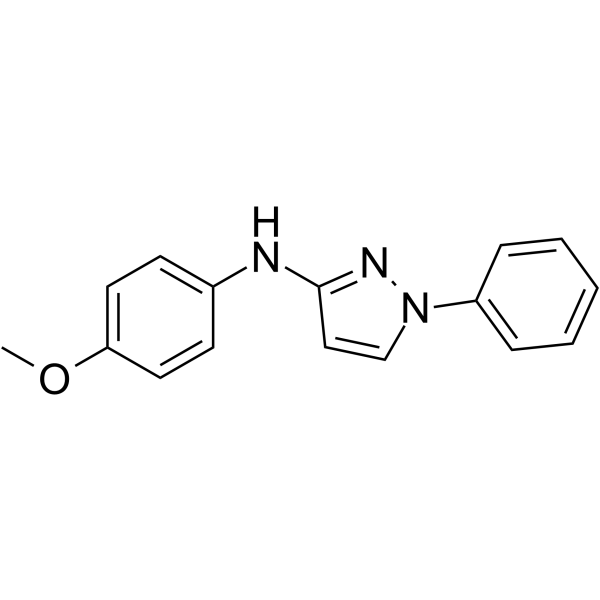
FPL 62064 is a potent 5-lipoxygenase (5-LOX) and COX dual inhibitor, with IC50 values of 3.5 μM and 3.1 μM for RBL-1 cytosolic 5-lipoxygenase and prostaglandin synthetase (cyclooxygenase), respectively. FPL 62064 has potent anti-inflammatory activity .
|
-
-
- HY-173332
-
|
|
LOX-1
|
Inflammation/Immunology
|
|
15-LOX-1 inhibitor 2 (Compound 5i) is an inhibitor of 15-lipoxygenase-1 (15-LOX-1) with an IC50 of 1.7 μM. 15-LOX-1 inhibitor 2 inhibits the activity of 15-LOX-1 enzyme, reduces the production of lipid peroxides, thereby inhibiting lipid peroxidation and protecting cells from cell death induced by RSL3 (HY-100218A). 15-LOX-1 inhibitor 2 can be used in research on cell death mechanisms, oxidative stress-related diseases and other fields .
|
-

-
- HY-138939
-
|
|
Lipoxygenase
|
Cancer
|
|
5-LOX-IN-2, an inhibitor of 5-lipoxygenase (5-LOX) with an IC50 of 0.33 μM, inhibits 5-LOX in a dose-dependent manner . 5-LOX-IN-2, reduces the cell viability of renal cancer cells and induces apoptosis, can be used for cancer research .
|
-
-
- HY-116763
-
|
|
COX
LOX-1
|
|
|
COX-2/5-LOX-IN-4 (Compound 1) is a dual inhibitor that acts on both COX-2 and 5-LOX, with IC50 values of 0.05 μM for COX-2 and 0.003 μM for 5-LOX. By inhibiting the arachidonic acid metabolism pathway, COX-2/5-LOX-IN-4 reduces the production of prostaglandins and leukotrienes, alleviating inflammatory responses. In a rat ear edema model, intravenous administration (0.01 and 0.1 mg/kg) reduced edema by 41% and 44%, respectively, demonstrating significant anti-inflammatory effects. COX-2/5-LOX-IN-4 shows promise for studying the mechanisms of inflammatory diseases .
|
-

-
- HY-W488004
-
-
-
- HY-151498
-
|
|
Monoamine Oxidase
|
Others
|
|
PXS-4787 is a specific and effective pan-LOX (lysyl oxidase) inhibitor for abolishing lysyl oxidase activity. PXS-4787 inhibits LOX with IC50s of 2 μM (Bovine LOX), 3.2 μM (rh LOXL1), 0.6 μM (rh LOXL2), 1.4 μM (rh LOXL3), 0.2 μM (rh LOXL4), respectively .
|
-
-
- HY-117317
-
|
|
Lipoxygenase
|
Inflammation/Immunology
|
|
BLX-2477 is a potent and selective 15-lipoxygenase-1 (15-LOX-1) inhibitor with an IC50 value of 99 nM. BLX-2477 can inhibit the generation of inflammatory lipid mediators such as 15-hydroxy-eicosatetraenoic acid (15-HETE). BLX-2477 can be used for the research of inflammation and immunology .
|
-

-
- HY-118110
-
-
-
- HY-151173
-
|
|
Xanthine Oxidase
Lipoxygenase
COX
|
Metabolic Disease
Inflammation/Immunology
|
|
XO/COX/LOX-IN-1 is a XO/COX/LOX inhibitor with an IC50 of 3.2 μM against rat XO, 10.83 μM against 5-LOX, 12.67 μM against COX-1, and 8.31 μM against COX-2. XO/COX/LOX-IN-1 binds to the active sites of XO, 5-LOX, COX-1 and COX-2, thereby blocking enzyme activities associated with uric acid, leukotriene, prostaglandin synthesis and inflammatory pathways. XO/COX/LOX-IN-1 can be used in the research of hyperuricemia and inflammation .
|
-
-
- HY-139055
-
-

-
- HY-155244
-
|
|
Lipoxygenase
DNA/RNA Synthesis
|
Inflammation/Immunology
|
|
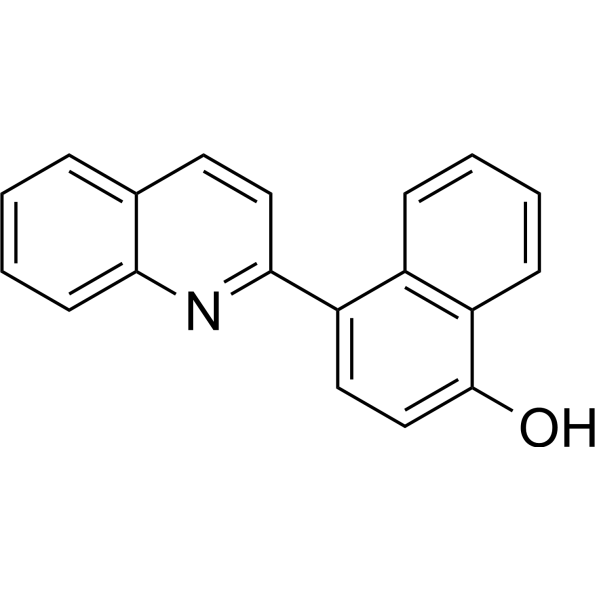
12R-LOX-IN-2 (compound 7b) is an inhibitor of 12R-lipoxygenase (12R-LOX). 12R-LOX-IN-2 inhibits imiquimod (IMQ)-induced hyperproliferation of psoriatic keratinocytes and suppresses colony formation. 12R-LOX-IN-2 also reduced the protein level of Ki67 and the mRNA expression of IL-17A in IMQ-induced cells. 12R-LOX-IN-2 can be used in research into psoriasis and other skin-related inflammatory diseases .
|
-
-
- HY-138625B
-
|
LOX-IN-3 dihydrochloride monohydrate
|
Monoamine Oxidase
|
Cardiovascular Disease
Cancer
|
|
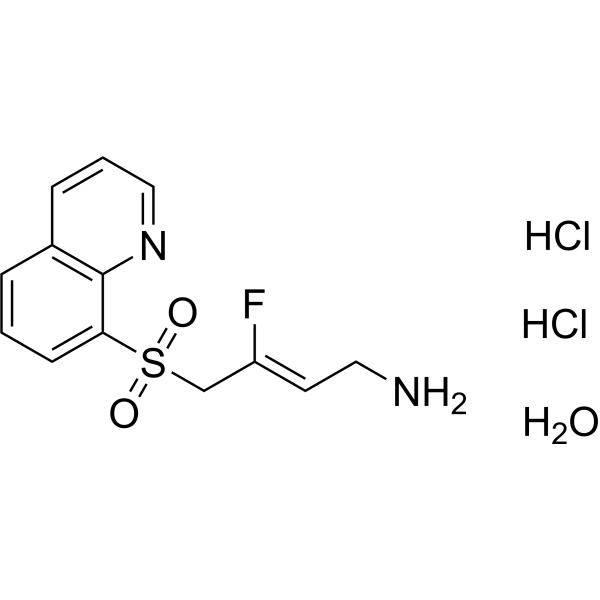
PXS-5505 (LOX-IN-3 dihydrochloride monohydrate) (Compound 33) is an orally active lysyl oxidase (LOX) inhibitor. PXS-5505 can be used for fibrosis, cancer and angiogenesis research .
|
-
-
- HY-124722
-
|
|
HIF/HIF Prolyl-Hydroxylase
|
Cancer
|
|
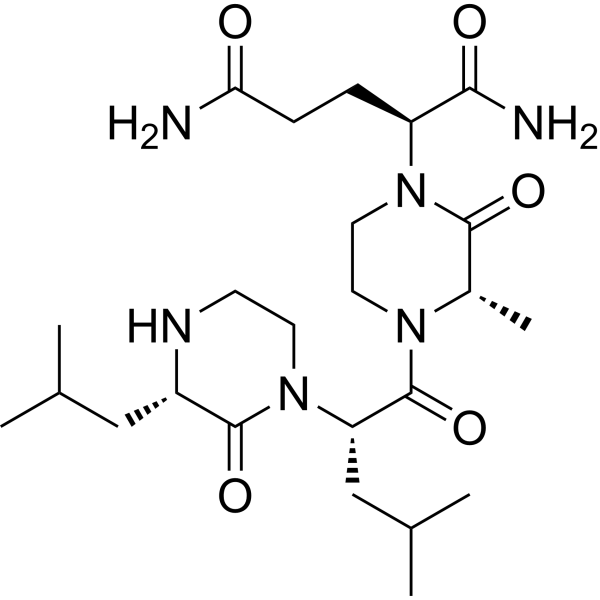
OHM1 is an analog of HIF1α CTAD that inhibits its binding with p300/CBP. OHM1 targets CH1 domain with an affinity of 0.53 μM .
|
-
-
- HY-127170R
-
|
|
Lipoxygenase
Reference Standards
|
Others
|
|
3-Hydroxycoumarin (Standard) is the analytical standard of 3-Hydroxycoumarin. This product is intended for research and analytical applications. 3-hydroxycoumarin is a potent and redox inhibitor of human 15-LOX-1. 3-hydroxycoumarin is recently demonstrated to protect sea urchin reproductive cells against ultraviolet B damage .
|
-

-
- HY-175970
-
|
|
Lipoxygenase
|
Neurological Disease
|
|
MLS000099089 is a 12/15-lipoxygenase (12/15-LOX) inhibitor with IC50 values of 3.4 μM and 10 μM for human and mice 12/15-LOX, respectively. MLS000099089 displays higher selectivity for 12/15-LOX over 5-LOX and COX-2. MLS000099089 can be used for the study of stroke .
|
-

-
- HY-W009671
-
|
|
Lipoxygenase
|
Cancer
|
|
3-Chloroiminodibenzyl (compound 8) is a dual inhibitor of sHE and 5-LOX. 3-Chloroiminodibenzyl inhibits sHE and 5-LOX with IC50 of 140 μM and 6.5 μM, respectively .
|
-

-
- HY-153930
-
-
-
- HY-168768
-
|
|
Ferroptosis
Lipoxygenase
|
Cancer
|
|
FerroLOXIN-1 is a potent inhibitor of 15LOX-2 that selectively blocked production of pro-ferroptotic HOO-ETE-PE and protected against RSL3-induced ferroptosis. FerroLOXIN-1 closely interacted therein with 15LOX-2 only, and in particular with Y154, N155, W158 .
|
-

-
- HY-Y1750R
-
-

-
- HY-170573
-
|
|
Monoamine Oxidase
|
Cancer
|
|
LOX-IN-5 (compound 22) is a selective and orally active lysyl oxidase-like 2 (LOXL2) inhibitor with an IC50 of <300 nM. LOX-IN-5 possess anti-fibrosis properties .
|
-

-
- HY-158204
-
|
|
Lipoxygenase
Amyloid-β
Reactive Oxygen Species (ROS)
Apoptosis
|
Neurological Disease
Metabolic Disease
Inflammation/Immunology
|
|
CNB-001 is a potent and orally active 5-lipoxygenase (5-LOX) inhibitor. CNB-001 can decreases 5-LOX expression and increase proteasome activity. CNB-001 can inhibit accumulation of soluble Amyloid-β and ubiquitinated aggregated proteins. CNB-001 can inhibit apoptosis, ROS production and stabilize mitochondrial membrane potential. CNB-001 can reduce insulin resistance and increase glucose uptake. CNB-001 also exhibits anti-ischemic, anti-inflammatory effects. CNB-001 can be used for the researches of inflammation, neurological and metabolic disease, such as Alzheimer's disease, stroke and diabetes .
|
-
-
- HY-106835
-
|
VUFB 16066
|
COX
Lipoxygenase
|
Inflammation/Immunology
|
|
Flobufen (VUFB 16066) is a non-steroidal anti-inflammatory agent and cyclooxygenase (COX) and 5-lipoxygenase (5-LOX) inhibitor agent. Flobufen inhibits alloantigen-driven cellular immune responses and stimulates phagocytosis of peritoneal cells. Flobufen can improve immunopathological disorders and has an inhibitory effect on rheumatoid arthritis .
|
-

-
- HY-N8764
-
-
-
- HY-168632
-
|
|
Topoisomerase
Apoptosis
|
Cancer
|
|
Topoisomerase I/II inhibitor 6 (compound 3i) is a potent inhibitor of topoisomerase I and II with IC50s of 4.77 and 15 µM, respectively. Topoisomerase I/II inhibitor 6 shows antiproliferative activities against human melanoma LOX IMVI cancer cell line with IC50 values of 26.7 and 25.4 µM, respectively. Topoisomerase I/II inhibitor 6 provokes substantial levels of early, late apoptosis and increases the expression level of active caspase-3 .
|
-

-
- HY-170957
-
-

-
- HY-149476
-
|
|
Lipoxygenase
|
Neurological Disease
|
|
5-LOX-IN-5 (Compound 29) is a 5-LOX inhibitor (IC50: 56 nM). 5-LOX-IN-5 can be used for research of neurodegenerative diseases .
|
-
-
- HY-155407
-
|
|
FLAP
|
Inflammation/Immunology
|
|
ALR-6 is an antagonist of the 5-lipoxygenase (5-LOX) activating protein FLAP and has anti-inflammatory activity. ALR-6 potently inhibits 5-LOX product formation (>80%) in pro-inflammatory M1-MDM and has no significant effect on direct inhibition of 5-LOX .
|
-
-
- HY-161908
-
-

- HY-161315
-
-
- HY-161907
-
-

- HY-147951
-
|
|
COX
Lipoxygenase
|
Inflammation/Immunology
|
|
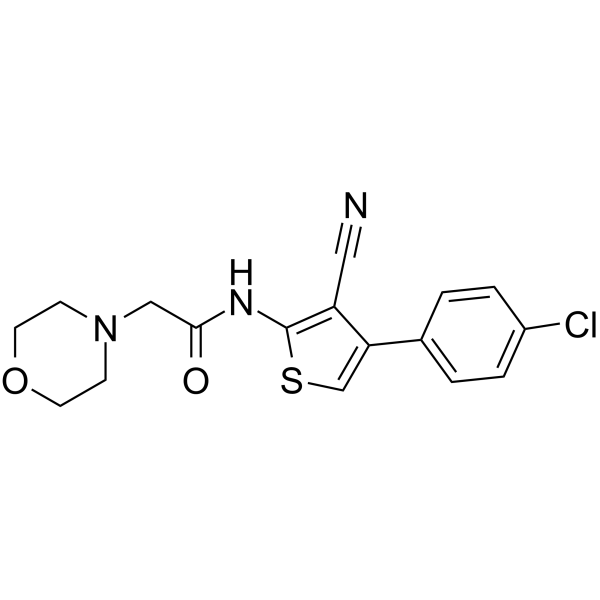
COX-2/5-LOX-IN-3 (compound 5b) is a potent and dual COX-2/5-LOX inhibitor with IC50 values of 45.73, 5.45 and 4.33 μM for COX-1, COX-2, and 5-LOX, respectively. COX-2/5-LOX-IN-3 has the potential for the research of inflammation diseases .
|
-
- HY-P10458
-
|
Human/rat 5-LO (130-149)
|
Lipoxygenase
|
Others
|
|
5-Lipoxygenase blocking peptide (Human/rat 5-LO 130-149) is a specific sequence fragment of 5-lipoxygenase (5-LOX), which can be utilized to prepare an antibody against 5-LOX .
|
-

- HY-150548
-
|
|
COX
Lipoxygenase
|
Inflammation/Immunology
|
|
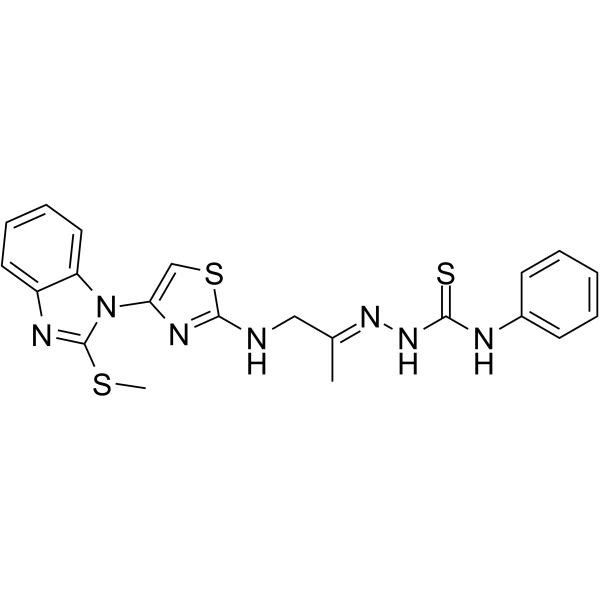
COX-2/15-LOX-IN-1 (Compound 14) is a COX-2 and 15-lipoxygenase enzyme (15-LOX) inhibitor with IC50 values of 10.65, 0.075 and 2.98 μM against COX-1, COX-2 and 15-LOX, respectively. COX-2/15-LOX-IN-1 shows anti-inflammatory activity .
|
-
- HY-146295
-
|
|
COX
|
Inflammation/Immunology
|
|
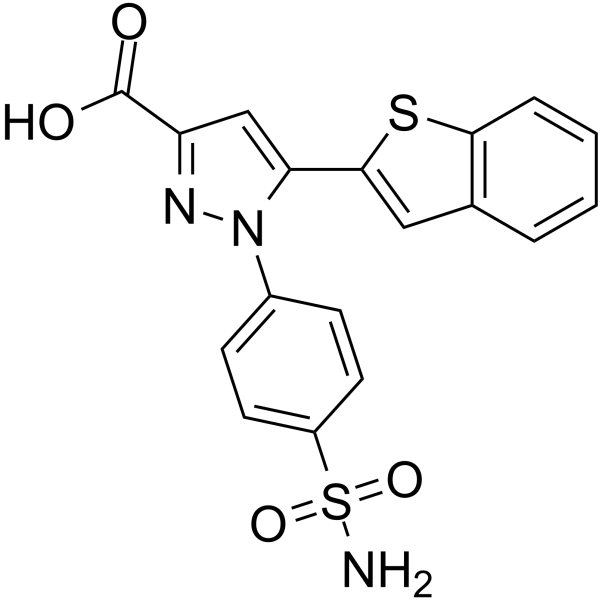
COX-2/5-LOX-IN-2 (5b) is a potent and dual inhibitor of COX-2/5-LOX. COX-2/5-LOX-IN-2 is a benzothiophen-2-yl pyrazole carboxylic acid derivative. COX-2/5-LOX-IN-2 shows the most potent analgesic and anti-inflammatory activities surpassing that of Celecoxib and Indomethacin. COX-2/5-LOX-IN-2 shows potent COX-1, COX-2 and 5-LOX inhibitory activity with IC50s of 5.40, 0.01 and 1.78 μM, respectively .
|
-
- HY-146294
-
|
|
COX
|
Inflammation/Immunology
|
|
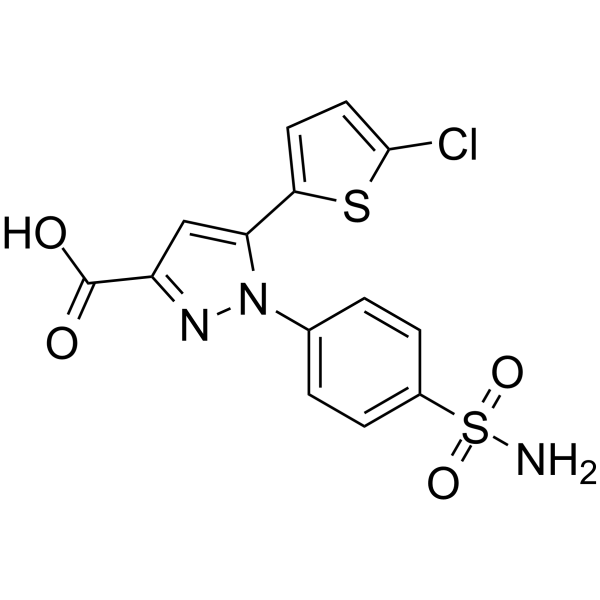
COX-2/5-LOX-IN-1 (compound 3a) is a potent and dual inhibitor of COX-2/5-LOX. COX-2/5-LOX-IN-1 is a benzothiophen-2-yl pyrazole carboxylic acid derivative. COX-2/5-LOX-IN-1 shows the most potent analgesic and anti-inflammatory activities surpassing that of Celecoxib and Indomethacin. COX-2/5-LOX-IN-1 shows potent COX-1, COX-2 and 5-LOX inhibitory activity with IC50s of 12.13, 0.4 and 4.96 μM, respectively .
|
-
- HY-163187
-
|
|
COX
Lipoxygenase
|
Inflammation/Immunology
|
|
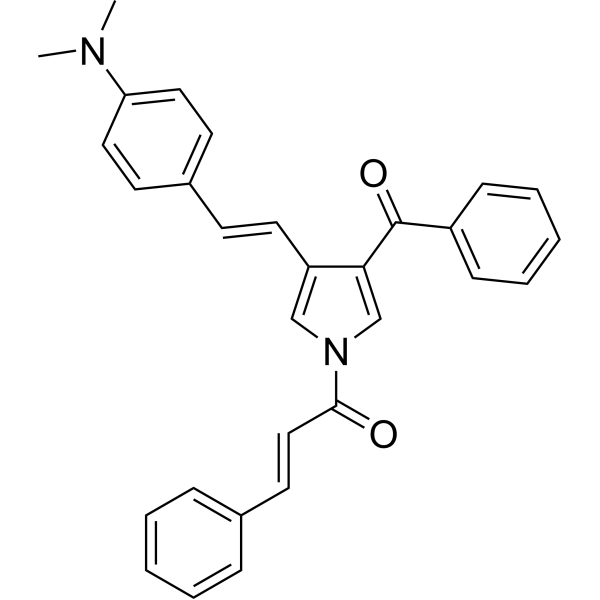
COX-2/LOX-IN-1 (compound 5) is a dual cyclooxygenase-2/lipoxygenase (COX-2/LOX) inhibitor with IC50s of 30 μM and 0.55 μM, for LOX and COX-2, respectively. .
|
-
- HY-173180
-
|
|
Lipoxygenase
Interleukin Related
TNF Receptor
IFNAR
|
Inflammation/Immunology
|
|
5-LOX-IN-8 is a 5-LOX inhibitor with anti-inflammatory activity. 5-LOX-IN-8 suppresses IL-6, IL-1β, TNF-α and IFN-γ in macrophages and reduces IL-8 secretion in SW480 cells. 5-LOX-IN-8 reduces disease activity in a DSS colitis model. 5-LOX-IN-8 can be used for research of inflammatory bowel disease (IBD) .
|
-

- HY-155408
-
|
|
FLAP
|
Inflammation/Immunology
|
|
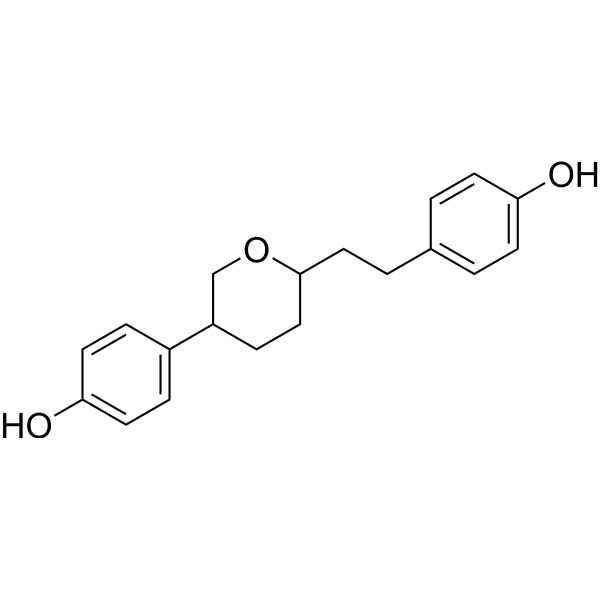
ALR-27 is an antagonist of the 5-lipoxygenase (5-LOX) activating protein FLAP and has anti-inflammatory activity. ALR-27 potently inhibits 5-LOX product formation (>80%) in pro-inflammatory M1-MDM, with no significant direct inhibition of 5-LOX. ALR-27 not only reduces prostaglandin and leukotriene (LT) production in neutrophils but also increases the production of specialized prolytic mediators in specific human macrophage phenotypes .
|
-
- HY-117514
-
-

- HY-116124
-
|
|
Lipoxygenase
|
Others
|
|
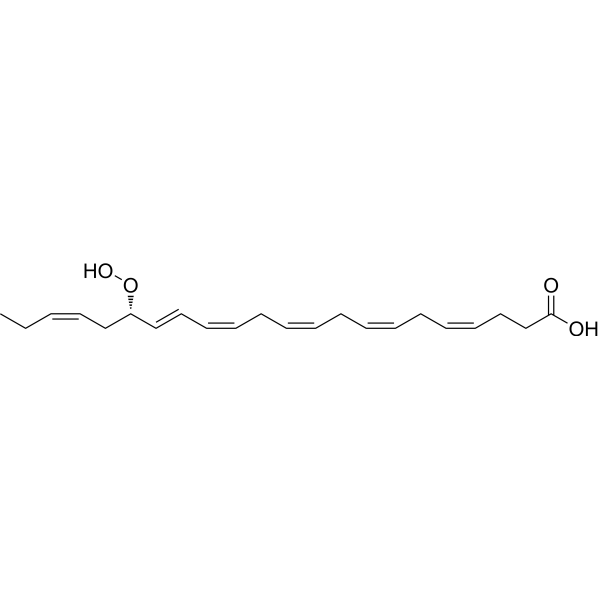
17(S)-HpDHA is the main 15-Lipoxygenase (LOX) isoenzyme: h15-LOX-1 and h15-LOX-2 and docosahexaenoic acid (DHA). product. 17(S)-HpDHA negatively regulates epoxide synthesis via allosteric regulation. 17(S)-HpDHA also inhibits platelet aggregation with an EC50 of approximately 1 μM .
|
-
- HY-155159
-
|
|
COX
Lipoxygenase
|
Inflammation/Immunology
|
|
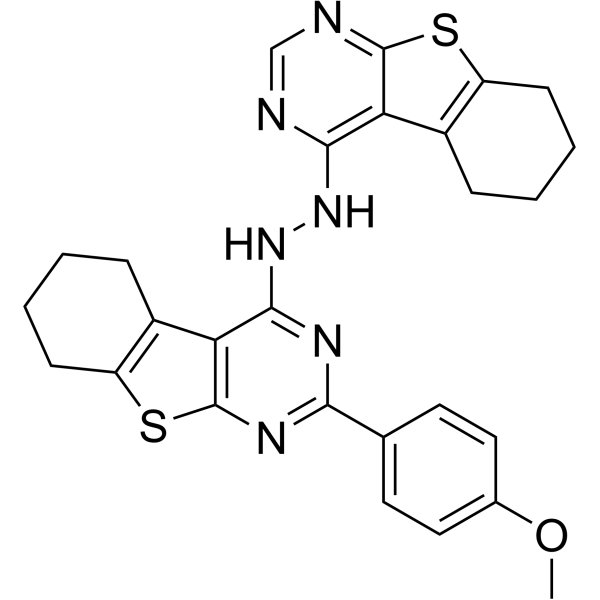
COX-2/15-LOX-IN-2 is a potent dual COX-2 and 15-LOX inhibitor with IC50 values of 0.065 μM and 1.86 μM, respectively. COX-2/15-LOX-IN-2 has potent antioxidant activity .
|
-
- HY-113807
-
|
|
COX
Lipoxygenase
|
Inflammation/Immunology
|
|
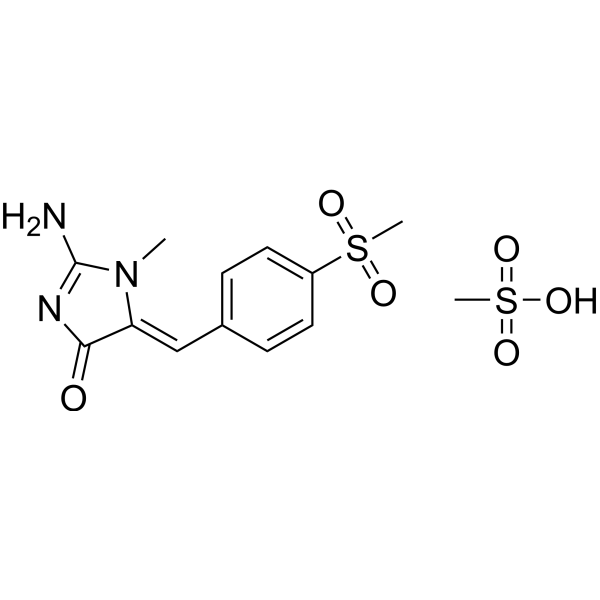
ZLJ-6 is a dual COX and 5-LOX inhibitor with oral activity. The IC50 values for COX-1, COX-2 and 5-LOX were 0.73, 0.31 and 0.99 μM, respectively. ZLJ-6 has anti-inflammatory and analgesic activity .
|
-
- HY-163355
-
|
|
COX
Lipoxygenase
NF-κB
|
Inflammation/Immunology
|
|
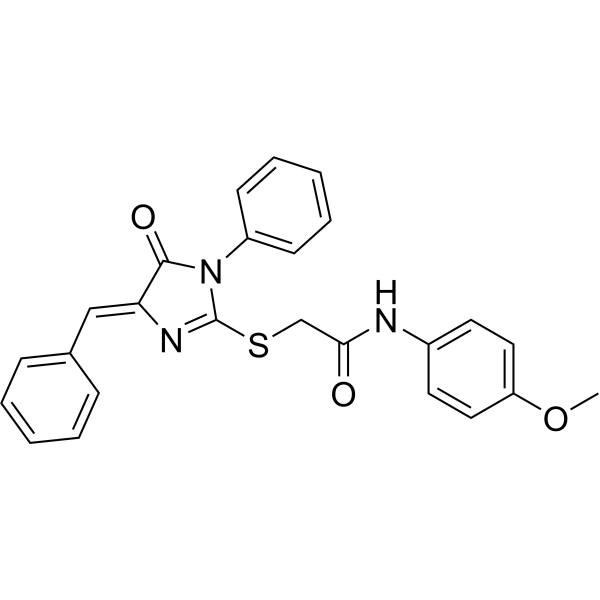
COX-2/15-LOX-IN-5 (Compound 4f) is a dual inhibitor of COX-2/15-LOX. COX-2/15-LOX-IN-5 attenuates increased NF-κB activation in RAW 264.7 macrophages mediated by lipopolysaccharide (HY-D1056). COX-2/15-LOX-IN-5 has anti-inflammatory and antioxidant activities .
|
-
- HY-163736
-
|
|
Lipoxygenase
PGE synthase
|
Inflammation/Immunology
|
|
mPGES-1/5-LOX-IN-1 (compound 3j) is a potent and orally active mPGES-1 and 5-LOX dual inhibitor with IC50 values of 0.92, 1.89 µM, respectively. mPGES-1/5-LOX-IN-1 shows anti-inflammatory impact .
|
-

- HY-173115
-
|
|
COX
Lipoxygenase
Interleukin Related
PPAR
|
Metabolic Disease
Inflammation/Immunology
|
|
15-LOX-IN-2 (Compound 2a) is an orally active COX-2/15-LOX inhibitor and a partial agonist of PPARγ. 15-LOX-IN-2 has anti-inflammatory activity and inhibits the levels of 20-HETE, IL-1β and TNF-α in RAW 264.7 cells treated with LPS (HY-D1056). In addition, 15-LOX-IN-2 has significant glucose uptake capacity in the absence of insulin. 15-LOX-IN-2 can be used for the research of metabolic diseases .
|
-

- HY-114796
-
|
|
Lipoxygenase
|
Inflammation/Immunology
|
|
tHGA is a compound with anti-inflammatory activity and has the activity to inhibit soybean 15-LOX. tHGA showed significant inhibitory effects in experiments on human leukocytes, with an IC50 value of 0.42 μM, which is close to the effect of commonly used standard NDGA. tHGA concentration-dependently inhibits the synthesis of 5-LOX products, especially the cysteine leukotriene LTC(4), with an IC50 value of 1.80 μM. and showed no cytotoxicity. The anti-inflammatory effects of tHGA do not appear to be through redox or metal chelation mechanisms, as the compound was negative in these bioactivity tests. tHGA works through a dual LOX/COX inhibition mechanism and has higher selectivity for 5-LOX and COX-2, with an IC50 value of 0.40 μM .
|
-

- HY-119462
-
-

- HY-163188
-
|
|
COX
Lipoxygenase
|
Inflammation/Immunology
|
|
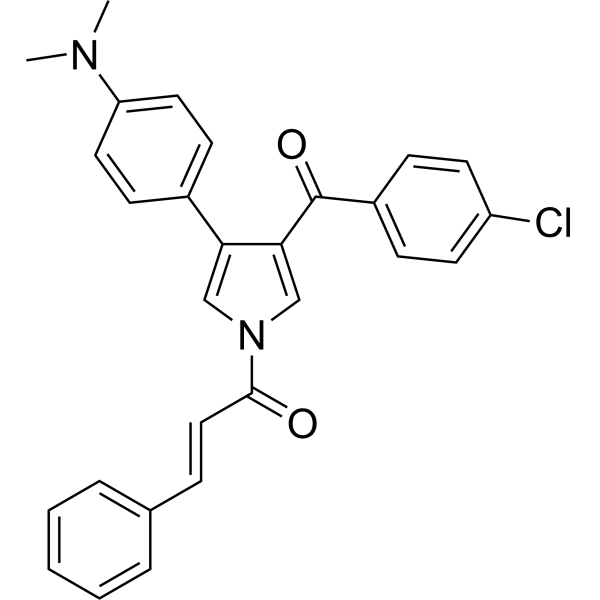
COX-2/LOX-IN-2 (compound 6) is a dual inhibitor of COX-2/LOX with IC50s of 7.0 μM and 27.5 μM, respectively. COX-2/LOX-IN-2 has antioxidant activity and has the potential to be used in the development of nonsteroidal anti-inflammatory drugs (tNSAIDs) .
|
-
- HY-179021
-
|
|
COX
Lipoxygenase
|
Cancer
|
|
COX-2/15-LOX-IN-7 is a potent, selective and orally active dual inhibitor of COX-2 and 15-LOX with IC50 values of 0.022 and 1.19 μM. COX-2/15-LOX-IN-7 also inhibits COX-1 with an IC50 value of 28.081μM. COX-2/15-LOX-IN-7 has low cytotoxicity against human colorectal cancer HT-29 and HCT116 cell lines (IC50 >100 μM for both). COX-2/15-LOX-IN-7 exhibits non-ulcerogenic performance. COX-2/15-LOX-IN-7 can be used for the research of cancer .
|
-

- HY-155161
-
|
|
Lipoxygenase
COX
|
Inflammation/Immunology
|
|
COX-2/15-LOX-IN-4 (compound 5i) is a dual inhibitor of COX-2/15-LOX with IC50s of 0.075 μM and 1.97 μM, respectively. COX-2/15-LOX-IN-4 can inhibit LPS-induced cell production of promoting cytokines (IL-6, ROS) with specific anti-inflammatory activity .
|
-
- HY-162830
-
|
|
Lipoxygenase
Monoamine Oxidase
|
Neurological Disease
|
|
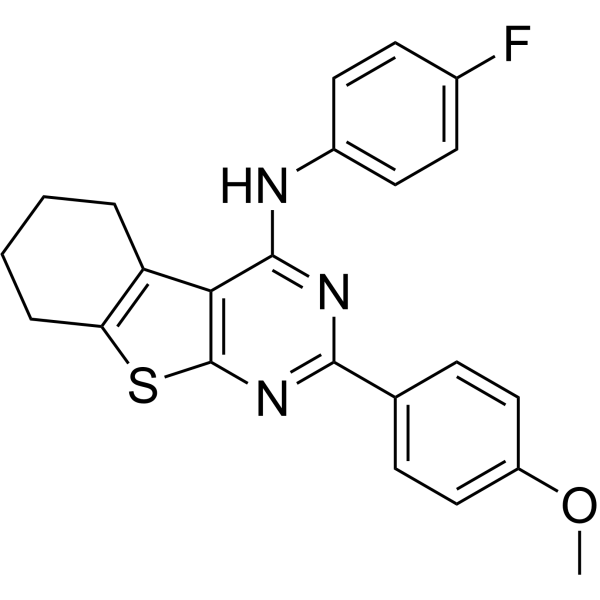
5-LOX/MAOs-IN-1 (compound 3) is a 5-LOX/MAOs inhibitor and a potent free radical scavenger with antioxidant properties. 5-LOX/MAOs-IN-1 also showed neuroprotective activity in oxidative stress-damaged cell models and can activate the neurogenesis microenvironment of adult mouse neural stem cells. 5-LOX/MAOs-IN-1 can be used for the study of neurodegenerative diseases .
|
-

- HY-155160
-
|
|
Lipoxygenase
COX
|
Inflammation/Immunology
|
|
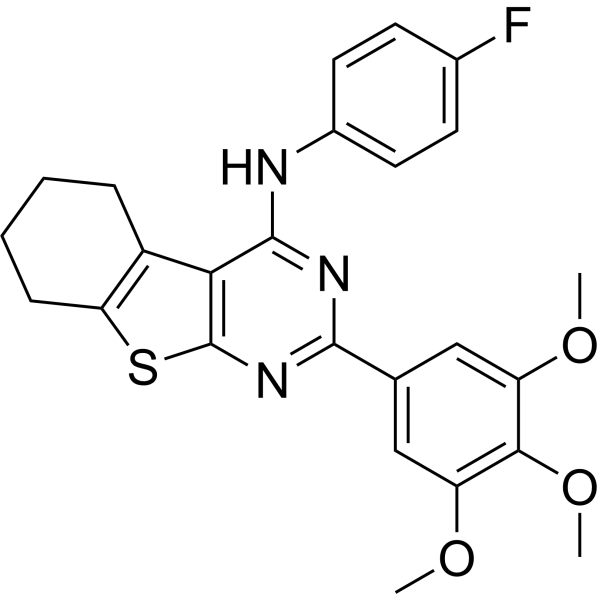
COX-2/15-LOX-IN-3 (compound 5k) is a dual inhibitor of COX-2/15-LOX with IC50s of 0.075 μM and 1.97 μM, respectively. COX-2/15-LOX-IN-3 can inhibit LPS-induced cell production of promoting cytokines (IL-6, ROS, and NO), with specific anti-inflammatory activity .
|
-
- HY-133215
-
|
|
Lipoxygenase
|
Inflammation/Immunology
|
|
Zileuton sulfoxide is a sulfoxide derivative of Zileuton (HY-14164), a potent and selective inhibitor of lipoxygenase 5-LOX with anti-asthmatic properties .
|
-

- HY-155243
-
|
|
DNA/RNA Synthesis
|
Inflammation/Immunology
|
|
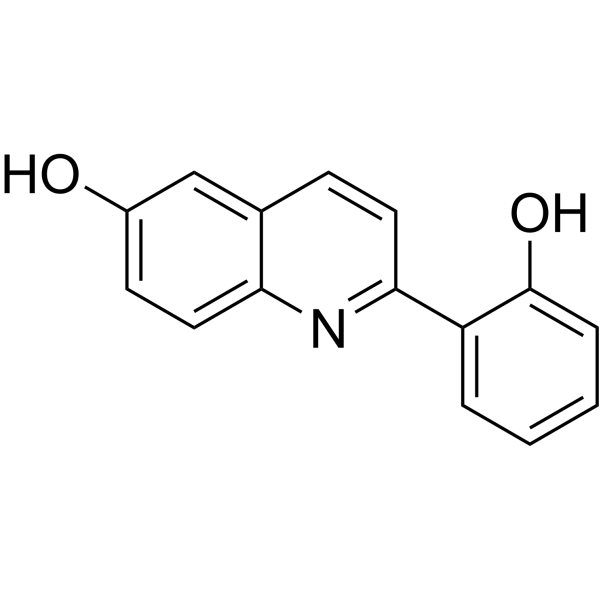
12R-LOX-IN-1 (Compound 4a) is a 12R-LOX inhibitor (IC50: 28.25 μM). 12R-LOX-IN-1 inhibits the hyper-proliferative state and colony forming potential of Imiquimod (HY-B0180)-induced psoriatic keratinocytes. 12R-LOX-IN-1 inhibits reactive oxygen species, Ki67, IL-17A, TNF-α and IL-6 production. 12R-LOX-IN-1 can be used for antipsoriatic research .
|
-
- HY-162166
-
|
|
COX
Lipoxygenase
|
Inflammation/Immunology
|
|
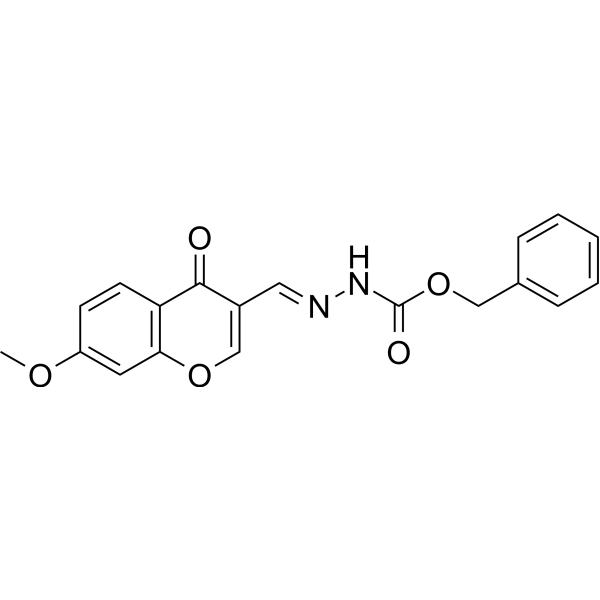
COX-2/15-LOX/mPGES1-IN-1 (Compound 2c) is an inhibitor of COX-2, 15-LOX, and mPGES-1 enzymes with IC50 values of 0.057, 2.39, and 2.8 μM, respectively. COX-2/15-LOX/mPGES1-IN-1 possesses anti-inflammatory activity and can inhibit rat paw edema in vivo experiments .
|
-
- HY-168340
-
|
|
COX
Lipoxygenase
|
Inflammation/Immunology
|
|
COX-2/15-LOX-IN-6 (Compound 5l) is the dual inhibitor for COX-2 and 15-LOX, with IC50 of 0.201 μM and 11.723 μM. COX-2/15-LOX-IN-6 inhibits the expression of PGE, TNF-α, IL-6 and iNOS in serum, and exhibits anti-inflammatory effect in Carrageenan (HY-125474)-induced rats edema model .
|
-

- HY-RS07739
-
|
|
Small Interfering RNA (siRNA)
|
Others
|
|
LOX Human Pre-designed siRNA Set A contains three designed siRNAs for LOX gene (Human), as well as a negative control, a positive control, and a FAM-labeled negative control.
|
-
LOX Human Pre-designed siRNA Set A
LOX Human Pre-designed siRNA Set A
- HY-RS16507
-
|
|
Small Interfering RNA (siRNA)
|
Others
|
|
Lox Mouse Pre-designed siRNA Set A contains three designed siRNAs for Lox gene (Mouse), as well as a negative control, a positive control, and a FAM-labeled negative control.
|
-
Lox Mouse Pre-designed siRNA Set A
Lox Mouse Pre-designed siRNA Set A
- HY-120502
-
|
|
Lipoxygenase
Leukotriene Receptor
|
Inflammation/Immunology
|
|
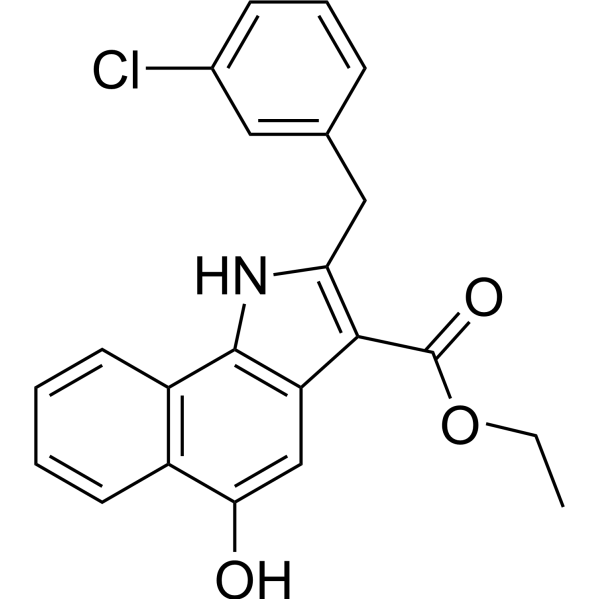
5-LOX-IN-6 (compound 11a) is a direct and reversible inhibitor of 5-lipoxygenase (5-LO). 5-LOX-IN-6 inhibits 5-LO activity in human neutrophils and recombinant human 5-LO with IC50 values of 0.23 and 0.086 µM, respectively. 5-LOX-IN-6 prevents leukotriene biosynthesis. 5-LOX-IN-6 can be used for inflammatory and allergic disorders research .
|
-
- HY-N2266
-
|
|
COX
|
Inflammation/Immunology
|
|
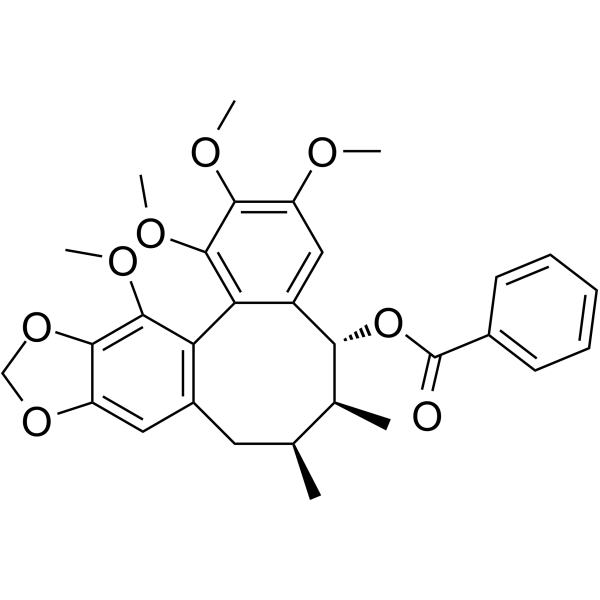
Benzoylgomisin O isolated from Schisandra rubriflora, has inhibitory activity against 15-LOX, COX-1 and COX-2 enzymes and anti-inflammatory activity .
|
-
- HY-173056
-
|
|
Lipoxygenase
|
Inflammation/Immunology
|
|
Ruthenoleuton is a 5-lipoxygenase (5-LOX) inhibitor with an IC50 of 3.49 μM and a Ki of 0.80 μM. Ruthenoleuton has antioxidant activity and can be used in the research of inflammatory diseases .
|
-

- HY-N2176R
-
|
(+)-Marmesin (Standard); (S)-Marmesin (Standard)
|
Reference Standards
COX
Lipoxygenase
|
Others
|
|
S-(+)-Marmesin (Standard) is the analytical standard of S-(+)-Marmesin. This product is intended for research and analytical applications. S-(+)-Marmesin is a natural coumarin, exhibiting COX-2/5-LOX dual inhibitory activity.
|
-

- HY-155409
-
|
|
Lipoxygenase
|
Inflammation/Immunology
|
|
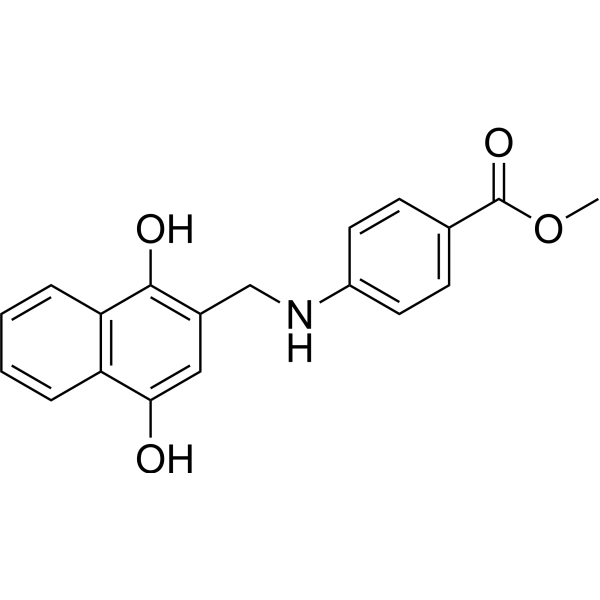
ALR-38 is a 5-lipoxygenase (5-LOX) inhibitor (IC50: 1.1 μM) with anti-inflammatory activity. ALR-38 effectively reduces ROS levels in neutrophils .
|
-
- HY-159169
-
|
|
COX
Epoxide Hydrolase
Lipoxygenase
|
Inflammation/Immunology
|
|
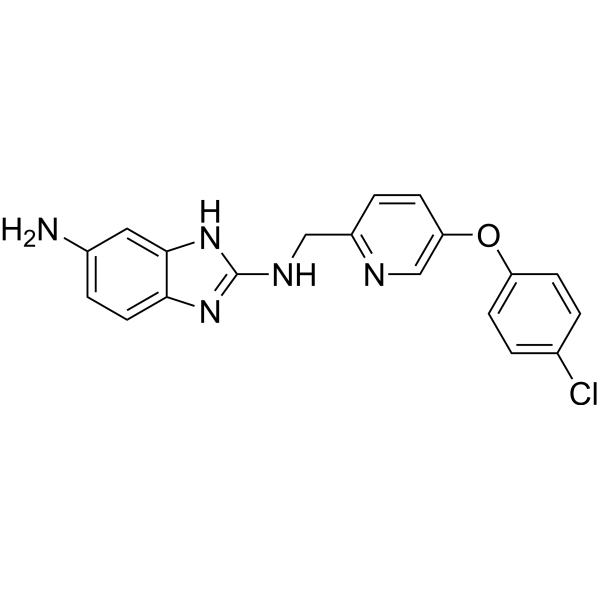
5-LOX/sEH-IN-1 (Compound 8o) is a dual 5-LOX/sEH-IN-1 inhibitor with cardioprotective effects, exhibiting IC50 values of 3.05 μM and 2.20 nM respectively, and 5-LOX/sEH-IN-1 can also inhibit the activity of COX-2 (IC50=10.50 μM). 5-LOX/sEH-IN-1 has analgesic and anti-inflammatory effects, while reducing ulcer pathogenicity, and can be used to develop anti-inflammatory agents with fewer gastrointestinal and cardiovascular side effects .
|
-

- HY-153279
-
-
- HY-150553
-
|
|
COX
|
Inflammation/Immunology
|
|
COX-2-IN-28 is a potent and selective COX-2 inhibitor with IC50 values of 0.054, 2.14, 13.21 µM for COX-2, 15-LOX, COX-1,respectively .
|
-
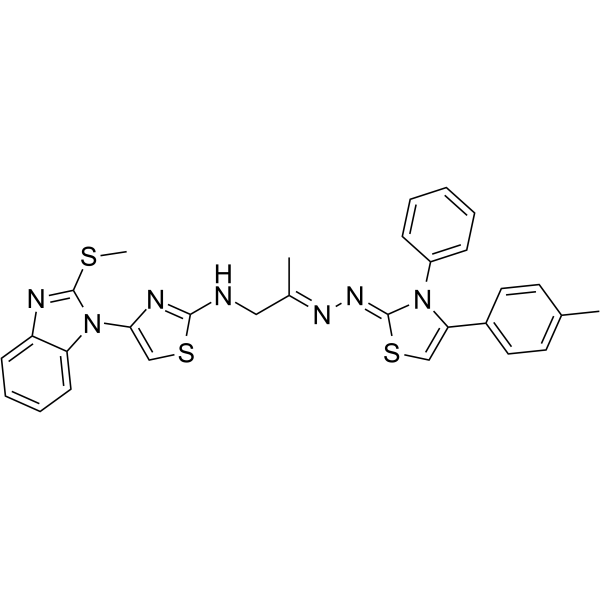
- HY-118268
-
|
|
Lipoxygenase
|
Cardiovascular Disease
|
|
RG 6866 is a 5-lipoxygenase (5-LOX) inhibitor with the potential to inhibit coronary artery constriction and negative cardiac inotropic effects in cardiac inflammatory states. When the heart is stimulated by antigens, RG 6866 can block the antigen-induced reduction in coronary flow in the heart.
|
-

- HY-162523
-
-

- HY-150551
-
|
|
COX
|
Inflammation/Immunology
|
|
COX-2-IN-27 is a potent and selective COX-2 inhibitor with IC50 values of 13.22, 0.045, 1.67 µM for COX-1, COX-2, 15-LOX, respectively. COX-2-IN-27 shows anti-inflammatory activity .
|
-
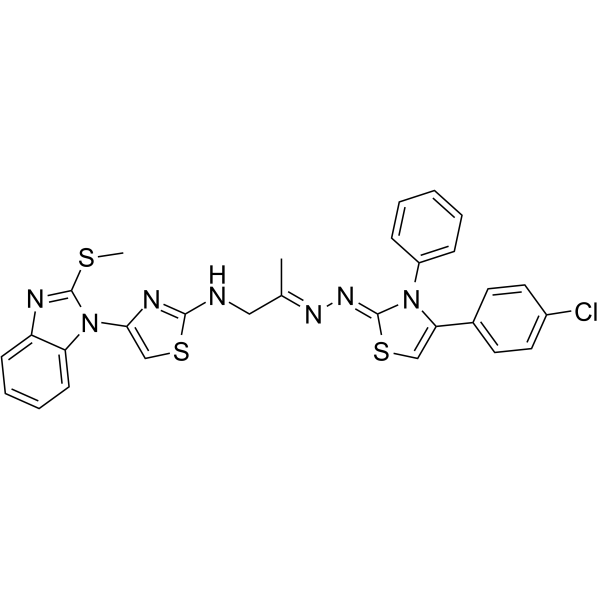
- HY-N18218
-
|
|
COX
Lipoxygenase
|
Inflammation/Immunology
|
|
Speranskoside is a dual COX-2/15-LOX inhibitor with a COX-2 IC50 of 2.62 μg/mL and a 15-LOX IC50 of 5.51 μg/mL. Speranskoside can be used for the research of gastric ulcers .
|
-

- HY-N19723
-
|
Verbascosaponin B
|
COX
Lipoxygenase
|
Inflammation/Immunology
|
|
Buddlejasaponin I (Verbascosaponin B) is an inhibitor of COX and 5-LOX. Buddlejasaponin I inhibits the production of COX metabolites PGE2, TXB2, and the 5-LOX metabolite LTC4 . Buddlejasaponin I reduces ear swelling in mice. Buddlejasaponin I is applicable to inflammation-related research .
|
-

- HY-181273
-
|
|
COX
Lipoxygenase
|
Inflammation/Immunology
|
|
COX-2/5-LOX-IN-7 (Hybrids 9) is a COX-2 (IC50 = 3.3 μM)/5-LOX (IC50 = 3.1 μM) inhibitor. COX-2/5-LOX-IN-7 can be used in research on diseases such as inflammation .
|
-

- HY-181044
-
|
|
Lipoxygenase
COX
|
Inflammation/Immunology
Cancer
|
|
COX-2/5-LOX-IN-6 (Compound 4c) is a potent and selective 5-LOX (IC50 = 0.10 μM) and COX-2 (IC50: 2.88 μM) inhibitor. COX-2/5-LOX-IN-6 displays potent anticancer activity against ovarian cancer. COX-2/5-LOX-IN-6 would not cause cytotoxic effects in noncancerous cells. COX-2/5-LOX-IN-6 is a potential anti-inflammatory agent .
|
-

- HY-183764
-
|
|
COX
Lipoxygenase
TNF Receptor
Interleukin Related
MMP
|
Inflammation/Immunology
|
|
COX-2/5-LOX-IN-8 is an orally active dual COX-2/5-LOX inhibitor, with an IC50 of 6.30 μM against sheep-derived COX-2 and an IC50 of 8.09 μM against 5-LOX. COX-2/5-LOX-IN-8 acts as a membrane stabilizer that stabilizes erythrocyte membranes against hypotonicity-induced hemolysis. COX-2/5-LOX-IN-8 functions as a protein stabilizer that inhibits heat-induced denaturation of bovine serum albumin. COX-2/5-LOX-IN-8 reduces paw swelling, improves hind limb weight-bearing function, decreases serum levels of pro-inflammatory cytokines (TNF-α, IL-1β, IL-6, CRP), and lowers serum levels of cartilage degradation biomarkers (COMP, MMP-3, CTX-II). COX-2/5-LOX-IN-8 can be used in the research of osteoarthritis .
|
-

- HY-N19724
-
|
|
Fungal
Lipoxygenase
COX
|
Infection
|
|
Buddledin A is a 5-LOX inhibitor (IC50 = 50.4 μM) and a COX inhibitor (IC50 = 13.7 μM). Buddedin A inhibits arachidonic acid metabolism via the 5-LOX and COX pathways, suppresses fungal growth, and exerts toxic effects on fish. Buddedin A may play an ecological role in protecting plant roots and stem barks from fungal infection. Buddedin A can be used in studies related to fungal infections .
|
-

- HY-RS22939
-
|
|
Small Interfering RNA (siRNA)
|
Others
|
|
Lox Rat Pre-designed siRNA Set A contains three designed siRNAs for Lox gene (Rat), as well as a negative control, a positive control, and a FAM-labeled negative control.
|
-
Lox Rat Pre-designed siRNA Set A
Lox Rat Pre-designed siRNA Set A
- HY-N18235
-
|
|
Lipoxygenase
|
Inflammation/Immunology
|
|
(1Z)-Atractylodinol, an acetylenes compound, is a weak 5-lipoxygenase (5-LOX) inhibitor with an IC50 of 17.8 μM. (1Z)-Atractylodinol can be used for the study of inflammatory diseases .
|
-

- HY-118506
-
|
|
FLAP
|
Inflammation/Immunology
|
BRP-7 is a 5-lipoxygenase activating protein (FLAP) inhibitor with an IC50 of 0.31 μM. BRP-7 inhibits the co-localization of 5-lipoxygenase (5-LOX) and FLAP by targeting FLAP, thereby blocking the transfer of arachidonic acid (AA) to 5-LOX and suppressing the production of leukotrienes (LTs) (IC₅₀ = 0.15 μM). BRP-7 does not inhibit cyclooxygenase (COX-1/COX-2) or microsomal prostaglandin E₂ synthase-1 (mPGES-1), and does not affect cell viability or AA release. BRP-7 exhibits significant anti-inflammatory effects in rat pleurisy and mouse peritonitis models. BRP-7 can be used for the study of inflammatory diseases .
|
-

- HY-A0060
-
|
NKK 105
|
Lipoxygenase
|
Cancer
|
|
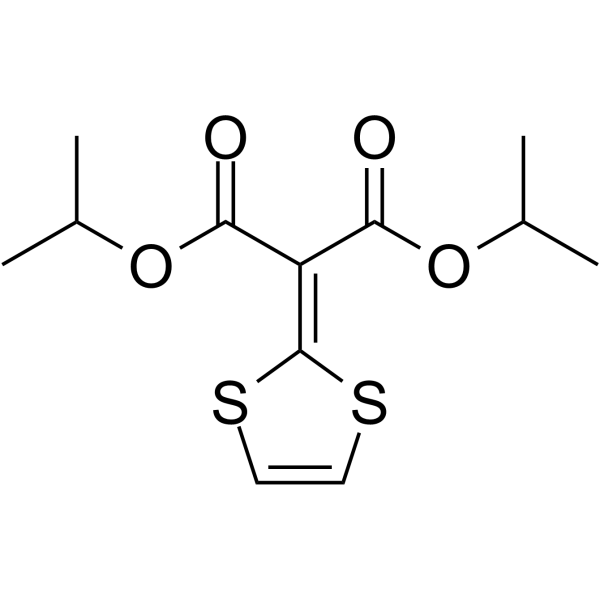
Malotilate (NKK 105), an orally active hepatotropic agent and an anti-fibrotic substance, selectively inhibits the 5-lipoxygenase (5-LOX) (IC50=4.7 μM). Malotilate prevents the development of hepatocytic injury in alcohol-pyrazole hepatitis by decreasing hepatic acetaldehyde levels and preventing the retention of transferrin in the hepatocytes .
|
-
- HY-N0198
-
-
- HY-113884B
-
|
13(S)-HODE
|
PPAR
Mitochondrial Metabolism
|
Inflammation/Immunology
Cancer
|
|
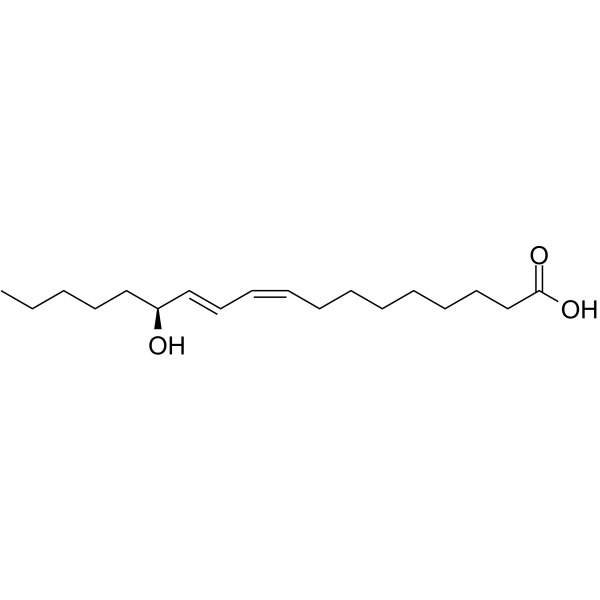
(S)-Coriolic acid (13(S)-HODE), the product of 15-lipoxygenase (15-LOX) metabolism of linoleic acid, functions as the endogenous ligand to activate PPARγ. (S)-Coriolic acid is an important intracellular signal agent and is involved in cell proliferation and differentiation in various biological systems. (S)-Coriolic acid induces mitochondrial dysfunction and airway epithelial injury .
|
-
- HY-156329
-
|
|
Epoxide Hydrolase
FLAP
|
Inflammation/Immunology
|
|
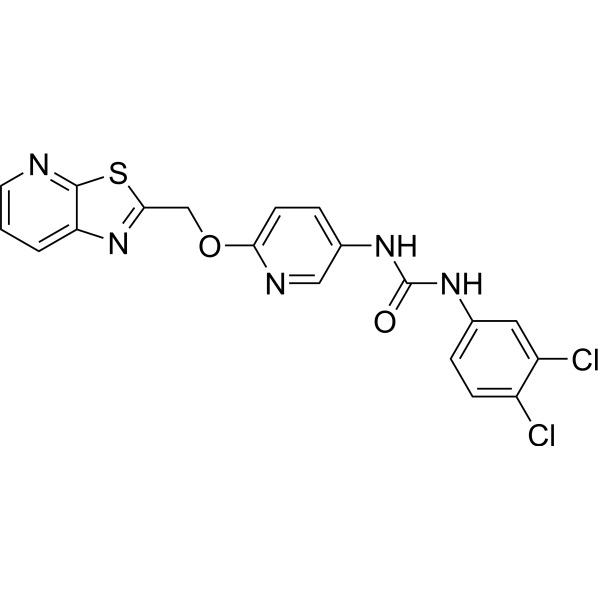
sEH/FLAP-IN-1 (Compound 46A) is a sEH/FLAP inhibitor. sEH/FLAP-IN-1 inhibits 5-LOX product formation in SACM-stimulated PBMCs (EC50: 11 nM). sEH/FLAP-IN-1 inhibit sEH (EC50: 18 nM) and thromboxane production. sEH/FLAP-IN-1 can be used for research of inflammatory diseases .
|
-
- HY-N15453
-
|
|
Lipoxygenase
Fungal
|
Infection
Cardiovascular Disease
|
|
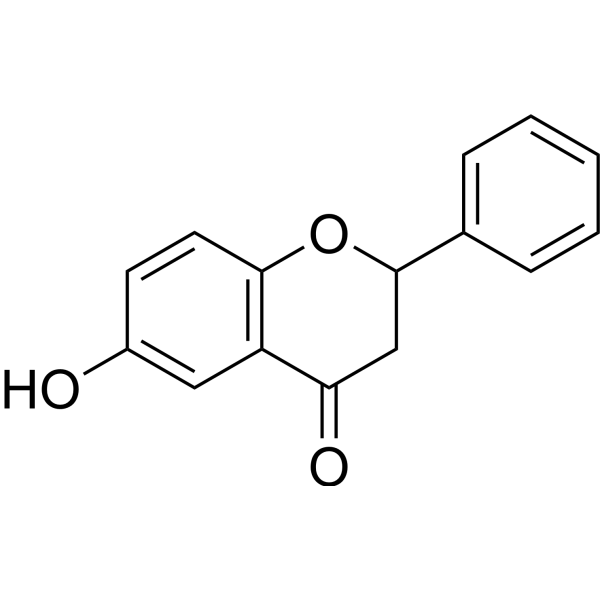
Asperenone is an inhibitor of 15-lipoxygenase (15-LOX) with an IC50 value of 0.3 mM. It is also an inhibitor of platelet aggregation, with an IC50 value of 0.23 mM. Additionally, Asperenone has antifungal activity and can inhibit the growth of pathogenic fungi Ophiostoma crassivaginatum and O. piliferum. Asperenone can be used in the research of cardiovascular diseases and anti-infection fields .
|
-

- HY-172790
-
|
|
COX
Lipoxygenase
|
Inflammation/Immunology
|
|
Cbz-(S,S)-Pro-Pro-allyl (compound 1a) is a dual inhibitor of cyclooxygenase-2 and 5-lipoxygenase with IC50 values of 0.146 nM, 0.003 nM, 0.64 nM for COX-1, COX-2, 5-LOX, respectively. Cbz-(S,S)-Pro-Pro-allyl has anti-inflammatory activity .
|
-

- HY-105504
-
|
|
COX
Lipoxygenase
|
Cardiovascular Disease
Inflammation/Immunology
|
|
CI-986 is a dual inhibitor of COX and 5-LOX. CI-986 can prevent the coronary vasoconstriction and the increased production of LTB(4) and LTC(4). CI-986 also has anti-inflammatory and analgesic effects. CI-986 can be used for the researches of inflammation and cardiovascular disease, such as arthritis .
|
-

- HY-W028263
-
-
- HY-N0232R
-
|
|
Reference Standards
COX
Lipoxygenase
Notch
Reactive Oxygen Species (ROS)
Bacterial
|
Cancer
|
|
Psoralidin (Standard) is the analytical standard of Psoralidin. This product is intended for research and analytical applications. Psoralidin is a dual inhibitor of COX-2 and 5-LOX, regulates ionizing radiation (IR)-induced pulmonary inflammation.Anti-cancer, anti-bacterial, and anti-inflammatory properties . Psoralidin significantly downregulates NOTCH1 signaling. Psoralidin also greatly induces ROS generation .
|
-

- HY-118848
-
|
|
Lipoxygenase
Leukotriene Receptor
|
Inflammation/Immunology
|
|
A63162 is a specific 5-lipoxygenase (5-LOX) inhibitor. A63162 inhibits mitogen (PHA)-induced horse mononuclear cell (BMC) proliferation and inhibits Calcimycin (HY-N6687)-induced leukotriene LTB4 synthesis at the same concentration. A63162 can be used in the study of chronic obstructive pulmonary disease, arthritis and inflammatory bowel disease .
|
-

- HY-180363
-
|
|
Lipoxygenase
Leukotriene Receptor
|
Inflammation/Immunology
|
|
E 6080 is an orally active and selective 5-lipoxygenase (5-LOX) inhibitor with an IC50 of 0.2 μM in rat basophilic leukemia cell. E 6080 shows potent inhibitory effects on the release of leukotrienes. E 6080 inhibits the bronchospasm induced by antigen (ovalbumin) inhalation in sensitized conscious guinea pigs. E 6080 can be used for the study of asthma .
|
-

- HY-B1452S1
-
|
ML-3000-d6
|
Apoptosis
Lipoxygenase
COX
|
Cancer
|
|
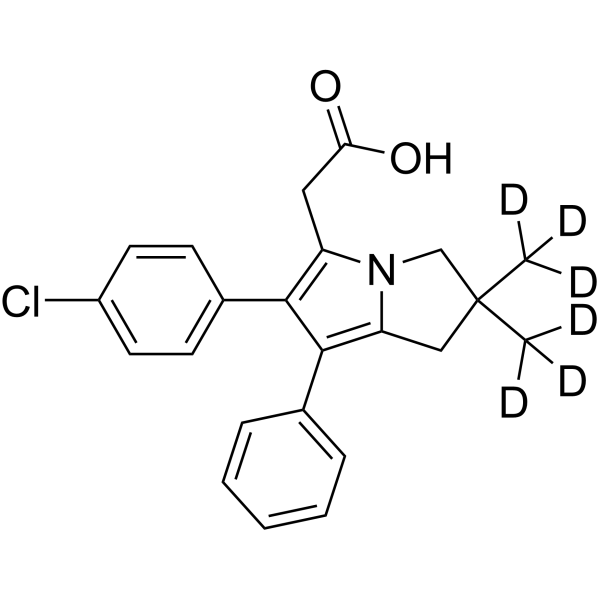
Licofelone-d6 is the deuterium labeled Licofelone . Licofelone (ML-3000) is a dual COX/5-lipoxygenase (5-LOX) inhibitor (IC50=0.21/0.18 μM, respectively) for the treatment of osteoarthritis. Licofelone exerts anti-inflammatory and anti-proliferative effects. Licofelone induces apoptosis, and decreases the production of proinflammatory leukotrienes and prostaglandins .
|
-
- HY-150550
-
|
|
COX
|
Inflammation/Immunology
|
|
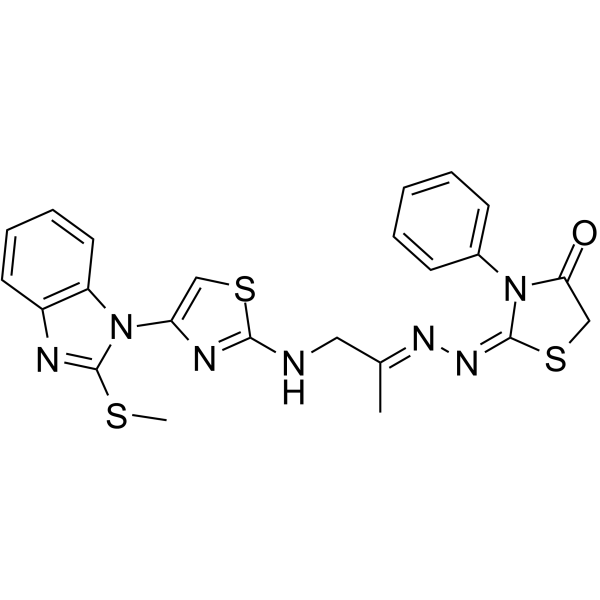
COX-2-IN-26 is a potent, selective and orally active COX-2 inhibitor with IC50 values of 10.61, 0.067, 1.96 µM for COX-1, COX-2, 15-LOX, respectively. COX-2-IN-26 shows anti-inflammatory activity. COX-2-IN-26 shows gastrointestinal safety profile .
|
-
- HY-116866
-
|
|
Lipoxygenase
Fungal
|
Infection
Inflammation/Immunology
|
|
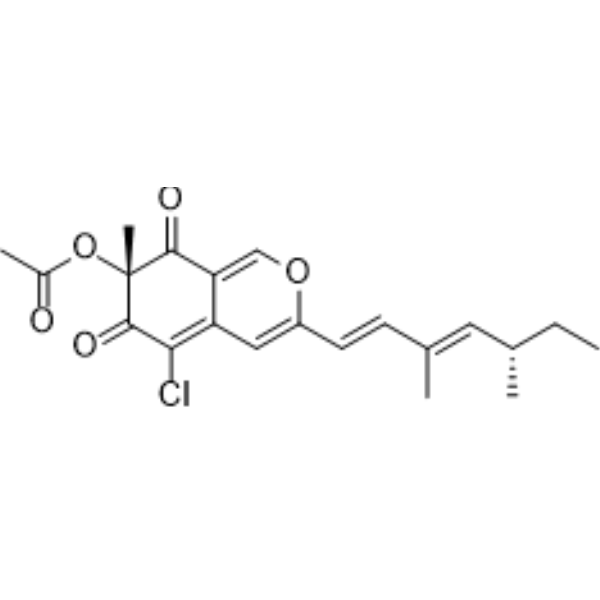
Sclerotiorin is a reversible and uncompetitive inhibitor against soybean lipoxygenase-1 (LOX-1) (IC50: 4.2 μM). Sclerotiorin also shows antioxidant activity by scavenging free radical (ED50: 0.12 μM), and nonenzymatic lipid peroxidation inhibition activity. Sclerotiorin has antifungal activity, and also inhibits platelet aggregation. Sclerotiorin can be purified from the fermented broth of Penicillium frequentans .
|
-
- HY-113439
-
12-HETE
2 Publications Verification
|
Apoptosis
|
Cardiovascular Disease
Inflammation/Immunology
|
|
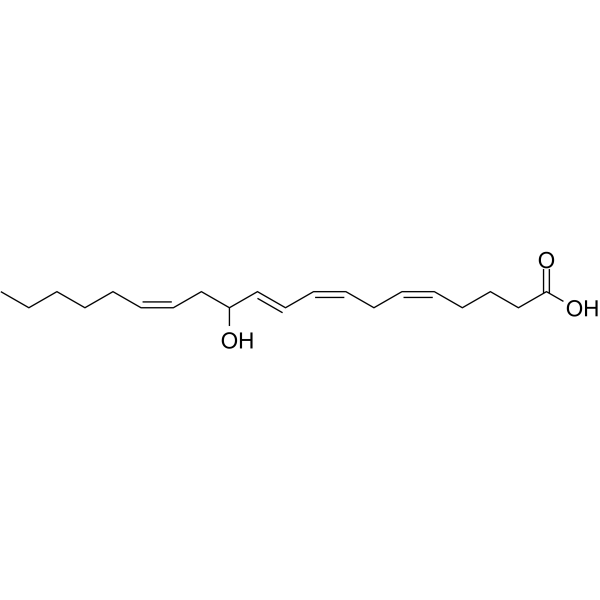
12-HETE, a major metabolic product of arachidonic acid using 12-LOX catalysis, inhibits cell apoptosis in a dose-dependent manner. 12-HETE promotes the activation and nuclear translocation of NF-κB through the integrin-linked kinase (ILK) pathway .12-HETE has both anti-thrombotic and pro-thrombotic effects . 12-HETE is a neuromodulator .
|
-
- HY-128171
-
|
|
FLAP
Epoxide Hydrolase
|
Inflammation/Immunology
|
|
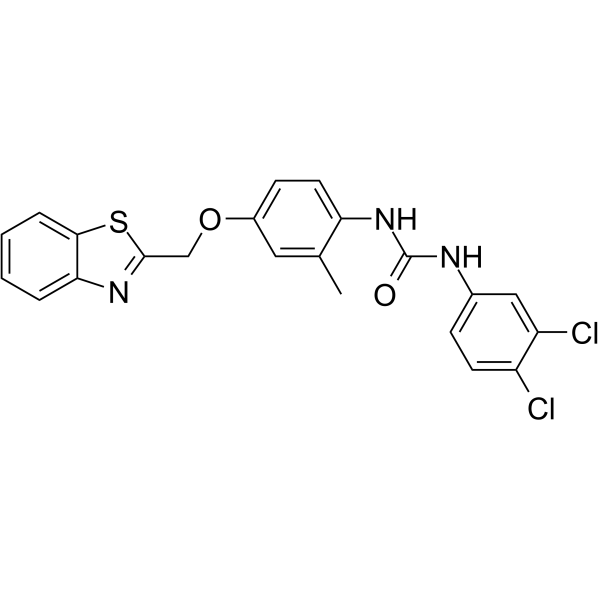
Diflapolin is a highly active dual 5-lipoxygenase-activating protein (FLAP)/soluble epoxide hydrolase (sEH) inhibitor with marked anti-inflammatory efficacy and high target selectivity. Diflapolin inhibits 5-LOX product formation in intact human monocytes and neutrophils with IC50s?of? 30 and 170?nM, respectively, and suppressed the activity of isolated sEH (IC50=20?nM) .
|
-
- HY-A0060R
-
|
NKK 105 (Standard)
|
Lipoxygenase
Reference Standards
|
Cancer
|
|
Malotilate (Standard) is the analytical standard of Malotilate. This product is intended for research and analytical applications. Malotilate (NKK 105), an orally active hepatotropic agent and an anti-fibrotic substance, selectively inhibits the 5-lipoxygenase (5-LOX) (IC50=4.7 μM). Malotilate prevents the development of hepatocytic injury in alcohol-pyrazole hepatitis by decreasing hepatic acetaldehyde levels and preventing the retention of transferrin in the hepatocytes .
|
-

- HY-N0551
-
|
|
Caspase
Lipoxygenase
Apoptosis
|
Inflammation/Immunology
Cancer
|
|
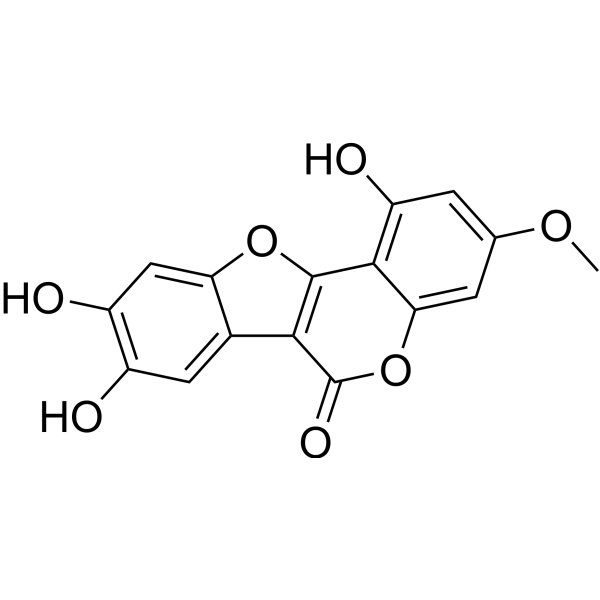
Wedelolactone suppresses LPS-induced caspase-11 expression by directly inhibits the IKK Complex. Wedelolactone also inhibits 5-lipoxygenase (5-Lox) with an IC50 of 2.5 μM. Wedelolactone induces caspase-dependent apoptosis in prostate cancer cells via downregulation of PKCε without inhibiting Akt. Wedelolactone can extract from Eclipta alba, and it can be used for the research of cancer .
|
-
- HY-B1452R
-
|
ML-3000 (Standard)
|
COX
Lipoxygenase
Apoptosis
Reference Standards
|
Inflammation/Immunology
Cancer
|
|
Licofelone (Standard) is the analytical standard of Licofelone. This product is intended for research and analytical applications. Licofelone (ML-3000) is a dual COX/5-lipoxygenase (5-LOX) inhibitor (IC50=0.21/0.18 μM, respectively) for the treatment of osteoarthritis. Licofelone exerts anti-inflammatory and anti-proliferative effects. Licofelone induces apoptosis, and decreases the production of proinflammatory leukotrienes and prostaglandins .
|
-

- HY-125770
-
|
|
Endogenous Metabolite
|
Inflammation/Immunology
|
|
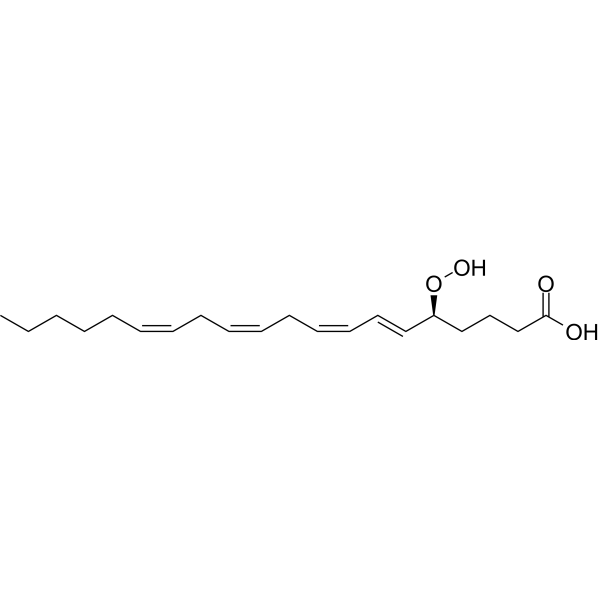
5(S)-HPETE is a 5-lipoxygenase substrate and Arachidonic acid (HY-109590) metabolite. 5(S)-HPETE forms via 5-LOX-catalyzed hydroperoxidation of arachidonic acid. 5(S)-HPETE undergoes 5-LOX-catalyzed epoxidation (dehydration) to form leukotriene A4. 5(S)-HPETE can be used for the research of asthma, rheumatoid arthritis .
|
-
- HY-113500A
-
|
HXA3
|
Lipoxygenase
|
Inflammation/Immunology
|
|
Hepoxilin A3 (HXA3) is a neutrophil chemo-attractant, synthesized by activating the PLA2-12-LOX pathway. Hepoxilin A3 can guide neutrophils to cross the epithelial barrier and migrate to the infection site (such as the alveolar cavity). The level of Hepoxilin A3 increases synchronously with neutrophil infiltration in mouse models. Hepoxilin A3 can be used to study inflammatory diseases (such as pneumonia, cystic fibrosis) .
|
-

- HY-118480
-
|
|
Lipoxygenase
Apoptosis
|
Cancer
|
|
4-MMPB is a selective inhibitor of 15-lipoxygenase, with an IC50 of 18 μM. 4-MMPB has IC50s of 19.5 μM and 19.1 μM for soybean 15-lipoxygenase (SLO) and human 15-lipoxygenase-1 (15-LOX-1), respectively. 4-MMPB has potential for the research of prostate cancer .
|
-
- HY-147870
-
-
- HY-124674
-
|
|
Lipoxygenase
|
Cancer
|
|
CCT365623 is a potent and orally active LOX inhibitor with an IC50 of 0.9 μM. CCT365623 has potent anti-metastatic efficacy in vivo .
|
-
- HY-N8480
-
-
- HY-10439R
-
|
|
Reference Standards
PGE synthase
|
Inflammation/Immunology
|
|
HPGDS inhibitor 1 (Standard) is the analytical standard of HPGDS inhibitor 1 (HY-10439). This product is intended for research and analytical applications. HPGDS inhibitor 1 is a potent, selective and orally active Hematopoietic Prostaglandin D Synthase (HPGDS) inhibitor with an IC50s of 0.6 nM and 32 nM in enzyme and cellular assays, respectively. HPGDS inhibitor 1 does not inhibit human L-PGDS, mPGES, COX-1, COX-2, or 5-LOX .
|
-

- HY-149270
-
|
|
COX
|
Inflammation/Immunology
|
|
COX-2-IN-31 (compound 7b) is an orally active and dual inhibitor of COX-2 (IC50=60 nM) and 5-LOX (IC50=1.9 μM). COX-2-IN-31 also inhibits transmembrane hCA IX(Ki=48.9 nM) and hCA XII(Ki=5.8 nM) activity. COX-2-IN-31 exhibits anti-inflammatory and analgesic activity .
|
-
- HY-N11072
-
|
|
Lipoxygenase
Leukotriene Receptor
Reactive Oxygen Species (ROS)
MMP
|
Inflammation/Immunology
|
|
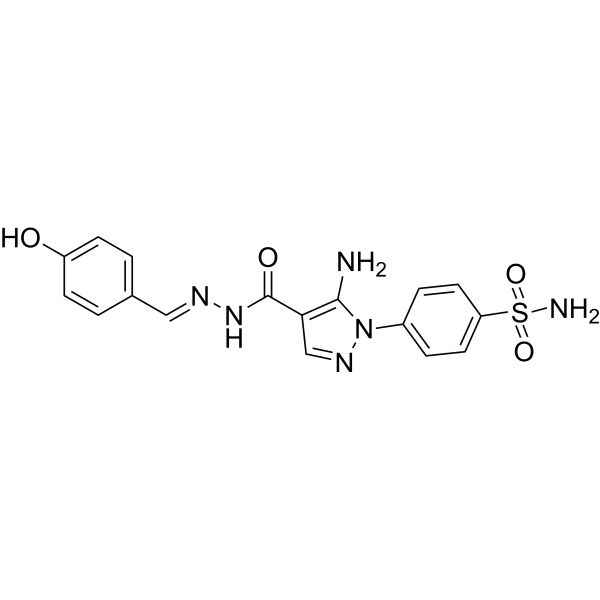
Tremulacin is a 5-LOX inhibitor. Tremulacin reduces the biosynthesis of LTB4 and slow-reacting substances of anaphylaxis. Tremulacin alleviates carrageenan-induced paw edema in rats, croton oil-induced ear edema in mice, and acetic acid-induced writhing response in mice. Tremulacin inhibits TNF-α-stimulated ROS production and MMP-1 expression, and promotes collagen secretion in human dermal fibroblasts. Tremulacin is investigated for studies on inflammation-related diseases .
|
-
- HY-N2056
-
|
11-Keto-β-boswellic acid
|
Lipoxygenase
Leukotriene Receptor
NF-κB
|
Metabolic Disease
Cancer
|
|
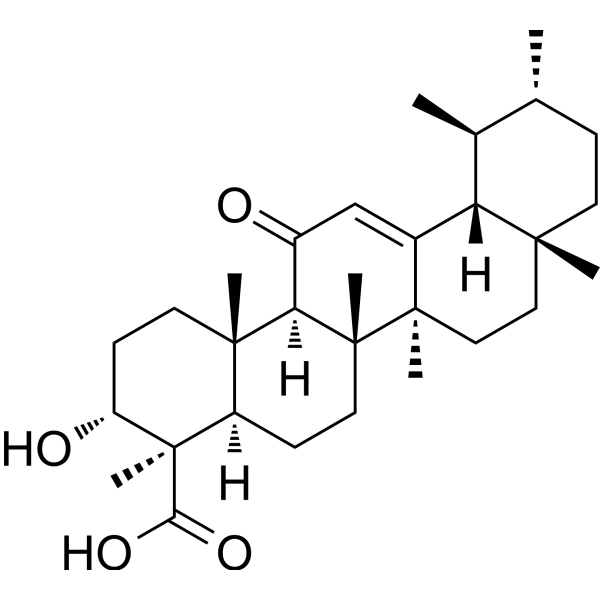
11-Keto-beta-boswellic acid (11-Keto-β-boswellic acid) is a pentacyclic triterpenic acid of the oleogum resin from the bark of the Boswellia serrate tree, popularly known as Indian Frankincense. 11-Keto-beta-boswellic acid has the anti-inflammatory activity is primarily due to inhibit 5-lipoxygenase (5-LOX) and subsequent leukotriene and nuclear factor-kappa B (NF-κB) activation and tumor necrosis factor alpha generation production .
|
-
- HY-W676872
-
|
|
COX
Parasite
|
Infection
Inflammation/Immunology
|
|
Dihydroflavokawin B is a selective COX-1 inhibitor with an IC50 of 1.22 μM. Dihydroflavokawin B weakly inhibits COX-2 and 5-LOX. Dihydroflavokawin B inhibits promastigote forms of Leishmania panamensis and Leishmania braziliensis. Dihydroflavokawin B inhibits rabbit platelet aggregation induced by Arachidonic acid, platelet activating factor, and adenosine diphosphate. Dihydroflavokawin B exhibits in vitro anti-inflammatory activity. Dihydroflavokawin B can be used for the research of leishmaniasis .
|
-

- HY-114873
-
|
LY25684
|
Phospholipase
COX
Lipoxygenase
Leukotriene Receptor
|
Inflammation/Immunology
|
|
LY256548 (LY25648) is an orally available anti-ischemic and anti-inflammatory compound with central nervous system activity. LY256548 is an inhibitor of phospholipase A2, 5-lipoxygenase (5-LOX), and COX, and inhibits A23187 (HY-N6687)-stimulated leukotriene B4 production. LY256548 inhibits bone damage and paw swelling in the rat Freund's complete adjuvant-induced arthritis (FCA) model .
|
-

- HY-P2976
-
|
LOX
|
Endogenous Metabolite
|
Others
|
|
Lipoxygenase, general (LOX) is a dioxygenase, is often used in biochemical studies. Lipoxygenase, general catalyzes the formation of corresponding hydroperoxides from polyunsaturated fatty acids such as linoleic acid and arachidonic acid .
|
-
- HY-U00308
-
-
- HY-N1881
-
|
|
Lipoxygenase
Glycosidase
|
Inflammation/Immunology
|
|
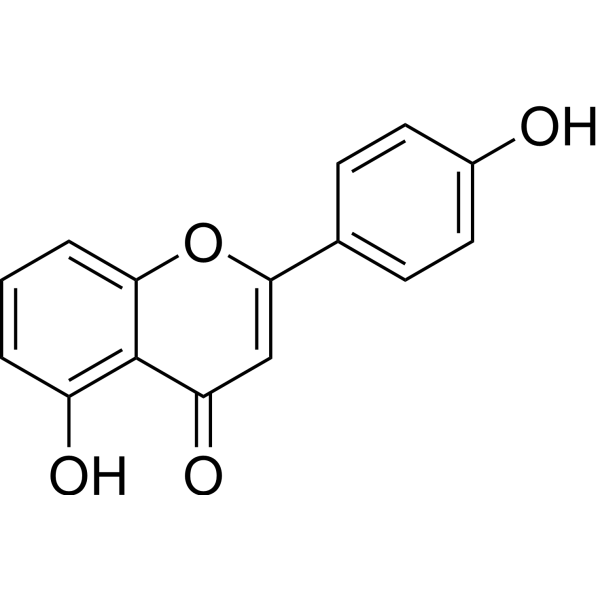
4',5-Dihydroxyflavone (Compound 2c; Compound B3) is a type of flavonoid compound. 4',5-Dihydroxyflavone can inhibit various oxidases and its IC50 values for collagenase A (ColA) and α-glucosidase are less than 1 μM and 66 μM respectively; for soybean lipoxygenase-1 (LOX-1), its Ki value is 102.6 μM. 4',5-Dihydroxyflavone can be used in studies on anti-toxicity and anti-diabetes .
|
-
- HY-125975
-
|
|
Lipoxygenase
|
Inflammation/Immunology
|
|
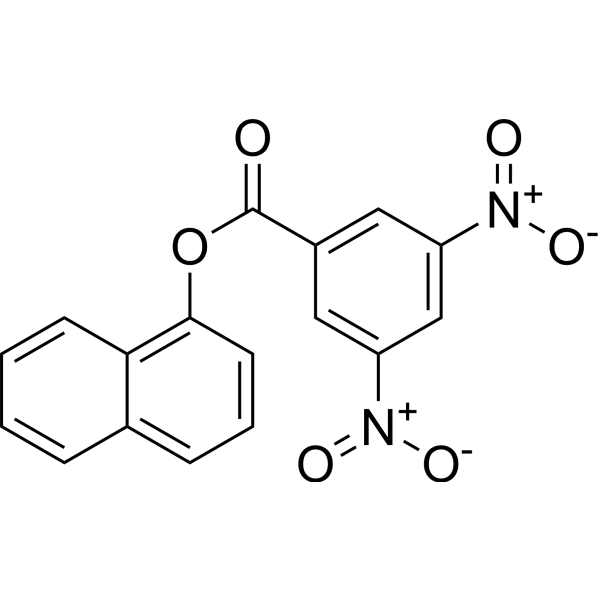
1-Naphthyl 3,5-dinitrobenzoate is a potent 5-lipoxygenase inhibitor with IC50 values of 1.04 µM and 3.6 µM for 5-LOX and mPGES-1, respectively. 1-Naphthyl 3,5-dinitrobenzoate has strong inhibition activity in the human whole blood (HWB) assay with an IC50 value of 8.6 μM. 1-Naphthyl 3,5-dinitrobenzoate can be used in research of inflammation .
|
-
- HY-113439S
-
|
|
Apoptosis
|
Cardiovascular Disease
Inflammation/Immunology
|
|
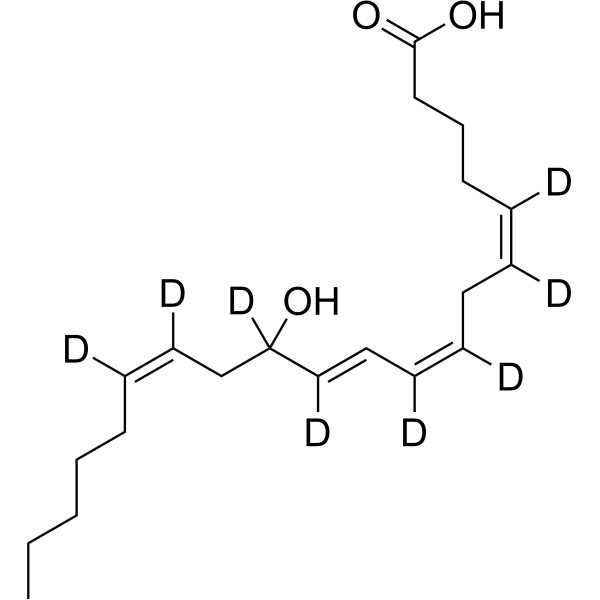
12-HETE-d8 is the deuterium labeled 12-HETE. 12-HETE, a major metabolic product of arachidonic acid using 12-LOX catalysis, inhibits cell apoptosis in a dose-dependent manner. 12-HETE promotes the activation and nuclear translocation of NF-κB through the integrin-linked kinase (ILK) pathway .12-HETE has both anti-thrombotic and pro-thrombotic effects . 12-HETE is a neuromodulator .
|
-
- HY-N1942
-
|
5-Demethylnobiletin
|
Lipoxygenase
Leukotriene Receptor
|
Neurological Disease
Inflammation/Immunology
Cancer
|
|
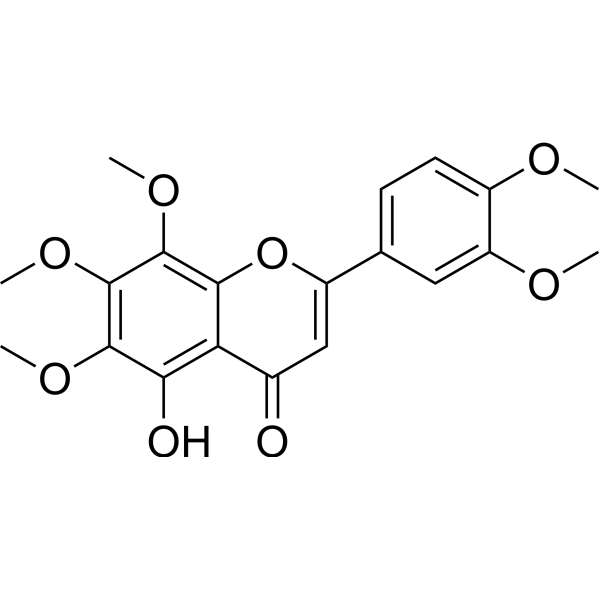
5-O-Demethylnobiletin (5-Demethylnobiletin), a polymethoxyflavone isolated from Citrus jambhiri Lush., is a direct inhibition of 5-LOX (IC50=0.1 μM), without affecting the expression of COX-2. 5-O-Demethylnobiletin (5-Demethylnobiletin) has anti-inflammatory activity, inhibits leukotriene B (4)(LTB4) formation in rat neutrophils and elastase release in human neutrophils with an IC50 of 0.35 μM .
|
-
- HY-116919
-
|
|
Lipoxygenase
|
Cardiovascular Disease
|
|
MLS000536924 is a potent and selective inhibitor of human epithelial 15-lipoxygenase-2 with competitive activity. MLS000536924 exhibits more than 50-fold selectivity in inhibiting h15-LOX-2 and can be effectively applied to study its role in atherosclerosis, cystic fibrosis, and ferroptosis. The binding mode of MLS000536924 shows stronger restriction of protein movement than other inhibitors, further verifying its higher biological activity .
|
-

- HY-N0551R
-
|
|
Reference Standards
Caspase
Lipoxygenase
Apoptosis
|
Inflammation/Immunology
Cancer
|
|
Wedelolactone (Standard) is the analytical standard of Wedelolactone. This product is intended for research and analytical applications. Wedelolactone suppresses LPS-induced caspase-11 expression by directly inhibits the IKK Complex. Wedelolactone also inhibits 5-lipoxygenase (5-Lox) with an IC50 of 2.5 μM. Wedelolactone induces caspase-dependent apoptosis in prostate cancer cells via downregulation of PKCε without inhibiting Akt. Wedelolactone can extract from Eclipta alba, and it can be used for the research of cancer .
|
-

- HY-N0198R
-
-

- HY-N7108
-
-
- HY-149269
-
|
|
COX
Carbonic Anhydrase
LOX-1
|
Inflammation/Immunology
|
|
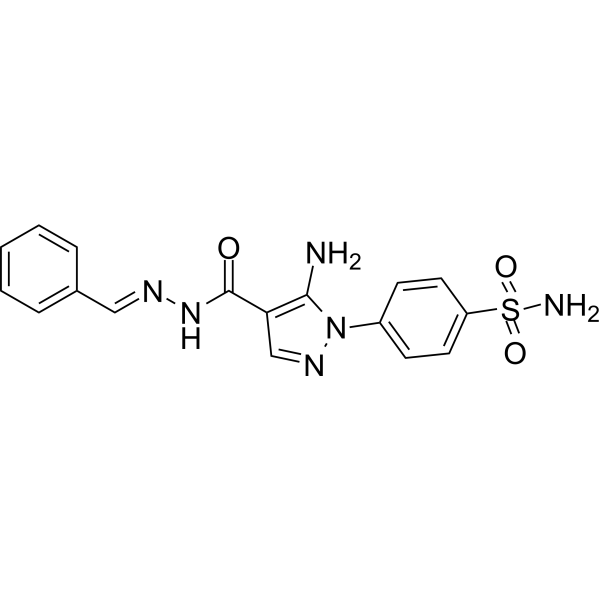
COX-2-IN-30 is a benzenesulfonamide derivative, as well as an orally active and dual inhibitor of COX (IC50=49 nM for COX-2, 10.4 μM for COX-1) and 5-LOX (IC50=2.4 μM). COX-2-IN-30 also inhibits transmembrane hCA IX and hCA XII isoform with nanomolar calss Ki values. COX-2-IN-30 exhibits analgesic, anti-inflammatory, and ulcerogenic activities, and does not show acute gastric effect .
|
-
- HY-N2056R
-
|
11-Keto-β-boswellic acid (Standard)
|
Reference Standards
Lipoxygenase
Leukotriene Receptor
NF-κB
|
Metabolic Disease
Cancer
|
|
11-Keto-beta-boswellic acid (Standard) is the analytical standard of 11-?Keto-?beta-?boswellic acid. This product is intended for research and analytical applications. 11-Keto-beta-boswellic acid (11-Keto-β-boswellic acid) is a pentacyclic triterpenic acid of the oleogum resin from the bark of the Boswellia serrate tree, popularly known as Indian Frankincense. 11-Keto-beta-boswellic acid has the anti-inflammatory activity is primarily due to inhibit 5-lipoxygenase (5-LOX) and subsequent leukotriene and nuclear factor-kappa B (NF-κB) activation and tumor necrosis factor alpha generation production .
|
-

- HY-W041193
-
|
|
MMP
Lipoxygenase
Tyrosinase
|
Infection
Inflammation/Immunology
Cancer
|
|
3-Hydroxy-2-pyrone (Compound 12d) is a metalloenzyme inhibitor. 3-Hydroxy-2-pyrone shows an inhibition rate of approximately 50% for matrix metalloproteinases (MMP) and the inhibition rate for non-heme iron enzyme 5-lipoxygenase (5-LOX) was over 70% at 1 mM. 3-Hydroxy-2-pyrone also has certain inhibitory activity against copper-dependent enzyme tyrosinase. 3-Hydroxy-2-pyrone can be used for the research of cancer, infection and inflammation .
|
-

- HY-W010144R
-
-

- HY-W010144
-
|
|
COX
Lipoxygenase
|
Cardiovascular Disease
Inflammation/Immunology
|
|
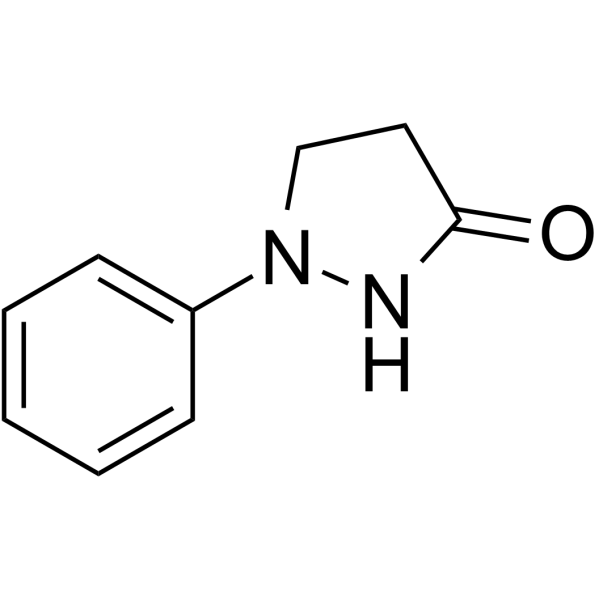
Phenidone, an orally active dual inhibitor of cyclooxygenase (COX) and lipoxygenase (LOX), ameliorates rat paralysis in experimental autoimmune encephalomyelitis. Phenidone is a potent hypotensive agent in the spontaneously hypertensive rat . Phenidone is used as a photographic developer .
|
-
- HY-N7108R
-
-

- HY-N1942R
-
|
5-Demethylnobiletin (Standard)
|
Reference Standards
Lipoxygenase
Leukotriene Receptor
|
Neurological Disease
Inflammation/Immunology
Cancer
|
|
5-O-Demethylnobiletin (Standard) is the analytical standard of 5-O-Demethylnobiletin. This product is intended for research and analytical applications. 5-O-Demethylnobiletin (5-Demethylnobiletin), a polymethoxyflavone isolated from Citrus jambhiri Lush., is a direct inhibition of 5-LOX (IC50=0.1 μM), without affecting the expression of COX-2. 5-O-Demethylnobiletin (5-Demethylnobiletin) has anti-inflammatory activity, inhibits leukotriene B (4)(LTB4) formation in rat neutrophils and elastase release in human neutrophils with an IC50 of 0.35 μM .
|
-

- HY-170938
-
|
|
Cholinesterase (ChE)
Monoamine Oxidase
Beta-secretase
COX
LOX-1
|
Neurological Disease
|
|
AChE-IN-82 (compound 49) is an acetylcholinesterase (AChE) inhibitor. AChE-IN-82 inhibits eeAChE, eqBChE, hMAO-A, hMAO-B, and BACE-1 with IC50s of 0.072, 9.81, 14.52, 0.024, 2.42 μM, respectively. AChE-IN-82 inhibits COX-1, COX-2 and 5-LOX with IC50s of 60.41, 0.187, 0.18 μM, respectively. AChE-IN-82 shows an excellent neuroprotective effect by significantly reducing oxidative stress induced by H2 O2 .
|
-

- HY-N0493
-
|
|
COX
Lipoxygenase
NF-κB
p38 MAPK
ERK
HIF/HIF Prolyl-Hydroxylase
Keap1-Nrf2
PI3K
Apoptosis
Autophagy
|
Neurological Disease
Inflammation/Immunology
Cancer
|
|
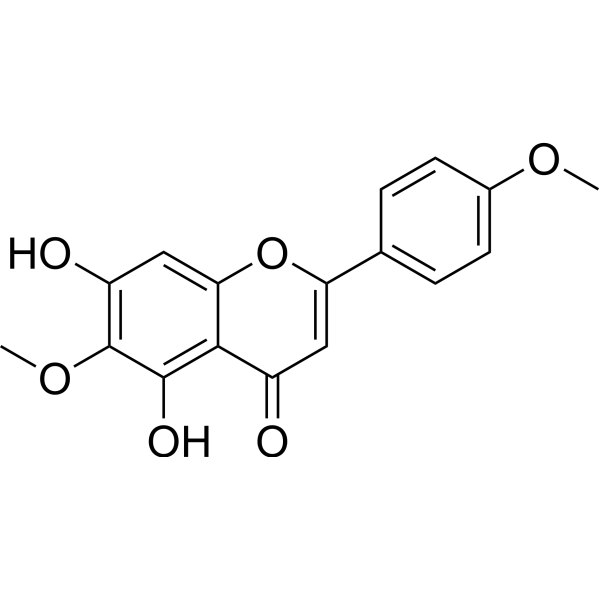
Pectolinarigenin is an orally active dual inhibitor of COX-2/5-LOX with anti-inflammatory, antioxidant, antitumor and neuroprotective activities. Pectolinarigenin exerts neuroprotective and anti-inflammatory effects on astrocyte inflammation via the NFκB and MAPK pathways. Pectolinarigenin inhibits LPS-induced phosphorylation of ERK1/2, N-FκB and p38MAPK, directly inhibits the enzymatic activity or binding of COX-2, 5-LOX and HIF-1α, and reduces the level of XIAP. Pectolinarigenin modifies Keap1 to promote nuclear accumulation of Nrf2, induces ARE-mediated antioxidant enzyme expression, and possesses direct free radical scavenging activity. Pectolinarigenin reduces the release of NO, proinflammatory mediators and leukotrienes, and increases the level of IL-10. Pectolinarigenin induces G2/M cell cycle arrest, apoptosis (Apoptosis) and autophagy (Autophagy) via the PI3K/AKT/mTOR signaling pathway. Pectolinarigenin reduces renal crystal deposition and inhibits melanin synthesis. Pectolinarigenin inhibits inflammation and alleviates allergy in mouse models of inflammation. Pectolinarigenin alleviates renal injury, inflammation and oxidative stress in mice by inhibiting HIF-1α activity. Pectolinarigenin can be used for the research of neurodegenerative diseases, inflammatory/allergic diseases, calcium oxalate nephrocalcinosis, gastric cancer, melasma, post-inflammatory diseases and chloasma .
|
-
- HY-N0493R
-
|
|
Reference Standards
COX
Lipoxygenase
NF-κB
p38 MAPK
ERK
HIF/HIF Prolyl-Hydroxylase
Keap1-Nrf2
PI3K
Apoptosis
Autophagy
|
Inflammation/Immunology
|
|
Pectolinarigenin (Standard) is the analytical standard of Pectolinarigenin. This product is intended for research and analytical applications. Pectolinarigenin is an orally active dual inhibitor of COX-2/5-LOX with anti-inflammatory, antioxidant, antitumor and neuroprotective activities. Pectolinarigenin exerts neuroprotective and anti-inflammatory effects on astrocyte inflammation via the NFκB and MAPK pathways. Pectolinarigenin inhibits LPS-induced phosphorylation of ERK1/2, N-FκB and p38MAPK, directly inhibits the enzymatic activity or binding of COX-2, 5-LOX and HIF-1α, and reduces the level of XIAP. Pectolinarigenin modifies Keap1 to promote nuclear accumulation of Nrf2, induces ARE-mediated antioxidant enzyme expression, and possesses direct free radical scavenging activity. Pectolinarigenin reduces the release of NO, proinflammatory mediators and leukotrienes, and increases the level of IL-10. Pectolinarigenin induces G2/M cell cycle arrest, apoptosis (Apoptosis) and autophagy (Autophagy) via the PI3K/AKT/mTOR signaling pathway. Pectolinarigenin reduces renal crystal deposition and inhibits melanin synthesis. Pectolinarigenin inhibits inflammation and alleviates allergy in mouse models of inflammation. Pectolinarigenin alleviates renal injury, inflammation and oxidative stress in mice by inhibiting HIF-1α activity. Pectolinarigenin can be used for the research of neurodegenerative diseases, inflammatory/allergic diseases, calcium oxalate nephrocalcinosis, gastric cancer, melasma, post-inflammatory diseases and chloasma.
|
-

- HY-124674A
-
|
|
Monoamine Oxidase
EGFR
Akt
TGF-beta/Smad
|
Cancer
|
|
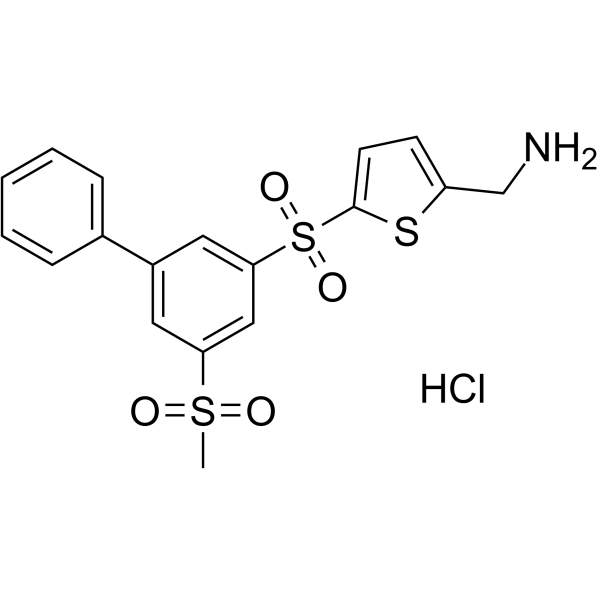
CCT365623 hydrochloride is an orally active lysyl oxidase (LOX) inhibitor, with an IC50 of 0.89 μM. CCT365623 hydrochloride suppresses EGFR (pY1068) and AKT phosphorylation driven by EGF. CCT365623 hydrochloride is extremely well tolerated, and has good pharmacokinetic properties .
|
-
- HY-13568
-
|
LRCL 3794
|
Cytochrome P450
COX
Lipoxygenase
PGE synthase
|
Inflammation/Immunology
|
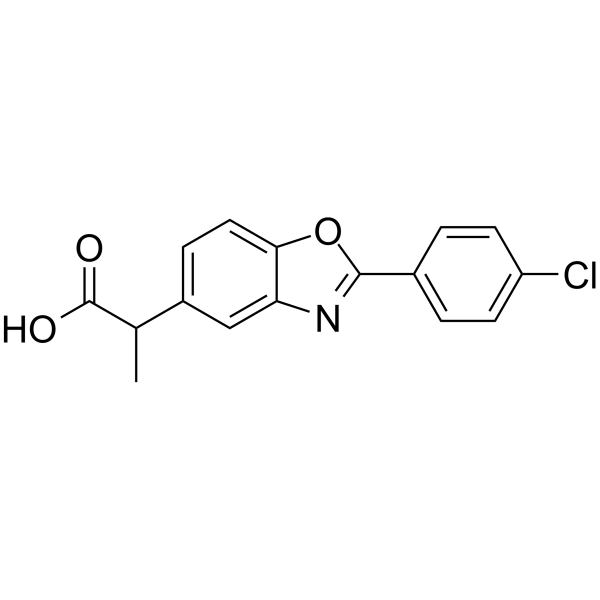
Benoxaprofen (LRCL 3794) is a nonsteroidal anti-inflammatory agent that blocks the biosynthesis of inflammatory mediators such as leukotrienes and prostaglandins by inhibiting 5-LOX, PGH2 synthase and cytochrome P-450. Benoxaprofen exhibits significant toxicity: it not only alters cellular redox status, uncouples oxidative phosphorylation and disrupts calcium ion homeostasis, but also causes liver injury through the formation of covalent adducts between its active metabolites and hepatic proteins. Benoxaprofen shows strong phototoxicity under ultraviolet irradiation, and induces erythrocyte lysis, mast cell degranulation and histamine release. Benoxaprofen is widely used in studies of urticaria and related phototoxic mechanisms .
|
-
- HY-105028
-
|
CP-66248
|
COX
Lipoxygenase
Potassium Channel
MMP
|
Inflammation/Immunology
|
|
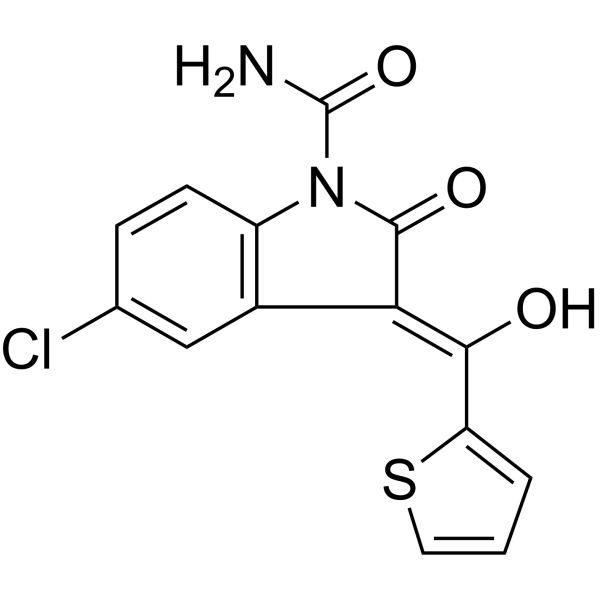
Tenidap (CP-66248) is an orally active dual inhibitor of 5-LOX and COX with anti-inflammatory and immunomodulatory properties. Tenidap downregulates the expression of IL-1 receptors in chondrocytes, reduces the release of pro-inflammatory cytokines such as IL-1, IL-6 and TNF-α, and inhibits MMP production and cartilage degradation. Tenidap also blocks bone resorption and leukocyte adhesion to vascular endothelium, interferes with ion and pH changes associated with mouse sperm capacitation, and selectively enhances the activity of hKir2.3 channels (EC50=1.3 μM). Tenidap is applicable to research related to rheumatoid arthritis .
|
-
- HY-151426
-
|
|
Apoptosis
|
Cancer
|
|
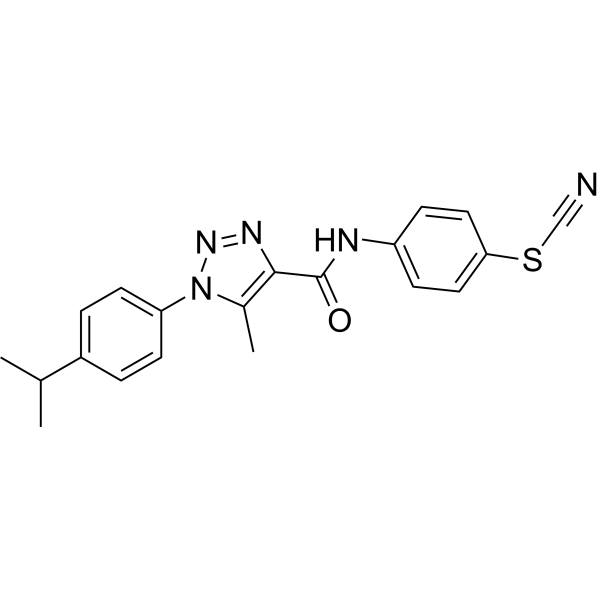
Anticancer agent 83 is a potent anticancer agent, inhibits LOX IMVI cells growth with a GI50 value of 0.15 mM. Anticancer agent 83 reduces mitochondrial membrane potential and induces DNA damage to induces leukemia cells apoptosis .
|
-
- HY-42484
-
|
Eribulin intermediate
|
Microtubule/Tubulin
|
Cancer
|
|
ER-076349 (Eribulin intermediate) is an inhibitor of tubulin polymerization, induces G2-M cell cycle arrest, and disrupts mitotic spindles. ER-076349 inhibits cancer cell growth, and inhibits tumor growth in several human tumor xenografts. ER-076349 is an analog of Halichondrin B .
|
-

- HY-145473
-
|
15(S)-HETE-SAPE; 15(S)-Hydroxyeicosatetraenoic acid-SAPE; 1-Stearoyl-2-15(S)-HETE-sn-glycero-3-Phosphatidylethanolamine
|
Endogenous Metabolite
|
Metabolic Disease
|
|
1-Stearoyl-2-15(S)-HETE-sn-glycero-3-PE (15(S)-HETE-SAPE) is a phospholipid containing stearic acid (HY-B2219) at the sn-1 position and 15(S)-HETE (HY-113336) at the sn-2 position. 1-Stearoyl-2-15(S)-HETE-sn-glycero-3-PE is formed by direct oxidation of 1-stearoyl-2-arachidonoyl-sn-glycero-3-PE (SAPE) by 15-LOX in human peripheral mononuclear cells activated with the calcium ionophore A23187 (HY-N6687).
|
-

- HY-N10549
-
|
|
Ferroptosis
c-Myc
Glutathione Peroxidase
JNK
Reactive Oxygen Species (ROS)
GSK-3
|
Infection
Metabolic Disease
Cancer
|
|
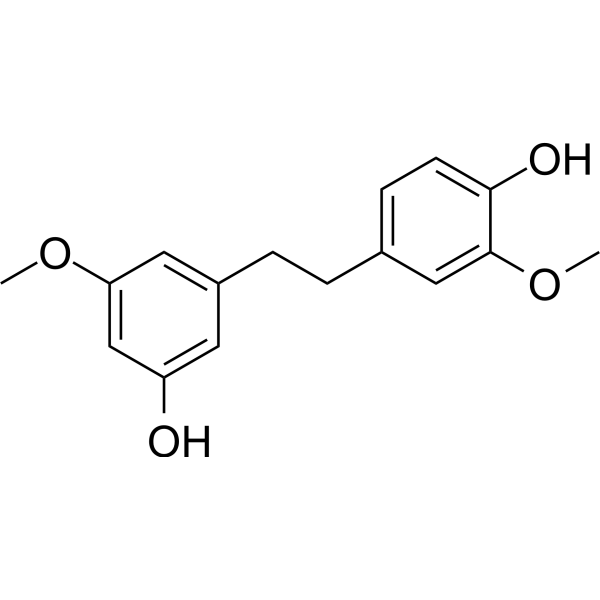
Gigantol is an orally active bibenzyl compound. Gigantol targets MYC to promote its ubiquitin-proteasomal degradation and inhibit the growth of lung cancer cells. Gigantol exerts anti-lung cancer activity by inducing ferroptosis (Ferroptosis) via the SLC7A11-GPX4 axis. Gigantol restores the sensitivity of mcr-harboring multidrug-resistant bacteria to colistin. Gigantol ameliorates carbon tetrachloride-induced liver injury by inhibiting the activation of the JNK/cPLA2/12-LOX inflammatory pathway. Gigantol promotes cholesterol metabolism and progesterone biosynthesis in Leydig cells. Gigantol can be used in studies related to diseases such as lung cancer, multidrug-resistant Gram-negative bacterial infections, and acute liver injury .
|
-
- HY-W778179
-
|
LRCL 3794-13C,d3
|
Isotope-Labeled Compounds
COX
Cytochrome P450
Lipoxygenase
PGE synthase
|
Inflammation/Immunology
|
|
Benoxaprofen- 13C, d3 is the 13C-labeled Benoxaprofen (HY-13568). Benoxaprofen (LRCL 3794) is a nonsteroidal anti-inflammatory agent that blocks the biosynthesis of inflammatory mediators such as leukotrienes and prostaglandins by inhibiting 5-LOX, PGH2 synthase and cytochrome P-450. Benoxaprofen exhibits significant toxicity: it not only alters cellular redox status, uncouples oxidative phosphorylation and disrupts calcium ion homeostasis, but also causes liver injury through the formation of covalent adducts between its active metabolites and hepatic proteins. Benoxaprofen shows strong phototoxicity under ultraviolet irradiation, and induces erythrocyte lysis, mast cell degranulation and histamine release. Benoxaprofen is widely used in studies of urticaria and related phototoxic mechanisms .
|
-

- HY-108448
-
|
OLDA
|
TRP Channel
Lipoxygenase
|
Cardiovascular Disease
Neurological Disease
Metabolic Disease
|
|
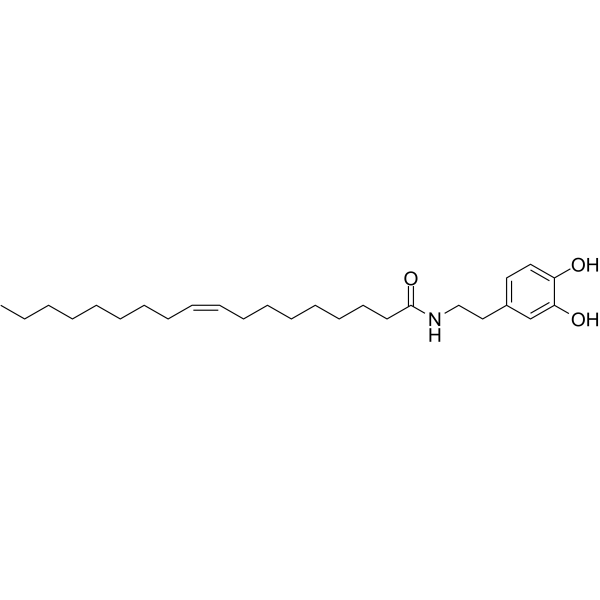
N-Oleoyldopamine (OLDA) is an orally active TRPV1 activator and 5-LOX inhibitor with blood-brain barrier permeability. N-Oleoyldopamine excites histaminergic neurons in the tuberomammillary nucleus via a dopamine receptor mechanism, a process independent of TRPV1 and cannabinoid receptors. On one hand, N-Oleoyldopamine promotes the release of insulin and glucose-dependent insulinotropic polypeptide through a GPR119-dependent pathway to improve glucose tolerance; on the other hand, N-Oleoyldopamine improves left ventricular function and reduces myocardial infarction size by triggering the release of substance P and calcitonin gene-related peptide. N-Oleoyldopamine is used in studies related to glycemic abnormalities and myocardial ischemia-reperfusion injury .
|
-
- HY-13568R
-
|
LRCL 3794 (Standard)
|
Reference Standards
COX
Cytochrome P450
Lipoxygenase
PGE synthase
|
Inflammation/Immunology
|
|
Benoxaprofen (Standard) is the analytical standard of Benoxaprofen. This product is intended for research and analytical applications. Benoxaprofen (LRCL 3794) is a nonsteroidal anti-inflammatory agent that blocks the biosynthesis of inflammatory mediators such as leukotrienes and prostaglandins by inhibiting 5-LOX, PGH2 synthase and cytochrome P-450. Benoxaprofen exhibits significant toxicity: it not only alters cellular redox status, uncouples oxidative phosphorylation and disrupts calcium ion homeostasis, but also causes liver injury through the formation of covalent adducts between its active metabolites and hepatic proteins. Benoxaprofen shows strong phototoxicity under ultraviolet irradiation, and induces erythrocyte lysis, mast cell degranulation and histamine release. Benoxaprofen is widely used in studies of urticaria and related phototoxic mechanisms .
|
-

- HY-171955
-
|
|
Lipoxygenase
Apoptosis
Reactive Oxygen Species (ROS)
FAK
|
Cancer
|
|
LXG6403 is an orally active and irreversible LOX inhibitor (IC50 = 1.3 μM). LXG6403 is ~3.5-fold more specific for LOX than LOXL2 and does not inhibit LOXL1. LXG6403 inhibits FAK signaling and induces ROS generation and DNA damage, leading to G1 arrest and apoptosis in chemoresistant triple-negative breast cancer (TNBC) cell lines. LXG6403 alters the extracellular matrix (ECM) and collagen structure, reducing collagen cross-linking and deposition, thereby increasing drug penetration and reducing tumor stiffness. LXG6403 overcomes Doxorubicin (HY-15142) resistance in chemoresistant TNBC PDX in vivo and can be used to study high-stiffness resistant tumors .
|
-

- HY-N16694
-
|
|
Lipoxygenase
|
Others
|
|
6,7-Dehydroferruginol is a diterpenoid compound that can be isolated from the dichloromethane extract of Juniperus communis wood. At a concentration of 100 μg/mL, 6,7-Dehydroferruginol showed no inhibitory activity against 12(S)-LOX and did not inhibit the production of 12(S)-HETE .
|
-

- HY-N1996
-
|
|
COX
Lipoxygenase
SARS-CoV
Influenza Virus
|
Infection
Inflammation/Immunology
|
|
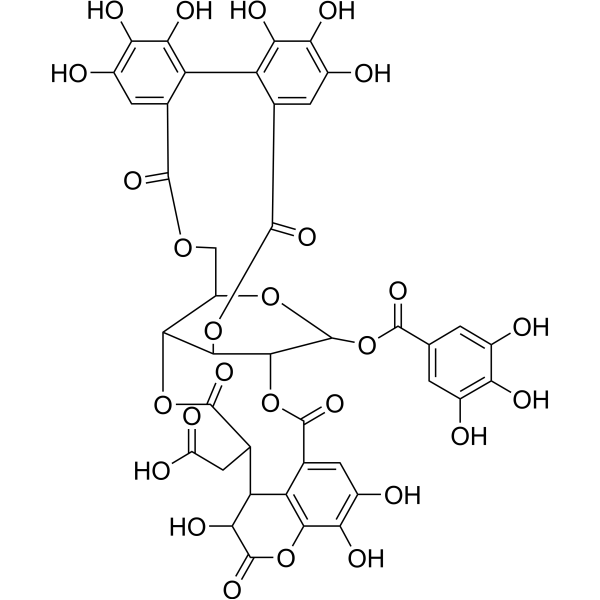
Chebulagic acid is a COX-LOX dual inhibitor isolated from the fruits of Terminalia chebula Retz, on angiogenesis. Chebulagic acid is a M2 serine to asparagine 31 mutation (S31N) inhibitor and influenza antiviral. Chebulagic acid also against SARS-CoV-2 viral replication with an EC50 of 9.76 μM.
|
-
- HY-179441
-
|
|
Epoxide Hydrolase
FLAP
|
Inflammation/Immunology
|
|
sEH/FLAP-IN-2 is a selective sEH (IC50 = 12.6 nM)/FLAP dual inhibitor. sEH/FLAP-IN-2 highlights the reduction of 5-LOX/FLAP- and sEH-derived LMs, resulting in a favourable redistribution of LMs. sEH/FLAP-IN-2 can be used for the study of peritonitis .
|
-

- HY-W020955
-
|
Chloro(triphenylphosphine)gold(I)
|
Biochemical Assay Reagents
Apoptosis
DNA Alkylator/Crosslinker
Lipoxygenase
|
Cancer
|
|
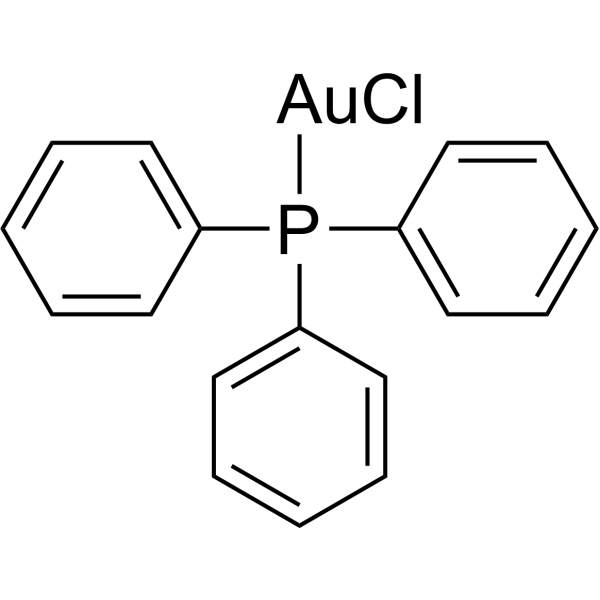
Triphenylphosphinechlorogold (Chloro(triphenylphosphine)gold(I)) is a gold complex, Apoptosis inducer, and catalyst. Triphenylphosphinechlorogold exhibits high LOX inhibitory activity. Triphenylphosphinechlorogold induces cell cycle arrest and apoptosis. Triphenylphosphinechlorogold catalyzes the peroxidation of linoleic acid. A weak interaction exists between Triphenylphosphinechlorogold and DNA. Triphenylphosphinechlorogold displays antiproliferative activity against breast cancer cells .
|
-
- HY-P992132
-
|
STAR-0310
|
TNF Receptor
|
Inflammation/Immunology
|
|
Solaprubart is a humanized IgG1-κ monoclonal antibody targeting TNFSF4/OX40L. Solaprubart regulates immune homeostasis by blocking the OX40L-OX40 signaling pathway and can be used for the research of autoimmune diseases such as atopic dermatitis .
|
-

- HY-N9551
-
|
|
Cytochrome P450
Parasite
COX
Lipoxygenase
|
Infection
Neurological Disease
Cancer
|
|
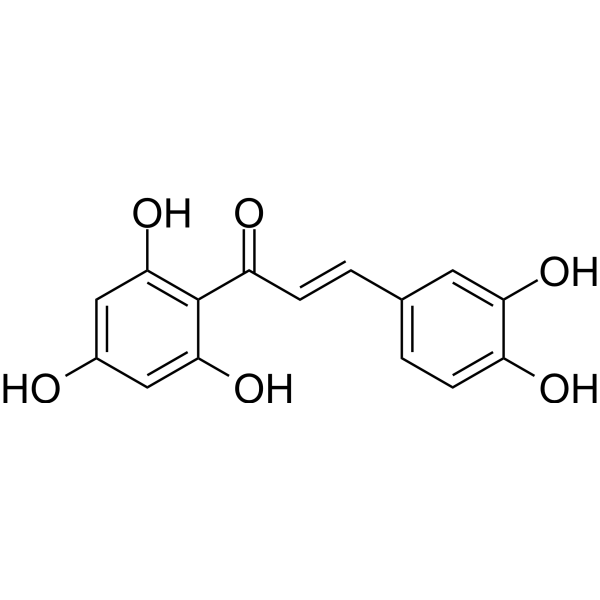
Eriodictyol chalcone is an antioxidant that inhibits multiple key enzymes including 5-LOX (IC50=0.043 μM), aromatase/CYP19A1 (IC50=2.8 μM), PTPase 1B (IC50=1.26 μM), and COX (IC50=34 μM). Eriodictyol chalcone exhibits excellent free radical scavenging activity. Eriodictyol chalcone not only inhibits the growth of plasmodia and enhances the efficacy of Artemisinin (HY-B0094), but also reduces depression-like behaviors in animal models. Eriodictyol chalcone serves as a biosynthetic precursor for Aureusidin (HY-N9834). Eriodictyol chalcone is a potential dietary supplement and herbicide, and it can be applied to research on malaria, depression, breast cancer and other related diseases .
|
-
- HY-181061
-
|
|
COX
EGFR
Lipoxygenase
FAK
Raf
Apoptosis
Caspase
Bcl-2 Family
|
Cancer
|
|
COX/5-LO-IN-2 is a COX2, EGFR, COX1, 5-LOX, BRAF and FAK inhibitor with IC50 of 1.22 μM, 2.5 μM, 2.95 μM, 4.65 μM, 7.4 μM, 12.2 μM, respectively. COX/5-LO-IN-2 induces cell growth arrest at G2/M phase. COX/5-LO-IN-2 triggers apoptotic activity by up-regulating proapoptotic proteins p53, Bax, and caspase-7 and down-regulating anti-apoptotic protein Bcl-2. COX/5-LO-IN-2 can be used for the research of breast cancer .
|
-

- HY-111140
-
|
|
PGE synthase
Lipoxygenase
PPAR
|
Inflammation/Immunology
|
|
YS121 is a dual inhibitor of microsomal prostaglandin E2 synthase-1 (mPGES-1; IC50 = 3.4 μM) and 5-lipoxygenase (5-LOX; IC50 = 6.5 μM). YS121 exhibits direct, reversible, and specific binding to mPGES-1 (KD = 10-14 μM) . YS121 dose-dependently reduces PGE2 production with an EC50 of 12 μM in IL-1β-stimulated A549 cells . YS121 (compound 9) activates PPAR-α and -γ (EC50 = 1 and 3.6 μM, respectively) . YS121 exhibits anti-inflammatory efficiency in human whole blood as well as in vivo. YS121 can be used for pleurisy research .
|
-
- HY-155123
-
|
|
Monoamine Oxidase
Xanthine Oxidase
|
Inflammation/Immunology
|
|
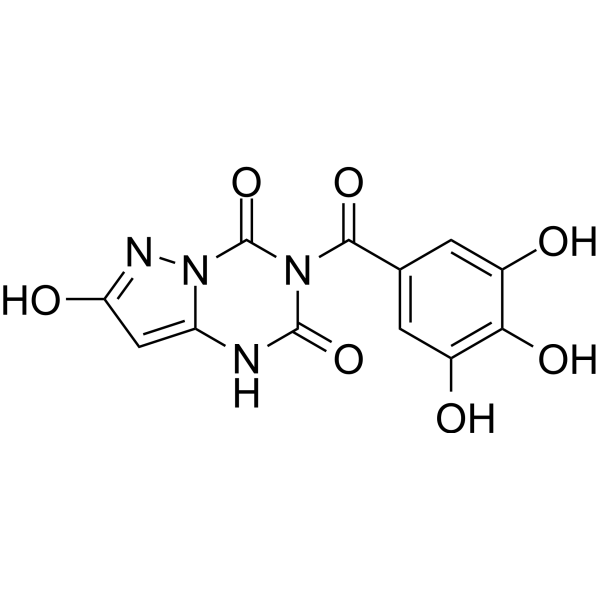
Antioxidant agent-13 (Compound 5f) is an antioxidant agent. Antioxidant agent-13 inhibits DPPH and FRAP with IC50s of 80.33 and 85.69 μM. Antioxidant agent-13 also inhibits LOX and XO enzymes with IC50s of 16.85 and 23.01 μM .
|
-
- HY-175034
-
|
|
Topoisomerase
Apoptosis
MDM-2/p53
Bcl-2 Family
Caspase
|
Cancer
|
|
Topoisomerase I/II-IN-1 is a dual inhibitor of topoisomerase I/II. Topoisomerase I/II-IN-1 induces G2/M arrest and apoptosis in cancer cells by upregulating p53, p21, and Bax mRNA levels, caspase-3 protein levels, and the Bax/Bcl-2 ratio, while downregulating Bcl-2. Topoisomerase I/II-IN-1 is useful in the study of various cancers, including melanoma, renal cancer, colorectal cancer, and breast cancer .
|
-

- HY-13948
-
|
Angiotensin II; Ang II; DRVYIHPF
|
Angiotensin Receptor
Apoptosis
|
Cardiovascular Disease
Infection
Metabolic Disease
Inflammation/Immunology
Cancer
|
|
Angiotensin II (Angiotensin II) is a vasoconstrictor and a major bioactive peptide of the renin/angiotensin system. Angiotensin II human plays a central role in regulating human blood pressure, which is mainly mediated by interactions between Angiotensin II and the G-protein-coupled receptors (GPCRs) Angiotensin II type 1 receptor (AT1R) and Angiotensin II type 2 receptor (AT2R). Angiotensin II human stimulates sympathetic nervous stimulation, increases aldosterone biosynthesis and renal actions. Angiotensin II human induces growth of vascular smooth muscle cells, increases collagen type I and III synthesis in fibroblasts, leading to thickening of the vascular wall and myocardium, and fibrosis. Angiotensin II human also induces apoptosis. Angiotensin II induces capillary formation from endothelial cells via the LOX-1 dependent redox-sensitive pathway .
|
-
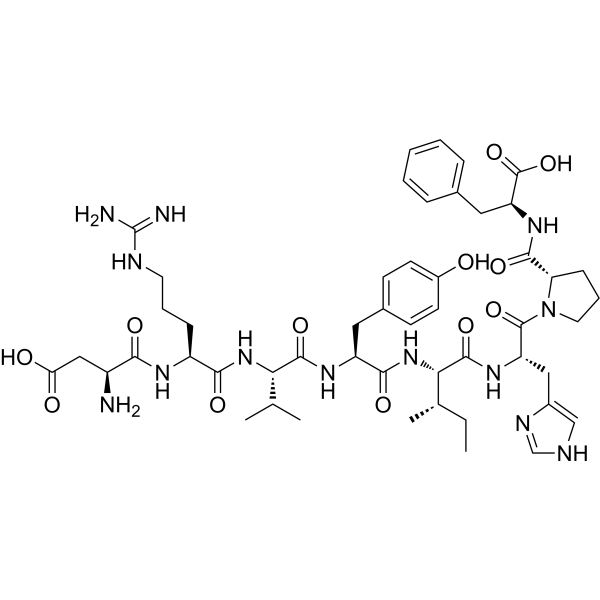
- HY-13948A
-
|
Angiotensin II acetate; Ang II acetate; DRVYIHPF acetate
|
Angiotensin Receptor
Apoptosis
|
Cardiovascular Disease
Infection
Metabolic Disease
Inflammation/Immunology
Cancer
|
|
Angiotensin II human (Angiotensin II) acetate is a vasoconstrictor and a major bioactive peptide of the renin/angiotensin system. Angiotensin II human acetate plays a central role in regulating human blood pressure, which is mainly mediated by interactions between Angiotensin II and the G-protein-coupled receptors (GPCRs) Angiotensin II type 1 receptor (AT1R) and Angiotensin II type 2 receptor (AT2R). Angiotensin II human acetate stimulates sympathetic nervous stimulation, increases aldosterone biosynthesis and renal actions. Angiotensin II human acetate induces growth of vascular smooth muscle cells, increases collagen type I and III synthesis in fibroblasts, leading to thickening of the vascular wall and myocardium, and fibrosis. Angiotensin II human acetate also induces apoptosis. Angiotensin II human acetate induces capillary formation from endothelial cells via the LOX-1 dependent redox-sensitive pathway .
|
-
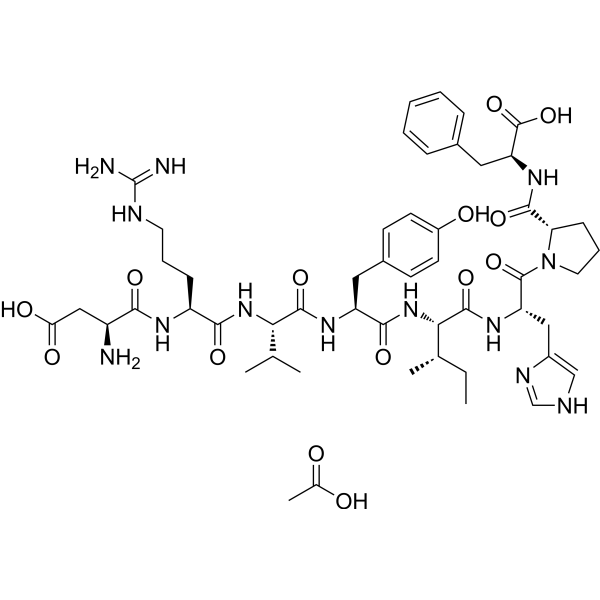
- HY-N1996R
-
|
|
Reference Standards
COX
Lipoxygenase
SARS-CoV
Influenza Virus
|
Infection
Inflammation/Immunology
|
|
Chebulagic acid (Standard) is the analytical standard of Chebulagic acid. This product is intended for research and analytical applications. Chebulagic acid is a COX-LOX dual inhibitor isolated from the fruits of Terminalia chebula Retz, on angiogenesis. Chebulagic acid is a M2 serine to asparagine 31 mutation (S31N) inhibitor and influenza antiviral. Chebulagic acid also against SARS-CoV-2 viral replication with an EC50 of 9.76 μM.
|
-

- HY-127170
-
|
|
Lipoxygenase
Tyrosinase
|
Metabolic Disease
Inflammation/Immunology
|
|
3-Hydroxycoumarin is an inhibitor of tyrosinase and lipoxygenase with an IC50 for recombinant human tyrosinase (rHT) of 26 μM, and a Ki of 3.39 μM; its IC50 for LOX is 9.5 μM. 3-Hydroxycoumarin has DPPH free radical scavenging activity (IC50 = 31.2 μM). 3-Hydroxycoumarin has photoprotective effects on sea urchin zygotes and embryos .
|
-
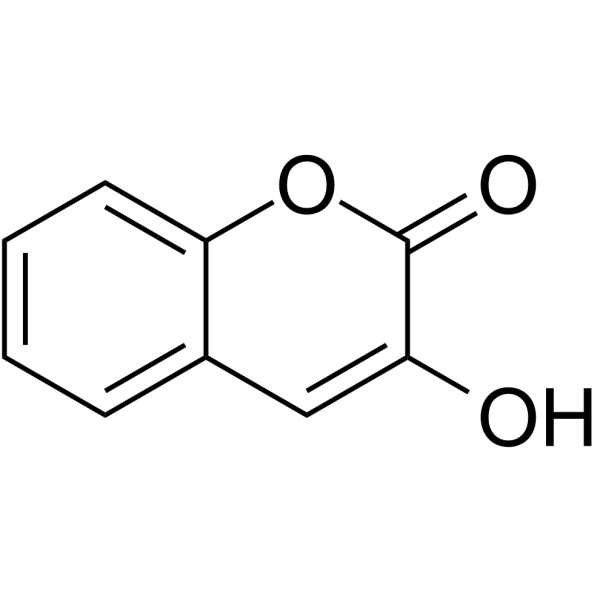
- HY-111033
-
|
|
MEK
ERK
Apoptosis
p38 MAPK
CDK
PARP
|
Inflammation/Immunology
Cancer
|
|
RO5068760 is a potent, orally active and selective non-ATP-competitive MEK1/2 inhibitor with an IC50 of 0.025 μM for MEK1. RO5068760 significantly inhibits MAPK pathway activity, thereby inducing G1 cell cycle arrest and apoptosis to inhibit cancer cell growth. RO5068760 exhibits significant efficacy in a broad spectrum of tumors with aberrant MAPK pathway activation. RO5068760 can be used for melanoma, colorectal cancer, non-small cell lung cancer (NSCLC), and pancreatic cancer research .
|
-

- HY-13948B
-
|
Angiotensin II TFA; Ang II TFA; DRVYIHPF TFA
|
Angiotensin Receptor
Apoptosis
|
Cardiovascular Disease
Metabolic Disease
Cancer
|
|
Angiotensin II human (Angiotensin II) TFA is a vasoconstrictor and a major bioactive peptide of the renin/angiotensin system. Angiotensin II human TFA plays a central role in regulating human blood pressure, which is mainly mediated by interactions between Angiotensin II and the G-protein-coupled receptors (GPCRs) Angiotensin II type 1 receptor (AT1R) and Angiotensin II type 2 receptor (AT2R). Angiotensin II human TFA stimulates sympathetic nervous stimulation, increases aldosterone biosynthesis and renal actions. Angiotensin II human TFA induces growth of vascular smooth muscle cells, increases collagen type I and III synthesis in fibroblasts, leading to thickening of the vascular wall and myocardium, and fibrosis. Angiotensin II human TFA also induces apoptosis. Angiotensin II human TFA induces capillary formation from endothelial cells via the LOX-1 dependent redox-sensitive pathway .
|
-
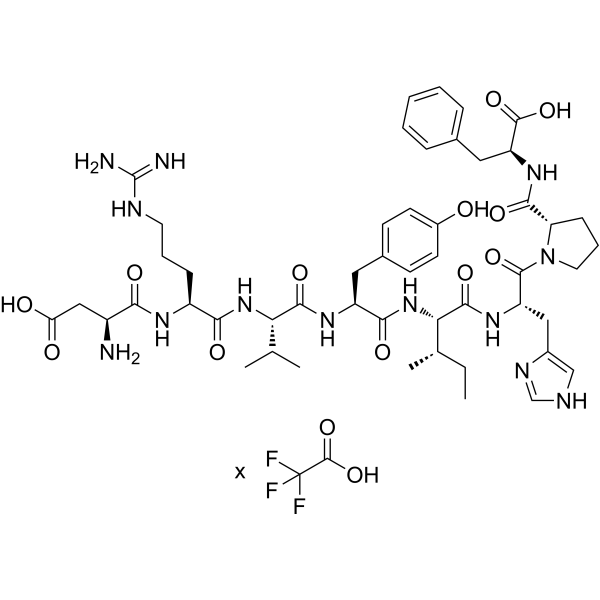
- HY-W089800
-
|
trans-2-Nonen-1-al
|
COX
Lipoxygenase
Apoptosis
|
Cardiovascular Disease
Inflammation/Immunology
|
|
trans-2-Nonenal (trans-2-Nonen-1-al) is an endogenous peroxidation product of polyunsaturated fatty acids, acting as an inhibitor of COX and 12-LOX, as well as an inducer of apoptosis. trans-2-Nonenal is also a malodorous compound secreted by the human body, and its content gradually increases with aging. trans-2-Nonenal inhibits the activities of multiple enzymes such as platelet membrane-bound PTPase, preferentially covalently modifies proteins at lysine residues to form immunogenic adducts, and regulates platelet Arachidonic acid (HY-109590) metabolism. trans-2-Nonenal also exhibits significant cytotoxicity, reduces the viability of keratinocytes, promotes their apoptosis, and effectively decreases the thickness of epidermal models and the number of proliferating cells. trans-2-Nonenal is commonly used in studies of thrombotic, atherosclerotic diseases, renal adenocarcinoma, etc. .
|
-
- HY-N17462
-
|
|
Monoamine Oxidase
|
Inflammation/Immunology
|
|
Methyl 9-hydroxyoctadeca-10,12,15-trienoate is a soybean lipoxygenase (LOX) inhibitor. Methyl 9-hydroxyoctadeca-10,12,15-trienoate inhibits TPA (HY-18739)-induced ear edema/inflammation in mice. Methyl 9-hydroxyoctadeca-10,12,15-trienoate can be used for the research of inflammation .
|
-

- HY-155522
-
|
|
Carbonic Anhydrase
|
Cancer
|
|
WES-1 (Compound 8g) is an inhibitor of carbonic anhydrase IX (Ki: 55.9 μM). WES-1 has broad spectrum anti-proliferative activity against the cancer cells, such as leukemia (K-562 and MOLT-4), non-small cell lung cancer (NCI–H460), colon cancer (HCT 116 and HCT-15) and melanoma (LOX IMVI) cell lines .
|
-
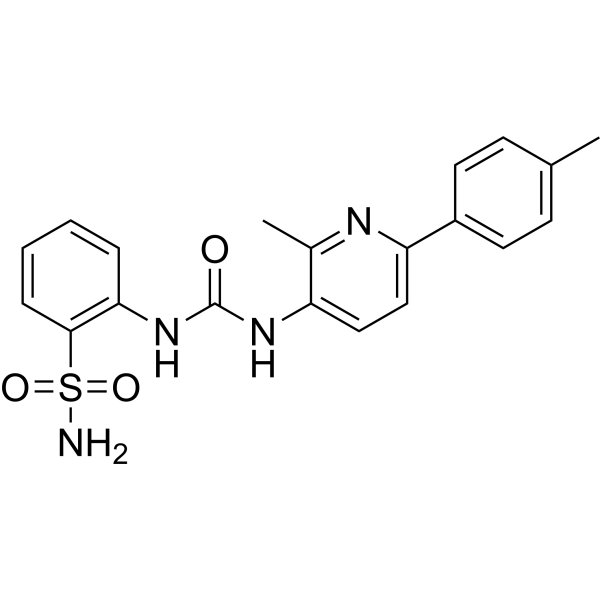
- HY-151499
-
|
|
Monoamine Oxidase
|
Others
|
|
PXS-6302 is an irreversible lysyl oxidase inhibitor with IC50s of 3.7 μM (Bovine LOX), 3.4 μM (rh LOXL1), 0.4 μM (rh LOXL2), 1.5 μM (rh LOXL3), 0.3 μM (rh LOXL4), respectively. PXS-6302 has readily skin penetrability, reduces collagen deposition and significantly improves scar appearance .
|
-
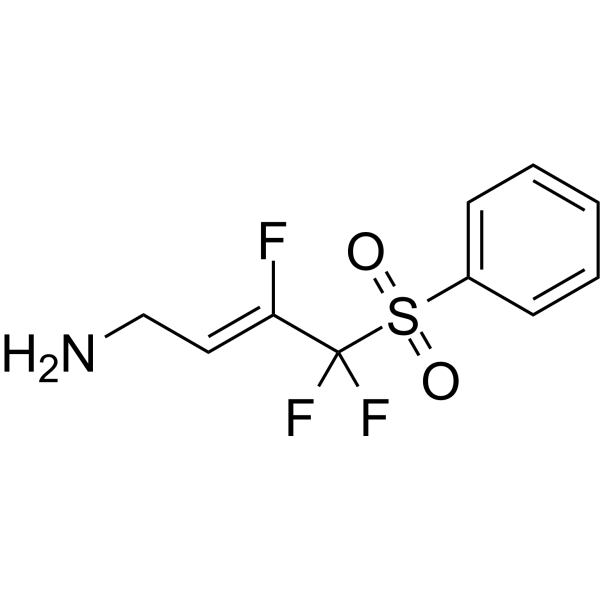
- HY-151499A
-
|
|
Monoamine Oxidase
|
Inflammation/Immunology
|
|
PXS-6302 hydrochloride is an irreversible lysyl oxidase inhibitor with IC50s of 3.7 μM (Bovine LOX), 3.4 μM (rh LOXL1), 0.4 μM (rh LOXL2), 1.5 μM (rh LOXL3), 0.3 μM (rh LOXL4), respectively. PXS-6302 hydrochloride has readily skin penetrability, reduces collagen deposition and significantly improves scar appearance .
|
-
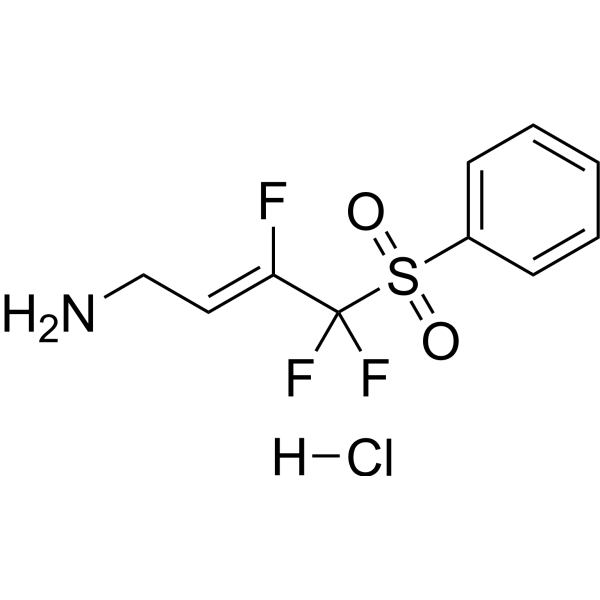
- HY-138153
-
|
|
Glutathione Peroxidase
Ferroptosis
|
Cancer
|
|
JKE-1674 is an orally active glutathione peroxidase 4 (GPX4) inhibitor and an active metabolite of GPX4 inhibitor ML-210. JKE-1674, an analog of ML-210 in which the nitroisoxazole ring is replaced with an α-nitroketoxime. JKE-1674 can convert into a nitrile oxide JKE-1777. JKE-1674 kills LOX-IMVI cells in a manner that is equipotent to ML-210 and is completely rescued by ferroptosis inhibitors .
|
-
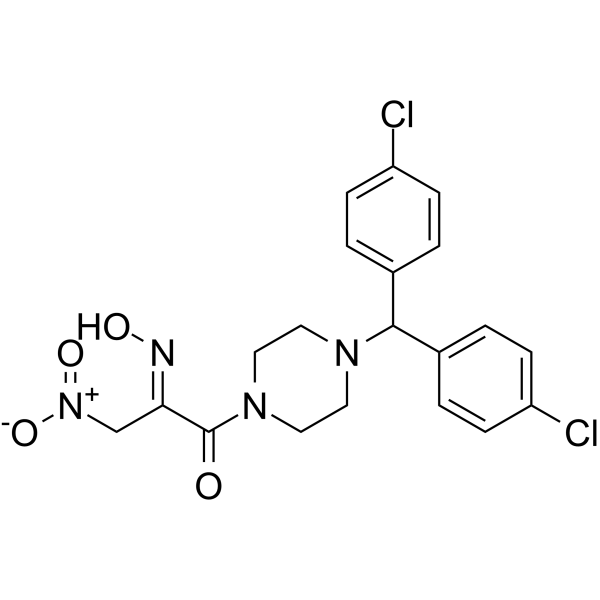
- HY-N1965
-
-
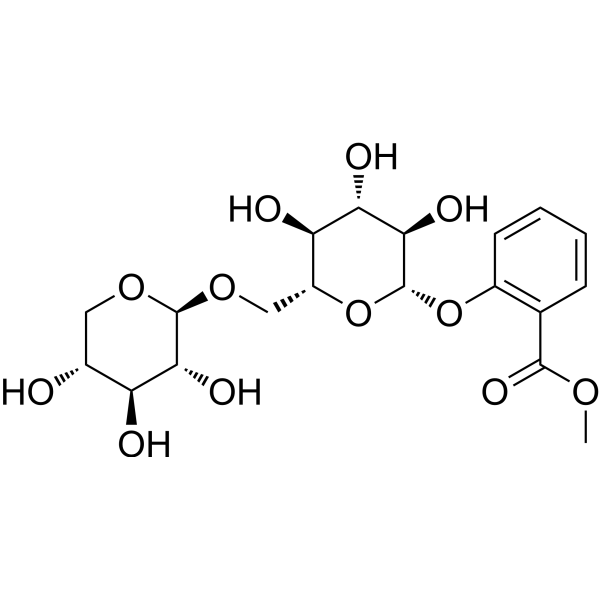
- HY-N1965R
-
-

- HY-124108
-
|
ETYA
|
COX
Lipoxygenase
Orthopoxvirus
Potassium Channel
DNA/RNA Synthesis
Drug Derivative
|
Infection
Neurological Disease
Inflammation/Immunology
Cancer
|
|
Eicosatetraynoic acid (ETYA) is a non-metabolizable analog of Arachidonic acid (HY-109590) and also an inhibitor of the lipoxygenase (LOX)/cyclooxygenase (COX) pathway (ID50 = 8 μM and 4 μM). Eicosatetraynoic acid acts as a suicide substrate to inhibit the production of inflammatory mediators such as leukotrienes and prostaglandins. Eicosatetraynoic acid acts directly on cell membranes and membrane proteins to exert a wide range of effects, including blocking potassium channels, increasing cell membrane fluidity, elevating intracellular calcium levels, inhibiting DNA synthesis in tumor cells, inducing differentiation of certain cells, and specifically inhibiting the assembly and replication of orthopoxviruses. Eicosatetraynoic acid alleviates acute lung injury induced by chemicals such as phosgene .
|
-
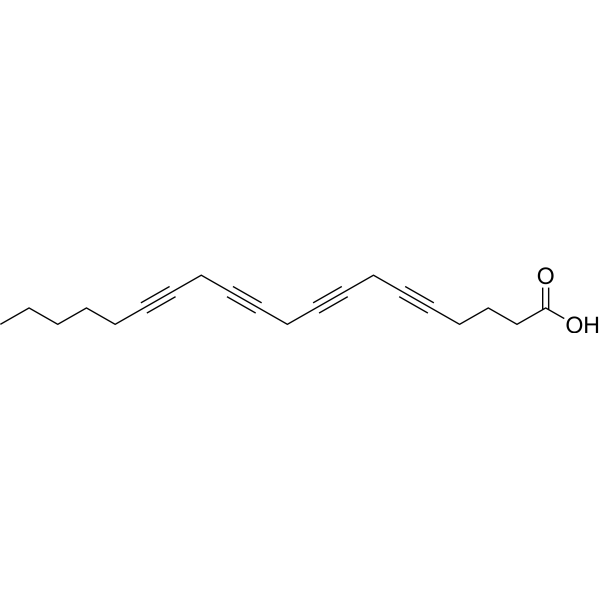
- HY-N7012
-
|
5-Hydroxy-3',4',7-trimethoxyflavone
|
Lipoxygenase
TNF Receptor
Interleukin Related
COX
Fungal
Parasite
Apoptosis
|
Infection
Inflammation/Immunology
Cancer
|
|
7,3',4'-Tri-O-methylluteolin (5-Hydroxy-3',4',7-trimethoxyflavone) is a flavonoid with multiple biological activities. 7,3',4'-Tri-O-methylluteolin inhibits soybean lipoxygenase (LOX), with an IC50 value of 23.97 µg/mL. 7,3',4'-Tri-O-methylluteolin possesses anti-inflammatory effects in Lipopolysaccharides (HY-D1056) (LPS)-induced RAW 264.7 macrophages. 7,3',4'-Tri-O-methylluteolin inhibits the binding of MDM2 with p53 and induces apoptosis in MCF-7 breast cancer cells. 7,3',4'-Tri-O-methylluteolin also has antioxidant, antifungal and antitrypanosomal activities sup>[4]sup>[5].
|
-
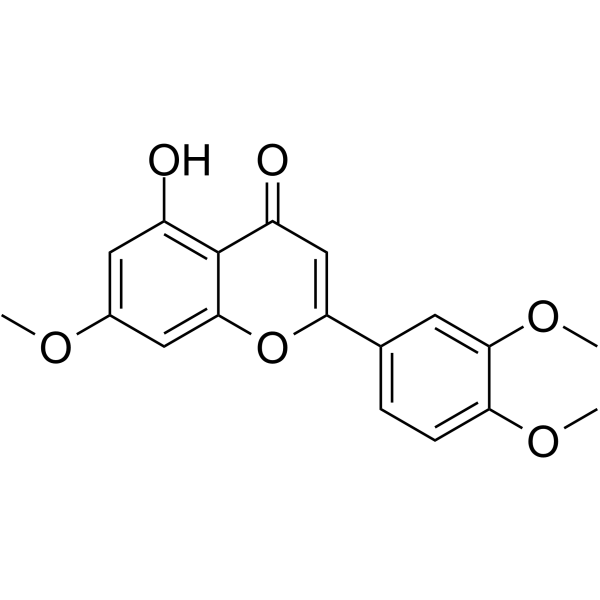
- HY-180581
-
|
|
Monoamine Oxidase
Guanylate Cyclase
|
Cardiovascular Disease
|
|
LOXL2/sGC modulator-1 (Compound 11k) is a LOXL2 inhibitor (IC₅₀ = 0.13 μM) and an sGC activator. LOXL2/sGC modulator-1 shows good selectivity for LOX (IC₅₀ > 45.9 μM) and LOXL3 (IC₅₀ = 1.30 μM). LOXL2/sGC modulator-1 significantly increases intracellular cGMP levels in the presence of the gGC inhibitor ODQ (HY-101255). LOXL2/sGC modulator-1 significantly inhibits hypoxia-induced collagen deposition and cross-linking, while promoting vasodilation. LOXL2/sGC modulator-1 can be used for the study of pulmonary arterial hypertension .
|
-

- HY-172877
-
|
|
Raf
EGFR
Apoptosis
Bcl-2 Family
|
Cancer
|
|
EGFR/BRAFV600E-IN-5 (Compound 7I) is a dual BRAFV600E/EGFR inhibitor with IC50 of 0.048 μM and 0.037 μM, respectively. EGFR/BRAFV600E-IN-5 has significant anti-melanoma activity with IC50 of 3.16 μM and 2.50 μM against MALME-3M and LOX-IMVI cell lines, respectively. EGFR/BRAFV600E-IN-5 exerts anti-tumor effects by inducing G1 arrest, inhibiting DNA synthesis, and activating the mitochondrial apoptosis pathway. EGFR/BRAFV600E-IN-5 can be used for melanoma research, especially for combined inhibition of BRAFV600E mutation and EGFR signaling pathway .
|
-

- HY-175245
-
|
|
Carbonic Anhydrase
|
Cancer
|
|
hCA-IN-1 (Compound 5u) is an hCA inhibitor with Ki values of 159.2, 4.8, 15.5, and 2 nM against hCA I, hCA II, hCA IX, and hCA XII, respectively. hCA-IN-1 exhibits broad-spectrum anticancer activity against melanoma, breast, and colon cancer cells. ADME predictions indicate that hCA-IN-1 has good solubility and oral bioavailability. hCA-IN-1 can be used in tumor research .
|
-

- HY-169021
-
|
|
JNK
|
Cancer
|
|
JNK-1-IN-3 (Compound 9e) is an inhibitor of JNK1 that downregulates JNK1 gene expression and inhibits the protein levels of its phosphorylated form, concurrently reducing the expression of its downstream targets, c-Jun and c-Fos, in tumors while restoring p53 activity. JNK-1-IN-3 exhibits broad-spectrum antiproliferative activity, particularly with high inhibitory activity against renal and breast cancer cell lines, demonstrating both in vivo and in vitro anticancer activity .
|
-

| Cat. No. |
Product Name |
Type |
-
- HY-W020955
-
|
Chloro(triphenylphosphine)gold(I)
|
Biochemical Assay Reagents
|
|
Triphenylphosphinechlorogold (Chloro(triphenylphosphine)gold(I)) is a gold complex, Apoptosis inducer, and catalyst. Triphenylphosphinechlorogold exhibits high LOX inhibitory activity. Triphenylphosphinechlorogold induces cell cycle arrest and apoptosis. Triphenylphosphinechlorogold catalyzes the peroxidation of linoleic acid. A weak interaction exists between Triphenylphosphinechlorogold and DNA. Triphenylphosphinechlorogold displays antiproliferative activity against breast cancer cells .
|
-
- HY-W089800
-
|
trans-2-Nonen-1-al
|
Biochemical Assay Reagents
|
|
trans-2-Nonenal (trans-2-Nonen-1-al) is an endogenous peroxidation product of polyunsaturated fatty acids, acting as an inhibitor of COX and 12-LOX, as well as an inducer of apoptosis. trans-2-Nonenal is also a malodorous compound secreted by the human body, and its content gradually increases with aging. trans-2-Nonenal inhibits the activities of multiple enzymes such as platelet membrane-bound PTPase, preferentially covalently modifies proteins at lysine residues to form immunogenic adducts, and regulates platelet Arachidonic acid (HY-109590) metabolism. trans-2-Nonenal also exhibits significant cytotoxicity, reduces the viability of keratinocytes, promotes their apoptosis, and effectively decreases the thickness of epidermal models and the number of proliferating cells. trans-2-Nonenal is commonly used in studies of thrombotic, atherosclerotic diseases, renal adenocarcinoma, etc. .
|
| Cat. No. |
Product Name |
Target |
Research Area |
-
- HY-13948
-
|
Angiotensin II; Ang II; DRVYIHPF
|
Angiotensin Receptor
Apoptosis
|
Cardiovascular Disease
Infection
Metabolic Disease
Inflammation/Immunology
Cancer
|
|
Angiotensin II (Angiotensin II) is a vasoconstrictor and a major bioactive peptide of the renin/angiotensin system. Angiotensin II human plays a central role in regulating human blood pressure, which is mainly mediated by interactions between Angiotensin II and the G-protein-coupled receptors (GPCRs) Angiotensin II type 1 receptor (AT1R) and Angiotensin II type 2 receptor (AT2R). Angiotensin II human stimulates sympathetic nervous stimulation, increases aldosterone biosynthesis and renal actions. Angiotensin II human induces growth of vascular smooth muscle cells, increases collagen type I and III synthesis in fibroblasts, leading to thickening of the vascular wall and myocardium, and fibrosis. Angiotensin II human also induces apoptosis. Angiotensin II induces capillary formation from endothelial cells via the LOX-1 dependent redox-sensitive pathway .
|
-
- HY-13948A
-
|
Angiotensin II acetate; Ang II acetate; DRVYIHPF acetate
|
Angiotensin Receptor
Apoptosis
|
Cardiovascular Disease
Infection
Metabolic Disease
Inflammation/Immunology
Cancer
|
|
Angiotensin II human (Angiotensin II) acetate is a vasoconstrictor and a major bioactive peptide of the renin/angiotensin system. Angiotensin II human acetate plays a central role in regulating human blood pressure, which is mainly mediated by interactions between Angiotensin II and the G-protein-coupled receptors (GPCRs) Angiotensin II type 1 receptor (AT1R) and Angiotensin II type 2 receptor (AT2R). Angiotensin II human acetate stimulates sympathetic nervous stimulation, increases aldosterone biosynthesis and renal actions. Angiotensin II human acetate induces growth of vascular smooth muscle cells, increases collagen type I and III synthesis in fibroblasts, leading to thickening of the vascular wall and myocardium, and fibrosis. Angiotensin II human acetate also induces apoptosis. Angiotensin II human acetate induces capillary formation from endothelial cells via the LOX-1 dependent redox-sensitive pathway .
|
-
- HY-13948B
-
|
Angiotensin II TFA; Ang II TFA; DRVYIHPF TFA
|
Angiotensin Receptor
Apoptosis
|
Cardiovascular Disease
Metabolic Disease
Cancer
|
|
Angiotensin II human (Angiotensin II) TFA is a vasoconstrictor and a major bioactive peptide of the renin/angiotensin system. Angiotensin II human TFA plays a central role in regulating human blood pressure, which is mainly mediated by interactions between Angiotensin II and the G-protein-coupled receptors (GPCRs) Angiotensin II type 1 receptor (AT1R) and Angiotensin II type 2 receptor (AT2R). Angiotensin II human TFA stimulates sympathetic nervous stimulation, increases aldosterone biosynthesis and renal actions. Angiotensin II human TFA induces growth of vascular smooth muscle cells, increases collagen type I and III synthesis in fibroblasts, leading to thickening of the vascular wall and myocardium, and fibrosis. Angiotensin II human TFA also induces apoptosis. Angiotensin II human TFA induces capillary formation from endothelial cells via the LOX-1 dependent redox-sensitive pathway .
|
-
- HY-P10458
-
|
Human/rat 5-LO (130-149)
|
Lipoxygenase
|
Others
|
|
5-Lipoxygenase blocking peptide (Human/rat 5-LO 130-149) is a specific sequence fragment of 5-lipoxygenase (5-LOX), which can be utilized to prepare an antibody against 5-LOX .
|
| Cat. No. |
Product Name |
Target |
Research Area |
Image |
-
- HY-P99646
-
|
MEDI6570
|
LOX-1
|
Metabolic Disease
Inflammation/Immunology
|
|
Gocdacimab (MEDI6570) is a fully human IgG1 monoclonal antibody inhibitor targeting the lectin-like oxidized low-density lipoprotein receptor LOX-1. By binding to LOX-1 and blocking its function, gocdacimab effectively reduces the level of free soluble LOX-1, thereby inhibiting key pathological processes such as lipid accumulation, foam cell formation, and vascular wall inflammation. Gocdacimab can interfere with atherosclerosis-related mechanisms, and it is used for research on atherosclerosis, and type 2 diabetes mellitus .
|
-

(5)
-
- HY-P992132
-
|
STAR-0310
|
TNF Receptor
|
Inflammation/Immunology
|
|
Solaprubart is a humanized IgG1-κ monoclonal antibody targeting TNFSF4/OX40L. Solaprubart regulates immune homeostasis by blocking the OX40L-OX40 signaling pathway and can be used for the research of autoimmune diseases such as atopic dermatitis .
|
-
(5)
| Cat. No. |
Product Name |
Category |
Target |
Chemical Structure |
-
- HY-13948
-
|
Angiotensin II; Ang II; DRVYIHPF
|
Structural Classification
Natural Products
Classification of Application Fields
Endogenous metabolite
Disease Research Fields
Endocrinology
Source Classification
Cancer
|
Angiotensin Receptor
Apoptosis
|
|
Angiotensin II (Angiotensin II) is a vasoconstrictor and a major bioactive peptide of the renin/angiotensin system. Angiotensin II human plays a central role in regulating human blood pressure, which is mainly mediated by interactions between Angiotensin II and the G-protein-coupled receptors (GPCRs) Angiotensin II type 1 receptor (AT1R) and Angiotensin II type 2 receptor (AT2R). Angiotensin II human stimulates sympathetic nervous stimulation, increases aldosterone biosynthesis and renal actions. Angiotensin II human induces growth of vascular smooth muscle cells, increases collagen type I and III synthesis in fibroblasts, leading to thickening of the vascular wall and myocardium, and fibrosis. Angiotensin II human also induces apoptosis. Angiotensin II induces capillary formation from endothelial cells via the LOX-1 dependent redox-sensitive pathway .
|
-
-
- HY-Y1750
-
-
-
- HY-N0198
-
-
-
- HY-N1996
-
-
-
- HY-N2176
-
-
-
- HY-N0232
-
-
-
- HY-N0551
-
-
-
- HY-N7108
-
-
-
- HY-N0493
-
|
|
Structural Classification
Flavonoids
Classification of Application Fields
Flavones
Campylotropis hirtella (Franch.) Schindl.
Phenols
Polyphenols
Plants
Compositae
Inflammation/Immunology
Disease Research Fields
Source Classification
|
COX
Lipoxygenase
NF-κB
p38 MAPK
ERK
HIF/HIF Prolyl-Hydroxylase
Keap1-Nrf2
PI3K
Apoptosis
Autophagy
|
|
Pectolinarigenin is an orally active dual inhibitor of COX-2/5-LOX with anti-inflammatory, antioxidant, antitumor and neuroprotective activities. Pectolinarigenin exerts neuroprotective and anti-inflammatory effects on astrocyte inflammation via the NFκB and MAPK pathways. Pectolinarigenin inhibits LPS-induced phosphorylation of ERK1/2, N-FκB and p38MAPK, directly inhibits the enzymatic activity or binding of COX-2, 5-LOX and HIF-1α, and reduces the level of XIAP. Pectolinarigenin modifies Keap1 to promote nuclear accumulation of Nrf2, induces ARE-mediated antioxidant enzyme expression, and possesses direct free radical scavenging activity. Pectolinarigenin reduces the release of NO, proinflammatory mediators and leukotrienes, and increases the level of IL-10. Pectolinarigenin induces G2/M cell cycle arrest, apoptosis (Apoptosis) and autophagy (Autophagy) via the PI3K/AKT/mTOR signaling pathway. Pectolinarigenin reduces renal crystal deposition and inhibits melanin synthesis. Pectolinarigenin inhibits inflammation and alleviates allergy in mouse models of inflammation. Pectolinarigenin alleviates renal injury, inflammation and oxidative stress in mice by inhibiting HIF-1α activity. Pectolinarigenin can be used for the research of neurodegenerative diseases, inflammatory/allergic diseases, calcium oxalate nephrocalcinosis, gastric cancer, melasma, post-inflammatory diseases and chloasma .
|
-
-
- HY-113884B
-
|
13(S)-HODE
|
Other disease
Disease markers
Endogenous metabolite
|
PPAR
Mitochondrial Metabolism
|
|
(S)-Coriolic acid (13(S)-HODE), the product of 15-lipoxygenase (15-LOX) metabolism of linoleic acid, functions as the endogenous ligand to activate PPARγ. (S)-Coriolic acid is an important intracellular signal agent and is involved in cell proliferation and differentiation in various biological systems. (S)-Coriolic acid induces mitochondrial dysfunction and airway epithelial injury .
|
-
-
- HY-113439
-
12-HETE
2 Publications Verification
|
Microorganisms
Source Classification
|
Apoptosis
|
|
12-HETE, a major metabolic product of arachidonic acid using 12-LOX catalysis, inhibits cell apoptosis in a dose-dependent manner. 12-HETE promotes the activation and nuclear translocation of NF-κB through the integrin-linked kinase (ILK) pathway .12-HETE has both anti-thrombotic and pro-thrombotic effects . 12-HETE is a neuromodulator .
|
-
-
- HY-N1881
-
-
-
- HY-N2056
-
-
-
- HY-N1942
-
-
-
- HY-N10549
-
-
-
- HY-127170
-
-
-
- HY-W089800
-
|
trans-2-Nonen-1-al
|
Source Classification
|
COX
Lipoxygenase
Apoptosis
|
|
trans-2-Nonenal (trans-2-Nonen-1-al) is an endogenous peroxidation product of polyunsaturated fatty acids, acting as an inhibitor of COX and 12-LOX, as well as an inducer of apoptosis. trans-2-Nonenal is also a malodorous compound secreted by the human body, and its content gradually increases with aging. trans-2-Nonenal inhibits the activities of multiple enzymes such as platelet membrane-bound PTPase, preferentially covalently modifies proteins at lysine residues to form immunogenic adducts, and regulates platelet Arachidonic acid (HY-109590) metabolism. trans-2-Nonenal also exhibits significant cytotoxicity, reduces the viability of keratinocytes, promotes their apoptosis, and effectively decreases the thickness of epidermal models and the number of proliferating cells. trans-2-Nonenal is commonly used in studies of thrombotic, atherosclerotic diseases, renal adenocarcinoma, etc. .
|
-
-
- HY-W009248
-
-
-
- HY-W041193
-
-
-
- HY-N7012
-
|
5-Hydroxy-3',4',7-trimethoxyflavone
|
Monophenols
Flavonoids
Classification of Application Fields
Flavones
Labiatae
Phenols
Plants
Swartzia polyphylla DC.
Inflammation/Immunology
Disease Research Fields
Source Classification
|
Lipoxygenase
TNF Receptor
Interleukin Related
COX
Fungal
Parasite
Apoptosis
|
|
7,3',4'-Tri-O-methylluteolin (5-Hydroxy-3',4',7-trimethoxyflavone) is a flavonoid with multiple biological activities. 7,3',4'-Tri-O-methylluteolin inhibits soybean lipoxygenase (LOX), with an IC50 value of 23.97 µg/mL. 7,3',4'-Tri-O-methylluteolin possesses anti-inflammatory effects in Lipopolysaccharides (HY-D1056) (LPS)-induced RAW 264.7 macrophages. 7,3',4'-Tri-O-methylluteolin inhibits the binding of MDM2 with p53 and induces apoptosis in MCF-7 breast cancer cells. 7,3',4'-Tri-O-methylluteolin also has antioxidant, antifungal and antitrypanosomal activities sup>[4]sup>[5].
|
-
-
- HY-Y1750A
-
-
-
- HY-N11072
-
-
-
- HY-N9551
-
-
-
- HY-N1965
-
-
-
- HY-127170R
-
-
-
- HY-W028263
-
-
-
- HY-116866
-
|
|
Structural Classification
Natural Products
Microorganisms
Source Classification
|
Lipoxygenase
Fungal
|
|
Sclerotiorin is a reversible and uncompetitive inhibitor against soybean lipoxygenase-1 (LOX-1) (IC50: 4.2 μM). Sclerotiorin also shows antioxidant activity by scavenging free radical (ED50: 0.12 μM), and nonenzymatic lipid peroxidation inhibition activity. Sclerotiorin has antifungal activity, and also inhibits platelet aggregation. Sclerotiorin can be purified from the fermented broth of Penicillium frequentans .
|
-
-
- HY-N0551R
-
-
-
- HY-N0198R
-
-
-
- HY-Y1750R
-
-
-
- HY-125770
-
-
-
- HY-N7108R
-
-
-
- HY-N1996R
-
-
-
- HY-N8764
-
-
-
- HY-N2266
-
-
-
- HY-N2176R
-
-
-
- HY-N15453
-
|
|
Natural Products
Microorganisms
Source Classification
|
Lipoxygenase
Fungal
|
|
Asperenone is an inhibitor of 15-lipoxygenase (15-LOX) with an IC50 value of 0.3 mM. It is also an inhibitor of platelet aggregation, with an IC50 value of 0.23 mM. Additionally, Asperenone has antifungal activity and can inhibit the growth of pathogenic fungi Ophiostoma crassivaginatum and O. piliferum. Asperenone can be used in the research of cardiovascular diseases and anti-infection fields .
|
-
-
- HY-N0232R
-
-
-
- HY-N8480
-
-
-
- HY-N2056R
-
|
11-Keto-β-boswellic acid (Standard)
|
Triterpenes
Structural Classification
Terpenoids
Boswellia serrata
Plants
Burseraceae
Source Classification
|
Reference Standards
Lipoxygenase
Leukotriene Receptor
NF-κB
|
|
11-Keto-beta-boswellic acid (Standard) is the analytical standard of 11-?Keto-?beta-?boswellic acid. This product is intended for research and analytical applications. 11-Keto-beta-boswellic acid (11-Keto-β-boswellic acid) is a pentacyclic triterpenic acid of the oleogum resin from the bark of the Boswellia serrate tree, popularly known as Indian Frankincense. 11-Keto-beta-boswellic acid has the anti-inflammatory activity is primarily due to inhibit 5-lipoxygenase (5-LOX) and subsequent leukotriene and nuclear factor-kappa B (NF-κB) activation and tumor necrosis factor alpha generation production .
|
-
-
- HY-N1942R
-
|
5-Demethylnobiletin (Standard)
|
Structural Classification
Flavonoids
Flavones
Rutaceae
Plants
Citrus
|
Reference Standards
Lipoxygenase
Leukotriene Receptor
|
|
5-O-Demethylnobiletin (Standard) is the analytical standard of 5-O-Demethylnobiletin. This product is intended for research and analytical applications. 5-O-Demethylnobiletin (5-Demethylnobiletin), a polymethoxyflavone isolated from Citrus jambhiri Lush., is a direct inhibition of 5-LOX (IC50=0.1 μM), without affecting the expression of COX-2. 5-O-Demethylnobiletin (5-Demethylnobiletin) has anti-inflammatory activity, inhibits leukotriene B (4)(LTB4) formation in rat neutrophils and elastase release in human neutrophils with an IC50 of 0.35 μM .
|
-
-
- HY-N0493R
-
|
|
Structural Classification
Flavonoids
Flavones
Campylotropis hirtella (Franch.) Schindl.
Phenols
Polyphenols
Plants
Compositae
Source Classification
|
Reference Standards
COX
Lipoxygenase
NF-κB
p38 MAPK
ERK
HIF/HIF Prolyl-Hydroxylase
Keap1-Nrf2
PI3K
Apoptosis
Autophagy
|
|
Pectolinarigenin (Standard) is the analytical standard of Pectolinarigenin. This product is intended for research and analytical applications. Pectolinarigenin is an orally active dual inhibitor of COX-2/5-LOX with anti-inflammatory, antioxidant, antitumor and neuroprotective activities. Pectolinarigenin exerts neuroprotective and anti-inflammatory effects on astrocyte inflammation via the NFκB and MAPK pathways. Pectolinarigenin inhibits LPS-induced phosphorylation of ERK1/2, N-FκB and p38MAPK, directly inhibits the enzymatic activity or binding of COX-2, 5-LOX and HIF-1α, and reduces the level of XIAP. Pectolinarigenin modifies Keap1 to promote nuclear accumulation of Nrf2, induces ARE-mediated antioxidant enzyme expression, and possesses direct free radical scavenging activity. Pectolinarigenin reduces the release of NO, proinflammatory mediators and leukotrienes, and increases the level of IL-10. Pectolinarigenin induces G2/M cell cycle arrest, apoptosis (Apoptosis) and autophagy (Autophagy) via the PI3K/AKT/mTOR signaling pathway. Pectolinarigenin reduces renal crystal deposition and inhibits melanin synthesis. Pectolinarigenin inhibits inflammation and alleviates allergy in mouse models of inflammation. Pectolinarigenin alleviates renal injury, inflammation and oxidative stress in mice by inhibiting HIF-1α activity. Pectolinarigenin can be used for the research of neurodegenerative diseases, inflammatory/allergic diseases, calcium oxalate nephrocalcinosis, gastric cancer, melasma, post-inflammatory diseases and chloasma.
|
-
-
- HY-N1965R
-
-
-
- HY-N18218
-
-
-
- HY-N19723
-
-
-
- HY-N19724
-
-
-
- HY-N18235
-
-
-
- HY-N16694
-
-
-
- HY-N17462
-
-
| Cat. No. |
Product Name |
Chemical Structure |
-
- HY-113439S
-
2 Publications Verification
|
|
12-HETE-d8 is the deuterium labeled 12-HETE. 12-HETE, a major metabolic product of arachidonic acid using 12-LOX catalysis, inhibits cell apoptosis in a dose-dependent manner. 12-HETE promotes the activation and nuclear translocation of NF-κB through the integrin-linked kinase (ILK) pathway .12-HETE has both anti-thrombotic and pro-thrombotic effects . 12-HETE is a neuromodulator .
|
-
-
- HY-B1452S1
-
|
|
|
Licofelone-d6 is the deuterium labeled Licofelone . Licofelone (ML-3000) is a dual COX/5-lipoxygenase (5-LOX) inhibitor (IC50=0.21/0.18 μM, respectively) for the treatment of osteoarthritis. Licofelone exerts anti-inflammatory and anti-proliferative effects. Licofelone induces apoptosis, and decreases the production of proinflammatory leukotrienes and prostaglandins .
|
-
-
- HY-W778179
-
|
|
|
Benoxaprofen- 13C, d3 is the 13C-labeled Benoxaprofen (HY-13568). Benoxaprofen (LRCL 3794) is a nonsteroidal anti-inflammatory agent that blocks the biosynthesis of inflammatory mediators such as leukotrienes and prostaglandins by inhibiting 5-LOX, PGH2 synthase and cytochrome P-450. Benoxaprofen exhibits significant toxicity: it not only alters cellular redox status, uncouples oxidative phosphorylation and disrupts calcium ion homeostasis, but also causes liver injury through the formation of covalent adducts between its active metabolites and hepatic proteins. Benoxaprofen shows strong phototoxicity under ultraviolet irradiation, and induces erythrocyte lysis, mast cell degranulation and histamine release. Benoxaprofen is widely used in studies of urticaria and related phototoxic mechanisms .
|
-
| Cat. No. |
Product Name |
|
Classification |
-
- HY-173115
-
|
|
|
Alkynes
|
|
15-LOX-IN-2 (Compound 2a) is an orally active COX-2/15-LOX inhibitor and a partial agonist of PPARγ. 15-LOX-IN-2 has anti-inflammatory activity and inhibits the levels of 20-HETE, IL-1β and TNF-α in RAW 264.7 cells treated with LPS (HY-D1056). In addition, 15-LOX-IN-2 has significant glucose uptake capacity in the absence of insulin. 15-LOX-IN-2 can be used for the research of metabolic diseases .
|
-
- HY-159169
-
|
|
|
Azide
|
|
5-LOX/sEH-IN-1 (Compound 8o) is a dual 5-LOX/sEH-IN-1 inhibitor with cardioprotective effects, exhibiting IC50 values of 3.05 μM and 2.20 nM respectively, and 5-LOX/sEH-IN-1 can also inhibit the activity of COX-2 (IC50=10.50 μM). 5-LOX/sEH-IN-1 has analgesic and anti-inflammatory effects, while reducing ulcer pathogenicity, and can be used to develop anti-inflammatory agents with fewer gastrointestinal and cardiovascular side effects .
|
| Cat. No. |
Product Name |
|
Classification |
Your information is safe with us. * Required Fields.
Inquiry Information
- Product Name:
- Cat. No.:
- Quantity:
- MCE Japan Authorized Agent:








