Search Result
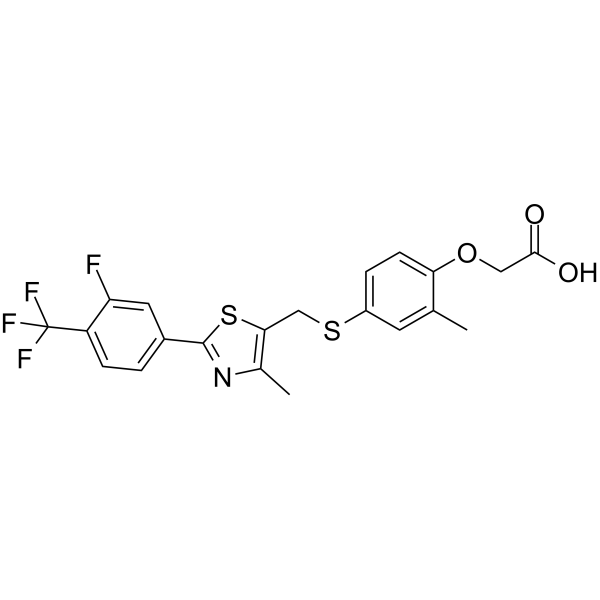
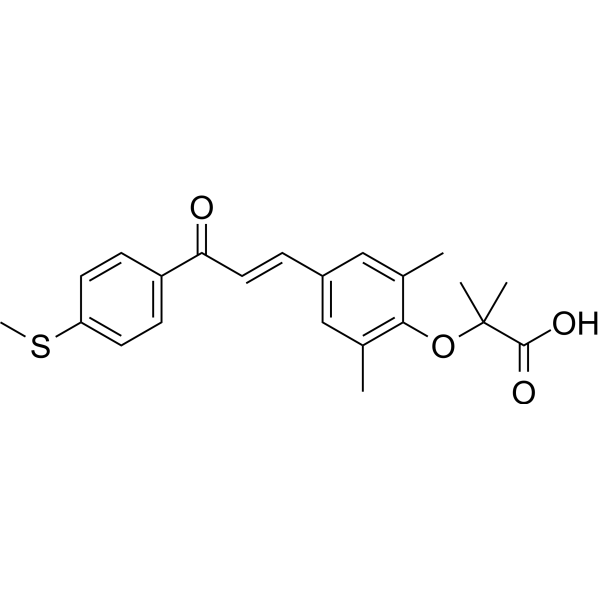
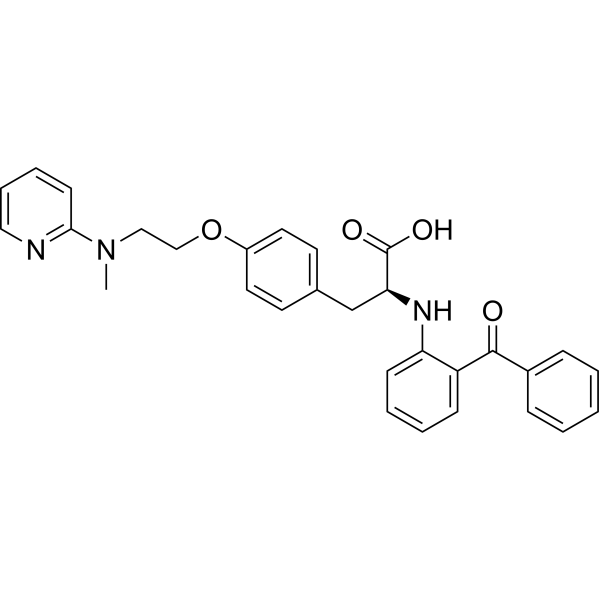
Results for "
PPAR Agonist
" in MedChemExpress (MCE) Product Catalog:
3
Biochemical Assay Reagents
42
Isotope-Labeled Compounds
| Cat. No. |
Product Name |
Target |
Research Areas |
Chemical Structure |
-
- HY-13861
-
|
|
PPAR
|
Cardiovascular Disease
|
|
GW7647 is a potent PPARα agonist, with EC50s of 6 nM, 1.1 μM, and 6.2 μM for human PPARα, PPARγ and PPARδ, respectively.
|
-
-
- HY-16995
-
|
Wy-14643
|
PPAR
|
Metabolic Disease
Inflammation/Immunology
|
|
Pirinixic acid (Wy-14643) is a potent agonist of PPARα, with EC50s of 0.63 μM, 32 μM for murine PPARα and PPARγ, and 5.0 μM, 60 μM, 35 μM for human PPARα, PPARγ and PPARδ, respectively.
|
-
-
- HY-B0637
-
|
BM15075
|
PPAR
|
Cardiovascular Disease
Metabolic Disease
|
|
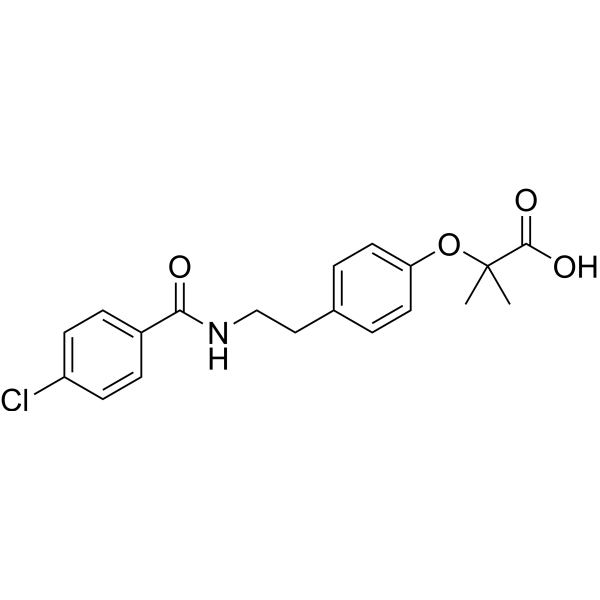
Bezafibrate is an agonist of PPAR, with EC50s of 50 μM, 60 μM, 20 μM for human PPARα, PPARγ and PPARδ, and 90 μM, 55 μM, 110 μM for murine PPARα, PPARγ and PPARδ, respectively; Bezafibrate is used as an hypolipidemic agent.
|
-
-
- HY-14601
-
|
U 72107A; AD 4833
|
PPAR
Ferroptosis
|
Metabolic Disease
Cancer
|
|
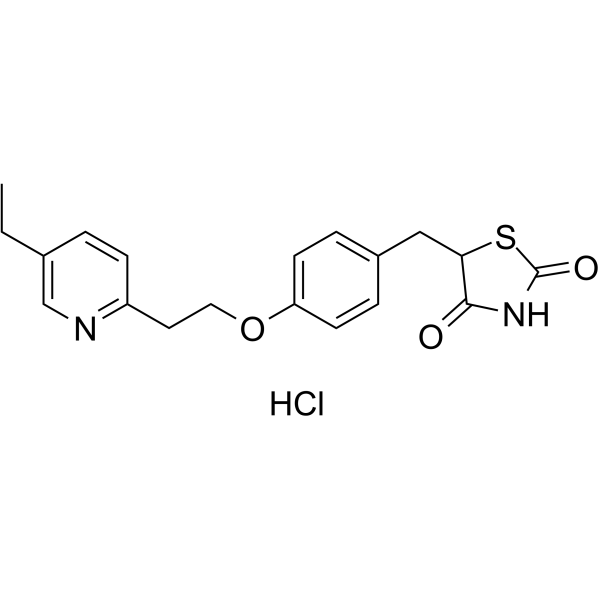
Pioglitazone hydrochloride is a potent and selective PPARγ agonist with EC50s of 0.93 and 0.99 μM for human and mouse PPARγ, respectively.
|
-
-
- HY-17618
-
-
-
- HY-13928
-
-
-
- HY-19937
-
|
|
PPAR
|
Metabolic Disease
|
|
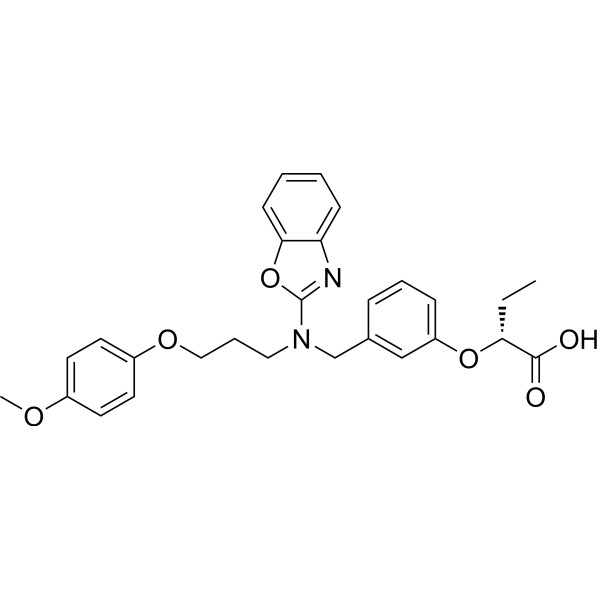
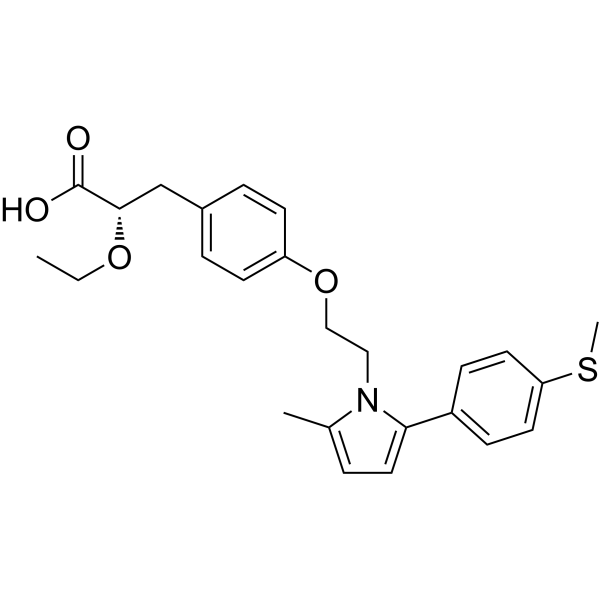
Saroglitazar is a novel peroxisome proliferator-activated receptor (PPAR) agonist with predominant PPARα and moderate PPARγ activity with EC50 values of 0.65 pM and 3 nM in HepG2 cells, respectively.
|
-
-
- HY-N0234
-
|
7-O-Methylbavachin; Bavachinin A
|
Amyloid-β
PPAR
HIF/HIF Prolyl-Hydroxylase
|
Inflammation/Immunology
Cancer
|
|
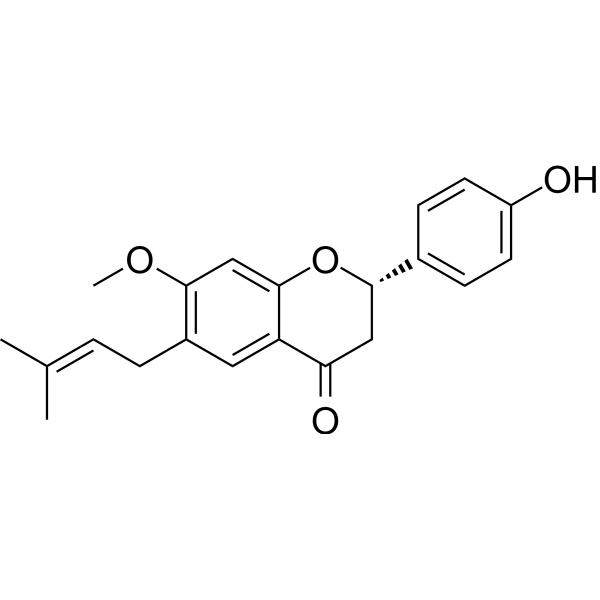
Bavachinin is agonist of pan-peroxisome proliferator-activated receptor (PPAR), with the IC50 value of 21.043 μM, 12.819 μM, and 0.622 μM to PPAR-α, RRAR-β/δ, and PPAR-γ, respectively. Bavachinin is an inhibitor of HIF-1α. Bavachinin exhibits antitumor activity against non-small cell lung cancer by targeting RRAR-γ. Bavachinin is a natural compound with anti-inflammatory and anti-angiogenic activities. Bavachinin has orally bioactivity. .
|
-
-
- HY-106266
-
|
Carfloglitazar
|
PPAR
|
Metabolic Disease
|
|
Chiglitazar (Carfloglitazar) is a PPARα/γ dual agonist, with EC50s of 1.2, 0.08, 1.7 μM for PPARα, PPARγ and PPARδ, respectively.
|
-
-
- HY-19937A
-
|
|
PPAR
|
Metabolic Disease
|
|
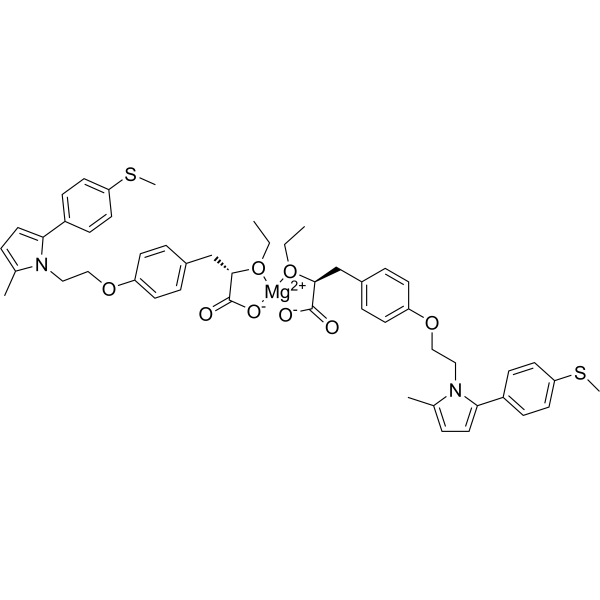
Saroglitazar magnesium is a novel peroxisome proliferator-activated receptor (PPAR) agonist with predominant PPARα and moderate PPARγ activity with EC50 values of 0.65 pM and 3 nM in HepG2 cells, respectively.
|
-
-
- HY-B0287
-
|
|
PPAR
|
Metabolic Disease
|
|
Clofibrate is an agonist of PPAR, with EC50s of 50 μM, ~500 μM for murine PPARα and PPARγ, and 55 μM, ~500 μM for human PPARα and PPARγ, respectively.
|
-
-
- HY-14817
-
|
PPM 204
|
PPAR
|
Metabolic Disease
|
|
Indeglitazar (PPM 204) is an orally available PPAR pan-agonist for all three PPARα, PPARδ and PPARγ .
|
-
-
- HY-20019
-
|
|
PPAR
|
Metabolic Disease
|
|
L-165041 is a cell permeable PPARδ agonist, with Kis of 6 nM and appr 730 nM for PPARδ and PPARγ, respectively, and induces adipocyte differentiation in NIH-PPARδ cells.
|
-
-
- HY-16086
-
|
DRF 2593; NN 2344
|
PPAR
|
Metabolic Disease
|
|
Balaglitazone is a selective partial PPARγ agonist with an EC50 of 1.351 μM for human PPARγ.
|
-
-
- HY-10678
-
|
|
PPAR
|
Cardiovascular Disease
|
|
BMS-687453 is a potent and selective PPARα agonist, with an EC50 and IC50 of 10 nM and 260 nM for human PPARα and 4100 nM and >15000 nM for PPARγ in PPAR-GAL4 transactivation assays.
|
-
-
- HY-148351
-
|
|
PPAR
|
Cancer
|
|
BAY-0069 is a potent and selective PPARγ inverse agonist with an IC50 value of 6.3 nM and 24 nM for human PPARγ and mouse PPARγ. BAY-0069 can be used to research cancer .
|
-
-
- HY-17445
-
|
BMS-298585
|
PPAR
|
Metabolic Disease
|
|
Muraglitazar is a PPAR α/γ dual agonist for the research of type 2 diabetes and associated dyslipidemia. Muraglitazar shows potent activity in vitro at human PPARα (EC50 = 320 nM) and PPARγ(EC50 = 110 nM) .
|
-
-
- HY-106278
-
|
|
PPAR
|
Metabolic Disease
|
|
GW 590735 is a potent and selective PPARα agonist. GW 590735 showsEC50=4 nM on PPARα and at least 500-fold selectivity versus PPARδ and PPARγ. GW 590735 can be used for the research of dyslipidemia .
|
-
-
- HY-19383
-
|
PTP 112
|
Phosphatase
IKK
PPAR
|
Metabolic Disease
|
|
Ertiprotafib is an inhibitor of PTP1B, IkB kinase β (IKK-β), and a dual PPARα and PPARβ agonist, with an IC50 of 1.6 μM for PTP1B, 400 nM for IKK-β, an EC50 of ~1 μM for PPARα/PPARβ.
|
-
-
- HY-14792B
-
|
Efatutazone dihydrochloride; CS-7017 dihydrochloride; RS5444 dihydrochloride
|
PPAR
|
Cancer
|
|
Inolitazone dihydrochloride (Efatutazone dihydrochloride) is a novel high-affinity PPARγ agonist that is dependent upon PPARγ for its biological activity with IC50 of 0.8 nM for growth inhibition.
|
-
-
- HY-143239
-
|
|
PPAR
|
Metabolic Disease
|
|
PPARα/γ agonist 1 (compound 5b) is a potent and dual PPARα/γ partial agonist with EC50 values of 28 nM and 69 nM for PPARα and PPARγ, respectively. PPARα/γ agonist 1 is a promising prototype for dyslipidemia and diabetes research .
|
-
-
- HY-163547
-
|
|
PPAR
|
Inflammation/Immunology
|
|
PPAR agonist 5 (compound 4b) is a potent PPAR agonist with EC50 values of 3.20, 1.51, 1.92 µM for PPARα, PPARβ/δ, PPARγ, respectively. PPAR agonist 5 shows anti-inflammatory effect .
|
-
-
- HY-N9333
-
-
-
- HY-110118
-
|
|
PPAR
|
Metabolic Disease
|
|
Edaglitazone is a potent, selective and orally active PPARγ agonist, with EC50s of 35.6 nM and 1053 nM for PPARα and PPARγ, respectively. Edaglitazone displays antiplatelet, antidiabetic and anti-hyperglycemic activity .
|
-
-
- HY-144111
-
|
|
PPAR
|
Inflammation/Immunology
|
|
PPARα/δ agonist 1 is a potent PPARα/PPARδ dual agonist (PPARα EC50=7.0 nM; PPARδ EC50=8.4 nM). PPARα/δ agonist 1 is a high selectivity over PPARγ (PPARγ EC50=1316.1 nM). PPARα/δ agonist 1 has the potential for the research of nonalcoholic steatohepatitis .
|
-
-
- HY-B0637S
-
|
|
PPAR
|
Cardiovascular Disease
Metabolic Disease
|
|
Bezafibrate-d6 is the deuterium labeled Bezafibrate. Bezafibrate is an agonist of PPAR, with EC50s of 50 μM, 60 μM, 20 μM for human PPARα, PPARγ and PPARδ, and 90 μM, 55 μM, 110 μM for murine PPARα, PPARγ and PPARδ, respectively; Bezafibrate is used as an hypolipidemic agent.
|
-
-
- HY-139177
-
|
|
PPAR
|
Cardiovascular Disease
|
|
PPARα agonist 2 (compound 4u) is a potent and selective PPARα agonist with an EC50 of 37 nM. PPARα agonist 2 exhibits >2,700-fold selectivity for PPARα over other PPAR isoforms. PPARα agonist 2 has the potential for retinal disorders research .
|
-
-
- HY-146480
-
|
|
PPAR
|
Cancer
|
|
PPARγ agonist 5 (Compound 1) is a potent and selective agonist of PPARγ. PPARγ agonist 5 has the potential for the research of cancer diseases .
|
-
-
- HY-120596
-
|
|
PPAR
|
Neurological Disease
|
|
PPARδ/γ agonist 1 sodium is a chemically unique and brain penetrant dual PPAR delta/gamma agonist. PPARδ/γ agonist 1 sodium can be used for the research of Alzheimer’s disease .
|
-
-
- HY-116468
-
-
-
- HY-178958
-
|
|
PPAR
Adenosine Receptor
Fatty Acid Synthase (FASN)
Endogenous Metabolite
|
Metabolic Disease
Inflammation/Immunology
Endocrinology
|
|
PPAR agonist 7 is an orally active pan-PPAR agonist, demonstrating potent activation of all three subtypes, PPARα (EC50 = 1.51 μM), PPARδ (EC50 = 1.11 μM), and PPARγ (EC50 = 3.14 μM). PPAR agonist 7 significantly enhances glucose uptake in adipocytes while exhibiting minimal adipogenic activity. PPAR agonist 7 can suppress PPARγ Ser273 phosphorylation in white adipose tissue and upregulate insulin-sensitizing genes. PPAR agonist 7 does not cause weight gain or fluid retention in high-fat diet (HFD)/
Streptozotocin (HY-13753) (STZ)-induced type 2 diabetes mellitus (T2DM) models. PPAR agonist 7 has selective modulation of PPAR signaling pathways without activation of adipogenic gene programs. PPAR agonist 7 can be used for the study of diabetes .
|
-
-
- HY-U00340
-
|
|
PPAR
|
Metabolic Disease
|
|
PPAR agonist 1 is an agonist of PPAR α and PPAR γ, used for reducing blood glucose, lipid levels, lowering cholesterol and reducing body weight.
|
-
-
- HY-159944
-
|
|
PPAR
|
Neurological Disease
Metabolic Disease
Inflammation/Immunology
|
|
PPARγ agonist 14 (compound 3) is a PPARy agonist (EC50=2.4 μM) with anti-diabetic activity. PPARγ agonist 14 can improve intracellular glucose uptake, promote insulin release, and lower blood sugar. In addition, PPARγ agonist 14 also improves mitochondrial function, reduces oxidative stress, and inhibits inflammatory factors. PPARγ agonist 14 can be used in the study of neurodegenerative diseases, neuroinflammatory diseases, and other diseases .
|
-
-
- HY-B0287R
-
|
|
Reference Standards
PPAR
|
Metabolic Disease
|
|
Clofibrate (Standard) is the analytical standard of Clofibrate. This product is intended for research and analytical applications. Clofibrate is an agonist of PPAR, with EC50s of 50 μM, ~500 μM for murine PPARα and PPARγ, and 55 μM, ~500 μM for human PPARα and PPARγ, respectively.
|
-
-
- HY-14792
-
|
Efatutazone; CS-7017; RS5444
|
PPAR
|
Cancer
|
|
Inolitazone a novel high-affinity PPARγ agonist that is dependent upon PPARγ for its biological activity with IC50 of 0.8 nM for growth inhibition.
|
-
-
- HY-17633
-
|
NPS-005; SJP-0035
|
PPAR
|
Neurological Disease
|
|
Fonadelpar is a PPARδ agonist, used in the research of neuroparalytic keratopathy.
|
-
-
- HY-176971
-
-
-
- HY-146482
-
|
|
PPAR
|
Cancer
|
|
PPARγ agonist 6 (Compound 12) is a potent and selective agonist of PPARγ. PPARγ agonist 6 has the potential for the research of cancer diseases .
|
-
-
- HY-162320
-
|
|
PPAR
|
Metabolic Disease
|
|
PPARγ agonist 12 (compound 9i) is a potent and selective PPARγ agonist with EC50s of 3.98 and 15.42 μM against PPARγ and PPARδ, respectively. PPARγ agonist 12 improves insulin secretion and has anti-diabetic effect .
|
-
-
- HY-163443
-
|
|
PPAR
|
Others
|
|
PPAR agonist 4 (Compound 12) is an orally active agonist for peroxisome proliferator-activated receptor (PPAR), which activates PPARα, PPARδ and PPARγ with EC50s of 0.7, 0.7 and 1.8 μM, respectively. PPAR agonist 4 exhibits anti-liver fibrosis efficacy .
|
-
-
- HY-178447
-
|
|
PPAR
Glutathione Peroxidase
SOD
TNF Receptor
Interleukin Related
NF-κB
|
Infection
Metabolic Disease
Endocrinology
|
|
PPARγ agonist 20 is a potent, orally active PPAR-γ agonist. PPARγ agonist 20 effectively increases antioxidant defenses (SOD, GSH) and reduces lipid peroxidation. PPARγ agonist 20 can upregulate of Pparg, Glut4, and AdipoQ, suppresses of TNF-α, IL-6, and NF-κB p65. PPARγ agonist 20 significantly lowers fasting blood glucose, improving glucose tolerance, and restoring metabolic balance in Streptozotocin (HY-13753)-Nicotinamide (HY-B0150)-induced diabetic rats. PPARγ agonist 20 can be used for the study of type 2 diabetes .
|
-
-
- HY-107901
-
|
|
PPAR
|
Cardiovascular Disease
Metabolic Disease
|
|
Pparδ agonist 1 is a PPAR-δ agonist, with an EC50 of 5.06 nM, used in the research of PPAR-delta related diseases, such as mitochondrial diseases, muscular diseases, vascular diseases, demyelinating diseases and metabolic diseases.
|
-
-
- HY-172792
-
|
|
PPAR
|
Metabolic Disease
|
|
PPAR agonist 6 (compound 5a) is an agonist of PPAR with EC50 values of 3.6 μM, 2.6 μM, and 2.7 μM for PPARα, PPARβ/δ, and PPARγ, respectively. PPAR agonist 6 represses the transactivation of the TNFα-dependent NF-κB-driven reporter in L929 cells .
|
-
-
- HY-106266B
-
|
Carfloglitazar sodium
|
PPAR
|
Metabolic Disease
|
|
Chiglitazar (Carfloglitazar) is a PPARα/γ dual agonist, with EC50s of 1.2, 0.08, 1.7 μM for PPARα, PPARγ and PPARδ, respectively.
|
-
-
- HY-143862
-
|
|
PPAR
|
Metabolic Disease
|
|
Pparδ agonist 7 is a potent agonist of Pparδ. The peroxisome proliferator-activated receptor (PPAR) is a member of the intranuclear receptor transcription factor superfamily that plays a key role in the regulation of metabolic homeostasis, inflammation, cell growth and differentiation in vivo. Pparδ agonist 7 has the potential for the research of non-alcoholic fatty liver disease (NAFLD) (extracted from patent WO2019105234A1, compound TM4) .
|
-
-
- HY-14728S
-
|
Aleglitazar-d2; R1439-d2; RO0728804-d2
|
PPAR
|
Others
|
|
Deutaleglitazar (Aleglitazar-d2) is a agonist of dual peroxisome proliferatory activating receptor (PPARα and PPARγ) .
|
-
-
- HY-124244
-
|
PPARδ/γ Agonist 1
|
PPAR
|
Neurological Disease
|
|
DB-959 (PPARδ/γ agonist 1) is a potent PPAR agonist targeting PPARδ/γ. DB-959 improves spatial learning and memory in mice induced by Streptozotocin (HY-13753) and has the potential to improve Alzheimer's disease (AD). .
|
-
-
- HY-101649
-
|
TAK-559
|
PPAR
|
Cardiovascular Disease
|
|
Imiglitazar (TAK559) is a potent and dual human PPARα and PPARγ1 agonist with EC50 values of 67 and 31 nM.
|
-
-
- HY-U00014
-
|
|
PPAR
|
Metabolic Disease
|
|
AVE-8134 is a potent PPARα agonist, with EC50 values of 100 and 3000 nM for human and rodent PPARα receptor, respectively.
|
-
-
- HY-13928R
-
-
- HY-111775
-
|
|
PPAR
|
Metabolic Disease
|
|
LJ570 is a PPARα/PPARγ dual agonist with EC50s of 1.05 and 0.12 μM, respectively .
|
-
- HY-147757
-
|
|
PPAR
|
Metabolic Disease
|
|
PPARγ/δ modulator 1 (compound 3e) is a potent PPAR modulator. PPARγ/δ modulator 1 is a PPARδ antagonist and a PPARγ partial agonist , with Ki values of 14.4 nM and 5.31 μM, respectively. PPARγ/δ modulator 1 has the EC50 of 7.3 and 12.6 μM for PPARδ corepression and adiponectin production, respectively .
|
-
- HY-116257
-
|
|
PPAR
PDHK
Carnitine Palmitoyltransferase (CPT)
|
Others
|
|
GSK-7227 (compound 32) is a PPARδ partial agonist with the activity of regulating the expression of related genes. GSK-7227 has partial agonist effects on PPARδ target genes CPT1a and PDK4 in skeletal muscle cells.
|
-
- HY-160003
-
|
|
PPAR
|
Metabolic Disease
|
|
PPARγ agonist 9 is an agonist of PPARγ. PPARγ agonist 9 is the analogue of lysophosphatidic acid with an EC50 more than 10 μM for LPA3 receptor .
|
-
- HY-107333
-
|
|
PPAR
|
Metabolic Disease
|
|
Cinoxate is a hypertrophic peroxisome proliferator activating receptor γ (PPARγ) agonist with Ki value of 18.0 μM. Cinoxate can be used to study obesity .
|
-
- HY-N0234R
-
|
7-O-Methylbavachin (Standard); Bavachinin A (Standard)
|
Amyloid-β
Reference Standards
PPAR
HIF/HIF Prolyl-Hydroxylase
|
Inflammation/Immunology
|
|
Bavachinin (Standard) is the analytical standard of Bavachinin. This product is intended for research and analytical applications. Bavachinin is agonist of pan-peroxisome proliferator-activated receptor (PPAR), with the IC50 value of 21.043 μM, 12.819 μM, and 0.622 μM to PPAR-α, RRAR-β/δ, and PPAR-γ, respectively. Bavachinin is an inhibitor of HIF-1α. Bavachinin exhibits antitumor activity against non-small cell lung cancer by targeting RRAR-γ. Bavachinin is a natural compound with anti-inflammatory and anti-angiogenic activities. Bavachinin has orally bioactivity. .
|
-
- HY-124907
-
|
OMS-403
|
PPAR
|
Neurological Disease
|
|
AI 3-25755 (OMS-403) is a peroxisome proliferator-activated receptor gamma (PPARγ) agonist. AI 3-25755 can be used for research on opioid abuse and smoking cessation .
|
-
- HY-148922
-
|
|
PPAR
|
Metabolic Disease
|
|
PPARα/γ agonist 2 is an orally active PPARα full agonist and PPARγ partial agonist. PPARα/γ agonist 2 activates PPARα and PPARγ with EC50 values of 0.95 μM and 0.91 μM respectively. PPARα/γ agonist 2 is also a PTP1B inhibitor. PPARα/γ agonist 2 is an anti-diabetic agent .
|
-
- HY-175516
-
|
|
FXR
PPAR
|
Inflammation/Immunology
|
|
dual FXR/PPARδ agonist-2 is a FXR/PPARδ dual agonist through hybridation of FXR agonist GW-4064 and PPARδ agonist GW-0742.dual FXR/PPARδ agonist-2 displays potent dual-target activities with a FXR agonistic EC50 of 12.28 nM and 69 % PPARδ activation at 100 nM. dual FXR/PPARδ agonist-2 shows anti-fibrotic effects in pulmonary fibrosis mouse model .
|
-
- HY-162123
-
|
|
PPAR
|
Inflammation/Immunology
|
|
PPARα/δ agonist 2 (compound 14) is a potent PPARα and PPARδ agonist with EC50s of 3255 nM and 1475 nM for human PPARα and PPARβ/δ, respectively. PPARα/δ agonist 2 shows anti-inflammatory effects .
|
-
- HY-146438
-
|
|
PPAR
|
Cancer
|
|
PPARγ agonist 3 (Compound 18a) is a potent and selective agonist of PPARγ. PPARγ agonist 3 is not cytotoxic neither on non-resistant nor on resistant cells. PPARγ agonist 3 exerts antitumor potency only in combination with Imatinib .
|
-
- HY-146439
-
|
|
PPAR
|
Cancer
|
|
PPARγ agonist 4 (Compound 18b) is a potent and selective agonist of PPARγ. PPARγ agonist 4 is not cytotoxic neither on non-resistant nor on resistant cells. PPARγ agonist 4 exerts antitumor potency only in combination with Imatinib .
|
-
- HY-147511
-
|
|
PPAR
|
Others
|
|
PPARγ agonist 7 (Compound 3a) is a potent and selective agonist of PPARγ. PPARγ agonist 7 promotes adiponectin production in human bone marrow mesenchymal stem cells (hBM-MSCs) as a novel PPARγ full agonist (EC50, 4.34 μM) .
|
-
- HY-153982
-
|
|
PPAR
|
Metabolic Disease
|
|
PPARγ agonist 8 is an agonist of PPARγ. PPARγ agonist 8 induces peroxisome proliferator response element (PPRE)-luciferase activity with an EC50 of 0.2 μM .
|
-
- HY-119197
-
|
|
PPAR
|
Metabolic Disease
|
|
PPARα/γ/δ agonist 1 (Compound 2) is a potent PPARα/γ/δ agonist, with an IC50 of 70 nM for PPARγ. PPARα/γ/δ agonist 1 can be used for the research of type 2 diabetes .
|
-
- HY-146731
-
|
|
PPAR
|
Cardiovascular Disease
Metabolic Disease
|
|
PPARγ agonist 1 (compound 15) is a potent agonist of PPARγ. PPARγ agonist 1 shows high efficacy to activate hPPARγ without raising a full agonism and probably avoiding adverse effects. PPARγ agonist 1 has the potential for the research of cardiovascular diseases associated with metabolic disorders .
|
-
- HY-173217
-
|
|
PPAR
Phosphatase
|
Cardiovascular Disease
Metabolic Disease
|
|
PPARα agonist 5 is an orally available, selective partial agonist of PPARα (EC50: 3 nM). PPARα agonist 5 reduces lipid accumulation and upregulates key PPARα target genes, exerting anti-fatty liver effects. PPARα agonist 5 also exhibits significant hypolipidemic and hypoglycemic effects through partial PPARγ agonist activity and mild inhibition of protein tyrosine phosphatase 1B (PTP1B) (IC50: 79.1 μM). PPARα agonist 5 has a good safety profile and can be used in the study of type 2 diabetes with dyslipidemia .
|
-
- HY-121542
-
|
|
PPAR
|
Metabolic Disease
|
|
PPARδ agonist 10 (compound 7) is an orally active, selective, and partial agonist of PPARδ, with EC50 values of 0.053 μM and 0.30 µM for hPPARδ(LBD)-GAL4 and mPPARδ, respectively. PPARδ agonist 10 is a partial PPARδ agonist in transactivation assay but a full agonist on free fatty acids (FFA) oxidation in muscle cells both in vitro and in vivo. PPARδ agonist 10 can be used for dyslipidemia research .
|
-
- HY-159146
-
-
- HY-100120
-
-
- HY-168485
-
|
|
PPAR
|
Metabolic Disease
|
|
PPARα/δ agonist 3 (Compound 8) is the orally active agonist for PPAR, that activates PPARα, PPARδ and PPARγ with EC50s of 5.6, 3.4 and 1278 nM, respectively. PPARα/δ agonist 3 exhibits anticholestatic activity in mouse ANIT- or CDCA (HY-76847)-induced cholestatic liver disease models .
|
-
- HY-163862
-
-
- HY-146742
-
|
|
PPAR
|
Metabolic Disease
|
|
PPARγ agonist 2 is a potent PPARγ partial agonist and can be used for metabolic disease research .
|
-
- HY-169404
-
|
|
PPAR
|
Metabolic Disease
|
|
PPARγ agonist 15 (Compound 7c) is an agonist for PPARγ. PPARγ agonist 15 inhibits the expression of alpha-amylase (HPA) and alpha-glucosidase (HLAG) with IC50 of 28.35 µM and 26.21 µM. PPARγ agonist 15 enhances glucose uptake in the L6 myotube cell. PPARγ agonist 15 improves glucose homeostasis, insulin sensitivity, and lipid metabolism in rat Streptozotocin (HY-13753)-induced diabetes model .
|
-
- HY-168719
-
|
|
PPAR
|
Inflammation/Immunology
|
|
PPARγ agonist 16 (Compound 4G) is the agonist for PPARγ, that competitively binds to LBD domain of PPARγ with IC50 of 1790 nM. PPARγ agonist 16 inhibits the ear swelling in mouse model, and exhibits anti-hyperglycemic in Streptozotocin (HY-13753)-induced mouse diabetes mellitus model .
|
-
- HY-174278
-
|
|
PPAR
NO Synthase
|
Inflammation/Immunology
|
|
PPARδ agonist 12 (compound 25) is a PPARδ agonist that inhibits the production of inflammatory factors and nitric oxide. PPARδ agonist 12 can also effectively prevent macrophages from infiltrating inflammatory sites and can be used in inflammation research .
|
-
- HY-162578
-
|
|
PPAR
|
Metabolic Disease
|
|
PPARα/γ agonist 4 (Compound (S)-7) is an orally active dual potent agonist of PPARα and PPARγ, with EC50 values of 0.061 μM and 1.42 μM respectively. PPARα/γ agonist 4 acts through an insulin-independent mechanism and exhibits mitochondrial pyruvate carrier inhibition and anti-diabetic properties. PPARα/γ agonist 4 is expected to be used in research for dyslipidemic type 2 diabetes .
|
-
- HY-141494
-
|
|
PPAR
|
Metabolic Disease
|
|
Pparδ agonist 5, an orally active PPARδ-selective agonist (EC50=0.335 μM), is much greater than that of the prototypical standard GW0742. Pparδ agonist 5 promotes improvements in bone density and microarchitecture in vivo .
|
-
- HY-176214
-
|
|
PPAR
COX
|
Metabolic Disease
|
|
PPARγ agonist 19 (Compound 5e) is a PPARγ agonist. PPARγ agonist 19 has an IC50 of 11.27 μM against COX-1 and an IC50 of 0.05 μM against COX-1. PPARγ agonist 19 increases glucose uptake in rat hemidiaphragm assay and is superior to pioglitazone (HY-13956). PPARγ agonist 19 alleviates hyperglycemia and insulin resistance in an in vivo model of type 2 diabetes in rats and protects against renal and lipidemia damage caused by metabolic dysfunction .
|
-
- HY-162963
-
|
|
PPAR
|
Inflammation/Immunology
|
|
PPARδ agonist 11 (Compound 11) is a selective agonist for PPARδ with an EC50 of 20 nM. PPARδ agonist 11 reduces the levels of nitrite oxide (NO), proinflammatory cytokines TNFα and IL-6 in LPS (HY-D1056)-stimulated RAW264.7 cell, and exhibits anti-inflammatory efficacy via NF-κB pathway. PPARδ agonist 11 exhibits good stability in human liver microsomes and plasma. PPARδ agonist 11 ameliorates Carrageenan (HY-125474)-induced foot edema .
|
-
- HY-149429
-
|
|
PPAR
|
Metabolic Disease
|
|
PPARδ agonist 9 (compound 21) is a PPARδ agonist (EC50: 3.6 nM). PPARδ agonist 9 has in vivo efficacy, reducing serum levels of MCP-1 in mice and significantly inhibiting atherosclerosis progression in the LDLr-KO model (inhibition rate: 50-60%) .
|
-
- HY-167950
-
|
|
PPAR
|
Metabolic Disease
|
|
PPARα/γ agonist 5 is a dual PPARα/γ agonist with significant biological activity exhibited at low concentrations. The EC50 of PPARα/γ agonist 5 are 0.358μM and 1.21μM respectively, showing its potential in inhibiting type 2 diabetes and lipid metabolism disorders. PPARα/γ agonist 5 was selected for clinical development due to its high efficacy .
|
-
- HY-163294
-
|
|
PPAR
|
Metabolic Disease
|
|
PPARγ agonist 10 (compound 33g) is a PPARγ agonist, and stimulats the insulin secretion, glucose uptake and insulin Sensitivity in βTC6 Cells .
|
-
- HY-143863
-
|
|
PPAR
|
Metabolic Disease
|
|
Pparδ agonist 8 is a potent agonist of Pparδ. The peroxisome proliferator-activated receptor (PPAR) is a member of the intranuclear receptor transcription factor superfamily that plays a key role in the regulation of metabolic homeostasis, inflammation, cell growth and differentiation in vivo. Pparδ agonist 8 has the potential for the research of non-alcoholic fatty liver disease (NAFLD) (extracted from patent WO2021169769A1, compound TM2) .
|
-
- HY-162122
-
|
|
PPAR
|
Inflammation/Immunology
|
|
PPARα/γ agonist 3 (Compound 4) is a dual agonist of PPARα/γ. PPARα/γ agonist 3 has anti-inflammatory activity, significantly reducing inflammatory markers such as IL-6 and MCP-1 on THP-1 macrophages through NF-κB activation. PPARα/γ agonist 3 can be used in the study of metabolic syndrome and metabolic dysfunction-related fatty liver disease (MAFLD) .
|
-
- HY-B0287S
-
|
|
PPAR
|
Metabolic Disease
|
|
Clofibrate-d4 is the deuterium labeled Clofibrate. Clofibrate is an agonist of PPAR, with EC50s of 50 μM, ∼500 μM for murine PPARα and PPARγ, and 55 μM, ∼500 μM for human PPARα and PPARγ, respectively.
|
-
- HY-146733
-
-
- HY-B0637S1
-
|
BM15075-d4
|
Isotope-Labeled Compounds
PPAR
|
Cardiovascular Disease
Metabolic Disease
|
|
Bezafibrate-d4 is deuterium labeled Bezafibrate. Bezafibrate is an agonist of PPAR, with EC50s of 50 μM, 60 μM, 20 μM for human PPARα, PPARγ and PPARδ, and 90 μM, 55 μM, 110 μM for murine PPARα, PPARγ and PPARδ, respectively; Bezafibrate is used as an hypolipidemic agent.
|
-
- HY-B0637R
-
|
BM15075 (Standard)
|
Reference Standards
PPAR
|
Cardiovascular Disease
Metabolic Disease
|
|
Bezafibrate (Standard) is the analytical standard of Bezafibrate. This product is intended for research and analytical applications. Bezafibrate is an agonist of PPAR, with EC50s of 50 μM, 60 μM, 20 μM for human PPARα, PPARγ and PPARδ, and 90 μM, 55 μM, 110 μM for murine PPARα, PPARγ and PPARδ, respectively; Bezafibrate is used as an hypolipidemic agent.
|
-
- HY-120886
-
|
|
PPAR
|
Metabolic Disease
|
|
GW 2433 is a dual PPARα and PPARδ agonist. GW 2433 has the potential for the study of type II diabetes and dyslipidemia .
|
-
- HY-B0637S2
-
|
BM15075-13C6
|
Isotope-Labeled Compounds
PPAR
|
Cardiovascular Disease
Metabolic Disease
|
|
Bezafibrate- 13C6 (BM15075- 13C6) is 13C labeled Bezafibrate. Bezafibrate is an agonist of PPAR, with EC50s of 50 μM, 60 μM, 20 μM for human PPARα, PPARγ and PPARδ, and 90 μM, 55 μM, 110 μM for murine PPARα, PPARγ and PPARδ, respectively; Bezafibrate is used as an hypolipidemic agent.
|
-
- HY-16995R
-
|
Wy-14643 (Standard)
|
PPAR
Reference Standards
|
Metabolic Disease
Inflammation/Immunology
|
|
Pirinixic acid (Standard) is the analytical standard of Pirinixic acid. This product is intended for research and analytical applications. Pirinixic acid (Wy-14643) is a potent agonist of PPARα, with EC50s of 0.63 μM, 32 μM for murine PPARα and PPARγ, and 5.0 μM, 60 μM, 35 μM for human PPARα, PPARγ and PPARδ, respectively.
|
-
- HY-13861R
-
|
|
PPAR
|
Cardiovascular Disease
|
|
GW7647 (Standard) is the analytical standard of GW7647. This product is intended for research and analytical applications. GW7647 is a potent PPARα agonist, with EC50s of 6 nM, 1.1 μM, and 6.2 μM for human PPARα, PPARγ and PPARδ, respectively.
|
-
- HY-139172
-
|
|
PPAR
|
Metabolic Disease
|
|
MD001 is a PPARα/γ dual agonist and can increase the transcriptional activity of PPARα and PPARγ. MD001 enhances the expression of genes related to β-oxidation and fatty acid and glucose uptake .
|
-
- HY-181233
-
|
|
PPAR
|
Metabolic Disease
|
|
PPARγ agonist-22 is a PPARγ agonist. PPARγ agonist-22 promotes cellular glucose uptake. PPARγ agonist-22 reduces lipid accumulation in adipocytes. PPARγ agonist-22 can be used in the research of type 2 diabetes .
|
-
- HY-180890
-
-
- HY-181652
-
|
|
PPAR
|
Endocrinology
|
|
PPARδ agonist 13 is a potent, selective and orally active PPARδ agonist with an EC50 values of 0.50 nM. PPARδ agonist 13 binds to the PPARδ ligand-binding pocket and upregulates PPARδ target gene expression. PPARδ agonist 13 inhibits renal fibroblast activation, restores fatty acid oxidation, and attenuates TGF-β1-induced renal fibroblast activation. PPARδ agonist 13 exhibits anti-renal fibrosis effects in a mouse model of unilateral ureteral obstruction. PPARδ agonist 13 can be used for the research of renal fibrosis .
|
-
- HY-181896S
-
|
|
PPAR
|
Inflammation/Immunology
|
|
PPARγ agonist-23 (Compound 9) is an orally active PPARγ agonist with an EC50 of 0.32 μM. PPARγ agonist-23 improves hepatic triglyceride levels, reduces scores of steatosis and hepatocellular ballooning, and decreases the total activity score of non-alcoholic steatohepatitis (NASH). PPARγ agonist-23 can be used for the research of non-alcoholic steatohepatitis .
|
-
- HY-183318
-
|
|
PPAR
|
Metabolic Disease
|
|
PPARα/δ agonist 4 is a potent orally active and selective dual peroxisome proliferator-activated receptor (PPAR) α/δ agonist with EC50s of 0.36 and 1.31 nM, respectively. PPARα/δ agonist 4 exhibits >123-fold selectivity over PPARγ (EC50 = 160.84 nM). PPARα/δ agonist 4 upregulates expression of downstream fatty acid oxidation genes PDK4, CPT1A, and ACADVL. PPARα/δ agonist 4 can be used for the research of metabolic dysfunction-associated steatohepatitis .
|
-
- HY-173166
-
|
|
PPAR
|
Cancer
|
|
PPARγ agonist 17 (Compound C1) is a PPARγ agonist. PPARγ agonist 17 enhances PPARγ activity and blocks the cell cycle in G2/M phase, inhibits cell migration and induces apoptosis in HT-29 cells. PPARγ agonist 17 has a broad spectrum anti-proliferative activity in cancer cells with relatively low toxicity in normal cells which cannot cross the blood-brain barrier .
|
-
- HY-121798
-
|
|
PPAR
|
Metabolic Disease
|
|
TZD18 is a potent and orally active PPARα and PPARγ dual agonist with IC50 values of 0.028, 0.057, >10 µM for PPARα, PPARγ, PPARδ, respectively. TZD18 reduces plasma levels of both glucose and triglycerides in diabetic mice. TZD18 has the potential for the research of type 2 diabetes .
|
-
- HY-117761
-
|
|
PPAR
|
Metabolic Disease
Cancer
|
|
MHY908 is a potent dual agonist of PPARα and PPARγ . MHY908 also inhibits melanogenesis through inhibition of mushroom tyrosinase activity .
|
-
- HY-150308
-
|
|
PPAR
|
Cancer
|
|
SR10221, a noncovalent inverse agonist of PPARγ, represses downstream PPARγ target genes leading to growth inhibition in bladder cancer cell lines .
|
-
- HY-116521
-
-
- HY-20019R
-
|
|
PPAR
|
Metabolic Disease
|
|
L-165041 (Standard) is the analytical standard of L-165041. This product is intended for research and analytical applications. L-165041 is a cell permeable PPARδ agonist, with Kis of 6 nM and appr 730 nM for PPARδ and PPARγ, respectively, and induces adipocyte differentiation in NIH-PPARδ cells.
|
-
- HY-106266R
-
|
Carfloglitazar (Standard)
|
Reference Standards
PPAR
|
Metabolic Disease
|
|
Chiglitazar (Standard) is the analytical standard of Chiglitazar (HY-106266). This product is intended for research and analytical applications. Chiglitazar (Carfloglitazar) is a PPARα/γ dual agonist, with EC50s of 1.2, 0.08, 1.7 μM for PPARα, PPARγ and PPARδ, respectively.
|
-
- HY-116247
-
|
|
PPAR
|
Metabolic Disease
Inflammation/Immunology
|
|
ST247 a potent PPARβ/δ inverse agonist. ST247 has a higher affinity to PPARβ/δ. ST247 modulates expression of the activation marker CCL2 in the opposite direction. ST247 efficiently induces the interaction with corepressors. ST247 inhibits the agonist-induced transcriptional activity of PPARβ/δ .
|
-
- HY-50935S
-
-
- HY-139175
-
|
|
PPAR
|
Others
|
|
ZLY032 is a dual FFA1/PPARδ agonist with the activity of improving glucose and lipid metabolism, alleviating liver fibrosis, and potentially inhibiting metabolic disorders.
|
-
- HY-117196
-
-
- HY-15655
-
|
|
PPAR
|
Neurological Disease
Metabolic Disease
|
|
GW 1929 is an orally active peroxisome proliferator-activated receptor-γ (PPARγ) agonist with a pKi of 8.84 for human PPAR-γ, and pEC50s of 8.56 and 8.27 for human PPAR-γ and murine PPAR-γ, respectively. GW 1929 (hydrochloride) has antidiabetic efficacy and neuroprotective potential .
|
-
- HY-111068
-
-
- HY-16086R
-
|
DRF 2593 (Standard); NN 2344 (Standard)
|
PPAR
Reference Standards
|
Metabolic Disease
|
|
Balaglitazone (Standard) is the analytical standard of Balaglitazone. This product is intended for research and analytical applications. Balaglitazone is a selective partial PPARγ agonist with an EC50 of 1.351 μM for human PPARγ.
|
-
- HY-16421
-
|
(-)-DRF 2725; NNC 61-0029
|
PPAR
|
Metabolic Disease
|
|
Ragaglitazar is a PPARα and PPARγ agonist with potent lipid-lowering and insulin-sensitizing efficacy in animal models. Ragaglitazar improves glycemic control and lipid profile in type 2 diabetic.
|
-
- HY-170581
-
|
|
PPAR
|
Metabolic Disease
|
|
PPARγ/δ modulator 2 (Compound 3h) is a PPARγ agonist and PPARδ antagonist. The Ki values for PPARγ and PPARδ are 2.8 μM and 43 nM, respectively. PPARγ/δ modulator 2 significantly enhances the production of Adiponectin and promotes adipogenic differentiation of human bone marrow mesenchymal stem cells (hBM-MSCs). PPARγ/δ modulator 2 can be used in the study of metabolic disorders associated with hypoadiponectinemia .
|
-
- HY-10678R
-
|
|
Reference Standards
PPAR
|
Cardiovascular Disease
|
|
BMS-687453 (Standard) is the analytical standard of BMS-687453 (HY-10678). This product is intended for research and analytical applications. BMS-687453 is a potent and selective PPARα agonist, with an EC50 and IC50 of 10 nM and 260 nM for human PPARα and 4100 nM and >15000 nM for PPARγ in PPAR-GAL4 transactivation assays.
|
-
- HY-Y1624
-
|
ADDP; SR 4077
|
Free Fatty Acid Receptor
PPAR
|
Metabolic Disease
|
|
1,1'-(Azodicarbonyl)-dipiperidine (ADDP) can be used in the condensation reaction of alcohols with acidic compounds. 1,1'-(Azodicarbonyl)-dipiperidine can also be used in the synthesis of GPR120 agonists with antidiabetic activity, as well as the synthesis of triple agonists for PPARα, PPARγ, and PPARδ. 1,1'-(Azodicarbonyl)-dipiperidine can be used in metabolic disease research .
|
-
- HY-101637
-
|
JT 501
|
PPAR
|
Metabolic Disease
|
|
Reglitazar is an agonist for peroxisome proliferator-activated receptor α and β (PPAR α and PPAR β), which enhances insulin sensitivity, lowers blood glucose and regulates blood lipid levels .
|
-
- HY-118097
-
|
|
PPAR
|
Others
|
|
GW0072 is a partial agonist of PPARγ and does not directly bind to the AF-2 helix of PPARγ, resulting in specific partial receptor transcriptional activation properties .
|
-
- HY-10838
-
-
- HY-103034
-
|
|
PPAR
|
Metabolic Disease
|
|
Sipoglitazar is an orally active agonist of PPAR. Sipoglitazar can be used to study diabetes .
|
-
- HY-13956S
-
|
U 72107-d4
|
PPAR
Ferroptosis
|
Metabolic Disease
Cancer
|
|
Pioglitazone-d4 is a deuterium labeled Pioglitazone. Pioglitazone (U 72107) is a potent and selective PPARγ agonist with high affinity binding to the PPARγ ligand-binding domain with EC50 of 0.93 and 0.99 μM for human and mouse PPARγ, respectively .
|
-
- HY-151963
-
|
|
PPAR
Glucocorticoid Receptor
|
Metabolic Disease
|
|
PPARγ/GR modulator 1 is an orally active dual agonist of PPARγ and glucocorticoid receptor (GR), with Kis of 3.3 and 33.6 μM, respectively. PPARγ/GR modulator 1 can be used for the research of metabolic diseases, such as diabetes .
|
-
- HY-138007
-
|
|
ROR
PPAR
LXR
|
Metabolic Disease
Inflammation/Immunology
|
|
SR-1903 is an inverse agonist of RORγ and PPARγ (IC50 of ∼100 nM and 209 nM for RORγ and PPARγ, respectively) and a LXR agonist. SR-1903 exhibits anti-inflammatory and anti-diabetic efficacy in collagen-induced arthritis and diet-induced obesity mouse models .
|
-
- HY-50665
-
|
LY-674
|
PPAR
|
Metabolic Disease
|
|
LY518674 is a potent, selective PPARα agonist, with an EC50 of 42 nM for human PPARα. LY518674 reduces triglycerides in and increased HDL-C and is used for the treatment of atherosclerosis .
|
-
- HY-112813
-
-
- HY-106278R
-
|
|
Reference Standards
PPAR
|
Metabolic Disease
|
|
GW 590735 (Standard) is the analytical standard of GW 590735 (HY-106278). This product is intended for research and analytical applications. GW 590735 is a potent and selective PPARα agonist. GW 590735 showsEC50=4 nM on PPARα and at least 500-fold selectivity versus PPARδ and PPARγ. GW 590735 can be used for the research of dyslipidemia .
|
-
- HY-19425
-
|
|
PPAR
|
Metabolic Disease
|
|
NS-220 is an orally active PPARα agonist with high subtype selectivity, with EC50 values of 1.9×10 -8 M, 9.6×10 -6 M and >10 -4 M for PPARα, PPAR γ and PPARδ, respectively. NS-220 is used in the research for hyperlipidemia or metabolic disorders in type-2 diabetes .
|
-
- HY-50935
-
|
CS-045
|
PPAR
Autophagy
Apoptosis
Ferroptosis
|
Metabolic Disease
Cancer
|
|
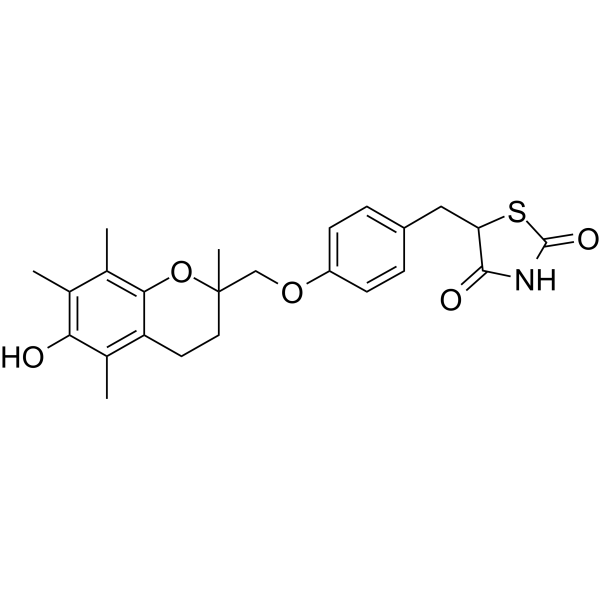
Troglitazone is an orally active PPARγ agonist, with EC50s of 550 nM and 780 nM for human and murine PPARγ receptor, respectively. Troglitazone has anticancer activity, prevents and inhibits the development of type 2 diabetes.
|
-
- HY-119248
-
|
MK-0767
|
PPAR
|
Metabolic Disease
|
|
KRP-297 is a PPARα and PPARγ agonist potentially for the research of type 2 diabetes and dyslipidemia. KRP-297 restores reduced lipid oxidation, and inhibits of enhanced lipogenesis and triglyceride accumulation in the liver.
|
-
- HY-19937S1
-
|
|
Isotope-Labeled Compounds
|
Others
|
|
Saroglitazar-d4 is the deuterium-labeled Saroglitazar (HY-19937). Saroglitazar-d4 is a novel peroxisome proliferator-activated receptor (PPAR) agonist with predominant PPARα and moderate PPARγ activity with EC50 values of 0.65 pM and 3 nM in HepG2 cells, respectively.
|
-
- HY-17444
-
|
|
PPAR
|
Metabolic Disease
Cancer
|
|
Tesaglitazar is a dual-target PPARα/γ agonist with an EC50 of 13.4 μM for rat PPARα and 3.6 μM for human PPARα. Tesaglitazar affects lipid and glucose metabolism by activating PPARα and PPARγ receptors, and has the potential to improve blood sugar and relieve pain. Tesaglitazar can be used to induce in vivo tumor models and can be used in the study of type 2 diabetes, dyslipidemia, and neuropathic pain .
|
-
- HY-17386S
-
-
- HY-19522A
-
|
MBX-8025 sodium; RWJ-800025 sodium
|
PPAR
|
Metabolic Disease
Inflammation/Immunology
|
|
Seladelpar (MBX-8025) sodium salt is an orally active, potent and specific PPARδ agonist with an EC50 of 2 nM. Seladelpar sodium salt shows more than 750-fold and 2500-fold selectivity over the PPARα and PPARγ receptors, respectively. Seladelpar sodium salt hydrochloride can be used for the study of primary biliary cholangitis .
|
-
- HY-19522
-
|
MBX-8025; RWJ-800025
|
PPAR
|
Metabolic Disease
|
|
Seladelpar (MBX-8025) is an orally active, potent and specific PPARδ agonist with an EC50 of 2 nM. Seladelpar shows more than 750-fold and 2500-fold selectivity over the PPARα and PPARγ receptors, respectively. Seladelpar can be used for the study of primary biliary cholangitis .
|
-
- HY-14728
-
|
R1439; RO0728804
|
PPAR
|
Metabolic Disease
|
|
Aleglitazar (R1439) is a potent dual PPARα/γ agonist, with IC50s of 38 nM and 19 nM for human PPARa and PPARγ, respectively. Aleglitazar can be used for the research of type II diabetes .
|
-
- HY-113473
-
|
|
PPAR
|
Metabolic Disease
Inflammation/Immunology
Cancer
|
|
10-Nitrolinoleic acid is a potent peroxisome proliferator-activated receptor γ (PPARγ) agonist. 10-Nitrolinoleic acid competes with [ 3H]Rosiglitazone for binding to PPAR-γ, with an IC50 of 0.22 μM .
|
-
- HY-115357
-
|
|
PPAR
|
Metabolic Disease
|
|
BMS711939 is a selective agonist for peroxisome proliferator-activated receptor α (PPAR α), with EC50 of 4 nM and 4.5 μM, for human PPARα and human PPARγ. BMS711939 exhibits good pharmacokinetic characters in rats models. BMS711939 increases HDL cholesterol, reduces LDL cholesterol and triglycerides .
|
-
- HY-116699
-
|
|
PPAR
|
Neurological Disease
Metabolic Disease
Inflammation/Immunology
|
|
CP-868388 free base is a potent, selective and orally active PPARα agonist with a Ki value of 10.8 nM. CP-868388 free base has little or no affinity for PPARβ (Ki of 3.47 μM) and PPARγ. CP-868388 free base has hypolipidemic and anti-inflammatory actions .
|
-
- HY-13956B
-
|
U 72107 potassium
|
PPAR
Ferroptosis
|
Metabolic Disease
Cancer
|
|
Pioglitazone (U 72107) potassium is an orally active and selective PPARγ (peroxisome proliferator-activated receptor) agonist with high affinity binding to the PPARγ ligand-binding domain with EC50 of 0.93 μM and 0.99 μM for human and mouse PPARγ, respectively. Pioglitazone potassium can be used in diabetes research .
|
-
- HY-13956
-
|
U 72107
|
PPAR
Ferroptosis
|
Metabolic Disease
Cancer
|
|
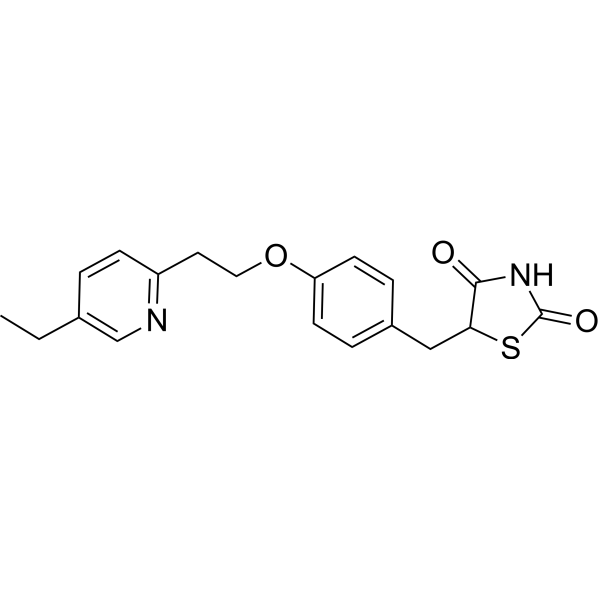
Pioglitazone (U 72107) is an orally active and selective PPARγ (peroxisome proliferator-activated receptor) agonist with high affinity binding to the PPARγ ligand-binding domain with EC50 of 0.93 and 0.99 μM for human and mouse PPARγ, respectively. Pioglitazone can be used in diabetes research .
|
-
- HY-110022
-
|
|
PPAR
|
Neurological Disease
Metabolic Disease
Inflammation/Immunology
Cancer
|
|
GW1929 hydrochloride is an orally active peroxisome proliferator-activated receptor-γ (PPARγ) agonist with a pKi of 8.84 for human PPAR-γ, and pEC50s of 8.56 and 8.27 for human PPAR-γ and murine PPAR-γ, respectively. GW1929 hydrochloride has antidiabetic efficacy and neuroprotective potential. GW1929 hydrochloride suppresses neuronal apoptosis and shows anti-inflammatory potential .
|
-
- HY-N6869
-
|
|
Antibiotic
PPAR
Bacterial
Fungal
|
Infection
Metabolic Disease
Inflammation/Immunology
Cancer
|
|
Dehydroabietic acid is a diterpene resin acid that can be isolated from Pinus and Picea. Dehydroabietic acid has anti-bacterial, anti-fungal, anti-inflammatory, and anticancer activities. Dehydroabietic acid is a dual PPAR-α/γ agonist and PPAR-γ partial agonist, which can attenuate insulin resistance (IR) and hepatic steatosis induced by HFD-consumption in mice .
|
-
- HY-107542
-
-
- HY-14935
-
|
GW 677954
|
PPAR
|
Metabolic Disease
|
|
Sodelglitazar (GW 677954) is a pan-PPAR agonist with potential applications in the treatment of hyperlipidemia and type 2 diabetes .
|
-
- HY-105074
-
|
GI262570; GI262570X
|
PPAR
|
Metabolic Disease
|
|
Farglitazar is a PPARγ agonist that has significant therapeutic benefits such as glycemic control in type 2 diabetic patients.
|
-
- HY-148352
-
|
|
PPAR
|
Cancer
|
|
BAY-4931 is a potent, covalent and selective PPARγ inverse-agonist with an IC50 of 0.17 nM .
|
-
- HY-14601R
-
|
U 72107A (Standard); AD 4833 (Standard)
|
Reference Standards
PPAR
Ferroptosis
|
Metabolic Disease
Cancer
|
|
Pioglitazone (hydrochloride) (Standard) is the analytical standard of Pioglitazone (hydrochloride). This product is intended for research and analytical applications. Pioglitazone hydrochloride is a potent and selective PPARγ agonist with EC50s of 0.93 and 0.99 μM for human and mouse PPARγ, respectively.
|
-
- HY-108572
-
|
|
PPAR
|
Cardiovascular Disease
Metabolic Disease
|
|
S26948 is a specific peroxisome proliferator-activated receptor γ (PPARγ) modulator (EC50=8.83 nM) with potent antidiabetes and antiatherogenic effects. S26948 is a specific high-affinity agonist for PPARγ .
|
-
- HY-118514
-
|
|
PPAR
|
Metabolic Disease
|
|
CAY10514 is an aromatic of 8(S)-HETE. CAY10514 acts as a dual agonist of peroxisome proliferator-activated receptor α (PPARα) and PPARγ with IC50 of 0.173 and 0.642 μM, respectively .
|
-
- HY-179015
-
|
|
17β-HSD
PPAR
|
Metabolic Disease
Inflammation/Immunology
|
|
HSD17B13/PPAR modulator-1 (Compound 17) is a HSD17B13/PPAR multitarget modulator. HSD17B13/PPAR modulator-1 is an inhibitor of HSD17B13, with its IC50 value being 0.91 μM. HSD17B13/PPAR modulator-1 is a PPAR agonist, with the EC50 values for PPARα, PPARδ, and PPARγ being 1.55, 0.12, and 0.01 μM respectively. HSD17B13/PPAR modulator-1 can significantly improve liver function, regulate lipid metabolism, alleviate fibrosis, and exert antioxidant and anti-inflammatory effects in the model of metabolic dysfunction-related steatohepatitis (MASH). HSD17B13/PPAR modulator-1 can be used for the study of MASH .
|
-
- HY-108571
-
|
|
PPAR
|
Cardiovascular Disease
Metabolic Disease
|
|
CP-775146 is a selective PPARα agonist (Ki of 24.5 nM) that binds strongly to the PPARα ligand. CP-775146 has no observable affinity for PPARβ and PPARγ.CP-775146 shows hypolipidemic activity. CP-775146 efficiently alleviates obesity-induced liver damage, prevents lipid accumulation by activating the liver fatty acid β-oxidation pathway .
|
-
- HY-14792BR
-
|
Efatutazone dihydrochloride (Standard); CS-7017 dihydrochloride (Standard); RS5444 dihydrochloride (Standard)
|
PPAR
Reference Standards
|
Cancer
|
|
Inolitazone (dihydrochloride) (Standard) is the analytical standard of Inolitazone (dihydrochloride). This product is intended for research and analytical applications. Inolitazone dihydrochloride (Efatutazone dihydrochloride) is a novel high-affinity PPARγ agonist that is dependent upon PPARγ for its biological activity with IC50 of 0.8 nM for growth inhibition.
|
-
- HY-19522B
-
|
MBX-8025 (lysine); RWJ-800025 (lysine)
|
PPAR
|
Metabolic Disease
|
|
Seladelpar (MBX-8025) lysine is an orally active, potent and specific PPARδ agonist with an EC50 of 2 nM. Seladelpar lysine shows more than 750-fold and 2500-fold selectivity over the PPARα and PPARγ receptors, respectively. Seladelpar lysine can be used for the study of primary biliary cholangitis .
|
-
- HY-116259
-
|
|
PPAR
|
Metabolic Disease
|
|
PT-S58, a GSK0660 derivative, is a PPARβ/δ full antagonist with an IC50 value of 98 nM. PT-S58 inhibits the agonist-induced transcriptional activity of PPARβ/δ in vitro .
|
-
- HY-14928
-
-
- HY-13956S1
-
|
|
Isotope-Labeled Compounds
PPAR
Ferroptosis
|
Metabolic Disease
Cancer
|
|
Pioglitazone-d4 (alkyl) (U 72107-d4 (alkyl)) is the deuterium labeled Pioglitazone. Pioglitazone (U 72107) is a potent and selective PPARγ agonist with high affinity binding to the PPARγ ligand-binding domain with EC50 of 0.93 and 0.99 μM for human and mouse PPARγ, respectively .
|
-
- HY-14792C
-
|
Efatutazone hydrochloride hydrate; CS-7017 hydrochloride hydrate; RS5444 hydrochloride hydrate
|
PPAR
|
Cancer
|
|
Inolitazone hydrochloride hydrate (Efatutazone hydrochloride hydrate) is a novel PPARγ high-affinity agonist, with an EC50 value one-fiftieth that of Rosiglitazone (HY-17386), and shows no inhibitory effect on RIE cells that do not express PPARγ. Inolitazone hydrochloride hydrate can be used in the research of cancer .
|
-
- HY-108523
-
|
UVI 2112
|
RAR/RXR
|
Metabolic Disease
|
|
LG100754 (UVI 2112) is a RXR dimers modulater. LG100754 acts as a RXR:RXR homodimer antagonist, but functions as a agonist towards RXR:PPARα and RXR:PPARγ heterodimers. LG100754 is an insulin sensitizer that functions through RXR .
|
-
- HY-123974
-
|
|
PPAR
|
Metabolic Disease
|
|
BR101549 is a non-TZD agonist of PPARγ. BR101549 activates PPARγ to the level of Pioglitazone in vitro. BR101549 can control blood glucose level in mouse model. BR101549 can be studied in anti-diabetic research .
|
-
- HY-122235
-
-
- HY-N2025
-
|
|
PPAR
Glycosidase
|
Metabolic Disease
|
|
Oroxin A is the major component of an ethanol-water Oroxylum indicum (L.) Kurz (Bignoniaceae) seed extract (OISE). Oroxin A acts as a partial PPARγ agonist that can activate PPARγ transcriptional activation. Oroxin A activates PPARγ by docking into the PPARγ protein ligand-binding domain. Oroxin A also exhibits an inhibitory activity against α-glucosidase and an antioxidant capacity . Oroxin A exerts anti-breast cancer effects by inducing ER stress-mediated senescence .
|
-
- HY-106266C
-
|
(R)-Carfloglitazar
|
Drug Isomer
|
Metabolic Disease
|
|
(R)-Chiglitazar is the enantiomer of Chiglitazar (HY-106266). Chiglitazar is a peroxisome PPAR agonist that can be used for the study of type 2 diabetes .
|
-
- HY-14831
-
|
MBX 102; JNJ 39659100
|
PPAR
|
Metabolic Disease
|
|
Arhalofenate (MBX 102) is a selective partial agonist of peroxisome proliferator-activated receptor (PPAR)-γ, used for the treatment of type 2 diabetes.
|
-
- HY-129683
-
|
|
PPAR
|
Metabolic Disease
|
|
AM3102 is an oleoylethanolamide (OEA) analog. AM3102 is an endogenous high-affinity PPAR-alpha agonist. AM3102 resists enzymatic hydrolysis, activates PPAR-alpha with high potency in vitro, and persistently reduces feeding when administered in vivo either parenterally or orally .
|
-
- HY-14928A
-
-
- HY-19522R
-
|
MBX-8025 (Standard); RWJ-800025 (Standard)
|
PPAR
Reference Standards
|
Metabolic Disease
|
|
Seladelpar (Standard) is the analytical standard of Seladelpar. This product is intended for research and analytical applications. Seladelpar (MBX-8025) is an orally active, potent and specific PPARδ agonist with an EC50 of 2 nM. Seladelpar shows more than 750-fold and 2500-fold selectivity over the PPARα and PPARγ receptors, respectively. Seladelpar can be used for the study of primary biliary cholangitis .
|
-
- HY-N6807S
-
-
- HY-17618S
-
-
- HY-W318305
-
-
- HY-17618R
-
|
(R)-K-13675 (Standard)
|
Reference Standards
PPAR
|
Inflammation/Immunology
|
|
Pemafibrate (Standard) is the analytical standard of Pemafibrate. This product is intended for research and analytical applications. Pemafibrate is a highly selective PPARα agonist, with an EC50 of 1 nM.
|
-
- HY-13956C
-
|
(R)-U 72107
|
PPAR
|
Neurological Disease
|
|
(R)-Pioglitazone ((+)-pioglitazone) is the R enantiomer of Pioglitazone (HY-13956). (R)-Pioglitazone is an orally active and selective peroxisome proliferator-activated receptor (PPARγ) agonist with high affinity binding to the PPARγ ligand-binding domain. (R)-Pioglitazone can be used for the research of Alzheimer's disease .
|
-
- HY-124581
-
|
|
PPAR
|
Metabolic Disease
|
|
DS-6930 is a potent and selective agonist of PPARγ, with an EC50 of 41 nM. DS-6930 could robust reduce plasma glucose (PG), and with fewer PPARγ-related adverse effects than Rosiglitazone. DS-6930 can be used for the research of diabetes .
|
-
- HY-117422
-
|
11-Oxo-prosta-5Z,12E,14Z-trien-1-oic acid
|
PPAR
|
Cancer
|
|
CAY10410 (11-Oxo-prosta-5Z), a 15d-PGJ2 analog, is a potent PPARγ agonist. CAY10410 has the ability to activate PPARγ in human B cells without killing B lymphocytes .
|
-
- HY-13956R
-
|
U 72107 (Standard)
|
Reference Standards
PPAR
Ferroptosis
|
Metabolic Disease
Cancer
|
|
Pioglitazone (Standard) is the analytical standard of Pioglitazone. This product is intended for research and analytical applications. Pioglitazone (U 72107) is an orally active and selective PPARγ (peroxisome proliferator-activated receptor) agonist with high affinity binding to the PPARγ ligand-binding domain with EC50 of 0.93 and 0.99 μM for human and mouse PPARγ, respectively. Pioglitazone can be used in diabetes research .
|
-
- HY-101292
-
|
|
PPAR
|
Metabolic Disease
|
|
FK614 is an orally active, non-thiazolidinedione (TZD) type, and selective PPARγ modulator (SPPARM). FK614 functions as a PPARγ agonist with potent anti-diabetic activity in vivo. FK614 has different effects on the activation of PPARγ at each stage of adipocyte differentiation. FK614 can be used for the research of hyperglycemia, hypertriglyceridemia, glucose intolerance and type 2 diabetes .
|
-
- HY-N6869R
-
|
|
Antibiotic
Reference Standards
PPAR
Bacterial
Fungal
|
Infection
Metabolic Disease
Inflammation/Immunology
Cancer
|
|
Dehydroabietic acid (Standard) is the analytical standard of Dehydroabietic acid. This product is intended for research and analytical applications. Dehydroabietic acid is a diterpene resin acid that can be isolated from Pinus and Picea. Dehydroabietic acid has anti-bacterial, anti-fungal, anti-inflammatory, and anticancer activities. Dehydroabietic acid is a dual PPAR-α/γ agonist and PPAR-γ partial agonist, which can attenuate insulin resistance (IR) and hepatic steatosis induced by HFD-consumption in mice .
|
-
- HY-117131
-
-
- HY-181894
-
-
- HY-19848
-
|
LBM-642
|
PPAR
|
Metabolic Disease
|
|
Cevoglitazar (LBM-642) is an orally active and highly potent PPARα and PPARγ dual agonist. Cevoglitazar can reduce food intake, body weight, and fasting plasma insulin in obese mice and cynomolgus monkeys. Cevoglitazar has the potential for diabetes and obesity-related disorders research .
|
-
- HY-50935R
-
|
CS-045 (Standard)
|
Reference Standards
PPAR
Autophagy
Apoptosis
Ferroptosis
|
Metabolic Disease
Cancer
|
|
Troglitazone (Standard) is the analytical standard of Troglitazone. This product is intended for research and analytical applications. Troglitazone is an orally active PPARγ agonist, with EC50s of 550 nM and 780 nM for human and murine PPARγ receptor, respectively. Troglitazone has anticancer activity, prevents and inhibits the development of type 2 diabetes.
|
-
- HY-N18020
-
-
- HY-123654
-
|
|
PPAR
|
Neurological Disease
|
|
L-796449 is a potent PPARγ agonist. L-796449 shows neuroprotective. L-796449 has the potential for the research of stroke .
|
-
- HY-156977
-
|
|
PPAR
|
Cardiovascular Disease
|
|
Sitofibrate is a Clofibrate (HY-B0287) derivative. Sitofibrate is aperoxisome proliferator activated receptor-α (PPAR-α) agonist. Sitofibrate is an antihyperlipidemic agent .
|
-
- HY-N2025R
-
|
|
Reference Standards
PPAR
Glycosidase
|
Metabolic Disease
|
|
Oroxin A (Standard) is the analytical standard of Oroxin A. This product is intended for research and analytical applications. Oroxin A is the major component of an ethanol-water Oroxylum indicum (L.) Kurz (Bignoniaceae) seed extract (OISE). Oroxin A acts as a partial PPARγ agonist that can activate PPARγ transcriptional activation. Oroxin A activates PPARγ by docking into the PPARγ protein ligand-binding domain. Oroxin A also exhibits an inhibitory activity against α-glucosidase and an antioxidant capacity . Oroxin A exerts anti-breast cancer effects by inducing ER stress-mediated senescence .
|
-
- HY-N0783
-
-
- HY-107542S2
-
-
- HY-107542S
-
-
- HY-120542
-
|
|
PPAR
|
Metabolic Disease
|
|
SR 1824 is a non-agonist PPARγ ligand that blocks Cdk5-mediated phosphorylation. SR 1824 has anti-diabetic effects .
|
-
- HY-W738533
-
|
U 72107A-d4; AD 4833-d4
|
Isotope-Labeled Compounds
PPAR
Ferroptosis
|
Cancer
|
|
Pioglitazone-d4 hydrochloride (U 72107A-d4; AD 4833-d4) is the deuterium labeled Pioglitazone hydrochloride (HY-14601). Pioglitazone hydrochloride is a potent and selective PPARγ agonist with EC50s of 0.93 and 0.99 μM for human and mouse PPARγ, respectively.
|
-
- HY-16737A
-
|
(E/Z)-GFT505
|
PPAR
|
Metabolic Disease
|
|
(E/Z)-Elafibranor ((E/Z)-GFT505) is a PPARα/δ agonist with EC50s of 45 and 175 nM, respectively .
|
-
- HY-16737
-
-
- HY-W015026
-
-
- HY-U00450R
-
-
- HY-10838R
-
|
GW 1516 (Standard); GSK-516 (Standard)
|
Reference Standards
PPAR
Autophagy
|
Metabolic Disease
Cancer
|
|
GW 501516 (Standard) is the analytical standard of GW 501516. This product is intended for research and analytical applications. GW 501516 (GW 1516) is a PPARδ agonist with an EC50 of 1.1 nM .
|
-
- HY-U00450
-
|
|
PPAR
NF-κB
|
Inflammation/Immunology
Cancer
|
|
4-O-Methyl honokiol is a natural neolignan isolated from Magnolia officinalis, acts as a PPARγ agonist, and inhibtis NF-κB activity, used for cancer and inflammation research.
|
-
- HY-116597
-
|
F3MethylAA
|
PPAR
|
Inflammation/Immunology
|
|
L-783483 (F3MethylAA) is an agonist for PPARδ. L-783483 ameliorates Carrageenan (HY-125474)-induced paw edema in mice .
|
-
- HY-10843
-
|
|
PPAR
|
Metabolic Disease
|
|
LCI765 is an orally active and selective PPARδ agonist, with an EC50 of 0.07 nM. LCI765 can be used for the research of diseases related to energy homeostasis such as metabolic syndrome .
|
-
- HY-N0246
-
|
|
LXR
Bacterial
|
Inflammation/Immunology
Cancer
|
|
Saikosaponin A is the main active ingredient in Bupleurum chinense, which can regulate lipid metabolism and promote cholesterol efflux in early atherosclerosis. In addition, Saikosaponin A may also serve as a potential peroxisome proliferator-activated receptor γ (PPAR-γ) agonist, significantly promoting the expression of PPAR-γ. Saikosaponin A can be used in the study of hyperlipidemic pancreatitis .
|
-
- HY-122222
-
|
|
PPAR
|
Others
|
|
MRL20 is a PPARγ constitutive and allosteric agonist. MRL20 enhances the interaction between PPARγ and the co-activating peptide of TRAP220, with its EC50 being 10 nM. Even after being covalently blocked in the constitutive pocket by GW9662 (HY-16578) or T0070907 (HY-13202), MRL20 can still strengthen the interaction between PPARγ and TRAP220, with EC50 values of 176 and 440 nM respectively. MRL20 fails to completely inhibit its cell activation effect. MRL20 can be used to study the allosteric regulatory mechanism of PPARγ .
|
-
- HY-107542R
-
|
N-Oleoylethanolamide (Standard); Oleamide MEA (Standard); Oleic acid monoethanolamide (Standard)
|
Reference Standards
Endogenous Metabolite
PPAR
|
Cardiovascular Disease
Metabolic Disease
|
|
Oleoylethanolamide (Standard) is the analytical standard of Oleoylethanolamide. This product is intended for research and analytical applications. Oleoylethanolamide is a high affinity endogenous PPAR-α agonist, which plays an important role in the treatment of obesity and arteriosclerosis.
|
-
- HY-160161
-
|
|
PPAR
|
Cancer
|
|
BAY-5094 is a PPAR gamma (PPARG) inverse agonist. BAY-5094 has oral activity. BAY-5094 can be used in the research of luminal bladder cancer .
|
-
- HY-106181R
-
|
R-106056 (Standard)
|
Reference Standards
PPAR
|
Metabolic Disease
|
|
Rivoglitazone (Standard) is the analytical standard of Rivoglitazone (HY-106181). This product is intended for research and analytical applications. Rivoglitazone is a thiazolidinedione-derivative PPARγ agonist for the research of type 2 diabetes mellitus.
|
-
- HY-N7624
-
|
3-Oxoolean-12-en-28-oic acid methyl ester
|
PPAR
|
Cancer
|
|
Methyl oleanonate is a natural triterpene PPARγ agonist isolated from the species of Pistacia lentiscus var. Chia . Methyl oleanonate is a modified oleanolic acid derivative with anti-cancer effects .
|
-
- HY-W341997
-
|
|
PPAR
|
Metabolic Disease
|
|
9-Octadecynoic acid is a DNA binding agent with a dissociation constant of 1.8 mM. 9-Octadecynoic acid is also an agonist for peroxisome proliferator-activated receptor γ (PPARγ) .
|
-
- HY-108523R
-
|
UVI 2112 (Standard)
|
Reference Standards
RAR/RXR
|
Metabolic Disease
|
|
LG100754 (Standard) is the analytical standard of LG100754 (HY-108523). This product is intended for research and analytical applications. LG100754 (UVI 2112) is a RXR dimers modulater. LG100754 acts as a RXR:RXR homodimer antagonist, but functions as a agonist towards RXR:PPARα and RXR:PPARγ heterodimers. LG100754 is an insulin sensitizer that functions through RXR .
|
-
- HY-100428
-
|
MCC-555; Isaglitazone
|
PPAR
|
Metabolic Disease
|
|
Netoglitazone (MCC-555) is an orally active PPARγ ligand with an EC50 of 8 μM. Netoglitazone mediates cell type-specific functional regulation, and modulates the transcriptional activity of PPARγ as a full agonist, partial agonist or antagonist. Netoglitazone induces adipogenesis, inhibits osteoblastogenesis, alters the weight of extramedullary fat depots and enhances insulin sensitivity. Netoglitazone reduces blood glucose levels. Netoglitazone can be used in research related to type 2 diabetes and non-insulin-dependent diabetes mellitus .
|
-
- HY-173443
-
-
- HY-U00036A
-
|
LY519818
|
PPAR
|
Metabolic Disease
|
|
Naveglitazar (LY519818) is a nonthiozolidinedione peroxisome proliferator-activated receptor (PPAR) α-γ dual, γ-dominant agonist that has shown glucose-lowering potential in animal models .
|
-
- HY-114700
-
|
|
PPAR
|
Metabolic Disease
Inflammation/Immunology
|
|
ZINC08438472 is a potent and selective peroxisome proliferator activated receptors-α (PPAR-α) agonist with an EC50 value of 12.1 nM. ZINC08438472 is promising for research of diabetes, hyperlipidaemia and inflammatory disorders .
|
-
- HY-N0163
-
-
- HY-101292R
-
|
|
PPAR
Reference Standards
|
Metabolic Disease
|
|
FK614 (Standard) is the analytical standard of FK614 (HY-101292). This product is intended for research and analytical applications. FK614 is an orally active, non-thiazolidinedione (TZD) type, and selective PPARγ modulator (SPPARM). FK614 functions as a PPARγ agonist with potent anti-diabetic activity in vivo. FK614 has different effects on the activation of PPARγ at each stage of adipocyte differentiation. FK614 can be used for the research of hyperglycemia, hypertriglyceridemia, glucose intolerance and type 2 diabetes .
|
-
- HY-168049
-
|
|
PPAR
Akt
|
Metabolic Disease
|
|
ZLY06 is an orally active dual agonist of peroxisome proliferator-activated receptor (PPAR) δ and γ (PPAR δ: EC50=341 nM; PPAR γ: EC50=237 nM). ZLY06 induces hepatic lipid accumulation by inhibiting the phosphorylation of AKT1, mediating the upregulation of CD36. In addition, ZLY06 significantly improves glucose and lipid metabolism without increasing body weight, and alleviates fatty liver by promoting β-oxidation of fatty acids and inhibiting hepatic lipogenesis .
|
-
- HY-121900
-
|
|
PPAR
|
Metabolic Disease
Endocrinology
|
|
LT175, a dual PPARα/γ ligand, is an orally active partial agonist against PPARγ(hPPARα:EC50=0.22 μm; mPPARα:EC50=0.26 μm; hPPARγ:EC50=0.48 μm). LT175 interacts with PPARγ and affects the recruitment of the coregulators cyclic-AMP response element-binding protein-binding protein and nuclear corepressor 1 (NCoR1). LT175 interacts with PPARγ in a hydrophobic region called “diphenyl pocket”. LT175 has potent insulin-sensitizing effects and reduced adipogenic properties .
|
-
- HY-120160
-
|
CP-86325
|
PPAR
|
Neurological Disease
Metabolic Disease
|
|
Darglitazone (CP-86325), a thiazolidinedione, is a potent, selective, and orally active PPAR-γ agonist. Darglitazone is effective in controlling blood glucose and lipid metabolism, and can be used for type II diabetes research .
|
-
- HY-19394
-
|
|
PPAR
|
Metabolic Disease
|
|
CLX-0921 is an orally active PPARγ agonist with an IC50 of 1.54 μM. CLX-0921 has a potent antihyperglycemic activity, and can be used for the study of type 2 diabetes .
|
-
- HY-106181A
-
|
R-106056 hydrochloride
|
PPAR
|
Metabolic Disease
|
|
Rivoglitazone hydrochloride (R-106056 hydrochloride) is a peroxisome proliferator-activated receptor-γ (PPAR-γ) agonist. Rivoglitazone hydrochloride (R-106056 hydrochloride) exerts its anti-diabetic effect by activating PPARγ to regulate the expression of a large number of genes related to lipid and glucose metabolism. Rivoglitazone hydrochloride (R-106056 hydrochloride) can be used to study insulin secretion and insulin resistance in animal models of diabetes .
|
-
- HY-127003
-
|
|
PPAR
TRP Channel
|
Metabolic Disease
Inflammation/Immunology
Cancer
|
|
Neoambrosin is a sesquiterpene lactone. Neoambrosin acts as a partial agonist of PPARγ and TRPA1 receptors, with no carbonic anhydrase inhibitory activity. Neoambrosin can be used in research on hypoglycemia, analgesia, anti-inflammation and anticancer effects .
|
-
- HY-14831A
-
|
(+)-MBX 102; (+)-JNJ 39659100
|
PPAR
|
Metabolic Disease
|
|
(+)-Arhalofenate ((+)-MBX 102) is the less active enantiomer of Arhalofenate (HY-14831). Arhalofenate is a selective partial agonist of peroxisome proliferator-activated receptor (PPAR)-γ, used for the treatment of type 2 diabetes .
|
-
- HY-114853
-
|
|
PPAR
|
Metabolic Disease
|
|
BVT.13 is an orally active and selective PPARγ agonist with a maximal efficacy similar to that of Rosiglitazone (HY-17386). In addition, BVT.13 exhibits antidiabetic activity in ob/ob mice .
|
-
- HY-130289
-
|
4-Hydroxy docosahexaenoic acid; (±)4-HDoHE
|
PPAR
|
Metabolic Disease
Inflammation/Immunology
|
|
(±)4-HDHA (4-Hydroxy docosahexaenoic acid) is an autoxidation product of Docosahexaenoic acid (HY-B2167) (DHA). (±)4-HDHA is a PPARγ agonist, antidiabetic and anti-inflammatory agent .
|
-
- HY-105074R
-
|
GI262570 (Standard); GI262570X (Standard)
|
Reference Standards
PPAR
|
Metabolic Disease
|
|
Farglitazar (Standard) is the analytical standard of Farglitazar (HY-105074). This product is intended for research and analytical applications. Farglitazar is a PPARγ agonist that has significant therapeutic benefits such as glycemic control in type 2 diabetic patients.
|
-
- HY-W128156
-
|
10-HSA
|
PPAR
|
Inflammation/Immunology
|
|
10-Hydroxystearic acid (10-HSA) is a PPARα agonist. 10-Hydroxystearic acid stimulates collagen synthesis. 10-Hydroxystearic acid is an anti-aging agent and reduces the appearance of pores and hyperpigmented lesions .
|
-
- HY-U00036
-
|
LY519818 racemate
|
PPAR
|
Metabolic Disease
|
|
Naveglitazar racemate (LY519818 racemate) is the racemate of Naveglitazar. Naveglitazar is a nonthiozolidinedione peroxisome proliferator-activated receptor (PPAR) α-γ dual, γ-dominant agonist that has shown glucose-lowering potential in animal models .
|
-
- HY-130479
-
|
|
Adiponectin Receptor
PPAR
PGC-1α
Sirtuin
AMPK
|
Metabolic Disease
|
|
AdipoR agonist 1 (Compound 112254) is an agonist for adiponectin receptor (AdipoR), which activates the transcriptional regulators like peroxisome proliferator-activated receptors (PPARs), peroxisome proliferator-activated receptor gamma coactivator 1α (PGC-1α), sirtuin 1 (SIRT1), and adenylate-activated protein kinase (AMPK). AdipoR agonist 1 is utilized in preventive doping research .
|
-
- HY-105325
-
|
|
PPAR
|
Inflammation/Immunology
|
|
SB-219994 is a peroxisome proliferator-activated receptors (PPARs) agonists. SB-219994 can inhibit airway neutrophilia and associated chemoattractants/survival factors. SB-219994 exhibits anti-inflammation effec .
|
-
- HY-138997
-
|
|
PPAR
|
Metabolic Disease
|
|
MBX-102 acid is a selective partial PPAR-γ agonist. MBX-102 acid binds highly to plasma proteins, mainly serum albumin. MBX-102 acid can be used to study type 2 diabetes .
|
-
- HY-120160A
-
|
CP 86325 Sodium
|
PPAR
|
Neurological Disease
Metabolic Disease
|
|
Darglitazone Sodium, a thiazolidinedione, is an orally active, potent, and selective PPAR-γ (peroxisome proliferator-activated receptor) agonist. Darglitazone Sodium is effective in controlling blood glucose and lipid metabolism, and can be used for type II diabetes research .
|
-
- HY-128344
-
|
|
PARP
Apoptosis
|
Metabolic Disease
|
|
BR102375 is a non-TZD peroxisome proliferator-activated receptor γ (PPAR γ) full agonist for the treatment of type 2 diabetes, reveals EC50 value of 0.28 μM and Amax ratio of 98% .
|
-
- HY-106027
-
|
RO 31-3948
|
PPAR
|
Metabolic Disease
Inflammation/Immunology
|
|
Romazarit (RO 31-3948) is an anti-inflammatory agent with antirheumatic effect. Romazarit exhibits PPARα agonist activity. Romazarit (30 mg/kg) inhibits the development of hindpaw inflammation in an adjuvant arthritis model .
|
-
- HY-107333S
-
|
|
Isotope-Labeled Compounds
PPAR
|
Metabolic Disease
|
|
Cinoxate-d3 is deuterium labeled Cinoxate. Cinoxate is a hypertrophic peroxisome proliferator activating receptor γ (PPARγ) agonist with Ki value of 18.0 μM. Cinoxate can be used to study obesity .
|
-
- HY-W015026S
-
-
- HY-113631
-
|
|
PPAR
|
Neurological Disease
Metabolic Disease
|
|
Amorfrutin B is a highly potent natural peroxisome proliferation-activated receptor γ (PPARγ) agonist with oral activity with Ki values of 19 nM and EC50 values of 73 nM, respectively. Amorfrutin B has hypoglycemic and neuroprotective activities .
|
-
- HY-118249
-
|
|
PPAR
|
Neurological Disease
|
GSK 1997132B is a benzimidazole-based PPARγ partial agonist that can cross the blood-brain barrier with a pEC50 value of 8.0. GSK 1997132B has no significant effect on PPARα/δ. GSK 1997132B improves the problem of high blood clearance rate of earlier compounds, avoiding side effects such as weight gain and edema. GSK 1997132B can be used for research on Alzheimer's disease .
|
-
- HY-N0246R
-
|
|
Reference Standards
LXR
Bacterial
|
Metabolic Disease
Inflammation/Immunology
|
|
Saikosaponin A (Standard) is the analytical standard of Saikosaponin A. This product is intended for research and analytical applications. Saikosaponin A is the main active ingredient in Bupleurum chinense, which can regulate lipid metabolism and promote cholesterol efflux in early atherosclerosis. In addition, Saikosaponin A may also act as a potential peroxisome proliferator-activated receptor-γ (PPAR-γ) agonist, significantly promoting the expression of PPAR-γ. Saikosaponin A can be used in the study of hyperlipidemic pancreatitis .
|
-
- HY-N7687
-
|
|
PPAR
|
Metabolic Disease
Inflammation/Immunology
|
|
Caulophyllogenin is a triterpene saponin extracted from M. polimorpha. Caulophyllogenin is a partial PPARγ agonist, with an EC50 of 12.6 μM. Caulophyllogenin can be used for the research of type-2 diabetes, obesity, metabolic syndrome and inflammation .
|
-
- HY-176510
-
-
- HY-19418
-
|
|
PPAR
|
Others
|
|
KRP-101 is a compound that regulates the expression of genes related to lipid metabolism. It is a PPARα agonist that can highly sensitively regulate the expression of genes such as apolipoprotein A-IV, which may be related to lowering serum triglycerides and increasing HDL.
|
-
- HY-15027
-
-
- HY-178959
-
|
|
FXR
|
Metabolic Disease
Inflammation/Immunology
|
|
FXR agonist 13 is a selective, orally active, potent FXR agonist (EC50 = 0.097 μM) and has favorable hepatic microsomal metabolic stability. FXR agonist 13 exhibits moderate affinity for FXR-LBD upon direct binding (KD = 14.74 μM). FXR agonist 13 displays good selectivity against related nuclear receptors, including LXRα/β, PPARα/γ/δ, PXR, and TGR5. FXR agonist 13 can be used for the study of metabolic-associated steatohepatitis (MASH) .
|
-
- HY-179703
-
|
|
FXR
|
Inflammation/Immunology
|
|
FXR agonist 15 is a selective, potent and orally active farnesoid X receptor (FXR) agonist with EC50 of 0.76 μM. FXR agonist 15 exhibits no obvious activation on other nuclear receptors including LXRα/β, PXR, PPARα/β/γ, THR-β, with EC50 values all >10 μM. FXR agonist 15 can alleviate steatosis, lobular inflammation, hepatocyte ballooning and liver fibrosis. FXR agonist 15 can be used for the research of nonalcoholic steatohepatitis (NASH) .
|
-
- HY-100428R
-
|
MCC-555 (Standard); Isaglitazone (Standard)
|
Reference Standards
PPAR
|
Metabolic Disease
|
|
Netoglitazone (Standard) is the analytical standard of Netoglitazone (HY-100428). This product is intended for research and analytical applications. Netoglitazone (MCC-555) is an orally active PPARγ ligand with an EC50 of 8 μM. Netoglitazone mediates cell type-specific functional regulation, and modulates the transcriptional activity of PPARγ as a full agonist, partial agonist or antagonist. Netoglitazone induces adipogenesis, inhibits osteoblastogenesis, alters the weight of extramedullary fat depots and enhances insulin sensitivity. Netoglitazone reduces blood glucose levels. Netoglitazone can be used in research related to type 2 diabetes and non-insulin-dependent diabetes mellitus .
|
-
- HY-N0783R
-
-
- HY-113827
-
|
|
Nuclear Hormone Receptor 4A/NR4A
|
Inflammation/Immunology
|
|
THPN is a potent Nur77 agonist. THPN specifically binds the LBD of Nur77 (TR3) but not that of retinoic acid receptor α and PPARγ with a Kd of 270 nM. THPN leads to Nur77 translocation to the mitochondria to induce autophagic cell death in melanoma .
|
-
- HY-W015026R
-
-
- HY-16737R
-
|
GFT505 (Standard)
|
PPAR
Reference Standards
|
Metabolic Disease
Inflammation/Immunology
|
|
Elafibranor (Standard) is the analytical standard of Elafibranor. This product is intended for research and analytical applications. Elafibranor (GFT505) is a PPARα/δ agonist with EC50s of 45 and 175 nM, respectively. Elafibranor can be used for the study of primary biliary cholangitis .
|
-
- HY-128135
-
|
|
PPAR
|
Inflammation/Immunology
|
|
MHY 553 is a PPARα agonist that is effective when taken orally. MHY 553 helps alleviate liver fat accumulation by increasing fatty acid oxidation and reducing inflammation during the aging process. MHY 553 inhibits the accumulation of triglycerides induced by liver X receptor agonists in HepG2 cells. MHY 553 significantly suppresses the expression of inflammatory mRNA in aging rats .
|
-
- HY-U00425
-
|
|
Ligands for Target Protein for PROTAC
Estrogen Receptor/ERR
|
Metabolic Disease
Cancer
|
|
PROTAC ERRα ligand 1 is a PROTAC target protein ligand. PROTAC ERRα ligand 1 is an orally active ERRα inverse agonist with IC50 values of 0.6 μM for ERRα. PROTAC ERRα ligand 1 shows no significant activity against a panel of other nuclear receptors, including ERα c, ERRγ, ERβ, PPARα, PPARγ, PPARδ, and RXRα. PROTAC ERRα ligand 1 can provide enhanced insulin sensitivity in vivo. PROTAC ERRα ligand 1 can be used for metabolic diseases research, such as type 2 diabetes and obesity .
|
-
- HY-124363
-
-
- HY-112597
-
|
REN001 free acid; HPP593 free acid; PPARδ Agonist
|
PPAR
|
Metabolic Disease
|
|
Mavodelpar free acid is a PPARδ agonist extracted from patent US20180071304, compound example 10. Mavodelpar (free acid) is a click chemistry reagent, it contains an Alkyne group and can undergo copper-catalyzed azide-alkyne cycloaddition (CuAAc) with molecules containing Azide groups.
|
-
- HY-111616
-
|
|
PPAR
Angiotensin Receptor
|
Cardiovascular Disease
Others
|
|
GSK1820795A, as a telmisartan analog, is a selective hGPR132a antagonist. GSK1820795A blocks activation of yeast cells expressing hGPR132a by N-acylamides . GSK1820795A is also a angiotensin II antagonists and partial PPARγ agonists (compound 38) .
|
-
- HY-131265
-
|
|
PPAR
PAK
NF-κB
|
Inflammation/Immunology
Cancer
|
|
Mesalamine impurity P is an impurity of Mesalamine (HY-15027). 5-Aminosalicylic acid (Mesalamine) acts as a specific PPARγ agonist and also inhibits p21-activated kinase 1 (PAK1) and NF-κB .
|
-
- HY-133559
-
|
|
PPAR
|
Metabolic Disease
|
|
VSP-77 is an orally active PPARγ agonist. VSP-77 selectively upregulates the expression of insulin sensitivity-related genes (Glut4 and Adiponectin) by inhibiting CDK5-mediated phosphorylation of PPARγ at Ser-273. VSP-77 significantly improves glucose tolerance, reduces fasting blood glucose and insulin levels in high-fat diet (HFD)-induced diabetic mouse models. VSP-77 can be used for the study of diabetes .
|
-
- HY-15027S
-
-
- HY-N0163R
-
-
- HY-17386B
-
-
- HY-107054
-
|
ETC-1001
|
PPAR
|
Cardiovascular Disease
|
|
ESP-31015 (ETC-1001) is an orally active and non-fibrate based PPARα agonists. ESP-31015 demonstrates significant lipid-regulating effects in the obese Zucker rat model. ESP-31015 can be used in cardiovascular disease research .
|
-
- HY-N6642
-
|
|
PPAR
Apoptosis
|
Inflammation/Immunology
Cancer
|
|
Ankaflavin, isolated from Monascus-Fermented red rice, is an orally active PPARγ agonist. Ankaflavin exhibits selective cytotoxic effect and induces cell death through apoptosis on cancer cells. Ankaflavin has anti-inflammatory, anti-cancer, antiatherosclerotic, and hypolipidemic effects .
|
-
- HY-118788
-
-
- HY-17386A
-
-
- HY-176029
-
|
NAPE(16:0/16:0/18:1); N-Oleoyl-1,2-dipalmitoyl-3-PE
|
Drug Intermediate
|
Neurological Disease
Inflammation/Immunology
|
|
N-Oleoyl-DPPE ammonium is an N-acylphosphatidylethanolamine (NAPE). N-Oleoyl-DPPE ammonium is a biosynthetic precursor of oleoylethanolamide (OEA), an endocannabinoid derivative and peroxisome proliferator-activated receptor α (PPARα) agonist. N-Oleoyl-DPPE ammonium can be used in the study of neuroinflammation and alcohol abuse .
|
-
- HY-117727A
-
|
MIN-102 hydrochloride; Hydroxypioglitazone hydrochloride
|
PPAR
|
Neurological Disease
Metabolic Disease
Inflammation/Immunology
|
|
Leriglitazone (MIN-102; Hydroxypioglitazone) hydrochloride is an orally active and a BBB-penetrable PPARγ agonist with an EC50 of 9 μM. Leriglitazone hydrochloride, as a regulator of mitochondrial function, has neuroprotective, anti-inflammatory and antioxidant effects. Leriglitazone hydrochloride can be used in the study of neuroinflammatory and neurodegenerative diseases .
|
-
- HY-117727
-
|
MIN-102; Hydroxypioglitazone
|
PPAR
|
Neurological Disease
Metabolic Disease
Inflammation/Immunology
|
|
Leriglitazone (MIN-102; Hydroxypioglitazone) is an orally active and a BBB-penetrable PPARγ agonist with an EC50 of 9 μM. Leriglitazone, as a regulator of mitochondrial function, has neuroprotective, anti-inflammatory and antioxidant effects. Leriglitazone can be used in the study of neuroinflammatory and neurodegenerative diseases .
|
-
- HY-111254
-
|
|
PPAR
NF-κB
JNK
|
Inflammation/Immunology
|
|
GQ-16 is an orally active PPARγ partial agonist with an IC50 of 1.84 μM and a Ki of 160 nM against human PPARγ. GQ-16 inhibits Cdk5-mediated Ser-273 phosphorylation. GQ-16 improves insulin sensitivity and glucose tolerance in obese and diabetic mice. GQ-16 also exhibits certain cytotoxicity against tumor cells. GQ-16 can be used in research related to obesity, diabetes and cancer .
|
-
- HY-W081067
-
|
HFPO-DA
|
PPAR
|
Infection
|
|
Perfluoro (2-methyl-3-oxahexanoic) acid (HFPO-DA) is an orally active PPARα agonist with an EC50 of 2.1 μM for human PPARα. Perfluoro (2-methyl-3-oxahexanoic) acid induces peroxisome proliferation and increases the levels of proinflammatory mediators. It impairs intestinal barrier function and disrupts cecal flora balance. Perfluoro (2-methyl-3-oxahexanoic) acid is applicable to research related to developmental toxicity, hepatotoxicity and intestinal toxicity .
|
-
- HY-113820
-
|
|
PPAR
|
Metabolic Disease
|
|
AZD4619 is an orally active, selective peroxisome proliferator-activated receptor α (PPARα) agonist. AZD4619 increases alanine aminotransferase 1 (ALT1) protein expression in a dose-dependent manner in human, but not in rat primary hepatocytes. AZD4619 is a lipid-lowering drug .
|
-
- HY-15027S2
-
|
Mesalamine-13C6; 5-ASA-13C6; Mesalazine-13C6
|
PPAR
PAK
NF-κB
Endogenous Metabolite
|
Inflammation/Immunology
|
|
5-Aminosalicylic acid- 13C6 is the 13C labeled 5-Aminosalicylic Acid . 5-Aminosalicylic acid (Mesalamine) acts as a specific PPARγ agonist and also inhibits p21-activated kinase 1 (PAK1) and NF-κB .
|
-
- HY-15027S1
-
-
- HY-19394A
-
|
|
PPAR
|
Metabolic Disease
|
|
(E)-CLX-0921 is the E-isomer of CLX-0921 (HY-19394). CLX-0921 is an orally active PPARγ agonist with an IC50 of 1.54 μM. CLX-0921 has a potent antihyperglycemic activity, and can be used for the study of type 2 diabetes .
|
-
- HY-121671
-
|
|
RAR/RXR
|
Neurological Disease
|
|
TBTC is a selective agonist with the activity of improving behavioral deficits in Alzheimer's disease model mice. TBTC can effectively activate the heterodimerization of RXRα with LXRα or PPARγ. TBTC stimulates the expression of apoE, ABCA1, and ABCG1 genes and reduces Aβ content in cells and animal models .
|
-
- HY-B0205
-
|
CV 11974
|
Angiotensin Receptor
PPAR
|
Cardiovascular Disease
Endocrinology
Cancer
|
|
Candesartan (CV 11974) is an orally active angiotensin II AT1-Receptor blocker and PPAR-γ agonist. Candesartan has potent and long-lasting antihypertensive effects. Candesartan can be used for the research of hypertension, chronic heart failure (CHF) and Traumatic brain injury (TBI) .
|
-
- HY-19852
-
|
|
PPAR
|
Metabolic Disease
|
|
KRP-105 is a potent, highly selective, and orally effective PPAR alpha (EC50 = 8 nM) agonist. KRP-105 can significantly reduce serum triglyceride, total cholesterol, and non high density lipoprotein cholesterol levels. KRP-105 can be used for research on metabolic diseases such as dyslipidemia .
|
-
- HY-N6641
-
|
|
Keap1-Nrf2
PPAR
|
Inflammation/Immunology
Cancer
|
|
Monascin is a kind of azaphilonoid pigments extracted from Monascus pilosus-fermented rice (red-mold rice). Monascin also exhibits anti-tumor-initiating activity and anti-inflammatory activity with oral administration. Monascin inhibits the activation of NOR 1 (an NO donor). Monascin is a Nrf2 activator and PPARγ agonist .
|
-
- HY-17386
-
-
- HY-120943
-
|
BM 17.0744
|
PPAR
|
Metabolic Disease
|
|
K-111 (BM-170744) is an oral active PPAR alpha agonist. K-111 show efficacy in improving insulin resistance, reducing body weight, and ameliorating atherogenic dyslipidemia. K-111 can be used for study of type 2 diabetes, dyslipidaemia, obesity and the metabolic syndrome .
|
-
- HY-134997
-
|
4-oxo DHA
|
PPAR
|
Cancer
|
|
4-oxo Docosahexaenoic acid (4-oxo DHA) is a putative metabolite of Docosahexaenoic acid (HY-B2167) with antiproliferative and PPARγ agonist activity. It inhibits the growth of several triple negative breast cancer cell lines (MCF-10F, trMCF, bsMCF, MDA-MB-231, and BT549) at 50-100 μM, however it increased proliferation of MCF-7 cells. 4-oxo DHA binds covalently to PPARγ and activates gene transcription in luciferase reporter assays and in dendritic cells with EC50 values of approximately 8-16 μM.
|
-
- HY-165393
-
|
N-(9E)-9-Octadecen-1-ylsulfamide
|
PPAR
|
Metabolic Disease
|
|
Elaidyl-sulfamide (N-(9E)-9-Octadecen-1-ylsulfamide) is a PPARα agonist. Elaidyl-sulfamide reduces body weight gain and food intake and reduces circulating cholesterol levels and increases both glucose and insulin levels. Elaidyl-sulfamide has the potential for the research of complicated obesity .
|
-
- HY-130120
-
|
|
Free Fatty Acid Receptor
PPAR
|
Metabolic Disease
|
|
HWL-088 is a highly potent and orally active free fatty acid receptor 1 (FFA1/GPR40) agonist (EC50 of 18.9 nM) with moderate PPARδ activity (EC50 of 570.9 nM) . HWL-088 improves glucose and lipid metabolism, and has anti-diabetic effects .
|
-
- HY-121212
-
|
|
Free Fatty Acid Receptor
PPAR
Apoptosis
|
Inflammation/Immunology
|
|
Icosabutate is an orally active engineered fatty acid and a dual FFAR1/FFAR4 (GPR40/GPR120) agonist with EC50 values of 10 μM and 15.5 μM, respectively. Icosabutate acts as a partial agonist of PPAR-α, with an EC50 of 208 nM. Icosabutate inhibits the arachidonic acid cascade and exhibits antioxidant and anti-apoptotic activities. Icosabutate can be used in the research of nonalcoholic steatohepatitis, metabolic dysfunction-associated steatohepatitis, and atherosclerosis .
|
-
- HY-108568
-
|
15d-PGJ2; 15-Deoxy-Δ12,14-PGJ2
|
PPAR
Endogenous Metabolite
|
Neurological Disease
Inflammation/Immunology
Cancer
|
|
15-Deoxy-Δ-12,14-prostaglandin J2 (15d-PGJ2) is a cyclopentenone prostaglandin and a metabolite of PGD2. 15-Deoxy-Δ-12,14-prostaglandin J2 is a selective PPARγ (EC50 of 2 µM) and a covalent PPARδ agonist. 15-Deoxy-Δ-12,14-prostaglandin J2 promotes efficient differentiation of C3H10T1/2 fibroblasts to adipocytes with an EC50 of 7 μM .
|
-
- HY-N9768
-
|
9-oxo-ODA
|
Fungal
PPAR
|
Infection
|
|
(10E,12E)-9-Oxo-10,12-octadecadienoic acid (9-oxo-ODA) is a PPARα agonist that can be isolated from the basidiomycete Gomphus floccosus. (10E,12E)-9-Oxo-10,12-octadecadienoic acid enhances fatty acid oxidation through PPARα activation, thereby inhibiting triglyceride accumulation. (10E,12E)-9-Oxo-10,12-octadecadienoic acid also has antifungal (Fungal) activity .
|
-
- HY-139230
-
|
|
Cannabinoid Receptor
PPAR
|
Metabolic Disease
|
|
OLHHA is a dual CB1 receptor antagonist and PPARα agonist. OLHHA also is a alcohol intake inhibitor with an EC50 value of 0.2 mg/kg. OLHHA reduces both hepatic lipid accumulation and circulating triglyceride levels. OLHHA shows anti-steatotic activity and has the potential for the research of non-alcoholic fatty liver disease (NAFLD) .
|
-
- HY-128872
-
|
EHP-101; VCE-004.8
|
PPAR
Cannabinoid Receptor
HIF/HIF Prolyl-Hydroxylase
|
Metabolic Disease
Inflammation/Immunology
|
|
Etrinabdione (EHP-101; VCE-004.8) is an orally active, specific PPARγ and CB2 receptor dual agonist. Etrinabdione inhibits prolyl-hydroxylases (PHDs) and activates the HIF pathway. Etrinabdione, a semi-synthetic multitarget cannabinoquinoid, has potent anti-inflammatory activity. Etrinabdione attenuates adipogenesis and prevents diet-induced obesity .
|
-
- HY-17386AR
-
|
BRL 49653 hydrochloride (Standard)
|
PPAR
TRP Channel
Autophagy
Ferroptosis
Apoptosis
Reference Standards
|
Neurological Disease
Metabolic Disease
Inflammation/Immunology
Cancer
|
|
Rosiglitazone (hydrochloride) (Standard) is the analytical standard of Rosiglitazone (hydrochloride). This product is intended for research and analytical applications. Rosiglitazone (BRL 49653) hydrochloride is an orally active selective PPARγ agonist (EC50: 60 nM, Kd: 40 nM). Rosiglitazone hydrochloride is a TRPC5 activator (EC50: 30 μM) and TRPM3 inhibitor. Rosiglitazone hydrochloride can be used in the research of obesity and diabetes, senescence, ovarian cancer .
|
-
- HY-W201317
-
|
|
PPAR
|
Metabolic Disease
|
|
E17241 is an inducer of the expression of ABCA1 that increases the protein levels of ABCA1 in RAW 264.7 macrophages. E17241 is also an agonist of peroxisome proliferator-activated receptors (PPARs ). E17241 decreases plasma glucose levels and body weight in KKAy diabetic mice fed a high-fat and high-glucose (HFHG) diet .
|
-
- HY-17386S1
-
-
- HY-17386R
-
-
- HY-15027R
-
|
Mesalamine (Standard); 5-ASA (Standard); Mesalazine (Standard)
|
Reference Standards
PPAR
PAK
NF-κB
Endogenous Metabolite
|
Inflammation/Immunology
Cancer
|
|
5-Aminosalicylic Acid (Standard) is the analytical standard of 5-Aminosalicylic Acid. This product is intended for research and analytical applications. 5-Aminosalicylic acid (Mesalamine) acts as a specific PPARγ agonist and also inhibits p21-activated kinase 1 (PAK1) and NF-κB. 5-Aminosalicylic acid can inhibit the activity of osteopontin (OPN).
|
-
- HY-14649
-
-
- HY-179591
-
|
326E
|
ATP Citrate Lyase
PPAR
|
Metabolic Disease
|
|
BGT-002 (326E) is an orally active dual ACLY inhibitor and PPARα agonist. BGT-002 reduces lipogenesis by inhibiting synthesis and promoting efflux. BGT-002 demonstrates efficacy in ameliorating metabolic dysfunction-associated steatohepatitis (MASH) and improving hyperlipidemia in vivo. BGT-002 can be used for hypercholesterolemia and MASH research .
|
-
- HY-128932
-
|
MT-141
|
Antibiotic
Bacterial
PPAR
Prostaglandin Receptor
PTEN
Akt
mTOR
|
Infection
Cardiovascular Disease
Endocrinology
|
|
Cefminox sodium (MT-141) is a semisynthetic cephamycin, which exhibits antibacterial activity. Cefminox sodium is a broad-spectrum, bactericidal cephalosporin antibiotic. Cefminox sodium also acts as a dual agonist of prostacyclin receptor (IP) and PPARγ. Cefminox sodium upregulates cAMP production and PTEN expression and inhibits Akt/mTOR signaling. Cefminox sodium also prevents pulmonary arterial hypertension in rat model .
|
-
- HY-180398
-
|
|
PPAR
PGC-1α
|
Metabolic Disease
|
|
PA-082 is a selective PPAR-γ modulator that functions as a partial agonist. PA-082 causes partial recruitment of SRC1, TIF2, SRC3 and full recruitment of PGC1-α to PPAR-γ ligand-binding domain. PA-082 prevents triglyceride accumulation during de novo adipogenesis and antagonizes Rosiglitazone (HY-17386)-induced lipid accumulation. PA-082 potentiates insulin-stimulated glucose uptake in adipocytes and protects against TNFα-induced insulin resistance. PA-082 can be used for the research of type 2 diabetes .
|
-
- HY-112597A
-
|
REN001; HPP593
|
PPAR
|
Inflammation/Immunology
|
|
Mavodelpar (REN001) is a selective PPARδ agonist. Mavodelpar suppresses glomerular injury and renal fibrosis. Mavodelpar can be used for the research of primary mitochondrial myopathies (PMM) and long-chain fatty acid oxidation disorders (LC-FAOD) . Mavodelpar is a click chemistry reagent, it contains an Alkyne group and can undergo copper-catalyzed azide-alkyne cycloaddition (CuAAc) with molecules containing Azide groups.
|
-
- HY-119311
-
|
|
PPAR
|
Metabolic Disease
|
|
Pioglitazone ketone is an active metabolite of the PPARγ agonist Pioglitazone (HY-13956). Formation of pioglitazone ketone occurs primarly through cytochrome P450 (CYP) isoform CYP2C8-mediated metabolism of pioglitazone. Pioglitazone ketone (100 mg/kg in the diet) reduces blood glucose levels in a KKAy mouse model of type 2 diabetes.
|
-
- HY-117727S
-
|
MIN-102-d4; Hydroxypioglitazone-d4
|
Isotope-Labeled Compounds
PPAR
|
Neurological Disease
Metabolic Disease
Inflammation/Immunology
|
|
Leriglitazone-d4 (MIN-102-d4; Hydroxypioglitazone-d4) is deuterium labeled Leriglitazone. Leriglitazone is an orally active and a BBB-penetrable PPARγ agonist with an EC50 of 9 μM. Leriglitazone, as a regulator of mitochondrial function, has neuroprotective, anti-inflammatory and antioxidant effects. Leriglitazone can be used in the study of neuroinflammatory and neurodegenerative diseases .
|
-
- HY-15027S3
-
|
Mesalamine-d3 disodium; 5-ASA-d3 disodium; Mesalazine-d3 disodium
|
PPAR
NF-κB
Endogenous Metabolite
PAK
Isotope-Labeled Compounds
|
Inflammation/Immunology
|
|
5-Aminosalicylic acid-d3 disodium is deuterated labeled 5-Aminosalicylic Acid (HY-15027). 5-Aminosalicylic acid (Mesalamine) acts as a specific PPARγ agonist and also inhibits p21-activated kinase 1 (PAK1) and NF-κB.5-Aminosalicylic acid can inhibit the activity of osteopontin (OPN).
|
-
- HY-B0205R
-
|
CV 11974 (Standard)
|
Reference Standards
Angiotensin Receptor
PPAR
|
Cardiovascular Disease
Endocrinology
Cancer
|
|
Candesartan (Standard) is the analytical standard of Candesartan. This product is intended for research and analytical applications. Candesartan (CV 11974) is an orally active angiotensin II AT1-Receptor blocker and PPAR-γ agonist. Candesartan has potent and long-lasting antihypertensive effects. Candesartan can be used for the research of hypertension, chronic heart failure (CHF) and Traumatic brain injury (TBI) .
|
-
- HY-154985
-
|
|
PPAR
Bombesin Receptor
ERK
|
Metabolic Disease
|
|
DSO-5a is a potent, selective, orally active BB3 agonist. DSO-5a is a representative DMAKO-00 derivative compound. DSO-5a upregulates ppar-γ activity through BB3 and activates ERK1/2 phosphorylation. DSO-5a can be used in diabetes-related research .
|
-
- HY-106278A
-
|
|
PPAR
|
Metabolic Disease
|
|
GW 590735 sodium is a potent and selective PPARα agonist with activity in regulating lipid metabolism. GW 590735 significantly increased high-density lipoprotein (HDL) cholesterol, decreased low-density lipoprotein (LDL) and very low-density lipoprotein (VLDL) cholesterol, and significantly reduced triglycerides. The maximum increases in HDL cholesterol for GW 590735 were 37%, 53% and 84%, respectively, compared with bezafibrate, torcetrapib and GW 590735 .
|
-
- HY-N6641R
-
|
|
Reference Standards
Keap1-Nrf2
PPAR
|
Inflammation/Immunology
Cancer
|
|
Monascin (Standard) is the analytical standard of Monascin. This product is intended for research and analytical applications. Monascin is a kind of azaphilonoid pigments extracted from Monascus pilosus-fermented rice (red-mold rice). Monascin also exhibits anti-tumor-initiating activity and anti-inflammatory activity with oral administration. Monascin inhibits the activation of NOR 1 (an NO donor). Monascin is a Nrf2 activator and PPARγ agonist .
|
-
- HY-17356
-
|
|
PPAR
Cytochrome P450
Autophagy
|
Cardiovascular Disease
Cancer
|
|
Fenofibrate is a selective PPARα agonist with an EC50 of 30 μM. Fenofibrate also inhibits human cytochrome P450 isoforms, with IC50s of 0.2, 0.7, 9.7, 4.8 and 142.1 μM for CYP2C19, CYP2B6, CYP2C9, CYP2C8, and CYP3A4, respectively.
|
-
- HY-N15574
-
|
|
LXR
Bacterial
PPAR
|
Infection
Neurological Disease
Metabolic Disease
Inflammation/Immunology
|
|
Saringosterol is an orally active steroid found in Sargassum muticum. Saringosterol is a LXR agonist. Saringosterol can lower cholesterol levels and inhibit the mRNA and protein expression of peroxisome proliferator-activated receptor γ (PPARγ) and CCAAT enhancer-binding protein α (C/EBPα). Saringosterol has anti-obesity, anti-atherosclerosis, anti-Mycobacterium tuberculosis and anti-depressant activities .
|
-
- HY-W011220
-
|
ADD-3878; U-63287
|
PPAR
|
Cardiovascular Disease
Cancer
|
|
Ciglitazone is a potent and selective PPARγ agonist (EC50=3 μM). Ciglitazone inhibits proliferation and differentiation of th17 cells. Ciglitazone is a hypoglycemic agent orally active in the obese-hyperglycemic animal models. Ciglitazone induces apoptosis accompanied by activation of p38 MAPK and nuclear translocation of apoptosis inducing factor (AIF) in opossum kidney (OK) renal epithelial cells .
|
-
- HY-121212R
-
|
|
Reference Standards
Free Fatty Acid Receptor
PPAR
Apoptosis
|
Inflammation/Immunology
|
|
Desmethyl Sibutramine (hydrochloride) (Standard) is the analytical standard of Desmethyl Sibutramine (hydrochloride). This product is intended for research and analytical applications. Icosabutate is an orally active engineered fatty acid and a dual FFAR1/FFAR4 (GPR40/GPR120) agonist with EC50 values of 10 μM and 15.5 μM, respectively. Icosabutate acts as a partial agonist of PPAR-α, with an EC50 of 208 nM. Icosabutate inhibits the arachidonic acid cascade and exhibits antioxidant and anti-apoptotic activities. Icosabutate can be used in the research of nonalcoholic steatohepatitis, metabolic dysfunction-associated steatohepatitis, and atherosclerosis .
|
-
- HY-120327
-
KY-226
2 Publications Verification
|
Phosphatase
|
Neurological Disease
Metabolic Disease
|
|
KY-226 is a potent, selective, orally active and allosteric protein tyrosine phosphatase 1B (PTP1B) inhibitor with an IC50 of 0.25 μM, and without PPARγ agonist activity. KY-226 exerts anti-diabetic and anti-obesity effects by enhancing insulin and leptin signaling, respectively. KY-226 also protects neurons from cerebral ischemic injury .
|
-
- HY-119790
-
|
|
PPAR
|
Metabolic Disease
|
|
Palmitoyllactic acid is a long-chain fatty acid with lipogenic activity. Palmitoyllactic acid can induce a brown fat-like phenotype in 3T3-L1 cells. Palmitoyllactic acid enhances the expression of a variety of brown/beige cell-specific genes, such as Prdm16 and Pgc1a. Palmitoyllactic acid acts similarly to PPARγ agonists, significantly enhancing adipogenesis in the presence of dexamethasone. Palmitoyllactic acid can be used in obesity research .
|
-
- HY-A0087
-
|
|
Environmental Pollutants
PPAR
Estrogen Receptor/ERR
Biochemical Assay Reagents
Cytochrome P450
|
Others
|
|
Octocrylene is an organic ultraviolet (UV) filter that absorbs mainly UVB radiation and shorter UVA wavelengths. Octocrylene acts as a partial agonist of PPARγ, which alters the gene transcription profile of lipid metabolism enzymes. In addition, Octocrylene is cytotoxic and genotoxic to human skin fibroblasts and mediates the biosynthesis of estrogens such as estriol in zebrafish larvae, while affecting antioxidant pathways including glutathione transferase and peroxisomes .
|
-
- HY-W010983
-
SC-236
2 Publications Verification
|
COX
PPAR
Apoptosis
|
Cardiovascular Disease
Inflammation/Immunology
Cancer
|
|
SC-236 is an orally active COX-2 specific inhibitor (IC50 = 10 nM) and a PPARγ agonist. SC-236 suppresses activator protein-1 (AP-1) through c-Jun NH2-terminal kinase. SC-236 exerts anti-inflammatory effects by suppressing phosphorylation of ERK in a murine model .
|
-
- HY-B1415
-
|
Chlorofibrinic acid
|
PPAR
Bacterial
SOD
|
Infection
Metabolic Disease
Cancer
|
|
Clofibric acid (Chlorofibrinic acid) is an orally active PPARα agonist. Clofibric acid inhibits the fimbriation of Escherichia coli. Clofibric acid increases SOD activity. Clofibric acid lowers blood lipids and prevents experimental pyelonephritis. Clofibric acid has anticancer activity against ovarian cancer. Clofibric acid is also a herbicide. Clofibric acid is used in ovarian cancer, liver cancer, obesity, and urinary tract infection research .
|
-
- HY-W010983R
-
-
- HY-14649R
-
|
Vitamin A acid (Standard); all-trans-Retinoic acid (Standard); ATRA (Standard)
|
Reference Standards
RAR/RXR
PPAR
Endogenous Metabolite
Autophagy
|
Cancer
|
|
Retinoic acid (Standard) is the analytical standard of Retinoic acid. This product is intended for research and analytical applications. Retinoic acid is a metabolite of vitamin A that plays important roles in cell growth, differentiation, and organogenesis. Retinoic acid is a natural agonist of RAR nuclear receptors, with IC50s of 14 nM for RARα/β/γ. Retinoic acid bind to PPARβ/δ with Kd of 17 nM. Retinoic acid acts as an inhibitor of transcription factor Nrf2 through activation of retinoic acid receptor alpha.
|
-
- HY-N7043
-
|
|
Apoptosis
PPAR
NF-κB
p38 MAPK
ERK
Androgen Receptor
|
Inflammation/Immunology
Cancer
|
|
Isosilybin A is a PPARγ agonist that can be isolated from silymarin. Isosilybin A activates extrinsic and intrinsic pathways of apoptosis through targeting of the Akt-NF-kB-AR axis. Isosilybin A can relieve the inflammatory response in the rosacea model via inhibiting Erk and p38 signaling pathways and M1 macrophage polarization, with its targets related to RELA and VEGFA. Isosilybin A has anti-prostate cancer (PCA) activity [1][2][3].
|
-
- HY-N10361
-
|
|
RAR/RXR
PPAR
Aldose Reductase
|
Cancer
|
|
Drupanin is an orally active and selective AKR1C3 enzyme inhibitor and an RXRα agonist with an EC50 value of 4.8 μM, which is found in green propolis. Drupanin also activates PPARγ moderately. Drupanin induces adipogenesis and elevates aP2 mRNA levels in 3T3-L1 fibroblasts Drupanin has the potential for the research of breast and prostate cancers .
|
-
- HY-B0205S
-
|
CV-11974-d4
|
Angiotensin Receptor
|
Others
|
|
Candesartan-d4 (CV-11974-d4) is the deuterium labeled Candesartan (HY-B0205). Candesartan (CV 11974) is an orally active angiotensin II AT1-Receptor blocker and PPAR-γ agonist. Candesartan has potent and long-lasting antihypertensive effects. Candesartan can be used for the research of hypertension, chronic heart failure (CHF) and Traumatic brain injury (TBI).
|
-
- HY-155525
-
|
|
PPAR
|
Metabolic Disease
Inflammation/Immunology
|
|
Anti-NASH agent 1 (compound 3d),a derivative of Elafibranor (HY-16737),is a potent agonist of PPAR-α/δ,targeting to nonalcoholic steatohepatitis (NASH). Anti-NASH agent 1 (3-10 mg/kg; 4 weeks) improves hyperlipidemia,liver fat degeneration and liver inflammation in Methionine-choline deficiency (MCD) induced NASH mice model. Anti-NASH agent 1 shows low liver toxicity and potent liver protection effect .
|
-
- HY-14649S5
-
|
Vitamin A acid-d3; all-trans-Retinoic acid-d3; ATRA-d3
|
Isotope-Labeled Compounds
RAR/RXR
PPAR
Endogenous Metabolite
Autophagy
|
Cancer
|
|
Retinoic acid-d3 is the deuterium labeled Retinoic acid (HY-14649). Retinoic acid is a metabolite of vitamin A that plays important roles in cell growth, differentiation, and organogenesis. Retinoic acid is a natural agonist of RAR nuclear receptors, with IC50s of 14 nM for RARα/β/γ. Retinoic acid bind to PPARβ/δ with Kd of 17 nM. Retinoic acid acts as an inhibitor of transcription factor Nrf2 through activation of retinoic acid receptor alpha .
|
-
- HY-128932R
-
|
MT-141 (Standard)
|
Reference Standards
Antibiotic
Bacterial
PPAR
Prostaglandin Receptor
PTEN
Akt
mTOR
|
Infection
Cardiovascular Disease
Endocrinology
|
|
Cefminox (sodium) (MT-141) (Standard) is the analytical standard of Cefminox (sodium). This product is intended for research and analytical applications. Cefminox sodium is a semisynthetic cephamycin, which exhibits antibacterial activity. Cefminox sodium is a broad-spectrum, bactericidal cephalosporin antibiotic. Cefminox sodium also acts as a dual agonist of prostacyclin receptor (IP) and PPARγ. Cefminox sodium upregulates cAMP production and PTEN expression and inhibits Akt/mTOR signaling. Cefminox sodium also prevents pulmonary arterial hypertension in rat model .
|
-
- HY-15027S4
-
|
5-ASA-d7; Mesalamie-d7; Mesalazie-d7
|
Isotope-Labeled Compounds
PPAR
PAK
Endogenous Metabolite
NF-κB
|
Inflammation/Immunology
Cancer
|
|
5-Aminosalicylic acid-d7 (5-ASA-d7; Mesalamie-d7; Mesalazie-d7) is deuterium labeled 5-Aminosalicylic Acid. 5-Aminosalicylic acid (Mesalamine) acts as a specific PPARγ agonist and also inhibits p21-activated kinase 1 (PAK1) and NF-κB. 5-Aminosalicylic acid can inhibit the activity of osteopontin (OPN) .
|
-
- HY-17356S
-
-
- HY-171793
-
|
|
PPAR
|
Metabolic Disease
|
|
DN-108, a thiazolidinedione derivative, is an orally active peroxisome proliferator-activated receptor γ (PPARγ) agonist with antidiabetic effects. DN-108 improves hyperglycemia, hypertriglyceridemia and hyperinsulinemia in diabetic mouse models. DN-108 enhances tissue glucose uptake (e.g., increasing 2-deoxyglucose uptake in L6 muscle cells) and inhibits fatty acid synthase activity. DN-108 is promising for research of type 2 diabetes .
|
-
- HY-14649S6
-
|
Vitamin A acid-d3-1; all-trans-Retinoic acid-d3-1; ATRA-d3-1
|
Isotope-Labeled Compounds
RAR/RXR
PPAR
Endogenous Metabolite
Autophagy
|
Metabolic Disease
Cancer
|
|
Retinoic acid-d3-1 is the deuterium labeled Retinoic acid (HY-14649). Retinoic acid is a metabolite of vitamin A that plays important roles in cell growth, differentiation, and organogenesis. Retinoic acid is a natural agonist of RAR nuclear receptors, with IC50s of 14 nM for RARα/β/γ. Retinoic acid bind to PPARβ/δ with Kd of 17 nM. Retinoic acid acts as an inhibitor of transcription factor Nrf2 through activation of retinoic acid receptor alpha .
|
-
- HY-14649S2
-
|
|
Isotope-Labeled Compounds
RAR/RXR
PPAR
Endogenous Metabolite
Autophagy
|
Cancer
|
|
11-cis-Retinoic Acid-d5 is the deuterium labeled Retinoic acid. Retinoic acid is a metabolite of vitamin A that plays important roles in cell growth, differentiation, and organogenesis. Retinoic acid is a natural agonist of RAR nuclear receptors, with IC50s of 14 nM for RARα/β/γ. Retinoic acid bind to PPARβ/δ with Kd of 17 nM. Retinoic acid acts as an inhibitor of transcription factor Nrf2 through activation of retinoic acid receptor alpha[1][2].
|
-
- HY-17356S2
-
-
- HY-17356S1
-
|
|
PPAR
Autophagy
Cytochrome P450
|
Cardiovascular Disease
|
|
Fenofibrate-d4 is the deuterium labeled Fenofibrate . Fenofibrate is a selective PPARα agonist with an EC50 of 30 μM. Fenofibrate also inhibits human cytochrome P450 isoforms, with IC50s of 0.2, 0.7, 9.7, 4.8 and 142.1 μM for CYP2C19, CYP2B6, CYP2C9, CYP2C8, and CYP3A4, respectively .
|
-
- HY-N7043R
-
|
|
Reference Standards
Apoptosis
PPAR
NF-κB
p38 MAPK
ERK
Androgen Receptor
|
Inflammation/Immunology
Cancer
|
|
Isosilybin A (Standard) is the analytical standard of Isosilybin A (HY-N7043). Isosilybin A is a PPARγ agonist that can be isolated from silymarin. Isosilybin A activates extrinsic and intrinsic pathways of apoptosis through targeting of the Akt-NF-kB-AR axis. Isosilybin A can relieve the inflammatory response in the rosacea model via inhibiting Erk and p38 signaling pathways and M1 macrophage polarization, with its targets related to RELA and VEGFA. Isosilybin A has anti-prostate cancer (PCA) activity [1][2][3].
|
-
- HY-107737
-
|
1,2-Dilauroyl-sn-glycero-3-phosphocholine
|
Liposome
Apoptosis
TNF Receptor
PPAR
|
Metabolic Disease
|
|
1,2-DLPC (1,2-Dilauroyl-sn-glycero-3-phosphocholine) is a ligand for LRH-1 agonists. 1,2-DLPC is a phospholipid used in the synthesis of liposomes. 1,2-DLPC enhances fat breakdown and apoptosis in fat cells through a TNFα-dependent pathway, while also inhibiting palmitate-induced insulin resistance through PPARα-mediated inflammation in muscle cells .
|
-
- HY-14649S4
-
|
Vitamin A acid-d5; all-trans-Retinoic acid-d5; ATRA-d5
|
Isotope-Labeled Compounds
RAR/RXR
PPAR
Endogenous Metabolite
Autophagy
|
Cancer
|
|
Retinoic acid-d5 is the the deuterium labeled Retinoic acid (HY-14649). Retinoic acid is a metabolite of vitamin A that plays important roles in cell growth, differentiation, and organogenesis. Retinoic acid is a natural agonist of RAR nuclear receptors, with IC50s of 14 nM for RARα/β/γ. Retinoic acid bind to PPARβ/δ with Kd of 17 nM. Retinoic acid acts as an inhibitor of transcription factor Nrf2 through activation of retinoic acid receptor alpha .
|
-
- HY-101676
-
|
NID 525
|
Leukotriene Receptor
PPAR
Cytochrome P450
|
Metabolic Disease
|
|
RG-12525 is a a specific, competitive and orally effective antagonist of the peptidoleukotrienes, LTC4, LTD4 and LTE4, inhibiting LTC4-, LTD4- and LTE4-inducd guinea pig parenchymal strips contractions, with IC50s of 2.6 nM, 2.5 nM and 7 nM, respectively; RG-12525 is also a peroxisome proliferator-activated receptor gamma (PPAR-gamma) agonist with IC50 of appr 60 nM and a potent inhibitor of CYP3A4, with a Ki value of 0.5 µM.
|
-
- HY-121746
-
|
|
PPAR
Calcium Channel
Apoptosis
|
Cardiovascular Disease
Metabolic Disease
|
|
GW7845 is an orally active non-thiazolidinedione, tyrosine-derived PPARγ agonist. GW7845 is effective at inhibiting voltage-dependent calcium channels (VDCC) and relaxing pressurized arteries with IC50 of 3 μM by using Ba 2+ as the charge carrier through VDCC. GW7845-induced apoptosis is mitochondria- and apoptosome-dependent. GW7845 induces rapid mitochondrial membrane depolarization and release of cytochrome c in primary pro-B cells and BU-11 cells .
|
-
- HY-17356R
-
|
|
Reference Standards
PPAR
Cytochrome P450
Autophagy
|
Cardiovascular Disease
Cancer
|
|
Fenofibrate (Standard) is the analytical standard of Fenofibrate. This product is intended for research and analytical applications. Fenofibrate is a selective PPARα agonist with an EC50 of 30 μM. Fenofibrate also inhibits human cytochrome P450 isoforms, with IC50s of 0.2, 0.7, 9.7, 4.8 and 142.1 μM for CYP2C19, CYP2B6, CYP2C9, CYP2C8, and CYP3A4, respectively.
|
-
- HY-114520
-
|
|
Monoamine Oxidase
Mitochondrial Metabolism
Apoptosis
Reactive Oxygen Species (ROS)
|
Neurological Disease
Metabolic Disease
|
|
TT01001 is a selective and orally active mitoNEET agonist and a monoamine oxidase B (MAO-B) inhibitor (IC50 = 8.84 μM). TT01001 does not activate PPARγ but interacts with MitoNEET. TT01001 attenuates oxidative stress and neuronal apoptosis by preventing mitoNEET-mediated mitochondrial dysfunction. TT01001 improves type II diabetes and ameliorates mitochondrial function of mice. TT01001 can used for the studies of type II diabetes and neurological disorders .
|
-
- HY-176243
-
|
|
Drug Derivative
Endogenous Metabolite
PPAR
|
Neurological Disease
Inflammation/Immunology
Cancer
|
|
15-Deoxy-Δ12,14-Prostaglandin J2-2-glyceryl ester is a derivate of 15-Deoxy-Δ-12,14-prostaglandin J2 (HY-108568). 15-Deoxy-Δ-12,14-prostaglandin J2 (15d-PGJ2) is a cyclopentenone prostaglandin and a metabolite of PGD2. 15-Deoxy-Δ-12,14-prostaglandin J2 is a selective PPARγ (EC50 of 2 µM) and a covalent PPARδ agonist. 15-Deoxy-Δ-12,14-prostaglandin J2 promotes efficient differentiation of C3H10T1/2 fibroblasts to adipocytes with an EC50 of 7 μM .
|
-
- HY-108568S
-
|
15d-PGJ2-d4; 15-Deoxy-Δ12,14-PGJ2-d4
|
Isotope-Labeled Compounds
PPAR
Endogenous Metabolite
|
Neurological Disease
Inflammation/Immunology
Cancer
|
|
15-Deoxy-Δ-12,14-prostaglandin J2-d4 is the deuterium labeled 15-Deoxy-Δ-12,14-prostaglandin J2. 15-Deoxy-Δ-12,14-prostaglandin J2 (15d-PGJ2) is a cyclopentenone prostaglandin and a metabolite of PGD2. 15-Deoxy-Δ-12,14-prostaglandin J2 is a selective PPARγ (EC50 of 2 μM) and a covalent PPARδ agonist. 15-Deoxy-Δ-12,14-prostaglandin J2 promotes efficient differentiation of C3H10T1/2 fibroblasts to adipocytes with an EC50 of 7 μM .
|
-
- HY-B1415R
-
|
Chlorofibrinic acid (Standard)
|
Reference Standards
PPAR
Bacterial
SOD
|
Infection
Metabolic Disease
Cancer
|
|
Clofibric acid (Standard) is the analytical standard of Clofibric acid (HY-B1415). This product is intended for research and analytical applications. Clofibric acid (Chlorofibrinic acid) is an orally active PPARα agonist. Clofibric acid inhibits the fimbriation of Escherichia coli. Clofibric acid increases SOD activity. Clofibric acid lowers blood lipids and prevents experimental pyelonephritis. Clofibric acid has anticancer activity against ovarian cancer. Clofibric acid is also a herbicide. Clofibric acid is used in ovarian cancer, liver cancer, obesity, and urinary tract infection research .
|
-
- HY-W654296
-
|
|
Isotope-Labeled Compounds
PPAR
Cytochrome P450
Biochemical Assay Reagents
Estrogen Receptor/ERR
|
Others
|
|
Octocrylene- 13C3 is the 13C-labeled Octocrylene (HY-A0087). Octocrylene is an organic ultraviolet (UV) filter that absorbs mainly UVB radiation and shorter UVA wavelengths. Octocrylene acts as a partial agonist of PPARγ, which alters the gene transcription profile of lipid metabolism enzymes. In addition, Octocrylene is cytotoxic and genotoxic to human skin fibroblasts and mediates the biosynthesis of estrogens such as estriol in zebrafish larvae, while affecting antioxidant pathways including glutathione transferase and peroxisomes .
|
-
- HY-14649S3
-
|
Vitamin A acid-d6; all-trans-Retinoic acid-d6; ATRA-d6
|
Isotope-Labeled Compounds
RAR/RXR
PPAR
Autophagy
Endogenous Metabolite
|
Cancer
|
|
Retinoic acid-d6 is the deuterium labeled Retinoic acid[1]. Retinoic acid is a metabolite of vitamin A that plays important roles in cell growth, differentiation, and organogenesis. Retinoic acid is a natural agonist of RAR nuclear receptors, with IC50s of 14 nM for RARα/β/γ. Retinoic acid bind to PPARβ/δ with Kd of 17 nM. Retinoic acid acts as an inhibitor of transcription factor Nrf2 through activation of retinoic acid receptor alpha[2][3][4][5][6][7].
|
-
- HY-15589
-
|
|
Free Fatty Acid Receptor
Potassium Channel
|
Cardiovascular Disease
Metabolic Disease
Inflammation/Immunology
|
|
GW9508 is a potent and selective G protein-coupled receptors FFA1 (GPR40) and GPR120 agonist with pEC50s of 7.32 and 5.46, respectively. GW9508 shows ~100-fold selectivity for GPR40 over GPR120. GW9508 is inactive against other GPCRs, kinases, proteases, integrins and PPARs. GW9508 is a glucose-sensitive insulin secretagogue and an ATP-sensitive potassium (KATP) channels opener. Anti-inflammatory and anti-atherosclerotic activities .
|
-
- HY-106181
-
|
R-106056
|
PPAR
|
Cardiovascular Disease
Metabolic Disease
|
|
Rivoglitazone (R-106056) is an orally active, selective PPARγ agonist with an EC50 of 0.22 μM for hPPARγ. Rivoglitazone regulates fatty acid storage and uptake, glucose homeostasis, and cardiac glucose/fatty acid metabolism. Rivoglitazone reduces levels of hyperglycemia, hyperinsulinemia, and hypertriglyceridemia, decreases hepatic glucose production, and accelerates plasma triglyceride clearance. Rivoglitazone induces a reduction in glycated hemoglobin A1C, while causing peripheral edema and weight gain. Rivoglitazone can be used in research related to type 2 diabetes .
|
-
- HY-B1415S
-
|
Chlorofibrinic acid-d4
|
Isotope-Labeled Compounds
PPAR
Bacterial
SOD
|
Infection
Metabolic Disease
Cancer
|
|
Clofibric acid-d4 is the deuterium labeled Clofibric acid (HY-B1415). Clofibric acid also is an herbicideClofibric acid (Chlorofibrinic acid) is an orally active PPARα agonist. Clofibric acid inhibits the fimbriation of Escherichia coli. Clofibric acid increases SOD activity. Clofibric acid lowers blood lipids and prevents experimental pyelonephritis. Clofibric acid has anticancer activity against ovarian cancer. Clofibric acid is also a herbicide. Clofibric acid is used in ovarian cancer, liver cancer, obesity, and urinary tract infection research .
|
-
- HY-179580
-
|
|
PPAR
Phosphodiesterase (PDE)
|
Inflammation/Immunology
|
|
EL244 is a dua Autotaxin (ATX) (IC50 = 50 nM) inhibitor and PPARγ (IC50 = 1.3 μM; Kd = 1.3 μM) agonist. EL244 demonstrates low cytotoxicity in human HepG2 cells (EC50 = 81.2 μM) with minimal inhibition of the cardiac hERG potassium channel (12% at 25 μM). EL244 significantly reduces pulmonary Lysophosphatidic Acid (LPA) levels, attenuates fibrosis, and restores respiratory function with limited systemic absorption in vivo. EL244 can be used for idiopathic pulmonary fibrosis and interstitial lung disease (ILD) research .
|
-
- HY-17356G
-
|
|
Cytochrome P450
PPAR
Autophagy
|
Cardiovascular Disease
|
|
Fenofibrate (GMP) is Fenofibrate (HY-17356) produced by using GMP guidelines. GMP small molecules work appropriately as an auxiliary reagent for cell therapy manufacture. Fenofibrate is a selective PPARα agonist with an EC50 of 30 μM. Fenofibrate also inhibits human cytochrome P450 isoforms, with IC50s of 0.2, 0.7, 9.7, 4.8 and 142.1 μM for CYP2C19, CYP2B6, CYP2C9, CYP2C8, and CYP3A4, respectively.
|
-
- HY-162713
-
|
|
EGFR
PI3K
PPAR
|
Cancer
|
|
MTX-531 is an oral drug that inhibits EGFR (with an IC50 of 14.7 nM) and PI3K (with IC50 values of 6.4, 233, 8.3, and 1.1 nM for PI3Kα, PI3Kβ, PI3Kγ, and PI3Kδ respectively), and it has anti-tumor effects. MTX-531 also acts as a weak agonist of PPARγ, with an IC50 of 2.5 µM, helping to alleviate hyperglycemia induced by PI3K inhibitors .
|
-
- HY-143704S
-
|
Mesalamine-13C6 hydrochloride; 5-ASA-13C6 hydrochloride; Mesalazine-13C6 hydrochloride
|
PPAR
NF-κB
PAK
|
Metabolic Disease
|
|
5-Aminosalicylic acid-13C6 hydrochloride?(Mesalamine-13C6 hydrochloride; 5-ASA-13C6 hydrochloride; Mesalazine-13C6 hydrochloride) is the 13C labeled 5-Aminosalicylic Acidhydrochloride. 5-Aminosalicylic acid-13C6 hydrochloride?acts as a PPARγ agonist, and also inhibits p21-activated kinase 1 (PAK1) and NF-κB .
|
-
- HY-139408
-
|
17-Oxo-DHA; 17-Oxo-4(Z),7(Z),10(Z),13(Z),15(E),19(Z)-DHA
|
PPAR
Keap1-Nrf2
|
Metabolic Disease
|
|
17-Oxo-4(Z),7(Z),10(Z),13(Z),15(E),19(Z)-docosahexaenoic acid (17-Oxo-DHA) is a metabolite of lipoxygenase-mediated oxidation of DHA. 17-Oxo-4(Z),7(Z),10(Z),13(Z),15(E),19(Z)-docosahexaenoic acid is a PPARγ agonist and activates a Nrf2 dependent antioxidant reaction .
|
-
- HY-173115
-
|
|
COX
Lipoxygenase
Interleukin Related
PPAR
|
Metabolic Disease
Inflammation/Immunology
|
|
15-LOX-IN-2 (Compound 2a) is an orally active COX-2/15-LOX inhibitor and a partial agonist of PPARγ. 15-LOX-IN-2 has anti-inflammatory activity and inhibits the levels of 20-HETE, IL-1β and TNF-α in RAW 264.7 cells treated with LPS (HY-D1056). In addition, 15-LOX-IN-2 has significant glucose uptake capacity in the absence of insulin. 15-LOX-IN-2 can be used for the research of metabolic diseases .
|
-
- HY-15697
-
TUG-770
3 Publications Verification
|
Free Fatty Acid Receptor
|
Metabolic Disease
|
|
TUG-770 is a potent, selective and orally active GPR40/FFA1 agonist with an EC50 of 6 nM for human FFA1. TUG-770 shows a high selectivity for FFA1 over FFA2, FFA3, FFA4, PPARγ, other receptors, transporters, and enzymes. TUG-770 can be uesd for type 2 diabetes research . TUG-770 is a click chemistry reagent, it contains an Alkyne group and can undergo copper-catalyzed azide-alkyne cycloaddition (CuAAc) with molecules containing Azide groups.
|
-
- HY-148418
-
|
|
Free Fatty Acid Receptor
|
Metabolic Disease
|
|
TUG-499 is a selective free fatty acid receptor 1 (FFAR1 or GPR40) (Free Fatty Acid Receptor) agonist with a pEC50 of 7.39. TUG-499 exhibits >100-fold selectivity over the related receptors FFA2, FFA3, and the nuclear receptor PPARγ and other diverse receptors, ion channels, and transporters. TUG-499 can be used for the research of type 2 diabetes . TUG-499 is a click chemistry reagent, it contains an Alkyne group and can undergo copper-catalyzed azide-alkyne cycloaddition (CuAAc) with molecules containing Azide groups.
|
-
- HY-19522C
-
|
MBX-8025 (lysine dihydrate); RWJ-800025 (lysine dihydrate)
|
PPAR
Interleukin Related
|
Cardiovascular Disease
Metabolic Disease
Inflammation/Immunology
|
|
Seladelpar Lysine dihydrate (MBX-8025 lysine dihydrate) is an orally active, selective PPAR-δ agonist with an EC50 of 2 nM against hPPAR-δ. Seladelpar Lysine dihydrate reduces serum IL-31 and bile acid levels. It alleviates pruritus symptoms. Seladelpar Lysine dihydrate enhances insulin sensitivity, normalizes levels of hyperglycemia, hyperinsulinemia, glucose disposal capacity, serum lipids and hepatic free cholesterol. It reduces steatosis, hepatic inflammation and improves liver fibrosis. Seladelpar Lysine dihydrate reverses the pathological changes of non-alcoholic steatohepatitis (NASH). It is applicable to research related to primary biliary cholangitis and non-alcoholic steatohepatitis (NASH) .
|
-
- HY-15589R
-
|
|
Free Fatty Acid Receptor
Potassium Channel
Reference Standards
|
Cardiovascular Disease
Metabolic Disease
Inflammation/Immunology
|
|
GW9508 (Standard) is the analytical standard of GW9508. This product is intended for research and analytical applications. GW9508 is a potent and selective G protein-coupled receptors FFA1 (GPR40) and GPR120 agonist with pEC50s of 7.32 and 5.46, respectively. GW9508 shows ~100-fold selectivity for GPR40 over GPR120. GW9508 is inactive against other GPCRs, kinases, proteases, integrins and PPARs. GW9508 is a glucose-sensitive insulin secretagogue and an ATP-sensitive potassium (KATP) channels opener. Anti-inflammatory and anti-atherosclerotic activities .
|
-
- HY-12557
-
|
γ-Glu-Val
|
Endogenous Metabolite
CaSR
Wnt
TNF Receptor
Interleukin Related
PPAR
β-catenin
|
Inflammation/Immunology
|
|
γ‑Glutamylvaline (γ-Glu-Val) is a calcium‑sensing receptor (CaSR) agonist. γ‑Glutamylvaline activates CaSR and facilitates its binding to β‑arrestin 2 to modulate inflammatory and metabolic homeostasis signaling. γ‑Glutamylvaline inhibits TNF‑α‑induced IL‑6/MCP‑1 and enhances adiponectin/PPARγ in adipocytes. γ‑Glutamylvaline upregulates Wnt5a, restores β‑catenin phosphorylation, and reduces serine‑phosphorylated IRS‑1 in adipocytes. γ-Glutamylvaline can be used for the research of low-grade chronic inflammation .
|
-
- HY-101676R
-
|
NID 525 (Standard)
|
Leukotriene Receptor
Reference Standards
PPAR
Cytochrome P450
|
Metabolic Disease
|
|
RG-12525 (Standard) is the analytical standard of RG-12525 (HY-101676). This product is intended for research and analytical applications. RG-12525 is a a specific, competitive and orally effective antagonist of the peptidoleukotrienes, LTC4, LTD4 and LTE4, inhibiting LTC4-, LTD4- and LTE4-inducd guinea pig parenchymal strips contractions, with IC50s of 2.6 nM, 2.5 nM and 7 nM, respectively; RG-12525 is also a peroxisome proliferator-activated receptor gamma (PPAR-gamma) agonist with IC50 of appr 60 nM and a potent inhibitor of CYP3A4, with a Ki value of 0.5 μM.
|
-
- HY-107737R
-
|
1,2-Dilauroyl-sn-glycero-3-phosphocholine (Standard)
|
Reference Standards
Liposome
Apoptosis
TNF Receptor
PPAR
|
Metabolic Disease
|
|
1,2-DLPC (Standard) is the analytical standard of 1,2-DLPC (HY-107737). This product is intended for research and analytical applications. 1,2-DLPC (1,2-Dilauroyl-sn-glycero-3-phosphocholine) is a ligand for LRH-1 agonists. 1,2-DLPC is a phospholipid used in the synthesis of liposomes. 1,2-DLPC enhances fat breaKdown and apoptosis in fat cells through a TNFα-dependent pathway, while also inhibiting palmitate-induced insulin resistance through PPARα-mediated inflammation in muscle cells .
|
-
- HY-111141
-
|
|
Free Fatty Acid Receptor
|
Metabolic Disease
|
|
AM-3189 is an orally active and selective GPR40 agonist with EC50 values in buffer solution and in 100% human serum of 33 nM and 10 μM respectively. AM-3189 shows no significant activity on GPR41 and GPR43, and no agonistic activity on PPAR-α, -δ, and -γ. AM-3189 enhances glucose-stimulated insulin secretion by activating GPR40 on pancreatic β cells. AM-3189 has extremely low penetration into the central nervous system and significantly reduces blood glucose levels in two humanized GPR40 mouse models. AM-3189 can be used for the study of type 2 diabetes .
|
-
- HY-116028
-
|
15-Deoxy-Δ12,14-PGD2
|
Endogenous Metabolite
Prostaglandin Receptor
PPAR
Src
|
Cardiovascular Disease
|
|
15-deoxy-Δ12,14-Prostaglandin D2 (15-Deoxy-Δ12,14-PGD2), a metabolite of PGD2 (HY-101988), is an agonist of prostaglandin receptor 2 (DP2). 15-deoxy-Δ12,14-Prostaglandin D2 binds to DP2 (Ki=50 nM) and induces eosinophil activation (EC50=8 nM). 15-deoxy-Δ12,14-Prostaglandin D2 also stimulates the recruitment of steroid receptor coactivator-1 (SRC-1) to peroxisome proliferator-activated receptor γ (PPARγ), inducing PPARγ-mediated transcription. 15-deoxy-Δ12,14-Prostaglandin D2 (15-Deoxy-Δ12,14-PGD2) is cytotoxic to L1210 murine leukemia cells (IC50=0.3 μg/ml) and inhibits ADP-induced platelet aggregation (IC50=320 ng/mL).
|
-
- HY-107737S3
-
|
1,2-Dilauroyl-sn-glycero-3-phosphocholine-d9
|
Isotope-Labeled Compounds
|
Metabolic Disease
|
|
1,2-DLPC-d9 (1,2-Dilauroyl-sn-glycero-3-phosphocholine-d9) is the deuterium labeled 1,2-DLPC. 1,2-DLPC (1,2-Dilauroyl-sn-glycero-3-phosphocholine) is a ligand for LRH-1 agonists. 1,2-DLPC is a phospholipid used in the synthesis of liposomes. 1,2-DLPC enhances fat breakdown and apoptosis in fat cells through a TNFα-dependent pathway, while also inhibiting palmitate-induced insulin resistance through PPARα-mediated inflammation in muscle cells .
|
-
- HY-107737S2
-
|
1,2-Dilauroyl-sn-glycero-3-phosphocholine-d46
|
Isotope-Labeled Compounds
|
Metabolic Disease
|
|
1,2-DLPC-d46 (1,2-Dilauroyl-sn-glycero-3-phosphocholine-d46) is the deuterium labeled 1,2-DLPC. 1,2-DLPC (1,2-Dilauroyl-sn-glycero-3-phosphocholine) is a ligand for LRH-1 agonists. 1,2-DLPC is a phospholipid used in the synthesis of liposomes. 1,2-DLPC enhances fat breakdown and apoptosis in fat cells through a TNFα-dependent pathway, while also inhibiting palmitate-induced insulin resistance through PPARα-mediated inflammation in muscle cells .
|
-
- HY-107737S
-
|
1,2-Dilauroyl-sn-glycero-3-phosphocholine-d55
|
Isotope-Labeled Compounds
|
Metabolic Disease
|
|
1,2-DLPC-d55 (1,2-Dilauroyl-sn-glycero-3-phosphocholine-d55) is the deuterium labeled 1,2-DLPC. 1,2-DLPC (1,2-Dilauroyl-sn-glycero-3-phosphocholine) is a ligand for LRH-1 agonists. 1,2-DLPC is a phospholipid used in the synthesis of liposomes. 1,2-DLPC enhances fat breakdown and apoptosis in fat cells through a TNFα-dependent pathway, while also inhibiting palmitate-induced insulin resistance through PPARα-mediated inflammation in muscle cells .
|
-
- HY-N1990
-
|
|
PPAR
Sirtuin
Keap1-Nrf2
Toll-like Receptor (TLR)
NF-κB
Reactive Oxygen Species (ROS)
NOD-like Receptor (NLR)
Apoptosis
Pyroptosis
Autophagy
|
Cardiovascular Disease
Neurological Disease
Metabolic Disease
Inflammation/Immunology
|
|
Gypenoside XLIX is a multifunctional bioactive compound that can be isolated from Gynostemma pentaphyllum, with a Ka value of 1.58 μM for its binding to SIRT1. Gypenoside XLIX acts as a PPAR-α agonist. It inhibits the activation of TLR4-mediated NF-κB signaling pathway by activating the Sirt1/Nrf2 signaling pathway, reduces ROS accumulation, and alleviates hepatic inflammatory injury in mice with sepsis-induced liver disease. Gypenoside XLIX targets SIRT1 to block YAP-NLRP3 activation and improve sepsis-induced cardiomyopathy. Gypenoside XLIX inhibits apoptosis (Apoptosis), pyroptosis (Pyroptosis), autophagy (Autophagy), lipid peroxidation, pro-inflammatory cytokines and anti-inflammatory cytokines. Gypenoside XLIX alleviates sepsis-induced splenic injury by inhibiting inflammation and oxidative stress, and mitigates sepsis-associated encephalopathy by targeting PPAR-α. Gypenoside XLIX prevents acute kidney injury by inhibiting IGFBP7/IGF1R-mediated programmed cell death and inflammation. Gypenoside XLIX inhibits the expression and activity of vascular cell adhesion molecule-1 in cytokine-induced human endothelial cells. Gypenoside XLIX is applicable to research related to acute liver injury, lung injury, cardiomyopathy, acute splenic injury, sepsis-associated encephalopathy, acute kidney injury, atherosclerosis and chronic inflammation .
|
-
- HY-116028S1
-
|
15-Deoxy-Δ12,14-PGD2-d4
|
Isotope-Labeled Compounds
Endogenous Metabolite
Prostaglandin Receptor
PPAR
Src
|
Inflammation/Immunology
Cancer
|
|
15-Deoxy-Δ12,14-Prostaglandin D2-d4 (15-Deoxy-Δ12,14-PGD2-d4) is the deuterium labeled 15-deoxy-Δ12,14-Prostaglandin D2. 15-deoxy-Δ12,14-Prostaglandin D2 (15-Deoxy-Δ12,14-PGD2) is a metabolite of prostaglandin D₂ (PGD₂) (HY-101988), which can undergo further dehydration metabolism to 15-deoxy-Δ12,14-PGJ₂. 15-deoxy-Δ12,14-Prostaglandin D2 is a highly selective agonist for DP2 receptor and PPARγ. 15-deoxy-Δ12,14-Prostaglandin D2 causes morphological changes in eosinophils and migration of type II innate lymphoid cells (ILC2). 15-deoxy-Δ12,14-Prostaglandin D2 has a growth inhibitory effect on prostate cancer cells expressing PPARγ, induces cell cycle arrest and promotes apoptosis. 15-deoxy-Δ12,14-Prostaglandin D2 can be used in related research on asthma and prostate cancer.
|
-
- HY-116115
-
|
17-Oxo-DPA; 17-Oxo-7(Z),10(Z),13(Z),15(E),19(Z)-DPA
|
NF-κB
PPAR
|
Inflammation/Immunology
|
|
17-Oxo-7(Z),10(Z),13(Z),15(E),19(Z)-docosapentaenoic acid (17-Oxo-DPA; 17-Oxo-7(Z),10(Z),13(Z),15(E),19(Z)-DPA) is an electrophilic oxo-derivative (EFOX) of the docosahexaenoic acid (DHA) (HY-B2167). 17-Oxo-7(Z),10(Z),13(Z),15(E),19(Z)-docosapentaenoic acid is generated during inflammation by COX-2-catalyzed mechanism in activated macrophages. 17-Oxo-7(Z),10(Z),13(Z),15(E),19(Z)-docosapentaenoic acid acts as an agonist for PPARγ and a modulator for NF-κB signaling pathway, inhibits the production of pro-inflammatory cytokines and nitric oxide, and exhibits anti-inflammatory efficacy .
|
-
- HY-N2110
-
|
|
Akt
Sirtuin
Integrin
STAT
PI3K
Apoptosis
ERK
PPAR
PKC
Toll-like Receptor (TLR)
HIV
|
Inflammation/Immunology
|
|
Phellopterin, an orally active furocoumarin with multiple biological activities. Phellopterin is a partial agonist of the central benzodiazepine receptors. Phellopterin exerts anti-inflammatory effects by upregulating SIRT1, downregulating ICAM-1 (reducing chronic inflammation, aiding diabetic ulcer healing), inhibiting STAT3 phosphorylation (easing atopic dermatitis inflammation), regulating Akt/PKC pathways (lowering TNF-α-induced VCAM-1 to block monocyte adhesion), and inhibiting TLR4/NF-κB pathway and macrophage M2 polarization (alleviating colitis-related cancers). Phellopterin suppresses ovarian cancer progression via inhibiting the PU.1/CLEC5A/PI3K-AKT loop (inducing cell cycle arrest, apoptosis, DNA damage). Phellopterin alleviates murine diabetes by promoting adipocyte differentiation and increasing PPARγ. Phellopterin also has anti-HSV-1 activity. Phellopterin can be used for studying anti-inflammation, anti-cancer (e.g., ovarian cancer, colitis cancer), blood glucose lowering, anti-diabetes, and anti-virus .
|
-
- HY-N2110R
-
|
|
Reference Standards
Akt
Sirtuin
Integrin
STAT
PI3K
Apoptosis
ERK
PPAR
PKC
Toll-like Receptor (TLR)
HIV
|
Infection
Cardiovascular Disease
Neurological Disease
Metabolic Disease
Inflammation/Immunology
Cancer
|
|
Phellopterin (Standard) is the analytical standard of Phellopterin. Phellopterin, an orally active furocoumarin with multiple biological activities. Phellopterin is a partial agonist of the central benzodiazepine receptors. Phellopterin exerts anti-inflammatory effects by upregulating SIRT1, downregulating ICAM-1 (reducing chronic inflammation, aiding diabetic ulcer healing), inhibiting STAT3 phosphorylation (easing atopic dermatitis inflammation), regulating Akt/PKC pathways (lowering TNF-α-induced VCAM-1 to block monocyte adhesion), and inhibiting TLR4/NF-κB pathway and macrophage M2 polarization (alleviating colitis-related cancers). Phellopterin suppresses ovarian cancer progression via inhibiting the PU.1/CLEC5A/PI3K-AKT loop (inducing cell cycle arrest, apoptosis, DNA damage). Phellopterin alleviates murine diabetes by promoting adipocyte differentiation and increasing PPARγ. Phellopterin also has anti-HSV-1 activity. Phellopterin can be used for studying anti-inflammation, anti-cancer (e.g., ovarian cancer, colitis cancer), blood glucose lowering, anti-diabetes, and anti-virus.
|
-
| Cat. No. |
Product Name |
Type |
-
- HY-17356G
-
|
|
Fluorescent Dyes
|
|
Fenofibrate (GMP) is Fenofibrate (HY-17356) produced by using GMP guidelines. GMP small molecules work appropriately as an auxiliary reagent for cell therapy manufacture. Fenofibrate is a selective PPARα agonist with an EC50 of 30 μM. Fenofibrate also inhibits human cytochrome P450 isoforms, with IC50s of 0.2, 0.7, 9.7, 4.8 and 142.1 μM for CYP2C19, CYP2B6, CYP2C9, CYP2C8, and CYP3A4, respectively.
|
| Cat. No. |
Product Name |
Type |
-
- HY-107737
-
|
1,2-Dilauroyl-sn-glycero-3-phosphocholine
|
Biochemical Assay Reagents
|
|
1,2-DLPC (1,2-Dilauroyl-sn-glycero-3-phosphocholine) is a ligand for LRH-1 agonists. 1,2-DLPC is a phospholipid used in the synthesis of liposomes. 1,2-DLPC enhances fat breakdown and apoptosis in fat cells through a TNFα-dependent pathway, while also inhibiting palmitate-induced insulin resistance through PPARα-mediated inflammation in muscle cells .
|
-
- HY-17356G
-
|
|
Biochemical Assay Reagents
|
|
Fenofibrate (GMP) is Fenofibrate (HY-17356) produced by using GMP guidelines. GMP small molecules work appropriately as an auxiliary reagent for cell therapy manufacture. Fenofibrate is a selective PPARα agonist with an EC50 of 30 μM. Fenofibrate also inhibits human cytochrome P450 isoforms, with IC50s of 0.2, 0.7, 9.7, 4.8 and 142.1 μM for CYP2C19, CYP2B6, CYP2C9, CYP2C8, and CYP3A4, respectively.
|
-
- HY-107737R
-
|
1,2-Dilauroyl-sn-glycero-3-phosphocholine (Standard)
|
Biochemical Assay Reagents
|
|
1,2-DLPC (Standard) is the analytical standard of 1,2-DLPC (HY-107737). This product is intended for research and analytical applications. 1,2-DLPC (1,2-Dilauroyl-sn-glycero-3-phosphocholine) is a ligand for LRH-1 agonists. 1,2-DLPC is a phospholipid used in the synthesis of liposomes. 1,2-DLPC enhances fat breaKdown and apoptosis in fat cells through a TNFα-dependent pathway, while also inhibiting palmitate-induced insulin resistance through PPARα-mediated inflammation in muscle cells .
|
| Cat. No. |
Product Name |
Target |
Research Area |
-
- HY-12557
-
|
γ-Glu-Val
|
Endogenous Metabolite
CaSR
Wnt
TNF Receptor
Interleukin Related
PPAR
β-catenin
|
Inflammation/Immunology
|
|
γ‑Glutamylvaline (γ-Glu-Val) is a calcium‑sensing receptor (CaSR) agonist. γ‑Glutamylvaline activates CaSR and facilitates its binding to β‑arrestin 2 to modulate inflammatory and metabolic homeostasis signaling. γ‑Glutamylvaline inhibits TNF‑α‑induced IL‑6/MCP‑1 and enhances adiponectin/PPARγ in adipocytes. γ‑Glutamylvaline upregulates Wnt5a, restores β‑catenin phosphorylation, and reduces serine‑phosphorylated IRS‑1 in adipocytes. γ-Glutamylvaline can be used for the research of low-grade chronic inflammation .
|
| Cat. No. |
Product Name |
Category |
Target |
Chemical Structure |
-
- HY-14649
-
-
-
- HY-15027
-
-
-
- HY-107542
-
-
-
- HY-N0163
-
-
-
- HY-N0783
-
-
-
- HY-14649R
-
-
-
- HY-N0234
-
-
-
- HY-N0246
-
-
-
- HY-108568
-
-
-
- HY-N6641
-
-
-
- HY-N1990
-
|
|
Cardiovascular Disease
Triterpenes
Structural Classification
Classification of Application Fields
Terpenoids
Cucurbitaceae
Plants
Gynostemma pentaphyllum (Thunb.) Makino
Disease Research Fields
Source Classification
|
PPAR
Sirtuin
Keap1-Nrf2
Toll-like Receptor (TLR)
NF-κB
Reactive Oxygen Species (ROS)
NOD-like Receptor (NLR)
Apoptosis
Pyroptosis
Autophagy
|
|
Gypenoside XLIX is a multifunctional bioactive compound that can be isolated from Gynostemma pentaphyllum, with a Ka value of 1.58 μM for its binding to SIRT1. Gypenoside XLIX acts as a PPAR-α agonist. It inhibits the activation of TLR4-mediated NF-κB signaling pathway by activating the Sirt1/Nrf2 signaling pathway, reduces ROS accumulation, and alleviates hepatic inflammatory injury in mice with sepsis-induced liver disease. Gypenoside XLIX targets SIRT1 to block YAP-NLRP3 activation and improve sepsis-induced cardiomyopathy. Gypenoside XLIX inhibits apoptosis (Apoptosis), pyroptosis (Pyroptosis), autophagy (Autophagy), lipid peroxidation, pro-inflammatory cytokines and anti-inflammatory cytokines. Gypenoside XLIX alleviates sepsis-induced splenic injury by inhibiting inflammation and oxidative stress, and mitigates sepsis-associated encephalopathy by targeting PPAR-α. Gypenoside XLIX prevents acute kidney injury by inhibiting IGFBP7/IGF1R-mediated programmed cell death and inflammation. Gypenoside XLIX inhibits the expression and activity of vascular cell adhesion molecule-1 in cytokine-induced human endothelial cells. Gypenoside XLIX is applicable to research related to acute liver injury, lung injury, cardiomyopathy, acute splenic injury, sepsis-associated encephalopathy, acute kidney injury, atherosclerosis and chronic inflammation .
|
-
-
- HY-N6869
-
-
-
- HY-N2025
-
-
-
- HY-N6642
-
-
-
- HY-N15574
-
-
-
- HY-N10361
-
-
-
- HY-N2110
-
|
|
Structural Classification
Classification of Application Fields
Coumarins
Phenylpropanoids
Umbelliferae
Helogyne apaloidea Nutt.
Plants
Inflammation/Immunology
Disease Research Fields
Source Classification
|
Akt
Sirtuin
Integrin
STAT
PI3K
Apoptosis
ERK
PPAR
PKC
Toll-like Receptor (TLR)
HIV
|
|
Phellopterin, an orally active furocoumarin with multiple biological activities. Phellopterin is a partial agonist of the central benzodiazepine receptors. Phellopterin exerts anti-inflammatory effects by upregulating SIRT1, downregulating ICAM-1 (reducing chronic inflammation, aiding diabetic ulcer healing), inhibiting STAT3 phosphorylation (easing atopic dermatitis inflammation), regulating Akt/PKC pathways (lowering TNF-α-induced VCAM-1 to block monocyte adhesion), and inhibiting TLR4/NF-κB pathway and macrophage M2 polarization (alleviating colitis-related cancers). Phellopterin suppresses ovarian cancer progression via inhibiting the PU.1/CLEC5A/PI3K-AKT loop (inducing cell cycle arrest, apoptosis, DNA damage). Phellopterin alleviates murine diabetes by promoting adipocyte differentiation and increasing PPARγ. Phellopterin also has anti-HSV-1 activity. Phellopterin can be used for studying anti-inflammation, anti-cancer (e.g., ovarian cancer, colitis cancer), blood glucose lowering, anti-diabetes, and anti-virus .
|
-
-
- HY-U00450
-
-
-
- HY-N7043
-
-
-
- HY-N9333
-
-
-
- HY-107542R
-
-
-
- HY-113631
-
-
-
- HY-N9768
-
|
9-oxo-ODA
|
Microorganisms
Ketones, Aldehydes, Acids
Source Classification
|
Fungal
PPAR
|
|
(10E,12E)-9-Oxo-10,12-octadecadienoic acid (9-oxo-ODA) is a PPARα agonist that can be isolated from the basidiomycete Gomphus floccosus. (10E,12E)-9-Oxo-10,12-octadecadienoic acid enhances fatty acid oxidation through PPARα activation, thereby inhibiting triglyceride accumulation. (10E,12E)-9-Oxo-10,12-octadecadienoic acid also has antifungal (Fungal) activity .
|
-
-
- HY-15027R
-
-
-
- HY-119790
-
|
|
Structural Classification
Animals
Ketones, Aldehydes, Acids
Source Classification
|
PPAR
|
|
Palmitoyllactic acid is a long-chain fatty acid with lipogenic activity. Palmitoyllactic acid can induce a brown fat-like phenotype in 3T3-L1 cells. Palmitoyllactic acid enhances the expression of a variety of brown/beige cell-specific genes, such as Prdm16 and Pgc1a. Palmitoyllactic acid acts similarly to PPARγ agonists, significantly enhancing adipogenesis in the presence of dexamethasone. Palmitoyllactic acid can be used in obesity research .
|
-
-
- HY-W341997
-
-
-
- HY-13956R
-
|
U 72107 (Standard)
|
Human Gut Microbiota Metabolites
Endogenous metabolite
Source Classification
|
Reference Standards
PPAR
Ferroptosis
|
|
Pioglitazone (Standard) is the analytical standard of Pioglitazone. This product is intended for research and analytical applications. Pioglitazone (U 72107) is an orally active and selective PPARγ (peroxisome proliferator-activated receptor) agonist with high affinity binding to the PPARγ ligand-binding domain with EC50 of 0.93 and 0.99 μM for human and mouse PPARγ, respectively. Pioglitazone can be used in diabetes research .
|
-
-
- HY-N7624
-
-
-
- HY-N0246R
-
-
-
- HY-N7687
-
-
-
- HY-N0783R
-
-
-
- HY-N0163R
-
-
-
- HY-N2110R
-
|
|
Structural Classification
Coumarins
Phenylpropanoids
Umbelliferae
Helogyne apaloidea Nutt.
Plants
Source Classification
|
Reference Standards
Akt
Sirtuin
Integrin
STAT
PI3K
Apoptosis
ERK
PPAR
PKC
Toll-like Receptor (TLR)
HIV
|
|
Phellopterin (Standard) is the analytical standard of Phellopterin. Phellopterin, an orally active furocoumarin with multiple biological activities. Phellopterin is a partial agonist of the central benzodiazepine receptors. Phellopterin exerts anti-inflammatory effects by upregulating SIRT1, downregulating ICAM-1 (reducing chronic inflammation, aiding diabetic ulcer healing), inhibiting STAT3 phosphorylation (easing atopic dermatitis inflammation), regulating Akt/PKC pathways (lowering TNF-α-induced VCAM-1 to block monocyte adhesion), and inhibiting TLR4/NF-κB pathway and macrophage M2 polarization (alleviating colitis-related cancers). Phellopterin suppresses ovarian cancer progression via inhibiting the PU.1/CLEC5A/PI3K-AKT loop (inducing cell cycle arrest, apoptosis, DNA damage). Phellopterin alleviates murine diabetes by promoting adipocyte differentiation and increasing PPARγ. Phellopterin also has anti-HSV-1 activity. Phellopterin can be used for studying anti-inflammation, anti-cancer (e.g., ovarian cancer, colitis cancer), blood glucose lowering, anti-diabetes, and anti-virus.
|
-
-
- HY-N0234R
-
-
-
- HY-N6869R
-
-
-
- HY-N2025R
-
-
-
- HY-U00450R
-
-
-
- HY-N6641R
-
-
-
- HY-N7043R
-
-
-
- HY-N18020
-
-
-
- HY-127003
-
-
| Cat. No. |
Product Name |
Chemical Structure |
-
- HY-14649S4
-
|
|
|
Retinoic acid-d5 is the the deuterium labeled Retinoic acid (HY-14649). Retinoic acid is a metabolite of vitamin A that plays important roles in cell growth, differentiation, and organogenesis. Retinoic acid is a natural agonist of RAR nuclear receptors, with IC50s of 14 nM for RARα/β/γ. Retinoic acid bind to PPARβ/δ with Kd of 17 nM. Retinoic acid acts as an inhibitor of transcription factor Nrf2 through activation of retinoic acid receptor alpha .
|
-
-
- HY-15027S1
-
|
|
|
5-Aminosalicylic acid-d3 is the deuterium labeled 5-Aminosalicylic Acid. 5-Aminosalicylic acid (Mesalamine) acts as a specific PPARγ agonist and also inhibits p21-activated kinase 1 (PAK1) and NF-κB .
|
-
-
- HY-17356S
-
|
|
|
Fenofibrate-d6 is the deuterium labeled Fenofibrate. Fenofibrate is a selective PPARα agonist with an EC50 of 30 μM. Fenofibrate also inhibits human cytochrome P450 isoforms, with IC50s of 0.2, 0.7, 9.7, 4.8 and 142.1 μM for CYP2C19, CYP2B6, CYP2C9, CYP2C8, and CYP3A4, respectively.
|
-
-
- HY-107542S
-
|
|
|
Oleoylethanolamide-d4 is the deuterium labeled Oleoylethanolamide. Oleoylethanolamide is a high affinity endogenous PPAR-α agonist, which plays an important role in the treatment of obesity and arteriosclerosis.
|
-
-
- HY-107542S2
-
|
|
|
Oleoylethanolamide-d2 is the deuterium labeled Oleoylethanolamide. Oleoylethanolamide is a high affinity endogenous PPAR-α agonist, which plays an important role in the treatment of obesity and arteriosclerosis.
|
-
-
- HY-17386S1
-
|
|
|
Rosiglitazone-d4 is deuterated labeled Rosiglitazone (HY-17386). Rosiglitazone (BRL 49653) is an orally active selective PPARγ agonist (EC50: 60 nM, Kd: 40 nM). Rosiglitazone is an TRPC5 activator (EC50: 30 μM) and TRPM3 inhibitor. Rosiglitazone can be used in the research of obesity and diabetes, senescence, ovarian cancer .
|
-
-
- HY-B0637S
-
|
|
|
Bezafibrate-d6 is the deuterium labeled Bezafibrate. Bezafibrate is an agonist of PPAR, with EC50s of 50 μM, 60 μM, 20 μM for human PPARα, PPARγ and PPARδ, and 90 μM, 55 μM, 110 μM for murine PPARα, PPARγ and PPARδ, respectively; Bezafibrate is used as an hypolipidemic agent.
|
-
-
- HY-17386S
-
|
|
|
Rosiglitazone-d3 is the deuterium labeled Rosiglitazone. Rosiglitazone (BRL 49653) is a selective, orally active PPARγ agonist with EC50s of 30 nM, 100 nM and 60 nM for PPARγ1, PPARγ2, and PPARγ, respectively. Rosiglitazone binds to PPARγ with a Kd of approximately 40 nM. Rosiglitazone is also an activator of TRPC5 (EC50=~30 μM) and an inhibitor of TRPM3 .
|
-
-
- HY-13956S1
-
|
|
|
Pioglitazone-d4 (alkyl) (U 72107-d4 (alkyl)) is the deuterium labeled Pioglitazone. Pioglitazone (U 72107) is a potent and selective PPARγ agonist with high affinity binding to the PPARγ ligand-binding domain with EC50 of 0.93 and 0.99 μM for human and mouse PPARγ, respectively .
|
-
-
- HY-17618S
-
|
|
|
Pemafibrate-d4 is deuterated labeled Pemafibrate (HY-17618). Pemafibrate is a highly selective PPARα agonist, with an EC50 of 1 nM.
|
-
-
- HY-143704S
-
|
|
|
5-Aminosalicylic acid-13C6 hydrochloride?(Mesalamine-13C6 hydrochloride; 5-ASA-13C6 hydrochloride; Mesalazine-13C6 hydrochloride) is the 13C labeled 5-Aminosalicylic Acidhydrochloride. 5-Aminosalicylic acid-13C6 hydrochloride?acts as a PPARγ agonist, and also inhibits p21-activated kinase 1 (PAK1) and NF-κB .
|
-
-
- HY-W015026S
-
|
|
|
Isobutylparaben-d4 is the deuterium labeled Isobutylparaben. Isobutylparaben (Isobutyl 4-hydroxybenzoate) is the agonist for PXR, CAR and PPAR. Isobutylparaben has a broad-spectrum antimicrobial activity and widely used in personal care products and cosmetics .
|
-
-
- HY-15027S
-
|
|
|
5-Aminosalicylic Acid-d3 (hydrochloride) is the deuterium labeled 5-Aminosalicylic Acid. 5-Aminosalicylic acid (Mesalamine) hydrochloride acts as a specific PPARγ agonist and also inhibits p21-activated kinase 1 (PAK1) and NF-κB.
|
-
-
- HY-14728S
-
|
|
|
Deutaleglitazar (Aleglitazar-d2) is a agonist of dual peroxisome proliferatory activating receptor (PPARα and PPARγ) .
|
-
-
- HY-50935S
-
|
|
|
Troglitazone-d4 is deuterium labeled Troglitazone. Troglitazone is a PPARγ agonist, with EC50s of 550 nM and 780 nM for human and murine PPARγ receptor, respectively.
|
-
-
- HY-N6807S
-
|
|
|
Elemicin-d3 is deuterated labeled Pemafibrate (HY-17618). Pemafibrate is a highly selective PPARα agonist, with an EC50 of 1 nM.
|
-
-
- HY-117727S
-
|
|
|
Leriglitazone-d4 (MIN-102-d4; Hydroxypioglitazone-d4) is deuterium labeled Leriglitazone. Leriglitazone is an orally active and a BBB-penetrable PPARγ agonist with an EC50 of 9 μM. Leriglitazone, as a regulator of mitochondrial function, has neuroprotective, anti-inflammatory and antioxidant effects. Leriglitazone can be used in the study of neuroinflammatory and neurodegenerative diseases .
|
-
-
- HY-B0205S
-
|
|
|
Candesartan-d4 (CV-11974-d4) is the deuterium labeled Candesartan (HY-B0205). Candesartan (CV 11974) is an orally active angiotensin II AT1-Receptor blocker and PPAR-γ agonist. Candesartan has potent and long-lasting antihypertensive effects. Candesartan can be used for the research of hypertension, chronic heart failure (CHF) and Traumatic brain injury (TBI).
|
-
-
- HY-15027S4
-
|
|
|
5-Aminosalicylic acid-d7 (5-ASA-d7; Mesalamie-d7; Mesalazie-d7) is deuterium labeled 5-Aminosalicylic Acid. 5-Aminosalicylic acid (Mesalamine) acts as a specific PPARγ agonist and also inhibits p21-activated kinase 1 (PAK1) and NF-κB. 5-Aminosalicylic acid can inhibit the activity of osteopontin (OPN) .
|
-
-
- HY-14649S2
-
|
|
|
11-cis-Retinoic Acid-d5 is the deuterium labeled Retinoic acid. Retinoic acid is a metabolite of vitamin A that plays important roles in cell growth, differentiation, and organogenesis. Retinoic acid is a natural agonist of RAR nuclear receptors, with IC50s of 14 nM for RARα/β/γ. Retinoic acid bind to PPARβ/δ with Kd of 17 nM. Retinoic acid acts as an inhibitor of transcription factor Nrf2 through activation of retinoic acid receptor alpha[1][2].
|
-
-
- HY-108568S
-
|
|
|
15-Deoxy-Δ-12,14-prostaglandin J2-d4 is the deuterium labeled 15-Deoxy-Δ-12,14-prostaglandin J2. 15-Deoxy-Δ-12,14-prostaglandin J2 (15d-PGJ2) is a cyclopentenone prostaglandin and a metabolite of PGD2. 15-Deoxy-Δ-12,14-prostaglandin J2 is a selective PPARγ (EC50 of 2 μM) and a covalent PPARδ agonist. 15-Deoxy-Δ-12,14-prostaglandin J2 promotes efficient differentiation of C3H10T1/2 fibroblasts to adipocytes with an EC50 of 7 μM .
|
-
-
- HY-14649S3
-
|
|
|
Retinoic acid-d6 is the deuterium labeled Retinoic acid[1]. Retinoic acid is a metabolite of vitamin A that plays important roles in cell growth, differentiation, and organogenesis. Retinoic acid is a natural agonist of RAR nuclear receptors, with IC50s of 14 nM for RARα/β/γ. Retinoic acid bind to PPARβ/δ with Kd of 17 nM. Retinoic acid acts as an inhibitor of transcription factor Nrf2 through activation of retinoic acid receptor alpha[2][3][4][5][6][7].
|
-
-
- HY-B0287S
-
|
|
|
Clofibrate-d4 is the deuterium labeled Clofibrate. Clofibrate is an agonist of PPAR, with EC50s of 50 μM, ∼500 μM for murine PPARα and PPARγ, and 55 μM, ∼500 μM for human PPARα and PPARγ, respectively.
|
-
-
- HY-B0637S1
-
|
|
|
Bezafibrate-d4 is deuterium labeled Bezafibrate. Bezafibrate is an agonist of PPAR, with EC50s of 50 μM, 60 μM, 20 μM for human PPARα, PPARγ and PPARδ, and 90 μM, 55 μM, 110 μM for murine PPARα, PPARγ and PPARδ, respectively; Bezafibrate is used as an hypolipidemic agent.
|
-
-
- HY-B0637S2
-
|
|
|
Bezafibrate- 13C6 (BM15075- 13C6) is 13C labeled Bezafibrate. Bezafibrate is an agonist of PPAR, with EC50s of 50 μM, 60 μM, 20 μM for human PPARα, PPARγ and PPARδ, and 90 μM, 55 μM, 110 μM for murine PPARα, PPARγ and PPARδ, respectively; Bezafibrate is used as an hypolipidemic agent.
|
-
-
- HY-13956S
-
|
|
|
Pioglitazone-d4 is a deuterium labeled Pioglitazone. Pioglitazone (U 72107) is a potent and selective PPARγ agonist with high affinity binding to the PPARγ ligand-binding domain with EC50 of 0.93 and 0.99 μM for human and mouse PPARγ, respectively .
|
-
-
- HY-19937S1
-
|
|
|
Saroglitazar-d4 is the deuterium-labeled Saroglitazar (HY-19937). Saroglitazar-d4 is a novel peroxisome proliferator-activated receptor (PPAR) agonist with predominant PPARα and moderate PPARγ activity with EC50 values of 0.65 pM and 3 nM in HepG2 cells, respectively.
|
-
-
- HY-W738533
-
|
|
|
Pioglitazone-d4 hydrochloride (U 72107A-d4; AD 4833-d4) is the deuterium labeled Pioglitazone hydrochloride (HY-14601). Pioglitazone hydrochloride is a potent and selective PPARγ agonist with EC50s of 0.93 and 0.99 μM for human and mouse PPARγ, respectively.
|
-
-
- HY-107333S
-
|
|
|
Cinoxate-d3 is deuterium labeled Cinoxate. Cinoxate is a hypertrophic peroxisome proliferator activating receptor γ (PPARγ) agonist with Ki value of 18.0 μM. Cinoxate can be used to study obesity .
|
-
-
- HY-15027S2
-
|
|
|
5-Aminosalicylic acid- 13C6 is the 13C labeled 5-Aminosalicylic Acid . 5-Aminosalicylic acid (Mesalamine) acts as a specific PPARγ agonist and also inhibits p21-activated kinase 1 (PAK1) and NF-κB .
|
-
-
- HY-15027S3
-
|
|
|
5-Aminosalicylic acid-d3 disodium is deuterated labeled 5-Aminosalicylic Acid (HY-15027). 5-Aminosalicylic acid (Mesalamine) acts as a specific PPARγ agonist and also inhibits p21-activated kinase 1 (PAK1) and NF-κB.5-Aminosalicylic acid can inhibit the activity of osteopontin (OPN).
|
-
-
- HY-14649S5
-
|
|
|
Retinoic acid-d3 is the deuterium labeled Retinoic acid (HY-14649). Retinoic acid is a metabolite of vitamin A that plays important roles in cell growth, differentiation, and organogenesis. Retinoic acid is a natural agonist of RAR nuclear receptors, with IC50s of 14 nM for RARα/β/γ. Retinoic acid bind to PPARβ/δ with Kd of 17 nM. Retinoic acid acts as an inhibitor of transcription factor Nrf2 through activation of retinoic acid receptor alpha .
|
-
-
- HY-14649S6
-
|
|
|
Retinoic acid-d3-1 is the deuterium labeled Retinoic acid (HY-14649). Retinoic acid is a metabolite of vitamin A that plays important roles in cell growth, differentiation, and organogenesis. Retinoic acid is a natural agonist of RAR nuclear receptors, with IC50s of 14 nM for RARα/β/γ. Retinoic acid bind to PPARβ/δ with Kd of 17 nM. Retinoic acid acts as an inhibitor of transcription factor Nrf2 through activation of retinoic acid receptor alpha .
|
-
-
- HY-17356S2
-
|
|
|
Fenofibrate-13C6 is a deuterated labeled Fenofibrate . Fenofibrate is a selective PPARα agonist with an EC50 of 30 μM. Fenofibrate also inhibits human cytochrome P450 isoforms, with IC50s of 0.2, 0.7, 9.7, 4.8 and 142.1 μM for CYP2C19, CYP2B6, CYP2C9, CYP2C8, and CYP3A4, respectively.
|
-
-
- HY-17356S1
-
|
|
|
Fenofibrate-d4 is the deuterium labeled Fenofibrate . Fenofibrate is a selective PPARα agonist with an EC50 of 30 μM. Fenofibrate also inhibits human cytochrome P450 isoforms, with IC50s of 0.2, 0.7, 9.7, 4.8 and 142.1 μM for CYP2C19, CYP2B6, CYP2C9, CYP2C8, and CYP3A4, respectively .
|
-
-
- HY-W654296
-
|
|
|
Octocrylene- 13C3 is the 13C-labeled Octocrylene (HY-A0087). Octocrylene is an organic ultraviolet (UV) filter that absorbs mainly UVB radiation and shorter UVA wavelengths. Octocrylene acts as a partial agonist of PPARγ, which alters the gene transcription profile of lipid metabolism enzymes. In addition, Octocrylene is cytotoxic and genotoxic to human skin fibroblasts and mediates the biosynthesis of estrogens such as estriol in zebrafish larvae, while affecting antioxidant pathways including glutathione transferase and peroxisomes .
|
-
-
- HY-B1415S
-
|
|
|
Clofibric acid-d4 is the deuterium labeled Clofibric acid (HY-B1415). Clofibric acid also is an herbicideClofibric acid (Chlorofibrinic acid) is an orally active PPARα agonist. Clofibric acid inhibits the fimbriation of Escherichia coli. Clofibric acid increases SOD activity. Clofibric acid lowers blood lipids and prevents experimental pyelonephritis. Clofibric acid has anticancer activity against ovarian cancer. Clofibric acid is also a herbicide. Clofibric acid is used in ovarian cancer, liver cancer, obesity, and urinary tract infection research .
|
-
-
- HY-116028S1
-
|
|
|
15-Deoxy-Δ12,14-Prostaglandin D2-d4 (15-Deoxy-Δ12,14-PGD2-d4) is the deuterium labeled 15-deoxy-Δ12,14-Prostaglandin D2. 15-deoxy-Δ12,14-Prostaglandin D2 (15-Deoxy-Δ12,14-PGD2) is a metabolite of prostaglandin D₂ (PGD₂) (HY-101988), which can undergo further dehydration metabolism to 15-deoxy-Δ12,14-PGJ₂. 15-deoxy-Δ12,14-Prostaglandin D2 is a highly selective agonist for DP2 receptor and PPARγ. 15-deoxy-Δ12,14-Prostaglandin D2 causes morphological changes in eosinophils and migration of type II innate lymphoid cells (ILC2). 15-deoxy-Δ12,14-Prostaglandin D2 has a growth inhibitory effect on prostate cancer cells expressing PPARγ, induces cell cycle arrest and promotes apoptosis. 15-deoxy-Δ12,14-Prostaglandin D2 can be used in related research on asthma and prostate cancer.
|
-
-
- HY-181896S
-
|
|
|
PPARγ agonist-23 (Compound 9) is an orally active PPARγ agonist with an EC50 of 0.32 μM. PPARγ agonist-23 improves hepatic triglyceride levels, reduces scores of steatosis and hepatocellular ballooning, and decreases the total activity score of non-alcoholic steatohepatitis (NASH). PPARγ agonist-23 can be used for the research of non-alcoholic steatohepatitis .
|
-
-
- HY-107737S3
-
|
|
|
1,2-DLPC-d9 (1,2-Dilauroyl-sn-glycero-3-phosphocholine-d9) is the deuterium labeled 1,2-DLPC. 1,2-DLPC (1,2-Dilauroyl-sn-glycero-3-phosphocholine) is a ligand for LRH-1 agonists. 1,2-DLPC is a phospholipid used in the synthesis of liposomes. 1,2-DLPC enhances fat breakdown and apoptosis in fat cells through a TNFα-dependent pathway, while also inhibiting palmitate-induced insulin resistance through PPARα-mediated inflammation in muscle cells .
|
-
-
- HY-107737S2
-
|
|
|
1,2-DLPC-d46 (1,2-Dilauroyl-sn-glycero-3-phosphocholine-d46) is the deuterium labeled 1,2-DLPC. 1,2-DLPC (1,2-Dilauroyl-sn-glycero-3-phosphocholine) is a ligand for LRH-1 agonists. 1,2-DLPC is a phospholipid used in the synthesis of liposomes. 1,2-DLPC enhances fat breakdown and apoptosis in fat cells through a TNFα-dependent pathway, while also inhibiting palmitate-induced insulin resistance through PPARα-mediated inflammation in muscle cells .
|
-
-
- HY-107737S
-
|
|
|
1,2-DLPC-d55 (1,2-Dilauroyl-sn-glycero-3-phosphocholine-d55) is the deuterium labeled 1,2-DLPC. 1,2-DLPC (1,2-Dilauroyl-sn-glycero-3-phosphocholine) is a ligand for LRH-1 agonists. 1,2-DLPC is a phospholipid used in the synthesis of liposomes. 1,2-DLPC enhances fat breakdown and apoptosis in fat cells through a TNFα-dependent pathway, while also inhibiting palmitate-induced insulin resistance through PPARα-mediated inflammation in muscle cells .
|
-
| Cat. No. |
Product Name |
|
Classification |
-
- HY-173115
-
|
|
|
Alkynes
|
|
15-LOX-IN-2 (Compound 2a) is an orally active COX-2/15-LOX inhibitor and a partial agonist of PPARγ. 15-LOX-IN-2 has anti-inflammatory activity and inhibits the levels of 20-HETE, IL-1β and TNF-α in RAW 264.7 cells treated with LPS (HY-D1056). In addition, 15-LOX-IN-2 has significant glucose uptake capacity in the absence of insulin. 15-LOX-IN-2 can be used for the research of metabolic diseases .
|
| Cat. No. |
Product Name |
|
Classification |
-
- HY-107737
-
|
1,2-Dilauroyl-sn-glycero-3-phosphocholine
|
|
Phospholipids
|
|
1,2-DLPC (1,2-Dilauroyl-sn-glycero-3-phosphocholine) is a ligand for LRH-1 agonists. 1,2-DLPC is a phospholipid used in the synthesis of liposomes. 1,2-DLPC enhances fat breakdown and apoptosis in fat cells through a TNFα-dependent pathway, while also inhibiting palmitate-induced insulin resistance through PPARα-mediated inflammation in muscle cells .
|
| Cat. No. |
Product Name |
Target |
Research Areas |
Chemical Structure |
-
- HY-17356G
-
|
|
Cytochrome P450
PPAR
Autophagy
|
Cardiovascular Disease
|
|
Fenofibrate (GMP) is Fenofibrate (HY-17356) produced by using GMP guidelines. GMP small molecules work appropriately as an auxiliary reagent for cell therapy manufacture. Fenofibrate is a selective PPARα agonist with an EC50 of 30 μM. Fenofibrate also inhibits human cytochrome P450 isoforms, with IC50s of 0.2, 0.7, 9.7, 4.8 and 142.1 μM for CYP2C19, CYP2B6, CYP2C9, CYP2C8, and CYP3A4, respectively.
|
-
Your information is safe with us. * Required Fields.
Inquiry Information
- Product Name:
- Cat. No.:
- Quantity:
- MCE Japan Authorized Agent:

