



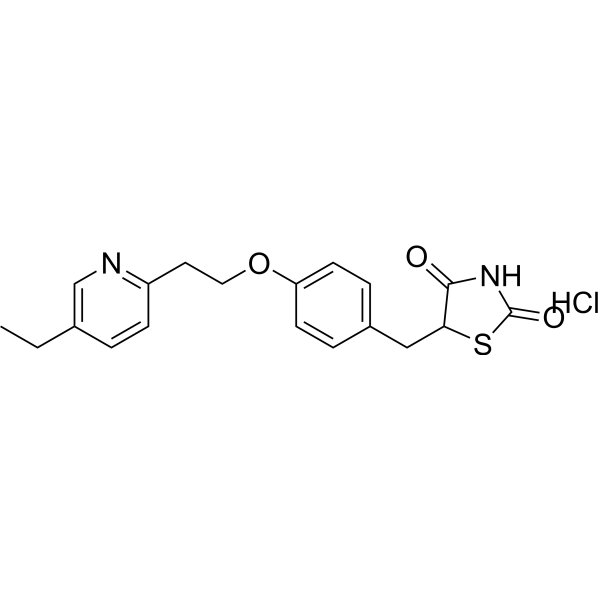
Pioglitazone hydrochloride (Standard)

Based on 1 Customer Validation
Pioglitazone (hydrochloride) (Standard) is the analytical standard of Pioglitazone (hydrochloride). This product is intended for research and analytical applications. Pioglitazone hydrochloride is a potent and selective PPARγ agonist with EC50s of 0.93 and 0.99 μM for human and mouse PPARγ, respectively.
Nos produits utilisent uniquement pour la recherche. Nous ne vendons pas aux patients.
- Pureté : 99.89%
- CAS No.: 112529-15-4
- Formule: C19H21ClN2O3S
- Masse moléculaire:392.90
-
Stockage:
Please store the product under the recommended conditions in the Certificate of Analysis.

To place orders, for customer services and technical support, please contact: MedChemExpress USA
Tel: 609-228-6898 E-mail: [email protected] [email protected]


-
 Product Information
-
Chemical Information
- Pureté et documentation
-
 Help & FAQs


-
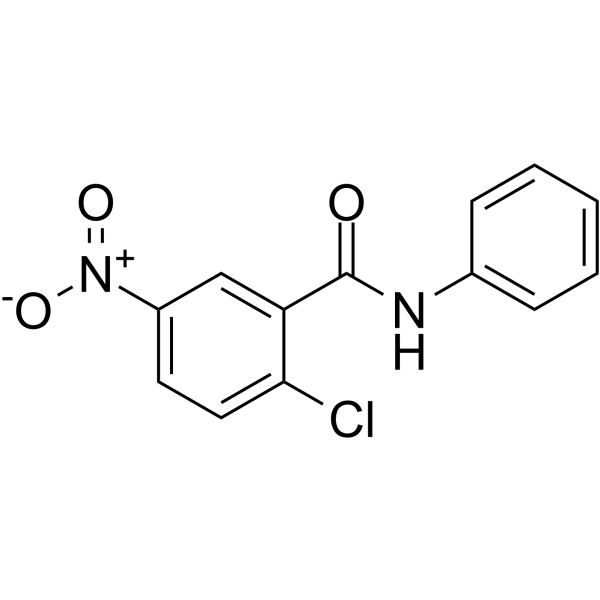
HY-16578
GW9662PPARγ Antagonist -
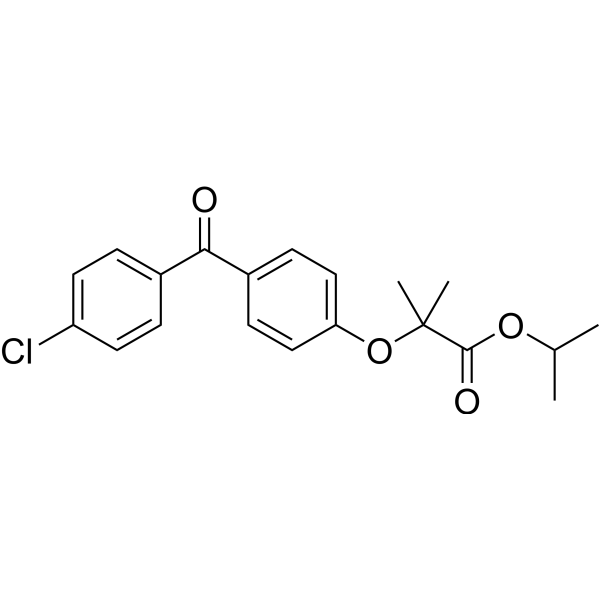
HY-17356R
Fenofibrate (Standard) -
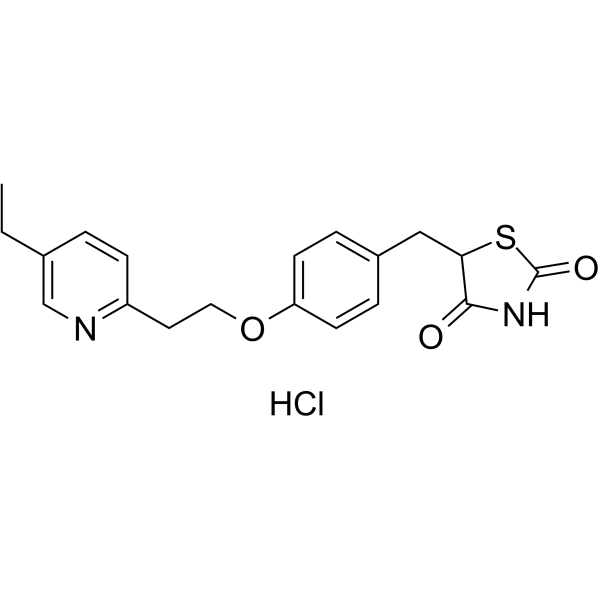
HY-14601
Pioglitazone hydrochloridePPARγ Agonist -
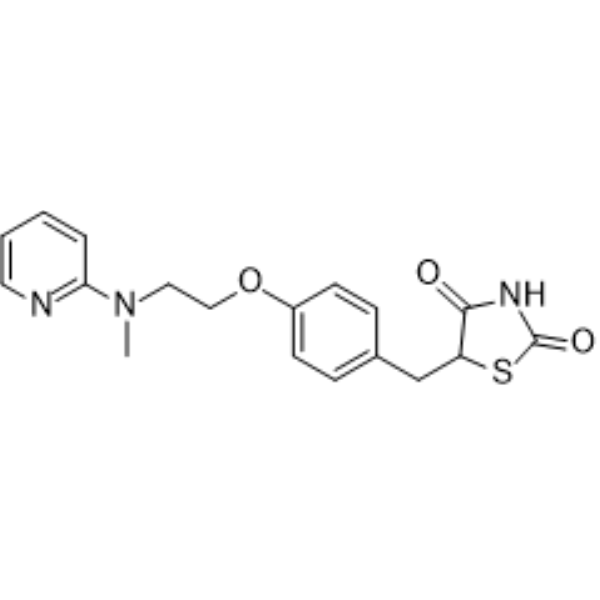
HY-17386
RosiglitazonePPARγ Agonist -
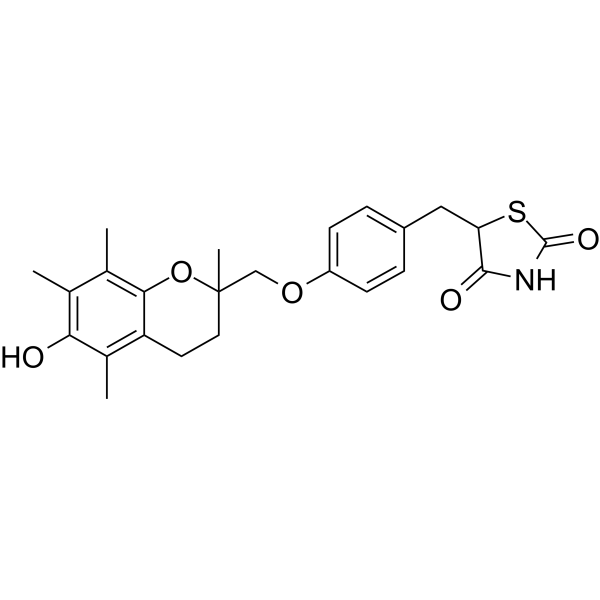
HY-50935
TroglitazonePPARγ Agonist -
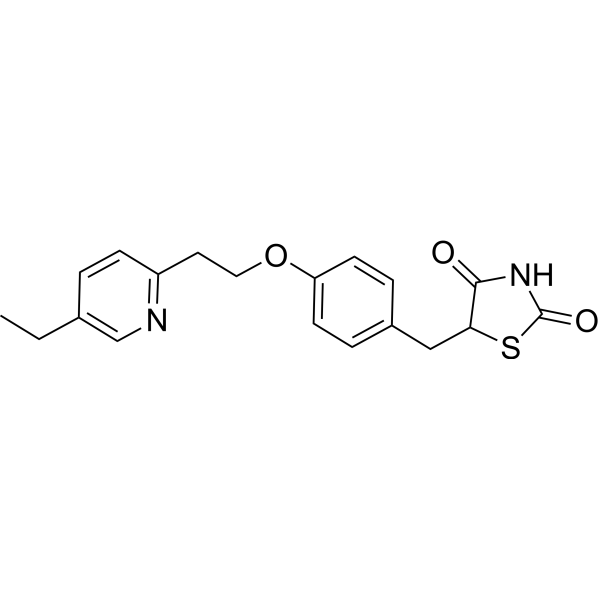
HY-13956
PioglitazonePPARγ Agonist -
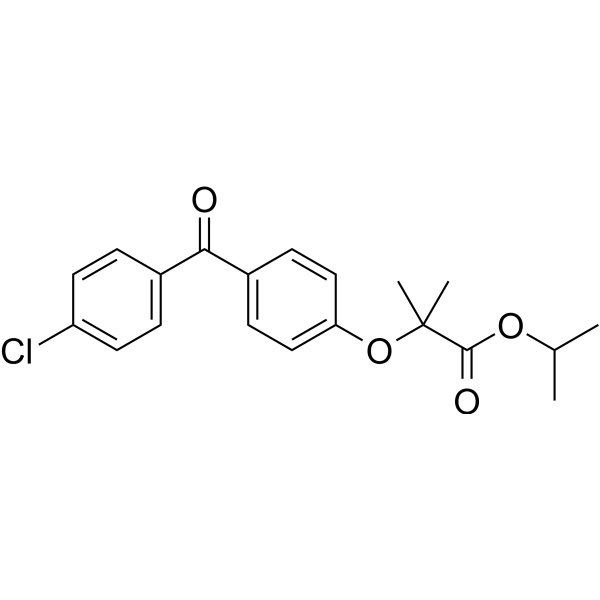
HY-17356
Fenofibrate -

HY-17386R
Rosiglitazone (Standard)PPARγ Agonist -
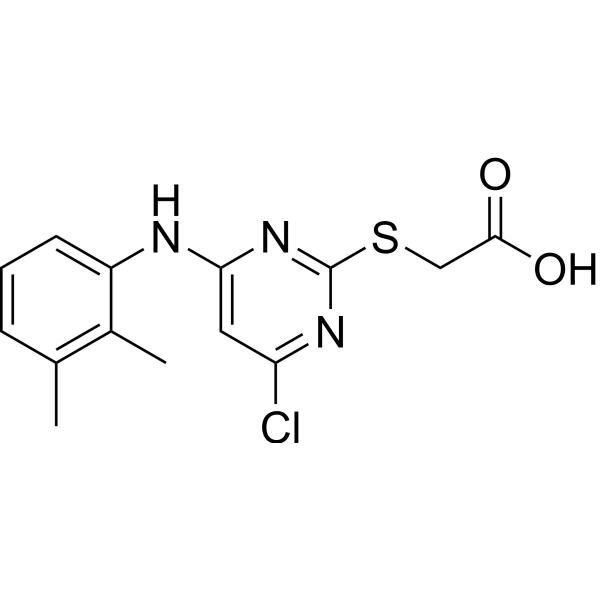
HY-16995
Pirinixic acidPPAR Agonist -
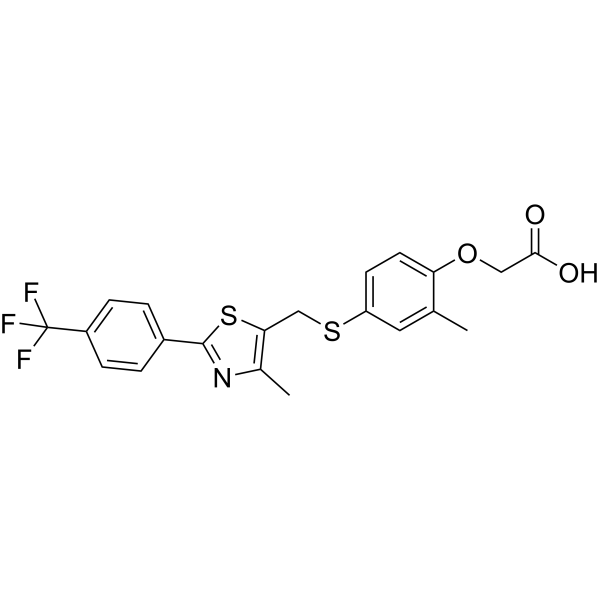
HY-10838
GW 501516PPARδ Agonist -
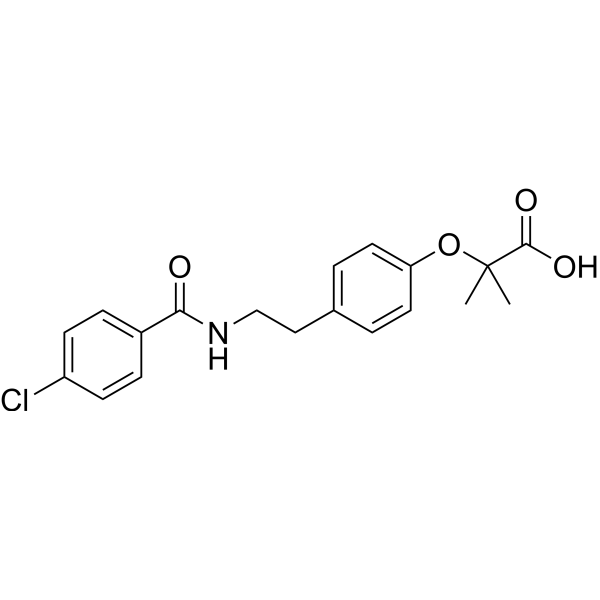
HY-B0637
BezafibratePPAR Agonist -
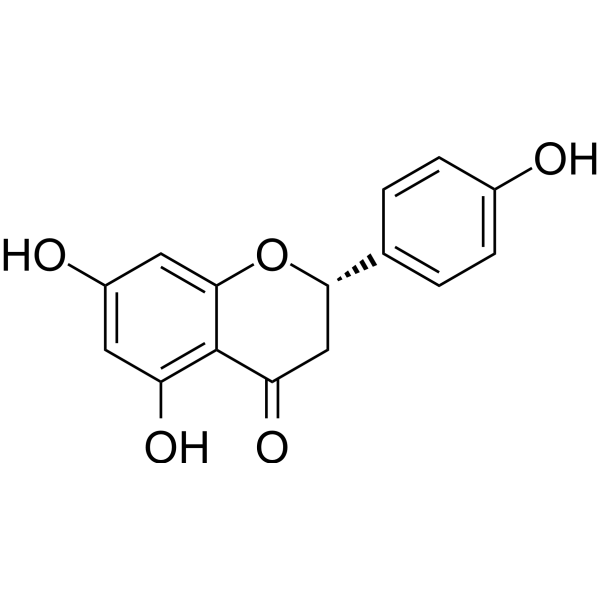
HY-N0100
NaringeninFlavonoid


Product Information
Information
Application
The compound is the grade of analytical standard, which is the reference standard supplied assay. It is commonly used in qualitative, quantitative and methodological research experiments in HPLC, GC and MS.


Chemical Information
-
CAS No. 112529-15-4
-
Appearance Solid
-
Masse moléculaire 392.90
-
Formule C19H21ClN2O3S
-
Color White to off-white
-
SMILES
CCC1=CN=C(CCOC2=CC=C(CC3C(NC(S3)=O)=O)C=C2)C=C1.Cl
-
Synonyms
U 72107A (Standard); AD 4833 (Standard)
-
Livraison
Room temperature in continental US; may vary elsewhere.
-
Stockage
Please store the product under the recommended conditions in the Certificate of Analysis.


Pureté et documentation
Références
[1]. Kuwabara K, et al. A novel selective peroxisome proliferator-activated receptor alpha agonist, 2-methyl-c-5-[4-[5-methyl-2-(4-methylphenyl)-4-oxazolyl]butyl]-1,3-dioxane-r-2-carboxylic acid (NS-220), potently decreases plasma triglyceride and glucose leve [Content Brief]
[2]. Puddu A, et al. Pioglitazone attenuates the detrimental effects of advanced glycation end-products in the pancreatic beta cell line HIT-T15. Regul Pept. 2012 Aug 20;177(1-3):79-84. [Content Brief]
[3]. Kubota N, et al. Pioglitazone ameliorates insulin resistance and diabetes by both adiponectin-dependent and -independent pathways. J Biol Chem. 2006 Mar 31;281(13):8748-55. [Content Brief]
[4]. Elrashidy RA, et al. Pioglitazone attenuates cardiac fibrosis and hypertrophy in a rat model of diabetic nephropathy. J Cardiovasc Pharmacol Ther. 2012 Sep;17(3):324-33. [Content Brief]

Calculators
Concentration (start) × Volume (start) = Concentration (final) × Volume (final)


Pioglitazone hydrochloride (Standard) Related Classifications
HY-14601R Related Classifications
 Powered by Bioz