





Search Result
Results for "
serine proteases
" in MedChemExpress (MCE) Product Catalog:
-
- HY-18234A
-
-
-
- HY-B0496
-
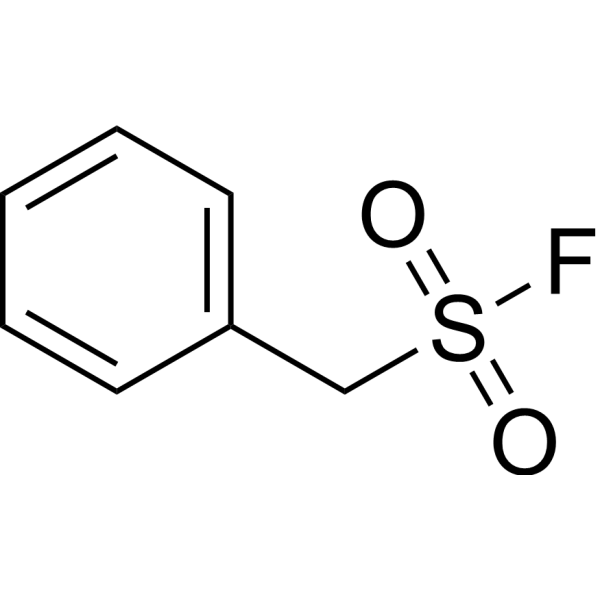
PMSF
Maximum Cited Publications
146 Publications Verification
Phenylmethylsulfonyl fluoride; Benzylsulfonyl fluoride
|
Cathepsin
Ser/Thr Protease
|
Neurological Disease
|
|
PMSF (Phenylmethylsulfonyl fluoride) is a nonspecific and irreversible serine proteases inhibitor. PMSF inhibits some thiol proteases, non-protease enzymes, and acetylcholinesterase. PMSF can be used to prepare protein extracts from tissue and cell lysates .
|
-
-
- HY-108717
-
|
Protease K
|
Ser/Thr Protease
|
Others
|
|
Proteinase K (Protease K) is a nonspecific serine protease that is useful for general digestion of proteins. Proteinase K is active in the presence of SDS or urea and over a wide range of pH (4-12), salt concentrations, and temperatures. Proteinase K can be use for promoting methods of viral nucleic acid extraction, and detection .
|
-
-
- HY-12821
-
-
-
- HY-114164
-
|
|
Thrombin
|
Neurological Disease
|
|
Thrombin (MW 37kDa) is a Na +-activated, allosteric serine protease that plays opposing functional roles in blood coagulation. Thrombin recognition sequence and can be used to digest GST-tagged proteins.
|
-
-
- HY-108910B
-
|
|
Ser/Thr Protease
|
Others
|
|
TLCK-treated Chymotrypsin is a serine protease. Chymotrypsin cleaves protein chains at the carboxyl side of aromatic amino acids. TLCK treated to inactivate residual tryspin activity .
|
-
-
- HY-134616
-
|
Uristatin
|
Ser/Thr Protease
Apoptosis
|
Neurological Disease
Inflammation/Immunology
|
|
Ulinastatin (Uristatin) is a trypsin and serine protease inhibitor. Ulinastatin is the main protein binding inhibitor of various trypsin, chymotrypsin, and various pancreatic proteases. Ulinastatin shows neuroprotective, anti-inflammatory, anti-apoptotic, anti-oxidant effects .
|
-
-
- HY-E70200
-
|
|
Ser/Thr Protease
|
Others
|
|
Recombinant Kex2 protease is a membrane-bound, Ca 2+-dependent serine protease. Recombinant Kex2 protease specifically recognize and cleave the carboxyl-terminal peptide bonds of dibasic amino acids .
|
-
-
- HY-124379
-
TPCK
1 Publications Verification
L-1-Tosylamido-2-phenylethyl chloromethyl ketone; L-TPCK
|
Ser/Thr Protease
HPV
Apoptosis
PDK-1
|
Infection
Neurological Disease
Inflammation/Immunology
Cancer
|
|
TPCK (L-1-Tosylamido-2-phenylethyl chloromethyl ketone; L-TPCK) is an effective serine protease inhibitor and also a blocker of the PDK1/Akt pathway. TPCK can modify the E7 protein in actively keratinocyte cells. TPCK can induce cellular apoptosis, suppress tumor growth, reduce hypoxic-ischemic brain injury in rat pups, and affect vascular permeability in inflamed rats .
|
-
-
- HY-E70203
-
-
-
- HY-137784
-
|
|
Fluorescent Dye
|
Others
|
|
Boc-Val-Pro-Arg-AMC hydrochloride is a sensitive fluorogenic substrate for measuring trypsin-like serine proteases activity .
|
-
-
- HY-E70202
-
|
rEK
|
Ser/Thr Protease
|
Others
|
|
Recombinant enterokinase (rEK) is a serine protease and functions as the physiological activator of trypsinogen. Recombinant enterokinase plays a role of turning trypsinogen to its active form trypsin .
|
-
-
- HY-33900
-
|
3-Oxotetrahydrofuran
|
Ser/Thr Protease
|
Others
|
|
Dihydrofuran-3(2H)-one (3-Oxotetrahydrofuran) is a cyclic ketone that can be used to synthesize cyclic ketone inhibitors that inhibit the serine protease plasmin .
|
-
-
- HY-131409
-
|
D-Val-Leu-Lys-p-itoailide dihydrochloride; D-VLK-pNA dihydrochloride; S 2251 dihydrochloride
|
Fluorescent Dye
|
Others
|
|
D-Val-Leu-Lys-pNA (D-Val-Leu-Lys-p-nitroanilide) dihydrochloride is a chromogenic peptide substrate that serves as a characteristic substrate for plasmin and plasminogen. D-Val-Leu-Lys-pNA dihydrochloride acts as a sensitive substrate for the DFE27 serine protease derived from Bacillus subtilis DC27. Catalyzed by plasmin, D-Val-Leu-Lys-pNA dihydrochloride binds and hydrolyzes to release p-nitroaniline (pNA), which can be detected colorimetrically at 405 nm as a measure of fibrinolytic activity .
|
-
-
- HY-P4326
-
|
|
Fluorescent Dye
|
Others
|
|
Boc-Val-Pro-Arg-MCA is a sensitive fluorogenic substrate for measuring trypsin-like serine proteases activity .
|
-
-
- HY-108717B
-
|
Protease K (NGS grade)
|
Ser/Thr Protease
|
Others
|
|
Proteinase K (Protease K) (NGS grade) is a nonspecific serine protease that is useful for general digestion of proteins. Proteinase K (NGS grade) is active in the presence of SDS or urea and over a wide range of pH (4-12), salt concentrations, and temperatures. Proteinase K (NGS grade) can be use for promoting methods of viral nucleic acid extraction, and detection. This product is NGS grade, no Nickase residue, and nucleic acid residue ≤5 pg/mg .
|
-
-
- HY-18234
-
-
-
- HY-P2942
-
-
-
- HY-P4284
-
|
|
Proteasome
ClpP
Bacterial
|
Infection
|
|
Z-GGF-CMK is an Antibacterial agent, an inhibitor of the ClpP1P2 serine protease complex (with an IC50 of 50 μM against intracellular ClpP1P2 protease activity in Mycobacterium bovis BCG), and a selective inhibitor of the mycobacterial Proteasome (with an IC50 of 50 μM against the proteasome in M. bovis BCG). Z-GGF-CMK inhibits the growth of mycobacteria. Z-GGF-CMK exhibits cytotoxic activity against liver cancer cells. Z-GGF-CMK can be used in the research of tuberculosis .
|
-
-
- HY-126034
-
|
|
Ser/Thr Protease
Apoptosis
|
Cardiovascular Disease
Metabolic Disease
Cancer
|
|
3,4-Dichloroisocoumarin is a potent serine-protease and SrLip inhibitor (Ki for SrLip: 26.6 μM). 3,4-Dichloroisocoumarin is opened by serine proteases and then undergoes acylation with the enzyme, thereby inhibiting protease activity. 3,4-Dichloroisocoumarin can induce DNA fragmentation and Apoptosis. 3,4-Dichloroisocoumarin can be used in the research of multiple fields such as tumors, cardiovascular disease and enzyme catalytic mechanisms .
|
-
-
- HY-114164C
-
-
-
- HY-10300
-
|
SCH 900518
|
HCV
HCV Protease
SARS-CoV
|
Infection
|
|
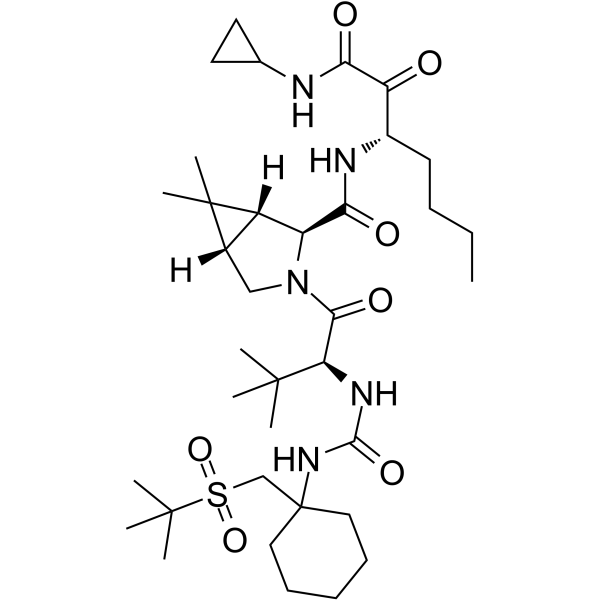
Narlaprevir (SCH 900518) is a selective and orally bioavailable NS3 protease inhibitor with a Ki value of 6 nM and an EC90 value of 40 nM . Narlaprevir also inhibits the HCV nonstructural protein 3 serine protease . Narlaprevir is also a SARS-CoV 3CL pro inhibitor with an IC50 of 2.3 μM .
|
-
-
- HY-P2990
-
|
TMPRSS15
|
Ser/Thr Protease
|
Metabolic Disease
|
|
Enteropeptidase (TMPRSS15), a type II transmembrane serine protease and a physiological activator of trypsinogen. Enteropeptidase is associated with the brush border membrane (BBM) of the enterocytes in the upper small intestine. Trypsinogen is the primary substrate for Enteropeptidase. Enteropeptidase is involved in digestion in humans and animals .
|
-
-
- HY-148072
-
|
|
SARS-CoV
|
Infection
|
|
MM3122 is a selective type II transmembrane serine protease (TMPRSS2) inhibitor with an IC50 value of 0.34 nM. MM3122 effectively blocks TMPRSS2, thereby inhibiting the entry of SARS-CoV-2 and MERS-CoV into human cells .
|
-
-
- HY-172242
-
|
|
Cathepsin
Dipeptidyl Peptidase
|
Inflammation/Immunology
|
|
Verducatib (BI 1291583) is an orally active inhibitor of cathepsin C (also known as DPP1). Verducatib restores the protease-inhibitor balance by inhibiting the activation of neutrophil serine proteases, thereby alleviating pulmonary inflammation and regulating infection responses. Verducatib significantly reduces the risk (including severe exacerbations) and frequency of acute exacerbations in bronchiectasis (BE). Verducatib also improves lung function and quality of life, and shortens the duration of antibiotic use. The overall incidence of adverse events of Verducatib is comparable to that of placebo, with only slightly more mild-to-moderate cutaneous adverse events observed in the high-dose group, demonstrating promising clinical application potential .
|
-
-
- HY-P3009
-
|
|
Factor Xa
|
Cardiovascular Disease
|
|
Bovine Factor Xa, a trypsin-like serine protease, is an important player in the coagulation cascade responsible for thrombin generation .
|
-
-
- HY-U00346
-
-
-
- HY-P2922
-
|
|
Cathepsin
|
Cancer
|
|
Cathepsin C is a lysosomal cysteine protease essential for catalytic activation of many serine proteases, including proteinase 3 (PR3), neutrophil elastase (NE), cathepsin G (CTSG), granzyme A/B/C, and mast cell chymase .
|
-
-
- HY-114164D
-
|
|
Thrombin
|
Cardiovascular Disease
|
|
Rat Thrombin is a Na +-activated, allosteric serine protease that plays opposing functional roles in blood coagulation. Thrombin recognition sequence and can be used to digest GST-tagged proteins .
|
-
-
- HY-P3150
-
|
|
Ser/Thr Protease
|
Others
|
|
Recombinant Proteinase K is a serine protease that cleaves the carboxy-terminated peptide bonds of aliphatic and aromatic amino acids. Recombinant Proteinase K can be used to digest proteins and remove contamination from nucleic acid preparations .
|
-
-
- HY-112968
-
|
|
APC
|
Cardiovascular Disease
|
|
Human Protein C is activated by α-thrombin or α-thrombin/thrombomodulin complex to a serine protease, namely activated protein C (APC). Human Protein C can selectively inactivate factors Va and VIIIa and is a potent anticoagulant .
|
-
-
- HY-E70392
-
|
|
Ser/Thr Protease
|
Others
|
|
Recombinant Trypsin is a serine protease enzyme, and hydrolyzes proteins at the carboxyl side of the Lysine or Arginine .
|
-
-
- HY-147278
-
|
Divesiran; SLN124
|
Ser/Thr Protease
Small Interfering RNA (siRNA)
TMPRSS6
|
Cardiovascular Disease
|
|
Manusiran (Divesiran) is a GalNac-siRNA targeting liver and transmembrane serine protease 6 (Serine protease 6). Manusiran increases hepatic Hepcidin synthesis and plasma levels by silencing TMPRSS6, a negative regulator of hepcidin production, and limits the availability of iron required for erythropoiesis. Combined use of Manusiran with Deferiprone (HY-B0568) reduces ineffective erythropoiesis and hepatic iron overload in a mouse model of β-thalassemia. Manusiran can be used for research on polycythemia vera, type 1 hereditary hemochromatosis, and β-thalassemia .
|
-
-
- HY-120624
-
|
|
Ser/Thr Protease
|
Inflammation/Immunology
|
|
BMS-354326 is a tryptase inhibitor with an IC50 of 1.8 nM. BMS-354326 exhibits excellent selectivity against trypsin and most other related serine proteases. BMS-354326 can be used in the research of asthma and inflammatory diseases .
|
-
-
- HY-130136A
-
|
|
Ser/Thr Protease
|
Others
|
|
TMPRSS6-IN-1 (TFA) is a potent inhibitor of TMPRSS6 (Matriptase-2), belonging to TTSPs (transmembrane serine protease). TMPRSS6, is a type II TTSP, the genetic reduction of which will improve symptoms of hemochromatosis and beta thalassemia in mice .
|
-
-
- HY-P4243A
-
|
|
Ser/Thr Protease
|
Others
|
|
Dansyl-Glu-Gly-Arg-Chloromethylketone TFA is a protease inhibitor, and inhibits serine/threonine proteases. Dansyl-Glu-Gly-Arg-Chloromethylketone TFA inhibits activated porcine factor IX .
|
-
-
- HY-145349
-
-
-
- HY-P4496
-
|
|
Phosphatase
|
Others
|
|
Tos-Gly-Pro-Lys-pNA is a substrate for the serine protease ALP and can be used to measure the activity of this enzyme .
|
-
-
- HY-P3947
-
|
|
Ser/Thr Protease
|
Infection
|
|
Fluorescent Substrate for Subtillsin can be used to detect the enzyme activity of subtillsin. Subtilisin is a bacterial serine protease .
|
-
-
- HY-153752
-
|
|
Ser/Thr Protease
|
Cancer
|
|
TAO Kinase inhibitor 2 (Example 49) is a TAO Kinase inhibitor (IC50=between 50 and 500 nM). TAO Kinase inhibitor 2 also inhibits KIAA1361 and JIK with IC50s of 50-500 nM .
|
-
-
- HY-114164E
-
|
|
Thrombin
|
Cardiovascular Disease
|
|
Rabbit Thrombin is a Na +-activated, allosteric serine protease that plays opposing functional roles in blood coagulation. Thrombin recognition sequence and can be used to digest GST-tagged proteins .
|
-
-
- HY-P5062
-
|
Decanoyl-Arg-Val-Arg-Lys-chloromethylketone
|
Furin
|
Infection
|
|
DEC-RVRK-CMK (Decanoyl-Arg-Val-Arg-Lys-chloromethylketone) is a peptide-based CMK (chloromethylketone) inhibitor that targets and inactivates the secreted soluble kexin (Kex2) (Ki=8.45 μM). The yeast enzyme Kex2 (kexin, EC 3.4.21.61) is a calcium-dependent transmembrane protease and belongs to the mammalian protease family of the serine protease subtilisin family. The binding mechanism of Kex2 with different CMK inhibitors depends on substrate selectivity, particularly the selective differences between lysine and arginine at the P1 position .
|
-
-
- HY-122592
-
|
|
Factor Xa
|
Cardiovascular Disease
|
|
Zifaxaban is an orally active, competitively and selective Factor Xa (FXa) inhibitor with an IC50 of 11.1 nM for human FXa. Zifaxaban shows >10000-fold greater selectivity than other serine proteases. Zifaxaban can be used for the arterial and venous thrombosis research .
|
-
-
- HY-E70586
-
-
-
- HY-P4243
-
|
|
Ser/Thr Protease
|
Others
|
|
Dansyl-Glu-Gly-Arg-Chloromethylketone is a protease inhibitor, and inhibits serine/threonine proteases. Dansyl-Glu-Gly-Arg-Chloromethylketone inhibits activated porcine factor IX .
|
-
-
- HY-147278A
-
-
-
- HY-18234AR
-
|
|
Reference Standards
Cathepsin
Ser/Thr Protease
Virus Protease
|
Infection
Inflammation/Immunology
|
|
Leupeptin (hemisulfate) (Standard) is the analytical standard of Leupeptin (hemisulfate). This product is intended for research and analytical applications. Leupeptin hemisulfate is a broad-spectrum, membrane-permeable protease inhibitor. Leupeptin hemisulfate potently inhibits serine, cysteine and threonine proteases. Leupeptin hemisulfate inhibits Mpro (the main protease of SARS-CoV-2) and also has anti-inflammatory activity[1][2][3].
|
-
-
- HY-W013964
-
|
(4-Iodophenyl)methanamine
|
Biochemical Assay Reagents
|
Others
|
|
4-Iodobenzylamine ((4-Iodophenyl)methanamine) is a probe that can detect the binding patterns of serine proteases that are like trypsin, as well as urokinase-type plasminogen activator (uPA). 4-Iodobenzylamine is stable in aqueous solution .
|
-
-
- HY-W141825
-
|
|
Fluorescent Dye
|
Infection
Metabolic Disease
|
|
N-Acetyl-DL-phenylalanine β-naphthyl ester is an aromatic amino acid ester, which functions as a chromogenic substrate for chymotrypsin and microbial serine proteases such as subtilisin .
|
-
-
- HY-119337
-
|
|
Ser/Thr Protease
|
Infection
|
|
CE-2072 is an inhibitor of serine proteases neutrophil elastase and proteinase-3. CE-2072 inhibits HIV-1 production and p24 production in response to IL-18 or NaCl in infected U1 monocytic cells, reduces virus replication in infected peripheral blood mononuclear cells and blocks infection of permissive HeLa cells. CE-2072 suppresses activation of the HIV-1-inducing transcription factor NF-kB in U1 cells. CE-2072 is promising for research of HIV-1-related disease .
|
-
- HY-P2821B
-
|
|
Biochemical Assay Reagents
|
Cardiovascular Disease
|
|
Murine Plasminogen is purified from freshly collected murine plasma and is an inactive precursor of the protease plasmin. It is activated to the serine protease plasmin by urokinase, streptokinase, or tissue plasminogen activator.
|
-
- HY-151611
-
-
- HY-126973
-
|
|
HCV Protease
|
Infection
|
|
BI-1230, a chemical probe, is potent and digit nanomolar inhibitor of HCV NS3 protease and of viral replication. BI-1230 is also highly selective against other serine/cysteine proteases. BI-1230 shows good Pharmacokinetic(PK) activity .
|
-
- HY-E70554A
-
|
|
Biochemical Assay Reagents
|
Cardiovascular Disease
|
|
Bovine Prothrombin is a glycoprotein with a molecular weight of 70 kDa and is composed of a single polypeptide chain. Prothrombin is activated by factors Va, Xa, and phospholipids to produce the serine protease thrombin .
|
-
- HY-114164H
-
|
|
Thrombin
|
Cardiovascular Disease
|
|
Human α-thrombin is a multifunctional serine protease that plays a pivotal role in the coagulation pathway. Human α-thrombin cleaves fibrinogen and converts it into fibrin. Human α-thrombin can stimulate platelet activation and stabilize fibrin polymers .
|
-
- HY-105383
-
|
|
Thrombin
|
Cardiovascular Disease
|
|
L 373890 is a selective pyridinone acetamide thrombin inhibitor with a Ki of 0.5 nM. L 373890 shows highly selectivity for thrombin over trypsin (Ki of 570 nM), serine proteases plasmin, tPA, activated protein C, plasma kallikrein and chymotrypsin. L 373890 can be used for thrombosis research .
|
-
- HY-E70566
-
|
|
Ser/Thr Protease
|
Others
|
|
Protease (Fab Cleaving) is a serine protease expressed recombinantly in E.coli with a 6×His tag at the C-terminus. Protease (Fab Cleaving) specifically digests human IgG1 at a single site above the hinge, generating intact Fab and Fc fragments within two hours without reducing conditions.
|
-
- HY-N4332
-
|
|
Ser/Thr Protease
|
Infection
Cancer
|
|
Rivulariapeptolides 1121 is a high potent and selective serine protease inhibitor with IC50 values of 35.52 nM, 13.24 nM and 48.05 nM for chymotrypsin, elastase and proteinase K, respectively .
|
-
- HY-E70389
-
-
- HY-145263
-
|
|
Ser/Thr Protease
|
Cancer
|
|
VD2173 is a side chain cyclized macrocyclic peptide inhibitor of HGF-activating serine proteases. VD2173 potently inhibits matriptase and hepsin. VD2173 can be used for the research of lung cancer .
|
-
- HY-N4331
-
|
|
Ser/Thr Protease
|
Infection
Cancer
|
|
Rivulariapeptolides 1185 is a high potent and selective serine protease inhibitor with IC50 values of 13.17 nM, 23.59 nM and 55.26 nM for chymotrypsin, elastase and proteinase K, respectively .
|
-
- HY-N4333
-
|
|
Ser/Thr Protease
|
Infection
Cancer
|
|
Rivulariapeptolides 988 is a high potent and selective serine protease inhibitor with IC50 values of 95.46 nM, 15.29 nM and 85.50 nM for chymotrypsin, elastase and proteinase K, respectively .
|
-
- HY-33900R
-
|
3-Oxotetrahydrofuran (Standard)
|
Ser/Thr Protease
Reference Standards
|
Others
|
|
Dihydrofuran-3(2H)-one (Standard) is the analytical standard of Dihydrofuran-3(2H)-one. This product is intended for research and analytical applications. Dihydrofuran-3(2H)-one (3-Oxotetrahydrofuran) is a cyclic ketone that can be used to synthesize cyclic ketone inhibitors that inhibit the serine protease plasmin .
|
-
- HY-163347
-
|
|
Factor Xa
|
Cardiovascular Disease
|
|
FXIIa-IN-3 (Compound 8) is a potent and selective Factor XIIa (FXIIa) inhibitor, with an IC50 of 0.045 μM. FXIIa-IN-3 also exhibits a substantial margin of selectivity against related serine proteases, including FXIa, FXa, and FIXa. FXIIa-IN-3 can be used for the research of thromboembolic diseases .
|
-
- HY-123542
-
|
|
Ser/Thr Protease
Apoptosis
|
Cancer
|
|
ONO-3403 is an orally active serine protease inhibitor. ONO-3403 inhibits the production of TNF-α and nitric oxide induced by LPS. ONO-3403 inhibits the cell growth and induces the apoptosis, and has an antitumor effect on malignant tumors .
|
-
- HY-P2830
-
|
|
Ser/Thr Protease
|
Inflammation/Immunology
|
|
Complement factor D is a serine protease. Complement factor D activates C3 convertase by specifically cleaving complement Factor B. Complement factor D is promising for research of autoimmune diseases (e.g., paroxysmal nocturnal hemoglobinuria, C3 glomerulopathy), age-related macular degeneration, and thrombotic microangiopathies .
|
-
- HY-168378
-
|
S-2251
|
Fluorescent Dye
|
Others
|
|
D-Val-Leu-Lys-pNA (S-2251) is a chromogenic peptide substrate that serves as a characteristic substrate for plasmin and plasminogen. D-Val-Leu-Lys-pNA acts as a sensitive substrate for the DFE27 serine protease derived from Bacillus subtilis DC27. Catalyzed by plasmin, D-Val-Leu-Lys-pNA binds and hydrolyzes to release p-nitroaniline (pNA), which can be detected colorimetrically at 405 nm as a measure of fibrinolytic activity .
|
-
- HY-N9725
-
|
16ξ-Hydroxycleroda-3,13-dien-15,16-olide
|
Dipeptidyl Peptidase
|
Metabolic Disease
|
|
16-Hydroxycleroda-3,13-dien-15,16-olide (16ξ-Hydroxycleroda-3,13-dien-15,16-olide; HCD), a clerodane diterpene, is a potent serine protease dipeptidyl peptidase 4 (DPP-4) inhibitor. 16-Hydroxycleroda-3,13-dien-15,16-olide down-regulates LPS-induced ERK phosphorylation in myocyte but blocks GLP-1 induced PKA expression. 16-Hydroxycleroda-3,13-dien-15,16-olide exhibits hypolipidemic, hepatoprotective, hypoglycemic efficacy .
|
-
- HY-U00282
-
-
- HY-137495
-
|
|
PAI-1
Ser/Thr Protease
|
Cancer
|
|
GGACK (H-Glu-Gly-Arg-CMK) is an irreversible substrate-like serine protease urokinase-type plasminogen activator (uPA) inhibitor .
|
-
- HY-137495A
-
|
|
PAI-1
Ser/Thr Protease
|
Cancer
|
|
GGACK (H-Glu-Gly-Arg-CMK) hydrochloride is an irreversible substrate-like serine protease urokinase-type plasminogen activator (uPA) inhibitor .
|
-
- HY-N5185
-
|
|
Fungal
|
Infection
|
|
Cyclothiazomycin selectively inhibits renin activity and does not inhibit pepsin, aspartic acid, serine, mercaptan protease and metalloproteinases. Cyclothiazomycin has weak antifungal activity .
|
-
- HY-171781
-
|
|
SARS-CoV
Virus Protease
|
Infection
|
|
FL-166 is a SARS coronavirus main protease (Mpro) inhibitor (Ki: 40 nM). FL-166 exerts its inhibitory effect by targeting a cluster of serine residues near the active site of the protease. FL-166 can be used in the study of SARS-CoV .
|
-
- HY-N4330
-
|
|
Ser/Thr Protease
|
Metabolic Disease
|
|
Rivulariapeptolides 1155 is a potent serine protease inhibitor with IC50s of 41.84, 4.94, 56.54 nM for chymotrypsin, elastase, prpteinase K, respectively .
|
-
- HY-P1918A
-
|
|
APC
|
Cardiovascular Disease
|
|
Activated Protein C (390-404), human TFA, a peptide of the activated protein C (a vitamin K-dependent serine protease), potently inhibits APC anticoagulant activity .
|
-
- HY-W104868
-
|
|
Biochemical Assay Reagents
Ser/Thr Protease
|
Others
|
|
4-Iodobenzylamine hydrochloride ((4-Iodophenyl)methanamine hydrochloride) is a probe that can detect the binding patterns of serine proteases that are like trypsin, as well as urokinase-type plasminogen activator (uPA) .
|
-
- HY-174719
-
|
|
mRNA
|
Inflammation/Immunology
|
|
Human ELANE mRNA encodes the human elastase (ELANE) protein, a member of serine proteases family. ELANE may play a role in degenerative and inflammatory diseases through proteolysis of collagen-IV and elastin.
|
-
- HY-N15009
-
|
|
Prolyl Endopeptidase (PREP)
|
Infection
|
|
Kynapcin-13 can non-competitively inhibit the activity of prolyl endopeptidase (PEP) with an IC50 of 76.80 μM. Kynapcin-13 has a little inhibitory effect on other serine proteases .
|
-
- HY-N15010
-
|
|
Prolyl Endopeptidase (PREP)
|
Infection
|
|
Kynapcin-28 can non-competitively inhibit the activity of prolyl endopeptidase (PEP) with an IC50 of 76.80 μM. Kynapcin-28 has a little inhibitory effect on other serine proteases .
|
-
- HY-E70568
-
|
|
Ser/Thr Protease
|
Others
|
|
Protease (O-glycan Cleaving) is recombinantly expressed from E.coli and contains a His tag. Protease (O-glycan Cleaving) is an O-glycan-dependent protease that digests proteins carrying mucin-type O-glycans, including sialylated substrates, glycosylated Ser and Thr residues at the N terminus. Protease (O-glycan Cleaving) digests a variety of O-glycan structures, including sialylated glycosylated core 1 and core 2 structures and Tn antigen. Protease (O-glycan Cleaving) does not digest terminally modified serine or threonine residues, nor does it digest N-glycosylation sites on glycoproteins.
|
-
- HY-P2978
-
|
|
Ser/Thr Protease
|
Neurological Disease
|
|
Alpha 1 Antichymotrypsin, Human Plasma is a serine protease inhibitor. Alpha 1 Antichymotrypsin, Human Plasma appears in the amyloid lesions of Alzheimer's disease. Alpha 1 Antichymotrypsin, Human Plasma can be used in Alzheimer's disease research .
|
-
- HY-E70567
-
|
|
Ser/Thr Protease
|
Others
|
|
Protease (Gly Cleaving) can be used to digest flexible linkers of fusion proteins composed of glycine or glycine and serine residues, repeating sequences, such as (Gly4Ser)n, GlyxSery (GS), and poly-glycine (G) linkers.
|
-
- HY-P991137
-
|
|
Ser/Thr Protease
|
Metabolic Disease
|
|
Exerenibart is an immunoglobulin G4-κ monoclonal antibody targeting human transmembrane serine protease 6 (TMPRSS6). Exerenibart is promising for research of diseases associated with iron metabolism disorders, such as iron overload or iron deficiency .
|
-
- HY-10300R
-
|
SCH 900518 (Standard)
|
Reference Standards
HCV
HCV Protease
SARS-CoV
|
Infection
|
|
Narlaprevir (Standard) is the analytical standard of Narlaprevir. This product is intended for research and analytical applications. Narlaprevir (SCH 900518) is a selective and orally bioavailable NS3 protease inhibitor with a Ki value of 6 nM and an EC90 value of 40 nM . Narlaprevir also inhibits the HCV nonstructural protein 3 serine protease . Narlaprevir is also a SARS-CoV 3CLpro inhibitor with an IC50 of 2.3 μM .
|
-
- HY-112968A
-
|
|
APC
|
Cardiovascular Disease
|
|
Bovine Protein C is activated by α-thrombin or α-thrombin/thrombomodulin complex to a serine protease, namely activated protein C (APC). Bovine Protein C can selectively inactivate factors Va and VIIIa and is a potent anticoagulant .
|
-
- HY-183860
-
|
|
Plasminogen/Plasmin
|
Others
|
|
Pefabloc PL is a plasmin inhibitor with submicromolar-range inhibitory activity against the trypsin-like serine protease plasmin .
|
-
- HY-16511A
-
|
(E)-WX-671
|
Ser/Thr Protease
|
Cancer
|
|
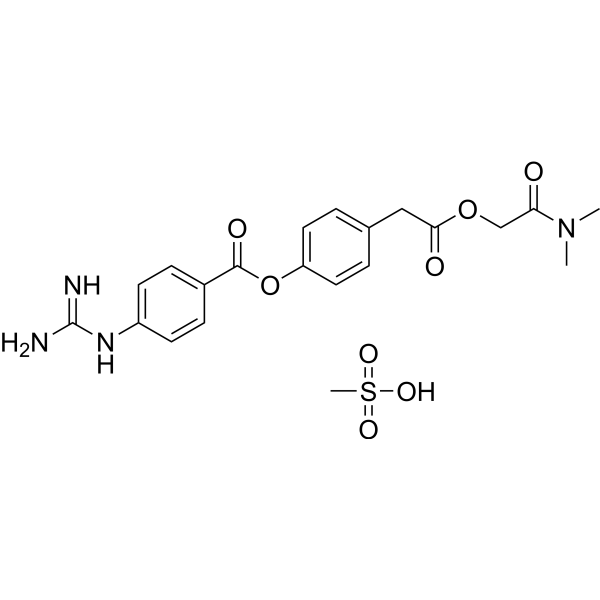
(E)-Upamostat ((E)-WX-671) is an E-isomer of Upamostat (HY-16511). Upamostat (WX-671), a prodrug of WX-UK1, is an orally active serine protease inhibitor .
|
-
- HY-P11367
-
|
|
Fluorescent Dye
Ser/Thr Protease
|
Infection
Metabolic Disease
|
|
Boc-Ala-Gly-Pro-Arg-AMC is a synthetic fluorescent substrate, widely used for the detection of protease activity. Boc-Ala-Gly-Pro-Arg-AMC can be used to detect the activity of serine proteases and the oligopeptide enzyme B of Trypanosoma brucei .
|
-
- HY-181764
-
|
|
Ser/Thr Protease
|
Cancer
|
|
LZL50 is an orally effective human caseinolytic protease P (hClpP) activator with an EC50 of 0.29 μM. LZL50 activates hClpP, a serine protease that mediates mitochondrial quality control by degrading damaged or misfolded mitochondrial proteins. LZL50 exhibits antitumor activity in a breast cancer xenograft mouse model. LZL50 can be used in research related to breast cancer .
|
-
- HY-P992451
-
|
KY1066
|
Ser/Thr Protease
Hepcidin
Reactive Oxygen Species (ROS)
Apoptosis
|
Cardiovascular Disease
|
|
RLYB331 (KY1066) is a is a monoclonal antibody targeting Matriptase-2 (TMPRSS6) . RLYB331 binds to the serine protease active site of matriptase-2, blocking protease activity to increase hepcidin expression. RLYB331 reduces iron overload, inhibits α-aggregates, reduces ROS, inhibits apoptosis, and enhances erythroid differentiation. RLYB331 ameliorates ineffective erythropoiesis in β-thalassemic mouse models. RLYB331 can be used for the research of β-thalassemia .
|
-
- HY-N19612
-
|
|
Ser/Thr Protease
|
Others
|
|
Proteasefrom aspergillus oryzae is a serine protease identified in the non-transgenic Aspergillus ochraceus strain AE-P. Proteasefrom aspergillus oryzae functions as a food enzyme and catalyzes protein hydrolysis with broad-spectrum specificity .
|
-
- HY-168378A
-
|
S-2251 acetate
|
Fluorescent Dye
|
Others
|
|
D-Val-Leu-Lys-pNA acetate (S-2251 acetate) is a chromogenic peptide substrate that serves as a characteristic substrate for plasmin and plasminogen. D-Val-Leu-Lys-pNA acetate acts as a sensitive substrate for the DFE27 serine protease derived from Bacillus subtilis DC27. Catalyzed by plasmin, D-Val-Leu-Lys-pNA acetate binds and hydrolyzes to release p-nitroaniline (pNA), which can be detected colorimetrically at 405 nm as a measure of fibrinolytic activity .
|
-
- HY-181513
-
|
|
Interleukin Related
TNF Receptor
|
Inflammation/Immunology
|
|
DPP-1-IN-2 is a DPP-I inhibitor with a human IC50 of 36.8 nM and oral efficacy. DPP-1-IN-2 binds to intracellular DPP-I, increases its thermal stability, and reduces the activity and expression levels of downstream neutrophil serine proteases by inhibiting its enzymatic activity. DPP-1-IN-2 regulates the secretion of inflammatory factors and chemokines to exert anti-inflammatory effects. DPP-1-IN-2 reverses joint inflammation and tissue damage in adjuvant-induced arthritis rat models. DPP-1-IN-2 is applicable to research related to arthritis .
|
-
- HY-E70933
-
|
|
Endogenous Metabolite
|
Metabolic Disease
|
|
Protease, Streptomyces griseus, exhibits broad substrate specificity. Its active site consists of one aspartic acid residue, one histidine residue, and one serine residue. Protease tends to hydrolyze the peptide bond on the carboxyl side of glutamate or aspartate.
|
-
- HY-W426308
-
|
|
Ser/Thr Protease
|
Others
|
|
Chymotrypsin-IN-1 (Compound TPCK) is a chymotrypsin inhibitor. Chymotrypsin-IN-1 can irreversibly inhibit chymotrypsin-like serine proteases .
|
-
- HY-P5642A
-
|
RC-101 TFA
|
HIV
SARS-CoV
Influenza Virus
Flavivirus
HSV
Bacterial
Fungal
Toll-like Receptor (TLR)
Ser/Thr Protease
|
Infection
Inflammation/Immunology
|
|
Retrocyclin-101 (RC-101) TFA is an artificially synthesized, cyclic-structured θ-defensin, a broad-spectrum agent with antimicrobial (covering viruses, bacteria, and fungi) activity and anti-inflammatory activity. Retrocyclin-101 TFA can inhibit the serine protease activity of ZIKV NS2B-NS3, with an IC50 of 7.20 μM. Retrocyclin-101 TFA has significant inhibitory activity against HIV, SARS-CoV-2, flaviviruses, influenza viruses, HSV-1/2, Staphylococcus aureus, etc. Retrocyclin-101 TFA inhibits the signal transduction mediated by TLR4 and TLR2, reducing the expression of pro-inflammatory cytokines .
|
-
- HY-151611A
-
-
- HY-182406
-
|
|
Ser/Thr Protease
|
Cardiovascular Disease
|
|
CU-2010 is a Serine protease inhibitor. In canine models, CU-2010 reduces blood loss after cardiac surgery in a dose-dependent manner and improves post-ischemic recovery .
|
-
- HY-E71022
-
|
|
Endogenous Metabolite
|
Metabolic Disease
|
|
Trypsin Acetylated, Bovine (EC 3.4.21.4) is a serine protease from the PA clan superfamily, found in the digestive system of many vertebrates, where it hydrolyses proteins. Trypsin is produced in the pancreas as the inactive protease trypsinogen. Trypsin cleaves peptide chains mainly at the carboxyl side of the amino acids lysine or arginine, except when either is followed by proline.
|
-
- HY-180217
-
|
|
TMPRSS6
Factor Xa
|
Cardiovascular Disease
|
|
WGU55 is a selective and potent reversible type II transmembrane serine protease TMPRSS6 inhibitor with a Ki of 12.15 nM. WGU55 inhibits TMPRSS6 activity with an IC50 of 138 nMin KEK293 cells. WGU55 has a Ki of 3510 nM (SI = 289) against the homologous protease matriptase and a Ki of 5.2 μM against the coagulation key protease Factor Xa. WGU55 can be used for the research of iron overload related diseases, such as hereditary hemochromatosis .
|
-
- HY-13512
-
|
Camostat mesilate; FOY305; FOY-S980
|
Ser/Thr Protease
SARS-CoV
|
Infection
Inflammation/Immunology
|
|
Camostat mesylate (Camostat mesilate) is an orally active, synthetic serine protease inhibitor for chronic pancreatitis. Camostat mesylate, an inhibitor of TMPRSS2, shows antiviral activity against SARS-CoV-2. Camostat mesylate also inhibits the activity of prostasin, trypsin, and matriptase .
|
-
- HY-126361
-
|
|
Ser/Thr Protease
PAI-1
|
Inflammation/Immunology
|
|
ZK824190 is an orally available and selective urokinase plasminogen activator (uPA) inhibitor as a potential treatment for multiple sclerosis. IC50s of 237, 1600 and 1850 nM for uPA, tPA, and Plasmin, respectively .
|
-
- HY-137798
-
|
|
Fluorescent Dye
|
Others
|
|
Chromozym PL is a chromogenic substrate for plasmin, and the enzymatic reaction can be carried out in 0.1mL Tris-HCl buffer (50 mM, pH 7.8). 100 μM Chromozym PL was dissolved and prepared. After adding the hydrolase, the generation of p-nitroaniline (pNA) at 405 nm was continuously observed, and the hydrolysis products were calculated .
|
-
- HY-126361A
-
|
|
Ser/Thr Protease
PAI-1
|
Inflammation/Immunology
|
|
ZK824190 hydrochloride is an orally available and selective urokinase plasminogen activator (uPA) inhibitor as a potential treatment for multiple sclerosis. IC50s of 237, 1600 and 1850 nM for uPA, tPA, and Plasmin, respectively .
|
-
- HY-116815
-
|
|
Beta-lactamase
Bacterial
|
Infection
Neurological Disease
|
|
Lalistat 1 is a potent, selective, and competitive inhibitor of lysosomal acid lipase (LAL) and against purified human LAL (phLAL) with an IC50 of 68 nM. Lalistat 1 is a inhibitor of immunoglobulin A1 protease (IgA1P) proteases for H. influenzae, has less effects on other serine hydrolases (trypsin or β-lactamase, etc.). Lalistat 1 can be used for the research of niemann-pick type C (NPC) disease .
|
-
- HY-130136
-
|
|
Ser/Thr Protease
|
Others
|
|
TMPRSS6-IN-1 (compound 8) is a potent inhibitor of TMPRSS6 (Matriptase-2), belonging to TTSPs (transmembrane serine protease). TMPRSS6, is a type II TTSP, the genetic reduction of which will improve symptoms of hemochromatosis and beta thalassemia in mice .
|
-
- HY-14853
-
|
YM150
|
Factor Xa
Ser/Thr Protease
|
Cardiovascular Disease
|
|
Darexaban (YM150) is a potent, selective and orally active factor Xa (FXa) inhibitor with an IC50 of 54.6 nM. Darexaban shows high selectivity against other related serine proteases, such as trypsin, thrombin, and kallikrein. Darexaban has anticoagulant and antithrombotic effects .
|
-
- HY-P5062A
-
|
Decanoyl-Arg-Val-Arg-Lys-chloromethylketone TFA
|
Furin
|
Infection
|
|
DEC-RVRK-CMK (Decanoyl-Arg-Val-Arg-Lys-chloromethylketone) TFA is a peptide-based CMK (chloromethylketone) inhibitor that targets and inactivates the secreted soluble kexin (Kex2) (Ki=8.45 μM). The yeast enzyme Kex2 (kexin, EC 3.4.21.61) is a calcium-dependent transmembrane protease and belongs to the mammalian protease family of the serine protease subtilisin family. The binding mechanism of Kex2 with different CMK inhibitors depends on substrate selectivity, particularly the selective differences between lysine and arginine at the P1 position .
|
-
- HY-P1918
-
|
|
APC
|
Cardiovascular Disease
|
|
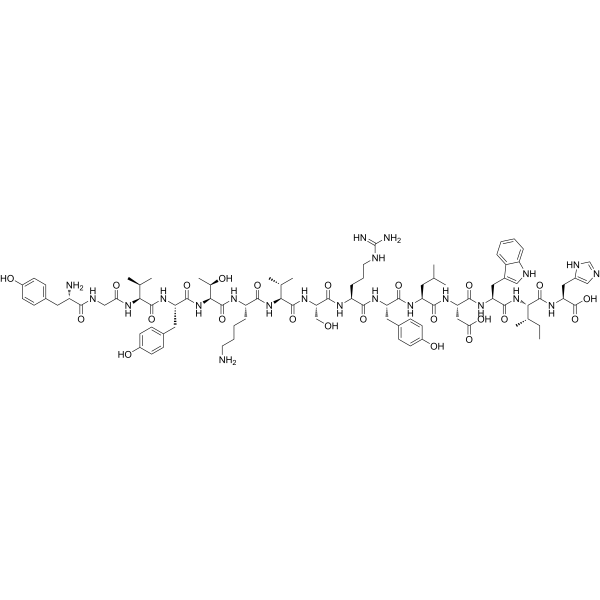
Activated Protein C (390-404), human is a polypeptide fragment of vitamin K-dependent serine protease activated protein C (APC), which inhibits the anticoagulant activity of APC. Activated Protein C (390-404), human inhibits APC-catalyzed inactivation of factor Va .
|
-
- HY-126988
-
|
α-MAPI
|
Elastase
|
Others
|
|
SP-Chymostatin B (α-MAPI) is a strong inhibitor of many proteases, including chymotrypsin, papain, chymotrypsin-like serine proteinases, chymases, and lysosomal cysteine proteinases such as cathepsins A,B,C, H, and L. SP-Chymostatin B weakly inhibits human leucocyte elastase .
|
-
- HY-NP019
-
|
|
Sirtuin
Caspase
Apoptosis
|
Neurological Disease
|
|
Agkistrodon halys batroxobin is a thrombin-like serine protease. Agkistrodon halys batroxobin reduces the expression of Sirt1 and extracellular signal-regulated kinase activation in brain tissue. Agkistrodon halys batroxobin reduces cleaved caspase-3 expression and inhibits neuronal apoptosis in rat .
|
-
- HY-105747A
-
|
N-(3-Phenoxypropyl)guanidine nitrate; (3-Phenoxypropyl)guanidine nitrate
|
Endogenous Metabolite
|
Infection
Neurological Disease
|
|
Guanoxyfen (N-(3-Phenoxypropyl)guanidine) nitrate is a compound that exhibits potent inhibitory activity against the serine protease enzyme TMPRSS2, which plays a crucial role in the infectivity of coronaviruses. Guanoxyfen nitrate is also an effective inhibitor of vasoconstrictor responses to sympathetic nerve stimulation.
|
-
- HY-10722
-
|
|
Factor Xa
|
Cardiovascular Disease
|
|
DX-9065a is a selective, nonpeptidic, and orally active factor Xa (FXa) inhibitor with a Ki of 41 nM for human FXa. DX-9065a has low activity against other serine proteases. DX-9065a has strong anticoagulant actions .
|
-
- HY-155909A
-
|
mPEG1000-SC; mPEG1000-Succinimidyl ester
|
Biochemical Assay Reagents
|
Others
|
|
m-PEG1000-NHS ester can be used to modify active molecules and improve their antigenicity, immunogenicity, and help prepare injection preparations. The modification of serine protease lumbrokinase (LK) by m-PEG-NHS ester does not affect its strong fibrinolytic and thrombolytic activities, and has good application prospects.
|
-
- HY-155909C
-
|
mPEG350-SC; mPEG350-Succinimidyl ester
|
Biochemical Assay Reagents
|
Others
|
|
m-PEG350-NHS ester can be used to modify active molecules and improve their antigenicity, immunogenicity, and help prepare injection preparations. The modification of serine protease lumbrokinase (LK) by m-PEG-NHS ester does not affect its strong fibrinolytic and thrombolytic activities, and has good application prospects.
|
-
- HY-155909B
-
|
mPEG550-SC; mPEG550-Succinimidyl ester
|
Biochemical Assay Reagents
|
Others
|
|
m-PEG550-NHS ester can be used to modify active molecules and improve their antigenicity, immunogenicity, and help prepare injection preparations. The modification of serine protease lumbrokinase (LK) by m-PEG-NHS ester does not affect its strong fibrinolytic and thrombolytic activities, and has good application prospects.
|
-
- HY-P2974
-
|
EC 3.4.21.36; Pancreatopeptidase E
|
Elastase
|
Metabolic Disease
|
|
Elastase, Porcine pancreas (EC 3.4.21.36) is a single polypeptide chain of 240 amino acid residues, derived from pig pancreas. Elastase, Porcine pancreas is a serine protease that can hydrolyze proteins and polypeptide. Elastase from porcine pancreas can induce emphysema in hamsters .
|
-
- HY-155909
-
|
mPEG3400-SC; mPEG3400-Succinimidyl ester
|
Biochemical Assay Reagents
|
Others
|
|
m-PEG3400-NHS ester can be used to modify active molecules and improve their antigenicity, immunogenicity, and help prepare injection preparations. The modification of serine protease lumbrokinase (LK) by m-PEG-NHS ester does not affect its strong fibrinolytic and thrombolytic activities, and has good application prospects.
|
-
- HY-B0190
-
|
|
Flavivirus
TNF Receptor
NF-κB
Apoptosis
Ser/Thr Protease
|
Infection
Cancer
|
|
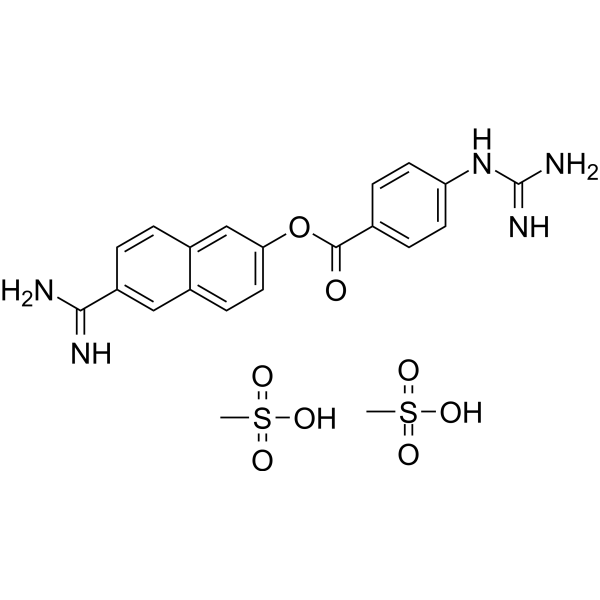
Nafamostat, an anticoagulant, is a synthetic serine protease inhibitor. Nafamostat has anticancer and antivirus effect. Nafamostat induce apoptosis by up-regulating the expression of tumor necrosis factor receptor-1 (TNFR1). Nafamostat can be used in the development of the pathological thickening of the arterial wall .
|
-
- HY-B0190B
-
|
|
Flavivirus
TNF Receptor
NF-κB
Apoptosis
Ser/Thr Protease
|
Infection
Cancer
|
|
Nafamostat hydrochloride, an anticoagulant, is a synthetic serine protease inhibitor. Nafamostat hydrochloride has anticancer and antivirus effect. Nafamostat hydrochloride induces apoptosis by up-regulating the expression of tumor necrosis factor receptor-1 (TNFR1). Nafamostat hydrochloride can be used in the development of the pathological thickening of the arterial wall .
|
-
- HY-161371
-
|
|
Ser/Thr Protease
|
Cancer
|
|
VD5123 is a serine protease inhibitor. VD5123 inhibits TMPRS2, HGFA, matriptase, hepsin with IC50s of 15, 3980, 140, 37 nM respectively. VD5123 can be used for antiviral research, such as SARS-CoV-2 and broad panel of coronaviruses and influenza viruses .
|
-
- HY-B2228
-
|
|
Biochemical Assay Reagents
|
Cancer
|
|
Proteinase, Aspergillus oryzae is a serine protease that hydrolyzes peptide bonds in protein substrates, preferring alkaline conditions (optimal pH 10.5). It efficiently degrades casein, poly-L-glutamic acid, and poly-L-lysine, with activity irreversibly inhibited by diisopropylfluorophosphate (DFP) and potato inhibitor. This enzyme catalyzes proteolysis via serine residues in its active site, finding applications in food processing (e.g., soy sauce fermentation), detergents, and leather industries due to its high yield in solid-state fermentation and cost-effective production.
|
-
- HY-174540
-
|
|
mRNA
|
Cancer
|
|
Human SERPINA1 mRNA encodes the human serpin family A member 1 (SERPINA1) protein, a serine protease inhibitor belonging to the serpin superfamily. SERPINA1’s major physiological function is the protection of the lower respiratory tract against proteolytic destruction by human leukocyte elastase (HLE).
|
-
- HY-B0190S1
-
|
|
Ser/Thr Protease
Apoptosis
SARS-CoV
|
Cardiovascular Disease
|
|
Nafamostat formate salt- 13C6 is the 13C labeled Nafamostat. Nafamostat, a synthetic serine protease inhibitor, is an anticoagulant. Nafamostat supresses T cell auto-reactivity by decreasing granzyme activity and CTL cytolysis. Nafamostat blocks activation of SARS-CoV-2 .
|
-
- HY-P2237
-
-
- HY-11091
-
|
BMS 561389 hydrochloride; DPC 906 hydrochloride
|
Factor Xa
Thrombin
|
Cardiovascular Disease
|
|
Razaxaban hydrochloride (BMS 561389 hydrochloride) is a highly potent, selective and orally active factor Xa inhibitor with a Ki of 0.19 nM. Razaxaban hydrochloride exhibits excellent selectivity (>5000-fold) for factor Xa over other related serine proteases. Razaxaban hydrochloride is also a potent thrombin inhibitor with a Ki of 540 nM. Razaxaban hydrochloride has strongly antithrombotic activity .
|
-
- HY-129047H
-
|
|
Ser/Thr Protease
|
Metabolic Disease
|
|
Trypsin, Rat (EC 3.4.21.4) is a serine protease belonging to the PA superfamily. It is present in the digestive systems of many vertebrates and hydrolyzes proteins. Trypsin, Rat (EC 3.4.21.4) primarily cleaves peptide chains at the carboxyl terminus of lysine or arginine, but cleavage does not occur when lysine or arginine is followed by proline.
|
-
- HY-B0190A
-
|
FUT-175
|
Flavivirus
TNF Receptor
NF-κB
Apoptosis
Ser/Thr Protease
|
Infection
Cancer
|
|
Nafamostat mesylate (FUT-175), an anticoagulant, is a synthetic serine protease inhibitor. Nafamostat mesylate has anticancer and antivirus effect. Nafamostat mesylate induce apoptosis by up-regulating the expression of tumor necrosis factor receptor-1 (TNFR1). Nafamostat mesylate can be used in the development of the pathological thickening of the arterial wall .
|
-
- HY-100415
-
|
WX-UK1; UKI-1C
|
PAI-1
Ser/Thr Protease
|
Cancer
|
|
UKI-1 (WX-UK1) is a potent urokinase-type plasminogen activator (uPA) inhibitor with a Ki of 0.41 μM. UKI-1 is also a low molecular weight serine protease inhibitor. UKI-1 is a potent antimetastatic agent and inhibits the invasive capacity of carcinoma cells .
|
-
- HY-108717A
-
|
Recombinant Protease K (DNase & RNase free, animal free)
|
Ser/Thr Protease
|
Others
|
|
Recombinant Proteinase K (Protease K) (DNase & RNase free, animal free) is a nonspecific serine protease that is useful for general digestion of proteins. Proteinase K (DNase & RNase free, animal free) is active in the presence of SDS or urea and over a wide range of pH (4-12), salt concentrations, and temperatures. Proteinase K (DNase & RNase free, animal free) can be use for promoting methods of viral nucleic acid extraction, and detection. This product is of molecular biology grade, free of animal-derived ingredients, and is recombinantly purified from yeast .
|
-
- HY-172536
-
|
mPEG30000-SC; mPEG30000-Succinimidyl ester
|
Biochemical Assay Reagents
|
Others
|
|
m-PEG30000-NHS ester (mPEG30000-SC) can be used to modify active molecules and improve their antigenicity, immunogenicity, and help prepare injection preparations. The modification of serine protease lumbrokinase (LK) by m-PEG-NHS ester does not affect its strong fibrinolytic and thrombolytic activities, and has good application prospects .
|
-
- HY-10722A
-
|
|
Factor Xa
|
Cardiovascular Disease
|
|
DX-9065a free base is a selective, nonpeptidic, and orally active factor Xa (FXa) inhibitor with a Ki of 41 nM for human FXa. DX-9065a free base has low activity against other serine proteases. DX-9065a free base has strong anticoagulant actions .
|
-
- HY-13512R
-
|
Camostat mesilate (Standard); FOY305 (Standard); FOY-S980 (Standard)
|
Reference Standards
Ser/Thr Protease
SARS-CoV
|
Infection
Inflammation/Immunology
|
|
Camostat (mesylate) (Standard) is the analytical standard of Camostat (mesylate). This product is intended for research and analytical applications. Camostat mesylate (Camostat mesilate) is an orally active, synthetic serine protease inhibitor for chronic pancreatitis. Camostat mesylate, an inhibitor of TMPRSS2, shows antiviral activity against SARS-CoV-2. Camostat mesylate also inhibits the activity of prostasin, trypsin, and matriptase .
|
-
- HY-W010128
-
|
6-Dimethylaminopurine; 6-DMAP
|
CDK
DNA/RNA Synthesis
Apoptosis
|
Cancer
|
|
6-(Dimethylamino) purine (6-Dimethylaminopurine) is a serine threonine protein kinase inhibitor. 6-(Dimethylamino) purine can inhibit prolactin induced expression of lactoprotein genes in rabbit mammary gland cells. 6-(Dimethylamino) purine can affect the maturation of mammalian oocytes. 6-(Dimethylamino) purine can lead to downregulation of genes related to cell proliferation and cell cycle progression, such as proliferating cell nuclear antigen, insulin-like gene 1, and serine protease inhibitor 2 genes, and induce apoptosis in lymphoma cells (apoptosis) .
|
-
- HY-W010128R
-
|
6-Dimethylaminopurine (Standard); 6-DMAP (Standard)
|
Reference Standards
CDK
DNA/RNA Synthesis
Apoptosis
|
Cancer
|
|
6-(Dimethylamino) purine (6-Dimethylaminopurine) is a serine threonine protein kinase inhibitor. 6-(Dimethylamino) purine can inhibit prolactin induced expression of lactoprotein genes in rabbit mammary gland cells. 6-(Dimethylamino) purine can affect the maturation of mammalian oocytes. 6-(Dimethylamino) purine can lead to downregulation of genes related to cell proliferation and cell cycle progression, such as proliferating cell nuclear antigen, insulin-like gene 1, and serine protease inhibitor 2 genes, and induce apoptosis in lymphoma cells (apoptosis) .
|
-
- HY-19269
-
|
|
Elastase
|
Inflammation/Immunology
|
|
FK706 is a potent, slow-binding and competitive inhibitor of human neutrophil elastase with an IC50 of 83 nM and a Ki of 4.2 nM. FK706 also inhibits mouse neutrophil elastase and porcine pancreatic elastase with IC50s of 22 nM and 100 nM, respectively, and has no inhibitory activity against other serine proteinases such as human pancreatic trypsin, human pancreatic α-chymotrypsin and human leukocyte cathepsin G. FK706 has anti-inflammatory effect .
|
-
- HY-P2969
-
|
|
Endogenous Metabolite
|
Metabolic Disease
|
|
Complement factor I is a serine protease that downregulates complement activity in the fluid phase and/or on cell surfaces in conjunction with one of its cofactors, factor H (FH), complement receptor 1 (CR1/CD35), C4 binding protein (C4BP) or membrane cofactor protein (MCP/CD46) .
|
-
- HY-161370
-
|
|
Ser/Thr Protease
|
Cancer
|
|
VD4162 (Compound 8b) is a macrocyclic inhibitor of serine proteases. VD4162 can significantly improve potency for all four target enzymes TMPRSS2 (IC50 = 3.7 nM), HGFA(IC50 = 3.3 nM), matriptase (IC50 = 2.9 nM), and hepsin (IC50 = 0.54 nM). VD4162 can be used for the research of cancer .
|
-
- HY-172090
-
|
|
Ser/Thr Protease
|
Inflammation/Immunology
|
|
MASP-2-IN-1 (Compound 77) is a selective MASP-2 inhibitor with an IC50 of 0.0114 μM, and an IC50 of 13.2 μM against MASP-3. MASP-2-IN-1 inhibits the catalytic activity of MASP-2 in the lectin complement pathway. MASP-2-IN-1 is applicable to the research of immune diseases .
|
-
- HY-125959
-
Ucf-101
1 Publications Verification
|
Apoptosis
|
Cardiovascular Disease
Neurological Disease
|
|
Ucf-101 is a selective and competitive inhibitor of pro-apoptotic protease Omi/HtrA2, with an IC50 of 9.5 μM for His-Omi. Ucf-101 exhibits very little activity against various other serine proteases (IC50>200 μM). Ucf-101 has a natural red fluorescence at 543 nm that is used to monitor its ability to enter mammalian cells. Ucf-101 has a significant cardioprotective effect against MI/R injury and also has certain neuroprotective effect .
|
-
- HY-16511
-
|
WX-671
|
PAI-1
Ser/Thr Protease
|
Infection
Cancer
|
|
Upamostat (WX-671), a prodrug of WX-UK1, is an orally active serine protease inhibitor. Upamostat inhibits the urokinase-type plasminogen activator (uPA) system, blocking the plasminogen activation process mediated by it, thereby suppressing the invasion, migration and metastasis of tumor cells. Upamostat can be used in the research of metastatic breast cancer and locally advanced pancreatic cancer .
|
-
- HY-W794573
-
|
|
Ser/Thr Protease
|
Cancer
|
|
APC-6860 hydrochloride is a competitive, selective arylamidine Serine protease inhibitor, with a Ki of 0.44 μM for trypsin, 0.10 μM for h-uPA, and 0.082 μM for mouse uPA. APC-6860 hydrochloride inhibits urokinase-activated plasminogen-mediated degradation of Fibronectin in cancer cells. APC-6860 hydrochloride is applicable to research related to breast cancer and prostate cancer .
|
-
- HY-E70018
-
|
|
Endogenous Metabolite
|
Infection
Metabolic Disease
|
|
Picornain 3C is a protease found in picornaviruses, which cleaves peptide bonds of non-terminal sequences. Picornain 3C is an intermediate between the serine peptidase chymotrypsin and the cysteine peptidase papain. Picornain 3C shows endopeptidase activity by selectively cleaving Gln-Gly bonds in the polyprotein of poliovirus and with substitution of Glu for Gln, and Ser or Thr for Gly in other picornaviruses .
|
-
- HY-P5356
-
|
Plasmin substrate
|
Fluorescent Dye
|
Others
|
|
H-D-Val-Leu-Lys-AFC (Plasmin substrate) is a biological active peptide. (This is a fluorescent plasmin substrate, Abs/Em=380/500 nm.Plasmin belongs to the family of serine proteases. It plays a key role in fibrinolysis by dissolving fibrin in blood clots. Besides fibrinolysis, plasmin is also involved in such physiological and pathological processes as wound healing, liver repair, and the maintenance of liver homeostasis.)
|
-
- HY-129047
-
|
|
Ser/Thr Protease
Protease Activated Receptor (PAR)
|
Infection
Inflammation/Immunology
|
|
Trypsin is a serine protease enzyme, and hydrolyzes proteins at the carboxyl side of the Lysine or Arginine. Trypsin activates PAR2 and PAR4. Trypsin induces cell-to-cell membrane fusion in PDCoV infection by the interaction of S glycoprotein of PDCoV and pAPN. Trypsin also promotes cell proliferation and differentiation. Trypsin can be used in the research of wound healing and neurogenic inflammation .
|
-
- HY-B0190AR
-
|
FUT-175 (Standard)
|
Flavivirus
TNF Receptor
NF-κB
Apoptosis
Ser/Thr Protease
Reference Standards
|
Infection
Cancer
|
|
Nafamostat (mesylate) (Standard) is the analytical standard of Nafamostat (mesylate). This product is intended for research and analytical applications. Nafamostat mesylate (FUT-175), an anticoagulant, is a synthetic serine protease inhibitor. Nafamostat mesylate has anticancer and antivirus effect. Nafamostat mesylate induce apoptosis by up-regulating the expression of tumor necrosis factor receptor-1 (TNFR1). Nafamostat mesylate can be used in the development of the pathological thickening of the arterial wall .
|
-
- HY-P2974A
-
|
|
Elastase
|
Metabolic Disease
|
|
Elastase, Rat (EC 3.4.21.35) is a form of elastase that is produced in the acinar cells of the pancreas, initially produced as an inactive zymogen and later activated in the duodenum by trypsin. Elastases form a subfamily of serine proteases, characterized by a distinctive structure consisting of two beta-barrel domains converging at the active site that hydrolyze amides and esters amongst many proteins in addition to elastin, a type of connective tissue that holds organs together.
|
-
- HY-114015
-
|
|
Ser/Thr Protease
|
Cancer
|
|
APC-6860 is a trypsin-like serine proteases inhibitor with ki values of 0.21 and 0.44 μM for uPA and trypsin, respectively. APC-6860 has a selectivity ratio for tPA versus uPA of 80. APC-6860 has ki values of 0.1 and 0.082 μM for human and murine urokinases, respectively. APC-6860 can be used for the research of cancer .
|
-
- HY-159479
-
|
|
Parasite
|
Infection
|
|
PfSUB1-IN-1 (compound 4c) is a plasmodium falciparum subtilisin-like serine protease 1 (PfSUB1) Inhibitor (IC50: 15 nM). PfSUB1 is an antimalarial target. PfSUB1-IN-1 inhibits the growth of a genetically modified P. falciparum line expressing reduced levels of PfSUB1 13-fold more efficiently compared to a wild-type parasite line .
|
-
- HY-128570
-
|
|
Complement System
|
Inflammation/Immunology
|
|
FD-IN-1 (Compound 12) is an orally bioavailable and selective factor D (FD) inhibitor with an IC50 of 12 nM. Complement FD, a highly specific S1 serine protease, plays a central role in the alternative complement pathway of the innate immune system. FD-IN-1 also inhibits factor XIa (FXIa) and Tryptase β2 with IC50s of 7.7 and 6.5 µM, respectively .
|
-
- HY-129047E
-
|
|
Ser/Thr Protease
|
Others
|
Trypsin, porcine pancreas (Cell culture grade) is a serine protease that hydrolyzes proteins at the carboxyl side of lysine or arginine residues. Trypsin, porcine pancreas (Cell culture grade) exhibits excellent protein digestibility for α-lactalbumin and β-casein. Trypsin, porcine pancreas (Cell culture grade) removes cellular components while preserving extracellular matrix structures to achieve uniform decellularization of porcine pancreas .
|
-
- HY-137038
-
|
TLCK hydrochloride
|
Caspase
Ser/Thr Protease
FOXO
|
Cardiovascular Disease
Cancer
|
|
N-alpha-Tosyl-Lys chloromethyl ketone hydrochloride (TLCK hydrochloride) is a Serine protease inhibitor with an IC50 of 12.0 μM against Caspase-3, 54.5 μM against Caspase-6, and 19.3 μM against Caspase-7. It inhibits thrombin-induced nuclear translocation of FOXO1. N-alpha-Tosyl-Lys chloromethyl ketone hydrochloride can be used in research related to leukemia and cardiovascular diseases .
|
-
- HY-E70390
-
|
masp-2, c1 esterase, c1-esterase
|
Wnt
|
Cardiovascular Disease
Inflammation/Immunology
|
|
C1s Enzyme is a subunit of the complement C1 complex, which activates the complement as a serine protease. C1s Enzyme cleaves LRP5 and LRP6, and thus activates the Wnt/β-Catenin signaling pathway. C1s Enzyme promotes the macrophage M2 polarization and inhibits M1 polarization. C1s Enzyme enhances efferocytosis, exhibits anti-inflammatory activity .
|
-
- HY-155482
-
NA-184
1 Publications Verification
|
Proteasome
|
Neurological Disease
|
|
NA-184 is a selective and brain-penetrant calpain-2 inhibitor with an IC50 of 134 nM for mouse calpain-2. NA-184 has weak inhibitory activity on calpain-1 (IC50 of 2826 nM). NA-184 does not exhibit significant inhibition on a variety of other cysteine-, serine- or metallo-proteases. NA-184 shows significant neuroprotection and can be used for the study of traumatic brain injury (TBI) .
|
-
- HY-16512
-
|
WX-671 hydrogen sulfate
|
PAI-1
Ser/Thr Protease
|
Cancer
|
|
Upamostat (WX-671) hydrogen sulfate, a prodrug of WX-UK1 (HY-100415), is an orally active serine protease inhibitor. Upamostat hydrogen sulfate inhibits the urokinase-type plasminogen activator (uPA) system, blocking the plasminogen activation process mediated by it, thereby suppressing the invasion, migration and metastasis of tumor cells. Upamostat hydrogen sulfate can be used in the research of metastatic breast cancer and locally advanced pancreatic cancer .
|
-
- HY-P2729
-
|
EC 3.4.21.14
|
Ser/Thr Protease
Apoptosis
Interleukin Related
Bacterial
|
Inflammation/Immunology
Cancer
|
|
Subtilisin (EC 3.4.21.14) is a bacterial serine protease. Subtilisin induces Apoptosis. Subtilisin stimulates the expression of pro-allergic cytokines (IL-1α, IL-33). Subtilisin induces prototypic allergic lung inflammation. Subtilisin exhibits anticancer activity against breast and colon cancer. Subtilisin shows antifouling activity. Subtilisin can be used as a detergent additive .
|
-
- HY-125959R
-
|
|
Apoptosis
|
Cardiovascular Disease
Neurological Disease
|
|
Ucf-101 (Standard) is the analytical standard of Ucf-101. This product is intended for research and analytical applications. Ucf-101 is a selective and competitive inhibitor of pro-apoptotic protease Omi/HtrA2, with an IC50 of 9.5 μM for His-Omi. Ucf-101 exhibits very little activity against various other serine proteases (IC50>200 μM). Ucf-101 has a natural red fluorescence at 543 nm that is used to monitor its ability to enter mammalian cells. Ucf-101 has a significant cardioprotective effect against MI/R injury and also has certain neuroprotective effect .
|
-
- HY-114164F
-
|
|
Thrombin
Protease Activated Receptor (PAR)
MMP
VEGFR
Epigenetic Reader Domain
|
Cardiovascular Disease
|
|
Canine Thrombin is a Canine serine protease that plays a central role in blood coagulation. Canine Thrombin stimulates macrophages to polarize into a unique phenotype characterized by anti-inflammatory and pro-repair properties. Canine Thrombin activates PAR1, induces the production of MCP-1, MMP3 and VEGF in intervertebral discs, and causes degradation of the cartilage matrix and destruction of intervertebral disc structure. Canine Thrombin activity increases significantly in paraoxon-induced status epilepticus .
|
-
- HY-129047A
-
|
|
Ser/Thr Protease
Protease Activated Receptor (PAR)
|
Infection
Inflammation/Immunology
|
|
Trypsin MS grade is a serine protease enzyme, and hydrolyzes proteins at the carboxyl side of the Lysine or Arginine. Trypsin MS grade activates PAR2 and PAR4. Trypsin MS grade induces cell-to-cell membrane fusion in PDCoV infection by the interaction of S glycoprotein of PDCoV and pAPN. Trypsin MS grade also promotes cell proliferation and differentiation. Trypsin MS grade can be used in the research of wound healing and neurogenic inflammation .
|
-
- HY-160225
-
|
|
STING
Interleukin Related
|
Inflammation/Immunology
|
|
ISD sodium is an interferon-stimulatory DNA, a 45 bp non-CpG double-stranded oligonucleotide derived from the genome of Listeria monocytogenes. ISD sodium potently induces type I interferon production via the cGAS‑STING‑TBK1‑IRF3 pathway .
|
-
- HY-E70127
-
|
Brasan; Dasen
|
Ser/Thr Protease
COX
Bacterial
Prostaglandin Receptor
Interleukin Related
|
Cardiovascular Disease
Infection
Neurological Disease
Inflammation/Immunology
Cancer
|
|
Serratiopeptidase (Brasan; Dasen) is an orally active zinc-containing metalloprotease belonging to the serralysin family. Serratiopeptidase reduces the release of inflammatory mediators such as prostaglandins, thromboxanes and interleukins by inhibiting COX, thereby relieving pain, swelling and redness. Serratiopeptidase exhibits antibiofilm, mucolytic and wound-healing activities. As a serine protease, Serratiopeptidase has the ability to dissolve blood clots, fibrin and atherosclerotic plaques. Serratiopeptidase degrades amyloid fibrils and has potential anti-Alzheimer's effects. Serratiopeptidase shows cytotoxicity against colon cancer cells .
|
-
- HY-162719
-
|
|
DNA/RNA Synthesis
SARS-CoV
|
Infection
|
|
RH12 is a dual inhibitor for SARS-CoV-2 related RNA-dependent RNA polymerase (RdRp, IC50 is 4.42 nM) and human transmembrane serine protease 2 (TMPRSS2, IC50 is 4.2 nM). RH12 exhibits antiviral efficacy. RH12 inhibits viral replication and absorption, and exhibits a 90.5% virucidal effects on Vero-E6 cells. RH12 inhibits cell viability of Calu-3 with an IC50 of 17.5 nM .
|
-
- HY-114164G
-
-
- HY-146581
-
|
|
Cathepsin
|
Inflammation/Immunology
|
|
Cathepsin C-IN-4 (compound SF27) is a potent Cathepsin C (Cat C) inhibitor, with an IC50 of 65.6 nM. Cathepsin C-IN-4 also inhibits THP-1 and U937 cell, with IC50 values of 203.4 and 177.6 nM, respectively .
|
-
- HY-146580
-
|
|
Cathepsin
|
Inflammation/Immunology
|
|
Cathepsin C-IN-3 (compound SF11) is a potent Cathepsin C (Cat C) inhibitor, with an IC50 of 61.79 nM. Cathepsin C-IN-3 also inhibits THP-1 and U937 cell, with IC50 values of 101.5 and 86.5 nM, respectively .
|
-
- HY-W014134
-
|
p-Amidinophenylmethylsulfonylfluoride hydrochloride
|
Ser/Thr Protease
|
Inflammation/Immunology
|
|
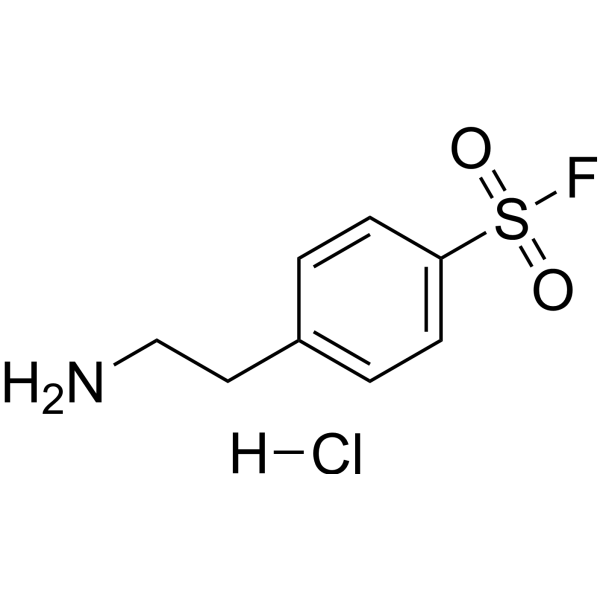
p-APMSF (p-Amidinophenylmethylsulfonylfluoride) hydrochloride is a serine protease and trypsin inhibitor with the characteristic of rapid onset of action. p-APMSF hydrochloride reduces the enzymatic hydrolysis of recombinant human G-CSF in rat pulmonary mucosa. Combined intratracheal treatment with p-APMSF hydrochloride and Laureth-9 significantly enhances its absorption efficiency in rat lungs. Following intranasal administration, p-APMSF hydrochloride does not increase the concentration of recombinant human G-CSF in rat plasma, nor does it alter the effect of G-CSF on inducing an increase in total white blood cell count .
|
-
- HY-172905
-
|
|
Others
|
Cardiovascular Disease
|
|
BCX-3607 is an orally active tissue factor/factor VIIa (TF-FVIIa) inhibitor (IC50: 4 nM). BCX-3607 blocks the extrinsic coagulation pathway by inhibiting the TF-FVIIa complex and significantly prolongs the prothrombin time (PT). BCX-3607 has a higher selectivity for TF-FVIIa than other serine proteases (such as thrombin, FXa, etc.). BCX-3607 can reduce thrombus weight and inflammatory response, and has both anti-thrombotic and anti-inflammatory effects. BCX-3607 can be used in the study of thrombosis-related diseases .
|
-
- HY-146584
-
|
|
Cathepsin
|
Inflammation/Immunology
|
|
Cathepsin C-IN-5 (compound SF38) is a potent, selective and orally active Cathepsin C inhibitor with IC50s of 59.9 nM, 4.26 µM, >5 µM, >5 µM, >5 µM for Cat C, Cat L, Cat S, Cat B, Cat K, respectively. Cathepsin C-IN-5 inhibits the Cat C activity in bone marrow and blood. Cathepsin C-IN-5 decreases the activation of NSPs (neutrophil serine proteases). Cathepsin C-IN-5 shows anti-inflammatory activity .
|
-
- HY-180131
-
|
ASB17061
|
Proteasome
|
Inflammation/Immunology
|
|
INVA8001 (ASB17061) is a highly selective and orally active chymase inhibitor with IC50 values for human chymase and mouse mast cell proteinase 4 (mMCP-4) of 0.02 and 0.03 μM, respectively. INVA8001 exhibits IC50 values for bovine α-chymotrypsin and human cathesin G of 3.4 and 32.1 μM, respectively, and it shows over 1000-fold selectivity for other related serine proteases. INVA8001 inhibits mast cells in a mouse primary sclerosing cholangitis (PSC) model, improves bile duct pathology, and alleviates bile stasis, demonstrating anti-inflammatory and anti-fibrotic effects .
|
-
- HY-103351
-
|
|
Cathepsin
|
Inflammation/Immunology
|
|
Cathepsin G Inhibitor I (Compound 7) is a potent, selective, reversible, competitive, non-peptidic Cathepsin G inhibitor (IC50 = 53 nM; Ki = 63 nM). Cathepsin G Inhibitor I can be used in research related to immune disorders .
|
-
- HY-183626
-
|
|
PAI-1
Ser/Thr Protease
Furin
MMP
Notch
Apoptosis
|
Inflammation/Immunology
Cancer
|
|
TM5614 sodium is an orally active and specific PAI-1 inhibitor with an IC50 of <6.95 μM. TM5614 sodium blocks the interaction between PAI-1 and serine proteases or LRP-1, and enhances plasmin generation. TM5614 sodium restores macrophage efferocytosis and promotes macrophage polarization. TM5614 sodium alleviates PAI-1-mediated inhibition of Furin, promotes MT1-MMP maturation, activates the NOTCH1 signaling pathway, inhibits proliferation and induces apoptosis. TM5614 sodium promotes skeletal muscle regeneration and alleviates inflammation in a mouse model of skeletal muscle injury. TM5614 sodium can be used in research on skeletal muscle injury-induced inflammation and chronic myeloid leukemia .
|
-
- HY-P1759
-
|
Z-FR-AMC
|
Cathepsin
|
Others
|
|
N-CBZ-Phe-Arg-AMC (Z-FR-AMC) is a cathepsin substrate used in assessment activity of lysosomal cathepsin enzymes .
|
-
- HY-179708
-
|
|
Ser/Thr Protease
Factor Xa
SARS-CoV
Influenza Virus
|
Infection
|
|
Cbz-QFR-kbt is a ketone-based benzothiazole ketone inhibitor of TMPRSS2, with an IC50 value of 0.42 nM. Cbz-QFR-kbt also has inhibitory activity against Matriptase, Hepsin, HGFA, and Factor Xa, with IC50 values of 1, 1.3, 85, and 85 nM respectively. Cbz-QFR-kbt shows significant inhibitory effects against SARS-CoV-2 and H1N1 (IC50 = 60 nM). Cbz-QFR-kbt can be used in antiviral research .
|
-
- HY-P3012
-
|
|
Cathepsin
ERK
p38 MAPK
PKC
Protease Activated Receptor (PAR)
MMP
|
Inflammation/Immunology
|
|
Cathepsin G is a pH-dependent serine protease. Cathepsin G hydrolyzes diverse synthetic and protein substrates and remodels extracellular matrix. Cathepsin G exerts immunomodulatory effects via recruiting phagocytes, enhancing T cell motility, activating ERK1/2 and p38 MAPK signaling, and mediating PKCζ membrane translocation. Cathepsin G regulates inflammatory responses by cleaving inflammatory mediators. Cathepsin G participates in vascular regulation by converting angiotensin I to angiotensin II. Cathepsin G induces PAR4-dependent platelet activation, facilitates platelet-neutrophil aggregation, and mediates VITT-related NETosis, thrombus formation. Cathepsin G can be used for the research of immune thrombotic thrombocytopenia, cardiovascular disease, and select autoimmune and inflammatory diseases .
|
-
- HY-10279
-
|
|
Factor Xa
|
Cardiovascular Disease
|
|
YM-60828 hydrochloride is an orally active, selective and competitive factor Xa inhibitor with a Ki of 1.3 nM and an IC50 of 2.3 nM. YM-60828 hydrochloride inhibits thrombus formation and platelet aggregation. YM-60828 hydrochloride can be used for the research of venous thrombosis, arterial thrombosis, and thromboembolic disorders .
|
-
- HY-185463
-
|
|
Ser/Thr Protease
|
Inflammation/Immunology
|
|
β-Tryptase-IN-1 is a selective β-tryptase inhibitor with a Ki of 10 nM. β-Tryptase-IN-1 binds to the inducible S4 + pocket unique to β-tryptase. β-Tryptase-IN-1 can be used for the researches of asthma and chronic obstructive pulmonary disease (COPD) .
|
-
- HY-10281
-
|
|
Factor Xa
|
Cardiovascular Disease
|
|
YM-60828 methanesulfonate is an orally active, selective and competitive factor Xa inhibitor with a Ki of 1.3 nM and an IC50 of 2.3 nM. YM-60828 methanesulfonate inhibits thrombus formation and platelet aggregation. YM-60828 methanesulfonate can be used for the research of venous thrombosis, arterial thrombosis, and thromboembolic disorders .
|
-
- HY-N12586
-
|
|
ERK
Reactive Oxygen Species (ROS)
COX
PGE synthase
STAT
HCV
HCV Protease
|
Infection
Neurological Disease
Cancer
|
|
Pheophytin a is a multi-target inhibitor, anticancer agent, antioxidant and antiviral agent. Pheophytin a directly binds to and inhibits HCV-NS3/4A protease (IC50=0.89 μM) to block viral replication. Pheophytin a also scavenges free radicals, reduces ferric ions, and exhibits cytotoxic activity against breast cancer cells. Pheophytin a effectively inhibits LPS-induced production of nitric oxide, prostaglandin E2, NOS2 and COX-2, as well as various pro-inflammatory cytokines, by downregulating the transcription levels of inflammatory mediators and blocking the ERK1/2 and STAT-1 pathways. In a low nerve growth factor environment, Pheophytin a also enhances ERK1/2 phosphorylation and synergistically promotes neurite outgrowth through MAPK pathway. Pheophytin a can be used to investigate the pathogenic mechanisms of diseases including chronic hepatitis C, sepsis, breast cancer and Alzheimer's disease .
|
-
- HY-D2363
-
|
|
Radionuclide-Drug Conjugates (RDCs)
FAP
Prolyl Endopeptidase (PREP)
|
Cancer
|
|
DOTA.SA.FAPi TFA is a selective FAP inhibitor with an IC50 value of 0.9 nM against FAP. DOTA.SA.FAPi TFA forms stable complexes with 68Ga and serves as a PET radiotracer for preclinical imaging of FAP-expressing tumors. DOTA.SA.FAPi TFA can be used in the research of colorectal adenocarcinoma and various other cancers .
|
-
- HY-182420
-
|
|
Factor Xa
|
Cardiovascular Disease
|
|
DJT06001 is an orally active, highly selective Factor Xa inhibitor. DJT06001 shows inhibition with Ki of 0.99 nM, IC50 of 2.53 nM in prothrombinase complex and 3.33 nM in human plasma. DJT06001 dose-dependently prolongs PT and APTT, inhibits thrombus formation in vivo. DJT06001 can be used for the research of thromboembolic diseases .
|
-
- HY-162109
-
|
|
Thrombin
|
Cardiovascular Disease
|
|
Thrombin inhibitor 11 (Compound 46) is an orally active, competitive and selective α-Thrombin inhibitor, with a Ki value of 65 nM against h-αThrombin and a Ki value of 10.3 nM against rat-derived α-thrombin. Thrombin inhibitor 11 can be used for the research of thrombotic diseases .
|
-
- HY-150519
-
|
|
Factor XI
Kallikrein
|
Cardiovascular Disease
|
|
FXIa/Plasma kallikrein-IN-1 is an inhibitor of coagulation factor XIa (FXIa) and plasma kallikrein with Ki values of 187.70 nM and 151.6 nM, respectively. FXIa/Plasma kallikrein-IN-1 can be used in the research of thromboembolic diseases .
|
-
- HY-P5542
-
|
SB-01; Peniel 2000
|
Factor Xa
TGF-beta/Smad
|
Inflammation/Immunology
|
|
Vicatertide (SB-01, Peniel 2000) is a polypeptide with both competitive inhibitory activity against TGF-β1 and selective inhibitory activity against human factor XIa (hFXIa, with a Ka of 80 nM for hFXIa). Vicatertide binds allosterically to the two binding sites of dimeric hFXI/hFXIa, while directly binding to activated TGF-β1, selectively blocking the Smad1/5/8 pathway and maintaining low-level activation of the Smad2 pathway to enhance the synthesis of type Ⅱ collagen and aggrecan. Vicatertide inhibits thrombus formation in arteriovenous thrombosis models, and also reduces thrombus weight and thrombus incidence in mouse lung cancer models. Vicatertide can be used for research on degenerative disc disease and thrombosis-related diseases .
|
-
- HY-W010955
-
|
NSC 334018
|
Carboxypeptidase
|
Others
|
|
Z-Phe-Leu-OH (NSC 334018) is a dipeptide acid. Z-Phe-Leu-OH undergoes hydrolysis by carboxypeptidase Y to release L-leucine. Z-Phe-Leu-OH acts as a substrate to assay carboxypeptidase Y peptidase activity .
|
-
- HY-P5642
-
-
- HY-156052
-
|
|
Flavivirus
Dengue Virus
Virus Protease
|
Infection
|
|
CN-716 dihydrochloride is a reversible covalent flavivirus NS2B·NS3 protease inhibitor with antiviral activity. CN-716 dihydrochloride effectively inhibits the replication of dengue virus (DENV2), West Nile virus (WNV) and Zika virus (ZIKV). The IC50 values of CN-716 dihydrochloride against the proteases of the above three viruses are 0.066 μM, 0.11 μM and 0.25 μM, respectively, while the Ki values against the same proteases are 0.051 μM, 0.082 μM and 0.04 μM, respectively. CN-716 dihydrochloride can be used to study the infection mechanisms of dengue fever, West Nile fever and Zika virus infection .
|
-
- HY-165360
-
|
|
Thrombin
|
Cardiovascular Disease
|
|
JJ1 is a selective α-thrombin inhibitor with a Ki of 0.019 μM. JJ1 directly binds to the active site of α-thrombin to block its catalytic activity. JJ1 exhibits antithrombotic effects and prolongs activated partial thromboplastin time, prothrombin time, and tail bleeding time in mice. JJ1 can be used for the research of thrombotic diseases .
|
-
- HY-153552A
-
|
|
FAP
|
Cancer
|
|
NH2-UAMC1110 TFA is an aminobutoxy derivative of the fibroblast activation protein (FAP) inhibitor UAMC1110 (HY-100684), and is a precursor compound for the synthesis of FAP inhibitor probes, not directly used in bioactivity experiments. For example, NH2-UAMC1110 TFA is involved in the synthesis of the radiotracer FAPI-QS, which exhibits high tumor selectivity and high dose effect, and has been used in tumor diagnosis. NH2-UAMC1110 TFA structurally incorporates an active amino group, allowing it to form covalent bonds with various molecules (such as DOTA, DATA5m, radionuclide chelators, etc.) to synthesize molecular imaging probes or targeted compounds with the ability to target FAP. NH2-UAMC1110 TFA specifically binds to the FAP active site, inhibiting its proline-selective serine protease activity (including dipeptidyl peptidase and endopeptidase activity), blocking FAP-mediated tissue remodeling-related processes. Its key activity is high targeting and high affinity, and its core function is to act as a targeting module coupled with bifunctional chelators (such as DOTA, DATA5m). NH2-UAMC1110 TFA can be applied to diagnostic imaging studies of tumors expressing FAP (such as colorectal cancer, pancreatic cancer, etc.), and also provides molecular tools for targeted research of FAP-related diseases with high FAP expression, such as fibrosis and arthritis .
|
-
- HY-153552
-
|
|
FAP
|
Cancer
|
|
NH2-UAMC1110 is an aminobutoxy derivative of the fibroblast activation protein (FAP) inhibitor UAMC1110 (HY-100684), and is a precursor compound for the synthesis of FAP inhibitor probes, not directly used in bioactivity experiments. For example, NH2-UAMC1110 is involved in the synthesis of the radiotracer FAPI-QS, which exhibits high tumor selectivity and high dose-response, and has been used for tumor diagnosis. NH2-UAMC1110 introduces an active amino group into its structure, enabling it to form covalent bonds with various molecules (such as DOTA, DATA5m, radionuclide chelators, etc.), thereby synthesizing molecular imaging probes or targeted compounds with the ability to target FAP. NH2-UAMC1110 specifically binds to the FAP active site, inhibiting its proline-selective serine protease activity (including dipeptidyl peptidase and endopeptidase activity), blocking FAP-mediated tissue remodeling processes. Its key activity is high targeting and high affinity, and its core function is to be coupled with bifunctional chelators (such as DOTA, DATA5m) as a targeting module. NH2-UAMC1110 can be applied to diagnostic imaging studies of tumors expressing FAP (such as colorectal cancer, pancreatic cancer, etc.), and also provides molecular tools for targeted research of FAP-related diseases with high FAP expression, such as fibrosis and arthritis .
|
-
-
- HY-131409
-
|
D-Val-Leu-Lys-p-itoailide dihydrochloride; D-VLK-pNA dihydrochloride; S 2251 dihydrochloride
|
蛍光色素
|
|
D-Val-Leu-Lys-pNA (D-Val-Leu-Lys-p-nitroanilide) dihydrochloride is a chromogenic peptide substrate that serves as a characteristic substrate for plasmin and plasminogen. D-Val-Leu-Lys-pNA dihydrochloride acts as a sensitive substrate for the DFE27 serine protease derived from Bacillus subtilis DC27. Catalyzed by plasmin, D-Val-Leu-Lys-pNA dihydrochloride binds and hydrolyzes to release p-nitroaniline (pNA), which can be detected colorimetrically at 405 nm as a measure of fibrinolytic activity .
|
-
- HY-W141825
-
|
|
蛍光色素
|
|
N-Acetyl-DL-phenylalanine β-naphthyl ester is an aromatic amino acid ester, which functions as a chromogenic substrate for chymotrypsin and microbial serine proteases such as subtilisin .
|
-
- HY-B2228
-
|
|
生化学アッセイ試薬
|
|
Proteinase, Aspergillus oryzae is a serine protease that hydrolyzes peptide bonds in protein substrates, preferring alkaline conditions (optimal pH 10.5). It efficiently degrades casein, poly-L-glutamic acid, and poly-L-lysine, with activity irreversibly inhibited by diisopropylfluorophosphate (DFP) and potato inhibitor. This enzyme catalyzes proteolysis via serine residues in its active site, finding applications in food processing (e.g., soy sauce fermentation), detergents, and leather industries due to its high yield in solid-state fermentation and cost-effective production.
|
-
- HY-155909A
-
|
mPEG1000-SC; mPEG1000-Succinimidyl ester
|
生化学アッセイ試薬
|
|
m-PEG1000-NHS ester can be used to modify active molecules and improve their antigenicity, immunogenicity, and help prepare injection preparations. The modification of serine protease lumbrokinase (LK) by m-PEG-NHS ester does not affect its strong fibrinolytic and thrombolytic activities, and has good application prospects.
|
-
- HY-NP019
-
|
|
生化学アッセイ試薬
|
|
Agkistrodon halys batroxobin is a thrombin-like serine protease. Agkistrodon halys batroxobin reduces the expression of Sirt1 and extracellular signal-regulated kinase activation in brain tissue. Agkistrodon halys batroxobin reduces cleaved caspase-3 expression and inhibits neuronal apoptosis in rat .
|
-
- HY-155909C
-
|
mPEG350-SC; mPEG350-Succinimidyl ester
|
生化学アッセイ試薬
|
|
m-PEG350-NHS ester can be used to modify active molecules and improve their antigenicity, immunogenicity, and help prepare injection preparations. The modification of serine protease lumbrokinase (LK) by m-PEG-NHS ester does not affect its strong fibrinolytic and thrombolytic activities, and has good application prospects.
|
-
- HY-155909
-
|
mPEG3400-SC; mPEG3400-Succinimidyl ester
|
生化学アッセイ試薬
|
|
m-PEG3400-NHS ester can be used to modify active molecules and improve their antigenicity, immunogenicity, and help prepare injection preparations. The modification of serine protease lumbrokinase (LK) by m-PEG-NHS ester does not affect its strong fibrinolytic and thrombolytic activities, and has good application prospects.
|
-
- HY-155909B
-
|
mPEG550-SC; mPEG550-Succinimidyl ester
|
生化学アッセイ試薬
|
|
m-PEG550-NHS ester can be used to modify active molecules and improve their antigenicity, immunogenicity, and help prepare injection preparations. The modification of serine protease lumbrokinase (LK) by m-PEG-NHS ester does not affect its strong fibrinolytic and thrombolytic activities, and has good application prospects.
|
-
- HY-137784
-
|
|
Fluorescent Dye
|
Others
|
|
Boc-Val-Pro-Arg-AMC hydrochloride is a sensitive fluorogenic substrate for measuring trypsin-like serine proteases activity .
|
-
- HY-131409
-
|
D-Val-Leu-Lys-p-itoailide dihydrochloride; D-VLK-pNA dihydrochloride; S 2251 dihydrochloride
|
Fluorescent Dye
|
Others
|
|
D-Val-Leu-Lys-pNA (D-Val-Leu-Lys-p-nitroanilide) dihydrochloride is a chromogenic peptide substrate that serves as a characteristic substrate for plasmin and plasminogen. D-Val-Leu-Lys-pNA dihydrochloride acts as a sensitive substrate for the DFE27 serine protease derived from Bacillus subtilis DC27. Catalyzed by plasmin, D-Val-Leu-Lys-pNA dihydrochloride binds and hydrolyzes to release p-nitroaniline (pNA), which can be detected colorimetrically at 405 nm as a measure of fibrinolytic activity .
|
-
- HY-P4326
-
|
|
Fluorescent Dye
|
Others
|
|
Boc-Val-Pro-Arg-MCA is a sensitive fluorogenic substrate for measuring trypsin-like serine proteases activity .
|
-
- HY-P1759
-
|
Z-FR-AMC
|
Cathepsin
|
Others
|
|
N-CBZ-Phe-Arg-AMC (Z-FR-AMC) is a cathepsin substrate used in assessment activity of lysosomal cathepsin enzymes .
|
-
- HY-18234
-
-
- HY-D2363
-
|
|
Radionuclide-Drug Conjugates (RDCs)
FAP
Prolyl Endopeptidase (PREP)
|
Cancer
|
|
DOTA.SA.FAPi TFA is a selective FAP inhibitor with an IC50 value of 0.9 nM against FAP. DOTA.SA.FAPi TFA forms stable complexes with 68Ga and serves as a PET radiotracer for preclinical imaging of FAP-expressing tumors. DOTA.SA.FAPi TFA can be used in the research of colorectal adenocarcinoma and various other cancers .
|
-
- HY-P4284
-
|
|
Proteasome
ClpP
Bacterial
|
Infection
|
|
Z-GGF-CMK is an Antibacterial agent, an inhibitor of the ClpP1P2 serine protease complex (with an IC50 of 50 μM against intracellular ClpP1P2 protease activity in Mycobacterium bovis BCG), and a selective inhibitor of the mycobacterial Proteasome (with an IC50 of 50 μM against the proteasome in M. bovis BCG). Z-GGF-CMK inhibits the growth of mycobacteria. Z-GGF-CMK exhibits cytotoxic activity against liver cancer cells. Z-GGF-CMK can be used in the research of tuberculosis .
|
-
- HY-P1918
-
|
|
APC
|
Cardiovascular Disease
|
|
Activated Protein C (390-404), human is a polypeptide fragment of vitamin K-dependent serine protease activated protein C (APC), which inhibits the anticoagulant activity of APC. Activated Protein C (390-404), human inhibits APC-catalyzed inactivation of factor Va .
|
-
- HY-P5542
-
|
SB-01; Peniel 2000
|
Factor Xa
TGF-beta/Smad
|
Inflammation/Immunology
|
|
Vicatertide (SB-01, Peniel 2000) is a polypeptide with both competitive inhibitory activity against TGF-β1 and selective inhibitory activity against human factor XIa (hFXIa, with a Ka of 80 nM for hFXIa). Vicatertide binds allosterically to the two binding sites of dimeric hFXI/hFXIa, while directly binding to activated TGF-β1, selectively blocking the Smad1/5/8 pathway and maintaining low-level activation of the Smad2 pathway to enhance the synthesis of type Ⅱ collagen and aggrecan. Vicatertide inhibits thrombus formation in arteriovenous thrombosis models, and also reduces thrombus weight and thrombus incidence in mouse lung cancer models. Vicatertide can be used for research on degenerative disc disease and thrombosis-related diseases .
|
-
- HY-P2237
-
-
- HY-P3012
-
|
|
Cathepsin
ERK
p38 MAPK
PKC
Protease Activated Receptor (PAR)
MMP
|
Inflammation/Immunology
|
|
Cathepsin G is a pH-dependent serine protease. Cathepsin G hydrolyzes diverse synthetic and protein substrates and remodels extracellular matrix. Cathepsin G exerts immunomodulatory effects via recruiting phagocytes, enhancing T cell motility, activating ERK1/2 and p38 MAPK signaling, and mediating PKCζ membrane translocation. Cathepsin G regulates inflammatory responses by cleaving inflammatory mediators. Cathepsin G participates in vascular regulation by converting angiotensin I to angiotensin II. Cathepsin G induces PAR4-dependent platelet activation, facilitates platelet-neutrophil aggregation, and mediates VITT-related NETosis, thrombus formation. Cathepsin G can be used for the research of immune thrombotic thrombocytopenia, cardiovascular disease, and select autoimmune and inflammatory diseases .
|
-
- HY-W010955
-
|
NSC 334018
|
Carboxypeptidase
|
Others
|
|
Z-Phe-Leu-OH (NSC 334018) is a dipeptide acid. Z-Phe-Leu-OH undergoes hydrolysis by carboxypeptidase Y to release L-leucine. Z-Phe-Leu-OH acts as a substrate to assay carboxypeptidase Y peptidase activity .
|
-
- HY-P5278
-
|
|
ペプチド
|
Others
|
|
Z-Gly-Arg-Thiobenzyl ester is a chromogenic substrate for plasmogen-activated serine proteases .
|
-
- HY-P5062A
-
|
Decanoyl-Arg-Val-Arg-Lys-chloromethylketone TFA
|
Furin
|
Infection
|
|
DEC-RVRK-CMK (Decanoyl-Arg-Val-Arg-Lys-chloromethylketone) TFA is a peptide-based CMK (chloromethylketone) inhibitor that targets and inactivates the secreted soluble kexin (Kex2) (Ki=8.45 μM). The yeast enzyme Kex2 (kexin, EC 3.4.21.61) is a calcium-dependent transmembrane protease and belongs to the mammalian protease family of the serine protease subtilisin family. The binding mechanism of Kex2 with different CMK inhibitors depends on substrate selectivity, particularly the selective differences between lysine and arginine at the P1 position .
|
-
- HY-P5429
-
|
|
ペプチド
|
Others
|
|
DNA-PK Substrate is a biological active peptide. (A substrate for DNA-dependent protein kinase (DNA-PK), phosphorylation. DNA-PK is essential for the repair of DNA double-strand breaks. This peptide corresponding to 11–24 amino acids of human p53 with threonine 18 and serine 20 changed to alanine is used as a substrate for the assay of DNA-PK activityPyroglutamyl (pGlu) peptides may spontaneously form when either Glutamine (Q) or Glutamic acid (E) is located at the sequence N-terminus. The conversion of Q or E to pGlu is a natural occurrence and in general it is believed that the hydrophobic γ-lactam ring of pGlu may play a role in peptide stability against gastrointestinal proteases. Pyroglutamyl peptides are therefore considered a normal subset of such peptides and are included as part of the peptide purity during HPLC analysis.)
|
-
- HY-P4243A
-
|
|
Ser/Thr Protease
|
Others
|
|
Dansyl-Glu-Gly-Arg-Chloromethylketone TFA is a protease inhibitor, and inhibits serine/threonine proteases. Dansyl-Glu-Gly-Arg-Chloromethylketone TFA inhibits activated porcine factor IX .
|
-
- HY-P4496
-
|
|
Phosphatase
|
Others
|
|
Tos-Gly-Pro-Lys-pNA is a substrate for the serine protease ALP and can be used to measure the activity of this enzyme .
|
-
- HY-P3947
-
|
|
Ser/Thr Protease
|
Infection
|
|
Fluorescent Substrate for Subtillsin can be used to detect the enzyme activity of subtillsin. Subtilisin is a bacterial serine protease .
|
-
- HY-P5062
-
|
Decanoyl-Arg-Val-Arg-Lys-chloromethylketone
|
Furin
|
Infection
|
|
DEC-RVRK-CMK (Decanoyl-Arg-Val-Arg-Lys-chloromethylketone) is a peptide-based CMK (chloromethylketone) inhibitor that targets and inactivates the secreted soluble kexin (Kex2) (Ki=8.45 μM). The yeast enzyme Kex2 (kexin, EC 3.4.21.61) is a calcium-dependent transmembrane protease and belongs to the mammalian protease family of the serine protease subtilisin family. The binding mechanism of Kex2 with different CMK inhibitors depends on substrate selectivity, particularly the selective differences between lysine and arginine at the P1 position .
|
-
- HY-P4243
-
|
|
Ser/Thr Protease
|
Others
|
|
Dansyl-Glu-Gly-Arg-Chloromethylketone is a protease inhibitor, and inhibits serine/threonine proteases. Dansyl-Glu-Gly-Arg-Chloromethylketone inhibits activated porcine factor IX .
|
-
- HY-137798
-
|
|
Fluorescent Dye
|
Others
|
|
Chromozym PL is a chromogenic substrate for plasmin, and the enzymatic reaction can be carried out in 0.1mL Tris-HCl buffer (50 mM, pH 7.8). 100 μM Chromozym PL was dissolved and prepared. After adding the hydrolase, the generation of p-nitroaniline (pNA) at 405 nm was continuously observed, and the hydrolysis products were calculated .
|
-
- HY-P5642
-
-
- HY-137495
-
|
|
PAI-1
Ser/Thr Protease
|
Cancer
|
|
GGACK (H-Glu-Gly-Arg-CMK) is an irreversible substrate-like serine protease urokinase-type plasminogen activator (uPA) inhibitor .
|
-
- HY-137495A
-
|
|
PAI-1
Ser/Thr Protease
|
Cancer
|
|
GGACK (H-Glu-Gly-Arg-CMK) hydrochloride is an irreversible substrate-like serine protease urokinase-type plasminogen activator (uPA) inhibitor .
|
-
- HY-P1918A
-
|
|
APC
|
Cardiovascular Disease
|
|
Activated Protein C (390-404), human TFA, a peptide of the activated protein C (a vitamin K-dependent serine protease), potently inhibits APC anticoagulant activity .
|
-
- HY-P5356
-
|
Plasmin substrate
|
Fluorescent Dye
|
Others
|
|
H-D-Val-Leu-Lys-AFC (Plasmin substrate) is a biological active peptide. (This is a fluorescent plasmin substrate, Abs/Em=380/500 nm.Plasmin belongs to the family of serine proteases. It plays a key role in fibrinolysis by dissolving fibrin in blood clots. Besides fibrinolysis, plasmin is also involved in such physiological and pathological processes as wound healing, liver repair, and the maintenance of liver homeostasis.)
|
-
- HY-P11367
-
|
|
Fluorescent Dye
Ser/Thr Protease
|
Infection
Metabolic Disease
|
|
Boc-Ala-Gly-Pro-Arg-AMC is a synthetic fluorescent substrate, widely used for the detection of protease activity. Boc-Ala-Gly-Pro-Arg-AMC can be used to detect the activity of serine proteases and the oligopeptide enzyme B of Trypanosoma brucei .
|
-
- HY-168378A
-
|
S-2251 acetate
|
Fluorescent Dye
|
Others
|
|
D-Val-Leu-Lys-pNA acetate (S-2251 acetate) is a chromogenic peptide substrate that serves as a characteristic substrate for plasmin and plasminogen. D-Val-Leu-Lys-pNA acetate acts as a sensitive substrate for the DFE27 serine protease derived from Bacillus subtilis DC27. Catalyzed by plasmin, D-Val-Leu-Lys-pNA acetate binds and hydrolyzes to release p-nitroaniline (pNA), which can be detected colorimetrically at 405 nm as a measure of fibrinolytic activity .
|
-
- HY-P5642A
-
|
RC-101 TFA
|
HIV
SARS-CoV
Influenza Virus
Flavivirus
HSV
Bacterial
Fungal
Toll-like Receptor (TLR)
Ser/Thr Protease
|
Infection
Inflammation/Immunology
|
|
Retrocyclin-101 (RC-101) TFA is an artificially synthesized, cyclic-structured θ-defensin, a broad-spectrum agent with antimicrobial (covering viruses, bacteria, and fungi) activity and anti-inflammatory activity. Retrocyclin-101 TFA can inhibit the serine protease activity of ZIKV NS2B-NS3, with an IC50 of 7.20 μM. Retrocyclin-101 TFA has significant inhibitory activity against HIV, SARS-CoV-2, flaviviruses, influenza viruses, HSV-1/2, Staphylococcus aureus, etc. Retrocyclin-101 TFA inhibits the signal transduction mediated by TLR4 and TLR2, reducing the expression of pro-inflammatory cytokines .
|
| 製品番号 |
製品名 |
Target |
研究分野 |
Image |
-
- HY-P991137
-
|
|
Ser/Thr Protease
|
Metabolic Disease
|
|
Exerenibart is an immunoglobulin G4-κ monoclonal antibody targeting human transmembrane serine protease 6 (TMPRSS6). Exerenibart is promising for research of diseases associated with iron metabolism disorders, such as iron overload or iron deficiency .
|
-
(5)
-
- HY-P992451
-
|
KY1066
|
Ser/Thr Protease
Hepcidin
Reactive Oxygen Species (ROS)
Apoptosis
|
Cardiovascular Disease
|
|
RLYB331 (KY1066) is a is a monoclonal antibody targeting Matriptase-2 (TMPRSS6) . RLYB331 binds to the serine protease active site of matriptase-2, blocking protease activity to increase hepcidin expression. RLYB331 reduces iron overload, inhibits α-aggregates, reduces ROS, inhibits apoptosis, and enhances erythroid differentiation. RLYB331 ameliorates ineffective erythropoiesis in β-thalassemic mouse models. RLYB331 can be used for the research of β-thalassemia .
|
-
(5)
| 製品番号 |
製品名 |
Category |
Target |
構造式 |
-
- HY-18234A
-
-
-
- HY-13512
-
-
-
- HY-W010128
-
|
6-Dimethylaminopurine; 6-DMAP
|
Classification of Application Fields
Other Diseases
Disease Research Fields
|
CDK
DNA/RNA Synthesis
Apoptosis
|
|
6-(Dimethylamino) purine (6-Dimethylaminopurine) is a serine threonine protein kinase inhibitor. 6-(Dimethylamino) purine can inhibit prolactin induced expression of lactoprotein genes in rabbit mammary gland cells. 6-(Dimethylamino) purine can affect the maturation of mammalian oocytes. 6-(Dimethylamino) purine can lead to downregulation of genes related to cell proliferation and cell cycle progression, such as proliferating cell nuclear antigen, insulin-like gene 1, and serine protease inhibitor 2 genes, and induce apoptosis in lymphoma cells (apoptosis) .
|
-
-
- HY-N12586
-
|
|
Suaeda vermiculata Forssk. ex J.F.Gmel.
Structural Classification
Alkaloids
Other Alkaloids
Amaranthaceae
Plants
Source Classification
|
ERK
Reactive Oxygen Species (ROS)
COX
PGE synthase
STAT
HCV
HCV Protease
|
|
Pheophytin a is a multi-target inhibitor, anticancer agent, antioxidant and antiviral agent. Pheophytin a directly binds to and inhibits HCV-NS3/4A protease (IC50=0.89 μM) to block viral replication. Pheophytin a also scavenges free radicals, reduces ferric ions, and exhibits cytotoxic activity against breast cancer cells. Pheophytin a effectively inhibits LPS-induced production of nitric oxide, prostaglandin E2, NOS2 and COX-2, as well as various pro-inflammatory cytokines, by downregulating the transcription levels of inflammatory mediators and blocking the ERK1/2 and STAT-1 pathways. In a low nerve growth factor environment, Pheophytin a also enhances ERK1/2 phosphorylation and synergistically promotes neurite outgrowth through MAPK pathway. Pheophytin a can be used to investigate the pathogenic mechanisms of diseases including chronic hepatitis C, sepsis, breast cancer and Alzheimer's disease .
|
-
-
- HY-126034
-
|
|
Animals
Coumarins
Phenylpropanoids
Source Classification
|
Ser/Thr Protease
Apoptosis
|
|
3,4-Dichloroisocoumarin is a potent serine-protease and SrLip inhibitor (Ki for SrLip: 26.6 μM). 3,4-Dichloroisocoumarin is opened by serine proteases and then undergoes acylation with the enzyme, thereby inhibiting protease activity. 3,4-Dichloroisocoumarin can induce DNA fragmentation and Apoptosis. 3,4-Dichloroisocoumarin can be used in the research of multiple fields such as tumors, cardiovascular disease and enzyme catalytic mechanisms .
|
-
-
- HY-13512R
-
-
-
- HY-18234AR
-
-
-
- HY-N4332
-
-
-
- HY-N4331
-
-
-
- HY-N4333
-
-
-
- HY-N5185
-
-
-
- HY-N4330
-
-
-
- HY-N15009
-
-
-
- HY-N15010
-
-
-
- HY-N19612
-
-
-
- HY-B0190S1
-
|
|
|
Nafamostat formate salt- 13C6 is the 13C labeled Nafamostat. Nafamostat, a synthetic serine protease inhibitor, is an anticoagulant. Nafamostat supresses T cell auto-reactivity by decreasing granzyme activity and CTL cytolysis. Nafamostat blocks activation of SARS-CoV-2 .
|
-
-
- HY-160225
-
|
|
|
CpG ODNs
|
|
ISD sodium is an interferon-stimulatory DNA, a 45 bp non-CpG double-stranded oligonucleotide derived from the genome of Listeria monocytogenes. ISD sodium potently induces type I interferon production via the cGAS‑STING‑TBK1‑IRF3 pathway .
|
-
- HY-155909A
-
|
mPEG1000-SC; mPEG1000-Succinimidyl ester
|
|
Polymers
|
|
m-PEG1000-NHS ester can be used to modify active molecules and improve their antigenicity, immunogenicity, and help prepare injection preparations. The modification of serine protease lumbrokinase (LK) by m-PEG-NHS ester does not affect its strong fibrinolytic and thrombolytic activities, and has good application prospects.
|
-
- HY-155909C
-
|
mPEG350-SC; mPEG350-Succinimidyl ester
|
|
Polymers
|
|
m-PEG350-NHS ester can be used to modify active molecules and improve their antigenicity, immunogenicity, and help prepare injection preparations. The modification of serine protease lumbrokinase (LK) by m-PEG-NHS ester does not affect its strong fibrinolytic and thrombolytic activities, and has good application prospects.
|
-
- HY-147278
-
|
Divesiran; SLN124
|
|
siRNAs
siRNA drugs
|
|
Manusiran (Divesiran) is a GalNac-siRNA targeting liver and transmembrane serine protease 6 (Serine protease 6). Manusiran increases hepatic Hepcidin synthesis and plasma levels by silencing TMPRSS6, a negative regulator of hepcidin production, and limits the availability of iron required for erythropoiesis. Combined use of Manusiran with Deferiprone (HY-B0568) reduces ineffective erythropoiesis and hepatic iron overload in a mouse model of β-thalassemia. Manusiran can be used for research on polycythemia vera, type 1 hereditary hemochromatosis, and β-thalassemia .
|
-
- HY-155909
-
|
mPEG3400-SC; mPEG3400-Succinimidyl ester
|
|
Polymers
|
|
m-PEG3400-NHS ester can be used to modify active molecules and improve their antigenicity, immunogenicity, and help prepare injection preparations. The modification of serine protease lumbrokinase (LK) by m-PEG-NHS ester does not affect its strong fibrinolytic and thrombolytic activities, and has good application prospects.
|
-
- HY-147278A
-
|
Divesiran sodium; SLN124 sodium
|
|
siRNAs
siRNA drugs
|
|
Manusiran (SLN124) sodium, a GalNAc conjugated 19-mer siRNA targeting TMPRSS6 (transmembrane protease serine 6), reduces plasma iron and increases hepcidin levels [1][2].
|
-
- HY-155909B
-
|
mPEG550-SC; mPEG550-Succinimidyl ester
|
|
Polymers
|
|
m-PEG550-NHS ester can be used to modify active molecules and improve their antigenicity, immunogenicity, and help prepare injection preparations. The modification of serine protease lumbrokinase (LK) by m-PEG-NHS ester does not affect its strong fibrinolytic and thrombolytic activities, and has good application prospects.
|
-
- HY-174719
-
|
|
|
mRNA
|
|
Human ELANE mRNA encodes the human elastase (ELANE) protein, a member of serine proteases family. ELANE may play a role in degenerative and inflammatory diseases through proteolysis of collagen-IV and elastin.
|
-
- HY-177803
-
|
|
|
Aptamers
|
|
Protein C aptamer sodium is a 44mer-DNA aptamer that the anticoagulant functions of activated protein C. Activated protein C (APC) is a serine protease with anticoagulant, anti-inflammatory, and cytoprotective properties.
|
-
- HY-174540
-
|
|
|
mRNA
|
|
Human SERPINA1 mRNA encodes the human serpin family A member 1 (SERPINA1) protein, a serine protease inhibitor belonging to the serpin superfamily. SERPINA1’s major physiological function is the protection of the lower respiratory tract against proteolytic destruction by human leukocyte elastase (HLE).
|
入力情報は安全に管理されます. ※ 必須入力項目.
Inquiry Information
- 製品名:
- 製品番号:
- 数量:
- MCE 日本正規代理店:

