Search Result
Results for "
transcriptional+activity
" in MedChemExpress (MCE) Product Catalog:
2
Biochemical Assay Reagents
6
Isotope-Labeled Compounds
| Cat. No. |
Product Name |
Target |
Research Areas |
Chemical Structure |
-
- HY-12071
-
|
DM-3189
|
Organoid
TGF-β Receptor
|
Cancer
|
|
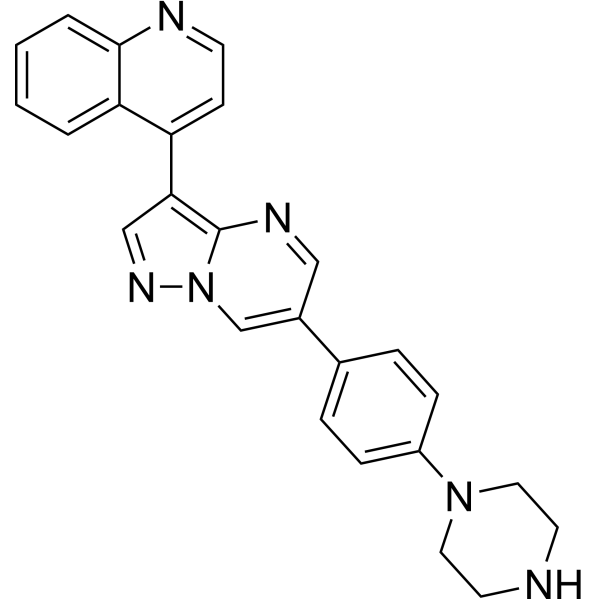
LDN193189 (DM-3189) is a potent selective BMP type I receptor (BMP I) inhibitor. LDN193189 efficiently inhibits transcriptional activity of the BMP type I receptors ALK2 and ALK3 with IC50 values of 5 nM and 30 nM, respectively. LDN193189 can be used for the research of bone morphogenetic protein signalling, such as fibrodysplasia ossificans progressiva .
|
-
-
- HY-141644
-
|
|
Annexin A
YAP
|
Inflammation/Immunology
|
|
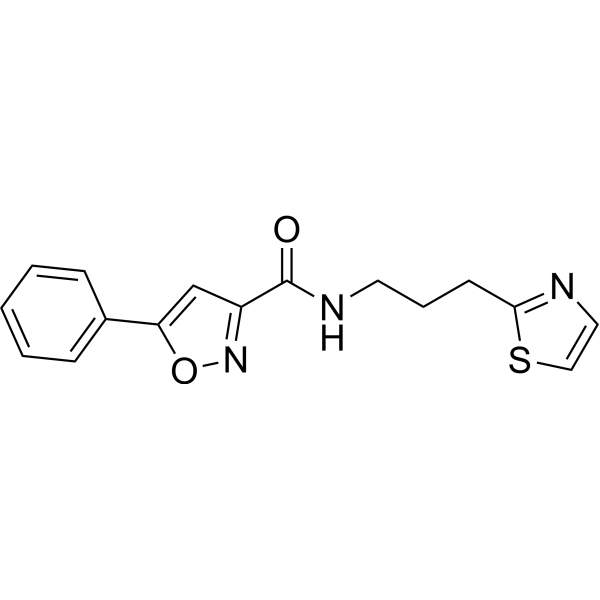
PY-60 is a robust and specific activator of YAP transcriptional activity that targets annexin A2 (ANXA2) with a Kd of 1.4 µM. PY-60 directly binds to ANXA2 and antagonizes its normal cellular function of repressing YAP activity .
|
-
-
- HY-15484
-
|
Pifithrin hydrobromide; PFTα hydrobromide
|
MDM-2/p53
Aryl Hydrocarbon Receptor
Ferroptosis
Apoptosis
|
Cancer
|
|
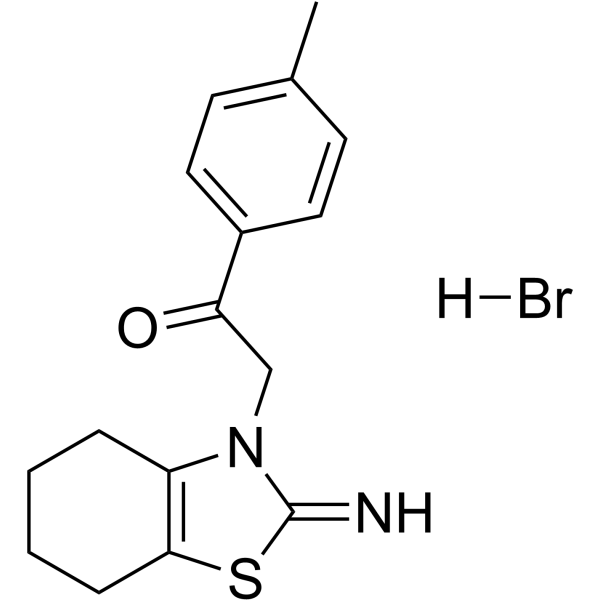
Pifithrin-α hydrobromide is a p53 inhibitor which blocks its transcriptional activity and prevents cells from apoptosis. Pifithrin-α hydrobromide is also an aryl hydrocarbon receptor (AhR) agonist.
|
-
-
- HY-13982
-
JSH-23
Maximum Cited Publications
141 Publications Verification
|
NF-κB
|
Metabolic Disease
Inflammation/Immunology
Cancer
|
|
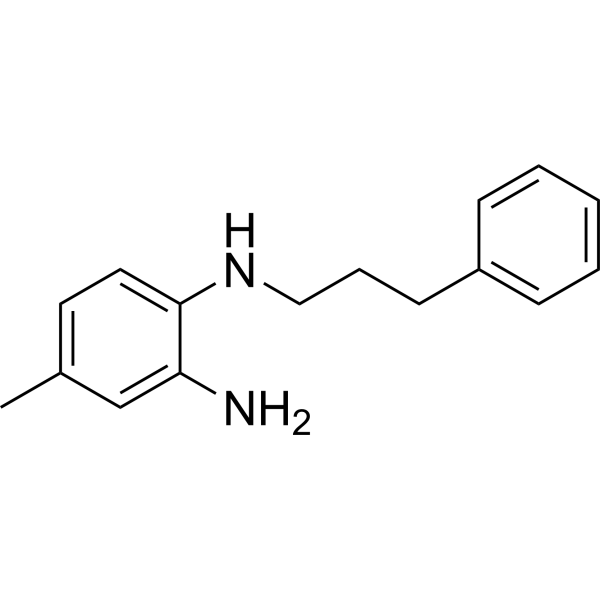
JSH-23 is an NF-κB inhibitor which inhibits NF-κB transcriptional activity with an IC50 of 7.1 μM in lipopolysaccharide (LPS)-stimulated macrophages RAW 264.7. JSH-23 inhibits nuclear translocation of NF-κB p65 without affecting IκBα degradation .
|
-
-
- HY-N0292
-
Oleuropein
Maximum Cited Publications
9 Publications Verification
|
Cytochrome P450
PPAR
Apoptosis
|
Cardiovascular Disease
Inflammation/Immunology
Cancer
|
|
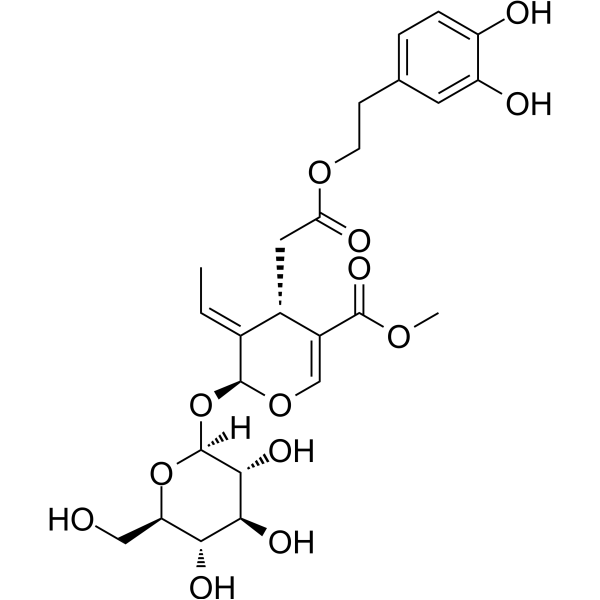
Oleuropein, found in olive leaves and oil, exerts antioxidant, anti-inflammatory and anti-atherogenic effects through direct inhibition of PPARγ transcriptional activity . Oleuropein induces apoptosis in breast cancer cells via the p53-dependent pathway and through the regulation of Bax and Bcl2 genes. Oleuropein also inhibits aromatase .
|
-
-
- HY-12071B
-
|
DM-3189 dihydrochloride
|
Organoid
TGF-β Receptor
|
Cancer
|
|
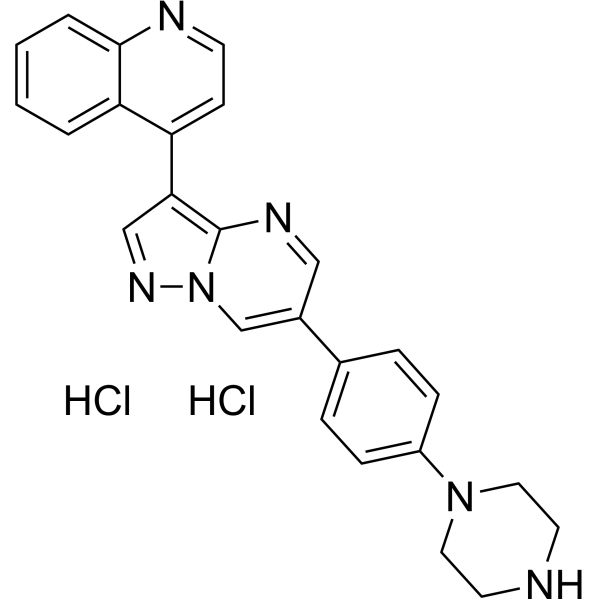
LDN193189 (DM-3189) dihydrochloride is a potent selective BMP type I receptor (BMP I) inhibitor. LDN193189 efficiently inhibits transcriptional activity of the BMP type I receptors ALK2 and ALK3 with IC50 values of 5 nM and 30 nM, respectively. LDN193189 can be used for the research of bone morphogenetic protein signalling, such as fibrodysplasia ossificans progressiva .
|
-
-
- HY-14422
-
|
|
ROR
|
Cancer
|
|
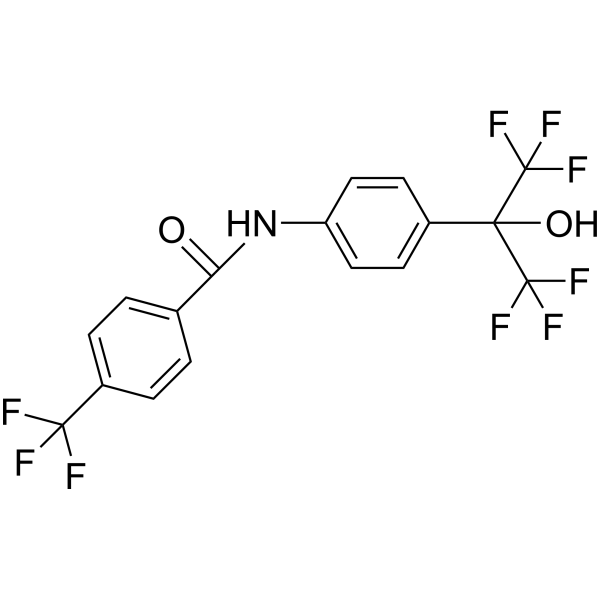
SR1078 is a selective agonist of retinoic acid receptor-related orphan receptor α/γ (RORα/RORγ). SR1078 directly binds to the ligand binding domain of RORα and RORγ and increases the transcriptional activity of these receptors, leading to stimulation of RORα/γ target gene transcription .
|
-
-
- HY-19987
-
|
|
Wnt
|
Cancer
|
|
BML-284 is a potent and cell-permeable Wnt signaling activator. BML-284 induces TCF-dependent transcriptional activity with an EC50 of 700 nM .
|
-
-
- HY-50937
-
|
|
MyD88
|
Inflammation/Immunology
|
|
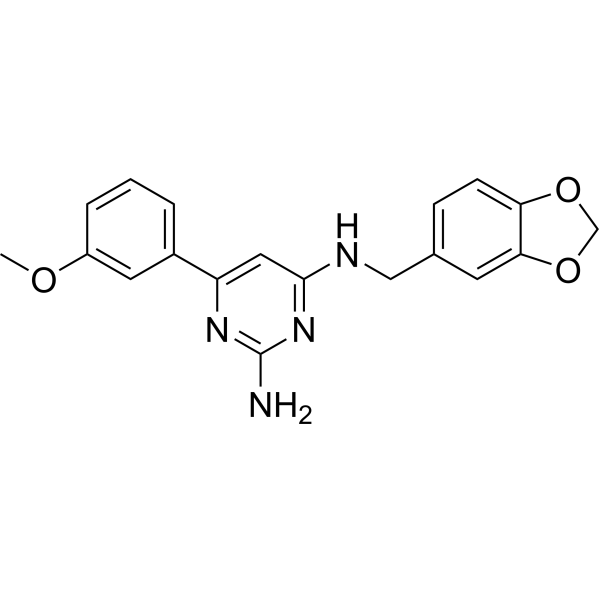
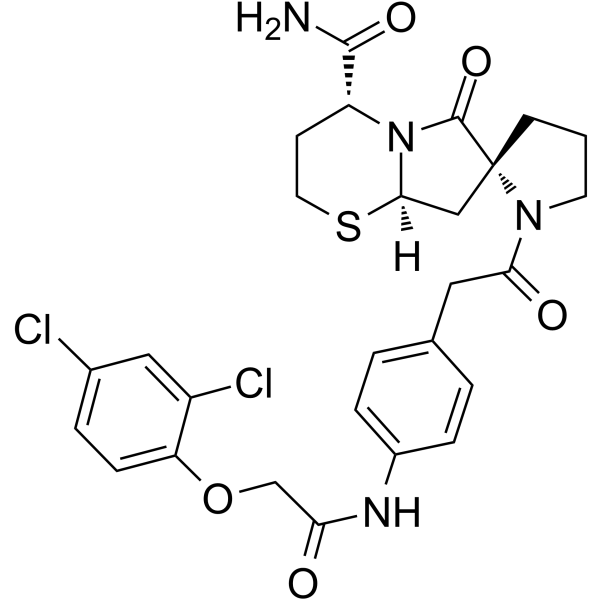
ST 2825 is a specific MyD88 dimerization inhibitor. ST2825 interferes with recruitment of IRAK1 and IRAK4 by MyD88, causing inhibition of IL-1β-mediated activation of NF-κB transcriptional activity .
|
-
-
- HY-10172
-
|
IKK2 Inhibitor V
|
IKK
|
Cancer
|
|
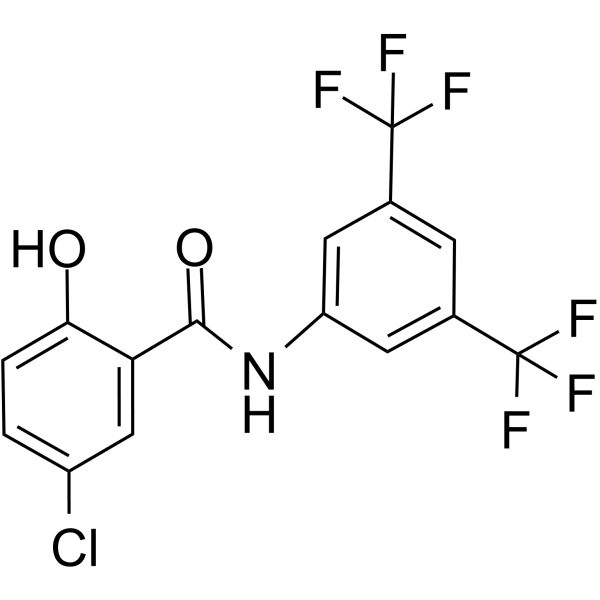
IMD-0354 (IKK2 Inhibitor V) is a selective IKKβ inhibitor which inhibits NF-κB activity . IMD0354 inhibits TNF-α induced NF-κB transcription activity with an IC50 of 1.2 uM .
|
-
-
- HY-12071A
-
|
DM-3189 Tetrahydrochloride
|
Organoid
TGF-β Receptor
|
Cancer
|
|
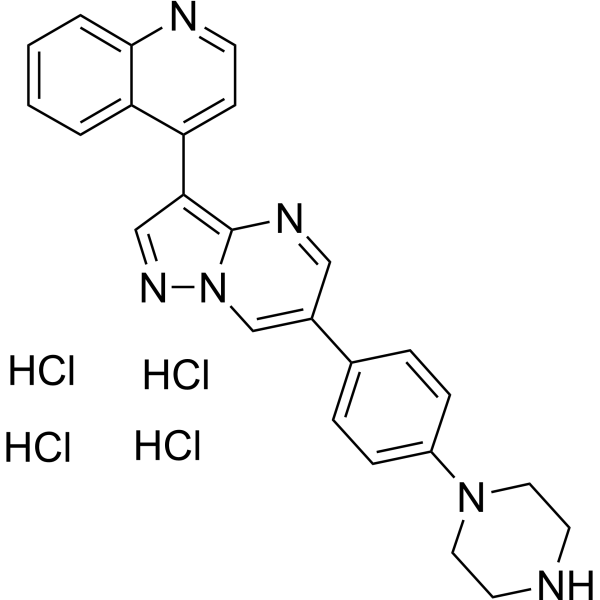
LDN193189 (DM-3189) Tetrahydrochloride is a potent selective BMP type I receptor (BMP I) inhibitor. LDN193189 efficiently inhibits transcriptional activity of the BMP type I receptors ALK2 and ALK3 with IC50 values of 5 nM and 30 nM, respectively. LDN193189 can be used for the research of bone morphogenetic protein signalling, such as fibrodysplasia ossificans progressiva .
|
-
-
- HY-129603
-
SI-109
2 Publications Verification
|
STAT
Ligands for Target Protein for PROTAC
|
Cancer
|
|
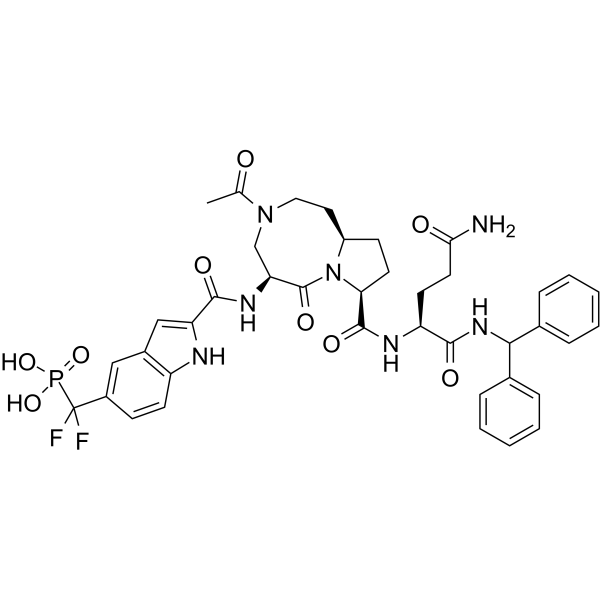
SI-109 is a potent STAT3 SH2 domain inhibitor (Ki=9 nM) with antitumor activity. SI-109 effectively inhibits the transcriptional activity of STAT3 (IC50=3 μM). SI-109 and an analog of CRBN ligand lenalidomide have been used to design PROTAC STAT3 degrader SD-36 .
|
-
-
- HY-N0041
-
|
Gypenoside IV
|
NF-κB
COX
NO Synthase
|
Inflammation/Immunology
Cancer
|
|
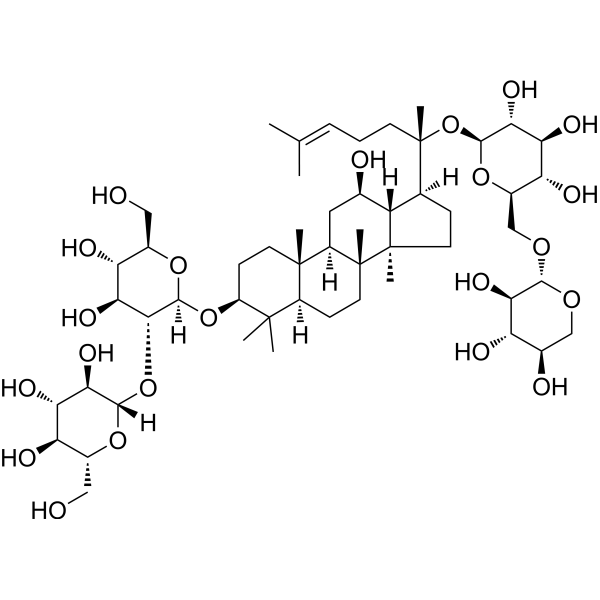
Ginsenoside Rb3 is extracted from steamed Panax ginseng C. A. Meyer. Ginsenoside Rb3 exhibits inhibitory effect on TNFα-induced NF-κB transcriptional activity with an IC50 of 8.2 μM in 293T cell lines. Ginsenoside Rb3 also inhibits the induction of COX-2 and iNOS mRNA.
|
-
-
- HY-107850
-
|
NSC 1612; NSC 47462
|
Drug Metabolite
UGT
|
Cardiovascular Disease
Metabolic Disease
|
|
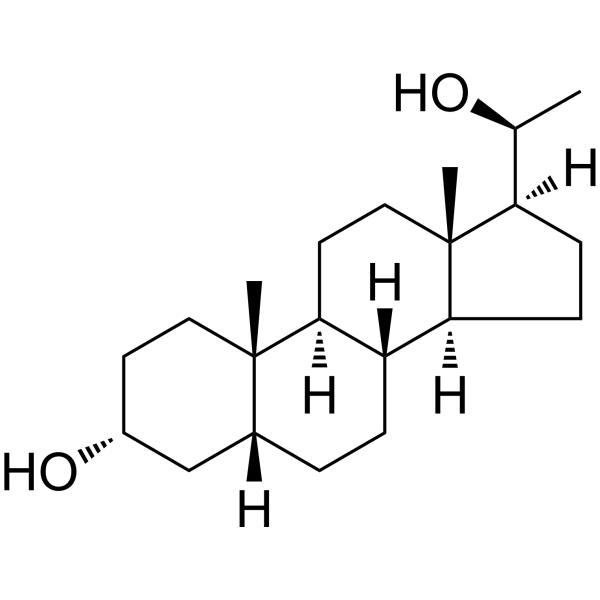
Pregnanediol (NSC 1612) is a Progesterone (HY-N0437) metabolite. Pregnanediol does not affect the transcriptional activity of UGT1A1 enhancer-promoter complex of WT and variant type. pregnanediol inhibits glucuronidation activity of G71R-UGT1A1. Pregnanediol is a cause of breast milk jaundice in carriers of G71R .
|
-
-
- HY-155338
-
|
|
YAP
|
Cancer
|
|
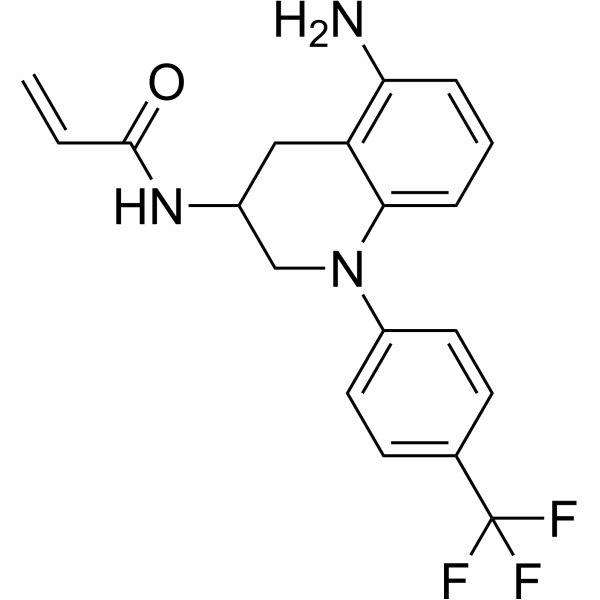
SWTX-143 is an orally active YAP/TAZ-TEAD inhibitor that binds to the palmitoylation pocket of all four TEAD isoforms. SWTX-143 causes irreversible and specific inhibition of the transcriptional activity of YAP/TAZ-TEAD and shows antitumor activity .
|
-
-
- HY-15510
-
|
|
MDM-2/p53
Dihydroorotate Dehydrogenase
Sirtuin
Autophagy
|
Cancer
|
|
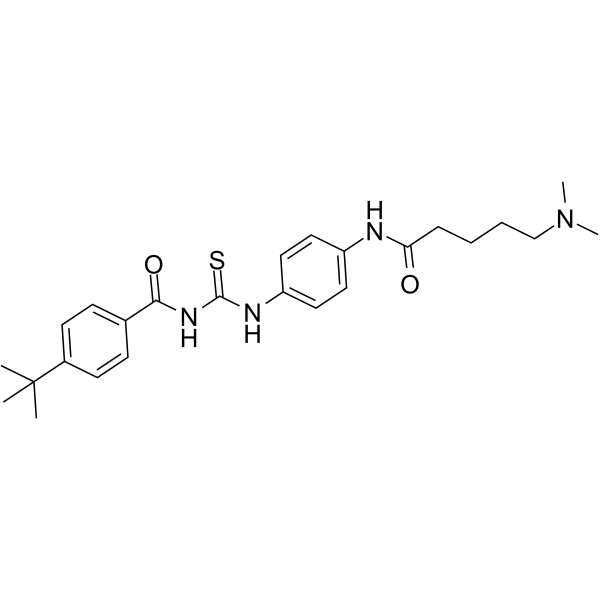
Tenovin-6, an analog of Tenovin-1 (HY-13423), is an activator of p53 transcriptional activity. Tenovin-6 inhibits the protein deacetylase activities of purified human SIRT1, SIRT2, and SIRT3 with IC50s of 21 μM, 10 μM, and 67 μM, respectively. Tenovin-6 also inhibits dihydroorotate dehydrogenase (DHODH) .
|
-
-
- HY-134761
-
EN4
2 Publications Verification
|
c-Myc
|
Cancer
|
|
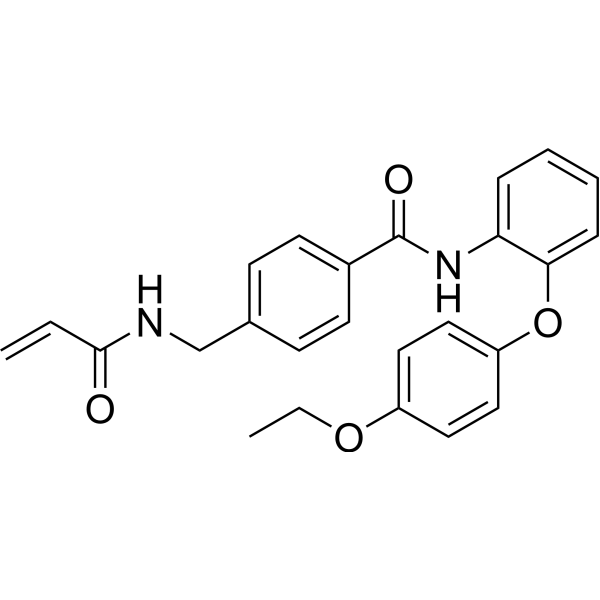
EN4 is a covalent ligand that targets cysteine 171 (C171) of MYC. EN4 is selective for c-MYC over N-MYC and L-MYC. EN4 inhibits MYC transcriptional activity, downregulates MYC targets, and impairs tumorigenesis .
|
-
-
- HY-153347
-
JY-2
2 Publications Verification
|
FOXO
|
Metabolic Disease
|
|
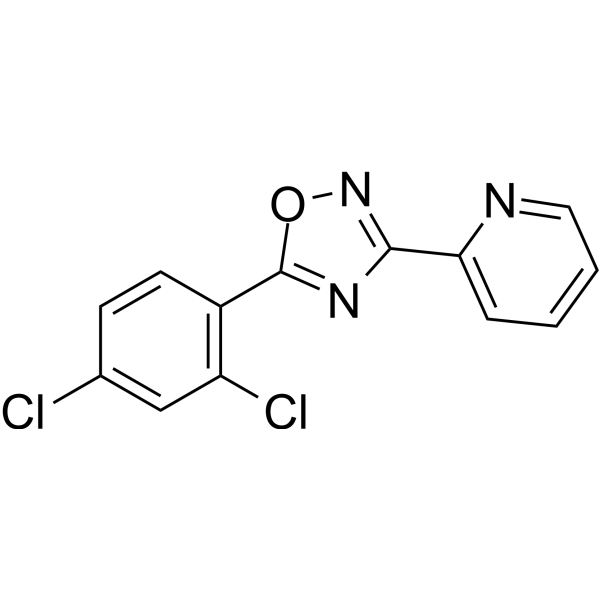
JY-2 is a moderately selective and orally active Forkhead transcription factor forkhead box O1 (FoxO1) inhibitor that inhibits FoxO1 transcriptional activity with an IC50 of 22 μM. JY-2 shows moderate inhibition against FoxO3a and FoxO4. JY-2 shows anti-diabetic activity .
|
-
-
- HY-N6069
-
|
|
Interleukin Related
JAK
STAT
|
Inflammation/Immunology
|
|
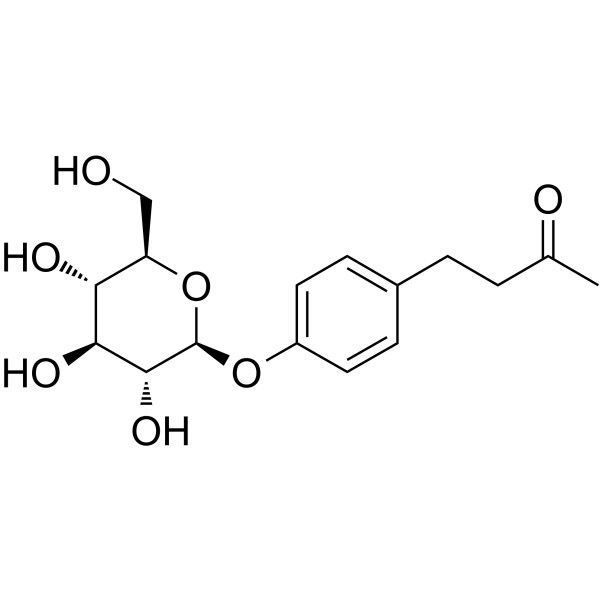
Raspberry ketone glucoside is a melanogenesis inhibitor. Raspberry ketone glucoside inhibits melanogenesis by activating the IL6/JAK1/STAT3 pathway, inhibiting the transcriptional activity of MITFa, and its downstream expression levels of the TYR and TYRP1a genes. Raspberry ketone glucoside shows remarkable whitening activity on both B16F10 cells in vitro and zebrafish model in vivo .
|
-
-
- HY-19625
-
|
|
Reactive Oxygen Species (ROS)
Paraptosis
|
Cancer
|
|
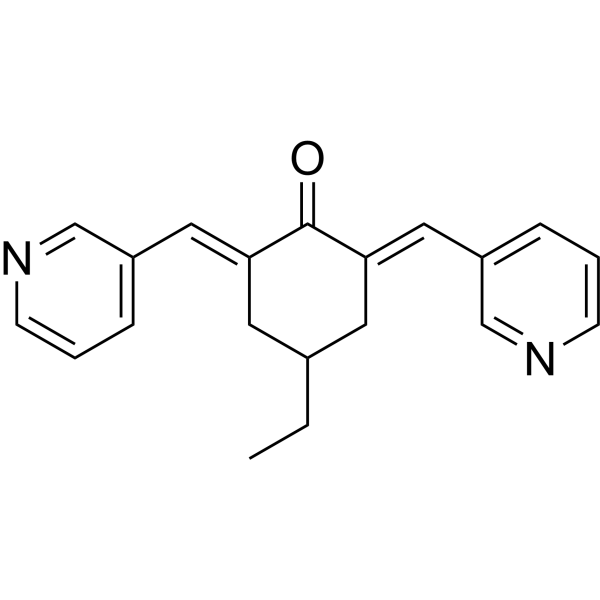
MCB-613 is a potent Steroid receptor coactivator SRC small molecule ‘stimulator’ (SMS), super-stimulates SRCs’ transcriptional activity.
MCB-613 increases SRCs’ interactions with other coactivators and markedly induces ER stress coupled to the generation of reactive oxygen species (ROS).
MCB-613 is a SMS that target oncogenes can be exploited as anti-cancer agents by over-stimulating the SRC oncogenic program .
|
-
-
- HY-N0906
-
-
-
- HY-109070
-
|
EPI-002
|
Androgen Receptor
|
Cancer
|
|
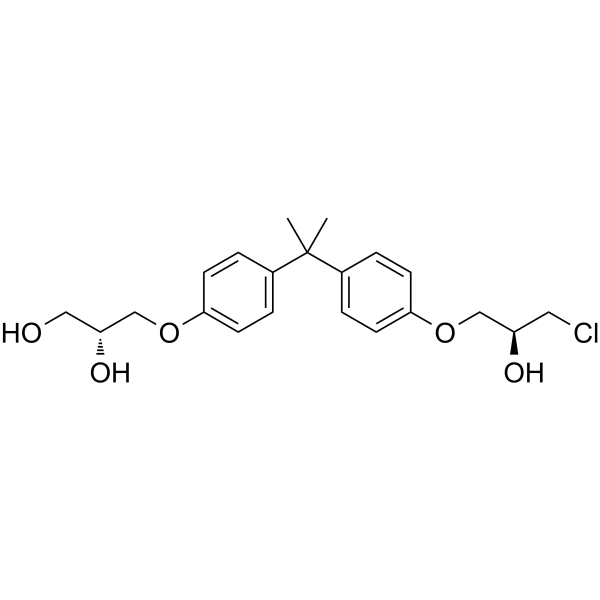
Ralaniten (EPI-002) is a potent and orally active antagonist of the androgen receptor-N-terminal domain (AR-NTD). Ralaniten inhibits AR transcriptional activity, with IC50 of 7.4 μM. Ralaniten can be used for the research of castration-resistant prostate cancer (CRPC) .
|
-
-
- HY-12784A
-
|
Chlorguanide triazine hydrochloride
|
Antifolate
Parasite
DNA/RNA Synthesis
STAT
|
Infection
Cancer
|
|
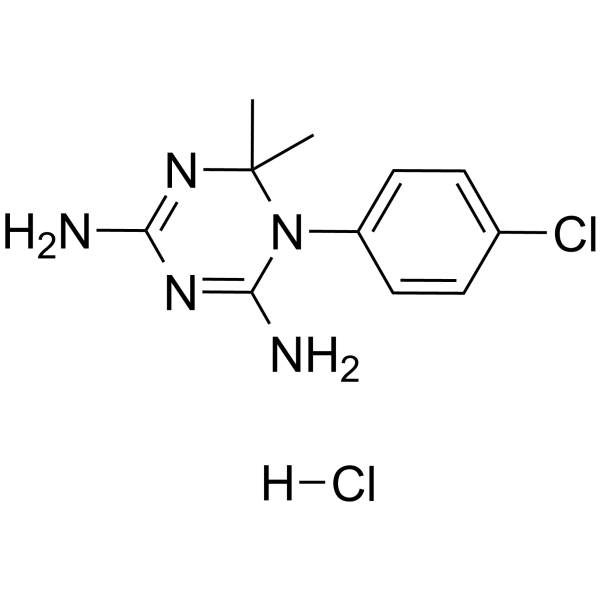
Cycloguanil (Chlorguanide triazine) hydrochloride is a dihydrofolate reductase (DHFR) inhibitor with an IC50 of 10.8 μM against human DHFR. Cycloguanil hydrochloride blocks the folate metabolic pathway, thereby affecting nucleotide synthesis and interfering with DNA replication. Cycloguanil inhibits DHFR in Plasmodium and is thus used in malaria research. Cycloguanil hydrochloride also potently inhibits DHFR in human cancer cells and blocks the transcriptional activity of STAT3, thereby exhibiting anticancer activity .
|
-
-
- HY-B1152
-
|
|
Dopamine Receptor
CD276/B7-H3
FOXO
|
Neurological Disease
Cancer
|
|
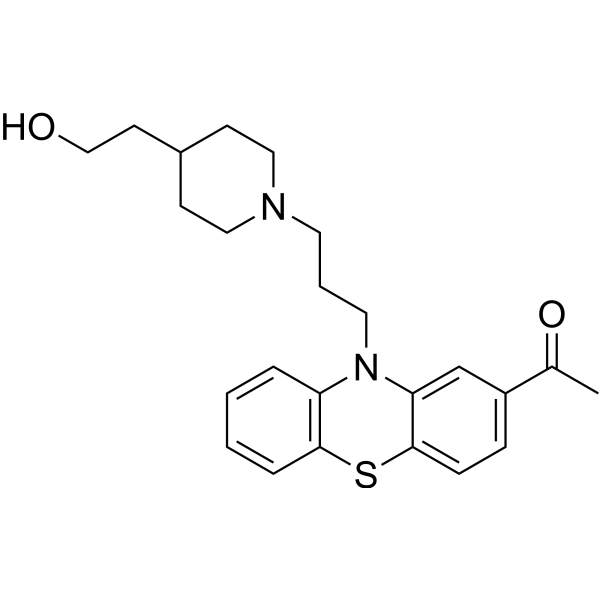
Piperacetazine is an orally active dopamine receptor antagonist and phenothiazine antipsychotic. Piperacetazine can directly bind to the PAX3::FOXO1 fusion protein and inhibit its transcriptional activity. Piperacetazine also exhibits antitumor activity with an IC50 of 7.627 μM against PANC-1 cells. Piperacetazine can be used for the research of diseases such as schizophrenia and pancreatic cancer and other tumors .
|
-
-
- HY-100277
-
|
SR-202
|
PPAR
|
Metabolic Disease
|
|
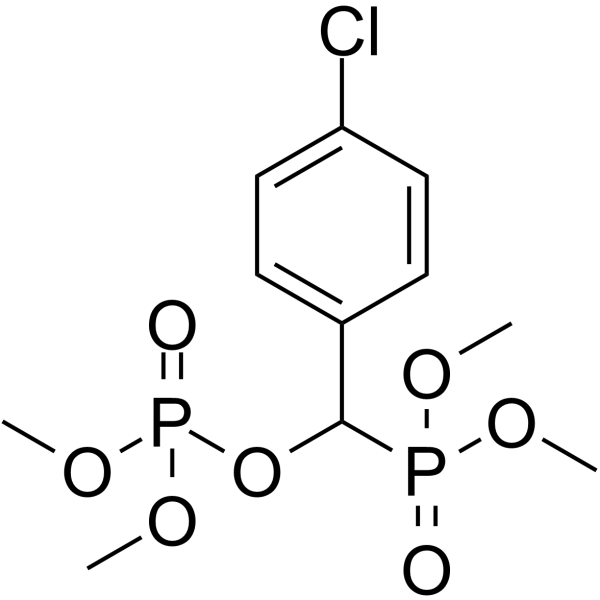
Mifobate (SR-202) is a potent and specific PPARγ antagonist. Mifobate (SR-202) selectively inhibits Thiazolidinedione (TZD)-induced PPARγ transcriptional activity (IC50=140 μM). Mifobate (SR-202) does not affect basal or ligand-stimulated transcriptional activity of PPARα, PPARβ, or the farnesoid X receptor (FXR). Mifobate (SR-202) shows antiobesity and antidiabetic effects .
|
-
-
- HY-126037
-
|
|
ROR
|
Inflammation/Immunology
|
|
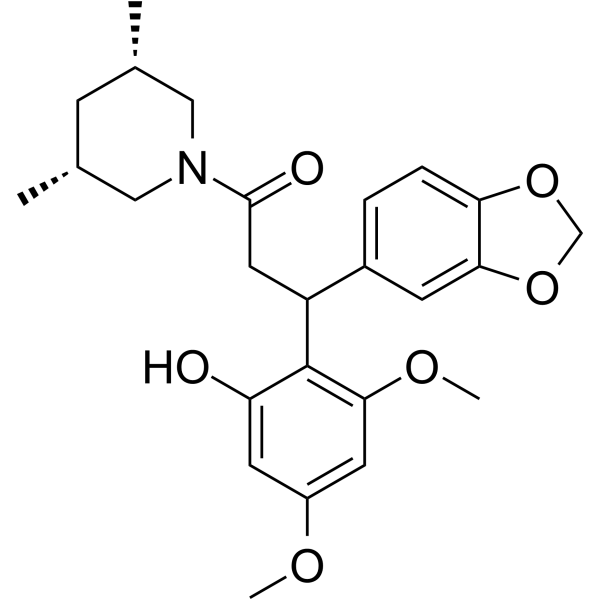
(±)-ML 209 (compound 4n), a diphenylpropanamide, is a retinoic acid-related orphan receptor RORγ antagonist with an IC50 of 1.1 μM. (±)-ML 209 inhibits RORγt transcriptional activity with an IC50 of 300 nM in HEK293t cells. (±)-ML 209 inhibits the transcriptional activity of RORγt, but not RORα in cells. (±)-ML 209 selectively inhibits murine Th17 cell differentiation without affecting the differentiation of naïve CD4 + T cells into other lineages, including Th1 and regulatory T cells .
|
-
-
- HY-N0907
-
-
-
- HY-150102
-
|
|
Androgen Receptor
|
Cancer
|
|
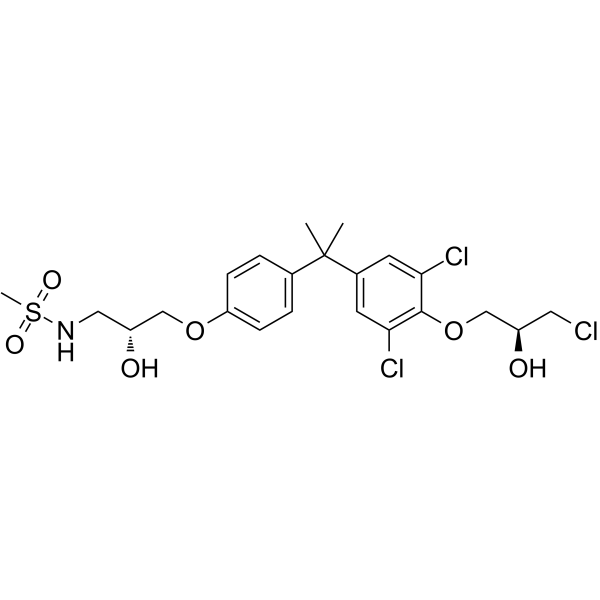
EPI-7170, a ralaniten analogue, is a potent androgen receptor N-terminal structural domain antagonist that blocks the transcriptional activity of full-length AR (FL-AR) and AR splice variants (AR-Vs). EPI-7170 has antitumor effects against enzalutamide resistant castration-resistant prostate cancer (CRPC) .
|
-
-
- HY-125232
-
MS645
1 Publications Verification
|
Epigenetic Reader Domain
|
Cancer
|
|
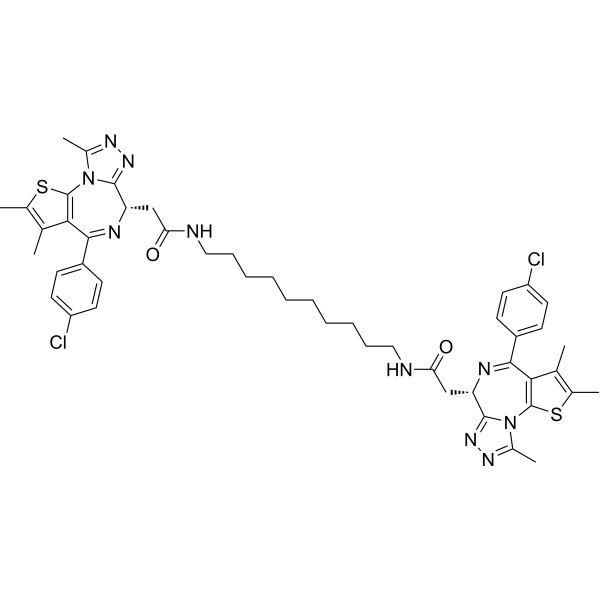
MS645 is a bivalent BET bromodomains (BrD) inhibitor with a Ki of 18.4 nM for BRD4-BD1/BD2. MS645 spatially constrains bivalent inhibition of BRD4 BrDs resulting in a sustained repression of BRD4 transcriptional activity in solid-tumor cells .
|
-
-
- HY-N3026
-
-
-
- HY-116785
-
|
|
DNA/RNA Synthesis
|
Cancer
|
|
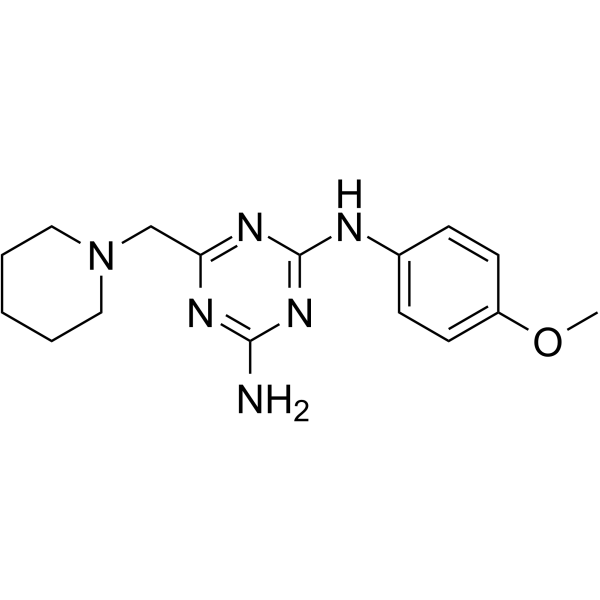
BRD32048 is a direct binder of ETV1 with a KD of 17.1 μM. BRD32048 modulates both ETV1-mediated transcriptional activity and invasion of ETV1-driven cancer cells. BRD32048 inhibits ETV1 acetylation and promotes its degradation. BRD32048 acts as a top candidate ETV1 perturbagen .
|
-
-
- HY-12071C
-
|
DM-3189 hydrochloride
|
Organoid
TGF-β Receptor
|
Cancer
|
|
LDN193189 (DM-3189) hydrochloride is a potent selective BMP type I receptor (BMP I) inhibitor. LDN193189 efficiently inhibits transcriptional activity of the BMP type I receptors ALK2 and ALK3 with IC50 values of 5 nM and 30 nM, respectively. LDN193189 can be used for the research of bone morphogenetic protein signalling, such as fibrodysplasia ossificans progressiva .
|
-

-
- HY-110028
-
|
|
Cannabinoid Receptor
Fatty Acid Synthase (FASN)
Androgen Receptor
|
Endocrinology
Cancer
|
|
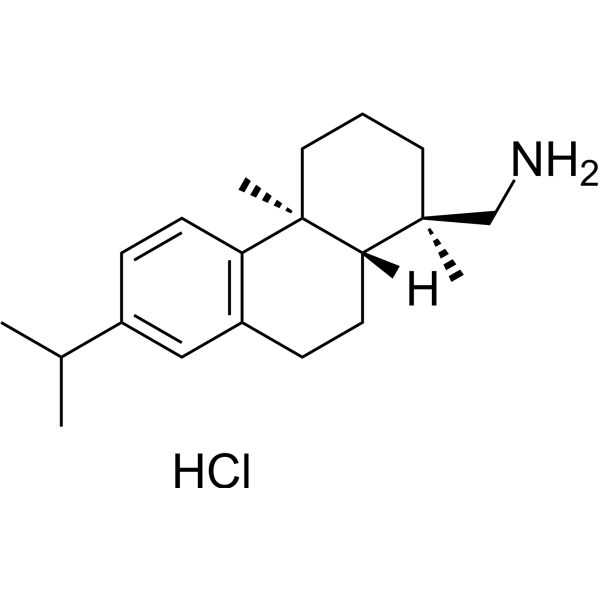
Leelamine hydrochloride is a tricyclic diterpene molecule that is extracted from the bark of pine trees . Leelamine hydrochloride is a cannabinoid receptor type 1 (CB1) agonist and a inhibitor of SREBP1-regulated fatty acid/lipid synthesis in prostate cancer cells that is not affected by androgen receptor status. Leelamine hydrochloride suppresses transcriptional activity of androgen receptor, which is known to regulate fatty acid synthesis [2,3].
|
-
-
- HY-15510B
-
|
|
MDM-2/p53
Dihydroorotate Dehydrogenase
Sirtuin
Autophagy
|
Cancer
|
|
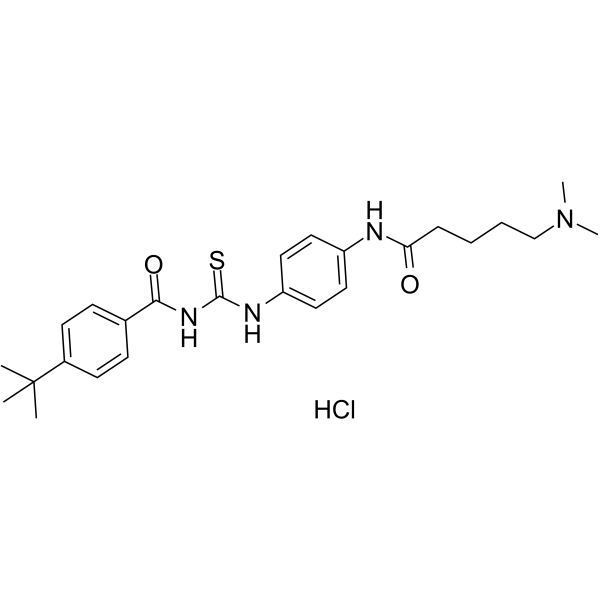
Tenovin-6 Hydrochloride, an analog of Tenovin-1 (HY-13423), is an activator of p53 transcriptional activity. Tenovin-6 Hydrochloride inhibits the protein deacetylase activities of purified human SIRT1, SIRT2, and SIRT3 with IC50s of 21 μM, 10 μM, and 67 μM, respectively. Tenovin-6 Hydrochloride also inhibits dihydroorotate dehydrogenase (DHODH) .
|
-
-
- HY-16023A
-
|
EM-652; SCH 57068
|
Estrogen Receptor/ERR
|
Cancer
|
|
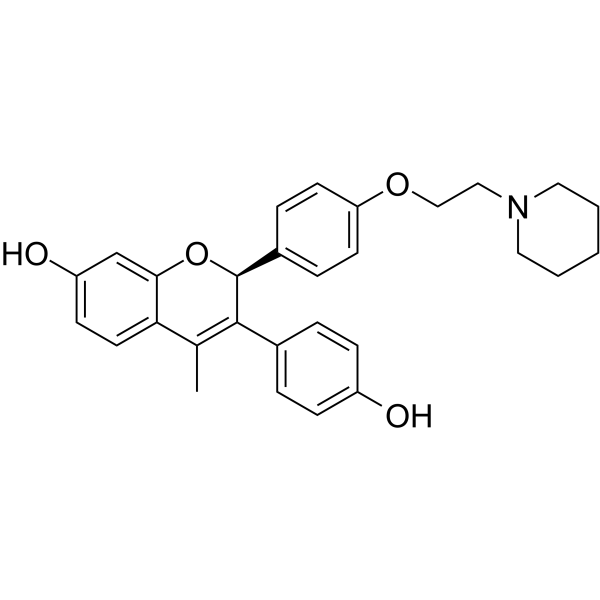
Acolbifene (EM-652), the active metabolite of EM800, is an orally active pure antiestrogen and selective estrogen receptor antagonist. Acolbifene (EM-652) inhibits estradiol (E2)-induced transcriptional activity of ERα (IC50 = 2 nM) and ERβ (IC50 = 0.4 nM). Acolbifene (EM-652) possesses potent and pure anticarcinogenic properties .
|
-
-
- HY-145709
-
|
|
Androgen Receptor
|
Cancer
|
|
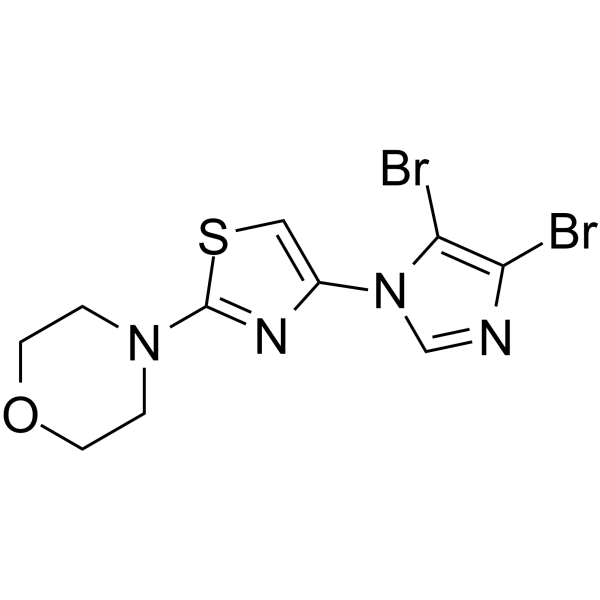
Ar-V7-IN-1 is a potent inhibitor of Ar-V7. Ar-V7-IN-1 inhibits the transcriptional activity of androgen receptor (AR) and the secretion of prostate-specific antigen (PSA) with an eGFP IC50 of 1232 nM and the PSA IC50 of 1391 μM. Ar-V7-IN-1 has the potential for the research of various indications, in particular cancers such as prostate cancer .
|
-
-
- HY-147291
-
|
|
c-Myc
PARP
Apoptosis
|
Cancer
|
|
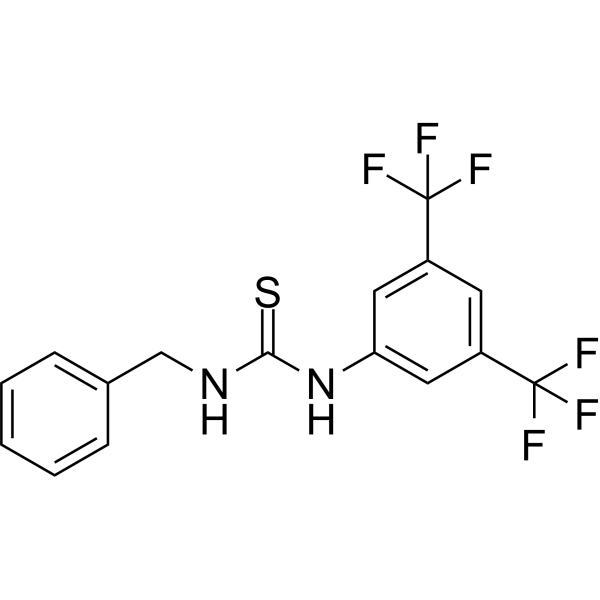
VPC-70063 is a potent Myc-Max inhibitor with an IC50 value of 8.9 μM for Myc-Max transcriptional activity inhibition. VPC-70063 reduces UBE2C promotor activity and AR-V7 levels, and induces PARP cleavage. VPC-70063 induces apoptosis and blocks Myc-Max interactions with DNA. VPC-70063 can be used for researching anticancer .
|
-
-
- HY-N2509
-
|
Iristectrigenin B
|
LXR
|
Cardiovascular Disease
|
|
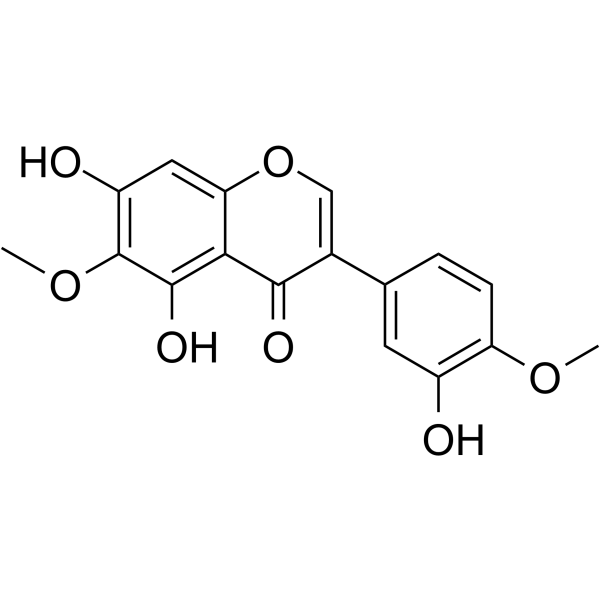
Iristectorigenin B (Iristectrigenin B) is a liver X receptor (LXR) modulator. Iristectrigenin B stimulates the transcriptional activity of both LXR-α and LXR-β .
|
-
-
- HY-N4182
-
|
|
Akt
p38 MAPK
Autophagy
|
Inflammation/Immunology
|
|
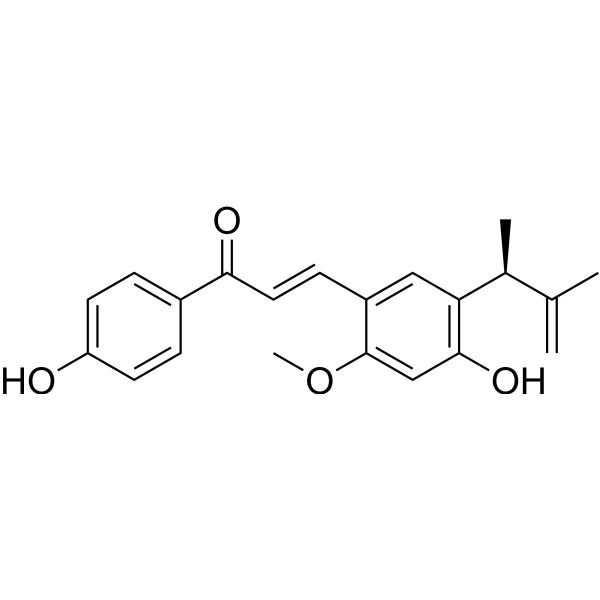
Licochalcone E, a flavonoid compound isolated from Glycyrrhiza uralensis, inhibits NF-κB and AP-1 transcriptional activity through the inhibition of AKT and MAPK activation .
|
-
-
- HY-141487
-
-
-
- HY-142682
-
|
|
Phosphatase
|
Neurological Disease
Cancer
|
|
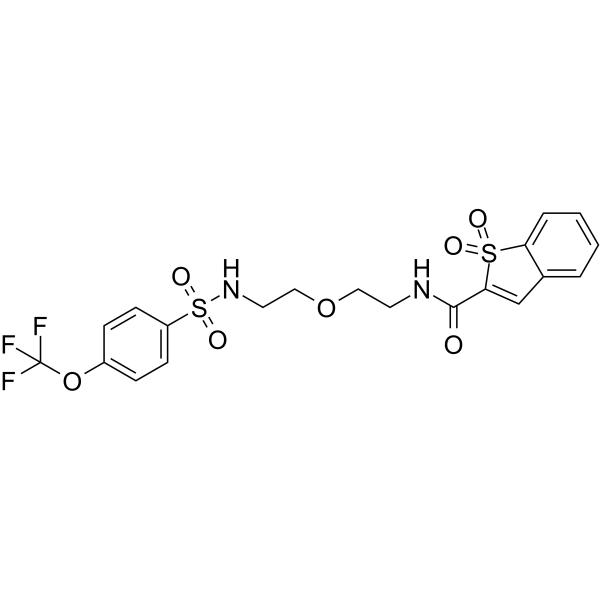
SCP1-IN-1 is a Small CTD Phosphatase 1 (SCP1) inhibitor with a human IC50 of 10 μM. SCP1-IN-1 inactivates SCP1, promotes REST transcription factor degradation, and reduces REST transcriptional activity. SCP1-IN-1 can be used for the research of glioblastoma multiforme .
|
-
-
- HY-159957
-
|
|
Histone Acetyltransferase
Estrogen Receptor/ERR
|
|
|
BAY-184 is a selective and orally active KAT6A and KAT6B inhibitor. BAY-184 inhibits KAT6A/KAT6B activity with an IC50 of 71 nM and 83 nM. respectively BAY-184 inhibits ERα transcriptional activity. BAY-184 inhibits proliferation of diverse breast cancer subtypes, and inhibits tumor growth .
|
-

-
- HY-163173
-
|
|
YAP
|
Cancer
|
|
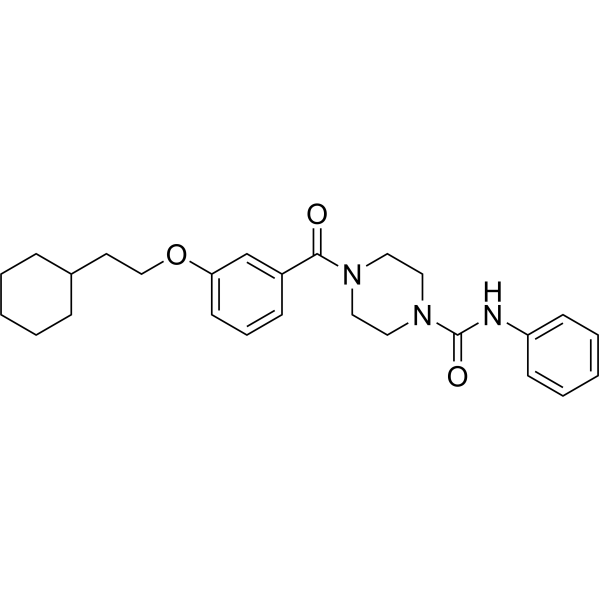
TEAD-IN-8 is a novel TEAD inhibitor, which potently and specifically inhibits TEAD-YAP transcriptional activities. TM2, alone or in combination with MEK inhibitors, exhibits potent antiproliferative effects in YAP-dependent cancer cells .
|
-
-
- HY-145848
-
|
|
Estrogen Receptor/ERR
|
Neurological Disease
|
|
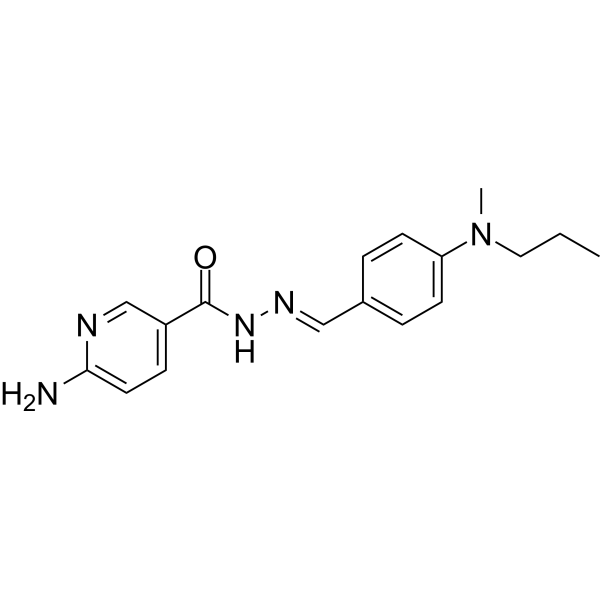
ERRγ agonist-1 is a potent ERRγ agonist. ERRγ agonist-1 increases transcriptional activities of ERRγ. ERRγ agonist-1 has the potential for the research of neuropsychological disorders .
|
-
-
- HY-160038
-
|
|
LXR
|
Cancer
|
|
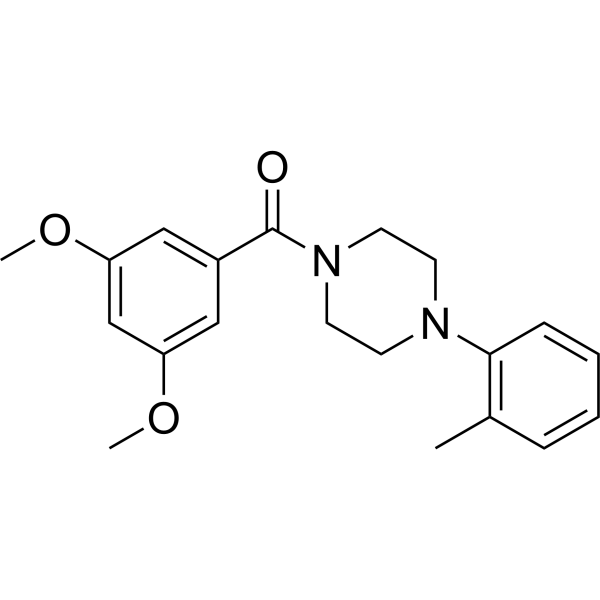
GAC0003A4 is an LXR inverse agonist that inhibits LXR transcriptional activity. GAC0003A4 also efficiently degrades LXRβ protein. GAC0003A4 has the potential to be used in advanced pancreatic cancer and other refractory malignancies .
|
-
-
- HY-122716
-
|
|
PPAR
|
Others
|
|
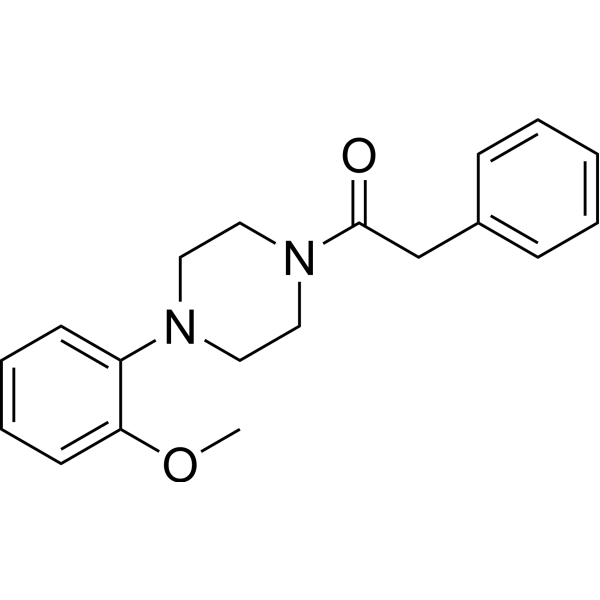
PTGR2-IN-1 is a potent PTGR2 inhibitor with an IC50 of ~0.7 μM. PTGR2-IN-1 increases 15-keto-PGE2-dependent PPARγ transcriptional activity in PTGR2-transfected HEK293T cells .
|
-
-
- HY-116247
-
|
|
PPAR
|
Metabolic Disease
Inflammation/Immunology
|
|
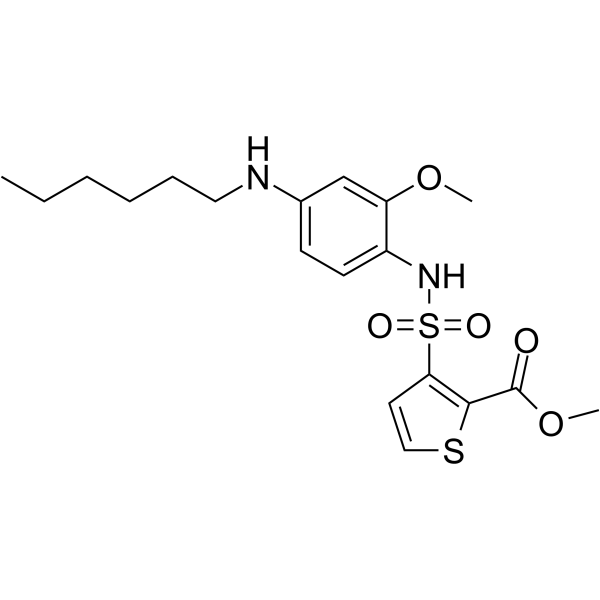
ST247 a potent PPARβ/δ inverse agonist. ST247 has a higher affinity to PPARβ/δ. ST247 modulates expression of the activation marker CCL2 in the opposite direction. ST247 efficiently induces the interaction with corepressors. ST247 inhibits the agonist-induced transcriptional activity of PPARβ/δ .
|
-
-
- HY-120018
-
|
|
Androgen Receptor
|
Cancer
|
|
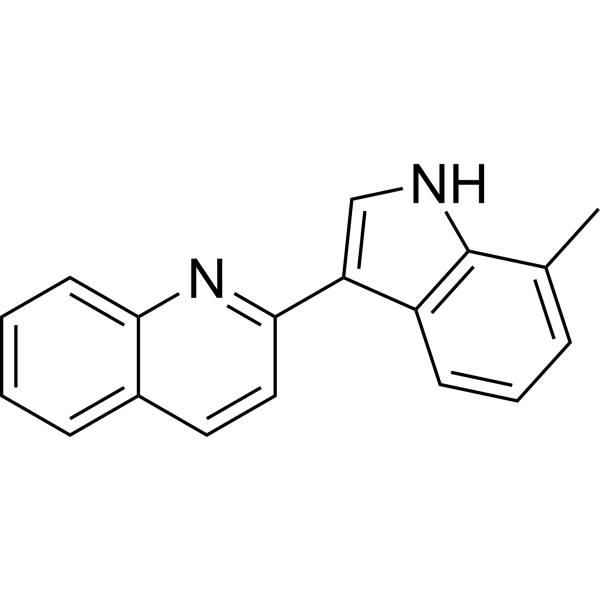
VPC-13566, a BF3-specific small molecule, is an androgen receptor (AR) inhibitor. VPC-13566 is effective in inhibiting AR transcriptional activity in vitro as well as the growth of AR-dependent PCa cell lines. VPC-13566 can be used as a chemical probe to help identify unknown AR partners.VPC-13566 can be used for the research of cancer.
|
-
-
- HY-110315
-
|
|
Apoptosis
MDM-2/p53
Epigenetic Reader Domain
|
Cardiovascular Disease
|
|
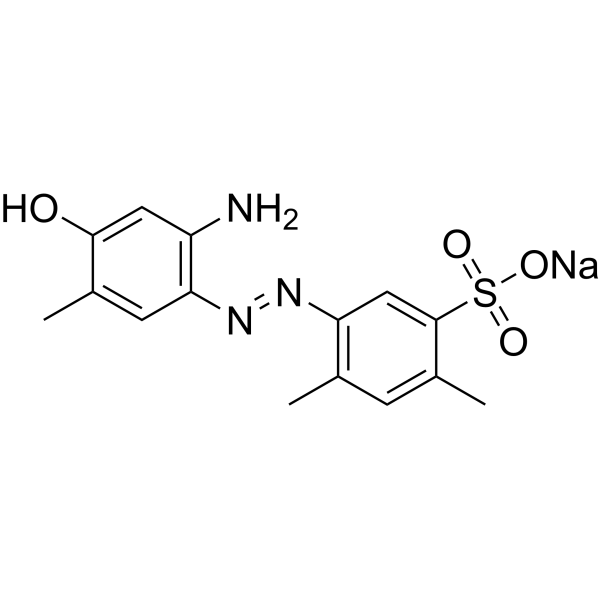
Ischemin sodium is a CBP bromodomain inhibitor that inhibits p53 interaction with CBP and transcriptional activity in cells. Ischemin sodium salt inhibits p53-induced p21 activation with an IC50 value of 5 µM. Ischemin sodium salt also prevents apoptosis in ischemic cardiomyocytes. Ischemin sodium salt can be used in the study of cardiovascular diseases (such as myocardial ischemia) .
|
-
-
- HY-123009
-
|
|
HIF/HIF Prolyl-Hydroxylase
Histone Acetyltransferase
|
Cancer
|
|
KCN1 is a p300/HIF-1α interaction inhibitor. KCN1 inhibits HIF transcriptional activity by binding to the CH1 domain of p300 and preventing the p300/HIF-1α assembly. KCN1 exerts antitumor activities through cell cycle arrest .
|
-

- HY-148259
-
|
|
Orphan Nuclear Receptor
|
Cancer
|
|
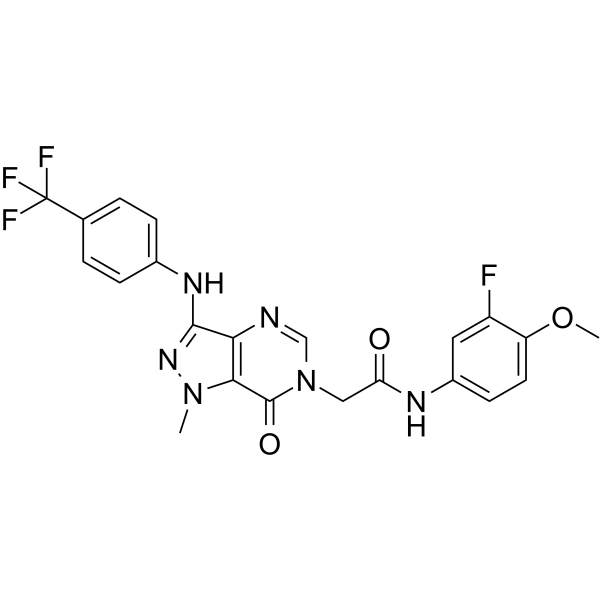
SF-1 antagonist-1 (compound 11) is a antagonist of steroidogenic factor 1 (SF-1). SF-1 antagonist-1 affects SF-1 transcriptional activity with an EC50 value of <200 nM. SF-1 antagonist-1 inhibits the proliferation of Rat Leydig tumor cells. SF-1 antagonist-1 can be used for the research of cancer .
|
-
- HY-142683
-
|
|
Phosphatase
|
Neurological Disease
Cancer
|
|
SCP1-IN-2 (Compound SH T-65) is a potent and selective covalent inhibitor against SCP1. SCP1-IN-2 promotes REST degradation and reduces transcriptional activity. A high level of REST protein drives the tumor growth in some glioblastoma cells. SCP1-IN-2 has the potential for the research of glioblastoma whose growth is driven by REST transcription activity .
|
-
- HY-19987A
-
|
|
Wnt
|
Cancer
|
|
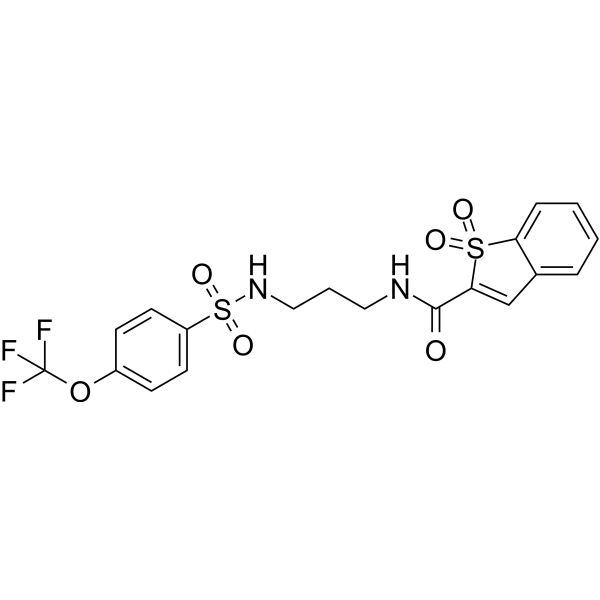
BML-284 hydrochloride is a potent and cell-permeable Wnt signaling activator. BML-284 induces TCF-dependent transcriptional activity with an EC50 of 700 nM .
|
-
- HY-117726
-
-
- HY-19498
-
|
SIM-688
|
NF-κB
|
Inflammation/Immunology
|
|
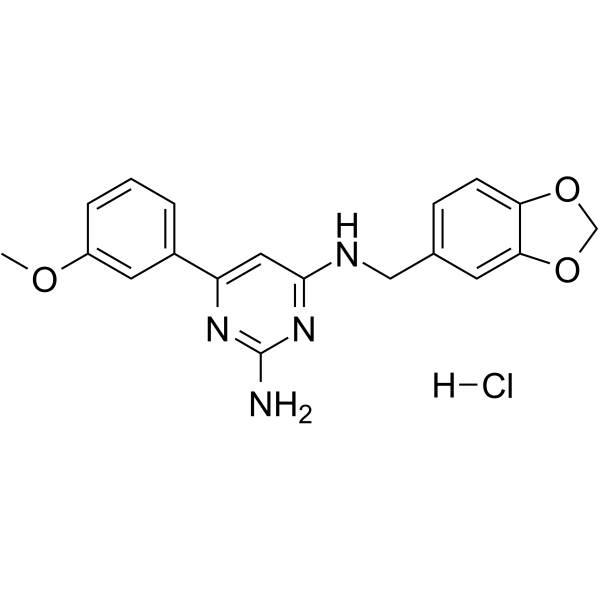
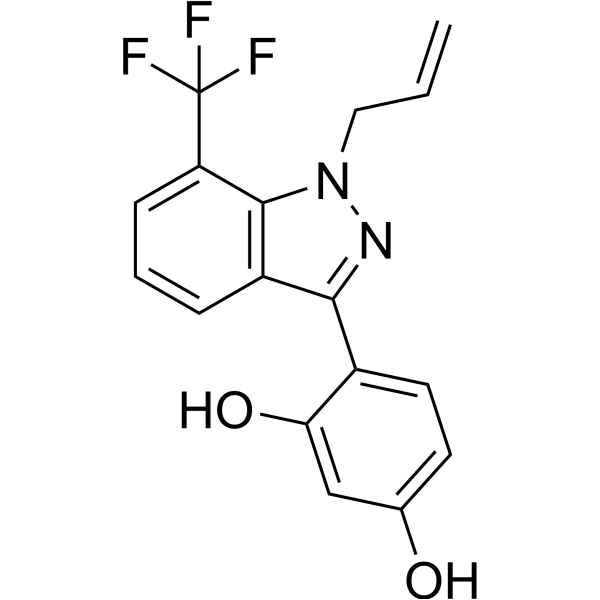
WAY-204688 is an estrogen receptor (ER-α) selective, orally active inhibitor of NF-κB transcriptional activity with an IC50 of 122 ± 30 nM for NF-κB-luciferase (NF-κB-luc) in HAECT-1 cells.
|
-
- HY-18773
-
|
|
Oct3/4
|
Inflammation/Immunology
|
|
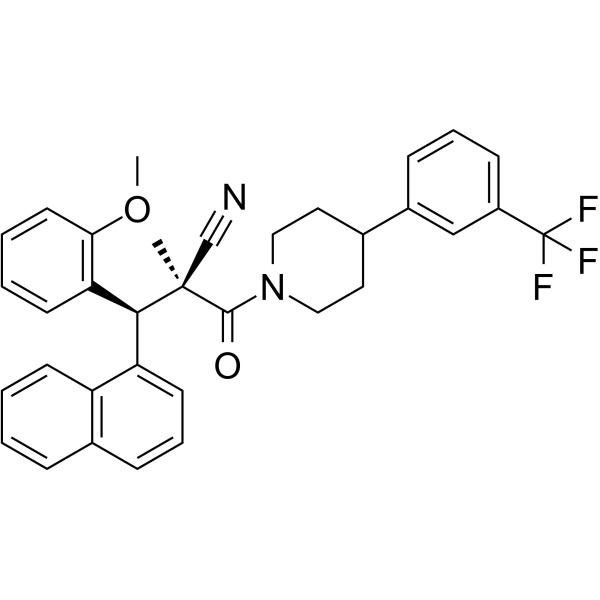
Oct3/4-inducer-1 (compound 2) is a potent Oct3/4 inducer. Oct3/4-inducer-1 promotes expression and stabilization of Oct3/4, and enhances its transcriptional activity in diverse human somatic cells .
|
-
- HY-124056
-
|
|
CXCR
|
Cancer
|
|
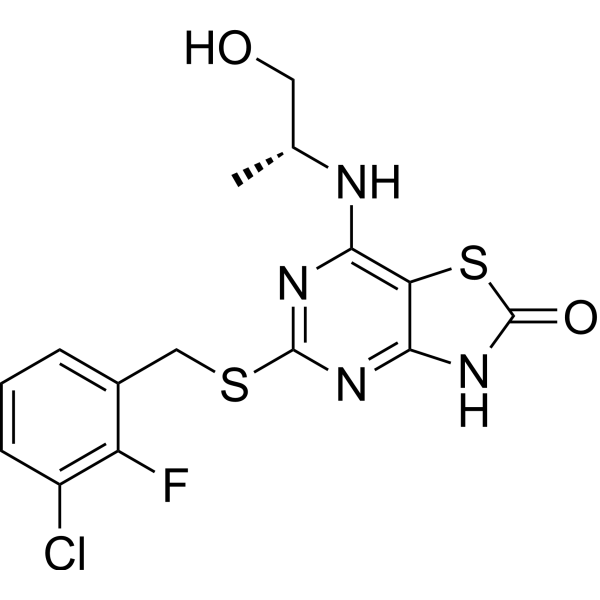
AZ10397767 is an orally active, selective CXCR2 receptor antagonist with an IC50 of 1 nM. AZ10397767 attenuates the Oxaliplatin (HY-17371)-induced NF-κB transcriptional activity and potentiates Oxaliplatin-induced apoptosis in androgen-independent prostate cancer (AIPC) cells. AZ10397767 significantly inhibits neutrophil recruitment into tumors which then adversely affects tumor growth in vitro and in vivo .
|
-
- HY-135732
-
|
|
Androgen Receptor
|
Cancer
|
|
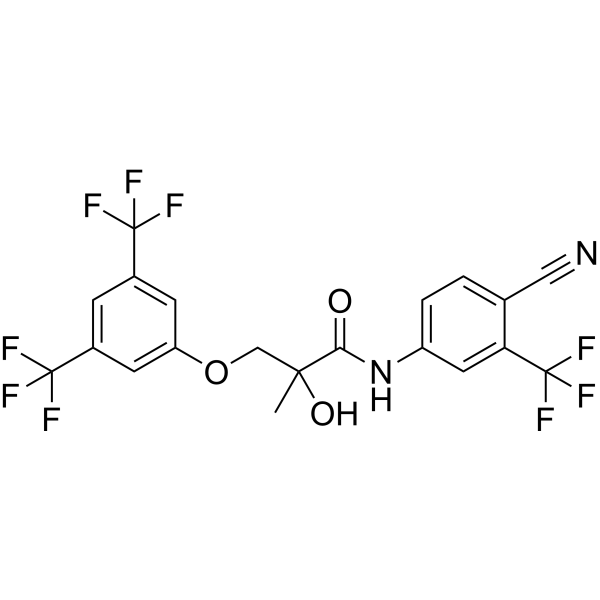
SK33, a trifluoromethylated enobosarm analog, is a potent, and tissue selective anti-androgen. SK33reduces androgen receptor (AR) transcriptional activity .
|
-
- HY-125839
-
|
|
Glucocorticoid Receptor
|
Inflammation/Immunology
Endocrinology
|
|
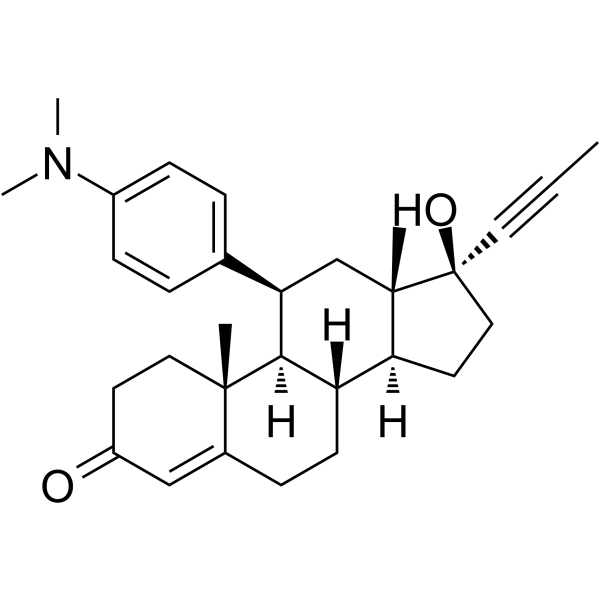
OP-3633 is a potent and selective steroidal glucocorticoid receptor (GR) antagonist with an IC50 of 29 nM, with inhibition of GR transcriptional activity. OP-3633 exhibits low progesterone receptor (PR) agonism and androgen receptor (AR) antagonism .
|
-
- HY-15484R
-
|
Pifithrin hydrobromide (Standard); PFTα hydrobromide (Standard)
|
MDM-2/p53
Aryl Hydrocarbon Receptor
Ferroptosis
Apoptosis
Reference Standards
|
Cancer
|
|
Pifithrin-α (hydrobromide) (Standard) is the analytical standard of Pifithrin-α (hydrobromide). This product is intended for research and analytical applications. Pifithrin-α hydrobromide is a p53 inhibitor which blocks its transcriptional activity and prevents cells from apoptosis. Pifithrin-α hydrobromide is also an aryl hydrocarbon receptor (AhR) agonist.
|
-

- HY-N2273
-
|
|
LXR
|
Metabolic Disease
|
|
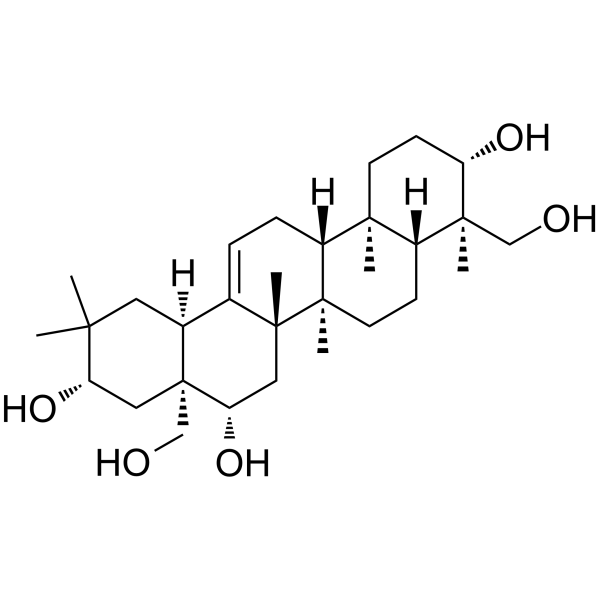
Gymnestrogenin is a pentahydroxytriterpene from the leaves of Gymnema sylvestre R.Br . Gymnestrogenin is a LXR antagonist with IC50s of 2.5 and 1.4 μM for LXRα and LXRβ transactivation, respectively. Gymnestrogenin reduces the transcriptional activity of LXR even on its own promoter, thus reducing the mRNA expression .
|
-
- HY-110315A
-
|
|
Epigenetic Reader Domain
Apoptosis
MDM-2/p53
|
Cardiovascular Disease
|
|
Ischemin is a CBP bromodomain inhibitor that inhibits p53 interaction with CBP and transcriptional activity in cells. Ischemin inhibits p53-induced p21 activation with an IC50 value of 5 µM. Ischemin also prevents apoptosis in ischemic cardiomyocytes. Ischemin can be used in the study of cardiovascular diseases (such as myocardial ischemia) .
|
-

- HY-179238
-
|
|
Estrogen Receptor/ERR
|
Cancer
|
|
CS-1-103 is a potent estrogen receptor (ER) inhibitor. CS-1-103 inhibits ER transcriptional activity with an EC50 of 0.36 μM by recruiting methyl-CpG binding domain protein 2 (MBD2), HDACs and the nucleosome remodeling and deacetylase (NuRD) complex. CS-1-103 can be used for breast and prostate cancer research .
|
-

- HY-N12011
-
|
|
PGC-1α
|
Others
|
|
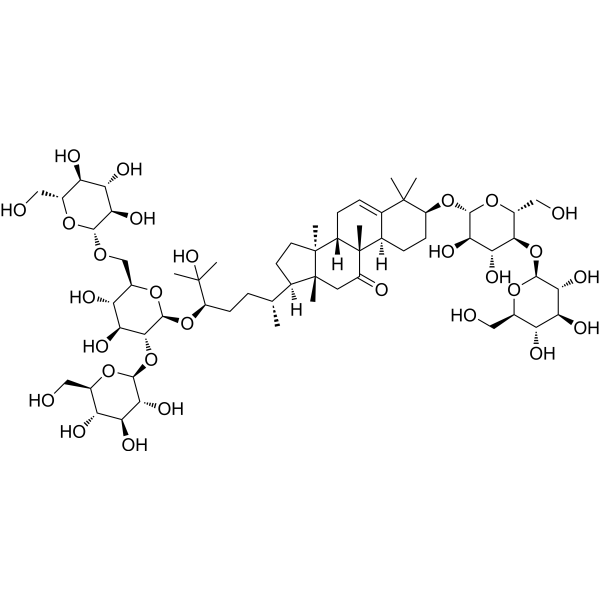
11-Oxoisomogroside V (compound 3) is a cucurbitacin isolated from the crude extract of Luo Han Guo. 11-Oxoisomogroside V activates the transcriptional activity of PGC-1α. In the luciferase experiment, the results showed that 10 μM and 20 μM 11-Oxoisomogroside V could increase the luciferase activity to 133.79% and 143.81% .
|
-
- HY-179440
-
|
|
YAP
|
Cancer
|
|
EA-C15 is a potent and selective TEAD inhibitor with an IC50 of 0.34 μM. EA-C15 covalently binds to the TEAD palmitoylation site, blocks palmitoylation and transcriptional activity, and inhibits YAP-dependent cancer cell proliferation and YAP-TEAD target gene (CTGF and CYR61) transcription. EA-C15 can be used for cancer research .
|
-

- HY-168704
-
|
|
YAP
TAM Receptor
Survivin
|
Cancer
|
|
YAP/TAZ-TEAD-IN-2 (Compound 51) is a YAP/TAZ-TEAD inhibitor that inhibits the interaction between YAP/TAZ and TEAD. YAP/TAZ-TEAD-IN-2 suppresses the transcriptional activity of TEAD, with an IC50 of 1.2 nM. YAP/TAZ-TEAD-IN-2 inhibits YAP/TAZ-TEAD target genes expression (Cyr61, CTGF, AXL and Survivin) and breast cancer cell proliferation .
|
-

- HY-12784
-
|
Chlorguanide triazine
|
Antifolate
DNA/RNA Synthesis
STAT
Parasite
|
Infection
Cancer
|
|
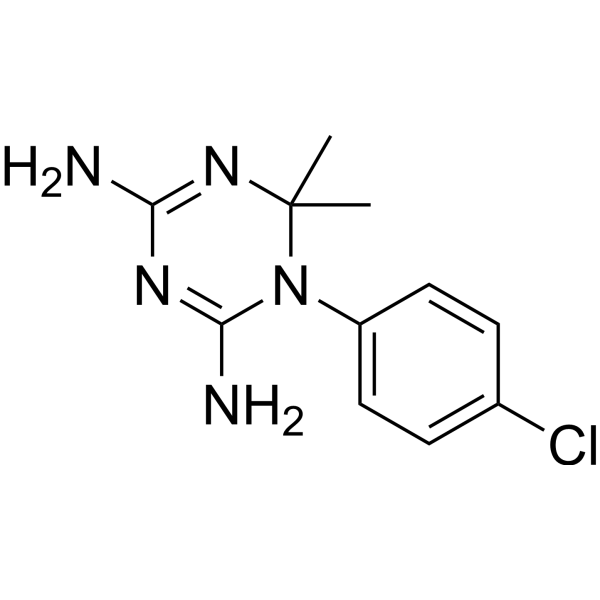
Cycloguanil (Chlorguanide triazine) is a dihydrofolate reductase (DHFR) inhibitor with an IC50 of 10.8 μM against human DHFR. Cycloguanil blocks the folate metabolic pathway, thereby affecting nucleotide synthesis and interfering with DNA replication. Cycloguanil inhibits DHFR in Plasmodium and is thus used in malaria research. Cycloguanil also potently inhibits DHFR in human cancer cells and blocks the transcriptional activity of STAT3, thereby exhibiting anticancer activity .
|
-
- HY-118414
-
-
- HY-403733C
-
|
|
Androgen Receptor
|
Cancer
|
|
JJ-450 is a non-competitive antagonist androgen receptor (AR) that inhibits the transcriptional activity of wild-type AR and mutant AR F876L. JJ-450 has an IC50 of approximately 1-10 μM in inhibiting AR transcriptional activity in PC3 cells. It is selective for AR binding and does not compete with androgens for binding to the ligand binding domain (LBD) of AR. JJ-450 inhibits the transcriptional activity of AR and its splice variants (such as AR F876L) by inhibiting AR nuclear translocation and promoting the degradation of unliganded AR in the nucleus. JJ-450 can be used in castration-resistant prostate cancer (CRPC) studies that are resistant to Enzalutamide (MDV3100) (HY-70003) .
|
-

- HY-15865
-
|
|
DNA/RNA Synthesis
|
Cancer
|
|
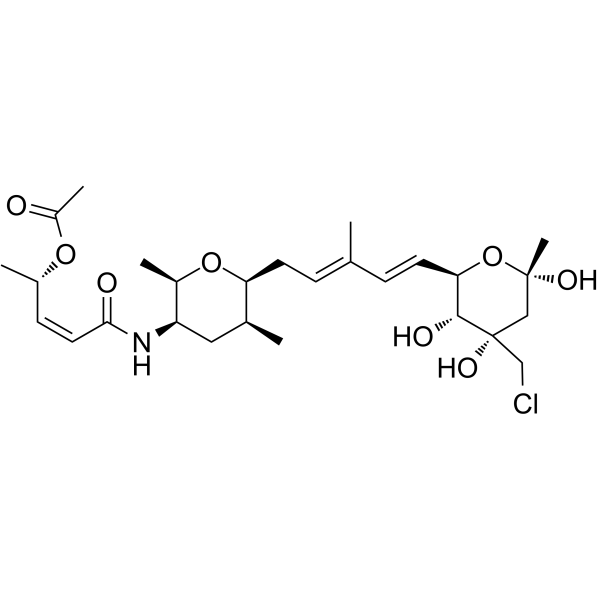
FR901463 is a potent anti-cancer agent and can be used for cancer research. FR901463 enhances the transcriptional activity of the promoter of SV40 DNA virus .
|
-
- HY-100277R
-
|
SR-202 (Standard)
|
Reference Standards
PPAR
|
Metabolic Disease
|
|
Mifobate (Standard) is the analytical standard of Mifobate. This product is intended for research and analytical applications. Mifobate (SR-202) is a potent and specific PPARγ antagonist. Mifobate (SR-202) selectively inhibits Thiazolidinedione (TZD)-induced PPARγ transcriptional activity (IC50=140 μM). Mifobate (SR-202) does not affect basal or ligand-stimulated transcriptional activity of PPARα, PPARβ, or the farnesoid X receptor (FXR). Mifobate (SR-202) shows antiobesity and antidiabetic effects .
|
-

- HY-131953
-
|
|
Androgen Receptor
|
Cancer
|
|
Androgen receptor-IN-3 (Compound 22) is an androgen receptor inhibitor. Androgen receptor-IN-3 inhibits AR-driven transcriptional activity in LNCaP cells, with an IC50 of 5.04 μM .
|
-

- HY-N11994
-
|
|
TNF Receptor
|
Inflammation/Immunology
|
|
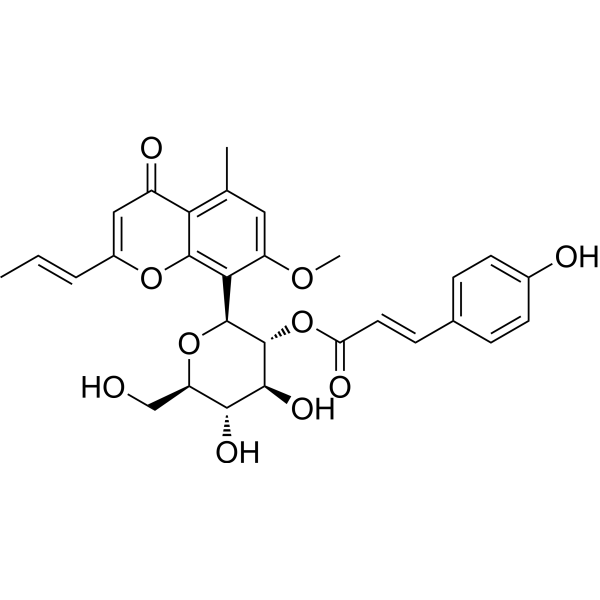
Aloeresin G is a chromone glycoside that can be isolated from Aloe. Aloeresin G has a weak inhibitory effect on TNFα-induced NF-κB transcriptional activity, with an IC 50 value of 40.02 μM .
|
-
- HY-139172
-
|
|
PPAR
|
Metabolic Disease
|
|
MD001 is a PPARα/γ dual agonist and can increase the transcriptional activity of PPARα and PPARγ. MD001 enhances the expression of genes related to β-oxidation and fatty acid and glucose uptake .
|
-

- HY-N11892
-
|
|
NF-κB
|
Others
|
|
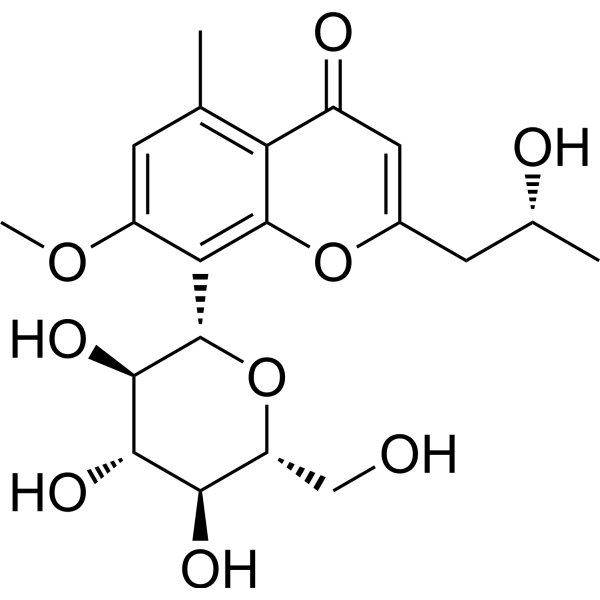
7-O-Methylaloesinol is a chromone derivative. 7-O-Methylaloesinol shows significant inhibitory effects against TNFα-induced NF-κB transcriptional activity with an IC50 value of 29.07 μM .
|
-
- HY-W048444
-
|
|
Endogenous Metabolite
|
Metabolic Disease
|
|
Diaminobiotin is a biotin analog. Diaminobiotin can increase the transcriptional activity of IL-2 and IL-2R genes in Jurkat cells. Diaminobiotin does not affect the abundance of holocarboxylase and the activity of propionyl-CoA carboxylase in Jurkat cells .
|
-

- HY-121728
-
|
|
Others
|
Others
|
|
Langkamide is a novel hypoxia-inducible factor-2 (HIF-2) inhibitory pyrrolidone alkaloid isolated from the roots and stems of Piper sarmentosum, which inhibits HIF-2 transcriptional activity with an EC value of 14.0μM.
|
-

- HY-116259
-
|
|
PPAR
|
Metabolic Disease
|
|
PT-S58, a GSK0660 derivative, is a PPARβ/δ full antagonist with an IC50 value of 98 nM. PT-S58 inhibits the agonist-induced transcriptional activity of PPARβ/δ in vitro .
|
-

- HY-113481A
-
|
|
Prostaglandin Receptor
|
Inflammation/Immunology
Cancer
|
|
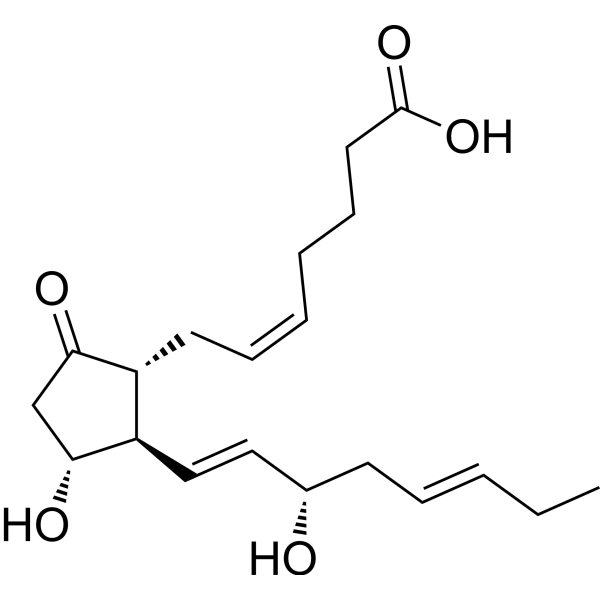
17-trans Prostaglandin E3 is a prostaglandin analog, and stimulates Nurr1-dependent transcriptional activity. 17-trans Prostaglandin E3 can be used for research of condition associated with Nurr1,such as cancer and autoimmune disease .
|
-
- HY-403733B
-
|
|
Androgen Receptor
Prostaglandin Receptor
|
Cancer
|
|
(+)-JJ-450 is a non-competitive antagonist targeting the androgen receptor (AR) that inhibits AR nuclear localization and transcriptional activity in the absence of androgen. (+)-JJ-450 is less active than (-)-JJ-450 (HY-403733A) in inhibiting prostate-specific antigen (PSA) expression in LN95 cells, possibly because (+)-JJ-450 targets the ligand binding domain (LBD) of AR. (+)-JJ-450 inhibits the transcriptional activity of AR and its splice variants (e.g., ARv7) by promoting the degradation of unliganded AR in the nucleus and reducing the binding of AR to androgen response elements (AREs). (+)-JJ-450 can be used in castration-resistant prostate cancer (CRPC) studies that are resistant to enzalutamide (MDV3100) (HY-70003) .
|
-

- HY-139970
-
|
|
Androgen Receptor
|
Endocrinology
Cancer
|
|
VPC-13789 is a potent, selective, and orally bioavailable antiandrogen. VPC-13789 can be used for the research of castration-resistant prostate cancer (CRPC) therapeutics. VPC-13789 inhibits androgen receptor (AR) transcriptional activity in LNCaP cells (IC50=0.19 μM) .
|
-
- HY-D2360
-
|
|
HIF/HIF Prolyl-Hydroxylase
HSP
|
Cancer
|
|
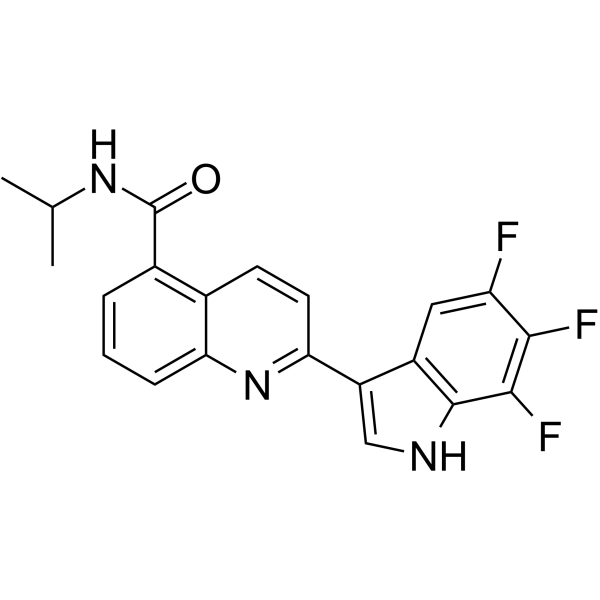
O-Carboranylphenoxyacetanilide is a HIF-1α inhibitor and inhibits HIF-1α activation. O-Carboranylphenoxyacetanilide inhibits transcriptional activity of HIF in HeLa cells (IC50: 0.74 μM). O-Carboranylphenoxyacetanilide inhibits HSP60 chaperone activity and HSP60 ATPase activity .
|
-

- HY-168051
-
|
|
Orphan Nuclear Receptor
|
Neurological Disease
Cancer
|
|
TLX agonist 2 (compound 31) is a TLX agonist (EC50=0.1 μM; Kd=0.16 μM). TLX agonist 2 promotes TLX transcriptional activity and enhances the expression of TLX target genes by binding to TLX. TLX agonist 2 can be used in the study of neurodegenerative diseases .
|
-

- HY-162478
-
|
|
Phosphatase
|
Cancer
|
|
GR-28 is an inhibitor for small C-terminal domain phosphatase 1 (SCP1). GR-28 inhibits the transcriptional activity of repressor element-1 silencing transcription factor (REST), inhibits the proliferation of glioblastoma cells (IC50 is 2.9 and 10.1 µM, for cells A172 and T98G) .
|
-

- HY-146027
-
|
|
Androgen Receptor
|
Cancer
|
|
Androgen receptor antagonist 4 (Compound AT2) is an androgen receptor (AR) antagonist with an IC50 of 0.15 μM. Androgen receptor antagonist 4 efficiently antagonizes AR transcriptional activity, suppresses downstream target gene of AR, and blocks the DHT-induced AR nuclear translocation. Androgen receptor antagonist 4 shows anticancer activities .
|
-
- HY-119120
-
|
|
HIV
CDK
|
Infection
Inflammation/Immunology
|
|
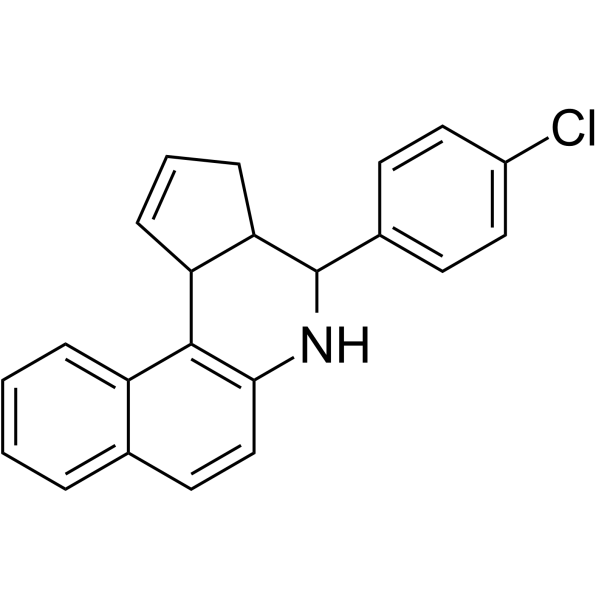
JTK-101 is a selective HIV inhibitor. JTK-101 selectively reduces HIV-1 mRNA synthesis by inhibiting Tat cofactors, including CDK9 and cyclin T1, thereby suppressing the transcriptional activity of HIV-1. JTK-101 may be used in the field of anti-HIV virus research .
|
-

- HY-121588
-
|
|
Adrenergic Receptor
|
Cancer
|
|
IMTPPE is an inhibitor of the androgen receptor (AR) in C4-2 prostate cancer cells, inhibiting its transcriptional activity and protein levels. IMTPPE inhibited the proliferation of AR-positive prostate cancer cells but had no effect on AR-negative prostate cancer cells. IMTPPE also inhibited the growth of enzalutamide-resistant 22Rv1 xenograft tumors .
|
-

- HY-10172R
-
|
IKK2 Inhibitor V (Standard)
|
Reference Standards
IKK
|
Cancer
|
|
IMD-0354 (Standard) is the analytical standard of IMD-0354. This product is intended for research and analytical applications. IMD-0354 (IKK2 Inhibitor V) is a selective IKKβ inhibitor which inhibits NF-κB activity . IMD0354 inhibits TNF-α induced NF-κB transcription activity with an IC50 of 1.2 uM .
|
-

- HY-117511
-
|
|
STAT
Apoptosis
Interleukin Related
TGF-beta/Smad
|
Others
|
|
HJC0123 is a STAT3 inhibitor. HJC0123 inhibits the proliferation of hepatic stellate cells and induces cell cycle arrest and apoptosis. HJC0123 reduces the phosphorylation, nuclear translocation and transcriptional activities of STAT3, increases the production of IL-6, inhibits the phosphorylation of Smad2/3 and down-regulates SOCS3. HJC0123 can be used in the study of liver fibrosis .
|
-

- HY-143587
-
|
|
CDK
|
Cancer
|
|
CDK7-IN-2 is a potent inhibitor of CDK7. CDK7 is implicated in both temporal control of the cell cycle and transcriptional activity. CDK7 is implicated in the transcriptional initiation process by phosphorylation of Rbpl subunit of RNA Polymerase II (RNAPII). CDK7 has the potential for the research of cancer disease, in particular aggressive and hard- to-treat cancers (extracted from patent WO2019099298A1, compound 1) .
|
-
- HY-135945
-
|
|
Biochemical Assay Reagents
|
Inflammation/Immunology
|
|
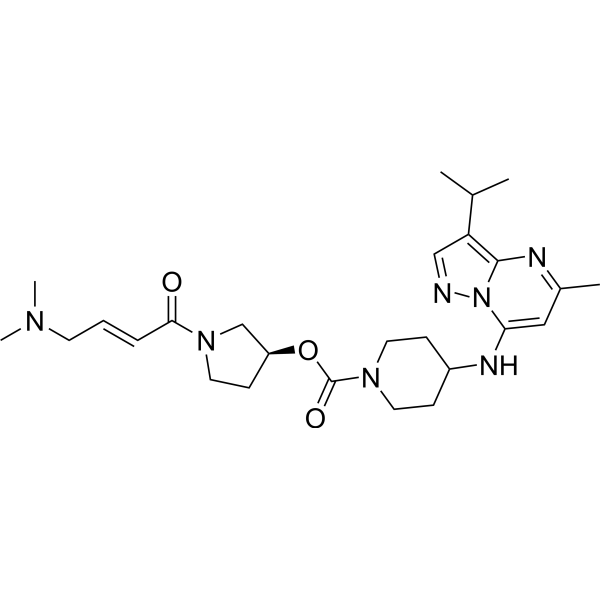
Dihydrocoptisine is a benzylisoquinoline alkaloid that can be isolated from the methanolic extract of the whole plant of Argemone mexicana L. Dihydrocoptisine can activate XBP1 transcription activity. Dihydrocoptisine can be studied in research on anti-ulcertative colitis .
|
-

- HY-182398
-
|
|
ERK
|
Cancer
|
|
BAY-693 is a highly potent and highly selective ERK5 inhibitor with an IC50 of 6.40 μM. BAY-693 reduces the transcriptional activity of MEF2. BAY-693 is applicable for cancer research .
|
-

- HY-N19756
-
|
|
RAR/RXR
|
Cancer
|
|
Cochinchinone P is a retinoid X receptor-α (RXRα) inhibitor that inhibits 9-cis-retinoic acid (HY-15128)-induced transcriptional activity of RXRα in vitro. Cochinchinone P can be used in cancer research .
|
-

- HY-19987R
-
|
|
Wnt
|
Cancer
|
|
BML-284 (Standard) is the analytical standard of BML-284. This product is intended for research and analytical applications. BML-284 is a potent and cell-permeable Wnt signaling activator. BML-284 induces TCF-dependent transcriptional activity with an EC50 of 700 nM .
|
-

- HY-N18386
-
|
|
Sirtuin
MDM-2/p53
|
Neurological Disease
|
|
Altissimacoumarin F (Compound 4) is a terpenylated coumarin. Altissimacoumarin F can be isolated from the stem bark of Ailanthus altissima. Altissimacoumarin F enhances SIRT1 activity, decreases p53 transcriptional activity. Altissimacoumarin F can be used for the research of age-related disorders .
|
-

- HY-183245
-
|
|
YAP
|
Cancer
|
|
51675515 is a YAP inhibitor that inhibits YAP-dependent transcriptional activity. 51675515 reduces YAP1-GFP intensity in cells engineered to express YAP1-GFP. 51675515 can be used for the research of YAP-dependent solid tumors (including hepatocellular carcinoma, malignant mesothelioma, colorectal cancer) .
|
-

- HY-186001
-
|
RM-044
|
Ras
β-catenin
|
Cancer
|
|
RMC-9945 (RM-044) is a KRAS inhibitor and selective, covalent, orally active RAS(ON) G12D inhibitor. RMC-9945 increases β-Catenin/TCF transcriptional activity. RMC-9945 exerts durable disease control in preclinical colorectal cancer models of early liver metastasis .
|
-

- HY-109070R
-
|
EPI-002 (Standard)
|
Reference Standards
Androgen Receptor
|
Cancer
|
|
Ralaniten (Standard) is the analytical standard of Ralaniten (HY-109070). This product is intended for research and analytical applications. Ralaniten (EPI-002) is a potent and orally active antagonist of the androgen receptor-N-terminal domain (AR-NTD). Ralaniten inhibits AR transcriptional activity, with IC50 of 7.4 μM. Ralaniten can be used for the research of castration-resistant prostate cancer (CRPC) .
|
-

- HY-181761
-
|
|
FXR
|
Metabolic Disease
|
|
FXR agonist 16 is a FXR agonist with an EC50 of 2.2 μM. FXR agonist 16 activates FXR transcriptional activity, upregulates SHP and BSEP, and downregulates Cyp7a1. FXR agonist 16 exhibits hepatoprotective activity and reduces AST and ALT levels in free fatty acid-induced hepatocellular injury models. FXR agonist 16 can be used for the research of liver injury .
|
-

- HY-123303
-
|
NZ-28
|
HSP
|
Cancer
|
|
NSC-134754 (NZ-28) is a dehydroemetine derivative and heat shock protein (HSP) induction inhibitor. NSC-134754 acts at the post-transcriptional level, targets Hsp72 and Hsp27, and does not alter general protein synthesis, HSF-1 transcriptional activity, or Hsp mRNA levels. NSC-134754 can be used for the research of multiple myeloma, prostate carcinoma, colon carcinoma .
|
-

- HY-176548
-
|
|
YAP
Annexin A
|
Inflammation/Immunology
|
|
PY-PAP is a photoactivatable affinity probe and a derivative of PY-60 (HY-141644). PY-PAP retains the cellular function of activating YAP transcriptional activity. In 293A cells, PY-PAP can label cathepsin D (CTSD) and annexin A2 (ANXA2) through ultraviolet crosslinking and click reactions. PY-PAP plays a key role in identifying ANXA2 as the specific target of PY-60 .
|
-

- HY-13982R
-
|
|
NF-κB
|
Metabolic Disease
Inflammation/Immunology
Cancer
|
|
JSH-23 (Standard) is the analytical standard of JSH-23. This product is intended for research and analytical applications. JSH-23 is an NF-κB inhibitor which inhibits NF-κB transcriptional activity with an IC50 of 7.1 μM in lipopolysaccharide (LPS)-stimulated macrophages RAW 264.7. JSH-23 inhibits nuclear translocation of NF-κB p65 without affecting IκBα degradation .
|
-

- HY-145785
-
|
|
MDM-2/p53
Apoptosis
|
Cancer
|
|
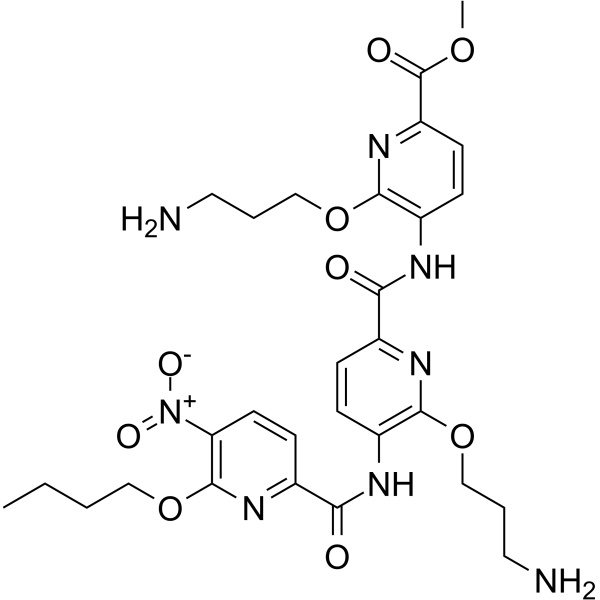
ADH-6 is a tripyridylamide compound. ADH-6 abrogates self-assembly of the aggregation-nucleating subdomain of mutant p53 DBD. ADH-6 targets and dissociates mutant p53 aggregates in human cancer cells, which restores p53's transcriptional activity, leading to cell cycle arrest and apoptosis. ADH-6 has the potential for the research of cancer diseases[1].
|
-
- HY-N8098
-
|
|
STAT
Autophagy
JAK
|
Cancer
|
|
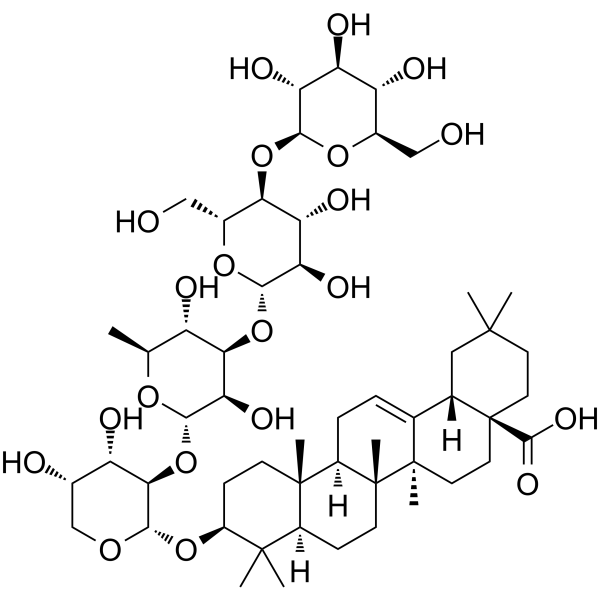
Pulchinenoside E2 is a triterpenoid saponin. Pulchinenoside E2 inhibits the phosphorylation of STAT3 and JAK2, blocks the nuclear translocation and transcriptional activity of STAT3, and suppresses STAT3-dependent mitochondrial oxidative phosphorylation. Pulchinenoside E2 inhibits invasion, migration and autophagy of triple-negative breast cancer cells. Pulchinenoside E2 can be used in research related to triple-negative breast cancer .
|
-
- HY-125269
-
|
|
YAP
|
Cancer
|
|
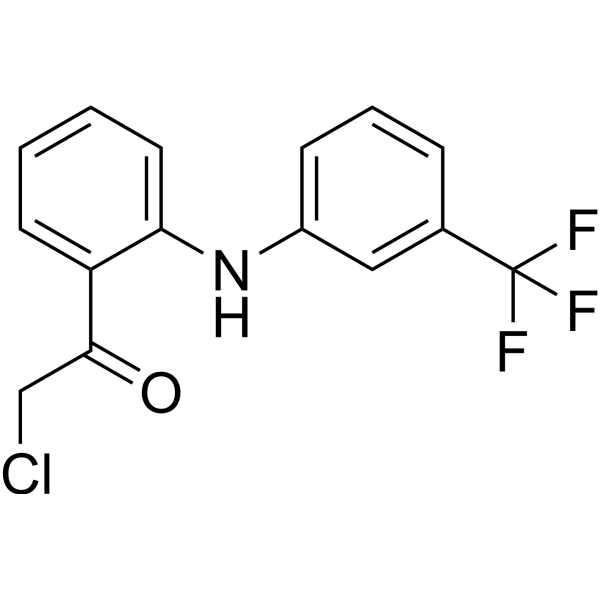
TED-347 is a potent, irreversible, covalent and allosteric inhibitor at YAP-TEAD protein-protein interaction with an EC50 of 5.9 μM for TEAD4⋅Yap1 protein-protein interaction. TED-347 specifically and covalently bonds with Cys-367 within the central pocket of TEAD4 with a Ki of 10.3 μM. TED-347 blocks TEAD transcriptional activity and has antitumor activity .
|
-
- HY-N0292R
-
|
|
Cytochrome P450
Reference Standards
PPAR
Apoptosis
|
Cardiovascular Disease
Inflammation/Immunology
Cancer
|
|
Oleuropein (Standard) is the analytical standard of Oleuropein. This product is intended for research and analytical applications. Oleuropein, found in olive leaves and oil, exerts antioxidant, anti-inflammatory and anti-atherogenic effects through direct inhibition of PPARγ transcriptional activity . Oleuropein induces apoptosis in breast cancer cells via the p53-dependent pathway and through the regulation of Bax and Bcl2 genes. Oleuropein also inhibits aromatase .
|
-

- HY-156297
-
|
|
Proteasome
|
Inflammation/Immunology
|
|
β5i-IN-1 is a potent and selective inhibitor of β5i with a IC50 of 8.463 nM. β5i-IN-1 releases TNF-α and IL-6 and influences the transcriptional activity of NF-κB. β5i-IN-1 can be used in study idiopathic pulmonary fibrosis .
|
-
- HY-182392
-
|
|
DNA/RNA Synthesis
|
Inflammation/Immunology
|
|
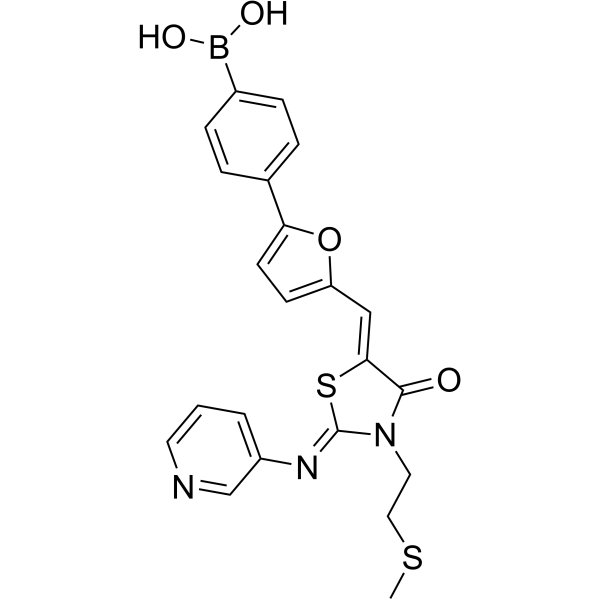
NFYi5 is a nuclear transcription factor-Y (NF-Y) inhibitor. NFYi5 disrupts the binding of NF-Y to DNA, accelerates the ubiquitin-independent degradation of the NF-YA subunit, and reduces the transcriptional activity of NF-Y. As an antimitotic agent, NFYi5 decreases the mRNA levels of NF-Y target genes without affecting the expression of housekeeping genes, and inhibits cell proliferation. NFYi5 can be used in the research of tissue fibrosis .
|
-

- HY-N9731
-
|
|
NF-κB
|
Others
|
|
6-O-p-Hydroxybenzoylglutinoside acts as a selective NF-κB inhibitor that suppresses the transcriptional activity of TNF-α-activated NF-κB (IC50=52.78 μM). 6-O-p-Hydroxybenzoylglutinoside shows no significant inhibitory activity against sEH, AChE, or BChE. 6-O-p-Hydroxybenzoylglutinoside is a caged chlorinated iridoid glycoside identified from the seeds of Catalpa bungei (Manchurian catalpa) .
|
-

- HY-N0167
-
|
Ginsenoside C-Mx1; Gypenoside IX
|
p38 MAPK
Akt
NF-κB
COX
Interleukin Related
NO Synthase
|
Metabolic Disease
Inflammation/Immunology
|
|
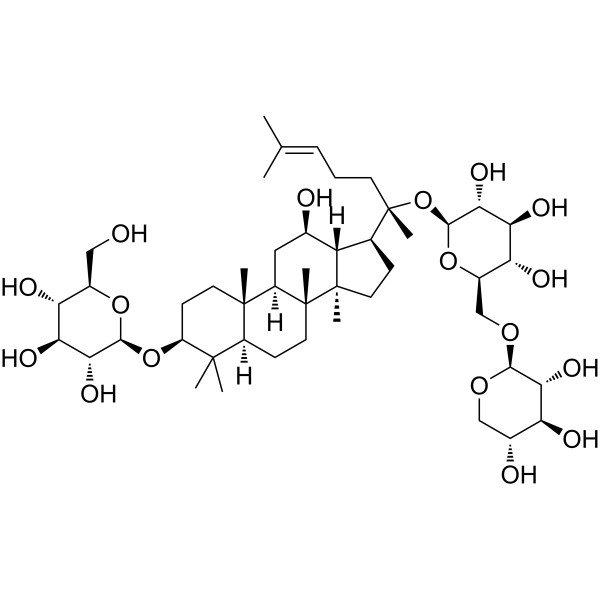
Gynostemma Extract (Gypenoside IX) is a triterpenoid saponin. Gynostemma Extract can be isolated from Panax notoginseng. Gynostemma Extract reduces NFκB nuclear translocation and transcriptional activity by inhibiting the p38 MAPK/Akt/NFκB signaling pathway. Gynostemma Extract reduces the expression of cytokines (COX-2, IL-6) and the production of NO. Gynostemma Extract has anti-inflammatory activity. Gynostemma Extract can be used in the study of liver injury and neuroinflammation .
|
-
- HY-P10426
-
|
|
HIF/HIF Prolyl-Hydroxylase
VEGFR
|
Cancer
|
|
cyclo(CLLFVY) is an inhibitor for hypoxia inducible factor-1 (HIF-1), with IC50 of 19 μM (in U2OS) and 16 μM (in MCF-7). cyclo(CLLFVY) binds to the PAS-B domain of HIF-1α, inhibits HIF-1 dimerization and transcriptional activity. cyclo(CLLFVY) downregulates the expression of hypoxia response genes, such as VEGF and CAIX, exhibits antitumor against the HIF-1 associated cancers .
|
-

- HY-118054
-
|
|
Orphan Nuclear Receptor
|
Cancer
|
|
LRH-1 Inhibitor-3 is a small molecule that inhibits LRH-1 transcriptional activity, thereby decreasing the expression of target genes associated with cell growth and proliferation. LRH-1 Inhibitor-3 has shown potential in reducing cancer cell proliferation in human pancreatic, colon, and breast adenocarcinoma cell lines. LRH-1 Inhibitor-3 serves as a molecular probe for investigating the role of LRH-1 in various malignancies.
|
-

- HY-28099
-
|
NSC 11435
|
Endogenous Metabolite
|
Cancer
|
|
VEC6 (NSC 11435) is an inhibitor of VEZF1–DNA interaction and has the activity to recapitulate RhoB loss in ischemic retinopathy. VEC6 reduces pathological angiogenesis and promotes lymphangiogenesis. VEC6 plays a unique role in angiogenesis and lymphangiogenesis by regulating the expression of different sets of genes in endothelial cells. VEC6 has an inhibitory effect on VEZF1-mediated transcriptional activity, thereby affecting the proliferation and sprouting of endothelial cells .
|
-

- HY-145785A
-
|
|
MDM-2/p53
Apoptosis
|
Cancer
|
|
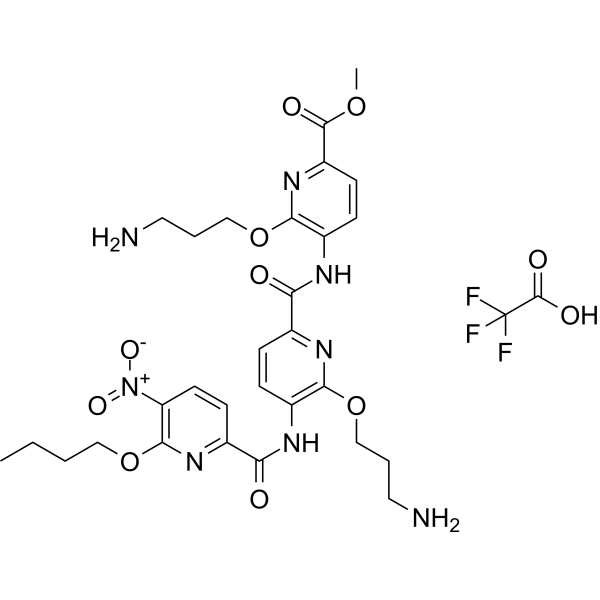
ADH-6 TFA is a tripyridylamide compound. ADH-6 abrogates self-assembly of the aggregation-nucleating subdomain of mutant p53 DBD. ADH-6 TFA targets and dissociates mutant p53 aggregates in human cancer cells, which restores p53's transcriptional activity, leading to cell cycle arrest and apoptosis. ADH-6 TFA has the potential for the research of cancer diseases .
|
-
- HY-N8593
-
|
|
Environmental Pollutants
p38 MAPK
TNF Receptor
NF-κB
Interleukin Related
Histamine Receptor
PKA
|
Inflammation/Immunology
Endocrinology
|
|
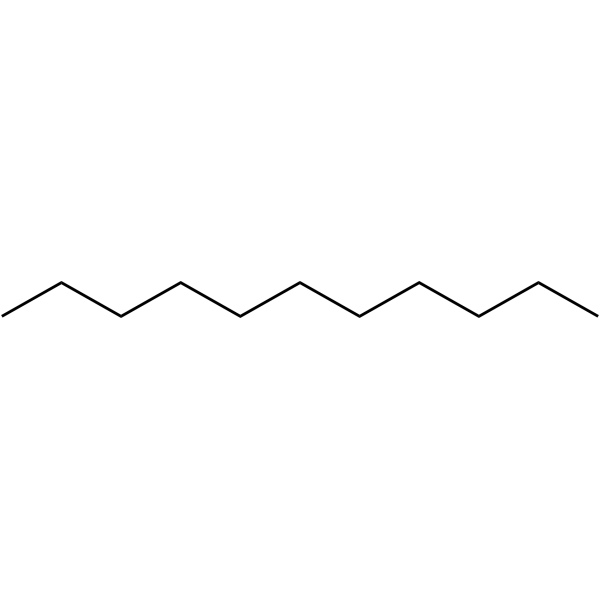
Undecane is a potent cAMP agonist with anti-allergic and anti-inflammatory activities. Undecane inhibits degranulation and the secretion of histamine and TNF-α. Undecane reverses the increased levels of p38 phosphorylation, NF-κB transcriptional activity and target cytokine/chemokine genes, including thymus and activation-regulated chemokine (TARC), macrophage-derived chemokine (MDC) and interleukin-8 (IL-8). Undecane can be used for the study of skin inflammatory disorders, such as atopic dermatitis .
|
-
- HY-17661
-
|
Depiperazine-LDN-193189
|
Drug Derivative
TGF-beta/Smad
|
Cancer
|
|
Depiperazine-DM3189 is a derivative of LDN193189 (HY-12071). LDN193189 is a potent selective BMP type I receptor (BMP I) inhibitor. LDN-193189 efficiently inhibits transcriptional activity of the BMP type I receptors ALK2 and ALK3 with IC50 values of 5 nM and 30 nM, respectively. LDN-193189 can be used for the research of bone morphogenetic protein signalling, such as fibrodysplasia ossificans progressiva .
|
-

- HY-147136
-
|
|
YAP
|
Cancer
|
|
MYF-03-176 is an orally active inhibitor of TEAD, and suppresses TEAD transcriptional activity with an IC50 of 11 nM. The IC50 values of MYF-03-176 for TEAD1, TEAD3, and TEAD4 are 47, 32, and 71 nM, respectively. MYF-03-176 inhibits hippo signaling defective malignant pleural mesothelioma (MPM) cells. MYF-03-176 shows strong antitumor efficacy in MPM mouse xenograft model .
|
-
- HY-101447
-
|
EPH 116
|
Src
Apoptosis
|
Cancer
|
|
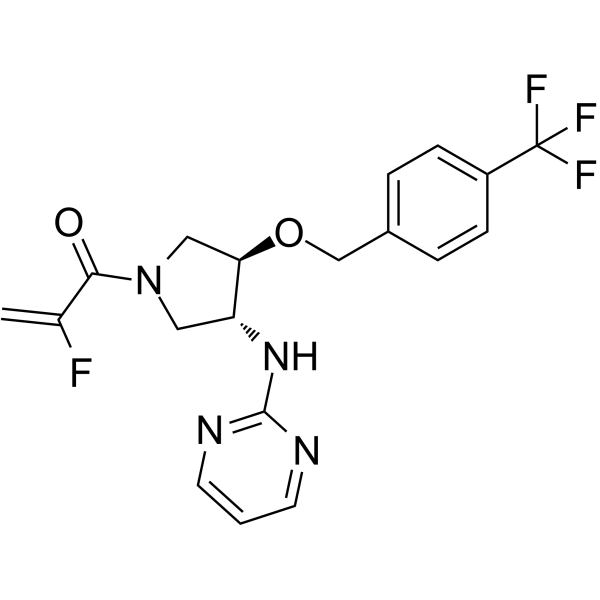
SI-2 (EPH 116) is an inhibitor for steroid receptor coactivator-3 (SRC-3), which reduces the transcriptional activity and protein concentration of SRC-3 in cells, exhibits cytotoxicity in cancer cell, inhibits migration of MDA-MB-468, induces apoptosis of MDA-MB-468. SI-2 inhibits the tumor growth in mouse models, without significant toxicity for heart and other major organs (20 mg/kg) .
|
-

- HY-W009066
-
|
EHDPP; Octicizer
|
PPAR
Progesterone Receptor
Estrogen Receptor/ERR
|
Endocrinology
|
|
2-Ethylhexyl diphenyl phosphate is an organophosphate flame retardants (OPFRs) and a PPARG agonist (EC20: 2.04 µM). 2-Ethylhexyl diphenyl phosphate also inhibits ERRγ transcriptional activity (IC50: 1.3 µM). 2-Ethylhexyl diphenyl phosphate upregulates 3β-HSD1, human chorionic gonadotropin (hCG) and progesterone secretion. 2-Ethylhexyl diphenyl phosphate can be used in studies of female reproduction and fetal development .
|
-

- HY-N3027
-
|
|
PPAR
Reactive Oxygen Species (ROS)
|
Metabolic Disease
|
|
Soyasaponin Aa is a soyasaponin that can be found in soy. Soyasaponin Aa suppresses PPARγ transcriptional activity, reduces PPARγ and C/EBPα expression, inhibits adipocyte differentiation and lipid accumulation, and reduces adipogenic marker gene expression. Soyasaponin Aa reduces hydrogen peroxide-induced reactive oxygen species (ROS) production and malondialdehyde levels. Soyasaponin Aa exhibits cellular antioxidant activity. Soyasaponin Aa can be used for the research of obesity .
|
-
- HY-N11996
-
|
|
NO Synthase
NF-κB
|
Others
|
|
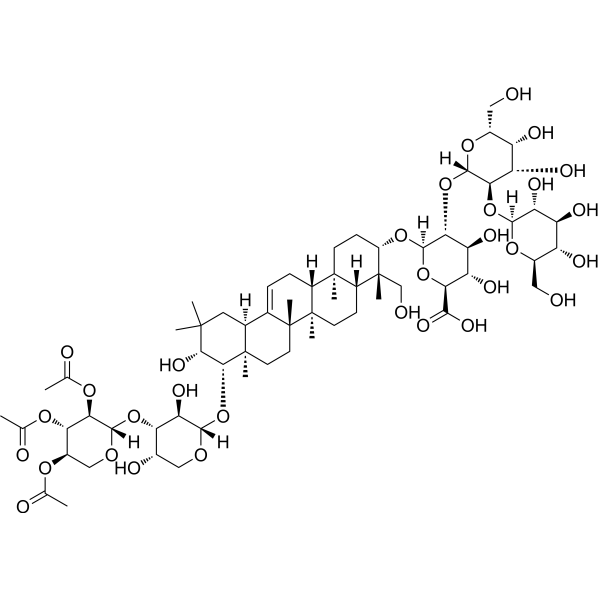
Aloenin aglycone (compound 13) is an NF-κB inhibitor that can be isolated from aloe exudate. Aloenin aglycone inhibits TNFα-induced NF-κB transcriptional activity (IC50: 18.7 μM). Aloenin aglycone (10 μM) also reduced inducible nitric oxide synthase (iNOS) and intercellular adhesion molecule 1 (ICAM-1) gene expression after treatment of HepG2 cells with 10 ng/mL TNFα .
|
-
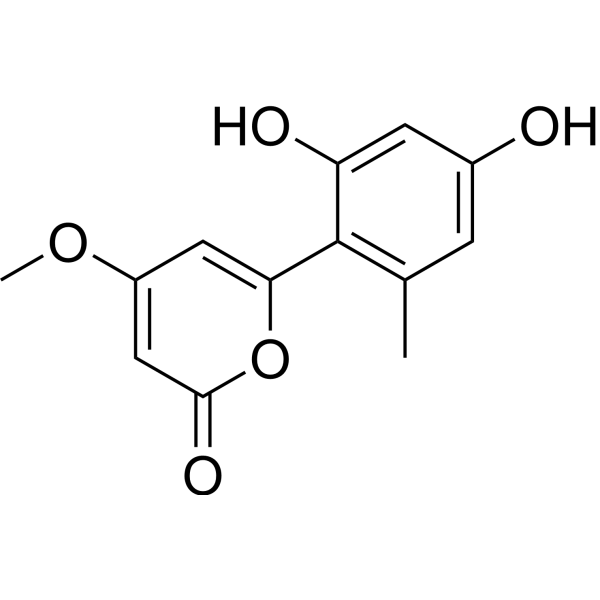
- HY-N0041R
-
|
Gypenoside IV (Standard)
|
Reference Standards
NF-κB
COX
NO Synthase
|
Inflammation/Immunology
Cancer
|
|
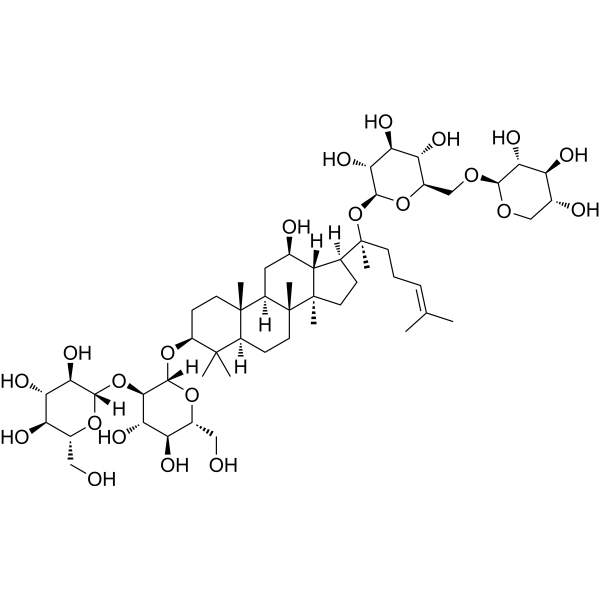
Ginsenoside Rb3 (Standard) is the analytical standard of Ginsenoside Rb3. This product is intended for research and analytical applications. Ginsenoside Rb3 is extracted from steamed Panax ginseng C. A. Meyer. Ginsenoside Rb3 exhibits inhibitory effect on TNFα-induced NF-κB transcriptional activity with an IC50 of 8.2 μM in 293T cell lines. Ginsenoside Rb3 also inhibits the induction of COX-2 and iNOS mRNA.
|
-
- HY-124067
-
|
|
IKK
JAK
STAT
NF-κB
|
Cancer
|
|
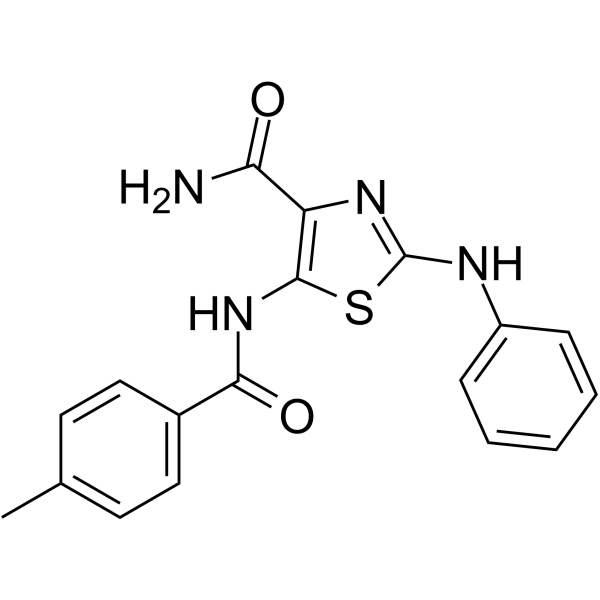
EC-70124 is an orally active multikinase inhibitor targeting IKKβ and JAK2. EC-70124 blocks IkB phosphorylation and STAT3 (Tyr705) activation, suppressing NF-κB nuclear translocation and STAT3 transcriptional activity. EC-70124 reduces tumor growth and cancer stem cell (CSC) populations in prostate cancer cells and xenograft models. EC-70124 is promising for research of prostate cancer .
|
-

- HY-124745
-
|
|
MAP4K
Wnt
Apoptosis
|
Cancer
|
|
KY-05009 is an ATP-competitive Traf2- and Nck-interacting kinase (TNIK) inhibitor with a Ki of 100 nM. KY-05009 pharmacologically inhibits TGF-β1-induced epithelial-to-mesenchymal transition (EMT) in human lung adenocarcinoma cells. KY-05009 inhibits the protein expression of TNIK and transcriptional activity of Wnt target genes and induces apoptosis in cancer cells. KY-05009 exerts anti-cancer activity .
|
-
- HY-118409
-
|
|
Androgen Receptor
|
Endocrinology
Cancer
|
|
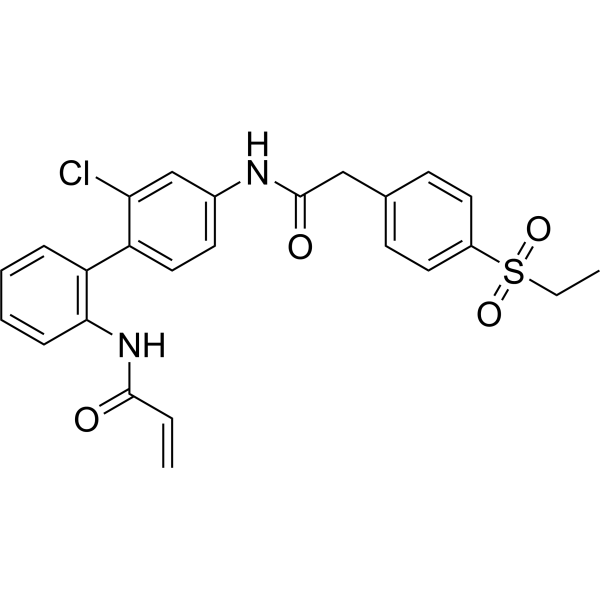
VPC-3033 is an androgen receptor antagonist. VPC-3033 has a strong androgen DHT replacement potency (IC50: 0.625-2.5 μM), can effectively inhibit androgen receptor transcriptional activity (IC50=0.3 μM), and has a strong androgen receptor degradation ability. In addition, VPC-3033 exhibits significant anti-androgen receptor activity against prostate cancer cells resistant to Enzalutamide (HY-70002) .
|
-

- HY-173640
-
|
|
Androgen Receptor
Phosphodiesterase (PDE)
|
Cancer
|
|
ID11916 is an orally active androgen receptor (AR) antagonist and a phosphodiesterase 5 (PDE5) inhibitor. ID11916 blocks androgen binding to AR, nuclear translocation, and androgen-dependent transcriptional activity of AR, while increasing intracellular cGMP levels and activating PKG via inhibition. ID11916 shows potent anti-cancer effect in prostate cancer cell lines VCaP and 22Rv1 and in AR-positive breast cancer cell lines SK-BR-3 .
|
-

- HY-163192
-
|
|
ROR
Apoptosis
|
Cancer
|
|
W6134 is highly potent and selective RORγ covalent inhibitor with an IC50 of 0.21 μM. W6134 exhibits excellent selectivity for RORγ over RORα, RXRγ, and ERRγ. W6134 significantly inhibits RORγ transcriptional activity W6134 inhibits the proliferation and colony formation and induces apoptosis in castration-resistant prostate cancer cells (CRPC). W6134 can be used for the research of castration-resistant prostate cancers (CRPC) .
|
-
- HY-W010995
-
|
|
Wnt
Survivin
β-catenin
|
Cancer
|
|
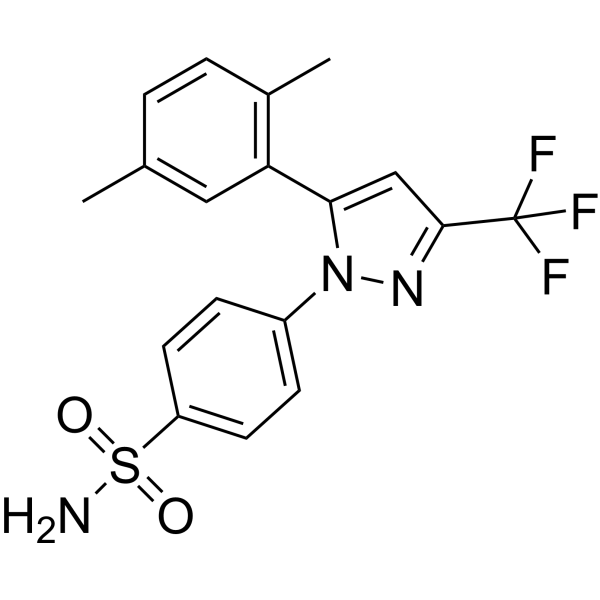
2,5-Dimethylcelecoxib is an analogue of celecoxib (HY-14398) with anticancer activity but without COX-2 inhibitory activity. 2,5-Dimethylcelecoxib exerts its anti-cancer cell proliferation effect by inhibiting the core mechanism of the Wnt/β-catenin signaling pathway. 2,5-Dimethylcelecoxib also inhibits T-cell factor-dependent transcriptional activity and inhibits expression of the Wnt/β-catenin target gene products cyclin D1 and survivin .
|
-
- HY-110266
-
|
|
HIF/HIF Prolyl-Hydroxylase
|
Cancer
|
|
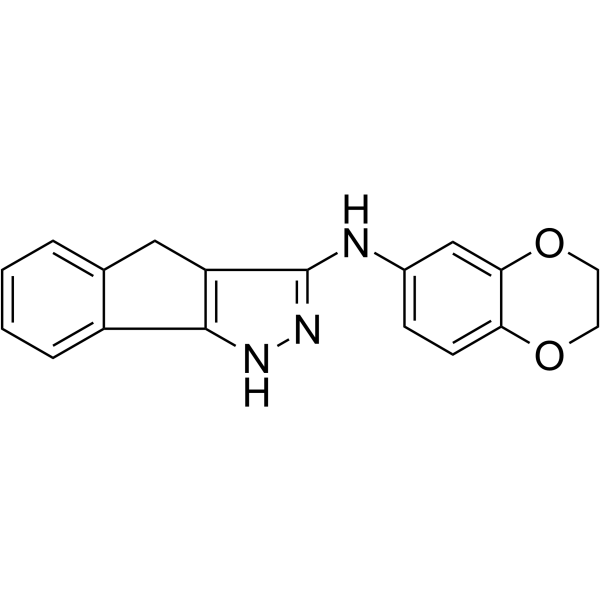
GN44028 is a potent and orally active hypoxia inducible factor (HIF)-1α inhibitor, with an IC50 of 14 nM. GN44028 inhibits hypoxia-induced HIF-1α transcriptional activity without suppressing HIF-1α mRNA expression, HIF-1α protein accumulation, or HIF-1α/HIF-1β heterodimerization. GN44028 can be used in the research of cancers .
|
-
- HY-108638
-
|
XI-011 hydrochloride
|
MDM-2/p53
Apoptosis
PARP
|
Cancer
|
|
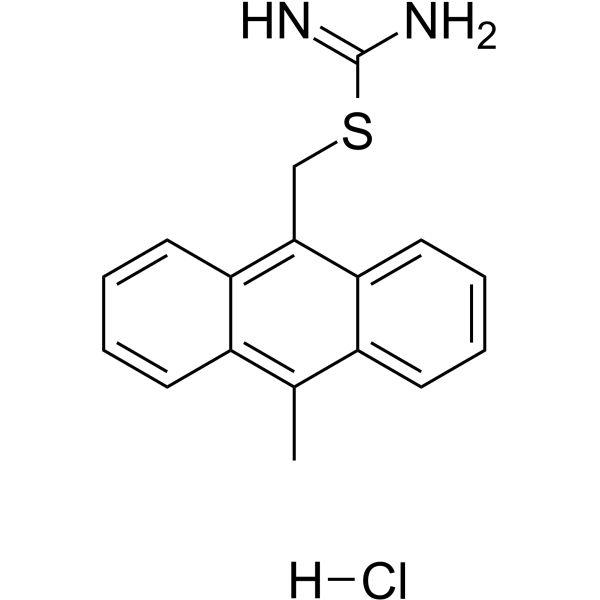
NSC 146109 hydrochloride (XI-011 hydrochloride) is a p53 activator and MDMX inhibitor. NSC 146109 hydrochloride inhibits MDMX gene transcription, downregulates MDMX mRNA and protein levels, stabilizes p53 and activates the transcriptional activity of p53. NSC 146109 hydrochloride induces cancer cell apoptosis (apoptosis) and inhibits the growth of transformed cells. NSC 146109 hydrochloride inhibits the growth of xenograft tumors. NSC 146109 hydrochloride can be used in research related to breast cancer and cervical cancer .
|
-
- HY-153202
-
|
|
MDM-2/p53
Apoptosis
|
Cancer
|
|
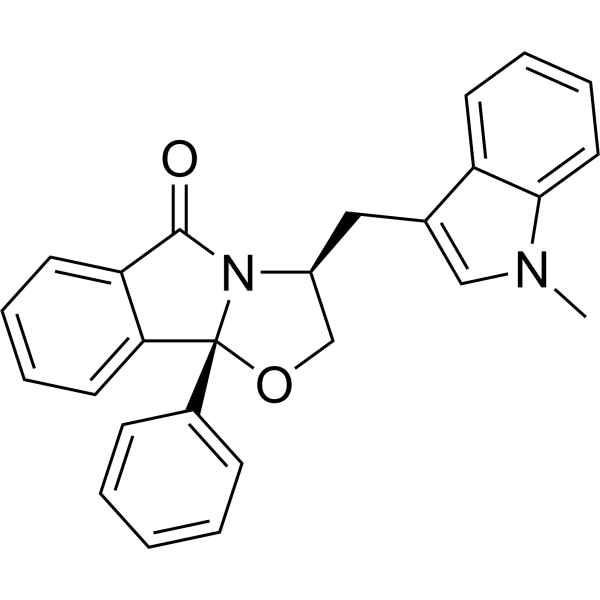
SLMP53-2 is a mutant p53 reactivator. SLMP53-2 restores wild-type-like conformation and DNA-binding ability of mutp53-Y220C by enhancing its interaction with the Hsp70, leading to the reestablishment of p53 transcriptional activity. SLMP53-2 can induce cell cycle arrest, apoptosis and endoplasmic reticulum (ER) stress. SLMP53-2 exhibits antitumor activity .
|
-
- HY-N10330
-
|
|
HIF/HIF Prolyl-Hydroxylase
VEGFR
|
Cancer
|
|
7-Hydroxyneolamellarin A is a natural product that could be derived from sponge Dendrilla nigra. 7-Hydroxyneolamellarin A is a potent hypoxia-inducible factor-1α (HIF-1α) inhibitor. 7-Hydroxyneolamellarin A attenuates the accumulation of hypoxia-inducible factor-1α (HIF-1α) protein and inhibits vascular epidermal growth factor (VEGF) transcriptional activity. 7-Hydroxyneolamellarin A can be used in research of cancer .
|
-
- HY-12784AR
-
|
Chlorguanide triazine hydrochloride (Standard)
|
Reference Standards
Antifolate
DNA/RNA Synthesis
STAT
Parasite
|
Infection
Cancer
|
|
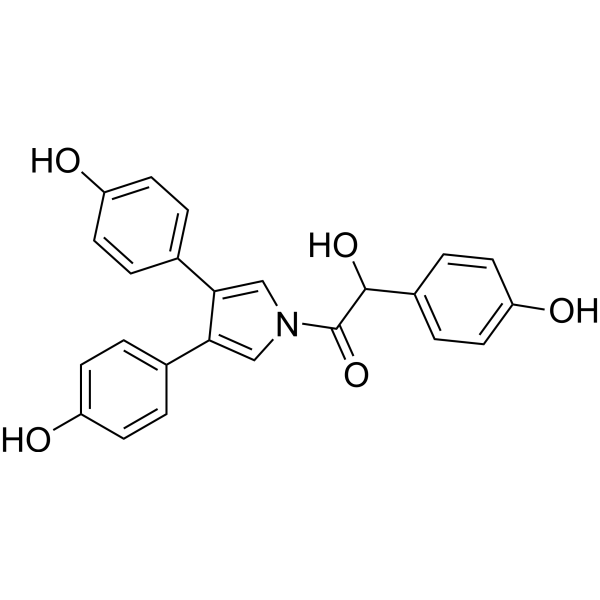
Cycloguanil hydrochloride (Standard) is the analytical standard of Cycloguanil hydrochloride (HY-12784A). This product is intended for research and analytical applications. Cycloguanil hydrochloride is a dihydrofolate reductase (DHFR) inhibitor with an IC50 of 10.8 μM against human DHFR. Cycloguanil hydrochloride blocks the folate metabolic pathway, thereby affecting nucleotide synthesis and interfering with DNA replication. Cycloguanil hydrochloride inhibits DHFR in Plasmodium and is thus used in malaria research. Cycloguanil hydrochloride also potently inhibits DHFR in human cancer cells and blocks the transcriptional activity of STAT3, thereby exhibiting anticancer activity .
|
-

- HY-117163
-
FzM1.8
1 Publications Verification
|
Wnt
β-catenin
|
Cancer
|
|
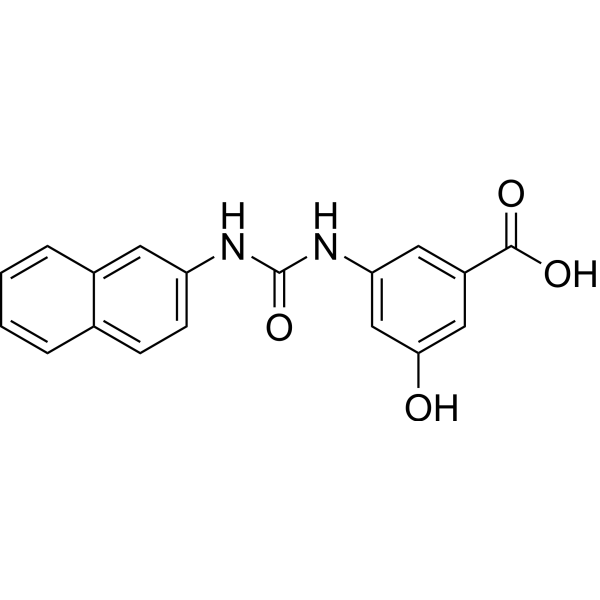
FzM1.8, derives from FzM1, is an allosteric agonist of FZD4 with pEC50 of 6.4. FzM1.8 binds to FZD4 and activates the WNT/β-catenin pathway, by promoting TCF/LEF transcriptional activity in the absence of any WNT ligand. FzM1.8 stabilizes FZD4 with an increased affinity for heterotrimeric G protein and stimulates the release of the Gβγ subunit that in turn activates PI3K .
|
-
- HY-186021
-
|
|
PROTACs
YAP
|
Cancer
|
|
PROTAC TEAD degrader-2 (Compound 31) is an efficient TEAD1 PROTAC degrader with a DC50 of 0.6 nM. PROTAC TEAD degrader-2 inhibits the YAP/TAZ-TEAD interaction, with a IC50 of 1.8 nM. PROTAC TEAD degrader-2 exhibits significant selective inhibitory activity against YAP-dependent cancer cells and effectively suppresses the transcriptional activity mediated by YAP. PROTAC TEAD degrader-2 can be used for research on mesothelioma and glioma .
|
-

- HY-15510S
-
|
|
Isotope-Labeled Compounds
|
Others
|
|
Tenovin-6-d6 is the deuterium labeled Tenovin-6 (HY-15510). Tenovin-6, an analog of Tenovin-1 (HY-13423), is an activator of p53 transcriptional activity. Tenovin-6 inhibits the protein deacetylase activities of purified human SIRT1, SIRT2, and SIRT3 with IC50s of 21 μM, 10 μM, and 67 μM, respectively. Tenovin-6 also inhibits dihydroorotate dehydrogenase (DHODH).
|
-

- HY-W1005067
-
|
|
Molecular Glues
Hippo (MST)
Estrogen Receptor/ERR
|
Others
|
|
EN171 is a covalent ligand that covalently targets both C38 and C96 on 14-3-3 to enhance 14-3-3 interactions with ERα, YAP and TAZ, leading to impaired estrogen receptor and Hippo pathway transcriptional activity. EN171 can not only be used as a molecular glue to enhance native protein interactions but can also be used as a covalent 14-3-3 recruiter in heterobifunctional molecules to sequester nuclear neo-substrates such as BRD4 and BLC6 into the cytosol .
|
-

- HY-16023
-
|
EM-652 hydrochloride; SCH 57068 hydrochloride
|
Estrogen Receptor/ERR
|
Cancer
|
|
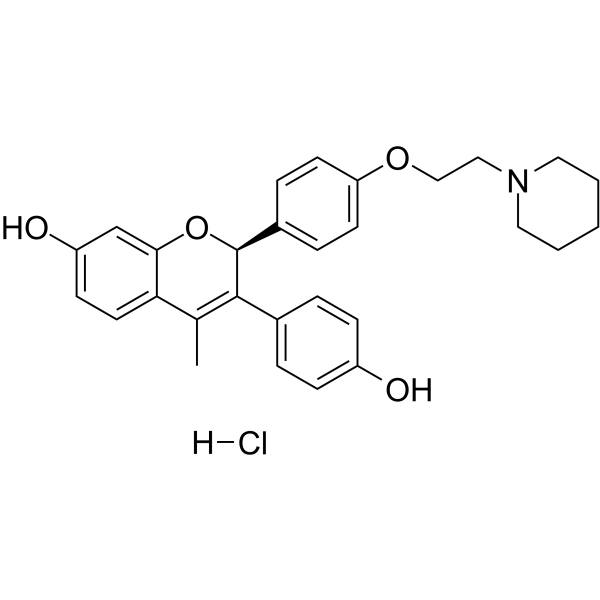
Acolbifene (EM-652) hydrochloride, an active metabolite of EM800, is an orally active, cancer-preventing selective estrogen receptor modulator (SERM). Acolbifene (EM-652) hydrochloride inhibits estradiol (E2)-induced transcriptional activity of ERα (IC50=2 nM) and ERβ (IC50=0.4 nM). Acolbifene (EM-652) hydrochloride exerts a potent and pure antiestrogenic action in the mammary gland and uterus. Anticarcinogenic properties .
|
-
- HY-N15347
-
|
|
NF-κB
p38 MAPK
Interleukin Related
TNF Receptor
NO Synthase
COX
|
Inflammation/Immunology
|
|
Talaromyketide B is a polyketide compound with anti-inflammatory activity, discovered in the soil bacterium Talaromyces sp. KYS-41. Talaromyketide B inhibits the activation of the NF-κB and MAPK signaling pathways and dose-dependently suppresses pro-inflammatory cytokines, such as IL-1β, IL-6, IL-10, and TNF-α, as well as the transcriptional activity of inflammatory mediators, including iNOS and COX-2. Talaromyketide B holds potential for research in the fields of immunity and inflammatory diseases .
|
-

- HY-179123
-
|
|
Androgen Receptor
Apoptosis
|
Cancer
|
|
ZC9 is a novel androgen receptor (AR) degrader. ZC9 directly binds to AR and inhibits Dihydrotestosterone-induced nuclear translocation of AR. ZC9 promotes AR degradation via the ubiquitin-proteasome system and suppresses AR transcriptional activity. ZC9 significantly decreases the mRNA levels of other AR downstream genes, including PSA, TMPRSS2, and PMEPA1. ZC9 promotes Apoptosis. ZC9 exhibits anticancer activity against prostate cancer .
|
-

- HY-12784AS1
-
|
Chlorguanide triazine-d6 hydrochloride
|
Isotope-Labeled Compounds
Antifolate
DNA/RNA Synthesis
STAT
Parasite
|
Infection
|
|
Cycloguanil-d6 (Chlorguanide triazine-d6) hydrochloride is the deuterium labeled Cycloguanil hydrochloride (HY-12784A). Cycloguanil hydrochloride is a dihydrofolate reductase (DHFR) inhibitor with an IC50 of 10.8 μM against human DHFR. Cycloguanil hydrochloride blocks the folate metabolic pathway, thereby affecting nucleotide synthesis and interfering with DNA replication. Cycloguanil hydrochloride inhibits DHFR in Plasmodium and is thus used in malaria research. Cycloguanil hydrochloride also potently inhibits DHFR in human cancer cells and blocks the transcriptional activity of STAT3, thereby exhibiting anticancer activity .
|
-

- HY-19527
-
|
N6-Benzyladenosine-5'-phosphate
|
STAT
Apoptosis
|
Cancer
|
|
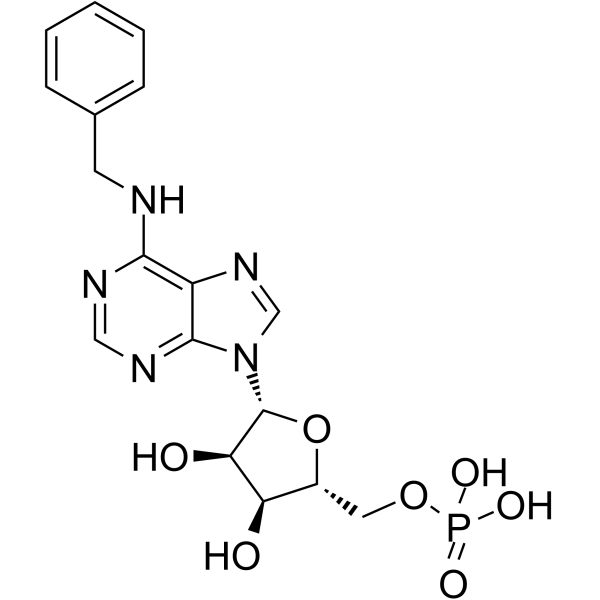
IST5-002, a potent Stat5a/b inhibitor, selectively inhibits transcriptional activity of Stat5a/b (IC50s: 1.5 μM for Stat5a, 3.5 μM for Stat5b). IST5-002 inducs cell apoptotic and death of prostate cancer cells and chronic myeloid leukemia (CML) cells. IST5-002 can be used in the research of prostate cancer and chronic myeloid leukemia (CML) .
|
-
- HY-128453
-
|
|
Orphan Nuclear Receptor
|
Cancer
|
|
LRH-1 antagonist-1 (Compound 3d2) is a LRH-1 antagonist with a Kd of 1.8 μM. LRH-1 antagonist-1 inhibits the transcriptional activity of LRH-1 and reduces the expression of G0S2. LRH-1 antagonist-1 inhibits the proliferation of LRH-1-positive cancer cells. LRH-1 antagonist-1 can be used for research on pancreatic cancer, colon cancer and breast cancer .
|
-

- HY-12784S
-
|
Chlorguanide triazine-d6
|
Isotope-Labeled Compounds
Antifolate
DNA/RNA Synthesis
STAT
Parasite
|
Infection
Cancer
|
|
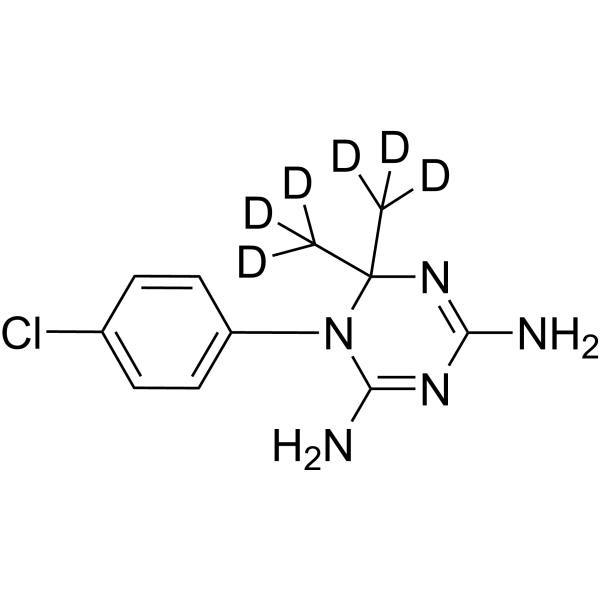
Cycloguanil-d6 (Chlorguanide triazine-d6) is the deuterium labeled Cycloguanil (HY-12784). Cycloguanil is a dihydrofolate reductase (DHFR) inhibitor with an IC50 of 10.8 μM against human DHFR. Cycloguanil blocks the folate metabolic pathway, thereby affecting nucleotide synthesis and interfering with DNA replication. Cycloguanil inhibits DHFR in Plasmodium and is thus used in malaria research. Cycloguanil also potently inhibits DHFR in human cancer cells and blocks the transcriptional activity of STAT3, thereby exhibiting anticancer activity .
|
-
- HY-N1749
-
|
|
FXR
|
Others
|
|
2-Oxokolavenol is a selective agonist targeting the farnesoid X receptor (FXR), with an EC50 of ~3.7 μM. 2-Oxokolavenol exerts its activity against Acetaminophen (HY-66005)-induced hepatocyte damage in an FXR-dependent manner by binding to the FXR ligand-binding pocket, recruiting co-activators, and inducing FXR transcriptional activity. 2-Oxokolavenol can be naturally extracted from Aglaia spectabilis (a plant of the Aglaia genus in the Meliaceae family) and can be used in research related to liver diseases .
|
-

- HY-N6969A
-
|
|
Adrenergic Receptor
|
Cancer
|
|
Dicentrine hydrochloride is a drug with anti-inflammatory and anti-cancer activity. Dicentrine hydrochloride exerts its effects by enhancing TNF-α-induced apoptosis in A549 lung adenocarcinoma cells. Dicentrine hydrochloride increases caspase-8, -9, -3 and poly(ADP-ribose) polymerase (PARP) activities. Dicentrine hydrochloride inhibits TNF-α-induced invasion and migration of A549 cells. Dicentrine hydrochloride significantly inhibited the TNF-α-activated TAK1, p38, JNK and Akt signaling pathways, and reduced the transcriptional activities of NF-κB and AP-1 .
|
-

- HY-14863
-
|
CTA-018
|
VD/VDR
Cytochrome P450
|
Others
Endocrinology
|
|
Lunacalcipol (CTA-018), as a vitamin D analogue, has a dual role in the pathogenesis of Chronic Kidney Disease (CKD), as an agonist of vitamin D receptor and an antagonist of cytochrome P450 enzyme 24-hydroxylase. Lunacalcipol binds to VDR and regulates transcriptional activity of VDR by influencing ligand binding affinity, ligand-dependent coactivator recruitment or inhibitory factor dissociation, efficiency of ligand entry into target cells, tissue specificity and different metabolism of ligand. Lunacalcipol can be used in the study of CKD, especially Secondary Hyperparathyroidism (sHPT) .
|
-

- HY-A0299
-
|
Tripeptide 29
|
MMP
|
Inflammation/Immunology
|
|
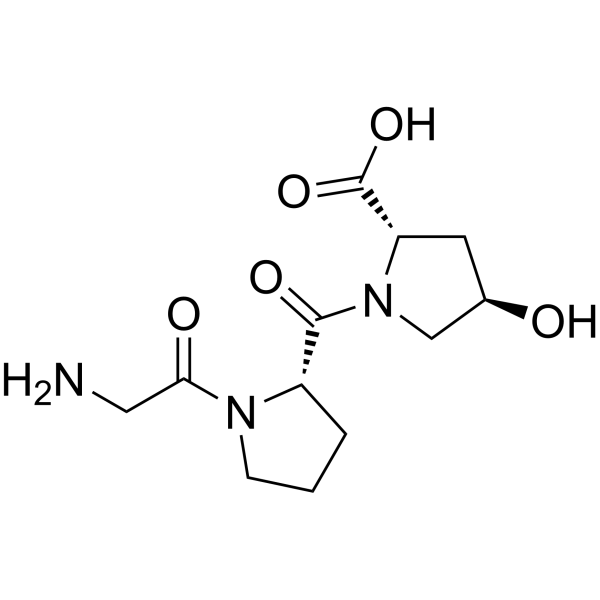
H-Gly-Pro-Hyp-OH is a collagen-derived peptide and also a dipeptidyl peptidase-4 inhibitor.\nH-Gly-Pro-Hyp-OH inhibits the activity of dipeptidyl peptidase-4 in vitro. H-Gly-Pro-Hyp-OH binds to the DNA-binding site of the JUN/FOS complex, blocks the formation of the DNA-JUN/FOS complex, and inhibits transcriptional activity. H-Gly-Pro-Hyp-OH is applicable to research related to skin photoaging, UVB-induced skin aging/photoaging, and thrombosis .
|
-
- HY-12784AS
-
|
Chlorguanide triazine-d4 hydrochloride
|
Isotope-Labeled Compounds
Antifolate
DNA/RNA Synthesis
STAT
Parasite
|
Infection
Cancer
|
|
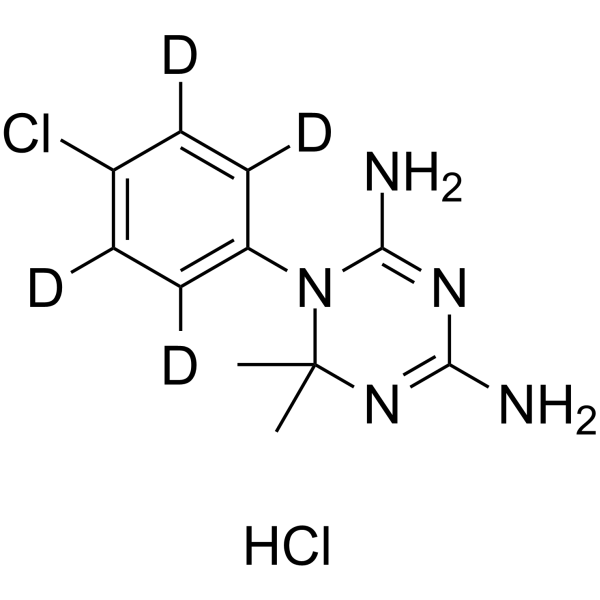
Cycloguanil-d4 (Chlorguanide triazine-d4) hydrochloride is the deuterium labeled Cycloguanil hydrochloride (HY-12784A). Cycloguanil hydrochloride is a dihydrofolate reductase (DHFR) inhibitor with an IC50 of 10.8 μM against human DHFR. Cycloguanil hydrochloride blocks the folate metabolic pathway, thereby affecting nucleotide synthesis and interfering with DNA replication. Cycloguanil hydrochloride inhibits DHFR in Plasmodium and is thus used in malaria research. Cycloguanil hydrochloride also potently inhibits DHFR in human cancer cells and blocks the transcriptional activity of STAT3, thereby exhibiting anticancer activity .
|
-
- HY-N17353
-
|
|
IKK
NF-κB
NO Synthase
Interleukin Related
|
Neurological Disease
Inflammation/Immunology
|
|
Vitedoamine A is a Phenylnaphthalene-type lignan alkaloid. Vitedoamine A can be isolated from Vitex negundo. Vitedoamine A inhibits the activity of IKKβ with an IC50 value of 39 μM. Vitedoamine A could inhibit the transcriptional activity of NF-κB, and suppress the production of NO and reduce the expressions of inflammatory cytokines (IL-1β, IL-6, and TNF-α). Vitedoamine A inhibits the phosphorylation of IKKα/β and p65, and prevents the degradation of IκBα. Vitedoamine A possesses anti-rheumatoid arthritis capacity .
|
-

- HY-175759
-
|
|
Molecular Glues
IFNAR
|
Inflammation/Immunology
|
|
EN1033 is a covalent immune regulatory transcription factor 5/8 (IRF5/8) molecular glue degrader. EN1033 degrades IRF5 in a proteasome-dependent manner. EN1033 engages and degrades IRF8 more robustly and rapidly. EN1033 covalently targets C28 and C223 to destabilize and degrade IRF5 and IRF8 respectively, thereby inhibiting their pro-inflammatory transcriptional activity. EN1033 serves as a promising tool for the study of autoimmune and inflammatory disorders .
|
-

- HY-N10768
-
|
|
IKK
NF-κB
|
Inflammation/Immunology
|
|
1-Dehydro-[10]-gingerdione directly inhibits IKKβ activity by targeting the activation loop of IKKβ, thus disrupting IKKβ-catalysed IκBα phosphorylation in macrophages stimulated with agonists. 1-Dehydro-[10]-gingerdione inhibits LPS (HY-D1056)-induced NF-κB transcriptional activity. 1-Dehydro-[10]-gingerdione has the potential for NF-κB-associated inflammation and autoimmune disorders research .
|
-
![1-Dehydro-[10]-gingerdione](//file.medchemexpress.com/product_pic/hy-n10768.gif)
- HY-N3027R
-
|
|
Reference Standards
PPAR
Reactive Oxygen Species (ROS)
|
Metabolic Disease
|
|
Soyasaponin Aa (Standard) is the analytical standard of Soyasaponin Aa (HY-N3027). Soyasaponin Aa is a soyasaponin that can be found in soy. Soyasaponin Aa suppresses PPARγ transcriptional activity, reduces PPARγ and C/EBPα expression, inhibits adipocyte differentiation and lipid accumulation, and reduces adipogenic marker gene expression. Soyasaponin Aa reduces hydrogen peroxide-induced reactive oxygen species (ROS) production and malondialdehyde levels. Soyasaponin Aa exhibits cellular antioxidant activity. Soyasaponin Aa can be used for the research of obesity .
|
-

- HY-159152
-
|
|
α-synuclein
|
Neurological Disease
|
|
PQM-164 (Compound 3e) has antioxidant activity (IC50: 0.93 μM for DPPH radical). PQM-164 shows anti-inflammatory activity against 6-OHDA (HY-B1081A)-induced neuronal damage in activated microglial cells. PQM-164 decreases the accumulation of α-synuclein. PQM-164 promotes nuclear translocation of Nrf2 and its transcriptional activity. PQM-164 can be used for research of Parkinson’s disease .
|
-

- HY-174138
-
|
|
NF-κB
|
Inflammation/Immunology
|
|
NF-κB degrader 1 (Compound MD-1) is a NF-κB1 p105 subunit degrader. NF-κB degrader 1 shows anti-inflammatory activity (IC50 for inhibiting TNF-α is 2.02 μM, and for inhibiting NO is 5.40 μM). NF-κB degrader 1 induces p105 degradation dependent on the Cullin-RING ligase (CRL) SCFBTCP, suppressing NF-κB transcriptional activity. NF-κB degrader 1 is promising for research of inflammation-related diseases .
|
-

- HY-100428
-
|
MCC-555; Isaglitazone
|
PPAR
|
Metabolic Disease
|
|
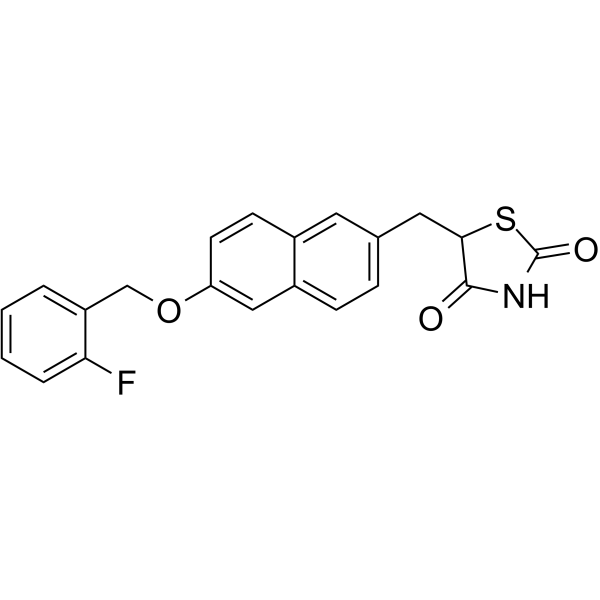
Netoglitazone (MCC-555) is an orally active PPARγ ligand with an EC50 of 8 μM. Netoglitazone mediates cell type-specific functional regulation, and modulates the transcriptional activity of PPARγ as a full agonist, partial agonist or antagonist. Netoglitazone induces adipogenesis, inhibits osteoblastogenesis, alters the weight of extramedullary fat depots and enhances insulin sensitivity. Netoglitazone reduces blood glucose levels. Netoglitazone can be used in research related to type 2 diabetes and non-insulin-dependent diabetes mellitus .
|
-
- HY-128453A
-
|
|
Orphan Nuclear Receptor
|
Cancer
|
|
LRH-1 antagonist-1 (Compound 3d2) dihydrochloride is a LRH-1 antagonist with a Kd of 1.8 μM. LRH-1 antagonist-1 dihydrochloride inhibits the transcriptional activity of LRH-1 and reduces the expression of G0S2. LRH-1 antagonist-1 dihydrochloride inhibits the proliferation of LRH-1-positive cancer cells. LRH-1 antagonist-1 dihydrochloride can be used for research on pancreatic cancer, colon cancer and breast cancer .
|
-

- HY-180913
-
|
|
Connective Peptide
|
Cancer
|
|
FQI2-34 is an orally active TFCP2 (LSF) small molecule allosteric inhibitor. FQI2-34 directly binds to the LSF protein (Ki = 63 nM), inhibits the oligomerization of LSF, efficiently suppresses the transcriptional activity of LSF (IC₅₀ = 48 nM), and interferes with the SF-DNA interaction. FQI2-34 exhibits significant anti-proliferative activity against Huh7 cells and induces tumor regression in mouse models. FQI2-34 can be used for research on liver cancer .
|
-

- HY-156106
-
|
|
HIF/HIF Prolyl-Hydroxylase
Ligands for E3 Ligase
E1/E2/E3 Enzyme
|
Cancer
|
|
VHL-IN-1 (Compound 30) is an E3 ligase VHL inhibitor with a Kd value of 37 nM. VHL-IN-1 blocks VHL-mediated ubiquitination and degradation of HIF-1α. VHL-IN-1 stabilizes the protein levels of HIF-1α and hydroxylated HIF-1α, and induces the transcriptional activity of HIF-1α. VHL-IN-1 can be used for PROTAC development. VHL-IN-1 is applicable for cancer research .
|
-
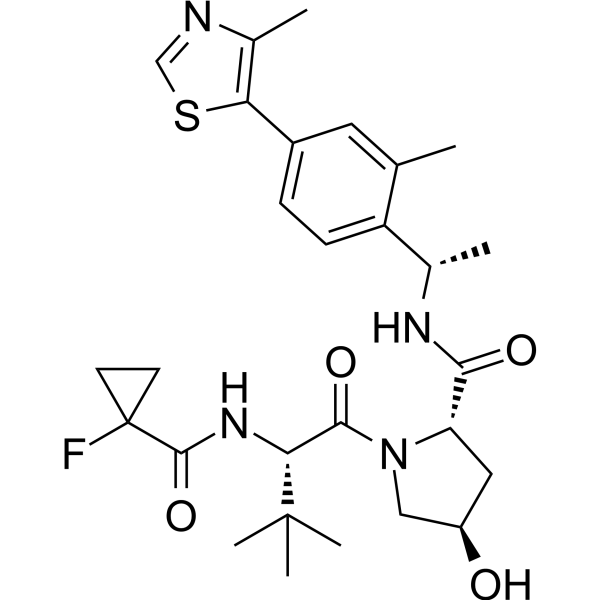
- HY-N6069R
-
|
|
Reference Standards
Interleukin Related
JAK
STAT
|
Inflammation/Immunology
|
|
Raspberry ketone glucoside (Standard) is the analytical standard of Raspberry ketone glucoside (HY-N6069). Raspberry ketone glucoside is a melanogenesis inhibitor. Raspberry ketone glucoside inhibits melanogenesis by activating the IL6/JAK1/STAT3 pathway, inhibiting the transcriptional activity of MITFa, and its downstream expression levels of the TYR and TYRP1a genes. Raspberry ketone glucoside shows remarkable whitening activity on both B16F10 cells in vitro and zebrafish model in vivo .
|
-

- HY-N8593R
-
|
|
Reference Standards
Histamine Receptor
p38 MAPK
NF-κB
TNF Receptor
Interleukin Related
|
Inflammation/Immunology
Endocrinology
|
|
Undecane (Standard) is an analytical standard of Undecane (HY-N8593).Undecane is a potent cAMP agonist with anti-allergic and anti-inflammatory activities. Undecane inhibits degranulation and the secretion of histamine and TNF-α. Undecane reverses the increased levels of p38 phosphorylation, NF-κB transcriptional activity and target cytokine/chemokine genes, including thymus and activation-regulated chemokine (TARC), macrophage-derived chemokine (MDC) and interleukin-8 (IL-8). Undecane can be used for the study of skin inflammatory disorders, such as atopic dermatitis .
|
-

- HY-164521
-
|
|
STAT
|
Cancer
|
|
PMMB-187 is a selective STAT3 inhibitor with an IC50 value of 1.81 μM for MDA-MB-231 cells. PMMB-187 induces apoptosis (Apoptosis) in MDA-MB-231 cells by inhibiting STAT3 transcriptional activity, nuclear translocation, and downstream target gene expression, while also reducing mitochondrial membrane potential, generating reactive oxygen species (ROS), and upregulating the expression levels of apoptosis-related proteins. PMMB-187 has potential applications in cancer research .
|
-

- HY-12071BR
-
|
DM-3189 dihydrochloride (Standard)
|
Reference Standards
Organoid
TGF-β Receptor
|
Cancer
|
|
LDN193189 (DM-3189) dihydrochloride (Standard) is the analytical standard of LDN193189 dihydrochloride (HY-12071B). This product is intended for research and analytical applications. LDN193189 (DM-3189) dihydrochloride is a potent selective BMP type I receptor (BMP I) inhibitor. LDN193189 efficiently inhibits transcriptional activity of the BMP type I receptors ALK2 and ALK3 with IC50 values of 5 nM and 30 nM, respectively. LDN193189 can be used for the research of bone morphogenetic protein signalling, such as fibrodysplasia ossificans progressiva .
|
-

- HY-N8593S
-
|
|
Isotope-Labeled Compounds
PKA
Histamine Receptor
p38 MAPK
NF-κB
TNF Receptor
Interleukin Related
|
Inflammation/Immunology
Endocrinology
|
|
Undecane-d24 is the deuterium labeled Undecane (HY-N8593).Undecane is a potent cAMP agonist with anti-allergic and anti-inflammatory activities. Undecane inhibits degranulation and the secretion of histamine and TNF-α. Undecane reverses the increased levels of p38 phosphorylation, NF-κB transcriptional activity and target cytokine/chemokine genes, including thymus and activation-regulated chemokine (TARC), macrophage-derived chemokine (MDC) and interleukin-8 (IL-8). Undecane can be used for the study of skin inflammatory disorders, such as atopic dermatitis .
|
-
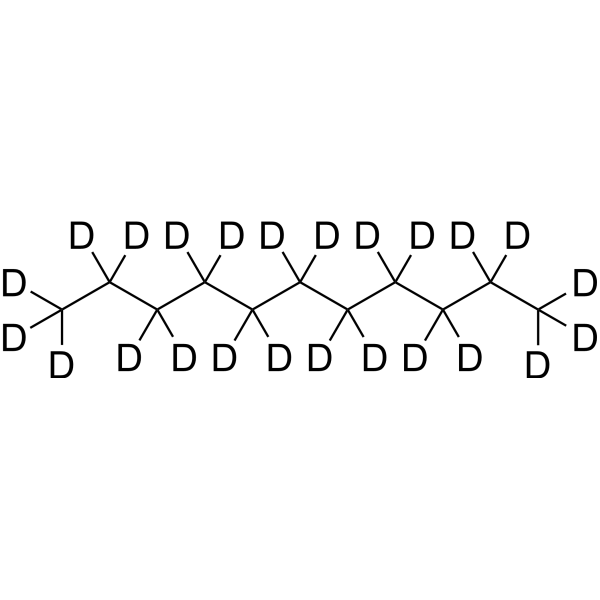
- HY-147135
-
|
TEAD-IN-3
|
YAP
Apoptosis
|
Cancer
|
|
MYF-03-69 (TEAD-IN-3) is a covalent and irreversible TEAD inhibitor with IC50s of 385, 143, 558 and 173 nM for TEAD1, TEAD2, TEAD3 and TEAD4. MYF-03-69 disrupts YAP-TEAD association, suppresses TEAD transcriptional activity (IC50 = 56 nM) and up-regulates apoptosis gene BMF. MYF-03-69 selectively inhibits mesothelioma cancer cells with defective Hippo signaling. MYF-03-69 can be used for the study of malignant pleural mesothelioma (MPM) .
|
-
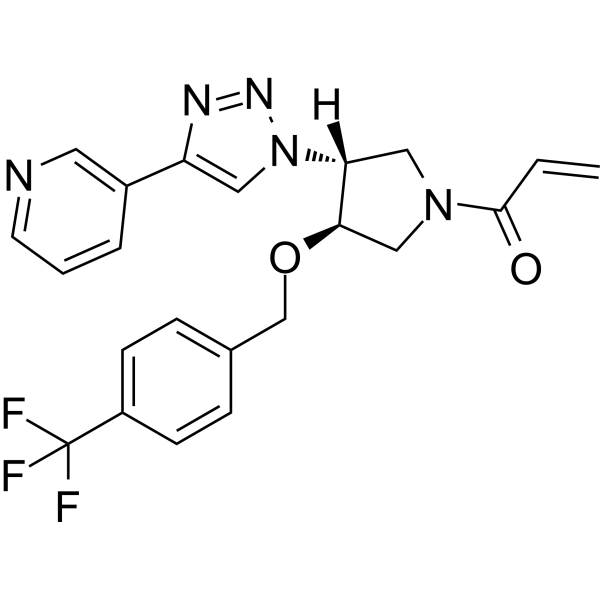
- HY-169349
-
|
|
Androgen Receptor
|
Cancer
|
|
Androgen receptor antagonist 12 (Compound EF2) is an orally active Androgen receptor (AR) antagonist (IC50: 0.30 μM). Androgen receptor antagonist 12 inhibits transcriptional activity of variant AR mutants and and the proliferation of AR-positive PCa cell lines. Androgen receptor antagonist 12 blocks AR nuclear translocation. Androgen receptor antagonist 12 inhibits tumor growth in a C4-2B xenograft mouse model. Androgen receptor antagonist 12 can be used for prostate cancer (PCa) research .
|
-

- HY-N19818
-
|
|
Phosphatase
NF-κB
Pregnane X Receptor (PXR)
|
Cancer
|
|
Glycybridin C is a Protein tyrosine phosphatase 1B (PTP1B) inhibitor and pregnane X receptor (PXR) ligand. Glycybridin C inhibits insulin and leptin signaling pathway negative regulation, LPS (HY-D1056)-induced NF-κB transcriptional activity. Glycybridin C forms hydrophobic and π-π stacking interactions with Met243, Phe288, Tyr306, and His407 residues of PXR. Glycybridin C can be used for the research of hepatocellular carcinoma, colorectal adenocarcinoma, breast carcinoma .
|
-

- HY-12784S1
-
|
Chlorguanide triazine-d6 nitrate
|
Isotope-Labeled Compounds
Antifolate
DNA/RNA Synthesis
STAT
Parasite
|
Infection
Cancer
|
|
Cycloguanil-d6 (Chlorguanide triazine-d6) nitrate is the deuterium labeled Cycloguanil nitrate. Cycloguanil nitrate is a dihydrofolate reductase (DHFR) inhibitor with an IC50 of 10.8 μM against human DHFR. Cycloguanil nitrate blocks the folate metabolic pathway, thereby affecting nucleotide synthesis and interfering with DNA replication. Cycloguanil nitrate inhibits DHFR in Plasmodium and is thus used in malaria research. Cycloguanil nitrate also potently inhibits DHFR in human cancer cells and blocks the transcriptional activity of STAT3, thereby exhibiting anticancer activity .
|
-
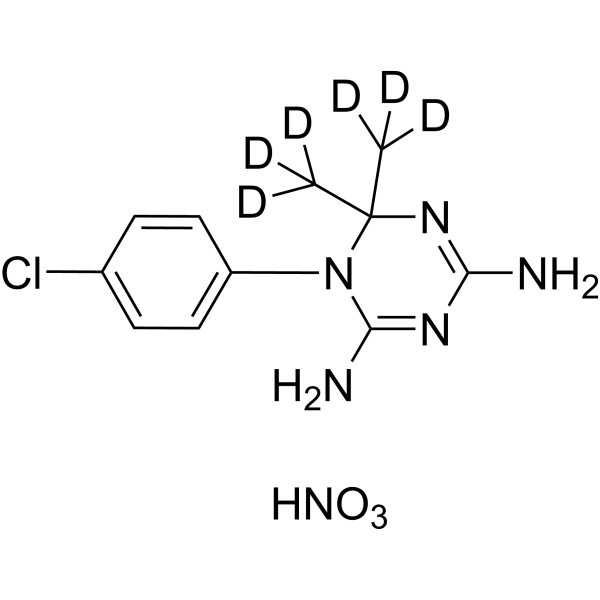
- HY-12071AR
-
|
DM-3189 Tetrahydrochloride (Standard)
|
Reference Standards
Organoid
TGF-β Receptor
|
Cancer
|
|
LDN193189 (DM-3189) Tetrahydrochloride (Standard) is the analytical standard of LDN193189 Tetrahydrochloride (HY-12071A). This product is intended for research and analytical applications. LDN193189 (DM-3189) Tetrahydrochloride is a potent selective BMP type I receptor (BMP I) inhibitor. LDN193189 efficiently inhibits transcriptional activity of the BMP type I receptors ALK2 and ALK3 with IC50 values of 5 nM and 30 nM, respectively. LDN193189 can be used for the research of bone morphogenetic protein signalling, such as fibrodysplasia ossificans progressiva .
|
-

- HY-148918
-
|
|
β-catenin
Wnt
Bcl-2 Family
|
Inflammation/Immunology
Cancer
|
E722-2648 is an inhibitor targeting the BCL9 and β-catenin complex with antitumor activity. E722-2648 blocks complex formation by disrupting the interaction between the two proteins, thereby inhibiting β-catenin-mediated transcriptional activity and downregulating the expression of WNT target genes. E722-2648 effectively inhibits tumor growth in colon cancer xenograft models and colorectal cancer mouse models. E722-2648 can be used for the research of colon cancer and colorectal cancer .
|
-
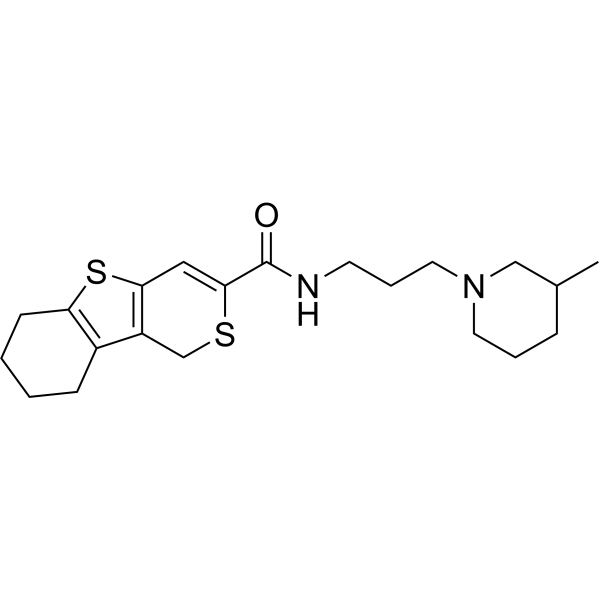
- HY-N16431
-
|
|
AMPK
Nuclear Factor of activated T Cells (NFAT)
Interleukin Related
Endogenous Metabolite
|
Metabolic Disease
Inflammation/Immunology
|
|
NFAT-133 is an aromatic polyketide with immunosuppressive and antidiabetic activity. NFAT-133 activates the AMPK pathway, promoting glucose uptake in L6 muscle fibers, thereby resisting diabetes. NFAT-133 inhibits the transcriptional activity of activated T-cell nuclear factor (NFAT), thereby suppressing the expression of IL-2 and the proliferation of T cells, demonstrating an immunosuppressive effect. NFAT-133 does not exhibit antibacterial activity or cytotoxicity, but it can weaken the production of NO in RAW264.7 cells induced by Lipopolysaccharide (LPS) (HY-D1056) .
|
-

- HY-148918A
-
|
|
β-catenin
Wnt
Bcl-2 Family
|
Cancer
|
E722-2648 TFA is an inhibitor targeting the BCL9 and β-catenin complex with antitumor activity. E722-2648 TFA blocks complex formation by disrupting the interaction between the two proteins, thereby inhibiting β-catenin-mediated transcriptional activity and downregulating the expression of WNT target genes. E722-2648 TFA effectively inhibits tumor growth in colon cancer xenograft models and colorectal cancer mouse models. E722-2648 TFA can be used for the research of colon cancer and colorectal cancer .
|
-

- HY-183728
-
|
|
YAP
|
Cancer
|
|
LC-TEAD01 is a potent covalent transcription enhancer-associated domain (TEAD) inhibitor with an IC50 of 116 nM and a Ki of 0.132 μM. LC-TEAD01 disrupts the TEAD-YAP interaction and inhibits TEAD-dependent transcriptional activity. LC-TEAD01 suppresses the proliferation of NF2-deficient cancer cells. LC-TEAD01 inhibits tumor growth in NF2-deficient xenograft models. LC-TEAD01 can be used in studies related to NF2-deficient malignant pleural mesothelioma .
|
-

- HY-181594
-
|
|
PROTACs
SNIPERs
YAP
|
Cancer
|
|
PROTAC TEAD/IAP degrader-1 is a TEAD/IAP PROTAC degrader. PROTAC TEAD/IAP degrader-1 is also a specific and Nongenetic inhibitor of apoptosis protein (IAP)-dependent protein eraser (SNIPERs). PROTAC TEAD/IAP degrader-1 recruits cIAP1 to form ternary complexes, induces ubiquitination, proteasomal TEAD1, TEAD4 degradation. PROTAC TEAD/IAP degrader-1 inhibits TEAD transcriptional activity, reduces CTGF expression, and reduces cell proliferation. PROTAC TEAD/IAP degrader-1 can be used for the research of mesothelioma .
|
-

- HY-12071G
-
|
DM-3189
|
Organoid
TGF-β Receptor
|
Cancer
|
|
LDN193189 GMP is LDN193189 (HY-12071) produced by using GMP guidelines. GMP small molecules works appropriately as an auxiliary reagent for cell therapy manufacture. LDN193189 (DM-3189) is a potent selective BMP type I receptor (BMP I) inhibitor. LDN193189 efficiently inhibits transcriptional activity of the BMP type I receptors ALK2 and ALK3 with IC50 values of 5 nM and 30 nM, respectively. LDN193189 can be used for the research of bone morphogenetic protein signalling, such as fibrodysplasia ossificans progressiva .
|
-
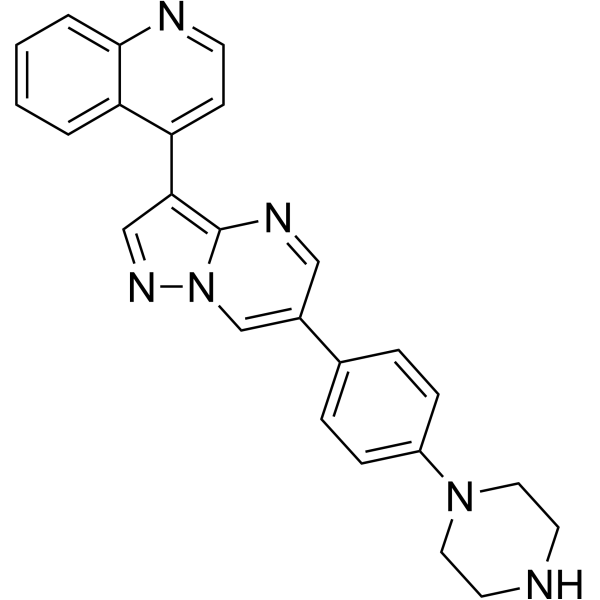
- HY-183287
-
|
|
Androgen Receptor
|
Cancer
|
|
Androgen receptor antagonist-14 (Compound S-94) is a selective antagonist of the T878A mutant androgen receptor (AR) with an IC50 of 0.38 μM. Androgen receptor antagonist-14 selectively antagonizes the transcriptional activity of the AR T878A, AR F877L/T878A and AR H875Y/T878A mutant androgen receptors. Androgen receptor antagonist-14 exhibits anticancer activity against prostate cancer. Androgen receptor antagonist-14 can be used in the research of prostate cancer .
|
-

- HY-W722556
-
|
3α,5α-Androstanol
|
GABA Receptor
Constitutive Androstane Receptor
|
Metabolic Disease
|
|
5α-Androstan-3α-ol is a γ-aminobutyric acid (GABA) receptor agonist. 5α-Androstan-3α-ol can inhibit the transcriptional activity of the orphan nuclear receptor CAR (constitutive androstane receptor). 5α-Androstan-3α-ol negatively regulates the activity of CAR by binding to CAR and promoting its dissociation from coactivator proteins. 5α-Androstan-3α-ol can be used to study nuclear receptor-mediated hormone metabolism and drug detoxification mechanisms .
|
-

- HY-100428R
-
|
MCC-555 (Standard); Isaglitazone (Standard)
|
Reference Standards
PPAR
|
Metabolic Disease
|
|
Netoglitazone (Standard) is the analytical standard of Netoglitazone (HY-100428). This product is intended for research and analytical applications. Netoglitazone (MCC-555) is an orally active PPARγ ligand with an EC50 of 8 μM. Netoglitazone mediates cell type-specific functional regulation, and modulates the transcriptional activity of PPARγ as a full agonist, partial agonist or antagonist. Netoglitazone induces adipogenesis, inhibits osteoblastogenesis, alters the weight of extramedullary fat depots and enhances insulin sensitivity. Netoglitazone reduces blood glucose levels. Netoglitazone can be used in research related to type 2 diabetes and non-insulin-dependent diabetes mellitus .
|
-

- HY-171808
-
|
|
Androgen Receptor
PROTACs
Apoptosis
|
Cancer
|
|
ITRI-90 is an orally active androgen receptor (AR) PROTAC degrader. ITRI-90 effectively degrades both full-length AR (AR-FL) and the splice variant AR-V7 protein via the ubiquitin-proteasome system, thereby inhibiting AR transcriptional activity and the target gene expression. ITRI-90 significantly inhibits the proliferation of prostate cancer cells and induces apoptosis, include Enzalutamide-resistant growth cell. ITRI-90 exhibits favorable pharmacokinetic properties and demonstrates potent antitumor efficacy in vivo. ITRI-90 can be used for prostate cancer research .
|
-

- HY-183763
-
|
|
ROR
Interleukin Related
|
Inflammation/Immunology
|
|
RORγt inverse agonist 37 is an orally active RORγt inverse agonist with an IC50 of 10.8 nM against human targets. RORγt inverse agonist 37 destabilizes helix 12 of RORγt in the agonist-bound conformation, thereby inhibiting transcriptional activity. RORγt inverse agonist 37 inhibits the secretion of IL-17 in cells and in LPS-induced systemic inflammation mouse models. RORγt inverse agonist 37 improves disease-related symptoms in mouse models of psoriasiform dermatitis. RORγt inverse agonist 37 can be used in research related to psoriasiform dermatitis and systemic inflammation .
|
-

- HY-N0043
-
-
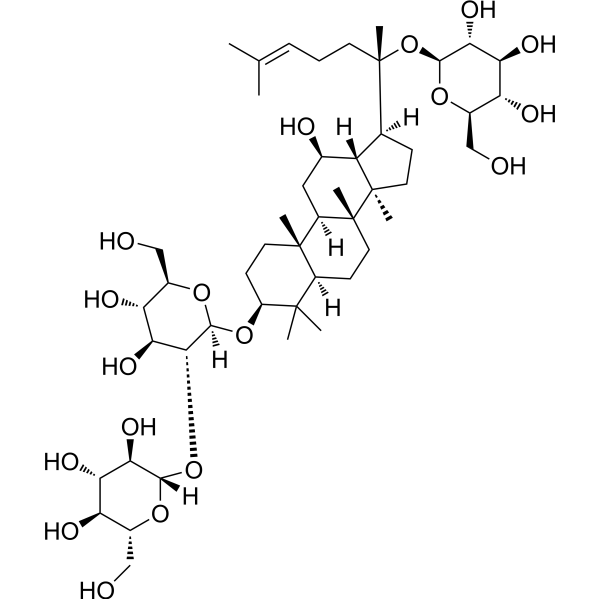
- HY-W181026
-
|
|
Fluorescent Dye
|
Inflammation/Immunology
|
|
KLF10-IN-1 (#48-15) is a KLF10 inhibitor with an IC50 value of 40 μM for KLF10 reporter gene. KLF10-IN-1 can inhibit KLF10-DNA binding and transcriptional activity, block the conversion of CD4+CD25 T cells to CD4+CD25+T regulatory cells, and inhibit the expression of KLF10 target genes. KLF10-IN-1 can be used as a useful mechanistic probe to study KLF10-mediated effects and T regulatory cell biology .
|
-
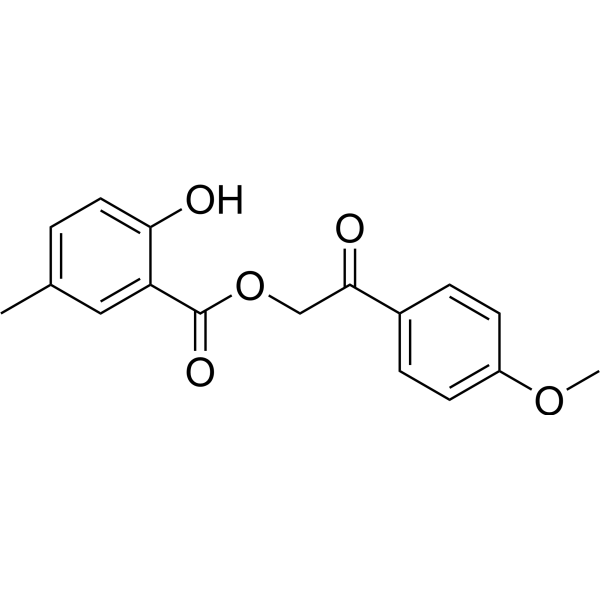
- HY-181823
-
|
|
HOXA
TGF-beta/Smad
Apoptosis
|
Cancer
|
|
HOXA1-IN-1 is a HOXA1 inhibitor. HOXA1-IN-1 downregulates HOXA1 protein levels, suppresses its transcriptional activity, and alters the expression of its downstream target genes. HOXA1-IN-1 induces DNA damage and apoptosis in cancer cells. HOXA1-IN-1 exhibits antitumor efficacy in xenograft models of colorectal cancer and triple-negative breast cancer. HOXA1-IN-1 shows synergistic activity in combination with Cisplatin (HY-17394). HOXA1-IN-1 can be used for the research of colorectal cancer and triple-negative breast cancer .
|
-

- HY-181136
-
|
|
Estrogen Receptor/ERR
|
Metabolic Disease
Cancer
|
|
Antiestrogenic agent-1, an organophosphorus 13α-estrone derivative, is an antiestrogenic agent. Antiestrogenic agent-1 can disrupt estrogen signaling by inhibiting estrogen-mediated transcriptional activity. Antiestrogenic agent-1 can inhibit cancer cells proliferation, migration, invasion and induce G1-phase arrest. Antiestrogenic agent-1 mitigates estrogen-induced uterine growth in immature rats and inhibits tumor growth in a murine triple-negative breast cancer mice model. Antiestrogenic agent-1 can be used for the researches of cancer and endocrinology,such as breast cancer, oropharyngeal squamous cell carcinoma .
|
-

- HY-161649
-
|
|
Cytochrome P450
Aryl Hydrocarbon Receptor
|
Cancer
|
|
hCYP1B1-IN-2 (compound 3n) is a potent human cytochrome P450 1B1 enzyme hCYP1B1 inhibitor. hCYP1B1-IN-2 shows the extremely potent anti-hCYP1B1 activity (IC50=0.040 nM) and blocks AhR transcription activity. hCYP1B1-IN-2 potently inhibits hCYP1B1 via a mix inhibition manner, showing a Ki value of 21.71 pM .
|
-

- HY-173025
-
|
|
Nuclear Hormone Receptor 4A/NR4A
|
Neurological Disease
|
|
Nurr1 agonist 12 (Compound 37) is the agonist for nuclear receptor-associated protein 1 (Nurr1) that activates the transcriptional activity of Nurr1 with an EC50 of 0.06 μM. Nurr1 agonist 12 activates the human response elements NBRE, NurRE, and DR5 with EC50 of 0.07 μM, 0.027 μM, and 0.014 μM, respectively. Nurr1 agonist 12 induces the expression of Nurr1-regulated neurotrophic genes, such as tyrosine hydroxylase (TH), SOD1/2, BDNF, Sestrin 3, and BIRC5 (Survivin). Nurr1 agonist 12 exhibits neuroprotective efficacy against Paraquat-induced neurotoxicity .
|
-

- HY-403733A
-
|
|
Androgen Receptor
|
Cancer
|
|
(-)-JJ-450 is a non-competitive antagonist targeting the androgen receptor (AR). (-)-JJ-450 is more potent than (+)-JJ-450 (HY-403733B) in inhibiting androgen-induced AR activity, and the mechanism of AR inhibition by (+)-JJ-450 is different from that of Enzalutamide (MDV3100) (HY-70003), which may target the ligand binding domain (LBD) of AR. (-)-JJ-450 inhibits the transcriptional activity of wild-type AR and mutant AR F876L by inhibiting AR nuclear translocation and promoting nuclear degradation of unbound AR. (-)-JJ-450 can be used in the study of castration-resistant prostate cancer (CRPC) resistant to Enzalutamide .
|
-

- HY-179647
-
|
|
HIF/HIF Prolyl-Hydroxylase
|
Metabolic Disease
Endocrinology
|
|
ZG-2686 is a potent and selective HIF-2α agonist with an EC50 of 0.25 µM. ZG-2686 exhibits selectivity over PHD2. ZG-2686 binds to a specific internal cavity of HIF-2α, forming hydrogen bonds via structural water molecules, which stabilizes the HIF-2α/β heterodimer and enhances transcriptional activity. ZG-2686 synergizes with Vadadustat (HY-101277) to upregulate HIF-2α-dependent EPO gene expression both in vitro and in vivo. ZG-2686 can be used for the research of renal anemia .
|
-

- HY-101318
-
|
β-FNA hydrochloride
|
Opioid Receptor
p38 MAPK
STAT
NF-κB
NO Synthase
Toll-like Receptor (TLR)
|
Cardiovascular Disease
Neurological Disease
|
|
β-Funaltrexamine (β-FNA) hydrochloride is a blood-brain barrier-permeable, selective and irreversible μ-opioid receptor antagonist with immunomodulatory, anti-inflammatory and neuroprotective activities. β-Funaltrexamine hydrochloride inhibits p38 MAPK and TLR4 signaling by blocking μ-opioid receptors, and reduces the transcriptional activities of NF-κB, AP-1, CREB and Stat. Furthermore, β-Funaltrexamine hydrochloride inhibits iNOS activation and pro-inflammatory microglial polarization, converting microglia to an anti-inflammatory phenotype, thereby downregulating neuroinflammation and ameliorating neuronal degeneration. β-Funaltrexamine hydrochloride is widely applicable to research related to stroke, cerebral ischemia/reperfusion injury and neurodegenerative diseases .
|
-

- HY-160938
-
|
β-FNA
|
Opioid Receptor
STAT
NF-κB
Toll-like Receptor (TLR)
NO Synthase
p38 MAPK
|
Cardiovascular Disease
Neurological Disease
|
|
β-Funaltrexamine (β-FNA) is a blood-brain barrier-permeable, selective and irreversible μ-opioid receptor antagonist with immunomodulatory, anti-inflammatory and neuroprotective activities. β-Funaltrexamine inhibits p38 MAPK and TLR4 signaling by blocking μ-opioid receptors, and reduces the transcriptional activities of NF-κB, AP-1, CREB and Stat. Furthermore, β-Funaltrexamine inhibits iNOS activation and pro-inflammatory microglial polarization, converting microglia to an anti-inflammatory phenotype, thereby downregulating neuroinflammation and ameliorating neuronal degeneration. β-Funaltrexamine is widely applicable to research related to stroke, cerebral ischemia/reperfusion injury and neurodegenerative diseases .
|
-

- HY-N16637
-
|
|
NF-κB
PPAR
|
Inflammation/Immunology
|
|
(3R,5R)-3,5-Dihydroxy-1,7-bis(3,4-dihydroxyphenyl)heptane 3-O-β-D-glucopyranoside is a diarylheptanol glycoside compound isolated from Tacca plantaginea. (3R,5R)-3,5-Dihydroxy-1,7-bis(3,4-dihydroxyphenyl)heptane 3-O-β-D-glucopyranoside significantly inhibit TNF-α-induced NF-κB transcriptional activity (IC50 = 9.4 μM). (3R,5R)-3,5-Dihydroxy-1,7-bis(3,4-dihydroxyphenyl)heptane 3-O-β-D-glucopyranoside significantly activates PPAR transcriptional activity (EC50 = 9.9 μM) and has a specific activating effect on PPAR β(δ) (EC50 = 23.1 μM). (3R,5R)-3,5-Dihydroxy-1,7-bis(3,4-dihydroxyphenyl)heptane 3-O-β-D-glucopyranoside is non-toxic to cells at the tested concentration. (3R,5R)-3,5-Dihydroxy-1,7-bis(3,4-dihydroxyphenyl)heptane 3-O-β-D-glucopyranoside can be used for research on inflammatory conditions .
|
-

- HY-12031B
-
|
|
MEK
|
Inflammation/Immunology
|
|
(2Z,3Z)-U0126 is a selective inhibitor of MEK1 and MEK2, demonstrating potent antiinflammatory effects by noncompetitively inhibiting AP-1 transcriptional activity with IC50 values of 72 nM for MEK1 and 58 nM for MEK2. (2Z,3Z)-U0126 also inhibits anchorage-independent growth of Ki-ras-transformed rat fibroblasts by blocking both the extracellular signal-regulated kinase and mammalian target of rapamycin pathways. Additionally, (2Z,3Z)-U0126 can undergo isomerization and cyclization, resulting in various products that show reduced affinity for MEK and diminished AP-1 inhibition compared to the parent compound.
|
-

- HY-182014
-
|
|
LXR
|
Cardiovascular Disease
Metabolic Disease
|
|
TLC-2716 is an orally available, gut- and liver-restricted inhibitor against LXRα and LXRβ, with EC50 values of 7 nM and 15 nM, respectively. TLC-2716 represses LXRα/β transcriptional activity, downregulates genes involved in lipogenesis, lipid absorption and lipoprotein metabolism, and preserves peripheral reverse cholesterol transport. TLC-2716 reduces lipid accumulation, suppresses inflammation and fibrotic gene expression, enhances triglyceride-rich lipoprotein clearance, and improves glucose homeostasis and insulin sensitivity. TLC-2716 lowers serum and hepatic triglycerides, plasma cholesterol and other atherogenic lipid profiles in experimental models and humanized liver mice. TLC-2716 can be used for the research of dyslipidemia and related cardiometabolic disorders .
|
-

- HY-168895
-
|
|
AP-1
ERK
Apoptosis
|
Cancer
|
|
c-Fos-IN-1 (Compound P16) is a c-Jun inhibitor, and decreases mRNA levels and protein levels of c-Fos. c-Fos-IN-1 also inhibits the phosphorylation activity of ERK and the transcriptional activity of AP-1. c-Fos-IN-1 shows anticancer activity by inhibiting ERK/c-Fos/Jun pathway. c-Fos-IN-1 inhibits the proliferation and migration of gastric cancer cells (IC50: 2.31 μM for MGC-803 cell). c-Fos-IN-1 arrests cell cycle at G2/M phase and induces cancer cell apoptosis. c-Fos-IN-1 inhibits gastric cancer tumor growth .
|
-

- HY-180281
-
|
|
Zinc Finger Protein
Apoptosis
PI3K
Akt
|
Cancer
|
|
PLAGL2-IN-1 is a inhibitor of pleiomorphic adenoma-like protein 2 (PLAGL2) with a Kd of 2.23 µM. PLAGL2-IN-1 suppresses PLAGL2 transcriptional activity, induces G0/G1 cell cycle arrest, and apoptosis, thereby inhibiting hepatocellular carcinoma (HCC) cell proliferation. PLAGL2-IN-1 disrupts extracellular matrix organization and suppresses the PI3K-AKT pathway by reducing AKT phosphorylation. PLAGL2-IN-1 inhibits tumor growth in an HCCLM3 xenograft mouse model. PLAGL2-IN-1 can be used for the research of HCC .
|
-

- HY-156296
-
|
|
CDK
Apoptosis
|
Cancer
|
|
CDK9-Cyclin T1 PPI-IN-1 (Compound B19) is a selective CDK9-Cyclin T1 protein-protein interaction (PPI) inhibitor. CDK9-Cyclin T1 PPI-IN-1 inhibits cell proliferation in TNBC MDA-MB-231 cells (IC50: 0.044 μM), and induces apoptosis. CDK9-Cyclin T1 PPI-IN-1 inhibits CDK9 transcription activity, reduces the phosphorylation of RNA Pol II CTD ser2. CDK9-Cyclin T1 PPI-IN-1 inhibits tumor growth in a TNBC 4T1 mouse model .
|
-
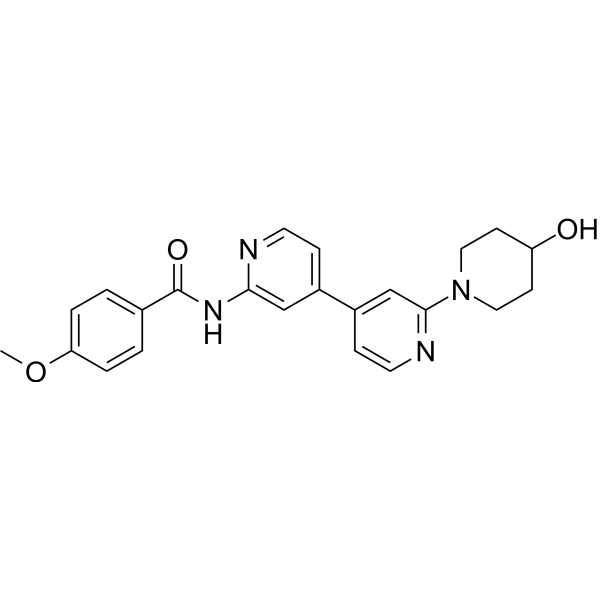
- HY-N0043R
-
|
Gypenoside VIII (Standard)
|
Reference Standards
NF-κB
COX
Calcium Channel
Cytochrome P450
Endogenous Metabolite
|
Cardiovascular Disease
Inflammation/Immunology
Cancer
|
|
Ginsenoside Rd (Standard) is the analytical standard of Ginsenoside Rd. This product is intended for research and analytical applications. Ginsenoside Rd inhibits TNFα-induced NF-κB transcriptional activity with an IC50 of 12.05±0.82 μM in HepG2 cells. Ginsenoside Rd inhibits expression of COX-2 and iNOS mRNA. Ginsenoside Rd also inhibits Ca2+ influx. Ginsenoside Rd inhibits CYP2D6, CYP1A2, CYP3A4, and CYP2C9, with IC50s of 58.0±4.5 μM, 78.4±5.3 μM, 81.7±2.6 μM, and 85.1±9.1 μM, respectively.
|
-
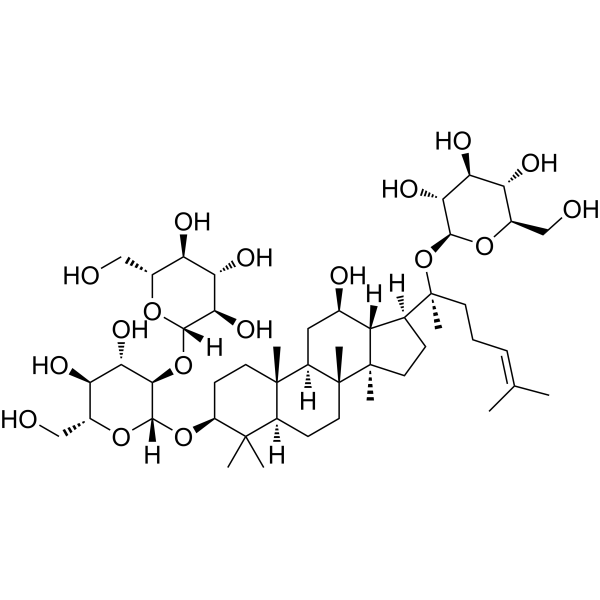
- HY-176128
-
|
|
PROTACs
Androgen Receptor
Apoptosis
PARP
Caspase
|
Cancer
|
|
BWA-6047 is an oral active PROTAC degrader targeting AR/AR-V7 and GSPT1 with DC50 values of 3.7, 3.0 and 1.2 nM in 22Rv1 cells. BWA-6047 suppresses the expression of AR downstream target genes and and transcriptional activity. BWA-6047 inhibits cancer cells proliferation, causes G1 phase cell cycle arrest and induces apoptosis. BWA-6047 increases cleaved-PARP-1 and cleaved-caspase-3 levels. BWA-6047 reduces growth of LNCaP xenograft tumors in mice models without obvious toxicity. BWA-6047 can be used for the research of prostate cancer .
|
-

- HY-115438
-
|
|
JAK
STAT
Apoptosis
|
Cancer
|
|
AUH-6-96 is a JAK/STAT signaling inhibitor. AUH-6-96 reduces Unpaired-induced transcriptional activity in Drosophila cells and blocks tyrosine phosphorylation of STAT92E. AUH-6-96 blocks both constitutive and IL-6-induced phosphorylation of STAT3. AUH-6-96 decreases the level of tyrosine-phosphorylated JAK3. AUH-6-96 induces cancer cell Apoptosis by downregulating the expression of anti-apoptotic genes downstream of STAT3. AUH-6-96 selectively reduces the viability of cancer cells with abnormal JAK/STAT signaling pathway. AUH-6-96 is applicable to related research on Hodgkin's lymphoma, breast cancer, and prostate cancer .
|
-

- HY-13636A
-
|
ICI 182780 (S enantiomer); ZD 9238 (S enantiomer); ZM 182780 (S enantiomer)
|
Drug Isomer
Estrogen Receptor/ERR
p38 MAPK
Apoptosis
|
Cancer
|
|
Fulvestrant (ICI 182780; ZD 9238) S enantiomer is the S-enantiomer of Fulvestrant (HY-13636), a potent estrogen receptor inhibitor. Fulvestrant binds to and blocks the estrogen receptor, promotes its degradation, and thereby inhibits receptor dimerization, nucleocytoplasmic shuttling and transcriptional activity. Fulvestrant effectively blocks estrogen signaling, MAPK pathway activation and ER-regulated protein expression. Fulvestrant induces apoptosis, inhibits the proliferation of breast cancer and prolactinoma cells, and reduces the mineralization level, alkaline phosphatase activity and osteocalcin expression of preosteoblasts. Prenatal exposure to Fulvestrant impairs ovarian follicular development and causes ovarian structural damage. Fulvestrant has been widely used in studies related to breast cancer, prolactinoma and other conditions .
|
-
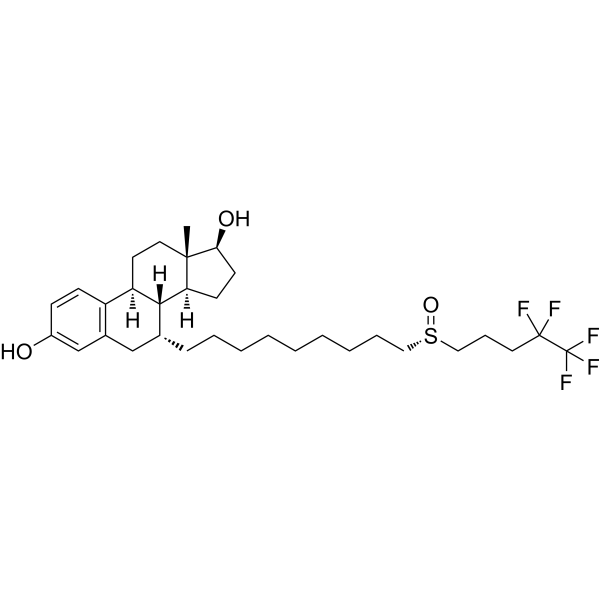
- HY-B0072
-
|
SDZ-ICS-930 free base
|
5-HT Receptor
nAChR
p38 MAPK
NF-κB
AP-1
Nuclear Factor of activated T Cells (NFAT)
JAK
|
Neurological Disease
Inflammation/Immunology
Cancer
|
|
Tropisetron is an orally active 5-HT3R antagonist (Ki = 5.3 nM) as well as being a potent and selective α7 nicotinic partial agonist (EC50 = 1.3 μM). Tropisetron prevents phosphorylation and activation of the p38 MAPK. Tropisetron inhibits both IL-2 gene transcription and IL-2 synthesis in stimulated T cells. Tropisetron inhibits the binding to DNA and the transcriptional activity of NFAT and AP-1. Tropisetron is anti-inflammatory and antiemetic. Tropisetron has antitumor and neuroprotective effects. Tropisetron can be studied in research for diseases including hemorrhagic cystitis, chronic joint inflammation, lung cancer and chronic cerebral hypoperfusion .
|
-
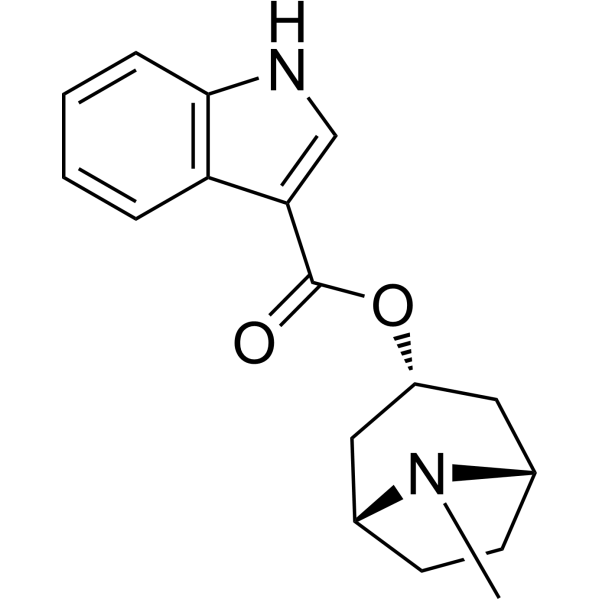
- HY-181421
-
|
|
SF3B1
|
Cancer
|
|
WX-02-43 is a weak covalent inhibitor of SF3B1, and is the (1S,3R) enantiomer of WX-02-23 (HY-168534). WX-02-43 cannot effectively covalently modify the C258 site in the DNA-binding domain of FOXA1, and its inhibitory activity against SF3B1 is also weaker than that of WX-02-23. WX-02-43 serves as a negative control probe that fails to remodel the chromatin binding pattern and transcriptional activity of FOXA1. WX-02-43 can be used in studies on cancers such as prostate cancer to verify the specific effects of WX-02-23 on FOXA1 and SF3B1 targets .
|
-

- HY-400902
-
|
|
YAP
VEGFR
Hippo (MST)
|
Cancer
|
VT3989 is an orally active pan-TEAD autopalmitoylation inhibitor that modulates the Hippo signaling pathway. VT3989 directly binds to TEAD transcription factors to block their palmitoylation modification, thereby disrupting the formation of YAP/TAZ-TEAD complexes and inhibiting downstream oncogenic transcriptional activity. VT3989 effectively inhibits the growth of NF2-deficient schwannoma and meningioma cells and reverses the Schwann cell phenotype. In addition, VT3989 exerts a synergistic effect when combined with Osimtinib (HY-15772) in EGFR-mutant non-small cell lung cancer models, significantly delaying tumor recurrence and prolonging survival. VT3989 can be used for the research of epithelioid hemangioendothelioma, malignant pleural mesothelioma, type 2 neurofibromatosis and related advanced solid tumors .
|
-
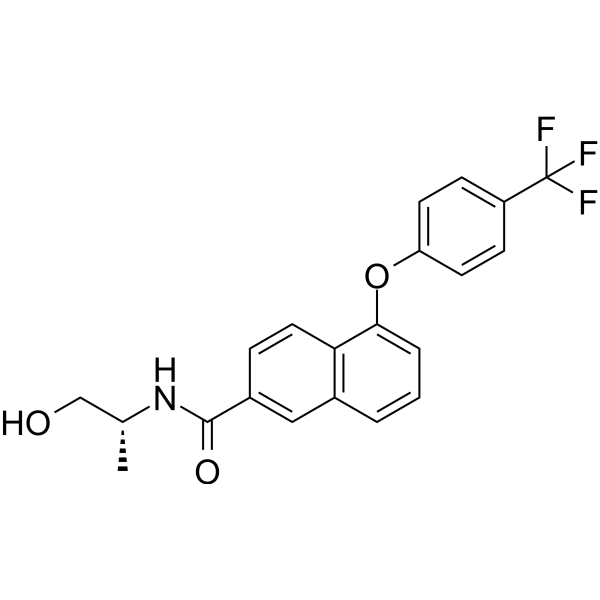
- HY-129602
-
|
|
PROTACs
STAT
Apoptosis
|
Cancer
|
|
SD-36 is a potent and efficacious STAT3 PROTAC degrader (Kd=~50 nM), and demonstrates high selectivity over other STAT members. SD-36 also effectively degrades mutated STAT3 proteins in cells and suppresses the transcriptional activity of STAT3 (IC50=10 nM). SD-36 exerts robust anti-tumor activity, and achieves complete and long-lasting tumor regression in mouse tumor models. SD-36 is composed of the STAT3 inhibitor SI-109, a linker, and an analog of Cereblon ligand Lenalidomide for E3 ubiquitin ligase . SD-36 is a click chemistry reagent, it contains an Alkyne group and can undergo copper-catalyzed azide-alkyne cycloaddition (CuAAc) with molecules containing Azide groups.
|
-
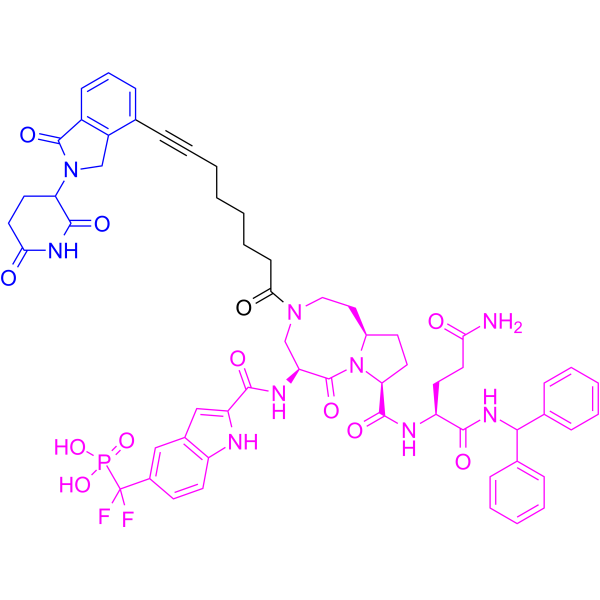
- HY-178938
-
|
|
Molecular Glues
Androgen Receptor
Caspase
Apoptosis
|
Endocrinology
Cancer
|
AR Degrader-3 is an orally active molecular glue that targets AR/ARV7 and induces the degradation of AR and ARV7 through the ubiquitin-proteasome pathway (UPP). AR Degrader-3 directly interacts with the ligand-binding domain (LBD) and the N-terminal domain (NTD) of AR. AR Degrader-3 effectively suppresses the transcriptional activity of wild-type AR (AR-WT), AR mutants, and ARV7. AR Degrader-3 downregulates the mRNA and protein levels of downstream AR target genes, thereby overcoming antiandrogen resistance mediated by ARV7 and AR point mutations. AR Degrader-3 induces apoptosis in Enzalutamide (HY-70002) (ENZa)-resistant cells and increases cleaved caspase-3 protein levels. AR Degrader-3 can be used for the study of castration-resistant prostate cancer (CRPC) .
|
-

- HY-164552
-
|
|
Apoptosis
Androgen Receptor
|
Cancer
|
|
ZNU-IMB-Z15 (Compound Z15) is an antagonist of the androgen receptor (AR) and also a selective degrader of AR and ARV7. ZNU-IMB-Z15 can directly bind to the ligand-binding domain (LBD) and activation function-1 region of AR, and promote AR degradation through the proteasome pathway. ZNU-IMB-Z15 effectively inhibits the transcriptional activity of AR, AR mutants, and AR splice variants (ARVs), downregulating the mRNA and protein levels of AR downstream target genes, thereby overcoming the resistance to second-generation antiandrogen drugs induced by AR LBD mutations, AR amplification, and ARVs in castration-resistant prostate cancer (CRPC). ZNU-IMB-Z15 can inhibit the proliferation of AR-positive CRPC cell lines and induce their apoptosis, demonstrating anticancer activity both in vivo and in vitro .
|
-

- HY-171591
-
|
|
Salt-inducible Kinase (SIK)
Interleukin Related
TNF Receptor
|
Infection
|
|
SIK2-IN-4 (Compound 4) is a highly selective SIK1/2 inhibitor (IC50s 0.143 and 0.076 μM, respectively). SIK2-IN-4 reduces the phosphorylation of transcription coactivator 3 (CRTC3) by targeting SIK1/2, thereby regulating cAMP response element binding protein (CREB)-dependent transcriptional activity. SIK2-IN-4 inhibits the production of pro-inflammatory cytokines such as TNF (IC50: 0.11 µM), IL-12/23 p40 (IC50: 0.25 µM), and IL-23 (IC50: 0.47 µM), while inducing the expression of the anti-inflammatory cytokine IL-10. SIK2-IN-4 can be used to study intestinal inflammation and other chronic inflammatory diseases .
|
-

- HY-183583
-
|
|
HIF/HIF Prolyl-Hydroxylase
|
Cancer
|
|
HIF-2α-IN-18 is a selective HIF-2α inhibitor with a human IC50 of 8.1 nM. HIF-2α-IN-18 binds to the HIF-2α PAS-B domain, induces conformational perturbations at the HIF-2α/ARNT dimerization interface, destabilizes the HIF-2α/ARNT heterodimer, and blocks HIF-2α-mediated transcriptional activity. HIF-2α-IN-18 inhibits hypoxia-induced expression of HIF-2α target genes EPO and SERPINE1, without inhibiting HIF-1α target genes PGK1 and PDK1. HIF-2α-IN-18 can be used for the research of clear cell renal cell carcinoma, hepatocellular carcinoma[1].
|
-

- HY-179433
-
|
|
PROTACs
Androgen Receptor
Estrogen Receptor/ERR
Src
|
Cancer
|
|
PROTAC AR Degrader-12 is a highly efficient PROTAC targeting AR coactivator binding site (AR-CBS). PROTAC AR Degrader-12 induces AR degradation in a ubiquitin proteasome system (UPS) pathway-dependent manner. PROTAC AR Degrader-12 inhibits tumor cell growth by affecting DNA replication and cell division PROTAC AR Degrader-12 could not only effectively degrade AR, but also potently inhibit the proliferation of MCF-7 and multiple mutant or resistant BC cells. PROTAC AR Degrader-12 effectively blocked estrogen receptor α (ERα) signaling through a dual mechanism involving ERα protein downregulation and suppression of its transcriptional activity. PROTAC AR Degrader-12 significantly inhibits the mRNA expression of FOXA1, GREB1, SRC, and PELP1. PROTAC AR Degrader-12 can be used for the study of breast cancer .
|
-

- HY-183370
-
|
|
JAK
STAT
Interleukin Related
|
Inflammation/Immunology
|
|
JAK2/STAT3-IN-2 is an orally active JAK2/STAT3 inhibitor. JAK2/STAT3-IN-2 inhibits the phosphorylation of tyrosine residues in JAK2 and STAT3, blocks downstream signal transduction, disrupts the dimerization and nuclear translocation of STAT3, and suppresses pro-inflammatory transcriptional activity. JAK2/STAT3-IN-2 inhibits the expression of IL-17A and IL-17F, reduces immune cell infiltration, and inhibits the production of NO simultaneously. JAK2/STAT3-IN-2 exerts a protective effect in a mouse model of ulcerative colitis induced by DSS (HY-116282C). JAK2/STAT3-IN-2 can be used for the research of ulcerative colitis .
|
-

- HY-164184
-
|
|
Apoptosis
Caspase
HSP
Early 2 Factor (E2F)
DNA/RNA Synthesis
|
Cancer
|
|
Ly101-4B is an apoptosis inducer and multi-target inhibitor with antiproliferative, antitumor and cycytotoxic effects. Ly101-4B reduces HSF1 expression, inhibits microRNA-214 synthesis, downregulates HSP27, HSP70 and HSP90 expression, while suppressing E2F-dependent transcriptional activity and downregulating its target genes. Ly101-4B induces caspase 3/7-mediated apoptosis by reducing DNA synthesis, inhibiting the cell cycle and G1/S phase transition, without affecting RNA synthesis or inducing necrosis. Ly101-4B is selective for pancreatic ductal adenocarcinoma cells with different genotypes and varying degrees of E2F dependence. Ly101-4B can be used in research related to epithelial ovarian cancer and pancreatic ductal adenocarcinoma .
|
-

- HY-182380
-
|
|
STAT
NOD-like Receptor (NLR)
Apoptosis
|
Others
Neurological Disease
Inflammation/Immunology
Cancer
|
|
ODZ10117 is a STAT3 and NLRP3 inhibitor with a human STAT3 SH2 domain IC50 of 7.5 μM. ODZ10117 binds to the STAT3 SH2 domain, suppressing tyrosine phosphorylation, dimerization, nuclear translocation, and transcriptional activity. ODZ10117 binds to NLRP3, impairs NEK7 interaction, prevents inflammasome formation, and inhibits caspase-1 and IL-1β cleavage.ODZ10117 reduces MSU (HY-B2130A)-induced IL-1β release, lowers LPS (HY-D1056)-induced sepsis mortality, and exhibits anti-inflammatory effects. ODZ10117 induces apoptosis, suppresses breast cancer cell migration and invasion, reduces tumor growth and lung metastasis, and extends survival in breast cancer models. ODZ10117 can be used for the research of Monosodium urate (HY-B2130A)-induced peritonitis, LPS-induced sepsis, breast cancer, glioblastoma, and Alzheimer's disease .
|
-

- HY-N2593
-
|
|
Carnitine Palmitoyltransferase (CPT)
Reactive Oxygen Species (ROS)
Autophagy
Apoptosis
NF-κB
PI3K
Akt
MMP
Keap1-Nrf2
|
Metabolic Disease
Inflammation/Immunology
Cancer
|
|
Isorhapontigenin is an orally active dietary polyphenol. Isorhapontigenin acts as a potent antioxidant that reduces the production of reactive oxygen species (ROS). Isorhapontigenin promotes the binding of JUN to the AP-1 site on the SESN2 promoter, induces SESN2 transcription, triggers MAPK8-dependent JUN activation, and upregulates the expression of PPAR-α, PGC-1α and CPT-1A to facilitate fatty acid oxidation. Isorhapontigenin induces autophagy, apoptosis and preadipocyte differentiation; it inhibits tumor growth, cell invasion, NF-κB transcriptional activity, the PI3K/Akt signaling pathway, STAT1 phosphorylation and MMP-2 expression. Isorhapontigenin alleviates oxidative stress, inflammatory cytokine release and triglyceride accumulation; it increases intracellular ATP levels and promotes Nrf2 nuclear translocation. Isorhapontigenin improves insulin sensitivity in adipose tissue and glucose tolerance, and reduces postprandial blood glucose, insulin and free fatty acid levels. Isorhapontigenin is applicable to research on bladder cancer, liver injury, chronic obstructive pulmonary disease, acute lung injury and type 2 diabetes .
|
-
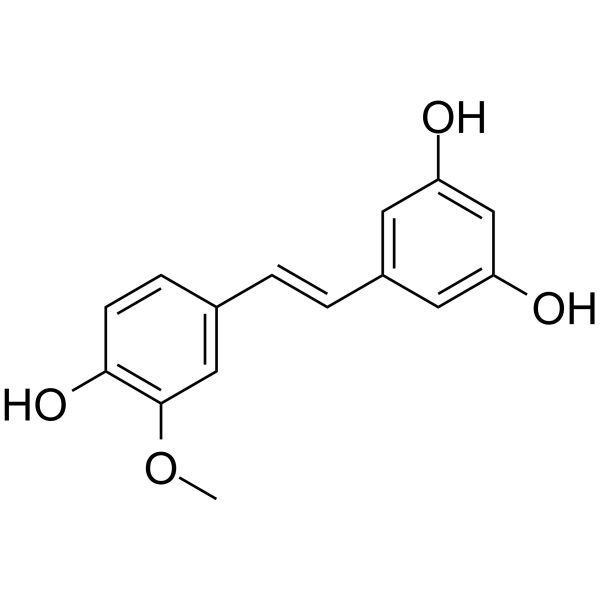
- HY-N2593R
-
|
|
Reference Standards
Carnitine Palmitoyltransferase (CPT)
Reactive Oxygen Species (ROS)
Autophagy
Apoptosis
NF-κB
PI3K
Akt
MMP
Keap1-Nrf2
|
Inflammation/Immunology
Cancer
|
|
Isorhapontigenin (Standard) is the analytical standard of Isorhapontigenin (HY-N2593). This product is intended for research and analytical applications. Isorhapontigenin is an orally active dietary polyphenol. Isorhapontigenin acts as a potent antioxidant that reduces the production of reactive oxygen species (ROS). Isorhapontigenin promotes the binding of JUN to the AP-1 site on the SESN2 promoter, induces SESN2 transcription, triggers MAPK8-dependent JUN activation, and upregulates the expression of PPAR-α, PGC-1α and CPT-1A to facilitate fatty acid oxidation. Isorhapontigenin induces autophagy, apoptosis and preadipocyte differentiation; it inhibits tumor growth, cell invasion, NF-κB transcriptional activity, the PI3K/Akt signaling pathway, STAT1 phosphorylation and MMP-2 expression. Isorhapontigenin alleviates oxidative stress, inflammatory cytokine release and triglyceride accumulation; it increases intracellular ATP levels and promotes Nrf2 nuclear translocation. Isorhapontigenin improves insulin sensitivity in adipose tissue and glucose tolerance, and reduces postprandial blood glucose, insulin and free fatty acid levels. Isorhapontigenin is applicable to research on bladder cancer, liver injury, chronic obstructive pulmonary disease, acute lung injury and type 2 diabetes.
|
-

- HY-B0327
-
|
Dicloguamine
|
Phosphodiesterase (PDE)
NF-κB
AP-1
TRP Channel
Interleukin Related
|
Inflammation/Immunology
Cancer
|
|
Irsogladine (Dicloguamine) is an orally active gastric mucosal protective agent. Irsogladine inhibits breast cancer recurrence and lung metastasis in nude mice . Irsogladine inhibits the transcriptional activities of NF-κB and AP-1, suppresses the activities of PDE and PDE4 to elevate intracellular cAMP levels, and activates TRPV1 and KATP channels. Irsogladine enhances iNOS expression, NO production, and the activation of cAMP-responsive elements. Irsogladine inhibits the development and progression of intestinal polyps in Apc-mutant mice. Irsogladine alleviates oxidative stress, increases gastric mucosal blood flow, and stimulates the production of endogenous prostaglandins. Irsogladine promotes insulin secretion in MIN6 cells. Irsogladine inhibits tumor angiogenesis, cancer cell proliferation, and the production of proinflammatory cytokines. Irsogladine exerts protective effects on astrocytes in ethanol/hydrochloric acid-induced gastric ulcers in mice. Irsogladine prevents colitis in IL-10 gene-deficient mice by reducing the production of IL-12 and IL-23. Irsogladine upregulates gap junction intercellular communication in pancreatic cancer cells via the PKA pathway. Irsogladine is applicable to research related to breast cancer, intestinal polyposis, gastric ulcer, spontaneous colitis, glioma, liver cancer, and pancreatic cancer [5][6] .
|
-
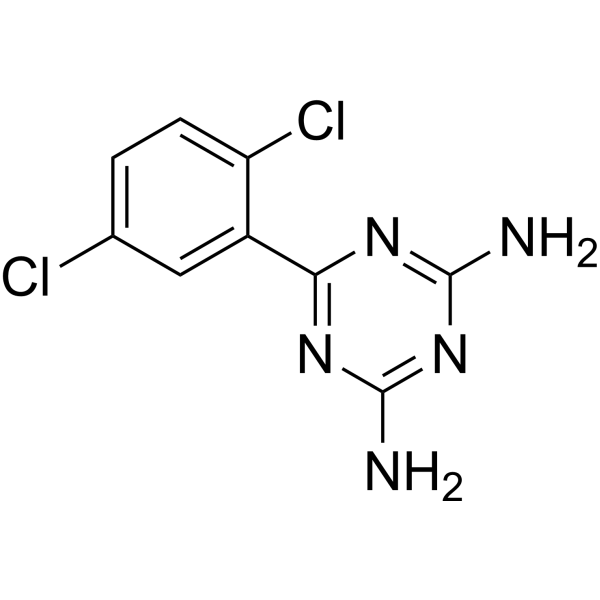
| Cat. No. |
Product Name |
Type |
-
- HY-12071G
-
|
DM-3189
|
Fluorescent Dyes
|
|
LDN193189 GMP is LDN193189 (HY-12071) produced by using GMP guidelines. GMP small molecules works appropriately as an auxiliary reagent for cell therapy manufacture. LDN193189 (DM-3189) is a potent selective BMP type I receptor (BMP I) inhibitor. LDN193189 efficiently inhibits transcriptional activity of the BMP type I receptors ALK2 and ALK3 with IC50 values of 5 nM and 30 nM, respectively. LDN193189 can be used for the research of bone morphogenetic protein signalling, such as fibrodysplasia ossificans progressiva .
|
-
- HY-D2360
-
|
|
Fluorescent Dyes
|
|
O-Carboranylphenoxyacetanilide is a HIF-1α inhibitor and inhibits HIF-1α activation. O-Carboranylphenoxyacetanilide inhibits transcriptional activity of HIF in HeLa cells (IC50: 0.74 μM). O-Carboranylphenoxyacetanilide inhibits HSP60 chaperone activity and HSP60 ATPase activity .
|
| Cat. No. |
Product Name |
Type |
-
- HY-12071G
-
|
DM-3189
|
Biochemical Assay Reagents
|
|
LDN193189 GMP is LDN193189 (HY-12071) produced by using GMP guidelines. GMP small molecules works appropriately as an auxiliary reagent for cell therapy manufacture. LDN193189 (DM-3189) is a potent selective BMP type I receptor (BMP I) inhibitor. LDN193189 efficiently inhibits transcriptional activity of the BMP type I receptors ALK2 and ALK3 with IC50 values of 5 nM and 30 nM, respectively. LDN193189 can be used for the research of bone morphogenetic protein signalling, such as fibrodysplasia ossificans progressiva .
|
-
- HY-12071C
-
|
DM-3189 hydrochloride
|
Biochemical Assay Reagents
|
|
LDN193189 (DM-3189) hydrochloride is a potent selective BMP type I receptor (BMP I) inhibitor. LDN193189 efficiently inhibits transcriptional activity of the BMP type I receptors ALK2 and ALK3 with IC50 values of 5 nM and 30 nM, respectively. LDN193189 can be used for the research of bone morphogenetic protein signalling, such as fibrodysplasia ossificans progressiva .
|
| Cat. No. |
Product Name |
Target |
Research Area |
-
- HY-A0299
-
|
Tripeptide 29
|
MMP
|
Inflammation/Immunology
|
|
H-Gly-Pro-Hyp-OH is a collagen-derived peptide and also a dipeptidyl peptidase-4 inhibitor.\nH-Gly-Pro-Hyp-OH inhibits the activity of dipeptidyl peptidase-4 in vitro. H-Gly-Pro-Hyp-OH binds to the DNA-binding site of the JUN/FOS complex, blocks the formation of the DNA-JUN/FOS complex, and inhibits transcriptional activity. H-Gly-Pro-Hyp-OH is applicable to research related to skin photoaging, UVB-induced skin aging/photoaging, and thrombosis .
|
-
- HY-P10426
-
|
|
HIF/HIF Prolyl-Hydroxylase
VEGFR
|
Cancer
|
|
cyclo(CLLFVY) is an inhibitor for hypoxia inducible factor-1 (HIF-1), with IC50 of 19 μM (in U2OS) and 16 μM (in MCF-7). cyclo(CLLFVY) binds to the PAS-B domain of HIF-1α, inhibits HIF-1 dimerization and transcriptional activity. cyclo(CLLFVY) downregulates the expression of hypoxia response genes, such as VEGF and CAIX, exhibits antitumor against the HIF-1 associated cancers .
|
| Cat. No. |
Product Name |
Category |
Target |
Chemical Structure |
-
- HY-N0292
-
-
-
- HY-N0043
-
-
-
- HY-N0041
-
-
-
- HY-107850
-
-
-
- HY-N2593
-
|
|
Structural Classification
Stilbenes
Classification of Application Fields
Gnetum cleistostachyum C. Y. Cheng
Phenols
Polyphenols
Gnetaceae
Plants
Inflammation/Immunology
Disease Research Fields
Source Classification
|
Carnitine Palmitoyltransferase (CPT)
Reactive Oxygen Species (ROS)
Autophagy
Apoptosis
NF-κB
PI3K
Akt
MMP
Keap1-Nrf2
|
|
Isorhapontigenin is an orally active dietary polyphenol. Isorhapontigenin acts as a potent antioxidant that reduces the production of reactive oxygen species (ROS). Isorhapontigenin promotes the binding of JUN to the AP-1 site on the SESN2 promoter, induces SESN2 transcription, triggers MAPK8-dependent JUN activation, and upregulates the expression of PPAR-α, PGC-1α and CPT-1A to facilitate fatty acid oxidation. Isorhapontigenin induces autophagy, apoptosis and preadipocyte differentiation; it inhibits tumor growth, cell invasion, NF-κB transcriptional activity, the PI3K/Akt signaling pathway, STAT1 phosphorylation and MMP-2 expression. Isorhapontigenin alleviates oxidative stress, inflammatory cytokine release and triglyceride accumulation; it increases intracellular ATP levels and promotes Nrf2 nuclear translocation. Isorhapontigenin improves insulin sensitivity in adipose tissue and glucose tolerance, and reduces postprandial blood glucose, insulin and free fatty acid levels. Isorhapontigenin is applicable to research on bladder cancer, liver injury, chronic obstructive pulmonary disease, acute lung injury and type 2 diabetes .
|
-
-
- HY-N6069
-
-
-
- HY-N0906
-
-
-
- HY-N0167
-
-
-
- HY-N0907
-
-
-
- HY-N3026
-
-
-
- HY-110028
-
-
-
- HY-N2509
-
-
-
- HY-N4182
-
-
-
- HY-N8593
-
-
-
- HY-N0292R
-
-
-
- HY-N3027
-
-
-
- HY-N6069R
-
-
-
- HY-N2273
-
-
-
- HY-N12011
-
-
-
- HY-N10768
-
|
|
Monophenols
Phenols
Plants
Source Classification
Zingiberaceae
|
IKK
NF-κB
|
|
1-Dehydro-[10]-gingerdione directly inhibits IKKβ activity by targeting the activation loop of IKKβ, thus disrupting IKKβ-catalysed IκBα phosphorylation in macrophages stimulated with agonists. 1-Dehydro-[10]-gingerdione inhibits LPS (HY-D1056)-induced NF-κB transcriptional activity. 1-Dehydro-[10]-gingerdione has the potential for NF-κB-associated inflammation and autoimmune disorders research .
|
-
-
- HY-N11994
-
-
-
- HY-N11892
-
-
-
- HY-N8098
-
-
-
- HY-N0041R
-
-
-
- HY-N11996
-
|
|
Liliaceae
Phenols
Polyphenols
Aloe vera (L.) Burm. f.
Plants
Source Classification
|
NO Synthase
NF-κB
|
|
Aloenin aglycone (compound 13) is an NF-κB inhibitor that can be isolated from aloe exudate. Aloenin aglycone inhibits TNFα-induced NF-κB transcriptional activity (IC50: 18.7 μM). Aloenin aglycone (10 μM) also reduced inducible nitric oxide synthase (iNOS) and intercellular adhesion molecule 1 (ICAM-1) gene expression after treatment of HepG2 cells with 10 ng/mL TNFα .
|
-
-
- HY-N10330
-
|
|
Animals
Phenols
Source Classification
|
HIF/HIF Prolyl-Hydroxylase
VEGFR
|
|
7-Hydroxyneolamellarin A is a natural product that could be derived from sponge Dendrilla nigra. 7-Hydroxyneolamellarin A is a potent hypoxia-inducible factor-1α (HIF-1α) inhibitor. 7-Hydroxyneolamellarin A attenuates the accumulation of hypoxia-inducible factor-1α (HIF-1α) protein and inhibits vascular epidermal growth factor (VEGF) transcriptional activity. 7-Hydroxyneolamellarin A can be used in research of cancer .
|
-
-
- HY-N15347
-
|
|
Natural Products
Microorganisms
Source Classification
|
NF-κB
p38 MAPK
Interleukin Related
TNF Receptor
NO Synthase
COX
|
|
Talaromyketide B is a polyketide compound with anti-inflammatory activity, discovered in the soil bacterium Talaromyces sp. KYS-41. Talaromyketide B inhibits the activation of the NF-κB and MAPK signaling pathways and dose-dependently suppresses pro-inflammatory cytokines, such as IL-1β, IL-6, IL-10, and TNF-α, as well as the transcriptional activity of inflammatory mediators, including iNOS and COX-2. Talaromyketide B holds potential for research in the fields of immunity and inflammatory diseases .
|
-
-
- HY-N6969A
-
|
|
Alkaloids
Other Alkaloids
Stephania epigaea Lo
Plants
Menispermaceae
Source Classification
|
Adrenergic Receptor
|
|
Dicentrine hydrochloride is a drug with anti-inflammatory and anti-cancer activity. Dicentrine hydrochloride exerts its effects by enhancing TNF-α-induced apoptosis in A549 lung adenocarcinoma cells. Dicentrine hydrochloride increases caspase-8, -9, -3 and poly(ADP-ribose) polymerase (PARP) activities. Dicentrine hydrochloride inhibits TNF-α-induced invasion and migration of A549 cells. Dicentrine hydrochloride significantly inhibited the TNF-α-activated TAK1, p38, JNK and Akt signaling pathways, and reduced the transcriptional activities of NF-κB and AP-1 .
|
-
-
- HY-N3027R
-
-
-
- HY-N8593R
-
-
-
- HY-N16431
-
|
|
Natural Products
Microorganisms
Source Classification
|
AMPK
Nuclear Factor of activated T Cells (NFAT)
Interleukin Related
Endogenous Metabolite
|
|
NFAT-133 is an aromatic polyketide with immunosuppressive and antidiabetic activity. NFAT-133 activates the AMPK pathway, promoting glucose uptake in L6 muscle fibers, thereby resisting diabetes. NFAT-133 inhibits the transcriptional activity of activated T-cell nuclear factor (NFAT), thereby suppressing the expression of IL-2 and the proliferation of T cells, demonstrating an immunosuppressive effect. NFAT-133 does not exhibit antibacterial activity or cytotoxicity, but it can weaken the production of NO in RAW264.7 cells induced by Lipopolysaccharide (LPS) (HY-D1056) .
|
-
-
- HY-N0043R
-
-
-
- HY-N2593R
-
|
|
Structural Classification
Stilbenes
Gnetum cleistostachyum C. Y. Cheng
Phenols
Polyphenols
Gnetaceae
Plants
Source Classification
|
Reference Standards
Carnitine Palmitoyltransferase (CPT)
Reactive Oxygen Species (ROS)
Autophagy
Apoptosis
NF-κB
PI3K
Akt
MMP
Keap1-Nrf2
|
|
Isorhapontigenin (Standard) is the analytical standard of Isorhapontigenin (HY-N2593). This product is intended for research and analytical applications. Isorhapontigenin is an orally active dietary polyphenol. Isorhapontigenin acts as a potent antioxidant that reduces the production of reactive oxygen species (ROS). Isorhapontigenin promotes the binding of JUN to the AP-1 site on the SESN2 promoter, induces SESN2 transcription, triggers MAPK8-dependent JUN activation, and upregulates the expression of PPAR-α, PGC-1α and CPT-1A to facilitate fatty acid oxidation. Isorhapontigenin induces autophagy, apoptosis and preadipocyte differentiation; it inhibits tumor growth, cell invasion, NF-κB transcriptional activity, the PI3K/Akt signaling pathway, STAT1 phosphorylation and MMP-2 expression. Isorhapontigenin alleviates oxidative stress, inflammatory cytokine release and triglyceride accumulation; it increases intracellular ATP levels and promotes Nrf2 nuclear translocation. Isorhapontigenin improves insulin sensitivity in adipose tissue and glucose tolerance, and reduces postprandial blood glucose, insulin and free fatty acid levels. Isorhapontigenin is applicable to research on bladder cancer, liver injury, chronic obstructive pulmonary disease, acute lung injury and type 2 diabetes.
|
-
-
- HY-N19756
-
-
-
- HY-N18386
-
-
-
- HY-N9731
-
-
-
- HY-N1749
-
-
-
- HY-N17353
-
-
-
- HY-N19818
-
-
-
- HY-N16637
-
|
|
Structural Classification
Phenols
Polyphenols
Schizocapsa plantaginea Hance
Plants
Taccaceae
Source Classification
|
NF-κB
PPAR
|
|
(3R,5R)-3,5-Dihydroxy-1,7-bis(3,4-dihydroxyphenyl)heptane 3-O-β-D-glucopyranoside is a diarylheptanol glycoside compound isolated from Tacca plantaginea. (3R,5R)-3,5-Dihydroxy-1,7-bis(3,4-dihydroxyphenyl)heptane 3-O-β-D-glucopyranoside significantly inhibit TNF-α-induced NF-κB transcriptional activity (IC50 = 9.4 μM). (3R,5R)-3,5-Dihydroxy-1,7-bis(3,4-dihydroxyphenyl)heptane 3-O-β-D-glucopyranoside significantly activates PPAR transcriptional activity (EC50 = 9.9 μM) and has a specific activating effect on PPAR β(δ) (EC50 = 23.1 μM). (3R,5R)-3,5-Dihydroxy-1,7-bis(3,4-dihydroxyphenyl)heptane 3-O-β-D-glucopyranoside is non-toxic to cells at the tested concentration. (3R,5R)-3,5-Dihydroxy-1,7-bis(3,4-dihydroxyphenyl)heptane 3-O-β-D-glucopyranoside can be used for research on inflammatory conditions .
|
-
| Cat. No. |
Product Name |
Chemical Structure |
-
- HY-12784S
-
1 Publications Verification
|
|
Cycloguanil-d6 (Chlorguanide triazine-d6) is the deuterium labeled Cycloguanil (HY-12784). Cycloguanil is a dihydrofolate reductase (DHFR) inhibitor with an IC50 of 10.8 μM against human DHFR. Cycloguanil blocks the folate metabolic pathway, thereby affecting nucleotide synthesis and interfering with DNA replication. Cycloguanil inhibits DHFR in Plasmodium and is thus used in malaria research. Cycloguanil also potently inhibits DHFR in human cancer cells and blocks the transcriptional activity of STAT3, thereby exhibiting anticancer activity .
|
-
-
- HY-12784AS
-
|
|
|
Cycloguanil-d4 (Chlorguanide triazine-d4) hydrochloride is the deuterium labeled Cycloguanil hydrochloride (HY-12784A). Cycloguanil hydrochloride is a dihydrofolate reductase (DHFR) inhibitor with an IC50 of 10.8 μM against human DHFR. Cycloguanil hydrochloride blocks the folate metabolic pathway, thereby affecting nucleotide synthesis and interfering with DNA replication. Cycloguanil hydrochloride inhibits DHFR in Plasmodium and is thus used in malaria research. Cycloguanil hydrochloride also potently inhibits DHFR in human cancer cells and blocks the transcriptional activity of STAT3, thereby exhibiting anticancer activity .
|
-
-
- HY-12784AS1
-
|
|
|
Cycloguanil-d6 (Chlorguanide triazine-d6) hydrochloride is the deuterium labeled Cycloguanil hydrochloride (HY-12784A). Cycloguanil hydrochloride is a dihydrofolate reductase (DHFR) inhibitor with an IC50 of 10.8 μM against human DHFR. Cycloguanil hydrochloride blocks the folate metabolic pathway, thereby affecting nucleotide synthesis and interfering with DNA replication. Cycloguanil hydrochloride inhibits DHFR in Plasmodium and is thus used in malaria research. Cycloguanil hydrochloride also potently inhibits DHFR in human cancer cells and blocks the transcriptional activity of STAT3, thereby exhibiting anticancer activity .
|
-
-
- HY-12784S1
-
|
|
|
Cycloguanil-d6 (Chlorguanide triazine-d6) nitrate is the deuterium labeled Cycloguanil nitrate. Cycloguanil nitrate is a dihydrofolate reductase (DHFR) inhibitor with an IC50 of 10.8 μM against human DHFR. Cycloguanil nitrate blocks the folate metabolic pathway, thereby affecting nucleotide synthesis and interfering with DNA replication. Cycloguanil nitrate inhibits DHFR in Plasmodium and is thus used in malaria research. Cycloguanil nitrate also potently inhibits DHFR in human cancer cells and blocks the transcriptional activity of STAT3, thereby exhibiting anticancer activity .
|
-
-
- HY-N8593S
-
|
|
|
Undecane-d24 is the deuterium labeled Undecane (HY-N8593).Undecane is a potent cAMP agonist with anti-allergic and anti-inflammatory activities. Undecane inhibits degranulation and the secretion of histamine and TNF-α. Undecane reverses the increased levels of p38 phosphorylation, NF-κB transcriptional activity and target cytokine/chemokine genes, including thymus and activation-regulated chemokine (TARC), macrophage-derived chemokine (MDC) and interleukin-8 (IL-8). Undecane can be used for the study of skin inflammatory disorders, such as atopic dermatitis .
|
-
-
- HY-15510S
-
|
|
|
Tenovin-6-d6 is the deuterium labeled Tenovin-6 (HY-15510). Tenovin-6, an analog of Tenovin-1 (HY-13423), is an activator of p53 transcriptional activity. Tenovin-6 inhibits the protein deacetylase activities of purified human SIRT1, SIRT2, and SIRT3 with IC50s of 21 μM, 10 μM, and 67 μM, respectively. Tenovin-6 also inhibits dihydroorotate dehydrogenase (DHODH).
|
-
| Cat. No. |
Product Name |
|
Classification |
-
- HY-129602
-
|
|
|
PROTAC Synthesis
|
|
SD-36 is a potent and efficacious STAT3 PROTAC degrader (Kd=~50 nM), and demonstrates high selectivity over other STAT members. SD-36 also effectively degrades mutated STAT3 proteins in cells and suppresses the transcriptional activity of STAT3 (IC50=10 nM). SD-36 exerts robust anti-tumor activity, and achieves complete and long-lasting tumor regression in mouse tumor models. SD-36 is composed of the STAT3 inhibitor SI-109, a linker, and an analog of Cereblon ligand Lenalidomide for E3 ubiquitin ligase . SD-36 is a click chemistry reagent, it contains an Alkyne group and can undergo copper-catalyzed azide-alkyne cycloaddition (CuAAc) with molecules containing Azide groups.
|
-
- HY-176548
-
|
|
|
Alkynes
|
|
PY-PAP is a photoactivatable affinity probe and a derivative of PY-60 (HY-141644). PY-PAP retains the cellular function of activating YAP transcriptional activity. In 293A cells, PY-PAP can label cathepsin D (CTSD) and annexin A2 (ANXA2) through ultraviolet crosslinking and click reactions. PY-PAP plays a key role in identifying ANXA2 as the specific target of PY-60 .
|
| Cat. No. |
Product Name |
Target |
Research Areas |
Chemical Structure |
-
- HY-12071G
-
|
DM-3189
|
Organoid
TGF-β Receptor
|
Cancer
|
|
LDN193189 GMP is LDN193189 (HY-12071) produced by using GMP guidelines. GMP small molecules works appropriately as an auxiliary reagent for cell therapy manufacture. LDN193189 (DM-3189) is a potent selective BMP type I receptor (BMP I) inhibitor. LDN193189 efficiently inhibits transcriptional activity of the BMP type I receptors ALK2 and ALK3 with IC50 values of 5 nM and 30 nM, respectively. LDN193189 can be used for the research of bone morphogenetic protein signalling, such as fibrodysplasia ossificans progressiva .
|
-
Your information is safe with us. * Required Fields.
Inquiry Information
- Product Name:
- Cat. No.:
- Quantity:
- MCE Japan Authorized Agent:





![1-Dehydro-[10]-gingerdione](http://file.medchemexpress.com/product_pic/hy-n10768.gif)





