1. Search Result
Search Result
Results for "

Slow Inhibitors

" in MedChemExpress (MCE) Product Catalog:

186

Inhibitors & Agonists

1

Fluorescent Dyes

3

Biochemical Assay Reagents

4

Peptides

1

Inhibitory Antibodies

18

Natural
Products

9

Isotope-Labeled Compounds

2

Click Chemistry

4

Oligonucleotides

Targets Recommended:
Cat. No. Product Name Target Research Areas Chemical Structure
  • HY-108341A
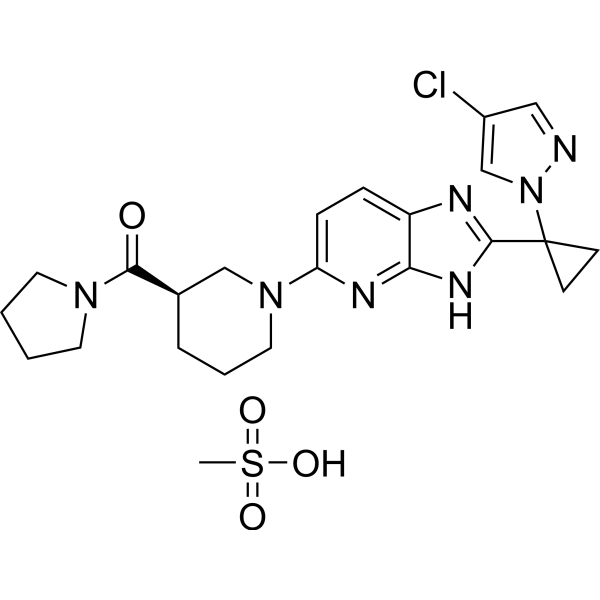
    PF-06424439 methanesulfonate
    20+ Cited Publications

    Acyltransferase Metabolic Disease
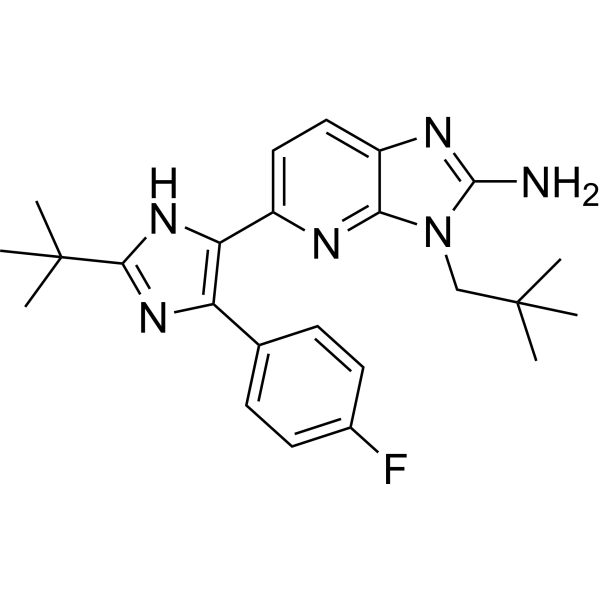
    PF-06424439 methanesulfonate is an oral, potent and selective imidazopyridine diacylglycerol acyltransferase 2 (DGAT2) inhibitor with an IC50 of 14 nM . PF-06424439 methanesulfonate is slowly reversible, time-dependent inhibitor, which inhibits DGAT2 in a noncompetitive mode with respect to the acyl-CoA substrate .
    PF-06424439 methanesulfonate
  • HY-16706A
    Remodelin hydrobromide
    15+ Cited Publications

    Histone Acetyltransferase Cancer
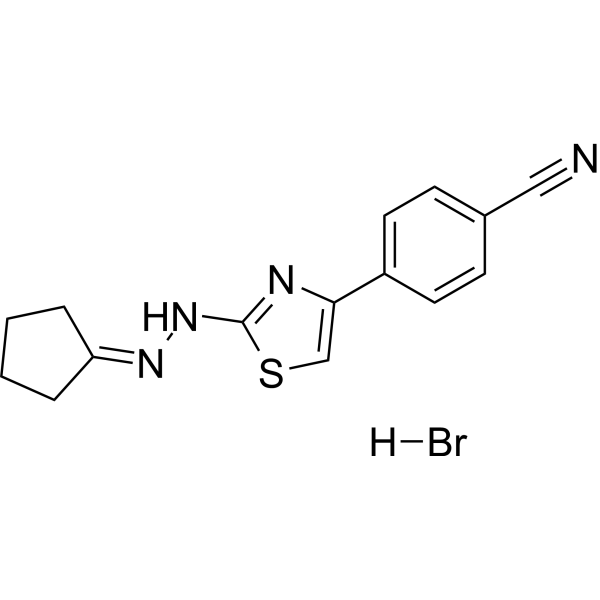
    Remodelin hydrobromide is an orally active and selective inhibitor of acetyltransferase NAT10. Remodelin hydrobromide inhibits NAT10 activitity and slows DNA replication and suppresses growth of prostate cancer cells. Remodelin hydrobromide inhibits the growth of prostate cancer and hepatocellular carcinoma in xenograft model. Remodelin hydrobromide enhances the healthspan in hutchinson-gilford progeria syndrome (HGPS) mouse model .
    Remodelin hydrobromide
  • HY-18731
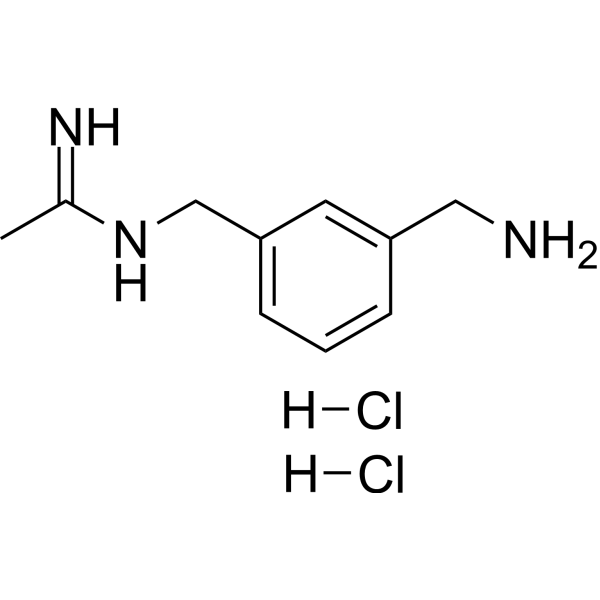
    1400W Dihydrochloride
    Maximum Cited Publications
    28 Publications Verification

    NO Synthase Apoptosis Cardiovascular Disease Inflammation/Immunology Cancer
    1400W dihydrochloride is the dihydrochloride form of 1400W (HY-18730). 1400W is a slow, tight binding, and highly selective inducible nitric-oxide synthase (iNOS) inhibitor, with a Kd value ≤ 7 nM. 1400W inhibits iNOS induction in microglial cells, and reduces generation of NO, thereby mitigating oxidative stress and neuronal cell apoptosis in the rat cerebral cortex, and improving the spatial memory dysfunction caused by acute hypobaric hypoxia-reoxygenation .
    1400W Dihydrochloride
  • HY-108341
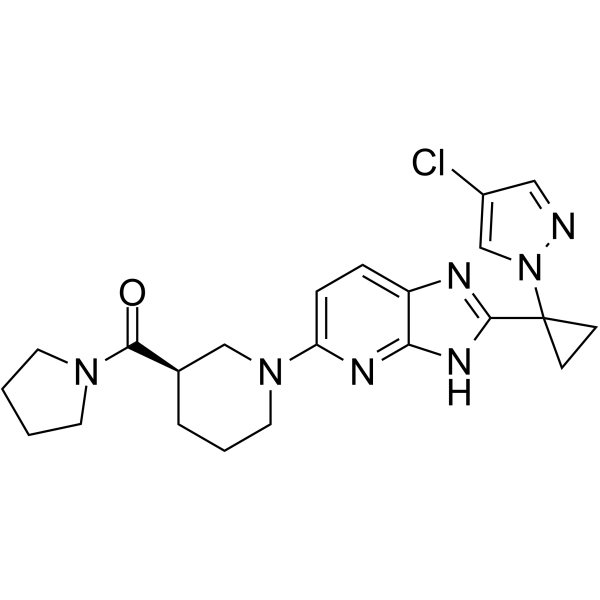
    PF-06424439
    20+ Cited Publications

    Acyltransferase Metabolic Disease
    PF-06424439 is an oral, potent and selective imidazopyridine diacylglycerol acyltransferase 2 (DGAT2) inhibitor with an IC50 of 14 nM . PF-06424439 is slowly reversible, time-dependent inhibitor, which inhibits DGAT2 in a noncompetitive mode with respect to the acyl-CoA substrate .
    PF-06424439
  • HY-50682
    Azeliragon
    10+ Cited Publications

    TTP488; PF-04494700

    Amyloid-β Neurological Disease Cancer
    Azeliragon (TTP488) is an orally bioavailable inhibitor of the receptor for advanced glycation end products (RAGE) in development as a potential treatment to slow disease progression with mild Alzheimer’s disease (AD) . Azeliragon also can cross the blood-brain barrier (BBB) .
    Azeliragon
  • HY-16706
    Remodelin
    15+ Cited Publications

    Histone Acetyltransferase Cancer
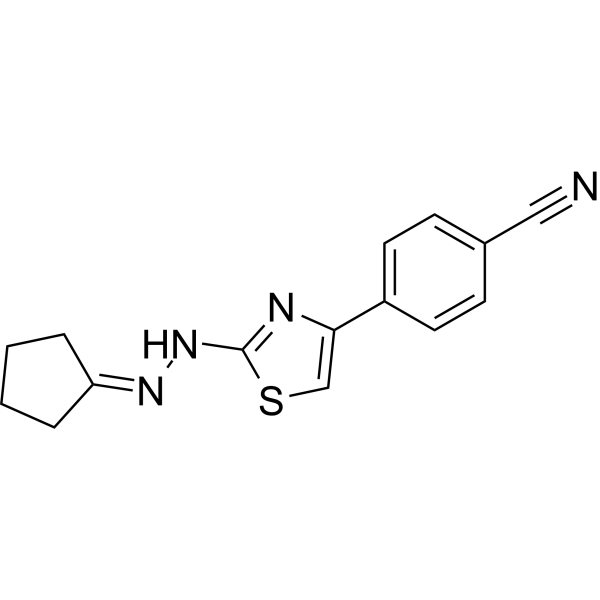
    Remodelin is an orally active and selective inhibitor of acetyltransferase NAT10. Remodelin inhibits NAT10 activitity and slows DNA replication and suppresses growth of prostate cancer cells. Remodelin inhibits the growth of prostate cancer and hepatocellular carcinoma in xenograft model. Remodelin enhances the healthspan in hutchinson-gilford progeria syndrome (HGPS) mouse model .
    Remodelin
  • HY-14656
    Diltiazem hydrochloride
    5+ Cited Publications

    CRD-401

    Calcium Channel Cardiovascular Disease Cancer
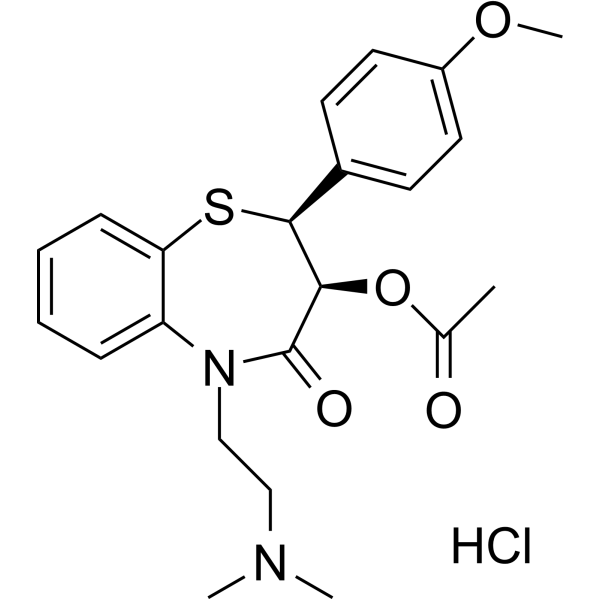
    Diltiazem hydrochloride is a Ca 2+ influx inhibitor (slow channel blocker or calcium antagonist).
    Diltiazem hydrochloride
  • HY-16661
    Skp2 Inhibitor C1
    5+ Cited Publications

    SKPin C1

    E1/E2/E3 Enzyme Cancer
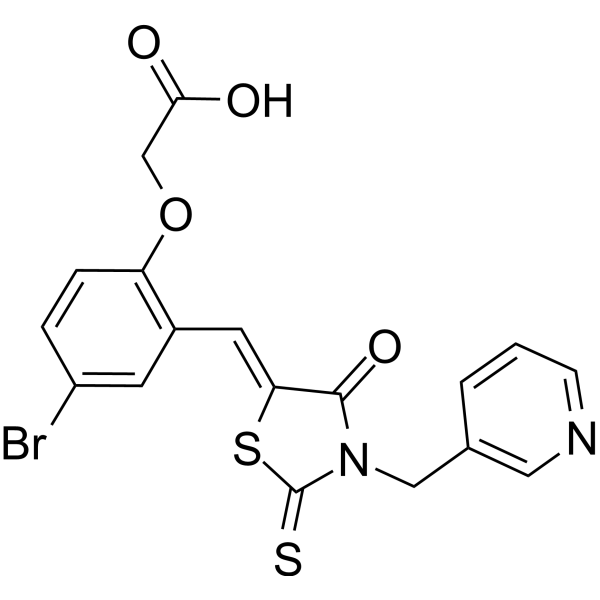
    Skp2 Inhibitor C1 (SKPin C1) is an S-phase kinase-related protein 2 (Skp2) inhibitor with an inhibitory effect on metastatic melanoma cells. Skp2 Inhibitor C1 slows the cell cycle, inhibits cell proliferation, and triggers apoptosis .
    Skp2 Inhibitor C1
  • HY-16693
    LDN-27219
    1 Publications Verification

    Glutaminase Cardiovascular Disease Others
    LDN-27219 is a reversible, slow-binding inhibitor of TGase. LDN-27219 inhibits human TGase with an IC50 value of 0.6 μM. LDN-27219 effectively decreases blood pressure and induces vasodilation, it can be used for the research of cardiovascular disease .
    LDN-27219
  • HY-147140
    BOS-318
    2 Publications Verification

    Furin Inflammation/Immunology
    BOS-318 is a potent, slowly dissociating, highly selective, and cell-permeable furin inhibitor with IC50 value of 1.9 nM. BOS-318 protects ENaC from subsequent activation by neutrophil elastase. BOS-318 can be used for the rsearch for CF lung disease .
    BOS-318
  • HY-19548A
    BEC hydrochloride
    1 Publications Verification

    Arginase Metabolic Disease
    BEC hydrochloride is a slow-binding and competitive Arginase II inhibitor with Ki of 0.31 μM and 30 nM at pH 7.5 and pH 9.5, respectively .
    BEC hydrochloride
  • HY-115194
    Amastatin hydrochloride
    1 Publications Verification

    Aminopeptidase Bacterial Infection
    Amastatin hydrochloride is a slow, tight binding, competitive aminopeptidase (AP) inhibitor with Ki values of 0.26 nM, 30 nM, 52 nM for Aeromonas aminopeptidase, cytosolic leucine aminopeptidase, microsomal aminopeptidase .
    Amastatin hydrochloride
  • HY-15460
    CHIR-090
    3 Publications Verification

    Bacterial Antibiotic Infection
    CHIR-090 is a potent, slow, tight-binding inhibitor of the LpxC deacetylase. It binds to E. coli LpxC with a Ki of 4.0 nM. CHIR-090 is a click chemistry reagent, it contains an Alkyne group and can undergo copper-catalyzed azide-alkyne cycloaddition (CuAAc) with molecules containing Azide groups.
    CHIR-090
  • HY-151798

    Adenylate Cyclase Others
    TDI-11861 is an orally active soluble sAC inhibitor optimized and designed based on TDI-10229 (HY-132298), with an IC50 of 3.3 nM and a KD of 1.4 nM. TDI-11861 has advantages such as high affinity, slow dissociation, and good pharmacokinetics. TDI-11861 can be used for research on male contraception and related sAC pharmacology .
    TDI-11861
  • HY-108575
    Chromanol 293B
    1 Publications Verification

    Potassium Channel CFTR Cardiovascular Disease
    Chromanol 293B is a selective blocker of the slow delayed rectifier K + current (IKs) with IC50 of 1-10 μM and a weak inhibitor of KATP channel. Chromanol 293B also blocks the CFTR chloride current with an IC50 of 19 μM .
    Chromanol 293B
  • HY-18730
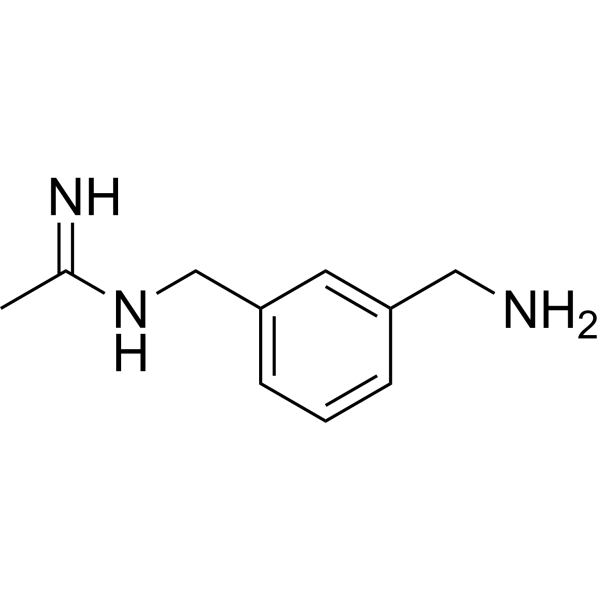
    1400W
    Maximum Cited Publications
    28 Publications Verification

    W1400

    NO Synthase Apoptosis Cardiovascular Disease Inflammation/Immunology Cancer
    1400W is a slow, tight binding, and highly selective inducible nitric-oxide synthase (iNOS) inhibitor, with a Kd value ≤ 7 nM. 1400W inhibits iNOS induction in microglial cells, and reduces generation of NO, thereby mitigating oxidative stress and neuronal cell apoptosis in the rat cerebral cortex, and improving the spatial memory dysfunction caused by acute hypobaric hypoxia-reoxygenation .
    1400W
  • HY-153121

    RAY1216

    SARS-CoV Infection
    Leritrelvir (RAY1216) is an orally active SARS-CoV-2 main protease slow-tight inhibitor with a Ki of 8.6 nM .
    Leritrelvir
  • HY-17611

    MSP-2017; (-)-MSP-2017

    Calcium Channel Cardiovascular Disease Neurological Disease
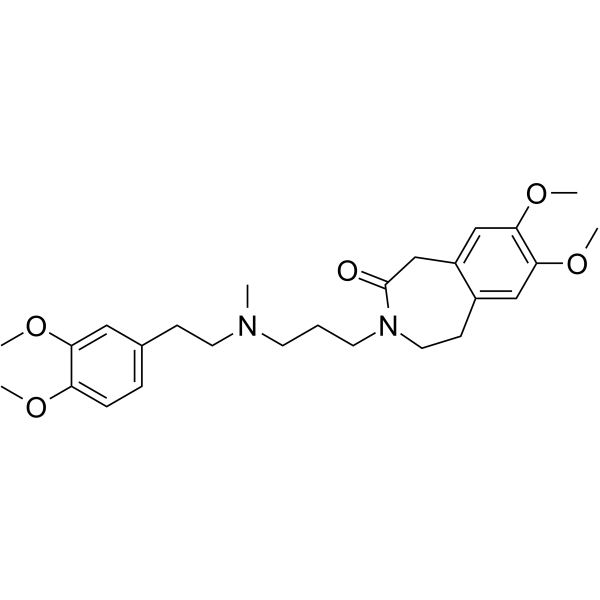
    Etripamil (MSP-2017) is a short-acting, L-type calcium-channel antagonist. Etripamil inhibits calcium influx through slow calcium channels, thereby slowing AV node conduction and prolonging the AV node refractory period. Etripamil increases heart rate and decreases systolic blood pressure. Etripamil can be used in the study of paroxysmal supraventricular tachycardia (PSVT) .
    Etripamil
  • HY-16642A
    LY2828360
    1 Publications Verification

    Cannabinoid Receptor Neurological Disease
    LY2828360 is a slowly acting but efficacious G protein-biased cannabinoid (CB2) agonist, inhibiting cAMP accumulation and activating ERK1/2 signaling.
    LY2828360
  • HY-N2057

    Aquaporin CFTR Chloride Channel Metabolic Disease
    Steviol is the main metabolite of steviol glycosides and an inhibitor of AQP2/CFTR. Steviol slows down the growth of renal cysts by inhibiting the activity of CFTR, reducing the expression of AQP2, and promoting the degradation of AQP2 and CFTR. Steviol can be used in the research of polycystic kidney disease .
    Steviol
  • HY-B0655
    Zofenopril calcium
    1 Publications Verification

    SQ26991

    Angiotensin-converting Enzyme (ACE) Reactive Oxygen Species (ROS) Cardiovascular Disease
    Zofenopril Calcium (SQ26991) is an orally active angiotensin-converting enzyme (ACE) inhibitor with antioxidant activity and cardioprotective effects. Zofenopril Calcium reduces ROS production and GSH consumption and helps inhibit foam cell formation, thus slowing the progression of atherosclerosis. Zofenopril Calcium prevents cardiac damage caused by chronic Doxorubicin (HY-15142A) .
    Zofenopril calcium
  • HY-153386

    Anaplastic lymphoma kinase (ALK) Cancer
    CPD-1224 is an orally effective ALK inhibitor, a derivative of an ALK inhibitor that connects to the cereblon ligand. CPD-1224 targets the EML4-ALK oncogenic fusion protein and degrades both ALK and the mutant forms L1196M/G1202R. CPD-1224 can slow down tumor growth .
    CPD-1224
  • HY-N6675

    Amylases Glycosidase Inflammation/Immunology
    Gardenia yellow is a competitive inhibitor of α-Amylase (HY-B2193) and α-glucosidase. Gardenia yellow can bind to the catalytic sites of α-Amylase and α-glucosidase, inhibit starch digestion, and significantly increase the contents of resistant starch and slowly digestible starch in starch-based systems. Gardenia yellow reduces the glycemic index and hydrolysis index. Gardenia yellow can be used in diabetes-related research .
    Gardenia yellow
  • HY-128849

    Amyloid-β Inflammation/Immunology
    Eprodisate (70% in water) is an amyloid inhibitor that interferes with the interaction between amyloidogenic proteins and glycosaminoglycans, thereby inhibiting the aggregation of amyloid fibrils and the deposition of fibrils in tissues. Eprodisate (70% in water) slows the progression of renal disease associated with AA amyloidosis and may be useful for other types of amyloidosis .
    Eprodisate (70% in water)
  • HY-136330

    Insecticide Parasite Sodium Channel Infection
    Oxazosulfyl is a sulfyl insecticide with potent and cross-spectrum insecticidal activity. Oxazosulfyl inhibits sodium currents by binding to and stabilizing the slow-inactivated state of voltage-gated sodium channels, leading to insect paralysis. Oxazosulfyl's ability to block sodium channels is correlated with its insecticidal activity .
    Oxazosulfyl
  • HY-W012898

    Biacetyl dioxime

    Biochemical Assay Reagents Others
    Dimethylglyoxime (Biacetyl dioxime) belongs to the class of oximes and consists of two acetyl groups attached to a nitrogen atom, which in turn is attached to another nitrogen atom through a diimine bond. Dimethylglyoxime is a specific chelator of Ni that inhibits or slows the aggregation of Aβ peptides in vitro .
    Dimethylglyoxime
  • HY-W099579

    Kojic dipalmitate

    Tyrosinase Endocrinology
    Kojic acid dipalmitate (Kojic dipalmitate) is a derivative of Kojic acid (HY-W050154), a fungal metabolite that can be produced by species of Aspergillus, Acetobacter and Penicillium. Kojic acid dipalmitate is a slow and reversible competitive inhibitor of tyrosinase. Kojic acid dipalmitate can be used for skin‐lightening agent research .
    Kojic acid dipalmitate
  • HY-152949

    Myosin Neurological Disease
    Myosin V-IN-1 (compound 8) is a potent and selective Myosin V inhibitor, with a Ki of 6 μM. Myosin V-IN-1 shows acute inhibition of myosin V. Myosin V-IN-1 slows the actin-activated myosin V ATPase by specifically inhibiting ADP release from the actomyosin complex .
    Myosin V-IN-1
  • HY-101523
    Cdc7-IN-1
    1 Publications Verification

    CDK Cancer
    Cdc7-IN-1 (Compound 13) is a highly potent, selective and ATP competitive inhibitor of Cdc7 kinase, with an IC50 value of 0.6 nM at 1 mM ATP and with slow off-rate characteristics. Cdc7-IN-1 potently inhibits Cdc7 activity in cancer cells, and effectively induces cell death .
    Cdc7-IN-1
  • HY-15114
    S 17092
    1 Publications Verification

    S 17092-1

    Prolyl Endopeptidase (PREP) Apoptosis Neurological Disease
    S 17092 (S 17092-1) is an orally active cerebral prolyl-endopeptidase (PEP) inhibitor with an IC50 of 1.2 nM. S 17092 inhibits cell apoptosis. S 17092 mechanism of action is to inhibit the activity of PEP, slowing down the degradation of neuroactive peptides and thus enhancing memory function. S 17092 can be used for the research of memory impairment and cognitive disorders associated with cerebral aging .
    S 17092
  • HY-B0010B
    Formoterol-1
    1 Publications Verification

    (±)Formoterol

    Adrenergic Receptor Inflammation/Immunology
    Formoterol ((±)Formoterol) is an orally active β2-selective agonist. Formoterol potently relaxes the peripheral airways through stimulating the beta 2-adrenoceptors selectively as is the case in the central airways and that it significantly inhibits IgE-mediated slow reactive substance of anaphylaxis (SRS-A) release through beta-adrenoceptor stimulation .
    Formoterol-1
  • HY-Y0669S

    Isotope-Labeled Compounds Endogenous Metabolite Ferroptosis YAP Glutathione Peroxidase Infection
    Pipecolic acid-d9 is the deuterium labeled Pipecolic acid. Pipecolic acid is a metabolite of lysine and an important precursor for many useful microbial secondary metabolites. Pipecolic acid slows ferroptosis in diabetic retinopathy by inhibiting the YAP-GPX4 signaling pathway. In addition, Pipecolic acid can be used as a diagnostic marker for pyridoxine-dependent epilepsy .
    Pipecolic acid-d9
  • HY-115450

    LPL Receptor Endocrinology Cancer
    ONO-0300302 is an orally active and potent LPA1 (lysophosphatidic acid receptor 1) antagonist, with an IC50 of 0.086 μM. ONO-0300302 is a slow tight binding inhibitor, and its binding affinity increases with time, with Kd of 0.34 nM (37 °C, 2 h). ONO-0300302 can be used for benign prostatic hyperplasia (BPH) research .
    ONO-0300302
  • HY-102067

    Wnt Cancer
    3289-8625 is an inhibitor of the PDZ domain of Dishevelled (Dvl) protein (Kd=10.6 μM) and has an inhibitory effect on Wnt signaling. In addition, 3289-8625 can slow the growth of prostate cancer PC-3 cells (IC50=12.5 μM). 3289-8625 can be used in the study of embryonic development and cancer .
    3289-8625
  • HY-155108

    Arginase Cancer
    OATD-02 is an orally active, competitive, reversible, noncovalent dual inhibitor of Arginase1 and 2. OATD-02 is a slow offset inhibitor, blocking intracellular arginases with IC50s of 20 nM (hARG1), 39 nM (hARG2), 39 nM (mARG1), and 28 nM (rARG1), respectively. OATD-02 abolishes tumor immunosuppression induced by both arginases. OATD-02 can be used for melanoma study .
    OATD-02
  • HY-134358A

    CD38 Neurological Disease
    Ara-F-NAD+ sodium is an arabino analogue of NAD +. Ara-F-NAD+ sodium is a potent, reversible and slow-binding CD38 NADase inhibitor .
    Ara-F-NAD+ sodium
  • HY-108229

    6β-Hydroxynaltrexone

    Drug Metabolite Opioid Receptor Neurological Disease
    6β-Naltrexol (6β-Hydroxynaltrexone), the primary metabolite of Naltrexone, is a peripherally selective opioid antagonist. 6β-Naltrexol selectively inhibits gastrointestinal opioid effects in human subjects and inhibits Morphine-induced slowing of gastrointestinal transit .
    6β-Naltrexol
  • HY-W005379

    TGF-beta/Smad Inflammation/Immunology
    DGM is an inhibitor of the TGF-β1/Smad signaling pathway with significant antifibrotic effects. DGM inhibits the epithelial-mesenchymal transition (EMT) process in alveolar epithelial cells and slows the progression of pulmonary fibrosis in vivo by reducing lung inflammation, improving lung function, and decreasing extracellular matrix (ECM) remodeling. DGM can be used in research on idiopathic pulmonary fibrosis (IPF) and EMT-related diseases .
    DGM
  • HY-108229S

    6β-Hydroxynaltrexone-d3

    Isotope-Labeled Compounds Opioid Receptor Drug Metabolite Neurological Disease
    6β-Naltrexol-d3 (6β-Hydroxynaltrexone-d3) is deuterium labeled 6β-Naltrexol. 6β-Naltrexol (6β-Hydroxynaltrexone), the primary metabolite of Naltrexone, is a peripherally selective opioid antagonist. 6β-Naltrexol selectively inhibits gastrointestinal opioid effects in human subjects and inhibits Morphine-induced slowing of gastrointestinal transit .
    6β-Naltrexol-d3
  • HY-156800

    Phospholipase Others
    PDDC is a compound used to inhibit Alzheimer's disease. It is a nSMase2 inhibitor that can inhibit tau-induced nSMase2 activity and ceramide elevation, and slow the spread of tau in mouse models.
    PDDC
  • HY-14656S

    Calcium Channel Cardiovascular Disease
    Diltiazem-d3 (hydrochloride) is the deuterium labeled Diltiazem hydrochloride. Diltiazem hydrochloride is a Ca2+ influx inhibitor (slow channel blocker or calcium antagonist)[1][2].
    Diltiazem-d3 hydrochloride
  • HY-145954

    APA

    Histone Acetyltransferase Cancer
    NAT2-IN-1 (APA) is an inhibitor of agent metabolic enzyme N-acetyltransferase 2 (NAT2). NAT2-IN-1 can selectively kill slow NAT2 cells .
    NAT2-IN-1
  • HY-132841A

    SCO-792 hydrochloride

    Enteropeptidase Metabolic Disease
    Sucunamostat (SCO-792) hydrochloride is an orally active and reversible enteropeptidase inhibitor with IC50s of 4.6 nM and 5.4 nM for rat enteropeptidase and human enteropeptidase, respectively. Sucunamostat hydrochloride can slowly dissociate from enteropeptidase in vitro and inhibit protein digestion in vivo .
    Sucunamostat hydrochloride
  • HY-107607

    Leukotriene Receptor Inflammation/Immunology
    FPL-55712 free base is a leukotriene receptor antagonist. FPL-55712 free base is also an antagonist of slow reacting substance of anaphylaxis (SRS-A). FPL-55712 free base inhibits leukotriene-induced bronchoconstriction .
    FPL-55712 free base
  • HY-121955
    FW1256
    1 Publications Verification

    NF-κB Apoptosis Cardiovascular Disease Inflammation/Immunology Cancer
    FW1256 is a phenyl analogue and a slow-releasing hydrogen sulfide (H2S) donor. FW1256 inhibits NF-κB activity and induces cell apoptosis. FW1256 exerts potent anti-inflammatory effects and has the potential for cancer and cardiovascular disease treatment .
    FW1256
  • HY-161304

    HDAC Cancer
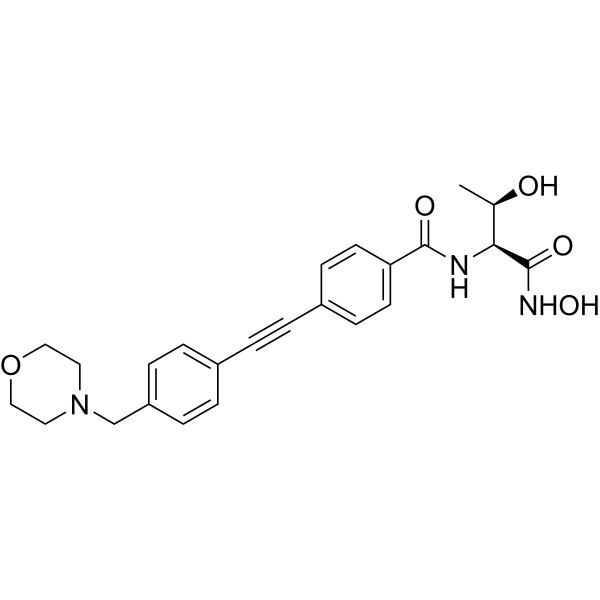
    HDAC6-IN-33 (compound 6) is a selective and irreversible HDAC6 inhibitor with an IC50 of 193 nM. HDAC6-IN-33 shows no activity against HDAC1-4. HDAC6-IN-33 is a tight-binding HDAC6 inhibitor capable of inhibiting HDAC6 via a two-step slow-binding mechanism .
    HDAC6-IN-33
  • HY-Y0669R

    Reference Standards Endogenous Metabolite YAP Glutathione Peroxidase Ferroptosis Neurological Disease Metabolic Disease Inflammation/Immunology
    Pipecolic acid (Standard) is the analytical standard of Pipecolic acid. This product is intended for research and analytical applications. Pipecolic acid is a metabolite of lysine and an important precursor for many useful microbial secondary metabolites. Pipecolic acid slows ferroptosis in diabetic retinopathy by inhibiting the YAP-GPX4 signaling pathway. In addition, Pipecolic acid can be used as a diagnostic marker for pyridoxine-dependent epilepsy .
    Pipecolic acid (Standard)
  • HY-134358

    CD38 Neurological Disease
    Ara-F-NAD+ is an arabino analogue of NAD +. Ara-F-NAD+ is a potent, reversible and slow-binding CD38 NADase inhibitor .
    Ara-F-NAD+
  • HY-158615

    Stimulator of interferon genes 18

    Others Others
    STING18 (Stimulator of interferon genes 18) is a compound that inhibits STING protein by utilizing a small molecule active site dimer, with good oral exposure, slow binding kinetics, and functional inhibitory activity on STING-mediated cytokine release.
    STING18
  • HY-151243

    Lactate Dehydrogenase Cancer
    NCATS-SM1441 (compound 52) is a lactate dehydrogenase (LDH) inhibitor (IC50=40 nM). By inhibiting the activity of LDH, NCATS-SM1441 is able to reduce the production of lactic acid in cancer cells, helping to slow or stop the proliferation of cancer cells. NCATS-SM1441 can be used to study cancer metabolism .
    NCATS-SM1441

Inquiry Online

Your information is safe with us. * Required Fields.

Salutation


Country or Region *

Applicant Name *


Organization Name *

Department *


Email Address *


Product Name *

Cat. No.


Requested quantity *

Phone Number *


Remarks

Inquiry Online

Inquiry Information

Product Name:
Cat. No.:
Quantity:
MCE Japan Authorized Agent:

