1. Search Result
Search Result
Results for "

low-density lipoprotein

" in MedChemExpress (MCE) Product Catalog:

154

Inhibitors & Agonists

3

Biochemical Assay Reagents

9

Peptides

3

Inhibitory Antibodies

24

Natural
Products

20

Protéines recombinantes

17

Isotope-Labeled Compounds

18

Antibodies

1

Oligonucleotides

Targets Recommended:
Cat. No. Nom du produit Target Áreas de investigación Chemical Structure
  • HY-17504
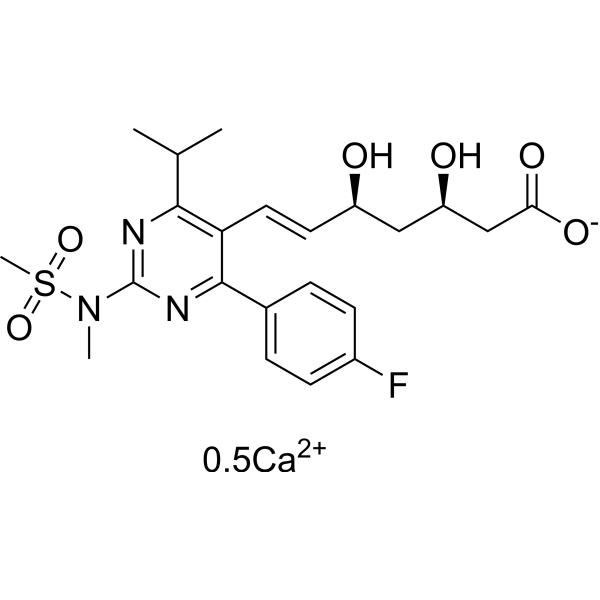
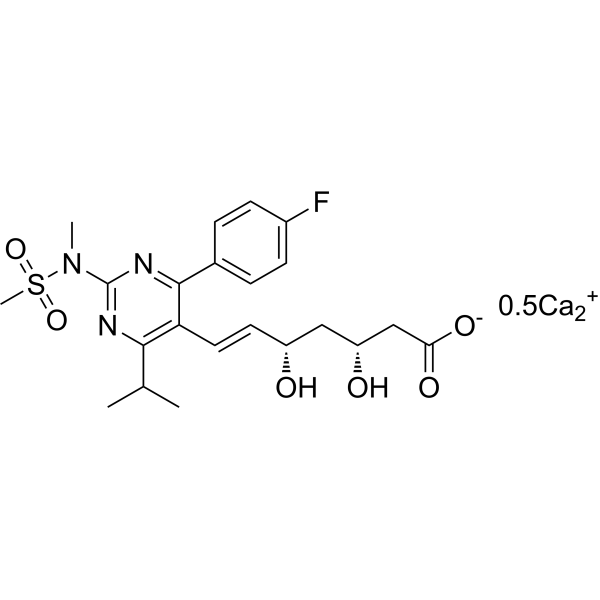
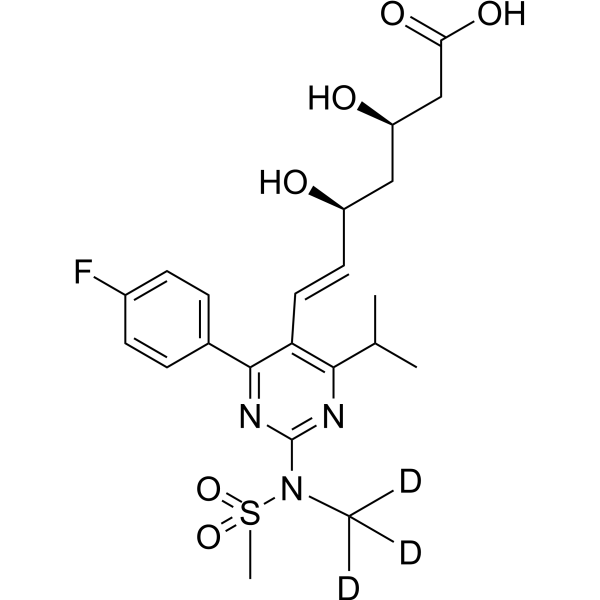
    Rosuvastatin Calcium
    20+ Cited Publications

    Rosuvastatin hemicalcium; ZD 4522 Calcium

    HMG-CoA Reductase (HMGCR) Autophagy Potassium Channel Bacterial Cardiovascular Disease Metabolic Disease Cancer
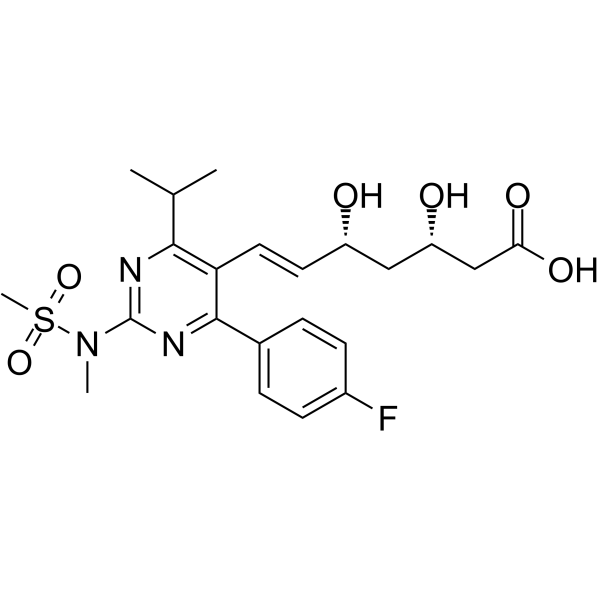
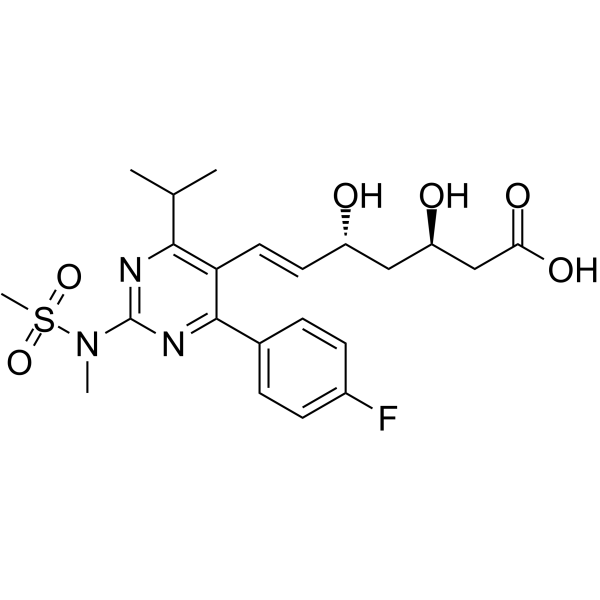
    Rosuvastatin Calcium is a competitive HMG-CoA reductase (HMGCR) inhibitor, with an IC50 of 11 nM. Rosuvastatin Calcium potently blocks hERG current with an IC50 of 195 nM . Rosuvastatin Calcium reduces the expression of the mature hERG and the interaction of heat shock protein 70 (Hsp70) with the hERG protein. Rosuvastatin Calcium effectively lowers low-density lipoprotein (LDL) cholesterol, triglycerides, and C-reactive protein levels .
    Rosuvastatin Calcium
  • HY-113046
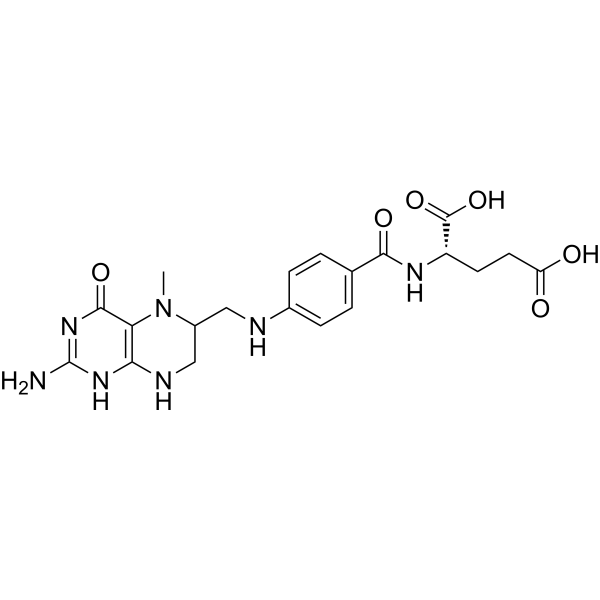
    5-Methyltetrahydrofolic acid
    Maximum Cited Publications
    9 Publications Verification
    5-Methyl THF; 5-MTHF

    Endogenous Metabolite Cardiovascular Disease Metabolic Disease
    5-Methyltetrahydrofolic acid (5-Methyl THF) is the main circulating form of folic acid in the body and is involved in a variety of biochemical reactions. 5-Methyltetrahydrofolic acid regulates cardiovascular function by increasing the production of endothelin-1 (ET-1) in low-density lipoprotein-treated endothelial cells and can be used in the study of cardiovascular diseases .
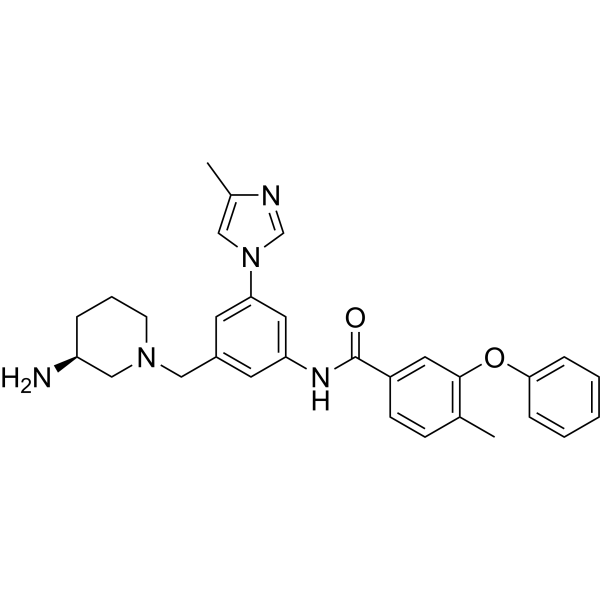
    5-Methyltetrahydrofolic acid
  • HY-10626
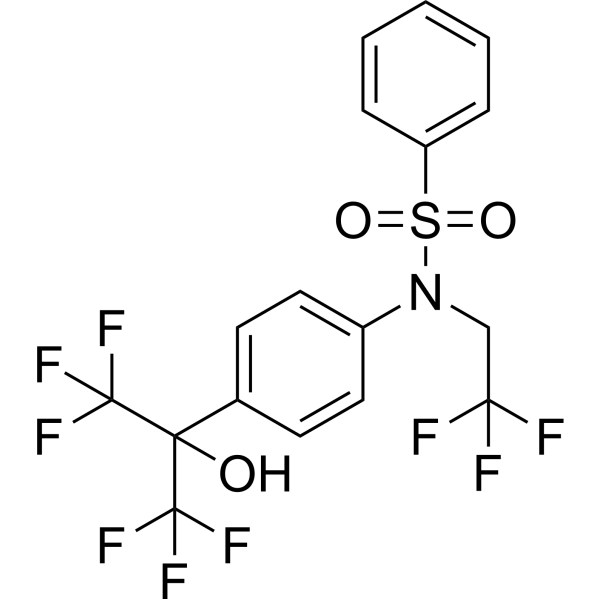
    T0901317
    40+ Cited Publications

    LXR FXR ROR Apoptosis Cardiovascular Disease Metabolic Disease Cancer
    T0901317 is an orally active and highly selective LXR agonist with an EC50 of 20 nM for LXRα . T0901317 activates FXR with an EC50 of 5 μM . T0901317 is RORα and RORγ dual inverse agonist with Ki values of 132 nM and 51 nM, respectively . T0901317 induces apoptosis and inhibits the development of atherosclerosis in low-density lipoprotein (LDL) receptor-deficient mice .
    T0901317
  • HY-17504A
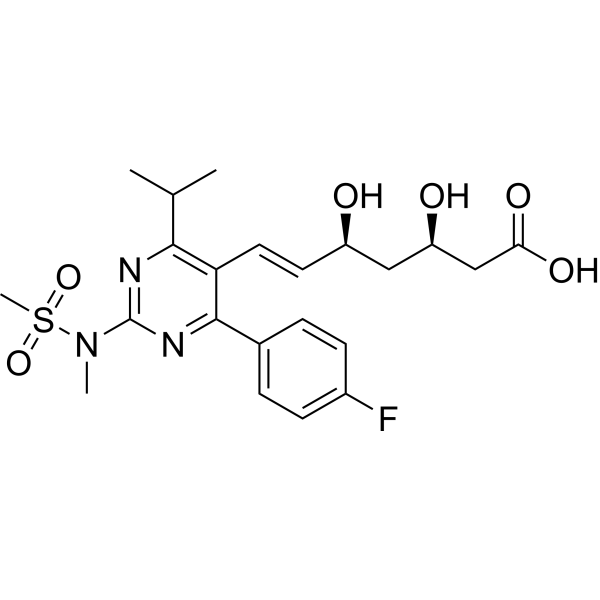
    Rosuvastatin
    20+ Cited Publications

    ZD 4522

    HMG-CoA Reductase (HMGCR) Autophagy Potassium Channel Bacterial Cardiovascular Disease Metabolic Disease Cancer
    Rosuvastatin (ZD 4522) is a competitive HMG-CoA reductase inhibitor with an IC50 of 11 nM. Rosuvastatin potently blocks hERG current with an IC50 of 195 nM, delayed cardiac repolarization, and thereby prolonged action potential durations (APDs) and corrected QT interval (QTc) intervals. Rosuvastatin reduces the expression of the mature hERG and the interaction of heat shock protein 70 (Hsp70) with the hERG protein. Rosuvastatin effectively lowers low-density lipoprotein (LDL) cholesterol, triglycerides, and C-reactive protein levels .
    Rosuvastatin
  • HY-112490
    Atorvastatin calcium hydrate
    Maximum Cited Publications
    65 Publications Verification

    HMG-CoA Reductase (HMGCR) Cardiovascular Disease Others
    Atorvastatin calcium salt trihydrate is a drug belonging to the statin class of drugs used to lower blood cholesterol levels. Atorvastatin calcium salt trihydrate has unique chemical properties that make it an effective tool in controlling high levels of low-density lipoprotein (LDL) cholesterol and triglycerides in the body, reducing the risk of heart attack and stroke. Atorvastatin calcium salt trihydrate works by inhibiting HMG-CoA reductase, the enzyme responsible for producing cholesterol in the liver.
    Atorvastatin calcium hydrate
  • HY-B0144A
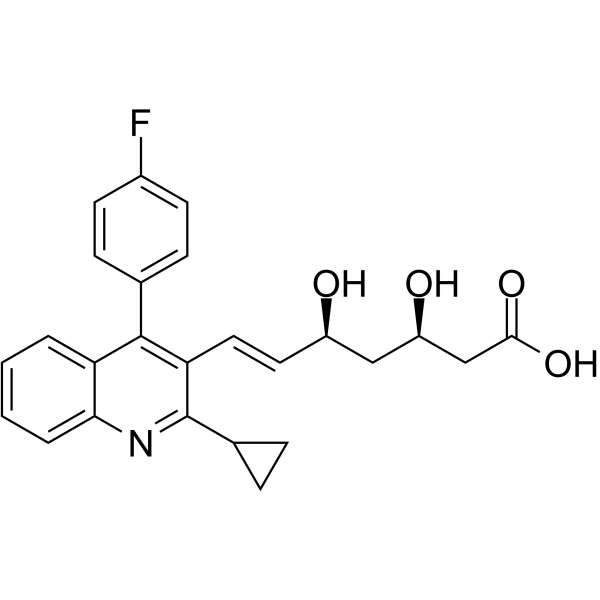
    Pitavastatin
    10+ Cited Publications

    NK-104

    HMG-CoA Reductase (HMGCR) Autophagy Mitophagy Apoptosis Cardiovascular Disease Neurological Disease Metabolic Disease Cancer
    Pitavastatin (NK-104) is a potent hydroxymethylglutaryl-CoA (HMG-CoA) reductase inhibitor. Pitavastatin inhibits cholesterol synthesis from acetic acid with an IC50 of 5.8 nM in HepG2 cells. Pitavastatin is an efficient hepatocyte low-density lipoprotein-cholesterol (LDL-C) receptor inducer. Pitavastatin also possesses anti-atherosclerotic, anti-asthmatic, anti-osteoarthritis, antineoplastic, neuroprotective, hepatoprotective and reno-protective effects .
    Pitavastatin
  • HY-NP013

    Mouse ox-LDL

    LDLR ROR β-catenin Cardiovascular Disease
    Oxidized low density lipoprotein (mouse) (Mouse ox-LDL) is an oxidized low density lipoprotein (LDL). Oxidized low density lipoprotein (mouse) induces atherosclerosis (AS) by facilitating endothelial dysfunction and accelerating the VSMCs growth and migration. Oxidized low density lipoprotein (mouse) can be used to construct an in vitro model of AS .
    Oxidized low density lipoprotein (mouse)
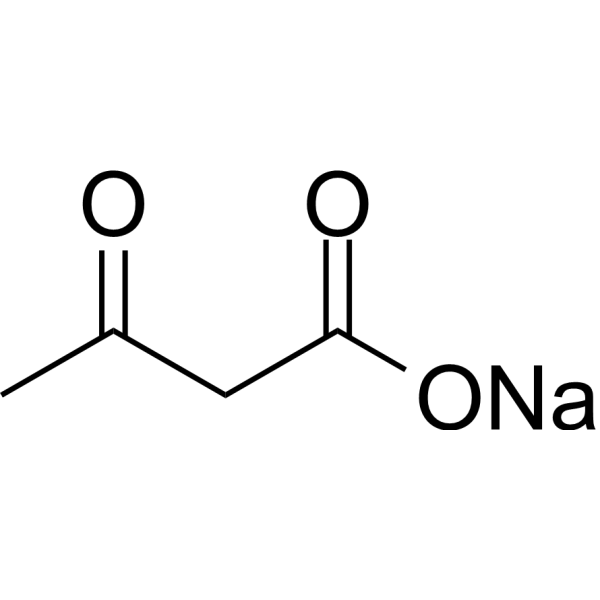
  • HY-112540B

    Endogenous Metabolite Metabolic Disease
    Acetoacetic acid sodium is an oxidative stress inducer that affects the antioxidant enzyme system and lipoprotein metabolism. Acetoacetic acid sodium induces oxidative stress by decreasing the mRNA expression and activity of superoxide dismutase (SOD), catalase (CAT), and glutathione peroxidase (GSH-Px), increasing MDA content, and inhibiting very low density lipoprotein (VLDL) assembly by downregulating apolipoprotein ApoB100, ApoE, and low density lipoprotein receptor (LDLR), leading to triglyceride (TG) accumulation in hepatocytes. Acetoacetic acid sodium can be used to study metabolic diseases .
    Acetoacetic acid sodium
  • HY-B0144
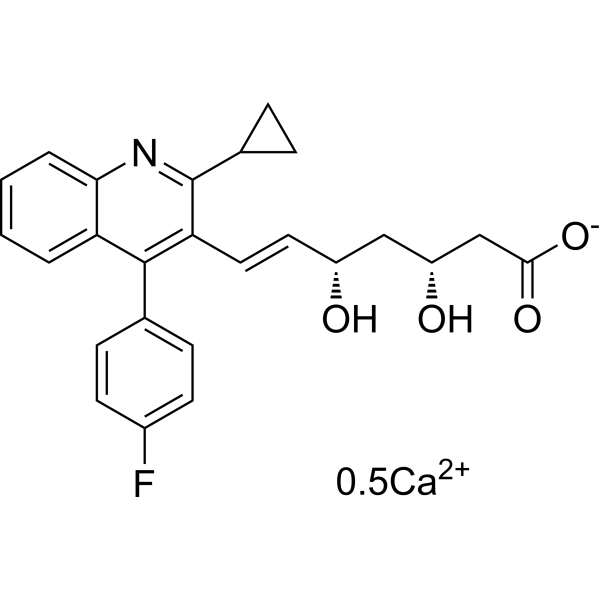
    Pitavastatin Calcium
    10+ Cited Publications

    NK-104 hemicalcium; Pitavastatin hemicalcium

    HMG-CoA Reductase (HMGCR) Autophagy Mitophagy Apoptosis Cardiovascular Disease Neurological Disease Metabolic Disease Cancer
    Pitavastatin Calcium (NK-104 hemicalcium) is a potent hydroxymethylglutaryl-CoA (HMG-CoA) reductase inhibitor. Pitavastatin Calcium (NK-104 hemicalcium) inhibits cholesterol synthesis from acetic acid with an IC50 of 5.8 nM in HepG2 cells. Pitavastatin Calcium is an efficient hepatocyte low-density lipoprotein-cholesterol (LDL-C) receptor inducer. Pitavastatin Calcium also possesses anti-atherosclerotic, anti-asthmatic, anti-osteoarthritis, antineoplastic, neuroprotective, hepatoprotective and reno-protective effects .
    Pitavastatin Calcium
  • HY-N0483
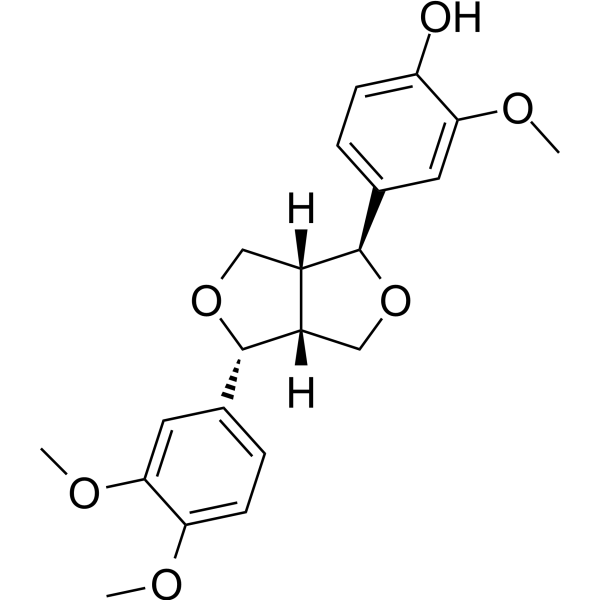
    Phillygenin
    4 Publications Verification

    Phillygenol; Epipinoresinol methyl ether; (+)-Phillygenin

    Reactive Oxygen Species (ROS) Others
    Phillygenin (Phillygenol) is an active ingredient from Forsythia with many medicinal properties, such as antioxidant, reducing blood lipid, inhibition of low density lipoprotein oxidation.
    Phillygenin
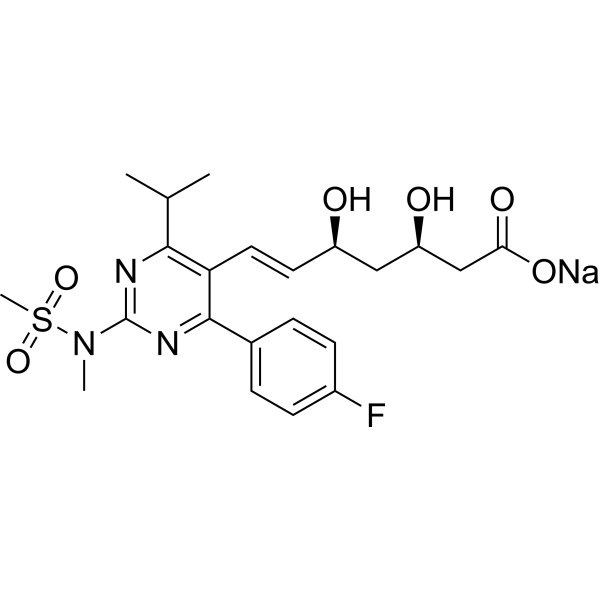
  • HY-17504B
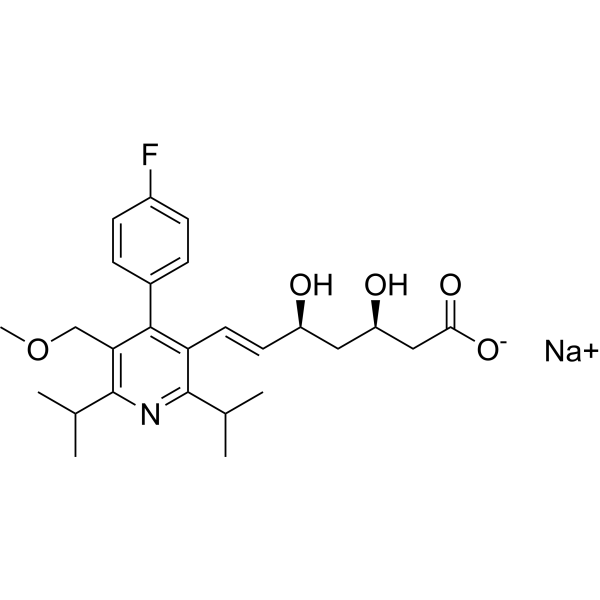
    Rosuvastatin Sodium
    20+ Cited Publications

    ZD 4522 Sodium; X-Plended Sodium; Crestor Sodium

    HMG-CoA Reductase (HMGCR) Potassium Channel Autophagy Bacterial Cardiovascular Disease Metabolic Disease Cancer
    Rosuvastatin Sodium is a competitive HMG-CoA reductase (HMGCR) inhibitor, with an IC50 of 11 nM. Rosuvastatin Sodium potently blocks hERG current with an IC50 of 195 nM . Rosuvastatin Sodium reduces the expression of the mature hERG and the interaction of heat shock protein 70 (Hsp70) with the hERG protein. Rosuvastatin Sodium effectively lowers low-density lipoprotein (LDL) cholesterol, triglycerides, and C-reactive protein levels .
    Rosuvastatin Sodium
  • HY-P99646
    Golocdacimab
    2 Publications Verification

    MEDI6570

    LOX-1 Metabolic Disease Inflammation/Immunology
    Gocdacimab (MEDI6570) is a fully human IgG1 monoclonal antibody inhibitor targeting the lectin-like oxidized low-density lipoprotein receptor LOX-1. By binding to LOX-1 and blocking its function, gocdacimab effectively reduces the level of free soluble LOX-1, thereby inhibiting key pathological processes such as lipid accumulation, foam cell formation, and vascular wall inflammation. Gocdacimab can interfere with atherosclerosis-related mechanisms, and it is used for research on atherosclerosis, and type 2 diabetes mellitus .
    Golocdacimab
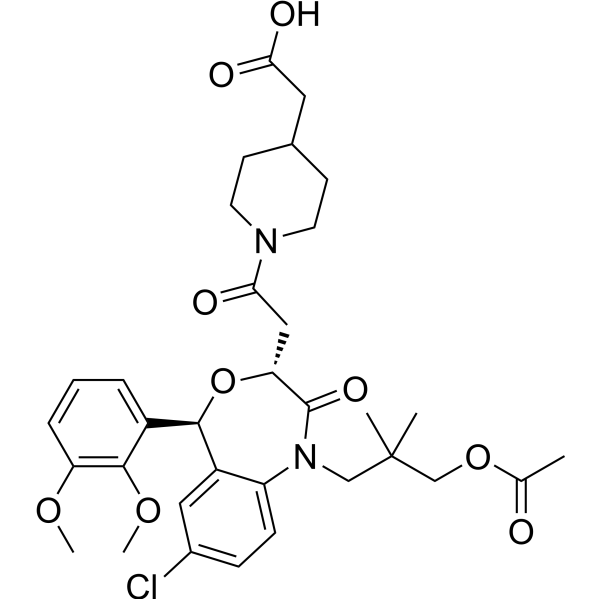
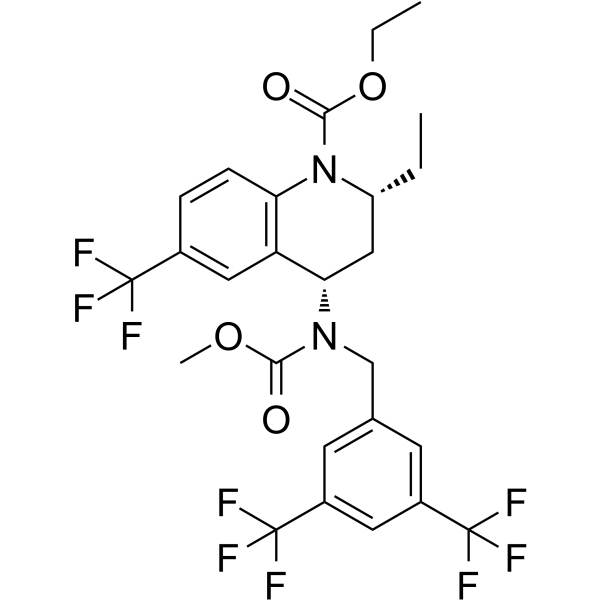
  • HY-16274
    Lapaquistat acetate
    1 Publications Verification

    TAK-475

    Farnesyl Transferase Metabolic Disease
    Lapaquistat acetate (TAK-475) is a squalene synthase inhibitor, blocking the conversion of farnesyl diphosphate (FPP) to squalene in the cholesterol biosynthesis pathway . Lapaquistat acetate is effective at lowering low-density lipoprotein cholesterol, but it might cause liver damage. Lapaquistat acetate is used for hypercholesterolemia and mevalonate kinase deficiency (MKD) research .
    Lapaquistat acetate
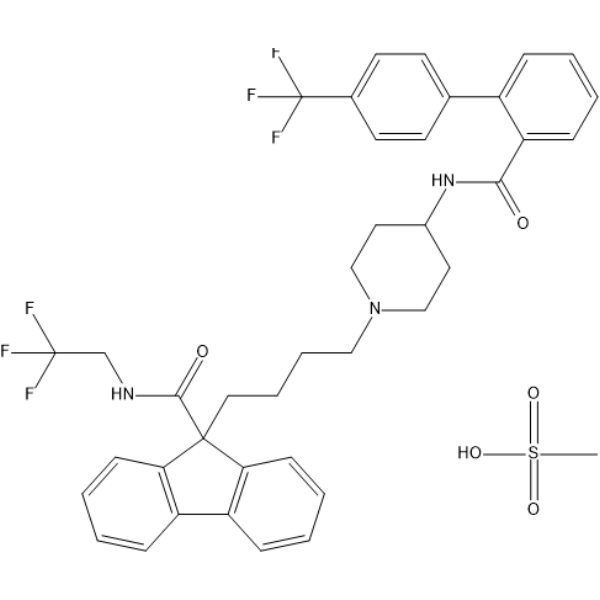
  • HY-14668
    Lomitapide mesylate
    5+ Cited Publications

    AEGR-733 mesylate; BMS-201038 mesylate

    Microsomal Triglyceride Transfer Protein (MTP) mTOR LDLR Autophagy Apoptosis Cardiovascular Disease Neurological Disease Metabolic Disease Cancer
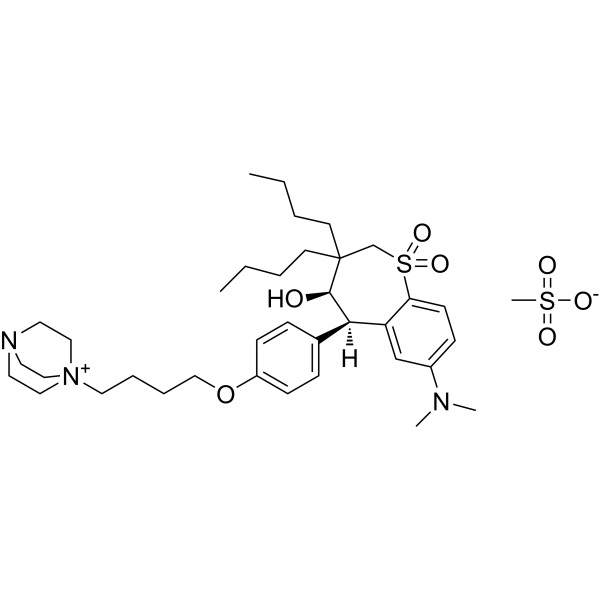
    Lomitapide (AEGR-733; BMS-201038) mesylate is an orally active microsomal triglyceride transfer protein (MTP) inhibitor and a selective mTORC1 inhibitor with lipid-lowering activity and BBB permeability. Lomitapide mesylate significantly reduces plasma LDL levels by blocking the assembly and secretion of very-low-density lipoprotein (VLDL). Lomitapide mesylate inhibits mTORC1 in an ATP-dependent manner, thereby inducing AMPK-independent autophagic cell death and suppressing cancer cell growth and apoptosis. Lomitapide mesylate also enhances tumor infiltration of CD8 + T cells. In addition, Lomitapide mesylate inhibits HDAC, improves endothelial function, effectively alleviates vascular inflammation and oxidative stress, and exerts neuroprotective effects in a cerebral ischemia/reperfusion injury model. Lomitapide mesylate can be used in research on related diseases such as colorectal cancer, breast cancer, melanoma, ischemic stroke, and familial hypercholesterolemia .
    Lomitapide mesylate
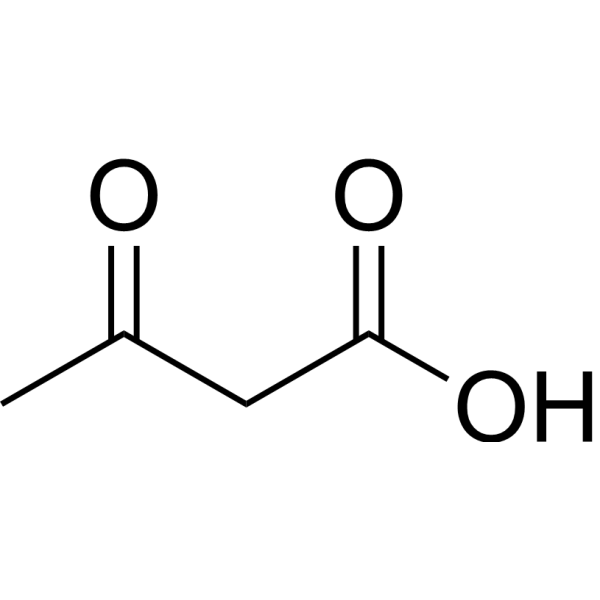
  • HY-112540
    Acetoacetic acid
    4 Publications Verification

    Endogenous Metabolite Metabolic Disease
    Acetoacetic acid is an oxidative stress inducer that affects the antioxidant enzyme system and lipoprotein metabolism. Acetoacetic acid induces oxidative stress by decreasing the mRNA expression and activity of superoxide dismutase (SOD), catalase (CAT), and glutathione peroxidase (GSH-Px), increasing MDA content, and inhibiting very low density lipoprotein (VLDL) assembly by downregulating apolipoprotein ApoB100, ApoE, and low density lipoprotein receptor (LDLR), leading to triglyceride (TG) accumulation in hepatocytes. Acetoacetic acid can be used to study metabolic diseases .
    Acetoacetic acid
  • HY-109523
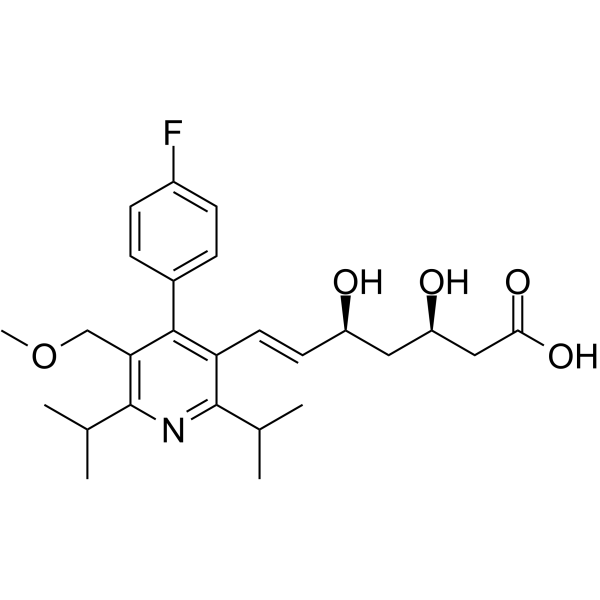
    Cerivastatin sodium
    2 Publications Verification

    HMG-CoA Reductase (HMGCR) Ferroptosis Cardiovascular Disease Cancer
    Cerivastatin sodium is a synthetic lipid-lowering agent and a highly potent, well-tolerated and orally active HMG-CoA reductase inhibitor, with a Ki of 1.3 nM/L. Cerivastatin sodium reduces low-density lipoprotein cholesterol levels. Cerivastatin sodium also inhibits proliferation and invasiveness of MDA-MB-231 cells, mainly by RhoA inhibition, and has anti-cancer effect .
    Cerivastatin sodium
  • HY-W510159

    PCSK9 Cardiovascular Disease
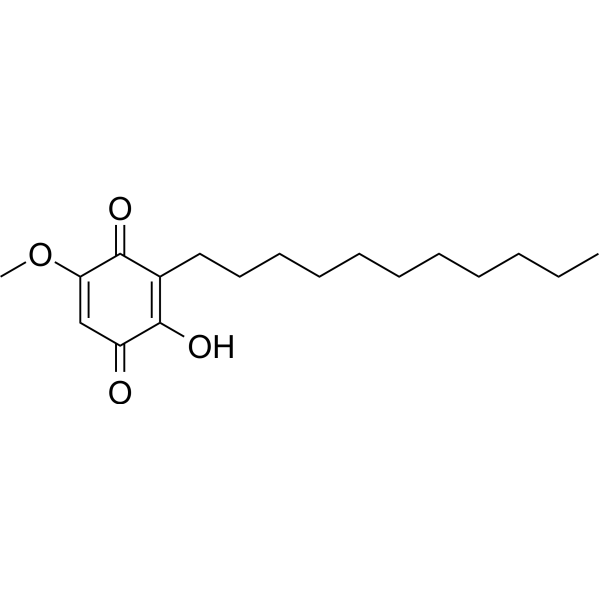
    5-O-Methylembelin is a natural isocoumarin that inhibits PCSK9, inducible degrader of the low-density lipoprotein receptor (IDLR), and sterol regulatory element binding protein 2 (SREBP2) mRNA expression .
    5-O-Methylembelin
  • HY-N0627

    LDLR Others
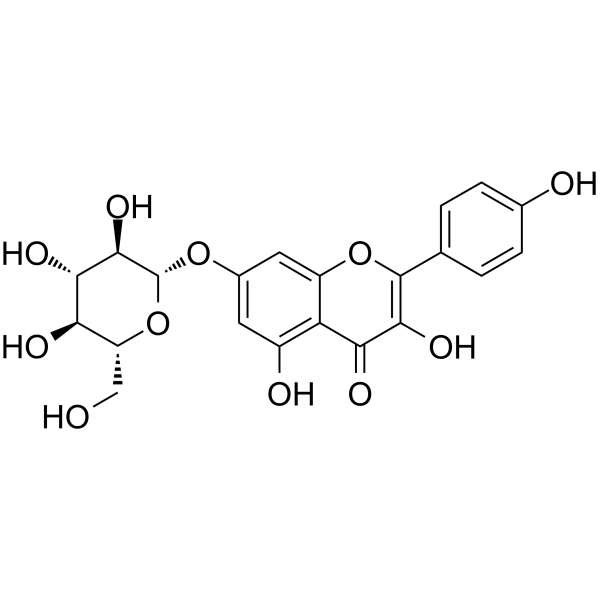
    Kaempferol-7-O-β-D-glucopyranoside is a flavonoid glycoside. Kaempferol-7-O-β-D-glucopyranoside exists in the root bark of Cudrania tricuspidata. Kaempferol-7-O-β-D-glucopyranoside inhibits Cu 2+-induced lipid peroxidation of low-density lipoprotein. Kaempferol-7-O-β-D-glucopyranoside possesses antioxidant activity and scavenges DPPH free radicals .
    Kaempferol-7-O-β-D-glucopyranoside
  • HY-112540A
    Acetoacetic acid lithium
    4 Publications Verification

    Endogenous Metabolite Metabolic Disease
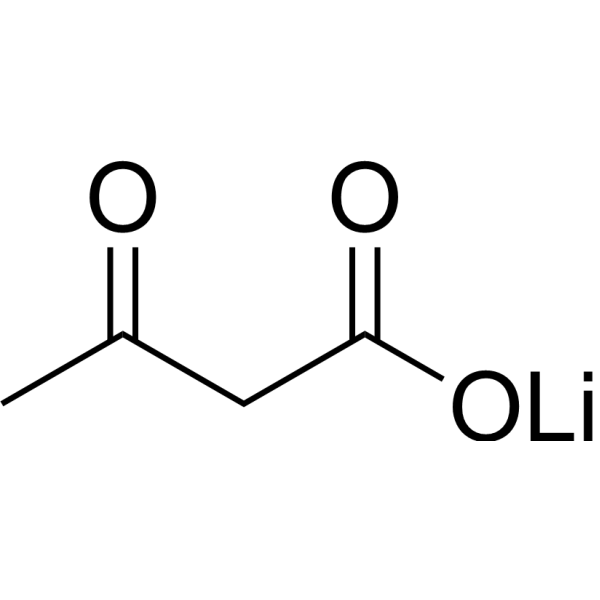
    Acetoacetic acid lithium is an oxidative stress inducer that affects the antioxidant enzyme system and lipoprotein metabolism. Acetoacetic acid lithium induces oxidative stress by decreasing the mRNA expression and activity of superoxide dismutase (SOD), catalase (CAT), and glutathione peroxidase (GSH-Px), increasing MDA content, and inhibiting very low density lipoprotein (VLDL) assembly by downregulating apolipoprotein ApoB100, ApoE, and low density lipoprotein receptor (LDLR), leading to triglyceride (TG) accumulation in hepatocytes. Acetoacetic acid lithium can be used to study metabolic diseases .
    Acetoacetic acid lithium
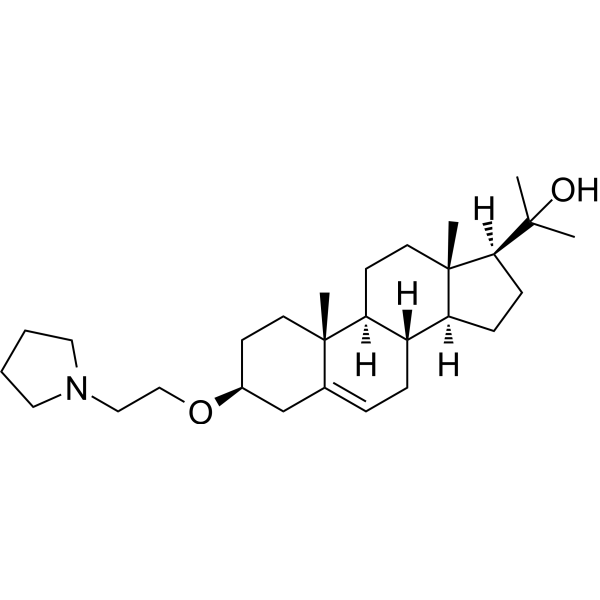
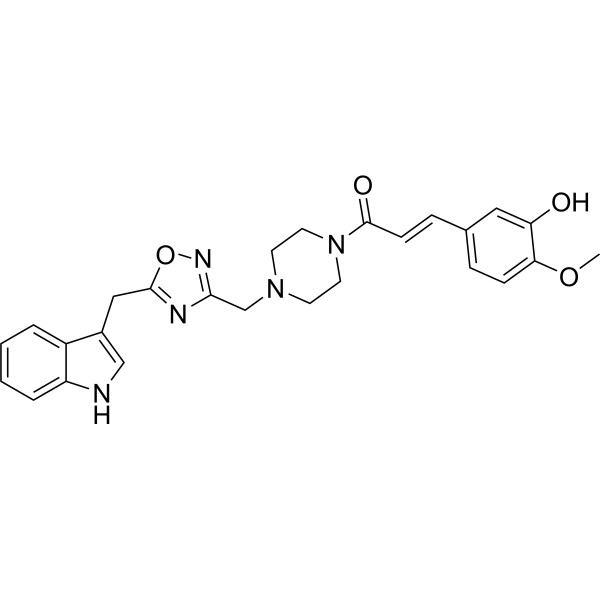
  • HY-145001

    LDLR CETP Metabolic Disease
    20-HC-Me-Pyrrolidine (compound AI-3d) is a potent Aster protein inhibitor with IC50s of 0.11 μM, 0.06 μM, and 0.71 μM for Aster-A, Aster-B, and Aster-C, respectively. 20-HC-Me-Pyrrolidine blocks the ability of Asters to bind and transfer cholesterol. 20-HC-Me-Pyrrolidine also inhibits the movement of low-density lipoprotein (LDL) cholesterol to the endoplasmic reticulum (ER) .
    20-HC-Me-Pyrrolidine
  • HY-P10502

    LDLR Infection
    L57 is a low-density lipoprotein receptor-related protein 1 (LRP1)-binding peptide. L57 exhibits high affinity for LRP1, with an EC50 of 45 nM. L57 possesses blood-brain barrier (BBB) permeability and plasma stability. L57 can serve as a carrier for central nervous system drug delivery .
    L57
  • HY-115486
    MPO-IN-28
    3 Publications Verification

    Glutathione Peroxidase Cardiovascular Disease
    MPO-IN-28 is a selective myeloperoxidase (MPO) inhibitor with an IC50 of 44 nM. MPO-IN-28 can effectively inhibit MPO-mediated low-density lipoprotein oxidation with an IC50 of 90 nM .
    MPO-IN-28
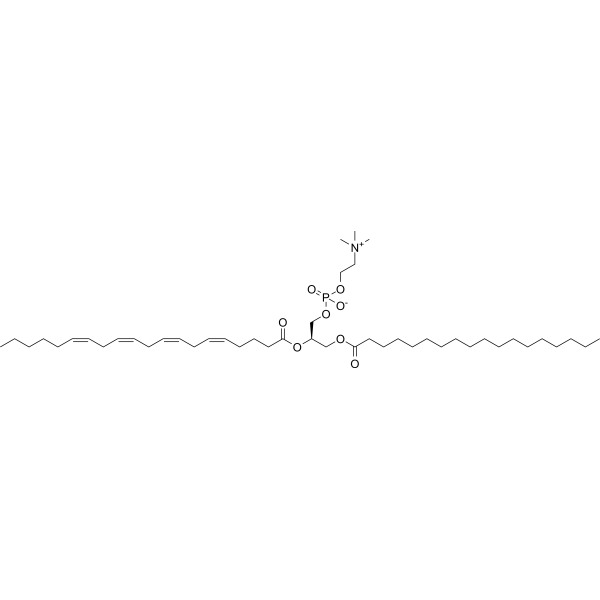
  • HY-126356

    Liposome Cardiovascular Disease
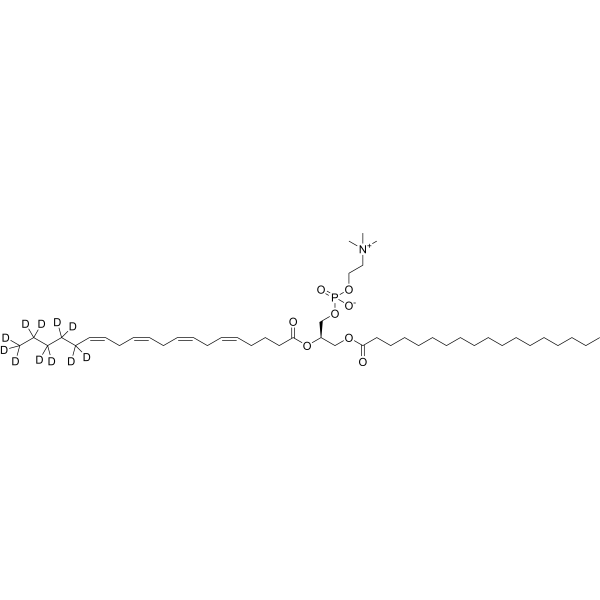
    1-Stearoyl-2-arachidonoyl-sn-glycero-3-phosphocholine is a major phospholipid in low-density lipoprotein and belongs to the group of 1-acyl phosphatidylcholines. 1-Stearoyl-2-arachidonoyl-sn-glycero-3-phosphocholine does not induce morphological changes in washed human platelets. 1-Stearoyl-2-arachidonoyl-sn-glycero-3-phosphocholine can be used for the research of atherosclerosis and thrombotic diseases .
    1-Stearoyl-2-arachidonoyl-sn-glycero-3-phosphocholine
  • HY-P99793

    MLDL1278A

    LDLR Inflammation/Immunology
    Orticumab (MLDL1278A) is an antibody targeting to oxidized or malondialdehyde-modified lipoprotein (LDL). Orticumab specifically inhibits oxidized low-density lipoproteins (oxLDL). Orticumab involves in modulation of autoimmune responses against oxLDL, improves atherosclerosis in animal model. Orticumab also can be used for research of psoriasis improvement .
    Orticumab
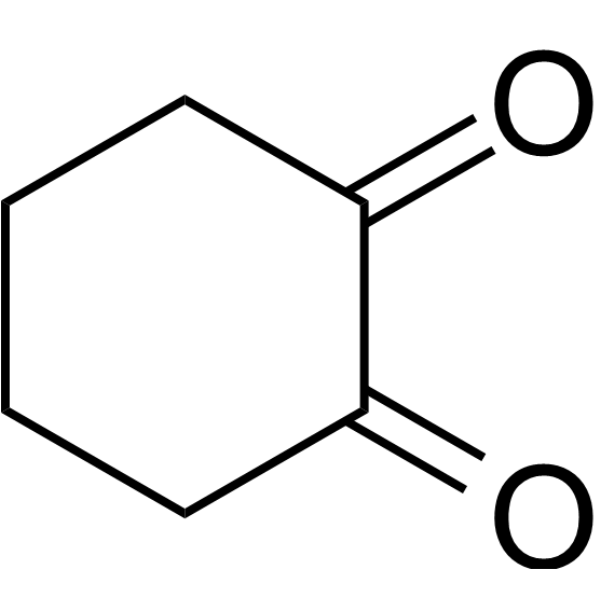
  • HY-W007347

    Biochemical Assay Reagents LDLR Cardiovascular Disease Metabolic Disease
    1,2-Cyclohexanedione is an arginine modification reagent. 1,2-Cyclohexanedione interferes with the degradation of low-density lipoprotein by modifying the arginine group in apolipoprotein. 1,2-Cyclohexanedione can be used in the research of familial hypercholesterolemia .
    1,2-Cyclohexanedione
  • HY-10473

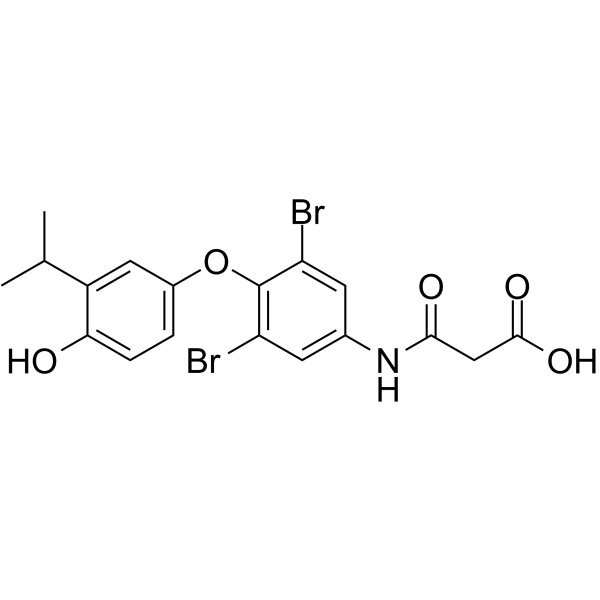
    KB2115

    Thyroid Hormone Receptor Metabolic Disease Endocrinology
    Eprotirome (KB2115) is a liver-selective thyroid hormone receptor (TR) agonist. KB2115 has modestly higher affinity for TRβ than for TRα. Eprotirome reduces low-density lipoprotein (LDL) cholesterol concentrations. Eprotirome can be used for dyslipidemias and obesity research .
    Eprotirome
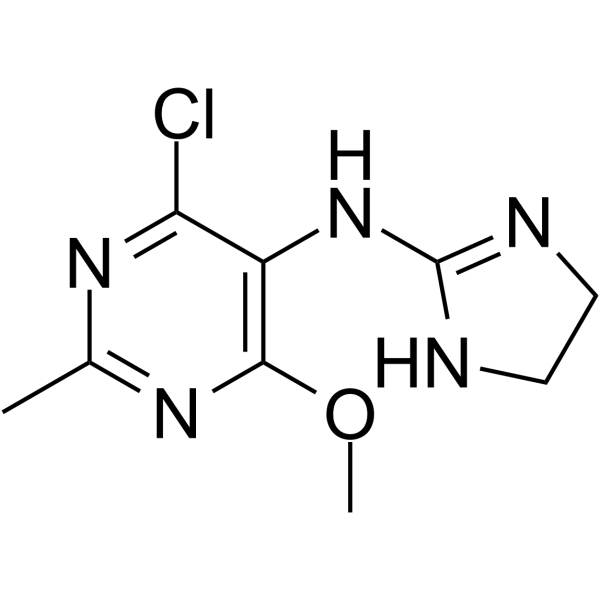
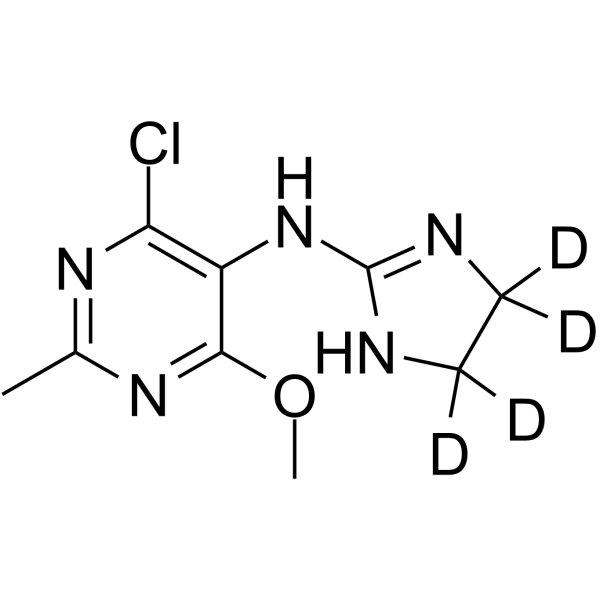
  • HY-B0374

    BDF5895

    Imidazoline Receptor Adrenergic Receptor LDLR Cardiovascular Disease Neurological Disease
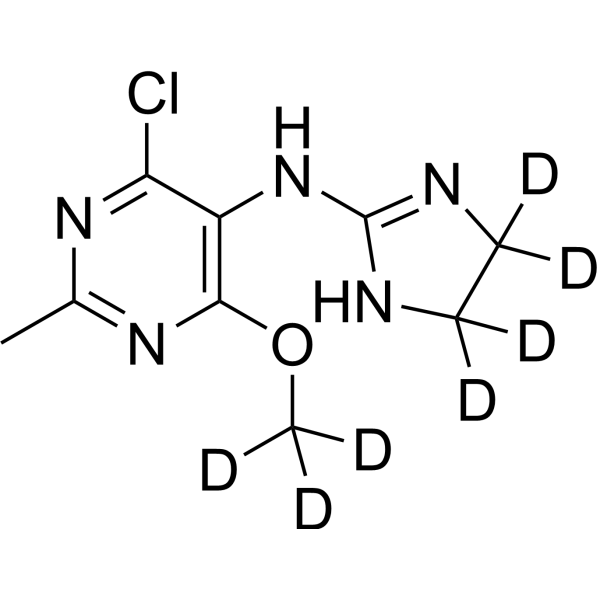
    Moxonidine (BDF5895) is an orally active imidazoline type 1 receptor (I1-R) agonist. Moxonidine activates imidazoline I1 receptors and α2 adrenoceptors, affecting oxidized low-density lipoprotein uptake. Moxonidine reduces atherosclerotic lesions and lowers blood pressure. Moxonidine can be used in the study of hypertension, heart failure, and atherosclerosis .
    Moxonidine
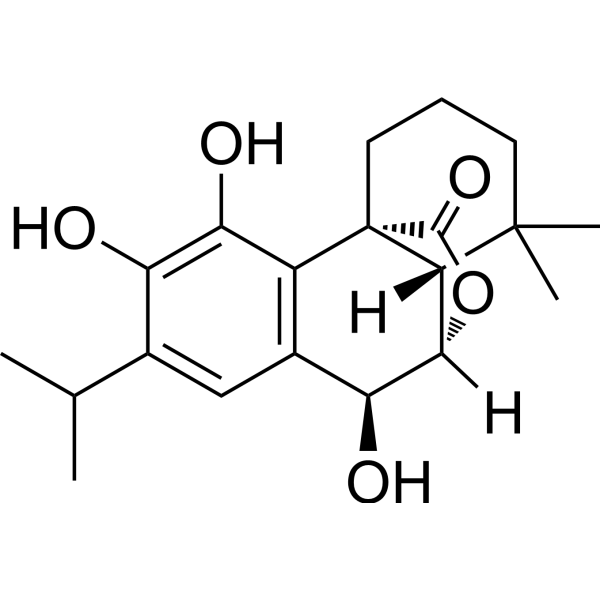
  • HY-N5015
    Rosmanol
    1 Publications Verification

    COX Inflammation/Immunology Cancer
    Rosmanol could inhibit the oxidation of low density lipoprotein (LPL) and significantly inhibit lipopolysaccharide induced iNOS and COX-2 expression, with anti-inflammatory effect.
    Rosmanol
  • HY-P99822

    SHR-1209

    PCSK9 Metabolic Disease
    Recaticimab (SHR-1209) is a humanized IgG1 mAb that selectively targets PCSK9. Recaticimab reduces low-density lipoprotein cholesterol (LDL-C), non-high-density lipoprotein cholesterol (non-HDL-C), apolipoprotein B (ApoB), triglyceride (TG), and lipoprotein(a) levels. Recaticimab can be used for hyperlipidemia research .
    Recaticimab
  • HY-109567

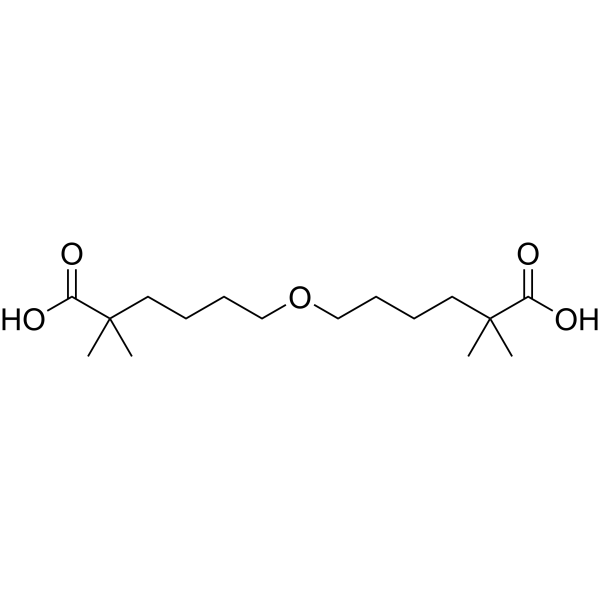
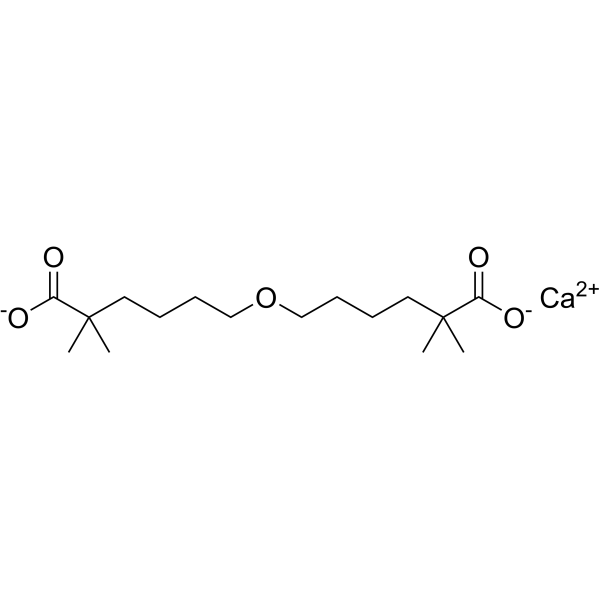
    PD-72953

    LDLR Metabolic Disease Inflammation/Immunology
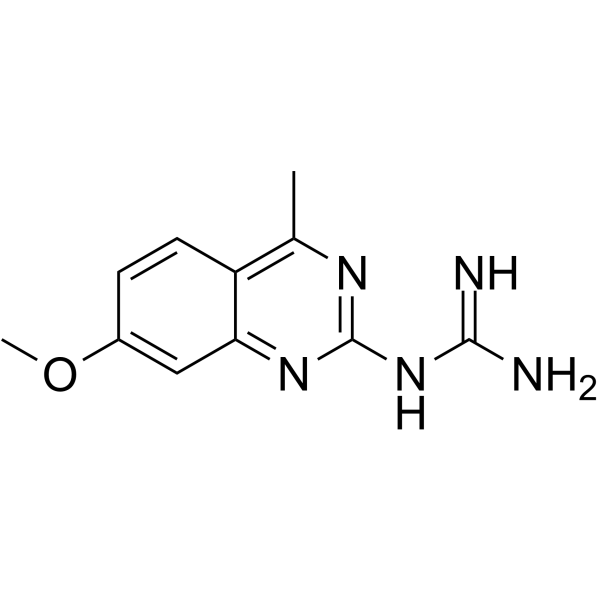
    Gemcabene (PD-72953), a first-in-class lipid-lowering agent, lowers low-density lipoprotein cholesterol (LDL-C), decreases triglycerides, and raises high-density lipoprotein cholesterol (HDL-C) and lowers pro-inflammatory acute-phase protein, C-reactive protein (CRP), exerting anti-inflammatory activity .
    Gemcabene
  • HY-116175

    LDLR Metabolic Disease
    BIBB 515 is a potent, selective and orally active 2,3-oxidosqualene cyclase (OSC) inhibitor with ED50 values of 0.2-0.5 mg/kg and 0.36-33.3 mg/kg in rats and mice (1-5 hours), respectively. BIBB 515 exerts lipid-lowering effect mainly by inhibiting the production of low-density lipoprotein (LDL) .
    BIBB 515
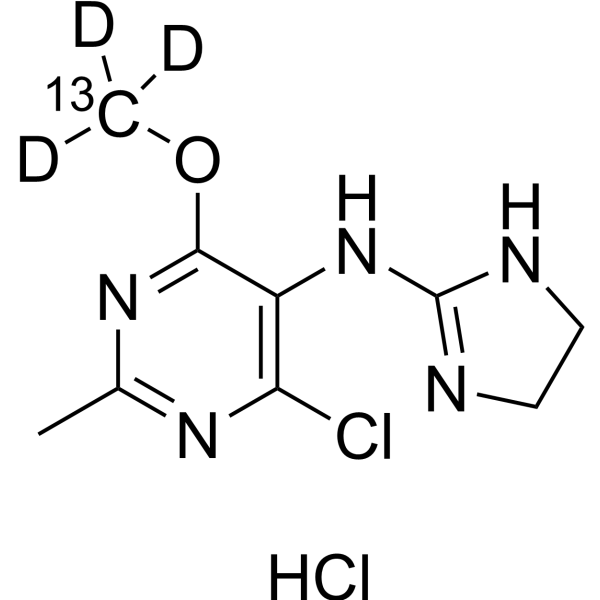
  • HY-B0374A

    BDF5895 hydrochloride

    Imidazoline Receptor Adrenergic Receptor LDLR Cardiovascular Disease Neurological Disease
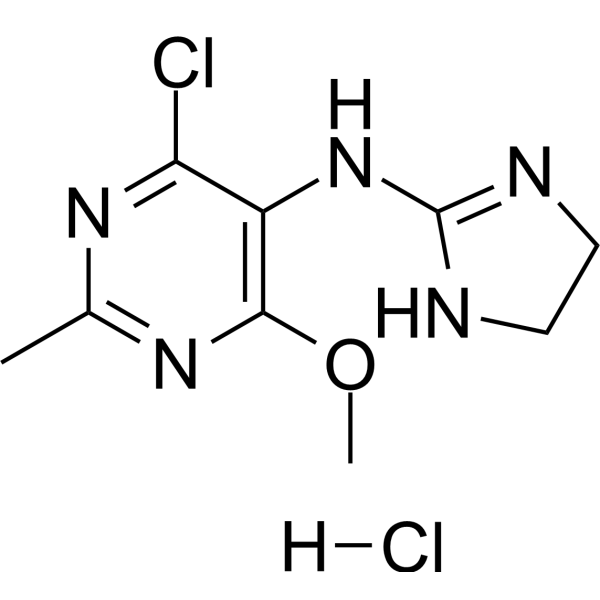
    Moxonidine (BDF5895) hydrochloride is an orally active imidazoline type 1 receptor (I1-R) agonist. Moxonidine hydrochloride activates imidazoline I1 receptors and α2 adrenoceptors, affecting oxidized low-density lipoprotein uptake. Moxonidine hydrochloride reduces atherosclerotic lesions and lowers blood pressure. Moxonidine hydrochloride can be used in the study of hypertension, heart failure, and atherosclerosis .
    Moxonidine hydrochloride
  • HY-19749
    PD 151746
    5+ Cited Publications

    Proteasome Interleukin Related Cardiovascular Disease Inflammation/Immunology Cancer
    PD 151746 is a selective calpain-1 inhibitor with an IC50 of 260 nM. PD 151746 binds μ-calpain Ca 2+-binding sites, and shows selectivity over cathepsin B, papain, trypsin, thermolysin, and basal calcineurin. PD 151746 reduces Oxidized low-density lipoprotein (oxLDL)-induced cytotoxicity, apoptotic DNA fragmentation, and blocks IL-1α maturation. PD 151746 can be used for the research of atherosclerosis and psoriasis .
    PD 151746
  • HY-130576

    Apoptosis Cardiovascular Disease
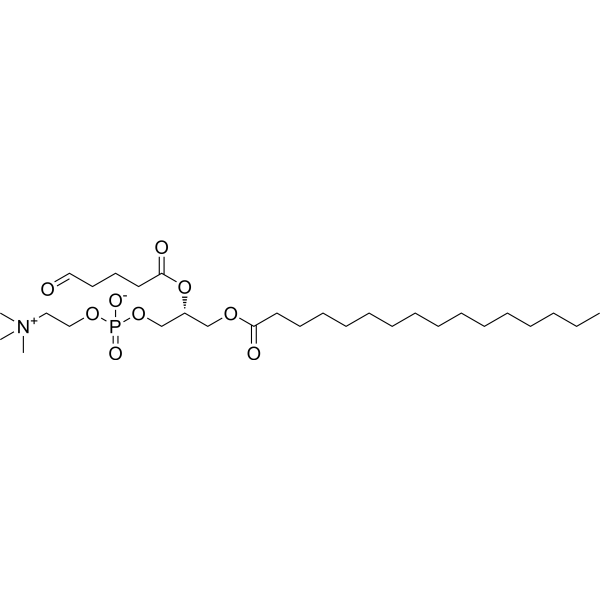
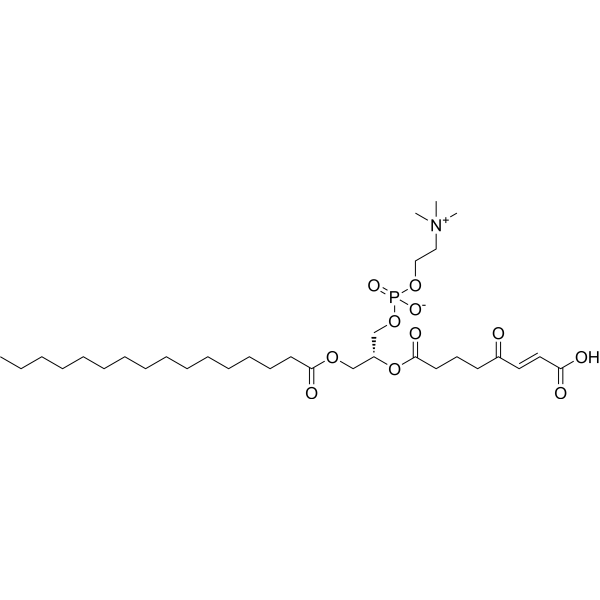
    POVPC is an oxidized phospholipid can be found in in oxidatively modified low density lipoprotein (oxLDL). POVPC inhibits VSMC growth in high serum condition. POVPC induces apoptosis in low serum condition .
    POVPC
  • HY-P10502A

    LDLR Others
    L57 acetate is a Low-density lipoprotein receptor-related protein 1 (LRP1)-binding peptide. L57 acetate exhibits high affinity to LRP1 with Ki of 45 nM. L57 acetate exhibits blood-brain barrier (BBB) permeability and plasma stability. L57 acetate can be utilized as the carrier for CNS drug delivery .
    L57 acetate
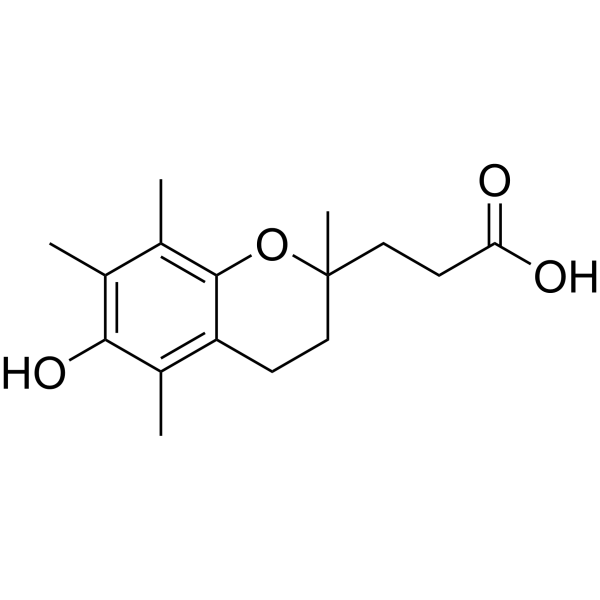
  • HY-113269
    alpha-CEHC
    1 Publications Verification

    Drug Metabolite Others
    alpha-CEHC is a water-soluble metabolite of alpha-tocopherol (α-TOH) with potential antioxidant activity. alpha-CEHC slightly inhibits macrophage-induced low-density lipoprotein (LDL) oxidation, and its inhibitory potency is concentration-dependent .
    alpha-CEHC
  • HY-130245

    PCSK9 Metabolic Disease
    PCSK9 degrader 1 (Compound 16) is a small molecule ligand for proprotein convertase substilisin-like/kexin type 9 (PCSK9) and shows high affinity to PCSK9 with a Ki of 107 nM. PCSK9 degrader 1 can involve in a protein-protein interaction with the low-density lipoprotein (LDL) receptor .
    PCSK9 degrader 1
  • HY-148758

    PCSK9 Cardiovascular Disease Metabolic Disease
    PCSK9-IN-13(compound 3f) is a potent PCSK9 inhibitor, which can antagonize low-density lipoprotein (LDL) receptor binding by binding to PCSK9, with an IC50 of 537 nM .
    PCSK9-IN-13
  • HY-N2339
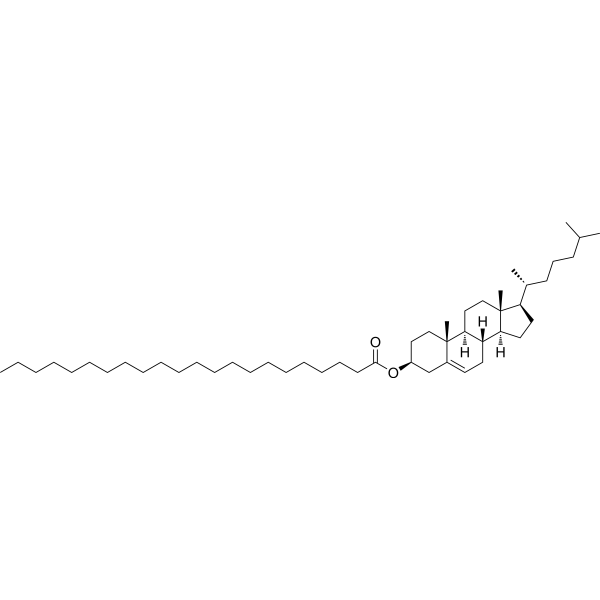
    Cholesteryl behenate
    1 Publications Verification

    Cholesteryl docosanoate; Cholesterol behenate

    Endogenous Metabolite Metabolic Disease
    Cholesteryl behenate is a cholesterol ester associated with the neutral core of low density lipoprotein Receptor-LDL complexes are taken up by lysosomes and hydrolyzed to release cholesterol from the esters.
    Cholesteryl behenate
  • HY-17504R
    Rosuvastatin Calcium (Standard)
    10+ Cited Publications

    Rosuvastatin hemicalcium (Standard); ZD 4522 Calcium (Standard)

    Reference Standards HMG-CoA Reductase (HMGCR) Autophagy Potassium Channel Bacterial Cardiovascular Disease Metabolic Disease Cancer
    Rosuvastatin (Calcium) (Standard) is the analytical standard of Rosuvastatin (Calcium). This product is intended for research and analytical applications. Rosuvastatin Calcium is a competitive HMG-CoA reductase (HMGCR) inhibitor, with an IC50 of 11 nM. Rosuvastatin Calcium potently blocks hERG current with an IC50 of 195 nM . Rosuvastatin Calcium reduces the expression of the mature hERG and the interaction of heat shock protein 70 (Hsp70) with the hERG protein. Rosuvastatin Calcium effectively lowers low-density lipoprotein (LDL) cholesterol, triglycerides, and C-reactive protein levels .
    Rosuvastatin Calcium (Standard)
  • HY-129458

    HMG-CoA Reductase (HMGCR) Ferroptosis Cardiovascular Disease Cancer
    Cerivastatin is a synthetic lipid-lowering agent and a highly potent, well-tolerated and orally active HMG-CoA reductase inhibitor, with a Ki of 1.3 nM/L. Cerivastatin reduces low-density lipoprotein cholesterol levels. Cerivastatin also inhibits proliferation and invasiveness of MDA-MB-231 cells, mainly by RhoA inhibition, and has anti-cancer effect .
    Cerivastatin
  • HY-W423578

    LDLR Cardiovascular Disease
    LDLR regulator-1 (Compound 7b) is a regulator of the low-density lipoprotein receptor (LDLR), capable of increasing the mRNA expression of LDLR .
    LDLR regulator-1
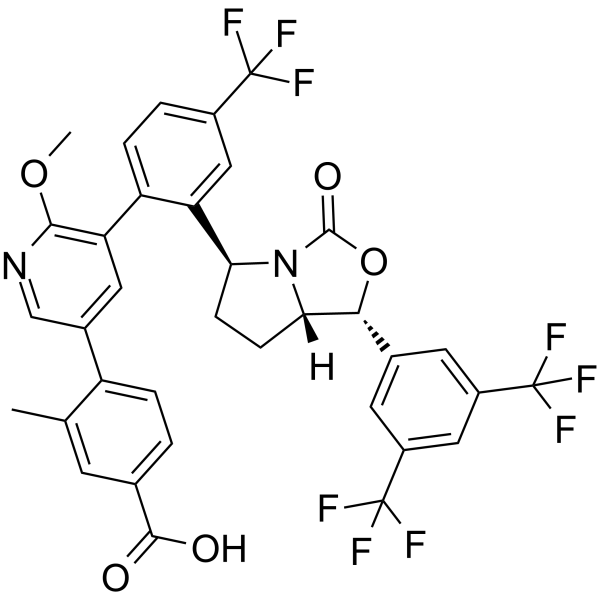
  • HY-172661

    Thyroid Hormone Receptor Interleukin Related LDLR Infection Metabolic Disease
    KYLO-0603 is an orally active, selective THR-β agonist (EC50 : 31.07 nM). KYLO-0603 has significant activity in lowering serum cholesterol and low-density lipoprotein cholesterol. KYLO-0603 upregulates the expression of THR-regulated genes (including iodothyronine deiodinase 1 (Dio1), malic enzyme 1 (Me1), and thyroid hormone response (Thrsp) gene) and inhibits the expression of inflammatory and fibrotic genes (low-density lipoprotein receptor (LDL-R) gene) by activating THR-β receptors. KYLO-0603 can be used to treat metabolic dysfunction-associated steatohepatitis (MASH) and liver fibrosis research .
    Kylo-0603
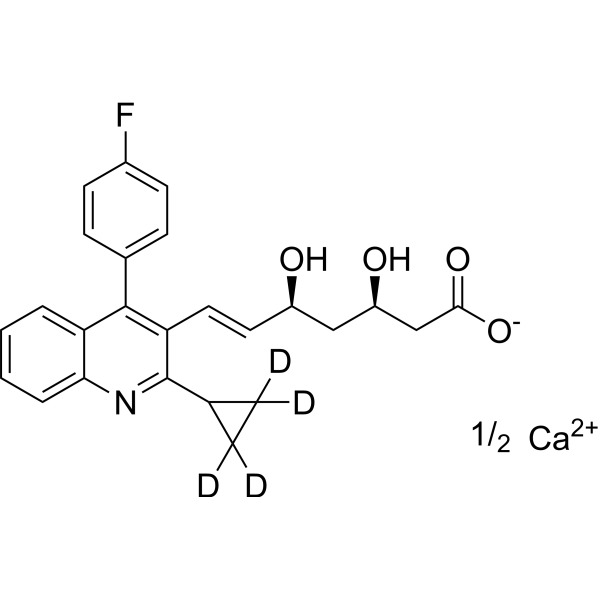
  • HY-B0144AS1

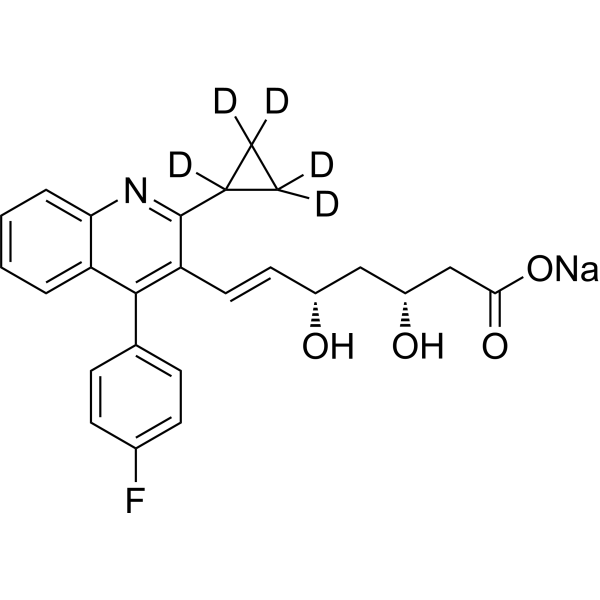
    NK-104-d5 sodium

    Apoptosis HMG-CoA Reductase (HMGCR) Mitophagy Autophagy Metabolic Disease Cancer
    Pitavastatin-d5 (sodium) is the deuterium labeled Pitavastatin sodium. Pitavastatin (NK-104) is a potent hydroxymethylglutaryl-CoA (HMG-CoA) reductase inhibitor. Pitavastatin inhibits cholesterol synthesis from acetic acid with an IC50 of 5.8 nM in HepG2 cells. Pitavastatin is an efficient hepatocyte low-density lipoprotein-cholesterol (LDL-C) receptor inducer. Anti-cancer activity.
    Pitavastatin-d5 sodium
  • HY-P11071

    PCSK9 Cardiovascular Disease
    PCSK9 Inhibitor, EGF-A is a PCSK9 inhibitor. PCSK9 Inhibitor, EGF-A is residues 293-334 of the EGF-A domain of the low-density lipoprotein (LDL) receptor. PCSK9 Inhibitor, EGF-A can prevent PCSK9-induced intracellular LDLR degradation. PCSK9 Inhibitor, EGF-A can be used in the study of hypercholesterolemia and premature atherosclerosis .
    PCSK9 Inhibitor, EGF-A
  • HY-134154

    PAzePC; Azelaoyl PC; 1-Palmitoyl-2-Azelaoyl PC

    Endogenous Metabolite Metabolic Disease
    Oxidized low-density lipoprotein (oxLDL) particles contain low molecular weight species which are cytotoxic and pro-atherogenic. Many of these substances were isolated and purified from oxLDL and identified as phosphatidylcholine species containing a fragmented, oxidized short-chain fatty acid remnant at the sn-2 position. PAz-PC (Azelaoyl PC) is one of the predominant oxLDL species and may be one of the important structural determinants of oxLDL.
    PAz-PC
  • HY-B0144B

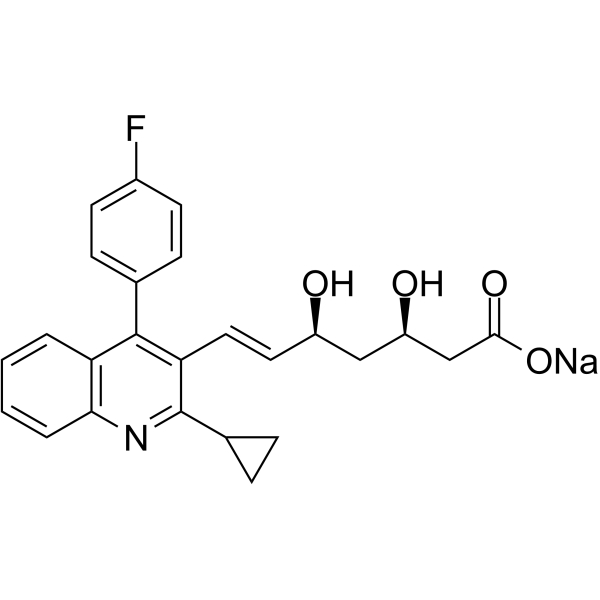
    NK-104 sodium

    HMG-CoA Reductase (HMGCR) Autophagy Mitophagy Apoptosis Cardiovascular Disease Neurological Disease Metabolic Disease Cancer
    Pitavastatin (NK-104) sodium is a potent hydroxymethylglutaryl-CoA (HMG-CoA) reductase inhibitor. Pitavastatin sodium inhibits cholesterol synthesis from acetic acid with an IC50 of 5.8 nM in HepG2 cells. Pitavastatin sodium is an efficient hepatocyte low-density lipoprotein-cholesterol (LDL-C) receptor inducer. Pitavastatin sodium also possesses anti-atherosclerotic, anti-asthmatic, anti-osteoarthritis, antineoplastic, neuroprotective, hepatoprotective and reno-protective effects .
    Pitavastatin sodium
  • HY-113046S1

    5-Methyl THF-13C6; 5-MTHF-13C6

    Isotope-Labeled Compounds Endogenous Metabolite Cardiovascular Disease Metabolic Disease
    5-Methyltetrahydrofolic acid- 13C6 (5-Methyl THF- 13C6) is 13C labeled 5-Methyltetrahydrofolic acid. 5-Methyltetrahydrofolic acid (5-Methyl THF) is the main circulating form of folic acid in the body and is involved in a variety of biochemical reactions. 5-Methyltetrahydrofolic acid regulates cardiovascular function by increasing the production of endothelin-1 (ET-1) in low-density lipoprotein-treated endothelial cells and can be used in the study of cardiovascular diseases .
    5-Methyltetrahydrofolic acid-13C6
  • HY-148626

    PCSK9 Metabolic Disease
    CVI-LM001 is an inhibitor PCSK 9. CVI-LM001 inhibits the interaction of PCSK9 with low-density lipoprotein receptor (LDLR), regulates the level of low-density lipoprotein cholesterol (LDL-C) in the blood, and exhibits lipid-lowering efficacy .
    CVI-LM001
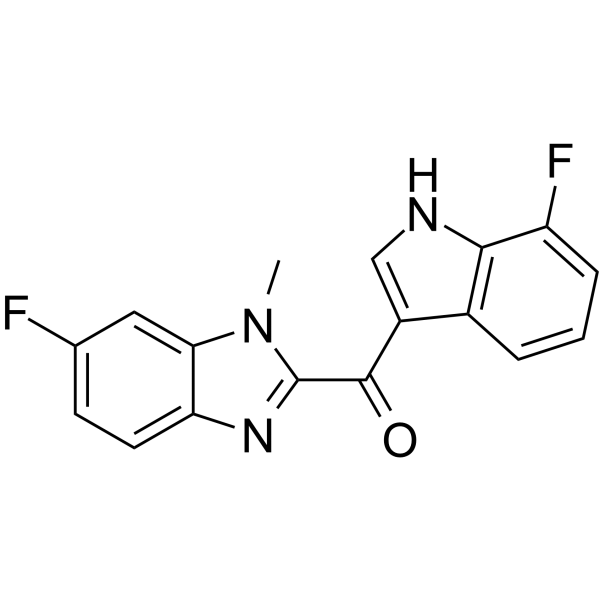
  • HY-120651

    LDLR Metabolic Disease
    LDL-IN-2 (compound 3) is an antioxidant against copper mediated low-density lipoproteins (LDL) oxidation .
    LDL-IN-2

Demande en ligne

Your information is safe with us. * Required Fields.

Civilité


Country or Region *

Nom du demandeur *


Nom de l'organisation *

Department *


Adresse e-mail *


Nom du produit *

Cat. No.


Requested quantity *

Numéro de téléphone *


Remarques

Demande en ligne

Inquiry Information

Nom du produit:
Cat. No.:
Quantité:
MCE Japan Authorized Agent: