1. Search Result
Search Result
Results for "

3-kinase

" in MedChemExpress (MCE) Product Catalog:

109

阻害剤およびアゴニスト

1

生化学アッセイ試薬

6

ペプチド

5

天然物

68

組換えタンパク質

80

抗体

2

オリゴヌクレオチド

Targets Recommended:
製品番号 製品名 Target 研究分野 構造式
  • HY-101872
    GSK-872
    95+ Cited Publications

    RIP kinase Inflammation/Immunology
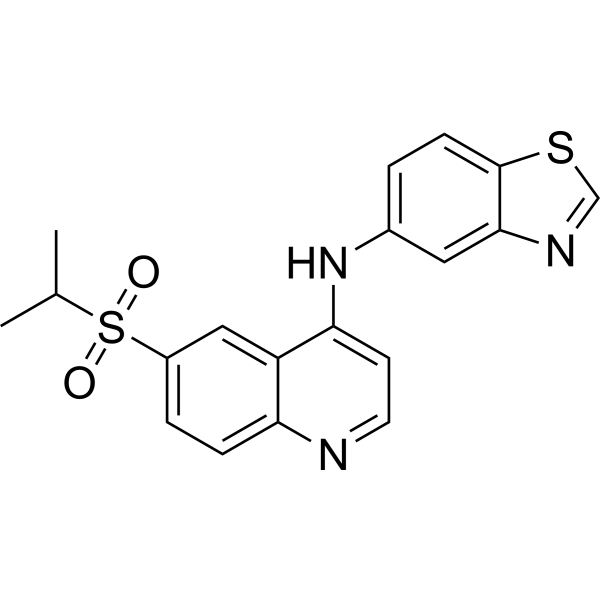
    GSK-872 is a RIPK3 inhibitor, which binds RIP3 kinase domain with an IC50 of 1.8 nM, and inhibits kinase activity with an IC50 of 1.3 nM. GSK-872 decreases the RIPK3-mediated necroptosis and subsequent cytoplasmic translocation and expression of HMGB1, as well as ameliorates brain edema and neurological deficits in early brain injury [3].
    GSK-872
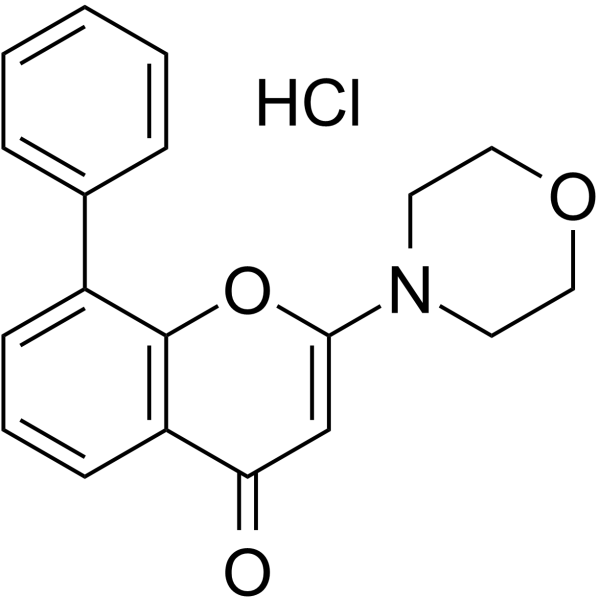
  • HY-10108A
    LY294002 hydrochloride
    Maximum Cited Publications
    1120 Publications Verification

    PI3K Casein Kinase DNA-PK Apoptosis Cancer
    LY294002 hydrochloride is a potent and broad-spectrum PI3K inhibitor, with IC50 values of 0.5, 0.57, and 0.97 μM for P110α, P110δ and P110β, respectively. LY294002 hydrochloride also inhibits CK2 with an IC50 of 98 nM. LY294002 hydrochloride can be used for pancreatic cancer research [3].
    LY294002 hydrochloride
  • HY-12037A
    Rigosertib
    5+ Cited Publications

    ON-01910

    Polo-like Kinase (PLK) PI3K Apoptosis Cancer
    Rigosertib (ON-01910) is a multi-kinase inhibitor and a selective anti-cancer agent, which induces apoptosis by inhibition the PI3 kinase/Akt pathway, promots the phosphorylation of histone H2AX and induces G2/M arrest in cell cycle . Rigosertib is a selective and non-ATP-competitive inhibitor of PLK1 with an IC50 of 9 nM [3].
    Rigosertib
  • HY-113914
    9-ING-41
    5+ Cited Publications

    Elraglusib

    GSK-3 Apoptosis Autophagy Cancer
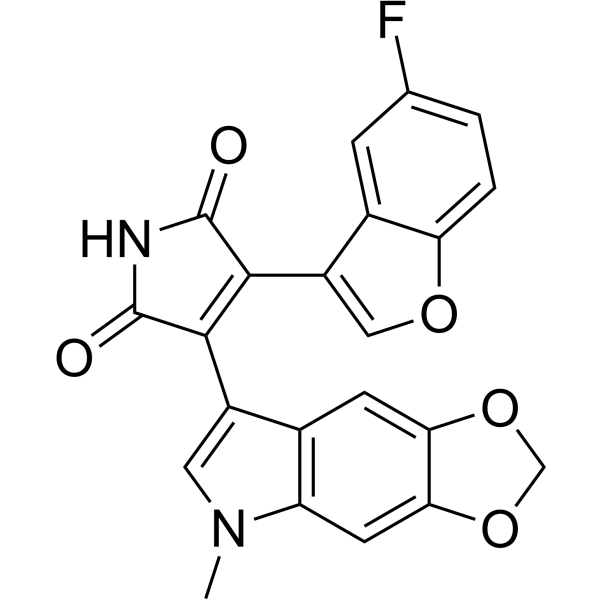
    9-ING-41 (Elraglusib) is a maleimide-based ATP-competitive and selective glycogen synthase kinase-3β (GSK-3β) inhibitor with an IC50 of 0.71 μM. 9-ING-41 significantly leads to cell cycle arrest, autophagy and apoptosis in cancer cells. 9-ING-41 has anticancer activity and has the potential for enhancing the antitumor effects of chemotherapeutic agents [3] .
    9-ING-41
  • HY-13246
    Apitolisib
    10+ Cited Publications

    GDC-0980; GNE 390; RG 7422

    PI3K mTOR Apoptosis Cancer
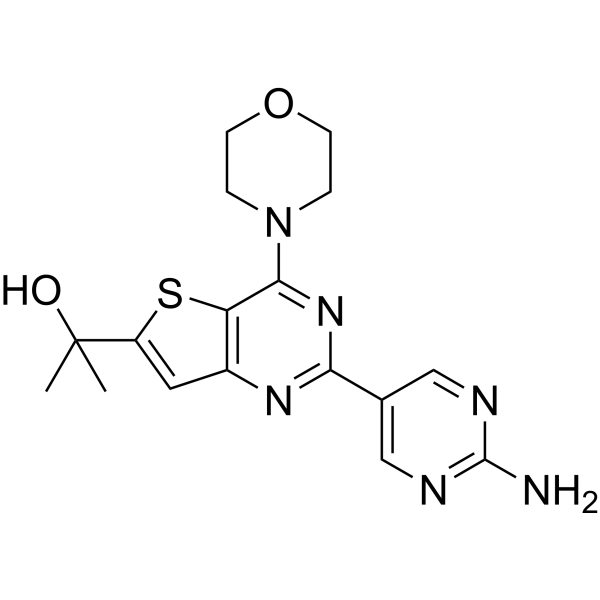
    Apitolisib (GDC-0980; GNE 390; RG 7422) is a selective, potent, orally bioavailable Class I PI3 kinase and mTOR kinase (TORC1/2) inhibitor with IC50s of 5 nM/27 nM/7 nM/14 nM for PI3Kα/PI3Kβ/PI3Kδ/PI3Kγ, and with a?Ki?of 17 nM for mTOR.
    Apitolisib
  • HY-18832

    Ephrin Receptor Cancer
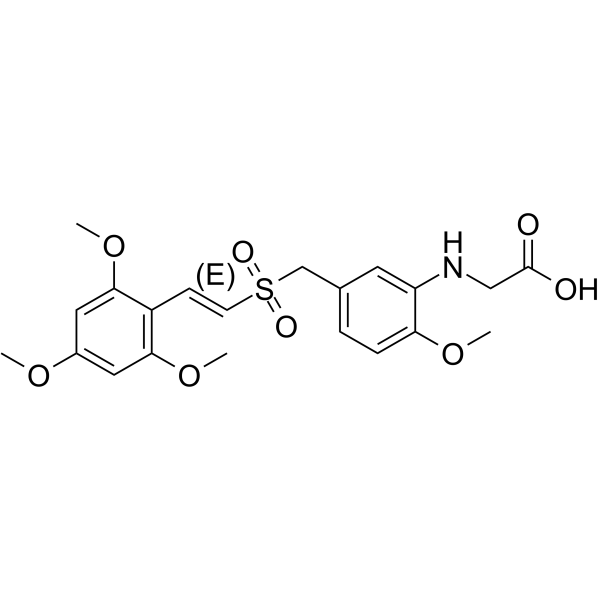
    AWL-II-38.3 is a potent ephrin-A receptor (EphA3) kinase inhibitor. AWL-II-38.3 does not exhibit significant cellular activity against Src-family kinases nor against b-raf .
    AWL-II-38.3
  • HY-101972
    AZ-PFKFB3-67
    1 Publications Verification

    Phosphatase Bcl-2 Family Neurological Disease Metabolic Disease
    AZ-PFKFB3-67 is a potent and selective PFKFB3 kinase inhibitor with IC50s of 11, 159 and 1130 nM for PFKFB3, PFKFB2 and PFKFB1, respectively. AZ-PFKFB3-67 reduces MCL-1. AZ-PFKFB3-67 has neuroprotective activity [3].
    AZ-PFKFB3-67
  • HY-N2081
    Skimmianine
    3 Publications Verification

    Cholinesterase (ChE) PI3K Akt NF-κB Neurological Disease Inflammation/Immunology Cancer
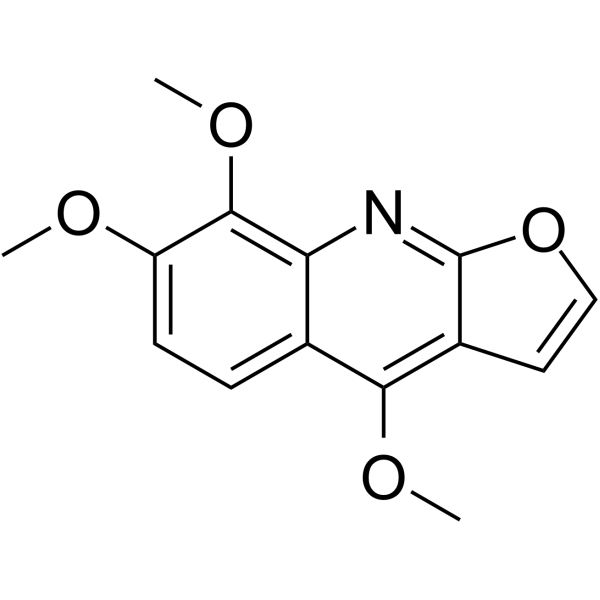
    Skimmianine is an orally active furoquiniline alkaloid present mainly in the Rutaceae family. Skimmianine has analgesic, antispastic, sedative, and anti-inflammatory properties. Skimmianine inhibits acetylcholinesterase (AChE) (IC50 = 8.6 μg/mL). Skimmianine exhibits cytotoxicity against a variety of cancer cell lines and genotoxicity. Skimmianine has antioxidant and anti-inflammatory effects on ischemia-reperfusion (IR) injury. Skimmianine exerts anti-inflammatory effects through activation of the phosphatidylinositol-3-kinase (PI3K)-protein kinase B (AKT) pathway. Skimmianine is neuroprotective by targeting the NF-κB activation pathway to prevent neuroinflammation. Skimmianine inhibits the release of histamine, intracellular Ca 2+ signaling and protein kinase C signaling [3] .
    Skimmianine
  • HY-125402
    GSK-843
    5+ Cited Publications

    GSK'843

    RIP kinase Apoptosis Inflammation/Immunology
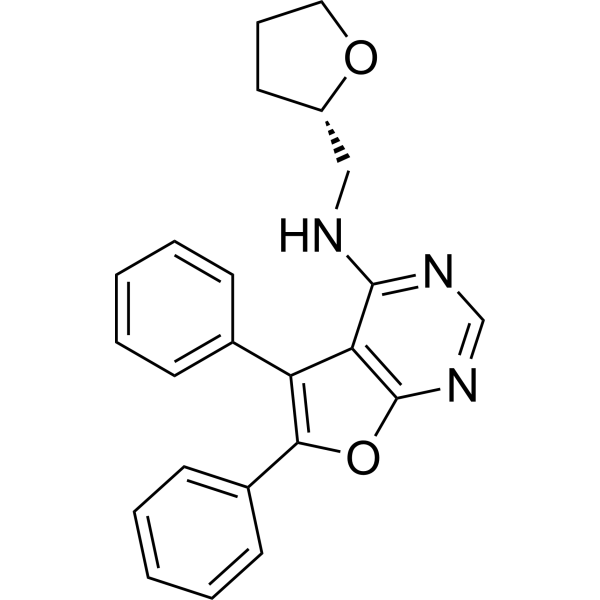
    GSK-843 (GSK'843) is a receptor-interacting protein kinase 3 (RIP3 or RIPK3) inhibitor, which binds RIP3 kinase domain with an IC50 of 8.6 nM, and inhibits kinase activity with an IC50 of 6.5 nM. GSK-843 can be used for the research of inflammation .
    GSK-843
  • HY-101872A
    GSK-872 hydrochloride
    95+ Cited Publications

    RIP kinase Inflammation/Immunology
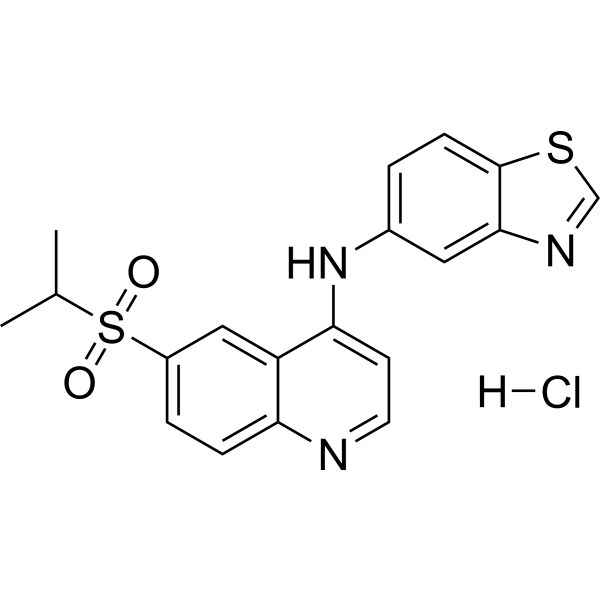
    GSK-872 hydrochloride is a RIPK3 inhibitor, which binds RIP3 kinase domain with an IC50 of 1.8 nM, and inhibits kinase activity with an IC50 of 1.3 nM. GSK-872 hydrochloride decreases the RIPK3-mediated necroptosis and subsequent cytoplasmic translocation and expression of HMGB1, as well as ameliorates brain edema and neurological deficits in early brain injury [3].
    GSK-872 hydrochloride
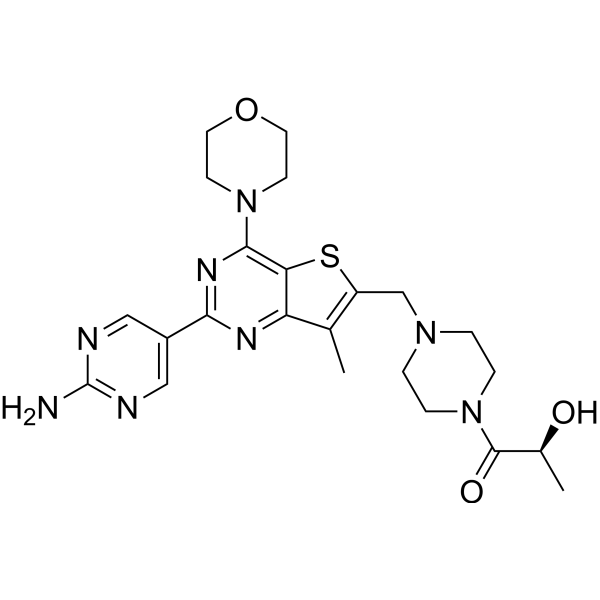
  • HY-109198

    ME-401; PWT-143

    PI3K Akt Cancer
    Zandelisib (ME-401) is a selective, orally active, non-covalent inhibitor of PI3. Zandelisib can sustainably inhibit AKT phosphorylation and downstream signaling pathways. Zandelisib can be used in the study of malignancies such as relapsed/refractory B-cell lymphoma .
    Zandelisib
  • HY-15290
    AIM-100
    4 Publications Verification

    Ack1 Cancer
    AIM-100 is a potent and selective Ack1 inhibitor with an IC50 of 21.58 nM. AIM-100 also inhibits Tyr 267 phosphorylation. AIM-100 does not inhibits other kinases including PI3-kinase and AKT subfamily members. AIM-100 has an anticancer effect .
    AIM-100
  • HY-104021
    GSK840
    1 Publications Verification

    GSK'840

    RIP kinase Inflammation/Immunology
    GSK840 (GSK'840) is a receptor-interacting protein kinase 3 (RIP3 or RIPK3) inhibitor, which binds RIP3 kinase domain with an IC50 of 0.9 nM, and inhibits kinase activity with an IC50 of 0.3 nM .
    GSK840
  • HY-100754C
    Ritlecitinib tosylate
    5+ Cited Publications

    PF-06651600 tosylate

    JAK Interleukin Related STAT Inflammation/Immunology
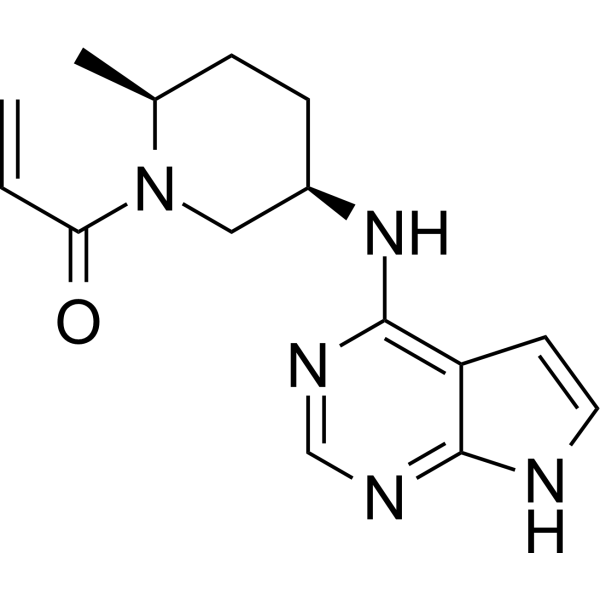
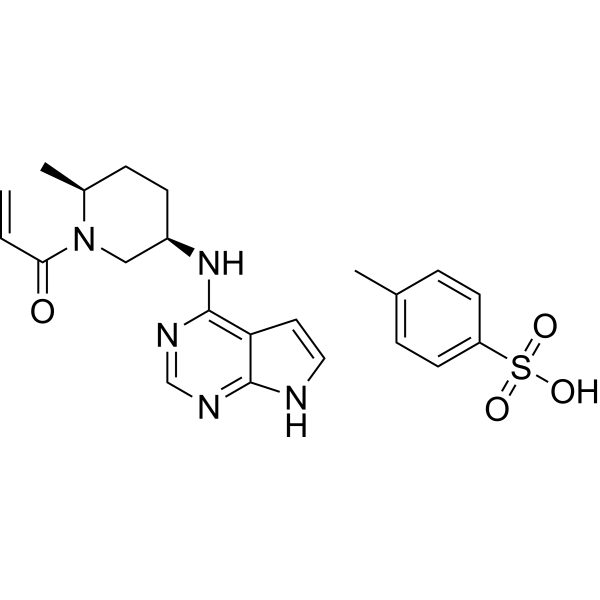
    Ritlecitinib (PF-06651600) tosylate is a highly selective, orally active, irreversible covalent JAK3 inhibitor (IC50=33 nM) without inhibitory activity towards JAK1, JAK2, and TYK2 (IC50 >10 μ M). Ritlecitinib tosylate rapidly inactivates the JAK3 kinase, and blocks signaling and downstream STAT phosphorylation mediated by common gamma chain cytokines such as IL-2 and IL-15. Ritlecitinib tosylate can inhibit Th1/Th17 cell differentiation and function, and effectively suppress preclinical animal models such as alopecia areata, adjuvant-induced arthritis (AIA), and experimental autoimmune encephalomyelitis (EAE) [3].
    Ritlecitinib tosylate
  • HY-126750
    GNF362
    2 Publications Verification

    Phosphatase Inflammation/Immunology
    GNF362 is a selective, potent, and orally bioavailable inhibitor of inositol trisphosphate 3’ kinase B (Itpkb) with an IC50 of 9 nM. GNF362 also inhibits Itpka and Itpkc with IC50 values of 20 nM and 19 nM, respectively. Inositol trisphosphate 3’ kinase B (Itpkb) is a Ca 2+-dependent kinase, which phosphorylates the 3’ position of Ins (1,4,5) P3 to generate inositol 1,3,4,5-tetrakisphosphate [Ins (1,3,4,5) P4] .
    GNF362
  • HY-10811
    GNE-493
    2 Publications Verification

    PI3K mTOR Cancer
    GNE-493 is a potent, selective, and orally available dual pan-PI3-kinase/mTOR inhibitor with IC50s of 3.4 nM, 12 nM, 16 nM, 16 nM and 32 nM for PI3Kα, PI3Kβ, PI3Kδ, PI3Kγ and mTOR.
    GNE-493
  • HY-P1116
    PBP10
    1 Publications Verification

    Bacterial Reactive Oxygen Species (ROS) Interleukin Related Infection Inflammation/Immunology
    PBP10 is a decapeptide. PBP10 selectively binds to lipoteichoic acid (LTA), lipopolysaccharide (LPS) and phosphatidylinositol-4,5-bisphosphate (PIP2). PBP10 penetrates cell membranes and possesses bactericidal, anti-inflammatory, cell motility-inhibiting and actin assembly-regulating activities. PBP10 is applicable to relevant research on bacterial infections, microbe-induced inflammation, skin and soft tissue infections, as well as sepsis [3].
    PBP10
  • HY-16694
    BAMB-4
    1 Publications Verification

    ITPKA-IN-C14

    Phosphatase Cancer
    BAMB-4 (ITPKA-IN-C14) is a specific and membrane-permeable ITPKA inhibitor. BAMB-4 has high stability and membrane permeability and against the inositol-1,4,5-trisphosphate (InsP3) kinase activity of inositol-1,4,5-trisphosphate-3-kinase A (ITPKA) with an IC50 value of 20 μM. BAMB-4 can be used for the research of metastasis of lung cancer .
    BAMB-4
  • HY-110193
    SPP-86
    2 Publications Verification

    RET Cancer
    SPP-86 is a potent and selective cell permeable inhibitor of RET tyrosine kinase, with an IC50 of 8 nM. SPP-86 inhibits RET-induced phosphatidylinositide 3-kinases (PI3K)/Akt and MAPK signaling, also inhibits RET-induced estrogen receptorα (ERα) phosphorylation in MCF7 cells . SPP-86 is a click chemistry reagent, it contains an Alkyne group and can undergo copper-catalyzed azide-alkyne cycloaddition (CuAAc) with molecules containing Azide groups.
    SPP-86
  • HY-18161

    FLT3 Aurora Kinase Cancer
    CCT241736 is a potent and orally bioavailable dual FLT3 and Aurora kinase inhibitor, which inhibits Aurora kinases (Aurora-A Kd, 7.5 nM, IC50, 38 nM; Aurora-B Kd, 48 nM), FLT3 kinase (Kd, 6.2 nM), and FLT3 mutants including FLT3-ITD (Kd, 38 nM) and FLT3(D835Y) (Kd, 14 nM).
    CCT241736
  • HY-N4246

    Aquaporin PKC Akt PI3K Apoptosis Monoamine Oxidase Pregnane X Receptor (PXR) Cardiovascular Disease Neurological Disease Inflammation/Immunology Cancer
    Bacopaside I is an orally active aquaporin AQP1 inhibitor and PKC modulator with neuroprotective and anticancer activities. Bacopaside I specifically blocks the water channel and cGMP-gated ion channel activities of AQP1 without affecting AQP4, thereby inhibiting the migration of colon cancer cells expressing AQP1. Bacopaside I activates the Akt pathway by interacting with PI3K, specifically inhibits MAO-A, effectively alleviates neuron necrosis and apoptosis induced by oxygen-glucose deprivation, reduces oxidative stress, and regulates the surface expression of neuroreceptors. When combined with Bacopaside II (HY-N6016), Bacopaside I significantly reduces the viability, proliferation and invasion ability of breast cancer cells, and binds to the pregnane X receptor (PXR). Bacopaside I is applicable to the research of colon cancer, breast cancer, vascular dementia, cerebral ischemia and other related diseases [3] .
    Bacopaside I
  • HY-145723
    MAX-40279
    1 Publications Verification

    FLT3 FGFR Inflammation/Immunology Cancer
    MAX-40279 is a dual and orally active inhibitor of FLT3 kinase and FGFR kinase. MAX-40279 is also effective against the FLT3 mutants such as FLT3 D835Y, suggesting that it can overcome resistance to Quizartinib (HY-13001) and Sorafenib (HY-10201). MAX-40279 inhibits NDRG1 phosphorylation at Ser330 and suppresses endothelial-to-mesenchymal transition (EndMT). MAX-40279 can be used for the research of acute myelogenous leukemia (AML) [3].
    MAX-40279
  • HY-121035

    7-Bromoindirubin-3-Oxime

    CDK GSK-3 Neurological Disease
    7BIO (7-Bromoindirubin-3-Oxime) is the derivate of indirubin. 7BIO (7-Bromoindirubin-3-Oxime) has inhibitory effects against cyclin-dependent kinase-5 (CDK5) and glycogen synthase kinase-3β (GSK3β). 7BIO (7-Bromoindirubin-3-Oxime) inhibits Aβ oligomer-induced neuroinflammation, synaptic impairments, tau hyper-phosphorylation, activation of astrocytes and microglia, and attenuates Aβ oligomer-induced cognitive impairments in mice [1].
    7BIO
  • HY-160211

    Hippo (MST) Cancer
    JA310, a chemical probe, is a highly selective MST3 kinase inhibitor. JA310 has high cellular potency against MST3 with an EC50 value of 106 nM .
    JA310
  • HY-133690

    Calcium Channel Metabolic Disease
    D-myo-Inositol-1,3,4,5-tetraphosphate sodium is formed by the phosphorylation of Ins(1,4,5)P3 by inositol 1,4,5-triphosphate 3-kinase.
    D-myo-Inositol-1,3,4,5-tetraphosphate sodium
  • HY-147419

    PI3K Cancer
    Vulolisib is a potent and orally active phosphatidylinositol 3-kinase (PI3K) inhibitor, with IC50 values of 0.2 nM, 168 nM, 90 nM and 49 nM for PI3Kα, PI3Kβ, PI3Kγ and PI3Kδ, respectively. Antiproliferative and antineoplastic activity .
    Vulolisib
  • HY-153120A

    PI3K mTOR Cancer
    PI3K/mTOR Inhibitor-13 sodium is an orally active dual inhibitor of phosphoinositol 3-kinase (PI3K) and mTOR kinase. PI3K/mTOR Inhibitor-13 sodium has potential applications in sexual diseases, solid tumor and idiopathic pulmonary fibrosis (IPF) .
    PI3K/mTOR Inhibitor-13 sodium
  • HY-P10323

    Tumstatin (74-98), human

    Integrin FAK mTOR Apoptosis Cancer
    T7 Peptide is a protein synthesis inhibitor and anti-angiogenic agent, with a Kd of 10 nM for human transferrin receptor. T7 Peptide inhibits the phosphorylation of focal adhesion kinase, the activation of phosphatidylinositol 3-kinase and Akt, the kinase activity of mTOR, as well as the phosphorylation of 4E-BP1 in endothelial cells. T7 Peptide induces G0/G1 cell cycle arrest, apoptosis and protective autophagy in hepatocellular carcinoma cells, and suppresses tumor growth in mouse models. T7 Peptide is applicable to research related to cancer, glioblastoma, hepatocellular carcinoma and glioma [3] .
    T7 Peptide
  • HY-P10323A

    Tumstatin (74-98), human TFA

    Integrin FAK mTOR Apoptosis Cancer
    T7 Peptide TFA is a protein synthesis inhibitor and anti-angiogenic agent, with a Kd of 10 nM for human transferrin receptor. T7 Peptide TFA inhibits the phosphorylation of focal adhesion kinase, the activation of phosphatidylinositol 3-kinase and Akt, the kinase activity of mTOR, as well as the phosphorylation of 4E-BP1 in endothelial cells. T7 Peptide TFA induces G0/G1 cell cycle arrest, apoptosis and protective autophagy in hepatocellular carcinoma cells, and suppresses tumor growth in mouse models. T7 Peptide TFA is applicable to research related to cancer, glioblastoma, hepatocellular carcinoma and glioma [3] .
    T7 Peptide TFA
  • HY-159953

    IRAK FLT3 Inflammation/Immunology Cancer
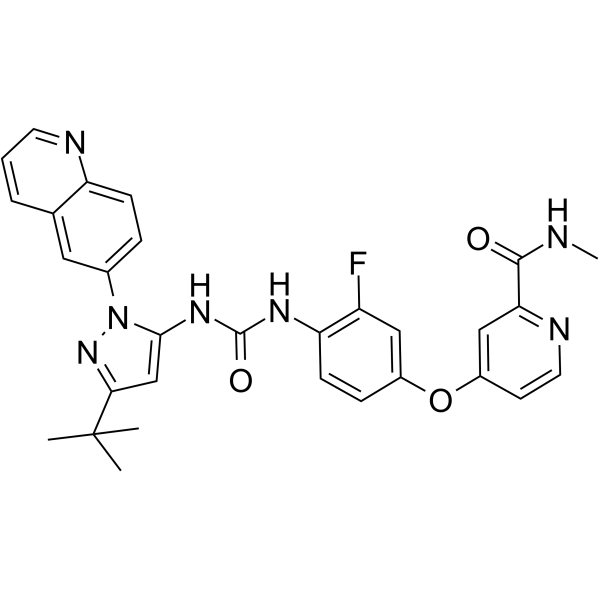
    IRAK1/4/pan-FLT3 Kinase-IN-1 is an orally active, potent and selective IRAK/pan-FLT3 kinase inhibitor with IC50s of 5 nM, 0.6 nM and <0.5 nM against IRAK1, IRAK4 and FLT3, respectively. IRAK1/4/pan-FLT3 Kinase-IN-1 can be used for research on AML .
    IRAK1/4/pan-FLT3 Kinase-IN-1
  • HY-115778

    TAM Receptor FLT3 Inflammation/Immunology Cancer
    UNC3133 is an orally active, limitedly selective MerTK inhibitor with an IC50 of 3.0 nM. UNC3133 inhibits Axl, Tyro3 and Flt3 kinases, with IC50 values of 17 nM, 31 nM and 6.8 nM, respectively. UNC3133 is applicable to the research of inflammatory diseases and cancers .
    UNC3133
  • HY-W049881

    Dopamine Receptor PI3K Monoamine Oxidase Neurological Disease
    9-Methyl-β-carboline is a monoamine oxidase inhibitor and dopaminergic modulator, with an IC50 of 1 μM against human MAO-A and an IC50 of 15.5 μM against human MAO-B. 9-Methyl-β-carboline possesses cognitive enhancement potential and can cross the blood-brain barrier. 9-Methyl-β-carboline increases dopamine levels by inhibiting monoamine oxidase activity and microglial proliferation. 9-Methyl-β-carboline activates PKA/PKC and mitochondrial respiratory chain complex I, promotes neurotrophic factor expression and reduces α-synuclein (α-synuclein) levels, thereby reversing neurotoxin-induced dopaminergic neuron damage. 9-Methyl-β-carboline also regulates the PI3K pathway and exerts an anti-proliferative effect on astrocytes. 9-Methyl-β-carboline is widely used in Parkinson's disease-related studies [3] .
    9-Methyl-β-carboline
  • HY-15268

    c-Met/HGFR PI3K DNA-PK mTOR Bcr-Abl Src VEGFR EGFR PDGFR Cancer
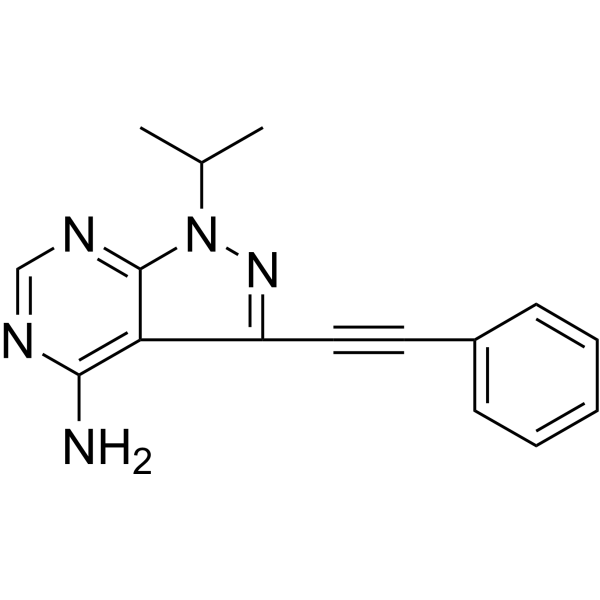
    PP487 is a selective dual inhibitor of Tyrosine kinase/PI3-K, with IC50 values of 0.017 μM, 0.072 μM, 0.004 μM, 0.01 μM, 0.55 μM, 0.22 μM, and < 0.01 μM against DNA-PK, mTOR, Hck, Src, EGFR, EphB4, and PDGFR, respectively. PP487 can be used in cancer research .
    PP487
  • HY-175087

    Ins(1,2,4,5,6)P5 sodium salt; 1,2,4,5,6-IP5 sodium salt

    Calcium Channel Others
    D-myo-Inositol-1,2,4,5,6-pentaphosphate (Ins(1,2,4,5,6)P5) sodium salt is one of several different inositol oligophosphate isomers involved in signal transduction. In human Jurkat T lymphocytes, Ins(1,2,4,5,6)P5 (sodium salt) is phosphorylated to InsP6 by 1/3 kinase. D-myo-Inositol-1,2,4,5,6-pentaphosphate sodium salt is involved in calcium signaling .
    D-myo-Inositol-1,2,4,5,6-pentaphosphate sodium salt
  • HY-W795960

    Biochemical Assay Reagents Calcium Channel Phospholipase Neurological Disease Metabolic Disease
    D-myo-inositol 1,4,5-trisphosphate sodium salt is a widely distributed intracellular second messenger. D-myo-inositol 1,4,5-trisphosphate sodium salt acts as a potent agonist of the Ins (1,4,5) P3 receptor with an EC50 of 0.12 μM and inhibits bovine PLC-δ1, with an IC50 of 5.4 μM for binding and an IC50 of 12.4 μM for hydrolysis. D-myo-inositol 1,4,5-trisphosphate sodium saltis metabolized into Ins (1,4) P2 and Ins (1,3,4,5) P4. D-myo-inositol 1,4,5-trisphosphate sodium salt mediates various cellular processes, including growth, development, fertilization, secretion, contraction and neuromodulation. D-myo-inositol 1,4,5-trisphosphate sodium salt inhibits PIP2 hydrolysis and Ca 2+-ATPase activity. D-myo-inositol 1,4,5-trisphosphate sodium salt is used for cardiac preconditioning, exerts cardioprotective effects and mimics ischemic preconditioning. D-myo-inositol 1,4,5-trisphosphate sodium salt is applied in studies related to intracellular calcium and phosphoinositol signaling pathways [3] .
    D-myo-Inositol 1,4,5-trisphosphate sodium salt
  • HY-153120

    PI3K mTOR Cancer
    PI3K/mTOR Inhibitor-13 is an orally active dual inhibitor of phosphoinositol 3-kinase (PI3K) and mTOR kinase. PI3K/mTOR Inhibitor-13 has potential applications in sexual diseases, solid tumor and idiopathic pulmonary fibrosis (IPF) .
    PI3K/mTOR Inhibitor-13
  • HY-161366

    PI3K Cancer
    OMS14 is exhibits inhibitory activity for phosphoinositide 3-kinase γ (PI3Kγ) and PIK3CD/PIK3R1, which inhibits 19% PI3Kγ and 65% PIK3CD/PIK3R1 activity at 100 μM. OMS14 exhibits anticancer efficacy in various cancer cells .
    OMS14
  • HY-112475

    Tie FLT3 Cancer
    Flt-3 Inhibitor III is a potent and selective FLT3 kinase inhibitor with an 50 of 50 nM. Flt-3 Inhibitor III shows less active against other kinases. Flt-3 Inhibitor III has anticancer effects .
    Flt-3 Inhibitor III
  • HY-143286A

    PROTACs FLT3 Cancer
    PF15 TFA is a PROTAC connected by ligands for FLT3 kinase and CRBN. PF15 TFA is a high selective FLT3-ITD degrader,with a DC50 of 76.7 nM. PF15 TFA significantly inhibits the proliferation of FLT3-ITD-positive cells,can down-regulate the phosphorylation of FLT3 and STAT5. PF15 TFA also inhibits tumor growth in mouse models and can be used in study of leukemia .
    PF15 TFA
  • HY-109029

    INCB040093

    PI3K Cancer
    Dezapelisib (NCB040093) is a potent inhibitor of phosphatidylinositol 3-kinase δ (PI3Kδ). Dezapelisib is a promising research strategy for select R/R B-cell lymphomas .
    Dezapelisib
  • HY-132231

    PI3K Apoptosis Cancer
    FD223 is a potent and selective phosphoinositide 3-kinase delta (PI3Kδ) inhibitor. FD223 displays high potency (IC50=1 nM) and good selectivity over other isoforms (IC50s of 51 nM, 29 nM and 37 nM, respectively for α, β and γ). FD223 exhibits efficient inhibition of the proliferation of acute myeloid leukemia (AML) cell lines by suppressing p-AKT Ser473 thus causing G1 phase arrest during the cell cycle. FD223 has potential for the research of leukemia such as AML .
    FD223
  • HY-150027

    VEGFR PDGFR Cancer
    Multi-kinase-IN-3 (compound 2) is a potent angiokinase inhibitor. Multi-kinase-IN-3 shows inhibition activity against VEGFR-2 and PDGFRβ, with IC50 values of 58.3 and 55 nM, respectively .
    Multi-kinase-IN-3
  • HY-115814

    PI3K Inflammation/Immunology
    AM-1430 is an efficient, highly selective and orally active small molecule inhibitor of PI3 with an IC50 of 4.6 nM. AM-1430 exhibits IC50s for PI3Kα, PI3Kβ and PI3Kγ of 14.18, 2.2 and 3.22 μM, respectively. AM-1430 inhibits B cell proliferation and exhibits excellent in vivo activity in pAKT inhibition models and the hemoglobin (KLH) immune response model. AM-1430 can be used for the study of inflammation and autoimmune diseases .
    AM-1430
  • HY-169632

    GSK-3 Neurological Disease
    GSK3β-IN-1 (compound 1) is a glycogen synthase kinase-3β (GSK-3β) inhibitor (IC50=65 nM), which can be used in the study of Alzheimer's disease .
    GSK3β-IN-1
  • HY-148132

    GSK-3 Neurological Disease
    GSK-3β inhibitor 11 (compound 21) is a glycogen synthase kinase-3β (GSK-3β) inhibitor (IC50=10.02 μM). GSK-3β inhibitor 11 can be used in neurodegenerative disease research .
    GSK-3β inhibitor 11
  • HY-N2081R

    Reference Standards Cholinesterase (ChE) PI3K Akt NF-κB Neurological Disease Inflammation/Immunology Cancer
    Skimmianine (Standard) is the analytical standard of Skimmianine. This product is intended for research and analytical applications. Skimmianine is an orally active furoquiniline alkaloid present mainly in the Rutaceae family. Skimmianine has analgesic, antispastic, sedative, and anti-inflammatory properties. Skimmianine inhibits acetylcholinesterase (AChE) (IC50 = 8.6 μg/mL). Skimmianine exhibits cytotoxicity against a variety of cancer cell lines and genotoxicity. Skimmianine has antioxidant and anti-inflammatory effects on ischemia-reperfusion (IR) injury. Skimmianine exerts anti-inflammatory effects through activation of the phosphatidylinositol-3-kinase (PI3K)-protein kinase B (AKT) pathway. Skimmianine is neuroprotective by targeting the NF-κB activation pathway to prevent neuroinflammation. Skimmianine inhibits the release of histamine, intracellular Ca 2+ signaling and protein kinase C signaling [3] .
    Skimmianine (Standard)
  • HY-178937

    RIP kinase Cancer
    Anticancer agent 284 exhibits cytotoxicity against osteosarcoma cell line (Hos), non-small cell lung cancer cell line (A549), and colon cancer cell line (HCT-116). Anticancer agent 284 can impact the pRIPK3 kinase concentration in the A549 (2.97 pg/mL). Anticancer agent 284 can be used for the study of cancer .
    Anticancer agent 284
  • HY-121682

    Drug Derivative Neurological Disease Inflammation/Immunology
    N-(2-Chlorophenyl)-1H-indole-3-carboxamide (Compound 60) is a substituted derivative of the pyrazolo[1,5-a]pyridine core. N-(2-Chlorophenyl)-1H-indole-3-carboxamide does not exhibit EphB3 kinase inhibitory activity and can be used as a negative control compound .
    N-(2-Chlorophenyl)-1H-indole-3-carboxamide
  • HY-143286

    PROTACs FLT3 Cancer
    PF15 is a PROTAC connected by ligands for FLT3 kinase and CRBN. PF15 is a high selective FLT3-ITD degrader, with a DC50 of 76.7 nM. PF15 significantly inhibits the proliferation of FLT3-ITD-positive cells, can down-regulate the phosphorylation of FLT3 and STAT5. PF15 also inhibits tumor growth in mouse models and can be used in study of leukemia .
    PF15
  • HY-116497

    FAK Cancer
    PH11 is a novel focal adhesion kinase (FAK) inhibitor that rapidly induces apoptosis in TRAIL-resistant PANC-1 cells when combined with TRAIL, but has no effect on normal human fibroblasts. The study found that PH11 downregulates c-FLIP through inhibition of FAK and phosphatidylinositol-3-kinase (PI3K)/AKT pathways, thereby restoring the TRAIL apoptotic pathway, suggesting that this combination therapy may provide an attractive therapeutic strategy for the safe and effective treatment of pancreatic cancer. PH11 selectively inhibits c-FLIP expression by modulating upstream signaling pathways and may represent an innovative therapeutic strategy. Although further work is needed to fully elucidate the mechanism of PH11-induced TRAIL sensitization, we believe that our results will provide a new approach to target c-FLIP without the risk of interfering with caspase-8 processing, which could potentially lead to TRAIL resistance. This study also suggests a role for the FAK/AKT signaling pathway in regulating c-FLIP expression in TRAIL-induced apoptosis, and this understanding will provide important clues to control the resistance mechanism to optimize the potential of TRAIL-based pancreatic cancer treatment.
    PH11

オンラインお問い合わせ

入力情報は安全に管理されます. 必須入力項目.

タイトル


国或いは地域 *

お名前 *


組纖名 *

デパートメント *


メールアドレス *


製品名 *

製品番号


カスタマ需要量 *

電話番号 *


必ず会社名を記載ください。個人への返信は行いません。

備考

バルクお問い合わせ

Inquiry Information

製品名:
製品番号:
数量:
MCE 日本正規代理店:

