Search Result
Results for "
Cognitive impairment
" in MedChemExpress (MCE) Product Catalog:
2
Biochemical Assay Reagents
11
Isotope-Labeled Compounds
| Cat. No. |
Product Name |
Target |
Research Areas |
Chemical Structure |
-
- HY-N0045
-
-
-
- HY-103157
-
|
NSC168807
|
Autophagy
Ferroptosis
|
Cardiovascular Disease
|
|
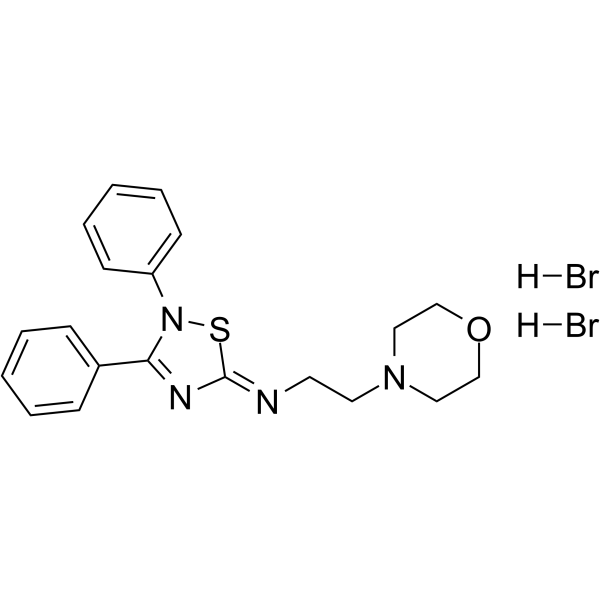
PD146176 (NSC168807), a 15-Lipoxygenase (15-LO) inhibitor, inhibits rabbit reticulocyte 15-LO (Ki=197 nM, IC50=0.54 μM). PD146176 reverses cognitive impairment, brain amyloidosis, and tau pathology by stimulating autophagy in aged triple transgenic mice .
|
-
-
- HY-W004260
-
|
Eicosanoic acid
|
Endogenous Metabolite
|
Neurological Disease
|
|
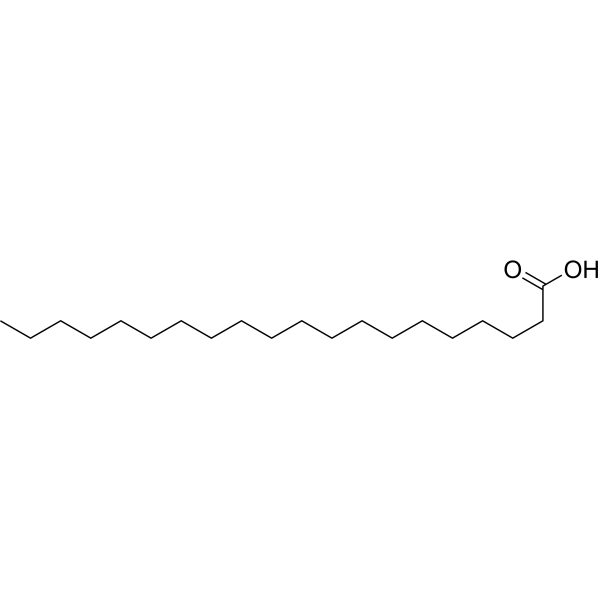
Arachidic acid is an orally bioavailable membrane fluidity modulator and receptor/ion channel effector. Arachidic acid does not activate arachidonic acid-sensitive K + channels in rat midbrain and hypothalamic neurons. Arachidic acid alleviates age-related spatial cognitive impairment. Arachidic acid is applicable for research related to age-related spatial cognitive impairment .
|
-
-
- HY-W019894
-
|
Manganese dichloride
|
Biochemical Assay Reagents
Apoptosis
mTOR
|
Cardiovascular Disease
Neurological Disease
|
|
Manganese chloride is an orally active MRI liver contrast agent. Manganese chloride induces Apoptosis and activates the mTOR signaling pathway. Manganese chloride induces cognitive impairment, promotes hematopoietic recovery, and reduces radiation-induced bone marrow and brain damage. It can be used for the study of renal impairment .
|
-
-
- HY-B0463
-
|
Clomifene citrate
|
Estrogen Receptor/ERR
|
Neurological Disease
Endocrinology
Cancer
|
|
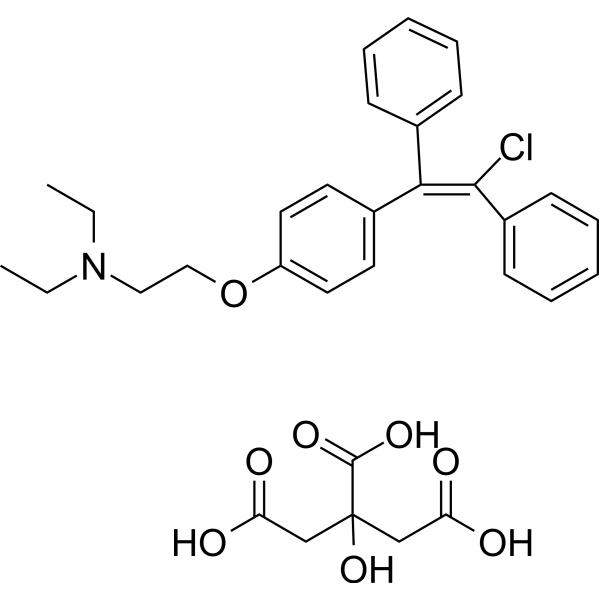
Clomiphene citrate (Clomifene citrate) is an orally active estrogen-receptor modulator. Clomiphene citrate has anti-cancer actixity, induces perturbations during meiotic maturation and cytogenetic abnormalities and ameliorates in managing psychiatric and cognitive impairment .
|
-
-
- HY-14258
-
|
(S)-Citalopram; (S)-(+)-Citalopram
|
Serotonin Transporter
|
Neurological Disease
|
|
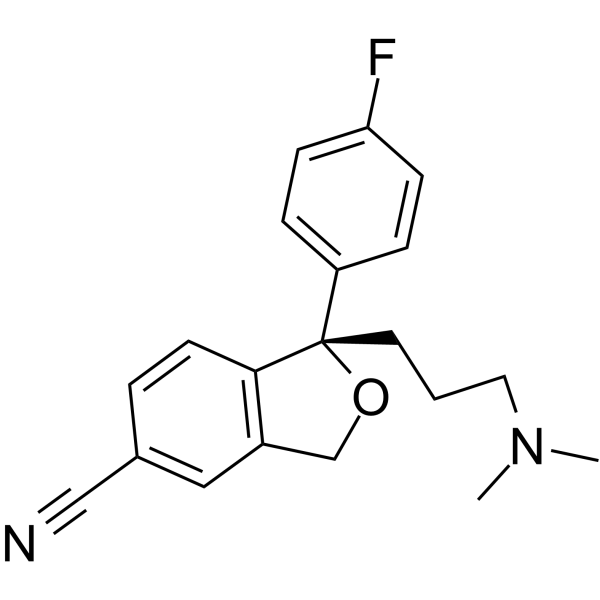
Escitalopram ((S)-Citalopram), the S-enantiomer of racemic Citalopram, is a selective serotonin reuptake inhibitor (SSRI) with a Ki of 0.89 nM. Escitalopram has ∼30 fold higher binding affinity than its R(-)-enantiomer and shows selectivity over both dopamine transporter (DAT) and norepinephrine transporter (NET). Escitalopram is an antidepressant for the research of major depression .
|
-
-
- HY-N7109
-
|
|
PI3K
Endogenous Metabolite
|
Neurological Disease
|
|
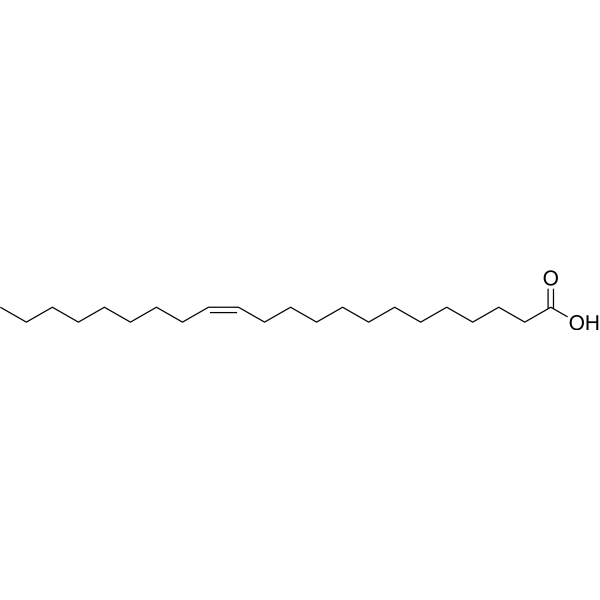
Erucic acid, a monounsaturated fatty acid (MUFA), is isolated from the seed of Raphanus sativus L. Erucic acid can readily cross the blood-brain barrier (BBB), it has been reported to normalize the accumulation of very long-chain fatty acids in the brain. Erucic acid can improve cognitive impairment and be effective against dementia .
|
-
-
- HY-14258A
-
|
(S)-Citalopram oxalate; (S)-(+)-Citalopram oxalate
|
Serotonin Transporter
|
Neurological Disease
Cancer
|
|
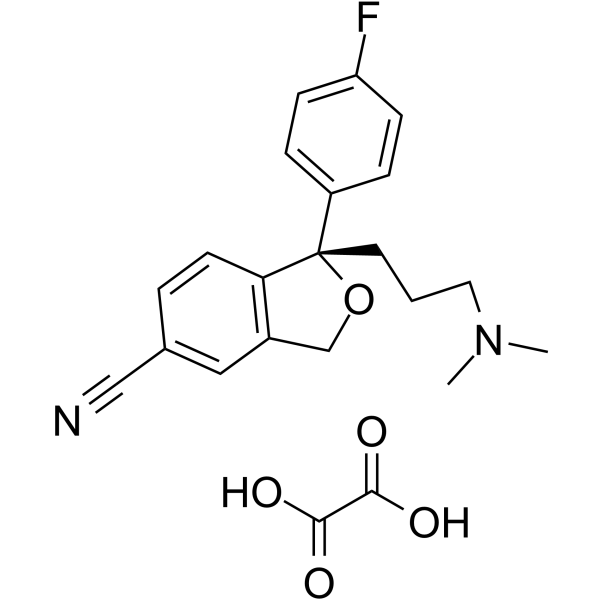
Escitalopram ((S)-Citalopram) oxalate, the S-enantiomer of racemic Citalopram, is a selective serotonin reuptake inhibitor (SSRI) with a Ki of 0.89 nM. Escitalopram oxalate has ∼30 fold higher binding affinity than its R(-)-enantiomer and shows selectivity over both dopamine transporter (DAT) and norepinephrine transporter (NET). Escitalopram oxalate is an antidepressant for the research of major depression .
|
-
-
- HY-101484A
-
|
|
Sigma Receptor
ATF6
|
Neurological Disease
|
|
NE-100 hydrochloride is an orally active and selective sigma-1 receptor antagonist with an IC50 of 4.16 nM. NE-100 hydrochloride can improve cognitive impairment and has neuroprotective and antipsychotic activities. NE-100 hydrochloride can be used for research on nervous system diseases .
|
-
-
- HY-N2195
-
-
-
- HY-10933
-
CX516
2 Publications Verification
BDP 12
|
iGluR
|
Neurological Disease
|
|
CX516 (BDP 12) is an ampakine and acts as an AMPA receptor positive allosteric modulator for the research of Alzheimer's disease, schizophrenia and mild cognitive impairment (MCI) .
|
-
-
- HY-N2189
-
-
-
- HY-116451
-
|
|
Aminotransferases (Transaminases)
|
Neurological Disease
|
|
PF-04859989 hydrochloride is a brain-penetrant, irreversible kynurenine aminotransferase (KAT) II inhibitor with IC50s of 23 and 263 nM for hKAT II and rKAT II. PF-04859989 hydrochloride is selective for KAT II over human KAT I, KAT III, and KAT IV (IC50s of 22, 11, and >50 μM, respectively) .
|
-
-
- HY-N7981
-
|
|
NF-κB
|
Neurological Disease
|
|
Pratensein, a flavonoid, ameliorates β-amyloid-induced cognitive impairment in rats via reducing oxidative damage and restoring synapse and BDNF levels .
|
-
-
- HY-17550
-
|
DM-235
|
iGluR
|
Neurological Disease
|
|
Sunifiram (DM-235) is an ampakine-like compound and an agonist of AMPA receptor with oral activity. Sunifiram can increase the release of acetylcholine in the rat cerebral cortex and exhibits potent cognitive enhancement effects with better nootropic activity compared to piracetam (HY-B0585). Sunifiram is promising for research in neurodegenerative diseases such as mild cognitive impairment (MCI) and Alzheimer's disease (AD) .
|
-
-
- HY-17553
-
|
MKC-231
|
iGluR
|
Neurological Disease
|
|
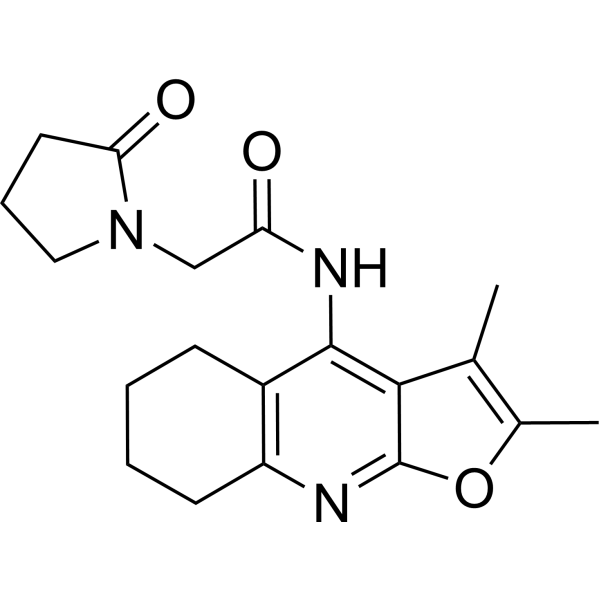
Coluracetam (MKC-231) is an orally taken choline uptake enhancer. Coluracetam can improve the reduced acetylcholine levels in the hippocampus of rats and mice, enhancing learning difficulties, memory deficits, and cognitive impairments. Coluracetam induces a lower degree of hepatic venous hyperglycemia .
|
-
-
- HY-168894
-
|
|
Ferroptosis
JAK
STAT
p38 MAPK
AMPK
GSK-3
Apoptosis
HSP
TNF Receptor
|
Cardiovascular Disease
Neurological Disease
Metabolic Disease
Cancer
|
|
CT-1 is a secreted protein belonging to the IL-6 cytokine family. Overexpression of CT-1 enhances cell proliferation, migration and angiogenesis via the ADMA/DDAH pathway. CT-1 inhibits the growth of triple-negative breast cancer cells by simultaneously inducing Ferroptosis in N2-type tumor-associated neutrophils and cancer cells. CT-1 activates the Jak/STAT-3, p42/p44 MAPK and AMPK pathways, and inhibits GSK-3β activity through phosphorylation to induce cardiomyocyte hypertrophy. CT-1 enhances the viability of cardiomyocytes and neurons, reduces cell Apoptosis, induces the expression of heat shock proteins (HSP) and BNP, and inhibits TNF levels. CT-1 exerts anti-tumor activity in mouse models of triple-negative breast cancer. CT-1 improves cognitive impairment in mice. CT-1 is applicable to the research of ischemic heart disease, triple-negative breast cancer, myocardial hypertrophy, Parkinson's disease, hypertensive heart disease, myocardial infarction, acute Chagas cardiomyopathy, high-fat diet-induced cognitive impairment and diabetes-related cognitive impairment .
|
-
-
- HY-132806
-
|
RG-7816; RO-7017773
|
GABA Receptor
|
Neurological Disease
|
|
Alogabat is a positive allosteric modulator (PAM) and agonist (Ki <100 nM) of the GABAA α5 receptor, targeting the α5β3γ2 subunit with a Ki of 8.7 nM. Alogabat increases the expression level of α5β3γ2 in oocytes (1.97-fold). GABAA has been implicated in cognitive impairment associated with central nervous system (CNS) disorders, brain cancer (including brain tumors such as medulloblastoma), and can be used in the study of mild cognitive impairment (MCI), amnestic MCI (aMCI), age-associated memory impairment (AAMI), age-related cognitive decline (ARCD), dementia, Alzheimer's disease (AD), prodromal AD, post-traumatic stress disorder (PTSD), schizophrenia, bipolar disorder, amyotrophic lateral sclerosis (ALS), cognitive impairment associated with cancer treatment, mental retardation, Parkinson's disease (PD), autism spectrum disorder, fragile X, Rett syndrome, obsessive-compulsive behavior, and substance addiction .
|
-
-
- HY-17455
-
|
CI-879 free base
|
Prolyl Endopeptidase (PREP)
|
Neurological Disease
|
|
Pramiracetam (CI-879 free base) is a PREP (prolyl endopeptidase) inhibitor. Pramiracetam improves cognitive impairment caused by traumatic brain injury. Pramiracetam can be used in the study of neurodegenerative diseases .
|
-
-
- HY-107111
-
|
|
mAChR
|
Neurological Disease
|
|
GSK1034702 is an orally active and allosteric agonist of M1 mAChR (pEC50=8.1) that can cross the blood-brain barrier. GSK1034702 activates the Gq/11 protein-mediated signaling pathway, enhancing neuronal firing and long-term potentiation (LTP) in the CA1 region of the hippocampus. GSK1034702 can modulate hippocampal function, improve memory encoding in the nicotine withdrawal cognitive dysfunction model, and show pro-cognitive effects in rodents. GSK1034702 can be used for the study of the mechanisms of cognitive impairment diseases such as Alzheimer's disease, and has certain peripheral M receptor activation-related side effects (such as gastrointestinal reactions) .
|
-
-
- HY-121035
-
|
7-Bromoindirubin-3-Oxime
|
CDK
GSK-3
|
Neurological Disease
|
|
7BIO (7-Bromoindirubin-3-Oxime) is the derivate of indirubin. 7BIO (7-Bromoindirubin-3-Oxime) has inhibitory effects against cyclin-dependent kinase-5 (CDK5) and glycogen synthase kinase-3β (GSK3β). 7BIO (7-Bromoindirubin-3-Oxime) inhibits Aβ oligomer-induced neuroinflammation, synaptic impairments, tau hyper-phosphorylation, activation of astrocytes and microglia, and attenuates Aβ oligomer-induced cognitive impairments in mice [1].
|
-
-
- HY-17549
-
|
CRL 40028
|
Adrenergic Receptor
|
Neurological Disease
|
|
Adrafinil (CRL 40028) is an orally active vigilance promoting agent. Adrafinil enhances central noradrenergic transmission, improves spontaneous activity, exploratory behavior, discriminative learning ability and response motivation, but impairs visuospatial working memory. Adrafinil antagonizes Prazosin (HY-B0193)-induced hypoactivity and hypothermia, exerts anticonvulsant effects, and induces sustained enhancement of high-frequency electrocortical activity. Adrafinil can be used for research on decreased alertness and specific cognitive deficits .
|
-
-
- HY-N8903
-
-
-
- HY-105066
-
|
|
Microtubule/Tubulin
Amyloid-β
|
Neurological Disease
|
|
Davunetide is an eight amino acid snippet derived from activity-dependent neuroprotective protein (ADNP), a neurotrophic factor that exists in the mammalian CNS. Davunetide possesses neuroprotective, neurotrophic and cognitive protective roperties. Davunetide, a microtubule-stabilizing peptide, interacts with and stabilises neuron-specific βIII-tubulin in vitro. Davunetide penetrates the blood-brain barrier and is non-toxic. Davunetide inhibits Aβ aggregation and Aβ-induced neurotoxicity .
|
-
-
- HY-14759
-
|
PAZ-417
|
PAI-1
Amyloid-β
|
Neurological Disease
|
|
Aleplastinin (PAZ-417) is an orally active, blood-brain barrier permeable, selective SERPINE1 (PAI-1) inhibitor (IC50=655 nM). Aleplastinin activates the tissue type plasminogen activator (tPA)/fibrinolysis cascade by inhibiting PAI-1, thereby promoting the degradation of amyloid-β (Aβ) oligomers and monomers. Aleplastinin can significantly reduce plasma and brain Aβ levels, improve memory impairment, and reverse cognitive impairment. Aleplastinin can be used for research on Alzheimer's disease .
|
-
-
- HY-W166297
-
|
|
p38 MAPK
|
Cancer
|
|
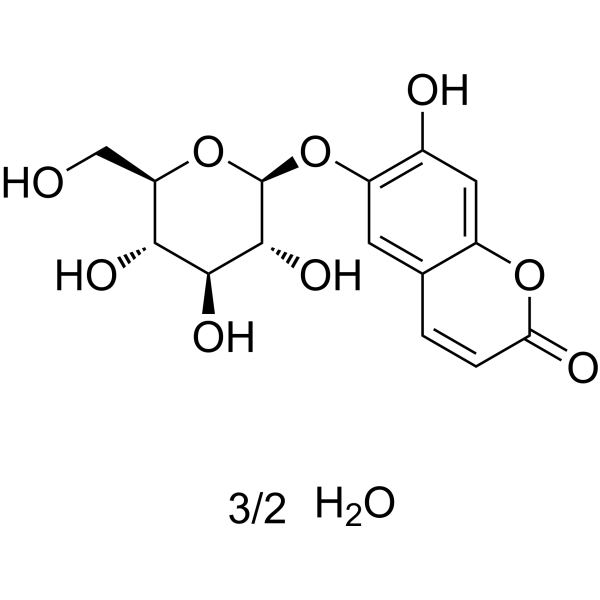
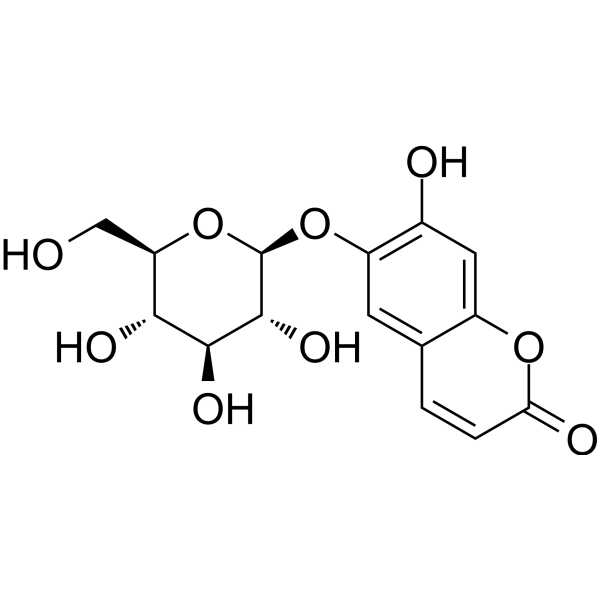
Esculin sesquihydrate, a fluorescent coumarin glucoside, is an active ingredient of ash bark. Esculin sesquihydrate ameliorates cognitive impairment in experimental diabetic nephropathy (DN), and exerts anti?oxidative stress and anti?inflammatory effects, via the MAPK signaling pathway .
|
-
-
- HY-P99959
-
|
MT-3921; rH116A3
|
TGF-β Receptor
|
Neurological Disease
|
|
Unasnemab (MT-3921) is a humanised IgG1 monoclonal antibody that binds to repulsive guidance molecule A (RGMa). Unasnemab improves locomotor function and promotes neuroregeneration. Unasnemab exerts ameliorative effects on hippocampal neurogenesis impairment and cognitive decline in db/db mice, Streptozotocin (STZ) (HY-13753)-induced type 1 diabetic and bilateral common carotid artery stenosis (BCAS)-induced mice. Unasnemab can be used for the research of spinal cord injury, diabetes-induced neurological impairments .
|
-
-
- HY-102083
-
|
|
HDAC
|
Neurological Disease
|
|
BRD4884 is a potent and brain-penetrant HDAC inhibitor with IC50 values of 29 nM, 62 nM, and 1090 nM for HDAC1, HDAC2, and HDAC3, respectively. BRD4884 can be used for the study of cognitive impairment .
|
-
-
- HY-118363
-
|
|
mAChR
|
Neurological Disease
|
|
Lu AE51090 is selective muscarinic M1 receptor agonist with blood-brain barrier penetration. Lu AE51090 activates human M1 receptor with EC50 of 61 nM, while showing no significant agonism at M2-M5 receptors. Lu AE51090 exerts procognitive effects in mice. Lu AE51090 can be used for the study of Alzheimer’s disease (AD) and cognitive impairment associated with schizophrenia (CIAS) .
|
-
-
- HY-153763
-
-
-
- HY-N4268
-
|
|
Others
|
Neurological Disease
|
|
Tenuifoliside B, a component isolated from Polygalae Radix, inhibits potassium cyanide (KCN)-induced hypoxia and scopolamine-induced memory impairment. Tenuifoliside B shows potential cognitive improvement and cerebral protective effects. Tenuifoliside B has potential to become an anti-AD lead compound .
|
-
-
- HY-139973
-
|
|
Amyloid-β
|
Neurological Disease
|
|
OAB-14, is a Bexarotene (HY-14171) derivative, improves Alzheimer's disease-related pathologies and cognitive impairments by increasing β-amyloid clearance in APP/PS1 mice. OAB-14 effectively ameliorates the dysfunction of the endosomal-autophagic-lysosomal pathway in APP/PS1 transgenic mice .
|
-
-
- HY-113970A
-
|
WEB 1881 FU hydrochloride
|
mAChR
Calcium Channel
|
Neurological Disease
|
|
Nebracetam (WEB 1881 FU) hydrochloride is an orally active M1 muscarinic receptor agonist. Nebracetam hydrochloride can induce an increase in intracellular Ca 2+ concentration, with an EC50 value of 1.59 mM. Nebracetam hydrochloride exhibits neuroprotective activity and the ability to improve cognitive impairment. Nebracetam hydrochloride can be used in the research of neurological diseases such as Alzheimer's disease .
|
-
-
- HY-B0463R
-
|
Clomifene citrate (Standard)
|
Reference Standards
Estrogen Receptor/ERR
|
Neurological Disease
Endocrinology
Cancer
|
|
Clomiphene (citrate) (Standard) is the analytical standard of Clomiphene (citrate). This product is intended for research and analytical applications. Clomiphene citrate (Clomifene citrate) is an orally active estrogen-receptor modulator. Clomiphene citrate has anti-cancer actixity, induces perturbations during meiotic maturation and cytogenetic abnormalities and ameliorates in managing psychiatric and cognitive impairment .
|
-
-
- HY-123280
-
|
|
Drug Metabolite
|
Neurological Disease
|
|
SCH 54388 is an orally active metabolite of Felbamate (HY-B0184). SCH 54388 significantly attenuates the functional impairment effects induced by Scopolamine (HY-N0296) or Dizocilpine (HY-15084B). SCH 54388 can be used in research related to cognitive impairment .
|
-
-
- HY-W001273
-
|
CI-879 sulfate
|
Prolyl Endopeptidase (PREP)
|
Neurological Disease
|
|
Pramiracetam (CI-879) sulfate Pramiracetam is a PREP (prolyl endopeptidase) inhibitor. Pramiracetam sulfate improves cognitive impairment caused by traumatic brain injury. Pramiracetam sulfate can be used in the study of neurodegenerative diseases .
|
-
-
- HY-110176
-
|
|
GlyT
|
Neurological Disease
|
|
ASP2535 is a potent, orally bioavailable, selective, brain permeable and centrally-active glycine transporter-1 (GlyT1) inhibitor. ASP2535 can improve cognitive impairment in animal models of schizophrenia and Alzheimer's disease .
|
-
-
- HY-N2195R
-
|
(+)-Nootkatone (Standard)
|
Reference Standards
Interleukin Related
TNF Receptor
|
Neurological Disease
|
|
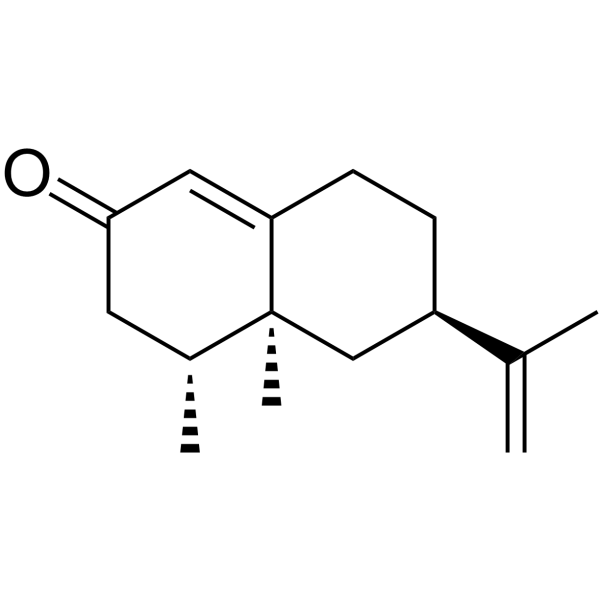
Nootkatone (Standard) is the analytical standard of Nootkatone. This product is intended for research and analytical applications. Nootkatone, a neuroprotective agent from Vitis vinifera, has antioxidant and anti-inflammatory effects[1]. Nootkatone improves cognitive impairment in lipopolysaccharide-induced mouse model of Alzheimer's disease[2].
|
-
-
- HY-113745
-
|
|
Amino acid Transporter
|
Neurological Disease
|
|
LX-6171 is an orally active SLC6A7 inhibitor. LX-6171 can be used to study diseases characterized by cognitive impairment, such as Alzheimer's disease, schizophrenia or vascular dementia .
|
-
-
- HY-146351
-
|
|
HDAC
|
Neurological Disease
|
|
HDAC-IN-38 (compound 13) is a potent HDAC inhibitor. HDAC-IN-38 shows similar micro-molar inhibitory activity toward HDAC1, 2, 3, 5, 6, and 8. HDAC-IN-38 increases cerebral blood flow (CBF), attenuates cognitive impairment, and improves hippocampal atrophy. HDAC-IN-38 also increases the level of histone acetylation (H3K14 or H4K5) .
|
-
-
- HY-156634
-
|
NYX-783
|
iGluR
|
Neurological Disease
|
|
Risevistinel (NYX-783) is a positive allosteric modulator of N-methyl-D-aspartate (NMDA) receptor. Nevadistinel can be used to inhibit cognitive impairment associated with neurodegenerative diseases, such as mild cognitive impairment, mild Alzheimer's disease, Parkinson's disease, Lewy body disease .
|
-
-
- HY-19092
-
|
|
mAChR
|
Neurological Disease
|
|
YM-796 dihydroxybutanedioate is a selective muscarinic M1 receptor agonist. YM-796 dihydroxybutanedioate can improve cognitive impairment and reduce amyloid plaque deposition. YM-796 dihydroxybutanedioate can be used in the research of cognitive impairment diseases such as Alzheimer's disease .
|
-
-
- HY-156626
-
|
NYX-458; NYX-3054
|
iGluR
|
Neurological Disease
|
|
Nevadistinel (NYX-458; NYX-3054) is a positive allosteric modulator of N-methyl-D-aspartate (NMDA) receptor. Nevadistinel can be used to inhibit cognitive impairment associated with neurodegenerative diseases, such as mild cognitive impairment, mild Alzheimer's disease, Parkinson's disease, Lewy body disease .
|
-
-
- HY-19668
-
|
|
5-HT Receptor
|
Neurological Disease
|
|
SGS-518 is a selective 5-HT6R antagonist. SGS518 can be used for the research of cognitive impairments such as amnesia, anxiety and depression, and it is effective in protecting mouse retina at high doses .
|
-
-
- HY-120641
-
|
|
mGluR
|
Neurological Disease
|
|
BMS-955829 is an orally active and selective mGluR5 positive allosteric modulator with an EC50 of 2.6 nM. BMS-955829 has no intrinsic agonist activity and a low glutamate fold shift (2.4). BMS-955829 can effectively improve cognitive and executive function deficits in rodents. BMS-955829 can be used in the research of cognitive impairment diseases such as schizophrenia .
|
-
-
- HY-14555
-
|
|
Dopamine Receptor
|
Neurological Disease
|
|
S33138 is a D3 receptor antagonist. S33138 inhibits addiction in animal models of addiction. S33138 reduces cognitive impairment in rodent and primate models of schizophrenia and Parkinson's disease. S33138 can be used in research on neurological disorders such as schizophrenia and Parkinson's disease .
|
-
-
- HY-113967
-
|
|
Aminotransferases (Transaminases)
|
Neurological Disease
|
|
PF-04859989 is a brain-penetrant, irreversible kynurenine aminotransferase (KAT) II inhibitor with IC50s of 23 and 263 nM for hKAT II and rKAT II. PF-04859989 is selective for KAT II over human KAT I, KAT III, and KAT IV (IC50s of 22, 11, and >50 μM, respectively) .
|
-
-
- HY-W062702
-
|
|
nAChR
|
Neurological Disease
|
|
BMS-933043 is a potent and selective α7 nACh receptor partial agonist. BMS-933043 attenuates the cognitive impairment in mice and can be utilized in research related to cognitive dysfunction in schizophrenia .
|
-
-
- HY-114586
-
|
|
Angiotensin Receptor
|
Cancer
|
|
L-158809 is an angiotensin type 1 (AT1) receptor antagonist that prevents or ameliorates fractionated whole-brain irradiation-induced cognitive impairment. L-158809 is promising for research of brain tumor .
|
-
-
- HY-W714110
-
|
|
5-HT Receptor
|
Neurological Disease
|
|
UH 301 hydrochloride is a 5-HT1A receptor antagonist. UH 301 hydrochloride modulates consolidation of learning in normal and cognitively impaired rats. UH 301 hydrochloride can be used for Alzheimer’s disease and amnesia research .
|
-
- HY-149473
-
|
|
Cholinesterase (ChE)
|
Neurological Disease
|
|
AChE-IN-39 (Compound 7c) is an AChE inhibitor (IC50: 0.058 μM). AChE-IN-39 has DPPH scavenging activity. AChE-IN-39 improves the cognitive impairment in AlCl3-induced amnesia animal model. AChE-IN-39 can be used for research of Alzheimer's disease .
|
-
- HY-W324220
-
|
|
11β-HSD
|
Metabolic Disease
|
|
11β-HSD1-IN-10 (compound c3a) is a potent 11β-HSD1 inhibitor (IC50=1.8 µM for human). 11β-HSD1-IN-10 can be used in studies of obesity, hyperglycemia and cognitive impairment .
|
-
- HY-19668A
-
|
|
5-HT Receptor
|
Neurological Disease
|
|
SGS518 oxalate is a selective 5-HT6R antagonist. SGS518 oxalate can be used for the research of cognitive impairments such as amnesia, anxiety and depression, and it is effective in protecting mouse retina at high doses [1]
|
-
- HY-176411
-
|
VU6018042
|
Potassium Channel
|
Neurological Disease
|
|
ONO-TR-772 (VU6018042) is a selective TREK inhibitor (IC50: 15 nM). ONO-TR-772 enhances recognition memory in the MK-801-stimulated NOR mouse model. ONO-TR-772 can be used in the study of diseases related to cognitive impairment .
|
-
- HY-163320
-
|
|
Cholinesterase (ChE)
Amyloid-β
|
Neurological Disease
|
|
AChE/Aβ-IN-5 (compound AV-2) is a bifunctional inhibitor that targets AChE and auto-induced Aβ (Amyloid-β) aggregation. AChE/Aβ-IN-5 can significantly improve scopolamine- and Aβ-induced cognitive impairment in mice .
|
-
- HY-151386
-
|
|
Cholinesterase (ChE)
|
Neurological Disease
|
|
BChE-IN-13 (Compound 17c) is an orally active, potent and selective Butyrylcholinesterase (BChE) inhibitor with IC50s of 0.22 and 0.016 μM for eqBChE and hBChE, respectively. BChE-IN-13 can improve memory and cognitive impairments, and be used in Alzheimer’s disease (AD) research .
|
-
- HY-W324243
-
|
|
11β-HSD
|
Metabolic Disease
|
|
11β-HSD1-IN-9 (compound c4a) is a potent 11β-HSD1 inhibitor with IC50 values of 0.48 and 1.3 µM for human and murine 11β-HSD1, respectively. 11β-HSD1-IN-9 competitively interacts with rat 11β-HSD1. 11β-HSD1-IN-19 can be used in studies of obesity, hyperglycemia and cognitive impairment .
|
-
- HY-162860
-
|
|
mGluR
CaMK
Tau Protein
|
Neurological Disease
|
FO-4-15 is an mGluR1/CaMKIIα activator. FO-4-15 has a protective effect against H2O2 in human neuroblastoma (SH-SY5Y) cells. FO-4-15 can improve cognitive impairment in Alzheimer’s disease mice by activating the mGluR1/CaMKIIα pathway, and can reduce Aβ accumulation, hyperphosphorylated Tau, and synaptic damage .
|
-
- HY-170583
-
|
|
Cholinesterase (ChE)
Amyloid-β
|
Neurological Disease
|
|
hAChE-IN-10 (Compound ET11) is the inhibitor for human acetylcholinesterase (AChE) with an IC50 of 6.34 nM. hAChE-IN-10 scavenges free radicals, and exhibits antioxidant activity. hAChE-IN-10 exhibits metal chelating activity, inhibits Cu 2+-induced Aβ1-42 aggregation, reduces the formation of amyloid plaques, and exhibits neuroprotective activity. hAChE-IN-10 ameliorates the Scopolamine (HY-N0296)-induced cognitive impairment in mouse models .
|
-
- HY-151389
-
|
|
Cholinesterase (ChE)
|
Neurological Disease
|
|
BChE-IN-14 (compound 19c) is a selective butyrylcholinesterase (BChE) inhibitor with IC50s of 0.23 and 0.011 μM for eqBChE and hBChE, respectively. BChE-IN-14 shows good blood brain barrier permeation and primary cell safety. BChE-IN-14 is able to restore cognitive impairment in vivo, it can be used for the research of Alzheimer’s disease .
|
-
- HY-103157R
-
|
NSC168807 (Standard)
|
Reference Standards
Autophagy
Ferroptosis
|
Cardiovascular Disease
|
|
PD146176 (Standard) is the analytical standard of PD146176. This product is intended for research and analytical applications. PD146176 (NSC168807), a 15-Lipoxygenase (15-LO) inhibitor, inhibits rabbit reticulocyte 15-LO (Ki=197 nM, IC50=0.54 μM). PD146176 reverses cognitive impairment, brain amyloidosis, and tau pathology by stimulating autophagy in aged triple transgenic mice .
|
-
- HY-19752
-
|
CID-25010775 free base
|
mAChR
|
Neurological Disease
|
|
VU0357017 (CID-25010775) is a potent, selective and brain-penetrant allosteric agonist of M1 muscarinic acetylcholine receptor, with an EC50 of 477 nM. VU0357017 is highly selective for M1 and has no activity at M2-M5 up to the highest concentrations tested (30 μM). VU0357017 can be used for the research of Alzheimer’s disease and schizophrenia .
|
-
- HY-111081
-
|
|
Sigma Receptor
|
Neurological Disease
|
|
(±)-PPCC is a sigma-1 agonist that mainly interacts with sigma-1 receptors with Ki of 1.5 nM. (±)-PPCC has effective anti-amnesia effects in rats with mild or severe cognitive impairment, and can improve the cognitive abilities of rats .
|
-
- HY-141832
-
|
|
mGluR
|
Neurological Disease
|
|
mGluR5 modulator 1 is a mGluR5 positive allosteric modulator. mGluR5 modulator 1 can be used for the research of the schizophrenia and cognitive impairments .
|
-
- HY-10814
-
|
|
nAChR
|
Neurological Disease
|
|
CP-810123 is a brain-permeable agonist of α7 nAChR for the research of cognitive impairment associated with psychiatric or neurological disorders such as schizophrenia and Alzheimer's disease .
|
-
- HY-111081C
-
|
|
Sigma Receptor
|
Neurological Disease
|
|
(±)-PPCC oxalate is a sigma-1 agonist that mainly interacts with sigma-1 receptors with Ki of 1.5 nM. (±)-PPCC oxalate has effective anti-amnesia effects in rats with mild or severe cognitive impairment, and can improve the cognitive abilities of rats .
|
-
- HY-119772
-
|
ML137
|
Cholinesterase (ChE)
|
Neurological Disease
|
|
VU0366369 (ML137) is a selective positive allosteric modulator (PAM) for mAChR M1 with an EC50 of 830 nM. VU0366369 can be used in research about central nervous system diseases .
|
-
- HY-17638A
-
|
DSP-3235 (sebacate); KGA-3235 (sebacate); GSK-1614235 (sebacate)
|
SGLT
|
Neurological Disease
|
|
Mizagliflozin sebacate (DSP-3235 sebacate) is a sodium-glucose cotransporter inhibitor with activity in improving vascular cognitive impairment caused by small vessel disease. Mizagliflozin sebacate improves blood flow and reverses vascular cognitive impairment by inhibiting neuronal SGLT1 activity. Mizagliflozin sebacate also showed the ability to increase the survival rate of IL-1β-treated PC12HS cells. Mizagliflozin sebacate promotes improvements in spatial learning and memory caused by small vessel disease in mouse models .
|
-
- HY-108157
-
|
|
mAChR
|
Neurological Disease
|
|
A-72055 is a partial agonist of muscarinic receptors. A-72055 has binding activity to both M1 and M2 receptors, with Ki values of 32 nM and 30 nM, respectively. A-72055 can enhance cognitive function and improve learning and memory deficits. A-72055 has better security. A-72055 can be used for research on neurological disorders such as cognitive impairment .
|
-
- HY-10933S
-
|
BDP 12-d10
|
Isotope-Labeled Compounds
iGluR
|
Neurological Disease
|
|
CX516-d10 is the deuterium labeled CX516. CX516 (BDP 12) is an ampakine and acts as an AMPA receptor positive allosteric modulator for the research of Alzheimer's disease, schizophrenia and mild cognitive impairment (MCI) .
|
-
- HY-14258R
-
|
(S)-Citalopram (Standard); (S)-(+)-Citalopram (Standard)
|
Serotonin Transporter
Reference Standards
|
Neurological Disease
Cancer
|
|
Escitalopram (Standard) is the analytical standard of Escitalopram. This product is intended for research and analytical applications. Escitalopram ((S)-Citalopram), the S-enantiomer of racemic Citalopram, is a selective serotonin reuptake inhibitor (SSRI) with a Ki of 0.89 nM. Escitalopram has ~30 fold higher binding affinity than its R(-)-enantiomer and shows selectivity over both dopamine transporter (DAT) and norepinephrine transporter (NET). Escitalopram is an antidepressant for the research of major depression .
|
-
- HY-157326
-
|
|
Monoamine Oxidase
|
Neurological Disease
|
|
hMAO-B-IN-6 (compound 17d) is a potent and selective inhibitor of hMAO-B with an IC50 of 67.02 nM. hMAO-B-IN-6 significantly improves Scopolamine (HY-N0296)-induced cognitive impairment in AD mice .
|
-
- HY-17455R
-
|
CI-879 free base (Standard)
|
Reference Standards
Prolyl Endopeptidase (PREP)
|
Neurological Disease
|
|
Pramiracetam (Standard) is the analytical standard of Pramiracetam. This product is intended for research and analytical applications. Pramiracetam (CI-879 free base) is a PREP (prolyl endopeptidase) inhibitor. Pramiracetam improves cognitive impairment caused by traumatic brain injury. Pramiracetam can be used in the study of neurodegenerative diseases .
|
-
- HY-163646
-
|
|
Cholinesterase (ChE)
|
Neurological Disease
|
|
(Rac)-TZ3O is the (Rac) isomer of TZ3O. TZ3O is an anticholinergic compound with neuroprotective activity. TZ3O improves memory impairment and cognitive decline in a scopolamine-induced Alzheimer's disease rat model and can be used in the study of Alzheimer's disease.
|
-
- HY-N7109B
-
|
|
PI3K
Endogenous Metabolite
|
Neurological Disease
|
|
Erucic acid sodium, a monounsaturated fatty acid (MUFA), is isolated from the seed of Raphanus sativus L. Erucic acid sodium can readily cross the blood-brain barrier (BBB), it has been reported to normalize the accumulation of very long-chain fatty acids in the brain. Erucic acid sodium can improve cognitive impairment and be effective against dementia .
|
-
- HY-114234
-
|
|
Beta-secretase
Amyloid-β
|
Neurological Disease
|
|
TAK-070 hydrochloride hydrate is a noncompetitive and orally active BACE1 inhibitor (IC50 = 3.15 μM). TAK-070 hydrochloride hydrate can be used for research of Alzheimer’s disease (AD). TAK-070 hydrochloride hydrate inhibits brain levels of soluble Aβ, and improves cognitive impairments in AD model .
|
-
- HY-17550R
-
|
DM-235 (Standard)
|
Reference Standards
iGluR
|
Neurological Disease
|
|
Sunifiram (Standard) is the analytical standard of Sunifiram. This product is intended for research and analytical applications. Sunifiram (DM-235) is an ampakine-like compound and an agonist of AMPA receptor with oral activity. Sunifiram can increase the release of acetylcholine in the rat cerebral cortex and exhibits potent cognitive enhancement effects with better nootropic activity compared to piracetam (HY-B0585). Sunifiram is promising for research in neurodegenerative diseases such as mild cognitive impairment (MCI) and Alzheimer's disease (AD) .
|
-
- HY-19881
-
|
|
Histamine Receptor
|
Neurological Disease
|
|
ABT-288 is a competitive, potent and selective histamine H3 receptor (H3R) antagonist. ABT-288 has Ki values of 1.9 and 8.2 nM for human and rat H3Rs, respectively. ABT-288 can be used in cognitive impairment research. .
|
-
- HY-107111A
-
|
|
Cholinesterase (ChE)
mAChR
|
Neurological Disease
|
|
GSK1034702 hydrochloride is an orally active and allosteric agonist of M1 mAChR (pEC50=8.1) that can cross the blood-brain barrier. GSK1034702 hydrochloride activates the Gq/11 protein-mediated signaling pathway, enhancing neuronal firing and long-term potentiation (LTP) in the CA1 region of the hippocampus. GSK1034702 hydrochloride can modulate hippocampal function, improve memory encoding in the nicotine withdrawal cognitive dysfunction model, and show pro-cognitive effects in rodents. GSK1034702 hydrochloride can be used for the study of the mechanisms of cognitive impairment diseases such as Alzheimer's disease, and has certain peripheral M receptor activation-related side effects (such as gastrointestinal reactions) .
|
-
- HY-176141
-
|
|
Trace Amine-associated Receptor (TAAR)
|
Neurological Disease
|
|
ZH8965 is an orally active TAAR1-Gs/Gq agonist (EC50: 6.1/14.8 nM). ZH8965 improves antipsychotic-like phenotypes and cognitive impairment in the MK-801-induced mouse psychosis model. ZH8965 can be used in schizophrenia research .
|
-
- HY-113970
-
|
WEB 1881 FU
|
mAChR
Calcium Channel
|
Neurological Disease
|
|
Nebracetam (WEB 1881 FU) is an orally active M1 muscarinic receptor agonist. Nebracetam can induce an increase in intracellular Ca 2+ concentration, with an EC50 value of 1.59 mM. Nebracetam exhibits neuroprotective activity and the ability to improve cognitive impairment. Nebracetam can be used in the research of neurological diseases such as Alzheimer's disease .
|
-
- HY-155823
-
|
|
Cholinesterase (ChE)
|
Neurological Disease
|
|
TZ4M is a 2,4-thiazolidinedione (TZD)-based anti-ADV agent with neuroprotective effects. TZ4M exhibits AChE inhibition in human plasma. TZ4M improves memory and cognitive impairment in adult rats in a scopolamine (HY-N0296)-induced Alzheimer-type model .
|
-
- HY-161458
-
|
|
GSK-3
Tau Protein
|
Neurological Disease
|
|
GSK-3β inhibitor 16 (compound 7c) is a GSK-3β inhibitor with the IC50 of 4.68 nM. GSK-3β inhibitor 16 decreases Tau hyperphosphorylated aggregate and alleviates cognitive impairments in the Scopolamin (HY-N0296)-induced model in mice .
|
-
- HY-114234A
-
|
|
Beta-secretase
Amyloid-β
|
Neurological Disease
|
|
TAK-070 Free base is a noncompetitive and orally active BACE1 inhibitor (IC50: 3.15 μM). TAK-070 Free base can be used for research of Alzheimer’s disease (AD). TAK-070 Free base inhibits brain levels of soluble Aβ, and improves cognitive impairments in AD model .
|
-
- HY-143390
-
|
|
iGluR
|
Neurological Disease
|
|
NMDA receptor modulator 2 (Compound 1) is a potent NMDA receptor modulator. NMDA receptor modulator 2 can be used for neurological disorder research .
|
-
- HY-143396
-
|
|
iGluR
|
Neurological Disease
|
|
NMDA receptor modulator 5 (Compound 195) is a potent NMDA receptor modulator. NMDA receptor modulator 5 can be used for neurological disorder research .
|
-
- HY-143393
-
|
|
iGluR
|
Neurological Disease
|
|
NMDA receptor modulator 4 (Compound 169) is a potent NMDA receptor modulator. NMDA receptor modulator 4 can be used for neurological disorder research .
|
-
- HY-143391
-
|
|
iGluR
|
Neurological Disease
|
|
NMDA receptor modulator 3 (Compound 99) is a potent NMDA receptor modulator. NMDA receptor modulator 3 can be used for neurological disorder research .
|
-
- HY-179724
-
|
|
5-HT Receptor
Dopamine Receptor
MMP
Cytochrome P450
|
Neurological Disease
|
|
PZ-1657 (Compound 57) is an orally active, blood-brain barrier permeable, highly selective, and metabolically stable 5-HT7 receptor inverse agonist with a Ki value of 5 nM. PZ-1657 inhibits constitutive cyclic adenosine monophosphate (cAMP) production mediated by the Gs signaling pathway (EC50 value of 2.93 nM). PZ-1657 inhibits CYP3A4 P450 (IC50 = 12.2 μM) and hERG channels. PZ-1657 reduces 5-HT7 receptor-mediated MMP-9 activity. PZ-1657 reverses Phencyclidine-induced cognitive impairment. PZ-1657 possesses antidepressant properties .
|
-
- HY-181703
-
|
|
Na+/K+ ATPase
NF-κB
|
Neurological Disease
Inflammation/Immunology
|
|
4-PSQ is an orally active neuroprotective agent. 4-PSQ possesses both antioxidant and anti-inflammatory activities. 4-PSQ improves cognitive impairment and depressive- and anxiety-like emotional abnormalities in mice by regulating the activity of Na +, K +-ATPase, the NFκB signaling pathway, and the expression of p21. 4-PSQ can be used for the research of neurological diseases .
|
-
- HY-180146
-
|
|
Cholinesterase (ChE)
|
Neurological Disease
|
|
BChE-IN-48 (Compound 12a) is a BChE inhibitor that can cross the blood-brain barrier with IC50 values for eqBChE and huBChE of 1.3 and 0.95 μM respectively. BChE-IN-48 exhibits an IC50 value for eeAChE of 8.6 μM. BChE-IN-48 exhibits significant neuroprotective activity in cell damage and significantly improves cognitive impairment in mouse models. BChE-IN-48 can be used for research on Alzheimer's disease .
|
-
- HY-117936
-
-
- HY-182695
-
|
|
5-HT Receptor
|
Neurological Disease
Cancer
|
|
AS2030680 is a blood-brain barrier-permeable, orally active 5-HT5A receptor antagonist. AS2030680 regulates 5-HT5A-related downstream signaling pathways, reduces the frequency of tumorsphere-initiating cells in breast cancer cells, and exerts procognitive activity in animal models. AS2030680 can be used to study cognitive impairments associated with dementia and schizophrenia, as well as breast cancer .
|
-
- HY-106821
-
|
ZY 15119
|
Others
|
Neurological Disease
|
|
Cebaracetam (ZY 15119) is a neuroprotective agent. Cebaracetam can improve cognitive impairment and can be used for the research of neurological disease .
|
-
- HY-115511
-
|
|
Phosphodiesterase (PDE)
|
Neurological Disease
|
|
PyP-1 is a highly selective and potent PDE10 inhibitor. PyP-1 has a strong inhibitory effect on human PDE10A2 enzyme (Ki = 0.32 nM). PyP-1 can improve cognitive behavior. PyP-1 commonly used in research on conditions such as schizophrenia and cognitive impairment .
|
-
- HY-167153
-
-
- HY-18276
-
|
|
5-HT Receptor
|
Neurological Disease
|
|
SUVN-507 is a 5-HT6 receptor antagonist. SUVN-507 can reverse cognitive impairments and enhance excitatory neural transmission while weakening inhibitory neural transmission. SUVN-507 can be used for the research of neurological disease, such as Alzheimer's disease .
|
-
- HY-180225
-
|
|
Cholinesterase (ChE)
|
Neurological Disease
|
|
AChE-IN-101 (Compound 7a) is an AChE inhibitor (IC50s = 0.21 μM (EeAChE); 13 nM (HsAChE)). AChE-IN-101 ameliorates Scopolamine (HY-N0296)-induced cognitive impairment. AChE-IN-101 can be used in the research of Alzheimer's disease .
|
-
- HY-105066R
-
|
|
Reference Standards
Microtubule/Tubulin
Amyloid-β
|
Neurological Disease
|
|
Davunetide (Standard) is the analytical standard of Davunetide (HY-105066). This product is intended for research and analytical applications. Davunetide is an eight amino acid snippet derived from activity-dependent neuroprotective protein (ADNP), a neurotrophic factor that exists in the mammalian CNS. Davunetide possesses neuroprotective, neurotrophic and cognitive protective roperties. Davunetide, a microtubule-stabilizing peptide, interacts with and stabilises neuron-specific βIII-tubulin in vitro. Davunetide penetrates the blood-brain barrier and is non-toxic. Davunetide inhibits Aβ aggregation and Aβ-induced neurotoxicity .
|
-
- HY-123278
-
|
|
Cytochrome P450
Histamine Receptor
|
Neurological Disease
|
|
FUB 349 (Compound 8) is a selective Aromatase inhibitor with an IC50 of 12 μM. FUB 349 is also a H3 receptor antagonist with Kis of 12 and 2.1 nM for rH3R and hH3R, respectively. FUB 349 can be used for neurological diseases such as cognitive impairment research .
|
-
- HY-143397
-
|
|
iGluR
|
Neurological Disease
|
|
NMDA receptor modulator 6 (Compound 183) is a potent NMDA receptor modulator. NMDA receptor modulator 6 can be used for neurological disorder research .
|
-
- HY-149417
-
|
|
HDAC
Cholinesterase (ChE)
|
Neurological Disease
|
|
BChE/HDAC6-IN-1 is a potent and selective dual BChE/HDAC6 inhibitor with IC50 values of 4 and 8.9 nM, respectively. BChE/HDAC6-IN-1 ameliorates the cognitive impairment in an Aβ1–42-induced mouse model and has the potental for AD research .
|
-
- HY-13340
-
|
VU152100
|
mAChR
|
Neurological Disease
|
|
VU0152100 (VU152100) is a highly selective mAChR positive allosteric modulator (permeable to the blood-brain barrier). VU0152100 reverses Amphetamine-induced hypermotility in rats and increased levels of extracellular dopamine in nucleus accumbens and caudate-putamen. VU0152100 has good research potential in psychosis and cognitive impairment associated with mental disorders such as schizophrenia .
|
-
- HY-14569
-
-
- HY-113155A
-
|
|
Drug Intermediate
|
Neurological Disease
|
|
17-Hydroxypregnenolone sulfate sodium is a key intermediate in adrenal and gonadal steroidogenesis. 17-Hydroxypregnenolone sulfate sodium acts as a precursor in the biosynthesis of steroid hormones (e.g., glucocorticoids, sex hormones). 17-Hydroxypregnenolone sulfate sodium is promising for research of adrenal function development and neurosteroid-related diseases (e.g., cognitive impairment, neurodegenerative diseases) .
|
-
- HY-W250122
-
|
Monosodium glutamate
|
Biochemical Assay Reagents
Reactive Oxygen Species (ROS)
Mitochondrial Metabolism
Apoptosis
HSP
Bcl-2 Family
|
Neurological Disease
Metabolic Disease
Inflammation/Immunology
|
|
Glutamic acid sodium salt (Monosodium glutamate) is an orally active food flavor enhancer. Glutamic acid sodium salt causes ROS generation, mitochondrial dysfunction, and Apoptosis. Glutamic acid sodium salt upregulates CHOP, Grp78, and Bcl-2. Glutamic acid sodium salt impairs cognition, induces depressive-like behavior, induces hyperalgesia, and induces obesity and insulin resistance. Glutamic acid sodium salt can be used to study neurotoxicity (e.g., brain damage, cognitive impairment), metabolic disorders (e.g., obesity, insulin resistance), hepatotoxicity, and renal toxicity, as well as pain-related disorders .
|
-
- HY-N7109R
-
|
|
Reference Standards
PI3K
Endogenous Metabolite
|
Neurological Disease
|
|
Erucic acid (Standard) is the analytical standard of Erucic acid. This product is intended for research and analytical applications. Erucic acid, a monounsaturated fatty acid (MUFA), is isolated from the seed of Raphanus sativus L. Erucic acid can readily cross the blood-brain barrier (BBB), it has been reported to normalize the accumulation of very long-chain fatty acids in the brain. Erucic acid can improve cognitive impairment and be effective against dementia .
|
-
- HY-W087952R
-
|
|
Drug Intermediate
Reference Standards
|
Endocrinology
|
|
Ginsenoside Rg1 (Standard) is the analytical standard of Ginsenoside Rg1. This product is intended for research and analytical applications. Ginsenoside Rg1 is one of the major active components of Panax ginseng. Ginsenoside Rg1 ameliorates the impaired cognitive function, displays promising effects by reducing cerebral Aβ levels. Ginsenoside Rg1 also reduces NF-κB nuclear translocation.
|
-
- HY-174335
-
|
|
Cannabinoid Receptor
|
Neurological Disease
|
|
UVI3502 is a cannabinoid receptor 1 (CB1) antagonist with an IC50 value of 4641 nM for CB1 and approximately 16200 nM for CB2. UVI3502 blocks Gi/o protein coupling induced by the agonist CP55,940. UVI3502 is promising for research of endocannabinoid system-related diseases in the central nervous system (such as cognitive impairment and neurodegenerative diseases) .
|
-
- HY-N0045R
-
|
Panaxoside A (Standard); Panaxoside Rg1 (Standard)
|
Reference Standards
Amyloid-β
NF-κB
Apoptosis
|
Neurological Disease
Inflammation/Immunology
Cancer
|
|
Ginsenoside Rg1 (Standard) is the analytical standard of Ginsenoside Rg1. This product is intended for research and analytical applications. Ginsenoside Rg1 is one of the major active components of Panax ginseng. Ginsenoside Rg1 ameliorates the impaired cognitive function, displays promising effects by reducing cerebral Aβ levels. Ginsenoside Rg1 also reduces NF-κB nuclear translocation.
|
-
- HY-107111R
-
|
|
Reference Standards
mAChR
|
Neurological Disease
|
|
GSK1034702 (Standard) is the analytical standard of GSK1034702 (HY-107111). This product is intended for research and analytical applications. GSK1034702 is an orally active and allosteric agonist of M1 mAChR (pEC50=8.1) that can cross the blood-brain barrier. GSK1034702 activates the Gq/11 protein-mediated signaling pathway, enhancing neuronal firing and long-term potentiation (LTP) in the CA1 region of the hippocampus. GSK1034702 can modulate hippocampal function, improve memory encoding in the nicotine withdrawal cognitive dysfunction model, and show pro-cognitive effects in rodents. GSK1034702 can be used for the study of the mechanisms of cognitive impairment diseases such as Alzheimer's disease, and has certain peripheral M receptor activation-related side effects (such as gastrointestinal reactions) .
|
-
- HY-N0521R
-
|
|
Reference Standards
Reactive Oxygen Species (ROS)
|
Metabolic Disease
Cancer
|
|
(-)-Gallocatechin (Standard) is the analytical standard of (-)-Gallocatechin. This product is intended for research and analytical applications. (-)-Gallocatechin, an epimer of (-)-Epigallocatechin (EGC), is contained in various tea products. (-)-Gallocatechin has antioxidant activities. (-)-Gallocatechin is the main active component in green tea extract (HTP-GTE) responsible for its effect of improving age-related cognitive impairments involving protein kinase A (PKA) pathway .
|
-
- HY-155822
-
|
|
Cholinesterase (ChE)
Apoptosis
Caspase
|
Neurological Disease
|
|
TZ3O is an anticholinergic agent with neuroprotective effects. TZ3O inhibits acetylcholinesterase (AChE) activity in human plasma with an IC50 of 304.5 μM. TZ3O can improve memory impairment and cognitive decline in rats in the Scopolamine (HY-N0296)-induced Alzheimer-type model. TZ3O could be used in Alzheimer’s research .
|
-
- HY-N0188
-
Esculin
5 Publications Verification
|
p38 MAPK
|
Inflammation/Immunology
Cancer
|
|
Esculin is a fluorescent coumarin glucoside, the active ingredient in ash bark. Esculin has antidiabetic effects, improves cognitive impairment in experimental diabetic nephropathy (DN) via the MAPK signaling pathway, and exerts antioxidant stress and anti-inflammatory effects. Esculin also has anticancer, antibacterial, antiviral, neuroprotective, antithrombotic, and therapeutic properties for eye diseases .
|
-
- HY-155484
-
|
|
Sigma Receptor
|
Neurological Disease
|
|
SOMCL-668 is a selective and potent sigma-1 receptor allosteric modulator. ?SOMCL-668 shows positive modulation of improvement in social deficits and cognitive impairment induced by the selective sigma-1 agonist PRE084.?SOMCL-668 displays anti-seizure activities and can be used for psychotic illness research .
|
-
- HY-117059
-
|
|
Dopamine Receptor
|
Neurological Disease
|
|
SK609 hydrochloride is a dopamine D3 receptor (D3R) selective agonist with an EC50 of 1109 nM. SK609 hydrochloride has the potential for parkinson research .
|
-
- HY-117710B
-
|
|
Cholinesterase (ChE)
Amyloid-β
ERK
TNF Receptor
Interleukin Related
|
Neurological Disease
|
|
AD-35 is an orally active anti-Alzheimer's disease (AD) agent with moderate AChE inhibitory activity and metal ion chelating ability. AD-35 exhibits IC50 values for AChE and BuChE of 793 nM and 31428 nM, respectively. AD-35 can form chelates with Cu²⁺ and Fe³⁺, but its chelating ability for Zn²⁺ is relatively weak. AD-35 can inhibit Aβ aggregation and disassemble the formed Aβ aggregates, and inhibit Aβ-induced ERK phosphorylation. AD-35 inhibits neuroinflammation in AD rat models and demonstrates a strong effect in improving cognitive function .
|
-
- HY-15114
-
S 17092
1 Publications Verification
S 17092-1
|
Prolyl Endopeptidase (PREP)
Apoptosis
|
Neurological Disease
|
|
S 17092 (S 17092-1) is an orally active cerebral prolyl-endopeptidase (PEP) inhibitor with an IC50 of 1.2 nM. S 17092 inhibits cell apoptosis. S 17092 mechanism of action is to inhibit the activity of PEP, slowing down the degradation of neuroactive peptides and thus enhancing memory function. S 17092 can be used for the research of memory impairment and cognitive disorders associated with cerebral aging .
|
-
- HY-13225A
-
|
RJR-2403; (E)-Metanicotine
|
nAChR
|
Neurological Disease
|
|
Rivanicline (RJR-2403) is a neuronal nicotinic receptor agonist. Rivanicline is highly selective for the rat brain cortex nAChRs (Ki = 26 nM, EC50 of 732 nM) and α4β2 subtype (Ki = 26 nM, EC50 = 16 μM). Rivanicline can significantly restore the learning impairment and cognitive dysfunction. Rivanicline can be used for the study of neurodegenerative diseases (such as schizophrenia or Alzheimer's disease) .
|
-
- HY-N7109S3
-
|
|
Isotope-Labeled Compounds
PI3K
Endogenous Metabolite
|
Neurological Disease
|
|
Erucic acid-d18-1 is the deuterium labeled Erucic acid (HY-N7109). Erucic acid, a monounsaturated fatty acid (MUFA), is isolated from the seed of Raphanus sativus L. Erucic acid can readily cross the blood-brain barrier (BBB), it has been reported to normalize the accumulation of very long-chain fatty acids in the brain. Erucic acid can improve cognitive impairment and be effective against dementia .
|
-
- HY-13225H
-
|
RJR-2403 hydrochloride; Metanicotine hydrochloride
|
nAChR
|
Neurological Disease
|
|
Rivanicline (RJR-2403) hydrochloride is a neuronal nicotinic receptor agonist. Rivanicline hydrochloride is highly selective for the rat brain cortex nAChRs (Ki = 26 nM, EC50 of 732 nM) and α4β2 subtype (Ki = 26 nM, EC50 = 16 μM). Rivanicline hydrochloride can significantly restore the learning impairment and cognitive dysfunction. Rivanicline hydrochloride can be used for the study of neurodegenerative diseases (such as schizophrenia or Alzheimer's disease) .
|
-
- HY-Y1117
-
-
- HY-148867
-
|
|
Dopamine Receptor
|
Neurological Disease
|
|
UCM-1306 is a potent and orally active human dopamine D1 receptor allosteric modulator (PAM). UCM-1306 increases the endogenous dopamine (DA) maximal effect both in human and mouse D1 receptors. UCM-1306 is not only for improving motor symptoms but also for addressing the key comorbid cognitive impairment associated with long-term Parkinson’s disease (PD) .
|
-
- HY-13225D
-
|
RJR-2403 fumarate; (E)-Metanicotine fumarate
|
nAChR
|
Neurological Disease
|
|
Rivanicline (RJR-2403) fumarate is a neuronal nicotinic receptor agonist. Rivanicline fumarate is highly selective for the rat brain cortex nAChRs (Ki = 26 nM, EC50 of 732 nM) and α4β2 subtype (Ki = 26 nM, EC50 = 16 μM). Rivanicline fumarate can significantly restore the learning impairment and cognitive dysfunction. Rivanicline fumarate can be used for the study of neurodegenerative diseases (such as schizophrenia or Alzheimer's disease) .
|
-
- HY-N0801
-
|
|
MMP
Cholinesterase (ChE)
|
Neurological Disease
Inflammation/Immunology
|
|
Polygalacic acid, is a triterpene, isolated from the root of Polygala tenuifolia Willd. Polygalacic acid inhibits MMP expression. Polygalacic acid may have a therapeutic effect in Osteoarthritis (OA) treatment .
Polygalacic acid exerts a significant neuroprotective effect on cognitive impairment, PA improves cholinergic system reactivity by inhibiting acetylcholinesterase (AChE) activity, increasing choline acetyltransferase (ChAT) activity, and elevating levels of acetylcholine (Ach) in the hippocampus and frontal cortex .
|
-
- HY-149984
-
|
|
Monoamine Oxidase
|
Neurological Disease
Inflammation/Immunology
|
|
MAO-B-IN-21 is an excellent MAO-B inhibitor with antioxidant activity and anti-Aβ aggregation activity. MAO-B-IN-21 also exhibits metal-ion chelating ability, anti-neuroinflammation (NO, TNF-α), neuroprotective activity and BBB permeability. MAO-B-IN-21 significantly improves the memory and cognitive impairment in Aβ1-42 induced Alzheimer's disease mice model .
|
-
- HY-170976
-
|
|
Cholinesterase (ChE)
|
Neurological Disease
|
|
BuChE-IN-16 (Compound 6a) is an orally active, BBB-permeable, and selective BuChE inhibitor with an IC50 of 0.33 μM. BuChE-IN-16 has anti-inflammatory and neuroprotective effects. BuChE-IN-16 can improve the cognitive function of zebrafish with Alzheimer's disease (AD) and alleviate memory impairment in mice induced by Scopolamine (HY-N0296). BuChE-IN-16 can be used for the research of AD .
|
-
- HY-101481
-
|
|
COX
Apoptosis
MEK
ERK
PPAR
AMPK
NF-κB
Interleukin Related
TNF Receptor
STAT
Wnt
|
Neurological Disease
Inflammation/Immunology
Cancer
|
|
Flurbiprofen axetil is a non-selective COX inhibitor and a nonsteroidal anti-inflammatory agent with anti-inflammatory and analgesic effects. Flurbiprofen axetil inhibits basal-like breast cancer metastasis by inhibiting the MEK/ERK signaling pathway. Flurbiprofen axetil can promote neuroprotection after focal cerebral ischemia in rats by partially activating PPAR-γ. Flurbiprofen axetil alleviates cerebral ischemia/reperfusion injury by reducing inflammation in a transient global cerebral ischemia/reperfusion rat model. Flurbiprofen axetil can alleviate inflammatory responses and cognitive function in a mild cognitive impairment (MCI) SD rat model through the AMPKα/NF-κB signaling pathway .
|
-
- HY-136569
-
|
|
Phosphodiesterase (PDE)
|
Neurological Disease
|
|
DSR-141562 is a novel, orally active, and selective brain-penetrant phosphodiesterase 1 (PDE1) inhibitor. DSR-141562 shows preferential selectivity for human PDE1B with an IC50 of 43.9 nM, and the IC50 values for human PDE1A and 1C are 97.6 and 431.8 nM, respectively. DSR-141562 can be used for the study of positive symptoms, negative symptoms and cognitive impairments associated with schizophrenia .
|
-
- HY-13225
-
|
RJR-2403 oxalate; (E)-Metanicotine oxalate
|
nAChR
|
Neurological Disease
|
|
Rivanicline (RJR-2403) oxalate is a neuronal nicotinic receptor agonist. Rivanicline oxalate is highly selective for the rat brain cortex nAChRs (Ki = 26 nM, EC50 of 732 nM) and α4β2 subtype (Ki = 26 nM, EC50 = 16 μM). Rivanicline oxalate can significantly restore the learning impairment and cognitive dysfunction. Rivanicline oxalate can be used for the study of neurodegenerative diseases (such as schizophrenia or Alzheimer's disease) .
|
-
- HY-13225B
-
|
RJR-2403 hemioxalate; (E)-Metanicotine hemioxalate
|
nAChR
|
Neurological Disease
|
|
Rivanicline (RJR-2403) hemioxalate is a neuronal nicotinic receptor agonist. Rivanicline hemioxalate is highly selective for the rat brain cortex nAChRs (Ki = 26 nM, EC50 of 732 nM) and α4β2 subtype (Ki = 26 nM, EC50 = 16 μM). Rivanicline hemioxalate can significantly restore the learning impairment and cognitive dysfunction. Rivanicline hemioxalate can be used for the study of neurodegenerative diseases (such as schizophrenia or Alzheimer's disease) .
|
-
- HY-101484AR
-
|
|
Reference Standards
Sigma Receptor
ATF6
|
Neurological Disease
|
|
NE-100 hydrochloride (Standard) is the analytical standard of NE-100 hydrochloride (HY-101484A). This product is intended for research and analytical applications. NE-100 hydrochloride is an orally active and selective sigma-1 receptor antagonist with an IC50 of 4.16 nM. NE-100 hydrochloride can improve cognitive impairment and has neuroprotective and antipsychotic activities. NE-100 hydrochloride can be used for research on nervous system diseases .
|
-
- HY-P3780
-
|
|
Amyloid-β
|
Neurological Disease
|
|
Cys-Gly-Lys-Lys-Gly-Amyloid β-Protein (36-42) is the 36-42 fragment of Amyloid β-Protein. β-amyloid, a polypeptide made up of 36-43 amino acids, is the main component of amyloid plaques found in the brains of people with Alzheimer's disease. β-amyloid oligomers (Aβos) plays A key role in the progression of Alzheimer's disease (AD) by inducing neuronal damage and cognitive impairment .
|
-
- HY-D3430
-
|
|
Fluorescent Dye
Amyloid-β
|
Neurological Disease
|
|
PTPA-QM is a low-cytotoxicity Aβ protein probe that can be used for live-cell imaging and tissue section staining (Lys. Ex/Em = 385/615 nm). PTPA-QM can intercalate into the β-sheet layered structure of β-amyloid fibrils, form intermolecular interactions with amino acid residues, restrict intramolecular rotation and trigger fluorescence activation for imaging purposes. PTPA-QM is applicable to Alzheimer's disease-related research. Maximum excitation/emission wavelength: 448/605 nm .
|
-
- HY-W116433
-
|
|
Dopamine Receptor
|
Neurological Disease
|
|
SK609 is a selective dopamine D3 receptor agonist with activity that improves dopamine and norepinephrine levels in the cerebral cortex. SK609 has been successfully used to suppress dyskinesias in Parkinson's disease models and alleviated muscle twitches induced by L-dopa. SK609 improved performance in sustained attention tasks by significantly reducing misses and false alarms. SK609 may provide an inhibitory option for suppressing movement and cognitive impairment in patients with Parkinson's disease .
|
-
- HY-183204
-
|
|
nAChR
|
Neurological Disease
|
|
TC-2559 is an orally active, selective central nervous system Nicotinic acetylcholine receptor agonist with a Ki value of 5 nM. TC-2559 activates central nervous system receptors selectively over peripheral nervous system receptors. TC-2559 improves scopolamine (HY-N0296)-induced cognitive impairment and enhances radial arm maze performance. TC-2559 can be used in the research of neurodegenerative diseases .
|
-
- HY-119386
-
|
|
Sigma Receptor
Calcium Channel
|
Neurological Disease
|
|
SAS-0132 is a selective Sigma 2 receptor (Sig2R) antagonist (Ki: 90 nM) that can cross the blood-brain barrier. SAS-0132 is capable of regulating intracellular Ca 2+ levels and modulating PGRMC1-related pathways. SAS-0132 exhibits neuroprotective activity and can improve cognitive impairment in Alzheimer's disease mice. SAS-0132 can be used in the research of neurocognitive disorders such as Alzheimer's disease .
|
-
- HY-N0188R
-
|
|
Reference Standards
p38 MAPK
|
Inflammation/Immunology
Cancer
|
|
Esculin (Standard) is the analytical standard of Esculin. This product is intended for research and analytical applications. Esculin is a fluorescent coumarin glucoside, the active ingredient in ash bark. Esculin has antidiabetic effects, improves cognitive impairment in experimental diabetic nephropathy (DN) via the MAPK signaling pathway, and exerts antioxidant stress and anti-inflammatory effects. Esculin also has anticancer, antibacterial, antiviral, neuroprotective, antithrombotic, and therapeutic properties for eye diseases .
|
-
- HY-13340R
-
|
VU152100 (Standard)
|
mAChR
Reference Standards
|
Neurological Disease
|
|
VU0152100 (Standard) is the analytical standard of VU0152100. This product is intended for research and analytical applications. VU0152100 (VU152100) is a highly selective mAChR positive allosteric modulator (permeable to the blood-brain barrier). VU0152100 reverses Amphetamine-induced hypermotility in rats and increased levels of extracellular dopamine in nucleus accumbens and caudate-putamen. VU0152100 has good research potential in psychosis and cognitive impairment associated with mental disorders such as schizophrenia .
|
-
- HY-153162A
-
|
|
Dopamine Receptor
|
Neurological Disease
|
|
(-)-IHCH7041 (Compound (-)-(S)-I-10) is a selective and orally active dopamine D2 receptor agonist with a Ki of 22.44 nM. (-)-IHCH7041 can activate Gαi1 protein and β-arrestin2 signaling pathway with EC50 values of 1.38 and 2.75 nM. (-)-IHCH7041 can improve cognitive impairment and memory capacity. (-)-IHCH7041 can be used for the research of neurological disease, such as Alzheimer's disease .
|
-
- HY-124057
-
|
|
nAChR
|
Neurological Disease
|
|
RO5126946 is a selective, orally active α7 nAChR allosteric potentiator with EC50 values of 0.06 μM (hα7 nAChR) and 770 nM (α7 nAChR), and it crosses the blood-brain barrier. RO5126946 enhances synaptic transmission and positively modulates GABA-ergic responses by increasing peak current, slowing current decay, and elevating the frequency of spontaneous inhibitory postsynaptic currents, without affecting the recovery of receptors from the desensitized state. RO5126946 not only enhances subthreshold nicotine effects and improves associative learning, but also does not interfere with the original pro-cognitive effects of nicotine. RO5126946 can be used to study cognitive impairments associated with diseases such as Alzheimer's disease and schizophrenia .
|
-
- HY-101490
-
|
|
Phosphodiesterase (PDE)
|
Neurological Disease
|
|
PDE1-IN-2 is a PDE1 inhibitor extracted from patent WO2016/55618 A1, example 31. PDE1-IN-2 has IC50 values of 6 nM, 140 nM and 164 nM for PDE1C, PDE1B and PDE1A, respectvely. PDE1-IN-2 is developed for the research of neurodegenerative disorders and psychiatric disorders .
|
-
- HY-117521
-
|
|
γ-secretase
Amyloid-β
|
Neurological Disease
|
|
EVP-0015962 is an orally active, blood-brain barrier-permeable γ-secretase inhibitor with an IC50 of 3.9 μM. EVP-0015962 alters γ-secretase-mediated cleavage of amyloid precursor protein, reduces Aβ42 production and increases Aβ38 production. EVP-0015962 reduces Aβ aggregates, amyloid plaques and inflammatory markers in the brains of mice, and improves their cognitive impairment. EVP-0015962 can be used for the research of Alzheimer's disease .
|
-
- HY-173396
-
|
VU319
|
mAChR
|
Neurological Disease
|
|
VU0467319 (Compound VU319) is a highly selective and blood-brain-permeable, orally active M1 positive allosteric modulator (PAM) (EC50: 492 nM). VU0467319 is selective (EC50 > 30 μM) versus M2-5 for both human and rat. VU0467319 improves cognitive impairment in Alzheimer's disease (AD) through central M1 muscarinic receptors. VU0467319 does not induce cholinergic adverse reactions and has potential in AD research .
|
-
- HY-179337
-
|
|
Phosphodiesterase (PDE)
PKA
|
Neurological Disease
|
|
PDE2-IN-1 is a potent and orally active PDE2 inhibitor with an IC50 of 0.6 μM, demonstrating neuroprotective effects. PDE2-IN-1 modulates the PKA/CREB/BDNF signaling pathway by inhibiting PDE2. PDE2-IN-1 improves memory deficits and cognitive impairment in an okadai acid (OKA)-induced Alzheimer’s disease (AD) mouse model. PDE2-IN-1 can be used for the research of AD .
|
-
- HY-121249
-
|
SL65.0155
|
5-HT Receptor
|
Neurological Disease
|
|
Capeserod hydrochloride (SL65.0155) is a 5-HT4(e) receptor partial agonist (Ki=0.6 nM) with potent cognitive enhancing properties. Capeserod hydrochloride acts as a partial agonist in cells expressing 5-HT4(b) and 5-HT4(e) splice variants, stimulating cAMP production with IC50 values of 244 and 29 nM, respectively. Capeserod hydrochloride is used in the study of memory impairment and dementia .
|
-
- HY-119196
-
|
SP-233
|
Amyloid-β
Sigma Receptor
|
Others
|
|
Caprospinol (SP-233) is a steroid compound candidate based on the structure of 22R-hydroxycholesterol. It has multiple mechanisms of neuroprotection, including binding to β-amyloid protein (Aβ(42)), interacting with the mitochondrial respiratory chain, clearing Aβ(42) monomers, and acting as a σ-1 receptor ligand. It can cross the blood-brain barrier in vivo and restore cognitive impairment, and has the potential to inhibit Alzheimer's disease.
|
-
- HY-W039760
-
|
|
Biochemical Assay Reagents
|
Others
|
|
2-Hydroxy-N,N,N-trimethylethan-1-aminium iodide, also known as choline iodide, is a quaternary ammonium salt commonly used in organic synthesis and biochemical research. It is a water-soluble compound derived from choline, an essential nutrient found in many foods. Choline iodide has been used as a source of choline groups in various chemical reactions and in microbiology as a selective agent for isolating bacteria. In addition, its potential role in cognitive impairment and liver disease has also been studied.
|
-
- HY-P992172
-
|
|
Tau Protein
|
Neurological Disease
|
|
ADEL-Y01 is a humanized and parental murine blood-brain barrier-penetrating monoclonal antibody against tau-acK280. ADEL-Y01 specifically recognizes tau-acK280 and its surrounding residues, mediates the neutralization and phagocytosis of acetylated tau aggregates, and interferes with the activity of pathological tau protein. ADEL-Y01 prevents the progression of tauopathies, increases neuronal survival rate, reduces tau-related pathological changes, and improves memory impairment. ADEL-Y01 can be used in research related to Alzheimer's disease and tauopathies .
|
-
- HY-101481R
-
|
|
Reference Standards
COX
Apoptosis
MEK
ERK
PPAR
AMPK
NF-κB
Interleukin Related
TNF Receptor
STAT
Wnt
|
Neurological Disease
Inflammation/Immunology
Cancer
|
|
Flurbiprofen axetil (Standard) is the analytical standard of Flurbiprofen axetil. This product is intended for research and analytical applications. Flurbiprofen axetil is a non-selective COX inhibitor and a nonsteroidal anti-inflammatory agent with anti-inflammatory and analgesic effects. Flurbiprofen axetil inhibits basal-like breast cancer metastasis by inhibiting the MEK/ERK signaling pathway. Flurbiprofen axetil can promote neuroprotection after focal cerebral ischemia in rats by partially activating PPAR-γ. Flurbiprofen axetil alleviates cerebral ischemia/reperfusion injury by reducing inflammation in a transient global cerebral ischemia/reperfusion rat model. Flurbiprofen axetil can alleviate inflammatory responses and cognitive function in a mild cognitive impairment (MCI) SD rat model through the AMPKα/NF-κB signaling pathway .
|
-
- HY-N1570
-
-
- HY-155735
-
|
|
iGluR
Cholinesterase (ChE)
Amyloid-β
|
Neurological Disease
|
|
AChE/Aβ-IN-2 (compound 33) is a potent and orally active inhibitor of acetylcholinesterase (AChE) with IC50 of 135 nM, as well as an antagonist of NMDA receptor (GluN1-1b/GluN2B subunit combination) with IC50 of 5.054 μM. AChE/Aβ-IN-2 also inhibits Aβ aggregation and shows good blood-brain barrier permeability. AChE/Aβ-IN-2 improves cognitive and spatial memory impairment in rats model .
|
-
- HY-179363
-
|
|
Cholinesterase (ChE)
COX
|
Neurological Disease
|
|
BChE-IN-46 is a selective and brain-penetrant BChE inhibitor (eqBChE IC50 = 7.44 × 10 −5 μM, SI > 270,000; hBChE, IC50 = 1.48 × 10 −3 μM). BChE-IN-46 has COX-2 inhibitory activity (IC50 = 0.11 μM). BChE-IN-46 exhibits neuroprotective effects, enhances acetylcholine levels, and alleviates cognitive deficits, anxiety, and learning/memory impairments. BChE-IN-46 can be used for the development of anti-Alzheimer's disease drugs .
|
-
- HY-155733
-
|
|
iGluR
Cholinesterase (ChE)
Amyloid-β
|
Neurological Disease
|
|
AChE/Aβ-IN-1 (compound 32) is a potent and orally active inhibitor of acetylcholinesterase (AChE) with an IC50 of 86 nM, as well as an antagonist of NMDA receptor (GluN1-1b/GluN2B subunit combination) with IC50 of 3.876 μM. AChE/Aβ-IN-1 also inhibits Aβ aggregation and shows good blood-brain barrier permeability and neuroprotection. AChE/Aβ-IN-1 improves cognitive and spatial memory impairment in rats model .
|
-
- HY-180946
-
|
|
Cholinesterase (ChE)
Reactive Oxygen Species (ROS)
Caspase
Keap1-Nrf2
|
Neurological Disease
|
|
AChE-IN-105 (Compound C5) is a potent, mixed AChE inhibitor with an IC50 of 5.02 μM. AChE-IN-105 scavenges ROS, decreases Hydrogen peroxide-induced Caspase-3 activation, reduces activity of the Nrf2-ARE pathway. AChE-IN-105 prevents memory impairments in the Scopolamine (HY-N0296)-induced cognitive dysfunction zebrafish model. AChE-IN-105 has potent antioxidant activity. AChE-IN-105 can be used in the research of Alzheimer's disease .
|
-
- HY-168731
-
|
|
Cholinesterase (ChE)
|
Neurological Disease
|
|
AChE/BChE-IN-25 (Compound 6e) is the orally active inhibitor for hAChE and eqBChE with IC50 of 7.9 nM and 0.79 nM. AChE/BChE-IN-25 exhibits antioxidant activity, that scavenges free radical with IC50 of 22.91 μM. AChE/BChE-IN-25 exhibits neuroprotective effects by reducing mitochondrial and cellular oxidative stress in the Drosophila Alzheimer's disease model. AChE/BChE-IN-25 ameliorates Scopolamine (HY-N0296)-induced spatial and cognitive memory impairment in mouse model .
|
-
- HY-161643
-
|
|
Cholinesterase (ChE)
Keap1-Nrf2
|
Neurological Disease
Inflammation/Immunology
|
|
S21-1011 is a selective inhibitor for butyrylcholinesterase (BChE), with IC50 of 0.059 and 0.162 μM, for eqBChE and hBChE, respectively. S21-1011 exhibits good blood-brain barrier (BBB) permeability and good pharmacokinetic characters. S21-1011 exhibits anti-inflammatory activity through activation of keap1-Nrf2-ARE pathway (EC50 is 23.48 μM for antioxidant element ARE activation), ameliorates cognitive impairment in murine Alzheimer’s disease model .
|
-
- HY-168301
-
|
|
Cholinesterase (ChE)
Amyloid-β
|
Neurological Disease
|
|
CL-13 is a butyrylcholinesterase (BChE) inhibitor, with an IC50 of 1.15 μM, and a selectivity index (SI) of 9.2 for acetylcholinesterase. CL-13 shows antioxidant activity in SH-SY5Y cells (DPPH EC50 = 47.01 μM) and has the ability to chelate metals involved in Aβ aggregation and/or oxidative stress, showing no neurotoxicity at 50 μM. CL-13 can reverse cognitive impairment caused by scopolamine (HY-N0296) without affecting the mice's motor skills .
|
-
- HY-180143
-
|
|
mAChR
Drug Derivative
|
Neurological Disease
|
|
VU6052254, a derivative of VU0467319 (HY-173396), is a selective, potent, orally active and brain-penetrant muscarinic M1 acetylcholine receptor (mAChR1) positive allosteric modulator with an EC50 of 59 nM. VU6052254 has no activity on the M2-5 receptor (EC50 > 30 μM). VU6052254 can improve memory recognition ability and reverse the cognitive impairment induced by Scopolamine (HY-N0296) with minimum effective dose both of 1 mg/kg. VU6052254 can be used for the research of neurological disease, such as Alzheimer's disease .
|
-
- HY-N4157
-
|
|
mAChR
5-HT Receptor
Bacterial
|
Neurological Disease
|
|
Isopteropodine is a positive modulator that selectively acts on muscarinic M1 and 5-HT2 receptors. Isopteropodine has an EC50 of 9.92 μM for acetylcholine and 14.5 μM for 5-HT. Isopteropodine also has antibacterial activity against Gram-positive bacteria, with MICs of 150 μg/mL and 250 μg/mL for Staphylococcus aureus and Bacillus subtilis, respectively. Isopteropodine enhances receptor function by increasing the affinity of agonists for receptors and can also inhibit the growth of specific Gram-positive bacteria, and can be used in cognitive impairment and antibacterial research .
|
-
- HY-109968A
-
|
CEP-26401 hydrochloride
|
Histamine Receptor
|
Neurological Disease
|
|
Irdabisant (CEP-26401) hydrochloride is a selective, orally active and blood-brain barrier (BBB) penetrant histamine H3 receptor (H3R) inverse agonist/inverse agonist with Ki values of 7.2 nM and 2.0 nM for rat H3R and human H3R, respectively. Irdabisant hydrochloride has relatively low inhibitory activity against hERG current with an IC50 of 13.8 μM. Irdabisant hydrochloride has cognition-enhancing and wake-promoting activities in the rat social recognition model. Irdabisant hydrochloride can be used to research schizophrenia or cognitive impairment .
|
-
- HY-177873
-
|
|
iGluR
|
Neurological Disease
|
|
AMPA receptor modulator-10 (Compound 9a) is an orally active AMPA receptor (AMPAR) positive allosteric modulator. AMPA receptor modulator-10 exhibits potent activity (pEC50 = 5.0) on the GluA2 subtype of AMPAR, significantly enhancing glutamate-induced calcium influx and current responses. AMPA receptor modulator-10 can reverse the memory impairment induced by Scopolamine (HY-N0296) and enhance cognitive function. AMPA receptor modulator-10 can be used for the research of neurological disease, such as schizophrenia .
|
-
- HY-109968
-
|
CEP-26401
|
Histamine Receptor
|
Neurological Disease
Metabolic Disease
|
|
Irdabisant (CEP-26401) is a selective, orally active and blood-brain barrier (BBB) penetrant histamine H3 receptor (H3R) inverse agonist/inverse agonist with Ki values of 7.2 nM and 2.0 nM for rat H3R and human H3R, respectively. Irdabisant has relatively low inhibitory activity against hERG current with an IC50 of 13.8 μM. Irdabisant has cognition-enhancing and wake-promoting activities in the rat social recognition model. Irdabisant can be used to research schizophrenia or cognitive impairment .
|
-
- HY-175655
-
|
|
p38 MAPK
Cholinesterase (ChE)
Interleukin Related
|
Neurological Disease
Inflammation/Immunology
|
|
BChE/p38-α MAPK-IN-1 is a selective dual inhibitor of hBChE (IC50 = 772 nM) and p38α MAPK (IC50 = 191 nM). BChE/p38-α MAPK-IN-1 reduces the production of pro-inflammatory cytokines (IL-1β, IL-6, IL-8, TNF-α) in cells. BChE/p38-α MAPK-IN-1 improves Scopolamine (HY-N0296)-induced cognitive impairment, as well as alleviates LPS (HY-D1056)-induced spatial learning impairment and exerts anti-neuroinflammatory effects in mice. BChE/p38-α MAPK-IN-1 can be used for the study of Alzheimer’s disease (AD) by targeting both cholinergic deficit and neuroinflammation .
|
-
- HY-171031
-
|
|
GSK-3
Apoptosis
Caspase
Bcl-2 Family
Reactive Oxygen Species (ROS)
|
Neurological Disease
|
|
TFGF-18 is a GSK-3β inhibitor (IC50: 0.59 μM). TFGF-18 inhibits LPS-induced microglia activation and proinflammatory mediators release via inhibiting GSK-3β and downstream p65/NF-κB signaling. TFGF-18 inhibits neuronal apoptosis and oxidative stress, inhibits expressions of Bax, caspase3 and cleaved-caspase3 and increases the expression of Bcl-2. TFGF-18 has neuroprotection effect, inhibit neuroinflammation and attenuates cognitive impairment .
|
-
- HY-170994
-
|
|
Imidazoline Receptor
|
Neurological Disease
Inflammation/Immunology
|
|
I2-IRs ligand-1 (Compound 12d) is an orally active and BBB-penetrable compound. I2-IRs ligand-1 has a high affinity for imidazoline I2 receptors (I2-IRs) (pKi: 9.98). I2-IRs ligand-1 can improve cognitive impairment in senescent mice and exhibits analgesic, anti-inflammatory, and neuroprotective activities. I2-IRs ligand-1 can be used for the research of Alzheimer's disease and related pain disorders .
|
-
- HY-161953
-
|
|
OGA
|
Neurological Disease
|
|
O-GlcNAcase-IN-2 (compound 81) is an orally effective, blood-brain barrier-permeable OGA inhibitor (IC50=4.93 nM). O-GlcNAcase-IN-2 can increase the O-GlcNAcylation level of proteins and phosphorylation of tau (p-Ser199, p-Thr205 and p-Ser396) in the OA-damaged SH-SY5Y cell model. O-GlcNAcase-IN-2 can also improve cognitive impairment in APP/PS1 mice and has potential anti-Alzheimer's disease (AD) effects .
|
-
- HY-N0131
-
|
|
MMP
Endogenous Metabolite
|
Neurological Disease
Inflammation/Immunology
|
|
Stigmasterol is an orally acitve, immunomodulatory agent with anti-inflammatory and neuroprotective effect, as well as able to cross the blood-brain barrier. Stigmasterol activates AMPK, which in turn inhibits NF-κB and NLRP3 signaling pathways, reduces microglia-mediated neuroinflammation, and alleviates cognitive impairment and Alzheimer's disease. Stigmasterol regulates M1/M2 polarization of microglia through the TLR4/ NF-κB pathway, thereby reducing neuropathic pain. Stigmasterol can be used for neurodegenerative diseases, inflammatory diseases, and pain management, among others .
|
-
- HY-108667
-
|
|
P2X Receptor
Interleukin Related
Fluorescent Dye
|
Neurological Disease
|
|
TNP-ATP triethylammonium is a P2X receptor antagonist with an IC50 of 0.010 μM for P2X3 and an IC50 of 0.062 μM for P2X2/3. TNP-ATP triethylammonium acts as an inhibitor of CheA autophosphorylation, with a Ki of 0.7 µM. TNP-ATP triethylammonium blocks the functional activation of P2X1-7 receptors. TNP-ATP triethylammonium attenuates hypoxia-induced IL-1β expression and release. TNP-ATP triethylammonium alleviates visceral pain, and improves hypoxia-induced cognitive impairment, insufficient myelination and neuroinflammation. Binding of TNP-ATP triethylammonium to CheA enhances the fluorescence of the TNP group. TNP-ATP triethylammonium can be used in studies related to visceral pain. NP-ATP triethylammonium can be used in studies related to hypoxia-induced insufficient myelination and cognitive decline .
|
-
- HY-122557
-
|
|
|
Neurological Disease
|
|
AZD3676 is an orally active and blood-brain barrier-permeable ligand for 5-HT1A and 5-HT1B receptors, with nanomolar binding affinity for human and monkey receptors (human 5-HT1A: 0.16 nM, monkey 5-HT1A: 0.13 nM, human 5-HT1B: 2.3 nM, monkey 5-HT1B: 2.4 nM). AZD3676 is applicable to research related to cognitive impairment in Alzheimer's disease .
|
-
- HY-D0914A
-
|
|
α-synuclein
|
Neurological Disease
|
|
Fast green FCF free acid is a dye that is acid-resistant. Fast Green FCF free acid inhibits α-synuclein aggregation, as well as Aβ, P2X4 receptor and TLR4/Myd88/NF-κB. Fast Green FCF free acid is widely used as a staining agent like quantitative stain for histones at alkaline pH after acid extraction of DNA, and as a protein stain in electrophoresis. Fast Green FCF free acid improves cognitive impairment, depression, relieves pain allergies, and promotes reproductive function .
|
-
- HY-171844
-
|
|
iGluR
|
Neurological Disease
Inflammation/Immunology
|
|
CX1739 is an orally active, blood-brain barrier permeable, low-efficacy AMPA-glutamate receptor (AMPAR) potentiator. CX1739 enhances excitatory neurotransmission by potentiating glutamate-induced excitatory currents and promoting in vivo long-term potentiation. CX1739 eliminates amphetamine-induced locomotor activity, reverses opioid-, pentobarbital- and ethanol-induced respiratory depression, and exerts pro-cognitive effects in animals. CX1739 impairs motor function recovery and increases the risk of post-injury complications. CX1739 can be used in research related to attention-deficit/hyperactivity disorder, dementia, respiratory depression and spinal cord injury .
|
-
- HY-173032
-
|
|
mGluR
|
Neurological Disease
|
|
VU6033685 is the orally active positive allosteric modulator (PAM) for mGlu1 that positively modulates human mGlu1 and human mGlu5 with EC50 of 39 nM and 3960 nM. VU6033685 also inhibits CYP1A2, CYP2C9 and CYP2D6 with IC50 of 26, 22.3 and 23.8 μM, respectively. VU6033685 reverses amphetamine-induced rats hyperlocomotion, protects rats from MK-801 (HY-15084B)-induced cognitive impairment. VU6033685 exhibits good pharmacokinetics characteristics in rats with an oral bioavailability of 42.8% .
|
-
- HY-N1570R
-
|
|
Reference Standards
Salt-inducible Kinase (SIK)
KLF
Amyloid-β
|
Cardiovascular Disease
Neurological Disease
Metabolic Disease
Inflammation/Immunology
Endocrinology
|
|
Pterosin B (Standard) is the analytical standard of Pterosin B (HY-N1570). This product is intended for research and analytical applications. Pterosin B is an indanone. Pterosin B can be obtained from Pteridium aquilinum. Pterosin B is a Sik3 signaling inhibitor. Pterosin B inhibits Klf5 expression and reduces β-amyloid deposition. Pterosin B prevents chondrocyte hypertrophy and osteoarthritis in mice. Pterosin B inhibits cardiomyocyte hypertrophy, improves cognitive impairment, and lowers blood glucose. Pterosin B can be used in research on arthritis, Alzheimer's disease, pathological cardiac hypertrophy and diabetes .
|
-
- HY-N0631
-
|
|
p38 MAPK
NF-κB
JNK
Cholinesterase (ChE)
Acyltransferase
NO Synthase
Interleukin Related
TNF Receptor
Prostaglandin Receptor
ERK
COX
|
Neurological Disease
Inflammation/Immunology
|
|
Cornuside is an iridoid glycoside with anti-allergic, anti-inflammatory, and neuroprotective activities. Cornuside exerts anti-allergic activity by downregulating the p38 MAPK, JNK, and NF-κB signaling pathways, and inhibits IgE-mediated histamine release from mast cells. Cornuside improves cognitive impairment in mice by inhibiting BACE1 activity (IC50 = 55.84 μg/mL) and enhancing ChAT activity. Cornuside inhibits LPS (HY-D1056)-induced inflammatory mediators, including iNOS, COX-2, PGE2, TNF-α, IL-6, and IL-1β, by suppressing NF-κB activation .
|
-
- HY-D0914
-
|
FD&C Green No. 3; Food green 3; C.I. 42053
|
Environmental Pollutants
α-synuclein
|
Neurological Disease
|
|
Fast Green FCF is a sea green triarylmethane food dye, with absorption maximum ranging from 622 to 626 nm. Fast Green FCF inhibits α-synuclein aggregation, as well as Aβ and P2X4 receptor, and TLR4/Myd88/NF-κB. Fast Green FCF is widely used as a staining agent like quantitative stain for histones at alkaline pH after acid extraction of DNA, and as a protein stain in electrophoresis. Fast Green FCF improves cognitive impairment, depression, relieves pain allergies, and promotes reproductive function .
|
-
- HY-124832
-
|
|
Caspase
Amyloid-β
|
Neurological Disease
|
|
δ-Secretase inhibitor 11 (compound 11) is an orally active, potent, BBB-penetrated, non-toxic, selective and specific δ-secretase inhibitor, with an IC50 of 0.7 μM. δ-Secretase inhibitor 11 interacts with both the active site and allosteric site of δ-secretase. δ-Secretase inhibitor 11 attenuates tau and APP (amyloid precursor protein) cleavage. δ-Secretase inhibitor 11 ameliorates synaptic dysfunction and cognitive impairments in tau P301S and 5XFAD transgenic mouse models. δ-Secretase inhibitor 11 can be used for Alzheimer's disease research .
|
-
- HY-179721
-
|
|
Cholecystokinin Receptor
|
Neurological Disease
|
|
CCKBR agonist-2 (Compound z-44) is a Gi-preferring CCKBR agonist. CCKBR agonist-2 effectively activates the CCKBR-Gi signaling pathway (EC50 = 0.27 nM), but has almost no activity on Gq and Gs signaling pathways. CCKBR agonist-2 shows no significant protective effect in the mouse Alzheimer's disease model, proving that the simple activation of the Gi signal pathway does not play a dominant role in the improvement of cognitive function .
|
-
- HY-146347
-
|
|
Monoamine Oxidase
Amyloid-β
|
Neurological Disease
|
|
MAO-B-IN-10 (compound 4f) is a potent, selective, BBB-penetrated MAO-B (monoamine oxidase-B) inhibitor, with IC50 of 5.3 μM. MAO-B-IN-10 can inhibit (58.2%) and disaggregate (43.3%) self-mediated Aβ (amyloid β) aggregation. MAO-B-IN-10 can be use for Alzheimer’s disease research .
|
-
- HY-B0696A
-
|
NO050328 hydrochloride; NO328 hydrochloride; TGB hydrochloride
|
GABA Receptor
|
Neurological Disease
|
|
Tiagabine hydrochloride (NO050328; NO328; TGB) is an orally active, highly selective, and reversible GAT-1 inhibitor and anticonvulsant that crosses the blood-brain barrier. By blocking the reuptake of GABA in neurons and glial cells, tiagabine increases extracellular GABA levels to enhance inhibitory signal transduction, thereby exerting multiple activities such as anticonvulsant, neuroprotective, and antioxidant effects. Tiagabine hydrochloride exhibits linear pharmacokinetic properties. Although it is metabolized by CYP3A and has a high protein binding rate, it carries a low risk of cognitive impairment. Tiagabine hydrochloride is widely used in research on related diseases including epilepsy (including refractory partial seizures), alcohol withdrawal symptoms, and Huntington's disease .
|
-
- HY-172550
-
|
|
HCN Channel
|
Neurological Disease
|
|
MS7710 is a hyperpolarization-activated cyclic nucleotide-gated (HCN) channel inhibitor with blood-brain barrier permeability and an excellent brain/plasma concentration ratio. MS7710 inhibits HCN channel-mediated Ih current, and reduces the firing frequency and burst activity of dopaminergic neurons in the ventral tegmental area. MS7710 ameliorates chronic social defeat stress-induced deficits in social interaction and impairments in reward-related cognitive flexibility in mice. MS7710 exerts only limited effects on ventral tegmental area dopaminergic neuron activity, social interaction, exploratory behavior, locomotor activity or sucrose preference in control mice. MS7710 is applicable to the research of major depressive disorder .
|
-
- HY-B0696B
-
|
NO050328 hydrochloride hydrate; NO328 hydrochloride hydrate; TGB hydrochloride hydrate
|
GABA Receptor
|
Neurological Disease
|
|
Tiagabine (NO050328; NO328; TGB) hydrochloride hydrate is an orally active, highly selective, and reversible GAT-1 inhibitor and anticonvulsant that crosses the blood-brain barrier. By blocking the reuptake of GABA in neurons and glial cells, tiagabine increases extracellular GABA levels to enhance inhibitory signal transduction, thereby exerting multiple activities such as anticonvulsant, neuroprotective, and antioxidant effects. Tiagabine hydrochloride hydrate exhibits linear pharmacokinetic properties. Although it is metabolized by CYP3A and has a high protein binding rate, it carries a low risk of cognitive impairment. Tiagabine hydrochloride hydrate is widely used in research on related diseases including epilepsy (including refractory partial seizures), alcohol withdrawal symptoms, and Huntington's disease .
|
-
- HY-116673
-
|
|
Histone Acetyltransferase
|
Neurological Disease
|
|
TTK21 is an activator of the histone acetyltransferases CBP/p300. TTK21 passes the blood–brain barrier, induces no toxicity, and reaches different parts of the brain when conjugated to glucose-based carbon nanosphere (CSP). TTK21 has beneficial implications for the brain functions of neurogenesis and long-term memory .CSP-TTK21 can ameliorate Aβ-impaired long-term potentiation (LTP). CSP-TTK21 may enhance the transcription of genes that promote synaptic health and cognitive function . CSP-TTK21 is orally effective and leads to improvements in motor functions, histone acetylation dynamics in a spinal injury rat model .
|
-
- HY-W017424
-
|
|
Drug Intermediate
Caspase
Apoptosis
|
Neurological Disease
Cancer
|
|
2-Aminobenzothiazole acts as a caspase 3/7 activator, an anticancer cytotoxic agent, and also exhibits neurotoxicity. 2-Aminobenzothiazole drives the apoptotic pathway by activating caspase 3/7, induces mitochondrial inner membrane depolarization, and triggers both early and late apoptosis via a caspase-dependent pathway. In zebrafish models, 2-Aminobenzothiazole induces oxidative damage in brain tissues and inhibits genes related to GABA and 5-HT synthesis pathways. Long-term exposure to 2-Aminobenzothiazole impairs motor ability, social behavior, anxiety-like state and cognitive function. 2-Aminobenzothiazole can be used in studies of human laryngeal carcinoma and related neurotoxicity .
|
-
- HY-176271
-
|
|
Ferroptosis
Monoamine Oxidase
Glutathione Peroxidase
Reactive Oxygen Species (ROS)
Tau Protein
Amyloid-β
|
Neurological Disease
|
|
MAO-B-IN-45 is a dual inhibitor of ferroptosis and MAO-B. MAO-B-IN-45 shows selectivity towards MAO-B with an IC50 of 87.47 nM and selectivity exceeding 229-fold for MAO-B over MAO-A. MAO-B-IN-45 has excellent antiferroptosis activity through modulation of the iron metabolic pathway and GSH-GPX4 axis in vitro. MAO-B-IN-45 improves cognitive and behavioral impairments in 3×Tg (APP/Tau/Ps1) AD mouse and significantly reduced the levels of ferritin heavy chain 1 (FTH1), APP, and Tau phosphorylation (p-Tau) proteins in the brain.
|
-
- HY-N4157R
-
|
|
Reference Standards
mAChR
5-HT Receptor
Bacterial
|
Neurological Disease
|
|
Isopteropodine (Standard) is the analytical standard of Isopteropodine (HY-N4157). This product is intended for research and analytical applications. Isopteropodine is a positive modulator that selectively acts on muscarinic M1 and 5-HT2 receptors. Isopteropodine has an EC50 of 9.92 μM for acetylcholine and 14.5 μM for 5-HT. Isopteropodine also has antibacterial activity against Gram-positive bacteria, with MICs of 150 μg/mL and 250 μg/mL for Staphylococcus aureus and Bacillus subtilis, respectively. Isopteropodine enhances receptor function by increasing the affinity of agonists for receptors and can also inhibit the growth of specific Gram-positive bacteria, and can be used in cognitive impairment and antibacterial research .
|
-
- HY-109112
-
|
RP5063
|
Dopamine Receptor
5-HT Receptor
|
Neurological Disease
Inflammation/Immunology
|
|
Brilaroxazine (RP5603) is a potent and orally active multimodal dopamine (DA)/serotonin (5-HT) modulator. Brilaroxazine is a partial agonist of dopamine (DA) D2, D3, and D4 receptors, 5-HT1A (Ki=1.5 nM) and 5-HT2A (Ki=2.5 nM), and has antagonist activity at 5-HT2B (Ki=0.19 nM), and 5-HT7 (Ki=2.7 nM) receptors . Brilaroxazine is an atypical antipsychotic agent, and has the potential to improve cognitive impairments in neuropsychiatric and neurological diseases in vivo .
|
-
- HY-B0696
-
|
NO050328; NO328; TGB
|
GABA Receptor
|
Neurological Disease
|
|
Tiagabine (NO050328; NO328; TGB) is an orally active, highly selective, and reversible GAT-1 inhibitor and anticonvulsant that crosses the blood-brain barrier. By blocking the reuptake of GABA in neurons and glial cells, tiagabine increases extracellular GABA levels to enhance inhibitory signal transduction, thereby exerting multiple activities such as anticonvulsant, neuroprotective, and antioxidant effects. Tiagabine exhibits linear pharmacokinetic properties. Although it is metabolized by CYP3A and has a high protein binding rate, it carries a low risk of cognitive impairment. Tiagabine is widely used in research on related diseases including epilepsy (including refractory partial seizures), alcohol withdrawal symptoms, and Huntington's disease .
|
-
- HY-158252S
-
|
NO050328-d5 hydrochloride; NO328-d5 hydrochloride; TGB-d5 hydrochloride
|
Isotope-Labeled Compounds
GABA Receptor
|
Neurological Disease
|
|
Tiagabine-d5 (hydrochloride) is deuterium labeled Tiagabine (hydrochloride). Tiagabine hydrochloride (NO050328; NO328; TGB) is an orally active, highly selective, and reversible GAT-1 inhibitor and anticonvulsant that crosses the blood-brain barrier. By blocking the reuptake of GABA in neurons and glial cells, tiagabine increases extracellular GABA levels to enhance inhibitory signal transduction, thereby exerting multiple activities such as anticonvulsant, neuroprotective, and antioxidant effects. Tiagabine hydrochloride exhibits linear pharmacokinetic properties. Although it is metabolized by CYP3A and has a high protein binding rate, it carries a low risk of cognitive impairment. Tiagabine hydrochloride is widely used in research on related diseases including epilepsy (including refractory partial seizures), alcohol withdrawal symptoms, and Huntington's disease .
|
-
- HY-N0631R
-
|
|
Reference Standards
Prostaglandin Receptor
ERK
p38 MAPK
Acyltransferase
TNF Receptor
COX
Cholinesterase (ChE)
Interleukin Related
JNK
NO Synthase
NF-κB
|
Neurological Disease
Inflammation/Immunology
|
|
Cornuside (Standard) is the analytical standard of Cornuside (HY-N0631). This product is intended for research and analytical applications. Cornuside is an iridoid glycoside with anti-allergic, anti-inflammatory, and neuroprotective activities. Cornuside exerts anti-allergic activity by downregulating the p38 MAPK, JNK, and NF-κB signaling pathways, and inhibits IgE-mediated histamine release from mast cells. Cornuside improves cognitive impairment in mice by inhibiting BACE1 activity (IC50 = 55.84 μg/mL) and enhancing ChAT activity. Cornuside inhibits LPS (HY-D1056)-induced inflammatory mediators, including iNOS, COX-2, PGE2, TNF-α, IL-6, and IL-1β, by suppressing NF-κB activation.
|
-
- HY-146201
-
|
|
Phosphodiesterase (PDE)
5-HT Receptor
|
Neurological Disease
|
|
PDE4B/7A-IN-1 is a dual PDE4B/PDE7A inhibitor. PDE4B/7A-IN-1 shows IC50 values of 69.0 μM for PDE4B and 57.0 μM for PDE7A, as well as Ki values of 539 nM for 5-HT1A and 328 nM for 5-HT7. PDE4B/7A-IN-1 shows favorable membrane permeability. PDE4B/7A-IN-1 can be used for the study of cognitive impairment and depression .
|
-
- HY-B0696S1
-
|
NO050328-d4; NO328-d4; TGB-d4
|
Isotope-Labeled Compounds
GABA Receptor
|
Neurological Disease
|
|
Tiagabine-d4 (NO050328-d4) is deuterium labeled Tiagabine. Tiagabine (NO050328; NO328; TGB) is an orally active, highly selective, and reversible GAT-1 inhibitor and anticonvulsant that crosses the blood-brain barrier. By blocking the reuptake of GABA in neurons and glial cells, tiagabine increases extracellular GABA levels to enhance inhibitory signal transduction, thereby exerting multiple activities such as anticonvulsant, neuroprotective, and antioxidant effects. Tiagabine exhibits linear pharmacokinetic properties. Although it is metabolized by CYP3A and has a high protein binding rate, it carries a low risk of cognitive impairment. Tiagabine is widely used in research on related diseases including epilepsy (including refractory partial seizures), alcohol withdrawal symptoms, and Huntington's disease .
|
-
- HY-W017424R
-
|
|
Reference Standards
Apoptosis
Drug Intermediate
Caspase
|
Others
|
|
2-Aminobenzothiazole (Standard) is the analytical standard of 2-Aminobenzothiazole. This product is intended for research and analytical applications. 2-Aminobenzothiazole acts as a caspase 3/7 activator, an anticancer cytotoxic agent, and also exhibits neurotoxicity. 2-Aminobenzothiazole drives the apoptotic pathway by activating caspase 3/7, induces mitochondrial inner membrane depolarization, and triggers both early and late apoptosis via a caspase-dependent pathway. In zebrafish models, 2-Aminobenzothiazole induces oxidative damage in brain tissues and inhibits genes related to GABA and 5-HT synthesis pathways. Long-term exposure to 2-Aminobenzothiazole impairs motor ability, social behavior, anxiety-like state and cognitive function. 2-Aminobenzothiazole can be used in studies of human laryngeal carcinoma and related neurotoxicity .
|
-
- HY-186105A
-
|
|
Opioid Receptor
Apoptosis
|
Neurological Disease
|
|
(-)-P7C3-S243 is an orally active, blood-brain barrier permeable neuroprotective agent. (-)-P7C3-S243 binds to μ-opioid Receptor and TSPO. (-)-P7C3-S243 inhibits the premature apoptosis death of newborn hippocampal neurons, protects mature nigral dopaminergic neurons, promotes neuronal survival and prevents cognitive impairment. (-)-P7C3-S243 ameliorates depression-like behaviors in rat models. (-)-P7C3-S243 is applicable to research related to Parkinson's disease and Alzheimer's disease .
|
-
- HY-N1414
-
|
|
Trk Receptor
NF-κB
Amyloid-β
|
Neurological Disease
|
|
(E)-3',6-Disinapoylsucrose is an orally active, blood-brain barrier permeable neuroprotective agent that inhibits Aβ protein aggregation. (E)-3',6-Disinapoylsucrose exerts anxiolytic, anti-inflammatory and cognitive-enhancing effects. (E)-3',6-Disinapoylsucrose regulates the TrkB/BDNF signaling pathway, inhibits the expression of NF-κB p65, reduces pro-inflammatory cytokine levels, and alleviates neuronal damage. (E)-3',6-Disinapoylsucrose also enhances the functions of central 5-HT and noradrenergic systems, thereby improving spatial learning and memory abilities and reducing anxiety-like behaviors. (E)-3',6-Disinapoylsucrose can be used for the research of related diseases such as Alzheimer's disease, depression, memory impairment and anxiety disorder .
|
-
- HY-B0696S
-
|
NO050328-d6; NO328-d6; TGB-d6
|
Isotope-Labeled Compounds
GABA Receptor
|
Neurological Disease
|
|
Tiagabine-d6 (NO050328-d6) is deuterium labeled Tiagabine. Tiagabine (NO050328; NO328; TGB) is an orally active, highly selective, and reversible GAT-1 inhibitor and anticonvulsant that crosses the blood-brain barrier. By blocking the reuptake of GABA in neurons and glial cells, tiagabine increases extracellular GABA levels to enhance inhibitory signal transduction, thereby exerting multiple activities such as anticonvulsant, neuroprotective, and antioxidant effects. Tiagabine exhibits linear pharmacokinetic properties. Although it is metabolized by CYP3A and has a high protein binding rate, it carries a low risk of cognitive impairment. Tiagabine is widely used in research on related diseases including epilepsy (including refractory partial seizures), alcohol withdrawal symptoms, and Huntington's disease .
|
-
- HY-128879A
-
|
|
Phosphodiesterase (PDE)
GSK-3
Tau Protein
|
Cardiovascular Disease
Neurological Disease
Inflammation/Immunology
|
|
VP3.15 dihydrobromide is a highly potent, orally bioavailable, and CNS-penetrant PDE7-GSK3 dual inhibitor, with IC50 values of 1.59 μM and 0.88 μM against PDE7 and GSK3, respectively . VP3.15 dihydrobromide elevates intracellular cAMP levels, suppresses immune responses, enhances remyelination, limits excessive tau phosphorylation, and alleviates neuroinflammation and neuronal loss. VP3.15 dihydrobromide promotes oligodendrocyte precursor cell differentiation, improves in vivo remyelination, inhibits autoimmune encephalomyelitis, and mitigates germinal matrix-intraventricular hemorrhage-related brain injury, cerebral atrophy, ventricular enlargement, and cognitive impairment. VP3.15 dihydrobromide can be used in research related to multiple sclerosis and germinal matrix-intraventricular hemorrhage .
|
-
- HY-109112R
-
|
RP5063 (Standard)
|
Reference Standards
Dopamine Receptor
5-HT Receptor
|
Neurological Disease
Inflammation/Immunology
|
|
Brilaroxazine (Standard) is the analytical standard of Brilaroxazine. This product is intended for research and analytical applications. Brilaroxazine (RP5603) is a potent and orally active multimodal dopamine (DA)/serotonin (5-HT) modulator. Brilaroxazine is a partial agonist of dopamine (DA) D2, D3, and D4 receptors, 5-HT1A (Ki=1.5 nM) and 5-HT2A (Ki=2.5 nM), and has antagonist activity at 5-HT2B (Ki=0.19 nM), and 5-HT7 (Ki=2.7 nM) receptors . Brilaroxazine is an atypical antipsychotic agent, and has the potential to improve cognitive impairments in neuropsychiatric and neurological diseases in vivo .
|
-
- HY-B0696AS
-
|
NO050328-d4 hydrochloride; NO328-d4 hydrochloride; TGB-d4 hydrochloride
|
Isotope-Labeled Compounds
GABA Receptor
|
Neurological Disease
|
|
Tiagabine-d4 hydrochloride is deuterated labeled Tiagabine hydrochloride (HY-B0696A). Tiagabine hydrochloride (NO050328; NO328; TGB) is an orally active, highly selective, and reversible GAT-1 inhibitor and anticonvulsant that crosses the blood-brain barrier. By blocking the reuptake of GABA in neurons and glial cells, tiagabine increases extracellular GABA levels to enhance inhibitory signal transduction, thereby exerting multiple activities such as anticonvulsant, neuroprotective, and antioxidant effects. Tiagabine hydrochloride exhibits linear pharmacokinetic properties. Although it is metabolized by CYP3A and has a high protein binding rate, it carries a low risk of cognitive impairment. Tiagabine hydrochloride is widely used in research on related diseases including epilepsy (including refractory partial seizures), alcohol withdrawal symptoms, and Huntington's disease .
|
-
- HY-W012722
-
|
α-Ketoisocaproic acid
|
Endogenous Metabolite
Autophagy
mTOR
SOD
|
Neurological Disease
Metabolic Disease
|
|
4-Methyl-2-oxopentanoic acid (α-Ketoisocaproic acid) is a metabolite of L-leucine and is involved in energy metabolism. 4-Methyl-2-oxopentanoic acid increases endoplasmic reticulum stress, promotes lipid accumulation in preadipocytes and insulin resistance by impairing mTOR and autophagy signaling pathways. 4-Methyl-2-oxopentanoic acid also causes oxidative damage, leading to cognitive deficits, inhibits α-ketoglutarate dehydrogenase activity, acts as an oxidative phosphorylation uncoupler and metabolic inhibitor. 4-Methyl-2-oxopentanoic acid acts as a nutrient signal and stimulates skeletal muscle protein synthesis. 4-Methyl-2-oxopentanoic acid can be used in the study of maple syrup urine disease .
|
-
- HY-B0696AR
-
|
NO050328 hydrochloride (Standard); NO328 hydrochloride (Standard); TGB hydrochloride (Standard)
|
Reference Standards
GABA Receptor
|
Neurological Disease
|
|
Tiagabine (hydrochloride) (Standard) is the analytical standard of Tiagabine (hydrochloride). This product is intended for research and analytical applications. Tiagabine hydrochloride (NO050328; NO328; TGB) is an orally active, highly selective, and reversible GAT-1 inhibitor and anticonvulsant that crosses the blood-brain barrier. By blocking the reuptake of GABA in neurons and glial cells, tiagabine increases extracellular GABA levels to enhance inhibitory signal transduction, thereby exerting multiple activities such as anticonvulsant, neuroprotective, and antioxidant effects. Tiagabine hydrochloride exhibits linear pharmacokinetic properties. Although it is metabolized by CYP3A and has a high protein binding rate, it carries a low risk of cognitive impairment. Tiagabine hydrochloride is widely used in research on related diseases including epilepsy (including refractory partial seizures), alcohol withdrawal symptoms, and Huntington's disease .
|
-
- HY-182581
-
|
|
Histamine Receptor
|
Neurological Disease
|
|
MK-3134 is an orally active, brain-penetrant and selective histamine H3 receptor inverse agonist. MK-3134 modulates histaminergic neurotransmission, decreases constitutive H3 receptor signaling, releases tonic inhibition of neurotransmitter release, potentiates neurotransmission, and may enhance cholinergic neurotransmission. MK-3134 can be used for the research of Alzheimer's disease .
|
-
- HY-W777920
-
|
|
Endogenous Metabolite
|
Neurological Disease
Inflammation/Immunology
|
|
C26-Dihydro ceramide is a dihydroceramide containing a C26 very-long-chain fatty acid. C26-Dihydro ceramide can be used for research on various neurological disorders including Alzheimer's disease, Parkinson's disease, multiple sclerosis, depression, and anxiety disorders .
|
-
- HY-B1239
-
|
Hexahydroadiphenine hydrochloride
|
Cholinesterase (ChE)
Potassium Channel
Amyloid-β
TRP Channel
Tau Protein
NOD-like Receptor (NLR)
JNK
NF-κB
IKK
|
Neurological Disease
Metabolic Disease
Inflammation/Immunology
|
|
Drofenine (Cycloadiphene; Hexahydroadiphenine) hydrochloride is an brain-penetrant antispasmodic agent. Drofenine hydrochloride is a Kv2.1 channel inhibitor with human IC50 of 9.53 μM. Drofenine hydrochloride is a butyrylcholinesterase (BChE) inhibitor with Ki of 0.003 mM, and is a TRPV3 activator. Drofenine hydrochloride blocks Kv2.1-dependent potassium efflux, inhibits Kv2.1/JNK/NF-κB and IkBa/NF-kB signaling, suppresses Kv2.1 mRNA/protein expression. Drofenine suppresses oligomeric Aβ-induced microglial NLRP3 inflammasome activation and neuronal Tau hyperphosphorylation, improves cognitive impairment, promotes neurite outgrowth. Drofenine hydrochloride induces calcium influx in keratinocytes and exert cytotoxicity against keratinocytes. Drofenine hydrochloride ameliorates diabetic peripheral neuropathy -like pathology. Drofenine hydrochloride can be used for the researches of Alzheimer's disease, diabetic peripheral neuropathy and smooth muscle spasm .
|
-
- HY-120657
-
|
|
CGRP Receptor
NF-κB
|
Neurological Disease
Metabolic Disease
Inflammation/Immunology
|
|
9-PAHSA is an orally active endogenous GPR120 agonist (EC50=18 μM). 9-PAHSA significantly inhibits LPS-induced inflammatory responses by blocking the NF-κB pathway. 9-PAHSA induces adipocyte browning, enhances glucose uptake and reduces lipid accumulation, while improving mitochondrial function and the survival rate of steatotic hepatocytes. In terms of neuroprotection, 9-PAHSA regulates the expression of REST and BDNF in the prefrontal cortex of diabetic mice, and effectively prevents spatial working memory deficits and abnormal social behaviors. 9-PAHSA does not directly regulate insulin secretion or improve systemic insulin sensitivity, and possesses specific anti-inflammatory, metabolic regulatory and neuroprotective properties. 9-PAHSA can be used in the research of diabetes-related cognitive impairment, obesity and non-alcoholic fatty liver disease .
|
-
- HY-B1239A
-
|
Cycloadiphene; Hexahydroadiphenine
|
Potassium Channel
Cholinesterase (ChE)
TRP Channel
NOD-like Receptor (NLR)
Amyloid-β
Tau Protein
JNK
NF-κB
IKK
|
Neurological Disease
Metabolic Disease
Inflammation/Immunology
|
|
Drofenine (Cycloadiphene; Hexahydroadiphenine) is an brain-penetrant antispasmodic agent. Drofenine is a Kv2.1 channel inhibitor with human IC50 of 9.53 μM. Drofenine is a butyrylcholinesterase (BChE) inhibitor with Ki of 0.003 mM, and is a TRPV3 activator. Drofenine blocks Kv2.1-dependent potassium efflux, inhibits Kv2.1/JNK/NF-κB and IkBa/NF-kB signaling, suppresses Kv2.1 mRNA/protein expression. Drofenine suppresses oligomeric Aβ-induced microglial NLRP3 inflammasome activation and neuronal Tau hyperphosphorylation, improves cognitive impairment, promotes neurite outgrowth. Drofenine induces calcium influx in keratinocytes and exert cytotoxicity against keratinocytes. Drofenine ameliorates diabetic peripheral neuropathy -like pathology. Drofenine can be used for the researches of Alzheimer's disease, diabetic peripheral neuropathy and smooth muscle spasm .
|
-
- HY-12688
-
|
|
Mitochondrial Metabolism
Reactive Oxygen Species (ROS)
Amyloid-β
|
Neurological Disease
Inflammation/Immunology
|
|
Succinyl phosphonate is a α-Ketoglutarate Dehydrogenase Complex (KGDHC) modulator with neuroprotective activity. Succinyl phosphonate protects this complex, reduces cellular succinyl-CoA concentration, downregulates protein succinylation levels, and inhibits the activity of the α-ketoglutarate dehydrogenase complex. Succinyl phosphonate corrects hypoxic or ethanol-induced behavioral impairments, modulates exploratory behavior and emotional stress responses, and improves hypoxia tolerance. Succinyl phosphonate reduces glutamate excitotoxicity, restores the activity of the α-ketoglutarate dehydrogenase complex, reverses the changes in glutamate dehydrogenase and glutamine synthetase activities induced by β-amyloid (Amyloid-β), modulates cognitive function, and prevents β-amyloid-induced neuronal damage. Succinyl phosphonate improves microglial senescence, alleviates neuroinflammation, reactive oxygen species (ROS) production, lipid peroxidation, and the expression of proinflammatory cytokines. Succinyl phosphonate can be used in the research of Alzheimer's disease, aging-related neuroinflammation, and Parkinson's disease .
|
-
- HY-W770410
-
|
|
Isotope-Labeled Compounds
CGRP Receptor
NF-κB
|
Others
|
|
9-PAHSA- 13C4 is 13C-labeled 9-PAHSA. 9-PAHSAis an orally active endogenous GPR120 agonist (EC50=18 μM). 9-PAHSAsignificantly inhibits LPS-induced inflammatory responses by blocking the NF-κB pathway. 9-PAHSAinduces adipocyte browning, enhances glucose uptake and reduces lipid accumulation, while improving mitochondrial function and the survival rate of steatotic hepatocytes. In terms of neuroprotection, 9-PAHSAregulates the expression of REST and BDNF in the prefrontal cortex of diabetic mice, and effectively prevents spatial working memory deficits and abnormal social behaviors. 9-PAHSAdoes not directly regulate insulin secretion or improve systemic insulin sensitivity, and possesses specific anti-inflammatory, metabolic regulatory and neuroprotective properties. 9-PAHSAcan be used in the research of diabetes-related cognitive impairment, obesity and non-alcoholic fatty liver disease .
|
-
- HY-Y0966R
-
|
|
Reference Standards
Endogenous Metabolite
iGluR
VEGFR
|
Neurological Disease
|
|
Glycine (Standard) is the analytical standard of Glycine. This product is intended for research and analytical applications. Glycine is an inhibitory neurotransmitter in the CNS and also acts as a co-agonist along with glutamate, facilitating an excitatory potential at the glutaminergic N-methyl-D-aspartic acid (NMDA) receptors. Glycine is orally active. Glycine can be used to study cell protection, cancer, neurological diseases, and angiogenesis .
|
-
- HY-Y0966
-
-
- HY-130398
-
|
|
α-synuclein
|
Neurological Disease
|
|
Aerophobin-2 is a bromine compound, which can be isolated from sponge Verongia aerophoba. Aerophobin-2 inhibits aggregation of α-synuclein (α-syn) and phosphorylated α-synuclein (pSyn), exhibits neuroprotective efficacy .
|
-
- HY-120657R
-
|
|
Reference Standards
CGRP Receptor
NF-κB
|
Cardiovascular Disease
Inflammation/Immunology
|
|
Flumethrin (Standard) is the analytical standard of Flumethrin. This product is intended for research and analytical applications. 9-PAHSA is an orally active endogenous GPR120 agonist (EC50=18 μM). 9-PAHSA significantly inhibits LPS-induced inflammatory responses by blocking the NF-κB pathway. 9-PAHSA induces adipocyte browning, enhances glucose uptake and reduces lipid accumulation, while improving mitochondrial function and the survival rate of steatotic hepatocytes. In terms of neuroprotection, 9-PAHSA regulates the expression of REST and BDNF in the prefrontal cortex of diabetic mice, and effectively prevents spatial working memory deficits and abnormal social behaviors. 9-PAHSA does not directly regulate insulin secretion or improve systemic insulin sensitivity, and possesses specific anti-inflammatory, metabolic regulatory and neuroprotective properties. 9-PAHSA can be used in the research of diabetes-related cognitive impairment, obesity and non-alcoholic fatty liver disease .
|
-
- HY-144026S
-
|
|
CGRP Receptor
NF-κB
|
Inflammation/Immunology
|
|
9-PAHSA-d9 is the deuterium labeled 9-PAHSA (HY-120657). 9-PAHSA is an orally active endogenous GPR120 agonist (EC50=18 μM). 9-PAHSA significantly inhibits LPS-induced inflammatory responses by blocking the NF-κB pathway. 9-PAHSA induces adipocyte browning, enhances glucose uptake and reduces lipid accumulation, while improving mitochondrial function and the survival rate of steatotic hepatocytes. In terms of neuroprotection, 9-PAHSA regulates the expression of REST and BDNF in the prefrontal cortex of diabetic mice, and effectively prevents spatial working memory deficits and abnormal social behaviors. 9-PAHSA does not directly regulate insulin secretion or improve systemic insulin sensitivity, and possesses specific anti-inflammatory, metabolic regulatory and neuroprotective properties. 9-PAHSA can be used in the research of diabetes-related cognitive impairment, obesity and non-alcoholic fatty liver disease .
|
-
- HY-180155
-
|
|
Keap1-Nrf2
Cholinesterase (ChE)
Interleukin Related
TNF Receptor
Reactive Oxygen Species (ROS)
Heme Oxygenase (HO)
Quinone Reductase
|
Neurological Disease
|
|
Keap1/Nrf2/ARE activator 2 is an activator of Keap1/Nrf2/ARE pathway and non-competitively inhibits AChE with an IC50 of 14.79 μM and a Ki of 1.35 μM. Keap1/Nrf2/ARE activator 2 promotes Nrf2 nuclear translocation, leading to antioxidant gene upregulation and enhanced cellular defense against oxidative stress. Keap1/Nrf2/ARE activator exhibits robust neuroprotection against both H2O2- and Scopolamine (SCA) (HY-N0296)-induced injury in PC12 cells. Keap1/Nrf2/ARE activator 2 ameliorates memory impairment and the neuro-inflammation associated with SCA-initiated cognitive dysfunction in a zebrafish model. Keap1/Nrf2/ARE activator 2 can be used for the research of Alzheimer's disease .
|
-
- HY-120657S
-
|
|
Isotope-Labeled Compounds
CGRP Receptor
NF-κB
|
Others
|
|
9-PAHSA-d4 is the deuterium labeled 9-PAHSA. 9-PAHSA is an orally active endogenous GPR120 agonist (EC50=18 μM). 9-PAHSA significantly inhibits LPS-induced inflammatory responses by blocking the NF-κB pathway. 9-PAHSA induces adipocyte browning, enhances glucose uptake and reduces lipid accumulation, while improving mitochondrial function and the survival rate of steatotic hepatocytes. In terms of neuroprotection, 9-PAHSA regulates the expression of REST and BDNF in the prefrontal cortex of diabetic mice, and effectively prevents spatial working memory deficits and abnormal social behaviors. 9-PAHSA does not directly regulate insulin secretion or improve systemic insulin sensitivity, and possesses specific anti-inflammatory, metabolic regulatory and neuroprotective properties. 9-PAHSA can be used in the research of diabetes-related cognitive impairment, obesity and non-alcoholic fatty liver disease .
|
-
- HY-120657S1
-
|
|
Isotope-Labeled Compounds
CGRP Receptor
NF-κB
|
Others
|
|
9-PAHSA-d31 is the deuterium labeled 9-PAHSA. 9-PAHSA is an orally active endogenous GPR120 agonist (EC50=18 μM). 9-PAHSA significantly inhibits LPS-induced inflammatory responses by blocking the NF-κB pathway. 9-PAHSA induces adipocyte browning, enhances glucose uptake and reduces lipid accumulation, while improving mitochondrial function and the survival rate of steatotic hepatocytes. In terms of neuroprotection, 9-PAHSA regulates the expression of REST and BDNF in the prefrontal cortex of diabetic mice, and effectively prevents spatial working memory deficits and abnormal social behaviors. 9-PAHSA does not directly regulate insulin secretion or improve systemic insulin sensitivity, and possesses specific anti-inflammatory, metabolic regulatory and neuroprotective properties. 9-PAHSA can be used in the research of diabetes-related cognitive impairment, obesity and non-alcoholic fatty liver disease .
|
-
- HY-12688A
-
|
|
Mitochondrial Metabolism
Reactive Oxygen Species (ROS)
Amyloid-β
|
Neurological Disease
Inflammation/Immunology
|
|
Succinyl phosphonate trisodium salt is a α-Ketoglutarate Dehydrogenase Complex (KGDHC) modulator with neuroprotective activity. Succinyl phosphonate trisodium salt protects this complex, reduces cellular succinyl-CoA concentration, downregulates protein succinylation levels, and inhibits the activity of the α-ketoglutarate dehydrogenase complex. Succinyl phosphonate trisodium salt corrects hypoxic or ethanol-induced behavioral impairments, modulates exploratory behavior and emotional stress responses, and improves hypoxia tolerance. Succinyl phosphonate trisodium salt reduces glutamate excitotoxicity, restores the activity of the α-ketoglutarate dehydrogenase complex, reverses the changes in glutamate dehydrogenase and glutamine synthetase activities induced by β-amyloid (Amyloid-β), modulates cognitive function, and prevents β-amyloid-induced neuronal damage. Succinyl phosphonate trisodium salt improves microglial senescence, alleviates neuroinflammation, reactive oxygen species (ROS) production, lipid peroxidation, and the expression of proinflammatory cytokines. Succinyl phosphonate trisodium salt can be used in the research of Alzheimer's disease, aging-related neuroinflammation, and Parkinson's disease .
|
-
- HY-W653905
-
|
1-Adamantanamine hydrochloride-d15
|
Isotope-Labeled Compounds
|
Infection
Neurological Disease
Cancer
|
|
Amantadine-d15 hydrochloride is deuterated labeled Amantadine. Amantadine (1-Adamantanamine) is an orally avtive and potent antiviral agent with activity against influenza A viruses. Amantadine inhibits several ion channels such as NMDA and M2, and also inhibits Coronavirus ion channels. Amantadine also has anti-orthopoxvirus and anticancer activity. Amantadine can be used for Parkinson's disease, postoperative cognitive dysfunction (POCD) and COVID-19 research .
|
-
- HY-B0402A
-
|
1-Adamantanamine hydrochloride; 1-Adamantylamine hydrochloride; 1-Aminoadamantane hydrochloride
|
Influenza Virus
Orthopoxvirus
SARS-CoV
Apoptosis
Bcl-2 Family
CDK
|
Infection
Neurological Disease
Cancer
|
|
Amantadine (1-Adamantanamine) hydrochloride is an orally avtive and potent antiviral agent with activity against influenza A viruses. Amantadine hydrochloride inhibits several ion channels such as NMDA and M2, and also inhibits Coronavirus ion channels. Amantadine hydrochloride also has anti-orthopoxvirus and anticancer activity. Amantadine hydrochloride can be used for Parkinson's disease, postoperative cognitive dysfunction (POCD) and COVID-19 research .
|
-
- HY-B0402AR
-
|
1-Adamantanamine hydrochloride (Standard); 1-Adamantylamine hydrochloride (Standard); 1-Aminoadamantane hydrochloride (Standard)
|
Reference Standards
Influenza Virus
Orthopoxvirus
SARS-CoV
Apoptosis
Bcl-2 Family
CDK
|
Infection
Neurological Disease
Cancer
|
|
Amantadine (hydrochloride) (Standard) is the analytical standard of Amantadine (hydrochloride). This product is intended for research and analytical applications. Amantadine (1-Adamantanamine) hydrochloride is an orally avtive and potent antiviral agent with activity against influenza A viruses. Amantadine hydrochloride inhibits several ion channels such as NMDA and M2, and also inhibits Coronavirus ion channels. Amantadine hydrochloride also has anti-orthopoxvirus and anticancer activity. Amantadine hydrochloride can be used for Parkinson's disease, postoperative cognitive dysfunction (POCD) and COVID-19 research .
|
-
- HY-B0402R
-
|
1-Adamantanamine (Standard); 1-Aminoadamantane (Standard)
|
Reference Standards
Influenza Virus
Orthopoxvirus
SARS-CoV
Apoptosis
CDK
Bcl-2 Family
|
Infection
Neurological Disease
Cancer
|
|
Amantadine (Standard) is the analytical standard of Amantadine. This product is intended for research and analytical applications. Amantadine (1-Adamantanamine) is an orally avtive and potent antiviral agent with activity against influenza A viruses. Amantadine inhibits several ion channels such as NMDA and M2, and also inhibits Coronavirus ion channels. Amantadine also has anti-orthopoxvirus and anticancer activity. Amantadine can be used for Parkinson's disease, postoperative cognitive dysfunction (POCD) and COVID-19 research [4] .
|
-
- HY-B0402R1
-
|
1-Adamantanamine in Methanol (Standard); 1-Aminoadamantane in Methanol (Standard)
|
Reference Standards
Influenza Virus
Orthopoxvirus
SARS-CoV
Apoptosis
CDK
Bcl-2 Family
|
Infection
Neurological Disease
Cancer
|
|
Amantadine in Methanol (Standard) is the solution of Amantadine (Standard). This product is intended for research and analytical applications. Amantadine (1-Adamantanamine) is an orally avtive and potent antiviral agent with activity against influenza A viruses. Amantadine inhibits several ion channels such as NMDA and M2, and also inhibits Coronavirus ion channels. Amantadine also has anti-orthopoxvirus and anticancer activity. Amantadine can be used for Parkinson's disease, postoperative cognitive dysfunction (POCD) and COVID-19 research [4] .
|
-
- HY-B0402
-
|
1-Adamantanamine; 1-Aminoadamantane
|
Influenza Virus
Orthopoxvirus
SARS-CoV
Apoptosis
CDK
Bcl-2 Family
|
Infection
Neurological Disease
Cancer
|
|
Amantadine (1-Adamantanamine) is an orally avtive and potent antiviral agent with activity against influenza A viruses. Amantadine inhibits several ion channels such as NMDA and M2, and also inhibits Coronavirus ion channels. Amantadine also has anti-orthopoxvirus and anticancer activity. Amantadine can be used for Parkinson's disease, postoperative cognitive dysfunction (POCD) and COVID-19 research .
|
-
- HY-B0402B
-
|
1-Adamantanamine sulfate; 1-Aminoadamantane sulfate
|
Influenza Virus
Orthopoxvirus
SARS-CoV
Apoptosis
CDK
Bcl-2 Family
|
Infection
Neurological Disease
Cancer
|
|
Amantadine (1-Adamantanamine) sulfate is an orally avtive and potent antiviral agent with activity against influenza A viruses. Amantadine sulfate inhibits several ion channels such as NMDA and M2, and also inhibits Coronavirus ion channels. Amantadine sulfate also has anti-orthopoxvirus and anticancer activity. Amantadine sulfate can be used for Parkinson's disease, postoperative cognitive dysfunction (POCD) and COVID-19 research .
|
-
| Cat. No. |
Product Name |
Type |
-
- HY-D0914
-
|
FD&C Green No. 3; Food green 3; C.I. 42053
|
Fluorescent Dyes
|
|
Fast Green FCF is a sea green triarylmethane food dye, with absorption maximum ranging from 622 to 626 nm. Fast Green FCF inhibits α-synuclein aggregation, as well as Aβ and P2X4 receptor, and TLR4/Myd88/NF-κB. Fast Green FCF is widely used as a staining agent like quantitative stain for histones at alkaline pH after acid extraction of DNA, and as a protein stain in electrophoresis. Fast Green FCF improves cognitive impairment, depression, relieves pain allergies, and promotes reproductive function .
|
-
- HY-D0914A
-
|
|
Fluorescent Dyes
|
|
Fast green FCF free acid is a dye that is acid-resistant. Fast Green FCF free acid inhibits α-synuclein aggregation, as well as Aβ, P2X4 receptor and TLR4/Myd88/NF-κB. Fast Green FCF free acid is widely used as a staining agent like quantitative stain for histones at alkaline pH after acid extraction of DNA, and as a protein stain in electrophoresis. Fast Green FCF free acid improves cognitive impairment, depression, relieves pain allergies, and promotes reproductive function .
|
-
- HY-D3430
-
|
|
Fluorescent Dyes
|
|
PTPA-QM is a low-cytotoxicity Aβ protein probe that can be used for live-cell imaging and tissue section staining (Lys. Ex/Em = 385/615 nm). PTPA-QM can intercalate into the β-sheet layered structure of β-amyloid fibrils, form intermolecular interactions with amino acid residues, restrict intramolecular rotation and trigger fluorescence activation for imaging purposes. PTPA-QM is applicable to Alzheimer's disease-related research. Maximum excitation/emission wavelength: 448/605 nm .
|
| Cat. No. |
Product Name |
Type |
-
- HY-W250122
-
|
Monosodium glutamate
|
Biochemical Assay Reagents
|
|
Glutamic acid sodium salt (Monosodium glutamate) is an orally active food flavor enhancer. Glutamic acid sodium salt causes ROS generation, mitochondrial dysfunction, and Apoptosis. Glutamic acid sodium salt upregulates CHOP, Grp78, and Bcl-2. Glutamic acid sodium salt impairs cognition, induces depressive-like behavior, induces hyperalgesia, and induces obesity and insulin resistance. Glutamic acid sodium salt can be used to study neurotoxicity (e.g., brain damage, cognitive impairment), metabolic disorders (e.g., obesity, insulin resistance), hepatotoxicity, and renal toxicity, as well as pain-related disorders .
|
-
- HY-W039760
-
|
|
Biochemical Assay Reagents
|
|
2-Hydroxy-N,N,N-trimethylethan-1-aminium iodide, also known as choline iodide, is a quaternary ammonium salt commonly used in organic synthesis and biochemical research. It is a water-soluble compound derived from choline, an essential nutrient found in many foods. Choline iodide has been used as a source of choline groups in various chemical reactions and in microbiology as a selective agent for isolating bacteria. In addition, its potential role in cognitive impairment and liver disease has also been studied.
|
| Cat. No. |
Product Name |
Target |
Research Area |
-
- HY-105066
-
|
|
Microtubule/Tubulin
Amyloid-β
|
Neurological Disease
|
|
Davunetide is an eight amino acid snippet derived from activity-dependent neuroprotective protein (ADNP), a neurotrophic factor that exists in the mammalian CNS. Davunetide possesses neuroprotective, neurotrophic and cognitive protective roperties. Davunetide, a microtubule-stabilizing peptide, interacts with and stabilises neuron-specific βIII-tubulin in vitro. Davunetide penetrates the blood-brain barrier and is non-toxic. Davunetide inhibits Aβ aggregation and Aβ-induced neurotoxicity .
|
-
- HY-P3780
-
|
|
Amyloid-β
|
Neurological Disease
|
|
Cys-Gly-Lys-Lys-Gly-Amyloid β-Protein (36-42) is the 36-42 fragment of Amyloid β-Protein. β-amyloid, a polypeptide made up of 36-43 amino acids, is the main component of amyloid plaques found in the brains of people with Alzheimer's disease. β-amyloid oligomers (Aβos) plays A key role in the progression of Alzheimer's disease (AD) by inducing neuronal damage and cognitive impairment .
|
-
- HY-167153
-
-
- HY-105066R
-
|
|
Reference Standards
Microtubule/Tubulin
Amyloid-β
|
Neurological Disease
|
|
Davunetide (Standard) is the analytical standard of Davunetide (HY-105066). This product is intended for research and analytical applications. Davunetide is an eight amino acid snippet derived from activity-dependent neuroprotective protein (ADNP), a neurotrophic factor that exists in the mammalian CNS. Davunetide possesses neuroprotective, neurotrophic and cognitive protective roperties. Davunetide, a microtubule-stabilizing peptide, interacts with and stabilises neuron-specific βIII-tubulin in vitro. Davunetide penetrates the blood-brain barrier and is non-toxic. Davunetide inhibits Aβ aggregation and Aβ-induced neurotoxicity .
|
| Cat. No. |
Product Name |
Target |
Research Area |
Image |
-
- HY-P99959
-
|
MT-3921; rH116A3
|
TGF-β Receptor
|
Neurological Disease
|
|
Unasnemab (MT-3921) is a humanised IgG1 monoclonal antibody that binds to repulsive guidance molecule A (RGMa). Unasnemab improves locomotor function and promotes neuroregeneration. Unasnemab exerts ameliorative effects on hippocampal neurogenesis impairment and cognitive decline in db/db mice, Streptozotocin (STZ) (HY-13753)-induced type 1 diabetic and bilateral common carotid artery stenosis (BCAS)-induced mice. Unasnemab can be used for the research of spinal cord injury, diabetes-induced neurological impairments .
|
-
(5)
-
- HY-P992172
-
|
|
Tau Protein
|
Neurological Disease
|
|
ADEL-Y01 is a humanized and parental murine blood-brain barrier-penetrating monoclonal antibody against tau-acK280. ADEL-Y01 specifically recognizes tau-acK280 and its surrounding residues, mediates the neutralization and phagocytosis of acetylated tau aggregates, and interferes with the activity of pathological tau protein. ADEL-Y01 prevents the progression of tauopathies, increases neuronal survival rate, reduces tau-related pathological changes, and improves memory impairment. ADEL-Y01 can be used in research related to Alzheimer's disease and tauopathies .
|
-
(5)
| Cat. No. |
Product Name |
Category |
Target |
Chemical Structure |
-
- HY-Y0966
-
-
-
- HY-N0045
-
-
-
- HY-N0131
-
-
-
- HY-W004260
-
-
-
- HY-14258
-
|
(S)-Citalopram; (S)-(+)-Citalopram
|
Natural Products
Endogenous metabolite
Source Classification
|
Serotonin Transporter
|
|
Escitalopram ((S)-Citalopram), the S-enantiomer of racemic Citalopram, is a selective serotonin reuptake inhibitor (SSRI) with a Ki of 0.89 nM. Escitalopram has ∼30 fold higher binding affinity than its R(-)-enantiomer and shows selectivity over both dopamine transporter (DAT) and norepinephrine transporter (NET). Escitalopram is an antidepressant for the research of major depression .
|
-
-
- HY-N7109
-
-
-
- HY-N0188
-
-
-
- HY-W012722
-
-
-
- HY-12688A
-
|
|
Structural Classification
Classification of Application Fields
Ketones, Aldehydes, Acids
Metabolic Disease
Endogenous metabolite
Disease Research Fields
Source Classification
Cancer
|
Mitochondrial Metabolism
Reactive Oxygen Species (ROS)
Amyloid-β
|
|
Succinyl phosphonate trisodium salt is a α-Ketoglutarate Dehydrogenase Complex (KGDHC) modulator with neuroprotective activity. Succinyl phosphonate trisodium salt protects this complex, reduces cellular succinyl-CoA concentration, downregulates protein succinylation levels, and inhibits the activity of the α-ketoglutarate dehydrogenase complex. Succinyl phosphonate trisodium salt corrects hypoxic or ethanol-induced behavioral impairments, modulates exploratory behavior and emotional stress responses, and improves hypoxia tolerance. Succinyl phosphonate trisodium salt reduces glutamate excitotoxicity, restores the activity of the α-ketoglutarate dehydrogenase complex, reverses the changes in glutamate dehydrogenase and glutamine synthetase activities induced by β-amyloid (Amyloid-β), modulates cognitive function, and prevents β-amyloid-induced neuronal damage. Succinyl phosphonate trisodium salt improves microglial senescence, alleviates neuroinflammation, reactive oxygen species (ROS) production, lipid peroxidation, and the expression of proinflammatory cytokines. Succinyl phosphonate trisodium salt can be used in the research of Alzheimer's disease, aging-related neuroinflammation, and Parkinson's disease .
|
-
-
- HY-Y0966R
-
-
-
- HY-N2195
-
-
-
- HY-N2189
-
-
-
- HY-Y1117
-
-
-
- HY-N0631
-
|
|
Structural Classification
Iridoids
Cornaceae
Classification of Application Fields
Cornus officinalis Sieb. et Zucc.
Terpenoids
Phenols
Polyphenols
Plants
Inflammation/Immunology
Disease Research Fields
Source Classification
|
p38 MAPK
NF-κB
JNK
Cholinesterase (ChE)
Acyltransferase
NO Synthase
Interleukin Related
TNF Receptor
Prostaglandin Receptor
ERK
COX
|
|
Cornuside is an iridoid glycoside with anti-allergic, anti-inflammatory, and neuroprotective activities. Cornuside exerts anti-allergic activity by downregulating the p38 MAPK, JNK, and NF-κB signaling pathways, and inhibits IgE-mediated histamine release from mast cells. Cornuside improves cognitive impairment in mice by inhibiting BACE1 activity (IC50 = 55.84 μg/mL) and enhancing ChAT activity. Cornuside inhibits LPS (HY-D1056)-induced inflammatory mediators, including iNOS, COX-2, PGE2, TNF-α, IL-6, and IL-1β, by suppressing NF-κB activation .
|
-
-
- HY-N7981
-
-
-
- HY-N1570
-
-
-
- HY-N1414
-
|
|
Structural Classification
Simple Phenylpropanols
Polygalaceae
Phenols
Polyphenols
Phenylpropanoids
Plants
Polygala tenuifolia Willd.
Source Classification
|
Trk Receptor
NF-κB
Amyloid-β
|
|
(E)-3',6-Disinapoylsucrose is an orally active, blood-brain barrier permeable neuroprotective agent that inhibits Aβ protein aggregation. (E)-3',6-Disinapoylsucrose exerts anxiolytic, anti-inflammatory and cognitive-enhancing effects. (E)-3',6-Disinapoylsucrose regulates the TrkB/BDNF signaling pathway, inhibits the expression of NF-κB p65, reduces pro-inflammatory cytokine levels, and alleviates neuronal damage. (E)-3',6-Disinapoylsucrose also enhances the functions of central 5-HT and noradrenergic systems, thereby improving spatial learning and memory abilities and reducing anxiety-like behaviors. (E)-3',6-Disinapoylsucrose can be used for the research of related diseases such as Alzheimer's disease, depression, memory impairment and anxiety disorder .
|
-
-
- HY-120657
-
|
|
Structural Classification
Classification of Application Fields
Ketones, Aldehydes, Acids
Other Diseases
Endogenous metabolite
Disease Research Fields
Source Classification
|
CGRP Receptor
NF-κB
|
|
9-PAHSA is an orally active endogenous GPR120 agonist (EC50=18 μM). 9-PAHSA significantly inhibits LPS-induced inflammatory responses by blocking the NF-κB pathway. 9-PAHSA induces adipocyte browning, enhances glucose uptake and reduces lipid accumulation, while improving mitochondrial function and the survival rate of steatotic hepatocytes. In terms of neuroprotection, 9-PAHSA regulates the expression of REST and BDNF in the prefrontal cortex of diabetic mice, and effectively prevents spatial working memory deficits and abnormal social behaviors. 9-PAHSA does not directly regulate insulin secretion or improve systemic insulin sensitivity, and possesses specific anti-inflammatory, metabolic regulatory and neuroprotective properties. 9-PAHSA can be used in the research of diabetes-related cognitive impairment, obesity and non-alcoholic fatty liver disease .
|
-
-
- HY-N4268
-
-
-
- HY-N0801
-
|
|
Triterpenes
Terpenoids
Polygalaceae
Plants
Polygala tenuifolia Willd.
Source Classification
|
MMP
Cholinesterase (ChE)
|
|
Polygalacic acid, is a triterpene, isolated from the root of Polygala tenuifolia Willd. Polygalacic acid inhibits MMP expression. Polygalacic acid may have a therapeutic effect in Osteoarthritis (OA) treatment .
Polygalacic acid exerts a significant neuroprotective effect on cognitive impairment, PA improves cholinergic system reactivity by inhibiting acetylcholinesterase (AChE) activity, increasing choline acetyltransferase (ChAT) activity, and elevating levels of acetylcholine (Ach) in the hippocampus and frontal cortex .
|
-
-
- HY-12688
-
|
|
Structural Classification
Neurological Disease
Classification of Application Fields
Ketones, Aldehydes, Acids
Endogenous metabolite
Disease Research Fields
Source Classification
|
Mitochondrial Metabolism
Reactive Oxygen Species (ROS)
Amyloid-β
|
|
Succinyl phosphonate is a α-Ketoglutarate Dehydrogenase Complex (KGDHC) modulator with neuroprotective activity. Succinyl phosphonate protects this complex, reduces cellular succinyl-CoA concentration, downregulates protein succinylation levels, and inhibits the activity of the α-ketoglutarate dehydrogenase complex. Succinyl phosphonate corrects hypoxic or ethanol-induced behavioral impairments, modulates exploratory behavior and emotional stress responses, and improves hypoxia tolerance. Succinyl phosphonate reduces glutamate excitotoxicity, restores the activity of the α-ketoglutarate dehydrogenase complex, reverses the changes in glutamate dehydrogenase and glutamine synthetase activities induced by β-amyloid (Amyloid-β), modulates cognitive function, and prevents β-amyloid-induced neuronal damage. Succinyl phosphonate improves microglial senescence, alleviates neuroinflammation, reactive oxygen species (ROS) production, lipid peroxidation, and the expression of proinflammatory cytokines. Succinyl phosphonate can be used in the research of Alzheimer's disease, aging-related neuroinflammation, and Parkinson's disease .
|
-
-
- HY-N0521R
-
-
-
- HY-N4157
-
|
|
Uncaria rhynchophylla (Miq.) Miq. ex Havil.
Structural Classification
Iridoids
Terpenoids
Rubiaceae
Plants
Source Classification
|
mAChR
5-HT Receptor
Bacterial
|
|
Isopteropodine is a positive modulator that selectively acts on muscarinic M1 and 5-HT2 receptors. Isopteropodine has an EC50 of 9.92 μM for acetylcholine and 14.5 μM for 5-HT. Isopteropodine also has antibacterial activity against Gram-positive bacteria, with MICs of 150 μg/mL and 250 μg/mL for Staphylococcus aureus and Bacillus subtilis, respectively. Isopteropodine enhances receptor function by increasing the affinity of agonists for receptors and can also inhibit the growth of specific Gram-positive bacteria, and can be used in cognitive impairment and antibacterial research .
|
-
-
- HY-N0188R
-
|
|
Structural Classification
Monophenols
other families
Coumarins
Phenols
Phenylpropanoids
Plants
Source Classification
|
Reference Standards
p38 MAPK
|
|
Esculin (Standard) is the analytical standard of Esculin. This product is intended for research and analytical applications. Esculin is a fluorescent coumarin glucoside, the active ingredient in ash bark. Esculin has antidiabetic effects, improves cognitive impairment in experimental diabetic nephropathy (DN) via the MAPK signaling pathway, and exerts antioxidant stress and anti-inflammatory effects. Esculin also has anticancer, antibacterial, antiviral, neuroprotective, antithrombotic, and therapeutic properties for eye diseases .
|
-
-
- HY-N2195R
-
-
-
- HY-N0045R
-
-
-
- HY-W087952R
-
-
-
- HY-N1570R
-
-
-
- HY-14258R
-
|
(S)-Citalopram (Standard); (S)-(+)-Citalopram (Standard)
|
Structural Classification
Natural Products
Endogenous metabolite
Source Classification
|
Serotonin Transporter
Reference Standards
|
|
Escitalopram (Standard) is the analytical standard of Escitalopram. This product is intended for research and analytical applications. Escitalopram ((S)-Citalopram), the S-enantiomer of racemic Citalopram, is a selective serotonin reuptake inhibitor (SSRI) with a Ki of 0.89 nM. Escitalopram has ~30 fold higher binding affinity than its R(-)-enantiomer and shows selectivity over both dopamine transporter (DAT) and norepinephrine transporter (NET). Escitalopram is an antidepressant for the research of major depression .
|
-
-
- HY-N7109B
-
-
-
- HY-N7109R
-
-
-
- HY-N4157R
-
|
|
Uncaria rhynchophylla (Miq.) Miq. ex Havil.
Structural Classification
Iridoids
Terpenoids
Rubiaceae
Plants
Source Classification
|
Reference Standards
mAChR
5-HT Receptor
Bacterial
|
|
Isopteropodine (Standard) is the analytical standard of Isopteropodine (HY-N4157). This product is intended for research and analytical applications. Isopteropodine is a positive modulator that selectively acts on muscarinic M1 and 5-HT2 receptors. Isopteropodine has an EC50 of 9.92 μM for acetylcholine and 14.5 μM for 5-HT. Isopteropodine also has antibacterial activity against Gram-positive bacteria, with MICs of 150 μg/mL and 250 μg/mL for Staphylococcus aureus and Bacillus subtilis, respectively. Isopteropodine enhances receptor function by increasing the affinity of agonists for receptors and can also inhibit the growth of specific Gram-positive bacteria, and can be used in cognitive impairment and antibacterial research .
|
-
-
- HY-N0631R
-
|
|
Structural Classification
Iridoids
Cornaceae
Cornus officinalis Sieb. et Zucc.
Terpenoids
Phenols
Polyphenols
Plants
Source Classification
|
Reference Standards
Prostaglandin Receptor
ERK
p38 MAPK
Acyltransferase
TNF Receptor
COX
Cholinesterase (ChE)
Interleukin Related
JNK
NO Synthase
NF-κB
|
|
Cornuside (Standard) is the analytical standard of Cornuside (HY-N0631). This product is intended for research and analytical applications. Cornuside is an iridoid glycoside with anti-allergic, anti-inflammatory, and neuroprotective activities. Cornuside exerts anti-allergic activity by downregulating the p38 MAPK, JNK, and NF-κB signaling pathways, and inhibits IgE-mediated histamine release from mast cells. Cornuside improves cognitive impairment in mice by inhibiting BACE1 activity (IC50 = 55.84 μg/mL) and enhancing ChAT activity. Cornuside inhibits LPS (HY-D1056)-induced inflammatory mediators, including iNOS, COX-2, PGE2, TNF-α, IL-6, and IL-1β, by suppressing NF-κB activation.
|
-
-
- HY-130398
-
-
-
- HY-120657R
-
|
|
Structural Classification
Ketones, Aldehydes, Acids
Endogenous metabolite
Source Classification
|
Reference Standards
CGRP Receptor
NF-κB
|
|
Flumethrin (Standard) is the analytical standard of Flumethrin. This product is intended for research and analytical applications. 9-PAHSA is an orally active endogenous GPR120 agonist (EC50=18 μM). 9-PAHSA significantly inhibits LPS-induced inflammatory responses by blocking the NF-κB pathway. 9-PAHSA induces adipocyte browning, enhances glucose uptake and reduces lipid accumulation, while improving mitochondrial function and the survival rate of steatotic hepatocytes. In terms of neuroprotection, 9-PAHSA regulates the expression of REST and BDNF in the prefrontal cortex of diabetic mice, and effectively prevents spatial working memory deficits and abnormal social behaviors. 9-PAHSA does not directly regulate insulin secretion or improve systemic insulin sensitivity, and possesses specific anti-inflammatory, metabolic regulatory and neuroprotective properties. 9-PAHSA can be used in the research of diabetes-related cognitive impairment, obesity and non-alcoholic fatty liver disease .
|
-
| Cat. No. |
Product Name |
Chemical Structure |
-
- HY-W770410
-
|
|
|
9-PAHSA- 13C4 is 13C-labeled 9-PAHSA. 9-PAHSAis an orally active endogenous GPR120 agonist (EC50=18 μM). 9-PAHSAsignificantly inhibits LPS-induced inflammatory responses by blocking the NF-κB pathway. 9-PAHSAinduces adipocyte browning, enhances glucose uptake and reduces lipid accumulation, while improving mitochondrial function and the survival rate of steatotic hepatocytes. In terms of neuroprotection, 9-PAHSAregulates the expression of REST and BDNF in the prefrontal cortex of diabetic mice, and effectively prevents spatial working memory deficits and abnormal social behaviors. 9-PAHSAdoes not directly regulate insulin secretion or improve systemic insulin sensitivity, and possesses specific anti-inflammatory, metabolic regulatory and neuroprotective properties. 9-PAHSAcan be used in the research of diabetes-related cognitive impairment, obesity and non-alcoholic fatty liver disease .
|
-
-
- HY-120657S
-
|
|
|
9-PAHSA-d4 is the deuterium labeled 9-PAHSA. 9-PAHSA is an orally active endogenous GPR120 agonist (EC50=18 μM). 9-PAHSA significantly inhibits LPS-induced inflammatory responses by blocking the NF-κB pathway. 9-PAHSA induces adipocyte browning, enhances glucose uptake and reduces lipid accumulation, while improving mitochondrial function and the survival rate of steatotic hepatocytes. In terms of neuroprotection, 9-PAHSA regulates the expression of REST and BDNF in the prefrontal cortex of diabetic mice, and effectively prevents spatial working memory deficits and abnormal social behaviors. 9-PAHSA does not directly regulate insulin secretion or improve systemic insulin sensitivity, and possesses specific anti-inflammatory, metabolic regulatory and neuroprotective properties. 9-PAHSA can be used in the research of diabetes-related cognitive impairment, obesity and non-alcoholic fatty liver disease .
|
-
-
- HY-10933S
-
|
|
|
CX516-d10 is the deuterium labeled CX516. CX516 (BDP 12) is an ampakine and acts as an AMPA receptor positive allosteric modulator for the research of Alzheimer's disease, schizophrenia and mild cognitive impairment (MCI) .
|
-
-
- HY-B0696S
-
|
|
|
Tiagabine-d6 (NO050328-d6) is deuterium labeled Tiagabine. Tiagabine (NO050328; NO328; TGB) is an orally active, highly selective, and reversible GAT-1 inhibitor and anticonvulsant that crosses the blood-brain barrier. By blocking the reuptake of GABA in neurons and glial cells, tiagabine increases extracellular GABA levels to enhance inhibitory signal transduction, thereby exerting multiple activities such as anticonvulsant, neuroprotective, and antioxidant effects. Tiagabine exhibits linear pharmacokinetic properties. Although it is metabolized by CYP3A and has a high protein binding rate, it carries a low risk of cognitive impairment. Tiagabine is widely used in research on related diseases including epilepsy (including refractory partial seizures), alcohol withdrawal symptoms, and Huntington's disease .
|
-
-
- HY-B0696AS
-
|
|
|
Tiagabine-d4 hydrochloride is deuterated labeled Tiagabine hydrochloride (HY-B0696A). Tiagabine hydrochloride (NO050328; NO328; TGB) is an orally active, highly selective, and reversible GAT-1 inhibitor and anticonvulsant that crosses the blood-brain barrier. By blocking the reuptake of GABA in neurons and glial cells, tiagabine increases extracellular GABA levels to enhance inhibitory signal transduction, thereby exerting multiple activities such as anticonvulsant, neuroprotective, and antioxidant effects. Tiagabine hydrochloride exhibits linear pharmacokinetic properties. Although it is metabolized by CYP3A and has a high protein binding rate, it carries a low risk of cognitive impairment. Tiagabine hydrochloride is widely used in research on related diseases including epilepsy (including refractory partial seizures), alcohol withdrawal symptoms, and Huntington's disease .
|
-
-
- HY-144026S
-
|
|
|
9-PAHSA-d9 is the deuterium labeled 9-PAHSA (HY-120657). 9-PAHSA is an orally active endogenous GPR120 agonist (EC50=18 μM). 9-PAHSA significantly inhibits LPS-induced inflammatory responses by blocking the NF-κB pathway. 9-PAHSA induces adipocyte browning, enhances glucose uptake and reduces lipid accumulation, while improving mitochondrial function and the survival rate of steatotic hepatocytes. In terms of neuroprotection, 9-PAHSA regulates the expression of REST and BDNF in the prefrontal cortex of diabetic mice, and effectively prevents spatial working memory deficits and abnormal social behaviors. 9-PAHSA does not directly regulate insulin secretion or improve systemic insulin sensitivity, and possesses specific anti-inflammatory, metabolic regulatory and neuroprotective properties. 9-PAHSA can be used in the research of diabetes-related cognitive impairment, obesity and non-alcoholic fatty liver disease .
|
-
-
- HY-120657S1
-
|
|
|
9-PAHSA-d31 is the deuterium labeled 9-PAHSA. 9-PAHSA is an orally active endogenous GPR120 agonist (EC50=18 μM). 9-PAHSA significantly inhibits LPS-induced inflammatory responses by blocking the NF-κB pathway. 9-PAHSA induces adipocyte browning, enhances glucose uptake and reduces lipid accumulation, while improving mitochondrial function and the survival rate of steatotic hepatocytes. In terms of neuroprotection, 9-PAHSA regulates the expression of REST and BDNF in the prefrontal cortex of diabetic mice, and effectively prevents spatial working memory deficits and abnormal social behaviors. 9-PAHSA does not directly regulate insulin secretion or improve systemic insulin sensitivity, and possesses specific anti-inflammatory, metabolic regulatory and neuroprotective properties. 9-PAHSA can be used in the research of diabetes-related cognitive impairment, obesity and non-alcoholic fatty liver disease .
|
-
-
- HY-W653905
-
|
|
|
Amantadine-d15 hydrochloride is deuterated labeled Amantadine. Amantadine (1-Adamantanamine) is an orally avtive and potent antiviral agent with activity against influenza A viruses. Amantadine inhibits several ion channels such as NMDA and M2, and also inhibits Coronavirus ion channels. Amantadine also has anti-orthopoxvirus and anticancer activity. Amantadine can be used for Parkinson's disease, postoperative cognitive dysfunction (POCD) and COVID-19 research .
|
-
-
- HY-N7109S3
-
|
|
|
Erucic acid-d18-1 is the deuterium labeled Erucic acid (HY-N7109). Erucic acid, a monounsaturated fatty acid (MUFA), is isolated from the seed of Raphanus sativus L. Erucic acid can readily cross the blood-brain barrier (BBB), it has been reported to normalize the accumulation of very long-chain fatty acids in the brain. Erucic acid can improve cognitive impairment and be effective against dementia .
|
-
-
- HY-158252S
-
|
|
|
Tiagabine-d5 (hydrochloride) is deuterium labeled Tiagabine (hydrochloride). Tiagabine hydrochloride (NO050328; NO328; TGB) is an orally active, highly selective, and reversible GAT-1 inhibitor and anticonvulsant that crosses the blood-brain barrier. By blocking the reuptake of GABA in neurons and glial cells, tiagabine increases extracellular GABA levels to enhance inhibitory signal transduction, thereby exerting multiple activities such as anticonvulsant, neuroprotective, and antioxidant effects. Tiagabine hydrochloride exhibits linear pharmacokinetic properties. Although it is metabolized by CYP3A and has a high protein binding rate, it carries a low risk of cognitive impairment. Tiagabine hydrochloride is widely used in research on related diseases including epilepsy (including refractory partial seizures), alcohol withdrawal symptoms, and Huntington's disease .
|
-
-
- HY-B0696S1
-
|
|
|
Tiagabine-d4 (NO050328-d4) is deuterium labeled Tiagabine. Tiagabine (NO050328; NO328; TGB) is an orally active, highly selective, and reversible GAT-1 inhibitor and anticonvulsant that crosses the blood-brain barrier. By blocking the reuptake of GABA in neurons and glial cells, tiagabine increases extracellular GABA levels to enhance inhibitory signal transduction, thereby exerting multiple activities such as anticonvulsant, neuroprotective, and antioxidant effects. Tiagabine exhibits linear pharmacokinetic properties. Although it is metabolized by CYP3A and has a high protein binding rate, it carries a low risk of cognitive impairment. Tiagabine is widely used in research on related diseases including epilepsy (including refractory partial seizures), alcohol withdrawal symptoms, and Huntington's disease .
|
-
| Cat. No. |
Product Name |
|
Classification |
-
- HY-Y0966
-
|
|
|
Fillers
|
|
Glycine is an inhibitory neurotransmitter in the CNS and also acts as a co-agonist along with glutamate, facilitating an excitatory potential at the glutaminergic N-methyl-D-aspartic acid (NMDA) receptors. Glycine is orally active. Glycine inhibits the membrane aggregation of NINJ1 and prevents plasma membrane rupture during cell death. Glycine can be used to study cell protection, cancer, neurological diseases, and angiogenesis .
|
-
- HY-N0131
-
|
|
|
Cholesterol
|
|
Stigmasterol is an orally acitve, immunomodulatory agent with anti-inflammatory and neuroprotective effect, as well as able to cross the blood-brain barrier. Stigmasterol activates AMPK, which in turn inhibits NF-κB and NLRP3 signaling pathways, reduces microglia-mediated neuroinflammation, and alleviates cognitive impairment and Alzheimer's disease. Stigmasterol regulates M1/M2 polarization of microglia through the TLR4/ NF-κB pathway, thereby reducing neuropathic pain. Stigmasterol can be used for neurodegenerative diseases, inflammatory diseases, and pain management, among others .
|
Your information is safe with us. * Required Fields.
Inquiry Information
- Product Name:
- Cat. No.:
- Quantity:
- MCE Japan Authorized Agent:

