



Erucic acid
Based on 4 publication(s) in Google Scholar
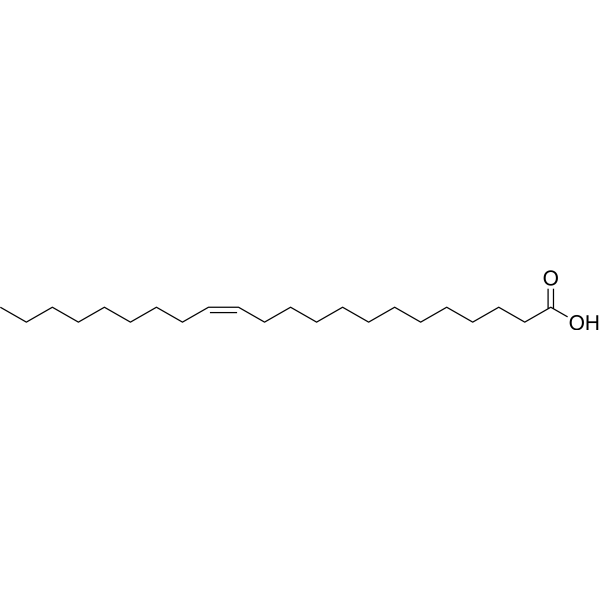
Erucic acid, a monounsaturated fatty acid (MUFA), is isolated from the seed of Raphanus sativus L. Erucic acid can readily cross the blood-brain barrier (BBB), it has been reported to normalize the accumulation of very long-chain fatty acids in the brain. Erucic acid can improve cognitive impairment and be effective against dementia.
Para uso exclusivo en investigación. No vendemos a pacientes.
- Pureza : 98.0%
- No. CAS: 112-86-7
- Fòrmula: C22H42O2
- Peso molecular:338.57
-
Almacenamiento:Pure form -20°C, 3 years , 4°C, 2 years ; In solvent -80°C, 6 months , -20°C, 1 month

To place orders, for customer services and technical support, please contact: MedChemExpress USA
Tel: 609-228-6898 E-mail: [email protected] [email protected]


-
 Actividad biológica
-
Chemical Information
-
Solvente y solubilidad
- Protocolo
- Pureza y Documentación
- Referencias
-
 Help & FAQs


-
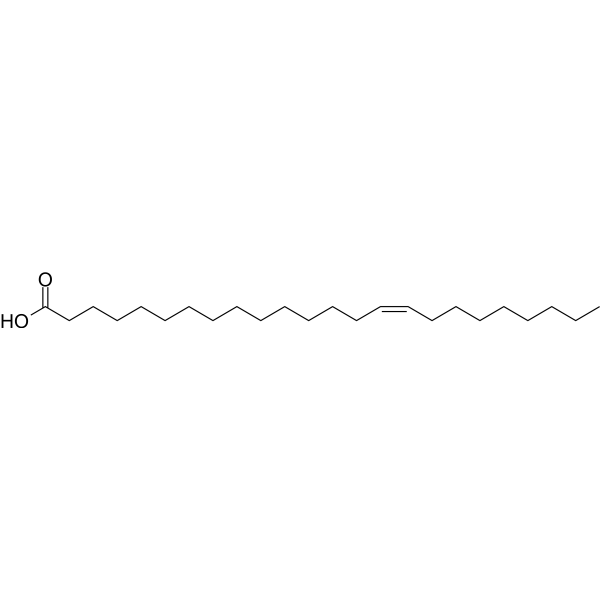
HY-N2526
Nervonic acidEndogenous Metabolite -
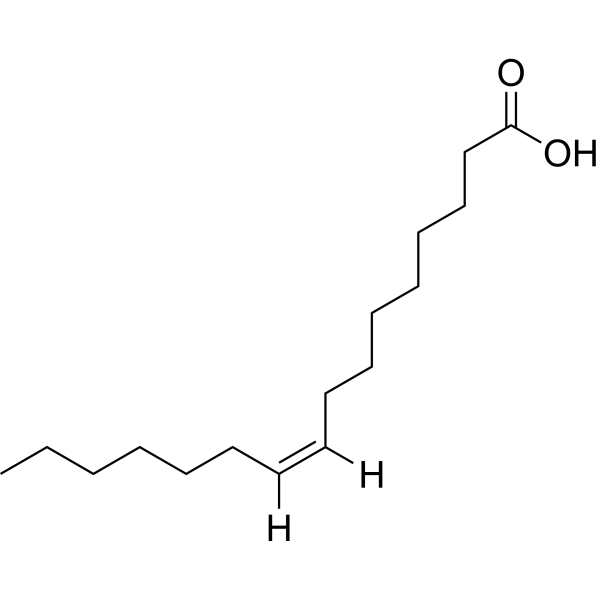
HY-W011873
Palmitoleic acid -
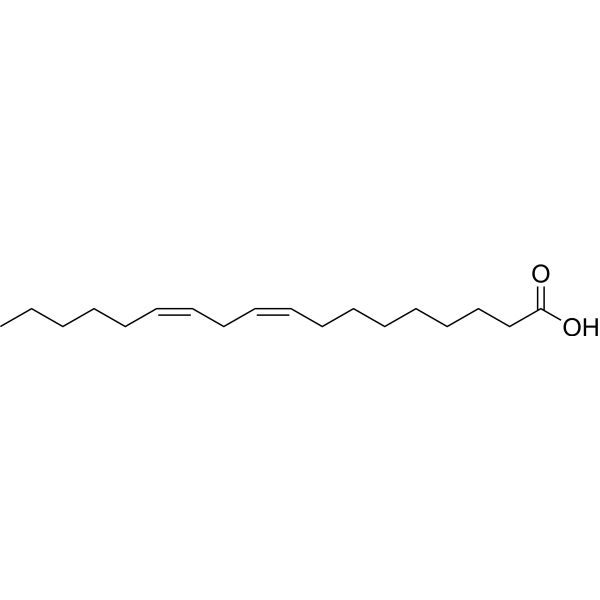
HY-N0729
Linoleic acidHuman Endogenous Metabolite -
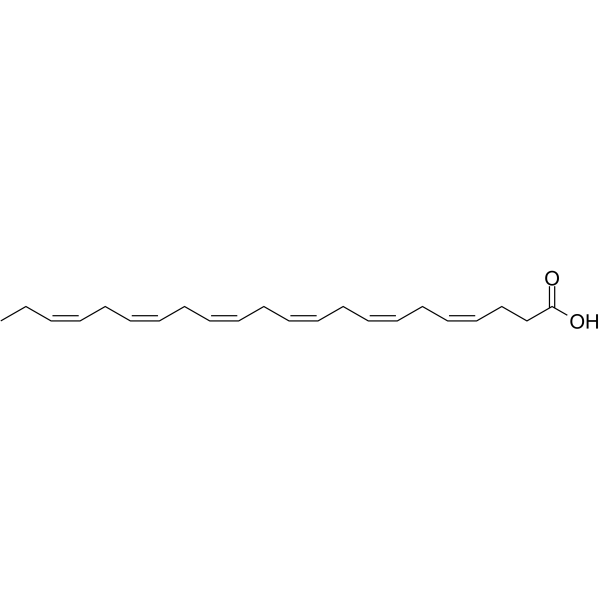
HY-B2167
Docosahexaenoic acidomega-3 Fatty Acid -
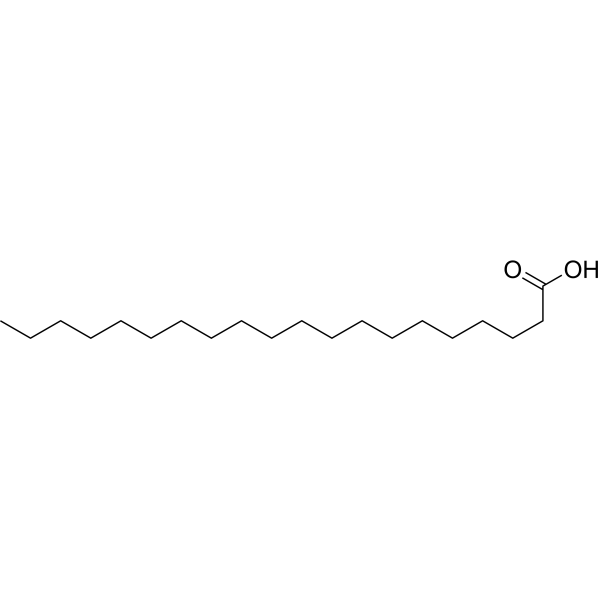
HY-W004260
Arachidic acidReceptor/Ion Channel Effector -
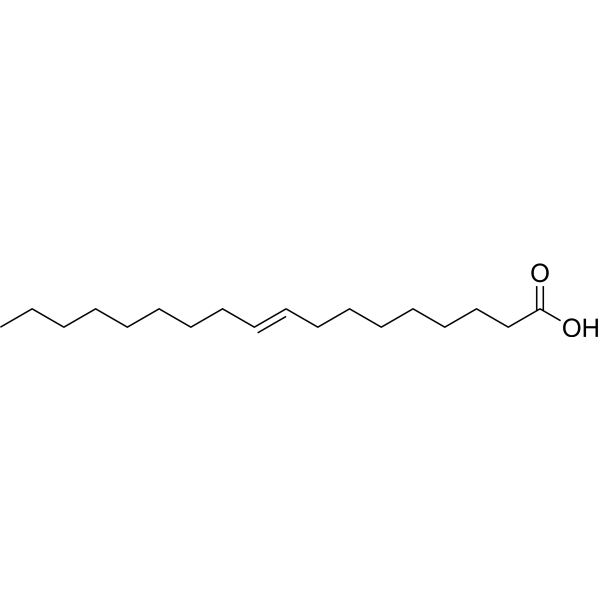
HY-113016
Elaidic acidTrans Fatty Acid -
HY-W015309
Decanoic acidTyrosinase Inhibitor; Melanosome Inhibitor; mTORC1 Signaling Inhibitor -
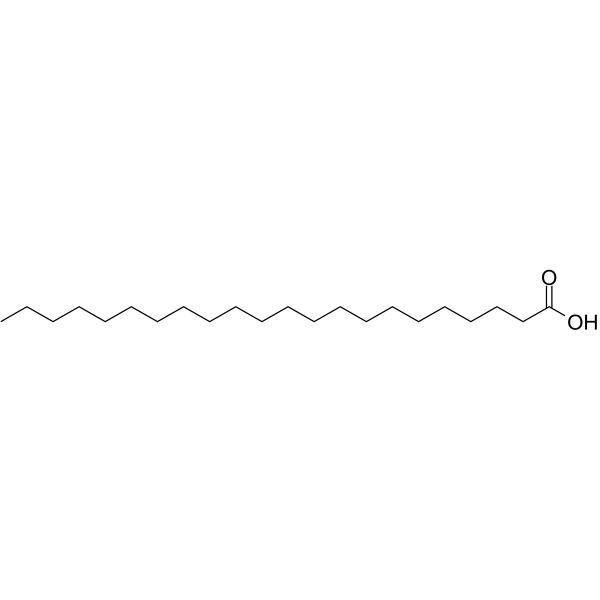
HY-W013049
Docosanoic acidSaturated Fatty Acid -
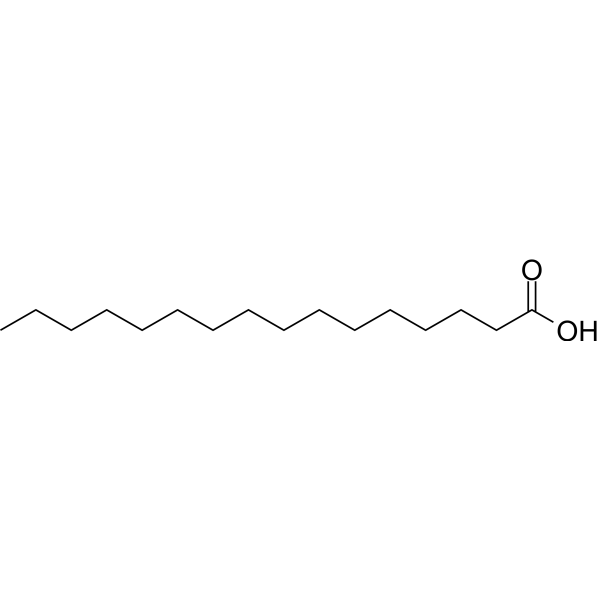
HY-N0830
Palmitic acidEndogenous Metabolite -
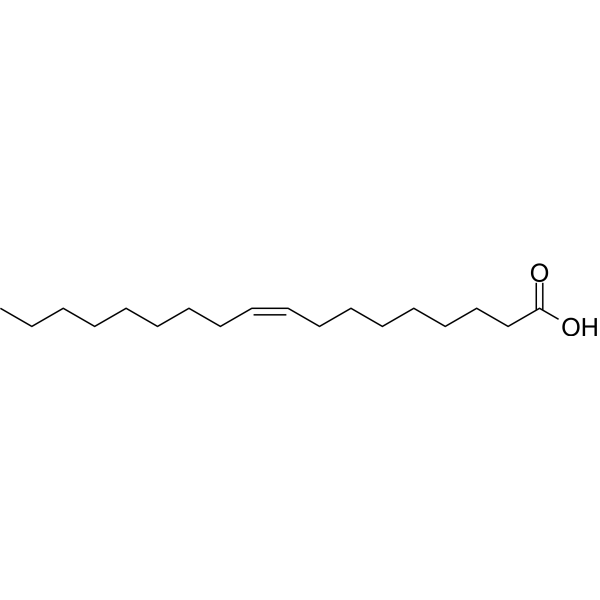
HY-N1446
Oleic acidMonounsaturated Fatty Acid -
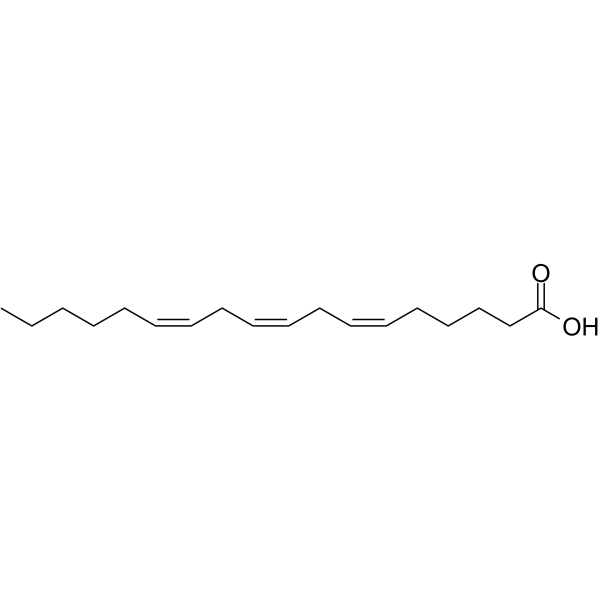
HY-N7140
Gamma-Linolenic acidEndogenous Metabolite -

HY-N7109R
Erucic acid (Standard)Monounsaturated Fatty Acid
Publications Citing Use of MedChemExpress (MCE) Erucic acid
More Customer Validation & Images

-
Cell Proliferation/Viability Assay
-
Cell Imaging/Staining
-
Cell Migration/Invasion Assay
-
In Vivo Efficacy Study
-
WB
Ver todos los productos específicos de isoformas Endogenous Metabolite
More

Actividad biológica
Descripciòn
Cellular Effect
|
Cell Line

|
Type | Value | Description | References |
|---|---|---|---|---|
| RBL-2H3 | IC50 |
>50 μM
Compound: 7
|
Antiallergic activity in rat RBL2H3 cells assessed as inhibition of DNP-HSA-mediated degranulation by measuring decrease in beta-hexosaminidase activity preincubated for 30 mins followed by DNP-HSA stimulation and measured after 30 mins by 4-nitrophenyl 2
Antiallergic activity in rat RBL2H3 cells assessed as inhibition of DNP-HSA-mediated degranulation by measuring decrease in beta-hexosaminidase activity preincubated for 30 mins followed by DNP-HSA stimulation and measured after 30 mins by 4-nitrophenyl 2
|
[PMID: 31618024] |
In Vivo
MedChemExpress (MCE) has not independently confirmed the accuracy of these methods. They are for reference only.
-
Animal Model:Normal naïve mice[1]
-
Dosage:3 mg/kg
-
Administration:Oral administration; 3 mg/kg
-
Result:Enhanced the phosphorylation level of PI3K, PKCζ, ERK, CREB and Akt in the hippocampus.


Chemical Information
-
No. CAS 112-86-7
-
Appearance <28°C Solid,>32°C Liquid
-
Peso molecular 338.57
-
Fòrmula C22H42O2
-
Color White to off-white
-
SMILES
CCCCCCCC/C=C\CCCCCCCCCCCC(O)=O
-
Structure Classification
-
Envío
Room temperature in continental US; may vary elsewhere.
-
Almacenamiento
Pure form -20°C 3 years 4°C 2 years In solvent -80°C 6 months -20°C 1 month


Publications (4)
-
Journal Impact Factor
-
Most Recent
-
Adv Sci (Weinh)
Erucic Acid, Derived by Lactobacillus Crispatus, Induces Ferroptosis in Cervical Cancer Organoids Through the PPAR-δ Signaling Pathway. [Abstract]2025 Oct 13:e12599. PMID: 41082335
Erucic acid purchased from MedChemExpress. Usage Cited in: Adv Sci (Weinh). 2025 Oct 13:e12599. [Abstract]
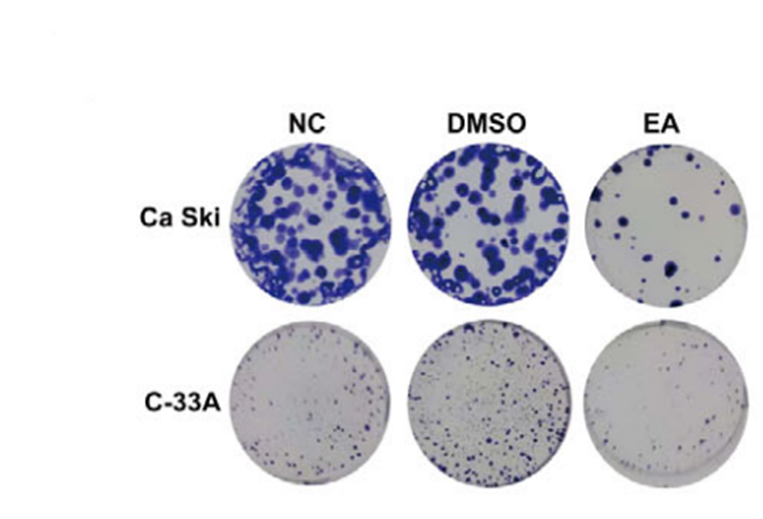
Cell clonogenic assays of Ca Ski and C-33A cervical cancer cell lines treated with Erucic Acid (EA) (250 μM) and DMSO.
Erucic acid purchased from MedChemExpress. Usage Cited in: Adv Sci (Weinh). 2025 Oct 13:e12599. [Abstract]
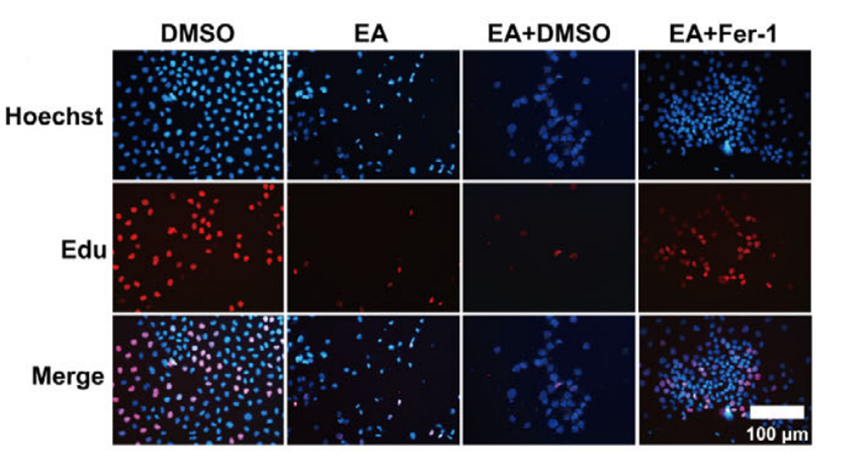
Edu assays of Ca Ski cell lines treated with DMSO, Erucic Acid (EA) (250 μM), EA+DMSO and EA+Fer-1.
Erucic acid purchased from MedChemExpress. Usage Cited in: Adv Sci (Weinh). 2025 Oct 13:e12599. [Abstract]
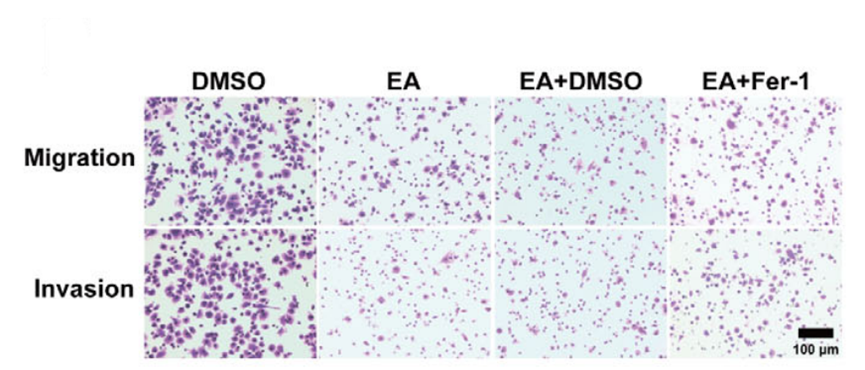
Transwell assays of Ca Ski cell lines treated with DMSO, Erucic Acid (EA) (250 μM), EA+DMSO and EA+Fer-1.
Erucic acid purchased from MedChemExpress. Usage Cited in: Adv Sci (Weinh). 2025 Oct 13:e12599. [Abstract]
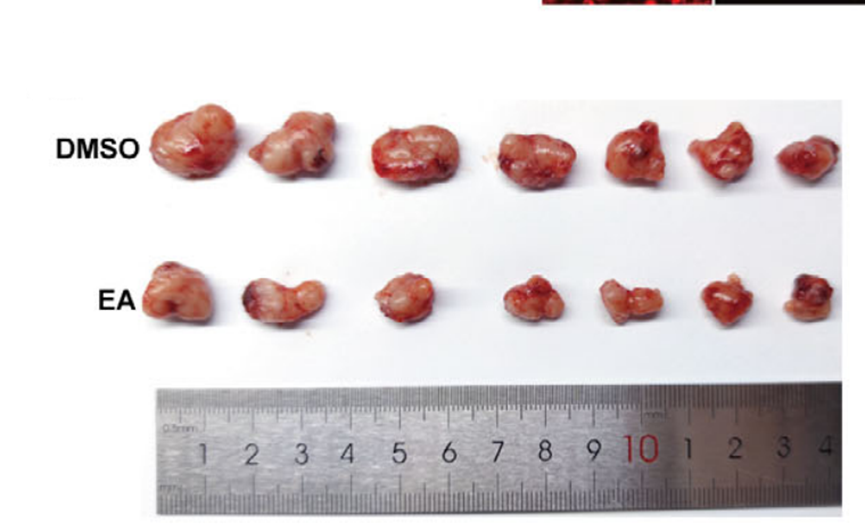
Pictures of the tumors treated with DMSO and Erucic Acid (EA) (250 μM) in cell derived xenograft (CDX) models.
Erucic acid purchased from MedChemExpress. Usage Cited in: Adv Sci (Weinh). 2025 Oct 13:e12599. [Abstract]
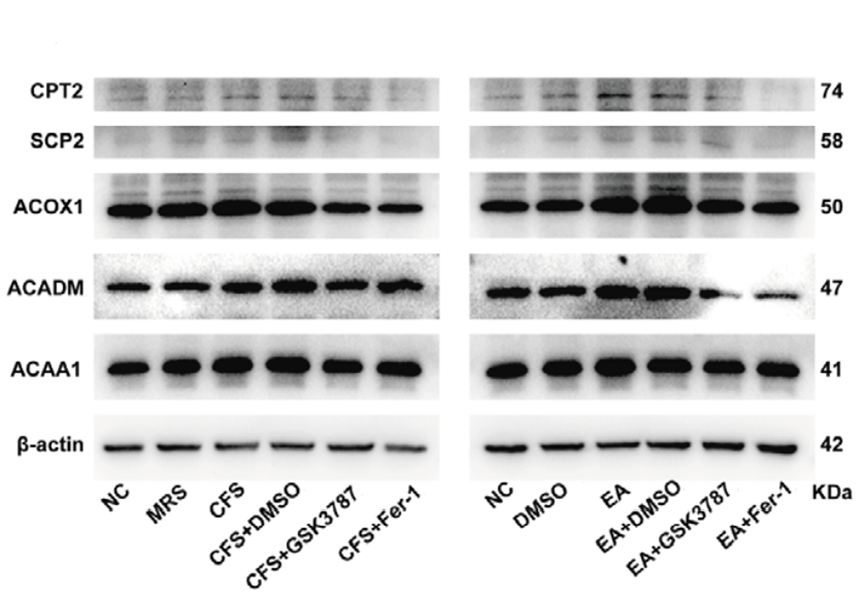
Western Blot results relating to FAO of Ca Ski cells treated with 10%PBS, 10%MRS, 10%CFS, 10%CFS+DMSO, 10%CFS+GSK3787, 10%CFS+Fer-1, Blank, DMSO, Erucic Acid (EA) (250 μM), EA+DMSO, EA+ GSK3787, EA+Fer-1.
-
Int J Biol Macromol
2025 Apr:298:140121. PMID: 39837435 -
-


Solvente y solubilidad
In Vitro:
DMSO : ≥ 100 mg/mL (295.36 mM; Hygroscopic DMSO has a significant impact on the solubility of product, please use newly opened DMSO)
* "≥" means soluble, but saturation unknown.
Please refer to the solubility information to select the appropriate solvent. Once prepared, please aliquot and store the solution to prevent product inactivation from repeated freeze-thaw cycles.
Storage method and period of stock solution: -80°C, 6 months; -20°C, 1 month. When stored at -80°C, please use it within 6 months. When stored at -20°C, please use it within 1 month.
Please refer to the solubility information to select the appropriate solvent. Once prepared, please aliquot and store the solution to prevent product inactivation from repeated freeze-thaw cycles.
Storage method and period of stock solution: -80°C, 6 months; -20°C, 1 month. When stored at -80°C, please use it within 6 months. When stored at -20°C, please use it within 1 month.
Concentration (start) × Volume (start) = Concentration (final) × Volume (final)
In Vivo:
Select the appropriate dissolution method based on your experimental animal and administration route.
- For the following dissolution methods, please ensure to first prepare a clear stock solution using an In Vitro approach and then sequentially add co-solvents:
- To ensure reliable experimental results, the clarified stock solution can be appropriately stored based on storage conditions. As for the working solution for In Vivo experiments, it is recommended to prepare freshly and use it on the same day.
- The percentages shown for the solvents indicate their volumetric ratio in the final prepared solution. If precipitation or phase separation occurs during preparation, heat and/or sonication can be used to aid dissolution.
Add each solvent one by one: 10% DMSO 40% PEG300 5% Tween-80 45% Saline
Solubility: ≥ 2.5 mg/mL (7.38 mM); Clear solution
This protocol yields a clear solution of ≥ 2.5 mg/mL (saturation unknown).
Taking 1 mL working solution as an example, add 100 μL DMSO stock solution (25.0 mg/mL) to 400 μL PEG300, and mix evenly; then add 50 μL Tween-80 and mix evenly; then add 450 μL Saline to adjust the volume to 1 mL.
Preparation of Saline: Dissolve 0.9 g sodium chloride in ddH₂O and dilute to 100 mL to obtain a clear Saline solution.
Add each solvent one by one: 10% DMSO 90% (20% SBE-β-CD in Saline)
Solubility: 2.5 mg/mL (7.38 mM); Suspended solution; Need ultrasonic
This protocol yields a suspended solution of 2.5 mg/mL. Suspended solution can be used for oral and intraperitoneal injection.
Taking 1 mL working solution as an example, add 100 μL DMSO stock solution (25.0 mg/mL) to 900 μL 20% SBE-β-CD in Saline, and mix evenly.
Preparation of 20% SBE-β-CD in Saline (4°C, storage for one week): 2 g SBE-β-CD powder is dissolved in 10 mL Saline, completely dissolve until clear.
For the following dissolution methods, please prepare the working solution directly:
It is recommended to prepare fresh solutions and use them promptly within a short period of time.
The percentages shown for the solvents indicate their volumetric ratio in the final prepared solution. If precipitation or phase separation occurs during preparation, heat and/or sonication can be used to aid dissolution.
In Vivo Dissolution Calculator
Please enter the basic information of animal experiments:
-
-
-
-
Recommended: Prepare an additional quantity of animals to account for potential losses during experiments.
Please enter your animal formula composition:
-
%DMSO +
Recommended: Keep the proportion of DMSO in working solution below 2% if your animal is weak.
-
%+
-
+%Tween-80 + +
-
%Saline +
The co-solvents required include: DMSO, . All of co-solvents are available by MedChemExpress (MCE). , Tween 80. All of co-solvents are available by MedChemExpress (MCE).
Working solution concentration: 0.22 mg/mL
Method for preparing stock solution: mg drug dissolved in μL DMSO. Stock solution concentration: mg/mL.
1. Take μL DMSO stock solution;
2. Add μL .
μL , mix evenly;
3. Then add μL Tween 80, mix evenly;
4. Then add μL
Please ensure that the stock solution in the first step is dissolved to a clear state, and add co-solvents in sequence. You can use ultrasonic heating (ultrasonic cleaner, recommended frequency 20-40 kHz), vortexing, etc. to assist dissolution.


Pureza y Documentación
-
Ficha de datos (267 KB)
-
SDS (394 KB)
- English - EN (394 KB)
- Français - FR (394 KB)
- Deutsch - DE (394 KB)
- Norwegian - NO (394 KB)
- Español - ES (394 KB)
- Swedish - SV (394 KB)
- Italian - IT (394 KB)
- Korean - KR (394 KB)
- Portuguese - PT (394 KB)
-
Instrucciones de manejo (2659 KB)
Referencias


Complete Stock Solution Preparation Table
Please refer to the solubility information to select the appropriate solvent. Once prepared, please aliquot and store the solution to prevent product inactivation from repeated freeze-thaw cycles.
Storage method and period of stock solution: -80°C, 6 months; -20°C, 1 month. When stored at -80°C, please use it within 6 months. When stored at -20°C, please use it within 1 month.
| Optional Solvent | Concentration Solvent Mass | 1 mg | 5 mg | 10 mg | 25 mg |
|---|---|---|---|---|---|
| DMSO | 1 mM | 2.9536 mL | 14.7680 mL | 29.5360 mL | 73.8400 mL |
| 5 mM | 0.5907 mL | 2.9536 mL | 5.9072 mL | 14.7680 mL | |
| 10 mM | 0.2954 mL | 1.4768 mL | 2.9536 mL | 7.3840 mL | |
| 15 mM | 0.1969 mL | 0.9845 mL | 1.9691 mL | 4.9227 mL | |
| 20 mM | 0.1477 mL | 0.7384 mL | 1.4768 mL | 3.6920 mL | |
| 25 mM | 0.1181 mL | 0.5907 mL | 1.1814 mL | 2.9536 mL | |
| 30 mM | 0.0985 mL | 0.4923 mL | 0.9845 mL | 2.4613 mL | |
| 40 mM | 0.0738 mL | 0.3692 mL | 0.7384 mL | 1.8460 mL | |
| 50 mM | 0.0591 mL | 0.2954 mL | 0.5907 mL | 1.4768 mL | |
| 60 mM | 0.0492 mL | 0.2461 mL | 0.4923 mL | 1.2307 mL | |
| 80 mM | 0.0369 mL | 0.1846 mL | 0.3692 mL | 0.9230 mL | |
| 100 mM | 0.0295 mL | 0.1477 mL | 0.2954 mL | 0.7384 mL |


Erucic acid Related Classifications
HY-N7109 Related Classifications
 Powered by Bioz