Search Result
Results for "
Leukemia cell lines
" in MedChemExpress (MCE) Product Catalog:
| Cat. No. |
Product Name |
Target |
Research Areas |
Chemical Structure |
-
- HY-148026
-
|
BGB 11417
|
Bcl-2 Family
|
Cancer
|
|
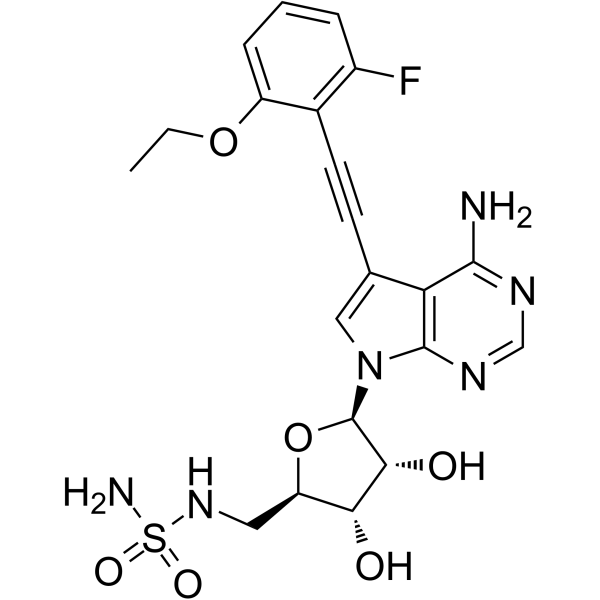
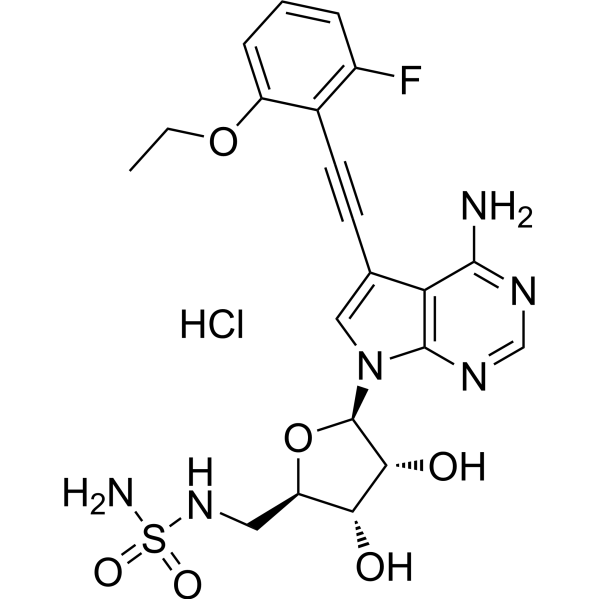
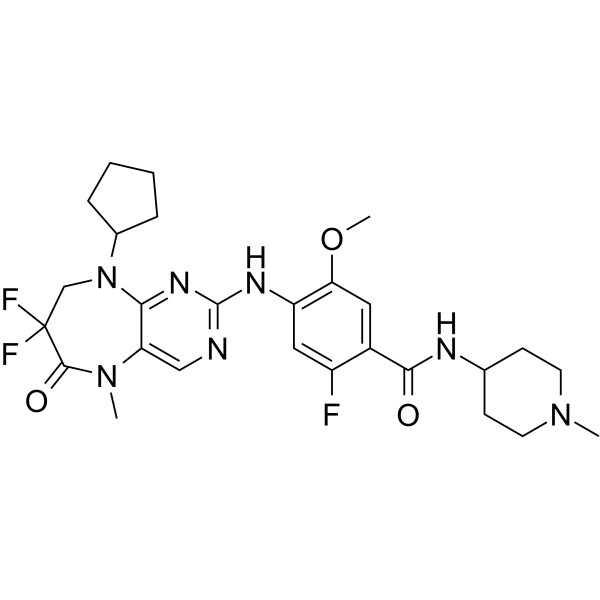
Sonrotoclax is a potent, orally active Bcl2 inhibitor. Sonrotoclax has effective cell killing effect against a variety of lymphoma and leukemia cell lines .
|
-
-
- HY-13518
-
Piceatannol
Maximum Cited Publications
24 Publications Verification
Astringenin; trans-Piceatannol
|
Syk
Autophagy
Apoptosis
Endogenous Metabolite
|
Cancer
|
|
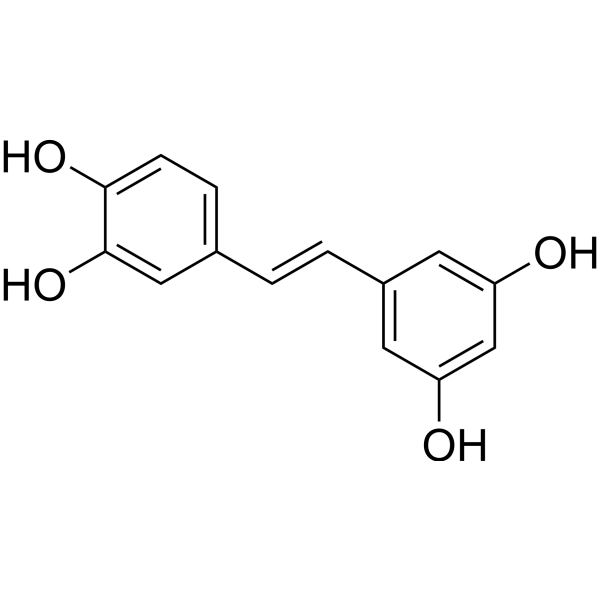
Piceatannol is a well-known Syk inhibitor and reduces the expression of iNOS induced by TNF. Piceatannol is an effective agent for research of acute lung injury (ALI) . Piceatannol is a naturally occurring polyphenolic stilbene found in various fruits and vegetables and exhibits anticancer and anti-inflammatory properties . Piceatannol induces apoptosis in DLBCL cell lines . Piceatannol induces autophagy and apoptosis in MOLT-4 human leukemia cells .
|
-
-
- HY-15160
-
TAK-960
2 Publications Verification
|
Polo-like Kinase (PLK)
|
Cancer
|
|
TAK-960 is an orally available, selective inhibitor of polo-like kinase 1 (PLK1), with an IC50 of 0.8 nM. TAK-960 also shows inhibitory activities against PLK2 and PLK3, with IC50s of 16.9 and 50.2 nM, respectively. TAK-960 inhibits proliferation of multiple cancer cell lines and exhibits significant efficacy against multiple tumor xenografts .
|
-
-
- HY-19619
-
|
|
Phospholipase
Apoptosis
|
Cancer
|
|
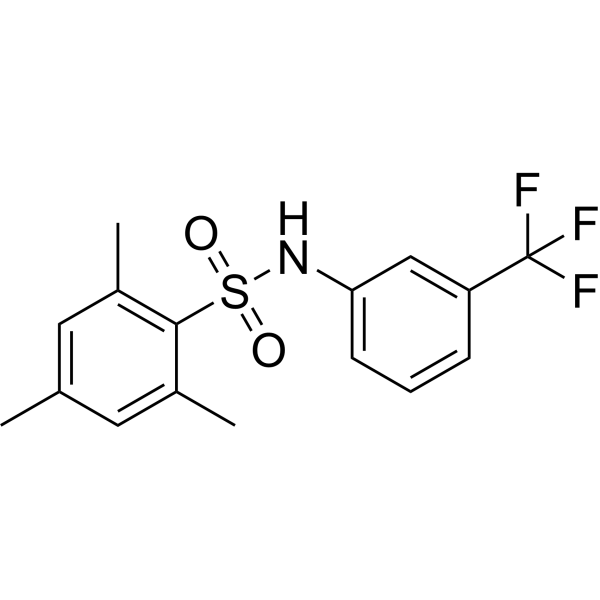
m-3M3FBS is a potent phospholipase C (PLC) activator. m-3M3FBS stimulates superoxide generation in human neutrophils, upregulates intracellular calcium concentration, and stimulates inositol phosphate generation in various cell lines. m-3M3FBS induces monocytic leukemia cell apoptosis .
|
-
-
- HY-129983
-
|
|
HSV
|
Infection
Cancer
|
|
5-Hydroxymethyl-2'-deoxyuridine is a nucleoside analog. 5-Hydroxymethyl-2'-deoxyuridine inhibits the replication of multiple human leukemia cell lines with IC50 values of 1.7-5.8 μM. 5-Hydroxymethyl-2'-deoxyuridine prolongs the survival of mice carrying L1210 leukemia. 5-Hydroxymethyl-2'-deoxyuridine can be used for the research of cell replication and leukemia .
|
-
-
- HY-145729
-
|
AZD9150
|
STAT
Apoptosis
|
Cancer
|
|
Danvatirsen (AZD9150) is an antisense oligonucleotide targeting STAT3. Danvatirsen reduces the viability and promotes apoptosis of leukemia cell lines. Danvatirsen inhibits the expression of endogenous STAT3 and its downstream target genes, and reduces the proliferation and tumorigenicity of neuroblastoma and lymphoma cells. Danvatirsen inhibited tumor growth in mouse models of neuroblastoma, lymphoma, and non-small cell lung cancer. Danvatirsen achieves STAT3 mRNA and protein depletion in a mouse model of epidermoid carcinoma. Danvatirsen can be used in research related to lymphoma, myelodysplastic syndrome, acute myeloid leukemia, neuroblastoma and non-small cell lung cancer .
|
-
-
- HY-N0128
-
|
|
Environmental Pollutants
Apoptosis
|
Cancer
|
|
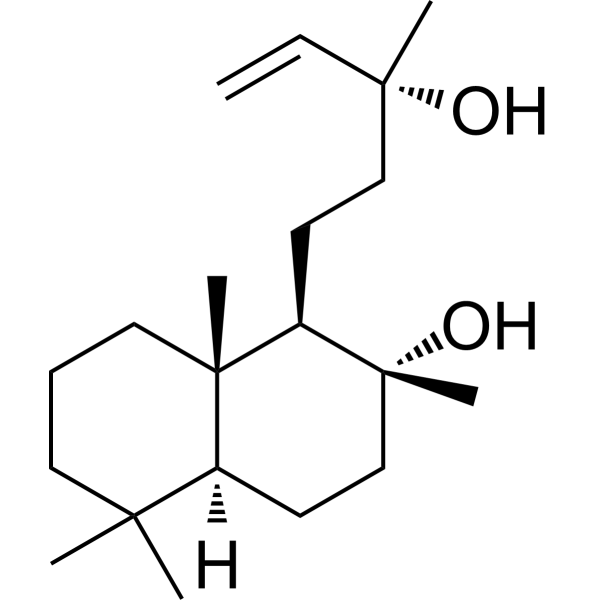
Sclareol is isolated from Salvia sclarea with anticarcinogenic activity. Sclareol shows strong cytotoxic activity against mouse leukemia (P-388), human epidermal carcinoma (KB) cells and human leukemia cell lines. Sclareol induces cell apoptosis .
|
-
-
- HY-162250
-
|
|
PROTACs
Histone Methyltransferase
|
Cancer
|
|
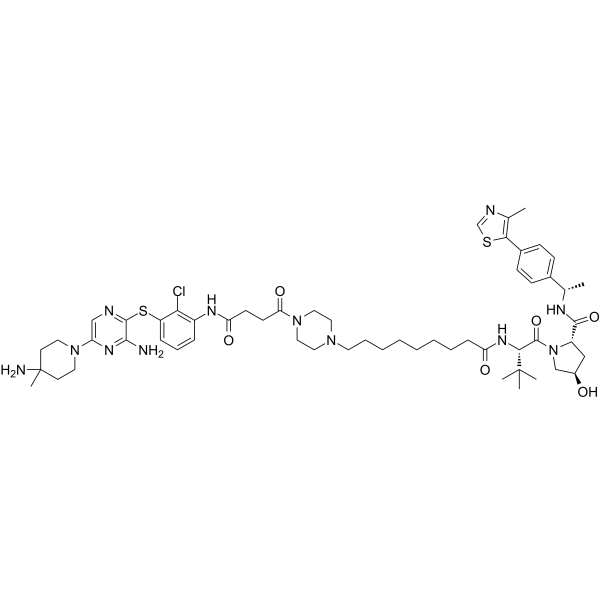
MS8847 is a PROTAC degrader and antiproliferative agent targeting EZH2 (DC50=34.4 nM in EOL-1 MLL-rAML cells). MS8847 recruits the E3 ligase von Hippel-Lindau (VHL) to mediate the degradation of EZH2 via the ubiquitin-proteasome system. MS8847 induces antiproliferative effects in MLL-rearranged acute myeloid leukemia cells and inhibits the growth of triple-negative breast cancer cell lines or 3D triple-negative breast cancer models. MS8847 is applicable to research related to MLL-rearranged acute myeloid leukemia and triple-negative breast cancer .
|
-
-
- HY-B1336
-
|
|
Environmental Pollutants
Antibiotic
Bacterial
Apoptosis
Parasite
|
Infection
Cancer
|
|
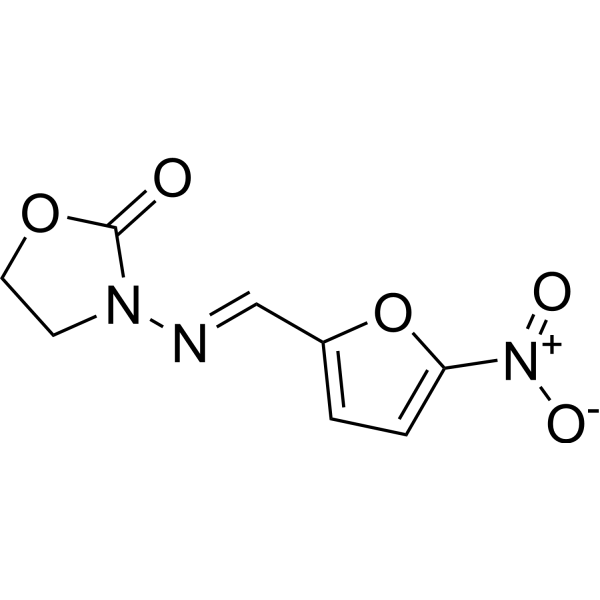
Furazolidone is a monoamine oxidase (MAO) inhibitor with antiproliferative, apoptosis-inducing and differentiation-promoting activities. Furazolidone may inhibit leukemia fusion protein-mediated bone marrow transformation by upregulating the stability of the tumor suppressor protein p53. Furazolidone exhibits anti-leukemic activity in acute myeloid leukemia (AML) cell lines and can be used for anti-AML research [2].
|
-
-
- HY-12892
-
SKI-178
1 Publications Verification
|
SphK
Apoptosis
|
Cancer
|
|
SKI-178 is a potent sphingosine kinase-1 (SphK1) and SphK2 inhibitor. SKI-178 is cytotoxic at IC50 concentrations ranging from 1.8 to 0.1 μM in both agent sensitive and multi-agent resistant cancer cell lines (i.e., MTR3, NCI-ADR and HL60/VCR cells). SKI-178 induces apoptosis in a CDK1-dependent manner in human acute myeloid leukemia cell lines .
|
-
-
- HY-158974
-
|
|
DNA/RNA Synthesis
Apoptosis
PARP
|
Cancer
|
|
YTHDC1-IN-1 is a selective YTHDC1 inhibitor with a Kd of 49 nM and an IC50 of 0.35 μM. YTHDC1-IN-1 can inhibit the proliferation and induce apoptosis of acute myeloid leukemia cell lines. YTHDC1-IN-1 has anti-tumor activity .
|
-
-
- HY-162037
-
|
|
CDK
FLT3
|
Cancer
|
|
CDDD11-8 is an orally active, potent and selective inhibitor of CDK9 and FLT3-ITD, with Ki values of 8 and 13 nM, respectively. CDDD11-8 reduces the proliferation of leukemia cell lines and was particularly effective against those harboring FLT3-ITD mutation .
|
-
-
- HY-107426
-
|
Muconomycin A
|
Apoptosis
Reactive Oxygen Species (ROS)
|
Cancer
|
|
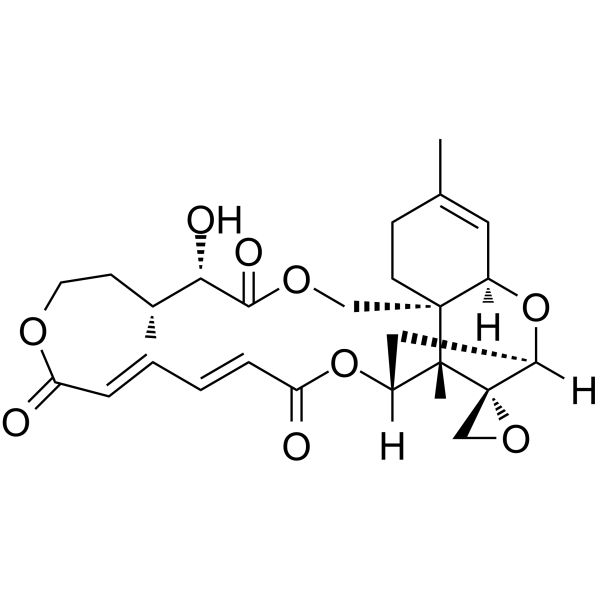
Verrucarin A (Muconomycin A), a Type D macrocyclic mycotoxin derived from the pathogen fungus Myrothecium verrucaria, is an inhibitor of protein synthesis. Verrucarin A inhibits growth of leukemia cell lines and activates caspases and apoptosis and inflammatory signaling in macrophages. Verrucarin A effectively increased the phosphorylation of p38 MAPK and diminished the phosphorylation of ERK/Akt. Verrucarin A caused cell cycle deregulation through the induction of p21 and p53 .
|
-
-
- HY-148422
-
|
|
Eukaryotic Initiation Factor (eIF)
Apoptosis
|
Cancer
|
|
Rohinitib is a potent and specific eIF4A inhibitor. Rohinitib induces cell apoptosis of acute myeloid leukemia (AML) cell lines and reduces the leukemia burden of AML xenograft model. Rohinitib can be used for the research of AML .
|
-
-
- HY-128347
-
|
|
Epigenetic Reader Domain
|
Inflammation/Immunology
Cancer
|
|
M-89 is a highly potent and specific menin inhibitor, with a Kd of 1.4 nM for binding to menin. M-89 inhibits the menin-mixed lineage leukemia (Menin-MLL) protein-protein interaction and has potential to study MLL leukemia. M-89 inhibits the cell growth in leukemia cell lines carrying MLL fusion .
|
-
-
- HY-103275
-
|
NSC 680410
|
Bcr-Abl
Apoptosis
|
Cancer
|
|
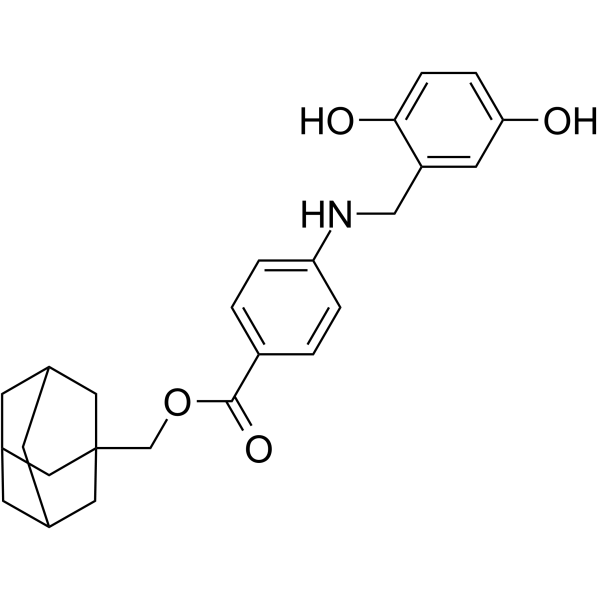
Adaphostin (NSC 680410), the adamantyl ester of AG957, is a potent p210 bcr/abl inhibitor (IC50=14 μM). Adaphostin induces apoptosis in T-lymphoblastic human leukemia cell lines (IC50 ranging from 17 to 216 nM). Adaphostin has significant and selective activity against chronic and acute myeloid leukemia cells. Adaphostin increased the level of reactive oxygen species (ROS) within CLL B cells .
|
-
-
- HY-154984
-
|
|
Histone Acetyltransferase
PROTACs
|
Cancer
|
|
JET-209 is a potent CBP/p300 PROTAC degrader, with DC50 values of 0.05 nM and 0.2 nM for CBP and p300. JET-209 demonstrates remarkable anti-tumor activity against various acute leukemia cell lines and effectively inhibits tumor growth in xenograft tumor models. JET-209 can be used for the study of acute leukemia .
|
-
-
- HY-149470
-
|
|
Histone Acetyltransferase
|
Cancer
|
|
MOZ-IN-3 (Compound 6j) is a KAT6A (MOZ) acetyltransferase inhibitor (IC50: 30 nM). MOZ-IN-3 has antitumor activity against four different myeloid leukemia cell lines (HL-60, U937, SKNO-1, K562). MOZ-IN-3 has favorable metabolic stability and pharmacokinetics .
|
-
-
- HY-123578
-
|
|
EGFR
E1/E2/E3 Enzyme
|
Cancer
|
|
NSC689857 is a potent EGFR and SCF SKP2 inhibitor with an IC50 value of 36 μM for Skp2-Cks1. NSC689857 can inhibit p27 ubiquitylation (IC50=30 μM). NSC689857 has varied activity across cancer types, with more activity against leukemia cell lines than others .
|
-
-
- HY-145729A
-
|
AZD9150 sodium
|
STAT
Apoptosis
|
Cancer
|
|
Danvatirsen sodium (AZD9150 sodium) is an antisense oligonucleotide targeting STAT3. Danvatirsen sodium reduces the viability and promotes apoptosis of leukemia cell lines. Danvatirsen sodium inhibits the expression of endogenous STAT3 and its downstream target genes, and reduces the proliferation and tumorigenicity of neuroblastoma and lymphoma cells. Danvatirsen sodium inhibited tumor growth in mouse models of neuroblastoma, lymphoma, and non-small cell lung cancer. Danvatirsen sodium achieves STAT3 mRNA and protein depletion in a mouse model of epidermoid carcinoma. Danvatirsen sodium can be used in research related to lymphoma, myelodysplastic syndrome, acute myeloid leukemia, neuroblastoma and non-small cell lung cancer .
|
-
-
- HY-149912
-
|
|
Polo-like Kinase (PLK)
Trk Receptor
Apoptosis
|
Cancer
|
|
CZS-241 is an orally active and selective inhibitor of Polo-like Kinase (PLK) 4 (IC50=2.6 nM). CZS-241 inhibits TRKA with an IC50 value of 2.74 μM. CZS-241 induces apoptosis and arrests cell cycle at S/G2 phase. CZS-241 shows highly potent antiproliferative activity against leukemia cell lines, and exhibits safety against normal cell lines .
|
-
-
- HY-121725
-
|
|
STAT
|
Cancer
|
|
MM-206, a STAT3 activity inhibitor, potently inhibits the STAT3 SH2 domain-phosphopeptide interaction with IC50 of 1.2 μM. MM-206 demonstrates dose-dependent induction of apoptosis in acute myeloid leukemia (AML) cell lines .
|
-
-
- HY-115406A
-
|
|
Apoptosis
|
Cancer
|
|
CPTH6 hydrobromide is a thiazole derivative which activates apoptotic program and increases autophagic features in human acute myeloid leukemia cell lines. CPTH6 can be used for cancer research .
|
-
-
- HY-178155
-
|
|
DNA/RNA Synthesis
Autophagy
|
Cancer
|
|
AP232 is a selective U2AF1-UHM Inhibitor with an IC50 of 7.96 μM. AP232 exhibits 2.8-24-fold selectivity against other UHM-containing proteins. AP232 exerts anti-leukemia activity and shows higher activities in cell lines carrying splicing factor mutations. AP232 can induce leukemia cells G2/M and G1 arrest, impair lysosome acidification, and inhibit autophagy. AP232 can be used for the research of cancer, such as Leukemia .
|
-
-
- HY-138623
-
|
|
Epigenetic Reader Domain
TNF Receptor
Interleukin Related
|
Inflammation/Immunology
Cancer
|
|
GSK789 is a selective inhibitor of BET BD1. GSK789 inhibits the growth of leukemia cell lines. GSK789 inhibits LPS-stimulated production of MCP-1, TNFα and IL-6 in human whole blood. GSK789 exhibits antiproliferative, anti-inflammatory and immunomodulatory activities. GSK789 can be used in research related to cancers such as leukemia, as well as inflammatory and immune diseases .
|
-
-
- HY-162265A
-
|
|
Apoptosis
|
Cancer
|
|
UCM-13369 (Compound 4b) is a NPM1 inhibitor. UCM-13369 downregulates the pathway associated with mutant NPM1 C+, and specifically recognizes the C-end DNA-binding domain of NPM1 C+. UCM-13369 induces apoptosis in AML cell lines and primary cells. UCM-13369 can be used for leukemia research .
|
-
-
- HY-W784565
-
|
|
DNA/RNA Synthesis
|
Cancer
|
|
5-Fluorouridine 5'-phosphate is an ODCase (orotidine-5′-monophosphate decarboxylase) inhibitor, with a Ki value of 98 µM for human ODCase and a Ki value of 645 µM for Methanobacterium ODCase. 5-Fluorouridine 5'-phosphate exhibits inhibitory activity against leukemia and lymphoma cell lines and can be used in cancer research .
|
-
-
- HY-142690A
-
|
|
Apoptosis
HDAC
|
Cancer
|
|
HDAC-IN-27 dihydrochloride (Compound 11h) is a potent, orally active class I HDAC-selective inhibitor with IC50 values ranging from 0.43 to 3.01 nM against HDAC1-3. HDAC-IN-27 dihydrochloride exhibits both in vivo and in vitro antitumor activity. HDAC-IN-27 dihydrochloride demonstrates significant anti-proliferative activity against acute myeloid leukemia (AML) cell lines by inducing apoptosis and histone acetylation (AcHH3 and AcHH4). HDAC-IN-27 dihydrochloride can be used for research in acute myeloid leukemia (AML) .
|
-
-
- HY-142690
-
|
|
HDAC
Apoptosis
|
Cancer
|
|
HDAC-IN-27 (Compound 11h) is a potent, orally active class I HDAC-selective inhibitor with IC50 values ranging from 0.43 to 3.01 nM against HDAC1-3. HDAC-IN-27 exhibits both in vivo and in vitro antitumor activity. HDAC-IN-27 demonstrates significant anti-proliferative activity against acute myeloid leukemia (AML) cell lines by inducing apoptosis and histone acetylation (AcHH3 and AcHH4). HDAC-IN-27 can be used for research in acute myeloid leukemia (AML) .
|
-
-
- HY-118304B
-
|
|
FLT3
Apoptosis
Caspase
|
Cancer
|
|
AKN-028 acetate, a novel tyrosine kinase (TK) inhibitor, is a potent, orally active FMS-like receptor tyrosine kinase 3 (FLT3) inhibitor with an IC50 value of 6 nM. AKN-028 acetate inhibits FLT3 autophosphorylation. AKN-028 acetate induces dose-dependent cytotoxic response (mean IC50=1 μM). AKN-028 acetate induces apoptosisby activation of caspase 3. AKN-028 acetate can be used in research of acute myeloid leukemia (AML).
|
-
-
- HY-N10678
-
|
|
Others
|
Cancer
|
|
R-30-Hydroxygambogic acid is polyprenylated xanthone epimer that can be isolated from gamboges of Garcinia hanburyi. R-30-Hydroxygambogic acid shows cytotoxicities to Human Leukemia K562 cell lines of IC50 values of 2.89 and 1.27 μM for K562/R and K562/S, respectively. R-30-Hydroxygambogic acid can be used for the research of cancer .
|
-
-
- HY-N7634
-
|
|
Farnesyl Transferase
Parasite
|
Infection
Cancer
|
|
Tectol, isolated from Lippia sidoides, exhibits significant activity against human leukemia cell lines HL60 and CEM . Tectol is a farnesyltransferase (FTase) inhibitor with IC50s of 2.09 and 1.73 μM for human and T. brucei FTase, respectively. Tectol inhibits drug-resistant strain of P. falciparum (FcB1) with an IC50 of 3.44 μM .
|
-
-
- HY-152133
-
|
|
PROTACs
HDAC
Apoptosis
|
Cancer
|
|
PROTAC HDAC6 degrader (Compound A6) is a potent and selective PROTAC HDAC6 degrader with a DC50 of 3.5 nM. PROTAC HDAC6 degrader shows promising antiproliferative activity via inducing apoptosis in myeloid leukemia cell lines .
|
-
-
- HY-W231513
-
|
|
MASTL
Ser/Thr Protease
Aurora Kinase
|
Cancer
|
|
MASTL/Aurora A-IN-1 (Compound MA4) is a dual inhibitor of MASTL and Aurora A kinases with IC50 values of 0.56 μM and 0.16 μM, respectively. MASTL/Aurora A-IN-1 has broad-spectrum anticancer activity and has potent anticancer activity against SR (leukemia), K-562 (leukemia), MDA-MB-435 (melanoma), MOLT-4 (leukemia), and SK-MEL-2 (melanoma) cell lines in NCI-60 cancer cell lines with GI50 values of 0.023, 0.032, 0.037, 0.044, and 0.051 μM, respectively. MASTL/Aurora A-IN-1 inhibits Aurora A and MASTL kinases, inducing cell cycle G2/M arrest, thereby inhibiting cancer cell proliferation. MASTL/Aurora A-IN-1 can be used in cancer research, especially for tumors with dysregulated mitosis .
|
-
-
- HY-170574
-
|
|
Molecular Glues
Apoptosis
RIO Kinase
|
Cancer
|
|
CQ627 is a molecular glue targeting the degradation of RIOK2. It effectively induces the degradation of RIOK2 in the MOLT4 leukemia cell line via the ubiquitin-proteasome system (UPS) by recruiting the E3 ubiquitin ligase RNF126, with a DC50 value of 410 nM. CQ627 dose-dependently induces apoptosis in MOLT4 leukemia cells, blocks their cell cycle in the G2/M phase, and exhibits antiproliferative activities in various cancer cell lines. CQ627 also demonstrates in vivo anticancer activity in a MOLT4 xenograft mouse model .
|
-
-
- HY-175164
-
|
|
Apoptosis
c-Myc
|
Cancer
|
|
SVC112 is a translation elongation inhibitor that prevents the cyclic dissociation of EF2 from the ribosome, thereby inhibiting the elongation step of translation. SVC112 shows activity in growth inhibition among cancer cell lines of various origins (acute myeloid leukemia (AML), multiple myeloma (Myeloma), colorectal cancer (CRC), and head and neck squamous cell carcinoma (HNSCC)). SVC112 preferentially impedes ribosomal processing of mRNAs, and decreaseds CSC-related proteins including Myc and Sox2. SVC112 induces apoptosis in hematologic cancer cell lines, while phosphorylation of c-Myc correlates with sensitivity to SVC112 in colorectal cancer cell lines. SVC112 inactivates HNSCC stem cells in vitro and prevents the regrowth of HNSCC tumor xenografts in mice. SVC112 can be used for the study of HNSCC .
|
-
-
- HY-149040
-
|
(S)-OBI-3424; (S)-TH-3424; AST-3424
|
17β-HSD
|
Cancer
|
|
Odafosfamide ((S)-OBI-3424) is a highly selective prodrug bis-alkylating agent activated by aldehyde-keto reductase 1C3 (AKR1C3(). Odafosfamide is highly cytotoxic to cell lines with high AKR1C3 expression. Odafosfamide exhibits antitumor activity in a variety of tumors with high AKR1C3 expression (such as liver cancer, non-small cell lung cancer, and leukemia). Odafosfamide can be used in cancer research .
|
-
-
- HY-129356A
-
|
|
Drug Isomer
|
Cancer
|
|
(S)-Seco-Duocarmycin SA is the S-enantiomer of Seco-Duocarmycin SA (HY-129356). Seco-Duocarmycin SA can be used for cancer research .
|
-
-
- HY-108420
-
|
|
CDK
|
Cancer
|
|
INK4C-IN-2 is a p18 INK4C inhibitor. NK4C-IN-2 promotes hematopoietic stem cells (HSCs) division by inhibiting INK4C and activating CDK4/6, with an ED50 of 5.21 nM. INK4C-IN-2 shows no cytotoxic to normal 32D cells, HSCs, leukemia cell lines and myeloma cell lines .
|
-
-
- HY-150025
-
|
|
DNA Methyltransferase
Apoptosis
|
Cancer
|
|
(4aS,8aR)-NPD-001 is a potent and allosteric inhibitor of DNMT3A. (4aS,8aR)-NPD-001 inhibits DNMT3A activity by disrupting protein-protein interactions. (4aS,8aR)-NPD-001 induces apoptosis of acute myeloid leukemia (AML) cell lines. (4aS,8aR)-NPD-001 induces differentiation of distinct AML cell lines including cells with mutated DNMT3A R882 .
|
-
-
- HY-178155A
-
|
|
DNA/RNA Synthesis
Autophagy
|
Cancer
|
|
AP232 dihydrochloride is a selective U2AF1-UHM Inhibitor with an IC50 of 7.96 μM. AP232 dihydrochloride exhibits 2.8-24-fold selectivity against other UHM-containing proteins. AP232 dihydrochloride exerts anti-leukemia activity and shows higher activities in cell lines carrying splicing factor mutations. AP232 dihydrochloride can induce leukemia cells G2/M and G1 arrest, impair lysosome acidification, and inhibit autophagy. AP232 dihydrochloride can be used for the research of cancer, such as Leukemia .
|
-
-
- HY-121352
-
|
|
Drug Derivative
|
Cancer
|
|
Kibdelone C is a hexacyclic tetrahydroxanthone natural product and anticancer agent with sub-nanomolar GI50 activity against human SR leukemia and SN12C renal carcinoma cell lines. Kibdelone C disrupts the actin cytoskeleton in human cancer cells, leading to cell contraction and actin stress fiber formation, without direct actin binding, actin polymerization effects, topoisomerase I/II inhibition, or DNA binding. Kibdelone C can be used for the research of leukemia, and renal cell carcinoma .
|
-
-
- HY-N16580
-
|
|
Others
|
Cancer
|
|
(+)-Lariciresinol 9′-p-Coumarate is a type of lignan. (+)-Lariciresinol 9′-p-Coumarate exhibits inhibitory activity against leukemia and other tumor cell lines .
|
-
-
- HY-179239
-
|
|
METTL3
|
Cancer
|
|
METTL3-IN-12 (Compound 15) is a selective METTL3 inhibitor with an IC50 of 50 nM. METTL3-IN-12 exhibits significant anti-proliferative activity in various leukemia cell lines. METTL3-IN-12 can be used for research on leukemia .
|
-
-
- HY-171146
-
|
|
FLT3
Bcr-Abl
RET
PDGFR
MNK
|
Cancer
|
|
HSN748 is a Ponatinib (HY-12047) analogue and a multikinase inhibitor. HSN748 has inhibitory activity on FLT3, ABL1, RET, PDGFRα/β, MNK1, MNK2 and other kinases. HSN748 can inhibit the growth of chronic myeloid leukemia and acute myeloid leukemia cell lines and can be used in the study of leukemia .
|
-
-
- HY-149912A
-
|
|
Polo-like Kinase (PLK)
Trk Receptor
Apoptosis
|
Cancer
|
|
CZS-241 hydrochloride is an orally active and selective inhibitor of Polo-like Kinase 4 (PLK4) (IC50=2.6 nM). CZS-241 hydrochloride inhibits TRKA with an IC50 value of 2.74 μM. CZS-241 hydrochloride induces apoptosis and arrests cell cycle at S/G2 phase. CZS-241 hydrochloride shows highly potent antiproliferative activity against leukemia cell lines, and exhibits safety against normal cell lines .
|
-
-
- HY-12458
-
|
|
DNA/RNA Synthesis
|
Infection
Cancer
|
|
Pyrindamycin A is an antibiotic that inhibits DNA synthesis. Pyrindamycin A shows antitumor activities against murine leukemia, exhibits stronger cytotoxic activities towards murine and human tumor cell lines and especially towards doxorubicin-resistant cells, inhibits P388 and P388/ADR cells with the same IC50 of 3.9 μg/ml .
|
-
-
- HY-161123
-
|
|
WDR5
|
Cancer
|
|
WDR5-IN-8 is a WDR5 inhibitor with IC50 value of 15.5 nM. WDR5-IN-8 shows good anti-proliferative activity in two human acute leukemia cell lines. WDR5-IN-8 has antitumor activity .
|
-
-
- HY-N10777
-
|
|
Others
|
Cancer
|
|
1-Ketoaethiopinone is an abietane-diterpenoid. 1-Ketoaethiopinone has an α, β-unsaturated carbonyl function. 1-Ketoaethiopinone shows cytotoxic activity against human cancer cell lines MOLT-4 (human lymphoblastic leukemia) and MCF-7 (human breast adenocarcinoma) .
|
-
-
- HY-178941
-
|
|
Dihydroorotate Dehydrogenase
Apoptosis
Caspase
Reactive Oxygen Species (ROS)
|
Cancer
|
|
DHODH-IN-32 (Compound A1) is a DHODH inhibitor. DHODH-IN-32 shows significant cytotoxicity against NCI-60 cell lines, especially being sensitive to breast cancer, prostate cancer and leukemia cell lines. DHODH-IN-32 can induce cell apoptosis by activating the Caspase pathway. DHODH-IN-32 causes G0/G1 phase cell cycle arrest and inhibits cellular metabolism by ROS. DHODH-IN-32 exhibits significant anti-tumor properties in mouse breast cancer models. DHODH-IN-32 can be used for the study of breast cancer .
|
-
- HY-15160B
-
|
|
Polo-like Kinase (PLK)
|
Cancer
|
|
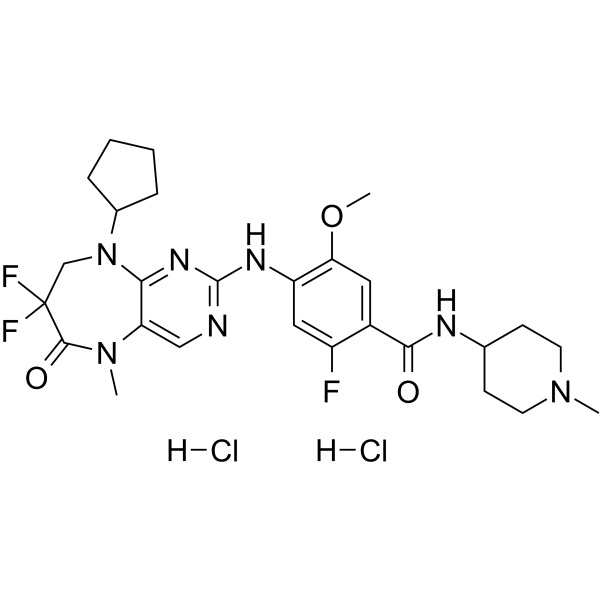
TAK-960 dihydrochloride is an orally available, selective inhibitor of polo-like kinase 1 (PLK1), with an IC50 of 0.8 nM. TAK-960 dihydrochloride also shows inhibitory activities against PLK2 and PLK3, with IC50s of 16.9 and 50.2 nM, respectively. TAK-960 dihydrochloride inhibits proliferation of multiple cancer cell lines and exhibits significant efficacy against multiple tumor xenografts .
|
-
- HY-15160A
-
|
|
Polo-like Kinase (PLK)
|
Cancer
|
|
TAK-960 hydrochloride is an orally available, selective inhibitor of polo-like kinase 1 (PLK1), with an IC50 of 0.8 nM. TAK-960 hydrochloride also shows inhibitory activities against PLK2 and PLK3, with IC50s of 16.9 and 50.2 nM, respectively. TAK-960 hydrochloride inhibits proliferation of multiple cancer cell lines and exhibits significant efficacy against multiple tumor xenografts .
|
-
- HY-132231
-
|
|
PI3K
Apoptosis
|
Cancer
|
|
FD223 is a potent and selective phosphoinositide 3-kinase delta (PI3Kδ) inhibitor. FD223 displays high potency (IC50=1 nM) and good selectivity over other isoforms (IC50s of 51 nM, 29 nM and 37 nM, respectively for α, β and γ). FD223 exhibits efficient inhibition of the proliferation of acute myeloid leukemia (AML) cell lines by suppressing p-AKT Ser473 thus causing G1 phase arrest during the cell cycle. FD223 has potential for the research of leukemia such as AML .
|
-
- HY-116971
-
|
|
Histone Methyltransferase
Apoptosis
|
Cancer
|
|
DCG066 is an inhibitor of lysine methyltransferase G9a. DCG066 can bind directly to G9a and inhibit methyltransferase activity in vitro. DCG066 decreases di-methylation levels of histone H3 lysine 9 (H3K9Me2), inhibits cell proliferation and induces cell apoptosis. DCG066 displays low cytotoxicity in leukemia cell lines with high levels of G9a expression, including K562 .
|
-
- HY-125090
-
|
|
Aurora Kinase
c-Myc
Bcr-Abl
Histone Methyltransferase
Apoptosis
|
Cancer
|
|
PHA-680626 is an effective inhibitor of the interaction between Aurora-A and N-Myc. PHA-680626 inhibits kinase activity of AURKA and Bcr-Abl, and induces N-Myc degradation. PHA-680626 decreases phosphorylation of CrkL and histone H3. PHA-680626 shows anti-proliferative and pro-apoptotic activity on Imatinib (HY-15463)-resistant chronic myeloid leukemia cell lines and primary CD34+ cells .
|
-
- HY-13518R
-
|
Astringenin (Standard); trans-Piceatannol (Standard)
|
Reference Standards
Syk
Autophagy
Apoptosis
Endogenous Metabolite
|
Cancer
|
|
Piceatannol (Standard) is the analytical standard of Piceatannol. This product is intended for research and analytical applications. Piceatannol is a well-known Syk inhibitor and reduces the expression of iNOS induced by TNF. Piceatannol is an effective agent for research of acute lung injury (ALI) . Piceatannol is a naturally occurring polyphenolic stilbene found in various fruits and vegetables and exhibits anticancer and anti-inflammatory properties . Piceatannol induces apoptosis in DLBCL cell lines . Piceatannol induces autophagy and apoptosis in MOLT-4 human leukemia cells .
|
-
- HY-118304
-
|
|
FLT3
Apoptosis
Caspase
|
Cancer
|
|
AKN-028, a novel tyrosine kinase (TK) inhibitor, is a potent, orally active FMS-like receptor tyrosine kinase 3 (FLT3) inhibitor with an IC50 value of 6 nM. AKN-028 inhibits FLT3 autophosphorylation. AKN-028 induces dose-dependent cytotoxic response (mean IC50=1 μM). AKN-028 induces apoptosisby activation of caspase 3. AKN-028 can be used in research of acute myeloid leukemia (AML) .
|
-
- HY-171777
-
|
ErPC3; Erucylphosphohomocholine
|
PI3K
Akt
Ras
Raf
p38 MAPK
|
Cancer
|
|
Erufosine is an inhibitor of PI3K/Akt and Ras/Raf/MAPK signaling pathways. Erufosine inhibits the activity of breast cancer cell lines MCF-7 and MDA-MB 231 (IC50: 40.95/40.8 μM). Erufosine reduces the phosphorylation of PI3K (p85), Akt (PKB), and cRaf. Erufosine can be used in the study of breast cancer and myeloid leukemia .
|
-
- HY-144675A
-
|
|
Histone Demethylase
|
Cancer
|
|
LSD1-IN-13 hydrochloride (compound 7e) is an orally active and potent LSD1 inhibitor, with an IC50 of 24.43 nM. LSD1-IN-13 hydrochloride can activate CD86 expression, with an EC50 of 470 nM. LSD1-IN-13 hydrochloride induces differentiation of AML (acute myeloid leukemia) cell lines .
|
-
- HY-144675
-
|
|
Histone Demethylase
|
Cancer
|
|
LSD1-IN-13 (compound 7e) is an orally active and potent LSD1 inhibitor, with an IC50 of 24.43 nM. LSD1-IN-13 can activate CD86 expression, with an EC50 of 470 nM. LSD1-IN-13 induces differentiation of AML (acute myeloid leukemia) cell lines .
|
-
- HY-113700
-
|
|
Antibiotic
|
Cancer
|
|
PD 116779 is an Antibiotic with anticancer activity. PD 116779 demonstrates moderate cytotoxicity against L1210 lymphocytic leukemia and HCT-8 human colon adenocarcinoma cell lines with IC50 values of 3.55x10 -7 and 4.08x10 -7 M, respectively .
|
-
- HY-N0128R
-
|
|
Reference Standards
Apoptosis
|
Cancer
|
|
Sclareol (Standard) is the analytical standard of Sclareol. This product is intended for research and analytical applications. Sclareol is isolated from Salvia sclarea with anticarcinogenic activity. Sclareol shows strong cytotoxic activity against mouse leukemia (P-388), human epidermal carcinoma (KB) cells and human leukemia cell lines. Sclareol induces cell apoptosis .
|
-
- HY-155557
-
|
|
Apoptosis
|
Cancer
|
|
Anti-inflammatory agent 45 (compound 2v) is an anticancer agent with direct inhibitory effects on the growth of different blood cancers including leukemia, lymphoma and myeloma cell lines. Anti-inflammatory agent 45 induces apoptosis and inhibits NO production in HL60 leukemia cells (IC50=14.7 μM) .
|
-
- HY-170763
-
|
|
Apoptosis
Bcl-2 Family
|
Cancer
|
|
Mcl-1 inhibitor 22 (Example 36) is a myeloid cell leukemia-1 (MCL-1) inhibitor which inhibits the antiapoptotoic activity of MCL-1 by inhibiting its interaction with proapototic proteins. Mcl-1 inhibitor 22 exhibits anti-proliferation activities against various cancer cell lines and can be utilized in cancer research .
|
-
- HY-170763A
-
|
|
Apoptosis
Bcl-2 Family
|
Cancer
|
|
(+)-Mcl-1 inhibitor 22 (Example 37) is a myeloid cell leukemia-1 (MCL-1) inhibitor which inhibits the antiapoptotoic activity of MCL-1 by inhibiting its interaction with proapototic proteins. (+)-Mcl-1 inhibitor 22 exhibits anti-proliferation activities against various cancer cell lines and can be utilized in cancer research .
|
-
- HY-149896
-
|
|
Biochemical Assay Reagents
|
Cancer
|
|
Antitumor agent-107 (compound 5h) is an anticancer agent that shows excellent inhibitory activity against leukemia cell lines (GI50=0.32-1.34 μM). Antitumor agent-107 also shows antitumor activity against various other human cancer cell lines (GI50 range 0.35-9.43 μM) .
|
-
- HY-167671
-
|
|
Topoisomerase
|
Cancer
|
|
BE-10988 is a DNA topoisomerase inhibitor. BE-10988 inhibits the growth of Doxorubicin (HY-15142A)-resistant and vincristine-resistant P388 mouse leukemia cell lines by increasing the formation of DNA topoisomerase complexes .
|
-
- HY-N10364
-
|
|
Others
|
Cancer
|
|
6β,7β-Epoxyasteriscunolide A, a sesquiterpenoid, shows cytotoxicity against the HL-60 and MOLT-3 leukemia cell lines, with IC50s range 4.1-5.4 μM .
|
-
- HY-161516
-
|
|
HDAC
|
Cancer
|
|
HDAC6-IN-42 (compound 2b) is an HDAC6 inhibitor (IC50=0.009 μM). HDAC6-IN-42 shows significant anti-leukemia activity and synergistic effect with Decitabine (HY-A0004). HDAC6-IN-42 can be used for the AML research .
|
-
- HY-143247
-
|
|
Microtubule/Tubulin
|
Cancer
|
|
Tubulin polymerization-IN-2 is a potent anticancer agent targeting to β-tubulin with an IC50 value of 0.92 μM. Tubulin polymerization-IN-2 shows promising activity against various leukemia, non-small lung, renal, prostate, and breast cancer cell lines .
|
-
- HY-103275R
-
|
NSC 680410 (Standard)
|
Reference Standards
Bcr-Abl
Apoptosis
|
Cancer
|
|
Adaphostin (Standard) is the analytical standard of Adaphostin. This product is intended for research and analytical applications. Adaphostin (NSC 680410), the adamantyl ester of AG957, is a potent p210bcr/abl inhibitor (IC50=14 μM). Adaphostin induces apoptosis in T-lymphoblastic human leukemia cell lines (IC50 ranging from 17 to 216 nM). Adaphostin has significant and selective activity against chronic and acute myeloid leukemia cells. Adaphostin increased the level of reactive oxygen species (ROS) within CLL B cells .
|
-
- HY-114162B
-
|
SNDX-50469 mesylate
|
Epigenetic Reader Domain
Apoptosis
|
Cancer
|
|
VTP50469 mesylate is a potent, and selective Menin-MLL1 inhibitor that effectively targets MLL-rearranged and NPM1c+ leukemia. VTP50469 mesylate selectively kills cell lines with MLL rearrangements and NPM1c+ mutations. VTP50469 mesylate displaces Menin from protein complexes and inhibits MLL's chromatin occupancy at specific genes, leading to significant changes in gene expression, differentiation, and apoptosis. VTP50469 demonstrates dramatic reductions in leukemia burden in patient-derived xenograft models of MLL-r acute myeloid leukemia and MLL-r acute lymphoblastic leukemia, with some mice remaining disease-free for over a year post-treatment.
|
-
- HY-117285
-
|
Lactoquinomycin A; LQM-A
|
Antibiotic
Bacterial
|
Infection
Cancer
|
|
Lactoquinomycin A is a quinone antibiotic. Lactoquinomycin A has the activity of anti-Gram-positive bacteria and some Gram-negative bacteria, but the effect of anti-Gram-negative bacteria is weak and has no effect on fungi. Lactoquinomycin A inhibits a variety of cell lines including lymphoma L5178Y progenitor, Adriamycin resistant, Bleomycin-resistant, human leukemia K562, mouse leukemia L-1210 and mouse leukemia P 388 with ID50 (μg/mL) of 0.02, 0.006, 0.008, 0.033, 0.013 and 0.03, respectively .
|
-
- HY-N14774
-
|
|
Antibiotic
Bacterial
|
Infection
|
|
Lactoquinomycin B is a quinone antibiotic. Lactoquinomycin B has the activity of anti-Gram-positive bacteria and some Gram-negative bacteria, but the effect of anti-Gram-negative bacteria is weak and has no effect on fungi. Lactoquinomycin B inhibits a variety of cell lines including lymphoma L5178Y progenitor, Adriamycin resistant, Bleomycin-resistant, human leukemia K562, mouse leukemia L-1210 and mouse leukemia P 388 with ID50 (μg/mL) of 0.43, 0.21, 0.19, 0.16, 0.2 and 0.12, respectively .
|
-
- HY-129983R
-
|
|
HSV
|
Infection
Cancer
|
|
5-Hydroxymethyl-2'-deoxyuridine (Standard) is the analytical standard of 5-Hydroxymethyl-2'-deoxyuridine. This product is intended for research and analytical applications. 5-Hydroxymethyl-2'-deoxyuridine is a nucleoside analog. 5-Hydroxymethyl-2'-deoxyuridine inhibits the replication of multiple human leukemia cell lines with IC50 values of 1.7-5.8 μM. 5-Hydroxymethyl-2'-deoxyuridine prolongs the survival of mice carrying L1210 leukemia. 5-Hydroxymethyl-2'-deoxyuridine can be used for the research of cell replication and leukemia .
|
-
- HY-P991555
-
|
|
TNF Receptor
Apoptosis
|
Cancer
|
|
XmAb5485 is an Fc-engineered humanized anti-CD40 monoclonal antibody with high affinity to Fc-γ receptors. XmAb5485 induces potent antibody-dependent cell-mediated cytotoxicity (ADCC) and antibody-dependent cellular phagocytosis (ADCP) against tumor cells. XmAb5485 inhibits proliferation and induces apoptosis of tumor cells. XmAb5485 shows highly cytotoxic against lymphoma, leukemia and multiple myeloma cell lines as well as primary cancer cells .
|
-
- HY-15160C
-
|
|
Polo-like Kinase (PLK)
|
Cancer
|
|
TAK-960 monohydrochloride is an orally available, selective inhibitor of polo-like kinase 1 (PLK1), with an IC50 of 0.8 nM. TAK-960 monohydrochloride also shows inhibitory activities against PLK2 and PLK3, with IC50s of 16.9 and 50.2 nM, respectively. TAK-960 monohydrochloride inhibits proliferation of multiple cancer cell lines and exhibits significant efficacy against multiple tumor xenografts .
|
-
- HY-163160
-
|
|
Apoptosis
Epigenetic Reader Domain
|
Cancer
|
|
Bet-in-23 (Compound 23) is a BD2-selective BET inhibitor with an IC50 of 2.9 nM. BET-IN-23 has anticancer activity and can significantly inhibit the proliferation of acute myeloid leukemia (AML) cell lines by inducing G0/G1 arrest and apoptosis in vitro .
|
-
- HY-155522
-
|
|
Carbonic Anhydrase
|
Cancer
|
|
WES-1 (Compound 8g) is an inhibitor of carbonic anhydrase IX (Ki: 55.9 μM). WES-1 has broad spectrum anti-proliferative activity against the cancer cells, such as leukemia (K-562 and MOLT-4), non-small cell lung cancer (NCI–H460), colon cancer (HCT 116 and HCT-15) and melanoma (LOX IMVI) cell lines .
|
-
- HY-N3210
-
|
|
Others
|
Cancer
|
|
Nb-Demethylechitamine is an alkaloid isolated from the methanol extract of Alstonia rostrata twigs. Nb-Demethylechitamine has in vitro cytotoxic activity against several human cancer cell lines, including human myeloid leukemia HL-60, liver cancer SMMC-7721, lung cancer A-549, breast cancer MCF-7, and colon cancer SW480 cells .
|
-
- HY-175220
-
|
|
VEGFR
Apoptosis
EGFR
mTOR
|
Cancer
|
|
4-TCPA is a potent VEGFR2 inhibitor. 4-TCPA induces apoptosis and cell cycle arrest, likely through inhibition of VEGFR2 and EGFR signaling with additional effects on the mTOR pathway. 4-TCPA can inhibit the vitality and proliferation of various cancer cell lines. 4-TCPA can be used for the study of cancers such as lung cancer, breast cancer and leukemia .
|
-
- HY-158968
-
|
|
MDM-2/p53
|
Cancer
|
|
MMs02943764 is a 1,2,4-triazole derivative with anticancer activity. MMs02943764 has significant antiproliferative effects on multiple cancer cell lines. PAC, a structural analog of MMs02943764, has significant cytotoxicity against the leukemia cell line K562 (IC50=35.264 μM), reduces the degradation of p53 by inhibiting Mdm2 and Pirh2, and induces K562 cell cycle arrest .
|
-
- HY-149497
-
|
|
HDAC
|
Cancer
|
|
HDAC6-IN-19 (Compound 14g) is a HDAC6 inhibitor (IC50: 2.68 nM). HDAC6-IN-19 also inhibits HDAC1, HDAC2 and HDAC3 with IC50s of 61.6 nM, 98.7 nM and 103 nM. HDAC6-IN-19 potently inhibits multiple cancer cell proliferation, including leukemia, colon cancer, melanoma, and breast cancer cell lines .
|
-
- HY-N8617
-
|
|
DNA/RNA Synthesis
Caspase
PARP
Bcl-2 Family
Mitochondrial Metabolism
Apoptosis
|
Cancer
|
|
Trijuganone C is a tanshinone-type diterpenoid compound. Trijuganone C can be isolated from the roots of Salvia miltiorrhiza Bunge. Trijuganone C induces chromatin condensation, DNA fragmentation, activation of Caspase-3, -8 and -9, as well as cleavage of PARP. Trijuganone C activates Bid and Bax, leading to loss of mitochondrial membrane potential and inducing the release of cytochrome c from mitochondria into the cytosol. Trijuganone C exerts antiproliferative effects through Apoptosis induction mediated by Mitochondrial dysfunction and Caspase activation. Trijuganone C exhibits significant antiproliferative activity against leukemia cells and colon cancer cells .
|
-
- HY-P991425
-
|
|
Transmembrane Glycoprotein
|
Cancer
|
|
AT-1413 is a human monoclonal antibody (mAb) targeting CD43. AT-1413 induces antibody-dependent cell-mediated cytotoxicity (ADCC) in melanoma cell lines and acute myeloid leukemia (AML) cells. AT-1413 has antitumor activity in AML mouse models. AT-1413 can be used in Acute myeloid leukaemia, Breast cancer, Malignant melanoma and Myelodysplastic syndromes research. Recommended isotype control: Human IgG1 kappa, Isotype Control (HY-P99001) .
|
-
- HY-W854934
-
|
|
Microtubule/Tubulin
|
Cancer
|
|
IKP-104 is a microtubule/tubulin inhibitor (IC50 = 1.31 μM). IKP-104 arrests cells in mitosis and the M phase by inhibiting microtubule polymerization and inducing cytoskeletal microtubule depolymerization. IKP-104 inhibits the growth of mouse and human tumor cell lines. IKP-104 exhibits anti-tumor effects in mouse ascites tumors and lung cancer models. IKP-104 is useful in the research of cancers such as leukemia, lung cancer and melanoma .
|
-
- HY-118304A
-
|
|
FLT3
Apoptosis
Caspase
|
Cancer
|
|
AKN-028 TFA, a novel tyrosine kinase (TK) inhibitor, is a potent, orally active FMS-like receptor tyrosine kinase 3 (FLT3) inhibitor with an IC50 value of 6 nM. AKN-028 TFA inhibits FLT3 autophosphorylation. AKN-028 TFA induces dose-dependent cytotoxic response (mean IC50=1 μM). AKN-028 TFA induces apoptosisby activation of caspase 3. AKN-028 TFA can be used in research of acute myeloid leukemia (AML) .
|
-
- HY-144709
-
|
|
FLT3
|
Cancer
|
|
FLT3/ITD-IN-1 (Compound 1) is a potent FLT3 internal tandem duplications (FLT3-ITD) inhibitor with IC50 values of 38.2 nM and 144.1 nM against FLT3 and FLT3-ITD, respectively. FLT3/ITD-IN-1 displays excellent antiproliferative activities against acute myeloid leukemia cell lines .
|
-
- HY-N10677
-
|
|
Others
|
Cancer
|
|
S-30-Hydroxygambogic acid is polyprenylated xanthone epimer that can be isolated from gamboges of Garcinia hanburyi. S-30-Hydroxygambogic acid shows cytotoxicities to Human Leukemia K562 cell lines of IC50 values of 4.49 and 3.61 μM for K562/R and K562/S, respectively. S-30-Hydroxygambogic acid can be used for the research of cancer .
|
-
- HY-164526
-
|
|
Isocitrate Dehydrogenase (IDH)
|
Cancer
|
|
SH1573 is an orally active mIDH2 inhibitor. SH1573 has a strong and selective inhibitory effect on mIDH2 R140Q protein (IC50=4.78 nmol/L), and can effectively reduce the production of the carcinogenic metabolite 2-hydroxyglutarate (2-HG) in animal models, cell lines, serum and tumors. SH1573 can be used for the study of acute myeloid leukemia (AML) .
|
-
- HY-N17753
-
|
NSC-698789
|
Others
|
Cancer
|
|
Protoneodioscin is a furostanol saponin found in the rhizomes of Dioscorea collettii var. hypoglauca. It exhibits selective activity against various cancer cell lines, including leukemia, but shows no activity against colon and renal cancer cells. Protoneodioscin can be used in research on cancers such as leukemia .
|
-
- HY-W010480
-
|
|
Drug Derivative
|
Neurological Disease
Cancer
|
|
Toluquinone is a Toluquinol analogue. Toluquinone shows lower growth inhibitory activity against a panel of cancer cell lines of breast adenocarcinoma, promyelocytic leukemia, glioblastoma, fibrosarcoma, and colorectal adenocarcinoma than Toluquinol .
|
-
- HY-181565
-
|
|
CDK
|
Metabolic Disease
Inflammation/Immunology
Cancer
|
|
CDK7-IN-33 (formula Ⅰ) is a pyrimidine derivative and also a CDK7 kinase inhibitor. CDK7-IN-33 is applicable to the research of cancer, inflammation, cardiovascular diseases, infectious diseases, immune diseases and metabolic diseases .
|
-
- HY-120187
-
|
|
Others
|
Others
|
|
DDCPPB-Glu (compound 3a) is a compound with anti-tumor activity, which has the activity of inhibiting tumor cell growth and prolonging survival. DDCPPB-Glu has growth inhibition effect on various tumor cell lines, can increase the survival time of leukemia mice, and has inhibitory effect on tumors such as colon cancer and lung cancer.
|
-
- HY-178712
-
|
|
Apoptosis
|
Cancer
|
|
CT 32228 is an inhibitor of lysophosphatidic acid acyltransferase-β (LPAAT-β). CT 32228 inhibits tumor cell growth. CT 32228 exhibits IC50 values of around 0.1-0.8 μM in various leukemia cell lines. CT 32228 induces caspase activation in DHL-4 and Ramos cells. CT 32228 induces apoptosis when combined with Rituximab (HY-P9913). CT 32228 results in a 50% xenograft growth delay in vivo. CT 32228 can be studied in research on acute leukemia .
|
-
- HY-N16507
-
|
|
Microtubule/Tubulin
|
Cancer
|
|
Bruceoside D is a cytotoxic quassinoid glucoside found in Brucea javanica. Bruceoside D is a microtubule polymerization inhibitor. Bruceoside D demonstrates inhibitory activity against leukemia (CCRF-CEM), non-small cell lung cancer (A549), and ovarian cancer (OVCAR-3) cell lines. Bruceoside D is promising for research of cancers .
|
-
- HY-181166
-
|
|
EGFR
Apoptosis
|
Cancer
|
|
EGFR-IN-194 is a potent EGFR tyrosine kinase inhibitor with an IC50 of 54.3 nM against human EGFR. EGFR-IN-194 induces apoptosis, inhibits migration in cancer cells, selectively promotes invasion in cancer cells, and exhibits antiproliferative effects across multiple cancer cell lines. EGFR-IN-194 can be used for the research of prostate adenocarcinoma, non-small cell lung carcinoma, breast carcinoma, chronic myeloid leukemia .
|
-
- HY-N17588
-
|
|
Others
|
Cancer
|
|
9-O-Angeloyl-8-methoxythymol is a thymol derivative and cytotoxin, with a IC50 value of 13.1 μg/mL against human myeloid leukemia cells, a IC50 value of 31.8 μg/mL against human lymphoblastic leukemia cells, and a IC50 >40 μg/mL against colon cancer and lymphoma cells. 9-O-Angeloyl-8-methoxythymol is applicable to leukemia-related research .
|
-
- HY-131496
-
|
|
STAT
|
Cancer
|
|
ortho-Topolin riboside is a naturally occurring cytokinin secreted from Populus x robusta leaves after sunrise. ortho-Topolin riboside has shown unique cytotoxic activity against NCI60 cell lines compared with the activity of other cytokinins.ortho-Topolin riboside induced differentiation through inhibition of STAT3 signaling in acute myeloid leukemia HL-60 cells.
|
-
- HY-182349
-
|
|
Bcl-2 Family
|
Cancer
|
|
Bax activator-2 (compound 27c) is a pro-apoptotic agent targeting BAX, with an IC50 of 0.30 μmol/L against human BAX. Bax activator-2 binds to the trigger site of BAX and induces its conformational change. Bax activator-2 induces mitochondrial depolarization, cytochrome c release, caspase-3/9 cleavage and PARP cleavage, thereby initiating apoptosis. Bax activator-2 exhibits cytotoxicity against various cancer cell lines, shows reduced cytotoxicity in BAX-knockout A549 cells, and has low cytotoxicity against non-cancerous cell lines. Bax activator-2 can be used in studies related to acute myeloid leukemia and solid tumors .
|
-
- HY-19671
-
|
SR-45023A; SR 9223i; SK&F-99085
|
HMG-CoA Reductase (HMGCR)
Apoptosis
|
Cancer
|
|
Apomine (SR-45023A) is an orally active antineoplastic agent that inhibits the mevalonate/isoprenoid pathway in cholesterol synthesis. Apomine can accelerate the degradation of 3-hydroxy-3-methylglutaryl-CoA reductase (HMGR). Apomine can also inhibit the growth of various types of cancer cells, including lung cancer, colon cancer, breast cancer, and skin cancer. Apomine is able to induce apoptosis in tumor cell lines derived from leukemia, colon cancer, liver cancer, ovarian cancer, and breast cancer .
|
-
- HY-121382
-
|
|
Cholinesterase (ChE)
Apoptosis
Necroptosis
|
Neurological Disease
Cancer
|
|
Gypsogenin is a selective mixed-type BChE inhibitor (Ki=19.99 μM) that also exhibits significant cytotoxicity against various human cancer cell lines. Gypsogenin inhibits tumor growth by inducing cell cycle arrest and triggering apoptosis. Gypsogenin displays antibacterial activity against bacteria such as Bacillus subtilis and Bacillus thuringiensis, and often serves as a key parent nucleus for the synthesis of anticancer compounds. Gypsogenin is widely used in research on Alzheimer's disease and various cancers including colon cancer, melanoma, and leukemia .
|
-
- HY-180158
-
|
|
Parasite
Reactive Oxygen Species (ROS)
|
Infection
Cancer
|
|
Antitrypanosomal agent 28 (Compound 2a) is a trypanocidal agent. Antitrypanosomal agent 28 effectively inhibits Trypanosoma cruzi by inducing the generation of ROS and mitochondrial damage, with an IC₅₀ of 49.4 μM. Antitrypanosomal agent 28 exhibits broad-spectrum anti-tumor activity against various tumor cell lines, especially being sensitive to leukemia, colon cancer, and breast cancer. Antitrypanosomal agent 28 can be used for research on anti-cancer and anti-trypanosome activities .
|
-
- HY-123201
-
|
|
FLT3
|
Cancer
|
|
KRN383 analog is an analog of KRN383. KRN383 is an orally active Flt3 inhibitor that inhibits the autophosphorylation of Flt3 bearing internal tandem duplications (ITDs) and the Asp835Tyr (D835Y) point mutation with IC50 values of < or =5.9 and 43 nM, respectively. KRN383 also inhibits the proliferation of the ITD-positive cell lines with IC50 values of < or =2.9 nM. KRN383 can be used for the research of acute myeloid leukemia .
|
-
- HY-115446A
-
|
Cereblon ligand 1 hydrochloride; E3 ligase Ligand-Linker Conjugates 32 hydrochloride
|
E3 Ligase Ligand-Linker Conjugates
|
Cancer
|
|
Lenalidomide-C4-NH2 hydrochloride is the Lenalidomide-based Cereblon ligand used in the recruitment of CRBN protein. Lenalidomide-C4-NH2 hydrochloride can be connected to the ligand for protein by a linker to form PROTAC (Compound 24), which has IC50s of 0.98 nM and 13.7 nM in inhibition of RS4;11 and MOLM-13 acute leukemia cell lines growth, respectively .
|
-
- HY-17662
-
|
AK-918/41759663
|
Bcl-2 Family
|
Cancer
|
|
Mol4 (AK-918/41759663) is a highly selective BCL-2 protein inhibitor (IC50=153.3 μM). Mol4 induces mitochondrial outer membrane permeabilization (MOMP) and cytochrome c release, showing significant antiproliferative activity against glioblastoma (U87-MG) cell lines. Mol4 is promising for research of BCL-2-dependent tumors (e.g., chronic lymphocytic leukemia) .
|
-
- HY-172364
-
|
|
Polo-like Kinase (PLK)
|
Cancer
|
|
PLK1-IN-12 is a highly selective and orally active PLK1 inhibitor with an IC50 of 20 nM. PLK1-IN-12 shows more selective for PLK1 than PLK2 (IC50: >10000 nM) and PLK3 (IC50: 3953 nM). PLK1-IN-12 exhibits anticancer potency across a broad spectrum of cell lines. PLK1-IN-12 can be used in anti-leukemia research .
|
-
- HY-115463
-
EB-3D
2 Publications Verification
|
AMPK
Apoptosis
|
Cancer
|
|
EB-3D is a potent and selective choline kinase α (ChoKα) inhibitor, with an IC50 of 1 μM for ChoKα1. EB-3D exerts effects on ChoKα expression, AMPK activation, apoptosis, endoplasmic reticulum stress and lipid metabolism. EB-3D exhibits a potent antiproliferative activity in a panel of T-leukemia cell lines. Anti-cancer activity .
|
-
- HY-180836
-
|
|
Molecular Glues
IKZF Family
Apoptosis
|
Cancer
|
|
DIX-01 is a molecular gel degrader that can simultaneously induce the degradation of IKZF1/3 and GSPT1 mediated by CRBN. Its DC50 values are: IKZF1 (19.80 nM), IKZF3 (45.31 nM), and GSPT1 (120.1 nM). DIX-01 exhibits nanomolar-level potent anti-proliferative activity in various cancer cell lines. DIX-01 induces apoptosis in MV4-11 cells and significantly inhibits the growth of leukemia cells in zebrafish. DIX-01 can be used for the study of malignant hematological tumors .
|
-
- HY-155529
-
|
|
Pim
|
Cancer
|
|
FD1024 is PIM inhibitor (IC50s: 1.96, 38.9, 4.17 nM for PIM1, 2, 3). FD1024 can be used for research of acute myeloid leukemia. FD1024 has strong antiproliferative activity against the tested AML cell lines, with 0.16 μM, 0.12 μM, 1.05 μM, 1.39μM for EOL-1, MV-4-11, KG-1, MOLM-16 cells. FD1024 also has antitumor efficacy in mice .
|
-
- HY-161250
-
|
|
PROTACs
|
Cancer
|
|
Pomalidomide-NH-PEG6-amide-C2-CPI-1612 (compound 22 (dCE-1)) is a CBP/EP300 degrader, which contains a CRBN ligands Pomalidomide, a 24-atom linker with 6 PEG units and a HAT inhibitor CPI-1612. Pomalidomide-NH-PEG6-amide-C2-CPI-1612 exhibits antiproliferative effects in cells multiple myeloma cells LP1 (with a DC50 of 1.2 μM), MM1S and various cancer cell lines, especially the leukemia cells .
|
-
- HY-156418
-
|
|
DNA/RNA Synthesis
Ferroptosis
Apoptosis
Reactive Oxygen Species (ROS)
|
Cancer
|
|
KY386 is a DHX33 helicase inhibitor with an IC50 of 0.019 μM. KY386 inhibits the cell viability of various cancer cells. KY386 induces ferroptosis in cancer cells, and induces apoptosis in some cancer cell lines. KY386 increases the intracellular levels of ROS, LPO and Fe 2+, and decreases the level of GSH in cancer cells . KY386 inhibits the growth of gastric cancer and colon cancer xenografts in nude mice. KY386 is applicable to the related research on liver cancer, lung cancer, pancreatic cancer, colorectal cancer, gastric cancer, breast cancer, leukemia, renal cancer, prostate cancer, esophageal cancer, cervical cancer, brain cancer (glioblastoma) and melanoma .
|
-
- HY-175473
-
|
|
FLT3
Apoptosis
|
Cancer
|
|
HI042 is a FMS-like Tyrosine Kinase 3 (FLT3) inhibitor. HI042 shows IC50 values of 0.62 μM for MOLM-13, 0.33 μM for MV4-11, and 0.89 μM for OCI-AML3 cells. HI042 selectively reduces the viability of FLT3-internal tandem duplication
(FLT3-|TD) mutations-positive cell lines, induces apoptosis, disrupts cell cycle progression, and diminishes the clonogenic potential. HI042 can be used for the research of acute myeloid leukemia (AML) .
|
-
- HY-144433
-
|
|
DNA Methyltransferase
|
Infection
|
|
DNMT3A-IN-1 (compound 1) is an effective and selective DNMT3A inhibitor. DNMT3A-IN-1 exhibits inhibitory activity against DNMT3A, with KI values ranging from 9.16 to 18.85 μM (AdoMet) and 11.37 to 23.34 μM (poly dI-dC). DNMT3A-IN-1 can induce apoptosis in acute myeloid leukemia (AML) cell lines (Apoptosis) .
|
-
- HY-172581
-
|
|
FLT3
Apoptosis
Ras
p38 MAPK
PI3K
Akt
JAK
STAT
|
Cancer
|
|
Clifutinib is an orally active and selective internal tandem duplication mutation of FMS-like tyrosine kinase 3 (FLT3-ITD) inhibitor with an IC50 value of 15.1 nM. Clifutinib exerts strong antiproliferative effects on FLT3-ITD acute myeloid leukemia (AML) cell lines (MV-4-11: IC50 = 1.5 nM; MOLM-13: IC50 = 1.4 nM). Clifutinib inhibits the activity of FLT3-ITD kinase and blocks the downstream RAS/MAPK, PI3K/AKT, and JAK/STAT5 signaling pathways of FLT3. Clifutinib induces apoptosis of acute myeloid leukemia (AML) cells with FLT3-ITD mutations. Clifutinib demonstrates significant antitumor efficacy in mice bearing MV-4-11 or MOLM-13 xenografts. Clifutinib is promising for research of relapsed/refractory FLT3-ITD-positive acute myeloid leukemia .
|
-
- HY-134557
-
|
|
GSK-3
|
Cancer
|
|
GS87 is a highly specific and potent GSK3 inhibitor with IC50s of 415nM and 521nM for GSK3α and GSK3β, respectively. GS87 induces differentiation of acute myeloid leukemia (AML) cell lines by effectively activating GSK3-dependent signaling components including MAPK signaling. GS87 modulates key GSK3 target proteins involved in cell proliferation and differentiation more effectively than Lithium and SB415285 (SB). GS87 has the potential for acting as a differentiation agent for non-promyelocytic AML research .
|
-
- HY-176701
-
|
|
Histone Methyltransferase
|
Cancer
|
|
PRMT5-MTA-IN-4 (Compound 30) is a potent irreversible protein arginine methyltransferase 5 (PRMT5) inhibitor (IC50=8 nM). PRMT5-MTA-IN-4 blocks arginine methylation, inhibiting ribosomal RNA processing and cell cycle-related protein expression. PRMT5-MTA-IN-4 exhibits antiproliferative activity in multiple tumor cell lines (e.g., IC50=0.3 μM in DLD-1 cells). PRMT5-MTA-IN-4 is promising for research of hematological malignancies, such as acute myeloid leukemia, diffuse large B-cell lymphoma .
|
-
- HY-155728
-
|
|
Sirtuin
Apoptosis
|
Cancer
|
|
Sirt1/2-IN-3 (compound PS9) is a dual inhibitor of SIRT1/2 with IC50s of 1.4 μM (SIRT1) and 2.0 μM (SIRT2), respsectivley. Sirt1/2-IN-3 completely blocks p53 deacetylation, and increase of p53 and α-tubulin acetylation. Sirt1/2-IN-3 induces apoptosis and shows anti-proliferation activity against human leukemia cell lines .
|
-
- HY-155727
-
|
|
Sirtuin
Apoptosis
|
Cancer
|
|
Sirt1/2-IN-2 (compound hsa55) is a dual inhibitor of SIRT1/2 with IC50s of 1.8 μM (SIRT1) and 2.4 μM (SIRT2), respsectivley. Sirt1/2-IN-2 completely blocks p53 deacetylation, and increase of p53 and α-tubulin acetylation. Sirt1/2-IN-2 induces apoptosis and shows anti-proliferation activity against human leukemia cell lines .
|
-
- HY-144711
-
|
|
FLT3
|
Cancer
|
|
FLT3/ITD-IN-3 (Compound 19) is a potent FLT3 internal tandem duplications (FLT3-ITD) inhibitor with IC50 values of 0.3, 0.4 and 0.9 nM against FLT3 D835Y, FLT3 and FLT3-ITD, respectively. FLT3/ITD-IN-3 potently inhibits the phosphorylation of FLT3 and displays excellent antiproliferative activities against acute myeloid leukemia cell lines .
|
-
- HY-144710
-
|
|
FLT3
|
Cancer
|
|
FLT3/ITD-IN-2 (Compound 17) is a potent FLT3 internal tandem duplications (FLT3-ITD) inhibitor with IC50 values of 0.3, 0.4 and 1.0 nM against FLT3 D835Y, FLT3 and FLT3-ITD, respectively. FLT3/ITD-IN-2 potently inhibits the phosphorylation of FLT3 and displays excellent antiproliferative activities against acute myeloid leukemia cell lines .
|
-
- HY-143317
-
|
|
Epigenetic Reader Domain
|
Cancer
|
|
XY153 (compound 8l) is a BD2-selective BET inhibitor and selectively binds to BRD4 BD2. XY153 binds to BRD4 BD2, BRD3 BD2 and BRD2 BD2 with IC50s of 0.79, 5.31 and 5.09 nM, respectively. XY153 shows potent antiproliferative activity against multiple tumor cell lines. XY153 can be used for the research of acute myeloid leukemia (AML) and cancer .
|
-
- HY-136351
-
|
|
Autophagy
|
Cancer
|
|
THZ-P1-2 is a first-in-class and selective PI5P4K inhibitor, with an IC50 of 190 nM for PI5P4Kα. THZ-P1-2 covalently targets cysteines on a disordered loop in PI5P4Kα/β/γ. THZ-P1-2 causes autophagy disruption and upregulates TFEB signaling. THZ-P1-2 displays anticancer activity in leukemia cell lines .
|
-
- HY-121382R
-
|
|
Reference Standards
Apoptosis
Cholinesterase (ChE)
Necroptosis
|
Cardiovascular Disease
|
|
Cinosulfuron (Standard) is the analytical standard of Cinosulfuron. This product is intended for research and analytical applications. Gypsogenin is a selective mixed-type BChE inhibitor (Ki=19.99 μM) that also exhibits significant cytotoxicity against various human cancer cell lines. Gypsogenin inhibits tumor growth by inducing cell cycle arrest and triggering apoptosis. Gypsogenin displays antibacterial activity against bacteria such as Bacillus subtilis and Bacillus thuringiensis, and often serves as a key parent nucleus for the synthesis of anticancer compounds. Gypsogenin is widely used in research on Alzheimer's disease and various cancers including colon cancer, melanoma, and leukemia .
|
-
- HY-N17369
-
|
|
Others
|
Others
|
|
Neogenkwanine H is a daphnane-type diterpene that can be found in Daphne genkwa .
|
-
- HY-P5327
-
|
|
Bcl-2 Family
|
Others
|
|
r8 Bid BH3 is a biological active peptide. (The Bid BH3 is a pro-apoptotic member of the 'BH3-only' subset of BCL-2 family proteins that constitute a critical control point in apoptosis. r8BIDBH3 is lethal to human leukemia cell lines that expresse Bcl-2. The Bcl-2 antagonists may have the potential to be efficacious in cancer therapy. Poly-D-arginine (d-isomer as denoted by rrrrrrrr) is fused to the Bid BH3 peptide to facilitate cellular uptake of the peptide.)
|
-
- HY-N17550
-
|
|
Bacterial
Parasite
|
Infection
Inflammation/Immunology
Cancer
|
|
25-Hydroperoxycycloart-23-en-3β-ol is an anticancer, antibacterial, and antimalarial agent. 25-Hydroperoxycycloart-23-en-3β-ol can be isolated from Blepharodon nitidum. 25-Hydroperoxycycloart-23-en-3β-ol exhibits anti-Mycobacterium tuberculosis and antileishmanial activities. 25-Hydroperoxycycloart-23-en-3β-ol shows significant cytotoxic activity against a panel of tumor cell lines (large cell lung cancer, melanoma, colon adenocarcinoma, chronic myelogenous leukemia) .
|
-
- HY-19619R
-
|
|
Phospholipase
Apoptosis
|
Cancer
|
|
m-3M3FBS (Standard) is the analytical standard of m-3M3FBS. This product is intended for research and analytical applications. m-3M3FBS is a potent phospholipase C (PLC) activator. m-3M3FBS stimulates superoxide generation in human neutrophils, upregulates intracellular calcium concentration, and stimulates inositol phosphate generation in various cell lines. m-3M3FBS induces monocytic leukemia cell apoptosis .
|
-
- HY-178942
-
|
|
VEGFR
EGFR
Apoptosis
Bcl-2 Family
Caspase
MDM-2/p53
|
Cancer
|
|
EGFR/VEGFR2-IN-9 (Compound 9b) is an inhibitor of VEGFR-2 (IC50 = 1.325 μM) and EGFR (IC50 = 1.891 μM). EGFR/VEGFR2-IN-9 significantly inhibits the proliferation of multiple cancer cell lines, particularly leukemia cells. EGFR/VEGFR2-IN-9 upregulates the expression levels of Bax, caspase-3, and p53, while downregulating the expression of Bcl-2. EGFR/VEGFR2-IN-9 induces apoptosis and arrests the cell cycle in the G1 phase. EGFR/VEGFR2-IN-9 can be used to investigate anti-tumor angiogenesis and multi-drug resistant cancers .
|
-
- HY-179094
-
|
|
PROTACs
IRAK
NF-κB
Enolase
|
Inflammation/Immunology
Cancer
|
|
PSP-0119 is a highly efficient and effective PROTAC degrader targeting IRAK4 (IC50 = 2.83 nM). PSP-0119 can inhibit IRAK4 kinase activity, NF-κβ activity, and IL-1β-induced IRAK4 phosphorylation. PSP-0119 degrades IRAK4 in FLT3-mutant AML cell lines, sparing FLT3-wild-type AML cells, FLT3-wild-type samples, and normal bone marrow. PSP-0119 downregulates alpha-enolase (eNOS) of MOLM-13 cells. PSP-0119 can be used for the study of Acute Myeloid Leukemia (AML) .
|
-
- HY-183317
-
|
|
Indoleamine 2,3-Dioxygenase (IDO)
Interleukin Related
Apoptosis
Caspase
PARP
|
Cancer
|
|
IDO1-IN-34 is a selective IDO1 inhibitor with an IC50 of 0.093 μM. IDO1-IN-34 exhibits cytotoxicity against various cancer cell lines. IDO1-IN-34 inhibits the kynurenine (kynurenine) pathway and activates IL-2. IDO1-IN-34 induces cell apoptosis via the endogenous mitochondrial pathway, while increasing the levels of cytochrome c, caspase-3, caspase-9 and PARP-1. IDO1-IN-34 can be used for research on liver cancer, lung cancer, breast cancer, prostate cancer, colon cancer and leukemia .
|
-
- HY-170576
-
|
|
FLT3
STAT
Apoptosis
|
Cancer
|
|
FLT3-IN-28 (Compound 12y) is an orally active FLT3 inhibitor with antitumor activity. FLT3-IN-28 selectively inhibits cancer cells harboring the FLT3 internal tandem duplication (ITD) mutation, with IC50 values of 85, 290, 130, 65, and 220 nM for BaF3-FLT3-ITD, BaF3-TEL-VEGFR2, MV4-11, MOLM-13, and MOLM-14 cell lines respectively (MV4-11 and MOLM-13/14 are acute myeloid leukemia (AML) cell lines carrying the FLT3-ITD mutation). Additionally, FLT3-IN-28 can downregulate the phosphorylation levels of FLT3 and STAT5 in MOLM-13 cells and induce cell cycle arrest and Apoptosis. FLT3-IN-28 has an oral bioavailability of 19.2% in SD rats and can prolong survival in a dose-dependent manner in NSG mice xenografted with MOLM-13 cells. FLT3-IN-28 holds promise for research in cancer fields related to FLT3-ITD .
|
-
- HY-15191B
-
|
(S)-BI-97C1
|
Bcl-2 Family
|
Cancer
|
|
(S)-Sabutoclax ((S)-BI-97C1), an optically pure apogossypol derivative, is pan-active inhibitor of antiapoptotic B-cell lymphoma/leukemia-2 (Bcl-2) family proteins. (S)-Sabutoclax (Compound II) inhibits the binding of BH3 peptides to Bcl-XL, Bcl-2, Mcl-1, and Bfl-1 with IC50 values of 0.31, 0.32, 0.20, and 0.62 μM, respectively. (S)-Sabutoclax also potently inhibits cell growth of human prostate cancer, lung cancer, and lymphoma cell lines with EC50 values of 0.13, 0.56, and 0.049 μM, respectively. (S)-Sabutoclax can be used for the research of apoptosis-based therapies against cancer .
|
-
- HY-W854385
-
|
SLeA
|
Biochemical Assay Reagents
E-Selectin
|
Cancer
|
|
Sialyl Lewis A (SLeA) is a tumor-associated carbohydrate antigen, also known as carbohydrate antigen 19-9 (CA19-9), that binds to E-selectin (ELAM-1) and selectins to mediate cell-endothelium adhesion. Sialyl Lewis A promotes cancer cell-vascular endothelium adhesion, and its surface presence correlates with increased tumorigenicity and invasiveness in cancer cells. Sialyl Lewis A shows elevated expression in human adenocarcinomas of the colon, pancreas, and stomach, with expression levels linked to tumor progression and poor prognosis in colorectal and gastric carcinomas. Sialyl Lewis A can be used for the research of cancers, such as colon, pancreas, stomach, and squamous lung cancer .
|
-
- HY-171334A
-
|
|
PROTACs
PIN1
CDK
Akt
c-Myc
Apoptosis
Reactive Oxygen Species (ROS)
|
Cancer
|
|
P1D-34 is a Pin1 PROTAC degrader with a DC50 value of 177 nM. P1D-34 also down-regulates Pin1 client proteins such as Cyclin D1, Rb, Mcl-1, Akt, and c-Myc. P1D-34 shows anti-proliferative activities in a panel of acute myeloid leukemia (AML) cell lines. P1D-34 induces cell DNA damage and apoptosis by releasing ROS generation. Pink: PIN1 ligand (HY-171442A), Blue: CRBN ligand (HY-14658), Black: Linker (HY-W014883) .
|
-
- HY-153736
-
|
|
DNA/RNA Synthesis
|
Cancer
|
|
NSC 194308, a U2AF2-RNA complexes enhancer, increases association of the U2AF1-U2AF2-SF1-splice site RNA complex by binding a site between the U2AF2 RNA recognition motifs (RRM1 and RRM2). NSC 194308 inhibits pre-mRNA splicing by stalling spliceosome assembly at the point where U2AF helps recruit U2 snRNP to the branchpoint. NSC 194308 enhances the binding of pre-mRNA to U2AF2, selectively triggering cell death in leukemia cell lines containing spliceosome mutations .
|
-
- HY-117085
-
|
|
Phosphatase
TMV
Lipoxygenase
|
Cancer
|
|
Lobaric acid is a depsipeptide metabolite isolated from Stereocaulon lichen with antioxidant, antiproliferative, antiviral and enzyme inhibitory activities. Lobaric acid scavenges superoxide free radicals (IC50=97.9 μM) and inhibits cancer cell proliferation (EC50 of 15.2-63.9 μg/mL against leukemia, colorectal, gastric, breast, ovarian, prostate, pancreatic and lung cancer cell lines). Lobaric acid inhibits protein tyrosine phosphatase 1B (PTP1B; IC50=0.87 μM for human recombinant enzyme) and 12(S)-HETE produced by 12(S)-lipoxygenase (IC50=28.5 μM). Lobaric acid (250 μM) also reduced pathological changes in tobacco leaves infected with tobacco mosaic virus (TMV).
|
-
- HY-155066
-
|
|
PI3K
mTOR
Apoptosis
|
Cancer
|
|
FD274 is a highly potent PI3K/mTOR dual inhibitor with IC50s of 0.65 nM, 1.57 nM, 0.65 nM, 0.42 nM, and 2.03 nM against PI3Kα/β/γ/δ and mTOR, respectively. FD274 exhibits significant anti-proliferation of AML cell lines (HL-60 and MOLM-16). FD274 arrests HL-60 cell cycle at G1 phase and increases apoptosis. FD274 demonstrates dose-dependent inhibition of tumor growth in the HL-60 xenograft model. FD274 has the potential for acute myeloid leukemia research .
|
-
- HY-178133
-
|
|
Pim
Apoptosis
Caspase
|
Cancer
|
|
Pim-1 kinase-IN-14 is a PIM-1 kinase inhibitor with an IC50 value of 94 nM. Pim-1 kinase-IN-14 shows broad-spectrum and high-efficiency anticancer activity against multiple human cancer cell lines, including liver cancer (HepG-2), colon cancer (Caco-2), myeloid leukemia (NFS-60), and prostate cancer (PC-3) cells. Pim-1 kinase-IN-14exerts its anticancer effects by inducing apoptosis and activating caspase 3/7. Pim-1 kinase-IN-14 can be used for the study of cancers associated with PIM-1 kinase overexpression .
|
-
- HY-N19313
-
|
|
Others
|
Cancer
|
|
Agelastatin D is a pyrrole-imidazole alkaloid and cytotoxic agent found in the Western Australian sponge Cymbastela sp.. Agelastatin D induces cytotoxic activity against cancer cells. Agelastatin D can be used for the research of chronic lymphocytic leukemia .
|
-
- HY-P990905
-
|
SAR-443579
|
Interleukin Related
|
Cancer
|
|
Bexatamig (SAR-443579) is a trifunctional natural killer cell engager targeting IL-3R α/CD123, NKp46/NCR1/CD335 and Fc gamma RIIIA/CD16a. Bexatamig forms a cytolytic synapse between natural killer cells and CD123-positive tumor cells. By activating natural killer cells to induce tumor cell death, Bexatamig effectively reduces the burden of CD123-positive acute myeloid leukemia (AML) blasts. Bexatamig has been granted FDA Fast Track designation, and is primarily investigated for relapsed or refractory acute myeloid leukemia, B-cell acute lymphoblastic leukemia, and high-risk myelodysplastic syndromes .
|
-
- HY-181787
-
|
|
PROTACs
Histone Methyltransferase
|
Cardiovascular Disease
|
|
DOT1L705 is a PROTAC degrader that targets DOT1L. DOT1L705 recruits the VHL E3 ubiquitin ligase to induce proteasomal degradation of DOT1L. DOT1L705 reduces the viability of leukemia cells. DOT1L705 inhibits H3K79 methylation. DOT1L705 can be used in studies related to MLL-rearranged leukemia .
|
-
- HY-P99916
-
|
AMG-427
|
FLT3
CD3
TNF Receptor
|
Inflammation/Immunology
Cancer
|
Emirodatamab (AMG-427) is a bispecific T-cell engager (BiTE). Emirodatamab simultaneously binds FLT3 on the surface of acute myeloid leukemia (AML) cells and CD3 on the surface of T cells, thereby precisely recruiting immune effector cells to tumor sites. Emirodatamab potently induces T cell activation, secretion of proinflammatory cytokines (such as IFNγ, TNFα), and specific cytotoxicity, effectively lysing FLT3-positive tumor cells and inhibiting their growth. Emirodatamab not only significantly prolongs survival in mouse xenograft models and eliminates diseased cells in primates, but also exhibits a synergistic enhancement effect when combined with PD-1 blockade therapy. Emirodatamab is used in studies of acute myeloid leukemia, especially relapsed or refractory cases .
|
-
- HY-156158
-
|
|
Isocitrate Dehydrogenase (IDH)
|
Cancer
|
|
IDH2 R140Q-IN-2 (compound 36) is an an orally active IDH2 R140Q inhibitor (IC50: 29 nM). IDH2 R140Q-IN-2 reduces D2HG production in TF-1 cell lines expressing mutant IDH2 R140Q (IC50: 10 nM). IDH2 R140Q-IN-2 suppresses D2HG levels in tumor tissue. IDH2 R140Q-IN-2 can be used for research of acute myeloid leukemia (AML) .
|
-
- HY-171744
-
|
|
Casein Kinase
|
Cancer
|
|
CX-5279 is an efficient and selective CK2 inhibitor with IC50 values for nCK2 and CK2α of 2.73 and 0.91 nM, respectively. CX-5279 is sensitive to mutations at Val66, Ile174, and V66I174AA, with IC50 values of 13.8, 12.5, and 23.35 nM, respectively. CX-5279's inhibitory activity against PIM1 is very weak, with a IC50 value of 8.52 μM. CX-5279 exhibits anti-proliferative activity in various cancer cell lines. CX-5279 can be used for research on cancers such as pancreatic cancer and leukemia .
|
-
- HY-150797
-
|
QA-68-ZU81
|
PROTACs
Epigenetic Reader Domain
|
Inflammation/Immunology
Cancer
|
|
QA-68 (QA-68-ZU81) is an effective PROTAC-class BRD9 degrader. QA-68 can inhibit cell cycle progression and cell colony formation. QA-68 has antiproliferative activity against acute myeloid leukemia (AML) cell lines . QA-68 can be formed by a target protein ligand (red part) EA-89 (HY-170314), an E3 ubiquitin ligase ligand (blue part) Lenalidomide-I (HY-131318), and a PROTAC linker (black part) Ethyne-C2-Pip-CO-Pip-Boc (HY-170315). E3 ubiquitin ligase and linker can form Lenalidomide-ethyne-C2-Pip-CO-Pip (HY-170319).
|
-
- HY-173444
-
|
|
HDAC
Transferrin Receptor
Apoptosis
Ferroptosis
|
Cancer
|
|
HDAC11-IN-3 (Compound A9) is a selective HDAC11 inhibitor (IC50: 4.1 nM). HDAC11-IN-3 has inhibitory effects on U937 and OCI-AML2 acute myeloid leukemia (AML) cell lines (IC50: 10 μM). HDAC11-IN-3 has significant anti-AML activity, inducing apoptosis, cell cycle arrest, and differentiation. HDAC11-IN-3 upregulates the iron transporters transferrin (TF) and transferrin receptor (TFRC), and activates the p62-Keap1-Nrf2-HMOX1 pathway, which together lead to increased intracellular iron levels and induce ferroptosis in AML cells. HDAC11-IN-3 can be used alone or in combination with Cytarabine (HY-13605) for AML research .
|
-
- HY-N2374
-
|
|
Apoptosis
NF-κB
MMP
Adrenergic Receptor
|
Inflammation/Immunology
Cancer
|
|
Eupatorin is an orally active flavonoid with antiproliferative and vasodilatory properties. Eupatorin downregulates the expression levels of NF-κB, MMP9, IL-1β and TNF-α. Eupatorin induces apoptosis, G2/M phase cell cycle arrest, and reactive oxygen species (ROS) production. Eupatorin modulates the activities of muscarinic receptors and β-adrenergic receptors; inhibits sarcoplasmic reticulum calcium release and calcium channels; and activates the NO/sGC/cGMP pathway, indomethacin-sensitive pathway, and potassium channel pathway. Eupatorin exerts cytotoxic effects on cancer cell lines, and is metabolized by CYP1A1 and CYP1 family enzymes to form metabolites with antiproliferative activity. Eupatorin can be used in research related to breast cancer, hypertension, and leukemia .
|
-
- HY-179499
-
|
|
PROTACs
Histone Methyltransferase
Apoptosis
|
Cancer
|
|
PROTAC EZH2 Degrader-9 is orally active EZH2 PROTAC degrader degrading EZH2 via the ubiquitin-proteasome pathway. PROTAC EZH2 Degrader-9 downregulates PRC2 core subunits and potent inhibition of H3K27me3 without affecting common CRBN neosubstrates while it was selective over GSp'T1 and ikZF1/3. PROTAC EZH2 Degrader-9 exhibits potent antiproliferative activity against multiple cancer cell lines by inducing cell cycle and apoptosis. PROTAC EZH2 Degrader-9 reverses PRC2-mediated gene silencing and inhibiting EZH2 non-catalytic target gene activation. PROTAC EZH2 Degrader-9 can be used for leukemia, lymphoma, and non-small cell lung cancer research .
|
-
- HY-181687
-
|
|
HSP
CDK
|
Cancer
|
|
Hsp90-IN-46 is a Hsp90 inhibitor. Hsp90-IN-46 exhibits broad-spectrum antiproliferative activity against tumor cell lines. Hsp90-IN-46 inhibits breast cancer cell proliferation by reducing colony formation and downregulating the proliferation marker Ki-67. Hsp90-IN-46 inhibits Hsp90 and its ATPase activity, downregulates the downstream substrate oncoproteins HER2 and CDK4, and moderately induces the heat shock response. Hsp90-IN-46 shows significant antitumor activity in a mouse model of triple-negative breast cancer tumor xenografts. Hsp90-IN-46 can be used for research on various cancers including triple-negative breast cancer, leukemia, non-small cell lung cancer, colon cancer, ovarian cancer, renal cancer, prostate cancer .
|
-
- HY-128586A
-
|
|
NEDD8-activating Enzyme
Carbonic Anhydrase
Apoptosis
|
Cancer
|
|
TAS4464 hydrochloride is a long-acting, highly selective covalent inhibitor targeting NEDD8-activating enzyme (NAE) (IC50=0.955 nM), and also inhibits CAII with an IC50 of 0.73 μM, which is less potent than MLN4924 (HY-70062). The IC50 values of TAS4464 hydrochloride against other E1 enzymes UAE and SAE are 449 nM and 1280 nM, respectively. TAS4464 hydrochloride targets NEDD8 in an ATP-dependent manner to inhibit NAE, blocks the neddylation pathway, causes accumulation of CRL ubiquitin ligase substrates (such as CDT1, p27, phosphorylated IκBα), and further induces tumor cell apoptosis. TAS4464 hydrochloride exhibits antiproliferative and cytotoxic effects, and has broad-spectrum antitumor activity against various hematologic and solid tumor cell lines as well as patient-derived tumor cells. TAS4464 hydrochloride has a wide therapeutic window, without obvious toxicity. TAS4464 hydrochloride can be used in the research of hematologic malignancies (leukemia, lymphoma, multiple myeloma, etc.) and solid tumors (small cell lung cancer, colorectal cancer, sarcoma, endometrial cancer, ovarian cancer, etc.) .
|
-
- HY-128586
-
|
|
Apoptosis
Carbonic Anhydrase
NEDD8-activating Enzyme
|
Cancer
|
|
TAS4464 is a long-acting, highly selective covalent inhibitor targeting NEDD8-activating enzyme (NAE) (IC50=0.955 nM), and also inhibits CAII with an IC50 of 0.73 μM, which is less potent than MLN4924 (HY-70062). The IC50 values of TAS4464 against other E1 enzymes UAE and SAE are 449 nM and 1280 nM, respectively. TAS4464 targets NEDD8 in an ATP-dependent manner to inhibit NAE, blocks the neddylation pathway, causes accumulation of CRL ubiquitin ligase substrates (such as CDT1, p27, phosphorylated IκBα), and further induces tumor cell apoptosis. TAS4464 exhibits antiproliferative and cytotoxic effects, and has broad-spectrum antitumor activity against various hematologic and solid tumor cell lines as well as patient-derived tumor cells. TAS4464 has a wide selcetive window, without obvious toxicity. TAS4464 can be used in the research of hematologic malignancies (leukemia, lymphoma, multiple myeloma, etc.) and solid tumors (small cell lung cancer, colorectal cancer, sarcoma, endometrial cancer, ovarian cancer, etc.) .
|
-
- HY-N6893
-
|
|
NF-κB
NOD-like Receptor (NLR)
Apoptosis
Autophagy
|
Neurological Disease
Cancer
|
Ergolide is an orally active dual inhibitor targeting NF-κB/p65 and NLRP3. Ergolide blocks the NF-κB signaling pathway and the nuclear translocation of p65, and irreversibly binds to the NACHT domain of NLRP3 to inhibit inflammasome assembly. Ergolide significantly reduces the production of inflammatory mediators (e.g., NO, PGE2) and cytokines, induces cancer cell apoptosis, autophagy and ROS generation. Ergolide also enhances the anti-tumor effect of vincristine. Ergolide alleviates acute lung injury via an NLRP3-dependent mechanism, and effectively improves the survival rate and behavioral function of septic mice and inflammatory zebrafish models. Ergolide is used in the research of metastatic uveal melanoma, neurodegenerative diseases (such as Alzheimer's disease, Parkinson's disease), sepsis and acute lymphoblastic leukemia .
|
-
- HY-P9S0124
-
|
ORM-6151 Antibody; BMS-986497 Antibody
|
|
Cancer
|
|
Anti-CD33 Antibody (OR000283) (ORM-6151 Antibody; BMS-986497 Antibody) is an antibody targeting CD33. It is generated by grafting the FAb (H&L) sequence of Gemtuzumab (HY-P99971) onto an IgG1 Fc carrying the N297A mutation, which inhibits Fc-γR binding. Anti-CD33 Antibody (OR000283) can be used to construct degrader-antibody conjugates (DACs), such as ORM-6151 (HY-171792) .
|
-
- HY-P992333
-
|
|
C-type Lectin-like Receptors (CTLRs)
|
Cancer
|
|
CLT030 Antibody is a human monoclonal antibody targeting CLL1/CLEC12A/CD371, with a Kd value of 7.32 nM against human targets. CLT030 Antibody can be used to synthesize the ADC CLT030. It is applicable to research related to acute myeloid leukemia .
|
-
- HY-N17074
-
|
|
Others
|
Cancer
|
|
Ethyl (10E,12E)-9-oxooctadeca-10,12-dienoate is a conjugated ketonic fatty acid that can be found in the leaves of Vernicia fordii. Ethyl (10E,12E)-9-oxooctadeca-10,12-dienoate shows no significant cytotoxic activity against cancer cells .
|
-
- HY-132182
-
HPA-12
1 Publications Verification
|
Ceramidase
Autophagy
Apoptosis
ATF6
|
Neurological Disease
Cancer
|
|
HPA-12 is a blood-brain barrier-permeable small-molecule inhibitor of ceramide transfer protein (CERT) with four stereoisomers (the (1R,3R)-stereoisomer exhibits the highest activity). HPA-12 blocks the transport of ceramide from the endoplasmic reticulum to the Golgi apparatus by binding to the START domain of CERT, leading to intracellular ceramide accumulation and inhibition of sphingomyelin (SM) synthesis. HPA-12 induces endoplasmic reticulum stress via the GRP78/ATF6/CHOP axis and activates mitochondrial autophagy, thereby inhibiting cell growth and inducing apoptosis. In in vivo experiments, HPA-12 significantly reduces the leukemia burden and splenomegaly in mouse models of acute myeloid leukemia (AML) and prolongs survival. HPA-12 is applicable for the research of lipid metabolism in acute myeloid leukemia and Alzheimer's disease .
|
-
- HY-172889
-
|
|
PI3K
HDAC
Apoptosis
mTOR
Akt
|
Cancer
|
|
PI3K/HDAC-IN-4 (Compound 31f) is a PI3K/HDAC dual inhibitor (IC50: 0.2μM). PI3K/HDAC-IN-4 shows high selectivity for HDAC1-3 (IC50 values of 75.5 nM, 70.9 nM, and 1.9 nM, respectively). PI3K/HDAC-IN-4 is a potent PIK3 inhibitor with IC50 values of 2.5 nM, 80.5 nM, 10.0 nM, and 57.2 nM for PI3Kα, β, δ, and γ, respectively. PI3K/HDAC-IN-4 significantly induces tumor cell apoptosis by simultaneously inhibiting the PI3K/AKT/mTOR signaling pathway and HDAC1-3. PI3K/HDAC-IN-4 exhibits potent antiproliferative activity in a variety of tumor cell lines (e.g., MV4-11, Jeko-1, HL60, and MCF-7, with IC50 values of 0.2, 0.9, 0.8, and 1.5 μM, respectively). PI3K/HDAC-IN-4 can be used in the study of lymphoma and leukemia .
|
-
- HY-180416
-
|
|
Antibiotic
|
Cancer
|
|
TMC-169 is a potent antibiotic of the Aspochalasin group that can be isolated from Aspergillus flavipes. TMC-169 exhibits anti-tumor activity against multiple cancer cells. TMC-169 can be used for the research of cancer, such as hematologic malignancies, non-small cell lung cancer, breast cancer, and glioma .
|
-
| Cat. No. |
Product Name |
Target |
Research Area |
-
- HY-P5327
-
|
|
Bcl-2 Family
|
Others
|
|
r8 Bid BH3 is a biological active peptide. (The Bid BH3 is a pro-apoptotic member of the 'BH3-only' subset of BCL-2 family proteins that constitute a critical control point in apoptosis. r8BIDBH3 is lethal to human leukemia cell lines that expresse Bcl-2. The Bcl-2 antagonists may have the potential to be efficacious in cancer therapy. Poly-D-arginine (d-isomer as denoted by rrrrrrrr) is fused to the Bid BH3 peptide to facilitate cellular uptake of the peptide.)
|
| Cat. No. |
Product Name |
Target |
Research Area |
Image |
-
- HY-P99916
-
|
AMG-427
|
FLT3
CD3
TNF Receptor
|
Inflammation/Immunology
Cancer
|
Emirodatamab (AMG-427) is a bispecific T-cell engager (BiTE). Emirodatamab simultaneously binds FLT3 on the surface of acute myeloid leukemia (AML) cells and CD3 on the surface of T cells, thereby precisely recruiting immune effector cells to tumor sites. Emirodatamab potently induces T cell activation, secretion of proinflammatory cytokines (such as IFNγ, TNFα), and specific cytotoxicity, effectively lysing FLT3-positive tumor cells and inhibiting their growth. Emirodatamab not only significantly prolongs survival in mouse xenograft models and eliminates diseased cells in primates, but also exhibits a synergistic enhancement effect when combined with PD-1 blockade therapy. Emirodatamab is used in studies of acute myeloid leukemia, especially relapsed or refractory cases .
|
-
(5)
-
- HY-P990905
-
|
SAR-443579
|
Interleukin Related
|
Cancer
|
|
Bexatamig (SAR-443579) is a trifunctional natural killer cell engager targeting IL-3R α/CD123, NKp46/NCR1/CD335 and Fc gamma RIIIA/CD16a. Bexatamig forms a cytolytic synapse between natural killer cells and CD123-positive tumor cells. By activating natural killer cells to induce tumor cell death, Bexatamig effectively reduces the burden of CD123-positive acute myeloid leukemia (AML) blasts. Bexatamig has been granted FDA Fast Track designation, and is primarily investigated for relapsed or refractory acute myeloid leukemia, B-cell acute lymphoblastic leukemia, and high-risk myelodysplastic syndromes .
|
-
(5)
-
- HY-P991555
-
|
|
TNF Receptor
Apoptosis
|
Cancer
|
|
XmAb5485 is an Fc-engineered humanized anti-CD40 monoclonal antibody with high affinity to Fc-γ receptors. XmAb5485 induces potent antibody-dependent cell-mediated cytotoxicity (ADCC) and antibody-dependent cellular phagocytosis (ADCP) against tumor cells. XmAb5485 inhibits proliferation and induces apoptosis of tumor cells. XmAb5485 shows highly cytotoxic against lymphoma, leukemia and multiple myeloma cell lines as well as primary cancer cells .
|
-
(5)
-
- HY-P991425
-
|
|
Transmembrane Glycoprotein
|
Cancer
|
|
AT-1413 is a human monoclonal antibody (mAb) targeting CD43. AT-1413 induces antibody-dependent cell-mediated cytotoxicity (ADCC) in melanoma cell lines and acute myeloid leukemia (AML) cells. AT-1413 has antitumor activity in AML mouse models. AT-1413 can be used in Acute myeloid leukaemia, Breast cancer, Malignant melanoma and Myelodysplastic syndromes research. Recommended isotype control: Human IgG1 kappa, Isotype Control (HY-P99001) .
|
-
(5)
-
- HY-P9S0124
-
|
ORM-6151 Antibody; BMS-986497 Antibody
|
|
Cancer
|
|
Anti-CD33 Antibody (OR000283) (ORM-6151 Antibody; BMS-986497 Antibody) is an antibody targeting CD33. It is generated by grafting the FAb (H&L) sequence of Gemtuzumab (HY-P99971) onto an IgG1 Fc carrying the N297A mutation, which inhibits Fc-γR binding. Anti-CD33 Antibody (OR000283) can be used to construct degrader-antibody conjugates (DACs), such as ORM-6151 (HY-171792) .
|
-
(5)
-
- HY-P992333
-
|
|
C-type Lectin-like Receptors (CTLRs)
|
Cancer
|
|
CLT030 Antibody is a human monoclonal antibody targeting CLL1/CLEC12A/CD371, with a Kd value of 7.32 nM against human targets. CLT030 Antibody can be used to synthesize the ADC CLT030. It is applicable to research related to acute myeloid leukemia .
|
-
(5)
| Cat. No. |
Product Name |
Category |
Target |
Chemical Structure |
-
- HY-13518
-
-
-
- HY-N0128
-
-
-
- HY-N2374
-
-
-
- HY-121382
-
-
-
- HY-N6893
-
|
|
Phyllodium pulchellum (L.) Desv.
Structural Classification
Classification of Application Fields
Ketones, Aldehydes, Acids
Plants
Compositae
Inflammation/Immunology
Disease Research Fields
Piptanthus nepalensis (Hook.) D. Don
Source Classification
|
NF-κB
NOD-like Receptor (NLR)
Apoptosis
Autophagy
|
Ergolide is an orally active dual inhibitor targeting NF-κB/p65 and NLRP3. Ergolide blocks the NF-κB signaling pathway and the nuclear translocation of p65, and irreversibly binds to the NACHT domain of NLRP3 to inhibit inflammasome assembly. Ergolide significantly reduces the production of inflammatory mediators (e.g., NO, PGE2) and cytokines, induces cancer cell apoptosis, autophagy and ROS generation. Ergolide also enhances the anti-tumor effect of vincristine. Ergolide alleviates acute lung injury via an NLRP3-dependent mechanism, and effectively improves the survival rate and behavioral function of septic mice and inflammatory zebrafish models. Ergolide is used in the research of metastatic uveal melanoma, neurodegenerative diseases (such as Alzheimer's disease, Parkinson's disease), sepsis and acute lymphoblastic leukemia .
|
-
-
- HY-N10678
-
-
-
- HY-N7634
-
-
-
- HY-N16580
-
-
-
- HY-N10777
-
-
-
- HY-13518R
-
-
-
- HY-N0128R
-
-
-
- HY-167671
-
-
-
- HY-N10364
-
-
-
- HY-117285
-
|
Lactoquinomycin A; LQM-A
|
Microorganisms
Antibiotics
Other Antibiotics
Source Classification
|
Antibiotic
Bacterial
|
|
Lactoquinomycin A is a quinone antibiotic. Lactoquinomycin A has the activity of anti-Gram-positive bacteria and some Gram-negative bacteria, but the effect of anti-Gram-negative bacteria is weak and has no effect on fungi. Lactoquinomycin A inhibits a variety of cell lines including lymphoma L5178Y progenitor, Adriamycin resistant, Bleomycin-resistant, human leukemia K562, mouse leukemia L-1210 and mouse leukemia P 388 with ID50 (μg/mL) of 0.02, 0.006, 0.008, 0.033, 0.013 and 0.03, respectively .
|
-
-
- HY-N14774
-
|
|
Microorganisms
Antibiotics
Other Antibiotics
Source Classification
|
Antibiotic
Bacterial
|
|
Lactoquinomycin B is a quinone antibiotic. Lactoquinomycin B has the activity of anti-Gram-positive bacteria and some Gram-negative bacteria, but the effect of anti-Gram-negative bacteria is weak and has no effect on fungi. Lactoquinomycin B inhibits a variety of cell lines including lymphoma L5178Y progenitor, Adriamycin resistant, Bleomycin-resistant, human leukemia K562, mouse leukemia L-1210 and mouse leukemia P 388 with ID50 (μg/mL) of 0.43, 0.21, 0.19, 0.16, 0.2 and 0.12, respectively .
|
-
-
- HY-N3210
-
-
-
- HY-N8617
-
-
-
- HY-N10677
-
-
-
- HY-121382R
-
|
|
Triterpenes
Structural Classification
Terpenoids
Plants
Caryophyllaceae
Source Classification
Gypsophila perfoliata Linn.
|
Reference Standards
Apoptosis
Cholinesterase (ChE)
Necroptosis
|
|
Cinosulfuron (Standard) is the analytical standard of Cinosulfuron. This product is intended for research and analytical applications. Gypsogenin is a selective mixed-type BChE inhibitor (Ki=19.99 μM) that also exhibits significant cytotoxicity against various human cancer cell lines. Gypsogenin inhibits tumor growth by inducing cell cycle arrest and triggering apoptosis. Gypsogenin displays antibacterial activity against bacteria such as Bacillus subtilis and Bacillus thuringiensis, and often serves as a key parent nucleus for the synthesis of anticancer compounds. Gypsogenin is widely used in research on Alzheimer's disease and various cancers including colon cancer, melanoma, and leukemia .
|
-
-
- HY-N17753
-
-
-
- HY-N16507
-
-
-
- HY-N17588
-
-
-
- HY-N17369
-
-
-
- HY-N17550
-
-
-
- HY-N19313
-
-
-
- HY-N17074
-
-
| Cat. No. |
Product Name |
|
Classification |
-
- HY-145729
-
|
AZD9150
|
|
Antisense Oligonucleotides
|
|
Danvatirsen (AZD9150) is an antisense oligonucleotide targeting STAT3. Danvatirsen reduces the viability and promotes apoptosis of leukemia cell lines. Danvatirsen inhibits the expression of endogenous STAT3 and its downstream target genes, and reduces the proliferation and tumorigenicity of neuroblastoma and lymphoma cells. Danvatirsen inhibited tumor growth in mouse models of neuroblastoma, lymphoma, and non-small cell lung cancer. Danvatirsen achieves STAT3 mRNA and protein depletion in a mouse model of epidermoid carcinoma. Danvatirsen can be used in research related to lymphoma, myelodysplastic syndrome, acute myeloid leukemia, neuroblastoma and non-small cell lung cancer .
|
-
- HY-145729A
-
|
AZD9150 sodium
|
|
Antisense Oligonucleotides
|
|
Danvatirsen sodium (AZD9150 sodium) is an antisense oligonucleotide targeting STAT3. Danvatirsen sodium reduces the viability and promotes apoptosis of leukemia cell lines. Danvatirsen sodium inhibits the expression of endogenous STAT3 and its downstream target genes, and reduces the proliferation and tumorigenicity of neuroblastoma and lymphoma cells. Danvatirsen sodium inhibited tumor growth in mouse models of neuroblastoma, lymphoma, and non-small cell lung cancer. Danvatirsen sodium achieves STAT3 mRNA and protein depletion in a mouse model of epidermoid carcinoma. Danvatirsen sodium can be used in research related to lymphoma, myelodysplastic syndrome, acute myeloid leukemia, neuroblastoma and non-small cell lung cancer .
|
-
- HY-W784565
-
|
|
|
Nucleotide Analogs
Uracil Nucleotide
|
|
5-Fluorouridine 5'-phosphate is an ODCase (orotidine-5′-monophosphate decarboxylase) inhibitor, with a Ki value of 98 µM for human ODCase and a Ki value of 645 µM for Methanobacterium ODCase. 5-Fluorouridine 5'-phosphate exhibits inhibitory activity against leukemia and lymphoma cell lines and can be used in cancer research .
|
Your information is safe with us. * Required Fields.
Inquiry Information
- Product Name:
- Cat. No.:
- Quantity:
- MCE Japan Authorized Agent:

