Search Result
Results for "
PARP1 Inhibitor
" in MedChemExpress (MCE) Product Catalog:
1
Biochemical Assay Reagents
10
Isotope-Labeled Compounds
| Cat. No. |
Product Name |
Target |
Research Areas |
Chemical Structure |
-
- HY-16106
-
|
BMN-673; LT-673
|
PARP
|
Cancer
|
|
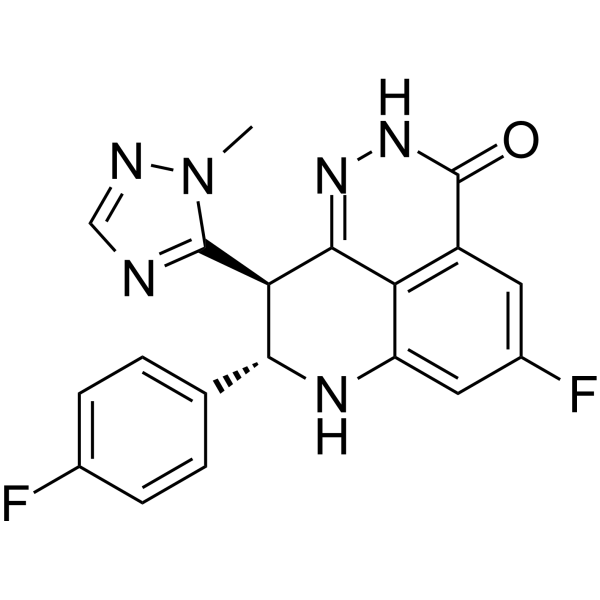
Talazoparib (BMN-673) is a highly potent, orally active PARP1/2 inhibitor.Talazoparib inhibits PARP1 and PARP2 enzyme activity with Kis of 1.2 nM and 0.87 nM, respectively. Talazoparib has antitumor activity .
|
-
-
- HY-10617A
-
|
AG014699; PF-01367338
|
PARP
|
Cancer
|
|
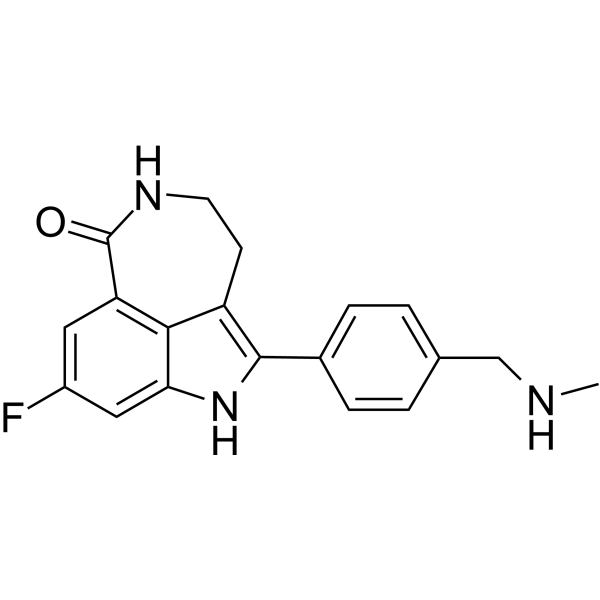
Rucaparib (AG014699) is an orally active, potent inhibitor of PARP proteins (PARP-1, PARP-2 and PARP-3) with a Ki of 1.4 nM for PARP1. Rucaparib is a modest hexose-6-phosphate dehydrogenase (H6PD) inhibitor. Rucaparib has the potential for castration-resistant prostate cancer (CRPC) research .
|
-
-
- HY-145804
-
|
AZD-9574
|
PPAR
|
Neurological Disease
Cancer
|
|
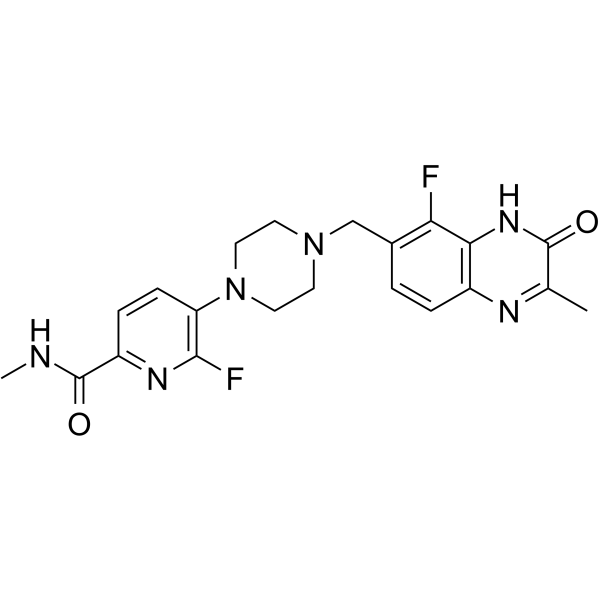
AZD-9574 is a potent and brain penetrant PARP1 inhibitor and shows >8000-fold selectivity for PARP1 compared to PARP2/3/5a/6. AZD-9574 acts by selectively inhibiting and trapping PARP1 at the sites of SSBs. AZD-9574 is an anti-cancer agent and can be used for HRD +?breast cancer and advanced solid malignancies research .
|
-
-
- HY-10617
-
|
AG-014699 phosphate; PF-01367338 phosphate
|
PARP
|
Cancer
|
|
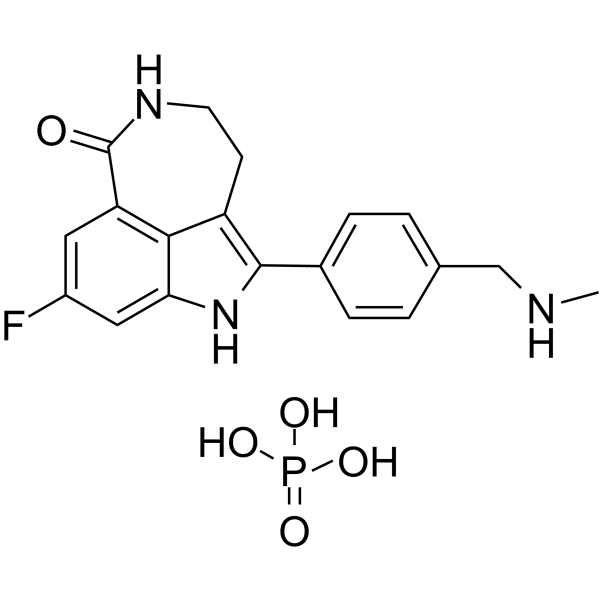
Rucaparib (AG014699) phosphate is an orally active, potent inhibitor of PARP proteins (PARP-1, PARP-2 and PARP-3) with a Ki of 1.4 nM for PARP1. Rucaparib phosphate is a modest hexose-6-phosphate dehydrogenase (H6PD) inhibitor. Rucaparib phosphate has the potential for castration-resistant prostate cancer (CRPC) research .
|
-
-
- HY-12418
-
|
E7449; 2X-121
|
PARP
|
Cancer
|
|
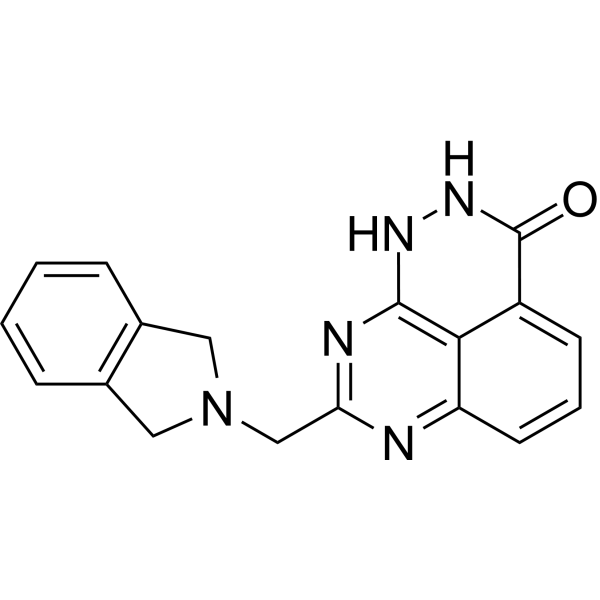
Stenoparib (E7449) is a potent PARP1 and PARP2 inhibitor and also inhibits TNKS1 and TNKS2, with IC50s of 2.0, 1.0, ~50 and ~50 nM for PARP1, PARP2, TNKS1 and TNKS2, respectively, using 32P-NAD + as substrate.
|
-
-
- HY-108413
-
|
BMN 673ts
|
PARP
|
Cancer
|
|
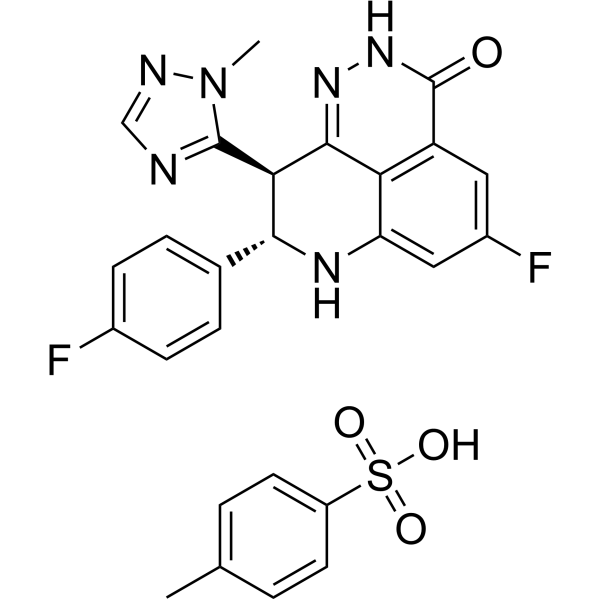
Talazoparib tosylate (BMN 673ts) is a novel, potent and orally available PARP1/2 inhibitor with an IC50 of 0.57 nM for PARP1.
|
-
-
- HY-102003
-
|
AG014699 monocamsylate; PF-01367338 monocamsylate
|
PARP
|
Cancer
|
|
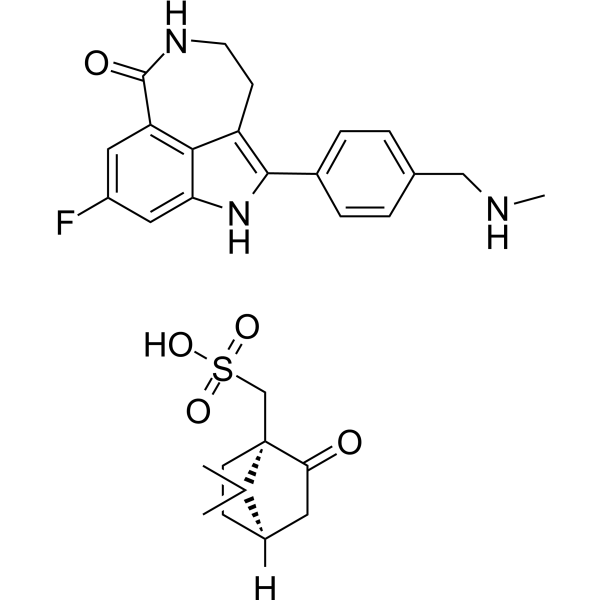
Rucaparib (AG014699) monocamsylate is an orally active, potent inhibitor of PARP proteins (PARP-1, PARP-2 and PARP-3) with a Ki of 1.4 nM for PARP1. Rucaparib monocamsylate is a modest hexose-6-phosphate dehydrogenase (H6PD) inhibitor. Rucaparib monocamsylate has the potential for castration-resistant prostate cancer (CRPC) research .
|
-
-
- HY-13688
-
|
|
PARP
|
Cancer
|
|
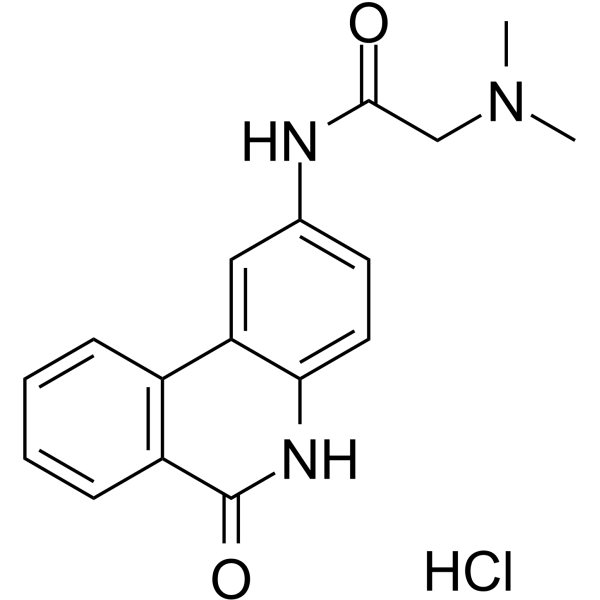
PJ34 hydrochloride is an inhibitor of PARP1/2 with IC50 of 110 nM and 86 nM, respectively.
|
-
-
- HY-14478
-
|
|
PARP
|
Cancer
|
|
UPF 1069 is a PARP inhibitor, with IC50s of 8 and 0.3 μM for PARP-1 and PARP-2, respectively.
|
-
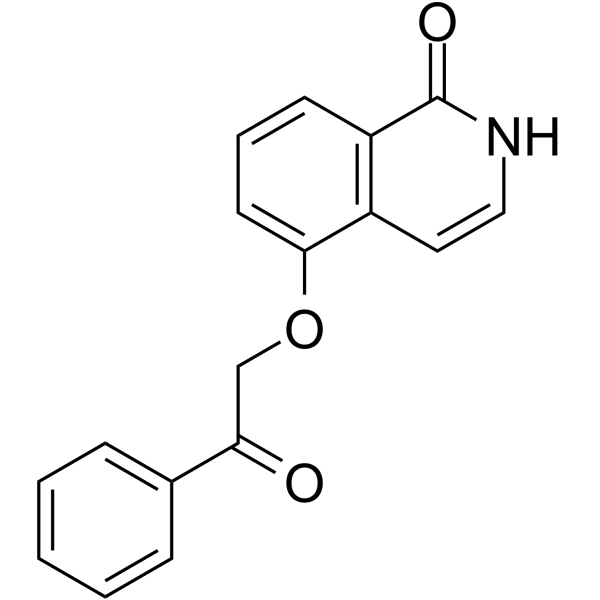
-
- HY-170620
-
|
|
PROTACs
PARP
|
Cancer
|
|
PARP1 PROTAC 180055 (Compound 180055) is a selective PARP1 PROTAC degrader (DC50 in T47D and MDA-MB-231 cell lines is 180 nM and 240 nM, respectively). PARP1 PROTAC 180055 promotes ubiquitination and degradation of PARP1 as well as inhibits PARP1 enzyme activity without a noticeable DNA trapping effect. PARP1 PROTAC 180055 inhibits tumors carrying BRCA mutations with a minor impact on the growth of normal cells (Pink: PARP1 ligand (HY-10617A); Blue: E3 ligase VHL ligand (HY-125845); Black: linker (HY-W014787)) .
|
-

-
- HY-164926
-
|
|
PARP
|
Neurological Disease
|
|
PARP1-IN-33 (Example 6) is a PARP1 inhibitor (IC50: 0.41 nM). PARP1-IN-33 has retinal cytoprotective effect, with an EC50 of 0.02 nM (inhibition on MTS activity of H2O2 induced human retinal pigment epithelial cell) .
|
-

-
- HY-108632
-
|
|
PARP
|
Cancer
|
|
BYK204165 is a potent and selective PARP1 inhibitor. BYK204165 inhibits cell-free recombinant human PARP-1 (hPARP-1) with a pIC50 of 7.35 (pKi=7.05), and murine PARP-2 (mPARP-2) with a pIC50 of 5.38, respectively. BYK204165 displays 100-fold selectivity for PARP-1 .
|
-
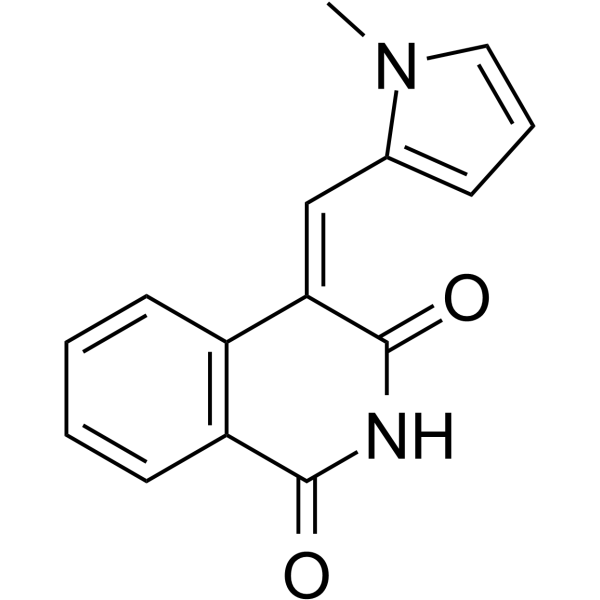
-
- HY-18954
-
|
|
PARP
|
Cancer
|
|
NMS-P118 is a potent, orally available, and highly selective PARP-1 Inhibitor for cancer therapy.
|
-
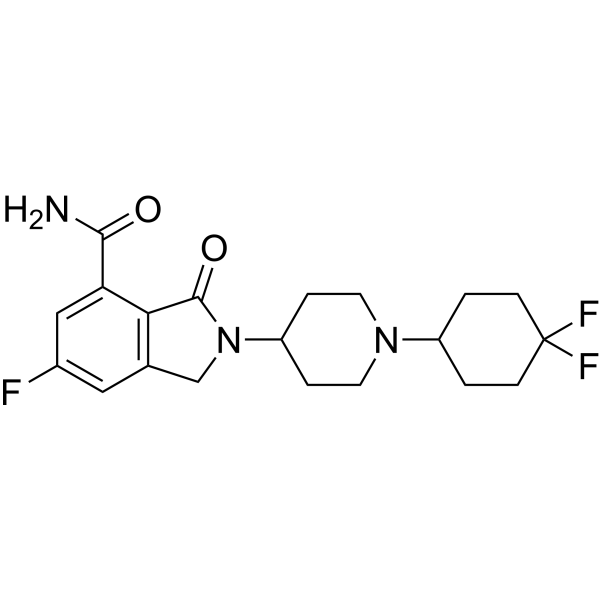
-
- HY-120115
-
|
Olaparib-bodipy FL
|
PARP
Fluorescent Dye
|
Cancer
|
|
PARPi-FL (Olaparib-bodipy FL) is a small-molecule fluorescent inhibitor of PARP1 that can specifically bind to PARP1. PARPi-FL can be used as a fluorescent imaging agent for tumor detection, diagnosis, and surgical guidance .
|
-
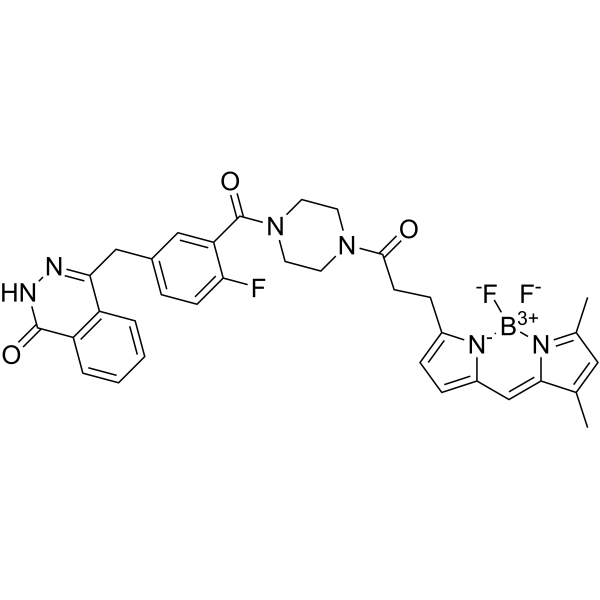
-
- HY-119653
-
|
|
PARP
|
Cancer
|
|
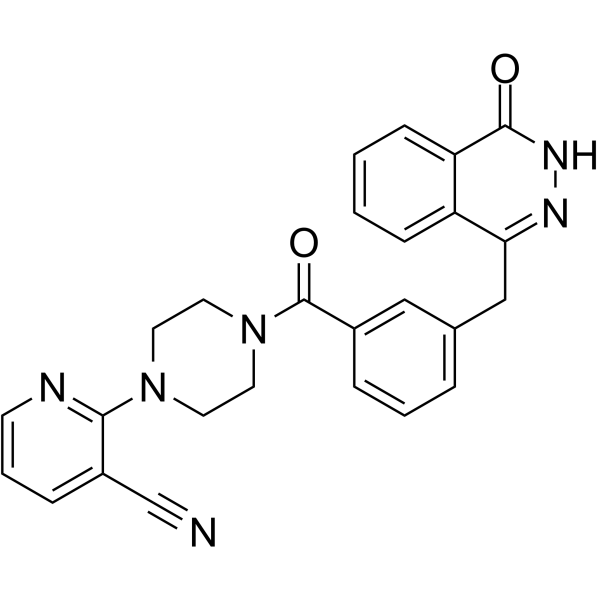
AZ9482 is a triple PARP1/2/6 inhibitor, with IC50 values of 1 nM, 1 nM and 640 nM for PARP1, PARP2 and PARP6, respectively .
|
-
-
- HY-147027
-
|
|
PARP
Caspase
Apoptosis
|
Neurological Disease
Inflammation/Immunology
Cancer
|
|
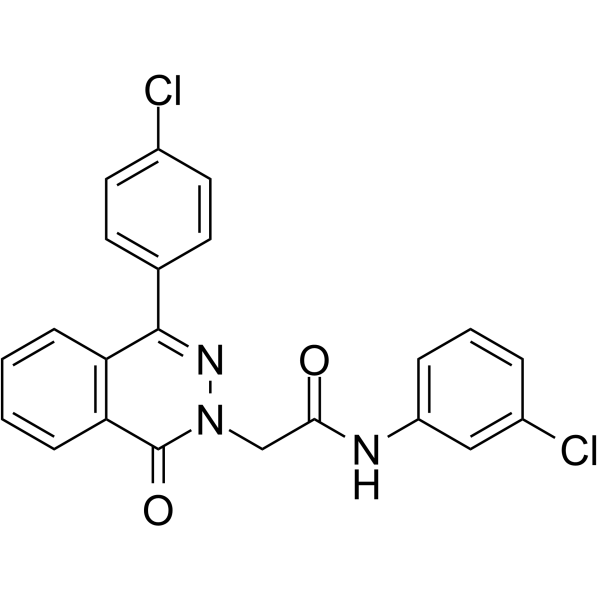
PARP-1-IN-2 (compound 11g) is a potent PARP1 inhibitor, with an IC50 of 149 nM, and ADME prediction indicates it has high blood-brain barrier permeability. PARP1-IN-2 shows significantly potent anti-proliferative activity against Human lung adenocarcinoma epithelial cell line A549. PARP1-IN-2 can induce A549 cells apoptosis .
|
-
-
- HY-136489
-
|
|
PARP
Apoptosis
|
Cancer
|
|
KU-0058948 is a specific and potent PARP1 inhibitor with an IC50 of 3.4 nM. KU-0058948 induces cell cycle arrest and apoptosis of primary myeloid leukemic cells and myeloid leukemic cell lines .
|
-

-
- HY-132297A
-
|
|
PARP
|
Cancer
|
|
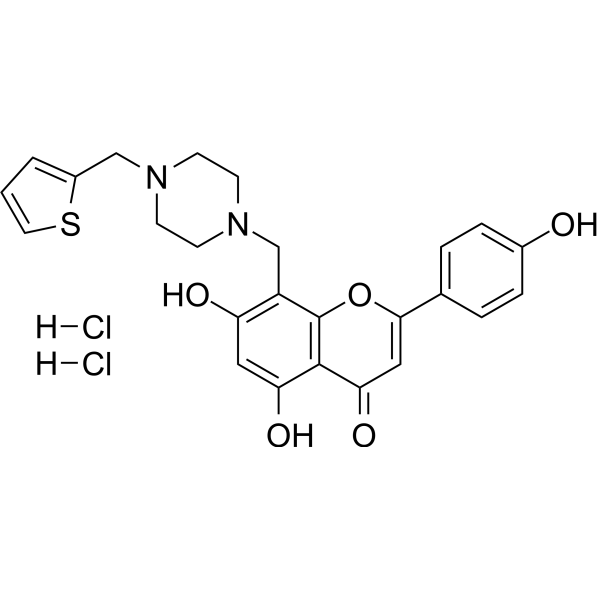
PARP1-IN-5 dihydrochloride is a low toxicity, orally active, potent and selective PARP-1 inhibitor (IC50 =14.7 nM). PARP1-IN-5 dihydrochloride can be used for the research of cancer .
|
-
-
- HY-114324A
-
|
|
PROTACs
PARP
|
Cancer
|
|
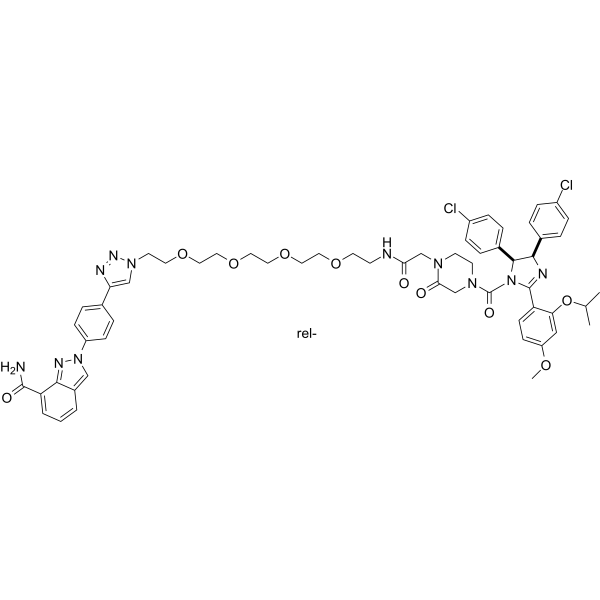
rel-PROTAC PARP1 degrader is the relative configuration of ROTAC PARP1 degrader (HY-114324). ROTAC PARP1 degrader is a PARP1 degrader based on MDM2 E3 ligand. It induces significant PARP1 cleavage and programmed cell death. PROTAC PARP1 degrader at 10 μM at 24 h inhibits MDA-MB-231 cell line with an IC50 of 6.12 μM.
|
-
-
- HY-147886
-
|
|
PARP
|
Cancer
|
|
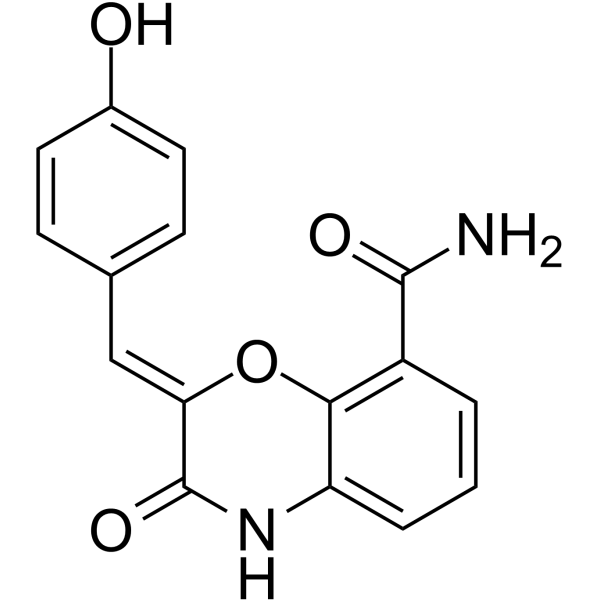
PARP1-IN-11 (compound 49) is a potent PARP1 inhibitor with IC50 value of 0.082 µM. PARP1-IN-11 shows complete inhibition of PARP2 and substantially inhibits PARP3, TNKS1 and TNKS2 .
|
-
-
- HY-161288
-
|
|
PARP
|
Cancer
|
|
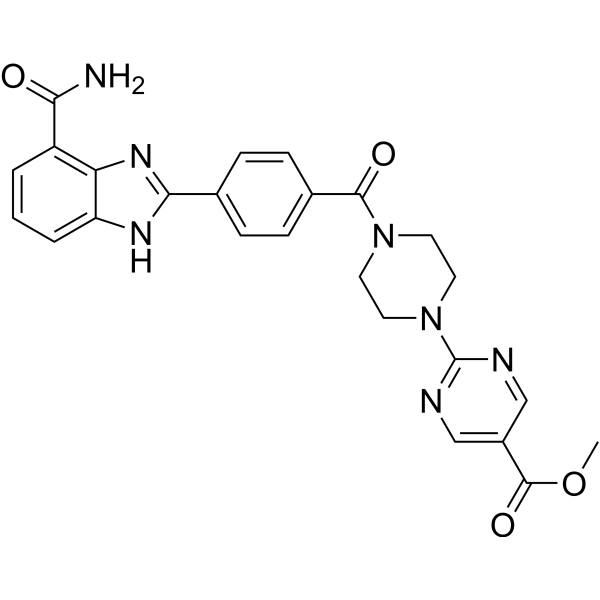
UKTT15 (compound 6) is an allosteric inhibitor of PARP1 .
|
-
-
- HY-179406
-
|
|
PARP
DNA/RNA Synthesis
Reactive Oxygen Species (ROS)
Apoptosis
|
Cancer
|
|
PARP1-IN-49 is a selective PARP1 inhibitor with an IC50 of 23.56 nM and a Kd of 17.78 nM. PARP1-IN-49 shows a selectivity for PARP1 over PARP2. PARP1-IN-49 leads to the induction of DNA damage, cell cycle arrest, and apoptosis. PARP1-IN-49 also increases intracellular ROS levels and inhibits cell migration. PARP1-IN-49 can be used for the research of breast cancer and ovarian cancer .
|
-

-
- HY-172224
-
|
|
CDK
PARP
|
Cancer
|
|
PARP1/CDK12-IN-1 (107) is a dual inhibitor of CDK12 and PARP1, with IC50 values of 285 nM and 34 nM for CDK12 and PARP1, respectively .
|
-

-
- HY-174828
-
|
|
PARP
ATM/ATR
Apoptosis
|
Cancer
|
|
ATR/PARP1-IN-1 is a potent ATR and PARP1 dual inhibitor with IC50s of 17.3 nM and 0.38 nM, respectively. ATR/PARP1-IN-1 effectively reduces cell viability, induces apoptosis and DNA damage. ATR/PARP1-IN-1 significantly impairs triple-negative breast cancer (TNBC) colony formation, migration, and invasion. ATR/PARP1-IN-1 suppresses tumor growth effectively in MDA-MB-468 xenografted mice, with no significant body weight change .
|
-

-
- HY-146336
-
|
|
PARP
Apoptosis
|
Cancer
|
|
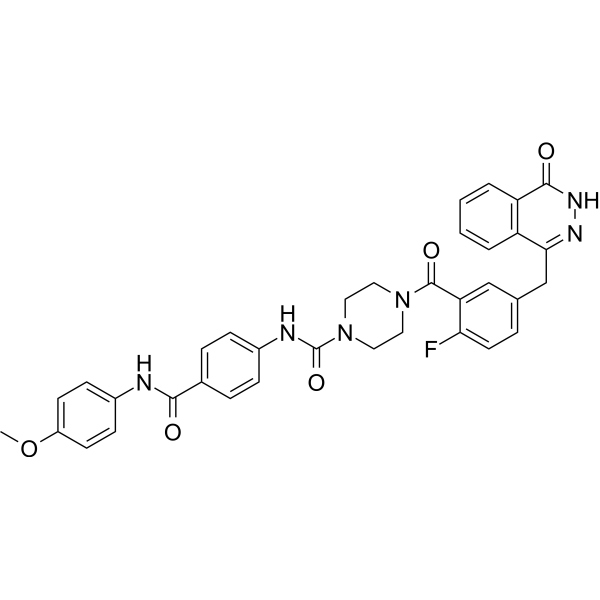
PARP1/2/TNKS1/2-IN-1 (Compound I-9) is a dual PARP-1, PARP-2, TNKS1 and TNKS2 inhibitor with IC50 values of 0.25 nM, 1.2 nM, 13.5 nM and 4.15 nM against PARP-1, PARP-2, TNKS1 and TNKS2, respectively. PARP1/2/TNKS1/2-IN-1 exhibits favorable synergistic antitumor efficacy and induces apoptosis .
|
-
-
- HY-116218
-
|
JPI-289 free base
|
PARP
|
Cardiovascular Disease
Neurological Disease
|
|
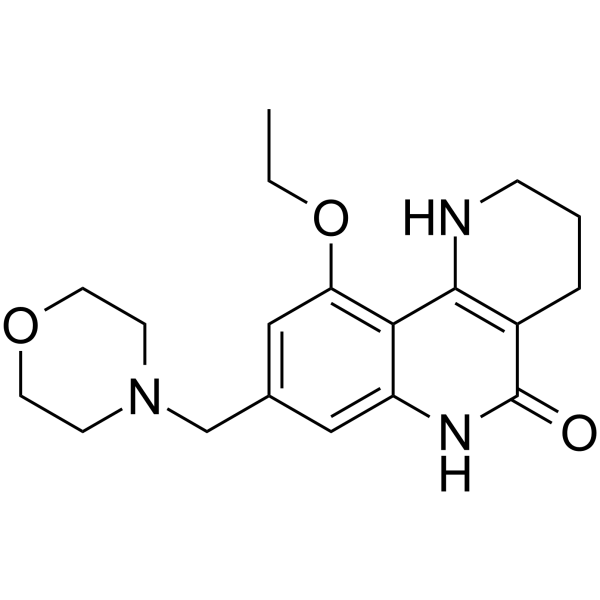
Amelparib (JPI-289 free base) is a potent, orally active, and water-soluble inhibitor of PARP-1. Amelparib inhibits PARP-1 activity (IC50=18.5 nM) and cellular PAR formation (IC50=10.7 nM) in the nanomolar range. Amelparib is a potential neuroprotective agent. Amelparib has the potential for the research of acute ischaemic stroke .
|
-
-
- HY-102003A
-
|
AG014699 camsylate; PF-01367338 camsylate
|
PARP
|
Cancer
|
|
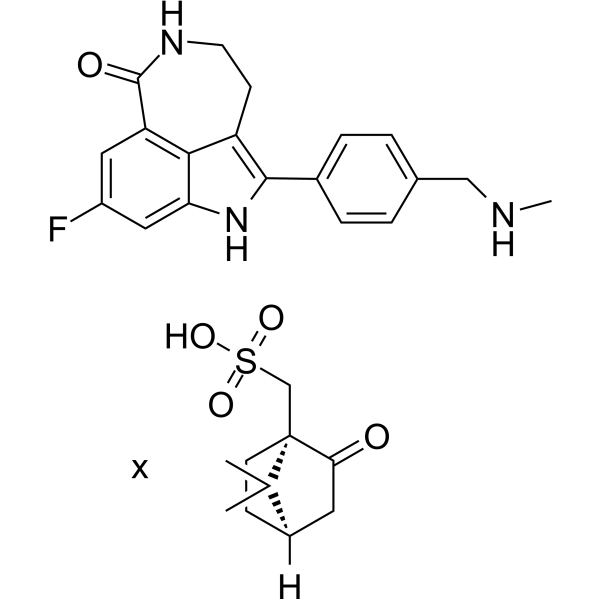
Rucaparib (AG014699) camsylate is an orally active, potent inhibitor of PARP proteins (PARP-1, PARP-2 and PARP-3) with a Ki of 1.4 nM for PARP1. Rucaparib camsylate is a modest hexose-6-phosphate dehydrogenase (H6PD) inhibitor. Rucaparib camsylate has the potential for castration-resistant prostate cancer (CRPC) research .
|
-
-
- HY-175471
-
|
|
PARP
|
Cancer
|
|
PARP1-IN-42 (Example 43 cis-a) is a PARP1 inhibitor with IC50 <10 nM. PARP1-IN-42 can be used in cancer research .
|
-

-
- HY-136489A
-
|
|
PARP
Apoptosis
|
Cancer
|
|
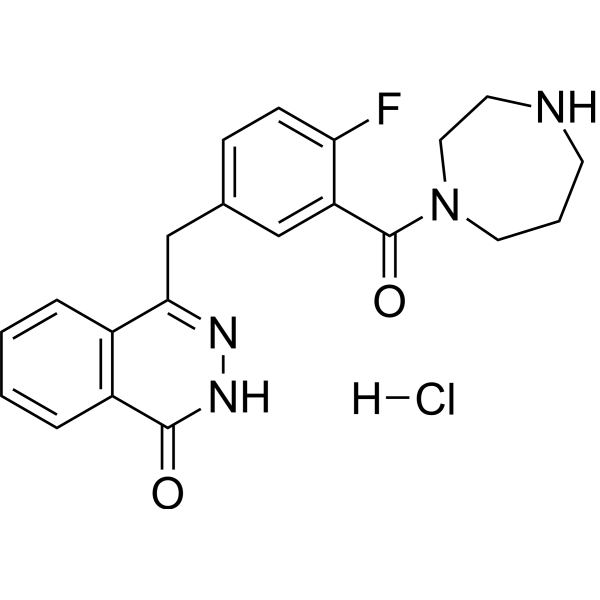
KU-0058948 hydrochloride is a specific and potent PARP1 inhibitor with an IC50 of 3.4 nM. KU-0058948 hydrochloride induces cell cycle arrest and apoptosis of primary myeloid leukemic cells and myeloid leukemic cell lines .
|
-
-
- HY-164475
-
|
|
PARP
|
Cancer
|
|
PARP1-IN-29 is an orally active PARP-1 inhibitor with an IC50 value of 6.3 nM. PARP1-IN-29, after being labeled with [18F], can be used for positron emission tomography (PET) imaging, specifically targeting PARP-1 in tumors. PARP1-IN-29 is applicable in the fields of oncology and imaging research, particularly for detecting PARP-1 activity in cancer .
|
-

-
- HY-178100
-
|
|
PARP
BCRP
|
Cancer
|
|
PARP1-IN-45 (Compound 15) is a PARP1 inhibitor with an IC50 of 17 nM. PARP1-IN-45 effectively stimulates ATPase activity of ABCG2. PARP1-IN-45 can be used for cancers like ovarian cancer research .
|
-

-
- HY-178972
-
|
|
PARP
|
Infection
Metabolic Disease
Cancer
|
|
PARP1-IN-48 (Compound 61) is a highly selective PARP1 (PARP1 IC50 = 3 nM, PARP2 IC50 = 170 nM) inhibitor. PARP1-IN-48 can be used for research on cancer, viral infections, and metabolic conditions .
|
-

-
- HY-132297
-
|
|
PARP
|
Cancer
|
|
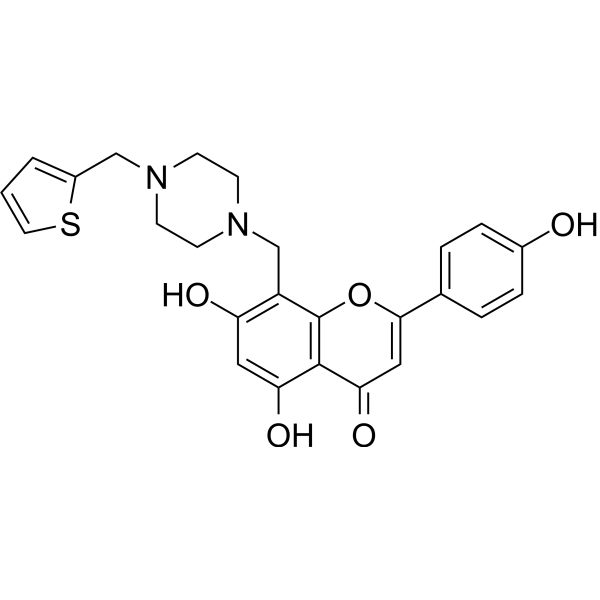
PARP1-IN-5 is a low toxicity, orally active, potent and selective PARP-1 inhibitor (IC50 =14.7 nM). PARP1-IN-5 can be used for the research of cancer .
|
-
-
- HY-144338
-
|
|
Epigenetic Reader Domain
PARP
Apoptosis
DNA/RNA Synthesis
|
Cancer
|
|
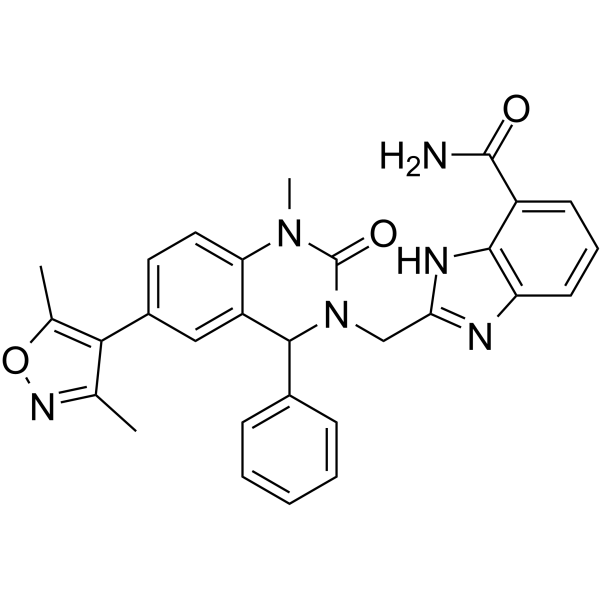
PARP1/BRD4-IN-1 is a potent and high selective PARP1/BRD4 inhibitor (IC50s of 49 and 202 nM in PARP1 and BRD4, respectively). PARP1/BRD4-IN-1 represses the expression and activity of PARP1 and BRD4 to synergistically inhibit the malignant growth of pancreatic cancer cells .
|
-
-
- HY-149001
-
|
|
PARP
|
Cancer
|
|
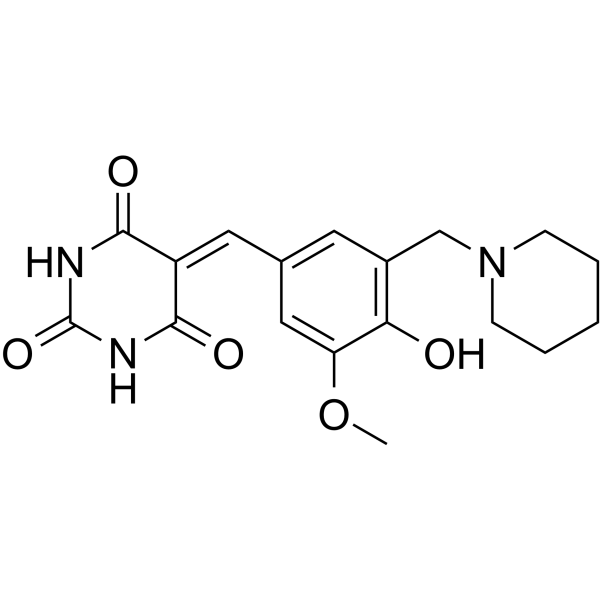
PARP1-IN-9 (Compound 5c) is a PARP1 inhibitor with an IC50 of 30.51 nM. PARP1-IN-9 induces cell apoptosis and shows anticancer activity. PARP1-IN-9 has higher potency than Olaparib (HY-10162) .
|
-
-
- HY-178178
-
|
|
PARP
Reactive Oxygen Species (ROS)
DNA/RNA Synthesis
Apoptosis
|
Cancer
|
|
PARP1-IN-46 is a potent PARP-1 inhibitor with an IC50 of 2.4 nM. PARP1-IN-46 demonstrates remarkable anti-proliferative activity in both rat (C6) and human (U87MG) glioma cells. PARP1-IN-46 promotes PARP cleavage, triggers DNA damage, and increases ROS. PARP1-IN-46 effectively inhibits the migration, invasion and colony formation of glioma cells, and ultimately induces cell apoptosis. PARP1-IN-46 can be used to the study of glioma .
|
-

-
- HY-178468
-
|
|
PARP
|
Cancer
|
|
PARP1-IN-47 (Compound 35) is a highly selective PARP1 inhibitor (IC50 <100 nM). PARP1-IN-47 blocks poly(ADP-ribosyl)ation and disrupts DNA damage repair pathways to induce tumor cell apoptosis. PARP1-IN-47 is promising for research of solid tumors and hematological malignancies .
|
-

-
- HY-169575
-
-

-
- HY-179386
-
|
|
PARP
Histone Methyltransferase
Apoptosis
Pyroptosis
Necroptosis
Reactive Oxygen Species (ROS)
PANoptosis
|
Cancer
|
|
PARP1/EZH2-IN-1 is a selective PARP1 and EZH2 dual inhibitor. PARP1/EZH2-IN-1 has IC50s of 28 nM, 414 nM and 74 nM for PARP1, PARP2 and EZH2, respectively. PARP1/EZH2-IN-1 inhibits the proliferation and migration of TNBC cells (triple-negative breast Cancer cells). PARP1/EZH2-IN-1 induces PANoptosis (Apoptosis, Pyroptosis and Necroptosis), increases the level of reactive oxygen species (ROS), and activates related inflammatory pathways. PARP1/EZH2-IN-1 can be used in triple-negative breast cancer research .
|
-

-
- HY-170972
-
|
|
Apoptosis
PARP
NAMPT
|
Cancer
|
|
PARP1/NAMPT-IN-2 (Compound 13j) is a dual PARP/NAMPT inhibitor with IC50 values of 0.8 nM and 18 nM for PARP1 and NAMPT, respectively. PARP1/NAMPT-IN-2 can inhibit the proliferation, migration and induce apoptosis of breast cancer cells. PARP1/NAMPT-IN-2 can be used for the research of triple-negative breast cancer .
|
-

-
- HY-175482
-
|
|
PARP
|
Neurological Disease
Cancer
|
|
PARP1-IN-43 (Compound 5350) is a blood-brain barrier (BBB) permeable PARP1 inhibitor, with an IC50 of 5 nM. PARP1-IN-43 can be used for the study of homologous recombination (HR)-deficient central nerve system (CNS) cancers .
|
-

-
- HY-178032
-
|
|
PARP
Apoptosis
Reactive Oxygen Species (ROS)
DNA/RNA Synthesis
STING
|
Cancer
|
|
PARP1-IN-44, an Olaparib (HY-10162) derivative, is an orally active PARP1 inhibitor (IC50 = 0.6 nM), and also inhibits PARP2 (IC50 = 1.0 nM) and PARP7 (IC50 = 7.5 nM). PARP1-IN-44 has selective antiproliferative activity against BRCA-deficient cancer cells with minimal toxicity to normal cells. PARP1-IN-44 induces G2/M phase arrest, promotes apoptosis, elevates ROS levels, disrupts mitochondrial membrane potential. PARP1-IN-44 suppresses PARylation while increasing γH2AX accumulation. PARP1-IN-44 activates the cGAS-STING pathway, upregulating IFN-β and CXCL10 expression. PARP1-IN-44 enhancing CD8+ T cell infiltration in a CT26 tumor mouse model, demonstrating robust in vivo antitumor efficacy .
|
-

-
- HY-10617B
-
|
AG014699 hydrochloride; PF-01367338 hydrochloride
|
PARP
|
Cancer
|
|
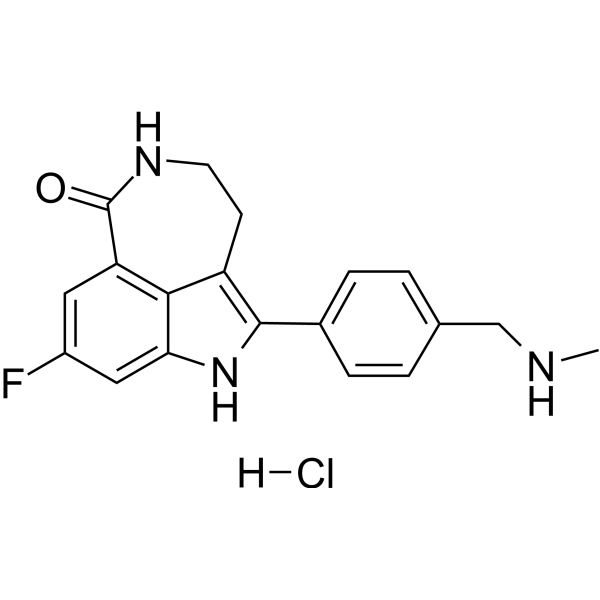
Rucaparib (AG014699) hydrochloride is an orally active, potent inhibitor of PARP proteins (PARP-1, PARP-2 and PARP-3) with a Ki of 1.4 nM for PARP1. Rucaparib hydrochloride is a modest hexose-6-phosphate dehydrogenase (H6PD) inhibitor. Rucaparib hydrochloride has the potential for castration-resistant prostate cancer (CRPC) research .
|
-
-
- HY-10617C
-
|
AG-014699 tartrate; PF-01367338 tartrate
|
PARP
|
Cancer
|
|
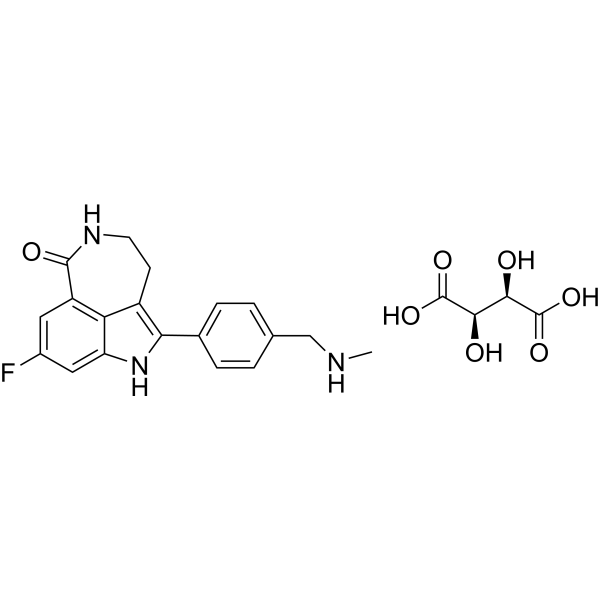
Rucaparib (AG014699) tartrate is an orally active, potent inhibitor of PARP proteins (PARP-1, PARP-2 and PARP-3) with a Ki of 1.4 nM for PARP1. Rucaparib tartrate is a modest hexose-6-phosphate dehydrogenase (H6PD) inhibitor. Rucaparib tartrate has the potential for castration-resistant prostate cancer (CRPC) research .
|
-
-
- HY-160417
-
|
|
PARP
|
Cancer
|
|
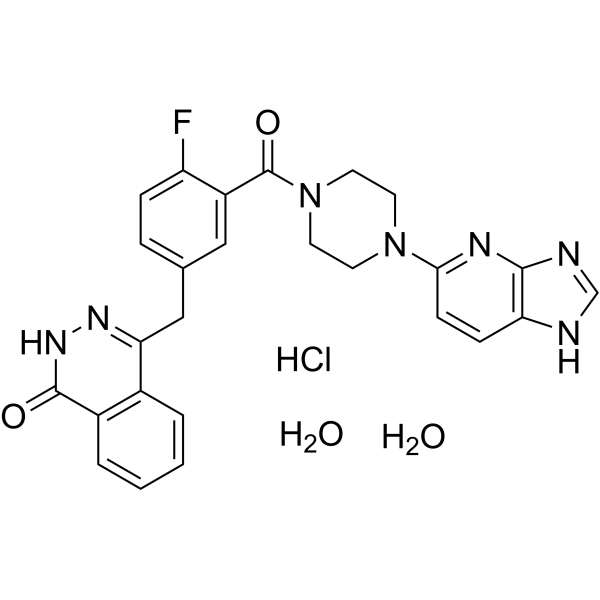
PARP1-IN-19 is a PARP1 inhibitor with antitumor effects (CN107955001A; Embodiment 3) .
|
-
-
- HY-178348
-
|
|
PARP
c-Met/HGFR
DNA/RNA Synthesis
|
Cancer
|
|
PARP1/c-Met-IN-2 is a highly potent, orally active, PARP1 (IC50 = 21.8 nM) and c-Met (IC50 = 30.2 nM) dual inhibitor. PARP1/c-Met-IN-2 can elevate the expression level of γH2AX, cause DNA damage. PARP1/c-Met-IN-2 exhibits remarkable anti-tumor efficacy in the Olaparib (HY-10162)-resistant HCT116 (HCT116OR) xenograft models. PARP1/c-Met-IN-2 can be used for the study of Colon Cancer .
|
-

-
- HY-149003
-
|
|
PARP
Apoptosis
|
Cancer
|
|
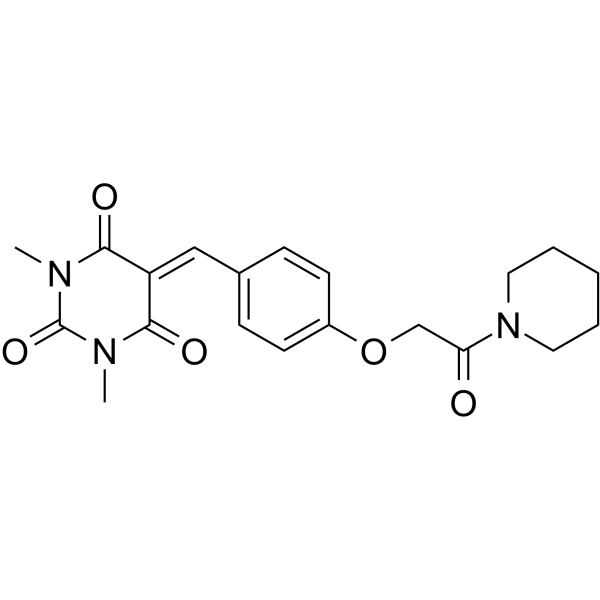
PARP1-IN-10 (compound 12c) is a no-cytotoxicity and potent PARP1 inhibitor with an IC50 value of 50.62 nM in vitro. PARP1-IN-10 causes cell cycle arrest at G2/M phase and apoptosis, and enhances the cytotoxicity of temozolomide (TMZ) .
|
-
-
- HY-170432
-
|
|
PARP
|
Cancer
|
|
PARP1-IN-34 (compound 30) is a selective PARP1 inhibitor with an IC50 of 0.32 nM. PARP1-IN-34 is a subnanomolar PARP1 inhibitor with >1000-fold selectivity against PARP2 with an IC50 of 326 nM. PARP1-IN-34 shows antitumor efficacy[1].
|
-

-
- HY-159612
-
|
|
PARP
|
Cancer
|
|
PARP1-IN-28 (compound 1) is a PARP1 inhibitor. PARP1-IN-28 can be used in the study of cancer .
|
-

-
- HY-174442
-
|
|
PARP
|
Cancer
|
|
PARP1-IN-40 is a highly selectively and orally active PARP1 inhibitor (IC50: 0.19 nM for PARP1, 26 nM for PARP2). PARP1-IN-40 kills tumor cells by inhibiting PARP1, leading to accumulation of DNA damage. PARP1-IN-40 has high antitumor activity against BRCA mutant MDA-MB-436 cells. PARP1-IN-40 can be used in combination with chemotherapy for cancer-related research .
|
-

- HY-157137
-
|
|
PARP
Caspase
Apoptosis
|
Cancer
|
|
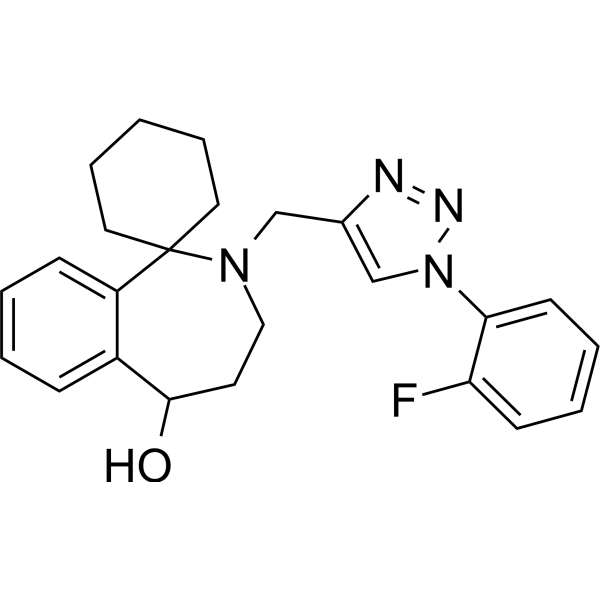
PARP1-IN-17 is a PARP-1 inhibitor (IC50 = 19.24 nM for PARP-1 and = 32.58 nM for PARP-2) and induce apoptosis. PARP1-IN-17 shows excellent anti-proliferative activity .
|
-
- HY-168094
-
|
|
PARP
|
Cancer
|
|
PARP1-IN-30 (Compound 3) is a specific and potent PARP1 inhibitor with cytotoxicity. PARP1-IN-30 allows precise inhibition of PARP1 in tumor cells with breast cancer 1 protein (BRCA1) or BRCA2 deficiencies. PARP1-IN-30 is promising for research of cancers .
|
-

- HY-155246
-
|
|
Apoptosis
PARP
|
Cancer
|
|
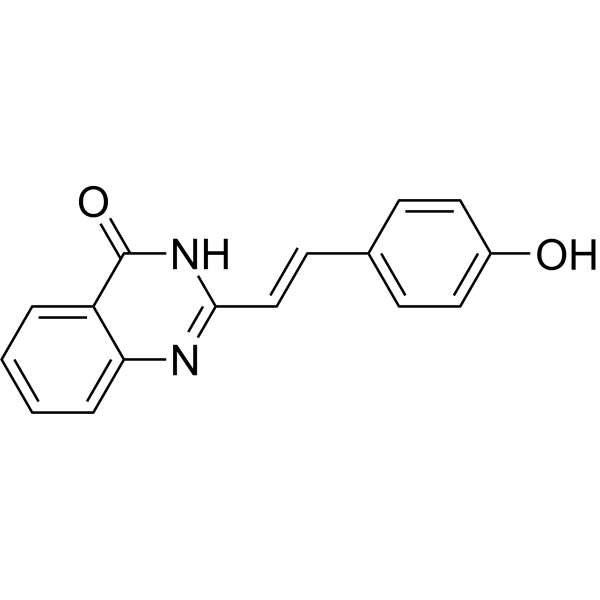
PARP1-IN-15 (Compound 6) is a PARP1 inhibitor. PARP1-IN-15 inhibits tankyrase (TNKS) and facilitates DNA double-strand breaks damage. PARP1-IN-15 induces tumor cell apoptosis. PARP1-IN-15 has anti-cancer activity in triple-negative breast cancer (TNBC) cells and TNBC patient-derived organoids. PARP1-IN-15 can be used for research of TNBC with or without BRCA1 mutations .
|
-
- HY-162114
-
|
|
PARP
|
Cancer
|
|
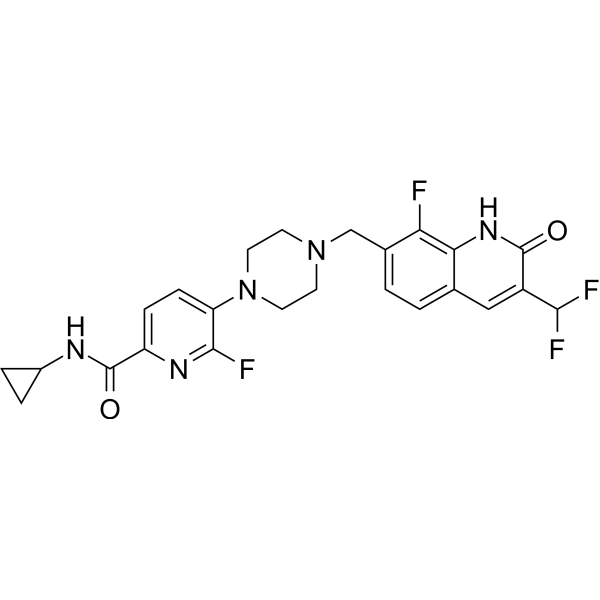
PARP1-IN-18 (compound 25) is a potent PARP1 inhibitor with an IC50 value of 2.7 nM. PARP1-IN-18 has anticancer effects .
|
-
- HY-171543
-
|
|
PARP
|
Cancer
|
|
PARP1-IN-37 (Compound 8) is an orally active and selective poly(ADP-ribose) polymerase 1 and 2 (PARP1/2) inhibitor with an IC50 value of 24 nM for PARP1. PARP1-IN-37 inhibits PARP activity in cells with an EC50 value of 3.7 μM. PARP1-IN-37 is promising for research of BRCA-mutated tumors, such as breast and ovarian cancers .
|
-

- HY-158680
-
|
|
PARP
|
Cancer
|
|
PARP1-IN-21 (example 16) is a potent inhibitor of PARP1, with the IC50 of < 10 nM .
|
-

- HY-158681
-
|
|
PARP
|
Cancer
|
|
PARP1-IN-22 (compound 15) is a potent inhibitor of PARP1, with the IC50 of < 10 nM .
|
-

- HY-142657
-
|
|
PARP
|
Cancer
|
|
PARP1-IN-7 is an inhibitor of poly(ADP-ribose) polymerase-1 (PARP1) as an anticancer agent.
|
-
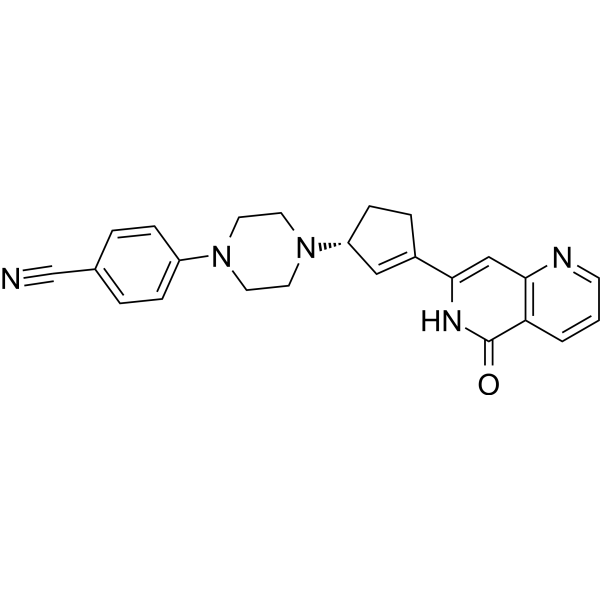
- HY-174446
-
|
|
PARP
|
Cancer
|
|
PARP1-IN-39 is an inhibitor of PARP1 with an IC50 of 0.22 nM. PARP1-IN-39 has an IC50 of 1.57 nM in human breast cancer cells. PARP1-IN-39 can be studied in breast, ovarian, pancreatic, and prostate cancers associated with DNA repair deficiencies, such as BRCA1/2 mutations .
|
-

- HY-173446
-
|
|
PARP
|
Cancer
|
|
PARP1-IN-38 (compound ent-6_P) is a potent PARP1 inhibitor with an IC50 of 10 μM. PARP1-IN-38 shows selective cytotoxic activity in BRCA mutant cancer cells
|
-

- HY-156298
-
|
|
PARP
Apoptosis
|
Cancer
|
|
PARP1-IN-16 (compound 12a) is a potent PARP1 inhibitor, with an IC50 of 1.89 nM. PARP1-IN-16 can arrest the cell cycle in S phase and induce apoptosis in HCT-116 cells .
|
-
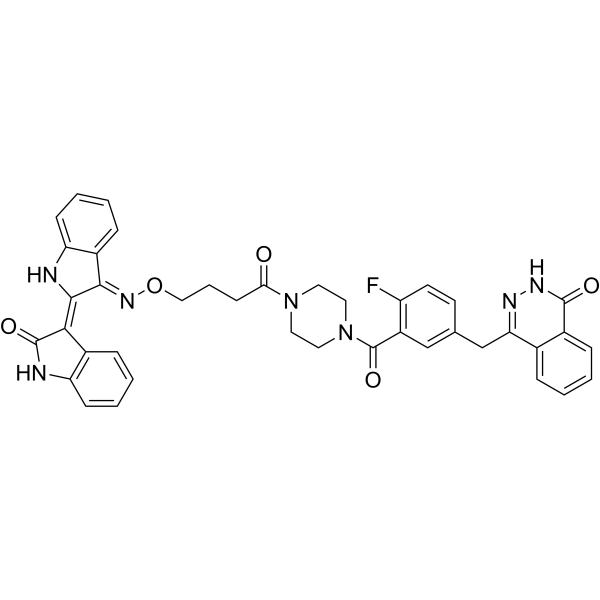
- HY-168851
-
|
|
PARP
|
Cancer
|
|
PARP1-IN-35 (compound T26) is a selective, orally active, cross -the blood-brain barrierPARP1 inhibitor with IC50 values of 0.2, 122 nM for PARP1, PARP2, respectively. PARP1-IN-35 shows antiproliferative activity and anticancer activity. PARP1-IN-35 has the potential for the research of breast cancer .
|
-

- HY-169170
-
|
|
Apoptosis
DNA/RNA Synthesis
Epigenetic Reader Domain
PARP
|
Cancer
|
|
PARP1/BRD4-IN-3 (compound HF4) is a potent BRD4 and PARP1 inhibitor with IC50 values of 1210, 2019 nM for BRD4, PARP1, respectively. PARP1/BRD4-IN-3 shows antiproliferative activities. PARP1/BRD4-IN-3 induces apoptosis and cell cycle arrest at G0/G1 phase. PARP1/BRD4-IN-3 causes DNA damage and reduces the protein expression of Rad51. PARP1/BRD4-IN-3 shows antitumor efficacy .
|
-

- HY-168657
-
|
|
PARP
|
Others
|
|
PARP1/2-IN-4 (compound 3) is a PARP1/2 inhibitor .
|
-

- HY-150765
-
|
|
PARP
Apoptosis
|
Cancer
|
|
PARP1-IN-12 is a potent PARP1 inhibitor with an IC50 of 2.99 nM. PARP1-IN-12 exhibits antiproliferative activity, can induce cell apoptosis and cause cycle arrest at G2/M phase. PARP1-IN-12 also can induce DNA double strand breaks (DSBs) in BRCA-deficient cells .
|
-
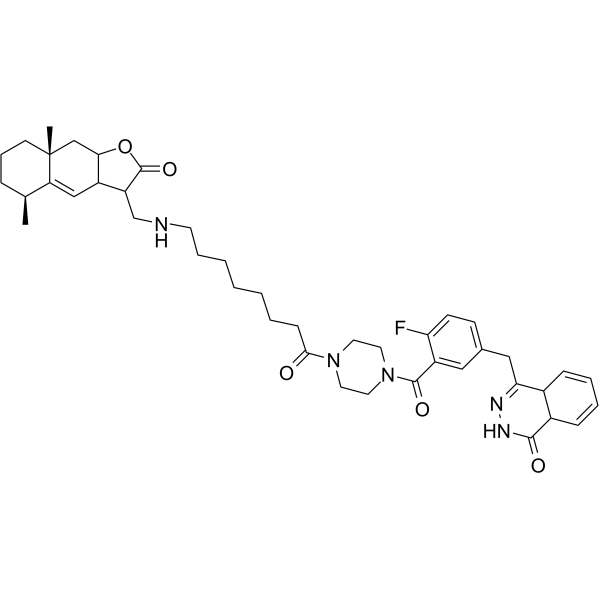
- HY-147030
-
|
|
PARP
|
Cancer
|
|
PARP1-IN-8 (compound 11c) is a potent and BBB-penetrated PARP1 inhibitor, with an IC50 of 97 nM. PARP1-IN-8 shows significantly potent anti-proliferative activity against Human lung adenocarcinoma epithelial cell line A549 .
|
-
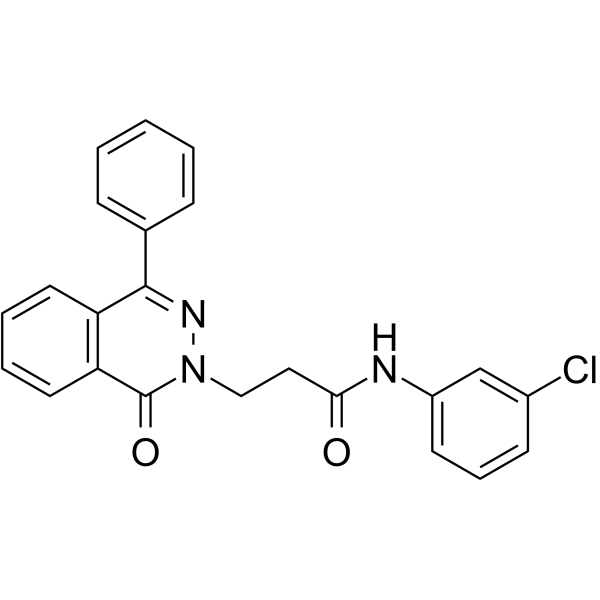
- HY-150613
-
|
|
Epigenetic Reader Domain
PARP
Apoptosis
|
Cancer
|
|
PARP1/BRD4-IN-2 is a potent and selective PARP1 and BRD4 inhibitor with IC50 values of 197 nM and 238 nM, respectively. PARP1/BRD4-IN-2 inhibits DNA damage repair, arrests G0/G1 transition and induces apoptosis. PARP1/BRD4-IN-2 has anti-tumor activity in MDA-MB-468 xenograft mouse model. PARP1/BRD4-IN-2 can be used for researching triple-negative breast cancer (TNBC) .
|
-
- HY-153590
-
|
|
PARP
|
Cancer
|
|
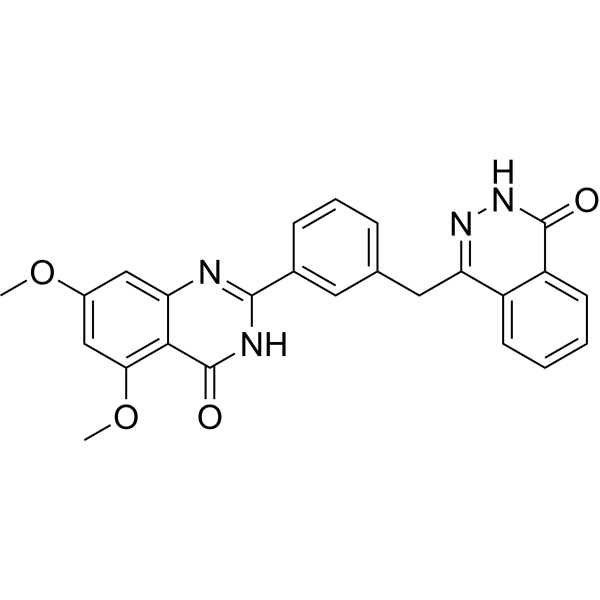
PARP-1-IN-4 is a PARP-1 inhibitor. PARP-1-IN-4 has inhibitory activity against PARP-1 with IC50 value of 302 μM. PARP-1-IN-4 can be used for the research of lung adenocarcinoma .
|
-
- HY-161372
-
|
|
PARP
c-Met/HGFR
Apoptosis
|
Cancer
|
|
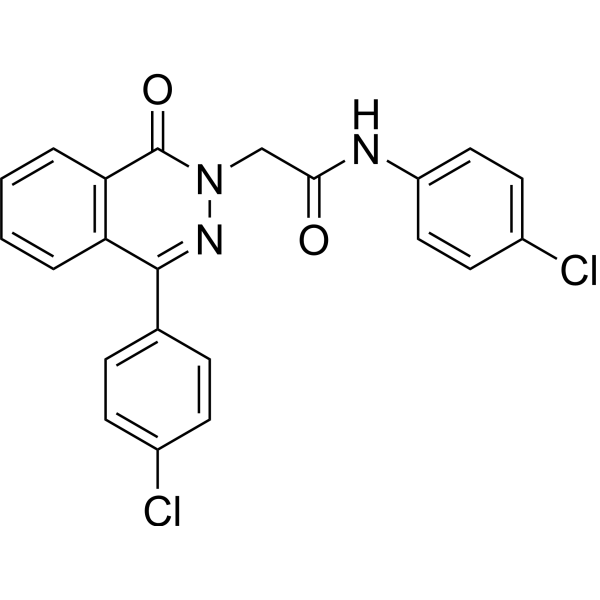
PARP1/c-Met-IN-1 (Compound 16) is a selective dual inhibitor for PARP1 and c-Met, with IC50s of 3.3 and 32.2 nM, respectively. PARP1/c-Met-IN-1 induces cell apoptosis and cell cycle arrest in G2/M phase in MDA-MB-231 cells. PARP1/c-Met-IN-1 exhibits antitumor activity in mice .
|
-
- HY-155766
-
|
|
PARP
Apoptosis
|
Cancer
|
|
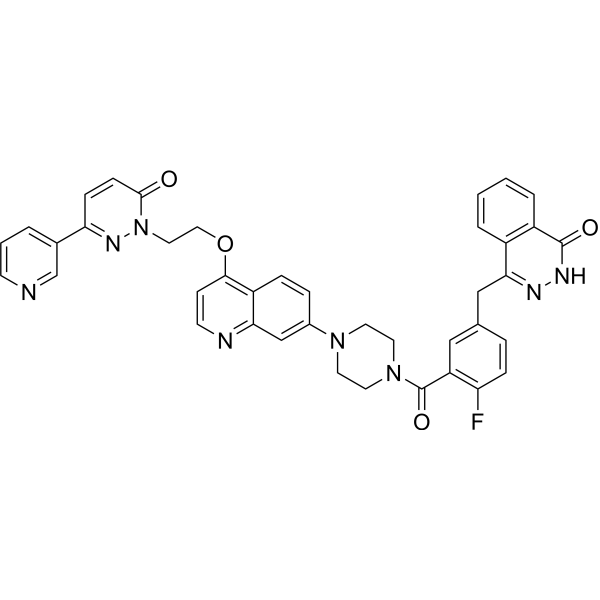
PARP1-IN-14 (compound 19k) is a potent PARP1 inhibitor, with an IC50 of 0.6 ± 0.1 nM. PARP1-IN-14 exhibits antiproliferative effect against both MDA-MB-436 (BRCA1 −/−) and Capan-1 (BRCA2 −/−) cells with IC50 values below 0.3 nM .
|
-
- HY-161934
-
|
|
PARP
Reactive Oxygen Species (ROS)
Apoptosis
|
Cancer
|
|
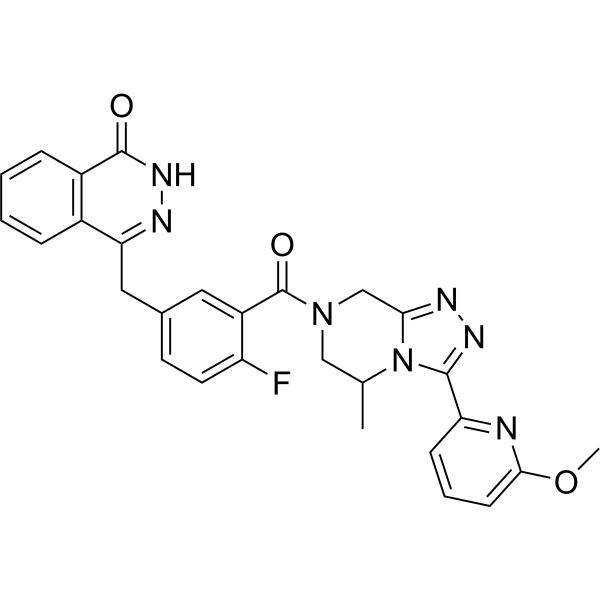
PARP1-IN-27 (Compound 9B) is the inhibitor for PARP1 and PARP2, with IC50 of 2.53 nM and 6.45 nM in cell SUM149PT. PARP1-IN-27 inhibits the proliferation of BRCA-mutated cancer cells SUM149PT, HCC1937 and Capan-1, with IC50 of 0.62, 1.91 and 4.26 μM respectively. PARP1-IN-27 aggravates DNA double-strand breaks, increases ROS generation, arrests cell cycle at G2/M phase, and induces apoptosis in SUM149PT .
|
-

- HY-164713
-
|
|
Others
|
Others
|
|
PARP1-IN-31 (compound 11f) is a phthalazinone-based compound, an anti-lung adenocarcinoma compound with inhibitory activity against PARP-1 (IC50 value of 97 nM), inducing apoptosis and inhibiting cell proliferation in lung cancer cell lines.
|
-

- HY-163817
-
|
|
PARP
|
Cancer
|
|
PARP1/2-IN-3 (Compound 29) is an orally active inhibitor for PARP 1 and PARP 2 with IC50 of 0.2235 nM and <0.001 nM. PARP1/2-IN-3 inhibits the proliferation of Capan-1 wildtype, AZD2281 or BMN673 resistant cells with IC50 of 1.82-9.98 nM. PARP1/2-IN-3 exhibits antitumor efficacy in mice .
|
-

- HY-116218C
-
|
JPI-289 hydrochloride
|
PARP
|
Cardiovascular Disease
Neurological Disease
|
|
Amelparib (JPI-289) hydrochloride is a potent, orally active, and water-soluble inhibitor of PARP-1. Amelparib hydrochloride inhibits PARP-1 activity (IC50 = 18.5 nM) and cellular PAR formation (IC50 = 10.7 nM). Amelparib hydrochloride is a potential neuroprotective agent. Amelparib hydrochloride has the potential for the research of acute ischaemic stroke .
|
-
- HY-149800
-
|
|
PARP
Apoptosis
Caspase
|
Cancer
|
|
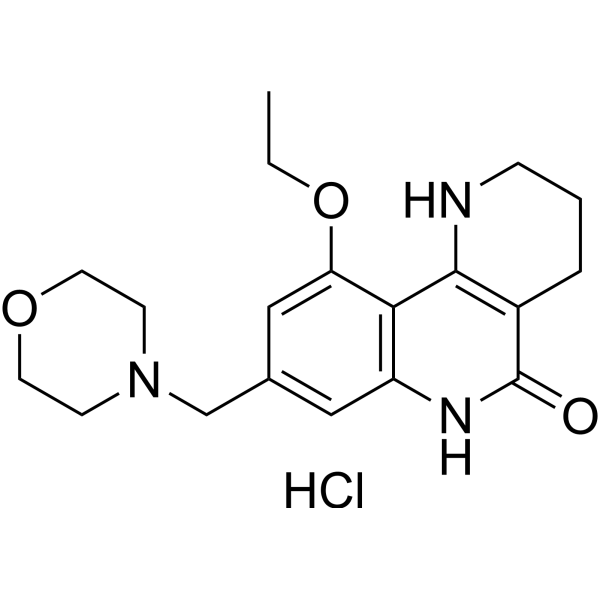
PARP-1-IN-3, a benzamide derivative, is a potent PARP-1 inhibitor with IC50 values of 0.25 nM and 2.34 nM for PARP-1 and PARP-2, respectively. PARP-1-IN-3 induces apoptosis and arrest cell cycle at G2/M phase. PARP-1-IN-3 can be used in research of cancer .
|
-
- HY-161517
-
|
|
PARP
|
Cancer
|
|
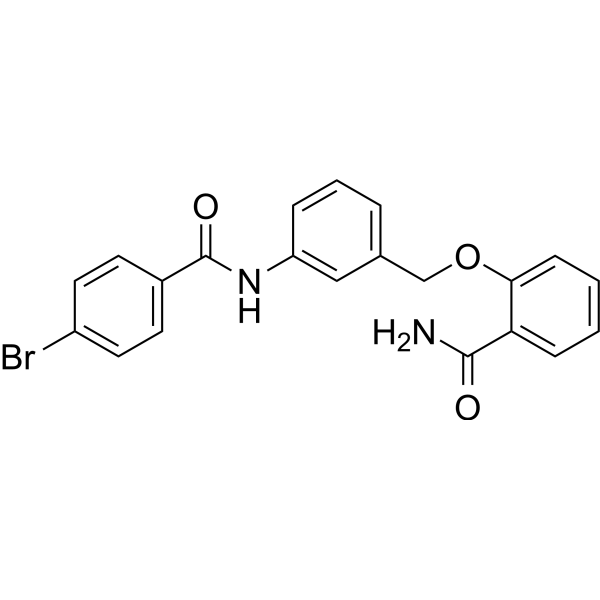
PARP1-IN-20 (compound 19A10) is a potent inhibitor of PARP1, with the IC50 of 4.62 nM and has similar low PARP-Trapping effect compared with Veliparib (HY-10129), IC50 (MDA-MB-436) >100 μM .
|
-

- HY-U00223
-
|
|
PARP
|
Cancer
|
|
WD2000-012547 is a selective poly(ADP-ribose)-polymerase (PARP-1) inhibitor with a pKi of 8.221.
|
-
- HY-139879
-
|
|
PARP
|
Cancer
|
|
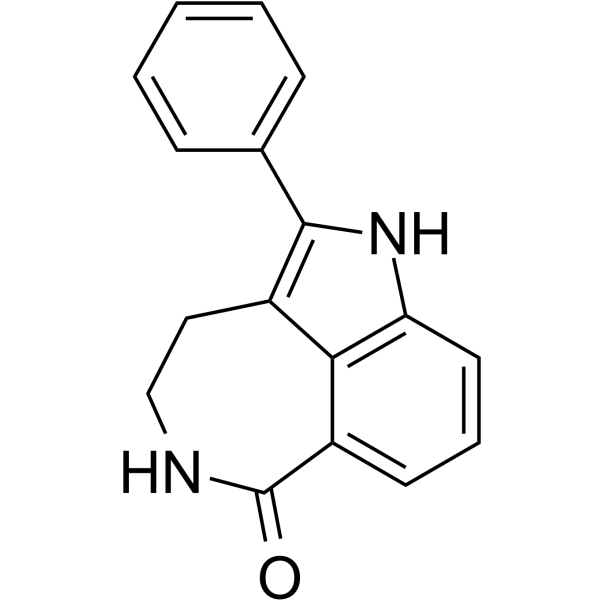
PARP1-IN-6 is a dual tubulin/PARP-1 inhibitor with IC50 values of 0.94 and 0.48 μM, respectively.
|
-
- HY-163658
-
|
|
PARP
|
Cancer
|
|
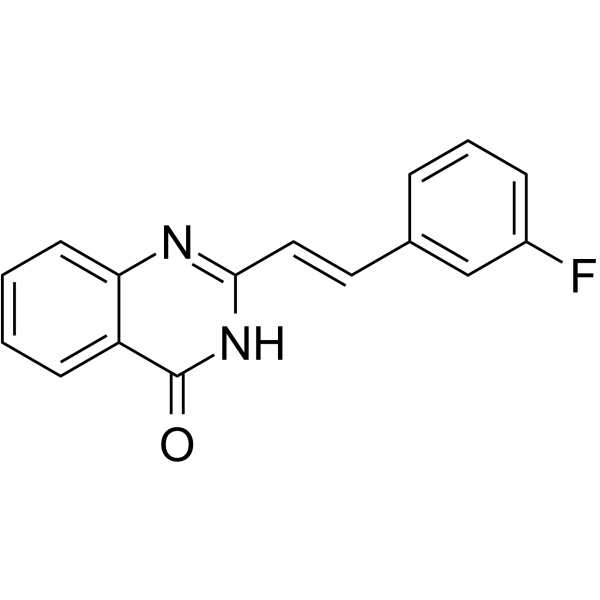
PARP-1-IN-23 (Compound I16 ) is an orally active and selective PARP-1 inhibitor with the IC50 of 12.38 nM. PARP-1-IN-23 inhibits tumor growth in vivo .
|
-

- HY-164757
-
-

- HY-10617D
-
|
AG014699 acetate; PF-01367338 acetate
|
PARP
|
Cancer
|
|
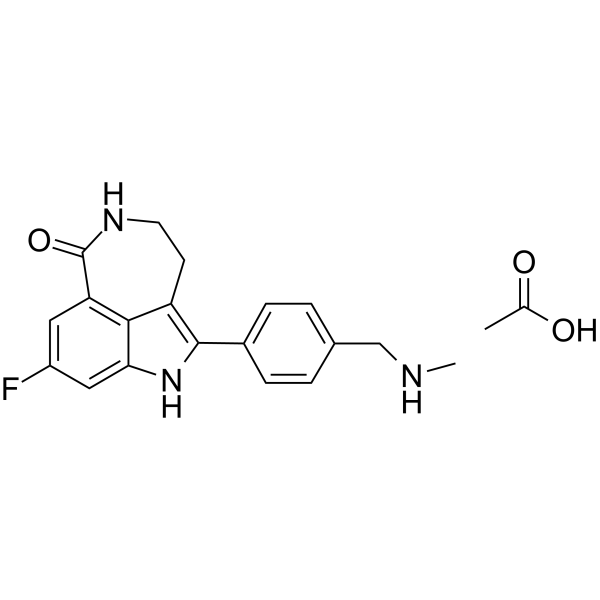
Rucaparib (AG014699) acetate is an orally active, potent inhibitor of PARP proteins (PARP-1, PARP-2 and PARP-3) with a Ki of 1.4 nM for PARP1. Rucaparib acetate is a modest hexose-6-phosphate dehydrogenase (H6PD) inhibitor. Rucaparib acetate has the potential for castration-resistant prostate cancer (CRPC) research .
|
-
- HY-169299
-
|
|
PARP
Topoisomerase
Apoptosis
|
Cancer
|
|
TOPOI/PARP-1-IN-2 (compound 6c) is a dual PARP-1 and topoisomerase 1 (TOPO-1) inhibitor with IC50s of 32.2 nM and 46.2 nM, respectively. TOPOI/PARP-1-IN-2 shows a selectivity for PARP-1 over PARP-2. TOPOI/PARP-1-IN-2 disrupts the cell cycle at the S phase and induces apoptosis in NCI-60 cancer cell lines .
|
-

- HY-181459
-
|
|
PARP
DNA/RNA Synthesis
Reactive Oxygen Species (ROS)
Apoptosis
|
Cancer
|
|
PARP1-IN-55 is a potent and selective PARP1 inhibitor with an IC50 value of 0.019 μM. PARP1-IN-55 exhibits anti-proliferative selective activity against MCF-7 breast cancer cells (IC50 = 3.6 μM). PARP1-IN-55 inhibits the PARP1-mediated DNA damage repair pathway, induces ROS accumulation, disrupts mitochondrial membrane potential, induced apoptosis and suppresses cancer cell migration, invasion, and colony formation. PARP1-IN-55 can be used for the study of breast cancer .
|
-

- HY-181664
-
|
|
PARP
Apoptosis
Caspase
|
Cancer
|
|
YCH3971 is a PARP1 inhibitor with a PARP1 IC50 of 7.52 nM and a PARP1 EC50 of 67.75 nM. YCH3971 inhibits the proliferation of BRCA-deficient tumor cells. YCH3971 induces DNA damage, G2/M phase arrest, and caspase-mediated Apoptosis in triple-negative breast cancer cells. YCH3971 can be used for the research of BRCA-deficient tumors .
|
-

- HY-181254
-
|
|
PARP
NAMPT
DNA/RNA Synthesis
Apoptosis
|
Cancer
|
|
PARP1/NAMPT-IN-1 is a potent and dual PARP1 and NAMPT inhibitor with IC50 values of 1.2 nM and 6.7 nM, respectively. PARP1/NAMPT-IN-1 can disrupt the homologous recombination repair (HRR) pathway, leading to the accumulation of DNA double-strand breaks (DSBs), inducing cell cycle arrest and apoptosis, and also has antimigratory effects. PARP1/NAMPT-IN-1 exhibits excellent antitumor effects in a breast cancer xenograft model. PARP1/NAMPT-IN-1 can be used for the study of triple-negative breast cancer (TNBC) .
|
-

- HY-181158
-
|
|
PARP
|
Cancer
|
|
PARP1-IN-52 is a poly(ADP-ribose) polymerase-1 (PARP-1) inhibitor that forms stable interactions with the PARP-1 active site. PARP1-IN-52 exerts anticancer activity against breast cancer cells. PARP1-IN-52 can be used for the research of breast cancer .
|
-

- HY-179685
-
|
|
PARP
|
Cancer
|
|
PARP1-IN-51 (P55 the second compound in the fifth row) is a PARP1 inhibitor. PARP1-IN-51 can be used for the research of cancer, such as breast cancer .
|
-

- HY-185143
-
|
|
PARP
|
Cancer
|
|
PARP1-IN-54 (example 5) is a PARP1 inhibitor with antitumor effects .
|
-

- HY-179614
-
|
|
PARP
DNA/RNA Synthesis
Apoptosis
CDK
Bcl-2 Family
|
Cancer
|
|
PARP1-IN-50 is a selective and orally active PARP-1 inhibitor with an IC50 of 64.98 nM. PARP1-IN-50 can inhibit PAR formation and induce DNA double strand breaks, thereby causing DNA damage. PARP1-IN-50 can induce G2/M phase arrest and cancer cells apoptosis. PARP1-IN-50 demonstrates significant antiproliferative activity against various cancer cells. PARP1-IN-50 can be used for the research of cancer, such as breast cancer .
|
-

- HY-181928
-
|
|
c-Met/HGFR
PARP
Apoptosis
|
Cancer
|
|
PARP1/c-Met-IN-3 (Compound L19) is a selective c-Met and PARP1 inhibitor, with an IC50 of 5.4 nM against c-Met and an IC50 of 3.7 nM against PARP1. PARP1/c-Met-IN-3 inhibits PARP2 enzymatic activity with an IC50 of 4.52 nM, and shows no specificity for PARP1 and PARP2. PARP1/c-Met-IN-3 induces cell cycle arrest and apoptosis. PARP1/c-Met-IN-3 exhibits anti-tumor activity against triple-negative breast cancer .
|
-

- HY-182499
-
|
|
PARP
|
Cancer
|
|
PARP1-IN-56 (Compound RCY) is an I-labeled poly(ADP−ribose) polymerase (PARP1) inhibitor. PARP1-IN-56 can be radiolabeled with 211At or 125I for use as an α-emitting radiotherapeutic agent. PARP1-IN-56 can be used for the research of cancer .
|
-

- HY-181265
-
|
|
PARP
|
Cancer
|
|
PARP1-IN-53 (Compound 328) is a quinazolinone derivative and PARP1 inhibitor with a PARP1 IC50 of 0.1 nM and selectivity over PARP2, which has a PARP2 IC50 of 23 nM.PARP1-IN-53 can be used for the research of cancer .
|
-

- HY-181842
-
|
|
PARP
ERK
Apoptosis
|
Cancer
|
|
PARP1/ERK IN-1 is a dual PARP1/ERK inhibitor, with a PARP1 IC50 of 0.9 nM and an ERK2 IC50 of 1.8 nM. PARP1/ERK IN-1 inhibits proliferation and migration of various cancer cell lines, and induces apoptosis and DNA damage. PARP1/ERK IN-1 suppresses tumor growth in mouse models of colorectal cancer, and reduces the expression of Ki‑67, BRCA1 and Rad51. PARP1/ERK IN-1 can be used in the research of colorectal cancer, triple-negative breast cancer and pancreatic cancer .
|
-

- HY-183765
-
|
|
PARP
Pyruvate Kinase
|
Cancer
|
|
PARP1/PKM2-IN-1 is a dual PARP1/PKM2 inhibitor, with an IC50 of 39.5 nM against PARP1, and IC50 values of 261 nM (recombinant PKM2) and 50 nM (dimeric PKM2) against PKM2. PARP1/PKM2-IN-1 reduces the dimerization of PKM2 and decreases its nuclear accumulation level. PARP1/PKM2-IN-1 also selectively downregulates PKM2 mRNA and impairs poly (ADP-ribose)-mediated nuclear retention of PKM2. PARP1/PKM2-IN-1 exhibits antiproliferative activity and inhibits the formation of 3D cancer spheroids. PARP1/PKM2-IN-1 can be used in research related to mammary adenocarcinoma, triple-negative breast cancer, BRCA1-mutant triple-negative breast cancer, and prostate adenocarcinoma .
|
-

- HY-181140
-
|
|
CDK
PARP
|
Cancer
|
|
UNPD139734 is a CDK-1 inhibitor and PARP-1 inhibitor that forms stable complexes with each target protein. UNPD139734 serves as a lead compound for structural optimization to develop dual-target anticancer agents targeting CDK-1 and PARP-1. UNPD139734 can be used for the research of breast cancer .
|
-

- HY-108632R
-
|
|
Reference Standards
PARP
|
Cancer
|
|
BYK204165 (Standard) is the analytical standard of BYK204165 (HY-108632). This product is intended for research and analytical applications. BYK204165 is a potent and selective PARP1 inhibitor. BYK204165 inhibits cell-free recombinant human PARP-1 (hPARP-1) with a pIC50 of 7.35 (pKi=7.05), and murine PARP-2 (mPARP-2) with a pIC50 of 5.38, respectively. BYK204165 displays 100-fold selectivity for PARP-1 .
|
-

- HY-108413R
-
|
BMN 673ts (Standard)
|
Reference Standards
PARP
|
Cancer
|
|
Talazoparib tosylate (Standard) is the analytical standard of Talazoparib tosylate (HY-108413). This product is intended for research and analytical applications. Talazoparib tosylate (BMN 673ts) is a novel, potent and orally available PARP1/2 inhibitor with an IC50 of 0.57 nM for PARP1.
|
-

- HY-181999
-
|
|
PARP
CDK
Protease Activated Receptor (PAR)
Wnt
β-catenin
Reactive Oxygen Species (ROS)
DNA/RNA Synthesis
|
Cancer
|
|
PC8 is a selective dual inhibitor of PARP1/CDK6, with an IC50 of 0.126 μM for PARP1 and 0.197 μM for CDK6. PC8 does not alter PARP1 expression, but reduces the expression of its downstream target PAR. PC8 inhibits the canonical Wnt/β-catenin signaling pathway. PC8 induces intracellular ROS accumulation and exacerbates DNA damage. PC8 inhibits the proliferation of triple-negative breast cancer (TNBC) cells. PC8 can be used for the research of triple-negative breast cancer .
|
-

- HY-179091
-
|
|
PARP
|
Cancer
|
|
CU-TZD-20 is a PARP-1 inhibitor. CU-TZD-20 has a high affinity for binding to the PARP-1 catalytic domain and good structural stability. CU-TZD-20 competitively occupies NAD + binding sites and forms stable interactions with key catalytic residues. CU-TZD-20 can be used for cancer research .
|
-

- HY-182246
-
|
|
PARP
|
Neurological Disease
Inflammation/Immunology
Cancer
|
|
MC2050 is a selective PARP-1 inhibitor with an IC50 of 119 nM. MC2050 functionally inhibits PARP-1 activity, including hyperactivation induced by oxidative stress, and reduces the poly (ADP-ribosyl) ation level of histone H1. MC2050 protects neuroblastoma cells from oxidative stress-mediated cell death induced by hydrogen peroxide. MC2050 is applicable to research related to neuroblastoma and Burkitt lymphoma .
|
-

- HY-15050
-
-
- HY-10619D
-
|
MK 4827 (R-enantiomer)
|
PARP
|
Cancer
|
|
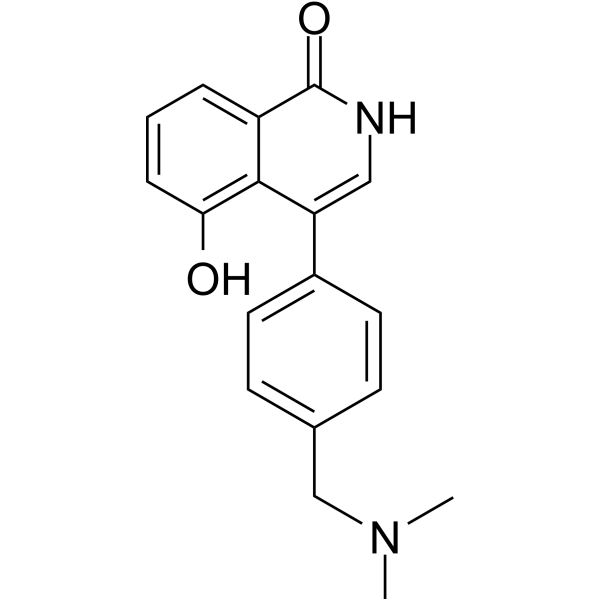
Niraparib R-enantiomer (MK-4827 R-enantiomer) is an excellent PARP1 inhibitor with IC50 of 2.4 nM.
|
-
- HY-108238
-
|
|
PARP
|
Cancer
|
|
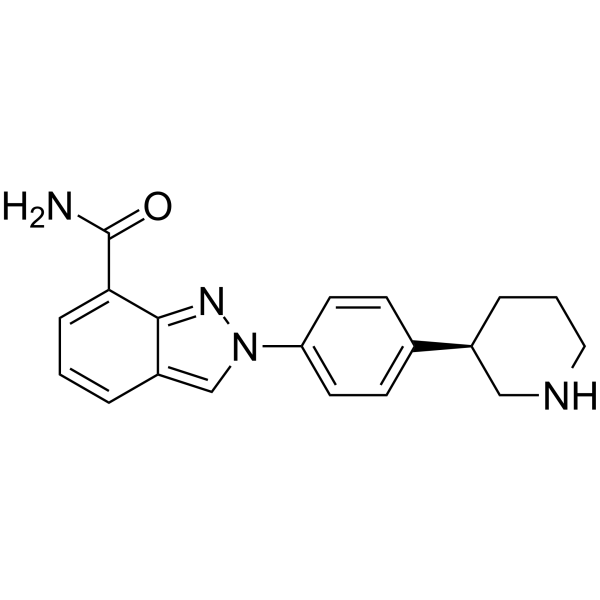
BSI-401 is an orally active PARP-1 inhibitor. BSI-401 alone and in synergism with Oxaliplatin (HY-17371) inhibits pancreatic cancer .
|
-

- HY-12032
-
|
|
PARP
|
Cancer
|
|
AG14361 is a potent PARP-1 inhibitor, with a Ki of < 5 nM, and in permeabilized SW620 and intact SW620 cells, the IC50s are 29 nM and 14 nM, respectively.
|
-
- HY-128599
-
|
|
PARP
|
Cancer
|
|
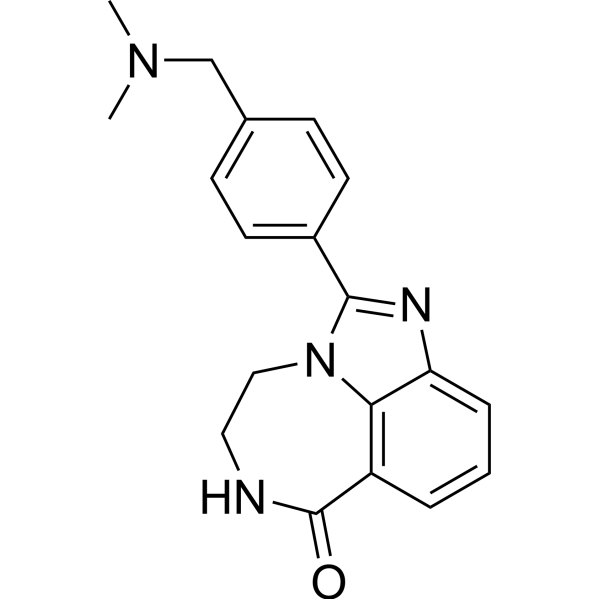
NMS-P515 is a potent, orally active and stereospecific PARP-1 inhibitor, with a Kd of 16 nM and an IC50 of 27 nM (in Hela cells). Anti-tumor activity .
|
-
- HY-W156961
-
|
|
PARP
|
Neurological Disease
|
|
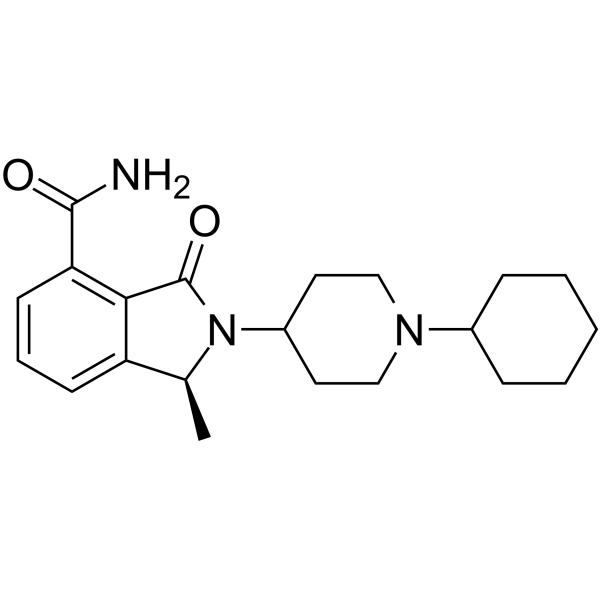
LS-75 is a PARP-1 inhibitor with blood-brain permeability and IC50 value of 18 μM. LS-75 has neuroprotective activity .
|
-

- HY-173597
-
|
|
PARP
|
Cancer
|
|
ZINC43120769 is a PARP1 inhibitor. ZINC43120769 can be used in prostate cancer (PC) research .
|
-

- HY-12015
-
|
BSI-201; NSC-746045; IND-71677
|
PARP
Influenza Virus
|
Cancer
|
|
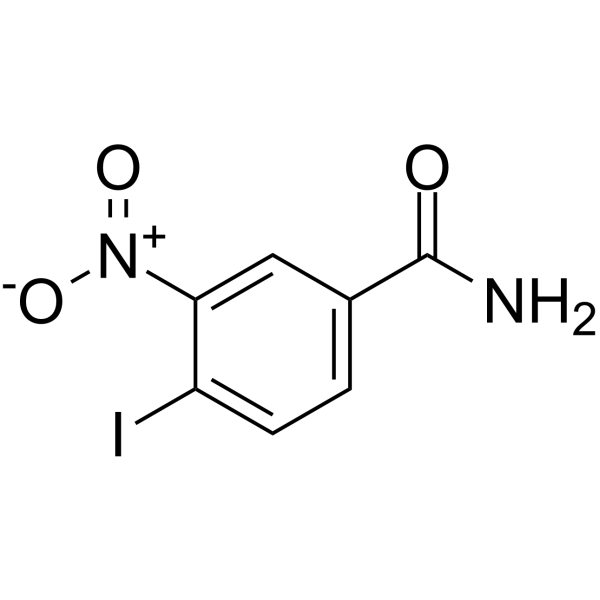
Iniparib (BSI-201) is an irreversible inhibitor of PARP1, used in the research of triple negative breast cancer.
|
-
- HY-10614
-
|
|
PARP
|
Cancer
|
|
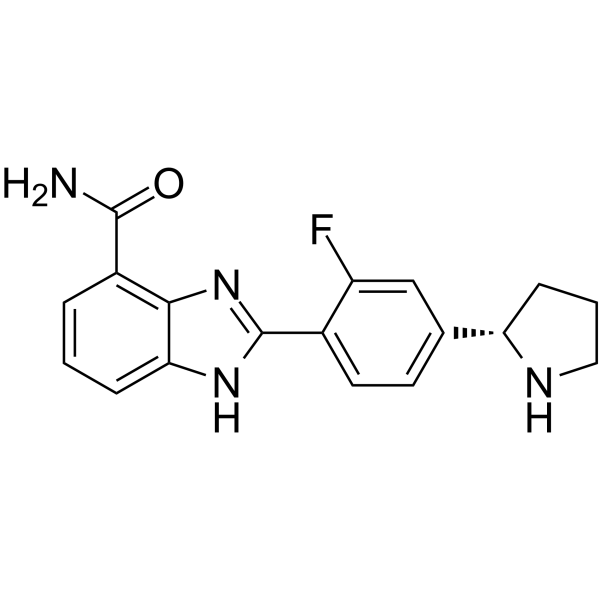
A-966492 is a novel and potent inhibitor of PARP1 and PARP2 with Ki of 1 nM and 1.5 nM, respectively.
|
-
- HY-34386
-
|
|
PARP
|
Inflammation/Immunology
Cancer
|
|
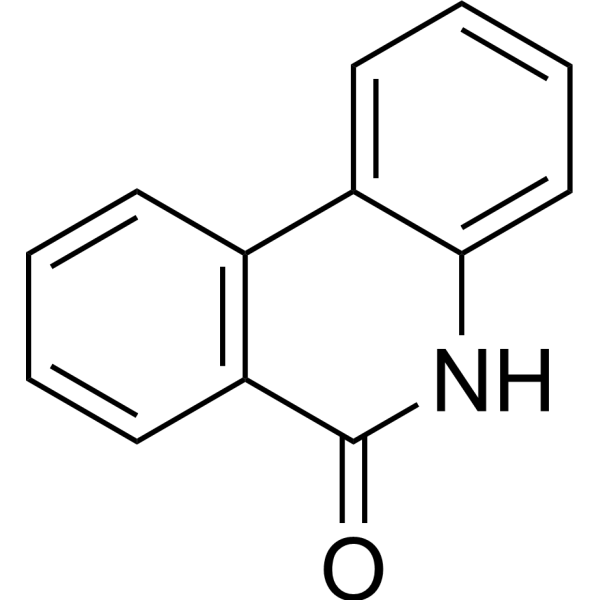
6(5H)-Phenanthridinone is a potent PARP-1 inhibitor and immunomodulator. 6(5H)-Phenanthridinone inhibits cell proliferation and can be used in cancer research .
|
-
- HY-N15380
-
|
|
PARP
Reactive Oxygen Species (ROS)
Caspase
Apoptosis
Pyroptosis
|
Cancer
|
|
4,4′-Secalonic acid D (Compound 12) is a PARP1 inhibitor. 4,4′-Secalonic acid D induces the accumulation of ROS and DNA damage, activates the caspase-3/GSDME pathway, and triggers apoptosis and pyroptosis of tumor cells by inhibiting PARP1. 4,4′-Secalonic acid D has anti-tumor activity .
|
-

- HY-10615
-
|
|
PARP
|
Cancer
|
|
A-620223 is a PARP-1 inhibitor with a Ki of 8 nM against PARP-1 and EC50 of 3 nM in a whole cell assay. A-620223 demonstrates good in vivo efficacy in a B16F10 subcutaneous murine melanoma model in combination with Temozolomide (TMZ) (HY-17364) and in an MX-1 breast xenograph model in combination with Cisplatin (HY-17394). A-620223 can be used for the studies of melanoma and breast cancer .
|
-

- HY-177100
-
|
|
PARP
|
Others
|
|
Lotixparib (Example 1) is an inhibitor of poly(ADP-ribose)polymerase-1 (PARP-1). Lotixparib has cytoprotective effect against a retinal disease. Lotixparib can be studied in research for PARP-1-associated diseases .
|
-

- HY-16106S1
-
|
BMN-673-d4; LT-673-d4
|
Isotope-Labeled Compounds
PARP
|
Cancer
|
|
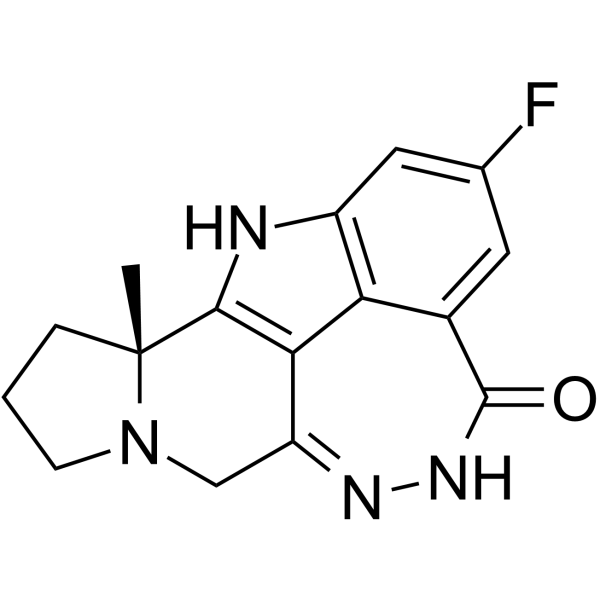
Talazoparib-d4 (BMN-673-d4) is deuterium labeled Talazoparib. Talazoparib (BMN-673) is a highly potent, orally active PARP1/2 inhibitor.Talazoparib inhibits PARP1 and PARP2 enzyme activity with Kis of 1.2 nM and 0.87 nM, respectively. Talazoparib has antitumor activity .
|
-

- HY-183373
-
|
|
EGFR
PARP
|
Cancer
|
|
EGFR/PARP-1-IN-1 is a dual EGFR and PARP-1 inhibitor with IC50 values of 64 nM and 12 nM, respectively. EGFR/PARP-1-IN-1 binds to the ATP-binding pocket of EGFR and interacts with the catalytic domain of PARP-1, inhibiting kinase and enzymatic activity via hydrogen bond formation with key residues in both targets. EGFR/PARP-1-IN-1 induces apoptosis through the endogenous mitochondrial pathway, arrests the cell cycle at the G2 phase, and inhibits cell proliferation. EGFR/PARP-1-IN-1 can be used for research on triple-negative breast cancer .
|
-

- HY-113432
-
|
2PY
|
Endogenous Metabolite
PARP
|
Metabolic Disease
|
|
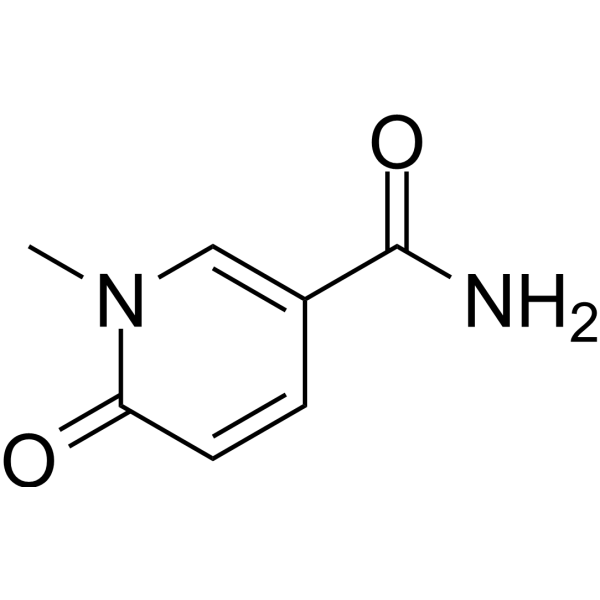
Nudifloramide (2PY) is one of the end products of nicotinamide-adenine dinucleotide (NAD) degradation. Nudifloramide significantly inhibits poly(ADP-ribose) polymerase (PARP-1) activity in vitro .
|
-
- HY-10617R
-
|
AG-014699 phosphate (Standard); PF-01367338 phosphate (Standard)
|
Reference Standards
PARP
|
Cancer
|
|
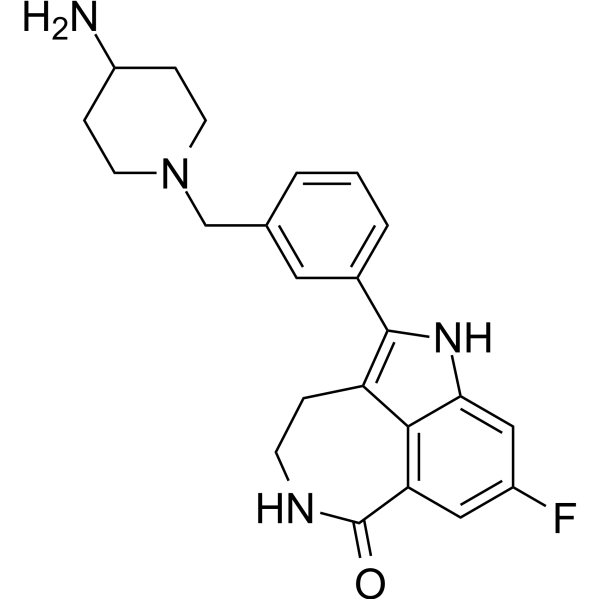
Rucaparib (phosphate) (Standard) is the analytical standard of Rucaparib (phosphate). This product is intended for research and analytical applications. Rucaparib (AG014699) phosphate is an orally active, potent inhibitor of PARP proteins (PARP-1, PARP-2 and PARP-3) with a Ki of 1.4 nM for PARP1. Rucaparib phosphate is a modest hexose-6-phosphate dehydrogenase (H6PD) inhibitor. Rucaparib phosphate has the potential for castration-resistant prostate cancer (CRPC) research .
|
-

- HY-10617AR
-
|
AG014699 (Standard); PF-01367338 (Standard)
|
Reference Standards
PARP
|
Cancer
|
|
Rucaparib (Standard) is the analytical standard of Rucaparib. This product is intended for research and analytical applications. Rucaparib (AG014699) is an orally active, potent inhibitor of PARP proteins (PARP-1, PARP-2 and PARP-3) with a Ki of 1.4 nM for PARP1. Rucaparib is a modest hexose-6-phosphate dehydrogenase (H6PD) inhibitor. Rucaparib has the potential for castration-resistant prostate cancer (CRPC) research .
|
-

- HY-144642
-
|
|
PARP
|
Cancer
|
|
PARP-1-IN-1 is a high selective and orally active PARP-1 inhibitor (IC50=0.96 nM). PARP-1-IN-1 has well tolerance and remarkable single dose activity in the MDA-MB-436 xenotransplantation model .
|
-
- HY-178496
-
|
|
Hsp-targeting Chimeras
PARP
HSP
|
Cancer
|
|
DDO3602 is a PARP1 HEMTAC degradation agent mediated by HSP90. DDO3602 has good anti-tumor activity and tumor selectivity. DDO3602 induces G2/M phase arrest, DNA damage, and inhibits cell migration by degrading PARP1 in MCF-7 cells (IC50 = 187 nM). DDO3602 can be used for research on cancer such as breast cancer. (Pink: PARP1 Ligand (HY-75706); Blue: HSP90 Ligand (HY-179203); Black: Linker (HY-W015300))
|
-

- HY-123232
-
|
|
PARP
|
Cancer
|
|
KU-0058684 is a potent PARP inhibitor, with an IC50 of 3.2 nM for PARP-1. KU-0058684 significantly reduces DNA double strand break (DSB) repair .
|
-

- HY-155122
-
|
|
PARP
|
Cancer
|
|
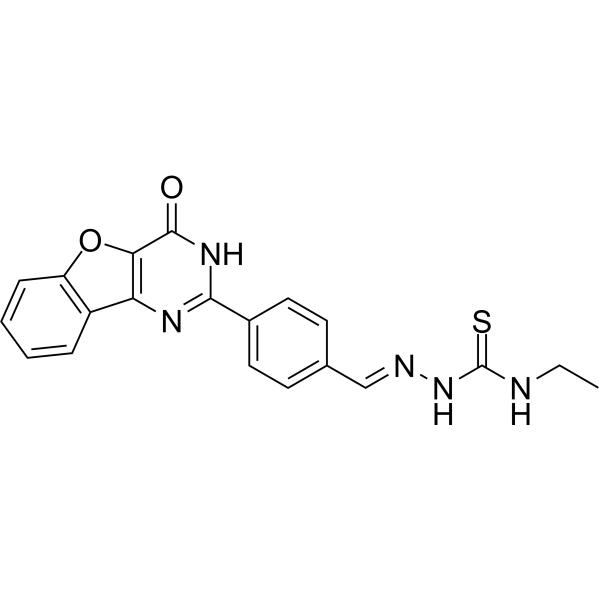
PARP-1-IN-13 (Compound 19c) is a PARP-1 inhibitor (IC50: 26 nM). PARP-1-IN-13 inhibits DNA single-strand breakage repair and aggravates DNA double-strand breakage. PARP-1-IN-13 promotes the apoptosis of cancer cells through the mitochondrial apoptosis pathway .
|
-
- HY-10129
-
|
ABT-888
|
PARP
Autophagy
|
Cancer
|
|
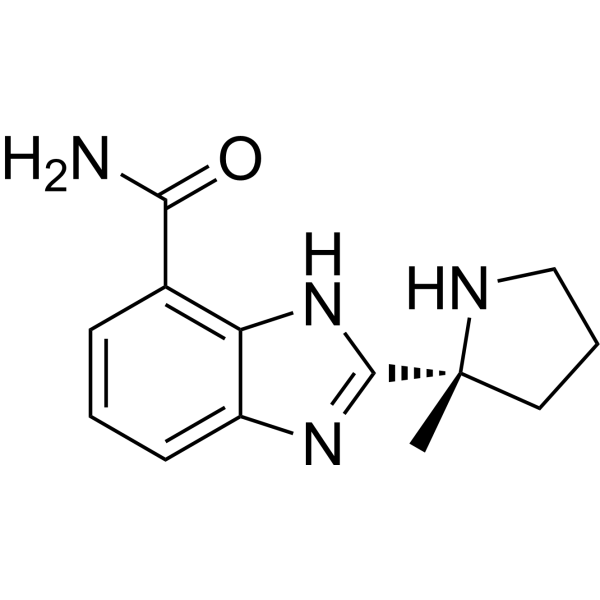
Veliparib (ABT-888) is a potent PARP inhibitor, inhibiting PARP1 and PARP2 with Kis of 5.2 and 2.9 nM, respectively .
|
-
- HY-10617AS
-
|
AG014699-d8 ; PF-01367338-d8
|
Isotope-Labeled Compounds
PARP
|
Cancer
|
|
Rucaparib-d8 (AG014699-d8 ) is deuterium labeled Rucaparib. Rucaparib (AG014699) is an orally active, potent inhibitor of PARP proteins (PARP-1, PARP-2 and PARP-3) with a Ki of 1.4 nM for PARP1. Rucaparib is a modest hexose-6-phosphate dehydrogenase (H6PD) inhibitor. Rucaparib has the potential for castration-resistant prostate cancer (CRPC) research .
|
-

- HY-157212
-
|
|
Apoptosis
PARP
Proteasome
|
Cancer
|
|
PARP-1/Proteasome-IN-1 (compound 42i) is a dual PARP-1 and proteasome inhibitor with significant inhibitory effects on breast cancer. PARP-1/Proteasome-IN-1 can downregulate the expression of BRCA1 and RAD51 to inhibit homologous recombination repair function and induce apoptosis .
|
-
- HY-145734
-
|
|
Microtubule/Tubulin
|
Cancer
|
|
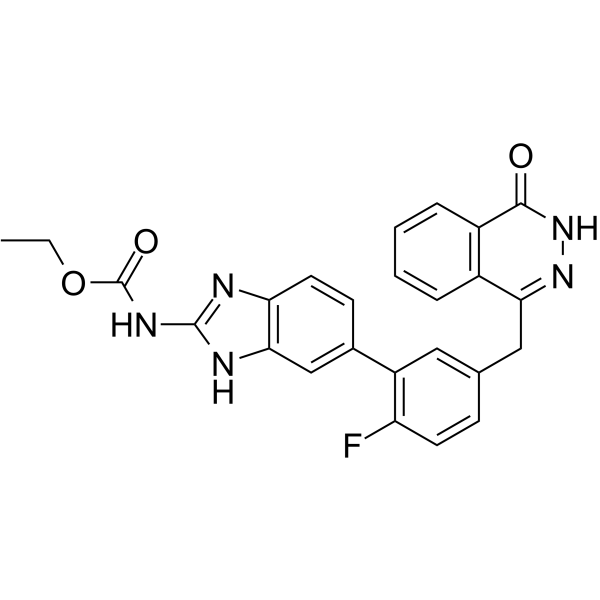
AMXI-5001 is a potent, orally active, and dual parp1/2 and microtubule polymerization inhibitor. MXI-5001 exhibits selective antitumor cytotoxicity across a wide variety of human cancer cells with much lower IC50s than existing clinical PARP1/2 inhibitors. AMXI-5001 induces complete regression of established tumors, including exceedingly large tumors .
|
-
- HY-145734A
-
|
|
Microtubule/Tubulin
|
Cancer
|
|
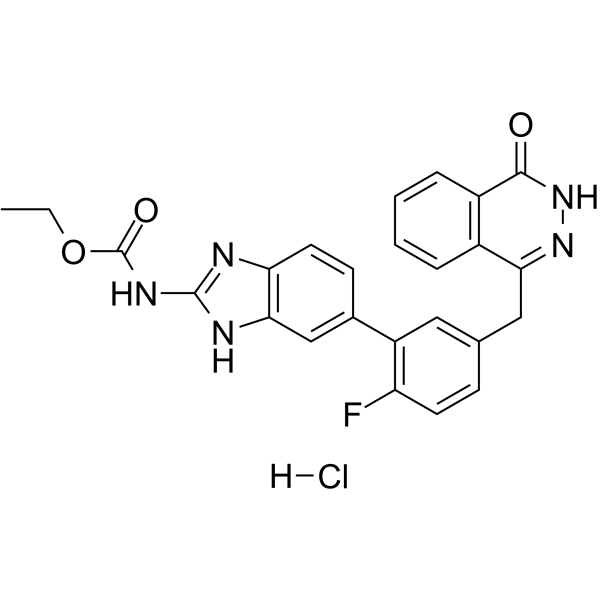
AMXI-5001 hydrochloride is a potent, orally active, and dual parp1/2 and microtubule polymerization inhibitor. MXI-5001 hydrochloride exhibits selective antitumor cytotoxicity across a wide variety of human cancer cells with much lower IC50s than existing clinical PARP1/2 inhibitors. AMXI-5001 hydrochloride induces complete regression of established tumors, including exceedingly large tumors .
|
-
- HY-13536
-
|
|
PARP
|
Cancer
|
|
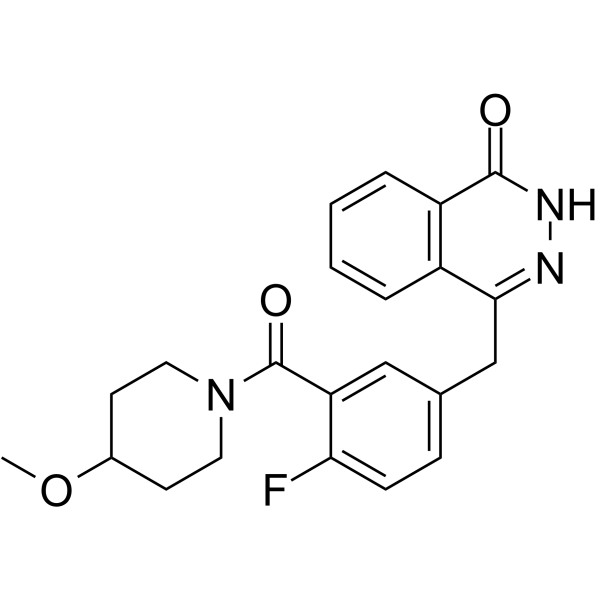
AZD-2461 is a potent PARP inhibitor, with IC50s of 5 nM, 2 nM and 200 nM for PARP1, PARP2 and PARP3, respectively.
|
-
- HY-179349
-
|
|
PARP
|
Neurological Disease
Inflammation/Immunology
|
|
PARP-1/2-IN-5 (Compound 12) is a PARP-1/2 inhibitor, with the IC50 values for PARP-1 and PARP-2 being 118 and 11 nM respectively. PARP-1/2-IN-5 can be used for the study of inflammatory diseases and neurodegenerative disorders .
|
-

- HY-102003R
-
|
AG014699 monocamsylate (Standard); PF-01367338 monocamsylate (Standard)
|
Reference Standards
PARP
|
Cancer
|
|
Rucaparib monocamsylate (Standard) is the analytical standard of Rucaparib monocamsylate (HY-102003). This product is intended for research and analytical applications. Rucaparib (AG014699) monocamsylate is an orally active, potent inhibitor of PARP proteins (PARP-1, PARP-2 and PARP-3) with a Ki of 1.4 nM for PARP1. Rucaparib monocamsylate is a modest hexose-6-phosphate dehydrogenase (H6PD) inhibitor. Rucaparib monocamsylate has the potential for castration-resistant prostate cancer (CRPC) research .
|
-

- HY-164306
-
|
|
PROTACs
PARP
|
Cancer
|
|
PROTAC PARP1 degrader-2 (Compound 72) is a PROTAC degrader for PARP with a DC50<10 nM in MDA-MB-231 cell. PROTAC PARP1 degrader-2 inhibits the cell viability of MDA-MB-436 with an IC50 <100 nM. (Blue: ligand for target protein (HY-160937); Pink: ligand for E3 ligase (HY-W998262))
|
-

- HY-161083
-
|
|
PARP
Histone Methyltransferase
|
Cancer
|
|
PARP/EZH2-IN-2 (compound 12e) is a dual target PARP1 and EZH2 inhibitor, with IC50 values of 6.89 and 27.34 nM, respectively. PARP/EZH2-IN-2 shows anticancer activity, with no toxicity to normal cells. PARP/EZH2-IN-2 achieves synthetic lethality indirectly by inhibiting EZH2 to increase the sensitivity to PARP1, and induces cell death by regulating excessive autophagy .
|
-
- HY-10130
-
|
ABT-888 dihydrochloride
|
PARP
Autophagy
|
Cancer
|
|
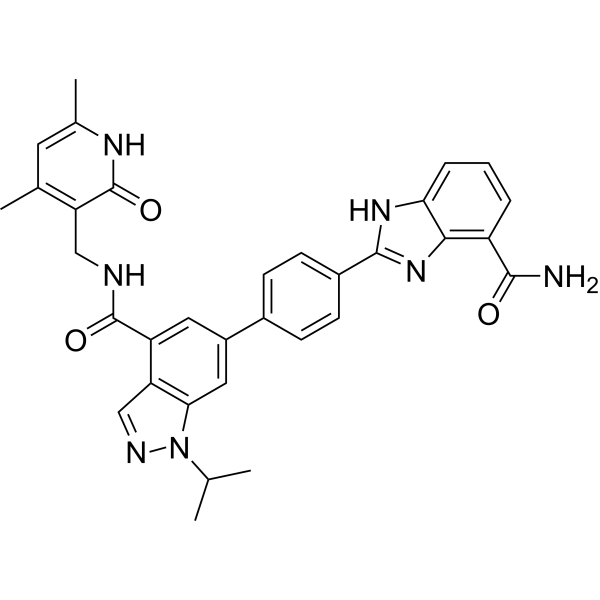
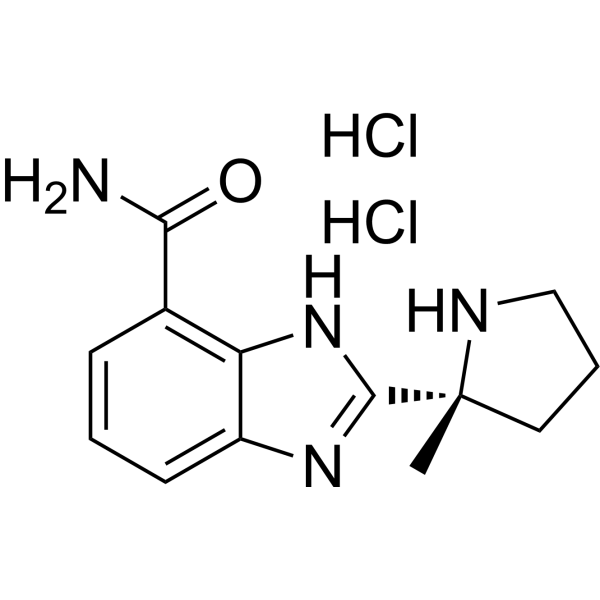
Veliparib (dihydrochloride) is a potent inhibitor of PARP1 and PARP2 with Kis of 5.2 nM and 2.9 nM in cell-free assays, respectively.
|
-
- HY-145471
-
|
USP1-IN-1
|
Deubiquitinase
PARP
|
Cancer
|
|
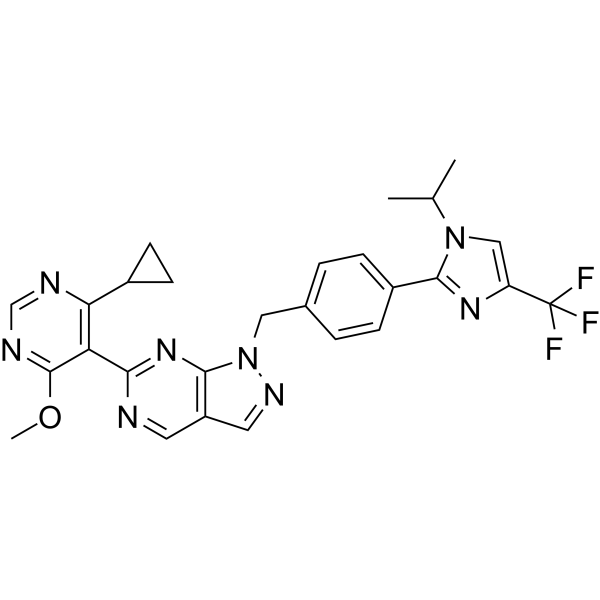
KSQ-4279 (USP1-IN-1) is a potent USP1 inhibitor and a selective PARP1 inhibitor. KSQ-4279 is promising for research of cancers .
|
-
- HY-145471A
-
|
|
Deubiquitinase
PARP
|
Cancer
|
|
KSQ-4279 (gentisate) (Compound Formula I) is a potent USP1 inhibitor and a selective PARP1 inhibitor. KSQ-4279 (gentisate) is promising for research of cancers .
|
-

- HY-117423
-
|
|
PARP
|
Cancer
|
|
ST7710AA1 (compound 1l) is a potent PARP-1 inhibitor with an IC50 value of 0.07 µM. ST7710AA1 shows an antiproliferative activity. ST7710AA1 shows anticancer activity .
|
-

- HY-105303
-
|
|
PARP
|
Cancer
|
|
CEP-9722, the proagent of CEP-8983, is a selective and orally active PARP-1 and PARP-2 inhibitor with IC50s of 20 nM and 6 nM, respectively. CEP-9722 has anticancer effects .
|
-
- HY-13990
-
|
TNKS656
|
PARP
Apoptosis
|
Cancer
|
|
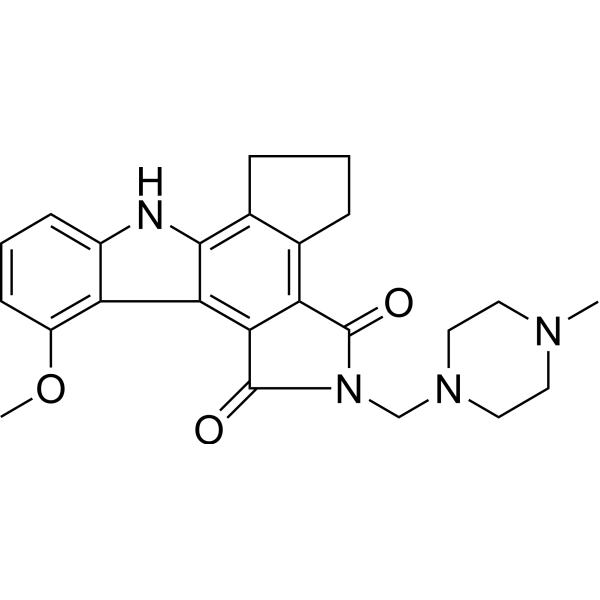
NVP-TNKS656 is a highly potent, selective, and orally active TNKS2 inhibitor with IC50 of 6 nM, and is > 300 fold selectivity against PARP1 and PARP2.
|
-
- HY-13688R
-
|
|
PARP
|
Cancer
|
|
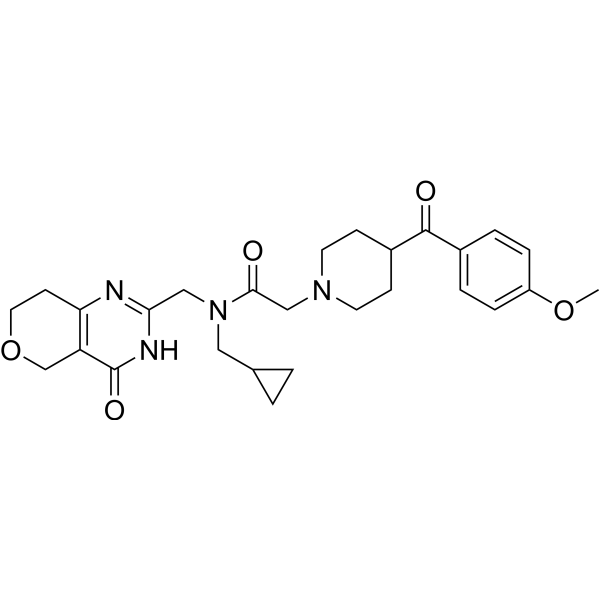
PJ34 (hydrochloride) (Standard) is the analytical standard of PJ34 (hydrochloride). This product is intended for research and analytical applications. PJ34 hydrochloride is an inhibitor of PARP1/2 with IC50 of 110 nM and 86 nM, respectively.
|
-

- HY-137450A
-
|
IMP4297 hydrochloride; JS109 hydrochloride
|
PARP
|
Cancer
|
|
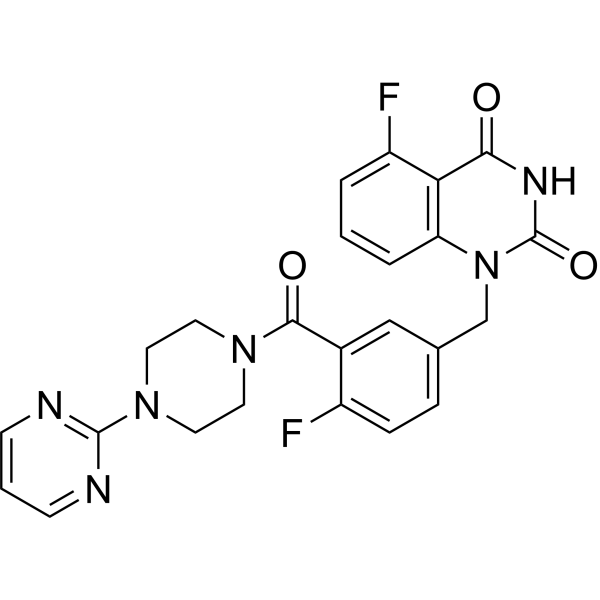
Senaparib hydrochloride (IMP4297 hydrochloride) is an oral, selective PARP1/2 inhibitor with potent anti-tumor activity. Senaparib hydrochloride shows antitumor activity against advanced ovarian cancer .
|
-

- HY-137450
-
|
IMP4297; JS109
|
PARP
|
Cancer
|
|
Senaparib (IMP4297) is a highly potent, selective and orally active PARP1/2 inhibitor. Senaparib (IMP4297) exhibits strong antitumor activity in animal models .
|
-
- HY-145749
-
|
|
PARP
|
Cancer
|
|
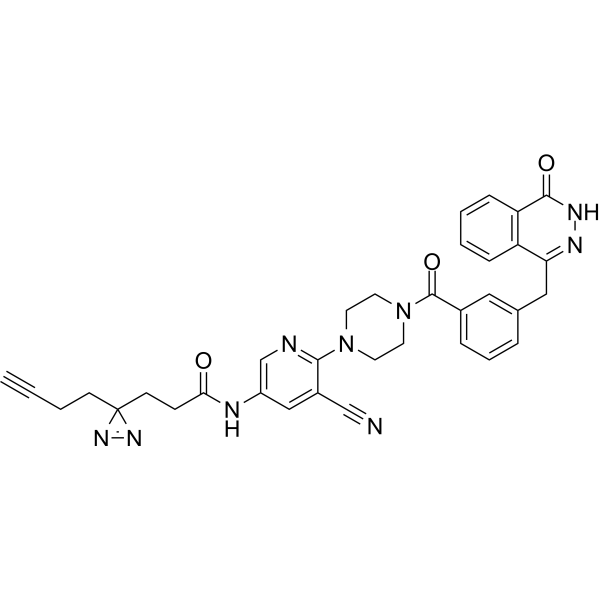
PARPYnD is a PARP enzyme photoaffinity probe (AfBP) based on the triple PARP1/2/6 inhibitor AZ9482 (HY-119653), which induces breast cancer Formation of multipolar spindles (MPS) in cells. PARPYnD inhibits PAPR wih IC50 of 38 nM (PARP1), 6 nM (PARP2), 230 nM (PARP6), respectively. PARPYnD enriches recombinant PARP6 incorporated into cell lysates and inhibits PARP6 in cell-free assays, but it does not label PARP6 in intact cells .
|
-
- HY-12015R
-
|
BSI-201 (Standard); NSC-746045 (Standard); IND-71677 (Standard)
|
PARP
Influenza Virus
Reference Standards
|
Cancer
|
|
Iniparib (Standard) is the analytical standard of Iniparib. This product is intended for research and analytical applications. Iniparib (BSI-201) is an irreversible inhibitor of PARP1, used in the research of triple negative breast cancer.
|
-

- HY-113432R
-
|
2PY (Standard)
|
Reference Standards
Endogenous Metabolite
PARP
|
Metabolic Disease
|
|
Nudifloramide (Standard) is the analytical standard of Nudifloramide. This product is intended for research and analytical applications. Nudifloramide (2PY) is one of the end products of nicotinamide-adenine dinucleotide (NAD) degradation. Nudifloramide significantly inhibits poly(ADP-ribose) polymerase (PARP-1) activity in vitro .
|
-

- HY-132157
-
|
|
PARP
|
Cancer
|
|
8-Chloroquinazolin-4-ol is a poly (ADP-ribose) polymerase-1 (PARP-1) inhibitor with an IC50 value of 5.65 μM. 8-Chloroquinazolin-4-ol can be used in cancer-related research .
|
-

- HY-149348
-
|
|
Topoisomerase
PARP
Apoptosis
|
Cancer
|
|
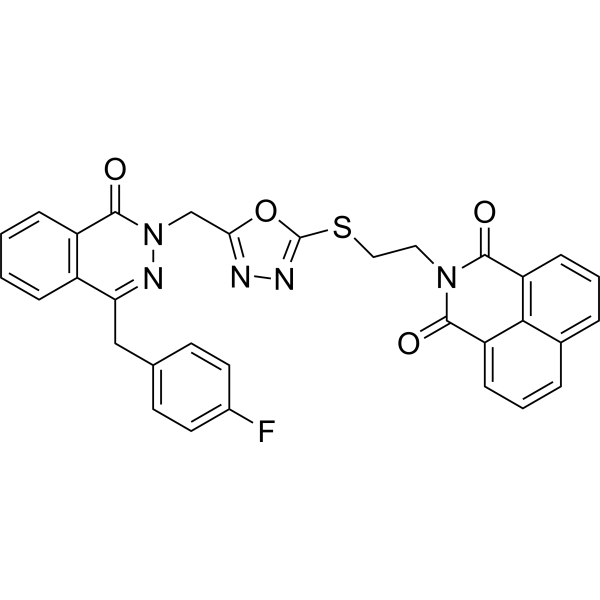
DiPT-4 is a dual TOP1/PARP1 inhibitor that induces massive DNA double-strand breaks (DSBs), cell cycle arrest, and apoptosis in cancer cells. DiPT-4 has the potential to overcome cancer drug resistance .
|
-
- HY-14688
-
|
|
PARP
|
Cancer
|
|
CEP-8983 is a PARP-1 and PARP-2 inhibitor (IC50: 20 and 6 nM). CEP-8983 is an effective chemosensitizing agent, and can sensitize chemotherapy-resistant cell lines and subcutaneous xenografts to Temozolomide (HY-17364) and Camptothecin (HY-16560) .
|
-
- HY-W006566A
-
|
5-Aminoisoquinolin-1-one hydrochloride
|
PARP
|
Cancer
|
|
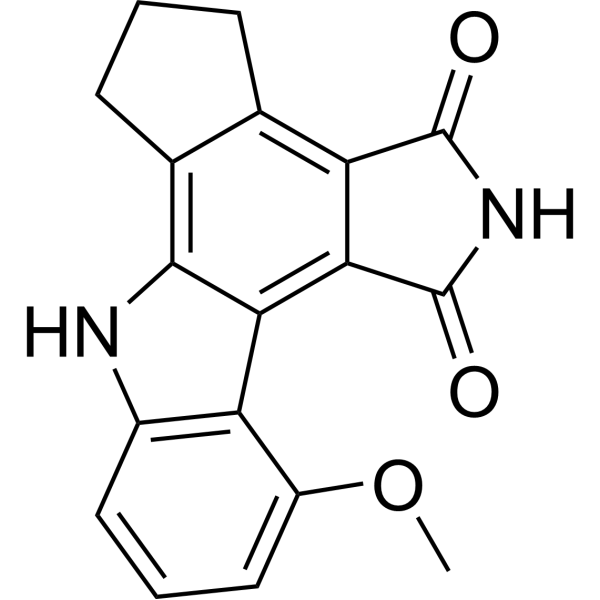
5-AIQ hydrochloride is a PARP-1 inhibitor. 5-AIQ hydrochloride is an important functional group in various drugs. 5-AIQ hydrochloride reduces the tissue injury associated with ischemia-reperfusion of the liver, it can be used for the research of the research conditions associated with ischemia-reperfusion of the liver .
|
-

- HY-174836
-
|
|
PARP
|
Cancer
|
|
ZINC000081009201 is a potent poly(ADP-ribose) polymerase 1 (PARP1) inhibitor with an IC50 value of 1.4767 μM. ZINC000081009201 is promising for research of triple-negative breast cancer (TNBC) .
|
-

- HY-16106S
-
|
BMN-673-13C,d4; LT-673-13C,d4
|
Isotope-Labeled Compounds
|
Others
|
|
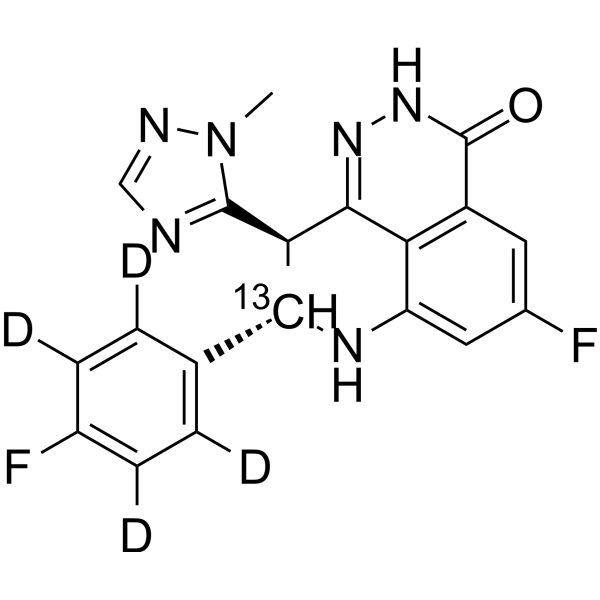
Talazoparib- 13C,d4 is 13C and deuterated labeled Talazoparib (HY-16106). Talazoparib is an orally active PARP 1/2 inhibitor with Ki values of 1.2 nM and 0.87 nM for inhibiting PARP1 and PARP2 enzymatic activities, respectively. Has anti-tumor activity.
|
-
- HY-115552
-
|
|
PARP
|
Cancer
|
|
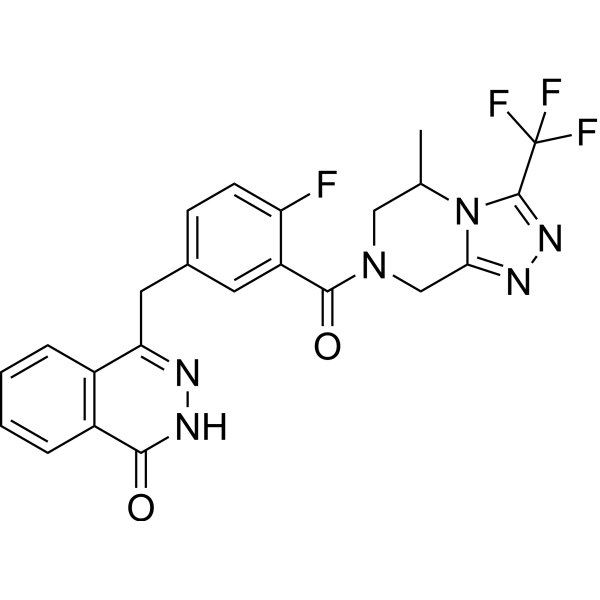
Simmiparib is a highly potent and orally active PARP1 and PARP2 inhibitor with IC50 values of 1.75 nM and 0.22 nM, respectively. Simmiparib has more potent PARP1/2 inhibition than its parent Olaparib (HY-10162). Simmiparib induces DNA double-strand breaks (DSB) accumulation and G2/M arrest in homologous recombination repair (HR)-deficient cells, thereby inducing apoptosis. Simmiparib exhibits remarkable anticancer activities in cells and nude mice bearing xenografts .
|
-
- HY-113432S
-
|
|
Endogenous Metabolite
PARP
|
Metabolic Disease
|
|
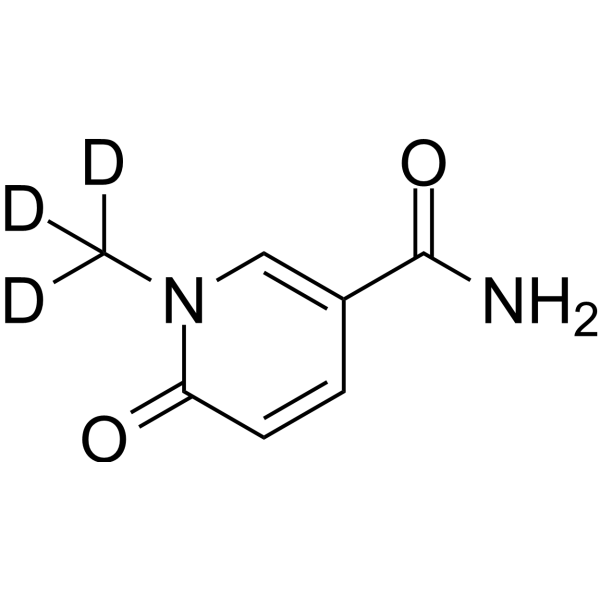
Nudifloramide-d3 (2PY-d3) is the deuterium labeled Nudifloramide. Nudifloramide (2PY) is one of the end products of nicotinamide-adenine dinucleotide (NAD) degradation. Nudifloramide significantly inhibits poly(ADP-ribose) polymerase (PARP-1) activity in vitro .
|
-
- HY-10129R
-
|
ABT-888 (Standard)
|
Reference Standards
PARP
Autophagy
|
Cancer
|
|
Veliparib (Standard) is the analytical standard of Veliparib. This product is intended for research and analytical applications. Veliparib (ABT-888) is a potent PARP inhibitor, inhibiting PARP1 and PARP2 with Kis of 5.2 and 2.9 nM, respectively .
|
-

- HY-149398
-
|
|
Apoptosis
PARP
CDK
|
Cancer
|
|
PARP-1/2-IN-2-IN-1 (Compound 12e) is a PARP1/2/CDK12 inhibitor (IC50: 34, 30 and 285 nM respectively). PARP-1/2-IN-2 inhibits DNA damage repair, promotes cell cycle arrest and apoptosis. PARP-1/2-IN-2 inhibits the growth of TNBC cells and TNBC xenograft tumor .
|
-
- HY-114869
-
DPQ
3 Publications Verification
|
PARP
|
Neurological Disease
Cancer
|
|
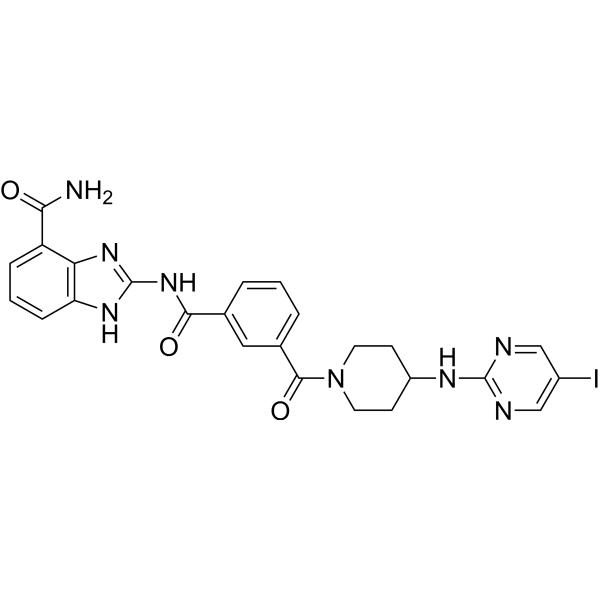
DPQ is a selective PARP-1 inhibitor that blocks PARP-1-mediated DNA damage repair and NAD +/ATP consumption, thereby inhibiting excessive inflammatory responses. DPQ inhibits NF-κB pathway activation, reduces the expression of pro-inflammatory factors (such as TNF-α, IL-6) and oxidative stress. DPQ can be used in inflammation-related studies of acute lung injury, myocardial infarction, and neurodegenerative diseases .
|
-
- HY-105253
-
|
|
PARP
|
Neurological Disease
|
|
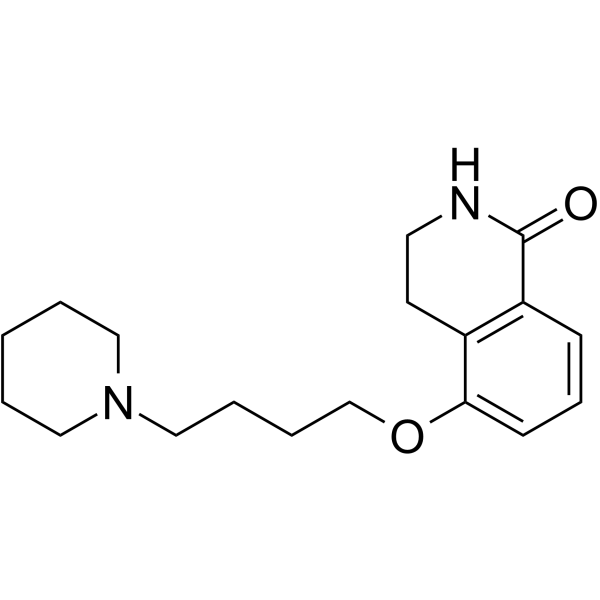
PARP-2/1-IN-2 (Compound 4a), the enantiomer of Veliparib (HY-10129), is a potent PARP inhibitor with Kis of 2 and 5 nM against PARP-2 and PARP-1, respectively. PARP-2/1-IN-2 has an EC50 of 3 nM in a cell based assay of PARP activity .
|
-
- HY-105692
-
|
|
PARP
|
Neurological Disease
|
|
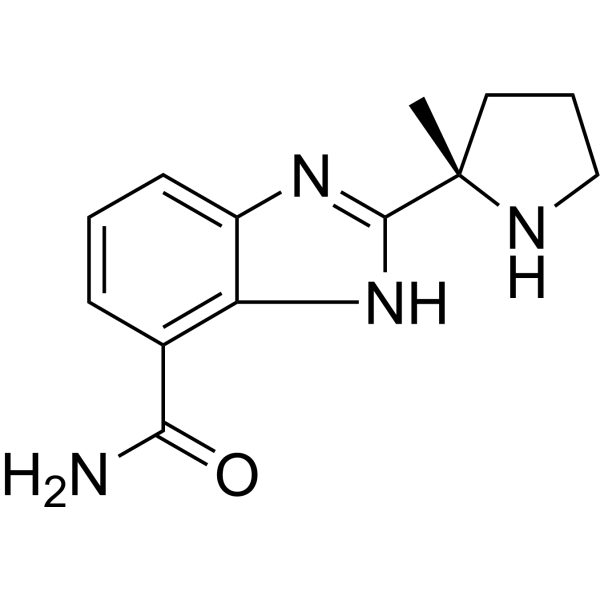
DR2313 is a potent, selective, competitive and brain-penetrant inhibitor of poly(ADP-ribose) polymerase (PARP), with IC50s of 0.20 μM and 0.24 μM for PARP-1 and PARP-2, respectively. DR2313 exhibits neuroprotective effects on ischemic injuries in vitro and in vivo .
|
-
- HY-10619DR
-
|
MK 4827 (R-enantiomer) (Standard)
|
Reference Standards
PARP
|
Cancer
|
|
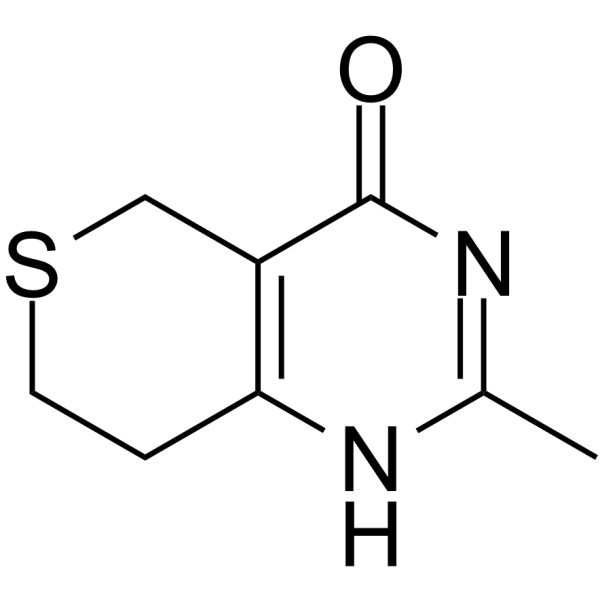
Niraparib (R-enantiomer) (Standard) is the analytical standard of Niraparib (R-enantiomer) (HY-10619D). This product is intended for research and analytical applications. Niraparib R-enantiomer (MK-4827 R-enantiomer) is an excellent PARP1 inhibitor with IC50 of 2.4 nM.
|
-

- HY-132167
-
|
AZD5305
|
PARP
|
Cancer
|
|
Saruparib (AZD5305) is a potent, orally active and selective PARP inhibitor and trapper with IC50 values of 3 nM and 1400 nM for PARP1 and PARP2, respectively. Saruparib has anti-proliferative activity and inhibits growth in cells with deficiencies in DNA repair .
|
-
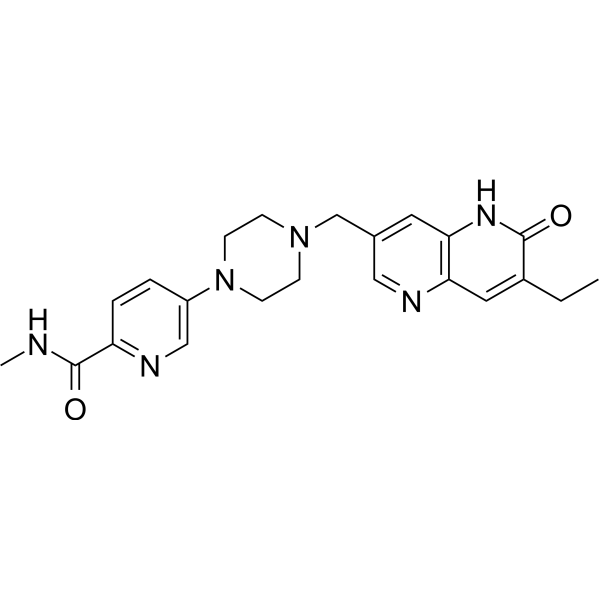
- HY-W006566
-
|
5-Aminoisoquinolin-1-one
|
PARP
|
Cancer
|
|
5-AIQ (5-Aminoisoquinolin-1-one) is a PARP-1 inhibitor. 5-AIQ is an important functional group in various drugs. 5-AIQ reduces the tissue injury associated with ischemia-reperfusion of the liver, it can be used for the research of the research conditions associated with ischemia-reperfusion of the liver .
|
-
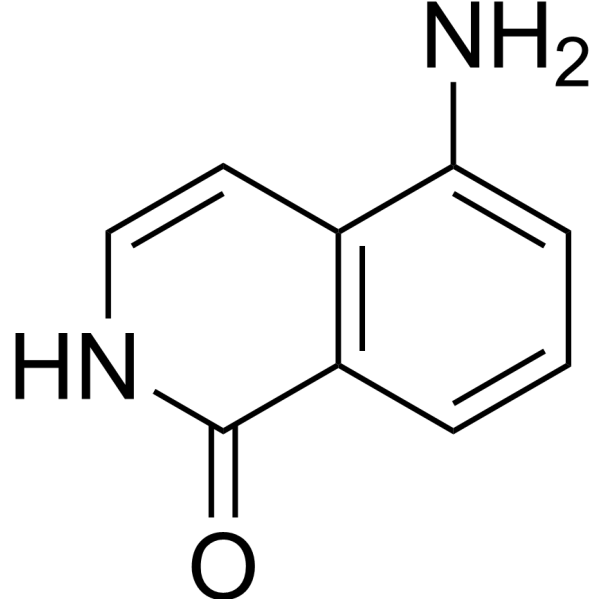
- HY-W006566R
-
|
5-Aminoisoquinolin-1-one (Standard)
|
Reference Standards
PARP
|
Cancer
|
|
5-AIQ (5-Aminoisoquinolin-1-one) is a PARP-1 inhibitor. 5-AIQ is an important functional group in various drugs. 5-AIQ reduces the tissue injury associated with ischemia-reperfusion of the liver, it can be used for the research of the research conditions associated with ischemia-reperfusion of the liver .
|
-

- HY-122661
-
|
MPH
|
PARP
Apoptosis
|
Cancer
|
|
Mefuparib hydrochloride (MPH) is an orally active, substrate-competitive and selective PARP1/2 inhibitor with IC50s of 3.2 nM and 1.9 nM, respectively. Mefuparib hydrochloride induces apoptosis and possesses prominent anticancer activity in vitro and in vivo .
|
-
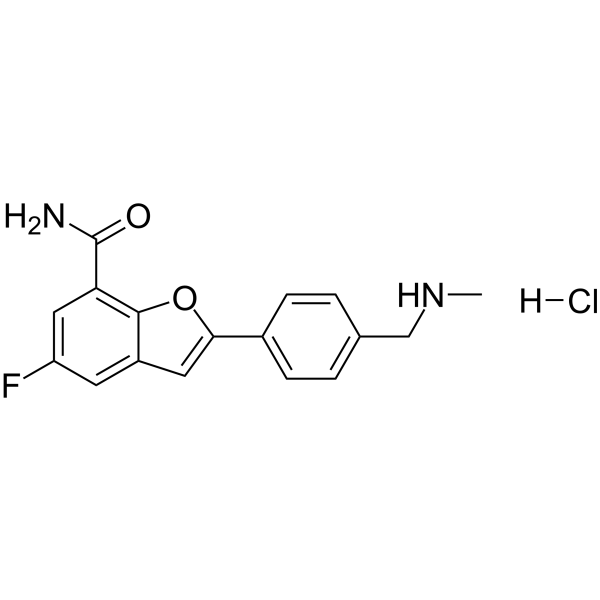
- HY-139156
-
SK-575
5 Publications Verification
|
PROTACs
PARP
|
Cancer
|
|
SK-575 is a highly potent and specific proteolysis-targeting chimera (PROTAC) degrader of PARP1, with an IC50 of 2.30 nM. SK-575 potently inhibits the growth of cancer cells bearing BRCA1/2 mutations .
|
-
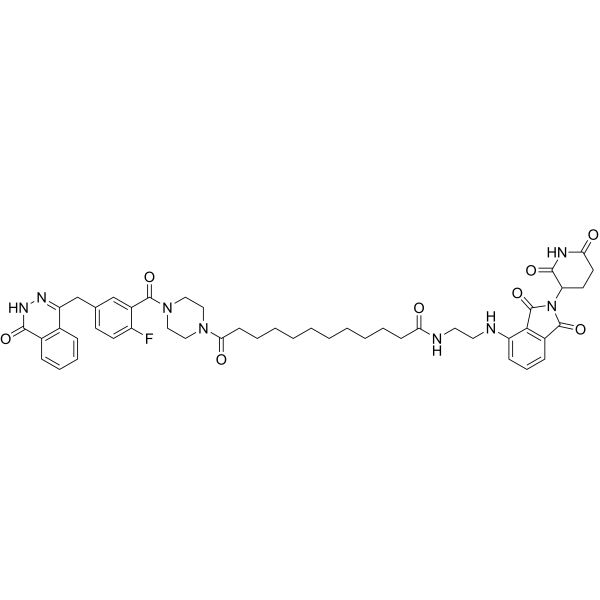
- HY-157490
-
|
|
PARP
HDAC
|
Cancer
|
|
PARP/HDAC-IN-1 (compound B102) is a potent dual inhibitor of PARP and HDAC. PARP/HDAC-IN-1 inhibits PARP1, PARP2 and HDAC1 with IC50s of 19.01, 2.13, 1690 nM, respectively .
|
-
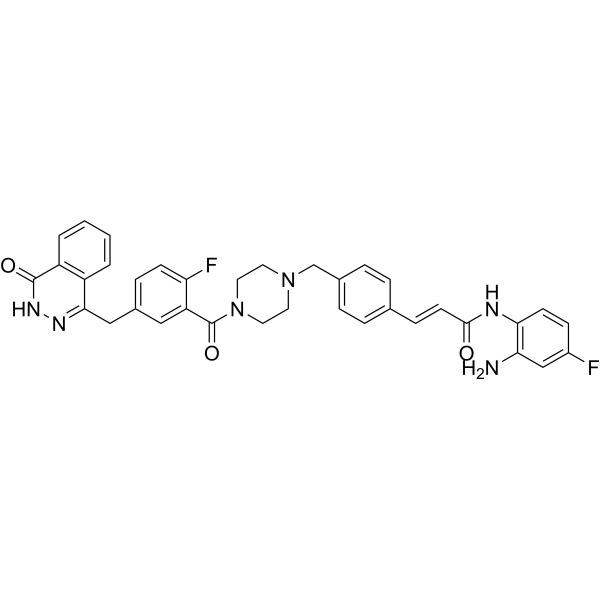
- HY-W424851
-
|
6,7-Dimethoxy-2-(1-piperazinyl)-4-quinazolinamine hydrochloride
|
PARP
|
Infection
Inflammation/Immunology
|
|
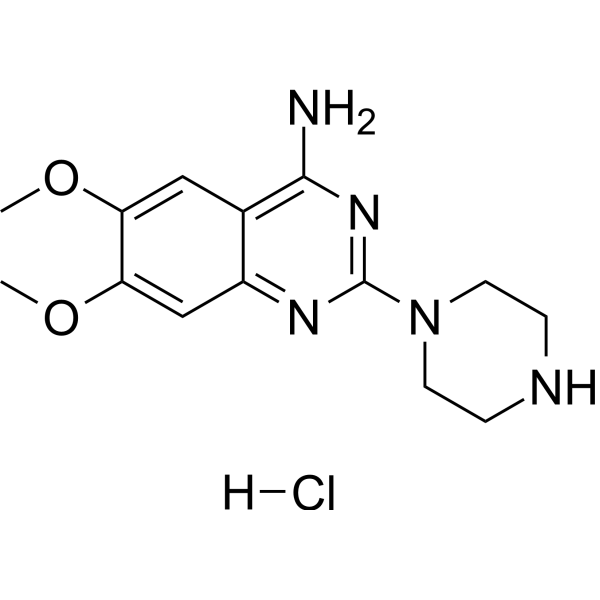
DPQ hydrochloride is a blood-brain barrier permeable and selective PARP-1 inhibitor that blocks PARP-1-mediated DNA damage repair and NAD +/ATP consumption, thereby inhibiting excessive inflammatory responses. DPQ hydrochloride inhibits NF-κB pathway activation, reduces the expression of pro-inflammatory factors (such as TNF-α, IL-6) and oxidative stress. DPQ hydrochloride can be used in inflammation-related studies of acute lung injury, myocardial infarction, and neurodegenerative diseases .
|
-
- HY-133531
-
|
|
Poly(ADP-ribose) Glycohydrolase (PARG)
|
Cancer
|
|
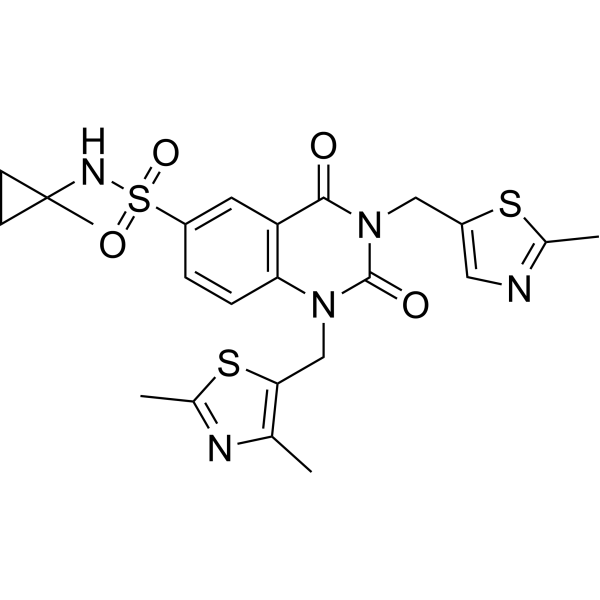
PDD00017272 is an inhibitor of poly(ADP-ribose) glycohydrolase (PARG) (EC50=4.8 nM) and an activator of PARP1/2. PDD00017272 inhibits its activity of hydrolyzing poly(ADP-ribose) (pADPr), resulting in the accumulation of pADPr on chromatin, interfering with DNA damage repair and replication processes, and inducing PARP1/2-dependent cytotoxicity. PDD00017272 can be used in cancer models with DNA repair defects (such as BRCA mutations) or resistance to PARP inhibitors. PDD00017272 has a PARG expression level-correlated inhibitory potency with EC50 of 9.2 nM (PARG cells), the tumor cells with lower PARG expression are more sensitive .
|
-
- HY-155038
-
|
|
PARP
CDK
|
Cancer
|
|
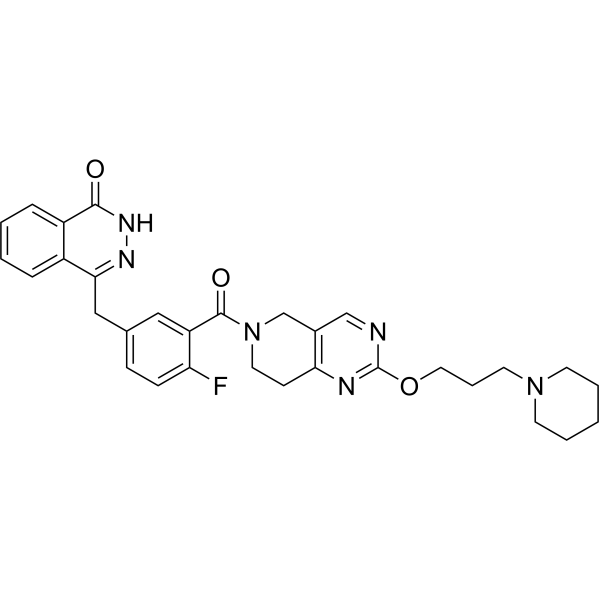
Antitumor agent-104 (Compound 9) is an antitumor agent by inhibiting DNA damage repair in tumors. Antitumor agent-104 inhibits PARP1 enzymatic activity and the PAR protein level. Antitumor agent-104 also inhibits the expression of CDK12 .
|
-
- HY-113352
-
|
|
Endogenous Metabolite
PARP
|
Cancer
|
|
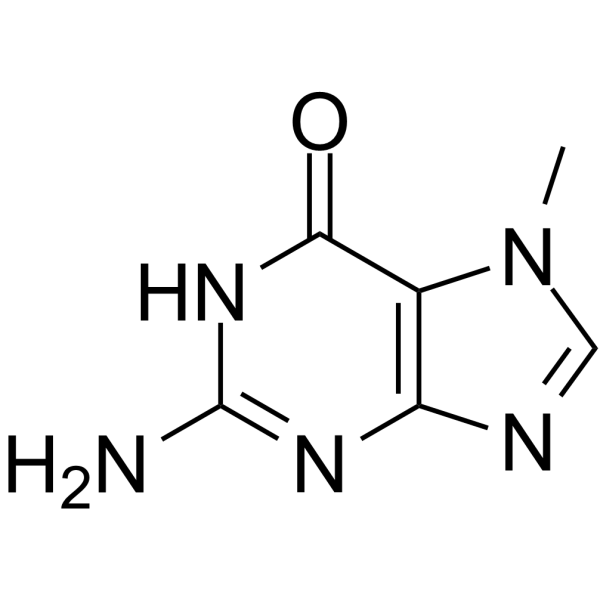
7-Methylguanine is an orally active and competitive PARP-1 inhibitor with a Ki value of 61 μM. 7-Methylguanine is a metabolite of nucleic acids. 7-Methylguanine has anticancer activity against uterine sarcoma and colon adenocarcinoma. 7-Methylguanine is used as a probe for protein-DNA interactions .
|
-
- HY-10885
-
|
ABT-472
|
PARP
|
Cancer
|
|
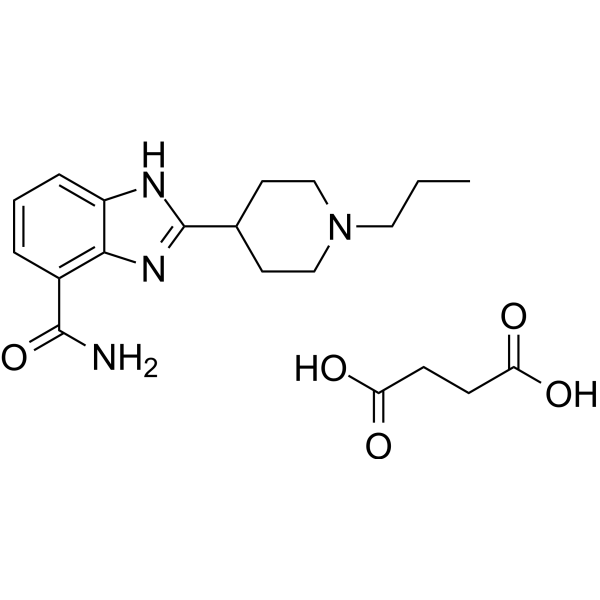
A-620223 succinate (ABT-472) is an orally available poly(ADP-ribose) polymerase (PARP) inhibitor. A-620223 succinate (ABT-472) exhibits very good potency against the PARP-1 enzyme with a Ki value of 8 nM and an EC50 value of 3 nM in whole cell assay, making it useful in cancer research .
|
-
- HY-129599
-
|
|
PARP
NF-κB
|
Cardiovascular Disease
Neurological Disease
|
|
L-2286 is an orally active PARP-1 inhibitor. L-2286 alleviates carotid artery remodeling, oxidative stress and inflammation in spontaneously hypertensive rats, protects neurons in the dorsal hippocampus, and reduces pyramidal cell loss and gliosis without affecting blood pressure. L-2286 can be used in research related to hypertension .
|
-

- HY-130646
-
|
|
PROTACs
PARP
|
Cancer
|
|
iVeliparib-AP6 is a proteolysis-targeting chimera (PROTAC) molecule designed based on Veliparib (HY-10129), which targets PARP1/2. The DC50s of iVeliparib-AP6 for inducing the degradation of PARP1 and PARP2 are 36 nM and 63 nM, respectively, and its IC50s are 69 nM and 21 nM, respectively. iVeliparib-AP6 contains a Veliparib-based PARP inhibitor warhead linked to a CRBN E3 ligase binder; it uses Thalidomide (HY-14658) as a ligand to recruit CRBN E3 ubiquitin ligase and exerts the PARP2 degradation mechanism .
|
-

- HY-16106A
-
|
(8R,9S)-BMN-673; (8R,9S)-LT-673
|
PARP
|
Cancer
|
|
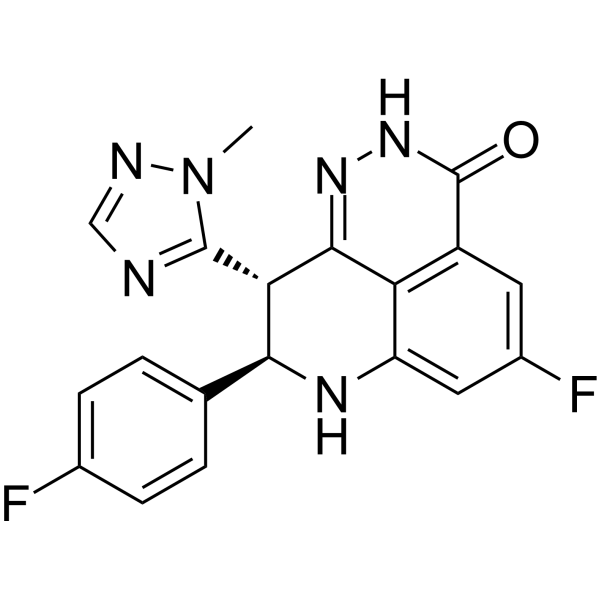
(8R,9S)-Talazoparib ((8R,9S)-BMN-673) is an enantiomer of Talazoparib. (8R,9S)-Talazoparib is an PARP1 inhibitor, with an IC50 of 144 nM .
|
-
- HY-163461
-
|
|
PARP
|
Cancer
|
|
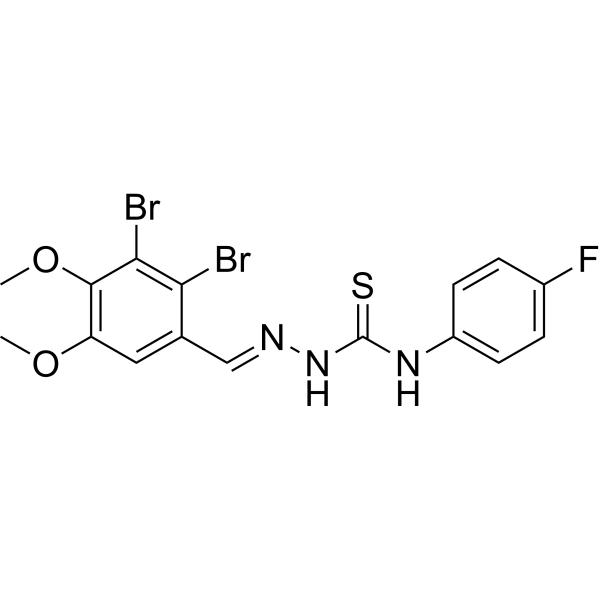
4F-DDC is a novel PARP1 inhibitor with an IC50 value of 82 nM. 4F-DDC induces DNA damage and activates the cGAS–STING pathway. 4F-DDC inhibits the growth of HCC-1937-derived tumor xenografts .
|
-
- HY-10130R
-
|
ABT-888 dihydrochloride (Standard)
|
PARP
Reference Standards
Autophagy
|
Cancer
|
|
Veliparib (dihydrochloride) (Standard) is the analytical standard of Veliparib (dihydrochloride) (HY-10130). This product is intended for research and analytical applications. Veliparib (dihydrochloride) is a potent inhibitor of PARP1 and PARP2 with Kis of 5.2 nM and 2.9 nM in cell-free assays, respectively.
|
-

- HY-10619B
-
|
MK-4827 tosylate
|
PARP
Apoptosis
|
Cancer
|
|
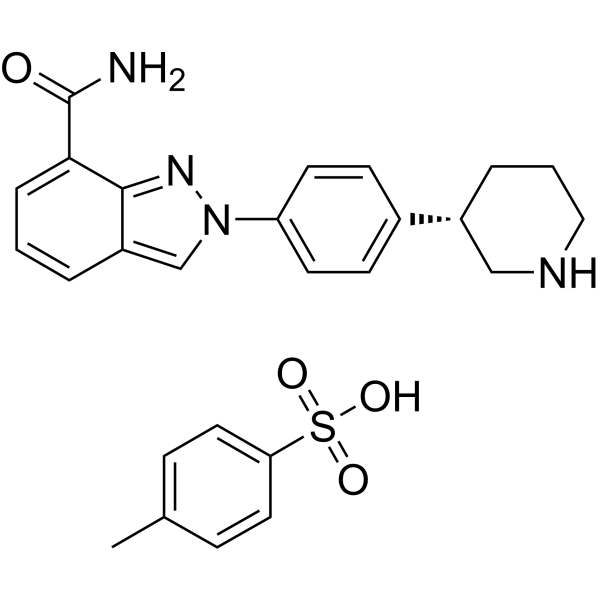
Niraparib tosylate (MK-4827 tosylate) is a highly potent and orally bioavailable PARP1 and PARP2 inhibitor with an IC50 of 3.8 and 2.1 nM, respectively. Niraparib tosylate leads to inhibition of repair of DNA damage, activates apoptosis and shows anti-tumor activity .
|
-
- HY-113432S2
-
|
2PY-13C,d3
|
Isotope-Labeled Compounds
Endogenous Metabolite
PARP
|
Metabolic Disease
|
|
Nudifloramide- 13C,d3 (2PY- 13C,d3) is the 13C- and deuterium labeled Nudifloramide (HY-113432). Nudifloramide (2PY) is one of the end products of nicotinamide-adenine dinucleotide (NAD) degradation. Nudifloramide significantly inhibits poly(ADP-ribose) polymerase (PARP-1) activity in vitro .
|
-

- HY-10619E
-
|
MK-4827 tosylate hydrate
|
PARP
Apoptosis
|
Cancer
|
|
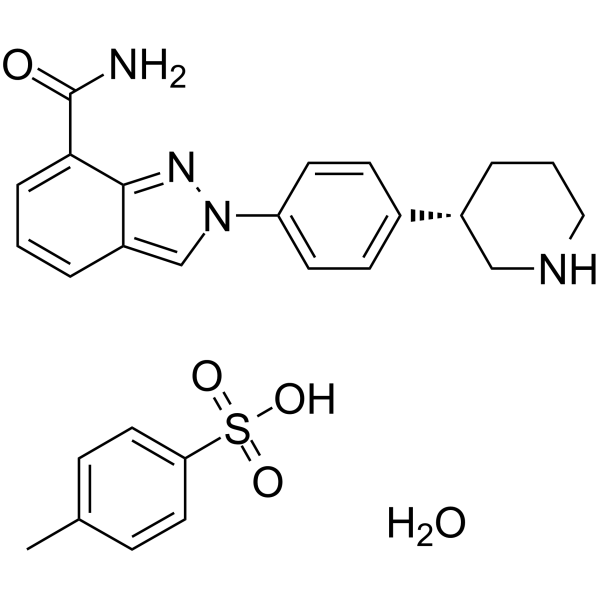
Niraparib (MK-4827) tosylate hydrate is a highly potent and orally bioavailable PARP1 and PARP2 inhibitor with IC50s of 3.8 and 2.1 nM, respectively. Niraparib tosylate hydrate leads to inhibition of repair of DNA damage, activates apoptosis and shows anti-tumor activity .
|
-
- HY-10619
-
|
MK-4827
|
PARP
Apoptosis
|
Cancer
|
|
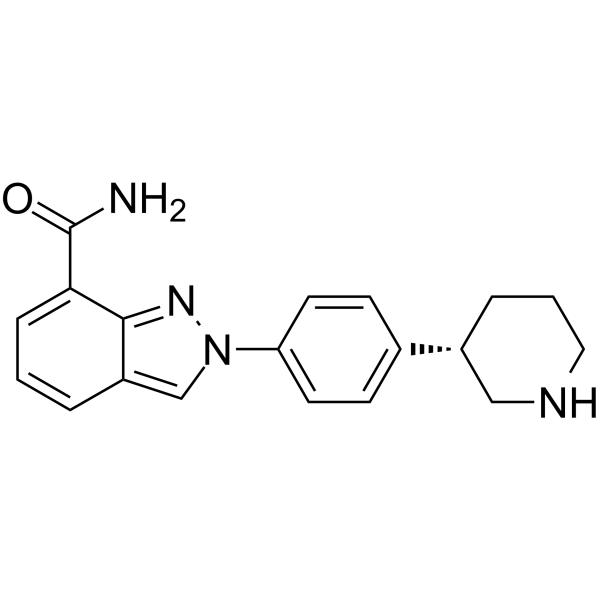
Niraparib (MK-4827) is a highly potent and orally bioavailable PARP1 and PARP2 inhibitor with IC50s of 3.8 and 2.1 nM, respectively. Niraparib leads to inhibition of repair of DNA damage, activates apoptosis and shows anti-tumor activity .
|
-
- HY-10619A
-
|
MK-4827 hydrochloride
|
PARP
Apoptosis
|
Cancer
|
|
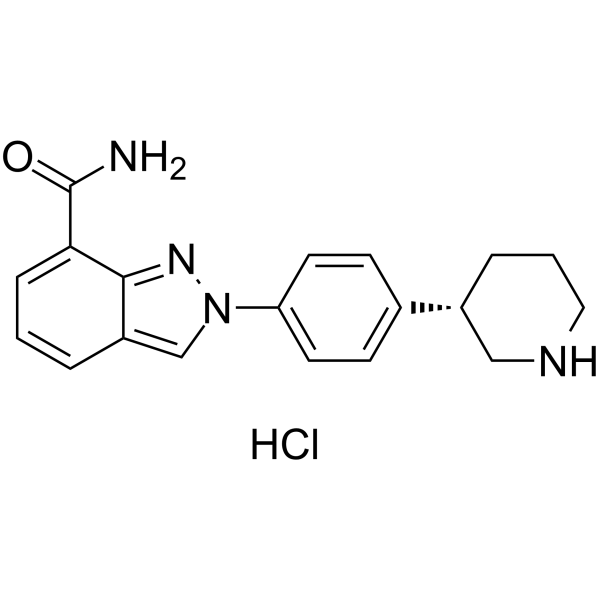
Niraparib hydrochloride (MK-4827 hydrochloride) is a highly potent and orally bioavailable PARP1 and PARP2 inhibitor with IC50s of 3.8 and 2.1 nM, respectively. Niraparib hydrochloride leads to inhibition of repair of DNA damage, activates apoptosis and shows anti-tumor activity .
|
-
- HY-117889
-
|
|
PARP
Apoptosis
|
Cancer
|
|
PARP14 inhibitor H10, compound H 10, is a selective inhibitor against PARP14 (IC50=490 nM), over other PARPs (≈24 fold over PARP1). PARP14 inhibitor H10 induces caspase-3/7-mediated cell apoptosis .
|
-
- HY-158138
-
|
|
PARP
Topoisomerase
Apoptosis
|
Cancer
|
|
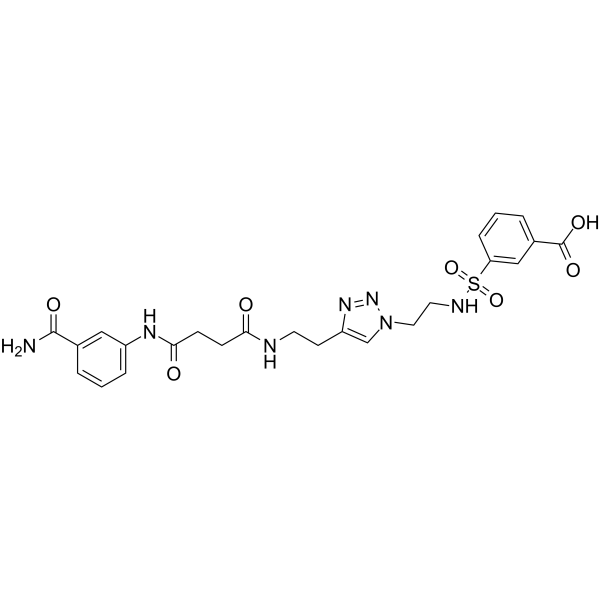
TOPOI/PARP-1-IN-1 (Compound B6) is an orally active, low cytotoxic TOPOI/PARP dual inhibitor with an IC50 value of 0.09 μM for PARP1. TOPOI/PARP-1-IN-1 can effectively inhibit the proliferation and migration of cancer cells. TOPOI/PARP-1-IN-1 also causes cell cycle arrest in the G0/G1 phase and induces apoptosis. The tumor growth inhibition rate (TGI) of TOPOI/PARP-1-IN-1 in mice is 75.4% .
|
-
- HY-148710
-
|
|
PARP
|
Inflammation/Immunology
|
|
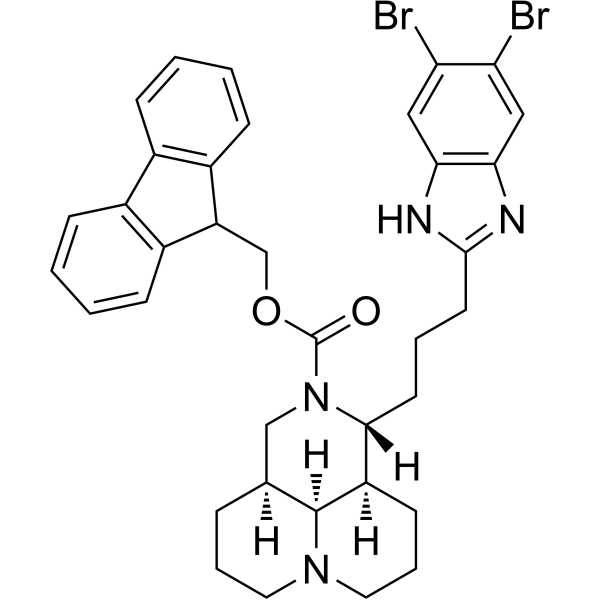
ARTD10/PARP10-IN-2 (compound 19) is a potent and non-selective PARP inhibitor, targeting to mono-ADP-ribosyltransferases ARTD10/PARP10 and poly(ADP-ribose) polymerase-1 ARTD1/PARP1 with IC50s of 2.0 μM, and 9.7 μM, respectively .
|
-
- HY-119992
-
|
|
PARP
|
Cancer
|
|
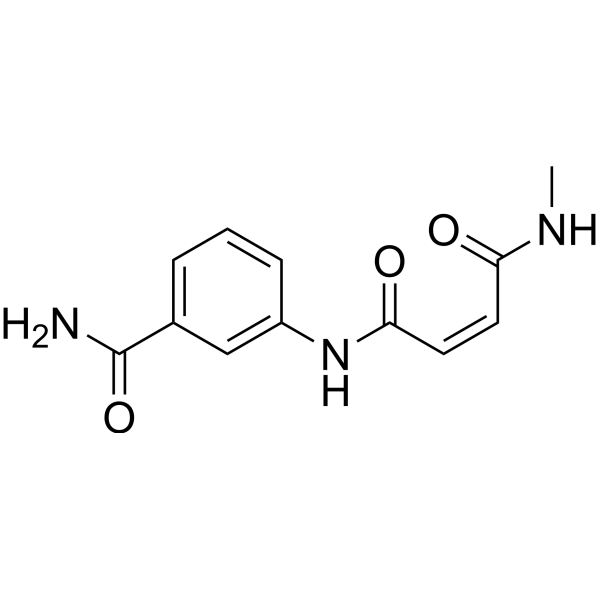
CEP-6800 is an inhibitor of PARP-1 with chemopotentiating ability. CEP-6800 attenuates irinotecan (HY-16562)- and Temozolomide (HY-17364)-induced poly(ADP-ribose) accumulation in LoVo as well as HT29 xenografts. CEP-6800 can suppress Calu-6 tumor growth. CEP-6800 can be studied in anti-cancer research .
|
-

- HY-10162R
-
|
AZD2281 (Standard); KU0059436 (Standard)
|
Reference Standards
PARP
Autophagy
Mitophagy
|
Cancer
|
|
Olaparib (Standard) is the analytical standard of Olaparib. This product is intended for research and analytical applications. Olaparib (AZD2281; KU0059436) is a potent and orally active PARP inhibitor with IC50s of 5 and 1 nM for PARP1 and PARP2, respectively. Olaparib is an autophagy and mitophagy activator .
|
-

- HY-10162
-
Olaparib
Maximum Cited Publications
347 Publications Verification
AZD2281; KU0059436
|
PARP
Autophagy
Mitophagy
|
Cancer
|
|
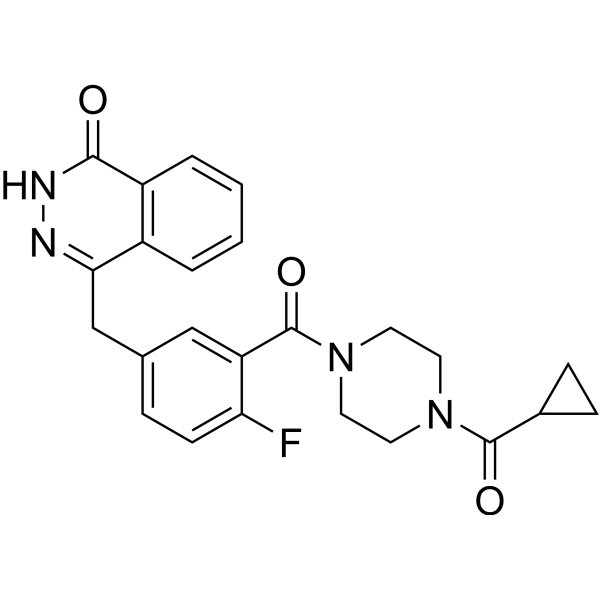
Olaparib (AZD2281; KU0059436) is a potent and orally active PARP inhibitor with IC50s of 5 and 1 nM for PARP1 and PARP2, respectively. Olaparib is an autophagy and mitophagy activator. Olaparib cannot cross the intact blood-brain barrier (BBB) .
|
-
- HY-104044
-
|
BGB-290
|
PARP
|
Cancer
|
|
Pamiparib (BGB-290) is an orally active, potent, highly selective PARP inhibitor, with IC50 values of 0.9 nM and 0.5 nM for PARP1 and PARP2, respectively. Pamiparib has potent PARP trapping, and capability to penetrate the brain, and can be used for the research of various cancers including the solid tumor .
|
-
- HY-10162S
-
|
AZD2281-d5; KU0059436-d5
|
Isotope-Labeled Compounds
PARP
Autophagy
Mitophagy
|
Cancer
|
|
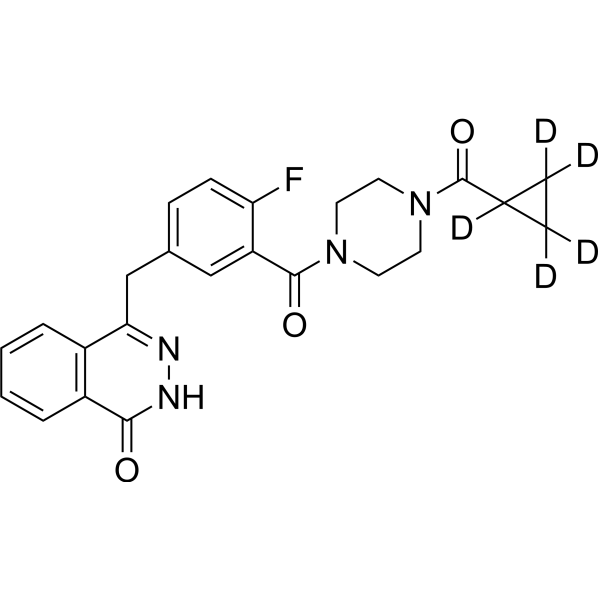
Olaparib-d5 (AZD2281-d5) is the deuterium labeled Olaparib (HY-10162). Olaparib is a potent and orally active PARP inhibitor with IC50s of 5 and 1 nM for PARP1 and PARP2, respectively. Olaparib is an autophagy and mitophagy activator .
|
-
- HY-10162S1
-
|
AZD2281-d8; KU0059436-d8
|
Isotope-Labeled Compounds
PARP
Autophagy
Mitophagy
|
Cancer
|
|
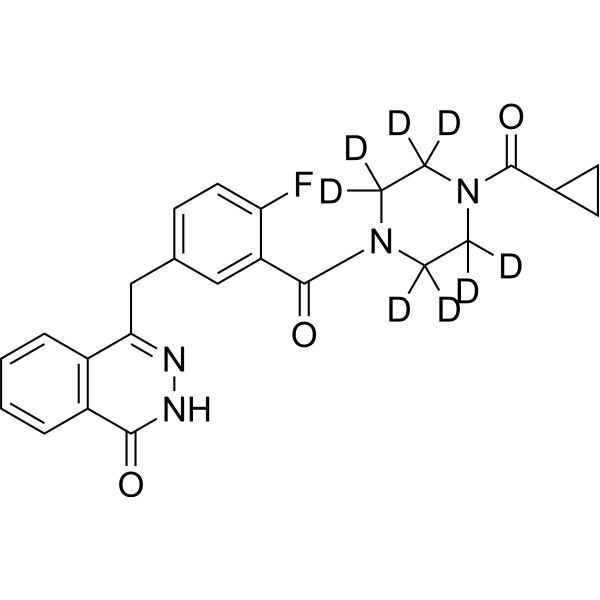
Olaparib-d8 (AZD2281-d8) is the deuterium labeled Olaparib (HY-10162). Olaparib is a potent and orally active PARP inhibitor with IC50s of 5 and 1 nM for PARP1 and PARP2, respectively. Olaparib is an autophagy and mitophagy activator .
|
-
- HY-161868
-
|
|
PARP
HDAC
Apoptosis
|
Cancer
|
|
DLC-50 is a dual inhibitor for PARP-1 and HDAC-1 with IC50 of 1.2 nM and 31 nM. DLC-50 inhibits the proliferation of cancer cells MDA-MB-436, MDA-MB-231, and MCF-7 with IC50 of 0.3, 2.7 and 2.41 μM. DLC-50 induces apoptosis in MDA-MB-231, arrests the cell cycle at G2 phase .
|
-

- HY-163983
-
|
|
Microtubule/Tubulin
Apoptosis
PARP
Caspase
|
Cancer
|
|
Tubulin polymerization-IN-68 (compound 32) is a tubulin inhibitor that can inhibit tubulin polymerization and destroy the cellular microtubule network. Tubulin polymerization-IN-68 can upregulate the expression of PARP-1 and caspase-3 and induce cell apoptosis, and has anticancer activity. Tubulin polymerization-IN-68 can effectively inhibit HepG2 (IC50=93 nM) and significantly inhibit the growth of HepG2 xenograft tumors in nude mice by oral administration .
|
-

- HY-169509
-
|
|
PARP
Necroptosis
Topoisomerase
RIP kinase
Mixed Lineage Kinase
|
Cancer
|
|
Topoisomerase I/II Inhibitor 8 (Compound Ru7) is a dual catalytic inhibitor of Topoisomerase I/II, capable of inducing DNA damage and PARP-1 activation, which subsequently leads to the activation of RIPK1, RIPK3, and MLKL, ultimately triggering necroptosis. Topoisomerase I/II Inhibitor 8 demonstrates remarkable anticancer activity by effectively targeting the nuclei of cancer cells and inducing cell death through necroptosis, showing great clinical potential in circumventing drug resistance in cancer treatment .
|
-

- HY-137457
-
|
IDX-1197
|
PARP
|
Cancer
|
|
Venadaparib (IDX-1197) is a potent, selective and orally active PARP inhibitor with IC50s of 1.4 nM and 1.0 nM for PARP1 and PARP2, respectively. Venadaparib does not sensitive to PARP-5. Venadaparib prevents the repair of DNA single-strand breaks (SSB) and can be used for solid tumors research .
|
-
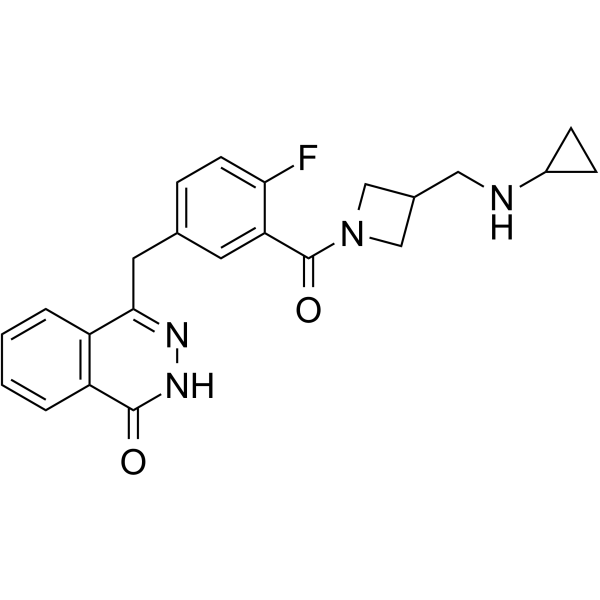
- HY-10162S3
-
|
AZD2281-d4-1; KU0059436-d4-1
|
Isotope-Labeled Compounds
PARP
Autophagy
Mitophagy
|
Cancer
|
|
Olaparib-d4-1 (AZD2281-d4-1) is the deuterium labeled Olaparib (HY-10162). Olaparib is a potent and orally active PARP inhibitor with IC50s of 5 and 1 nM for PARP1 and PARP2, respectively. Olaparib is an autophagy and mitophagy activator .
|
-
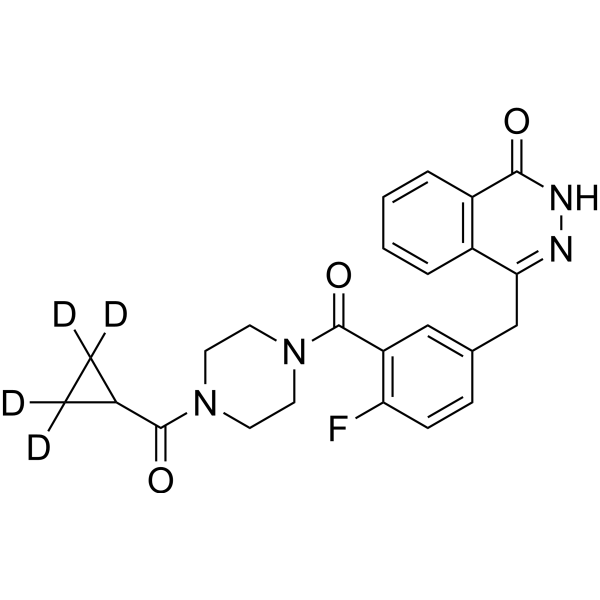
- HY-126248
-
|
|
PARP
Wnt
|
Cancer
|
|
Tankyrase-IN-2 (compound 5k) is a potent, selective, and orally active tankyrase inhibitor (IC50s of 10, 7, and 710 nM for TNKS1, TNKS2 as well as PARP1, respectively). Tankyrase-IN-2 has favorable physicochemical profile and pharmacokinetic properties modulating Wnt pathway activity in a colorectal xenograft model .
|
-
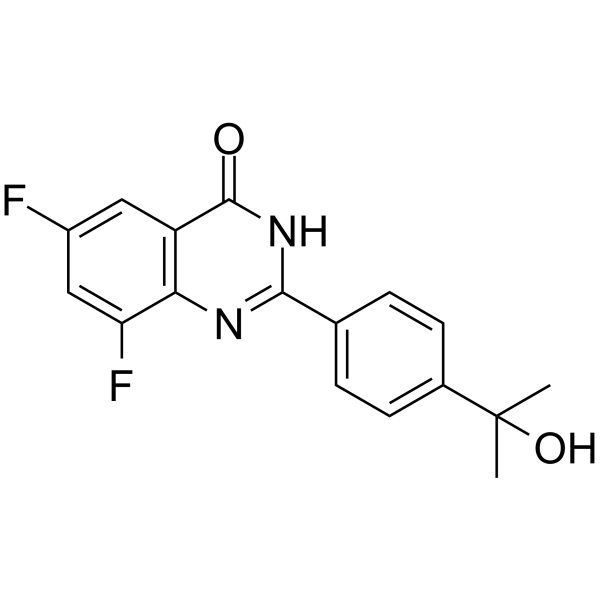
- HY-12975
-
AZ6102
3 Publications Verification
|
PARP
|
Cancer
|
|
AZ6102 is a potent dual TNKS1 and TNKS2 inhibitor, with IC50s of 3 nM and 1 nM, respectively, and alao has 100-fold selectivity against other PARP family enzymes, with IC50s of 2.0 μM, 0.5 μM, and >3 μM, for PARP1, PARP2, and PARP6, respectively.
|
-
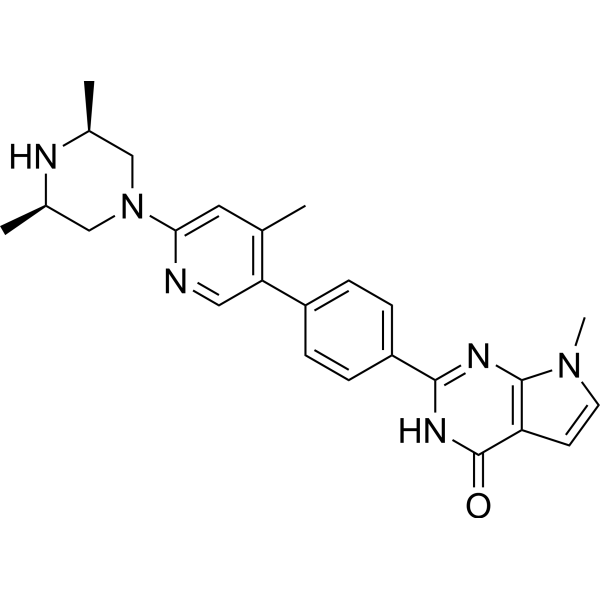
- HY-181068
-
|
|
PARP
Apoptosis
Microtubule/Tubulin
|
Cancer
|
|
2'-Nitroflavone is a PARP1 inhibitor. 2'-Nitroflavone inhibits the proliferation, induces cell cycle arrest and apoptosis of triple-negative breast cancer cells. 2'-Nitroflavone also inhibits the migration of triple-negative breast cancer cells and endothelial cells. 2'-Nitroflavone exhibits antitumor activity and can be used in the research of tumors such as triple-negative breast cancer .
|
-

- HY-181723
-
|
|
PARP
Bcl-2 Family
Apoptosis
|
Cancer
|
|
Anticancer agent 304 is an anticancer agent. Anticancer agent 304 binds to CDC45 with a Kd value of 83.0 μM. Anticancer agent 304 arrests the cell cycle of liver cancer cells at the G2/M phase, induces Apoptosis by upregulating C-PARP-1 and downregulating PARP-1 and BCL-2, and inhibits the migration, invasion and proliferation of liver cancer cells. Anticancer agent 304 suppresses tumor growth in animal models of hepatocellular carcinoma. Anticancer agent 304 is applicable to research related to liver cancer .
|
-

- HY-15048
-
|
|
PARP
|
Inflammation/Immunology
|
|
GPI 15427 is a potent inhibitor of the enzyme poly (ADP-ribose) polymerase-1 (PARP-1), which plays a harmful role during inflammation. In a rat model of gut injury and inflammation, including splanchnic artery occlusion (SAO) shock and dinitrobenzene sulfonic acid (DNBS)-induced colitis, GPI 15427 demonstrates strong anti-inflammatory effects that reduces inflammatory cell infiltration, histological injury. GPI 15427 also diminishes the accumulation of poly (ADP-ribose) in the ileum and colon of treated rats .
|
-

- HY-123851
-
|
M2912
|
PARP
|
Cancer
|
|
MSC2504877 (M2912) is a potent and orally active tankyrase inhibitor with IC50s of 0.0007, 0.0008, 0.54 µM for TNKS, TNKS2, PARP1, respectively. MSC2504877 increases the expression of AXIN2 and TNKS protein levels and decreases β-catenin levels. MSC2504877 shows anti-tumor activity .
|
-
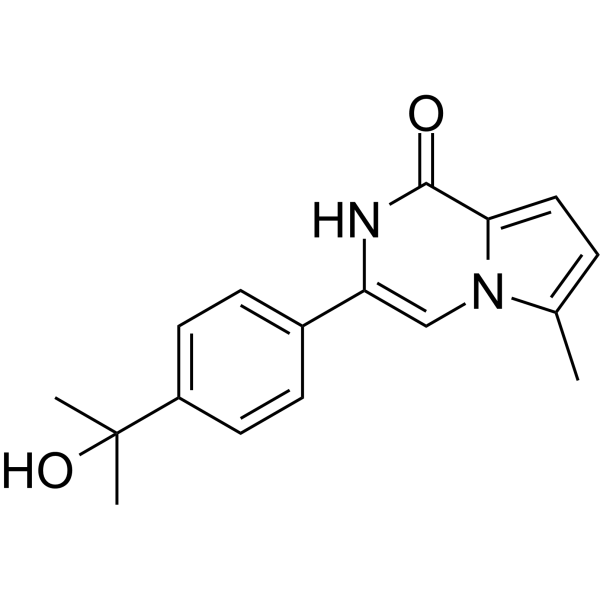
- HY-10619R
-
|
MK-4827 (Standard)
|
Reference Standards
PARP
Apoptosis
|
Cancer
|
|
Niraparib (Standard) is the analytical standard of Niraparib. This product is intended for research and analytical applications. Niraparib (MK-4827) is a highly potent and orally bioavailable PARP1 and PARP2 inhibitor with IC50s of 3.8 and 2.1 nM, respectively. Niraparib leads to inhibition of repair of DNA damage, activates apoptosis and shows anti-tumor activity .
|
-

- HY-185459
-
|
|
PARP
Epigenetic Reader Domain
|
Cancer
|
|
PCIP-1 is a PARP2 inhibitor. PCIP-1 recruits BET proteins to PARP2 to inhibit DNA repair, acts via event-driven pharmacology, and does not inhibit PARP-catalyzed PARylation. PCIP-1 inhibits DNA repair, thereby inducing synthetic lethality in homologous recombination-deficient cancer cells and increasing the sensitivity of PARP1-knockout cells. PCIP-1 can be used in the research of homologous recombination-deficient cancers, T-cell acute lymphoblastic leukemia, and BRCA-mutant cancers .
|
-

- HY-170942
-
|
|
CDK
PARP
|
Cancer
|
|
CDK9/PARP-IN-1 (compound 37) is a CDK9/PARP inhibitor. CDK9/PARP-IN-1 inhibits CDK9 and PARP1 with IC50s of 118 and 107 nM, respectively. CDK9/PARP-IN-1 exhibits broad-spectrum antiproliferative effects across multiple cancer cell lines .
|
-

- HY-13990G
-
|
TNKS656
|
PPAR
Apoptosis
|
Cancer
|
|
NVP-TNKS656 (GMP) is NVP-TNKS656 (HY-13990) produced by using GMP guidelines. GMP small molecules works appropriately as an auxiliary reagent for cell therapy manufacture. NVP-TNKS656 is a highly potent, selective, and orally active TNKS2 inhibitor with IC50 of 6 nM, and is > 300 fold selectivity against PARP1 and PARP2.
|
-

- HY-10619AR
-
|
MK-4827 hydrochloride (Standard)
|
Reference Standards
PARP
Apoptosis
|
Cancer
|
|
Niraparib hydrochloride (Standard) is the analytical standard of Niraparib hydrochloride (HY-10619A). This product is intended for research and analytical applications. Niraparib hydrochloride (MK-4827 hydrochloride) is a highly potent and orally bioavailable PARP1 and PARP2 inhibitor with IC50s of 3.8 and 2.1 nM, respectively. Niraparib hydrochloride leads to inhibition of repair of DNA damage, activates apoptosis and shows anti-tumor activity .
|
-

- HY-10619BR
-
|
MK-4827 tosylate (Standard)
|
Reference Standards
PARP
Apoptosis
|
Cancer
|
|
Niraparib Tosylate (Standard) is the analytical standard of Niraparib Tosylate (HY-10619B). This product is intended for research and analytical applications. Niraparib tosylate (MK-4827 tosylate) is a highly potent and orally bioavailable PARP1 and PARP2 inhibitor with an IC50 of 3.8 and 2.1 nM, respectively. Niraparib tosylate leads to inhibition of repair of DNA damage, activates apoptosis and shows anti-tumor activity .
|
-

- HY-115862
-
|
|
Adenosine Receptor
PARP
Aurora Kinase
|
Cardiovascular Disease
Cancer
|
|
Benzo[c][1,8]naphthyridin-6(5H)-one exhibits low micromolar affinity to human adenosine receptor (AR) A1 and hA2A, with Ki of 4.6 and 4.8 μM. Benzo[c][1,8]naphthyridin-6(5H)-one is inhibitor for poly ADP-ribose polymerase-1 (PARP-1) and aurora kinase A, with IC50 of 0.311 and 5.5 μM .
|
-
![Benzo[c][1,8]naphthyridin-6(5H)-one](//file.medchemexpress.com/product_pic/hy-115862.gif)
- HY-175257
-
|
|
PARP
Reactive Oxygen Species (ROS)
Apoptosis
NF-κB
ERK
Bcl-2 Family
TGF-β Receptor
EGFR
Cadherin
|
Cancer
|
|
Theophylline-platinum(IV) prodrug-1 is a PARP-1 inhibitor. Theophylline-platinum(IV) prodrug-1 enhances DNA
damage, ROS production, mitochondrial dysfunction, apoptosis and S-phase arrest, along with reducing invasion and metastasis in cells. Theophylline-platinum(IV) prodrug-1 exhibits superior antitumor activity in the xenograft SKOV3-BRCA1-KD tumor model. Theophylline-platinum(IV) prodrug-1 can be used for the study of ovarian cancer .
|
-

- HY-157320
-
|
|
Microtubule/Tubulin
Apoptosis
|
Cancer
|
|
Tubulin/PARP-IN-2 (compound 14) is a dual PARP-Tubulin inhibitor. Tubulin/PARP-IN-2 inhibits PARP1, PARP2, and tubulin activity with IC50 values of 74 nM, 109 nM, and 1.4 µM, respectively. Tubulin/PARP-IN-2 induces apoptosis as well as autophagy. Tubulin/PARP-IN-2 causes cell cycle arrest at the G2/M phase .
|
-
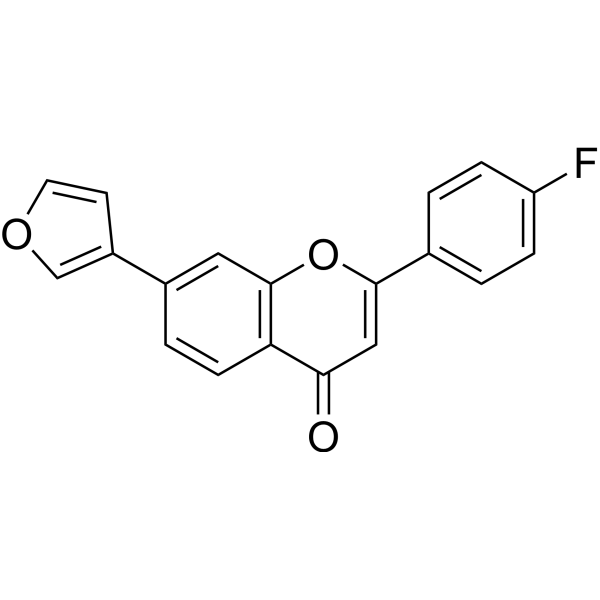
- HY-10619ER
-
|
MK-4827 tosylate hydrate (Standard)
|
Reference Standards
PARP
Apoptosis
|
Cancer
|
|
Niraparib tosylate hydrate (Standard) is the analytical standard of Niraparib tosylate hydrate (HY-10619E). This product is intended for research and analytical applications. Niraparib (MK-4827) tosylate hydrate is a highly potent and orally bioavailable PARP1 and PARP2 inhibitor with IC50s of 3.8 and 2.1 nM, respectively. Niraparib tosylate hydrate leads to inhibition of repair of DNA damage, activates apoptosis and shows anti-tumor activity .
|
-

- HY-104044R
-
|
BGB-290 (Standard)
|
Reference Standards
PARP
|
Cancer
|
|
Pamiparib (Standard) is the analytical standard of Pamiparib. This product is intended for research and analytical applications. Pamiparib (BGB-290) is an orally active, potent, highly selective PARP inhibitor, with IC50 values of 0.9 nM and 0.5 nM for PARP1 and PARP2, respectively. Pamiparib has potent PARP trapping, and capability to penetrate the brain, and can be used for the research of various cancers including the solid tumor .
|
-

- HY-157165
-
|
|
Microtubule/Tubulin
PARP
|
Cancer
|
|
Tubulin/PARP-IN-1 (compound 14) is a dual PARP-tubulin inhibitor with activity against endometrial cancer. Tubulin/PARP-IN-1 inhibits PARP and tubulin with IC50s of 74 nM (PARP1), 109 nM (PARP2), and 1.4 μM (Microtubule/Tubulin), respectively. Tubulin/PARP-IN-1 can induce apoptosis and autophagy and cause cell cycle arrest in the G2/M phase .
|
-
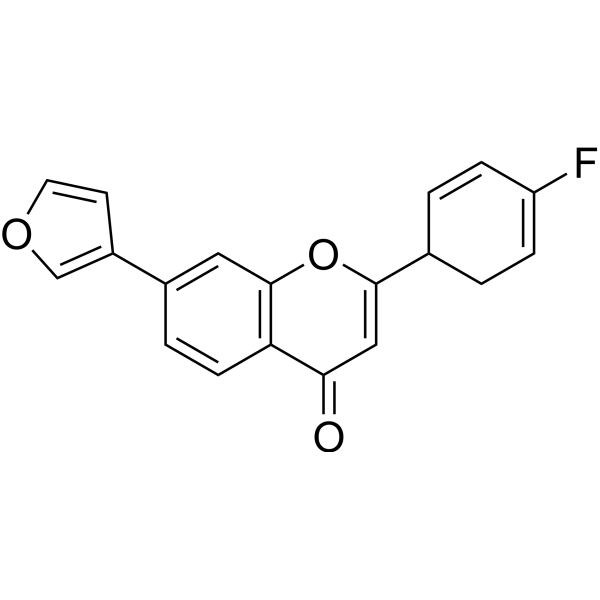
- HY-W759435
-
|
MK-4827-d5
|
Isotope-Labeled Compounds
Apoptosis
PARP
|
Cancer
|
|
Niraparib-d5 (MK-4827-d5) is the deuterium labeled Niraparib (HY-10619). Niraparib (MK-4827) is a highly potent and orally bioavailable PARP1 and PARP2 inhibitor with IC50s of 3.8 and 2.1 nM, respectively. Niraparib leads to inhibition of repair of DNA damage, activates apoptosis and shows anti-tumor activity .
|
-

- HY-148709
-
|
|
PARP
|
Inflammation/Immunology
|
|
ARTD10/PARP10-IN-1 (compound 23) is a potent and non-selective PARP inhibitor, targeting to mono-ADP-ribosyltransferases ARTD7/PARP15, ARTD8/PARP14, ARTD10/PARP10 and poly(ADP-ribose) polymerase-1 (ARTD1/PARP1) with IC50s of 1.7 μM, 1.6 μM, 0.8 μM, and 4.4 μM, respectively .
|
-
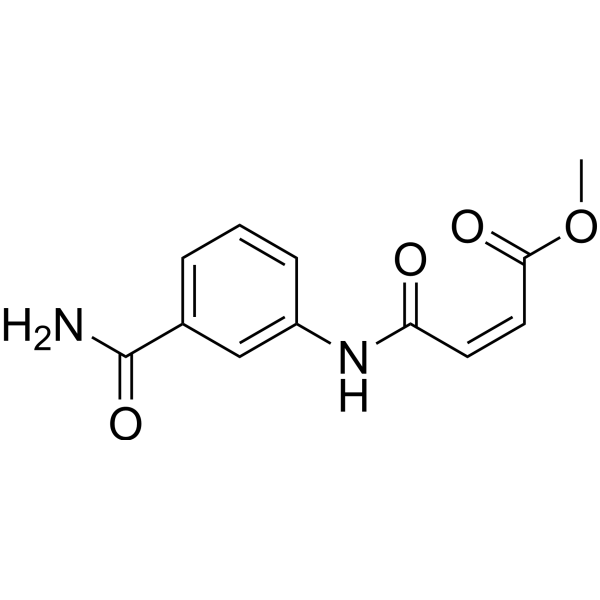
- HY-176713
-
|
|
PARP
CDK
Wnt
β-catenin
Apoptosis
|
Cancer
|
|
KWZY-11 (Compound 11) is a potent PARP/CDK6 dual inhibitor with IC50 values of 156.8, 197.3, and 13.3 nM for PARP1, PARP2, and CDK6, respectively. KWZY-11 inhibits tumor cell proliferation by regulating the Wnt/β-catenin signaling pathway. KWZY-11 induces excessive DNA damage and apoptosis in MDA-MB-231 breast cancer cells .
|
-

- HY-14687
-
|
(rac)-BMN-673; (rac)-LT-673
|
PARP
|
Cancer
|
|
(rac)-Talazoparib ((rac)-BMN-673) (Compound 47) is the orally active inhibitor for PARP1/2 with Ki of 1.2 nM and 0.87 nM. (rac)-Talazoparib inhibits cellular PARylation with an EC50 of 2.51 nM. (rac)-Talazoparib causes the accumulation of DNA damage, inhibits proliferation of BRCA1/2-mutated MX-1 cell and Capan-1 cell with IC50 of 0.3 nM and 5 nM. (rac)-Talazoparib exhibits antitumor efficacy in mouse models .
|
-

- HY-114778
-
|
SHR3162; Fuzuloparib
|
PARP
|
Cancer
|
|
Fluzoparib (SHR3162) is a potent and orally active PARP1 inhibitor (IC50=1.46±0.72 nM, a cell-free enzymatic assay) with superior antitumor activity. Fluzoparib selectively inhibits the proliferation of homologous recombination repair (HR)-deficient cells, and sensitizes both HR-deficient and HR-proficient cells to cytotoxic agents. Fluzoparib exhibits good pharmacokinetic properties in vivo and can be used for BRCA1/2-mutant relapsed ovarian cancer research .
|
-
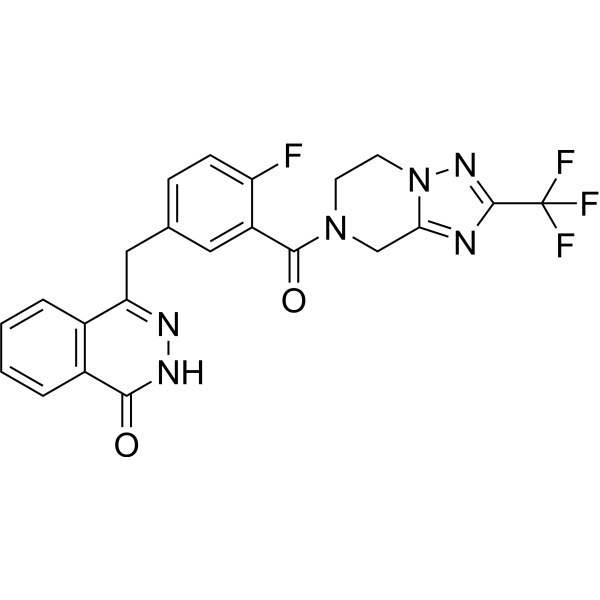
- HY-171006
-
|
|
Caspase
PARP
Pyroptosis
Interleukin Related
IFNAR
|
Infection
Inflammation/Immunology
|
|
IRF1-IN-1 (Compound I-2) is an IRF1 inhibitor. IRF1-IN-1 decreases the recruitment of IRF1 to the promoter of CASP1. IRF1-IN-1 inhibits cell death signaling pathway (i.e., cleavage of Caspase 1, GSDMD, IL-1 and PARP1). IRF1-IN-1 has a protective effect on ionizing radiation-induced inflammatory skin injury .
|
-

- HY-162349
-
|
|
HDAC
PARP
|
Cancer
|
|
PARP7/HDACs-IN-1 (compound 9l) is a dual-target inhibitor targeting PARP7/HDAC with anti-tumor activity. PARP7/HDACs-IN-1 inhibits different subtypes of PARPs and HDACs with IC50s of 83.3 nM (PARP1), 3.1 nM (PARP7), 35 nM (HDAC1), 30.3 nM (HDAC2), 35.4 nM (HDAC3), and 6.4 nM respectively. (HDAC6) . br/ .
|
-
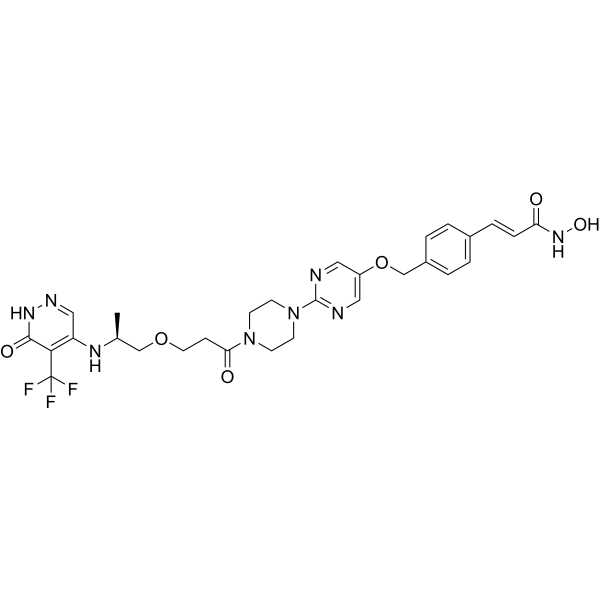
- HY-182005
-
|
|
EGFR
VEGFR
|
Cancer
|
|
EGFR/VEGFR2-IN-12 (compound 11a) is a dual EGFR/VEGFR2 inhibitor, with an IC50 value of 64 nM against human EGFR and an IC50 value of 74 nM against human VEGFR2. EGFR/VEGFR2-IN-12 inhibits the phosphorylation of EGFR and VEGFR2, induces cell cycle arrest at the G1/S phase, activates apoptotic pathways, promotes PARP-1 cleavage, exhibits low micromolar antiproliferative activity, and shows much higher selectivity for cancer cells than normal cells. EGFR/VEGFR2-IN-12 is applicable for cancer-related research .
|
-

- HY-155993
-
|
|
PARP
|
Cancer
|
|
YCH1899 is an orally active PARP inhibitor, with an IC50< 0.001 nM for PARP1/2. YCH1899 exhibits distinct antiproliferation activity against Olaparib (HY-10162)-resistant and Talazoparib (HY-16106)-resistant Capan-1 cells (Capan-1/OP and Capan-1/TP cells) , with IC50 values of 0.89 and 1.13 nM, respectively. YCH1899 has acceptable pharmacokinetic properties in rats .
|
-
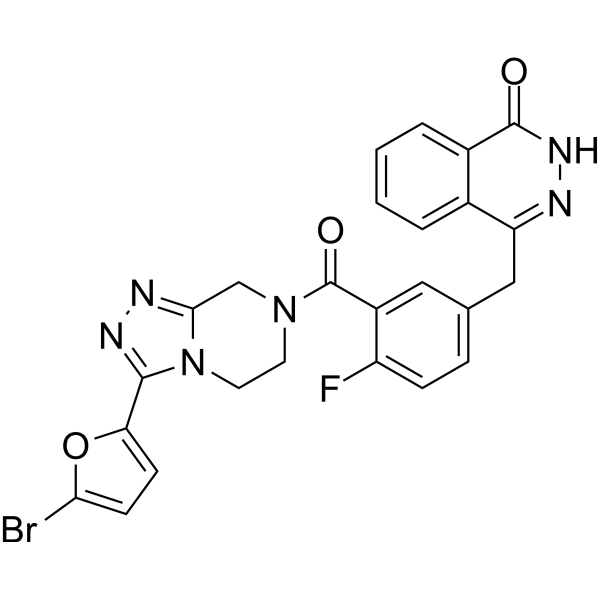
- HY-133124
-
|
|
PARP
PI3K
Apoptosis
|
Cancer
|
|
PARP/PI3K-IN-1 (compound 15) is a potent PARP/PI3K inhibitor with pIC50 values of 8.22, 8.44, 8.25, 6.54, 8.13, 6.08 for PARP-1, PARP-2, PI3Kα, PI3Kβ, PI3Kδ, and PI3Kγ, respectively. PARP/PI3K-IN-1 is a highly effective anticancer compound targeted against a wide range of oncologic diseases .
|
-
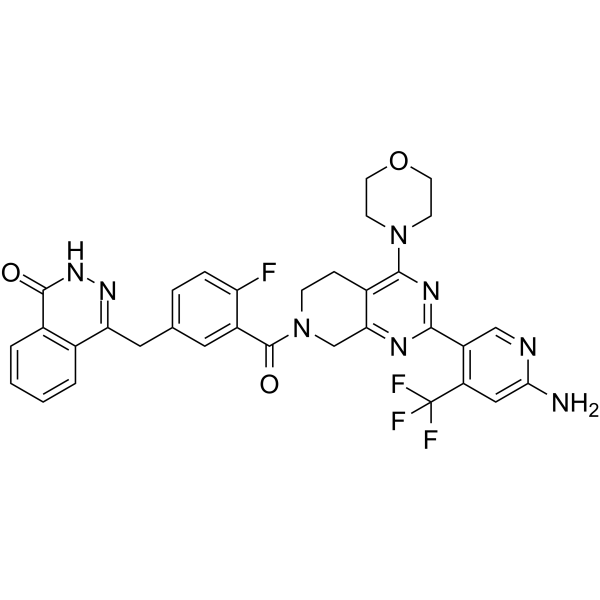
- HY-183317
-
|
|
Indoleamine 2,3-Dioxygenase (IDO)
Interleukin Related
Apoptosis
Caspase
PARP
|
Cancer
|
|
IDO1-IN-34 is a selective IDO1 inhibitor with an IC50 of 0.093 μM. IDO1-IN-34 exhibits cytotoxicity against various cancer cell lines. IDO1-IN-34 inhibits the kynurenine (kynurenine) pathway and activates IL-2. IDO1-IN-34 induces cell apoptosis via the endogenous mitochondrial pathway, while increasing the levels of cytochrome c, caspase-3, caspase-9 and PARP-1. IDO1-IN-34 can be used for research on liver cancer, lung cancer, breast cancer, prostate cancer, colon cancer and leukemia .
|
-

- HY-171007
-
-

- HY-100847
-
|
|
PARP
|
Cancer
|
|
AZ0108 is an inhibitor for poly ADP-ribose polymerase (PARP), which inhibits PARP1, PARP2, PARP3, PARP6, TNKS1, TNKS2, with IC50s of <0.03, <0.03, 2.8, 0.083, 3.2, >3 μM, respectively. AZ0108 prevents centrosome clustering with an EC50 of 0.053 μM, and exhibits cytotoxicity in cell OCI-LY-19 with GI50 of 0.017 μM. AZ0108 exhibits good in vivo pharmacokinetic characters in rat/mouse models .
|
-

- HY-N3677
-
|
|
OGT
Akt
mTOR
GSK-3
Reactive Oxygen Species (ROS)
Apoptosis
PARP
MDM-2/p53
|
Inflammation/Immunology
Cancer
|
|
Dammarenediol II is a ginsenoside precursor . Dammarenediol II reduces the activity of O-GlcNAc transferase (OGT) and downregulates the global O-GlcNAcylation level. Dammarenediol II inhibits the phosphorylation of Akt, mTOR and GSK3β. Dammarenediol II inhibits human carboxylesterase activity, VEGF-induced ROS production, stress fiber formation and vascular endothelial cadherin disruption. Dammarenediol II promotes cell apoptosis (apoptosis), increases the levels of cleaved PARP1 and p53, and inhibits retinal microvascular leakage. Dammarenediol II can be used in studies related to liver cancer and diabetic retinopathy .
|
-
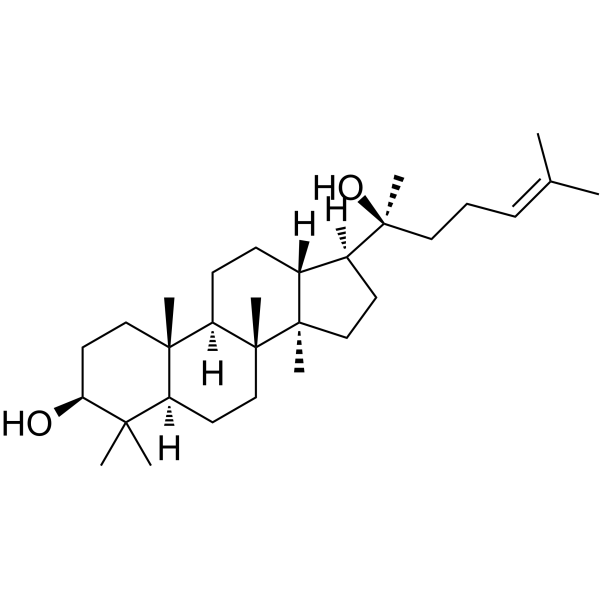
- HY-N6866
-
|
|
Apoptosis
AMPK
Akt
PERK
Keap1-Nrf2
Caspase
PARP
GSK-3
NO Synthase
Interleukin Related
|
Neurological Disease
Metabolic Disease
Inflammation/Immunology
Endocrinology
Cancer
|
|
Gomisin N is an orally active lignan compound. Gomisin N can be isolated from Schisandra chinensis. Gomisin N induces Apoptosis in a variety of cells. Gomisin N activates AMPK, Akt, MAPK/ERK, Nrf2, caspase-3 and PARP-1. Gomisin N inhibits GSK3β, nitric oxide (NO), and proinflammatory cytokines (IL-1β, IL-6, TNF-α). Gomisin N has anti-inflammatory, antioxidant, anti-obesity, anti-diabetic, and anti-melanogenesis activities. Gomisin N has anti-tumor activity against cervical cancer and liver cancer. Gomisin N improves Alzheimer's disease .
|
-
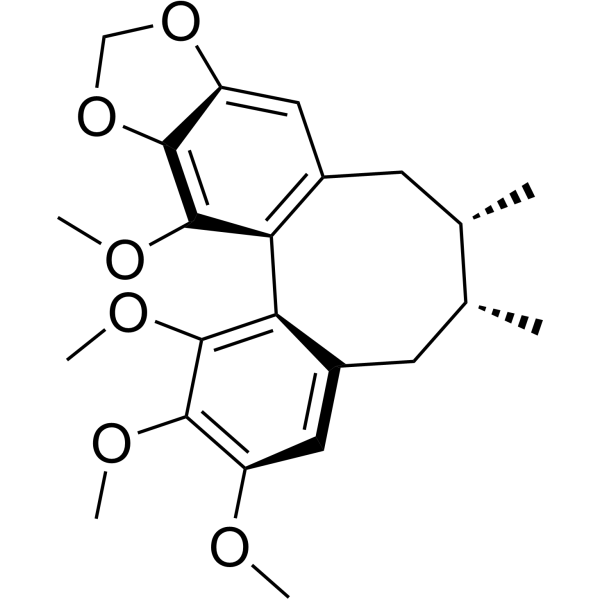
- HY-183143
-
|
|
Topoisomerase
Apoptosis
TNF Receptor
PARP
STAT
P-glycoprotein
|
Cancer
|
|
Lss-11 is a topoisomerase inhibitor. LSS-11 enhances cell death in cancer cells by inducing apoptosis through increasing the DR5 protein level and PARP1 cleavage. LSS-11 dose-dependently reduces STAT3 phosphorylation, downregulates its target genes MDR1 and MRP1, reduces P-gp protein expressionwithout affecting P-gp transport function. Lss-11 is a chemosensitizer and shows synergistic anticancer effect with Paclitaxel (HY-B0015). Lss-11 can be used for the research of paclitaxel-resistant lung cancer .
|
-

- HY-181746
-
|
|
Bcl-2 Family
Apoptosis
Caspase
PARP
|
Cancer
|
|
Bcl-2/Mcl-1-IN-5 (Compound S6) is a Bcl-2 and Mcl-1 inhibitor. Bcl-2/Mcl-1-IN-5 promotes Apoptosis, downregulates anti-apoptotic proteins Bcl-2 and Mcl-1, induces mitochondrial membrane potential depolarization, and activates the Caspase-dependent apoptotic cascade, as evidenced by Caspase-3 activation and PARP1 cleavage. Bcl-2/Mcl-1-IN-5 has anti-hepatocellular carcinoma activity .
|
-

- HY-183013
-
|
|
PROTACs
PARP
Apoptosis
|
Cancer
|
|
PROTAC PARP2 degrader-1 is an orally active PARP2 PROTAC degrader with a DC50 of 2 μM. PROTAC PARP2 degrader-1 potently inhibits the enzymatic activities of PARP1 (IC50 = 2.74 nM) and PARP2 (IC50 = 0.32 nM), with approximately 10-fold higher selectivity for PARP2. PROTAC PARP2 degrader-1 induces cell cycle arrest and apoptosis, and exhibits significant anti-tumor efficacy in mouse models. PROTAC PARP2 degrader-1 can be used for the research of triple-negative breast cancer .
|
-

- HY-180809
-
|
|
PARP
|
Cancer
|
|
YCH3292, a derivative of YCH189 (HY-155993) is a potent, selective and orally active PARP1/2 inhibitor with IC50 both <0.001 nM. YCH3292 can increase the stability of PARP-DNA complexes. YCH3292 exhibits robust antiproliferative activity. YCH3292 can induce double-strand breaks in DNA, increase the protein levels of γH2AX, P-RPA32, and P-Chk1 and induce tumor cells S or G2/M phase arrest and apoptosis. YCH3292 can inhibit tumor growth in MC38 xenograft model .
|
-

- HY-172747
-
|
|
PARP
|
Cancer
|
|
TNKS-2-IN-3 (Compound 5) is a selective competitive tankyrase 2 (TNKS2) inhibitor with an IC50 value of 0.3 nM, showing over 20-fold selectivity over TNKS1 and more than 100-fold selectivity over PARP1/2. TNKS-2-IN-3 stabilizes axin and suppresses the Wnt/β-catenin pathway by inhibiting TNKS2-mediated ADP-ribosylation, exhibiting antiproliferative activity in colorectal cancer cells. TNKS-2-IN-3 is proming for rasearch of solid tumors with aberrant Wnt pathway activation, such as colorectal cancer .
|
-

- HY-147245
-
|
STP1002
|
PARP
|
Cancer
|
|
Basroparib (STP1002) is a selective, orally active inhibitor of tankyrase (TNKS1/TNKS2) with IC50 of 29.94 nM and 3.68 nM for TNKS1 and TNKS2, respectively. Basroparib has an IC50 of >10 μM for PARP1. Basroparib binds to TNKS, stabilizes AXIN1/2 proteins, blocks Wnt/β-catenin signaling pathway, inhibits tumor cell proliferation and induces apoptosis, while reducing cancer stem cell properties. Basroparib can be used in colorectal cancer (CRC) studies with KRAS mutations (such as G12V/G12D) to overcome acquired resistance to MEK inhibitors. STP1002 has synergistic antitumor activity with MEK inhibitors .
|
-
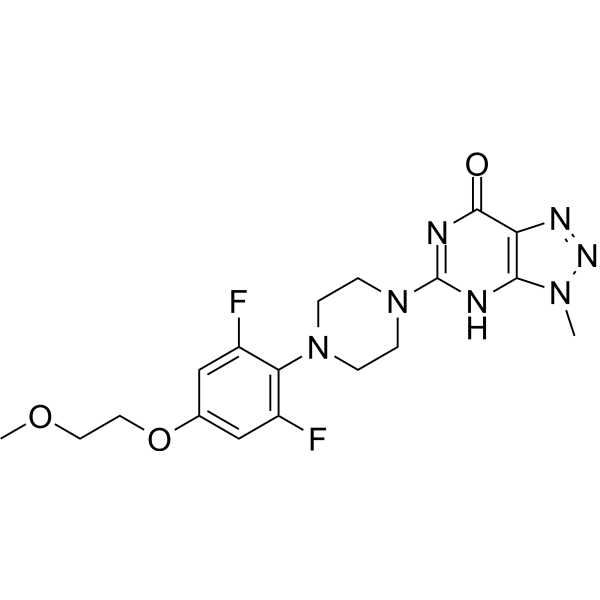
- HY-175021
-
|
|
HDAC
Carbonic Anhydrase
Microtubule/Tubulin
PARP
Apoptosis
Bcl-2 Family
Caspase
|
Cancer
|
|
HDAC-IN-91 is a multiple inhibitor of HDAC (IC50 = 134.22 nM for HDAC1, 66.29 nM for HDAC2), carbonic anhydrase (CA) (Ki = 72.03 nM for CA IX, 50.76 nM for XII), and tubulin polymerization ( IC50 = 2.56 μM). HDAC-IN-91 inhibits PARP1 and increases the Bax/Bcl-2 ratio. HDAC-IN-91 blocks the cell cycle at the G2/M phase and induces apoptosis through a mitochondrial apoptosis activation mechanism. HDAC-IN-91 can exert potent cytotoxic activity through tubulin polymerization inhibition. HDAC-IN-91 can be used in breast, colorectal, cervical and lung cancer research .
|
-

- HY-181587
-
|
|
PDGFR
Carbonic Anhydrase
STAT
Akt
ERK
Apoptosis
Caspase
|
Cancer
|
|
PDGFRA/CAIX/XII-IN-1 is an inhibitor of PDGFRA, CA IX and CA XII, with an IC50 of 20 nM against PDGFRA, a Ki of 93.3 nM against CA IX, and a Ki of 80.0 nM against CA XII. PDGFRA/CAIX/XII-IN-1 binds to the ATP-binding pocket of PDGFRA and blocks the downstream STAT3, AKT and ERK1/2 signaling pathways. PDGFRA/CAIX/XII-IN-1 induces G0/G1 cell cycle arrest and endogenous apoptosis (Apoptosis), including cleavage of PARP-1, caspase-9 and caspase-3, activation of caspase 3/7, and down-regulation of Mcl-1. PDGFRA/CAIX/XII-IN-1 exhibits antiproliferative activity in eosinophilic leukemia cells. PDGFRA/CAIX/XII-IN-1 can be used for the research of leukemia .
|
-

- HY-N1775
-
|
3,4-DHAP
|
Tyrosinase
Reactive Oxygen Species (ROS)
Keap1-Nrf2
PARP
Autophagy
Apoptosis
|
Cardiovascular Disease
Neurological Disease
Metabolic Disease
Inflammation/Immunology
Cancer
|
|
3',4'-Dihydroxyacetophenone (3,4-DHAP) is a phenolic compound with oral bioavailability, possessing potent antioxidant, anti-inflammatory, anticancer and cardiovascular protective activities. 3',4'-Dihydroxyacetophenone inhibits mushroom Tyrosinase activity with an IC50 of 10 μM, thereby suppressing melanogenesis . 3',4'-Dihydroxyacetophenone inhibits platelet aggregation in platelet-rich plasma. 3',4'-Dihydroxyacetophenone reduces ROS levels in human umbilical vein endothelial cells treated with high glucose, upregulates the expression of Nrf2, HO-1 and PARP-1 in cells, and promotes the nuclear translocation of Nrf2 . 3',4'-Dihydroxyacetophenone induces autophagy and apoptosis. 3',4'-Dihydroxyacetophenone inhibits seed germination/growth in most plants. 3',4'-Dihydroxyacetophenone can be used in the research of cancer, neurodegenerative diseases, non-alcoholic steatohepatitis, diabetes, obesity, skin pigmentation disorders, and cardiovascular and cerebrovascular diseases .
|
-
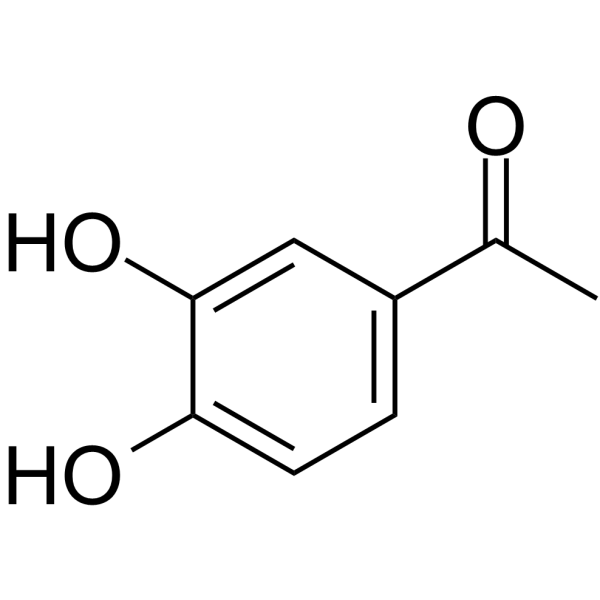
- HY-162802
-
|
|
Apoptosis
PI3K
Akt
PARP
CDK
|
Cancer
|
|
PI3K/AKT-IN-4 (compound 3) is a diterpenoid that can be isolated from the roots and rhizomes of Salvia castanea Dielsf. PI3K/AKT-IN-4 has antitumor activity, inhibiting cell viability and proliferation (IC50=4.72 μM) and promoting apoptosis by blocking the G0/G1 phase of the Hep3B cell cycle, inducing mitochondrial dysfunction and oxidative stress. In addition, PI3K/AKT-IN-4 inhibits hepatocellular carcinoma by inhibiting the PI3K-Akt signaling pathway and binding to PARP1 and CDK2 targets .
|
-

- HY-179020
-
|
|
PARP
VEGFR
DNA/RNA Synthesis
Apoptosis
Autophagy
|
Cancer
|
|
PARP/VEGFR3-IN-1 (Compound 18) is a dual PARP-VEGFR3 target inhibitor. Its IC50 values for PARP1, PARP2, and VEGFR3 are 0.0763, 0.0366, and 4.25 nM respectively. PARP/VEGFR3-IN-1 has no inhibitory effect on VEGFR1/2 and shows subtype selectivity. PARP/VEGFR3-IN-1 exhibits significant anti-proliferative activity in various cancer cells (leukemia, lung cancer, and triple-negative breast cancer). PARP/VEGFR3-IN-1 induces DNA damage and cell cycle arrest. PARP/VEGFR3-IN-1 triggers various forms of cell death by inducing apoptosis and autophagy. PARP/VEGFR3-IN-1 can be formulated into nanodelivery systems, significantly enhancing tumor targeting and therapeutic window .
|
-

- HY-N2445
-
|
|
Apoptosis
Akt
JNK
PERK
Caspase
PARP
MDM-2/p53
IAP
Reactive Oxygen Species (ROS)
SOD
FABP
Autophagy
AMPK
mTOR
GLUT
EGFR
PI3K
HSP
VEGFR
FAK
|
Cancer
|
|
Flavokawain C is an orally active natural chalcone. Flavokawain C inhibits the proliferation of various cancer cells. Flavokawain C upregulates GADD153 in cancer cells, inhibits the phosphorylation of Akt and JNK, suppresses early ERK phosphorylation, activates late ERK phosphorylation, activates caspase related subtypes, induces PARP-1 cleavage, causes upregulation of p21 and p27, downregulation of mutant p53 and anti-apoptotic IAP proteins, elevates intracellular ROS levels, reduces SOD activity, and induces apoptosis. Flavokawain C downregulates FABP4, induces autophagy in cancer cells, and activates the AMPK/mTOR pathway . Flavokawain C decreases the expression of glycolysis-related proteins GLUT1 and HK2, and inhibits glycolysis in nasopharyngeal carcinoma cells. Flavokawain C inhibits the activation of the EGFR/PI3K/Akt/mTOR signaling pathway and reduces the expression of HSP90B1. Flavokawain C inhibits angiogenesis by decreasing the expression of angiogenic proteins Ang-1 and VEGF in human umbilical vein endothelial cells. Flavokawain C increases γ-H2AX levels in cells, inhibits the phosphorylation of FAK, PI3K and AKT in cells, and induces DNA damage in cells. Flavokawain C exerts anti-tumor activity in multiple tumor xenograft mouse models. Flavokawain C is applicable to research related to colorectal cancer, colon adenocarcinoma, nephroblastoma, nasopharyngeal carcinoma and liver cancer .
|
-
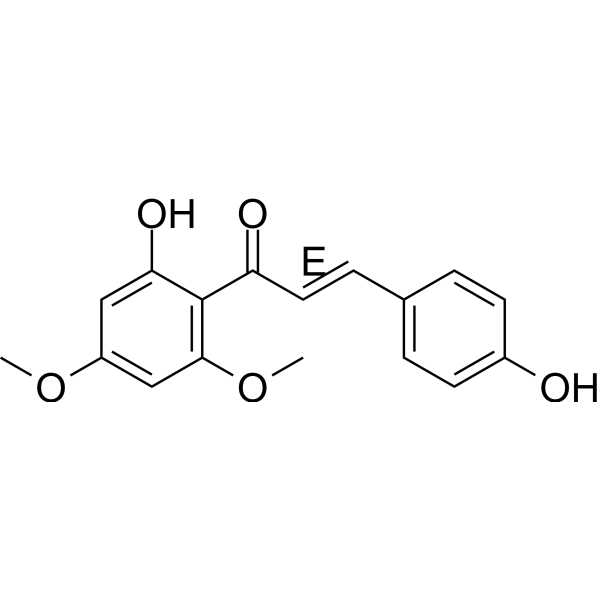
- HY-146160
-
|
|
PARP
HDAC
|
Cancer
|
|
PARP-1/HDAC-IN-1 is a PARP-1/HDAC6 dual targeting inhibitor with IC50s of 68.90 nM and 510 nM, respectively. PARP-1/HDAC-IN-1 displays remarkable anticancer, anti-migration and anti-angiogenesis activities .
|
-
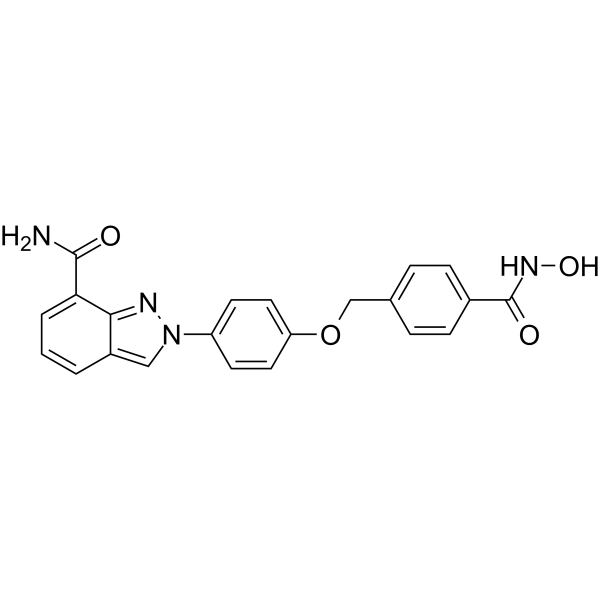
- HY-145328
-
|
|
PARP
|
Others
|
|
PARP-1/2-IN-1 is a potent PARP-1/2 inhibitor with IC50 of 0.51 nM and 23.11 nM, respectively.
|
-
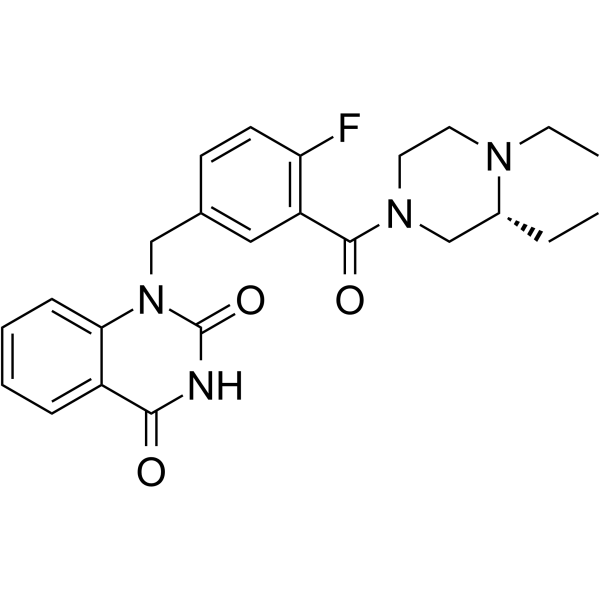
- HY-161606
-
|
|
PARP
|
Cancer
|
|
PARP-1/2/7-IN-1 (compound 86) is a potent inhibitor of PARP-1/2/7, with the IC50 of < 10 nM .
|
-

- HY-145584
-
|
JPI-547/OCN-201
|
PARP
Wnt
β-catenin
|
Neurological Disease
Cancer
|
|
Nesuparib (JPI-547) is the orally active inhibitor for PARP 1/2 and Tankyrase 1/2 that inhibits tankyrases 1, tankyrases 2, and PARP 1 with IC50s of 5, 1 and 2 nM, respectively. Nesuparib exhibits antitumor activity and can be used in research of advanced solid tumor .
|
-
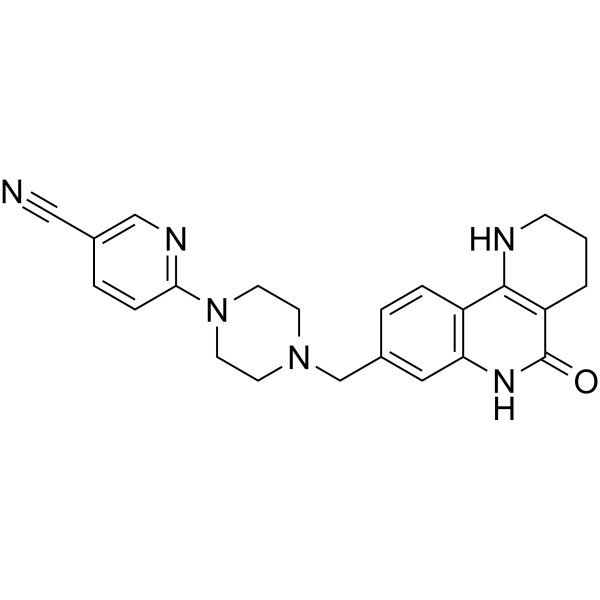
- HY-145584A
-
|
JPI-547/OCN-201 hydrochloride
|
PARP
Wnt
β-catenin
|
Cancer
|
|
Nesuparib (JPI-547) hydrochloride is the orally active inhibitor for PARP 1/2 and Tankyrase 1/2 that inhibits tankyrases 1, tankyrases 2, and PARP 1 with IC50s of 5, 1 and 2 nM, respectively. Nesuparib hydrochloride exhibits antitumor activity and can be used in research of advanced solid tumor .
|
-

- HY-15046
-
EB-47
5 Publications Verification
|
PARP
|
Cardiovascular Disease
Inflammation/Immunology
|
|
EB-47, a potent and selective PARP-1/ARTD-1 inhibitor with an IC50 value of 45 nM, shows modest potency against ARTD5 with an IC50 value of 410 nM. EB-47 mimics the substrate NAD + and extends from the nicotinamide to the adenosine subsite .
|
-
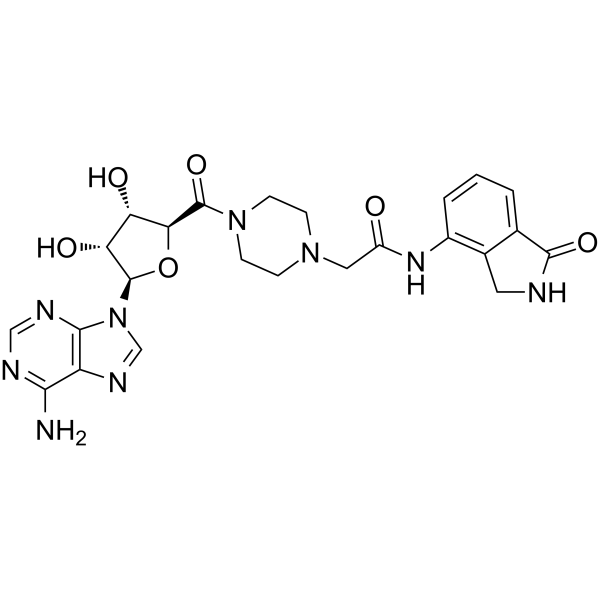
- HY-108631
-
|
|
PARP
|
Inflammation/Immunology
|
|
EB-47 dihydrochloride, a potent and selective PARP-1/ARTD-1 inhibitor with an IC50 value of 45 nM, shows modest potency against ARTD5 with an IC50 value of 410 nM. EB-47 mimics the substrate NAD +?and extends from the nicotinamide to the adenosine subsite .
|
-
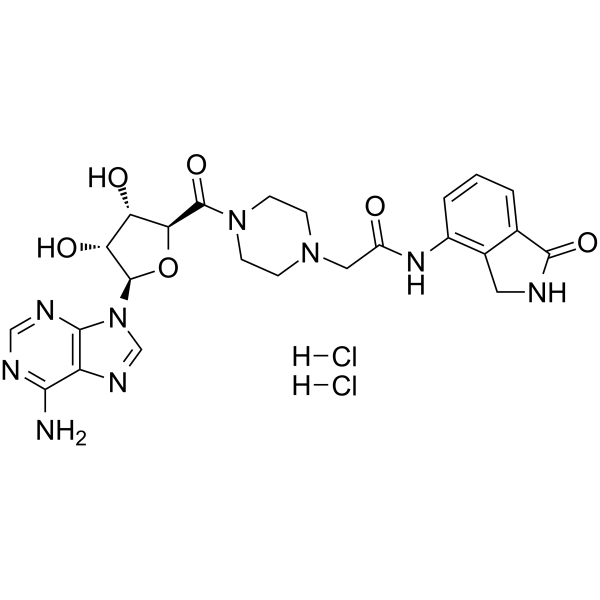
- HY-Z0283S
-
|
Benzenecarboxamide-15N; Phenylamide-15N
|
Endogenous Metabolite
PARP
|
Others
|
|
Benzamide- 15N is a 15N-labeled Benzamide. Benzamide inhibits poly(ADP-ribose) polymerase (PARP) .
|
-
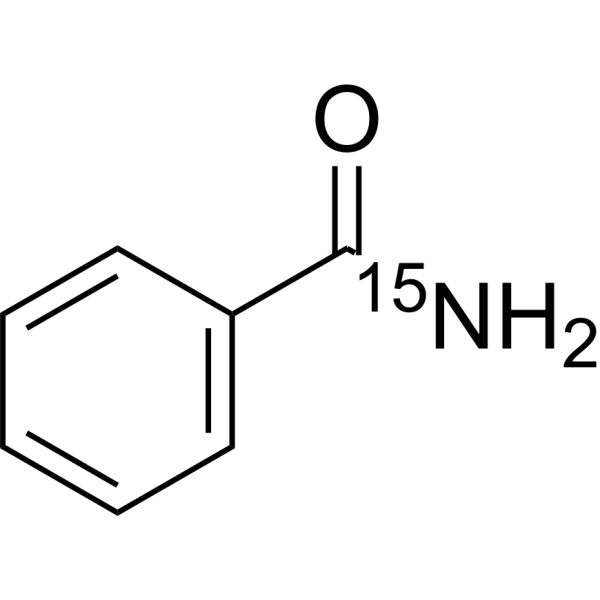
- HY-N14161
-
|
|
Thymidylate Synthase
Apoptosis
|
Cancer
|
|
Diazaquinomycin A (DAQA), a diaza-anthracene antibiotic, is a thymidylate synthase inhibitor. Diazaquinomycin A (DAQA) induces DNA damage, cell cycle arrest, and apoptosis through cleaved-PARP .
|
-

- HY-108631R
-
|
|
Reference Standards
PARP
|
Inflammation/Immunology
|
|
EB-47 dihydrochloride (Standard) is the analytical standard of EB-47 (dihydrochloride) (HY-108631). This product is intended for research and analytical applications. EB-47 dihydrochloride, a potent and selective PARP-1/ARTD-1 inhibitor with an IC50 value of 45 nM, shows modest potency against ARTD5 with an IC50 value of 410 nM. EB-47 mimics the substrate NAD+ and extends from the nicotinamide to the adenosine subsite .
|
-

- HY-156419
-
|
|
PARP
|
Cancer
|
|
PARP7-IN-16 (compound 36) is a potent, selective and orally active inhibitor of PARP-1/2/7, with IC50s of 0.94, 0.87 and 0.21 nM, respectively. PARP7-IN-16 can be used for the research of breast cancer and prostate cancer .
|
-
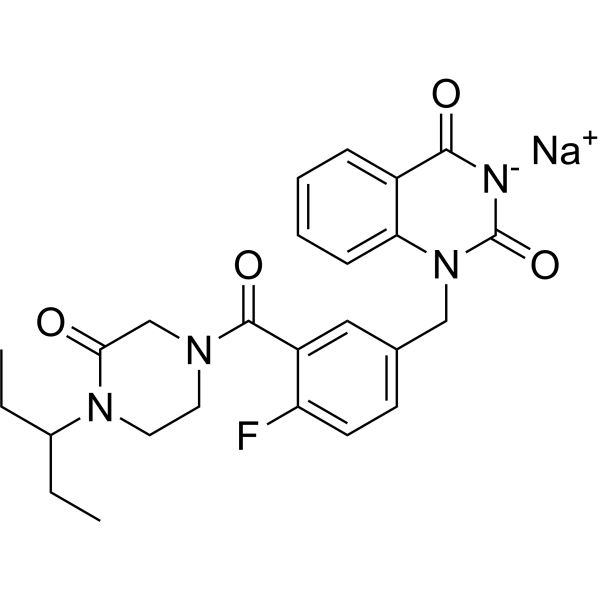
- HY-155458
-
|
|
PARP
|
Inflammation/Immunology
Cancer
|
|
HYDAMTIQ is a PARP-1/2 inhibitor (IC50: 29-38 nM) with anticancer, anti-inflammatory, and ischemic protective effects. HYDAMTIQ inhibits pulmonary PARP activity, is effective against allergen-induced cough and dyspnea, and inhibits bronchial hyperresponsiveness to methacholine. HYDAMTIQ has broad-spectrum tumor suppressor effects, including ovarian and breast cancers, prostate and pancreatic tumors, and glioblastoma multiforme. HYDAMTIQ has demonstrated in vivo efficacy in animal models of cerebral ischemia, asthma, cancer, and more .
|
-
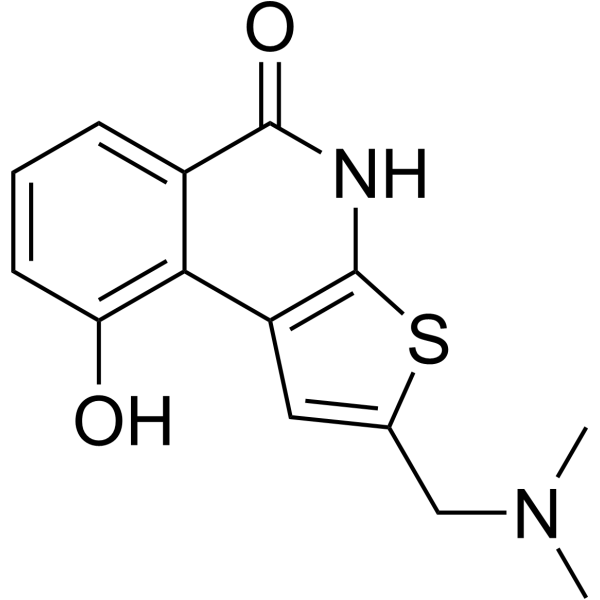
- HY-156419A
-
|
|
PARP
|
Cancer
|
|
PARP7-IN-16 free base is the free base form of PARP7-IN-16 (HY-156419). PARP7-IN-16 free base is a selective and orally active inhibitor of PARP-1/2/7, with IC50s of 0.94, 0.87 and 0.21 nM, respectively. PARP7-IN-16 can be used for the research of breast cancer and prostate cancer .
|
-

- HY-146817
-
|
|
Microtubule/Tubulin
Apoptosis
|
Cancer
|
|
Tubulin polymerization-IN-11 is a potent tubulin polymerization inhibitor with an IC50 value of 3.4 μM. Tubulin polymerization-IN-11 shows antiproliferative activity. Tubulin polymerization-IN-11 induces Apoptosis and cell cycle arrest at G2/M phase. Tubulin polymerization-IN-11 decreases the expression of cyclin B1, p-cdc2, and Bcl-2 protein levels and increases the expression of cleaved PARP .
|
-
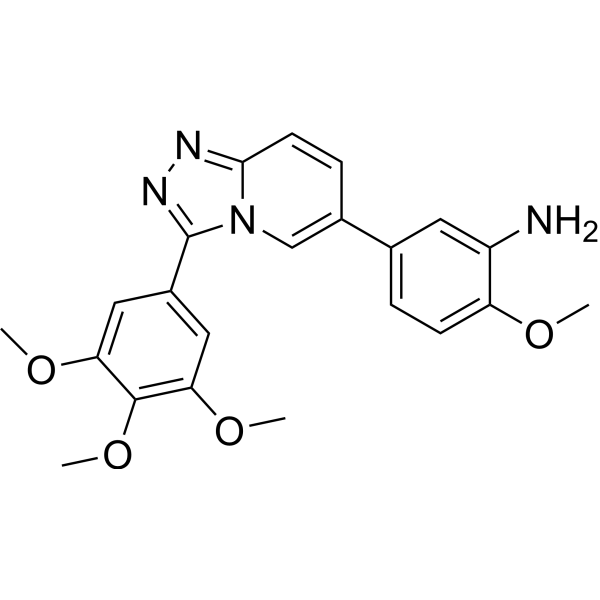
- HY-176128
-
|
|
PROTACs
Androgen Receptor
Apoptosis
PARP
Caspase
|
Cancer
|
|
BWA-6047 is an oral active PROTAC degrader targeting AR/AR-V7 and GSPT1 with DC50 values of 3.7, 3.0 and 1.2 nM in 22Rv1 cells. BWA-6047 suppresses the expression of AR downstream target genes and and transcriptional activity. BWA-6047 inhibits cancer cells proliferation, causes G1 phase cell cycle arrest and induces apoptosis. BWA-6047 increases cleaved-PARP-1 and cleaved-caspase-3 levels. BWA-6047 reduces growth of LNCaP xenograft tumors in mice models without obvious toxicity. BWA-6047 can be used for the research of prostate cancer .
|
-

| Cat. No. |
Product Name |
Type |
-
- HY-13990G
-
|
TNKS656
|
Fluorescent Dyes
|
|
NVP-TNKS656 (GMP) is NVP-TNKS656 (HY-13990) produced by using GMP guidelines. GMP small molecules works appropriately as an auxiliary reagent for cell therapy manufacture. NVP-TNKS656 is a highly potent, selective, and orally active TNKS2 inhibitor with IC50 of 6 nM, and is > 300 fold selectivity against PARP1 and PARP2.
|
| Cat. No. |
Product Name |
Type |
-
- HY-13990G
-
|
TNKS656
|
Biochemical Assay Reagents
|
|
NVP-TNKS656 (GMP) is NVP-TNKS656 (HY-13990) produced by using GMP guidelines. GMP small molecules works appropriately as an auxiliary reagent for cell therapy manufacture. NVP-TNKS656 is a highly potent, selective, and orally active TNKS2 inhibitor with IC50 of 6 nM, and is > 300 fold selectivity against PARP1 and PARP2.
|
| Cat. No. |
Product Name |
Category |
Target |
Chemical Structure |
-
- HY-113432
-
-
-
- HY-N6866
-
|
|
Neurological Disease
Classification of Application Fields
Lignans
Phenylpropanoids
Plants
Schisandraceae
Schisandra chinensis (Turcz.) Baill.
Inflammation/Immunology
Disease Research Fields
Source Classification
Cancer
|
Apoptosis
AMPK
Akt
PERK
Keap1-Nrf2
Caspase
PARP
GSK-3
NO Synthase
Interleukin Related
|
|
Gomisin N is an orally active lignan compound. Gomisin N can be isolated from Schisandra chinensis. Gomisin N induces Apoptosis in a variety of cells. Gomisin N activates AMPK, Akt, MAPK/ERK, Nrf2, caspase-3 and PARP-1. Gomisin N inhibits GSK3β, nitric oxide (NO), and proinflammatory cytokines (IL-1β, IL-6, TNF-α). Gomisin N has anti-inflammatory, antioxidant, anti-obesity, anti-diabetic, and anti-melanogenesis activities. Gomisin N has anti-tumor activity against cervical cancer and liver cancer. Gomisin N improves Alzheimer's disease .
|
-
-
- HY-113352
-
-
-
- HY-N3677
-
-
-
- HY-N1775
-
|
3,4-DHAP
|
Structural Classification
Classification of Application Fields
Pinaceae
Phenols
Polyphenols
Picea schrenkiana Fisch. et Mey.
Plants
Disease Research Fields
Source Classification
Cancer
|
Tyrosinase
Reactive Oxygen Species (ROS)
Keap1-Nrf2
PARP
Autophagy
Apoptosis
|
|
3',4'-Dihydroxyacetophenone (3,4-DHAP) is a phenolic compound with oral bioavailability, possessing potent antioxidant, anti-inflammatory, anticancer and cardiovascular protective activities. 3',4'-Dihydroxyacetophenone inhibits mushroom Tyrosinase activity with an IC50 of 10 μM, thereby suppressing melanogenesis . 3',4'-Dihydroxyacetophenone inhibits platelet aggregation in platelet-rich plasma. 3',4'-Dihydroxyacetophenone reduces ROS levels in human umbilical vein endothelial cells treated with high glucose, upregulates the expression of Nrf2, HO-1 and PARP-1 in cells, and promotes the nuclear translocation of Nrf2 . 3',4'-Dihydroxyacetophenone induces autophagy and apoptosis. 3',4'-Dihydroxyacetophenone inhibits seed germination/growth in most plants. 3',4'-Dihydroxyacetophenone can be used in the research of cancer, neurodegenerative diseases, non-alcoholic steatohepatitis, diabetes, obesity, skin pigmentation disorders, and cardiovascular and cerebrovascular diseases .
|
-
-
- HY-N2445
-
|
|
Structural Classification
Classification of Application Fields
Piperaceae
Plants
Chalcones
Flavonoids
other families
Phenols
Polyphenols
Piper methysticum G.Forst.
Disease Research Fields
Source Classification
Cancer
|
Apoptosis
Akt
JNK
PERK
Caspase
PARP
MDM-2/p53
IAP
Reactive Oxygen Species (ROS)
SOD
FABP
Autophagy
AMPK
mTOR
GLUT
EGFR
PI3K
HSP
VEGFR
FAK
|
|
Flavokawain C is an orally active natural chalcone. Flavokawain C inhibits the proliferation of various cancer cells. Flavokawain C upregulates GADD153 in cancer cells, inhibits the phosphorylation of Akt and JNK, suppresses early ERK phosphorylation, activates late ERK phosphorylation, activates caspase related subtypes, induces PARP-1 cleavage, causes upregulation of p21 and p27, downregulation of mutant p53 and anti-apoptotic IAP proteins, elevates intracellular ROS levels, reduces SOD activity, and induces apoptosis. Flavokawain C downregulates FABP4, induces autophagy in cancer cells, and activates the AMPK/mTOR pathway . Flavokawain C decreases the expression of glycolysis-related proteins GLUT1 and HK2, and inhibits glycolysis in nasopharyngeal carcinoma cells. Flavokawain C inhibits the activation of the EGFR/PI3K/Akt/mTOR signaling pathway and reduces the expression of HSP90B1. Flavokawain C inhibits angiogenesis by decreasing the expression of angiogenic proteins Ang-1 and VEGF in human umbilical vein endothelial cells. Flavokawain C increases γ-H2AX levels in cells, inhibits the phosphorylation of FAK, PI3K and AKT in cells, and induces DNA damage in cells. Flavokawain C exerts anti-tumor activity in multiple tumor xenograft mouse models. Flavokawain C is applicable to research related to colorectal cancer, colon adenocarcinoma, nephroblastoma, nasopharyngeal carcinoma and liver cancer .
|
-
-
- HY-113432R
-
-
-
- HY-N15380
-
-
-
- HY-N14161
-
-
| Cat. No. |
Product Name |
Chemical Structure |
-
- HY-10162S
-
|
|
|
Olaparib-d5 (AZD2281-d5) is the deuterium labeled Olaparib (HY-10162). Olaparib is a potent and orally active PARP inhibitor with IC50s of 5 and 1 nM for PARP1 and PARP2, respectively. Olaparib is an autophagy and mitophagy activator .
|
-
-
- HY-10162S1
-
|
|
|
Olaparib-d8 (AZD2281-d8) is the deuterium labeled Olaparib (HY-10162). Olaparib is a potent and orally active PARP inhibitor with IC50s of 5 and 1 nM for PARP1 and PARP2, respectively. Olaparib is an autophagy and mitophagy activator .
|
-
-
- HY-113432S
-
|
|
|
Nudifloramide-d3 (2PY-d3) is the deuterium labeled Nudifloramide. Nudifloramide (2PY) is one of the end products of nicotinamide-adenine dinucleotide (NAD) degradation. Nudifloramide significantly inhibits poly(ADP-ribose) polymerase (PARP-1) activity in vitro .
|
-
-
- HY-16106S
-
|
|
|
Talazoparib- 13C,d4 is 13C and deuterated labeled Talazoparib (HY-16106). Talazoparib is an orally active PARP 1/2 inhibitor with Ki values of 1.2 nM and 0.87 nM for inhibiting PARP1 and PARP2 enzymatic activities, respectively. Has anti-tumor activity.
|
-
-
- HY-16106S1
-
|
|
|
Talazoparib-d4 (BMN-673-d4) is deuterium labeled Talazoparib. Talazoparib (BMN-673) is a highly potent, orally active PARP1/2 inhibitor.Talazoparib inhibits PARP1 and PARP2 enzyme activity with Kis of 1.2 nM and 0.87 nM, respectively. Talazoparib has antitumor activity .
|
-
-
- HY-Z0283S
-
|
|
|
Benzamide- 15N is a 15N-labeled Benzamide. Benzamide inhibits poly(ADP-ribose) polymerase (PARP) .
|
-
-
- HY-10162S3
-
|
|
|
Olaparib-d4-1 (AZD2281-d4-1) is the deuterium labeled Olaparib (HY-10162). Olaparib is a potent and orally active PARP inhibitor with IC50s of 5 and 1 nM for PARP1 and PARP2, respectively. Olaparib is an autophagy and mitophagy activator .
|
-
-
- HY-10617AS
-
|
|
|
Rucaparib-d8 (AG014699-d8 ) is deuterium labeled Rucaparib. Rucaparib (AG014699) is an orally active, potent inhibitor of PARP proteins (PARP-1, PARP-2 and PARP-3) with a Ki of 1.4 nM for PARP1. Rucaparib is a modest hexose-6-phosphate dehydrogenase (H6PD) inhibitor. Rucaparib has the potential for castration-resistant prostate cancer (CRPC) research .
|
-
-
- HY-W759435
-
|
|
|
Niraparib-d5 (MK-4827-d5) is the deuterium labeled Niraparib (HY-10619). Niraparib (MK-4827) is a highly potent and orally bioavailable PARP1 and PARP2 inhibitor with IC50s of 3.8 and 2.1 nM, respectively. Niraparib leads to inhibition of repair of DNA damage, activates apoptosis and shows anti-tumor activity .
|
-
-
- HY-113432S2
-
|
|
|
Nudifloramide- 13C,d3 (2PY- 13C,d3) is the 13C- and deuterium labeled Nudifloramide (HY-113432). Nudifloramide (2PY) is one of the end products of nicotinamide-adenine dinucleotide (NAD) degradation. Nudifloramide significantly inhibits poly(ADP-ribose) polymerase (PARP-1) activity in vitro .
|
-
| Cat. No. |
Product Name |
|
Classification |
-
- HY-145749
-
|
|
|
Alkynes
|
|
PARPYnD is a PARP enzyme photoaffinity probe (AfBP) based on the triple PARP1/2/6 inhibitor AZ9482 (HY-119653), which induces breast cancer Formation of multipolar spindles (MPS) in cells. PARPYnD inhibits PAPR wih IC50 of 38 nM (PARP1), 6 nM (PARP2), 230 nM (PARP6), respectively. PARPYnD enriches recombinant PARP6 incorporated into cell lysates and inhibits PARP6 in cell-free assays, but it does not label PARP6 in intact cells .
|
| Cat. No. |
Product Name |
Target |
Research Areas |
Chemical Structure |
-
- HY-13990G
-
|
TNKS656
|
PPAR
Apoptosis
|
Cancer
|
|
NVP-TNKS656 (GMP) is NVP-TNKS656 (HY-13990) produced by using GMP guidelines. GMP small molecules works appropriately as an auxiliary reagent for cell therapy manufacture. NVP-TNKS656 is a highly potent, selective, and orally active TNKS2 inhibitor with IC50 of 6 nM, and is > 300 fold selectivity against PARP1 and PARP2.
|
-
Your information is safe with us. * Required Fields.
Inquiry Information
- Product Name:
- Cat. No.:
- Quantity:
- MCE Japan Authorized Agent:





![Benzo[c][1,8]naphthyridin-6(5H)-one](http://file.medchemexpress.com/product_pic/hy-115862.gif)





