1. Search Result
Search Result
Results for "

Seizures

" in MedChemExpress (MCE) Product Catalog:

234

Inhibitors & Agonists

1

Biochemical Assay Reagents

8

Peptides

27

Natural
Products

22

Isotope-Labeled Compounds

3

Oligonucleotides

Cat. No. Product Name Target Research Areas Chemical Structure
  • HY-N2309
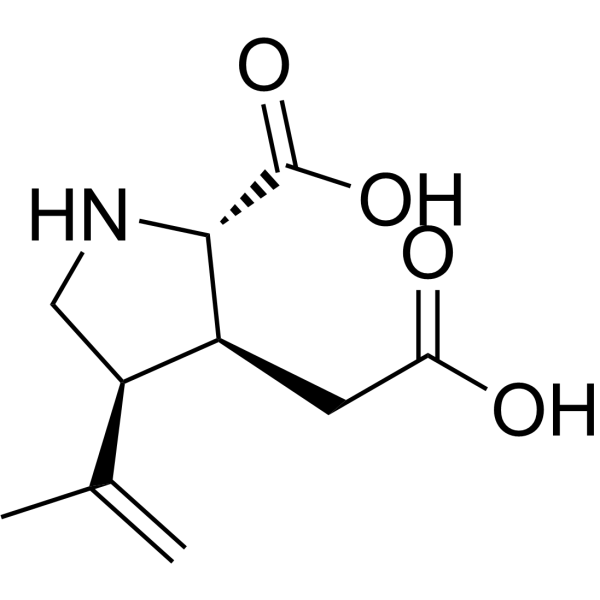
    Kainic acid
    30+ Cited Publications

    EAAT Neurological Disease
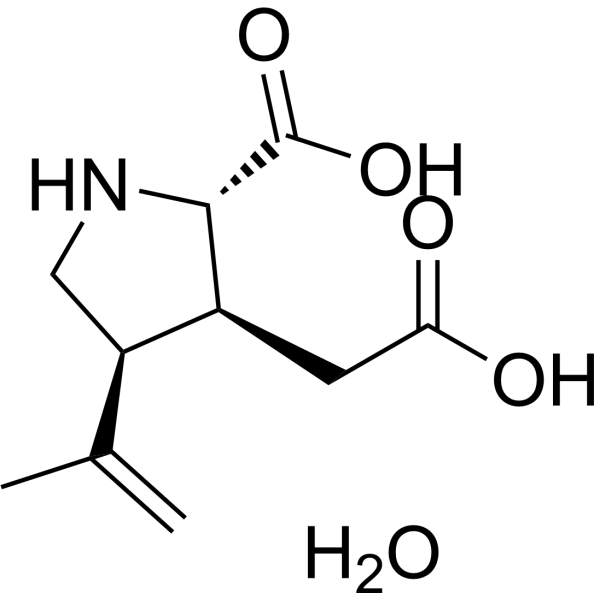
    Kainic acid is a potent excitotoxic agent. Kainic acid hydrate also is an agonist for a subtype of ionotropic glutamate receptor. Kainic acid induces seizures .
    Kainic acid
  • HY-B1692
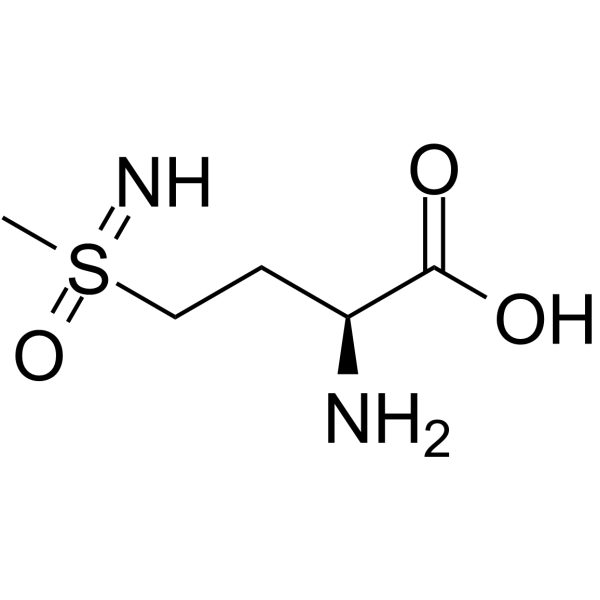
    L-Methionine-DL-sulfoximine
    5+ Cited Publications

    MSX; MSO

    Glutaminase Neurological Disease
    L-Methionine-DL-sulfoximine (MSX; MSO), a highly specific and irreversible inhibitor of Glutamine synthetase (GS), is also a potent convulsant which metabolically and morphologically primarily affects astroglia. L-Methionine-DL-sulfoximine has been employed to inhibit the Gln-dependent ammonia-stimulated neuronal toxicity in vitro, potentiating Gln deficit-dependent depression. L-Methionine-DL-sulfoximine tremendously increases the rate of release of fixed nitrogen in cyanobacteria. L-Methionine-DL-sulfoximine is a promising candidate for research in biofertilizers and convulsive seizures (CS) .
    L-Methionine-DL-sulfoximine
  • HY-B0495
    Lamotrigine
    5+ Cited Publications

    LTG; BW430C

    Sodium Channel Autophagy Neurological Disease Cancer
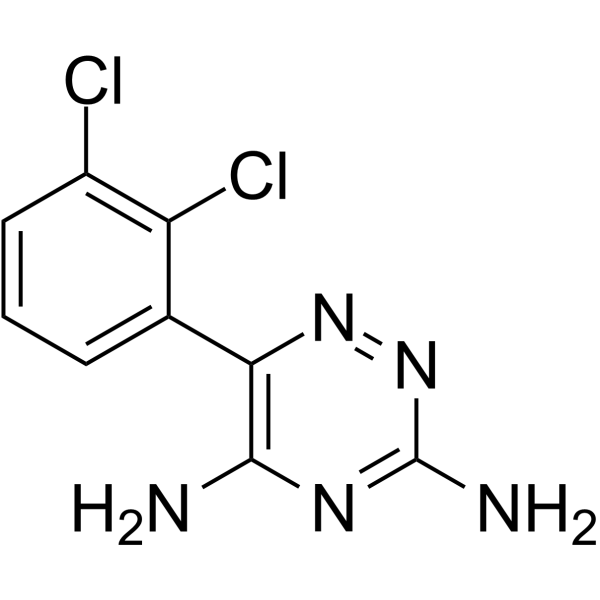
    Lamotrigine (BW430C) is a potent and orally active anticonvulsant or antiepileptic agent. Lamotrigine selectively blocks voltage-gated Na + channels, stabilizing presynaptic neuronal membranes and inhibiting glutamate release. Lamotrigine can be used for the research of epilepsy, focal seizure, et al .
    Lamotrigine
  • HY-B0300
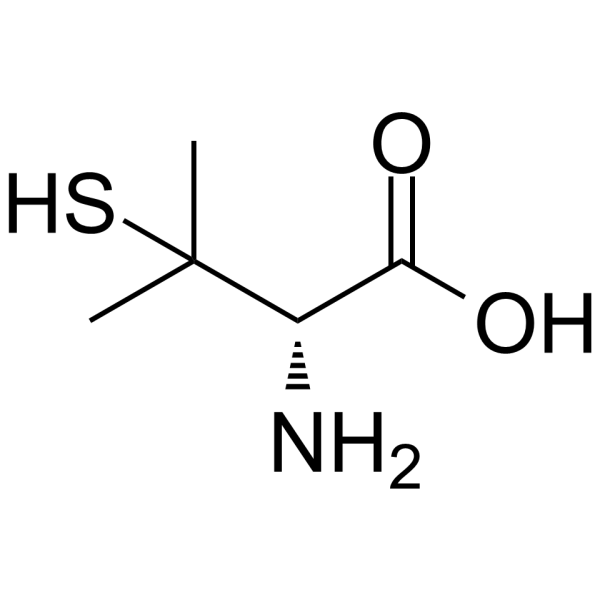
    Penicillamine
    3 Publications Verification

    D-(-)-Penicillamine

    Cuproptosis Drug Metabolite Inflammation/Immunology Cancer
    Penicillamine (D-(-)-Penicillamine) is a penicillin metabolic degradation product, can be used as a heavy metal chelator. Penicillamine increases free copper and increases oxidative stress. Penicillamine has effect of seizures through nitric oxide/NMDA pathways. Penicillamine is a potential immune modulator. Penicillamine can be used for the research of Wilson disease, rheumatoid arthritis, and cystinuria .
    Penicillamine
  • HY-W010155
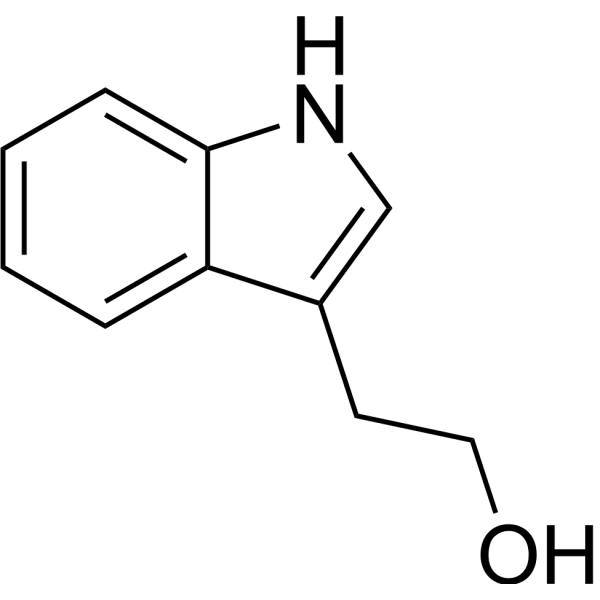
    Tryptophol
    2 Publications Verification

    Indole-3-ethanol

    Endogenous Metabolite Apoptosis Caspase Bacterial Infection Cardiovascular Disease Neurological Disease Metabolic Disease Inflammation/Immunology
    Tryptophol is an aromatic alcohol and secondary metabolite produced by microorganisms. Tryptophol induces apoptosis and cleavage of caspase-8. Tryptophol inhibits Cunninghamella blakesleeana biofilm. Tryptophol has anti-phage infection, biofilm formation regulation, anti-inflammatory, hemolytic, sleep induction, temperature change, seizure susceptibility and immune regulation activities. Tryptophol is used in the research of African trypanosomiasis, sleep disorders, epilepsy .
    Tryptophol
  • HY-N2522
    Carboxyatractyloside dipotassium
    2 Publications Verification

    Gummiferin dipotassium

    Mitochondrial Metabolism Calcium Channel Reactive Oxygen Species (ROS) Neurological Disease
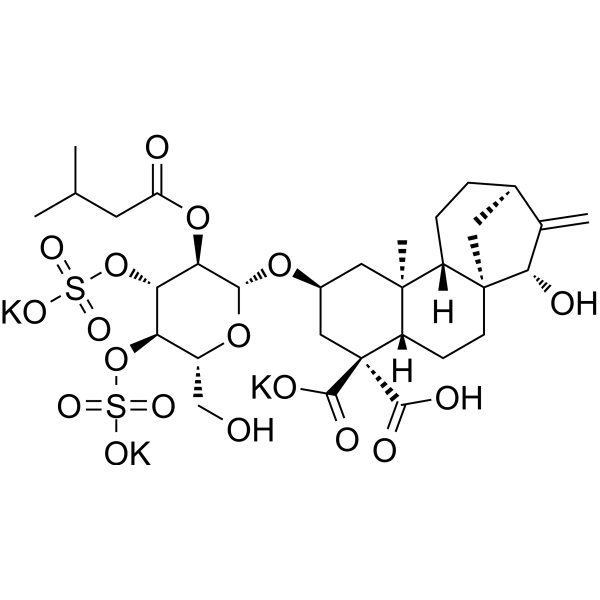
    Carboxyatractyloside dipotassium is a diterpenoid. Carboxyatractyloside dipotassium can be isolated from plants of the genus Xanthium. Carboxyatractyloside dipotassium is an ADP/ATP carrier inhibitor, inhibiting mitochondrial ADP/ATP transport. Carboxyatractyloside dipotassium promotes ROS production, induces Ca 2+ release, and leads to mitochondrial dysfunction. Carboxyatractyloside dipotassium induces lethargy, weakness, and epileptic seizures in rats .
    Carboxyatractyloside dipotassium
  • HY-N1502
    Carboxyatractyloside tripotassium
    2 Publications Verification

    Gummiferin tripotassium

    Mitochondrial Metabolism Reactive Oxygen Species (ROS) Calcium Channel Neurological Disease
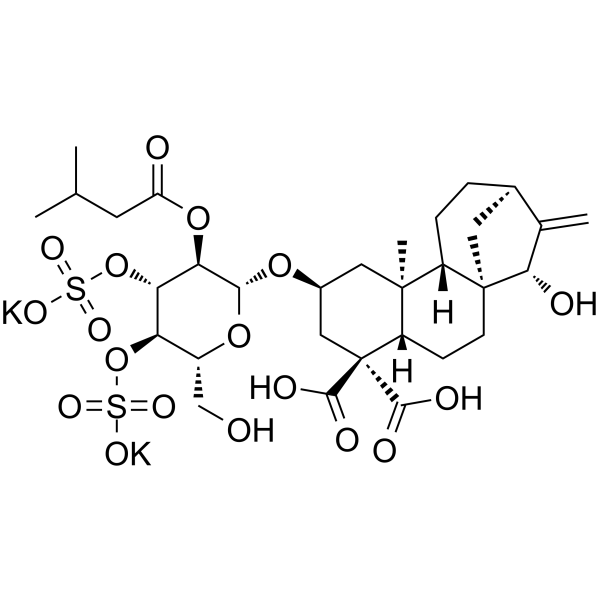
    Carboxyatractyloside tripotassium is a diterpenoid. Carboxyatractyloside tripotassium can be isolated from plants of the genus Xanthium. Carboxyatractyloside tripotassium is an ADP/ATP carrier inhibitor, inhibiting mitochondrial ADP/ATP transport. Carboxyatractyloside tripotassium promotes ROS production, induces Ca 2+ release, and leads to mitochondrial dysfunction. Carboxyatractyloside tripotassium induces lethargy, weakness, and epileptic seizures in rats .
    Carboxyatractyloside tripotassium
  • HY-B0124
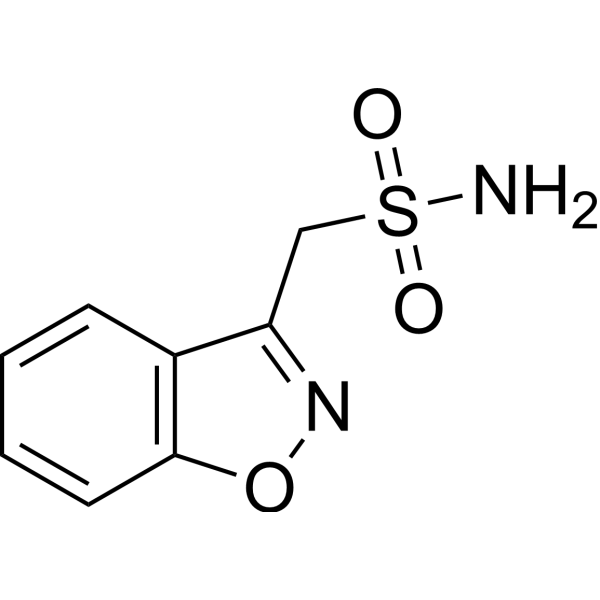
    Zonisamide
    3 Publications Verification

    AD 810; CI 912

    Carbonic Anhydrase Apoptosis Neurological Disease
    Zonisamide (AD 810) is an orally active carbonic anhydrase inhibitor, with Kis of 35.2 and 20.6 nM for hCA II and hCA V, respectively. Zonisamide exerts neuroprotective effects through anti-apoptosis and upregulating MnSOD levels. Zonisamide also increases the expression of Hrd1, thereby improving cardiac function in AAC rats. Zonisamide can be used in studies of seizure, parkinson’s disease and cardiac hypertrophy .
    Zonisamide
  • HY-B1302

    P-glycoprotein PARP Caspase Apoptosis Potassium Channel Cardiovascular Disease Neurological Disease
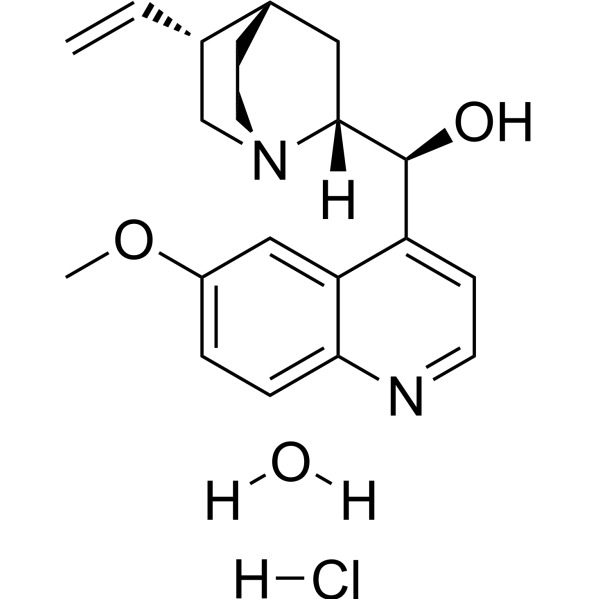
    Quinidine hydrochloride monohydrate is an orally active antiarrhythmic agent. Quinidine hydrochloride monohydrate reduces the expression level of P-gp, inhibits P-gp-mediated efflux, increases the intracellular accumulation of P-gp substrates, induces PARP cleavage and Caspase-3 activation, and elevates the proportion of Apoptotic cells at the sub-G1 phase. Quinidine hydrochloride monohydrate exerts sustained block and open-channel block effects on IK(f). Quinidine hydrochloride monohydrate alters the urinary metabolic ratio of Amphetamine, modulates the Pentylenetetrazol-induced seizure threshold, and regulates the anticonvulsant effect of Dextromethorphan. Quinidine hydrochloride monohydrate can be used in studies related to uterine sarcoma and seizures .
    Quinidine hydrochloride monohydrate
  • HY-103181

    CPA; UK-80882

    Adenosine Receptor Apoptosis Cardiovascular Disease Neurological Disease Cancer
    N6-Cyclopentyladenosine (CPA) is a selective Adenosine A1 receptor agonist, with Ki values of 2.3 nM, 790 nM and 43 nM for human A1, A2A and A3 receptors, respectively. N6-cyclopentyladenosine increases Apoptosis. N6-Cyclopentyladenosine has antitumor activity against leukemia. N6-cyclopentyladenosine improves 5-fluorouracil (HY-90006)-induced hematopoietic damage, regulates sleep, and delays Aminophylline-induced clonic epileptic seizures .
    N6-Cyclopentyladenosine
  • HY-172431

    BHV-7000

    Potassium Channel Neurological Disease
    Opakalim (BHV-7000) is a selective Kv7.2/7.3 potassium channels activator with an EC50 of 0.6 μM. Opakalim shows minimal GABAA receptor activation and exhibits potent anti-seizure efficacy in the maximal electroshock seizure (MES) model. Opakalim can be used for the study of seizures .
    Opakalim
  • HY-A0092

    3,5,5,-Trimethyloxazolidine-2,4-dione

    Calcium Channel Neurological Disease
    Trimethadione (3,5,5,-Trimethyloxazolidine-2,4-dione) is an oxazolidinedione anticonvulsant agent widely used against absences seizures. Trimethadione also is a T-type calcium channel blocker which has antihyperalgesic effects .
    Trimethadione
  • HY-118424

    iGluR Neurological Disease Metabolic Disease
    JNJ-55511118 is a selective TARP γ-8 binding AMPA receptor modulator with oral bioavailability and blood-brain barrier permeability, with a Ki of 26 nM. JNJ-55511118 reduces voluntary intake of sweetened alcohol in male mice. In rodent models, JNJ-55511118 inhibits hippocampal neurotransmission, reduces specific electroencephalogram frequency bands, induces transient hyperlocomotion, impairs learning and memory abilities, and exerts anticonvulsant effects. JNJ-55511118 is applicable to research related to alcohol use disorder and seizures .
    JNJ-55511118
  • HY-114703
    Eslicarbazepine
    1 Publications Verification

    BIA 2-194

    Beta-secretase Sodium Channel Neurological Disease
    Eslicarbazepine is an oral anticonvulsant indicated for the adjunctive treatment of partial seizures.
    Eslicarbazepine
  • HY-N2309A
    Kainic acid hydrate
    30+ Cited Publications

    mGluR Neurological Disease
    Kainic acid hydrate is a potent excitotoxic agent. Kainic acid hydrate also is an agonist for a subtype of ionotropic glutamate receptor. Kainic acid hydrate induces seizures .
    Kainic acid hydrate
  • HY-153068

    Caspase Neurological Disease
    CZL55 is a caspase-1 inhibitor. CZL55 can be used for the research of febrile seizures (FS) .
    CZL55
  • HY-W008270

    γ-Crotonolactone

    Endogenous Metabolite Bacterial Infection Neurological Disease
    2(5H)-Furanone (γ-Crotonolactone) is an endogenous metabolite. 2(5H)-Furanone mimics N-acyl homoserine lactone signals, occupies the binding site of LuxR homologs, and interferes with quorum sensing-mediated gene regulation. 2(5H)-Furanone inhibits quorum sensing mediated by AHLs with different acyl chain lengths. 2(5H)-Furanone inhibits biofilm formation of environmental Aeromonas hydrophila strains on polystyrene plates. 2(5H)-Furanone suppresses spike-and-wave discharges in a rat model of generalized absence seizures and exhibits selective activity against absence seizures. 2(5H)-Furanone can be used in studies related to bacteria infections and generalized absence seizures.
    2(5H)-Furanone
  • HY-Y0378

    (R)-Leucine

    Endogenous Metabolite Neurological Disease
    D-Leucine is a more potent anti-seizure agent than L-leucine. D-leucine potently terminates seizures even after the onset of seizure activity. D-leucine, but not L-leucine, reduces long-term potentiation but had no effect on basal synaptic transmission in vitro .
    D-Leucine
  • HY-103185
    CCPA
    1 Publications Verification

    2-Chloro-N6-cyclopentyladenosine

    Adenosine Receptor Adenylate Cyclase Cardiovascular Disease Neurological Disease
    CCPA (2-Chloro-N6-cyclopentyladenosine) a highly selective A1 adenosine receptors agonist with a Ki of 0.4 nM. CCPA inhibits adenylate cyclase with an IC50 of 33 nM. CCPA exhibits anti-seizure and cardiacprotective activity. CCPA can be used for the research of seizure and myocardial infarction .
    CCPA
  • HY-122489

    Drug Metabolite Neurological Disease
    DL-Laudanosine, an Atracurium and Cisatracurium metabolite, crosses the blood–brain barrier and may cause excitement and seizure activity .
    DL-Laudanosine
  • HY-138668

    TRP Channel Neurological Disease
    JW-65 is a selective TRPC3 channel inhibitor with favorable blood-brain barrier penetration. JW-65 directly binds to human TRPC3 protein and modulates calcium signaling to reduce seizure susceptibility. JW-65 reduces seizure incidence, severity, and duration while prolonging seizure latency in multiple seizure models. JW-65 alleviates Aβ‑induced neuronal damage. JW-65 serves as a valuable tool for research on epilepsy, seizure disorders, and Alzheimer’s disease .
    JW-65
  • HY-118467
    Benzolamide
    2 Publications Verification

    CL11366

    Carbonic Anhydrase Neurological Disease Cancer
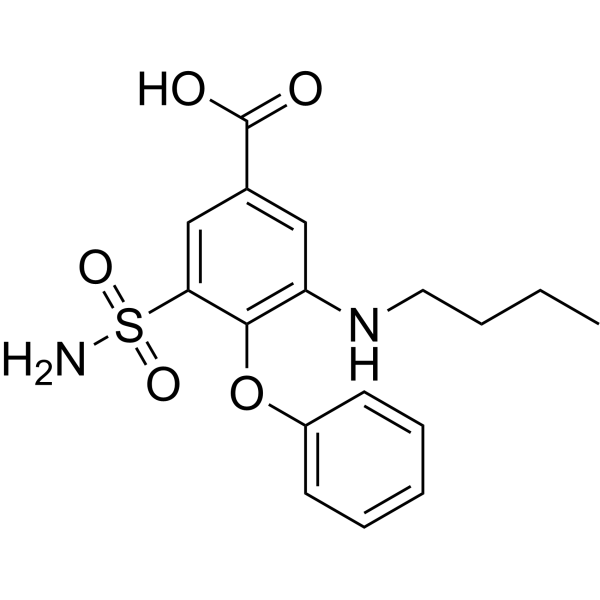
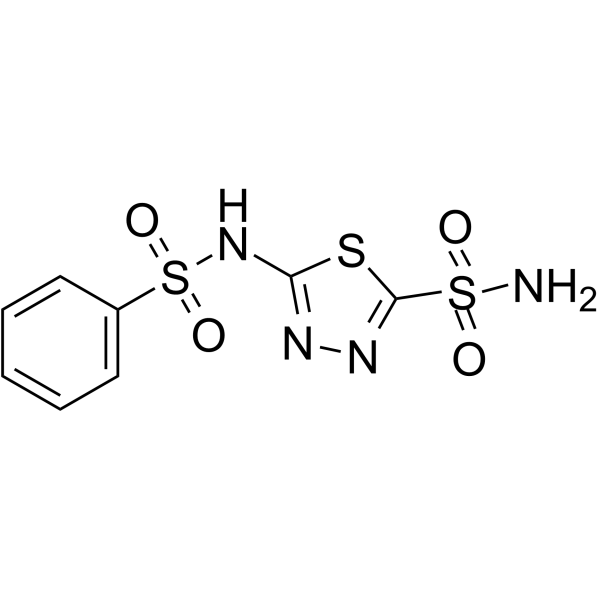
    Benzolamide (CL11366) is a potent carbonic anhydrase (CA) inhibitor, with Kis of 15 nM, 9 nM, 94 nM and 78 nM for hCA I, hCA II, EcoCAγ and VchCAγ, respectively. Benzolamide also inhibits CAS3, with a Ki of 54 nM. Benzolamide can be used for the research of glaucoma and seizures .
    Benzolamide
  • HY-B1730
    Phensuximide
    2 Publications Verification

    Cyclic GMP-AMP Synthase Neurological Disease Metabolic Disease
    Phensuximide is an orally active succinimide antiepileptic and anticonvulsant agent. Phensuximide inhibits cyclic AMP and cyclic GMP accumulation in depolarized brain tissue. Phensuximide can be used for the study of seizure and petit mal .
    Phensuximide
  • HY-148327

    Adenosine Kinase Cardiovascular Disease Neurological Disease Inflammation/Immunology
    AK-IN-1 (compound 4072-2732) is an adenosine kinase (AK) inhibitor that is competitive for adenosine (Ado) but not for ATP. AK-IN-1 inhibits 86%, 87% and 89% of AK activity at concentrations of 2, 4 and 10 µM, respectively. AK-IN-1 has good potential for research in many disease areas, including ischaemia, inflammation and seizures .
    AK-IN-1
  • HY-108497

    Somatostatin Receptor Neurological Disease Cancer
    L-803087 is a potent and selective somatostatin sst4 receptor agonist with a Ki of 0.7 nM. L-803087 is >280-fold higher than other somatostatin receptors. L-803087 facilitates AMPA-mediated hippocampal synaptic responses in vitro and increases kainate-induced seizures in mice .
    L-803087
  • HY-12503
    CFM-2
    1 Publications Verification

    iGluR Neurological Disease Cancer
    CFM-2 is a potent and selective non-competitive AMPAR antagonist . CFM-2 possesses anticonvulsant activity in various models of seizures .
    CFM-2
  • HY-123671

    Neuropeptide Y Receptor Neurological Disease
    CYM2503 is a putative GalR2-positive allosteric modulator. CYM2503 increases the latency to first electrographic seizure and decreases the total time in seizure. CYM2503 also attenuates electroshock-induced seizures in mice. Galanin receptors type 1 (GalR1) and/or type 2 (GalR2) represent unique pharmacological targets for the research of seizures and epilepsy .
    CYM2503
  • HY-111177

    Ethylphenacemide; M 551

    Drug Metabolite Neurological Disease
    Pheneturide (Ethylphenacemide, M 551), a decarboxylation product of Phenobarbital, can be used to prevent psychomotor seizures .
    Pheneturide
  • HY-179215

    GABA Receptor Neurological Disease
    OV329 hydrochloride is a potent GABA aminotransferase inactivator. OV329 hydrochloride is a Vigabatrin (HY-15399) analogue. OV329 hydrochloride can increase brain GABA levels and block abnormal intracerebral hyperexcitability. OV329 hydrochloride exhibits anticonvulsant and antiepileptic activities. OV329 hydrochloride can be used for the research of neurological disease, such as seizure .
    OV329 hydrochloride
  • HY-179215A

    GABA Receptor Neurological Disease
    OV329 is a potent GABA aminotransferase inactivator. OV329 is a Vigabatrin (HY-15399) analogue. OV329 can increase brain GABA levels and block abnormal intracerebral hyperexcitability. OV329 exhibits anticonvulsant and antiepileptic activities. OV329 can be used for the research of neurological disease, such as seizure .
    OV329
  • HY-B0495R
    Lamotrigine (Standard)
    5+ Cited Publications

    LTG (Standard); BW430C (Standard)

    Reference Standards Sodium Channel Neurological Disease
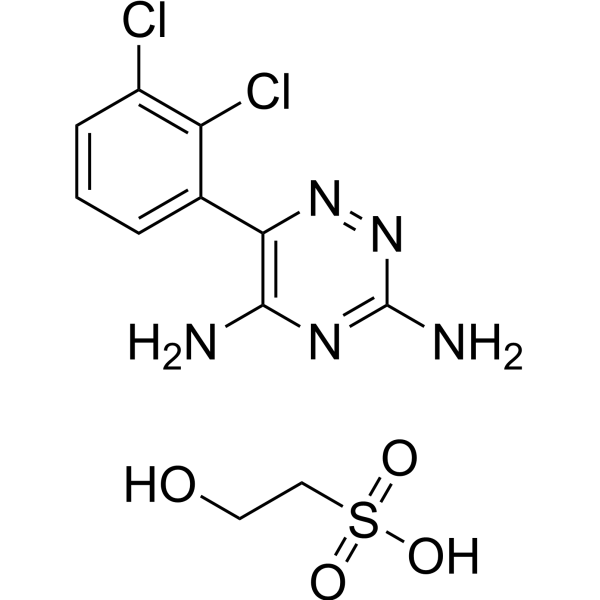
    Lamotrigine (Standard) is the analytical standard of Lamotrigine. This product is intended for research and analytical applications. Lamotrigine (BW430C) is a potent and orally active anticonvulsant or antiepileptic agent. Lamotrigine selectively blocks voltage-gated Na + channels, stabilizing presynaptic neuronal membranes and inhibiting glutamate release. Lamotrigine can be used for the research of epilepsy, focal seizure, et al .
    Lamotrigine (Standard)
  • HY-Y0378S

    (R)-Leucine-d10

    Isotope-Labeled Compounds Endogenous Metabolite Neurological Disease
    D-Leucine-d10 is the deuterium labeled D-Leucine. D-Leucine is a more potent anti-seizure agent than L-leucine. D-leucine potently terminates seizures even after the onset of seizure activity. D-leucine, but not L-leucine, reduces long-term potentiation but had no effect on basal synaptic transmission in vitro .
    D-Leucine-d10
  • HY-131204

    Caspase Neurological Disease
    CZL80, a brain-penetrable caspase-1 inhibitor with an IC50 of 0.01 μM, could be used in the study of febrile seizures and later enhanced epileptogenic susceptibility .
    CZL80
  • HY-W127668

    Acyltransferase Neurological Disease
    Triethylcholine iodide is a choline acetyltransferase inhibitor and a regulator of the acetylcholine synthesis pathway. Triethylcholine iodide inhibits acetylcholine synthesis in brain tissues and blocks neuromuscular and autonomic ganglionic transmission. Triethylcholine iodide exerts weak curare-like effects at extremely high concentrations. Triethylcholine iodide elevates the pentylenetetrazol seizure threshold, alters electroencephalogram patterns in Felis catus, but does not affect the maximal electroshock seizure threshold in Oryctolagus cuniculus. Triethylcholine iodide can be used in seizure-related research .
    Triethylcholine iodide
  • HY-107328

    Antibiotic Bacterial Infection Neurological Disease
    Carumonam disodium is a potent antibiotic. Carumonam disodium shows antibacterial activity. Carumonam disodium induces seizure .
    Carumonam disodium
  • HY-P2707

    α-DTX

    Sodium Channel Potassium Channel Neurological Disease
    α-Dendrotoxin (α-DTX) is a voltage-gated K + channel blocker and an acid-sensing ion channel (ASIC) inhibitor. α-Dendrotoxin blocks Kv1.1, Kv1.2, Kv1.6 and D-type (ID) voltage-gated K + channels, and reversibly inhibits slowly inactivating potassium currents. α-Dendrotoxin induces epilepsy-related behaviors in mice. α-Dendrotoxin can be used in studies related to tonic-clonic seizures .
    α-Dendrotoxin
  • HY-106316

    GABA Receptor Neurological Disease
    CGS 20625 is a potent, selective and orally active partial agonist for the central benzodiazepine receptor. CGS 20625 inhibits [3H]-flunitrazepam binding to central benzodiazepine receptors with an IC50 of 1.3 nM. CGS 20625 enhances GABA in Xenopus laevis oocytes . CGS 20625 can be used for the research of pentylenetetrazol-induced seizures and anxiety .
    CGS 20625
  • HY-B0124A

    AD 810 sodium; CI 912 sodium

    Carbonic Anhydrase Apoptosis Cardiovascular Disease Neurological Disease
    Zonisamide (AD 810) sodium is an orally active carbonic anhydrase inhibitor, with Kis of 35.2 and 20.6 nM for hCA II and hCA V, respectively. Zonisamide sodium exerts neuroprotective effects through anti-apoptosis and upregulating MnSOD levels. Zonisamide sodium also increases the expression of Hrd1, thereby improving cardiac function in AAC rats. Zonisamide sodium can be used in studies of seizure, parkinson’s disease and cardiac hypertrophy .
    Zonisamide sodium
  • HY-101233

    M 154129

    Opioid Receptor Neurological Disease
    ICI 154 129 is a delta-opioid receptor antagonist and can be used for seizure research.
    ICI 154129
  • HY-114703S1

    BIA 2-194-d4

    Isotope-Labeled Compounds Sodium Channel Beta-secretase Neurological Disease
    Eslicarbazepine-d4 (BIA 2-194-d4) is deuterium labeled Eslicarbazepine. Eslicarbazepine is an oral anticonvulsant indicated for the adjunctive treatment of partial seizures.
    Eslicarbazepine-d4
  • HY-172531

    Dynamin Ras Neurological Disease
    Sulfonadyn-47 is a GTP-competitive dynamin I (dynI) inhibitor that targets the active site in the GTPase domain of dynamin I, with IC50 values of 3.5 μM against dynI, 27.3 μM in clathrin-mediated endocytosis (CME) assays, and 12.3 μM in synaptic vesicle endocytosis (SVE) assays. Sulfonadyn-47 increases seizure threshold. Sulfonadyn-47 can be used the study for the seizure.
    Sulfonadyn-47
  • HY-W751152

    GABA Receptor Cancer
    α,β-Thujone is a component of the essential oils of some plants. α,β-Thujone causes cancers in male rats and induces seizures in the highest doses .
    α,β-Thujone
  • HY-130325

    NO Synthase Neurological Disease
    α-Guanidinoglutaric acid is a guanidino compound first found in cobaltinduced epileptogenic focus tissue in the cerebral cortex of cats. α-Guanidinoglutaric acid induces epileptic seizures in rats after intraventricular administration .
    α-Guanidinoglutaric acid
  • HY-177573

    GABA Receptor Neurological Disease
    Cholesteryl γ-aminobutyrate is a γ-aminobutyric acid (GABA)-mimetic prodrug. Cholesteryl γ-aminobutyrate inhibits the orthodromically-evoked discharge of pyramidal cells in the CA1 region of the hippocampus. Cholesteryl γ-aminobutyrate suppresses the open-field activity of mice and rats in a dose-dependent manner and inhibits Bicuculline (HY-N0219)-induced seizures in mice. Cholesteryl γ-aminobutyrate can be used for the study of CNS diseases related to impaired GABAergic neuronal function .
    Cholesteryl γ-aminobutyrate
  • HY-108920

    4-Cl-KYN; AV-101

    iGluR Neurological Disease
    4-Chlorokynurenine (4-Cl-KYN) is a prodrug of 7-Chlorokynurenic acid (NMDA receptor antagonist) (HY-100811). 4-Chlorokynurenine has orally activity and blood-brain permeability. 4-Chlorokynurenine can reduce depressive symptoms and neurotoxicity. 4-Chlorokynurenine can be used for the research of neurological disease, such as depression and seizure .
    4-Chlorokynurenine
  • HY-12596

    Calcium Channel Sodium Channel Potassium Channel Neurological Disease
    JNJ-26489112, a CNS-active agent, exhibits broad-spectrum anticonvulsant activity in rodents against audiogenic, electrically-induced, and chemically-induced seizures. JNJ-26489112 inhibits voltage-gated Na + channels and N-type Ca 2+ channels, and is effective as a K + channel opener. JNJ-26489112 has very weak inhibition of CA-II (IC50=35 μM) and CA-I (18 μM) .
    JNJ-26489112
  • HY-105365

    Calcium Channel Neurological Disease
    PD 175069 is a potent and selective N-type calcium channel antagonist with an IC50 of 0.32 μM. PD 175069 is efficacious in an audiogenic seizure model using DBA/2 mice. PD 175069 can be used for research on neurological conditions such as neuropathic pain and stroke .
    PD 175069
  • HY-178362

    Carbonic Anhydrase NKCC mTOR Neurological Disease
    CAII/VII-IN-1 is an orally active hCA II (KI = 12.3 nM), and hCA VII (KI = 22.6 nM) inhibitor, showing no significant activity against hCA I. CAII/VII-IN-1 shows excellent neuroprotective activity in vivo Pilocarpine (HY-B0726A)-induced seizure model. CAII/VII-IN-1 can upregulate KCC2 and inhibit mTOR, exerting neuroprotective effects. CAII/VII-IN-1 does not show any significant neurotoxic effects or alterations in liver and kidney function. CAII/VII-IN-1 can be used for the study of epilepsy .
    CAII/VII-IN-1
  • HY-119170

    Androgen Receptor Neurological Disease Cancer
    BMS-779333 is an orally active androgen receptor (AR) antagonist. BMS-779333 is promising for research of prostate cancer and seizure .
    BMS-779333
  • HY-100922

    iGluR Neurological Disease
    N-Acetylglycyl-D-glutamic acid is a peptide with excitatory effect. N-Acetylglycyl-D-glutamic acid induces seizures in mice .
    N-Acetylglycyl-D-glutamic acid

Inquiry Online

Your information is safe with us. * Required Fields.

Salutation


Country or Region *

Applicant Name *


Organization Name *

Department *


Email Address *


Product Name *

Cat. No.


Requested quantity *

Phone Number *


Remarks

Inquiry Online

Inquiry Information

Product Name:
Cat. No.:
Quantity:
MCE Japan Authorized Agent:

