
1. Search Result
Search Result
Pathways Recommended: Cell Cycle/DNA Damage
Results for "

oxidative stress damage

" in MedChemExpress (MCE) Product Catalog:

173

Inhibitors & Agonists

4

Screening Libraries

1

Fluorescent Dyes

5

Biochemical Assay Reagents

9

Peptides

1

MCE Kits

72

Natural
Products

17

Isotope-Labeled Compounds

1

Click Chemistry

2

Oligonucleotides

1

GMP Molecules

Cat. No. Product Name Target Research Areas Chemical Structure
  • HY-113324
    NADPH
    Maximum Cited Publications
    18 Publications Verification

    Endogenous Metabolite Cancer
    NADPH is a coenzyme of glutathione reductase (GR), thioredoxin reductase (TrxR) and NADPH oxidase (NOX), and participates in redox reactions as a hydrogen donor. NADPH has the characteristic of selectively participating in the regulation of cellular redox homeostasis. NADPH exerts antioxidant activity and resists reactive oxygen species (ROS) damage by providing reducing equivalents for the regeneration of glutathione (GSH) and thioredoxin (Trx); at the same time, it acts as a substrate of NOX to generate superoxide anions, mediating oxidative stress and immune response. NADPH participates in maintaining the intracellular reducing environment, biosynthesis and regulating gene expression (such as the Nrf2 pathway), and is mainly used in the study of oxidative stress-related diseases (such as cardiovascular diseases, neurodegenerative diseases, cancer) and immune regulation mechanisms .
    NADPH
  • HY-156376
    Cu(II)-Elesclomol
    5 Publications Verification

    Cuproptosis Apoptosis Topoisomerase Reactive Oxygen Species (ROS) Inflammation/Immunology Cancer
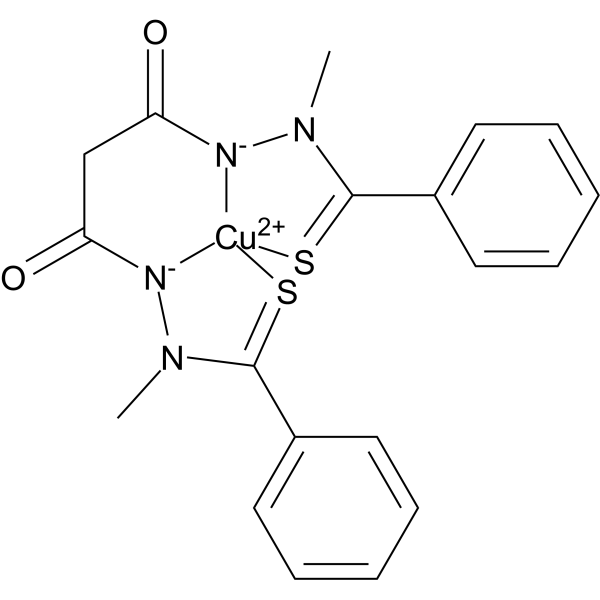
    Cu(II)-Elesclomol is a complex formed by Elesclomol (HY-12040) and Cu 2+ (copper ions). Cu(II)-Elesclomol is also a weak inhibitor of DNA topoisomerase I. Cu(II)-Elesclomol exerts anticancer effects by inducing oxidative stress and DNA damage through copper chelation. Cu(II)-Elesclomol can inhibit tumor cell proliferation and induce cell cycle arrest and apoptosis. Cu(II)-Elesclomol can be used in the study of cancer .
    Cu(II)-Elesclomol
  • HY-B1142
    Lipoamide
    5+ Cited Publications

    (±)-α-Lipoamide; DL-Lipoamide; DL-6,8-Thioctamide

    NO Synthase Others
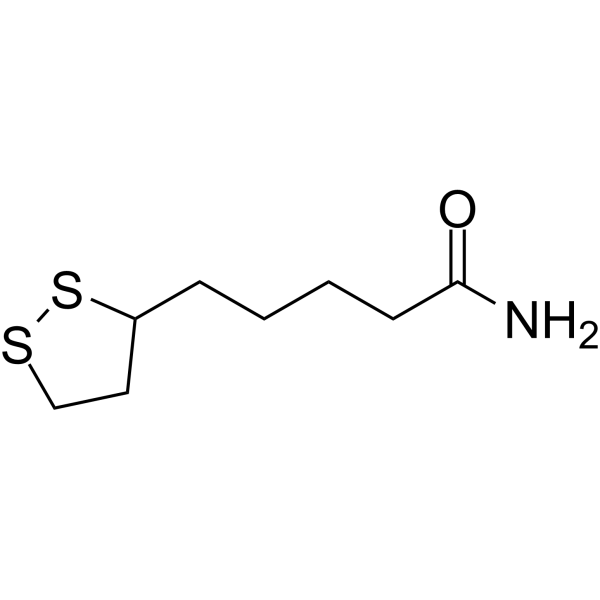
    Lipoamide ((±)-α-Lipoamide) is a monocarboxylic acid derivative of a neutral amide, formed by the condensation of the carboxyl group of lipoic acid and ammonia. Lipoamide protects against oxidative stress-mediated neuronal cell damage and also acts as a coenzyme to transfer acetyl groups and hydrogen during pyruvate deacylation. Lipoamide also stimulates mitochondrial biogenesis in adipocytes through the endothelial NO synthase-cGMP-protein kinase G signaling pathway .
    Lipoamide
  • HY-N0321

    trans-Caftaric acid

    Others Cardiovascular Disease Neurological Disease Inflammation/Immunology
    Caftaric acid (trans-Caftaric acid) is a polyphenolic antidiuretic, antioxidant and anti-apoptotic agent that can be hydrolyzed by intestinal microbial esterases. Caftaric acid exerts its antioxidant and potential anti-inflammatory effects mainly through intestinal microbial metabolism. Caftaric acid can reduce renal damage, restore electrolyte balance, renal function indicators and antioxidant enzyme activities in a rat albinism model, and further exert anti-oxidative stress and anti-inflammatory activities .
    Caftaric acid
  • HY-D0186
    2'-Deoxyuridine
    3 Publications Verification

    Endogenous Metabolite Thymidylate Synthase Infection
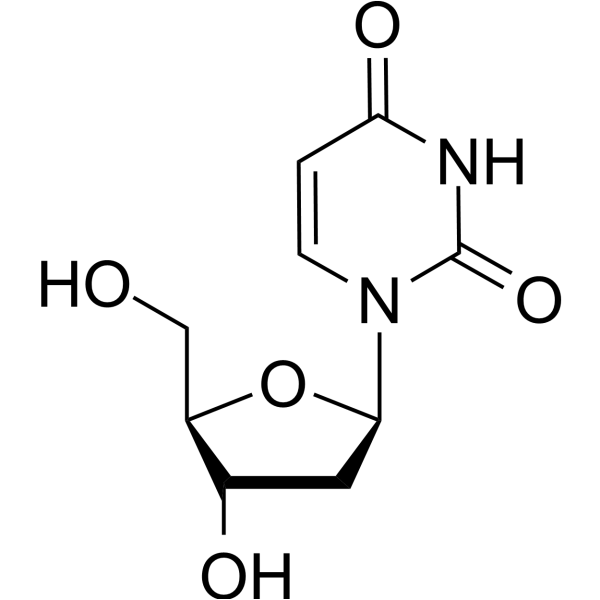
    2’-deoxyuridine is a brain-penetrant pyrimidines nucleotide that is associated with nervous system diseases. 2'-Deoxyuridine could increase chromosome breakage and results in a decreased thymidylate synthetase activity. 2'-Deoxyuridine is a precursor in the synthesis of Edoxudine (HY-B1011) and also an analogue of 5-ethynyl-2'-deoxyuridine, EdU (HY-118411). 2’-deoxyuridine reduces microglial activation and improve oxidative stress damage by modulating glycolytic metabolism on the Aβ25-35-induced brain injury, which is promising for research of Alzheimer’s disease (AD) .
    2'-Deoxyuridine
  • HY-113338

    8-Oxoguanine; 8-oxo-Gua

    Endogenous Metabolite Metabolic Disease
    8-Hydroxyguanine is a DNA damage product under oxidative stress, which is formed when hydroxyl radicals attack guanine in DNA. 8-Hydroxyguanine induces mutagenesis and leads to a transversion from G to T. 8-Hydroxyguanine is a marker of DNA oxidative damage .
    8-Hydroxyguanine
  • HY-124293
    AA147
    4 Publications Verification

    ATF6 Reactive Oxygen Species (ROS) Neurological Disease Metabolic Disease
    AA147 is a endoplasmic reticulum (ER) proteostasis regulator. AA147 promotes protection against oxidative damage in neuronal cells and prevents endothelial barrier dysfunction by activating ATF6 arm (selectively) of the unfolded protein response (UPR) and the NRF2 oxidative stress response. AA147 can rebalances XBP1s expression in vivo, and also induces survival motor neuron (SMN) expression and spinal motorneuron (MN) protection .
    AA147
  • HY-W127709

    Environmental Pollutants Biochemical Assay Reagents Others
    Chlorophyll b is an orally active tetrapyrrole derivative and pigment. Chlorophyll b can be obtained from photosynthetic organisms such as plants and algae. Chlorophyll b acts as a hydrogen donor and increases Glutathione levels. Chlorophyll b has antioxidant activity and functionally replaces chlorophyll a in photosystem II to participate in photosynthesis. Chlorophyll b reduces Cisplatin (HY-17394)-induced DNA damage, chromosome instability, and oxidative stress. Chlorophyll b is mainly used in the study of plant photosynthesis mechanism .
    Chlorophyll b
  • HY-113262

    Endogenous Metabolite Interleukin Related Neurological Disease Metabolic Disease Inflammation/Immunology
    8-Hydroxyguanosine, an oxidized nucleoside, is a marker of RNA oxidative damage and oxidative stress. 8-Hydroxyguanosine stimulates proliferation and differentiation of murine B cells with immunostimulatory activity. 8-Hydroxyguanosine is promising for research of Alzheimer’s disease and Down’s syndrome .
    8-Hydroxyguanosine
  • HY-W012788
    Maltol
    2 Publications Verification

    Environmental Pollutants Endogenous Metabolite Apoptosis Infection Neurological Disease
    Maltol, a type of aromatic compound, is an antioxidant agent. Maltol enhances neural function by mitigating oxidative stress and cell apoptosis. Maltol is an inhibitor of oxidative damage in nerve cells and is effective in preventing diabetic peripheral neuropathy (DPN). Maltol is used extensively as a safe flavoring agent and food preservative. Maltol is a metal ion chelator that can be used in the field of catalysis, cosmetics, and medicine .
    Maltol
  • HY-A0148A
    Halofantrine hydrochloride
    2 Publications Verification

    SKF-102886; WR-171669 hydrochloride

    Parasite Fungal Reactive Oxygen Species (ROS) Potassium Channel Infection
    Halofantrine hydrochloride (SKF-102886 hydrochloride; WR-171669 hydrochloride) is a blocker that delays the delayed rectifier potassium current by inhibiting human ERG channels, and it is a potent antimalarial agent with oral activity. Halofantrine hydrochloride inhibits the Cap1-dependent oxidative stress response of Candida albicans, suppresses ROS responses, and enhances the antifungal (Fungal) activity of oxidative damage agents. Halofantrine hydrochloride exhibits antifungal activity in the Galleria mellonella model, and shows antimalarial activity against Plasmodium strains both in vitro and in animal models. Halofantrine hydrochloride can be used in studies related to invasive candidiasis, falciparum malaria, and vivax malaria .
    Halofantrine hydrochloride
  • HY-N0244
    Theaflavin-3'-gallate
    2 Publications Verification

    Xanthine Oxidase Apoptosis Necroptosis Cancer
    Theaflavin-3'-gallate is a monomer of theaflavins found in black tea, which has anti-UVB damage activity and inhibits cell apoptosis and necroptosis. Theaflavin-3'-gallate acts as a pro-oxidant and induces oxidative stress in cancer cells, inhibiting xanthine oxidase (OX), with an IC50 of 7.6 μM .
    Theaflavin-3'-gallate
  • HY-P10533

    Tyrosinase Others
    Cysteine peptide is a tyrosinase inhibitor with skin-whitening, antioxidant and multi-regulatory activities. Cysteine peptide inhibits enzyme activity and blocks melanin transport, effectively reducing UV-B-induced skin erythema and pigmentation. Cysteine peptide synergistically maintains skin health by quenching ROS, resisting oxidative stress and promoting pheomelanin production. Cysteine peptide safely prevents daily ultraviolet damage and supports moderate sun exposure for vitamin D synthesis. Cysteine peptide also acts as a plant signaling factor to regulate vegetative growth, development and stress resistance responses .
    Cysteine peptide
  • HY-W116336D

    Biochemical Assay Reagents Fungal Bacterial Infection Cancer
    Zinc oxide, <100 nm particle size is a nitrate reductase modulator and growth promoter with plant stress resistance activity and oral toxicity. Zinc oxide, <100 nm particle size acts as a nutrient source for maize plants. By enhancing nitrate reductase activity and reducing free proline levels, it significantly improves plant height, root length and dry matter weight of maize, and its growth-promoting effect is comparable to that of traditional zinc sulfate fertilizer. Zinc oxide, <100 nm particle size induces anemia-related and persistent tissue inflammatory damage, leading to obvious histopathological adverse reactions in the stomach, pancreas, eyes and prostate of rats. Zinc oxide, <100 nm particle size acts as a non-toxic antibacterial agent and selective cytotoxin against multiple bacteria, fungi and spores .
    Zinc oxide, <100 nm particle size
  • HY-128741

    Endogenous Metabolite Reactive Oxygen Species (ROS) Apoptosis Toll-like Receptor (TLR) PI3K Akt Cardiovascular Disease Neurological Disease Inflammation/Immunology Cancer
    D-Allose exhibits antitumor activity against various cancer cells. D-Allose scavenges reactive oxygen species (ROS) and reduces oxidative stress damage. D-Allose exhibits anti-inflammatory and neuroprotective through inhibition of TLR4/PI3K/AKT signaling pathway. D-Allose exhibits antihypertensive, cryoprotective, and anti-osteoporotic activities .
    D-Allose
  • HY-N7046

    Silibinin B

    Amyloid-β Apoptosis JNK p38 MAPK Neurological Disease Cancer
    Silybin B (Silibinin B) is an orally active amyloid-β aggregation inhibitor and ATR pathway activator that can cross the blood-brain barrier. Silybin B inhibits Aβ fibril formation and promotes amorphous aggregate formation, while activating the ATR-mediated DNA damage repair pathway and inhibiting JNK/p38 MAPK signaling. Silybin B can reduce Cisplatin (HY-17394)-induced neuronal DNA damage and apoptosis. Silybin B has anti-oxidative stress, cell cycle regulation and neuroprotective activities. Silybin B is mainly used in the study of Alzheimer's disease and Cisplatin chemotherapy-related neurotoxicity .
    Silybin B
  • HY-13981
    Ligandrol
    2 Publications Verification

    LGD-4033

    Androgen Receptor Apoptosis Insulin Receptor Caspase Metabolic Disease Endocrinology
    Ligandrol is an orally active, selective androgen receptor (AR) agonist. Ligandrol enhances protein synthesis, inhibits muscle breakdown and oxidative stress, improves muscle cell viability and bone tissue microstructure, and reduces Cisplatin (HY-17394)-induced muscle toxicity and apoptosis. Ligandrol promotes muscle growth, protects bone structure, and has anti-diabetic, anti-apoptotic and antioxidant effects. Ligandrol can antagonize Streptozotocin (HY-13753) damage to pancreatic islets and improve the symptoms of type 2 diabetes .
    Ligandrol
  • HY-N1487
    Oleanonic acid
    2 Publications Verification

    3-Oxooleanolic acid

    HIV Autophagy Ferroptosis Amyloid-β Infection Neurological Disease Inflammation/Immunology Cancer
    Oleanonic acid (3-Oxooleanolic acid) is an orally available triterpene that has anti-inflammatory and insecticidal properties. In vitro, oleanonic acid can improve oxidative stress, autophagy defects, ferroptosis, mitochondrial damage, and endoplasmic reticulum stress induced by Amyloid-β, and in vivo, it can alleviate myocardial hypertrophy in rats .
    Oleanonic acid
  • HY-44307

    Ferroptosis Cancer
    84-B10 is a 3-phenylglutaric acid derivative. 84-B10 inhibits cisplatin (HY-17394) induced tubular ferroptosis. 84-B10 attenuates cisplatin-induced mitochondrial damage and oxidative stress. 84-B10 ameliorates cisplatin-induced acute kidney injury (AKI) .
    84-B10
  • HY-123581
    Quinocetone
    1 Publications Verification

    Antibiotic Bacterial ATF6 DAPK Autophagy NF-κB NO Synthase Apoptosis Reactive Oxygen Species (ROS) Keap1-Nrf2 Heme Oxygenase (HO) Infection Inflammation/Immunology
    Quinocetone is an orally active animal feed additive used to increase the meat production of livestock and poultry. Quinocetone exhibits antibacterial activity against a variety of pathogenic microorganisms. Quinocetone exhibits tissue-specific (liver, lymphocyte) toxicity. Quinocetone induces autophagy in cells through the ATF6/DAPK1 pathway. Quinocetone activates the NF-κB and iNOS pathways, leading to cell apoptosis, hepatocyte vacuolar degeneration and fibrosis. Quinocetone can inhibit Nrf2/HO-1 and induce the generation of reactive oxygen species (ROS), leading to oxidative stress and DNA damage .
    Quinocetone
  • HY-123230

    CGA 279202

    Environmental Pollutants Fungal Caspase Apoptosis PARP Infection Neurological Disease
    Trifloxystrobin (CGA 279202) is a type of fungicide. Trifloxystrobin has toxicity, antiparasitic activity and induce apoptosis, oxidative stress and DNA damage. Trifloxystrobin can be used for the reaesrch of fungal diseases .
    Trifloxystrobin
  • HY-113410

    Na+/K+ ATPase Mitochondrial Metabolism Reactive Oxygen Species (ROS) Neurological Disease Metabolic Disease
    3-Methylglutaric acid is a non-selective inhibitor of mitochondrial function and Na +, K +-ATPase, with an inhibition rate of 30% on rat cortical synaptosomal Na +, K +-ATPase. 3-Methylglutaric acid can induce reactive oxygen species (ROS) generation, thereby causing oxidative damage and inhibiting mitochondrial redox potential and ion pump function of cell membranes. 3-Methylglutaric acid can be used to study the neuropathological mechanisms of metabolic diseases and the role of oxidative stress-mediated neuronal damage in neurodegeneration .
    3-Methylglutaric acid
  • HY-108292

    NF-κB Neurological Disease Cancer
    Propacetamol hydrochloride is an orally active prodrug of paracetamol and an inducer of acute liver injury models, with multiple properties including antinociception, antioxidation and gastroprotection. Propacetamol hydrochloride potentiates Tramadol and attenuates Aspirin (HY-14654)-induced gastric mucosal damage and lipid peroxidation. Under specific conditions, Propacetamol hydrochloride also acts as a hepatotoxic inducer, triggering acute liver injury, oxidative stress and apoptosis, with strain differences in toxicity sensitivity. Propacetamol hydrochloride can be used in the research of acute liver injury, drug-induced hepatotoxicity and gastric mucosal damage .
    Propacetamol hydrochloride
  • HY-N0507

    TNF Receptor Interleukin Related Neurological Disease Inflammation/Immunology
    Rosavin, an orally bioactive phenylpropanoid from Rhodiola rosea L. (RRL), is an adaptogen that enhances the body’s response to environmental stress. Rosavin significantly influences bone tissue metabolism by inhibiting osteoclastogenesis and promoting osteoblast differentiation, also impacts various diseases, demonstrating antidepressant, adaptogenic, and anxiolytic effects in mouse models. Additionally, Rosavin improves survival, reducing intestinal damage in irradiated rats and Ischemia-reperfusion(I/R)-induced cerebral injury in vivo by regulating inflammation and oxidative stress, making it a promising candidate for research in radiation-induced intestinal injury, I/R-induced cerebral injury and osteoporosis .
    Rosavin
  • HY-N7719

    Endogenous Metabolite Bacterial Fungal Parasite Apoptosis Reactive Oxygen Species (ROS) Caspase HSV Infection Inflammation/Immunology Cancer
    Oosporein is a microbial metabolite and a red crystalline toxin produced by various fungi. Oosporein can promote the reproduction of fungi in host bodies by inhibiting insect immunity, and possesses multiple activities such as antibacterial, antiviral (HSV), and insecticidal effects. Oosporein can inhibit plant growth. In addition, Oosporein can also induce apoptosis, cell membrane damage, oxidative stress, and mitochondrial damage. Oosporein has certain antitumor activity .
    Oosporein
  • HY-N4170
    Chebulic acid
    2 Publications Verification

    Keap1-Nrf2 Reactive Oxygen Species (ROS) Metabolic Disease
    Chebulic acid is a phenolic acid compound isolated from Terminalia chebula with strong antioxidant activity, which breaks protein cross-links induced by advanced glycation end products (AGEs) and inhibits the formation of AGEs. Chebulic acid is effective in controlling elevated metabolic parameters, oxidative stress, and liver damage, supporting its beneficial role in asthma, diabetes, and liver protection .
    Chebulic acid
  • HY-141452

    Malondialdehyde

    Endogenous Metabolite Neurological Disease
    Propanedial (Malondialdehyde) (13.88 mM in water) is one of the final products of lipid peroxidation. Propanedial causes protein inactivation, DNA damage and cross-linking by forming stable covalent adducts with biological macromolecules, which is the main mechanism for its cytotoxicity and genotoxicity. Propanedial production increases with the elevation of free radicals. Propanedial is a key biomarker for evaluating the level of cellular oxidative stress [1][2][3].
    Propanedial (13.88 mM in water)
  • HY-114869
    DPQ
    3 Publications Verification

    PARP Neurological Disease Cancer
    DPQ is a selective PARP-1 inhibitor that blocks PARP-1-mediated DNA damage repair and NAD +/ATP consumption, thereby inhibiting excessive inflammatory responses. DPQ inhibits NF-κB pathway activation, reduces the expression of pro-inflammatory factors (such as TNF-α, IL-6) and oxidative stress. DPQ can be used in inflammation-related studies of acute lung injury, myocardial infarction, and neurodegenerative diseases .
    DPQ
  • HY-118020A

    Loliolid; Digiprolactone

    Endogenous Metabolite Caspase PI3K Apoptosis Akt Sirtuin Reactive Oxygen Species (ROS) NF-κB MMP Neurological Disease Cancer
    Loliolide (Loliolid) is a β-carotene metabolite. Loliolide reduces caspase 3, 8, 9 expression, enhances PI3K, AKT, SIRT1, inhibits ROS, apoptosis, and blocks NF-κB p65 nuclear translocation. Loliolide protects mitochondria, reduces oxidative stress, and increases cell viability in neuroblastoma cells. Loliolide can be used for the research of UV-induced skin damage and Parkinson’s disease .
    Loliolide
  • HY-B0927

    (-)-β-Hydrastine; (1R,9S)-β-Hydrastine

    Tyrosine Hydroxylase Dopamine Receptor OAT Neurological Disease
    Hydrastine ((-)-β-Hydrastine; (1R,9S)-β-Hydrastine) is a selective competitive inhibitor of tyrosine hydroxylase (TH), inhibiting dopamine biosynthesis (IC50=20.7 μM, PC12 cells). Hydrastine also inhibits the organic cation transporter OCT1 (IC50=6.6 μM). Hydrastine may cause neuronal toxicity through mitochondrial dysfunction rather than oxidative stress damage, and can aggravate cell apoptosis when combined with L-DOPA. Hydrastine can be used to study Parkinson's disease-related dopaminergic neuronal damage .
    Hydrastine
  • HY-122620

    Hetrombopag (tautomerism); SHR-8735 (tautomerism)

    Thrombopoietin Receptor STAT PI3K ERK Apoptosis CDK Cardiovascular Disease Inflammation/Immunology
    Rafutrombopag (tautomerism) (Hetrombopag) is an orally active nonpeptide thrombopoietin receptor (TPOR/MPL) agonist. Rafutrombopag can chelate iron and alleviate iron overload while promoting haematopoiesis. Rafutrombopag specifically stimulates proliferation and differentiation of human TPOR‐expressing cells, including 32D‐ MPL and human hematopoietic stem cells through stimulation of STAT, PI3K and ERK signalling pathways. Rafutrombopag effectively up-regulates G1-phase-related proteins, including p-RB, Cyclin D1 and CDK4/6, normalizes progression of the cell cycle, and prevents apoptosis by modulating BCL-XL/BAK expression in 32D-MPL cells. Rafutrombopag protects cardiomyocyte survival from oxidative stress damage as an enhancer of stem cells. Rafutrombopag can be used for the study of immune thrombocytopenia and oxidative stress-related cardiovascular disease .
    Rafutrombopag (tautomerism)
  • HY-Y1366

    Mitochondrial Metabolism Reactive Oxygen Species (ROS) Arp2/3 Complex Apoptosis Inflammation/Immunology
    Hydroxyacetone is a toxic compound. Hydroxyacetone can be isolated from e-cigarette aerosols. Hydroxyacetone reduces the activity of cellular Mitochondrial reductase (with an IC50 of 5.53 mg/mL for mitochondrial reductase in BEAS-2B cells) and increases ROS levels. Hydroxyacetone induces mitochondrial stress and oxidative damage. Hydroxyacetone induces destabilization of F-actin. At high concentrations, Hydroxyacetone promotes cell rounding and Apoptotic body formation. Hydroxyacetone exerts toxic effects on cells including airway epithelial cells and possesses respiratory toxicity potential .\n


    Hydroxyacetone
  • HY-W142432

    Biochemical Assay Reagents β-catenin Wnt Arginase TGF-beta/Smad mTOR Akt ERK Atg8/LC3 p62 Autophagy Metabolic Disease Inflammation/Immunology Cancer
    Perfluoroundecanoic acid is a perfluoroalkyl substance (PFAS). Perfluoroundecanoic acid is an orally active oxidative stress inducer. Perfluoroundecanoic acid promotes macrophage M2 polarization, activates Wnt/β-catenin signaling and enhances β-catenin nuclear accumulation. Perfluoroundecanoic acid -induced M2 phenotype macrophage accelerates tumor progression in vitro and in vivo. Perfluoroundecanoic acid induces DNA damage, reproductive and pathophysiological dysfunctions via oxidative stress in male Swiss mice. Perfluoroundecanoic acid inhibits Leydig cell development in pubertal male rats via inducing oxidative stress and autophagy. Perfluoroundecanoic acid accelerates insulitis development in a mouse model of type 1 diabetes. Perfluoroundecanoic acid can be used for the study of ovarian cancer, type 1 diabetes and inflammation .
    Perfluoroundecanoic acid
  • HY-139427

    β-Methylglutaconic acid

    GABA Receptor Cardiovascular Disease Neurological Disease Metabolic Disease
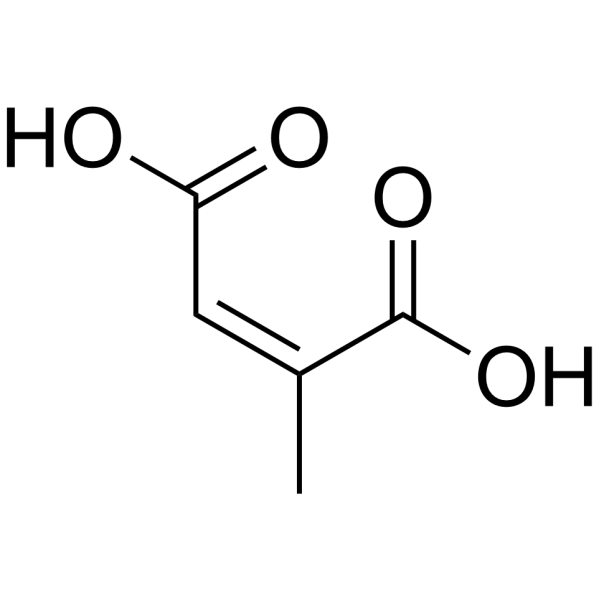
    3-Methylglutaconic acid is the major metabolites accumulating in 3-Methylglutaconic aciduria (MGTA). 3-Methylglutaconic acid can induce lipid oxidative damage and protein oxidative. 3-Methylglutaconic acid decreases the non-enzymatic antioxidant defenses in cerebral cortex supernatants to elicit oxidative stress in the cerebral cortex. 3-Methylglutaconic acid can be used for brain damage disease research .
    3-Methylglutaconic acid
  • HY-145589

    Hetrombopag; SHR-8735

    Thrombopoietin Receptor STAT PI3K ERK Apoptosis CDK Cardiovascular Disease Inflammation/Immunology Cancer
    Rafutrombopag (Hetrombopag) is an orally active nonpeptide thrombopoietin receptor (TPOR/MPL) agonist. Rafutrombopag can chelate iron and alleviate iron overload while promoting haematopoiesis. Rafutrombopag specifically stimulates proliferation and differentiation of human TPOR-expressing cells, including 32D-MPL and human hematopoietic stem cells through stimulation of STAT, PI3K and ERK signalling pathways. Rafutrombopag effectively up-regulates G1-phase-related proteins, including p-RB, Cyclin D1 and CDK4/6, normalizes progression of the cell cycle, and prevents apoptosis by modulating BCL-XL/BAK expression in 32D-MPL cells. Rafutrombopag protects cardiomyocyte survival from oxidative stress damage as an enhancer of stem cells. Rafutrombopag can be used for the study of immune thrombocytopenia and oxidative stress-related cardiovascular disease .
    Rafutrombopag
  • HY-W023144

    Tris(1-chloropropan-2-yl) phosphate

    Environmental Pollutants Apoptosis DNA/RNA Synthesis Reactive Oxygen Species (ROS) Mitochondrial Metabolism Biochemical Assay Reagents Cardiovascular Disease
    Tris (1-chloro-2-propyl) phosphate (Tris (1-chloropropan-2-yl) phosphate) is a chlorinated organophosphate flame retardant. Tris (1-chloro-2-propyl) phosphate induces DNA damage, elevates intracellular ROS levels, and triggers oxidative stress. Tris (1-chloro-2-propyl) phosphate disrupts mitochondrial membrane potential, leading to mitochondrial dysfunction. Tris (1-chloro-2-propyl) phosphate can trigger cell Apoptosis. Tris (1-chloro-2-propyl) phosphate reduces the survival rate of umbilical vein endothelial cells at relatively high concentrations .
    Tris(1-chloro-2-propyl) phosphate
  • HY-Y0785

    Drug Metabolite Metabolic Disease
    Glyoxal is a cytotoxic α-oxoaldehyde. Glyoxal induces cell damage and promotes protein glycation to form advanced glycation end-products (AGEs). Glyoxal is promising for research of oxidative stress-related diseases (such as atherosclerosis, cataract, Alzheimer's disease), and the formation of calcium oxalate kidney stones .
    Glyoxal (40% w/w in water)
  • HY-123230R

    CGA 279202 (Standard)

    Reference Standards Fungal Caspase PARP Apoptosis Infection Neurological Disease
    Trifloxystrobin (Standard) is the analytical standard of Trifloxystrobin. This product is intended for research and analytical applications. Trifloxystrobin (CGA 279202) is a type of fungicide. Trifloxystrobin has toxicity, antiparasitic activity and induce apoptosis, oxidative stress and DNA damage. Trifloxystrobin can be used for the reaesrch of fungal diseases .
    Trifloxystrobin (Standard)
  • HY-138071

    8αTGH

    STAT Pyroptosis Apoptosis Reactive Oxygen Species (ROS) c-Myc Bcl-2 Family TrxR Cancer
    8α-Tigloyloxyhirsutinolide 13-O-acetate (8αTGH) is a potent and orally active STAT3 inhibitor. 8α-Tigloyloxyhirsutinolide 13-O-acetate induces early oxidative stress and pyroptosis, and late DNA damage, cell cycle arrest, apoptosis in the TNBC cells. 8α-Tigloyloxyhirsutinolide 13-O-acetate suppresses tumor cell growth in vitro and tumor growth in vivo .
    8α-Tigloyloxyhirsutinolide 13-O-acetate
  • HY-W718423

    IDPP

    DNA/RNA Synthesis MDM-2/p53 Cancer
    Isodecyl diphenyl phosphate (IDPP) is a flame retardant. Isodecyl diphenyl phosphate induces cytotoxicity, DNA damage, mitochondrial dysfunction and oxidative stress in cancer cells, and mediates DNA damage and cell cycle arrest via a p53-dependent pathway .
    Isodecyl diphenyl phosphate
  • HY-Y0785S

    Isotope-Labeled Compounds Drug Metabolite Metabolic Disease
    Glyoxal-d2 is the deuterium labeled Glyoxal (HY-Y0785). Glyoxal is a cytotoxic α-oxoaldehyde. Glyoxal induces cell damage and promotes protein glycation to form advanced glycation end-products (AGEs). Glyoxal is promising for research of oxidative stress-related diseases (such as atherosclerosis, cataract, Alzheimer's disease), and the formation of calcium oxalate kidney stones .
    Glyoxal-d2
  • HY-N7719R

    Endogenous Metabolite Reference Standards Bacterial Fungal Parasite Apoptosis Reactive Oxygen Species (ROS) Caspase HSV Infection Inflammation/Immunology Cancer
    Oosporein (Standard) is the analytical standard of Oosporein (HY-N7719). This product is intended for research and analytical applications. Oosporein is a microbial metabolite and a red crystalline toxin produced by various fungi. Oosporein can promote the reproduction of fungi in host bodies by inhibiting insect immunity, and possesses multiple activities such as antibacterial, antiviral (HSV), and insecticidal effects. Oosporein can inhibit plant growth. In addition, Oosporein can also induce apoptosis, cell membrane damage, oxidative stress, and mitochondrial damage. Oosporein has certain antitumor activity .
    Oosporein (Standard)
  • HY-A0148

    SKF-102886 free base; WR-171669

    Parasite Fungal Potassium Channel Reactive Oxygen Species (ROS) Infection Cancer
    Halofantrine (SKF-102886 hydrochloride; WR-171669 hydrochloride) is a blocker that delays the delayed rectifier potassium current by inhibiting human ERG channels, and it is a potent antimalarial agent with oral activity. Halofantrine inhibits the Cap1-dependent oxidative stress response of Candida albicans, suppresses ROS responses, and enhances the antifungal (Fungal) activity of oxidative damage agents. Halofantrine exhibits antifungal activity in the Galleria mellonella model, and shows antimalarial activity against Plasmodium strains both in vitro and in animal models. Halofantrine can be used in studies related to invasive candidiasis, falciparum malaria, and vivax malaria .
    Halofantrine
  • HY-155801

    Toll-like Receptor (TLR) NF-κB TNF Receptor MyD88 Apoptosis DNA/RNA Synthesis Cardiovascular Disease Infection Neurological Disease Inflammation/Immunology Cancer
    CRX 527 is a TLR4 agonist. CRX 527 activates the MyD88-dependent, TRIF-dependent, and TRAF6/NF-κB signaling pathways downstream of TLR4, mimics lipid A, and regulates antigen processing and presentation by dendritic cells. CRX 527 stimulates innate immune responses and enhances vaccine efficacy. CRX 527 maintains the structural integrity of hematopoietic tissues, spleen and intestine, alleviates radiation-induced damage, preserves intestinal homeostasis, and inhibits apoptosis, inflammatory responses, oxidative stress and DNA damage. CRX 527 can be used in the research of acute radiation syndrome, melanoma, HPV-related tumors and intracerebral hemorrhage .
    CRX 527
  • HY-D0186R

    Reference Standards Endogenous Metabolite Thymidylate Synthase Infection
    2'-Deoxyuridine (Standard) is the analytical standard of 2'-Deoxyuridine. This product is intended for research and analytical applications. 2’-deoxyuridine is a brain-penetrant pyrimidines nucleotide that is associated with nervous system diseases. 2'-Deoxyuridine could increase chromosome breakage and results in a decreased thymidylate synthetase activity. 2'-Deoxyuridine is a precursor in the synthesis of Edoxudine (HY-B1011) and also an analogue of 5-ethynyl-2'-deoxyuridine, EdU (HY-118411). 2’-deoxyuridine reduces microglial activation and improve oxidative stress damage by modulating glycolytic metabolism on the Aβ25-35-induced brain injury, which is promising for research of Alzheimer’s disease (AD) . In Vitro:The interaction between the 2-deoxyuridine and the column increases the duration of retention of 2-deoxyuridine .
    Gradient elution with sodium acetate buffer-ACN eluent on two ZIC-HILIC homemade columns separates 2-deoxyuridine in under 9 min .
    In Vivo:2'-Deoxyuridine (34.42 ng/mL, gavage, 15 min) passes the blood-brain barrier (BBB) to enter the hippocampus of mice brain .
    2'-Deoxyuridine (20 mg/kg, gavage, daily for 4 weeks) improves cognition and memory loss and attenuates the damage to the hippocampus in Aβ25-35-induced mice model .
    2'-Deoxyuridine (Standard)
  • HY-N15684

    Others Metabolic Disease
    Rhodoxanthin is a carotenoid. Rhodoxanthin exerts antioxidant activity via free radical scavenging and lipid peroxidation inhibition. Rhodoxanthin is promising for research of oxidative stress-related diseases (e.g., UV-induced skin damage) .
    Rhodoxanthin
  • HY-136511

    SQ 14534

    Angiotensin-converting Enzyme (ACE) Cardiovascular Disease
    Epicaptopril (SQ 14534) is the derivative of Captopril (HY-B0368). Epicaptopril is an inhibitor for angiotensin-converting enzyme (ACE). Epicaptopril enhances vasodilation in an endothelium-derived relaxing factor (EDRF)-dependent manner. Epicaptopril is a free radical scavenger, and can be used in research about oxidative stress and free radical damage caused cardiovascular disorders .
    Epicaptopril
  • HY-163506

    Apoptosis Ferroptosis Others
    Ebselen derivative 1 (Compound 19) is a glutathione peroxidase (GPx) mimic with oral activity. Ebselen derivative 1 demonstrates significant protective effects against cisplatin (HY-17394)-induced hair cell (HC) damage both in vitro and in vivo, effectively reducing oxidative stress, apoptosis, and ferroptosis in hair cells. Ebselen derivative 1 can be utilized in the research of cisplatin (HY-17394)-induced hearing loss .
    Ebselen derivative 1
  • HY-134579

    Farnesyl Transferase Inflammation/Immunology
    Chaetomellic acid A can be isolated from Chaetomella acutiseta. Chaetomellic acid A is a specific inhibitor of farnesyl-protein transferase. Chaetomellic acid A decreases oxidative stress-induced apoptosis in cells. Chaetomellic acid A reduces renal damage after unilateral ureteral obstruction (UUO) in mice .
    Chaetomellic acid A
  • HY-N9928

    Cholinesterase (ChE) Neurological Disease
    Echinenone is an acetylcholinesterase (AChE) inhibitor (IC50=16.29 μg/mL) with anti-Aβ(25-35) activity. Echinenone can inhibit MDA content and increase superoxide dismutase (SOD), catalase (CAT) and glutathione peroxidase (GSH-Px) activities to cope with oxidative stress damage .
    Echinenone

Inquiry Online

Your information is safe with us. * Required Fields.

Salutation


Country or Region *

Applicant Name *


Organization Name *

Department *


Email Address *


Product Name *

Cat. No.


Requested quantity *

Phone Number *


Remarks

Inquiry Online

Inquiry Information

Product Name:
Cat. No.:
Quantity:
MCE Japan Authorized Agent:

