ODN 1018 (1018 ISS) is a TLR9 agonist and immune modulator. ODN 1018 exhibits adjuvant activity and augments CD8+ T cell responses with LNP-encapsulated OVA peptides. ODN 1018 triggers sustained suppression of allergic airway inflammation. ODN 1018 can be used for the research of allergic asthma and systemic lupus erythematosus .
Rosnilimab (ANB030) is a PD-1 agonist IgG1 monoclonal antibody. Rosnilimab can inhibit T cell proliferation, the secretion of inflammatory cytokines, and reduce CD4 and CD8 T cells with high PD-1 expression. Rosnilimab can be used in the research of inflammatory diseases such as colitis and rheumatoid arthritis .
Soquelitinib (CPI-818) is an orally active and highly selective covalent interleukin-2-inducible kinase (ITK) inhibitor. Soquelitinib is active in six different models of T cell-mediated inflammatory and immune disease, including acute and chronic asthma, pulmonary fibrosis, systemic sclerosis (scleroderma), psoriasis, and acute graft versus host disease with Th2 cytokine product inhibition. Soquelitinib increases tumor infiltration of normal CD8+ cells that possess enhanced T effector function .
Zelasudil (RXC007) is an orally active, highly selective small molecule Rho-associated coiled-coil containing protein kinase 2 (ROCK2) inhibitor with anti-fibrotic efficacy. Zelasudil elicits positive immunomodulatory effects in metastatic pancreatic tumors with increase of CD8+ and CD4+ T cell infiltrate into the tumor cortex and reduction in immunosuppressive FOXP3+ regulatory T cells at the tumor border. Zelasudil is promising for research of pancreatic ductal adenocarcinoma .
Efineptakin alfa (NT-17) is a long-acting recombinant human IL-7. Efineptakin alfa supports the proliferation and survival CD4 + and CD8+ cells in both human and mice. Efineptakin alfa can be used for glioblastoma research .
ODN 1585 is a potent inducer of IFN and TNFα production. ODN 1585 is a potent stimulator of NK (natural killer) function. ODN 1585 increases CD8+ T-cell function, including the CD8+ T cell-mediated production of IFN-γ. ODN 1585 induces regression of established melanomas in mice. ODN 1585 can confer complete protection against malaria in mice. ODN 1585 can be used for acute myelogenous leukemia (AML) and malaria research. ODN 1585 can be used as a vaccine adjuvant .
Anti-Mouse CD8α Antibody (2.43) is an anti-mouse CD8α IgG2b monoclonal antibody. Anti-Mouse CD8α Antibody (2.43) can significantly deplete CD8+ T cells. Anti-Mouse CD8α Antibody (2.43) can prolong the survival time of liver cell transplantation. Anti-Mouse CD8α Antibody (2.43) can be used for research on immunology. The recommend isotype control of Anti-Mouse CD8α Antibody (2.43): Rat IgG2b kappa, Isotype Control (HY-P990682) .
Anti-CD8α Antibody (OKT-8) is an anti-human CD8α IgG2a monoclonal antibody. Anti-CD8α Antibody (OKT-8) can reduce the secretion of IFNγ. Anti-CD8α Antibody (OKT-8) can deplete CD8+ T cells. Anti-CD8α Antibody (OKT-8) can be used for researches on inflammation conditions and cancer such as B non-Hodgkin lymphomas (B-NHLs). The recommend isotype control of Anti-CD8α Antibody (OKT-8): Mouse IgG2a kappa, Isotype Control (HY-P99978) .
Crefmirlimab (IAB22M2C; ImaginAb) is a humanized CD8-specific single-domain antibody. Conjugation of Crefmirlimab with radioisotopes (e.g., 89Zr) enables tumor immune infiltration assessment, autoimmune disease detection, and immunotherapy response monitoring. Crefmirlimab is applicable for cancer research .
ODN 1018 (1018 ISS) sodium is a TLR9 agonist and immune modulator. ODN 1018 sodium exhibits adjuvant activity and augments CD8+ T cell responses with LNP-encapsulated OVA peptides. ODN 1018 sodium triggers sustained suppression of allergic airway inflammation. ODN 1018 sodium can be used for the research of allergic asthma and systemic lupus erythematosus .
N6F11 is a selective ferroptosis inducer, and can selectively induce ferroptosis by targeting TRIM25-mediated GPX4 degradation in cancer cells while sparing immune cells. N6F11 initiates HMGB1-dependent antitumor immunity mediated by CD8+ T cells .
Belapectin (GR-MD-02) is a Galectin-3 (Gal-3) inhibitor. Belapectin drives tumor-induced immunosuppression by inducing T cell Apoptosis. Belapectin promotes tumor regression and improves survival of tumor-bearing mice through a CD8+ T cell-dependent mechanism. Belapectin binds to Gal-3 with affinity Ki of 2.8 μM .
Anti-Mouse CD8a Antibody (53-6.7) is an anti-mouse CD8a IgG2a antibody inhibitor derived from host Rat. Anti-Mouse CD8a Antibody (53-6.7) binds to CD8αβ stabilizes a conformation with a higher affinity for interaction with MHC class I. Anti-Mouse CD8a Antibody (53-6.7) induces the phosphorylation and activation of TCR proximal signaling pathway components Lck and ZAP70 in polyclonal memory T cells. Anti-Mouse CD8a Antibody (53-6.7) depletes CD8+ T cells and neutralizes cytokine in mice .
Anti-Mouse CD8 beta Antibody (53-5.8) is an anti-mouse CD8 beta IgG2a monoclonal antibody. Anti-Mouse CD8 beta Antibody (53-5.8) can deplete CD8+ T cells and enhance cytotoxicity. Anti-Mouse CD8 beta Antibody (53-5.8) can be used for research on immunology .
ERG245 is a selective amino acid aminotransferase (BCAT1) inhibitor with a human IC50 of 0.5 nM. ERG245 enhances oxidative phosphorylation (OXPHOS) in CD8+ T cells by specifically inhibiting BCAT1 activity, thereby increasing the cytotoxicity of CD8+ T cells. ERG245 shows anti-inflammatory and anti-tumor activities. ERG245 can be used for the researches of cancer anf inflammation, such as colitis and colon cancer .
AH1 is an immunodominant MHC class I-restricted nonamer peptide recognized by CD8+ cytotoxic T lymphocytes. AH1 derives from the envelope protein (gp70) of an endogenous ecotropic murine leukemia virus and is presented by the MHC class I L d molecule. AH1 can be used for the research of colorectal carcinoma .
Ordastobart (INBRX-106; ES-102) is a hexavalent OX40 agonist antibody. Ordastobart enhances OX40 receptor clustering, signaling, and downstream activation, thereby increasing the proliferation and activation of CD4 + and CD8+ T cells in vitro and in vivo. Ordastobart exhibits anti-tumor effects and improves survival in mouse models of cancer. Ordastobart is indicated for research in cancers such as fibrosarcoma and colorectal cancer .
OVA(250-264) (OVAvac) (OVAp) is an antigen peptide that can be from ovalbumin (OVA) presented by the class I MHC molecule, H-2Kb. OVA(250-264) combined withαMSLN (anti-MSLN antibody) significantly induces antigen-specific CD8+ T cell generation and infiltration for enhancing antitumor efficacy in orthotopic pancreatic cancer mice model. OVA(250-264) can be used for neoantigen vaccine development in pancreatic cancer immunotherapy research .
PF-07265807 (ARRY-067) is a kinase inhibitor with primary targets AXL, MERTK, and TYRO3. PF-07265807 acts as an immunomodulator that cross-activates CD8+ T cells by enhancing dendritic cell function. PF-07265807 blocks downstream signal transduction of AXL and MERTK, and inhibits the proliferation and migration of tumor cells with high expression of these two kinases. PF-07265807 is applicable to research related to advanced or metastatic solid tumors, such as colorectal cancer .
HBI-2375 (HYBI-084) is a brain-penetrant WDR5 inhibitor with an IC50 of 4.48 nM. HBI-2375 binds to the WINR5 and disrupts MLL1-WDR5 protein-protein interactions. HBI-2375 inhibits cancer cells proliferation and shows anti-tumor activity in AML mouse models, and increases tumor CD8+ cytotoxic T lymphocyte infiltration. HBI-2375 inhibits hERG with an IC50 of 17 µM .
NR-V04 is a selective NR4A1 PROTAC degrader. NR-V04 forms a ternary complex with NR4A1 and the VHL E3 ligase, mediates proteasome-dependent degradation of NR4A1. NR-V04 induces tumor-infiltrating B cells and effector memory CD8+ T cells and reduces monocytic myeloid-derived suppressor cells in tumor microenvironments. NR-V04 can be used for the research of melanoma and colon cancer .
ZYF0033 is an orally active inhibitor of the hematopoietic progenitor cell kinase HPK1 with an IC50 of less than 10 nM based on the phosphorylation inhibition of MBP protein. ZYF0033 promotes anti-cancer immune responses and reduces phosphorylation of SLP76 (serine 376). ZYF0033 inhibits tumor growth in the 4T-1 syngeneic mouse model and leads to increased intratumoral infiltration of DCs, NK cells, and CD107a +CD8 + T cells, but not T cells, PD-1 +CD8 + T cells, TIM-3 +CD8 + Infiltration of T cells and LAG3 +CD8 + T cells was reduced .
ODN 1585 sodium is a potent inducer of IFN and TNFα production. ODN 1585 sodium is a potent stimulator of NK (natural killer) function. ODN 1585 sodium increases CD8+ T-cell function, including the CD8+ T cell-mediated production of IFN-γ. ODN 1585 sodium induces regression of established melanomas in mice. ODN 1585 sodium can confer complete protection against malaria in mice. ODN 1585 sodium can be used for acute myelogenous leukemia (AML) and malaria research. ODN 1585 sodium can be used as a vaccine adjuvant .
BI-1808 is a human IgG1 monoclonal antibody that targets TNFR2by blocking interaction of TNFR2 with ligand TNF-α, confers FcγR-dependent depletion of Treg and mediates expansion of intratumoral CD8+ T cells .
NGM-120 is a fully humanized IgG1 monoclonal antibody targeting GFRAL, which functions by blocking the GDF15-GFRAL axis. NGM-120 reduces serum GDF15 levels, increases body weight, expands central memory and proliferative CD8+ T cell populations, and decreases immunosuppressive and naive regulatory T cell populations. NGM-120 can be used for research on advanced prostate cancer .
NY-ESO-1 (157-165) peptide is a peptide fragment from NY-ESO-1 protein. NY-ESO-1 (157-165) peptide can activate the immune system, especially for HLA-A2 positive individuals, it can be recognized by CD8+ T cells, thus triggering an immune response. NY-ESO-1 (157-165) peptide is expressed in a variety of tumors and can be used as a target for tumor immunotherapy .
Anti-Mouse CD8 Antibody (HB-129) is a mouse-derived IgG2a κ type antibody inhibitor, targeting to mouse CD8. Anti-Mouse CD8 Antibody (HB-129) can deplete CD8+ T cells. Anti-Mouse CD8 Antibody (HB-129) can be used for the researches of cancer, inflammation, immunology and metabolic disease, such as P815 tumor, experimental autoimmune thyroiditis (EAT) and graft versus host disease (GVHD) .
Influenza HA (518-526) is an H-2d-restricted CTL epitope derived from influenza virus hemagglutinin. Influenza HA (518-526) is highly conserved across various H5N1, some H9N2, and H1N1 strains. Influenza HA (518-526) binds to the mouse MHC class I allele K d to form a complex, which is then recognized by specific CD8+ T cells. Influenza HA (518-526) is an immunodominant epitope in influenza-infected BALB/c mice, and it stimulates CD8+ T cells to secrete IFN-γ to induce a robust immune response. Currently, Influenza HA (518-526) is widely used in research related to respiratory syncytial virus (RSV), influenza virus, and H5N1 influenza .
ITF 3756 is a selective, orally active HDAC6 inhibitor. ITF 3756 antagonizes TNF-α-induced activation of the NF-κB pathway. ITF 3756 reduces PD-L1 expression on human monocytes and CD8+ T cells, and exhibits antitumor activity. ITF 3756 can be used in colon cancer-related research .
Anti-Mouse CD8α Antibody (YTS169.4) is an IgG2 monoclonal antibody targeting mouse CD8α. Anti-Mouse CD8α Antibody (YTS169.4) rapidly depletes or downregulates CD8+ T cells in the spleens of Biozzi AB/H mice. Anti-Mouse CD8α Antibody (YTS169.4) is applicable to research related to hepatitis B virus infection . Recommended isotype control: Rat IgG2b kappa, Isotype Control (HY-P990682).
CFP10 (71–85) is a biological active peptide. (CFP1071–85, that elicited IFN-γ production and CTL activity by both CD4+ and CD8+ T cells from persons expressing multiple MHC class II and class I molecules)
WS-917 is a potent and orally active ABCB1 modulator. WS-917 enhances ABCB1 ATPase activity. WS-917 significantly enhances the antitumor effect of paclitaxel combined with anti-PD-1 antibody. WS-917 promotes CD8+ T-cell activation .
Anti-Mouse Galectin-9 Antibody (RG9-1) is an anti-mouse Galectin-9 IgG2b monoclonal antibody. Anti-Mouse Galectin-9 Antibody (RG9-1) promotes inflammatory response by enhancing the secretion of IFN-γ, TNF-α, and IL-6. Anti-Mouse Galectin-9 Antibody (RG9-1) can increase CD8 T cell and Treg frequency. Anti-Mouse Galectin-9 Antibody (RG9-1) reduces graft survival time by increasing CD4 + and CD8+ T cell infiltration. Anti-Mouse Galectin-9 Antibody (RG9-1) can be used for researches on inflammation conditions, cancer and xenotransplantation such as ischemia-reperfusion, colon cancer, breast cancer and leukemia .
SIIVFEKL TFA is a variant of the major MHC class I-restricted epitope SIINFEKL. SIIVFEKL TFA is an antigenic peptide, that can stimulate specific T cells in experimental settings to study the competitive interaction between T cells. SIIVFEKL TFA exhibits low affinity for the OT-I T cell receptor (TCR), and can be used for detection of CD8+ T cells .
SIYNFEKL TFA is a variant of major MHC class I-restricted epitope SIINFEKL. SIYNFEKL TFA is an antigenic peptide, that can stimulate specific T cells in experimental settings to study the competitive interaction between T cell. SIYNFEKL TFA exhibits low affinity for the OT-I T cell receptor (TCR), and can be used for detection of CD8+ T cells .
BI-1910 is a human monoclonal antibody (mAb) targeting TNFRSF1B. BI-1910 enhances T cell activation and induces CD8 T cell-dependent anti-tumor effects. BI-1910 can be used in solid tumors research. Recommended isotype control: Human IgG2 lambda, Isotype Control (HY-P991206) .
Anti-Rat CD8α Antibody (OX-8) is an anti-rat CD8α IgG1 monoclonal antibody. Anti-Rat CD8α Antibody (OX-8) can deplete CD8+ T cells. Anti-Rat CD8α Antibody (OX-8) can enhance airway remodeling. Anti-Rat CD8α Antibody (OX-8) can be used for researches on allergic conditions and infections such as RHV-rn1 virus infection and asthma .
Myelin Oligodendrocyte Glycoprotein (40-54), Rat, Mouse (MOG (40-54)) is a CD8-related self-antigenic epitope of the myelin oligodendrocyte glycoprotein (MOG) protein and is presented in association with H-2Db .
PD-1/PD-L1-IN-13 (Compound 43) is a potent immune checkpoint PD-1/PD-L1 inhibitor with an IC50 value of 10.2 nM. PD-1/PD-L1-IN-13 promots CD8+ T cell activation and delays the tumor growth in the Hepa1-6 syngeneic mouse model .
NY-ESO-1 (157-165) peptide (TFA) is a peptide fragment from NY-ESO-1 protein. NY-ESO-1 (157-165) peptide (TFA) can activate the immune system, especially for HLA-A2 positive individuals, it can be recognized by CD8+ T cells, thus triggering an immune response. NY-ESO-1 (157-165) peptide (TFA) is expressed in a variety of tumors and can be used as a target for tumor immunotherapy .
EU-103 is a humanized monoclonal antibody targeting V-Set And Immunoglobulin Domain Containing 4 (VSIG4) with a KD value ranging from 10 −7 and 10 −9. EU-103 blocks the interaction between VSIG4 and CD8+ T cells, promotes the conversion of M2 macrophages into M1 macrophages, induces the proliferation of CD8+ T cells and the secretion of pro-inflammatory cytokines, thereby inhibiting tumor growth. EU-103 is promising for research of cancers, such as bladder cancer, breast cancer, and colon cancer .
Influenza NP (311-325) is a biologically active peptide derived from the influenza virus nucleoprotein (NP). The NP protein is an MHC class II restricted epitope that elicits host immune responses during viral infection. Influenza NP (311-325) elicits the most potent interferon gamma (IFN-γ) production without stimulating CD8 T cells in mice.
TP53 neoepitope is a high-affinity antigenic peptide targeting HLA-A. TP53 neoepitope can triggers CD8+ T cell-mediated killing of TP53-mutant tumor cells. TP53 neoepitope is promising for research of solid tumors harboring TP53 hotspot mutations (e.g., R175H, R273H) .
AGS-009 is a humanized monoclonal neutralising antibody targeting IFN-α. AGS-009 significantly reduces activated lymphocytes, such as CD4 + and CD8+ T cells as well as B cells in SIV infection rhesus macaque models. AGS-009 can be used for autoimmune diseases like systemic lupus erythematosus (SLE) and HIV infections research .
Adenosine receptor antagonist 7 is an orally active triple A1/A2A/A2B adenosine receptor antagonist with Ki values of 1.5, 0.6 and 21 nM. Adenosine receptor antagonist 7 shows potent inhibitory activity (IC50 = 0.8 nM) of cAMP production in A2AR-HEK293 cells. Adenosine receptor antagonist 7 can enhance infiltration of effector T cells and increase the CD8+/Treg ratio companied with Avelumab (HY-108730). Adenosine receptor antagonist 7can be used for the research of cancer, such as colon cancer .
Influenza A NP (383-391) (HLA-B27) is a peptide sequence derived from tetanus toxin. Influenza A NP (383-391) (HLA-B27) is a broadly immunogenic CD4+ T helper cell epitope that enhances CD8+ cytotoxic T lymphocyte (CTL) responses. Influenza A NP (383-391) (HLA-B27) can be used in breast cancer research .
DF6002 (BMS-986415) is a monovalent IL-12 immunoglobulin Fc fusion protein. DF6002 can promote sustained IFN-γ responses while reducing toxicity. DF6002 binds specifically to IL-12R on CD4 + T cells, CD8+ T cells, NK cells, and B cells. DF6002 can be used for the research of solid tumors .
EBV BZLF1 (190-197) is an immunodominant CEF-controlling peptide derived from Epstein-Barr virus (EBV). EBV BZLF1 (190-197) is a suitable epitope for CD8+ T cells to stimulate the release of IFNg. CTL responses to EBV BZLF1 (190-197) are diverse and cross-recognize similar peptides from both host self-proteins and bacterial proteins. EBV BZLF1 (190-197) can be used to study autoimmune diseases .
KHK-6 is an inhibitor for serine/threonine kinase hematopoietic progenitor kinase 1 (HPK 1) with an IC50 of 20 nM. KHK-6 enhances CD3/CD28-induced cytokine production, enhances CD69, CD25 and HLA-DR markers on CD4+ and CD8+ T cells, and enhances T cell-mediated killing activity of SKOV3 and A549 cells .
Anti-Mouse NKG2AB6 Antibody (16A11) is an anti-mouse NKG2AB6 IgG2b monoclonal antibody. Anti-Mouse NKG2AB6 Antibody (16A11) reduces depletion of antigen-specific CD8 T cells. Anti-Mouse NKG2AB6 Antibody (16A11) can be used for research on cancer such as lung cancer and colon cancer .
EBV BZLF1 (190-197) TFA is an immunodominant CEF-controlling peptide derived from Epstein-Barr virus (EBV). EBV BZLF1 (190-197) TFA is a suitable epitope for CD8+ T cells to stimulate the release of IFNg. CTL responses to EBV BZLF1 (190-197) TFA are diverse and cross-recognize similar peptides from both host self-proteins and bacterial proteins. EBV BZLF1 (190-197) TFA can be used to study autoimmune diseases .
CD8A Human Pre-designed siRNA Set A contains three designed siRNAs for CD8A gene (Human), as well as a negative control, a positive control, and a FAM-labeled negative control.
AR20.5 is a human monoclonal antibody (mAb) targeting MUC1. AR20.5 increases the number of activated CD8 T cells, CD3+CD4−CD8−(DN) T cells, and mature dendritic cells in pancreatic tumor-bearing mice. AR20.5 can be used in anti-pancreatic cancer immunity research .
BC011 is a human monoclonal antibody (mAb) targeting TNFRSF1B. BC011 promotes CD8+T cell proliferation and depletes Treg cells, thereby increasing the proportion of effector T cells in the tumor microenvironment. BC011 can be used in tumor Immunity research.
Cd8a Mouse Pre-designed siRNA Set A contains three designed siRNAs for Cd8a gene (Mouse), as well as a negative control, a positive control, and a FAM-labeled negative control.
CD8B Human Pre-designed siRNA Set A contains three designed siRNAs for CD8B gene (Human), as well as a negative control, a positive control, and a FAM-labeled negative control.
Cd8b Rat Pre-designed siRNA Set A contains three designed siRNAs for Cd8b gene (Rat), as well as a negative control, a positive control, and a FAM-labeled negative control.
NS2 (114-121), Influenza, the 114-121 fragment of influenza nonstructural protein 2 (NS2), is a influenza-derived epitope. NS2 (114-121), Influenza can be used for the research of CD8+ cytotoxic T lymphocyte (CTL) in antiviral immune responses .
Human TNFRSF8 mRNA encodes the human TNF receptor superfamily member 8 (TNFRSF8) protein, a member of the TNF receptor superfamily. TNFRSF8 is a positive regulator of apoptosis, and also has been shown to limit the proliferative potential of autoreactive CD8 effector T cells and protect the body against autoimmunity.
Human CCL28 mRNA encodes the human C-C motif chemokine ligand 28 (CCL28) protein, a cytokine that displays chemotactic activity for resting CD4 or CD8 T cells and eosinophils. CCL28 may play a role in the physiology of extracutaneous epithelial tissues, including diverse mucosal organs.
CSF1R-IN-22 (Compound C19) is an orally effective CSF-1R selective inhibitor (IC50<6 nM). CSF1R-IN-22 enhances the secretion of CXCL9 from M2 macrophages, increases CD8+ T cell infiltration. CSF1R-IN-22 boosts anti-tumor immune responses of anti-PD-1, and induces apoptosis in tumor cells. CSF1R-IN-22 can effectively reprogram M2-like TAMs (tumor-associated macrophages) to the M1 phenotype and reshape the TME by inducing the recruitment of CD8+ T cells into tumors and reducing the infiltration of immunosuppressive Tregs and MDSCs .
Human CCL18 mRNA encodes the human C-C motif chemokine ligand 18 (CCL18) protein, a cytokine that displays chemotactic activity for naive T cells, CD4+ and CD8+ T cells and nonactivated lymphocytes, but not for monocytes or granulocytes. CCL18 may play a role in both humoral and cell-mediated immunity responses.
Lipid C2 is an ionizable cationic lipid that has been used in the formation of lipid nanoparticles (LNP) for mRNA delivery in vivo. LNPs containing Lipid C2 and encapsulating an mRNA reporter selectively accumulate in the liver and spleen but not the heart, lungs, or kidneys in mice. LNP containing Lipid C2 and encapsulating mRNA encoding the Epstein-Barr virus (EBV) protein latent membrane protein 2 (LMP-2), in combination with an anti-programmed cell death protein 1 (PD-1) antibody, decrease tumor volume and reverse T cell exhaustion, as well as increase the percentage of CD3 +CD8 + central and CD3 +CD8 + effector memory T cells and decrease the percentage of CD3 + T cells expressing Pd-1, in the spleen in a CT26 murine EBV-infected colon cancer model .
PD-1/PD-L1-IN-50 (Compound LG-12) is a PD-1/PD-L1 inhibitor. PD-1/PD-L1-IN-50 increases the secretion of IFN-γ to promote CD8 + T cell activation, and activates the antitumor immunity of T cells .
STAT3-IN-40 (Compound 8b) is an anti-cancer agent. STAT3-IN-40 can trigger the immune responses of CD4+ and CD8+ T lymphocytes and induce ferroptosis and apoptosis of tumor cells by inhibiting the expression and phosphorylation of STAT3. STAT3-IN-40 can be used in the research of chemoimmunotherapeutic agents for cancer .
(GalNAc)3-CPT is a glycoconjugate prodrug that targets the asialoglyco-protein receptor (ASGR) overexpressed on hepatocytes. (GalNAc)3-CPT exhibits significant antitumor activity (IC50 value of 3.07 μM in HepG2 cells) by activating the cGAS-STING pathway and promoting CD8+ T cell infiltration into tumors, thereby inducing tumor cell apoptosis .
PD-1/PD-L1 inhibitory peptide C8 is inhibits PD-1/PD-L1 interaction, promotes the activation of CD8+ and CD4+ T cells, and increases the IFN-γ secretion. PD-1/PD-L1 inhibitory peptide C8 exhibits antitumor efficacy in mouse model .
HLA-B*0801-binding EBV peptide is an Epstein-Barr virus (EBV) epitope FLRGRAYGL. HLA-B*0801-binding EBV peptide can bind to the HLA-B*0801 molecule. HLA-B*0801-binding EBV peptide can be presented to CD8+ T cells through HLA-B*0801 to activate a specific immune response .
PD-1/ PD-L1-in-38 is a PD-1/PD-L1 inhibitor, which can inhibit the proliferation of tumor cells, promote the secretion of INF-γ by CD8+ T cells, and inhibit the ability of PD-1/PD-L1 signal transduction. PD-1/PD-L1-IN-38 has antitumor activity .
IE1 peptide refers to an antigenic peptide encoded by the immediate early (IE) gene of mouse cytomegalovirus (mCMV). IE1 peptide is one of the key antigenic peptides expressed during mCMV infection, plays a role in transcriptional activation in the life cycle of mCMV, and is one of the earliest genes expressed in the viral replication cycle. IE1 peptide is an important target for CD8+ T cell response and can be used to study the host immune response to mCMV infection .
D73-IN-14 is a potent, selective and orally active CD73 inhibitor with an IC50 value of 0.17 nM. CD73-IN-14 increases the number of tumor-infiltrating CD8+ cells and shows anti-tumor activity . CD73-IN-14 is a click chemistry reagent, it contains an Alkyne group and can undergo copper-catalyzed azide-alkyne cycloaddition (CuAAc) with molecules containing Azide groups.
PD-1-IN-25 (compound 43) is a potent PD-1/PD-L1 interaction inhibitor with an IC50 value of 10.2 nM in the HTRF assay. PD-1-IN-25 can promote CD8+ T cell activation through inhibiting PD-1/PD-L1 cellular signaling. PD-1-IN-25 delays the tumor growth .
PD-1/PD-L1-IN-27 is a potent PD-1/PD-L1 inhibitor with an IC50 value of 134 nM. PD-1/PD-L1-IN-27 shows antitumor effects with low T cell cytotoxicity. PD-1/PD-L1-IN-27 has the ability to activate CD8+ T cells and reduces T cell exhaustion .
AB-3PRGD2 is a radiotherapeutic agent targeting integrin αvβ3. AB-3PRGD2 shows improved tumor uptake and prolonged tumor retention, leading to significantly enhanced tumor growth suppression. AB-3PRGD2 can remodel the tumor immune microenvironment by upregulating PD-L1 expression and increasing tumor-infiltrating CD8+ T cells .
VTX-0811 is a human IgG4 monoclonal antibody (mAb) targeting PSGL1/CD162. VTX-0811 up-regulates TNF-α/NF-κB and chemokine-mediated signaling and down-regulates oxidative phosphorylation, fatty acid metabolism, and Myc signaling pathways. VTX-0811 increases the proportion of CD8+ T cells among infiltrating T cells. VTX-0811 has antitumor activity in a humanized mouse PDX model of melanoma .
(2R,3S)-PD-1/PD-L1-IN-38 (Compound (±)-13e) is an orally active Ah receptor (AhR) antagonist with in vivo and in vitro anticancer activity. (2R,3S)-PD-1/PD-L1-IN-38 promotes the secretion of INF-γ by CD8+T cells and inhibits the signal transduction of PD-1/PD-L1 .
Anti-Mouse CD8α Antibody (YTS 105.18) is a non-depleting rat IgG2a monoclonal antibody that binds to CD8α on mouse CD8+ T cells. When used in combination with a non-depleting anti-CD4 antibody, Anti-Mouse CD8α Antibody (YTS 105.18) does not deplete CD8+ T cells, but instead promotes the induction of peripheral tolerance in this cell subset. Anti-Mouse CD8α Antibody (YTS 105.18) can be used for research on graft rejection. The recommended isotype control is Mouse IgG2a kappa, Isotype Control (HY-P99978) .
Cd8a Rat Pre-designed siRNA Set A contains three designed siRNAs for Cd8a gene (Rat), as well as a negative control, a positive control, and a FAM-labeled negative control.
W-GTF01 is a MGAT1 inhibitor. W-GTF01 blocks the MGAT1-catalyzed glycosylation of CD73, and inhibits CD73 dimerization, membrane translocation and adenosine production. W-GTF01 restores the function of IFNγ-producing CD8+ T cells, enhances tumor infiltration and activation of CD8+ T cells, and suppresses tumor growth. W-GTF01 can be used in research related to triple-negative breast cancer .
Human IL2 mRNA encodes the human interleukin 2 (IL2) protein, a member of the interleukin 2 (IL2) cytokine subfamily. IL2 is produced by activated CD4+ and CD8+ T lymphocytes. It is important for the proliferation of T and B lymphocytes.
HIV-1 GAG peptide A-I is a specific HIV-1 Gag peptide sequence, known to be a CD8+ T cell epitope. HIV-1 GAG peptide A-I can be used for the research of HIV vaccines. .
PLT012 is a humanized IgG4 antibody targeting CD36. PLT012 inhibits the lipid-binding domain of CD36. PLT012 blocks CD36-mediated metabolic adaptation in regulatory T cells (Tregs) and CD8+ tumor-infiltrating lymphocytes (TILs), thereby inhibiting tumor growth and shifting the tumor microenvironment from immunosuppressive to immunosupportive. PLT012 reduces intratumoral Tregs, enhances CD8+ T cell infiltration and cytotoxic function, and increases the abundance of progenitor-exhausted T cells. PLT012 exerts robust antitumor activity and synergizes with anti-PD-L1 or standard-of-care regimens (anti-VEGF + anti-PD-L1). PLT012 can be used for hepatocellular carcinoma, colorectal cancer and solid tumor research .
Anti-Human/Mouse LY6E Antibody (9B12) is a high-affinity, multi-target antibody that binds specifically to LY6E. Anti-Human/Mouse LY6E Antibody (9B12) binds specifically to cell-surface LY6E and enters lysosomes via lipid raft-dependent endocytosis, thereby effectively inhibiting the growth of various LY6E-expressing solid tumors (such as breast cancer and lung cancer) in both in vitro and in vivo models. Anti-Human/Mouse LY6E Antibody (9B12) exerts a dual mechanism of action: on one hand, it blocks the interaction between PILRα and CD8α, specifically reduces the survival rate of peripheral CD8+ T cells and induces their activation, breaking the state of cellular quiescence; on the other hand, it recognizes and immunoprecipitates IDE under both non-denaturing and denaturing conditions, which is applicable to studies on the subcellular localization and protein interactions of IDE. The regulatory effect of Anti-Human/Mouse LY6E Antibody (9B12) on CD8+ T cells strictly depends on the presence of PILRα, and it does not affect CD4 + T cells or T cell development in the thymus, exhibiting high specificity .
Tolododekin alfa (ANK-101) is a drug conjugate that anchors and combines IL-12 with Aluminum Hydroxide (HY-B1521). Tolododekin alfa promotes the recruitment of effector CD8+ T cells to tumor sites, enhances the production of γ-interferon, upregulates the expression of PD-L1, and induces sustained pro-inflammatory gene expression in mouse tumor models. Tolododekin alfa can be used for research related to advanced solid tumors .
MEDI-5083 is an Fc fusion protein that targets CD40 and is a CD40 agonist. MEDI-5083 stimulates CD40 signaling via NF-κB activation. MEDI-5083 upregulates MHCII, CD80, and CD86 expression, induces pro-inflammatory cytokine secretion, and enhances IFN-γ secretion by memory CD8+ T cells. MEDI-5083 can be used for the research of melanoma, colon carcinoma, and advanced solid tumors[1][2].
Human CCL5 mRNA encodes the human C-C motif chemokine ligand 5 (CCL5) protein, a member of the CC subfamily, functions as a chemoattractant for blood monocytes, memory T helper cells and eosinophils. CCL5 is one of the major HIV-suppressive factors produced by CD8+ cells. It functions as one of the natural ligands for the chemokine receptor chemokine (C-C motif) receptor 5 (CCR5), and it suppresses in vitro replication of the R5 strains of HIV-1, which use CCR5 as a coreceptor.
PD-305 is a selective PTPN2 PROTAC degrader, with DC50 values of 0.25 nM and 5.11 nM against PTPN2 and PTPN1, respectively. PD-305 enhances IFN-γ-induced STAT1 phosphorylation, inhibits the proliferation of IFN-γ-stimulated colorectal cancer cells, promotes CD8+ T cell activation, enhances the tumor-killing activity of T cells, and suppresses tumor growth in mouse models. PD-305 can be used for the research of colorectal cancer .
HM-279 is a potent and orally active ALK5 inhibitor with an IC50 of 4.7 nM. HM-279 shows cross-reactivity with ALK7 (IC50 = 6.8 nM), but HM-279 has fair to good selectivity against other TGF-β receptor family kinases, with 4.5-693-fold selectivity. HM-279 demonstrates antitumor activity in vivo through CD8+ T cell immunity. HM-279 can be used for the research of colon cancer .
Influenza HA (529-537) is the amino acid sequence (IYATVAGSL) at positions 529-537 of the hemagglutinin (HA) of the influenza A virus. Influenza HA (529-537) can be recognized by three different specificities (H1-specific, H2-specific, H1/H2 cross-reactive) of CD8+ cytotoxic T-lymphocyte (CTL) clones. Influenza HA (529-537) can be used to understand T-cell immune specificity and to design new vaccines .
Anti-Mouse/Human TYRP1 Antibody (TA99) is a mouse-derived IgG2a κ type antibody inhibitor, targeting to mouse/human TYRP1. Anti-Mouse/Human TYRP1 Antibody (TA99) binds to Tyrp1 (tyrosinase related protein-1) on tumor. Anti-Mouse/Human TYRP1 Antibody (TA99) enhances infiltration of the tumor by CD8+ T cells. Anti-Mouse/Human TYRP1 Antibody (TA99) can be used for the research of melanoma .
Nogapendekin alfa (his tag), a soluble protein subunit of a human interleukin (IL)-15 variant, is a superagonist of IL-15. Nogapendekin alfa (his tag) promotes the proliferation and viability of immune cells. Nogapendekin alfa (his tag) combines with Inbakicept (HY-P99661) at a ratio of 2:1, to form N-803 (Nogapendekin alfa inbakicept), an IL-15 cytokine antibody fusion protein. N-803 reduces tumor burden by activation of NK cells and CD8+ T cells .
Quavonlimab (MK-1308) is a humanized IgG1 monoclonal antibody targeting CTLA-4. As a competitive inhibitor of CTLA-4, Quavonlimab blocks the binding of CTLA-4 to its ligands CD80 and CD86. Quavonlimab increases interferon production, expands and activates T cells, reduces tumor regulatory T cells, inhibits tumor growth, and induces the proliferation of Ki67-positive CD4 and CD8 cells. Quavonlimab can be used in studies related to solid tumors .
Gusperimus is a fully synthetic racemate that has a novel mechanism of action by binding to the intracellular heat shock protein hsp70 and interfering with intracellular signal transduction. This mechanism of action can enhance the effect of immunosuppressive therapy. Gusperimus can inhibit the differentiation of T cells into cytotoxic T cells, reduce the expression of IL-2 receptors on CD4 and CD8 cells, and inhibit IFN-γ-induced B cell maturation. In addition, when used with cyclosporine, tacrolimus or mycophenolate mofetil, Gusperimus can enhance the immunosuppressive effect and prevent allogeneic transplant rejection.
LAG-3 cyclic peptide inhibitor C25 is a LAG-3 inhibitor. LAG-3 cyclic peptide inhibitor C25 has a high affinity with human LAG-3 protein with a Kd value of 0.66 μM. LAG-3 cyclic peptide inhibitor C25 can block the interaction of LAG-3 with HLA-DR (MHC-II) and activate CD8+ T cells. LAG-3 cyclic peptide inhibitor C25 can be used in the study of cancer .
SMU-L11 is a specific TLR7 agonist (EC50=0.024 μM), which recruits MyD88 adapter protein and activates downstream NF-κB and MAPK signaling pathways. In murine models, SMU-L11 significantly enhances immune cell activation and promotes the proliferation of CD4 + T and CD8+ T cells, thereby directly killing tumor cells and inhibiting tumor growth. SMU-L11 can be used for cancer research, and also has the potential for studying immune system diseases .
JNU-0921 is a potent and orally active CD137 agonist. JNU-0921 increases the mRNA expression of IFN-γ and GZMB. JNU-0921 induces luciferase activity with an EC50 value of 64.07 nM.JNU-0921 enhances effector and memory function of cytotoxic CD8+ T cells (CTLs) and alleviates their exhaustion. JNU-0921 also skews polarization of helper T cells toward T helper 1 type and enhances their activity to boost CTL function. JNU-0921 shows anticancer activity .
[Ru(phen)2(HMPIP)](PF6)2 (Compound 6A) is an anti-tumor agent. [Ru(phen)2(HMPIP)](PF6)2 can inhibit the proliferation and migration of HepG2 liver cancer cells, and induce apoptosis, autophagy, cell cycle arrest and ferroptosis of HepG2 liver cancer cells. [Ru(phen)2(HMPIP)](PF6)2 exerts its anti-tumor activity by stimulating immune response to increase CD8+ T cells .
SHP1‑IN‑2 is a selective and orally active SHP1 inhibitor. SHP1‑IN‑2 covalently binds to Cys480 of SHP1. SHP1‑IN‑2 elicits potent antitumor immunity and suppresses syngeneic tumor growth. SHP1‑IN‑2 blocks tumor progression in a svngeneic cancer model by
activating natural killer cells and cytotoxic CD8+ T cells, along with reduced T cel
l. SHP1‑IN‑2 can be used for cancer‑related research .
Anti-Mouse FGL-1 Antibody (177R4) is an anti-mouse FGL-1 IgG2a monoclonal antibody. Anti-Mouse FGL-1 Antibody (177R4) can increase CD8+ T cell infiltration. Anti-Mouse FGL-1 Antibody (177R4) enhances the anti-tumor immune effect by blocking FGL1. Anti-Mouse FGL-1 Antibody (177R4) can be used for research on cancer such as lung cancer and breast cancer .
Tagmokitug (CHS-114; SRF-114) is a fully human IgG1 antibody targeting CCR8. Tagmokitug selectively binds to human CCR8 (Kd = 502 pM) and mediates the death of CCR8-expressing cells via antibody-dependent cellular cytotoxicity and antibody-dependent cellular phagocytosis. Tagmokitug selectively eliminates intratumoral regulatory T cells, induces tumor growth inhibition, remodels the tumor immune microenvironment, and promotes the differentiation of cytotoxic CD8+ T cell subsets. Tagmokitug can be used for the research of solid tumors .
Ivuxolimab is a fully human IgG2 agonist targeting OX40 (CD134), which selectively binds to the OX40 receptor on the surface of activated CD4 + and CD8+ T cells without inducing antibody-dependent cytotoxicity. Ivuxolimab can promote T cell proliferation, survival and cytokine (such as IFN-γ, IL-2) secretion, inhibit regulatory T cell function, and enhance anti-tumor immune response. Ivuxolimab can be used in the study of melanoma, hepatocellular carcinoma, head and neck squamous cell carcinoma, etc .
FB102 is an anti-human CD122 (IL-2Rβ) monoclonal antibody with selective activity. FB102 blocks the proliferation and activation of pathogenic NK cells and specific T cell subsets induced by IL-2 and IL-15, without affecting the proliferation of regulatory T cells. FB102 inhibits IL-2/IL-15-induced activation of CD4+ and CD8+ T cells in in vitro disease models. FB102 is applicable to research related to celiac disease .
KY-1044 (Alomfilimab; SAR 445256) is a fully human IgG1 antibody targeting inducible costimulatory receptor (ICOS). KY-1044 depletes ICOS high cells via antibody-dependent cellular cytotoxicity (ADCC) through the engagement of FcgRIIIa. KY-1044 act as a costimulatory molecule on cells expressing lower ICOS levels, such as CD8+ TEff cells (through FcgR-dependent clustering). KY-1044 exploit the differential expression of ICOS on T-cell subtypes to improve the intratumoral immune contexture and restore an antitumor immune response .
MSA-2-Pt, platinum salt-modified MSA-2 (HY-136927), is a STING agonist. MSA-2-Pt inducing cell death by platinum and activating the STING pathway by MSA-2. MSA-2-Pt direct activates STING pathway, induces phosphorylation of TBK1, IRF3, and NF-κB p65. MSA-2-Pt enhances tumor infiltration of CD4 + and CD8+ T cells, and induces tumor cell death and apoptosis in mouse colon carcinoma and melanoma models .
diABZI-V/C-DBCO is a STING agonist with an EC50 of 1.47 nM. diABZI-V/C-DBCO activates the STING pathway, induces the production of IFN-I, and stimulates the secretion of IFN-β. diABZI-V/C-DBCO serves as a substrate for cathepsin B, and releases active diABZI-amine via cathepsin B-mediated cleavage. In an orthotopic mouse model of breast cancer, diABZI-V/C-DBCO increases serum IFN-β levels and the frequency of granzyme B +CD8+ T cells. diABZI-V/C-DBCO is applicable to research related to triple-negative breast cancer .
3’,5’-DiOA-dC is a hydrophobic nucleotide lipid and a ligand for the STING agonist c-di-GMP (CDG). 3’,5’-DiOA-dC can assemble with CDG and form stable cyclic dinucleotide nanoparticles via various supramolecular forces driven by molecular recognition. 3’,5’-DiOA-dC can decrease tumor weight and volume, increase CD8 T cell, neutrophils as well as NK cell counts in tumor microenvironment in combination with CDG. 3’,5’-DiOA-dC also increases the levels of TNF-α and IFN-γ in murine melanoma model .
KI-TOX-A3 is a TOX protein-protein interaction inhibitor that blocks the TOX-KAT7 protein-protein interaction with an IC50 of 0.51 μM. KI-TOX-A3 induces proteasomal degradation of TOX, restores KAT7-mediated H3K14 acetylation, reverses exhaustion of CD8+ T cells, and inhibits the proliferation of T cell acute lymphoblastic leukemia (T-ALL) cells. KI-TOX-A3 shows promise for use in studies of hematological malignancies such as T-ALL .
TPST2-IN-1 is a potent and selective TPST2 inhibitor with an IC50 of 946 nM and a Ka of 19.4 μM. TPST2-IN-1 increases the phosphorylation of Stat1 and upregulates the IFNγ-responsive gene CXCL10 by inhibiting TPST2 activity.TPST2-IN-1 exhibits anti-tumor activity and enhances T cell-mediated antitumor immunity characterized by increased infiltration of effector CD8+ T cells. TPST2-IN-1 can be used for the research of cancer, such as colon cancer .
DNA-PK-IN-16 is an orally active DNA-dependent protein kinase (DNA-PK) inhibitor with an IC50 of 10.2 nM. DNA-PK-IN-16 induces the upregulation of γH2A.X, a biomarker of DNA double-strand breaks. DNA-PK-IN-16 exhibits antiproliferative activity in various cancer cell lines. DNA-PK-IN-16 enhances the infiltration of CD8+ T cells in tumor tissues through synergistic action with anti-PD-L1 monoclonal antibody. DNA-PK-IN-16 is applicable for cancer research .
Anti-Human/Rat HER2 (neu) Antibody (7.16.4) is an anti-human and anti-rat HER2 IgG2a monoclonal antibody. Anti-Human/Rat HER2 (neu) Antibody (7.16.4) reduces tumor cell proliferation by inhibiting the HER2 signaling pathway. Anti-Human/Rat HER2 (neu) Antibody (7.16.4) can activate CD8+ T cells. Anti-Human/Rat HER2 (neu) Antibody (7.16.4) can be used for research on cancer such as breast cancer .
PY314 is a humanized antibody targeting TREM2. PY314 binds TREM2 on tumor-associated macrophages, depletes TREM2-high tumor-associated macrophages, reduces pro-tumorigenic M2 macrophage infiltration, increases CD8+ T cell, NK cell, and M1 macrophage infiltration, creates a proinflammatory tumor microenvironment, and promotes antitumor immune responseS. PY314 can be used for the research of platinum-resistant ovarian cancer, advanced solid tumors, breast cancer, and advanced refractory solid tumors .
Antitumor agent-36 possesses potent anti-proliferative and anti-metastasis activities. Antitumor agent-36 induces serious DNA damage and further leads to high expression of γ-H2AX and p53. Antitumor agent-36 promotes apoptosis of tumor cells through mitochondrial apoptotic pathway Bcl-2/Bax/caspase3. Antitumor agent-36 significantly improves immune response through restraining the expression of PD-L1 to increase CD3+ and CD8+ T infiltrating cells in tumor tissues .
Antitumor agent-37 possesses potent anti-proliferative and anti-metastasis activities. Antitumor agent-37 induces serious DNA damage and further leads to high expression of γ-H2AX and p53. Antitumor agent-37 promotes apoptosis of tumor cells through mitochondrial apoptotic pathway Bcl-2/Bax/caspase3. Antitumor agent-37 significantly improves immune response through restraining the expression of PD-L1 to increase CD3+ and CD8+ T infiltrating cells in tumor tissues .
SMU-Z1 is a TLR1/2 heterodimer agonist with an EC50 of 4.88 nM. SMU-Z1 activates the NF-κB pathway, triggers pro-inflammatory cytokine production, and induces the generation of TNF-α, IL-1β, IL-6 and NO. SMU-Z1 promotes splenocyte proliferation and upregulates the expression of CD8+T cells, NK cells and dendritic cells. SMU-Z1 exhibits significant anti-tumor effects in mouse leukemia models. SMU-Z1 can be used for leukemia-related research .
Topoisomerase I-IN-21 is a promising topoisomerase I inhibitor with an IC50 of 18.79 μM. Topoisomerase I-IN-21 shows higher selectivity toward cancer cells over normal CD8+ cells. Topoisomerase I-IN-21 induces G0/G1 cell cycle arrest and apoptosis. Topoisomerase I-IN-21 activates the cGAS-STING pathway, leading to enhanced immune gene expression. Topoisomerase I-IN-21 can be used for research on leukemia, non-small-cell lung, colon, central nervous system, melanoma, ovarian, renal, prostate, and breast cancers .
Anti-Mouse CTLA-4 Antibody (9D9) is an anti-mouse CTLA-4 IgG2b monoclonal antibody. Anti-Mouse CTLA-4 Antibody (9D9) can bind to CTLA-4 and block its binding to B7. Anti-Mouse CTLA-4 Antibody (9D9) enhances T cell function by increasing the ratio of CD8+ T cells to regulatory T cells (Tregs). Anti-Mouse CTLA-4 Antibody (9D9) can be used for research on cancer such as colon cancer and melanoma .
PTX-35 is a costimulatory agonist antibody targeting TNFRSF25 as well as an immune activator that selectively regulates activated CD8+ T cells. PTX-35 enhances the expansion, survival and effector functions of T cells, while reducing the inhibitory activity of regulatory T cells and impairing their stability. PTX-35 exhibits anti-tumor activity, effectively delaying tumor progression and prolonging survival. PTX-35 has a synergistic effect with anti-OX40 agonist antibodies. PTX-35 can be widely used in research on related diseases such as colon cancer and melanoma .
PPACK dihydrochloride is an orally active, selective molecular glue degrader targeting IKZF2. Through a molecular glue mechanism, PPACK dihydrochloride binds to CRBN, recruits IKZF2 to form a ternary complex, and promotes its ubiquitination and proteasomal degradation. This further converts inhibitory regulatory T cells (Treg) into effector-like T cells, enhances CD8+ T cell responses, and modulates the Teff:Treg balance. PPACK dihydrochloride also increases the production of the inflammatory cytokine IL-2 and reduces the suppressive activity of Treg. PPACK dihydrochloride can be used in cancer immunotherapy research, and exhibits a synergistic effect when combined with immune checkpoint inhibitors such as anti-PD1 .
Adrixetinib (Q702) is an orally active triple inhibitor against CSF1R, Mer, and Axl, with Kd values of 8.7 nM, 0.8 nM, and 0.3 nM, respectively. Adrixetinib acts as a potent immune modulator that remodels the tumor microenvironment. Adrixetinib increases the abundance of M1 macrophages and CD8⁺ T cells, while decreasing the levels of M2 macrophages and myeloid-derived suppressor cells (MDSCs). Adrixetinib upregulates the expression of MHC class I and E-cadherin in tumor cells. Adrixetinib shows remarkable antitumor efficacy in syngeneic mouse tumor models. Adrixetinib is suitable for the research of breast cancer, renal adenocarcinoma, colon carcinoma, and melanoma .
PROTAC PD-L1 degrader-2 is a PD-L1PROTAC degrader with an IC50 of 197.4 nM and a Kd of 301 nM. PROTAC PD-L1 degrader-2 induces PD-L1 endocytosis, drives degradation via the proteasomal and lysosomal pathways, and inhibits the PD-1/PD-L1 interaction. As an immune activator, PROTAC PD-L1 degrader-2 increases the levels of CD4 +, CD8+, granzyme B and perforin. PROTAC PD-L1 degrader-2 can be used in studies related to colon cancer immunology .
PTPN2/1-IN-4 (Compound WS35) is an orally active, dual-functional inhibitor of PTPN1 and PTPN2 with IC50s of 12.8 and 5.8 nM for PTPN1 and PTPN2, respectively. PTPN2/1-IN-4 modulates the IFNγ-JAK-STAT signaling pathway and significantly augments CD8+ T-cell tumor infiltration. PTPN2/1-IN-4 has potent anticancer activity, robustly inhibiting tumor growth both as a monotherapy and in combination with an anti-PD-1 antibody in B16-OVA syngeneic mouse models .
Ferroptosis inducer-15 is a ferroptosis inducer. Ferroptosis inducer-15 downregulates GPX4 expression, triggers lipid peroxidation via ROS accumulation, and disrupts mitochondrial membrane potential to drive ferroptosis. Ferroptosis inducer-15 increases splenic CD4 + T cell proportion, promotes CD8+ cytotoxic T cell tumor infiltration, and activates antitumor immune responses. Ferroptosis inducer-15 exerts antiproliferative activity against colorectal cancer cells and inhibits tumor growth in xenograft mice models without significant body weight loss. Ferroptosis inducer-15 can be used for the research of cancer, such as colorectal cancer .
PD1-PDL1-IN-4 (compound 19) is a potent and orally active PD1-PDL1 inhibitor that modulates TIGIT and PD-1 signalling pathways. PD1-PDL1-IN-4 can rescue CD8+ T cell and mouse splenocyte proliferation. PD1-PDL1-IN-4 inhibits tumor growth in a CT26 syngeneic colon adenocarcinoma mouse model. PD1-PDL1-IN-4 can be used for research on colon cancer .
H2-D b restricted epitopes VSV Nucleoprotein (52-59) is a 9-mer peptide derived from the nucleoprotein of Vesicular Stomatitis Virus (VSV). H2-D b restricted epitopes VSV Nucleoprotein (52-59) binds to MHC class I molecules and presents itself to CD8+ T cells, thereby activating cytotoxic T lymphocytes (CTLs), which can recognize and kill cells expressing the corresponding antigen. H2-D b restricted epitopes VSV Nucleoprotein (52-59) can be used in the development of CTL vaccines against Ebola virus .
Anti-Mouse IL-1a Antibody (ALF-161) is an anti-mouse IL-1a IgG1 monoclonal antibody. Anti-Mouse IL-1a Antibody (ALF-161) can inhibit CD8+ T cell response by blocking IL-1a signaling. Anti-Mouse IL-1a Antibody (ALF-161) can reversibly transform myeloid cell expansion and improve T cell function. Anti-Mouse IL-1a Antibody (ALF-161) can be used for researches on immune response and cancer such as breast cancer .
HFB200901 is a galectin LGALS9 inhibitor and immunostimulant that can be used in studies related to pancreatic adenocarcinoma, pancreatic intraepithelial neoplasia, KRAS G12C-mutant colon cancer, and prostate cancer. HFB200901 disrupts the LGALS9/TIM-3 axis, while blocking the internalization and vacuolization of recombinant LGALS9. HFB200901 reduces the proportion of regulatory T cells (Treg) and enhances dendritic cell activation, thereby inducing polyfunctional and memory CD8+ T cell responses. HFB200901 inhibits the progression of pancreatic neoplastic lesions and effectively improves the efficacy of PSMA-based vaccination .
PPACK TFA is an orally active, selective molecular glue degrader targeting IKZF2. Through a molecular glue mechanism, PPACK TFA binds to CRBN, recruits IKZF2 to form a ternary complex, and promotes its ubiquitination and proteasomal degradation. This further converts inhibitory regulatory T cells (Treg) into effector-like T cells, enhances CD8+ T cell responses, and modulates the Teff:Treg balance. PPACK TFA also increases the production of the inflammatory cytokine IL-2 and reduces the suppressive activity of Treg. PPACK TFA can be used in cancer immunotherapy research, and exhibits a synergistic effect when combined with immune checkpoint inhibitors such as anti-PD1 .
Ginsenoside F3 is a saponin extracted from the leaves of Panax ginseng with immunoenhancing and antitumor immunostimulatory activities. Ginsenoside F3 upregulates RIPOR2 with a Kd value of 3.77 μM. Ginsenoside F3 enhances NF‑κB activation, upregulates T‑bet and downregulates GATA‑3, increases the production of IL‑2 and IFN‑γ, decreases the production of IL‑4 and IL‑10, reverses CD8⁺ T‑cell exhaustion, restores cytokine secretion, and enhances antitumor immunity in a mouse non‑small cell lung cancer model. Ginsenoside F3 can be used for the research of non-small cell lung cancer .
Adrixetinib (Q702) TFA is an orally active triple inhibitor against CSF1R, Mer, and Axl, with Kd values of 8.7 nM, 0.8 nM, and 0.3 nM, respectively. Adrixetinib TFA acts as a potent immune modulator that remodels the tumor microenvironment. Adrixetinib TFA increases the abundance of M1 macrophages and CD8⁺ T cells, while decreasing the levels of M2 macrophages and myeloid-derived suppressor cells (MDSCs). Adrixetinib TFA upregulates the expression of MHC class I and E-cadherin in tumor cells. Adrixetinib TFA shows remarkable antitumor efficacy in syngeneic mouse tumor models. Adrixetinib TFA is suitable for the research of breast cancer, renal adenocarcinoma, colon carcinoma, and melanoma .
ORIC-533 is an orally active, highly selective, AMP-competitive CD73 inhibitor that potently blocks adenosine production with sub-nanomolar affinity (Ka=0.03 nM). In multiple myeloma, ORIC-533 restores and enhances the cytotoxicity of the immune system against tumor cells through multiple immunological mechanisms, including reversing the immunosuppressive microenvironment, inducing immunogenic cell death, and activating dendritic cells, T cells and NK cells, with no direct toxicity to normal cells. The combination of ORIC-533 with Daratumumab (HY-P9915) synergistically enhances anti-tumor efficacy, significantly increases intratumoral CD8+ T cell infiltration and inhibits tumor growth in vivo .
FGT-4 is a folate receptor β (FR-β) targeting chimeric molecule. FGT-4 is a TLR7 agonist. FGT-4 facilitates the secretion of iNOS and proinflammatory cytokine IL-6 associated with M1 macrophages and enhances the proliferation of cytotoxic CD8+ T cells. FGT-4 has anti-tumor activity in the 4T1 breast cancer mouse model. FGT-4 can be used for the study of cancer immunity. (Pink: target protein TLR7/8 agonist 1 ligand (HY-103698); black: linker (HY-172936); blue: FR-β ligand (HY-172935)) .
XMU-MP-10 is a selective NEDD4 inhibitor with a KD of 43.92 nM. XMU-MP-10 selectively inhibits NEDD4 auto-ubiquitination without affecting other ubiquitination activity, upregulates of β-TrCP and results YAP degradation without affecting NEDD4 protein expression. XMU-MP-10 exhibits significant in vivo efficacy in inhibiting TNBC tumor growth by enhancing CD8+ T cell infiltration. XMU-MP-10 enhances antitumor immune responses through the β-TrCP/YAP/ECM axis. XMU-MP-10 can be used for Triple-Negative Breast Cancer (TNBC) research .
Fa-Au is a TrxR inhibitor. Fa-Au downregulates GPX4, induces oxidative stress, mitochondria-associated ferroptosis (ferroptosis) and immunogenic cell death. Fa-Au induces ROS production in hepatoma cells. Fa-Au remodels the tumor immune microenvironment via M1 macrophage polarization, dendritic cell maturation, CD8+ T cell activation and reduction of regulatory T cells. Fa-Au induces an anti-tumor immune feedback loop through the IFNγ/STAT1/SLC7A11 axis. Fa-Au inhibits tumor growth. Fa-Au is applicable to hepatocellular carcinoma-related research .
Anti-Mouse NKG2A/C/E Antibody (20D5) is an anti-mouse NKG2A/C/E IgG2a monoclonal antibody. Anti-Mouse NKG2A/C/E Antibody (20D5) can activate natural killer (NK) and CD8+ T cells. Anti-Mouse NKG2A/C/E Antibody (20D5) can exacerbate liver pathological damage by enhancing the activation of iNKT cells. Anti-Mouse NKG2A/C/E Antibody (20D5) can be used for researches on cancer and immunology such as lymphoma .
OSE-279 is a high-affinity humanized monoclonal bivalent antibody targeting PD-1, the recommended isotype control is HY-P99003. OSE-279 blocks PD-1 ligand binding, inhibits PDL1-induced SHP1 phosphorylation, restores T cell activation, and promotes reactivation of primary T cell effector functions. OSE-279 binds hFcRn receptor, predicts long half-life, induces CD4 and CD8 T cell proliferation, and promotes interleukin 2 and interferon gamma secretion. OSE-279 can be used for the research of advanced malignancies, colon cancer, hepatocarcinoma, mesothelioma .
BCI-137 is a Argonaute 2 (AGO2) inhibitor. By inhibiting AGO2 function, reducing PTPN6/SHP-1 protein levels and enhancing STAT1 phosphorylation, BCI-137 restores the sensitivity of tumor cells to IFN-γ. BCI-137 effectively enhances the recruitment, activation and cytotoxicity of CD8+ T cells. BCI-137 exerts a synergistic effect with anti-PD-1 antibodies and significantly reduces tumor volume in preclinical mouse models. BCI-137 exhibits favorable safety profiles and does not cause significant weight loss or death in mice. BCI-137 can be used in research related to bladder cancer, colorectal cancer, melanoma and other related fields .
CyGbPF is a granzyme B-specific near-infrared fluorescent probe. CyGbPF can be cleaved by granzyme B to remove the peptide cage group, restoring near-infrared fluorescence. CyGbPF passively accumulates in mouse tumors, and its activated fluorescence correlates with granzyme B expression, CD8+ cytotoxic T lymphocyte populations, and CD4 + helper T lymphocyte populations in tumor tissues. CyGbPF is efficiently cleared by the kidneys, enabling the assessment of immune activation via optical urine analysis. CyGbPF allows real-time non-invasive evaluation of cancer immunotherapeutic efficacy in living animals. CyGbPF can be used in research on cancers such as breast cancer. Excitation wavelength/emission wavelength: approximately 658 nm/approximately 717 nm .
PKHB1 (txCD47) is a CD47 agonist and Thrombospondin-1 peptide mimetic. PKHB1 activates CD47 and triggers Caspase-independent, calcium-dependent cell death via mitochondrial alterations, ROS production, endoplasmic reticulum morphological changes, and dissipation of mitochondrial membrane potential. PKHB1 induces the exposure of Calreticulin, HSP70, and HSP90, thereby driving immunogenic cell death. PKHB1 promotes intratumoral CD8+ T cell infiltration and inhibits breast tumorigenesis. PKHB1 reduces HSV-1 levels and alleviates the severity of herpes simplex keratitis. PKHB1 can be used in research related to breast cancer, herpes simplex keratitis, and T-cell acute lymphoblastic leukemia .
IHMT-PI3K-455 (Compound 15u) is a potent, selective, orally active PI3Kγ/δ dual inhibitor with IC50s of 7.1 nM and 0.57 nM for PI3Kγ and PI3Kδ, respectively. IHMT-PI3K-455 suppresses the AKT phosphorylation. IHMT-PI3K-455 inhibits tumor growth by recruiting and activating more CD8+ killing T cells.IHMT-PI3K-455 is used in cancer research .
PLX-4545 is an orally active, selective molecular glue degrader targeting IKZF2. Through a molecular glue mechanism, PLX-4545 binds to CRBN, recruits IKZF2 to form a ternary complex, and promotes its ubiquitination and proteasomal degradation. This further converts inhibitory regulatory T cells (Treg) into effector-like T cells, enhances CD8+ T cell responses, and modulates the Teff:Treg balance. PLX-4545 also increases the production of the inflammatory cytokine IL-2 and reduces the suppressive activity of Treg. PLX-4545 can be used in cancer immunotherapy research, and exhibits a synergistic effect when combined with immune checkpoint inhibitors such as anti-PD1 .
PROTAC FAK degrader 3 is a selective FAKPROTAC degrader (DC50 = 1.08 nM). PROTAC FAK degrader 3 induces FAK degradation dependent on the ubiquitin-proteasome system and its binding to FAK and CRBN. PROTAC FAK degrader 3 upregulates MHC-I gene transcription and tumor cell surface expression by inhibiting the non-catalytic activity of FAK, leading to increased antigen presentation and activation of cytotoxic CD8 T cells. PROTAC FAK degrader 3 enhances in vivo anti-tumor activity by promoting MHC-I expression and enhancing T cell activation. PROTAC FAK degrader 3 can be used in cancer research targeting FAK degradation in ovarian cancer, hepatocellular carcinoma, and other cancers .
STING agonist-45 is a selective STING agonist (EC50 = 0.28 μM). STING agonist-45 activates the innate immune response through the cGAS-STING pathway, upregulating key markers such as p-TBK1 and IRF3. STING agonist-45 exhibits robust STING activation in human peripheral blood mononuclear cells (PBMCs), inducing the production of type I interferons (such as IFN-β) and downstream cytokines (such as TNF-α and IL-6). STING agonist-45 enhances anti-tumor immunity, inhibits tumor growth, and increases CD8+ T cell infiltration in mouse models. STING agonist-45 is promising for the study of STING-related diseases .
S-Ac7-DOG is a cationic lipid with biodegradability, low immunogenicity and high nucleic acid transfection capacity, which is commonly used to construct lipid nanoparticles for nucleic acid molecule delivery. S-Ac7-DOG can bind to mRNA, microRNA and self-amplifying RNA through electrostatic interaction. Lipid nanoparticles formed by S-Ac7-DOG enter cells via an energy-dependent endocytic pathway, release nucleic acid cargos, induce antigen-specific CD8+ T cell responses, promote the generation of precursor memory T cells, and regulate neuroinflammatory pathways. S-Ac7-DOG can be used in the research of retinal diseases, neuroinflammation and cancer .
XAN-5 is a mitochondrial DNA G-quadruplex (mtG4) ligand with a Kd of 3.8 μM. XAN-5 selectively binds and stabilizes mtG4 structures, disrupting mitochondrial gene transcription and DNA replication. XAN-5 triggers mitochondrial dysfunction, ROS overproduction, G0 phase arrest and caspase-dependent apoptosis. XAN-5 inhibits autophagy and induces immunogenic cell death. XAN-5 inhibits tumor growth in a mouse liver cancer model while enhancing tumor-infiltrating CD4 + and CD8+ T cells. XAN-5 targets two cancer resistance mechanisms simultaneously. XAN-5 can be used for the research of liver cancer .
PJ27 is a dual PD-1/PD-L1/JAK1 inhibitor, with an IC50 of 414 nM against PD-1/PD-L1, an IC50 of 786 nM against JAK1, a Ka of 294 nM for human PD-1/PD-L1, and a Ka of 473 nM for murine PD-1/PD-L1. PJ27 promotes the infiltration of CD3 +CD8 + and CD3 +CD4 + cells into the tumor microenvironment and exerts a significant immune activation effect. PJ27 inhibits tumor growth in a dose-dependent manner in the LLC lung cancer mouse model. PJ27 is applicable to relevant research on lung cancer .
VA06 is a derivative of QS-21 (HY-101092A) that retains potent adjuvant activity while significantly reducing toxicity. VA06 self-assembles into flexible worm-like micelles with continuously elongated nanostructures and enhanced drug-loading encapsulation capacity. VA06 induces antigen-specific antibody production, enhances the secretion of TNF-α, IFN-γ and IL-2 in CD4 + and CD8+ T cells, and promotes the expression of immune-related and antiviral-related genes in mature dendritic cells. VA06 does not require liposome formulation, which simplifies production and storage processes. VA06 can be used in the research of varicella-zoster virus infection and Mycobacterium tuberculosis infection .
MPD-1 (Maleimide-KGDEVD-doxorubicin) is a peptide drug conjugate (PDC). MPD-1 releases Doxorubicin (HY-15142) via radiation-activated caspase-3 cleavage, triggering a cytotoxic amplification cascade at the tumor site. MPD-1 enhances CD8+ T cell tumor infiltration, and activates antigen-presenting cells. MPD-1 enables dual-trigger payload release, amplifies cytotoxicity via in situ feedback, and selectively delivers payload to tumor microenvironments via enhanced albumin metabolism and macropinocytosis. MPD-1 exhibits antitumor efficacy in mouse colorectal cancer models. MPD-1 can be used for the research of colorectal cancer .
WT1 126-134 peptide is a Wilms' tumor oncogene protein (WT1) peptide (RMFPNAPYL). WT1 126-134 peptide is presented by HLA-A0201 and induces cytotoxic CD8 T cells capable of killing WT1+ positive tumor cells. WT1 126-134 can form stable complexes with the H-2Db (mouse) or HLA-A0201 (human) molecules. WT1 126-134 peptide/HLA-A0201 complex has an extremely high affinity (Kd = 0.2 nM) with the humanized monoclonal antibody (IgG1). WT1 126-134 peptide can be used as a vaccine for T cells or as a target for antibodies .
WT1 126-134 peptide acetate is a Wilms' tumor oncogene protein (WT1) peptide (RMFPNAPYL). WT1 126-134 peptide acetate is presented by HLA-A0201 and induces cytotoxic CD8 T cells capable of killing WT1+ positive tumor cells. WT1 126-134 can form stable complexes with the H-2Db (mouse) or HLA-A0201 (human) molecules. WT1 126-134 peptide acetate/HLA-A0201 complex has an extremely high affinity (Kd = 0.2 nM) with the humanized monoclonal antibody (IgG1). WT1 126-134 peptide acetate can be used as a vaccine for T cells or as a target for antibodies .
Anti-Mouse OX40/CD134 Antibody (OX-86) is an anti-mouse OX40/CD134 IgG1 monoclonal antibody. Anti-Mouse OX40/CD134 Antibody (OX-86) can enhance the anti-tumor function of CD8+ T cells. Anti-Mouse OX40/CD134 Antibody (OX-86) can reverse immune suppression, enhance antigen presentation and T cell activation. Anti-Mouse OX40/CD134 Antibody (OX-86) can be used for research on cancer such as papilloma and leukemia .
S095018 (Sym023) is a human IgG2-type inhibitor targeting T cell immunoglobulin and TIM-3. S095018 competitively blocks the binding of multiple ligands such as Gal-9 and phosphatidylserine to TIM-3. S095018 stimulates the anti-tumor activity of T cells, dendritic cells and macrophages, and exhibits good safety both as a monotherapy and in combination with the anti-PD-1 antibody Sym021. S095018 also induces an increase in the density of CD8+ T cells in the tumor microenvironment, and upregulates gene signatures associated with IFN-γ signaling, antigen presentation and T cell activation. S095018 can be used for the research of advanced/metastatic recurrent biliary tract cancer .
GSK484 is a PAD4 inhibitor that effectively inhibits protein citrullination and the formation of neutrophil extracellular traps (NETs) by blocking the catalytic activity of PAD4. GSK484 suppresses the production of histone H3, MHC-I expression, CD8+ T cell activation, proliferation and inflammatory cytokine release. GSK484 reduces inflammation and bone destruction in collagen-induced rheumatoid arthritis, alleviates pain and mast cell activation in sickle cell disease, and improves myocardial ischemia-reperfusion injury and experimental colitis. In addition, GSK484 restores intestinal microbial homeostasis by reversing ferroptosis-induced dysbiosis. GSK484 can be used to study the disease mechanisms of rheumatoid arthritis, sickle cell disease, thrombosis, myocardial injury, colitis and other conditions .
ODN 2216 is a type A CpG oligodeoxynucleotide vaccine adjuvant and a TLR9 agonist. ODN 2216 interacts with TLR9 in the lysosomes of CD4 + T cells and activates feedback-dependent signaling pathways. ODN 2216 induces the production of type I interferons, IL-6 and TGF-β via the IRAK4/IRF7 axis, while increasing intracellular ATP levels. ODN 2216 not only induces the differentiation of CD4 + T cells into anti-inflammatory Th3-like regulatory phenotypes to inhibit autologous proliferation, but also enhances the specific CD8+ T cell-mediated cytotoxicity against Mammaglobin-A in breast cancer cells. ODN 2216 is widely used in studies related to breast cancer and systemic lupus erythematosus .
ODN 2216 sodium is a type A CpG oligodeoxynucleotide vaccine adjuvant and a TLR9 agonist. ODN 2216 sodium interacts with TLR9 in the lysosomes of CD4 + T cells and activates feedback-dependent signaling pathways. ODN 2216 sodium induces the production of type I interferons, IL-6 and TGF-β via the IRAK4/IRF7 axis, while increasing intracellular ATP levels. ODN 2216 sodium not only induces the differentiation of CD4 + T cells into anti-inflammatory Th3-like regulatory phenotypes to inhibit autologous proliferation, but also enhances the specific CD8+ T cell-mediated cytotoxicity against Mammaglobin-A in breast cancer cells. ODN 2216 sodium is widely used in studies related to breast cancer and systemic lupus erythematosus .
SMU-L11-R is a selective TLR7 agonist with an EC50 of 0.012 μM for human TLR7. SMU-L11-R specifically activates TLR7, recruits MyD88, and triggers MAPK/NF-κB pathways, leading to TNF-α/IL-1β/IL-6 secretion in both mouse and human peripheral blood mononuclear cells. SMU-L11-R promotes M1-like macrophage polarization. SMU-L11-R exhibits excellent synergistic anti-tumor effects with PD-L1 inhibitors by upregulating CD8+T cells. SMU-L11-R shows potential in colorectal cancer studies .
IHCH-3185 is an orally active class I HDAC inhibitor (HDAC1 IC50 =102.9 nM) and A2AR antagonist (A2ARKi =7.6 nM). IHCH-3185 reverses immune gene silencing by inducing histone acetylation and blocks the adenosine signaling pathway to relieve T-cell suppression. IHCH-3185 exhibits antiproliferative activity, induces cell cycle arrest, and significantly improves the tumor microenvironment. IHCH-3185 reduces the proportion of regulatory T cells, increases the CD8+/Treg ratio, and upregulates the expression of key factors such as H2-K1, Cxcl9 and Cxcl10. IHCH-3185 shows significant antitumor potential in CT26 and MC38 mouse tumor models and is suitable for related cancer research .
P2X7R antagonist-1 is an orally active P2X7 receptor antagonist with an IC50 of 3.57 μM. P2X7R antagonist-1 inhibits the proliferation, invasion and metastasis abilities of cancer cells. P2X7R antagonist-1 downregulates the expression of FAK and MMP-9. P2X7R antagonist-1 suppresses tumor growth and metastasis in a mouse breast cancer model. P2X7R antagonist-1 promotes the activation of CD4 and CD8 T cells. P2X7R antagonist-1 can be used in breast cancer-related research .
DPMI-ω is a dual-specificity d-peptide antagonist of oncogenic proteins MDM2 and MDMX. DPMI-ω, upon fabrication on gold nanoparticles, efficiently traverses tumor cells and kills them by reactivating the p53 signaling pathway. DPMI-ω can disrupte the p53-MDM2/MDMX complex. DPMI-ω can inhibit B16 melanoma growth and induce cells G0/G1 phase arrest. DPMI-ω can augment the efficacy of immunotherapy by expanding CD3 +/CD8 + cytotoxic T cells and suppressing CD4 +/CD25 + regulatory T cells companied with anti-PD1 antibody. DPMI-ω can be used for research of melanoma .
Anti-Mouse CXCR3/CD183 Antibody (CXCR3-173) is an anti-mouse CXCR3/CD183 IgG monoclonal antibody. Anti-Mouse CXCR3/CD183 Antibody (CXCR3-173) weakens the immune response by reducing the infiltration of CD4 + and CD8+ T cells. Anti-Mouse CXCR3/CD183 Antibody (CXCR3-173) significantly prolongs the survival time of heart or islet transplants in mice. Anti-Mouse CXCR3/CD183 Antibody (CXCR3-173) can be used for researches on immunology and cancer such as pancreatic cancer .
Anti-Mouse CXCL9/MIG Antibody (MIG-2F5.5) is an anti-mouse CXCL9/MIG IgG monoclonal antibody. Anti-Mouse CXCL9/MIG Antibody (MIG-2F5.5) can reduce tumor infiltration of CD8+ cytotoxic T cells (CTLs). Anti-Mouse CXCL9/MIG Antibody (MIG-2F5.5) can prolong the survival of transplanted hearts. Anti-Mouse CXCL9/MIG Antibody (MIG-2F5.5) can be used for researches on immunology and cancer such as prostate cancer .
Anti-Mouse 4-1BBL/CD137L Antibody (TKS-1) is a rat-derived IgG2a κ antibody inhibitor, targeting to mouse 4-1BBL/CD137L. Anti-Mouse 4-1BBL/CD137L Antibody (TKS-1) can block 4-1BB ligand (4-1BBL) and inhibit CD4 + and CD8+ T cells. Anti-Mouse 4-1BBL/CD137L Antibody (TKS-1) can be used for the researches of cancer, infection, inflammation and immunology, such as MC38 tumor, lymphocytic choriomeningitis virus (LCMV) infection and herpetic stromal keratitis (HSK) .
HMBD-002 is an Fc-independent, non-depleting IgG4 subclass antibody that targets VISTA and VSIG3. It is widely used in research related to various solid tumors, including colon cancer, triple-negative breast cancer, and non-small cell lung cancer. HMBD-002 blocks the interactions of VISTA with VSIG3 and LRIG1, relieves immunosuppression without depleting VISTA-positive cells, activates the cytotoxic program of CD8+ T cells, and drives the type I interferon signaling pathway. HMBD-002 reprograms tumor-associated macrophages to the M1 phenotype, reduces tumor infiltration of inhibitory myeloid cells, thereby significantly inhibiting tumor growth and improving survival. HMBD-002 is well tolerated in rodent and non-human primate animal models .
iST2-1 is an Stimulation-2 (ST2) inhibitor with an IC50 value of 46.65 μM, blocks interaction between ST2 and IL-33, inhibits downstream signaling. iST2-1 functions as an immunomodulator, reduces proliferation of CD4 + and CD8+ T cells, increases regulatory T cell populations, reduces IFN-γ +CD4 + T cell populations, increases Foxp3 +CD4 + regulatory T cell populations in the gastrointestinal tract. iST2-1 reduces plasma soluble ST2 and IFN-γ levels, reduces graft-versus-host disease scores, improves survival in graft-versus-host disease animal models, preserves graft-versus-tumor effect. iST2-1 can be used for the research of graft-versus-host disease .
Olopatadine (ALO4943A; KW4679) is an orally active histamine H1 receptor antagonist and mast cell stabilizer. Olopatadine exerts antiallergic effects by blocking histamine H1 receptor-mediated activities. Olopatadine inhibits exocytosis, chemokine release, F-actin polymerization, CXCL10-induced calcium influx, and T cell chemotactic activity. Olopatadine also reduces the expression levels of CXCR3 on the surface of CD4 + and CD8+ T cells. Olopatadine inhibits scratching behavior, improves dermatitis scores, and suppresses intraepidermal neurite outgrowth. Olopatadine simultaneously decreases the levels of inflammatory markers, growth factors, histamine, and specific IgE, while increasing the expression of ErbB3A/HER3A. Olopatadine can be used in research related to seasonal pollinosis, chronic rhinitis, urticaria, allergic conjunctivitis, alopecia areata, and atopic dermatitis .
Lomitapide (AEGR-733; BMS-201038) mesylate is an orally active microsomal triglyceride transfer protein (MTP) inhibitor and a selective mTORC1 inhibitor with lipid-lowering activity and BBB permeability. Lomitapide mesylate significantly reduces plasma LDL levels by blocking the assembly and secretion of very-low-density lipoprotein (VLDL). Lomitapide mesylate inhibits mTORC1 in an ATP-dependent manner, thereby inducing AMPK-independent autophagic cell death and suppressing cancer cell growth and apoptosis. Lomitapide mesylate also enhances tumor infiltration of CD8+ T cells. In addition, Lomitapide mesylate inhibits HDAC, improves endothelial function, effectively alleviates vascular inflammation and oxidative stress, and exerts neuroprotective effects in a cerebral ischemia/reperfusion injury model. Lomitapide mesylate can be used in research on related diseases such as colorectal cancer, breast cancer, melanoma, ischemic stroke, and familial hypercholesterolemia .
3-Oxochol-5-en-24-oic acid is a rare bile acid produced by the intestinal microbiota. 3-Oxochol-5-en-24-oic acid is a potent antagonist of the human androgen receptor (hAR), with an IC50 of 119.4 nM. 3-Oxochol-5-en-24-oic acid has no significant agonistic or antagonistic effects on estrogen receptors (ER) or glucocorticoid receptors (GR). 3-Oxochol-5-en-24-oic acid effectively inhibits the growth of prostate cancer cells. In animal models, it enhances the efficacy of anti-PD-1 therapy by regulating the differentiation of CD8+ T cells. 3-Oxochol-5-en-24-oic acid can be used for research on regulating host immunity and anti-tumor studies .
HPK1-IN-68 (Compound 39) is a HPK1 inhibitor with an IC50 of 2.8 nM. HPK1-IN-68 blocks HPK1 signaling, inhibits HPK1-mediated phosphorylation of SLP76, and promotes the production of the IL-2 cytokine. HPK1-IN-68 antagonizes the immunosuppressive effect mediated by PGE2. HPK1-IN-68 enhances the infiltration of CD3 +/CD8 + T cells into tumor tissues. HPK1-IN-68 exerts T cell-dependent antitumor efficacy in a mouse colon cancer model. HPK1-IN-68 exhibits significant synergistic antitumor effects when used in combination with anti-PD-1. HPK1-IN-68 is applicable to research related to colon cancer .
Olopatadine hydrochloride (ALO4943A; KW4679) is an orally active histamine H1 receptor antagonist and mast cell stabilizer. Olopatadine hydrochloride exerts antiallergic effects by blocking histamine H1 receptor-mediated activities. Olopatadine hydrochloride inhibits exocytosis, chemokine release, F-actin polymerization, CXCL10-induced calcium influx, and T cell chemotactic activity. Olopatadine hydrochloride also reduces the expression levels of CXCR3 on the surface of CD4 + and CD8+ T cells. Olopatadine hydrochloride inhibits scratching behavior, improves dermatitis scores, and suppresses intraepidermal neurite outgrowth. Olopatadine hydrochloride simultaneously decreases the levels of inflammatory markers, growth factors, histamine, and specific IgE, while increasing the expression of ErbB3A/HER3A. Olopatadine hydrochloride can be used in research related to seasonal pollinosis, chronic rhinitis, urticaria, allergic conjunctivitis, alopecia areata, and atopic dermatitis .
PADRE peptide is a pan-HLA-DR binding epitope and immunostimulant. PADRE peptide binds to the peptide-binding groove of MHC class II molecules for presentation to CD4 + T cells, thereby effectively stimulating specific immune responses. PADRE peptide not only enhances anti-tumor immune responses, inhibits tumor growth and prolongs survival; it also significantly increases the frequency of E7-specific CD8+ T cells and improves therapeutic efficacy against TC-1 tumors when used in combination with E7 peptide-based vaccines and poly (I:C). The intensity of the immune response induced by PADRE peptide is lower than that of the Ii-PADRE DNA vaccine, and it fails to enhance the immune effect of CRT-E7 DNA. PADRE peptide is widely applicable to research on related tumors such as melanoma, glioblastoma and cervical cancer .
LMP2A (426-434) is a HLA-A2-restricted cytotoxic T lymphocyte (CTL) epitope of Epstein-Barr virus (EBV) latent membrane protein 2A (LMP2A). LMP2A (426-434) can trigger an immune response in individuals expressing different HLA-A*02 subtypes (A*02:01, A*02:03, A*02:06 and A*02:07). LMP2A (426-434) can induce a strong IFN-γ secretion response, stimulating the production of a high proportion of CD8+ IFN-γ + T cells. LMP2A (426-434) induces specific CTLs to effectively kill target cells expressing LMP2A. LMP2A (426-434) can be used to study EBV-related malignant tumors (such as Hodgkin's disease and nasopharyngeal carcinoma) .
Anti-Mouse TIM-3 Antibody (B8.2C12) is an anti-mouse TIM-3 IgG1 monoclonal antibody. Anti-Mouse TIM-3 Antibody (B8.2C12) can block the binding of Tim-3 with Phosphatidylserine (PtdSer) and CEACAM1 without interfering with the binding to Galectin-9. Anti-Mouse TIM-3 Antibody (B8.2C12) can inhibit tumor growth and activate tumor infiltrating CD8+ T cells. Anti-Mouse TIM-3 Antibody (B8.2C12) can be used for studying cancer such as breast cancer and colon cancer and constructing experimental autoimmune encephalomyelitis (EAE) models .
NGM-438 is a humanized monoclonal antibody antagonist of LAIR1, with a Ka of 0.26 nM for human LAIR1 and 4.28 nM for cynomolgus monkey LAIR1. NGM-438 blocks the binding of LAIR1 to its Collagen ligand and antagonizes the Collagen-induced LAIR1 signaling pathway. NGM-438 reverses FcγR signaling inhibition in myeloid cells, induces dendritic cells to secrete TNFα, promotes T cell proliferation, and triggers myeloid inflammation and allogeneic T cell responses. NGM-438 sensitizes refractory mouse lung cancer to PD-1 blockade, increases the content of intratumoral CD8+ T cells and the expression of inflammatory genes. NGM-438 is applicable to research related to solid tumors, refractory solid tumors and non-small cell lung cancer .
Anti-Mouse CD20 Antibody (18B12) is a B cell depleting agent that targets mouse CD20. Anti-Mouse CD20 Antibody (18B12) not only inhibits the growth of mesothelioma, lung cancer and thymoma, but also significantly enhances the efficacy of adenoviral tumor antigen vaccines and induces tumor regression by increasing the number of tumor-specific CD8+ T cells. Anti-Mouse CD20 Antibody (18B12) reduces B cell infiltration into the central nervous system of mice with experimental autoimmune encephalomyelitis, and delays motor dysfunction and neuronal death after spinal cord injury by alleviating inflammatory responses and tissue damage. Anti-Mouse CD20 Antibody (18B12) is widely applicable to research in fields related to mesothelioma, lung cancer, thymoma, experimental autoimmune encephalomyelitis and spinal cord injury .
Olopatadine-d6 is the deuterium labeled Olopatadine. Olopatadine hydrochloride (ALO4943A; KW4679) is an orally active histamine H1 receptor antagonist and mast cell stabilizer. Olopatadine hydrochloride exerts antiallergic effects by blocking histamine H1 receptor-mediated activities. Olopatadine hydrochloride inhibits exocytosis, chemokine release, F-actin polymerization, CXCL10-induced calcium influx, and T cell chemotactic activity. Olopatadine hydrochloride also reduces the expression levels of CXCR3 on the surface of CD4 + and CD8+ T cells. Olopatadine hydrochloride inhibits scratching behavior, improves dermatitis scores, and suppresses intraepidermal neurite outgrowth. Olopatadine hydrochloride simultaneously decreases the levels of inflammatory markers, growth factors, histamine, and specific IgE, while increasing the expression of ErbB3A/HER3A. Olopatadine hydrochloride can be used in research related to seasonal pollinosis, chronic rhinitis, urticaria, allergic conjunctivitis, alopecia areata, and atopic dermatitis .
LNP Lipid-8 (11-A-M) is an ionizable single-tail multi-head lipid that can be used as a lipid nanoparticle (LNP) to deliver siRNA to T cells without targeting ligands. LNP Lipid-8 is more selective for T cells than other cell types such as hepatocytes. LNP Lipid-8 selectively delivers siRNA/sgRNA to T cells (especially CD8+ T cells) through endogenous lipid transport pathways, and can enter cells and release RNA through endocytosis to achieve gene silencing. LNP Lipid-8 loaded with GFP siRNA (siGFP) significantly led to GFP gene silencing in mouse models. LNP Lipid-8 showed good efficacy and safety in both cells and animals, without obvious liver targeting and toxicity. LNP Lipid-8 can be used for RNA delivery research in the fields of tumor immunotherapy and T cell-mediated autoimmune diseases .
ICD inducer-2 is a immunogenic cell death inducer. ICD inducer-2 binds to the colchicine binding site on tubulin to inhibit tubulin polymerization. ICD inducer-2 exhibits broad-spectrum antiproliferative activity across multiple cancer cell lines. ICD inducer-2 inhibits cells migration, causes G2/M phase and induces apoptosis. ICD inducer-2 promotes infiltration of CD4+ and CD8+ T cells into the tumor microenvironment. ICD inducer-2 downregulates antiapoptotic protein Bcl-2, upregulates proapoptotic proteins Bax and Bim-1, and increases cleaved caspase 3, cleaved caspase 9, and cleaved PARP levels. ICD inducer-2 overcomes paclitaxel resistance in xenograft models and achieves tumor growth inhibition. ICD inducer-2 can be used for the research of cancer, such as lung carcinoma .
PD-1/PD-L1-IN-62 is a PD-L1 inhibitor and mTOR modulator. PD-1/PD-L1-IN-62 inhibits PD-L1 with an IC50 of 6.9 nM and abrogates immune suppression mediated by the PD-1/PD-L1 pathway. By inhibiting mTOR phosphorylation and downregulating the downstream target SREBP1, PD-1/PD-L1-IN-62 significantly reduces cholesterol and triglyceride levels to decrease lipid accumulation. PD-1/PD-L1-IN-62 promotes the infiltration of CD3 +CD8 + T cells into tumor tissues, thereby effectively inhibiting tumor growth. PD-1/PD-L1-IN-62 can be used for the research of hepatocellular carcinoma .
Efizonerimod alfa (MEDI-6383) is a recombinant human OX40L IgG4P Fc fusion protein that assembles into a hexameric structure and exerts potent agonist activity upon binding to OX40. The activity of Efizonerimod alfa is enhanced by Fcγ receptor-mediated aggregation. Efizonerimod alfa binds to OX40 on the surface of activated T cells, induces NF-κB promoter activity in OX40-expressing T cells, and triggers the production of Th1-type cytokines, T cell proliferation, and resistance to regulatory T cell (Treg)-mediated suppression. Efizonerimod alfa enhances the cytolytic activity of tumor-reactive T cells and slows tumor growth in immunodeficient mice. Efizonerimod alfa induces the proliferation of CD4, CD8, and B cells in the peripheral blood of healthy non-human primates. Efizonerimod alfa can be used in the research of advanced solid malignancies and melanoma .
PD-L1/LpxC-IN-1 (Conpound 12b) is the inhibitor for PD-L1 and LpxC with IC50 of 5.2 μM and 0.081 μM. PD-L1/LpxC-IN-1 inhibits the biosynthesis of bacterial lipopolysaccharide, causes the lysis and death of bacterial cells. PD-L1/LpxC-IN-1 inhibits Gram-negative bacteria, MIC for K. pneumoniae ATCC 13883, E. coli ATCC 8739, S. typhimurium ATCC 14028 and P. aeruginosa ATCC 9027 is 0.25-0.5 μg/mL. PD-L1/LpxC-IN-1 downregulates the expression of inflammatory factors IL-2 and IFN-γ, upregulates the expression of CD4+ and CD8+ cells, thereby activating the immune system and inhibiting excessive inflammatory responses. PD-L1/LpxC-IN-1 exhibits antibacterial activity in K. pneumoniae ATCC 13883 infected mouse models .
PARP1-IN-44, an Olaparib (HY-10162) derivative, is an orally active PARP1 inhibitor (IC50 = 0.6 nM), and also inhibits PARP2 (IC50 = 1.0 nM) and PARP7 (IC50 = 7.5 nM). PARP1-IN-44 has selective antiproliferative activity against BRCA-deficient cancer cells with minimal toxicity to normal cells. PARP1-IN-44 induces G2/M phase arrest, promotes apoptosis, elevates ROS levels, disrupts mitochondrial membrane potential. PARP1-IN-44 suppresses PARylation while increasing γH2AX accumulation. PARP1-IN-44 activates the cGAS-STING pathway, upregulating IFN-β and CXCL10 expression. PARP1-IN-44 enhancing CD8+ T cell infiltration in a CT26 tumor mouse model, demonstrating robust in vivo antitumor efficacy .
Olopatadine (hydrochloride) (Standard) is the analytical standard of Olopatadine (hydrochloride). This product is intended for research and analytical applications. Olopatadine hydrochloride (ALO4943A; KW4679) is an orally active histamine H1 receptor antagonist and mast cell stabilizer. Olopatadine hydrochloride exerts antiallergic effects by blocking histamine H1 receptor-mediated activities. Olopatadine hydrochloride inhibits exocytosis, chemokine release, F-actin polymerization, CXCL10-induced calcium influx, and T cell chemotactic activity. Olopatadine hydrochloride also reduces the expression levels of CXCR3 on the surface of CD4 + and CD8+ T cells. Olopatadine hydrochloride inhibits scratching behavior, improves dermatitis scores, and suppresses intraepidermal neurite outgrowth. Olopatadine hydrochloride simultaneously decreases the levels of inflammatory markers, growth factors, histamine, and specific IgE, while increasing the expression of ErbB3A/HER3A. Olopatadine hydrochloride can be used in research related to seasonal pollinosis, chronic rhinitis, urticaria, allergic conjunctivitis, alopecia areata, and atopic dermatitis .
Olopatadine-d3 hydrochloride (ALO4943A-d3) is the deuterium labeled Olopatadine hydrochloride. Olopatadine hydrochloride (ALO4943A; KW4679) is an orally active histamine H1 receptor antagonist and mast cell stabilizer. Olopatadine hydrochloride exerts antiallergic effects by blocking histamine H1 receptor-mediated activities. Olopatadine hydrochloride inhibits exocytosis, chemokine release, F-actin polymerization, CXCL10-induced calcium influx, and T cell chemotactic activity. Olopatadine hydrochloride also reduces the expression levels of CXCR3 on the surface of CD4 + and CD8+ T cells. Olopatadine hydrochloride inhibits scratching behavior, improves dermatitis scores, and suppresses intraepidermal neurite outgrowth. Olopatadine hydrochloride simultaneously decreases the levels of inflammatory markers, growth factors, histamine, and specific IgE, while increasing the expression of ErbB3A/HER3A. Olopatadine hydrochloride can be used in research related to seasonal pollinosis, chronic rhinitis, urticaria, allergic conjunctivitis, alopecia areata, and atopic dermatitis .
Anti-Mouse CD80 Antibody (TKMG48) is an antibody that targets mouse CD80. By specifically binding to and disrupting the CD80:PD-L1 complex to release PD-L1, Anti-Mouse CD80 Antibody (TKMG48) functions as an indirect PD-1 agonist without blocking CD28 co-stimulation or CD80-CTLA4 binding. Anti-Mouse CD80 Antibody (TKMG48) inhibits T cell activation, reduces T cell effector functions and antigen-specific CD8+ T cell populations, and does not interfere with the differentiation, migration, antigen presentation or surface marker expression of dendritic cells. Anti-Mouse CD80 Antibody (TKMG48) significantly attenuates disease severity in mouse models of arthritis, spondyloarthritis, multiple sclerosis and Sjögren's syndrome, and its activity depends on the expression of PD-1 and PD-L1 .
LYPLAL1-IN-1 (compound 11) is a selective, covalent, and irreversible inhibitor of the lysophospholipase-like enzyme LYPLAL1 (IC50 = 6 nM). LYPLAL1-IN-1 shows selectivity against other serine hydrolases such as carboxylesterase CES1 (IC50 > 50 μM for CES1). LYPLAL1-IN-1 inhibits the depalmitoylation function of LYPLAL1, blocking its depalmitoylation modification of cyclic GMP-AMP synthase (cGAS), thereby promoting cGAS dimerization and activation, and initiating the cGAS-STING pathway-mediated innate immune response. LYPLAL1-IN-1 can enhance DNA-induced type I interferon production, upregulate PD-L1 expression in tumor cells, and promote the accumulation of tumor-infiltrating CD8+ T cells, with the core function of strengthening the anti-tumor immune response. LYPLAL1-IN-1 is primarily used in tumor immunology research, especially in combination with PD-1/PD-L1 inhibitors .
Notoginsenoside Ft1 is an orally active bioactive saponin. Notoginsenoside Ft1 inhibits the PI3K/AKT/mTOR signaling pathway, activates the p38 MAPK and ERK1/2 signaling pathways, and increases the proportion of CD8+ T cells, thereby inducing apoptosis and lysosomal cell death in various cancer cells, and promoting angiogenesis. Notoginsenoside Ft1 causes vasodilation by activating glucocorticoid receptors (GR) and estrogen receptor beta (ERβ) in endothelial cells. Notoginsenoside Ft1 increases intracellular Ca 2+ accumulation, reduces cAMP levels by activating a signaling network mediated through P2Y12 receptors, and promotes platelet aggregation, thereby exerting a procoagulant effect. Notoginsenoside Ft1 inhibits ferroptosis (ferroptosis) in renal tubular epithelial cells by activating the TGR5 receptor, thereby demonstrating a renal protective effect. Notoginsenoside Ft1 acts as a TGR5 agonist and an FXR antagonist to combat obesity and insulin resistance [8].
Kp7-6 is a Fas mimetic peptide and also a Fas/FasL antagonist. Kp7-6 specifically binds to Fas and FasL, disrupts receptor complexes, and blocks downstream apoptosis signaling pathways. Kp7-6 inhibits the phosphorylation of ERK1-2, induces the phosphorylation of IκBα, and activates NF-κB. Kp7-6 inhibits the activation of caspase-8, caspase-3 and JNK, and suppresses human amylin-induced β-cell apoptosis. Kp7-6 inhibits FasL-induced lymphoid cytotoxicity and apoptosis. Kp7-6 reduces local tumor FasL expression, increases CD8+Fas + T cell infiltration, and decreases tumor volume in pancreatic neuroendocrine tumor models. Kp7-6 prevents concanavalin A-induced liver injury in mice. Kp7-6 is applicable to research related to type 2 diabetes, concanavalin A-induced hepatitis and pancreatic neuroendocrine tumors .
PD-1/PD-L1-IN-54 (Compound 6) is a moderately affinic PD-1/PD-L1 inhibitor (KD: PD-1, 55.8 μM; PD-L1, 46.4 μM; IC50: 88.6 μM). PD-1/PD-L1-IN-54 inhibits PD-1/PD-L1 interactions and shows anticancer activity by activating CD8+ T cells, upregulating PD-1 expression, and increasing secretion of IFN-γ and IL-2. PD-1/PD-L1-IN-54 inhibits cancer cell proliferation and promotes apoptosis. PD-1/PD-L1-IN-54 also regulates T cell immunity through the PI3K/Akt pathway correlated with PD-1/PD-L1 .
TLR7/8 agonist 13 is an orally active dual agonist of TLR7 (lowest effective concentrations (LEC) [hTLR7] = 1.6 μM) and TLR8 (LEC [hTLR8] = 1.6 μM). TLR7/8 agonist 13 exhibits agonistic activity against human peripheral blood mononuclear cells (hPBMCs) (LEC [hPBMC] = 0.5 μM). TLR7/8 agonist 13 induces endogenous IFNα, activating myeloid dendritic cells and monocytes toward a TH1 phenotype in mice and cynomolgus monkeys. TLR7/8 agonist 13 reduces viral load and HBV surface antigen expression in a mouse model of chronic AAV-HBV infection. TLR7/8 agonist 13 has the potential to indirectly induce IFNγ, which may promote HBV antigen-specific CD8 T cell-mediated responses. TLR7/8 agonist 13 can be used to study hepatitis B virus .
Olopatadine-d6 (ALO4943A-d6; KW4679-d6) hydrochloride is deuterium-labeled Olopatadine (hydrochloride) (HY-B0426A). Olopatadine hydrochloride (ALO4943A; KW4679) is an orally active histamine H1 receptor antagonist and mast cell stabilizer. Olopatadine hydrochloride exerts antiallergic effects by blocking histamine H1 receptor-mediated activities. Olopatadine hydrochloride inhibits exocytosis, chemokine release, F-actin polymerization, CXCL10-induced calcium influx, and T cell chemotactic activity. Olopatadine hydrochloride also reduces the expression levels of CXCR3 on the surface of CD4 + and CD8+ T cells. Olopatadine hydrochloride inhibits scratching behavior, improves dermatitis scores, and suppresses intraepidermal neurite outgrowth. Olopatadine hydrochloride simultaneously decreases the levels of inflammatory markers, growth factors, histamine, and specific IgE, while increasing the expression of ErbB3A/HER3A. Olopatadine hydrochloride can be used in research related to seasonal pollinosis, chronic rhinitis, urticaria, allergic conjunctivitis, alopecia areata, and atopic dermatitis .
Anti-Mouse LPAM-1/Integrin α4β7 Antibody (DATK32) is a rat-derived anti-LPAM-1/Integrin α4β7 IgG2a, κ type antibody inhibitor. Anti-Mouse LPAM-1/Integrin α4β7 Antibody (DATK32) specifically reacts with both chains of the α4β7 heterodimer and blocks the adhesion to immobilized mucosal addressin cell adhesion molecule-1 (MAdCAM-1). Anti-Mouse LPAM-1/Integrin α4β7 Antibody (DATK32) suppresses the proliferation and cytokine secretion of CD8+ T cells. Anti-Mouse LPAM-1/Integrin α4β7 Antibody (DATK32) decreases Peyer’s patches and follicular B cells in mice. Anti-Mouse LPAM-1/Integrin α4β7 Antibody (DATK32) can be used for the researches of inflammation, such as ulcerative colitis .
Xaluritamig (AMG-509) is a bispecific T cell engager and cytolytic agent with a Kd of 27.6 nM for human CD3ε. Xaluritamig binds to CD3ε via an anti-CD3 single-chain variable fragment (scFv) domain, and to STEAP1 via a bispecific anti-STEAP1 antigen-binding fragment (Fab) domain, thereby recruiting and activating T cells and forming a bridge between T cells and STEAP1-expressing cancer cells. Xaluritamig induces T cell-mediated redirected cytotoxicity, tumor cell lysis, cytokine release, CD8+ T cell activation and expansion, as well as tumor stasis or regression. Xaluritamig contains an Fc domain with no effector function, which prolongs serum half-life, exhibits only minimal activity against cells with low STEAP1 expression and normal cells, and shows extremely low target-related off-tumor toxicity in cynomolgus monkeys. Xaluritamig is used in STEAP1×CD3 XmAb 2+1 immunotherapy and in research on metastatic castration-resistant prostate cancer and Ewing sarcoma .
Anti-Mouse CD11a/LFA-1α Antibody (M17/4) is an anti-mouse CD11a/LFA-1α IgG2a monoclonal antibody. Anti-Mouse CD11a/LFA-1α Antibody (M17/4) can reduce the recruitment of effector memory CD8 T cells. Anti-Mouse CD11a/LFA-1α Antibody (M17/4) promotes the formation of xenograft tumors by reducing immune rejection reactions. Anti-Mouse CD11a/LFA-1α Antibody (M17/4) can be used for researches on cancer, infection conditions and immunology such as glioblastoma, parasitic and bacterial infections. The recommend isotype control of Anti-Mouse CD11a/LFA-1α Antibody (M17/4): Rat IgG2a kappa, Isotype Control (HY-P990679) .
METTL1-WDR4-IN-1 (Compound 1) is a selective competitive inhibitor of the methyltransferase complex METTL1-WDR4 (IC50 = 144 μM). METTL1-WDR4-IN-1 inhibits the m 7G methyltransferase activity of the METTL1-WDR4 complex, blocking m 7G modification of PKM mRNA, reducing PKM2 protein expression, disrupting the METTL1/PKM2/H3K9la positive feedback loop, and simultaneously inhibiting PKM2 nuclear translocation-mediated CD155 transcriptional activation. METTL1-WDR4-IN-1 can inhibit tumor cell proliferation, weaken glycolytic metabolism, reverse tumor immune evasion (restoring NK cell and CD8+ T cell function), and regulate RNA epigenetic modification and the tumor immune microenvironment. METTL1-WDR4-IN-1 can be used in immunotherapy research for cancers such as colorectal cancer, and is particularly suitable for use in combination with PKM2 inhibitors to enhance anti-tumor treatment efficacy .
METTL1-WDR4-IN-1 (Compound 1) TFA is a selective competitive inhibitor of the methyltransferase complex METTL1-WDR4 (IC50=144 μM). METTL1-WDR4-IN-1 TFA inhibits the m 7G methyltransferase activity of the METTL1-WDR4 complex, blocking the m 7G modification of PKM mRNA, reducing PKM2 protein expression, disrupting the METTL1/PKM2/H3K9la positive feedback loop, and simultaneously inhibiting PKM2 nuclear translocation-mediated CD155 transcriptional activation. METTL1-WDR4-IN-1 TFA can inhibit tumor cell proliferation, weaken glycolytic metabolism, reverse tumor immune evasion (restoring NK cell and CD8+ T cell function), and regulate RNA epigenetic modification and the tumor immune microenvironment. METTL1-WDR4-IN-1 TFA can be used in immunotherapy research for cancers such as colorectal cancer, and is particularly suitable for use in combination with PKM2 inhibitors to enhance anti-tumor treatment efficacy .
Penclomedine (NSC 338720), a synthetic alpha-picoline derivative, is an orally active antitumor agent. Penclomedine has a strong inhibitory effect on breast cancer cells, such as CD8F1 and MX-1 cells .
Pinocembrin 7-O-[3''-O-galloyl-4'',6''-hexahydroxydiphenoyl]-β-D-glucoside is a TRPV1 antagonist and HDAC7 inhibitor. Pinocembrin 7-O-[3''-O-galloyl-4'',6''-hexahydroxydiphenoyl]-β-D-glucoside blocks TRPV1-mediated calcium influx, suppresses phosphorylation of p65, IκBα, p38, JNK, and ERK1/2, inhibiting NF-κB and MAPK signaling cascades.Pinocembrin 7-O-[3''-O-galloyl-4'',6''-hexahydroxydiphenoyl]-β-D-glucoside reduces production and gene expression of pro-inflammatory cytokines IL-1β, IL-6, and TNF-α.Pinocembrin 7-O-[3''-O-galloyl-4'',6''-hexahydroxydiphenoyl]-β-D-glucoside exhibits potent analgesic activity, elevates thermal pain threshold and mechanical pain threshold in murine models.Pinocembrin 7-O-[3''-O-galloyl-4'',6''-hexahydroxydiphenoyl]-β-D-glucoside restores CD8+ T cell infiltration into bladder cancer tumors and improves bladder cancer immunotherapy efficacy.Pinocembrin 7-O-[3''-O-galloyl-4'',6''-hexahydroxydiphenoyl]-β-D-glucoside can be used for the researches of painand bladder cancer .
Lactandrate is a D-high nitrogen steroid alkylating agent. It can interact with the ligand-binding domain (LBD) of estrogen receptor-alpha (ERα). Lactandrate has a growth inhibitory effect on breast cancer cells, with a GI50 value ranging from 5 to 65 μM. It shows anti-tumor activity in mouse breast tumors (MXT and CD8F1) as well as in human xenograft MX-1 .
EP4 receptor antagonist 7 (Compound 14) is an antagonist of the prostaglandin E2 (PGE2) receptor subtype EP4 with an IC50 value of 1.1 nM. EP4 receptor antagonist 7 inhibits PGE2-induced β-arrestin recruitment in HEK293 cells with an IC50 value of 0.9 nM. EP4 receptor antagonist 7 decreases PGE2-induced expression of mRNA encoding IL-4, macrophage mannose receptor 1 (Mrc1), chitinase-like protein 3 (Chil3), chemokine (C-X-C) motif ligand 1 (Cxcl1), triggering receptor expressed on myeloid cells 2 (Trem2), and arginase-1 (Arg1), in RAW 264.7 macrophages. EP4 receptor antagonist 7 combined with an anti-PD-1 antibody inhibits tumor growth and increases infiltration of CD 8+ T cells into tumors in a CT26 murine colon cancer model .
CyGbPF is a granzyme B-specific near-infrared fluorescent probe. CyGbPF can be cleaved by granzyme B to remove the peptide cage group, restoring near-infrared fluorescence. CyGbPF passively accumulates in mouse tumors, and its activated fluorescence correlates with granzyme B expression, CD8+ cytotoxic T lymphocyte populations, and CD4 + helper T lymphocyte populations in tumor tissues. CyGbPF is efficiently cleared by the kidneys, enabling the assessment of immune activation via optical urine analysis. CyGbPF allows real-time non-invasive evaluation of cancer immunotherapeutic efficacy in living animals. CyGbPF can be used in research on cancers such as breast cancer. Excitation wavelength/emission wavelength: approximately 658 nm/approximately 717 nm .
PPACK TFA is an orally active, selective molecular glue degrader targeting IKZF2. Through a molecular glue mechanism, PPACK TFA binds to CRBN, recruits IKZF2 to form a ternary complex, and promotes its ubiquitination and proteasomal degradation. This further converts inhibitory regulatory T cells (Treg) into effector-like T cells, enhances CD8+ T cell responses, and modulates the Teff:Treg balance. PPACK TFA also increases the production of the inflammatory cytokine IL-2 and reduces the suppressive activity of Treg. PPACK TFA can be used in cancer immunotherapy research, and exhibits a synergistic effect when combined with immune checkpoint inhibitors such as anti-PD1 .
Kp7-6 is a Fas mimetic peptide and also a Fas/FasL antagonist. Kp7-6 specifically binds to Fas and FasL, disrupts receptor complexes, and blocks downstream apoptosis signaling pathways. Kp7-6 inhibits the phosphorylation of ERK1-2, induces the phosphorylation of IκBα, and activates NF-κB. Kp7-6 inhibits the activation of caspase-8, caspase-3 and JNK, and suppresses human amylin-induced β-cell apoptosis. Kp7-6 inhibits FasL-induced lymphoid cytotoxicity and apoptosis. Kp7-6 reduces local tumor FasL expression, increases CD8+Fas + T cell infiltration, and decreases tumor volume in pancreatic neuroendocrine tumor models. Kp7-6 prevents concanavalin A-induced liver injury in mice. Kp7-6 is applicable to research related to type 2 diabetes, concanavalin A-induced hepatitis and pancreatic neuroendocrine tumors .
AH1 is an immunodominant MHC class I-restricted nonamer peptide recognized by CD8+ cytotoxic T lymphocytes. AH1 derives from the envelope protein (gp70) of an endogenous ecotropic murine leukemia virus and is presented by the MHC class I L d molecule. AH1 can be used for the research of colorectal carcinoma .
PADRE peptide is a pan-HLA-DR binding epitope and immunostimulant. PADRE peptide binds to the peptide-binding groove of MHC class II molecules for presentation to CD4 + T cells, thereby effectively stimulating specific immune responses. PADRE peptide not only enhances anti-tumor immune responses, inhibits tumor growth and prolongs survival; it also significantly increases the frequency of E7-specific CD8+ T cells and improves therapeutic efficacy against TC-1 tumors when used in combination with E7 peptide-based vaccines and poly (I:C). The intensity of the immune response induced by PADRE peptide is lower than that of the Ii-PADRE DNA vaccine, and it fails to enhance the immune effect of CRT-E7 DNA. PADRE peptide is widely applicable to research on related tumors such as melanoma, glioblastoma and cervical cancer .
OVA(250-264) (OVAvac) (OVAp) is an antigen peptide that can be from ovalbumin (OVA) presented by the class I MHC molecule, H-2Kb. OVA(250-264) combined withαMSLN (anti-MSLN antibody) significantly induces antigen-specific CD8+ T cell generation and infiltration for enhancing antitumor efficacy in orthotopic pancreatic cancer mice model. OVA(250-264) can be used for neoantigen vaccine development in pancreatic cancer immunotherapy research .
NY-ESO-1 (157-165) peptide is a peptide fragment from NY-ESO-1 protein. NY-ESO-1 (157-165) peptide can activate the immune system, especially for HLA-A2 positive individuals, it can be recognized by CD8+ T cells, thus triggering an immune response. NY-ESO-1 (157-165) peptide is expressed in a variety of tumors and can be used as a target for tumor immunotherapy .
LMP2A (426-434) is a HLA-A2-restricted cytotoxic T lymphocyte (CTL) epitope of Epstein-Barr virus (EBV) latent membrane protein 2A (LMP2A). LMP2A (426-434) can trigger an immune response in individuals expressing different HLA-A*02 subtypes (A*02:01, A*02:03, A*02:06 and A*02:07). LMP2A (426-434) can induce a strong IFN-γ secretion response, stimulating the production of a high proportion of CD8+ IFN-γ + T cells. LMP2A (426-434) induces specific CTLs to effectively kill target cells expressing LMP2A. LMP2A (426-434) can be used to study EBV-related malignant tumors (such as Hodgkin's disease and nasopharyngeal carcinoma) .
Influenza HA (518-526) is an H-2d-restricted CTL epitope derived from influenza virus hemagglutinin. Influenza HA (518-526) is highly conserved across various H5N1, some H9N2, and H1N1 strains. Influenza HA (518-526) binds to the mouse MHC class I allele K d to form a complex, which is then recognized by specific CD8+ T cells. Influenza HA (518-526) is an immunodominant epitope in influenza-infected BALB/c mice, and it stimulates CD8+ T cells to secrete IFN-γ to induce a robust immune response. Currently, Influenza HA (518-526) is widely used in research related to respiratory syncytial virus (RSV), influenza virus, and H5N1 influenza .
CFP10 (71–85) is a biological active peptide. (CFP1071–85, that elicited IFN-γ production and CTL activity by both CD4+ and CD8+ T cells from persons expressing multiple MHC class II and class I molecules)
SIIVFEKL TFA is a variant of the major MHC class I-restricted epitope SIINFEKL. SIIVFEKL TFA is an antigenic peptide, that can stimulate specific T cells in experimental settings to study the competitive interaction between T cells. SIIVFEKL TFA exhibits low affinity for the OT-I T cell receptor (TCR), and can be used for detection of CD8+ T cells .
SIYNFEKL TFA is a variant of major MHC class I-restricted epitope SIINFEKL. SIYNFEKL TFA is an antigenic peptide, that can stimulate specific T cells in experimental settings to study the competitive interaction between T cell. SIYNFEKL TFA exhibits low affinity for the OT-I T cell receptor (TCR), and can be used for detection of CD8+ T cells .
WT1 126-134 peptide is a Wilms' tumor oncogene protein (WT1) peptide (RMFPNAPYL). WT1 126-134 peptide is presented by HLA-A0201 and induces cytotoxic CD8 T cells capable of killing WT1+ positive tumor cells. WT1 126-134 can form stable complexes with the H-2Db (mouse) or HLA-A0201 (human) molecules. WT1 126-134 peptide/HLA-A0201 complex has an extremely high affinity (Kd = 0.2 nM) with the humanized monoclonal antibody (IgG1). WT1 126-134 peptide can be used as a vaccine for T cells or as a target for antibodies .
Myelin Oligodendrocyte Glycoprotein (40-54), Rat, Mouse (MOG (40-54)) is a CD8-related self-antigenic epitope of the myelin oligodendrocyte glycoprotein (MOG) protein and is presented in association with H-2Db .
NY-ESO-1 (157-165) peptide (TFA) is a peptide fragment from NY-ESO-1 protein. NY-ESO-1 (157-165) peptide (TFA) can activate the immune system, especially for HLA-A2 positive individuals, it can be recognized by CD8+ T cells, thus triggering an immune response. NY-ESO-1 (157-165) peptide (TFA) is expressed in a variety of tumors and can be used as a target for tumor immunotherapy .
PRAME peptide (425-433) is a peptide corresponding to amino acids 425-433 of PRAME (preferentially expressed antigen) in melanoma. PRAME peptide (425-433) can be used to stimulate human PRAME-specific CD8+ T cells .
Influenza NP (311-325) is a biologically active peptide derived from the influenza virus nucleoprotein (NP). The NP protein is an MHC class II restricted epitope that elicits host immune responses during viral infection. Influenza NP (311-325) elicits the most potent interferon gamma (IFN-γ) production without stimulating CD8 T cells in mice.
TP53 neoepitope is a high-affinity antigenic peptide targeting HLA-A. TP53 neoepitope can triggers CD8+ T cell-mediated killing of TP53-mutant tumor cells. TP53 neoepitope is promising for research of solid tumors harboring TP53 hotspot mutations (e.g., R175H, R273H) .
Influenza A NP (383-391) (HLA-B27) is a peptide sequence derived from tetanus toxin. Influenza A NP (383-391) (HLA-B27) is a broadly immunogenic CD4+ T helper cell epitope that enhances CD8+ cytotoxic T lymphocyte (CTL) responses. Influenza A NP (383-391) (HLA-B27) can be used in breast cancer research .
EBV BZLF1 (190-197) is an immunodominant CEF-controlling peptide derived from Epstein-Barr virus (EBV). EBV BZLF1 (190-197) is a suitable epitope for CD8+ T cells to stimulate the release of IFNg. CTL responses to EBV BZLF1 (190-197) are diverse and cross-recognize similar peptides from both host self-proteins and bacterial proteins. EBV BZLF1 (190-197) can be used to study autoimmune diseases .
EBV BZLF1 (190-197) TFA is an immunodominant CEF-controlling peptide derived from Epstein-Barr virus (EBV). EBV BZLF1 (190-197) TFA is a suitable epitope for CD8+ T cells to stimulate the release of IFNg. CTL responses to EBV BZLF1 (190-197) TFA are diverse and cross-recognize similar peptides from both host self-proteins and bacterial proteins. EBV BZLF1 (190-197) TFA can be used to study autoimmune diseases .
LAG-3 cyclic peptide inhibitor C25 is a LAG-3 inhibitor. LAG-3 cyclic peptide inhibitor C25 has a high affinity with human LAG-3 protein with a Kd value of 0.66 μM. LAG-3 cyclic peptide inhibitor C25 can block the interaction of LAG-3 with HLA-DR (MHC-II) and activate CD8+ T cells. LAG-3 cyclic peptide inhibitor C25 can be used in the study of cancer .
PKHB1 (txCD47) is a CD47 agonist and Thrombospondin-1 peptide mimetic. PKHB1 activates CD47 and triggers Caspase-independent, calcium-dependent cell death via mitochondrial alterations, ROS production, endoplasmic reticulum morphological changes, and dissipation of mitochondrial membrane potential. PKHB1 induces the exposure of Calreticulin, HSP70, and HSP90, thereby driving immunogenic cell death. PKHB1 promotes intratumoral CD8+ T cell infiltration and inhibits breast tumorigenesis. PKHB1 reduces HSV-1 levels and alleviates the severity of herpes simplex keratitis. PKHB1 can be used in research related to breast cancer, herpes simplex keratitis, and T-cell acute lymphoblastic leukemia .
The AAV-8 NSL epitope is a specific CD8+ T cell epitope identified from the capsid of an adeno-associated virus (AAV) serotype 8. The AAV-8 NSL epitope has a high affinity for MHC I molecules and is able to bind to MHC I molecules, thereby activating CD8+ T cells. The AAV-8 NSL epitope can be used to study the impact of T cell-mediated immune responses on AAV-mediated gene transfer .
NS2 (114-121), Influenza, the 114-121 fragment of influenza nonstructural protein 2 (NS2), is a influenza-derived epitope. NS2 (114-121), Influenza can be used for the research of CD8+ cytotoxic T lymphocyte (CTL) in antiviral immune responses .
AAV2 Epitope is a biological active peptide. (This peptide is the capsid derived immunodominant adeno-associated virus 2 (AAV2), CD8 T cell epitope. Liver toxicity observed in a clinical trial of AAV2 delivered systemically to patients with hemophilia was ascribed to killing of vector-transduced hepatocytes by capsid-specific T-cells.)
PD-1/PD-L1 inhibitory peptide C8 is inhibits PD-1/PD-L1 interaction, promotes the activation of CD8+ and CD4+ T cells, and increases the IFN-γ secretion. PD-1/PD-L1 inhibitory peptide C8 exhibits antitumor efficacy in mouse model .
HLA-B*0801-binding EBV peptide is an Epstein-Barr virus (EBV) epitope FLRGRAYGL. HLA-B*0801-binding EBV peptide can bind to the HLA-B*0801 molecule. HLA-B*0801-binding EBV peptide can be presented to CD8+ T cells through HLA-B*0801 to activate a specific immune response .
IE1 peptide refers to an antigenic peptide encoded by the immediate early (IE) gene of mouse cytomegalovirus (mCMV). IE1 peptide is one of the key antigenic peptides expressed during mCMV infection, plays a role in transcriptional activation in the life cycle of mCMV, and is one of the earliest genes expressed in the viral replication cycle. IE1 peptide is an important target for CD8+ T cell response and can be used to study the host immune response to mCMV infection .
Influenza HA (529-537) is the amino acid sequence (IYATVAGSL) at positions 529-537 of the hemagglutinin (HA) of the influenza A virus. Influenza HA (529-537) can be recognized by three different specificities (H1-specific, H2-specific, H1/H2 cross-reactive) of CD8+ cytotoxic T-lymphocyte (CTL) clones. Influenza HA (529-537) can be used to understand T-cell immune specificity and to design new vaccines .
H2-D b restricted epitopes VSV Nucleoprotein (52-59) is a 9-mer peptide derived from the nucleoprotein of Vesicular Stomatitis Virus (VSV). H2-D b restricted epitopes VSV Nucleoprotein (52-59) binds to MHC class I molecules and presents itself to CD8+ T cells, thereby activating cytotoxic T lymphocytes (CTLs), which can recognize and kill cells expressing the corresponding antigen. H2-D b restricted epitopes VSV Nucleoprotein (52-59) can be used in the development of CTL vaccines against Ebola virus .
KQSSKALQR is a BCR-ABL peptide. KQSSKALQR can induce CD8+T cell responses. KQSSKALQR can be used in vaccine research for chronic myeloid leukaemia (CML) .
HIV-1 GAG peptide A-I is a specific HIV-1 Gag peptide sequence, known to be a CD8+ T cell epitope. HIV-1 GAG peptide A-I can be used for the research of HIV vaccines. .
WT1 126-134 peptide acetate is a Wilms' tumor oncogene protein (WT1) peptide (RMFPNAPYL). WT1 126-134 peptide acetate is presented by HLA-A0201 and induces cytotoxic CD8 T cells capable of killing WT1+ positive tumor cells. WT1 126-134 can form stable complexes with the H-2Db (mouse) or HLA-A0201 (human) molecules. WT1 126-134 peptide acetate/HLA-A0201 complex has an extremely high affinity (Kd = 0.2 nM) with the humanized monoclonal antibody (IgG1). WT1 126-134 peptide acetate can be used as a vaccine for T cells or as a target for antibodies .
DPMI-ω is a dual-specificity d-peptide antagonist of oncogenic proteins MDM2 and MDMX. DPMI-ω, upon fabrication on gold nanoparticles, efficiently traverses tumor cells and kills them by reactivating the p53 signaling pathway. DPMI-ω can disrupte the p53-MDM2/MDMX complex. DPMI-ω can inhibit B16 melanoma growth and induce cells G0/G1 phase arrest. DPMI-ω can augment the efficacy of immunotherapy by expanding CD3 +/CD8 + cytotoxic T cells and suppressing CD4 +/CD25 + regulatory T cells companied with anti-PD1 antibody. DPMI-ω can be used for research of melanoma .
MCE Mouse CD8+ Cells Positive Selection Kit is designed for the isolation of CD8+ cells from single cell suspensions of mouse spleen cells, lymph nodes or other tissues.
MCE Mouse CD8+ T Cells Negative Selection Kit is designed for the isolation of CD8+ T cells from single cell suspensions of mouse spleen cells and lymph nodes.
Rosnilimab (ANB030) is a PD-1 agonist IgG1 monoclonal antibody. Rosnilimab can inhibit T cell proliferation, the secretion of inflammatory cytokines, and reduce CD4 and CD8 T cells with high PD-1 expression. Rosnilimab can be used in the research of inflammatory diseases such as colitis and rheumatoid arthritis .
Xaluritamig (AMG-509) is a bispecific T cell engager and cytolytic agent with a Kd of 27.6 nM for human CD3ε. Xaluritamig binds to CD3ε via an anti-CD3 single-chain variable fragment (scFv) domain, and to STEAP1 via a bispecific anti-STEAP1 antigen-binding fragment (Fab) domain, thereby recruiting and activating T cells and forming a bridge between T cells and STEAP1-expressing cancer cells. Xaluritamig induces T cell-mediated redirected cytotoxicity, tumor cell lysis, cytokine release, CD8+ T cell activation and expansion, as well as tumor stasis or regression. Xaluritamig contains an Fc domain with no effector function, which prolongs serum half-life, exhibits only minimal activity against cells with low STEAP1 expression and normal cells, and shows extremely low target-related off-tumor toxicity in cynomolgus monkeys. Xaluritamig is used in STEAP1×CD3 XmAb 2+1 immunotherapy and in research on metastatic castration-resistant prostate cancer and Ewing sarcoma .
Anti-Mouse CTLA-4 Antibody (9D9) is an anti-mouse CTLA-4 IgG2b monoclonal antibody. Anti-Mouse CTLA-4 Antibody (9D9) can bind to CTLA-4 and block its binding to B7. Anti-Mouse CTLA-4 Antibody (9D9) enhances T cell function by increasing the ratio of CD8+ T cells to regulatory T cells (Tregs). Anti-Mouse CTLA-4 Antibody (9D9) can be used for research on cancer such as colon cancer and melanoma .
Efineptakin alfa (NT-17) is a long-acting recombinant human IL-7. Efineptakin alfa supports the proliferation and survival CD4 + and CD8+ cells in both human and mice. Efineptakin alfa can be used for glioblastoma research .
Anti-Mouse CD8α Antibody (2.43) is an anti-mouse CD8α IgG2b monoclonal antibody. Anti-Mouse CD8α Antibody (2.43) can significantly deplete CD8+ T cells. Anti-Mouse CD8α Antibody (2.43) can prolong the survival time of liver cell transplantation. Anti-Mouse CD8α Antibody (2.43) can be used for research on immunology. The recommend isotype control of Anti-Mouse CD8α Antibody (2.43): Rat IgG2b kappa, Isotype Control (HY-P990682) .
Anti-CD8α Antibody (OKT-8) is an anti-human CD8α IgG2a monoclonal antibody. Anti-CD8α Antibody (OKT-8) can reduce the secretion of IFNγ. Anti-CD8α Antibody (OKT-8) can deplete CD8+ T cells. Anti-CD8α Antibody (OKT-8) can be used for researches on inflammation conditions and cancer such as B non-Hodgkin lymphomas (B-NHLs). The recommend isotype control of Anti-CD8α Antibody (OKT-8): Mouse IgG2a kappa, Isotype Control (HY-P99978) .
Crefmirlimab (IAB22M2C; ImaginAb) is a humanized CD8-specific single-domain antibody. Conjugation of Crefmirlimab with radioisotopes (e.g., 89Zr) enables tumor immune infiltration assessment, autoimmune disease detection, and immunotherapy response monitoring. Crefmirlimab is applicable for cancer research .
Anti-Mouse LPAM-1/Integrin α4β7 Antibody (DATK32) is a rat-derived anti-LPAM-1/Integrin α4β7 IgG2a, κ type antibody inhibitor. Anti-Mouse LPAM-1/Integrin α4β7 Antibody (DATK32) specifically reacts with both chains of the α4β7 heterodimer and blocks the adhesion to immobilized mucosal addressin cell adhesion molecule-1 (MAdCAM-1). Anti-Mouse LPAM-1/Integrin α4β7 Antibody (DATK32) suppresses the proliferation and cytokine secretion of CD8+ T cells. Anti-Mouse LPAM-1/Integrin α4β7 Antibody (DATK32) decreases Peyer’s patches and follicular B cells in mice. Anti-Mouse LPAM-1/Integrin α4β7 Antibody (DATK32) can be used for the researches of inflammation, such as ulcerative colitis .
Anti-Mouse CD8a Antibody (53-6.7) is an anti-mouse CD8a IgG2a antibody inhibitor derived from host Rat. Anti-Mouse CD8a Antibody (53-6.7) binds to CD8αβ stabilizes a conformation with a higher affinity for interaction with MHC class I. Anti-Mouse CD8a Antibody (53-6.7) induces the phosphorylation and activation of TCR proximal signaling pathway components Lck and ZAP70 in polyclonal memory T cells. Anti-Mouse CD8a Antibody (53-6.7) depletes CD8+ T cells and neutralizes cytokine in mice .
Anti-Mouse CD8 beta Antibody (53-5.8) is an anti-mouse CD8 beta IgG2a monoclonal antibody. Anti-Mouse CD8 beta Antibody (53-5.8) can deplete CD8+ T cells and enhance cytotoxicity. Anti-Mouse CD8 beta Antibody (53-5.8) can be used for research on immunology .
Ivuxolimab is a fully human IgG2 agonist targeting OX40 (CD134), which selectively binds to the OX40 receptor on the surface of activated CD4 + and CD8+ T cells without inducing antibody-dependent cytotoxicity. Ivuxolimab can promote T cell proliferation, survival and cytokine (such as IFN-γ, IL-2) secretion, inhibit regulatory T cell function, and enhance anti-tumor immune response. Ivuxolimab can be used in the study of melanoma, hepatocellular carcinoma, head and neck squamous cell carcinoma, etc .
Anti-Mouse CXCL9/MIG Antibody (MIG-2F5.5) is an anti-mouse CXCL9/MIG IgG monoclonal antibody. Anti-Mouse CXCL9/MIG Antibody (MIG-2F5.5) can reduce tumor infiltration of CD8+ cytotoxic T cells (CTLs). Anti-Mouse CXCL9/MIG Antibody (MIG-2F5.5) can prolong the survival of transplanted hearts. Anti-Mouse CXCL9/MIG Antibody (MIG-2F5.5) can be used for researches on immunology and cancer such as prostate cancer .
Anti-Mouse CXCR3/CD183 Antibody (CXCR3-173) is an anti-mouse CXCR3/CD183 IgG monoclonal antibody. Anti-Mouse CXCR3/CD183 Antibody (CXCR3-173) weakens the immune response by reducing the infiltration of CD4 + and CD8+ T cells. Anti-Mouse CXCR3/CD183 Antibody (CXCR3-173) significantly prolongs the survival time of heart or islet transplants in mice. Anti-Mouse CXCR3/CD183 Antibody (CXCR3-173) can be used for researches on immunology and cancer such as pancreatic cancer .
Ordastobart (INBRX-106; ES-102) is a hexavalent OX40 agonist antibody. Ordastobart enhances OX40 receptor clustering, signaling, and downstream activation, thereby increasing the proliferation and activation of CD4 + and CD8+ T cells in vitro and in vivo. Ordastobart exhibits anti-tumor effects and improves survival in mouse models of cancer. Ordastobart is indicated for research in cancers such as fibrosarcoma and colorectal cancer .
Tagmokitug (CHS-114; SRF-114) is a fully human IgG1 antibody targeting CCR8. Tagmokitug selectively binds to human CCR8 (Kd = 502 pM) and mediates the death of CCR8-expressing cells via antibody-dependent cellular cytotoxicity and antibody-dependent cellular phagocytosis. Tagmokitug selectively eliminates intratumoral regulatory T cells, induces tumor growth inhibition, remodels the tumor immune microenvironment, and promotes the differentiation of cytotoxic CD8+ T cell subsets. Tagmokitug can be used for the research of solid tumors .
PY314 is a humanized antibody targeting TREM2. PY314 binds TREM2 on tumor-associated macrophages, depletes TREM2-high tumor-associated macrophages, reduces pro-tumorigenic M2 macrophage infiltration, increases CD8+ T cell, NK cell, and M1 macrophage infiltration, creates a proinflammatory tumor microenvironment, and promotes antitumor immune responseS. PY314 can be used for the research of platinum-resistant ovarian cancer, advanced solid tumors, breast cancer, and advanced refractory solid tumors .
BI-1808 is a human IgG1 monoclonal antibody that targets TNFR2by blocking interaction of TNFR2 with ligand TNF-α, confers FcγR-dependent depletion of Treg and mediates expansion of intratumoral CD8+ T cells .
NGM-120 is a fully humanized IgG1 monoclonal antibody targeting GFRAL, which functions by blocking the GDF15-GFRAL axis. NGM-120 reduces serum GDF15 levels, increases body weight, expands central memory and proliferative CD8+ T cell populations, and decreases immunosuppressive and naive regulatory T cell populations. NGM-120 can be used for research on advanced prostate cancer .
Quavonlimab (MK-1308) is a humanized IgG1 monoclonal antibody targeting CTLA-4. As a competitive inhibitor of CTLA-4, Quavonlimab blocks the binding of CTLA-4 to its ligands CD80 and CD86. Quavonlimab increases interferon production, expands and activates T cells, reduces tumor regulatory T cells, inhibits tumor growth, and induces the proliferation of Ki67-positive CD4 and CD8 cells. Quavonlimab can be used in studies related to solid tumors .
KY-1044 (Alomfilimab; SAR 445256) is a fully human IgG1 antibody targeting inducible costimulatory receptor (ICOS). KY-1044 depletes ICOS high cells via antibody-dependent cellular cytotoxicity (ADCC) through the engagement of FcgRIIIa. KY-1044 act as a costimulatory molecule on cells expressing lower ICOS levels, such as CD8+ TEff cells (through FcgR-dependent clustering). KY-1044 exploit the differential expression of ICOS on T-cell subtypes to improve the intratumoral immune contexture and restore an antitumor immune response .
Anti-Mouse CD8 Antibody (HB-129) is a mouse-derived IgG2a κ type antibody inhibitor, targeting to mouse CD8. Anti-Mouse CD8 Antibody (HB-129) can deplete CD8+ T cells. Anti-Mouse CD8 Antibody (HB-129) can be used for the researches of cancer, inflammation, immunology and metabolic disease, such as P815 tumor, experimental autoimmune thyroiditis (EAT) and graft versus host disease (GVHD) .
Nogapendekin alfa (his tag), a soluble protein subunit of a human interleukin (IL)-15 variant, is a superagonist of IL-15. Nogapendekin alfa (his tag) promotes the proliferation and viability of immune cells. Nogapendekin alfa (his tag) combines with Inbakicept (HY-P99661) at a ratio of 2:1, to form N-803 (Nogapendekin alfa inbakicept), an IL-15 cytokine antibody fusion protein. N-803 reduces tumor burden by activation of NK cells and CD8+ T cells .
Anti-Human/Rat HER2 (neu) Antibody (7.16.4) is an anti-human and anti-rat HER2 IgG2a monoclonal antibody. Anti-Human/Rat HER2 (neu) Antibody (7.16.4) reduces tumor cell proliferation by inhibiting the HER2 signaling pathway. Anti-Human/Rat HER2 (neu) Antibody (7.16.4) can activate CD8+ T cells. Anti-Human/Rat HER2 (neu) Antibody (7.16.4) can be used for research on cancer such as breast cancer .
Anti-Mouse TIM-3 Antibody (B8.2C12) is an anti-mouse TIM-3 IgG1 monoclonal antibody. Anti-Mouse TIM-3 Antibody (B8.2C12) can block the binding of Tim-3 with Phosphatidylserine (PtdSer) and CEACAM1 without interfering with the binding to Galectin-9. Anti-Mouse TIM-3 Antibody (B8.2C12) can inhibit tumor growth and activate tumor infiltrating CD8+ T cells. Anti-Mouse TIM-3 Antibody (B8.2C12) can be used for studying cancer such as breast cancer and colon cancer and constructing experimental autoimmune encephalomyelitis (EAE) models .
NGM-438 is a humanized monoclonal antibody antagonist of LAIR1, with a Ka of 0.26 nM for human LAIR1 and 4.28 nM for cynomolgus monkey LAIR1. NGM-438 blocks the binding of LAIR1 to its Collagen ligand and antagonizes the Collagen-induced LAIR1 signaling pathway. NGM-438 reverses FcγR signaling inhibition in myeloid cells, induces dendritic cells to secrete TNFα, promotes T cell proliferation, and triggers myeloid inflammation and allogeneic T cell responses. NGM-438 sensitizes refractory mouse lung cancer to PD-1 blockade, increases the content of intratumoral CD8+ T cells and the expression of inflammatory genes. NGM-438 is applicable to research related to solid tumors, refractory solid tumors and non-small cell lung cancer .
Anti-Mouse CD8α Antibody (YTS169.4) is an IgG2 monoclonal antibody targeting mouse CD8α. Anti-Mouse CD8α Antibody (YTS169.4) rapidly depletes or downregulates CD8+ T cells in the spleens of Biozzi AB/H mice. Anti-Mouse CD8α Antibody (YTS169.4) is applicable to research related to hepatitis B virus infection . Recommended isotype control: Rat IgG2b kappa, Isotype Control (HY-P990682).
Anti-Mouse Galectin-9 Antibody (RG9-1) is an anti-mouse Galectin-9 IgG2b monoclonal antibody. Anti-Mouse Galectin-9 Antibody (RG9-1) promotes inflammatory response by enhancing the secretion of IFN-γ, TNF-α, and IL-6. Anti-Mouse Galectin-9 Antibody (RG9-1) can increase CD8 T cell and Treg frequency. Anti-Mouse Galectin-9 Antibody (RG9-1) reduces graft survival time by increasing CD4 + and CD8+ T cell infiltration. Anti-Mouse Galectin-9 Antibody (RG9-1) can be used for researches on inflammation conditions, cancer and xenotransplantation such as ischemia-reperfusion, colon cancer, breast cancer and leukemia .
BI-1910 is a human monoclonal antibody (mAb) targeting TNFRSF1B. BI-1910 enhances T cell activation and induces CD8 T cell-dependent anti-tumor effects. BI-1910 can be used in solid tumors research. Recommended isotype control: Human IgG2 lambda, Isotype Control (HY-P991206) .
PTX-35 is a costimulatory agonist antibody targeting TNFRSF25 as well as an immune activator that selectively regulates activated CD8+ T cells. PTX-35 enhances the expansion, survival and effector functions of T cells, while reducing the inhibitory activity of regulatory T cells and impairing their stability. PTX-35 exhibits anti-tumor activity, effectively delaying tumor progression and prolonging survival. PTX-35 has a synergistic effect with anti-OX40 agonist antibodies. PTX-35 can be widely used in research on related diseases such as colon cancer and melanoma .
Anti-Mouse IL-1a Antibody (ALF-161) is an anti-mouse IL-1a IgG1 monoclonal antibody. Anti-Mouse IL-1a Antibody (ALF-161) can inhibit CD8+ T cell response by blocking IL-1a signaling. Anti-Mouse IL-1a Antibody (ALF-161) can reversibly transform myeloid cell expansion and improve T cell function. Anti-Mouse IL-1a Antibody (ALF-161) can be used for researches on immune response and cancer such as breast cancer .
Anti-Rat CD8α Antibody (OX-8) is an anti-rat CD8α IgG1 monoclonal antibody. Anti-Rat CD8α Antibody (OX-8) can deplete CD8+ T cells. Anti-Rat CD8α Antibody (OX-8) can enhance airway remodeling. Anti-Rat CD8α Antibody (OX-8) can be used for researches on allergic conditions and infections such as RHV-rn1 virus infection and asthma .
Anti-Rat Kappa Immunoglobulin Light Chain Antibody (MAR 18.5) is an anti-rat Kappa Immunoglobulin Light Chain IgG2a monoclonal antibody. Anti-Rat Kappa Immunoglobulin Light Chain Antibody (MAR 18.5) can enhance B cell depletion. Anti-Rat Kappa Immunoglobulin Light Chain Antibody (MAR 18.5) can enhance T cell exhaustion after the injection of CD4 mAb (HY-P990792) and CD8 mAb (HY-P99129). Anti-Rat Kappa Immunoglobulin Light Chain Antibody (MAR 18.5) can be used for research on immunology .
Anti-Mouse NKG2A/C/E Antibody (20D5) is an anti-mouse NKG2A/C/E IgG2a monoclonal antibody. Anti-Mouse NKG2A/C/E Antibody (20D5) can activate natural killer (NK) and CD8+ T cells. Anti-Mouse NKG2A/C/E Antibody (20D5) can exacerbate liver pathological damage by enhancing the activation of iNKT cells. Anti-Mouse NKG2A/C/E Antibody (20D5) can be used for researches on cancer and immunology such as lymphoma .
Anti-Mouse OX40/CD134 Antibody (OX-86) is an anti-mouse OX40/CD134 IgG1 monoclonal antibody. Anti-Mouse OX40/CD134 Antibody (OX-86) can enhance the anti-tumor function of CD8+ T cells. Anti-Mouse OX40/CD134 Antibody (OX-86) can reverse immune suppression, enhance antigen presentation and T cell activation. Anti-Mouse OX40/CD134 Antibody (OX-86) can be used for research on cancer such as papilloma and leukemia .
Anti-Mouse 4-1BBL/CD137L Antibody (TKS-1) is a rat-derived IgG2a κ antibody inhibitor, targeting to mouse 4-1BBL/CD137L. Anti-Mouse 4-1BBL/CD137L Antibody (TKS-1) can block 4-1BB ligand (4-1BBL) and inhibit CD4 + and CD8+ T cells. Anti-Mouse 4-1BBL/CD137L Antibody (TKS-1) can be used for the researches of cancer, infection, inflammation and immunology, such as MC38 tumor, lymphocytic choriomeningitis virus (LCMV) infection and herpetic stromal keratitis (HSK) .
EU-103 is a humanized monoclonal antibody targeting V-Set And Immunoglobulin Domain Containing 4 (VSIG4) with a KD value ranging from 10 −7 and 10 −9. EU-103 blocks the interaction between VSIG4 and CD8+ T cells, promotes the conversion of M2 macrophages into M1 macrophages, induces the proliferation of CD8+ T cells and the secretion of pro-inflammatory cytokines, thereby inhibiting tumor growth. EU-103 is promising for research of cancers, such as bladder cancer, breast cancer, and colon cancer .
AGS-009 is a humanized monoclonal neutralising antibody targeting IFN-α. AGS-009 significantly reduces activated lymphocytes, such as CD4 + and CD8+ T cells as well as B cells in SIV infection rhesus macaque models. AGS-009 can be used for autoimmune diseases like systemic lupus erythematosus (SLE) and HIV infections research .
DF6002 (BMS-986415) is a monovalent IL-12 immunoglobulin Fc fusion protein. DF6002 can promote sustained IFN-γ responses while reducing toxicity. DF6002 binds specifically to IL-12R on CD4 + T cells, CD8+ T cells, NK cells, and B cells. DF6002 can be used for the research of solid tumors .
Anti-Mouse NKG2AB6 Antibody (16A11) is an anti-mouse NKG2AB6 IgG2b monoclonal antibody. Anti-Mouse NKG2AB6 Antibody (16A11) reduces depletion of antigen-specific CD8 T cells. Anti-Mouse NKG2AB6 Antibody (16A11) can be used for research on cancer such as lung cancer and colon cancer .
Anti-Mouse/Human TYRP1 Antibody (TA99) is a mouse-derived IgG2a κ type antibody inhibitor, targeting to mouse/human TYRP1. Anti-Mouse/Human TYRP1 Antibody (TA99) binds to Tyrp1 (tyrosinase related protein-1) on tumor. Anti-Mouse/Human TYRP1 Antibody (TA99) enhances infiltration of the tumor by CD8+ T cells. Anti-Mouse/Human TYRP1 Antibody (TA99) can be used for the research of melanoma .
AR20.5 is a human monoclonal antibody (mAb) targeting MUC1. AR20.5 increases the number of activated CD8 T cells, CD3+CD4−CD8−(DN) T cells, and mature dendritic cells in pancreatic tumor-bearing mice. AR20.5 can be used in anti-pancreatic cancer immunity research .
BC011 is a human monoclonal antibody (mAb) targeting TNFRSF1B. BC011 promotes CD8+T cell proliferation and depletes Treg cells, thereby increasing the proportion of effector T cells in the tumor microenvironment. BC011 can be used in tumor Immunity research.
VTX-0811 is a human IgG4 monoclonal antibody (mAb) targeting PSGL1/CD162. VTX-0811 up-regulates TNF-α/NF-κB and chemokine-mediated signaling and down-regulates oxidative phosphorylation, fatty acid metabolism, and Myc signaling pathways. VTX-0811 increases the proportion of CD8+ T cells among infiltrating T cells. VTX-0811 has antitumor activity in a humanized mouse PDX model of melanoma .
Anti-Mouse FGL-1 Antibody (177R4) is an anti-mouse FGL-1 IgG2a monoclonal antibody. Anti-Mouse FGL-1 Antibody (177R4) can increase CD8+ T cell infiltration. Anti-Mouse FGL-1 Antibody (177R4) enhances the anti-tumor immune effect by blocking FGL1. Anti-Mouse FGL-1 Antibody (177R4) can be used for research on cancer such as lung cancer and breast cancer .
Efizonerimod alfa (MEDI-6383) is a recombinant human OX40L IgG4P Fc fusion protein that assembles into a hexameric structure and exerts potent agonist activity upon binding to OX40. The activity of Efizonerimod alfa is enhanced by Fcγ receptor-mediated aggregation. Efizonerimod alfa binds to OX40 on the surface of activated T cells, induces NF-κB promoter activity in OX40-expressing T cells, and triggers the production of Th1-type cytokines, T cell proliferation, and resistance to regulatory T cell (Treg)-mediated suppression. Efizonerimod alfa enhances the cytolytic activity of tumor-reactive T cells and slows tumor growth in immunodeficient mice. Efizonerimod alfa induces the proliferation of CD4, CD8, and B cells in the peripheral blood of healthy non-human primates. Efizonerimod alfa can be used in the research of advanced solid malignancies and melanoma .
Anti-Mouse CD11a/LFA-1α Antibody (M17/4) is an anti-mouse CD11a/LFA-1α IgG2a monoclonal antibody. Anti-Mouse CD11a/LFA-1α Antibody (M17/4) can reduce the recruitment of effector memory CD8 T cells. Anti-Mouse CD11a/LFA-1α Antibody (M17/4) promotes the formation of xenograft tumors by reducing immune rejection reactions. Anti-Mouse CD11a/LFA-1α Antibody (M17/4) can be used for researches on cancer, infection conditions and immunology such as glioblastoma, parasitic and bacterial infections. The recommend isotype control of Anti-Mouse CD11a/LFA-1α Antibody (M17/4): Rat IgG2a kappa, Isotype Control (HY-P990679) .
Anti-Mouse CD8α Antibody (YTS 105.18) is a non-depleting rat IgG2a monoclonal antibody that binds to CD8α on mouse CD8+ T cells. When used in combination with a non-depleting anti-CD4 antibody, Anti-Mouse CD8α Antibody (YTS 105.18) does not deplete CD8+ T cells, but instead promotes the induction of peripheral tolerance in this cell subset. Anti-Mouse CD8α Antibody (YTS 105.18) can be used for research on graft rejection. The recommended isotype control is Mouse IgG2a kappa, Isotype Control (HY-P99978) .
PLT012 is a humanized IgG4 antibody targeting CD36. PLT012 inhibits the lipid-binding domain of CD36. PLT012 blocks CD36-mediated metabolic adaptation in regulatory T cells (Tregs) and CD8+ tumor-infiltrating lymphocytes (TILs), thereby inhibiting tumor growth and shifting the tumor microenvironment from immunosuppressive to immunosupportive. PLT012 reduces intratumoral Tregs, enhances CD8+ T cell infiltration and cytotoxic function, and increases the abundance of progenitor-exhausted T cells. PLT012 exerts robust antitumor activity and synergizes with anti-PD-L1 or standard-of-care regimens (anti-VEGF + anti-PD-L1). PLT012 can be used for hepatocellular carcinoma, colorectal cancer and solid tumor research .
Anti-Human/Mouse LY6E Antibody (9B12) is a high-affinity, multi-target antibody that binds specifically to LY6E. Anti-Human/Mouse LY6E Antibody (9B12) binds specifically to cell-surface LY6E and enters lysosomes via lipid raft-dependent endocytosis, thereby effectively inhibiting the growth of various LY6E-expressing solid tumors (such as breast cancer and lung cancer) in both in vitro and in vivo models. Anti-Human/Mouse LY6E Antibody (9B12) exerts a dual mechanism of action: on one hand, it blocks the interaction between PILRα and CD8α, specifically reduces the survival rate of peripheral CD8+ T cells and induces their activation, breaking the state of cellular quiescence; on the other hand, it recognizes and immunoprecipitates IDE under both non-denaturing and denaturing conditions, which is applicable to studies on the subcellular localization and protein interactions of IDE. The regulatory effect of Anti-Human/Mouse LY6E Antibody (9B12) on CD8+ T cells strictly depends on the presence of PILRα, and it does not affect CD4 + T cells or T cell development in the thymus, exhibiting high specificity .
Tolododekin alfa (ANK-101) is a drug conjugate that anchors and combines IL-12 with Aluminum Hydroxide (HY-B1521). Tolododekin alfa promotes the recruitment of effector CD8+ T cells to tumor sites, enhances the production of γ-interferon, upregulates the expression of PD-L1, and induces sustained pro-inflammatory gene expression in mouse tumor models. Tolododekin alfa can be used for research related to advanced solid tumors .
MEDI-5083 is an Fc fusion protein that targets CD40 and is a CD40 agonist. MEDI-5083 stimulates CD40 signaling via NF-κB activation. MEDI-5083 upregulates MHCII, CD80, and CD86 expression, induces pro-inflammatory cytokine secretion, and enhances IFN-γ secretion by memory CD8+ T cells. MEDI-5083 can be used for the research of melanoma, colon carcinoma, and advanced solid tumors[1][2].
FB102 is an anti-human CD122 (IL-2Rβ) monoclonal antibody with selective activity. FB102 blocks the proliferation and activation of pathogenic NK cells and specific T cell subsets induced by IL-2 and IL-15, without affecting the proliferation of regulatory T cells. FB102 inhibits IL-2/IL-15-induced activation of CD4+ and CD8+ T cells in in vitro disease models. FB102 is applicable to research related to celiac disease .
ELB021 is an antibody inhibitor targeting the CD160 checkpoint. ELB021 specifically binds to CD160 on the cell surface and blocks its immune checkpoint pathway, thereby stimulating innate and adaptive anti-tumor immune responses. ELB021 effectively eliminates CD160-expressing cancer cells by enhancing T cell proliferation and CD8+ T cell-mediated cytotoxicity. Independent of PD-1 regulation, ELB021 is applicable to research related to B-cell leukemia and HIV-1 infection .
HFB200901 is a galectin LGALS9 inhibitor and immunostimulant that can be used in studies related to pancreatic adenocarcinoma, pancreatic intraepithelial neoplasia, KRAS G12C-mutant colon cancer, and prostate cancer. HFB200901 disrupts the LGALS9/TIM-3 axis, while blocking the internalization and vacuolization of recombinant LGALS9. HFB200901 reduces the proportion of regulatory T cells (Treg) and enhances dendritic cell activation, thereby inducing polyfunctional and memory CD8+ T cell responses. HFB200901 inhibits the progression of pancreatic neoplastic lesions and effectively improves the efficacy of PSMA-based vaccination .
OSE-279 is a high-affinity humanized monoclonal bivalent antibody targeting PD-1, the recommended isotype control is HY-P99003. OSE-279 blocks PD-1 ligand binding, inhibits PDL1-induced SHP1 phosphorylation, restores T cell activation, and promotes reactivation of primary T cell effector functions. OSE-279 binds hFcRn receptor, predicts long half-life, induces CD4 and CD8 T cell proliferation, and promotes interleukin 2 and interferon gamma secretion. OSE-279 can be used for the research of advanced malignancies, colon cancer, hepatocarcinoma, mesothelioma .
S095018 (Sym023) is a human IgG2-type inhibitor targeting T cell immunoglobulin and TIM-3. S095018 competitively blocks the binding of multiple ligands such as Gal-9 and phosphatidylserine to TIM-3. S095018 stimulates the anti-tumor activity of T cells, dendritic cells and macrophages, and exhibits good safety both as a monotherapy and in combination with the anti-PD-1 antibody Sym021. S095018 also induces an increase in the density of CD8+ T cells in the tumor microenvironment, and upregulates gene signatures associated with IFN-γ signaling, antigen presentation and T cell activation. S095018 can be used for the research of advanced/metastatic recurrent biliary tract cancer .
HMBD-002 is an Fc-independent, non-depleting IgG4 subclass antibody that targets VISTA and VSIG3. It is widely used in research related to various solid tumors, including colon cancer, triple-negative breast cancer, and non-small cell lung cancer. HMBD-002 blocks the interactions of VISTA with VSIG3 and LRIG1, relieves immunosuppression without depleting VISTA-positive cells, activates the cytotoxic program of CD8+ T cells, and drives the type I interferon signaling pathway. HMBD-002 reprograms tumor-associated macrophages to the M1 phenotype, reduces tumor infiltration of inhibitory myeloid cells, thereby significantly inhibiting tumor growth and improving survival. HMBD-002 is well tolerated in rodent and non-human primate animal models .
Anti-Mouse CD20 Antibody (18B12) is a B cell depleting agent that targets mouse CD20. Anti-Mouse CD20 Antibody (18B12) not only inhibits the growth of mesothelioma, lung cancer and thymoma, but also significantly enhances the efficacy of adenoviral tumor antigen vaccines and induces tumor regression by increasing the number of tumor-specific CD8+ T cells. Anti-Mouse CD20 Antibody (18B12) reduces B cell infiltration into the central nervous system of mice with experimental autoimmune encephalomyelitis, and delays motor dysfunction and neuronal death after spinal cord injury by alleviating inflammatory responses and tissue damage. Anti-Mouse CD20 Antibody (18B12) is widely applicable to research in fields related to mesothelioma, lung cancer, thymoma, experimental autoimmune encephalomyelitis and spinal cord injury .
Anti-Mouse CD80 Antibody (TKMG48) is an antibody that targets mouse CD80. By specifically binding to and disrupting the CD80:PD-L1 complex to release PD-L1, Anti-Mouse CD80 Antibody (TKMG48) functions as an indirect PD-1 agonist without blocking CD28 co-stimulation or CD80-CTLA4 binding. Anti-Mouse CD80 Antibody (TKMG48) inhibits T cell activation, reduces T cell effector functions and antigen-specific CD8+ T cell populations, and does not interfere with the differentiation, migration, antigen presentation or surface marker expression of dendritic cells. Anti-Mouse CD80 Antibody (TKMG48) significantly attenuates disease severity in mouse models of arthritis, spondyloarthritis, multiple sclerosis and Sjögren's syndrome, and its activity depends on the expression of PD-1 and PD-L1 .
Pinocembrin 7-O-[3''-O-galloyl-4'',6''-hexahydroxydiphenoyl]-β-D-glucoside is a TRPV1 antagonist and HDAC7 inhibitor. Pinocembrin 7-O-[3''-O-galloyl-4'',6''-hexahydroxydiphenoyl]-β-D-glucoside blocks TRPV1-mediated calcium influx, suppresses phosphorylation of p65, IκBα, p38, JNK, and ERK1/2, inhibiting NF-κB and MAPK signaling cascades.Pinocembrin 7-O-[3''-O-galloyl-4'',6''-hexahydroxydiphenoyl]-β-D-glucoside reduces production and gene expression of pro-inflammatory cytokines IL-1β, IL-6, and TNF-α.Pinocembrin 7-O-[3''-O-galloyl-4'',6''-hexahydroxydiphenoyl]-β-D-glucoside exhibits potent analgesic activity, elevates thermal pain threshold and mechanical pain threshold in murine models.Pinocembrin 7-O-[3''-O-galloyl-4'',6''-hexahydroxydiphenoyl]-β-D-glucoside restores CD8+ T cell infiltration into bladder cancer tumors and improves bladder cancer immunotherapy efficacy.Pinocembrin 7-O-[3''-O-galloyl-4'',6''-hexahydroxydiphenoyl]-β-D-glucoside can be used for the researches of painand bladder cancer .
Ginsenoside F3 is a saponin extracted from the leaves of Panax ginseng with immunoenhancing and antitumor immunostimulatory activities. Ginsenoside F3 upregulates RIPOR2 with a Kd value of 3.77 μM. Ginsenoside F3 enhances NF‑κB activation, upregulates T‑bet and downregulates GATA‑3, increases the production of IL‑2 and IFN‑γ, decreases the production of IL‑4 and IL‑10, reverses CD8⁺ T‑cell exhaustion, restores cytokine secretion, and enhances antitumor immunity in a mouse non‑small cell lung cancer model. Ginsenoside F3 can be used for the research of non-small cell lung cancer .
Olopatadine hydrochloride (ALO4943A; KW4679) is an orally active histamine H1 receptor antagonist and mast cell stabilizer. Olopatadine hydrochloride exerts antiallergic effects by blocking histamine H1 receptor-mediated activities. Olopatadine hydrochloride inhibits exocytosis, chemokine release, F-actin polymerization, CXCL10-induced calcium influx, and T cell chemotactic activity. Olopatadine hydrochloride also reduces the expression levels of CXCR3 on the surface of CD4 + and CD8+ T cells. Olopatadine hydrochloride inhibits scratching behavior, improves dermatitis scores, and suppresses intraepidermal neurite outgrowth. Olopatadine hydrochloride simultaneously decreases the levels of inflammatory markers, growth factors, histamine, and specific IgE, while increasing the expression of ErbB3A/HER3A. Olopatadine hydrochloride can be used in research related to seasonal pollinosis, chronic rhinitis, urticaria, allergic conjunctivitis, alopecia areata, and atopic dermatitis .
Notoginsenoside Ft1 is an orally active bioactive saponin. Notoginsenoside Ft1 inhibits the PI3K/AKT/mTOR signaling pathway, activates the p38 MAPK and ERK1/2 signaling pathways, and increases the proportion of CD8+ T cells, thereby inducing apoptosis and lysosomal cell death in various cancer cells, and promoting angiogenesis. Notoginsenoside Ft1 causes vasodilation by activating glucocorticoid receptors (GR) and estrogen receptor beta (ERβ) in endothelial cells. Notoginsenoside Ft1 increases intracellular Ca 2+ accumulation, reduces cAMP levels by activating a signaling network mediated through P2Y12 receptors, and promotes platelet aggregation, thereby exerting a procoagulant effect. Notoginsenoside Ft1 inhibits ferroptosis (ferroptosis) in renal tubular epithelial cells by activating the TGR5 receptor, thereby demonstrating a renal protective effect. Notoginsenoside Ft1 acts as a TGR5 agonist and an FXR antagonist to combat obesity and insulin resistance [8].
Olopatadine (ALO4943A; KW4679) is an orally active histamine H1 receptor antagonist and mast cell stabilizer. Olopatadine exerts antiallergic effects by blocking histamine H1 receptor-mediated activities. Olopatadine inhibits exocytosis, chemokine release, F-actin polymerization, CXCL10-induced calcium influx, and T cell chemotactic activity. Olopatadine also reduces the expression levels of CXCR3 on the surface of CD4 + and CD8+ T cells. Olopatadine inhibits scratching behavior, improves dermatitis scores, and suppresses intraepidermal neurite outgrowth. Olopatadine simultaneously decreases the levels of inflammatory markers, growth factors, histamine, and specific IgE, while increasing the expression of ErbB3A/HER3A. Olopatadine can be used in research related to seasonal pollinosis, chronic rhinitis, urticaria, allergic conjunctivitis, alopecia areata, and atopic dermatitis .
Olopatadine (hydrochloride) (Standard) is the analytical standard of Olopatadine (hydrochloride). This product is intended for research and analytical applications. Olopatadine hydrochloride (ALO4943A; KW4679) is an orally active histamine H1 receptor antagonist and mast cell stabilizer. Olopatadine hydrochloride exerts antiallergic effects by blocking histamine H1 receptor-mediated activities. Olopatadine hydrochloride inhibits exocytosis, chemokine release, F-actin polymerization, CXCL10-induced calcium influx, and T cell chemotactic activity. Olopatadine hydrochloride also reduces the expression levels of CXCR3 on the surface of CD4 + and CD8+ T cells. Olopatadine hydrochloride inhibits scratching behavior, improves dermatitis scores, and suppresses intraepidermal neurite outgrowth. Olopatadine hydrochloride simultaneously decreases the levels of inflammatory markers, growth factors, histamine, and specific IgE, while increasing the expression of ErbB3A/HER3A. Olopatadine hydrochloride can be used in research related to seasonal pollinosis, chronic rhinitis, urticaria, allergic conjunctivitis, alopecia areata, and atopic dermatitis .
PD-1/ PD-L1-in-38 is a PD-1/PD-L1 inhibitor, which can inhibit the proliferation of tumor cells, promote the secretion of INF-γ by CD8+ T cells, and inhibit the ability of PD-1/PD-L1 signal transduction. PD-1/PD-L1-IN-38 has antitumor activity .
(2R,3S)-PD-1/PD-L1-IN-38 (Compound (±)-13e) is an orally active Ah receptor (AhR) antagonist with in vivo and in vitro anticancer activity. (2R,3S)-PD-1/PD-L1-IN-38 promotes the secretion of INF-γ by CD8+T cells and inhibits the signal transduction of PD-1/PD-L1 .
CD8A is an important immune glycoprotein that acts as a coreceptor for class I MHC:peptide complexes, linking T cells to antigens presented by APCs. It interacts with TCR and MHC class I, recruits LCK kinase, and initiates multiple signaling pathways. CD8 alpha Protein, Mouse (Biotinylated, HEK293, His-Avi) is the recombinant mouse-derived CD8 alpha protein, expressed by HEK293 , with C-Avi, C-His labeled tag.
CD8 alpha Protein is expressed on the surface of cytotoxic T cells. It plays a crucial role in immune responses by binding to major histocompatibility complex class I molecules on target cells, enhancing T cell activation and cytotoxicity. CD8 alpha Protein is also involved in immune regulation and tolerance. Understanding its functions can aid in developing immunotherapies and vaccines. CD8 alpha Protein, Human (Biotinylated, HEK293, His-Avi) is the recombinant human-derived CD8 alpha protein, expressed by HEK293 , with C-Avi, C-His labeled tag.
CD8 alpha is an important immune glycoprotein that serves as a coreceptor for MHC class I:peptide complexes, linking T cells to antigens presented by APCs. It interacts with TCR and MHC class I, recruits LCK kinase, and initiates multiple signaling pathways. CD8 alpha Protein, Ferret (HEK293, His) is the recombinant CD8 alpha protein, expressed by HEK293 , with C-His labeled tag.
CD8 alpha is an important immune glycoprotein that serves as a coreceptor for MHC class I:peptide complexes, linking T cells to antigens presented by APCs. It interacts with TCR and MHC class I, recruits LCK kinase, and initiates multiple signaling pathways. CD8 alpha Protein, Cynomolgus (HEK293, Fc) is the recombinant cynomolgus-derived CD8 alpha protein, expressed by HEK293 , with C-hFc labeled tag.
CD8 alpha is an important immune glycoprotein that serves as a coreceptor for MHC class I:peptide complexes, linking T cells to antigens presented by APCs.It interacts with TCR and MHC class I, recruits LCK kinase, and initiates multiple signaling pathways.CD8 alpha Protein, Rat (HEK293, Fc) is the recombinant rat-derived CD8 alpha protein, expressed by HEK293 , with C-hFc labeled tag.
CD8A is an important immune glycoprotein that acts as a coreceptor for class I MHC:peptide complexes, linking T cells to antigens presented by APCs. It interacts with TCR and MHC class I, recruits LCK kinase, and initiates multiple signaling pathways. CD8 alpha Protein, Mouse (HEK293, Fc) is the recombinant mouse-derived CD8 alpha protein, expressed by HEK293 , with C-hFc labeled tag.
CD8 alpha Protein is expressed on the surface of cytotoxic T cells. It plays a crucial role in immune responses by binding to major histocompatibility complex class I molecules on target cells, enhancing T cell activation and cytotoxicity. CD8 alpha Protein is also involved in immune regulation and tolerance. Understanding its functions can aid in developing immunotherapies and vaccines. CD8 alpha Protein, Human (Biotinylated, CHO, His) is the recombinant human-derived CD8 alpha protein, expressed by HEK293 , with C-His labeled tag.
CD8A is an important immune glycoprotein that acts as a coreceptor for class I MHC:peptide complexes, linking T cells to antigens presented by APCs. It interacts with TCR and MHC class I, recruits LCK kinase, and initiates multiple signaling pathways. CD8 alpha Protein, Mouse (Biotinylated, HEK293, His) is the recombinant mouse-derived CD8 alpha protein, expressed by HEK293 , with C-His labeled tag.
CD8A is an important immune glycoprotein that acts as a coreceptor for class I MHC:peptide complexes, linking T cells to antigens presented by APCs. It interacts with TCR and MHC class I, recruits LCK kinase, and initiates multiple signaling pathways. CD8 alpha Protein, Mouse (HEK293, His) is the recombinant mouse-derived CD8 alpha protein, expressed by HEK293 , with C-His labeled tag.
CD8 beta is an important immune glycoprotein that serves as a coreceptor for MHC class I:peptide complexes, linking T cells to antigens presented by APCs. It interacts with TCR and MHC class I, recruits LCK kinase, and initiates multiple signaling pathways. CD8 beta Protein, Human (HEK293) is the recombinant human-derived CD8 beta protein, expressed by HEK293 , with tag free.
CD8 beta is an important immune glycoprotein that serves as a coreceptor for MHC class I:peptide complexes, linking T cells to antigens presented by APCs. It interacts with TCR and MHC class I, recruits LCK kinase, and initiates multiple signaling pathways. CD8 beta Protein, Human (HEK293, His) is the recombinant human-derived CD8 beta protein, expressed by HEK293 , with C-6*His labeled tag.
CD8 beta is an important immune glycoprotein that serves as a coreceptor for MHC class I:peptide complexes, linking T cells to antigens presented by APCs. It interacts with TCR and MHC class I, recruits LCK kinase, and initiates multiple signaling pathways. CD8 beta Protein, Human (Biotinylated, HEK293) is the recombinant human-derived CD8 beta protein, expressed by HEK293 , with tag free.
CD8 beta is an important immune glycoprotein that serves as a coreceptor for MHC class I:peptide complexes, linking T cells to antigens presented by APCs. It interacts with TCR and MHC class I, recruits LCK kinase, and initiates multiple signaling pathways. CD8 beta Protein, Human (HEK293, Fc) is the recombinant human-derived CD8 beta protein, expressed by HEK293 , with C-hFc labeled tag.
CD8A is an important immune glycoprotein that acts as a coreceptor for class I MHC:peptide complexes, linking T cells to antigens presented by APCs. It interacts with TCR and MHC class I, recruits LCK kinase, and initiates multiple signaling pathways. CD8A-CD8B Heterodimer Protein, Mouse (HEK293, Flag-His) is a recombinant protein dimer complex containing mouse-derived CD8A-CD8B Heterodimer protein, expressed by HEK293 , with C-His, C-Flag labeled tag.
CD8 alpha Protein is expressed on the surface of cytotoxic T cells. It plays a crucial role in immune responses by binding to major histocompatibility complex class I molecules on target cells, enhancing T cell activation and cytotoxicity. CD8 alpha Protein is also involved in immune regulation and tolerance. Understanding its functions can aid in developing immunotherapies and vaccines. CD8 alpha Protein, Human (CHO, His) is the recombinant human-derived CD8 alpha protein, expressed by CHO , with C-His labeled tag.
CD8 alpha Protein is expressed on the surface of cytotoxic T cells. It plays a crucial role in immune responses by binding to major histocompatibility complex class I molecules on target cells, enhancing T cell activation and cytotoxicity. CD8 alpha Protein is also involved in immune regulation and tolerance. Understanding its functions can aid in developing immunotherapies and vaccines. CD8 alpha Protein, Human (HEK293, His) is the recombinant human-derived CD8 alpha protein, expressed by HEK293 , with N-6*His labeled tag.
CD8 alpha Protein is expressed on the surface of cytotoxic T cells. It plays a crucial role in immune responses by binding to major histocompatibility complex class I molecules on target cells, enhancing T cell activation and cytotoxicity. CD8 alpha Protein is also involved in immune regulation and tolerance. Understanding its functions can aid in developing immunotherapies and vaccines. CD8 alpha Protein, Human (HEK293, C-His) is the recombinant human-derived CD8 alpha protein, expressed by HEK293 , with C-10*His labeled tag.
CD8 alpha Protein is expressed on the surface of cytotoxic T cells. It plays a crucial role in immune responses by binding to major histocompatibility complex class I molecules on target cells, enhancing T cell activation and cytotoxicity. CD8 alpha Protein is also involved in immune regulation and tolerance. Understanding its functions can aid in developing immunotherapies and vaccines. CD8 alpha Protein, Human (HEK293, hFc) is the recombinant human-derived CD8 alpha protein, expressed by HEK293 , with C-hFc labeled tag.
Olopatadine-d6 is the deuterium labeled Olopatadine. Olopatadine hydrochloride (ALO4943A; KW4679) is an orally active histamine H1 receptor antagonist and mast cell stabilizer. Olopatadine hydrochloride exerts antiallergic effects by blocking histamine H1 receptor-mediated activities. Olopatadine hydrochloride inhibits exocytosis, chemokine release, F-actin polymerization, CXCL10-induced calcium influx, and T cell chemotactic activity. Olopatadine hydrochloride also reduces the expression levels of CXCR3 on the surface of CD4 + and CD8+ T cells. Olopatadine hydrochloride inhibits scratching behavior, improves dermatitis scores, and suppresses intraepidermal neurite outgrowth. Olopatadine hydrochloride simultaneously decreases the levels of inflammatory markers, growth factors, histamine, and specific IgE, while increasing the expression of ErbB3A/HER3A. Olopatadine hydrochloride can be used in research related to seasonal pollinosis, chronic rhinitis, urticaria, allergic conjunctivitis, alopecia areata, and atopic dermatitis .
Olopatadine-d3 hydrochloride (ALO4943A-d3) is the deuterium labeled Olopatadine hydrochloride. Olopatadine hydrochloride (ALO4943A; KW4679) is an orally active histamine H1 receptor antagonist and mast cell stabilizer. Olopatadine hydrochloride exerts antiallergic effects by blocking histamine H1 receptor-mediated activities. Olopatadine hydrochloride inhibits exocytosis, chemokine release, F-actin polymerization, CXCL10-induced calcium influx, and T cell chemotactic activity. Olopatadine hydrochloride also reduces the expression levels of CXCR3 on the surface of CD4 + and CD8+ T cells. Olopatadine hydrochloride inhibits scratching behavior, improves dermatitis scores, and suppresses intraepidermal neurite outgrowth. Olopatadine hydrochloride simultaneously decreases the levels of inflammatory markers, growth factors, histamine, and specific IgE, while increasing the expression of ErbB3A/HER3A. Olopatadine hydrochloride can be used in research related to seasonal pollinosis, chronic rhinitis, urticaria, allergic conjunctivitis, alopecia areata, and atopic dermatitis .
Olopatadine-d6 (ALO4943A-d6; KW4679-d6) hydrochloride is deuterium-labeled Olopatadine (hydrochloride) (HY-B0426A). Olopatadine hydrochloride (ALO4943A; KW4679) is an orally active histamine H1 receptor antagonist and mast cell stabilizer. Olopatadine hydrochloride exerts antiallergic effects by blocking histamine H1 receptor-mediated activities. Olopatadine hydrochloride inhibits exocytosis, chemokine release, F-actin polymerization, CXCL10-induced calcium influx, and T cell chemotactic activity. Olopatadine hydrochloride also reduces the expression levels of CXCR3 on the surface of CD4 + and CD8+ T cells. Olopatadine hydrochloride inhibits scratching behavior, improves dermatitis scores, and suppresses intraepidermal neurite outgrowth. Olopatadine hydrochloride simultaneously decreases the levels of inflammatory markers, growth factors, histamine, and specific IgE, while increasing the expression of ErbB3A/HER3A. Olopatadine hydrochloride can be used in research related to seasonal pollinosis, chronic rhinitis, urticaria, allergic conjunctivitis, alopecia areata, and atopic dermatitis .
BOP; cd8 beta opposite; cd8b opposite; Histone lysine N methyltransferase SMYD1; KMT3D; SET and MYND domain-containing protein 1; SMYD1; SMYD1_HUMAN; Zinc finger MYND domain containing 18; ZMYND18; ZMYND22; zinc finger, MYND domain containing 18.
WB
Rat
SMYD1 Antibody (YA5193) is a Mouse-derived and non-conjugated monoclonal antibody, targeting to SMYD1.
diABZI-V/C-DBCO is a STING agonist with an EC50 of 1.47 nM. diABZI-V/C-DBCO activates the STING pathway, induces the production of IFN-I, and stimulates the secretion of IFN-β. diABZI-V/C-DBCO serves as a substrate for cathepsin B, and releases active diABZI-amine via cathepsin B-mediated cleavage. In an orthotopic mouse model of breast cancer, diABZI-V/C-DBCO increases serum IFN-β levels and the frequency of granzyme B +CD8+ T cells. diABZI-V/C-DBCO is applicable to research related to triple-negative breast cancer .
D73-IN-14 is a potent, selective and orally active CD73 inhibitor with an IC50 value of 0.17 nM. CD73-IN-14 increases the number of tumor-infiltrating CD8+ cells and shows anti-tumor activity . CD73-IN-14 is a click chemistry reagent, it contains an Alkyne group and can undergo copper-catalyzed azide-alkyne cycloaddition (CuAAc) with molecules containing Azide groups.
ODN 1018 (1018 ISS) is a TLR9 agonist and immune modulator. ODN 1018 exhibits adjuvant activity and augments CD8+ T cell responses with LNP-encapsulated OVA peptides. ODN 1018 triggers sustained suppression of allergic airway inflammation. ODN 1018 can be used for the research of allergic asthma and systemic lupus erythematosus .
ODN 2216 is a type A CpG oligodeoxynucleotide vaccine adjuvant and a TLR9 agonist. ODN 2216 interacts with TLR9 in the lysosomes of CD4 + T cells and activates feedback-dependent signaling pathways. ODN 2216 induces the production of type I interferons, IL-6 and TGF-β via the IRAK4/IRF7 axis, while increasing intracellular ATP levels. ODN 2216 not only induces the differentiation of CD4 + T cells into anti-inflammatory Th3-like regulatory phenotypes to inhibit autologous proliferation, but also enhances the specific CD8+ T cell-mediated cytotoxicity against Mammaglobin-A in breast cancer cells. ODN 2216 is widely used in studies related to breast cancer and systemic lupus erythematosus .
ODN 1585 is a potent inducer of IFN and TNFα production. ODN 1585 is a potent stimulator of NK (natural killer) function. ODN 1585 increases CD8+ T-cell function, including the CD8+ T cell-mediated production of IFN-γ. ODN 1585 induces regression of established melanomas in mice. ODN 1585 can confer complete protection against malaria in mice. ODN 1585 can be used for acute myelogenous leukemia (AML) and malaria research. ODN 1585 can be used as a vaccine adjuvant .
ODN 1018 (1018 ISS) sodium is a TLR9 agonist and immune modulator. ODN 1018 sodium exhibits adjuvant activity and augments CD8+ T cell responses with LNP-encapsulated OVA peptides. ODN 1018 sodium triggers sustained suppression of allergic airway inflammation. ODN 1018 sodium can be used for the research of allergic asthma and systemic lupus erythematosus .
ODN 2216 sodium is a type A CpG oligodeoxynucleotide vaccine adjuvant and a TLR9 agonist. ODN 2216 sodium interacts with TLR9 in the lysosomes of CD4 + T cells and activates feedback-dependent signaling pathways. ODN 2216 sodium induces the production of type I interferons, IL-6 and TGF-β via the IRAK4/IRF7 axis, while increasing intracellular ATP levels. ODN 2216 sodium not only induces the differentiation of CD4 + T cells into anti-inflammatory Th3-like regulatory phenotypes to inhibit autologous proliferation, but also enhances the specific CD8+ T cell-mediated cytotoxicity against Mammaglobin-A in breast cancer cells. ODN 2216 sodium is widely used in studies related to breast cancer and systemic lupus erythematosus .
LNP Lipid-8 (11-A-M) is an ionizable single-tail multi-head lipid that can be used as a lipid nanoparticle (LNP) to deliver siRNA to T cells without targeting ligands. LNP Lipid-8 is more selective for T cells than other cell types such as hepatocytes. LNP Lipid-8 selectively delivers siRNA/sgRNA to T cells (especially CD8+ T cells) through endogenous lipid transport pathways, and can enter cells and release RNA through endocytosis to achieve gene silencing. LNP Lipid-8 loaded with GFP siRNA (siGFP) significantly led to GFP gene silencing in mouse models. LNP Lipid-8 showed good efficacy and safety in both cells and animals, without obvious liver targeting and toxicity. LNP Lipid-8 can be used for RNA delivery research in the fields of tumor immunotherapy and T cell-mediated autoimmune diseases .
ODN 1585 sodium is a potent inducer of IFN and TNFα production. ODN 1585 sodium is a potent stimulator of NK (natural killer) function. ODN 1585 sodium increases CD8+ T-cell function, including the CD8+ T cell-mediated production of IFN-γ. ODN 1585 sodium induces regression of established melanomas in mice. ODN 1585 sodium can confer complete protection against malaria in mice. ODN 1585 sodium can be used for acute myelogenous leukemia (AML) and malaria research. ODN 1585 sodium can be used as a vaccine adjuvant .
S-Ac7-DOG is a cationic lipid with biodegradability, low immunogenicity and high nucleic acid transfection capacity, which is commonly used to construct lipid nanoparticles for nucleic acid molecule delivery. S-Ac7-DOG can bind to mRNA, microRNA and self-amplifying RNA through electrostatic interaction. Lipid nanoparticles formed by S-Ac7-DOG enter cells via an energy-dependent endocytic pathway, release nucleic acid cargos, induce antigen-specific CD8+ T cell responses, promote the generation of precursor memory T cells, and regulate neuroinflammatory pathways. S-Ac7-DOG can be used in the research of retinal diseases, neuroinflammation and cancer .
CD8A Human Pre-designed siRNA Set A contains three designed siRNAs for CD8A gene (Human), as well as a negative control, a positive control, and a FAM-labeled negative control.
Cd8a Mouse Pre-designed siRNA Set A contains three designed siRNAs for Cd8a gene (Mouse), as well as a negative control, a positive control, and a FAM-labeled negative control.
CD8B Human Pre-designed siRNA Set A contains three designed siRNAs for CD8B gene (Human), as well as a negative control, a positive control, and a FAM-labeled negative control.
Cd8b Rat Pre-designed siRNA Set A contains three designed siRNAs for Cd8b gene (Rat), as well as a negative control, a positive control, and a FAM-labeled negative control.
Human TNFRSF8 mRNA encodes the human TNF receptor superfamily member 8 (TNFRSF8) protein, a member of the TNF receptor superfamily. TNFRSF8 is a positive regulator of apoptosis, and also has been shown to limit the proliferative potential of autoreactive CD8 effector T cells and protect the body against autoimmunity.
Human CCL28 mRNA encodes the human C-C motif chemokine ligand 28 (CCL28) protein, a cytokine that displays chemotactic activity for resting CD4 or CD8 T cells and eosinophils. CCL28 may play a role in the physiology of extracutaneous epithelial tissues, including diverse mucosal organs.
Human CCL18 mRNA encodes the human C-C motif chemokine ligand 18 (CCL18) protein, a cytokine that displays chemotactic activity for naive T cells, CD4+ and CD8+ T cells and nonactivated lymphocytes, but not for monocytes or granulocytes. CCL18 may play a role in both humoral and cell-mediated immunity responses.
Lipid C2 is an ionizable cationic lipid that has been used in the formation of lipid nanoparticles (LNP) for mRNA delivery in vivo. LNPs containing Lipid C2 and encapsulating an mRNA reporter selectively accumulate in the liver and spleen but not the heart, lungs, or kidneys in mice. LNP containing Lipid C2 and encapsulating mRNA encoding the Epstein-Barr virus (EBV) protein latent membrane protein 2 (LMP-2), in combination with an anti-programmed cell death protein 1 (PD-1) antibody, decrease tumor volume and reverse T cell exhaustion, as well as increase the percentage of CD3 +CD8 + central and CD3 +CD8 + effector memory T cells and decrease the percentage of CD3 + T cells expressing Pd-1, in the spleen in a CT26 murine EBV-infected colon cancer model .
Cd8a Rat Pre-designed siRNA Set A contains three designed siRNAs for Cd8a gene (Rat), as well as a negative control, a positive control, and a FAM-labeled negative control.
Human IL2 mRNA encodes the human interleukin 2 (IL2) protein, a member of the interleukin 2 (IL2) cytokine subfamily. IL2 is produced by activated CD4+ and CD8+ T lymphocytes. It is important for the proliferation of T and B lymphocytes.
Human CCL5 mRNA encodes the human C-C motif chemokine ligand 5 (CCL5) protein, a member of the CC subfamily, functions as a chemoattractant for blood monocytes, memory T helper cells and eosinophils. CCL5 is one of the major HIV-suppressive factors produced by CD8+ cells. It functions as one of the natural ligands for the chemokine receptor chemokine (C-C motif) receptor 5 (CCR5), and it suppresses in vitro replication of the R5 strains of HIV-1, which use CCR5 as a coreceptor.
Inquiry Online
Your information is safe with us. * Required Fields.
Western blot analysis of extracts from THP-1(lane 2(20μg), Jurkat (lane 3(20μg) and NIH3T3(lane 4(20μg) using FOXO1A (HY-P80132) Rabbit mAb. Proteins were transferred
to a PVDF membrane and blocked with 5% non-fat milk in TBST for 2 hour at room temperature. The primary antibody (1/1000) and Loading control antibody (Beta Actin, HY-P80438, 1/10000) was
used in 5% non-fat milk in TBST at 4°C overnight. Goat Anti-Mouse/Rabbit IgG-HRP Secondary Antibody (1/10000) was used for 1 hour at room temperature.
Western blot analysis of extracts from THP-1(lane 2(20μg), Jurkat (lane 3(20μg) and NIH3T3(lane 4(20μg) using FOXO1A (HY-P80132) Rabbit mAb. Proteins were transferred
to a PVDF membrane and blocked with 5% non-fat milk in TBST for 2 hour at room temperature. The primary antibody (1/1000) and Loading control antibody (Beta Actin, HY-P80438, 1/10000) was
used in 5% non-fat milk in TBST at 4°C overnight. Goat Anti-Mouse/Rabbit IgG-HRP Secondary Antibody (1/10000) was used for 1 hour at room temperature.
Western blot analysis of extracts from THP-1(lane 2(20μg), Jurkat (lane 3(20μg) and NIH3T3(lane 4(20μg) using FOXO1A (HY-P80132) Rabbit mAb. Proteins were transferred
to a PVDF membrane and blocked with 5% non-fat milk in TBST for 2 hour at room temperature. The primary antibody (1/1000) and Loading control antibody (Beta Actin, HY-P80438, 1/10000) was
used in 5% non-fat milk in TBST at 4°C overnight. Goat Anti-Mouse/Rabbit IgG-HRP Secondary Antibody (1/10000) was used for 1 hour at room temperature.
Western blot analysis of extracts from THP-1(lane 2(20μg), Jurkat (lane 3(20μg) and NIH3T3(lane 4(20μg) using FOXO1A (HY-P80132) Rabbit mAb. Proteins were transferred
to a PVDF membrane and blocked with 5% non-fat milk in TBST for 2 hour at room temperature. The primary antibody (1/1000) and Loading control antibody (Beta Actin, HY-P80438, 1/10000) was
MedchemExpress Validation 03
Western blot analysis of extracts from THP-1(lane 2(20μg), Jurkat (lane 3(20μg) and NIH3T3(lane 4(20μg) using FOXO1A (HY-P80132) Rabbit mAb. Proteins were transferred
MedchemExpress Validation 04
Western blot analysis of extracts from THP-1(lane 2(20μg), Jurkat (lane 3(20μg) and NIH3T3(lane 4(20μg) using FOXO1A (HY-P80132) Rabbit mAb. Proteins were transferred
to a PVDF membrane and blocked with 5% non-fat milk in TBST for 2 hour at room temperature. The primary antibody (1/1000) and Loading control antibody (Beta Actin, HY-P80438, 1/10000) was
used in 5% non-fat milk in TBST at 4°C overnight. Goat Anti-Mouse/Rabbit IgG-HRP Secondary Antibody (1/10000) was used for 1 hour at room temperature.
MedchemExpress Validation
Western blot analysis of extracts from THP-1(lane 2(20μg), Jurkat (lane 3(20μg) and NIH3T3(lane 4(20μg) using FOXO1A (HY-P80132) Rabbit mAb. Proteins were transferred
to a PVDF membrane and blocked with 5% non-fat milk in TBST for 2 hour at room temperature. The primary antibody (1/1000) and Loading control antibody (Beta Actin, HY-P80438, 1/10000) was
used in 5% non-fat milk in TBST at 4°C overnight. Goat Anti-Mouse/Rabbit IgG-HRP Secondary Antibody (1/10000) was used for 1 hour at room temperature.
Western blot analysis of extracts from THP-1(lane 2(20μg), Jurkat (lane 3(20μg) and NIH3T3(lane 4(20μg) using FOXO1A (HY-P80132) Rabbit mAb. Proteins were transferred
to a PVDF membrane and blocked with 5% non-fat milk in TBST for 2 hour at room temperature. The primary antibody (1/1000) and Loading control antibody (Beta Actin, HY-P80438, 1/10000) was
used in 5% non-fat milk in TBST at 4°C overnight. Goat Anti-Mouse/Rabbit IgG-HRP Secondary Antibody (1/10000) was used for 1 hour at room temperature.
MedchemExpress Validation
Western blot analysis of extracts from THP-1(lane 2(20μg), Jurkat (lane 3(20μg) and NIH3T3(lane 4(20μg) using FOXO1A (HY-P80132) Rabbit mAb. Proteins were transferred
to a PVDF membrane and blocked with 5% non-fat milk in TBST for 2 hour at room temperature. The primary antibody (1/1000) and Loading control antibody (Beta Actin, HY-P80438, 1/10000) was
used in 5% non-fat milk in TBST at 4°C overnight. Goat Anti-Mouse/Rabbit IgG-HRP Secondary Antibody (1/10000) was used for 1 hour at room temperature.
MedchemExpress Validation
Western blot analysis of extracts from THP-1(lane 2(20μg), Jurkat (lane 3(20μg) and NIH3T3(lane 4(20μg) using FOXO1A (HY-P80132) Rabbit mAb. Proteins were transferred
to a PVDF membrane and blocked with 5% non-fat milk in TBST for 2 hour at room temperature. The primary antibody (1/1000) and Loading control antibody (Beta Actin, HY-P80438, 1/10000) was
used in 5% non-fat milk in TBST at 4°C overnight. Goat Anti-Mouse/Rabbit IgG-HRP Secondary Antibody (1/10000) was used for 1 hour at room temperature.
MedchemExpress Validation
Western blot analysis of extracts from THP-1(lane 2(20μg), Jurkat (lane 3(20μg) and NIH3T3(lane 4(20μg) using FOXO1A (HY-P80132) Rabbit mAb. Proteins were transferred
to a PVDF membrane and blocked with 5% non-fat milk in TBST for 2 hour at room temperature. The primary antibody (1/1000) and Loading control antibody (Beta Actin, HY-P80438, 1/10000) was
used in 5% non-fat milk in TBST at 4°C overnight. Goat Anti-Mouse/Rabbit IgG-HRP Secondary Antibody (1/10000) was used for 1 hour at room temperature.
MedchemExpress Validation
Western blot analysis of extracts from THP-1(lane 2(20μg), Jurkat (lane 3(20μg) and NIH3T3(lane 4(20μg) using FOXO1A (HY-P80132) Rabbit mAb. Proteins were transferred
to a PVDF membrane and blocked with 5% non-fat milk in TBST for 2 hour at room temperature. The primary antibody (1/1000) and Loading control antibody (Beta Actin, HY-P80438, 1/10000) was
used in 5% non-fat milk in TBST at 4°C overnight. Goat Anti-Mouse/Rabbit IgG-HRP Secondary Antibody (1/10000) was used for 1 hour at room temperature.
MedchemExpress Validation
Western blot analysis of extracts from THP-1(lane 2(20μg), Jurkat (lane 3(20μg) and NIH3T3(lane 4(20μg) using FOXO1A (HY-P80132) Rabbit mAb. Proteins were transferred
to a PVDF membrane and blocked with 5% non-fat milk in TBST for 2 hour at room temperature. The primary antibody (1/1000) and Loading control antibody (Beta Actin, HY-P80438, 1/10000) was
used in 5% non-fat milk in TBST at 4°C overnight. Goat Anti-Mouse/Rabbit IgG-HRP Secondary Antibody (1/10000) was used for 1 hour at room temperature.
MedchemExpress Validation
Western blot analysis of extracts from THP-1(lane 2(20μg), Jurkat (lane 3(20μg) and NIH3T3(lane 4(20μg) using FOXO1A (HY-P80132) Rabbit mAb. Proteins were transferred
to a PVDF membrane and blocked with 5% non-fat milk in TBST for 2 hour at room temperature. The primary antibody (1/1000) and Loading control antibody (Beta Actin, HY-P80438, 1/10000) was
used in 5% non-fat milk in TBST at 4°C overnight. Goat Anti-Mouse/Rabbit IgG-HRP Secondary Antibody (1/10000) was used for 1 hour at room temperature.
MedChemExpress values your privacy and your trust is important to us. We use cookies to enhance your website experience. Some cookies are necessary to run the website.
Privacy and Cookie Policy





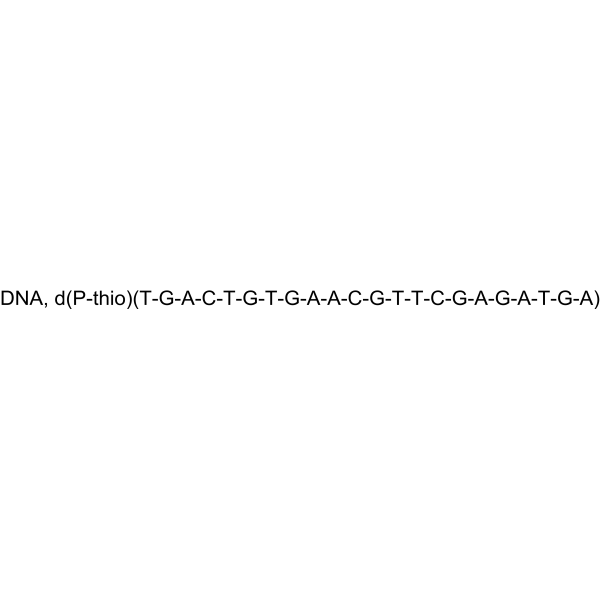

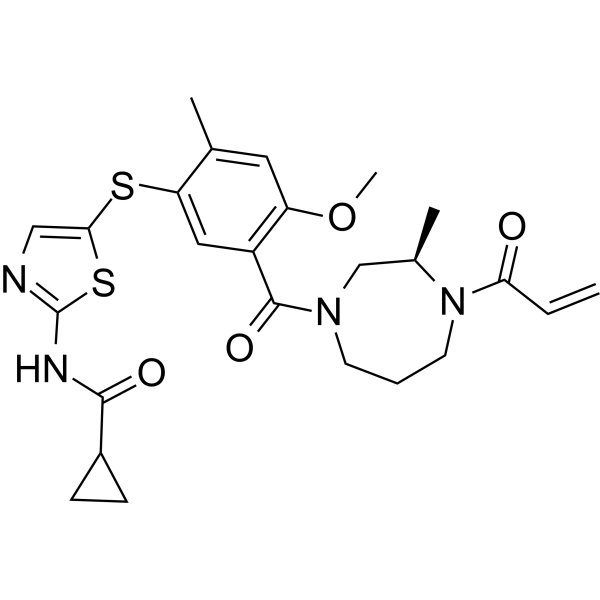
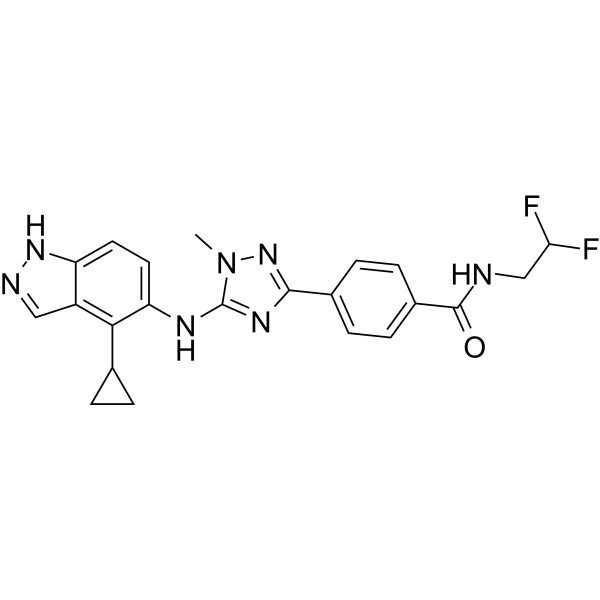






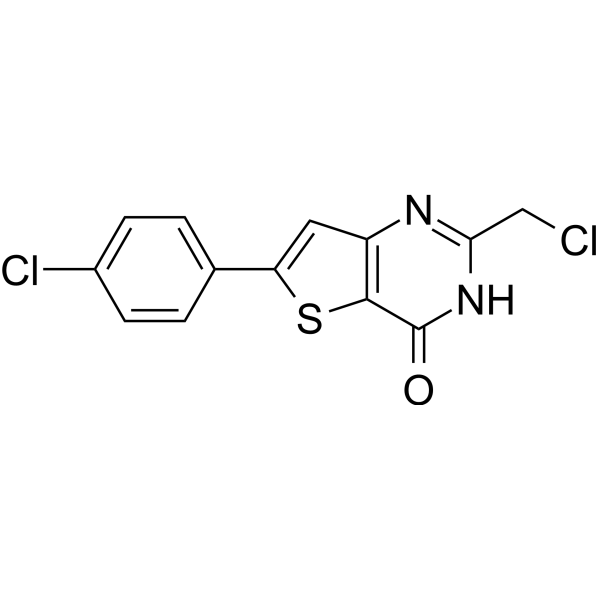

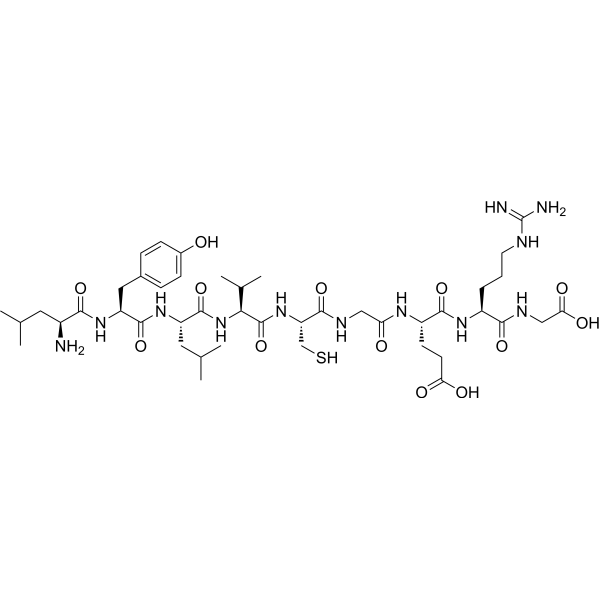

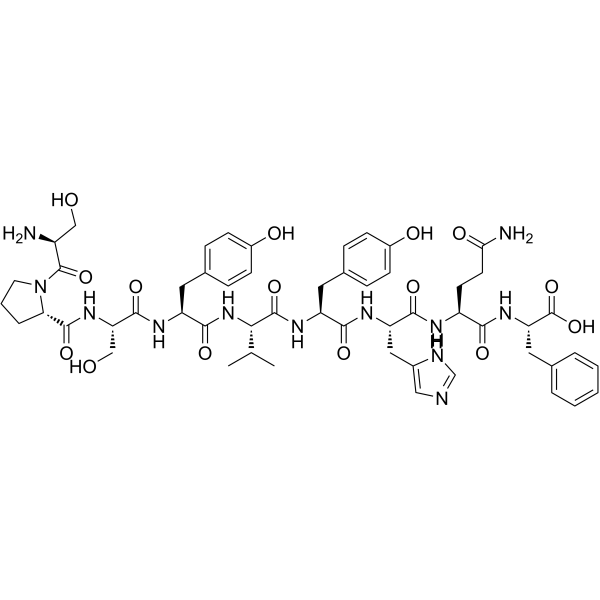


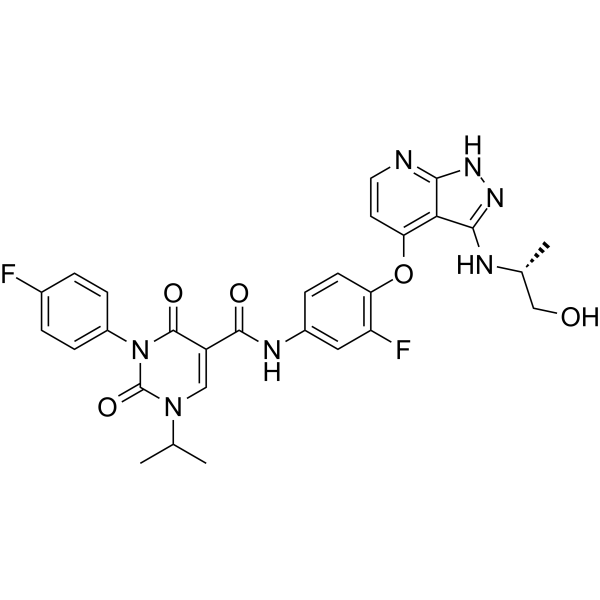


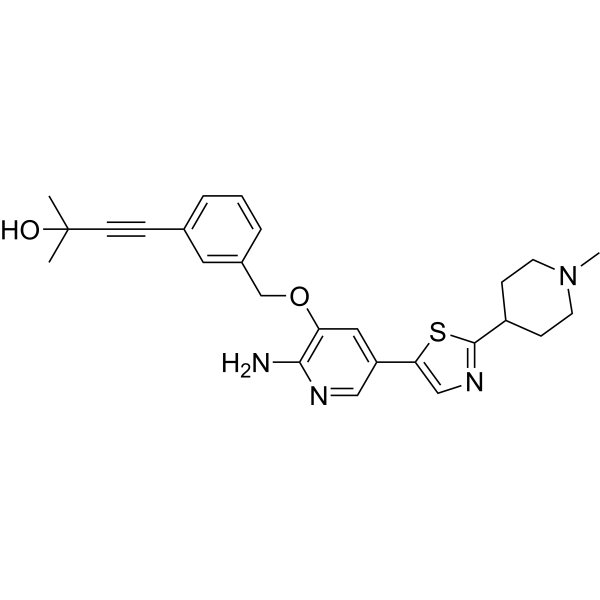




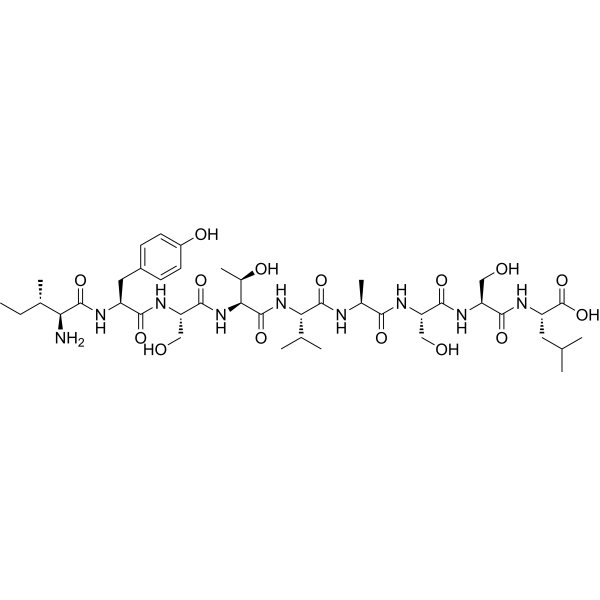
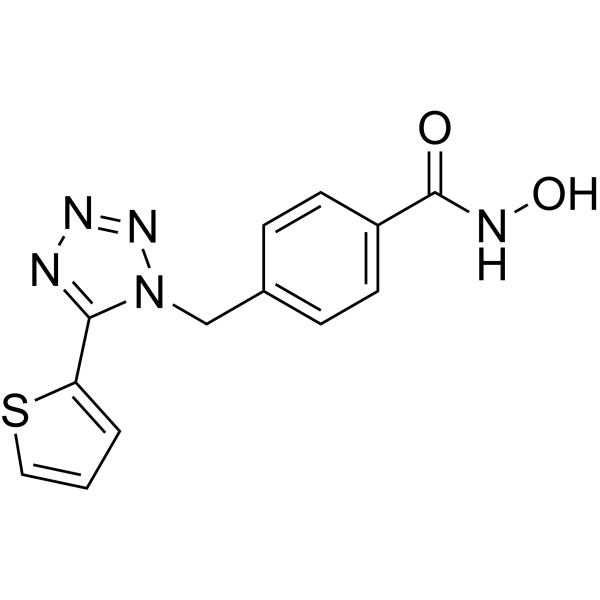

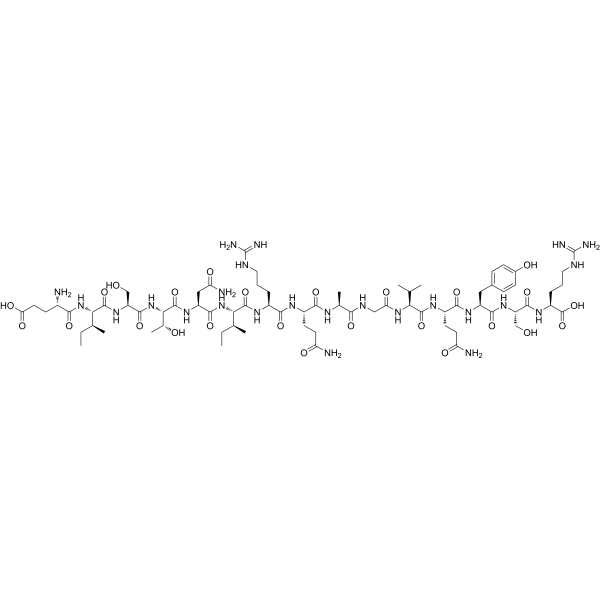



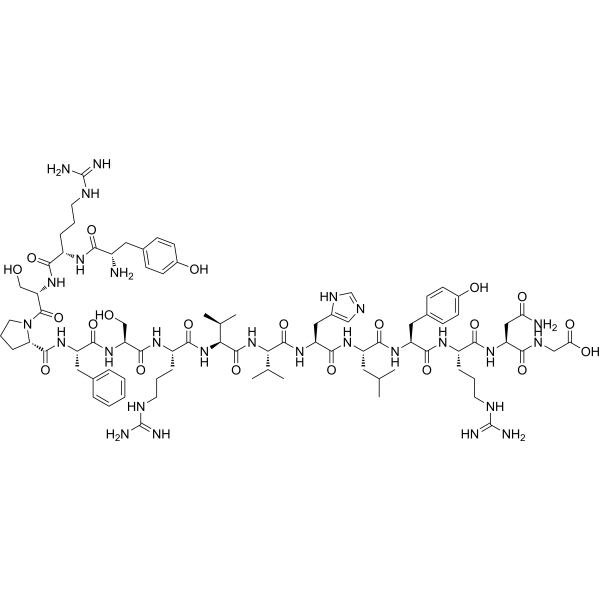

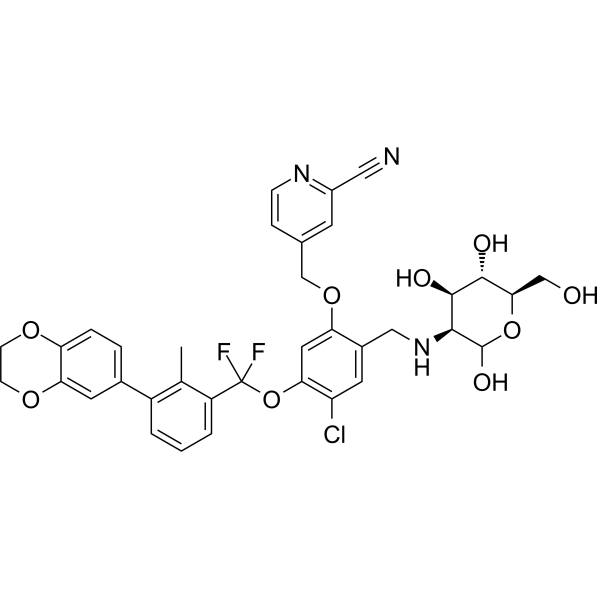


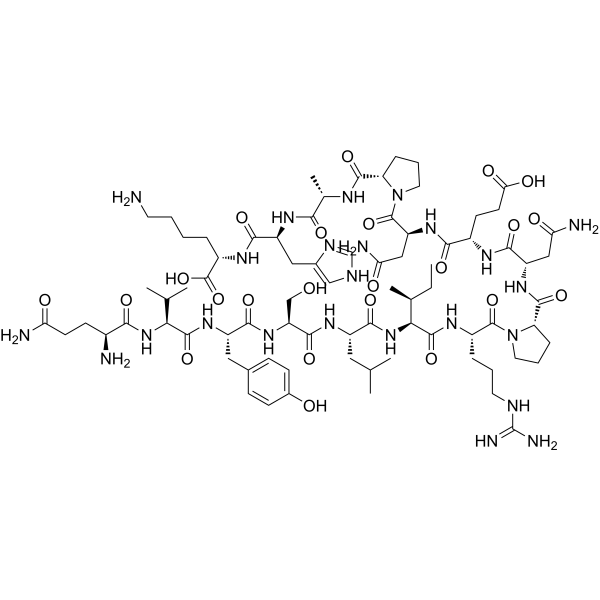


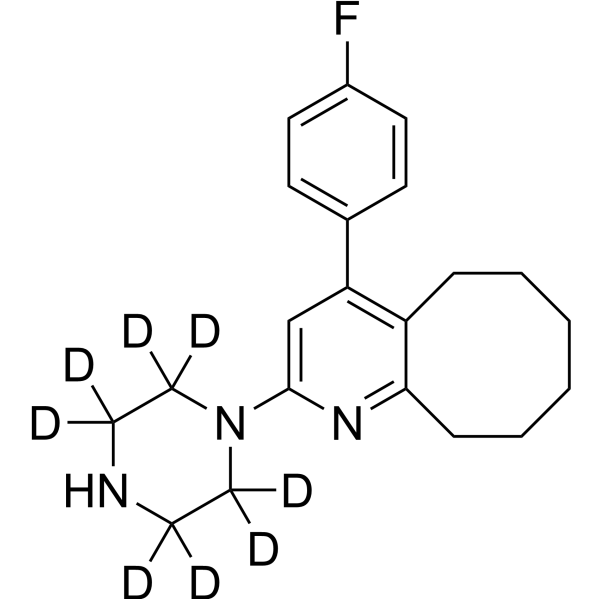
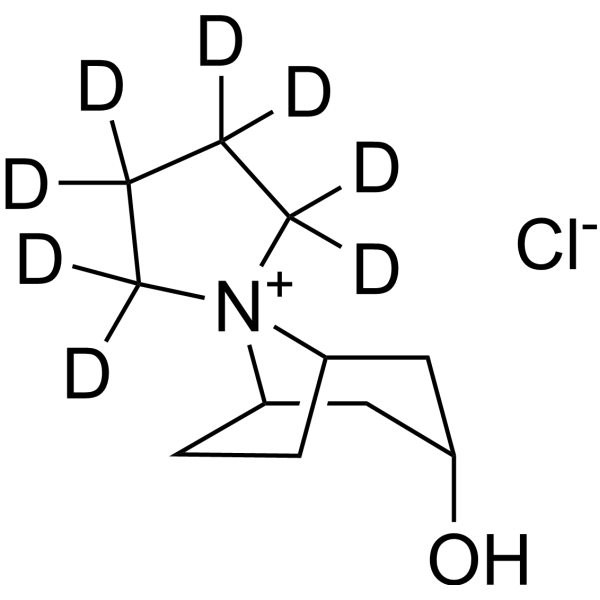


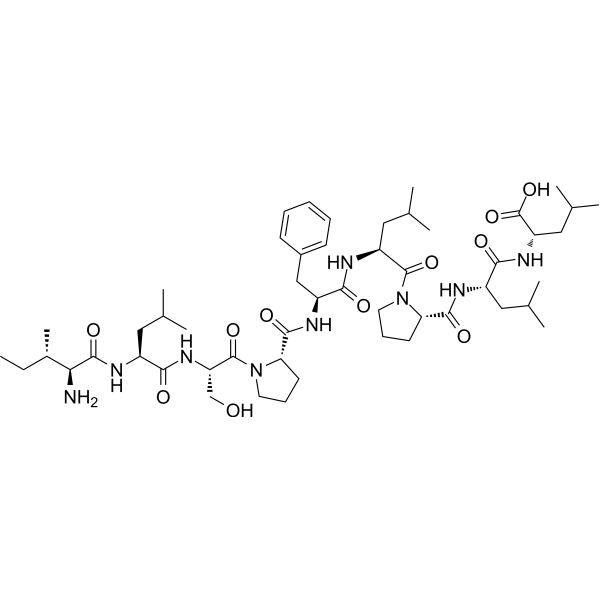
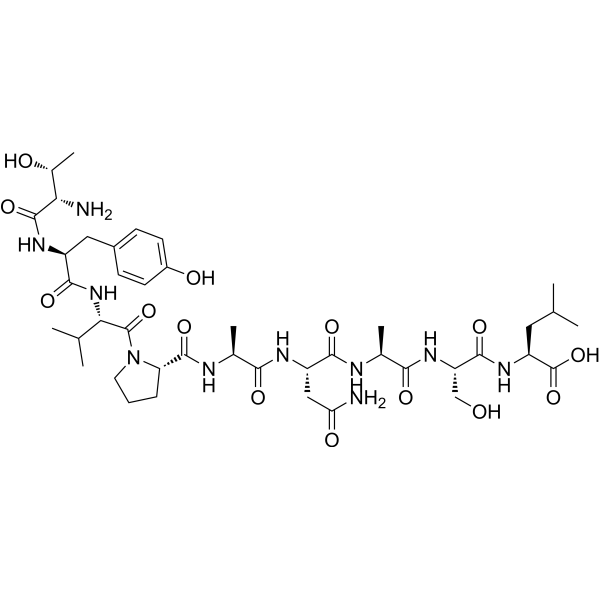

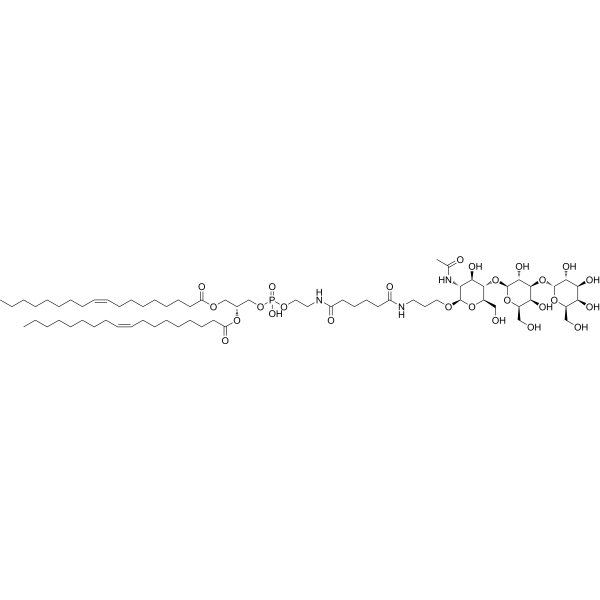
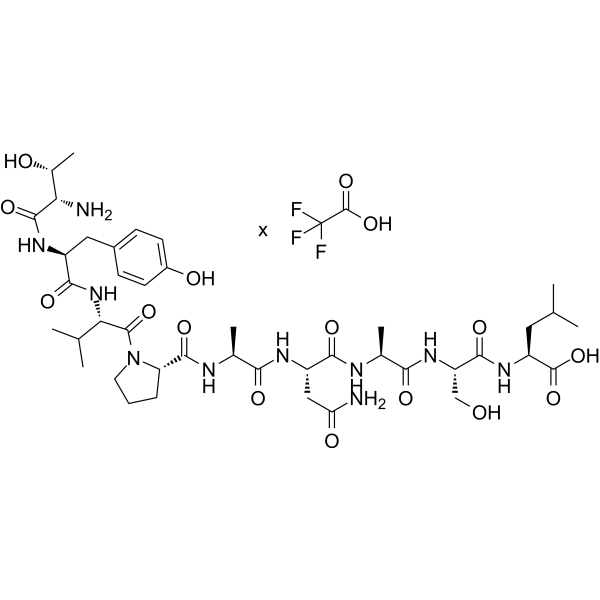
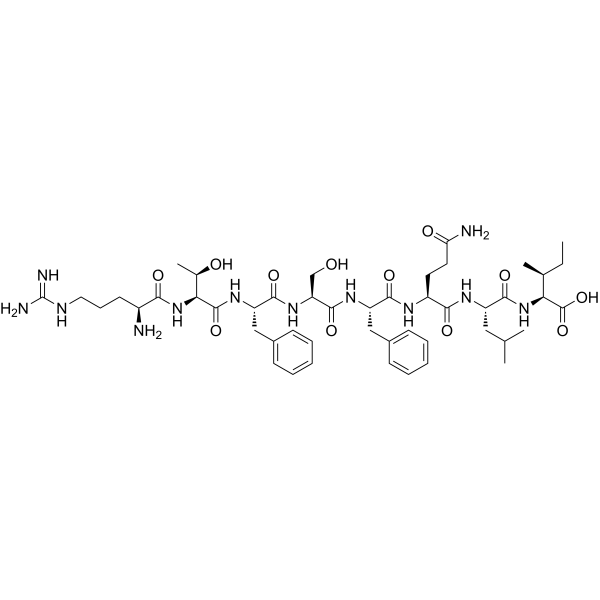


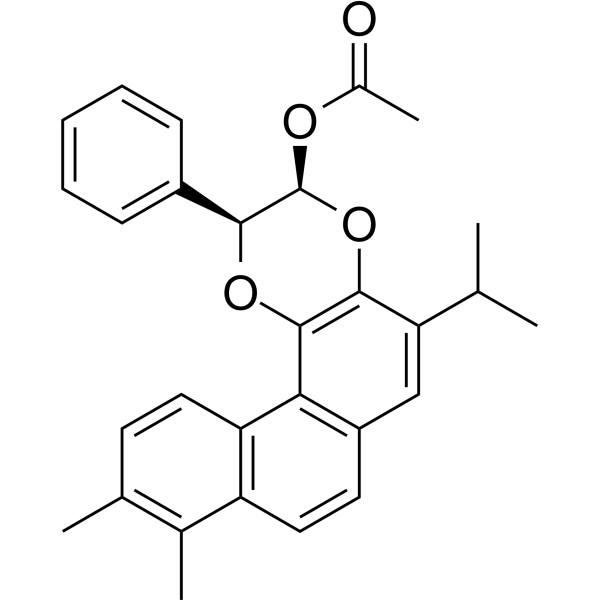

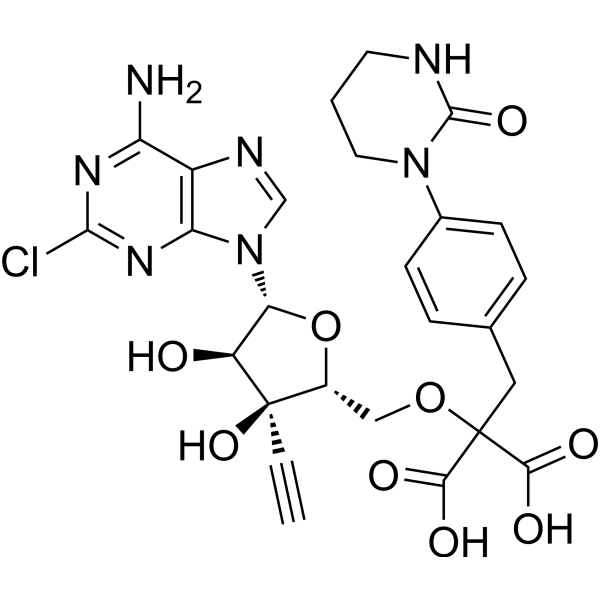
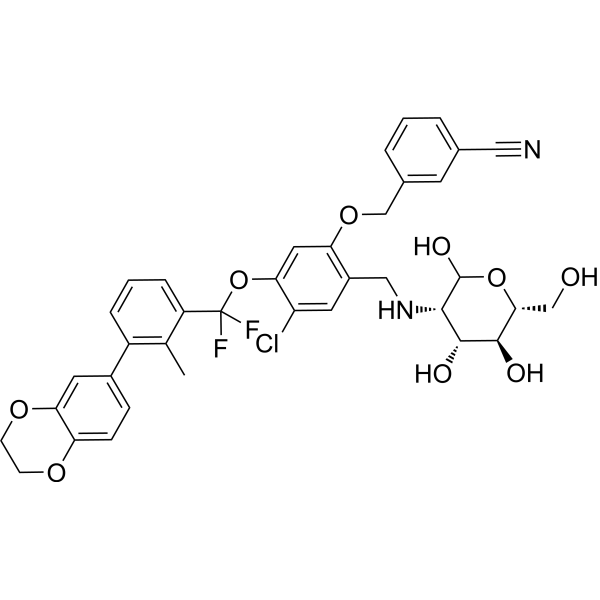
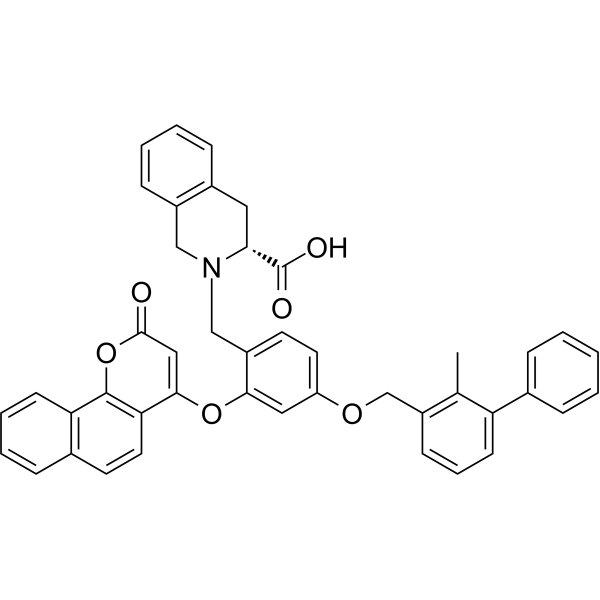


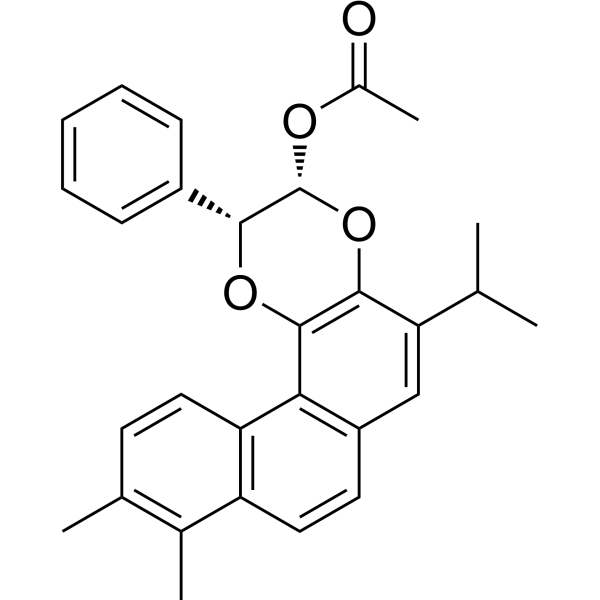







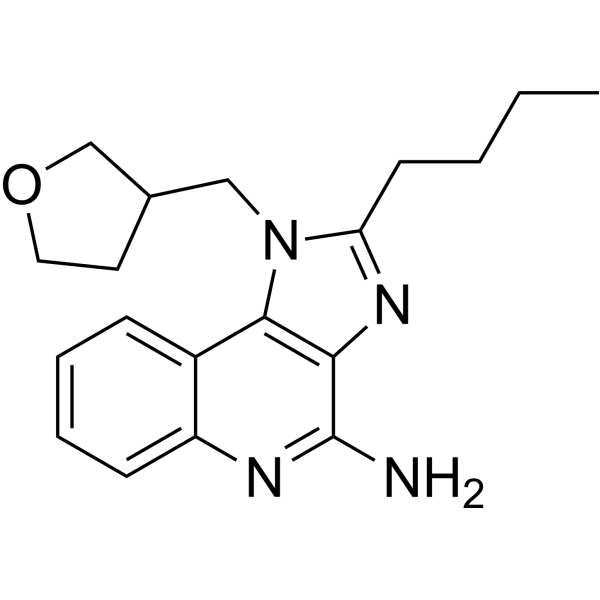

2](http://file.medchemexpress.com/product_pic/hy-172225.gif)





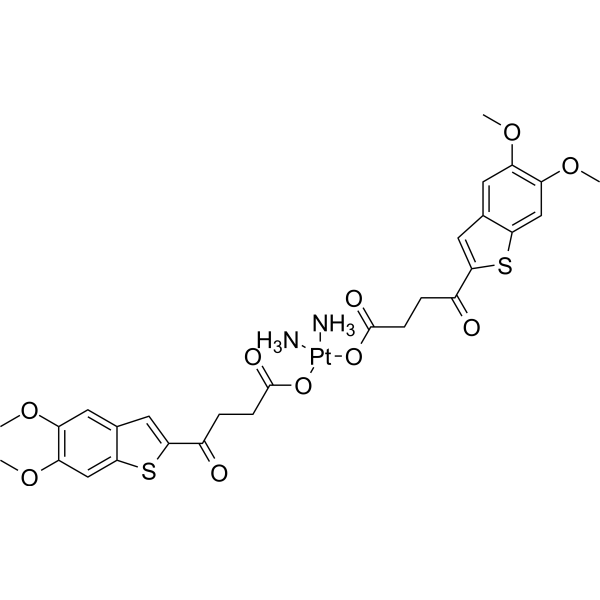




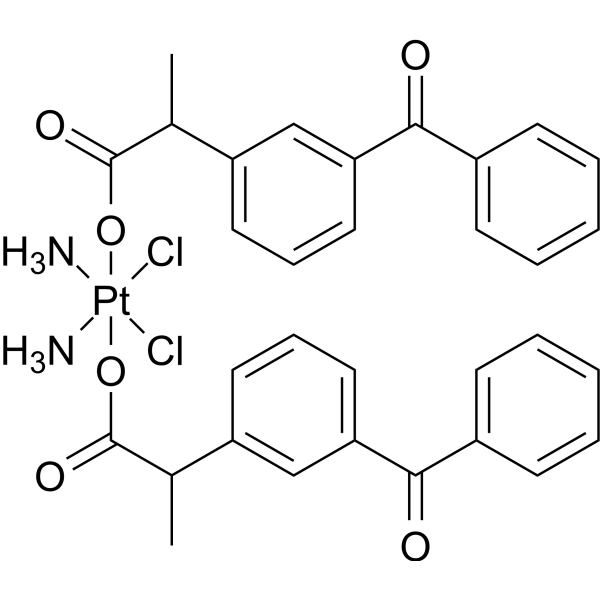
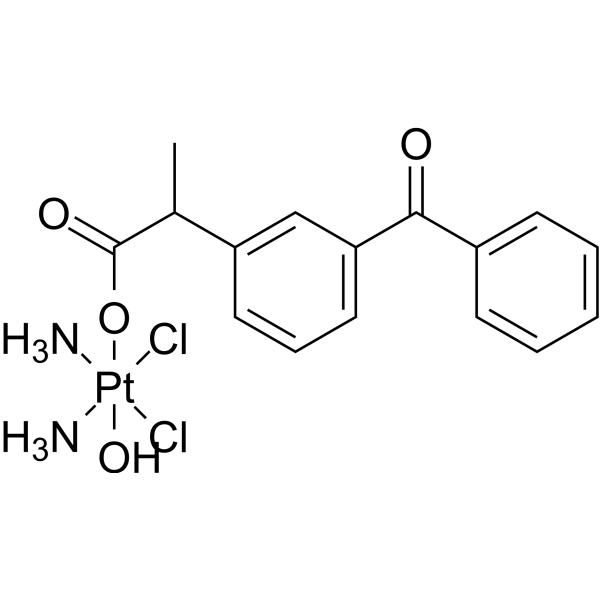




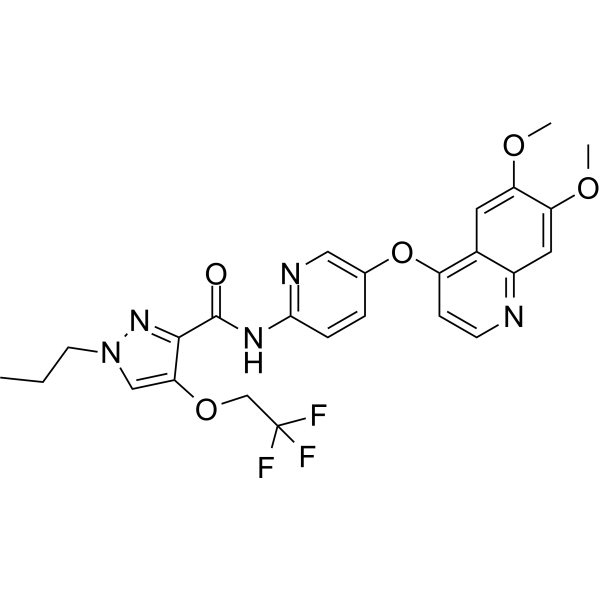



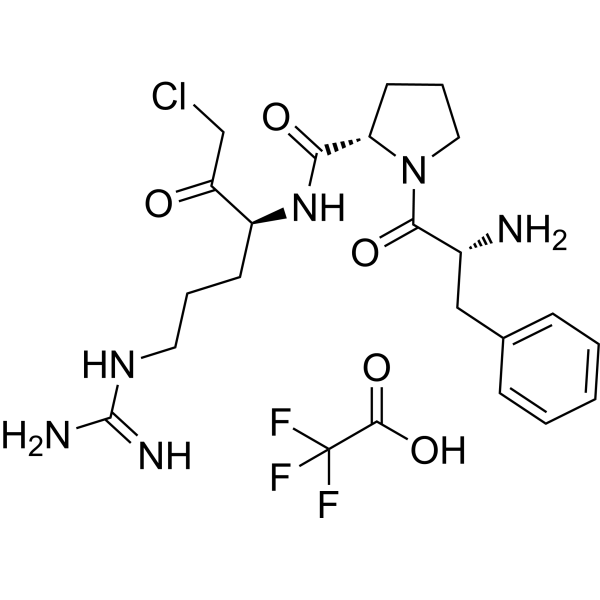
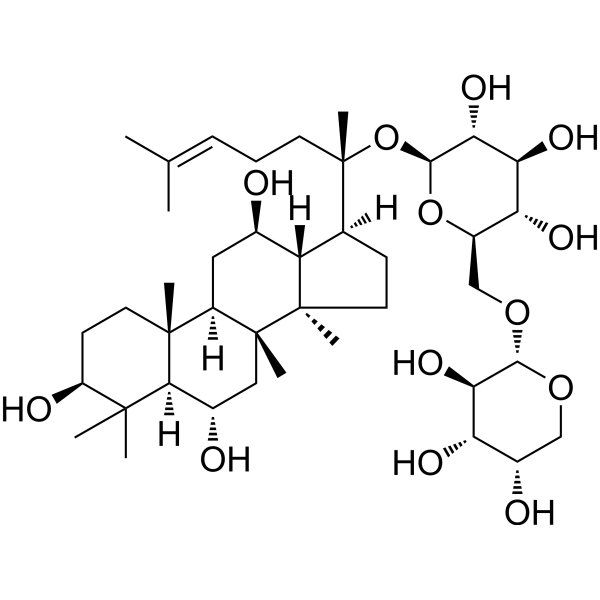
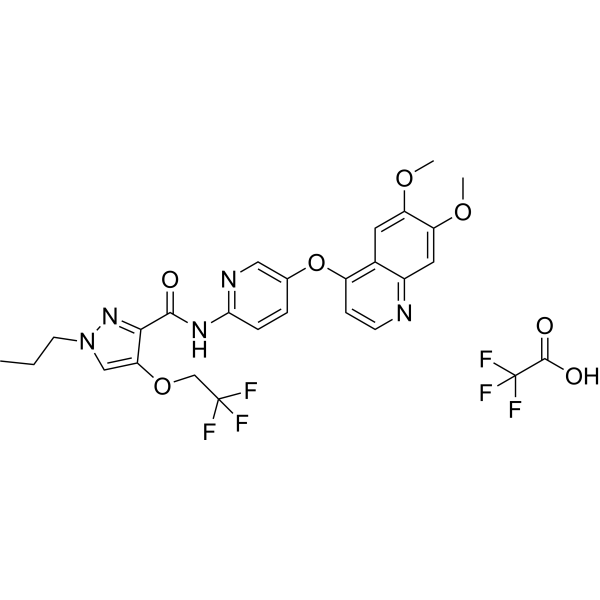
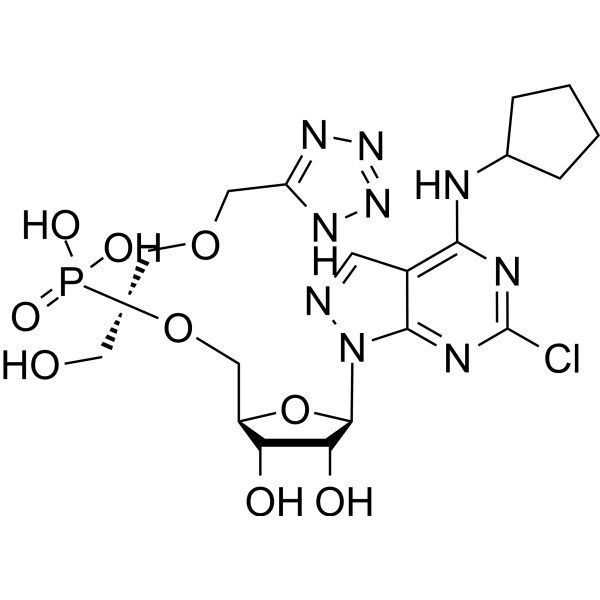




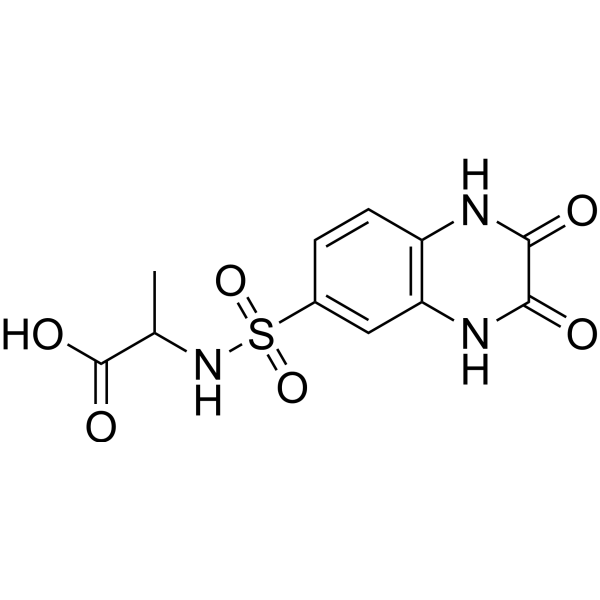


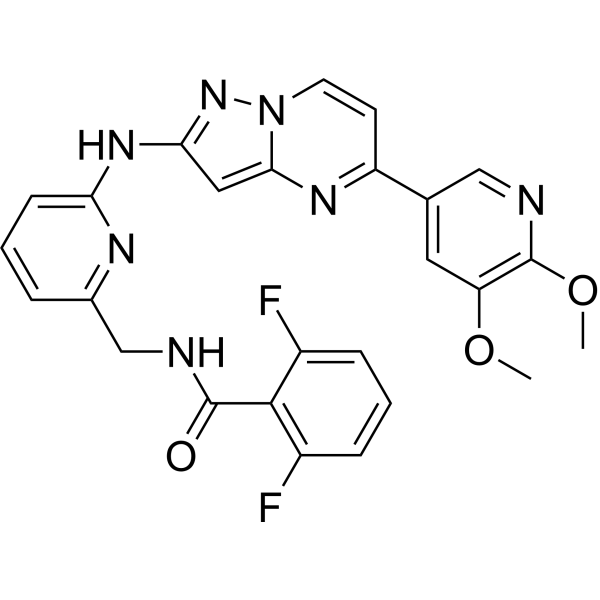










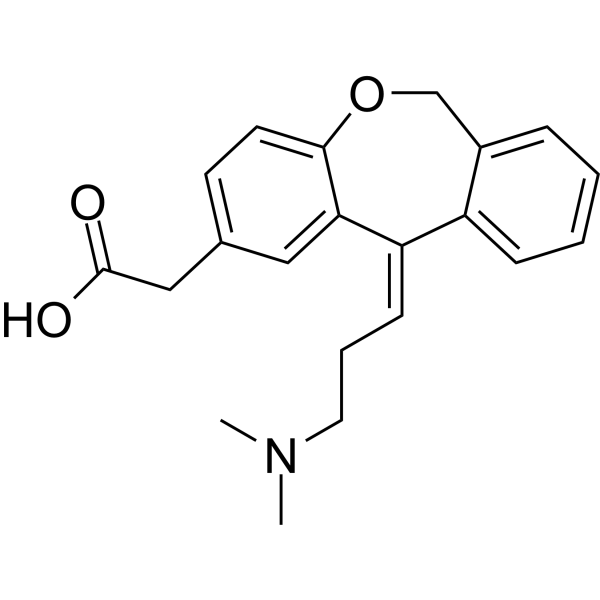
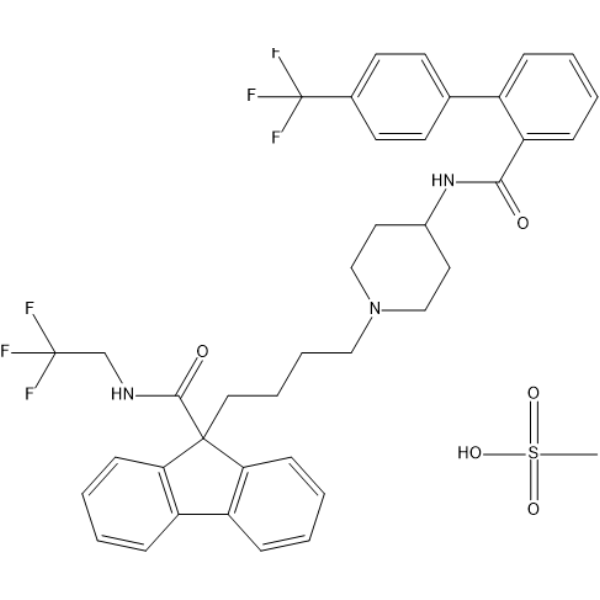


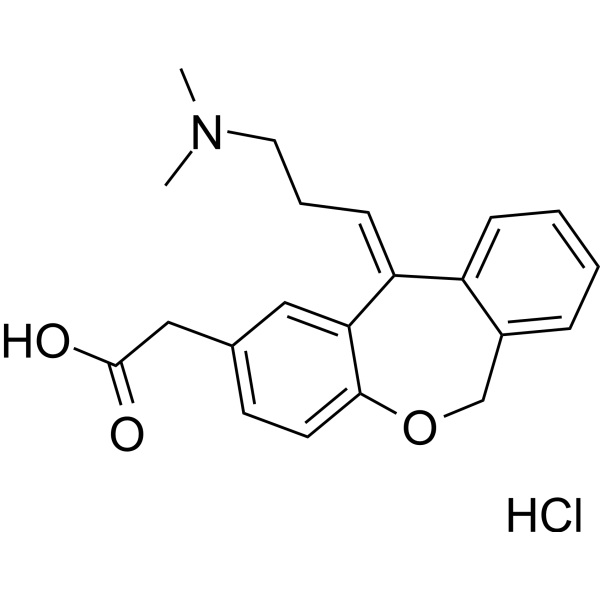

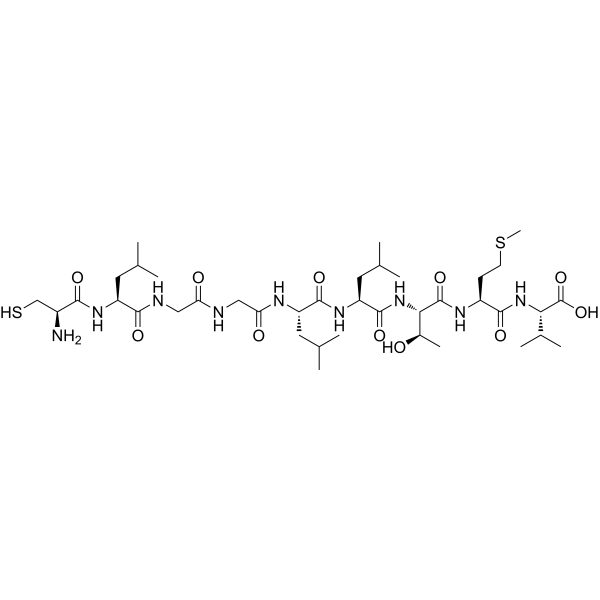



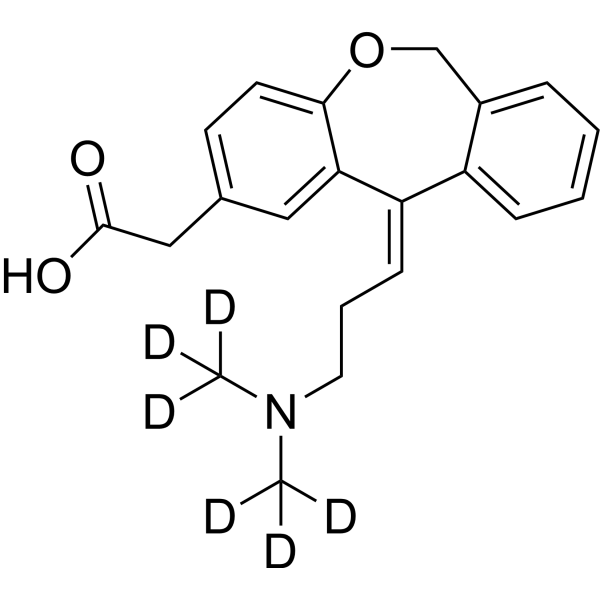
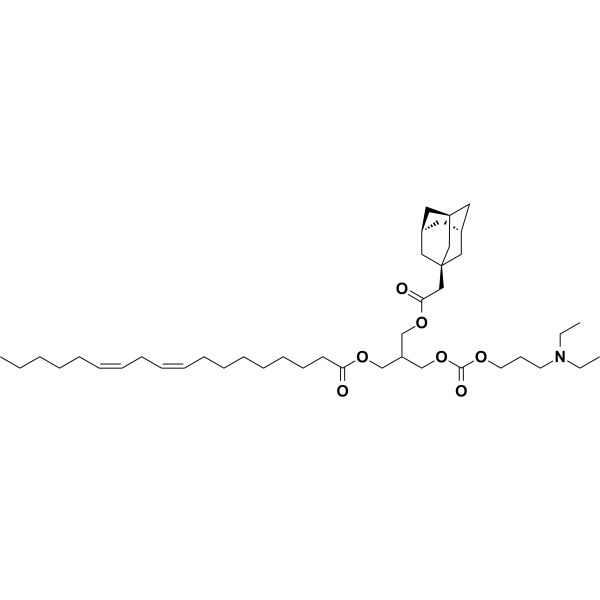





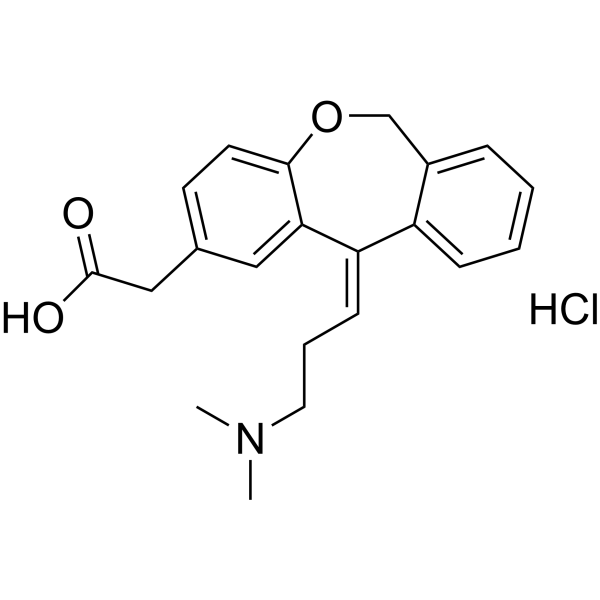
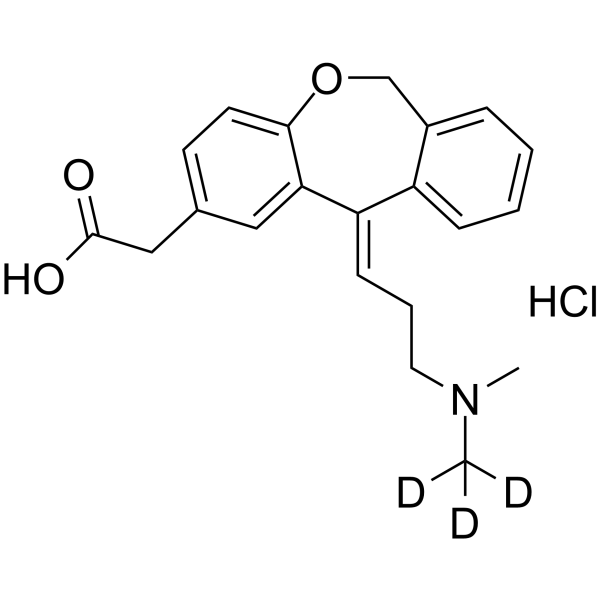

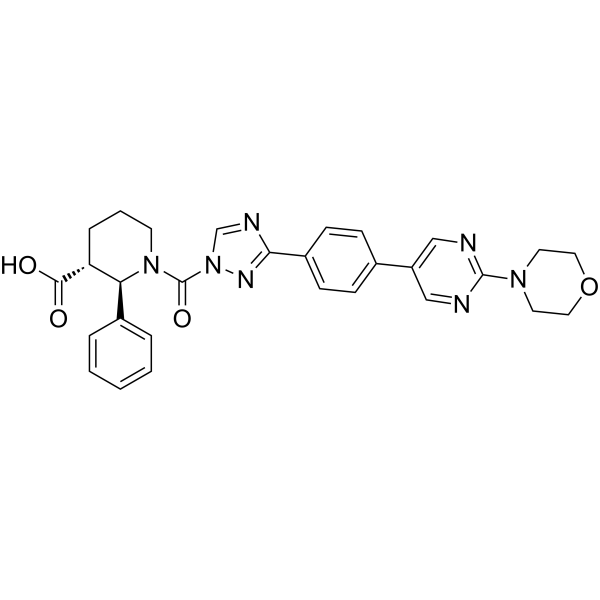
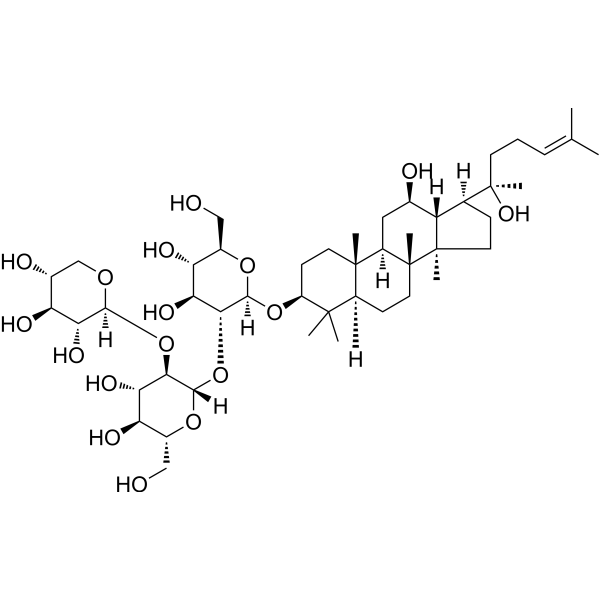
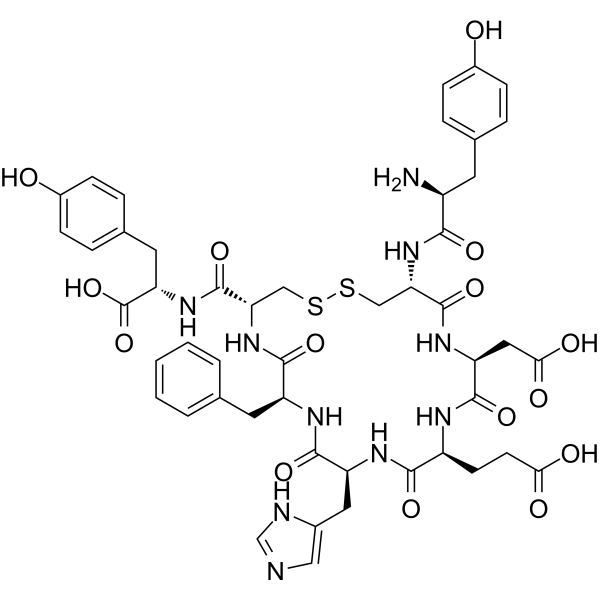




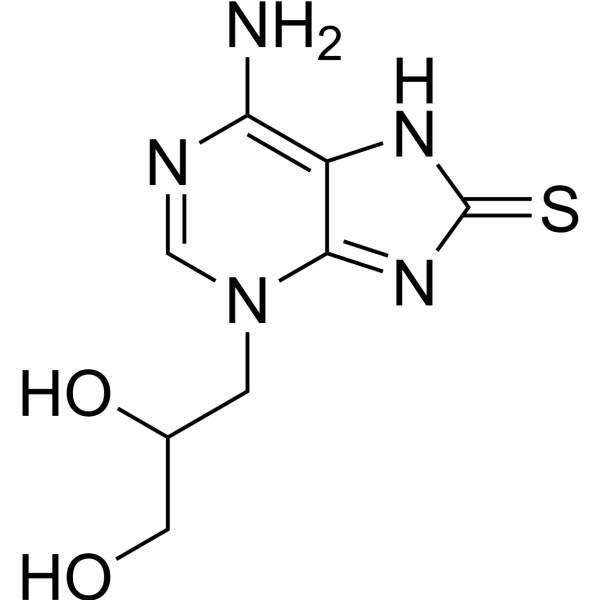


![Pinocembrin 7-O-[3''-O-galloyl-4'',6''-hexahydroxydiphenoyl]-β-D-glucoside](http://file.medchemexpress.com/product_pic/hy-n5084.gif)