Search Result
Results for "
HDAC+inhibitor
" in MedChemExpress (MCE) Product Catalog:
3
Biochemical Assay Reagents
13
Isotope-Labeled Compounds
| Cat. No. |
Product Name |
Target |
Research Areas |
Chemical Structure |
-
- HY-12163
-
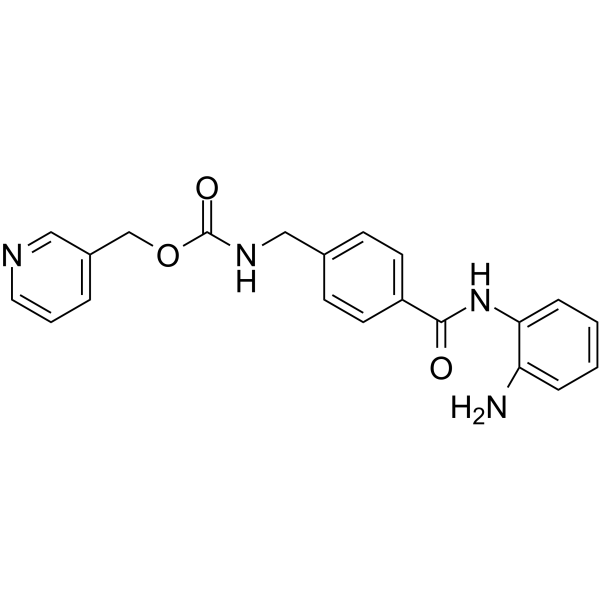
Entinostat
Maximum Cited Publications
87 Publications Verification
MS-275; SNDX-275
|
HDAC
Autophagy
Apoptosis
|
Cancer
|
|
Entinostat is an oral and selective class I HDAC inhibitor, with IC50s of 243 nM, 453 nM, and 248 nM for HDAC1, HDAC2, and HDAC3, respectively.
|
-
-
- HY-10225
-
|
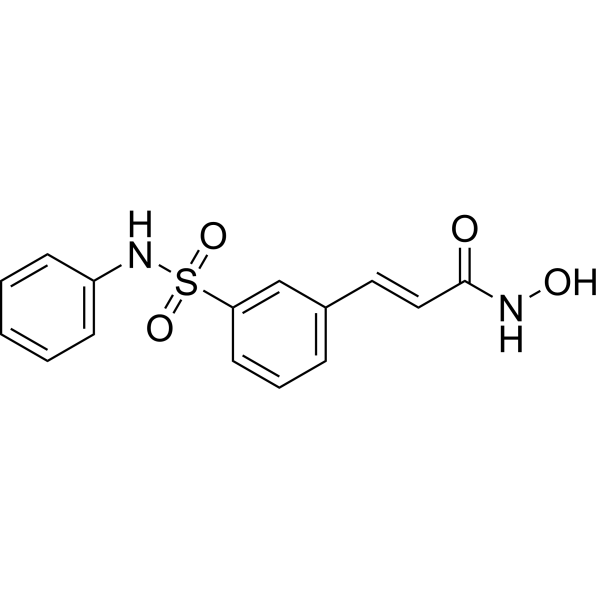
PXD101; PX105684
|
HDAC
Autophagy
|
Cancer
|
|
Belinostat (PXD101; PX105684) is a potent HDAC inhibitor with an IC50 of 27 nM in HeLa cell extracts.
|
-
-
- HY-B0246
-
-
-
- HY-14842
-
|
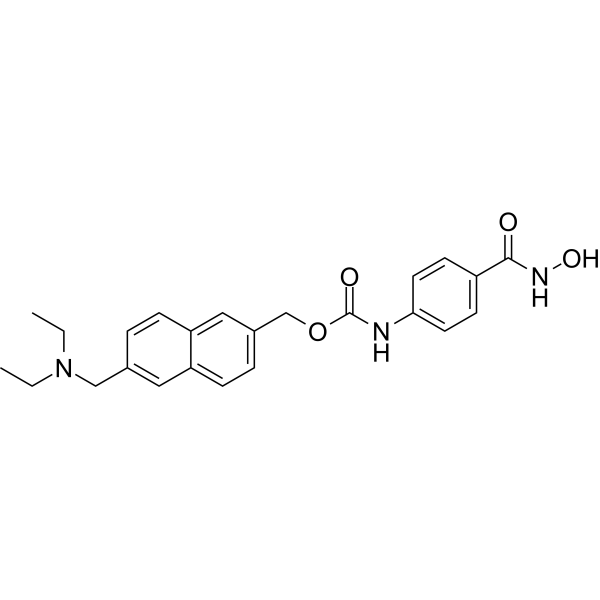
ITF-2357
|
HDAC
|
Inflammation/Immunology
Cancer
|
|
Givinostat (ITF-2357) is a HDAC inhibitor with an IC50 of 198 and 157 nM for HDAC1 and HDAC3, respectively. Givinostat can be used for Duchenne muscular dystrophy (DMD) research. Givinostat can penetrate the blood-brain barrier (BBB) .
|
-
-
- HY-14842B
-
|
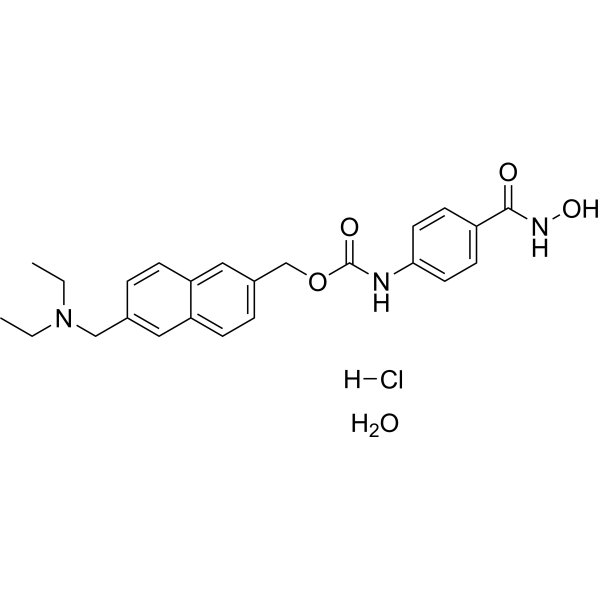
ITF-2357 hydrochloride monohydrate
|
HDAC
|
Infection
Neurological Disease
Inflammation/Immunology
Cancer
|
|
Givinostat hydrochloride monohydrate (ITF-2357 hydrochloride monohydrate) is a HDAC inhibitor with an IC50 of 198 and 157 nM for HDAC1 and HDAC3, respectively. Givinostat hydrochloride monohydrate can penetrate the blood-brain barrier (BBB) .
|
-
-
- HY-18361
-
|
|
HDAC
|
Cancer
|
|
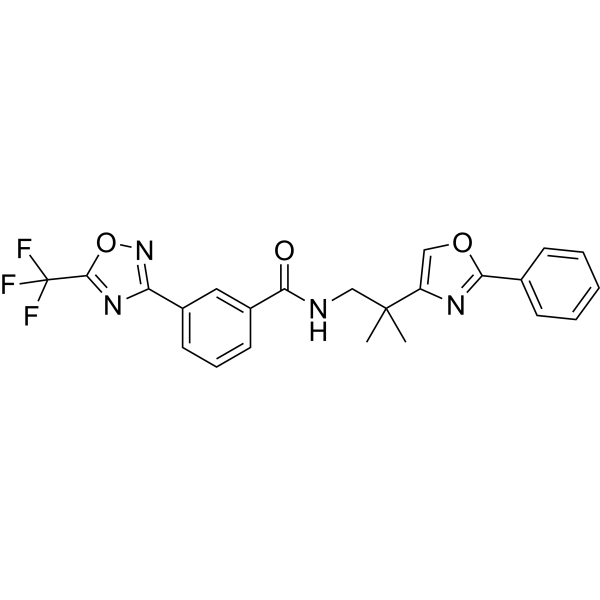
TMP195 is a selective class IIa histone deacetylase (HDAC) inhibitor with Kis of 59, 60, 26, 15 nM for HDAC4, HDAC5, HDAC7 and HDAC9, respectively.
|
-
-
- HY-10990
-
|
CRA 024781; PCI-24781
|
HDAC
|
Cancer
|
|
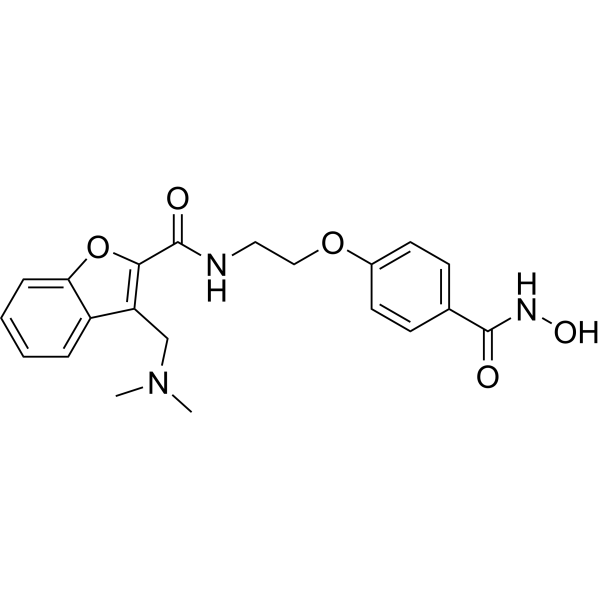
Abexinostat (CRA 024781) is a novel pan-HDAC inhibitor mostly targeting HDAC1 with Ki of 7 nM. Abexinostat also inhibits metallo-β-lactamase domain-containing protein 2 (MBLAC2) hydrolase activity with an EC50 below 10 nM .
|
-
-
- HY-13322
-
|
SB939
|
Beta-lactamase
HDAC
Apoptosis
|
Cancer
|
|
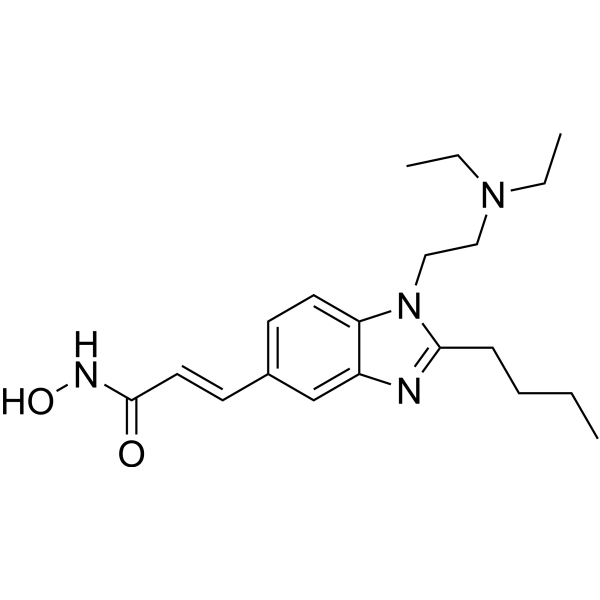
Pracinostat is a potent histone deacetylase (HDAC) inhibitor, with IC50s of 40-140 nM, used for cancer research. Pracinostat also inhibits metallo-β-lactamase domain-containing protein 2 (MBLAC2) hydrolase activity with an EC50 below 10 nM .
|
-
-
- HY-13606
-
|
NVP-LAQ824; LAQ824
|
HDAC
Autophagy
|
Cancer
|
|
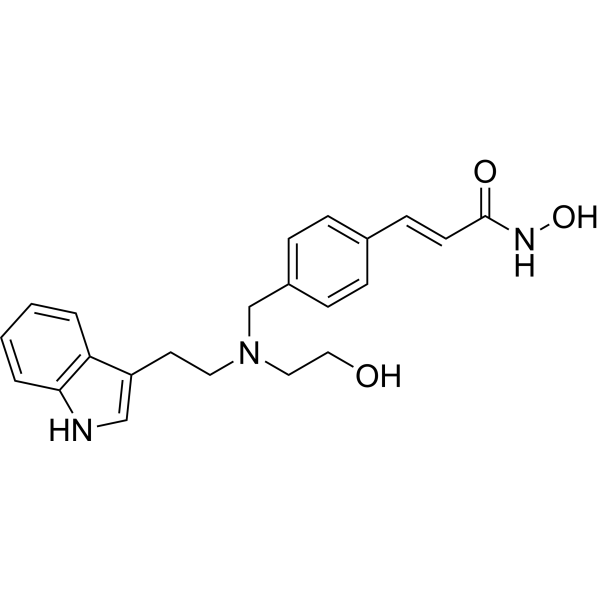
Dacinostat is a potent HDAC inhibitor, with an IC50 of 32 nM; Dacinostat also inhibits HDAC1 with an IC50 of 9 nM, and used in cancer research.
|
-
-
- HY-16425
-
|
RGFP109
|
HDAC
|
Cancer
|
|
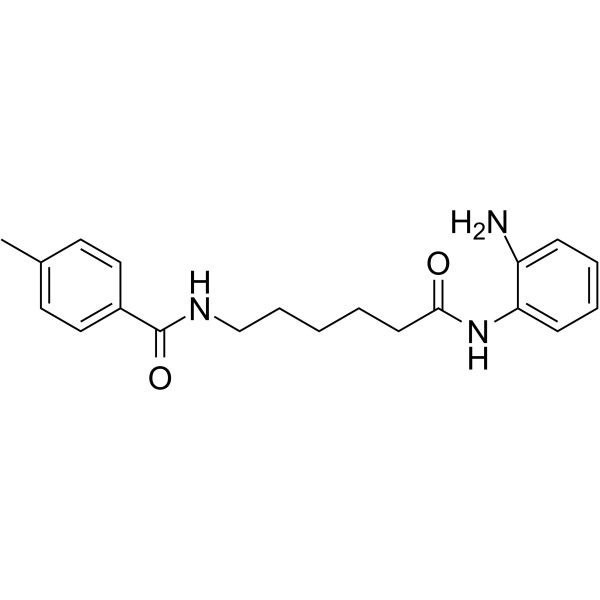
RG2833 is a brain-penetrant HDAC inhibitor with IC50s of 60 nM and 50 nM for HDAC1 and HDAC3, respectively. The Ki values for HDAC1 and HDAC3 are 32 and 5 nM, respectively .
|
-
-
- HY-18360
-
|
|
HDAC
|
Cancer
|
|
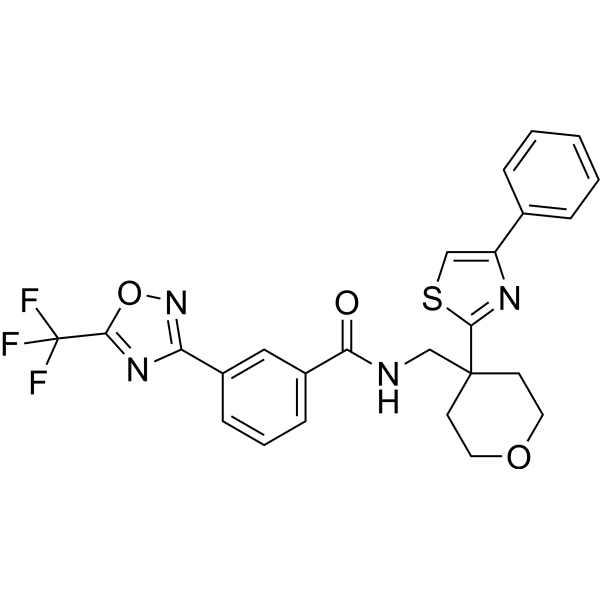
TMP269 is a novel and selective class IIa histone deacetylase (HDAC) inhibitor with IC50s of 157 nM, 97 nM, 43 nM and 23 nM for HDAC4, HDAC5, HDAC7 and HDAC9, respectively.
|
-
-
- HY-15489
-
|
Scriptide; GCK1026
|
HDAC
Autophagy
Apoptosis
Influenza Virus
|
Cancer
|
|
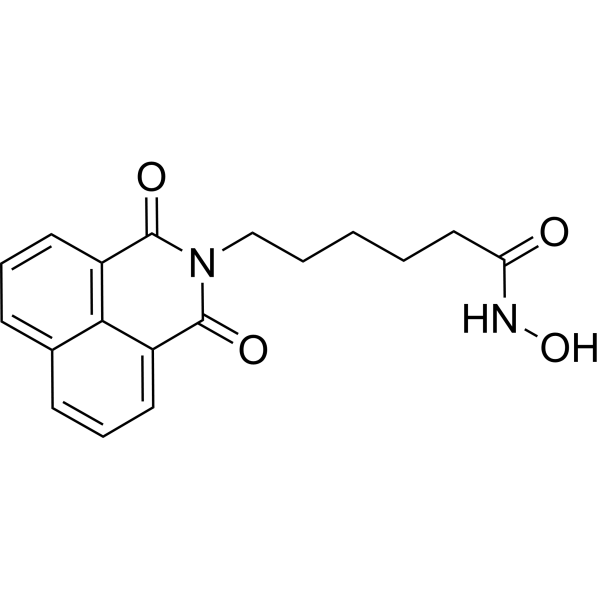
Scriptaid is a potent histone deacetylase (HDAC) inhibitor, used in cancer research. Scriptaid is also a sensitizer to antivirals and has potential for epstein-barr virus (EBV)-associated lymphomas treatment.
|
-
-
- HY-16012
-
|
4SC-202
|
HDAC
Apoptosis
|
Cancer
|
|
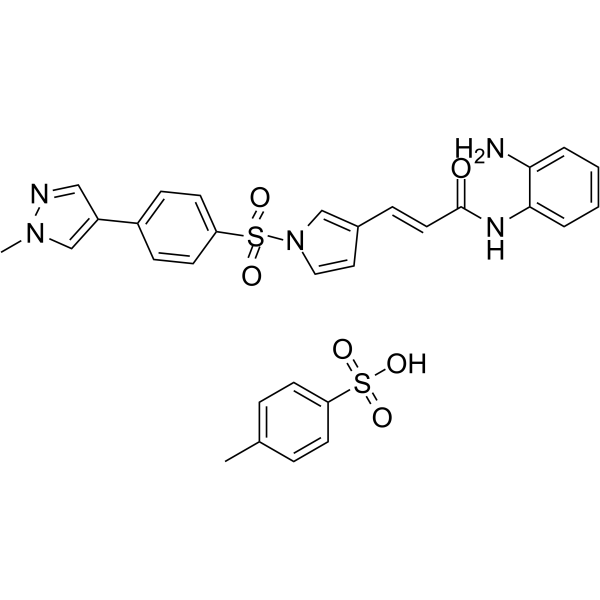
Domatinostat tosylate (4SC-202) is a selective class I HDAC inhibitor with IC50 of 1.20 μM, 1.12 μM, and 0.57 μM for HDAC1, HDAC2, and HDAC3, respectively. It also displays inhibitory activity against Lysine specific demethylase 1 (LSD1).
|
-
-
- HY-149285
-
|
|
HDAC
|
Neurological Disease
|
|
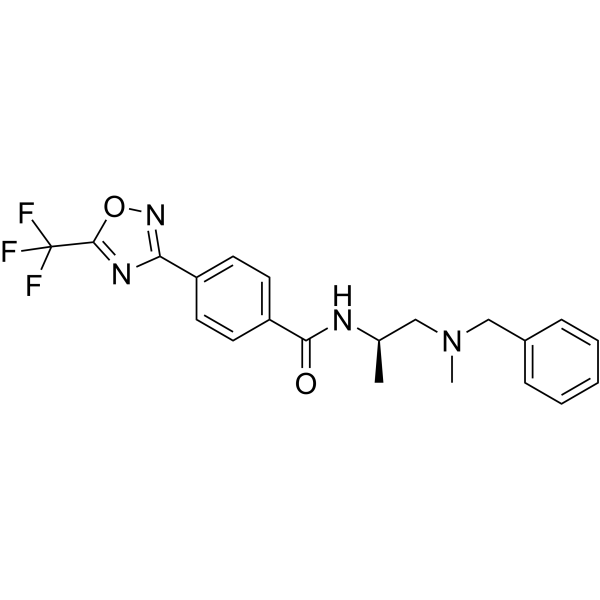
NT160 is a highly potent class-IIa HDAC inhibitor with an IC50 value of 0.046 μM. NT160 can be used for the research of central nervous system diseases .
|
-
-
- HY-14842A
-
|
ITF-2357 hydrochloride
|
HDAC
|
Inflammation/Immunology
Cancer
|
|
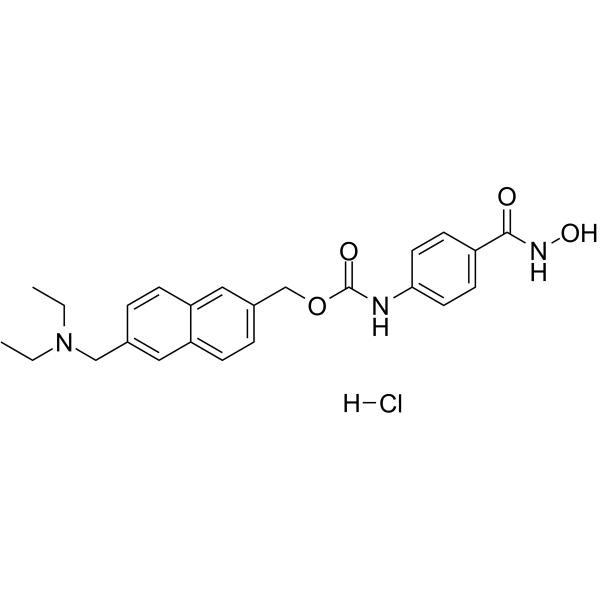
Givinostat (ITF-2357) hydrochloride is a HDAC inhibitor with an IC50 of 198 and 157 nM for HDAC1 and HDAC3, respectively. Givinostat hydrochloride can penetrate the blood-brain barrier (BBB). .
|
-
-
- HY-102033
-
|
Metacept-3
|
HDAC
|
Cancer
|
|
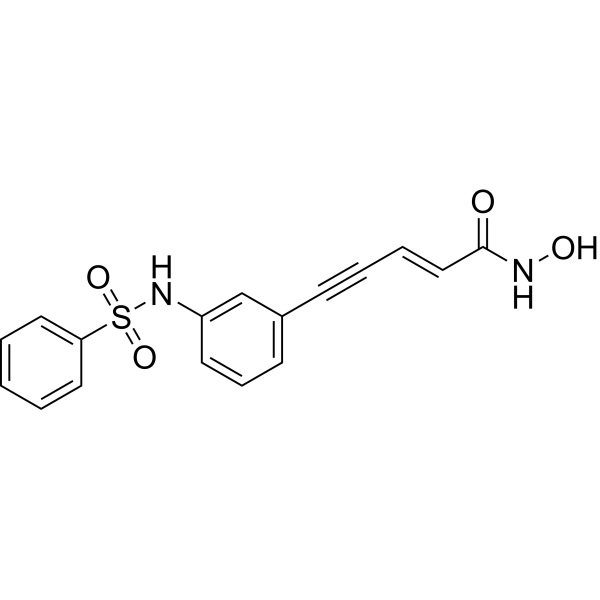
Oxamflatin (Metacept-3) is a potent HDAC inhibitor with an IC50 of 15.7 nM. Oxamflatin is a click chemistry reagent, it contains an Alkyne group and can undergo copper-catalyzed azide-alkyne cycloaddition (CuAAc) with molecules containing Azide groups.
|
-
-
- HY-100748
-
|
CXD101
|
HDAC
|
Cancer
|
|
Zabadinostat (CXD101) is a potent, selective and orally active class I HDAC inhibitor with IC50s of 63 nM, 570 nM and 550 nM for HDAC1, HDAC2 and HDAC3, respectively. Zabadinostat has no activity against HDAC class II. Zabadinostat has antitumor activity .
|
-
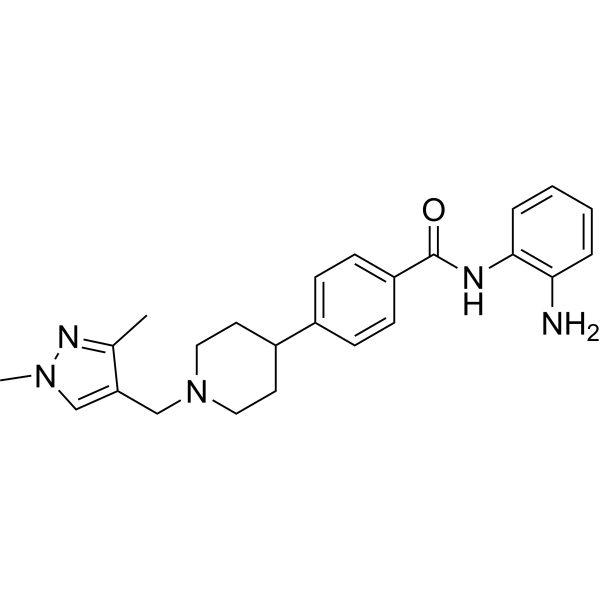
-
- HY-101780
-
|
EDO-S101; NL-101
|
HDAC
|
Cancer
|
|
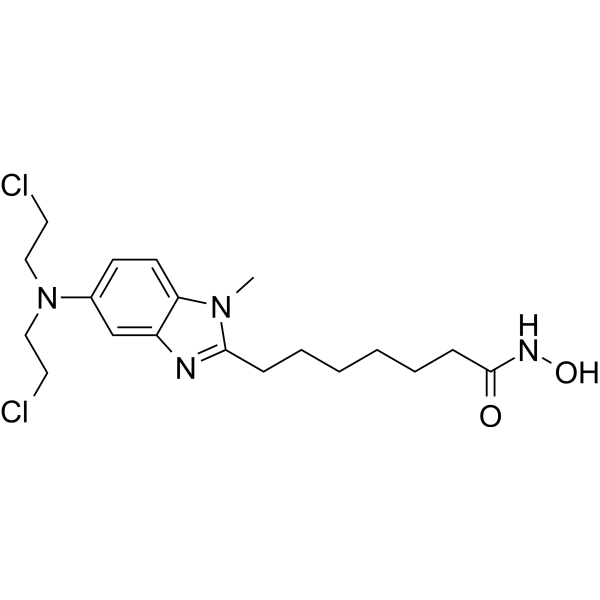
Tinostamustine (EDO-S101) is a pan HDAC inhibitor; inhibits HDAC6, HDAC1, HDAC2 and HDAC3 with IC50 values of 6 nM, 9 nM, 9 nM and 25 nM, respectively .
|
-
-
- HY-158075
-
|
|
HDAC
DNA Methyltransferase
|
Cancer
|
|
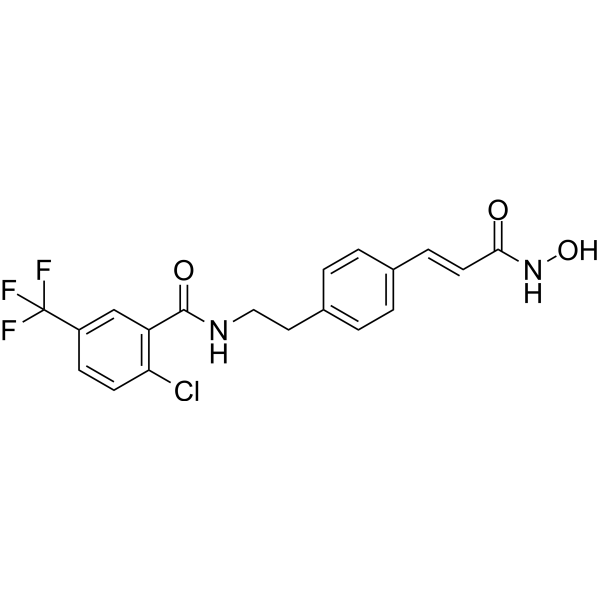
DNMT/HDAC-IN-1 (Compund 15a) is a dual DNMT and HDAC inhibitor with IC50 values for HDAC1 and HDAC6 are 56.84 nM and 17.39 nM respectively. DNMT/HDAC-IN-1 can induce apoptosis and be used in tumor research.
|
-
-
- HY-13267
-
|
NS 41080
|
HDAC
Apoptosis
|
Cancer
|
|
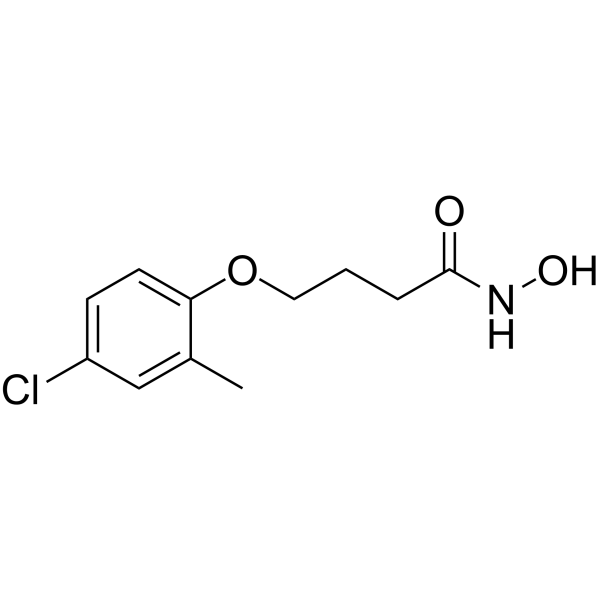
Droxinostat (NS 41080) is a histone deacetylase (HDAC) inhibitor. Droxinostat selectively inhibits HDAC3, HDAC6, and HDAC8 with IC50 values of 16.9 μM, 2.47 μM, and 1.46 μM, respectively. Droxinostat can be used for the research of hepatocellular carcinoma (HCC) .
|
-
-
- HY-12954
-
|
NCH-51
|
HDAC
HIV
|
Infection
Cancer
|
|
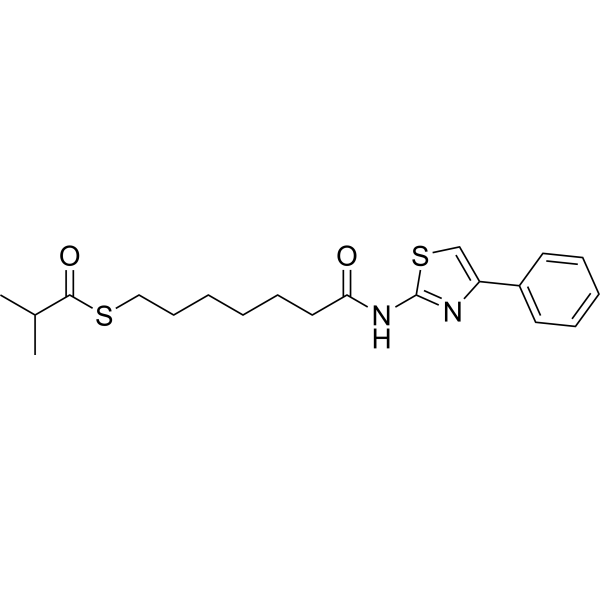
PTACH (NCH-51) is a potent HDAC inhibitor with IC50s of 48 nM, 32 nM, and 41 nM for HDAC1, HDAC4, and HDAC6, respectively. PTACH exerts potent growth inhibition against various cancer cells (EC50s of 1.1-9.1 μM) .
|
-
-
- HY-114483
-
AES-135
1 Publications Verification
|
HDAC
|
Cancer
|
|
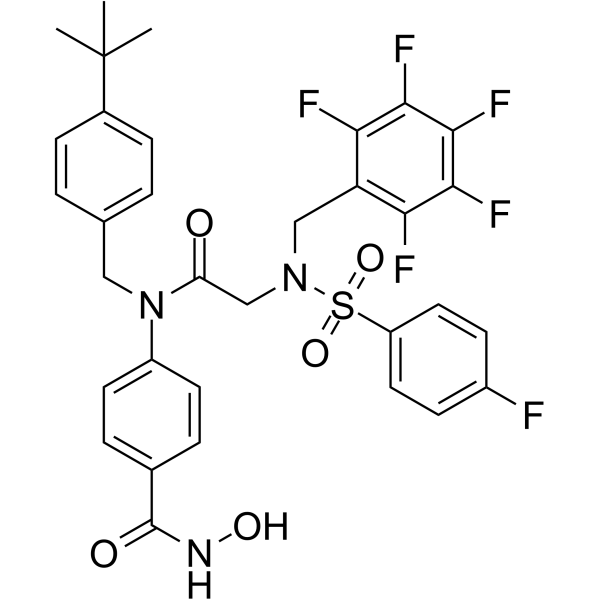
AES-135, a hydroxamic acid-based pan-HDAC inhibitor, prolongs survival in an orthotopic mouse model of pancreatic cancer. AES-135 inhibits HDAC3, HDAC6, HDAC8, and HDAC11 with IC50s ranging from 190-1100 nM .
|
-
-
- HY-118672
-
|
|
HDAC
MMP
HIF/HIF Prolyl-Hydroxylase
|
Cancer
|
|
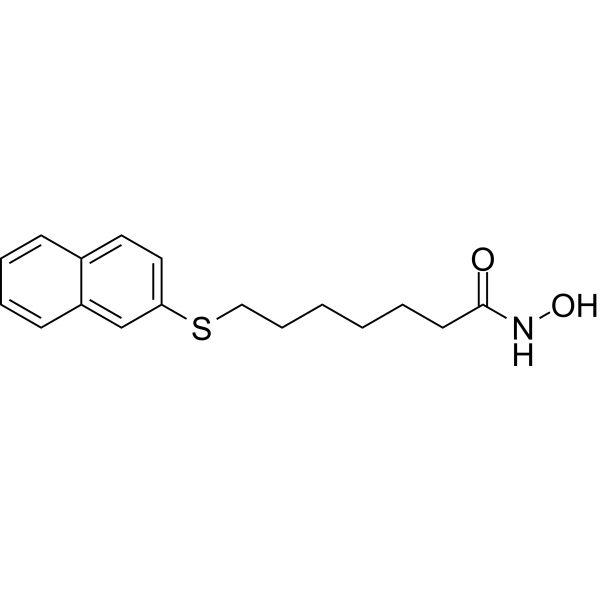
HNHA is a potent HDAC inhibitor with an IC50 of 100 nM. HNHA arrests the cell cycle at the G1/S phase via p21 induction. HNHA inhibits tumor growth and tumor neovascularization. HNHA may be a potent anti-cancer agent against breast cancer .
|
-
-
- HY-109109
-
|
CKD-581
|
HDAC
Apoptosis
|
Cancer
|
|
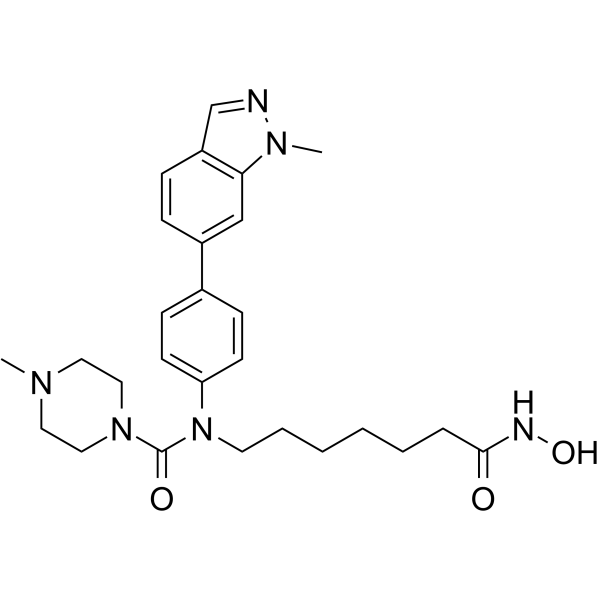
Alteminostat (CKD-581) is a potent HDAC inhibitor. Alteminostat inhibits the class I-II HDAC family via histone H3 and tubulin acetylation. Alteminostat can be used for lymphoma and multiple myeloma research .
|
-
-
- HY-160092A
-
|
|
HDAC
|
Neurological Disease
|
|
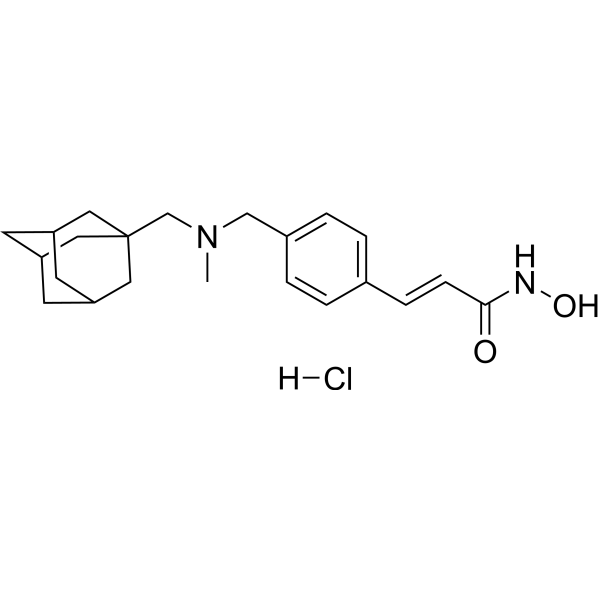
Martinostat hydrochloride is a HDAC inhibitor and can be labeled with radionuclides for quantitative imaging of HDACs in vivo in the central nervous system and major peripheral organs .
|
-
-
- HY-126856
-
|
|
HDAC
Apoptosis
|
Cancer
|
|
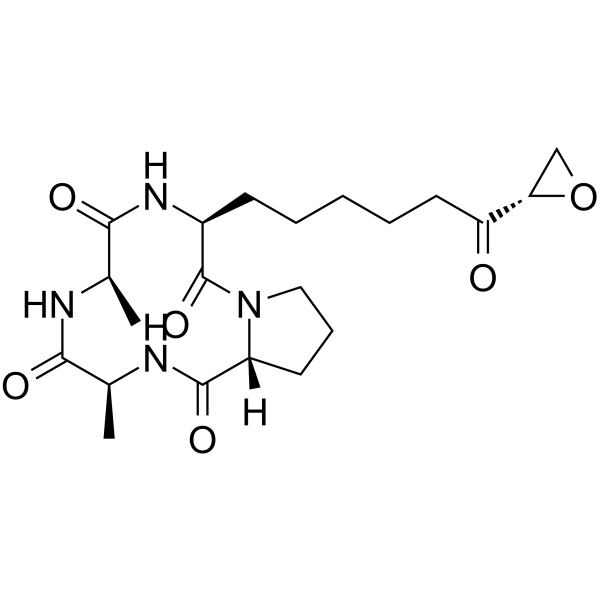
HC-Toxin, a cyclic tetrapeptide, is a potent HDAC inhibitor with an IC50 of 30 nM . HC-Toxin induces tumor cell apoptosis and has anticancer effects .
|
-
-
- HY-156602
-
|
OKI-179
|
HDAC
|
Cancer
|
|
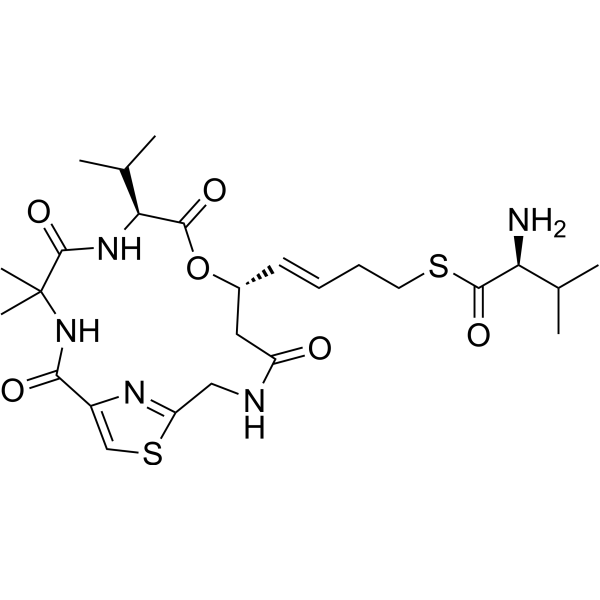
Bocodepsin (OKI-179) is an orally active and selective HDAC inhibitor, with antitumor activity. Bocodepsin can be used for suppression on solid tumor and hematologic malignancies .
|
-
-
- HY-102083
-
|
|
HDAC
|
Neurological Disease
|
|
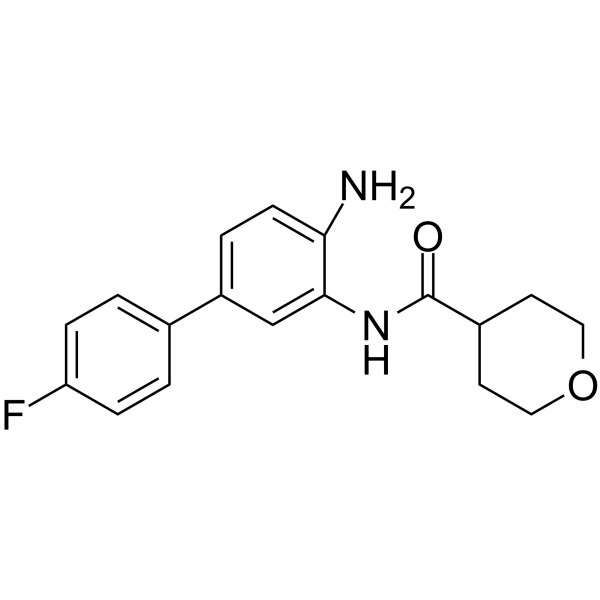
BRD4884 is a potent and brain-penetrant HDAC inhibitor with IC50 values of 29 nM, 62 nM, and 1090 nM for HDAC1, HDAC2, and HDAC3, respectively. BRD4884 can be used for the study of cognitive impairment .
|
-
-
- HY-145613
-
|
|
HDAC
|
Metabolic Disease
|
|
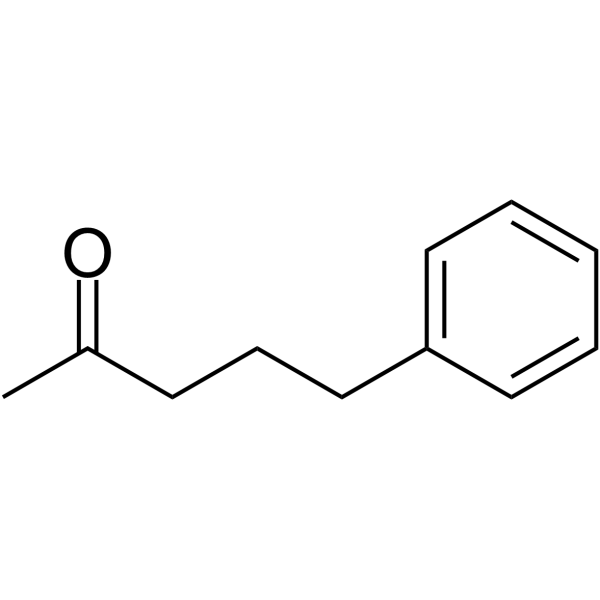
5-Phenylpentan-2-one is a potent histone deacetylases (HDACs) inhibitor. 5-Phenylpentan-2-one can be used for urea cycle disorder research .
|
-
-
- HY-152174
-
|
|
HDAC
|
Cancer
|
|
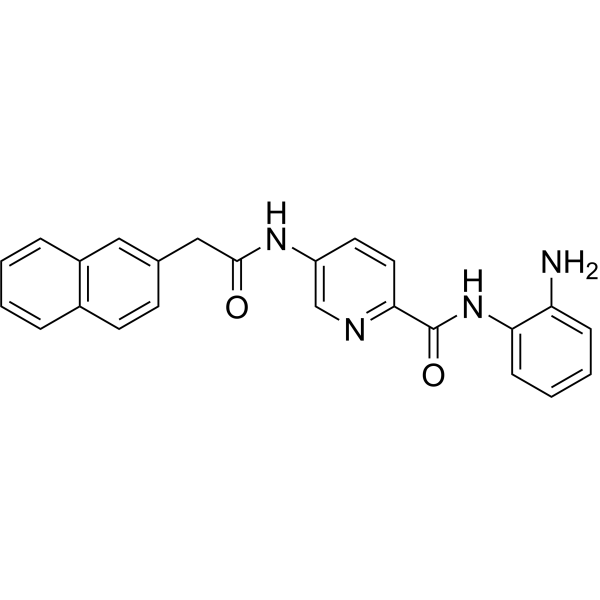
HDAC-IN-52 is a pyridine-containing HDAC inhibitor, with IC50s of 0.189, 0.227, 0.440 and 0.446 μM for HDAC1, HDAC2, HDAC3, and HDAC10, respectively. HDAC-IN-52 can be used for the research of cancer .
|
-
-
- HY-144893
-
|
|
HDAC
|
Cancer
|
|
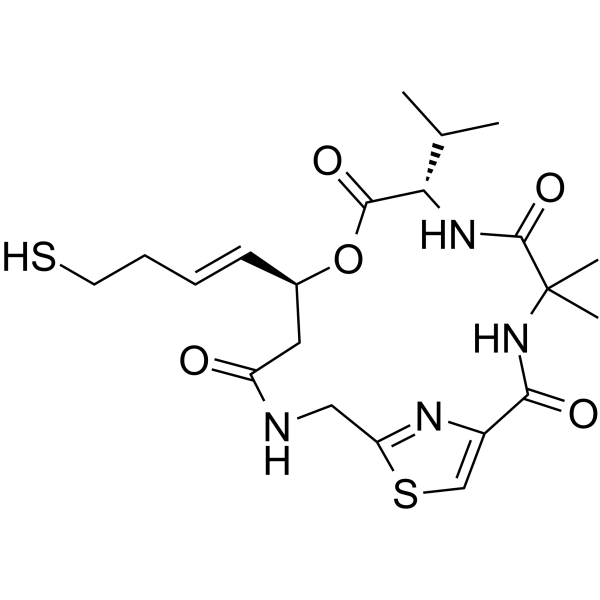
OKI-006 is an orally active histone deacetylase (HDAC) inhibitor. OKI-006 is the active metabolite of OKI-005 (HY-185584) and OKI-179 (HY-156602). OKI-006 can be used for the research of cancers such as breast cancer and colorectal cancer .
|
-
-
- HY-124337
-
|
|
HDAC
|
Cancer
|
|
BG48 is a potent HDAC inhibitor. BG48 inhibits the enzymatic activity of HDAC1 and HDAC2 .
|
-

-
- HY-159045
-
|
p-Fluoro-SAHA
|
HDAC
|
Cancer
|
|
F-SAHA is a HDAC inhibitor (HDACi) and its 18F labeled derivative can be used in tumor imaging research .
|
-

-
- HY-120508
-
|
AN-9; Pivalyloxymethyl butyrate
|
HDAC
Bcr-Abl
Apoptosis
|
Inflammation/Immunology
Cancer
|
|
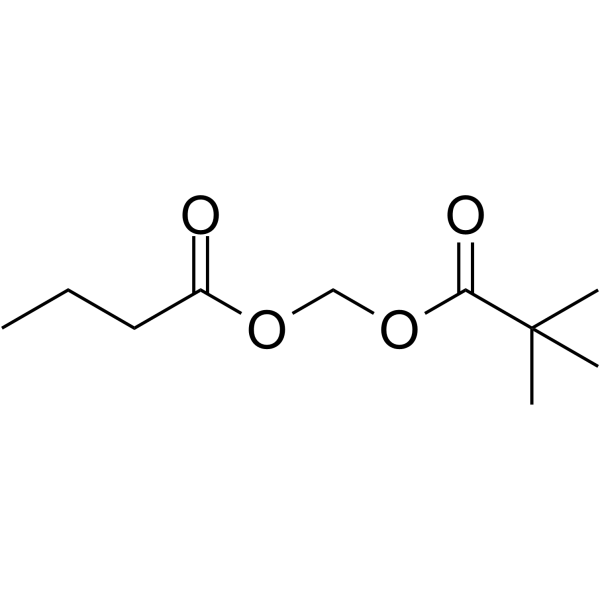
Pivanex (AN-9), a derivative of Butyric acid, is an orally active HDAC inhibitor. Pivanex down-regulates bcr-abl protein and enhances apoptosis. Pivanex has antimetastic and antiangiogenic properties .
|
-
-
- HY-161149
-
|
|
HDAC
|
Cancer
|
|
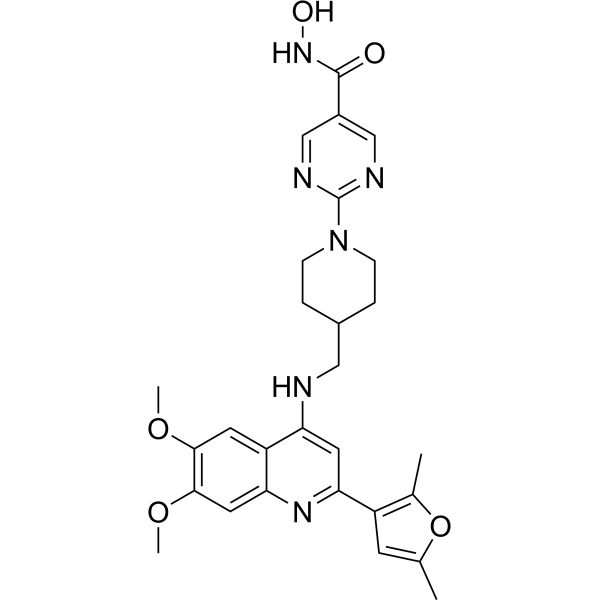
CM-1758 is a histone deacetylase (HDAC) inhibitor. CM-1758 inhibits tumor growth in vivo. CM-1758 induces acetylation of non-histone proteins in acute myeloid leukemia cells .
|
-
-
- HY-12163S
-
|
MS-275-d4; SNDX-275-d4
|
Apoptosis
Autophagy
HDAC
|
Cancer
|
|
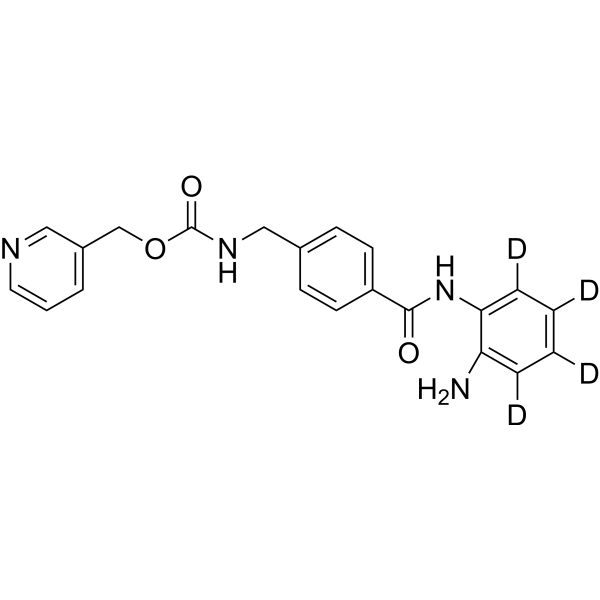
Entinostat-d4 is the deuterium labeled Entinostat . Entinostat is an oral and selective class I HDAC inhibitor, with IC50s of 243 nM, 453 nM, and 248 nM for HDAC1, HDAC2, and HDAC3, respectively .
|
-
-
- HY-100365
-
|
SHP-141
|
HDAC
|
Inflammation/Immunology
Cancer
|
|
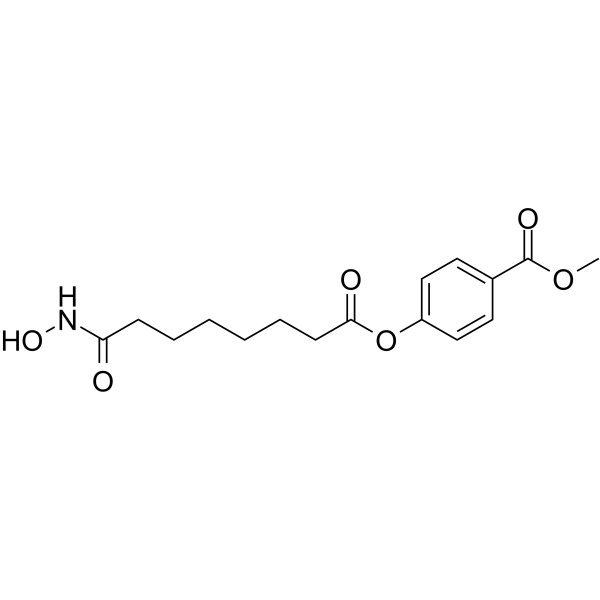
Remetinostat (SHP-141) is a hydroxamic acid-based histone deacetylase (HDAC) inhibitor. Remetinostat alleviates Imiquimod (HY-B0180)-induced psoriatic dermatitis. Remetinostat can be used for study of cutaneous T-cell lymphoma .
|
-
-
- HY-161050
-
|
|
HDAC
Apoptosis
|
Cancer
|
|
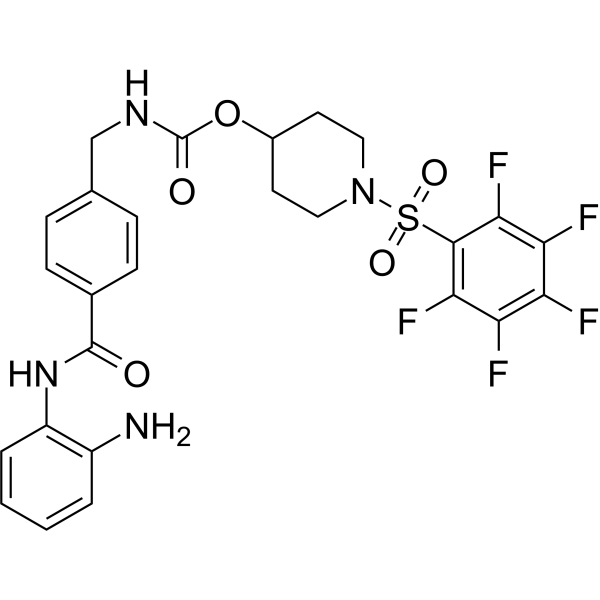
YSR734 (Compound 21) is a covalent HDAC inhibitor with IC50 values of 110 nM, 154 nM, and 143 nM for HDAC1, HDAC2, and HDAC3, respectively. YSR734 can induce apoptosis in leukemia cells. YSR734 can induce myoblast differentiation and is used in the study of Duchenne muscular dystrophy .
|
-
-
- HY-162086
-
|
|
HDAC
|
Cancer
|
|
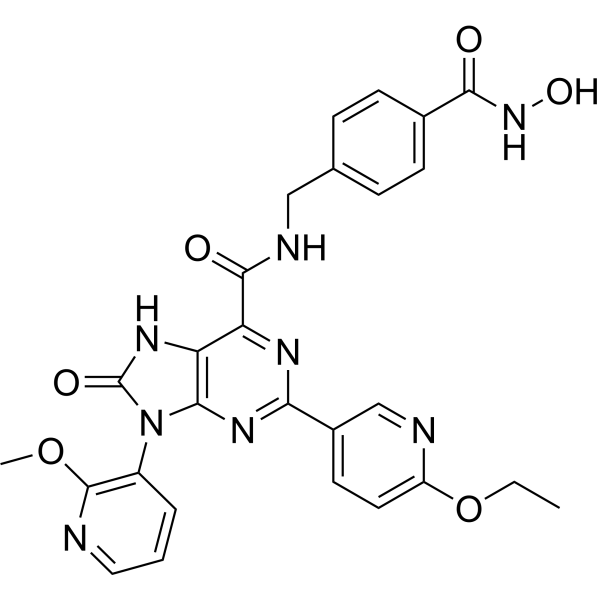
HDAC-IN-68 (Compound 29) is a potent HDAC inhibitor that disrupts microtubule structure and inhibits tumor growth. HDAC-IN-68 significantly inhibits class I HDACs (HDAC1, HDAC2, HDAC3) with IC50 values of 5.1, 11.5 and 8.8 nM, respectively .
|
-
-
- HY-106409
-
|
CHR-2845
|
HDAC
Apoptosis
|
Cancer
|
|
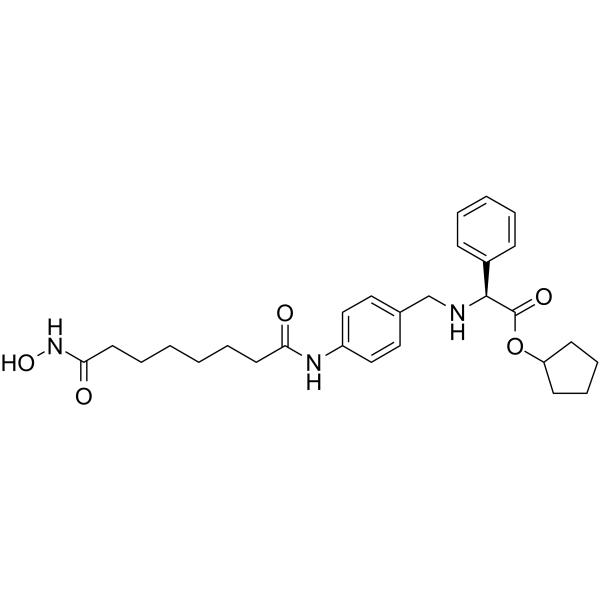
Tefinostat (CHR-2845) is a monocyte/macrophage targeted histone deacetylase (HDAC) inhibitor. Tefinostat can be cleaved into active acid CHR-2847 by the intracellular esterase human carboxylesterase-1 (hCE-1). Tefinostat can be used for the research of leukaemias .
|
-
-
- HY-14842R
-
|
ITF-2357 (Standard)
|
HDAC
Reference Standards
|
Inflammation/Immunology
Cancer
|
|
Givinostat (Standard) is the analytical standard of Givinostat. This product is intended for research and analytical applications. Givinostat (ITF-2357) is a HDAC inhibitor with an IC50 of 198 and 157 nM for HDAC1 and HDAC3, respectively. Givinostat can be used for Duchenne muscular dystrophy (DMD) research .
|
-

-
- HY-P2228
-
|
|
HDAC
Apoptosis
|
Cancer
|
|
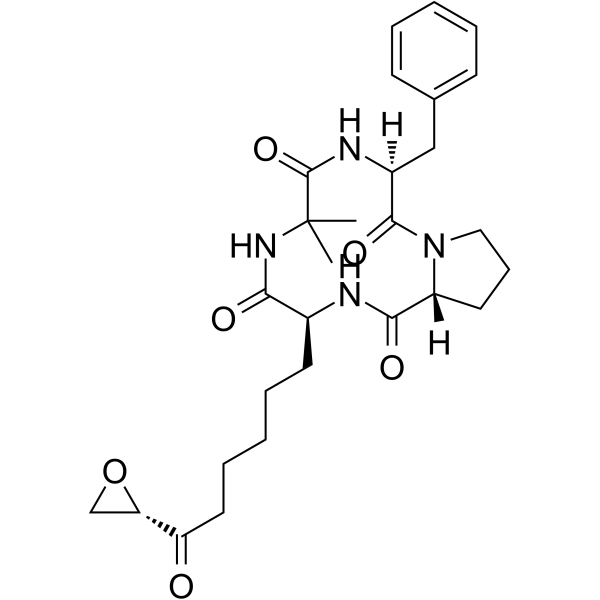
Chlamydocin (purity≥70%), a fungal metabolite, is a highly potent HDAC inhibitor, with an IC50 of 1.3 nM. Chlamydocin (purity≥70%) exhibits potent antiproliferative and anticancer activities. Chlamydocin (purity≥70%) induces apoptosis by activating caspase-3 .
|
-
-
- HY-155840
-
|
|
HDAC
Apoptosis
|
Cancer
|
|
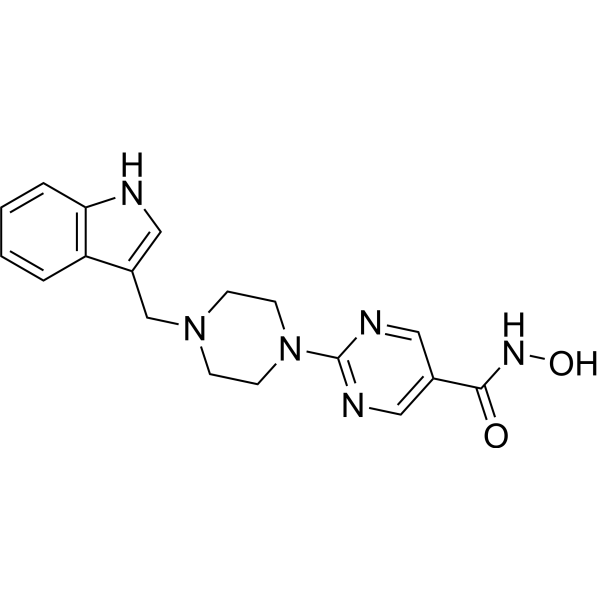
KH16 is a potent and low nanomolar HDAC inhibitor. KH16 is against class I HDACs HDAC1, HDAC2, and HDAC3, with IC50 values ranging from 6 to 34 nM. KH16 induces cell apoptosis and is against tumor cells with various gene expression patterns .
|
-
-
- HY-W095147
-
|
|
Drug Derivative
|
Others
|
|
2-Acetyl-1-naphthol (compound 32) is a naphthol derivative with no HDAC inhibitor activity .
|
-

-
- HY-160092
-
|
|
HDAC
|
Neurological Disease
|
|
Martinostat is a HDAC inhibitor and can be labeled with radionuclides for quantitative imaging of HDACs in vivo in the central nervous system and major peripheral organs .
|
-

-
- HY-146153
-
|
|
HDAC
|
Cancer
|
|
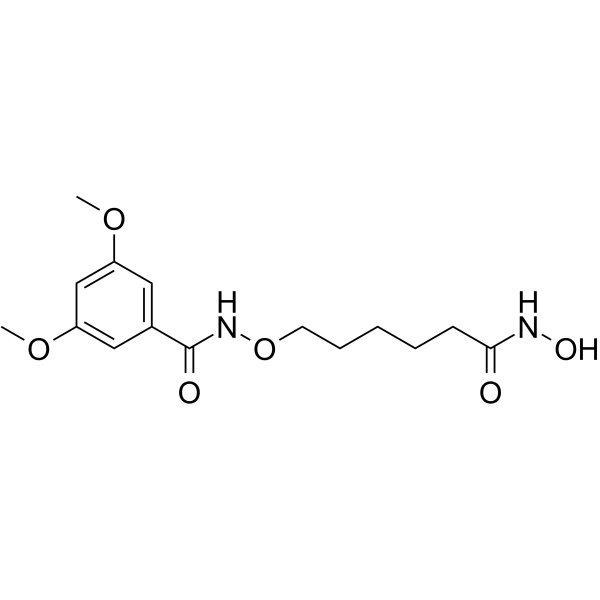
HDAC-IN-40 is a potent alkoxyamide-based HDAC inhibitor with Ki values of 60 nM and 30 nM for HDAC2 and HDAC6, respectively. HDAC-IN-40 had antitumor effects .
|
-
-
- HY-W017542
-
|
|
Drug Intermediate
Biochemical Assay Reagents
|
Others
|
|
L-Pyrohomoglutamic acid is an amino acid building block. L-Pyrohomoglutamic acid can be used to synthesize ligands for FK506-binding proteins (FKBPs) and histone deacetylase (HDAC) inhibitors .
|
-

-
- HY-14842BR
-
|
ITF-2357 hydrochloride monohydrate (Standard)
|
HDAC
Reference Standards
|
Cancer
|
|
Givinostat (hydrochloride monohydrate) (Standard) is the analytical standard of Givinostat (hydrochloride monohydrate). This product is intended for research and analytical applications. Givinostat hydrochloride monohydrate (ITF-2357 hydrochloride monohydrate) is a HDAC inhibitor with an IC50 of 198 and 157 nM for HDAC1 and HDAC3, respectively.
|
-

-
- HY-118421
-
|
|
Parasite
HDAC
|
Infection
|
|
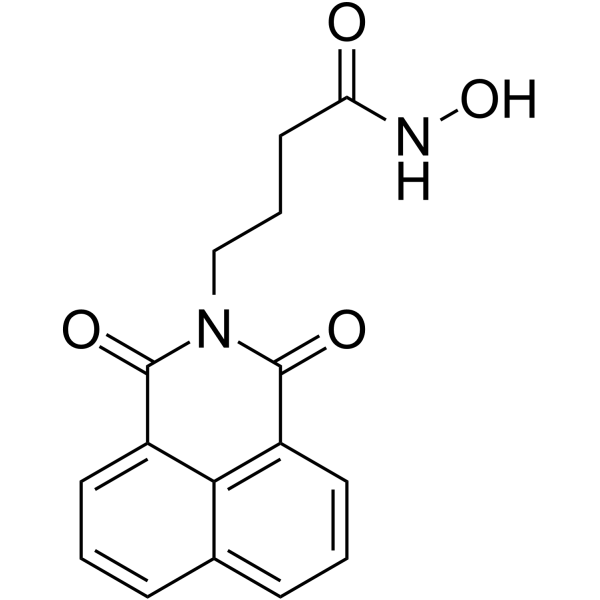
Nullscript is a negative control for Scriptaid. Nullscript is a known inactive analog of Scriptaid . Scriptaid is a representative HDAC inhibitor . Nullscript inhibits Cryptosporidium (C. parvum) growth with the IC50 value of 2.1 μM .
|
-
-
- HY-123971
-
|
|
HDAC
PROTACs
|
Cancer
|
|
HDAC6 degrader-4 is a PROTAC and a selective HDAC6 degrader consists of a non-selective HDAC inhibitor and thalidomide-type E3 ligase ligand. HDAC6 degrader-4 can be used for cancer research .
|
-

- HY-157314
-
|
|
HDAC
Parasite
|
Infection
|
|
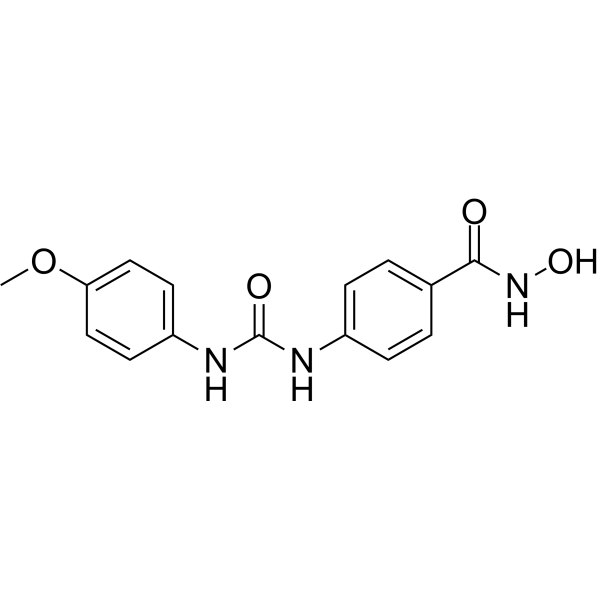
HDAC6-IN-27 (compound 8C) is a HDAC inhibitor with IC50 vales of 15.9 nM 136.5 nM and 6180.2 nM for HDAC6, HDAC8 and HDAC1, respectively. HDAC6-IN-27 shows potent antiparasitic effects .
|
-
- HY-147991
-
|
|
Phosphodiesterase (PDE)
HDAC
Apoptosis
|
Cancer
|
|
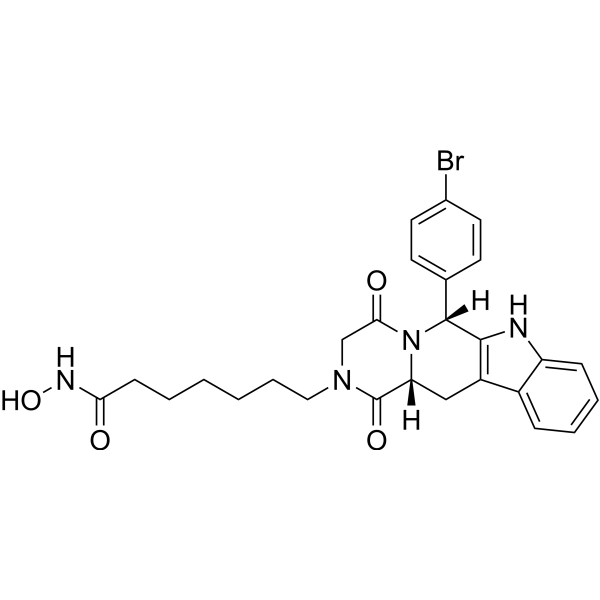
PDE5/HDAC-IN-1 (Compound 26) is a potent phosphodiesterase 5 (PDE5) and HDAC inhibitor with IC50 values of 46.3 nM and 14.5 nM, respectively. PDE5/HDAC-IN-1 induces cell apoptosis and shows anticancer activities .
|
-
- HY-147840
-
|
|
HDAC
|
Cancer
|
|
HDAC-IN-41 (Compound 7c) is a selective, orally active class I HDAC inhibitor with IC50 values of 0.62, 1.46 and 0.62 μM against HDAC1, HDAC2 and HDAC3, respectively. HDAC-IN-41 shows NO releasing activity .
|
-
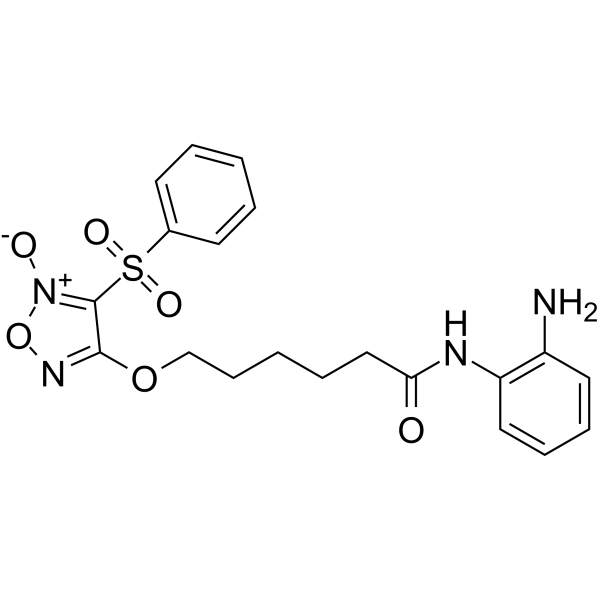
- HY-18362
-
|
|
HDAC
|
Cancer
|
|
HDAC-IN-5 is a histone deacetylase (HDAC) inhibitor.
|
-
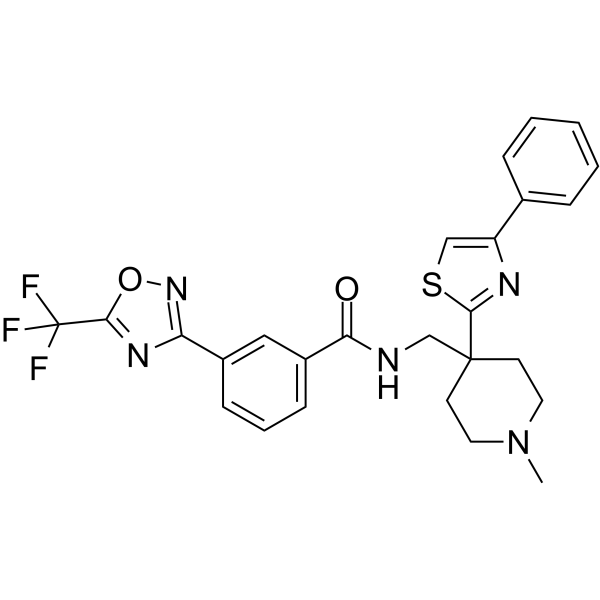
- HY-135606
-
|
|
HDAC
|
Cancer
|
|
LW479, a novel HDAC inhibitor, could be a candidate agent for breast cancer prevention.
|
-
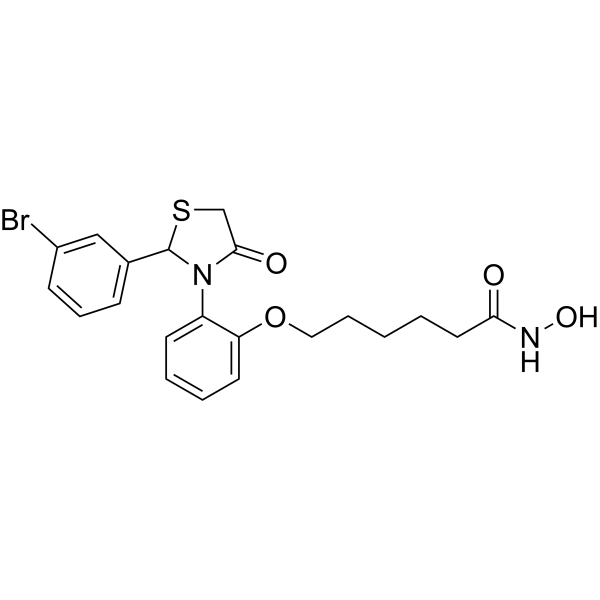
- HY-168153
-
|
|
HDAC
|
Cancer
|
|
HDAC-IN-80 (compund 5) is a selective class I HDAC inhibitor .
|
-

- HY-145350
-
|
|
HDAC
|
Infection
|
|
HDAC-IN-26 is a highly selective class I HDAC inhibitor with an EC50 value of 4.7 nM.
|
-
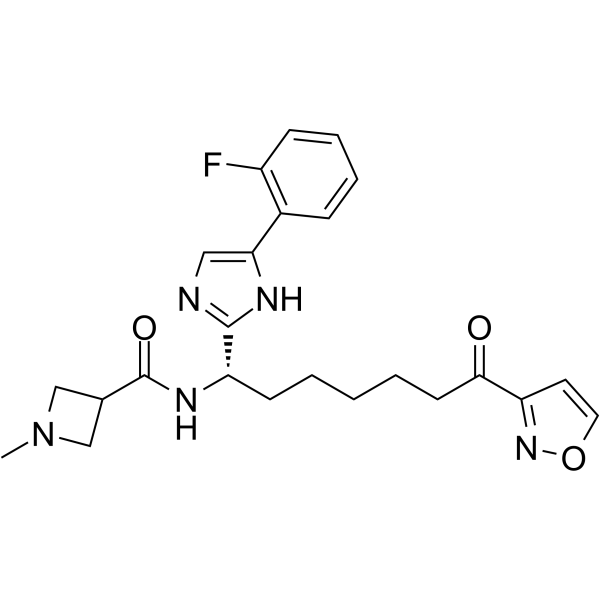
- HY-143654
-
|
|
HDAC
|
Cancer
|
|
WW437 is a histone deacetylase (HDAC) inhibitor with potent anti-breast cancer ability in vitro and in vivo.
|
-
- HY-142965
-
|
|
HDAC
|
Cancer
|
|
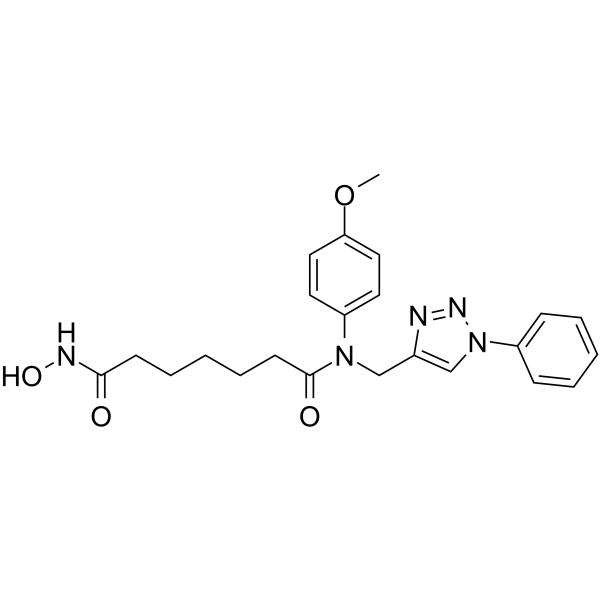
HDAC-IN-28, a novel HDAC inhibitor, shows potent activities against tumor growth and metastasis
|
-
- HY-115761
-
|
|
HDAC
|
Cancer
|
|
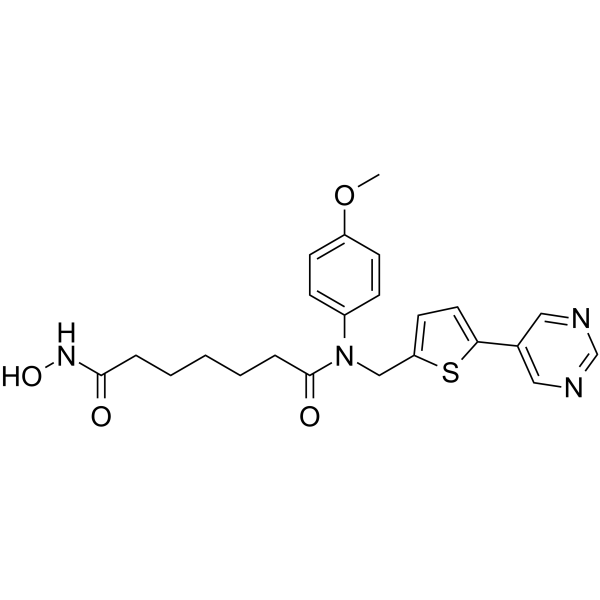
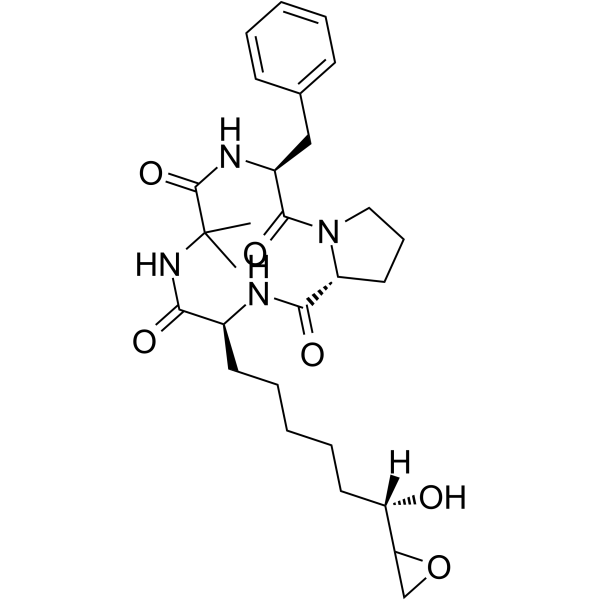
Dihydrochlamydocin is a histone deacetylases (HDAC) inhibitor. Dihydrochlamydocin shows strong cytostatic activity towards mastocytoma cells .
|
-
- HY-155699
-
-
- HY-162907
-
|
|
HDAC
|
Cancer
|
|
HDAC-IN-78 (compound 66a) is a HDAC inhibitor. HDAC-IN-78 can be used in cancer research .
|
-

- HY-117394
-
|
|
HDAC
|
Cancer
|
|
MD 85 is a potent histone deacetylase (HDAC) inhibitor with an EC50 of 5 μM. MD 85 can be used for cancer research .
|
-
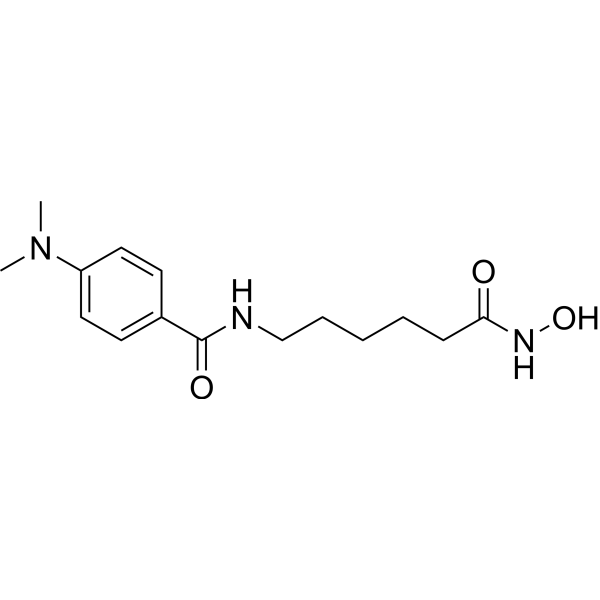
- HY-124022
-
|
|
HDAC
|
Others
|
|
HDAC-IN-69 (Compound 2) is a derivative of an HDAC inhibitor with inhibitory activity targeting maize histone deacetylase HD2 .
|
-
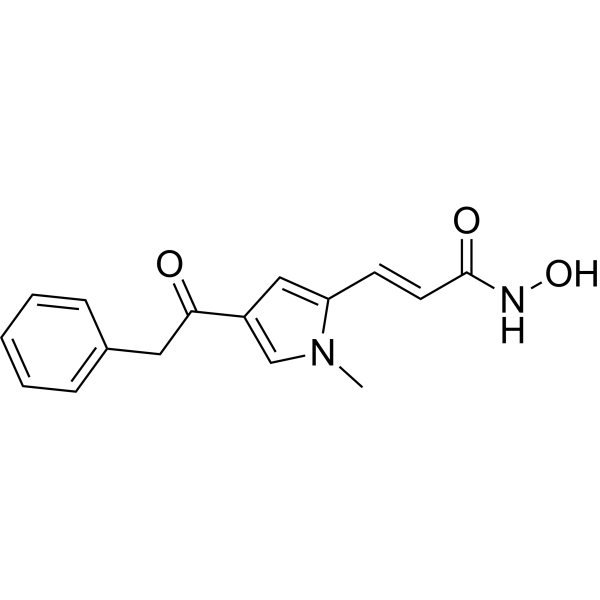
- HY-144102
-
|
|
HDAC
|
Cancer
|
|
HDAC-IN-29 (compound 13b) is a potent pan-HDAC inhibitor. HDAC-IN-29 shows antitumor activity .
|
-
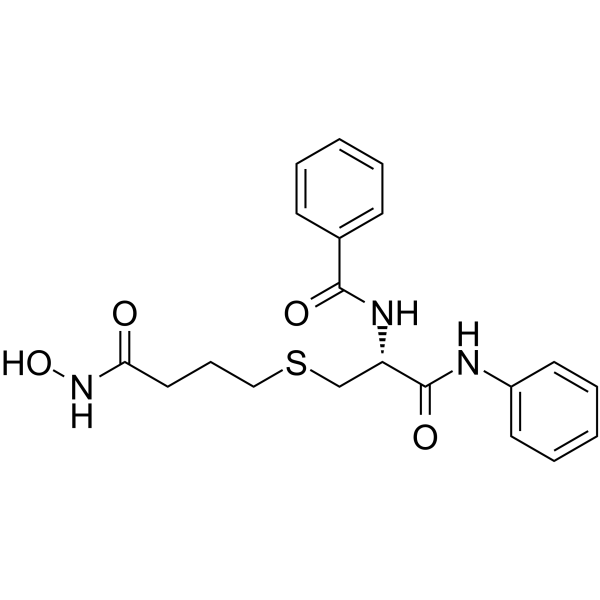
- HY-112805
-
-
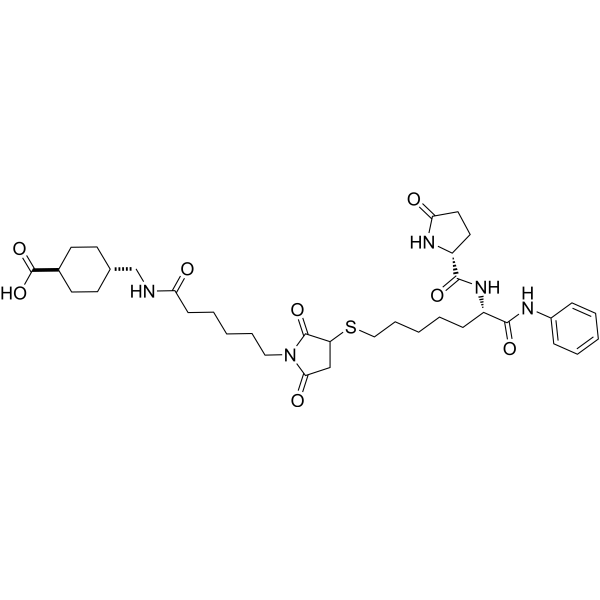
- HY-17667
-
|
|
HDAC
|
Cancer
|
|
HDAC-IN-95 (Compound 9) is a HDAC inhibitor. HDAC-IN-95 can be used for the study of non-small cell lung cancer (NSCLC) .
|
-

- HY-157215
-
|
|
HDAC
|
Cancer
|
|
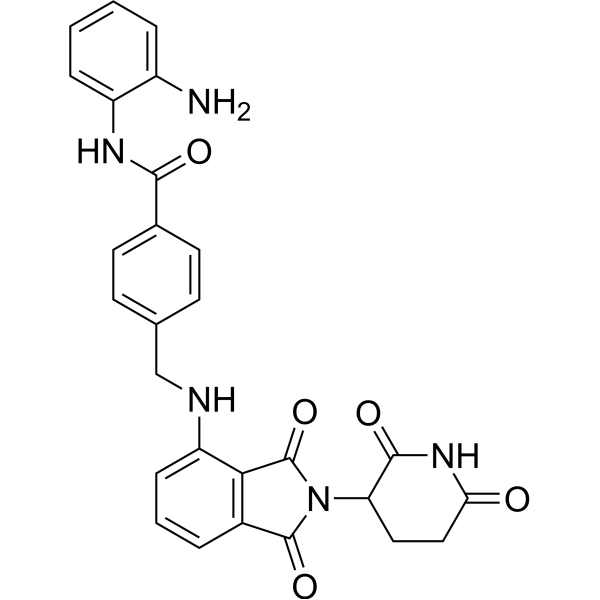
HDAC-IN-66 (compound 2F) is a selective HDAC inhibitor and Pomalidomide (HY-10984) derivative that potently inhibits hematological tumor cells .
|
-
- HY-156602A
-
|
OKI-179 hydrochloride
|
HDAC
|
Cancer
|
|
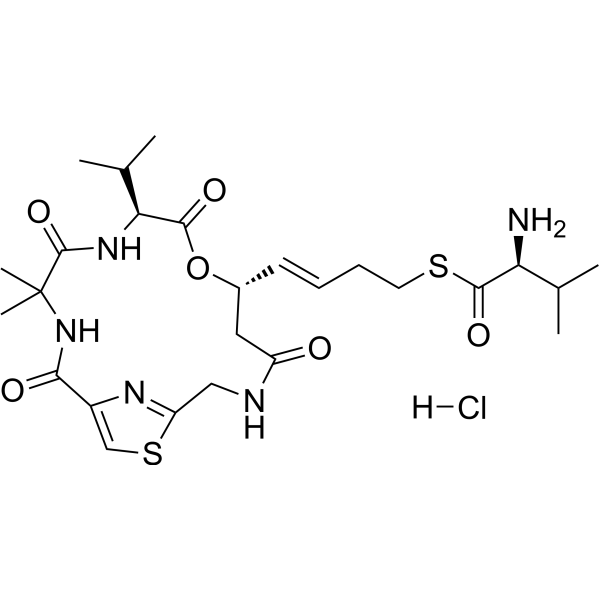
Bocodepsin hydrochloride (OKI-179) is an orally active and selective HDAC inhibitor, with antitumor activity. Bocodepsin hydrochloride can be used for suppression on solid tumor and hematologic malignancies .
|
-
- HY-150500
-
|
|
HDAC
|
Cancer
|
|
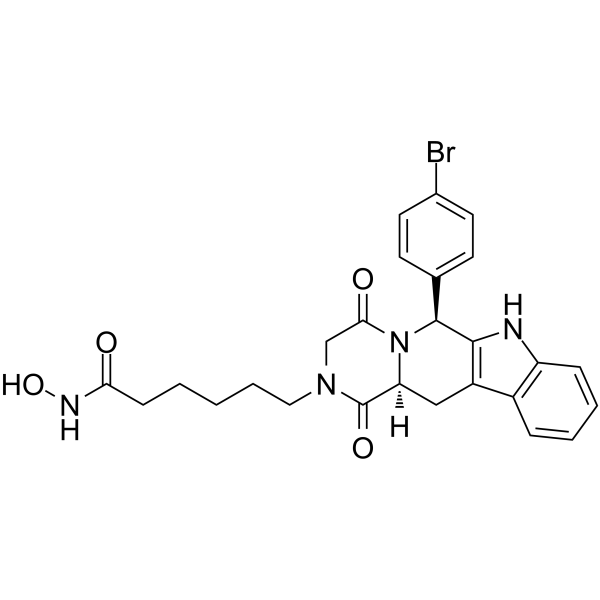
HDAC-IN-44 is a HDAC inhibitor with the IC50 value of 61.2 nM. HDAC-IN-44 shows high anticancer activity towards multiple cancer cell lines .
|
-
- HY-159112
-
|
|
HDAC
|
Cancer
|
|
AW01178 is a Class I HDAC inhibitor. AW01178 induces the upregulation of E-cadherin at both mRNA and protein levels and inhibits the EMT of breast cancer cells .
|
-

- HY-157152
-
|
|
HDAC
|
Cancer
|
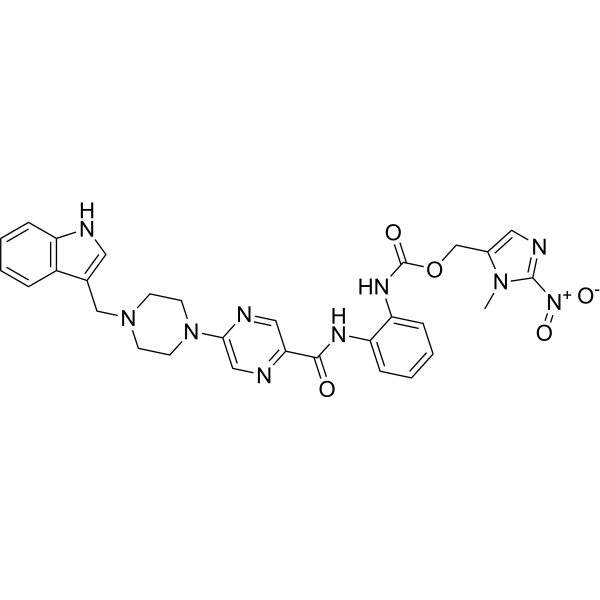
HDAC-IN-65 ( compound 6) is a selective histone deacetylase (HDAC) inhibitor with IC50 value of 2.5μM. HDAC-IN-65 is a prodrug with very good bioreductive properties .
|
-
- HY-149284
-
|
|
JAK
HDAC
|
Cancer
|
|
JAK/HDAC-IN-3 (13a) is a dual JAK and HDAC inhibitor, with IC50 values of 25.36 nM, 0.2 μM and 0.43 μM for JAK2, HDAC and HDAC1, respectively .
|
-
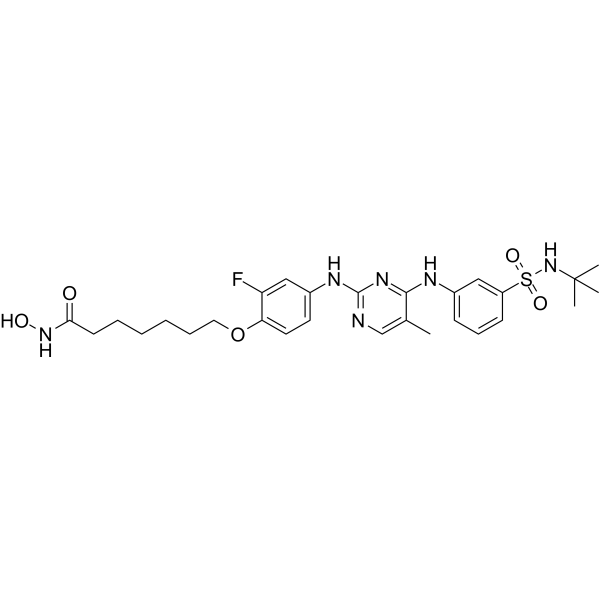
- HY-13606R
-
|
NVP-LAQ824 (Standard); LAQ824 (Standard)
|
HDAC
Autophagy
Reference Standards
|
Cancer
|
|
Dacinostat (Standard) is the analytical standard of Dacinostat. This product is intended for research and analytical applications. Dacinostat is a potent HDAC inhibitor, with an IC50 of 32 nM; Dacinostat also inhibits HDAC1 with an IC50 of 9 nM, and used in cancer research.
|
-

- HY-14842AR
-
|
ITF-2357 hydrochloride (Standard)
|
HDAC
Reference Standards
|
Cancer
|
|
Givinostat (hydrochloride) (Standard) is the analytical standard of Givinostat (hydrochloride). This product is intended for research and analytical applications. Givinostat (ITF-2357) hydrochloride is a HDAC inhibitor with an IC50 of 198 and 157 nM for HDAC1 and HDAC3, respectively .
|
-

- HY-124559
-
|
(Rac)-CHR-3996
|
HDAC
|
Cancer
|
|
(Rac)-Nanatinostat ((Rac)-CHR-3996, example 44) is a potent HDAC inhibitor with an IC50 of <330 nM. (Rac)-Nanatinostat has anticancer effects and can effectively inhibit the cell growth of HeLa, U937 and HUT cells .
|
-

- HY-168502
-
|
|
Apoptosis
HDAC
|
Cancer
|
|
HDAC-IN-81 (Compound 11g) is an HDAC inhibitor that can effectively inhibit HDAC1 (IC50 = 4.5 nM). HDAC-IN-81 possesses anti-cancer cell proliferation activity and can induce cell apoptosis .
|
-

- HY-155695
-
|
|
HDAC
|
Cancer
|
|
HDAC-IN-61 (compound 12k) is a potent and orally active HDAC inhibitor. HDAC-IN-61 has anticancer active with an IC50 value of 30 nM for Bel-7402 cell. HDAC-IN-61 can be used in research of cancer .
|
-
- HY-P2698
-
|
|
HDAC
Apoptosis
|
Cancer
|
|
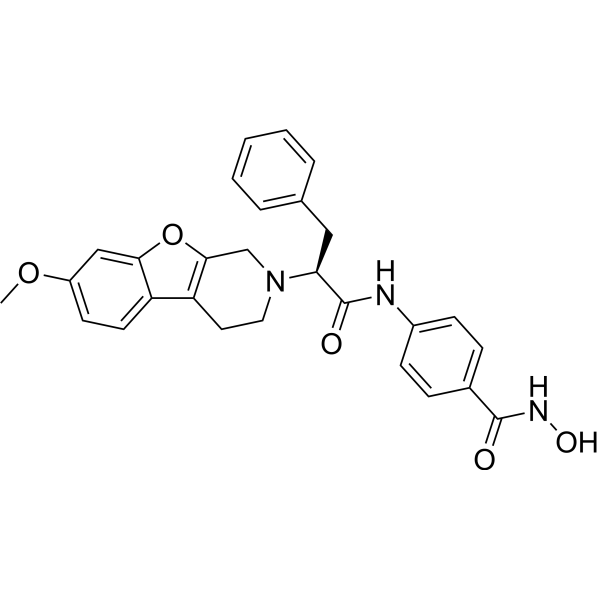
1-Alaninechlamydocin, a cyclic tetrapeptide, is a potent HDAC inhibitor (IC50=6.4 nM). 1-Alaninechlamydocin induces G2/M cell cycle arrest and apoptosis in MIA PaCa-2 cells .
|
-
- HY-105246
-
|
|
Beta-lactamase
HDAC
Apoptosis
|
Cancer
|
|
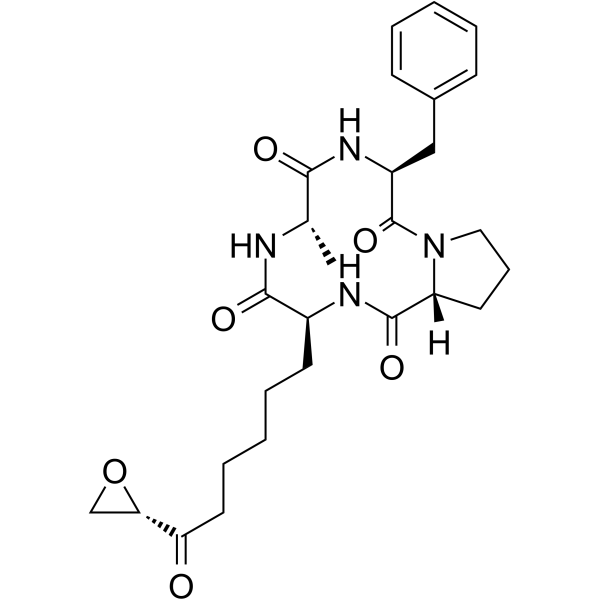
Pracinostat dihydrochloride is a potent histone deacetylase (HDAC) inhibitor, with IC50s of 40-140 nM, used for cancer research. Pracinostat dihydrochloride also inhibits metallo-β-lactamase domain-containing protein 2 (MBLAC2) hydrolase activity with an EC50 below 10 nM .
|
-

- HY-149859
-
|
|
HDAC
|
Neurological Disease
|
|
HDAC-IN-58 is a HDAC inhibitor. HDAC-IN-58 has HDAC6-specific inhibition activity with an IC50 value of 2.06 nM. HDAC-IN-58 can be used for the research of chronic diseases, including neurodegenerative and psychiatric conditions .
|
-
- HY-169014
-
|
|
HDAC
Keap1-Nrf2
Ferroptosis
|
Cancer
|
|
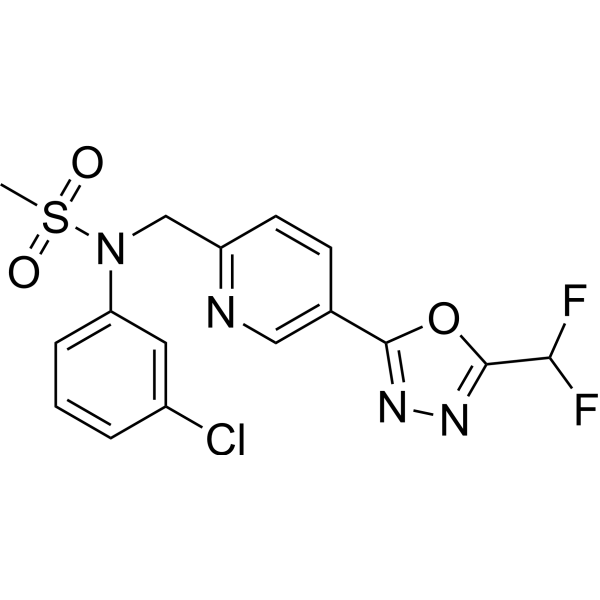
HDAC-IN-77 (HL-5s) is an HDAC inhibitor. HDAC-IN-77 can induce ferroptosis and inhibit the Nrf2/HO-1 signaling pathway. HDAC-IN-77 can be used in cancer research .
|
-

- HY-157385
-
|
|
HDAC
Apoptosis
|
Cancer
|
|
HDAC-IN-67 (compound 27f) is an HDAC inhibitor against HDAC1 and HDAC6, with IC50 values of 22 nM and 8 nM, respectively. HDAC-IN-67 inhibits cell proliferation and induces cell apoptosis. HDAC-IN-67 exhibits antitumor activity .
|
-
- HY-161412
-
|
|
HDAC
|
Cancer
|
|
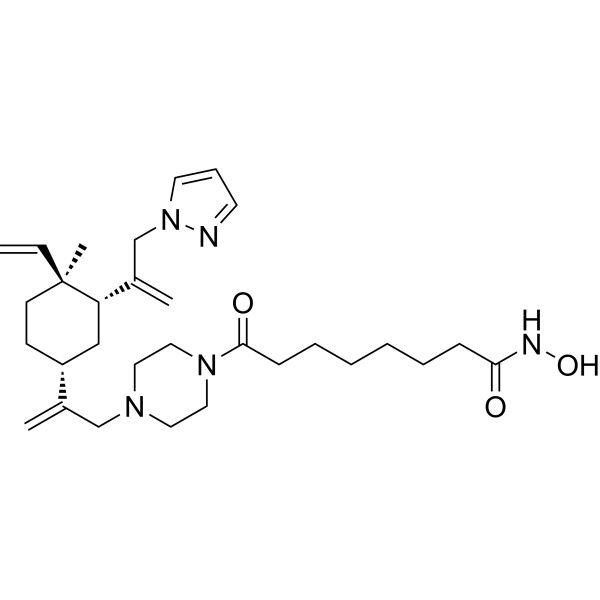
STR-V-53 is an HDAC inhibitor (IC50 in nM).STR-V-53 increases histone acetylation in tumor cells by inhibiting the activity of these enzymes, which in turn regulates gene expression.STR-V-53 inhibits tumor growth, and induces apoptosis .
|
-
- HY-164539
-
|
|
HDAC
Autophagy
|
Cancer
|
|
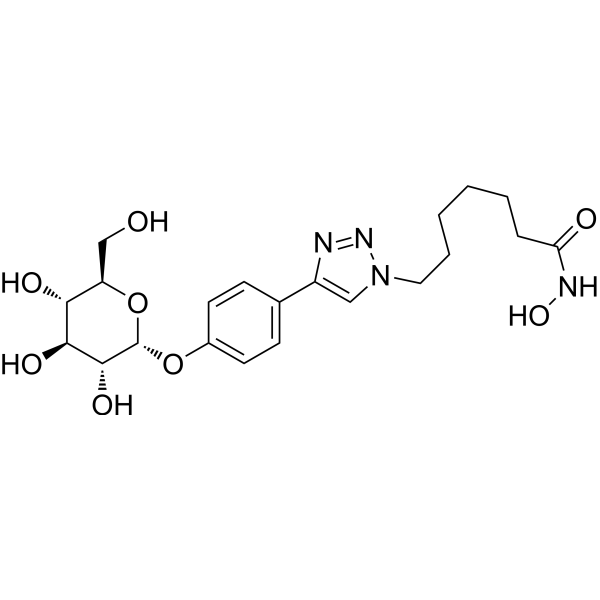
TMU 35435 is a histone deacetylase (HDAC) inhibitor. TMU-35435 inhibits the NHEJ pathway through ubiquitination of DNA-dependent protein kinase catalytic subunit (DNA-PKcs). In addition, TMU 35435 enhances radiosensitivity by inducing misfolded protein aggregation and autophagy in TNBC .
|
-

- HY-121512
-
|
|
HDAC
Apoptosis
|
Cancer
|
|
SK-7041 is a HDAC inhibitor with the IC50 of 172 nM. SK-7041 induces the hyperacetylation of histones H3 and H4 .SK-7041 inhibits tumor cell growth in vivo and in vitro, induces cell apoptosis, and arrests cell cycle at the G1 phase .
|
-

- HY-P1733
-
|
BMF-Y
|
Apoptosis
|
Cancer
|
|
BMf-BH3 (BMF-Y) belongs to the Bcl-2 apoptosis mediator family. BH3-only protein, Bmf is a key molecule for histone deacetylase (HDAC) inhibitors mediated enhancing effect on ionizing radiation-induced cell death .
|
-
- HY-162678
-
|
|
HDAC
|
Neurological Disease
|
|
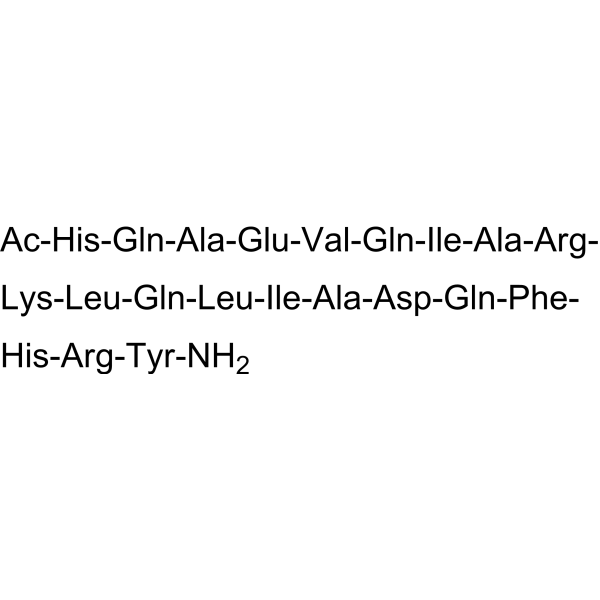
HDAC-IN-75 (5d) is a HDAC inhibitor, with IC50 values of 6.32 nM and 1352 nM for HDAC6 and HDAC1, respectively. HDAC-IN-75 (5d) promotes vision rescue in the atp6v0e1 –/– zebrafish model of photoreceptor dysfunction .
|
-

- HY-126211
-
|
|
HDAC
|
Inflammation/Immunology
|
|
KBH-A42 is a novel histone deacetylase (HDAC) inhibitor with significant anti-inflammatory properties. KBH-A42 against TNF-α and NO production with IC50 values of 1.10 and 2.71 µM, respectively, in the LPS-induced murine macrophage RAW 264.7 cells .
|
-

- HY-149370
-
|
|
HDAC
Apoptosis
|
Cancer
|
|
HDAC-IN-60 (compound 21a) is a potent histone deacetylase (HDAC) inhibitor. HDAC-IN-60 can promote the intracellular generation of ROS, cause DNA damage, block the cell cycle at G2/M phase, and activate the mitochondria-related apoptotic pathway to induce cell apoptosis .
|
-
- HY-163430
-
|
|
HDAC
Apoptosis
|
Cancer
|
|
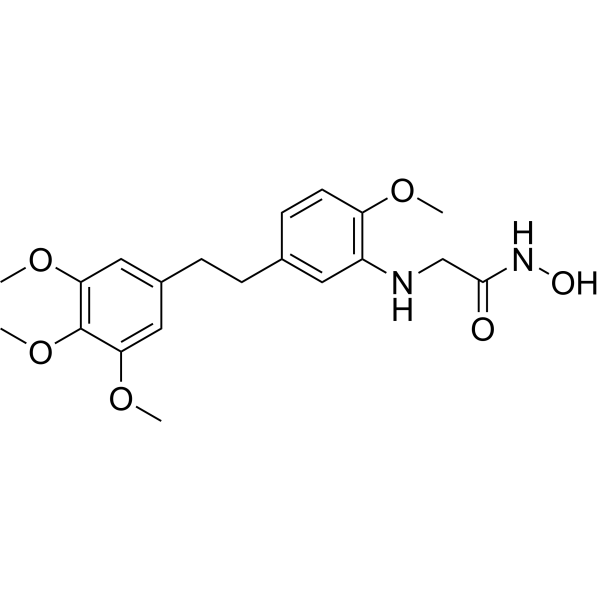
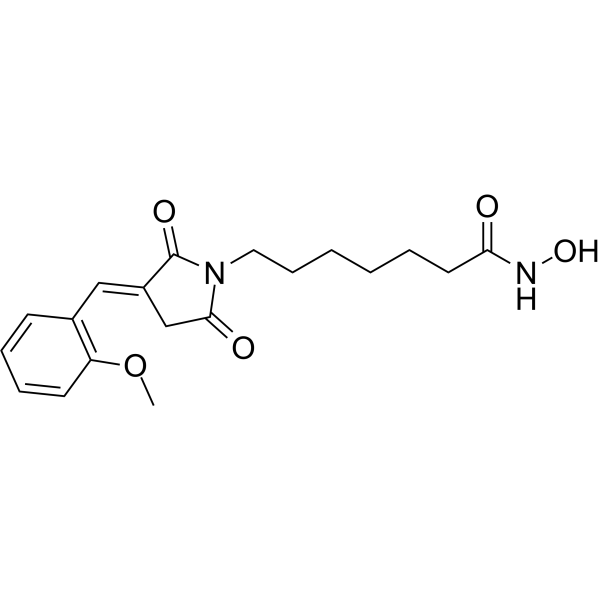
HDAC-IN-71 (Compound 17q) is a potent HDAC inhibitor with IC50 values of 12.6, 14.1, 20, 3, and 72 nM for HDAC1, HDAC2, HDAC3, HDAC6, and HDAC10, respectively. HDAC-IN-71 induces apoptosis and can be used in cancer research .
|
-
- HY-169922
-
|
|
HDAC
Parasite
Caspase
|
Cancer
|
|
HDAC-IN-82 (Compound 18b) is a histone deacetylase (HDAC) inhibitor with selective antiplasmodial and anticancer activity. HDAC-IN-82 shows potent antiproliferative activity and caspase 3/7 activation in cancer cells. HDAC-IN-82 causes hyperacetylation of histone H3 and α-tubulin .
|
-

- HY-164550
-
|
|
HDAC
|
Cancer
|
|
YF438 is an HDAC inhibitor with effective anticancer activity both in vitro and in vivo. YF438 inhibits the growth and metastasis of triple-negative breast cancer (TNBC) cells by blocking the interaction between HDAC and MDM2, inducing the dissociation of MDM2-MDMX, and promoting the degradation of MDM2 .
|
-

- HY-116465
-
|
|
HDAC
|
Cancer
|
|
HDAC-IN-20 (Example 20) is an orally active HDAC inhibitor. HDAC-IN-20 can be used in the research of cancer .
|
-

- HY-180383
-
|
|
Drug Intermediate
|
Others
|
|
3-Methoxy-4-(methoxymethoxy)aniline (compound 9) is a pharmaceutical intermediate that can be used to synthesize HDAC inhibitors .
|
-

- HY-10225R
-
|
PXD101 (Standard); PX105684 (Standard)
|
Reference Standards
HDAC
Autophagy
|
Cancer
|
|
Belinostat (Standard) is the analytical standard of Belinostat (HY-10225). This product is intended for research and analytical applications. Belinostat (PXD101; PX105684) is a potent HDAC inhibitor with an IC50 of 27 nM in HeLa cell extracts.
|
-

- HY-10225S
-
|
PXD101-d5; PX105684-d5
|
Isotope-Labeled Compounds
Autophagy
HDAC
|
Cancer
|
|
Belinostat-d5 (PXD101-d5) is the deuterium labeled Belinostat (HY-10225). Belinostat (PXD101; PX105684) is a potent HDAC inhibitor with an IC50 of 27 nM in HeLa cell extracts.
|
-

- HY-172519
-
|
|
Histone Demethylase
|
Cancer
|
|
LSD1-IN-41 (compound 7) is a potent and selective LSD1 inhibitor. LSD1-IN-41 can be used for diffuse intrinsic pontine glioma (DIPG) research when combined with HDAC inhibitors .
|
-

- HY-170890
-
|
|
HDAC
|
Neurological Disease
Cancer
|
|
Largazole thiol, the active form of Largazole (HY-13906), is a potent, selective and brain-penetrant class I HDAC inhibitor. Largazole thiol. Largazole thiol exerts antitumor and neuroprotective effects. Largazole thiol can be used for research of Glioblastoma .
|
-

- HY-N16881
-
|
|
COX
HDAC
|
Inflammation/Immunology
|
|
Andrographidine E is a COX-2 (IC50 = 19 μM) and HDAC inhibitor, with high affinity for HDAC1 and HDAC3. Andrographidine E can specifically bind to macrophages and has potential immunotargeting properties. Andrographidine E can be used for studying inflammation .
|
-

- HY-149369
-
|
|
HDAC
Apoptosis
|
Cancer
|
|
HDAC-IN-59 (compound 13a) is a potent histone deacetylase (HDAC) inhibitor. HDAC-IN-59 can promote the intracellular generation of ROS, cause DNA damage, block the cell cycle at G2/M phase, and activate the mitochondria-related apoptotic pathway to induce cell apoptosis .
|
-
- HY-147962
-
|
|
Cholinesterase (ChE)
HDAC
|
Neurological Disease
|
|
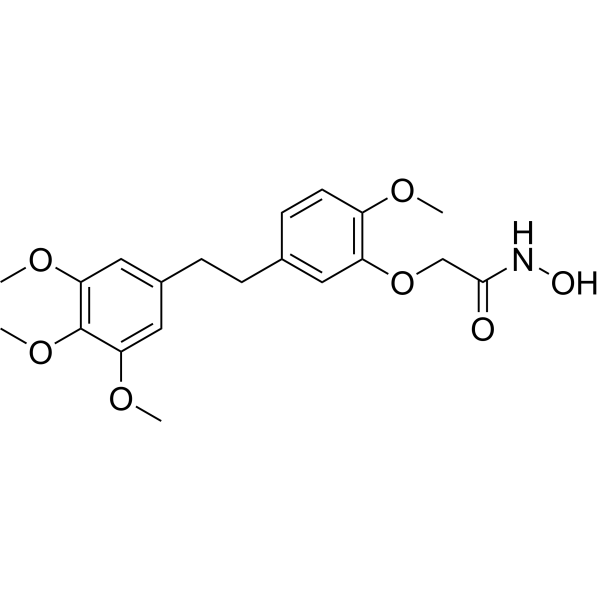
COX-2-IN-23 (compound A10) is a potent both AChE and HDAC inhibitor with IC50 values of 0.12 and 0.23 nM. COX-2-IN-23 exhibits antioxidant activity and metal chelating properties. COX-2-IN-23 can be used in alzheimer's disease research .
|
-
- HY-151896
-
|
|
HDAC
|
Cancer
|
|
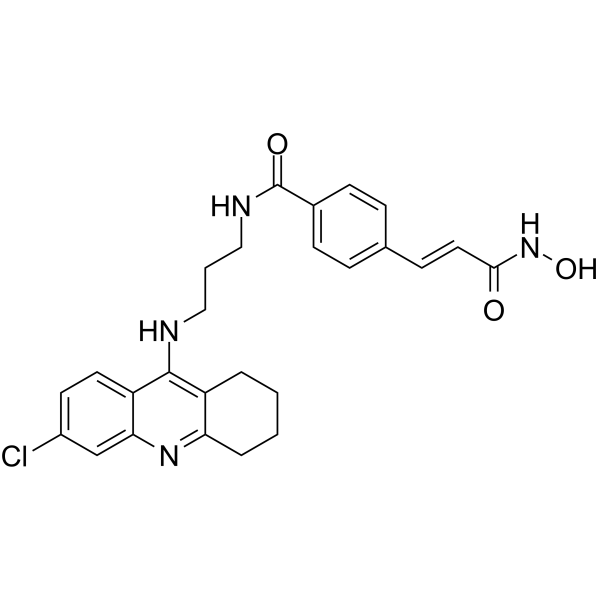
HDAC6-IN-14 is a highly selective HDAC6 (HDAC) inhibitor with an IC50 of 42 nM. HDAC6-IN-14 displays >100-fold selectivity over HDAC1/HDAC2/HDAC3/HDAC4 .
|
-
- HY-16012A
-
|
4SC-202 free base
|
HDAC
Apoptosis
|
Cancer
|
|
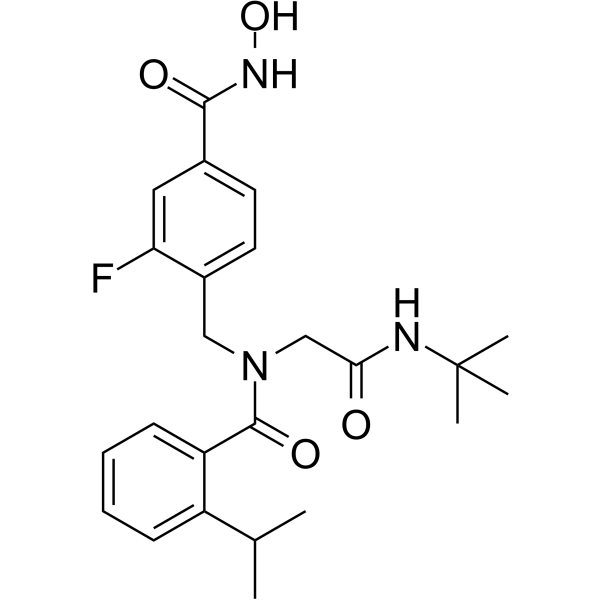
Domatinostat (4SC-202 free base) is a selective class I HDAC inhibitor with IC50 of 1.20 μM, 1.12 μM, and 0.57 μM for HDAC1, HDAC2, and HDAC3, respectively. It also displays inhibitory activity against Lysine specific demethylase 1 (LSD1).
|
-
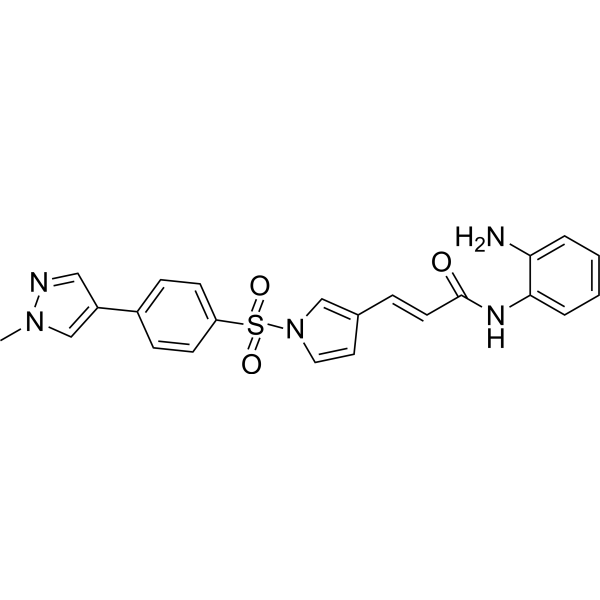
- HY-151897
-
|
|
HDAC
|
Cancer
|
|
HDAC-IN-49 is a potent unselective HDAC (HDAC) inhibitor with IC50s of 13 nM, 14 nM, 21 nM, 1880 nM, and 10 nM for HDAC1, HDAC2, HDAC3, HDAC4, and HDAC6. HDAC-IN-49 demonstrates prominent antileukemic activity with low cytotoxic activity toward healthy cells .
|
-
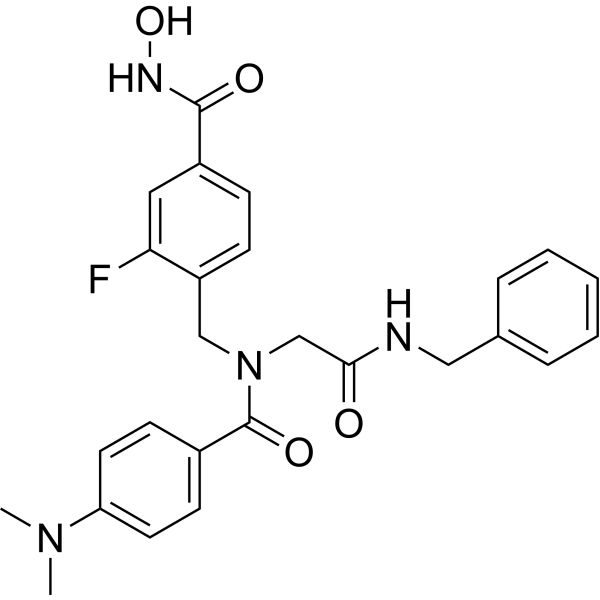
- HY-145688
-
|
|
HDAC
|
Cancer
|
|
HDAC-IN-33 is a potent HDAC inhibitor with IC50s of 24, 46, and 47 nM for HDAC1, HDAC2 and HDAC6, respectively. HDAC-IN-33 possesses potent antiproliferation activities against tumor cells. HDAC-IN-33 shows potent antitumor efficacy in vivo That trigger antitumor immunity .
|
-
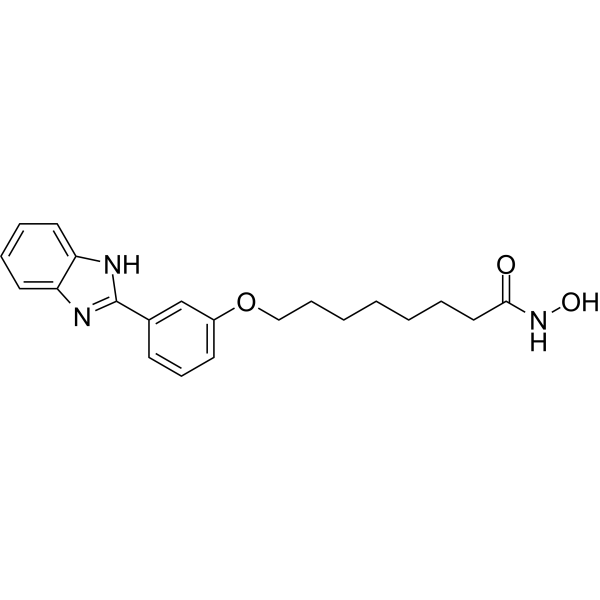
- HY-162060
-
|
|
HDAC
|
Cardiovascular Disease
|
|
YPX-C-05 is a hydroxamic acid-based HDAC inhibitor. YPX-C-05 exerts significant vasodilatory effects. YPX-C-05 exhibits inhibitory effects on HDACs and increases histone H4 acetylation in endothelial cells. YPX-C-05 can be used for hypertension research .
|
-
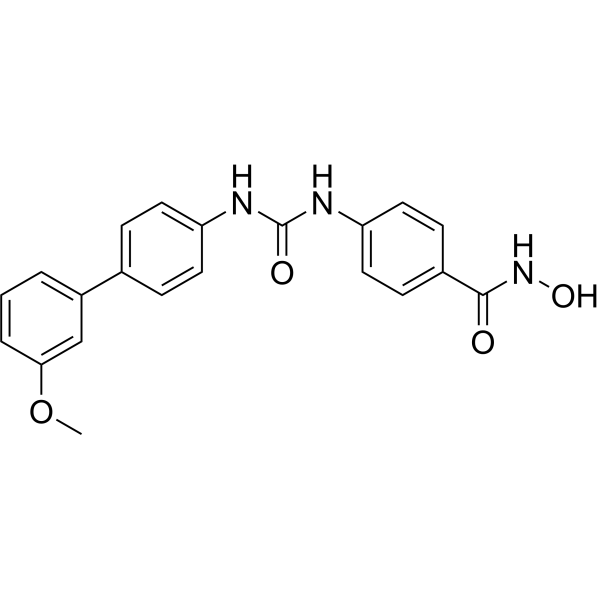
- HY-10224A
-
|
LBH589 lactate; NVP-LBH589 lactate
|
HDAC
HIV
Autophagy
Apoptosis
|
Infection
Cancer
|
|
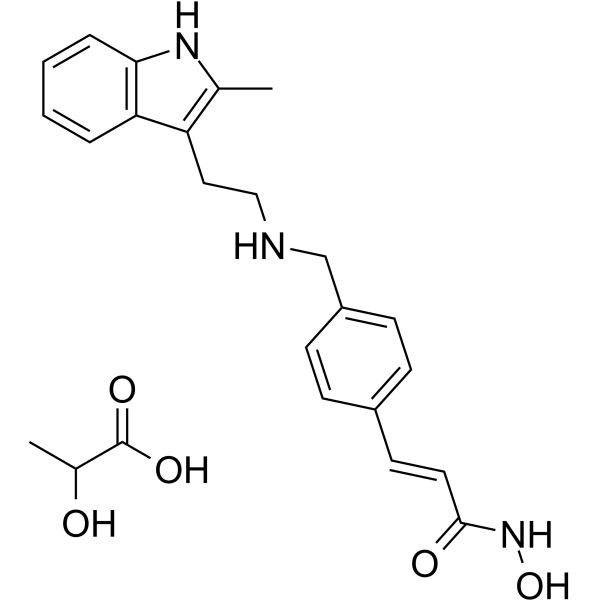
Panobinostat lactate is a potent and orally active non-selective HDAC inhibitor. Panobinostat lactate has antineoplastic activities. Panobinostat lactate effectively disrupts HIV latency. Panobinostat lactate induces cell apoptosis and autophagy. Panobinostat lactate can be used for the study of refractory or relapsed multiple myeloma .
|
-
- HY-149631
-
|
|
HDAC
|
Cancer
|
|
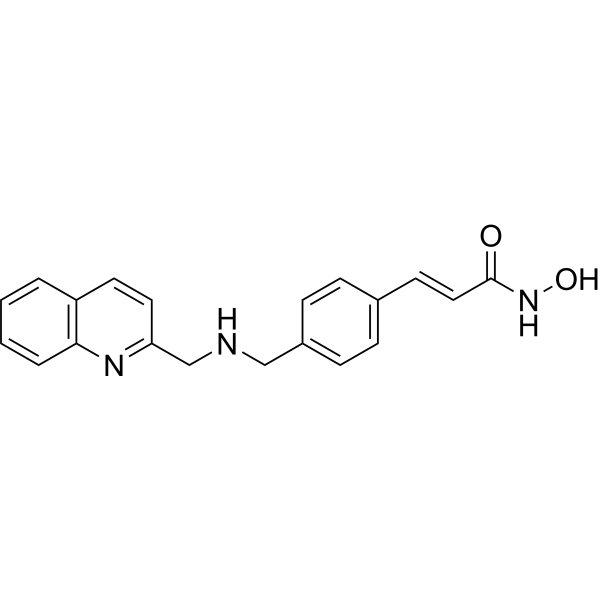
HFY-4A is a HDAC inhibitor. HFY-4A inhibits breast cancer cell proliferation, migration, and invasion, and induces cell apoptosis. HFY-4A induces immunogenic cell death (ICD). HFY-4A inhibits tumor growth in breast cancer xenograft mouse models .
|
-
- HY-145687
-
|
|
HDAC
|
Cancer
|
|
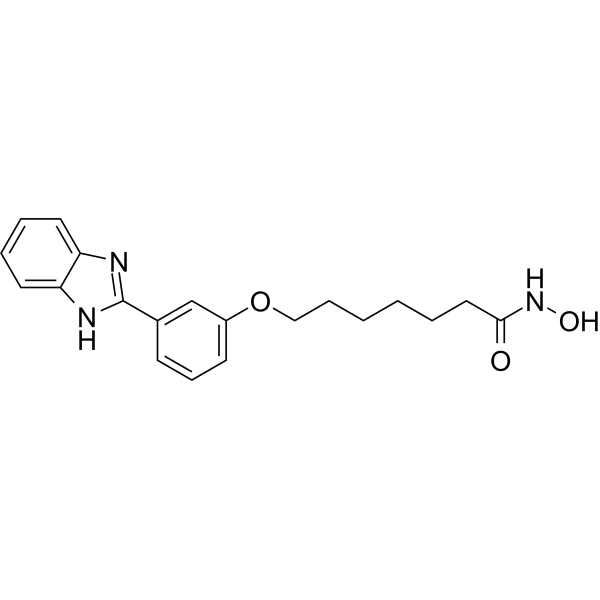
HDAC-IN-32 is a potent HDAC inhibitor with IC50s of 5.2, 11, and 28 nM for HDAC1, HDAC2 and HDAC6, respectively. HDAC-IN-32 possesses potent antiproliferation activities against tumor cells. HDAC-IN-32 shows potent antitumor efficacy in vivo That trigger antitumor immunity .
|
-
- HY-15433
-
|
JNJ-26481585
|
HDAC
Autophagy
|
Inflammation/Immunology
Cancer
|
|
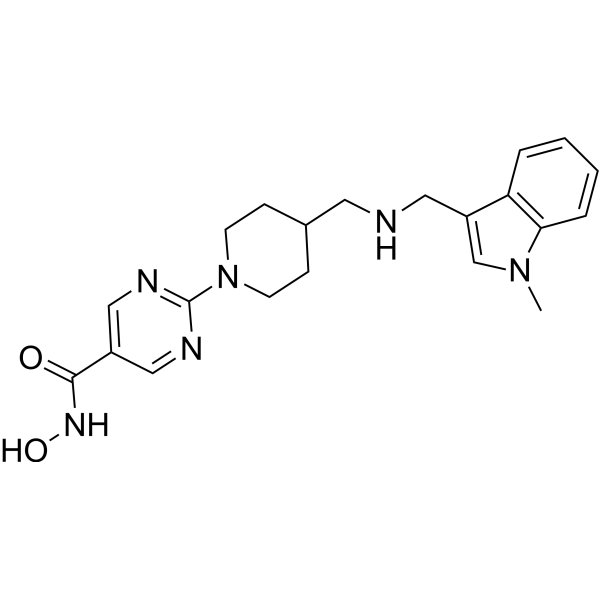
Quisinostat (JNJ-26481585) is a potent and orally active pan-HDAC inhibitor (HDACi), with IC50 values ranging from 0.11 nM to 0.64 nM for HDAC1, HDAC2, HDAC4, HDAC10 and HDAC11. Quisinostat has a broad spectrum antitumoral activity . Quisinostat can induce autophagy in neuroblastoma cells .
|
-
- HY-13322R
-
|
SB939 (Standard)
|
Beta-lactamase
HDAC
Apoptosis
Reference Standards
|
Cancer
|
|
Pracinostat (Standard) is the analytical standard of Pracinostat. This product is intended for research and analytical applications. Pracinostat is a potent histone deacetylase (HDAC) inhibitor, with IC50s of 40-140 nM, used for cancer research. Pracinostat also inhibits metallo-β-lactamase domain-containing protein 2 (MBLAC2) hydrolase activity with an EC50 below 10 nM .
|
-

- HY-152225
-
|
|
HDAC
Apoptosis
|
Cancer
|
|
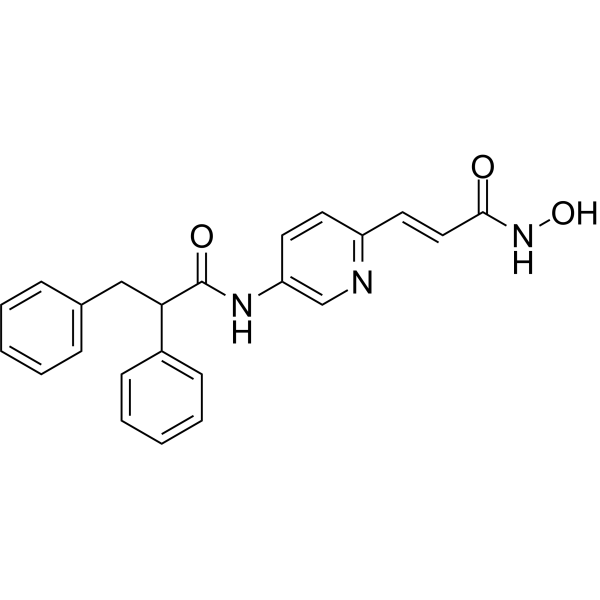
MC2625 is a potent pyridine-containing histone deacetylase (HDAC) inhibitor. MC2625 show selective HDAC3 and HDAC6 inhibition with IC50s of 80 nM and 11 nM. MC2625 increases acetyl-H3 and acetyl-tubulin levels and inhibits cancer stem cells (CSCs) growth by apoptosis induction .
|
-
- HY-33287
-
|
|
Biochemical Assay Reagents
|
Cancer
|
|
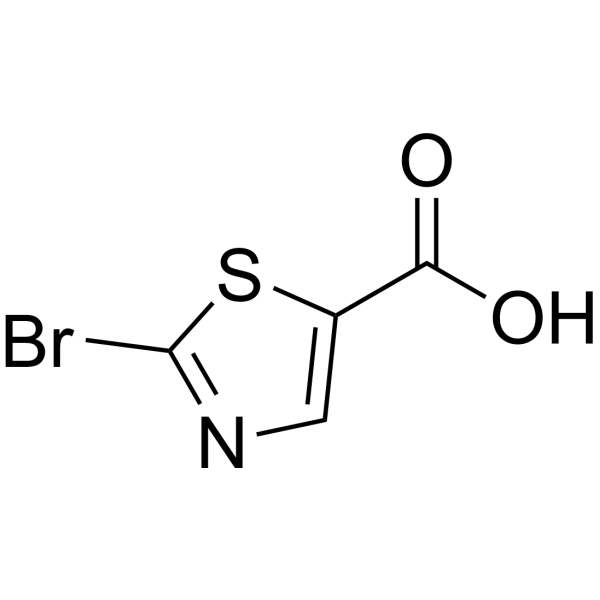
2-Bromothiazole-5-carboxylic acid is a starting compound in the synthesis of active compounds. 2-Bromothiazole-5-carboxylic acid can be used in the synthesis of NAMPT/HDAC inhibitors. 2-Bromothiazole-5-carboxylic acid can be used in the research of colon cancer, lung cancer, and liver cancer .
|
-
- HY-150004
-
|
|
c-Met/HGFR
HDAC
Apoptosis
|
Cancer
|
|
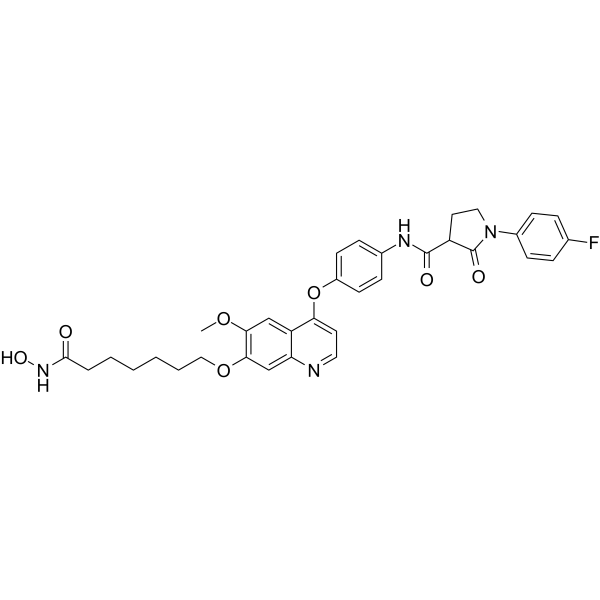
c-Met/HDAC-IN-3 (Compound 15f) is a dual c-Met and HDAC inhibitor with IC50 values of 12.50 nM and 26.97 nM against c-Met and HDAC1, respectively. c-Met/HDAC-IN-3 induces apoptosis and cause cell cycle arrest in G2/M phase .
|
-
- HY-168864
-
|
|
Ligands for Target Protein for PROTAC
HDAC
|
Cancer
|
|
POI ligand 1 is a template for the non-selective HDAC inhibitor Vorinostat (HY-10221). POI ligand 1 can serve as a ligand for target protein (Ligands for Target Protein for PROTAC) for the development of PROTAC HDAC degraders with antitumor activity. POI ligand 1 can be used for the synthesis of FF2049 (HY-168863) .
|
-

- HY-15433B
-
|
JNJ26481585 hydrochloride
|
HDAC
Autophagy
|
Cancer
|
|
Quisinostat (JNJ-26481585) hydrochloride is a potent and orally active pan-HDAC inhibitor (HDACi), with IC50 values ranging from 0.11 nM to 0.64 nM for HDAC1, HDAC2, HDAC4, HDAC10 and HDAC11. Quisinostat hydrochloride has a broad spectrum antitumoral activity. Quisinostat hydrochloride can induce autophagy in neuroblastoma cells .
|
-

- HY-100365R
-
|
SHP-141 (Standard)
|
HDAC
Reference Standards
|
Inflammation/Immunology
Cancer
|
|
Remetinostat (Standard) is the analytical standard of Remetinostat (HY-100365). This product is intended for research and analytical applications. Remetinostat (SHP-141) is a hydroxamic acid-based histone deacetylase (HDAC) inhibitor. Remetinostat alleviates Imiquimod (HY-B0180)-induced psoriatic dermatitis. Remetinostat can be used for study of cutaneous T-cell lymphoma .
|
-

- HY-147892
-
|
|
HDAC
Apoptosis
|
Cancer
|
|
HDAC-IN-42 (compound 14f) is a potent and selective HDAC inhibitor with IC50 values of 0.19 and 4.98 µM for HDAC1 and HDAC6, respectively. HDAC-IN-42 shows anticancer and anti-proliferative activity. HDAC-IN-42 induces apoptosis and cell cycle arrest at G2/M phase .
|
-
- HY-178104
-
|
|
HDAC
Apoptosis
Caspase
Bcl-2 Family
|
Cancer
|
|
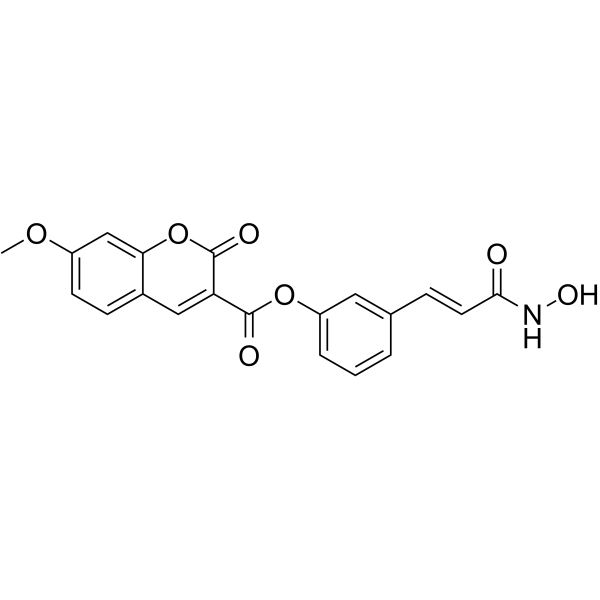
HDAC-IN-93 is a HDAC inhibitor with promising total pan-HDAC inhibitory activity. HDAC-IN-93 demonstrates significant broad-spectrum antiproliferative activity across various cancer cell lines. HDAC-IN-93 induces cell apoptosis along with necrosis. HDAC-IN-93 can be used for the studies of prostate cancer and breast cancer .
|
-

- HY-18700
-
|
|
HDAC
|
Cancer
|
|
BRD73954 is a potent HDAC inhibitor and selectively inhibiting both HDAC6 and HDAC8 with IC50 values of 0.0036, 0.12, 9, 12, 23 µM for HDAC6, HDAC8, HDAC2, HDAC1 and HDAC3, respectively. BRD73954 decreases the levels of HDAC6, associated with upregulation of Ac-Tubulin .
|
-
- HY-148624
-
|
|
HDAC
|
Neurological Disease
|
|
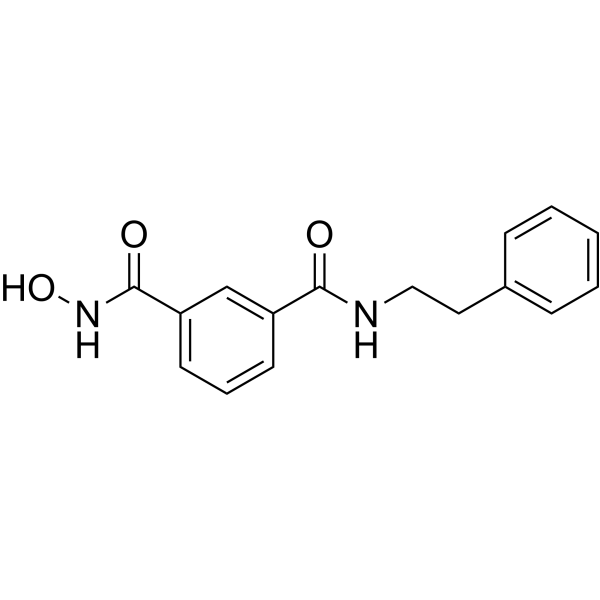
CHDI-00484077 (Compound 12) is a CNS-penetrant class IIa HDAC inhibitor, with IC50s of 0.01 μM (HDAC4), 0.02 μM(HDAC5), 0.02 μM (HDAC7), 0.03 μM (HDAC9) respectively. CHDI-00484077 can be used for research of huntington’s disease .
|
-

- HY-150577
-
|
|
HDAC
|
Cancer
|
|
HDAC-IN-45 (Compound 14) is a small molecule HDAC inhibitor and has anticancer activity, also can forms a hydrogen
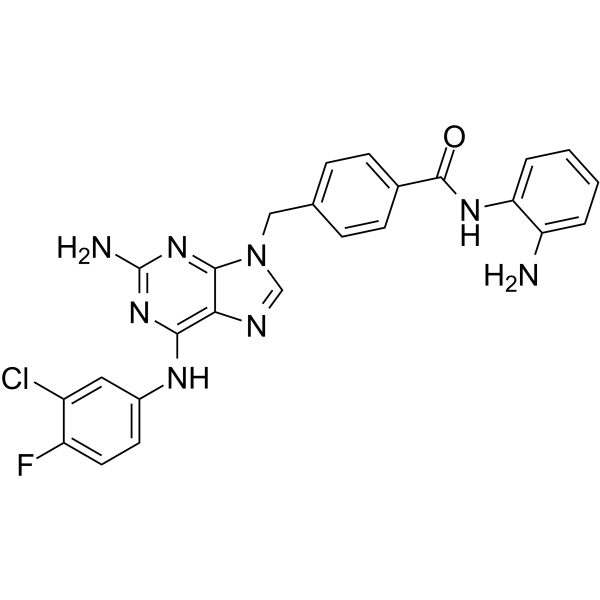
bond with residue Y303. HDAC-IN-45 (Compound 14) has substantial inhibitory effects towards HDAC1, 2 and 3 isoforms with IC50 values of 0.108, 0.585 and 0.563 μM respectively .
|
-
- HY-170907
-
|
|
HDAC
DNA/RNA Synthesis
RAD51
|
Cancer
|
|
HDAC-IN-85 (Compound 1) is a BBB-permeable HDAC inhibitor. HDAC-IN-85 has an inhibitory effect on brain tumor cell lines. HDAC-IN-85 can induce acetylation, leading to DNA double-strand breaks, and induce the ubiquitination of RAD51, disrupting the DNA repair process. HDAC-IN-85 can be used in the research of glioblastoma .
|
-

- HY-106409R
-
|
CHR-2845 (Standard)
|
Reference Standards
HDAC
Apoptosis
|
Cancer
|
|
Tefinostat (Standard) is the analytical standard of Tefinostat (HY-106409). This product is intended for research and analytical applications. Tefinostat (CHR-2845) is a monocyte/macrophage targeted histone deacetylase (HDAC) inhibitor. Tefinostat can be cleaved into active acid CHR-2847 by the intracellular esterase human carboxylesterase-1 (hCE-1). Tefinostat can be used for the research of leukaemias .
|
-

- HY-173053
-
|
|
HDAC
Fungal
|
Infection
|
|
HDAC-IN-87 (Compound XII6) is a nonselective HDAC inhibitor, with pIC50 of 6.9 (HDAC4) and 5.8 (HDAC6) respectively. HDAC-IN-87 has fungicidal activity against P. sorghi and P. pachyrhizi. HDAC-IN-87 shows an acute oral LD50 of greater than 500 mg/kg in male and female rats .
|
-

- HY-149669
-
|
|
PI3K
HDAC
Apoptosis
|
Cancer
|
|
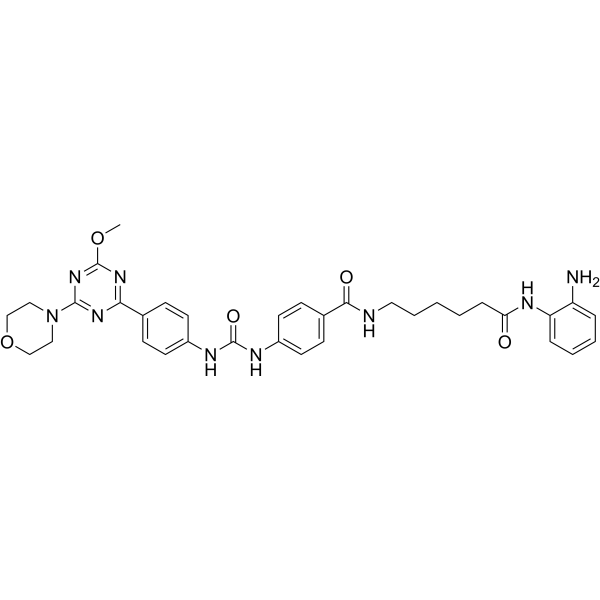
PH14 is a dual PI3K/HDAC inhibitor with IC50 values of 20.3 nM and 24.5 nM for PI3Kα and HDAC3, respectively. PH14 has antiproliferative activity and also induces apoptosis in Jeko-1 cells. PH14 can be used in cancer research, such as lymphoma .
|
-
- HY-B0246R
-
|
CBZ (Standard); NSC 169864 (Standard)
|
Reference Standards
Sodium Channel
Autophagy
Mitophagy
Potassium Channel
Calcium Channel
HDAC
|
Neurological Disease
Cancer
|
|
Carbamazepine (Standard) is the analytical standard of Carbamazepine. This product is intended for research and analytical applications. Carbamazepine is an orally active pressure-sensitive sodium ion channel blocker with an IC50 of 131 μM. Carbamazepine blocks voltage gated Na +, Ca 2+, and K + channels, and is also a HDAC inhibitor (IC50: 2 μM). Carbamazepine is an anticonvulsant and can be used for research of epilepsy and neuropathic pain .
|
-

- HY-132242
-
|
SFN-NAC
|
HDAC
Apoptosis
Drug Metabolite
|
Cancer
|
|
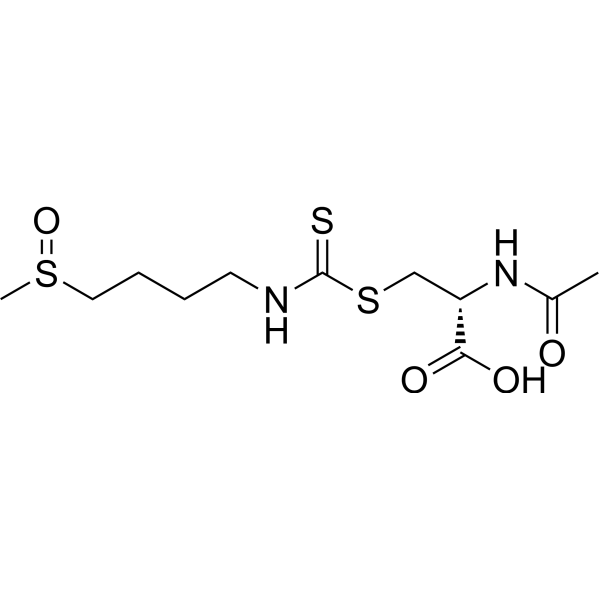
DL-Sulforaphane N-acetyl-L-cysteine (SFN-NAC) is an orally active HDAC inhibitor and metabolite of sulforaphane (HY-13755) with longer half-life and better blood-brain barrier permeability. DL-Sulforaphane N-acetyl-L-cysteine activates autophagy-mediated downregulation of α-tubulin expression through the ERK pathway and can be used in cancer research .
|
-
- HY-15433A
-
|
JNJ-26481585 dihydrochloride
|
HDAC
Autophagy
|
Inflammation/Immunology
Cancer
|
|
Quisinostat dihydrochloride (JNJ-26481585 dihydrochloride) is an orally active, potent pan-HDAC inhibitor with IC50s of 0.11 nM, 0.33 nM, 0.64 nM, 0.46 nM, and 0.37 nM for HDAC1, HDAC2, HDAC4, HDAC10 and HDAC11, respectively. Quisinostat dihydrochloride has a broad spectrum antitumoral activity. Quisinostat dihydrochloride can induce autophagy in neuroblastoma cells .
|
-
- HY-147873
-
|
|
iGluR
HDAC
|
Neurological Disease
|
|
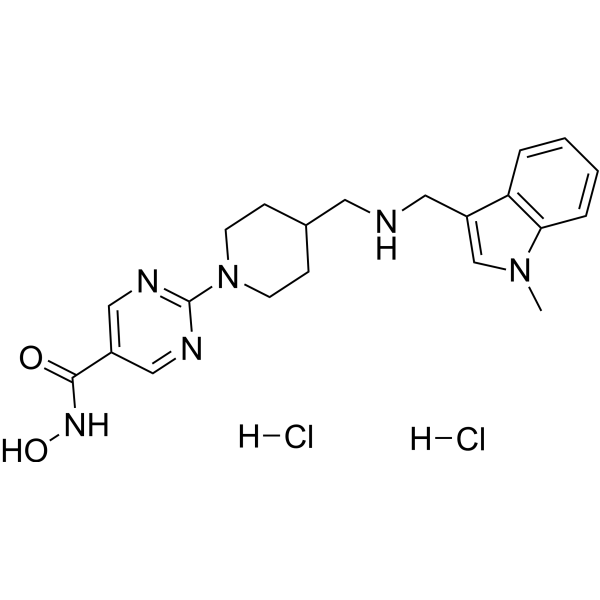
NMDAR/HDAC-IN-1 (Compound 9d) is a dual NMDAR and HDAC inhibitor with a Ki of 0.59 μM for NMDAR and IC50 values of 2.67, 8.00, 2.21, 0.18 and 0.62 μM for HDAC1, HDAC2, HDAC3, HDAC6 and HDAC8, respectively. NMDAR/HDAC-IN-1 efficiently penetrates the blood brain barrier .
|
-
- HY-174854
-
|
|
HDAC
Reactive Oxygen Species (ROS)
Apoptosis
|
Cancer
|
|
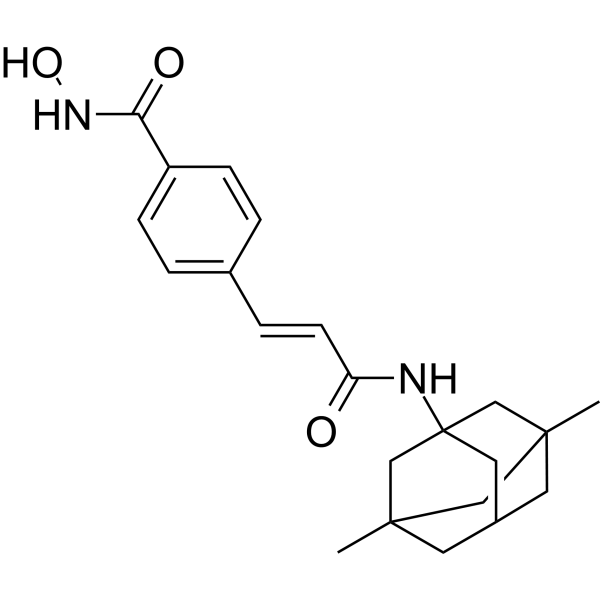
PySAHA is a multifunctional HDAC inhibitor. PySAHA can degrade intracellular HDAC via a hydrophobic tagging mechanism. PySAHA also possesses photodynamic therapeutic activity and can generate reactive oxygen species under light irradiation. PySAHA can inhibit the proliferation, migration and induce cell apoptosis of breast cancer cells. PySAHA has antitumor activity and can be used in breast cancer research .
|
-

- HY-P2044
-
|
|
HDAC
|
Cancer
|
|
Azumamide E is a HDAC inhibitor, with an IC50 of 0.064 μM against HDAC, 1.22 μM against HDAC1, and 2.28 μM against HDAC4. Azumamide E inhibits HDAC activity in nuclear extracts of leukemia cells and cervical adenocarcinoma cells. Azumamide E suppresses angiogenesis. Azumamide E is applicable for research on leukemia, cervical adenocarcinoma, and anti-angiogenesis .
|
-

- HY-176868
-
|
|
HDAC
|
Neurological Disease
|
|
Rodin-C is a selective HDAC inhibitor with IC50s of 0.059, 0.18 and 5.39 μM for HDAC1, HDAC2 and HDAC11, respectively, over HDAC3-10. Rodin-C significantly inhibits the HDAC-CoREST complex with low hematological toxicity. Rodin-C can be used for neurologic disorders such as Alzheimer’s disease research .
|
-

- HY-170379
-
|
|
HDAC
Apoptosis
|
Cancer
|
|
HDAC-IN-84 (compound 4d) is a potent HDAC inhibitor, with IC50 values of 0.0045, 0.015, 0.013, 0.038, 5.8 and 26 μM for HDAC1, HDAC2, HDAC3, HDAC6, HDAC8 and HDAC11, respectively. HDAC-IN-84 effectively inhibits the proliferation of leukemia cells without causing toxicity .
|
-

- HY-B0246S4
-
|
CBZ-d4; NSC 169864-d4
|
Isotope-Labeled Compounds
|
Others
|
|
Carbamazepine-d4 (CBZ-d4) is the deuterium labeled Carbamazepine (HY-B0246) . Carbamazepine is an orally active pressure-sensitive sodium ion channel blocker with an IC50 of 131 μM. Carbamazepine blocks voltage gated Na +, Ca 2+, and K + channels, and is also a HDAC inhibitor (IC50: 2 μM). Carbamazepine is an anticonvulsant and can be used for research of epilepsy and neuropathic pain.
|
-

- HY-15149
-
|
FK 228; FR 901228; NSC 630176
|
HDAC
Apoptosis
|
Cancer
|
|
Romidepsin (FK 228) is a Histone deacetylase (HDAC) inhibitor with anti-tumor activities. Romidepsin (FK 228) inhibits HDAC1, HDAC2, HDAC4, and HDAC6 with IC50s of 36 nM, 47 nM, 510 nM and 1.4 μM, respectively . Romidepsin (FK 228) is produced by Chromobacterium violaceum, induces cell G2/M phase arrest and apoptosis .
|
-
- HY-12926
-
|
|
HIV
HDAC
DNA/RNA Synthesis
|
Infection
|
|
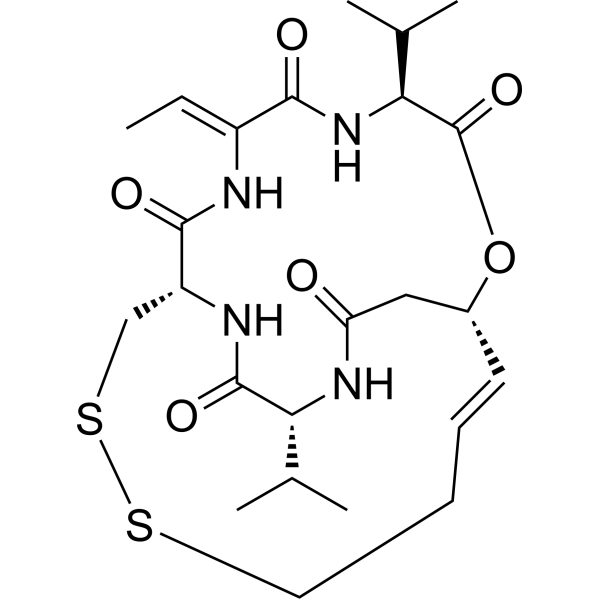
ST7612AA1 is a histone deacetylase (HDAC) inhibitor that controls chromatin condensation and DNA transcription by removing acetyl groups from histones. ST7612AA1 is also a potent HIV reactivation inducer, and its reactivation activity is exerted without activating or proliferating CD4+T cells, and can be used in the study of HIV reactivation strategies and elimination of viral reservoirs .
|
-

- HY-10585AS1
-
|
Sodium Valproate-d14; VPA-d14 sodium; 2-Propylpentanoic acid-d14 sodium
|
Isotope-Labeled Compounds
HDAC
Autophagy
Mitophagy
HIV
Notch
Endogenous Metabolite
|
Cancer
|
|
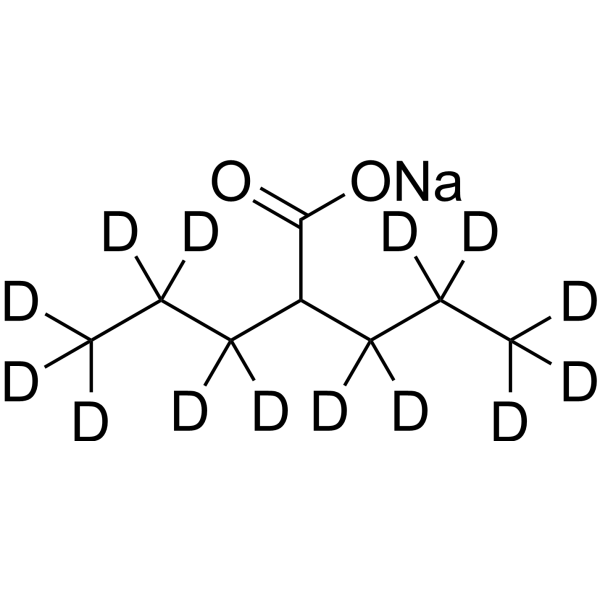
Valproic acid-d14 (sodium) is deuterium labeled Valproic acid (sodium). Valproic acid sodium salt (Sodium Valproate) is an HDAC inhibitor, with IC50 in the range of 0.5 and 2 mM, also inhibits HDAC1 (IC50, 400 μM), and induces proteasomal degradation of HDAC2. Valproic acid sodium salt activates Notch1 signaling and inhibits proliferation in small cell lung cancer (SCLC) cells. Valproic acid sodium salt is used in the treatment of epilepsy, bipolar disorder and prevention of migraine headaches.
|
-
- HY-169290
-
|
|
JAK
HDAC
|
Inflammation/Immunology
|
|
JAK/HDAC-IN-4 (compound 11 i) is a JAK/HDAC inhibitor with the IC50 values of 0.49 nM and 12 nM for JAK2 and HDAC6, respectively. JAK/HDAC-IN-4 inhibits the cell proliferation and the production of nitric oxide. JAK/HDAC-IN-4 ameliorates psoriasis-like skin lesions in an Imiquimod (HY-B0180)-induced murine model with low toxicity .
|
-

- HY-100748R
-
|
CXD101 (Standard)
|
HDAC
Reference Standards
|
Cancer
|
|
Zabadinostat (Standard) is the analytical standard of Zabadinostat (HY-100748). This product is intended for research and analytical applications. Zabadinostat (CXD101) is a potent, selective and orally active class I HDAC inhibitor with IC50s of 63 nM, 570 nM and 550 nM for HDAC1, HDAC2 and HDAC3, respectively. Zabadinostat has no activity against HDAC class II. Zabadinostat has antitumor activity .
|
-

- HY-157740
-
|
|
HDAC
|
Cancer
|
|
XSJ-10 is a HDAC inhibitor containing a RAS/RAF protein interfering unit, with IC50s of 0.05 and 0.04 μM in PANC-1 cells and HT-29 cells. XSJ-10 can effectively induce the apoptosis of cancer cells and suppress the tumor by strongly inhibiting the RAS-RAF-MEK-ERK signaling pathway and the acetylation level of HDAC3 .
|
-
- HY-179271
-
|
|
Carbonic Anhydrase
HDAC
|
Cancer
|
|
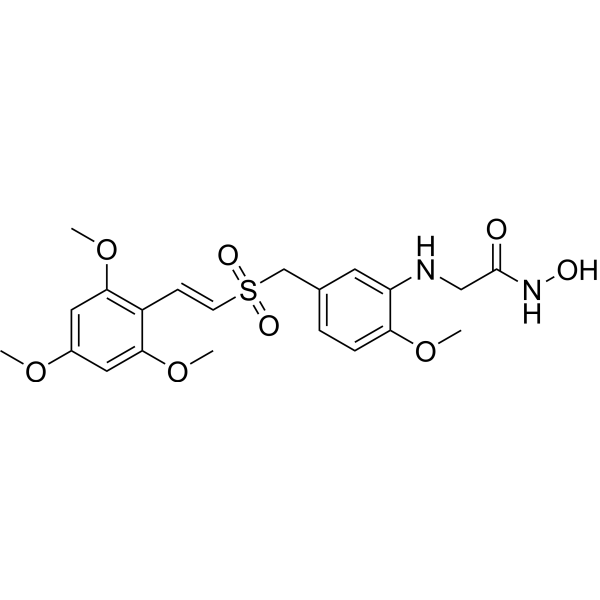
CA/HDAC-IN-1 (Compound 11) is a CA and HDAC inhibitor with Ki values of 7.4 nM, 31.0 nM, and 7.3 nM for hCA II, hCA IX, and hCA XII, respectively, and IC50 values of 0.21 μM and 3.60 μM for HDAC3 and HDAC8, respectively. CA/HDAC-IN-1 has anti-cancer activity against colon cancer, breast cancer, and melanoma .
|
-

- HY-155248
-
|
|
HDAC
|
Cancer
|
|
HL23 is a histone deacetylase (HDAC) inhibitor with activity against hepatocellular carcinoma (HCC). HL23 enhances acetylation of the TXNIP promoter and upregulates TXNIP expression, thereby mediating potassium channel activity and triggering TXNIP-dependent potassium deprivation. HL23 inhibits HCC progression and metastasis and has a synergistic effect with Sorafenib (HY-10201) and is more potent than Sorafenib+Vorinostat (HY-10221) .
|
-
- HY-10585AS
-
|
Sodium Valproate-d7; VPA-d7 sodium; 2-Propylpentanoic acid-d7 sodium
|
Isotope-Labeled Compounds
HDAC
Autophagy
Mitophagy
HIV
Notch
Endogenous Metabolite
|
Cancer
|
|
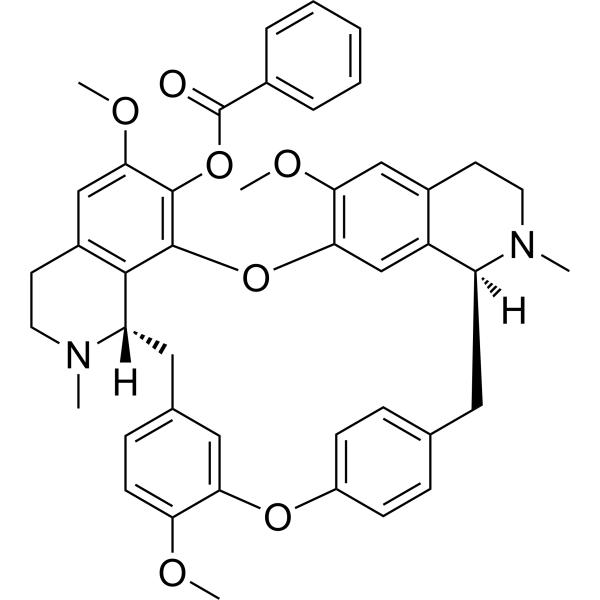
Valproic acid-d7 (sodium) is the deuterium labeled Valproic acid (sodium salt). Valproic acid sodium salt (Sodium Valproate) is an HDAC inhibitor, with IC50 in the range of 0.5 and 2 mM, also inhibits HDAC1 (IC50, 400 μM), and induces proteasomal degradation of HDAC2. Valproic acid sodium salt activates Notch1 signaling and inhibits proliferation in small cell lung cancer (SCLC) cells. Valproic acid sodium salt is used in the treatment of epilepsy, bipolar disorder and prevention of migraine headaches .
|
-
- HY-185554
-
|
|
HDAC
|
Cancer
|
|
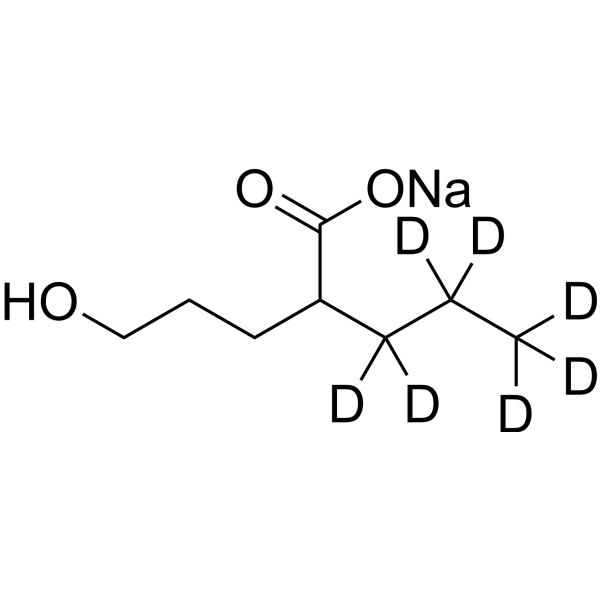
HDAC-IN-102 (Compound 21) is a histone deacetylase (HDAC) inhibitor with an IC50 of 58 μM. HDAC-IN-102 inhibits total HDAC activity and exhibits partial subtype selectivity, with the R-isomer targeting HDAC2 and the S-isomer targeting HDAC8. HDAC-IN-102 exerts antioxidant effects by scavenging DPPH free radicals. HDAC-IN-102 can be used in cancer-related research .
|
-

- HY-149577
-
|
|
EBV
|
Cancer
|
|
Epstein-Barr virus (EBV) lytic cycle inducer-1 Dp44mT (compound C7) is an iron-chelatoe-like compound. Dp44mT cooperates with HDAC inhibitor Romidespin (HY-15149) and SAHA to induce EBV lytic cycle. Dp44mT reactivates EBV lytic cycle by activating the ERK1/2-autophagy axis in epithelial cancers .
|
-
- HY-144292
-
|
|
HDAC
|
Cancer
|
|
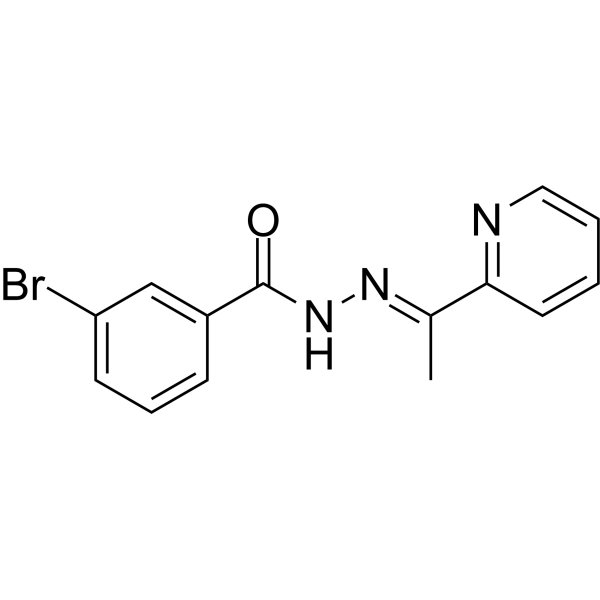
HDAC-IN-30 is a novel multi-target HDAC inhibitor, including HDAC1 (IC50=13.4 nM),HDAC2 (IC50=28.0 nM), HDAC3 (IC50=9.18 nM), HDAC6 (IC50=42.7 nM), HDAC8 (IC50=131 nM). HDAC-IN-30 exhibits potent antitumor efficacy .
|
-
- HY-161524
-
|
|
HDAC
|
Cancer
|
|
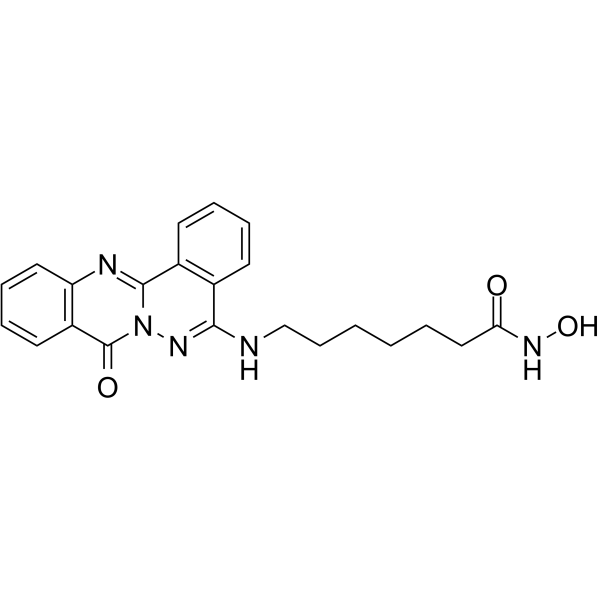
HDAC6-IN-43 (compound 26) is a potent HDAC inhibitor. HDAC6-IN-43 effectively inhibits several HDACs, notably HDAC1, HDAC2, and HDAC6 (IC50 < 150 nM), displaying a particularly high sensitivity towards HDAC6 (IC50 = 11 nM). HDAC6-IN-43 can be used for the research of autosomal dominant polycystic kidney disease (ADPKD) .
|
-

- HY-155182
-
|
|
HDAC
Autophagy
|
Neurological Disease
Inflammation/Immunology
|
|
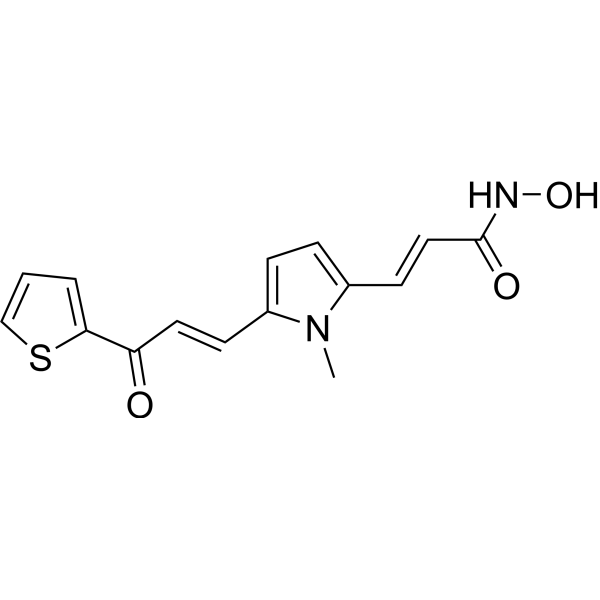
HDAC-IN-62 (Compound 5) a HDAC inhibitor, with IC50s of 0.78, 1.0, 1.2? μM for HDAC6/8/11 respectively. HDAC-IN-62 inhibits-induced microglial activation by the initiation of autophagy, and inhibits nitric oxide production. HDAC-IN-62 has anti-inflammatory and anti-depressant effects. HDAC-IN-62 inhibits microglial activation in mouse brain .
|
-
- HY-10585
-
-
- HY-119316
-
|
|
HDAC
Phosphodiesterase (PDE)
Amyloid-β
Tau Protein
|
Neurological Disease
|
|
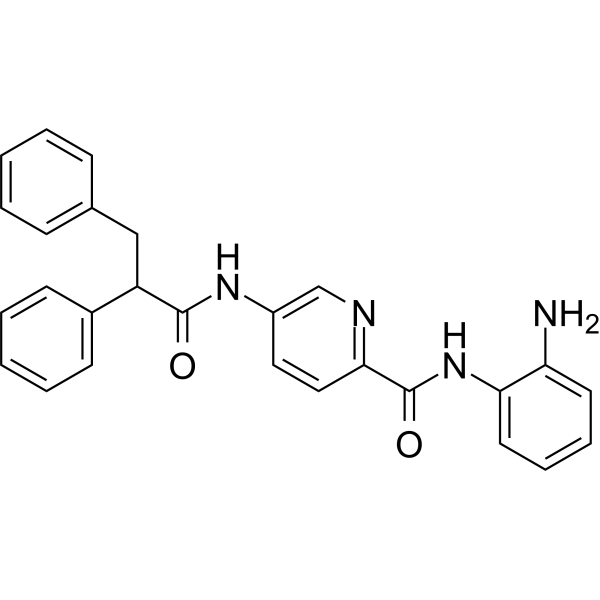
CM-414 is a brain-penetrant phosphodiesterase 5 (PDE5) and HDAC inhibitor with IC50s of 60 nM, 91 nM, 310 nM, 322 nM and 490 nM for PDE5, HDAC6, HDAC1, HDAC3 and HDAC2, respectively. CM-414 diminishes brain Aβ and tau phosphorylation (pTau) level in Tg2576 mice. CM-414 can be used for the study of Alzheimer's disease (AD) .
|
-

- HY-152173
-
|
|
HDAC
Apoptosis
Bcl-2 Family
CDK
|
Cancer
|
|
HDAC-IN-51 is a potent histone deacetylase (HDAC) inhibitor with IC50 values of 0.32, 0.353, 0.431, 0.515, and 85.4 μM for HDAC10, HDAC1, HDAC2, HDAC3 and HDAC11, respectively. HDAC-IN-51 induces cell cycle arrest and apoptosis, modulating cell cycle-/apoptosis-related miRNAs expression. HDAC-IN-51 can be used in research of cancer .
|
-
- HY-117136
-
|
|
HDAC
Caspase
Bcl-2 Family
|
Cancer
|
|
AN-7 is an orally active histone deacetylase (HDAC) inhibitor that induces histone hyperacetylation and differentiation in vitro and in vivo, and inhibits the proliferation of human prostate 22Rv1 cancer cells. AN-7 can increase the expression of the pro-apoptotic protein Bax, reduce the expression of the anti-apoptotic protein Bcl-2, and promote apoptosis by activating caspase-3, and can be used in the study of prostate cancer .
|
-

- HY-10224
-
|
LBH589; NVP-LBH589
|
HDAC
Autophagy
HIV
Apoptosis
|
Cancer
|
|
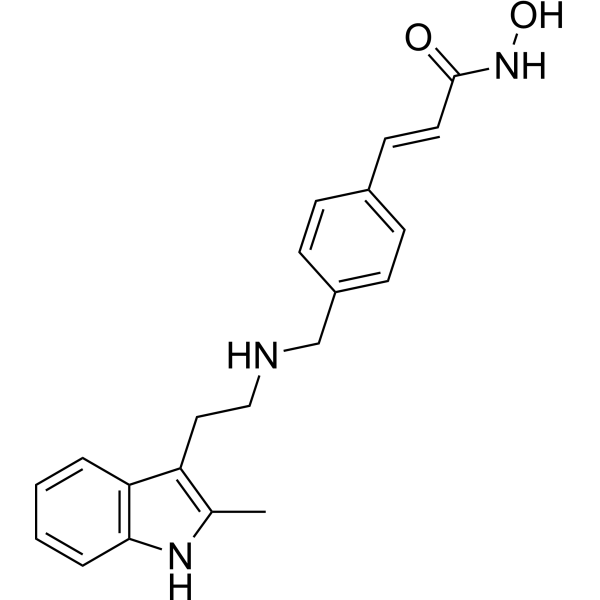
Panobinostat (LBH589; NVP-LBH589) is a potent and orally active non-selective HDAC inhibitor, and has antineoplastic activities . Panobinostat induces HIV-1 virus production even at low concentration range 8-31 nM, stimulates HIV-1 expression in latently infected cells . Panobinostat induces cell apoptosis and autophagy. Panobinostat can be used for the study of refractory or relapsed multiple myeloma .
|
-
- HY-10585S3
-
|
Sodium Valproate-d4; VPA-d4 sodium; 2-Propylpentanoic acid-d4 sodium
|
Isotope-Labeled Compounds
HDAC
Autophagy
Mitophagy
HIV
Notch
Endogenous Metabolite
|
Cancer
|
|
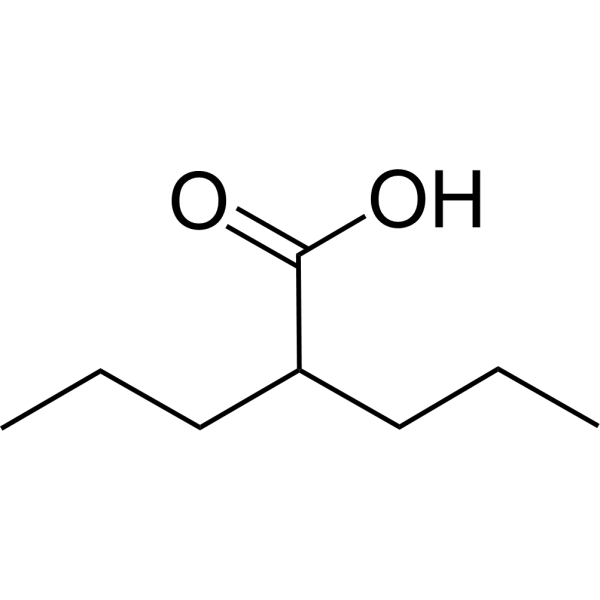
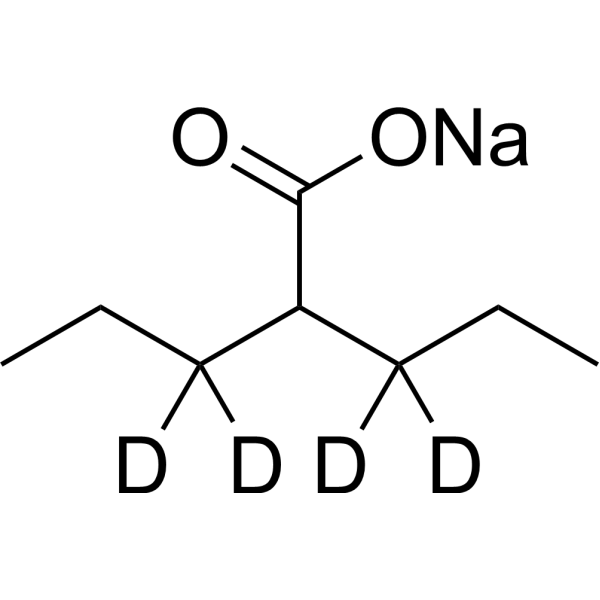
Valproic acid-d4 (sodium) is the deuterium labeled Valproic acid. Valproic acid (VPA; 2-Propylpentanoic Acid) is an HDAC inhibitor, with IC50 in the range of 0.5 and 2 mM, also inhibits HDAC1 (IC50, 400 μM), and induces proteasomal degradation of HDAC2. Valproic acid activates Notch1 signaling and inhibits proliferation in small cell lung cancer (SCLC) cells. Valproic acid sodium salt is used in the treatment of epilepsy, bipolar disorder and prevention of migraine headaches.
|
-
- HY-10224AR
-
|
LBH589 lactate (Standard); NVP-LBH589 lactate (Standard)
|
Reference Standards
HDAC
HIV
Autophagy
Apoptosis
|
Infection
Cancer
|
|
Panobinostat lactate (Standard) is the analytical standard of Panobinostat lactate (HY-10224A). This product is intended for research and analytical applications. Panobinostat lactate is a potent and orally active non-selective HDAC inhibitor. Panobinostat lactate has antineoplastic activities. Panobinostat lactate effectively disrupts HIV latency. Panobinostat lactate induces cell apoptosis and autophagy. Panobinostat lactate can be used for the study of refractory or relapsed multiple myeloma .
|
-

- HY-10585S4
-
|
VPA-d4-1; 2-Propylpentanoic acid-d4-1
|
Isotope-Labeled Compounds
HDAC
Autophagy
Mitophagy
HIV
Notch
Endogenous Metabolite
|
Cancer
|
|
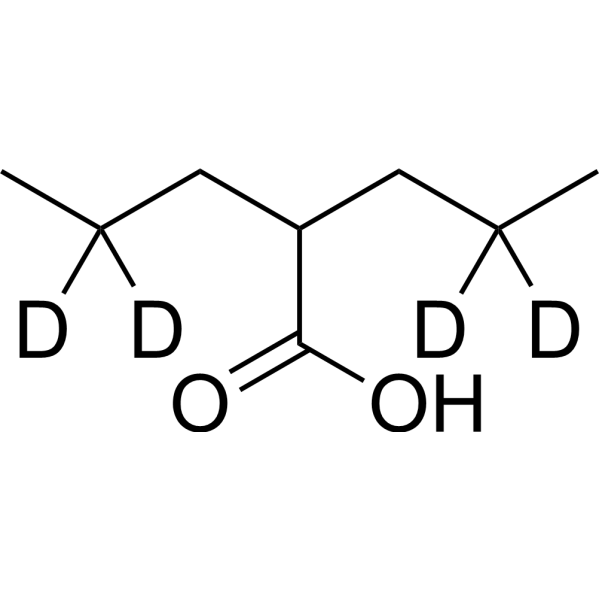
Valproic acid-d4-1 is the deuterium labeled Valproic acid. Valproic acid (VPA; 2-Propylpentanoic Acid) is an HDAC inhibitor, with IC50 in the range of 0.5 and 2 mM, also inhibits HDAC1 (IC50, 400 μM), and induces proteasomal degradation of HDAC2. Valproic acid activates Notch1 signaling and inhibits proliferation in small cell lung cancer (SCLC) cells. Valproic acid sodium salt is used in the treatment of epilepsy, bipolar disorder and prevention of migraine headaches .
|
-
- HY-124007
-
|
ISAHA
|
HDAC
|
Cancer
|
|
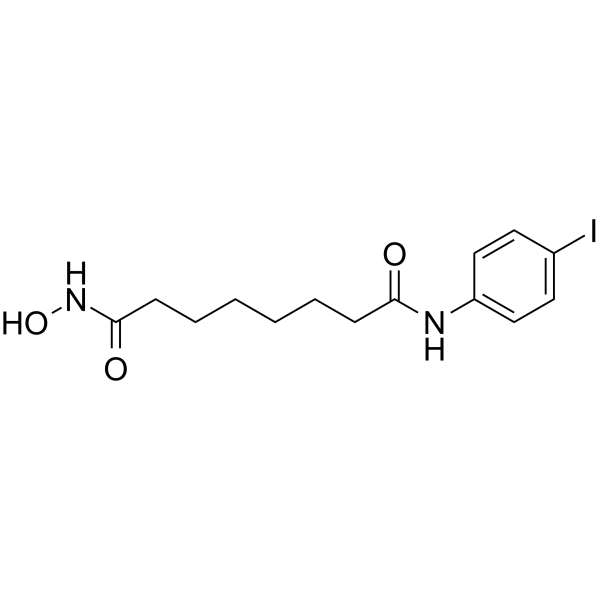
4-Iodo-SAHA (1k) is an orally active class I and class II histone deacetylase (HDAC) inhibitor with EC50s of 1.1, 0.95, 0.12, 0.24, 0.85 and 1.3 μM for Skbr3, HT29, U937, JA16 and HL60 cell lines, respectively. 4-Iodo-SAHA (1k) can be used for the research of cancer .
|
-
- HY-116267
-
|
|
HDAC
Apoptosis
PARP
Bcl-2 Family
Androgen Receptor
|
Cancer
|
|
MHY219 is a histone deacetylase (HDAC) inhibitor with an IC50 of 0.276 μM. MHY219 inhibits total HDAC enzyme activity, increases histone H3 and H4 hyperacetylation. MHY219 induces cance cells phase arrest, apoptosis and inhibits proliferationin. MHY219 increases cleavage of PARP, Bax, cytochrome c levels, androgen receptor expression and decreases Bcl-2 expression. MHY219 can be used for the research of prostate cancer .
|
-

- HY-19763
-
-
- HY-146351
-
|
|
HDAC
|
Neurological Disease
|
|
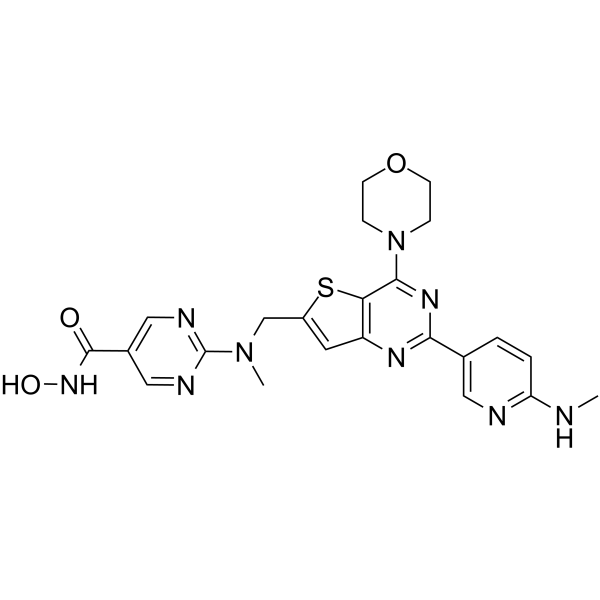
HDAC-IN-38 (compound 13) is a potent HDAC inhibitor. HDAC-IN-38 shows similar micro-molar inhibitory activity toward HDAC1, 2, 3, 5, 6, and 8. HDAC-IN-38 increases cerebral blood flow (CBF), attenuates cognitive impairment, and improves hippocampal atrophy. HDAC-IN-38 also increases the level of histone acetylation (H3K14 or H4K5) .
|
-
- HY-175988
-
|
|
DNA Methyltransferase
HDAC
|
Cancer
|
|
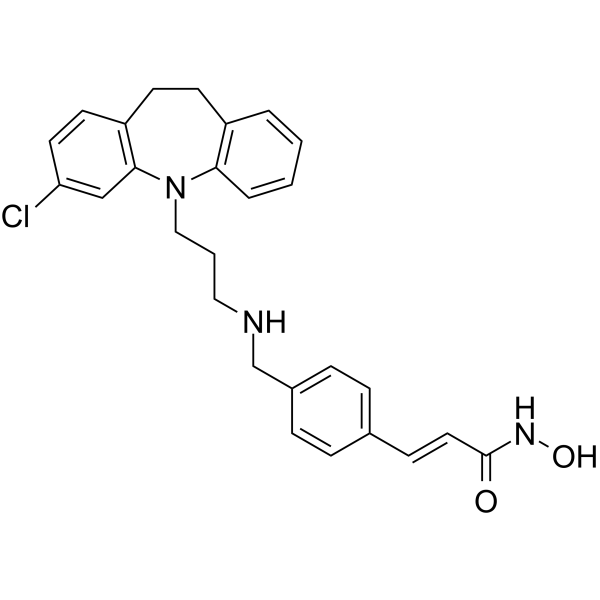
DNMT/HDAC-IN-2 (Compound Y7) is a DNMT and HDAC inhibitor with IC50 values for DNMT1, HDAC1, and HDAC6 of 365, 0.2, and 8.91 nM respectively. DNMT/HDAC-IN-2 inhibits the proliferation of breast cancer cells. DNMT/HDAC-IN-2 significantly reduces tumor growth in xenografts and transgenic breast cancer mouse models. DNMT/HDAC-IN-2 can be used for the study of breast cancer .
|
-

- HY-19348
-
|
RGFA-8; TC-H 106; Histone Deacetylase Inhibitor VII
|
HDAC
Monoamine Transporter
|
Neurological Disease
Cancer
|
|
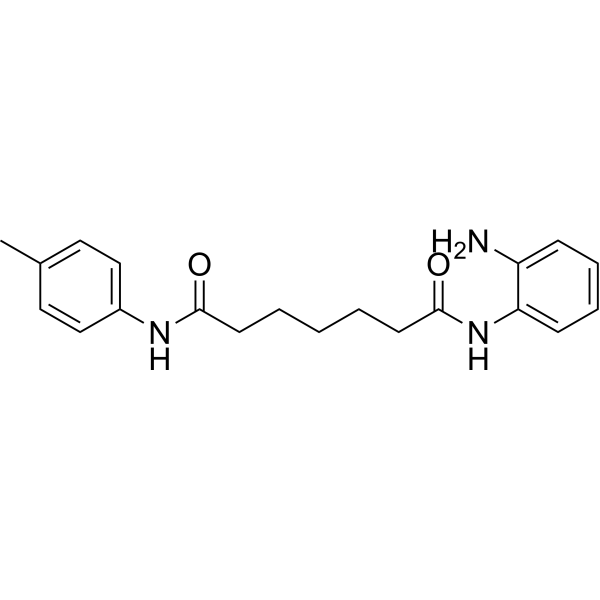
Pimelic Diphenylamide 106 (TC-H 106) is a slow, tight binding class I HDAC inhibitor (inhibits HDAC1, 2, and 3 with IC50 values of 150 nM, 760 nM, and 370 nM, respectively), with no activity against class II HDACs. Pimelic Diphenylamide 106 modulates dopamine concentration and protects dopamine cells by inducing VMAT2 expression. Pimelic Diphenylamide 106 can be used in the study of neuropsychiatric diseases such as attention deficit hyperactivity disorder (ADHD) .
|
-
- HY-149474
-
|
|
FLT3
HDAC
Apoptosis
|
Cancer
|
|
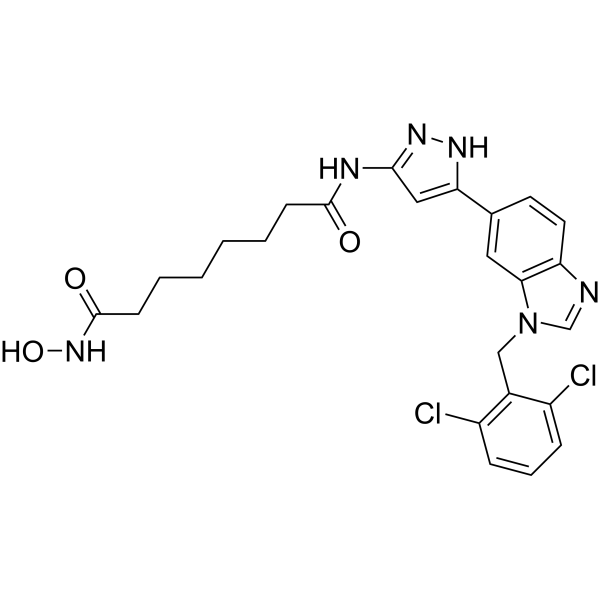
HDAC-IN-63 (Compound 63) is a dual FLT3/HDAC inhibitor (IC50: 0.844 and 30.0 nM for FLT3 and HDAC1 respectively). HDAC-IN-63 inhibits MV4-11 cell proliferation (IC50: 92 nM. HDAC-IN-63 induces apoptosis and arrests cell cycle in MV4-11 cells. HDAC-IN-63 can be used for research of acute myeloid leukemia (AML) .
|
-
- HY-10585S2
-
|
VPA-d15; 2-Propylpentanoic acid-d15
|
HDAC
Autophagy
Mitophagy
HIV
Notch
Endogenous Metabolite
|
Cancer
|
|
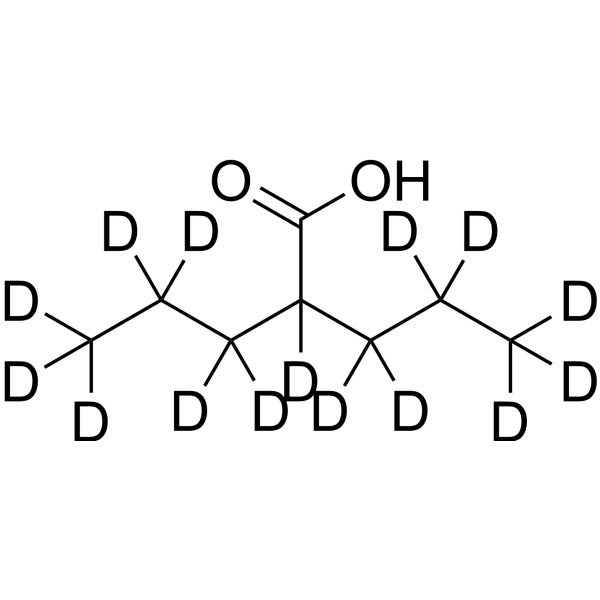
Valproic acid-d15 is the deuterium labeled Valproic acid. Valproic acid (VPA; 2-Propylpentanoic Acid) is an HDAC inhibitor, with IC50 in the range of 0.5 and 2 mM, also inhibits HDAC1 (IC50, 400 μM), and induces proteasomal degradation of HDAC2. Valproic acid activates Notch1 signaling and inhibits proliferation in small cell lung cancer (SCLC) cells. Valproic acid sodium salt is used in the treatment of epilepsy, bipolar disorder and prevention of migraine headaches .
|
-
- HY-10585AG
-
|
Sodium Valproate; VPA sodium; 2-Propylpentanoic acid sodium
|
Organoid
HDAC
Autophagy
Mitophagy
HIV
Notch
Apoptosis
Endogenous Metabolite
|
Infection
Neurological Disease
Metabolic Disease
Cancer
|
|
Valproic acid (Sodium Valproate) sodium is an orally active HDAC inhibitor, with IC50 in the range of 0.5 and 2 mM, also inhibits HDAC1 (IC50, 400 μM), and induces proteasomal degradation of HDAC2. Valproic acid sodium activates Notch1 signaling and inhibits proliferation in small cell lung cancer (SCLC) cells. Valproic acid sodium is used in the treatment of epilepsy, bipolar disorder, metabolic disease, HIV infection and prevention of migraine headaches .
|
-

- HY-156003
-
|
|
HDAC
|
Cancer
|
|
HDAC-IN-64 (Compound 13) is a HDAC inhibitor. HDAC-IN-64 inhibits HDAC4/5/6/7/9 with IC50s of 24, 45, 85, 31, 37 nM. HDAC-IN-64 has anti-proliferative activity and anti-migration properties on prostate cancer (PCA) cells. HDAC-IN-64 inhibits LNCaP and RWPE-1 cell growth with GI50 of 0.32 and 1.1 μM respectively .
|
-
- HY-119939
-
|
CHDI00390576
|
HDAC
|
Cancer
|
|
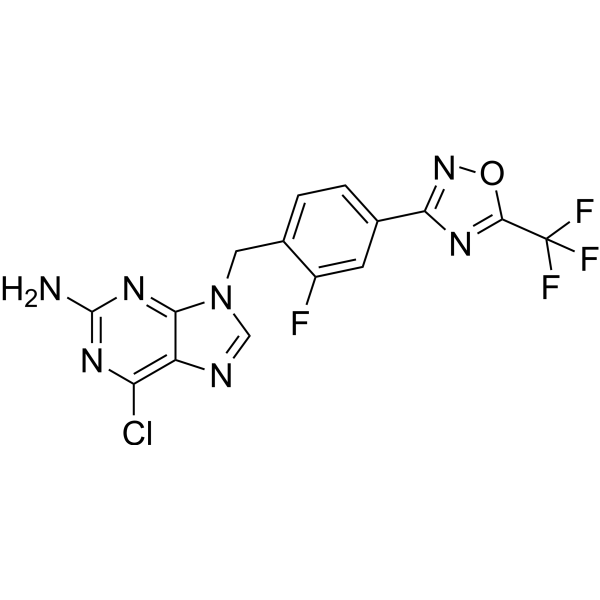
CHDI-390576, a potent, cell permeable and CNS penetrant class IIa histone deacetylase (HDAC) inhibitor with IC50s of 54 nM, 60 nM, 31 nM, 50 nM for class IIa HDAC4, HDAC5, HDAC7, HDAC9, respectively, shows >500-fold selectivity over class I HDACs (1, 2, 3) and ~150-fold selectivity over HDAC8 and the class IIb HDAC6 isoform .
|
-
- HY-10585S
-
|
VPA-d4; 2-Propylpentanoic acid-d4
|
HDAC
Autophagy
Mitophagy
HIV
Notch
Endogenous Metabolite
|
Cancer
|
|
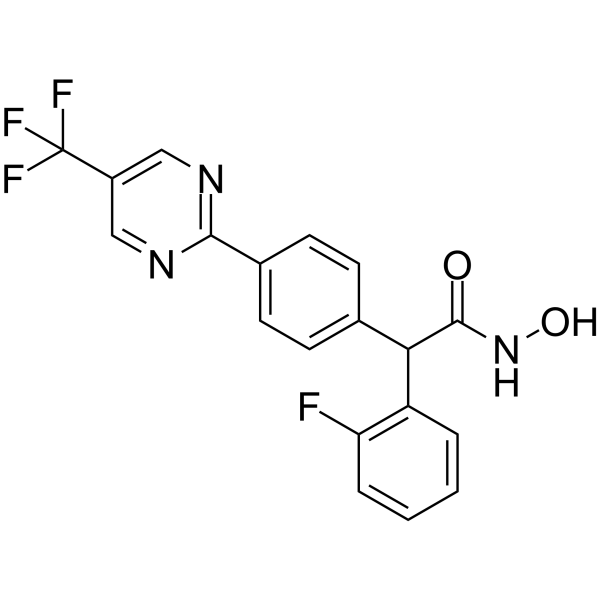
Valproic acid-d4 is the deuterium labeled Valproic acid. Valproic acid (VPA; 2-Propylpentanoic Acid) is an HDAC inhibitor, with IC50 in the range of 0.5 and 2 mM, also inhibits HDAC1 (IC50, 400 μM), and induces proteasomal degradation of HDAC2. Valproic acid activates Notch1 signaling and inhibits proliferation in small cell lung cancer (SCLC) cells. Valproic acid sodium salt is used in the treatment of epilepsy, bipolar disorder and prevention of migraine headaches .
|
-
- HY-10585S1
-
|
VPA-d6; 2-Propylpentanoic acid-d6
|
HDAC
Autophagy
Mitophagy
HIV
Notch
Endogenous Metabolite
|
Cancer
|
|
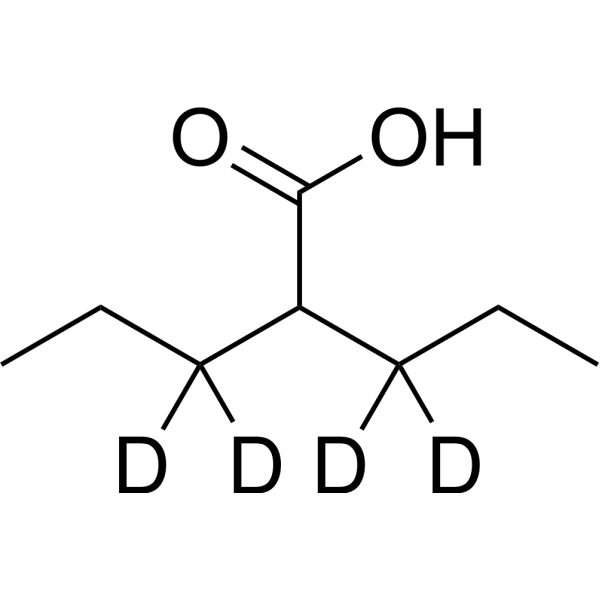
Valproic acid-d6 is the deuterium labeled Valproic acid. Valproic acid (VPA; 2-Propylpentanoic Acid) is an HDAC inhibitor, with IC50 in the range of 0.5 and 2 mM, also inhibits HDAC1 (IC50, 400 μM), and induces proteasomal degradation of HDAC2. Valproic acid activates Notch1 signaling and inhibits proliferation in small cell lung cancer (SCLC) cells. Valproic acid sodium salt is used in the treatment of epilepsy, bipolar disorder and prevention of migraine headaches .
|
-
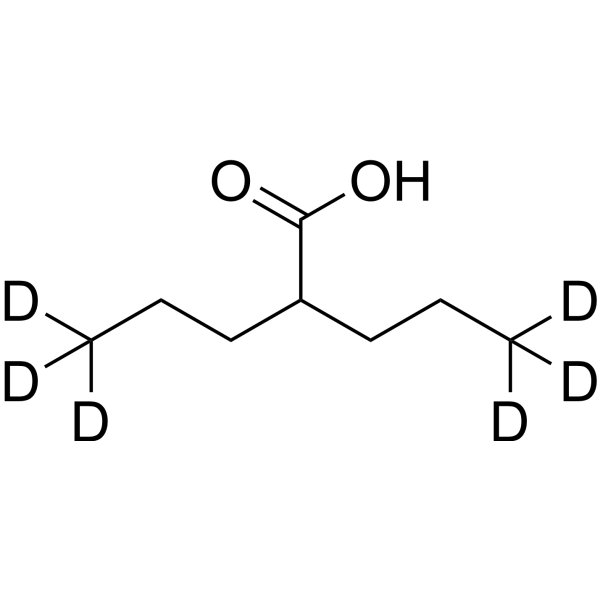
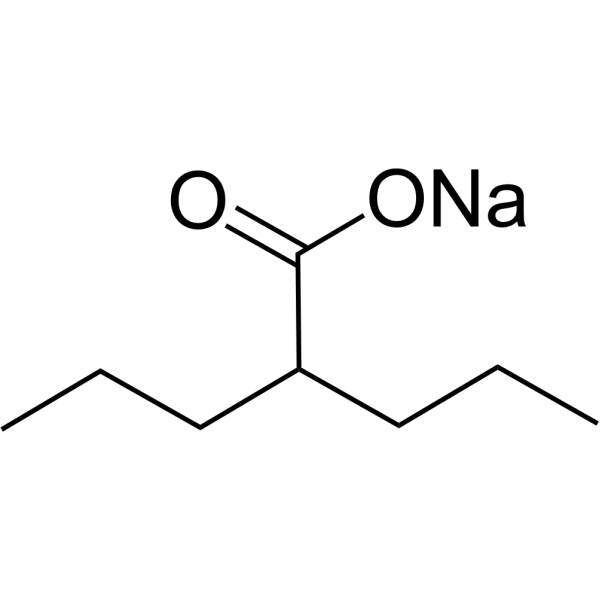
- HY-10585A
-
|
Sodium Valproate; VPA sodium; 2-Propylpentanoic acid sodium
|
Organoid
HDAC
Autophagy
Mitophagy
HIV
Notch
Apoptosis
Endogenous Metabolite
|
Infection
Neurological Disease
Metabolic Disease
Cancer
|
|
Valproic acid (Sodium Valproate) sodium is an orally active HDAC inhibitor, with IC50 in the range of 0.5 and 2 mM, also inhibits HDAC1 (IC50, 400 μM), and induces proteasomal degradation of HDAC2. Valproic acid sodium activates Notch1 signaling and inhibits proliferation in small cell lung cancer (SCLC) cells. Valproic acid sodium is used in the treatment of epilepsy, bipolar disorder, metabolic disease, HIV infection and prevention of migraine headaches .
|
-
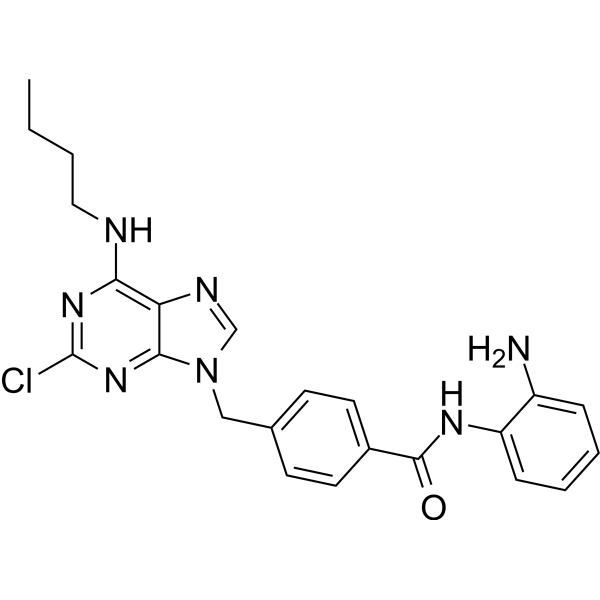
- HY-146750
-
|
|
HDAC
Apoptosis
|
Cancer
|
|
HDAC-IN-37 is a potent HDAC inhibitor with IC50s of 0.0551 μM, 1.24 μM, 0.948 μM and 34.2 μM for HDAC1, HDAC3, HDAC8 and HDAC6, respectively. HDAC-IN-37 induces histone acetylation in a slow-off manner. HDAC-IN-37 prevents cell transition from G1 phase to S phase and induces early cell apoptosis .
|
-
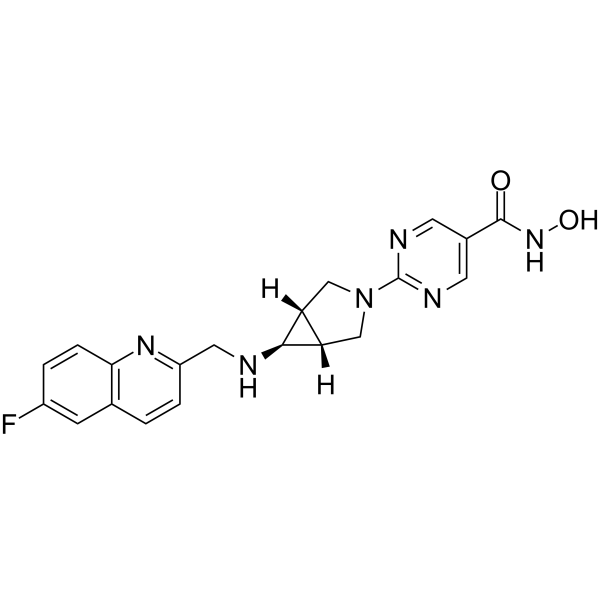
- HY-13432
-
|
CHR-3996
|
HDAC
Apoptosis
|
Cancer
|
|
Nanatinostat (CHR-3996) is a potent, class I selective and orally active HDAC inhibitor with IC50s of 3 nM, 4 nM, and 7 nM for HDAC1, HDAC2, and HDAC3, respectively. Nanatinostat has low activity against HDAC5 (IC50 of 200 nM) and HDAC6 (IC50 of 2100 nM). Nanatinostat induces apoptosis in myeloma cells. Nanatinostat has potent anticancer effects, such as myeloma, advanced solid tumours and colorectal cancer .
|
-
- HY-151872
-
|
|
HDAC
Ferroptosis
|
Cancer
|
|
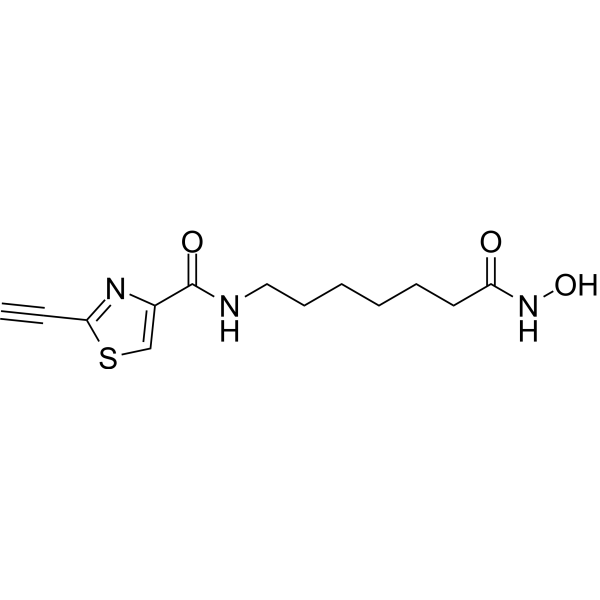
HDAC-IN-48 is a potent HDAC inhibitor. HDAC-IN-48 is a hybrid molecule with great cytotoxic profile (GI50~20 nM). HDAC-IN-48 consists of harmacophores of SAHA and CETZOLE molecules. HDAC-IN-48 induces ferroptosis and inhibits HDAC proteins . HDAC-IN-48 is a click chemistry reagent, it contains an Alkyne group and can undergo copper-catalyzed azide-alkyne cycloaddition (CuAAc) with molecules containing Azide groups.
|
-
- HY-143241
-
|
|
HDAC
MDM-2/p53
Apoptosis
|
Cancer
|
|
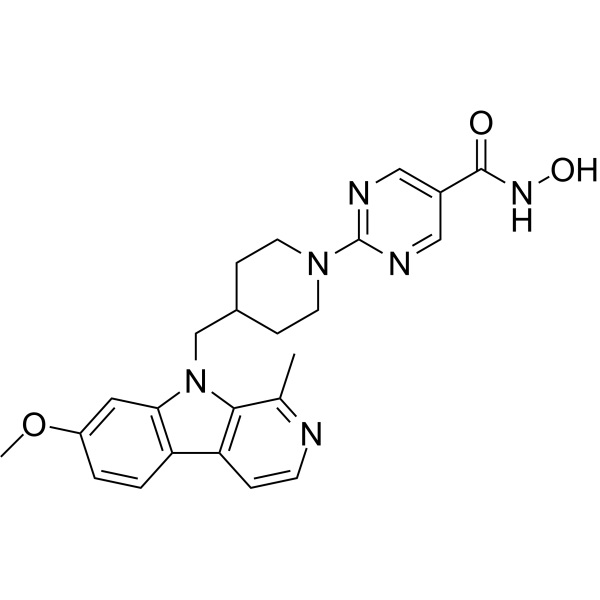
HDAC-IN-34 (compound 27) is a potent HDAC inhibitor, with IC50 values of 0.022 and 0.45 μM for HDAC1 and HDAC6, respectively. HDAC-IN-34 can bind to DNA and cause DNA damage. HDAC-IN-34 causes cells apoptosis through p53 signaling pathway. HDAC-IN-34 exhibits significant anti-proliferation effect against HCT-116 cells, with an IC50 of 1.41 μM .
|
-
- HY-149029
-
|
|
HDAC
Apoptosis
Reactive Oxygen Species (ROS)
|
Cancer
|
|
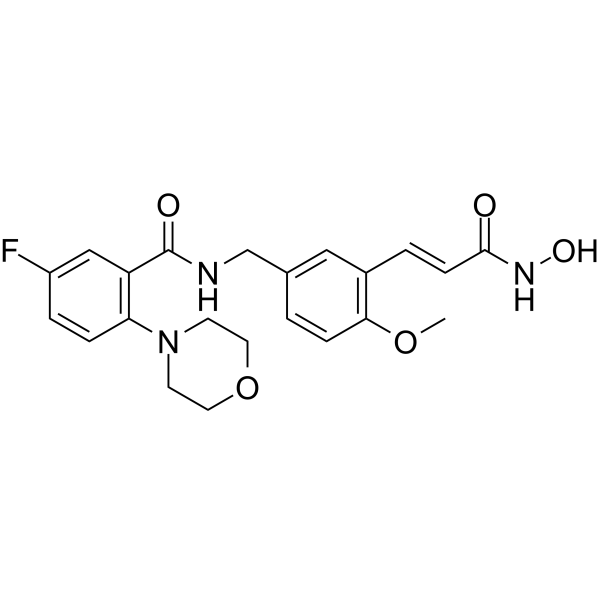
TH-6 is a potent HDAC inhibitor with IC50s of 0.115, 0.135, 0.242, 0.138, 2.120 µM for HDAC1, HDAC2, HDAC3, HDAC6, HDAC8, respectively. TH-6 inhibits cell migration and invasion. TH-6 induces apoptosis and cell cycle arrest at G2/M phase. TH-6 shows anti-tumor activity .
|
-
- HY-146392
-
|
|
HDAC
Microtubule/Tubulin
Apoptosis
|
Cancer
|
|
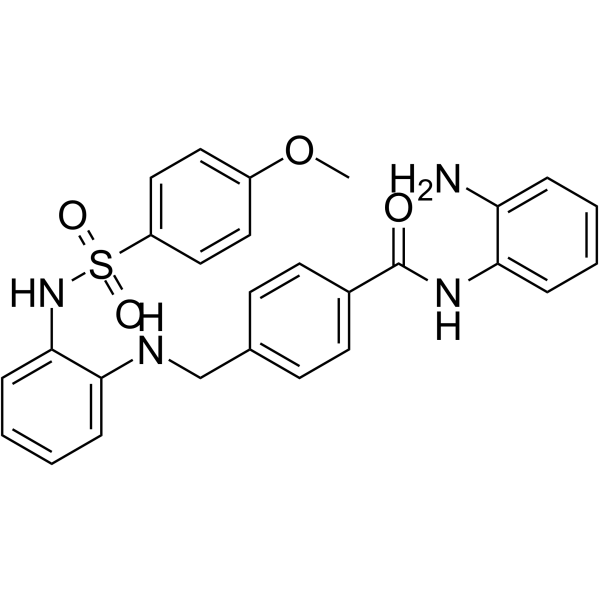
HDAC-IN-39 (compound 16c) is a potent HDAC inhibitor, with IC50 values of 1.07 μM (HDAC1), 1.47 μM (HDAC2), and 2.27 μM (HDAC3), respectively. HDAC-IN-39 also significantly inhibits microtubule polymerization. HDAC-IN-39 induces cell cycle arrest at the G2/M phase. HDAC-IN-39 displays promising anticancer activity against resistant cancer cells .
|
-
- HY-10585B
-
|
Sodium Valproate (2:1); VPA sodium (2:1); 2-Propylpentanoic acid sodium (2:1)
|
HDAC
Autophagy
Mitophagy
HIV
Notch
Apoptosis
Endogenous Metabolite
|
Infection
Neurological Disease
Metabolic Disease
Cancer
|
|
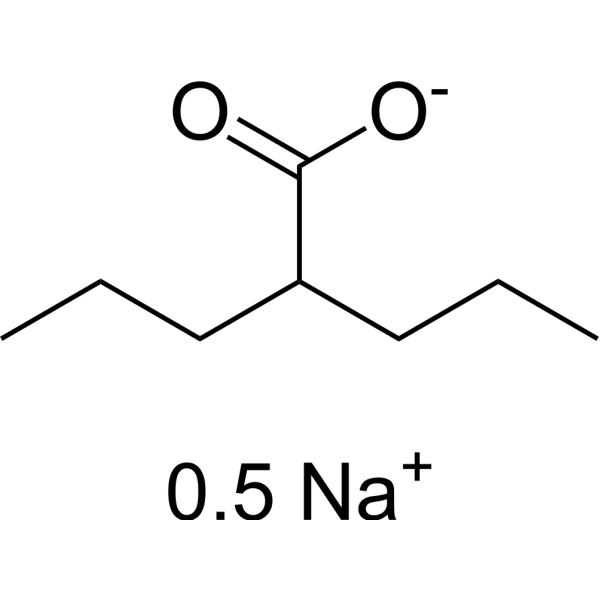
Valproic acid (VPA) sodium (2:1) is an orally active HDAC inhibitor, with IC50 in the range of 0.5 and 2 mM, also inhibits HDAC1 (IC50, 400 μM), and induces proteasomal degradation of HDAC2. Valproic acid sodium (2:1) activates Notch1 signaling and inhibits proliferation in small cell lung cancer (SCLC) cells. Valproic acid sodium (2:1) is used in the treatment of epilepsy, bipolar disorder, metabolic disease, HIV infection and prevention of migraine headaches .
|
-
- HY-151464
-
|
|
SHP2
Phosphatase
HDAC
|
Inflammation/Immunology
Cancer
|
|
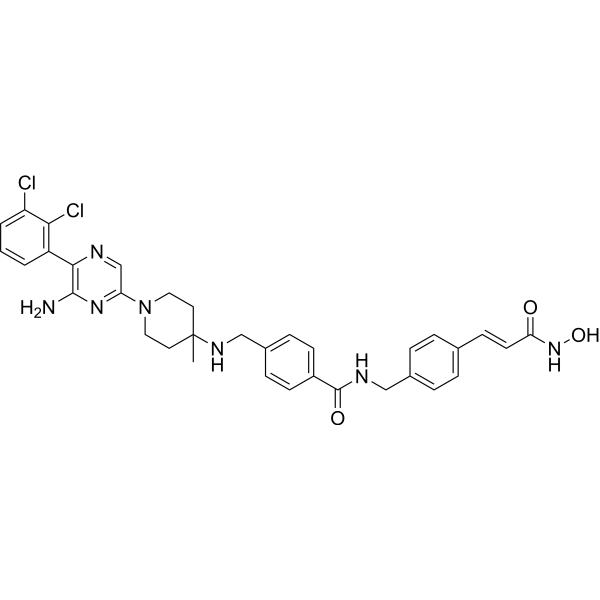
SHP2/HDAC-IN-1 is a dual allosteric SHP2/HDAC inhibitor with IC50 values of 20.4 nM (SHP2) and 25.3 nM (HDAC1) respectively. SHP2/HDAC-IN-1 triggers efficient antitumor immunity by activating T cells, enhancing the antigen presentation function and promoting cytokine secretion. SHP2/HDAC-IN-1 can be used in the research of cancer immunoresearch .
|
-
- HY-W794759
-
|
Magnesium valproate; VPA magnesium; 2-Propylpentanoic acid magnesium
|
Organoid
HDAC
Autophagy
Mitophagy
HIV
Notch
Apoptosis
Endogenous Metabolite
|
Infection
Neurological Disease
Cancer
|
|
Valproic acid magnesium (Magnesium valproate) is an orally active HDAC inhibitor, with IC50 in the range of 0.5 and 2 mM. Valproic acid magnesium inhibits HDAC1 (IC50, 400 μM), and induces proteasomal degradation of HDAC2. Valproic acid magnesium activates Notch1 signaling and inhibits proliferation in small cell lung cancer (SCLC) cells. Valproic acid magnesium is used in the epilepsy, bipolar disorder, metabolic disease, HIV infection and prevention of migraine headaches .
|
-

- HY-13432A
-
|
CHR-3996 TFA
|
HDAC
Apoptosis
|
Cancer
|
|
Nanatinostat (CHR-3996) TFA is a potent, class I selective and orally active HDAC inhibitor with IC50s of 3 nM, 4 nM, and 7 nM for HDAC1, HDAC2, and HDAC3, respectively. Nanatinostat TFA has low activity against HDAC5 (IC50 of 200 nM) and HDAC6 (IC50 of 2100 nM). Nanatinostat TFA induces apoptosis in myeloma cells. Nanatinostat TFA has potent anticancer effects, such as myeloma, advanced solid tumours and colorectal cancer .
|
-

- HY-150597
-
|
|
HDAC
Apoptosis
|
Cancer
|
|
HDAC-IN-46 (compound 12c) is a potent HDAC inhibitor with an IC50 value of 0.21 μM and 0.021 μM for HDAC1 and HDAC6, respectively. HDAC-IN-46 upregulates p-p38, and downregulates Bcl-xL and cyclin D1 in MDA-MB-231 cells. HDAC-IN-46 induces significant G2 phase arrest and apoptosis. HDAC-IN-46 can be used for researching triple-negative breast cancer (TNBC) .
|
-
- HY-15149S2
-
|
FK 228-d7; FR 901228-d7; NSC 630176-d7
|
Isotope-Labeled Compounds
HDAC
Apoptosis
|
Cancer
|
|
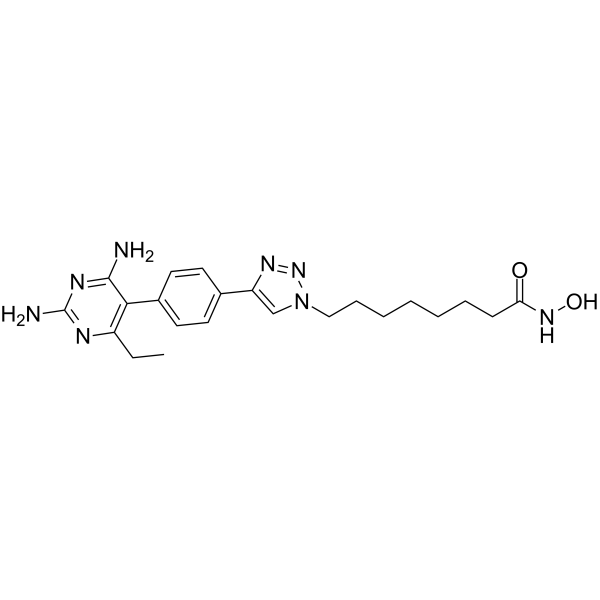
Romidepsin-d7 (FK 228-d7) is deuterium labeled Romidepsin. Romidepsin (FK 228) is a Histone deacetylase (HDAC) inhibitor with anti-tumor activities. Romidepsin (FK 228) inhibits HDAC1, HDAC2, HDAC4, and HDAC6 with IC50s of 36 nM, 47 nM, 510 nM and 1.4 μM, respectively . Romidepsin (FK 228) is produced by Chromobacterium violaceum, induces cell G2/M phase arrest and apoptosis .
|
-

- HY-19754A
-
|
|
HDAC
Apoptosis
|
Cancer
|
|
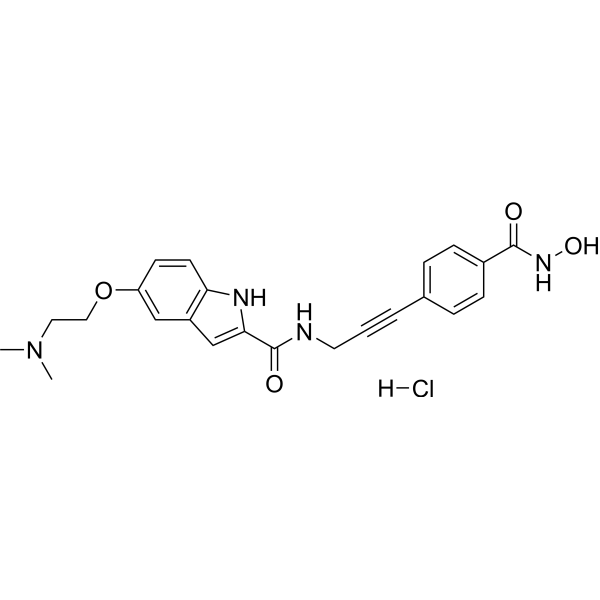
CRA-026440 hydrochloride is a potent, broad-spectrum HDAC (HDAC) inhibitor. The Ki values against recombinant HDAC isoenzymes HDAC1, HDAC2, HDAC3, HDAC6, HDAC8, and HDAC10 are 4 nM, 14 nM, 11 nM, 15 nM, 7 nM, and 20 nM respectively. CRA-026440 hydrochloride shows antitumor and antiangiogenic activities . CRA-026440 (hydrochloride) is a click chemistry reagent, it contains an Alkyne group and can undergo copper-catalyzed azide-alkyne cycloaddition (CuAAc) with molecules containing Azide groups.
|
-
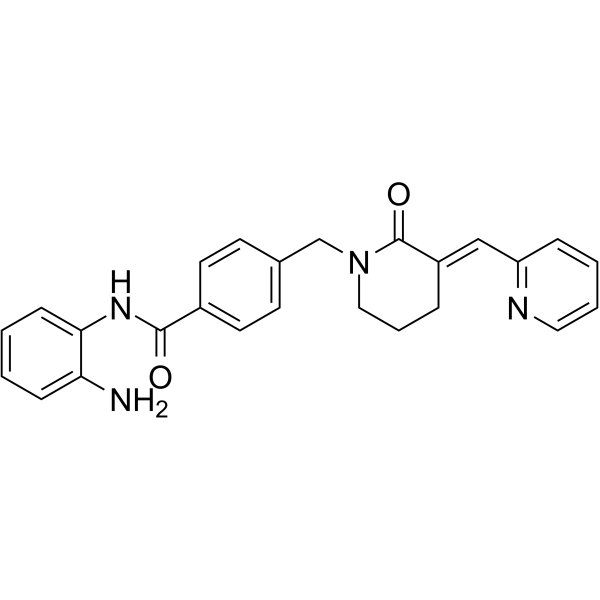
- HY-144293
-
|
|
Apoptosis
HDAC
|
Cancer
|
|
HDAC-IN-31 is a potent, selective and orally active HDAC inhibitor with IC50s of 84.90, 168.0, 442.7, >10000 nM for HDAC1, HDAC2, HDAC3, HDAC8, respectively. HDAC-IN-31 induces apoptosis and cell cycle arrests at G2/M phase. HDAC-IN-31 shows good antitumor efficacy. HDAC-IN-31 has the potential for the research of diffuse large B-cell lymphoma .
|
-
- HY-159936
-
|
|
HDAC
PPAR
Apoptosis
|
Cancer
|
|
CS4 is a selective HDAC inhibitor with the IC50 values of 38 nM, 12 nM, 5.8 μM, 19 μM and 61 μM against of HDAC1, HDAC6, HDAC8, HDAC4 and HDAC11, respectively. CS4 promotes α-tubulin and histone 3 acetylation. CS4 activates PPARγ and blocks glycolysis. CS4 induces cell cycle arrest at G2 phase and apoptosis, and shows anticancer effect both in vivo and in vitro .
|
-

- HY-19754
-
|
|
HDAC
Apoptosis
|
Cardiovascular Disease
Cancer
|
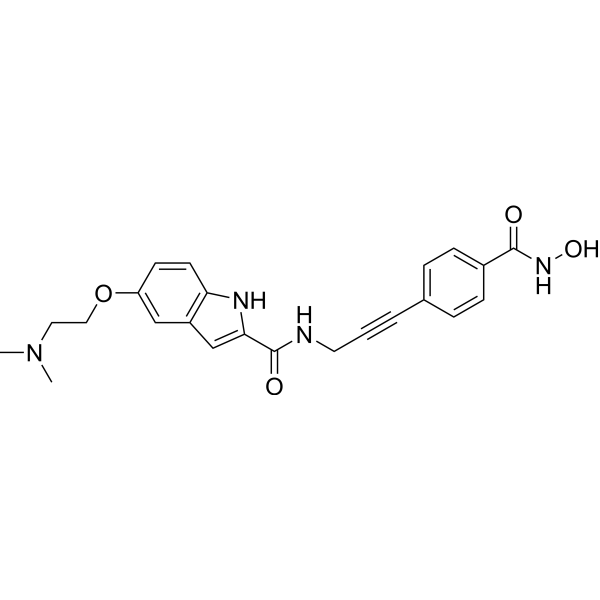
|
CRA-026440 is a potent, broad-spectrum HDAC inhibitor. The Ki values against recombinant HDAC isoenzymes HDAC1, HDAC2, HDAC3, HDAC6, HDAC8, and HDAC10 are 4, 14, 11, 15, 7, and 20 nM respectively. CRA-026440 shows antitumor and antiangiogenic activities . CRA-026440 is a click chemistry reagent, it contains an Alkyne group and can undergo copper-catalyzed azide-alkyne cycloaddition (CuAAc) with molecules containing Azide groups.
|
-
- HY-153514
-
|
|
HDAC
Microtubule/Tubulin
Apoptosis
|
Cancer
|
|
HDAC-IN-54 is a HDAC inhibitor with an IC50 of 25 nM against human HDAC1, 66 nM against HDAC2, 6.5 nM against HDAC3, and 281 nM against HDAC6. HDAC-IN-54 induces acetylation of α-tubulin and histone H3. HDAC-IN-54 acts synergistically with cisplatin to induce cancer cell apoptosis. HDAC-IN-54 can be used in research related to head and neck cancer, ovarian cancer, and tongue squamous cell carcinoma .
|
-

- HY-172177
-
|
|
Apoptosis
HDAC
ROCK
|
Cancer
|
|
ROCK/HDAC-IN-2 (Compound C-9) is a ROCK/HDAC inhibitor, with IC50 values of 0.185 µM, 0.8 µM, and 0.7 µM for HDAC6, ROCK1, and ROCK2, respectively. ROCK/HDAC-IN-2 can induce apoptosis and changes in mitochondrial membrane potential in cancer cells, demonstrating significant antitumor activity. ROCK/HDAC-IN-2 can be used in the research of pancreatic ductal adenocarcinoma (PDAC) and triple-negative breast cancer (TNBC) .
|
-

- HY-W778423
-
|
Dihydroxy Oxaliplatin-Pt(IV)
|
Drug Intermediate
|
Cancer
|
|
[Pt(DACH)(OH)2(ox)] is a Pt(IV) derivative of Oxaliplatin (HY-17371) with two axial hydroxido ligands, used as a precursor for synthesizing Pt(IV)-HDAC inhibitor prodrugs. [Pt(DACH)(OH)2(ox)] exerts cytotoxic activity against human cancer cells and accumulates in cancer cells for nuclear internalization and nuclear DNA platination. [Pt(DACH)(OH)2(ox)] can be used for the research of lung carcinoma, breast carcinoma, pancreatic carcinoma, colon carcinoma .
|
-
![[Pt(DACH)(OH)2(ox)]](//file.medchemexpress.com/product_pic/hy-w778423.gif)
- HY-10224R
-
|
LBH589 (Standard); NVP-LBH589 (Standard)
|
Reference Standards
HDAC
Autophagy
HIV
Apoptosis
|
Infection
Cancer
|
|
Panobinostat (Standard) (LBH589 (Standard)) is the analytical standard of Panobinostat (HY-10224). This product is intended for research and analytical applications. Panobinostat is a potent and orally active non-selective HDAC inhibitor, and has antineoplastic activities . Panobinostat induces HIV-1 virus production even at low concentration range 8-31 nM, stimulates HIV-1 expression in latently infected cells . Panobinostat induces cell apoptosis and autophagy. Panobinostat can be used for the study of refractory or relapsed multiple myeloma .
|
-

- HY-10226
-
|
R306465
|
Apoptosis
HDAC
|
Cancer
|
|
JNJ-16241199 (R306465) is an orally active, selectivehydroxamate-based histone deacetylase (HDAC) inhibitor, with theIC50of 3.3 nM and 23 nM for HDAC1and HDAC8, respectively.JNJ-16241199induces histone 3 acetylation and strongly increases
the expression of p21 waf1, cip1 in A2780 ovarian carcinoma cells.JNJ-16241199 inducescell apoptosisand shows anticancer activityin a broad spectrum of human malignancies. JNJ-16241199 can be used for cancer study .
|
-
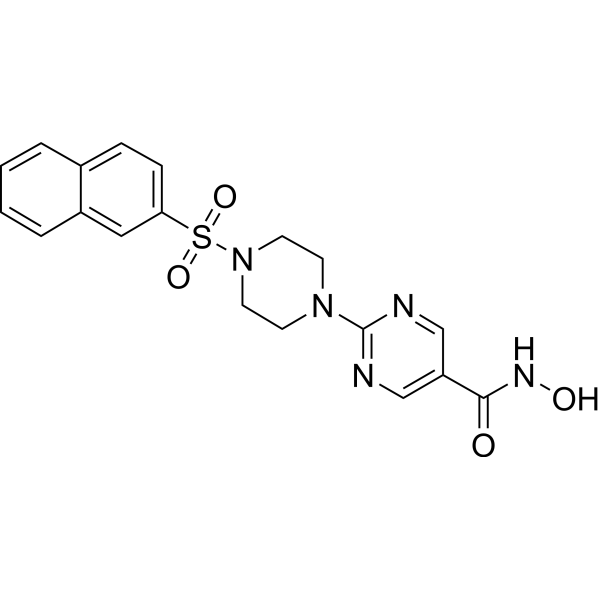
- HY-10224S
-
|
LBH589-d4; NVP-LBH589-d4
|
HDAC
Autophagy
HIV
Apoptosis
|
Cancer
|
|
Panobinostat-d4 is the deuterium labeled Panobinostat. Panobinostat (LBH589; NVP-LBH589) is a potent and orally active non-selective HDAC inhibitor, and has antineoplastic activities[1][2]. Panobinostat induces HIV-1 virus production even at low concentration range 8-31 nM, stimulates HIV-1 expression in latently infected cells[4]. Panobinostat induces cell apoptosis and autophagy. Panobinostat can be used for the study of refractory or relapsed multiple myeloma[3].
|
-
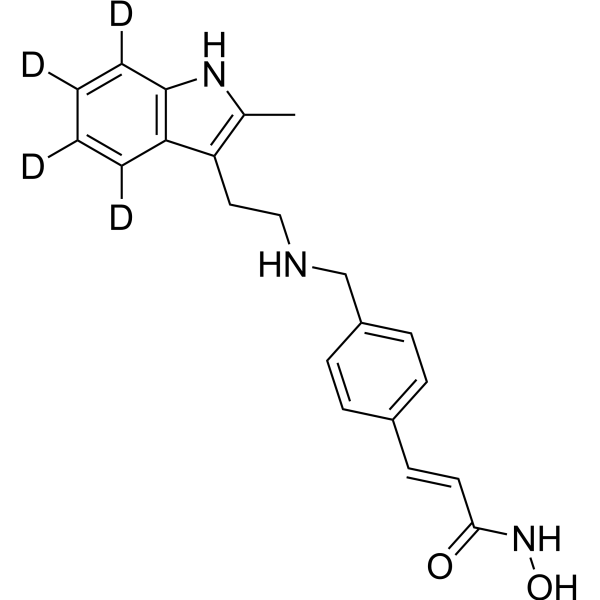
- HY-10224S1
-
|
LBH589-d4 hydrochloride; NVP-LBH589-d4 hydrochloride
|
Isotope-Labeled Compounds
HDAC
Autophagy
HIV
Apoptosis
|
Cancer
|
|
Panobinostat-d4 (hydrochloride) is deuterium labeled Panobinostat. Panobinostat (LBH589; NVP-LBH589) is a potent and orally active non-selective HDAC inhibitor, and has antineoplastic activities[1][2]. Panobinostat induces HIV-1 virus production even at low concentration range 8-31 nM, stimulates HIV-1 expression in latently infected cells[4]. Panobinostat induces cell apoptosis and autophagy. Panobinostat can be used for the study of refractory or relapsed multiple myeloma[3].
|
-
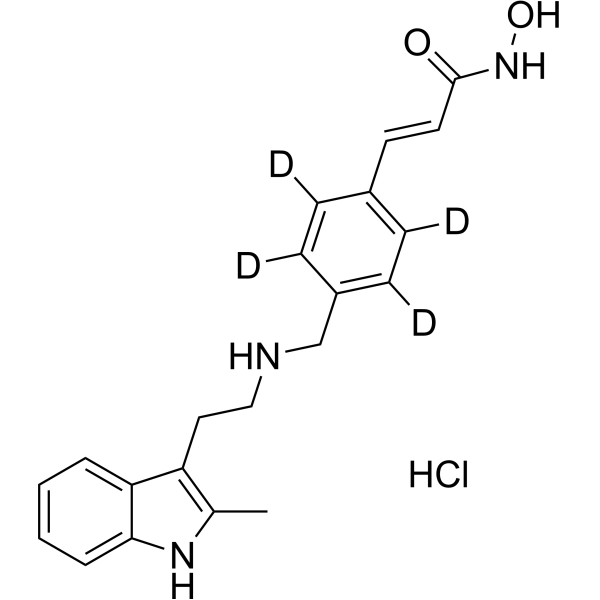
- HY-N7676
-
Marein
3 Publications Verification
|
AMPK
HDAC
|
Cardiovascular Disease
Neurological Disease
Metabolic Disease
|
|
Marein has the neuroprotective effect due to a reduction of damage to mitochondria function and activation of the AMPK signal pathway. Marein improves insulin resistance induced by high glucose in HepG2 cells through CaMKK/AMPK/GLUT1 to promote glucose uptake, through IRS/Akt/GSK-3β to increase glycogen synthesis, and through Akt/FoxO1 to decrease gluconeogenesis. Marein is a HDAC inhibitor with an IC50 of 100 μM. Marein has beneficial antioxidative, antihypertensive, antihyperlipidemic and antidiabetic effects .
|
-
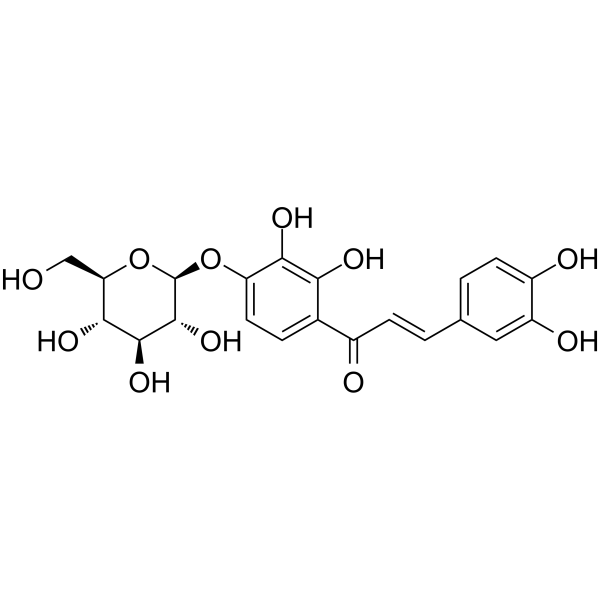
- HY-13265
-
AR-42
4 Publications Verification
HDAC-42; OSU-HDAC42
|
HDAC
Autophagy
Apoptosis
|
Cancer
|
|
AR-42 (HDAC-42; OSU-HDAC42) is a potent, orally bioavailable pan-HDAC inhibitor (IC50=16 nM). AR-42 induces growth inhibition, cell-cycle arrest, apoptosis, and activation of caspases-3/7. AR-42 promotes hyperacetylation of H3, H4, and alpha-tubulin, and up-regulation of p21. AR-42 shows cytotoxicity against various human cancer cell lines .
|
-
- HY-169075
-
|
|
HDAC
CDK
Apoptosis
|
Cancer
|
|
CDK/HDAC-IN-4 is a high selective dual cyclin-dependent kinase (CDK)/histone deacetylase (HDAC) inhibitor with IC50 values of 88.4 and 168.9 nM, respectively. CDK/HDAC-IN-4 exhibits antiproliferative capacities against hematological and solid tumor cells. CDK/HDAC-IN-4 also induces MV-4-11 cell Apoptosis and S cell cycle arrests. CDK/HDAC-IN-4 possesses a significant antitumor potency in the MV-4-11 xenograft model .
|
-

- HY-10585R
-
|
VPA (Standard); 2-Propylpentanoic acid (Standard); Dipropylacetic acid (Standard)
|
Reference Standards
Organoid
HDAC
Autophagy
Mitophagy
HIV
Notch
Apoptosis
Endogenous Metabolite
|
Infection
Neurological Disease
Metabolic Disease
Cancer
|
|
Valproic acid (Dipropylacetic Acid) (Standard) is an analytical standard for valproic acid. This product is intended for research and analytical applications. Valproic acid is an orally active HDAC inhibitor (IC50=0.5-2 mM), inhibits the activity of HDAC1 (IC50=400 μM), and induces the degradation of HDAC2. Valproic acid activates Notch1 signaling and inhibits the proliferation of small cell lung cancer (SCLC) cells. Valproic acid is used in the study of epilepsy, bipolar disorder, metabolic diseases, HIV infection, and migraine .
|
-

- HY-W007977
-
|
|
Drug Intermediate
|
Cancer
|
|
4-Chloro-6,7-bis(2-methoxyethoxy)quinazoline (Compound 11 and 15) is a building block and synthetic intermediate, which can be used as a precursor in the synthesis of receptor tyrosine kinase (RTK) inhibitors, dual RTK and histone deacetylase (HDAC) inhibitors, and anticancer agents. 4-Chloro-6,7-bis(2-methoxyethoxy)quinazoline can also be used to synthesize EGFR inhibitors, including Erlotinib (HY-50896), with antiproliferative activity .
|
-

- HY-10585AR
-
|
Sodium Valproate (Standard); VPA sodium (Standard); 2-Propylpentanoic acid sodium (Standard)
|
Organoid
Reference Standards
HDAC
Autophagy
Mitophagy
HIV
Notch
Apoptosis
Endogenous Metabolite
|
Infection
Neurological Disease
Metabolic Disease
Cancer
|
|
Valproic acid (sodium) (Standard) is the analytical standard of Valproic acid (sodium). This product is intended for research and analytical applications. Valproic acid (Sodium Valproate) sodium is an orally active HDAC inhibitor, with IC50 in the range of 0.5 and 2 mM, also inhibits HDAC1 (IC50, 400 μM), and induces proteasomal degradation of HDAC2. Valproic acid sodium activates Notch1 signaling and inhibits proliferation in small cell lung cancer (SCLC) cells. Valproic acid sodium is used in the treatment of epilepsy, bipolar disorder, metabolic disease, HIV infection and prevention of migraine headaches .
|
-

- HY-110280
-
|
|
HDAC
Apoptosis
|
Cancer
|
|
MC1742 is a potent HDAC inhibitor, with IC50s of 0.1 μM, 0.11 μM, 0.02 μM, 0.007 μM, 0.61 μM, 0.04 μM and 0.1 μM for HDAC1, HDAC2, HDAC3, HDAC6, HDAC8, HDAC10 and HDAC11, respectively. MC1742 can increase acetyl-H3 and acetyl-tubulin levels and inhibits cancer stem cells growth. MC1742 can induce growth arrest, apoptosis, and differentiation in sarcoma CSC .
|
-
- HY-161667
-
|
|
GSK-3
HDAC
|
Neurological Disease
|
|
GSK-3β/HDAC-IN-1 (Compd 4) is a brain-penetrant and first in class dual non-ATP-competitive Glycogen Synthase Kinase 3β/Histone Deacetylases (GSK-3β/HDACs) Inhibitor with IC50s of 0.142, 0.03 and 0.045 μM against GSK-3β, HDAC2 and HDAC6, respectively. GSK-3β/HDAC-IN-1 can be used for Alzheimer’s disease research .
|
-

- HY-108919
-
|
|
HDAC
Apoptosis
MDM-2/p53
Aurora Kinase
NEKs
DNA/RNA Synthesis
Bcl-2 Family
|
Inflammation/Immunology
Cancer
|
|
CG-1521 is a histone deacetylase (HDAC) inhibitor that stabilizes Ac-Lys373 P53, increases P21 levels and HDAC2 degradation. CG-1521 can inhibit proliferation, induce cell cycle arrest and apoptosis. CG-1521 promotes Bax translocation to the mitochondria and cleavage. CG-1521 downregulates KIF4, Aurora B and Nek2 protein expression and DNA synthesis. CG-1521 can be used for the research of prostate cancer and inflammatory breast cancer .
|
-

- HY-19350
-
BML-210
2 Publications Verification
|
HDAC
Apoptosis
|
Cancer
|
|
BML-210 is a potent HDAC inhibitor. BML-210 can inhibit the HDAC4-VP16-driven reporter signal with an apparent IC50 of ∼5 µM. BML-210 has a specific disruptive effect on the HDAC4:MEF2 interaction. BML-210 causes an increase in the G0/G1 phase. BML-210 induces apoptosis and displays antitumour activities in orthotopic mammary tumours in mice .
|
-
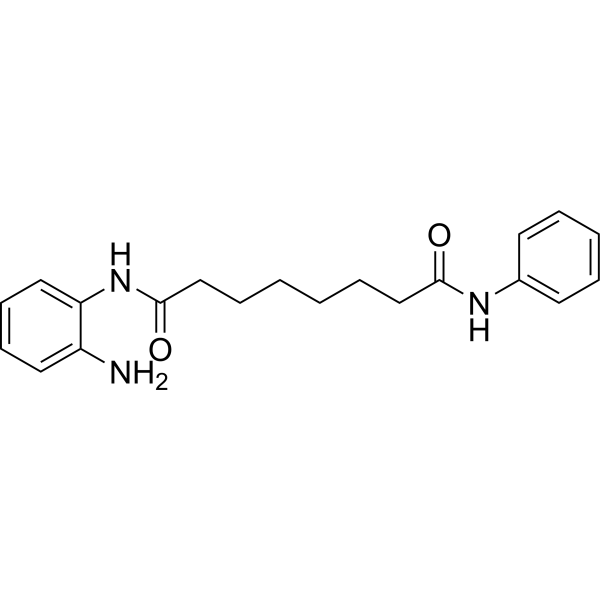
- HY-161984
-
|
|
HDAC
|
Infection
Others
|
|
HDAC-IN-76 (compound 6i) is a histone deacetylase (HDAC) inhibitor. HDAC-IN-76 IC50 values of 30 nM and 98 nM for Pf3D7 (chloroquine (HY-17589A) drug-susceptible strain) and PfDd2 (chloroquine (HY-17589A) drug-resistant strain), has a highly potent antimalarial activity against asexual blood-stage Plasmodium, respectively, and exhibits selective inhibition against parasites, with IC50 values of 7 nM and 9 nM for human HDAC1 and HDAC6, respectively, while inhibiting PfHDAC1 .
|
-

- HY-19772
-
|
ESM-HDAC391; CHR-5154; HDAC-IN-3
|
HDAC
c-Fms
|
Inflammation/Immunology
|
|
GSK3117391 (ESM-HDAC391; CHR-5154; HDAC-IN-3) is an orally active HDAC inhibitor with a IC50 of 55 nM. Using esterase-sensitive motif technology, GSK3117391 is selectively converted into its active acid metabolite HDAC189 in cells expressing carboxylesterase-1. GSK3117391 induces sustained global protein acetylation in monocytes, inhibits the production of proinflammatory cytokines, depletes circulating monocytes, downregulates the expression of CSF1R, and inhibits monocyte adhesion and differentiation. GSK3117391 can be used in the research of chronic inflammatory diseases .
|
-
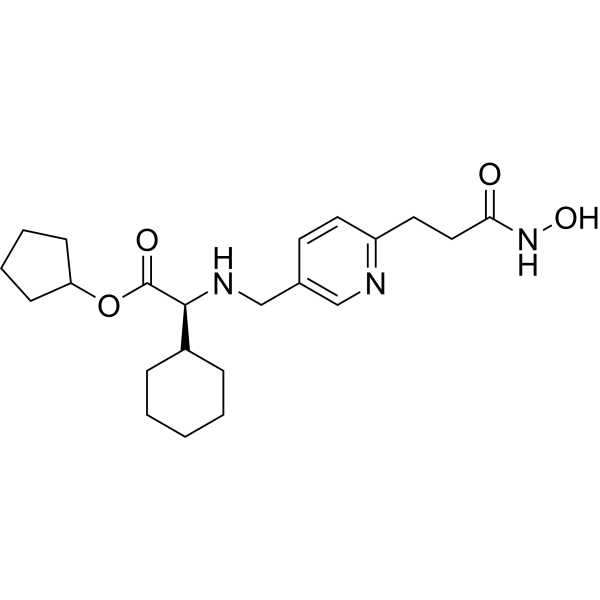
- HY-116818
-
|
|
HDAC
|
Neurological Disease
|
|
Crebinostat is a potent histone deacetylase (HDAC) inhibitor with IC50 values of 0.7 nM, 1.0 nM, 2.0 nM and 9.3 nM for HDAC1, HDAC2, HDAC3 and HDAC6, respectively. Crebinostat potently induces acetylation of both histone H3 and histone H4 as well as enhances the expression of the cAMP response element-binding protein (CREB) target gene Egr1. Crebinostat increases the density of synapsin-1 punctae along dendrites in cultured neurons. Crebinostat can modulate chromatin-mediated neuroplasticity and exhibits enhanced memory in mice .
|
-
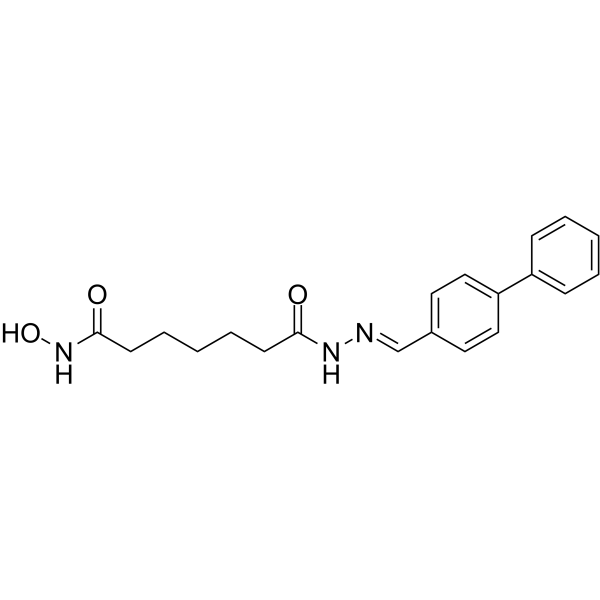
- HY-154855
-
|
|
HDAC
|
Cancer
|
|
HDAC-IN-56 ((S)-17b) is an orally active class I histone deacetylase (HDAC) inhibitor with IC50 values of 56.0 ± 6.0, 90.0 ± 5.9, 422.2 ± 105.1, >10000 nM for HDAC1, HDAC2, HDAC3, and HDAC4-11, respectively. HDAC-IN-56 has potent inhibitory activity while strongly increasing intracellular levels of acetylhistone H3 and P21 and effectively inducing G1 cell cycle arrest and apoptosis.HDAC-IN-56 has antitumor activity .
|
-
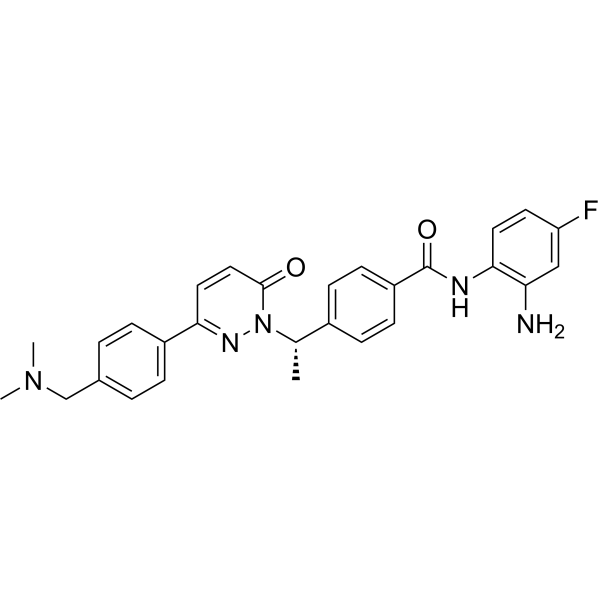
- HY-112806
-
|
|
Drug-Linker Conjugates for ADC
HDAC
EGFR
Microtubule/Tubulin
|
Cancer
|
|
ST8155AA1 is a part of antibody agent conjugates (ADCs) charged with HDAC inhibitor. ST8155AA1 induces α-tubulin, histone H3/H4 acetylation via direct enzymatic inhibition. ST8155AA1 recognizes and binds EGFR, undergoes internalization into EGFR-expressing tumor cells. ST8155AA1 inhibits cancer cell proliferation and exerts activity in mouse tumor models. ST8155AA1 can be used for the research of non-small cell lung cancer .
|
-
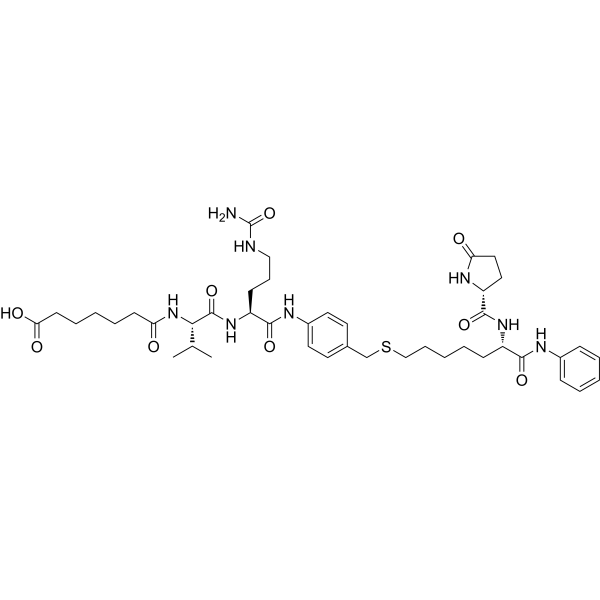
- HY-15149G
-
|
FK 228; FR 901228; NSC 630176
|
HDAC
Apoptosis
|
Cancer
|
|
Romidepsin (GMP) (FK 228 (GMP)) is Romidepsin (HY-15149) produced by using GMP guidelines. GMP small molecules works appropriately as an auxiliary reagent for cell therapy manufacture. Romidepsin (FK 228) is a Histone deacetylase (HDAC) inhibitor with anti-tumor activities. Romidepsin (FK 228) inhibits HDAC1, HDAC2, HDAC4, and HDAC6 with IC50s of 36 nM, 47 nM, 510 nM and 1.4 μM, respectively . Romidepsin (FK 228) is produced by Chromobacterium violaceum, induces cell G2/M phase arrest and apoptosis .
|
-

- HY-162319
-
|
|
Apoptosis
HDAC
Microtubule/Tubulin
Reactive Oxygen Species (ROS)
|
Cancer
|
|
Tubulin/HDAC-IN-4 (compound 9n) is a dual Tubulin and HDAC inhibitor with IC50 values of 0.73, 0.43, 0.62, 2.34 µM for HDAC1, HDAC2, HDAC6, HDAC7, respectively. Tubulin/HDAC-IN-4 inhibits the tubulin polymerization by targeting the colchicine binding site. Tubulin/HDAC-IN-4 induces apoptosis and cell cycle arrest at G2/M phase. Tubulin/HDAC-IN-4 induces a significant elevation of intracellular ROS levels. Tubulin/HDAC-IN-4 shows anti-angiogenesis activity and anticancer activity .
|
-
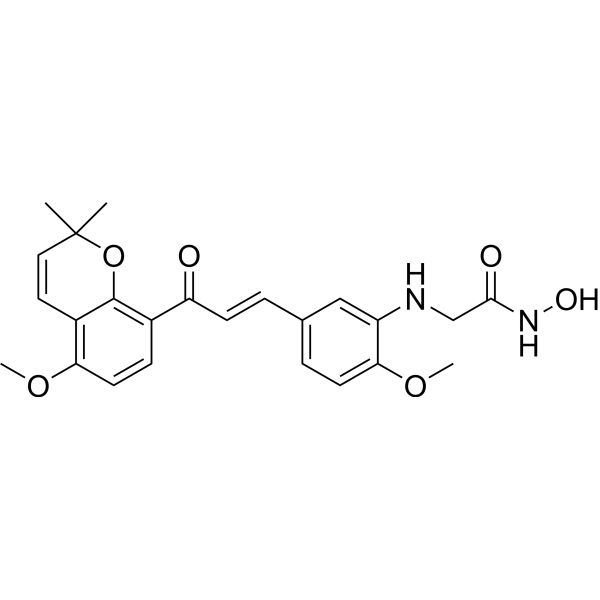
- HY-159966
-
|
|
Topoisomerase
HDAC
Reactive Oxygen Species (ROS)
Apoptosis
|
Cancer
|
|
Top/HDAC-IN-3 (Compound 31) is an orally active dual inhibitor of Topoisomerase and HDAC. Top/HDAC-IN-3 increases reactive oxygen species (ROS) levels, leading to DNA damage, thereby inhibiting cancer cell colony formation and migration, inducing cancer cell Apoptosis, and causing cell cycle arrest. In the NSCLC model, Top/HDAC-IN-3 exhibited significant antitumor effects, with a tumor growth inhibition (TGI) of 77.5% at 100 mg/kg, surpassing the efficacy of the HDAC inhibitor SAHA (HY-10221) and the combination of SAHA (HY-10221) with the topoisomerase inhibitor Irinotecan (HY-16562) .
|
-

- HY-178336
-
|
|
VD/VDR
HDAC
Microtubule/Tubulin
|
Inflammation/Immunology
Cancer
|
|
AC-340 is a potent hybrid VDR agonist/HDAC inhibitor. AC-340 superinduces VDR target genes (e.g., CYP24A1) and inhibits HDAC6 (IC50 = 0.37 μM) with ~10-fold selectivity over HDAC2. AC-340 induces VDR hyperagonism by causing widespread protein hyperacetylation (e.g., tubulin and H3K9/K27), which leads to elevated H3K27 acetylation on VDR target genes. AC-340 can be used for melanoma cancer research .
|
-

- HY-131708A
-
|
|
HDAC
Parasite
|
Infection
|
|
FNDR-20123 is a safe, first-in-class, and orally active anti-malarial HDAC inhibitor with IC50s of 31 nM and 3 nM for Plasmodium and human HDAC, respectively. FNDR-20123 exerts anti-malarial activity against Plasmodium falciparum asexual stage (IC50=41 nM) and sexual blood stage (IC50=190 nM for male gametocytes). FNDR-20123 inhibits HDAC1, HDAC2, HDAC3, HDAC6, and HDAC8 (IC50=25/29/2/11/282 nM, respectively.) and inhibits Class III HDAC isoforms at nanomolar concentrations .
|
-
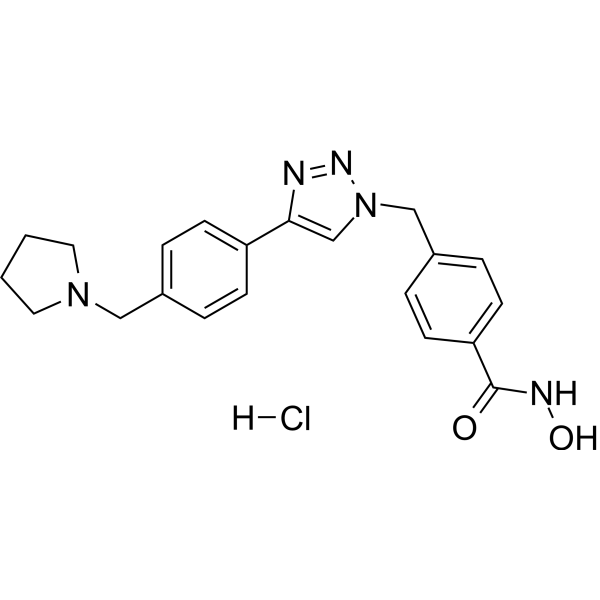
- HY-168493
-
|
|
FLT3
VEGFR
HDAC
STAT
PERK
|
Cancer
|
|
FLT3/VEGFR2-IN-1 (Compound 26) is a FLT3/VEGFR2/HDAC inhibitor with IC50 values of 14.5 nM, 3.9 nM, and 30.8 nM for FLT3, VEGFR2, and HDAC1, respectively. FLT3/VEGFR2-IN-1 can inhibit the phosphorylation of STAT3 and ERK1/2 and the proliferation of leukemia cells. FLT3/VEGFR2-IN-1 has anti-tumor activity and can be used for the research of acute myeloid leukemia .
|
-

- HY-155222
-
|
|
Epigenetic Reader Domain
HDAC
|
Cancer
|
|
TW9 is a potent dual inhibitor simultaneously targeting BET and HDAC proteins with KDs of 0.069 μM, 0.231 μM for BRD4(1), BRD4(2), and an IC50 of 0.29 μM for HDAC1, respectively. TW9 is a newly generated adduct of the BET inhibitor (+)-JQ1 (HY-13030) and class I HDAC inhibitor CI994 (HY-50934). TW9 shows high potency in suppressing tumor growth in pancreatic ductal adenocarcinoma (PDAC). TW9 improves the efficacy of the chemotherapeutic agent Gemcitabine (HY-17026) .
|
-

- HY-162910
-
|
|
Xanthine Oxidase
HDAC
Autophagy
Apoptosis
|
Metabolic Disease
Inflammation/Immunology
Cancer
|
|
HDAC-IN-79 (compound 4) is an orally active dual xanthine oxidase-HDAC inhibitor (Xanthine oxidase: IC50=6.6 nM; HDAC1: IC50=134 nM; HDAC2: IC50=284 nM; HDAC3: IC50=173 nM; HDAC6: IC50=1.32 nM;), with significant in vivo anti-hyperuricemia and anti-tumor activities. HDAC-IN-79 is the most potent cell growth inhibitor (IC50=0.706 μM) of leukemia HL60 cells, induces apoptosis and autophagy, and can regulate the expression levels of signature biomarkers associated with intracellular HDAC inhibition .
|
-

- HY-16138
-
|
CG-200745
|
HDAC
MDM-2/p53
Apoptosis
|
Cancer
|
|
Ivaltinostat (CG-200745) is an orally active, potent pan-HDAC inhibitor which has the hydroxamic acid moiety to bind zinc at the bottom of catalytic pocket. Ivaltinostat inhibits deacetylation of histone H3 and tubulin. Ivaltinostat induces the accumulation of p53, promotes p53-dependent transactivation, and enhances the expression of MDM2 and p21 (Waf1/Cip1) proteins. Ivaltinostat enhances the sensitivity of Gemcitabine-resistant cells to Gemcitabine (HY-16138) and 5-Fluorouracil (5-FU; HY-90006). Ivaltinostat induces apoptosis and has anti-tumour effects .
|
-
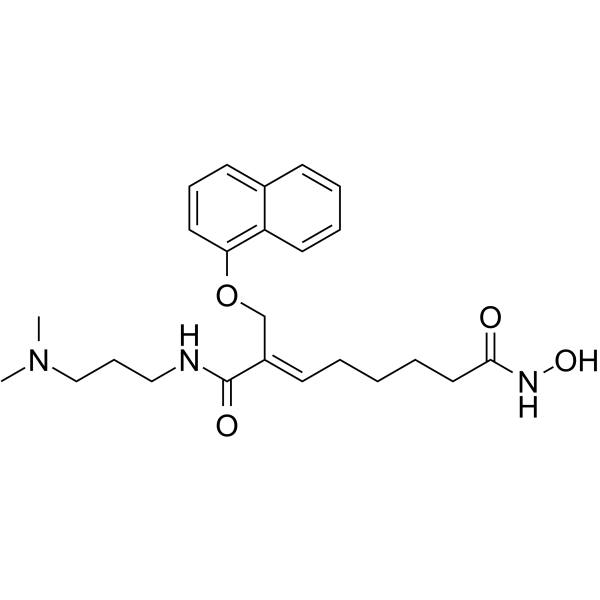
- HY-152226
-
|
|
HDAC
Apoptosis
|
Cancer
|
|
MC2590 is a potent pyridine-containing histone deacetylase (HDAC) inhibitor. MC2590 is a inhibitor of HDAC1-3, -6, -8, and -10 (class I/IIb-selective inhibitor) with IC50s of 0.015 μM-0.156 μM. MC2590 also inhibits HDAC isoforms HDAC4, HDAC5, HDAC7, HDAC9, HDAC11 with IC50s of 1.35 μM-3.98 μM. MC2625 induces G2/M cell cycle arrest and modulates pro- and anti-apoptotic microRNAs towards apoptosis induction .
|
-
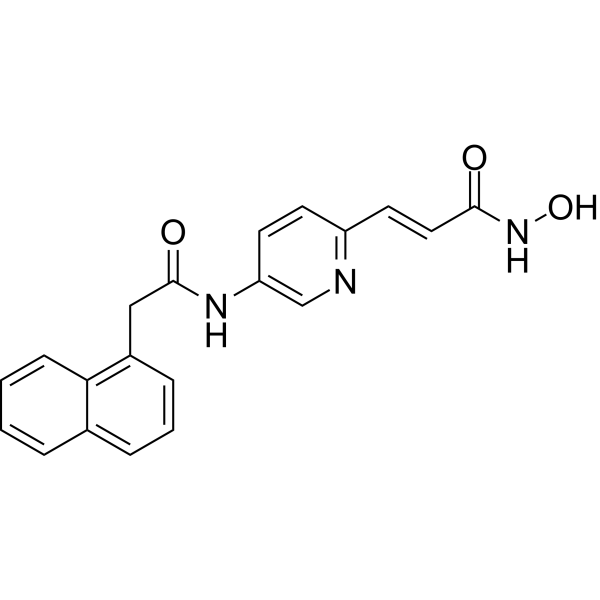
- HY-10226R
-
|
R306465 (Standard)
|
Reference Standards
Apoptosis
HDAC
|
Cancer
|
|
JNJ-16241199 (Standard) is the analytical standard of JNJ-16241199 (HY-10226). This product is intended for research and analytical applications. JNJ-16241199 (R306465) is an orally active, selectivehydroxamate-based histone deacetylase (HDAC) inhibitor, with theIC50of 3.3 nM and 23 nM for HDAC1and HDAC8, respectively.JNJ-16241199induces histone 3 acetylation and strongly increases
the expression of p21waf1, cip1 in A2780 ovarian carcinoma cells.JNJ-16241199 inducescell apoptosisand shows anticancer activityin a broad spectrum of human malignancies. JNJ-16241199 can be used for cancer study .
|
-

- HY-175857
-
|
|
HDAC
Apoptosis
|
Cancer
|
|
HDAC-IN-92 is a pan-HDAC inhibitor with an IC50 of 12.58 µM in A2780 cells. HDAC-IN-92 demonstrates broad-spectrum, notable cytotoxic activity against a range of human cancer cell lines, including ovarian, liver, and breast carcinomas. HDAC-IN-92 causes apoptosis and demonstrates a notable decrease in tumor cell colony formation. HDAC-IN-92 inhibits the formation of blood vessels in the chick chorioallantoic membrane (CAM). HDAC-IN-92 exhibits anti-tumor effect in a 4T1 tumor-bearing mouse model. HDAC-IN-92 can be used for research targeting solid tumor .
|
-

- HY-131708
-
|
|
HDAC
Parasite
|
Infection
|
|
FNDR-20123 free base is a safe, first-in-class, and orally active anti-malarial HDAC inhibitor with IC50s of 31 nM and 3 nM for Plasmodium and human HDAC, respectively. FNDR-20123 free base exerts anti-malarial activity against Plasmodium falciparum asexual stage (IC50=41 nM) and sexual blood stage (IC50=190 nM for male gametocytes). FNDR-20123 free base inhibits HDAC1, HDAC2, HDAC3, HDAC6, and HDAC8 (IC50=25, 29, 2, 11, and 282 nM, respectively) and inhibits Class III HDAC isoforms at nanomolar concentrations .
|
-
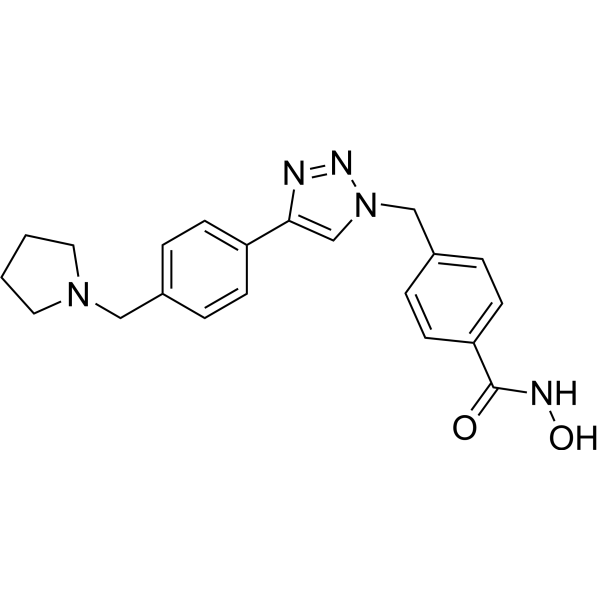
- HY-169259
-
|
|
HDAC
DNA/RNA Synthesis
Reactive Oxygen Species (ROS)
Apoptosis
Caspase
p38 MAPK
|
Cancer
|
|
HDAC9-IN-1 is a selective class IIa HDAC inhibitor that binds to HDAC9 with an IC50 of 40 nM. HDAC9-IN-1 potently inhibits HDACs 4 and 7 while showing weak activity against HDAC6 (IC50 values: 180 nM (HDAC4), 190 nM (HDAC7), 970 nM (HDAC6)). HDAC9-IN-1 significantly inhibits several human cancer cells, induces apoptosis and DNA damage in human cancer cells, and modulates caspase-related proteins and p38 in human cancer cells. HDAC9-IN-1 can be used for the research of oral cancer, breast cancer, gastric cancer .
|
-

- HY-161688
-
|
|
Apoptosis
HDAC
|
Cancer
|
|
HDAC-IN-73 (compound P-503) is a histone deacetylase (HDAC) inhibitor. HDAC-IN-73 shows IC50s values of 0.17, 0.49 µM for HDAC1 and HDAC6, respectively. Notably, HDAC-IN-73's inhibitory potency against HDAC6 is heightened, exhibiting a 9-fold greater efficacy than PsA (HY-N2150) (IC50=3.9 μM). HDAC-IN-73 shows potent antiproliferative activity, induces apoptosis, and causes cell cycle arrest at G2 / M phase. HDAC-IN-73 has the potential to be used for the research of cancer such as colon cancer .
|
-

- HY-175176
-
|
|
HDAC
Apoptosis
Pyroptosis
Reactive Oxygen Species (ROS)
Caspase
|
Cancer
|
|
HDAC1/6-IN-3 is a potent HDAC inhibitor. HDAC1/6-IN-3 shows excellent inhibitory activities against HDAC1 (IC50 = 1.1 nM) and HDAC6 (IC50 = 2.7 nM). HDAC1/6-IN-3 significantly arrests HepG2 cells at the G0/G1 phase and induces apoptosis and pyroptosis. HDAC1/6-IN-3 exhibits significant antitumor activity in the HepG2 xenograft mode. HDAC1/6-IN-3 can be used for the study of cancers such as liver cancer, lung cancer, colon cancer and breast cancer .
|
-

- HY-181009
-
|
|
HDAC
Apoptosis
Autophagy
|
Cancer
|
|
HDAC-IN-98 is a HDAC1, HDAC2, HDAC3 inhibitor (one of the most selective class I HDAC inhibitors) with human IC50 values of 41.2 nM, 52.5 nM, and 74.3 nM respectively. HDAC-IN-98 induces H3K9 acetylation, p21 upregulation, G2/M arrest, cell apoptosis, has strong antiproliferative effects in colorectal cancer cells, low toxicity in healthy colon epithelium, modulates short-term in vitro effects via autophagy, and shows strong antitumor efficacy in vivo in the chorioallantoic membrane model (CAM) assay. HDAC-IN-98 can be used for the research of colorectal cancer .
|
-

- HY-16138A
-
|
CG-200745 formic
|
HDAC
MDM-2/p53
Apoptosis
|
Inflammation/Immunology
Endocrinology
Cancer
|
|
Ivaltinostat (CG-200745) formic is an orally active, potent pan-HDAC inhibitor which has the hydroxamic acid moiety to bind zinc at the bottom of catalytic pocket. Ivaltinostat formic inhibits deacetylation of histone H3 and tubulin. Ivaltinostat formic induces the accumulation of p53, promotes p53-dependent transactivation, and enhances the expression of MDM2 and p21 (Waf1/Cip1) proteins. Ivaltinostat formic enhances the sensitivity of Gemcitabine-resistant cells to Gemcitabine (HY-16138) and 5-Fluorouracil (5-FU; HY-90006). Ivaltinostat formic induces apoptosis and has anti-tumour effects .
|
-
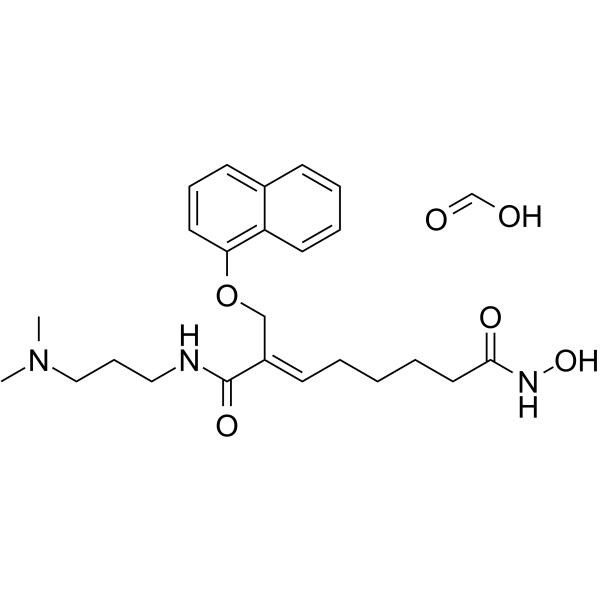
- HY-179374
-
|
|
Aurora Kinase
HDAC
Apoptosis
|
Cancer
|
|
Aurora kinase/HDAC-IN-1 is an orally active dual Aurora kinase and HDAC inhibitor that inhibits Aurora A (IC50 = 116 nM), Aurora B (IC50 = 225 nM), HDAC1 (IC50 = 164 nM), and HDAC2 (IC50 = 346 nM).Aurora kinase/HDAC-IN-1 promotes histone H3 acetylation, inhibits Aurora A phosphorylation and downstream signaling, and induces apoptosis via G2/M cell-cycle arrest. Aurora kinase/HDAC-IN-1 exhibits potent antiproliferative activity in colorectal cancer cells, with an IC50 value of 30.2 nM in HCT-116 cells.Aurora kinase/HDAC-IN-1 significantly suppresses tumor growth in an HCT-116 colorectal cancer xenograft mouse model .
|
-

- HY-168650
-
|
|
ROCK
HDAC
|
Inflammation/Immunology
Cancer
|
|
ROCK/HDAC-IN-1 (Compound 10h) is an orally active ROCK/HDAC inhibitor. ROCK/HDAC-IN-1 inhibits ROCK1/2 (IC50: 254.9 nM, 58.18 nM) and HDAC1/2/3/6/8 (IC50: 9.09, 8.03, 6.26, 0.41, 7.69 nM). ROCK/HDAC-IN-1 stimulates the activation of DAMPs, specifically Calreticulin (CRT) exposure and HMGB1 release, indicating that it is a potential ICD inducer.. ROCK/HDAC-IN-1 has antiproliferative activity against breast cancer cells (IC50: 0.37 μM for MDA-MB-231 cell), and inhibits tumor growth and activates T cells without apparent toxicity .
|
-

- HY-W787758
-
|
4-yn-VPA
|
HDAC
P-glycoprotein
|
Neurological Disease
Cancer
|
|
2-Propylpent-4-ynoic acid (4-yn-VPA) is a HDAC inhibitor (with an IC50 of 0.5 mM against human HDAC). 2-Propylpent-4-ynoic acid also induces P-glycoprotein function, and exhibits teratogenicity, fetal growth inhibition and neurotoxicity. 2-Propylpent-4-ynoic acid shows significant stereospecific teratogenic effects, with the S-enantiomer being more teratogenic than the R-enantiomer and other analogs. The neurotoxicity of 2-Propylpent-4-ynoic acid is independent of its stereochemical structure. 2-Propylpent-4-ynoic acid has been used in studies related to the pathogenesis of colon cancer and neural tube defects such as exencephaly .
|
-

- HY-181843
-
|
|
HDAC
Apoptosis
Histone Acetyltransferase
Microtubule/Tubulin
Caspase
|
Cancer
|
|
HDAC-IN-99 is a histone deacetylase (HDAC) inhibitor with an IC50 of 37.73 nM, and it exhibits potent inhibitory activity against HDAC1 (IC50 = 48.09 nM), HDAC2 (IC50 = 300.28 nM) and HDAC6 (IC50 = 9.16 nM). HDAC-IN-99 exerts broad-spectrum antiproliferative activity in various cancer cell lines. HDAC-IN-99 induces S-phase cell cycle arrest and apoptosis in colon cancer cells, increases the acetylation levels of histone H3, histone H4 and α-tubulin, and upregulates the expression of p21 as well as the cleavage of caspase-3. HDAC-IN-99 displays antitumor activity in colon cancer xenograft models. HDAC-IN-99 can be used for the research of colon cancer .
|
-

- HY-153358
-
|
|
HDAC
|
Cancer
|
|
TNG260 is a selective, orally effective inhibitor of HDAC1 and CoREST complex, with a 10-fold selectivity for HDAC1 over HDAC3 and a 500-fold selectivity for CoREST complex over NuRD and Sin3 complex. TNG260 reshapes the tumor immune microenvironment, reduces immunosuppressive neutrophil infiltration, promotes effector T cell recruitment, and reverses anti-PD-1 resistance caused by STK11 deficiency by inhibiting the activity of the CoREST-HDAC1 complex. TNG260 induces durable tumor regression in combination with α-PD1 in MC38 tumor-bearing mice with STK11 mutations, and has lower toxicity to bone marrow cells than non-selective HDAC inhibitors .
|
-
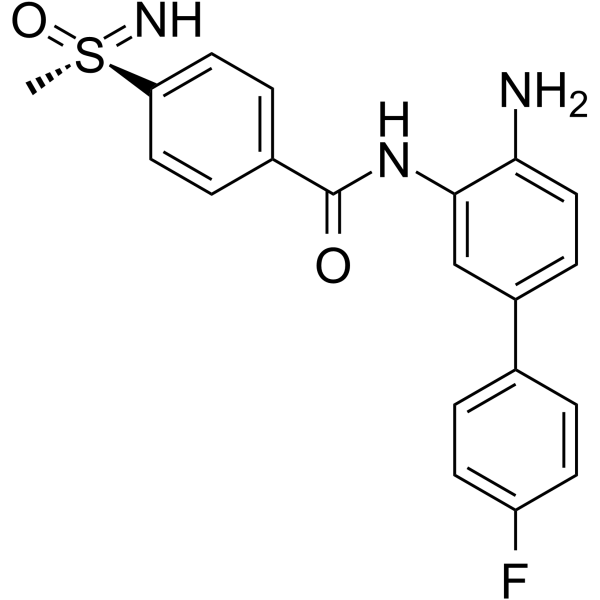
- HY-174302
-
|
|
Pim
HDAC
PARP
Apoptosis
|
Cancer
|
|
PIM-1/HDAC-IN-2 is a robust PIM/HDAC inhibitor (IC50 = 0.11 μM in MV4-11cells), which exerts a synergistic antiproliferative effect through a dual mechanism of inhibiting PIM1 kinase and selectively inhibiting HDAC6. PIM-1/HDAC-IN-2 induces cell apoptosis. PIM-1/HDAC-IN-2 remarkably induces the cleavage of PARP, thereby initiating the arrest of the cell cycle in G1 phase and a reduction in S phase. PIM-1/HDAC-IN-2 demonstrates significant anticancer efficacyin the MV4-11 xenograft model without notable toxicity[1].
|
-

- HY-174803
-
|
|
p38 MAPK
HDAC
AMPK
MDM-2/p53
Microtubule/Tubulin
Pim
Survivin
Apoptosis
|
Cancer
|
|
WMJ-J-09 is an HDAC inhibitor with IC50 values of 7.5 nM (HDAC1), 21.3 nM (HDAC2), 18.4 nM (HDAC3), 90.9 nM (HDAC8), 3.9 nM (HDAC6) and 8715.7 nM (HDAC4). WMJ-J-09 blocks the cell cycle and induces apoptosis in cancer cells. WMJ-J-09 induces cancer cell death through the LKB1-AMPK-p38MAPK-p63-survivin signaling cascade.WMJ-J-09 inhibits HDAC enzyme activity, leading to acetylation of key proteins and thereby regulating cancer cell death. WMJ-J-09 can be used in HCT116 cells and FaDu cells research[1][2].
|
-

- HY-181877
-
|
|
HDAC
Adenosine Receptor
|
Cancer
|
IHCH-3185 is an orally active class I HDAC inhibitor (HDAC1 IC50 =102.9 nM) and A2AR antagonist (A2AR Ki =7.6 nM). IHCH-3185 reverses immune gene silencing by inducing histone acetylation and blocks the adenosine signaling pathway to relieve T-cell suppression. IHCH-3185 exhibits antiproliferative activity, induces cell cycle arrest, and significantly improves the tumor microenvironment. IHCH-3185 reduces the proportion of regulatory T cells, increases the CD8 +/Treg ratio, and upregulates the expression of key factors such as H2-K1, Cxcl9 and Cxcl10. IHCH-3185 shows significant antitumor potential in CT26 and MC38 mouse tumor models and is suitable for related cancer research .
|
-

- HY-146159
-
|
|
PI3K
HDAC
|
Cancer
|
|
PI3K/HDAC-IN-2 is a potent dual PI3K/HDAC inhibitor with IC50s of 226 nM, 279 nM, 467 nM, 29 nM for PI3Kα, PI3Kβ, PI3Kγ, PI3Kδ, respectively, and IC50s of 1.3 nM, 3.4 nM, 972 nM, 17 nM, 12 nM for HDAC1, HDAC2, HDC4, HDAC6, HDAC8, respectively. PI3K/HDAC-IN-2 exhibits PI3Kδ and class I and IIb HDAC selectivity. PI3K/HDAC-IN-2 has remarkable anticancer effects .
|
-
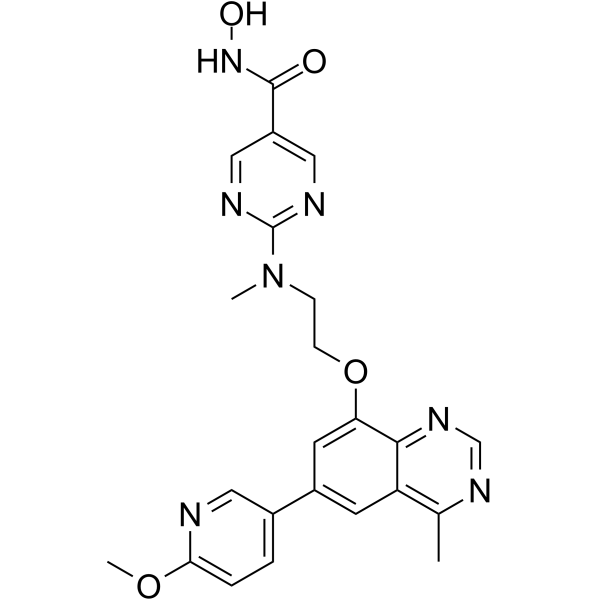
- HY-179272
-
|
|
Wee1
HDAC
Apoptosis
|
Cancer
|
|
Wee1/HDAC-IN-1 is a dual Wee1/HDAC inhibitor with an IC50 of 1.2 nM for Wee1 and IC50 values of 196 nM for HDAC1, 156 nM for HDAC3, and 55 nM for HDAC6. Wee1/HDAC-IN-1 exhibits strong antiproliferative activity against MV4-11 cells with an IC50 of 0.076 μM. Wee1/HDAC-IN-1 selectively binds to Wee1 and HDACs. Wee1/HDAC-IN-1 interferes with DNA damage repair pathways and induces apoptosis in MV4-11 cells. Wee1/HDAC-IN-1 Wee1/HDAC-IN-1 can be used for the research of acute myeloid leukemia (AML) .
|
-

- HY-180811
-
|
|
Anaplastic lymphoma kinase (ALK)
HDAC
Apoptosis
|
Neurological Disease
|
|
ALK/HDAC-IN-2 (Compound 19b) is an ALK/HDAC inhibitor with IC₅₀ values for ALK WT and total HDACs of 8 nM and 1.18 μM, respectively. ALK/HDAC-IN-2 exhibits inhibitory activity against ALK mutants G1202R, F1174L, and L1196M, with IC₅₀ values of 2.74, 9.23, and 34.28 nM, respectively. ALK/HDAC-IN-2 shows potent and selective inhibition against HDAC1 (IC₅₀ = 0.24 μM), while its inhibitory activity against HDAC7, HDAC6, and HDAC11 is weak (IC₅₀ > 10 μM). ALK/HDAC-IN-2 has broad-spectrum anti-proliferative activity against various cancer cells, inducing cell cycle arrest and apoptosis. ALK/HDAC-IN-2 can be used for the study of neuroblastoma .
|
-

- HY-124295
-
|
ABT-301; MPT0E028; TMU-C-0012
|
HDAC
Akt
Apoptosis
|
Inflammation/Immunology
Cancer
|
|
Imofinostat (ABT-301; MPT0E028) is an orally active and selective HDAC inhibitor with IC50s of 53.0 nM, 106.2 nM, 29.5 nM for HDAC1, HDAC2 and HDAC6, respectively. Imofinostat has a weak inhibitory effect on HDAC8 (IC50 of 2.5 μM), but no inhibitory effect on HDAC4 (IC50>10 μM). Imofinostat reduces the viability of B-cell lymphomas by inducing apoptosis and possesses potent direct Akt targeting ability and reduces Akt phosphorylation in B-cell lymphoma. Imofinostat has a broad-spectrum antitumor activity, including colorectal cancer, B-cell lymphoma, non-small cell lung carcinoma (NSCLC), and pancreatic cancer, while also showing therapeutic potential in non-tumor diseases like emphysema and pulmonary fibrosis .
|
-
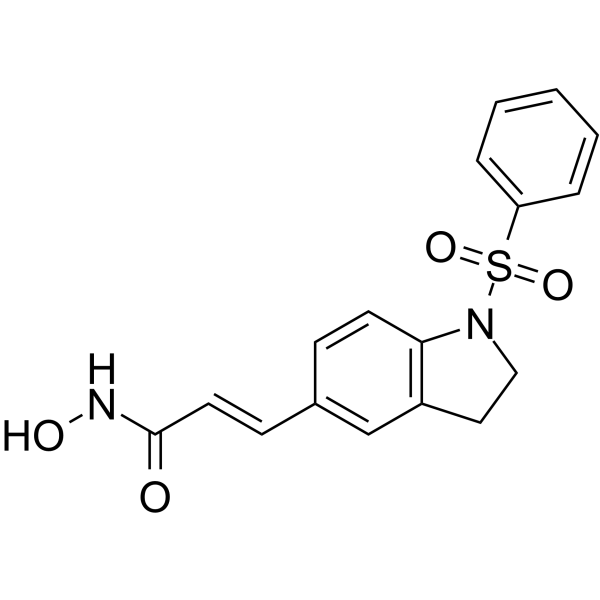
- HY-13906
-
|
(+)-Largazole
|
HDAC
|
Neurological Disease
Cancer
|
|
Largazole ((+)-Largazole) is a potent, selective, orally active and brain-penetrant class I HDAC inhibitor found in marine cyanobacteria. Largazole shows an IC50 of 0.07 nM for HDAC2. Largazole releases its active form Largazole thiol (HY-170890) after hydrolysis. Largazole has a strong inhibitory effect on SF-268, SF-295 and SH-SY5Y cells, with IC50 values of 62, 68 and 102 nM respectively Largazole can upregulate the tumor suppressor gene Pax6 to inhibit the proliferation, invasion and colony formation of glioblastoma cells. Largazole can significantly upregulated brain-derived neurotrophic factor BDNF, neuronal transcription factor Pax6, and μ-opioid receptor gene Oprm1. Largazole exerts antitumor and neuroprotective effects. Largazole can be used for researches of Glioblastoma and Alzheimer’s disease .
|
-

| Cat. No. |
Product Name |
Type |
-
- HY-15149G
-
|
FK 228; FR 901228; NSC 630176
|
Fluorescent Dyes
|
|
Romidepsin (GMP) (FK 228 (GMP)) is Romidepsin (HY-15149) produced by using GMP guidelines. GMP small molecules works appropriately as an auxiliary reagent for cell therapy manufacture. Romidepsin (FK 228) is a Histone deacetylase (HDAC) inhibitor with anti-tumor activities. Romidepsin (FK 228) inhibits HDAC1, HDAC2, HDAC4, and HDAC6 with IC50s of 36 nM, 47 nM, 510 nM and 1.4 μM, respectively . Romidepsin (FK 228) is produced by Chromobacterium violaceum, induces cell G2/M phase arrest and apoptosis .
|
-
- HY-10585AG
-
|
Sodium Valproate; VPA sodium; 2-Propylpentanoic acid sodium
|
Fluorescent Dyes
|
|
Valproic acid (Sodium Valproate) sodium is an orally active HDAC inhibitor, with IC50 in the range of 0.5 and 2 mM, also inhibits HDAC1 (IC50, 400 μM), and induces proteasomal degradation of HDAC2. Valproic acid sodium activates Notch1 signaling and inhibits proliferation in small cell lung cancer (SCLC) cells. Valproic acid sodium is used in the treatment of epilepsy, bipolar disorder, metabolic disease, HIV infection and prevention of migraine headaches .
|
| Cat. No. |
Product Name |
Type |
-
- HY-33287
-
|
|
Biochemical Assay Reagents
|
|
2-Bromothiazole-5-carboxylic acid is a starting compound in the synthesis of active compounds. 2-Bromothiazole-5-carboxylic acid can be used in the synthesis of NAMPT/HDAC inhibitors. 2-Bromothiazole-5-carboxylic acid can be used in the research of colon cancer, lung cancer, and liver cancer .
|
-
- HY-15149G
-
|
FK 228; FR 901228; NSC 630176
|
Biochemical Assay Reagents
|
|
Romidepsin (GMP) (FK 228 (GMP)) is Romidepsin (HY-15149) produced by using GMP guidelines. GMP small molecules works appropriately as an auxiliary reagent for cell therapy manufacture. Romidepsin (FK 228) is a Histone deacetylase (HDAC) inhibitor with anti-tumor activities. Romidepsin (FK 228) inhibits HDAC1, HDAC2, HDAC4, and HDAC6 with IC50s of 36 nM, 47 nM, 510 nM and 1.4 μM, respectively . Romidepsin (FK 228) is produced by Chromobacterium violaceum, induces cell G2/M phase arrest and apoptosis .
|
-
- HY-10585AG
-
|
Sodium Valproate; VPA sodium; 2-Propylpentanoic acid sodium
|
Biochemical Assay Reagents
|
|
Valproic acid (Sodium Valproate) sodium is an orally active HDAC inhibitor, with IC50 in the range of 0.5 and 2 mM, also inhibits HDAC1 (IC50, 400 μM), and induces proteasomal degradation of HDAC2. Valproic acid sodium activates Notch1 signaling and inhibits proliferation in small cell lung cancer (SCLC) cells. Valproic acid sodium is used in the treatment of epilepsy, bipolar disorder, metabolic disease, HIV infection and prevention of migraine headaches .
|
| Cat. No. |
Product Name |
Target |
Research Area |
-
- HY-P2228
-
|
|
HDAC
Apoptosis
|
Cancer
|
|
Chlamydocin (purity≥70%), a fungal metabolite, is a highly potent HDAC inhibitor, with an IC50 of 1.3 nM. Chlamydocin (purity≥70%) exhibits potent antiproliferative and anticancer activities. Chlamydocin (purity≥70%) induces apoptosis by activating caspase-3 .
|
-
- HY-P2698
-
|
|
HDAC
Apoptosis
|
Cancer
|
|
1-Alaninechlamydocin, a cyclic tetrapeptide, is a potent HDAC inhibitor (IC50=6.4 nM). 1-Alaninechlamydocin induces G2/M cell cycle arrest and apoptosis in MIA PaCa-2 cells .
|
-
- HY-P1733
-
|
BMF-Y
|
Apoptosis
|
Cancer
|
|
BMf-BH3 (BMF-Y) belongs to the Bcl-2 apoptosis mediator family. BH3-only protein, Bmf is a key molecule for histone deacetylase (HDAC) inhibitors mediated enhancing effect on ionizing radiation-induced cell death .
|
-
- HY-144292
-
|
|
HDAC
|
Cancer
|
|
HDAC-IN-30 is a novel multi-target HDAC inhibitor, including HDAC1 (IC50=13.4 nM),HDAC2 (IC50=28.0 nM), HDAC3 (IC50=9.18 nM), HDAC6 (IC50=42.7 nM), HDAC8 (IC50=131 nM). HDAC-IN-30 exhibits potent antitumor efficacy .
|
-
- HY-P2044
-
|
|
HDAC
|
Cancer
|
|
Azumamide E is a HDAC inhibitor, with an IC50 of 0.064 μM against HDAC, 1.22 μM against HDAC1, and 2.28 μM against HDAC4. Azumamide E inhibits HDAC activity in nuclear extracts of leukemia cells and cervical adenocarcinoma cells. Azumamide E suppresses angiogenesis. Azumamide E is applicable for research on leukemia, cervical adenocarcinoma, and anti-angiogenesis .
|
| Cat. No. |
Product Name |
Category |
Target |
Chemical Structure |
-
- HY-10585
-
-
-
- HY-10585A
-
-
-
- HY-N7676
-
-
-
- HY-10585B
-
-
-
- HY-10585AR
-
|
Sodium Valproate (Standard); VPA sodium (Standard); 2-Propylpentanoic acid sodium (Standard)
|
Structural Classification
Ketones, Aldehydes, Acids
Endogenous metabolite
Source Classification
|
Organoid
Reference Standards
HDAC
Autophagy
Mitophagy
HIV
Notch
Apoptosis
Endogenous Metabolite
|
|
Valproic acid (sodium) (Standard) is the analytical standard of Valproic acid (sodium). This product is intended for research and analytical applications. Valproic acid (Sodium Valproate) sodium is an orally active HDAC inhibitor, with IC50 in the range of 0.5 and 2 mM, also inhibits HDAC1 (IC50, 400 μM), and induces proteasomal degradation of HDAC2. Valproic acid sodium activates Notch1 signaling and inhibits proliferation in small cell lung cancer (SCLC) cells. Valproic acid sodium is used in the treatment of epilepsy, bipolar disorder, metabolic disease, HIV infection and prevention of migraine headaches .
|
-
-
- HY-13906
-
|
(+)-Largazole
|
Structural Classification
Natural Products
Microorganisms
Source Classification
|
HDAC
|
|
Largazole ((+)-Largazole) is a potent, selective, orally active and brain-penetrant class I HDAC inhibitor found in marine cyanobacteria. Largazole shows an IC50 of 0.07 nM for HDAC2. Largazole releases its active form Largazole thiol (HY-170890) after hydrolysis. Largazole has a strong inhibitory effect on SF-268, SF-295 and SH-SY5Y cells, with IC50 values of 62, 68 and 102 nM respectively Largazole can upregulate the tumor suppressor gene Pax6 to inhibit the proliferation, invasion and colony formation of glioblastoma cells. Largazole can significantly upregulated brain-derived neurotrophic factor BDNF, neuronal transcription factor Pax6, and μ-opioid receptor gene Oprm1. Largazole exerts antitumor and neuroprotective effects. Largazole can be used for researches of Glioblastoma and Alzheimer’s disease .
|
-
-
- HY-P2698
-
-
-
- HY-N16881
-
-
-
- HY-P2044
-
-
| Cat. No. |
Product Name |
Chemical Structure |
-
- HY-10585S
-
1 Publications Verification
|
|
Valproic acid-d4 is the deuterium labeled Valproic acid. Valproic acid (VPA; 2-Propylpentanoic Acid) is an HDAC inhibitor, with IC50 in the range of 0.5 and 2 mM, also inhibits HDAC1 (IC50, 400 μM), and induces proteasomal degradation of HDAC2. Valproic acid activates Notch1 signaling and inhibits proliferation in small cell lung cancer (SCLC) cells. Valproic acid sodium salt is used in the treatment of epilepsy, bipolar disorder and prevention of migraine headaches .
|
-
-
- HY-10585S1
-
|
|
|
Valproic acid-d6 is the deuterium labeled Valproic acid. Valproic acid (VPA; 2-Propylpentanoic Acid) is an HDAC inhibitor, with IC50 in the range of 0.5 and 2 mM, also inhibits HDAC1 (IC50, 400 μM), and induces proteasomal degradation of HDAC2. Valproic acid activates Notch1 signaling and inhibits proliferation in small cell lung cancer (SCLC) cells. Valproic acid sodium salt is used in the treatment of epilepsy, bipolar disorder and prevention of migraine headaches .
|
-
-
- HY-10585S2
-
|
|
|
Valproic acid-d15 is the deuterium labeled Valproic acid. Valproic acid (VPA; 2-Propylpentanoic Acid) is an HDAC inhibitor, with IC50 in the range of 0.5 and 2 mM, also inhibits HDAC1 (IC50, 400 μM), and induces proteasomal degradation of HDAC2. Valproic acid activates Notch1 signaling and inhibits proliferation in small cell lung cancer (SCLC) cells. Valproic acid sodium salt is used in the treatment of epilepsy, bipolar disorder and prevention of migraine headaches .
|
-
-
- HY-12163S
-
|
|
|
Entinostat-d4 is the deuterium labeled Entinostat . Entinostat is an oral and selective class I HDAC inhibitor, with IC50s of 243 nM, 453 nM, and 248 nM for HDAC1, HDAC2, and HDAC3, respectively .
|
-
-
- HY-10585S4
-
|
|
|
Valproic acid-d4-1 is the deuterium labeled Valproic acid. Valproic acid (VPA; 2-Propylpentanoic Acid) is an HDAC inhibitor, with IC50 in the range of 0.5 and 2 mM, also inhibits HDAC1 (IC50, 400 μM), and induces proteasomal degradation of HDAC2. Valproic acid activates Notch1 signaling and inhibits proliferation in small cell lung cancer (SCLC) cells. Valproic acid sodium salt is used in the treatment of epilepsy, bipolar disorder and prevention of migraine headaches .
|
-
-
- HY-B0246S4
-
|
|
|
Carbamazepine-d4 (CBZ-d4) is the deuterium labeled Carbamazepine (HY-B0246) . Carbamazepine is an orally active pressure-sensitive sodium ion channel blocker with an IC50 of 131 μM. Carbamazepine blocks voltage gated Na +, Ca 2+, and K + channels, and is also a HDAC inhibitor (IC50: 2 μM). Carbamazepine is an anticonvulsant and can be used for research of epilepsy and neuropathic pain.
|
-
-
- HY-15149S2
-
|
|
|
Romidepsin-d7 (FK 228-d7) is deuterium labeled Romidepsin. Romidepsin (FK 228) is a Histone deacetylase (HDAC) inhibitor with anti-tumor activities. Romidepsin (FK 228) inhibits HDAC1, HDAC2, HDAC4, and HDAC6 with IC50s of 36 nM, 47 nM, 510 nM and 1.4 μM, respectively . Romidepsin (FK 228) is produced by Chromobacterium violaceum, induces cell G2/M phase arrest and apoptosis .
|
-
-
- HY-10585AS1
-
|
|
|
Valproic acid-d14 (sodium) is deuterium labeled Valproic acid (sodium). Valproic acid sodium salt (Sodium Valproate) is an HDAC inhibitor, with IC50 in the range of 0.5 and 2 mM, also inhibits HDAC1 (IC50, 400 μM), and induces proteasomal degradation of HDAC2. Valproic acid sodium salt activates Notch1 signaling and inhibits proliferation in small cell lung cancer (SCLC) cells. Valproic acid sodium salt is used in the treatment of epilepsy, bipolar disorder and prevention of migraine headaches.
|
-
-
- HY-10585AS
-
|
|
|
Valproic acid-d7 (sodium) is the deuterium labeled Valproic acid (sodium salt). Valproic acid sodium salt (Sodium Valproate) is an HDAC inhibitor, with IC50 in the range of 0.5 and 2 mM, also inhibits HDAC1 (IC50, 400 μM), and induces proteasomal degradation of HDAC2. Valproic acid sodium salt activates Notch1 signaling and inhibits proliferation in small cell lung cancer (SCLC) cells. Valproic acid sodium salt is used in the treatment of epilepsy, bipolar disorder and prevention of migraine headaches .
|
-
-
- HY-10585S3
-
|
|
|
Valproic acid-d4 (sodium) is the deuterium labeled Valproic acid. Valproic acid (VPA; 2-Propylpentanoic Acid) is an HDAC inhibitor, with IC50 in the range of 0.5 and 2 mM, also inhibits HDAC1 (IC50, 400 μM), and induces proteasomal degradation of HDAC2. Valproic acid activates Notch1 signaling and inhibits proliferation in small cell lung cancer (SCLC) cells. Valproic acid sodium salt is used in the treatment of epilepsy, bipolar disorder and prevention of migraine headaches.
|
-
-
- HY-10224S
-
|
|
|
Panobinostat-d4 is the deuterium labeled Panobinostat. Panobinostat (LBH589; NVP-LBH589) is a potent and orally active non-selective HDAC inhibitor, and has antineoplastic activities[1][2]. Panobinostat induces HIV-1 virus production even at low concentration range 8-31 nM, stimulates HIV-1 expression in latently infected cells[4]. Panobinostat induces cell apoptosis and autophagy. Panobinostat can be used for the study of refractory or relapsed multiple myeloma[3].
|
-
-
- HY-10224S1
-
|
|
|
Panobinostat-d4 (hydrochloride) is deuterium labeled Panobinostat. Panobinostat (LBH589; NVP-LBH589) is a potent and orally active non-selective HDAC inhibitor, and has antineoplastic activities[1][2]. Panobinostat induces HIV-1 virus production even at low concentration range 8-31 nM, stimulates HIV-1 expression in latently infected cells[4]. Panobinostat induces cell apoptosis and autophagy. Panobinostat can be used for the study of refractory or relapsed multiple myeloma[3].
|
-
-
- HY-10225S
-
|
|
|
Belinostat-d5 (PXD101-d5) is the deuterium labeled Belinostat (HY-10225). Belinostat (PXD101; PX105684) is a potent HDAC inhibitor with an IC50 of 27 nM in HeLa cell extracts.
|
-
| Cat. No. |
Product Name |
|
Classification |
-
- HY-159112
-
|
|
|
Azide
|
|
AW01178 is a Class I HDAC inhibitor. AW01178 induces the upregulation of E-cadherin at both mRNA and protein levels and inhibits the EMT of breast cancer cells .
|
-
- HY-151872
-
|
|
|
Alkynes
|
|
HDAC-IN-48 is a potent HDAC inhibitor. HDAC-IN-48 is a hybrid molecule with great cytotoxic profile (GI50~20 nM). HDAC-IN-48 consists of harmacophores of SAHA and CETZOLE molecules. HDAC-IN-48 induces ferroptosis and inhibits HDAC proteins . HDAC-IN-48 is a click chemistry reagent, it contains an Alkyne group and can undergo copper-catalyzed azide-alkyne cycloaddition (CuAAc) with molecules containing Azide groups.
|
| Cat. No. |
Product Name |
Target |
Research Areas |
Chemical Structure |
-
- HY-10585AG
-
|
Sodium Valproate; VPA sodium; 2-Propylpentanoic acid sodium
|
Organoid
HDAC
Autophagy
Mitophagy
HIV
Notch
Apoptosis
Endogenous Metabolite
|
Infection
Neurological Disease
Metabolic Disease
Cancer
|
|
Valproic acid (Sodium Valproate) sodium is an orally active HDAC inhibitor, with IC50 in the range of 0.5 and 2 mM, also inhibits HDAC1 (IC50, 400 μM), and induces proteasomal degradation of HDAC2. Valproic acid sodium activates Notch1 signaling and inhibits proliferation in small cell lung cancer (SCLC) cells. Valproic acid sodium is used in the treatment of epilepsy, bipolar disorder, metabolic disease, HIV infection and prevention of migraine headaches .
|
-
-
- HY-15149G
-
|
FK 228; FR 901228; NSC 630176
|
HDAC
Apoptosis
|
Cancer
|
|
Romidepsin (GMP) (FK 228 (GMP)) is Romidepsin (HY-15149) produced by using GMP guidelines. GMP small molecules works appropriately as an auxiliary reagent for cell therapy manufacture. Romidepsin (FK 228) is a Histone deacetylase (HDAC) inhibitor with anti-tumor activities. Romidepsin (FK 228) inhibits HDAC1, HDAC2, HDAC4, and HDAC6 with IC50s of 36 nM, 47 nM, 510 nM and 1.4 μM, respectively . Romidepsin (FK 228) is produced by Chromobacterium violaceum, induces cell G2/M phase arrest and apoptosis .
|
-
Your information is safe with us. * Required Fields.
Inquiry Information
- Product Name:
- Cat. No.:
- Quantity:
- MCE Japan Authorized Agent:





![[Pt(DACH)(OH)2(ox)]](http://file.medchemexpress.com/product_pic/hy-w778423.gif)





