1. Search Result
Search Result
Results for "

anti-inflammatory response

" in MedChemExpress (MCE) Product Catalog:

164

Inhibitors & Agonists

10

Peptides

4

Inhibitory Antibodies

71

Natural
Products

17

Isotope-Labeled Compounds

1

Click Chemistry

2

Oligonucleotides

Cat. No. Product Name Target Research Areas Chemical Structure
  • HY-10448
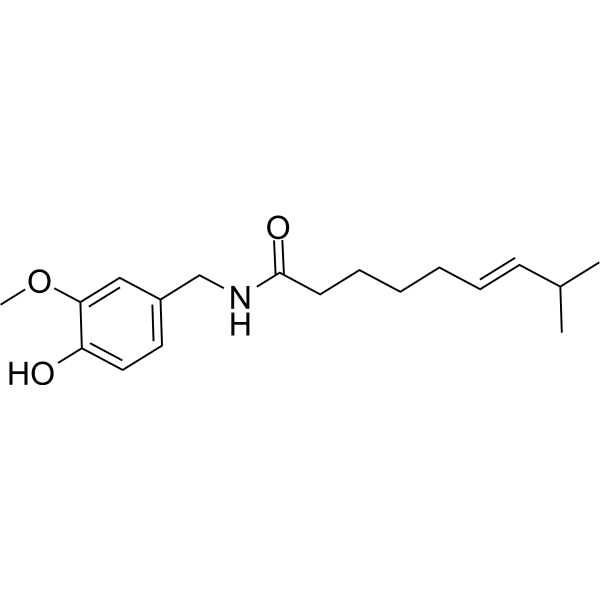
    Capsaicin
    Maximum Cited Publications
    81 Publications Verification

    (E)-Capsaicin

    Environmental Pollutants TRP Channel Autophagy Endogenous Metabolite Apoptosis Infection Neurological Disease Inflammation/Immunology Cancer
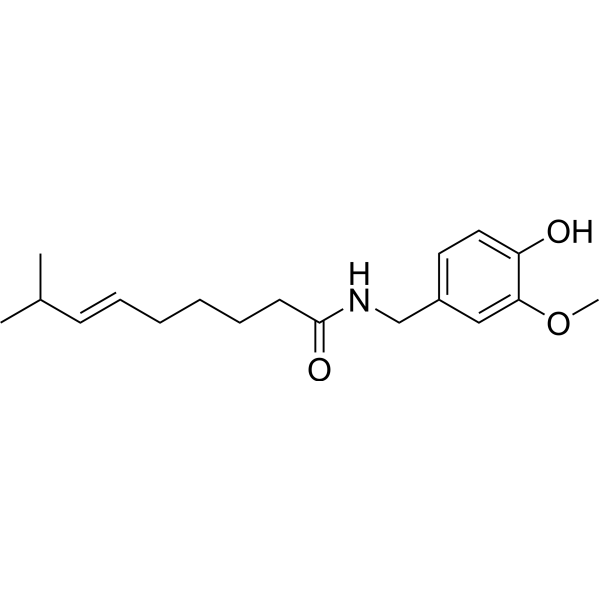
    Capsaicin ((E)-Capsaicin), an active component of chili peppers, is a TRPV1 agonist. Capsaicin induces a nociceptive response by binding to its receptors. Capsaicin has analgesic effects on neurological disorders. Capsaicin has antioxidant, anti-inflammatory, anti-cancer effects .
    Capsaicin
  • HY-B1777
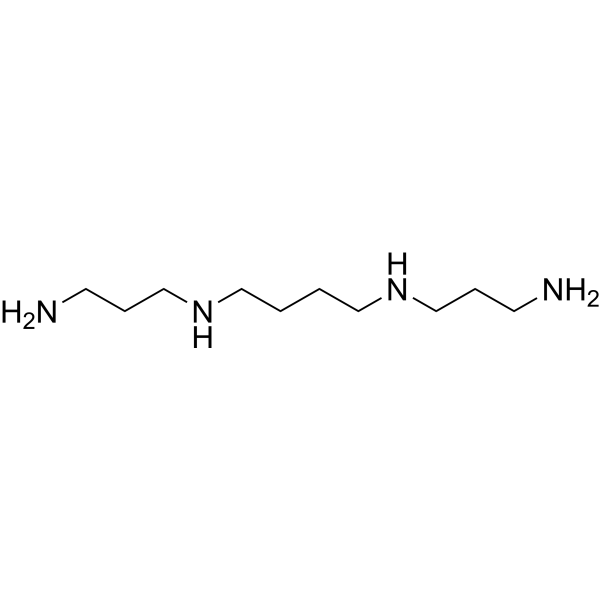
    Spermine
    5+ Cited Publications

    NSC 268508; Neuridine

    Endogenous Metabolite Bacterial Reactive Oxygen Species (ROS) DNA/RNA Synthesis Infection Neurological Disease Inflammation/Immunology
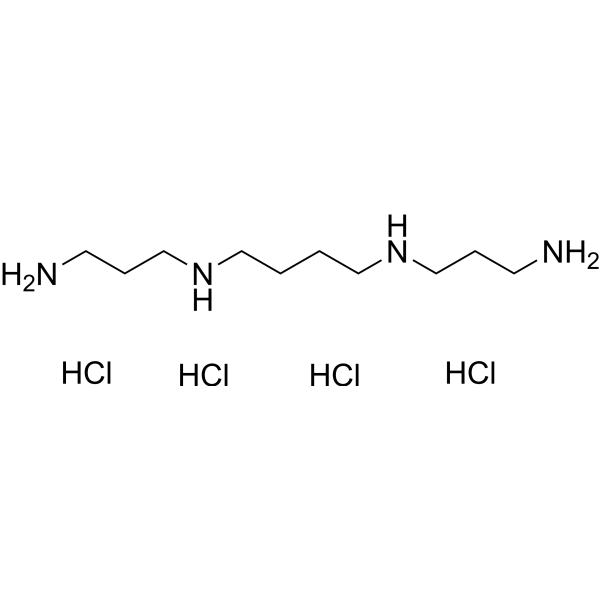
    Spermine is a natural antioxidant and anti-inflammatory agent. Spermine is known to inhibit some bacterial cultures, especially strains of Staphylococcus aureus. Spermine induces neurotoxicity in the striarum dose-dependently. Spermine can reversibly inhibits DNA synthetic response, mixed lymphocyte response and the induction of cytolytic lymphocyte response in primary cultures of murine spleen cells. Spermine tetrahydrochloride is a polyamine nitric oxide donor that can provide nitric oxide to platelets and inhibit platelet activation to a certain extent concentration-dependently. Spermine tetrahydrochloride occurs in mammalian tissues, plants, bacteria, ribosomes and bacteriophage. Spermine tetrahydrochloride inhibits primary human embryo lung fibroblasts in vitro .
    Spermine
  • HY-B1204
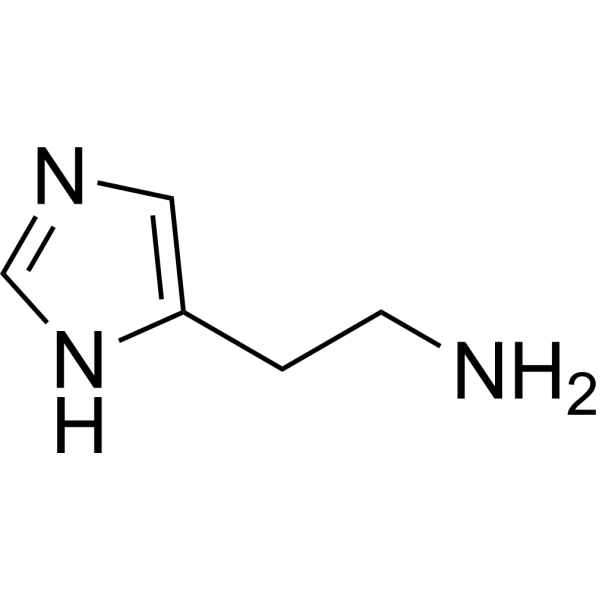
    Histamine
    15+ Cited Publications

    Ergamine

    Histamine Receptor p38 MAPK Akt Reactive Oxygen Species (ROS) Apoptosis Endogenous Metabolite Neurological Disease Inflammation/Immunology Endocrinology Cancer
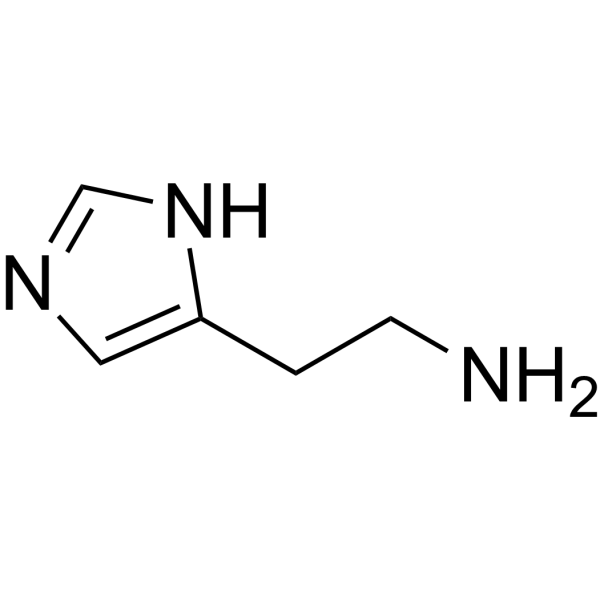
    Histamine is the agonist for histamine receptor and a vasodilator. Histamine is an organic nitrogen compound that participates in local immune responses, regulates intestinal physiological functions, and acts as a neurotransmitter. Histamine affects p38 MAPK/Akt signaling pathway, exhibits antitumor, antioxidant and anti-inflammatory activities. Histamine can be used in the research of acute myeloid leukemia, malignant melanoma, and renal cell carcinoma .
    Histamine
  • HY-N1445
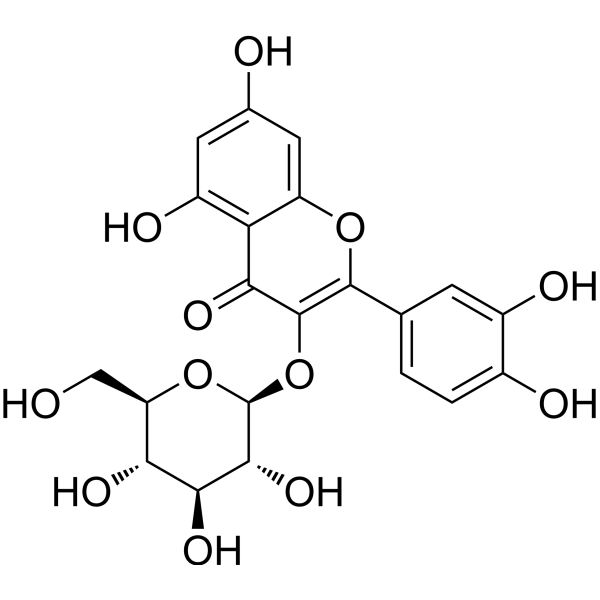
    Isoquercitrin
    5+ Cited Publications

    Isoquercetin; Quercetin 3-glucoside

    NF-κB NO Synthase Inflammation/Immunology Cancer
    Isoquercetin (Quercetin 3-glucoside) is a naturally occurring polyphenol that has antioxidant, anti-proliferative, and anti-inflammatory properties. Isoquercetin alleviates ethanol-induced hepatotoxicity, oxidative stress, and inflammatory responses via the Nrf2/ARE antioxidant signaling pathway . Isoquercetin regulates the expression of nitric oxide synthase 2 (NO2) via modulating the nuclear factor-κB (NF-κB) transcription regulation system. Isoquercetin has high bioavailability and low toxicity, is a promising candidate agent to prevent birth defects in diabetic pregnancies .
    Isoquercitrin
  • HY-N0133
    Tangeretin
    10+ Cited Publications

    Tangeritin; NSC53909; NSC618905

    Notch Apoptosis Inflammation/Immunology Cancer
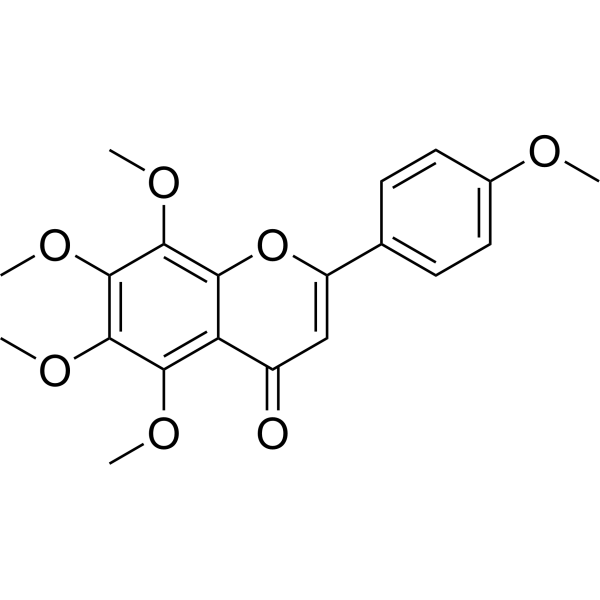
    Tangeretin (Tangeritin), a flavonoid from citrus fruit peels, has been proven to play an important role in anti-inflammatory responses and neuroprotective effects in several disease models, and is a Notch-1 inhibitor.
    Tangeretin
  • HY-149652

    Toll-like Receptor (TLR) Inflammation/Immunology
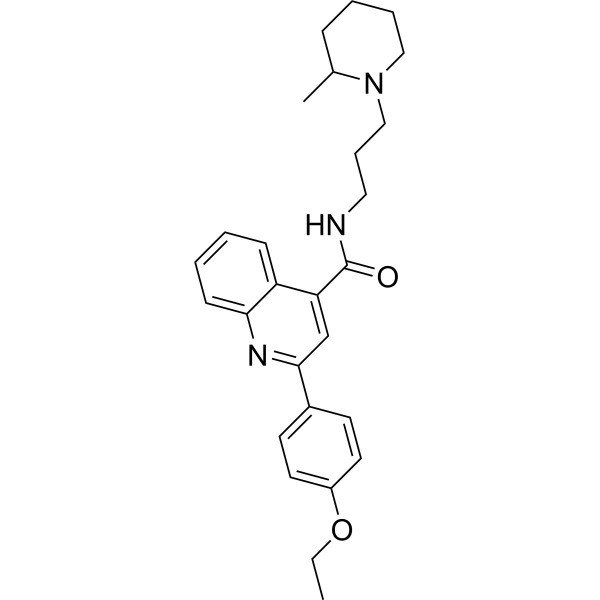
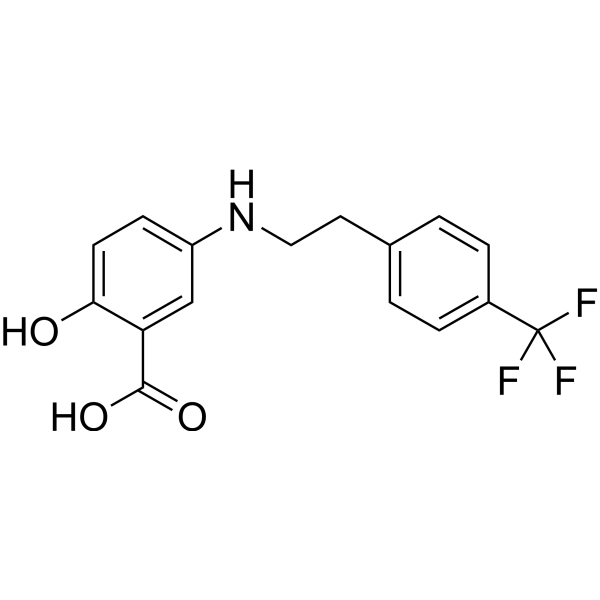
    IRF5-IN-1 (Compound C5) is a conformationally locked inhibitor for SLC15A4. IRF5-IN-1 blocks the downstream IRF5 activation, inhibits the TLR7/8 signaling pathway. IRF5-IN-1 exhibits anti-inflammatory responses .
    IRF5-IN-1
  • HY-N0787
    Cryptochlorogenic acid
    4 Publications Verification

    4-Caffeoylquinic acid; 4-O-Caffeoylquinic acid

    Endogenous Metabolite NF-κB Keap1-Nrf2 mTOR HIF/HIF Prolyl-Hydroxylase Inflammation/Immunology
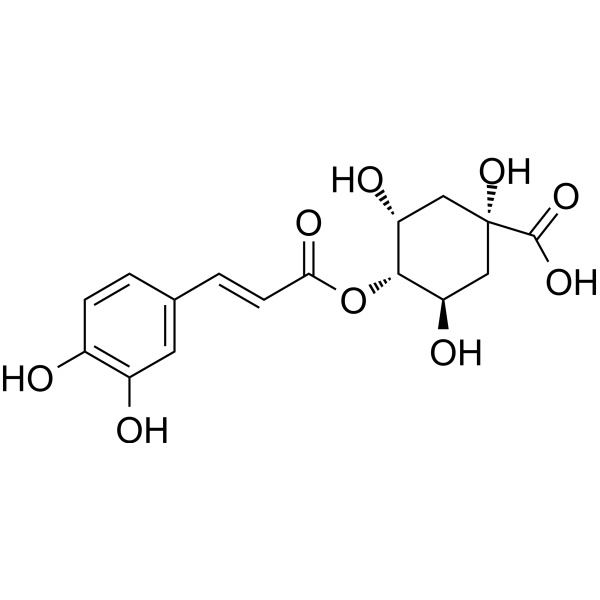
    Cryptochlorogenic acid (4-Caffeoylquinic acid) is a naturally occurring phenolic acid compound with oral effectiveness, anti-inflammatory, antioxidant and anti-cardiac hypertrophy effects. Alleviating LPS (HY-D1056) and ISO (HY-B0468) by regulating proinflammatory factor expression, inhibiting NF-κB activity, promoting Nrf2 nuclear transfer, and regulating PI3Kα/Akt/ mTOR / HIF-1α signaling pathway Induced physiological stress response .
    Cryptochlorogenic acid
  • HY-128754
    Monoolein
    1 Publications Verification

    Environmental Pollutants Endogenous Metabolite NO Synthase Interleukin Related TNF Receptor Inflammation/Immunology
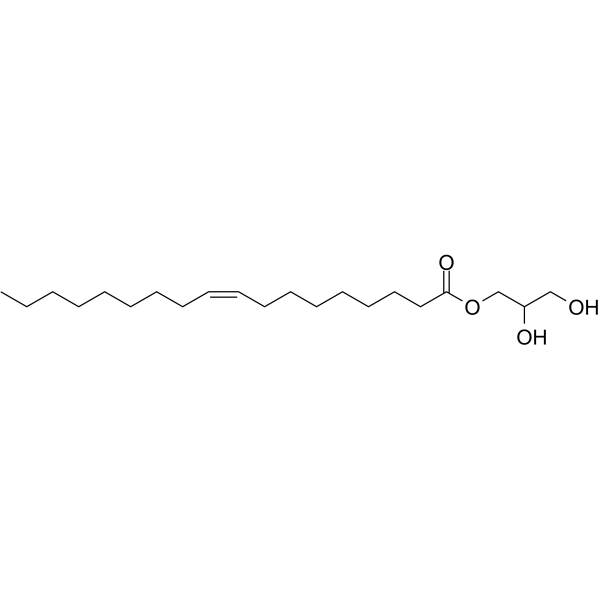
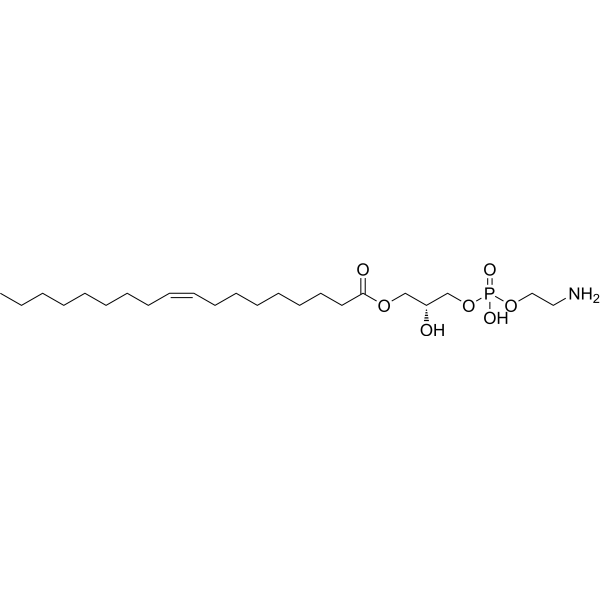
    Monoolein is a biocompatible lipid molecule that can be used as a carrier for bone repair. Monoolein exhibits anti-inflammatory activity by inhibiting the immune response induced by LPS (HY-D1056). It exerts its anti-inflammatory effects by reducing the production of immune response factors such as IL-12 p40, IL-6, and TNF-α, and inhibiting the generation of NO. Monoolein can be used in drug delivery and research in the field of inflammatory diseases .
    Monoolein
  • HY-B0722
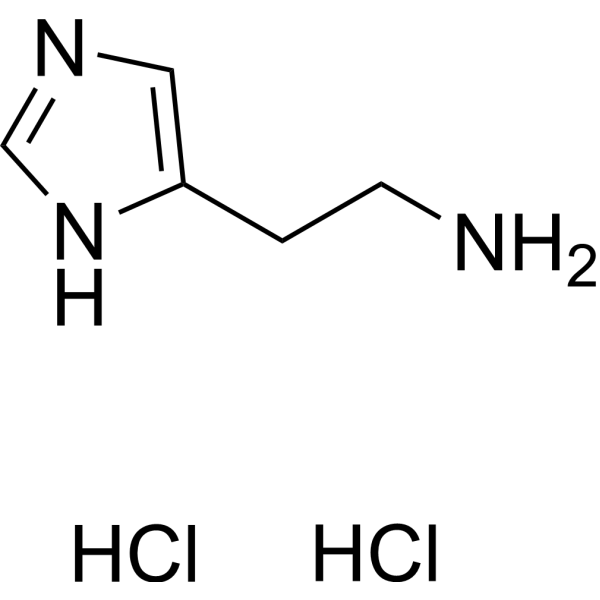
    Histamine dihydrochloride
    15+ Cited Publications

    Histamine Receptor p38 MAPK Akt Reactive Oxygen Species (ROS) Apoptosis Endogenous Metabolite Neurological Disease Inflammation/Immunology Endocrinology Cancer
    Histamine dihydrochloride is the agonist for histamine receptor and a vasodilator. Histamine dihydrochloride is an organic nitrogen compound that participates in local immune responses, regulates intestinal physiological functions, and acts as a neurotransmitter. Histamine dihydrochloride affects p38 MAPK/Akt signaling pathway, exhibits antitumor, antioxidant and anti-inflammatory activities. Histamine dihydrochloride can be used in the research of acute myeloid leukemia, malignant melanoma, and renal cell carcinoma .
    Histamine dihydrochloride
  • HY-N9448
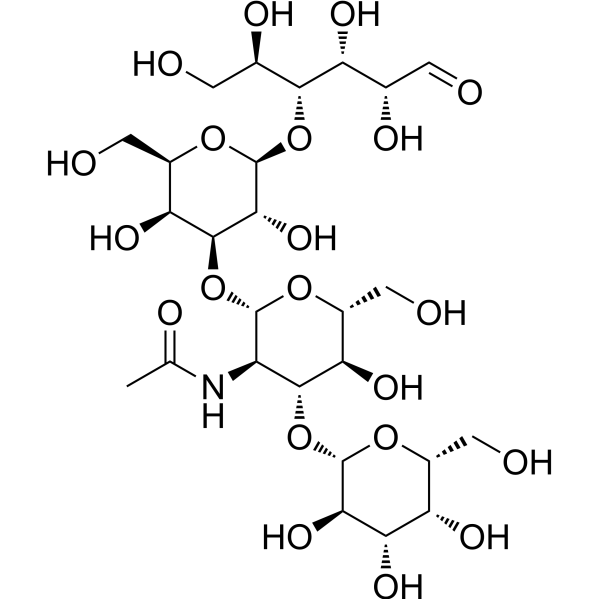
    Lacto-N-tetraose
    1 Publications Verification

    Bacterial Infection Inflammation/Immunology
    Lacto-N-tetraose is the significant core structure of human milk oligosaccharides (HMOs) naturally existing in human milk. Lacto-N-tetraose is consist of galactose, N-acetylglucosamine, and glucose moieties. Lacto-N-tetraose has prebiotic effect, immune regulatory effect, anti-inflammatory effects, intestinal cell responses regulatory effect, antibacterial activity and antiviral activity. Lacto-N-tetraose has been widely added to infant formula .
    Lacto-N-tetraose
  • HY-A0129
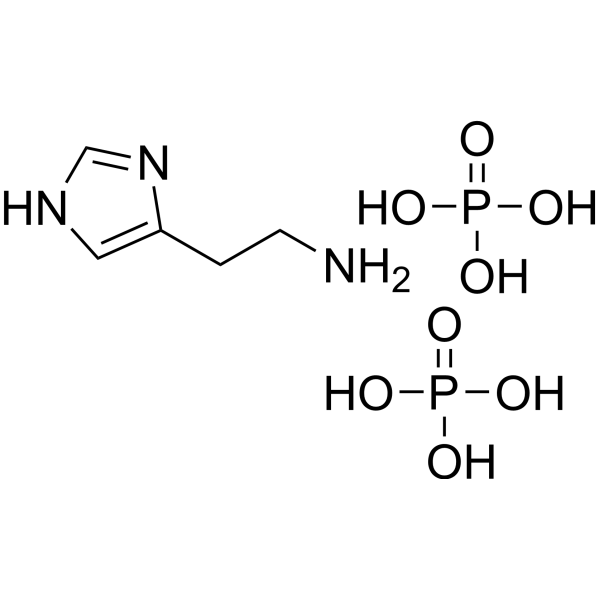
    Histamine phosphate
    15+ Cited Publications

    Histamine diphosphate

    Histamine Receptor p38 MAPK Akt Reactive Oxygen Species (ROS) Apoptosis Endogenous Metabolite Neurological Disease Inflammation/Immunology Endocrinology Cancer
    Histamine phosphate is the agonist for histamine receptor and a vasodilator. Histamine phosphate is an organic nitrogen compound that participates in local immune responses, regulates intestinal physiological functions, and acts as a neurotransmitter. Histamine phosphate affects p38 MAPK/Akt signaling pathway, exhibits antitumor, antioxidant and anti-inflammatory activities. Histamine phosphate can be used in the research of acute myeloid leukemia, malignant melanoma, and renal cell carcinoma .
    Histamine phosphate
  • HY-N0632
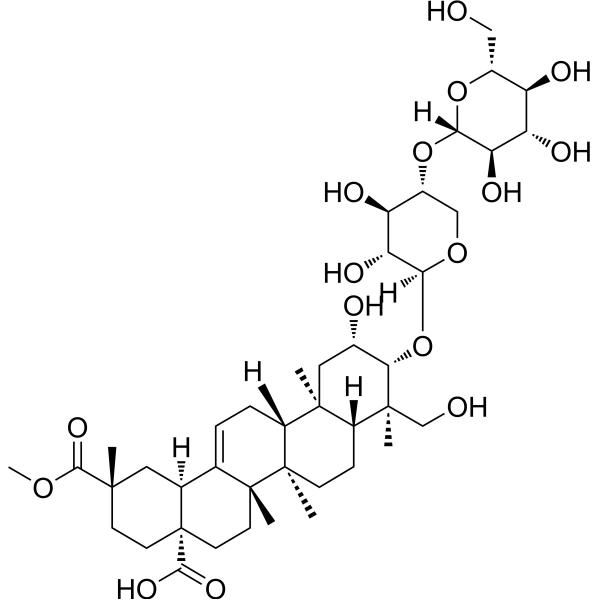
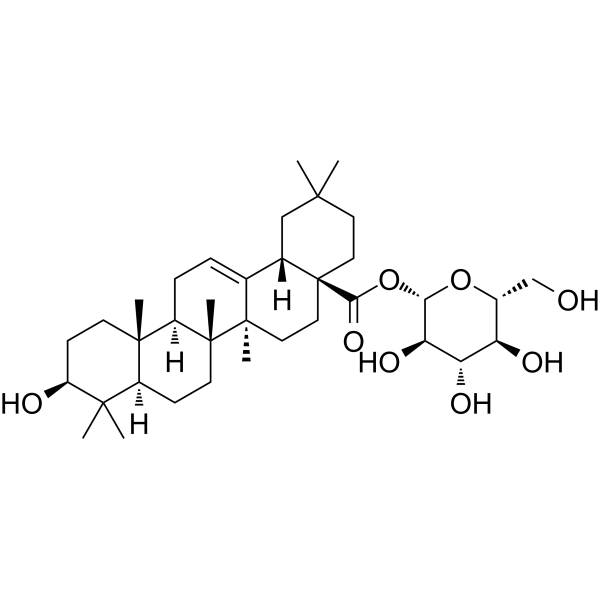
    Esculentoside A
    2 Publications Verification

    COX NF-κB Inflammation/Immunology
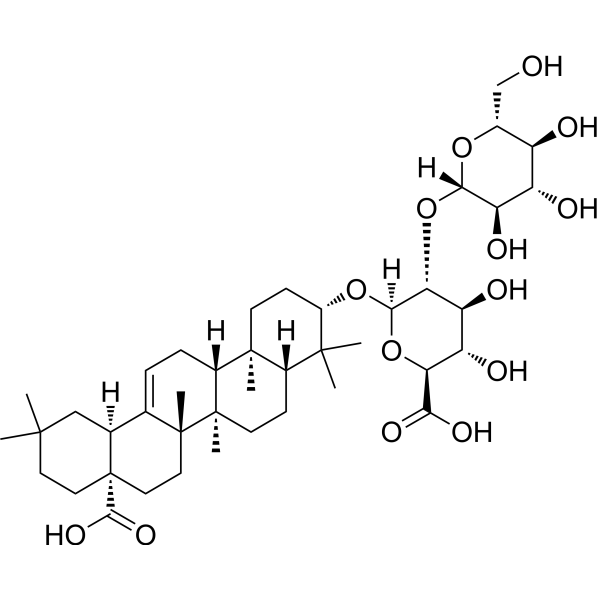
    Esculentoside A (EsA), a kind of triterpene saponin isolated from roots of Phytolacca esculenta . Esculentoside A (EsA) possesses anti-inflammatory activity in acute and chronic experimental models , has selective inhibitory activity towards cyclooxygenase-2 (COX-2) . Esculentoside A (EsA) suppresses inflammatory responses in LPS-induced acute lung injury (ALI) through inhibition of the nuclear factor kappa B (NF-ΚB) and mitogen activated protein kinase (MAPK) signaling pathways .
    Esculentoside A
  • HY-W013507

    Environmental Pollutants Glutathione Peroxidase Phytohormone Reactive Oxygen Species (ROS) NF-κB Apoptosis Neurological Disease Inflammation/Immunology Cancer
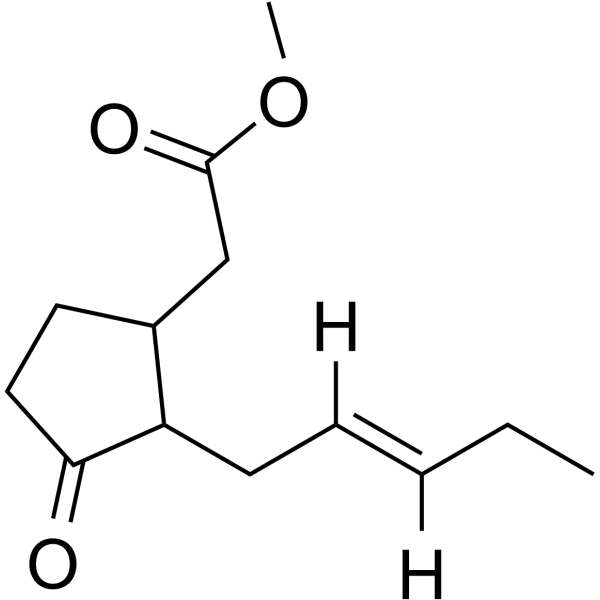
    (rac)-Methyl jasmonate is the racemate of Methyl jasmonate (HY-135663). Methyl jasmonate is a phytohormone that regulates the defense response of plants under biotic and biotic stress through jasmonate signaling pathway. Methyl jasmonate inhibits the activation of NF-κB signaling pathway. Methyl jasmonate can promote the mitochondrial ROS production, but also scavenges free radicals and reduces the oxidative stress. Methyl jasmonate exhibits anti-inflammatory, antitumor, anticonvulsant, antinociceptive and sedative activities .
    (rac)-Methyl jasmonate
  • HY-N0314
    Pectolinarin
    3 Publications Verification

    Interleukin Related Prostaglandin Receptor Apoptosis Inflammation/Immunology
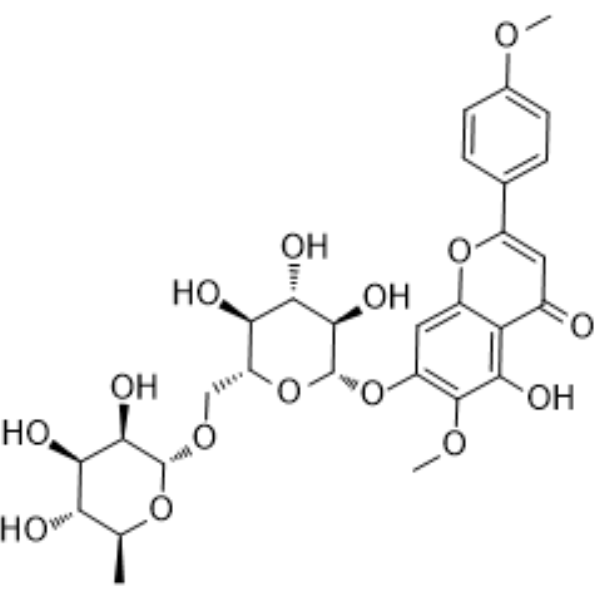
    Pectolinarin possesses anti-inflammatory activity . Pectolinarin inhibits secretion of IL-6 and IL-8, as well as the production of PGE2 and NO. Pectolinarin suppresses cell proliferation and inflammatory response and induces apoptosis via inactivation of the PI3K/Akt pathway .
    Pectolinarin
  • HY-126397
    MnTBAP chloride
    5+ Cited Publications

    NF-κB Inflammation/Immunology
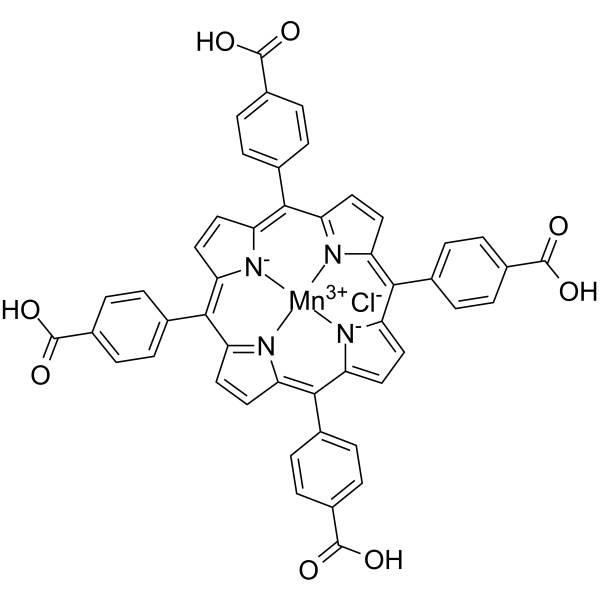
    MnTBAP chloride is a superoxide dismutase (SOD) mimetic and peroxynitrite scavenger. MnTBAP chloride is a manganic porphyrin complex and has anti-oxidative property. MnTBAP chloride mediates anti-inflammatory effects through upregulation of BMPR-II and inhibition of the NFκB signaling. MnTBAP chloride has the potential for the fibrotic response in chronic kidney diseases (CKDs) research .
    MnTBAP chloride
  • HY-10448R
    Capsaicin (Standard)
    Maximum Cited Publications
    81 Publications Verification

    (E)-Capsaicin (Standard)

    Reference Standards TRP Channel Autophagy Apoptosis Endogenous Metabolite Cancer
    Capsaicin (Standard) is the analytical standard of Capsaicin. This product is intended for research and analytical applications. Capsaicin ((E)-Capsaicin), an active component of chili peppers, is a TRPV1 agonist. Capsaicin induces a nociceptive response by binding to its receptors. Capsaicin has analgesic effects on neurological disorders. Capsaicin has antioxidant, anti-inflammatory, anti-cancer effects .
    Capsaicin (Standard)
  • HY-B1777AS

    Isotope-Labeled Compounds Endogenous Metabolite Reactive Oxygen Species (ROS) Bacterial DNA/RNA Synthesis Metabolic Disease
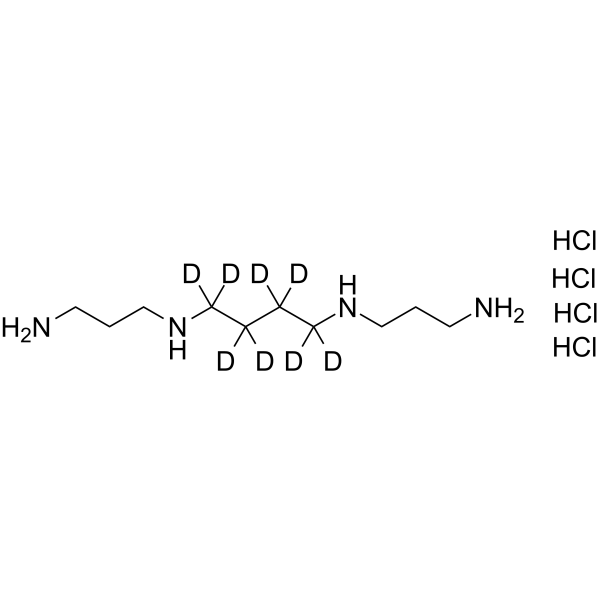
    Spermine-d8 (tetrahydrochloride) is the deuterium labeled Spermine tetrahydrochloride. Spermine tetrahydrochloride is a polyamine nitric oxide donor that can provide nitric oxide to platelets and inhibit platelet activation to a certain extent concentration-dependently. Spermine tetrahydrochloride occurs in mammalian tissues, plants, bacteria, ribosomes and bacteriophage. Spermine tetrahydrochloride inhibits primary human embryo lung fibroblasts in vitro. Spermine is a natural antioxidant and anti-inflammatory agent. Spermine is known to inhibit some bacterial cultures, especially strains of Staphylococcus aureus. Spermine induces neurotoxicity in the striarum dose-dependently. Spermine can reversibly inhibits DNA synthetic response, mixed lymphocyte response and the induction of cytolytic lymphocyte response in primary cultures of murine spleen cells .
    Spermine-d8 tetrahydrochloride
  • HY-W004049

    Endogenous Metabolite Hydroxycarboxylic Acid Receptor (HCAR) Neurological Disease Metabolic Disease Inflammation/Immunology
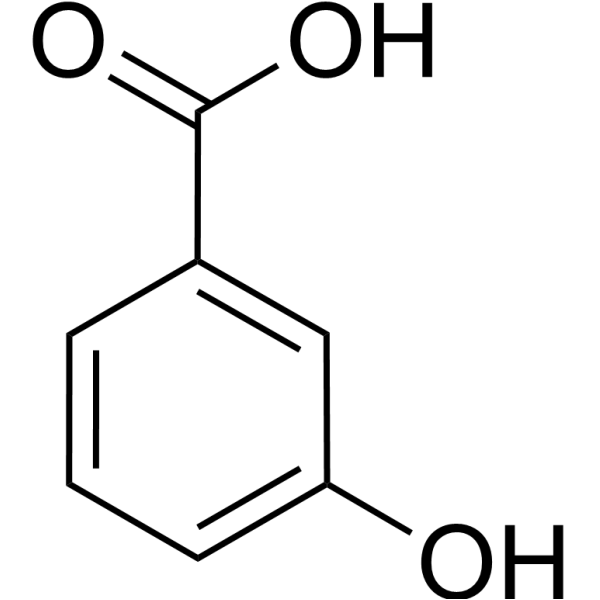
    3-Hydroxybenzoic acid is an orally active endogenous metabolite. 3-Hydroxybenzoic acid is an agonist for GPR81 and GPR109A. 3-Hydroxybenzoic acid acts as stress response desensitizers. 3-Hydroxybenzoic acid can be used for anti-inflammatory and analgesic study .
    3-Hydroxybenzoic acid
  • HY-139374
    Zabedosertib
    2 Publications Verification

    BAY 1834845

    IRAK Inflammation/Immunology
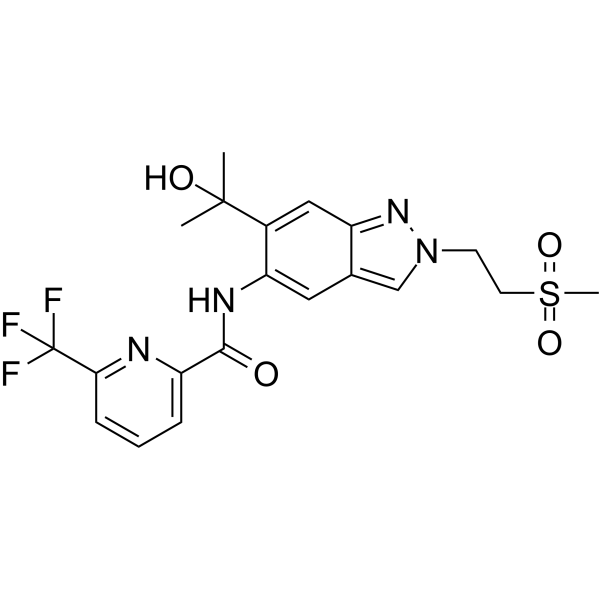
    Zabedosertib (BAY 1834845) is a selective, orally active IRAK4 inhibitor with immunomodulatory potential, IC50 is 3.55 nM. IRAK4 is a protein kinase involved in signaling innate immune responses from Toll-like receptors . Zabedosertib exhibits anti-inflammatory property against IL-β, LPS (HY-D1056) and Imiquimod (HY-B1080) induced inflammation .
    Zabedosertib
  • HY-P1680

    Asterin

    STING HSV Infection Inflammation/Immunology Cancer
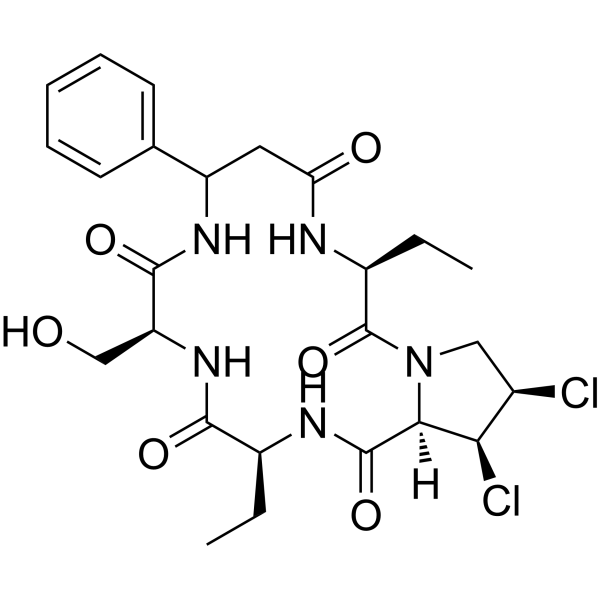
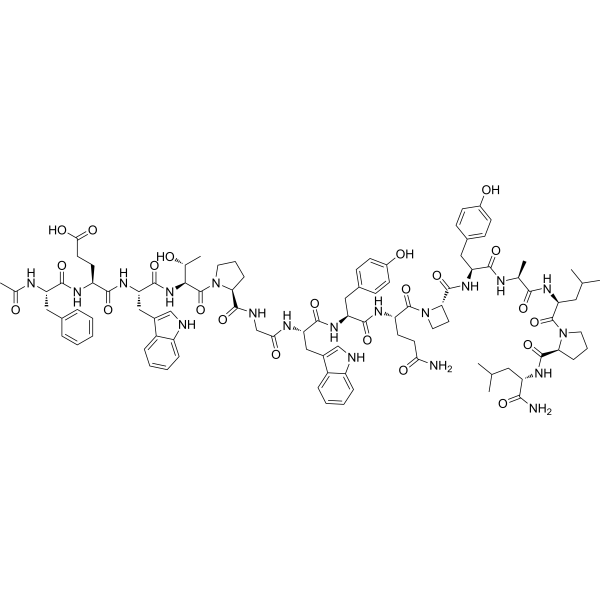
    Astin C (Asterin) is a cyclopeptide that can be extracted from Aster tataricus. Astin C has anti-inflammatory and anti-cancer activities. Astin C can specifically inhibit the cGAS-STING signaling pathway, block the recruitment of IRF3 to the STING signalosome, and thus inhibit the innate inflammatory response. Astin C can be used in the research of autoimmune diseases and cancers .
    Astin C
  • HY-B1777A
    Spermine tetrahydrochloride
    5+ Cited Publications

    Endogenous Metabolite Bacterial Reactive Oxygen Species (ROS) DNA/RNA Synthesis Infection Neurological Disease Inflammation/Immunology
    Spermine tetrahydrochloride is a polyamine nitric oxide donor that can provide nitric oxide to platelets and inhibit platelet activation to a certain extent concentration-dependently. Spermine tetrahydrochloride occurs in mammalian tissues, plants, bacteria, ribosomes and bacteriophage. Spermine tetrahydrochloride inhibits primary human embryo lung fibroblasts in vitro. Spermine is a natural antioxidant and anti-inflammatory agent. Spermine is known to inhibit some bacterial cultures, especially strains of Staphylococcus aureus. Spermine induces neurotoxicity in the striarum dose-dependently. Spermine can reversibly inhibits DNA synthetic response, mixed lymphocyte response and the induction of cytolytic lymphocyte response in primary cultures of murine spleen cells .
    Spermine tetrahydrochloride
  • HY-10447

    EM-1421

    Survivin COX TNF Receptor Apoptosis Infection Inflammation/Immunology Cancer
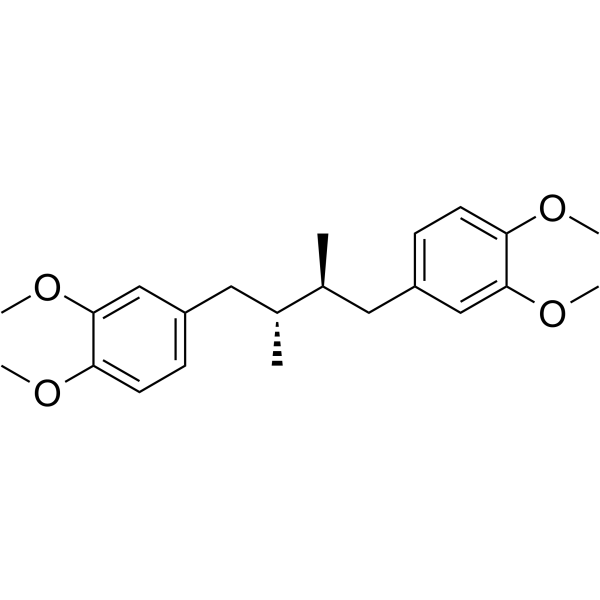
    Terameprocol is an inhibitor targeting the Sp1 transcription factor, which can selectively inhibit the transcription of Sp1-dependent genes. Terameprocol exerts its effects by inhibiting Sp1-mediated gene transcription, such as reducing the expression of genes like CDC2, survivin and HMGB1, thereby arresting the cell cycle, inducing apoptosis, and suppressing the inflammatory response. Terameprocol exhibits anti-proliferative, pro-apoptotic, and anti-inflammatory activities and is currently mainly used in the research of diseases such as cancer and pulmonary arterial hypertension[1][2][3].
    Terameprocol
  • HY-B1832
    Prednisone acetate
    1 Publications Verification

    Prednisone 21-acetate

    Glucocorticoid Receptor Interleukin Related Notch Cardiovascular Disease Inflammation/Immunology Endocrinology Cancer
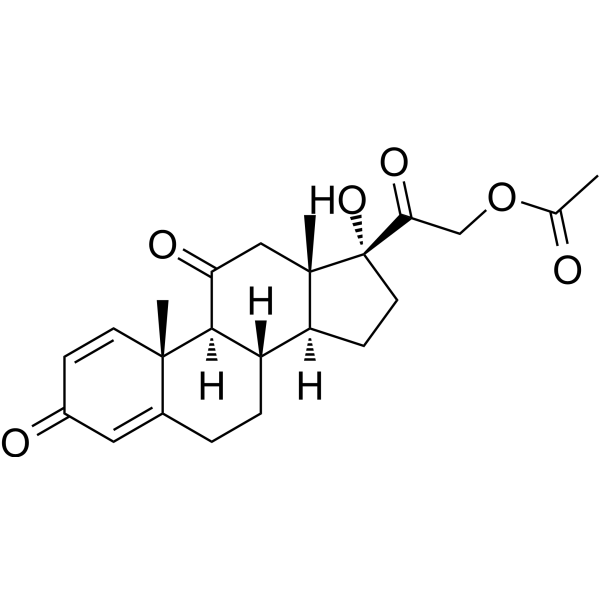
    Prednisone acetate (Prednisone 21-acetate), a glucocorticoid, is an orally active Notch inhibitor. Prednisone acetate has anti-inflammatory activity and can enhance the immune response .
    Prednisone acetate
  • HY-B1209

    7-(β-Hydroxyethyl)theophylline

    Phosphodiesterase (PDE) Cardiovascular Disease Inflammation/Immunology
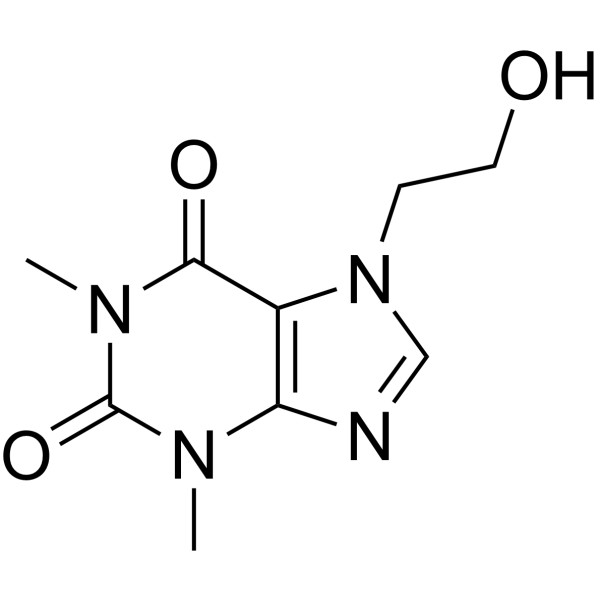
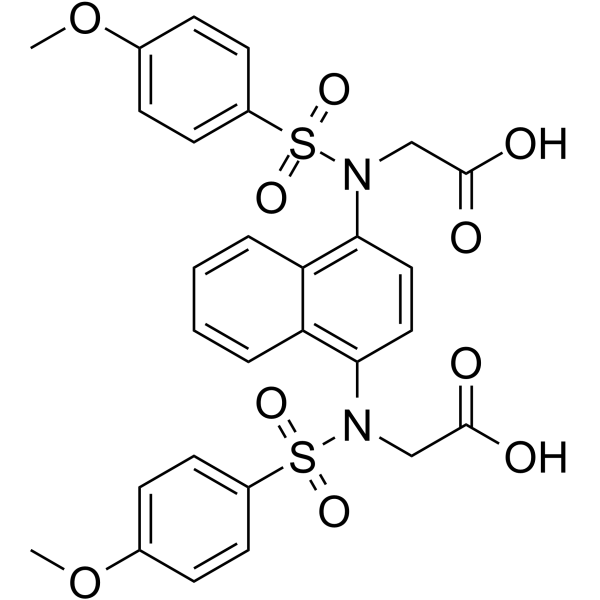
    Etofylline (7-(β-Hydroxyethyl) theophylline) is an oral bronchodilator with anti-inflammatory effects. Etofylline inhibits phosphodiesterase and prevents the degradation of cAMP (cyclic adenosine monophosphate), leading to smooth muscle relaxation, reducing inflammatory responses and improving respiratory function. Etofylline affects the development of zebrafish embryos .
    Etofylline
  • HY-N6028
    Darutoside
    1 Publications Verification

    COX NF-κB Interleukin Related TNF Receptor Inflammation/Immunology
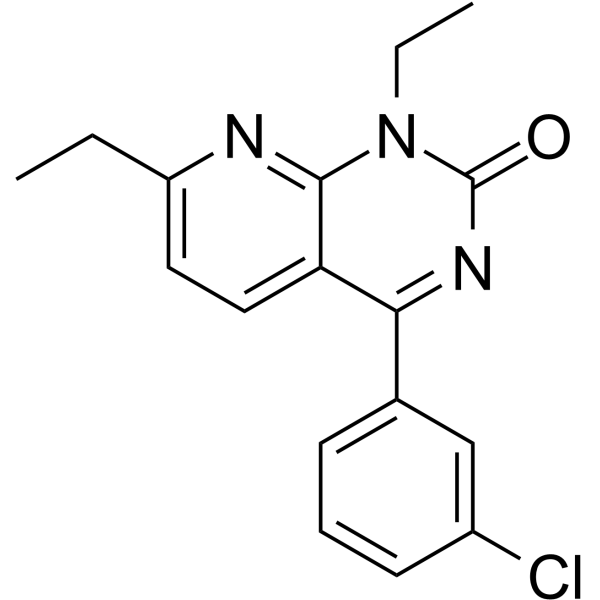
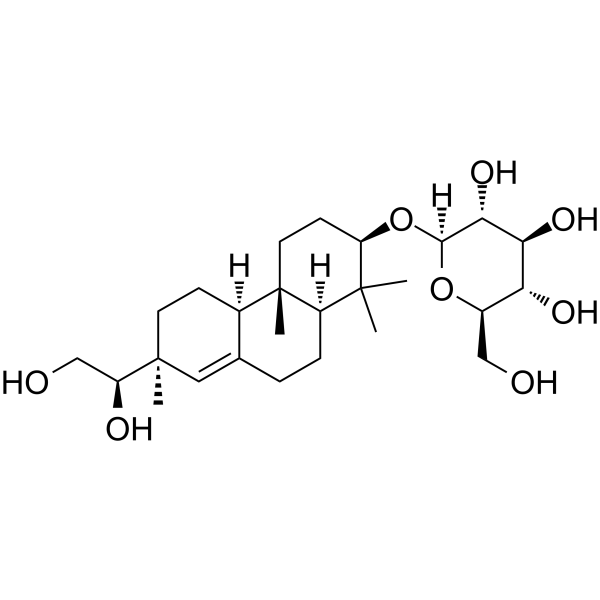
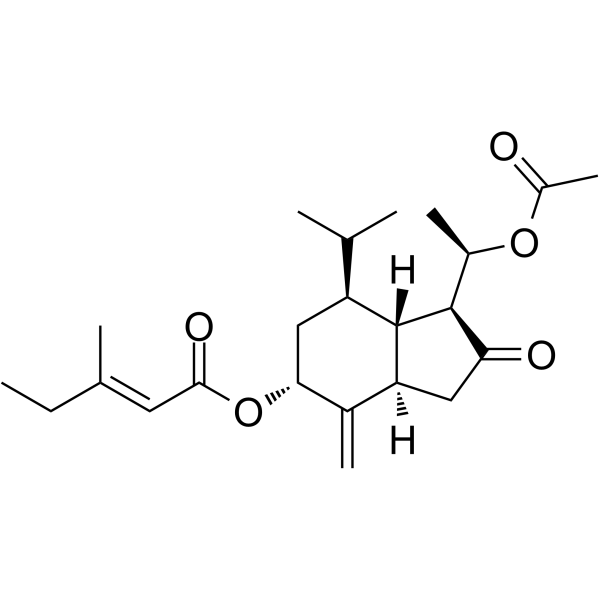
    Darutoside is an orally effective diterpene compound with significant anti-inflammatory, analgesic, wound healing promotion, and immunomodulatory activities. Darutoside reduces edema and pain responses by inhibiting the expression of COX-2 and the migration of inflammatory cells. It regulates macrophage polarization towards the M2 type by inhibiting the NF-κB pathway, alleviating inflammation and promoting wound healing. Through multi-target regulation of metabolic networks, Darutoside significantly alleviates acute gouty arthritis .
    Darutoside
  • HY-W011641
    (±)-Naringenin
    4 Publications Verification

    Potassium Channel Toll-like Receptor (TLR) NF-κB Apoptosis Caspase Cardiovascular Disease Neurological Disease Inflammation/Immunology Cancer
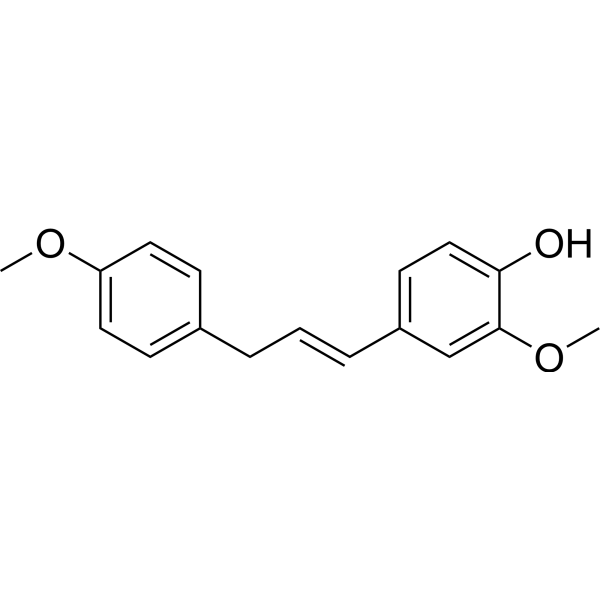
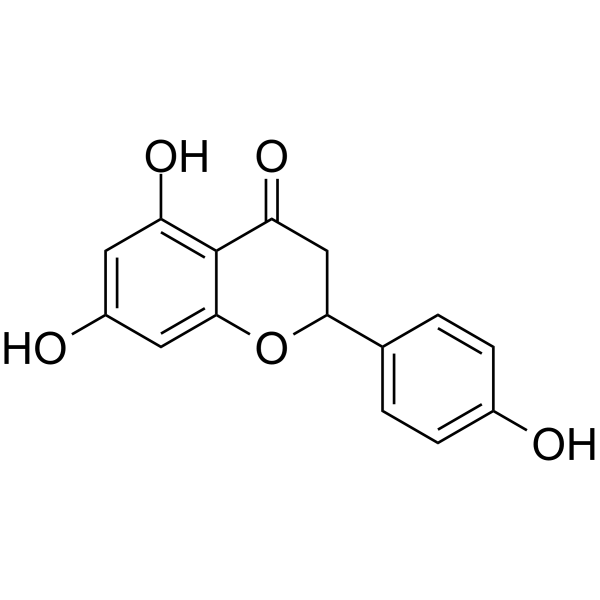
    (±)-Naringenin is an orally available anti-inflammatory agent that can regulate both acute and chronic inflammation responses, while also showing antioxidant, neuroprotective, liver-protective, and anti-cancer effects. (±)-Naringenin promotes vasodilation in endothelial cells by activating BKCa channels in muscle cells. It also exerts protective effects against experimental colitis by inhibiting Toll-like receptor 4/NF-κB signaling, making it useful in studies related to sepsis, fulminant hepatitis, fibrosis, and cancer research .
    (±)-Naringenin
  • HY-P0064

    Palmitoyl Tetrapeptide-7

    Interleukin Related Inflammation/Immunology
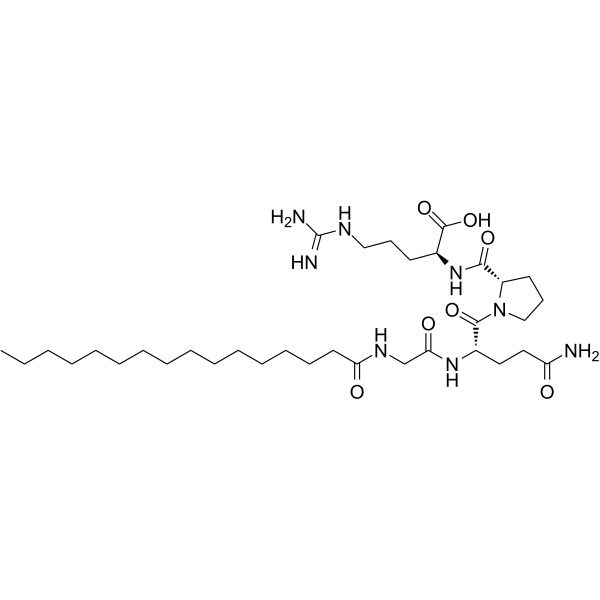
    Palmitoyl Tetrapeptide-3 (Palmitoyl Tetrapeptide-7) is a synthetic peptide corresponding to amino acids 341-344 of the human immunoglobulin heavy chain, with the ability to stimulate phagocytosis. Palmitoyl tetrapeptide-3 reduces interleukin-6 (IL-6) secretion in keratinocytes and inhibits the UVB radiation-exposure inflammatory response of skin. Palmitoyl tetrapeptide-3 It also has anti-inflammatory and anti-aging effects, reducing skin wrinkles by promoting the production of elastic fibers in the papillary dermis .
    Palmitoyl Tetrapeptide-3
  • HY-19995
    GSK137647A
    1 Publications Verification

    GSK 137647

    Free Fatty Acid Receptor Metabolic Disease
    GSK137647A (GSK 137647) is a potent, selective free fatty acid receptor 4 (FFA4) agonist with pEC50 values of 6.3, 6.2, and 6.1 for human, mouse and rat FFA4, and pEC50 values < 4.5 for all three species for FFA1, FFA2, and FFA3, respectively. GSK137647A has anti-inflammatory activity. GSK137647A induces insulin secretion and inhibits epithelial ion transport, GSK137647A is related to regulation of glucose homeostasis and anti-inflammatory response .
    GSK137647A
  • HY-Y0148

    NSC 15139; 10-HDAA

    Parasite Autophagy NF-κB Interleukin Related NO Synthase MDM-2/p53 TNF Receptor RANKL/RANK Caspase Infection Neurological Disease Inflammation/Immunology
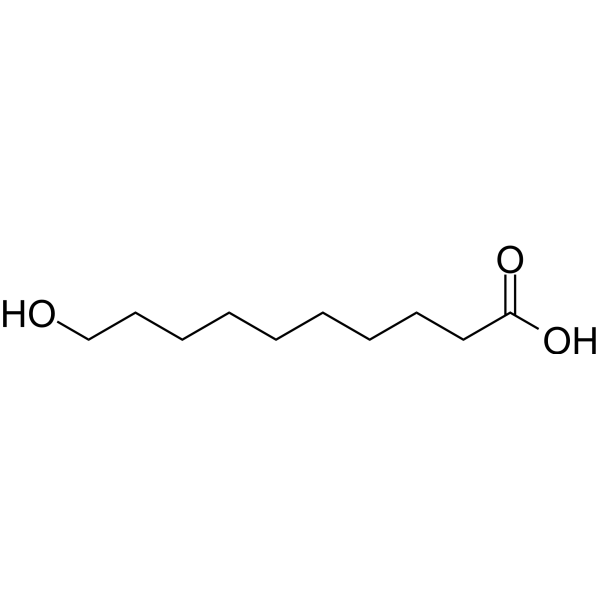
    10-Hydroxydecanoic acid (10-HDAA) is a saturated fatty acid derived from 10-hydroxy-trans-2-decenoic acid, which can be isolated from royal jelly. 10-Hydroxydecanoic acid exhibits various biological activities, including anti-inflammatory, insecticidal, anti-malarial, and anti-Leishmania properties, as well as enhancing antigen-specific immune responses. The anti-inflammatory effects of 10-Hydroxydecanoic acid are primarily mediated by inhibiting the activation of NF-κB and the translation of interferon regulatory factor 1 (IRF-1), which reduces the production of interleukin 6 (IL-6) and nitric oxide (NO) in inflammatory cells. Additionally, 10-Hydroxydecanoic acid alleviates neuroinflammatory responses through the p53-autophagy pathway and the p53-NLRP3 pathway. Finally, 10-Hydroxydecanoic acid enhances antigen-specific immune responses by promoting the effective uptake of antigens by microfold cells .
    10-Hydroxydecanoic acid
  • HY-114454
    INH14
    5 Publications Verification

    IKK Inflammation/Immunology Cancer
    INH14 is a cell permeable inhibitor of IKKα/IKKβ, with IC50s of 8.97 and 3.59 μM, respectively. INH14 inhibits the IKKα/β-dependent TLR inflammatory response. INH14 also inhibits downstream of TAK1/TAB1 and NF-kB pathways. Anti-inflammatory and anti-cancer activity .
    INH14
  • HY-B1428

    Ethenzamide

    Tyrosinase Reactive Oxygen Species (ROS) PERK Neurological Disease Inflammation/Immunology Cancer
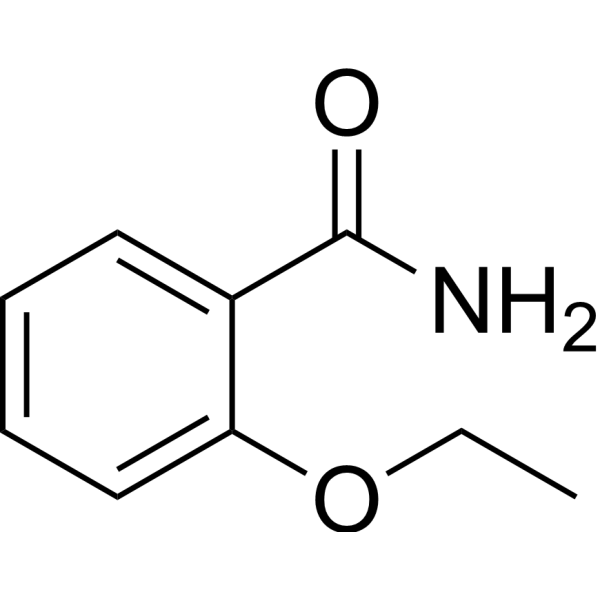
    2-Ethoxybenzamide (Ethenzamide) is a nonsteroidal anti-inflammatory agent that shows analgesic and antipyretic effects. 2-Ethoxybenzamide induces melanin synthesis via cAMP response element-binding protein (CREB) phosphorylation. 2-Ethoxybenzamide can be used in the research of hypopigmentation and inflammation-related diseases .
    2-Ethoxybenzamide
  • HY-117469

    Nuclear Hormone Receptor 4A/NR4A p62 Inflammation/Immunology
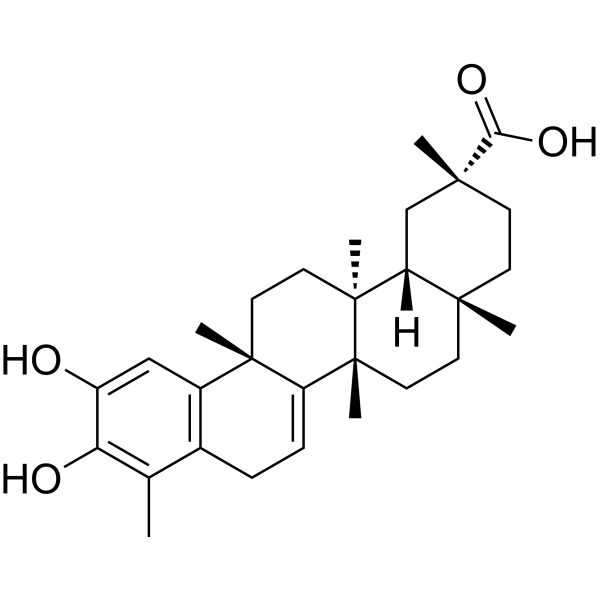
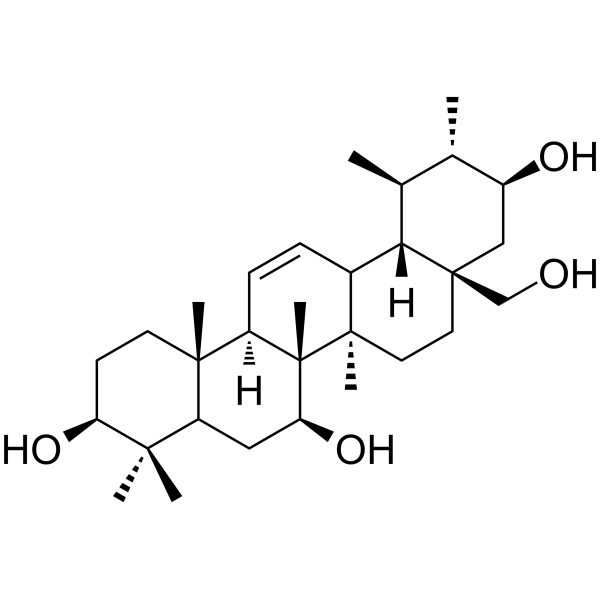
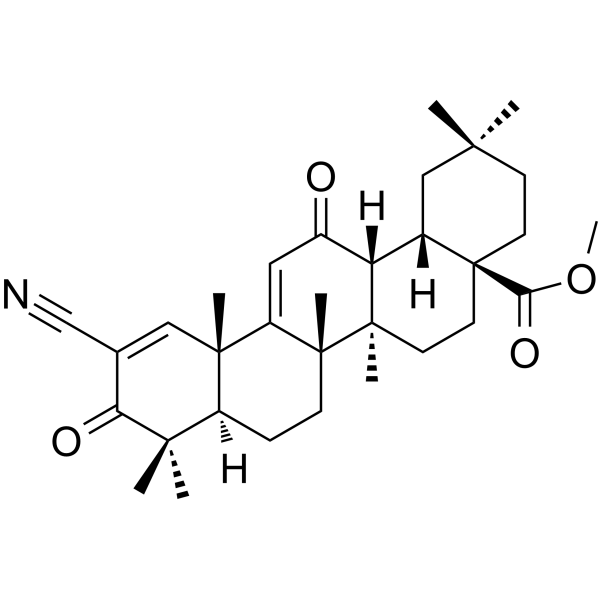
    Triptohypol C, a Tripterin (HY-13067) derivative, is a potent Nur77-targeting anti-inflammatory agent with an Kd value of 0.87 μM. Triptohypol C inhibits inflammatory response by promoting the interactions of Nur77 with TRAF2 and p62/SQSTM1 .
    Triptohypol C
  • HY-N3181

    Apoptosis Wnt β-catenin c-Myc Survivin GSK-3 Ferroptosis Keap1-Nrf2 Heme Oxygenase (HO) NF-κB Interleukin Related Cardiovascular Disease Neurological Disease Metabolic Disease Inflammation/Immunology Cancer
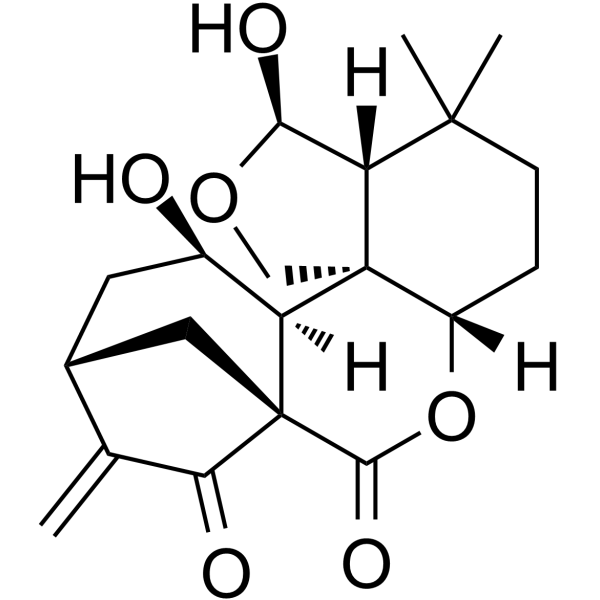
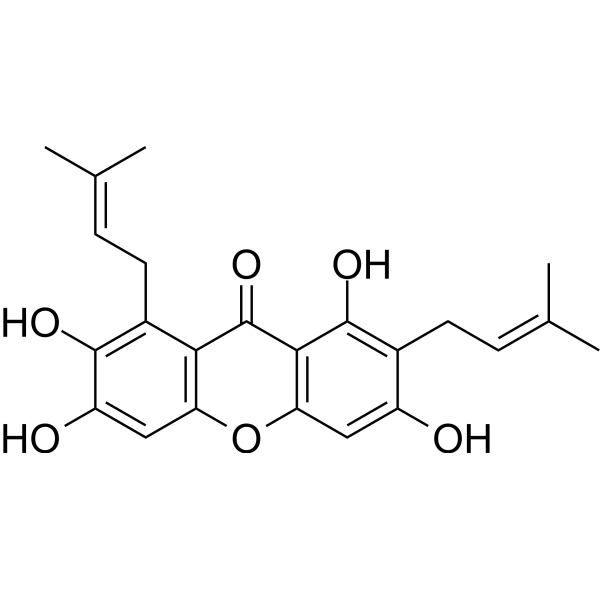
    Nodosin is an orally active diterpenoid compound that can be isolated from Isodon serra. Nodosin can inhibit the proliferation and induce cell cycle arrest and apoptosis of tumor cells. Nodosin can also inhibit oxidative stress, inflammatory responses, and ferroptosis. Nodosin has anti-inflammatory and anti-tumor activities .
    Nodosin
  • HY-101481

    COX Apoptosis MEK ERK PPAR AMPK NF-κB Interleukin Related TNF Receptor STAT Wnt Neurological Disease Inflammation/Immunology Cancer
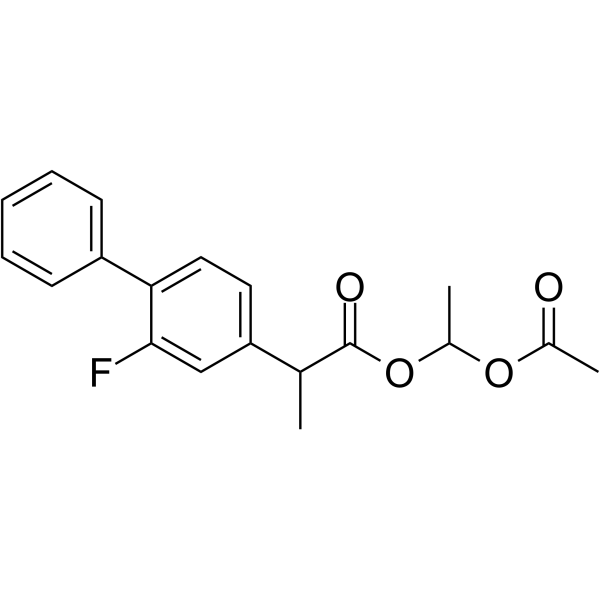
    Flurbiprofen axetil is a non-selective COX inhibitor and a nonsteroidal anti-inflammatory agent with anti-inflammatory and analgesic effects. Flurbiprofen axetil inhibits basal-like breast cancer metastasis by inhibiting the MEK/ERK signaling pathway. Flurbiprofen axetil can promote neuroprotection after focal cerebral ischemia in rats by partially activating PPAR-γ. Flurbiprofen axetil alleviates cerebral ischemia/reperfusion injury by reducing inflammation in a transient global cerebral ischemia/reperfusion rat model. Flurbiprofen axetil can alleviate inflammatory responses and cognitive function in a mild cognitive impairment (MCI) SD rat model through the AMPKα/NF-κB signaling pathway .
    Flurbiprofen axetil
  • HY-120371
    CPUY192018
    1 Publications Verification

    Keap1-Nrf2 Apoptosis Reactive Oxygen Species (ROS) NF-κB Inflammation/Immunology
    CPUY192018 is a potent inhibitor of the Keap1-Nrf2 protein-protein interaction, with an IC50 of 0.63 µM. CPUY192018 exhibits anti-inflammatory and antioxidant activities. CPUY192018 can activate the Nrf2-dependent antioxidant pathway and inhibit the NF-κB-related inflammatory response. CPUY192018 can be used in the research of inflammation-related diseases .
    CPUY192018
  • HY-N5025

    P2X Receptor Apoptosis ERK p38 MAPK c-Myc NF-κB Reactive Oxygen Species (ROS) Neurological Disease Inflammation/Immunology Cancer
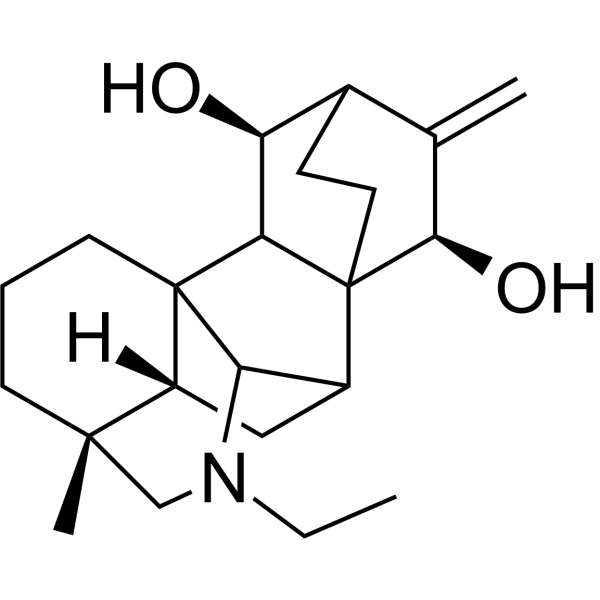
    Bullatine A, a diterpenoid alkaloid, is a potent P2X7 antagonist. Bullatine A possesses anti-rheumatic, anti-inflammatory and anti-nociceptive effects. Bullatine A inhibits ATP-induced BV-2 cell death/apoptosis and P2X receptor-mediated inflammatory responses. Bullatine A suppresses glioma cell growth by targeting SIRT6. Bullatine A specifically attenuates pain hypersensitivity in rats. Bullatine A attenuates LPS (HY-D1056)-induced systemic inflammatory response by inhibiting the ROS/JNK/NF-κB pathway in mice. Bullatine A improves despair behavior in Chronic chronic social defeat stress (CSDS) mice. Bullatine A can be used for the study of inflammation, glioblastoma (GBM) and depression .
    Bullatine A
  • HY-108617

    Phosphodiesterase (PDE) Inflammation/Immunology
    YM976 is a phosphodiesterase 4 (PDE4) inhibitor with an IC50 of 2.2 nM. YM976 shows the dissociation of anti-inflammatory activities from emetic effects and inhibits the antigen-induced airway responses .
    YM976
  • HY-P1844A
    Chemerin-9 (149-157) TFA
    4 Publications Verification

    Chemerin Receptor Akt ERK Reactive Oxygen Species (ROS) Amyloid-β Inflammation/Immunology
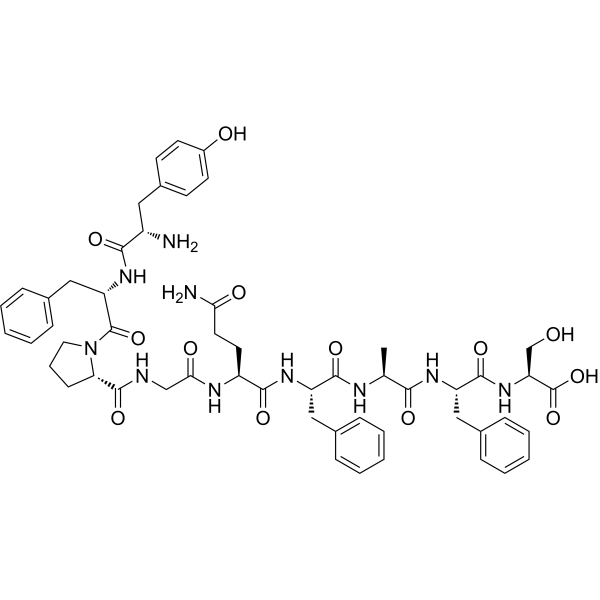
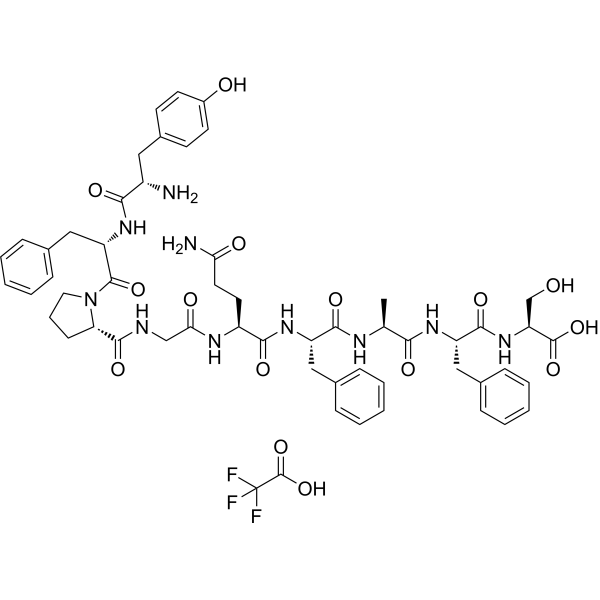
    Chemerin-9 (149-157) TFA is a potent agonist of chemokine-like receptor 1 (CMKLR1) . Chemerin-9 (149-157) TFA has anti-inflammatory activity. Chemerin-9 (149-157) TFA stimulates phosphorylation of Akt and ERK as well as ROS production. Chemerin-9 (149-157) TFA ameliorates Aβ1-42-induced memory impairmen. Chemerin-9 (149-157) TFA regulates immune responses, adipocyte differentiation, and glucose metabolism .
    Chemerin-9 (149-157) TFA
  • HY-119487

    STAT Inflammation/Immunology
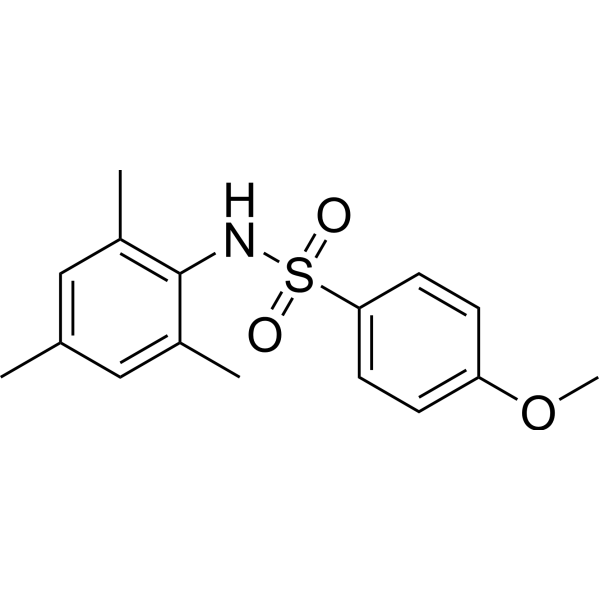
    MMPP is an anti-inflammatory agent. MMPP prevents LPS-induced mortality by inhibiting the inflammatory response via STAT3 activity inhibition .
    MMPP
  • HY-N1388
    Tussilagone
    3 Publications Verification

    Others Inflammation/Immunology
    Tussilagone, a major active component in Tussilago farfara, has anti-inflammatory effect. Tussilagone ameliorates inflammatory responses in dextran sulphate sodium-induced murine colitis. Tussilagone inhibits the inflammatory response and improves survival in cecal ligation and puncture (CLP)-induced septic mice .
    Tussilagone
  • HY-P990782

    Aminoacyl-tRNA Synthetase Inflammation/Immunology
    Efzofitimod is a splice variant of the aminoacyl-tRNA synthetase HARS1, which is fused with the Fc segment of a human antibody. Efzofitimod targets the neuronal phospholipid NRP2 (neuropilin-2) and has anti-inflammatory and immunomodulatory activities. Efzofitimod can downregulate the innate and adaptive immune responses in inflammatory disease states, suppressing indirect lung disease (ILD) .
    Efzofitimod
  • HY-105005

    AAD-2004

    Prostaglandin Receptor PGE synthase Reactive Oxygen Species (ROS) Apoptosis Neurological Disease Inflammation/Immunology
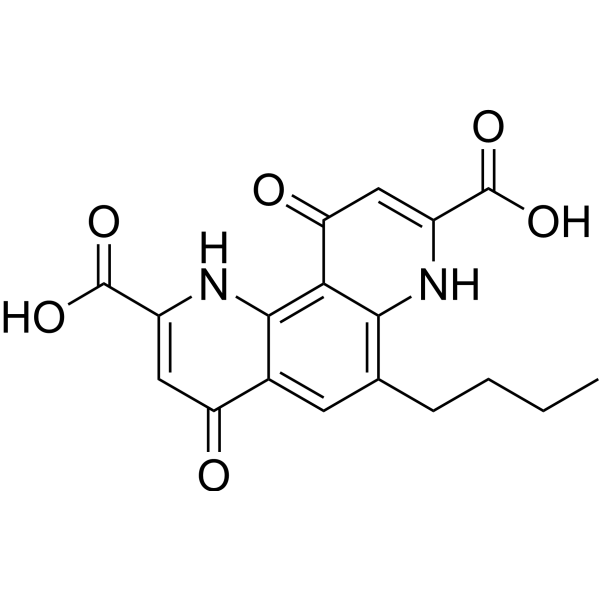
    Crisdesalazine (AAD-2004) is a microsomal prostaglandin E2 synthase-1 (mPGES-1) inhibitor. Crisdesalazine acts as a potent free radical scavenger that directly neutralizes reactive oxygen species (ROS) including hydrogen peroxide, exerting neuroprotective effects against apoptosis and axonal damage. Crisdesalazine inhibits PGE2 production, mediates inflammatory responses, and promotes the conversion of macrophages from the pro-inflammatory M1 phenotype to the anti-inflammatory M2 phenotype. Crisdesalazine is applicable to neuroprotection research in multiple sclerosis and spinal cord injury .
    Crisdesalazine
  • HY-106481

    GPR35 Histamine Receptor Inflammation/Immunology
    Bufrolin is a Cromoglycate (histamine release inhibitor) analog and a high potency agonist of GPR35. Bufrolin promotes interactions between β-arrestin-2 and either human GPR35a or rat GPR35. Bufrolin also serves as antiallergic mast cell stabilizer and inhibit an anti-inflammatory response inducible by the internalization peptide. Bufrolin acts as an anti-inflammatory agent to be used in research of delivering pharmacol linked with internalization peptide .
    Bufrolin
  • HY-14921

    Integrin Transmembrane Glycoprotein Cardiovascular Disease Inflammation/Immunology
    Elsibucol is a VCAM1 inhibitor for the study of organ transplant rejection. Elsibucol is a metabolically stable propanol derivative with antioxidant, anti-inflammatory and anti-proliferative properties. Elsibucol lowers blood cholesterol levels and reduces oxidative stress and inflammatory responses in injured arteries, thereby inhibiting atherosclerosis and protecting endothelial healing after arterial injury .
    Elsibucol
  • HY-B1204R

    Ergamine (Standard)

    Reference Standards Histamine Receptor p38 MAPK Akt Reactive Oxygen Species (ROS) Apoptosis Endogenous Metabolite Neurological Disease Inflammation/Immunology Endocrinology Cancer
    Histamine (Standard) is the analytical standard of Histamine (HY-B1204). This product is intended for research and analytical applications. Histamine is the agonist for histamine receptor and a vasodilator. Histamine is an organic nitrogen compound that participates in local immune responses, regulates intestinal physiological functions, and acts as a neurotransmitter. Histamine affects p38 MAPK/Akt signaling pathway, exhibits antitumor, antioxidant and anti-inflammatory activities. Histamine can be used in the research of acute myeloid leukemia, malignant melanoma, and renal cell carcinoma .
    Histamine (Standard)
  • HY-B0722R

    Reference Standards Histamine Receptor p38 MAPK Akt Reactive Oxygen Species (ROS) Apoptosis Endogenous Metabolite Neurological Disease Inflammation/Immunology Endocrinology Cancer
    Histamine dihydrochloride (Standard) is the analytical standard of Histamine dihydrochloride (HY-B0722). This product is intended for research and analytical applications. Histamine dihydrochloride is the agonist for histamine receptor and a vasodilator. Histamine dihydrochloride is an organic nitrogen compound that participates in local immune responses, regulates intestinal physiological functions, and acts as a neurotransmitter. Histamine dihydrochloride affects p38 MAPK/Akt signaling pathway, exhibits antitumor, antioxidant and anti-inflammatory activities. Histamine dihydrochloride can be used in the research of acute myeloid leukemia, malignant melanoma, and renal cell carcinoma .
    Histamine dihydrochloride (Standard)
  • HY-17484
    Ampiroxicam
    2 Publications Verification

    CP 65703

    Drug Derivative Inflammation/Immunology
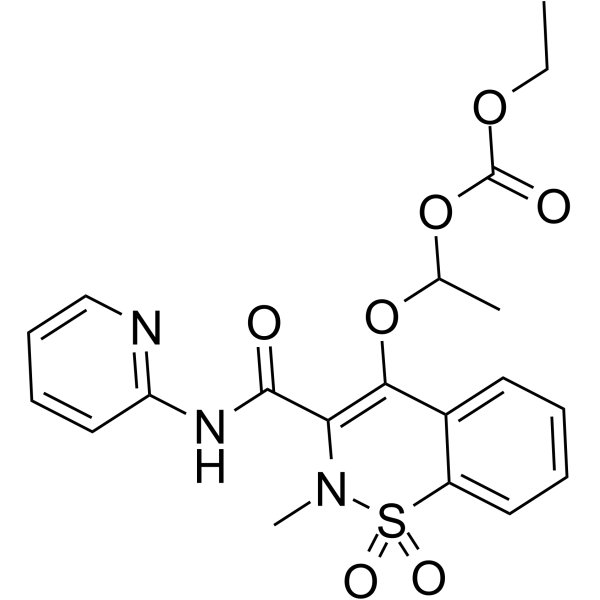
    Ampiroxicam is an orally active prodrug of non-steroidal anti-inflammatory drug (NSAID). Ampiroxicam inhibits paw swelling in adjuvant-induced arthritis and acute inflammation models, and suppresses phenylbenzoquinone-induced stretching responses in mice. Ampiroxicam is rapidly and completely converted to Piroxicam (HY-B0253) via non-specific esterases and first-pass metabolism. Ampiroxicam induces contact hypersensitivity and photosensitivity reactions through photoproducts generated by UVA. Ampiroxicam can be used in research related to photosensitivity, adjuvant-induced arthritis, rheumatism, osteoarthritis and other inflammatory diseases .
    Ampiroxicam
  • HY-P1844
    Chemerin-9 (149-157)
    4 Publications Verification

    Chemerin Receptor Akt ERK Reactive Oxygen Species (ROS) Amyloid-β Inflammation/Immunology
    Chemerin-9 (149-157) is a potent agonist of chemokine-like receptor 1 (CMKLR1) . Chemerin-9 (149-157) has anti-inflammatory activity. Chemerin-9 (149-157) stimulates phosphorylation of Akt and ERK as well as ROS production. Chemerin-9 (149-157) ameliorates Aβ1-42-induced memory impairmen. Chemerin-9 (149-157) regulates immune responses, adipocyte differentiation, and glucose metabolism .
    Chemerin-9 (149-157)
  • HY-122961

    1,2-Didehydromiltirone

    NF-κB p38 MAPK Inflammation/Immunology
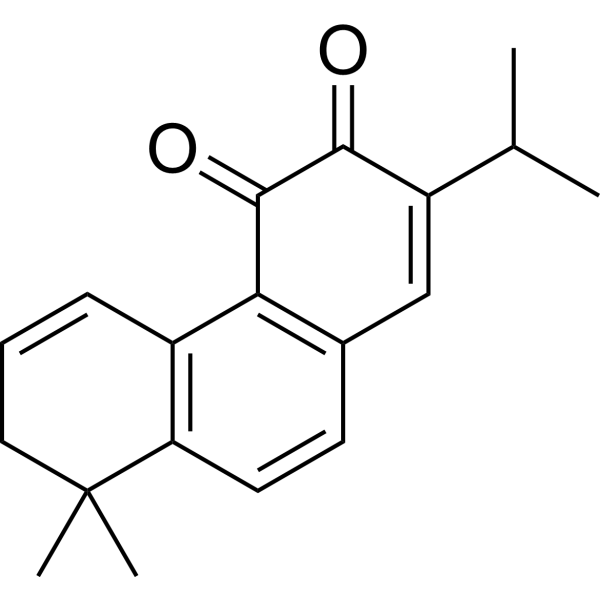
    Dehydromiltirone (1,2-Didehydromiltirone) is a diterpenoid quinone with an anti-inflammatory effect. Dehydromiltirone prevents liver injury by modifying the MAPK and NF-κB signaling pathways, reducing neuroinflammatory responses, and inhibiting platelet aggregation. Dehydromiltirone can be used for osteoporosis research .
    Dehydromiltirone
  • HY-N0408R

    Reference Standards NF-κB Reactive Oxygen Species (ROS) Apoptosis Influenza Virus Infection Neurological Disease Inflammation/Immunology Cancer
    Picroside II (Standard) is the analytical standard of Picroside II. This product is intended for research and analytical applications. Picroside II, an iridoid compound extracted from Picrorhiza, exhibits anti-inflammatory and anti-apoptotic activities. picroside II alleviates the inflammatory response in sepsis and enhances immune function by inhibiting the activation of NLRP3 inflammasome and NF-κB pathways . Picroside II is an antioxidant, exhibits a significant neuroprotective effect through reducing ROS production and protects the blood-brain barrier (BBB) after cerebral ischemia-reperfusion (CI/R) injury. Picroside II has antioxidant, anti-inflammatory, immune regulatory, anti-virus and other pharmacological activities .
    Picroside II (Standard)

Inquiry Online

Your information is safe with us. * Required Fields.

Salutation


Country or Region *

Applicant Name *


Organization Name *

Department *


Email Address *


Product Name *

Cat. No.


Requested quantity *

Phone Number *


Remarks

Inquiry Online

Inquiry Information

Product Name:
Cat. No.:
Quantity:
MCE Japan Authorized Agent: