



Histamine dihydrochloride
Based on 22 publication(s) in Google Scholar
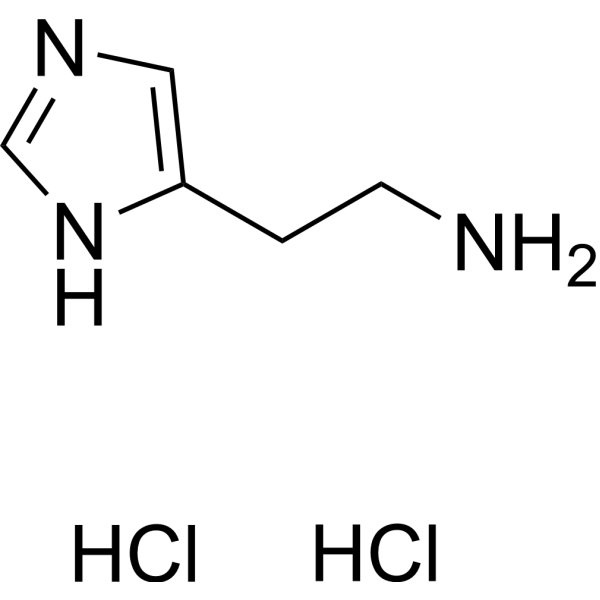
Histamine dihydrochloride is the agonist for histamine receptor and a vasodilator. Histamine dihydrochloride is an organic nitrogen compound that participates in local immune responses, regulates intestinal physiological functions, and acts as a neurotransmitter. Histamine dihydrochloride affects p38 MAPK/Akt signaling pathway, exhibits antitumor, antioxidant and anti-inflammatory activities. Histamine dihydrochloride can be used in the research of acute myeloid leukemia, malignant melanoma, and renal cell carcinoma.
For research use only. We do not sell to patients.
- Purity : 99.92%
- CAS No.: 56-92-8
- Formula: C5H11Cl2N3
- Molecular Weight:184.07
-
Storage:
4°C, sealed storage, away from moisture
* In solvent : -80°C, 6 months; -20°C, 1 month (sealed storage, away from moisture)

To place orders, for customer services and technical support, please contact: MedChemExpress USA
Tel: 609-228-6898 E-mail: [email protected] [email protected]


-
 Biological Activity
-
Chemical Information
-
Solvent & Solubility
- Protocols
- Purity & Documentation
- References
-
 Help & FAQs


-
HY-B1473
Serotonin hydrochloride -
HY-B1204
HistamineNeurotransmitter -
HY-13715A
Norepinephrine hydrochlorideAdrenergic Receptor Agonist -
HY-101952
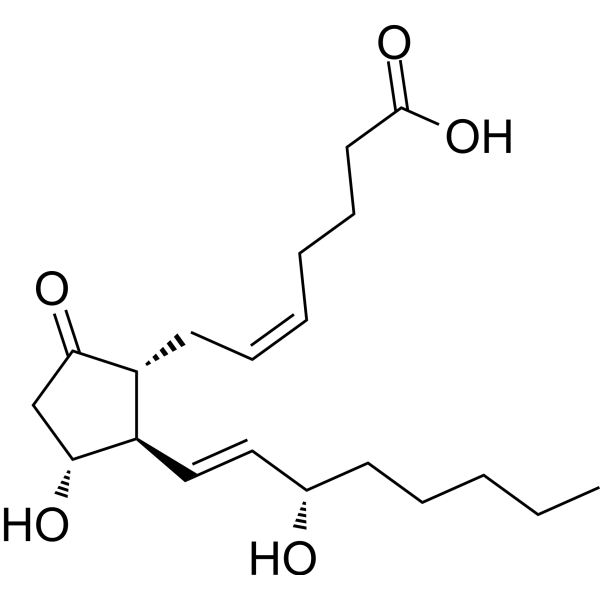
Prostaglandin E2Prostaglandin Receptor Agonist -
HY-14608
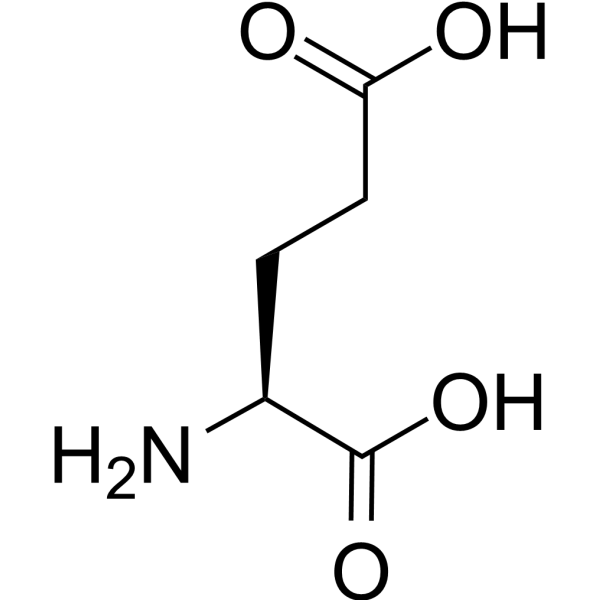
L-Glutamic acidGlutamate Receptors Agonist -
HY-10219
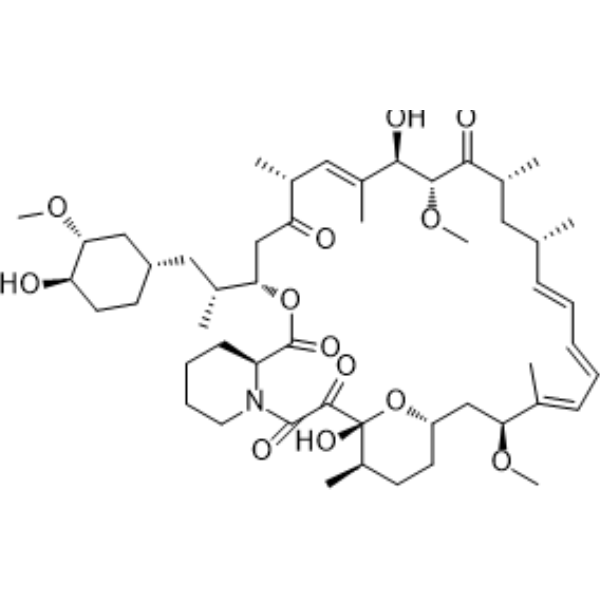
RapamycinmTOR Inhibitor -

HY-B0722R
Histamine dihydrochloride (Standard)Neurotransmitter -
HY-B0282
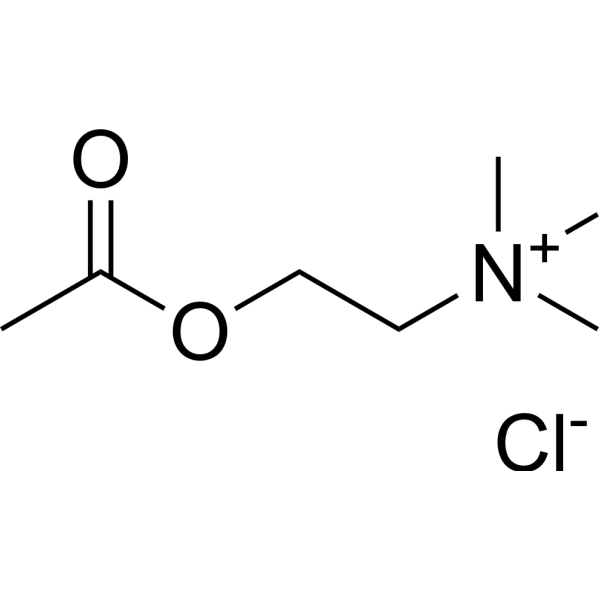
Acetylcholine chlorideCholinergic Agonist -
HY-P0206
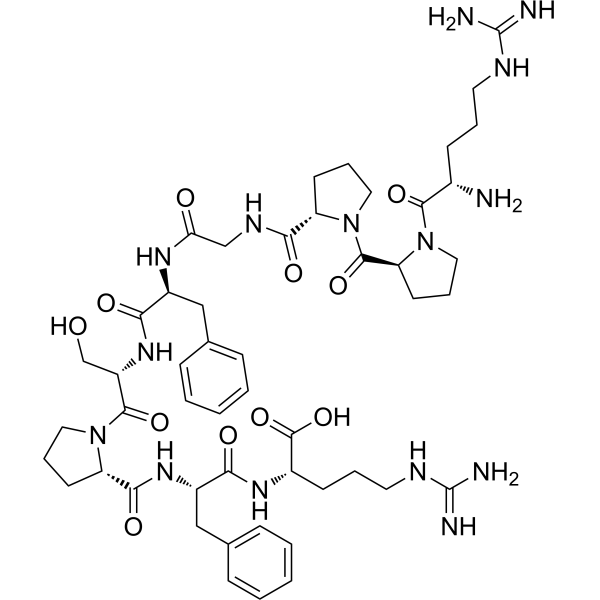
BradykininBradykinin Receptor Modulator -
HY-B0451A
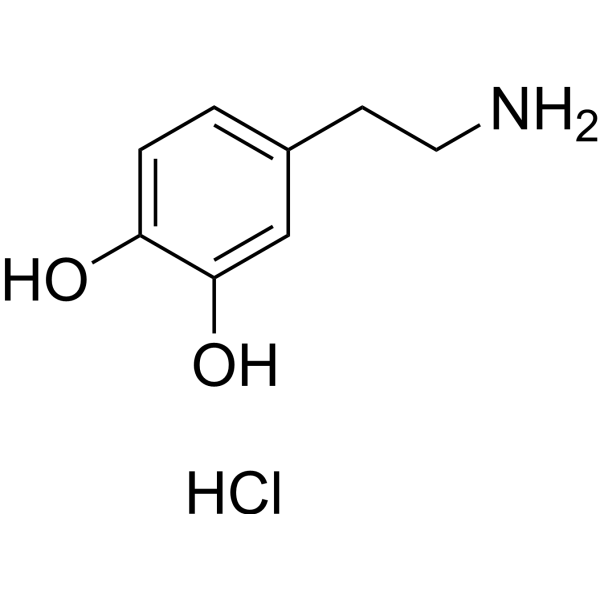
Dopamine hydrochlorideCatecholamine Neurotransmitter -
HY-B0345A
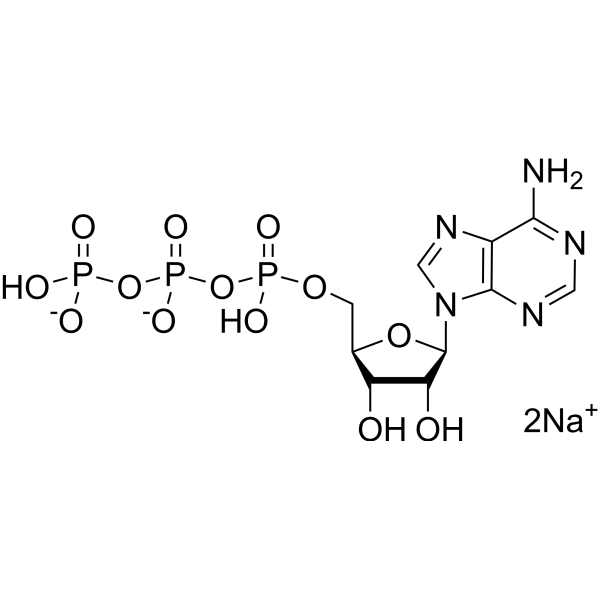
ATP disodium saltEndogenous Metabolite -
HY-B0528A
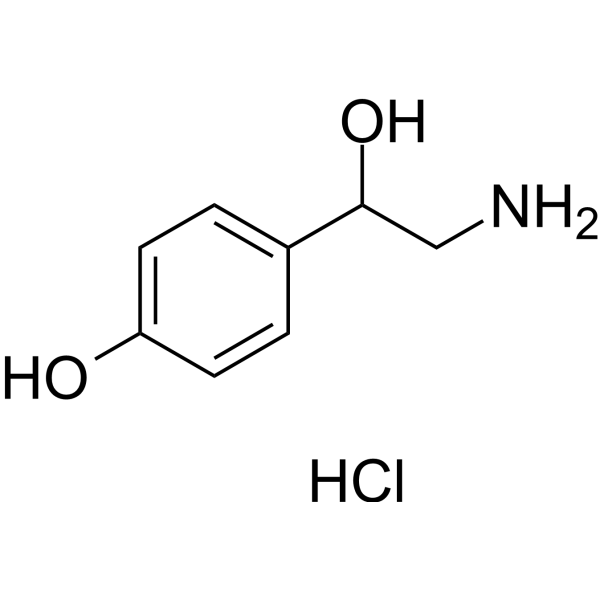
Octopamine hydrochlorideNeuromodulator
Publications Citing Use of MedChemExpress (MCE) Histamine dihydrochloride
More- Cancer Cell. 2022 Oct 10;40(10):1111-1127.e9. [Abstract]
- Immunity. 2025 Sep 9;58(9):2320-2335.e9. [Abstract]
- Gut Microbes. 2026 Dec 31;18(1):2630475. [Abstract]
- Adv Sci (Weinh). 2023 Mar;10(7):e2203869. [Abstract]
- ACS Sens. 2026 Mar 27;11(3):1891-1907. [Abstract]
- Br J Pharmacol. 2021 Apr;178(7):1669-1683. [Abstract]
- J Agric Food Chem. 2025 Nov 19;73(46):29604-29618. [Abstract]
- mBio. 2022 Oct 26;13(5):e0200422. [Abstract]
- Front Pharmacol. 2019 Nov 15:10:1380. [Abstract]
- Toxics. 2025 Dec 25;14(1):24. [Abstract]
- FASEB J. 2025 Jul 15;39(13):e70778. [Abstract]
- Pharm Res. 2025 Aug;42(8):1315-1329. [Abstract]
- Microbiol Spectr. 2023 Jan 31;11(2):e0469822. [Abstract]
- J Cell Commun Signal. 2023 Mar;17(1):151-165. [Abstract]
- Insect Sci. 2025 Sep 11. [Abstract]
- JID Innov. 2025 Apr 3;5(4):100369. [Abstract]
- Fishes. 2025 Aug 14.
- Biochem Biophys Res Commun. 2025 Apr 1:755:151566. [Abstract]
- Oncol Lett. 2026 Jun 19;32(2):364.
- Biol Pharm Bull. 2023;46(6):864-868. [Abstract]
- bioRxiv. 2026 Mar 30.
- bioRxiv. 2024 June 12.
 Customer Validation & Images

-
RT-PCR
-
WB
-
IF
-
IF
-
In Vivo Efficacy Study
All Histamine Receptor Isoforms
MoreAll Endogenous Metabolite Isoforms
More

Biological Activity
Description
In Vitro
Histamine dihydrochloride (0.01-10 μM, 72 h) exhibits a bidirectional regulatory effect on the proliferation of MDA-MB-231, arrests the cell cycle at G2/M phase, induces the formation of lipid droplet, induces differentiation and apoptosis in MDA-MB-231[4].
Histamine dihydrochloride (10 μM, 24 h) increases the generation of ROS, especially H2O2, reduces the activity of antioxidant enzymes (such as catalase), thereby promoting radiosensitivity in MDA-MB-231[4].
Histamine dihydrochloride (1-100 μM, 12 h) inhibits the migration of microglia and the release of inflammatory mediator IL-1β in LPS (HY-D1056)-stimulated N9 mouse microglial, exhibits anti-inflammatory activity[5].
MedChemExpress (MCE) has not independently confirmed the accuracy of these methods. They are for reference only. Further protocols information, click here.
In Vivo
-
Animal Model:Mouse model[3].
-
Dosage:0.05-100 μg/mouse
-
Administration:icv, single dose
-
Result:Prolonged the licking latency at the dose of 50 and 100 μg/mouse.
Shortened the licking latency at the dose of 0.1-1 μg/mouse.
-
Animal Model:Ovariectomized female mice of the SW strain[6].
-
Dosage:62.5-2000 μg
-
Administration:Intravaginal injection
-
Result:Stimulated a vaginal response similar to that caused by estrogen, resulting in a decrease in intravaginal tetrazolium, increased epithelial growth, and keratinization.
Induced Disease Models
Please do not refer to only one article to determine the experimental conditions. It is recommended to determine the optimal experimental conditions (animal strain, age, dosage, frequency and cycle, detection time and indicators, etc.) through preliminary experiments before the formal experiment.
Histamine (0.05-100 μg/mouse, icv, single dose) exhibits analgesic effect at high doses of histamine (50-100 μg/mouse), causes hyperalgesia at low doses (0.1-1 μg/mouse) in mouse model[3].
Histamine dihydrochloride (62.5-2000 μg; Intravaginal injection) can exert a similar effect to estrogen in ovariectomized mice, causing a decrease in intravaginal tetrazolium, an increase in epithelial growth, and keratinization[6].
Histamine can be used in animal modeling to create gastrointestinal ulcer models[1].
(2) The animals are sacrificed 2 hours after histamine injection, and treated with 1% formalin to check for gastric ulcers.
MedChemExpress (MCE) has not independently confirmed the accuracy of these methods. They are for reference only.


Chemical Information
-
CAS No. 56-92-8
-
Appearance Solid
-
Molecular Weight 184.07
-
Formula C5H11Cl2N3
-
Color Light yellow to brown
-
SMILES
NCCC1=CN=CN1.Cl.Cl
-
Structure Classification
-
Initial Source
-
Shipping
Room temperature in continental US; may vary elsewhere.
-
Storage
4°C, sealed storage, away from moisture
* In solvent : -80°C, 6 months; -20°C, 1 month (sealed storage, away from moisture)


Publications (22)
-
Journal Impact Factor
-
Most Recent
-
Cancer Cell
Cancer cell autophagy, reprogrammed macrophages, and remodeled vasculature in glioblastoma triggers tumor immunity. [Abstract]2022 Oct 10;40(10):1111-1127.e9. PMID: 36113478 -
Immunity
Spatiotemporal dynamics of CXCL10 encode contextual immune information revealed by the genetically encoded fluorescent sensor. [Abstract]2025 Sep 9;58(9):2320-2335.e9. PMID: 40818452 -
Gut Microbes
Aging-caused the changes of the gut microbiota drive intestinal barrier dysfunction and increase sepsis susceptibility. [Abstract]2026 Dec 31;18(1):2630475. PMID: 41723572 -
Adv Sci (Weinh)
MCU Upregulation Overactivates Mitophagy by Promoting VDAC1 Dimerization and Ubiquitination in the Hepatotoxicity of Cadmium. [Abstract]2023 Mar;10(7):e2203869. PMID: 36642847
Histamine dihydrochloride purchased from MedChemExpress. Usage Cited in: Adv Sci (Weinh). 2023 Mar;10(7):e2203869. [Abstract]
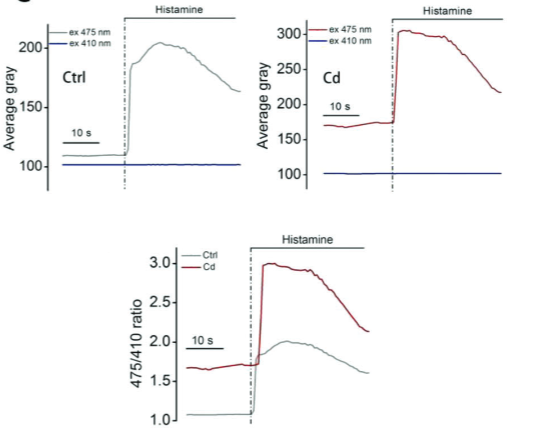
Confocal microscopy of mitochondrial Ca2+ levels in HepG2 transfected with GCaMP6m. Histamine (100 μM) was applied to stimulate mitochondrial Ca2+ accumulation, and the 475/410 fluorescence ratio was analyzed.
-
ACS Sens
A Sensitive Green-Red FRET Sensor for Calpain-1 Utilizing Heterodimeric Fluorescent Proteins from Distinct Evolutionary Origins. [Abstract]2026 Mar 27;11(3):1891-1907. PMID: 41837894 -
Br J Pharmacol
2021 Apr;178(7):1669-1683. PMID: 33501656 -
J Agric Food Chem
Bifidobacterium animalis Subsp. Lactis Bla36 Postbiotics Ameliorate Allergic Rhinitis in Juvenile Mice by Repairing the Mucosal Barrier and Modulating Inflammatory Pathways. [Abstract]2025 Nov 19;73(46):29604-29618. PMID: 41199139 -
mBio
Mycobacterium tuberculosis Utilizes Host Histamine Receptor H1 to Modulate Reactive Oxygen Species Production and Phagosome Maturation via the p38MAPK-NOX2 Axis. [Abstract]2022 Oct 26;13(5):e0200422. PMID: 36000734 -
Front Pharmacol
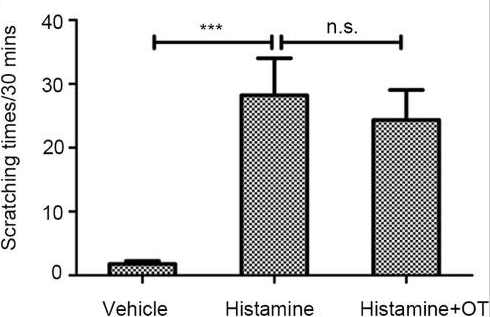
Intradermal Injection of Oxytocin Aggravates Chloroquine-Induced Itch Responses via Activating the Vasopressin-1a Receptor/Nitric Oxide Pathway in Mice. [Abstract]2019 Nov 15:10:1380. PMID: 31824317
Histamine dihydrochloride purchased from MedChemExpress. Usage Cited in: Front Pharmacol. 2019 Nov 15:10:1380. [Abstract]
Effects of histamine (0.1%, 20 µL/site, intradermal injection) on scratching behavior in mice.
-
Toxics
Co-Exposure of Microplastics and Avermectin at Environmental-Related Concentrations Caused Severe Heart Damage Through ROS-Mediated MAPK Signaling in Larval and Adult Zebrafish. [Abstract]2025 Dec 25;14(1):24. PMID: 41600573 -
FASEB J
MRGPRX2 Mediates Mast Cell-Induced Endometriosis Pain Through the Sensitization of Sensory Neurons via Histamine/HRH1/TRPV1 Signaling Pathway. [Abstract]2025 Jul 15;39(13):e70778. PMID: 40600649
Histamine dihydrochloride purchased from MedChemExpress. Usage Cited in: FASEB J. 2025 Jul 15;39(13):e70778. [Abstract]
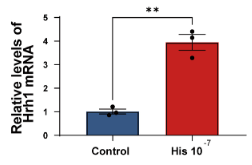
Changes in HRH1 gene expression in F11 cells after treatment with 10−7 mM histamine for 24 h, as measured by RT–qPCR.
Histamine dihydrochloride purchased from MedChemExpress. Usage Cited in: FASEB J. 2025 Jul 15;39(13):e70778. [Abstract]
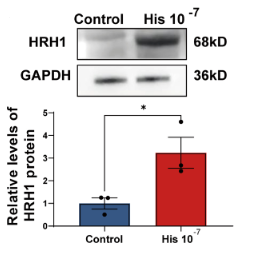
Changes in HRH1 protein expression in F11 cells after treatment with 10−7 mM histamine for 24 h, as detected by western blotting.
Histamine dihydrochloride purchased from MedChemExpress. Usage Cited in: FASEB J. 2025 Jul 15;39(13):e70778. [Abstract]
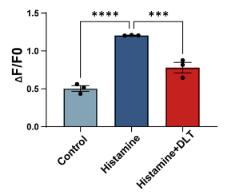
Increase in the Ca2+ peak (DF/F0) in F11 cells from the control, histamine (10−7 mM for 24 h), and histamine+DLT groups (n = 3 in each group).
-
Pharm Res
Investigation of the Binding Characteristics of Agonists and Various Antagonists Targeting Histamine 1 Receptor. [Abstract]2025 Aug;42(8):1315-1329. PMID: 40760405 -
Microbiol Spectr
Disruption of the Intestinal Mucosal Barrier Induced by High Fructose and Restraint Stress Is Regulated by the Intestinal Microbiota and Microbiota Metabolites. [Abstract]2023 Jan 31;11(2):e0469822. PMID: 36719201 -
J Cell Commun Signal
Critical role of mitogen-inducible gene 6 in restraining endothelial cell permeability to maintain vascular homeostasis. [Abstract]2023 Mar;17(1):151-165. PMID: 36284029 -
Insect Sci
UV2 and LW opsin genes mediate phototactic responses in the Asian lady beetle, Harmonia axyridis. [Abstract]2025 Sep 11. PMID: 40931758 -
JID Innov
The PAR2 Antagonist Larazotide Can Mitigate Acute Histamine-Stimulated Epithelial Barrier Disruption in Keratinocytes: A Potential Adjunct Treatment for Atopic Dermatitis. [Abstract]2025 Apr 3;5(4):100369. PMID: 40330848 -
-
Biochem Biophys Res Commun
TRPC1 downregulation enhances catecholamine secretion in adrenal chromaffin cells under metabolic syndrome conditions. [Abstract]2025 Apr 1:755:151566. PMID: 40043610 -
-
Biol Pharm Bull
Inhibition of TRPC4/5 Channel Is Effective in Protecting against Histamine-Induced Hyperpermeability by Blocking Ca2+ Influx in Lung Microvascular Endothelial Cells. [Abstract]2023;46(6):864-868. PMID: 37258152 -
-


Solvent & Solubility
In Vitro:
DMSO : 100 mg/mL (543.27 mM; Need ultrasonic; Hygroscopic DMSO has a significant impact on the solubility of product, please use newly opened DMSO)
Please refer to the solubility information to select the appropriate solvent. Once prepared, please aliquot and store the solution to prevent product inactivation from repeated freeze-thaw cycles.
Storage method and period of stock solution: -80°C, 6 months; -20°C, 1 month (sealed storage, away from moisture). When stored at -80°C, please use it within 6 months. When stored at -20°C, please use it within 1 month.
Please refer to the solubility information to select the appropriate solvent. Once prepared, please aliquot and store the solution to prevent product inactivation from repeated freeze-thaw cycles.
Storage method and period of stock solution: -80°C, 6 months; -20°C, 1 month (sealed storage, away from moisture). When stored at -80°C, please use it within 6 months. When stored at -20°C, please use it within 1 month.
Concentration (start) × Volume (start) = Concentration (final) × Volume (final)
In Vivo:
Select the appropriate dissolution method based on your experimental animal and administration route.
- For the following dissolution methods, please ensure to first prepare a clear stock solution using an In Vitro approach and then sequentially add co-solvents:
- To ensure reliable experimental results, the clarified stock solution can be appropriately stored based on storage conditions. As for the working solution for In Vivo experiments, it is recommended to prepare freshly and use it on the same day.
- The percentages shown for the solvents indicate their volumetric ratio in the final prepared solution. If precipitation or phase separation occurs during preparation, heat and/or sonication can be used to aid dissolution.
Add each solvent one by one: 10% DMSO 40% PEG300 5% Tween-80 45% Saline
Solubility: ≥ 2.5 mg/mL (13.58 mM); Clear solution
This protocol yields a clear solution of ≥ 2.5 mg/mL (saturation unknown).
Taking 1 mL working solution as an example, add 100 μL DMSO stock solution (25.0 mg/mL) to 400 μL PEG300, and mix evenly; then add 50 μL Tween-80 and mix evenly; then add 450 μL Saline to adjust the volume to 1 mL.
Preparation of Saline: Dissolve 0.9 g sodium chloride in ddH₂O and dilute to 100 mL to obtain a clear Saline solution.
Add each solvent one by one: 10% DMSO 90% (20% SBE-β-CD in Saline)
Solubility: ≥ 2.5 mg/mL (13.58 mM); Clear solution
This protocol yields a clear solution of ≥ 2.5 mg/mL (saturation unknown).
Taking 1 mL working solution as an example, add 100 μL DMSO stock solution (25.0 mg/mL) to 900 μL 20% SBE-β-CD in Saline, and mix evenly.
Preparation of 20% SBE-β-CD in Saline (4°C, storage for one week): 2 g SBE-β-CD powder is dissolved in 10 mL Saline, completely dissolve until clear.
For the following dissolution methods, please prepare the working solution directly:
It is recommended to prepare fresh solutions and use them promptly within a short period of time.
The percentages shown for the solvents indicate their volumetric ratio in the final prepared solution. If precipitation or phase separation occurs during preparation, heat and/or sonication can be used to aid dissolution.
Add each solvent one by one: PBS
Solubility: 100 mg/mL (543.27 mM); Clear solution; Need ultrasonic
In Vivo Dissolution Calculator
Please enter the basic information of animal experiments:
-
-
-
-
Recommended: Prepare an additional quantity of animals to account for potential losses during experiments.
Please enter your animal formula composition:
-
%DMSO +
Recommended: Keep the proportion of DMSO in working solution below 2% if your animal is weak.
-
%+
-
+%Tween-80 + +
-
%Saline +
The co-solvents required include: DMSO, . All of co-solvents are available by MedChemExpress (MCE). , Tween 80. All of co-solvents are available by MedChemExpress (MCE).
Working solution concentration: 0.22 mg/mL
Method for preparing stock solution: mg drug dissolved in μL DMSO. Stock solution concentration: mg/mL. * In solvent : -80°C, 6 months; -20°C, 1 month (sealed storage, away from moisture)
1. Take μL DMSO stock solution;
2. Add μL .
μL , mix evenly;
3. Then add μL Tween 80, mix evenly;
4. Then add μL
Please ensure that the stock solution in the first step is dissolved to a clear state, and add co-solvents in sequence. You can use ultrasonic heating (ultrasonic cleaner, recommended frequency 20-40 kHz), vortexing, etc. to assist dissolution.

Protocols
-
Research Protocol for Inflammation-related Diseases
The NLRP3 inflammasome is a cytosolic innate immune signaling platform that integrates priming signals and danger-signal activation to promote caspase-1 activation, maturation of IL-1β and IL-18, and gasdermin D-mediated pyroptotic cell death. The core experimental logic is to determine whether inflammatory disease phenotypes are driven by increased NLRP3 expression, ASC-containing inflammasome assembly, caspase-1 cleavage, GSDMD cleavage, and extracellular release of IL-1β/IL-18 rather than by nonspecific cell injury alone. The pathway is strongly linked to inflammation-related disease phenotypes because monosodium urate crystals activate NALP3/NLRP3 inflammasome signaling in gout-like crystal inflammation, cholesterol crystals activate NLRP3 inflammasomes in atherogenesis models, and DSS-induced intestinal inflammation has been reported to involve NLRP3 inflammasome activity. However, experimental colitis studies also show context-dependent protective effects of NLRP3 inflammasome co


Purity & Documentation
-
Data Sheet (296 KB)
-
SDS (558 KB)
- English - EN (558 KB)
- Français - FR (558 KB)
- Deutsch - DE (558 KB)
- Norwegian - NO (558 KB)
- Español - ES (558 KB)
- Swedish - SV (558 KB)
- Italian - IT (558 KB)
- Korean - KR (558 KB)
- Portuguese - PT (558 KB)
-
Handling Instructions (2659 KB)
References
[1]. Okabe S, et al. Effects of cimetidine, a histamine H2-receptor antagonist, on various experimental gastric and duodenal ulcers. Am J Dig Dis. 1977 Aug;22(8):677-84. [Content Brief]
[2]. Rietveld S et al. The influence of respiratory sounds on breathlessness in children with asthma: a symptom-perceptionapproach. Health Psychol. 1997 Nov;16(6):547-53. [Content Brief]
[3]. Malmberg-Aiello P, et al., Role of histamine in rodent antinociception. Br J Pharmacol. 1994 Apr;111(4):1269-79. [Content Brief]
[4]. Medina V, et al., Histamine-mediated signaling processes in human malignant mammary cells. Cancer Biol Ther. 2006 Nov;5(11):1462-71. [Content Brief]
[5]. Ferreira R, et al., Histamine modulates microglia function. J Neuroinflammation. 2012 May 8;9:90. [Content Brief]
[6]. MARTIN L. The effects of histamine on the vaginal epithelium of the mouse. J Endocrinol. 1962 Jan;23:329-40. [Content Brief]
[7]. Yang LP, et al. Spotlight on histamine dihydrochloride in acute myeloid leukaemia. Drugs Aging. 2011 Apr 1;28(4):325-9. [Content Brief]


Complete Stock Solution Preparation Table
Please refer to the solubility information to select the appropriate solvent. Once prepared, please aliquot and store the solution to prevent product inactivation from repeated freeze-thaw cycles.
Storage method and period of stock solution: -80°C, 6 months; -20°C, 1 month (sealed storage, away from moisture). When stored at -80°C, please use it within 6 months. When stored at -20°C, please use it within 1 month.
| Optional Solvent | Concentration Solvent Mass | 1 mg | 5 mg | 10 mg | 25 mg |
|---|---|---|---|---|---|
| DMSO | 1 mM | 5.4327 mL | 27.1636 mL | 54.3272 mL | 135.8179 mL |
| 5 mM | 1.0865 mL | 5.4327 mL | 10.8654 mL | 27.1636 mL | |
| 10 mM | 0.5433 mL | 2.7164 mL | 5.4327 mL | 13.5818 mL | |
| 15 mM | 0.3622 mL | 1.8109 mL | 3.6218 mL | 9.0545 mL | |
| 20 mM | 0.2716 mL | 1.3582 mL | 2.7164 mL | 6.7909 mL | |
| 25 mM | 0.2173 mL | 1.0865 mL | 2.1731 mL | 5.4327 mL | |
| 30 mM | 0.1811 mL | 0.9055 mL | 1.8109 mL | 4.5273 mL | |
| 40 mM | 0.1358 mL | 0.6791 mL | 1.3582 mL | 3.3954 mL | |
| 50 mM | 0.1087 mL | 0.5433 mL | 1.0865 mL | 2.7164 mL | |
| 60 mM | 0.0905 mL | 0.4527 mL | 0.9055 mL | 2.2636 mL | |
| 80 mM | 0.0679 mL | 0.3395 mL | 0.6791 mL | 1.6977 mL | |
| 100 mM | 0.0543 mL | 0.2716 mL | 0.5433 mL | 1.3582 mL |


Histamine dihydrochloride Related Classifications
HY-B0722 Related Classifications
 Powered by Bioz