
Search Result
Results for "
selective Akt inhibitor
" in MedChemExpress (MCE) Product Catalog:
2
Biochemical Assay Reagents
1
Isotope-Labeled Compounds
| Cat. No. |
Nombre del producto |
Target |
Áreas de investigación |
Chemical Structure |
-
- HY-15186
-
|
GDC-0068; RG7440
|
Organoid
Akt
Apoptosis
|
Cancer
|
|
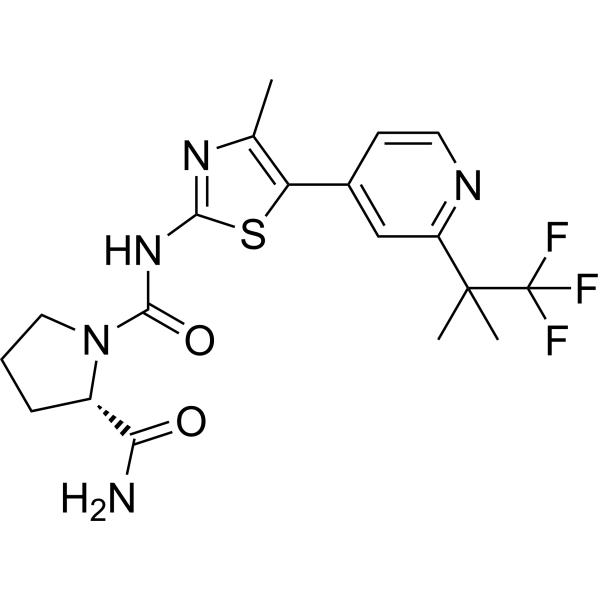
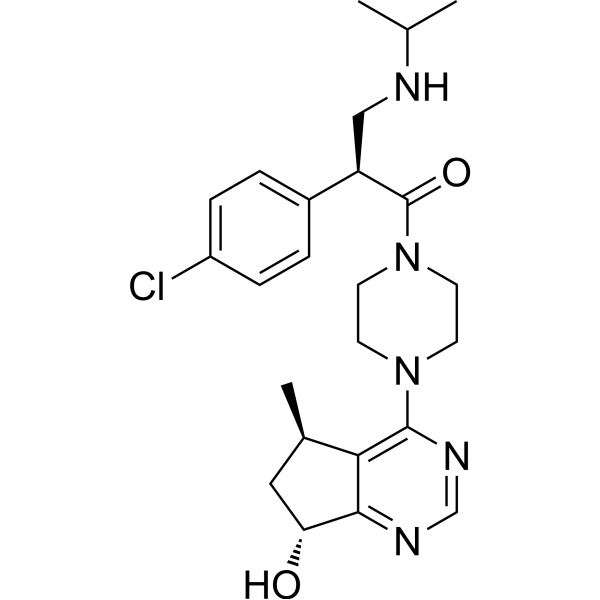
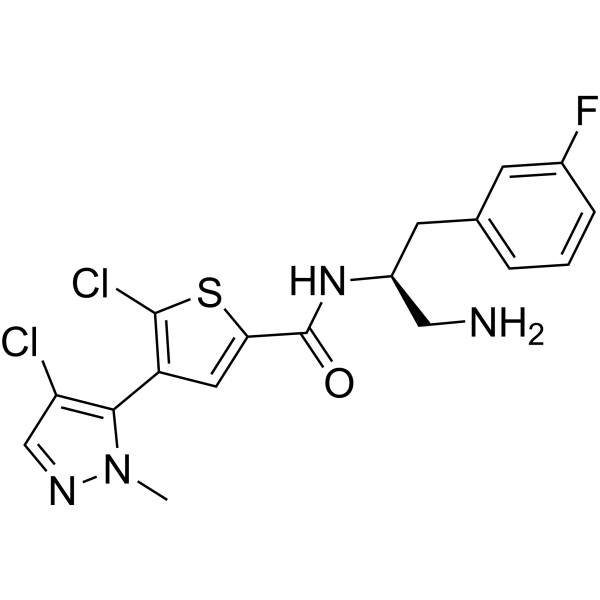
Ipatasertib (GDC-0068) is an orally active, highly selective and ATP-competitive pan-Akt inhibitor with IC50 values of 5, 18, 8 nM for Akt1/2/3, respectively. Ipatasertib synchronously activates FoxO3a and NF-κB through inhibition of Akt leading to p53-independent activation of PUMA. Ipatasertib also induces apoptosis in cancer cells and inhibits tumor growth in xenograft mouse models .
|
-
-
- HY-102080
-
|
|
FKBP
|
Cancer
|
|
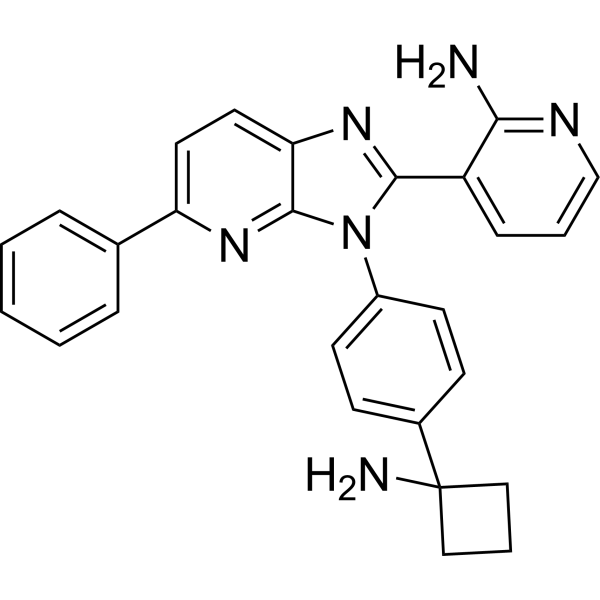
SAFit2, a chemical probe, is a highly potent, highly selective FK506-binding protein 51 (FKBP51) inhibitor with a Ki of 6 nM and also enhances AKT2-AS160 binding .
|
-
-
- HY-10514
-
|
|
PDK-1
IKK
Autophagy
|
Cancer
|
|
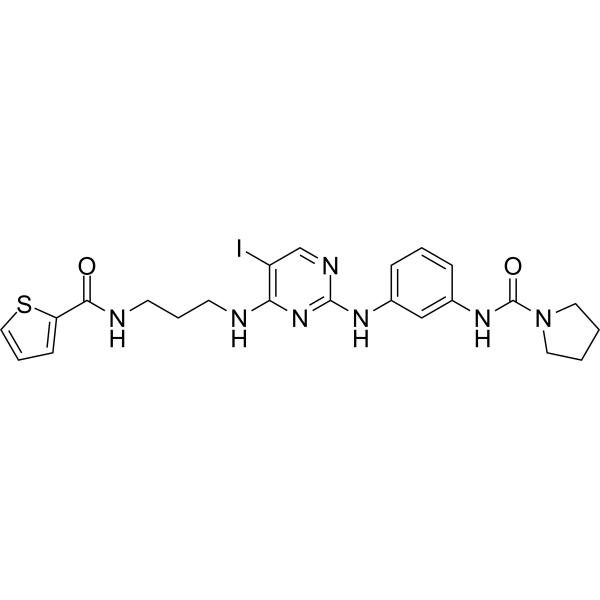
BX795 is a potent and selective inhibitor of PDK1, with an IC50 of 6 nM. BX795 is also a potent and relatively specific inhibitor of TBK1 and IKKε, with an IC50 of 6 and 41 nM, respectively. BX795 blocks phosphorylation of S6K1, Akt, PKCδ, and GSK3β, and has lower selectivity over PKA, PKC, c-Kit, GSK3β etc. BX795 modulates autophagy .
|
-
-
- HY-10355
-
|
Akti-1/2
|
Akt
Apoptosis
|
Metabolic Disease
Cancer
|
|
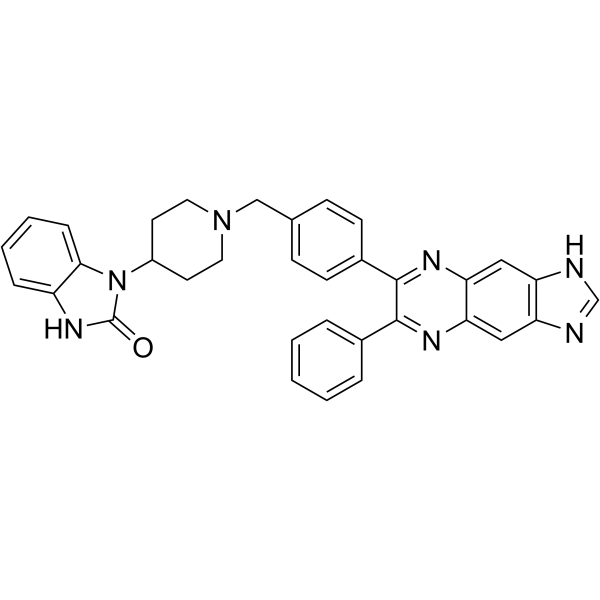
AKT inhibitor VIII (AKTi-1/2) is a cell-permeable quinoxaline compound that has been shown to potently, selectively, allosterically, and reversibly inhibit Akt1, Akt2, and Akt3 activity with IC50s of 58 nM, 210 nM, and 2119 nM, respectively.
|
-
-
- HY-15965
-
|
GSK2141795
|
Akt
|
Cancer
|
|
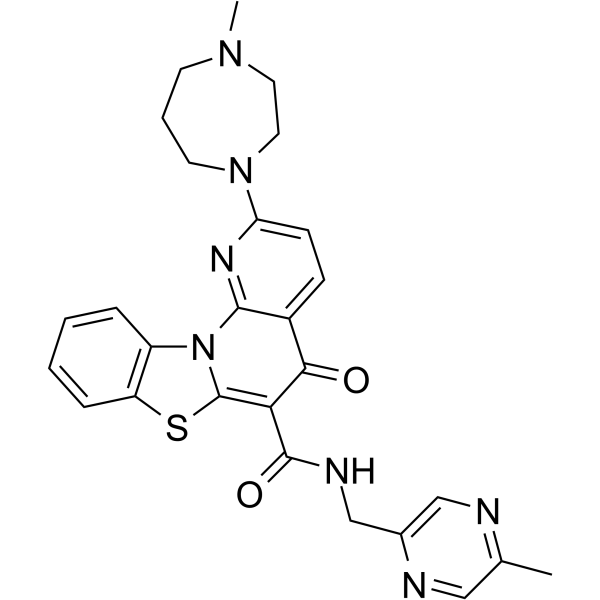
Uprosertib (GSK2141795) is a potent and selective pan-Akt inhibitor with IC50 values of 180/328/38 nM for Akt1/Akt2/Akt3, respectively.
|
-
-
- HY-15727
-
|
GSK2110183; LAE002
|
Akt
PKC
ROCK
|
Cancer
|
|
Afuresertib (GSK2110183) is an orally bioavailable, selective, ATP-competitive and potent pan-Akt kinase inhibitor with Kis of 0.08/2/2.6 nM for Akt1/Akt2/Akt3, respectively .
|
-
-
- HY-11005
-
|
|
PDK-1
Apoptosis
|
Cancer
|
|
BX-912 is a direct, selective, and ATP-competitive PDK1 inhibitor (IC50=26 nM). BX-912 blocks PDK1/Akt signaling in tumor cells and inhibits the anchorage-dependent growth of a variety of tumor cell lines in culture or induces apoptosis .
|
-
-
- HY-12037A
-
|
ON-01910
|
Polo-like Kinase (PLK)
PI3K
Apoptosis
|
Cancer
|
|
Rigosertib (ON-01910) is a multi-kinase inhibitor and a selective anti-cancer agent, which induces apoptosis by inhibition the PI3 kinase/Akt pathway, promots the phosphorylation of histone H2AX and induces G2/M arrest in cell cycle . Rigosertib is a selective and non-ATP-competitive inhibitor of PLK1 with an IC50 of 9 nM .
|
-
-
- HY-100018
-
|
|
Akt
|
Cancer
|
|
BAY1125976, a chemical probe, is a selective allosteric Akt1/Akt2 inhibitor; inhibits Akt1 and Akt2 activity with IC50 values of 5.2 nM and 18 nM at 10 μM ATP, respectively.
|
-
-
- HY-19719
-
|
ARQ-092
|
Akt
Parasite
|
Infection
Cancer
|
|
Miransertib (ARQ-092) is a potent, orally active, selective and allosteric Akt inhibitor with IC50s of 2.7 nM, 14 nM and 8.1 nM for Akt1, Akt2, Akt3, respectively. Miransertib is also a potent the AKT1-E17K mutant protein inhibitor and has the potential for PI3K/AKT-driven tumors and Proteus syndrome research . Miransertib is effective against Leishmania .
|
-
-
- HY-133120
-
|
|
PROTACs
Akt
|
Cancer
|
|
INY-03-041 is a potent, highly selective and PROTAC-based pan-AKT degrader consisting of the ATP-competitive AKT inhibitor Ipatasertib (HY-15186) conjugated to Lenalidomide (HY-A0003, Cereblon ligand). INY-03-041 inhibits AKT1, AKT2 and AKT3 with IC50s of 2.0, 6.8 and 3.5 nM, respectively .
|
-
-
- HY-18719
-
|
|
Estrogen Receptor/ERR
Drug Metabolite
PKC
Akt
Apoptosis
|
Neurological Disease
Cancer
|
|
Endoxifen Z-isomer hydrochloride, an orally active Tamoxifen (HY-13757A) metabolite, is a selective estrogen receptor modulator with 100-fold more potency than its parent agent, Tamoxifen. Endoxifen Z-isomer inhibits PKCβ1 kinase activity. Endoxifen Z-isomer attenuates PKCβ1-activated AKT Ser473 phosphorylation, diminishes AKT substrate phosphorylation, and induces Apoptosis. Endoxifen Z-isomer exhibits anticancer activity against hormone-resistant metastatic breast cancer .
|
-
-
- HY-13260
-
|
|
Akt
Autophagy
Apoptosis
|
Cancer
|
|
CCT128930 is a ATP-competitive and selective inhibitor of AKT (IC50=6 nM for AKT2). CCT128930 has 28-fold selectivity over the closely related PKA kinase (IC50=168 nM) through the targeting of Met282 of AKT (Met173 of PKA-AKT chimera), as well as 20-fold selectivity over p70S6K (IC50=120 nM). Antitumor activity.
|
-
-
- HY-13326
-
|
|
Anaplastic lymphoma kinase (ALK)
Apoptosis
ROS Kinase
Caspase
PARP
IGF-1R
STAT
Akt
JNK
|
Cancer
|
|
ASP3026 is a selective and orally active inhibitor of anaplastic lymphoma kinase (ALK). ASP3026 is a selective and oral active anaplastic lymphoma kinase (ALK) inhibitor with a IC50 value of 3.5 nM. ASP3026 can inhibit the phosphorylation of IGF-1R, STAT3, AKT and JNK proteins, and induce the cleavage of caspase 3 and PARP. It also inhibited ROS and ACK. ASP3026 can be used in anti-tumor research .
|
-
-
- HY-100932
-
ML-9
5 Publications Verification
|
Myosin
|
Cancer
|
|
ML-9 is a selective and potent inhibitor of Akt kinase, inhibits myosin light-chain kinase (MLCK) and stromal interaction molecule 1 (STIM1) activity . ML-9 inhibits inhibits MLCK, PKA and PKC activity with Ki values of 4, 32 and 54 μM, respectively . ML-9 induces autophagy by stimulating autophagosome formation and inhibiting their degradation .
|
-
-
- HY-13254A
-
|
|
Akt
|
Cancer
|
|
A-674563 hydrochloride is a potent and selective Akt1 inhibitor with Ki of 11 nM.
|
-
-
- HY-100501
-
M2698
1 Publications Verification
MSC2363318A
|
Ribosomal S6 Kinase (RSK)
Akt
|
Cancer
|
|
M2698 (MSC2363318A) is an orally active, ATP competitive, selective p70S6K and Akt dual-inhibitor with IC50s of 1 nM for p70S6K, Akt1 and Akt3. M2698 can cross the blood-brain barrier and has anti-cancer activity .
|
-
-
- HY-18271
-
|
|
CaMK
|
Neurological Disease
|
|
CaMKII-IN-1 is a highly selective inhibitor of CaMKII with an IC50 value of 63nM. It has almost no effect on CaMKIV, MLCK, p38a, Akt1, and PKC.
|
-
-
- HY-146751
-
|
|
PI3K
Akt
mTOR
Apoptosis
|
Cancer
|
|
PI3K/Akt/mTOR-IN-2 is a PI3K/AKT/mTOR pathway inhibitor. PI3K/Akt/mTOR-IN-2 possess anti-cancer effects and selectivity against MDA-MB-231 cells with IC50 value of 2.29 μM. PI3K/Akt/mTOR-IN-2 can induce cancer cell cycle arrest and apoptosis .
|
-
-
- HY-19934
-
|
TAS-117
|
Akt
Apoptosis
Autophagy
|
Cancer
|
|
Pifusertib (TAS-117) is a potent, selective, orally active allosteric Akt inhibitor (with IC50s of 4.8, 1.6, and 44 nM for Akt1, 2, and 3, respectively). Pifusertib triggers anti-myeloma activities and enhances fatal endoplasmic reticulum (ER) stress induced by proteasome inhibition. Pifusertib induces apoptosis and autophagy .
|
-
-
- HY-109011
-
|
AQX-1125
|
Phosphatase
|
Cancer
|
|
Rosiptor (AQX-1125) is a selective and orally active phosphatase SHIP1 activator with anti-inflammatory effects. Rosiptor (AQX-1125) inhibits Akt phosphorylation, inflammatory mediator production and leukocyte chemotaxis in vitro .
|
-
-
- HY-109198
-
|
ME-401; PWT-143
|
PI3K
Akt
|
Cancer
|
|
Zandelisib (ME-401) is a selective, orally active, non-covalent inhibitor of PI3Kδ. Zandelisib can sustainably inhibit AKT phosphorylation and downstream signaling pathways. Zandelisib can be used in the study of malignancies such as relapsed/refractory B-cell lymphoma .
|
-
-
- HY-107597
-
Halicin
2 Publications Verification
SU3327
|
JNK
|
Metabolic Disease
Inflammation/Immunology
|
|
Halicin (SU3327) is a potent, selective and substrate-competitive JNK inhibitor with an IC50 of 0.7 μM. Halicin also inhibits protein-protein interactions between JNK and JNK Interacting Protein (JIP) with an IC50 of 239 nM. Halicin shows less active against p38α and Akt kinase .
|
-
-
- HY-15290
-
AIM-100
4 Publications Verification
|
Ack1
|
Cancer
|
|
AIM-100 is a potent and selective Ack1 inhibitor with an IC50 of 21.58 nM. AIM-100 also inhibits Tyr 267 phosphorylation. AIM-100 does not inhibits other kinases including PI3-kinase and AKT subfamily members. AIM-100 has an anticancer effect .
|
-
-
- HY-113756A
-
|
|
Prostaglandin Receptor
ERK
Akt
JNK
p38 MAPK
|
Inflammation/Immunology
|
|
Latanoprost acid, an analog of prostaglandin (PG) F2α, is an selective prostanoid receptor (FP) agonist that specifically activates the FP-PG receptor . Latanoprost acid inhibits RANKL-induced osteoclastgenesis and function by inhibiting ERK, AKT, JNK, and p38 cascade, following by the c-fos/NFATc1 pathway. Latanoprost acid is a medication which works to lower pressure inside the eyes .
|
-
-
- HY-15727A
-
|
GSK2110183 hydrochloride; LAE002 hydrochloride
|
Akt
PKC
ROCK
|
Cancer
|
|
Afuresertib hydrochloride (GSK 2110183 hydrochloride) is an orally bioavailable, selective, ATP-competitive and potent pan-Akt kinase inhibitor with Kis of 0.08/2/2.6 nM for Akt1/Akt2/Akt3 respectively .
|
-
-
- HY-15186A
-
|
GDC-0068 dihydrochloride; RG-7440 dihydrochloride
|
Organoid
Akt
|
Cancer
|
|
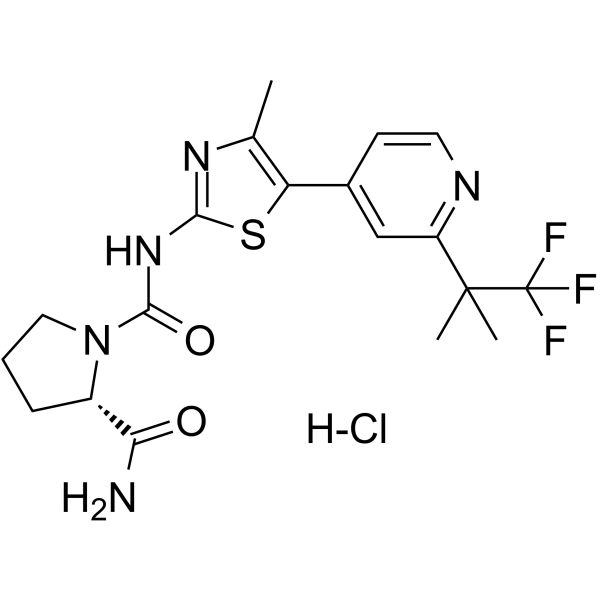
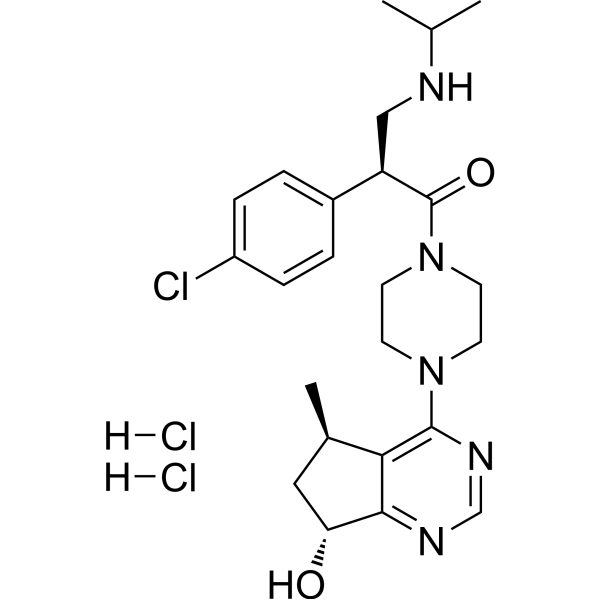
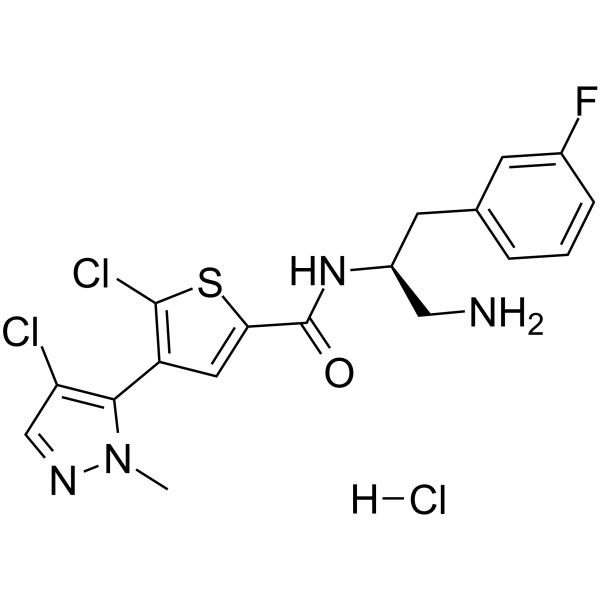
Ipatasertib dihydrochloride (GDC-0068 dihydrochloride) is a highly selective and ATP-competitive pan-Akt inhibitor with IC50s of 5, 18 and 8 nM for Akt1, Akt2 and Akt3, respectively.
|
-
-
- HY-132302
-
|
|
Akt
PKA
PKC
ROCK
Ribosomal S6 Kinase (RSK)
SGK
|
Cancer
|
|
Hu7691 is an orally active, selective Akt inhibitor with IC50s of 4.0 nM, 97.5 nM, 28 nM for Akt1, Akt2 and Akt3, respectively. Hu7691 inhibits tumor growth and enables decrease of cutaneous toxicity in mice .
|
-
-
- HY-137458A
-
|
ARQ 751 trihydrochloride
|
Akt
|
Cancer
|
|
Vevorisertib (ARQ 751) trihydrochloride is a selective, allosteric, pan-AKT and AKT1-E17K mutant inhibitors. Vevorisertib trihydrochloride potently inhibit phosphorylation of AKT. Vevorisertib trihydrochloride has Kd values of 1.2 nM and 8.6 nM for AKT1 and AKT1-E17K, respectively. Vevorisertib trihydrochloride has IC50 values of 0.55, 0.81, and 1.3 nM for AKT1, AKT2, and AKT3, respectively. Vevorisertib trihydrochloride can be used for the research of cancer .
|
-
-
- HY-19719A
-
|
ARQ-092 hydrochloride
|
Akt
Parasite
|
Infection
Cancer
|
|
Miransertib hydrochloride (ARQ-092 hydrochloride) is a potent, orally active, selective and allosteric Akt inhibitor with IC50s of 2.7 nM, 14 nM and 8.1 nM for Akt1, Akt2, Akt3, respectively. Miransertib hydrochloride is also a potent the AKT1-E17K mutant protein inhibitor and has the potential for PI3K/AKT-driven tumors and Proteus syndrome research . Miransertib hydrochloride is effective against Leishmania .
|
-
-
- HY-137458
-
|
ARQ 751
|
Akt
Ser/Thr Protease
|
Cancer
|
|
Vevorisertib (ARQ 751) is an orally active, potent and selective pan-AKT serine/threonine kinase inhibitor against AKT1 (IC50=0.55 nM), AKT2 (IC50=0.81 nM), and AKT3 (IC50=1.31 nM). Vevorisertib, as a single agent or in combination with other anti-cancer agents, can be used for the research of solid tumors with PIK3CA / AKT / PTEN mutations .
|
-
-
- HY-110077
-
API-1
1 Publications Verification
|
Akt
Apoptosis
Caspase
PARP
|
Cancer
|
|
API-1 is a potent selective Akt/PKB inhibitor that reduces the level of phosphorylated Akt (IC50 = 0.8 μM). API-1 binds to the PH domain and inhibits Akt membrane translocation. API-1 induces c-FLIP degradation. API-1 reduces cell proliferation and induces apoptosis. API-1 decreases tumor growth in mouse xenograft model .
|
-
-
- HY-19934A
-
|
TAS-117 hydrochloride
|
Akt
Apoptosis
Autophagy
|
Cancer
|
|
Pifusertib (TAS-117) hydrochloride is a potent, selective, orally active allosteric Akt inhibitor (with IC50s of 4.8, 1.6, and 44 nM for Akt1, 2, and 3, respectively). Pifusertib hydrochloride triggers anti-myeloma activities and enhances fatal endoplasmic reticulum (ER) stress induced by proteasome inhibition. Pifusertib hydrochloride induces apoptosis and autophagy .
|
-
-
- HY-12037
-
|
ON-01910 sodium
|
Polo-like Kinase (PLK)
PI3K
Apoptosis
|
Cancer
|
|
Rigosertib sodium (ON-01910 sodium) is a multi-kinase inhibitor and a selective anti-cancer agent, which induces apoptosis by inhibition the PI3K/Akt pathway, promotes the phosphorylation of histone H2AX and induces G2/M arrest in cell cycle . Rigosertib sodium is a selective and non-ATP-competitive inhibitor of PLK1 with an IC50 of 9 nM .
|
-
-
- HY-121629
-
|
|
PDK-1
|
Cancer
|
|
PS210 is a potent and selective PDK1 activator with a Kd of 3 μM and targets the PIF-binding pocket of PDK1. PS210 is inactive against other protein kinases, including PDK1 downstream signaling components such as S6K, PKB/Akt or GSK3. In cells, the prodrug of PS210 (PS423) acts as a substrate-selective inhibitor of PDK1, inhibiting the phosphorylation and activation of S6K .
|
-
-
- HY-18719A
-
|
|
Estrogen Receptor/ERR
Drug Metabolite
PKC
Akt
Apoptosis
|
Neurological Disease
Cancer
|
|
Endoxifen Z-isomer hydrochloride, an orally active Tamoxifen (HY-13757A) metabolite, is a selective estrogen receptor modulator with 100-fold more potency than its parent agent, Tamoxifen. Endoxifen Z-isomer hydrochloride inhibits PKCβ1 kinase activity. Endoxifen Z-isomer hydrochloride attenuates PKCβ1-activated AKT Ser473 phosphorylation, diminishes AKT substrate phosphorylation, and induces Apoptosis. Endoxifen Z-isomer hydrochloride exhibits anticancer activity against hormone-resistant metastatic breast cancer .
|
-
-
- HY-10721
-
|
Akt protein kinase inhibitor
|
Akt
|
Cancer
|
|
PF-AKT400 is a broadly selective, potent, ATP-competitive Akt inhibitor, displays 900-fold greater selectivity for PKBα (IC50=0.5 nM) than PKA (IC50=450 nM).
|
-
-
- HY-160469
-
|
|
Akt
PROTACs
|
Cancer
|
|
INY-05-040 is an AKT degrader that can selectively and quickly degrade all three AKT isoforms. INY-05-040 exhibits anti-cancer activity. INY-05-040 can inhibit downstream signaling and cell proliferation in 288 cancer cell lines. INY-05-040 can suppress AKT signaling and induces the stress mitogen-activated protein kinase (MAPK) c-Jun N-terminal kinase (JNK). INY-05-040 is effective for breast cancer lines with a low-baseline activation of stress MAPK pathway. INY-05-040 can be studied for anti-cancer research .
|
-
-
- HY-18366A
-
|
|
Hedgehog
|
Cancer
|
|
RU-SKI 43 hydrochloride is a potent and selective Hedgehog acyltransferase (Hhat) inhibitor with an IC50 of 850 nM. RU-SKI 43 hydrochloride reduces Gli-1 activation through Smoothened-independent non-canonical signaling and decreases Akt and mTOR pathway activity. RU-SKI 43 hydrochloride has anti-cancer activity .
|
-
-
- HY-121537
-
|
|
COX
Akt
Apoptosis
|
Neurological Disease
Inflammation/Immunology
Cancer
|
|
CAY10404 is a potent and selective cyclooxygenase-2 (COX-2) inhibitor with an IC50 of 1 nM and a selectivity index (SI; COX-1 IC50/COX-2 IC50) of >500000. CAY10404 is a potent PKB/Akt and MAPK signaling pathways inhibitor and induces apoptosis in non-small cell lung cancer (NSCLC) cells. CAY10404, a diarylisoxazole, has good analgesic, anti-inflammatory, and anti-cancer activities .
|
-
-
- HY-N4205
-
|
|
Cytochrome P450
|
Cancer
|
|
Tetrahydropiperine is an orally effective, selective inhibitor of NF-κB and MAPKs<、b>, and an activator of the PI3K/Akt/mTOR<、b> pathway. Tetrahydropiperine reduces the production of pro-inflammatory cytokines such as TNF-α, IL-6, and nitric oxide (NO) by inhibiting the nuclear translocation of NF-κB and the phosphorylation of MAPKs such as ERK, JNK, and p38. At the same time, Tetrahydropiperine inhibits excessive autophagy by activating the PI3K/Akt/mTOR pathway, protecting neurons from oxidative damage. Tetrahydropiperine has anti-inflammatory, anti-apoptotic, and neuroprotective effects, and is mainly used in the study of inflammatory diseases (such as endotoxemia, arthritis) and neurological diseases such as ischemic stroke .
|
-
-
- HY-133120A
-
|
|
PROTACs
Akt
|
Cancer
|
|
INY-03-041 trihydrochloride is a potent, highly selective and PROTAC-based pan-AKT degrader consisting of the ATP-competitive AKT inhibitor Ipatasertib (HY-15186) conjugated to Lenalidomide (HY-A0003). INY-03-041 trihydrochloride inhibits AKT1, AKT2 and AKT3 with IC50s of 2.0, 6.8 and 3.5 nM, respectively .
|
-
-
- HY-151613A
-
|
|
PROTACs
Akt
|
Cancer
|
|
MS15 TFA is a potent and selective AKT PROTAC degrader. MS15 TFA inhibits the AKT1, -2, and -3 activities, with IC50 values of 798 nM, 90 nM, and 544 nM, respectively .
|
-
-
- HY-151606
-
|
|
Akt
|
Cancer
|
|
Akt3 degrader 1 (compound 12l) is a selective Akt3 degrader that overcomesOsimertinib (HY-15772)-induced resistance in H1975OR NSCLC cells. Akt3 degrader 1 also has anti-proliferative activity and significantly inhibits tumour growth in mice. Akt3 degrader 1 can be used in the study of drug-resistant non-small cell lung cancer .
|
-
-
- HY-15369
-
|
|
Akt
Apoptosis
|
Cancer
|
|
FPA-124, a cell-permeable copper complex, is a selective Akt inhibitor with an IC50 of 0.1 μM. FPA-124 interacts with both the pleckstrin homology (PH) and the kinase domains of Akt. FPA-124 induces apoptosis .
|
-
-
- HY-100654
-
-
-
- HY-124740
-
|
|
Melanocortin Receptor
|
Cancer
|
|
ML00253764 is a selective melanocortin receptor 4 (MC4R) antagonist, can induce apoptosis by inhibiting ERK1/2 and Akt phosphorylation, and has anticancer activity .
|
-
-
- HY-13736A
-
|
CV205-502 hydrochloride
|
Dopamine Receptor
Akt
|
Neurological Disease
Cancer
|
|
Quinagolide hydrochloride (CV205-502 hydrochloride) is a selective and orally active dopamine D2 receptor agonist. Quinagolide hydrochloride is an inhibitor of prolactin. Quinagolide hydrochloride down-regulates AKT levels and its phosphorylation. Quinagolide hydrochloride shows antitumor effects, it can be used for the research of cancer .
|
-
-
- HY-147259
-
|
|
c-Met/HGFR
|
Cancer
|
|
Dalmelitinib is an orally active selective c-Met kinase inhibitor (IC50: 2.9 nM) that binds to the ATP-binding region of c-Met. Dalmelitinib induces the phosphorylation of MET, partially or completely inhibits the phosphorylation of AKT and ERK. Dalmelitinib potently inhibits cancer cell (c-Met oncogene amplification) proliferation, and is used for the research of cancers like human non-small cell lung cancer (NSCLC) .
|
-
-
- HY-103224
-
|
|
PI3K
|
Cancer
|
|
PIT-1 is a selective PIP3 (phosphatidylinositol 3,4,5-trisphosphate) antagonist. PIT-1 inhibits cancer cell survival and induces apoptosis by inhibition of PIP3 dependent PI3K / Akt signaling. PIT-1 exhibits antitumor activity in vivo .
|
-
- HY-177106
-
|
|
Drug Intermediate
Ras
|
Cancer
|
|
ADT-1004 is an orally active prodrug of ADT-007 (HY-157887). ADT-007 is a reversible, highly potent and selective pan-RAS inhibitor that binds to the nucleotide-free conformation of RAS proteins and blocks their GTP activation, thereby inhibiting the downstream MAPK and AKT signaling pathways. ADT-1004 can be used for the research of pancreatic ductal adenocarcinoma .
|
-
- HY-173155
-
|
|
Akt
|
Cancer
|
|
AKT1-IN-9 (4) is a selective mutant AKT1(E17K) inhibitor, with EC50 values of 9 nM and 995 nM in LAPC4-CR and SkBr3 cells, respectively .
|
-
- HY-151613
-
|
|
PROTACs
Akt
|
Cancer
|
|
MS15 is a potent and selective AKT PROTAC degrader. MS15 inhibits the AKT1, -2, and -3 activities, with IC50 values of 798 nM, 90 nM, and 544 nM, respectively .
|
-
- HY-13260A
-
|
|
Akt
Autophagy
Apoptosis
|
Cancer
|
|
CCT128930 hydrochloride is a potent and selective inhibitor of AKT (IC50=6 nM). CCT128930 hydrochloride has 28-fold selectivity over the closely related PKA kinase (IC50=168 nM) through the targeting of Met282 of AKT (Met173 of PKA-AKT chimera), as well as 20-fold selectivity over p70S6K (IC50=120 nM). CCT128930 hydrochloride induces cell cycle arrest, DNA damage, and autophagy. Antitumor activity .
|
-
- HY-156382
-
|
|
Akt
ERK
E1/E2/E3 Enzyme
|
Cancer
|
|
SPOP-IN-1 is a selective SPOP E3 ubiquitin ligase inhibitor. SPOP-IN-1 leads to the accumulation of tumor suppressors PTEN and DUSP7 and decreased levels of phosphorylated AKT and ERK in clear-cell renal cell carcinoma .
|
-
- HY-169960
-
|
|
mTOR
|
Cancer
|
|
2DII is a potent and selective mTORC2 inhibitor. 2DII selectively binds mSin1 PH domain and decreases the expression of AKT1 phosphorylation .
|
-
- HY-16461
-
|
(-)-Solenopsin A
|
Akt
Ribosomal S6 Kinase (RSK)
PI3K
PDK-1
FOXO
Mitophagy
Reactive Oxygen Species (ROS)
Mitochondrial Metabolism
|
Cardiovascular Disease
|
|
Solenopsin ((-)-Solenopsin A) is an ATP-competitive and selective Akt-1 inhibitor with an IC50 of 5-10 μM, and also acts as an RSK1 inhibitor. Solenopsin inhibits the activities of PDK1 in lipid rafts, downregulates PI3K, blocks PI3K-dependent generation of 3-phosphoinositides, and suppresses the phosphorylation of FOXO1a. Solenopsin induces Mitophagy and ROS production, reduces mitochondrial oxygen consumption, and exhibits antiproliferative and antiangiogenic activities. Solenopsin can be used in research related to hyperproliferative skin diseases and malignant diseases .
|
-
- HY-18366
-
|
|
Hedgehog
|
Cancer
|
|
RU-SKI 43 is a potent and selective Hedgehog acyltransferase (Hhat) inhibitor with an IC50 of 850 nM. RU-SKI 43 reduces Gli-1 activation through Smoothened-independent non-canonical signaling and decreases Akt and mTOR pathway activity. RU-SKI 43 has anti-cancer activity .
|
-
- HY-178205
-
|
|
CXCR
ERK
Akt
|
Cancer
|
|
BPRCX 807 is a selective and potent CXCR4 (CXC chemokine receptor type 4) antagonist. BPRCX 807 inhibits CXCL12-mediated ERK and Akt phosphorylation. BPRCX 807 can significantly suppress primary tumor growth. BPRCX 807 can be used for the study of hepatocellular carcinoma .
|
-
- HY-148868A
-
|
|
Akt
CDK
|
Cancer
|
|
Akt1&PKA-IN-2 (Compound R-29) is a AKT1 and PKA inhibitor with selectivity for CDK2, with IC50 values of 0.007 and 0.01 μM, respectively. Akt1&PKA-IN-2 is applicable for cancer research .
|
-
- HY-146459
-
|
|
Akt
|
Cancer
|
|
Akt1-IN-1 (compound 5b) is a potent and selective Akt1 inhibitor with an IC50 value of 18.79 nM in MIA Paca-2 cells. Akt1-IN-1 does not exhibit obvious teratogenicity, hepatotoxicity and cardiotoxicity (No Observed Adverse Effect Level > 100 µM). Akt1-IN-1 can be used for researching anticancer .
|
-
- HY-15269
-
|
|
mTOR
Akt
PI3K
|
Cancer
|
|
PP30 is a potent, selective, ATP-competitive mTOR inhibitor with an IC50 of 80 nM. PP30 blocks insulin-stimulated phosphorylation of Akt at residues S473 and T308, preventing the full activation of Akt. PP30 is applicable for cancer research .
|
-
- HY-173571
-
|
|
SHP2
Apoptosis
|
Cancer
|
|
TK-685 is an orally active, selective, and allosteric SHP2 inhibitor with an IC50 of 2.1 nM. TK-685 inhibits esophageal cancer cell proliferation and induced apoptosis by targeting SHP2-mediated AKT and ERK signaling pathways .
|
-
- HY-130985
-
|
|
PROTAC Linkers
|
Cancer
|
|
9-Decyn-1-ol is an alkyl/ether-based PROTAC linker that can be used in the synthesis of PROTACs. 9-Decyn-1-ol can be used to conjugate GDC-0068 with Lenalidomide to generate INY-03-041. INY-03-041 is a potent, highly selective and PROTAC-based pan-Akt degrader. INY-03-041 inhibits Akt1, Akt2 and Akt3 with IC50s of 2.0 nM, 6.8 nM and 3.5 nM, respectively . 9-Decyn-1-ol is a click chemistry reagent, it contains an Alkyne group and can undergo copper-catalyzed azide-alkyne cycloaddition (CuAAc) with molecules containing Azide groups.
|
-
- HY-120471
-
|
|
PI3K
|
Inflammation/Immunology
|
|
AM-0687 is a selective inhibitor for PI3Kδ with an IC50 of 2.9 nM. AM-0687 decreases the levels of IgG and IgM specific antibodies, inhibits the anti-IgM/CD40L-induced proliferation of human B cell (IC50=0.8 nM) and the phosphorylation of AKT (IC50=0.7 nM), and exhibits anti-inflammatory efficacy .
|
-
- HY-10971A
-
|
MLN 8237 sodium
|
Aurora Kinase
Autophagy
Apoptosis
|
Cancer
|
|
Alisertib (MLN 8237) sodium is an orally active and selective Aurora A kinase inhibitor (IC50=1.2 nM), which binds to Aurora A kinase resulting in mitotic spindle abnormalities, mitotic accumulation. Alisertib sodium induces apoptosis and autophagy through targeting the AKT/mTOR/AMPK/p38 pathway in leukemic cells. Antitumor activity .
|
-
- HY-133850
-
|
|
Pim
|
Cancer
|
|
10-DEBC is a selective Akt inhibitor. 10-DEBC shows strong inhibitory activity against Moloney murine leukemia virus (Pim) kinase-1 (IC50=1.28 μM) .
|
-
- HY-15965A
-
|
GSK2141795 hydrochloride
|
Akt
|
Cancer
|
|
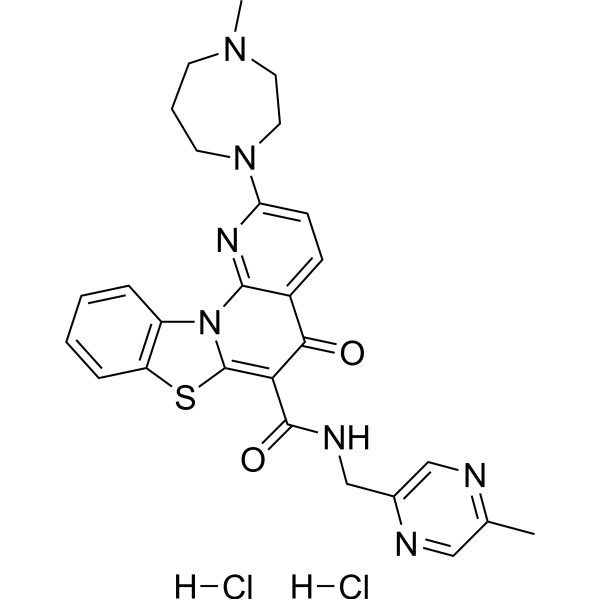
Uprosertib hydrochloride (GSK2141795 hydrochloride) is a potent and selective pan-Akt inhibitor with IC50 values of 180/328/38 nM for Akt1/Akt2/Akt3, respectively.
|
-
- HY-132302A
-
|
|
Akt
PKA
PKC
ROCK
Ribosomal S6 Kinase (RSK)
SGK
|
Cancer
|
|
Hu7691 free base is an orally active, selective Akt inhibitor with IC50s of 4.0 nM, 97.5 nM, 28 nM for Akt1, Akt2 and Akt3, respectively. Hu7691 free base inhibits tumor growth and enables decrease of cutaneous toxicity in mice .
|
-
- HY-148868
-
|
|
Akt
PKA
CDK
|
Others
|
|
Akt1&PKA-IN-1 is a potent dual Akt/PKA inhibitor with IC50 values of 0.03 , 0.11 μM, and 9.8 μM for PKAa, Akt, and CDK2, respectively. Akt1&PKA-IN-1 is selective for cyclin-dependent kinase 2 (CDK2) .
|
-
- HY-18284
-
|
|
Akt
GLUT
Phosphatase
|
Others
|
|
AS1938909 is a compound that inhibits SHIP2 activity. It can selectively inhibit SHIP2, increase Akt phosphorylation, and regulate glucose metabolism. Its effect is related to upregulating GLUT1 gene expression.
|
-
- HY-149989
-
|
|
Ack1
Akt
|
Cancer
|
|
Ack1 inhibitor 1 is a potent, selective, and orally active inhibitor of ACK1 kinase with an IC50 value of 2.1 nM. Ack1 inhibitor 1 inhibits the phosphorylation of ACK1 and activation of downstream AKT. Ack1 inhibitor 1 has anti-tumor activity .
|
-
- HY-175848
-
|
|
c-Met/HGFR
STAT
Apoptosis
Akt
VEGFR
Bcl-2 Family
MDM-2/p53
Caspase
|
Cancer
|
|
NSC 850745 is a selective and potent c-Met/STAT3 inhibitor with IC50 values of 210 and 670 nM. NSC 850745 can inhibit cell proliferation, induce G2/M phase arrest and induce apoptosis. NSC 850745 can downregulate AKT-1, VEGF and Bcl-2 expression and upregulate p53, Bax and caspase expression. NSC 850745 can be used for the research of cancer, such as leukemia and colon cancer .
|
-
- HY-173273
-
|
|
CDK
Apoptosis
DNA/RNA Synthesis
Akt
|
Cancer
|
|
YJZ5118 is a selective CDK12/CDK13 inhibitor with IC50 values of 39.5 nM and 26.4 nM. YJZ5118 suppresses transcription of DNA damage response genes and induces DNA damage in tumor cells. YJZ5118 inhibits proliferation and triggers apoptosis. YJZ5118 inhibits RNA polymerase II Ser2 phosphorylation and increases Akt pathway activity. YJZ5118 exhibits synergistic effects with Akt inhibitors. YJZ5118 can be used for the research of cancer, such as prostate cancer .
|
-
- HY-100932A
-
|
|
Myosin
|
Cancer
|
|
ML-9 (Free Base) is a selective and potent inhibitor of Akt kinase, inhibits myosin light-chain kinase (MLCK) and stromal interaction molecule 1 (STIM1) activity . ML-9 (Free Base) inhibits inhibits MLCK, PKA and PKC activity with Ki values of 4, 32 and 54 μM, respectively . ML-9 (Free Base) induces autophagy by stimulating autophagosome formation and inhibiting their degradation .
|
-
- HY-112148
-
|
|
Akt
|
Cancer
|
|
AKT-IN-2 is a potent, selective and orally bioavailable AKT inhibitor with an IC50 of 5 nM for AKT1 .
|
-
- HY-16032
-
|
|
Akt
|
Cancer
|
|
AKT-I-1 is a selective inhibitor of Akt1, with an IC50 of 4.6 µM .
|
-
- HY-15186C
-
|
GDC-0068 tosylate; RG7440 tosylate
|
Organoid
Akt
Apoptosis
|
Cancer
|
|
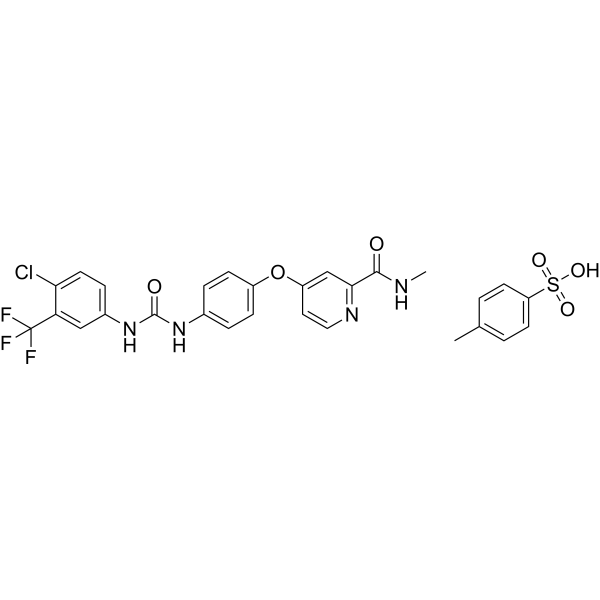
Ipatasertib (GDC-0068) tosylate is an orally active, highly selective and ATP-competitive pan-Akt inhibitor with IC50 values of 5, 18, 8 nM for Akt1/2/3, respectively. Ipatasertib tosylate synchronously activates FoxO3a and NF-κB through inhibition of Akt leading to p53-independent activation of PUMA. Ipatasertib tosylate also induces apoptosis in cancer cells and inhibits tumor growth in xenograft mouse models .
|
-
- HY-109011A
-
|
AQX-1125 acetate
|
Phosphatase
|
Cancer
|
|
Rosiptor (AQX-1125) acetate is a selective and orally active phosphatase SHIP1 activator with anti-inflammatory effects. Rosiptor acetate (AQX-1125) inhibits Akt phosphorylation, inflammatory mediator production and leukocyte chemotaxis in vitro .
|
-
- HY-109198A
-
|
ME-401 hydrochloride; PWT-143 hydrochloride
|
PI3K
Akt
|
Cancer
|
|
Zandelisib (ME-401) hydrochloride is a selective, orally active, non-covalent inhibitor of PI3Kδ. Zandelisib hydrochloride can sustainably inhibit AKT phosphorylation and downstream signaling pathways. Zandelisib hydrochloride can be used in the study of malignancies such as relapsed/refractory B-cell lymphoma .
|
-
- HY-146738
-
|
|
Akt
|
Cancer
|
|
GSD-11 is a potent and selective anti-austerity agent. GSD-11 inhibits the cell migration and colony formation of PANC-1 cells. GSD-11 inhibits the Akt/mTOR signaling pathway. GSD-11 has the potential for the research of pancreatic cancer[1].
|
-
- HY-157888
-
|
|
SHP2
Phosphatase
|
Cancer
|
|
SHP2-IN-26 (Compound 4b) is a highly selective SHP2 allosteric inhibitor with a IC50 value of 3.2 nM. SHP2-IN-26 inhibits the phosphorylation of ERK and AKT in NCI-H358 cells. SHP2-IN-26 has antitumor activity .
|
-
- HY-173573
-
|
|
Apoptosis
SHP2
|
Cancer
|
|
TK-684 is a potent and selective allosteric SHP2 inhibitor with IC50 values of 2.1, >1000 nM for SHP2 WT, SHP22 PTP, respectively. TK-684 inhibits cell proliferation and induces apoptosis. TK-684 decreases the protein expression of p-AKT, p-ERK .
|
-
- HY-155533
-
|
|
SHP2
|
Cancer
|
|
YF704 (compound 4w) is a selective allosteric inhibitor of SHP2 (IC50=0.25 μM). YF704 shows antiproliferative activity and induces apoptosis in cancer cells. YF704 also downregulates Erk1/2 and Akt phosphorylation levels in cancer cells .
|
-
- HY-173057
-
|
|
BMX Kinase
Apoptosis
Autophagy
|
Cancer
|
|
BMX-IN-3 (B6a) is an irreversible and selective BMX inhibitor, with an IC50 of 12 nM. BMX-IN-3 (B6a) promots cell cycle arrest and apoptosis, triggers protective autophagy, and suppresses the BMX/AKT/mTOR pathway. BMX-IN-3 (B6a) can be used in the research for Gastric Carcinoma .
|
-
- HY-168884
-
|
|
mTOR
|
Metabolic Disease
|
|
AV457 is a potent and selective mTOR inhibitor with an IC50 value of 0.54 µM. AV457 inhibits cyst growth in polycystic kidney disease (PKD) organoids. AV457 decreases the protein expression of P-s6, P-p70s6 and don’t decreases the protein expression of P-AKT .
|
-
- HY-118374
-
|
|
PI3K
Akt
|
Inflammation/Immunology
|
|
AM-9635 is a selective PI3Kδ inhibitor with oral bioavailability, good in vitro and in vivo activity and pharmacodynamic properties. AM-9635 inhibits PI3Kδ-dependent B cell receptor-mediated AKT phosphorylation and suppresses the production of specific IgG and IgM antibodies in rats immunized with Aplysia leocyanin (KLH).
|
-
- HY-172255
-
|
|
PI4K
Apoptosis
Autophagy
PI3K
Akt
|
Cancer
|
|
PI4KIII beta inhibitor 4 (Compound 16) is a selective PI4KIIIβ inhibitor with an IC50 of 0.005 μM. PI4KIIIβ inhibitor 4 induces tumor cell apoptosis, cell cycle arrest, and autophagy by inhibiting the PI3K/AKT pathway. PI4KIIIβ inhibitor 4 can be used in the study of cancer .
|
-
- HY-107758
-
|
|
Prolyl Endopeptidase (PREP)
|
Cancer
|
|
Y-29794 oxalate is a selective, orally active and blood-brain barrier permeable non-peptide prolyl endopeptidase inhibitor. Y-29794 oxalate blocks the IRS1-AKT-mTORC1 pathway and inhibits tumor growth. Y-29794 oxalate is also effective in inhibiting the progression of Aβ-like deposition in the hippocampus of aging-accelerated mice (SAM) .
|
-
- HY-13326R
-
|
|
Anaplastic lymphoma kinase (ALK)
Apoptosis
ROS Kinase
Caspase
PARP
IGF-1R
STAT
Akt
JNK
|
Cancer
|
|
ASP3026 (Standard) is the analytical standard of ASP3026. This product is intended for research and analytical applications. ASP3026 is a selective and orally active inhibitor of anaplastic lymphoma kinase (ALK). ASP3026 is a selective and oral active anaplastic lymphoma kinase (ALK) inhibitor with a IC50 value of 3.5 nM. ASP3026 can inhibit the phosphorylation of IGF-1R, STAT3, AKT and JNK proteins, and induce the cleavage of caspase 3 and PARP. It also inhibited ROS and ACK. ASP3026 can be used in anti-tumor research .
|
-
- HY-144396
-
|
|
SHP2
Phosphatase
Akt
Apoptosis
|
Cancer
|
|
SHP2-IN-8 is a highly potent, selective, and cellularly active allosteric SHP2 inhibitor with IC50 value of 23 nM and Ki of 22 nM. SHP2-IN-8 is reversible and noncompetitive. SHP2-IN-8 causes a significant thermal shift with the ΔTm of 7.01 °C. SHP2-IN-8 induces the apoptosis and inhibits the phosphorylation of AKT in Hela cells .
|
-
- HY-10355R
-
|
Akti-1/2 (Standard)
|
Reference Standards
Akt
Apoptosis
|
Metabolic Disease
Cancer
|
|
AKT inhibitor VIII (Standard) is the analytical standard of AKT inhibitor VIII (HY-10355). This product is intended for research and analytical applications. AKT inhibitor VIII (AKTi-1/2) is a cell-permeable quinoxaline compound that has been shown to potently, selectively, allosterically, and reversibly inhibit Akt1, Akt2, and Akt3 activity with IC50s of 58 nM, 210 nM, and 2119 nM, respectively.
|
-
- HY-100018R
-
|
|
Akt
Reference Standards
|
Cancer
|
|
BAY1125976 (Standard) is the analytical standard of BAY1125976 (HY-100018). This product is intended for research and analytical applications. BAY1125976, a chemical probe, is a selective allosteric Akt1/Akt2 inhibitor; inhibits Akt1 and Akt2 activity with IC50 values of 5.2 nM and 18 nM at 10 μM ATP, respectively.
|
-
- HY-19719B
-
|
ARQ-092 mesylate
|
Akt
Parasite
|
Infection
Cancer
|
|
Miransertib (ARQ-092) mesylate is a potent, orally active, selective and allosteric Akt inhibitor with IC50s of 2.7 nM, 14 nM and 8.1 nM for Akt1, Akt2, Akt3, respectively. Miransertib mesylate is also a potent the AKT1-E17K mutant protein inhibitor and has the potential for PI3K/AKT-driven tumors and Proteus syndrome research . Miransertib mesylate is effective against Leishmania .
|
-
- HY-108232R
-
|
|
Organoid
Reference Standards
Akt
Autophagy
Apoptosis
|
Cancer
|
|
MK-2206 (Standard) is the analytical standard of MK-2206 (HY-108232). This product is intended for research and analytical applications. MK-2206 is an orally active, highly potent and selective allosteric Akt inhibitor, with IC50s of 8, 12, and 65 nM for Akt1, Akt2, and Akt3, respectively. Many breast cancer cell lines, and PIK3CA-mutant and cell lines with PTEN loss are sensitive to MK-2206. MK-2206 has anticancer activities .
|
-
- HY-100501R
-
|
MSC2363318A (Standard)
|
Ribosomal S6 Kinase (RSK)
Reference Standards
Akt
|
Cancer
|
|
M2698 (Standard) is the analytical standard of M2698 (HY-100501). This product is intended for research and analytical applications. M2698 (MSC2363318A) is an orally active, ATP competitive, selective p70S6K and Akt dual-inhibitor with IC50s of 1 nM for p70S6K, Akt1 and Akt3. M2698 can cross the blood-brain barrier and has anti-cancer activity .
|
-
- HY-102080R
-
|
|
Reference Standards
FKBP
|
Cancer
|
|
SAFit2 (Standard) is the analytical standard of SAFit2 (HY-102080). This product is intended for research and analytical applications. SAFit2, a chemical probe, is a highly potent, highly selective FK506-binding protein 51 (FKBP51) inhibitor with a Ki of 6 nM and also enhances AKT2-AS160 binding .
|
-
- HY-W162436
-
|
|
Polo-like Kinase (PLK)
Akt
Apoptosis
Necroptosis
Autophagy
|
Cancer
|
|
MCC1019 is a selective PLK1 PBD inhibitor with an IC50 of 16.4 μmol/L. MCC1019 inactivates the AKT signaling pathway in cancer cells, and induces Apoptosis, Necroptosis and Autophagy. MCC1019 exhibits anticancer activity against lung cancer and prostate cancer .
|
-
- HY-180794
-
|
|
FGFR
Akt
ERK
|
Cancer
|
|
LHQ766 is a highly selective, orally active, covalent FGFR2 inhibitor with an IC50 of 7.3 nM. LHQ766 significantly suppresses phosphorylation of FGFR2 and its downstream signaling molecules FRS2-a, Akt and ERK1/2. LHQ766 selectively suppresses the proliferation of FGFR2-driven cancer cells .
|
-
- HY-150108
-
|
|
mTOR
Apoptosis
Caspase
|
Cancer
|
|
RMC-4745 is a selective dual-site inhibitor of mTORC1, with a selectivity of 35 times for mTORC1 and mTORC2. RMC-4745 inhibits the proliferation of MCF-7 cells and upregulates Caspase-3/7 activity to induce cell apoptosis. RMC-4745 does not cause the upregulation of HER3 due to the inhibition of mTORC2. RMC-4745 can be used for the study of breast cancer .
|
-
- HY-14569
-
-
- HY-107597R
-
|
SU3327 (Standard)
|
Reference Standards
JNK
|
Metabolic Disease
Inflammation/Immunology
|
|
Halicin (Standard) is the analytical standard of Halicin (HY-107597). This product is intended for research and analytical applications. Halicin (SU3327) is a potent, selective and substrate-competitive JNK inhibitor with an IC50 of 0.7 μM. Halicin also inhibits protein-protein interactions between JNK and JNK Interacting Protein (JIP) with an IC50 of 239 nM. Halicin shows less active against p38α and Akt Kinase .
|
-
- HY-18768
-
NCT-501
5 Publications Verification
|
Aldehyde Dehydrogenase (ALDH)
Akt
β-catenin
Necroptosis
|
Cancer
|
|
NCT-501 is a reversible, non-competitive, selective, blood-brain barrier-permeable ALDH1A1 inhibitor with an IC50 of 40 nM. NCT-501 inhibits the AKT-β-catenin signaling pathway, induces necroptosis in nasopharyngeal carcinoma cells, suppresses their proliferation and inhibits stem cell spheroid formation. NCT-501 can be used in research related to nasopharyngeal carcinoma, esophageal squamous cell carcinoma and malignant tumors .
|
-
- HY-163538
-
|
|
PI3K
Apoptosis
|
Cancer
|
|
TYM-3-98 is a selective inhibitor for PI3Kδ, with an IC50 of 7.1 nM. TYM-3-98 inhibits proliferationso of B-lymphoma cells. TYM-3-98 inhibits PI3K/AKT/mTOR signaling pathway through induction of apoptosis. TYM-3-98 exhibits good pahrmacokinetic characters and antitumor efficacy in mouse/rat model, without significant toxicity .
|
-
- HY-10971
-
|
MLN 8237
|
Aurora Kinase
Autophagy
Apoptosis
|
Cancer
|
|
Alisertib (MLN 8237) is an orally active and selective Aurora A kinase inhibitor (IC50=1.2 nM), which binds to Aurora A kinase resulting in mitotic spindle abnormalities, mitotic accumulation. Alisertib (MLN 8237) induces apoptosis and autophagy through targeting the AKT/mTOR/AMPK/p38 pathway in leukemic cells. Antitumor activity .
|
-
- HY-109061R
-
|
YH25448 (Standard); GNS-1480 (Standard)
|
Apoptosis
Akt
TRP Channel
EGFR
ERK
Reference Standards
|
Infection
Neurological Disease
Metabolic Disease
Cancer
|
|
Lazertinib (Standard) is the analytical standard of Lazertinib (HY-109061). This product is intended for research and analytical applications. Lazertinib (YH25448) is a potent, selective, CNS-penetrant, orally available and irreversible EGFR tyrosine Kinase inhibitor, exhibiting high selectivity for activating (EGFRm) and T790M resistance mutations. Lazertinib inhibits phosphorylation of EGFR, AKT and ERK, leading to apoptosis and suppression of tumor growth in mouse H1975-luc brain metastasis xenograft models. Lazertinib can be used in the study of non-small cell lung cancer .
|
-
- HY-109061BR
-
|
YH25448 mesylate (Standard); GNS-1480 mesylate (Standard)
|
Reference Standards
|
Cancer
|
|
Lazertinib mesylate (Standard) is the analytical standard of Lazertinib (mesylate) (HY-109061B). This product is intended for research and analytical applications. Lazertinib (YH25448) mesylate is a potent, selective, CNS-penetrant, orally available and irreversible EGFR tyrosine Kinase inhibitor, exhibiting high selectivity for activating (EGFRm) and T790M resistance mutations. Lazertinib mesylate inhibits phosphorylation of EGFR, AKT and ERK, leading to apoptosis and suppression of tumor growth in mouse H1975-luc brain metastasis xenograft models. Lazertinib mesylate can be used in the study of non-small cell lung cancer .
|
-
- HY-179702
-
|
|
Ras
PERK
Akt
Reactive Oxygen Species (ROS)
Apoptosis
Mitochondrial Metabolism
|
Cancer
|
|
KD36 is a selective KRAS-G12C inhibitor with an IC50 value of 0.92 μM. KD36 can inhibit the phosphorylation of ERK and AKT, induce the accumulation of reactive oxygen species (ROS), reduce mitochondrial membrane potential, thereby leading to apoptosis of KRAS-G12C mutant cells. KD36 can be used in the research of non-small cell lung cancer (NSCLC) .
|
-
- HY-181491
-
|
|
Microtubule/Tubulin
EGFR
Akt
mTOR
Ras
Apoptosis
Autophagy
|
Cancer
|
|
Tubulin-IN-64 is a sulfonated styrylquinazoline derivative with high selectivity antitumor activity. Tubulin-IN-64 targets tubulin, inhibits the EGFR/Akt/mTOR and EGFR/Ras signaling pathways, induces cell cycle arrest, apoptosis and autophagy. Tubulin-IN-64 exhibits significant antitumor efficacy in the zebrafish GBM xenograft model. Tubulin-IN-64 can be used for the research on glioblastoma and leukemia .
|
-
- HY-178164
-
|
|
Apoptosis
Akt
mTOR
STAT
NF-κB
|
Cancer
|
|
HBS-101 is a selectively, orally active, brain-penetrant, Midkine (MDK) inhibitor (KD = 38.4 nM). HBS-101 significantly reduces cell viability, clonogenic survival, and invasiveness and increases apoptosis. HBS-101 involves suppression of the Akt/mTOR, STAT3, and NF-κB pathways. HBS-101 can be used for the study of Triple-negative breast cancer (TNBC) .
|
-
- HY-100932R
-
|
|
Myosin
Reference Standards
|
Cancer
|
|
ML-9 (Standard) is the analytical standard of ML-9 (HY-100932). This product is intended for research and analytical applications. ML-9 is a selective and potent inhibitor of Akt kinase, inhibits myosin light-chain kinase (MLCK) and stromal interaction molecule 1 (STIM1) activity . ML-9 inhibits inhibits MLCK, PKA and PKC activity with Ki values of 4, 32 and 54 μM, respectively . ML-9 induces autophagy by stimulating autophagosome formation and inhibiting their degradation .
|
-
- HY-120116
-
|
|
PI3K
Akt
|
Inflammation/Immunology
|
|
AM-8508 is an orally bioactive PI3Kδ inhibitor with an IC50 of 0.016 μM. AM-8508 selectively inhibits PI3Kδ, thereby blocking AKT phosphorylation mediated by the B cell receptor. AM-8508 suppresses the formation of antigen-specific IgG and IgM in rats immunized with keyhole limpet hemocyanin. AM-8508 can be used for the research of inflammatory diseases .
|
-
- HY-162647
-
|
|
PI3K
|
Inflammation/Immunology
|
|
PI3Kδ-IN-22 (Compound 26) is a selective inhibitor for PI3Kδ with pKi of 9.3. PI3Kδ-IN-22 inhibits PI3Kδ-AKT signaling pathway in THP-1 cells, with pIC50 of 9.4. PI3Kδ-IN-22 exhibits good pharmacokinetic characters in rats .
|
-
- HY-113756AR
-
|
|
Reference Standards
Prostaglandin Receptor
|
Inflammation/Immunology
|
|
Latanoprost acid (Standard) is the analytical standard of Latanoprost acid. This product is intended for research and analytical applications. Latanoprost acid, an analog of prostaglandin (PG) F2α, is an selective prostanoid receptor (FP) agonist that specifically activates the FP-PG receptor . Latanoprost acid inhibits RANKL-induced osteoclastgenesis and function by inhibiting ERK, AKT, JNK, and p38 cascade, following by the c-fos/NFATc1 pathway. Latanoprost acid is a medication which works to lower pressure inside the eyes .
|
-
- HY-113756B
-
|
|
Drug Derivative
Prostaglandin Receptor
ERK
Akt
JNK
p38 MAPK
|
Inflammation/Immunology
|
|
rel-Latanoprost acid is a relative configuration of Latanoprost acid (HY-113756A). Latanoprost acid, an analog of prostaglandin (PG) F2α, is an selective prostanoid receptor (FP) agonist that specifically activates the FP-PG receptor . Latanoprost acid inhibits RANKL-induced osteoclastgenesis and function by inhibiting ERK, AKT, JNK, and p38 cascade, following by the c-fos/NFATc1 pathway. Latanoprost acid is a medication which works to lower pressure inside the eyes .
|
-
- HY-10514R
-
|
|
Reference Standards
PDK-1
IKK
Autophagy
|
Cancer
|
|
BX795 (Standard) is the analytical standard of BX795 (HY-10514). This product is intended for research and analytical applications. BX795 is a potent and selective inhibitor of PDK1, with an IC50 of 6 nM. BX795 is also a potent and relatively specific inhibitor of TBK1 and IKKε, with an IC50 of 6 and 41 nM, respectively. BX795 blocks phosphorylation of S6K1, Akt, PKCδ, and GSK3β, and has lower selectivity over PKA, PKC, c-Kit, GSK3β etc. BX795 modulates autophagy .
|
-
- HY-121537R
-
|
|
COX
Akt
Apoptosis
|
Neurological Disease
Inflammation/Immunology
Cancer
|
|
CAY10404 (Standard) is the analytical standard of CAY10404. This product is intended for research and analytical applications. CAY10404 is a potent and selective cyclooxygenase-2 (COX-2) inhibitor with an IC50 of 1 nM and a selectivity index (SI; COX-1 IC50/COX-2 IC50) of >500000. CAY10404 is a potent PKB/Akt and MAPK signaling pathways inhibitor and induces apoptosis in non-small cell lung cancer (NSCLC) cells. CAY10404, a diarylisoxazole, has good analgesic, anti-inflammatory, and anti-cancer activities .
|
-
- HY-N9684
-
|
|
EGFR
GSK-3
Hedgehog
Akt
ERK
Apoptosis
|
Cancer
|
|
Degalactotigonin is a saponin-selective inhibitor targeting the EGFR, GSK3β and Hedgehog/Gli1 pathways and can be isolated from Solanum nigrum (Solanum nigrum). Degalactotigonin inhibits EGFR phosphorylation and the downstream Akt/ERK signaling pathway, and at the same time inhibits the Hedgehog/Gli1 pathway through GSK3β inactivation, thereby inducing cancer cell apoptosis, arresting the cell cycle, and inhibiting migration and invasion. Degalactotigonin can be used in targeted research on malignant tumors such as pancreatic cancer and osteosarcoma .
|
-
- HY-164411
-
|
|
c-Met/HGFR
|
Cancer
|
|
KRC-00715 is an effective oral c-Met inhibitor with an IC50 of 9.0 nM, demonstrating high selectivity in gastric cancer cells. KRC-00715 specifically inhibits the growth of c-Met-highly expressed cell lines by inducing G1/S phase arrest, leading to a reduction in downstream signaling pathways, including Akt and Erk, as well as c-Met activity. KRC-00715, in the gastric cancer cell line Hs746, is characterized by an IC50 of 39 nM, and it selectively inhibits the proliferation of c-Met-highly expressed cell lines. KRC-00715 reduces tumor size in Hs746T xenograft mouse models .
|
-
- HY-183569
-
|
|
c-Fms
Akt
PERK
Aminotransferases (Transaminases)
Apoptosis
TNF Receptor
Interleukin Related
|
Metabolic Disease
|
|
CSF1R-IN-27 is a CSF1R inhibitor with oral effectiveness, kinome-wide selective profile, low cellular cytotoxicity, and CSF1R IC50 values of 19 nM, 88 nM, 173 nM, 797 nM, 1448 nM, and >3000 nM. CSF1R-IN-27 suppresses M-CSF-induced phosphorylation of CSF1R, AKT, and ERK in macrophages, and inhibits hepatic p-CSF1R/p-AKT/p-ERK signaling. CSF1R-IN-27 reduces serum transaminase levels, improves hepatic histopathology, alleviates inflammatory cell infiltration, and decreases circulating TNF-α and IL-6 levels. CSF1R-IN-27 can be used for the research of acute liver injury .
|
-
- HY-109041A
-
|
AKB-9778 sodium
|
Phosphatase
Tie
|
Inflammation/Immunology
|
|
Razuprotafib (AKB-9778) sodium is a potent and selective inhibitor of the catalytic activity of VE-PTP (vascular endothelial protein tyrosine phosphatase) with an IC50of 17 pM. Razuprotafib sodium promotes TIE2 activation, enhances ANG1-induced TIE2 activation, and stimulates phosphorylation of signaling molecules in the TIE2 pathway, including AKT, eNOS, and ERK. Razuprotafib sodium inhibits the structurally related phosphatase PTP1B with an IC50 of 780 nM. Razuprotafib sodium shows excellent selectivity for VE-PTP versus a variety of phosphatases, with the exception of HPTPη (IC50=36 pM) and HPTPγ (100 pM) .
|
-
- HY-109041
-
|
AKB-9778
|
Phosphatase
Tie
|
Inflammation/Immunology
|
|
Razuprotafib (AKB-9778) is a potent and selective inhibitor of the catalytic activity of VE-PTP (vascular endothelial protein tyrosine phosphatase) with an IC50of 17 pM. Razuprotafib promotes TIE2 activation, enhances ANG1-induced TIE2 activation, and stimulates phosphorylation of signaling molecules in the TIE2 pathway, including AKT, eNOS, and ERK. Razuprotafib inhibits the structurally related phosphatase PTP1B with an IC50 of 780 nM. Razuprotafib shows excellent selectivity for VE-PTP versus a variety of phosphatases, with the exception of HPTPη (IC50=36 pM) and HPTPγ (100 pM) .
|
-
- HY-152079
-
|
|
Cytochrome P450
|
Cancer
|
|
CYP1B1-IN-3 is a potent and selective CYP1B1 inhibitor with IC50 values of 6.6, 347.3, >10000 nM for CYP1B1, CYP1A1, CYP1A2, respectively. CYP1B1-IN-3 inhibits cell migration and invasion. CYP1B1-IN-3 inhibits P-gp, AKT/ERK, FAK/SRC, and EMT pathways .
|
-
- HY-103224R
-
|
|
Reference Standards
PI3K
|
Cancer
|
|
PIT-1 (Standard) is the analytical standard of PIT-1. This product is intended for research and analytical applications. PIT-1 is a selective PIP3 (phosphatidylinositol 3,4,5-trisphosphate) antagonist. PIT-1 inhibits cancer cell survival and induces apoptosis by inhibition of PIP3 dependent PI3K / Akt signaling. PIT-1 exhibits antitumor activity in vivo .
|
-
- HY-168555
-
|
|
PROTACs
CDK
Apoptosis
Akt
mTOR
|
Cancer
|
|
YJ1206 is an orally active selective CDK12/CDK13 PROTAC degrader. YJ1206 induces DNA damage and genomic instability, activates the AKT pathway, and triggers apoptosis. YJ1206 reduces tumor cell viability, inhibits tumor growth, and attenuates tumor cell dissemination. YJ1206 is applicable to research related to prostate cancer and high-grade serous tubo-ovarian cancer .
|
-
- HY-76474A
-
|
|
Apoptosis
Syk
|
Inflammation/Immunology
Cancer
|
|
BAY 61-3606 hydrochloride is an orally available, ATP-competitive, reversible and highly selective Syk inhibitor with a Ki of 7.5 nM and an IC50 of 10 nM . BAY 61-3606 hydrochloride reduces ERK1/2 and Akt phosphorylation in neuroblastoma cell. BAY 61-3606 hydrochloride induces a large decrease of Syk phosphorylation in K-rn cell lysates. BAY 61-3606 hydrochloride sensitizes TRAIL-induced apoptosis by downregulating Mcl-1 in breast cancer cells.
|
-
- HY-13404A
-
|
INC280 dihydrochloride; INCB28060 dihydrochloride
|
c-Met/HGFR
Apoptosis
|
Cancer
|
|
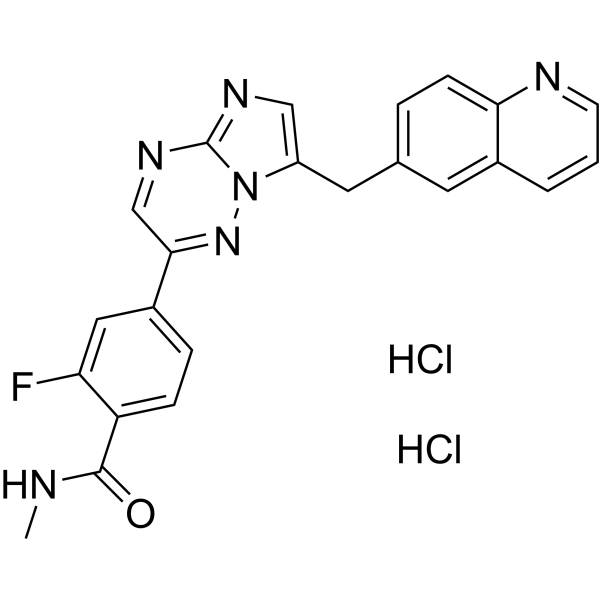
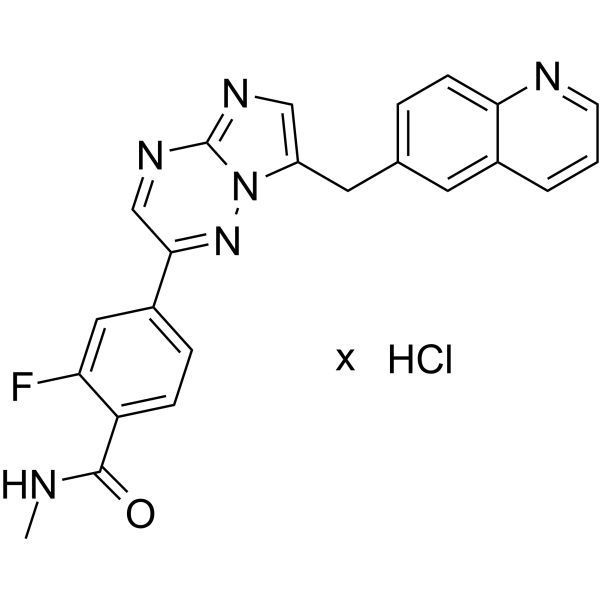
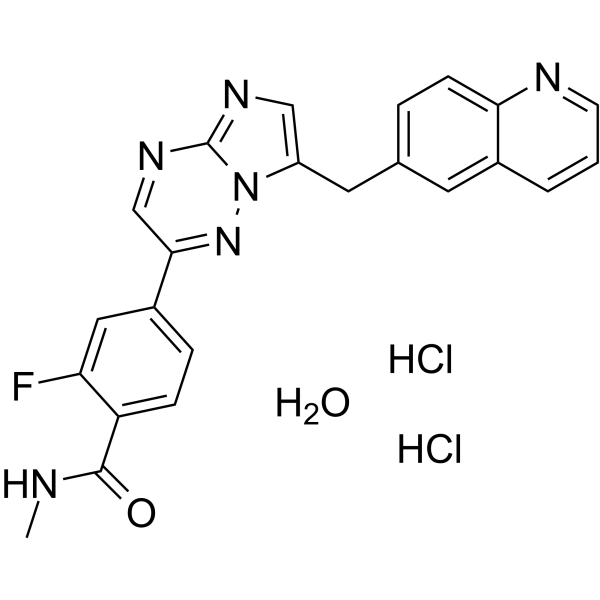
Capmatinib (INC280; INCB28060) dihydrochloride is a potent, orally active, selective, and ATP competitive c-Met kinase inhibitor (IC50=0.13 nM). Capmatinib dihydrochloride can inhibit phosphorylation of c-MET as well as c-MET pathway downstream effectors such as ERK1/2, AKT, FAK, GAB1, and STAT3/5. Capmatinib dihydrochloride potently inhibits c-MET-dependent tumor cell proliferation and migration and effectively induces apoptosis. Antitumor activity. Capmatinib dihydrochloride is largely metabolized by CYP3A4 and aldehyde oxidase .
|
-
- HY-110193
-
SPP-86
2 Publications Verification
|
RET
|
Cancer
|
|
SPP-86 is a potent and selective cell permeable inhibitor of RET tyrosine kinase, with an IC50 of 8 nM. SPP-86 inhibits RET-induced phosphatidylinositide 3-kinases (PI3K)/Akt and MAPK signaling, also inhibits RET-induced estrogen receptorα (ERα) phosphorylation in MCF7 cells . SPP-86 is a click chemistry reagent, it contains an Alkyne group and can undergo copper-catalyzed azide-alkyne cycloaddition (CuAAc) with molecules containing Azide groups.
|
-
- HY-13404C
-
|
INC280 dihydrochloride hydrate; INCB-28060 dihydrochloride hydrate
|
c-Met/HGFR
Apoptosis
|
Cancer
|
|
Capmatinib (INC280; INCB28060) dihydrochloride hydrate is a potent, orally active, selective, and ATP competitive c-Met kinase inhibitor (IC50=0.13 nM). Capmatinib dihydrochloride hydrate can inhibit phosphorylation of c-MET as well as c-MET pathway downstream effectors such as ERK1/2, AKT, FAK, GAB1, and STAT3/5. Capmatinib dihydrochloride hydrate potently inhibits c-MET-dependent tumor cell proliferation and migration and effectively induces apoptosis. Antitumor activity. Capmatinib dihydrochloride hydrate is largely metabolized by CYP3A4 and aldehyde oxidase .
|
-
- HY-13404
-
|
INC280; INCB28060
|
c-Met/HGFR
Apoptosis
|
Cancer
|
|
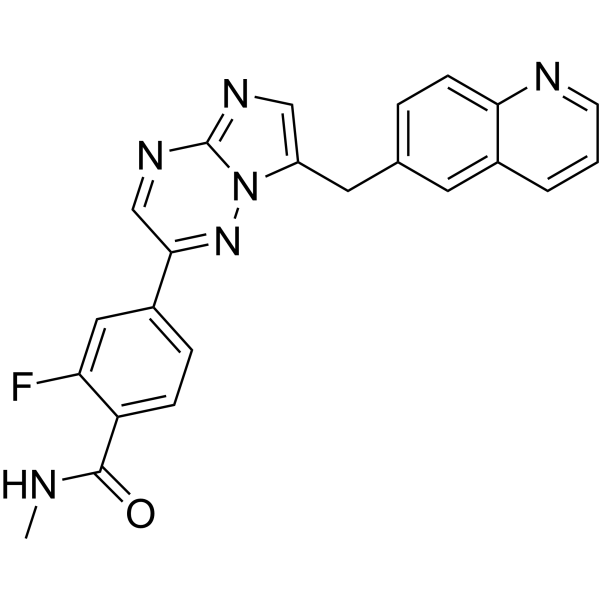
Capmatinib (INC280; INCB28060) is a potent, orally active, selective, and ATP competitive c-Met kinase inhibitor (IC50=0.13 nM). Capmatinib can inhibit phosphorylation of c-MET as well as c-MET pathway downstream effectors such as ERK1/2, AKT, FAK, GAB1, and STAT3/5. Capmatinib potently inhibits c-MET-dependent tumor cell proliferation and migration and effectively induces apoptosis. Antitumor activity. Capmatinib is largely metabolized by CYP3A4 and aldehyde oxidase .
|
-
- HY-13404B
-
|
INC280 hydrochloride; INCB-28060 hydrochloride
|
c-Met/HGFR
Apoptosis
|
Cancer
|
|
Capmatinib (INC280; INCB28060) hydrochloride is a potent, orally active, selective, and ATP competitive c-Met kinase inhibitor (IC50=0.13 nM). Capmatinib hydrochloride can inhibit phosphorylation of c-MET as well as c-MET pathway downstream effectors such as ERK1/2, AKT, FAK, GAB1, and STAT3/5. Capmatinib hydrochloride potently inhibits c-MET-dependent tumor cell proliferation and migration and effectively induces apoptosis. Antitumor activity. Capmatinib hydrochloride is largely metabolized by CYP3A4 and aldehyde oxidase .
|
-
- HY-179370
-
|
|
Apoptosis
Akt
|
Cancer
|
|
EEF1A2-IN-1 is a potent and covalen EEF1A2 inhibitor. EEF1A2-IN-1 exhibits selective antiproliferative activity against osteosarcoma (OS) cells. EEF1A2-IN-1 induces apoptosis by inhibiting EEF1A2 and downregulating the AKT signaling pathway. EEF1A2-IN-1 inhibits tumor growth in a xenograft mouse model. EEF1A2-IN-1 can be used for the research of OS .
|
-
- HY-179032
-
|
|
VEGFR
PI3K
Akt
mTOR
Apoptosis
|
Cancer
|
|
VEGFR-2-IN-77 (Compound 10) is a VEGFR-2 inhibitor with an IC50 value of 139 nM. VEGFR-2-IN-77 inhibits the PI3K/AKT/mTOR pathway. VEGFR-2-IN-77 exhibits selective cytotoxicity, being particularly sensitive to leukemia and prostate cancer cells. VEGFR-2-IN-77 causes cell cycle arrest and apoptosis, inhibiting cell migration and invasion. VEGFR-2-IN-77 can be used for the study of leukemia and prostate cancer.
|
-
- HY-14985
-
|
|
Syk
Apoptosis
|
Inflammation/Immunology
Cancer
|
|
BAY 61-3606 dihydrochloride is an orally available, ATP-competitive, reversible and highly selective Syk inhibitor with a Ki of 7.5 nM an IC50 of 10 nM . BAY 61-3606 dihydrochloride reduces ERK1/2 and Akt phosphorylation in neuroblastoma cell . BAY 61-3606 dihydrochloride induces a large decrease of Syk phosphorylation in K-rn cell lysates . Bay 61-3606 dihydrochloride sensitizes TRAIL-induced apoptosis by downregulating Mcl-1 in breast cancer cells .
|
-
- HY-173165
-
|
3-O-(6-Bromo-D-mannosyl)-28-acylamino-n-caproate methyl oleanolic acid
|
Phosphatase
Apoptosis
|
Cancer
|
|
OA-Br-1 is an orally active and selective inhibitor of PTP1B with an IC50 value of 7.08 μM. OA-Br-1 induces apoptosis. OA-Br-1 has broad spectrum anti-proliferative activity against cancer cells, and plays an anti-breast cancer role through the PTP1B/PI3K/AKT signaling pathway both in vitro and in vivo .
|
-
- HY-143472
-
|
|
PI3K
Akt
Apoptosis
|
Cancer
|
|
PI3Kδ-IN-11 is a highly potent and selective PI3Kδ inhibitor with IC50 value of 27.5 nM. PI3Kδ-IN-11 dose-dependently blocks the activity of PI3K/Akt pathway. PI3Kδ-IN-11 can be used for researching B or T cell-related malignancies .
|
-
- HY-76474
-
|
|
Syk
Apoptosis
|
Inflammation/Immunology
Cancer
|
|
BAY 61-3606 is an orally available, ATP-competitive, reversible and highly selective Syk inhibitor with a Ki of 7.5 nM and an IC50 of 10 nM . BAY 61-3606 reduces ERK1/2 and Akt phosphorylation in neuroblastoma cell . BAY 61-3606 induces a large decrease of Syk phosphorylation in K-rn cell lysates . Bay 61-3606 sensitizes TRAIL-induced apoptosis by downregulating Mcl-1 in breast cancer cells .
|
-
- HY-10971R
-
|
MLN 8237 (Standard)
|
Aurora Kinase
Autophagy
Apoptosis
Reference Standards
|
Cancer
|
|
Alisertib (Standard) is the analytical standard of Alisertib. This product is intended for research and analytical applications. Alisertib (MLN 8237) is an orally active and selective Aurora A kinase inhibitor (IC50=1.2 nM), which binds to Aurora A kinase resulting in mitotic spindle abnormalities, mitotic accumulation. Alisertib (MLN 8237) induces apoptosis and autophagy through targeting the AKT/mTOR/AMPK/p38 pathway in leukemic cells. Antitumor activity .
|
-
- HY-132231
-
|
|
PI3K
Apoptosis
|
Cancer
|
|
FD223 is a potent and selective phosphoinositide 3-kinase delta (PI3Kδ) inhibitor. FD223 displays high potency (IC50=1 nM) and good selectivity over other isoforms (IC50s of 51 nM, 29 nM and 37 nM, respectively for α, β and γ). FD223 exhibits efficient inhibition of the proliferation of acute myeloid leukemia (AML) cell lines by suppressing p-AKT Ser473 thus causing G1 phase arrest during the cell cycle. FD223 has potential for the research of leukemia such as AML .
|
-
- HY-122022
-
|
|
mTOR
|
Cancer
|
|
JR-AB2-011 is a selective mTORC2 inhibitor with an IC50 value of 0.36 μM. JR-AB2-011 inhibits mTORC2 activity by blocking Rictor-mTOR association (Ki: 0.19 μM) .JR-AB2-011 decreases the phosphorylation level of Akt, decreases MMP2 activity, thereby reducing the ability of tumor cells to migrate and invade. JR-AB2-011 also induces non-apoptotic cell death .
|
-
- HY-117548
-
UNC1062
2 Publications Verification
|
TAM Receptor
Apoptosis
p38 MAPK
ERK
PI3K
Akt
JAK
STAT
|
Cardiovascular Disease
Cancer
|
|
UNC1062 is a highly selective tyrosine kinase (MERTK) inhibitor with an IC50 of 1.1 nM (Morrison Ki = 0.33 nM). UNC1062 exhibits good selectivity for the TAM family (TYRO3 IC50 = 60 nM, AXL IC50 = 85 nM). UNC1062 exhibits significant anti-proliferative effects and induces apoptosis in various cancer models (such as melanoma, gastric cancer, and acute myeloid leukemia). UNC1062 inhibits multiple pathways, including MAPK/ERK, PI3K/AKT and JAK/STAT and affects the motility of head and neck squamous cell carcinoma (HNSCC) cells through the RhoA signaling pathway. UNC1062 inhibits macrophage efferocytosis, and it suitable for research on atherosclerosis .
|
-
- HY-178371
-
|
|
PI3K
|
Metabolic Disease
|
|
PI3KC2γ-IN-1 (Compound 23) is an orally active and selective PI3KC2γ inhibitor (IC50 = 4 nM). PI3KC2γ-IN-1 downregulats the Akt2-glycogen synthase (GS) signaling pathway, ultimately inhibiting the conversion of glucose to glycogen and reduces excessive glycogen accumulation in the liver. PI3KC2γ-IN-1 can significantly inhibit insulin-induced PI(3,4)P2 accumulation in both primary hepatocytes and HepG2 liver cancer cells. PI3KC2γ-IN-1 can be used for the study of glycogen storage diseases (GSDs) .
|
-
- HY-183366
-
|
|
HDAC
Caspase
Akt
|
Inflammation/Immunology
Cancer
|
|
HDAC1-IN-14 is an indole-based benzamide selective HDAC1 inhibitor with an IC50 of 77 nM. HDAC1-IN-14 acts as an antiproliferative agent, with GI50 values ranging from nanomolar to low micromolar levels in various cancer cells. HDAC1-IN-14 induces G0-G1 cell cycle arrest in colon cancer cells. HDAC1-IN-14 upregulates the expression of Caspase-3, Cyto-C and Bax, and downregulates the expression of AKT-1. HDAC1-IN-14 can be used in research related to leukemia, non-small cell lung cancer, colon cancer, central nervous system cancer, melanoma, ovarian cancer, renal cancer, prostate cancer and breast cancer .
|
-
- HY-178460
-
|
|
BRK
Akt
MMP
|
Cancer
|
|
BRK/PTK6-IN-1 (Compound 51) is a highly efficient and selective BRK inhibitor (IC50 = 3.37 nM, Kd = 44 nM). BRK/PTK6-IN-1 can reduce MMP-9 protein expression and inhibit IGF-1 induced AKT phosphorylation in MDA-MB-231 cells. BRK/PTK6-IN-1 significantly inhibits migration, invasion, and colony formation but does not affect cell proliferation. BRK/PTK6-IN-1 is often used in the research of breast cancer and other cancers .
|
-
- HY-N2554
-
|
Ostenol
|
Monoamine Oxidase
PI3K
Akt
Apoptosis
|
Infection
Neurological Disease
Cancer
|
|
Osthenol (Ostenol) is a reversible, selective, competitive inhibitor of hMAO-A (IC50=0.74 μM, Ki=0.26 μM), with antifungal and antibacterial activity. Osthenol inhibits the oxidative deamination of hMAO-A and regulates the metabolism of monoamine neurotransmitters. Osthenol also inhibits the PI3K/AKT signaling pathway to induce apoptosis of colon cancer cells, arrest the cell cycle at the G1 phase, and inhibit cell proliferation. Osthenol is mainly used in the study of neurological diseases and cancer, especially depression-related MAO-A targeted intervention and colon cancer .
|
-
- HY-154860
-
|
|
PROTACs
Btk
Apoptosis
Caspase
Bcl-2 Family
NF-κB
Akt
|
Inflammation/Immunology
Cancer
|
|
PTD10 is a selective and potent BTK PROTAC degrader (DC50 = 0.5 nM, KD = 2.28 nM). PTD10 can recruit cereblon (CRBN) E3 ligase and form a ternary complex with BTK, thereby mediating the ubiquitination and proteasome-dependent degradation of BTK. PTD10 inhibits cancer cells proliferation, and induces cell apoptosis via activation of the caspase-dependent pathway and mitochondrial pathway. PTD10 potently inhibits the BCR, AKT and NF-κB signaling pathway. PTD10 can be used for researches of B-cell malignancies and autoimmune disease .
|
-
- HY-N6985
-
|
|
Others
|
Cancer
|
|
Baccatin III is an orally available, selective inhibitor of the TGF-β1 signaling pathway and myeloid-derived suppressor cell (MDSC) activation. Baccatin III targets the AKT/STAT6 and Smad2/3 pathways, blocking TGF-β1-induced fibroblast differentiation and MDSC-mediated immunosuppression. Baccatin III exerts anti-inflammatory and anti-fibrotic effects by inhibiting macrophage activation and extracellular matrix deposition, and shows potential in the treatment of pulmonary fibrosis and cancer in terms of regulating the tumor immune microenvironment .
|
-
- HY-15113A
-
|
|
Prolyl Endopeptidase (PREP)
|
Neurological Disease
Cancer
|
|
Y-29794 tosylate is a selective, orally active inhibitor for non-peptide prolyl endopeptidase (PREP), with an IC50 of 3 nM and a Ki of 0.95 nM. Y-29794 tosylate enhances the effect of thyrotropin-releasing hormone (TRH) on the release of ACh in the rat hippocampus, exhibits potential neuroprotective efficacy. Y-29794 tosylate exhibits anticancer activity through inhibition of the IRS1-AKT-mTORC1 pathway. Y-29794 tosylate penetrates the brain-blood barrier (BBB) .
|
-
- HY-178009
-
|
|
EGFR
Apoptosis
Akt
PERK
|
Cancer
|
|
EGFR-IN-175 is an orally active and selective EGFR L858R/T790M/C797S inhibitor with an IC50 of 18.94 nM. EGFR-IN-175 can induce cell apoptosis and cause G1 phase arrest. EGFR-IN-175 can downregulate p-EGFR, p-AKT, and p-ERK expression. EGFR-IN-175 can be used for the research of cancer, such as lung cancer .
|
-
- HY-15113
-
|
|
Prolyl Endopeptidase (PREP)
|
Neurological Disease
Cancer
|
|
Y-29794 is a selective, orally active inhibitor for non-peptide prolyl endopeptidase (PREP), with an IC50 of 3 nM and a Ki of 0.95 nM. Y-29794 enhances the effect of thyrotropin-releasing hormone (TRH) on the release of ACh in the rat hippocampus, exhibits potential neuroprotective efficacy. Y-29794 exhibits anticancer activity through inhibition of the IRS1-AKT-mTORC1 pathway. Y-29794 penetrates the brain-blood barrier (BBB) .
|
-
- HY-18686
-
|
|
Phosphatase
Akt
|
Metabolic Disease
|
|
AS1949490 is a potent, orally active, selective SHIP2 phosphatase inhibitor with IC50 values of 0.34, 0.62, 13, >50, >50, and >50 µM for Mouse SHIP2, Human SHIP2, Human SHIP1, Human PTEN, Human synaptojanin, and Human myotubularin, respectively. AS1949490 increases the phosphorylation of Akt, glucose consumption and glucose uptake. AS1949490 activates intracellular insulin signalling pathways. AS1949490 can be used for research of diabetes .
|
-
- HY-109041R
-
|
AKB-9778 (Standard)
|
Reference Standards
Phosphatase
Tie
|
Inflammation/Immunology
|
|
Razuprotafib (Standard) is the analytical standard of Razuprotafib (HY-109041). This product is intended for research and analytical applications. Razuprotafib (AKB-9778) is a potent and selective inhibitor of the catalytic activity of VE-PTP (vascular endothelial protein tyrosine phosphatase) with an IC50of 17 pM. Razuprotafib promotes TIE2 activation, enhances ANG1-induced TIE2 activation, and stimulates phosphorylation of signaling molecules in the TIE2 pathway, including AKT, eNOS, and ERK. Razuprotafib inhibits the structurally related phosphatase PTP1B with an IC50 of 780 nM. Razuprotafib shows excellent selectivity for VE-PTP versus a variety of phosphatases, with the exception of HPTPη (IC50=36 pM) and HPTPγ (100 pM) .
|
-
- HY-N0863
-
|
NSC-698790; Smilax saponin B
|
Bcl-2 Family
Apoptosis
Akt
c-Myc
ERK
p38 MAPK
JNK
FOXO
|
Cancer
|
|
Methyl protodioscin (NSC-698790; Smilax saponin B) is a multi-target, selective, steroidal diglycoside inhibitor with antitumor activity that induces cell cycle arrest. The mechanism of action of Methyl protodioscin is complex, involving the induction of G2/M cell cycle arrest, regulation of the Bcl-2/Bax apoptotic pathway, inhibition of the Akt1/c-Myc axis and MAPK/ERK signaling, while simultaneously downregulating ADAM15 and inducing FOXO1 to reduce cholesterol synthesis. It also inhibits the JNK/c-Jun pathway, reducing the production of inflammatory factors (IL-6, TNF-α). Methyl protodioscin exhibits significant antitumor (inhibiting proliferation, migration, invasion, and inducing apoptosis), anti-inflammatory, and anti-restenosis activities. Methyl protodioscin can be used in research on lung cancer, prostate cancer, pancreatic cancer, and other tumors, as well as inflammatory diseases such as airway inflammation and enteritis .
|
-
- HY-181871
-
|
|
Trk Receptor
Akt
ERK
Apoptosis
|
Cancer
|
|
DZX19 (Compound C02) is an orally active, selective TRK inhibitor with a TRKA IC50 value of 1.32 nM, a TRKB IC50 of 2.28 nM, and a TRKC IC50 of 4.05 nM. DZX19 inhibits the kinase activities of wild-type TRKA, TRKA mutants (G595R, F589L, G667C), wild-type TRKB, and wild-type TRKC, and suppresses the phosphorylation of TRKA as well as its downstream AKT and ERK signaling pathways. DZX19 induces apoptosis. DZX19 inhibits tumor growth in a colorectal cancer xenograft mouse model. DZX19 is applicable for the research of colorectal cancer .
|
-
- HY-164384
-
|
|
PI3K
Akt
mTOR
Apoptosis
|
Cancer
|
|
DFX117 is a selective, orally active inhibitor for PI3Kα and c-Met tyrosine kinase. DFX117 inhibits PI3K/Akt/mTOR pathway, inhibits the proliferation of NCI-H1975, NCI-H1993, and HCC827 with IC50s 0.02-0.08 µM. DFX117 arrests cell cycle at G0/G1 phase, induces apoptosis in A549 and NCI-H1975. DFX117 exhibits antitumor efficacy in mice .
|
-
- HY-N6576
-
|
|
p38 MAPK
ERK
JNK
IAP
PARP
Apoptosis
Caspase
|
Cancer
|
|
Hellebrigenin is an inhibitor that selectively targets the MAPK signaling pathway (ERK, p38, JNK) and XIAP, and can inhibit Akt expression and phosphorylation. Hellebrigenin can activate endogenous apoptosis pathways (such as mitochondrial membrane potential disruption, Caspase family activation, PARP cleavage), downregulate anti-apoptotic proteins (Bcl-2, Bcl-xL) and upregulate pro-apoptotic proteins (Bax, Bak). Hellebrigenin can also induce DNA double-strand breaks to activate the ATM pathway. Hellebrigenin can inhibit tumor cell proliferation and clone formation, and is mainly used in the study of oral squamous cell carcinoma, liver cancer and other cancers .
|
-
- HY-183285
-
|
|
PI3K
Akt
|
Cancer
|
|
PI3Kα-IN-32 (Compound 11f) is a selective, orally active PI3Kα inhibitor, with an IC50 of 26.3 nM against PI3Kα H1047R. PI3Kα-IN-32 inhibits AKT phosphorylation. PI3Kα-IN-32 exhibits anticancer activity against breast cancer. PI3Kα-IN-32 can be used in the research of HR +/HER2 - breast cancer .
|
-
- HY-184001
-
|
|
RIP kinase
Akt
PI3K
NF-κB
Interleukin Related
Necroptosis
|
Metabolic Disease
|
|
LT-1339-553 is a selective, orally active RIPK1 inhibitor with IC50 values of 4.32, 95.74 and 84.33 nM against RIPK1, RIPK2 and RIPK3, respectively. LT-1339-553 exerts anti-necroptotic activity by inhibiting the AKT/PI3K/NF-κB pathway and the IL-17 pathway. LT-1339-553 reduces liver injury, inflammatory responses and collagen deposition. LT-1339-553 can be used in studies related to schistosomiasis-induced liver fibrosis .
|
-
- HY-124295
-
|
ABT-301; MPT0E028; TMU-C-0012
|
HDAC
Akt
Apoptosis
|
Inflammation/Immunology
Cancer
|
|
Imofinostat (ABT-301; MPT0E028) is an orally active and selective HDAC inhibitor with IC50s of 53.0 nM, 106.2 nM, 29.5 nM for HDAC1, HDAC2 and HDAC6, respectively. Imofinostat has a weak inhibitory effect on HDAC8 (IC50 of 2.5 μM), but no inhibitory effect on HDAC4 (IC50>10 μM). Imofinostat reduces the viability of B-cell lymphomas by inducing apoptosis and possesses potent direct Akt targeting ability and reduces Akt phosphorylation in B-cell lymphoma. Imofinostat has a broad-spectrum antitumor activity, including colorectal cancer, B-cell lymphoma, non-small cell lung carcinoma (NSCLC), and pancreatic cancer, while also showing therapeutic potential in non-tumor diseases like emphysema and pulmonary fibrosis .
|
-
- HY-179424
-
|
|
PROTACs
HIF/HIF Prolyl-Hydroxylase
p38 MAPK
Akt
PI3K
MEK
Apoptosis
|
Cancer
|
|
PROTAC HIF-1α degrader-2 is a highly efficient and selective PROTAC degrader targeting HIF-1α. PROTAC HIF-1α degrader-2 promotes HIF-1α degradation via the ubiquitin-proteasome pathway by facilitating the formation of a HIF-1α/VHL ternary complex. PROTAC HIF-1α degrader-2 inhibits HeLa cell proliferation, migration, and colony formation, and induces apoptosis. PROTAC HIF-1α degrader-2 reduces p-MEK and p-AKT expression in the MAPK and PI3K/AKT pathways. PROTAC HIF-1α degrader-2 can be used for the study of cervical cancer .
|
-
- HY-141539
-
|
|
Histone Methyltransferase
Akt
|
Cancer
|
|
SETDB1-TTD-IN-1 is a SETDB1 methyltransferase activator and SETDB1-TTD competitive inhibitor (Kd of 88 nM), and selectivity for SETDB1-TTD over other tudor and bromodomain proteins. SETDB1-TTD-IN-1 stimulates methyltransferase activity via increased catalytic activity, promotes Akt1 Lys64 methylation, Akt1 Thr308 phosphorylation and activation. SETDB1-TTD-IN-1 prevents SETDB1-TTD-histone H3 peptide association, induces global gene expression changes, exhibits cellular target engagement, and acts as a tool compound for SETDB1-TTD function exploration. SETDB1-TTD-IN-1 can be used for the research of breast cancer .
|
-
- HY-116572
-
|
|
Reactive Oxygen Species (ROS)
JNK
Apoptosis
Caspase
|
Cancer
|
|
TASIN-1 hydrochloride is a selective inhibitor of truncated APC TR (adenomatous polyposis coli gene) that exerts cytotoxic effects by inhibiting cholesterol biosynthesis. TASIN-1 hydrochloride specifically targets colorectal cancer (CRC) cells carrying APC truncated mutations, while having no significant toxicity to wild-type APC cells. TASIN-1 hydrochloride exerts cytotoxic effects by targeting Emopamil binding protein (EBP) to inhibit cholesterol biosynthesis, triggering endoplasmic reticulum (ER) stress, reactive oxygen species (ROS) generation, and JNK-mediated apoptosis, and inhibiting Akt survival signaling. TASIN-1 hydrochloride can be used to prevent and intervene in APC mutant colorectal cancer .
|
-
- HY-116572A
-
|
|
Reactive Oxygen Species (ROS)
JNK
Apoptosis
Caspase
|
Cancer
|
|
TASIN-1 is a selective inhibitor of truncated APC TR (adenomatous polyposis coli gene) that exerts cytotoxic effects by inhibiting cholesterol biosynthesis. TASIN-1 specifically targets colorectal cancer (CRC) cells carrying APC truncated mutations, while having no significant toxicity to wild-type APC cells. TASIN-1 exerts cytotoxic effects by targeting Emopamil binding protein (EBP) to inhibit cholesterol biosynthesis, triggering endoplasmic reticulum (ER) stress, reactive oxygen species (ROS) generation, and JNK-mediated apoptosis, and inhibiting Akt survival signaling. TASIN-1 can be used to prevent and intervene in APC mutant colorectal cancer .
|
-
- HY-123035
-
|
|
HSP
Akt
EGFR
|
Endocrinology
|
|
Gamendazole, an indazole carboxylic acid (ICA), is an orally active, selective HSP90AB1 (HSP90BETA) and EEF1A1 (eEF1A) inhibitor. Gamendazole binds to the C-terminal nucleotide binding pocket of HSP90 and cause downregulation of clients AKT1 and ERBB2, but stabilizes the HSP90 heterocomplex. Gamendazole specifically inhibits the actin bundling function of EEF1A1, but does not bind to the nucleotide docking pocket nor inhibits the ribosome charging or protein translation functions of EEF1A1. Gamendazole, an antispermatogenic compound with antifertility effects, has the potential for reversible non-hormonal male contraceptive agent research .
|
-
- HY-13404CR
-
|
INC280 dihydrochloride hydrate (Standard); INCB-28060 dihydrochloride hydrate (Standard)
|
c-Met/HGFR
Apoptosis
Reference Standards
|
Cancer
|
|
Capmatinib (dihydrochloride hydrate) (Standard) is the analytical standard of Capmatinib (dihydrochloride hydrate). This product is intended for research and analytical applications. Capmatinib (INC280; INCB28060) dihydrochloride hydrate is a potent, orally active, selective, and ATP competitive c-Met kinase inhibitor (IC50=0.13 nM). Capmatinib dihydrochloride hydrate can inhibit phosphorylation of c-MET as well as c-MET pathway downstream effectors such as ERK1/2, AKT, FAK, GAB1, and STAT3/5. Capmatinib dihydrochloride hydrate potently inhibits c-MET-dependent tumor cell proliferation and migration and effectively induces apoptosis. Antitumor activity. Capmatinib dihydrochloride hydrate is largely metabolized by CYP3A4 and aldehyde oxidase .
|
-
- HY-13404R
-
|
INC280 (Standard); INCB28060 (Standard)
|
Reference Standards
c-Met/HGFR
Apoptosis
|
Cancer
|
|
Capmatinib (Standard) is the analytical standard of Capmatinib. This product is intended for research and analytical applications. Capmatinib (INC280; INCB28060) is a potent, orally active, selective, and ATP competitive c-Met kinase inhibitor (IC50=0.13 nM). Capmatinib can inhibit phosphorylation of c-MET as well as c-MET pathway downstream effectors such as ERK1/2, AKT, FAK, GAB1, and STAT3/5. Capmatinib potently inhibits c-MET-dependent tumor cell proliferation and migration and effectively induces apoptosis. Antitumor activity. Capmatinib is largely metabolized by CYP3A4 and aldehyde oxidase .
|
-
- HY-134877
-
|
|
EGFR
ERK
Akt
|
Cancer
|
|
BAY 2476568 is a potent and mutant-selective inhibitor targeting EGFR exon20 insertion variants. BAY 2476568 potently inhibits the kinase activity of EGFR exon20 insertion mutants (insASV, insSVD, insNPG) with IC50 values of 0.09 nM, 0.21 nM, and 0.11 nM, respectively. BAY 2476568 inhibits EGFR (Y1068) phosphorylation and reduces the phosphorylation of ERK1/2 and Akt (S473) in Ba/F3 cells expressing EGFR exon20 insertion mutants (insASV, insSVD). BAY 2476568 can be used for the study of non-small cell lung cancer (NSCLC) driven by EGFR exon20 insertion mutations .
|
-
- HY-179623
-
|
|
PI3K
mTOR
Akt
CDK
Cadherin
|
Cancer
|
|
PI3Kα-IN-29 is a potent, orally active and selective PI3Kα with an IC50 of 2.5 nM. PI3Kα-IN-29 exhibits >400-fold selectivity over PI3Kβ/δ/γ/mTOR. PI3Kα-IN-29 selectively degrades the H1047R mutant p110α protein and inhibits PI3Kα kinase activity. PI3Kα-IN-29 suppresses PI3K/AKT/mTOR signaling, induces G1 arrest, and inhibits migration. PI3Kα-IN-29 inhibits tumor growth in a T47 mouse model. PI3Kα-IN-29 can be used for the research of breast cancer .
|
-
- HY-N9980
-
|
|
PI3K
Akt
NF-κB
p38 MAPK
AP-1
|
Inflammation/Immunology
|
|
Antcin K is a selective inhibitor targeting the PI3K/Akt, NF-κB, MEK1/2-ERK, p38 and AP-1 pathways. Antcin K upregulates IL-10 expression, thereby inhibiting the production of pro-inflammatory factors, blocking monocyte adhesion, reducing tissue damage, and promoting myogenesis. Antcin K has significant anti-inflammatory, anti-damage and tissue protective activities. Antcin K is mainly used in the research of inflammation-related diseases such as periodontitis, rheumatoid arthritis, and skeletal muscle injury .
|
-
- HY-178500
-
|
|
Deubiquitinase
Apoptosis
STAT
JAK
Akt
PI3K
|
Cancer
|
|
WCY-8-67 is an orally active and selective USP5 inhibitor, with an IC50 value of 1.33 μM. WCY-8-67 induces apoptosis and suppresses JAK/STAT3 and PI3K/AKT signaling pathways in vitro. WCY-8-67 inhibits proliferation of AE-positive AML cells, induces G1 phase arrest and differentiation of AML cells. WCY-8-67 demonstrates potent anti-leukemic efficacy in mice. WCY-8-67 can be used for the study of acute myeloid leukemia .
|
-
- HY-158688
-
|
|
PI3K
|
Inflammation/Immunology
|
|
PI3Kδ-IN-21 (Compound 31) is a selective inhibitor for phosphoinositide 3-kinases δ (PI3Kδ), with an IC50 of 13.6 nM. PI3Kδ-IN-21 inhibits proliferation and differentation of T cells through PI3K/AKT/mTOR signaling pathway. PI3Kδ-IN-21 exhibits good pharmacokinetic characters in rat model, and attenuates the experimental autoimmune encephalomyelitis in myelin oligodendrocyte glycoprotein (MOG)-induced EAE model .
|
-
- HY-181800
-
|
|
SHP2
Akt
ERK
Apoptosis
|
Cancer
|
|
SHP2-IN-47 is a selective and potent SHP2 inhibitor with an IC50 of 0.80 μM. SHP2-IN-47 exhibits potent inhibitory activity against SHP2 E76K (IC50 = 0.37 μM). SHP2-IN-47 functionally inhibits protein tyrosine phosphatase domains and downregulates SHP2-mediated phosphorylation of AKT and ERK. SHP2-IN-47 induces apoptosis and suppresses proliferation of cancer cells. SHP2-IN-47 can be used for the research of cancer, such as acute myelocytic leukemia .
|
-
- HY-182914
-
|
|
EGFR
Akt
Bcl-2 Family
Apoptosis
|
Cancer
|
|
NGI‑189 is a selective OST‑A inhibitor. NGI‑189 inhibits the STT3A catalytic subunit of the OST complex and reduces N‑glycosylation of target glycoproteins. NGI‑189 blocks oncogenic and bypass signaling, reduces phosphorylation of EGFR, AKT, p70S6K and S6RP, and induces cell cycle arrest and apoptosis. NGI‑189 markedly suppresses tumor growth and induces tumor regression in non‑small cell lung cancer (NSCLC) xenograft models. NGI‑189 can be used for the research of EGFR‑mutant non‑small cell lung cancer .
|
-
- HY-155975
-
|
|
PI3K
|
Inflammation/Immunology
|
|
PI3Kδ-IN-14 (Compound (S)-29) is a selective PI3Kδ inhibitor (IC50: 0.8 nM, Kd: 84.8 nM). PI3Kδ-IN-14 binds to the ATP-binding site of the kinase domain of PI3Kδ. PI3Kδ-IN-14 has anti-inflammatory activity by inhibiting the PI3K/AKT pathway. PI3Kδ-IN-14 ameliorates acute lung injury (ALI) .
|
-
- HY-N7204
-
|
|
Monoamine Oxidase
Dopamine β-hydroxylase
Apoptosis
|
Neurological Disease
Inflammation/Immunology
|
|
4-Hydroxyderricin, the major active ingredients of Angelica keiskei Koidzumi, is an orally active, potent selective MAO-B (Monoamine oxidase inhibitors) inhibitor with an IC50 of 3.43 μM. 4-Hydroxyderricin also mildly inhibits dopamine β (DBH)-hydroxylase activity. 4-Hydroxyderricin has antidepressant activity, anti-allergic, anti-diabetic, anti-oxidant, and antitumor effects. 4-Hydroxyderricin promotes apoptosis and cell cycle arrest through regulating PI3K/AKT/mTOR pathway in hepatocellular cells. 4-Hydroxyderricin inhibits osteoclast formation and accelerates osteoblast differentiation . 4-Hydroxyderricin is promising for research of inflammatory diseases .
|
-
- HY-181284
-
|
|
G-quadruplex
DNA/RNA Synthesis
Ras
PI3K
Akt
ERK
Caspase
Apoptosis
|
Cancer
|
|
BYBC‑1 is a selective G4‑RNA‑targeting ligand with high affinity forKRAS and NRAS G4‑RNAs (Kd = 0.05-0.28 μM). BYBC‑1 stabilizes G4‑RNA structures in KRAS and NRAS mRNA, blocks thePI3K/AKT and MAPK/ERK pathways, activates the DNA damage response (DDR), suppresses energy metabolism, and induces S‑phase arrest and apoptosis. BYBC‑1 exhibits high selectivity over non‑malignant fibroblasts and significantly inhibits the growth of HCT‑116 xenograft tumors in vivo. BYBC‑1 can be used for the study of colorectal cancer .
|
-
- HY-N0143
-
Phlorizin
Maximum Cited Publications
15 Publications Verification
Floridzin
|
Caspase
JAK
GLUT
STAT
Apoptosis
Bacterial
SGLT
mTOR
Akt
NF-κB
PI3K
DNA/RNA Synthesis
|
Infection
Neurological Disease
Metabolic Disease
Cancer
|
|
Phlorizin (Floridzin) is an orally active non-selective sodium-glucose cotransporter (SGLT) inhibitor, with an IC50 of 0.04 μM and a Ki of 39 nM against hSGLT2, and an IC50 of 0.17 μM and a Ki of 0.31 μM against hSGLT1. Phlorizin promotes GLUT4 translocation, inhibits gluconeogenesis and promotes glycogen synthesis by activating the PI3K/Akt/mTOR pathway. Phlorizin reduces DNA damage and apoptosis (apoptosis) by inhibiting the NF-κB inflammatory pathway. Phlorizin induces apoptosis via activating the Caspase pathway by antagonizing the JAK/STAT3 and PCK pathways. Phlorizin also exhibits antibacterial, anti-inflammatory and neuroprotective activities .
|
-
- HY-P99463
-
|
AVB-500; AVB-S6-500
|
TAM Receptor
PI3K
Akt
p38 MAPK
|
Cancer
|
|
Batiraxcept (AVB-500; AVB-S6-500) is a selective, soluble AXL receptor and GAS6 inhibitor that targets the GAS6-AXL signaling axis. Batiraxcept is orally inactive and does not cross the blood-brain barrier. Batiraxcept competitively binds to GAS6 ((KD <1 nM), preventing its interaction with the AXL receptor tyrosine kinase, thereby inhibiting downstream PI3K/AKT and MAPK signaling pathways, reducing tumor cell glycolysis, angiogenesis, and metastatic potential. Batiraxcept has demonstrated antitumor activity in preclinical models of endometrial, cholangiocarcinoma, and ovarian cancer by inhibiting tumor growth, invasion, and metastasis .
|
-
- HY-178500A
-
|
|
Deubiquitinase
Apoptosis
STAT
JAK
Akt
PI3K
|
Cancer
|
|
WCY-8-67 TFA is an orally active and selective USP5 inhibitor, with an IC50 value of 1.33 μM. WCY-8-67 TFA induces apoptosis and suppresses JAK/STAT3 and PI3K/AKT signaling pathways. WCY-8-67 TFA inhibits proliferation of AE-positive AML cells, induces G1 phase arrest and differentiation of AML cells. WCY-8-67 TFA demonstrates potent anti-leukemic efficacy in mice. WCY-8-67 TFA can be used for the study of acute myeloid leukemia .
|
-
- HY-100424
-
|
|
PI3K
Akt
|
Cancer
|
|
PI3K-IN-63 is a selective PI3Kα inhibitor with a Ki of 0.35 nM against human targets. PI3K-IN-63 inhibits the phosphorylation of AKT at the S473 site in cellular assays. PI3K-IN-63 reduces the viability of non-small cell lung cancer cell lines carrying PIK3CA mutations. PI3K-IN-63 can be used in studies related to non-small cell lung cancer .
|
-
- HY-174382
-
|
|
Akt
mTOR
NF-κB
ROR
Apoptosis
|
Cancer
|
|
ROR1-IN-3 (Compound 24d) is a potent and highly selective ROR1 kinase inhibitor (IC50 = 17.6 nM). ROR1-IN-3 demonstrates robust antitumor activity and inhibitory effect against ROR1 both in vitro and in vivo. ROR1-IN-3 has robust antiproliferative efficacy in vitro and in vivo. ROR1-IN-3 induces apoptosis in cancer cell lines. ROR1-IN-3 inhibits ROR1 downstream AKT/mTOR and NF-κB signaling pathway. ROR1-IN-3 can be studied in antitumor research .
|
-
- HY-171558
-
|
|
PI3K
Akt
|
Cancer
|
|
PI3K-IN-56 (Compound 1) is an orally active, potent and selective irreversible inhibitor of phosphoinositide 3-kinase (PI3K). PI3K-IN-56 irreversibly blocks the phosphatidylinositol-3,4,5-triphosphate (PIP3) production and downstream AKT signaling pathway. PI3K-IN-56 is promising for research of PI3Kα-driven cancers, such as breast and ovarian cancers .
|
-
- HY-106591A
-
|
Vinylcyclohexene diepoxide
|
Environmental Pollutants
Akt
Apoptosis
mTOR
Reactive Oxygen Species (ROS)
PI3K
|
Endocrinology
|
|
4-Vinylcyclohexene dioxide (4-Vinylcyclohexene diepoxide) is an orally active metabolite of 4-vinylcyclohexene. 4-Vinylcyclohexene dioxide induces Apoptosis, increases intracellular ROS, and activates the PI3K/Akt/mTOR pathway. 4-Vinylcyclohexene dioxide selectively damages small ovarian follicles, inhibits granulosa cell function, and disrupts the male reproductive system. 4-Vinylcyclohexene dioxide can be used in the study of premature ovarian insufficiency, reproductive toxicity, and related fertility disorders .
|
-
- HY-124535
-
|
|
PI3K
|
Metabolic Disease
|
|
TGX-115 is a p110β/p110δ-selective, PI3-K inhibitor. TGX-115 blocks p110β-mediated Akt phosphorylation induced by lysophosphatidic acid (LPA) in L6 myotubes, reduces insulin-stimulated PI(3,4)P2 and PIP3 levels in 3T3-L1 adipocytes. TGX-115 can be used for the study of diabetes mellitus .
|
-
- HY-N0143A
-
|
Floridzin dihydrate
|
SGLT
PI3K
Akt
GLUT
NF-κB
JAK
STAT
Caspase
Apoptosis
DNA/RNA Synthesis
mTOR
Bacterial
|
Infection
Neurological Disease
Metabolic Disease
Cancer
|
|
Phlorizin (Floridzin) dihydrate is an orally active non-selective sodium-glucose cotransporter (SGLT) inhibitor, with an IC50 of 0.04 μM and a Ki of 39 nM against hSGLT2, and an IC50 of 0.17 μM and a Ki of 0.31 μM against hSGLT1. Phlorizin dihydrate promotes GLUT4 translocation, inhibits gluconeogenesis and promotes glycogen synthesis by activating the PI3K/Akt/mTOR pathway. Phlorizin dihydrate reduces DNA damage and apoptosis (apoptosis) by inhibiting the NF-κB inflammatory pathway. Phlorizin dihydrate induces apoptosis via activating the Caspase pathway by antagonizing the JAK/STAT3 and PCK pathways. Phlorizin dihydrate also exhibits antibacterial, anti-inflammatory and neuroprotective activities .
|
-
- HY-176561
-
|
|
Casein Kinase
HDAC
|
Cancer
|
|
IOR-160 is a dual inhibitor of casein kinase 2 (CK2) and HDACs. IOR-160 exhibits high selectivity for CK2 (IC50 = 1.7 nM) and broad inhibitory activity against HDAC (HDAC 1, 2, 3, and 6 with IC50s of 3.3 nM, 24.0 nM, 3.9 nM, and 13.0 nM, respectively, with low activity for HDAC8). IOR-160 modulates key cellular signaling pathways by inhibiting AKT phosphorylation and increasing acetylated α-tubulin. IOR-160 inhibits tumor growth and reduces tumor burden through dual CK2/HDAC inhibition. IOR-160 is indicated for use in triple-negative breast cancer research .
|
-
- HY-12491
-
|
|
PI3K
Apoptosis
|
Cancer
|
|
PIK-C98 is a potent and selective PI3K inhibitor, with IC50s of 0.59, 1.64, 3.65, and 0.74 μM for α, β, δ, and γ isoforms, respectively. PIK-C98 inhibits all class I PI3Ks but has no effects on AKT or mTOR activity. PIK-C98 interferes with the ATP-binding pockets of PI3Ks by forming H-bonds and arene-H interactions with specific amino acid residues. PIK-C98 induces apoptosis by inhibiting PI3K. PIK-C98 can be used for the research of multiple myeloma .
|
-
- HY-136765
-
|
|
PI3K
|
Cancer
|
|
PI3K-IN-11 (compound 13) is a PI3K inhibitor, which selectively inhibits PI3Kα, PI3Kβ, PI3K, and PI3Kδ (IC50s=6.4, 13, 8, and 11 nM, respectively) over mTOR (IC50=2.9 μM). PX-13-17OH is greater than 420-fold selective for PI3K in a panel of 20 lipid and protein kinases. PX-13-17OH inhibits phosphorylation of Akt and S6 kinase (S6K) in PTEN-negative U87MG cells when used at concentrations ranging from 0.03 to 1 μg/mL. It inhibits tumor growth in a U87MG mouse xenograft model when administered at doses ranging from 2.5 to 10 mg/kg.
|
-
- HY-124068
-
|
|
Apoptosis
GSK-3
MMP
Reactive Oxygen Species (ROS)
|
Infection
Inflammation/Immunology
Cancer
|
LQB-118 is an orally active compound derived from sandalwood. LQB-118 can inhibit the migration of glioblastoma cells and induce cell death. LQB-118 can suppress the migration and invasion of prostate cancer cells by regulating the AKT/GSK3β pathway and the expression of the MMP-9/reck genes. LQB-118 can also inhibit yeast polysaccharide-induced inflammation both in vivo and in vitro. Additionally, LQB-118 selectively induces ROS-triggered and mitochondrial-dependent apoptosis in Leishmania amazonensis. LQB-118 can be used in studies related to inflammation, infections, and cancer diseases .
|
-
- HY-103100R
-
|
|
Reference Standards
5-HT Receptor
Epigenetic Reader Domain
Akt
Ribosomal S6 Kinase (RSK)
FOXO
|
Neurological Disease
Cancer
|
|
SB-699551 (Standard) is the analytical standard of SB-699551 (HY-103100). This product is intended for research and analytical applications. SB-699551 is a potent and selective 5-HT5A antagonist with a Ki value of 5.1 μM. SB-699551 increases the phosphorylation levels of CREB and ATF1, and decreases the phosphorylation levels of AKT, PRAS40, P70S6K, FOXO1, and S6RP. SB-699551 improves drug-induced cognitive deficits. SB-699551 improves social withdrawal and forgetfulness. SB-699551 inhibits breast cancer.
|
-
- HY-183787
-
|
|
PI3K
Akt
mTOR
Apoptosis
CDK
|
Cancer
|
|
PI3Kα-IN-33 is an orally active and selective PI3Kα inhibitor with an IC50 of 9.9 nM. PI3Kα-IN-33 blocks the PI3K/Akt/mTOR signaling pathway. PI3Kα-IN-33 induces apoptosis and triggers G2/M-phase arrest via Cyclin B1 and CDK1 downregulation. PI3Kα-IN-33 can be used for the research of colorectal cancer .
|
-
- HY-175002
-
|
|
PI3K
Akt
Apoptosis
|
Cancer
|
|
PI3Kδ-IN-24 is a selective PI3Kδ inhibitor (IC50 = 0.1 nM). PI3Kδ-IN-24 exhibits significant antiproliferative effects against PI3Kδ-overexpressing cancer cell lines. PI3Kδ-IN-24 reduces p-AKT levels and induces cell cycle arrest and apoptosis in tumor cells. PI3Kδ-IN-24 is useful in cancer research, such as diffuse large B-cell lymphoma (DLBCL) .
|
-
- HY-179497
-
|
|
FLT3
VEGFR
Akt
STAT
ERK
Apoptosis
|
Cancer
|
FLT3-IN-37 (Compound 6z) is a potent inhibitor of FLT3-ITD, with IC50 values of 1.5 and 3.4 nM for FLT3-ITD and TEL-VEGFR2, respectively. FLT3-IN-37 exhibits high selectivity for wild-type FLT3 (WT) and c-Kit. FLT3-IN-37 inhibits FLT3 phosphorylation and downregulates the expression of p-Akt, p-STAT5, and p-ERK. FLT3-IN-37 exerts anti-leukemia effects by blocking the cell cycle and inducing apoptosis (apoptosis). FLT3-IN-37 can be used for research on acute myeloid leukemia (AML) .
|
-
- HY-149493
-
|
|
PI3K
|
Inflammation/Immunology
Cancer
|
|
IHMT-PI3K-455 (Compound 15u) is a potent, selective, orally active PI3Kγ/δ dual inhibitor with IC50s of 7.1 nM and 0.57 nM for PI3Kγ and PI3Kδ, respectively. IHMT-PI3K-455 suppresses the AKT phosphorylation. IHMT-PI3K-455 inhibits tumor growth by recruiting and activating more CD8 + killing T cells.IHMT-PI3K-455 is used in cancer research .
|
-
- HY-N0143R
-
|
Floridzin (Standard)
|
Reference Standards
Caspase
JAK
GLUT
STAT
Apoptosis
Bacterial
SGLT
mTOR
Akt
NF-κB
PI3K
DNA/RNA Synthesis
|
Infection
Neurological Disease
Metabolic Disease
Cancer
|
|
Phlorizin (Floridzin) (Standard) is the analytical standard of Phlorizin. This product is intended for research and analytical applications. Phlorizin is an orally active non-selective sodium-glucose cotransporter (SGLT) inhibitor, with an IC50 of 0.04 μM and a Ki of 39 nM against hSGLT2, and an IC50 of 0.17 μM and a Ki of 0.31 μM against hSGLT1. Phlorizin promotes GLUT4 translocation, inhibits gluconeogenesis and promotes glycogen synthesis by activating the PI3K/Akt/mTOR pathway. Phlorizin reduces DNA damage and apoptosis (apoptosis) by inhibiting the NF-κB inflammatory pathway. Phlorizin induces apoptosis via activating the Caspase pathway by antagonizing the JAK/STAT3 and PCK pathways. Phlorizin also exhibits antibacterial, anti-inflammatory and neuroprotective activities .
|
-
- HY-183684
-
|
|
RET
VEGFR
PDGFR
Akt
ERK
|
Endocrinology
Cancer
|
|
RET-IN-33 is a moderately selective inhibitor of RET mutants. RET-IN-33 potently inhibits G810 mutants, with IC50 values of 4.43 nM (G810R), 3.28 nM (G810C) and 0.51 nM (G810S), respectively. RET-IN-33 also inhibits other RET mutants: V804M (IC50 0.73 nM), V804L (IC50 0.36 nM), Y806H (IC50 0.74 nM) and M918T (IC50 0.55 nM). RET-IN-33 also inhibits other kinases, with an IC50 of 1.50 nM against VEGFR2 and 1.60 nM against PDGFRα. RET-IN-33 blocks the autophosphorylation of RET mutants and the downstream SHC/AKT/ERK signaling pathway. RET-IN-33 selectively inhibits the proliferation of RET-driven cell models without affecting non-RET-dependent or normal cells. RET-IN-33 exhibits dose-dependent antitumor efficacy in RET-driven xenograft models. RET-IN-33 can be used for the research of medullary thyroid carcinoma, papillary thyroid carcinoma and non-small cell lung cancer .
|
-
- HY-P10833
-
|
|
VEGFR
PI3K
Akt
mTOR
ERK
Apoptosis
|
Cardiovascular Disease
Cancer
|
|
C-VGB3 is a selective vascular endothelial growth factor receptor 2 (VEGFR2) antagonist, which inhibits VEGFR2-mediated PI3K/AKT/mTOR and PLCγ/ERK1/2 signaling pathways. C-VGB3 binds to the extracellular domain of VEGFR2, blocking ligand-receptor interaction and inducing apoptosis in endothelial and tumor cells through both intrinsic (involving Bcl2 family and caspases) and extrinsic (death receptor-mediated) pathways. C-VGB3 is promising for research of angiogenesis-related cancers, such as breast cancer .
|
-
- HY-N2037A
-
|
Norcoclaurine hydrochloride
|
MAP3K
MDM-2/p53
ROS Kinase
Apoptosis
|
Infection
Cardiovascular Disease
Endocrinology
Cancer
|
|
Higenamine hydrochloride is a selective LSD1 inhibitor (IC50=1.47 μM) that can be isolated from aconite. Higenamine hydrochloride has anti-inflammatory and antibacterial activity. Higenamine (Norcoclaurine) can attenuate IL-1β-induced Apoptosis through ROS-mediated PI3K/Akt signaling pathway. Higenamine hydrochloride protects brain cells from oxygen deprivation. Higenamine can promote bone formation in osteoporosis through the SMAD2/3 pathway. Higenamine hydrochloride can be used to study cancer, inflammation, cardiorenal syndrome and other diseases .
|
-
- HY-116497
-
|
|
FAK
|
Cancer
|
|
PH11 is a novel focal adhesion kinase (FAK) inhibitor that rapidly induces apoptosis in TRAIL-resistant PANC-1 cells when combined with TRAIL, but has no effect on normal human fibroblasts. The study found that PH11 downregulates c-FLIP through inhibition of FAK and phosphatidylinositol-3-kinase (PI3K)/AKT pathways, thereby restoring the TRAIL apoptotic pathway, suggesting that this combination therapy may provide an attractive therapeutic strategy for the safe and effective treatment of pancreatic cancer. PH11 selectively inhibits c-FLIP expression by modulating upstream signaling pathways and may represent an innovative therapeutic strategy. Although further work is needed to fully elucidate the mechanism of PH11-induced TRAIL sensitization, we believe that our results will provide a new approach to target c-FLIP without the risk of interfering with caspase-8 processing, which could potentially lead to TRAIL resistance. This study also suggests a role for the FAK/AKT signaling pathway in regulating c-FLIP expression in TRAIL-induced apoptosis, and this understanding will provide important clues to control the resistance mechanism to optimize the potential of TRAIL-based pancreatic cancer treatment.
|
-
- HY-10201
-
Sorafenib
Maximum Cited Publications
283 Publications Verification
Bay 43-9006
|
Raf
VEGFR
FLT3
Autophagy
Apoptosis
STAT
Akt
MMP
Cadherin
p38 MAPK
ERK
MEK
PI3K
PARP
Bcl-2 Family
|
Infection
Neurological Disease
Metabolic Disease
Inflammation/Immunology
Cancer
|
|
Sorafenib (Bay 43-9006) is a potent oral active multikinase inhibitor. Sorafenib blocks autophosphorylation and activity of receptor tyrosine kinases (VEGFR-2, VEGFR-3) and RAF family kinases, thereby suppressing the RAF/MEK/ERK and PI3K/Akt pathways, inhibiting STAT3 phosphorylation, and selectively inhibiting the MAPK pathway in cancer cells. Sorafenib induces cell cycle arrest, autophagy, apoptosis, and PARP cleavage, reduces Bcl-2, Bcl-XL, cyclin D1 levels, and activates Bak and Bax. Sorafenib inhibits tumor growth and metastasis in mouse and rat models. Sorafenib can be used for cancer research, such as colon, breast, non-small-cell lung cancer (NSCLC), ovarian, pancreatic, melanoma, colorectal and hepatocellular carcinoma .
|
-
- HY-10201A
-
|
Bay 43-9006 tosylate
|
Raf
VEGFR
FLT3
Autophagy
Apoptosis
STAT
Akt
MMP
Cadherin
p38 MAPK
ERK
MEK
PI3K
PARP
Bcl-2 Family
|
Infection
Neurological Disease
Metabolic Disease
Inflammation/Immunology
Cancer
|
|
Sorafenib (Bay 43-9006) tosylate is a potent oral active multikinase inhibitor. Sorafenib blocks autophosphorylation and activity of receptor tyrosine kinases (VEGFR-2, VEGFR-3) and RAF family kinases, thereby suppressing the RAF/MEK/ERK and PI3K/Akt pathways, inhibiting STAT3 phosphorylation, and selectively inhibiting the MAPK pathway in cancer cells. Sorafenib tosylate induces cell cycle arrest, autophagy, apoptosis, and PARP cleavage, reduces Bcl-2, Bcl-XL, cyclin D1 levels, and activates Bak and Bax. Sorafenib tosylate inhibits tumor growth and metastasis in mouse and rat models. Sorafenib tosylate can be used for cancer research, such as colon, breast, non-small-cell lung cancer (NSCLC), ovarian, pancreatic, melanoma, colorectal and hepatocellular carcinoma .
|
-
- HY-151137
-
|
|
mTOR
HSP
Apoptosis
Autophagy
|
Cancer
|
|
HSP90/mTOR-IN-1 is a potent and orally active Hsp90 and mTOR inhibitor with IC50 values of 69 nM and 29 nM, respectively. HSP90/mTOR-IN-1 suppresses the proliferation of SW780 cells through the over-activation of the PI3K/AKT/mTOR pathway. HSP90/mTOR-IN-1 induces apoptosis and autophagy via selective Hsp90 and mTOR inhibition. HSP90/mTOR-IN-1 also has considerable in vivo anti-tumor activity. HSP90/mTOR-IN-1 can be used for researching bladder cancer .
|
-
- HY-183105
-
|
|
Histone Demethylase
Apoptosis
|
Cancer
|
|
DC551040 is an orally active and selective lysine demethylase 1 (LSD1) inhibitor with a human IC50 of 2.14 nM. DC551040 binds to LSD1 via π-π stacking with Trp552, polar interactions with Phe538, and covalent adduct formation with FAD, and disrupts the LSD1-GFI1B-CoREST complex. DC551040 induces H3K4me2 accumulation, apoptosis, and cell differentiation, activates STAT5, NF-κB, AKT, and IL6-STAT3 pathways, and upregulates IL6 expression. DC551040 can be used for the research of acute myeloid leukemia .
|
-
- HY-174415
-
|
|
PROTACs
EGFR
Akt
ERK
|
Cancer
|
|
ZSH-2117 is a covalent and selective EGFR PROTAC degrader with a DC50 of 45 nM in Ba/F3-EGFR L858R/T790M/C797S cells. ZSH-2117 significantly inhibits cell proliferation and reduces the downstream EGFR signaling proteins level of AKT and ERK. ZSH-2117 effectively inhibits tumor growth in Ba/F3-EGFR L858R/T790M/C797S xenograft mice model . Pink: EGFR ligand (HY-175162); Blue: NEDD4 ligase ligand (HY-175159); Black: linker
|
-
- HY-147183
-
|
|
EGFR
|
Cancer
|
|
JBJ-09-063 is a mutant-selective allosteric EGFR inhibitor with IC50s of 0.147 nM, 0.063 nM, 0.083 nM and 0.396 nM for EGFR L858R, EGFR L858R/T790M, EGFR L858R/T790M/C797S and EGFRLT/L747S. JBJ-09-063 effectively reduces EGFR, Akt and ERK1/2 phosphorylation. JBJ-09-063 is effective across EGFR tyrosine kinase inhibitor (TKI)-sensitive and resistant models. JBJ-09-063 can be used for researching EGFR-mutant lung cancer .
|
-
- HY-158029
-
|
|
PI3K
Apoptosis
|
Cancer
|
|
PI3Kα-IN-21 (compound 8) is a PI3Kα inhibitor, and its selectivity for PI3Kα is 10.41/16.99/37.53 times higher than PI3Kβ/γ/δ respectively (IC50: 96.89/568.24/397.48 nM ). PI3Kα-IN-21 inhibits cancer cell activity, proliferation, and migration, and induces mitochondrial apoptosis through the PI3K/Akt/mTOR pathway. PI3Kα-IN-21 exhibits in vivo antitumor potency in a mouse model of non-small cell lung cancer .
|
-
- HY-182368
-
|
|
PI3K
Akt
Apoptosis
|
Cancer
|
|
PI3Kα-IN-30 is an orally active, selective PI3Kα inhibitor with an IC50 of 2.8 nM. PI3Kα-IN-30 inhibits cancer cell proliferation, as well as the phosphorylation of Akt (S473) and pS6 (S240/244). PI3Kα-IN-30 shows low growth inhibitory activity against normal somatic cell lines at a concentration of 30 μM. PI3Kα-IN-30 induces cancer cell apoptosis and exerts anti-tumor efficacy in xenograft models. PI3Kα-IN-30 can be used for the research of breast cancer .
|
-
- HY-176854
-
|
|
PI3K
mTOR
|
Cancer
|
|
PI3K/mTOR-IN-18 (Compound 12) is a highly selective dual PI3K/mTOR inhibitor. PI3K/mTOR-IN-18 shows antitumor effects via competitive binding to PI3Kα (Ki=0.130 nM) and mTOR (Ki=0.111 nM). PI3K/mTOR-IN-18 blocks the PI3K/AKT/mTOR pathway and inhibits tumor cell proliferation (IC50=144 nM). PI3K/mTOR-IN-18 is promising for research of solid tumors (e.g., breast, NSCLC) .
|
-
- HY-147183A
-
|
|
EGFR
|
Cancer
|
|
JBJ-09-063 TFA is a mutant-selective allosteric EGFR inhibitor with IC50s of 0.147 nM, 0.063 nM, 0.083 nM and 0.396 nM for EGFR L858R, EGFR L858R/T790M, EGFR L858R/T790M/C797S and EGFRLT/L747S. JBJ-09-063 TFA effectively reduces EGFR, Akt and ERK1/2 phosphorylation. JBJ-09-063 TFA is effective across EGFR tyrosine kinase inhibitor (TKI)-sensitive and resistant models. JBJ-09-063 TFA can be used for researching EGFR-mutant lung cancer .
|
-
- HY-141876
-
|
|
Histone Methyltransferase
Notch
PI3K
Akt
Bcl-2 Family
DNA/RNA Synthesis
|
Cancer
|
|
PRT543 is an orally active selective PRMT5 inhibitor. PRT543 reduces intracellular symmetric dimethylarginine (sDMA) levels, downregulates the expression of genes related to DNA damage repair and DNA replication pathways, and induces abnormal alternative splicing. PRT543 inhibits the MYB, NOTCH1 and PI3K/AKT signaling pathways, promotes nuclear translocation of FOXO1, upregulates the pro-apoptotic protein BAX, and enhances cellular sensitivity to BCL-2 inhibition. PRT543 disrupts the normal RNA splicing process and exerts a synthetic lethal effect on myeloid tumor cells carrying splicing factor mutations. PRT543 can be used in research related to various cancers including breast cancer, ovarian cancer and acute myeloid leukemia .
|
-
- HY-147183B
-
|
|
EGFR
|
Cancer
|
|
JBJ-09-063 hydrochloride is a mutant-selective allosteric EGFR inhibitor with IC50s of 0.147 nM, 0.063 nM, 0.083 nM and 0.396 nM for EGFR L858R, EGFR L858R/T790M, EGFR L858R/T790M/C797S and EGFRLT/L747S. JBJ-09-063 hydrochloride effectively reduces EGFR, Akt and ERK1/2 phosphorylation. JBJ-09-063 hydrochloride is effective across EGFR tyrosine kinase inhibitor (TKI)-sensitive and resistant models. JBJ-09-063 hydrochloride can be used for researching EGFR-mutant lung cancer .
|
-
- HY-114214
-
|
|
Drug Derivative
NF-κB
MMP
TNF Receptor
Interleukin Related
Cyclin G-associated Kinase (GAK)
CDK
PI3K
Akt
|
Inflammation/Immunology
Cancer
|
|
CKD-712 is an orally active multi-target tetrahydroisoquinoline derivatived and a potent inhibitor of the NF-κB pathway . CKD-712 selectively inhibits MMP-9 with no effect on MMP-2, downregulates the expression of TNF-α, IL-6, cyclin A, cyclin B, CDK-1 and other proteins, and activates the PI3K/Akt signaling pathway . CKD-712 blocks the activation and nuclear translocation of NF-κB, downregulates inflammatory factors and pro-tumor metastatic proteins, and induces G2/M phase arrest in tumor cells and thereby inhibits the invasion of cancer cells . CKD-712 can be used for the research of sepsis, myocardial ischemia-reperfusion injury and non-small cell lung cancer .
|
-
- HY-N1431
-
|
|
NOD-like Receptor (NLR)
Apoptosis
Cytochrome P450
NF-κB
PI3K
Akt
CDK
Caspase
Interleukin Related
p38 MAPK
|
Inflammation/Immunology
Cancer
|
|
Tabersonine is a selective, orally active NLRP3 inhibitor. Tabersonine directly binds to the NACHT domain of NLRP3, inhibiting its ATPase activity and oligomerization, thereby blocking ASC spot formation and caspase-1 activation, and reducing the release of pro-inflammatory cytokines such as IL-1β. Tabersonine also inhibits K63-linked ubiquitination of TRAF6, blocking NF-κB, PI3K/Akt, and p38 MAPK signaling pathways. Tabersonine can inhibit inflammatory responses, induce apoptosis of liver cancer cells through mitochondrial pathways and death receptor pathways, reduce mitochondrial membrane potential, promote cytochrome c release, and activate caspase proteins. Tabersonine is mainly used in the study of NLRP3-driven inflammatory diseases (such as acute lung injury, sepsis, peritonitis) and tumors such as liver cancer .
|
-
- HY-N1431A
-
|
|
NOD-like Receptor (NLR)
Apoptosis
Cytochrome P450
NF-κB
PI3K
Akt
CDK
Caspase
Interleukin Related
p38 MAPK
|
Neurological Disease
Inflammation/Immunology
|
|
Tabersonine hydrochloride is a selective, orally active NLRP3 inhibitor. Tabersonine hydrochloride directly binds to the NACHT domain of NLRP3, inhibiting its ATPase activity and oligomerization, thereby blocking ASC spot formation and caspase-1 activation, and reducing the release of pro-inflammatory cytokines such as IL-1β. Tabersonine hydrochloride also inhibits K63-linked ubiquitination of TRAF6, blocking NF-κB, PI3K/Akt, and p38 MAPK signaling pathways. Tabersonine hydrochloride can inhibit inflammatory responses, induce apoptosis of liver cancer cells through mitochondrial pathways and death receptor pathways, reduce mitochondrial membrane potential, promote cytochrome c release, and activate caspase proteins. Tabersonine hydrochloride is mainly used in the study of NLRP3-driven inflammatory diseases (such as acute lung injury, sepsis, peritonitis) and tumors such as liver cancer .
|
-
- HY-178057
-
|
|
EGFR
Akt
Anaplastic lymphoma kinase (ALK)
Apoptosis
|
Cancer
|
|
EGFR-IN-176 is an orally active and ATP-competitive EGFR mutant inhibitor (particularly C797S-mediated EGFR triple mutant). EGFR-IN-176 effectively inhibits subsequent AKT signaling and induces apoptosis in Ba/F3 and PC-9 cells expressing EGFR 19del/T790M/C797S and EGFR L858R/T790M/C797S. EGFR-IN-176 selectively inhibits EGFR signaling in cell lines harboring EGFR triple mutation and shows no inhibitory effect against A431 cells that express wild-type EGFR. EGFR-IN-176 can effectively inhibit the enzymatic activity of ALK (IC50 < 0.5 nM). EGFR-IN-176 can be used for the study of non-small cell lung cancer (NSCLC) .
|
-
- HY-175864
-
|
|
EGFR
Apoptosis
p38 MAPK
ERK
Akt
STAT
|
Inflammation/Immunology
Cancer
|
|
EGFR-IN-173 is an orally active, pan-mutant EGFR tyrosine kinase inhibitor that targets EGFR 19del, L858R/T790M and C797S triple-mutations, potently inhibiting EGFR 19del/T790M/C797S with an IC50 of 1.19 nM while showing over 100-fold selectivity for mutant over wild-type EGFR (IC50 = 19.362 μM against WT). EGFR-IN-173 significantly inhibits cell migration, induces apoptosis in non-small cell lung cancer (NSCLC) cells. EGFR-IN-173 inhibits EGFR phosphorylation and suppresses the downstream pathways (MAPK/ERK, AKT, STAT3). EGFR-IN-173 exhibits antitumor efficacy in NSCLC and Ba/F3 xenograft models. EGFR-IN-173 can be used for NSCLC research .
|
-
- HY-N2037AS1
-
|
Norcoclaurine-d4-1 hydrochloride; Demethyl-Coclaurine-d4-1 hydrochloride
|
Isotope-Labeled Compounds
MAP3K
MDM-2/p53
Apoptosis
ROS Kinase
|
Infection
Cardiovascular Disease
Endocrinology
Cancer
|
|
Higenamine-d4-1 (Norcoclaurine-d4-1) hydrochloride is deuterium labeled Higenamine (hydrochloride). Higenamine hydrochloride is a selective LSD1 inhibitor (IC50=1.47 μM) that can be isolated from aconite. Higenamine hydrochloride has anti-inflammatory and antibacterial activity. Higenamine (Norcoclaurine) can attenuate IL-1β-induced Apoptosis through ROS-mediated PI3K/Akt signaling pathway. Higenamine hydrochloride protects brain cells from oxygen deprivation. Higenamine can promote bone formation in osteoporosis through the SMAD2/3 pathway. Higenamine hydrochloride can be used to study cancer, inflammation, cardiorenal syndrome and other diseases .
|
-
- HY-N2037AR
-
|
Norcoclaurine hydrochloride (Standard)
|
MAP3K
Reference Standards
MDM-2/p53
ROS Kinase
Apoptosis
|
Infection
Cardiovascular Disease
Endocrinology
Cancer
|
|
Higenamine (hydrochloride) (Standard) is the analytical standard of Higenamine (hydrochloride). This product is intended for research and analytical applications. Higenamine hydrochloride is a selective LSD1 inhibitor (IC50=1.47 μM) that can be isolated from aconite. Higenamine hydrochloride has anti-inflammatory and antibacterial activity. Higenamine (Norcoclaurine) can attenuate IL-1β-induced Apoptosis through ROS-mediated PI3K/Akt signaling pathway. Higenamine hydrochloride protects brain cells from oxygen deprivation. Higenamine can promote bone formation in osteoporosis through the SMAD2/3 pathway. Higenamine hydrochloride can be used to study cancer, inflammation, cardiorenal syndrome and other diseases .
|
-
- HY-177008
-
|
|
PROTACs
EGFR
Apoptosis
Akt
ERK
|
Cancer
|
|
PROTAC HER2 degrader-1 is a highly selective HER2 PROTAC degrader, with a DC50 of 69 nM and a Dmax of 96%. PROTAC HER2 degrader-1 inhibits HER2-positive cell proliferation and tumor growth through persistent HER2 degradation and potent inhibition of downstream pathways (AKT and ERK). PROTAC HER2 degrader-1 induces apoptosis in BT-474 cells. PROTAC HER2 degrader-1 can be used for research of HER2-positive cancers. (Pink: HER2 ligand: (HY-177009); Black: Linker; Blue: CRBN ligand: (HY-W023573) .
|
-
- HY-106591AR
-
|
Vinylcyclohexene diepoxide (Standard)
|
Reference Standards
Apoptosis
Reactive Oxygen Species (ROS)
PI3K
Akt
mTOR
|
Endocrinology
|
|
4-Vinylcyclohexene dioxide (Standard) is the analytical standard of 4-Vinylcyclohexene dioxide (HY-106591A). This product is intended for research and analytical applications. 4-Vinylcyclohexene dioxide (4-Vinylcyclohexene diepoxide) is an orally active metabolite of 4-vinylcyclohexene. 4-Vinylcyclohexene dioxide induces Apoptosis, increases intracellular ROS, and activates the PI3K/Akt/mTOR pathway. 4-Vinylcyclohexene dioxide selectively damages small ovarian follicles, inhibits granulosa cell function, and disrupts the male reproductive system. 4-Vinylcyclohexene dioxide can be used in the study of premature ovarian insufficiency, reproductive toxicity, and related fertility disorders .
|
-
- HY-112608
-
|
|
PI3K
|
Cancer
|
|
CHMFL-PI3KD-317 is a highly potent, selective and orally active PI3Kδ inhibitor, with an IC50 of 6 nM, and exhibits over 10-1500 fold selectivity over other class I, II and III PIKK family isoforms, such as PI3Kα (IC50, 62.6 nM), PI3Kβ (IC50, 284 nM), PI3Kγ (IC50, 202.7 nM), PIK3C2A (IC50, >10000 nM), PIK3C2B (IC50, 882.3 nM), VPS34 (IC50, 1801.7 nM), PI4KIIIA (IC50, 574.1 nM) and PI4KIIIB (IC50, 300.2 nM). CHMFL-PI3KD-317 inhibits PI3Kδ-mediated Akt T308 phosphorylation in Raji cells, with an EC50 of 4.3 nM. CHMFL-PI3KD-317 has antiproliferative effects on cancer cells .
|
-
- HY-178176
-
|
|
PROTACs
Cannabinoid Receptor
Akt
ERK
Bcl-2 Family
Apoptosis
|
Cancer
|
|
PROTAC CB1R Degrader-1 is a potent and selective CB1R PROTAC degrader that exploits the ubiquitin-proteasome system (UPS) achieving a DC50 of 3.37 μM in MCF-7 cells and showing no impact on CB2R. PROTAC CB1R Degrader-1 reduces CB1R-associated downstream signaling (p-AKT, p-ERK, BCL2, and MCM5), thereby inhibiting breast cancer cell proliferation and inducing apoptosis. PROTAC CB1R Degrader-1 can be used for breast cancer research. (Blue: CRBN ligand (HY-41547); Black: linker (HY-178198); Pink: CB1R ligand (HY-134497)) .
|
-
- HY-149824
-
|
|
EGFR
Apoptosis
|
Cancer
|
|
EGFR T790M/L858R-IN-2 is a potent and selective EGFRT790M/L858R inhibitor with IC50 values of 3.5, 1290 nM for EGFRT790M/L858R, EGFR WT, respectively. EGFR T790M/L858R-IN-2 decreases the expression of p-EGFR, P-AKT, P-ERK1/2. EGFR T790M/L858R-IN-2 induces Apoptosis and cell cycle arrest in the G1 phase. EGFR T790M/L858R-IN-2 shows anti-cancer activity .
|
-
- HY-179388
-
|
|
PROTACs
Sirtuin
Apoptosis
Akt
mTOR
|
Cancer
|
|
PROTAC Sirt2 Degrader-2 is a highly efficient and selective PROTAC degrader targeting SIRT2. PROTAC Sirt2 Degrader-2 demonstrates the most potent anti-proliferative activity both in vitro and in vivo. PROTAC Sirt2 Degrader-2 leads to a marked increase in H4K16Ac levels. PROTAC Sirt2 Degrader-2 significantly suppresses clonogenic formation and migration, induces cell cycle arrest, and promotes apoptosis. PROTAC Sirt2 Degrader-2 inhibits the AKT/mTOR signaling pathway by indirectly degrading SIRT2 and blocking downstream protein phosphorylation, thereby disrupting the signaling cascade and suppressing tumor development. PROTAC Sirt2 Degrader-2 can be used for the study of ovarian cancer .
|
-
- HY-179498
-
|
|
FOXO
PTEN
ROCK
Epigenetic Reader Domain
PI3K
Akt
Apoptosis
|
Cancer
|
|
ROCK2-IN-13 is a selective ROCK2 inhibitor. ROCK2-IN-13 reduces nuclear expression by disrupting the interaction of ROCK2 with transcriptional co activators p300> and PGC 1α, repressing oncogenic transcription. ROCK2-IN-13 activates FOXO1 driven PTEN expression, leading to suppression of the PI3K/Akt pathway, induction of G2/M cell cycle arrest, and promotion of apoptosis. ROCK2-IN-13 ablates the nuclear transcriptional function of ROCK2 that sustains oncogenic signaling and restores the tumor suppressive PTEN/FOXO1 axis. ROCK2-IN-13 can be used for prostate cancer reseach .
|
-
- HY-15244A
-
|
BYL-719 hydrochloride
|
PI3K
Apoptosis
|
Cancer
|
|
Alpelisib (BYL-719) hydrochloride is an orally active PI3Kα-selective inhibitor that blocks the conversion of PIP2 to PIP3, thereby inhibiting pathways including PI3K/AKT/mTOR, MAPK/ERK, Notch and JAK-STAT. Alpelisib hydrochloride also induces apoptosis, G0/G1 phase arrest and senescence; it significantly inhibits the proliferation, self-renewal, stemness and epithelial-mesenchymal transition (EMT) of tumor cells, reduces cancer stem cell populations and decreases the expression of stem cell markers. Alpelisib hydrochloride not only enhances the sensitivity to Eribulin (HY-13442) and exerts a synergistic effect with Paclitaxel (HY-B0015), but may also induce drug resistance by upregulating the SGK3/GSK3β/β-catenin signaling pathway. Alpelisib hydrochloride can be applied to research related to breast cancer, gastric cancer and lipomas associated with PTEN hamartoma tumor syndrome .
|
-
- HY-15244
-
|
BYL-719
|
PI3K
Apoptosis
|
Cancer
|
|
Alpelisib (BYL-719) is an orally active PI3Kα-selective inhibitor that blocks the conversion of PIP2 to PIP3, thereby inhibiting pathways including PI3K/AKT/mTOR, MAPK/ERK, Notch and JAK-STAT. Alpelisib also induces apoptosis, G0/G1 phase arrest and senescence; it significantly inhibits the proliferation, self-renewal, stemness and epithelial-mesenchymal transition (EMT) of tumor cells, reduces cancer stem cell populations and decreases the expression of stem cell markers. Alpelisib not only enhances the sensitivity to Eribulin (HY-13442) and exerts a synergistic effect with Paclitaxel (HY-B0015), but may also induce drug resistance by upregulating the SGK3/GSK3β/β-catenin signaling pathway. Alpelisib can be applied to research related to breast cancer, gastric cancer and lipomas associated with PTEN hamartoma tumor syndrome .
|
-
- HY-N12445
-
|
|
Topoisomerase
Caspase
Apoptosis
SOD
|
Metabolic Disease
Inflammation/Immunology
Cancer
|
|
Quercetin-3'-O-glucoside is an orally active flavonoid glycoside. Quercetin-3'-O-glucoside reduces liver glucose-6-phosphatase activity, alters serum insulin and glucose levels, and regulates the activities of antioxidant enzymes in the liver and kidney. Quercetin-3'-O-glucoside inhibits DNA topoisomerase II, induces S-phase cell cycle arrest and caspase-3-mediated apoptosis in hepatocellular carcinoma cells. Quercetin-3'-O-glucoside selectively inhibits EGFR-mediated signaling pathways targeting AKT, ERK1/2, FAK and MEK1/2. Quercetin-3'-O-glucoside inhibits growth factor-induced migration and invasion in pancreatic cancer cells. Quercetin-3'-O-glucoside exerts free radical scavenging effects. Quercetin-3'-O-glucoside is applicable to research related to pancreatic cancer, diabetes, hepatocellular carcinoma and malignant tumors .
|
-
- HY-179155
-
|
|
PI3K
mTOR
Apoptosis
Bcl-2 Family
MDM-2/p53
Telomerase
Mitochondrial Metabolism
|
Inflammation/Immunology
Cancer
|
|
PI3K/mTOR-IN-19 is an orally active, potent, selective PI3K (IC50 = 4.23 nM) and mTOR (IC50 = 2.3 nM) inhibitor. PI3K/mTOR-IN-19 significantly inhibits Eca109 cell viability and induces apoptosis. PI3K/mTOR-IN-19 causes G0/G1 cell cycle arrest, decreased mitochondrial membrane potential, and demonstrates marked telomerase inhibitory activity. PI3K/mTOR-IN-19 modulates the expression of key apoptotic regulators (Bcl-2, Bax, and p53) and downregulates the PI3K/Akt/mTOR signaling pathway. PI3K/mTOR-IN-19 can be used for the study of esophageal cancer .
|
-
- HY-175369
-
|
|
PI3K
Akt
PD-1/PD-L1
Interleukin Related
CD3
|
Inflammation/Immunology
Cancer
|
|
PI3Kδ-IN-25 is an orally active selective PI3Kδ inhibitor (IC50 = 2.1 nM). PI3Kδ-IN-25 has IC50s of 272, 285, and 1171 nM for PI3Kα, PI3Kγ, and PI3Kβ, respectively. PI3Kδ-IN-25 inhibits AKT Ser473 phosphorylation, suppresses Treg cell proliferation, and downregulates PD-L1 expression in B16F10 cells. PI3Kδ-IN-25 exhibits anticancer effects in B16F10 melanoma and Lewis lung cancer mouse models by reducing tumor-infiltrating Treg cells and enhancing immune responses. PI3Kδ-IN-25 is potentially useful in the study of melanoma, lung cancer, and other cancers .
|
-
- HY-172581
-
|
|
FLT3
Apoptosis
Ras
p38 MAPK
PI3K
Akt
JAK
STAT
|
Cancer
|
|
Clifutinib is an orally active and selective internal tandem duplication mutation of FMS-like tyrosine kinase 3 (FLT3-ITD) inhibitor with an IC50 value of 15.1 nM. Clifutinib exerts strong antiproliferative effects on FLT3-ITD acute myeloid leukemia (AML) cell lines (MV-4-11: IC50 = 1.5 nM; MOLM-13: IC50 = 1.4 nM). Clifutinib inhibits the activity of FLT3-ITD kinase and blocks the downstream RAS/MAPK, PI3K/AKT, and JAK/STAT5 signaling pathways of FLT3. Clifutinib induces apoptosis of acute myeloid leukemia (AML) cells with FLT3-ITD mutations. Clifutinib demonstrates significant antitumor efficacy in mice bearing MV-4-11 or MOLM-13 xenografts. Clifutinib is promising for research of relapsed/refractory FLT3-ITD-positive acute myeloid leukemia .
|
-
- HY-176239
-
|
|
PROTACs
PI3K
Akt
Apoptosis
Autophagy
|
Cancer
|
|
PROTAC PI3Kδ degrader-1 is a Lysine-targeted covalent PI3Kδ PROTAC degrader with a DC50 of 3.98 nM. PROTAC PI3Kδ degrader-1 has a potent antiproliferative activity and selective PI3Kδ inhibition (IC50: 8 nM). PROTAC PI3Kδ degrader-1 also significantly degrades p-AKT, induces cell cycle arrest in G1 phase and prompts cell apoptosis and autophagy. PROTAC PI3Kδ degrader-1 effectively inhibits the tumor growth in SU-DHL-6 xenograft mice model . Pink: PI3Kδ ligand (HY-169983); Blue: VHL ligase ligand (HY-112078); Black: linker (HY-W013381)
|
-
- HY-15244G
-
|
|
PI3K
Apoptosis
|
Cancer
|
|
Alpelisib GMP is Alpelisib (HY-15244) produced by using GMP guidelines. GMP small molecules works appropriately as an auxiliary reagent for cell therapy manufacture. Alpelisib (BYL-719) is an orally active PI3Kα-selective inhibitor that blocks the conversion of PIP2 to PIP3, thereby inhibiting pathways including PI3K/AKT/mTOR, MAPK/ERK, Notch and JAK-STAT. Alpelisib also induces apoptosis, G0/G1 phase arrest and senescence; it significantly inhibits the proliferation, self-renewal, stemness and epithelial-mesenchymal transition (EMT) of tumor cells, reduces cancer stem cell populations and decreases the expression of stem cell markers. Alpelisib not only enhances the sensitivity to Eribulin (HY-13442) and exerts a synergistic effect with Paclitaxel (HY-B0015), but may also induce drug resistance by upregulating the SGK3/GSK3β/β-catenin signaling pathway. Alpelisib can be applied to research related to breast cancer, gastric cancer and lipomas associated with PTEN hamartoma tumor syndrome .
|
-
- HY-N2037
-
|
Norcoclaurine; Demethyl-Coclaurine
|
MAP3K
MDM-2/p53
Adrenergic Receptor
ROS Kinase
Apoptosis
|
Cardiovascular Disease
Endocrinology
|
|
Higenamine (Norcoclaurine), a β2-AR agonist with antioxidant capability, is a key component of the Chinese herb aconite root that prescribes for treating symptoms of heart failure in the oriental Asian countries. Higenamine is also a α1-adrenergic receptor antagonist with hypotensive effect. is a selective LSD1 inhibitor (IC50=1.47 μM) that can be isolated from aconite. Higenamine hydrochloride has anti-inflammatory and antibacterial activity. Higenamine protects myocyte Apoptosis and ischemia/reperfusion (I/R) injury through selective activation of beta2-adrenergic receptor (β2-AR). Higenamine also reduces I/R-induced myocardial infarction in mice. Higenamine can attenuate IL-1β-induced Apoptosis through ROS-mediated PI3K/Akt signaling pathway. Higenamine protects brain cells from oxygen deprivation. Higenamine can promote bone formation in osteoporosis through the SMAD2/3 pathway. Higenamine can be used to study cancer, inflammation, cardiorenal syndrome and other diseases .
|
-
- HY-N2037R
-
|
Norcoclaurine (Standard); Demethyl-Coclaurine (Standard)
|
Reference Standards
MAP3K
MDM-2/p53
Adrenergic Receptor
ROS Kinase
Apoptosis
|
Cardiovascular Disease
Endocrinology
|
|
Higenamine (Norcoclaurine), a β2-AR agonist with antioxidant capability, is a key component of the Chinese herb aconite root that prescribes for treating symptoms of heart failure in the oriental Asian countries. Higenamine is also a α1-adrenergic receptor antagonist with hypotensive effect. is a selective LSD1 inhibitor (IC50=1.47 μM) that can be isolated from aconite. Higenamine hydrochloride has anti-inflammatory and antibacterial activity. Higenamine protects myocyte Apoptosis and ischemia/reperfusion (I/R) injury through selective activation of beta2-adrenergic receptor (β2-AR). Higenamine also reduces I/R-induced myocardial infarction in mice. Higenamine can attenuate IL-1β-induced Apoptosis through ROS-mediated PI3K/Akt signaling pathway. Higenamine protects brain cells from oxygen deprivation. Higenamine can promote bone formation in osteoporosis through the SMAD2/3 pathway. Higenamine can be used to study cancer, inflammation, cardiorenal syndrome and other diseases .
|
-
- HY-P6292
-
|
|
PACAP Receptor
PKA
ERK
PI3K
Akt
GSK-3
|
Neurological Disease
Cancer
|
|
KS-133 is a bicyclic peptide with VIPR2 antagonistic activity that can cross the blood-brain barrier. KS-133 selectively blocks VIPR2-mediated Gq/Ca, Gs/cAMP, cAMP/PKA/ERK and PI3K/AKT/GSK3β signaling pathways. KS-133 inhibits VIPR2 agonist-induced CREB phosphorylation in the prefrontal cortex of mice. KS-133 shifts the polarization direction of macrophages toward M1. KS-133 attenuates cancer cell proliferation and reduces the cell cycle distribution level at the S-M phase. KS-133 exerts antitumor effects in a mouse model of colorectal cancer. KS-133 reverses cognitive decline in mouse models of psychiatric disorders. KS-133 can be used for research related to schizophrenia, colorectal cancer and breast cancer .
|
-
- HY-174469
-
|
|
PROTACs
P-glycoprotein
Apoptosis
Reactive Oxygen Species (ROS)
Akt
Bcl-2 Family
Na+/K+ ATPase
PI3K
|
Cancer
|
|
PROTAC PI3K/110β degrader-2 is a selective PI3K/p110β PROTAC degrader. PROTAC PI3K/110β degrader-2 can significantly degrade 110β protein and inhibit the expression of P-glycoprotein. PROTAC PI3K/110β degrader-2 can increase the level of reactive oxygen species (ROS). PROTAC PI3K/110β degrader-2 exerts anti-tumor effects by activating the endoplasmic reticulum stress (ERS)-mediated mitochondrial apoptosis pathway and inhibiting the AKT/Bcl-2 signaling pathway. PROTAC PI3K/110β degrader-2 can be used for research on cancer. (Pink: PI3K/110β Ligand (HY-75124); Blue: VHL Ligand (HY-125845); Black: Linker (HY-W002042)) .
|
-
- HY-172889
-
|
|
PI3K
HDAC
Apoptosis
mTOR
Akt
|
Cancer
|
|
PI3K/HDAC-IN-4 (Compound 31f) is a PI3K/HDAC dual inhibitor (IC50: 0.2μM). PI3K/HDAC-IN-4 shows high selectivity for HDAC1-3 (IC50 values of 75.5 nM, 70.9 nM, and 1.9 nM, respectively). PI3K/HDAC-IN-4 is a potent PIK3 inhibitor with IC50 values of 2.5 nM, 80.5 nM, 10.0 nM, and 57.2 nM for PI3Kα, β, δ, and γ, respectively. PI3K/HDAC-IN-4 significantly induces tumor cell apoptosis by simultaneously inhibiting the PI3K/AKT/mTOR signaling pathway and HDAC1-3. PI3K/HDAC-IN-4 exhibits potent antiproliferative activity in a variety of tumor cell lines (e.g., MV4-11, Jeko-1, HL60, and MCF-7, with IC50 values of 0.2, 0.9, 0.8, and 1.5 μM, respectively). PI3K/HDAC-IN-4 can be used in the study of lymphoma and leukemia .
|
-
- HY-14604
-
|
SR57746A; SR57746 hydrochloride
|
5-HT Receptor
Dopamine Receptor
Trk Receptor
PKC
ERK
Akt
JNK
|
Neurological Disease
Metabolic Disease
|
|
Xaliproden (SR57746) hydrochloride (SR57746A) is an orally active, highly selective 5-HT1A receptor agonist. Xaliproden hydrochloride activates pertussis toxin-sensitive G protein-coupled signaling cascades, as well as the PKC, ERK1/ERK2, Akt and p21 Ras/MEK-1 pathways. Xaliproden hydrochloride also downregulates the JNK/p66/c-Jun signaling pathway, induces phosphorylation of the shc adaptor protein, regulates extracellular dopamine and 5-HT levels, and induces [ 35S]GTPγS labeling in rat brain structures rich in 5-HT1A receptors. Xaliproden hydrochloride exerts neurotrophic, neuroprotective, renoprotective, anti-inflammatory, anti-apoptotic, anti-fibrotic and analgesic effects. Xaliproden hydrochloride also enhances NGF-induced neurite outgrowth, promotes motor neuron survival, attenuates renal tubular injury and inhibits chemotherapy-induced mechanical allodynia, without activating or altering NGF-induced TrkA receptor activation. Xaliproden hydrochloride can be used in the research of motor neuron disease, diabetic nephropathy, chemotherapy-induced peripheral neuropathy, amyotrophic lateral sclerosis, Alzheimer's disease, acute tonic nociceptive pain, inflammatory pain, depression and anxiety .
|
-
- HY-119820
-
|
SR57746A free base
|
Akt
Dopamine Receptor
Trk Receptor
5-HT Receptor
PKC
JNK
ERK
|
Neurological Disease
|
|
Xaliproden (SR57746) free base is an orally active, highly selective 5-HT1A receptor agonist. Xaliproden free base activates pertussis toxin-sensitive G protein-coupled signaling cascades, as well as the PKC, ERK1/ERK2, Akt and p21 Ras/MEK-1 pathways. Xaliproden free base also downregulates the JNK/p66/c-Jun signaling pathway, induces phosphorylation of the shc adaptor protein, regulates extracellular dopamine and 5-HT levels, and induces [ 35S]GTPγS labeling in rat brain structures rich in 5-HT1A receptors. Xaliproden free base exerts neurotrophic, neuroprotective, renoprotective, anti-inflammatory, anti-apoptotic, anti-fibrotic and analgesic effects. Xaliproden free base also enhances NGF-induced neurite outgrowth, promotes motor neuron survival, attenuates renal tubular injury and inhibits chemotherapy-induced mechanical allodynia, without activating or altering NGF-induced TrkA receptor activation. Xaliproden free base can be used in the research of motor neuron disease, diabetic nephropathy, chemotherapy-induced peripheral neuropathy, amyotrophic lateral sclerosis, Alzheimer's disease, acute tonic nociceptive pain, inflammatory pain, depression and anxiety .
|
-
- HY-14604R
-
|
SR57746A (Standard); SR57746 hydrochloride (Standard)
|
Reference Standards
Akt
Dopamine Receptor
Trk Receptor
5-HT Receptor
PKC
JNK
ERK
|
Neurological Disease
Cancer
|
|
Xaliproden (hydrochloride) (Standard) is the analytical standard of Xaliproden (hydrochloride). This product is intended for research and analytical applications. Xaliproden (SR57746) hydrochloride (SR57746A) is an orally active, highly selective 5-HT1A receptor agonist. Xaliproden hydrochloride activates pertussis toxin-sensitive G protein-coupled signaling cascades, as well as the PKC, ERK1/ERK2, Akt and p21 Ras/MEK-1 pathways. Xaliproden hydrochloride also downregulates the JNK/p66/c-Jun signaling pathway, induces phosphorylation of the shc adaptor protein, regulates extracellular dopamine and 5-HT levels, and induces [ 35S]GTPγS labeling in rat brain structures rich in 5-HT1A receptors. Xaliproden hydrochloride exerts neurotrophic, neuroprotective, renoprotective, anti-inflammatory, anti-apoptotic, anti-fibrotic and analgesic effects. Xaliproden hydrochloride also enhances NGF-induced neurite outgrowth, promotes motor neuron survival, attenuates renal tubular injury and inhibits chemotherapy-induced mechanical allodynia, without activating or altering NGF-induced TrkA receptor activation. Xaliproden hydrochloride can be used in the research of motor neuron disease, diabetic nephropathy, chemotherapy-induced peripheral neuropathy, amyotrophic lateral sclerosis, Alzheimer's disease, acute tonic nociceptive pain, inflammatory pain, depression and anxiety .
|
-
| Cat. No. |
Nombre del producto |
Type |
-
- HY-15244G
-
|
|
Fluorescent Dyes
|
|
Alpelisib GMP is Alpelisib (HY-15244) produced by using GMP guidelines. GMP small molecules works appropriately as an auxiliary reagent for cell therapy manufacture. Alpelisib (BYL-719) is an orally active PI3Kα-selective inhibitor that blocks the conversion of PIP2 to PIP3, thereby inhibiting pathways including PI3K/AKT/mTOR, MAPK/ERK, Notch and JAK-STAT. Alpelisib also induces apoptosis, G0/G1 phase arrest and senescence; it significantly inhibits the proliferation, self-renewal, stemness and epithelial-mesenchymal transition (EMT) of tumor cells, reduces cancer stem cell populations and decreases the expression of stem cell markers. Alpelisib not only enhances the sensitivity to Eribulin (HY-13442) and exerts a synergistic effect with Paclitaxel (HY-B0015), but may also induce drug resistance by upregulating the SGK3/GSK3β/β-catenin signaling pathway. Alpelisib can be applied to research related to breast cancer, gastric cancer and lipomas associated with PTEN hamartoma tumor syndrome .
|
| Cat. No. |
Nombre del producto |
Type |
-
- HY-N0143A
-
|
Floridzin dihydrate
|
Biochemical Assay Reagents
|
|
Phlorizin (Floridzin) dihydrate is an orally active non-selective sodium-glucose cotransporter (SGLT) inhibitor, with an IC50 of 0.04 μM and a Ki of 39 nM against hSGLT2, and an IC50 of 0.17 μM and a Ki of 0.31 μM against hSGLT1. Phlorizin dihydrate promotes GLUT4 translocation, inhibits gluconeogenesis and promotes glycogen synthesis by activating the PI3K/Akt/mTOR pathway. Phlorizin dihydrate reduces DNA damage and apoptosis (apoptosis) by inhibiting the NF-κB inflammatory pathway. Phlorizin dihydrate induces apoptosis via activating the Caspase pathway by antagonizing the JAK/STAT3 and PCK pathways. Phlorizin dihydrate also exhibits antibacterial, anti-inflammatory and neuroprotective activities .
|
-
- HY-15244G
-
|
|
Biochemical Assay Reagents
|
|
Alpelisib GMP is Alpelisib (HY-15244) produced by using GMP guidelines. GMP small molecules works appropriately as an auxiliary reagent for cell therapy manufacture. Alpelisib (BYL-719) is an orally active PI3Kα-selective inhibitor that blocks the conversion of PIP2 to PIP3, thereby inhibiting pathways including PI3K/AKT/mTOR, MAPK/ERK, Notch and JAK-STAT. Alpelisib also induces apoptosis, G0/G1 phase arrest and senescence; it significantly inhibits the proliferation, self-renewal, stemness and epithelial-mesenchymal transition (EMT) of tumor cells, reduces cancer stem cell populations and decreases the expression of stem cell markers. Alpelisib not only enhances the sensitivity to Eribulin (HY-13442) and exerts a synergistic effect with Paclitaxel (HY-B0015), but may also induce drug resistance by upregulating the SGK3/GSK3β/β-catenin signaling pathway. Alpelisib can be applied to research related to breast cancer, gastric cancer and lipomas associated with PTEN hamartoma tumor syndrome .
|
| Cat. No. |
Nombre del producto |
Target |
Research Area |
-
- HY-P6292
-
|
|
PACAP Receptor
PKA
ERK
PI3K
Akt
GSK-3
|
Neurological Disease
Cancer
|
|
KS-133 is a bicyclic peptide with VIPR2 antagonistic activity that can cross the blood-brain barrier. KS-133 selectively blocks VIPR2-mediated Gq/Ca, Gs/cAMP, cAMP/PKA/ERK and PI3K/AKT/GSK3β signaling pathways. KS-133 inhibits VIPR2 agonist-induced CREB phosphorylation in the prefrontal cortex of mice. KS-133 shifts the polarization direction of macrophages toward M1. KS-133 attenuates cancer cell proliferation and reduces the cell cycle distribution level at the S-M phase. KS-133 exerts antitumor effects in a mouse model of colorectal cancer. KS-133 reverses cognitive decline in mouse models of psychiatric disorders. KS-133 can be used for research related to schizophrenia, colorectal cancer and breast cancer .
|
-
- HY-P10833
-
|
|
VEGFR
PI3K
Akt
mTOR
ERK
Apoptosis
|
Cardiovascular Disease
Cancer
|
|
C-VGB3 is a selective vascular endothelial growth factor receptor 2 (VEGFR2) antagonist, which inhibits VEGFR2-mediated PI3K/AKT/mTOR and PLCγ/ERK1/2 signaling pathways. C-VGB3 binds to the extracellular domain of VEGFR2, blocking ligand-receptor interaction and inducing apoptosis in endothelial and tumor cells through both intrinsic (involving Bcl2 family and caspases) and extrinsic (death receptor-mediated) pathways. C-VGB3 is promising for research of angiogenesis-related cancers, such as breast cancer .
|
| Cat. No. |
Nombre del producto |
Target |
Research Area |
Image |
-
- HY-P99463
-
|
AVB-500; AVB-S6-500
|
TAM Receptor
PI3K
Akt
p38 MAPK
|
Cancer
|
|
Batiraxcept (AVB-500; AVB-S6-500) is a selective, soluble AXL receptor and GAS6 inhibitor that targets the GAS6-AXL signaling axis. Batiraxcept is orally inactive and does not cross the blood-brain barrier. Batiraxcept competitively binds to GAS6 ((KD <1 nM), preventing its interaction with the AXL receptor tyrosine kinase, thereby inhibiting downstream PI3K/AKT and MAPK signaling pathways, reducing tumor cell glycolysis, angiogenesis, and metastatic potential. Batiraxcept has demonstrated antitumor activity in preclinical models of endometrial, cholangiocarcinoma, and ovarian cancer by inhibiting tumor growth, invasion, and metastasis .
|
-
(5)
| Cat. No. |
Nombre del producto |
Category |
Target |
Chemical Structure |
-
- HY-N0143
-
-
-
- HY-N2037
-
-
-
- HY-N7204
-
|
|
Chalcones
Monophenols
Flavonoids
Phenols
Umbelliferae
Plants
Ondetia linearis Benth.
|
Monoamine Oxidase
Dopamine β-hydroxylase
Apoptosis
|
|
4-Hydroxyderricin, the major active ingredients of Angelica keiskei Koidzumi, is an orally active, potent selective MAO-B (Monoamine oxidase inhibitors) inhibitor with an IC50 of 3.43 μM. 4-Hydroxyderricin also mildly inhibits dopamine β (DBH)-hydroxylase activity. 4-Hydroxyderricin has antidepressant activity, anti-allergic, anti-diabetic, anti-oxidant, and antitumor effects. 4-Hydroxyderricin promotes apoptosis and cell cycle arrest through regulating PI3K/AKT/mTOR pathway in hepatocellular cells. 4-Hydroxyderricin inhibits osteoclast formation and accelerates osteoblast differentiation . 4-Hydroxyderricin is promising for research of inflammatory diseases .
|
-
-
- HY-N6985
-
-
-
- HY-N2037A
-
-
-
- HY-N0863
-
|
NSC-698790; Smilax saponin B
|
Structural Classification
other families
Classification of Application Fields
Plants
Disease Research Fields
Steroids
Source Classification
Cancer
|
Bcl-2 Family
Apoptosis
Akt
c-Myc
ERK
p38 MAPK
JNK
FOXO
|
|
Methyl protodioscin (NSC-698790; Smilax saponin B) is a multi-target, selective, steroidal diglycoside inhibitor with antitumor activity that induces cell cycle arrest. The mechanism of action of Methyl protodioscin is complex, involving the induction of G2/M cell cycle arrest, regulation of the Bcl-2/Bax apoptotic pathway, inhibition of the Akt1/c-Myc axis and MAPK/ERK signaling, while simultaneously downregulating ADAM15 and inducing FOXO1 to reduce cholesterol synthesis. It also inhibits the JNK/c-Jun pathway, reducing the production of inflammatory factors (IL-6, TNF-α). Methyl protodioscin exhibits significant antitumor (inhibiting proliferation, migration, invasion, and inducing apoptosis), anti-inflammatory, and anti-restenosis activities. Methyl protodioscin can be used in research on lung cancer, prostate cancer, pancreatic cancer, and other tumors, as well as inflammatory diseases such as airway inflammation and enteritis .
|
-
-
- HY-N1431
-
|
|
Apocynaceae
Alkaloids
Structural Classification
Plants
Indole Alkaloids
Catharanthus roseus (L.) G. Don
Source Classification
|
NOD-like Receptor (NLR)
Apoptosis
Cytochrome P450
NF-κB
PI3K
Akt
CDK
Caspase
Interleukin Related
p38 MAPK
|
|
Tabersonine is a selective, orally active NLRP3 inhibitor. Tabersonine directly binds to the NACHT domain of NLRP3, inhibiting its ATPase activity and oligomerization, thereby blocking ASC spot formation and caspase-1 activation, and reducing the release of pro-inflammatory cytokines such as IL-1β. Tabersonine also inhibits K63-linked ubiquitination of TRAF6, blocking NF-κB, PI3K/Akt, and p38 MAPK signaling pathways. Tabersonine can inhibit inflammatory responses, induce apoptosis of liver cancer cells through mitochondrial pathways and death receptor pathways, reduce mitochondrial membrane potential, promote cytochrome c release, and activate caspase proteins. Tabersonine is mainly used in the study of NLRP3-driven inflammatory diseases (such as acute lung injury, sepsis, peritonitis) and tumors such as liver cancer .
|
-
-
- HY-N2554
-
|
Ostenol
|
Coumarins
Phenols
Polyphenols
Phenylpropanoids
Kleinia odora (Forssk.) DC.
Umbelliferae
Plants
Source Classification
|
Monoamine Oxidase
PI3K
Akt
Apoptosis
|
|
Osthenol (Ostenol) is a reversible, selective, competitive inhibitor of hMAO-A (IC50=0.74 μM, Ki=0.26 μM), with antifungal and antibacterial activity. Osthenol inhibits the oxidative deamination of hMAO-A and regulates the metabolism of monoamine neurotransmitters. Osthenol also inhibits the PI3K/AKT signaling pathway to induce apoptosis of colon cancer cells, arrest the cell cycle at the G1 phase, and inhibit cell proliferation. Osthenol is mainly used in the study of neurological diseases and cancer, especially depression-related MAO-A targeted intervention and colon cancer .
|
-
-
- HY-N4205
-
|
|
Alkaloids
Piperidine Alkaloids
Classification of Application Fields
Piperaceae
Plants
Disease Research Fields
Piper nigrum Linn.
Source Classification
Cancer
|
Cytochrome P450
|
|
Tetrahydropiperine is an orally effective, selective inhibitor of NF-κB and MAPKs<、b>, and an activator of the PI3K/Akt/mTOR<、b> pathway. Tetrahydropiperine reduces the production of pro-inflammatory cytokines such as TNF-α, IL-6, and nitric oxide (NO) by inhibiting the nuclear translocation of NF-κB and the phosphorylation of MAPKs such as ERK, JNK, and p38. At the same time, Tetrahydropiperine inhibits excessive autophagy by activating the PI3K/Akt/mTOR pathway, protecting neurons from oxidative damage. Tetrahydropiperine has anti-inflammatory, anti-apoptotic, and neuroprotective effects, and is mainly used in the study of inflammatory diseases (such as endotoxemia, arthritis) and neurological diseases such as ischemic stroke .
|
-
-
- HY-N12445
-
|
|
Malvaceae
Structural Classification
Flavonols
Flavonoids
Abelmoschus manihot (Linn.) Medicus
Plants
Source Classification
|
Topoisomerase
Caspase
Apoptosis
SOD
|
|
Quercetin-3'-O-glucoside is an orally active flavonoid glycoside. Quercetin-3'-O-glucoside reduces liver glucose-6-phosphatase activity, alters serum insulin and glucose levels, and regulates the activities of antioxidant enzymes in the liver and kidney. Quercetin-3'-O-glucoside inhibits DNA topoisomerase II, induces S-phase cell cycle arrest and caspase-3-mediated apoptosis in hepatocellular carcinoma cells. Quercetin-3'-O-glucoside selectively inhibits EGFR-mediated signaling pathways targeting AKT, ERK1/2, FAK and MEK1/2. Quercetin-3'-O-glucoside inhibits growth factor-induced migration and invasion in pancreatic cancer cells. Quercetin-3'-O-glucoside exerts free radical scavenging effects. Quercetin-3'-O-glucoside is applicable to research related to pancreatic cancer, diabetes, hepatocellular carcinoma and malignant tumors .
|
-
-
- HY-N6576
-
|
|
Animals
Classification of Application Fields
Disease Research Fields
Steroids
Source Classification
Cancer
|
p38 MAPK
ERK
JNK
IAP
PARP
Apoptosis
Caspase
|
|
Hellebrigenin is an inhibitor that selectively targets the MAPK signaling pathway (ERK, p38, JNK) and XIAP, and can inhibit Akt expression and phosphorylation. Hellebrigenin can activate endogenous apoptosis pathways (such as mitochondrial membrane potential disruption, Caspase family activation, PARP cleavage), downregulate anti-apoptotic proteins (Bcl-2, Bcl-xL) and upregulate pro-apoptotic proteins (Bax, Bak). Hellebrigenin can also induce DNA double-strand breaks to activate the ATM pathway. Hellebrigenin can inhibit tumor cell proliferation and clone formation, and is mainly used in the study of oral squamous cell carcinoma, liver cancer and other cancers .
|
-
-
- HY-N1431A
-
|
|
Apocynaceae
Alkaloids
Plants
Indole Alkaloids
Catharanthus roseus (L.) G. Don
Source Classification
|
NOD-like Receptor (NLR)
Apoptosis
Cytochrome P450
NF-κB
PI3K
Akt
CDK
Caspase
Interleukin Related
p38 MAPK
|
|
Tabersonine hydrochloride is a selective, orally active NLRP3 inhibitor. Tabersonine hydrochloride directly binds to the NACHT domain of NLRP3, inhibiting its ATPase activity and oligomerization, thereby blocking ASC spot formation and caspase-1 activation, and reducing the release of pro-inflammatory cytokines such as IL-1β. Tabersonine hydrochloride also inhibits K63-linked ubiquitination of TRAF6, blocking NF-κB, PI3K/Akt, and p38 MAPK signaling pathways. Tabersonine hydrochloride can inhibit inflammatory responses, induce apoptosis of liver cancer cells through mitochondrial pathways and death receptor pathways, reduce mitochondrial membrane potential, promote cytochrome c release, and activate caspase proteins. Tabersonine hydrochloride is mainly used in the study of NLRP3-driven inflammatory diseases (such as acute lung injury, sepsis, peritonitis) and tumors such as liver cancer .
|
-
-
- HY-N2037R
-
|
Norcoclaurine (Standard); Demethyl-Coclaurine (Standard)
|
Alkaloids
Structural Classification
Ranunculaceae
Phenols
Polyphenols
Aconitum carmichaeli Debx.
Plants
Isoquinoline Alkaloids
Source Classification
|
Reference Standards
MAP3K
MDM-2/p53
Adrenergic Receptor
ROS Kinase
Apoptosis
|
|
Higenamine (Norcoclaurine), a β2-AR agonist with antioxidant capability, is a key component of the Chinese herb aconite root that prescribes for treating symptoms of heart failure in the oriental Asian countries. Higenamine is also a α1-adrenergic receptor antagonist with hypotensive effect. is a selective LSD1 inhibitor (IC50=1.47 μM) that can be isolated from aconite. Higenamine hydrochloride has anti-inflammatory and antibacterial activity. Higenamine protects myocyte Apoptosis and ischemia/reperfusion (I/R) injury through selective activation of beta2-adrenergic receptor (β2-AR). Higenamine also reduces I/R-induced myocardial infarction in mice. Higenamine can attenuate IL-1β-induced Apoptosis through ROS-mediated PI3K/Akt signaling pathway. Higenamine protects brain cells from oxygen deprivation. Higenamine can promote bone formation in osteoporosis through the SMAD2/3 pathway. Higenamine can be used to study cancer, inflammation, cardiorenal syndrome and other diseases .
|
-
-
- HY-N0143R
-
-
-
- HY-N2037AR
-
-
-
- HY-N9684
-
|
|
Plantaginaceae
Digitalis purpurea L.
Structural Classification
Productos naturales
Plants
Source Classification
|
EGFR
GSK-3
Hedgehog
Akt
ERK
Apoptosis
|
|
Degalactotigonin is a saponin-selective inhibitor targeting the EGFR, GSK3β and Hedgehog/Gli1 pathways and can be isolated from Solanum nigrum (Solanum nigrum). Degalactotigonin inhibits EGFR phosphorylation and the downstream Akt/ERK signaling pathway, and at the same time inhibits the Hedgehog/Gli1 pathway through GSK3β inactivation, thereby inducing cancer cell apoptosis, arresting the cell cycle, and inhibiting migration and invasion. Degalactotigonin can be used in targeted research on malignant tumors such as pancreatic cancer and osteosarcoma .
|
-
-
- HY-N9980
-
|
|
Structural Classification
Microorganisms
Steroids
Source Classification
|
PI3K
Akt
NF-κB
p38 MAPK
AP-1
|
|
Antcin K is a selective inhibitor targeting the PI3K/Akt, NF-κB, MEK1/2-ERK, p38 and AP-1 pathways. Antcin K upregulates IL-10 expression, thereby inhibiting the production of pro-inflammatory factors, blocking monocyte adhesion, reducing tissue damage, and promoting myogenesis. Antcin K has significant anti-inflammatory, anti-damage and tissue protective activities. Antcin K is mainly used in the research of inflammation-related diseases such as periodontitis, rheumatoid arthritis, and skeletal muscle injury .
|
-
| Cat. No. |
Nombre del producto |
Chemical Structure |
-
- HY-N2037AS1
-
|
|
|
Higenamine-d4-1 (Norcoclaurine-d4-1) hydrochloride is deuterium labeled Higenamine (hydrochloride). Higenamine hydrochloride is a selective LSD1 inhibitor (IC50=1.47 μM) that can be isolated from aconite. Higenamine hydrochloride has anti-inflammatory and antibacterial activity. Higenamine (Norcoclaurine) can attenuate IL-1β-induced Apoptosis through ROS-mediated PI3K/Akt signaling pathway. Higenamine hydrochloride protects brain cells from oxygen deprivation. Higenamine can promote bone formation in osteoporosis through the SMAD2/3 pathway. Higenamine hydrochloride can be used to study cancer, inflammation, cardiorenal syndrome and other diseases .
|
-
| Cat. No. |
Nombre del producto |
|
Classification |
-
- HY-178164
-
|
|
|
Alkynes
|
|
HBS-101 is a selectively, orally active, brain-penetrant, Midkine (MDK) inhibitor (KD = 38.4 nM). HBS-101 significantly reduces cell viability, clonogenic survival, and invasiveness and increases apoptosis. HBS-101 involves suppression of the Akt/mTOR, STAT3, and NF-κB pathways. HBS-101 can be used for the study of Triple-negative breast cancer (TNBC) .
|
-
- HY-130985
-
|
|
|
PROTAC Synthesis
Alkynes
|
|
9-Decyn-1-ol is an alkyl/ether-based PROTAC linker that can be used in the synthesis of PROTACs. 9-Decyn-1-ol can be used to conjugate GDC-0068 with Lenalidomide to generate INY-03-041. INY-03-041 is a potent, highly selective and PROTAC-based pan-Akt degrader. INY-03-041 inhibits Akt1, Akt2 and Akt3 with IC50s of 2.0 nM, 6.8 nM and 3.5 nM, respectively . 9-Decyn-1-ol is a click chemistry reagent, it contains an Alkyne group and can undergo copper-catalyzed azide-alkyne cycloaddition (CuAAc) with molecules containing Azide groups.
|
| Cat. No. |
Nombre del producto |
Target |
Áreas de investigación |
Chemical Structure |
-
- HY-15244G
-
|
|
PI3K
Apoptosis
|
Cancer
|
|
Alpelisib GMP is Alpelisib (HY-15244) produced by using GMP guidelines. GMP small molecules works appropriately as an auxiliary reagent for cell therapy manufacture. Alpelisib (BYL-719) is an orally active PI3Kα-selective inhibitor that blocks the conversion of PIP2 to PIP3, thereby inhibiting pathways including PI3K/AKT/mTOR, MAPK/ERK, Notch and JAK-STAT. Alpelisib also induces apoptosis, G0/G1 phase arrest and senescence; it significantly inhibits the proliferation, self-renewal, stemness and epithelial-mesenchymal transition (EMT) of tumor cells, reduces cancer stem cell populations and decreases the expression of stem cell markers. Alpelisib not only enhances the sensitivity to Eribulin (HY-13442) and exerts a synergistic effect with Paclitaxel (HY-B0015), but may also induce drug resistance by upregulating the SGK3/GSK3β/β-catenin signaling pathway. Alpelisib can be applied to research related to breast cancer, gastric cancer and lipomas associated with PTEN hamartoma tumor syndrome .
|
-
Your information is safe with us. * Required Fields.
Inquiry Information
- Nombre del producto:
- Cat. No.:
- Cantidad:
- MCE Japan Authorized Agent:

