

1. Search Result
Search Result
Results for "

Blood lipid

" in MedChemExpress (MCE) Product Catalog:

206

Inhibitors & Agonists

1

Fluorescent Dyes

10

Biochemical Assay Reagents

16

Peptides

1

MCE Kits

66

Natural
Products

21

Isotope-Labeled Compounds

13

Oligonucleotides

Cat. No. Product Name Target Research Areas Chemical Structure
  • HY-B0589
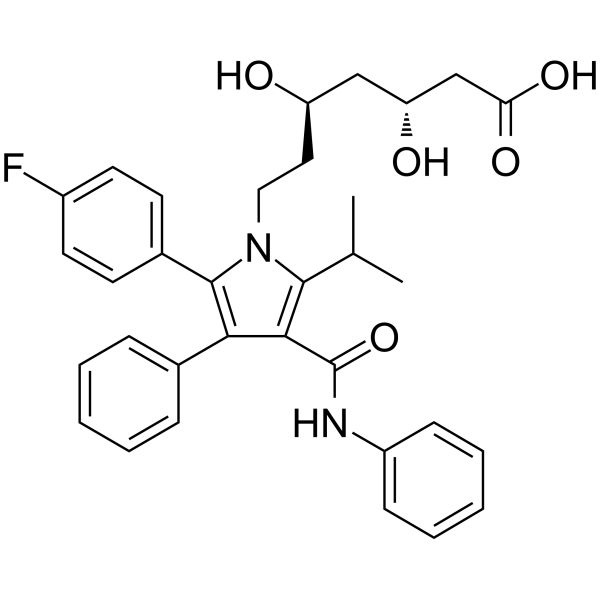
    Atorvastatin
    60+ Cited Publications

    HMG-CoA Reductase (HMGCR) Autophagy Metabolic Disease Inflammation/Immunology Cancer
    Atorvastatin is an orally active HMG-CoA reductase inhibitor, has the ability to effectively decrease blood lipids. Atorvastatin inhibits human SV-SMC proliferation and invasion with IC50s of 0.39 μM and 2.39 μM, respectively .
    Atorvastatin
  • HY-B2130
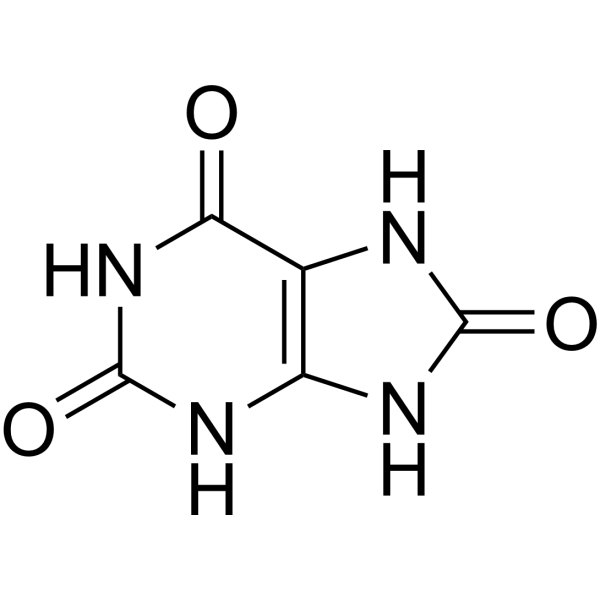
    Uric acid
    20+ Cited Publications

    Environmental Pollutants Endogenous Metabolite Reactive Oxygen Species (ROS) Cardiovascular Disease Inflammation/Immunology
    Uric acid, scavenger of oxygen radical, is a very important antioxidant that help maintains the stability of blood pressure and antioxidant stress. Uric acid can remove reactive oxygen species (ROS) such as singlet oxygen and peroxynitrite, inhibiting lipid peroxidation .
    Uric acid
  • HY-B2130A
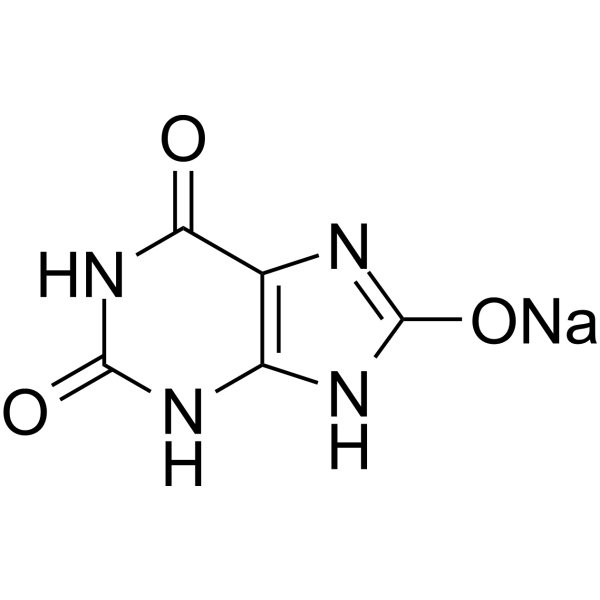
    Uric acid sodium
    20+ Cited Publications

    Monosodium urate

    Reactive Oxygen Species (ROS) Endogenous Metabolite Cardiovascular Disease Metabolic Disease
    Uric acid sodium (Monosodium urate), scavenger of oxygen radical, is a very important antioxidant that help maintains the stability of blood pressure and antioxidant stress. Uric acid sodium can remove reactive oxygen species (ROS) such as singlet oxygen and peroxynitrite, inhibiting lipid peroxidation .
    Uric acid sodium
  • HY-N0640
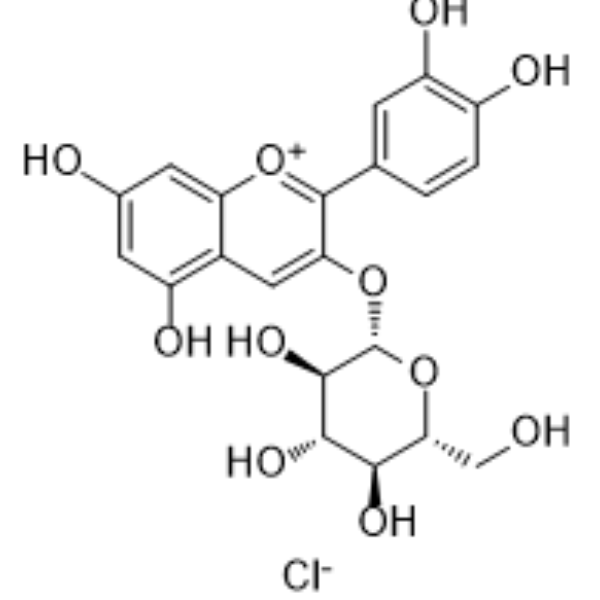
    Kuromanin chloride
    5+ Cited Publications

    Chrysontemin; Cyanidin 3-O-glucoside chloride

    CD38 Neurological Disease Metabolic Disease
    Kuromanin chloride (Chrysontemin) is derived from mulberry leaves and has the effect of increasing blood sugar concentration and maintaining lipid metabolism balance to reduce obesity. Kuromanin chloride can inhibit CD38 enzymatic activities .
    Kuromanin chloride
  • HY-17379
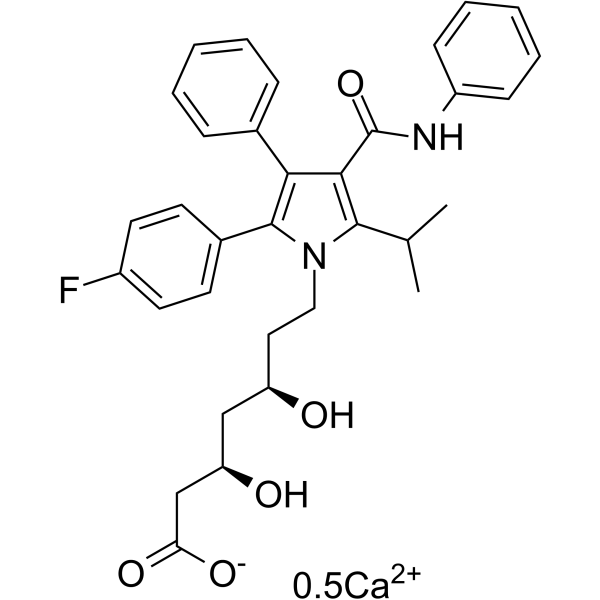
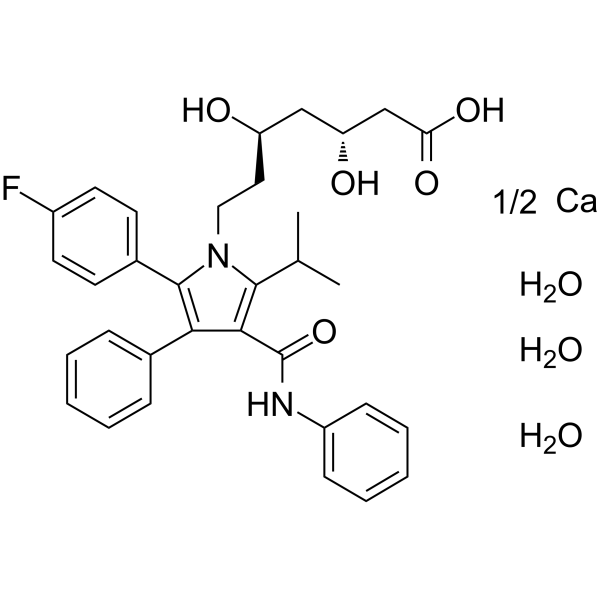
    Atorvastatin hemicalcium salt
    60+ Cited Publications

    CI-981; Atorvastatin hemicalcium

    HMG-CoA Reductase (HMGCR) Autophagy Ferroptosis Metabolic Disease Inflammation/Immunology Cancer
    Atorvastatin hemicalcium salt (CI-981) is an orally active 3-hydroxy-3-methylglutaryl coenzyme A (HMG-CoA) reductase inhibitor, with blood-brain barrier permeability. Atorvastatin hemicalcium salt has the ability to effectively decrease blood lipids. Atorvastatin hemicalcium salt inhibits human SV-SMC proliferation and invasion with IC50s of 0.39 μM and 2.39 μM, respectively .
    Atorvastatin hemicalcium salt
  • HY-144004
    DSPE-PEG2000-Mal ammonium
    2 Publications Verification

    DSPE-PEG2000 Maleimide ammonium; 1,2-Distearoyl-sn-glycero-3-phosphoethanolamine-N-[maleimide(polyethylene glycol)-2000] ammonium

    Liposome Others
    DSPE-PEG-Maleimide has DSPE phospholipid and maleimide to prepare nanostructured lipid carrier. DSPE-PEG-Maleimide extends blood circulation time and higher stability for encapsulated agents .
    DSPE-PEG2000-Mal ammonium
  • HY-N0483
    Phillygenin
    4 Publications Verification

    Phillygenol; Epipinoresinol methyl ether; (+)-Phillygenin

    Reactive Oxygen Species (ROS) Others
    Phillygenin (Phillygenol) is an active ingredient from Forsythia with many medicinal properties, such as antioxidant, reducing blood lipid, inhibition of low density lipoprotein oxidation.
    Phillygenin
  • HY-W012241

    Endogenous Metabolite PROTAC Linkers Metabolic Disease
    Dodecanedioic acid is an orally active straight-chain dicarboxylic acid. As an alternative energy substrate between lipids and carbohydrates, Dodecanedioic acid can be rapidly oxidized during exercise, reducing muscle fatigue without stimulating insulin secretion. Dodecanedioic acid also exhibits blood glucose-lowering activity in non-insulin-dependent diabetes mellitus .
    Dodecanedioic acid
  • HY-128144
    Lalistat 2
    3 Publications Verification

    Lipase Metabolic Disease
    Lalistat 2 is an inhibitor of many lipases especially Lysosomal acid lipase (LAL, IC50 = 152 nM), which is a key enzyme that degrades neutral lipids at an acidic pH in lysosomes. Lalistat 2 is commonly used to investigate the cell-specific functions of LAL and LAL deficiency in vitro, as well as specifically measure LAL activity in human blood samples or cells .
    Lalistat 2
  • HY-N2118
    Bilobetin
    2 Publications Verification

    PPAR PKA Akt p38 MAPK ERK Metabolic Disease
    Bilobetin, an active component of Ginkgo biloba, can reduce blood lipids and improve the effects of insulin. Bilobetin ameliorated insulin resistance, increased the hepatic uptake and oxidation of lipids, reduced very-low-density lipoprotein triglyceride secretion and blood triglyceride levels, enhanced the expression and activity of enzymes involved in β-oxidation and attenuated the accumulation of triglycerides and their metabolites in tissues. Bilobetin also increased the phosphorylation, nuclear translocation and activity of PPARα accompanied by elevated cAMP level and PKA activity .
    Bilobetin
  • HY-N7103

    Environmental Pollutants Endogenous Metabolite Others
    Ethyl oleate is an orally active fatty acid ester formed from the condensation of oleic acid and ethanol. Ethyl oleate is the main fatty acid ethyl ester in the blood after alcohol ingestion. Ethyl oleate has no obvious toxicity to rats and its absorption, distribution and excretionare similar to triacylglycerol. Ethyl oleate can accelerate the drying process of certain foods and can also be used as a liquid lipid component in nanostructured lipid carriers .
    Ethyl oleate
  • HY-171306

    Liposome Others
    MK16 is a lipid material that can be used to construct blood-brain barrier penetrable lipid nanoparticles for mRNA delivery. MK16 facilitates blood-brain barrier crossing via γ-secretase-mediated and caveolae-mediated transcytosis. MK16 can be used for drug delivery research .
    MK16
  • HY-N2468

    1,4-β-D-Xylobiose; 1,4-D-Xylobiose

    TNF Receptor Claudin HSP Metabolic Disease Inflammation/Immunology
    Xylobiose (1,4-β-D-Xylobiose; 1,4-D-Xylobiose) is an orally active Claudin 2/CLDN2 inhibitor and HSP27 inducer. Xylobiose works by regulating intestinal barrier function and glucose and lipid metabolism-related signaling pathways. Xylobiose inhibits CLDN2 expression to reduce intestinal permeability, induces HSP27 to enhance cell protection, and regulates the miR-122a/miR-33a axis to inhibit liver lipid synthesis and improve insulin resistance. Xylobiose can strengthen intestinal barrier integrity, reduce blood sugar and blood lipid levels, and reduce oxidative stress and inflammatory response. Xylobiose can be used in the study of type 2 diabetes and metabolic syndrome .
    Xylobiose
  • HY-B1513
    α-Cyclodextrin
    2 Publications Verification

    Environmental Pollutants SARS-CoV Microtubule/Tubulin Infection Metabolic Disease Cancer
    α-Cyclodextrin (α-CD) is a soluble fiber derived from corn. α-Cyclodextrin can deplete sphingolipids and phospholipids from cell membranes. α-Cyclodextrin interacts with tubulin. α-Cyclodextrin improves defenses against SARS-CoV-2 infection. α-Cyclodextrin enhances the anticancer efficacy of Crcumin (HY-N0005) against breast, lung and cervical cancer. α-Cyclodextrin has beneficial effects on body weight and blood lipids .
    α-Cyclodextrin
  • HY-101701

    Megrin

    Drug Derivative Cardiovascular Disease
    Hepronicate, a nicotinic acid derivative, is a peripheral vasodilator with blood lipid lowering action. Hepronicate works by improving peripheral circulatory disturbances .
    Hepronicate
  • HY-N0807
    Swertiamarin
    1 Publications Verification

    MMP NF-κB JAK Keap1-Nrf2 Metabolic Disease Inflammation/Immunology Cancer
    Swertiamarin is an orally active natural product with hypoglycemic, lipid-lowering, anti-rheumatic, and antioxidant activities. Swertiamarin can regulate the levels of pro-inflammatory cytokines, MMP, and NF-κB, and promote osteoblast proliferation. Swertiamarin has antioxidant and hepatoprotective effects against carbon tetrachloride induced rat liver toxicity through the Nrf2/HO-1 pathway. Swertiamarin can attenuate inflammatory mediators by regulating JAK2/STAT3 transcription factors in adjuvant induced arthritis rats. Swertiamarin can be used in the research of diabetes and arthritis .
    Swertiamarin
  • HY-144004A

    DSPE-PEG5000 Maleimide ammonium; 1,2-Distearoyl-sn-glycero-3-phosphoethanolamine-N-[maleimide(polyethylene glycol)-5000] ammonium

    Liposome Others
    DSPE-PEG-Maleimide has DSPE phospholipid and maleimide to prepare nanostructured lipid carrier. DSPE-PEG-Maleimide extends blood circulation time and higher stability for encapsulated agents . DSPE-PEG5000-Mal ammonium contains PEG5000.
    DSPE-PEG5000-Mal ammonium
  • HY-N0261
    Aurantio-obtusin
    1 Publications Verification

    TNF Receptor COX Cardiovascular Disease Inflammation/Immunology
    Aurantio-obtusin is a anthraquinone compound that can be extracted from cassia seed. Aurantio-obtusin has the effects of decreasing blood pressure, decreasing blood lipids and anti-inflammatory.Aurantio-obtusin is an orally active vasodilator. Aurantio-obtusin ameliorates hepatic steatosis through AMPK/ autophagy- and AMPK/TFEB mediated inhibition of lipid accumulation .
    Aurantio-obtusin
  • HY-B2130S1

    Endogenous Metabolite Reactive Oxygen Species (ROS) Inflammation/Immunology
    Uric acid- 15N2 is the 15N labeled Uric acid . Uric acid, scavenger of oxygen radical, is a very important antioxidant that help maintains the stability of blood pressure and antioxidant stress. Uric acid can remove reactive oxygen species (ROS) such as singlet oxygen and peroxynitrite, inhibiting lipid peroxidation .
    Uric acid-15N2
  • HY-W015780

    Environmental Pollutants Endogenous Metabolite Metabolic Disease
    1,4-Dimethoxybenzene is an endogenous metabolite. 1,4-Dimethoxybenzene has an anti-anxiety effect, increasing atherogenic index (AI) levels in rabbits and inducing sedentary behavior. Sedentary behavior may increase blood cholesterol levels and disrupt blood lipids . 1,4-Dimethoxybenzene considers to be not clastogenic in the in vivo micronucleus test .
    1,4-Dimethoxybenzene
  • HY-B1415

    Chlorofibrinic acid

    PPAR Bacterial SOD Infection Metabolic Disease Cancer
    Clofibric acid (Chlorofibrinic acid) is an orally active PPARα agonist. Clofibric acid inhibits the fimbriation of Escherichia coli. Clofibric acid increases SOD activity. Clofibric acid lowers blood lipids and prevents experimental pyelonephritis. Clofibric acid has anticancer activity against ovarian cancer. Clofibric acid is also a herbicide. Clofibric acid is used in ovarian cancer, liver cancer, obesity, and urinary tract infection research .
    Clofibric acid
  • HY-N6257
    Cafestol
    2 Publications Verification

    ERK PGE synthase COX NF-κB Apoptosis Autophagy AP-1 FAK Cardiovascular Disease Metabolic Disease Inflammation/Immunology Endocrinology Cancer
    Cafestol is an orally active diterpenoid and an inhibitor of ERK2. Cafestol has elevated blood lipids, anti-inflammatory, anti-angiogenic and anti-diabetic activities. In addition, Cafestol induces tumor cell apoptosis and autophagy, which can be used in the study of cancer .
    Cafestol
  • HY-P2752

    LPL

    Endogenous Metabolite Metabolic Disease Cancer
    Lipoprotein lipase, Pseudomonas sp (LPL) is a multifunctional enzyme from adipose tissue, heart and skeletal muscle, islets and macrophages. Lipoprotein lipase promotes normal lipoprotein metabolism, delivery and utilization of tissue-specific substrates. Lipoprotein lipase catalyzes the rate-limiting step of lipids in blood circulation .
    Lipoprotein lipase, Pseudomonas sp
  • HY-N0592

    NF-κB AMPK Reactive Oxygen Species (ROS) p38 MAPK Infection Metabolic Disease Inflammation/Immunology Cancer
    Demethyleneberberine is a blood-brain barrier-permeable antioxidant. Demethyleneberberine exerts antioxidant effects by targeting mitochondria, activates the AMPK signaling pathway to regulate lipid metabolism, and inhibits inflammation-related pathways such as NF-κB and MAPK. Demethyleneberberine can be used in the research of inflammatory and other diseases .
    Demethyleneberberine
  • HY-130345

    Platelet-activating Factor Receptor (PAFR) Cardiovascular Disease
    C18-PAF, octadecane PAF, is the ligand of platelet-activating factor and PAF G protein-coupled receptor (PAFR). C18-PAF has renovasodilator properties and antihypertensive lipid properties. C18-PAF increases renal blood flow and causes dose-dependent systemic hypotension .
    PAF (C18)
  • HY-160791

    Phosphatase Infection Cancer
    Claramine is a steroid polyamine with blood-brain barrier permeability. Claramine can regulate the properties of lipid membranes and protect cells from various biological toxins, including misfolded protein oligomers and biological protein-based toxins .
    Claramine
  • HY-B0757A

    rel-Vitamin E Nicotinate

    Reactive Oxygen Species (ROS) Endogenous Metabolite Cardiovascular Disease
    (±)-α-Tocopherol nicotinate, vitamin E - nicotinate, is an orally active fat-soluble antioxidant that prevents lipid peroxidation in cell membranes. (±)-α-Tocopherol nicotinate is hydrolysed in the blood to α -tocopherol and niacin and may be used in studies of related vascular diseases .
    (±)-α-Tocopherol nicotinate
  • HY-161117

    RSV Cancer
    AD-8007 is an acetyl CoA synthase 2 (ACSS2) inhibitor that can cross the blood-brain barrier. AD-8007 can significantly reduce lipid storage and cell colony formation in vitro models, and increase tumor cell death. AD-8007 has anti-cancer activity and can be used in the research of breast cancer .
    AD-8007
  • HY-B2130S

    Reactive Oxygen Species (ROS) Endogenous Metabolite Inflammation/Immunology
    Uric acid- 13C, 15N3 is the 13C-labeled and 15N-labeled Uric acid. Uric acid, scavenger of oxygen radical, is a very important antioxidant that help maintains the stability of blood pressure and antioxidant stress. Uric acid can remove reactive oxygen species (ROS) such as singlet oxygen and peroxynitrite, inhibiting lipid peroxidation .
    Uric acid-13C,15N3
  • HY-120160

    CP-86325

    PPAR Neurological Disease Metabolic Disease
    Darglitazone (CP-86325), a thiazolidinedione, is a potent, selective, and orally active PPAR-γ agonist. Darglitazone is effective in controlling blood glucose and lipid metabolism, and can be used for type II diabetes research .
    Darglitazone
  • HY-N0592A
    Demethyleneberberine chloride
    3 Publications Verification

    NF-κB AMPK Reactive Oxygen Species (ROS) p38 MAPK Infection Neurological Disease Metabolic Disease Inflammation/Immunology Cancer
    Demethyleneberberine chloride is a blood-brain barrier-permeable antioxidant. Demethyleneberberine chloride exerts antioxidant effects by targeting mitochondria, activates the AMPK signaling pathway to regulate lipid metabolism, and inhibits inflammation-related pathways such as NF-κB and MAPK. Demethyleneberberine chloride can be used in the research of inflammatory and other diseases .
    Demethyleneberberine chloride
  • HY-B0589C

    Cytochrome P450 Metabolic Disease
    (3S,5S)-Atorvastatin is a inactive enantiomer of Atorvastatin. (3S,5S)-Atorvastatin can activate pregnane X receptor (PXR). Atorvastatin is an orally active HMG-CoA reductase inhibitor, has the ability to effectively decrease blood lipids .
    (3S,5S)-Atorvastatin
  • HY-129297

    Endogenous Metabolite Metabolic Disease
    CMPF can be found in trace constituent of urine and blood. CMPF is a biomarker of type 2 diabetes. CMPF can act on the β cell and induces impaired mitochondrial function. CMPF decreases glucose-induced ATP accumulation, and induces oxidative stress. CMPF reverses hepatic lipid accumulation and improves insulin sensitivity in obese mice .
    CMPF
  • HY-B0589S

    HMG-CoA Reductase (HMGCR) Autophagy Metabolic Disease Inflammation/Immunology
    Atorvastatin-d5 (hemicalcium) is the deuterium labeled Atorvastatin. Atorvastatin hemicalcium is an orally active HMG-CoA reductase inhibitor, has the ability to effectively decrease blood lipids. Atorvastatin hemicalcium inhibits human SV-SMC proliferation and invasion with IC50s of 0.39 μM and 2.39 μM, respectively .
    Atorvastatin-d5 hemicalcium
  • HY-173371

    Phospholipase Neurological Disease
    BRI-50460 is an inhibitor of cytosolic calcium-dependent phospholipase A2 (cPLA2) that has the ability to penetrate the blood-brain barrier, with an IC50 of 0.88 nM. BRI-50460 exerts the activities of regulating neuroinflammation and restoring lipid homeostasis by inhibiting cPLA2, regulating the downstream inflammatory lipid signaling pathway, and alleviating the effects of amyloid β42 oligomers on the activation of cPLA2, the hyperphosphorylation of tau protein, and the reduction of synapses and dendrites. BRI-50460 can be applied to the research in the fields of Alzheimer's disease and other neurodegenerative diseases .
    BRI-50460
  • HY-106281

    PPD 10558

    HMG-CoA Reductase (HMGCR) Metabolic Disease
    Bemfivastatin (PPD 10558) is an orally active HMG-CoA Reductase (HMGCR) inhibitor. Bemfivastatin enhances the activity of liver extraction and reduces blood lipid levels. Bemfivastatin can be used for research of metabolic disease, such as hypercholesterolemia .
    Bemfivastatin
  • HY-135380

    Drug Intermediate Cardiovascular Disease
    Atorvastatin acetonide tert-butyl ester is a useful pharmaceutical intermediate in the preparation of Atorvastatin salts. Atorvastatin is an orally active HMG-CoA reductase inhibitor and has the ability to effectively decrease blood lipids .
    Atorvastatin acetonide tert-butyl ester
  • HY-161116

    Acetyl-CoA Carboxylase Cancer
    AD-5584 is an ACSS2 inhibitor with blood-brain permeability. AD-5584 can significantly reduce lipid storage, reduce colony formation, and increase cell death. AD-5584 has antitumor activity .
    AD-5584
  • HY-108257
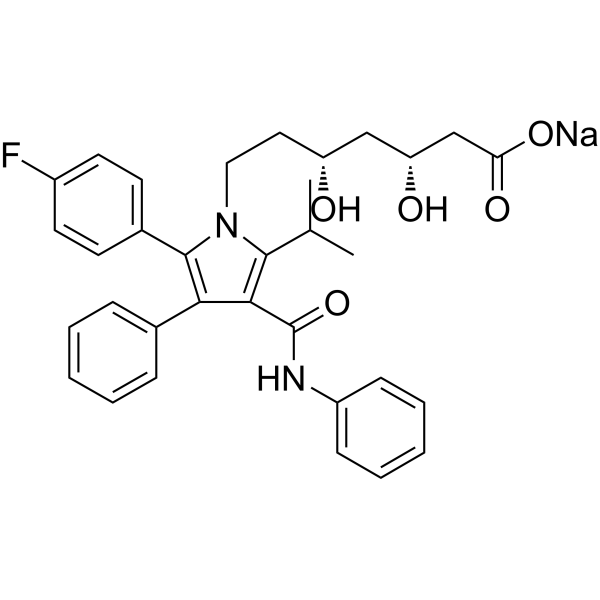
    Atorvastatin sodium
    60+ Cited Publications

    HMG-CoA Reductase (HMGCR) Autophagy Metabolic Disease Inflammation/Immunology
    Atorvastatin sodium is an orally active HMG-CoA reductase inhibitor, has the ability to effectively decrease blood lipids. Atorvastatin sodium inhibits human SV-SMC proliferation and invasion with IC50s of 0.39 μM and 2.39 μM, respectively .
    Atorvastatin sodium
  • HY-B2130R

    Reference Standards Reactive Oxygen Species (ROS) Endogenous Metabolite Inflammation/Immunology
    Uric acid (Standard) is the analytical standard of Uric acid. This product is intended for research and analytical applications. Uric acid, scavenger of oxygen radical, is a very important antioxidant that help maintains the stability of blood pressure and antioxidant stress. Uric acid can remove reactive oxygen species (ROS) such as singlet oxygen and peroxynitrite, inhibiting lipid peroxidation .
    Uric acid (Standard)
  • HY-P3388

    GLP Receptor Cardiovascular Disease Metabolic Disease
    Utreglutide is an effective glucagon-like peptide 1 (GLP-1) receptor agonist. Utreglutide can lower blood pressure, blood lipids and body weight, and improve cardiovascular metabolism. Utreglutide can be used for research on type 2 diabetes or non-type 2 diabetes obesity .
    Utreglutide
  • HY-121660

    Drug Derivative Cardiovascular Disease
    Hexyl nicotinate is a lipid-soluble nicotinic acid ester and cutaneous vasodilator. Hexyl nicotinate induces localized cutaneous vasodilation and increases blood flow. Hexyl nicotinate can be used for the research of Raynaud's phenomenon .
    Hexyl nicotinate
  • HY-160791B

    Phosphatase Infection Cancer
    Claramine hydrochloride is a steroid polyamine with blood-brain barrier permeability. Claramine hydrochloride can regulate the properties of lipid membranes and protect cells from various biological toxins, including misfolded protein oligomers and biological protein-based toxins .
    Claramine hydrochloride
  • HY-135377

    (2E)-2,3-Dehydroxy Atorvastatin

    Drug Metabolite Metabolic Disease Inflammation/Immunology
    Atorvastatin 3-Deoxyhept-2E-Enoic Acid ((2E)-2,3-Dehydroxy Atorvastatin) is an impurity of Atorvastatin. Atorvastatin is an orally active HMG-CoA reductase inhibitor and has the ability to effectively decrease blood lipids .
    Atorvastatin 3-Deoxyhept-2E-Enoic Acid
  • HY-N7103R

    Reference Standards Endogenous Metabolite Others
    Ethyl oleate (Standard) is the analytical standard of Ethyl oleate. This product is intended for research and analytical applications. Ethyl oleate is an orally active fatty acid ester formed from the condensation of oleic acid and ethanol. Ethyl oleate is the main fatty acid ethyl ester in the blood after alcohol ingestion. Ethyl oleate has no obvious toxicity to rats and its absorption, distribution and excretionare similar to triacylglycerol. Ethyl oleate can accelerate the drying process of certain foods and can also be used as a liquid lipid component in nanostructured lipid carriers .
    Ethyl oleate (Standard)
  • HY-135151

    Fluoroatorvastatin

    Drug Metabolite Cardiovascular Disease
    Difluoro atorvastatin (Fluoroatorvastatin) is an impurity of Atorvastatin. Atorvastatin is an orally active HMG-CoA reductase inhibitor, has the ability to effectively decrease blood lipids. Atorvastatin inhibits human SV-SMC proliferation and invasion with IC50s of 0.39 μM and 2.39 μM, respectively .
    Difluoro atorvastatin
  • HY-N13248

    Glycosidase Metabolic Disease
    Mulberry Leaf Extract is a mulberry leaf extract, and its components include: 1-Deoxynojirimycin. Mulberry Leaf Extract can effectively alleviate the adverse effects of high-fat diet on blood lipids and renal function, regulate lipid metabolism abnormalities, and significantly inhibit the accumulation of glycosylated substances in glomeruli. Mulberry Leaf Extract can regulate the key signaling pathways of diabetic nephropathy, but does not directly affect blood glucose levels. .
    Mulberry Leaf Extract
  • HY-156277

    PPAR Metabolic Disease
    SP4f is an activator ofPPAR-γ, with the EC50 of 826 nM in HK-2 cells. SP4f reduces the blood glucose levels and lipid peroxidation, and increases glutathione levels and catalase activityin the Swiss albino mice .
    SP4f
  • HY-148626

    PCSK9 Metabolic Disease
    CVI-LM001 is an inhibitor PCSK 9. CVI-LM001 inhibits the interaction of PCSK9 with low-density lipoprotein receptor (LDLR), regulates the level of low-density lipoprotein cholesterol (LDL-C) in the blood, and exhibits lipid-lowering efficacy .
    CVI-LM001
  • HY-P3491

    Polyethylene glycol loxenatide; PEX 168

    GCGR PI3K Akt Reactive Oxygen Species (ROS) Autophagy Interleukin Related Sirtuin AMPK Apoptosis Cardiovascular Disease Metabolic Disease Inflammation/Immunology
    Pegloxenatide (Polyethylene glycol loxenatide) is a long-acting glucagon-like peptide-1 receptor (GLP-1RA) agonist. Pegloxenatide has various activities such as lowering blood glucose, lowering blood lipids, improving body weight, anti-inflammation, promoting wound healing, protecting the liver, and protecting the heart. Pegloxenatide can be used in the research of type 2 diabetes and its multiple complications .
    Pegloxenatide

Inquiry Online

Your information is safe with us. * Required Fields.

Salutation


Country or Region *

Applicant Name *


Organization Name *

Department *


Email Address *


Product Name *

Cat. No.


Requested quantity *

Phone Number *


Remarks

Inquiry Online

Inquiry Information

Product Name:
Cat. No.:
Quantity:
MCE Japan Authorized Agent:

