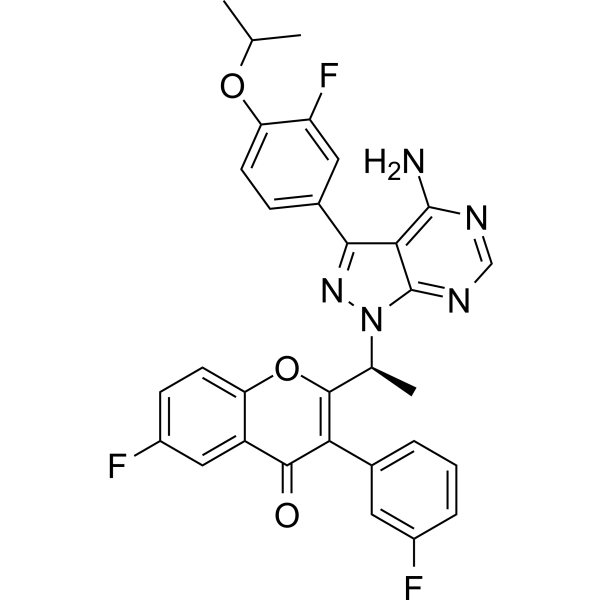
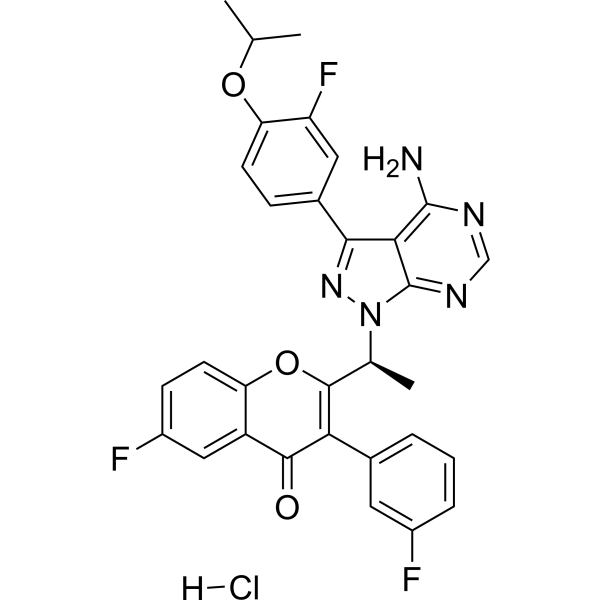
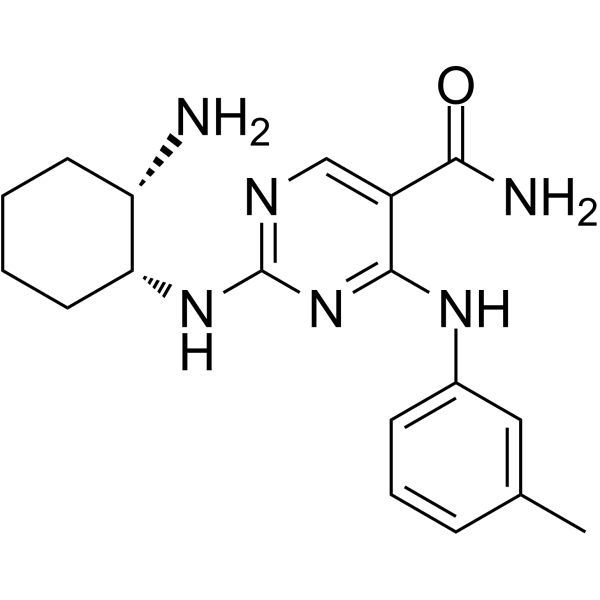
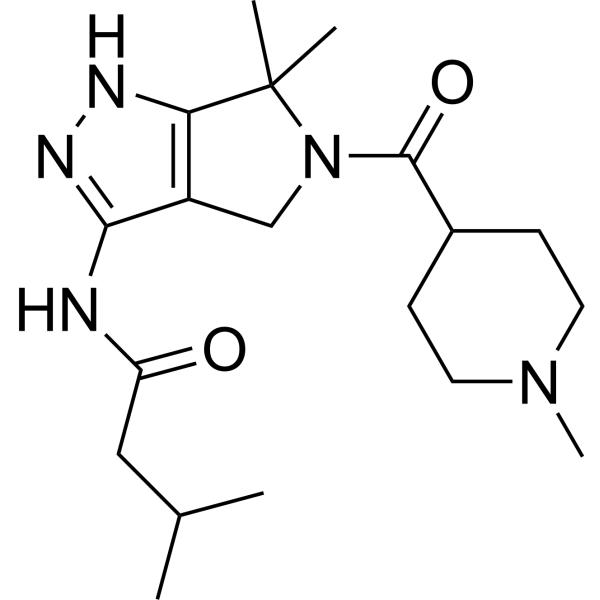
1. Search Result
Search Result
Results for "

chronic leukemia

" in MedChemExpress (MCE) Product Catalog:

231

Inhibitors & Agonists

4

Fluorescent Dyes

4

Biochemical Assay Reagents

3

Peptides

12

Inhibitory Antibodies

24

Natural
Products

3

Recombinant Proteins

6

Isotope-Labeled Compounds

1

Click Chemistry

8

Oligonucleotides

Targets Recommended:
Cat. No. Product Name Target Research Areas Chemical Structure
  • HY-17600
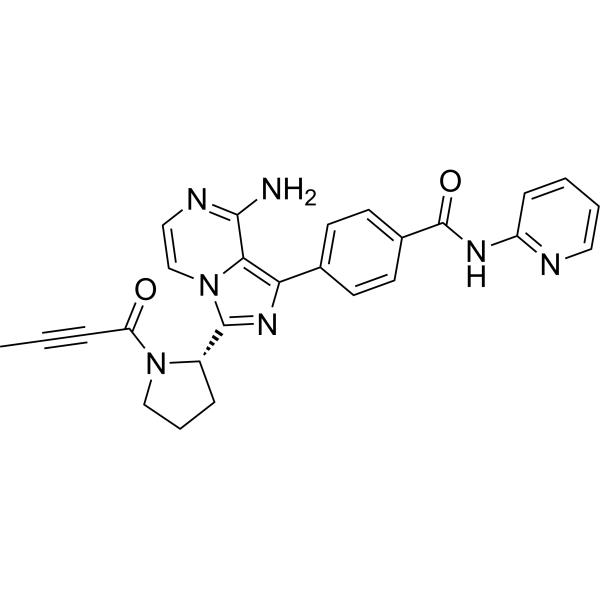
    Acalabrutinib
    Maximum Cited Publications
    31 Publications Verification

    Calquence; ACP-196

    Btk Inflammation/Immunology Cancer
    Acalabrutinib (ACP-196) is an orally active, irreversible, and highly selective second-generation BTK inhibitor. Acalabrutinib binds covalently to Cys481 in the ATP-binding pocket of BTK. Acalabrutinib demonstrates potent on-target effects and efficacy in mouse models of chronic lymphocytic leukemia (CLL). Acalabrutinib can be used for CLL research . Acalabrutinib is a click chemistry reagent, itcontains an Alkyne group and can undergo copper-catalyzed azide-alkyne cycloaddition (CuAAc) with molecules containing Azide groups.
    Acalabrutinib
  • HY-N0117
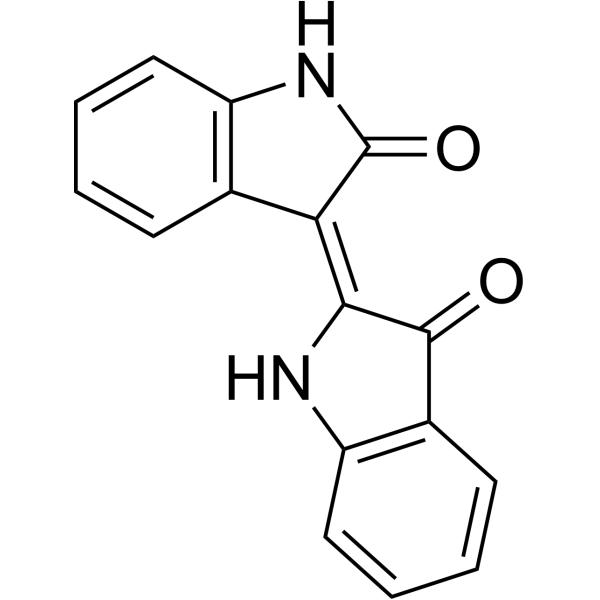
    Indirubin
    Maximum Cited Publications
    12 Publications Verification

    Couroupitine B; Indigo red; Indigopurpurin

    Apoptosis Cancer
    Indirubin (Couroupitine B) is a bis-indole alkaloid and has emarkable anticancer activity against chronic myelocytic leukemia .
    Indirubin
  • HY-P99207
    Lenzilumab
    1 Publications Verification

    KB 003

    SARS-CoV Cancer
    Lenzilumab (KB 003) is a human monoclonal antibody targeting CSF2/GM-CSF for COVID-19, chronic myelomonocytic leukemia (CMML) and juvenile myelomonocytic leukemia (JMML) studies .
    Lenzilumab
  • HY-148813
    AK-2292
    2 Publications Verification

    PROTACs STAT Cancer
    AK-2292 is a potent and selective STAT5 PROTAC degrader, with a DC50 of 0.10 μM. AK-2292 induces degradation of STAT5A/B proteins in vitro and in vivo. AK-2292 can induce tumor regression in acute myeloid leukemia and chronic myeloid leukemia xenograft mouse models . AK-2292 is a click chemistry reagent, it contains an Alkyne group and can undergo copper-catalyzed azide-alkyne cycloaddition (CuAAc) with molecules containing Azide groups.
    AK-2292
  • HY-N0559
    Kirenol
    1 Publications Verification

    Casein Kinase Apoptosis AMPK Akt NF-κB TGF-beta/Smad Cardiovascular Disease Neurological Disease Metabolic Disease Inflammation/Immunology Cancer
    Kirenol is a diterpenoid compound, an orally active apoptosis inducer and signaling pathway regulator, with a Kd value of 5.47 μM against the target CK2. Kirenol promotes the cleavage of Bid into tBid, regulates the protein levels/phosphorylation of Bax, Bcl-2, p53 and p21, and induces caspase-independent apoptosis, S-phase cell cycle arrest, ROS accumulation and cytotoxicity in cancer cells. Kirenol activates the CK2/AKT and AMPK-mTOR-ULK1 pathways, inhibits the signaling of NF-κB, TGF-β/Smads and NLRP3 inflammasome, and regulates the GSK3β, BMP and Wnt/β-catenin pathways. Kirenol induces autophagy, mitophagy and osteoblast differentiation, promotes mitochondrial fusion, and exerts antioxidant, anti-inflammatory, antifibrotic, renoprotective, cardioprotective, neuroprotective and analgesic effects. Kirenol is applicable to research related to chronic myeloid leukemia, ischemic stroke, diabetic nephropathy, heart failure, acute lung injury and osteoporosis .
    Kirenol
  • HY-15322
    PRT062607
    4 Publications Verification

    P505-15; PRT-2607; BIIB-057

    Syk Apoptosis Caspase Inflammation/Immunology Cancer
    PRT062607 (P505-15; PRT-2607) is an orally active ATP-competitive Syk inhibitor with an IC50 value of 1 nM, and exhibits at least 80-fold selectivity over other kinases. PRT062607 blocks B cell antigen receptor-mediated activation, Fcε receptor 1-mediated basophil degranulation and microglial phagocytosis, and induces caspase-dependent apoptosis and microglial death. PRT062607 inhibits tumor growth and peripheral nerve injury-induced mechanical allodynia, and prevents neuronal loss. PRT062607 can be used in research related to rheumatoid arthritis, chronic lymphocytic leukemia, non-Hodgkin's lymphoma, neurodegenerative diseases and neuropathic pain .
    PRT062607
  • HY-114989
    Fluorizoline
    3 Publications Verification

    Apoptosis Cancer
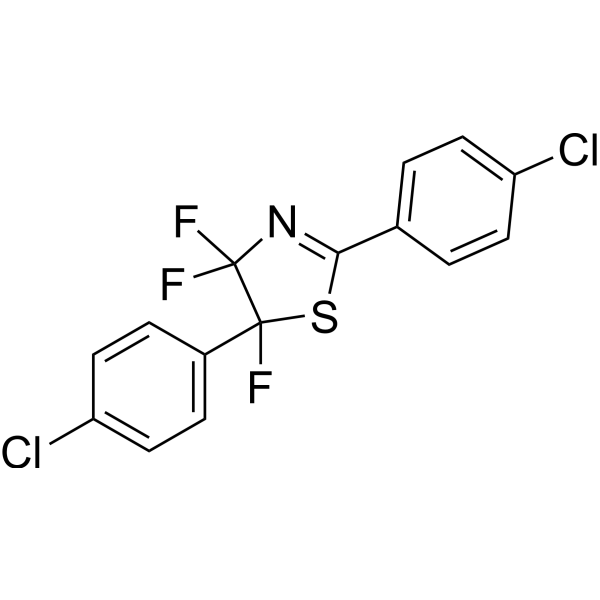
    Fluorizoline selectively and directly binds to prohibitin 1 (PHB1) and 2 (PHB2), and induces apoptosis. Fluorizoline reduces chronic lymphocytic leukemia (CLL) cell viability through the upregulation of NOXA and BIM. Fluorizoline exerts antitumor action in a p53-independent manner .
    Fluorizoline
  • HY-137460
    Vodobatinib
    2 Publications Verification

    K0706

    Bcr-Abl Cancer
    Vodobatinib (K0706) is a potent, third generation and orally active Bcr-Abl1 tyrosine kinase inhibitor with an IC50 of 7 nM. Vodobatinib exhibits activity against most BCR-ABL1 point mutants, and has no activity against BCR-ABL1T315I. Vodobatinib can be used for chronic myeloid leukemia (CML) research . Vodobatinib is a click chemistry reagent, it contains an Alkyne group and can undergo copper-catalyzed azide-alkyne cycloaddition (CuAAc) with molecules containing Azide groups.
    Vodobatinib
  • HY-12974
    PRT-060318
    4 Publications Verification

    PRT318

    Syk Apoptosis Inflammation/Immunology Cancer
    PRT-060318 (PRT318) s a potent, selective and orally active tyrosine kinase Syk inhibitor with an IC50 of 3 nM. PRT-060318 suppresses chronic lymphocytic leukemia (CLL) B cell activation and migration, and induces apoptosis. PRT-060318 prevents Heparin (HY-17567)-induced thrombocytopenia and thrombosis in a transgenic mouse model. PRT-060318 dihydrochloride can be used for CLL and thrombus research .
    PRT-060318
  • HY-122562
    MT-802
    4 Publications Verification

    PROTACs Btk Cancer
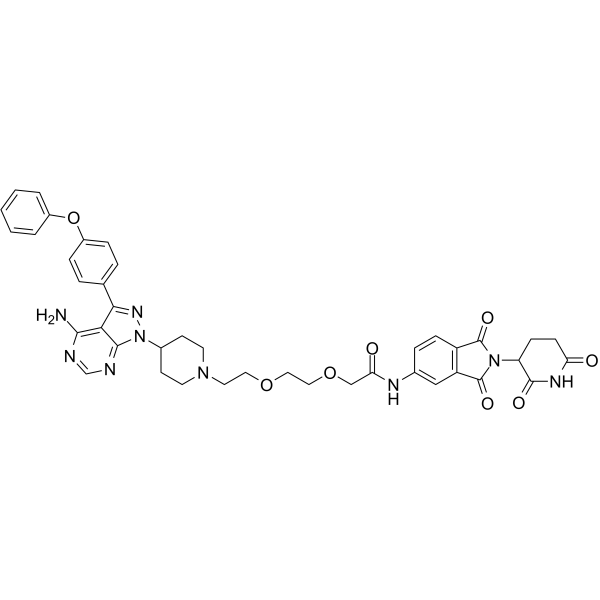
    MT-802 is a BTK PROTAC degrader. MT-802 degrades wild-type BTK (DC50 = 14.6 nM) and BTK mutants including E41K, C481S (DC50 = 14.9 nM), C481R, C481Y, C481T, C481F, L528W, and inhibits their Y223 phosphorylation. BI-4732 can be used for the study of Ibrutinib (HY-10997)-resistant chronic lymphocytic leukemia (CLL). (Pink: BTK ligand (HY-150885), Blue: CRBN Ligand (HY-14658), Black: Linker (HY-141371), E3 ligase ligand-linker conjugate (HY-176340)) .
    MT-802
  • HY-G0017
    N-Desmethyl imatinib
    1 Publications Verification

    Norimatinib; Imatinib metabolite N-Desmethyl imatinib; CGP 74588

    Drug Metabolite P-glycoprotein Apoptosis Neurological Disease Cancer
    N‑Desmethyl imatinib (Norimatinib) is an active metabolite of Imatinib (HY-15463), a selective c‑Abl inhibitor, and a substrate of P‑glycoprotein. N-Desmethyl imatinib binds to the c-Abl catalytic domain to prevent substrate phosphorylation, inhibits c-Abl-mediated α-synuclein activation and downstream inflammatory signaling pathways. N-Desmethyl imatinib induces apoptosis in K562 human leukemia cells. N-Desmethyl imatinib shows significantly elevated plasma levels in gastrointestinal stromal tumor (GIST) models with mild SARS-CoV-2 infection. N-Desmethyl imatinib can be used for the research of Parkinson’s disease, gastrointestinal stromal tumor, and chronic myeloid leukemia .
    N-Desmethyl imatinib
  • HY-137438

    TG-1701

    Btk Cancer
    Edralbrutinib (TG-1701) is a highly selective, orally available irreversible BTK inhibitor, with an EC50 of 6.70 nM and a Kd of 3 nM against human BTK. Edralbrutinib inhibits downstream signaling of the B cell receptor, induces dephosphorylation of Ikaros Ser442/445, promotes nuclear exclusion of Ikaros, attenuates Ikaros gene signatures, and exerts anti-tumor activity. Edralbrutinib can be used in research related to B-cell non-Hodgkin lymphoma, chronic lymphocytic leukemia, mantle cell lymphoma, follicular lymphoma, and diffuse large B-cell lymphoma .
    Edralbrutinib
  • HY-118144

    Src Bcr-Abl p38 MAPK Cancer
    PD166326 is an orally active tyrosine kinase inhibitor with a IC50 of 8 nM against abl tyrosine kinase and a IC50 of 6 nM against src tyrosine kinase. PD166326 blocks Bcr/Abl kinase activity. PD166326 inhibits Bcr/Abl-dependent proliferation and cell cycle progression. PD166326 reduces peripheral blood granulocytosis, alleviates splenomegaly and prolongs survival in a mouse model of chronic myeloid leukemia. PD166326 can be used in research related to chronic myeloid leukemia .
    PD166326
  • HY-175451

    Molecular Glues Src Infection Cancer
    MRT-10350 (Compound 2) is a cereblon-based HCK molecular glue degrader. MRT-10350 can be used for cancers like chronic myeloid leukemia and HIV-1 infections research .
    MRT-10350
  • HY-18676B

    OSU-T315 analog

    Integrin Autophagy Apoptosis Caspase PDHK Cancer
    ILK-IN-2 (OSU-T315 analog) is an oral PDK2 inhibitor and also an ILK inhibitor, with an IC50 of 0.6 μM. ILK-IN-2 induces cell autophagy and apoptosis, showing anti-tumor activity. ILK-IN-2 directly abolishes AKT activation by preventing AKT from translocating to lipid rafts, triggering Caspase-dependent apoptosis in chronic lymphocytic leukemia (CLL) and extending the lifespan in TCL1 mouse models .
    ILK-IN-2
  • HY-15738
    GNF-5
    4 Publications Verification

    Bcr-Abl Cancer
    GNF-5, the N-hydroxyethyl carboxamide analog of GNF-2, is an orally active Bcr-Abl inhibitor. GNF-5 has Bcr-Abl inhibition activity with an IC50 value of 0.22 µM. GNF-5 has good favorable pharmacokinetic properties. GNF-5 can be used for the research of kinds of cancer including chronic myelogenous leukemia (CML) and breast cancer .
    GNF-5
  • HY-156640

    LP-168

    EGFR Cancer
    Rocbrutinib is an orally available, highly selective Bruton's tyrosine kinase (BTK) inhibitor, with an IC50 of 0.11 nM against wild-type BTK and an IC50 of 1.0 nM against C481S-mutated BTK. Rocbrutinib reduces the viability of leukemia cells, induces cytotoxicity and inhibits cell migration. Rocbrutinib can be used in research related to chronic lymphocytic leukemia, non-Hodgkin's lymphoma and mantle cell lymphoma .
    Rocbrutinib
  • HY-Y0030

    3-hydroxypyridine-2-carboxylic acid

    Biochemical Assay Reagents Drug Intermediate Infection Cancer
    3-Hydroxypicolinic acid is a heterocyclic carboxylic acid ligand and cytotoxin, with a MIC90 of >25 μg/mL against Mycobacterium tuberculosis H37Rv. 3-Hydroxypicolinic acid inhibits the growth of cancer cells and normal fibroblasts. 3-Hydroxypicolinic acid is applicable to research related to chronic myeloid leukemia, human lung adenocarcinoma, and tuberculosis .
    3-Hydroxypicolinic acid
  • HY-P99272
    Ulocuplumab
    1 Publications Verification

    BMS 936564; MDX 1338; Anti-Human CXCR4 Recombinant Antibody

    CXCR Cancer
    Ulocuplumab (Anti-Human CXCR4 Recombinant Antibody/BMS-936564/MDX1338) is a fully human IgG4 anti-CXCR4 antibody. Ulocuplumab induces apoptosis and inhibits CXCL12 mediated CXCR4 activation-migration of chronic lymphocytic leukemia (CLL). Ulocuplumab exhibits antitumor activity in established tumors including acute myeloid leukemia (AML), non-Hodgkin lymphoma (NHL), and multiple myeloma xenograft models .
    Ulocuplumab
  • HY-160924

    PROTACs BMI1 E1/E2/E3 Enzyme Histone Methyltransferase Cancer
    MS147 is a VHL-based PROTAC degrader of BMI1 and RING1B (polycomb repressive complex 1 core components). MS147 directly binds EED and VHL E3 ligase, recruiting the ligase to the EED-BMI1/RING1B complex to induce time-dependent, ubiquitination-mediated degradation of BMI1 and RING1B. MS147 reduces histone H2A Lys119 mono-ubiquitination without altering histone H3 Lys27 tri-methylation and inhibits cancer cells proliferation. MS147 can be used for the research of cancer, such as chronic myelogenous leukemia and b-cell lymphoma . (Pink: BMI1/RING1B ligand (HY-183634); Blue: VHL ligand (HY-125845); Black: linker)
    MS147
  • HY-108894

    Ferroptosis Reactive Oxygen Species (ROS) Cardiovascular Disease Inflammation/Immunology Cancer
    Ferumoxytol is an FDA-approved ultrasmall superparamagnetic iron oxide preparation and iron replacement agent that exerts selective activity against leukemia cells with low ferroportin expression. Ferumoxytol increases intracellular iron levels, induces reactive oxygen species (ROS) production via the Fenton reaction, and triggers oxidative stress and cell death. Ferumoxytol reduces disease burden in mouse models and patient-derived leukemia models. As an MRI contrast agent, Ferumoxytol enables imaging of vascular lesions, tumors and lymph nodes. Ferumoxytol can be used in research related to acute myeloid leukemia and blast-phase chronic myeloid leukemia .
    Ferumoxytol
  • HY-103275

    NSC 680410

    Bcr-Abl Apoptosis Cancer
    Adaphostin (NSC 680410), the adamantyl ester of AG957, is a potent p210 bcr/abl inhibitor (IC50=14 μM). Adaphostin induces apoptosis in T-lymphoblastic human leukemia cell lines (IC50 ranging from 17 to 216 nM). Adaphostin has significant and selective activity against chronic and acute myeloid leukemia cells. Adaphostin increased the level of reactive oxygen species (ROS) within CLL B cells .
    Adaphostin
  • HY-125834

    PROTACs Bcr-Abl Apoptosis STAT JAK Cancer
    GMB-475 is a potent BCR-ABL1 PROTAC based on Von Hippel-Lindau (VHL). GMB-475 targets the nutmeg pocket of ABL1 in an ectopic manner and degrades BCR-ABL1 protein through the ubiquitin proteasome pathway. GMB-475 inhibits the proliferation of human K562 cells and mouse Ba/F3 cells, and is used for the study of chronic myeloid leukemia. (Blue: VHL ligand (HY-125845); Black: Linker; Pink: BCR-ABL1 ligand (HY-11007)) .
    GMB-475
  • HY-N6744

    Apoptosis Endogenous Metabolite Fungal Parasite Arp2/3 Complex Infection Cancer
    Chaetoglobosin A is a secondary metabolite and nematicide. Chaetoglobosin A is produced by Penicillium aquamarinium. Chaetoglobosin A targets Filamentous actin in cells, thereby inducing cell cycle arrest, and inhibiting membrane ruffle formation and cell migration. Chaetoglobosin A preferentially induces Apoptosis in chronic lymphocytic leukemia cells. Chaetoglobosin A induces dose- and time-dependent death in J2 larvae of the southern root-knot nematode (Meloidogyne incognita). Chaetoglobosin A can be used in studies related to root-knot nematode disease and chronic lymphocytic leukemia .
    Chaetoglobosin A
  • HY-P99653A

    VAY-736 (FUT8-KO)

    TNF Receptor Apoptosis NF-κB Inflammation/Immunology Cancer
    Ianalumab (VAY-736) (FUT8-KO) is an anti-BAFF-R monoclonal antibody expressed in CHO cells with the fucosyltransferase 8 gene (FUT8) knocked out. Fucose depletion enhances its B cell clearance capacity. Ianalumab (FUT8-KO) competitively blocks the binding of BAFF to BAFF-R, inhibits the BAFF-mediated alternative NF-κB pro-survival signaling pathway, and abrogates the apoptotic (apoptosis) protective effect of BAFF on cancer cells. Ianalumab (FUT8-KO) can be used in research related to primary Sjögren's syndrome and chronic lymphocytic leukemia .
    Ianalumab (FUT8-KO)
  • HY-19527
    IST5-002
    1 Publications Verification

    N6-Benzyladenosine-5'-phosphate

    STAT Apoptosis Cancer
    IST5-002, a potent Stat5a/b inhibitor, selectively inhibits transcriptional activity of Stat5a/b (IC50s: 1.5 μM for Stat5a, 3.5 μM for Stat5b). IST5-002 inducs cell apoptotic and death of prostate cancer cells and chronic myeloid leukemia (CML) cells. IST5-002 can be used in the research of prostate cancer and chronic myeloid leukemia (CML) .
    IST5-002
  • HY-152036A

    PROTACs Bcr-Abl Cancer
    SIAIS100 TFA is a potent BCR-ABL PROTAC degrader with an DC50 value of 2.7 nM. SIAIS100 TFA can be used to research chronic myeloid leukemia (CML) .
    SIAIS100 TFA
  • HY-171499

    EL625

    MDM-2/p53 Cancer
    Cenersen (EL625) is an oligonucleotide targeting TP53. Cenersen can eliminate the activity of TP53 gain-of-function mutants and increase the sensitivity of lymphoma cells to cytotoxic chemotherapy in vitro. Cenersen can be used for the study of chronic lymphocytic leukemia (CLL) .
    Cenersen
  • HY-N11011

    NF-κB STAT PERK JNK p38 MAPK PGE synthase Interleukin Related TNF Receptor COX Inflammation/Immunology Cancer
    Withaphysalin A is a withanolide compound with anti-inflammatory and antioxidant activities. Withaphysalin A inhibits LPS (HY-D1056)-induced nuclear translocation of NF-κB p65, as well as phosphorylation of STAT3, ERK, JNK and p38 MAPK. Withaphysalin A upregulates the expression of HO-1. Withaphysalin A inhibits LPS-induced production of NO, PGE2, IL-1β, IL-6 and TNF-α. Withaphysalin A downregulates LPS-induced expression of iNOS and COX-2. Withaphysalin A interacts with B-cell activating factor protein (BAFF) to exert inhibitory effects. Withaphysalin A exhibits ELOVL6 inhibitory activity. Withaphysalin A can be used in the research of inflammatory diseases, nephrotic syndrome and chronic myeloid leukemia .
    Withaphysalin A
  • HY-170859

    PROTACs Casein Kinase Cancer
    AH078 is a PROTAC-based CK1δ/ε degrader (DC50=0.55 μM, Dmax=70%) that lacks subtype selectivity between CK1δ and CK1ε. AH078 induces target protein degradation either by recruiting the CUL4-CRBN E3 ligase complex and proteasome, or via the VHL- and ubiquitin-dependent pathway. AH078 also exhibits selectivity for CK1α, and is widely applicable to research related to colon cancer, pancreatic cancer, breast cancer, ovarian cancer, chronic lymphocytic leukemia, acute myeloid leukemia, glioma, and metastatic breast adenocarcinoma .
    AH078
  • HY-164393

    JAK Bcr-Abl Apoptosis Cancer
    ON044580, an α-benzoyl styryl benzyl sulfide, is a potent and non-ATP-competitive JAK2 kinase inhibitor with IC50s of 1.23 μM, 1.09 μM for WT and V617F mutant JAK2, respectively. ON044580 inhibits the JAK2 kinase activity either by binding to the STAT-5 binding domain of JAK2 or by binding to an allosteric site. ON044580 exerts its antiproliferative effect in JAK2 V617F-positive leukemic cells. ON044580 effectively induces apoptosis of Imatinib (HY-15463)-resistant chronic myelogenous leukemia (CML) cells. ON044580 also inhibits both WT and T315I mutant forms of the BCR-ABL kinase. ON044580 has the potential for myeloproliferative disorders typified by aberrant JAK/STAT signaling .
    ON044580
  • HY-N0117A

    (Z)-Couroupitine B; (Z)-Indigo red; (Z)-Indigopurpurin

    Apoptosis Cancer
    (Z)-Indirubin is an isomer of Indirubin (HY-N0117). Indirubin is a bis-indole alkaloid and has emarkable anticancer activity against chronic myelocytic leukemia .
    (Z)-Indirubin
  • HY-160952

    CPX 351; Daunorubicin-Cytarabine Liposome

    Liposome Drug Derivative Cardiovascular Disease Cancer
    Cytarabine-daunorubicin (CPX 351) is a Liposomal formulation prepared from Cytarabine (HY-13605) and Daunorubicin (HY-13062A) at a fixed synergistic molar ratio of 5:1. Cytarabine-daunorubicin improves secondary acute myeloid leukemia. Cytarabine-daunorubicin can be used in research related to secondary acute myeloid leukemia, high-risk myelodysplastic syndrome, and chronic myelomonocytic leukemia .
    Cytarabine-daunorubicin
  • HY-123794

    Phosphatase Cancer
    MP07-66, a FTY720 analogue, is devoid of immunosuppressive effects and shows promising antitumor effects in chronic lymphocytic leukemia by disruption of the SET-PP2A complex leading to PP2A reactivation .
    MP07-66
  • HY-12083

    Bcr-Abl Cancer
    PPY-A is a potent T315I mutant and wild-type Abl kinases inhibitor with IC50s of 9 and 20 nM, respectively. PPY-A inhibits Ba?F3 cells transformed with wild-type Abl and Abl T315I mutantl with IC50s of 390 and 180 nM, respectively. PPY-A can be used for the research of chronic myeloid leukemia (CML) .
    PPY-A
  • HY-174850

    Btk Cancer
    CFON-026 is a selective, orally active and non-covalent BTK inhibitor with an IC50 of 0.27  nM. CFON-026 has significant antitumor activity against wild-type BTK (TMD8 and REC-1) and all clinically relevant BTK resistance mutations (BTK C481S, T474I, L528W and V416L). CFON-026 induces complete tumor regression in TMD8 xenograft mice model. CFON-026 can be used for research of hematological cancers like chronic lymphocytic leukemia and waldenström macroglobulinemia .
    CFON-026
  • HY-147342

    Drug Metabolite IMPDH Cancer
    β-Benzamide adenine dinucleotide is a biologically active metabolite of benzamide riboside. β-Benzamide adenine dinucleotide is a competitive inhibitor of human NAD kinase with a Ki value of 90 μM, and inhibits human IMPDH with IC50 values of 0.787 μM and 0.884 μM for type I and type II, respectively. β-Benzamide adenine dinucleotide exhibits inhibitory activities against lactate dehydrogenase, glutamate dehydrogenase, and malate dehydrogenase. β-Benzamide adenine dinucleotide can be used for the study of chronic myelogenous leukemia .
    β-Benzamide adenine dinucleotide
  • HY-162008

    HSP Bcl-2 Family Cancer
    S1g-10 is a Hsp70/Bim inhibitor, and shows antitumor activity in chronic myeloid leukemia cells .
    S1g-10
  • HY-N0117AR

    (Z)-Couroupitine B (Standard); (Z)-Indigo red (Standard); (Z)-Indigopurpurin (Standard)

    Reference Standards Apoptosis Cancer
    (Z)-Indirubin (Standard) is the analytical standard of (Z)-Indirubin (HY-N0117A). (Z)-Indirubin is an isomer of Indirubin (HY-N0117). Indirubin is a bisindole alkaloid with significant anticancer activity against chronic myeloid leukemia.
    (Z)-Indirubin (Standard)
  • HY-78216

    Biochemical Assay Reagents Cancer
    2-Thiooxamic acid ethyl ester is an organic compound containing thiocarbonyl and ethyl ester groups. 2-Thiooxamic acid ethyl ester can be used in the study of cancer (such as chronic myeloid leukemia, breast cancer, etc.) .
    2-Thiooxamic acid ethyl ester
  • HY-163854

    HSP Bcl-2 Family Apoptosis Cancer
    HSP70-IN-6 (Compound JL-15) is an inhibitor of Hsp70-Bim protein-protein interaction (PPI) (IC50: 70 nM). HSP70-IN-6 induces apoptosis in chronic myeloid leukemia (CML) cells, with EC50s of 0.43 μM(BV173), 0.88 μM (K562), 0.19 μM (K562-R3) .
    HSP70-IN-6
  • HY-120997

    Berbamine p-nitrobenzoate

    Calmodulin Myosin Phosphodiesterase (PDE) Cardiovascular Disease Cancer
    E6 Berbamine (Berbamine p-nitrobenzoate) is a potent calmodulin (CaM) antagonist. E6 Berbamine inhibits the activities of calmodulin-dependent myosin light chain kinase (MLCK) and phosphodiesterase (PDE). E6 Berbamine exhibits anti-leukemic activity. E6 Berbamine can be used in research related to cardiovascular abnormalities and chronic myeloid leukemia .
    E6 Berbamine
  • HY-177332

    TAM Receptor SARS-CoV Akt Infection Cancer
    SLC-391 is an orally active AXL kinase inhibitor with an IC50 of 9.6 nM against AXL kinase. SLC-391 inhibits Gas6-induced AXL-dependent phosphorylation of Akt. SLC-391 inhibits SARS-CoV-2 infection, entry and replication in cells. SLC-391 suppresses cancer cell proliferation. SLC-391 inhibits tumor growth in mouse solid tumor xenograft models. SLC-391 can be used for the research of COVID-19, influenza virus infection, triple-negative breast cancer, chronic myeloid leukemia and non-small cell lung cancer .
    SLC-391
  • HY-13641

    Myelobromol; DBM

    DNA Alkylator/Crosslinker Cancer
    Mitobronitol (Myelobromol; DBM) is a brominated analog of mannitol, also known as an anticancer agent that is classified as an alkylating agent. Mitobronitol has potential for myelosuppression associated with significantly decreased risk for several complications of allogeneic bone marrow transplantation in accelerated chronic granulocytic leukemia .
    Mitobronitol
  • HY-152036

    PROTACs Bcr-Abl Cancer
    SIAIS100 is a potent BCR-ABL PROTAC degrader with an DC50 value of 2.7 nM. SIAIS100 can be used to research chronic myeloid leukemia (CML) .
    SIAIS100
  • HY-13739

    MCNU

    DNA Alkylator/Crosslinker Cancer
    Ranimustine (MCNU) is a nitrosourea alkylating agent, can be used for research of chronic myelogenous leukemia and polycythemia vera .
    Ranimustine
  • HY-175437

    Molecular Glues Src Bcr-Abl Inflammation/Immunology Cancer
    MRT-7612 (Compound 4) is a cereblon-based tyrosine kinases molecular glue degrader. MRT-7612 significantly induces HCK and LYN degradation, with week efficacy on LCK. MRT-7612 can be used for cancers like chronic myeloid leukemia, autoimmune and chronic inflammatory diseases research .
    MRT-7612
  • HY-174221

    IMPDH HDAC Cancer
    IMPDH II/HDAC1-IN-1 (Compound C12) is an orally active, selective dual IMPDH II/HDAC1 inhibitor, with an IC50 of 84.69 nM against hIMPDH II and an IC50 of 81.75 nM against HDAC1. IMPDH II/HDAC1-IN-1 inhibits the proliferation of chronic myeloid leukemia cells. IMPDH II/HDAC1-IN-1 can be used for the research of chronic myeloid leukemia .
    IMPDH II/HDAC1-IN-1
  • HY-163607

    Apoptosis NF-κB Cancer
    SpiD3, a spirocyclic dimer, is an anticancer agent. SpiD3 markedly inhibits malignant B-cell proliferation and suppressed NF-κB activation independent of TME-associated stimuli. SpiD3 induces apoptosis and inhibits protein synthesis in chronic lymphocytic leukemia cells. SpiD3 can be used for study of chronic lymphocytic leukemia (CLL) .
    SpiD3
  • HY-120533

    Syk Inflammation/Immunology
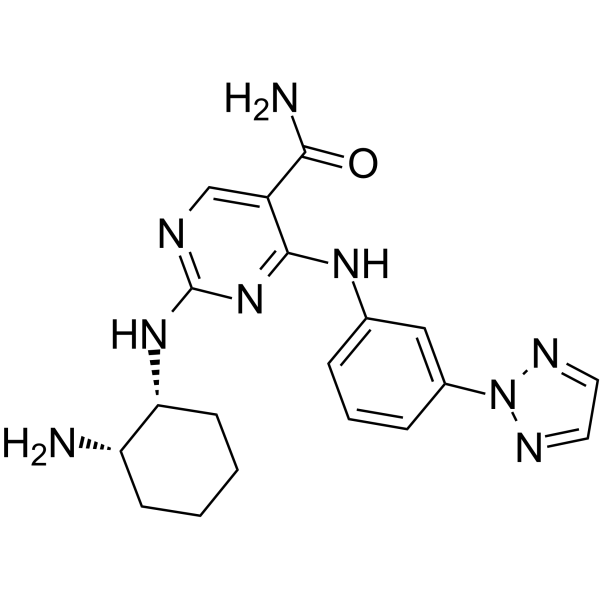
    Syk-IN-11 (BIIB-057) is a selective Syk inhibitor with an IC50 Of 13 nM. Syk-IN-11 can be used in the study of arthritis and chronic lymphocytic leukemia .
    Syk-IN-11

Inquiry Online

Your information is safe with us. * Required Fields.

Salutation


Country or Region *

Applicant Name *


Organization Name *

Department *


Email Address *


Product Name *

Cat. No.


Requested quantity *

Phone Number *


Remarks

Inquiry Online

Inquiry Information

Product Name:
Cat. No.:
Quantity:
MCE Japan Authorized Agent:

