Search Result
Results for "
lipases
" in MedChemExpress (MCE) Product Catalog:
-
- HY-B0218
-
|
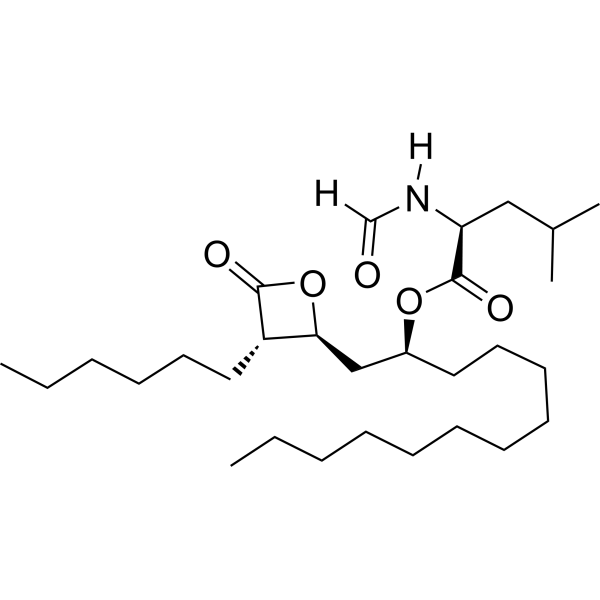
Tetrahydrolipstatin; Ro-18-0647
|
Fatty Acid Synthase (FASN)
Apoptosis
|
Metabolic Disease
Cancer
|
|
Orlistat (Tetrahydrolipstatin) is a well-known irreversible inhibitor of pancreatic and gastric lipases. Orlistat is also an inhibitor of fatty acid synthase (FASN), is used orally for long-term research of obesity . Anti-atherosclerotic effect .
|
-
-
- HY-15859
-
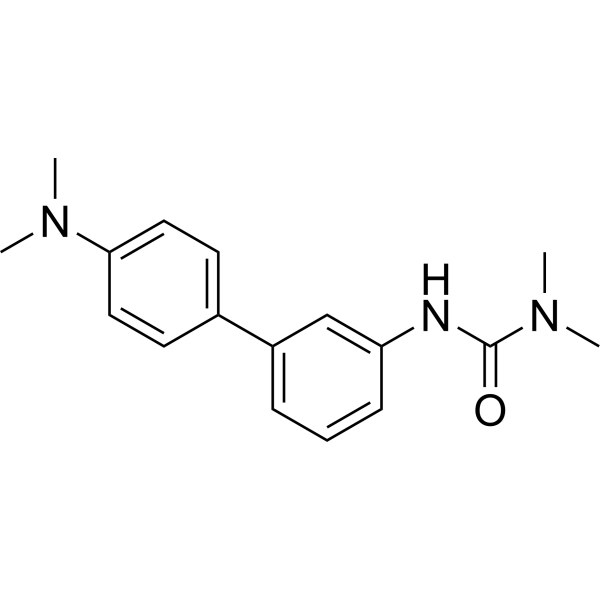
Atglistatin
Maximum Cited Publications
40 Publications Verification
|
ATGL
|
Metabolic Disease
|
|
Atglistatin is a selective adipose triglyceride lipase (ATGL) inhibitor which inhibits lipolysis with an IC50 of 0.7 μM in vitro.
|
-
-
- HY-N1937
-
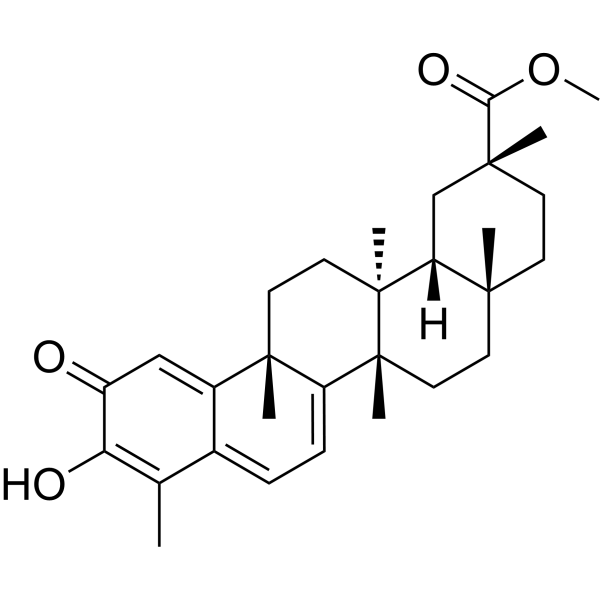
Pristimerin
Maximum Cited Publications
7 Publications Verification
Celastrol methyl ester
|
Bacterial
|
Cancer
|
|
Pristimerin is a potent and reversible monoacylglycerol lipase (MGL) inhibitor with an IC50 of 93 nM.
|
-
-
- HY-Y1422D
-
|
|
Environmental Pollutants
Lipase
|
Others
|
|
Lipase,Candida antarctica (Immobilized) is an immobilized lipase isolated from Candida antarctica fraction B. Lipase,Candida antarctica (Immobilized) features high stability and selectivity. Lipase,Candida antarctica (Immobilized) is widely used in fields such as chemical synthesis, food oil modification, and biodiesel production .
|
-

-
- HY-128144
-
|
|
Lipase
|
Metabolic Disease
|
|
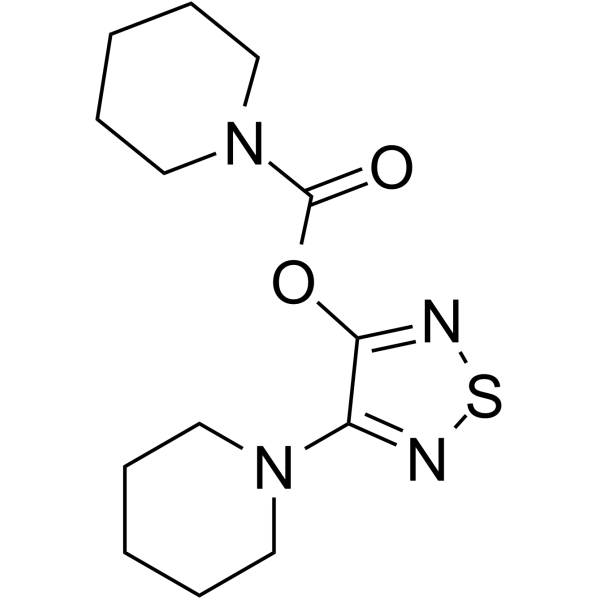
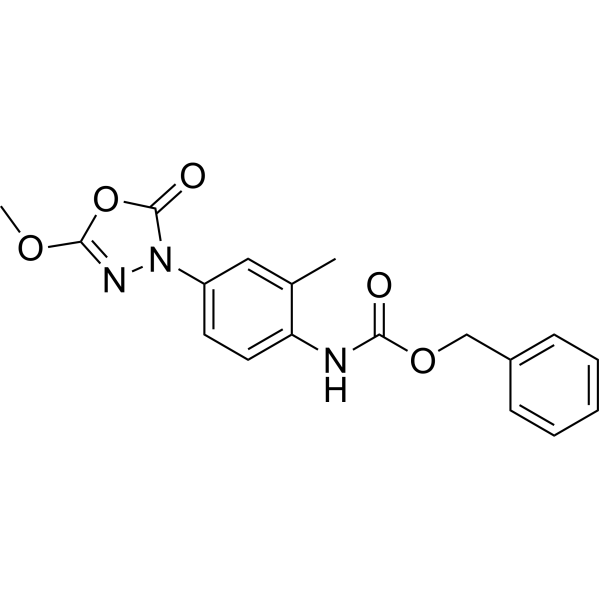
Lalistat 2 is an inhibitor of many lipases especially Lysosomal acid lipase (LAL, IC50 = 152 nM), which is a key enzyme that degrades neutral lipids at an acidic pH in lysosomes. Lalistat 2 is commonly used to investigate the cell-specific functions of LAL and LAL deficiency in vitro, as well as specifically measure LAL activity in human blood samples or cells .
|
-
-
- HY-Y1422
-
|
Alkaline lipase
|
Environmental Pollutants
Lipase
|
Metabolic Disease
|
|
Triacylglycerol lipase is an enzyme catalyzing the hydrolysis of triacylglycerol. Triacylglycerol lipase promotes fat decomposition, providing energy and lipid precursors for cells. Triacylglycerol lipase is used in the research of metabolic diseases such as diabetes and obesity .
|
-

-
- HY-W013168
-
|
4-Nitrophenyl hexadecanoate; p-Nitrophenyl Palmitate; pNpp
|
Lipase
|
Others
|
|
4-Nitrophenyl palmitate (4-Nitrophenyl hexadecanoate) is a chromogenic substrate for lipases and esterases. Upon enzymatic hydrolysis, 4-Nitrophenyl palmitate releases p-nitrophenol, which can be quantified by colorimetric detection at 410 nm as a measure of enzymatic activity. 4-Nitrophenyl palmitate is used to characterize the activity of various bacterial and mammalian enzymes, including those from Burkholderia and porcine pancreatic lipase .
|
-

-
- HY-119283
-
-
-
- HY-N7072
-
|
|
Apoptosis
|
Metabolic Disease
Inflammation/Immunology
Cancer
|
|
Grape seed extract is a natural product, with anti-inflammatory and anti-proliferative effects. Grape seed extract shows inhibitory activity on the fat-metabolizing enzymes pancreatic lipase and lipoprotein lipase. Grape seed extract induces apoptotic in human colorectal cancer cells .
|
-

-
- HY-102056
-
|
|
Lipase
|
Metabolic Disease
|
|
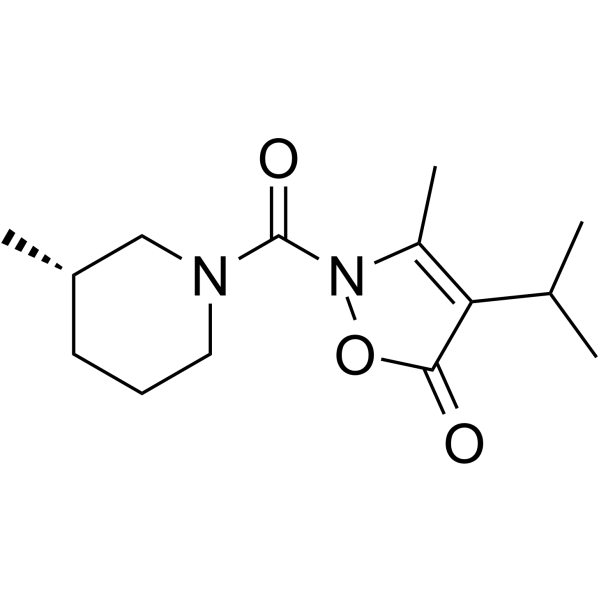
BAY 59-9435 is a potent and selective inhibitor of Hormone Sensitive Lipase (HSL), with an IC50 of 0.023 μM.
|
-
-
- HY-E70313
-
|
Candida antarctica lipase B
|
Biochemical Assay Reagents
|
Others
|
|
Lipase,Candida antarctica (Immobilized on hydrophilic carrier) (Candida antarctica lipase B) is a lipase derived from Candida antarctica and immobilized on a hydrophilic carrier. Lipase,Candida antarctica (Immobilized on hydrophilic carrier) is a green catalyst that can be used to catalyze polymer synthesis .
|
-

-
- HY-117095
-
|
|
Fluorescent Dye
|
Metabolic Disease
|
|
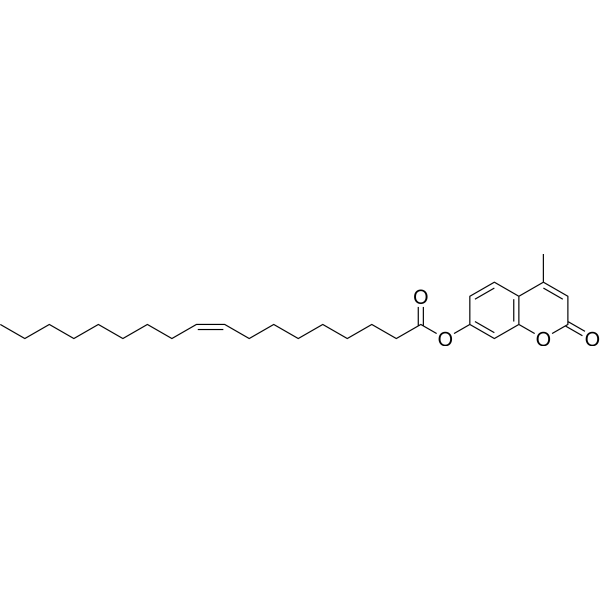
4-Methylumbelliferyl oleate is a fluorogenic substrate for acid and alkaline lipases. 4-Methylumbelliferyl oleate is cleaved by lipases, liberating 4-Methylumbelliferyl (Ex/Em=320/450 nm) .
|
-
-
- HY-14471
-
|
ATL-962
|
Lipase
|
Metabolic Disease
|
|
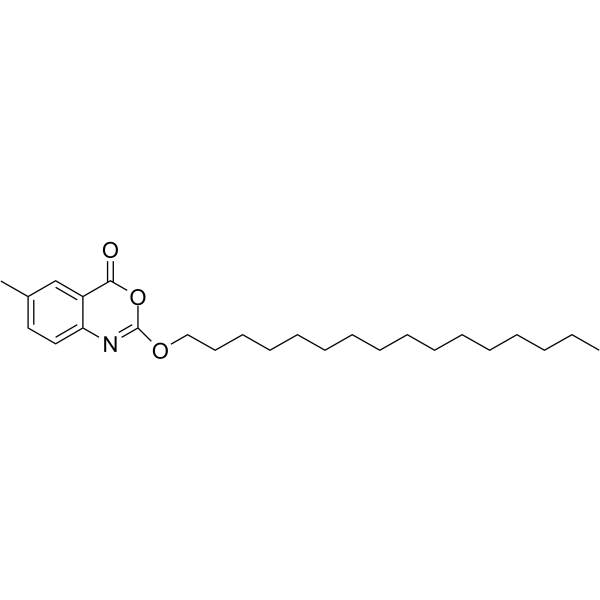
Cetilistat (ATL-962), an inhibitor of pancreatic lipase, acts as an effective anti-obesity agent. Cetilistat inhibits rat and human pancreatic lipase activity with IC50s of 54.8 nM, and 5.95 nM, respectively .
|
-
-
- HY-153523
-
|
NNC0076-0079; 76-0079
|
Lipase
|
Metabolic Disease
|
|
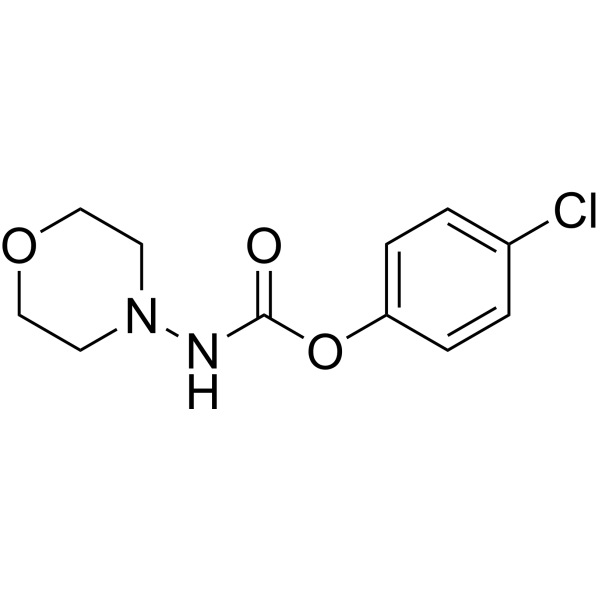
Hi 76-0079 (NNC0076-0079; 76-0079) is a lipase inhibitor that specifically targets hormone-sensitive lipase (HSL). Hi 76-0079 inhibits PNPB Hydrolysis in cell lysates of HEK293A cells
overexpressing Lipe with an IC50 value of 0.1 μM. Hi 76-0079 synergizes with the ATGL inhibitor Atglistatin (HY-15859) to block lipolysis in vitro. Hi 76-0079 can be used for the study of lipid metabolism .
|
-
-
- HY-18522
-
|
|
Phospholipase
|
Metabolic Disease
|
|
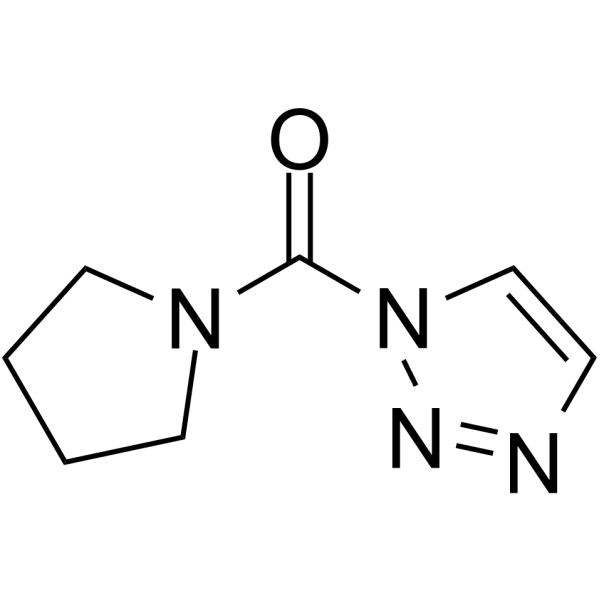
AA26-9 is a potent and broad spectrum serine hydrolase inhibitor. AA26-9 targets included serine peptidases, lipases, amidases, esterases, and thioesterases. AA26-9 shows inhibitory activity against approximately 1/3 of the 40+ serine hydrolases detected in immortalized T cell lines .
|
-
-
- HY-107416
-
|
U-57908
|
DAGL
Acyltransferase
mAChR
COX
Phospholipase
|
Neurological Disease
Metabolic Disease
|
|
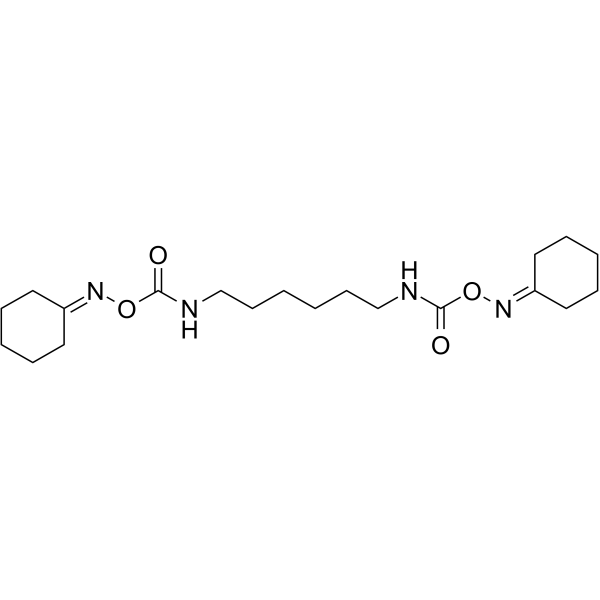
RHC 80267 (U-57908) is a potent and selective inhibitor of diacylglycerol lipase (DAGL) (with IC50 of 4 μM in canine platelets). RHC-80267 inhibits cholinesterase activity with an IC50 of 4 μM, thereby enhancing the relaxation evoked by acetylcholine. RHC 80267 also inhibits COX and the hydrolysis of phosphatidylcholine (PC) .
|
-
-
- HY-126411
-
|
|
Lipase
ATP Synthase
|
Others
|
|
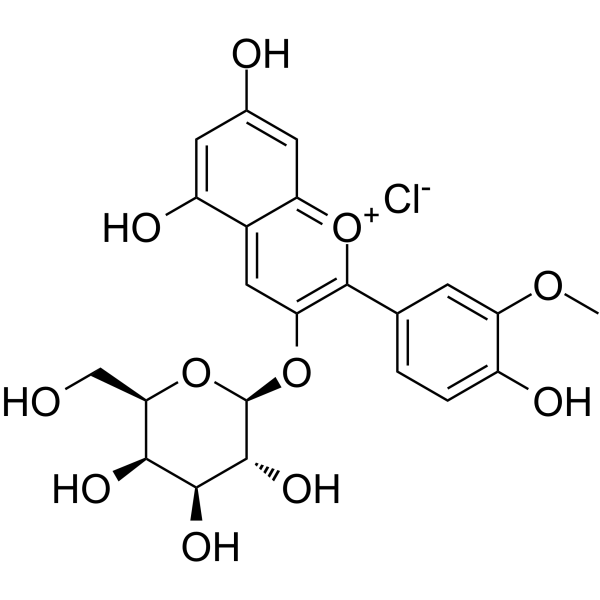
Peonidin-3-O-galactoside chloride is an anthocyanin with antioxidant properties and blood-brain barrier permeability. Peonidin-3-O-galactoside chloride inhibits pancreatic lipase, with an IC50 value of 23.2 μg/mL against porcine pancreatic lipase. Peonidin-3-O-galactoside chloride mediates neuroprotection, regulates glucose metabolism, protects cells from high glucose-induced damage, promotes glucose uptake and increases ATP production. Peonidin-3-O-galactoside (chloride) can be used in the research of obesity and neurodegenerative diseases .
|
-
-
- HY-110390
-
|
|
Carboxylesterase (CES)
Free Fatty Acid Receptor
Reactive Oxygen Species (ROS)
Mitochondrial Metabolism
Ferroptosis
Apoptosis
|
Cardiovascular Disease
Cancer
|
|
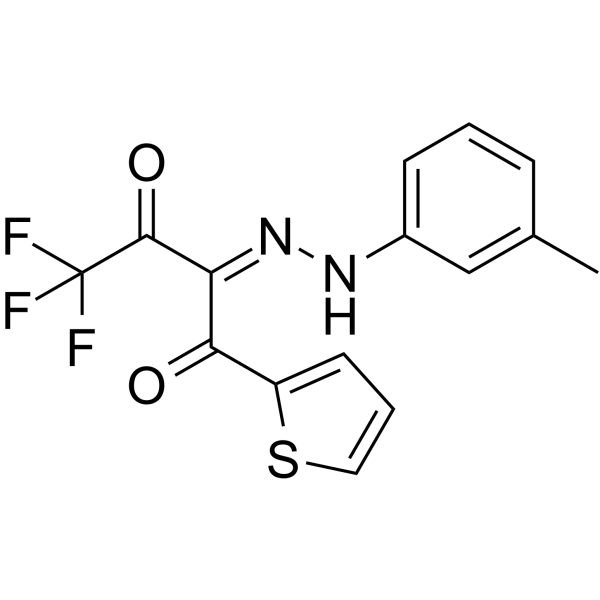
GR148672X is an inhibitor of carboxylesterase 1 (CES1) and hepatic microsomal triglyceride hydrolase (TGH). GR148672X blocks the catalytic activity of CES1, impairs the functions of triglyceride and cholesteryl ester lipase, reduces triglyceride mobilization and secretion, and decreases apolipoprotein B-100 secretion in primary rat hepatocytes. Under low-glucose conditions, GR148672X inhibits the survival of colorectal cancer cells by reducing free fatty acid availability, inducing toxic triglyceride accumulation, ROS production, mitochondrial damage, ferroptosis and apoptosis. GR148672X can be used in studies related to colorectal cancer and atherosclerosis .
|
-
-
- HY-P2752
-
|
LPL
|
Endogenous Metabolite
|
Metabolic Disease
Cancer
|
|
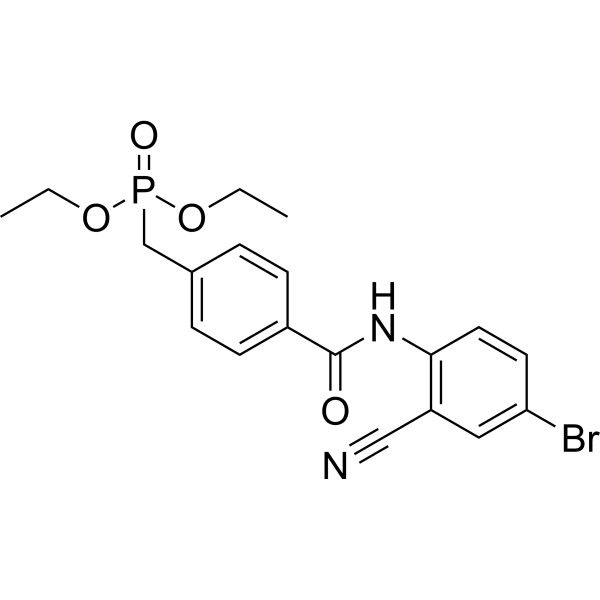
Lipoprotein lipase, Pseudomonas sp (LPL) is a multifunctional enzyme from adipose tissue, heart and skeletal muscle, islets and macrophages. Lipoprotein lipase promotes normal lipoprotein metabolism, delivery and utilization of tissue-specific substrates. Lipoprotein lipase catalyzes the rate-limiting step of lipids in blood circulation .
|
-
-
- HY-Y1422I
-
|
|
Environmental Pollutants
Biochemical Assay Reagents
Lipase
|
Others
|
Lipase, Pseudomonas fluorescens (Immobilized) is an immobilized biocatalyst derived from Pseudomonas fluorescens. Lipase, Pseudomonas fluorescens (Immobilized) efficiently catalyzes the hydrolysis, esterification and transesterification of triacylglycerols in solvent-free systems, and is particularly suitable for biodiesel production from soybean oil and selective modification of oils rich in EPA and DHA. Lipase, Pseudomonas fluorescens (Immobilized) exhibits optimal activity at pH 8.5 and 45°C, and retains residual activity after repeated cycles of use. Lipase, Pseudomonas fluorescens (Immobilized) is activated by Ca 2+, but inhibited by Co 2+, Ni 2+, Fe 3+, Fe 2+ and EDTA .
|
-

-
- HY-117549
-
|
NO-1886
|
Lipase
|
Cardiovascular Disease
|
|
Ibrolipim (NO-1886) is an orally active lipoprotein lipase (LPL)-promoting agent. Ibrolipim decreases plasma triglycerides, increases high-density lipoprotein cholesterol levels. Ibrolipim has renoprotective and hypolipidemic effects .
|
-
-
- HY-P2879A
-
|
|
Biochemical Assay Reagents
|
Metabolic Disease
|
|
Cholesterol esterase, Porcine pancreas is an enzyme that hydrolyzes cholesteryl esters into cholesterol and free fatty acids in the intestine. Cholesterol esterase, also known as bile salt-stimulated lipase or carboxyl ester lipase, functions to promote cholesterol absorption .
|
-

-
- HY-Y1422H
-
|
|
Environmental Pollutants
Biochemical Assay Reagents
Lipase
|
Others
|
Lipase, Candida cylindracea (Immobilized) is an immobilized hydrolase and biocatalyst with relaxed positional and substrate specificity. Lipase, Candida cylindracea (Immobilized) can target primary and secondary ester bonds to completely hydrolyze triglycerides into fatty acids and glycerol, producing only trace amounts of monoglycerides. Lipase, Candida cylindracea (Immobilized) exhibits chain specificity, with a relatively fast hydrolysis rate for oleic acid and lauric acid chains, and the slowest hydrolysis rate for stearic acid chains. Lipase, Candida cylindracea (Immobilized) shows high catalytic activity toward long-chain triglycerides under the conditions of pH 8.0 and 37°C .
|
-

-
- HY-W392100A
-
|
PCL-diol (MW 530)
|
Biochemical Assay Reagents
Fungal
|
Infection
|
|
Polycaprolactone diol (MW 530) (PCL-diol (MW 530)) is a poly (ε-caprolactone) diol with an average molecular weight of 530 g·mol −1, which serves as a monomer for biodegradable network elastic polyesters. Network polyester films undergo enzymatic hydrolysis by Rhizopus delemar lipase .
|
-

-
- HY-23524
-
|
|
Lipase
|
Others
|
|
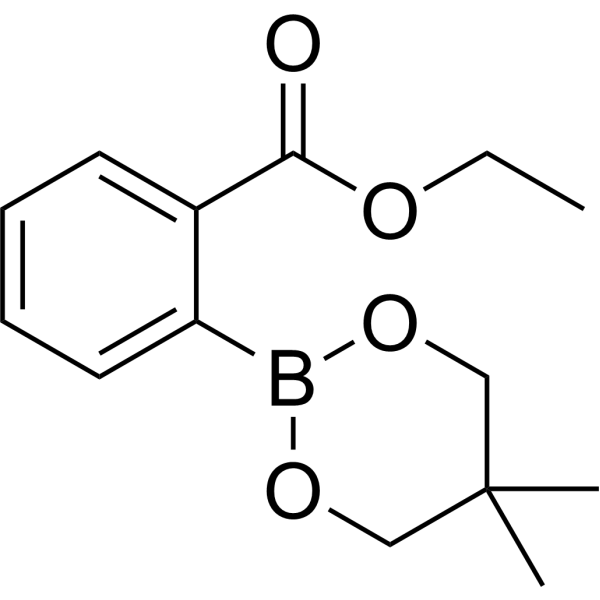
HSL-IN-3, a boronic acid ester derivative, is an inhibitor of hormone-sensitive lipase (HSL) .
|
-
-
- HY-116583
-
-
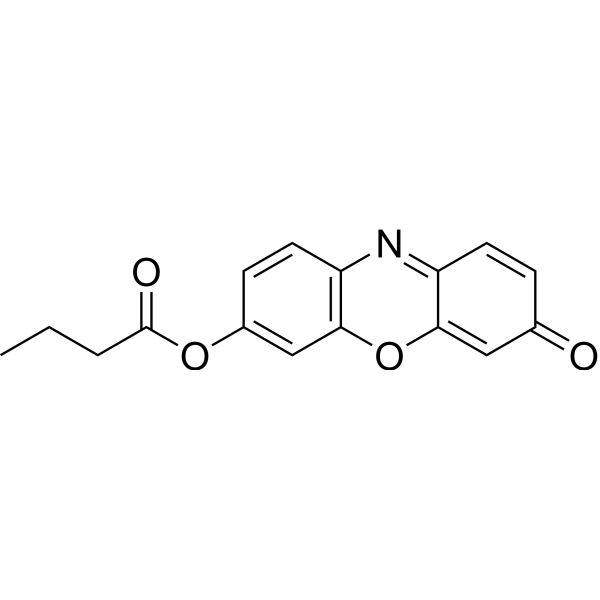
-
- HY-E70277
-
|
|
ATGL
|
Metabolic Disease
|
|
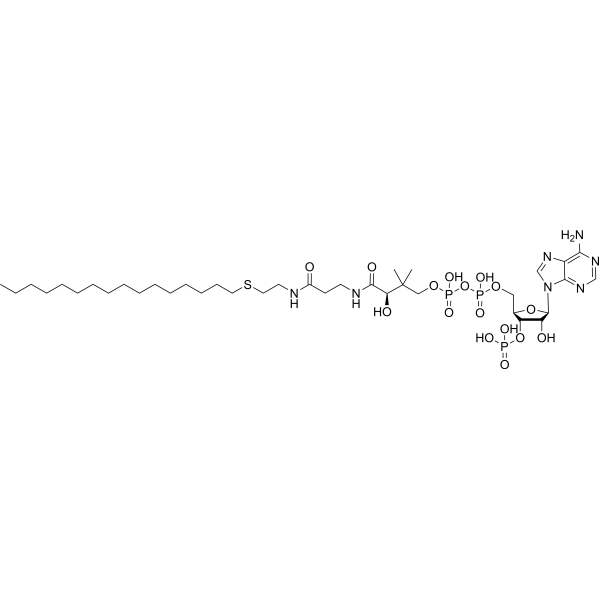
Hexadecyl-CoA is a thioether analog of acyl-CoA that can inhibit adipose triglyceride lipase (ATGL) .
|
-
-
- HY-W099648
-
|
|
Lipase
|
Others
|
|
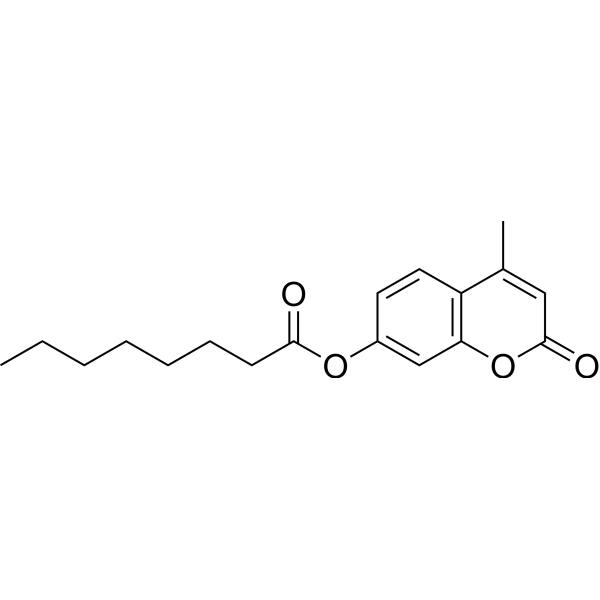
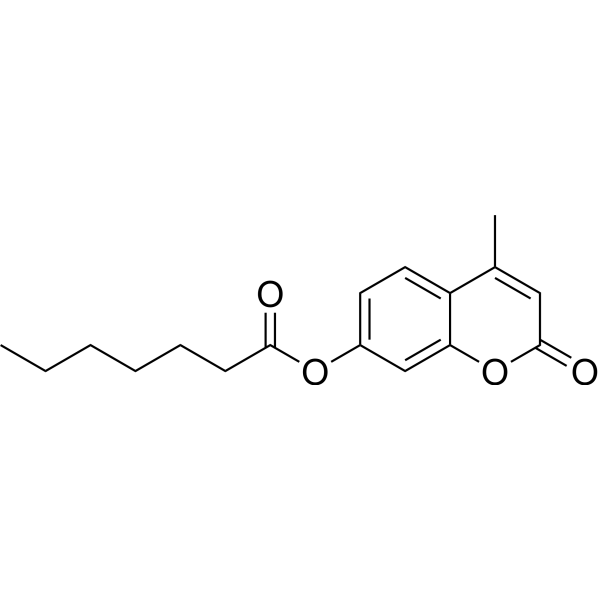
4-Methylumbelliferyl octanoate is a octoate. 4-Methylumbelliferyl octanoate can be used as a s ubstrate of hog pancreatic lipase .
|
-
-
- HY-132310
-
|
|
MAGL
|
Neurological Disease
|
|
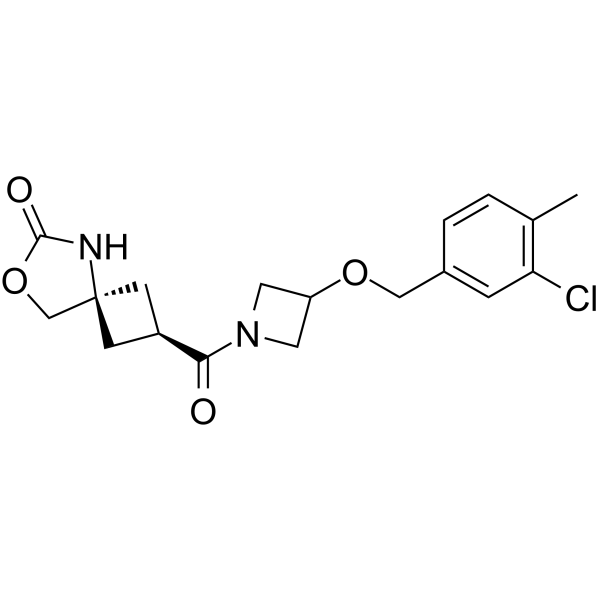
MAGL-IN-4 is an orally active, selective and reversible monoacylglycerol lipase (MAGL) inhibitor with an IC50 of 6.2 nM. MAGL-IN-4 can penetrate the blood-brain barrier (BBB). MAGL-IN-4 enhances endocannabinoid signaling mostly by the increase in the level of 2-AG via selective MAGL inhibition in the brain .
|
-
-
- HY-136562
-
|
|
MAGL
|
Metabolic Disease
|
|
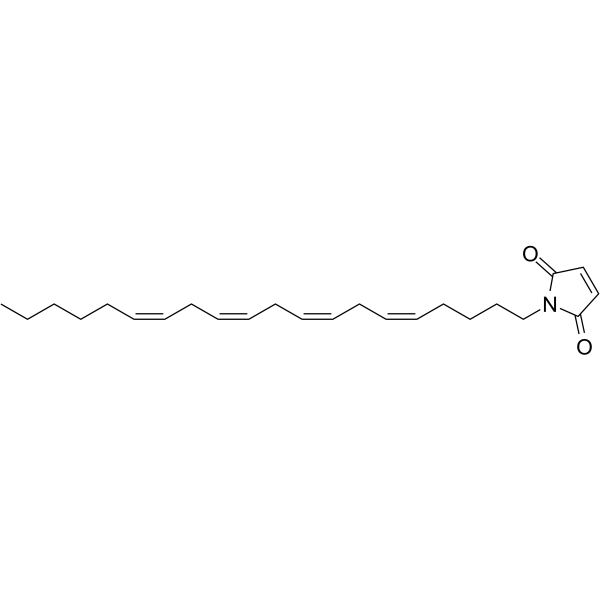
N-Arachidonyl maleimide is a potent, irreversible inhibitor of monoacylglycerol lipase (MAGL) with an IC50 value of 140 nM .
|
-
-
- HY-118653
-
|
|
MAGL
|
Metabolic Disease
|
|
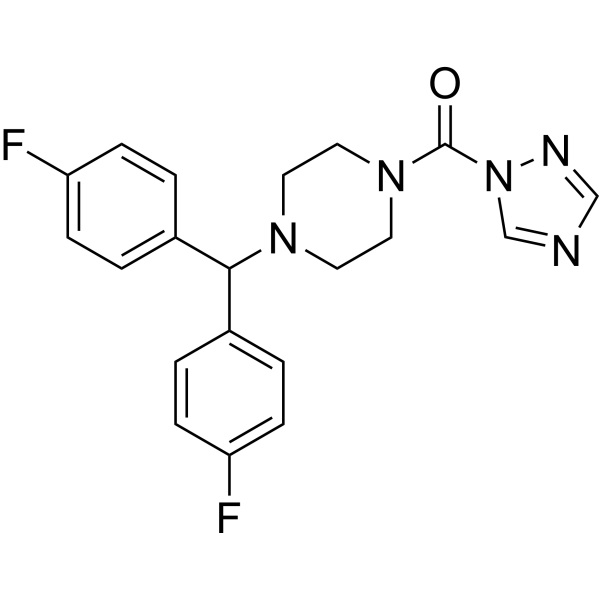
SAR629 is a potent monoglyceride lipase (MGL) covalent inhibitor. SAR629 also inhibits 2-Arachidonoylglycerol (2-AG) degradation .
|
-
-
- HY-Y1422B
-
|
|
Endogenous Metabolite
|
Metabolic Disease
|
|
Lipase (MS grade) catalyzes the hydrolysis of triacylglycerols to release long-chain fatty acids in a site-specific manner. Lipase (MS grade) is involved in a variety of biological processes, from fat metabolism to cell signaling and inflammation, and can be used to study diseases such as pancreatic insufficiency, celiac disease and cystic fibrosis .
|
-

-
- HY-135297
-
|
|
Biochemical Assay Reagents
|
Others
|
|
Mono-and diglycerides is formed by triglycerides being broken down by pancreatic lipase in the gastrointestinal lumen. Mono-and diglycerides is a food additive used as a nonionic emulsifier and mainly present in food fats .
|
-

-
- HY-119741
-
|
|
Glycosidase
Lipase
|
Metabolic Disease
|
|
Salacinol, compound found in Salacia reticulata, is an orally active α-glucosidase/lipase inhibitor. Salacinol inhibits enzymatic activity of intestinal maltase (IC50 = 3.2 μg/mL, Ki = 0.31 μg/mL), sucrase (IC50 = 0.84 μg/mL, Ki = 0.32 μg/mL), and isomaltase (IC50 = 0.59 μg/mL, Ki = 0.47 μg/mL), and inhibits increases in serum glucose levels in sucrose-loaded rats. Salacinol also inhibits pancreatic lipase and lipoprotein lipase. Salacinol can be used for the research of diabetes mellitus .
|
-

-
- HY-112911
-
-
-
- HY-Y1422E
-
|
|
Biochemical Assay Reagents
Lipase
|
Others
|
Lipase, Aspergillus niger (Immobilized) is an immobilized triacylglycerol acyl hydrolase and biocatalyst. Lipase, Aspergillus niger (Immobilized) broadly catalyzes the hydrolysis of glycerol-long-chain fatty acid esters, exhibits positional selectivity for the 1,3-positions of glycerol, but shows low hydrolysis efficiency for castor oil. Lipase, Aspergillus niger (Immobilized) displays optimal activity at 45°C and pH 7.0, and remains stable at temperatures up to 60°C and over a broad pH range of 2.0-9.0. Lipase, Aspergillus niger (Immobilized) is activated by Ca 2+ and Mg 2+, but inhibited by Mn 2+, Fe 2+ and Zn 2+ .
|
-

-
- HY-N16617
-
|
|
Lipase
|
Metabolic Disease
|
|
Platycodin V is a triterpenoid saponin. Platycodin V has a relatively weak inhibitory effect on pancreatic lipase.
|
-

-
- HY-N3797A
-
|
Ditaine chloride
|
Apoptosis
|
Cancer
|
|
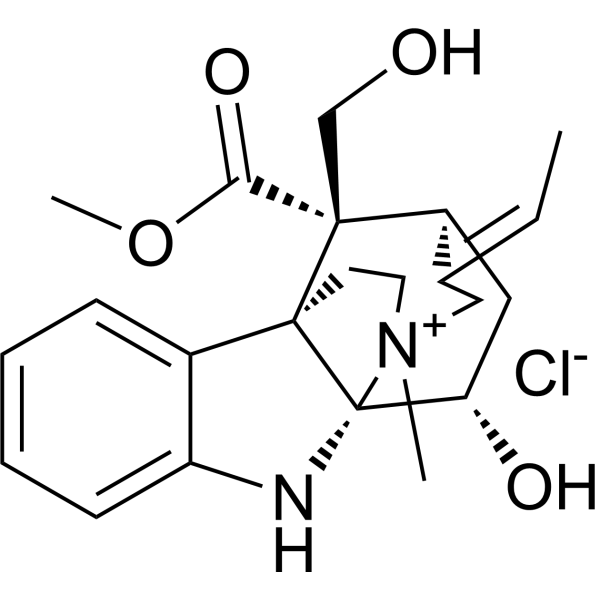
Echitamine (Ditaine) chloride is the major monoterpene indole alkaloid present in Alstonia scholaris with potent anti-tumour activity. Echitamine chloride induces DNA fragmentation and cells apoptosis. Echitamine chloride inhibits pancreatic lipase with an IC50 of 10.92 μM .
|
-
-
- HY-W010947
-
|
|
Fluorescent Dye
|
Inflammation/Immunology
|
|
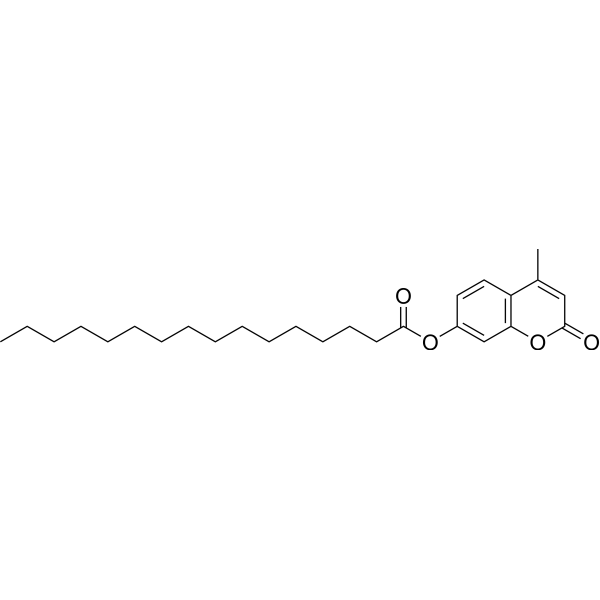
4-Methylumbelliferyl palmitate is an excellent fluorophore for measuring acid lipase in human leukocytes. Acidity and solvent have important influence on its fluorescence. 4-Methylumbelliferyl palmitate exists mainly as neutral molecular form which can be produced strong fluorescence at 445 nm in near neutral aqueous solutions, and exist mainly as anion form which can be produced stronger fluorescence at 445 nm in weak alkaline solutions .
|
-
-
- HY-P991574
-
|
REG-101
|
ATGL
|
Cardiovascular Disease
|
|
MEDI-5884 is a humanized IgG4Pκ neutralizing monoclonal antibody targeting Endothelial lipase (EL). MEDI-5884 inhibits EL and increases quantity (particularly phosphatidylinositols and cholesteryl esters) and function of high-density lipoproteins (HDL). MEDI-5884 can be used for cardiovascular disease like coronary artery disease (CAD) research .
|
-

-
- HY-N0241
-
|
|
Cholinesterase (ChE)
Lipase
Bacterial
Cytochrome P450
|
Infection
Metabolic Disease
|
|
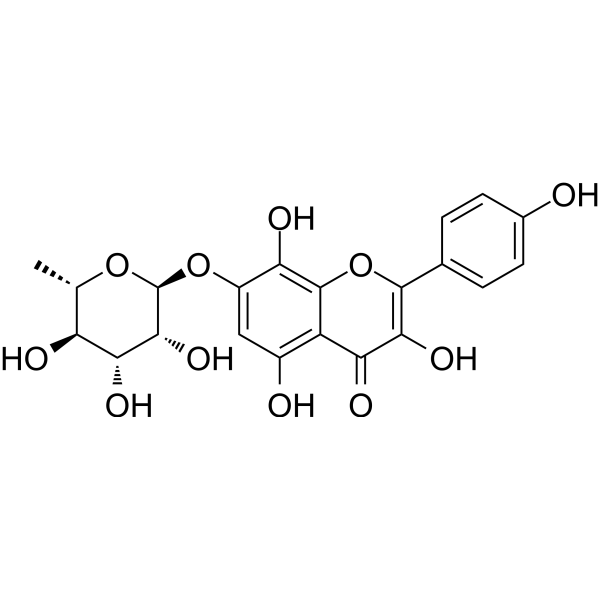
Rhodionin is an orally active, multifunctional antivirulence and cytoprotective agent that targets and inhibits Lipase, sortase A (SrtA), CYP2D6 (IC50=0.761 μM), AChE (IC50=2.43-57.5 μM), and DPPH free radicals (IC50=19.49 μM). Rhodionin is isolable from the roots of Rhodiola crenulata. Rhodionin reduces postprandial serum triglyceride levels in mice by inhibiting lipase activity. Rhodionin also binds directly to SrtA to inhibit its transpeptidase activity, thereby reducing the fibrinogen adhesion and surface protein A levels of MRSA, effectively inhibiting biofilm formation and protecting against MRSA-induced cell damage. Rhodionin improves the survival rate of infected mice without affecting MRSA growth, and finds wide application in studies related to hyperlipidemia, exogenous obesity, and pneumonia induced by methicillin-resistant Staphylococcus aureus (MRSA) .
|
-
-
- HY-Y1422J
-
-

-
- HY-144809
-
|
|
Carboxylesterase (CES)
|
Metabolic Disease
|
|
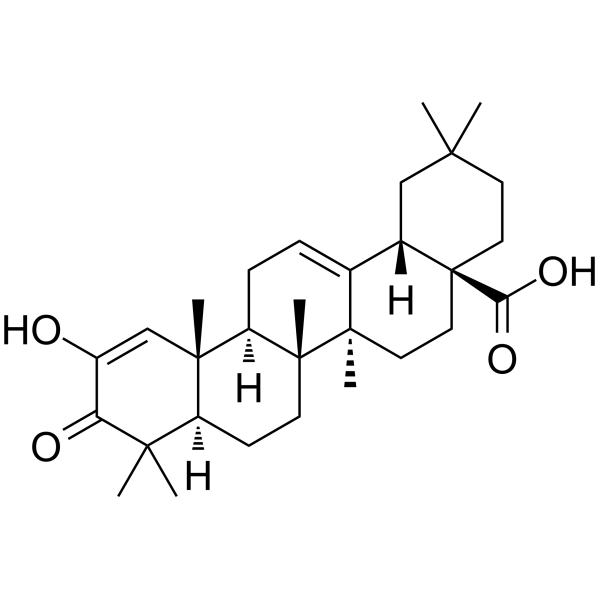
Pancreatic lipase/Carboxylesterase 1-IN-1 (Compound 39) is a potent dual inhibitor of pancreatic lipase (PL) and human carboxylesterase 1A (hCES1A) with IC50 values of 2.13 µM and 0.055 µM against PL and hCES1A .
|
-
-
- HY-131999
-
|
|
Lipase
|
Metabolic Disease
|
|
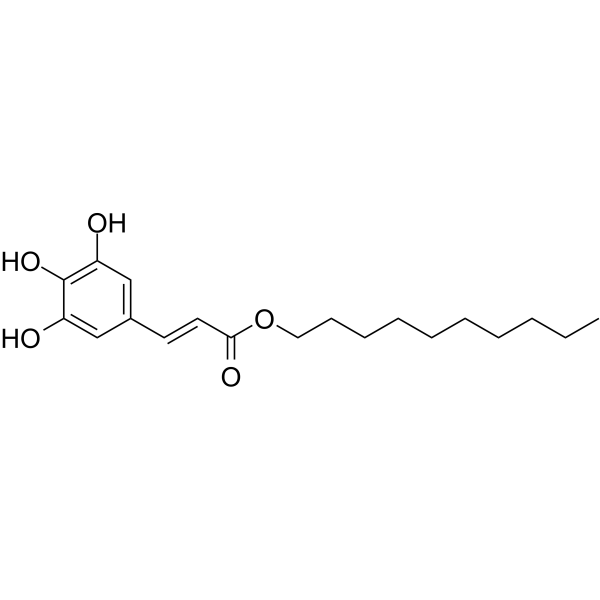
3,4,5-Trihydroxycinnamic acid decyl ester is an excellent inhibitor of lipid absorption and accumulation, with anti-obesity properties. 3,4,5-Trihydroxycinnamic acid decyl ester is a pancreatic lipase inhibitor, with an EC50 of approximately 0.9 μM .
|
-
-
- HY-138653
-
|
DGGR; 1,2-o-Dilauryl-rac-glycero-3-glutaric acid (6′-methylresorufin) ester
|
Lipase
|
Metabolic Disease
|
|
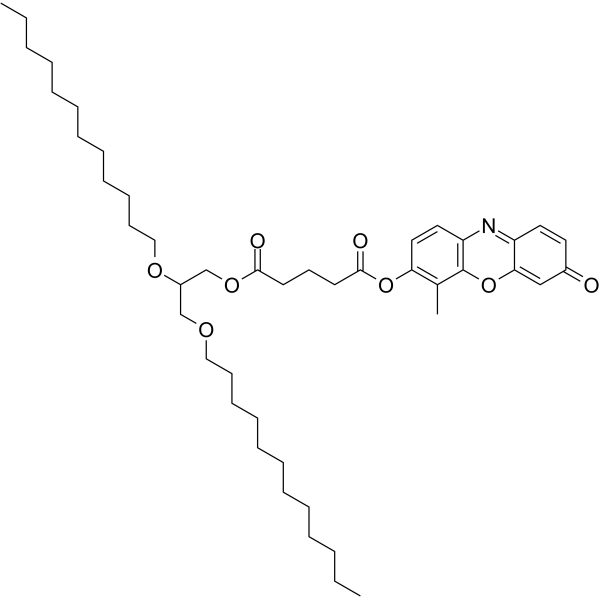
Lipase Substrate is a chromogenic substrate of lipase to detect activity . It is used in colorimetric methods to measure lipase activity. It produces a red-purple compound, methylresorufin, upon digestion by the lipase enzyme.
|
-
-
- HY-N15385
-
|
|
Lipase
|
Metabolic Disease
|
|
Hericenone D, an orally active pancreatic lipase inhibitor, can be found in Hericium erinaceus. Hericenone D reduces lipid absorption and stimulates nerve growth factor NGF gene expression. Hericenone D can be used for the research of menopausal obesity .
|
-

-
- HY-135996A
-
|
|
Lipase
|
Others
|
|
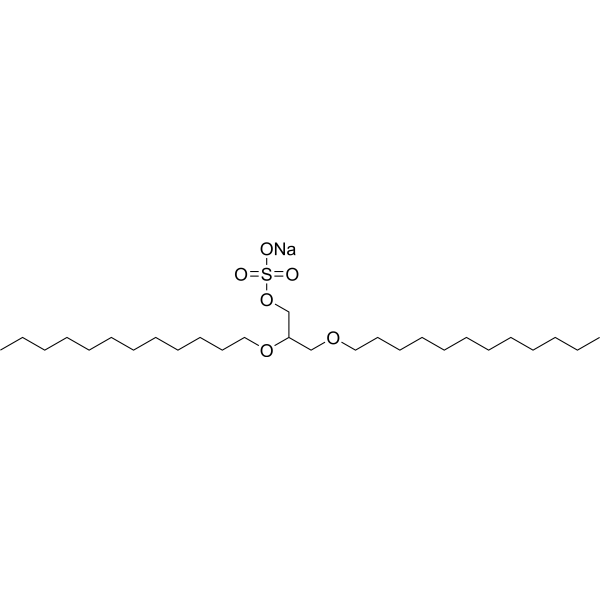
Dilaurylglycerosulfate sodium is a co-emulsifier in the diagnostic test for the determination of lipase.
|
-
-
- HY-N12292
-
-
-
- HY-136124
-
|
|
Drug Metabolite
|
Others
|
|
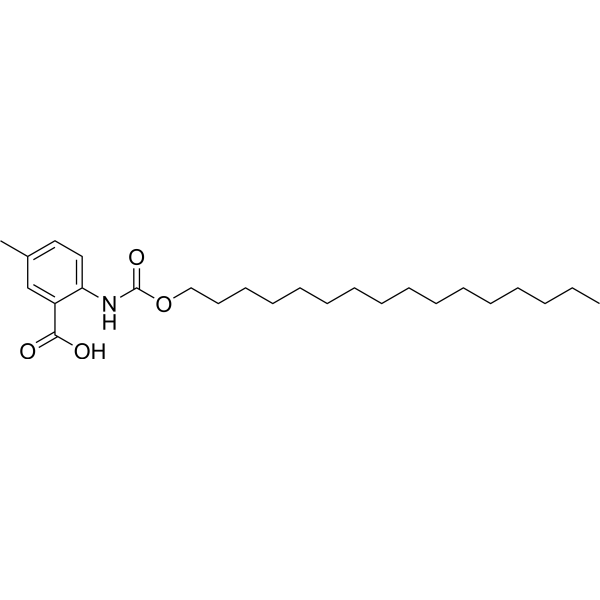
Cetilistat impurity 1 is an impurity of Cetilistat. Cetilistat, an inhibitor of pancreatic lipase, acts as an effective anti-obesity agent. Cetilistat inhibits rat and human pancreatic lipase activity with IC50s of 54.8 nM, and 5.95 nM, respectively .
|
-
-
- HY-Y0606
-
|
(+)-10-Camphorsulfonic acid
|
Lipase
|
Metabolic Disease
|
|
(+)-Camphor-10-sulfonic acid ((+)-10-Camphorsulfonic acid) is an effective pancreatic lipase (PL) inhibitor. (+)-Camphor-10-sulfonic acid is promising for research of obesity .
|
-

- HY-138959
-
|
p-Nitrophenyl caprylate
|
Lipase
|
Others
|
|
4-Nitrophenyl octanoate (p-Nitrophenyl caprylate) is an aromatic ester compound which can be used as a substrate for pancreatic lipase.
4-Nitrophenyl octanoate contains an ester bond that can be hydrolyzed under the action of lipase, releasing p-nitrophenol as a yellow product.
4-Nitrophenyl octanoate can be used to assay the activities of lipases and esterases .
|
-

- HY-144375
-
|
|
MAGL
|
Others
|
|
Monoacylglycerol lipase inhibitor 1 is a potent monoacylglycerol lipase inhibitor (compound 13) .
|
-
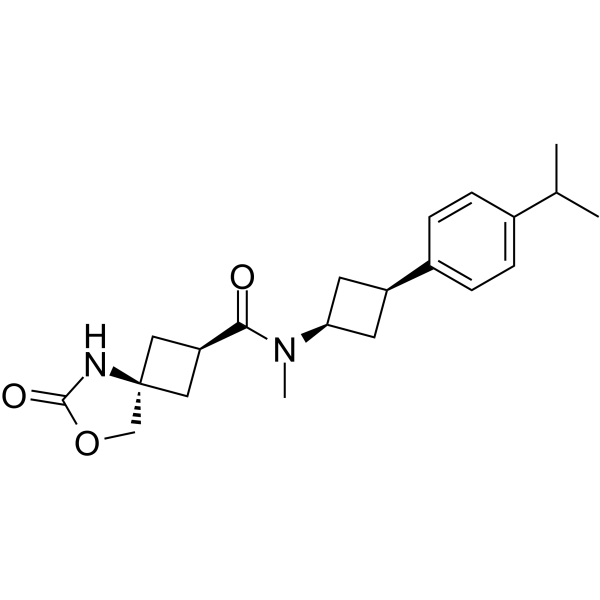
- HY-157313
-
|
|
Lipase
|
Metabolic Disease
|
|
Pancreatic lipase-IN-1 (compound 8) ia a pancreatic lipase inhibitor with the Ki of 1.288 μM .
|
-
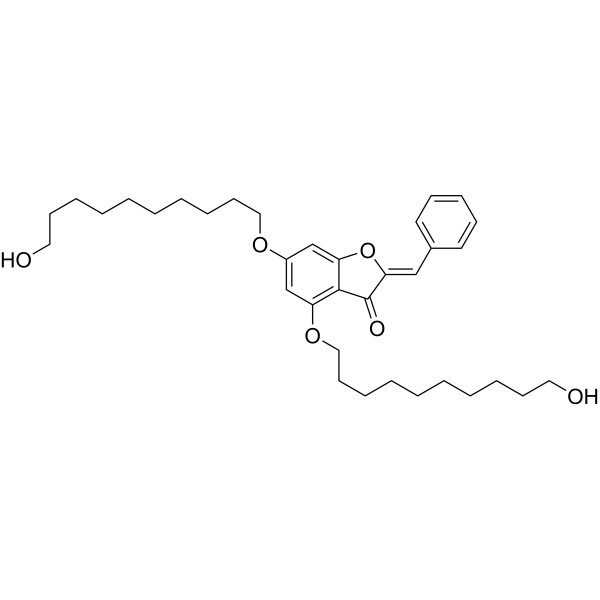
- HY-N12294
-
-
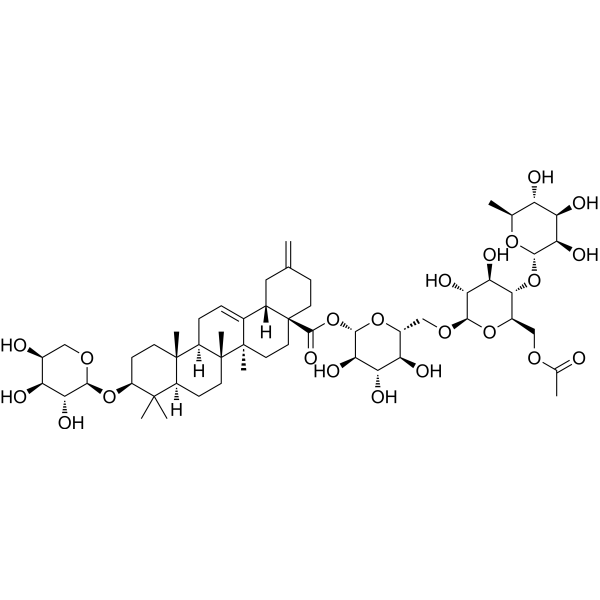
- HY-N12296
-
-
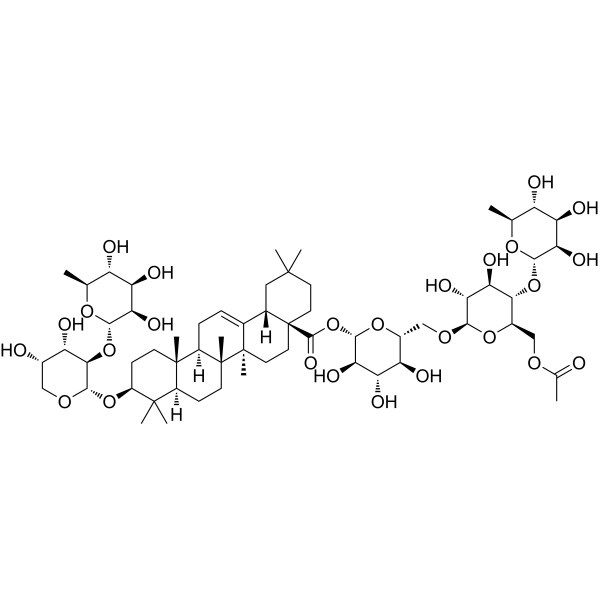
- HY-N12297
-
|
|
Lipase
|
Others
|
|
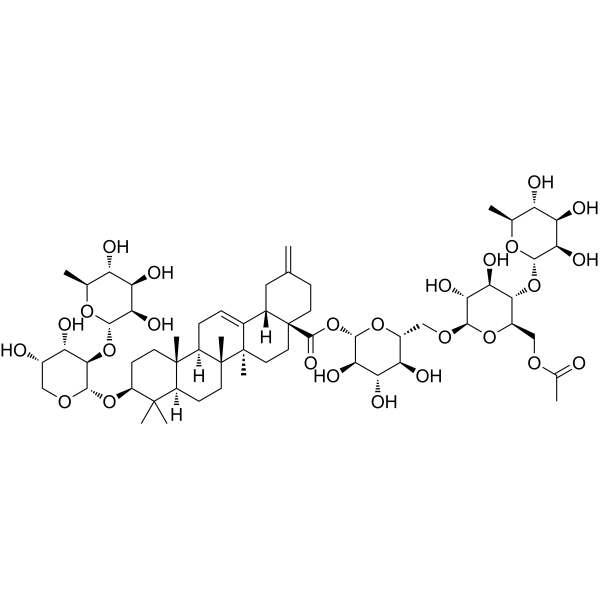
Ciwujianoside C2 is a saponin, that can be isolated from the leaves of Acanthopanax senticosus. Ciwujianoside C2 enhances pancreatic lipase activity in vitro .
|
-
- HY-168032
-
-

- HY-N8362
-
|
|
Lipase
|
Metabolic Disease
|
|
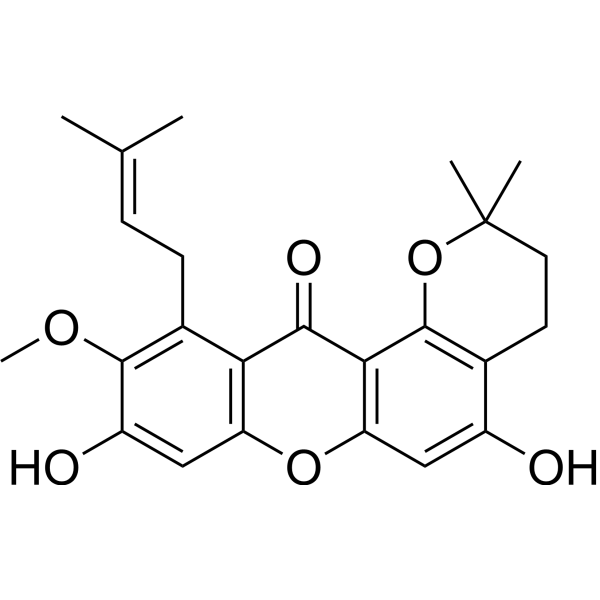
1-Isomangostin is an inhibitor of pancreatic lipase. 1-Isomangostin inhibits porcine pancreatic lipase with an IC50 of 34.5 μM. 1-Isomangostin has anti-obesity activity .
|
-
- HY-121517
-
|
|
Lipase
|
Neurological Disease
|
|
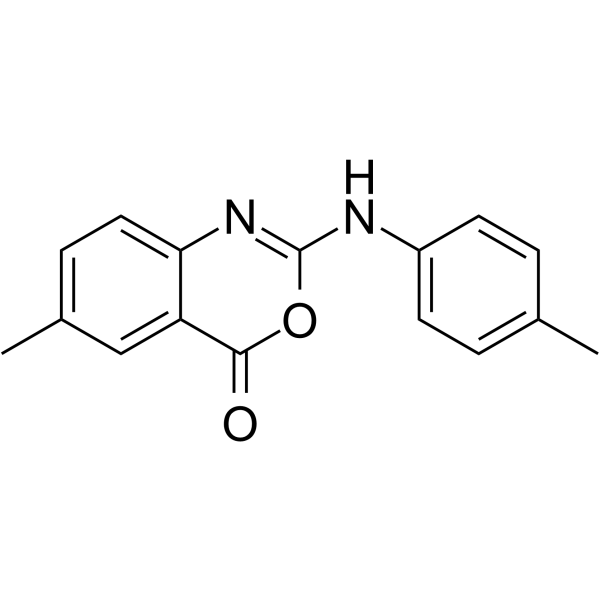
URB754 is a potent inhibitor of the endocannabinoid-deactivating enzyme monoacylglycerol lipase (MGL) with an IC50 of 200 nM .
|
-
- HY-N12298
-
|
|
Lipase
|
Others
|
|
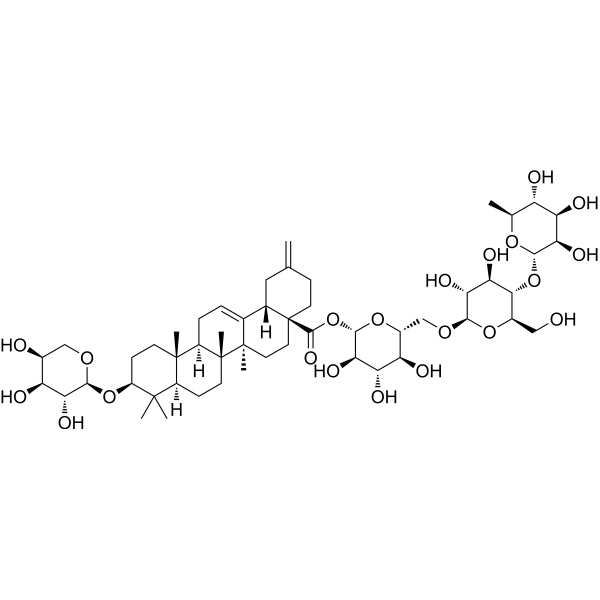
Ciwujianoside C1 is a saponin, that can be isolated from the leaves of Acanthopanax senticosus. Ciwujianoside C1 inhibits pancreatic lipase activity in vitro .
|
-
- HY-126938
-
-
- HY-14471R
-
|
ATL-962 (Standard)
|
Lipase
Reference Standards
|
Metabolic Disease
|
|
Cetilistat (Standard) is the analytical standard of Cetilistat. This product is intended for research and analytical applications. Cetilistat (ATL-962), an inhibitor of pancreatic lipase, acts as an effective anti-obesity agent. Cetilistat inhibits rat and human pancreatic lipase activity with IC50s of 54.8 nM, and 5.95 nM, respectively .
|
-

- HY-N7163
-
|
(2S)-3',5,5'7-Tetrahydroxyflavanone
|
Lipase
|
Others
|
|
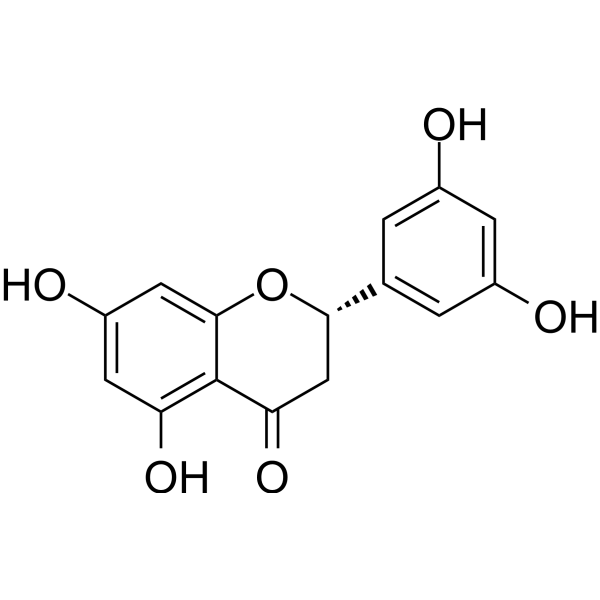
(2S)-5,7,3',5'-Tetrahydroxyflavanone ((2S)-3',5,5'7-Tetrahydroxyflavanone) is a porcine pancreatic lipase modulator with an IC50 of >200 μM against porcine pancreatic lipase. (2S)-5,7,3',5'-Tetrahydroxyflavanone interacts with an enzyme involved in triglyceride hydrolysis .
|
-
- HY-114754
-
|
|
Lipase
|
Metabolic Disease
|
|
BemPPOX is an orally active, potent dog gastric lipase (DGL) inhibitor with Xl50 (the inhibitor molar excess leading to 50% lipase inhibition) of 0.5. BemPPOX is also a good inhibitor of GPLRP2 (xl50=0.64). BemPPOX efficiently regulates the gastrointestinal lipolysis and slows down the overall lipolysis process in rats. BemPPOX has the potential for obesity research .
|
-

- HY-N10606
-
|
|
Glycosidase
|
Metabolic Disease
|
|
Uvagrandol potently inhibits α-glucosidase and porcine lipase (IC50: 15.2 μM, 11.2 μM respectively). Uvagrandol can be used in the research of Type 2 diabetes and obesity .
|
-
- HY-N11999
-
|
|
Glycosidase
|
Others
|
|
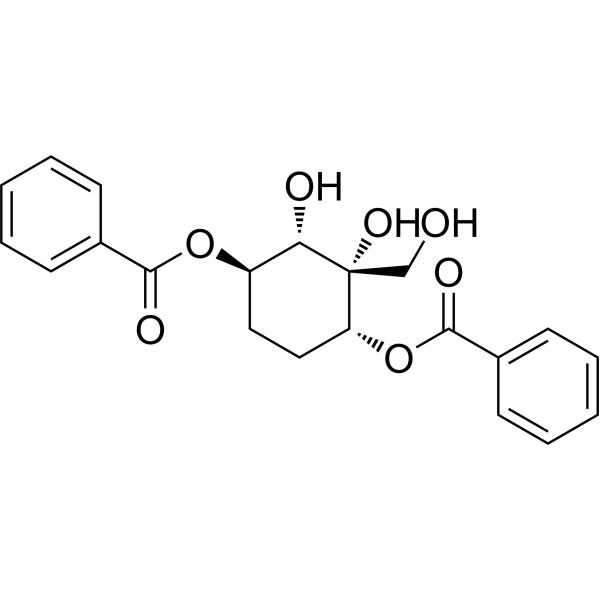
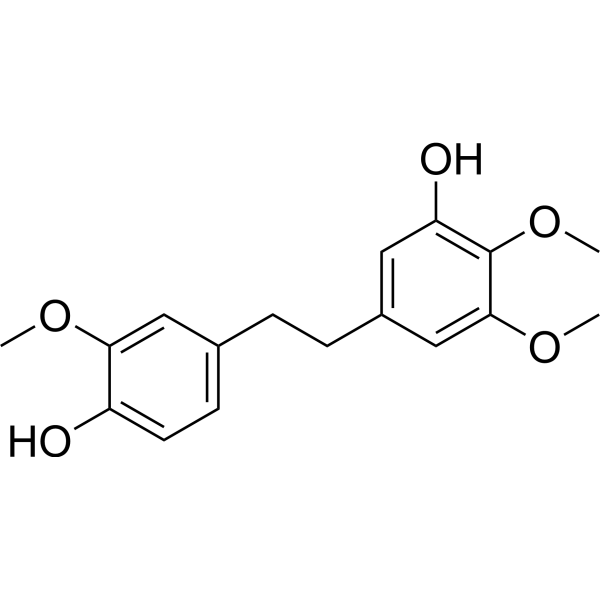
5,4'-Dihydroxy-3,4,3'-trimethoxybibenzyl (compound 8) can be isolated from Dendrobium infundibulum (D. infundibulum). 5,4'-Dihydroxy-3,4,3'-trimethoxybibenzyl has no inhibitory activity against α-glucosidase and pancreatic lipase .
|
-
- HY-N8989
-
|
|
Lipase
|
Metabolic Disease
|
|
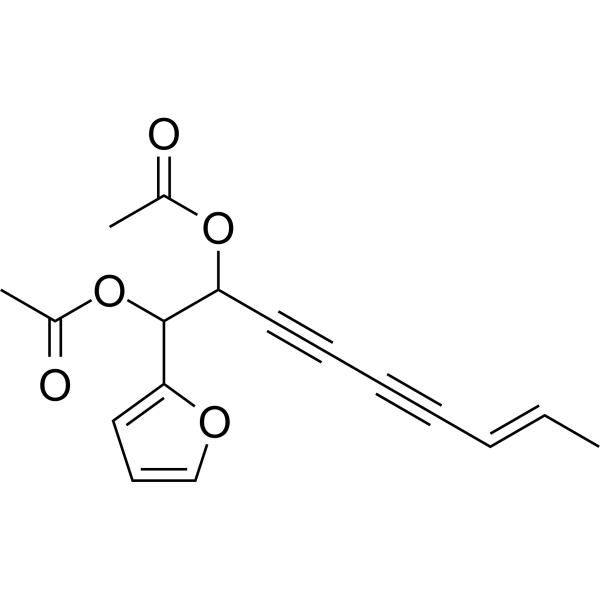
(1,5E,11E)-Tridecatriene-7,9-diyne-3,4-diacetate, isolated from the ethanol extract of Atractylodes lancea rhizome, displays significant lipase inhibition with an IC50 value of 23.9 µg/mL. Antiobesity Effect .
|
-
- HY-118481
-
|
|
Lipase
|
Infection
|
|
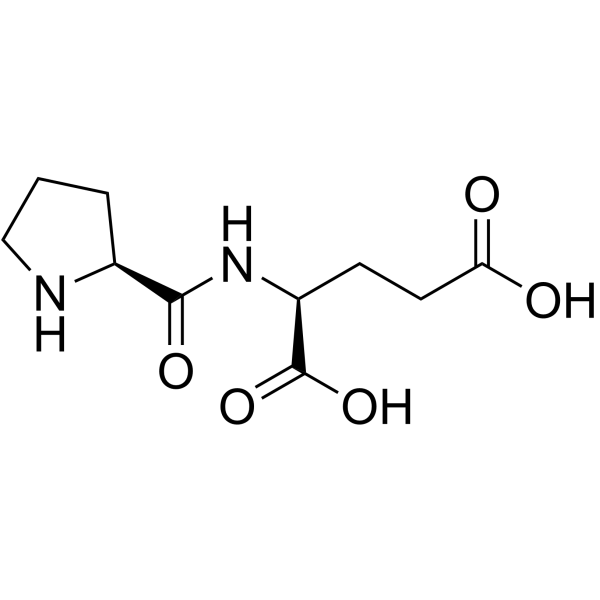
H-Pro-Glu-OH is a protein secreted by pathogenic mycobacteria through the Type VII secretion system. H-Pro-Glu-OH targets LipY lipases to the cell Surface via the ESX-5 Pathway .
|
-
- HY-157041
-
|
|
MAGL
|
Cancer
|
|
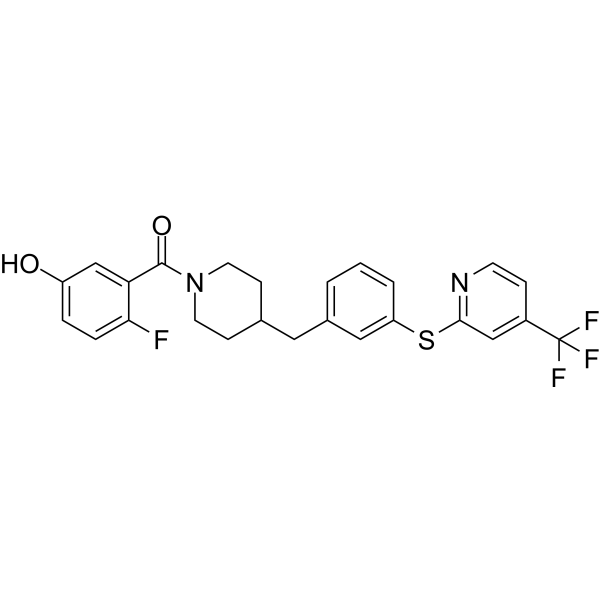
MAGL-IN-10 is areversible monoacylglycerol lipase (MAGL) inhibitor with very good ADME properties and low in vivo toxicity.MAGL-IN-10 can be used for the research ofcancer, neurological disorders and inflammatory pathologies .
|
-
- HY-N13198
-
|
|
Endogenous Metabolite
|
Metabolic Disease
|
4-(4-Hydroxyphenyl)-2-butanone 4'-O-β-D-(2-O-galloyl-6-O-cinnamoyl)glucopyranoside is a pancreatic lipase inhibitor, with an IC50 value of 2.91 μM. 4-(4-Hydroxyphenyl)-2-butanone 4'-O-β-D-(2-O-galloyl-6-O-cinnamoyl)glucopyranoside can effectively reduce lipid absorption and regulate obesity-related metabolic disorders, making it useful for research on obesity .
|
-

- HY-E70311
-
|
Thermomyces lanuginosus lipase
|
Endogenous Metabolite
|
Others
|
|
1,3-specific lipase,Bacillus lanolin (Immobilized)(Thermomyces lanuginosus lipase) is a high-efficiency biocatalyst, a lipase from Thermomyces lanuginosus. 1,3-specific lipase,Bacillus lanolin (Immobilized) can be conjugated to magnetic nanoparticles and coupled to the surface of Fe(3)O(4)-COOH to obtain better temperature resistance and pH resistance. The activity unit (U) of lipase is defined as the amount of enzyme that produces 1 μmol of fatty acid per minute under experimental conditions .
|
-

- HY-W283889
-
|
|
Biochemical Assay Reagents
|
Others
|
|
Blue caprate is a chromogenic enzyme substrate typically used to detect lipase activity. It is hydrolyzed by lipase to produce a blue-purple product (biosynth: EB04034).
|
-

- HY-E70310
-
|
Lipase for biodiesel production
|
Endogenous Metabolite
|
Others
|
|
Lipase (Immobilized,Used for biodiesel production) is a methanol-resistant lipase with high catalytic activity and can be used for the production of biodiesel. The reaction conditions of Lipase (Immobilized,Used for biodiesel production) are mild, which can avoid the oxidation of hydroxyl groups and the opening of double bonds, and prevent the production of by-products other than glycerol .
|
-

- HY-157534
-
|
|
Lipase
|
Metabolic Disease
|
|
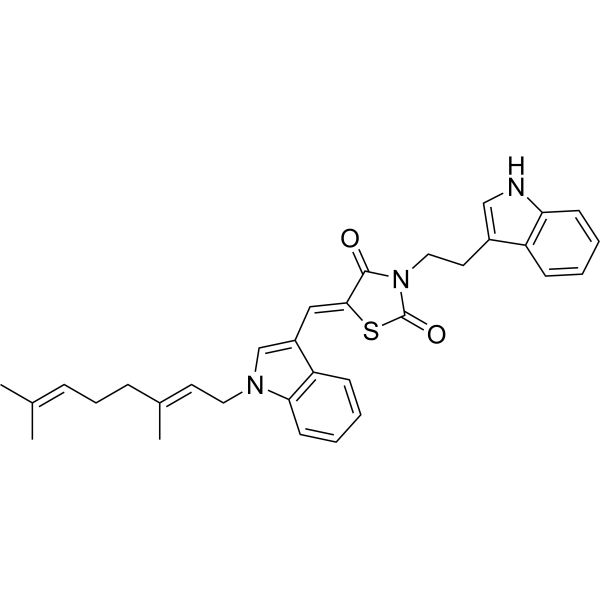
Pancreatic lipase-IN-2 (compound 7r) is a potent inhibitor of pancreatic lipase (PL), with the IC50 value of 2.67 μM, that has anti-obesity effect .
|
-
- HY-N14641
-
-

- HY-116143
-
|
|
MAGL
|
Metabolic Disease
|
|
SAR127303 is an orally active, selective, competitive monoacylglycerol lipase (MAGL) covalent inhibitor with IC50s of 3.8 nM and 29 nM for mouse and human MAGL, respectively. SAR127303 potently elevates hippocampal levels of 2-AG in mice. SAR127303 decreased long term potentiation (LTP) of CA1 synaptic transmission and acetylcholine release in the hippocampus. SAR127303 produces antinociceptive effects in assays of inflammatory and visceral pain. SAR127303 slows down epileptogenesis .
|
-
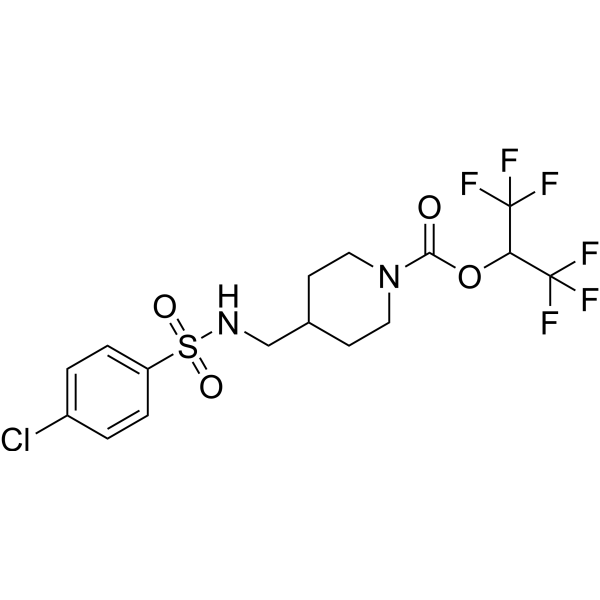
- HY-135996
-
|
|
Lipase
|
Others
|
|
Dilaurylglycerosulfate is a co-emulsifier in the diagnostic test for the determination of lipase.
|
-
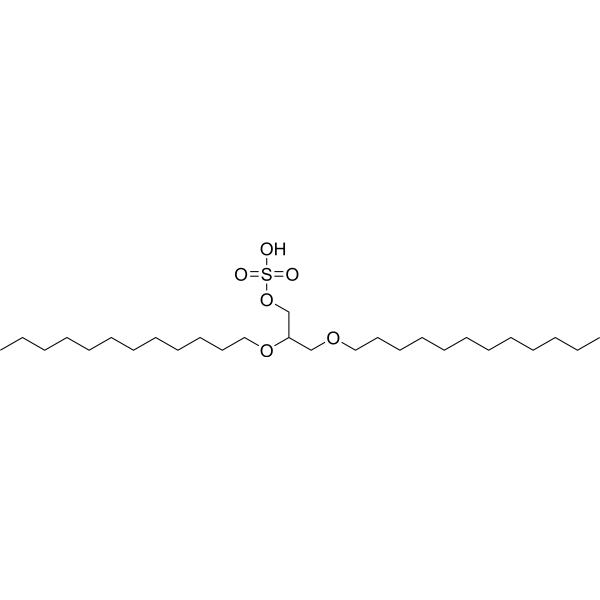
- HY-N14643
-
-

- HY-N14647
-
-

- HY-N14646
-
-

- HY-N14642
-
-

- HY-N7668
-
-
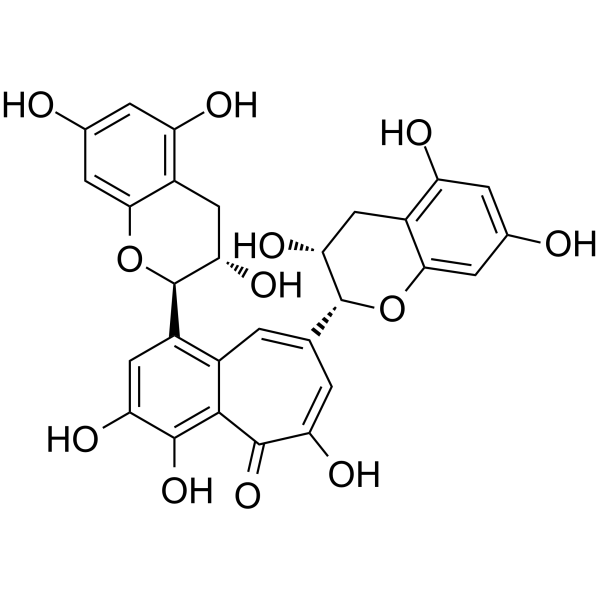
- HY-N14194
-
|
|
Lipase
|
Others
|
|
Esterastin is a lipase inhibitor with an IC50 value of 2 ng/mL when p-nitrophenyl acetate is used as a substrate .
|
-

- HY-158362A
-
|
|
Endogenous Metabolite
|
Neurological Disease
Metabolic Disease
Inflammation/Immunology
|
|
Monoglyceride lipase, Bacillus sp., is a key enzyme involved in lipid metabolism. It catalyzes the hydrolysis of monoglycerides (particularly 2-AG, or 2-arachidonoylglycerol) into glycerol and free fatty acids. By regulating the levels of 2-AG, Monoglyceride lipase, Bacillus sp., can influence neural signaling, pain perception, inflammatory responses, and metabolic processes .
|
-

- HY-N17567
-
|
|
Lipase
|
Metabolic Disease
|
|
Morusalnol A is a arylbenzofuran derivative found in the root bark of Morus alba. Morusalnol A is a pancreatic lipase inhibitor with a porcine pancreatic lipase IC50 of 0.71 μM. Morusalnol A inhibits pancreatic lipase activity. Morusalnol A can be used for the research of obesity .
|
-

- HY-W714217
-
-

- HY-N7988
-
|
|
Lipase
|
Metabolic Disease
|
|
4,6,12-Tetradecatriene8,10-diyne-1,3-diacetate is a polyacetylene compound found in the rhizomes of Atractylodes lancea. 4,6,12-Tetradecatriene8,10-diyne-1,3-diacetate inhibits human pancreatic lipase, with an IC50 of 55.67 μM and 16.7 μg/mL. 4,6,12-Tetradecatriene8,10-diyne-1,3-diacetate can block the digestion of triglycerides by inhibiting the activity of human pancreatic lipase. 4,6,12-Tetradecatriene8,10-diyne-1,3-diacetate can be used in research on obesity .
|
-

- HY-N18145
-
|
|
Lipase
|
Metabolic Disease
|
|
(3Z,5E,11E)-3,5,11-Tri-decatriene-7,9-diyne-1,2-diacetate is a human pancreatic lipase inhibitor, with an IC50 of 77.97 μM against human pancreatic lipase. (3Z,5E,11E)-3,5,11-Tri-decatriene-7,9-diyne-1,2-diacetate is applicable to the research of obesity .
|
-

- HY-N11721
-
|
|
SOD
Lipase
|
Metabolic Disease
|
|
5-Hydroxyaloin A is a polyphenolic antioxidant agent. 5-Hydroxyaloin A forms hydrogen bonding interactions at lipase’s active site and SOD’s active site with low binding energy. 5-Hydroxyaloin A inhibits microsomal lipid peroxidation induced by ferrous-cysteine, reducing malondialdehyde production. 5-Hydroxyaloin A can be used for the research of obesity .
|
-

- HY-N17876
-
|
|
Lipase
|
Metabolic Disease
|
|
Royleanonic acid is an abietan-type diterpene found in the leaves of Salvia officinalis L. Royleanonic acid is a porcine pancreatic lipase inhibitor with an IC50 of 35 μg/mL .
|
-

- HY-N18267
-
|
|
Lipase
|
Metabolic Disease
|
|
(3Z,5E,11E)-3,5,11-Tridecatriene-7,9-diyn-1-ol, 1-acetate is a polyacetylene found in Atractylodes lancea rhizome. (3Z,5E,11E)-3,5,11-Tridecatriene-7,9-diyn-1-ol, 1-acetate inhibits human pancreatic lipase inhibitor with an IC50 of 39.91 μM. (3Z,5E,11E)-3,5,11-Tridecatriene-7,9-diyn-1-ol, 1-acetate can be used for the research of obesity .
|
-

- HY-W719455
-
|
|
Lipase
|
Others
|
|
Pungenin is a compound that can be isolated from Leontopodium leontopodioides. Pungenin exhibits lipase inhibitory activity. Pungenin reuduces triglyceride absorption .
|
-

- HY-N17996
-
|
|
Lipase
|
Metabolic Disease
|
|
3'-O-Methylisosaponarin is a spsoscoparin glycoside found in the leaves of C. sativus cultivar Chinese Yellow. 3'-O-Methylisosaponarin shows weak anti-lipase activity. 3'-O-Methylisosaponarin can be used for the research of disturbances of lipid metabolism .
|
-

- HY-182262
-
|
|
Lipase
|
Metabolic Disease
|
|
Ro 20-0083 is an orally active pancreatic lipase inhibitor. Ro 20-0083 inhibits hPancreatic lipase activity, reduces lipid absorption and de novo fatty acid synthesis. Ro 20-0083 decreases food intake in Zucker rats. Ro 20-0083 can be used in obesity-related research .
|
-

- HY-107416R
-
|
U-57908 (Standard)
|
DAGL
Reference Standards
Acyltransferase
mAChR
COX
Phospholipase
|
Neurological Disease
Metabolic Disease
|
|
RHC 80267 (Standard) is the analytical standard of RHC 80267 (HY-107416). This product is intended for research and analytical applications. RHC 80267 (U-57908) is a potent and selective inhibitor of diacylglycerol lipase (DAGL) (with IC50 of 4 μM in canine platelets). RHC-80267 inhibits cholinesterase activity with an IC50 of 4 μM, thereby enhancing the relaxation evoked by acetylcholine. RHC 80267 also inhibits COX and the hydrolysis of phosphatidylcholine (PC) .
|
-

- HY-P992227
-
|
|
Lipase
|
Inflammation/Immunology
|
|
Anti-Endothelial Lipase Antibody is a monoclonal antibody targeting endothelial lipase. It can be used in ELISA, FACS, and functional assays. For isotype controls of Anti-Endothelial Lipase Antibody, please refer to Human IgG1 kappa, Isotype Control (HY-P99001).
|
-

- HY-Y1422U
-
|
|
Biochemical Assay Reagents
|
Metabolic Disease
|
|
Lipase, Mucor miehei (EC 3.1.1.3) is an enzyme that hydrolyzes triacylglycerols. Lipase, Mucor miehei (EC 3.1.1.3) catalyzes the reaction of triacylglycerols to diacylglycerols and carboxylates.
|
-

- HY-181986
-
|
|
Lipase
Apoptosis
|
Cancer
|
|
ERX-208 is an anticancer agent that induces endoplasmic reticulum stress by targeting lysosomal acid lipase A (LIPA), ultimately leading to cancer cell apoptosis. ERX-208 can be used in ovarian cancer research .
|
-

- HY-182639
-
|
|
Exosomes
MAGL
Interleukin Related
VEGFR
|
Cancer
|
|
AM9928 is a monoacylglycerol lipase (MAGL) inhibitor with IC50 and Ki values of 8.9 nM and 7.3 nM, respectively. AM9928 blocks the adhesion and migration of triple-negative breast cancer (TNBC) cells, and inhibits the secretion of IL-6, IL-8 and VEGF-A by TNBC cells. AM9928 suppresses the activation of human brain microvascular endothelial cells (HBMECs) induced by TNBC-derived exosomes, and reduces the secretion of IL-8 and VEGF-A by HBMECs. AM9928 attenuates changes in blood-brain barrier permeability, inhibits tumor growth in the mammary fat pad, and reduces brain colonization of TNBC. AM9928 can be used in studies related to triple-negative breast cancer .
|
-

- HY-P2752C
-
-

- HY-N8599
-
-
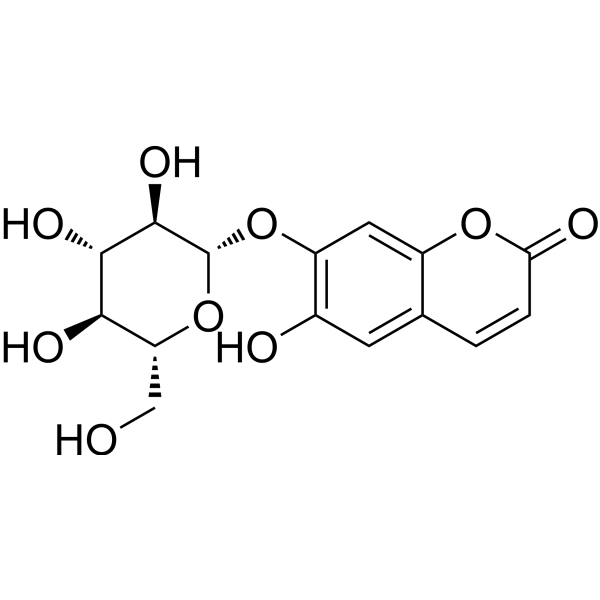
- HY-W778471
-
|
DG(18:2/0:0/18:3); 1-Linolein-3-α-Linolenin; 1-Linolein-3-Linolenin
|
Endogenous Metabolite
|
Metabolic Disease
|
|
1-Linoleoyl-3-α-linolenoyl-rac-glycerol is a diacylglycerol that contains linoleic acid (HY-N0729) at the sn-1 position and α-linolenic acid (HY-N0728) at the sn-3 position. It has been found in olive oil subjected to lipase-catalyzed glycerolysis with immobilized lipase B from C. antarctica.
|
-

- HY-P2879B
-
|
|
Endogenous Metabolite
Biochemical Assay Reagents
|
Metabolic Disease
|
|
Cholesterol esterase, Candida cylindracea is an enzyme located in the intestines that hydrolyzes cholesterol esters into cholesterol and free fatty acids. Also known as bile salt-stimulated lipase or carboxylester lipase, this enzyme facilitates cholesterol metabolism and absorption in the body. It can also be used as a biochemical reagent, and is employed in conjunction with cholesterol oxidase (HY-P2848) to measure cholesterol levels .
|
-

- HY-168459
-
|
|
MAGL
|
Neurological Disease
|
|
MAGL-IN-21 (Compound (S)-6) is a selective inhibitor for monoacylglycerol lipase (MAGL) with an IC50 of 1.59 nM .
|
-

- HY-E70409
-
|
|
Endogenous Metabolite
|
Metabolic Disease
|
|
Diacetinase, Bacillus subtilis is a member of the esterase family and is responsible for catalyzing the hydrolysis of diacetin. This enzyme is used in the measurement of lipase activity .
|
-

- HY-Y1422T
-
|
|
Lipase
|
Metabolic Disease
|
|
Lipase, Porcine (EC 3.1.1.3) is an enzyme that catalyses the following chemical reaction: triacylglycerol + H2O = diacylglycerol + a carboxylate.
|
-

- HY-157038
-
|
|
MAGL
|
Inflammation/Immunology
|
|
MAGL-IN-8 (compound 13) is a reversible monoacylglycerol lipase (MAGL) inhibitor, with an IC50 of 2.5 ± 0.4 nM for hMAGL .
|
-
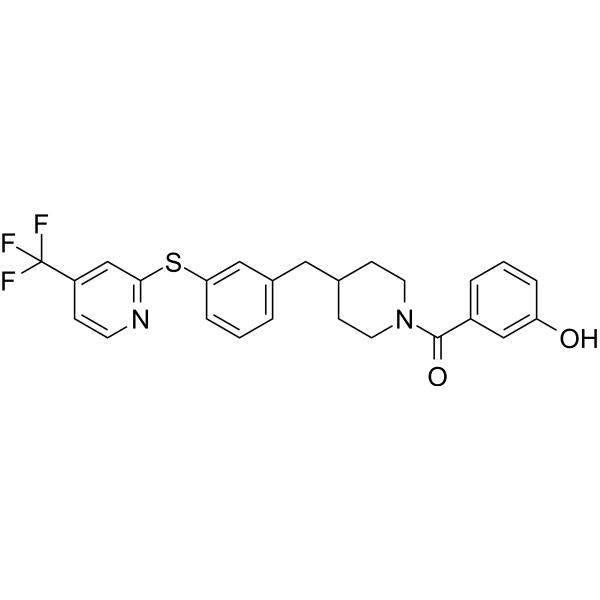
- HY-N2087
-
|
|
Lipase
|
Metabolic Disease
|
|
Ligupurpuroside A is an active product that can be extracted from Ligustrum robustum. Ligupurpuroside A acts as a natural inhibitor of lipase in a competitive manner .
|
-
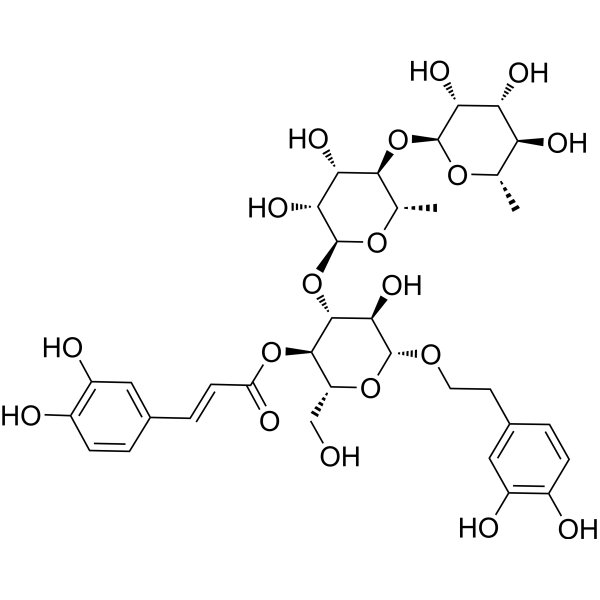
- HY-103372
-
|
|
Lipase
|
Cardiovascular Disease
|
|
GSK264220A is a potent endothelial lipase inhibitor with IC50 of 16 nM. GSK264220A has the potential to decrease the risk of cardiovascular disease .
|
-
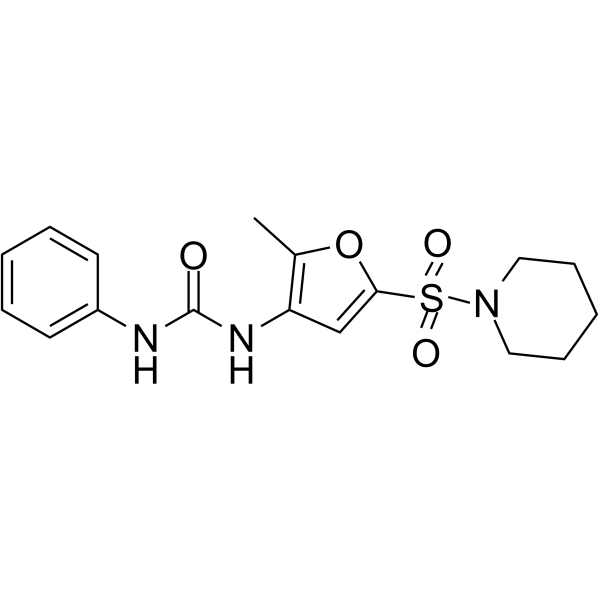
- HY-123012A
-
|
LY-591281; LY-488756 fumarate
|
Androgen Receptor
|
Others
|
|
Lubabegron fumarate is a potent modulator of β-adrenergic receptor (β-AR). Lubabegron fumarate demonstrates antagonistic behavior at the β1 and β 2 receptor subtypes and agonistic behavior at the β 3 receptor subtype in cattle. Lubabegron fumarate reduces NH3 gas emissions from an animal or its waste. Lubabegron fumarate is available as an animal supplement .
|
-
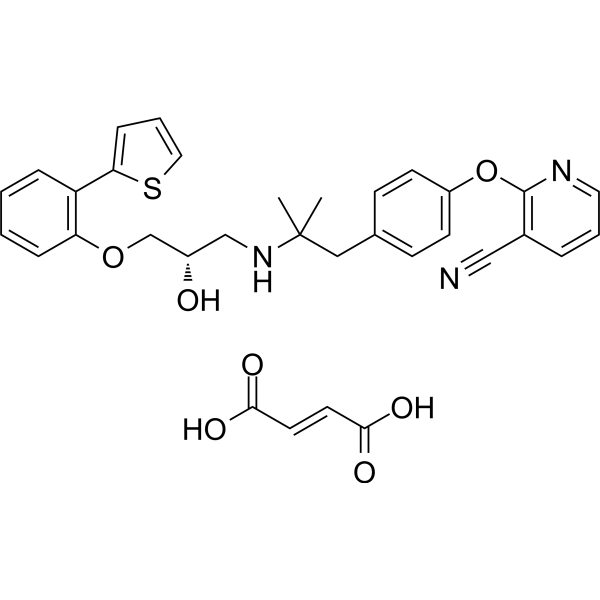
- HY-163202
-
|
|
MAGL
Calcium Channel
|
Neurological Disease
Cancer
|
|
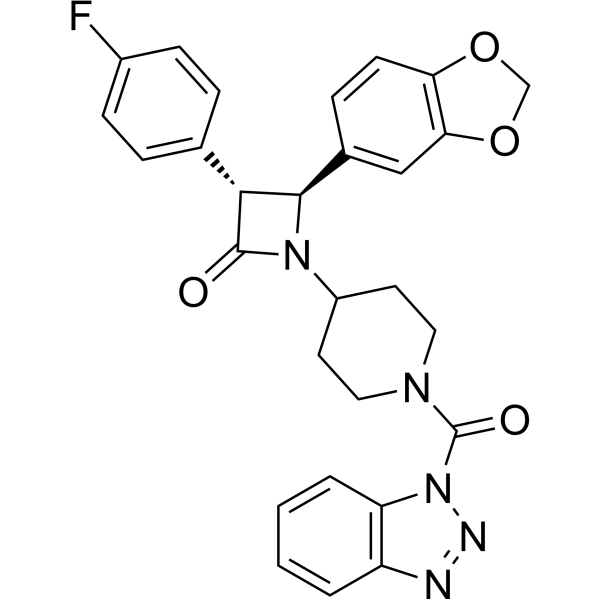
MAGL-IN-13 (compound (3R, 4S) - 5v) is a selective, irreversible inhibitor for MAGL,with IC50 values of 0.026, 0.021 and 0.24 nM for mMAGL, hMAGL and rMAGL, respectively. MAGL-IN-13 can penetrant blood brain barrier. .
|
-
- HY-170623
-
|
|
Biochemical Assay Reagents
|
Metabolic Disease
|
|
1-Palmitoyl-2-stearoyl-3-butyryl-rac-glycerol is a triacylglycerol containing Palmitic acid (HY-N0830), Stearic acid (HY-B2219), and Butyric acid (HY-B0350) at the sn-1, sn-2, and sn-3 positions, respectively. It has been used to determine the stereospecificity and typoselectivity of lipases.1
|
-

- HY-E70888
-
|
|
Lipase
|
Others
|
|
Lipase, Candida antarctica, expressed in Aspergillus niger, is a serine hydrolase, which belongs to the α/β hydrolase fold family .
|
-

- HY-149506
-
|
1,3-Dicaprin
|
Lipase
|
Others
|
|
1,3-Didecanoylglycerol (1,3-Dicaprin) is a triglyceride analog that can be used as a substrate in pancreatic lipase hydrolysis reactions .
|
-

- HY-Y1422P
-
|
|
Lipase
|
Metabolic Disease
|
|
Lipase, Rhizopus oryzae (EC 3.1.1.3) is an enzyme that catalyses the following chemical reaction: triacylglycerol + H2O = diacylglycerol + a carboxylate.
|
-

- HY-W004282
-
|
Undecanoate; Hendecanoic acid
|
Fungal
Endogenous Metabolite
Bacterial
|
Infection
|
|
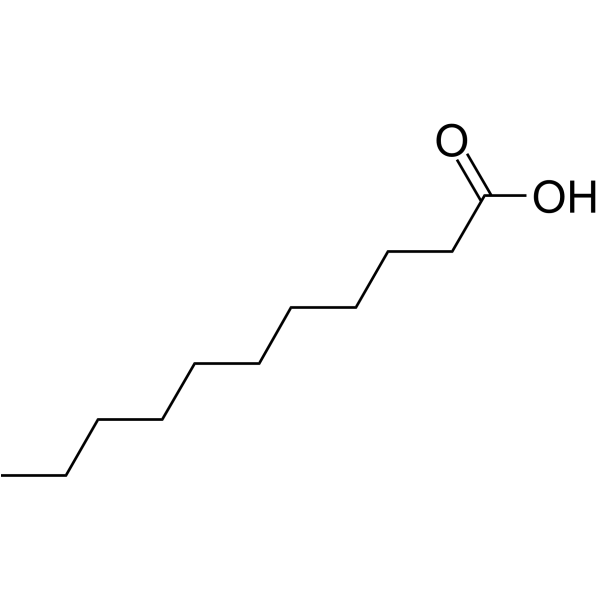
Undecanoic acid (Undecanoate) is a monocarboxylic acid with antifungal property. Undecanoic acid inhibits the production of exocellular keratinase, lipase and the biosynthesis of several phospholipids in T. rubrum .
|
-
- HY-Y1422Q
-
|
|
Lipase
|
Metabolic Disease
|
|
Lipase, Rhizopus niveus (EC 3.1.1.3) is an enzyme that catalyses the following chemical reaction: triacylglycerol + H2O = diacylglycerol + a carboxylate.
|
-

- HY-Y1422O
-
|
|
Lipase
|
Metabolic Disease
|
|
Lipase, Thermus flavus (EC 3.1.1.3) is an enzyme that catalyses the following chemical reaction: triacylglycerol + H2O = diacylglycerol + a carboxylate.
|
-

- HY-Y1422N
-
|
|
Lipase
|
Metabolic Disease
|
|
Lipase, Thermus thermophilus (EC 3.1.1.3) is an enzyme that catalyses the following chemical reaction: triacylglycerol + H2O = diacylglycerol + a carboxylate.
|
-

- HY-Y1422M
-
|
|
Lipase
|
Metabolic Disease
|
|
Lipase,wheat germ (EC 3.1.1.3) is an enzyme that catalyses the following chemical reaction: triacylglycerol + H2O = diacylglycerol + a carboxylate.
|
-

- HY-N1937R
-
|
Celastrol methyl ester (Standard)
|
Reference Standards
Bacterial
|
Cancer
|
|
Pristimerin (Standard) is the analytical standard of Pristimerin. This product is intended for research and analytical applications. Pristimerin is a potent and reversible monoacylglycerol lipase (MGL) inhibitor with an IC50 of 93 nM.
|
-

- HY-100792
-
|
|
Bacterial
|
Cancer
|
|
URB602 is a selective monoacylglycerol lipase (MGL) inhibitor, which inhibits rat brain MGL with IC50 of 28±4 μM through a noncompetitive mechanism.
|
-
- HY-15250
-
JZL195
4 Publications Verification
|
FAAH
MAGL
Autophagy
|
Neurological Disease
|
|
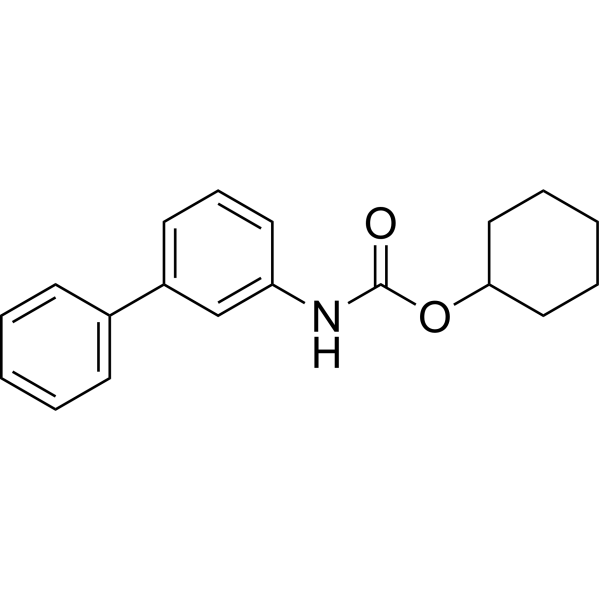
JZL195 is a selective and efficacious dual fatty acid amide hydrolase (FAAH) and monoacylglycerol lipase (MAGL) inhibitor with IC50s of 2 and 4 nM, respectively .
|
-
- HY-N12893
-
|
|
Fungal
Lipase
|
Infection
|
|
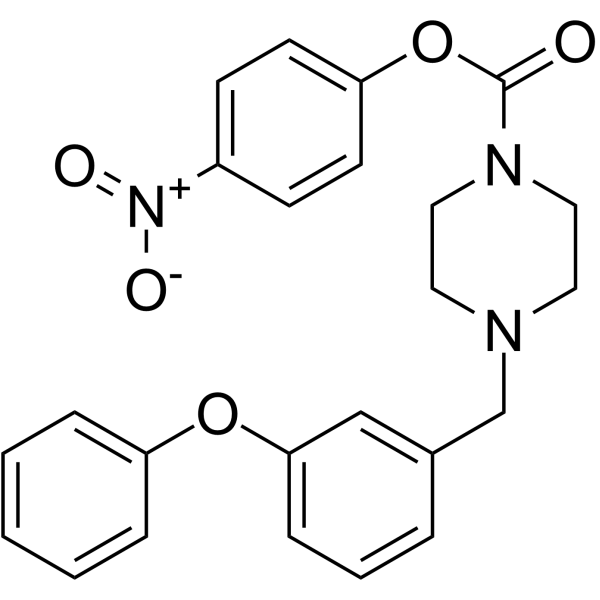
Sclerodione is a metabolite that can be produced by the Scleroderris canker fungus, Gremmeniellaabietina. Sclerodione has antifungal activity. Sclerodione is a lipase inhibitor (IC50: 1 μM) .
|
-

- HY-E70611
-
|
|
Biochemical Assay Reagents
|
Others
|
|
C. rugosa Lipase is a biocatalyst that has recently attracted much attention because of its regio-selectivity in various types of reactions, such as trans-esterification, hydrolysis, and esterification .
|
-

- HY-155836
-
|
|
Lipase
|
Metabolic Disease
|
|
hPL-IN-1 (compound 2t) is a reversible inhibitor of pancreatic lipase (PL) (IC50=1.86 μM) for anti-obesity research .
|
-
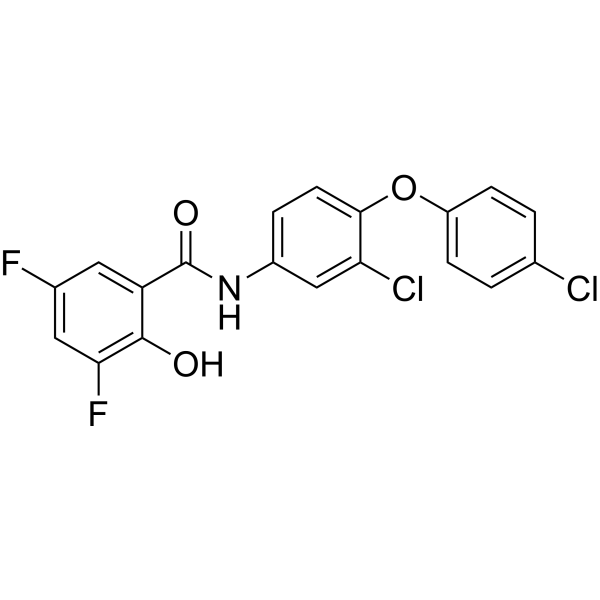
- HY-117632
-
|
ABX-1431
|
MAGL
|
Neurological Disease
|
|
Elcubragistat (ABX-1431) is a highly effective, selective, orally active, and blood-brain barrier-permeable monoacylglycerol lipase (MAGL) inhibitor, with an IC50 value of 14 nM .
|
-
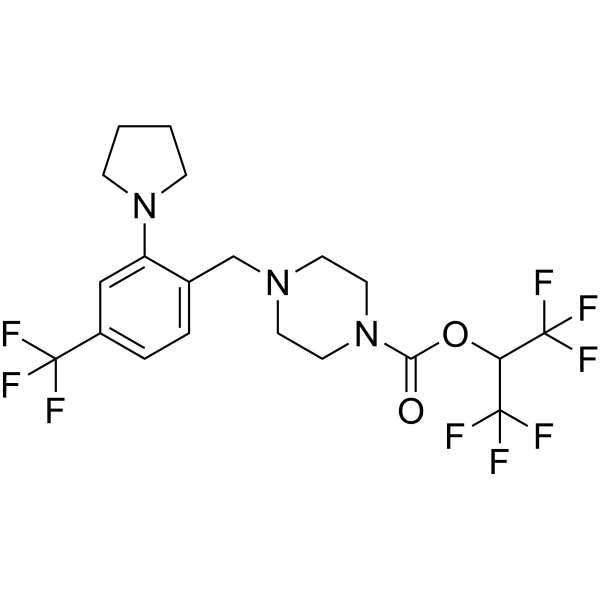
- HY-W709047
-
|
|
Drug Metabolite
|
Metabolic Disease
|
|
Orlistat impurity-M3 is a Orlistat (HY-B0218) degradation product. Orlistat is a well-known irreversible inhibitor of pancreatic and gastric lipases .
|
-

- HY-12246
-
XEN445
1 Publications Verification
|
Lipase
|
Cardiovascular Disease
Metabolic Disease
Cancer
|
|
XEN445 is a potent, selective and orally active endothelial lipase (EL) inhibitor with an IC50 value of 0.237 μM. XEN445 selectively inhibits phospholipase enzymatic activity of LIPG. XEN445 raises plasma HDL and cholesterol levles. XEN445 induces G1 cell cycle arrest, reduces cell viability, suppresses cancer stem cell self-renewal, and inhibits tumor formation in LIPG-expressing triple-negative breast cancer cells, while showing no inhibitory effect on invasiveness or cancer stem cell stemness in these cells. XEN445 can be used for the research of cancer and metabolic disease, such as triple-negative breast cancer .
|
-
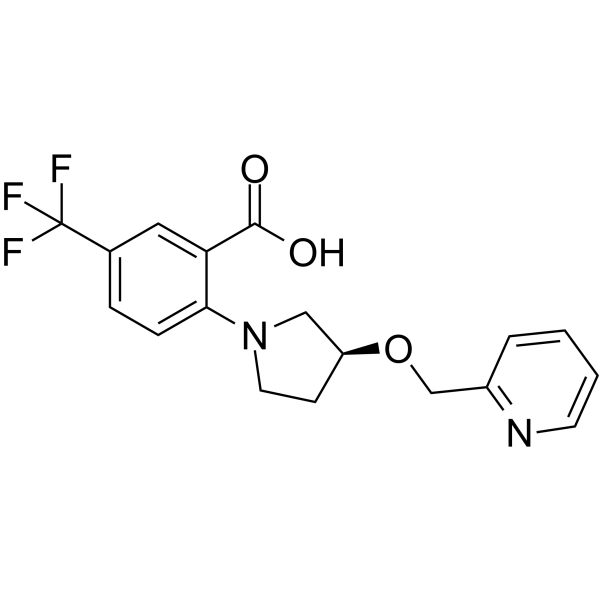
- HY-N6667
-
|
|
Lipase
|
Others
|
|
Glucovanillin, found in vanilla, is a potential lipase inhibitor. Glucovanillin can be converted into vanillin through an enzyme-coupled process involving cell wall degradation and glucovanillin hydrolysis .
|
-
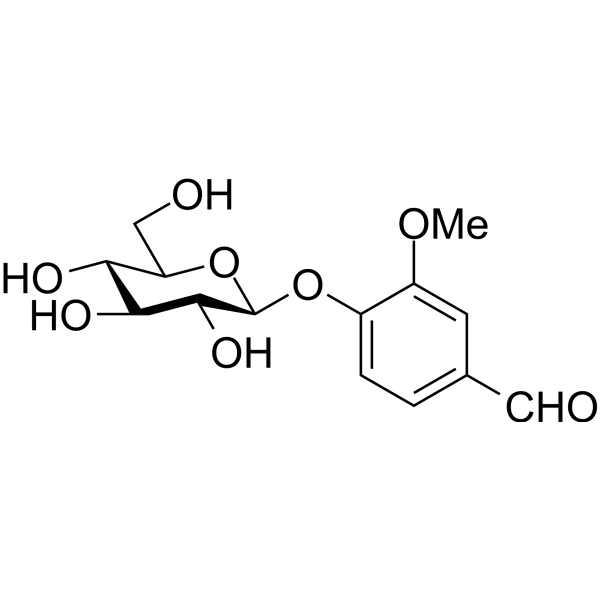
- HY-N6667R
-
|
|
Reference Standards
Lipase
|
Others
|
|
Glucovanillin, found in vanilla, is a potential lipase inhibitor. Glucovanillin can be converted into vanillin through an enzyme-coupled process involving cell wall degradation and glucovanillin hydrolysis .
|
-

- HY-N0555
-
|
|
Lipase
|
Metabolic Disease
|
|
Escin IB is a saponin isolated from skin and the endosperm of seeds of horse chestnut (Aesculus hippocastanum). Escin IB shows inhibitory effect on pancreatic lipase activity .
|
-
- HY-164714
-
|
|
Lipase
|
|
|
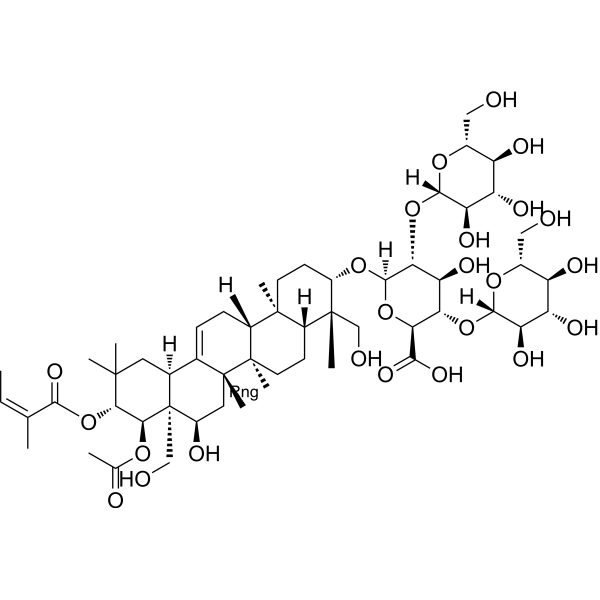
HSL-IN-5 (Example 21) is a hormone sensitive lipase (HSL) inhibitor (IC50: 0.25 μM). HSL-IN-5 can be used for diabetes research .
|
-

- HY-18551
-
|
|
DAGL
|
Inflammation/Immunology
|
|
DAGLβ-IN-1 is an inhibitor of diacylglycerol lipase-β (DAGLβ), serves as a versatile intermediate for the design of DAGL-tailored activity-based probes .
|
-
- HY-P5081
-
|
|
TGF-β Receptor
Collagen
|
Inflammation/Immunology
|
|
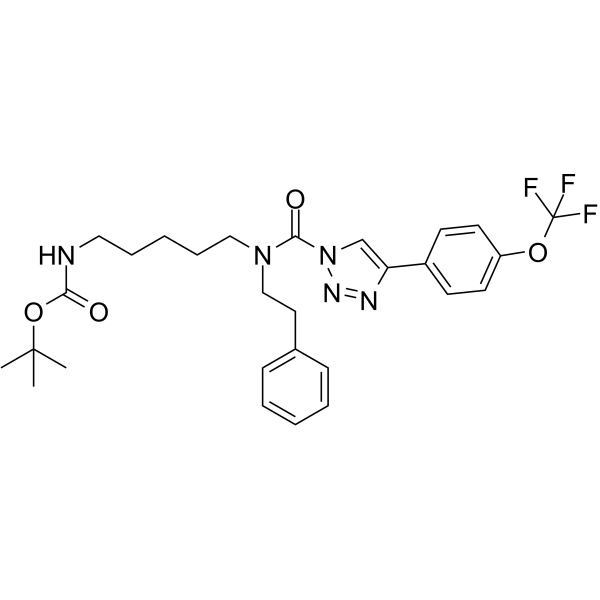
Endotrophin (Mus musculus) is an adipokine, a cleavage fragment derived from Collagen VI, whose levels are elevated in adipose tissue and breast tumors of obese mice. Endotrophin (Mus musculus) activates the TGF-β signaling pathway and reduces the expression of hormone-sensitive lipase. Endotrophin (Mus musculus) induces adipogenesis, lipid accumulation, fibrosis, inflammation, angiogenesis, adipose tissue expansion, epithelial-mesenchymal transition, and insulin resistance; it also induces Cisplatin (HY-17394) resistance in cancer cells. Endotrophin (Mus musculus) can be used in research related to metabolic diseases such as obesity and type 2 diabetes, as well as cancers such as breast cancer .
|
-

- HY-W099563
-
|
|
Biochemical Assay Reagents
|
Others
|
|
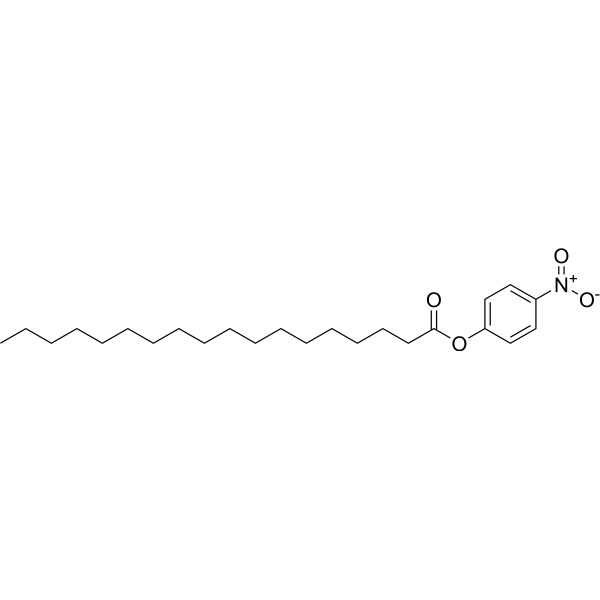
4-Nitrophenyl stearate, which is an ester formed by the condensation of stearic acid and 4-nitrophenol, is commonly used as a substrate for enzymatic assays, where the hydrolysis of ester bonds by esterase and lipase can be measured by absorbance or ratio In addition, 4-Nitrophenyl stearate has been used as a model compound to study the enzymatic activity and selectivity of lipases and esterases from various sources. The long hydrophobic tail of the molecule makes it suitable for use in lipophilic Good solubility in the environment makes it a useful probe for studying lipid metabolism.
|
-
- HY-155837
-
|
|
Lipase
|
Metabolic Disease
|
|
hPL-IN-2 (compound 2u) is a potent, reversible, and non-competitive inhibitor of pancreatic lipase (IC50: 1.63 μM) and can be used in anti-obesity research .
|
-
- HY-12332
-
JW 642
3 Publications Verification
|
MAGL
|
Neurological Disease
|
|
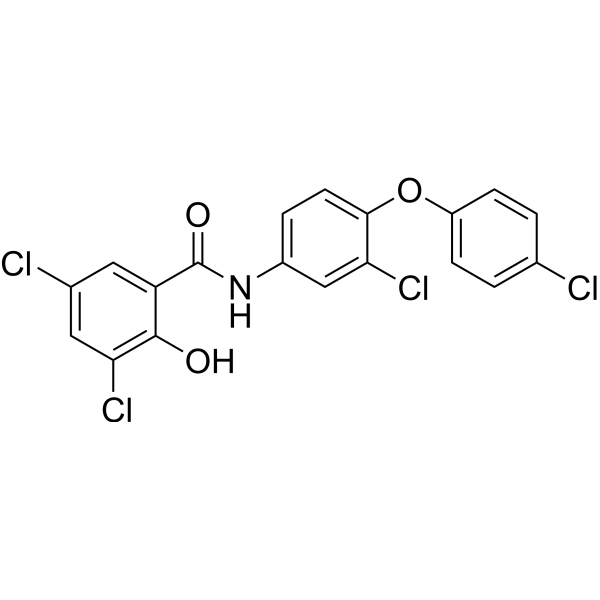
JW 642 is a potent inhibitor of monoacylglycerol lipase (MAGL) that displays IC50 values of 7.6, 14, and 3.7 nM for inhibition of MAGL in mouse, rat, and human brain membranes, respectively.
|
-
- HY-114879
-
DDAO
1 Publications Verification
|
Fluorescent Dye
Carboxylesterase (CES)
|
Cancer
|
|
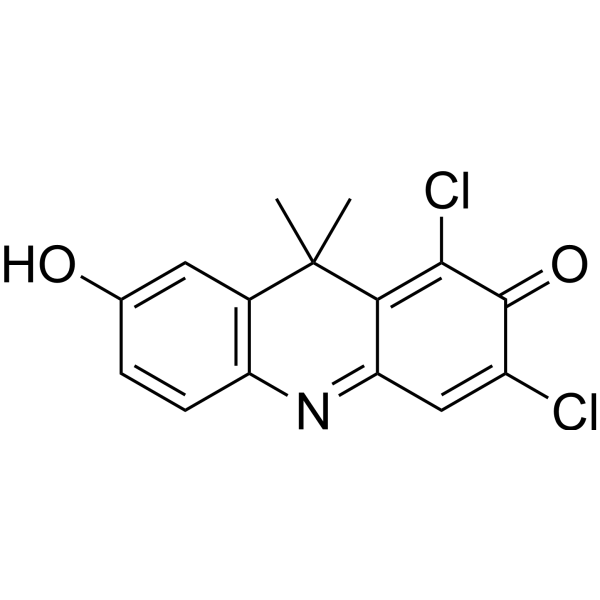
DDAO is a promising near-infrared (NIR) red fluorescent probewith tunable excitation wavelength (600-650nm) and longemission wavelength(λem=656nm). DDAO can de desiged for detection of the activities of different enzymes such asβ-galactosidase,sulfatase, proteinphosphatase2A,carboxylesterase 2, humanalbumin andesterases .
|
-
- HY-101509
-
|
|
Lipase
|
Metabolic Disease
|
|
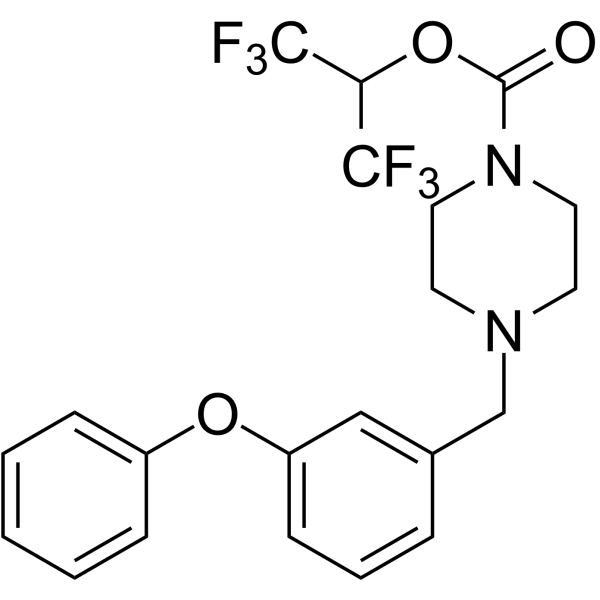
HSL-IN-1 (compound 24b) is a potent and orally active hormone sensitive lipase (HSL) inhibitor (IC50=2 nM) with a significantly reduced reactive metabolite liability .
|
-
- HY-109591B
-
|
|
Biochemical Assay Reagents
|
Others
|
|
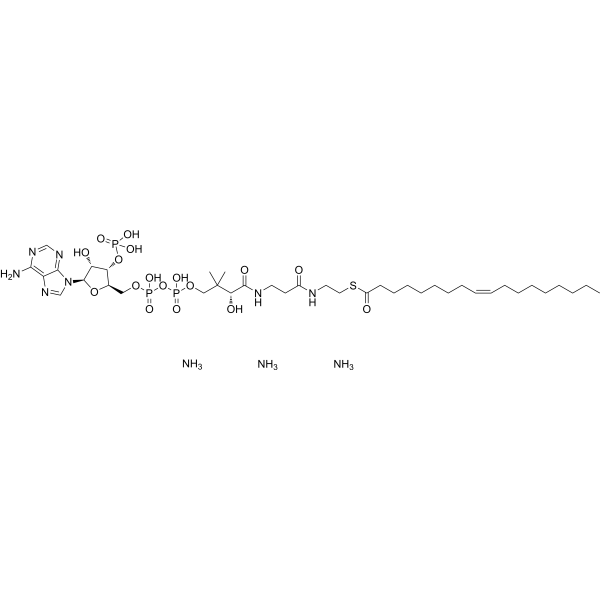
Oleoyl coenzyme A triammonium is the salt form of Oleoyl coenzyme A, which exhibits an inhibitory effects for neutral lipase. Oleoyl coenzyme A triammonium mediates ATP-dependent signal transduction pathway in plants .
|
-
- HY-W019883
-
-
- HY-118340
-
|
|
DAGL
|
Inflammation/Immunology
|
|
L-Isoleucine orlistat (Compound 15) is a diacylglycerol lipase α (DAGLα) inhibitor with an IC50 value of < 50 nM. L-Isoleucine orlistat is promising for research of neural signaling and inflammation-related diseases .
|
-

- HY-15859R
-
|
|
ATGL
|
Metabolic Disease
|
|
Atglistatin (Standard) is the analytical standard of Atglistatin. This product is intended for research and analytical applications. Atglistatin is a selective adipose triglyceride lipase (ATGL) inhibitor which inhibits lipolysis with an IC50 of 0.7 μM in vitro.
|
-

- HY-182046
-
|
|
MNK
PPAR
Eukaryotic Initiation Factor (eIF)
Stearoyl-CoA Desaturase (SCD)
|
Metabolic Disease
|
|
HD202A is an orally active, selective dual inhibitor of MNK1/MNK2 (with IC50 values of 6.09 nM and 8.06 nM, and Kd values of 1.913 μM and 5.244 μM, respectively) that inhibits the MNK-eIF4E signaling pathway. By downregulating perilipin 2 and SCD1, while upregulating adipose triglyceride lipase and PPARγ coactivator 1α, HD202A enhances mitochondrial fatty acid oxidation and redox homeostasis. HD202A effectively suppresses body weight gain, hepatic lipid accumulation and elevation of serum lipids, significantly improves glucose tolerance and insulin sensitivity of the organism, and ameliorates inflammatory features. With these comprehensive pharmacological activities, HD202A exhibits great application potential in studies of metabolic dysfunction-associated steatotic liver disease .
|
-

- HY-N4167
-
|
Galangin 3-methyl ether; 3-Methylgalangin
|
Bacterial
|
Infection
|
|
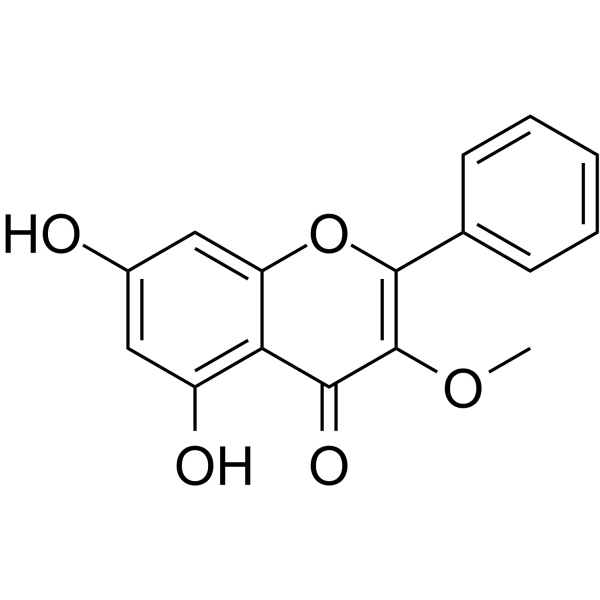
3-O-Methylgalangin (Galangin 3-methyl ether) is a natural flavonoid compound from the rhizome of Alpinia officinarum (AO) with antibacterial activities, which also inhibits pancreatic lipase .
|
-
- HY-P2752B
-
|
|
Endogenous Metabolite
|
Metabolic Disease
|
|
Lipoprotein Lipase, Burkholderia sp. (EC 3.1.1.34) belongs to the lipase gene family and is a water-soluble enzyme that hydrolyzes triglycerides in lipoproteins (such as those in chylomicrons and very low-density lipoproteins (VLDL)) into two free fatty acid molecules and one monoacylglycerol molecule. Lipoprotein also participates in promoting cellular uptake of chylomicron remnants, cholesterol-rich lipoproteins, and free fatty acids. Lipoprotein requires ApoC-II as a cofactor. Lipoprotein attaches to the luminal surface of capillary endothelial cells via glycosylphosphatidylinositol high-density lipoprotein-binding protein 1 (GPIHBP1) and heparan sulfate proteoglycan.
|
-

- HY-P2752A
-
|
|
Endogenous Metabolite
|
Metabolic Disease
|
|
Lipoprotein lipase, Bovine (EC 3.1.1.34) belongs to the lipase gene family and is a water-soluble enzyme that hydrolyzes triglycerides in lipoproteins (such as those in chylomicrons and very low-density lipoproteins (VLDL)) into two free fatty acid molecules and one monoacylglycerol molecule. Lipoprotein also participates in promoting cellular uptake of chylomicron remnants, cholesterol-rich lipoproteins, and free fatty acids. Lipoprotein requires ApoC-II as a cofactor. Lipoprotein attaches to the luminal surface of capillary endothelial cells via glycosylphosphatidylinositol high-density lipoprotein-binding protein 1 (GPIHBP1) and heparan sulfate proteoglycan.
|
-

- HY-148756
-
NG-497
3 Publications Verification
|
ATGL
|
Cancer
|
|
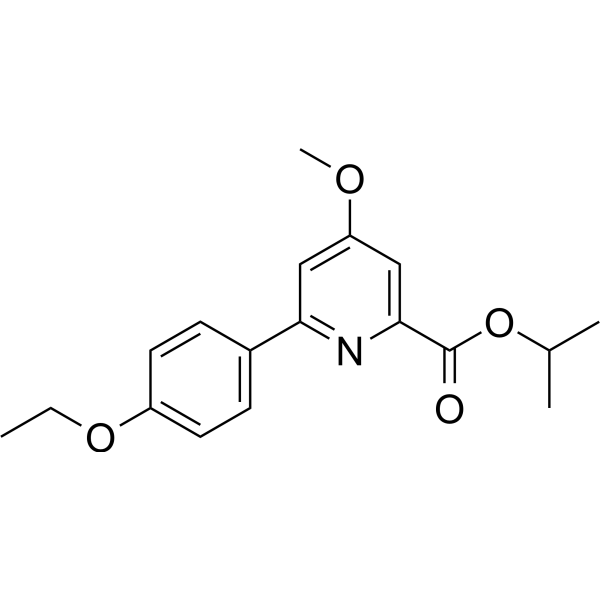
NG-497 is a selective human adipose triglyceride lipase (ATGL) inhibitor that targets the enzymatically active patatin-like domain of human ATGL. NG-497 has potential value for tumor research .
|
-
- HY-157733
-
|
|
Lipase
|
Metabolic Disease
|
|
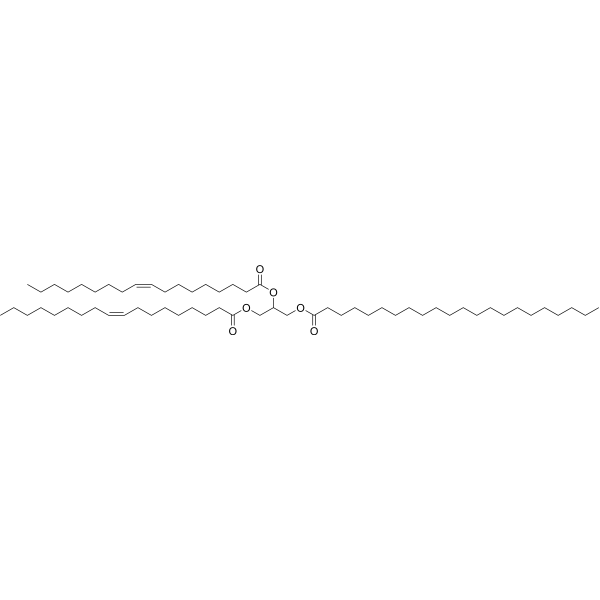
1,2-Dioleoyl-3-behenoylglycerol (BOO) inhibits pancreatic lipase activity. 1,2-Dioleoyl-3-behenoylglycerol prevents the deposition of visceral fat and hepatic triacylglycerol (TAG) .
|
-
- HY-W674017
-
|
|
Lipase
|
Others
|
|
Choline acetate is a choline-based ionic liquid. Choline acetate can promote lipase activity. Choline acetate can also be used as a plasticizer or ionic liquid component to improve carrier structure and release properties, thereby enhancing the performance of biomaterials .
|
-

- HY-148294
-
|
|
Bacterial
Fungal
|
Infection
|
|
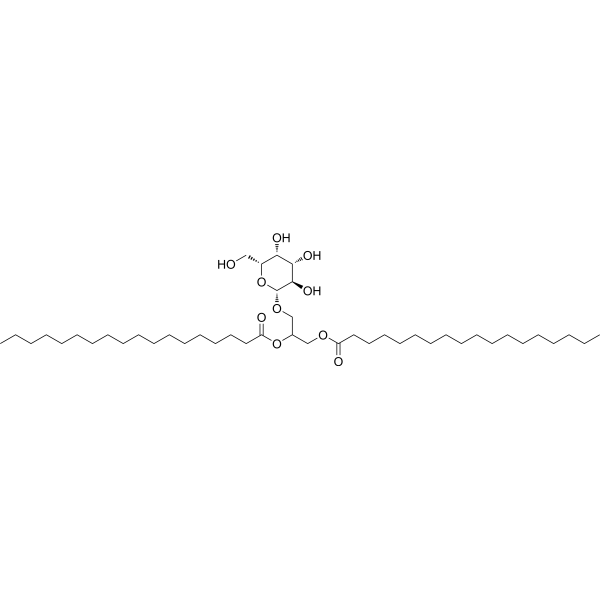
Monogalactosyl diglyceride is a antimicrobial. Monogalactosyl diglyceride has antibacterial activity and antifungal activity in vitro .
|
-
- HY-120300
-
|
|
Cannabinoid Receptor
|
Metabolic Disease
|
|
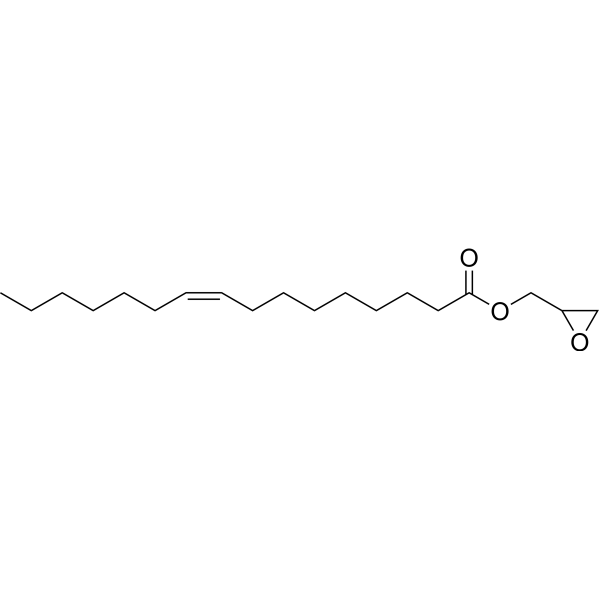
UCM710 is an endocannabinoid (eCB) hydrolysis inhibitor that increases the levels of N-arachidonoyl ethanolamine and 2-arachidonoylglycerol in neurons. UCM710 inhibits fatty acid amide hydrolase and α/β-hydrolase domain 6, but not monoacylglycerol lipase .
|
-
- HY-100792R
-
|
|
Reference Standards
Bacterial
|
Cancer
|
|
URB602 (Standard) is the analytical standard of URB602. This product is intended for research and analytical applications. URB602 is a selective monoacylglycerol lipase (MGL) inhibitor, which inhibits rat brain MGL with IC50 of 28±4 μM through a noncompetitive mechanism.
|
-

- HY-102056R
-
|
|
Lipase
Reference Standards
|
Metabolic Disease
|
|
BAY 59-9435 (Standard) is the analytical standard of BAY 59-9435 (HY-102056). This product is intended for research and analytical applications. BAY 59-9435 is a potent and selective inhibitor of Hormone Sensitive Lipase (HSL), with an IC50 of 0.023 μM.
|
-

- HY-103372R
-
|
|
Lipase
Reference Standards
|
Cardiovascular Disease
|
|
GSK264220A (Standard) is the analytical standard of GSK264220A (HY-103372). This product is intended for research and analytical applications. GSK264220A is a potent endothelial lipase inhibitor with IC50 of 16 nM. GSK264220A has the potential to decrease the risk of cardiovascular disease .
|
-

- HY-15250R
-
|
|
FAAH
MAGL
Autophagy
|
Neurological Disease
|
|
JZL195 (Standard) is the analytical standard of JZL195. This product is intended for research and analytical applications. JZL195 is a selective and efficacious dual fatty acid amide hydrolase (FAAH) and monoacylglycerol lipase (MAGL) inhibitor with IC50s of 2 and 4 nM, respectively .
|
-

- HY-121476
-
|
|
MAGL
|
Neurological Disease
|
|
Arachidonoyl Serinol, an endogenous cannabimimetic metabolite, is an inhibitor of monoacylglycerol lipase (MAGL). Arachidonoyl Serinol inhibits the hydrolysis of [ 3H]2-oleoylglycerol and [ 3H]anandamide with IC50s of ~70 μM .
|
-

- HY-101457
-
|
|
MAGL
|
Metabolic Disease
|
|
JZP-430 is a potent, highly selective, irreversible inhibitor of α/β-hydrolase domain 6 (ABHD6) with an IC50 of 44 nM, exhibits ~230-fold selectivity over fatty acid amide hydrolase (FAAH) and lysosomal acid lipase (LAL) .
|
-
- HY-120560
-
|
|
MAGL
|
Neurological Disease
|
|
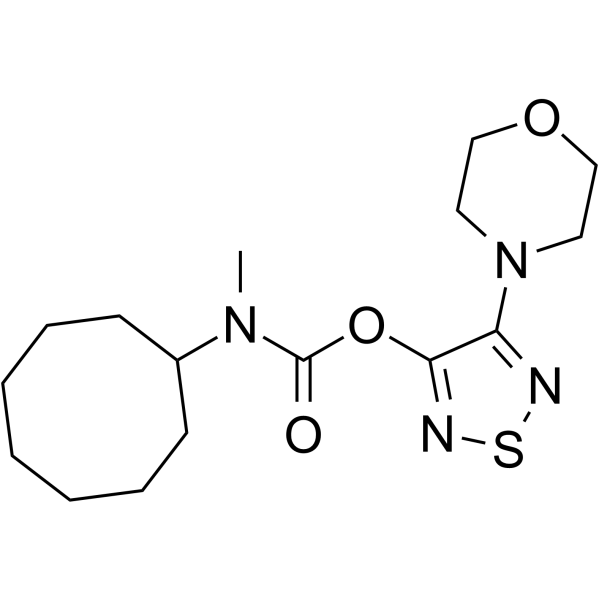
OMDM169 is a potent and selective monoacylglycerol lipase (MAGL) inhibitor with activity to increase 2-AG levels. OMDM169 exerts analgesic activity through indirect activation of cannabinoid receptors. The effective concentration of OMDM169 is 0.13 μM .
|
-

- HY-N17777
-
|
|
Dipeptidyl Peptidase
Glycosidase
|
Others
|
|
Cyclocarin A is a triterpenoid compound that can be isolated from the leaves of Cyclocarya paliurus. Cyclocarin A shows only weak inhibitory activity against α-glucosidase, lipase, DPP-IV, aldose reductase, and human cancer cell lines (IC50>10 μM) .
|
-

- HY-W004282R
-
|
Undecanoate (Standard); Hendecanoic acid (Standard)
|
Reference Standards
Fungal
Endogenous Metabolite
Bacterial
|
Infection
|
|
Undecanoic acid (Standard) (Undecanoate (Standard)) is the analytical standard of Undecanoic acid (HY-W004282). This product is intended for research and analytical applications. Undecanoic acid is a monocarboxylic acid with antifungal property. Undecanoic acid inhibits the production of exocellular keratinase, lipase and the biosynthesis of several phospholipids in T. rubrum .
|
-
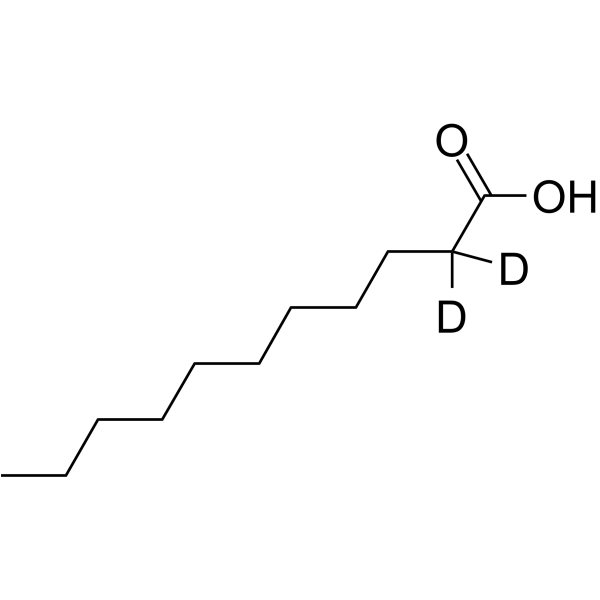
- HY-W004282S2
-
|
Undecanoate-d2; Hendecanoic acid-d2
|
Isotope-Labeled Compounds
Fungal
Endogenous Metabolite
Bacterial
|
Infection
|
|
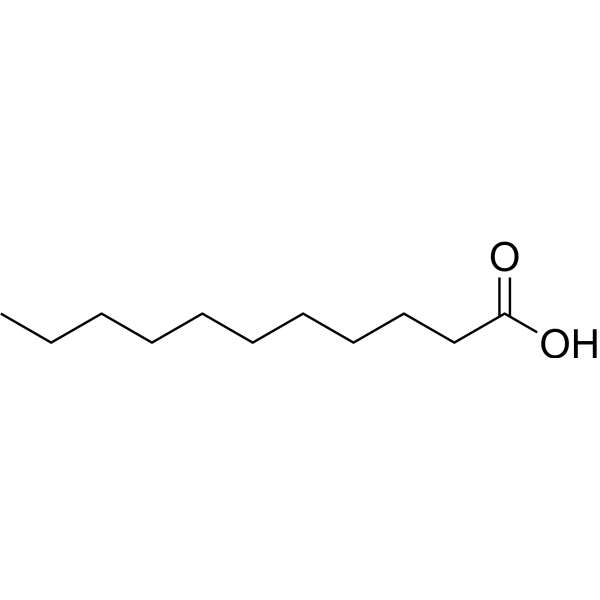
Undecanoic acid-d2 (Undecanoate-d2) is the deuterium labeled Undecanoic acid (HY-W004282). Undecanoic acid is a monocarboxylic acid with antifungal property. Undecanoic acid inhibits the production of exocellular keratinase, lipase and the biosynthesis of several phospholipids in T. rubrum .
|
-
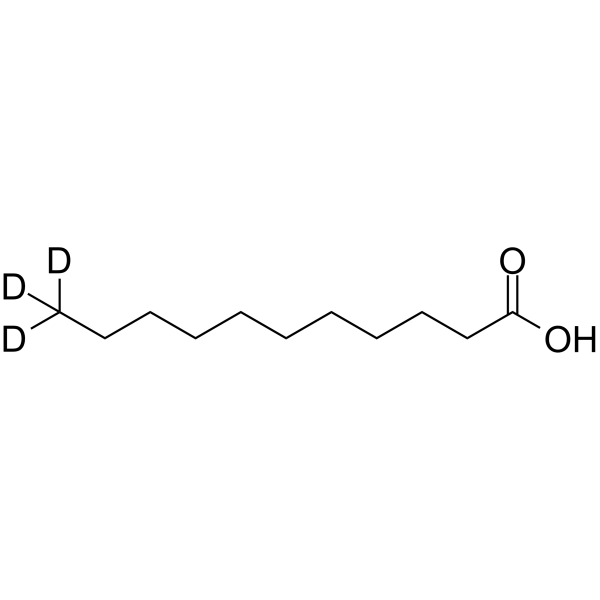
- HY-W004282S1
-
|
Undecanoate-d3; Hendecanoic acid-d3
|
Isotope-Labeled Compounds
Fungal
Endogenous Metabolite
Bacterial
|
Infection
|
|
Undecanoic acid-d3 (Undecanoate-d3) is the deuterium labeled Undecanoic acid (HY-W004282). Undecanoic acid is a monocarboxylic acid with antifungal property. Undecanoic acid inhibits the production of exocellular keratinase, lipase and the biosynthesis of several phospholipids in T. rubrum .
|
-
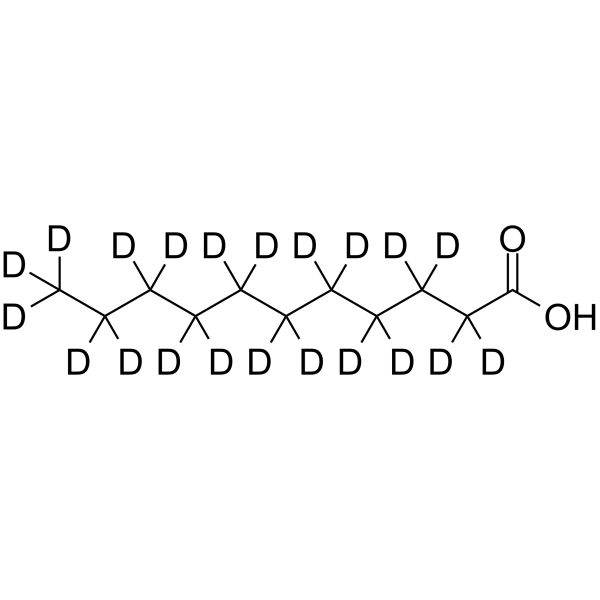
- HY-W004282S
-
|
Undecanoate-d21; Hendecanoic acid-d21
|
Isotope-Labeled Compounds
Fungal
Endogenous Metabolite
Bacterial
|
Infection
|
|
Undecanoic acid-d21 (Undecanoate-d21) is the deuterium labeled Undecanoic acid (HY-W004282). Undecanoic acid is a monocarboxylic acid with antifungal property. Undecanoic acid inhibits the production of exocellular keratinase, lipase and the biosynthesis of several phospholipids in T. rubrum .
|
-
- HY-N0555R
-
|
|
Lipase
Reference Standards
|
Metabolic Disease
|
|
Escin IB (Standard) is the analytical standard of Escin IB. This product is intended for research and analytical applications. Escin IB is a saponin isolated from skin and the endosperm of seeds of horse chestnut (Aesculus hippocastanum). Escin IB shows inhibitory effect on pancreatic lipase activity .
|
-

- HY-P10735
-
|
Gastric inhibitory polypeptide(mouse); GIP(1-42) (mouse)
|
Lipase
Apoptosis
|
Metabolic Disease
|
|
GIP (Gastric inhibitory polypeptide) (mouse) is a gastrointestinal hormone that is secreted by the intestinal K cells, and also expressed in and secreted from pancreatic islets. GIP (mouse) promotes insulin secretion from pancreatic β cells via the G-protein-coupled GIP receptor (GIPR). GIP (mouse) promotes pancreatic β cell proliferation and inhibits apoptosis. GIP (mouse) also exerts direct lipogenic effects on adipose tissue .
|
-

- HY-W011404R
-
|
Glyceryl tributyrate (Standard)
|
Apoptosis
Reference Standards
TNF Receptor
Interleukin Related
|
Metabolic Disease
Cancer
|
|
Tributyrin (Glyceryl tributyrate), a neutral short-chain fatty acid triglyceride, is a stable and rapidly absorbed proagent of Butyric Acid. Tributyrin diffuses through biological membranes and is metabolized by intracellular lipases, releasing effective butyrate directly into the cell in vivo. Tributyrin has potent antiproliferative, proapoptotic and differentiation-inducing effects .
|
-

- HY-118158
-
|
|
FAAH
|
Neurological Disease
|
|
FAAH/MAGL-IN-4 (Compound 13) is a potent fatty acid amide hydrolase (FAAH) and monoglyceride lipase (MGL) inhibitor with IC50s of 9.1 nM and 7.9 μM, respectively. FAAH/MAGL-IN-4 can be used for the research of pain and CNS disorders .
|
-
- HY-W011404
-
|
Glyceryl tributyrate
|
Apoptosis
TNF Receptor
Interleukin Related
|
Metabolic Disease
Cancer
|
|
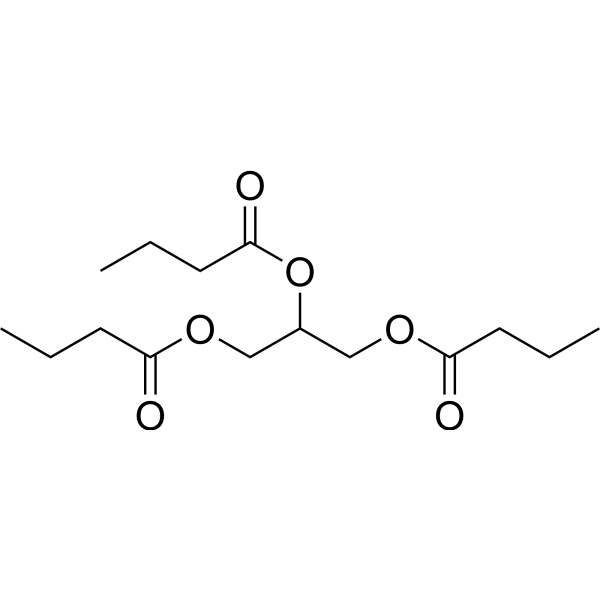
Tributyrin (Glyceryl tributyrate), a neutral short-chain fatty acid triglyceride, is a stable and rapidly absorbed proagent of Butyric Acid. Tributyrin diffuses through biological membranes and is metabolized by intracellular lipases, releasing effective butyrate directly into the cell in vivo. Tributyrin has potent antiproliferative, proapoptotic and differentiation-inducing effects .
|
-
- HY-B0218S
-
|
Tetrahydrolipstatin-d3; Ro-18-0647-d3
|
Isotope-Labeled Compounds
Fatty Acid Synthase (FASN)
Apoptosis
|
Metabolic Disease
|
|
Orlistat-d3 is a deuterated labeled Orlistat . Orlistat (Tetrahydrolipstatin) is a well-known irreversible inhibitor of pancreatic and gastric lipases. Orlistat is also an inhibitor of fatty acid synthase (FASN), is used orally for long-term research of obesity .?Anti-atherosclerotic?effect .
|
-

- HY-169239
-
|
|
MAGL
|
Cancer
|
|
MAGL-IN-20 (compound ±34) is a reversible monoacylglycerol lipase (MAGL) inhibitor. MAGL-IN-20 exhibits appreciable antiproliferative activities against several cancer cells, including H460, HT29, CT-26, Huh7 and HCCLM-3. .
|
-

- HY-P2879
-
|
|
Endogenous Metabolite
|
Metabolic Disease
|
|
Cholesterol esterase, Pseudomonas is an enzyme that hydrolyzes cholesterol ester to cholesterol and free fatty acid in the intestinal lumen. Cholesterol synthesized in the acinar cells and is stored in zymogen granules. Cholesterol esterase is also known as bile salt-stimulated lipase and carboxy ester lipasea, acts function for acceleration of cholesterol absorption .
|
-

- HY-117474
-
MJN110
5 Publications Verification
|
MAGL
|
Neurological Disease
|
|
MJN110 is an orally active and selective monoacylglycerol lipase (MAGL) inhibitor with IC50s of 9.1 nM and 2.1 nM for hMAGL and 2-arachidonoylglycerol (2-AG), respectively . MJN110 produces opioid-sparing effects and displays strong antihyperalgesic activity .
|
-
- HY-B0218R
-
|
Tetrahydrolipstatin (Standard); Ro-18-0647 (Standard)
|
Reference Standards
Fatty Acid Synthase (FASN)
Apoptosis
|
Metabolic Disease
Cancer
|
|
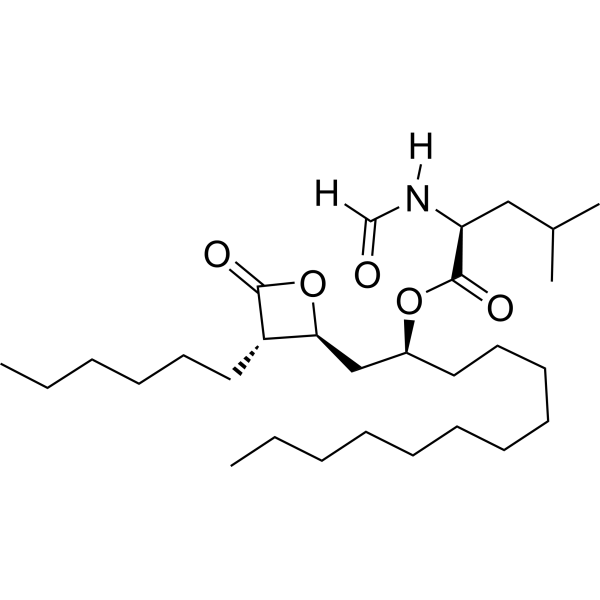
Orlistat (Standard) is the analytical standard of Orlistat. This product is intended for research and analytical applications. Orlistat (Tetrahydrolipstatin) is a well-known irreversible inhibitor of pancreatic and gastric lipases. Orlistat is also an inhibitor of fatty acid synthase (FASN), is used orally for long-term research of obesity . Anti-atherosclerotic effect .
|
-
- HY-E70332
-
|
|
Endogenous Metabolite
|
Others
|
|
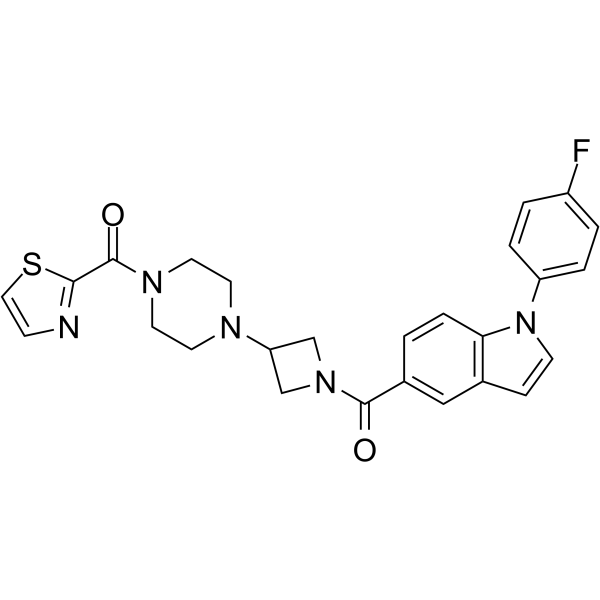
Lipase, Aspergillus niger is a biocatalyst and a key enzyme in new biocatalyst technology. Enzyme engineering focuses on enhancing enzyme reaction kinetics, substrate selectivity, and activity under harsh conditions such as low or high pH. By introducing stimulus responsiveness to these enzyme modifications, dynamic control of activity is also possible .
|
-

- HY-133130
-
|
|
MAGL
|
Neurological Disease
|
|
JNJ-42226314, a chemical probe, is a competitive, highly selective and reversible non-covalent monoacylglycerol lipase (MAGL) inhibitor. JNJ-42226314 demonstrates dose-dependent enhancement of the major endocannabinoid 2-arachidonoylglycerol (2-AG) as well as efficacy in models of neuropathic and inflammatory pain .
|
-
- HY-146342
-
|
|
FAAH
MAGL
|
Neurological Disease
|
|
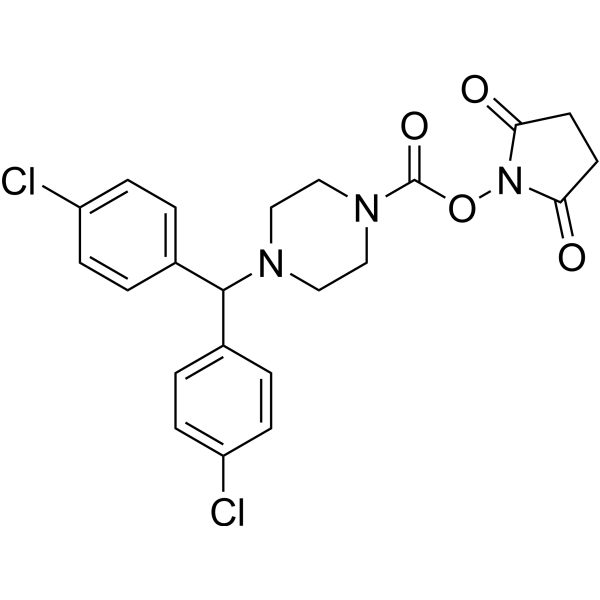
FAAH/MAGL-IN-3 (Compound 10) is an irreversible fatty acid amide hydrolase (FAAH) and monoacylglycerol lipase (MAGL) dual inhibitor with IC50 values of 179 and 759 nM against FAAH and MAGL, respectively. FAAH/MAGL-IN-3 shows low PAMPA (Parallel Artificial Membrane Permeability Assay) permeability .
|
-
- HY-126564
-
|
|
Lipase
MetAP
|
Others
Inflammation/Immunology
|
|
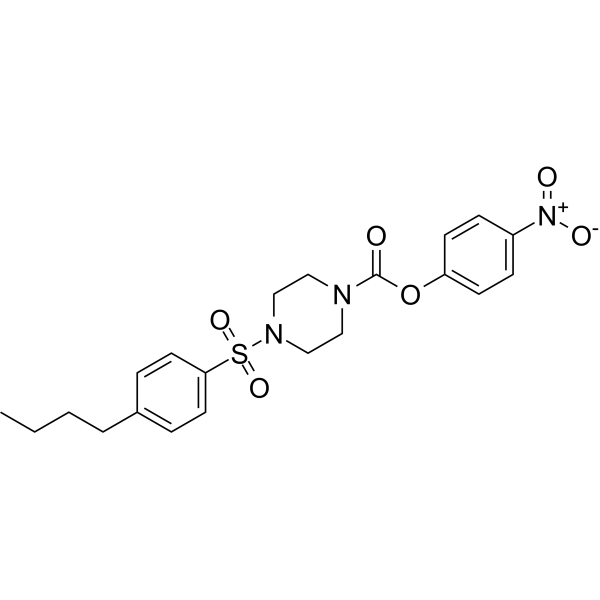
Ebelactone A is a mycolic acid β-lactone, which exhibits inhibitory activity for esterase, lipase, fMet aminopeptidase (fMet AP) and PNBase, with IC50s of 56, 3, 8 and 7.5 μM, respectively . Ebelactone A inhibits cutinase, exhibits plants protective potency against Erysiphe graminis .
|
-
- HY-D0047
-
5-CFDA
3 Publications Verification
5-Carboxyfluorescein diacetate
|
Fluorescent Dye
|
Others
|
|
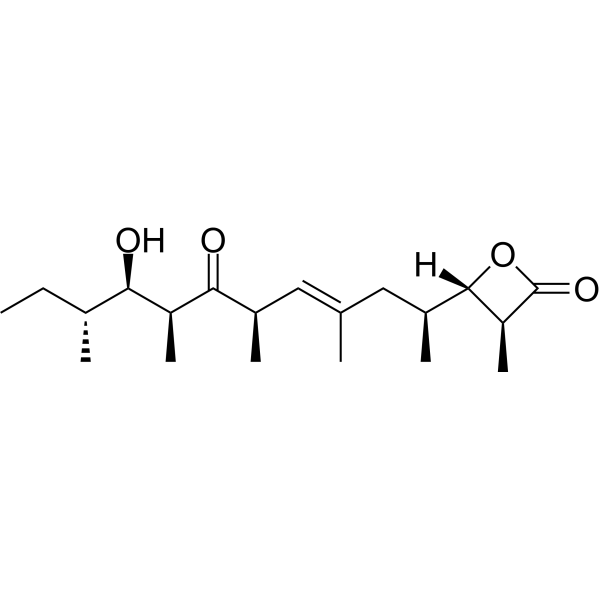
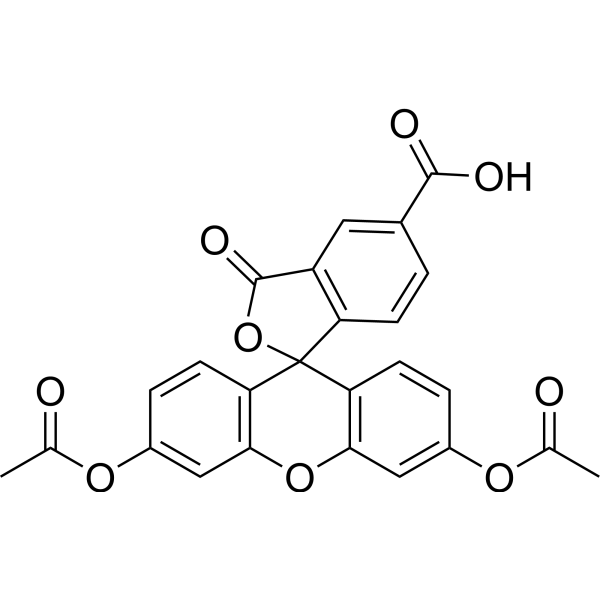
5-CFDA is a common aliphatic luciferin-line organism. CFDA conducts free diffusion into cells, and then it is hydrolyzed into carboxyl fluorescein (CF) by intracellular non-specific lipase. CF containing portion contains an additional negative charge so that it is better retained in cells, compared to fluorescein dyes .
|
-
- HY-124576
-
|
|
MAGL
|
Neurological Disease
|
|
ABD-1970 is a selective monoacylglycerol lipase (MAGL) inhibitor with IC50s of 15 nM and 29 nM for human and mouse MAGL, respectively. ABD-1970 shows selectivity for MGLL over other members of the serine hydrolase class. ABD-1970 has the potential for the study of neurological disorders .
|
-

- HY-D0722
-
5(6)-CFDA
Maximum Cited Publications
6 Publications Verification
5-(6)-Carboxyfluorescein diacetate; CFDA
|
Fluorescent Dye
|
Others
|
|
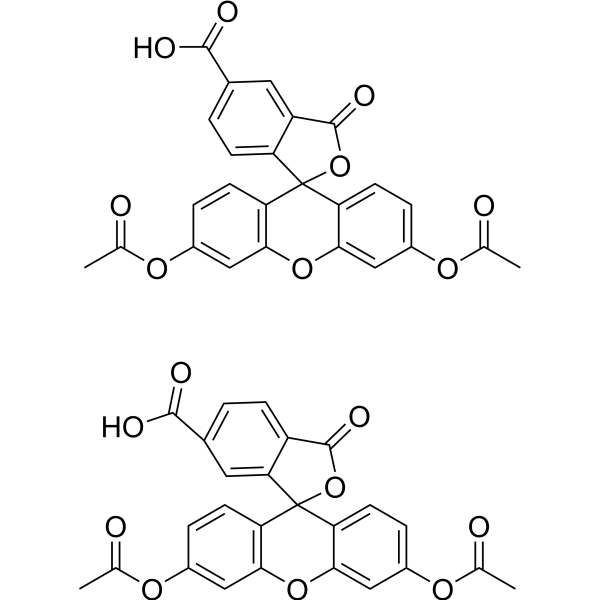
5(6)-CFDA is a common aliphatic luciferin-line organism. CFDA conducts free diffusion into cells, and then it is hydrolyzed into carboxyl fluorescein (CF) by intracellular non-specific lipase. CF containing portion contains an additional negative charge so that it is better retained in cells, compared to fluorescein dyes .
|
-
- HY-136924
-
|
|
FAAH
|
Others
|
|
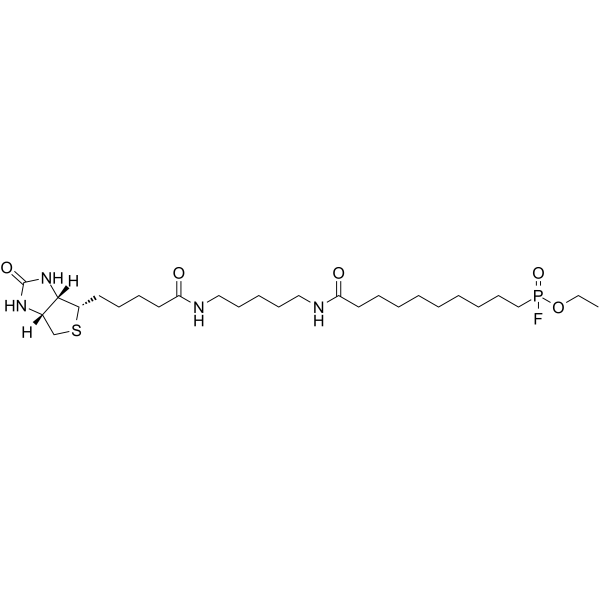
FP-biotin is a potent organophosphorus toxicant, well-suited for searching for new biomarkers of organophosphorus toxicants exposure. FP-Biotin quantifies FAAH, ABHD6, and MAG-lipase activity. FP-biotin is used for studies with plasma because biotinylated peptides are readily purified by binding to immobilized avidin beads .
|
-
- HY-D0721
-
|
6-Carboxyfluorescein diacetate
|
Fluorescent Dye
|
Others
|
|
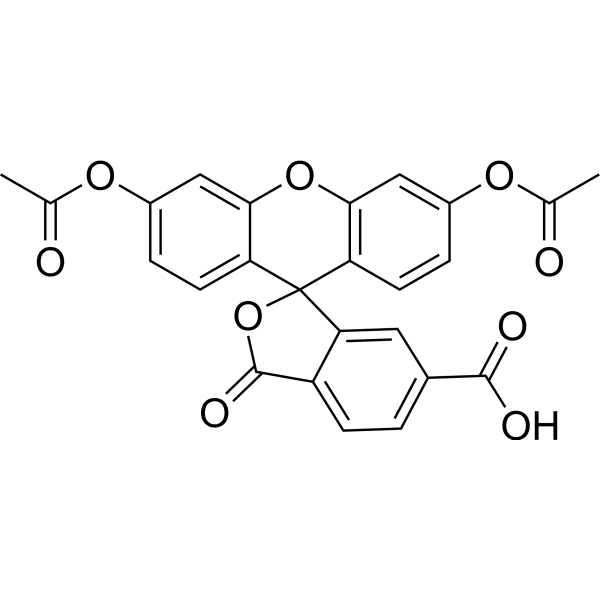
6-CFDA is a common aliphatic luciferin-line organism. CFDA conducts free diffusion into cells, and then it is hydrolyzed into carboxyl fluorescein (CF) by intracellular non-specific lipase. CF containing portion contains an additional negative charge so that it is better retained in cells, compared to fluorescein dyes .
|
-
- HY-150978
-
|
|
Fluorescent Dye
|
Others
|
|
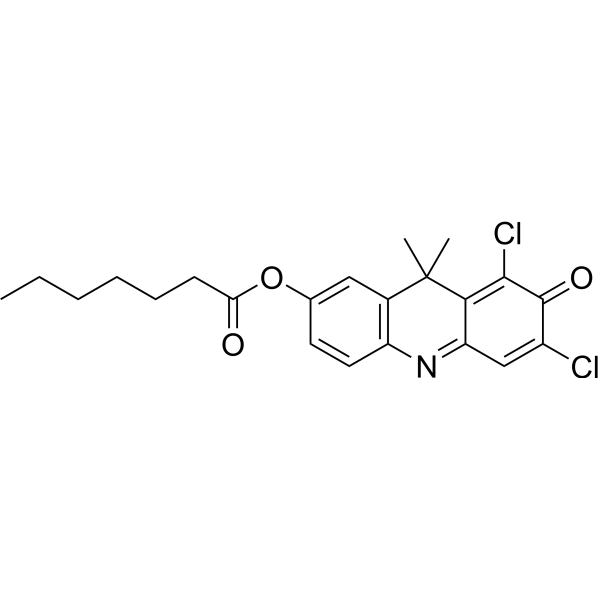
DDAO-C6 is a cridone ester derivative, highly specific fluorescence for detecting human serum albumin (HSA). DDAO-C6 acts as an enzymatic activatable near-infrared fluorescent probe in visually sensing endogenous lipase from gut microbes (Ex/Em=600/658 nm) .
|
-
- HY-148755
-
|
|
Lipase
|
Cancer
|
|
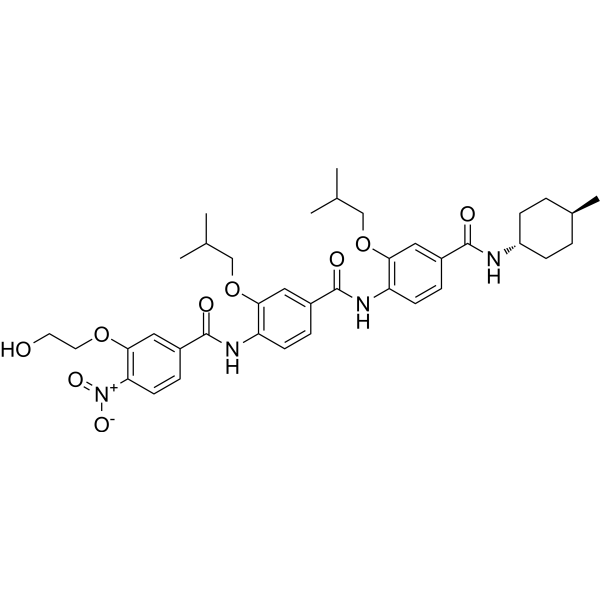
ERX-41 is an orally active and stereospecific small molecule targeting to lysosomal acid lipase A (LIPA). ERX-41 induces endoplasmic reticulum (ER) stress resulting in cell death, indicating a function independent of LIPA but dependent on its ER localization. ERX-41 involves in a targeted strategy for solid tumors .
|
-
- HY-119033
-
|
|
MAGL
|
Inflammation/Immunology
|
|
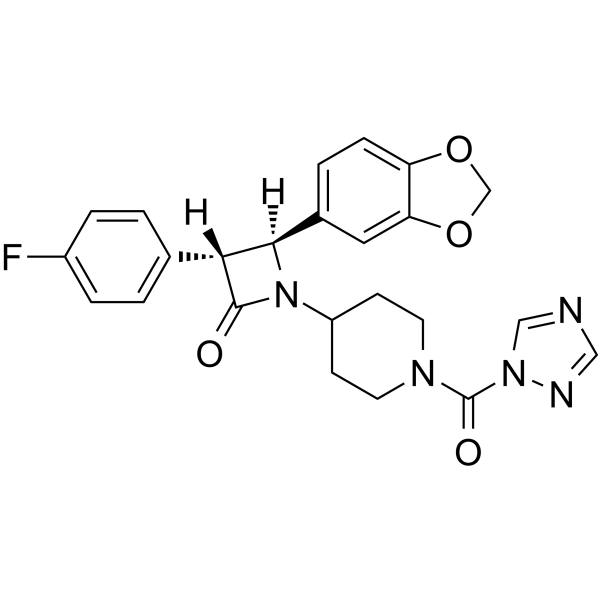
MGL-IN-1 is a potent and selective irreversible MGL (β-lactam-based monoacylglycerol lipase) inhibitor. MGL-IN-1 alleviates symptoms in a MS model in vivo and exhibits analgesic effects in an acute inflammatory pain model in vivo. MGL-IN-1 displays high membrane permeability and brain penetrant .
|
-
- HY-N0313
-
|
|
MAGL
Endogenous Metabolite
|
Inflammation/Immunology
|
|
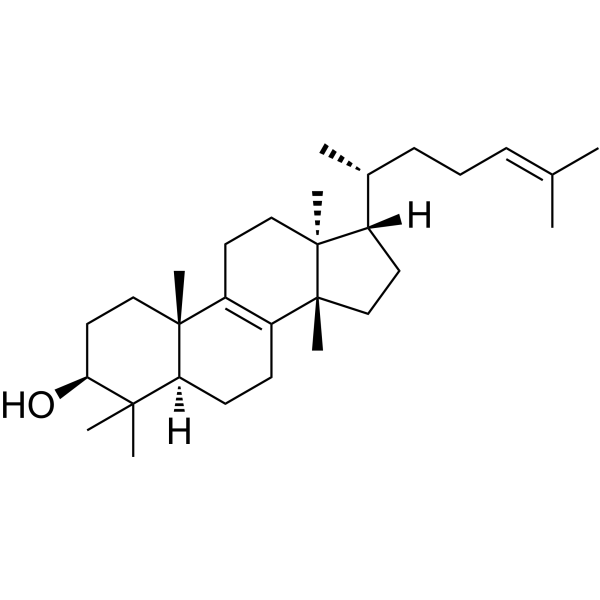
Euphol is a tetracyclic triterpene alcohol isolated from the sap of Euphorbia tirucalli with anti-mutagenic, anti-inflammatory and immunomodulatory effects, orally active. Euphol inhibits the monoacylglycerol lipase (MGL) activity via a reversible mechanism (IC50=315 nM). MGL inhibition in the periphery modulates the endocannabinoid system to block the development of inflammatory pain .
|
-
- HY-N2330
-
|
|
Lipase
|
Metabolic Disease
|
|
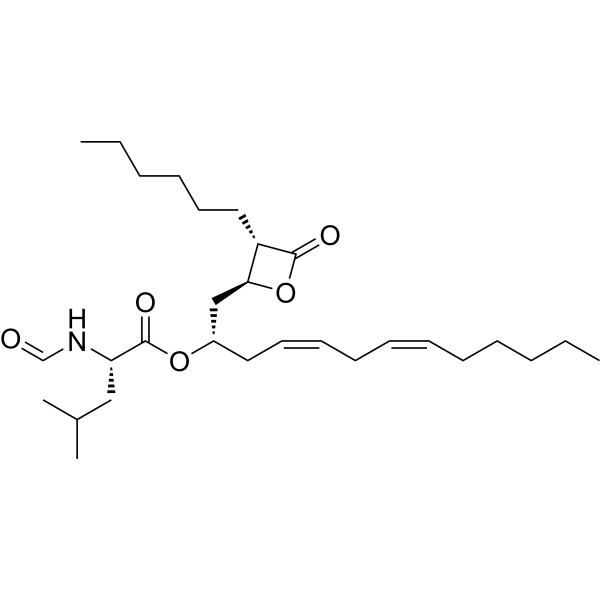
Lipstatin is a pancreatic lipase inhibitor (IC50=0.14 μM), whose structure is closely related to the known inhibitor, Esterastin. Lipstatin inhibits the absorption of triglycerides without affecting the absorption of oleic acid. Lipstatin has no inhibitory effects on other pancreatic enzymes, such as phospholipase A2 and trypsin (<200 μM) .
|
-
- HY-E70312
-
|
|
Endogenous Metabolite
|
Others
|
|
High-efficiency lipase,Candida antarctica (Immobilized on hydrophilic carrier) is a biocatalyst and a key enzyme in new biocatalyst technology. Enzyme engineering focuses on enhancing enzyme reaction kinetics, substrate selectivity, and activity under harsh conditions such as low or high pH. By introducing stimulus responsiveness to these enzyme modifications, dynamic control of activity is also possible .
|
-

- HY-139182
-
|
|
Endogenous Metabolite
|
Metabolic Disease
|
|
CAY10762 is an inhibitor of monoacylglycerol lipase (MAGL; IC50=34.1 nM). It reduces hydrogen peroxide-induced lactate dehydrogenase (LDH) release from Neuro2a cells when used at a concentration of 1 μM. CAY10762 (10 mg/kg) increases levels of 2-arachidonoyl glycerol in mouse brain.
|
-

- HY-101509R
-
|
|
Lipase
Reference Standards
|
Metabolic Disease
|
|
HSL-IN-1 (Standard) is the analytical standard of HSL-IN-1 (HY-101509). This product is intended for research and analytical applications. HSL-IN-1 (compound 24b) is a potent and orally active hormone sensitive lipase (HSL) inhibitor (IC50=2 nM) with a significantly reduced reactive metabolite liability .
|
-

- HY-15265
-
|
|
VD/VDR
|
Others
|
|
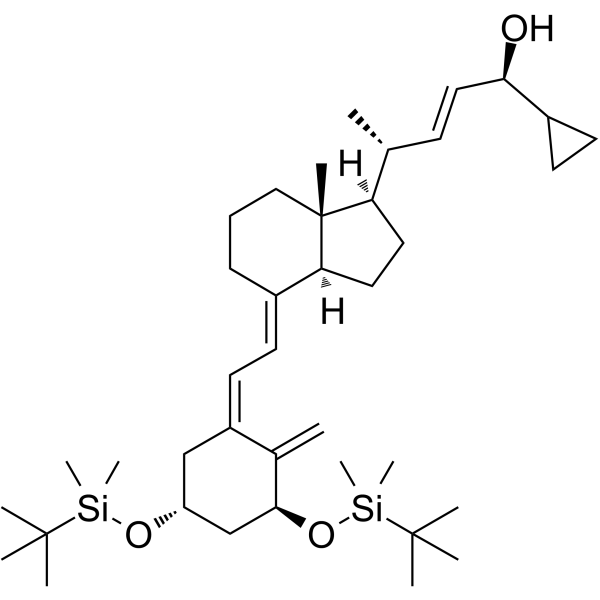
Impurity F of Calcipotriol is a Vitamin D analog and an impurity of Calcipotriene (HY-10001) .
|
-
- HY-B0998
-
|
Dehydrocholate sodium
|
Amylases
Lipase
Autophagy
|
Metabolic Disease
|
|
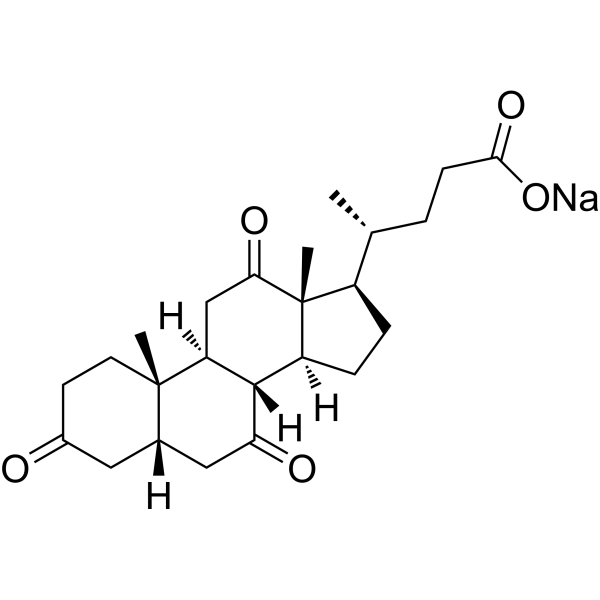
Dehydrocholic acid (Dehydrocholate) sodium is an orally active hydrocholeretic agent. Dehydrocholic acid sodium modulates Autophagy, reduces serum amylase and lipase levels. Dehydrocholic acid sodium has the effects of promoting choleretic function, protecting the liver, reducing pancreatic damage, and regulating cholesterol metabolism. Dehydrocholic acid sodium can be used in the study of acute biliary pancreatitis and obstructive jaundice .
|
-
- HY-120851
-
|
|
Cannabinoid Receptor
DAGL
|
Metabolic Disease
|
|
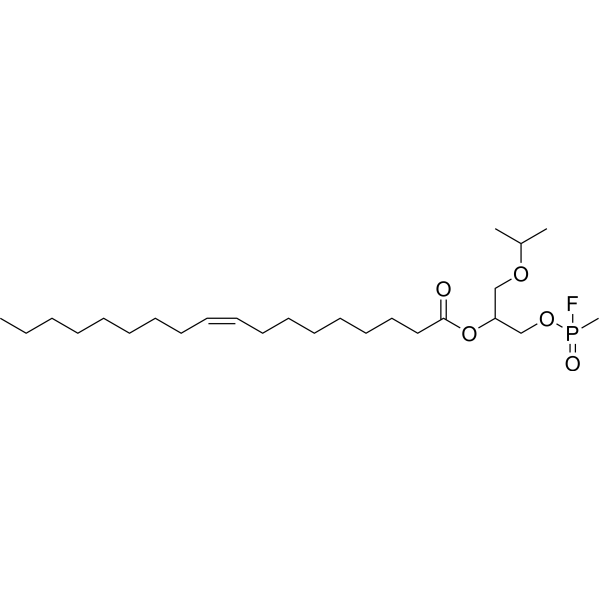
O-7460 is a potent and selective DAGLα inhibitor, with an IC50 of 0.69 μM. O-7460 shows selectivity over onoacylglycerol lipase (MAGL), human CB1 and CB2 cannabinoid receptors. O-7460 can decrease HFD-caused an up-regulation of 2-AG levels .
|
-
- HY-108613
-
|
|
MAGL
|
Neurological Disease
Cancer
|
|
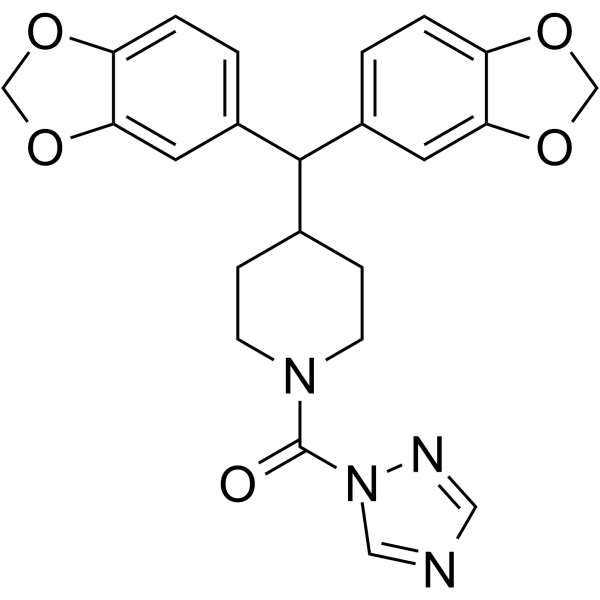
JJKK 048 is a highly selective and potent monoacylglycerol lipase (MAGL) inhibitor with IC50 values of 214 pM, 275 pM and 363 pM for human, rat, and mouse MAGL. JJKK 048 displays low cross-reactivity with other endocannabinoid targets. JJKK 048 can be used in the research of diseases such as cancer, neurodegenerative diseases, and pain .
|
-
- HY-B1393
-
|
Dehydrocholate
|
Autophagy
Amylases
Lipase
|
Metabolic Disease
|
|
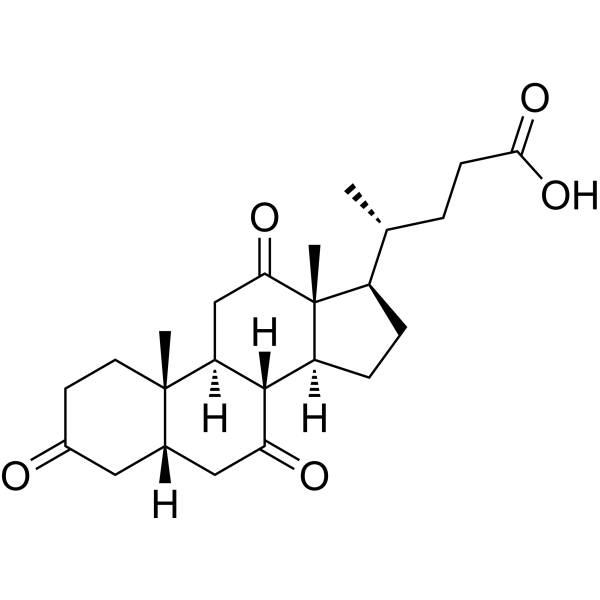
Dehydrocholic acid (Dehydrocholate) is an orally active hydrocholeretic agent. Dehydrocholic acid modulates Autophagy, reduces serum amylase and lipase levels. Dehydrocholic acid has the effects of promoting choleretic function, protecting the liver, reducing pancreatic damage, and regulating cholesterol metabolism. Dehydrocholic acid can be used in the study of acute biliary pancreatitis and obstructive jaundice .
|
-
- HY-N4298
-
|
|
MMP
|
Metabolic Disease
Inflammation/Immunology
|
|
Epitheaflagallin 3-O-gallate is a minor polyphenol in black tea. Epitheaflagallin 3-O-gallate exhibits versatile physiological functions in vivo and in vitro, including antioxidative activity, pancreatic lipase inhibition, Streptococcus sorbinusglycosyltransferase inhibition, and an inhibiting effect on the activity of matrix metalloprotease-1 and -3 and their synthesis by human gingival fibroblasts .
|
-
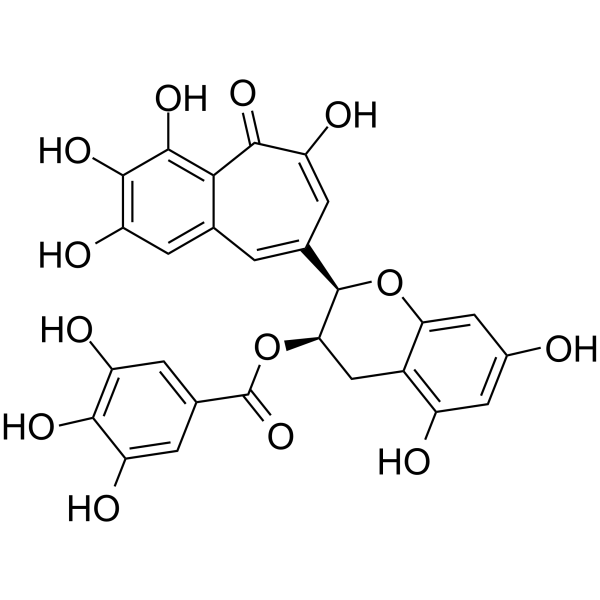
- HY-165039
-
|
1,3-Olein-2-caprylin; 1,3-Oleoyl-2-capryloyl glycerol; TG(18:1/8:0/18:1)
|
Biochemical Assay Reagents
Lipase
|
Others
|
|
1,3-Dioleoyl-2-octanoyl glycerol (1,3-Olein-2-caprylin) is a triacylglycerol. 1,3-Dioleoyl-2-octanoyl glycerol can be used to characterize the functionality of R. oryzae lipase for regiodistribution analysis of fats containing medium- and short-chain fatty acids .
|
-

- HY-W127391
-
|
(Rac)-1,2-Didodecanoylglycerol
|
Biochemical Assay Reagents
|
Others
|
|
1,2-Dilaurin is a diacylglycerol containing lauric acid at the sn-1 and sn-2 positions. It has been used as an internal standard for the quantification of diglycerides in rat desheathed sciatic nerves. [1] Monomolecular films containing 1,2-dilauroyl-rac-glycerol have been used as substrates to measure surface pressure and the effect of pancreatic procolipase and colipase on porcine pancreatic lipase activity. [2] References: [1]. Zhu, X. and Eichberg, J. 1,2-Diacylglycerol content and its arachidonyl-containing molecular species are reduced in the sciatic nerve of streptozotocin-induced diabetic rats. J. Neurochemistry. 55(3), 1087-1090 (1990).[2]. Wieloch, T., Borgstr m, B., Piéroni, G. et al. Porcine trypsinogen and its trypsin-activated form: lipid binding and lipase activation on monomolecular membranes. FEBS Express. 128(2), 217-220 (1981).
|
-
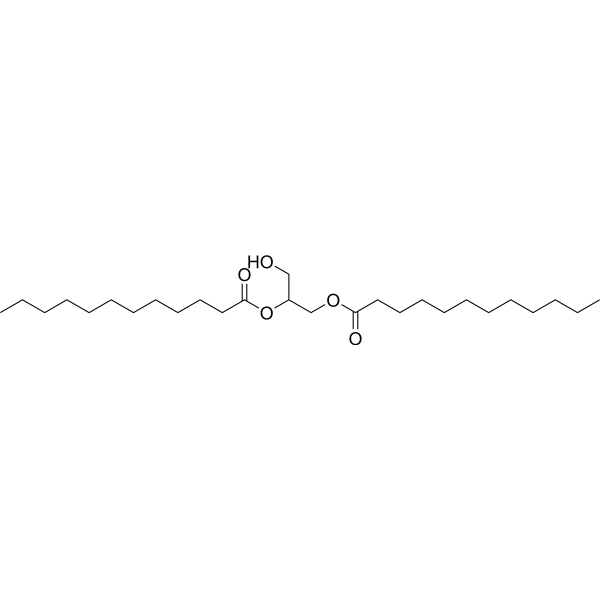
- HY-111538
-
|
|
MAGL
|
Cancer
|
|
MAGL-IN-1 is a potent, selective, reversible and competitive inhibitor of MAGL, with an IC50 of 80 nM. MAGL-IN-1 exhibits anti-proliferative effects against human breast, colorectal, and ovarian cancer cells. MAGL-IN-1 blocks MAGL in cell-based as well as in vivo assays .
|
-
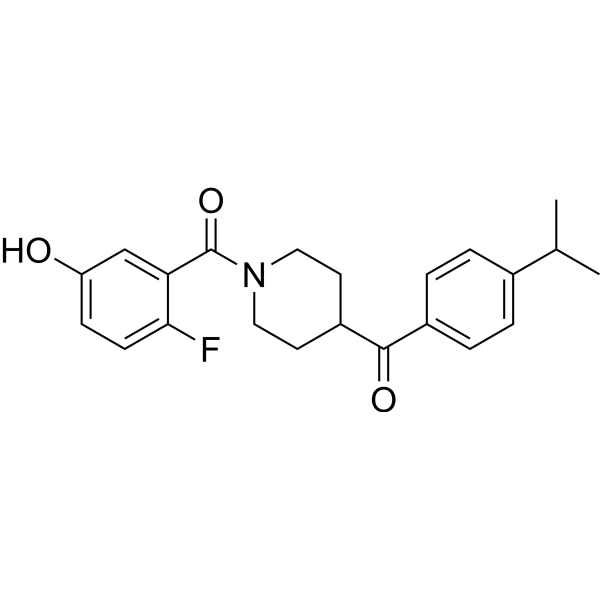
- HY-167810
-
|
|
Endogenous Metabolite
Biochemical Assay Reagents
|
|
|
1,3-Dipentadecanoin(C15:0) is a long-chain triglyceride with substrate activity for lipid metabolism studies. 1,3-Dipentadecanoin(C15:0) is used as a model compound for studying the hydrolysis of triglycerides by lipase. 1,3-Dipentadecanoin(C15:0) can help understand the metabolic mechanism of triglycerides in chemical research.
|
-

- HY-111953
-
|
|
MAGL
ATGL
|
Metabolic Disease
|
|
SR-4559 is a α/β hydrolase domain-containing protein 5 (ABHD5) ligand. SR-4559 activates adipose triglyceride lipase (ATGL) and stimulates lipolysis by inhibiting ABHD5-PLIN interactions in adipocytes and muscle cells. SR-4559 can be used for metabolic diseases like Chanarin Dorfman syndrome research .
|
-

- HY-120171
-
|
|
DAGL
MAGL
|
Metabolic Disease
|
|
DH-376 is a potent diacylglycerol lipase inhibitor with pIC50 values of 8.6 and 8.9 for ABHD6 and DAGLα, respectively. DH-376 prevents fasting-induced refeeding of mice . DH-376 is a click chemistry reagent, it contains an Alkyne group and can undergo copper-catalyzed azide-alkyne cycloaddition (CuAAc) with molecules containing Azide groups.
|
-
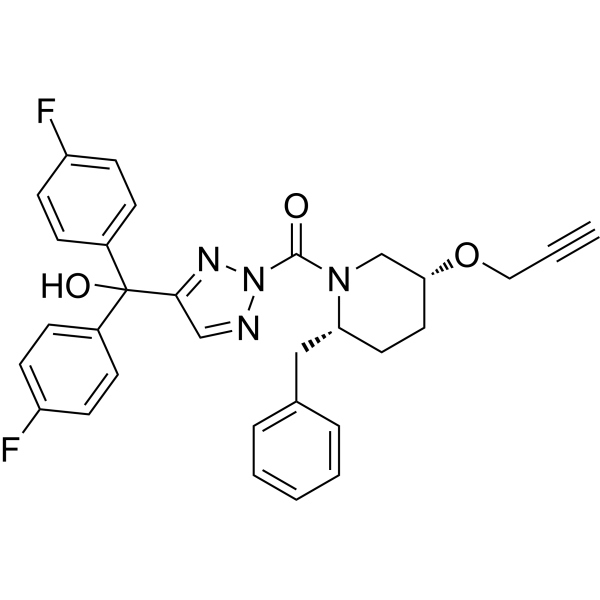
- HY-101457R
-
|
|
MAGL
Reference Standards
|
Metabolic Disease
|
|
JZP-430 (Standard) is the analytical standard of JZP-430 (HY-101457). This product is intended for research and analytical applications. JZP-430 is a potent, highly selective, irreversible inhibitor of α/β-hydrolase domain 6 (ABHD6) with an IC50 of 44 nM, exhibits ~230-fold selectivity over fatty acid amide hydrolase (FAAH) and lysosomal acid lipase (LAL) .
|
-

- HY-N0313R
-
|
|
MAGL
Endogenous Metabolite
Reference Standards
|
Inflammation/Immunology
|
|
Euphol (Standard) is the analytical standard of Euphol. This product is intended for research and analytical applications. Euphol is a tetracyclic triterpene alcohol isolated from the sap of Euphorbia tirucalli with anti-mutagenic, anti-inflammatory and immunomodulatory effects, orally active. Euphol inhibits the monoacylglycerol lipase (MGL) activity via a reversible mechanism (IC50=315 nM). MGL inhibition in the periphery modulates the endocannabinoid system to block the development of inflammatory pain .
|
-

- HY-131034
-
|
|
Wnt
|
Others
|
|
LP-922056 is an orally active, highly potent Notum Pectinacetylesterase inhibitor with EC50s of 21 nM, 55 nM in human and mouse cellular assay, respectively. LP-922056 significantly increases midshaft femur cortical bone thickness in mice and rats .
|
-
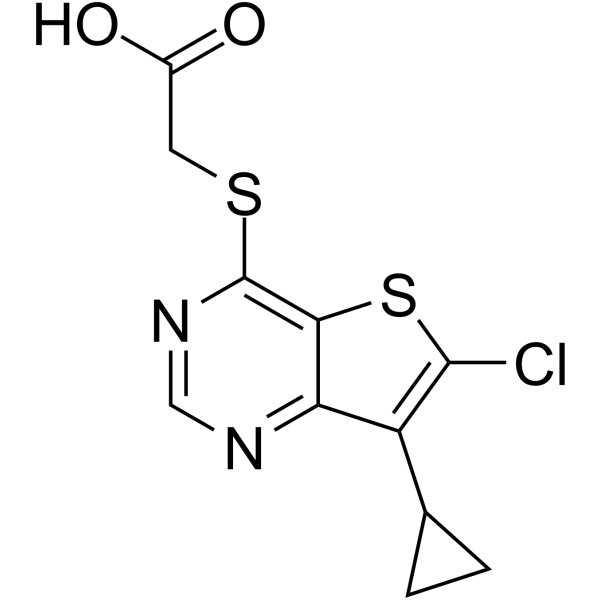
- HY-116815
-
|
|
Beta-lactamase
Bacterial
|
Infection
Neurological Disease
|
|
Lalistat 1 is a potent, selective, and competitive inhibitor of lysosomal acid lipase (LAL) and against purified human LAL (phLAL) with an IC50 of 68 nM. Lalistat 1 is a inhibitor of immunoglobulin A1 protease (IgA1P) proteases for H. influenzae, has less effects on other serine hydrolases (trypsin or β-lactamase, etc.). Lalistat 1 can be used for the research of niemann-pick type C (NPC) disease .
|
-
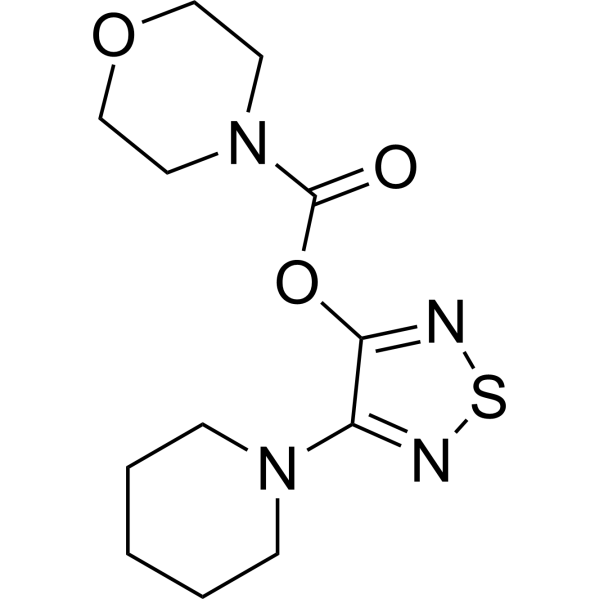
- HY-P2733C
-
|
GPO, microorganism
|
Endogenous Metabolite
|
Metabolic Disease
|
|
Glycerol-3-phosphate oxidase, microorganism is an enzyme that catalyzes the oxidation of glycerol-3-phosphate to dihydroxyacetone phosphate, producing hydrogen peroxide in the process. Glycerol-3-phosphate oxidase is located in the mitochondria of microorganisms and is involved in the glycerol-3-phosphate cycle, regulating cellular energy metabolism. Glycerol-3-phosphate oxidase, microorganism can be used in conjunction with Lipoprotein Lipase and Glycerol Kinase to determine triglyceride levels .
|
-

- HY-49637
-
-

- HY-N11546
-
|
|
Cytochrome P450
Bacterial
Fungal
|
Infection
Cancer
|
|
Sapindoside B is a substance with hepatoprotective activity, and also acts as a cytochrome P-450 (cytochrome P-450) inhibitor, antibacterial agent and membrane-disrupting agent. Sapindoside B reversibly inhibits the content of cytochrome P-450 in liver microsomes, suppresses the phenobarbital-induced increase in enzyme content, reduces the production of active metabolites mediated by cytochrome P-450, and alleviates hepatotoxic injury. Sapindoside B binds to Cutibacterium acnes lipase, reduces lipase activity, inhibits biofilm formation, and decreases bacterial adhesion. Sapindoside B exhibits cytotoxicity against human cancer, liver cancer, leukemia and glioblastoma cells. Sapindoside B inhibits mycelial growth of phytopathogenic fungal strains, possesses antibacterial activity against dermatophytes, and also has hemolytic/membrane-lytic activity. Sapindoside B can be used in research related to liver injury, Cutibacterium acnes biofilm-associated infections, gastric cancer, carcinoma, promyelocytic leukemia, glioblastoma, apple scab and grape gray mold .
|
-
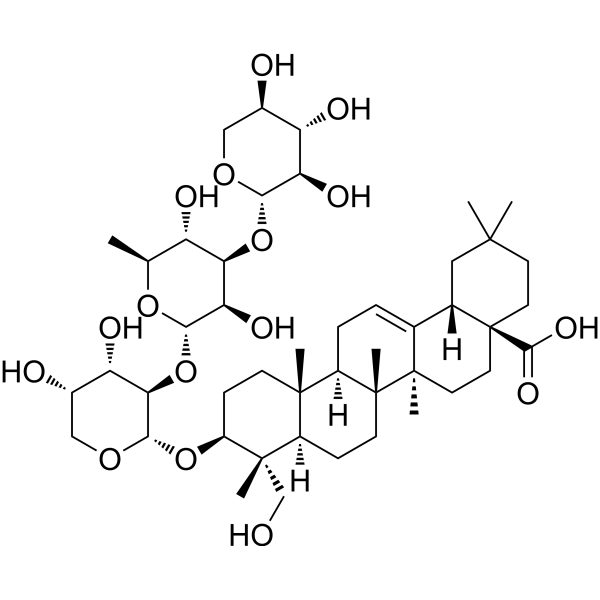
- HY-112828
-
|
|
DAGL
|
Neurological Disease
Metabolic Disease
Inflammation/Immunology
|
|
LEI105 is a potent, highly selective and reversible dual diacylglycerol lipase (DAGL)-α/DAGL-β inhibitor. LEI105 reduces 2-arachidonoylglycerol levels in Neuro2A cells. LEI105 also reduces cannabinoid CB1-receptor-mediated short-term synaptic plasticity in a mouse hippocampal slice model. LEI105 is promising for research of diseases, such as obesity, related metabolic disorders and neuroinflammation .
|
-

- HY-108613R
-
|
|
Reference Standards
MAGL
|
Neurological Disease
Cancer
|
|
JJKK 048 (Standard) is the analytical standard of JJKK 048 (HY-108613). This product is intended for research and analytical applications. JJKK 048 is a highly selective and potent monoacylglycerol lipase (MAGL) inhibitor with IC50 values of 214 pM, 275 pM and 363 pM for human, rat, and mouse MAGL. JJKK 048 displays low cross-reactivity with other endocannabinoid targets. JJKK 048 can be used in the research of diseases such as cancer, neurodegenerative diseases, and pain .
|
-

- HY-D1005
-
|
PEG-PPG-PEG, 12600 (Average Mn)
|
Environmental Pollutants
LPL Receptor
|
Inflammation/Immunology
|
|
Poloxamer 407 (F127) is a nonionic surfactant that is 100% active and relatively non-toxic to cells at low concentrations, and frequently used with dye AM esters such as Indo-1 AM, Fura-2 AM, Calcein AM, Fluo-3 AM, Fluo-4 AM, Quest Fluo-8 AM and Quest Rhod-4 AM, etc. to improve their water solubility. Poloxamer 407 is also a lipoprotein lipase inhibitor .
|
-
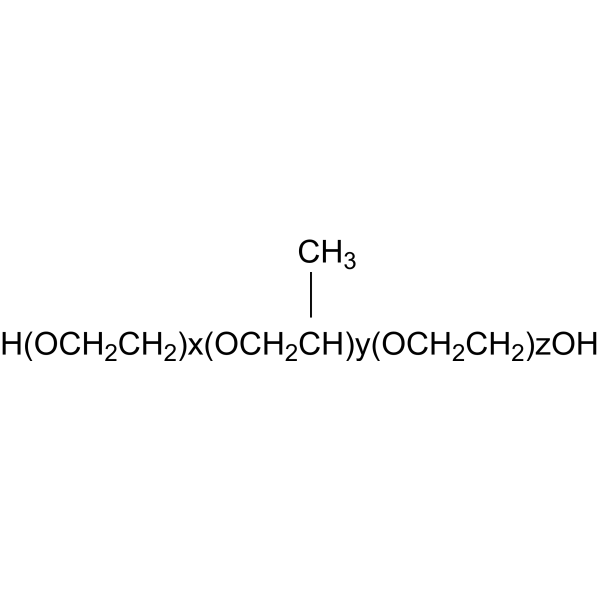
- HY-W014449
-
|
|
Biochemical Assay Reagents
|
Others
|
|
4-Nitrophenyl butyrate consists of butyric acid chains esterified with 4-nitrophenol groups, thus giving it a yellow color. This compound is commonly used as a substrate in enzyme assays to measure esterase and lipase activity. When these enzymes cleave the ester bond, the nitrophenol group is released and the color changes from yellow to orange. Thus, the rate of color change can be used to determine enzyme activity. In addition, 4-Nitrophenyl butyrate can also be used as organic synthesis reagent and dye intermediate.
|
-
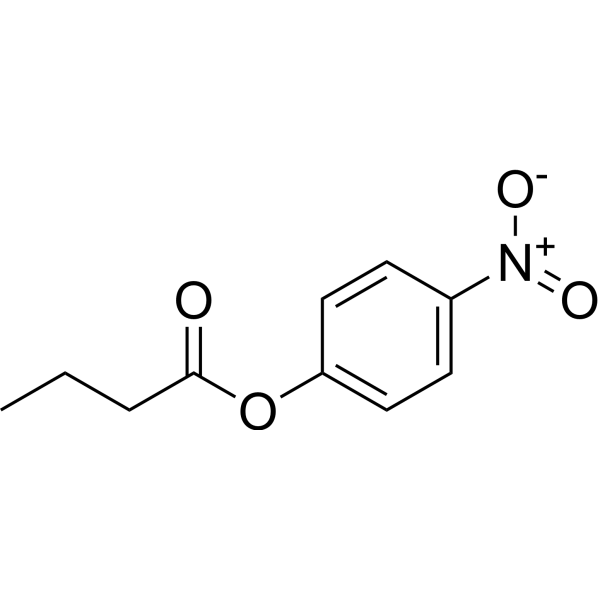
- HY-B1393R
-
|
Dehydrocholate (Standard)
|
Reference Standards
Autophagy
Amylases
Lipase
|
Metabolic Disease
|
|
Dehydrocholic acid (Dehydrocholate) (Standard) is the analytical standard of Dehydrocholic acid (HY-B1393). This product is intended for research and analytical applications. Dehydrocholic acid (Dehydrocholate) is an orally active hydrocholeretic agent. Dehydrocholic acid modulates Autophagy, reduces serum amylase and lipase levels. Dehydrocholic acid has the effects of promoting choleretic function, protecting the liver, reducing pancreatic damage, and regulating cholesterol metabolism. Dehydrocholic acid can be used in the study of acute biliary pancreatitis and obstructive jaundice .
|
-
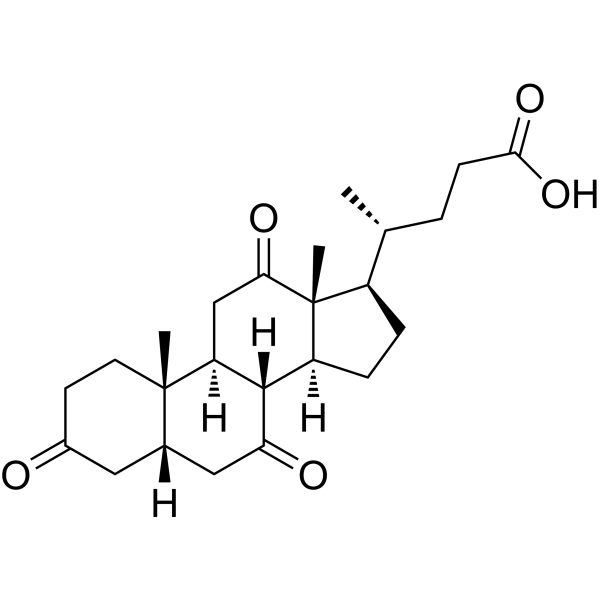
- HY-173296
-
|
|
Lipase
|
Cancer
|
|
MAGL-IN-222 (Compound ZQ-7) is a covalent inhibitor targeting monoacylglycerol lipase (MAGL) with an IC50 of 42.31 μM. MAGL-IN-222 can reduce the breakdown of 2-arachidonoylglycerol (2-AG) and increase the intracellular 2-AG level, thereby inhibiting the proliferation and migration of MDA-MB-231 breast cancer cells. MAGL-IN-222 can be used in the research of breast cancer and other related diseases .
|
-

- HY-N0777
-
|
|
Others
PERK
ERK
Akt
PI3K
Lipase
|
Metabolic Disease
|
|
Isorhamnetin-3-O-glucoside is an orally active natural compound. Isorhamnetin 3-O-glucoside increases P-ERK, ERK, P-Akt (Ser473), P-PI3K, and PDX-1. Isorhamnetin 3-O-glucoside downregulates C/EBPα and inhibits lipase. Isorhamnetin 3-O-glucoside reduces lipids and inhibits obesity .
|
-
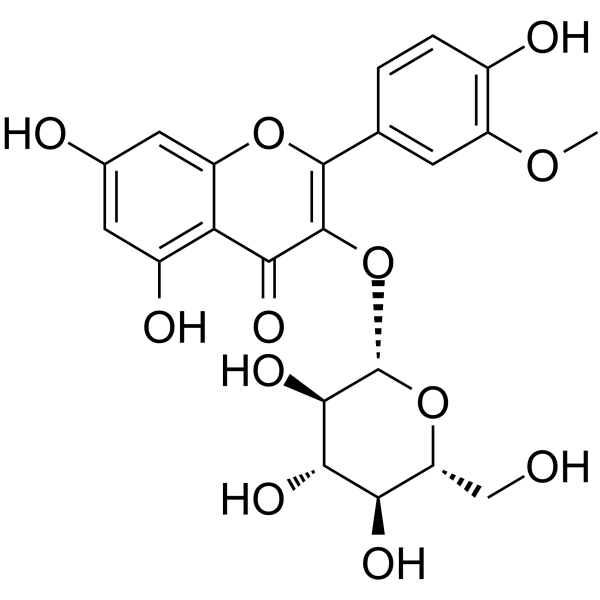
- HY-111952
-
|
CID 16016685
|
Endogenous Metabolite
|
Others
|
|
SR-4995 (CID 16016685) is a highly effective and selective ligand for α-β-hydrolase domain-containing 5 (ABHD5), facilitating the activation of adipose triglyceride lipase (ATGL) by displacing ABHD5 from its inhibitory regulators, perilipin-1 (PLIN1) and PLIN5. It directly interacts with ABHD5, inhibiting its association with PLIN1, and promotes lipolysis in adipocytes and muscle tissues while circumventing PKA-dependent signaling pathways.
|
-

- HY-116141
-
|
7-HCA; Umbelliferyl Arachidonate; 7-HC-arachidonate
|
Phospholipase
MAGL
|
Others
|
|
7-Hydroxycoumarinyl arachidonate (7-HCA) is a fluorogenic substrate of cytosolic phospholipase A2 (PLA2). 7-Hydroxycoumarinyl arachidonate is also a fluorogenic substrate for monoacylglycerol lipase (MAGL). MAGL protein catalyzes the hydrolysis of 7-Hydroxycoumarinyl arachidonat to generate Arachidonic acid (AA) and the highly fluorescent 7-hydroxyl coumarin (7-HC; HY-N0573). Release of 7-HC can be measured using a fluorometer .
|
-
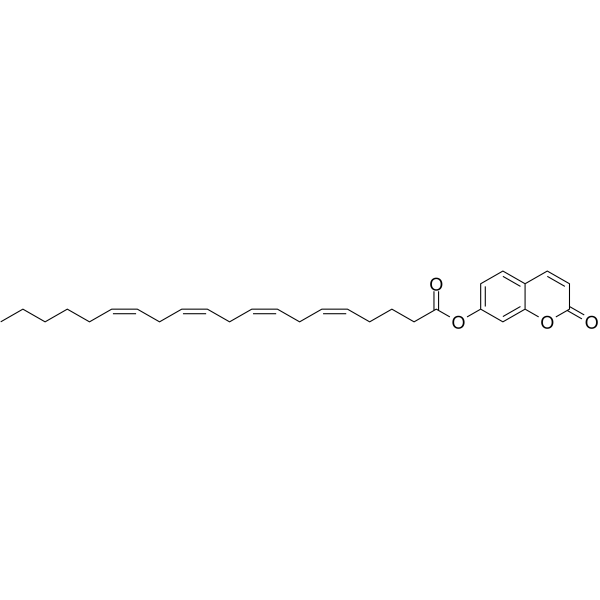
- HY-121892
-
|
|
TNF Receptor
|
Neurological Disease
|
|
(Z)-KC02 is an inhibitor of ABHD16A, the phosphatidylserine (PS) lipase that produces lyso-PS. Lysophosphatidylserine (lyso-PS) is a signaling lipid that regulates immune and neurological processes. It is associated with several neurological disorders such as retinitis pigmentosa and cataracts (PHARC). (Z)-KC02 depletes lyso-PS in lymphoblasts from PHARC subjects. (Z)-KC02 also reduces lyso-PS and lipopolysaccharide-induced cytokine production in macrophages and modulates lyso-PS metabolism in vivo .
|
-
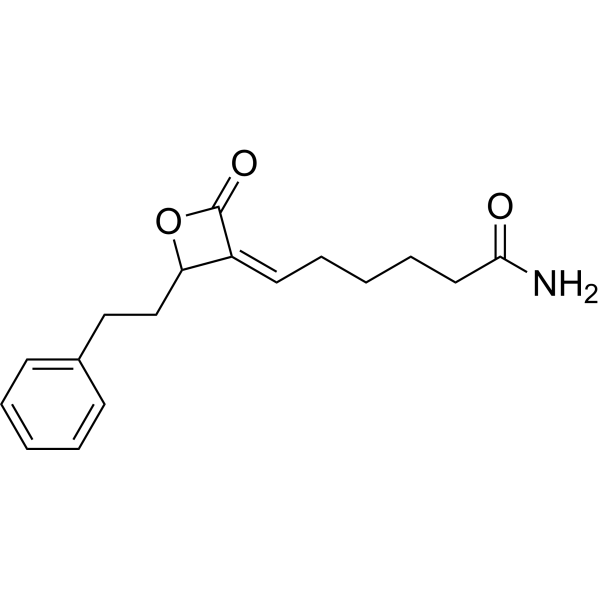
- HY-W015310
-
|
|
Environmental Pollutants
Biochemical Assay Reagents
|
Others
|
|
Isoamyl isovalerate is an ester and flavor compound. Isoamyl isovalerate has a unique apple-like flavor. Isoamyl isovalerate can be isolated from fruits such as bananas and apples. Isoamyl isovalerate can be used as a flavor compound in beverages, convenience foods and desserts .
|
-

- HY-121422
-
|
|
MAGL
Histamine Receptor
|
Inflammation/Immunology
|
|
JZP-361 is a potent, reversible and selective inhibitor of human recombinant MAGL (hMAGL) with an IC50 of 46 nM. JZP-361 also shows antihistaminergic activities and can be used for asthma research .
|
-
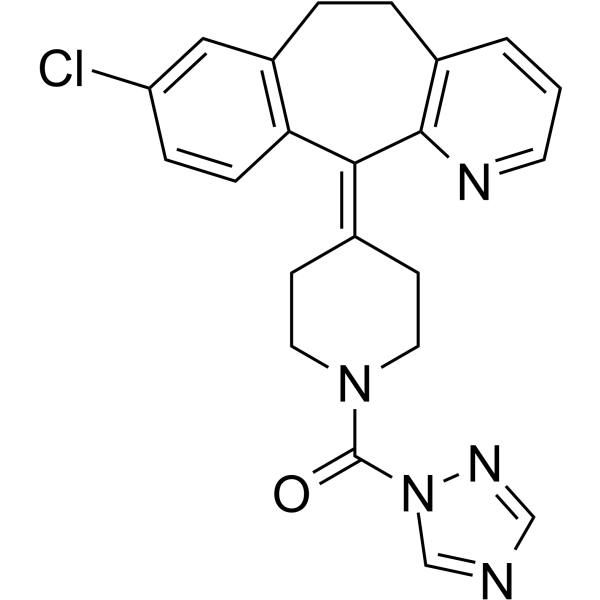
- HY-W127711
-
|
|
Phosphatase
Lipase
|
Metabolic Disease
Inflammation/Immunology
|
Fast Blue B Salt, Dye content ~95% is a diazo dye, primarily used as a chromogenic substrate in biochemical analysis. Fast Blue B Salt, Dye content ~95% is the coupling agent for the histochemical demonstration of proteases. Fast Blue B Salt, Dye content ~95% can be used for the detection of acid phosphatase in Clostridium perfringens, and also for the determination of lipase activity. Fast Blue B Salt, Dye content ~95% reacts directly with the active hydroxyl groups in phenolic compounds to determine the content of phenolic substances .
|
-
- HY-126031A
-
|
|
Endogenous Metabolite
|
Others
|
|
(S)-KT109 is an inhibitor of diacylglycerol lipase β (DAGLβ) with low inhibitory activity (IC50 = 39.81 nM). (S)-KT109 has relatively low inhibitory activity against DAGLα-mediated hydrolysis of 1-stearoyl-2-arachidonoyl-sn-glycerol (IC50 = 794.3 nM). (S)-KT109 also has relatively low inhibitory activity against α/β-amidase domain-containing 6 (ABHD6) (IC50 = 630.9 nM) .
|
-

- HY-10865
-
|
|
FAAH
Autophagy
|
Neurological Disease
|
|
LY2183240 is a highly potent blocker of anandamide uptake (IC50= 270 pM; Ki=540 nM). LY2183240 is a potent, covalent inhibitor of the endocannabinoid-degrading enzyme fatty acid amide hydrolase (FAAH) with an IC50 of 12.4 nM. LY2183240 inactivates FAAH by carbamylation of the enzyme's serine nucleophile. LY2183240 also inhibits several other brain serine hydrolases with IC50s of 5.3, 0.09, 8.2 nM for MAG lipase, bh6 and KIAA1363, respectively .
|
-
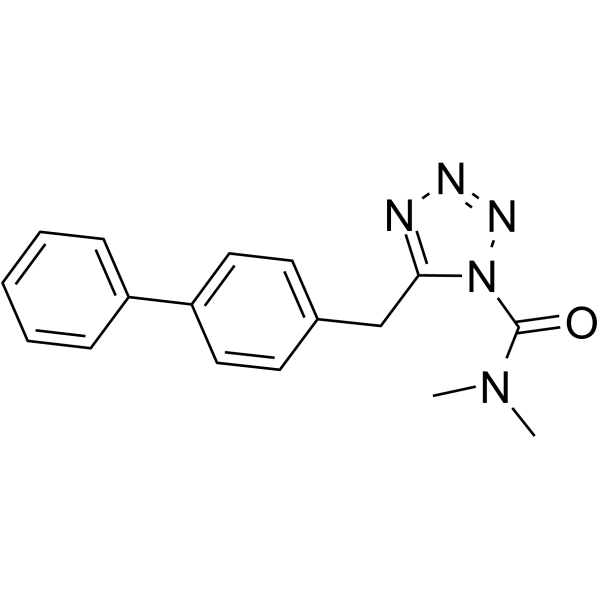
- HY-P1210
-
|
|
Melanocortin Receptor
|
Endocrinology
|
|
Lys-γ3-MSH(human) is a melanocortin peptide derived from the C-terminal of the fragment of pro-opiomelanocortin (POMC). Lys-γ3-MSH(human) potentiates the steroidogenic response of the rat adrenal to adrenocorticotrophin (ACTH). Lys-γ3-MSH(human) is a potent stimulator of lipolysis with an apparent EC50 of 3.56 nM. Lys-γ3-MSH(human) can activate hormone sensitive lipase (HSL) and Perilipin A resulting in lipolysis .
|
-

- HY-P1210A
-
|
|
Melanocortin Receptor
|
Endocrinology
|
|
Lys-γ3-MSH(human) TFA is a melanocortin peptide derived from the C-terminal of the fragment of pro-opiomelanocortin (POMC). Lys-γ3-MSH(human) TFA potentiates the steroidogenic response of the rat adrenal to adrenocorticotrophin (ACTH). Lys-γ3-MSH(human) TFA is a potent stimulator of lipolysis with an apparent EC50 of 3.56 nM. Lys-γ3-MSH(human) TFA can activate hormone sensitive lipase (HSL) and Perilipin A resulting in lipolysis .
|
-
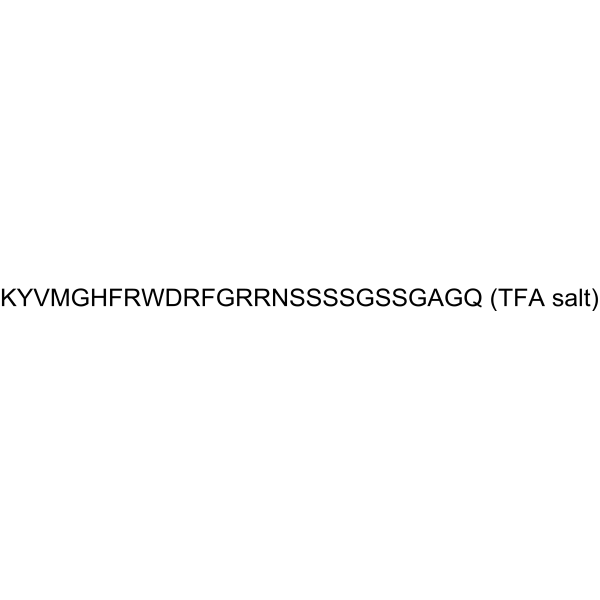
- HY-N19783
-
|
|
Drug Derivative
|
Others
|
|
Carambolaside M acts as an ABTS radical cation scavenger. Carambolaside M scavenges ABTS radical cations. Carambolaside M is isolated from the fresh sweet fruits of Averrhoa carambola L., a plant belonging to the genus Averrhoa in the Oxalidaceae family .
|
-

- HY-W134301
-
|
Potassium alum
|
Biochemical Assay Reagents
|
Infection
|
|
Aluminum potassium sulfate (Potassium alum) is an egg white adjuvant. Aluminum potassium sulfate acts as a mordant to help dyes bind to tissue components, enhancing the staining effect and stability during staining. Aluminum potassium sulfate can induce allergic reactions in mice. Aluminum potassium sulfate can be used in research for bacterial and tissue staining .
|
-

- HY-173369
-
|
|
PROTACs
MAGL
|
Cancer
|
|
PROTAC MAGL degrader-1 is an orally active PROTAC agent that simultaneously targets monoacylglycerol lipase (MAGL) and E3 ubiquitin ligase MDM2. PROTAC MAGL degrader-1 degrades MAGL and inhibits the binding of MDM2 to p53. PROTAC MAGL degrader-1 can partially penetrate the blood-brain barrier (BBB). PROTAC MAGL degrader-1 induces glioblastoma stem cells (GSCs) apoptosis. (E3 ligase ligand: HY-128837; target protein ligand + linker: HY-173370; target protein inhibitor: HY-15249) .
|
-

- HY-10865R
-
|
|
Reference Standards
FAAH
Autophagy
|
Neurological Disease
|
|
LY2183240 (Standard) is the analytical standard of LY2183240 (HY-10865). This product is intended for research and analytical applications. LY2183240 is a highly potent blocker of anandamide uptake (IC50= 270 pM; Ki=540 nM). LY2183240 is a potent, covalent inhibitor of the endocannabinoid-degrading enzyme fatty acid amide hydrolase (FAAH) with an IC50 of 12.4 nM. LY2183240 inactivates FAAH by carbamylation of the enzyme's serine nucleophile. LY2183240 also inhibits several other brain serine hydrolases with IC50s of 5.3, 0.09, 8.2 nM for MAG lipase, bh6 and KiAA1363, respectively .
|
-

- HY-P5081A
-
|
|
TGF-β Receptor
Collagen
|
Inflammation/Immunology
|
|
Endotrophin (Mus musculus) TFA is an adipokine, a cleavage fragment derived from Collagen VI, whose levels are elevated in adipose tissue and breast tumors of obese mice. Endotrophin (Mus musculus) TFA activates the TGF-β signaling pathway and reduces the expression of hormone-sensitive lipase. Endotrophin (Mus musculus) TFA induces adipogenesis, lipid accumulation, fibrosis, inflammation, angiogenesis, adipose tissue expansion, epithelial-mesenchymal transition, and insulin resistance; it also induces Cisplatin (HY-17394) resistance in cancer cells. Endotrophin (Mus musculus) TFA can be used in research related to metabolic diseases such as obesity and type 2 diabetes, as well as cancers such as breast cancer .
|
-

- HY-18540
-
KT109
1 Publications Verification
|
MAGL
DAGL
|
Metabolic Disease
Inflammation/Immunology
|
|
KT109 is a potent and an isoform-selective inhibitor of diacylglycerol lipase-β (DAGLβ) with an IC50 of 42 nM. KT109 has ~60-fold selectivity for DAGLβ over DAGLα. KT109 shows inhibitory activity against PLA2G7 (IC50=1 µM). KT109 shows negligible activity against FAAH, MGLL, ABHD11, and cytosolic phospholipase A2 (cPLA2 or PLA2G4A). KT109 perturbs a lipid network involved in macrophage inflammatory responses and lowers 2-Arachidonoylglycerol (HY-W011051), Arachidonic acid (HY-109590) and eicosanoids in mouse peritoneal macrophages .
|
-
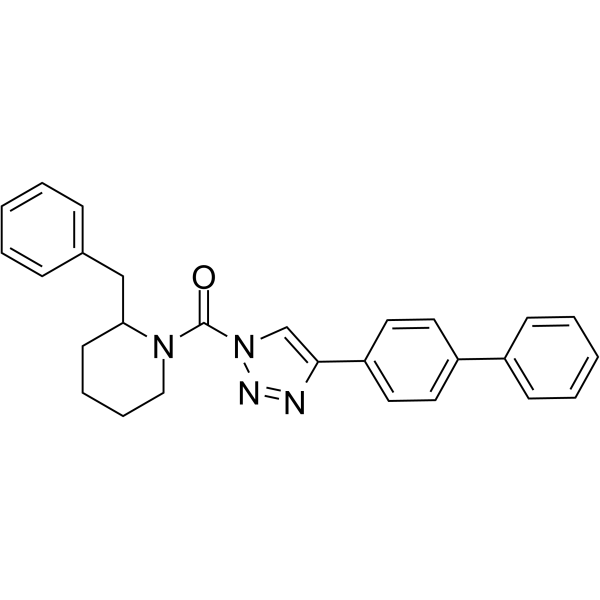
- HY-167262
-
|
|
RAR/RXR
|
Metabolic Disease
Cancer
|
|
AGN-191659 is an orally active RAR/RXR agonist with EC50 values of 11 nM, 23 nM, and 37 nM for RXRα, RARβ, and RARγ, respectively. AGN-191659 activates RXRα, RARβ and RARγ to induce gene transcription. AGN-191659 induces tissue transglutaminase activity, inhibits ornithine decarboxylase activity induced by tumor promoters, and suppresses chondrogenesis. AGN-191659 reverses basic fibroblast growth factor-induced endothelial cell proliferation. AGN-191659 induces hypertriglyceridemia in rat models. AGN-191659 inhibits total heparin-releasable lipase activity. AGN-191659 can be used in research related to promyelocytic leukemia and hypertriglyceridemia .
|
-

- HY-N13200
-
|
|
Bacterial
NF-κB
Caspase
Apoptosis
PI3K
Akt
Fungal
|
Infection
Cancer
|
|
Cranberry Extract is the extract of Cranberry, with content of 25% -50% Proanthocyanidins. Cranberry Extract exhibits anti-virus and antimicrbiol activity. Cranberry Extract suppresses fungal growth and biofilm formation. Cranberry Extract reduces NF-κB p65 phosphorylation, and PI3K/AKT signaling; increases caspase-8/9 activity to induce apoptosis, modulates oxidative stress, inflammation, and lipid profiles. Cranberry Extract exerts antiproliferative effects and induces cell cycle arrest. Cranberry Extract can be used for the research of infection and cancers .
|
-

- HY-B2241A
-
|
Aluminum potassium sulfate dodecahydrate, for cell culture
|
Biochemical Assay Reagents
|
Inflammation/Immunology
|
|
Potassiumalum, for cell culture (Aluminum potassium sulfate dodecahydrate, for cell culture) is an egg white adjuvant. Potassiumalum, for cell culture acts as a mordant to help dyes bind to tissue components, enhancing the staining effect and stability during staining. Potassiumalum, for cell culture can induce allergic reactions in mice. Potassium alum, for cell culture can be used in research for bacterial and tissue staining .
|
-

- HY-12386A
-
|
|
Drug Intermediate
|
Others
|
|
(S)-4-(3-Thienyl) phenyl-α-methylacetic acid is the S-enantiomer of the racemate corresponding to 4-(3-Thienyl) phenyl-α-methylacetic acid. As a key synthetic precursor, 4-(3-Thienyl) phenyl-α-methylacetic acid is used to prepare the cyclooxygenase inhibitor S-Atliprofen .
|
-

- HY-117771A
-
|
|
DAGL
|
Neurological Disease
Metabolic Disease
|
|
DO34 analog is a structural analog of DO34 (HY-117771). DO34 is a selective DAGL inhibitor, with an IC50 of 6 nM for DAGLα conversion of SAG to 2-AG. DO34 can be used for the research of energy balance disorder and neuroinflammation .
|
-
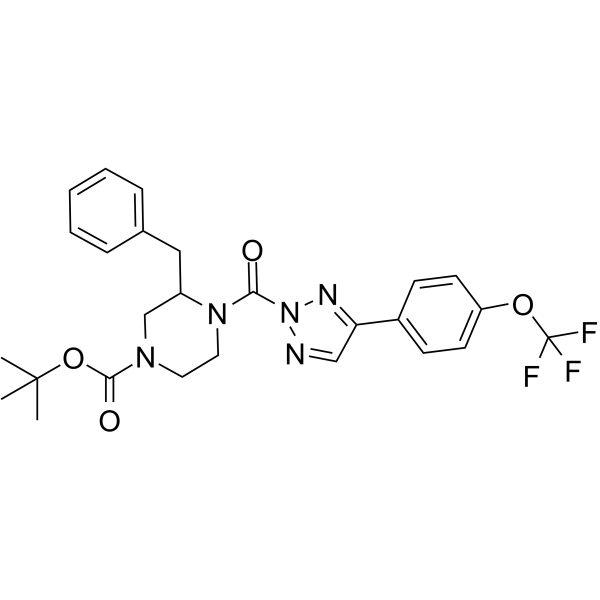
- HY-N14093
-
|
|
Cholinesterase (ChE)
Lipase
Reactive Oxygen Species (ROS)
Apoptosis
Bacterial
|
Infection
Inflammation/Immunology
Cancer
|
|
Aspulvinone H is an orally active inhibitor of AChE, pancreatic lipase, glutamic-oxaloacetic transaminase 1, and α-glucosidase, with IC50 values of 25.95 μM, 47.06 μM, 5.91/6.91 μM, and 4.6 μM, respectively. It has a Ka of 2.14 μM against GOT1 and a Ki of 6.58 μM against α-glucosidase. Aspulvinone H inhibits cancer cell proliferation, interferes with glutamine metabolism, elevates ROS levels, and induces cell apoptosis and S-phase arrest. Aspulvinone H exhibits antibacterial activity against Staphylococcus aureus. Aspulvinone H inhibits the growth of pancreatic ductal adenocarcinoma xenografts. Aspulvinone H reduces postprandial blood glucose in mice. Aspulvinone H can be used in research related to pancreatic ductal adenocarcinoma, diabetes, and Staphylococcus aureus infection .
|
-

- HY-150702
-
|
|
MAGL
|
Neurological Disease
Inflammation/Immunology
|
|
MAGLi 432 is a non-covalent, potent, highly selective, and reversible MAGL inhibitor. MAGLi 432 binds with high affinity to the MAGL active site, with IC50 values of 4.2 nM (human enzyme) and 3.1 nM (mouse enzyme). MAGLi 432 can be used in the research of chronic inflammation, blood–brain barrier dysfunction, neurological disorders such as multiple sclerosis, Alzheimer’s disease and Parkinson’s disease .
|
-
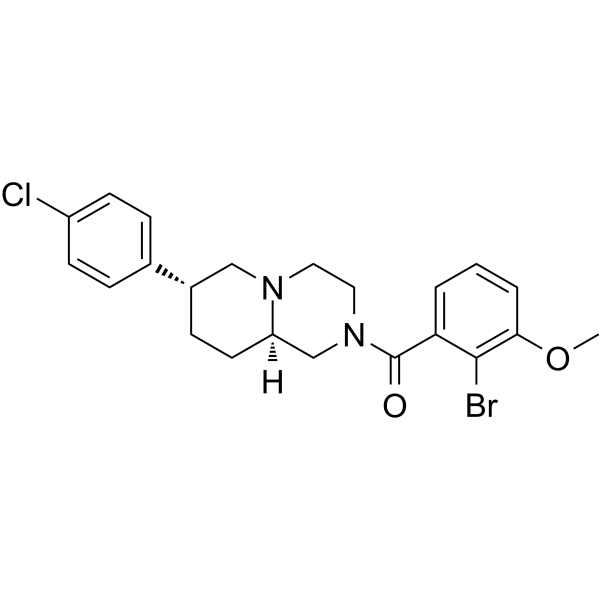
- HY-W127730
-
|
|
Drug Derivative
|
Others
|
|
Pyridoxine 3,4-dipalmitate is a Pyridoxine (HY-B1328) derivative. Pyridoxine exerts its antioxidant effects .
|
-
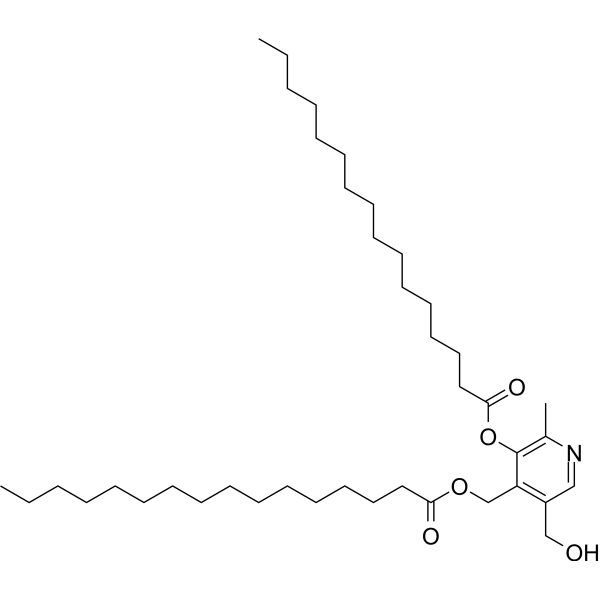
- HY-W002270
-
|
Propyl laurate
|
Insecticide
|
Infection
|
|
Propyl dodecanoate (Propyl laurate) is a synthetic dodecanoic acid ester, exhibiting biting deterrent activity against Aedes aegypti mosquitoes. Propyl dodecanoate can be used for the research of mosquito-borne disease vectors (Aedes aegypti) .
|
-

- HY-126573
-
-
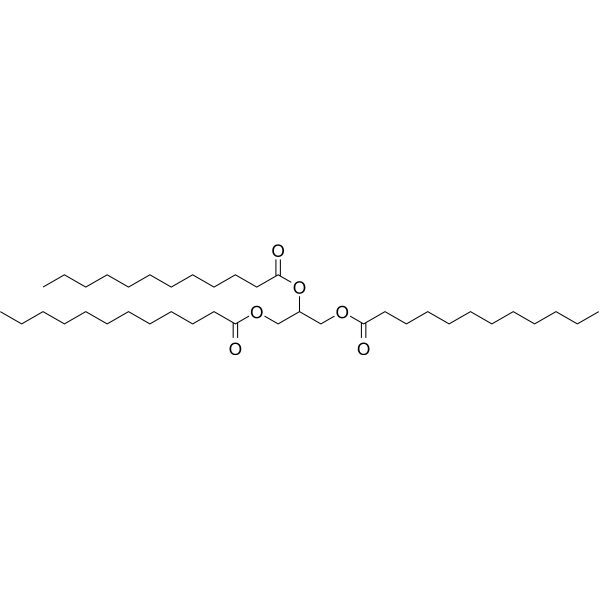
- HY-130064
-
-

- HY-116538
-
|
trans-10,cis-12 CLA2
|
Endogenous Metabolite
PPAR
NF-κB
Stearoyl-CoA Desaturase (SCD)
Lipase
|
Metabolic Disease
Inflammation/Immunology
Cancer
|
|
(10E,12Z)-Octadeca-10,12-dienoic acid (trans-10,cis-12 CLA2) is an orally active PPARα activator and inhibits adipocyte differentiation. (10E,12Z)-Octadeca-10,12-dienoic acid and its downstream metabolites have various antioxidant and antitumor activities. (10E,12Z)-Octadeca-10,12-dienoic acid can induce proinflammatory cytokines and chemokines, which would lead to decreased adipogenesis and insulin resistance in adipose tissue. (10E,12Z)-Octadeca-10,12-dienoic acid can affect many aspects of milk fat synthesis. (10E,12Z)-Octadeca-10,12-dienoic acid reduces expression of lipogenic enzymes and inhibits the desaturation of fatty acids. (10E,12Z)-Octadeca-10,12-dienoic acid can reduce lipoprotein lipase (LPL) activity in cultured 3T3-L1 adipocytes and enhance triacylglycerol release from these cells. (10E,12Z)-Octadeca-10,12-dienoic acid decreases the expression of hepatic stearoyl-CoA desatyrase mRNA in mice. (10E,12Z)-Octadeca-10,12-dienoic acid is associated with changes in mucosal NF-κB and Cyclin D1 protein levels in mice .
|
-
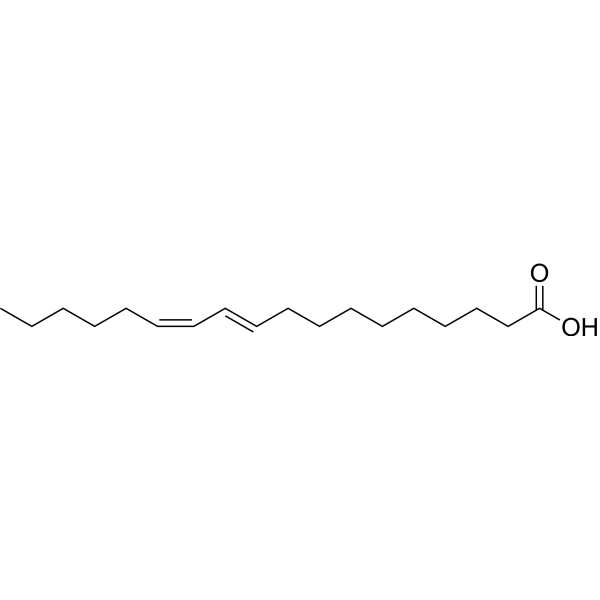
- HY-P11589
-
|
|
PPAR
Reactive Oxygen Species (ROS)
Keap1-Nrf2
|
Metabolic Disease
|
|
PIISVYWK is an orally active PPARγ Inhibitor, heme oxygenase-1 Activator, and Nrf2 Activator. PIISVYWK mediates activity via the HO-1/Nrf2 pathway, ameliorates oxidative stress, reduces inflammation, and mediates anti-obesity activity. PIISVYWK can be used for the research of obesity .
|
-

-
- HY-W127711
-
|
|
蛍光色素
|
Fast Blue B Salt, Dye content ~95% is a diazo dye, primarily used as a chromogenic substrate in biochemical analysis. Fast Blue B Salt, Dye content ~95% is the coupling agent for the histochemical demonstration of proteases. Fast Blue B Salt, Dye content ~95% can be used for the detection of acid phosphatase in Clostridium perfringens, and also for the determination of lipase activity. Fast Blue B Salt, Dye content ~95% reacts directly with the active hydroxyl groups in phenolic compounds to determine the content of phenolic substances .
|
-
- HY-D0722
-
5(6)-CFDA
Maximum Cited Publications
6 Publications Verification
5-(6)-Carboxyfluorescein diacetate; CFDA
|
蛍光色素
|
|
5(6)-CFDA is a common aliphatic luciferin-line organism. CFDA conducts free diffusion into cells, and then it is hydrolyzed into carboxyl fluorescein (CF) by intracellular non-specific lipase. CF containing portion contains an additional negative charge so that it is better retained in cells, compared to fluorescein dyes .
|
-
- HY-W013168
-
|
4-Nitrophenyl hexadecanoate; p-Nitrophenyl Palmitate; pNpp
|
蛍光色素
|
|
4-Nitrophenyl palmitate (4-Nitrophenyl hexadecanoate) is a chromogenic substrate for lipases and esterases. Upon enzymatic hydrolysis, 4-Nitrophenyl palmitate releases p-nitrophenol, which can be quantified by colorimetric detection at 410 nm as a measure of enzymatic activity. 4-Nitrophenyl palmitate is used to characterize the activity of various bacterial and mammalian enzymes, including those from Burkholderia and porcine pancreatic lipase .
|
-
- HY-114879
-
DDAO
1 Publications Verification
|
蛍光色素
|
|
DDAO is a promising near-infrared (NIR) red fluorescent probewith tunable excitation wavelength (600-650nm) and longemission wavelength(λem=656nm). DDAO can de desiged for detection of the activities of different enzymes such asβ-galactosidase,sulfatase, proteinphosphatase2A,carboxylesterase 2, humanalbumin andesterases .
|
-
- HY-D0047
-
5-CFDA
3 Publications Verification
5-Carboxyfluorescein diacetate
|
蛍光色素
|
|
5-CFDA is a common aliphatic luciferin-line organism. CFDA conducts free diffusion into cells, and then it is hydrolyzed into carboxyl fluorescein (CF) by intracellular non-specific lipase. CF containing portion contains an additional negative charge so that it is better retained in cells, compared to fluorescein dyes .
|
-
- HY-D0721
-
|
6-Carboxyfluorescein diacetate
|
蛍光色素
|
|
6-CFDA is a common aliphatic luciferin-line organism. CFDA conducts free diffusion into cells, and then it is hydrolyzed into carboxyl fluorescein (CF) by intracellular non-specific lipase. CF containing portion contains an additional negative charge so that it is better retained in cells, compared to fluorescein dyes .
|
-
- HY-116583
-
|
|
蛍光色素
|
|
Resorufin butyrate is a fluorogenic substrate for triglyceride lipases and cholinesterase (Ex=570 nm, Em=580 nm) .
|
-
- HY-W010947
-
|
|
蛍光色素
|
|
4-Methylumbelliferyl palmitate is an excellent fluorophore for measuring acid lipase in human leukocytes. Acidity and solvent have important influence on its fluorescence. 4-Methylumbelliferyl palmitate exists mainly as neutral molecular form which can be produced strong fluorescence at 445 nm in near neutral aqueous solutions, and exist mainly as anion form which can be produced stronger fluorescence at 445 nm in weak alkaline solutions .
|
-
- HY-150978
-
|
|
蛍光色素
|
|
DDAO-C6 is a cridone ester derivative, highly specific fluorescence for detecting human serum albumin (HSA). DDAO-C6 acts as an enzymatic activatable near-infrared fluorescent probe in visually sensing endogenous lipase from gut microbes (Ex/Em=600/658 nm) .
|
-
- HY-D1005
-
|
PEG-PPG-PEG, 12600 (Average Mn)
|
生化学アッセイ試薬
|
|
Poloxamer 407 (F127) is a nonionic surfactant that is 100% active and relatively non-toxic to cells at low concentrations, and frequently used with dye AM esters such as Indo-1 AM, Fura-2 AM, Calcein AM, Fluo-3 AM, Fluo-4 AM, Quest Fluo-8 AM and Quest Rhod-4 AM, etc. to improve their water solubility. Poloxamer 407 is also a lipoprotein lipase inhibitor .
|
-
- HY-W014449
-
|
|
生化学アッセイ試薬
|
|
4-Nitrophenyl butyrate consists of butyric acid chains esterified with 4-nitrophenol groups, thus giving it a yellow color. This compound is commonly used as a substrate in enzyme assays to measure esterase and lipase activity. When these enzymes cleave the ester bond, the nitrophenol group is released and the color changes from yellow to orange. Thus, the rate of color change can be used to determine enzyme activity. In addition, 4-Nitrophenyl butyrate can also be used as organic synthesis reagent and dye intermediate.
|
-
- HY-W127711
-
|
|
生化学アッセイ試薬
|
Fast Blue B Salt, Dye content ~95% is a diazo dye, primarily used as a chromogenic substrate in biochemical analysis. Fast Blue B Salt, Dye content ~95% is the coupling agent for the histochemical demonstration of proteases. Fast Blue B Salt, Dye content ~95% can be used for the detection of acid phosphatase in Clostridium perfringens, and also for the determination of lipase activity. Fast Blue B Salt, Dye content ~95% reacts directly with the active hydroxyl groups in phenolic compounds to determine the content of phenolic substances .
|
-
- HY-W392100A
-
|
PCL-diol (MW 530)
|
生化学アッセイ試薬
|
|
Polycaprolactone diol (MW 530) (PCL-diol (MW 530)) is a poly (ε-caprolactone) diol with an average molecular weight of 530 g·mol −1, which serves as a monomer for biodegradable network elastic polyesters. Network polyester films undergo enzymatic hydrolysis by Rhizopus delemar lipase .
|
-
- HY-W127730
-
|
|
生化学アッセイ試薬
|
|
Pyridoxine 3,4-dipalmitate is a Pyridoxine (HY-B1328) derivative. Pyridoxine exerts its antioxidant effects .
|
-
- HY-B2241A
-
|
Aluminum potassium sulfate dodecahydrate, for cell culture
|
生化学アッセイ試薬
|
|
Potassiumalum, for cell culture (Aluminum potassium sulfate dodecahydrate, for cell culture) is an egg white adjuvant. Potassiumalum, for cell culture acts as a mordant to help dyes bind to tissue components, enhancing the staining effect and stability during staining. Potassiumalum, for cell culture can induce allergic reactions in mice. Potassium alum, for cell culture can be used in research for bacterial and tissue staining .
|
-
- HY-W127391
-
|
(Rac)-1,2-Didodecanoylglycerol
|
生化学アッセイ試薬
|
|
1,2-Dilaurin is a diacylglycerol containing lauric acid at the sn-1 and sn-2 positions. It has been used as an internal standard for the quantification of diglycerides in rat desheathed sciatic nerves. [1] Monomolecular films containing 1,2-dilauroyl-rac-glycerol have been used as substrates to measure surface pressure and the effect of pancreatic procolipase and colipase on porcine pancreatic lipase activity. [2] References: [1]. Zhu, X. and Eichberg, J. 1,2-Diacylglycerol content and its arachidonyl-containing molecular species are reduced in the sciatic nerve of streptozotocin-induced diabetic rats. J. Neurochemistry. 55(3), 1087-1090 (1990).[2]. Wieloch, T., Borgstr m, B., Piéroni, G. et al. Porcine trypsinogen and its trypsin-activated form: lipid binding and lipase activation on monomolecular membranes. FEBS Express. 128(2), 217-220 (1981).
|
-
- HY-W099563
-
|
|
生化学アッセイ試薬
|
|
4-Nitrophenyl stearate, which is an ester formed by the condensation of stearic acid and 4-nitrophenol, is commonly used as a substrate for enzymatic assays, where the hydrolysis of ester bonds by esterase and lipase can be measured by absorbance or ratio In addition, 4-Nitrophenyl stearate has been used as a model compound to study the enzymatic activity and selectivity of lipases and esterases from various sources. The long hydrophobic tail of the molecule makes it suitable for use in lipophilic Good solubility in the environment makes it a useful probe for studying lipid metabolism.
|
-
- HY-W283889
-
|
|
生化学アッセイ試薬
|
|
Blue caprate is a chromogenic enzyme substrate typically used to detect lipase activity. It is hydrolyzed by lipase to produce a blue-purple product (biosynth: EB04034).
|
-
- HY-121892
-
|
|
生化学アッセイ試薬
|
|
(Z)-KC02 is an inhibitor of ABHD16A, the phosphatidylserine (PS) lipase that produces lyso-PS. Lysophosphatidylserine (lyso-PS) is a signaling lipid that regulates immune and neurological processes. It is associated with several neurological disorders such as retinitis pigmentosa and cataracts (PHARC). (Z)-KC02 depletes lyso-PS in lymphoblasts from PHARC subjects. (Z)-KC02 also reduces lyso-PS and lipopolysaccharide-induced cytokine production in macrophages and modulates lyso-PS metabolism in vivo .
|
-
- HY-167810
-
|
|
生化学アッセイ試薬
|
|
1,3-Dipentadecanoin(C15:0) is a long-chain triglyceride with substrate activity for lipid metabolism studies. 1,3-Dipentadecanoin(C15:0) is used as a model compound for studying the hydrolysis of triglycerides by lipase. 1,3-Dipentadecanoin(C15:0) can help understand the metabolic mechanism of triglycerides in chemical research.
|
-
- HY-P10735
-
|
Gastric inhibitory polypeptide(mouse); GIP(1-42) (mouse)
|
Lipase
Apoptosis
|
Metabolic Disease
|
|
GIP (Gastric inhibitory polypeptide) (mouse) is a gastrointestinal hormone that is secreted by the intestinal K cells, and also expressed in and secreted from pancreatic islets. GIP (mouse) promotes insulin secretion from pancreatic β cells via the G-protein-coupled GIP receptor (GIPR). GIP (mouse) promotes pancreatic β cell proliferation and inhibits apoptosis. GIP (mouse) also exerts direct lipogenic effects on adipose tissue .
|
-
- HY-P3377
-
|
|
ペプチド
|
Inflammation/Immunology
|
|
Rimtoregtide is a polypeptide compound which significantly reduces the increase in the levels of amylase and lipase in the blood caused by acute pancreatitis. Rimtoregtide has the potential for the research of pancreatitis and acute pancreatitis (extracted from patent WO2018205233A1).
|
-
- HY-P5081
-
|
|
TGF-β Receptor
Collagen
|
Inflammation/Immunology
|
|
Endotrophin (Mus musculus) is an adipokine, a cleavage fragment derived from Collagen VI, whose levels are elevated in adipose tissue and breast tumors of obese mice. Endotrophin (Mus musculus) activates the TGF-β signaling pathway and reduces the expression of hormone-sensitive lipase. Endotrophin (Mus musculus) induces adipogenesis, lipid accumulation, fibrosis, inflammation, angiogenesis, adipose tissue expansion, epithelial-mesenchymal transition, and insulin resistance; it also induces Cisplatin (HY-17394) resistance in cancer cells. Endotrophin (Mus musculus) can be used in research related to metabolic diseases such as obesity and type 2 diabetes, as well as cancers such as breast cancer .
|
-
- HY-P1210
-
|
|
Melanocortin Receptor
|
Endocrinology
|
|
Lys-γ3-MSH(human) is a melanocortin peptide derived from the C-terminal of the fragment of pro-opiomelanocortin (POMC). Lys-γ3-MSH(human) potentiates the steroidogenic response of the rat adrenal to adrenocorticotrophin (ACTH). Lys-γ3-MSH(human) is a potent stimulator of lipolysis with an apparent EC50 of 3.56 nM. Lys-γ3-MSH(human) can activate hormone sensitive lipase (HSL) and Perilipin A resulting in lipolysis .
|
-
- HY-P1210A
-
|
|
Melanocortin Receptor
|
Endocrinology
|
|
Lys-γ3-MSH(human) TFA is a melanocortin peptide derived from the C-terminal of the fragment of pro-opiomelanocortin (POMC). Lys-γ3-MSH(human) TFA potentiates the steroidogenic response of the rat adrenal to adrenocorticotrophin (ACTH). Lys-γ3-MSH(human) TFA is a potent stimulator of lipolysis with an apparent EC50 of 3.56 nM. Lys-γ3-MSH(human) TFA can activate hormone sensitive lipase (HSL) and Perilipin A resulting in lipolysis .
|
-
- HY-P5081A
-
|
|
TGF-β Receptor
Collagen
|
Inflammation/Immunology
|
|
Endotrophin (Mus musculus) TFA is an adipokine, a cleavage fragment derived from Collagen VI, whose levels are elevated in adipose tissue and breast tumors of obese mice. Endotrophin (Mus musculus) TFA activates the TGF-β signaling pathway and reduces the expression of hormone-sensitive lipase. Endotrophin (Mus musculus) TFA induces adipogenesis, lipid accumulation, fibrosis, inflammation, angiogenesis, adipose tissue expansion, epithelial-mesenchymal transition, and insulin resistance; it also induces Cisplatin (HY-17394) resistance in cancer cells. Endotrophin (Mus musculus) TFA can be used in research related to metabolic diseases such as obesity and type 2 diabetes, as well as cancers such as breast cancer .
|
-
- HY-P11589
-
|
|
PPAR
Reactive Oxygen Species (ROS)
Keap1-Nrf2
|
Metabolic Disease
|
|
PIISVYWK is an orally active PPARγ Inhibitor, heme oxygenase-1 Activator, and Nrf2 Activator. PIISVYWK mediates activity via the HO-1/Nrf2 pathway, ameliorates oxidative stress, reduces inflammation, and mediates anti-obesity activity. PIISVYWK can be used for the research of obesity .
|
| 製品番号 |
製品名 |
Target |
研究分野 |
Image |
-
- HY-P991574
-
|
REG-101
|
ATGL
|
Cardiovascular Disease
|
|
MEDI-5884 is a humanized IgG4Pκ neutralizing monoclonal antibody targeting Endothelial lipase (EL). MEDI-5884 inhibits EL and increases quantity (particularly phosphatidylinositols and cholesteryl esters) and function of high-density lipoproteins (HDL). MEDI-5884 can be used for cardiovascular disease like coronary artery disease (CAD) research .
|
-

(5)
-
- HY-P992227
-
|
|
Lipase
|
Inflammation/Immunology
|
|
Anti-Endothelial Lipase Antibody is a monoclonal antibody targeting endothelial lipase. It can be used in ELISA, FACS, and functional assays. For isotype controls of Anti-Endothelial Lipase Antibody, please refer to Human IgG1 kappa, Isotype Control (HY-P99001).
|
-
(5)
| 製品番号 |
製品名 |
Category |
Target |
構造式 |
-
- HY-N1937
-
-
-
- HY-B0998
-
-
-
- HY-N0777
-
-
-
- HY-N7072
-
-
-
- HY-W004282
-
-
-
- HY-N0313
-
-
-
- HY-126573
-
-
-
- HY-126411
-
-
-
- HY-N8599
-
-
-
- HY-N6667
-
-
-
- HY-119741
-
|
|
Structural Classification
天然物
Salacia reticulata Wight
Celastraceae
Plants
Source Classification
|
Glycosidase
Lipase
|
|
Salacinol, compound found in Salacia reticulata, is an orally active α-glucosidase/lipase inhibitor. Salacinol inhibits enzymatic activity of intestinal maltase (IC50 = 3.2 μg/mL, Ki = 0.31 μg/mL), sucrase (IC50 = 0.84 μg/mL, Ki = 0.32 μg/mL), and isomaltase (IC50 = 0.59 μg/mL, Ki = 0.47 μg/mL), and inhibits increases in serum glucose levels in sucrose-loaded rats. Salacinol also inhibits pancreatic lipase and lipoprotein lipase. Salacinol can be used for the research of diabetes mellitus .
|
-
-
- HY-N0555
-
-
-
- HY-N4167
-
-
-
- HY-N16617
-
-
-
- HY-N3797A
-
-
-
- HY-N0241
-
|
|
Flavonols
Structural Classification
Classification of Application Fields
Crassulaceae
Metabolic Disease
Plants
Rhodiola crenulata (HK. f. et.Thoms) H. Ohba
Flavonoids
Rhodiola rosea Linn.
Phenols
Polyphenols
Disease Research Fields
Source Classification
|
Cholinesterase (ChE)
Lipase
Bacterial
Cytochrome P450
|
|
Rhodionin is an orally active, multifunctional antivirulence and cytoprotective agent that targets and inhibits Lipase, sortase A (SrtA), CYP2D6 (IC50=0.761 μM), AChE (IC50=2.43-57.5 μM), and DPPH free radicals (IC50=19.49 μM). Rhodionin is isolable from the roots of Rhodiola crenulata. Rhodionin reduces postprandial serum triglyceride levels in mice by inhibiting lipase activity. Rhodionin also binds directly to SrtA to inhibit its transpeptidase activity, thereby reducing the fibrinogen adhesion and surface protein A levels of MRSA, effectively inhibiting biofilm formation and protecting against MRSA-induced cell damage. Rhodionin improves the survival rate of infected mice without affecting MRSA growth, and finds wide application in studies related to hyperlipidemia, exogenous obesity, and pneumonia induced by methicillin-resistant Staphylococcus aureus (MRSA) .
|
-
-
- HY-126564
-
|
|
天然物
Microorganisms
Source Classification
|
Lipase
MetAP
|
|
Ebelactone A is a mycolic acid β-lactone, which exhibits inhibitory activity for esterase, lipase, fMet aminopeptidase (fMet AP) and PNBase, with IC50s of 56, 3, 8 and 7.5 μM, respectively . Ebelactone A inhibits cutinase, exhibits plants protective potency against Erysiphe graminis .
|
-
-
- HY-N2330
-
|
|
Microorganisms
Ketones, Aldehydes, Acids
Source Classification
|
Lipase
|
|
Lipstatin is a pancreatic lipase inhibitor (IC50=0.14 μM), whose structure is closely related to the known inhibitor, Esterastin. Lipstatin inhibits the absorption of triglycerides without affecting the absorption of oleic acid. Lipstatin has no inhibitory effects on other pancreatic enzymes, such as phospholipase A2 and trypsin (<200 μM) .
|
-
-
- HY-N15385
-
-
-
- HY-N6667R
-
-
-
- HY-N4298
-
-
-
- HY-N0313R
-
|
|
Triterpenes
Structural Classification
Terpenoids
Euphorbiaceae
Plants
|
MAGL
Endogenous Metabolite
Reference Standards
|
|
Euphol (Standard) is the analytical standard of Euphol. This product is intended for research and analytical applications. Euphol is a tetracyclic triterpene alcohol isolated from the sap of Euphorbia tirucalli with anti-mutagenic, anti-inflammatory and immunomodulatory effects, orally active. Euphol inhibits the monoacylglycerol lipase (MGL) activity via a reversible mechanism (IC50=315 nM). MGL inhibition in the periphery modulates the endocannabinoid system to block the development of inflammatory pain .
|
-
-
- HY-N11546
-
|
|
Structural Classification
Eleutherococcus sieboldianus Makino
Terpenoids
Diterpenoids
Plants
Araliaceae
Source Classification
|
Cytochrome P450
Bacterial
Fungal
|
|
Sapindoside B is a substance with hepatoprotective activity, and also acts as a cytochrome P-450 (cytochrome P-450) inhibitor, antibacterial agent and membrane-disrupting agent. Sapindoside B reversibly inhibits the content of cytochrome P-450 in liver microsomes, suppresses the phenobarbital-induced increase in enzyme content, reduces the production of active metabolites mediated by cytochrome P-450, and alleviates hepatotoxic injury. Sapindoside B binds to Cutibacterium acnes lipase, reduces lipase activity, inhibits biofilm formation, and decreases bacterial adhesion. Sapindoside B exhibits cytotoxicity against human cancer, liver cancer, leukemia and glioblastoma cells. Sapindoside B inhibits mycelial growth of phytopathogenic fungal strains, possesses antibacterial activity against dermatophytes, and also has hemolytic/membrane-lytic activity. Sapindoside B can be used in research related to liver injury, Cutibacterium acnes biofilm-associated infections, gastric cancer, carcinoma, promyelocytic leukemia, glioblastoma, apple scab and grape gray mold .
|
-
-
- HY-N12292
-
-
-
- HY-W004282R
-
-
-
- HY-N12294
-
-
-
- HY-N12296
-
-
-
- HY-N12297
-
-
-
- HY-N8362
-
-
-
- HY-N12298
-
-
-
- HY-N7163
-
|
(2S)-3',5,5'7-Tetrahydroxyflavanone
|
Viguiera dentata (Cav.) Spreng.
Structural Classification
Flavonoids
Labiatae
Flavonones
Plants
Source Classification
|
Lipase
|
|
(2S)-5,7,3',5'-Tetrahydroxyflavanone ((2S)-3',5,5'7-Tetrahydroxyflavanone) is a porcine pancreatic lipase modulator with an IC50 of >200 μM against porcine pancreatic lipase. (2S)-5,7,3',5'-Tetrahydroxyflavanone interacts with an enzyme involved in triglyceride hydrolysis .
|
-
-
- HY-N10606
-
-
-
- HY-N11999
-
-
-
- HY-N8989
-
-
-
- HY-N13198
-
-
-
- HY-N14641
-
-
-
- HY-N14643
-
-
-
- HY-N14647
-
-
-
- HY-N14646
-
-
-
- HY-N14642
-
-
-
- HY-N7668
-
-
-
- HY-N14194
-
-
-
- HY-N2087
-
-
-
- HY-N1937R
-
-
-
- HY-N12893
-
-
-
- HY-N0555R
-
-
-
- HY-N17567
-
-
-
- HY-N7988
-
|
|
Structural Classification
Plants
Compositae
Lipid
Source Classification
Erythrina sigmoidea Hua
|
Lipase
|
|
4,6,12-Tetradecatriene8,10-diyne-1,3-diacetate is a polyacetylene compound found in the rhizomes of Atractylodes lancea. 4,6,12-Tetradecatriene8,10-diyne-1,3-diacetate inhibits human pancreatic lipase, with an IC50 of 55.67 μM and 16.7 μg/mL. 4,6,12-Tetradecatriene8,10-diyne-1,3-diacetate can block the digestion of triglycerides by inhibiting the activity of human pancreatic lipase. 4,6,12-Tetradecatriene8,10-diyne-1,3-diacetate can be used in research on obesity .
|
-
-
- HY-N18145
-
|
|
Structural Classification
天然物
Plants
Compositae
Source Classification
Erythrina sigmoidea Hua
|
Lipase
|
|
(3Z,5E,11E)-3,5,11-Tri-decatriene-7,9-diyne-1,2-diacetate is a human pancreatic lipase inhibitor, with an IC50 of 77.97 μM against human pancreatic lipase. (3Z,5E,11E)-3,5,11-Tri-decatriene-7,9-diyne-1,2-diacetate is applicable to the research of obesity .
|
-
-
- HY-N11721
-
-
- HY-N17876
-
-
- HY-N18267
-
|
|
Structural Classification
天然物
Plants
Compositae
Source Classification
Erythrina sigmoidea Hua
|
Lipase
|
|
(3Z,5E,11E)-3,5,11-Tridecatriene-7,9-diyn-1-ol, 1-acetate is a polyacetylene found in Atractylodes lancea rhizome. (3Z,5E,11E)-3,5,11-Tridecatriene-7,9-diyn-1-ol, 1-acetate inhibits human pancreatic lipase inhibitor with an IC50 of 39.91 μM. (3Z,5E,11E)-3,5,11-Tridecatriene-7,9-diyn-1-ol, 1-acetate can be used for the research of obesity .
|
-
- HY-W719455
-
-
- HY-N17996
-
-
- HY-N17777
-
-
- HY-W015310
-
-
- HY-N19783
-
-
- HY-N14093
-
|
|
Structural Classification
Microorganisms
Phenols
Polyphenols
Source Classification
|
Cholinesterase (ChE)
Lipase
Reactive Oxygen Species (ROS)
Apoptosis
Bacterial
|
|
Aspulvinone H is an orally active inhibitor of AChE, pancreatic lipase, glutamic-oxaloacetic transaminase 1, and α-glucosidase, with IC50 values of 25.95 μM, 47.06 μM, 5.91/6.91 μM, and 4.6 μM, respectively. It has a Ka of 2.14 μM against GOT1 and a Ki of 6.58 μM against α-glucosidase. Aspulvinone H inhibits cancer cell proliferation, interferes with glutamine metabolism, elevates ROS levels, and induces cell apoptosis and S-phase arrest. Aspulvinone H exhibits antibacterial activity against Staphylococcus aureus. Aspulvinone H inhibits the growth of pancreatic ductal adenocarcinoma xenografts. Aspulvinone H reduces postprandial blood glucose in mice. Aspulvinone H can be used in research related to pancreatic ductal adenocarcinoma, diabetes, and Staphylococcus aureus infection .
|
-
-
- HY-W004282S
-
|
|
|
Undecanoic acid-d21 (Undecanoate-d21) is the deuterium labeled Undecanoic acid (HY-W004282). Undecanoic acid is a monocarboxylic acid with antifungal property. Undecanoic acid inhibits the production of exocellular keratinase, lipase and the biosynthesis of several phospholipids in T. rubrum .
|
-
-
- HY-B0218S
-
|
|
|
Orlistat-d3 is a deuterated labeled Orlistat . Orlistat (Tetrahydrolipstatin) is a well-known irreversible inhibitor of pancreatic and gastric lipases. Orlistat is also an inhibitor of fatty acid synthase (FASN), is used orally for long-term research of obesity .?Anti-atherosclerotic?effect .
|
-
-
- HY-W004282S2
-
|
|
|
Undecanoic acid-d2 (Undecanoate-d2) is the deuterium labeled Undecanoic acid (HY-W004282). Undecanoic acid is a monocarboxylic acid with antifungal property. Undecanoic acid inhibits the production of exocellular keratinase, lipase and the biosynthesis of several phospholipids in T. rubrum .
|
-
-
- HY-W004282S1
-
|
|
|
Undecanoic acid-d3 (Undecanoate-d3) is the deuterium labeled Undecanoic acid (HY-W004282). Undecanoic acid is a monocarboxylic acid with antifungal property. Undecanoic acid inhibits the production of exocellular keratinase, lipase and the biosynthesis of several phospholipids in T. rubrum .
|
-
-
- HY-120171
-
|
|
|
Alkynes
|
|
DH-376 is a potent diacylglycerol lipase inhibitor with pIC50 values of 8.6 and 8.9 for ABHD6 and DAGLα, respectively. DH-376 prevents fasting-induced refeeding of mice . DH-376 is a click chemistry reagent, it contains an Alkyne group and can undergo copper-catalyzed azide-alkyne cycloaddition (CuAAc) with molecules containing Azide groups.
|
-
- HY-D1005
-
|
PEG-PPG-PEG, 12600 (Average Mn)
|
|
Emulsifiers
Solubilizing Agents
|
|
Poloxamer 407 (F127) is a nonionic surfactant that is 100% active and relatively non-toxic to cells at low concentrations, and frequently used with dye AM esters such as Indo-1 AM, Fura-2 AM, Calcein AM, Fluo-3 AM, Fluo-4 AM, Quest Fluo-8 AM and Quest Rhod-4 AM, etc. to improve their water solubility. Poloxamer 407 is also a lipoprotein lipase inhibitor .
|
-
- HY-W019883
-
|
|
|
pH Modifiers
|
|
Dipotassium hydrogen phosphate is a salt. Dipotassium hydrogen phosphate can enhance the lipase production of Rhizopous oligosporous in neutral pH phosphate buffer. Dipotassium hydrogen phosphate can be used as a pharmaceutical excipient, such as a pH adjuster, a buffer .
|
-
- HY-126573
-
|
|
|
Fillers
|
|
Trilaurin is an orally active triglyceride. Trilaurin inhibits DMBA-induced, croton oil-promoted skin tumor formation in Swiss Webster mice. Trilaurin increases plasma high-density lipoprotein cholesterol and apolipoprotein A-I concentrations. Trilaurin is used as an occlusive skin conditioning agent and/or non-aqueous thickener in cosmetics .
|
-
- HY-B1393
-
|
Dehydrocholate
|
|
Cholesterol
|
|
Dehydrocholic acid (Dehydrocholate) is an orally active hydrocholeretic agent. Dehydrocholic acid modulates Autophagy, reduces serum amylase and lipase levels. Dehydrocholic acid has the effects of promoting choleretic function, protecting the liver, reducing pancreatic damage, and regulating cholesterol metabolism. Dehydrocholic acid can be used in the study of acute biliary pancreatitis and obstructive jaundice .
|
-
- HY-W010947
-
|
|
|
Fluorescent Lipids
|
|
4-Methylumbelliferyl palmitate is an excellent fluorophore for measuring acid lipase in human leukocytes. Acidity and solvent have important influence on its fluorescence. 4-Methylumbelliferyl palmitate exists mainly as neutral molecular form which can be produced strong fluorescence at 445 nm in near neutral aqueous solutions, and exist mainly as anion form which can be produced stronger fluorescence at 445 nm in weak alkaline solutions .
|
入力情報は安全に管理されます. ※ 必須入力項目.
Inquiry Information
- 製品名:
- 製品番号:
- 数量:
- MCE 日本正規代理店:





