Search Result
Results for "
neuroprotective+effect
" in MedChemExpress (MCE) Product Catalog:
7
Isotope-Labeled Compounds
| Cat. No. |
Product Name |
Target |
Research Areas |
Chemical Structure |
-
- HY-B0034
-
|
E2020
|
Cholinesterase (ChE)
|
Neurological Disease
Cancer
|
|
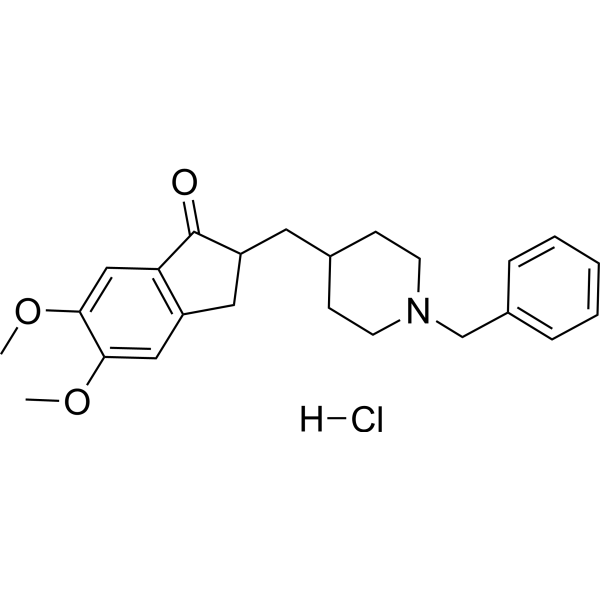
Donepezil Hydrochloride (E2020) is a reversible, selective AChE inhibitor with an IC50 of 6.7 nM for AChE activity. Donepezil shows high selectivity for AChE over BuChE . Donepezil exhibits neuroprotective effect on Aβ42 neurotoxicity .
|
-
-
- HY-B0220
-
Erythromycin
Maximum Cited Publications
24 Publications Verification
|
Bacterial
Antibiotic
DNA/RNA Synthesis
|
Infection
Cancer
|
|
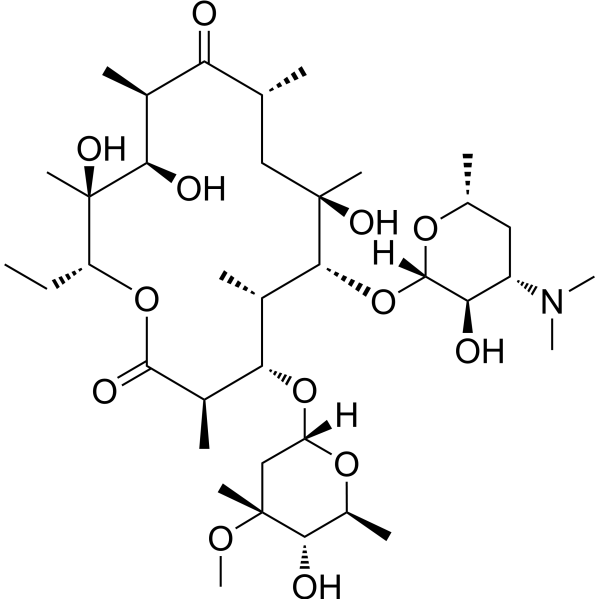
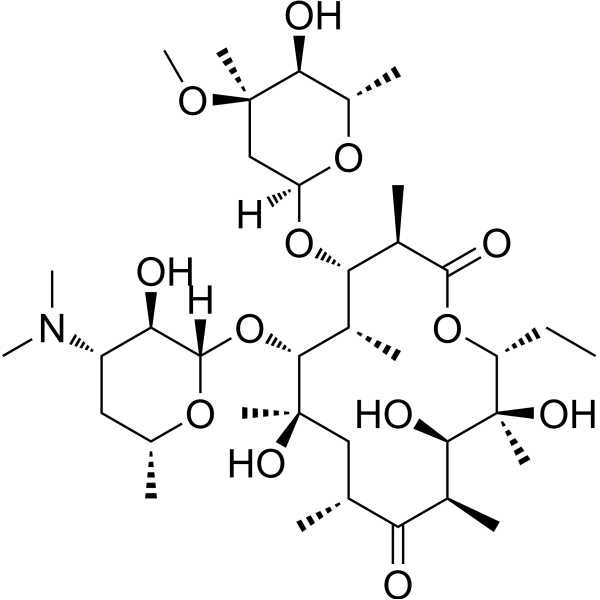
Erythromycin is a macrolide antibiotic produced by actinomycete?Streptomyces erythreus?with a broad spectrum of antimicrobial activity. Erythromycin binds to bacterial 50S ribosomal subunits and inhibits?RNA-dependent protein synthesis?by blockage of transpeptidation and/or translocation reactions, without affecting synthesis of nucleic acid [1][2]. Erythromycin also exhibits antitumor and neuroprotective effect in different fields of research [3][4].
|
-
-
- HY-N0294
-
-
-
- HY-100927
-
-
-
- HY-N0418
-
-
-
- HY-N0532
-
-
-
- HY-P1010
-
|
|
Caspase
Apoptosis
|
Neurological Disease
Cancer
|
|
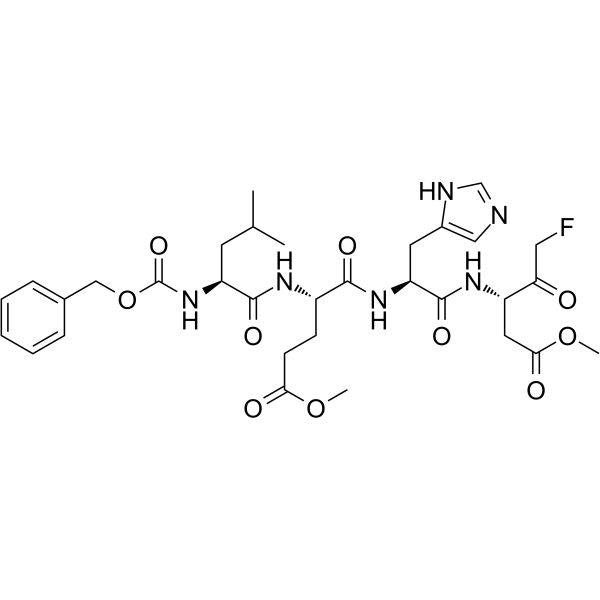
Z-LEHD-FMK is a selective and irreversible inhibitor of caspase-9, protects against lethal reperfusion injury and attenuates apoptosis. Z-LEHD-FMK exhibits the neuroprotective effect in a rat model of spinal cord trauma .
|
-
-
- HY-N1318
-
-
-
- HY-Y0892
-
-
-
- HY-15981
-
|
MK-3102
|
Dipeptidyl Peptidase
|
Neurological Disease
Metabolic Disease
|
|
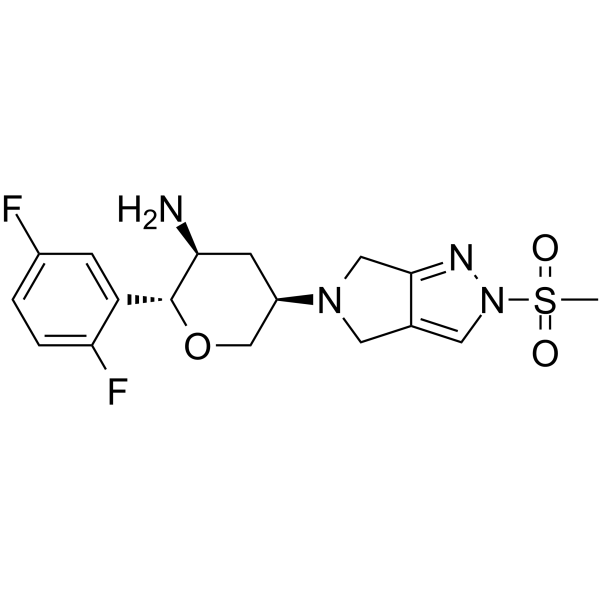
Omarigliptin (MK-3102) is a potent, selective, orally active and cross the blood-brain barrier dipeptidyl peptidase 4 (DPP-4) inhibitor. Omarigliptin shows anti-parkinsonian activity. Omarigliptin has the neuroprotective effect to improve diabetes-associated cognitive dysfunction .
|
-
-
- HY-B0553
-
-
-
- HY-B0220D
-
|
|
Bacterial
Antibiotic
DNA/RNA Synthesis
|
Infection
Cancer
|
|
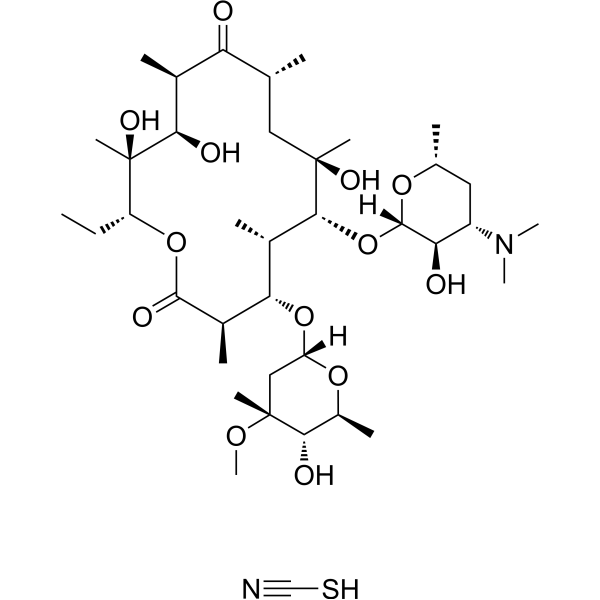
Erythromycin thiocyanate is a macrolide antibiotic produced by actinomycete Streptomyces erythreus with a broad spectrum of antimicrobial activity. Erythromycin thiocyanate binds to bacterial 50S ribosomal subunits and inhibits RNA-dependent protein synthesis by blockage of transpeptidation and/or translocation reactions, without affecting synthesis of nucleic acid [1][2]. Erythromycin thiocyanate also exhibits antitumor and neuroprotective effect in different fields of research [3][4].
|
-
-
- HY-B0220A
-
|
|
Antibiotic
Bacterial
DNA/RNA Synthesis
|
Infection
Cancer
|
|
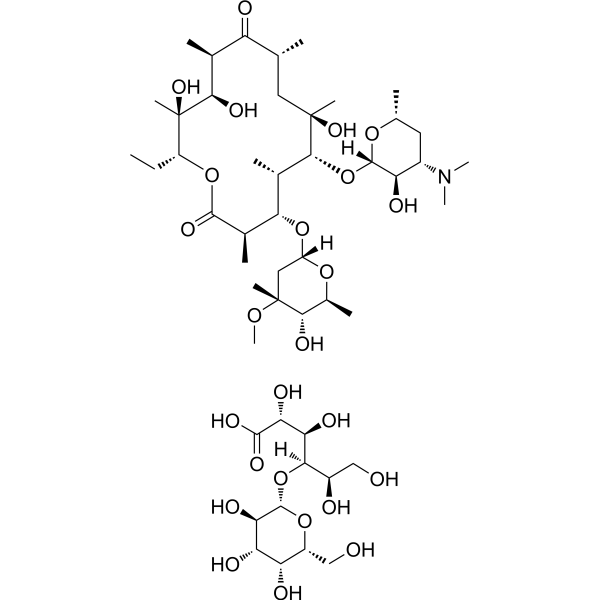
Erythromycin lactobionate is a macrolide antibiotic produced by actinomycete Streptomyces erythreus with a broad spectrum of antimicrobial activity. Erythromycin lactobionate binds to bacterial 50S ribosomal subunits and inhibits RNA-dependent protein synthesis by blockage of transpeptidation and/or translocation reactions, without affecting synthesis of nucleic acid [1][2]. Erythromycin lactobionate also exhibits antitumor and neuroprotective effect in different fields of research [3][4].
|
-
-
- HY-123607
-
|
|
Ephrin Receptor
|
Neurological Disease
Cancer
|
|
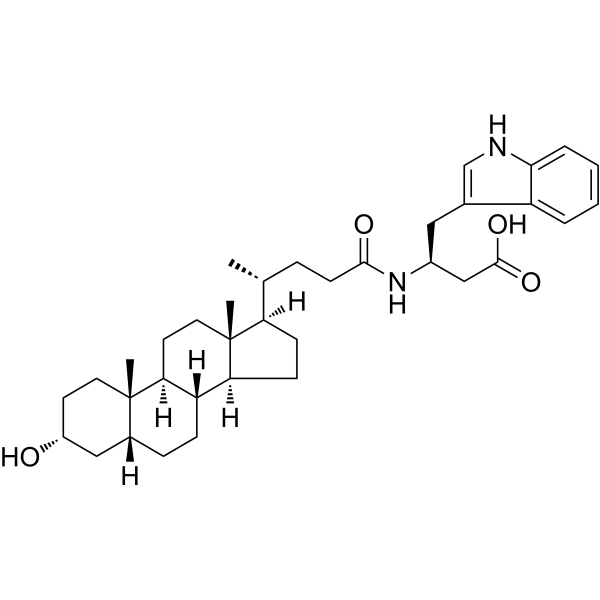
UniPR129 is a potent and orally active Eph/ephrin antagonist. UniPR129 can inhibit EphA2-ephrin-A1 interaction with an IC50 of 945 nM and a Ki of 370 nM. UniPR129 can inhibit angiogenesis and show antitumor and neuroprotective effect. UniPR129 can be used for the researches of cancer and neurological disease, such as colorectal cancer and optic neuropathy .
|
-
-
- HY-B1541
-
-
-
- HY-100786
-
-
-
- HY-101388
-
AM404
2 Publications Verification
|
Cannabinoid Receptor
|
Neurological Disease
|
|
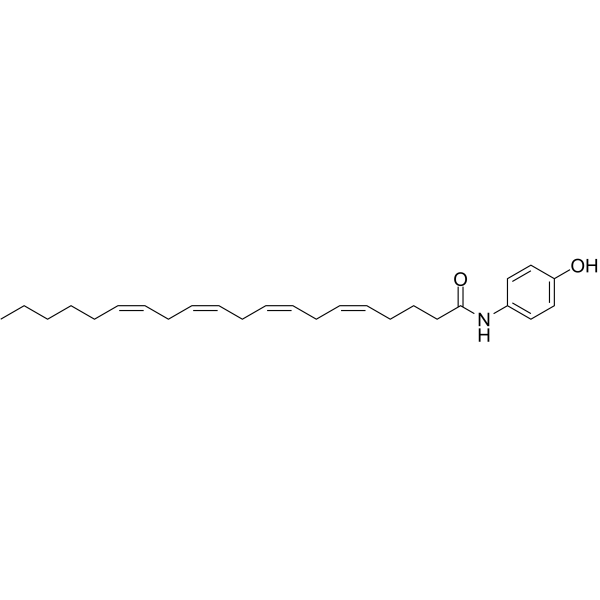
AM404, an inhibitor of endocannabinoid reuptake, blocks anandamide transport with IC50 values in the low micromolar range . AM404 is able to relax rat isolated hepatic arteries contracted with Phenylephrine, with a pEC50 value of 7.4 (corresponding to an EC50 of 0.04 μM). Neuroprotective Effect .
|
-
-
- HY-N6960
-
|
Stepholidine; (-)-Stepholidine; L-SPD
|
Dopamine Receptor
|
Neurological Disease
|
|
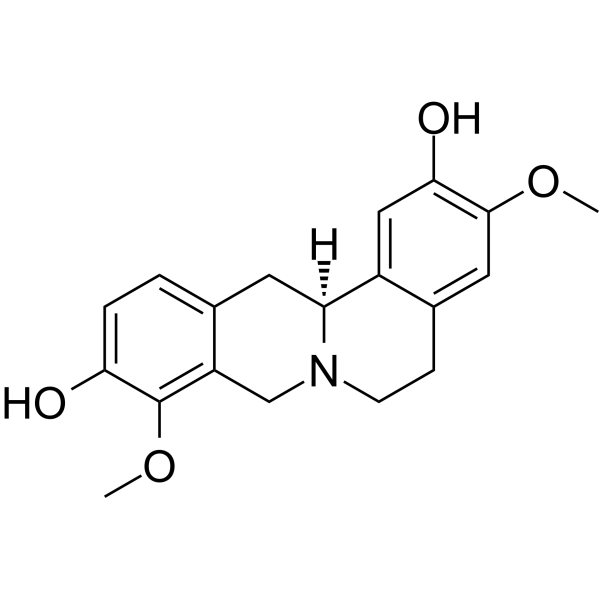
L-Stepholidine (Stepholidine) is an alkaloid. L-Stepholidine exhibits mixed dopamine D1 receptor agonist and D2 antagonist properties. L-Stepholidine has neuroprotective effect. L-Stepholidine can be used for the researches of neurological disease, such as Parkinson disease, Alzheimer's disease and opiate addiction .
|
-
-
- HY-15314
-
|
AS-3201
|
Aldose Reductase
|
Neurological Disease
Metabolic Disease
|
|
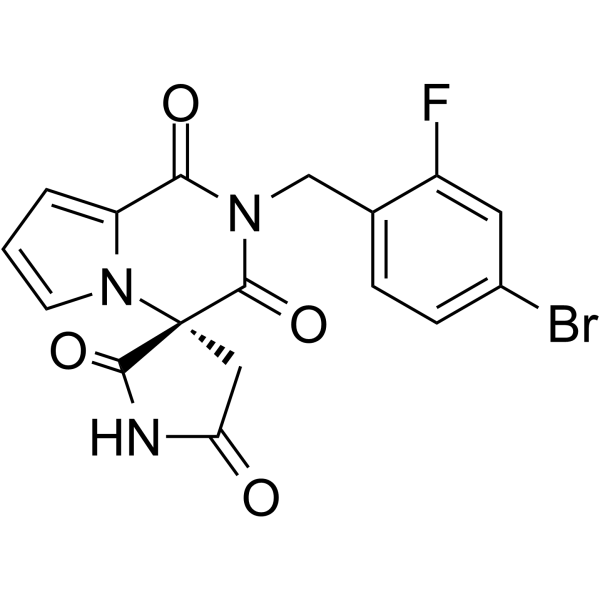
Ranirestat (AS-3201) potent and orally active aldose reductase (AR) inhibitor with IC50s of 11 nM and 15 nM for rat lens AR and recombinant human AR, respectively, and a Ki of 0.38 nM for recombinant human AR. Ranirestat has the potential for diabetic sensorimotor polyneuropathy treatment. Ranirestat also has a neuroprotective effect on diabetic retinas .
|
-
-
- HY-B0780
-
-
-
- HY-121488
-
|
|
Interleukin Related
|
Neurological Disease
|
|
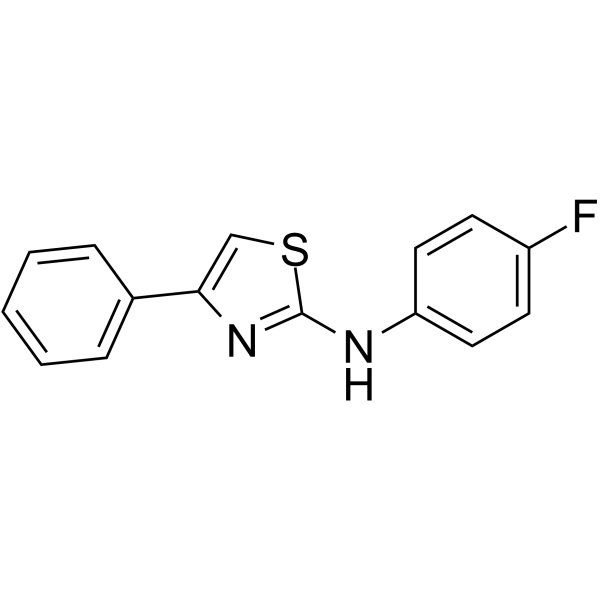
GP130 receptor agonist-1 is a potent, brain-penetrant and orally active GP130 receptor agonist. GP130 receptor agonist-1 has a neuroprotective effect on NMDA-induced neurotoxicity .
|
-
-
- HY-135869
-
|
|
Mitochondrial Metabolism
|
Neurological Disease
|
|
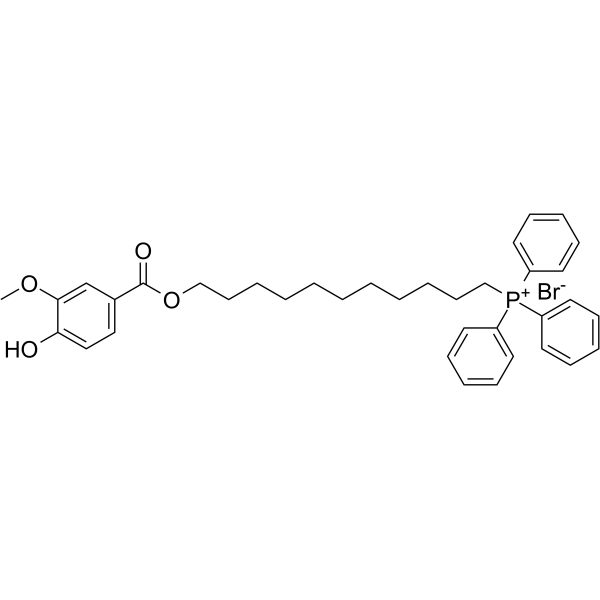
Mito-apocynin (C11), an orally active mitochondria-targeted triphenylphosphonium (TPP)-based compound, is synthesized by conjugating the Apocynin moiety with a TPP + cation. Mito-apocynin (C11) selectively targets mitochondria, and shows neuroprotective effect. Mito-apocynin (C11) prevents hyposmia and corrects deficits in motor function .
|
-
-
- HY-111973
-
|
|
Phytohormone
iGluR
|
Neurological Disease
|
|
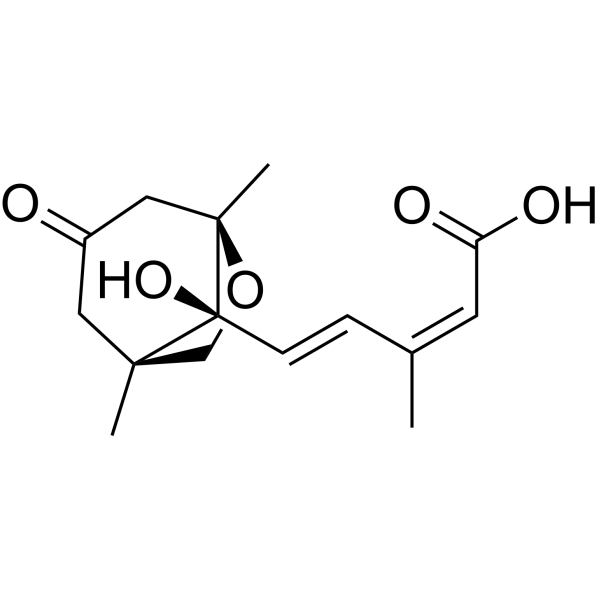
Phaseic acid is a Abscisic acid terpenoid catabolite that can able to activate a subset of Abscisic acid repectors. Phaseic acid is a plant hormone associated with photosynthesis arrest and abscission. Phaseic acid is the antagonist for NMDA-type glutamate receptor (NMDAR) that inhibits NMDAR currents with an IC50 of 34.37 μM. Phaseic acid reduces intracellular calcium influx, and exhibits neuroprotective effect .
|
-
-
- HY-110097
-
|
CNS 1102
|
iGluR
|
Neurological Disease
|
|
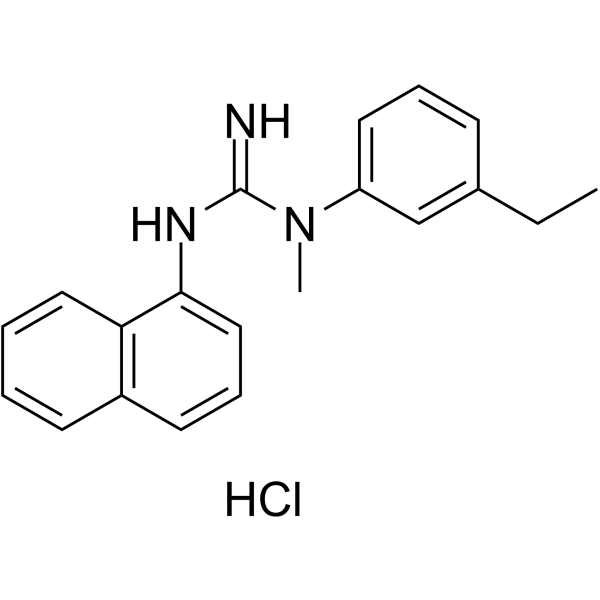
Aptiganel hydrochloride (Cerestat) is a non-competitive NMDA receptor antagonist with neuroprotective effect.
|
-
-
- HY-N1179
-
|
|
Apoptosis
|
Cardiovascular Disease
Neurological Disease
|
|
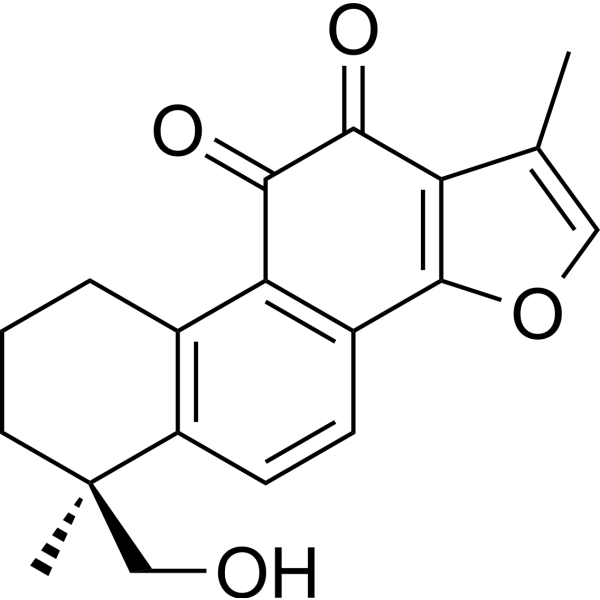
Tanshinone IIB is a major active constituent of the roots of Salvia miltiorrhiza (Danshen) widely used for the research of stroke and coronary heart disease in Asian countries. Tanshinone IIB has a neuroprotective effect via inhibition of apoptosis .
|
-
-
- HY-14948
-
|
RWJ-333369
|
Sodium Channel
|
Neurological Disease
|
|
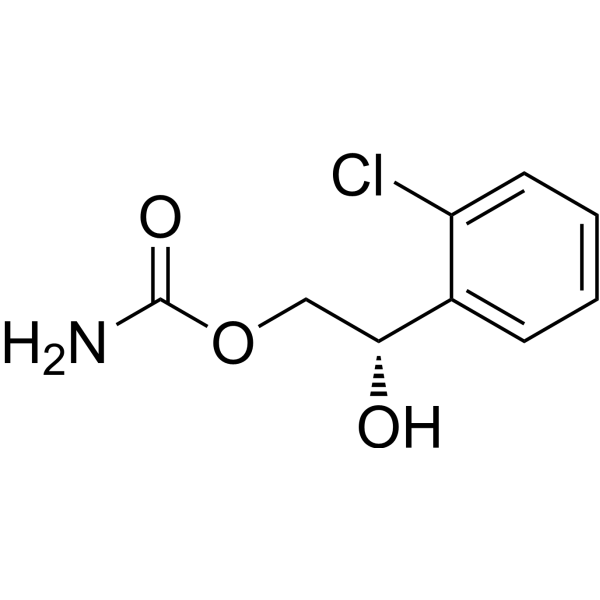
Carisbamate (RWJ-333369) is an orally active neuromodulator. Carisbamate prevents the development and production of epilep-like discharges and has a neuroprotective effect after in vitro epilepticus-like injury. Carisbamate has good antiepileptic activity in genetic models of generalized and nonconvulsive epilepsy .
|
-
-
- HY-14418
-
|
ML-128
|
mGluR
|
Neurological Disease
|
|
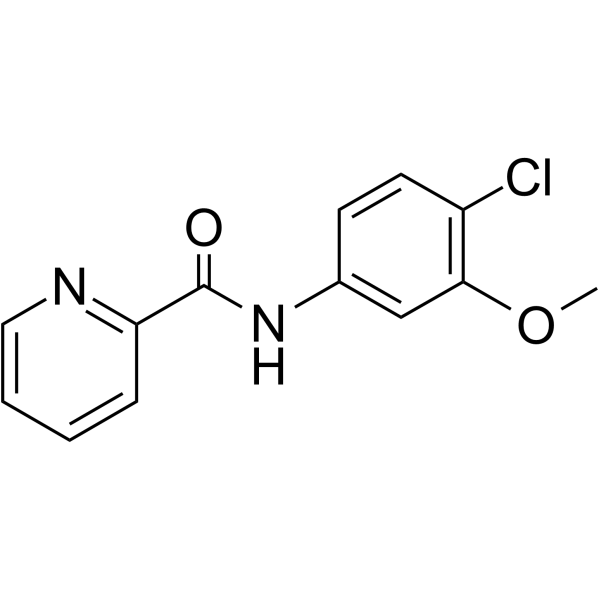
VU0361737 (ML-128) is a potent, selective and CNS penetrant positive allosteric modulator of metabotropic glutamate receptor 4 (mGluR4 PAM), with EC50s of 240 nM and 110 nM for human and rat mGluR4 receptors, respectively. VU0361737 has neuroprotective effect. VU0361737 is potential for Parkinson's disease research .
|
-
-
- HY-N0294R
-
|
3,4-Dihydroxybenzoic acid (Standard)
|
Reference Standards
Endogenous Metabolite
|
Neurological Disease
|
|
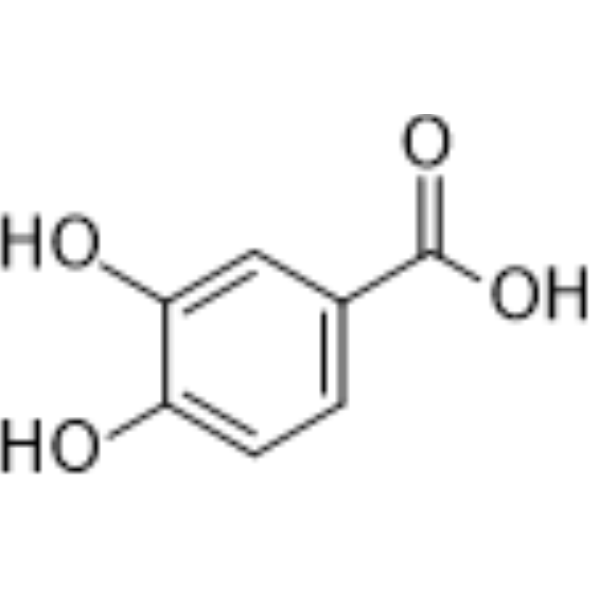
Protocatechuic acid (Standard) is the analytical standard of Protocatechuic acid. This product is intended for research and analytical applications. Protocatechuic acid is a phenolic compound which exhibits neuroprotective effect.
|
-

-
- HY-111055
-
|
|
GSK-3
|
Neurological Disease
|
|
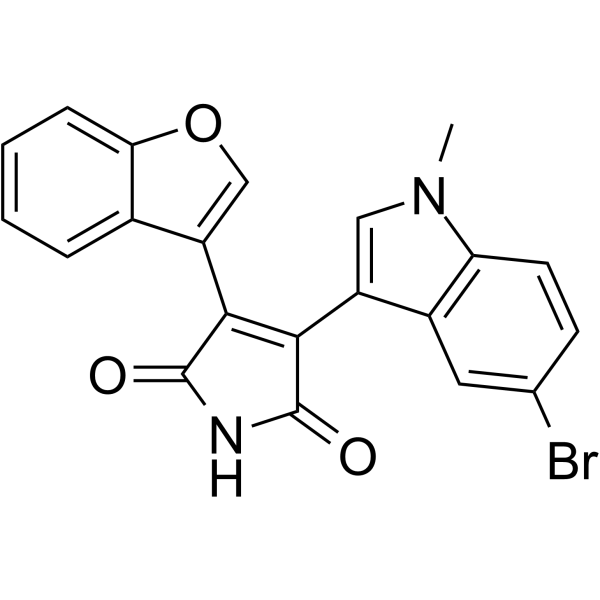
BIP-135 is a potent and selective ATP-competitive GSK-3 inhibitor, with IC50s of 16 nM and 21 nM for GSK-3α and GSK-3β, respectively. BIP 135 exhibits neuroprotective effect .
|
-
-
- HY-N16500
-
|
|
NF-κB
|
Neurological Disease
|
|
Hericenone C is a metabolite derived from Hericium erinaceus. Hericenone C inhibits LPS (HY-D1056)-induced NRE::Luc luciferase activity, reduces phosphorylation of p65 and inhibits NF-κB signaling. Hericenone C exhibits neuroprotective effect .
|
-

-
- HY-59208
-
|
Kynurine
|
Endogenous Metabolite
|
Neurological Disease
Cancer
|
|
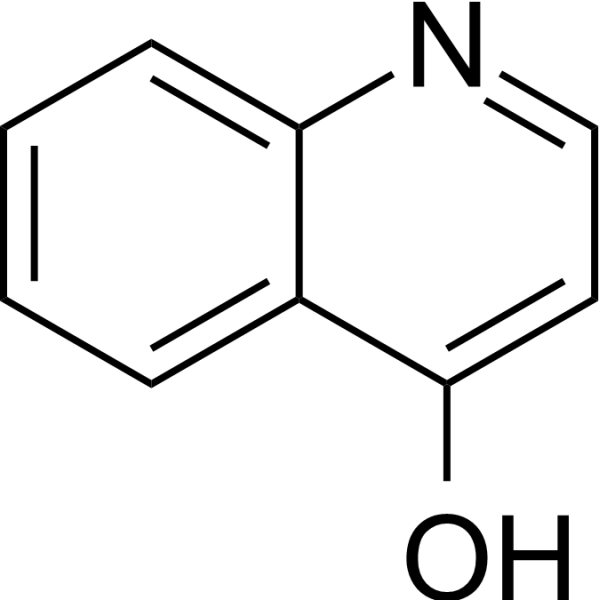
4-Quinolone (Kynurine) is a quinoline derivative. Kynurine pathway modulates tryptophan metabolism and involves in neuroprotective effect. Kynurine promotes tumor cell survival and motility by suppressing antitumor immune .
|
-
-
- HY-N10772
-
-
-
- HY-101317
-
|
SB-205607 dihydrobromide
|
Opioid Receptor
|
Neurological Disease
|
|
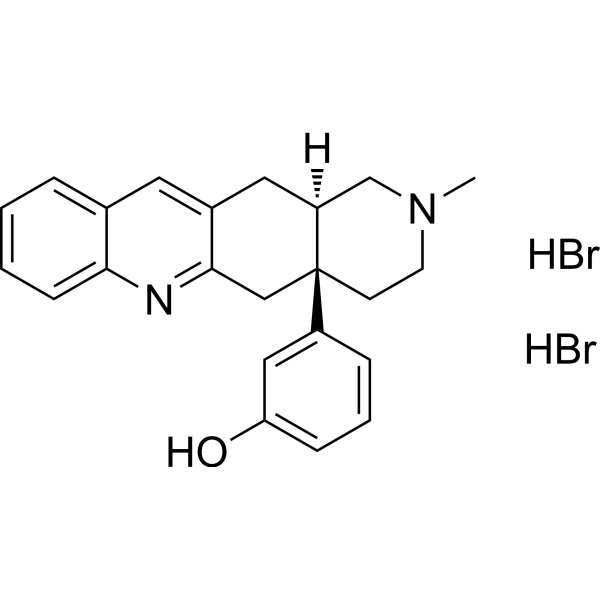
TAN-67 (SB-205607) dihydrobromide is a potent and selective nonpeptidic δ-opioid receptor agonist with a Ki value of 0.647 nM. TAN-67 dihydrobromide has neuroprotective effect. TAN-67 dihydrobromide can be used in research of ischemic stroke .
|
-
-
- HY-B0034S
-
|
E2020-d5
|
Cholinesterase (ChE)
|
Neurological Disease
|
|
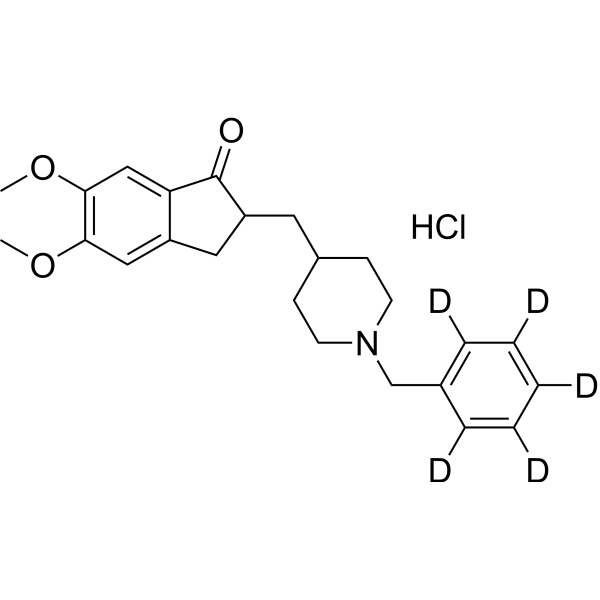
Donepezil-d5 (hydrochloride) is deuterium labeled Donepezil (Hydrochloride). Donepezil Hydrochloride (E2020) is a reversible, selective AChE inhibitor with an IC50 of 6.7 nM for AChE activity. Donepezil shows high selectivity for AChE over BuChE . Donepezil exhibits neuroprotective effect on Aβ42 neurotoxicity .
|
-
-
- HY-N0418R
-
-

-
- HY-P1932A
-
-
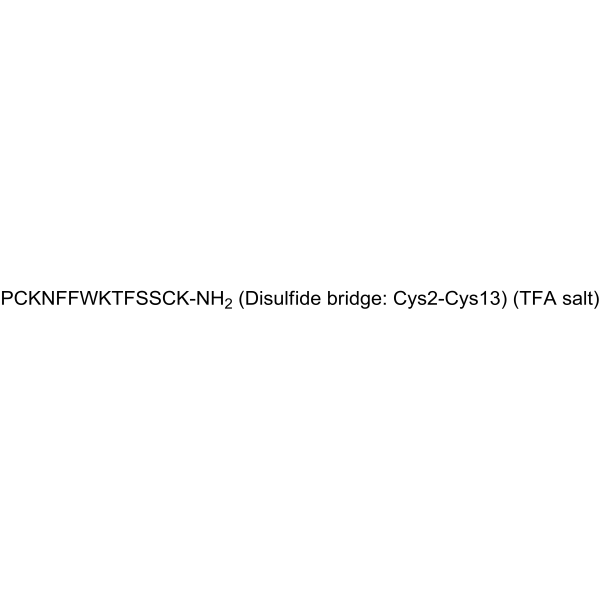
-
- HY-119378
-
|
CX 295
|
Proteasome
Apoptosis
|
Infection
Cardiovascular Disease
Neurological Disease
Inflammation/Immunology
|
|
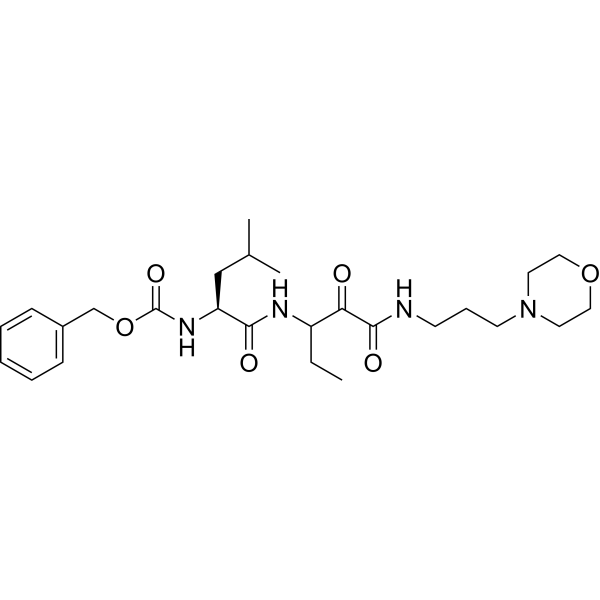
AK 295 (CX 295) is a selective calpain inhibitor. AK 295 can inhibit apoptosis through a calpain-dependent pathway. AK 295 shows potent neuroprotective effect. AK 295 can inhibit the activity of the cysteine protease calpain and reduce myocardial injury. AK 295 can be used for the researches of infection, inflammation, cardiovascular and neurological disease, such as stroke and viral myocarditis .
|
-
-
- HY-101375
-
|
|
mGluR
|
Neurological Disease
|
|
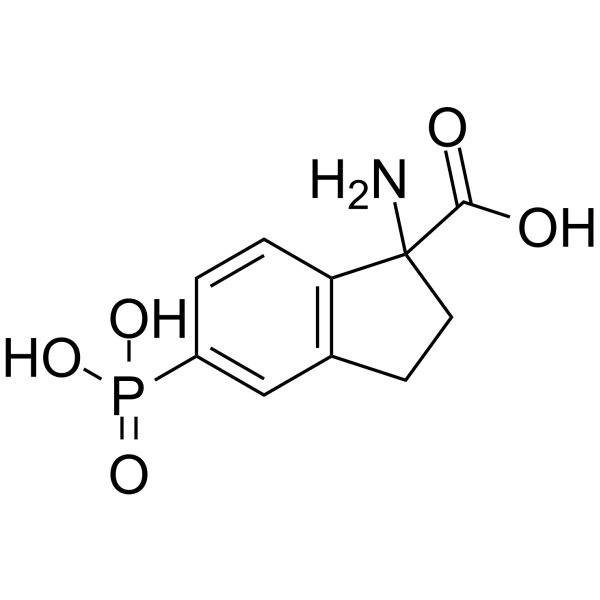
(RS)-APICA is a selective group II metabotropic glutamate receptor (mGluR II) antagonist. (RS)-APICA shows potential neuroprotective effect .
|
-
-
- HY-P1010A
-
|
|
Caspase
Apoptosis
|
Neurological Disease
Cancer
|
|
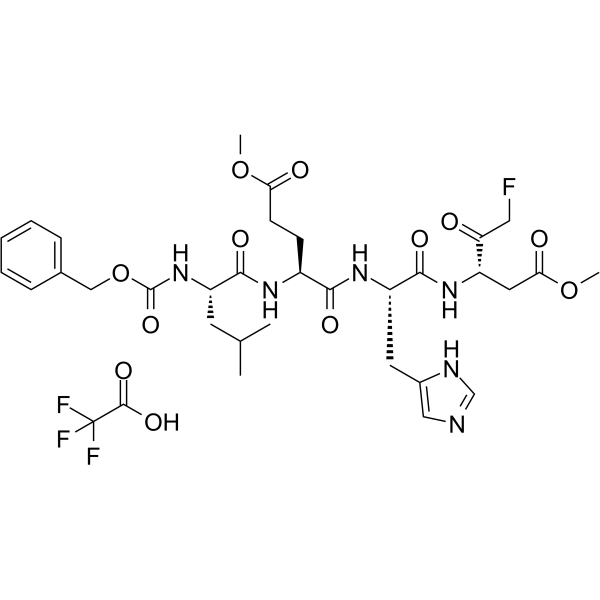
Z-LEHD-FMK TFA is a selective and irreversible inhibitor of caspase-9, protects against lethal reperfusion injury and attenuates apoptosis. Z-LEHD-FMK TFA exhibits the neuroprotective effect in a rat model of spinal cord trauma .
|
-
-
- HY-149820
-
|
|
Monoamine Oxidase
|
Neurological Disease
|
|
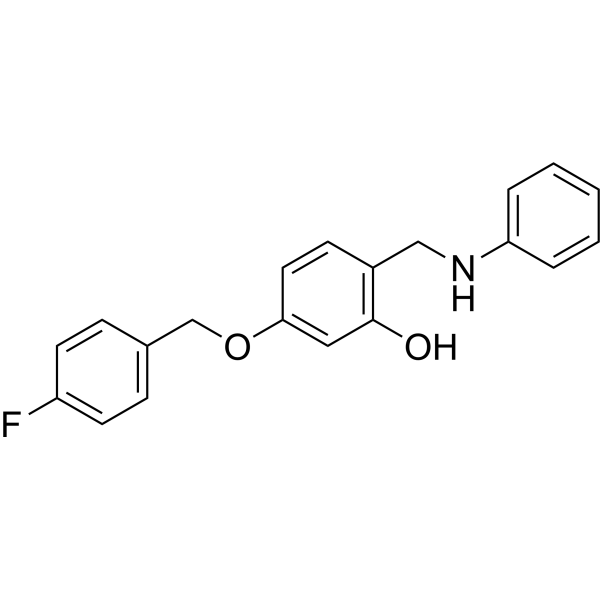
MAO-B-IN-22 (compound 6h) is a potent MAO-B inhibitor with an IC50 of 0.014 μM. MAO-B-IN-22 has high antioxidant activity, good metal chelating ability, proper BBB permeability and significant neuroprotective effect .
|
-
-
- HY-B0034S1
-
|
E2020-d4
|
Cholinesterase (ChE)
|
Neurological Disease
|
|
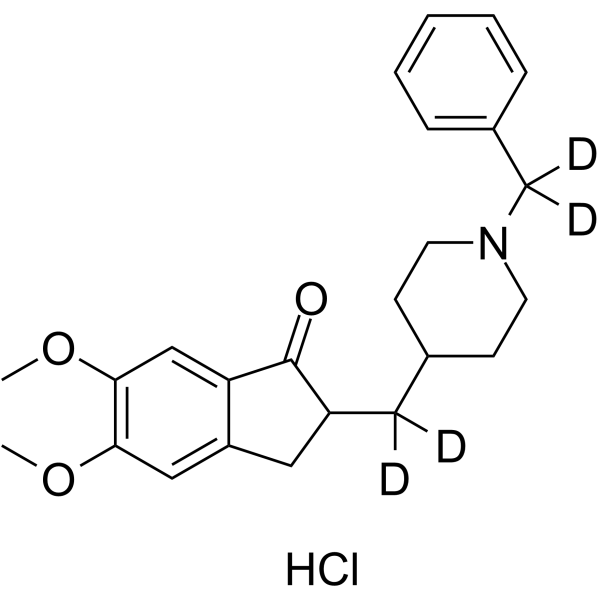
Donepezil-d4 (hydrochloride) is the deuterium labeled Donepezil hydrochloride. Donepezil Hydrochloride (E2020) is a reversible, selective AChE inhibitor with an IC50 of 6.7 nM for AChE activity. Donepezil shows high selectivity for AChE over BuChE . Donepezil exhibits neuroprotective effect on Aβ42 neurotoxicity .
|
-
-
- HY-N3489
-
|
|
Others
|
Neurological Disease
|
|
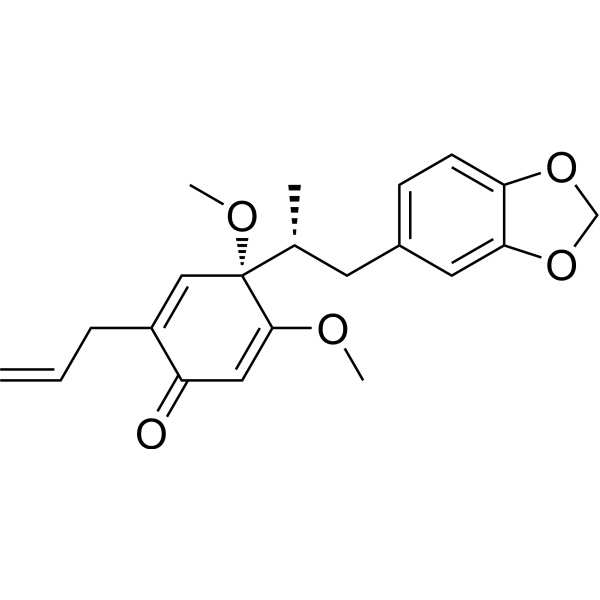
Isodihydrofutoquinol B (compound 9), an active compound, can be isolated from the stems of Piper kadsura (Choisy) Ohwi. Isodihydrofutoquinol B has A neuroprotective effect on Aβ25-35-induced PC12 cell damage with E50 values of 3.06-29.3μM .
|
-
-
- HY-Y0892R
-
-

-
- HY-P2537
-
|
|
HIV
Apelin Receptor (APJ)
|
Others
|
|
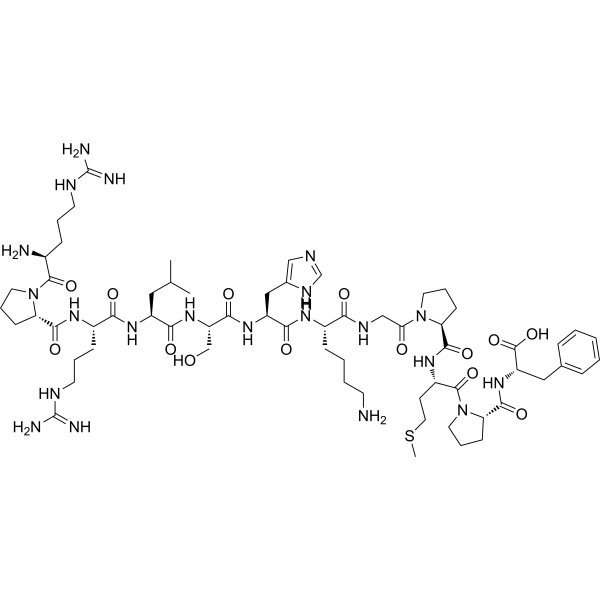
Apelin-12 is one of the most potent C-terminal fragments of the polypeptide that possesses a high affinity to orphan receptor APJ receptor. Apelin-12 is involved in the regulation of body fluid homeostasis and in the central control of feeding. Apelin-12 blocks HIV-1 entry through APJ receptor. Apelin-12 exerts neuroprotective effect .
|
-
-
- HY-B0220B
-
|
|
Antibiotic
Bacterial
|
Infection
Cancer
|
|
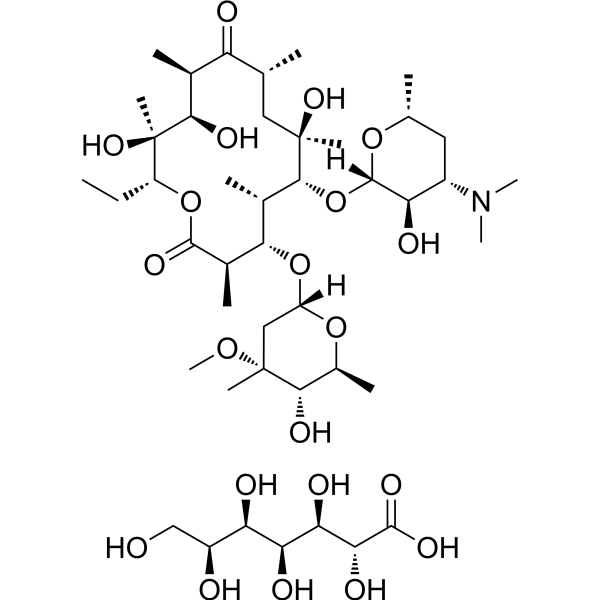
Erythromycin gluceptate is a macrolide antibiotic produced by actinomycete Streptomyces erythreus with a broad spectrum of antimicrobial activity. Erythromycin gluceptate binds to bacterial 50S ribosomal subunits and inhibits RNA-dependent protein synthesis by blockage of transpeptidation and/or translocation reactions, without affecting synthesis of nucleic acid [1][2]. Erythromycin gluceptate also exhibits antitumor and neuroprotective effect in different fields of research [3][4].
|
-
-
- HY-136094
-
-
-
- HY-N16574
-
|
|
Others
|
Others
|
|
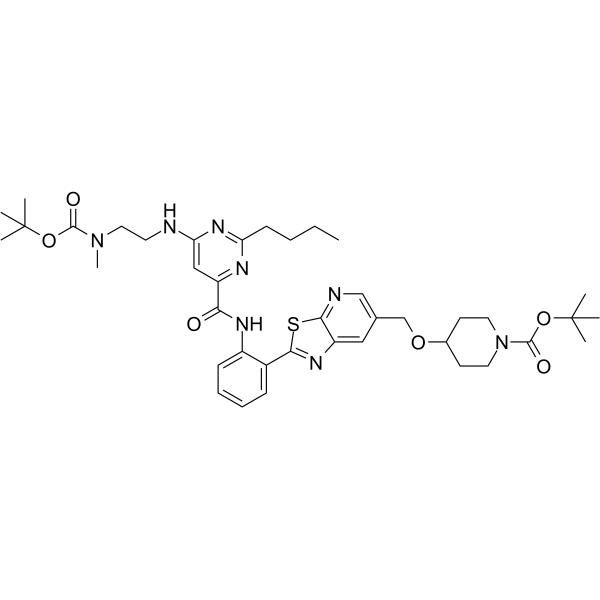
Hyperwightin C is a benzophenone glycoside. Hyperwightin C has not shown any significant neuroprotective effect .
|
-

-
- HY-P10077
-
-
-
- HY-E70197
-
|
μ-Calpain
|
Cathepsin
|
Others
|
|
Calpain-1 (pig) (μ-Calpain) is an intracellular Ca 2+-regulated cysteine protease. Calpain-1 (pig) exhibits neuroprotective effect .
|
-
-
- HY-105450
-
|
|
iGluR
|
Neurological Disease
|
|
GPI-3000 is a NMDA receptor antagonist. GPI-3000 can ameliorate metabolic injury and shows neuroprotective effect. GPI-3000 can be used for the researches of metabolic and neurological disease .
|
-

- HY-N1318R
-
-

- HY-151919
-
|
|
FAAH
|
Inflammation/Immunology
|
|
FAAH-IN-7 is a reversible and potent FAAH inhibitor with an IC50 value of 8.29 nM. FAAH-IN-7 suppresses oxidative stress in 1321N1 astrocytes and exhibits notable neuroprotective effect in ex vivo neuroinflammation model .
|
-
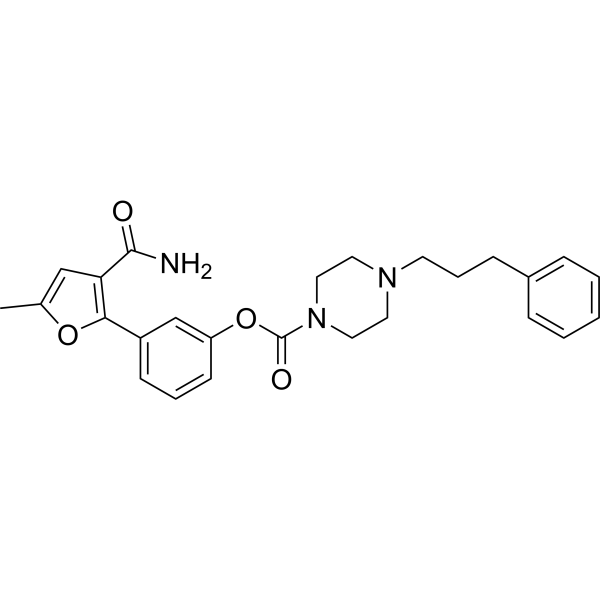
- HY-W011040
-
-
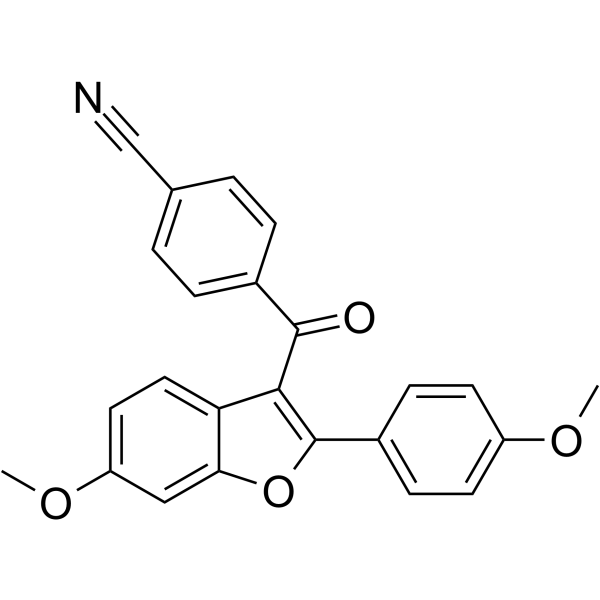
- HY-178048
-
|
|
Autophagy
|
Neurological Disease
|
|
Neuroprotective agent 13 is a brain-penetrant 1H-benzo[d]imidazoles compound with neuroprotective effect. Neuroprotective agent 13 can activate autophagy and clear SCMAS accumulation from iPSC-derived neural progenitor cells. Neuroprotective agent 13 can be used for the research of neurological disease, such as neuronal ceroid lipofuscinoses (NCLs) .
|
-

- HY-165616
-
|
|
Trk Receptor
|
Neurological Disease
|
|
NS 1231 is a neurotrophic-like compound with neuroprotective effect. NS 1231 can rescue nerve growth factor (NGF)-differentiated PC12 cells from death induced by withdrawal of trophic factors. NS 1231 can stimulate NGF-induced neurite outgrowth of undifferentiated PC12 cells. NS 1231 can be used for the research of neurological disease, such as stroke .
|
-

- HY-15981R
-
|
MK-3102 (Standard)
|
Reference Standards
Dipeptidyl Peptidase
|
Neurological Disease
Metabolic Disease
|
|
Omarigliptin (Standard) is the analytical standard of Omarigliptin. This product is intended for research and analytical applications. Omarigliptin (MK-3102) is a potent, selective, orally active and cross the blood-brain barrier dipeptidyl peptidase 4 (DPP-4) inhibitor. Omarigliptin shows anti-parkinsonian activity. Omarigliptin has the neuroprotective effect to improve diabetes-associated cognitive dysfunction .
|
-

- HY-B0220E
-
|
|
Bacterial
Antibiotic
DNA/RNA Synthesis
|
Infection
Cancer
|
|
Erythromycin A dihydrate is a macrolide antibiotic produced by actinomycete Streptomyces erythreus with a broad spectrum of antimicrobial activity. Erythromycin A dihydrate binds to bacterial 50S ribosomal subunits and inhibits RNA-dependent protein synthesis by blockage of transpeptidation and/or translocation reactions, without affecting synthesis of nucleic acid [1][2]. Erythromycin A dihydrate also exhibits antitumor and neuroprotective effect in different fields of research [3][4].
|
-
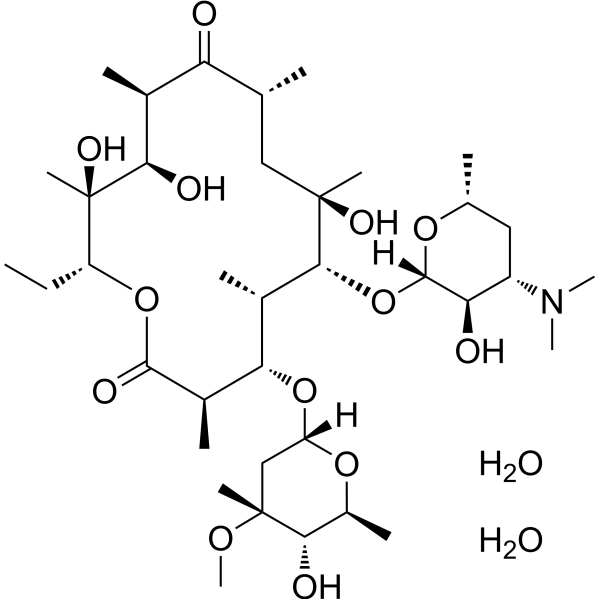
- HY-108875
-
|
|
Antibiotic
Bacterial
DNA/RNA Synthesis
|
Infection
Cancer
|
|
Erythromycin stearate is a macrolide antibiotic produced by actinomycete Streptomyces erythreus with a broad spectrum of antimicrobial activity. Erythromycin stearate binds to bacterial 50S ribosomal subunits and inhibits RNA-dependent protein synthesis by blockage of transpeptidation and/or translocation reactions, without affecting synthesis of nucleic acid [1][2]. Erythromycin stearate also exhibits antitumor and neuroprotective effect in different fields of research [3][4].
|
-
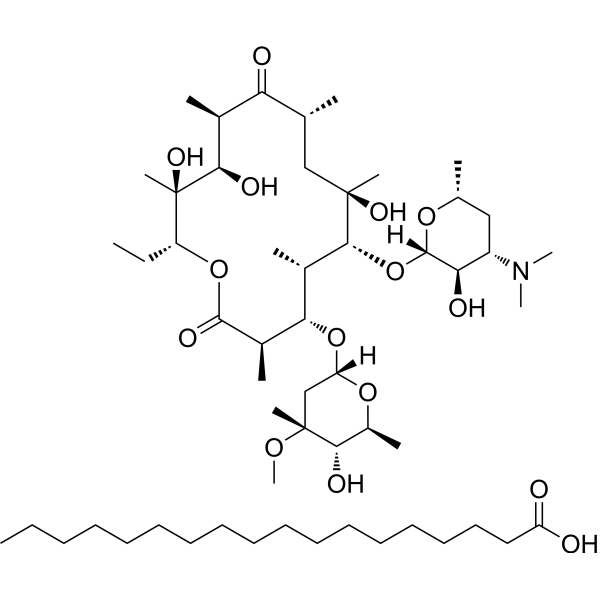
- HY-N10967
-
|
|
Others
|
Neurological Disease
|
|
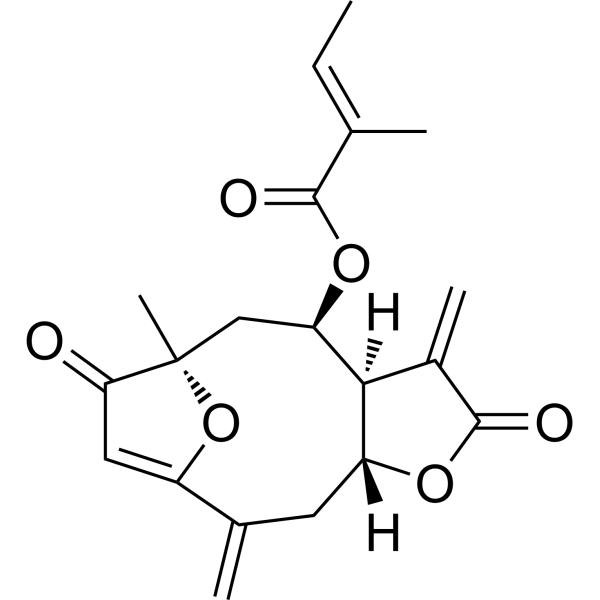
Isoatriplicolide tiglate is a bioactive sesquiterpene lactone. Isoatriplicolide tiglate can be isolated from Paulownia coreana. Isoatriplicolide tiglate has neuroprotective effect .
|
-
- HY-110097R
-
|
CNS 1102 (Standard)
|
iGluR
Reference Standards
|
Neurological Disease
|
|
Aptiganel (hydrochloride) (Standard) is the analytical standard of Aptiganel (hydrochloride). This product is intended for research and analytical applications. Aptiganel hydrochloride (Cerestat) is a non-competitive NMDA receptor antagonist with neuroprotective effect.
|
-

- HY-124925
-
|
(-)-Isoeburnamine; (-)-epi-Eburnamine
|
Sodium Channel
|
Neurological Disease
|
|
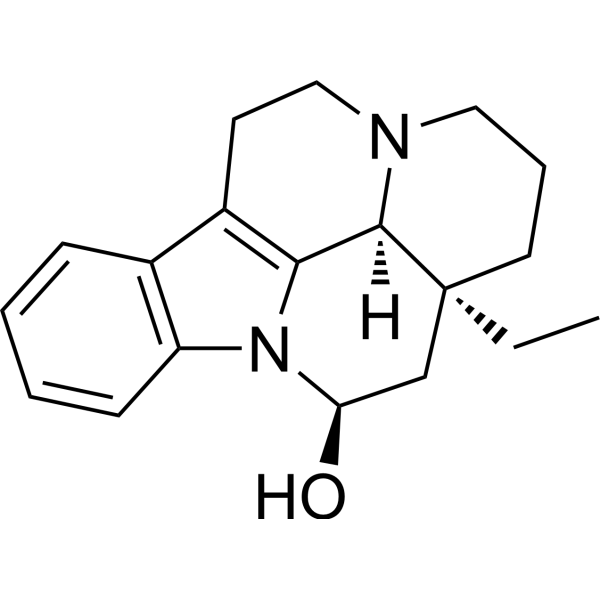
Vincanol ((-)-Isoeburnamine) is a blocker of voltage-gated Na+ channels. Vincanol blocks Na + currents with an IC50 value of 40 μM. Vincanol has neuroprotective effect .
|
-
- HY-162020
-
-
- HY-N1318S
-
-
- HY-N3563
-
|
|
Others
|
Neurological Disease
|
|
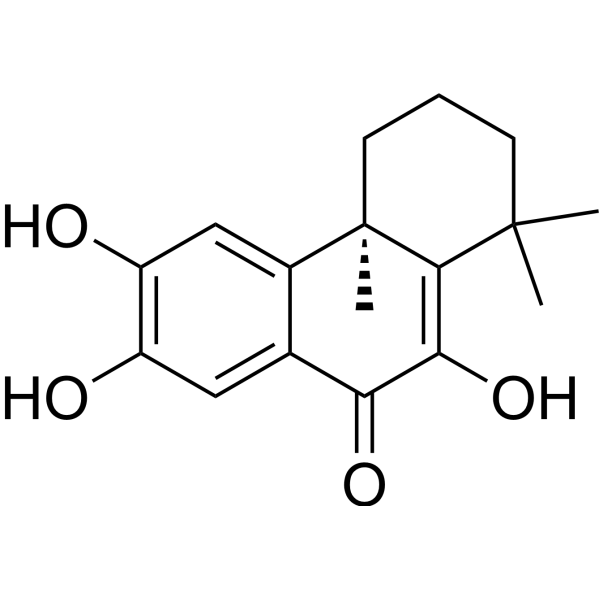
Celaphanol A is a diterpene that can be isolated from the root bark of Celastrus orbiculatus. Celaphanol A shows neuroprotective effect against a hydrogen peroxide-induced cytotoxicity in PC12 cells .
|
-
- HY-N0532R
-
-

- HY-106968
-
|
|
iGluR
|
Neurological Disease
|
|
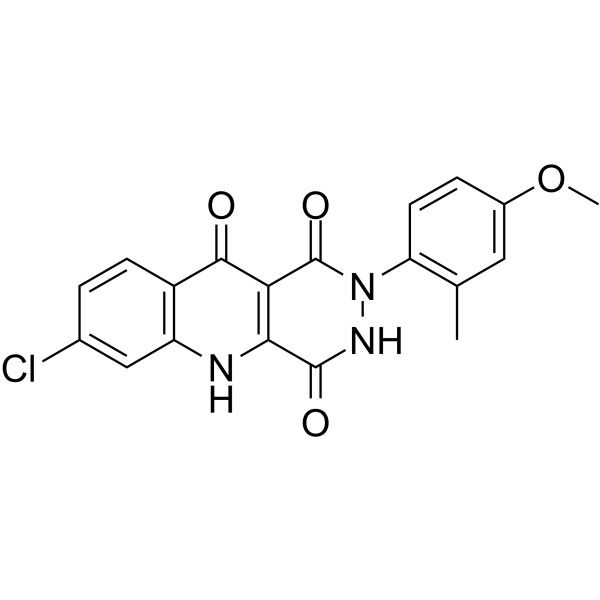
ZD-9379 is a potent, orally active, and brain penetrant full antagonist at the glycine site of the NMDA receptor. ZD-9379 has neuroprotective effect .
|
-
- HY-105472
-
-

- HY-108200
-
-

- HY-10399B
-
|
TV-3279
|
Cholinesterase (ChE)
|
Neurological Disease
|
|
(S)-Ladostigil (TV-3279), the S-enantiomer of TV 3326 (HY-10399), is a ChE inhibitor with poor MAO-B inhibitory activity. (S)-Ladostigil has neuroprotective effect
|
-

- HY-N3117
-
|
(+)-Paeonilactone B
|
Others
|
Neurological Disease
|
|
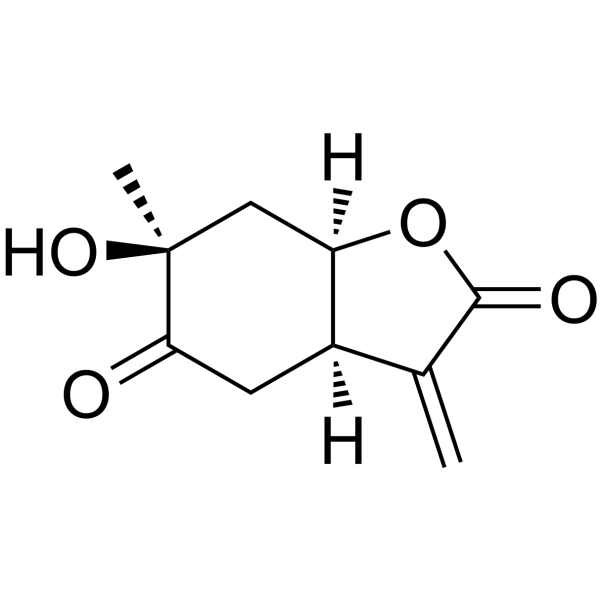
Paeonilactone B is a monoterpene with neuroprotective effect against oxidative stress. Paeonilactone B protects rat cortical cells against H2O2-induced neurotoxicity .
|
-
- HY-145888
-
|
|
Amyloid-β
|
Neurological Disease
|
|
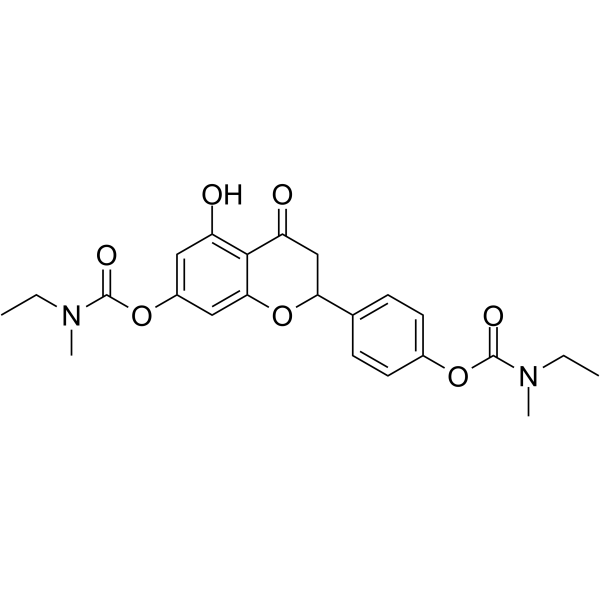
Antioxidant agent-2 (comp 3c), an BBB-penetrated antioxidant agent and a selective metal ions chelator, presents good neuroprotective effect and hepatoprotective effect for the study of Alzheimer’s disease .
|
-
- HY-162165
-
|
|
Lipoxygenase
|
Neurological Disease
|
|
Neuroprotective agent 4 (compound 24a) is a novel and effective small molecule antioxidant. Neuroprotective agent 4 has a neuroprotective effect. Neuroprotective agent 4 can be used in the study of ischemic stroke and related diseases .
|
-
- HY-118022
-
|
|
mGluR
|
Neurological Disease
|
|
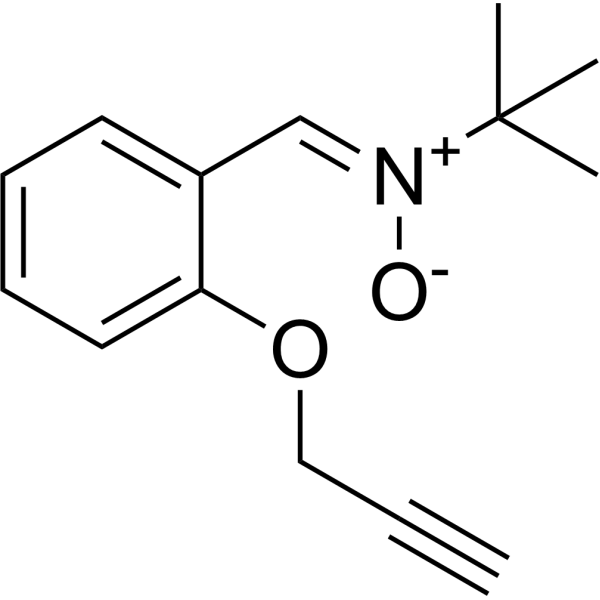
VU0361747 is a potent and selective positive allosteric modulator of metabotropic glutamate receptor 4 (mGluR4 PAM). VU0361737 has neuroprotective effect. VU0361737 significantly reverses Amphetamine-induced hyperlocomotion in vivo .
|
-
- HY-162363
-
|
|
PARP
|
Neurological Disease
|
|
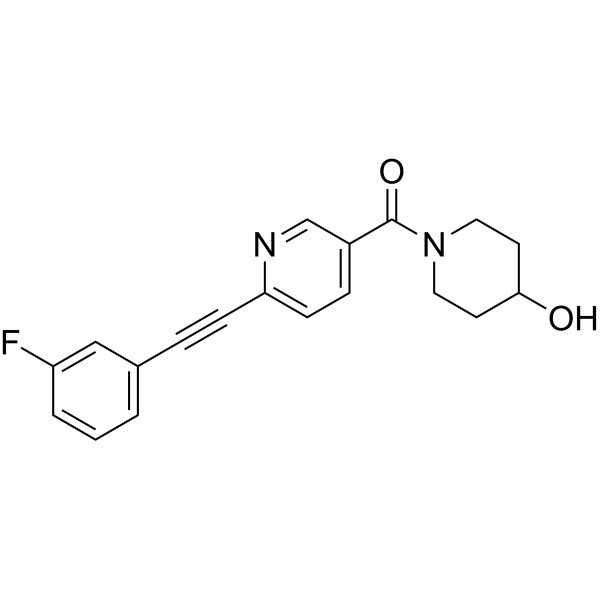
MD6a is a melatonin derivative with inhibitroy activity towards PARP-1, which maintains proteins hemostasis and improves mitochondrial function through TOR/HSF-1 signaling. MD6a a neuroprotective effect .
|
-
- HY-149268
-
|
|
JNK
|
Neurological Disease
|
|
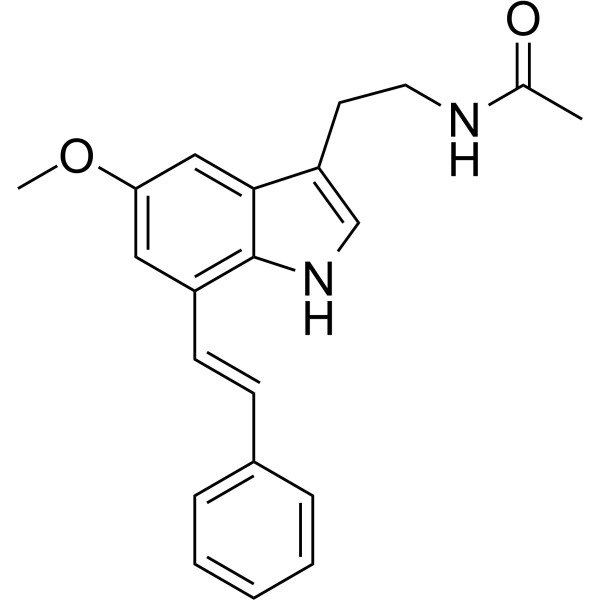
JNK3 inhibitor-6 (Compound A53) is a selective JNK3 Inhibitor (IC50=78 nM). JNK3 inhibitor-6 has neuroprotective effect, and can used for research of neurodegenerative diseases .
|
-
- HY-P2113
-
|
|
Melanocortin Receptor
|
Neurological Disease
|
|
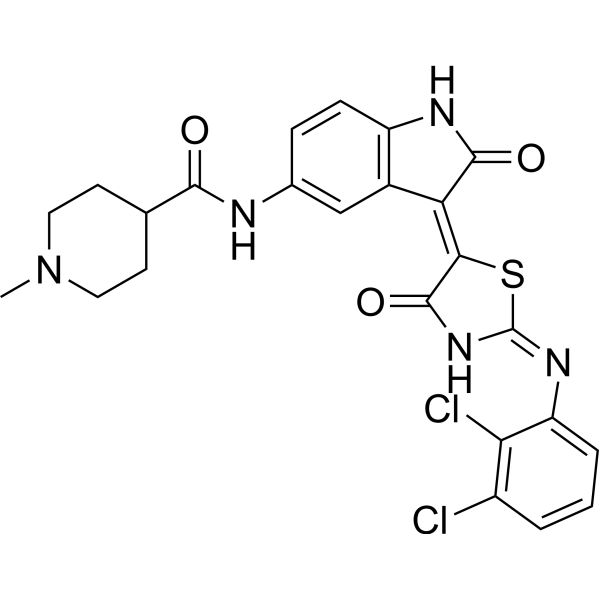
ORG-2766 is an adrenocorticotropic hormone ACTH 4-9 analog and neurotrophic peptide. ORG-2766 affects behavioral processes such as memory and attention in animals, improving symptoms in rats with experimental allergic neuritis. ORG-2766 has a neuroprotective effect .
|
-

- HY-173449
-
|
|
TRP Channel
|
Neurological Disease
|
|
TRPM2-IN-1 (compound D10) is a potent TRPM2 inhibitor. TRPM2-IN-1 exhibits antistroke activity and significant neuroprotective effect. TRPM2-IN-1 can be used in the study of ischemic stroke .
|
-

- HY-W230975
-
|
(E/Z)-Bioperine; (E/Z)-1-Piperoylpiperidine
|
Cytochrome P450
P-glycoprotein
|
Neurological Disease
Inflammation/Immunology
Cancer
|
|
(E/Z)-Piperine ((E/Z)-Bioperine) is an alkaloid with a pungent property. (E/Z)-Piperine shows anti-inflammation, immunomodulatory and anti-cancer, antispasmodic and anti-secretory effects. (E/Z)-Piperine demonstrates significant neuroprotective effect in Alzheimer’s disease and Parkinson’s disease .
|
-

- HY-100927R
-
|
Ro 20-174 (Standard)
|
Reference Standards
Phosphodiesterase (PDE)
|
Neurological Disease
|
|
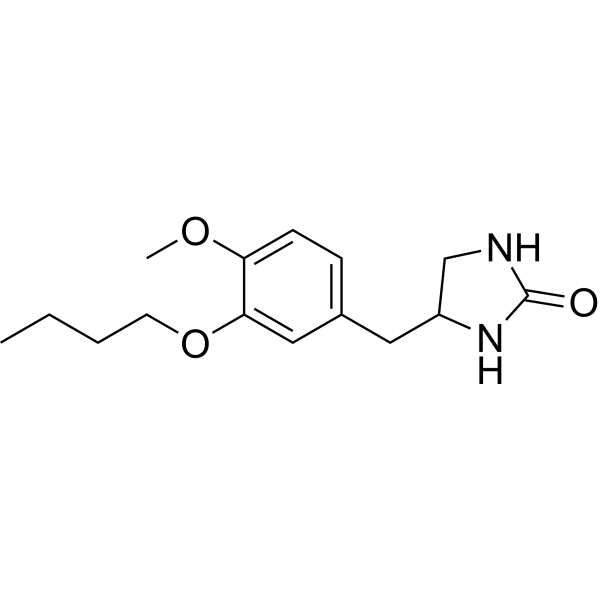
Ro 20-1724 (Standard) is the analytical standard of Ro 20-1724. This product is intended for research and analytical applications. Ro 20-1724 (Ro 20-174) is a potent inhibitor of cAMP-specific phosphodiesterase (PDE4/PDE IV) with a Ki of 1930 nM. Neuroprotective effect .
|
-

- HY-161029
-
|
|
Cholinesterase (ChE)
|
Neurological Disease
|
|
T14-A24 is an orally active, reversible, competitive, and selective AChE inhibitor (Ki=22 nM, IC50=6 nM). T14-A24 has benign BBB penetration, remarkable neuroprotective effect, and safe toxicological profile .
|
-
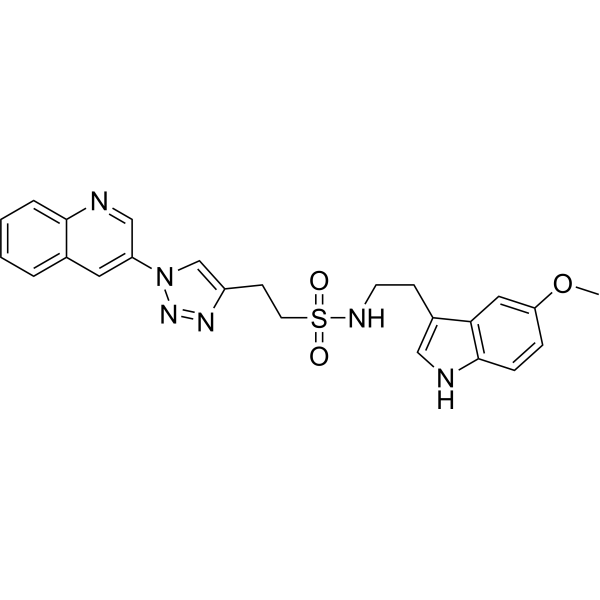
- HY-B0034R
-
|
E2020 (Standard)
|
Reference Standards
Cholinesterase (ChE)
|
Neurological Disease
Cancer
|
|
Donepezil (Hydrochloride) (Standard) is the analytical standard of Donepezil (Hydrochloride). This product is intended for research and analytical applications. Donepezil Hydrochloride (E2020) is a reversible, selective AChE inhibitor with an IC50 of 6.7 nM for AChE activity. Donepezil shows high selectivity for AChE over BuChE . Donepezil exhibits neuroprotective effect on Aβ42 neurotoxicity .
|
-

- HY-163382
-
|
|
Beta-lactamase
Cholinesterase (ChE)
Amyloid-β
|
Neurological Disease
|
|
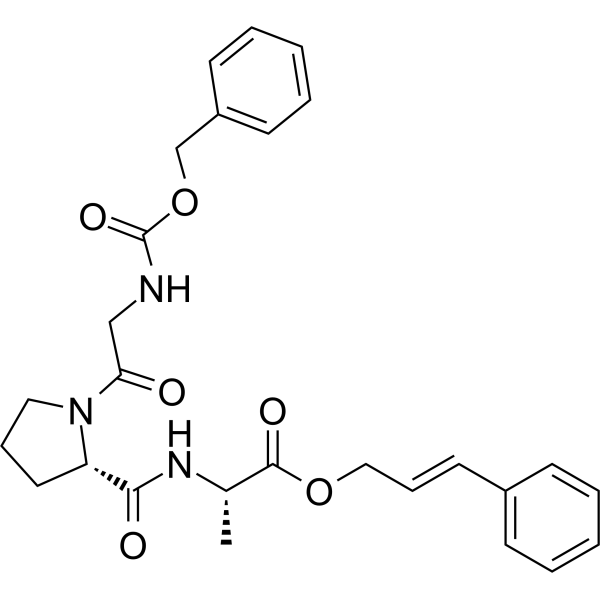
Cbz-Gly-Pro-Ala-O-cinnamyl (compound 25) is a small peptide targeting BACE-1 and AChE with the IC50 values of 0.02 μM and 1 μM, respectively. Cbz-Gly-Pro-Ala-O-cinnamyl shows neuroprotective effect and can be used for study of Alzheimer’s disease .
|
-
- HY-163885
-
SSZ
1 Publications Verification
|
Cholinesterase (ChE)
Beta-secretase
γ-secretase
|
Neurological Disease
|
|
SSZ is a multi-target inhibitor, which targets multiple pathological mechanisms of Alzheimer's disease (AD). SSZ targets acetylcholinesterase, butyrylcholinesterase, β-site amyloid precursor protein cleavage enzyme 1 (BACE1), and γ-secretase. SSZ ameliorates Alzheimer’s diseases and exhibits neuroprotective effect in mice .
|
-

- HY-162756
-
|
|
Casein Kinase
|
Neurological Disease
|
|
CK1-IN-4 (Compound 59) is an inhibitor for casein kinase CK1δ with IC50 of 2.74 μM. CK1-IN-4 exhibits neuroprotective effect in Ethacrynic acid (HY-B1640)-treated SH-SY5Y cells .
|
-

- HY-P10630
-
|
|
Amyloid-β
|
Neurological Disease
|
|
Pep63 is a neuroprotective peptide (VFQVRARTVA). Pep63 has a neuroprotective effect on synaptic plasticity and memory. Pep63 can competitively bind with Aβ1-42 oligomers, and can block Aβ fiber formation. Pep63 can be used for Alzheimer’s disease (AD) research .
|
-

- HY-114270
-
|
|
GSK-3
|
Neurological Disease
|
|
JGK-263 is an orally active Glycogen synthase kinase-3β (GSK-3β) inhibitor. JGK-263 exhibits neuroprotective effect and can improve motor function. JGK-263 can be used for the research of neurological disease, such as amyotrophic lateral sclerosis (ALS) .
|
-

- HY-178052
-
|
|
Autophagy
|
Neurological Disease
|
|
Neuroprotective agent 14 is a brain-penetrant 1H-benzo[d]imidazoles compound with neuroprotective effect. Neuroprotective agent 14 can activate autophagy and clear SCMAS accumulation from iPSC-derived neural progenitor cells. Neuroprotective agent 14 can be used for the research of neurological disease, such as neuronal ceroid lipofuscinoses (NCLs) .
|
-

- HY-144695
-
|
|
DYRK
|
Neurological Disease
|
|
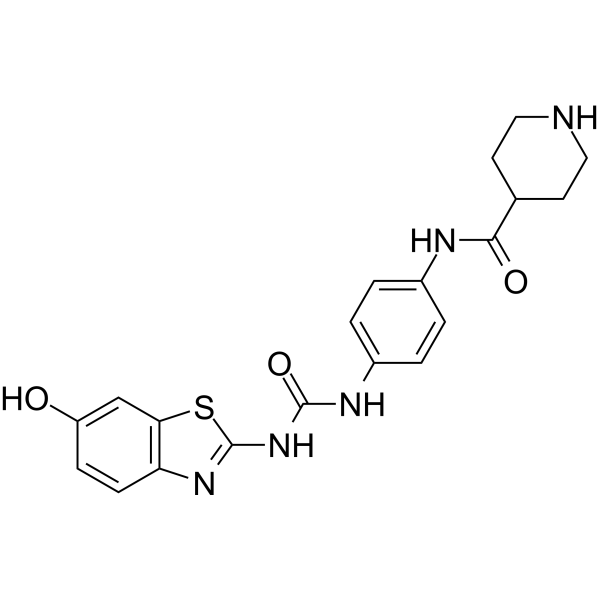
Dyrk1A/α-synuclein-IN-1 (Compound b1) is a dual Dyrk1A and α-synuclein aggregation inhibitor with IC50 values of 177 nM and 10.5 µM, respectively. Dyrk1A/α-synuclein-IN-1 has high predictive CNS penetration and neuroprotective effect .
|
-
- HY-144696
-
|
|
DYRK
|
Neurological Disease
|
|
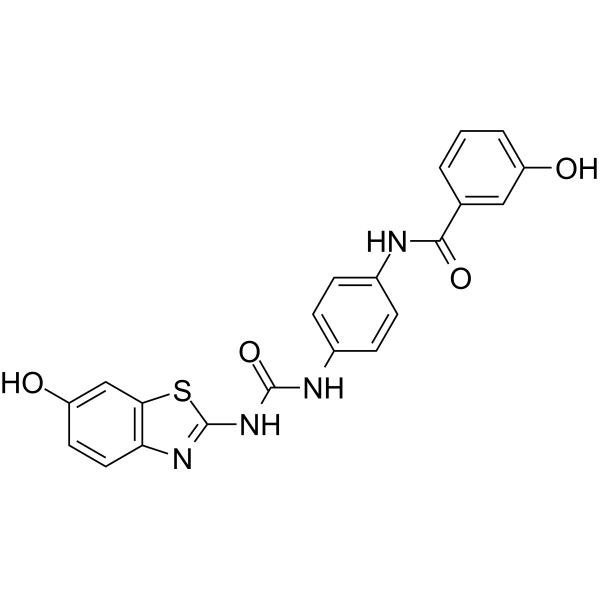
Dyrk1A/α-synuclein-IN-2 (Compound b20) is a dual Dyrk1A and α-synuclein aggregation inhibitor with an IC50 of 7.8 µM for α-synuclein. Dyrk1A/α-synuclein-IN-2 has high predictive CNS penetration and neuroprotective effect .
|
-
- HY-170562
-
|
|
Reactive Oxygen Species (ROS)
Apoptosis
|
Neurological Disease
|
|
STEP-IN-1 (Compound 14b) is a potent and selective STEP inhibitor with an IC50 of 5.27 μM. STEP-IN-1 has a neuroprotective effect, which can protect nerve cells from glutamate-induced toxicity, reduce cellular ROS accumulation, and inhibit apoptosis. STEP-IN-1 can be used in the study of neurodegenerative diseases .
|
-

- HY-N10384
-
|
|
Cholinesterase (ChE)
|
Neurological Disease
|
|
AChE-IN-17 (compound 1) is a potent AChE inhibitor with an IC50 value of 28.98 μM. AChE-IN-17 can significantly prevent H2O2-induced PC12 cell death, exhibiting excellent neuroprotective effect. AChE-IN-17 can be used for researching neurodegenerative diseases (NDs) .
|
-
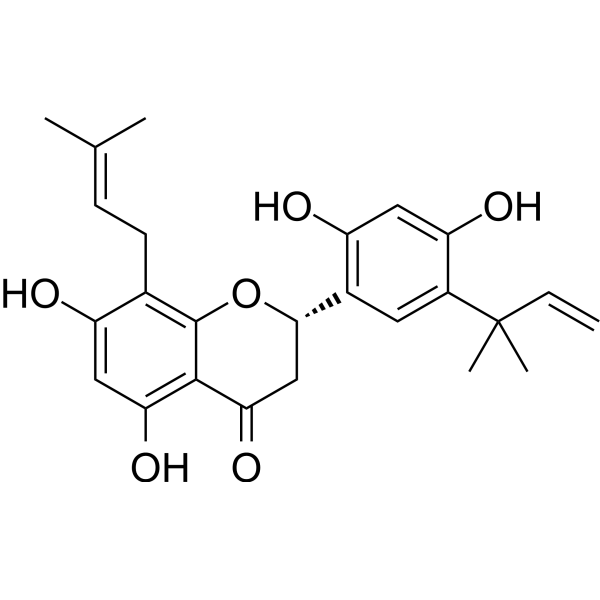
- HY-B0220C
-
|
|
Antibiotic
Bacterial
DNA/RNA Synthesis
|
Infection
Cancer
|
|
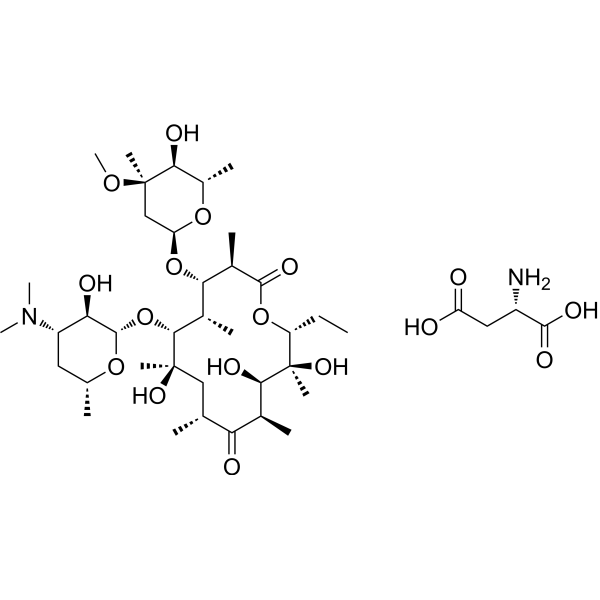
Erythromycin aspartate is a macrolide antibiotic produced by actinomycete?Streptomyces erythreus?with a broad spectrum of antimicrobial activity. Erythromycin aspartate binds to bacterial 50S ribosomal subunits and inhibits?RNA-dependent protein synthesis?by blockage of transpeptidation and/or translocation reactions, without affecting synthesis of nucleic acid [1][2]. Erythromycin aspartate also exhibits antitumor and neuroprotective effect in different fields of research [3][4].
|
-
- HY-B0220F
-
|
|
Bacterial
Antibiotic
DNA/RNA Synthesis
|
Infection
Cancer
|
|
Erythromycin glutamate is a macrolide antibiotic produced by actinomycete Streptomyces erythreus with a broad spectrum of antimicrobial activity. Erythromycin glutamate binds to bacterial 50S ribosomal subunits and inhibits RNA-dependent protein synthesis by blockage of transpeptidation and/or translocation reactions, without affecting synthesis of nucleic acid [1][2]. Erythromycin glutamate also exhibits antitumor and neuroprotective effect in different fields of research [3][4].
|
-

- HY-W777527
-
|
|
Isotope-Labeled Compounds
Cannabinoid Receptor
|
Neurological Disease
|
|
AM404-d4 is the deuterium labeled AM404 (HY-101388). AM404, an inhibitor of endocannabinoid reuptake, blocks anandamide transport with IC50 values in the low micromolar range . AM404 is able to relax rat isolated hepatic arteries contracted with Phenylephrine, with a pEC50 value of 7.4 (corresponding to an EC50 of 0.04 μM). Neuroprotective Effect .
|
-

- HY-105340
-
|
|
iGluR
|
Neurological Disease
|
|
MDL 27266 is an orally active NMDA receptor antagonist with neuroprotective effect. MDL 27266 is a broad-spectrum anticonvulsant agent .
|
-

- HY-101375R
-
|
|
mGluR
Reference Standards
|
Neurological Disease
|
|
(RS)-APICA (Standard) is the analytical standard of (RS)-APICA (HY-101375). This product is intended for research and analytical applications. (RS)-APICA is a selective group II metabotropic glutamate receptor (mGluR II) antagonist. (RS)-APICA shows potential neuroprotective effect .
|
-

- HY-168169
-
|
|
Monoamine Oxidase
|
Neurological Disease
|
|
hMAO-B-IN-10 (compound 7) is an inhibitor of MAO-A/B with IC50 of 424.1 nM and 177.9 nM, respectively. hMAO-B-IN-10 exerts a certain neuroprotective effect in MPTP (HY-15608)-induced mouse PD model. .
|
-

- HY-173142
-
|
|
Drug Derivative
|
Neurological Disease
|
|
Neuroprotective agent 7 (Compound 13) is a BBB-penetrable neuroprotective agent. Neuroprotective agent 7 has a powerful neuroprotective effect and can reduce the cerebral infarct area in the MCAO rat model. Neuroprotective agent 7 can be used in the research of diseases such as cerebral ischemia .
|
-

- HY-59208R
-
|
Kynurine (Standard)
|
Endogenous Metabolite
Reference Standards
|
Neurological Disease
Cancer
|
|
4-Quinolinol (Standard) is the analytical standard of 4-Quinolinol. This product is intended for research and analytical applications. 4-Quinolone (Kynurine) is a quinoline derivative. Kynurine pathway modulates tryptophan metabolism and involves in neuroprotective effect. Kynurine promotes tumor cell survival and motility by suppressing antitumor immune .
|
-

- HY-180113
-
|
|
Cholinesterase (ChE)
|
Neurological Disease
|
|
AChE-IN-100 (Compound 5n) is an AChE inhibitor with an IC50 of 2.38 nM. AChE-IN-100 shows superior ROS-scavenging capabilities. AChE-IN-100 has antioxidant capacity. AChE-IN-100 shows a significant neuroprotective effect against hydrogen peroxide-induced damage. AChE-IN-100 can be used in the research of Alzheimer’s diseases .
|
-

- HY-N0801
-
|
|
MMP
Cholinesterase (ChE)
|
Neurological Disease
Inflammation/Immunology
|
|
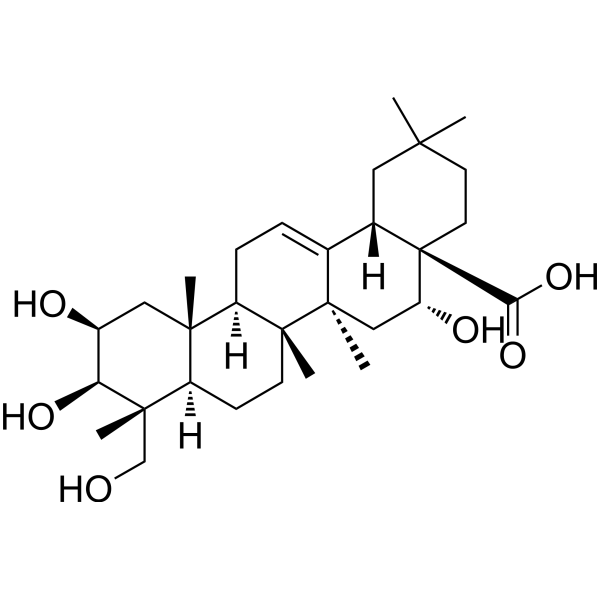
Polygalacic acid, is a triterpene, isolated from the root of Polygala tenuifolia Willd. Polygalacic acid inhibits MMP expression. Polygalacic acid may have a therapeutic effect in Osteoarthritis (OA) treatment .
Polygalacic acid exerts a significant neuroprotective effect on cognitive impairment, PA improves cholinergic system reactivity by inhibiting acetylcholinesterase (AChE) activity, increasing choline acetyltransferase (ChAT) activity, and elevating levels of acetylcholine (Ach) in the hippocampus and frontal cortex .
|
-
- HY-161665
-
|
|
iGluR
|
Neurological Disease
|
|
BDZ-P7 inhibits AMPA receptor GluA2, GluA1/2, GluA2/3, and GluA1 subunit with IC50s of 3.03 μM, 3.14 μM, 3.19 μM, 3.2 μM. BDZ-P7 has neuroprotective effect and reinstates locomotor abilities in a mouse model of Parkinson’s disease .
|
-

- HY-B0553R
-
-

- HY-B0910
-
|
Pyritinol; Pyridoxine disulfide; Vitamin B6 disulfide
|
Drug Derivative
|
Neurological Disease
Metabolic Disease
Inflammation/Immunology
Cancer
|
|
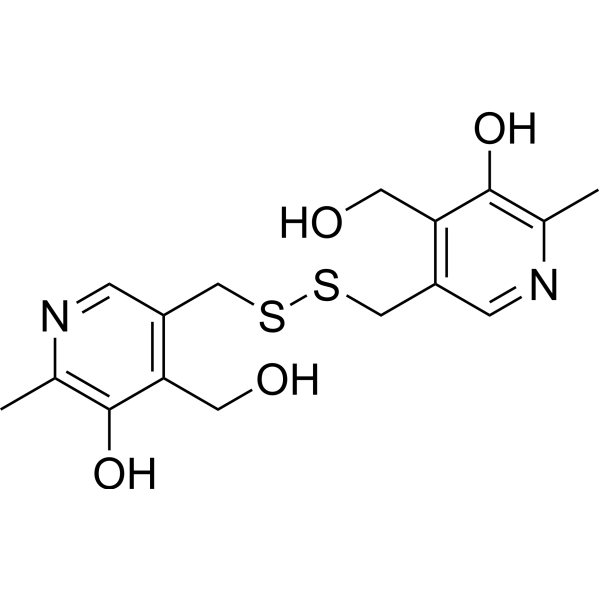
Pyrithioxin (Pyritinol) is an orally active neurodynamic compound. Pyrithioxin can promote the metabolism of glucose and amino acids, increase carotid blood flow and improve cerebral blood flow. Pyrithioxin exhibits anti-inflammation, anti-tumor and neuroprotective effect. Pyrithioxin can be used for the researches of cancer, inflammation, immunology, metabolic and neurological disease such as cerebral infarct, epilepsy, fibrosarcomas and rheumatoid polyarthritis .
|
-
- HY-105500
-
|
|
Sodium Channel
|
Neurological Disease
|
|
BW-1003C87 Ethylsulfate is a glutamate release inhibitor. BW-1003C87 Ethylsulfate exhibit neuroprotective effect. BW-1003C87 Ethylsulfate can elevate seizure threshold. BW-1003C87 Ethylsulfate can be used for the research of neurological disease, such as ischemic and seizure .
|
-

- HY-N0405
-
|
|
TNF Receptor
Interleukin Related
|
Neurological Disease
Cancer
|
|
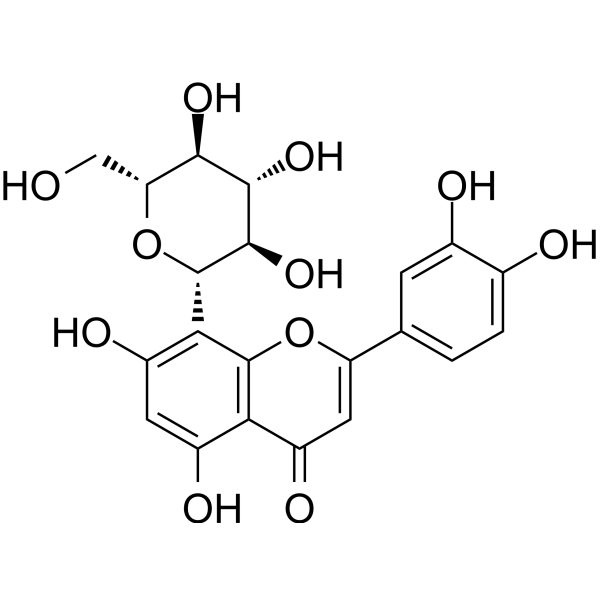
Orientin is a neuroprotective agentinhibits which has anti-inflammation, anti-oxidative, anti-tumor, and cardio protection properties. Orientin inhibits the levels of IL-6, IL-1β and TNF-α. Orientin increases IL-10 level. Orientin exhibits neuroprotective effect by inhibits TLR4 and NF-kappa B signaling pathway. Orientin can used in study neuropathic pain .
|
-
- HY-N5134
-
|
5'-GMP; 5'-guanosine monophosphate
|
Endogenous Metabolite
iGluR
|
Neurological Disease
Metabolic Disease
|
|
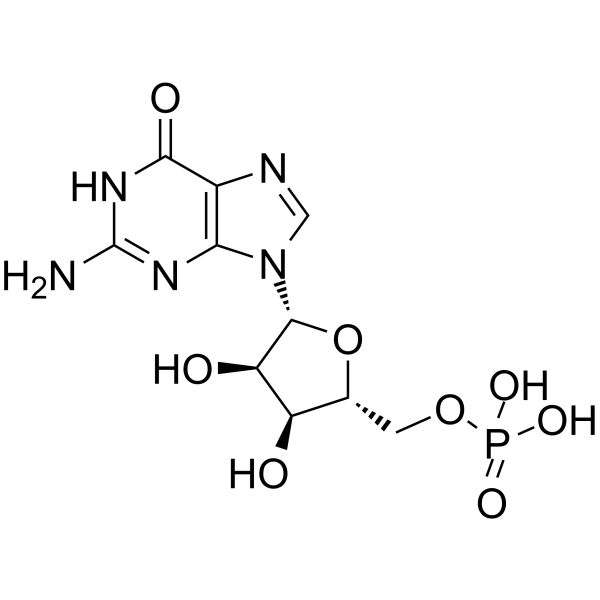
5'-Guanylic acid is a purine nucleotide that participates in physiological processes such as energy metabolism, signal transduction, and gene expression regulation. 5'-Guanylic acid regulates the expression of genes related to fatty acid metabolism. 5'-Guanylic acid is the weak agonist for ionotropic glutamate receptors (iGluR), reduces the activity of the glutamatergic system and exhibits neuroprotective effect. 5'-Guanylic acid also causes neuronal cell death at high concentrations .
|
-
- HY-106652
-
|
|
Apoptosis
Reactive Oxygen Species (ROS)
|
Neurological Disease
|
|
SUN-N8075 dimethanesulfonate is a radical scavenger with antioxidant and neuroprotective effect. SUN-N8075 dimethanesulfonate can inhibit apoptosis and ROS production. SUN-N8075 dimethanesulfonate can protect against 6-OHDA (HY-B1081)-induced cell death. SUN-N8075 dimethanesulfonate can be used for the research of neurological disease, such as Parkinson's disease .
|
-

- HY-B0220S2
-
|
|
Bacterial
DNA/RNA Synthesis
Antibiotic
|
Infection
|
|
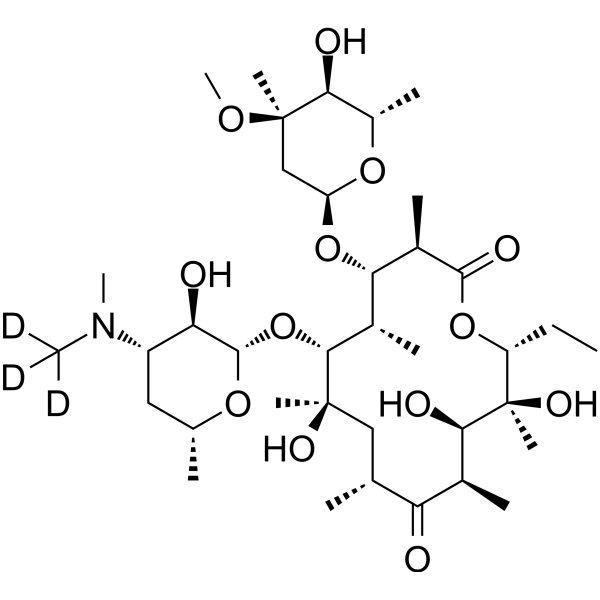
Erythromycin-d3 is the deuterium labeled Erythromycin . Erythromycin is a macrolide antibiotic produced by actinomycete Streptomyces erythreus with a broad spectrum of antimicrobial activity. Erythromycin binds to bacterial 50S ribosomal subunits and inhibits RNA-dependent protein synthesis by blockage of transpeptidation and/or translocation reactions, without affecting synthesis of nucleic acid. Erythromycin also exhibits antitumor and neuroprotective effect in different fields of research .
|
-
- HY-157394
-
|
|
Cholinesterase (ChE)
|
Inflammation/Immunology
|
|
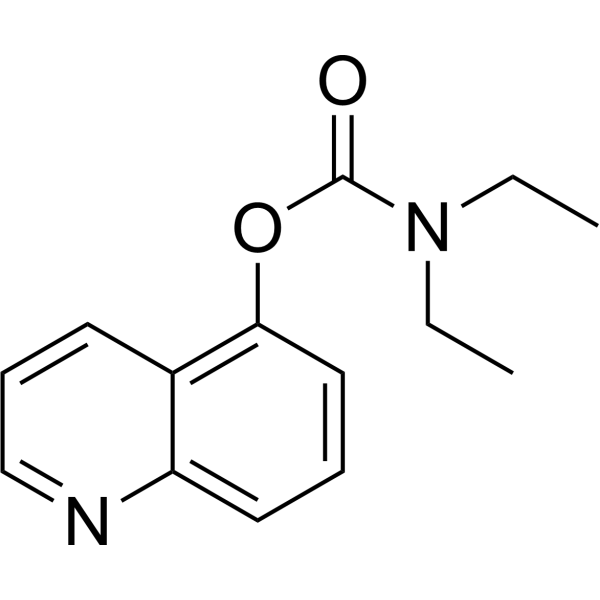
eeAChE/eqBuChE-IN-1 (compound 3F) is a reversible dual eeAChE/eqBuChE inhibitor with IC50s of 1.3?μM and 0.81?μM, respectively. eeAChE/eqBuChE-IN-1 exhibits anti-inflammatory activity. eeAChE/eqBuChE-IN-1 also shows neuroprotective effect on Aβ25-35-induced PC12 cell injury .
|
-
- HY-N5134R
-
|
5'-GMP (Standard); 5'-guanosine monophosphate (Standard)
|
Reference Standards
Endogenous Metabolite
|
|
|
5'-Guanylic acid is a purine nucleotide that participates in physiological processes such as energy metabolism, signal transduction, and gene expression regulation. 5'-Guanylic acid regulates the expression of genes related to fatty acid metabolism. 5'-Guanylic acid is the weak agonist for ionotropic glutamate receptors (iGluR), reduces the activity of the glutamatergic system and exhibits neuroprotective effect. 5'-Guanylic acid also causes neuronal cell death at high concentrations .
|
-

- HY-19382
-
|
|
SOD
ERK
Reactive Oxygen Species (ROS)
|
Neurological Disease
|
|
EUK-189 is a synthetic superoxide dismutase (SOD) and catalase mimetic. EUK-189 can block oxygen/glucose deprivation (OGD)-induced ERK1/2 dephosphorylation, ATP depletion and eliminate ROS production. EUK-189 exhibits neuroprotective effect and can inhibit delayed radiation injury. EUK-189 can be used for the research of neurological disease, such as ischemic stroke .
|
-

- HY-B0220R
-
|
|
Reference Standards
Bacterial
Antibiotic
DNA/RNA Synthesis
|
Infection
Cancer
|
|
Erythromycin (Standard) is the analytical standard of Erythromycin. This product is intended for research and analytical applications. Erythromycin is a macrolide antibiotic produced by actinomycete?Streptomyces erythreus?with a broad spectrum of antimicrobial activity. Erythromycin binds to bacterial 50S ribosomal subunits and inhibits?RNA-dependent protein synthesis?by blockage of transpeptidation and/or translocation reactions, without affecting synthesis of nucleic acid . Erythromycin also exhibits antitumor and neuroprotective effect in different fields of research .
|
-
- HY-B1899S
-
|
Taurodeoxycholate-d5
|
Isotope-Labeled Compounds
Endogenous Metabolite
Apoptosis
|
Others
|
|
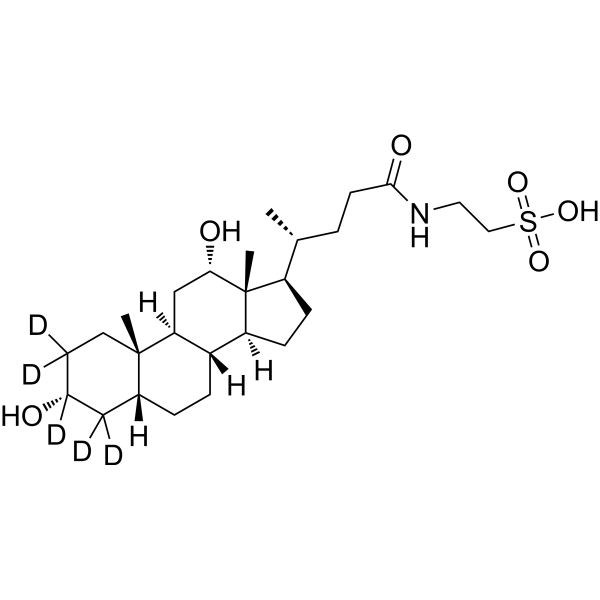
Taurodeoxycholic acid-d5 is the deuterium labeled Taurodeoxycholic acid (HY-B1899) . Taurodeoxycholic acid, a bile acid, stabilizes the mitochondrial membrane, decreases free radical formation. Taurodeoxycholic acid inhibits apoptosis by blocking a calcium-mediated apoptotic pathway as well as caspase-12 activation. Taurodeoxycholic acid exhibits neuroprotective effect in 3-nitropropionic acid induced mouse model or genetic mouse model of Huntington's disease (HD) .
|
-
- HY-P1928
-
|
|
Bcl-2 Family
|
Neurological Disease
Endocrinology
|
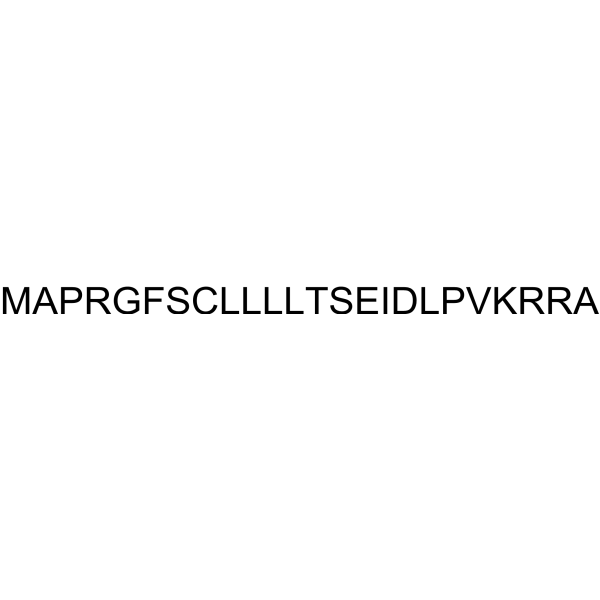
Humanin, an anti-apoptotic peptide of 24 amino acids, is a Bax inhibitor. Humanin prevents the translocation of Bax from cytosol to mitochondria, blocks Bax from the inactive to active conformation. Humanin is a mitochondria-associated peptide with a neuroprotective effect against AD-related neurotoxicity. Humanin also improves overall insulin sensitivity in animal. Humanin are related to aging .
Humanin analogue, in which the serine at position 14 is replaced by glycine, names HNG .
|
-
- HY-B0910A
-
|
Pyritinol dihydrochloride; Pyridoxine disulfide dihydrochloride; Vitamin B6 disulfide dihydrochloride
|
Drug Derivative
|
Infection
Neurological Disease
Metabolic Disease
Inflammation/Immunology
Cancer
|
|
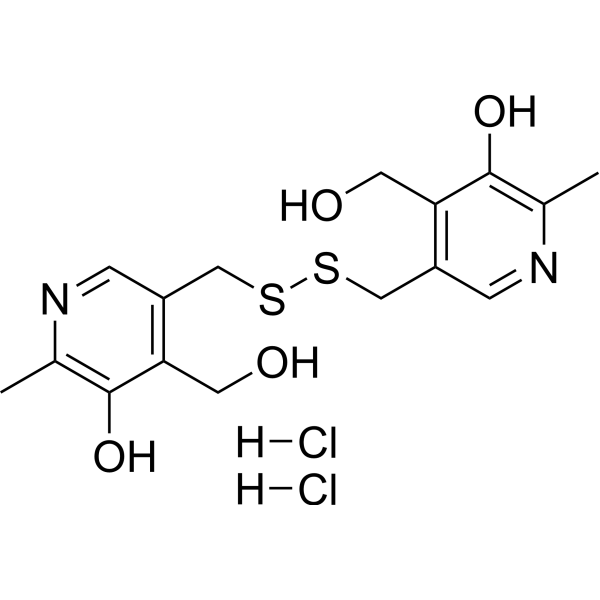
Pyrithioxin (Pyritinol) dihydrochloride is the dihydrochloride salt of Pyrithioxin (HY-B0910). Pyrithioxin (Pyritinol) is an orally active neurodynamic compound. Pyrithioxin can promote the metabolism of glucose and amino acids, increase carotid blood flow and improve cerebral blood flow. Pyrithioxin exhibits anti-inflammation, anti-tumor and neuroprotective effect. Pyrithioxin can be used for the researches of cancer, inflammation, immunology, metabolic and neurological disease such as cerebral infarct, epilepsy, fibrosarcomas and rheumatoid polyarthritis .
|
-
- HY-180214
-
|
|
HDAC
|
Cardiovascular Disease
Neurological Disease
|
|
HDAC6-IN-69 is a brain-penetrant and highly selective HDAC6 inhibitor with an IC50 of 4.0 nM. HDAC6-IN-69 shows >176-fold against other HDAC isoforms. HDAC6-IN-69 engages the target in neuronal cells by dose-dependently upregulating acetylated α-tubulin in virto. HDAC6-IN-69 has neuroprotective effect and can be used for ischemic stroke research .
|
-

- HY-179523
-
|
|
Drug Derivative
NAMPT
Microtubule/Tubulin
|
Neurological Disease
Cancer
|
|
Carba1 is a bifunctional Carbazole (HY-D0204) derivative that activates nicotinamide phosphoribosyltransferase (NAMPT) and enhances NAD biosynthesis. Carba1 binds to colchicine site of tubulin, enhancing the anti-tumor effect of various chemotherapy drugs, such as Paclitaxel (HY-B0015). Carba1 exerts neuroprotective effect and can regulate cell energy metabolism. Carba1 can be used for the researches of cancer and chemotherapy-induced peripheral neuropathy (CIPN) .
|
-

- HY-107805
-
|
|
Cholinesterase (ChE)
Bacterial
|
Infection
Neurological Disease
Cancer
|
|
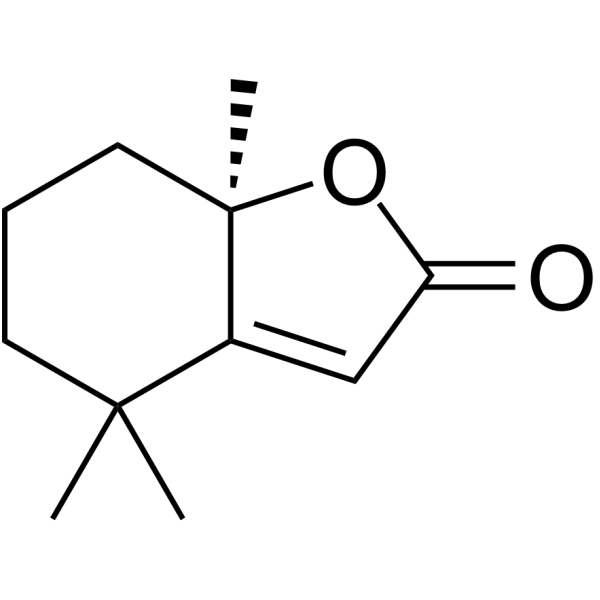
Dihydroactinidiolide, existing in plant leaves and fruits, is a potent plant growth inhibitor, a regulator of gene expression and is responsible for photo acclimation in Arabidopsis. Dihydroactinidiolide has antioxidant activity, antibacterial activity, anticancer activity and neuroprotective effect . Dihydroactinidiolide is also an inhibitor of AChE (IC50=34.03 nM) and has scavenging activities for DPPH and (.NO). Dihydroactinidiolide is present in plant leaves and fruits and is a potent plant growth inhibitor, regulator of gene expression, and responsible for light adaptation in Arabidopsis.
|
-
- HY-W628136
-
|
|
Monoamine Oxidase
|
Neurological Disease
|
|
MAO-B-IN-47 is a selective monoamine oxidase B (MAO-B) inhibitor with a Ki of 875 nM. MAO-B-IN-47 shows an IC50 >100 μM for SH-SY5Y cells. MAO-B-IN-47 shows neuroprotective effect in 6-OHDA-treated SH-SY5Y cells. MAO-B-IN-47 can be used for the research of neurological disease, such as Parkinson’s disease (PD) .
|
-

- HY-W707539
-
|
RWJ-333369-d215N
|
Isotope-Labeled Compounds
Sodium Channel
|
Neurological Disease
|
|
Carisbamate-d2,- 15N (RWJ-333369-d2,- 15N) is the deuterium labeled Carisbamate (HY-14948). Carisbamate (RWJ-333369) is an orally active neuromodulator. Carisbamate prevents the development and production of epilep-like discharges and has a neuroprotective effect after in vitro epilepticus-like injury. Carisbamate has good antiepileptic activity in genetic models of generalized and nonconvulsive epilepsy .
|
-

- HY-B0910AR
-
|
Pyritinol dihydrochloride (Standard); Pyridoxine disulfide dihydrochloride (Standard); Vitamin B6 disulfide dihydrochloride (Standard)
|
Reference Standards
Drug Derivative
|
Neurological Disease
Metabolic Disease
Inflammation/Immunology
Cancer
|
|
Pyrithioxin (Pyritinol) dihydrochloride (Standard) is the analytical standard of Pyrithioxin dihydrochloride (HY-B0910A). Pyrithioxin (Pyritinol) is an orally active neurodynamic compound. Pyrithioxin can promote the metabolism of glucose and amino acids, increase carotid blood flow and improve cerebral blood flow. Pyrithioxin exhibits anti-inflammation, anti-tumor and neuroprotective effect. Pyrithioxin can be used for the researches of cancer, inflammation, immunology, metabolic and neurological disease such as cerebral infarct, epilepsy, fibrosarcomas and rheumatoid polyarthritis .
|
-

- HY-146619
-
|
|
Amyloid-β
Serotonin Transporter
|
Neurological Disease
|
|
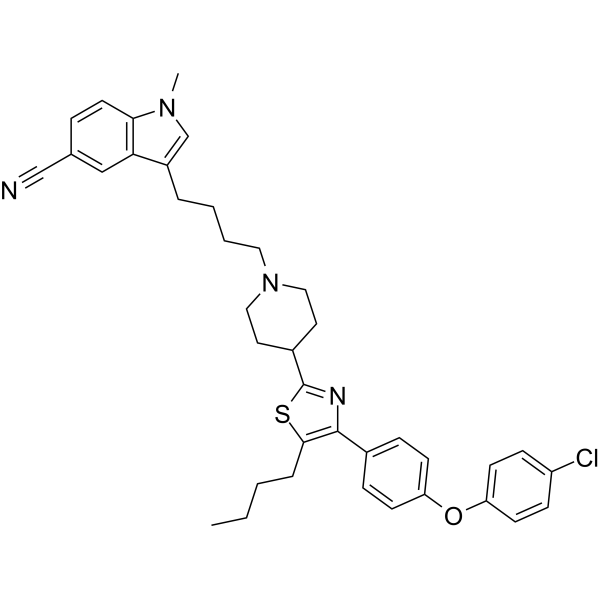
RAGE/SERT-IN-1 is a potent and orally active advanced glycation end products (RAGE) and serotonin transporter (SERT) inhibitor with IC50s of 8.26 μM and 31.09 nM, respectively. RAGE/SERT-IN-1 exhibits significant neuroprotective effect against Aβ25-35-induced neuronal damage and alleviates depressive behavior of mice. RAGE/SERT-IN-1 can be used for researching the comorbidity of Alzheimer's disease and depression .
|
-
- HY-N0405R
-
|
|
Reference Standards
TNF Receptor
Interleukin Related
|
Neurological Disease
Cancer
|
|
Orientin (Standard) is the analytical standard of Orientin. This product is intended for research and analytical applications. Orientin is a neuroprotective agentinhibits which has anti-inflammation, anti-oxidative, anti-tumor, and cardio protection properties. Orientin inhibits the levels of IL-6, IL-1β and TNF-α. Orientin increases IL-10 level. Orientin exhibits neuroprotective effect by inhibits TLR4 and NF-kappa B signaling pathway. Orientin can used in study neuropathic pain .
|
-

- HY-180327
-
|
|
Drug Derivative
Apoptosis
Keap1-Nrf2
Raf
MEK
ERK
|
Neurological Disease
Inflammation/Immunology
|
|
NEPP11 is a cyclopentenone prostaglandin analogue. NEPP11 can inhibit glutamate-induced HT22 cell death in mouse hippocampus and prevent manganese-induced apoptosis in PC12 cells. NEPP11 can activate Nrf2 and maintain MEK1/2 and ERK1/2 activity by inhibiting c-Raf downregulation. NEPP11 exerts a neuroprotective effect in a mouse model of focal cerebral ischemia caused by permanent middle cerebral artery occlusion .
|
-

- HY-B0220DR
-
|
|
Reference Standards
Bacterial
Antibiotic
DNA/RNA Synthesis
|
Infection
Cancer
|
|
Erythromycin (thiocyanate) (Standard) is the analytical standard of Erythromycin (thiocyanate). This product is intended for research and analytical applications. Erythromycin thiocyanate is a macrolide antibiotic produced by actinomycete Streptomyces erythreus with a broad spectrum of antimicrobial activity. Erythromycin thiocyanate binds to bacterial 50S ribosomal subunits and inhibits RNA-dependent protein synthesis by blockage of transpeptidation and/or translocation reactions, without affecting synthesis of nucleic acid[1][2]. Erythromycin thiocyanate also exhibits antitumor and neuroprotective effect in different fields of research[3][4].
|
-

- HY-149246
-
|
|
Amyloid-β
Keap1-Nrf2
|
Neurological Disease
Inflammation/Immunology
|
|
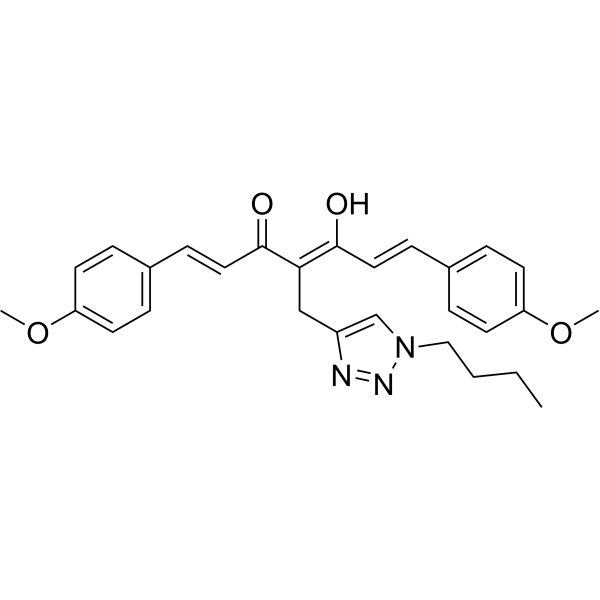
Aβ-IN-6 reduces pro-inflammatory cytokine release from microglia cells. Aβ-IN-6 significantly induces Nrf2 nuclear translocation and hamperes Aβ oligomers formation. Aβ-IN-6 exerts a consistent neuroprotective effect by modulating the redox-sensitive signalling pathways in vivo oxidative stress model. Aβ-IN-6 is an orally active and has antiinflammatory, Antioxidant and Anti-oligomeric activity. Aβ-IN-6 has the potential for Alzheimer's disease (AD) research .
|
-
- HY-N7676
-
Marein
3 Publications Verification
|
AMPK
HDAC
|
Cardiovascular Disease
Neurological Disease
Metabolic Disease
|
|
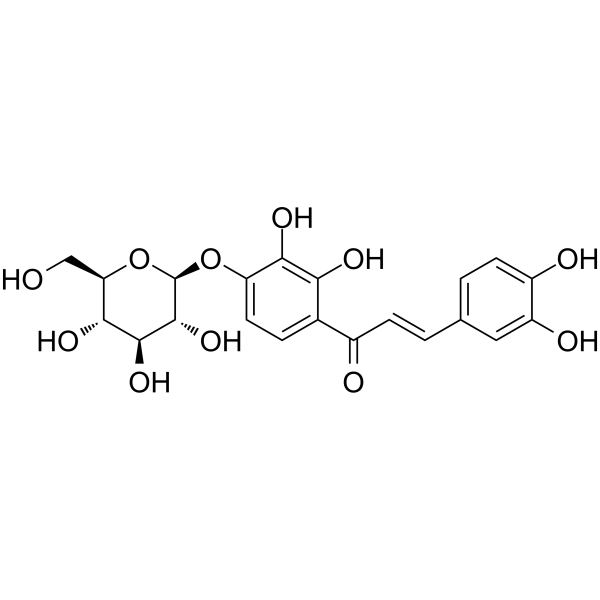
Marein has the neuroprotective effect due to a reduction of damage to mitochondria function and activation of the AMPK signal pathway. Marein improves insulin resistance induced by high glucose in HepG2 cells through CaMKK/AMPK/GLUT1 to promote glucose uptake, through IRS/Akt/GSK-3β to increase glycogen synthesis, and through Akt/FoxO1 to decrease gluconeogenesis. Marein is a HDAC inhibitor with an IC50 of 100 μM. Marein has beneficial antioxidative, antihypertensive, antihyperlipidemic and antidiabetic effects .
|
-
- HY-149509
-
|
|
α-synuclein
|
Neurological Disease
|
|
α-Synuclein inhibitor 9 (Compound 20C) is an α-Synuclein inhibitor. α-Synuclein inhibitor 9 binds to cavities in mature α-synuclein fibrils and reduces the β-sheet structure. α-Synuclein inhibitor 9 inhibits A53T α-Syn aggregation. α-Synuclein inhibitor 9 has neuroprotective effect, improves brain functional connection and relieves motor dysfunction.α-Synuclein inhibitor 9 can be used for Parkinson’s disease (PD) research. .
|
-
- HY-W010970
-
|
5'-GMP disodium salt; 5'-guanosine monophosphate disodium salt
|
Endogenous Metabolite
iGluR
|
Neurological Disease
Metabolic Disease
|
|
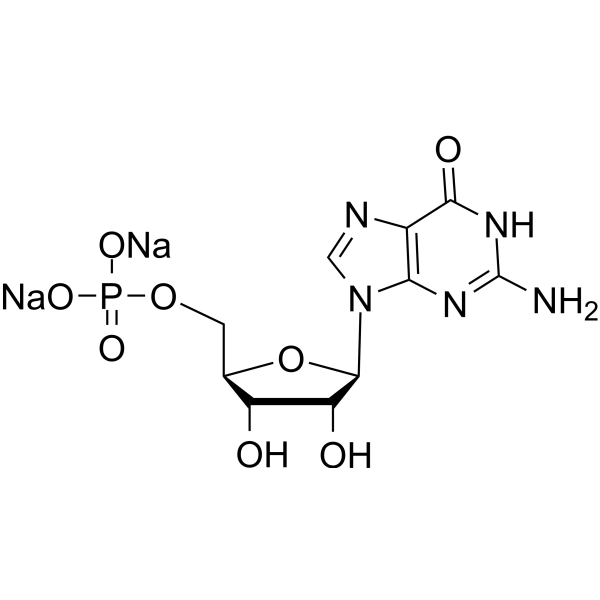
5'-Guanylic acid disodium salt is the disodium salt form of 5'-Guanylic acid (HY-N5134). 5'-Guanylic acid disodium salt is a purine nucleotide that participates in physiological processes such as energy metabolism, signal transduction, and gene expression regulation. 5'-Guanylic acid disodium salt regulates the expression of genes related to fatty acid metabolism. 5'-Guanylic acid disodium salt is the weak agonist for ionotropic glutamate receptors (iGluR), reduces the activity of the glutamatergic system and exhibits neuroprotective effect. 5'-Guanylic acid disodium salt also causes neuronal cell death at high concentrations .
|
-
- HY-107513
-
|
|
mGluR
|
Neurological Disease
Cancer
|
|
BAY 36-7620 is a potent and noncompetitive antagonist of mGlu1 Receptor (IC50=0.16 μM) with inverse agonist activity. BAY 36-7620 inhibits tumor growth and prolongs the survival of mice with tumors by inhibiting mGlu1 receptor. BAY 36-7620 suppresses AKT phosphorylation in A549 tumors. BAY 36-762 has neuroprotective effect in acute subdural hematoma rat model.BAY 36-7620 is used in non-small cell lung cancer and breast cancer research .
|
-
- HY-125959
-
Ucf-101
1 Publications Verification
|
Apoptosis
|
Cardiovascular Disease
Neurological Disease
|
|
Ucf-101 is a selective and competitive inhibitor of pro-apoptotic protease Omi/HtrA2, with an IC50 of 9.5 μM for His-Omi. Ucf-101 exhibits very little activity against various other serine proteases (IC50>200 μM). Ucf-101 has a natural red fluorescence at 543 nm that is used to monitor its ability to enter mammalian cells. Ucf-101 has a significant cardioprotective effect against MI/R injury and also has certain neuroprotective effect .
|
-
- HY-178464
-
|
|
RIP kinase
Mixed Lineage Kinase
Necroptosis
|
Neurological Disease
Inflammation/Immunology
|
|
RIPK1-IN-34 is a selective, brain-penetrant RIPK1 inhibitor (IC50 = 126.70 nM) with almost no inhibitory effect on RIPK3 (IC50 > 10, 000 nM). RIPK1-IN-34 offers substantial neuroprotection by inhibiting the phosphorylation of RIPK1, RIPK3, and mixed lineage kinase domain-like pseudokinase (MLKL) within the necroptosis pathway. RIPK1-IN-34 shows the neuroprotective effect in a rat middle cerebral artery occlusion (MCAO) model. RIPK1-IN-34 can be used for the study of anti-acute ischemic stroke (AIS) .
|
-

- HY-N0131
-
|
|
MMP
Endogenous Metabolite
|
Neurological Disease
Inflammation/Immunology
|
|
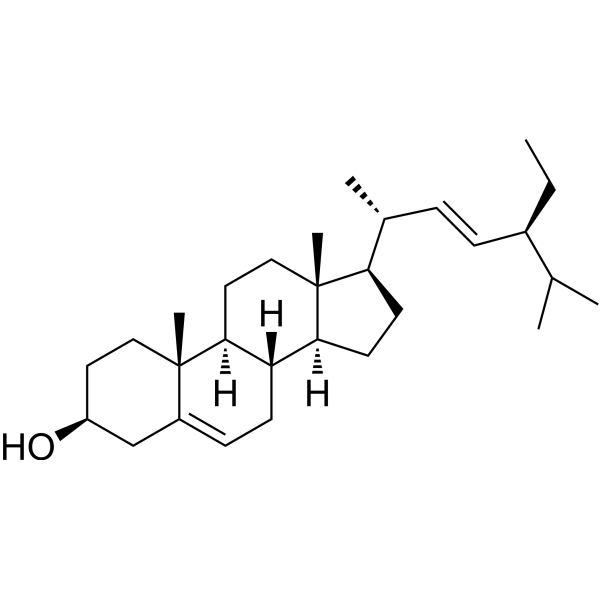
Stigmasterol is an orally acitve, immunomodulatory agent with anti-inflammatory and neuroprotective effect, as well as able to cross the blood-brain barrier. Stigmasterol activates AMPK, which in turn inhibits NF-κB and NLRP3 signaling pathways, reduces microglia-mediated neuroinflammation, and alleviates cognitive impairment and Alzheimer's disease. Stigmasterol regulates M1/M2 polarization of microglia through the TLR4/ NF-κB pathway, thereby reducing neuropathic pain. Stigmasterol can be used for neurodegenerative diseases, inflammatory diseases, and pain management, among others .
|
-
- HY-165539
-
|
|
Autophagy
Atg8/LC3
Huntingtin
α-synuclein
|
Neurological Disease
|
|
SMER10 is a small-molecule enhancer that can induce autophagy. SMER10 can increase the number of EGFP-LC3 positive autophagosoms in COS-7 and HeLa cells, promoting the conversion of LC3-I to autophagosome-associated LC3-II. SMER10 can efficiently promote the degradation of autophagy substrates, including the mutant huntingtin protein (EGFP-HDQ74) associated with Huntington's disease and the A53T α-synuclein protein associated with Parkinson's disease. SMER10 exerts neuroprotective effect .
|
-

- HY-178433
-
|
|
Cholinesterase (ChE)
p38 MAPK
|
Neurological Disease
|
|
BChE/p38-α MAPK-IN-2 is a BChE and p38-α MAPK dual inhibitor. BChE/p38-α MAPK-IN-2 inhibits hBChE with an IC50 of 5.1 nM, showing 1000-fold selectivity over hAChE. BChE/p38-α MAPK-IN-2 inhibits p38α MAPK with an IC50 of 8.12 μM. BChE/p38-α MAPK-IN-2 exhibits neuroprotective effect and can be used for the research of neurological disease, such as Alzheimer’s disease .
|
-

- HY-N1860
-
|
|
Phosphodiesterase (PDE)
NO Synthase
|
Infection
Neurological Disease
Inflammation/Immunology
|
|
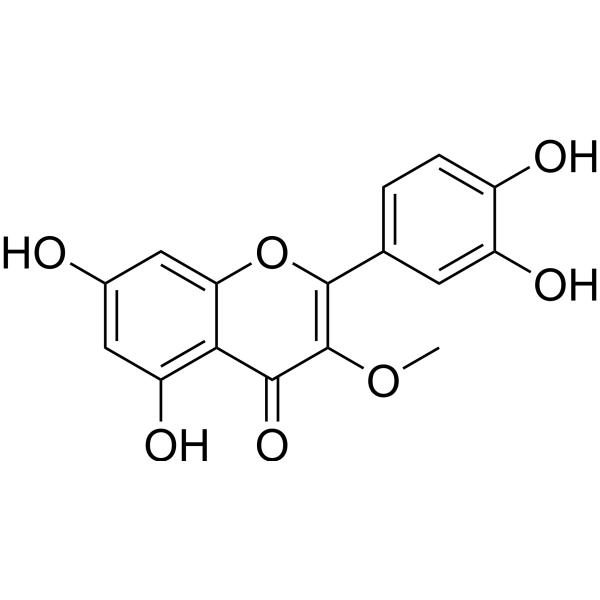
3-O-Methylquercetin is an inhibitor of cAMP and CGMP-phosphodiesterase (PDE) with IC50 at 13.8 μM and 14.3 μM, respectively. 3-O-Methylquercetin is an inhibitor of β-secretase with an IC50 of 6.5 μM. 3-O-Methylquercetin has a neuroprotective effect against neuronal death caused by oxidative damage. 3-O-Methylquercetin has strong antiviral activity against poliovirus, coxsackie virus and human rhinovirus. 3-O-Methylquercetin has anti-inflammatory and trachea-relaxing effects and can be used in the study of inflammatory diseases and asthma .
|
-
- HY-N18155
-
|
(1(10)E,2α,4β,8α)-form,2-Meether
|
Others
|
Neurological Disease
|
|
2-Hydroxy-6-oxo-1(10),7(11)-germacradien-12,8-olide ((1(10)E,2α,4β,8α)-form,2-Meether) is a furanosesquiterpenoid neuroprotective agent that exhibits neuroprotective effect against MPP +-induced neuronal cell death. 2-Hydroxy-6-oxo-1(10),7(11)-germacradien-12,8-olide can be used for the research of parkinson's disease .
|
-

- HY-180114
-
|
|
Cholinesterase (ChE)
Monoamine Oxidase
Amyloid-β
Reactive Oxygen Species (ROS)
|
Neurological Disease
|
|
NSS-18 is a potent and reversible inhibitor of AChE and MAO-B, with IC50 values of 1.53 and 1.51 μM respectively. NSS-18 can inhibit the self-aggregation of Aβ. NSS-18 inhibits the intracellular generation of ROS induced by Aβ. NSS-18 shows a moderate neuroprotective effect against 6-OHDA (HY-B1081)-induced neurotoxicity. NSS-18 can form chelates with metal ions such as Cu²⁺, Fe³⁺, and Zn²⁺, with the strongest chelation being with Cu²⁺. NSS-18 can be used for the study of Alzheimer's disease .
|
-

- HY-P1752B
-
|
|
CRFR
Bacterial
Parasite
NF-κB
ERK
|
Metabolic Disease
|
|
Urocortin II, human acetate is a selective endogenous peptide agonist of type-2 corticotropin-releasing factor (CRF2) receptor. Urocortin II, human acetate has an effect of promoting satiet and neuroprotective effect. Urocortin II, human acetate also has bactericidal, antiparasitic and pro-inflammation activity. Urocortin II, human acetate can activate NF-κB pathway and ERK1/2 MAP kinase. Urocortin II, human acetate can reduce pulmonary arterial hypertension and shows cardiac protection effect. Urocortin II, human acetate can be used for the researches of infection, inflammation, metabolic, neurological and cardiovascular disease .
|
-

- HY-144790
-
|
|
Amyloid-β
Cholinesterase (ChE)
Monoamine Oxidase
|
Neurological Disease
|
|
AChE-IN-12 is a potent and blood-brain barrier (BBB) penetrant acetylcholinesterase (AChE) with IC50s of 0.41 μM and 1.88 μM for rat AChE and electric eel AChE. AChE-IN-12 is also a good antioxidant (ORAC = 3.3 eq), selective metal chelator and huMAO-B inhibitor (IC50 = 8.8 μM). AChE-IN-12 has remarkable inhibition of self- and Cu 2+-induced Aβ1-42 aggregation, as well as exhibits a good neuroprotective effect. AChE-IN-12 can be used for researching Alzheimer’s disease .
|
-
- HY-173513
-
|
|
Indoleamine 2,3-Dioxygenase (IDO)
|
Neurological Disease
|
|
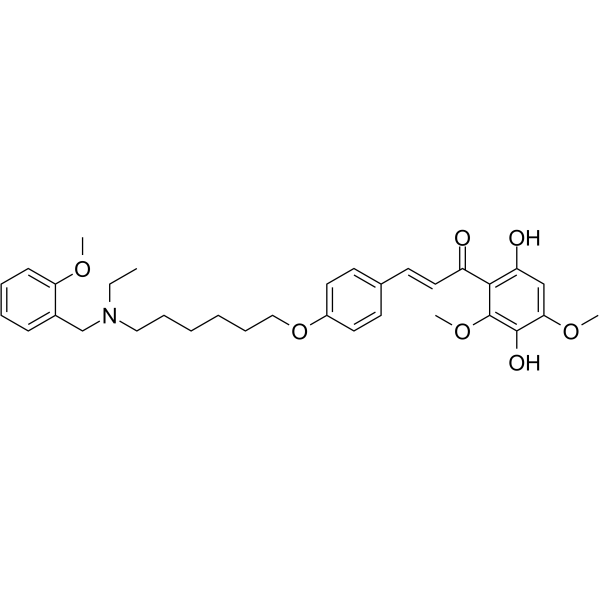
IDO1/TDO-IN-8 (Compound CZ-17) is a dual IDO1 and TDO inhibitor that can penetrate the blood-brain barrier, with EC50 values of 0.33 μM and 1.78 μM, respectively. IDO1/TDO-IN-8 reduces the kynurenine/tryptophan ratio by regulating the kynurenine pathway of tryptophan metabolism. IDO1/TDO-IN-8 has a neuroprotective effect and can alleviate motor dysfunction and improve depressive behavior. IDO1/TDO-IN-8 can be used in the study of Parkinson's disease combined with depression .
|
-

- HY-P1752
-
|
|
CRFR
Bacterial
Parasite
NF-κB
ERK
|
Metabolic Disease
|
|
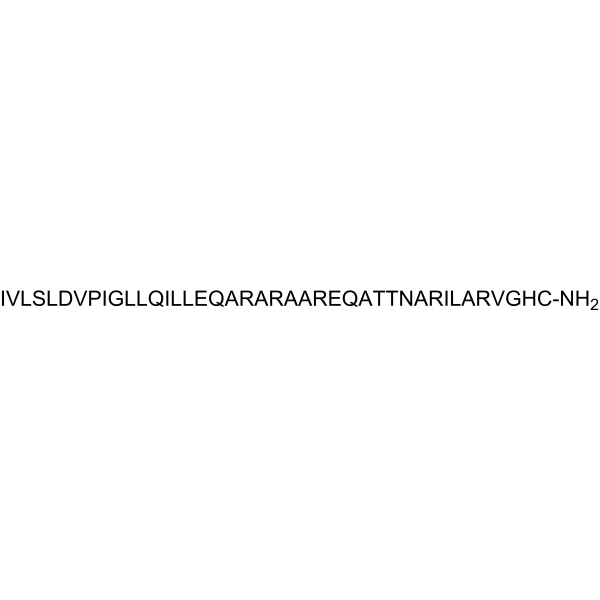
Urocortin II, human is a selective endogenous peptide agonist of type-2 corticotropin-releasing factor (CRF2) receptor. Urocortin II, human has an effect of promoting satiet and neuroprotective effect. Urocortin II, human also has bactericidal, antiparasitic and pro-inflammation activity. Urocortin II, human can activate NF-κB pathway and ERK1/2 MAP kinase. Urocortin II, human can reduce pulmonary arterial hypertension and shows cardiac protection effect. Urocortin II, human can be used for the researches of infection, inflammation, metabolic, neurological and cardiovascular disease .
|
-
- HY-151929
-
|
|
JNK
|
Neurological Disease
|
|
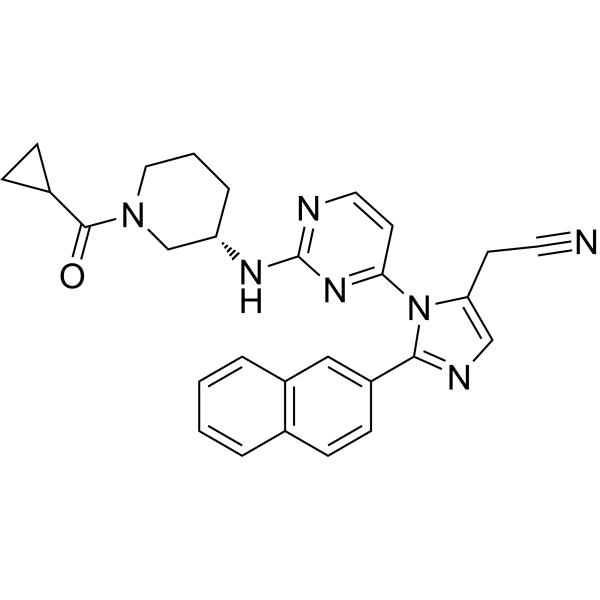
JNK3 inhibitor-4 is a potent and BBB-permeable inhibitor of JNK3 (IC50=1.0 nM) based on 2-aryl-1-pyrimidinyl-1H-imidazole-5-yl acetonitrile. JNK3 inhibitor-4 shows excellent selectivity over other protein kinases including isoforms JNK1 (IC50=143.9 nM) and JNK2 (IC50=298.2 nM) . JNK3 inhibitor-4 has neuroprotective effect and predicated blood-brain barrier permeability .
|
-
- HY-170938
-
|
|
Cholinesterase (ChE)
Monoamine Oxidase
Beta-secretase
COX
LOX-1
|
Neurological Disease
|
|
AChE-IN-82 (compound 49) is an acetylcholinesterase (AChE) inhibitor. AChE-IN-82 inhibits eeAChE, eqBChE, hMAO-A, hMAO-B, and BACE-1 with IC50s of 0.072, 9.81, 14.52, 0.024, 2.42 μM, respectively. AChE-IN-82 inhibits COX-1, COX-2 and 5-LOX with IC50s of 60.41, 0.187, 0.18 μM, respectively. AChE-IN-82 shows an excellent neuroprotective effect by significantly reducing oxidative stress induced by H2 O2 .
|
-

- HY-N4285
-
|
5,6-Dihydroxy-7-methoxyflavone
|
TNF Receptor
Interleukin Related
Reactive Oxygen Species (ROS)
Keap1-Nrf2
Amyloid-β
|
Infection
Neurological Disease
Inflammation/Immunology
Cancer
|
|
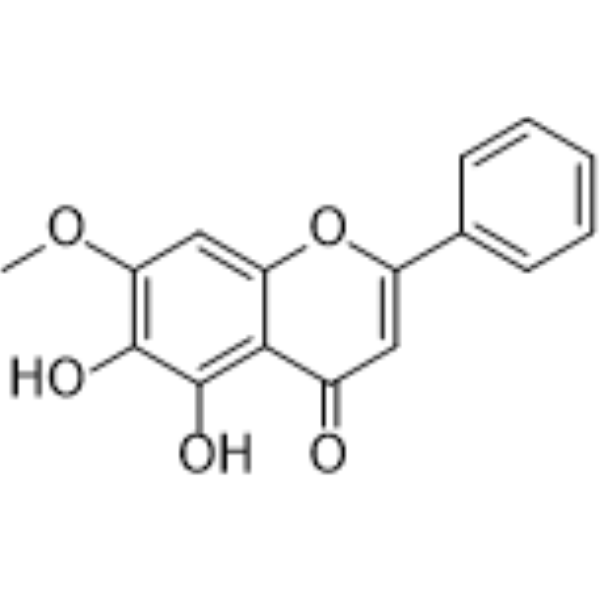
Negletein (5,6-Dihydroxy-7-methoxyflavone) is a flavone found in Scutellaria. Negletein shows anti-inflammatory activity via inhibiting TNF-α and IL-1β with IC50 values of 16.4 and 6.4 μM, respectively. Negletein can activate Nrf2 and inhibit ROS production. Negletein can enhance the neuroprotective effect of nerve growth factor. Negletein can inhibit amyloid beta-peptide release and accumulation. Negletein can inhibit pathogens biofilms formation. Negletein can be used for the researches of cancer, infection, inflammation and neurological disease, such as colon cancer and Alzheimer's disease .
|
-
- HY-12723
-
|
(-)-Apomorphine
|
Dopamine Receptor
Monoamine Oxidase
Reactive Oxygen Species (ROS)
JNK
ERK
Amyloid-β
Tau Protein
MMP
|
Neurological Disease
Inflammation/Immunology
Endocrinology
Cancer
|
|
Apomorphine ((-)-Apomorphine) is a potent dopamine receptor agonist. Apomorphine also inhibit MAO-A and MAO-B. Apomorphine exerts neuroprotective effect and can relax rat corpus cavernosum. Apomorphine can inhibit ROS production, DNA fragmentation and inibit JNK and ERK1/2 phosphorylation. Apomorphine can enhance degradation of intracellular Aβ40 and Aβ42, reduces tau protein levels and inhibit MMP-9 expression. Apomorphine is a highly potent radical scavenger and iron chelator. Apomorphine can be used for the researches of dementia, parkinson's disease, alzheimer disease, breast carcinoma, and erectile dysfunction .
|
-

- HY-N0408R
-
|
|
Reference Standards
NF-κB
Reactive Oxygen Species (ROS)
Apoptosis
Influenza Virus
|
Infection
Neurological Disease
Inflammation/Immunology
Cancer
|
|
Picroside II (Standard) is the analytical standard of Picroside II. This product is intended for research and analytical applications. Picroside II, an iridoid compound extracted from Picrorhiza, exhibits anti-inflammatory and anti-apoptotic activities.
picroside II alleviates the inflammatory response in sepsis and enhances immune function by inhibiting the activation of NLRP3 inflammasome and NF-κB pathways .
Picroside II is an antioxidant, exhibits a significant neuroprotective effect through reducing ROS production and protects the blood-brain barrier (BBB) after cerebral ischemia-reperfusion (CI/R) injury. Picroside II has antioxidant, anti-inflammatory, immune regulatory, anti-virus and other pharmacological activities .
|
-

- HY-Y1282
-
|
|
Environmental Pollutants
Biochemical Assay Reagents
SOD
|
Cardiovascular Disease
Infection
Neurological Disease
|
|
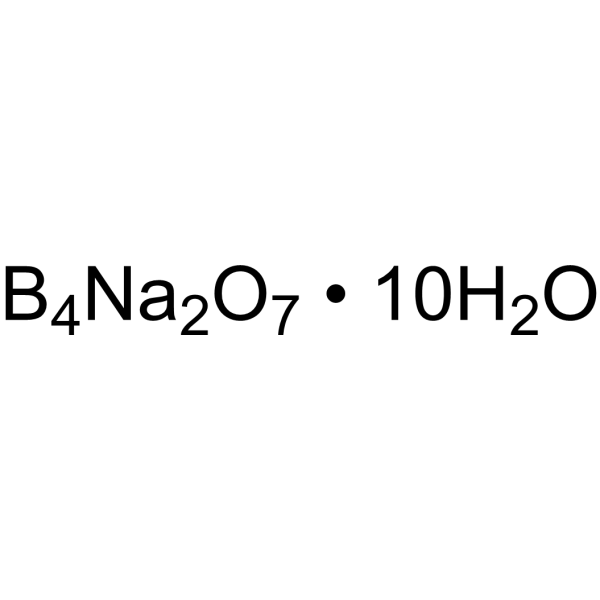
Sodium tetraborate decahydrate is an orally active biochemical reagent and antibacterial agent. Sodium tetraborate decahydrate leads to an increase in the activity of Catalase, Superoxide dismutase. Sodium tetraborate decahydrate reduces Hydrogen sulfide and the sulfate-reducing bacteria population of swine manure. Sodium tetraborate decahydrate serves as flame suppressant for wood cellulose. Sodium tetraborate decahydrate is a triglyceride transesterification catalyst. Sodium tetraborate decahydrate suppresses the formation of chlorinated by-products in Cl −-containing water. Sodium tetraborate decahydrate has a neuroprotective effect against chromium poisoning. Sodium tetraborate decahydrate can protect the heart from chromium damage at low doses. Sodium tetraborate in a low dose with an isolated application shows an antioxidant effect .
|
-
- HY-180197
-
|
|
PKC
iGluR
Reactive Oxygen Species (ROS)
|
Cardiovascular Disease
Neurological Disease
|
|
PICK1 PDZ-IN-1 (Compound 6b) is a selective and brain-penetrant protein interacting with C kinase 1 (PICK1) PDZ domain inhibitor with a Ki of 27.73 μM. PICK1 PDZ-IN-1 can competitively inhibit the interaction between PICK1 and the GluA2 subunit of AMPA receptors. PICK1 PDZ-IN-1 can increase the survival rate of HT22 cells and primary cortical neuron cells induced by glutamate and inhibit ROS production. PICK1 PDZ-IN-1 exhibits neuroprotective effect and reduces the area of cerebral infarction. PICK1 PDZ-IN-1 can be used for the research of ischemic stroke .
|
-

- HY-131036
-
|
|
Monoamine Oxidase
|
Neurological Disease
|
|
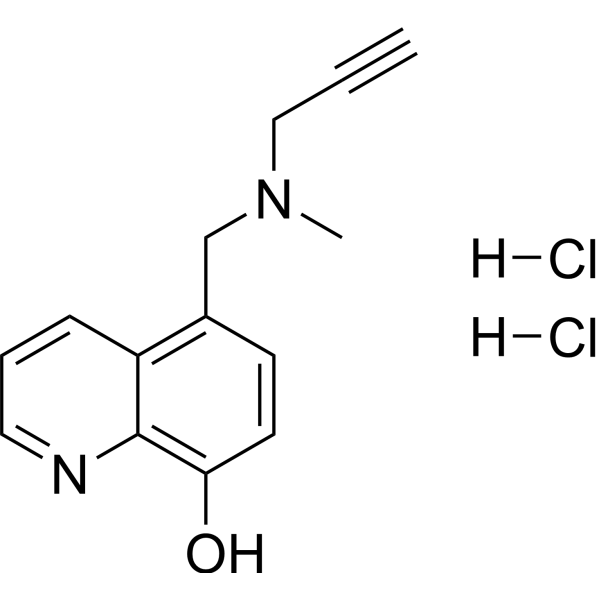
MAO-IN-M30 dihydrochloride is an orally active, brain-permeable, and brain selective irreversible MAO-A (IC50=37 nM) and MAO-B (IC50=57 nM) inhibitor. MAO-IN-M30 dihydrochloride is a potent iron chelator and radical scavenger. MAO-IN-M30 dihydrochloride has a neuroprotective effect against Dexamethasone-induced brain cell apoptosis. MAO-IN-M30 dihydrochloride also exhibits neurorestorative activity in post MPTP and lactacystin models of Parkinson's disease . MAO-IN-M30 (dihydrochloride) is a click chemistry reagent, it contains an Alkyne group and can undergo copper-catalyzed azide-alkyne cycloaddition (CuAAc) with molecules containing Azide groups.
|
-
- HY-P1752A
-
|
|
CRFR
Bacterial
Parasite
NF-κB
ERK
|
Metabolic Disease
|
|
Urocortin II, human TFA is a selective endogenous peptide agonist of type-2 corticotropin-releasing factor (CRF2) receptor. Urocortin II, human TFA has an effect of promoting satiet and neuroprotective effect. Urocortin II, human TFA also has bactericidal, antiparasitic and pro-inflammation activity. Urocortin II, human TFA can activate NF-κB pathway and ERK1/2 MAP kinase. Urocortin II, human TFA can reduce pulmonary arterial hypertension and shows cardiac protection effect. Urocortin II, human TFA can be used for the researches of infection, inflammation, metabolic, neurological and cardiovascular disease .
|
-
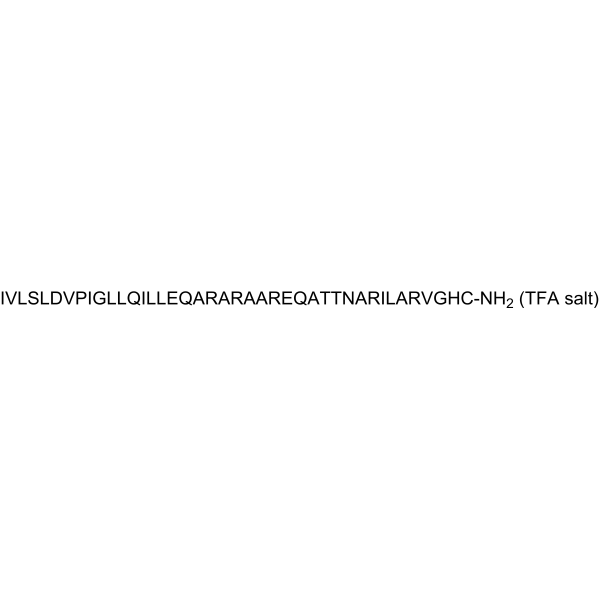
- HY-125959R
-
|
|
Apoptosis
|
Cardiovascular Disease
Neurological Disease
|
|
Ucf-101 (Standard) is the analytical standard of Ucf-101. This product is intended for research and analytical applications. Ucf-101 is a selective and competitive inhibitor of pro-apoptotic protease Omi/HtrA2, with an IC50 of 9.5 μM for His-Omi. Ucf-101 exhibits very little activity against various other serine proteases (IC50>200 μM). Ucf-101 has a natural red fluorescence at 543 nm that is used to monitor its ability to enter mammalian cells. Ucf-101 has a significant cardioprotective effect against MI/R injury and also has certain neuroprotective effect .
|
-

- HY-12723R
-
|
(-)-Apomorphine (Standard)
|
Reference Standards
Dopamine Receptor
Monoamine Oxidase
Reactive Oxygen Species (ROS)
JNK
ERK
Amyloid-β
Tau Protein
MMP
|
Neurological Disease
Inflammation/Immunology
Endocrinology
Cancer
|
|
Apomorphine ((-)-Apomorphine) (Standard) is the analytical standard of Apomorphine (HY-12723). This product is intended for research and analytical applications. Apomorphine is a potent dopamine receptor agonist. Apomorphine also inhibit MAO-A and MAO-B. Apomorphine exerts neuroprotective effect and can relax rat corpus cavernosum. Apomorphine can inhibit ROS production, DNA fragmentation and inibit JNK and ERK1/2 phosphorylation. Apomorphine can enhance degradation of intracellular Aβ40 and Aβ42, reduces tau protein levels and inhibit MMP-9 expression. Apomorphine is a highly potent radical scavenger and iron chelator. Apomorphine can be used for the researches of dementia, parkinson's disease, alzheimer disease, breast carcinoma, and erectile dysfunction .
|
-

- HY-152506
-
|
|
Amyloid-β
|
Neurological Disease
|
|
Antioxidant agent-8 is an orally active inhibitor of Aβ1-42 deposition. Antioxidant agent-8 inhibits fibril aggregation (IC50=11.15 µM) and promotes fibril disaggregation (IC50=6.87 µM). Antioxidant agent-8 also inhibits Cu 2+-induced Aβ1-42 fibril aggregation (IC50=3.69 µM) and promotes Cu 2+-induced Aβ1-42 fibril disaggregation (IC50=3.35 µM). Antioxidant agent-8 has antioxidant activity, anti-inflammatory activity, biosafety, blood-brain barrier permeability and neuroprotective effect .
|
-
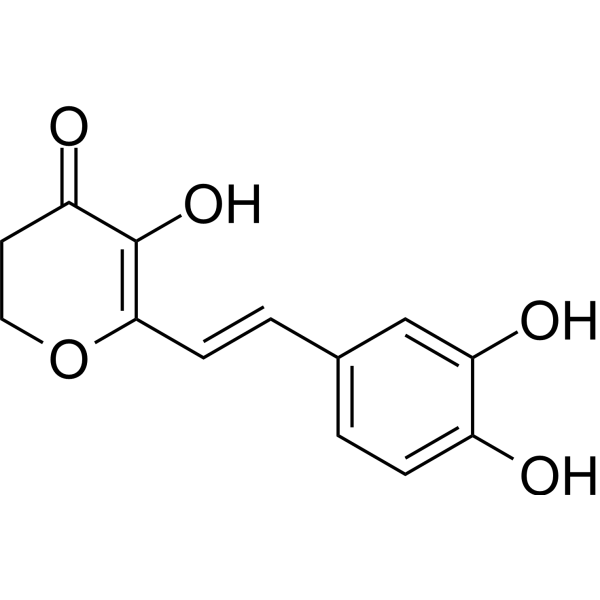
- HY-18340
-
|
CR8, (R)-Isomer
|
Molecular Glues
CDK
Apoptosis
|
Neurological Disease
Cancer
|
|
(R)-CR8, a second-generation analog of Roscovitine, is a potent CDK1/2/5/7/9 inhibitor. (R)-CR8 inhibits CDK1/cyclin B (IC50=0.09 μM), CDK2/cyclin A (0.072 μM), CDK2/cyclin E (0.041 μM), CDK5/p25 (0.11 μM), CDK7/cyclin H (1.1 μM), CDK9/cyclin T (0.18 μM) and CK1δ/ε (0.4 μM). (R)-CR8 induces apoptosis and has neuroprotective effect . (R)-CR8 acts as a molecular glue degrader that depletes cyclin K .
|
-
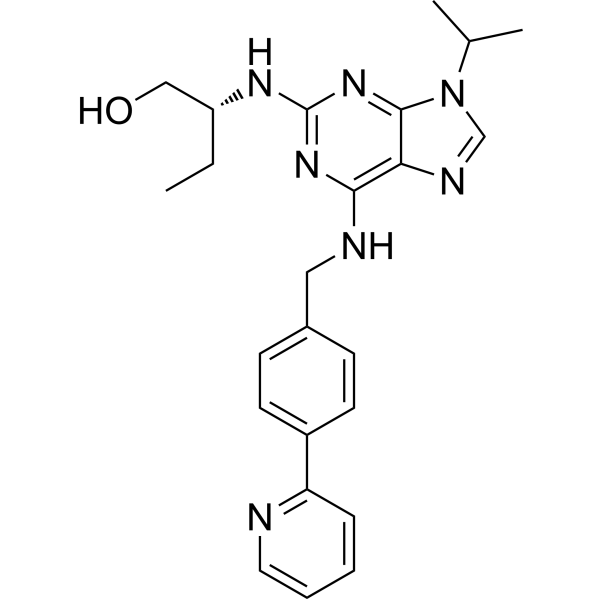
- HY-18340A
-
|
CR8, (R)-Isomer trihydrochloride
|
Molecular Glues
CDK
Apoptosis
|
Neurological Disease
Cancer
|
|
(R)-CR8 (CR8) trihydrochloride, a second-generation analog of Roscovitine, is a potent CDK1/2/5/7/9 inhibitor. (R)-CR8 trihydrochloride inhibits CDK1/cyclin B (IC50=0.09 μM), CDK2/cyclin A (0.072 μM), CDK2/cyclin E (0.041 μM), CDK5/p25 (0.11 μM), CDK7/cyclin H (1.1 μM), CDK9/cyclin T (0.18 μM) and CK1δ/ε (0.4 μM). (R)-CR8 trihydrochloride induces apoptosis and has neuroprotective effect . (R)-CR8 trihydrochloride acts as a molecular glue degrader that depletes cyclin K .
|
-
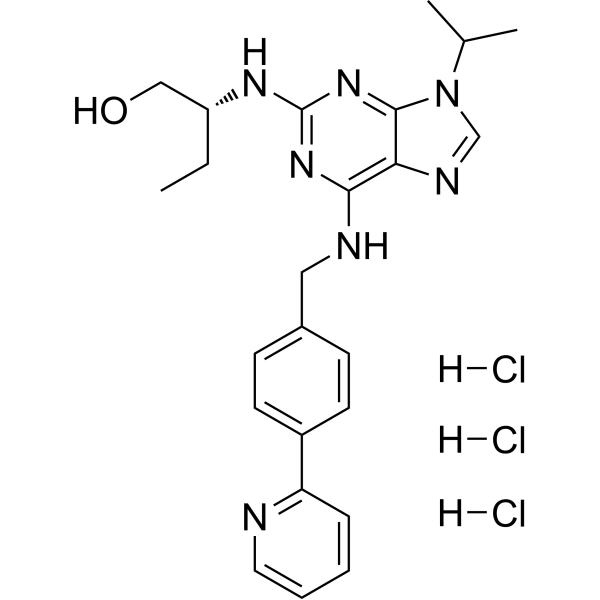
- HY-N2392
-
|
|
Parasite
Lipoxygenase
Opioid Receptor
Apoptosis
Autophagy
Reactive Oxygen Species (ROS)
Interleukin Related
TNF Receptor
PGE synthase
COX
|
Infection
Neurological Disease
Metabolic Disease
Inflammation/Immunology
Cancer
|
|
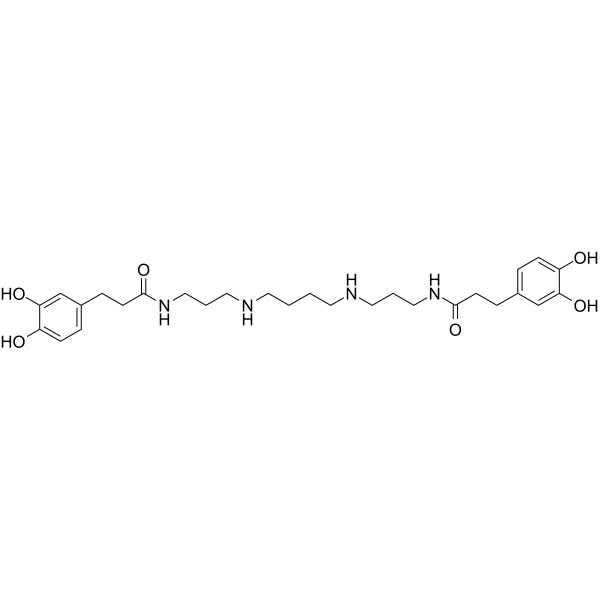
Kukoamine A, a spermine alkaloid, is an orally active and brain-penetrant component found in the root barks of Lycium chinense (L. chinense) Miller. Kukoamine A inhibits purified Crithidia fasciculata trypanothione reductase and soybean lipoxygenase, activates μ-opioid receptor. Kukoamine A can inhibt cancer cell proliferation, migration and invasion, cause G0/G1 phase cell cycle arrest and induce apoptosis. Kukoamine A exerts neuroprotective effect and can induce autophagy . Kukoamine A inhibits LPS (HY-D1056)-induced NO, ROS, PGE2, TNF-α, IL-1β, IL-6 production and COX-2 activity. Kukoamine A reverses palmitic acid-induced insulin resistance, lipid accumulation, and oxidative stress via downregulation of Srebp-1c. Kukoamine A can be used for the research of cancer, infection, inflammation, metabolic and neurological disease, such as glioblastoma and Parkinson's disease .
|
-
| Cat. No. |
Product Name |
Target |
Research Area |
-
- HY-P1010
-
|
|
Caspase
Apoptosis
|
Neurological Disease
Cancer
|
|
Z-LEHD-FMK is a selective and irreversible inhibitor of caspase-9, protects against lethal reperfusion injury and attenuates apoptosis. Z-LEHD-FMK exhibits the neuroprotective effect in a rat model of spinal cord trauma .
|
-
- HY-P1928
-
|
|
Bcl-2 Family
|
Neurological Disease
Endocrinology
|
Humanin, an anti-apoptotic peptide of 24 amino acids, is a Bax inhibitor. Humanin prevents the translocation of Bax from cytosol to mitochondria, blocks Bax from the inactive to active conformation. Humanin is a mitochondria-associated peptide with a neuroprotective effect against AD-related neurotoxicity. Humanin also improves overall insulin sensitivity in animal. Humanin are related to aging .
Humanin analogue, in which the serine at position 14 is replaced by glycine, names HNG .
|
-
- HY-P1752
-
|
|
CRFR
Bacterial
Parasite
NF-κB
ERK
|
Metabolic Disease
|
|
Urocortin II, human is a selective endogenous peptide agonist of type-2 corticotropin-releasing factor (CRF2) receptor. Urocortin II, human has an effect of promoting satiet and neuroprotective effect. Urocortin II, human also has bactericidal, antiparasitic and pro-inflammation activity. Urocortin II, human can activate NF-κB pathway and ERK1/2 MAP kinase. Urocortin II, human can reduce pulmonary arterial hypertension and shows cardiac protection effect. Urocortin II, human can be used for the researches of infection, inflammation, metabolic, neurological and cardiovascular disease .
|
-
- HY-P1752B
-
|
|
CRFR
Bacterial
Parasite
NF-κB
ERK
|
Metabolic Disease
|
|
Urocortin II, human acetate is a selective endogenous peptide agonist of type-2 corticotropin-releasing factor (CRF2) receptor. Urocortin II, human acetate has an effect of promoting satiet and neuroprotective effect. Urocortin II, human acetate also has bactericidal, antiparasitic and pro-inflammation activity. Urocortin II, human acetate can activate NF-κB pathway and ERK1/2 MAP kinase. Urocortin II, human acetate can reduce pulmonary arterial hypertension and shows cardiac protection effect. Urocortin II, human acetate can be used for the researches of infection, inflammation, metabolic, neurological and cardiovascular disease .
|
-
- HY-P1932A
-
-
- HY-P1010A
-
|
|
Caspase
Apoptosis
|
Neurological Disease
Cancer
|
|
Z-LEHD-FMK TFA is a selective and irreversible inhibitor of caspase-9, protects against lethal reperfusion injury and attenuates apoptosis. Z-LEHD-FMK TFA exhibits the neuroprotective effect in a rat model of spinal cord trauma .
|
-
- HY-P2537
-
|
|
HIV
Apelin Receptor (APJ)
|
Others
|
|
Apelin-12 is one of the most potent C-terminal fragments of the polypeptide that possesses a high affinity to orphan receptor APJ receptor. Apelin-12 is involved in the regulation of body fluid homeostasis and in the central control of feeding. Apelin-12 blocks HIV-1 entry through APJ receptor. Apelin-12 exerts neuroprotective effect .
|
-
- HY-P10077
-
-
- HY-P2113
-
|
|
Melanocortin Receptor
|
Neurological Disease
|
|
ORG-2766 is an adrenocorticotropic hormone ACTH 4-9 analog and neurotrophic peptide. ORG-2766 affects behavioral processes such as memory and attention in animals, improving symptoms in rats with experimental allergic neuritis. ORG-2766 has a neuroprotective effect .
|
-
- HY-P10630
-
|
|
Amyloid-β
|
Neurological Disease
|
|
Pep63 is a neuroprotective peptide (VFQVRARTVA). Pep63 has a neuroprotective effect on synaptic plasticity and memory. Pep63 can competitively bind with Aβ1-42 oligomers, and can block Aβ fiber formation. Pep63 can be used for Alzheimer’s disease (AD) research .
|
-
- HY-P1752A
-
|
|
CRFR
Bacterial
Parasite
NF-κB
ERK
|
Metabolic Disease
|
|
Urocortin II, human TFA is a selective endogenous peptide agonist of type-2 corticotropin-releasing factor (CRF2) receptor. Urocortin II, human TFA has an effect of promoting satiet and neuroprotective effect. Urocortin II, human TFA also has bactericidal, antiparasitic and pro-inflammation activity. Urocortin II, human TFA can activate NF-κB pathway and ERK1/2 MAP kinase. Urocortin II, human TFA can reduce pulmonary arterial hypertension and shows cardiac protection effect. Urocortin II, human TFA can be used for the researches of infection, inflammation, metabolic, neurological and cardiovascular disease .
|
| Cat. No. |
Product Name |
Category |
Target |
Chemical Structure |
-
- HY-B0220
-
-
-
- HY-N0294
-
-
-
- HY-N0418
-
-
-
- HY-N5134
-
-
-
- HY-N0405
-
-
-
- HY-N0131
-
-
-
- HY-N0532
-
-
-
- HY-N1318
-
-
-
- HY-Y0892
-
-
-
- HY-B0220D
-
-
-
- HY-W010970
-
|
5'-GMP disodium salt; 5'-guanosine monophosphate disodium salt
|
Classification of Application Fields
Ketones, Aldehydes, Acids
Other Diseases
Endogenous metabolite
Disease Research Fields
Source Classification
|
Endogenous Metabolite
iGluR
|
|
5'-Guanylic acid disodium salt is the disodium salt form of 5'-Guanylic acid (HY-N5134). 5'-Guanylic acid disodium salt is a purine nucleotide that participates in physiological processes such as energy metabolism, signal transduction, and gene expression regulation. 5'-Guanylic acid disodium salt regulates the expression of genes related to fatty acid metabolism. 5'-Guanylic acid disodium salt is the weak agonist for ionotropic glutamate receptors (iGluR), reduces the activity of the glutamatergic system and exhibits neuroprotective effect. 5'-Guanylic acid disodium salt also causes neuronal cell death at high concentrations .
|
-
-
- HY-N2392
-
|
|
Cardiovascular Disease
Alkaloids
Structural Classification
other families
Classification of Application Fields
Other Alkaloids
Phenols
Polyphenols
Plants
Disease Research Fields
Source Classification
|
Parasite
Lipoxygenase
Opioid Receptor
Apoptosis
Autophagy
Reactive Oxygen Species (ROS)
Interleukin Related
TNF Receptor
PGE synthase
COX
|
|
Kukoamine A, a spermine alkaloid, is an orally active and brain-penetrant component found in the root barks of Lycium chinense (L. chinense) Miller. Kukoamine A inhibits purified Crithidia fasciculata trypanothione reductase and soybean lipoxygenase, activates μ-opioid receptor. Kukoamine A can inhibt cancer cell proliferation, migration and invasion, cause G0/G1 phase cell cycle arrest and induce apoptosis. Kukoamine A exerts neuroprotective effect and can induce autophagy . Kukoamine A inhibits LPS (HY-D1056)-induced NO, ROS, PGE2, TNF-α, IL-1β, IL-6 production and COX-2 activity. Kukoamine A reverses palmitic acid-induced insulin resistance, lipid accumulation, and oxidative stress via downregulation of Srebp-1c. Kukoamine A can be used for the research of cancer, infection, inflammation, metabolic and neurological disease, such as glioblastoma and Parkinson's disease .
|
-
-
- HY-B0910A
-
-
-
- HY-N1860
-
-
-
- HY-100786
-
-
-
- HY-N6960
-
-
-
- HY-107805
-
-
-
- HY-N4285
-
-
-
- HY-N7676
-
-
-
- HY-N1179
-
-
-
- HY-N0294R
-
-
-
- HY-N16500
-
-
-
- HY-N0801
-
|
|
Triterpenes
Terpenoids
Polygalaceae
Plants
Polygala tenuifolia Willd.
Source Classification
|
MMP
Cholinesterase (ChE)
|
|
Polygalacic acid, is a triterpene, isolated from the root of Polygala tenuifolia Willd. Polygalacic acid inhibits MMP expression. Polygalacic acid may have a therapeutic effect in Osteoarthritis (OA) treatment .
Polygalacic acid exerts a significant neuroprotective effect on cognitive impairment, PA improves cholinergic system reactivity by inhibiting acetylcholinesterase (AChE) activity, increasing choline acetyltransferase (ChAT) activity, and elevating levels of acetylcholine (Ach) in the hippocampus and frontal cortex .
|
-
-
- HY-59208
-
-
-
- HY-N10772
-
-
-
- HY-N0418R
-
-
-
- HY-B0910
-
|
Pyritinol; Pyridoxine disulfide; Vitamin B6 disulfide
|
Structural Classification
Natural Products
Endogenous metabolite
Source Classification
|
Drug Derivative
|
|
Pyrithioxin (Pyritinol) is an orally active neurodynamic compound. Pyrithioxin can promote the metabolism of glucose and amino acids, increase carotid blood flow and improve cerebral blood flow. Pyrithioxin exhibits anti-inflammation, anti-tumor and neuroprotective effect. Pyrithioxin can be used for the researches of cancer, inflammation, immunology, metabolic and neurological disease such as cerebral infarct, epilepsy, fibrosarcomas and rheumatoid polyarthritis .
|
-
-
- HY-N0408R
-
|
|
Structural Classification
Iridoids
Terpenoids
Scrophulariaceae
Plants
Picrorhiza scrophulariiflora Pennell
|
Reference Standards
NF-κB
Reactive Oxygen Species (ROS)
Apoptosis
Influenza Virus
|
|
Picroside II (Standard) is the analytical standard of Picroside II. This product is intended for research and analytical applications. Picroside II, an iridoid compound extracted from Picrorhiza, exhibits anti-inflammatory and anti-apoptotic activities.
picroside II alleviates the inflammatory response in sepsis and enhances immune function by inhibiting the activation of NLRP3 inflammasome and NF-κB pathways .
Picroside II is an antioxidant, exhibits a significant neuroprotective effect through reducing ROS production and protects the blood-brain barrier (BBB) after cerebral ischemia-reperfusion (CI/R) injury. Picroside II has antioxidant, anti-inflammatory, immune regulatory, anti-virus and other pharmacological activities .
|
-
-
- HY-N3489
-
-
-
- HY-Y0892R
-
-
-
- HY-N16574
-
-
-
- HY-N1318R
-
-
-
- HY-B0220R
-
-
-
- HY-N0405R
-
-
-
- HY-N10967
-
-
-
- HY-N3563
-
-
-
- HY-N0532R
-
-
-
- HY-N3117
-
-
-
- HY-W230975
-
-
-
- HY-B0910AR
-
|
Pyritinol dihydrochloride (Standard); Pyridoxine disulfide dihydrochloride (Standard); Vitamin B6 disulfide dihydrochloride (Standard)
|
Structural Classification
Natural Products
Endogenous metabolite
Source Classification
|
Reference Standards
Drug Derivative
|
|
Pyrithioxin (Pyritinol) dihydrochloride (Standard) is the analytical standard of Pyrithioxin dihydrochloride (HY-B0910A). Pyrithioxin (Pyritinol) is an orally active neurodynamic compound. Pyrithioxin can promote the metabolism of glucose and amino acids, increase carotid blood flow and improve cerebral blood flow. Pyrithioxin exhibits anti-inflammation, anti-tumor and neuroprotective effect. Pyrithioxin can be used for the researches of cancer, inflammation, immunology, metabolic and neurological disease such as cerebral infarct, epilepsy, fibrosarcomas and rheumatoid polyarthritis .
|
-
-
- HY-B0220DR
-
-
-
- HY-59208R
-
-
-
- HY-N18155
-
|
(1(10)E,2α,4β,8α)-form,2-Meether
|
Structural Classification
Natural Products
Commiphora myrrha (Nees) Engl.
Plants
Burseraceae
Source Classification
|
Others
|
|
2-Hydroxy-6-oxo-1(10),7(11)-germacradien-12,8-olide ((1(10)E,2α,4β,8α)-form,2-Meether) is a furanosesquiterpenoid neuroprotective agent that exhibits neuroprotective effect against MPP +-induced neuronal cell death. 2-Hydroxy-6-oxo-1(10),7(11)-germacradien-12,8-olide can be used for the research of parkinson's disease .
|
-
| Cat. No. |
Product Name |
Chemical Structure |
-
- HY-B0220S2
-
|
|
|
Erythromycin-d3 is the deuterium labeled Erythromycin . Erythromycin is a macrolide antibiotic produced by actinomycete Streptomyces erythreus with a broad spectrum of antimicrobial activity. Erythromycin binds to bacterial 50S ribosomal subunits and inhibits RNA-dependent protein synthesis by blockage of transpeptidation and/or translocation reactions, without affecting synthesis of nucleic acid. Erythromycin also exhibits antitumor and neuroprotective effect in different fields of research .
|
-
-
- HY-B1899S
-
|
|
|
Taurodeoxycholic acid-d5 is the deuterium labeled Taurodeoxycholic acid (HY-B1899) . Taurodeoxycholic acid, a bile acid, stabilizes the mitochondrial membrane, decreases free radical formation. Taurodeoxycholic acid inhibits apoptosis by blocking a calcium-mediated apoptotic pathway as well as caspase-12 activation. Taurodeoxycholic acid exhibits neuroprotective effect in 3-nitropropionic acid induced mouse model or genetic mouse model of Huntington's disease (HD) .
|
-
-
- HY-B0034S
-
|
|
|
Donepezil-d5 (hydrochloride) is deuterium labeled Donepezil (Hydrochloride). Donepezil Hydrochloride (E2020) is a reversible, selective AChE inhibitor with an IC50 of 6.7 nM for AChE activity. Donepezil shows high selectivity for AChE over BuChE . Donepezil exhibits neuroprotective effect on Aβ42 neurotoxicity .
|
-
-
- HY-B0034S1
-
|
|
|
Donepezil-d4 (hydrochloride) is the deuterium labeled Donepezil hydrochloride. Donepezil Hydrochloride (E2020) is a reversible, selective AChE inhibitor with an IC50 of 6.7 nM for AChE activity. Donepezil shows high selectivity for AChE over BuChE . Donepezil exhibits neuroprotective effect on Aβ42 neurotoxicity .
|
-
-
- HY-N1318S
-
|
|
|
Salvigenin-d9 is the deuterium labeled Salvigenin. Salvigenin is a natural polyphenolic compound, with neuroprotective effect. Salvigenin has antitumor cytotoxic and immunomodulatory properties .
|
-
-
- HY-W777527
-
|
|
|
AM404-d4 is the deuterium labeled AM404 (HY-101388). AM404, an inhibitor of endocannabinoid reuptake, blocks anandamide transport with IC50 values in the low micromolar range . AM404 is able to relax rat isolated hepatic arteries contracted with Phenylephrine, with a pEC50 value of 7.4 (corresponding to an EC50 of 0.04 μM). Neuroprotective Effect .
|
-
-
- HY-W707539
-
|
|
|
Carisbamate-d2,- 15N (RWJ-333369-d2,- 15N) is the deuterium labeled Carisbamate (HY-14948). Carisbamate (RWJ-333369) is an orally active neuromodulator. Carisbamate prevents the development and production of epilep-like discharges and has a neuroprotective effect after in vitro epilepticus-like injury. Carisbamate has good antiepileptic activity in genetic models of generalized and nonconvulsive epilepsy .
|
-
| Cat. No. |
Product Name |
|
Classification |
-
- HY-131036
-
|
|
|
Alkynes
|
|
MAO-IN-M30 dihydrochloride is an orally active, brain-permeable, and brain selective irreversible MAO-A (IC50=37 nM) and MAO-B (IC50=57 nM) inhibitor. MAO-IN-M30 dihydrochloride is a potent iron chelator and radical scavenger. MAO-IN-M30 dihydrochloride has a neuroprotective effect against Dexamethasone-induced brain cell apoptosis. MAO-IN-M30 dihydrochloride also exhibits neurorestorative activity in post MPTP and lactacystin models of Parkinson's disease . MAO-IN-M30 (dihydrochloride) is a click chemistry reagent, it contains an Alkyne group and can undergo copper-catalyzed azide-alkyne cycloaddition (CuAAc) with molecules containing Azide groups.
|
-
- HY-118022
-
|
|
|
Alkynes
|
|
VU0361747 is a potent and selective positive allosteric modulator of metabotropic glutamate receptor 4 (mGluR4 PAM). VU0361737 has neuroprotective effect. VU0361737 significantly reverses Amphetamine-induced hyperlocomotion in vivo .
|
-
- HY-180114
-
|
|
|
Alkynes
|
|
NSS-18 is a potent and reversible inhibitor of AChE and MAO-B, with IC50 values of 1.53 and 1.51 μM respectively. NSS-18 can inhibit the self-aggregation of Aβ. NSS-18 inhibits the intracellular generation of ROS induced by Aβ. NSS-18 shows a moderate neuroprotective effect against 6-OHDA (HY-B1081)-induced neurotoxicity. NSS-18 can form chelates with metal ions such as Cu²⁺, Fe³⁺, and Zn²⁺, with the strongest chelation being with Cu²⁺. NSS-18 can be used for the study of Alzheimer's disease .
|
| Cat. No. |
Product Name |
|
Classification |
-
- HY-N0131
-
|
|
|
Cholesterol
|
|
Stigmasterol is an orally acitve, immunomodulatory agent with anti-inflammatory and neuroprotective effect, as well as able to cross the blood-brain barrier. Stigmasterol activates AMPK, which in turn inhibits NF-κB and NLRP3 signaling pathways, reduces microglia-mediated neuroinflammation, and alleviates cognitive impairment and Alzheimer's disease. Stigmasterol regulates M1/M2 polarization of microglia through the TLR4/ NF-κB pathway, thereby reducing neuropathic pain. Stigmasterol can be used for neurodegenerative diseases, inflammatory diseases, and pain management, among others .
|
-
- HY-W010970
-
|
5'-GMP disodium salt; 5'-guanosine monophosphate disodium salt
|
|
Nucleotide Analogs
|
|
5'-Guanylic acid disodium salt is the disodium salt form of 5'-Guanylic acid (HY-N5134). 5'-Guanylic acid disodium salt is a purine nucleotide that participates in physiological processes such as energy metabolism, signal transduction, and gene expression regulation. 5'-Guanylic acid disodium salt regulates the expression of genes related to fatty acid metabolism. 5'-Guanylic acid disodium salt is the weak agonist for ionotropic glutamate receptors (iGluR), reduces the activity of the glutamatergic system and exhibits neuroprotective effect. 5'-Guanylic acid disodium salt also causes neuronal cell death at high concentrations .
|
-
- HY-Y1282
-
|
|
|
Others
|
|
Sodium tetraborate decahydrate is an orally active biochemical reagent and antibacterial agent. Sodium tetraborate decahydrate leads to an increase in the activity of Catalase, Superoxide dismutase. Sodium tetraborate decahydrate reduces Hydrogen sulfide and the sulfate-reducing bacteria population of swine manure. Sodium tetraborate decahydrate serves as flame suppressant for wood cellulose. Sodium tetraborate decahydrate is a triglyceride transesterification catalyst. Sodium tetraborate decahydrate suppresses the formation of chlorinated by-products in Cl −-containing water. Sodium tetraborate decahydrate has a neuroprotective effect against chromium poisoning. Sodium tetraborate decahydrate can protect the heart from chromium damage at low doses. Sodium tetraborate in a low dose with an isolated application shows an antioxidant effect .
|
Your information is safe with us. * Required Fields.
Inquiry Information
- Product Name:
- Cat. No.:
- Quantity:
- MCE Japan Authorized Agent:








