
1. Search Result
Search Result
Pathways Recommended: Metabolic Enzyme/Protease
Results for "

antioxidant enzyme activities

" in MedChemExpress (MCE) Product Catalog:

122

Inhibitors & Agonists

2

Screening Libraries

9

Biochemical Assay Reagents

2

Peptides

73

Natural
Products

6

Isotope-Labeled Compounds

3

Oligonucleotides

Cat. No. Product Name Target Research Areas Chemical Structure
  • HY-B1776
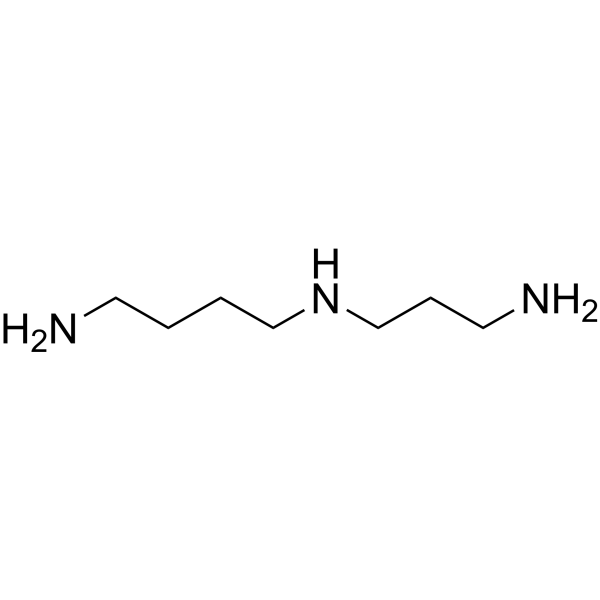
    Spermidine
    15+ Cited Publications

    Endogenous Metabolite Metabolic Disease
    Spermidine maintains cell membrane stability, increases antioxidant enzymes activities, improving photosystem II (PSII), and relevant gene expression. Spermidine significantly decreases the H2O2 and O2 .- contents .
    Spermidine
  • HY-D0837
    Imidazole
    2 Publications Verification

    Glyoxaline; 1,3-Diaza-2,4-cyclopentadiene

    MOFs Ser/Thr Protease Thrombopoietin Receptor Neurological Disease Inflammation/Immunology
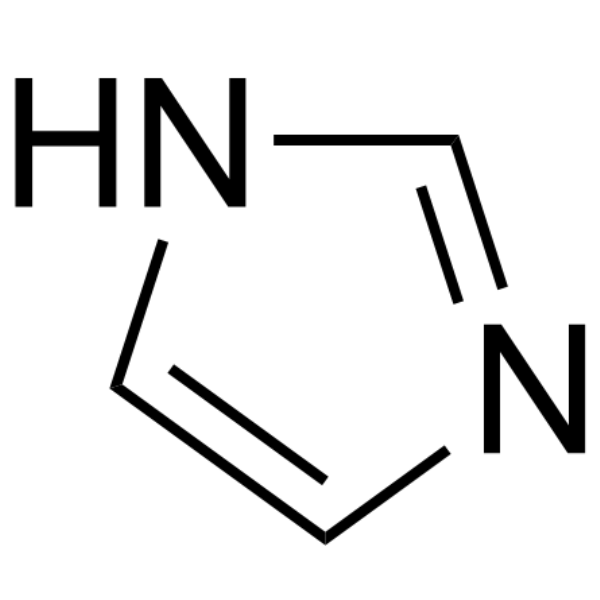
    Imidazole (Glyoxaline; 1,3-Diaza-2,4-cyclopentadiene) is a heterocyclic aromatic compound. Imidazole bearing molecules have been used as corrosion, acetylcholinesterase (AChEI) and xanthine oxidase (XO) inhibitors, performing biological activities such as antifungal, antituberculosis, anti-inflammatory, antioxidant, and analgesic, amongst many others. Imidazole inhibits the enzymatic conversion of the endoperoxides (PGG2 and PGH2) to thromboxane A2 by platelet microsomes. Imidazole derivatives exhibits inhibition on SARS-CoV-2 3CL Pro enzyme, which is promising for research in the field of Alzheimer’s disease, gout, COVID-19 and thrombo-embolic disease .
    Imidazole
  • HY-N1964
    Gibberellic acid
    1 Publications Verification

    Gibberellin A3

    Environmental Pollutants Drug Derivative Metabolic Disease
    Gibberellic acid (GA3) is a natural plant growth regulator with oral bioactivity. Gibberellic acid governs multiple plant developmental events, including seed germination, cell elongation, floral organ formation, and rice spikelet fertility. Gibberellic acid optimizes root morphology and secondary metabolite production in Echinacea purpurea hairy roots, and serves as a bioactive seed priming agent to improve chilling stress tolerance in chickpea. Gibberellic acid mediates modulation of enzyme activity and secondary metabolism in plants and exerts tissue-specific regulatory effects on antioxidant systems and lipid peroxidation in rats. Gibberellic acid can be used in studies of plant growth, metabolism, and abiotic stress responses .
    Gibberellic acid
  • HY-N7075
    Inulin
    4 Publications Verification

    Endogenous Metabolite Infection Neurological Disease Metabolic Disease Cancer
    Inulin is an orally active prebiotic targeting the intestinal microbiota, selectively promoting the proliferation and activity of beneficial bacteria such as bifidobacteria and lactic acid bacteria, and playing a role in regulating the intestinal microecology. The functions of Inulin include: Fermentation by probiotics in the colon to produce short-chain fatty acids (such as butyrate and propionate), lowering the intestinal pH and inhibiting the overgrowth of harmful bacteria; Enhancing the intestinal barrier function and reducing endotoxin translocation; Directly scavenging free radicals (such as superoxide free radicals, hydroxyl free radicals) and activating antioxidant enzymes (SOD, CAT) to reduce oxidative stress. Inulin can also be used in the study of intestinal diseases (constipation, IBD), metabolic syndrome (diabetes, obesity) and liver damage by regulating glucose and lipid metabolism (such as reducing triglycerides, improving insulin sensitivity) and immune response (enhancing NK cell activity, inhibiting inflammatory factors)[1][2][3][4].
    Inulin
  • HY-N0321

    trans-Caftaric acid

    Others Cardiovascular Disease Neurological Disease Inflammation/Immunology
    Caftaric acid (trans-Caftaric acid) is a polyphenolic antidiuretic, antioxidant and anti-apoptotic agent that can be hydrolyzed by intestinal microbial esterases. Caftaric acid exerts its antioxidant and potential anti-inflammatory effects mainly through intestinal microbial metabolism. Caftaric acid can reduce renal damage, restore electrolyte balance, renal function indicators and antioxidant enzyme activities in a rat albinism model, and further exert anti-oxidative stress and anti-inflammatory activities .
    Caftaric acid
  • HY-N0499
    Cyanidin Chloride
    4 Publications Verification

    IdB 1027

    Prostaglandin Receptor Inflammation/Immunology
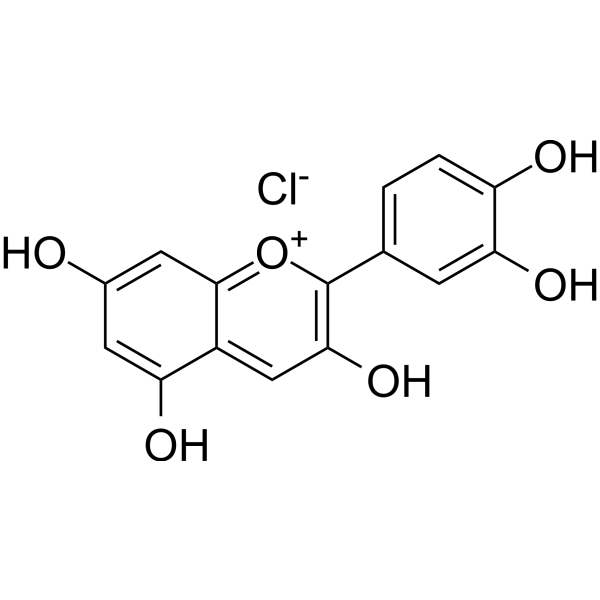
    Cyanidin Chloride (IdB 1027) is an orally active antioxidant and enzyme inhibitor. Cyanidin Chloride has IC50 values of 90 μM and 60 μM against PGHS-1 and PGHS-2, respectively. Cyanidin Chloride exhibits excellent antioxidant and anti-inflammatory activities, scavenges free radicals, inhibits lipid peroxidation, and protects DNA from cleavage. Cyanidin Chloride can be used in the research of inflammatory diseases .
    Cyanidin Chloride
  • HY-112540B

    Endogenous Metabolite Metabolic Disease
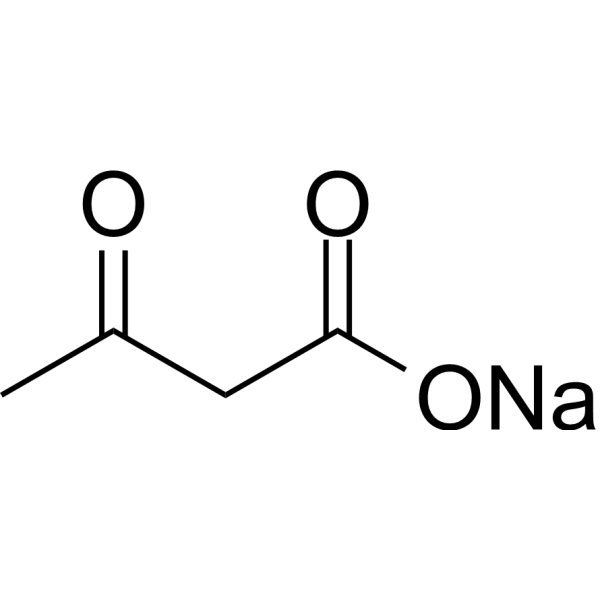
    Acetoacetic acid sodium is an oxidative stress inducer that affects the antioxidant enzyme system and lipoprotein metabolism. Acetoacetic acid sodium induces oxidative stress by decreasing the mRNA expression and activity of superoxide dismutase (SOD), catalase (CAT), and glutathione peroxidase (GSH-Px), increasing MDA content, and inhibiting very low density lipoprotein (VLDL) assembly by downregulating apolipoprotein ApoB100, ApoE, and low density lipoprotein receptor (LDLR), leading to triglyceride (TG) accumulation in hepatocytes. Acetoacetic acid sodium can be used to study metabolic diseases .
    Acetoacetic acid sodium
  • HY-B1776A
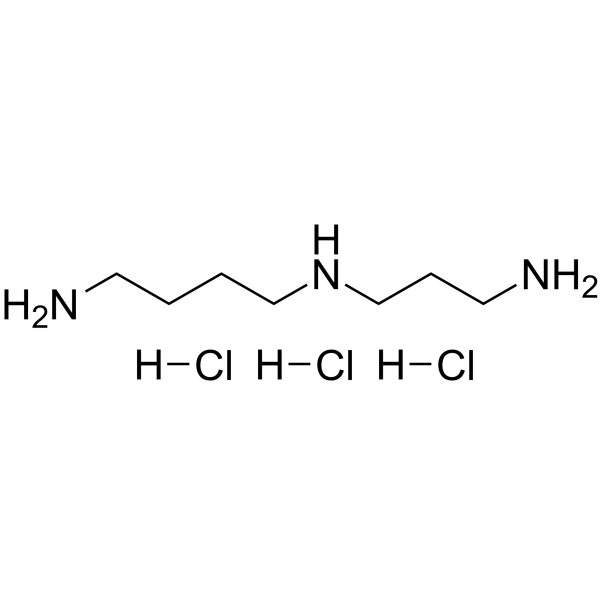
    Spermidine hydrochloride
    15+ Cited Publications

    Endogenous Metabolite Metabolic Disease
    Spermidine hydrochloride maintains cell membrane stability, increases antioxidant enzymes activities, improving photosystem II (PSII), and relevant gene expression. Spermidine hydrochloride significantly decreases the H2O2 and O2 .- contents .
    Spermidine hydrochloride
  • HY-N0240
    Herbacetin
    5 Publications Verification

    Ornithine decarboxylase (ODC) Cancer
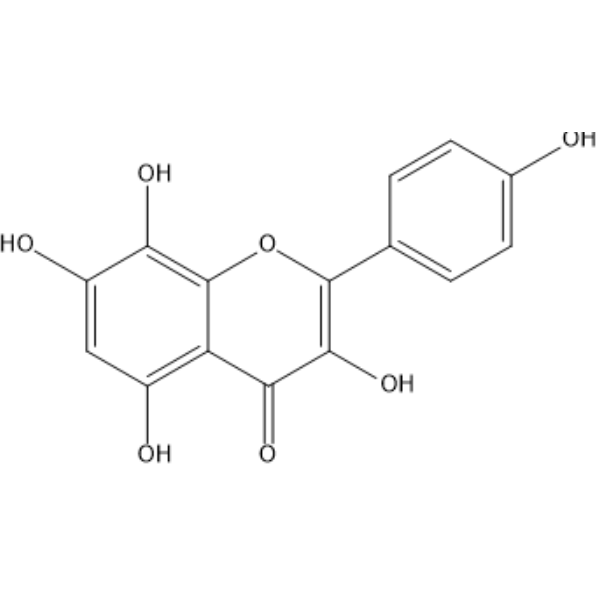
    Herbacetin is a natural flavonoid from flaxseed, exerts various pharmacological activities, including antioxidant, anti-inflammatory and anticancer effects . Herbacetin is an Ornithine decarboxylase (ODC) allosteric inhibitor, directly binds to Asp44, Asp243, and Glu384 on ODC. Ornithine decarboxylase (ODC) is a rate-limiting enzyme in the first step of polyamine biosynthesis .
    Herbacetin
  • HY-134816

    Toll-like Receptor (TLR) Metabolic Disease Inflammation/Immunology Cancer
    D-Glucan is an orally effective Dectin-1 receptor immune activator with antioxidant properties (reducing TNF-α). D-Glucan activates macrophages and neutrophils to scavenge free radicals, inhibit oxidative stress and inflammatory responses, and improve insulin sensitivity. D-Glucan promotes glycolysis by enhancing the activity of the antioxidant enzyme glutathione, inhibiting gluconeogenesis and activating GK. D-Glucan can be used in the research of liver damage protection (antagonizing Acetaminophen (HY-66005) toxicity), radiation protection (synergistic with vitamin E) and diabetes (improving glucose metabolism) .
    D-Glucan
  • HY-N0637
    Eriodictyol
    10+ Cited Publications

    Huazhongilexone

    Melanocortin Receptor TRP Channel Infection Inflammation/Immunology
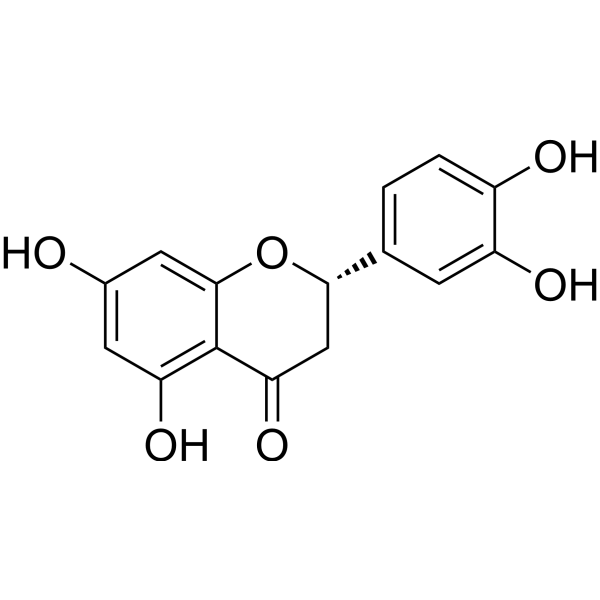
    Eriodictyol ((±)-Huazhongilexone; Dihydroluteolin) is an orally active TRPV1 receptor antagonist (IC50=44-47 nM, rTRPV1) with antioxidant and anti-inflammatory activities. Eriodictyol effectively inhibits lipid peroxidation and the release of proinflammatory cytokines by specifically antagonizing the TRPV1 receptor and activating the Nrf2 signaling pathway. Eriodictyol reduces the levels of ICAM-1, VEGF, eNOS and TNF-α in the retina and maintains the integrity of the blood-retinal barrier. Eriodictyol alleviates oxidative stress-induced apoptosis and hyperalgesia, enhances the activity and cytotoxicity of immune cells (such as B lymphocytes, NK cells and macrophages), and increases the levels of antioxidant enzymes simultaneously. Eriodictyol can be used in the research of diabetic retinopathy, acute lung injury and various pain-related diseases .
    Eriodictyol
  • HY-114740
    β-Naphthoflavone
    1 Publications Verification

    5,6-Benzoflavone; beta-NF

    Aryl Hydrocarbon Receptor Apoptosis Neurological Disease Cancer
    β-Naphthoflavone is an exogenous aryl hydrocarbon receptor (AHR) ligand. β-Naphthoflavone can activate AHR to participate in various biological processes, including cell growth, differentiation, apoptosis, and metabolism. β-Naphthoflavone has antioxidant activity and can exert its antioxidant function by regulating the activity of antioxidant enzymes. β-Naphthoflavone is also a non-carcinogenic CYP1A inducer and can be used to study aristolochic acid (AAI) induced renal injury .
    β-Naphthoflavone
  • HY-113149A

    Endogenous Metabolite Reactive Oxygen Species (ROS) Neurological Disease Metabolic Disease Inflammation/Immunology
    Argininosuccinic acid disodium is an intermediate metabolite in the urea cycle, and its level is associated with argininosuccinic aciduria. Argininosuccinic acid disodium can induce oxidative stress, leading to lipid and protein oxidation, reduction of glutathione, and decrease in antioxidant enzyme activity. Argininosuccinic acid disodium can be converted into guanidinosuccinic acid, a nitric oxide mimic, under the action of nitric oxide-derived free radicals. Argininosuccinic acid disodium can be used in the research of metabolic diseases, renal failure, nervous system diseases, etc .
    Argininosuccinic acid disodium
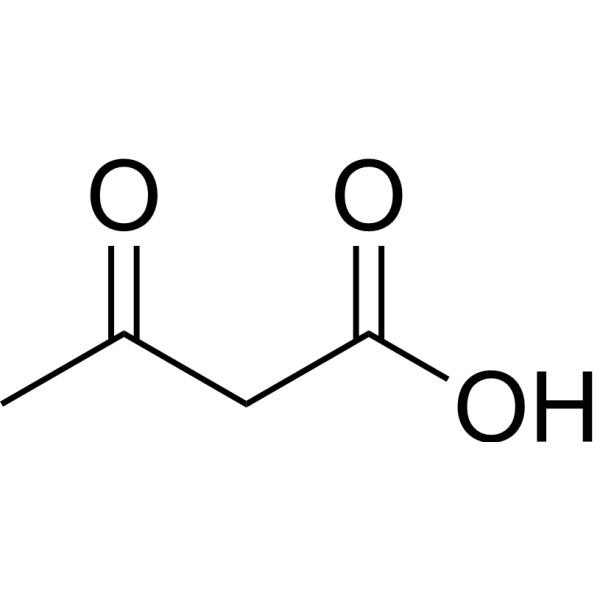
  • HY-112540
    Acetoacetic acid
    4 Publications Verification

    Endogenous Metabolite Metabolic Disease
    Acetoacetic acid is an oxidative stress inducer that affects the antioxidant enzyme system and lipoprotein metabolism. Acetoacetic acid induces oxidative stress by decreasing the mRNA expression and activity of superoxide dismutase (SOD), catalase (CAT), and glutathione peroxidase (GSH-Px), increasing MDA content, and inhibiting very low density lipoprotein (VLDL) assembly by downregulating apolipoprotein ApoB100, ApoE, and low density lipoprotein receptor (LDLR), leading to triglyceride (TG) accumulation in hepatocytes. Acetoacetic acid can be used to study metabolic diseases .
    Acetoacetic acid
  • HY-13755A
    (R)-Sulforaphane
    2 Publications Verification

    L-Sulforaphane

    Keap1-Nrf2 Bcl-2 Family Caspase Reactive Oxygen Species (ROS) NF-κB Inflammation/Immunology Cancer
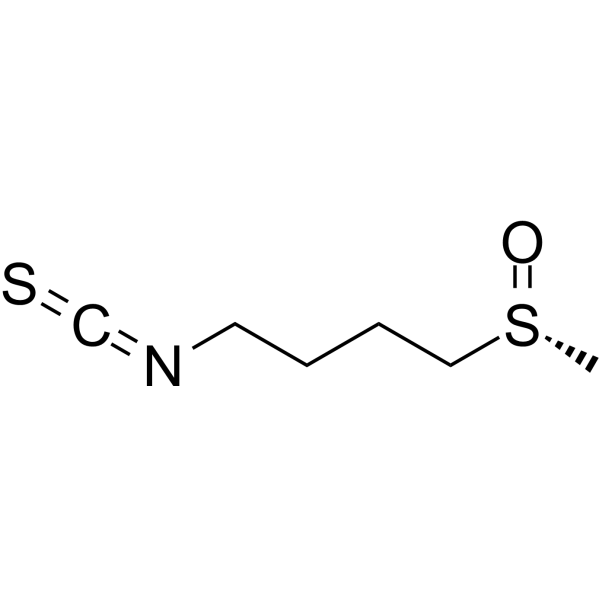
    (R)-Sulforaphane (L-Sulforaphane) is a orally active, potent inducer of the Keap1/Nrf2/ARE pathway, exhibiting antioxidant and anticancer activities. (R)-Sulforaphane primarily functions by upregulating phase II detoxifying enzymes in cells, aiding in the removal of carcinogens and combating oxidative stress. (R)-Sulforaphane is capable of modulating gene expression, influencing various signaling pathways, including Nrf2, NF-κB, and AP-1. (R)-Sulforaphane can be used in studies of tumor biology, antioxidant defense mechanisms, as well as inflammation and immune responses .
    (R)-Sulforaphane
  • HY-B1065

    α-N-Acetyl-L-glutamine; N2-Acetylglutamine

    Keap1-Nrf2 Akt ASK1 Apoptosis Neurological Disease
    Aceglutamide (α-N-Acetyl-L-glutamine; N2-Acetylglutamine) is a neuroprotectant that can penetrate the blood-brain barrier. Aceglutamide can enhance the antioxidant systems of glutathione (GSH), thioredoxin (Trx) and Nrf2. Aceglutamide also inhibits ASK1 and TRAF1, activates the Akt/Bcl-2 anti-apoptotic pathway, enhances the activity of antioxidant enzymes and reduces oxidative damage. Aceglutamide can improve neurological deficits after cerebral ischemia, reduce infarct volume, and inhibit neuronal apoptosis, especially substantia nigra dopaminergic neurons. Aceglutamide can reduce cerebral ischemia/reperfusion injury, improve motor dysfunction, and is used in ischemic stroke-related research .
    Aceglutamide
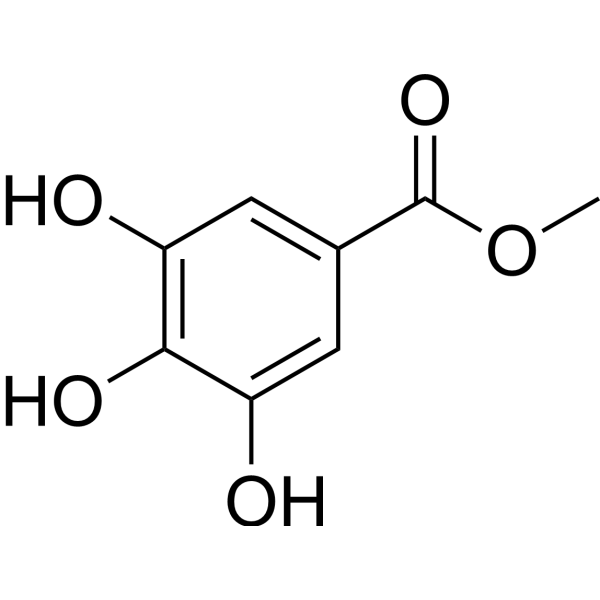
  • HY-N2010
    Methyl gallate
    4 Publications Verification

    Gallincin; NSC 363001

    Bacterial HIV Reactive Oxygen Species (ROS) Infection Cardiovascular Disease Cancer
    Methyl gallate is a plant phenolic with antioxidant, anticancer, and anti-inflammatory activities. Methyl gallate also shows bacterial inhibition activity. Methyl gallate also has anti-HIV-1 and HIV-1 enzyme inhibitory activities.
    Methyl gallate
  • HY-116090
    Conoidin A
    3 Publications Verification

    Parasite Infection Cardiovascular Disease Neurological Disease
    Conoidin A is a cell permeable inhibitor of T. gondii enzyme peroxiredoxin II (TgPrxII) with nematicidal properties. Conoidin A covalently binds to the peroxidatic Cys47 of TgPrxII, irreversibly inhibiting its hyperperoxidation activity with an IC50 of 23 μM. Conoidin A also inhibits hyperoxidation of mammalian PrxI and PrxII (but not PrxIII) . Conoidin A has antioxidant, neuroprotective effects and can be used for the research of ischaemic heart disease .
    Conoidin A
  • HY-N0637A

    (±)-Huazhongilexone; Dihydroluteolin

    Melanocortin Receptor TRP Channel Metabolic Disease
    (±)-Eriodictyol ((±)-Huazhongilexone; Dihydroluteolin) is an orally active TRPV1 receptor antagonist (IC50=44-47 nM, rTRPV1) with antioxidant and anti-inflammatory activities. (±)-Eriodictyol effectively inhibits lipid peroxidation and the release of proinflammatory cytokines by specifically antagonizing the TRPV1 receptor and activating the Nrf2 signaling pathway. (±)-Eriodictyol reduces the levels of ICAM-1, VEGF, eNOS and TNF-α in the retina and maintains the integrity of the blood-retinal barrier. (±)-Eriodictyol alleviates oxidative stress-induced apoptosis and hyperalgesia, enhances the activity and cytotoxicity of immune cells (such as B lymphocytes, NK cells and macrophages), and increases the levels of antioxidant enzymes simultaneously. (±)-Eriodictyol can be used in the research of diabetic retinopathy, acute lung injury and various pain-related diseases .
    (±)-Eriodictyol
  • HY-P10533

    Tyrosinase Others
    Cysteine peptide is a tyrosinase inhibitor with skin-whitening, antioxidant and multi-regulatory activities. Cysteine peptide inhibits enzyme activity and blocks melanin transport, effectively reducing UV-B-induced skin erythema and pigmentation. Cysteine peptide synergistically maintains skin health by quenching ROS, resisting oxidative stress and promoting pheomelanin production. Cysteine peptide safely prevents daily ultraviolet damage and supports moderate sun exposure for vitamin D synthesis. Cysteine peptide also acts as a plant signaling factor to regulate vegetative growth, development and stress resistance responses .
    Cysteine peptide
  • HY-N0354
    Anthraquinone
    3 Publications Verification

    Environmental Pollutants Virus Protease Infection Metabolic Disease Inflammation/Immunology Cancer
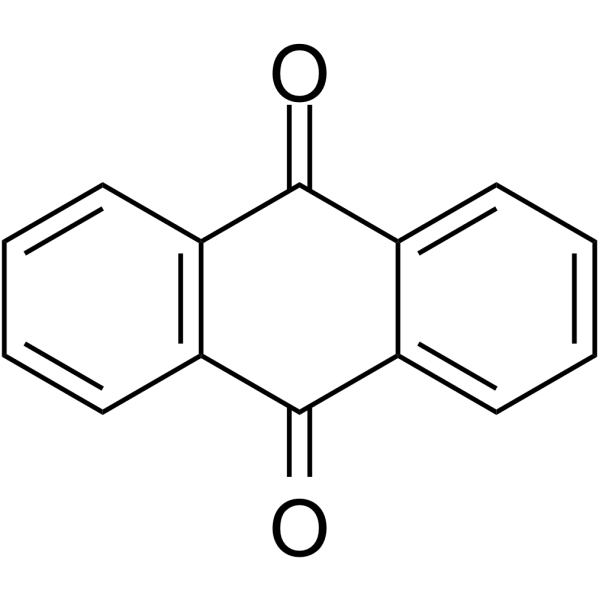
    Anthraquinone is used as a precursor for dye formation and agrochemicals, existing in different organisms, such as bacteria, fungi, plants, and some animals. Anthraquinone has biological activities: anticancer, antiinflammatory, diuretic, antiarthritic, antifungal, antibacterial, antimalarial and antioxidant. Anthraquinone also plays an important role in the primary metabolism of plants by acting on the electron transport chain through the inhibition of energy transfer in the photosynthetic process. Anthraquinone can intercalates into DNA and inhibits the topoisomerase II (topo II) enzyme, resulting in cell death via Apoptosis .
    Anthraquinone
  • HY-W013579

    D-​Carvone

    Environmental Pollutants Apoptosis Caspase Interleukin Related Reactive Oxygen Species (ROS) NOD-like Receptor (NLR) SOD Neurological Disease Metabolic Disease Inflammation/Immunology Cancer
    (S)-(+)-Carvone is an orally active natural product. (S)-(+)-Carvone increases the activity of antioxidant enzymes (SOD, CAT) and ROS, reduces the levels of oxidative stress markers (MDA, AChE), reduces the secretion of proinflammatory cytokines (IL-1β, IL-4, IL-6, IL-10), and downregulates NLRP3. (S)-(+)-Carvone increases the activities of caspase-8, -9 and -3. (S)-(+)-Carvone induces apoptotic death. (S)-(+)-Carvone has antimanic-like effect, liver protection and anticancer activity against skin cancer. (S)-(+)-Carvone improves memory and arthritis .
    (S)-(+)-Carvone
  • HY-Y1325I

    Environmental Pollutants Biochemical Assay Reagents Apoptosis NO Synthase p38 MAPK Heme Oxygenase (HO) Keap1-Nrf2 Wnt β-catenin Metabolic Disease Inflammation/Immunology Cancer
    Sodium acetate trihydrate, 99.5% is a short-chain fatty acid salt with multiple biological activities. Sodium acetate trihydrate, 99.5% serves as a direct precursor of acetyl-CoA, and it extensively affects gene expression by promoting histone acetylation. Sodium acetate trihydrate, 99.5% can activate the p38 MAPK pathway to induce cancer cell apoptosis. Sodium acetate trihydrate, 99.5% can activate the Wnt/β-catenin signaling pathway to stimulate the proliferation and migration of cecal epithelial cells, thereby improving intestinal health. Sodium acetate trihydrate, 99.5% alleviates lead accumulation and oxidative damage by upregulating the testosterone-dependent eNOS/NO/cGMP signaling pathway, as well as activating the Nrf2/HO-1 pathway and its downstream antioxidant enzymes .
    Sodium acetate trihydrate, 99.5%
  • HY-W075903

    Cobalt hexammine trichloride; Hexaamminecobalt trichloride

    Biochemical Assay Reagents SOD Glutathione S-transferase Metabolic Disease Cancer
    Hexaamminecobalt (III) chloride is an orally active cobalt coordination compound. Hexaamminecobalt (III) chloride restores the activities of liver antioxidant enzymes (SOD, Catalase) and detoxification enzyme GST. Hexaamminecobalt (III) chloride restores GSH content and reduces DAG. Hexaamminecobalt (III) chloride impairs renal function. Hexaamminecobalt (III) chloride exerts anti-carcinogenic effects in Diethylnitrosamine (HY-N7434)-induced hepatocarcinoma .
    Hexaamminecobalt(III) chloride
  • HY-N3029
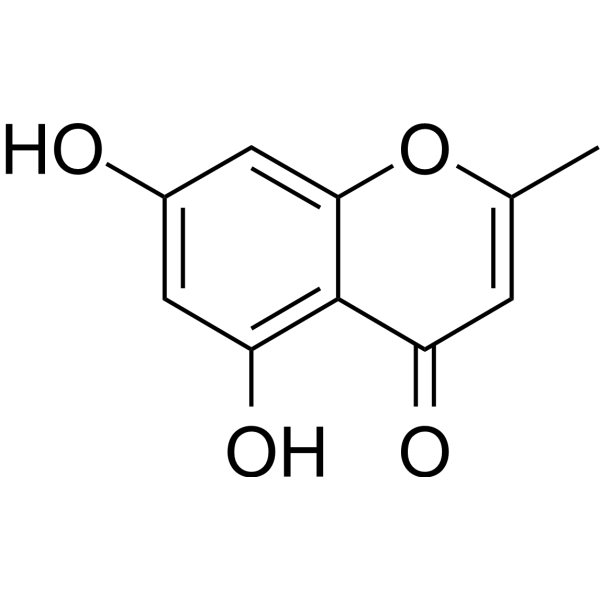
    Noreugenin
    2 Publications Verification

    Interleukin Related Apoptosis Glutathione Peroxidase SOD Glutathione S-transferase Necroptosis Inflammation/Immunology
    Noreugenin is a phenolic compound found in Calea uniflora Less. Noreugenin inhibits myeloperoxidase activity and reduces levels of proinflammatory cytokines IL-1β and IL-17A levels in LPS (HY-D1056)-induced murine pleurisy model. Noreugenin reduces apoptosis and necrosis. Noreugenin reduces lipid peroxidation, and antioxidant enzyme (CAT, SOD, GST) activity. Noreugenin exhibits anti-inflammatory and antioxidant effects. Noreugenin can be used for the research of inflammatory conditions, such as pleurisy .
    Noreugenin
  • HY-B1776R

    Reference Standards Endogenous Metabolite Metabolic Disease
    Spermidine (Standard) is the analytical standard of Spermidine. This product is intended for research and analytical applications. Spermidine maintains cell membrane stability, increases antioxidant enzymes activities, improving photosystem II (PSII), and relevant gene expression. Spermidine significantly decreases the H2O2 and O2.- contents .
    Spermidine (Standard)
  • HY-N0419
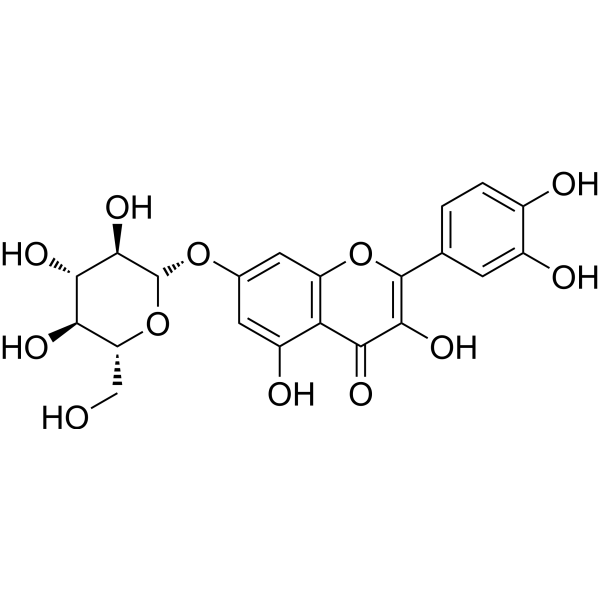
    Quercimeritrin
    2 Publications Verification

    Quercetin-7-O-β-D-glucopyranoside

    Glycosidase c-Kit MMP VEGFR Aurora Kinase Metabolic Disease Cancer
    Quercimeritrin (Quercetin-7-O-β-D-glucopyranoside) is an orally active α-glucosidase inhibitor (with an IC50 of 79.88 μM against the Saccharomyces cerevisiae enzyme) and a P-gp substrate, with anti-angiogenic and antioxidant activities. Quercimeritrin does not cross the blood-brain barrier and does not inhibit cytochrome P450 enzymes. Quercimeritrin precisely binds to and inhibits the active sites of c-Kit, MMP-2, Aurora-A kinases and α-glucosidase, thereby disrupting target functions. Quercimeritrin effectively regulates postprandial blood glucose and also exhibits significant anti-angiogenic activity, which inhibits endothelial cell proliferation and microvascular growth. Quercimeritrin can be used in the research of diabetes and breast cancer .
    Quercimeritrin
  • HY-113149

    Endogenous Metabolite Reactive Oxygen Species (ROS) Neurological Disease Metabolic Disease Inflammation/Immunology
    Argininosuccinic acid is an intermediate metabolite in the urea cycle, and its level is associated with argininosuccinic aciduria. Argininosuccinic acid can induce oxidative stress, leading to lipid and protein oxidation, reduction of glutathione, and decrease in antioxidant enzyme activity. Argininosuccinic acid can be converted into guanidinosuccinic acid, a nitric oxide mimic, under the action of nitric oxide-derived free radicals. Argininosuccinic acid can be used in the research of metabolic diseases, renal failure, nervous system diseases, etc .
    Argininosuccinic acid
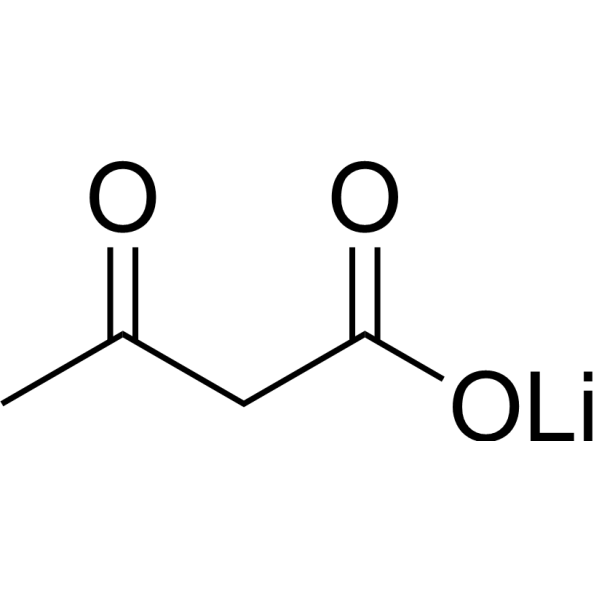
  • HY-112540A
    Acetoacetic acid lithium
    4 Publications Verification

    Endogenous Metabolite Metabolic Disease
    Acetoacetic acid lithium is an oxidative stress inducer that affects the antioxidant enzyme system and lipoprotein metabolism. Acetoacetic acid lithium induces oxidative stress by decreasing the mRNA expression and activity of superoxide dismutase (SOD), catalase (CAT), and glutathione peroxidase (GSH-Px), increasing MDA content, and inhibiting very low density lipoprotein (VLDL) assembly by downregulating apolipoprotein ApoB100, ApoE, and low density lipoprotein receptor (LDLR), leading to triglyceride (TG) accumulation in hepatocytes. Acetoacetic acid lithium can be used to study metabolic diseases .
    Acetoacetic acid lithium
  • HY-N5063
    Plantainoside D
    2 Publications Verification

    Angiotensin-converting Enzyme (ACE) IKK Calcium Channel PKC Reactive Oxygen Species (ROS) NF-κB Apoptosis Sirtuin NOD-like Receptor (NLR) Cardiovascular Disease Neurological Disease Inflammation/Immunology
    Plantainoside D, a phenylethanoid glycosides, is a IKK-β inhibitor with diverse biological activities. Plantainoside D shows inhibitory activity of angiotensin-converting enzyme (ACE) with an IC50 of 2.17 mM. Plantainoside D significantly reduces the release of glutamate from nerve terminals in the cerebral cortex of rats by inhibiting the voltage-dependent calcium channel (VDCCs) and protein kinase C (PKC) signaling cascade. Plantainoside D significantly alleviates cell apoptosis by inhibiting the generation of ROS and the activation of NF-κB. Plantainoside D significantly improves acute lung injury (ALI) induced by sepsis by regulating the Sirt3/NLRP3 signaling pathway. Plantainoside D can be used for the study of neuroprotection, antioxidant, anti-inflammation, antihypertension .
    Plantainoside D
  • HY-B1776AS1
    Spermidine-13C4 hydrochloride
    1 Publications Verification

    Isotope-Labeled Compounds Endogenous Metabolite Metabolic Disease
    Spermidine- 13C4 (hydrochloride) is the 13C-labeled Spermidine trihydrochloride. Spermidine hydrochloride maintains cell membrane stability, increases antioxidant enzymes activities, improving photosystem II (PSII), and relevant gene expression. Spermidine hydrochloride significantly decreases the H2O2 and O2.- contents .
    Spermidine-13C4 hydrochloride
  • HY-N2533

    Cyanidin-3-O-sambubioside chloride

    Influenza Virus Angiotensin-converting Enzyme (ACE) Akt MMP Infection Cardiovascular Disease Inflammation/Immunology Cancer
    Cyanidin 3-sambubioside chloride (Cyanidin-3-O-sambubioside chloride), a major anthocyanin, a natural colorant, and is a potent NO inhibitor. Cyanidin 3-sambubioside chloride is a H274Y mutation inhibitor, and inhibits influenza neuraminidase activity with an IC50 of 72 μM. Cyanidin 3-sambubioside chloride inhibits angiotensin-converting enzyme (ACE) activity and has antioxidant, anti-angiogenic and antiviral properties .
    Cyanidin 3-sambubioside chloride
  • HY-B0655
    Zofenopril calcium
    1 Publications Verification

    SQ26991

    Angiotensin-converting Enzyme (ACE) Reactive Oxygen Species (ROS) Cardiovascular Disease
    Zofenopril Calcium (SQ26991) is an orally active angiotensin-converting enzyme (ACE) inhibitor with antioxidant activity and cardioprotective effects. Zofenopril Calcium reduces ROS production and GSH consumption and helps inhibit foam cell formation, thus slowing the progression of atherosclerosis. Zofenopril Calcium prevents cardiac damage caused by chronic Doxorubicin (HY-15142A) .
    Zofenopril calcium
  • HY-N2484
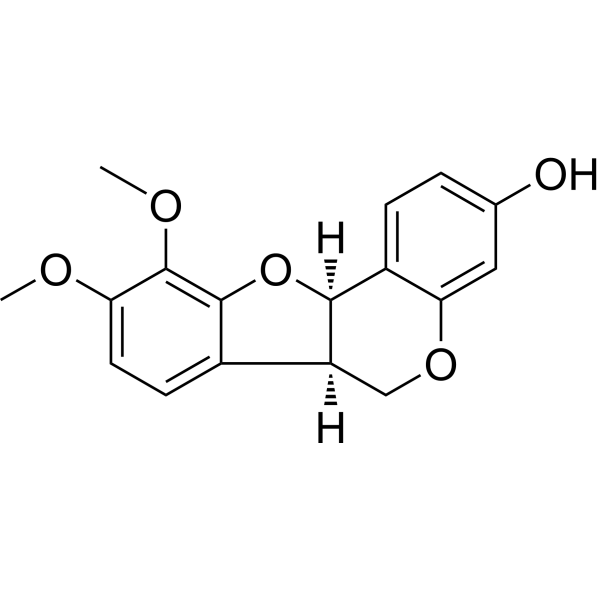
    Methylnissolin
    2 Publications Verification

    Astrapterocarpan

    PDGFR ERK Cardiovascular Disease Neurological Disease Metabolic Disease Inflammation/Immunology
    Methylnissolin (Astrapterocarpan) is an osteoclast inhibitor with anti-inflammatory, neuroprotective and antioxidant activities. Methylnissolin downregulates the activation of the MAPK and PI3K/AKT pathways, inhibits the phosphorylation of MAPK1 and AKT1, and blocks PDGF-BB-induced phosphorylation of ERK1/2. Methylnissolin reduces the expression and secretion of proinflammatory mediators, decreases intracellular ROS levels, upregulates antioxidant enzymes, and downregulates osteoclastogenesis markers. Methylnissolin is applicable to research related to ischemic stroke, osteoporosis, cardiovascular diseases, skin aging, etc.
    Methylnissolin
  • HY-164159

    Reactive Oxygen Species (ROS) MMP Inflammation/Immunology
    α-Glucosylrutin, a flavonoid, is a potent antioxidant with free radical scavenging activity. α-Glucosylrutin reduces MMP-1 gene expression, protein expression, and enzyme activity, and reduces MMP-2 protein expression and enzyme activity in UVA-irradiated human dermal fibroblasts. α-Glucosylrutin prevents oxidative stress-induced intracellular tyrosine residue phosphorylation and counteracts intracellular thiol level depletion in human skin cells. α-Glucosylrutin is effective in the prevention of dermatologic diseases in which oxidative stress is of pathogenetic relevance, e.g. in polymorphous light eruption (PLE). α-Glucosylrutin can be used for the research of UV-induced skin photodamage/photoaging .
    α-Glucosylrutin
  • HY-W026772
    Fluorene
    1 Publications Verification

    Environmental Pollutants Fluorescent Dye TNF Receptor Interleukin Related SOD Reactive Oxygen Species (ROS) Inflammation/Immunology
    Fluorene is an orally active polycyclic aromatic hydrocarbon (PAH) and a precursor to other fluorene-based compounds. Fluorene and its derivatives serve as dye precursors for fluorene synthesis. In A549 cells, Fluorene induces oxidative stress and inflammatory responses by increasing ROS and SOD generation, exacerbating lipid peroxidation, modulating antioxidant enzyme activity, and upregulating the expression of pro-inflammatory factors TNF-α and IL-6. In vivo, Fluorene exhibits anxiolytic activity. Fluorene holds potential for research in inflammation and neurological disorders .
    Fluorene
  • HY-N2157
    Pteryxin
    1 Publications Verification

    (+)-Pteryxin

    Cholinesterase (ChE) NF-κB NOD-like Receptor (NLR) Keap1-Nrf2 Reactive Oxygen Species (ROS) Nuclear Factor of activated T Cells (NFAT) p38 MAPK Neurological Disease Metabolic Disease Inflammation/Immunology
    Pteryxin ((+)-Pteryxin) is an orally active multi-target inhibitor that targets NF-κB, MAPK, NLRP3 inflammasome, and Nrf2/ARE pathways. Pteryxin is also a BChE inhibitor (IC50=12.96 μg/mL) with a low inhibitory efficiency on AChE. Pteryxin inhibits the Ca 2+-calcineurin-NFATc1 pathway by blocking NF-κB/MAPK signaling, inhibiting NLRP3 inflammasome activation, and reducing ROS generation, and activates Nrf2-mediated antioxidant enzyme expression. Pteryxin has anti-inflammatory, antioxidant, and osteoclastogenesis inhibitory activities. Pteryxin can be used in the study of inflammatory diseases, osteoporosis, diabetes, and Alzheimer's disease .
    Pteryxin
  • HY-N5139
    Lecithins, egg
    1 Publications Verification

    Lecithins, egg yolk; Belovo PL 85

    Cholinesterase (ChE) Angiotensin-converting Enzyme (ACE) Bacterial Infection Neurological Disease Metabolic Disease Inflammation/Immunology
    Lecithins, egg (Lecithins, egg yolk; Belovo PL 85) is an orally active natural phospholipid mixture extracted from egg yolks . Lecithins, egg inhibits the activities of acetylcholinesterase (AChE) and angiotensin-converting enzyme (ACE). Lecithins, egg exhibits antibacterial, antioxidant and anti-inflammatory activities, and helps delay cellular senescence. Lecithins, egg enhances nerve conduction, improves memory and cognitive function, and exerts positive effects on delaying neurodegenerative diseases. Lecithins, egg promotes lipid absorption and alleviates diarrhea. Lecithins, egg acts as a high-efficiency drug carrier for the preparation of targeted drug delivery systems such as liposomes .
    Lecithins, egg
  • HY-W984782

    GLUT Bacterial Fungal AMPK PPAR Reactive Oxygen Species (ROS) Apoptosis SOD Infection Metabolic Disease Cancer
    Flindersine is an alkaloid with multiple activities including antibacterial, antifungal, antitumor, and antidiabetic properties. Flindersine increases the activity of antioxidant enzymes, restores the levels of renal biomarkers, and reduces blood glucose, blood lipid, and insulin levels in diabetic rats. Flindersine inhibits the growth of Gram-positive bacteria, Gram-negative bacteria, drug-resistant bacteria, as well as dermatophytes, filamentous fungi, and yeasts. Flindersine reduces the viability of cancer cells and induces apoptosis. Flindersine can be used in research related to breast cancer, type 2 diabetes, bacterial infections, and fungal infections .
    Flindersine
  • HY-130687A

    DL-Psicose

    PI3K mTOR Akt IGF-1R TGF-beta/Smad Mitochondrial Metabolism Neurological Disease Metabolic Disease
    Psicose (DL-Psicose) is an orally effective sugar substitute. Psicose activates the PI3K/Akt/mTOR pathway to promote muscle synthesis. Psicose upregulates IGF-1 and downregulates Myostatin. Psicose normalizes mitochondrial dysfunction by increasing G6P activity. Psicose enhances the activity of antioxidant enzymes and reduces oxidative stress markers. Psicose increases muscle mass, grip strength and muscle weight in aged mice and diet-induced obese mice. Psicose improves obesity and type 2 diabetes. Psicose can be used in the research of age-related sarcopenia .
    Psicose
  • HY-P5557

    Bacterial Necroptosis Infection Inflammation/Immunology
    TP4 (Nile tilapia piscidin) is an orally active amphipathic α-helical cationic antimicrobial peptide. TP4 (Nile tilapia piscidin) exerts broad-spectrum bactericidal activity against Gram-positive and Gram-negative bacteria by disrupting cell membrane structures, and also exhibits certain hemolytic activity. TP4 (Nile tilapia piscidin) regulates the innate immune system and enhances the expression of lysozymes, cytokines and antioxidant enzymes to resist bacterial infection. TP4 (Nile tilapia piscidin) also stimulates the proliferation of keratinocytes and fibroblasts, and significantly promotes the healing of wounds infected with MRSA. TP4 (Nile tilapia piscidin) can be used in research related to bacterial infection, peritonitis, wound healing and other fields .
    TP4 (Nile tilapia piscidin)
  • HY-N2125

    5-HT Receptor iGluR Caspase Interleukin Related TNF Receptor SOD NF-κB Neurological Disease Inflammation/Immunology
    Parishin C is a brain-penetrant major bioactive component found in Gastrodia elata Blume. Parishin C is a 5-HT1A receptor agonist with an EC50 of 34 nM. Parishin C has antipsychotic and neuroprotective effects. Parishin C protects against Aβ-induced long-term potentiation damage and NMDA receptor current impairment. Parishin C reduces oxidative stress, pro-inflammatory cytokine levels, caspase activity, brain water content, and cerebral infarct volume; increases antioxidant enzyme activity and BDNF levels; improves nerve function and histopathological brain damage. Parishin C attenuates phencyclidine-induced immobility time increases, sociability deficits, and visual recognition memory impairment. Parishin C can be used for the research of ischemic stroke, Alzheimer's disease, and schizophrenia-like psychosis .
    Parishin C
  • HY-N7335

    Quinone Reductase Others Neurological Disease Inflammation/Immunology Cancer
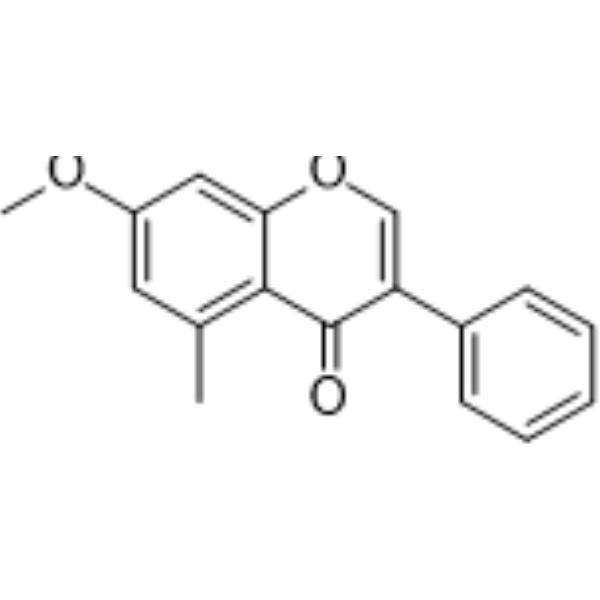
    Dehydroglyasperin C, a isoflavone, is a potent NAD(P)H:oxidoquinone reductase (NQO1) and phase 2 enzyme inducer. Dehydroglyasperin C has antioxidant, neuroprotective, cancer chemopreventive, and anti-inflammatory activities .
    Dehydroglyasperin C
  • HY-N0499A

    Prostaglandin Receptor Inflammation/Immunology
    Cyanidin is an orally active antioxidant and enzyme inhibitor. Cyanidin has IC50 values of 90 μM and 60 μM against PGHS-1 and PGHS-2, respectively. Cyanidin exhibits excellent antioxidant and anti-inflammatory activities, scavenges free radicals, inhibits lipid peroxidation, and protects DNA from cleavage. Cyanidin can be used in the research of inflammatory diseases .
    Cyanidin
  • HY-B1776S
    Spermidine-d6
    1 Publications Verification

    Endogenous Metabolite Metabolic Disease
    Spermidine-d6 is the deuterium labeled Spermidine . Spermidine maintains cell membrane stability, increases antioxidant enzymes activities, improving photosystem II (PSII), and relevant gene expression. Spermidine significantly decreases the H2O2 and O2.- contents .
    Spermidine-d6
  • HY-N10423

    (-)-Cubebin

    Cholinesterase (ChE) Bacterial Fungal Parasite p38 MAPK Infection Neurological Disease Metabolic Disease Inflammation/Immunology Cancer
    Cubebin ((-)-Cubebin), a dibenzyl butyrolactone lignan, is an orally active AChE inhibitor. Cubebin binds to active sites of NF-κB, TNF-α, and TGF-β1 via hydrogen and hydrophobic interactions, obstructing critical residues to inhibit pro-inflammatory or renal fibrosis-related activity. Cubebin enhances p38 MAPK phosphorylation to increase tyrosinase gene expression, stimulating melanogenesis via elevated tyrosinase activity, expression, and mRNA levels. Cubebin reduces oxidative stress via enhanced endogenous antioxidant enzyme activity and inhibited lipid peroxidation, regulates lipid metabolism, improves glycemic control, and exerts renoprotective effects via reduced renal dysfunction markers and improved renal architecture. Cubebin shows antimicrobial activity. Cubebin exerts larvicidal activity against Angiostrongylus cantonensis larvae, with no cytotoxicity toward monkey or human cell lines or Caenorhabditis elegans. Cubebin can be used for the research of diabetic nephropathy, melanoma, colon adenocarcinoma, neuroangiostrongyliasis, Alzheimer’s disease (AD) and depression .
    Cubebin
  • HY-N11822A

    Cytochrome P450 Inflammation/Immunology Cancer
    Glucoraphasatin potassium is potassium salt of Glucoraphasatin (HY-N11822). Glucoraphasatin is an atypical and orally active glucosinolate found in cruciferous vegetables, including Raphanus sativus. Glucoraphasatin exhibits anti-inflammation and anti-oxidant activity. Glucoraphasatin can affect phase I metabolic enzymes activity. Glucoraphasatin can be converted by the plant enzyme myrosinase into isothiocyanates and shows cytotoxic to cancer cells. Glucoraphasatin can be used for the researches of cancer and inflammation, such as colon cancer .
    Glucoraphasatin potassium
  • HY-B1776AS

    Isotope-Labeled Compounds Endogenous Metabolite Metabolic Disease
    Spermidine-d8 (hydrochloride)e is the deuterium labeled Spermidine trihydrochloride. Spermidine hydrochloride maintains cell membrane stability, increases antioxidant enzymes activities, improving photosystem II (PSII), and relevant gene expression. Spermidine hydrochloride significantly decreases the H2O2 and O2.- contents .
    Spermidine-d8 hydrochloride
  • HY-W010989

    Biochemical Assay Reagents Bacterial Infection Neurological Disease Inflammation/Immunology Cancer
    Gly-His-Lys acetate is a natural, circulating regulatory and antimicrobial tripeptide derived from extracellular matrix proteins. Gly-His-Lys acetate binds Cu 2+ to support copper enzyme activation, antioxidant processes, cellular bioenergetics, and the synthesis of elastin, collagen and catecholamines. Gly-His-Lys acetate regulates cell growth, differentiation and tissue repair, and exerts regenerative, anxiolytic, anti-inflammatory, analgesic and immunosuppressive activities. Gly-His-Lys acetate induces liver degenerative changes. Gly-His-Lys acetate can be used for the research of infections, anxiety, pain-related behaviors and immune-associated liver diseases .
    Gly-His-Lys acetate
  • HY-NP192

    Reactive Oxygen Species (ROS) Bacterial COX NO Synthase Toll-like Receptor (TLR) p38 MAPK NF-κB Interleukin Related Cholinesterase (ChE) Bcl-2 Family Tyrosinase PI3K Akt Infection Neurological Disease Metabolic Disease Inflammation/Immunology Cancer
    Sericin is an orally active globular protein produced by silkworm cocoons. Sericin inhibits the expression of COX2, iNOS, TLR4, MAPK and NF-κB; reduces the levels of IL-18, IL-1 and CCL2; antagonizes the activity of AChE; and downregulates the expression of Bcl-2. Sericin enhances the PI3K/AKT-mediated insulin signaling pathway. Sericin inhibits the activity of tyrosinase (Tyrosinase), scavenges ROS, chelates metal ions, and increases the levels of antioxidant enzymes. Sericin induces apoptosis and arrests the cell cycle. Sericin exhibits antibacterial, moisturizing, cardioprotective and anticoagulant properties. Sericin can be used in research related to type 2 diabetes, hyperlipidemia, obesity, Alzheimer's disease, colon cancer, peripheral nerve injury and ischemic myocardial infarction .
    Sericin

Inquiry Online

Your information is safe with us. * Required Fields.

Salutation


Country or Region *

Applicant Name *


Organization Name *

Department *


Email Address *


Product Name *

Cat. No.


Requested quantity *

Phone Number *


Remarks

Inquiry Online

Inquiry Information

Product Name:
Cat. No.:
Quantity:
MCE Japan Authorized Agent:

