

















Search Result
Results for "
bispecific
" in MedChemExpress (MCE) Product Catalog:
| Cat. No. |
Product Name |
Target |
Research Areas |
Chemical Structure |
-
- HY-P99575
-
|
AMG-757
|
Notch
|
Inflammation/Immunology
Cancer
|
|
Tarlatamab (AMG-757) is a bispecific T-cell engager (BiTE) antibody targeting delta-like ligand 3 (DLL3). DLL3 is a target that is selectively expressed in small-cell lung cancer (SCLC) tumors, but with minimal normal tissue expression. Tarlatamab has the KDs of 0.64 nM and 0.50 nM for human and nonhuman primate (NHP) DLL3, respectively. Tarlatamab has the KDs of 14.9 nM and 12 nM for human and NHP CD3, respectively. Tarlatamab is a first-in-class HLE BiTE immuno-oncology therapy targeting DLL3 and has the potential for SCLC research .
|
-
-
- HY-P9999
-
|
RG6102; RO-7126209
|
Amyloid-β
|
Neurological Disease
|
|
Trontinemab (RG6102) is a brain-penetrant, anti-amyloid, bispecific and humanizedized IgG1-κ antibody, targeting to Aβ plaques and transferrin receptor 1 (TFR1). Trontinemab binds to fibrillar Aβ as well as Aβ plaques triggering plaque clearance by engaging immune cells on Alzheimer disease (AD) brain sections. Trontinemab also shows specific affinity to cynomolgus and human TFR1 .
|
-
-
- HY-P9977
-
|
JNJ-61186372
|
EGFR
|
Inflammation/Immunology
Cancer
|
|
Amivantamab (JNJ-61186372) is a human EGFR-MET bispecific antibody with immune anticancer activity. Amivantamab inhibits ligand binding, promotes endocytosis and degradation of receptor-antibody complexes, and induces Fc-dependent cytokinesis in macrophages and antibody-dependent cytotoxicity in natural killer cells .
|
-
-
- HY-P9963
-
|
bscCD19xCD3; AMG-103; MEDI-538; MT-103; BLINCYTO
|
CD19
|
Cancer
|
|
Blinatumomab (Anatumomab) is a bispecific monoclonal antibody with two binding sites, one for CD3E on T cells and one for CD19 on B cells. Blinatumomab can be used in research for acute lymphoblastic leukemia .
|
-
-
- HY-P99392
-
|
JNJ-7957; JNJ-64007957; Tecvayli
|
CD3
|
Cancer
|
|
Teclistamab is a human bispecific antibody to BCMA and CD3 that recognizes BCMA on target cells and CD3 on T cells and induces T cell-mediated cytotoxicity leading to T cell activation and subsequent target cell lysis. Teclistamab can be used in studies of diseases related to multiple myeloma (MM) .
|
-
-
- HY-P99024
-
|
RO7082859; RG-6026
|
CD20
CD3
|
Inflammation/Immunology
Cancer
|
|
Glofitamab (RO7082859) is a T-cell-engaging bispecific antibody possessing a novel 2:1 structure with bivalency for CD20 on B cells and monovalency for CD3 on T cells. Glofitamab leads to T-cell activation, proliferation, and tumor cell killing upon binding to CD20 on malignant cells. Glofitamab induces durable complete remissions in relapsed or refractory B-Cell non-Hodgkin lymphoma (B-NHL) .
|
-
-
- HY-P99033
-
|
BTCT-4465A; RG-7828; RO7030816
|
CD20
CD3
|
Inflammation/Immunology
Cancer
|
|
Mosunetuzumab (BTCT-4465A) is a full-length, fully humanized immunoglobulin G1 (IgG1) T-cell-dependent bispecific (TDB) antibody targeting CD20 (B cells) and CD3 (T cells). Mosunetuzumab redirects T cells to engage and eliminate malignant B cells and can be used for the research of relapsed or refractory (R/R) B-cell non-Hodgkin lymphomas (B-NHLs) .
|
-
-
- HY-P99380
-
|
ZW 25; ZW-49 Antibody
|
EGFR
|
Cancer
|
|
Zanidatamab (ZW25) is a humanised, bispecific monoclonal antibody targeting 2 distinct HER2 epitopes (ECD2 and ECD4). Zanidatamab has anti-tumour activity .
|
-
-
- HY-P99592
-
|
AMG 110
|
CD3
|
Cancer
|
|
Solitomab (AMG 110) is a bispecific anti-CD3 and anti-epithelial-cell-adhesion-molecule (EpCAM) antibody. Solitomab can be used for the research of primary uterine and ovarian carcinosarcoma cancer .
|
-
-
- HY-P99507
-
|
MCLA-128; PB4188; R040517
|
EGFR
|
Cancer
|
|
Zenocutuzumab (MCLA-128) is a bispecific humanized IgG1 antibody containing two different Fab arms, targeting extracellular domains of HER2 and HER3 .
|
-
-
- HY-164702
-
|
Izalontamab Brengitecan
|
Antibody-Drug Conjugates (ADCs)
EGFR
|
Cancer
|
|
BL-B01D1 is a bispecific ADC, which targets EGFR and HER3 through bispecific antibody Izalontamab (HY-P99676), and exhibits cytotoxicity against various cancer cells via inhibition of DNA replication and DNA synthesis by its ADC toxin ED04 (HY-153891). BL-B01D1 can be used in the study of cancer .
|
-
-
- HY-P99117
-
|
AK104
|
PD-1/PD-L1
CTLA-4
|
Inflammation/Immunology
Cancer
|
|
Cadonilimab (AK104) is a humanized tetravalent IgG1 bispecific antibody targeting PD1/CTLA4. Cadonilimab blocks both PD-1 and CTLA-4 pathways, thereby relieving their corresponding immunosuppressive effects and reversing tumor specific T cell exhaustion. Cadonilimab significantly downregulates Fc-mediated effector functions, including antibody-dependent cell-mediated cytotoxicity (ADCC), antibody-dependent cellular phagocytosis (ADCP), complement dependent cytotoxicity (CDC). Cadonilimab can be used for research of metastatic cervical cancer, as well as other malignancies such as gastric cancer, GEJ adenocarcinoma and non-small cell lung cancer (NSCLC) .
|
-
-
- HY-P991028
-
|
AZD0486; TNB-486
|
CD3
CD19
Interleukin Related
TNF Receptor
IFNAR
|
Cancer
|
|
Surovatamig (AZD0486; TNB-486) is a fully human anti-CD19/CD3 IgG4 bispecific antibody. Surovatamig triggers T cell activation, releases cytotoxic granules, and induces T cell-dependent cellular cytotoxicity and tumor cell lysis. Surovatamig can reduces release of pro-inflammatory cytokines including IL-2, IFNγ, TNF. Surovatamig can be used for the research of cancer, such as B cell non-Hodgkin lymphoma .
|
-
-
- HY-P99931
-
|
GEN3013
|
CD3
CD20
|
Cancer
|
|
Epcoritamab (GEN3013) is an bispecific IgG1 antibody redirecting T-cells toward CD3×CD20 + tumor cells. Epcoritamab induces potent T-cell-mediated cytotoxicity towards B-cell NHL cell lines .
|
-
-
- HY-P99676
-
|
SI-B001; BL-B01D1 Antibody
|
EGFR
|
Cancer
|
|
Izalontamab (SI-B001) is a bispecific anti-EGFR/HER3 monoclonal antibody with high selectivity for EGFR/HER3 heterodimer. Izalontamab can be used for the research of cancer .
|
-
-
- HY-P99116
-
|
RG7716; RO-6867461
|
VEGFR
|
Cardiovascular Disease
Metabolic Disease
Inflammation/Immunology
|
|
Faricimab, an overall good safety and tolerability profile, is a bispecific antibody targeting Angiopoietin-2 (Ang-2) and vascular endothelial growth factor-A (VEGF-A). Faricimab prevents retinal vascular leakage, cell death and inflammation in retinal ischemia/reperfusion (I/R) injury and sCNV mouse models. Faricimab demonstrates statistically superior visual acuity gains versus Ranibizumab (HY-P9951). Faricimab can be used for retinal diseases, such as age-related macular degeneration (w-AMD), diabetic macular edema (DME) and macular edema following retinal vein occlusion (RVO) .
|
-
-
- HY-P99539
-
|
REGN4018
|
CD3
|
Cancer
|
|
Ubamatamab (REGN4018) is a humanized bispecific antibody targeted against Mucin 16 (MUC16) and CD3. Ubamatamab demonstrates potent antitumor activity .
|
-
-
- HY-P99394
-
|
JNJ-64407564
|
CD3
|
Cancer
|
|
Talquetamab (JNJ-64407564) is a humanized bispecific antibody that binds to GPRC5D (member of G protein-coupled receptor family C5 group D) and CD3 to induce T cell-mediated killing of GPRC5D-expressing MM cells through T cell recruitment and activation. Talquetamab (JNJ-64407564) has antitumor activity .
|
-
-
- HY-P99455
-
|
EMB-01
|
EGFR
c-Met/HGFR
|
Cancer
|
|
Bafisontamab (EMB-01) is a bispecific antibody targeting EGFR and cMET with antitumor activity .
|
-
-
- HY-P99521
-
|
XmAb14045
|
CD3
|
Inflammation/Immunology
Cancer
|
|
Vibecotamab (XmAb14045) is a potent bispecific antibody targeting both CD123 and CD3. Vibecotamab targets T cell-mediated killing of CD123-expressing cells, regardless of T cell antigen specificity. Vibecotamab is a full length immunoglobulin molecule. Vibecotamab can be studied in research for diseases such as Myelodysplastic syndrome and acute myeloid leukemia. Recommend Isotype Control: half-IG G1-kappa/(scFv-heavy-lambda)-h-CH2-CH3 .
|
-
-
- HY-P99896
-
|
BTRC-4017A; RG-6194
|
EGFR
CD3
|
Cancer
|
|
Runimotamab (BTRC-4017A) is a HER2 and CD3 T cell-engaging bispecific antibody. Runimotamab can decrease the size of liver tumor spheroids. Runimotamab can be studied in oncology research such as HER2-expressing cancers. Recommend Isotype Controls: Human IgG1 kappa, Isotype Control (HY-P99001) .
|
-
-
- HY-P99330
-
|
Anti-Human VEGFA Recombinant Antibody; RO5520985
|
VEGFR
Tie
|
Cancer
|
|
Vanucizumab is a first-in-class, bispecific IgG1-like monoclonal antibody that simultaneously blocks VEGF-A and angiopoietin-2 (Ang-2) from interacting with their receptors. Vanucizumab has antiangiogenic and anticancer effects .
|
-
-
- HY-P99011
-
|
|
CD3
|
Cancer
|
|
Cibisatamab, a T cell bispecific antibody, binds Carcino-Embryonic Antigen (CEA) on cancer cells and CD3 on T cells. Cibisatamab triggers T cell killing of cancer cell lines expressing moderate to high levels of CEA at the cell surface. Cibisatamab can be used for colorectal cancer research .
|
-
-
- HY-P99517
-
|
JNJ-63898081; JNJ-081
|
CD3
PSMA
|
Cancer
|
|
Voxalatamab (JNJ-63898081) is a bispecific IgG4 antibody targeting PSMA and CD3. Voxalatamab attacks PSMA-expressing tumor cells by activating T cells. Voxalatamab has anticancer activity and is being studied for the treatment of solid tumors such as prostate cancer .
|
-
-
- HY-P99802
-
|
BAY 2010112; AMG 212; MT112
|
CD3
|
Cancer
|
|
Pasotuxizumab (BAY 2010112) is a PSMA and CD3 bispecific T-cell engager (BiTE). Pasotuxizumab binds to CD3 and PSMA with KDs of 9.4 nM and 47.0 nM for human CD3 and PSMA. Pasotuxizumab can be used for research of metastatic castration-resistant prostate cancer (mCRPC) .
|
-
-
- HY-P99038
-
|
REGN1979
|
CD20
CD3
|
Inflammation/Immunology
Cancer
|
|
Odronextamab is a stable humanized IgG4 CD20 × CD3 bispecific antibody that binds to CD3 on T cells and CD20 on B cells, triggering anti-tumor activity. Odronextamab is expected to be used in oncology research .
|
-
-
- HY-P9940
-
|
ACE-910; RG6013
|
Factor VIII
|
Cardiovascular Disease
|
|
Emicizumab is a bispecific monoclonal antibody that bridges activated factor IX and factor X to replace the function of missing activated factor VIII, thereby restoring hemostasis. Emicizumab can be used for hemophilia A research .
|
-
-
- HY-P99350
-
|
AMG 910; Anti-Human CD3xClaudin18 2
|
CD3
|
Cancer
|
|
Gresonitamab (AMG 910) is a half-life extended (HLE) bispecific T-cell engager (BiTE) antibody targets CD3-positive T cells and CLDN18.2-expressing tumor cells. Gresonitamab can be used for the research of adenocarcinoma .
|
-
-
- HY-P99397
-
|
ALX 0761; M 1095
|
Interleukin Related
MMP
|
Inflammation/Immunology
|
|
Sonelokimab (ALX 0761) is a trivalent bispecific nanobody composed of camel derived humanized IL-17F antibodies, IL-17A/F antibodies, and serum albumin VHH antibodies. Sonelokimab can prolong the plasma half-life by binding to human serum albumin. Sonelokimab can be used for research on rheumatoid arthritis and psoriasis .
|
-
-
- HY-P99948
-
|
AMG-596
|
EGFR
CD3
|
Neurological Disease
Cancer
|
|
Etevritamab (AMG-596) is a bispecific T-cell engager that targets EGFRvIII and CD3. Etevritamab simultaneously binds CD3 on T cells and EGFRvIII on glioblastoma multiforme cells, thereby forming a bridge structure. Etevritamab triggers T-cell activation, proliferation, secretion of cytotoxic substances, and tumor cell lysis. Etevritamab extends overall survival and induces tumor regression in mouse models of glioblastoma multiforme. Etevritamab can be used for research related to glioblastoma .
|
-
-
- HY-P9989
-
|
REGN5458
|
CD3
TNF Receptor
|
Cancer
|
|
Linvoseltamab (REGN5458) is a bispecific T-cell engager (BiTE) antibody that specifically binds to B cell maturation antigen (BCMA) and CD3 of T cells, thereby directing T cells to multiple myeloma (MM) cells expressing BCMA and activating T cells to kill tumor cells. Linvoseltamab can be used in research of relapsed/refractory multiple myeloma (RRMM) .
|
-
-
- HY-P99614
-
|
BFKB8488A; RG-7992; RO-7040551
|
FGFR
|
Metabolic Disease
|
|
Fazpilodemab (BFKB8488A) is a humanized bispecific IgG1 antibody that selectively targets and activates fibroblast growth factor receptor 1c (FGFR1c) and Klothoβ. Fazpilodemab can be used for the research of type 2 diabetes mellitus (T2DM) or nonalcoholic fatty liver disease (NAFLD) .
|
-
-
- HY-P990980
-
|
CND-106; EMB-06
|
CD3
|
Inflammation/Immunology
Cancer
|
|
Cizutamig (CND-106) is a bispecific T-cell engager targeting BCMA and CD3. Cizutamig exhibits immunostimulatory and anti-tumor activities. Cizutamig can be used in research related to relapsed or refractory multiple myeloma and systemic lupus erythematosus .
|
-
-
- HY-P99166
-
|
XMAB-20717
|
PD-1/PD-L1
CTLA-4
|
Inflammation/Immunology
Cancer
|
|
Vudalimab is a potent dual PD-1 and CTLA-4 inhibitor as a fully humanized bispecific monoclonal antibody. Vudalimab targets immune checkpoint receptors PD-1 and CTLA-4 and promotes tumor-selective T-cell activation .
|
-
-
- HY-P99419
-
|
GEN1046
|
PD-1/PD-L1
|
Cancer
|
|
Acasunlimab (GEN1046) is a bispecific antibody (bsAb) targeting PD-L1 and 4-1BB. Acasunlimab enhances T-cell and NK-cell function through conditional 4-1BB stimulation while constitutively blocking the PD-1/PD-L1 inhibitory axis. Acasunlimab can be used in research of cancer .
|
-
-
- HY-P99385
-
|
ALX-0061
|
Interleukin Related
|
Inflammation/Immunology
|
|
Vobarilizumab (ALX-0061) is a humanized bispecific anti-IL-6R and anti-human serum albumin (ALB) monoclonal antibody (mAb) (Kd: 0.19 pM). Vobarilizumab consists of an anti-IL-6R domain and an anti-human serum albumin domain. Vobarilizumab can be used in the research of inflammatory autoimmune diseases, such as rheumatoid arthritis .
|
-
-
- HY-P99798
-
|
AMG 420; BI-836909
|
CD3
|
Cancer
|
|
Pacanalotamab (AMG 420; BI-836909) is a bispecific T-cell engager (BiTE) targeting to BCMA and CD3E. BCMA refers to B cell maturation antigen, as Pacanalotamab redirecting T cells to BCMA expressing cells on the cell surface. Pacanalotamab conducts T-cell redirected lysis of human multiple myeloma (MM) cell lines .
|
-
-
- HY-P99910
-
|
AMG-330
|
CD3
Transmembrane Glycoprotein
|
Inflammation/Immunology
Cancer
|
|
Eluvixtamab (AMG-330) is a bispecific T-cell engager. Eluvixtamab binds to CD33 and CD3 on T cells, thereby promoting T cell-mediated cytotoxicity against CD33+ cells. Eluvixtamab can be used in the research of tumors such as relapsed/refractory acute myeloid leukemia .
|
-
-
- HY-P99377
-
|
OMP-305B83; Anti-DLL4 Reference Antibody (navicixizumab)
|
Notch
|
Cancer
|
|
Navicixizumab (OMP-305B83) is a bispecific anti-VEGF and anti-DLL4 inhibitory antibody. Navicixizumab can combine with Paclitaxel (HY-B0015) for cancer research. Navicixizumab can be used in the research of ovarian, primary peritoneal, or fallopian tube cancer .
|
-
-
- HY-P99572
-
|
BNT-312; DuoBody-CD40x-4-1BB; GEN1042
|
TNF Receptor
|
Inflammation/Immunology
Cancer
|
|
Tecaginlimab (BNT-312) is a Fc-inert bispecific antibody for dual targeting and conditional stimulation of CD40 and 4-1BB. Tecaginlimab can enhance priming and reactivation of tumor-specific immunity .
|
-
-
- HY-P99672
-
|
MM 141; MM-005
|
IGF-1R
EGFR
|
Cancer
|
|
Istiratumab (M-6495) is bispecific monoclonal antibody targeting IGF-1R and ErbB3. Istiratumab induces IGF-1R and ErbB3 receptor degradation through the proteasome pathway Istiratumab can be used for research of cancers .
|
-
-
- HY-P990104
-
|
|
Notch
|
Inflammation/Immunology
Cancer
|
|
Anti-DLL3 Antibody (anti-DLL3 arm derived from AMG-757) is the anti-DLL3 arm of the bispecific T-cell engager (BiTE) antibody-Tarlatamab (AMG-757) (HY-P99575). Tarlatamab targets both DLL3 and CD3.
|
-
-
- HY-P990060
-
|
Mim8
|
Factor Xa
|
Cardiovascular Disease
|
|
Denecimig (Mim8) is a factor VIII-mimetic bispecific antibody with micromolar human binding affinity for Factor X and Factor IXa. Denecimig binds Factor X and Factor IXa, localizes both to the phospholipid surface, enhances the Factor IXa-mediated activation of Factor X to Factor Xa, and stimulates the proteolytic activity of Factor IXa via its monovalent anti-Factor IXa arm. Denecimig is applicable to research related to hemophilia A .
|
-
-
- HY-P99562
-
|
XmAb-18087
|
CD3
|
Cancer
|
|
Tidutamab (XmAb-18087) is a humanized and affinity-optimized bispecific antibody (bsAb) targeting SSTR2 binding domain and T-cell binding domain (CD3). Tidutamab possesses a full Fc domain to maintain long serum half-life.Tidutamab eliminates SSTR+ tumor cells by stimulating redirected T cellmediated cytotoxicity (RTcC) .
|
-
-
- HY-P9996
-
|
LY3434172; IBI-318
|
PD-1/PD-L1
|
Cancer
|
|
Reozalimab is a bispecific antibody targeting to PD-1/PD-L1. Reozalimab mediates antibody-dependent cell cytotoxicity in cancer research .
|
-
-
- HY-P991055
-
|
RG-6234; RO-7425781
|
CD3
|
Inflammation/Immunology
|
|
Forimtamig (RG-6324) is a GPRC5DxCD3 T-cell-engaging bispecific antibody. Forimtamig has a 2 + 1 format, comprising two high-affinity GPRC5D binding moieties and one CD3 binder. Forimtamig further features a P329G LALA mutated Fc domain that inhibits Fcγ receptor and C1q binding, yet retains binding to the neonatal Fc receptor. The isotype control for Forimtamig can refer to Human IgG1 kappa, Isotype Control (HY-P99001) .
|
-
-
- HY-P99563
-
|
LY 3090106
|
TNF Receptor
Interleukin Related
|
Inflammation/Immunology
|
|
Tibulizumab (LY 3090106) is a tetravalent bispecific monoclonal antibody targeting B-cell activating factor (BAFF) and IL-17A with Kd values of 60 pM and 14 pM, respectively. Tibulizumab can be used for autoimmune disease research .
|
-
-
- HY-P991023
-
|
6MW3211
|
CD47
PD-1/PD-L1
|
Cancer
|
|
Safimestomig (6MW3211) is an CD47/PD-L1-targeting bispecific antibody. Safimestomig blocks CD47-mediated 'don't eat me' signaling and selectively binds to CD47 on tumor cells. Safimestomig blocks PD-L1-mediated immune checkpoint signaling. Safimestomig can be used for the research of cancer .
|
-
-
- HY-P99638
-
|
ALXN-1720
|
Complement System
|
Inflammation/Immunology
|
|
Gefurulimab (ALXN-1720) is a high-affinity antibody inhibitor targeting complement protein C5, which can specifically bind to C5 and inhibit its cleavage into C5a and C5b. Gefurulimab can block the activation of the terminal complement pathway and reduce inflammatory damage. Gefurulimab can effectively reduce the formation of membrane attack complex (MAC) and has good pharmacokinetic properties. Gefurulimab can be used to study kidney and autoimmune diseases related to abnormal activation of the complement system, such as IgA nephropathy, lupus nephritis, and myasthenia gravis .
|
-
-
- HY-P99674
-
|
GEN-3009
|
Transmembrane Glycoprotein
|
Cancer
|
|
Ivicentamab (GEN-3009) is a bispecific antibody targeting CD37 with dual epitopes. Ivicentamab carries an E430G mutation in the Fc region, which efficiently promotes IgG hexamer formation on the surface of target cells. Ivicentamab provides the parental variable regions for an H429F-engineered anti-CD37 bispecific antibody, enabling it to exert complement-dependent cytotoxicity in Daudi lymphoma cells. Ivicentamab is mainly used in lymphoma-related research .
|
-
- HY-P990785
-
|
ABBV-383; TNB 383B
|
CD3
|
Cardiovascular Disease
Inflammation/Immunology
Cancer
|
|
Etentamig is a BCMA × CD3 bispecific T-cell engager (BiTE) that can inhibit the activity of B-cell maturation antigen (BCMA) and activate the T-cell surface glycoprotein CD3 complex. Etentamig can be used for research in multiple myeloma, immunoglobulin light chain amyloidosis, and cardiovascular diseases .
|
-
- HY-P99852
-
|
ABT165; PR1283233
|
VEGFR
Notch
|
Cancer
|
|
Dilpacimab (ABT165) is a bispecific variable domain immunoglobulin. Dilpacimab binds to and inhibits DLL4 and VEGF and acts as a tumor growth inhibitor. Dilpacimab can be used in research related to metastatic colorectal cancer and advanced solid tumors .
|
-
- HY-P990095
-
|
REGN5459
|
CD3
TNF Receptor
|
Cancer
|
|
Vonsetamig (REGN5459) is a human bispecific antibody targeting BCMA and CD3. Vonsetamig triggers T-cell activation, induces plasma cell depletion, and triggers low-level cytokine release. Vonsetamig can be used for the research of relapsed/refractory multiple myeloma .
|
-
- HY-P990704
-
|
AZD-2936
|
PD-1/PD-L1
Transmembrane Glycoprotein
|
Cancer
|
|
Rilvegostomig (AZD-2936) is a bispecific humanized IgG1 antibody targeting PD-1 and TIGIT. Rilvegostomig induces tumor growth inhibition and modulates the tumor immune microenvironment. Rilvegostomig exhibits anti-tumor activity in metastatic non-small cell lung cancer (without prior immune checkpoint inhibitor treatment). Rilvegostomig can be used in research related to metastatic non-small cell lung cancer and endometrial cancer .
|
-
- HY-P99714
-
|
MGD019
|
PD-1/PD-L1
CTLA-4
|
Cancer
|
|
Lorigerlimab (MGD019) is a bispecific IgG4 dual-affinity re-targeting antibody (DART). Lorigerlimab can block PD-1 and CTLA-4, and improves T-cell responses. Lorigerlimab can be used for research of metastatic castration-resistant prostate cancer (mCRPC) .
|
-
- HY-P99958
-
|
AMV-564; TandAb T564
|
Transmembrane Glycoprotein
|
Cancer
|
|
Vixtimotamab (AMV-564; TandAb T564) is a bispecific tetravalent tandem diabody (TandAb) that targets human CD33 and human CD3 antigens. Vixtimotamab can be used for the research of acute myeloid leukemia (AML) .
|
-
- HY-P990073
-
|
REGN-5093
|
c-Met/HGFR
|
Cancer
|
|
Davutamig (REGN-5093) is a human IgG4-kappa, anti-MET bispecific antibody. Davutamig binds 2 distinct epitopes of MET, blocking ligand binding and inducing MET internalization and degradation. Davutamig is applicable to the research of advanced non-small cell lung cancer with MET gene abnormalities .
|
-
- HY-P99776
-
|
XmAb-13676
|
CD20
CD3
|
Cancer
|
|
Plamotamab (XmAb-13676) is a human bispecific antibody (bsAb) that binds CD3 and CD20. Plamotamab recruits cytotoxic T cells to kill CD20 + expressing tumor cells. Plamotamab induces a mild hematologic reaction (MR), and results in tumor regression in vivo .
|
-
- HY-P990710
-
|
AFM13
|
TNF Receptor
|
Cancer
|
|
Acimtamig (AFM13) is a CD30/CD16A bispecific innate cell engager. Acimtamig binds to the CD16A expressed on natural killer (NK) cells and binds to CD30 on CD30-expressing tumor cells, thereby selectively cross-linking tumor and NK cells. Acimtamig can be used for the study of eripheral T-cell lymphoma (PTCL) .
|
-
- HY-178836
-
|
|
Drug-Linker Conjugates for ADC
Ras
|
Cancer
|
|
Z56-L23 is a conjugate of RAS-targeting ADC cytotoxic payload-linker with anti-tumor activity. Z56-L23 can be conjugated with HER3 antibody, EGFR antibody or EGFRxHER3 bispecific antibody to form intact antibody-drug conjugates (ADCs). ADC molecules related to Z56-L23 effectively inhibit the proliferation of tumor cells and also significantly suppress tumor growth in xenograft mouse models. Z56-L23 can be used in the research of pancreatic cancer .
|
-
- HY-P99757
-
|
Hu3F8-BsAb
|
CD2
CD3
|
Cancer
|
|
Nivatrotamab (Hu3F8-BsAb) is a humanized anti-GD2/CD3 bispecific antibody. Nivatrotamab is a CD3- and GD2-specific bsAb-based T-cell engager. Nivatrotamab can be used in research of neuroblastoma .
|
-
- HY-P990314
-
|
|
EGFR
|
Inflammation/Immunology
|
|
AFM24 is a bispecific antibody with a TandAb structure expressed in CHO, targeting EGFR&Fc-gamma-RIIIA. AFM24 contains a huIgG1-SCFV heavy chain and a λ light chain, with a predicted molecular weight (MW) of 196.34 kDa. The isotype control for AFM24 can refer to Human IgG1 kappa, Isotype Control (HY-P99001).
|
-
- HY-P990742
-
|
TJ-CD4B; ABL111; TJ033721
|
TNF Receptor
Claudin
|
Inflammation/Immunology
Cancer
|
|
Givastomig (ABL111, TJ033721) is a bispecific antibody (BsAb) inhibitor. Givastomig can specifically binds to Claudin18.2 (CLDN 18.2) on the surface of cancer cells and 4-1BB (CD137, TNFRSF9) on the surface of activated T cells and natural killer (NK) cells. Givastomig is engineered to contain a single Fc-domain mutation (asparagine to alanine) to eliminate Fc-effector function. Givastomig-bound cell lines expressing a range of CLDN18.2 levels with high affinity and induced 4-1BB activation only in the context of CLDN18.2 binding. Givastomig can be used for the study of colon carcinoma .
|
-
- HY-P991083
-
|
Arumakimig
|
Interleukin Related
|
Inflammation/Immunology
|
|
MAS82590 (Arumakimig) is a bispecific IL-1β and IL-18 monoclonal antibody that reduces inflammasome-mediated inflammation. MAS825 combines the anti-IL-1β and anti-IL-18 monoclonal antibodies (mAbs) inhibition domains in a single bispecific high-affinity cytokine capture molecule .
|
-
- HY-P991033
-
-
- HY-P991449
-
|
|
PD-1/PD-L1
Tim3
|
Cancer
|
|
LY3415244 is a human bispecific antibody (bsAb) targeting B7-H1/PD-L1/CD274 & TIM-3/HAVCR2/CD366. LY3415244 can be used in advanced solid tumors research .
|
-
- HY-P991089
-
|
|
CD3
|
Cancer
|
|
GEN-1044 is a bispecific CD3 and oncofetal antigen 5T4 antibody. GEN-1044 shows immunomodulating and antineoplastic activities .
|
-
- HY-P991034
-
-
- HY-P990903
-
|
YMS-5A
|
CD3
|
Inflammation/Immunology
|
|
HY-P990903 is an CD3E/CD33-targeting [H-γ1 _ L-κ-scFv heavy -κ]-dimer type bispecific antibody .
|
-
- HY-P991086
-
|
PRV-3279
|
Fc Receptor (FcR)
|
Inflammation/Immunology
|
|
MGD010 (PRV-3279) is a bispecific antibody targeting CD32B (FcγRIIb) and CD79B. MGD010 transmits negative signals by simultaneously co-linking CD32B (FcγRIIb) with CD79B, a component of the B-cell receptor (BCR), thereby inhibiting activated B cells. MGD010 can be used in research related to autoimmune diseases .
|
-
- HY-P991739
-
|
|
VEGFR
PD-1/PD-L1
|
Cancer
|
|
RC148 is a humanized IgG1 bispecific antibody targeting VEGF and PD-1. RC148 blocks PD-1-PD-L1 and VEGF-VEGFR interactions, triggers VEGF-dependent enhanced PD-1 binding, enables VEGF crosslinking, and inhibits PD-1-mediated immunosuppression. RC148 can be used for the research of metastatic gastric/gastroesophageal junction adenocarcinoma, non-small cell lung cancer, and metastatic breast cancer .
|
-
- HY-P991176
-
|
RO7443904
|
CD19
CD28
|
Cancer
|
|
RG-6333 is a bispecific agonist targeting CD19 and CD28. RG-6333 specifically recognizes and binds to the CD19 antigen on the surface of B-cell malignancies to locate tumor cells. RG-6333 activates T cells by binding to CD28, overcoming activation barriers to enhance anti-tumor immunity. RG-6333 can be used in the study of relapsed/refractory non-Hodgkin's lymphoma. The recommended isotype control is human IgG1 kappa, isotype control (HY-P99001) .
|
-
- HY-P990730
-
|
ARB202
|
CD3
Cadherin
|
Cancer
|
|
Cabotamig is a humanized bispecific T-cell engager antibody targeting CDH17/CD3. Cabotamig is generated from anti-CDH17 monoclonal ARB102 by linking a CD3-binding scFv in the format of IgG4-scFv. Cabotamig can be used for the research of cancer, such as gastric cancer and colon cancers .
|
-
- HY-P990759
-
|
JNJ-75348780
|
CD22
CD3
|
Inflammation/Immunology
|
|
Rezetamig is a human bispecific antibody that recognizes the CD3 antigen on T-lymphocytes and the CD22 antigen on mature and malignant B-lymphocytes .
|
-
- HY-P991163
-
|
|
CD3
Claudin
|
Cancer
|
|
Tixentamig is a bispecific monoclonal antibody targeting human CD3 ε and CLDN18 (claudin 18). Tixentamig is promising for research of cancers .
|
-
- HY-P991085
-
|
|
PD-1/PD-L1
|
Cancer
|
|
HX009 is a bispecific antibody targeting PD1 and CD47, but with weakened CD47 binding. HX009 blocks the functional of PD1/CD47. HX009 can be used for the study of non-Hodgkin’s lymphoma (NHL) .
|
-
- HY-P991122
-
|
ONO-4685
|
PD-1/PD-L1
CD3
|
Inflammation/Immunology
Cancer
|
|
Besufetamig is a bispecific antibody targeting programmed cell death 1 (PD-1) and CD3ε chain. Besufetamig modulates the activity of immune cells, exerting immunosuppressive and antineoplastic activities. Besufetamig is promising for research of cancers .
|
-
- HY-P990778
-
|
ATG-101
|
TNF Receptor
PD-1/PD-L1
|
Inflammation/Immunology
Cancer
|
|
Xirestomig (ATG-101) is a tetravalent "2+2″ PD-L1×4-1BB bispecific antibody. Xirestomig binds PD-L1 and 4-1BB concurrently, with a greater affinity for PD-L1, and potently activated 4-1BB+ T cells when cross-linked with PD-L1-positive cells. Xirestomig activates exhausted T cells upon PD-L1 binding. Xirestomig displays potent antitumor activity in numerous in vivo tumor models, including those resistant or refractory to immune checkpoint inhibitors (ICIs) .
|
-
- HY-P99354
-
|
Anti-Human CTLA4xLAG3; XmAb-22841; Pavunalimab
|
LAG-3
|
Inflammation/Immunology
Cancer
|
|
Bavunalimab (Anti-Human CTLA4xLAG3) is a bispecific human anti-CTLA-4/LAG-3 monoclonal antibody. Bavunalimab activates T cells in NSG mice. Bavunalimab can be used for the research of cancer .
|
-
- HY-P991686
-
-
- HY-P991738
-
|
|
PD-1/PD-L1
VEGFR
|
Cancer
|
|
LM-299 is a PD-1/VEGF bispecific antibody. LM-299 achieves its dual binding activity through the effective binding of the anti-VEGF-A antibody at the fab end to human VEGF-A, coupled with the blockade of the PD-1/PD-L1 pathway by the anti-PD-1 antibody at the-Fc end. LM-299 can be used for the study of non-small cell lung cancer (NSCLC).
|
-
- HY-P991324
-
-
- HY-P99663
-
|
AMG-994
|
TNF Receptor
|
Cancer
|
|
Inezetamab is a bispecific anti-CD40 and anti-MSLN IgG1 monoclonal antibody .
|
-
- HY-P991091
-
-
- HY-P991027
-
-
- HY-P99679
-
-
- HY-P991092
-
|
|
EGFR
CD276/B7-H3
|
Cancer
|
|
IBI-334 is a bispecific B7-H3 and EGFR antibody. IBI-334 has an EGFR arm for signal blockage and is coupled with a fine-tuned B7-H3 arm with optimal affinity and binding domain. IBI-334 shows antibody-mediated cell cytotoxicity (ADCC) effects. IBI-334 has a wide range of applications in many EGFR-driven solid tumors .
|
-
- HY-P991004
-
|
LB-101
|
CD47
PD-1/PD-L1
|
Cancer
|
|
Itanistomig (LB-101) is a tetravalent bispecific antibody targeting PD-L1 and CD47. Itanistomig blocks PD-L1 and achieves tumor enrichment through binding to PD-L1, and also exerts conditional CD47 blocking activity via cleavage of the hinge linker in the PD-L1-positive tumor microenvironment. Itanistomig induces antibody-dependent cellular phagocytosis in human CD14 + cells and drives tumor regression. Itanistomig can be used in research related to solid tumors .
|
-
- HY-P991234
-
|
|
EGFR
p38 MAPK
PI3K
Akt
|
Cancer
|
|
COVA208 is a bispecific FynomAb (a fusion protein of an antibody and a Fyn SH3-derived binding protein) that targets HER2. COVA208 induces the degradation of HER2, reduces the levels of HER2, HER3, and EGFR, thereby effectively blocking the downstream signaling pathways of HER2, including the HER3-PI3K-AKT and MAPK pathways, and simultaneously inducing apoptosis of tumor cells. COVA208 is promising for research of cancers, such as HER2-positive breast cancer, gastric cancer, and colorectal cancer .
|
-
- HY-P991016
-
|
PT-217
|
CD47
|
Inflammation/Immunology
|
|
Peluntamig (PT-217) is a bispecific antibody targeting DLL3 and CD47. The antibody arms of Peluntamig specifically bind to DLL3 on small cell lung cancer tumor cells while blocking the CD47-SIRPa interaction, thereby effectively stimulating macrophage phagocytosis and inducing NK cell-mediated cytotoxicity. Peluntamig exhibits significant anti-tumor activity against small cell lung cancer and also has favorable safety profiles. Peluntamig can be used in a variety of tumor-related studies including those on small cell lung cancer and L1210 leukemia .
|
-
- HY-P991461
-
|
XmAb968
|
CD38
|
Cancer
|
|
AMG-424 (XmAb968) is a human bispecific antibody (bsAb) targeting CD38 & CD3E. AMG-424 kills CD38-expressing cancer cells, triggers T-cell proliferation and attenuates cytokine release. AMG 424 has antitumor activity in a bone marrow-invasive mouse cancer model and induces peripheral B-cell depletion in cynomolgus monkeys. AMG-424 can be used in multiple myeloma research. Recommended isotype control: half-IG G1-kappa/(scFv-heavy-lambda)-h-CH2-CH3 .
|
-
- HY-P990740
-
-
- HY-P991006
-
-
- HY-P991003
-
-
- HY-P990972
-
-
- HY-P991462
-
|
|
CD38
|
Cancer
|
|
GBR-1342 is a human bispecific antibody (bsAb) targeting CD38 & CD3. GBR-1342 inhibits the activity of Daudi, RAJI, RPMI8226, IM-9, and NCI-H929 cancer cell lines. GBR-1342 can be used in myeloma research .
|
-
- HY-P991095
-
|
APV-527; ATOR-1016
|
Transmembrane Glycoprotein
|
Cancer
|
|
ALG.APV-527 (APV-527) is a bispecific 4-1BB (CD137) and 5T4 antibody. ALG.APV-527 is designed to activate 4-1BB on T and natural killer (NK) cells only when simultaneously bound to 5T4-expressing tumor cells. ALG.APV-527 has a potent antitumor activity .
|
-
- HY-P992140
-
|
|
CD3
EGFR
|
Others
|
|
Varzutamig is a bispecific antibody targeting CD3E/ALB/EGFR .
|
-
- HY-P992126
-
|
EYE-103; MK-3000
|
Wnt
|
Neurological Disease
|
|
Remigromig is a humanized bispecific monoclonal antibody targeting LRP5 and FZD4, suitable for use in research related to macular degeneration .
|
-
- HY-P992138
-
-
- HY-P99623
-
|
MGD006; S80880
|
CD3
|
Cancer
|
|
Flotetuzumab (MGD006; S80880) is an investigational CD123/CD3 bispecific dual-affinity retargeting antibody (DART) molecule. Flotetuzumab reactivates T cells by simultaneously binding to CD123 in target cells and CD3 in effector T cells, leading to T-cell-mediated cytotoxicity in target cells. Flotetuzumab shows inhibitory effect on a mouse model of patient-derived xenograft (PDX) in acute myeloid leukemia (AML) .
|
-
- HY-P99903
-
|
IBI-322
|
PD-1/PD-L1
CD47
|
Inflammation/Immunology
Cancer
|
|
Simridarlimab (IBI-322) is a bispecific antibody targeting PD-L1 and CD47. Simridarlimab attenuates CD47 activity in monovalent binding and blockes PD-L1 activity in bivalent binding. Simridarlimab selectively binds to CD47+PD-L1+ tumor cells, effectively inhibits CD47-SIRPα signal and triggered strong tumor cell phagocytosis in vitro .
|
-
- HY-P99390
-
|
MCLA 117
|
CD3
Interleukin Related
IFNAR
TNF Receptor
|
Inflammation/Immunology
Cancer
|
|
Tepoditamab (MCLA-117) is a full-length human IgG1 bispecific monoclonal antibody that binds to CLEC12A of myeloid cells and CD3 of cytotoxic T cells. Among others, CLEC12A is a myeloid differentiation antigen. Tepoditamab kills AML leukaemia mother cells and AML leukaemia stem cells, induces T cell-mediated proliferative lysis of AML cells. Tepoditamab induces upto 30-fold T-cell expansion. Tepoditamab results in moderate to strong cytokine (IFNγ, IL-6, IL-8, IL-10, and TNFα) and IFNγ release in human whole blood and PBMC, respectively. Tepoditamab can be used in acute myeloid leukaemia (AML) research .
|
-
- HY-P991015
-
|
JNJ-78278343; KLCB-245
|
CD3
|
Cancer
|
|
Pasritamig (JNJ-78278343; KLCB-245) is a bispecific T-cell engager (BiTE) that targets the complex of human kallikrein KLK2 and CD3 receptor. Pasritamig redirects the cytotoxicity of T cells to KLK2-expressing tumor cells and induces T cell-mediated lysis of KLK2-expressing prostate cancer cells. Administered via subcutaneous injection, subcutaneous infusion or intravenous infusion, Pasritamig exhibits antitumor activity against metastatic castration-resistant prostate cancer. Pasritamig has a safety profile with an extremely low incidence of cytokine release syndrome and can be safely administered in an outpatient setting. Pasritamig is applicable to the research of metastatic castration-resistant prostate cancer .
|
-
- HY-P991740
-
|
|
PD-1/PD-L1
Interleukin Related
|
Cancer
|
|
IBI-363 is a PD-1/IL-2 bispecific antibody with functions of blocking the PD-1/PD-L1 pathway and activating the IL-2 pathway. The IL-2 arm of IBI-363 retains affinity for IL-2Rα but attenuates binding ability to IL-2Rβ and IL-2Rγ to reduce toxicity. The PD-1 binding arm of IBI-363 enables PD-1 blockade and selective delivery of IL-2. IBI-363 can be used in cancer research, such as non-small cell lung cancer .
|
-
- HY-P99523
-
|
AMG 199
|
CD3
|
Cancer
|
|
Vepsitamab (AMG 199) is a bispecific T-cell engager (HLE BiTE) that binds to MUC17 and CD3. Vepsitamab directs CD3-positive cells to target MUC17-positive cells. Vepsitamab induces cell activation and proliferation. Vepsitamab is applicable to research related to gastric cancer and gastroesophageal junction (g/gej) cancer .
|
-
- HY-135140
-
|
|
Biochemical Assay Reagents
|
Others
|
|
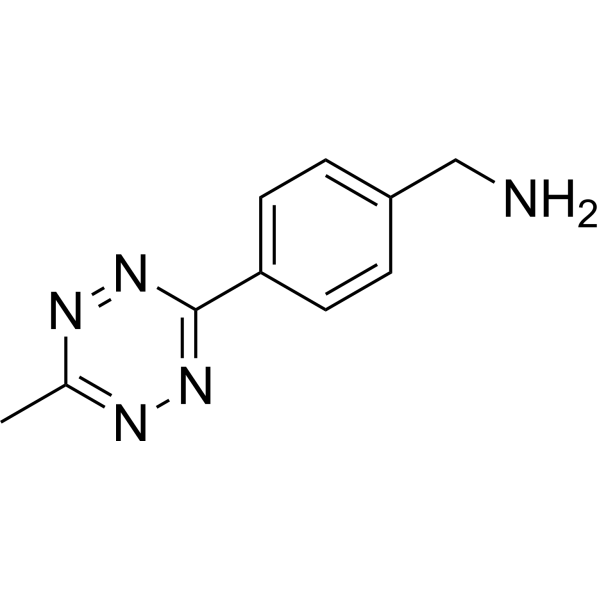
Methyltetrazine-amine, a tetrazine compound, is used for the site-specific dual functionalization of the resulting bioconjugates .
|
-
- HY-135140A
-
|
|
Biochemical Assay Reagents
|
Others
|
|
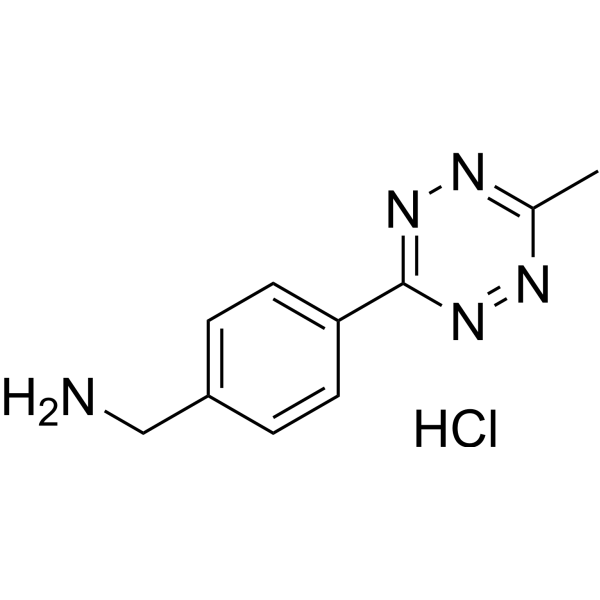
Methyltetrazine-Amine hydrochloride is a tetrazine compound. Methyltetrazine-Amine hydrochloride can be used for the site-specific dual functionalization of the resulting bioconjugates. Methyltetrazine-Amine hydrochloride can be added during protein precipitation in experiments using trans-cyclooctene .
|
-
- HY-P990925
-
|
BLYG8824A; RG6286
|
CD3
|
Inflammation/Immunology
|
|
Linclatamig (BLYG8824A) is a humanized IgG1 T-cell engaging bispecific antibody (TCB) targeting LY6G6D and CD3. Linclatamig can bind to LY6G6D and CD3-positive T cells, forming an immunological synapse to promote T cell-mediated killing of LY6G6D-positive cells. Linclatamig can be used in colorectal cancer research .
|
-
- HY-P99437
-
|
KN-026
|
EGFR
|
Cancer
|
|
Anbenitamab (KN-026) is a bispecific antibody simultaneously targeting extracellular domains II and IV of human HER2. Anbenitamab blocks both ligand-dependent and ligand-independent HER2 signaling pathways. Anbenitamab mediates antibody-dependent cellular cytotoxicity (ADCC) via FcγIIIa binding. Ambrinitumab can be used in research for lung cancer, HER2-positive metastatic breast cancer (MBC), gastric cancer, and gastroesophageal junction cancer .
|
-
- HY-P990688
-
|
AMG-509
|
CD3
|
Cancer
|
|
Xaluritamig (AMG-509) is a bispecific T cell engager and cytolytic agent with a Kd of 27.6 nM for human CD3ε. Xaluritamig binds to CD3ε via an anti-CD3 single-chain variable fragment (scFv) domain, and to STEAP1 via a bispecific anti-STEAP1 antigen-binding fragment (Fab) domain, thereby recruiting and activating T cells and forming a bridge between T cells and STEAP1-expressing cancer cells. Xaluritamig induces T cell-mediated redirected cytotoxicity, tumor cell lysis, cytokine release, CD8 + T cell activation and expansion, as well as tumor stasis or regression. Xaluritamig contains an Fc domain with no effector function, which prolongs serum half-life, exhibits only minimal activity against cells with low STEAP1 expression and normal cells, and shows extremely low target-related off-tumor toxicity in cynomolgus monkeys. Xaluritamig is used in STEAP1×CD3 XmAb 2+1 immunotherapy and in research on metastatic castration-resistant prostate cancer and Ewing sarcoma .
|
-
- HY-P99814
-
|
AMG-701
|
CD3
|
Inflammation/Immunology
Cancer
|
|
Pavurutamab (AMG-701) is a bispecific T cell engager molecule that anti-CD3 and anti-B cell maturation antigens (BCMA). Pavurutamab has an extended half-life based on Pacanalotamab (HY-P99798). The Fc of Pavurutamab is coupled to molecules to improve pharmacokinetic parameters. Pavurutamab has potential applications in immune regulation and multiple myeloma (MM) .
|
-
- HY-P99916
-
|
AMG-427
|
FLT3
CD3
TNF Receptor
|
Inflammation/Immunology
Cancer
|
Emirodatamab (AMG-427) is a bispecific T-cell engager (BiTE). Emirodatamab simultaneously binds FLT3 on the surface of acute myeloid leukemia (AML) cells and CD3 on the surface of T cells, thereby precisely recruiting immune effector cells to tumor sites. Emirodatamab potently induces T cell activation, secretion of proinflammatory cytokines (such as IFNγ, TNFα), and specific cytotoxicity, effectively lysing FLT3-positive tumor cells and inhibiting their growth. Emirodatamab not only significantly prolongs survival in mouse xenograft models and eliminates diseased cells in primates, but also exhibits a synergistic enhancement effect when combined with PD-1 blockade therapy. Emirodatamab is used in studies of acute myeloid leukemia, especially relapsed or refractory cases .
|
-
- HY-P992158
-
|
|
CD47
|
Cancer
|
|
VBI-009 is a CD47 and B7-H3 (CD276) bispecific antibody. VBI-009 blocks CD47-SIRPα 'don't eat me' signals and restricts activity to CD47 +/B7-H3 + cells. VBI-009 induces antibody-dependent cellular phagocytosis (ADCP) and antibody-dependent cellular cytotoxicity (ADCC) in CD47 +/B7-H3 + tumor cells. VBI-009 inhibits tumor growth in CD47+/B7-H3+ lung cancer xenograft models. VBI-009 can be used for the research of lung cancer .
|
-
- HY-P991097
-
|
PM-8002; BNT-327
|
VEGFR
PD-1/PD-L1
|
Cancer
|
|
Pumitamig (PM-8002, BNT-327) is a bispecific antibody targeting PD-L1 and VEGF-A, with immune activation and anti-angiogenic activities. By binding to PD-L1, Pumitamig restores the function of effector T cells, while neutralizing VEGF-A in the tumor microenvironment to reverse its inhibition on the infiltration and activation of immune cells and normalize tumor blood vessels. Pumitamig can also be combined with various ADCs targeting TROP2, B7H3, HER2, HER3 for the research of advanced/metastatic solid tumors, including non-small cell lung cancer, ovarian cancer, triple-negative breast cancer, cervical cancer, etc. Pumitamig also exhibits potential efficacy in "cold" tumors with low PD-L1 expression that are insensitive to immunotherapy .
|
-
- HY-168633
-
|
|
Bombesin Receptor
PSMA
|
Cancer
|
|
PSMA/GRPR ligand 1 (compound 3 ) is a bispecific PSMA/GRPR ligand that shows dual targeting for PSMA(+) and GRPR(+) tumors .
|
-
- HY-P991628
-
|
PF-08634404
|
PD-1/PD-L1
VEGFR
|
Cancer
|
|
SSGJ-707 (PF-08634404) is a bispecific antibody targeting VEGF and PD-1. SSGJ-707 exerts dual anti-tumor effects by neutralizing VEGF and blocking the PD-1 signaling pathway. SSGJ-707 can be combined with platinum-based chemotherapy to inhibit advanced non-small cell lung cancer (NSCLC), and its inhibitory effect is not limited by PD-L1 expression levels. In the HARMONi-2 trial, the objective response rate of SSGJ-707 correlates with the PD-L1 tumor proportion score, and the incidence of grade ≥3 adverse events is comparable to that of Inetetamab (HY-P99969). SSGJ-707 is being extensively investigated for a variety of malignancies including advanced NSCLC, colorectal cancer and small cell lung cancer .
|
-
- HY-P99762
-
|
MGD009
|
CD3
|
Cancer
|
|
Obrindatamab is a humanized anti-B7-H3/CD3 bispecific antibody. Obrindatamab binds to B7-H3 and CD3, thereby mediating redirected cytotoxic T-lymphocyte (CTL) activity against B7-H3-expressing cancer cells. Obrindatamab can be used in research of cancer .
|
-
- HY-P990907
-
|
F-027300252; SAR-442970
|
TNF Receptor
|
Inflammation/Immunology
|
|
Brivekimig (F-027300252; SAR-442970) is a bispecific nanobody targeting TNF/OX40L. Brivekimig is applicable to research related to hidradenitis suppurativa.
|
-
- HY-167290
-
-
- HY-P991700
-
|
|
Claudin
CD3
|
Cancer
|
|
Lumivatamig is an H-γ1_L-κ-scFvhl dimer-type bispecific antibody targeting CLDN18.2 & CD3E .
|
-
- HY-P99430
-
|
EM901; CC-93269
|
CD3
|
Inflammation/Immunology
Cancer
|
|
Alnuctamab (EM901) is a bispecific T-cell engager targeting BCMA and CD3, belonging to an asymmetric two-armed humanized IgG1 antibody. Alnuctamab can simultaneously bind to BCMA expressed on the surface of myeloma cells and CD3 molecules on the surface of T cells, recruiting T cells to kill tumors. Alnuctamab is used for the research of multiple myeloma. Recommend Isotype Controls: Human IgG1 kappa, Isotype Control (HY-P99001) .
|
-
- HY-P99675
-
|
AK112
|
PD-1/PD-L1
VEGFR
|
Cancer
|
|
Ivonescimab (AK112) is a PD-1/VEGF bispecific antibody. Ivonescimab competitively inhibiting PD-1/PD-L1 interaction, reversing the immunosuppression mediated by it, and blocks the binding of VEGF-A to VEGFR2, inhibiting tumour angiogenesis in the tumour microenvironment. Ivonescimab also has significantly anticancer activity against EGFR-mutated locally advanced or metastatic non-squamous non-small cell lung cancer (NSCL) .
|
-
- HY-156897
-
|
|
Drug-Linker Conjugates for ADC
|
Cancer
|
|
Val-Cit-amide-Ph-Maytansine is an antibody and bispecific antigen-binding mol. that bind hepatocyte growth factor receptor c-Met (MET) or antibody-drug conjugates (ADCs) .
|
-
- HY-P991149
-
|
YH32367; ABL105
|
TNF Receptor
|
Cancer
|
|
Nesfrotamig (YH32367; ABL105) is a bispecific activator targeting HER2 and 4-1BB. The Kd values of Nesfrotamig for human HER2 and human 4-1BB are 0.48 nM and 3.36 nM, respectively. By blocking tumor cell growth signals, activating HER2-dependent local 4-1BB in tumors to maintain T cell survival, and inducing NK cell-mediated antibody-dependent cellular cytotoxicity, Nesfrotamig enhances the cytotoxicity and tumor infiltration ability of immune cells. Nesfrotamig promotes the generation of tumor-specific memory T cells, drives T cell-mediated tumor lysis, exhibits significant anti-tumor efficacy against both HER2-positive and HER2-low-expressing tumors, and shows synergistic activity when combined with anti-PD-1 antibodies. In cynomolgus monkey studies, Nesfrotamig demonstrates good safety and is suitable for research related to HER2-positive and HER2-low-expressing tumors .
|
-
- HY-P991463
-
|
|
CD3
|
Cancer
|
|
MS133 is a human bispecific antibody (bsAb) targeting CD133/PROM1 & CD3E. MS133 can be used in colon cancer research .
|
-
- HY-156896
-
|
|
Drug-Linker Conjugates for ADC
|
Cancer
|
|
Val-Cit-amide-Cbz-N(Me)-Maytansine is an antibody and bispecific antigen-binding mol. that bind hepatocyte growth factor receptor c-Met (MET) or antibody-drug conjugates (ADCs) .
|
-
- HY-P99573
-
|
MGD-013
|
LAG-3
|
Inflammation/Immunology
Cancer
|
|
Tebotelimab (MGD-013) is a humanized IgG4κ bispecific PD-1/LAG-3 dual-affinity re-targeting (DART) antibody. Tebotelimab binds cell-surface expressed PD-1 and LAG-3 with EC50s of 1.65 nM and 0.41 nM in NS0 cells, respectively. Tebotelimab blocks PD-1/PD-L1, PD-1/PD-L2 and LAG-3/HLA (MHC-II) interactions and PD-1 signaling. Tebotelimab restores exhausted T-cell responses and and enhances antitumour immunity .
|
-
- HY-P990716
-
|
AZD7789
|
PD-1/PD-L1
Tim3
|
Inflammation/Immunology
|
|
Sabestomig (AZD7789) is a monovalent bispecific antibody targeting PD-1 and TIM-3. Sabestomig binds to PD-1 and an epitope in the TIM-3 IgV domain outside the phosphatidylserine-binding cleft, thereby precisely regulating immune responses. Sabestomig promotes IL-2 production, efferocytosis and cross-presentation of tumor antigens, and enhances the release of anti-tumor T cell cytokines, cytotoxicity, and secretion of IFN-γ. Sabestomig inhibits the growth of solid tumors, prolongs the duration of tumor suppression, and significantly enhances anti-tumor responses following anti-PD-1 therapy. Sabestomig has been used in studies related to non-small cell lung cancer and classical Hodgkin lymphoma .
|
-
- HY-P99618
-
|
IBI-315; BH2950
|
EGFR
PD-1/PD-L1
|
Cancer
|
|
Fidasimtamab is a bispecific antibody targeting human epidermal growth factor receptor 2 (Her2) and programmed death protein 1 (PD-1), with a Ka of 3.55e-10 M for human Her2 and a Ka of 1.17e-9 M for human PD-1. Fidasimtamab cross-links Her2-positive tumor cells with PD-1-positive T cells to form immune synapses, blocks PD-1-ligand interactions, preserves antibody-dependent cellular cytotoxicity, induces gasdermin B (GSDMB)-mediated pyroptosis, and activates T cells. Fidasimtamab is applicable to relevant research on Her2-positive gastric cancer .
|
-
- HY-P2996
-
|
|
Others
|
Others
|
|
NAD(P)H-Nitrate reductase is isolated from Aspergillus niger that catalyses the reduction of nitrate to nitrite via a two-electron transfer. In plants, the electron donor for Nitrate reductase is NADPH is NADH:Nitrate reductase and a bispecific NAD(P)H: Nitrate reductase .
|
-
- HY-P99940
-
|
ABT-122
|
TNF Receptor
Interleukin Related
|
Inflammation/Immunology
|
|
Remtolumab is a bispecific variable domain immunoglobulin molecule with human affinities for TNFα and IL-17 in the low pM range of Kd. Remtolumab can be used in research related to rheumatoid arthritis, psoriatic arthritis, and moderate-to-severe plaque psoriasis .
|
-
- HY-P991524
-
|
|
EGFR
|
Cancer
|
|
MM-111 is a bispecific antibody fusion protein targeting the ErbB2/ErbB3 oncogenic unit. MM-111 blocks activation of the PI3K pro-survival pathway. MM-111 binds to the ErbB2 receptor, which localizes the bispecific molecule to ErbB2 over-expressing tumor cells and promotes binding of the anti-ErbB3 arm to the ErbB3 receptor. MM-111 binding to ErbB3 results in inhibition of ErbB3 signaling by blocking the binding of the ErbB3 physiological ligand heregulin. MM-111 can be used for the study of ErbB2 over-expressing breast tumors .
|
-
- HY-P991469
-
|
MEDI-565
|
Transmembrane Glycoprotein
|
Cancer
|
|
AMG-211 (MEDI-565)i s a bispecific antibody targeting CD3E and CEACAM5/CEA/CD66e. AMG-211 can be used in Gastrointestinal cancer and Solid tumours research .
|
-
- HY-P9940A
-
|
|
Factor VIII
|
Cardiovascular Disease
|
|
Emicizumab (Anti-F9 & Factor IX) is a bispecific monoclonal antibody that bridges activated factor IX and factor X to replace the function of missing activated factor VIII, thereby restoring hemostasis. Emicizumab (Anti-F9 & Factor IX) can be used for hemophilia A research .
|
-
- HY-157446
-
|
|
Fungal
|
Infection
|
|
MoTPS1/2-IN-1 (Compound A1-4 ) is a bispecific inhibitor of MoTps1 and MoTps2. MoTPS1/2-IN-1 has antifungal activity and showed good inhibitory activity against the growth and virulence of B. cinerea and F. graminearum .
|
-
- HY-155470
-
|
|
Biochemical Assay Reagents
|
Cancer
|
|
IMP 243 is a symmetric di-HSG (histamine-succinyl-glycine) bivalent hapten containing a Tscg-Cys ligand and two HSG groups. IMP 243 can be radiolabeled with 99mTc-pertechnetate. IMP 243 can be conjugated to other peptides to design bispecific antibodies (bsMAbs) for cancer research .
|
-
- HY-P99905
-
|
IBI302
|
VEGFR
|
Cardiovascular Disease
Neurological Disease
|
|
Efdamrofusp alfa is a bispecific fusion protein. Efdamrofusp alfa is capable of neutralizing both VEGF isoforms and C3b/C4b. Efdamrofusp alfa can be used for the research of neovascular age-related macular degeneration (nAMD) and other complement-related ocular conditions .
|
-
- HY-P2996A
-
|
|
Drug Isomer
|
Others
|
|
Nitrate Reductase, Arabidopsis thaliana is the isomer of NAD(P)H-Nitrate reductase (HY-P2996). NAD(P)H-Nitrate reductase is isolated from Aspergillus niger that catalyses the reduction of nitrate to nitrite via a two-electron transfer. In plants,the electron donor for Nitrate reductase is NADPH is NADH:Nitrate reductase and a bispecific NAD(P)H: Nitrate reductase .
|
-
- HY-P99660
-
|
IGM-2323
|
CD20
CD3
|
Inflammation/Immunology
Cancer
|
|
Imvotamab (IGM-2323) is a CD20 and CD3 bispecific IGM antibody with dual action mechanism. Imvotamab is used to induce physiological T cell activation to prevent over-stimulation and subsequent down-regulation of immune function. Imvotamab can be used for the study of B-cell malignant tumors, multiple myeloma (MM) and non-Hodgkin's lymphoma (NHL) .
|
-
- HY-183912
-
|
|
Topoisomerase
ADC Payload
|
Cancer
|
|
PY-4Car2 is a Camptothecin (HY-16560) derivative and a topoisomerase I inhibitor. PY-4Car2 functions as a warhead conjugated via a cleavable linker to the bispecific ADC TJ101. PY-4Car2 can be used as an ADC payload for the research of cancers .
|
-
- HY-P991526
-
|
|
CD3
|
Cancer
|
|
M701 is a T-cell engager bispecific humanized antibody targeting epithelial cell adhesion molecule (EpCAM) and cluster of differentiation 3 (CD3). M701 binds to EpCAM on tumor cells and CD3 on T cells, thereby linking the two cell populations to achieve targeted cytotoxicity and T cell-mediated cytotoxicity. M701 is applicable to research related to advanced epithelial solid tumors .
|
-
- HY-P990986
-
|
|
Interleukin Related
|
Inflammation/Immunology
Cancer
|
|
Efdelikofusp alfa is a bispecific Fc fusion protein. Efdelikofusp alfa is formed by fusing the N-terminal extracellular domain of human CD80 (B7.1) with the Fc fragment of human immunoglobulin G4 (IgG4), and is linked to an interleukin-2 variant (IL-2v) as the C-terminal part. Efdelikofusp alfa exhibits potential immunostimulatory, immune checkpoint inhibitory, and antitumor activities.
|
-
- HY-P990992
-
|
GI-102
|
Interleukin Related
|
Inflammation/Immunology
Cancer
|
|
Efzilonkofusp alfa is a bispecific Fc fusion protein. Efzilonkofusp alfa is formed by fusing the N-terminal extracellular domain of human CD80 (B7.1) with the Fc fragment of human immunoglobulin G4 (IgG4), and is linked to an interleukin-2 variant (IL-2v) as the C-terminal part. Efzilonkofusp alfa exhibits potential immunostimulatory, immune checkpoint inhibitory, and antitumor activities.
|
-
- HY-171191
-
|
|
Antibody-Drug Conjugates (ADCs)
Microtubule/Tubulin
c-Met/HGFR
|
Cancer
|
|
REGN5093-M114 is a bispecific antibody-drug conjugate (ADC) that targets two epitopes of the MET receptor tyrosine kinase inhibits the proliferation of NSCLC cells, exhibits antitumor efficacy in mouse models. REGN5093-M114 is composed of the human monoclonal anti-MET antibody Davutamig (HY-P990073) and the tubulin-inhibiting linker-payload (HY-148528) .
|
-
- HY-163029
-
|
|
Cathepsin
SARS-CoV
|
Infection
|
|
CTSLCTSB-IN-1 (compound 212-148) is a bispecific inhibitor of host viral spike cleaver proteins CTSL/CTSB and TMPRSS2 with IC50s of 2.13/64.07 nM and 1.38 μM, respectively. CTSLCTSB-IN-1 blocks two relevant SARS-CoV-2 viral entry pathways by inhibiting the viral spike cleavage and can be applied to anti-SARS-CoV-2 research .
|
-
- HY-P990717
-
|
IMC-F106C
|
CD3
|
Cancer
|
|
Brenetafusp is a TCR/anti-CD3 bispecific fusion protein, consisting of a TCR targeting the PRAME peptide and an anti-CD3 scFv effector domain. Brenetafusp redirects CD3 + T cells to kill PRAME + tumor cells. Brenetafusp can be used in research related to cutaneous melanoma, non-small cell lung cancer, ovarian cancer, endometrial cancer, triple-negative breast cancer, and small cell lung cancer .
|
-
- HY-P991440
-
|
|
TNF Receptor
|
Inflammation/Immunology
|
|
AMG-966 is a human bispecific antibody (bsAb) targeting TNFSF15/TL1A & TNFα. AMG 966 restores the ability of the aglycosylated Fc domain to bind FcγRIa and FcγRIIa, leading to the formation of anti-drug antibodies (ADA). AMG 966 can be used in research on Crohn's disease and ulcerative colitis. Recommended isotype control: Human IgG1 kappa, Isotype Control (HY-P99001) .
|
-
- HY-155446
-
|
|
Hapten
|
Inflammation/Immunology
Cancer
|
|
di-DTPA-LTL is a bivalent hapten based on tyrosine-containing polypeptide design. di-DTPA-LTL has good hydrophilia and biological distribution. di-DTPA-LTL is labeled with 111In (indium) and 131I (iodine). di-DTPA-LTL achieves tumor radioimmunoimaging in primary colorectal cancer patients with CEA by injecting a fixed low dose (5 mg) of bispecific antibody (anti-CEA x, anti-DTPA) and di-DTPA antigen peptide (labeled 111In) into the patients .
|
-
- HY-P99339
-
|
IMCgp100
|
Interleukin Related
TNF Receptor
|
Cancer
|
|
Tebentafusp (IMCgp100) is a bispecific fusion protein to target gp100 peptide-HLA-A*02:01 (a melanoma-associated antigen). Tebentafusp guides T cells to kill gp100-expressing tumor cells via a high affinity T-cell receptor (TCR) binding domain and an anti-CD3 T-cell engaging domain. Tebentafusp leads to inflammatory cytokines and cytolytic proteins production, resulting in the direct lysis of tumour cells .
|
-
- HY-P991479
-
|
GS-8588
|
HIV
CD3
|
Infection
|
|
Amtabafusp alfa (GS-8588) is an envelope-targeting bispecific T-cell engager for HIV treatment. Amtabafusp alfa redirects effector T cells by binding to CD3 via a humanized anti-CD3 Fab domain and to HIV envelope proteins via an engineered CD4 domain 1 variant. Amtabafusp alfa exhibits potent, broad-spectrum activity against a variety of HIV isolates and specifically kills HIV-infected cells. Amtabafusp alfa can be used for research on HIV infection .
|
-
- HY-P991671
-
|
JNJ-80948543
|
CD3
CD20
Transmembrane Glycoprotein
|
Cancer
|
|
Anafiltamig is a trivalent monoclonal antibody inhibitor targeting CD79B, CD3E and MS4A1. Anafiltamig consists of a humanized IgG1κ anti-CD79B arm and a bispecific scFv-based arm targeting CD3E and MS4A1. Anafiltamig simultaneously bridges T and B cells, activating T cells and specifically killing B cell tumors. Anafiltamig can be used for B cell malignancies such as non-Hodgkin lymphoma research .
|
-
- HY-P990088
-
|
|
VEGFR
PD-1/PD-L1
|
Cardiovascular Disease
|
|
Sotiburafusp alfa is a bispecific fusion protein, which is a humanized VEGFR-1 extracellular domain fragment (129-228, 1-100 in the current sequence) fused via the peptide linker 101GGSGGSGGSGGSGGS 115 to the N-terminus of the heavy chain (116-564) of a humanized IgG1-kappa anti-human PD-L1 heavy chain variant L352>A, L353>A. Sotiburafusp alfa also functions as a PD-L1 inhibitor and a VEGF inhibitor .
|
-
- HY-P990928
-
|
APVO-436
|
CD3
Interleukin Related
|
Inflammation/Immunology
Cancer
|
|
Mipletamig (APVO-436) is a bispecific CD123 x CD3 monoclonal antibody. Mipletamig simultaneously binds to both CD3-expressing T cells and CD123-expressing cancer cells, thereby crosslinking CD123-expressing tumor cells and cytotoxic T lymphocytes (CTLs). This results in the activation and proliferation of T-cells and causes CTL-mediated cell lysis of CD123-expressing tumor cells. Mipletamig can be used for the study of acute myeloid leukemia (AML) .
|
-
- HY-P990177
-
|
|
Notch
Influenza Virus
|
Infection
Inflammation/Immunology
|
|
Anti-Mouse Notch4 Antibody (HMN4-14) is an anti-mouse Notch4 IgG monoclonal antibody. Anti-Mouse Notch4 Antibody (HMN4-14) reduces inflammation by restoring the expression of bispecific proteins. Anti-Mouse Notch4 Antibody (HMN4-14) can inhibit Th2/Th17 cell differentiation and improve Treg cell function. Anti-Mouse Notch4 Antibody (HMN4-14) can be used for research on inflammation conditions such as viral pneumonia and airway inflammation .
|
-
- HY-P992361
-
|
|
Transmembrane Glycoprotein
|
Cancer
|
|
HB0030 is a TIGIT inhibitor with antibody-dependent cellular cytotoxicity (ADCC) and complement-dependent cytotoxicity (CDC) activities. HB0030 enhances the expression of activation markers in natural killer (NK) cells, promotes the killing of regulatory T cells (Tregs), and reduces the proportion of FoxP3 + Treg in tumor-infiltrating lymphocytes. The combination of HB0030 with the anti-PD-L1/VEGF bispecific antibody HB0025 further enhances tumor suppression efficacy. HB0030 can be used in studies related to colorectal cancer, pancreatic adenocarcinoma, hepatocellular carcinoma, bladder cancer, breast cancer, non-small cell lung cancer, and advanced solid tumors .
|
-
- HY-177585
-
|
BLD1102
|
ADC Payload
Topoisomerase
|
Cancer
|
|
BCPT02 (BLD1102) is a Topoisomerase-I inhibitor and ADC payload (ADC Payload). BCPT02 can form the ADC BCG041. BCPT02 is applicable to cancer-related research .
|
-
- HY-175344
-
|
|
SARS-CoV
Virus Protease
Ser/Thr Protease
|
Infection
Inflammation/Immunology
|
|
TMP1 is an orally active bispecific inhibitor of M pro (IC50 = 312.5 nM)/TMPRSS2 (IC50 = 1.28 μM, KD = 10.10 μM). TMP1 exhibits broad protection against different SARS-CoV-2 variants in vitro. TMP1 cross-protects against highly pathogenic coronaviruses (SARS-CoV-1, SARS-CoV-2, and MERS-CoV) in vivo and effectively blocks the transmission of SARS-CoV-2. TMP1 can inhibit infection by SARS-CoV-2 escape mutants that are resistant to Nivolumab (HY-P9903). TMP1 can be used in coronavirus research .
|
-
- HY-P991092A
-
|
|
EGFR
CD276/B7-H3
|
Cancer
|
|
IBI-334 (FUT8-KO) is a bispecific B7-H3 and EGFR antibody that has knocked out the fucosyltransferase 8 gene (FUT8). IBI-334 (FUT8-KO) has an EGFR arm for signal blocking and is coupled with a fine-tuned B7-H3 arm with the best affinity and binding domain. IBI-334 (FUT8-KO), compared to IBI-334 (HY-P991092), has enhanced antibody-mediated cytotoxicity (ADCC) effect. IBI-334 (FUT8-KO) has wide applications in many EGFR-driven solid tumors .
|
-
- HY-P11280A
-
|
|
Melanocortin Receptor
|
Cancer
|
|
PRAME peptide (425-433) acetate is a proteasome-degraded peptide derived from the cancer-testis antigen PRAME (Preferentially Expressed Antigen in Melanoma). PRAME peptide (425-433) acetate is restricted by HLA-A*02:01 and can serve as a target for bispecific T cell engager therapy in the context of major histocompatibility complex I presentation. PRAME peptide (425-433) acetate shows application potential in various malignant tumors and is widely suitable for research related to solid tumors, melanoma, ovarian cancer, endometrial cancer, and lung cancer (including lung adenocarcinoma and lung squamous cell carcinoma). PRAME peptide (425-433) acetate can be used to explore disease of triple-negative breast cancer, diffuse large B-cell lymphoma, and head and neck squamous cell carcinoma .
|
-
- HY-P991169
-
|
|
Factor Xa
|
Cardiovascular Disease
|
|
Zemocimig is an anti-coagulation factor F9 human IgG4 κ monoclonal antibody. Recommend Isotype Controls: Human IgG4 kappa, Isotype Control (HY-P99003) .
|
-
- HY-P991147
-
|
|
PD-1/PD-L1
|
Cancer
|
|
Ledostomig is an immunoglobulin (H-γ1-scFv-L-κ) dimer monoclonal antibody targeting human netrin-5 (NTS5) and programmed death-1 (PD-1). Ledostomig is promising for research of various cancers .
|
-
- HY-P99943
-
|
KN-046
|
PD-1/PD-L1
CTLA-4
|
Cancer
|
|
Erfonrilimab (KN-046) is a monoclonal antibody targeting PD-L1/CTLA-4. Erfonrilimab blocks the PD-L1 and CTLA-4 pathways, thereby regulating T cell function. Erfonrilimab enhances the secretion of IL-2 in superantigen-stimulated peripheral blood mononuclear cells. Erfonrilimab inhibits tumor growth in xenograft and double gene knock-in mouse models. Erfonrilimab can be used in research related to a variety of advanced solid tumors, including non-small cell lung cancer and nasopharyngeal carcinoma.
|
-
- HY-P990690
-
|
MEDI-5752
|
PD-1/PD-L1
CTLA-4
|
Cancer
|
|
Volrustomig (MEDI-5752) is a human IgG1 κ monoclonal antibody targeting CTLA4/PD1. The isotype control for Volrustomig is Human IgG1 kappa, Isotype Control (HY-P99001). Volrustomig anchors to the surface of T cells by binding PD-1, induces PD-1 internalization and degradation, and preferentially inhibits CTLA-4 on activated PD-1 + T cells. Volrustomig binds to tumor-infiltrating lymphocytes and a subset of PD-1 + B cells, enhances T cell function and IFNγ secretion. Volrustomig reduces the activation of non-tumor-infiltrating lymphocytes and exhibits manageable toxicity. Volrustomig can be used in research on various cancers, such as non-small cell lung cancer, gastric cancer, hepatobiliary cancer, and cervical cancer .
|
-
- HY-P990755A
-
|
|
EGFR
|
Cancer
|
|
Pamvatamig (FUT8-KO) is an anti-EGFR/MET monoclonal antibody expressed by CHO cells with the fucosyltransferase 8 gene (FUT8) knocked out. Fucose deficiency enhances the ADCC effect of the antibody.
|
-
- HY-P991238
-
|
|
ADC Antibody
EGFR
|
Cancer
|
|
MEDI4276 Antibody is an HER2-targeted antibody, which can be used for the synthesis of the ADC molecule MEDI4276. MEDI4276 Antibody can be used in the study of cancer .
|
-
- HY-P991084
-
|
|
PD-1/PD-L1
|
Cancer
|
|
TQB-2858 is a bifunctional fusion protein composed of a monoclonal antibody against PD-L1 fused with the extracellular domain of TGF-β receptor. TQB-2858 has a high affinity for PD-L1, TGF-β1, and TGF-β3 and exhibited high PD-L1 target occupancy. TQB-2858 can be used for the study of osteosarcoma and alveolar soft part sarcoma (ASPS) .
|
-
- HY-P991188
-
|
|
Transmembrane Glycoprotein
|
Cancer
|
|
MGD007 is a humanized IgG1 monoclonal antibody targeting GPA33. MGD007 can be used for study of Metastatic Colorectal Cancer .
|
-
- HY-P991088
-
|
|
CD3
|
Cancer
|
|
HPN536 is a trispecific, T-cell-activating protein-based construct, which binds to mesothelin-expressing tumor cells, CD3ε on T cells, and to serum albumin. HPN536 specifically redirects T cells for potent redirected lysis of mesothelin-expressing cancer cells with concomitant T-cell activation .
|
-
- HY-P991731
-
|
ZG006
|
CD3
Notch
|
Neurological Disease
Cancer
|
|
Alveltamig (ZG006) is a trispecific T cell engager targeting Delta-like ligand 3 (DLL3)/CD3, mediating T cell-specific killing of DLL3-expressing tumor cells. Alveltamig can be used for the researches of small cell lung cancer and neuroendocrine carcinoma .
|
-
- HY-P991168
-
|
|
Amyloid-β
CCR
|
Neurological Disease
Inflammation/Immunology
|
|
Velaprumig is a monoclonal antibody targeting human CD99, CCL25, and anti-human Aβ (Aβ-47F). Velaprumig regulates immune cell migration and reduces β-amyloid-related pathological processes, exerting immunomodulatory and potential anti - Alzheimer's disease activities .
|
-
- HY-P991150
-
|
|
Interleukin Related
|
Inflammation/Immunology
|
|
Ompekimig is a humanized immunoglobulin monoclonal antibody targeting human interleukin 4 (IL-4) and interleukin 13 (IL-13). Ompekimig is promising for research of immune-mediated inflammatory diseases, such as asthma and atopic dermatitis .
|
-
- HY-P990741
-
-
- HY-P991151
-
|
|
PD-1/PD-L1
TNF Receptor
|
Cancer
|
|
Opamtistomig is a humanized immunoglobulin (H-γ1-scFv-L-κ) dimer monoclonal antibody targeting human programmed death ligand 1 (PD-L1), CD274 and tumor necrosis factor receptor superfamily member 9 (TNFRSF9). Opamtistomig is promising for research of various solid tumors and hematological malignancies .
|
-
- HY-P99914
-
|
GNC-038
|
PD-1/PD-L1
CD19
TNF Receptor
CD3
Interleukin Related
IFNAR
|
Inflammation/Immunology
Cancer
|
|
Emfizatamab (GNC-038) is a monoclonal antibody against CD19/CD3E/TNFRSF9/PD-L1. Emfizatamab exhibits antitumor activity, being capable of activating CD3 and 4-1BB signals on T cells, as well as targeting the high expression of CD19 or PD-L1 on tumor cells. Emfizatamab functions as a CD19-specific T cell engager by mediating direct antitumor activity. Emfizatamab can also overcome the inhibition of T cells by PD-L1. Emfizatamab can be used in the research of tumors such as R/R non-Hodgkin lymphoma or acute lymphoblastic leukemia .
|
-
- HY-P991311
-
|
|
LPL Receptor
Wnt
|
Cancer
|
|
GSK3178022 is a human IgG1 monoclonal antibody (mAb) targeting LRP6. GSK3178022 inhibits the expression of WNT target genes SP5 and AXIN2. GSK3178022 has antitumor activity in the RSPO fusion model of colorectal cancer. Recommended isotype control: Human IgG1 kappa, Isotype Control (HY-P99001) .
|
-
- HY-P990757
-
|
ABL503, TJ-L14B
|
PD-1/PD-L1
|
Inflammation/Immunology
|
|
Ragistomig can simultaneously target programmed death-ligand 1 (PD-L1) and the 4-1BB receptor. Ragistomig elicits potent anti-tumor T-cell responses without inducing significant toxicity. Ragistomig is applicable for tumor research .
|
-
- HY-P990752
-
|
REGN-5678
|
CD28
|
Inflammation/Immunology
|
|
Nezastomig is an anti-FOLH1/CD28 human IgG4 κ monoclonal antibody . Recommend Isotype Controls: Human IgG4 (S228P) kappa, Isotype Control (HY-P99003).
|
-
- HY-P991490
-
|
|
CD38
CD3
TNF Receptor
|
Cancer
|
|
ISB2001 is a trispecific antibody targeting CD38, CD3 and BCMA. ISB2001 effectively counteracts tumor immune escape mechanisms caused by antigen downregulation, antigen loss, soluble factor competition and other factors. ISB2001 is applicable to relevant research on multiple myeloma and relapsed/refractory multiple myeloma .
|
-
- HY-P990689
-
-
- HY-P991166
-
|
|
Mucin
|
Others
|
|
Ubletamig is an anti-MUC16 human IgG4 κ monoclonal antibody. Recommend Isotype Controls: Human IgG4 kappa, Isotype Control (HY-P99003) .
|
-
- HY-P990738
-
|
ES-101; INBRX-105
|
TNF Receptor
PD-1/PD-L1
|
Inflammation/Immunology
Cancer
|
|
Enristomig (ES-101) is a multispecific antibody. Enristomig is both a PD-L1 antagonist and a conditional agonist of 4-1BB. Enristomig can be used for research on PD-L1 expressing tumors .
|
-
- HY-P990700
-
|
RO-7247669; RG-6139
|
PD-1/PD-L1
LAG-3
|
Inflammation/Immunology
|
|
Tobemstomig is an anti-PDCD1/LAG3 human IgG1 κ monoclonal antibody . Recommend Isotype Controls: Human IgG1 kappa, Isotype Control (HY-P99001).
|
-
- HY-P991155
-
|
JNJ-79635322; JNJ-5322
|
CD3
TNF Receptor
|
Cancer
|
|
Ramantamig (JNJ-79635322) is a humanized monoclonal antibody targeting human CD3ε, GPRC5D, and TNFRSF17 (BCMA). Ramantamig binds to BCMA and GPRC5D on multiple myeloma cells, binds to CD3ε on T cells, forms immunological synapses, and enables T-cell-mediated cytotoxicity. Ramantamig activates T cells concomitantly with inducing myeloma cell cytotoxicity, with no nonspecific T-cell activation in the absence of target myeloma cells. Ramantamig carries mutations to reduce interaction with Fc receptors and disrupt protein A binding of monomeric and homodimerized chains. Ramantamig can be used for the research of multiple myeloma .
|
-
- HY-P99909
-
|
PF-06863135; RN-613
|
TNF Receptor
|
Inflammation/Immunology
|
|
Elranatamab (PF-06863135) is an anti-CD3E/TNFRSF17 human IgG2κ monoclonal antibody . Recommend Isotype Controls: Human IgG2 kappa, Isotype Control (HY-P99002).
|
-
- HY-P99406
-
|
MCLA 158
|
EGFR
|
Cancer
|
|
Petosemtamab (MCLA 158) is an anti- EGFR (Kd: 0.22 nM) and anti-LGR5 (Kd: 0.86 nM) monoclonal antibody (mAb). Petosemtamab leads to EGFR signaling blockade and receptor degradation in LGR5+ cancer cells. Petosemtamab can be used in the research of solid tumors, such as head and neck squamous cell carcinoma (HNSCC), metastatic colorectal cancer (CRC) .
|
-
- HY-P990694
-
|
TG-1801
|
CD19
CD47
|
Inflammation/Immunology
|
|
Zeripatamig is an anti-CD19/CD47 human IgG1 κ monoclonal antibody . Recommend Isotype Controls: Human IgG1 kappa, Isotype Control (HY-P99001).
|
-
- HY-P990905
-
|
SAR-443579
|
Interleukin Related
|
Cancer
|
|
Bexatamig (SAR-443579) is a trifunctional natural killer cell engager targeting IL-3R α/CD123, NKp46/NCR1/CD335 and Fc gamma RIIIA/CD16a. Bexatamig forms a cytolytic synapse between natural killer cells and CD123-positive tumor cells. By activating natural killer cells to induce tumor cell death, Bexatamig effectively reduces the burden of CD123-positive acute myeloid leukemia (AML) blasts. Bexatamig has been granted FDA Fast Track designation, and is primarily investigated for relapsed or refractory acute myeloid leukemia, B-cell acute lymphoblastic leukemia, and high-risk myelodysplastic syndromes .
|
-
- HY-P991093
-
|
|
Transmembrane Glycoprotein
|
Cancer
|
|
NGM-707 is a humanized monoclonal antibody that blocks ILT2 and ILT4 receptors. NGM-707 has the potential for the study of advanced and metastatic solid tumors .
|
-
- HY-P991209
-
-
- HY-P990701
-
|
RO-7121661
|
PD-1/PD-L1
|
Inflammation/Immunology
|
|
Lomvastomig is an anti-PDCD1/HAVCR2 human IgG1 κ monoclonal antibody . Recommend Isotype Controls: Human IgG1 kappa, Isotype Control (HY-P99001).
|
-
- HY-P991355
-
|
|
PD-1/PD-L1
|
Cancer
|
|
PDL-GEX is a human monoclonal antibody (mAb) targeting B7-H1/PD-L1/CD274. PDL-GEX can be used in cancer research .
|
-
- HY-P990692
-
|
JNJ-70218902; JNJ-902
|
CD3
|
Inflammation/Immunology
|
|
Ciduvectamig is an anti-CD3E/TMEFF2 human IgG4 κ monoclonal antibody . Recommend Isotype Controls: Human IgG4 (S228P) kappa, Isotype Control (HY-P99003).
|
-
- HY-P9977A
-
|
|
EGFR
|
Cancer
|
|
Amivantamab (FUT8-KO) is an anti-EGFR-MET monoclonal antibody expressed by CHO cells with the fucosyltransferase 8 gene (FUT8) knocked out. Fucose deficiency enhances the ADCC effect of the antibody. Amivantamab (FUT8-KO) inhibits ligand binding, promotes endocytosis and degradation of receptor-antibody complexes, and induces Fc-dependent cytokinesis in macrophages and antibody-dependent cytotoxicity in natural killer cells .
|
-
- HY-P991162
-
|
PF-07275315
|
Interleukin Related
|
Inflammation/Immunology
|
|
Tilrekimig (PF-07275315) is a monoclonal antibody targeting human interleukin-4 (IL-4), interleukin-13 (IL-13) and thymic stromal lymphopoietin (TSLP). Tilrekimig can be used in the research of allergic and inflammatory diseases, such as asthma and atopic dermatitis .
|
-
- HY-P990755
-
|
|
EGFR
|
Inflammation/Immunology
|
|
Pamvatamig is an anti-EGFR/MET human IgG1 κ monoclonal antibody . Recommend Isotype Controls: Human IgG1 kappa, Isotype Control (HY-P99001).
|
-
- HY-P991183
-
|
|
CD28
CD38
CD3
|
Cancer
|
|
SAR442257 is a humanized IgG4-S228P, kappa monoclonal antibody targeting CD38 and CD28 on multiple myeloma cells and co-stimulates CD3 and CD28 on T cells .
|
-
- HY-P990748
-
|
SAR443765
|
Interleukin Related
|
Inflammation/Immunology
|
|
Lunsekimig (SAR443765) is an anti-TSLP/IL13/ALB nonobody composed of 5 sequentially linked variable region heavy chains. Lunsekimig decreases blood eosinophils and lowers plasma levels of IL-5, eotaxin-3, and IgE. Lunsekimig also improves lung function. Lunsekimig can be used for the study and treatment of type 2 inflammatory asthma .
|
-
- HY-P11261
-
|
|
PSMA
|
Cancer
|
AAZTA-NI-PSMA-093 is a bispecific agent targeting prostate-specific membrane antigen (PSMA) with an IC50 value for PSMA of 87.48 nM. AAZTA-NI-PSMA-093 has a PSMA targeting module and an oxygen-sensitivity module (hypoxia-sensitive NI-moiety). AAZTA-NI-PSMA-093 can utilize the PSMA targeting property as a "navigation system" to efficiently concentrate the entire molecule within prostate cancer cells, and once the cells are in an oxygen-deficient state, the molecule will irreversibly capture and remain in the oxygen-deficient cells, achieving "secondary enrichment". AAZTA-NI-PSMA-093 can be labeled with ⁶⁸Ga and ¹⁷⁷Lu, and has high accumulation and rapid clearance characteristics in mouse models. AAZTA-NI-PSMA-093 can be used for the study of prostate cancer .
|
-
- HY-P992341
-
|
|
MMP
|
Cancer
|
|
D8P1C1 is a high-affinity ADAM17 inhibitor (with a Kd of 180 pM targeting ADAM17-ECD) that reduces the shedding and phosphorylation of EGFR ligands. D8P1C1 inhibits cancer cell proliferation in vitro and tumor growth in xenograft models. 89Zr-DFO-D8P1C1 radioimmunological PET imaging shows its substantial accumulation in ovarian tumor xenografts, serving as a platform for generating bispecific T-cell engager derivatives. D8P1C1 can be applied to research on related diseases including triple-negative breast cancer, various types of ovarian cancer, lung adenocarcinoma, glioma, and colon cancer .
|
-
- HY-P992323
-
|
|
VEGFR
Tie
ERK
|
Cardiovascular Disease
Cancer
|
|
BI-836880 is a humanized bispecific nanobody and a selective inhibitor of VEGF and ANG2, with a Kd of 16 pM for hANG2, an EC50 of 1.4 nM for VEGF165, and an EC50 of 2.3 nM for VEGF121. BI-836880 blocks ERK phosphorylation downstream of VEGF-A as well as TIE2 phosphorylation downstream of ANG2. BI-836880 does not inhibit ANG1-mediated TIE2 phosphorylation. BI-836880 exerts anti-angiogenic effects, reduces the number of immature endothelial vessels in tumor tissues, and inhibits tumor growth in preclinical models. BI-836880 can be used in the research of pancreatic cancer, non-small cell lung cancer, renal cell carcinoma, ovarian cancer, colon cancer, and Lewis lung cancer .
|
-
- HY-P990957
-
|
BCA-101; FMAB2
|
EGFR
TGF-beta/Smad
|
Inflammation/Immunology
Cancer
|
|
Ficerafusp alfa (BCA-101) is a bispecific antibody targeting EGFR and TGFβ, with a Kd of 2.58 nM against EGFR and a Kd of 61.3 nM against TGFβ1. Ficerafusp alfa binds to EGFR, inhibits EGFR phosphorylation, blocks EGF-dependent cell proliferation, and mediates antibody-dependent cellular cytotoxicity against EGFR-positive tumor cells. Ficerafusp alfa sequesters TGFβ via its TGFβRII ECD domain, neutralizes the activity of TGFβ and TGFβ1, and blocks TGFβ-dependent processes, including epithelial-mesenchymal transition, cell invasion, and differentiation of inducible regulatory T cells. Ficerafusp alfa is applicable to research related to head and neck squamous cell carcinoma, advanced solid tumors, squamous non-small cell lung cancer, anal squamous cell carcinoma, colorectal cancer, and pancreatic cancer .
|
-
- HY-172736
-
|
|
PROTACs
BCL6
CD20
|
Cancer
|
|
BMS-986458 is a highly selective, orally active cereblon-based BCL6 PROTAC degrader and antitumor agent. BMS-986458 selectively degrades BCL6 by binding cereblon to the BTB domain of BCL6, thereby regulating the cell cycle, antiproliferative and interferon signaling pathways, and upregulating the expression and distribution of CD20. BMS-986458 modulates the phenotype of follicular helper T cells and reduces circulating tumor DNA levels. The combination of BMS-986458 with CD20xCD3 bispecific antibody also enhances the efficiency of T cell tumor infiltration and expansion. BMS-986458 induces regression of BCL6-positive tumors and prolongs survival, and it is suitable for research related to B-cell non-Hodgkin lymphoma, diffuse large B-cell lymphoma, follicular lymphoma, and relapsed/refractory lymphoma .
|
-
- HY-P992401
-
|
|
EGFR
CD3
PI3K
Akt
p38 MAPK
Caspase
Apoptosis
IFNAR
TNF Receptor
Interleukin Related
|
Cancer
|
|
M802 is an anti-HER2/CD3 bispecific antibody, with a Kd of 0.578 nM for human HER2 and a Kd of 71.2 nM for human CD3. M802 inhibits the PI3K/AKT and MAPK signaling pathways, suppresses tumor cell proliferation, activates caspase-3, and promotes tumor cell apoptosis (apoptosis). M802 recruits and activates CD3-positive immune cells, mediates cytotoxicity against HER2-positive tumor cells, and induces immune cells to secrete IFN-γ, TNF-α, IL-2 and IL-6. M802 exhibits anti-tumor efficacy in mice with gastric cancer xenografts. M802 can be used in research related to HER2-positive breast cancer, HER2-positive gastric cancer and other cancers. The recommended isotype control is human IgG1 kappa (HY-P99001) .
|
-
- HY-P99649
-
|
MEDI3902
|
Bacterial
|
Infection
|
|
Gremubamab (MEDI3902) is a humanized IgG1 kappa anti-PcrV/Psl monoclonal antibody. Gremubamab binds to the PA PcrV protein and Psl exopolysaccharide. Gremubamab has the potential for the research of pseudomonas aeruginosa infections .
|
-
- HY-P99796
-
|
ATN-103; PF-5230896
|
TNF Receptor
|
Inflammation/Immunology
|
|
Ozoralizumab (ATN-103) is an anti-TNFα humanized antibody. Ozoralizumab is a humanized trivalent nanobody compound that consists of two anti-human TNFα nanobodies and an anti-human serum albumin (HSA) nanobody. Ozoralizumab can be used in research of arthritis .
|
-
- HY-P990071
-
|
LY-3016859
|
EGFR
|
Neurological Disease
Metabolic Disease
Inflammation/Immunology
|
|
Fepixnebart (LY3016859) is a humanized monoclonal hIgG4 antibody, which binds and neutralizes only TGFα and epiregulin with high affinity. Fepixnebart can be used for the study of diabetic nephropathy and broad-spectrum chronic pain, including diabetic peripheral neuropathic pain (DPNP), signs and symptoms of osteoarthritis (OA), and chronic low back pain (CLBP) .
|
-
- HY-P990017
-
|
CD19-4-1BBL; RO7227166; RG6076
|
CD19
|
Cancer
|
|
Englumafusp alfa (CD19-4-1BBL; RO7227166) is a fusion construct comprised of a CD19-specific antibody domain fused to a trimerized extracellular domains of human 41BBL. Englumafusp alfa promotes CD19-specific 4-1BB cross-linking on the surface of T and NK cells .
|
-
- HY-P99576
-
|
OG1953
|
VEGFR
|
Others
|
|
Tarcocimab (OG1953) is a humanized anti-VEGFA monoclonal antibody (IgG1 type). Tarcocimab is available for research in retinal vein occlusion (RVO) and wet age-related macular degeneration (AMD).
|
-
- HY-P99274
-
|
BI 836845; Anti-Human IGF1 and IGF2 Recombinant Antibody
|
IGF-1R
|
Cancer
|
|
Xentuzumab (Anti-Human IGF1 and IGF2 Recombinant Antibody; BI836845) is a recombinant a human monoclonal antibody that targets IGF ligands IGF1 and IGF2. Xentuzumab inhibits both of IGF1 and IGF2 growth-promoting signalling and suppresses AKT activation .
|
-
- HY-P990722
-
-
- HY-P99891
-
|
Hu23F2G
|
Integrin
|
Cardiovascular Disease
|
|
Rovelizumab is a humanized monoclonal leukointegrin antibody. Rovelizumab is a monoclonal antibody directed against the CD11/CD18 cell adhesion proteins. Rovelizumab can be used for research of multiple sclerosis (MS), hemorrhagic shock, myocardial infarction (MI) and stroke .
|
-
- HY-P99721
-
|
ABT-981
|
Interleukin Related
|
Inflammation/Immunology
|
|
Lutikizumab (ABT-981) is an anti-IL-1α and IL-1β dual variable domain immunoglobulin. Lutikizumab binds and inhibits IL-1α and IL-1β. Lutikizumab can be used for the research of osteoarthritis .
|
-
- HY-P99671
-
|
M-6495
|
ADAMTS
|
Inflammation/Immunology
|
|
Isecarosmab (M-6495) is an anti-ADAMTS monoclonal antibody (mAb) with a KD value of 3.65 pM. Isecarosmab has chondroprotective and anti-inflammatory activities. Isecarosmab can bind albumin to extend plasma half-life .
|
-
- HY-P990714
-
|
|
CD3
|
Inflammation/Immunology
|
|
Obertamig is an engineered, humanized, anti-CD3E/HLA-G monoclonal antibody with humanized CH2-CH3 modifications and consists of half immunoglobulin IgG1 λ2 and a single-chain variable fragment (scFv) .
|
-
- HY-P990913
-
|
bsAb7075; REGN-7075; Marlotamig
|
EGFR
|
Inflammation/Immunology
|
|
HY-P990913 is an EGFR/CD28-targeting IgG4κ type human antibody, the recommed isotype control is Human IgG4 (S228P) kappa, Isotype Control (HY-P99003) .
|
-
- HY-P9954
-
|
|
CD3
|
Cancer
|
|
Catumaxomab, a trifunctional IgG2 antibody, is composed of mouse and rat heavy and light chains and binds to human EpCAM and human CD 3 receptors. The Fc region of Catumaxomab region has binding affinity for FcγR1 (CD 64), FcγRIIA (CD 32a), and FcγRIII (CD 16). Catumaxomab can be used for anti-tumor research, especially epithelial cancers .
|
-
- HY-P99601
-
|
BFCR 4350A; RG 6160; RO 7187797
|
CD3
|
Neurological Disease
Cancer
|
|
Cevostamab (BFCR4350A; RG6160; RO7187797) is a humanized IgG1-based BsAb that targets membrane-proximal extracellular domain of FcRH5 on multiple myeloma (MM) cells as well as CD3 on T cells. Moreover, Cevostamab facilitates efficient synapse formation, improves killing activity of T cells against MM tumor cells .
|
-
- HY-P99883
-
-
- HY-P99868
-
|
MGD 011
|
CD19
CD3
|
Cancer
|
|
Duvortuxizumab (MGD 011) is a chimeric humanized IG antibody targeting CD19 and CD3E .
|
-
| Cat. No. |
Product Name |
Type |
-
- HY-164702
-
|
Izalontamab Brengitecan
|
Fluorescent Dyes
|
|
BL-B01D1 is a bispecific ADC, which targets EGFR and HER3 through bispecific antibody Izalontamab (HY-P99676), and exhibits cytotoxicity against various cancer cells via inhibition of DNA replication and DNA synthesis by its ADC toxin ED04 (HY-153891). BL-B01D1 can be used in the study of cancer .
|
-
- HY-171191
-
|
|
Fluorescent Dyes
|
|
REGN5093-M114 is a bispecific antibody-drug conjugate (ADC) that targets two epitopes of the MET receptor tyrosine kinase inhibits the proliferation of NSCLC cells, exhibits antitumor efficacy in mouse models. REGN5093-M114 is composed of the human monoclonal anti-MET antibody Davutamig (HY-P990073) and the tubulin-inhibiting linker-payload (HY-148528) .
|
| Cat. No. |
Product Name |
Target |
Research Area |
-
- HY-P11261
-
|
|
PSMA
|
Cancer
|
AAZTA-NI-PSMA-093 is a bispecific agent targeting prostate-specific membrane antigen (PSMA) with an IC50 value for PSMA of 87.48 nM. AAZTA-NI-PSMA-093 has a PSMA targeting module and an oxygen-sensitivity module (hypoxia-sensitive NI-moiety). AAZTA-NI-PSMA-093 can utilize the PSMA targeting property as a "navigation system" to efficiently concentrate the entire molecule within prostate cancer cells, and once the cells are in an oxygen-deficient state, the molecule will irreversibly capture and remain in the oxygen-deficient cells, achieving "secondary enrichment". AAZTA-NI-PSMA-093 can be labeled with ⁶⁸Ga and ¹⁷⁷Lu, and has high accumulation and rapid clearance characteristics in mouse models. AAZTA-NI-PSMA-093 can be used for the study of prostate cancer .
|
-
- HY-P11280A
-
|
|
Melanocortin Receptor
|
Cancer
|
|
PRAME peptide (425-433) acetate is a proteasome-degraded peptide derived from the cancer-testis antigen PRAME (Preferentially Expressed Antigen in Melanoma). PRAME peptide (425-433) acetate is restricted by HLA-A*02:01 and can serve as a target for bispecific T cell engager therapy in the context of major histocompatibility complex I presentation. PRAME peptide (425-433) acetate shows application potential in various malignant tumors and is widely suitable for research related to solid tumors, melanoma, ovarian cancer, endometrial cancer, and lung cancer (including lung adenocarcinoma and lung squamous cell carcinoma). PRAME peptide (425-433) acetate can be used to explore disease of triple-negative breast cancer, diffuse large B-cell lymphoma, and head and neck squamous cell carcinoma .
|
| Cat. No. |
Product Name |
Target |
Research Area |
Image |
-
- HY-P99575
-
|
AMG-757
|
Notch
|
Inflammation/Immunology
Cancer
|
|
Tarlatamab (AMG-757) is a bispecific T-cell engager (BiTE) antibody targeting delta-like ligand 3 (DLL3). DLL3 is a target that is selectively expressed in small-cell lung cancer (SCLC) tumors, but with minimal normal tissue expression. Tarlatamab has the KDs of 0.64 nM and 0.50 nM for human and nonhuman primate (NHP) DLL3, respectively. Tarlatamab has the KDs of 14.9 nM and 12 nM for human and NHP CD3, respectively. Tarlatamab is a first-in-class HLE BiTE immuno-oncology therapy targeting DLL3 and has the potential for SCLC research .
|
-
(5)
-
- HY-P9999
-
|
RG6102; RO-7126209
|
Amyloid-β
|
Neurological Disease
|
|
Trontinemab (RG6102) is a brain-penetrant, anti-amyloid, bispecific and humanizedized IgG1-κ antibody, targeting to Aβ plaques and transferrin receptor 1 (TFR1). Trontinemab binds to fibrillar Aβ as well as Aβ plaques triggering plaque clearance by engaging immune cells on Alzheimer disease (AD) brain sections. Trontinemab also shows specific affinity to cynomolgus and human TFR1 .
|
-
(5)
-
- HY-P9977
-
|
JNJ-61186372
|
EGFR
|
Inflammation/Immunology
Cancer
|
|
Amivantamab (JNJ-61186372) is a human EGFR-MET bispecific antibody with immune anticancer activity. Amivantamab inhibits ligand binding, promotes endocytosis and degradation of receptor-antibody complexes, and induces Fc-dependent cytokinesis in macrophages and antibody-dependent cytotoxicity in natural killer cells .
|
-
(5)
-
- HY-P9963
-
|
bscCD19xCD3; AMG-103; MEDI-538; MT-103; BLINCYTO
|
CD19
|
Cancer
|
|
Blinatumomab (Anatumomab) is a bispecific monoclonal antibody with two binding sites, one for CD3E on T cells and one for CD19 on B cells. Blinatumomab can be used in research for acute lymphoblastic leukemia .
|
-
(5)
-
- HY-P99392
-
|
JNJ-7957; JNJ-64007957; Tecvayli
|
CD3
|
Cancer
|
|
Teclistamab is a human bispecific antibody to BCMA and CD3 that recognizes BCMA on target cells and CD3 on T cells and induces T cell-mediated cytotoxicity leading to T cell activation and subsequent target cell lysis. Teclistamab can be used in studies of diseases related to multiple myeloma (MM) .
|
-
(5)
-
- HY-P99024
-
|
RO7082859; RG-6026
|
CD20
CD3
|
Inflammation/Immunology
Cancer
|
|
Glofitamab (RO7082859) is a T-cell-engaging bispecific antibody possessing a novel 2:1 structure with bivalency for CD20 on B cells and monovalency for CD3 on T cells. Glofitamab leads to T-cell activation, proliferation, and tumor cell killing upon binding to CD20 on malignant cells. Glofitamab induces durable complete remissions in relapsed or refractory B-Cell non-Hodgkin lymphoma (B-NHL) .
|
-
(5)
-
- HY-P99033
-
|
BTCT-4465A; RG-7828; RO7030816
|
CD20
CD3
|
Inflammation/Immunology
Cancer
|
|
Mosunetuzumab (BTCT-4465A) is a full-length, fully humanized immunoglobulin G1 (IgG1) T-cell-dependent bispecific (TDB) antibody targeting CD20 (B cells) and CD3 (T cells). Mosunetuzumab redirects T cells to engage and eliminate malignant B cells and can be used for the research of relapsed or refractory (R/R) B-cell non-Hodgkin lymphomas (B-NHLs) .
|
-
(5)
-
- HY-P99380
-
|
ZW 25; ZW-49 Antibody
|
EGFR
|
Cancer
|
|
Zanidatamab (ZW25) is a humanised, bispecific monoclonal antibody targeting 2 distinct HER2 epitopes (ECD2 and ECD4). Zanidatamab has anti-tumour activity .
|
-
(5)
-
- HY-P99592
-
|
AMG 110
|
CD3
|
Cancer
|
|
Solitomab (AMG 110) is a bispecific anti-CD3 and anti-epithelial-cell-adhesion-molecule (EpCAM) antibody. Solitomab can be used for the research of primary uterine and ovarian carcinosarcoma cancer .
|
-
(5)
-
- HY-P99507
-
|
MCLA-128; PB4188; R040517
|
EGFR
|
Cancer
|
|
Zenocutuzumab (MCLA-128) is a bispecific humanized IgG1 antibody containing two different Fab arms, targeting extracellular domains of HER2 and HER3 .
|
-
(5)
-
- HY-P99117
-
|
AK104
|
PD-1/PD-L1
CTLA-4
|
Inflammation/Immunology
Cancer
|
|
Cadonilimab (AK104) is a humanized tetravalent IgG1 bispecific antibody targeting PD1/CTLA4. Cadonilimab blocks both PD-1 and CTLA-4 pathways, thereby relieving their corresponding immunosuppressive effects and reversing tumor specific T cell exhaustion. Cadonilimab significantly downregulates Fc-mediated effector functions, including antibody-dependent cell-mediated cytotoxicity (ADCC), antibody-dependent cellular phagocytosis (ADCP), complement dependent cytotoxicity (CDC). Cadonilimab can be used for research of metastatic cervical cancer, as well as other malignancies such as gastric cancer, GEJ adenocarcinoma and non-small cell lung cancer (NSCLC) .
|
-
(5)
-
- HY-P991028
-
|
AZD0486; TNB-486
|
CD3
CD19
Interleukin Related
TNF Receptor
IFNAR
|
Cancer
|
|
Surovatamig (AZD0486; TNB-486) is a fully human anti-CD19/CD3 IgG4 bispecific antibody. Surovatamig triggers T cell activation, releases cytotoxic granules, and induces T cell-dependent cellular cytotoxicity and tumor cell lysis. Surovatamig can reduces release of pro-inflammatory cytokines including IL-2, IFNγ, TNF. Surovatamig can be used for the research of cancer, such as B cell non-Hodgkin lymphoma .
|
-
(5)
-
- HY-P99931
-
|
GEN3013
|
CD3
CD20
|
Cancer
|
|
Epcoritamab (GEN3013) is an bispecific IgG1 antibody redirecting T-cells toward CD3×CD20 + tumor cells. Epcoritamab induces potent T-cell-mediated cytotoxicity towards B-cell NHL cell lines .
|
-
(5)
-
- HY-P99676
-
|
SI-B001; BL-B01D1 Antibody
|
EGFR
|
Cancer
|
|
Izalontamab (SI-B001) is a bispecific anti-EGFR/HER3 monoclonal antibody with high selectivity for EGFR/HER3 heterodimer. Izalontamab can be used for the research of cancer .
|
-
(5)
-
- HY-P99116
-
|
RG7716; RO-6867461
|
VEGFR
|
Cardiovascular Disease
Metabolic Disease
Inflammation/Immunology
|
|
Faricimab, an overall good safety and tolerability profile, is a bispecific antibody targeting Angiopoietin-2 (Ang-2) and vascular endothelial growth factor-A (VEGF-A). Faricimab prevents retinal vascular leakage, cell death and inflammation in retinal ischemia/reperfusion (I/R) injury and sCNV mouse models. Faricimab demonstrates statistically superior visual acuity gains versus Ranibizumab (HY-P9951). Faricimab can be used for retinal diseases, such as age-related macular degeneration (w-AMD), diabetic macular edema (DME) and macular edema following retinal vein occlusion (RVO) .
|
-
(5)
-
- HY-P99539
-
|
REGN4018
|
CD3
|
Cancer
|
|
Ubamatamab (REGN4018) is a humanized bispecific antibody targeted against Mucin 16 (MUC16) and CD3. Ubamatamab demonstrates potent antitumor activity .
|
-
(5)
-
- HY-P99394
-
|
JNJ-64407564
|
CD3
|
Cancer
|
|
Talquetamab (JNJ-64407564) is a humanized bispecific antibody that binds to GPRC5D (member of G protein-coupled receptor family C5 group D) and CD3 to induce T cell-mediated killing of GPRC5D-expressing MM cells through T cell recruitment and activation. Talquetamab (JNJ-64407564) has antitumor activity .
|
-
(5)
-
- HY-P99455
-
|
EMB-01
|
EGFR
c-Met/HGFR
|
Cancer
|
|
Bafisontamab (EMB-01) is a bispecific antibody targeting EGFR and cMET with antitumor activity .
|
-
(5)
-
- HY-P99521
-
|
XmAb14045
|
CD3
|
Inflammation/Immunology
Cancer
|
|
Vibecotamab (XmAb14045) is a potent bispecific antibody targeting both CD123 and CD3. Vibecotamab targets T cell-mediated killing of CD123-expressing cells, regardless of T cell antigen specificity. Vibecotamab is a full length immunoglobulin molecule. Vibecotamab can be studied in research for diseases such as Myelodysplastic syndrome and acute myeloid leukemia. Recommend Isotype Control: half-IG G1-kappa/(scFv-heavy-lambda)-h-CH2-CH3 .
|
-
(5)
-
- HY-P99896
-
|
BTRC-4017A; RG-6194
|
EGFR
CD3
|
Cancer
|
|
Runimotamab (BTRC-4017A) is a HER2 and CD3 T cell-engaging bispecific antibody. Runimotamab can decrease the size of liver tumor spheroids. Runimotamab can be studied in oncology research such as HER2-expressing cancers. Recommend Isotype Controls: Human IgG1 kappa, Isotype Control (HY-P99001) .
|
-
(5)
-
- HY-P99330
-
|
Anti-Human VEGFA Recombinant Antibody; RO5520985
|
VEGFR
Tie
|
Cancer
|
|
Vanucizumab is a first-in-class, bispecific IgG1-like monoclonal antibody that simultaneously blocks VEGF-A and angiopoietin-2 (Ang-2) from interacting with their receptors. Vanucizumab has antiangiogenic and anticancer effects .
|
-
(5)
-
- HY-P99011
-
|
|
CD3
|
Cancer
|
|
Cibisatamab, a T cell bispecific antibody, binds Carcino-Embryonic Antigen (CEA) on cancer cells and CD3 on T cells. Cibisatamab triggers T cell killing of cancer cell lines expressing moderate to high levels of CEA at the cell surface. Cibisatamab can be used for colorectal cancer research .
|
-
(5)
-
- HY-P99517
-
|
JNJ-63898081; JNJ-081
|
CD3
PSMA
|
Cancer
|
|
Voxalatamab (JNJ-63898081) is a bispecific IgG4 antibody targeting PSMA and CD3. Voxalatamab attacks PSMA-expressing tumor cells by activating T cells. Voxalatamab has anticancer activity and is being studied for the treatment of solid tumors such as prostate cancer .
|
-
(5)
-
- HY-P99802
-
|
BAY 2010112; AMG 212; MT112
|
CD3
|
Cancer
|
|
Pasotuxizumab (BAY 2010112) is a PSMA and CD3 bispecific T-cell engager (BiTE). Pasotuxizumab binds to CD3 and PSMA with KDs of 9.4 nM and 47.0 nM for human CD3 and PSMA. Pasotuxizumab can be used for research of metastatic castration-resistant prostate cancer (mCRPC) .
|
-
(5)
-
- HY-P99038
-
|
REGN1979
|
CD20
CD3
|
Inflammation/Immunology
Cancer
|
|
Odronextamab is a stable humanized IgG4 CD20 × CD3 bispecific antibody that binds to CD3 on T cells and CD20 on B cells, triggering anti-tumor activity. Odronextamab is expected to be used in oncology research .
|
-
(5)
-
- HY-P9940
-
|
ACE-910; RG6013
|
Factor VIII
|
Cardiovascular Disease
|
|
Emicizumab is a bispecific monoclonal antibody that bridges activated factor IX and factor X to replace the function of missing activated factor VIII, thereby restoring hemostasis. Emicizumab can be used for hemophilia A research .
|
-
(5)
-
- HY-P99350
-
|
AMG 910; Anti-Human CD3xClaudin18 2
|
CD3
|
Cancer
|
|
Gresonitamab (AMG 910) is a half-life extended (HLE) bispecific T-cell engager (BiTE) antibody targets CD3-positive T cells and CLDN18.2-expressing tumor cells. Gresonitamab can be used for the research of adenocarcinoma .
|
-
(5)
-
- HY-P99397
-
|
ALX 0761; M 1095
|
Interleukin Related
MMP
|
Inflammation/Immunology
|
|
Sonelokimab (ALX 0761) is a trivalent bispecific nanobody composed of camel derived humanized IL-17F antibodies, IL-17A/F antibodies, and serum albumin VHH antibodies. Sonelokimab can prolong the plasma half-life by binding to human serum albumin. Sonelokimab can be used for research on rheumatoid arthritis and psoriasis .
|
-
(5)
-
- HY-P99948
-
|
AMG-596
|
EGFR
CD3
|
Neurological Disease
Cancer
|
|
Etevritamab (AMG-596) is a bispecific T-cell engager that targets EGFRvIII and CD3. Etevritamab simultaneously binds CD3 on T cells and EGFRvIII on glioblastoma multiforme cells, thereby forming a bridge structure. Etevritamab triggers T-cell activation, proliferation, secretion of cytotoxic substances, and tumor cell lysis. Etevritamab extends overall survival and induces tumor regression in mouse models of glioblastoma multiforme. Etevritamab can be used for research related to glioblastoma .
|
-
(5)
-
- HY-P9989
-
|
REGN5458
|
CD3
TNF Receptor
|
Cancer
|
|
Linvoseltamab (REGN5458) is a bispecific T-cell engager (BiTE) antibody that specifically binds to B cell maturation antigen (BCMA) and CD3 of T cells, thereby directing T cells to multiple myeloma (MM) cells expressing BCMA and activating T cells to kill tumor cells. Linvoseltamab can be used in research of relapsed/refractory multiple myeloma (RRMM) .
|
-
(5)
-
- HY-P99614
-
|
BFKB8488A; RG-7992; RO-7040551
|
FGFR
|
Metabolic Disease
|
|
Fazpilodemab (BFKB8488A) is a humanized bispecific IgG1 antibody that selectively targets and activates fibroblast growth factor receptor 1c (FGFR1c) and Klothoβ. Fazpilodemab can be used for the research of type 2 diabetes mellitus (T2DM) or nonalcoholic fatty liver disease (NAFLD) .
|
-
(5)
-
- HY-P990980
-
|
CND-106; EMB-06
|
CD3
|
Inflammation/Immunology
Cancer
|
|
Cizutamig (CND-106) is a bispecific T-cell engager targeting BCMA and CD3. Cizutamig exhibits immunostimulatory and anti-tumor activities. Cizutamig can be used in research related to relapsed or refractory multiple myeloma and systemic lupus erythematosus .
|
-
(5)
-
- HY-P99166
-
|
XMAB-20717
|
PD-1/PD-L1
CTLA-4
|
Inflammation/Immunology
Cancer
|
|
Vudalimab is a potent dual PD-1 and CTLA-4 inhibitor as a fully humanized bispecific monoclonal antibody. Vudalimab targets immune checkpoint receptors PD-1 and CTLA-4 and promotes tumor-selective T-cell activation .
|
-
(5)
-
- HY-P99419
-
|
GEN1046
|
PD-1/PD-L1
|
Cancer
|
|
Acasunlimab (GEN1046) is a bispecific antibody (bsAb) targeting PD-L1 and 4-1BB. Acasunlimab enhances T-cell and NK-cell function through conditional 4-1BB stimulation while constitutively blocking the PD-1/PD-L1 inhibitory axis. Acasunlimab can be used in research of cancer .
|
-
(5)
-
- HY-P99385
-
|
ALX-0061
|
Interleukin Related
|
Inflammation/Immunology
|
|
Vobarilizumab (ALX-0061) is a humanized bispecific anti-IL-6R and anti-human serum albumin (ALB) monoclonal antibody (mAb) (Kd: 0.19 pM). Vobarilizumab consists of an anti-IL-6R domain and an anti-human serum albumin domain. Vobarilizumab can be used in the research of inflammatory autoimmune diseases, such as rheumatoid arthritis .
|
-
(5)
-
- HY-P99798
-
|
AMG 420; BI-836909
|
CD3
|
Cancer
|
|
Pacanalotamab (AMG 420; BI-836909) is a bispecific T-cell engager (BiTE) targeting to BCMA and CD3E. BCMA refers to B cell maturation antigen, as Pacanalotamab redirecting T cells to BCMA expressing cells on the cell surface. Pacanalotamab conducts T-cell redirected lysis of human multiple myeloma (MM) cell lines .
|
-
(5)
-
- HY-P99623
-
|
MGD006; S80880
|
CD3
|
Cancer
|
|
Flotetuzumab (MGD006; S80880) is an investigational CD123/CD3 bispecific dual-affinity retargeting antibody (DART) molecule. Flotetuzumab reactivates T cells by simultaneously binding to CD123 in target cells and CD3 in effector T cells, leading to T-cell-mediated cytotoxicity in target cells. Flotetuzumab shows inhibitory effect on a mouse model of patient-derived xenograft (PDX) in acute myeloid leukemia (AML) .
|
-
(5)
-
- HY-P99910
-
|
AMG-330
|
CD3
Transmembrane Glycoprotein
|
Inflammation/Immunology
Cancer
|
|
Eluvixtamab (AMG-330) is a bispecific T-cell engager. Eluvixtamab binds to CD33 and CD3 on T cells, thereby promoting T cell-mediated cytotoxicity against CD33+ cells. Eluvixtamab can be used in the research of tumors such as relapsed/refractory acute myeloid leukemia .
|
-
(5)
-
- HY-P99377
-
|
OMP-305B83; Anti-DLL4 Reference Antibody (navicixizumab)
|
Notch
|
Cancer
|
|
Navicixizumab (OMP-305B83) is a bispecific anti-VEGF and anti-DLL4 inhibitory antibody. Navicixizumab can combine with Paclitaxel (HY-B0015) for cancer research. Navicixizumab can be used in the research of ovarian, primary peritoneal, or fallopian tube cancer .
|
-
(5)
-
- HY-P99572
-
|
BNT-312; DuoBody-CD40x-4-1BB; GEN1042
|
TNF Receptor
|
Inflammation/Immunology
Cancer
|
|
Tecaginlimab (BNT-312) is a Fc-inert bispecific antibody for dual targeting and conditional stimulation of CD40 and 4-1BB. Tecaginlimab can enhance priming and reactivation of tumor-specific immunity .
|
-
(5)
-
- HY-P99672
-
|
MM 141; MM-005
|
IGF-1R
EGFR
|
Cancer
|
|
Istiratumab (M-6495) is bispecific monoclonal antibody targeting IGF-1R and ErbB3. Istiratumab induces IGF-1R and ErbB3 receptor degradation through the proteasome pathway Istiratumab can be used for research of cancers .
|
-
(5)
-
- HY-P990104
-
|
|
Notch
|
Inflammation/Immunology
Cancer
|
|
Anti-DLL3 Antibody (anti-DLL3 arm derived from AMG-757) is the anti-DLL3 arm of the bispecific T-cell engager (BiTE) antibody-Tarlatamab (AMG-757) (HY-P99575). Tarlatamab targets both DLL3 and CD3.
|
-
(5)
-
- HY-P990060
-
|
Mim8
|
Factor Xa
|
Cardiovascular Disease
|
|
Denecimig (Mim8) is a factor VIII-mimetic bispecific antibody with micromolar human binding affinity for Factor X and Factor IXa. Denecimig binds Factor X and Factor IXa, localizes both to the phospholipid surface, enhances the Factor IXa-mediated activation of Factor X to Factor Xa, and stimulates the proteolytic activity of Factor IXa via its monovalent anti-Factor IXa arm. Denecimig is applicable to research related to hemophilia A .
|
-
(5)
-
- HY-P99562
-
|
XmAb-18087
|
CD3
|
Cancer
|
|
Tidutamab (XmAb-18087) is a humanized and affinity-optimized bispecific antibody (bsAb) targeting SSTR2 binding domain and T-cell binding domain (CD3). Tidutamab possesses a full Fc domain to maintain long serum half-life.Tidutamab eliminates SSTR+ tumor cells by stimulating redirected T cellmediated cytotoxicity (RTcC) .
|
-
(5)
-
- HY-P9996
-
|
LY3434172; IBI-318
|
PD-1/PD-L1
|
Cancer
|
|
Reozalimab is a bispecific antibody targeting to PD-1/PD-L1. Reozalimab mediates antibody-dependent cell cytotoxicity in cancer research .
|
-
(5)
-
- HY-P991055
-
|
RG-6234; RO-7425781
|
CD3
|
Inflammation/Immunology
|
|
Forimtamig (RG-6324) is a GPRC5DxCD3 T-cell-engaging bispecific antibody. Forimtamig has a 2 + 1 format, comprising two high-affinity GPRC5D binding moieties and one CD3 binder. Forimtamig further features a P329G LALA mutated Fc domain that inhibits Fcγ receptor and C1q binding, yet retains binding to the neonatal Fc receptor. The isotype control for Forimtamig can refer to Human IgG1 kappa, Isotype Control (HY-P99001) .
|
-
(5)
-
- HY-P99563
-
|
LY 3090106
|
TNF Receptor
Interleukin Related
|
Inflammation/Immunology
|
|
Tibulizumab (LY 3090106) is a tetravalent bispecific monoclonal antibody targeting B-cell activating factor (BAFF) and IL-17A with Kd values of 60 pM and 14 pM, respectively. Tibulizumab can be used for autoimmune disease research .
|
-
(5)
-
- HY-P991023
-
|
6MW3211
|
CD47
PD-1/PD-L1
|
Cancer
|
|
Safimestomig (6MW3211) is an CD47/PD-L1-targeting bispecific antibody. Safimestomig blocks CD47-mediated 'don't eat me' signaling and selectively binds to CD47 on tumor cells. Safimestomig blocks PD-L1-mediated immune checkpoint signaling. Safimestomig can be used for the research of cancer .
|
-
(5)
-
- HY-P99638
-
|
ALXN-1720
|
Complement System
|
Inflammation/Immunology
|
|
Gefurulimab (ALXN-1720) is a high-affinity antibody inhibitor targeting complement protein C5, which can specifically bind to C5 and inhibit its cleavage into C5a and C5b. Gefurulimab can block the activation of the terminal complement pathway and reduce inflammatory damage. Gefurulimab can effectively reduce the formation of membrane attack complex (MAC) and has good pharmacokinetic properties. Gefurulimab can be used to study kidney and autoimmune diseases related to abnormal activation of the complement system, such as IgA nephropathy, lupus nephritis, and myasthenia gravis .
|
-
(5)
-
- HY-P99674
-
|
GEN-3009
|
Transmembrane Glycoprotein
|
Cancer
|
|
Ivicentamab (GEN-3009) is a bispecific antibody targeting CD37 with dual epitopes. Ivicentamab carries an E430G mutation in the Fc region, which efficiently promotes IgG hexamer formation on the surface of target cells. Ivicentamab provides the parental variable regions for an H429F-engineered anti-CD37 bispecific antibody, enabling it to exert complement-dependent cytotoxicity in Daudi lymphoma cells. Ivicentamab is mainly used in lymphoma-related research .
|
-
(5)
- HY-P990785
-
|
ABBV-383; TNB 383B
|
CD3
|
Cardiovascular Disease
Inflammation/Immunology
Cancer
|
|
Etentamig is a BCMA × CD3 bispecific T-cell engager (BiTE) that can inhibit the activity of B-cell maturation antigen (BCMA) and activate the T-cell surface glycoprotein CD3 complex. Etentamig can be used for research in multiple myeloma, immunoglobulin light chain amyloidosis, and cardiovascular diseases .
|
-
(5)
- HY-P99852
-
|
ABT165; PR1283233
|
VEGFR
Notch
|
Cancer
|
|
Dilpacimab (ABT165) is a bispecific variable domain immunoglobulin. Dilpacimab binds to and inhibits DLL4 and VEGF and acts as a tumor growth inhibitor. Dilpacimab can be used in research related to metastatic colorectal cancer and advanced solid tumors .
|
-
(5)
- HY-P990095
-
|
REGN5459
|
CD3
TNF Receptor
|
Cancer
|
|
Vonsetamig (REGN5459) is a human bispecific antibody targeting BCMA and CD3. Vonsetamig triggers T-cell activation, induces plasma cell depletion, and triggers low-level cytokine release. Vonsetamig can be used for the research of relapsed/refractory multiple myeloma .
|
-
(5)
- HY-P990704
-
|
AZD-2936
|
PD-1/PD-L1
Transmembrane Glycoprotein
|
Cancer
|
|
Rilvegostomig (AZD-2936) is a bispecific humanized IgG1 antibody targeting PD-1 and TIGIT. Rilvegostomig induces tumor growth inhibition and modulates the tumor immune microenvironment. Rilvegostomig exhibits anti-tumor activity in metastatic non-small cell lung cancer (without prior immune checkpoint inhibitor treatment). Rilvegostomig can be used in research related to metastatic non-small cell lung cancer and endometrial cancer .
|
-
(5)
- HY-P99714
-
|
MGD019
|
PD-1/PD-L1
CTLA-4
|
Cancer
|
|
Lorigerlimab (MGD019) is a bispecific IgG4 dual-affinity re-targeting antibody (DART). Lorigerlimab can block PD-1 and CTLA-4, and improves T-cell responses. Lorigerlimab can be used for research of metastatic castration-resistant prostate cancer (mCRPC) .
|
-
(5)
- HY-P99958
-
|
AMV-564; TandAb T564
|
Transmembrane Glycoprotein
|
Cancer
|
|
Vixtimotamab (AMV-564; TandAb T564) is a bispecific tetravalent tandem diabody (TandAb) that targets human CD33 and human CD3 antigens. Vixtimotamab can be used for the research of acute myeloid leukemia (AML) .
|
-
(5)
- HY-P990073
-
|
REGN-5093
|
c-Met/HGFR
|
Cancer
|
|
Davutamig (REGN-5093) is a human IgG4-kappa, anti-MET bispecific antibody. Davutamig binds 2 distinct epitopes of MET, blocking ligand binding and inducing MET internalization and degradation. Davutamig is applicable to the research of advanced non-small cell lung cancer with MET gene abnormalities .
|
-
(5)
- HY-P99776
-
|
XmAb-13676
|
CD20
CD3
|
Cancer
|
|
Plamotamab (XmAb-13676) is a human bispecific antibody (bsAb) that binds CD3 and CD20. Plamotamab recruits cytotoxic T cells to kill CD20 + expressing tumor cells. Plamotamab induces a mild hematologic reaction (MR), and results in tumor regression in vivo .
|
-
(5)
- HY-P990710
-
|
AFM13
|
TNF Receptor
|
Cancer
|
|
Acimtamig (AFM13) is a CD30/CD16A bispecific innate cell engager. Acimtamig binds to the CD16A expressed on natural killer (NK) cells and binds to CD30 on CD30-expressing tumor cells, thereby selectively cross-linking tumor and NK cells. Acimtamig can be used for the study of eripheral T-cell lymphoma (PTCL) .
|
-
(5)
- HY-P99757
-
|
Hu3F8-BsAb
|
CD2
CD3
|
Cancer
|
|
Nivatrotamab (Hu3F8-BsAb) is a humanized anti-GD2/CD3 bispecific antibody. Nivatrotamab is a CD3- and GD2-specific bsAb-based T-cell engager. Nivatrotamab can be used in research of neuroblastoma .
|
-
(5)
- HY-P990314
-
|
|
EGFR
|
Inflammation/Immunology
|
|
AFM24 is a bispecific antibody with a TandAb structure expressed in CHO, targeting EGFR&Fc-gamma-RIIIA. AFM24 contains a huIgG1-SCFV heavy chain and a λ light chain, with a predicted molecular weight (MW) of 196.34 kDa. The isotype control for AFM24 can refer to Human IgG1 kappa, Isotype Control (HY-P99001).
|
-
(5)
- HY-P990742
-
|
TJ-CD4B; ABL111; TJ033721
|
TNF Receptor
Claudin
|
Inflammation/Immunology
Cancer
|
|
Givastomig (ABL111, TJ033721) is a bispecific antibody (BsAb) inhibitor. Givastomig can specifically binds to Claudin18.2 (CLDN 18.2) on the surface of cancer cells and 4-1BB (CD137, TNFRSF9) on the surface of activated T cells and natural killer (NK) cells. Givastomig is engineered to contain a single Fc-domain mutation (asparagine to alanine) to eliminate Fc-effector function. Givastomig-bound cell lines expressing a range of CLDN18.2 levels with high affinity and induced 4-1BB activation only in the context of CLDN18.2 binding. Givastomig can be used for the study of colon carcinoma .
|
-
(5)
- HY-P991083
-
|
Arumakimig
|
Interleukin Related
|
Inflammation/Immunology
|
|
MAS82590 (Arumakimig) is a bispecific IL-1β and IL-18 monoclonal antibody that reduces inflammasome-mediated inflammation. MAS825 combines the anti-IL-1β and anti-IL-18 monoclonal antibodies (mAbs) inhibition domains in a single bispecific high-affinity cytokine capture molecule .
|
-
(5)
- HY-P991033
-
-
(5)
- HY-P991449
-
|
|
PD-1/PD-L1
Tim3
|
Cancer
|
|
LY3415244 is a human bispecific antibody (bsAb) targeting B7-H1/PD-L1/CD274 & TIM-3/HAVCR2/CD366. LY3415244 can be used in advanced solid tumors research .
|
-
(5)
- HY-P991089
-
|
|
CD3
|
Cancer
|
|
GEN-1044 is a bispecific CD3 and oncofetal antigen 5T4 antibody. GEN-1044 shows immunomodulating and antineoplastic activities .
|
-
(5)
- HY-P991034
-
-
(5)
- HY-P990903
-
|
YMS-5A
|
CD3
|
Inflammation/Immunology
|
|
HY-P990903 is an CD3E/CD33-targeting [H-γ1 _ L-κ-scFv heavy -κ]-dimer type bispecific antibody .
|
-
(5)
- HY-P991086
-
|
PRV-3279
|
Fc Receptor (FcR)
|
Inflammation/Immunology
|
|
MGD010 (PRV-3279) is a bispecific antibody targeting CD32B (FcγRIIb) and CD79B. MGD010 transmits negative signals by simultaneously co-linking CD32B (FcγRIIb) with CD79B, a component of the B-cell receptor (BCR), thereby inhibiting activated B cells. MGD010 can be used in research related to autoimmune diseases .
|
-
(5)
- HY-P991739
-
|
|
VEGFR
PD-1/PD-L1
|
Cancer
|
|
RC148 is a humanized IgG1 bispecific antibody targeting VEGF and PD-1. RC148 blocks PD-1-PD-L1 and VEGF-VEGFR interactions, triggers VEGF-dependent enhanced PD-1 binding, enables VEGF crosslinking, and inhibits PD-1-mediated immunosuppression. RC148 can be used for the research of metastatic gastric/gastroesophageal junction adenocarcinoma, non-small cell lung cancer, and metastatic breast cancer .
|
-
(5)
- HY-P991176
-
|
RO7443904
|
CD19
CD28
|
Cancer
|
|
RG-6333 is a bispecific agonist targeting CD19 and CD28. RG-6333 specifically recognizes and binds to the CD19 antigen on the surface of B-cell malignancies to locate tumor cells. RG-6333 activates T cells by binding to CD28, overcoming activation barriers to enhance anti-tumor immunity. RG-6333 can be used in the study of relapsed/refractory non-Hodgkin's lymphoma. The recommended isotype control is human IgG1 kappa, isotype control (HY-P99001) .
|
-
(5)
- HY-P990730
-
|
ARB202
|
CD3
Cadherin
|
Cancer
|
|
Cabotamig is a humanized bispecific T-cell engager antibody targeting CDH17/CD3. Cabotamig is generated from anti-CDH17 monoclonal ARB102 by linking a CD3-binding scFv in the format of IgG4-scFv. Cabotamig can be used for the research of cancer, such as gastric cancer and colon cancers .
|
-
(5)
- HY-P990759
-
|
JNJ-75348780
|
CD22
CD3
|
Inflammation/Immunology
|
|
Rezetamig is a human bispecific antibody that recognizes the CD3 antigen on T-lymphocytes and the CD22 antigen on mature and malignant B-lymphocytes .
|
-
(5)
- HY-P991163
-
|
|
CD3
Claudin
|
Cancer
|
|
Tixentamig is a bispecific monoclonal antibody targeting human CD3 ε and CLDN18 (claudin 18). Tixentamig is promising for research of cancers .
|
-
(5)
- HY-P991085
-
|
|
PD-1/PD-L1
|
Cancer
|
|
HX009 is a bispecific antibody targeting PD1 and CD47, but with weakened CD47 binding. HX009 blocks the functional of PD1/CD47. HX009 can be used for the study of non-Hodgkin’s lymphoma (NHL) .
|
-
(5)
- HY-P991122
-
|
ONO-4685
|
PD-1/PD-L1
CD3
|
Inflammation/Immunology
Cancer
|
|
Besufetamig is a bispecific antibody targeting programmed cell death 1 (PD-1) and CD3ε chain. Besufetamig modulates the activity of immune cells, exerting immunosuppressive and antineoplastic activities. Besufetamig is promising for research of cancers .
|
-
(5)
- HY-P990778
-
|
ATG-101
|
TNF Receptor
PD-1/PD-L1
|
Inflammation/Immunology
Cancer
|
|
Xirestomig (ATG-101) is a tetravalent "2+2″ PD-L1×4-1BB bispecific antibody. Xirestomig binds PD-L1 and 4-1BB concurrently, with a greater affinity for PD-L1, and potently activated 4-1BB+ T cells when cross-linked with PD-L1-positive cells. Xirestomig activates exhausted T cells upon PD-L1 binding. Xirestomig displays potent antitumor activity in numerous in vivo tumor models, including those resistant or refractory to immune checkpoint inhibitors (ICIs) .
|
-
(5)
- HY-P99354
-
|
Anti-Human CTLA4xLAG3; XmAb-22841; Pavunalimab
|
LAG-3
|
Inflammation/Immunology
Cancer
|
|
Bavunalimab (Anti-Human CTLA4xLAG3) is a bispecific human anti-CTLA-4/LAG-3 monoclonal antibody. Bavunalimab activates T cells in NSG mice. Bavunalimab can be used for the research of cancer .
|
-
(5)
- HY-P991686
-
-
(5)
- HY-P991738
-
|
|
PD-1/PD-L1
VEGFR
|
Cancer
|
|
LM-299 is a PD-1/VEGF bispecific antibody. LM-299 achieves its dual binding activity through the effective binding of the anti-VEGF-A antibody at the fab end to human VEGF-A, coupled with the blockade of the PD-1/PD-L1 pathway by the anti-PD-1 antibody at the-Fc end. LM-299 can be used for the study of non-small cell lung cancer (NSCLC).
|
-
(5)
- HY-P991324
-
-
(5)
- HY-P99663
-
|
AMG-994
|
TNF Receptor
|
Cancer
|
|
Inezetamab is a bispecific anti-CD40 and anti-MSLN IgG1 monoclonal antibody .
|
-
(5)
- HY-P991091
-
-
(5)
- HY-P991027
-
-
(5)
- HY-P99679
-
-
(5)
- HY-P991092
-
|
|
EGFR
CD276/B7-H3
|
Cancer
|
|
IBI-334 is a bispecific B7-H3 and EGFR antibody. IBI-334 has an EGFR arm for signal blockage and is coupled with a fine-tuned B7-H3 arm with optimal affinity and binding domain. IBI-334 shows antibody-mediated cell cytotoxicity (ADCC) effects. IBI-334 has a wide range of applications in many EGFR-driven solid tumors .
|
-
(5)
- HY-P991004
-
|
LB-101
|
CD47
PD-1/PD-L1
|
Cancer
|
|
Itanistomig (LB-101) is a tetravalent bispecific antibody targeting PD-L1 and CD47. Itanistomig blocks PD-L1 and achieves tumor enrichment through binding to PD-L1, and also exerts conditional CD47 blocking activity via cleavage of the hinge linker in the PD-L1-positive tumor microenvironment. Itanistomig induces antibody-dependent cellular phagocytosis in human CD14 + cells and drives tumor regression. Itanistomig can be used in research related to solid tumors .
|
-
(5)
- HY-P991234
-
|
|
EGFR
p38 MAPK
PI3K
Akt
|
Cancer
|
|
COVA208 is a bispecific FynomAb (a fusion protein of an antibody and a Fyn SH3-derived binding protein) that targets HER2. COVA208 induces the degradation of HER2, reduces the levels of HER2, HER3, and EGFR, thereby effectively blocking the downstream signaling pathways of HER2, including the HER3-PI3K-AKT and MAPK pathways, and simultaneously inducing apoptosis of tumor cells. COVA208 is promising for research of cancers, such as HER2-positive breast cancer, gastric cancer, and colorectal cancer .
|
-
(5)
- HY-P991016
-
|
PT-217
|
CD47
|
Inflammation/Immunology
|
|
Peluntamig (PT-217) is a bispecific antibody targeting DLL3 and CD47. The antibody arms of Peluntamig specifically bind to DLL3 on small cell lung cancer tumor cells while blocking the CD47-SIRPa interaction, thereby effectively stimulating macrophage phagocytosis and inducing NK cell-mediated cytotoxicity. Peluntamig exhibits significant anti-tumor activity against small cell lung cancer and also has favorable safety profiles. Peluntamig can be used in a variety of tumor-related studies including those on small cell lung cancer and L1210 leukemia .
|
-
(5)
- HY-P991461
-
|
XmAb968
|
CD38
|
Cancer
|
|
AMG-424 (XmAb968) is a human bispecific antibody (bsAb) targeting CD38 & CD3E. AMG-424 kills CD38-expressing cancer cells, triggers T-cell proliferation and attenuates cytokine release. AMG 424 has antitumor activity in a bone marrow-invasive mouse cancer model and induces peripheral B-cell depletion in cynomolgus monkeys. AMG-424 can be used in multiple myeloma research. Recommended isotype control: half-IG G1-kappa/(scFv-heavy-lambda)-h-CH2-CH3 .
|
-
(5)
- HY-P990740
-
-
(5)
- HY-P991006
-
-
(5)
- HY-P991003
-
-
(5)
- HY-P991032
-
-
(5)
- HY-P990972
-
-
(5)
- HY-P991462
-
|
|
CD38
|
Cancer
|
|
GBR-1342 is a human bispecific antibody (bsAb) targeting CD38 & CD3. GBR-1342 inhibits the activity of Daudi, RAJI, RPMI8226, IM-9, and NCI-H929 cancer cell lines. GBR-1342 can be used in myeloma research .
|
-
(5)
- HY-P991095
-
|
APV-527; ATOR-1016
|
Transmembrane Glycoprotein
|
Cancer
|
|
ALG.APV-527 (APV-527) is a bispecific 4-1BB (CD137) and 5T4 antibody. ALG.APV-527 is designed to activate 4-1BB on T and natural killer (NK) cells only when simultaneously bound to 5T4-expressing tumor cells. ALG.APV-527 has a potent antitumor activity .
|
-
(5)
- HY-P992140
-
|
|
CD3
EGFR
|
Others
|
|
Varzutamig is a bispecific antibody targeting CD3E/ALB/EGFR .
|
-
(5)
- HY-P992126
-
|
EYE-103; MK-3000
|
Wnt
|
Neurological Disease
|
|
Remigromig is a humanized bispecific monoclonal antibody targeting LRP5 and FZD4, suitable for use in research related to macular degeneration .
|
-
(5)
- HY-P992138
-
-
(5)
- HY-P99903
-
|
IBI-322
|
PD-1/PD-L1
CD47
|
Inflammation/Immunology
Cancer
|
|
Simridarlimab (IBI-322) is a bispecific antibody targeting PD-L1 and CD47. Simridarlimab attenuates CD47 activity in monovalent binding and blockes PD-L1 activity in bivalent binding. Simridarlimab selectively binds to CD47+PD-L1+ tumor cells, effectively inhibits CD47-SIRPα signal and triggered strong tumor cell phagocytosis in vitro .
|
-
(5)
- HY-P99390
-
|
MCLA 117
|
CD3
Interleukin Related
IFNAR
TNF Receptor
|
Inflammation/Immunology
Cancer
|
|
Tepoditamab (MCLA-117) is a full-length human IgG1 bispecific monoclonal antibody that binds to CLEC12A of myeloid cells and CD3 of cytotoxic T cells. Among others, CLEC12A is a myeloid differentiation antigen. Tepoditamab kills AML leukaemia mother cells and AML leukaemia stem cells, induces T cell-mediated proliferative lysis of AML cells. Tepoditamab induces upto 30-fold T-cell expansion. Tepoditamab results in moderate to strong cytokine (IFNγ, IL-6, IL-8, IL-10, and TNFα) and IFNγ release in human whole blood and PBMC, respectively. Tepoditamab can be used in acute myeloid leukaemia (AML) research .
|
-
(5)
- HY-P991015
-
|
JNJ-78278343; KLCB-245
|
CD3
|
Cancer
|
|
Pasritamig (JNJ-78278343; KLCB-245) is a bispecific T-cell engager (BiTE) that targets the complex of human kallikrein KLK2 and CD3 receptor. Pasritamig redirects the cytotoxicity of T cells to KLK2-expressing tumor cells and induces T cell-mediated lysis of KLK2-expressing prostate cancer cells. Administered via subcutaneous injection, subcutaneous infusion or intravenous infusion, Pasritamig exhibits antitumor activity against metastatic castration-resistant prostate cancer. Pasritamig has a safety profile with an extremely low incidence of cytokine release syndrome and can be safely administered in an outpatient setting. Pasritamig is applicable to the research of metastatic castration-resistant prostate cancer .
|
-
(5)
- HY-P991740
-
|
|
PD-1/PD-L1
Interleukin Related
|
Cancer
|
|
IBI-363 is a PD-1/IL-2 bispecific antibody with functions of blocking the PD-1/PD-L1 pathway and activating the IL-2 pathway. The IL-2 arm of IBI-363 retains affinity for IL-2Rα but attenuates binding ability to IL-2Rβ and IL-2Rγ to reduce toxicity. The PD-1 binding arm of IBI-363 enables PD-1 blockade and selective delivery of IL-2. IBI-363 can be used in cancer research, such as non-small cell lung cancer .
|
-
(5)
- HY-P99523
-
|
AMG 199
|
CD3
|
Cancer
|
|
Vepsitamab (AMG 199) is a bispecific T-cell engager (HLE BiTE) that binds to MUC17 and CD3. Vepsitamab directs CD3-positive cells to target MUC17-positive cells. Vepsitamab induces cell activation and proliferation. Vepsitamab is applicable to research related to gastric cancer and gastroesophageal junction (g/gej) cancer .
|
-
(5)
- HY-P990925
-
|
BLYG8824A; RG6286
|
CD3
|
Inflammation/Immunology
|
|
Linclatamig (BLYG8824A) is a humanized IgG1 T-cell engaging bispecific antibody (TCB) targeting LY6G6D and CD3. Linclatamig can bind to LY6G6D and CD3-positive T cells, forming an immunological synapse to promote T cell-mediated killing of LY6G6D-positive cells. Linclatamig can be used in colorectal cancer research .
|
-
(5)
- HY-P99437
-
|
KN-026
|
EGFR
|
Cancer
|
|
Anbenitamab (KN-026) is a bispecific antibody simultaneously targeting extracellular domains II and IV of human HER2. Anbenitamab blocks both ligand-dependent and ligand-independent HER2 signaling pathways. Anbenitamab mediates antibody-dependent cellular cytotoxicity (ADCC) via FcγIIIa binding. Ambrinitumab can be used in research for lung cancer, HER2-positive metastatic breast cancer (MBC), gastric cancer, and gastroesophageal junction cancer .
|
-
(5)
- HY-P990688
-
|
AMG-509
|
CD3
|
Cancer
|
|
Xaluritamig (AMG-509) is a bispecific T cell engager and cytolytic agent with a Kd of 27.6 nM for human CD3ε. Xaluritamig binds to CD3ε via an anti-CD3 single-chain variable fragment (scFv) domain, and to STEAP1 via a bispecific anti-STEAP1 antigen-binding fragment (Fab) domain, thereby recruiting and activating T cells and forming a bridge between T cells and STEAP1-expressing cancer cells. Xaluritamig induces T cell-mediated redirected cytotoxicity, tumor cell lysis, cytokine release, CD8 + T cell activation and expansion, as well as tumor stasis or regression. Xaluritamig contains an Fc domain with no effector function, which prolongs serum half-life, exhibits only minimal activity against cells with low STEAP1 expression and normal cells, and shows extremely low target-related off-tumor toxicity in cynomolgus monkeys. Xaluritamig is used in STEAP1×CD3 XmAb 2+1 immunotherapy and in research on metastatic castration-resistant prostate cancer and Ewing sarcoma .
|
-
(5)
- HY-P99814
-
|
AMG-701
|
CD3
|
Inflammation/Immunology
Cancer
|
|
Pavurutamab (AMG-701) is a bispecific T cell engager molecule that anti-CD3 and anti-B cell maturation antigens (BCMA). Pavurutamab has an extended half-life based on Pacanalotamab (HY-P99798). The Fc of Pavurutamab is coupled to molecules to improve pharmacokinetic parameters. Pavurutamab has potential applications in immune regulation and multiple myeloma (MM) .
|
-
(5)
- HY-P99916
-
|
AMG-427
|
FLT3
CD3
TNF Receptor
|
Inflammation/Immunology
Cancer
|
Emirodatamab (AMG-427) is a bispecific T-cell engager (BiTE). Emirodatamab simultaneously binds FLT3 on the surface of acute myeloid leukemia (AML) cells and CD3 on the surface of T cells, thereby precisely recruiting immune effector cells to tumor sites. Emirodatamab potently induces T cell activation, secretion of proinflammatory cytokines (such as IFNγ, TNFα), and specific cytotoxicity, effectively lysing FLT3-positive tumor cells and inhibiting their growth. Emirodatamab not only significantly prolongs survival in mouse xenograft models and eliminates diseased cells in primates, but also exhibits a synergistic enhancement effect when combined with PD-1 blockade therapy. Emirodatamab is used in studies of acute myeloid leukemia, especially relapsed or refractory cases .
|
-
(5)
- HY-P992158
-
|
|
CD47
|
Cancer
|
|
VBI-009 is a CD47 and B7-H3 (CD276) bispecific antibody. VBI-009 blocks CD47-SIRPα 'don't eat me' signals and restricts activity to CD47 +/B7-H3 + cells. VBI-009 induces antibody-dependent cellular phagocytosis (ADCP) and antibody-dependent cellular cytotoxicity (ADCC) in CD47 +/B7-H3 + tumor cells. VBI-009 inhibits tumor growth in CD47+/B7-H3+ lung cancer xenograft models. VBI-009 can be used for the research of lung cancer .
|
-
(5)
- HY-P991097
-
|
PM-8002; BNT-327
|
VEGFR
PD-1/PD-L1
|
Cancer
|
|
Pumitamig (PM-8002, BNT-327) is a bispecific antibody targeting PD-L1 and VEGF-A, with immune activation and anti-angiogenic activities. By binding to PD-L1, Pumitamig restores the function of effector T cells, while neutralizing VEGF-A in the tumor microenvironment to reverse its inhibition on the infiltration and activation of immune cells and normalize tumor blood vessels. Pumitamig can also be combined with various ADCs targeting TROP2, B7H3, HER2, HER3 for the research of advanced/metastatic solid tumors, including non-small cell lung cancer, ovarian cancer, triple-negative breast cancer, cervical cancer, etc. Pumitamig also exhibits potential efficacy in "cold" tumors with low PD-L1 expression that are insensitive to immunotherapy .
|
-
(5)
- HY-P991628
-
|
PF-08634404
|
PD-1/PD-L1
VEGFR
|
Cancer
|
|
SSGJ-707 (PF-08634404) is a bispecific antibody targeting VEGF and PD-1. SSGJ-707 exerts dual anti-tumor effects by neutralizing VEGF and blocking the PD-1 signaling pathway. SSGJ-707 can be combined with platinum-based chemotherapy to inhibit advanced non-small cell lung cancer (NSCLC), and its inhibitory effect is not limited by PD-L1 expression levels. In the HARMONi-2 trial, the objective response rate of SSGJ-707 correlates with the PD-L1 tumor proportion score, and the incidence of grade ≥3 adverse events is comparable to that of Inetetamab (HY-P99969). SSGJ-707 is being extensively investigated for a variety of malignancies including advanced NSCLC, colorectal cancer and small cell lung cancer .
|
-
(5)
- HY-P99762
-
|
MGD009
|
CD3
|
Cancer
|
|
Obrindatamab is a humanized anti-B7-H3/CD3 bispecific antibody. Obrindatamab binds to B7-H3 and CD3, thereby mediating redirected cytotoxic T-lymphocyte (CTL) activity against B7-H3-expressing cancer cells. Obrindatamab can be used in research of cancer .
|
-
(5)
- HY-P990907
-
|
F-027300252; SAR-442970
|
TNF Receptor
|
Inflammation/Immunology
|
|
Brivekimig (F-027300252; SAR-442970) is a bispecific nanobody targeting TNF/OX40L. Brivekimig is applicable to research related to hidradenitis suppurativa.
|
-
(5)
- HY-P991700
-
|
|
Claudin
CD3
|
Cancer
|
|
Lumivatamig is an H-γ1_L-κ-scFvhl dimer-type bispecific antibody targeting CLDN18.2 & CD3E .
|
-
(5)
- HY-P99430
-
|
EM901; CC-93269
|
CD3
|
Inflammation/Immunology
Cancer
|
|
Alnuctamab (EM901) is a bispecific T-cell engager targeting BCMA and CD3, belonging to an asymmetric two-armed humanized IgG1 antibody. Alnuctamab can simultaneously bind to BCMA expressed on the surface of myeloma cells and CD3 molecules on the surface of T cells, recruiting T cells to kill tumors. Alnuctamab is used for the research of multiple myeloma. Recommend Isotype Controls: Human IgG1 kappa, Isotype Control (HY-P99001) .
|
-
(5)
- HY-P99675
-
|
AK112
|
PD-1/PD-L1
VEGFR
|
Cancer
|
|
Ivonescimab (AK112) is a PD-1/VEGF bispecific antibody. Ivonescimab competitively inhibiting PD-1/PD-L1 interaction, reversing the immunosuppression mediated by it, and blocks the binding of VEGF-A to VEGFR2, inhibiting tumour angiogenesis in the tumour microenvironment. Ivonescimab also has significantly anticancer activity against EGFR-mutated locally advanced or metastatic non-squamous non-small cell lung cancer (NSCL) .
|
-
(5)
- HY-P991149
-
|
YH32367; ABL105
|
TNF Receptor
|
Cancer
|
|
Nesfrotamig (YH32367; ABL105) is a bispecific activator targeting HER2 and 4-1BB. The Kd values of Nesfrotamig for human HER2 and human 4-1BB are 0.48 nM and 3.36 nM, respectively. By blocking tumor cell growth signals, activating HER2-dependent local 4-1BB in tumors to maintain T cell survival, and inducing NK cell-mediated antibody-dependent cellular cytotoxicity, Nesfrotamig enhances the cytotoxicity and tumor infiltration ability of immune cells. Nesfrotamig promotes the generation of tumor-specific memory T cells, drives T cell-mediated tumor lysis, exhibits significant anti-tumor efficacy against both HER2-positive and HER2-low-expressing tumors, and shows synergistic activity when combined with anti-PD-1 antibodies. In cynomolgus monkey studies, Nesfrotamig demonstrates good safety and is suitable for research related to HER2-positive and HER2-low-expressing tumors .
|
-
(5)
- HY-P991463
-
|
|
CD3
|
Cancer
|
|
MS133 is a human bispecific antibody (bsAb) targeting CD133/PROM1 & CD3E. MS133 can be used in colon cancer research .
|
-
(5)
- HY-P99573
-
|
MGD-013
|
LAG-3
|
Inflammation/Immunology
Cancer
|
|
Tebotelimab (MGD-013) is a humanized IgG4κ bispecific PD-1/LAG-3 dual-affinity re-targeting (DART) antibody. Tebotelimab binds cell-surface expressed PD-1 and LAG-3 with EC50s of 1.65 nM and 0.41 nM in NS0 cells, respectively. Tebotelimab blocks PD-1/PD-L1, PD-1/PD-L2 and LAG-3/HLA (MHC-II) interactions and PD-1 signaling. Tebotelimab restores exhausted T-cell responses and and enhances antitumour immunity .
|
-
(5)
- HY-P990716
-
|
AZD7789
|
PD-1/PD-L1
Tim3
|
Inflammation/Immunology
|
|
Sabestomig (AZD7789) is a monovalent bispecific antibody targeting PD-1 and TIM-3. Sabestomig binds to PD-1 and an epitope in the TIM-3 IgV domain outside the phosphatidylserine-binding cleft, thereby precisely regulating immune responses. Sabestomig promotes IL-2 production, efferocytosis and cross-presentation of tumor antigens, and enhances the release of anti-tumor T cell cytokines, cytotoxicity, and secretion of IFN-γ. Sabestomig inhibits the growth of solid tumors, prolongs the duration of tumor suppression, and significantly enhances anti-tumor responses following anti-PD-1 therapy. Sabestomig has been used in studies related to non-small cell lung cancer and classical Hodgkin lymphoma .
|
-
(5)
- HY-P99618
-
|
IBI-315; BH2950
|
EGFR
PD-1/PD-L1
|
Cancer
|
|
Fidasimtamab is a bispecific antibody targeting human epidermal growth factor receptor 2 (Her2) and programmed death protein 1 (PD-1), with a Ka of 3.55e-10 M for human Her2 and a Ka of 1.17e-9 M for human PD-1. Fidasimtamab cross-links Her2-positive tumor cells with PD-1-positive T cells to form immune synapses, blocks PD-1-ligand interactions, preserves antibody-dependent cellular cytotoxicity, induces gasdermin B (GSDMB)-mediated pyroptosis, and activates T cells. Fidasimtamab is applicable to relevant research on Her2-positive gastric cancer .
|
-
(5)
- HY-P99940
-
|
ABT-122
|
TNF Receptor
Interleukin Related
|
Inflammation/Immunology
|
|
Remtolumab is a bispecific variable domain immunoglobulin molecule with human affinities for TNFα and IL-17 in the low pM range of Kd. Remtolumab can be used in research related to rheumatoid arthritis, psoriatic arthritis, and moderate-to-severe plaque psoriasis .
|
-
(5)
- HY-P991524
-
|
|
EGFR
|
Cancer
|
|
MM-111 is a bispecific antibody fusion protein targeting the ErbB2/ErbB3 oncogenic unit. MM-111 blocks activation of the PI3K pro-survival pathway. MM-111 binds to the ErbB2 receptor, which localizes the bispecific molecule to ErbB2 over-expressing tumor cells and promotes binding of the anti-ErbB3 arm to the ErbB3 receptor. MM-111 binding to ErbB3 results in inhibition of ErbB3 signaling by blocking the binding of the ErbB3 physiological ligand heregulin. MM-111 can be used for the study of ErbB2 over-expressing breast tumors .
|
-
(5)
- HY-P991469
-
|
MEDI-565
|
Transmembrane Glycoprotein
|
Cancer
|
|
AMG-211 (MEDI-565)i s a bispecific antibody targeting CD3E and CEACAM5/CEA/CD66e. AMG-211 can be used in Gastrointestinal cancer and Solid tumours research .
|
-
(5)
- HY-P9940A
-
|
|
Factor VIII
|
Cardiovascular Disease
|
|
Emicizumab (Anti-F9 & Factor IX) is a bispecific monoclonal antibody that bridges activated factor IX and factor X to replace the function of missing activated factor VIII, thereby restoring hemostasis. Emicizumab (Anti-F9 & Factor IX) can be used for hemophilia A research .
|
-
(5)
- HY-P992359
-
|
SHR-1905
|
Inhibitory Antibodies
|
Inflammation/Immunology
|
|
GSK5784283 (SHR-1905) is a bispecific epitope antibody against TSLP that can be used in research related to asthma. GSK5784283 effectively reduces the levels of eosinophils, FeNO, TARC and eotaxin-3. GSK5784283 regulates FEV1 (forced expiratory volume in 1 second) .
|
-
(5)
- HY-P99905
-
|
IBI302
|
VEGFR
|
Cardiovascular Disease
Neurological Disease
|
|
Efdamrofusp alfa is a bispecific fusion protein. Efdamrofusp alfa is capable of neutralizing both VEGF isoforms and C3b/C4b. Efdamrofusp alfa can be used for the research of neovascular age-related macular degeneration (nAMD) and other complement-related ocular conditions .
|
-
(5)
- HY-P99660
-
|
IGM-2323
|
CD20
CD3
|
Inflammation/Immunology
Cancer
|
|
Imvotamab (IGM-2323) is a CD20 and CD3 bispecific IGM antibody with dual action mechanism. Imvotamab is used to induce physiological T cell activation to prevent over-stimulation and subsequent down-regulation of immune function. Imvotamab can be used for the study of B-cell malignant tumors, multiple myeloma (MM) and non-Hodgkin's lymphoma (NHL) .
|
-
(5)
- HY-P991526
-
|
|
CD3
|
Cancer
|
|
M701 is a T-cell engager bispecific humanized antibody targeting epithelial cell adhesion molecule (EpCAM) and cluster of differentiation 3 (CD3). M701 binds to EpCAM on tumor cells and CD3 on T cells, thereby linking the two cell populations to achieve targeted cytotoxicity and T cell-mediated cytotoxicity. M701 is applicable to research related to advanced epithelial solid tumors .
|
-
(5)
- HY-P990986
-
|
|
Interleukin Related
|
Inflammation/Immunology
Cancer
|
|
Efdelikofusp alfa is a bispecific Fc fusion protein. Efdelikofusp alfa is formed by fusing the N-terminal extracellular domain of human CD80 (B7.1) with the Fc fragment of human immunoglobulin G4 (IgG4), and is linked to an interleukin-2 variant (IL-2v) as the C-terminal part. Efdelikofusp alfa exhibits potential immunostimulatory, immune checkpoint inhibitory, and antitumor activities.
|
-
(5)
- HY-P990992
-
|
GI-102
|
Interleukin Related
|
Inflammation/Immunology
Cancer
|
|
Efzilonkofusp alfa is a bispecific Fc fusion protein. Efzilonkofusp alfa is formed by fusing the N-terminal extracellular domain of human CD80 (B7.1) with the Fc fragment of human immunoglobulin G4 (IgG4), and is linked to an interleukin-2 variant (IL-2v) as the C-terminal part. Efzilonkofusp alfa exhibits potential immunostimulatory, immune checkpoint inhibitory, and antitumor activities.
|
-
(5)
- HY-P990717
-
|
IMC-F106C
|
CD3
|
Cancer
|
|
Brenetafusp is a TCR/anti-CD3 bispecific fusion protein, consisting of a TCR targeting the PRAME peptide and an anti-CD3 scFv effector domain. Brenetafusp redirects CD3 + T cells to kill PRAME + tumor cells. Brenetafusp can be used in research related to cutaneous melanoma, non-small cell lung cancer, ovarian cancer, endometrial cancer, triple-negative breast cancer, and small cell lung cancer .
|
-
(5)
- HY-P991440
-
|
|
TNF Receptor
|
Inflammation/Immunology
|
|
AMG-966 is a human bispecific antibody (bsAb) targeting TNFSF15/TL1A & TNFα. AMG 966 restores the ability of the aglycosylated Fc domain to bind FcγRIa and FcγRIIa, leading to the formation of anti-drug antibodies (ADA). AMG 966 can be used in research on Crohn's disease and ulcerative colitis. Recommended isotype control: Human IgG1 kappa, Isotype Control (HY-P99001) .
|
-
(5)
- HY-P99339
-
|
IMCgp100
|
Interleukin Related
TNF Receptor
|
Cancer
|
|
Tebentafusp (IMCgp100) is a bispecific fusion protein to target gp100 peptide-HLA-A*02:01 (a melanoma-associated antigen). Tebentafusp guides T cells to kill gp100-expressing tumor cells via a high affinity T-cell receptor (TCR) binding domain and an anti-CD3 T-cell engaging domain. Tebentafusp leads to inflammatory cytokines and cytolytic proteins production, resulting in the direct lysis of tumour cells .
|
-
(5)
- HY-P991479
-
|
GS-8588
|
HIV
CD3
|
Infection
|
|
Amtabafusp alfa (GS-8588) is an envelope-targeting bispecific T-cell engager for HIV treatment. Amtabafusp alfa redirects effector T cells by binding to CD3 via a humanized anti-CD3 Fab domain and to HIV envelope proteins via an engineered CD4 domain 1 variant. Amtabafusp alfa exhibits potent, broad-spectrum activity against a variety of HIV isolates and specifically kills HIV-infected cells. Amtabafusp alfa can be used for research on HIV infection .
|
-
(5)
- HY-P991671
-
|
JNJ-80948543
|
CD3
CD20
Transmembrane Glycoprotein
|
Cancer
|
|
Anafiltamig is a trivalent monoclonal antibody inhibitor targeting CD79B, CD3E and MS4A1. Anafiltamig consists of a humanized IgG1κ anti-CD79B arm and a bispecific scFv-based arm targeting CD3E and MS4A1. Anafiltamig simultaneously bridges T and B cells, activating T cells and specifically killing B cell tumors. Anafiltamig can be used for B cell malignancies such as non-Hodgkin lymphoma research .
|
-
(5)
- HY-P990088
-
|
|
VEGFR
PD-1/PD-L1
|
Cardiovascular Disease
|
|
Sotiburafusp alfa is a bispecific fusion protein, which is a humanized VEGFR-1 extracellular domain fragment (129-228, 1-100 in the current sequence) fused via the peptide linker 101GGSGGSGGSGGSGGS 115 to the N-terminus of the heavy chain (116-564) of a humanized IgG1-kappa anti-human PD-L1 heavy chain variant L352>A, L353>A. Sotiburafusp alfa also functions as a PD-L1 inhibitor and a VEGF inhibitor .
|
-
(5)
- HY-P990928
-
|
APVO-436
|
CD3
Interleukin Related
|
Inflammation/Immunology
Cancer
|
|
Mipletamig (APVO-436) is a bispecific CD123 x CD3 monoclonal antibody. Mipletamig simultaneously binds to both CD3-expressing T cells and CD123-expressing cancer cells, thereby crosslinking CD123-expressing tumor cells and cytotoxic T lymphocytes (CTLs). This results in the activation and proliferation of T-cells and causes CTL-mediated cell lysis of CD123-expressing tumor cells. Mipletamig can be used for the study of acute myeloid leukemia (AML) .
|
-
(5)
- HY-P990177
-
|
|
Notch
Influenza Virus
|
Infection
Inflammation/Immunology
|
|
Anti-Mouse Notch4 Antibody (HMN4-14) is an anti-mouse Notch4 IgG monoclonal antibody. Anti-Mouse Notch4 Antibody (HMN4-14) reduces inflammation by restoring the expression of bispecific proteins. Anti-Mouse Notch4 Antibody (HMN4-14) can inhibit Th2/Th17 cell differentiation and improve Treg cell function. Anti-Mouse Notch4 Antibody (HMN4-14) can be used for research on inflammation conditions such as viral pneumonia and airway inflammation .
|
-
(5)
- HY-P992361
-
|
|
Transmembrane Glycoprotein
|
Cancer
|
|
HB0030 is a TIGIT inhibitor with antibody-dependent cellular cytotoxicity (ADCC) and complement-dependent cytotoxicity (CDC) activities. HB0030 enhances the expression of activation markers in natural killer (NK) cells, promotes the killing of regulatory T cells (Tregs), and reduces the proportion of FoxP3 + Treg in tumor-infiltrating lymphocytes. The combination of HB0030 with the anti-PD-L1/VEGF bispecific antibody HB0025 further enhances tumor suppression efficacy. HB0030 can be used in studies related to colorectal cancer, pancreatic adenocarcinoma, hepatocellular carcinoma, bladder cancer, breast cancer, non-small cell lung cancer, and advanced solid tumors .
|
-
(5)
- HY-P991092A
-
|
|
EGFR
CD276/B7-H3
|
Cancer
|
|
IBI-334 (FUT8-KO) is a bispecific B7-H3 and EGFR antibody that has knocked out the fucosyltransferase 8 gene (FUT8). IBI-334 (FUT8-KO) has an EGFR arm for signal blocking and is coupled with a fine-tuned B7-H3 arm with the best affinity and binding domain. IBI-334 (FUT8-KO), compared to IBI-334 (HY-P991092), has enhanced antibody-mediated cytotoxicity (ADCC) effect. IBI-334 (FUT8-KO) has wide applications in many EGFR-driven solid tumors .
|
-
(5)
- HY-P991169
-
|
|
Factor Xa
|
Cardiovascular Disease
|
|
Zemocimig is an anti-coagulation factor F9 human IgG4 κ monoclonal antibody. Recommend Isotype Controls: Human IgG4 kappa, Isotype Control (HY-P99003) .
|
-
(5)
- HY-P991147
-
|
|
PD-1/PD-L1
|
Cancer
|
|
Ledostomig is an immunoglobulin (H-γ1-scFv-L-κ) dimer monoclonal antibody targeting human netrin-5 (NTS5) and programmed death-1 (PD-1). Ledostomig is promising for research of various cancers .
|
-
(5)
- HY-P99943
-
|
KN-046
|
PD-1/PD-L1
CTLA-4
|
Cancer
|
|
Erfonrilimab (KN-046) is a monoclonal antibody targeting PD-L1/CTLA-4. Erfonrilimab blocks the PD-L1 and CTLA-4 pathways, thereby regulating T cell function. Erfonrilimab enhances the secretion of IL-2 in superantigen-stimulated peripheral blood mononuclear cells. Erfonrilimab inhibits tumor growth in xenograft and double gene knock-in mouse models. Erfonrilimab can be used in research related to a variety of advanced solid tumors, including non-small cell lung cancer and nasopharyngeal carcinoma.
|
-
(5)
- HY-P990690
-
|
MEDI-5752
|
PD-1/PD-L1
CTLA-4
|
Cancer
|
|
Volrustomig (MEDI-5752) is a human IgG1 κ monoclonal antibody targeting CTLA4/PD1. The isotype control for Volrustomig is Human IgG1 kappa, Isotype Control (HY-P99001). Volrustomig anchors to the surface of T cells by binding PD-1, induces PD-1 internalization and degradation, and preferentially inhibits CTLA-4 on activated PD-1 + T cells. Volrustomig binds to tumor-infiltrating lymphocytes and a subset of PD-1 + B cells, enhances T cell function and IFNγ secretion. Volrustomig reduces the activation of non-tumor-infiltrating lymphocytes and exhibits manageable toxicity. Volrustomig can be used in research on various cancers, such as non-small cell lung cancer, gastric cancer, hepatobiliary cancer, and cervical cancer .
|
-
(5)
- HY-P990755A
-
|
|
EGFR
|
Cancer
|
|
Pamvatamig (FUT8-KO) is an anti-EGFR/MET monoclonal antibody expressed by CHO cells with the fucosyltransferase 8 gene (FUT8) knocked out. Fucose deficiency enhances the ADCC effect of the antibody.
|
-
(5)
- HY-P991238
-
|
|
ADC Antibody
EGFR
|
Cancer
|
|
MEDI4276 Antibody is an HER2-targeted antibody, which can be used for the synthesis of the ADC molecule MEDI4276. MEDI4276 Antibody can be used in the study of cancer .
|
-
(5)
- HY-P991084
-
|
|
PD-1/PD-L1
|
Cancer
|
|
TQB-2858 is a bifunctional fusion protein composed of a monoclonal antibody against PD-L1 fused with the extracellular domain of TGF-β receptor. TQB-2858 has a high affinity for PD-L1, TGF-β1, and TGF-β3 and exhibited high PD-L1 target occupancy. TQB-2858 can be used for the study of osteosarcoma and alveolar soft part sarcoma (ASPS) .
|
-
(5)
- HY-P991188
-
|
|
Transmembrane Glycoprotein
|
Cancer
|
|
MGD007 is a humanized IgG1 monoclonal antibody targeting GPA33. MGD007 can be used for study of Metastatic Colorectal Cancer .
|
-
(5)
- HY-P991088
-
|
|
CD3
|
Cancer
|
|
HPN536 is a trispecific, T-cell-activating protein-based construct, which binds to mesothelin-expressing tumor cells, CD3ε on T cells, and to serum albumin. HPN536 specifically redirects T cells for potent redirected lysis of mesothelin-expressing cancer cells with concomitant T-cell activation .
|
-
(5)
- HY-P991731
-
|
ZG006
|
CD3
Notch
|
Neurological Disease
Cancer
|
|
Alveltamig (ZG006) is a trispecific T cell engager targeting Delta-like ligand 3 (DLL3)/CD3, mediating T cell-specific killing of DLL3-expressing tumor cells. Alveltamig can be used for the researches of small cell lung cancer and neuroendocrine carcinoma .
|
-
(5)
- HY-P991168
-
|
|
Amyloid-β
CCR
|
Neurological Disease
Inflammation/Immunology
|
|
Velaprumig is a monoclonal antibody targeting human CD99, CCL25, and anti-human Aβ (Aβ-47F). Velaprumig regulates immune cell migration and reduces β-amyloid-related pathological processes, exerting immunomodulatory and potential anti - Alzheimer's disease activities .
|
-
(5)
- HY-P991150
-
|
|
Interleukin Related
|
Inflammation/Immunology
|
|
Ompekimig is a humanized immunoglobulin monoclonal antibody targeting human interleukin 4 (IL-4) and interleukin 13 (IL-13). Ompekimig is promising for research of immune-mediated inflammatory diseases, such as asthma and atopic dermatitis .
|
-
(5)
- HY-P990741
-
-
(5)
- HY-P991151
-
|
|
PD-1/PD-L1
TNF Receptor
|
Cancer
|
|
Opamtistomig is a humanized immunoglobulin (H-γ1-scFv-L-κ) dimer monoclonal antibody targeting human programmed death ligand 1 (PD-L1), CD274 and tumor necrosis factor receptor superfamily member 9 (TNFRSF9). Opamtistomig is promising for research of various solid tumors and hematological malignancies .
|
-
(5)
- HY-P99914
-
|
GNC-038
|
PD-1/PD-L1
CD19
TNF Receptor
CD3
Interleukin Related
IFNAR
|
Inflammation/Immunology
Cancer
|
|
Emfizatamab (GNC-038) is a monoclonal antibody against CD19/CD3E/TNFRSF9/PD-L1. Emfizatamab exhibits antitumor activity, being capable of activating CD3 and 4-1BB signals on T cells, as well as targeting the high expression of CD19 or PD-L1 on tumor cells. Emfizatamab functions as a CD19-specific T cell engager by mediating direct antitumor activity. Emfizatamab can also overcome the inhibition of T cells by PD-L1. Emfizatamab can be used in the research of tumors such as R/R non-Hodgkin lymphoma or acute lymphoblastic leukemia .
|
-
(5)
- HY-P991311
-
|
|
LPL Receptor
Wnt
|
Cancer
|
|
GSK3178022 is a human IgG1 monoclonal antibody (mAb) targeting LRP6. GSK3178022 inhibits the expression of WNT target genes SP5 and AXIN2. GSK3178022 has antitumor activity in the RSPO fusion model of colorectal cancer. Recommended isotype control: Human IgG1 kappa, Isotype Control (HY-P99001) .
|
-
(5)
- HY-P990757
-
|
ABL503, TJ-L14B
|
PD-1/PD-L1
|
Inflammation/Immunology
|
|
Ragistomig can simultaneously target programmed death-ligand 1 (PD-L1) and the 4-1BB receptor. Ragistomig elicits potent anti-tumor T-cell responses without inducing significant toxicity. Ragistomig is applicable for tumor research .
|
-
(5)
- HY-P990752
-
|
REGN-5678
|
CD28
|
Inflammation/Immunology
|
|
Nezastomig is an anti-FOLH1/CD28 human IgG4 κ monoclonal antibody . Recommend Isotype Controls: Human IgG4 (S228P) kappa, Isotype Control (HY-P99003).
|
-
(5)
- HY-P991490
-
|
|
CD38
CD3
TNF Receptor
|
Cancer
|
|
ISB2001 is a trispecific antibody targeting CD38, CD3 and BCMA. ISB2001 effectively counteracts tumor immune escape mechanisms caused by antigen downregulation, antigen loss, soluble factor competition and other factors. ISB2001 is applicable to relevant research on multiple myeloma and relapsed/refractory multiple myeloma .
|
-
(5)
- HY-P990689
-
-
(5)
- HY-P991166
-
|
|
Mucin
|
Others
|
|
Ubletamig is an anti-MUC16 human IgG4 κ monoclonal antibody. Recommend Isotype Controls: Human IgG4 kappa, Isotype Control (HY-P99003) .
|
-
(5)
- HY-P990738
-
|
ES-101; INBRX-105
|
TNF Receptor
PD-1/PD-L1
|
Inflammation/Immunology
Cancer
|
|
Enristomig (ES-101) is a multispecific antibody. Enristomig is both a PD-L1 antagonist and a conditional agonist of 4-1BB. Enristomig can be used for research on PD-L1 expressing tumors .
|
-
(5)
- HY-P990700
-
|
RO-7247669; RG-6139
|
PD-1/PD-L1
LAG-3
|
Inflammation/Immunology
|
|
Tobemstomig is an anti-PDCD1/LAG3 human IgG1 κ monoclonal antibody . Recommend Isotype Controls: Human IgG1 kappa, Isotype Control (HY-P99001).
|
-
(5)
- HY-P991155
-
|
JNJ-79635322; JNJ-5322
|
CD3
TNF Receptor
|
Cancer
|
|
Ramantamig (JNJ-79635322) is a humanized monoclonal antibody targeting human CD3ε, GPRC5D, and TNFRSF17 (BCMA). Ramantamig binds to BCMA and GPRC5D on multiple myeloma cells, binds to CD3ε on T cells, forms immunological synapses, and enables T-cell-mediated cytotoxicity. Ramantamig activates T cells concomitantly with inducing myeloma cell cytotoxicity, with no nonspecific T-cell activation in the absence of target myeloma cells. Ramantamig carries mutations to reduce interaction with Fc receptors and disrupt protein A binding of monomeric and homodimerized chains. Ramantamig can be used for the research of multiple myeloma .
|
-
(5)
- HY-P99909
-
|
PF-06863135; RN-613
|
TNF Receptor
|
Inflammation/Immunology
|
|
Elranatamab (PF-06863135) is an anti-CD3E/TNFRSF17 human IgG2κ monoclonal antibody . Recommend Isotype Controls: Human IgG2 kappa, Isotype Control (HY-P99002).
|
-
(5)
- HY-P99406
-
|
MCLA 158
|
EGFR
|
Cancer
|
|
Petosemtamab (MCLA 158) is an anti- EGFR (Kd: 0.22 nM) and anti-LGR5 (Kd: 0.86 nM) monoclonal antibody (mAb). Petosemtamab leads to EGFR signaling blockade and receptor degradation in LGR5+ cancer cells. Petosemtamab can be used in the research of solid tumors, such as head and neck squamous cell carcinoma (HNSCC), metastatic colorectal cancer (CRC) .
|
-
(5)
- HY-P990694
-
|
TG-1801
|
CD19
CD47
|
Inflammation/Immunology
|
|
Zeripatamig is an anti-CD19/CD47 human IgG1 κ monoclonal antibody . Recommend Isotype Controls: Human IgG1 kappa, Isotype Control (HY-P99001).
|
-
(5)
- HY-P990905
-
|
SAR-443579
|
Interleukin Related
|
Cancer
|
|
Bexatamig (SAR-443579) is a trifunctional natural killer cell engager targeting IL-3R α/CD123, NKp46/NCR1/CD335 and Fc gamma RIIIA/CD16a. Bexatamig forms a cytolytic synapse between natural killer cells and CD123-positive tumor cells. By activating natural killer cells to induce tumor cell death, Bexatamig effectively reduces the burden of CD123-positive acute myeloid leukemia (AML) blasts. Bexatamig has been granted FDA Fast Track designation, and is primarily investigated for relapsed or refractory acute myeloid leukemia, B-cell acute lymphoblastic leukemia, and high-risk myelodysplastic syndromes .
|
-
(5)
- HY-P991093
-
|
|
Transmembrane Glycoprotein
|
Cancer
|
|
NGM-707 is a humanized monoclonal antibody that blocks ILT2 and ILT4 receptors. NGM-707 has the potential for the study of advanced and metastatic solid tumors .
|
-
(5)
- HY-P991209
-
-
(5)
- HY-P991136
-
|
|
Inhibitory Antibodies
|
Cancer
|
|
Etuptamig is a chimeric monoclonal antibody of immunoglobulin λ-chain-γ1, λ-chain-γ3 targeting human natural killer cell cytotoxicity receptor 1 (NCR1). Etuptamig is promising for research of various cancers .
|
-
(5)
- HY-P990701
-
|
RO-7121661
|
PD-1/PD-L1
|
Inflammation/Immunology
|
|
Lomvastomig is an anti-PDCD1/HAVCR2 human IgG1 κ monoclonal antibody . Recommend Isotype Controls: Human IgG1 kappa, Isotype Control (HY-P99001).
|
-
(5)
- HY-P991355
-
|
|
PD-1/PD-L1
|
Cancer
|
|
PDL-GEX is a human monoclonal antibody (mAb) targeting B7-H1/PD-L1/CD274. PDL-GEX can be used in cancer research .
|
-
(5)
- HY-P990692
-
|
JNJ-70218902; JNJ-902
|
CD3
|
Inflammation/Immunology
|
|
Ciduvectamig is an anti-CD3E/TMEFF2 human IgG4 κ monoclonal antibody . Recommend Isotype Controls: Human IgG4 (S228P) kappa, Isotype Control (HY-P99003).
|
-
(5)
- HY-P9977A
-
|
|
EGFR
|
Cancer
|
|
Amivantamab (FUT8-KO) is an anti-EGFR-MET monoclonal antibody expressed by CHO cells with the fucosyltransferase 8 gene (FUT8) knocked out. Fucose deficiency enhances the ADCC effect of the antibody. Amivantamab (FUT8-KO) inhibits ligand binding, promotes endocytosis and degradation of receptor-antibody complexes, and induces Fc-dependent cytokinesis in macrophages and antibody-dependent cytotoxicity in natural killer cells .
|
-
(5)
- HY-P991162
-
|
PF-07275315
|
Interleukin Related
|
Inflammation/Immunology
|
|
Tilrekimig (PF-07275315) is a monoclonal antibody targeting human interleukin-4 (IL-4), interleukin-13 (IL-13) and thymic stromal lymphopoietin (TSLP). Tilrekimig can be used in the research of allergic and inflammatory diseases, such as asthma and atopic dermatitis .
|
-
(5)
- HY-P990755
-
|
|
EGFR
|
Inflammation/Immunology
|
|
Pamvatamig is an anti-EGFR/MET human IgG1 κ monoclonal antibody . Recommend Isotype Controls: Human IgG1 kappa, Isotype Control (HY-P99001).
|
-
(5)
- HY-P991183
-
|
|
CD28
CD38
CD3
|
Cancer
|
|
SAR442257 is a humanized IgG4-S228P, kappa monoclonal antibody targeting CD38 and CD28 on multiple myeloma cells and co-stimulates CD3 and CD28 on T cells .
|
-
(5)
- HY-P990748
-
|
SAR443765
|
Interleukin Related
|
Inflammation/Immunology
|
|
Lunsekimig (SAR443765) is an anti-TSLP/IL13/ALB nonobody composed of 5 sequentially linked variable region heavy chains. Lunsekimig decreases blood eosinophils and lowers plasma levels of IL-5, eotaxin-3, and IgE. Lunsekimig also improves lung function. Lunsekimig can be used for the study and treatment of type 2 inflammatory asthma .
|
-
(5)
- HY-P990693
-
-
(5)
- HY-P992341
-
|
|
MMP
|
Cancer
|
|
D8P1C1 is a high-affinity ADAM17 inhibitor (with a Kd of 180 pM targeting ADAM17-ECD) that reduces the shedding and phosphorylation of EGFR ligands. D8P1C1 inhibits cancer cell proliferation in vitro and tumor growth in xenograft models. 89Zr-DFO-D8P1C1 radioimmunological PET imaging shows its substantial accumulation in ovarian tumor xenografts, serving as a platform for generating bispecific T-cell engager derivatives. D8P1C1 can be applied to research on related diseases including triple-negative breast cancer, various types of ovarian cancer, lung adenocarcinoma, glioma, and colon cancer .
|
-
(5)
- HY-P992323
-
|
|
VEGFR
Tie
ERK
|
Cardiovascular Disease
Cancer
|
|
BI-836880 is a humanized bispecific nanobody and a selective inhibitor of VEGF and ANG2, with a Kd of 16 pM for hANG2, an EC50 of 1.4 nM for VEGF165, and an EC50 of 2.3 nM for VEGF121. BI-836880 blocks ERK phosphorylation downstream of VEGF-A as well as TIE2 phosphorylation downstream of ANG2. BI-836880 does not inhibit ANG1-mediated TIE2 phosphorylation. BI-836880 exerts anti-angiogenic effects, reduces the number of immature endothelial vessels in tumor tissues, and inhibits tumor growth in preclinical models. BI-836880 can be used in the research of pancreatic cancer, non-small cell lung cancer, renal cell carcinoma, ovarian cancer, colon cancer, and Lewis lung cancer .
|
-
(5)
- HY-P990957
-
|
BCA-101; FMAB2
|
EGFR
TGF-beta/Smad
|
Inflammation/Immunology
Cancer
|
|
Ficerafusp alfa (BCA-101) is a bispecific antibody targeting EGFR and TGFβ, with a Kd of 2.58 nM against EGFR and a Kd of 61.3 nM against TGFβ1. Ficerafusp alfa binds to EGFR, inhibits EGFR phosphorylation, blocks EGF-dependent cell proliferation, and mediates antibody-dependent cellular cytotoxicity against EGFR-positive tumor cells. Ficerafusp alfa sequesters TGFβ via its TGFβRII ECD domain, neutralizes the activity of TGFβ and TGFβ1, and blocks TGFβ-dependent processes, including epithelial-mesenchymal transition, cell invasion, and differentiation of inducible regulatory T cells. Ficerafusp alfa is applicable to research related to head and neck squamous cell carcinoma, advanced solid tumors, squamous non-small cell lung cancer, anal squamous cell carcinoma, colorectal cancer, and pancreatic cancer .
|
-
(5)
- HY-P992401
-
|
|
EGFR
CD3
PI3K
Akt
p38 MAPK
Caspase
Apoptosis
IFNAR
TNF Receptor
Interleukin Related
|
Cancer
|
|
M802 is an anti-HER2/CD3 bispecific antibody, with a Kd of 0.578 nM for human HER2 and a Kd of 71.2 nM for human CD3. M802 inhibits the PI3K/AKT and MAPK signaling pathways, suppresses tumor cell proliferation, activates caspase-3, and promotes tumor cell apoptosis (apoptosis). M802 recruits and activates CD3-positive immune cells, mediates cytotoxicity against HER2-positive tumor cells, and induces immune cells to secrete IFN-γ, TNF-α, IL-2 and IL-6. M802 exhibits anti-tumor efficacy in mice with gastric cancer xenografts. M802 can be used in research related to HER2-positive breast cancer, HER2-positive gastric cancer and other cancers. The recommended isotype control is human IgG1 kappa (HY-P99001) .
|
-
(5)
- HY-P99649
-
|
MEDI3902
|
Bacterial
|
Infection
|
|
Gremubamab (MEDI3902) is a humanized IgG1 kappa anti-PcrV/Psl monoclonal antibody. Gremubamab binds to the PA PcrV protein and Psl exopolysaccharide. Gremubamab has the potential for the research of pseudomonas aeruginosa infections .
|
-
(5)
- HY-P99796
-
|
ATN-103; PF-5230896
|
TNF Receptor
|
Inflammation/Immunology
|
|
Ozoralizumab (ATN-103) is an anti-TNFα humanized antibody. Ozoralizumab is a humanized trivalent nanobody compound that consists of two anti-human TNFα nanobodies and an anti-human serum albumin (HSA) nanobody. Ozoralizumab can be used in research of arthritis .
|
-
(5)
- HY-P990071
-
|
LY-3016859
|
EGFR
|
Neurological Disease
Metabolic Disease
Inflammation/Immunology
|
|
Fepixnebart (LY3016859) is a humanized monoclonal hIgG4 antibody, which binds and neutralizes only TGFα and epiregulin with high affinity. Fepixnebart can be used for the study of diabetic nephropathy and broad-spectrum chronic pain, including diabetic peripheral neuropathic pain (DPNP), signs and symptoms of osteoarthritis (OA), and chronic low back pain (CLBP) .
|
-
(5)
- HY-P990017
-
|
CD19-4-1BBL; RO7227166; RG6076
|
CD19
|
Cancer
|
|
Englumafusp alfa (CD19-4-1BBL; RO7227166) is a fusion construct comprised of a CD19-specific antibody domain fused to a trimerized extracellular domains of human 41BBL. Englumafusp alfa promotes CD19-specific 4-1BB cross-linking on the surface of T and NK cells .
|
-
(5)
- HY-P99576
-
|
OG1953
|
VEGFR
|
Others
|
|
Tarcocimab (OG1953) is a humanized anti-VEGFA monoclonal antibody (IgG1 type). Tarcocimab is available for research in retinal vein occlusion (RVO) and wet age-related macular degeneration (AMD).
|
-
(5)
- HY-P99912
-
-
(5)
- HY-P99274
-
|
BI 836845; Anti-Human IGF1 and IGF2 Recombinant Antibody
|
IGF-1R
|
Cancer
|
|
Xentuzumab (Anti-Human IGF1 and IGF2 Recombinant Antibody; BI836845) is a recombinant a human monoclonal antibody that targets IGF ligands IGF1 and IGF2. Xentuzumab inhibits both of IGF1 and IGF2 growth-promoting signalling and suppresses AKT activation .
|
-
(5)
- HY-P990722
-
-
(5)
- HY-P99891
-
|
Hu23F2G
|
Integrin
|
Cardiovascular Disease
|
|
Rovelizumab is a humanized monoclonal leukointegrin antibody. Rovelizumab is a monoclonal antibody directed against the CD11/CD18 cell adhesion proteins. Rovelizumab can be used for research of multiple sclerosis (MS), hemorrhagic shock, myocardial infarction (MI) and stroke .
|
-
(5)
- HY-P99721
-
|
ABT-981
|
Interleukin Related
|
Inflammation/Immunology
|
|
Lutikizumab (ABT-981) is an anti-IL-1α and IL-1β dual variable domain immunoglobulin. Lutikizumab binds and inhibits IL-1α and IL-1β. Lutikizumab can be used for the research of osteoarthritis .
|
-
(5)
- HY-P99671
-
|
M-6495
|
ADAMTS
|
Inflammation/Immunology
|
|
Isecarosmab (M-6495) is an anti-ADAMTS monoclonal antibody (mAb) with a KD value of 3.65 pM. Isecarosmab has chondroprotective and anti-inflammatory activities. Isecarosmab can bind albumin to extend plasma half-life .
|
-
(5)
- HY-P990714
-
|
|
CD3
|
Inflammation/Immunology
|
|
Obertamig is an engineered, humanized, anti-CD3E/HLA-G monoclonal antibody with humanized CH2-CH3 modifications and consists of half immunoglobulin IgG1 λ2 and a single-chain variable fragment (scFv) .
|
-
(5)
- HY-P99418
-
-
(5)
- HY-P990913
-
|
bsAb7075; REGN-7075; Marlotamig
|
EGFR
|
Inflammation/Immunology
|
|
HY-P990913 is an EGFR/CD28-targeting IgG4κ type human antibody, the recommed isotype control is Human IgG4 (S228P) kappa, Isotype Control (HY-P99003) .
|
-
(5)
- HY-P990596
-
|
|
Inhibitory Antibodies
|
Inflammation/Immunology
|
|
Hersintuzumab is a CHO-expressed humanized antibody targeting ERBB2/HER2/CD340. Hersintuzumab is equipped with a huIgG1 heavy chain and huκ light chain, with a predicted molecular weight (MW) of 150 kDa. The isotype control for Hersintuzumab can refer to Human IgG1 kappa, Isotype Control (HY-P99001).
|
-
(5)
- HY-P9954
-
|
|
CD3
|
Cancer
|
|
Catumaxomab, a trifunctional IgG2 antibody, is composed of mouse and rat heavy and light chains and binds to human EpCAM and human CD 3 receptors. The Fc region of Catumaxomab region has binding affinity for FcγR1 (CD 64), FcγRIIA (CD 32a), and FcγRIII (CD 16). Catumaxomab can be used for anti-tumor research, especially epithelial cancers .
|
-
(5)
- HY-P99601
-
|
BFCR 4350A; RG 6160; RO 7187797
|
CD3
|
Neurological Disease
Cancer
|
|
Cevostamab (BFCR4350A; RG6160; RO7187797) is a humanized IgG1-based BsAb that targets membrane-proximal extracellular domain of FcRH5 on multiple myeloma (MM) cells as well as CD3 on T cells. Moreover, Cevostamab facilitates efficient synapse formation, improves killing activity of T cells against MM tumor cells .
|
-
(5)
- HY-P99883
-
-
(5)
- HY-P99868
-
|
MGD 011
|
CD19
CD3
|
Cancer
|
|
Duvortuxizumab (MGD 011) is a chimeric humanized IG antibody targeting CD19 and CD3E .
|
-
(5)
| Cat. No. |
Product Name |
|
Classification |
-
- HY-135140
-
|
|
|
Tetrazine
|
|
Methyltetrazine-amine, a tetrazine compound, is used for the site-specific dual functionalization of the resulting bioconjugates .
|
-
- HY-167290
-
|
|
|
Azide
|
|
N-(Azido-PEG3)-N-bis(PEG3-NHS ester) is a trifunctional linker that can be used for synthesis of a bispecific heterodimer .
|
Your information is safe with us. * Required Fields.
Inquiry Information
- Product Name:
- Cat. No.:
- Quantity:
- MCE Japan Authorized Agent:

