1. Search Result
Search Result
Results for "

mitochondrial targeting

" in MedChemExpress (MCE) Product Catalog:

190

Inhibitors & Agonists

10

Screening Libraries

11

Fluorescent Dyes

4

Biochemical Assay Reagents

12

Peptides

2

Inhibitory Antibodies

19

Natural
Products

6

Isotope-Labeled Compounds

4

Oligonucleotides

Cat. No. Product Name Target Research Areas Chemical Structure
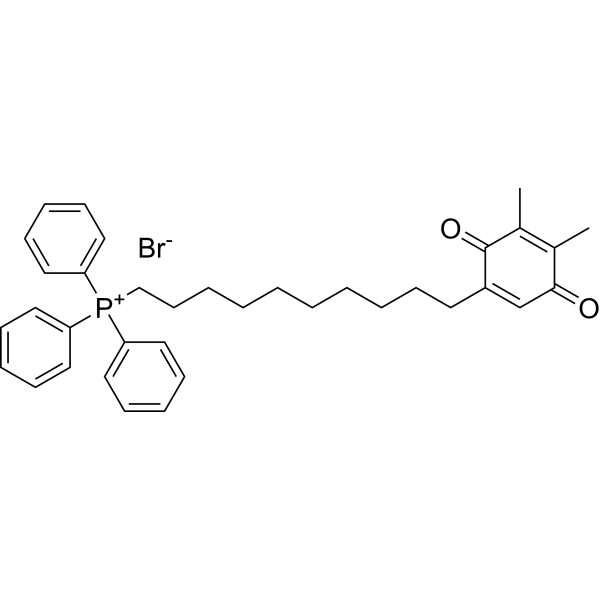
  • HY-100116A
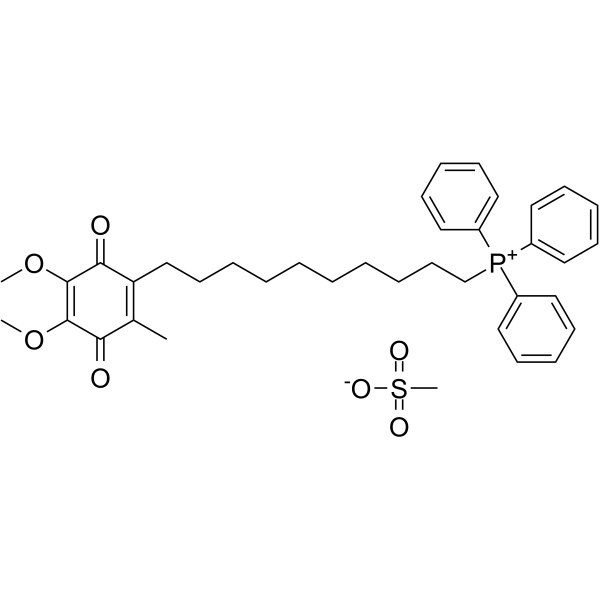
    Mitoquinone mesylate
    150+ Cited Publications

    MitoQ mesylate; MitoQ10 mesylate

    Reactive Oxygen Species (ROS) Metabolic Disease Cancer
    Mitoquinone mesylate is a TPP-based, mitochondrially targeted antioxidant in order to protect against oxidative damage .
    Mitoquinone mesylate
  • HY-100474
    SKQ1
    15+ Cited Publications

    Reactive Oxygen Species (ROS) Inflammation/Immunology Cancer
    SKQ1 is a mitochondrial-targeted antioxidant with the high mitochondrion membrane penetrating ability and potent antioxidant capability .
    SKQ1
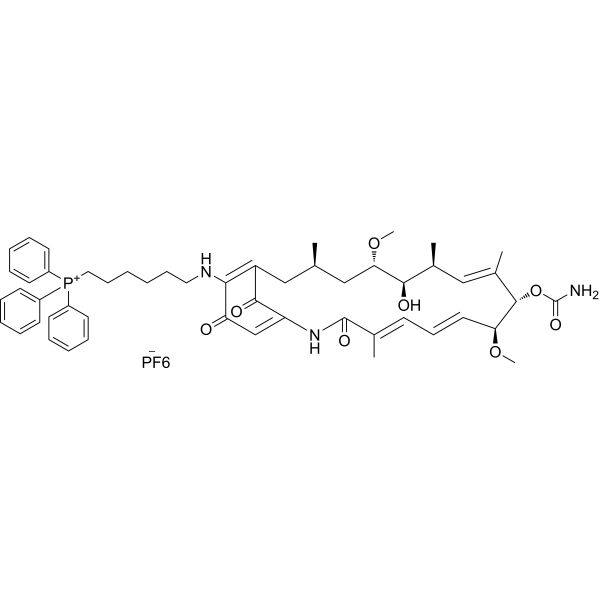
  • HY-102007A

    HSP Cancer
    Gamitrinib TPP hexafluorophosphate is a Gamitrinib (GA) mitochondrial matrix inhibitor. Gamitrinib TPP hexafluorophosphate is a mitochondrial targeted HSP90 inhibitor with anti-cancer activity.
    Gamitrinib TPP hexafluorophosphate
  • HY-108547
    Alexidine dihydrochloride
    5 Publications Verification

    Fungal Apoptosis Infection Cancer
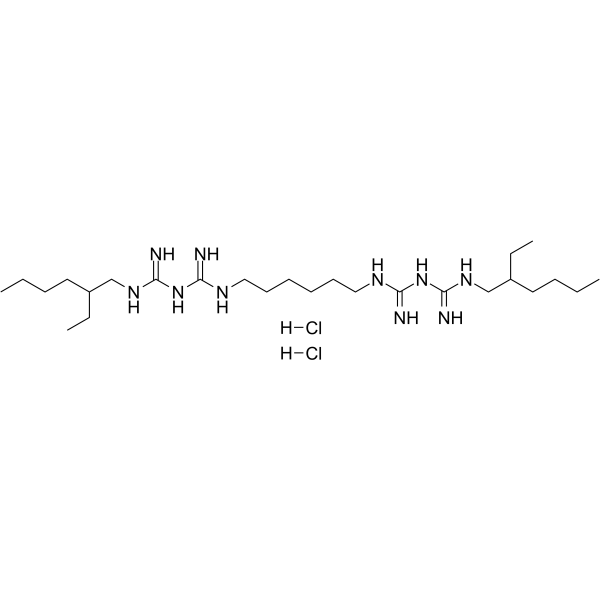
    Alexidine dihydrochloride is an anticancer agent that targets a mitochondrial tyrosine phosphatase, PTPMT1, in mammalian cells and causes mitochondrial apoptosis. Alexidine dihydrochloride has antifungal and antibiofilm activity against a diverse range of fungal pathogens .
    Alexidine dihydrochloride
  • HY-138620
    MCU-i4
    5 Publications Verification

    Mitochondrial Metabolism Metabolic Disease
    MCU-i4 blocks the IP3-dependent mitochondrial Ca 2+-uptake, maintaining the gatekeeping role of their target .
    MCU-i4
  • HY-125623
    MitoPerOx
    3 Publications Verification

    Fluorescent Dye Others
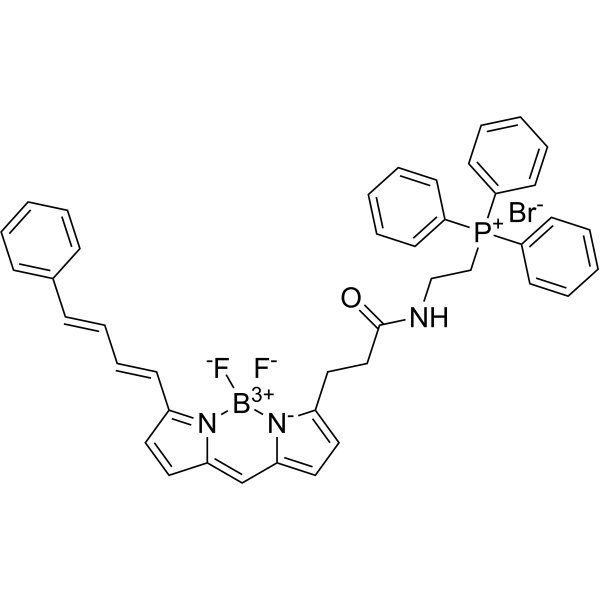
    MitoPerOx is a mitochondrial-targeted, lipid peroxidation-indicating fluorescent probe with BODIPY581/591 fluorophores. The triphenylphosphine cation (TPP+) of MitoPerOx can be selectively enriched in mitochondria (depending on membrane potential) and can be used to detect lipid peroxidation in the inner mitochondrial membrane. Under the action of lipid peroxides, the BODIPY581/591 fluorophores of MitoPerOx shift their emission wavelength from 590 nm (reduced state) to 520 nm (oxidized state), and ratiometric detection can be performed at an excitation wavelength of 488 nm. MitoPerOx can specifically monitor the peroxidation of mitochondrial phospholipids (especially cardiolipin) and is used in the study of oxidative stress-related diseases (such as aging, neurodegenerative diseases, and mitochondrial dysfunction)[1][2].
    MitoPerOx
  • HY-100550
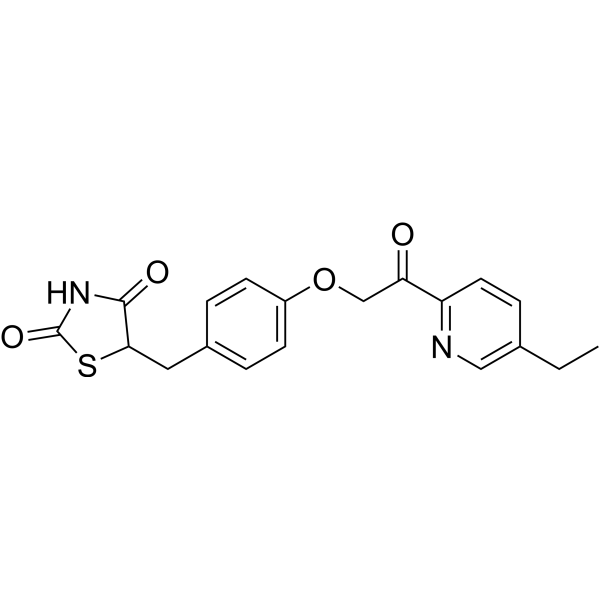
    MSDC 0160
    4 Publications Verification

    Mitoglitazone; CAY10415

    Insulin Receptor Mitochondrial Metabolism Neurological Disease Endocrinology
    MSDC 0160 (Mitoglitazone) is a mitochondrial target of thiazolidinediones (mTOT)-modulating insulin sensitizer and a modulator of mitochondrial pyruvate carrier (MPC). MSDC 0160 is a thiazolidinedione (TZD) with antidiabetic and neuroprotective activities. MSDC 0160 has the potential for Alzheimer′s disease .
    MSDC 0160
  • HY-134832
    Mito-LND
    3 Publications Verification

    Mito-Lonidamine

    Oxidative Phosphorylation Mitochondrial Metabolism Reactive Oxygen Species (ROS) Autophagy Cancer
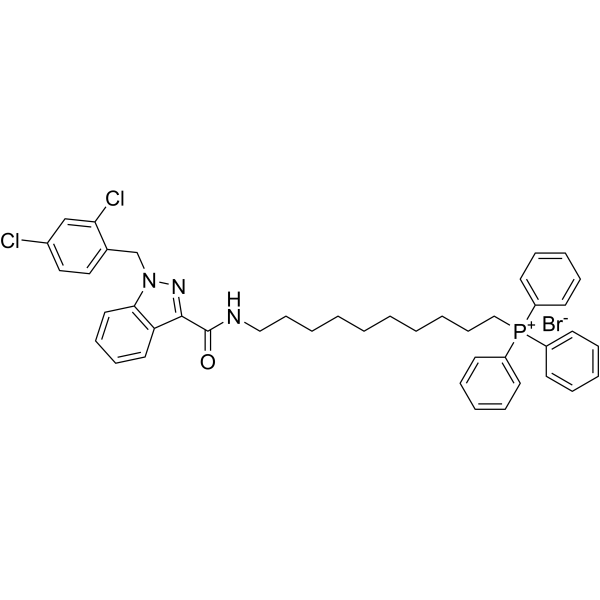
    Mito-LND (Mito-Lonidamine) is an orally active and mitochondria-targeted inhibitor of oxidative phosphorylation (OXPHOS). Mito-LND inhibits mitochondrial bioenergetics, stimulates the formation of reactive oxygen species, and induces autophagic cell death in lung cancer cells .
    Mito-LND
  • HY-W614507

    NADPH Oxidase Apoptosis Bcl-2 Family Metabolic Disease Cancer
    Dihydronicotinamide riboside is a potent NAD + concentration enhancer. Dihydronicotinamide riboside modulates targets BAX, PUMA, NQO2, and IκB kinase. Dihydronicotinamide riboside mediates apoptosis, induces pro-oxidant activity, mitochondrial dysfunction, metabolic dysregulation, redox modulation, and pro-inflammatory M1 phenotype induction. Dihydronicotinamide riboside increases intracellular and mitochondrial NAD + levels, maintains cell survival against NAD +-depleting genotoxins. Dihydronicotinamide riboside can be used for the research of hepatocellular carcinoma .
    Dihydronicotinamide riboside
  • HY-N1255

    (-)-Scoulerine; Discretamine

    Bcl-2 Family Apoptosis mTOR GABA Receptor PI3K Adrenergic Receptor Beta-secretase Akt Cancer
    Scoulerine ((-)-Scoulerine; Discretamine) hydrochloride is a multi-target inhibitor with anti-tumor and antioxidant activities. Scoulerine mainly targets the PI3K/Akt/mTOR signaling axis and α1D-adrenergic receptor, disrupts microtubule structure, and induces cell cycle arrest and apoptosis. Scoulerine effectively inhibits mitochondrial dehydrogenase activity, targets GABA receptors and BACE1, and suppresses the proliferation, migration, invasion, epithelial-mesenchymal transition and stem cell properties of cancer cells. Scoulerine also exhibits multiple pharmacological activities including anti-Plasmodium falciparum, antibacterial, antiemetic and antitussive effects, and regulates endoplasmic reticulum stress and mitochondrial function (modulates Bax, Bcl-2 and cytochrome c). Scoulerine is applicable to research related to leukemia, ovarian cancer, and colorectal cancer .
    Scoulerine
  • HY-16772

    α-Tocotrienol quinone; PTC-743; Vatiquinone; NCT04378075

    Mitochondrial Metabolism Ferroptosis Neurological Disease
    EPI-743 (Vatiquinone; α-Tocotrienol quinone; PTC-743; NCT04378075) is a potent cellular oxidative stress protectant, inhibits ferroptosis in cells, which could be used for the study for mitochondrial diseases. EPI-743 is a synthetic analog of vitamin E with oral activity, targets repletion of reduced intracellular glutathione .
    EPI-743
  • HY-W762011

    Apoptosis Reactive Oxygen Species (ROS) JNK Oxidative Phosphorylation Neurological Disease Cancer
    BDE 47 targets mitochondria, inhibits mitochondrial oxidative phosphorylation (OXPHOS), decreases mitochondrial membrane potential (MMP) and induces apoptosis in embryonic cell. BDE 47 induces the generation of ROS, and activates the JNK signaling pathway. BDE 47 exhibits embryonic developmental toxicity in zebrafish .
    BDE 47
  • HY-14796
    Olesoxime
    2 Publications Verification

    TRO 19622; NSC 21311

    Mitochondrial Metabolism Neurological Disease
    Olesoxime (TRO 19622) is a mitochondrial-targeted neuroprotective compound with mean EC50 value for increasing cell survival is 3.2±0.2 μM.
    Olesoxime
  • HY-145337

    FT385

    Deubiquitinase PINK1/Parkin Neurological Disease Cancer
    FT3967385 (FT385) is a selective covalent inhibitor that targets the outer mitochondrial membrane deubiquitinase (Deubiquitinase) USP30 (IC50 = 1.5 nM, Ki = 0.014 μM). By inhibiting the enzymatic activity of USP30, FT3967385 relieves its negative regulation of the PINK1-Parkin mediated mitochondrial ubiquitination cascade, thereby enhancing mitophagy. FT3967385 can be used for mechanistic studies of neurodegenerative diseases associated with mitochondrial dysfunction, such as Parkinson's disease .
    FT3967385
  • HY-DY1073

    Fluorescent Dye Others
    MitoPerOx (solution) is a mitochondrial-targeted, lipid peroxidation-indicating fluorescent probe with BODIPY581/591 fluorophores. The triphenylphosphine cation (TPP+) of MitoPerOx can be selectively enriched in mitochondria (depending on membrane potential) and can be used to detect lipid peroxidation in the inner mitochondrial membrane. Under the action of lipid peroxides, the BODIPY581/591 fluorophores of MitoPerOx shift their emission wavelength from 590 nm (reduced state) to 520 nm (oxidized state) , and ratiometric detection can be performed at an excitation wavelength of 488 nm. MitoPerOx can specifically monitor the peroxidation of mitochondrial phospholipids (especially cardiolipin) and is used in the study of oxidative stress-related diseases (such as aging, neurodegenerative diseases, and mitochondrial dysfunction) .
    Solvent and concentration: DMSO: 2 mM
    MitoPerOx (solution)
  • HY-135549
    Fluxapyroxad
    1 Publications Verification

    Environmental Pollutants Antibiotic Cytochrome P450 Fungal Succinate Dehydrogenase Infection Inflammation/Immunology
    Fluxapyroxad is a synthetic broad-spectrum fungicide for the control of fungal diseases. Fluxapyroxad inhibits succinate dehydrogenase in complex II of the mitochondrial respiratory chain, resulting in inhibition of spore germination, germ tubes and mycelia growth within the fungus target species .
    Fluxapyroxad
  • HY-139109
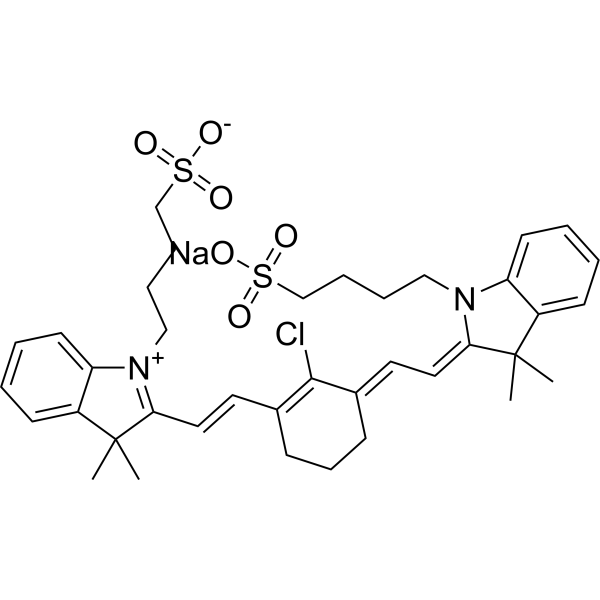
    IR-783
    2 Publications Verification

    ADS 780WS

    Fluorescent Dye Apoptosis Mitochondrial Metabolism ATP Synthase Cytochrome P450 Dynamin Cancer
    IR-783 (ADS 780WS) is a heptamethine cyanine dye. IR-783 induces Mitochondrial membrane potential loss, ATP depletion, mitochondrial permeability transition pore opening, Cytochrome c release and Apoptosis in breast cancer cells. IR-783 promotes the translocation of Drp1 from the cytosol to mitochondria. IR-783 increases the expression of mitochondrial fission proteins such as MFF and Fission-1. IR-783 possesses imaging, cancer-targeting and anticancer properties. IR-783 exerts anticancer effects against breast cancer. IR-783 can be used in breast cancer-related research .
    IR-783
  • HY-102007

    HSP Cancer
    Gamitrinib TPP is a Gamitrinib (GA) mitochondrial matrix inhibitor. Gamitrinib TPP is a mitochondrial targeted HSP90 inhibitor with anti-cancer activity.
    Gamitrinib TPP
  • HY-134640
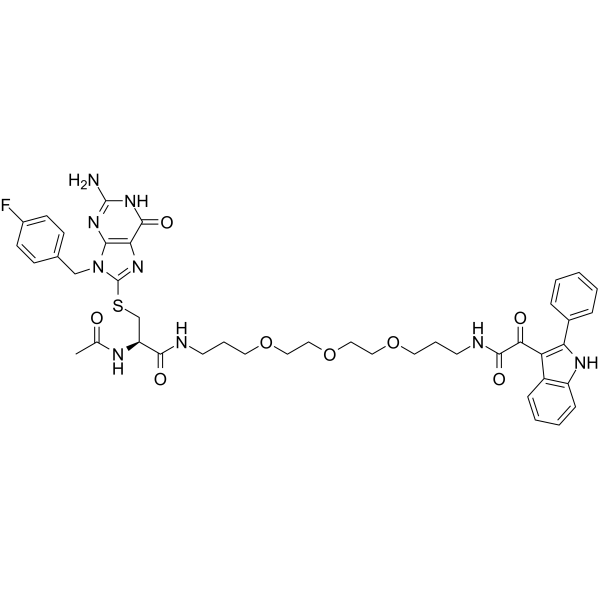
    AUTAC4
    4 Publications Verification

    AUTACs Mitophagy Neurological Disease Cancer
    AUTAC4 is a mitochondria-targeting autophagy-targeting chimera (AUTAC). AUTAC4 downregulates cytosolic proteins and promotes targeted mitochondrial turnover via mitophagy .
    AUTAC4
  • HY-D2878

    Fluorescent Dye Ferroptosis Others
    MitoPeDPP is a mitochondrial-targeted fluorescent probe that is sensitive to LPO. MitoPeDPP is synthesized from diphenylpyrenephosphine. MitoPeDPP can be used to study the occurrence of mitochondrial LPO in RSL3-induced oligodendrocyte ferroptosis .
    MitoPeDPP
  • HY-134377

    ASP0367; MA-0211

    PPAR Metabolic Disease
    Bocidelpar (ASP0367; MA-0211) is a selective, orally active PPARδ modulator. Bocidelpar activates the PPARδ downstream signaling pathway, upregulates the expression of target genes such as ABCA1 and ACAA2. Bocidelpar then promotes fatty acid oxidation (FAO) and mitochondrial biogenesis, and improves mitochondrial dysfunction. Bocidelpar can improve mitochondrial biogenesis and function in muscle cells. Bocidelpar is mainly used in the study of mitochondrial dysfunction diseases such as primary mitochondrial myopathy (PMM) and Duchenne muscular dystrophy (DMD) .
    Bocidelpar
  • HY-138301
    Miclxin
    1 Publications Verification

    DS37262926

    Wnt β-catenin Apoptosis Cancer
    Miclxin (DS37262926) is a potent inhibitor of mutant β-catenin, involving in Wnt signaling pathway. Miclxin induces β-catenin-dependent apoptosis, leads to severe mitochondrial damage with the loss of mitochondrial membrane. Miclxin kills tumor via targeting to MIC60, a major components of the mitochondrial contact site and cristae organizing system (MICOS) complex .
    Miclxin
  • HY-150228
    MitoCur-1
    1 Publications Verification

    TrxR Cancer
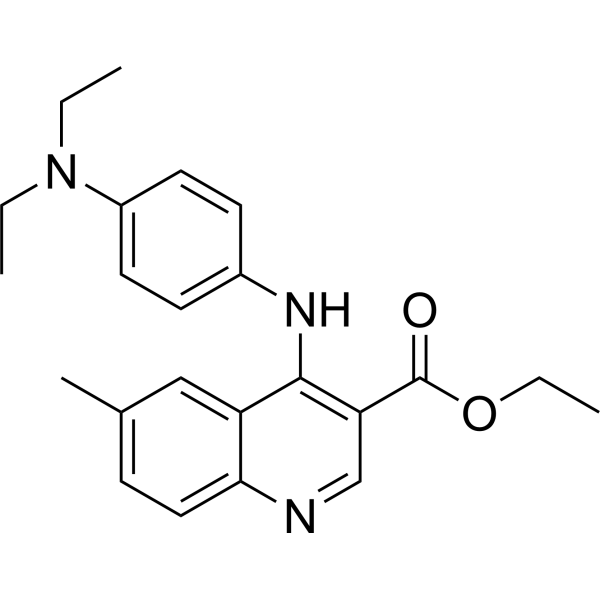
    MitoCur-1, a curcumin analogue, is an inhibitor of mitochondrial antioxidative thioredoxin reductase 2 (TrxR2). MitoCur-1 has electrophilic and mitochondrial-targeting properties. MitoCur-1 induces reactive oxygen species (ROS) generation, exerts specifically antitumor efficacy .
    MitoCur-1
  • HY-B1036

    Parasite Infection
    Decoquinate is an orally active, selective inhibitor of the mitochondrial bc1 complex, targeting Eimeria spp. sporozoites and first generation schizonts, and Plasmodium spp. Decoquinate inhibits electron transfer by competitively binding to the mitochondrial cytochrome b system, blocking the parasite's energy metabolism, thereby inhibiting its development and reproduction. Decoquinate has significant anticoccidial activity, preventing intestinal damage and improving host growth performance, and also has inhibitory effects on the liver and blood stages of Plasmodium. Decoquinate is mainly used in veterinary research to prevent and treat coccidiosis in ruminants and poultry .
    Decoquinate
  • HY-114977

    DNA/RNA Synthesis Apoptosis Reactive Oxygen Species (ROS) Inflammation/Immunology Cancer
    Avenanthramide A is an orally active phytoalexin that targets the RNA helicase DDX3 with a KD of 8.8 μM. Avenanthramide A induces mitochondrial swelling and increased ROS production, and triggers apoptosis in CRC cells. Avenanthramide A inhibits smooth muscle cell proliferation and enhances nitric oxide production. Avenanthramide A can be used in research on colorectal cancer and atherosclerosis .
    Avenanthramide A
  • HY-164566

    Dynamin Mitochondrial Metabolism Neurological Disease
    POSH-IN-2 (MIDI), a mitochondrial division inhibitor, is a DRP1 inhibitor that potently blocks mitochondrial fragmentation induced by cellular stresses and genetic mitochondrial lesions. POSH-IN-2 covalently interacts with DRP1-C367 to target DRP1 interaction with multiple receptors .
    POSH-IN-2
  • HY-115386
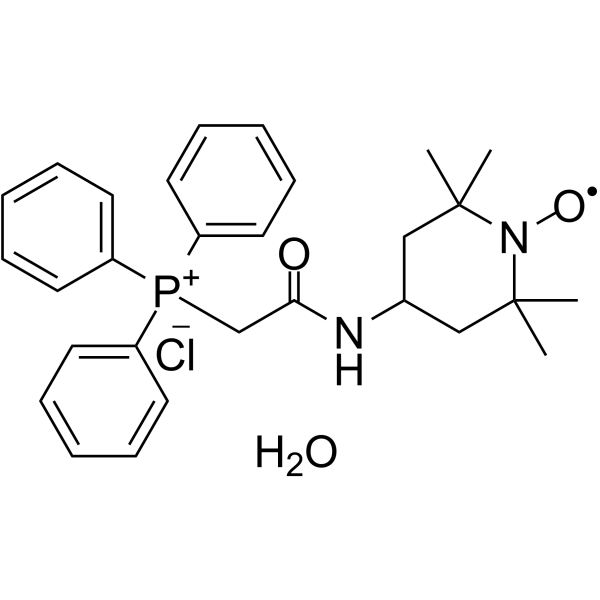
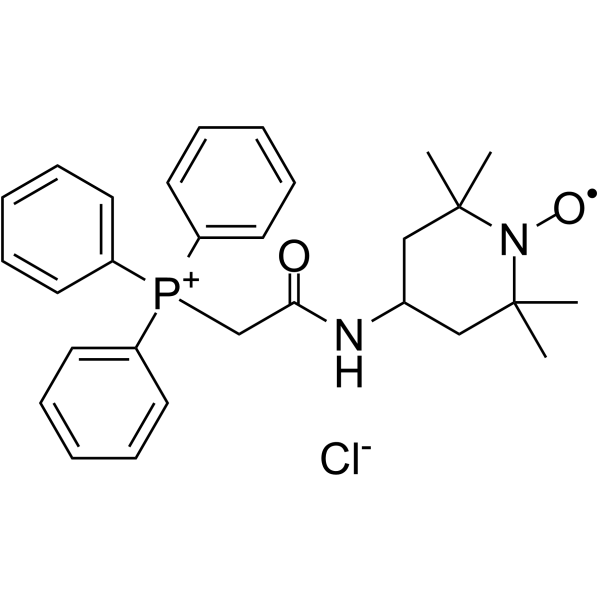
    MitoTEMPOL
    3 Publications Verification

    Reactive Oxygen Species (ROS) Cancer
    MitoTEMPOL is a a mitochondria-targeted nitroxide that reduces mitochondrial O2 -to H2O2 .
    MitoTEMPOL
  • HY-150407

    Ligands for Target Protein for PROTAC Autophagy Others Neurological Disease Cancer
    TSPO ligand-1 is the ligand of AUTAC4 (HY-134640) that can be used in the synthesis of PROTACs. TSPO ligand-1 is a mitochondrial outer membrane transmembrane structural domain protein can bind to AUTAC4 and regulate mitochondrial autophagy to promote targeted mitochondrial renewal. TSPO ligand-1 is also involved in the transport of cholesterol from the outer to inner mitochondrial membrane and serves as a sensitive biomarker of brain injury and neurodegeneration .
    TSPO ligand-1
  • HY-16386

    Mitochondrial Metabolism Cancer
    PENAO is a potent tumour cell mitochondrial toxin. PENAO inactivates tumor cell mitochondria by targeting inner-membrane adenine nucleotide transferase .
    PENAO
  • HY-134769

    Mitochondrial Metabolism Reactive Oxygen Species (ROS) Cardiovascular Disease Metabolic Disease
    OPC-163493 is an orally active and liver-targeted mitochondrial uncoupling agent. OPC-163493 reduces the production of mitochondrial Δψ and ROS. OPC-163493 has anti-diabetic and lipid-lowering effects. In addition, OPC-163493 has a protective effect on cardiovascular disease .
    OPC-163493
  • HY-W039943

    Molecular Glues Cancer
    Acetyl-cyclosporin A aldehyde is an acetylated Cyclosporin A (HY-B0579) derivative with a reducing aldehyde group. Cyclosporin A is a potent calmodulin inhibitor and cyclophilin binder that can target the nuclear translocation of NF-AT and cause mitochondrial damage.
    Acetyl-cyclosporin A aldehyde
  • HY-107020

    21-Aminoepothilone B

    Apoptosis Cancer
    BMS 310705 (21-Aminoepothilone B) is an analog of Epothilone B (HY-17029), targeting to malignancies such as ovarian, renal, bladder, and lung carcinoma. BMS 310705 induces significant apoptosis via mitochondrial-mediated pathway .
    BMS 310705
  • HY-159734

    Apoptosis Cancer
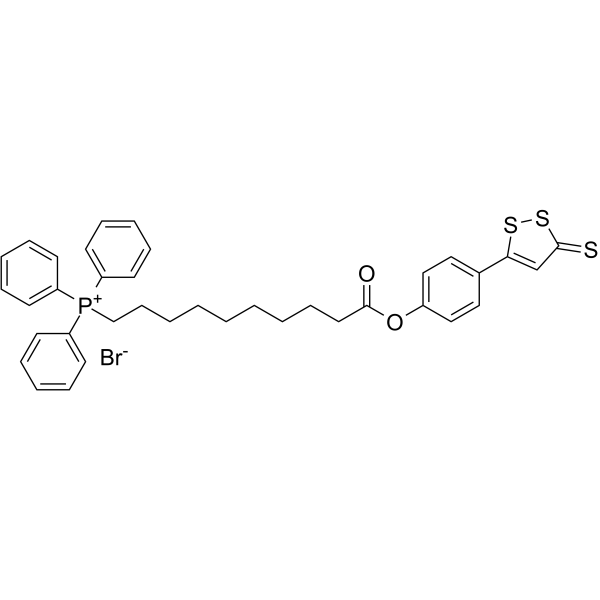
    TPP-resveratrol is a conjugate of Resveratrol (HY-16561) and triphenylphosphine (TPP) with anticancer activity. TPP-resveratrol increases the potency of Resveratrol through mitochondrial-targeted delivery and induces mitochondria-mediated apoptosis .
    TPP-resveratrol
  • HY-D1158

    Fluorescent Dye Inflammation/Immunology
    HKOCl-4m is a selective and mitochondria-targeting rhodol-based fluorescent probe for monitoring mitochondrial hypochlorous acid (HOCl) .
    HKOCl-4m
  • HY-14943

    ZIO-101; S-Dimethylarsino-glutathione

    Apoptosis Cancer
    Darinaparsin (ZIO-101), an organic arsenical, is a mitochondrial-targeted agent. Darinaparsin induces apoptosis in ancer cells, and has anticancer effects .
    Darinaparsin
  • HY-16386A

    Mitochondrial Metabolism Cancer
    PENAO TFA is the trifluoroacetic acid of PENAO (HY-16386). PENAO is a potent tumour cell mitochondrial toxin. PENAO inactivates tumor cell mitochondria by targeting inner-membrane adenine nucleotide transferase .
    PENAO TFA
  • HY-126474

    Reactive Oxygen Species (ROS) Inflammation/Immunology
    MitoB bromide is an exomarker of mitochondrial hydrogen peroxide. MitoB bromide is a mitochondria-targeted ratiometric probe, and can be used to measure levels of one major ROS, hydrogen peroxide, within living animals .
    MitoB bromide
  • HY-124726

    Autophagy Neurological Disease Cancer
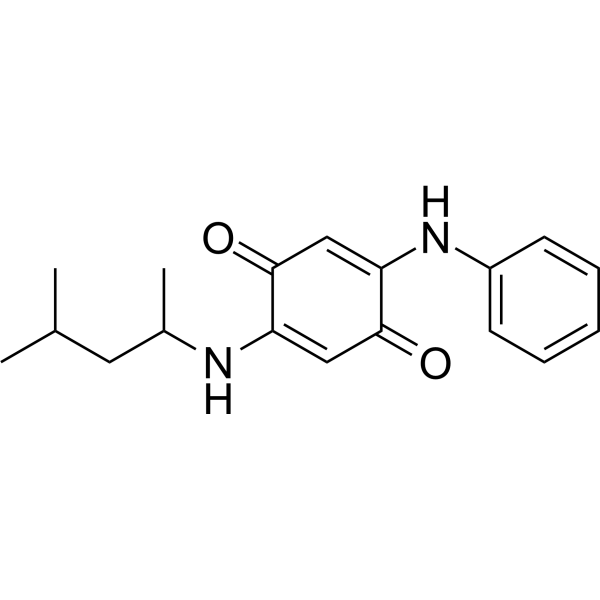
    Aumitin is a diaminopyrimidine-based autophagy inhibitor which inhibits mitochondrial respiration by targeting complex I. Aumitin inhibits starvation- and rapamycin induced autophagy dose dependently with IC50s of 0.12 μM and 0.24 μM, respectively .
    Aumitin
  • HY-117897
    CK-2-68
    1 Publications Verification

    Parasite Infection
    CK-2-68 is an inhibitor for complex III in protozoan mitochondrial respiratory chain, by targeting the alternative NADH dehydrogenase (NDH2) of the malarial parasite Plasmodium. CK-2-68 exhibits antimalaria efficacy, that inhibits Plasmodium falciparum infected erythrocytes with an IC50 of 40 nM .
    CK-2-68
  • HY-167935

    Bacterial Metabolic Disease Inflammation/Immunology
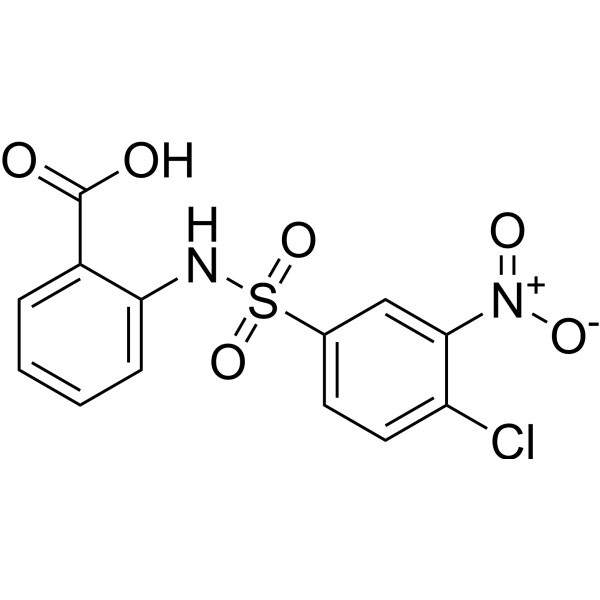
    LCC-12 formic is a dimer of metformin that targets mitochondrial copper(II), leading to a decrease in the NAD(H) pool and modulation of inflammatory responses. LCC-12 formic reduces inflammation in mouse models of bacterial and viral infections. LCC-12 formic also serves as a tool for investigating metabolic diseases through its effects on cell plasticity and epigenetic programming.
    LCC-12 formic
  • HY-147225

    AUTACs Mitophagy Neurological Disease Metabolic Disease Cancer
    TSPO Ligand-Linker Conjugates 1 contains a ligand for translocator protein (TSPO) and a linker, which is used for the synthesis of mitochondria-targeting autophagy-targeting chimera (AUTAC). AUTAC can bind the TSPO on the outer mitochondrial membrane (OMM) of mitochondria and degrades impaired mitochondria and proteins via mitophagy, and improves mitochondrial activity. TSPO Ligand-Linker Conjugates 1 can be used in mitochondrial dysfunction related research, including neurodegenerative diseases, cancer, and diabetes .
    TSPO Ligand-Linker Conjugates 1
  • HY-D2479

    Fluorescent Dye Metabolic Disease
    DMANI is an intramolecular charge transfer (ICT)-based mitochondria-targeted ratiometric fluorescent probe. DMANI can monitor mitochondrial peroxynitrite (ONOO ) in living cells .
    DMANI
  • HY-162422

    Fluorescent Dye Pyroptosis Cancer
    Mito-DK is a small-molecule fluorescent dye with the capability of crosstalk-free response to polarity and mtDNA as well as mitochondrial morphology. Mito-DK has high photostability, low cytotoxicity, and good mitochondria-targeting properties. Mito-DK can be used for real-time tracking and multidimensional assessing of mitochondria-related pyroptosis in cancer cells .
    Mito-DK
  • HY-143230

    OGX-011

    Apoptosis Cancer
    Custirsen (OGX-011) is an antisense oligonucleotide that targets clusterin mRNA. Custirsen induces apoptosis by activating Bax, triggering mitochondrial translocation and cytochrome c release. Custirsen acts as a chemosensitizer, radiosensitizer and hormone sensitizer. Custirsen can be used in research related to prostate cancer, non-small cell lung cancer and metastatic breast cancer .
    Custirsen
  • HY-157343A

    Apoptosis Mitochondrial Metabolism Caspase Neurological Disease Cancer
    GD3 Ganglioside sodium is an Apoptosis inducer and biomarker for mouse neural stem cells. GD3 Ganglioside sodium expresses in neural stem cells and the subventricular zone of the adult mouse brain. GD3 Ganglioside sodium targets the mitochondrial permeability transition pore complex, induces pore opening, dissipates mitochondrial transmembrane potential, triggers Mitochondrial swelling, releases pro-apoptotic factors, and activates Caspase-9. GD3 Ganglioside sodium is applicable to research related to glioblastoma .
    GD3 Ganglioside sodium
  • HY-157343

    Apoptosis Mitochondrial Metabolism Caspase Neurological Disease Cancer
    GD3 Ganglioside is an Apoptosis inducer and a biomarker for mouse neural stem cells. GD3 Ganglioside expresses in neural stem cells and the subventricular zone of the adult mouse brain. GD3 Ganglioside targets the mitochondrial permeability transition pore complex, induces pore opening, dissipates mitochondrial transmembrane potential, triggers Mitochondrial swelling, releases pro-apoptotic factors, and activates Caspase-9. GD3 Ganglioside is applicable to research related to glioblastoma .
    GD3 Ganglioside
  • HY-157343B

    Apoptosis Mitochondrial Metabolism Caspase Neurological Disease Cancer
    GD3 Ganglioside ammonium is an Apoptosis inducer and biomarker for mouse neural stem cells. GD3 Ganglioside ammonium expresses in neural stem cells and the subventricular zone of the adult mouse brain. GD3 Ganglioside ammonium targets the mitochondrial permeability transition pore complex, induces pore opening, dissipates mitochondrial transmembrane potential, triggers Mitochondrial swelling, releases pro-apoptotic factors, and activates Caspase-9. GD3 Ganglioside ammonium is applicable to research related to glioblastoma .
    GD3 Ganglioside ammonium
  • HY-130588

    GSAO

    Mitochondrial Metabolism Cancer
    Glutathione arsenoxide (GSAO) is a potential anticancer agent and a tumour metabolism inhibitor. Glutathione arsenoxide targets Mitochondrial endomycin nucleotide transferase (ANT). Glutathione arsenoxide causes cell proliferation arrest and cell death. Glutathione arsenoxide can be used to identify cell-surface proteins, such as Protein disulphide isomerase .
    Glutathione arsenoxide
  • HY-117359

    PAI-1 Apoptosis Cancer
    UCD38B hydrochloride is a cell permeant, competitive enzymatic uPA inhibitor with an IC50 value of 7 μM. UCD38B hydrochloride targets intracellular uPA causing mistrafficking of uPA into perinuclear mitochondria, reducing the mitochondrial membrane potential, and followed by the release of apoptotic inducible factor (AIF). UCD38B hydrochloride induces apoptosis .
    UCD38B hydrochloride
  • HY-130588A

    GSAO TFA

    Mitochondrial Metabolism Cancer
    Glutathione arsenoxide (GSAO) TFA is a potential anticancer agent and a tumour metabolism inhibitor. Glutathione arsenoxide TFA targets Mitochondrial endomycin nucleotide transferase (ANT). Glutathione arsenoxide TFA causes cell proliferation arrest and cell death. Glutathione arsenoxide TFA can be used to identify cell-surface proteins, such as Protein disulphide isomerase .
    Glutathione arsenoxide TFA

Inquiry Online

Your information is safe with us. * Required Fields.

Salutation


Country or Region *

Applicant Name *


Organization Name *

Department *


Email Address *


Product Name *

Cat. No.


Requested quantity *

Phone Number *


Remarks

Inquiry Online

Inquiry Information

Product Name:
Cat. No.:
Quantity:
MCE Japan Authorized Agent:

