1. Search Result
Search Result
Pathways Recommended: NF-κB PI3K/Akt/mTOR
Results for "

p-IκB

" in MedChemExpress (MCE) Product Catalog:

136

Inhibitors & Agonists

2

Screening Libraries

2

Biochemical Assay Reagents

1

Inhibitory Antibodies

91

Natural
Products

3

Isotope-Labeled Compounds

3

Oligonucleotides

Cat. No. Product Name Target Research Areas Chemical Structure
  • HY-N0022
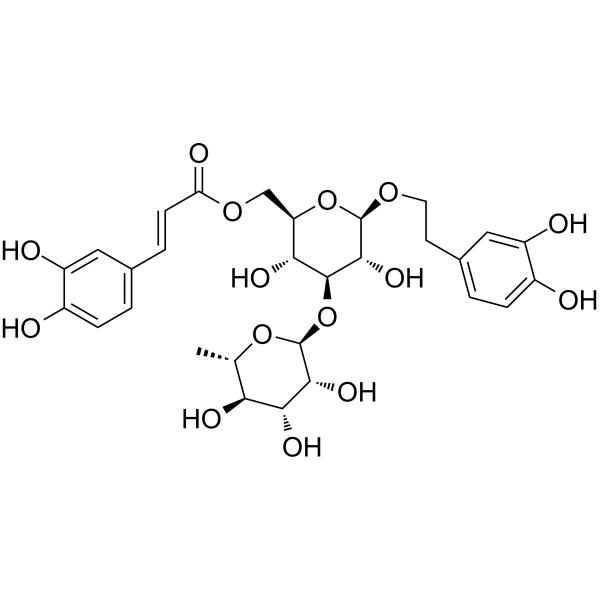
    Isoacteoside
    5+ Cited Publications

    Isoverbascoside

    Apoptosis Reactive Oxygen Species (ROS) Akt mTOR PI3K NO Synthase COX p38 MAPK Toll-like Receptor (TLR) Amyloid-β Neurological Disease Metabolic Disease Inflammation/Immunology Cancer
    Isoacteoside is a natural product that can significantly inhibit the formation of glycation end products. Isoacteoside regulates the AKT/PI3K/m-TOR/NF-κB signaling pathway, induces apoptosis in OVCAR-3 cell. Isoacteoside exhibits antitumor, anti-inflammatory, anti-obesity and neuroprotective activities .
    Isoacteoside
  • HY-113402
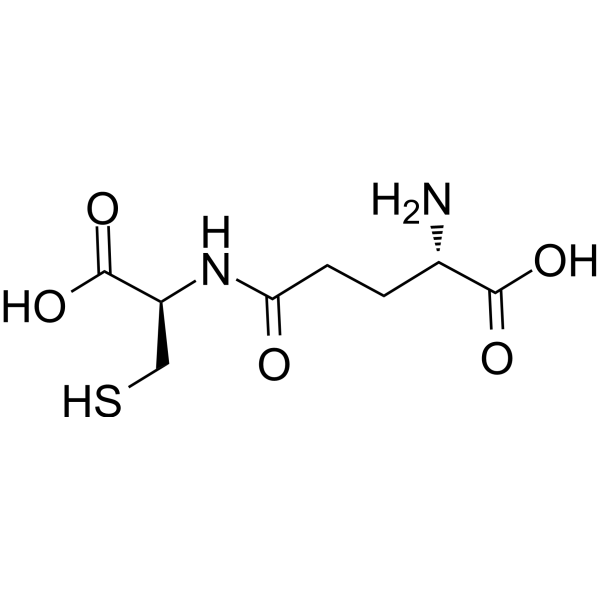
    Gamma-glutamylcysteine
    4 Publications Verification

    γ-Glu-Cys

    Endogenous Metabolite Interleukin Related TNF Receptor AMPK Sirtuin STAT PI3K NF-κB JAK p38 MAPK JNK Akt Apoptosis Ferroptosis Cardiovascular Disease Neurological Disease Inflammation/Immunology
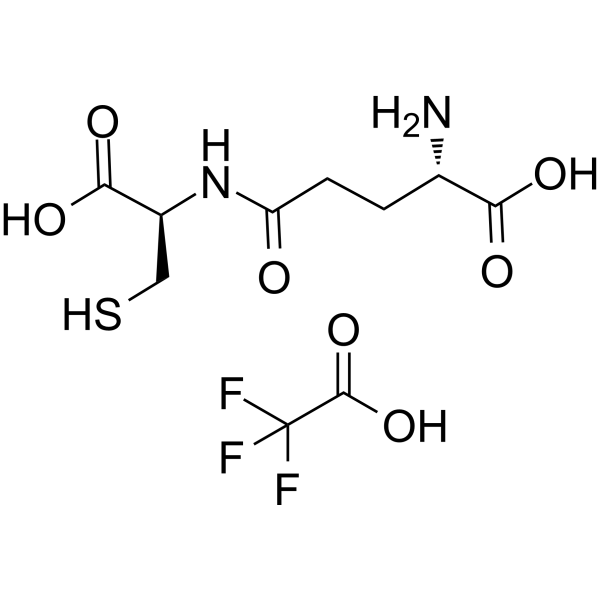
    Gamma-glutamylcysteine (γ-Glu-Cys) is an orally active, blood-brain barrier permeable dipeptide . Gamma-glutamylcysteine activates AMPK, SIRT1, IL-4/STAT6, AC/cAMP/PI3K, IGF-1R/IRS1/PI3K, and Nrf2 signaling pathways; it inhibits NF-κB, JAK1/STAT1/3, MAPKs, cadmium-induced p38 MAPK, JNK, and PI3K/Akt signaling pathways. Gamma-glutamylcysteine regulates macrophage polarization, modulates the trafficking of CD36 and GLUT4, induces glutathione synthesis, improves metabolic dysfunction, reduces lipid deposition, ameliorates glucose homeostasis, inhibits apoptosis (Apoptosis), stabilizes mitochondria, suppresses lipid peroxidation, iron accumulation and ferroptosis (Ferroptosis), reduces ds-HMGB1 levels, reverses mechanical hyperalgesia, and alleviates hepatic lipid droplet formation. Gamma-glutamylcysteine is applicable to research related to inflammatory bowel disease, type 2 diabetes, cadmium-induced neurotoxicity, Alzheimer's disease, cerebral ischemia/reperfusion injury, neuropathy, and alcoholic liver disease .
    Gamma-glutamylcysteine
  • HY-N0143
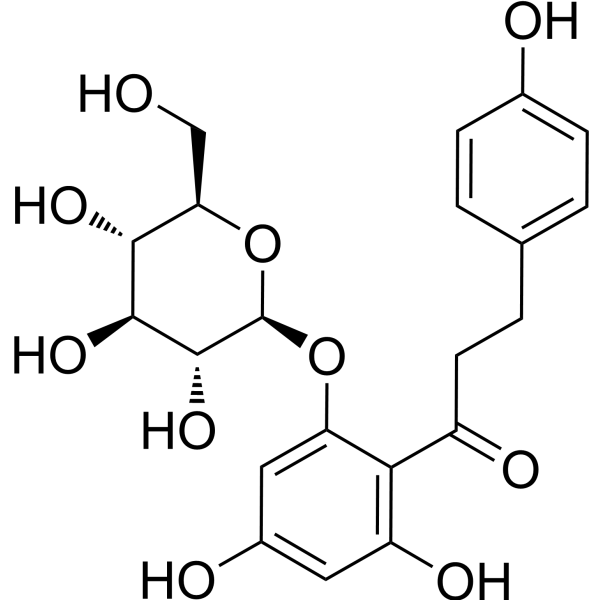
    Phlorizin
    Maximum Cited Publications
    15 Publications Verification

    Floridzin

    Caspase JAK GLUT STAT Apoptosis Bacterial SGLT mTOR Akt NF-κB PI3K DNA/RNA Synthesis Infection Neurological Disease Metabolic Disease Cancer
    Phlorizin (Floridzin) is an orally active non-selective sodium-glucose cotransporter (SGLT) inhibitor, with an IC50 of 0.04 μM and a Ki of 39 nM against hSGLT2, and an IC50 of 0.17 μM and a Ki of 0.31 μM against hSGLT1. Phlorizin promotes GLUT4 translocation, inhibits gluconeogenesis and promotes glycogen synthesis by activating the PI3K/Akt/mTOR pathway. Phlorizin reduces DNA damage and apoptosis (apoptosis) by inhibiting the NF-κB inflammatory pathway. Phlorizin induces apoptosis via activating the Caspase pathway by antagonizing the JAK/STAT3 and PCK pathways. Phlorizin also exhibits antibacterial, anti-inflammatory and neuroprotective activities .
    Phlorizin
  • HY-N0104
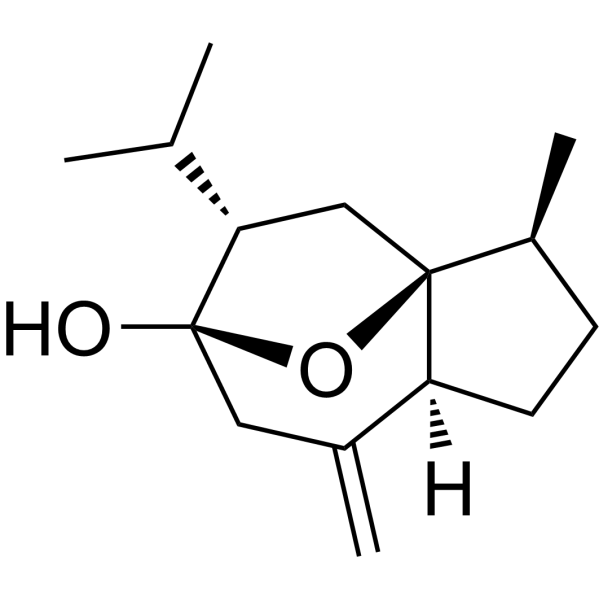
    Curcumol
    5+ Cited Publications

    (-)-Curcumol

    Apoptosis Cancer
    Curcumol ((-)-Curcumol), a bioactive sesquiterpenoid, possesses numerous pharmacological activities like anticancer, antimicrobial, antifungal, antiviral, and antiinflammatory. Curcumol is a potent inducer of apoptosis in numerous cancer cells via targeting key signaling pathways as MAPK/ERK, PI3K/Akt and NF-κB which are generally deregulated in several cancers .
    Curcumol
  • HY-N2515
    Ginsenoside Rk1
    5+ Cited Publications

    NF-κB PI3K JAK Apoptosis Inflammation/Immunology Cancer
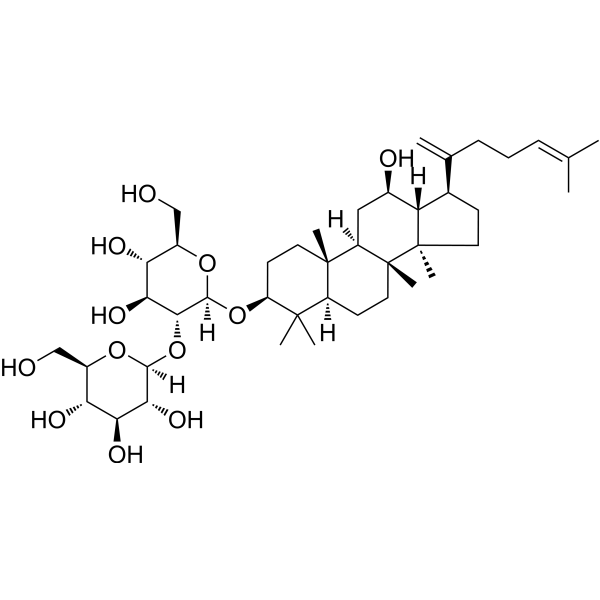
    Ginsenoside Rk1 is a unique component created by processing the ginseng plant (mainly Sung Ginseng, SG) at high temperatures . Ginsenoside Rk1 has anti-inflammatory effect, suppresses the activation of Jak2/Stat3 signaling pathway and NF-κB . Ginsenoside Rk1 has anti-tumor effect, antiplatelet aggregation activities, anti-insulin resistance, nephroprotective effect, antimicrobial effect, cognitive function enhancement, lipid accumulation reduction and prevents osteoporosis . Ginsenoside Rk1 induces cell apoptosis by triggering intracellular reactive oxygen species (ROS) generation and blocking PI3K/Akt pathway .
    Ginsenoside Rk1
  • HY-N0103
    Sophocarpine
    10+ Cited Publications

    Autophagy Apoptosis NF-κB PI3K Akt MEK ERK PTEN Cardiovascular Disease Inflammation/Immunology Cancer
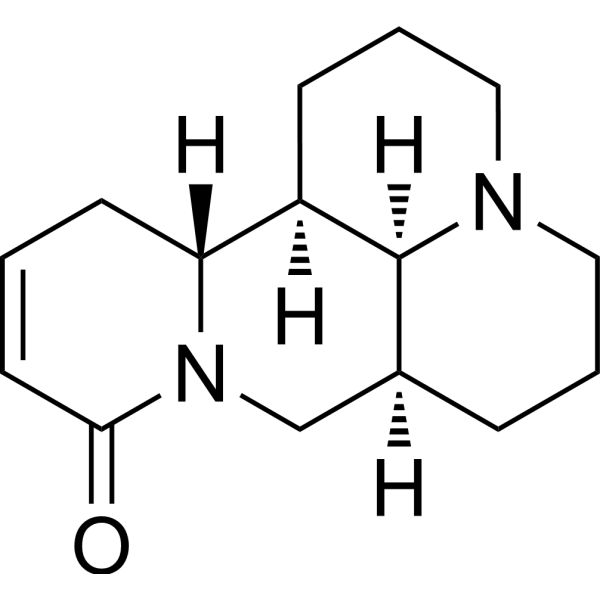
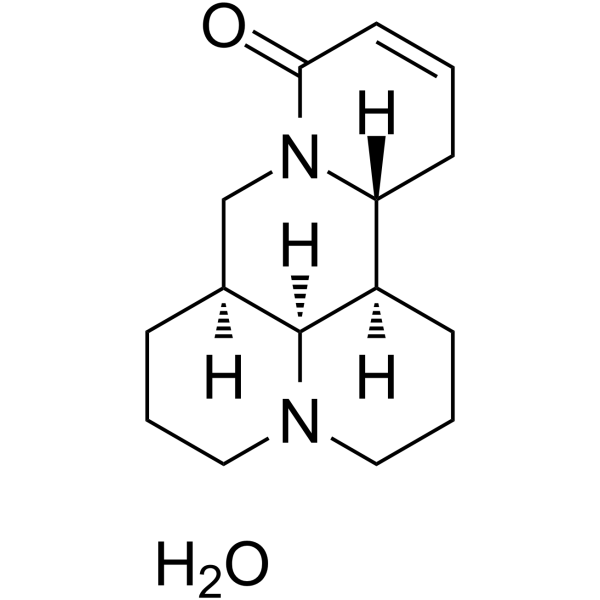
    Sophocarpine is a PTEN activator and an inhibitor of PI3K/Akt, MEK/ERK, and NF-κB signaling pathways. Sophocarpine upregulates PTEN expression and inhibits PI3K/Akt phosphorylation, arrests tumor cell cycle and induces apoptosis. Sophocarpine inhibits MEK/ERK phosphorylation and VEGF secretion, reducing tumor cell migration. Sophocarpine can also inhibit NF-κB activation and p38 and JNK phosphorylation, reduce the expression of inflammatory factors such as iNOS and COX-2, and activate the Nrf2/HO-1 pathway to reduce oxidative stress. Sophocarpine has anti-tumor, anti-inflammatory, antioxidant and anti-apoptotic effects, and can be used in the research of cancers such as glioblastoma and colorectal cancer, inflammation-related diseases, and Doxorubicin (HY-15142A)-induced cardiac damage .
    Sophocarpine
  • HY-N0031
    Plantamajoside
    2 Publications Verification

    NF-κB PI3K Akt Apoptosis Autophagy p38 MAPK Src Cardiovascular Disease Neurological Disease Metabolic Disease Inflammation/Immunology Cancer
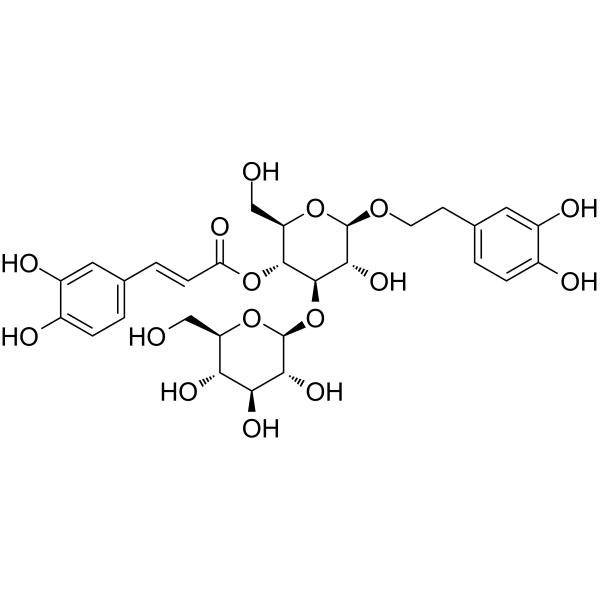
    Plantamajoside is an orally active phenylpropanoid glycoside. Plantamajoside can be isolated from Plantago asiatica L.(Plantaginaceae). Plantamajoside inactivates NF-κB, PI3K/akt, induces Apoptosis, and improves Autophagy. Plantamajoside regulates MAPK, integrin-linked kinase/c-Src. Plantamajoside inhibits multiple cancers, improves lung and kidney damage. Plantamajoside has neuroprotective and anti-inflammatory effects .
    Plantamajoside
  • HY-N0721
    Neoandrographolide
    1 Publications Verification

    Neoandrographiside

    ERK p38 MAPK JNK NF-κB PI3K PPAR GSK-3 CaMK NO Synthase Reactive Oxygen Species (ROS) Apoptosis Cardiovascular Disease Metabolic Disease Inflammation/Immunology
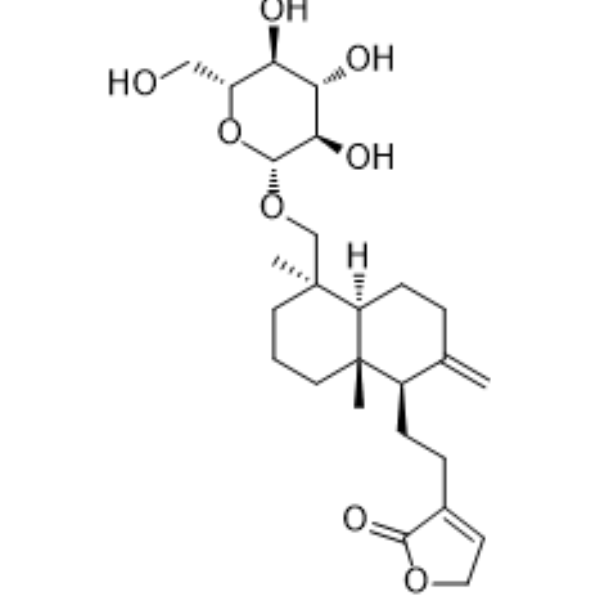
    Neoandrographolide is a diterpenoid compound isolated from Andrographis paniculata. Neoandrographolide inhibits osteoclasts differentiation and bone resorption through inhibition of MAPK/NF-κB/PI3K/AKT/GSK3β/PPAR/CAMK signaling pathway. Neoandrographolide inhibits apoptosis in rat embryonic ventricular cardiomyocytes. Neoandrographolide inhibits iNOS and the generation of ROS, activates eNOS, exhibiting anti-inflammatory and hypolipidemic activity .
    Neoandrographolide
  • HY-N0433
    Astragaloside II
    1 Publications Verification

    Astrasieversianin VIII

    Autophagy Interleukin Related HIF/HIF Prolyl-Hydroxylase SOD NF-κB Inflammation/Immunology Endocrinology Cancer
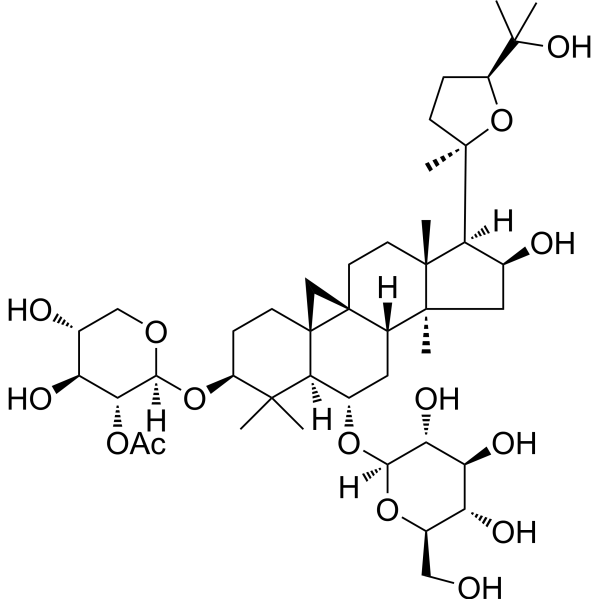
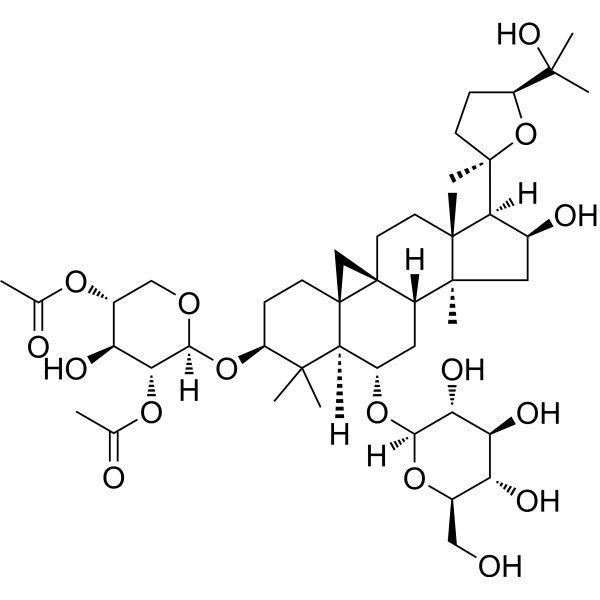
    Astragaloside II is an orally active Cycloartane-type triterpene glycoside. Astragaloside II can be extracted from Astragalus membranaceus. Astragaloside II inhibits Autophagy, decreases pro-inflammatory cytokines (IL-6, IL-1β), HIF-α, p-p65, p-IκB and increases SOD. Astragaloside II regulates immunity and reduces inflammatory responses. Astragaloside II can be used in the research of diseases such as liver cancer, osteoporosis, immunosuppressive diseases, and ulcerative colitis .
    Astragaloside II
  • HY-13425
    Deguelin
    Maximum Cited Publications
    15 Publications Verification

    (-)-Deguelin; (-)-cis-Deguelin

    Akt Autophagy Apoptosis Cancer
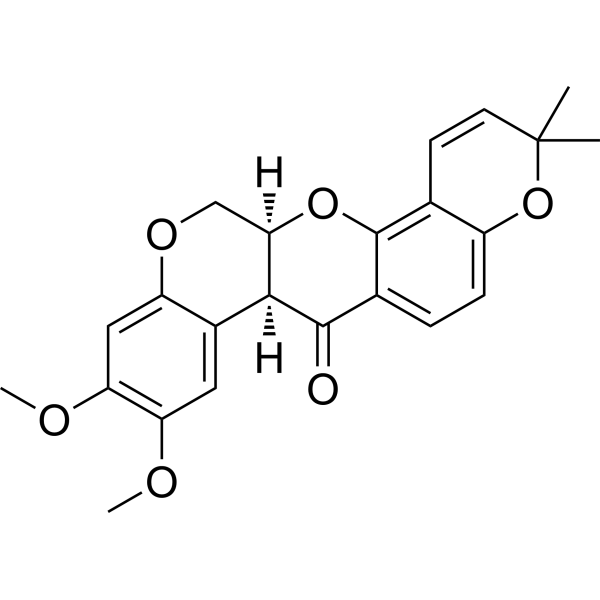
    Deguelin, a naturally occurring rotenoid, acts as a chemopreventive agent by blocking multiple pathways like PI3K-Akt, IKK-NF-κB, and MAPK-mTOR-survivin-mediated apoptosis. Deguelin binding to Hsp90 leads to a decreased expression of numerous oncogenic proteins, including MEK1/2, Akt, HIF1α, COX-2, and NF-κB.
    Deguelin
  • HY-N0847
    Micheliolide
    5+ Cited Publications

    NF-κB PI3K Akt TGF-beta/Smad Inflammation/Immunology Cancer
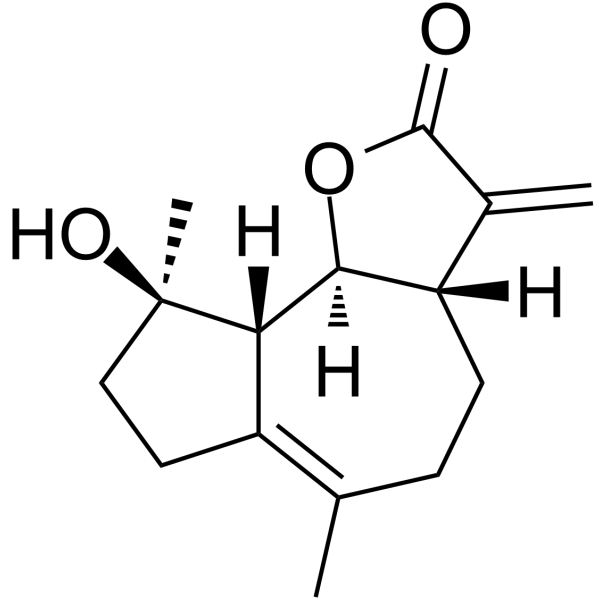
    Micheliolide is a sesquiterpene lactone with anti-cancer and anti-inflammatory effects, which is derived from Michelia compressa and Michelia champaca. Micheliolide can attenuate high glucose-stimulated NF-κB activation, IκBα degradation, and the expression of MCP-1, TGF-β1, and FN in mouse mesangial cells. Micheliolide inhibits LPS (HY-D1056)-induced activation of NF-κB and PI3K/Akt/p70S6K pathways to play an anti-inflammatory role. Micheliolide inhibits dextran sodium sulphate (DSS) (HY-116282)-induced inflammatory intestinal disease, colitis-associated cancer and rheumatic arthritis .
    Micheliolide
  • HY-N1346
    Robinin
    5 Publications Verification

    Toll-like Receptor (TLR) Apoptosis Inflammation/Immunology Cancer
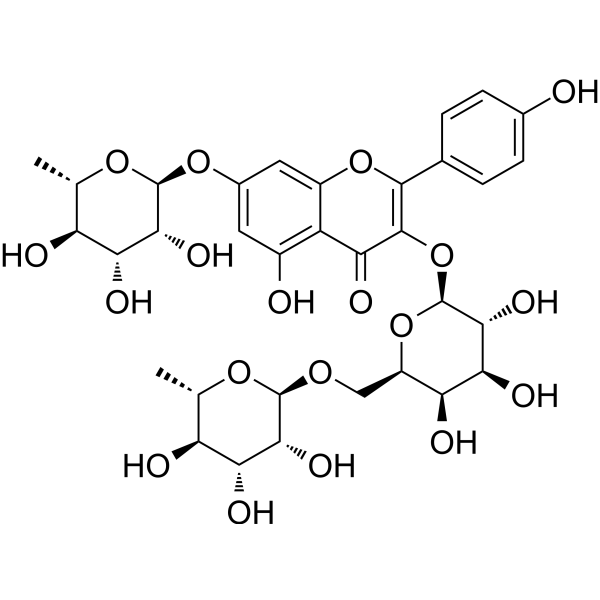
    Robinin is a flavonoid that can be extracted from the leaves of purple cowpea, inhibiting TGF-β, TLR4/NF-κB and TLR2-PI3k-AKT signaling pathways. Robinin exerts anti-inflammatory and anti-tumor effects. The combination of Robinin and Methotrexate (HY-14519) reduces inflammation in experimental arthritis, Robinin can decrease the Doxorubicin (HY-15142A) induced cardiac toxicity effect .
    Robinin
  • HY-N0815
    Resibufogenin
    5+ Cited Publications

    Bufogenin; Recibufogenin

    PI3K Akt NF-κB AP-1 GSK-3 CDK Neurological Disease Inflammation/Immunology Cancer
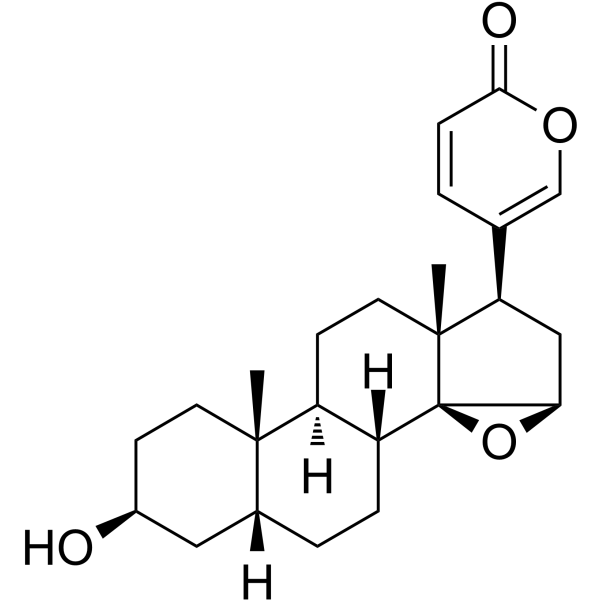
    Resibufogenin is an orally active anticancer agent. Resibufogenin can be extracted from toad venom. Resibufogenin blocks signaling pathways such as PI3K/Akt, NF-κB, AP-1, activates GSK-3β, and regulates cyclin D1. Resibufogenin can activate central neurons. Resibufogenin has anti-inflammatory activity. Resibufogenin has anti-tumor effects on a variety of tumors such as multiple myeloma, renal cancer, colorectal cancer, pancreatic cancer, and glioma .
    Resibufogenin
  • HY-N0563
    Alizarin
    1 Publications Verification

    AMPK VEGFR PI3K Akt NF-κB Cytochrome P450 Cardiovascular Disease Cancer
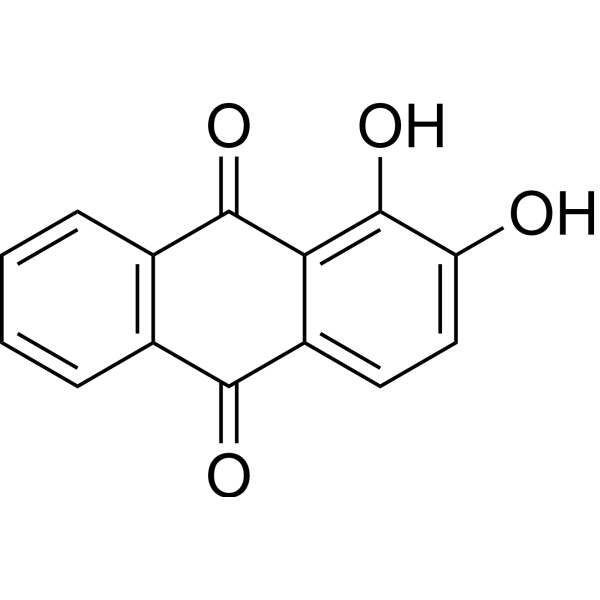
    Alizarin is a natural dye. Alizarin can be extracted from the roots of madder plant. Alizarin activates AMPK and VEGFR2/eNOS pathway. Alizarin regulates PI3K/Akt and inhibits NF-κB pathway. Alizarin enhances CYP1A1 enzyme activity. Alizarin has protective effects on hypertension and vascular endothelial dysfunction. Alizarin has anti-tumor activity against multiple cancers including pancreatic cancer, breast cancer, osteosarcoma and liver cancer. Alizarin has been widely used as a pigment in textile fabrics and paintings .
    Alizarin
  • HY-N0657
    Pinoresinol Diglucoside
    1 Publications Verification

    NF-κB Keap1-Nrf2 Heme Oxygenase (HO) TGF-beta/Smad Akt mTOR PI3K Cardiovascular Disease Neurological Disease Metabolic Disease Inflammation/Immunology
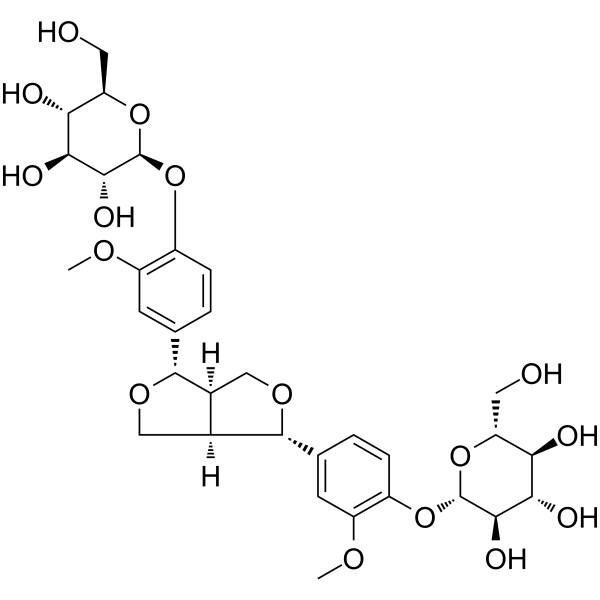
    Pinoresinol Diglucoside is an orally active lignan with multifunctional bioactivity. Pinoresinol Diglucoside interacts with targets including ALB, HIF1A, GSK3B, BCL2, MARK3, IL6, NF-κB p65, Nrf2, HO-1, and TLR4, and modulates pathways including PI3K-Akt, estrogen, MAPK, Rap1, AKT/mTOR/NF-κB, and TGF-β1/Smads. Pinoresinol Diglucoside regulates osteogenesis, bone resorption, oxidative stress, inflammation, apoptosis, ferroptosis, ferritinophagy, cardiac fibrosis, and vasorelaxation. Pinoresinol Diglucoside can be used for the research of osteoporosis, ischemia/reperfusion-induced brain injury, Alzheimer’s disease, myocardial ischemia-reperfusion injury, chondrodysplasia, diabetic cardiomyopathy, cardiac hypertrophy, hypertension, cisplatin-induced hearing loss, atherosclerotic cardiovascular diseases, and disuse osteoporosis .
    Pinoresinol Diglucoside
  • HY-116035
    Nimbolide
    2 Publications Verification

    Wnt NF-κB CDK Apoptosis Cancer
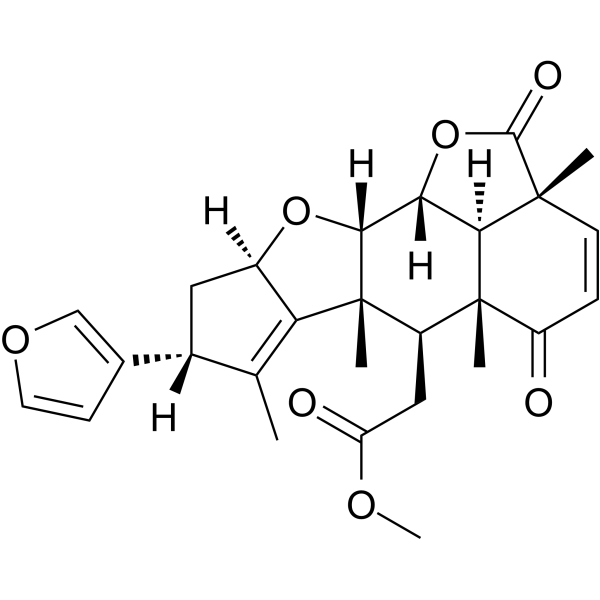
    Nimbolide is a triterpene compound that can be isolated from neem (Azadirachta indica), possesses anticancer and antiproliferative activity. Nimbolide induces tumor cell apoptosis by inhibiting NF-κB and CDK4/CDK6 kinase. Nimbolide suppresses the Wnt, PI3K-Akt, MAPK and JAK-STAT signaling pathways .
    Nimbolide
  • HY-N6263
    EGCG Octaacetate
    2 Publications Verification

    AcEGCG; Peracetylated (-)-epigallocatechin-3-gallate

    Bacterial PI3K Akt NF-κB Infection Inflammation/Immunology Cancer
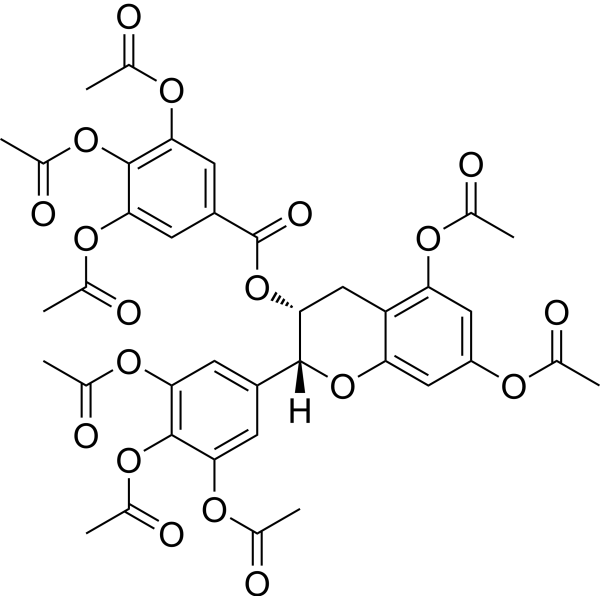
    EGCG Octaacetate (AcEGCG) is a proagent of Green tea epigallocatechin-3-gallate (EGCG). EGCG Octaacetate decreases the proinflammatory mediator levels by down-regulating of PI3K/Akt/NFκB phosphorylation and p65 acetylation. EGCG octaacetate is the potential antibacterial compound for gram-positive bacteria (GPB) and gram-negative bacteria (GNB). EGCG Octaacetate exhibits antioxidant, anti-angiogenesis, anti-inflammatory and antitumor activities .
    EGCG Octaacetate
  • HY-N0735
    Phellodendrine chloride
    2 Publications Verification

    Autophagy Apoptosis AMPK mTOR STAT Interleukin Related PKC p38 MAPK NF-κB COX Reactive Oxygen Species (ROS) PI3K Akt MMP Neurological Disease Inflammation/Immunology Cancer
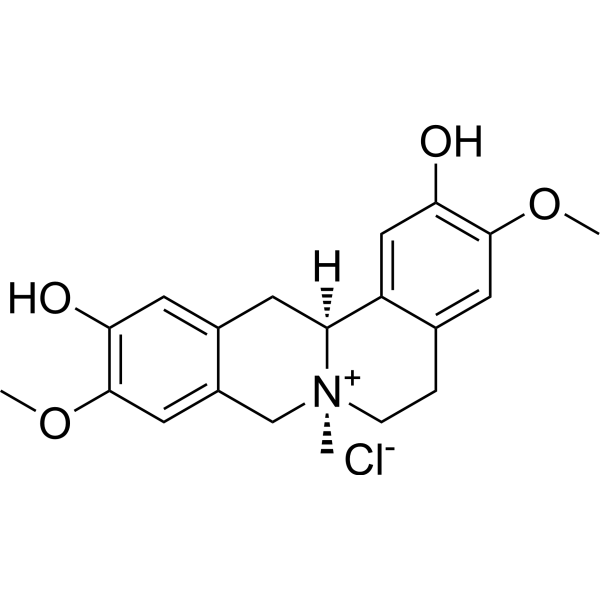
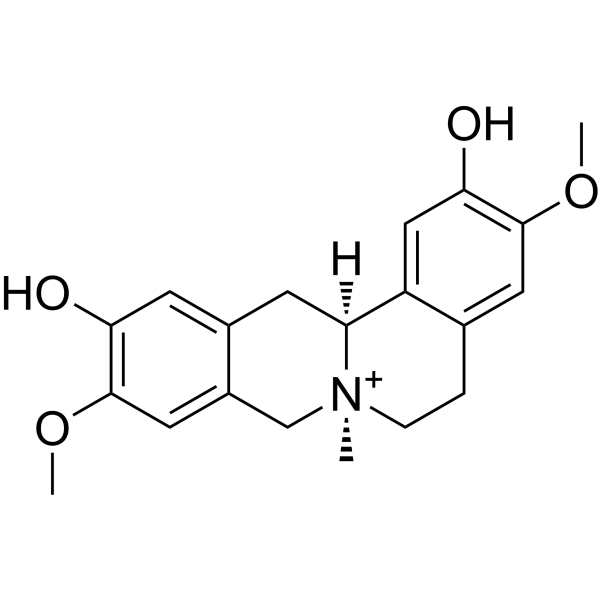
    Phellodendrine chloride is an orally active plant alkaloid. Phellodendrine chloride inhibits the proliferation of KRAS-mutated pancreatic cancer cells by suppressing macropinocytosis and glutamine metabolism, inducing ROS accumulation and mitochondrial apoptosis. Phellodendrine chloride promotes autophagy by activating the AMPK/mTOR pathway, alleviating intestinal damage in ulcerative colitis. Phellodendrine chloride can alleviate gouty arthritis by inhibiting the IL-6/STAT3 signaling pathway. Phellodendrine chloride suppresses allergic reactions by altering the conformation of MRGPRB3/MRGPRX2 protein, thereby inhibiting the activation of PKC and subsequent downstream MAPK and NF-κB signaling. Phellodendrine chloride inhibits the AKT/NF-κB pathway and down-regulates the expression of COX-2, thereby protecting zebrafish embryos from oxidative stress. Phellodendrine chloride has an anti-major depressive disorder (MDD) effect by down-regulating CHRM1, HTR1A, and the PI3K/Akt signaling pathway .
    Phellodendrine chloride
  • HY-N2081
    Skimmianine
    3 Publications Verification

    Cholinesterase (ChE) PI3K Akt NF-κB Neurological Disease Inflammation/Immunology Cancer
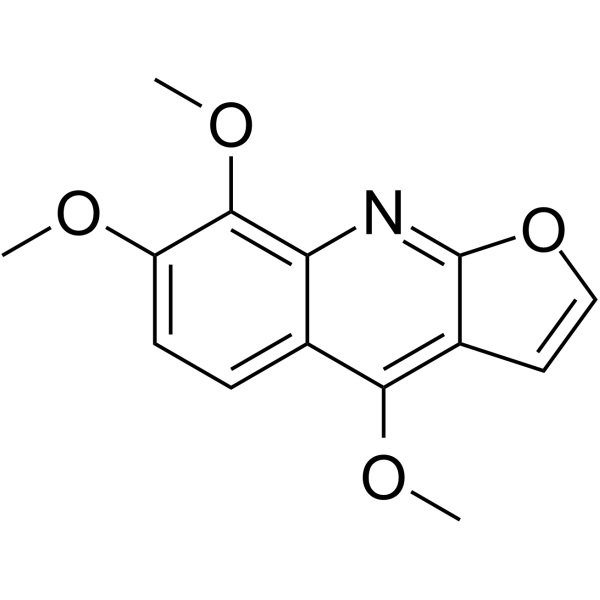
    Skimmianine is an orally active furoquiniline alkaloid present mainly in the Rutaceae family. Skimmianine has analgesic, antispastic, sedative, and anti-inflammatory properties. Skimmianine inhibits acetylcholinesterase (AChE) (IC50 = 8.6 μg/mL). Skimmianine exhibits cytotoxicity against a variety of cancer cell lines and genotoxicity. Skimmianine has antioxidant and anti-inflammatory effects on ischemia-reperfusion (IR) injury. Skimmianine exerts anti-inflammatory effects through activation of the phosphatidylinositol-3-kinase (PI3K)-protein kinase B (AKT) pathway. Skimmianine is neuroprotective by targeting the NF-κB activation pathway to prevent neuroinflammation. Skimmianine inhibits the release of histamine, intracellular Ca 2+ signaling and protein kinase C signaling .
    Skimmianine
  • HY-163102

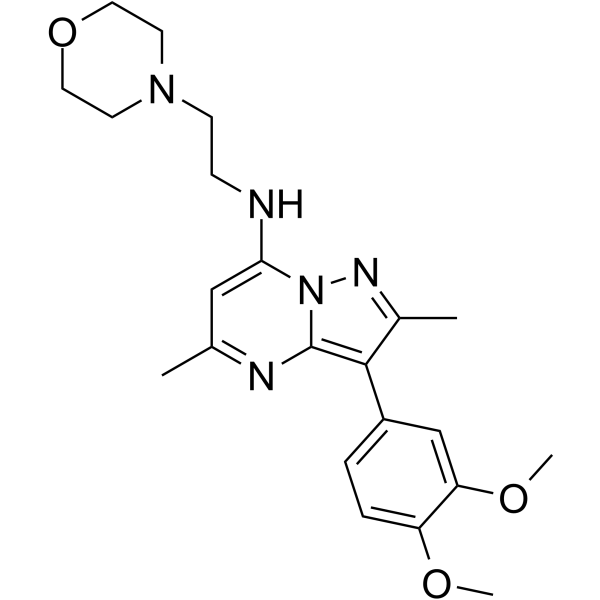
    TNF Receptor NF-κB Inflammation/Immunology
    IA-14069 is an orally active tumor necrosis factor-α (TNF-α) inhibitor. IA-14069 binds directly to TNF-α and TNF-α-triggered signaling (p-IκBα and NF-κB p65) activities. Additionally, IA-14069 exerts a suppressive effect on Dextran sodium sulfate (HY-116282C) (DSS)-induced colitis. IA-14069 can be used for the research of Rheumatoid arthritis (RA) and inflammatory bowel disease (IBD) .
    IA-14069
  • HY-N0696
    Sipeimine
    4 Publications Verification

    Imperialine

    PI3K NF-κB Akt NOD-like Receptor (NLR) Pyroptosis Ferroptosis Inflammation/Immunology
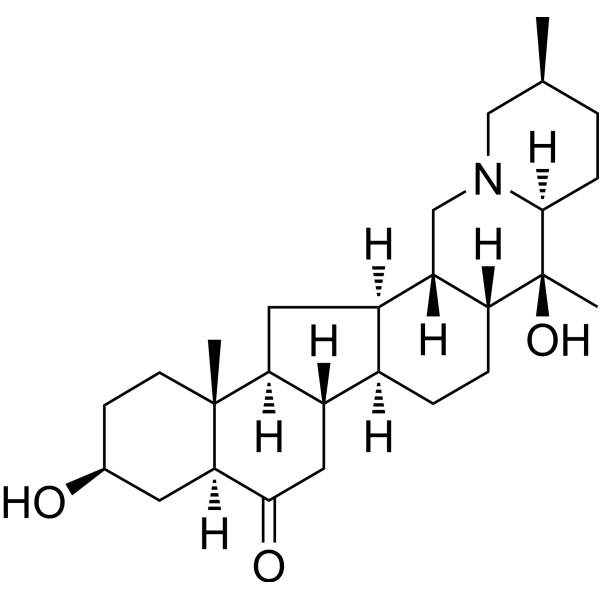
    Sipeimine (Imperialine) is an inhibitor targeting the PI3K/AKT/NF-κB pathway and NLRP3 inflammasome, which can competitively bind to PI3K and p65. Sipeimine inhibits PI3K/AKT phosphorylation, blocks NF-κB nuclear translocation and NLRP3 inflammasome activation. Sipeimine exerts anti-inflammatory activities, inhibits pyroptosis and ferroptosis, and protects the extracellular matrix. Sipeimine can reduce cartilage degradation and synovial inflammation in osteoarthritis and improve PM2.5-induced lung injury. Sipeimine is mainly used in the study of anti-inflammatory and degenerative diseases .
    Sipeimine
  • HY-N2590

    Parasite PI3K Akt mTOR NF-κB Infection Inflammation/Immunology Cancer
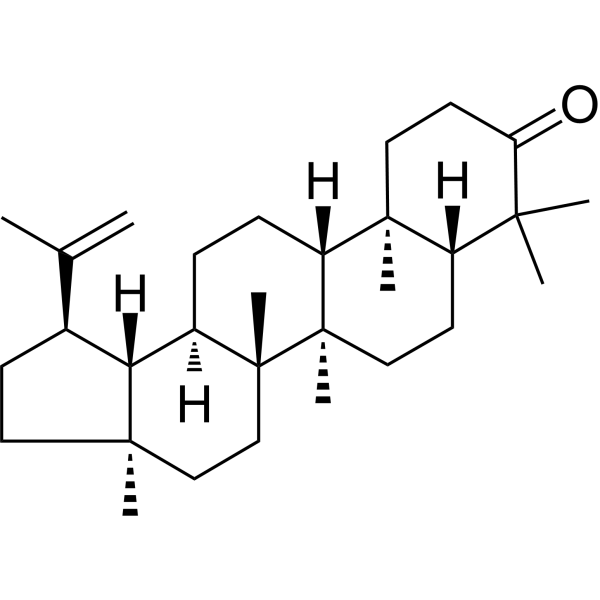
    Lupenone is an orally active lupine-type triterpenoid that can be isolated from Musa basjoo. Lupenone Lupenone plays a role through the PI3K/Akt/mTOR and NF-κB signaling pathways. Lupenone has anti-inflammatory, antiviral, antidiabetic and anticancer activities .
    Lupenone
  • HY-121222

    PI3K Apoptosis Cancer
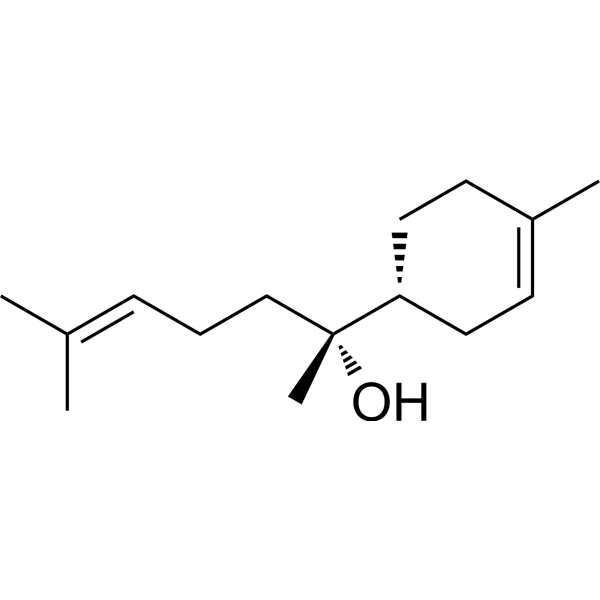
    alpha-Bisabolol, an orally active sesquiterpene alcohol, induces cell cycle arrest, mitochondrial apoptosis and inhibition of PI3K/Akt signalling pathways. alpha-Bisabolol exerts a protective action against Cisplatin (HY-17394)-induced nephrotoxicity by mitigating inflammation and oxidative stress through the inhibition of NFκB activation. alpha-Bisabolol exhibits anti-inflammatory, analgesic, antibiotic and anticancer activities .
    alpha-Bisabolol
  • HY-125847
    Salvianolic acid F
    1 Publications Verification

    Ras PI3K Akt Caspase Apoptosis Bcl-2 Family NF-κB MMP Cancer
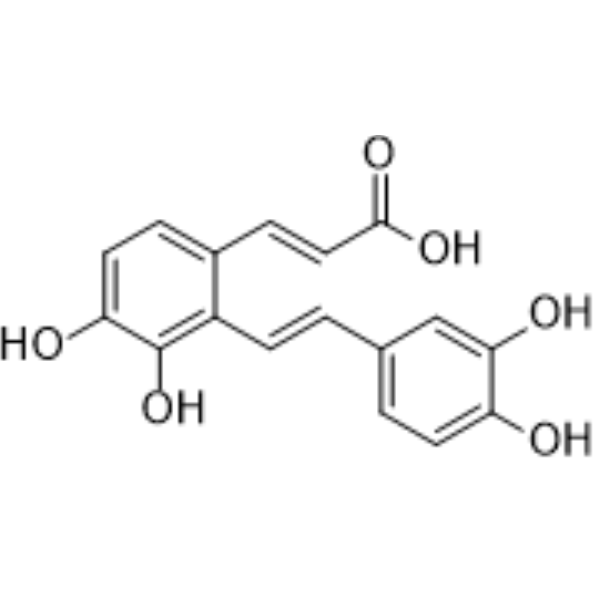
    Salvianolic acid F is a KRAS inhibitor, especially for KRAS G12D. Salvianolic acid F inhibits NF-kB, MMP-9, and NO simultaneously. Salvianolic acid F inhibits cancer cell growth, invasion, and migration and induces apoptosis via the EP300/PI3K/AKT pathway in vitro. Salvianolic acid F inhibits the growth of KRAS-dependent lung cancer cells via the PI3K/AKT signaling pathway in vivo. Salvianolic acid F can be used in the research of various cancers, including KRAS G12D-driven non-small cell lung cancer (NSCLC) and ovarian cancer .
    Salvianolic acid F
  • HY-N0726
    Dracorhodin perchlorate
    1 Publications Verification

    Dracohodin perochlorate

    Apoptosis Akt PI3K NF-κB MDM-2/p53 Caspase Reactive Oxygen Species (ROS) Toll-like Receptor (TLR) PARP Metabolic Disease Cancer
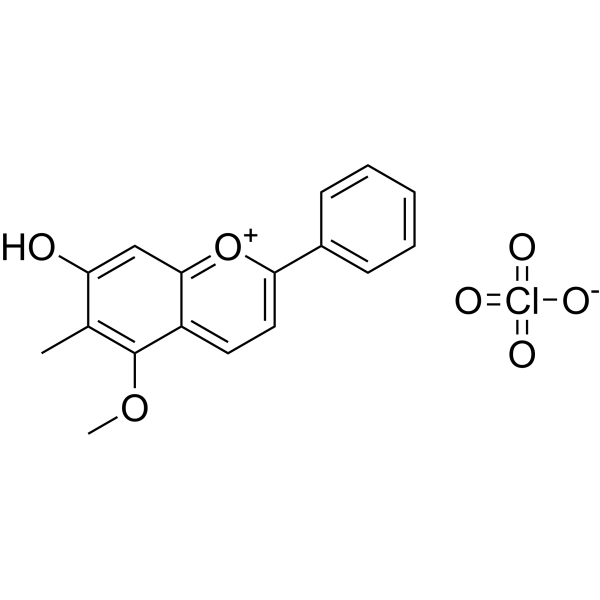
    Dracorhodin perchlorate (Dracohodin perochlorate) is a natural product that can be obtained from the natural active molecule Dragon's blood. Dracorhodin perchlorate inhibits PI3K/Akt and NF-κB activation, upregulates p53 expression, activates caspase, produces ROS, and promotes Apoptosis. Dracorhodin perchlorate regulates the TLR4. Dracorhodin perchlorate promotes wound healing, improves diabetes. Dracorhodin perchlorate has anti-tumor activity against prostate cancer, breast cancer, cervical cancer and other cancers .
    Dracorhodin perchlorate
  • HY-108313
    T-00127_HEV1
    4 Publications Verification

    PI4K Infection
    T-00127_HEV1 is a phosphatidylinositol 4-kinase III beta (PI4KB) inhibitor with an IC50 of 60 nM.
    T-00127_HEV1
  • HY-N2491
    Deoxyelephantopin
    1 Publications Verification

    NF-κB Cancer
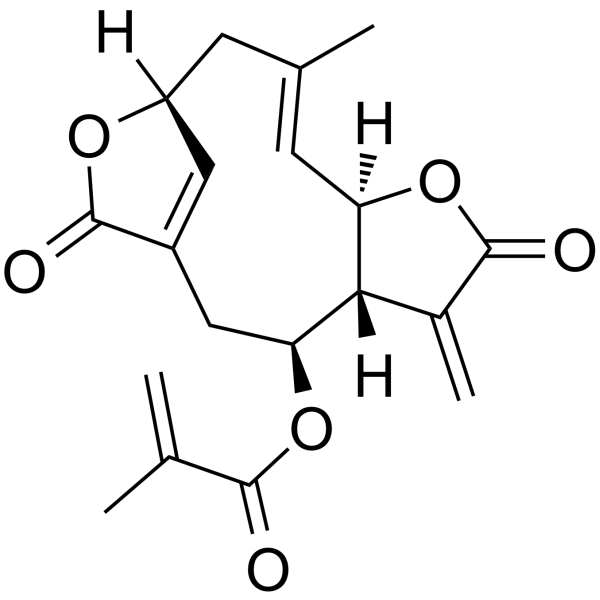
    Deoxyelephantopin, a natural bioactive sesquiterpene lactone from Elephantopus scaber, has shown promising anticancer effects against a broad spectrum of cancers. Deoxyelephantopin inhibits NF-κB, MAPK, PI3K/Akt, and β-catenin signaling .
    Deoxyelephantopin
  • HY-N0747

    Potassium Channel PI3K NF-κB Akt p38 MAPK ERK COX NO Synthase JNK Apoptosis Cardiovascular Disease Inflammation/Immunology Cancer
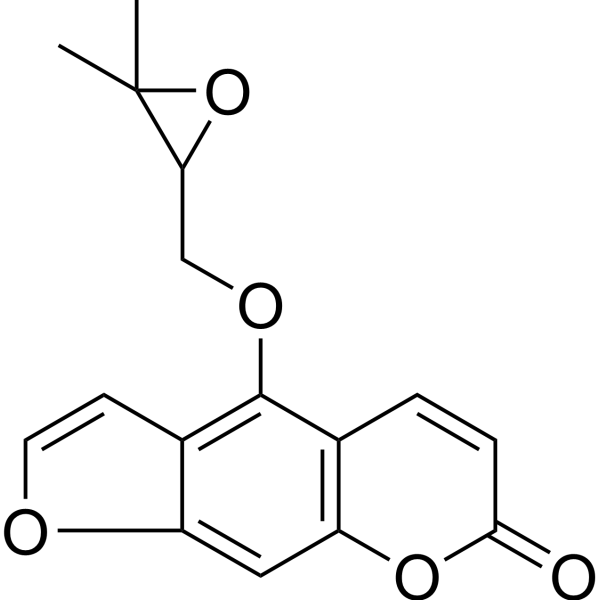
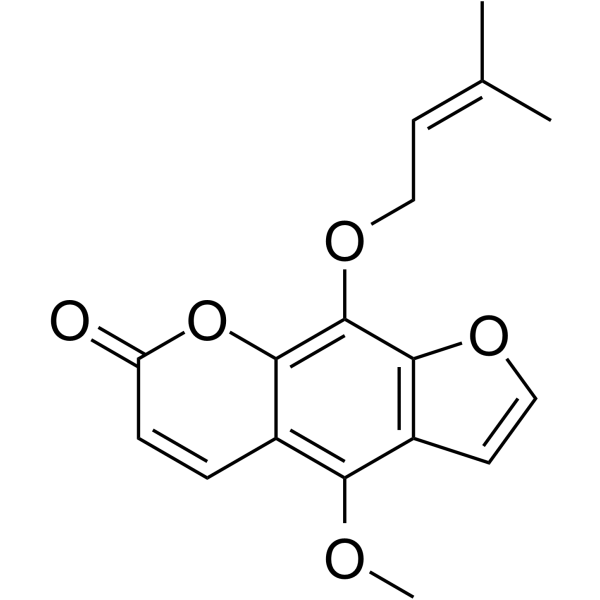
    Oxypeucedanin is a furanocoumarin derivative found in Angelica dahurica. Oxypeucedanin is an orally active PI3K/AKT/NF-κB, MAPK, and ROS inhibitor. Oxypeucedanin induces cell cycle arrest and apoptosis. Oxypeucedanin inhibits hKv1.5 channel currents (IC50: 76 nM). Oxypeucedanin exhibits anticancer, anti-inflammatory, antioxidant and antiarrhythmic activities .
    Oxypeucedanin
  • HY-N3011

    PI3K Akt Pyruvate Kinase JAK STAT NF-κB Apoptosis Reactive Oxygen Species (ROS) Metabolic Disease Inflammation/Immunology Cancer
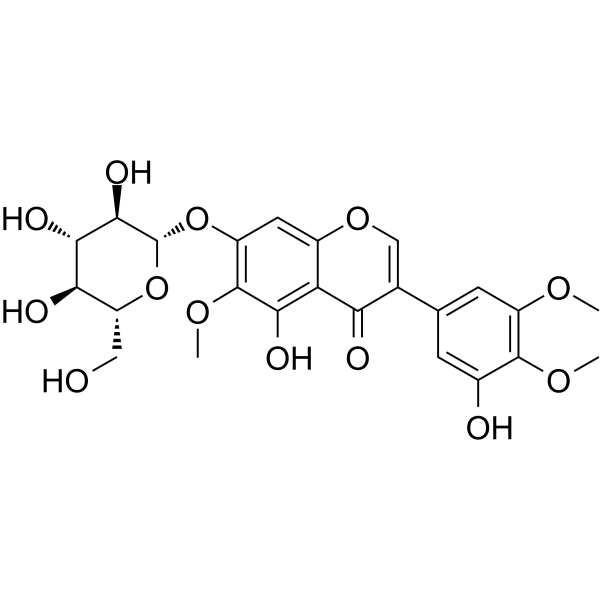
    Iridin is an orally active natural isoflavone. Iridin inhibits the PI3K/AKT and PKM2 signaling pathways, and downregulates the JAK/STAT and NF-κB pathways. Iridin induces Fas-mediated extrinsic apoptosis, G2/M cell cycle arrest, and inhibits cell proliferation. Iridin reduces inflammation, inhibits ROS production, suppresses glycolysis, and also exhibits antioxidant and antidiabetic activities. Iridin can be used in research related to gastric cancer and acute lung injury .
    Iridin
  • HY-N2132
    Flavokawain B
    2 Publications Verification

    Flavokavain B

    Apoptosis Caspase PARP Bcl-2 Family NF-κB PI3K Akt p38 MAPK MMP Reactive Oxygen Species (ROS) Cardiovascular Disease Inflammation/Immunology Cancer
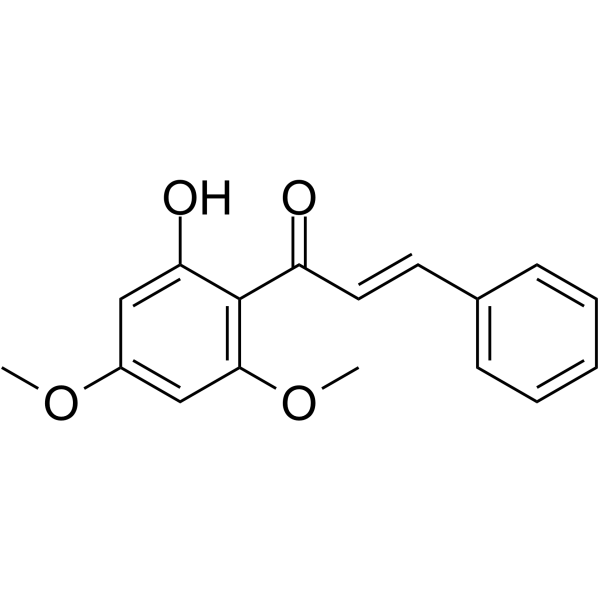
    Flavokawain B (Flavokavain B) is an orally active chalcone. Flavokawain B results in activation of caspase-9, -3 and -8, cleavage of PARP. Flavokawain B down-regulates Bcl-2 with concomitant increase in Bax level. Flavokawain B inhibits NF-κB, PI3K/Akt and MAPK signaling pathway. Flavokawain B exhibits Apoptotic effects. Flavokawain B inhibits MMP-9 and promotes ROS generation. Flavokawain B inhibits multiple tumors and inflammation .
    Flavokawain B
  • HY-46866

    Apoptosis Caspase PARP Metabolic Disease Inflammation/Immunology Cancer
    Isoegomaketone is an orally active apoptosis inducer and radiosensitizer. Isoegomaketone regulates multiple key signaling pathways such as PI3K/AKT/mTOR, NF-κB, MAPK, cleaves Caspase family proteins and PARP, and modulates Bax, AIF and endoplasmic reticulum stress proteins. Isoegomaketone also induces autophagy and keratinocyte proliferation, effectively reduces the levels of inflammatory factors and oxidative stress, inhibits adipocyte differentiation, and resensitizes TRAIL-resistant cancer cells. Isoegomaketone can be applied to research related to colorectal cancer, melanoma, lung cancer, prostate cancer, liver cancer, as well as rheumatoid arthritis and obesity .
    Isoegomaketone
  • HY-N0392

    Toll-like Receptor (TLR) PI3K Akt NF-κB MDM-2/p53 Caspase MEK Bcl-2 Family p38 MAPK Mitophagy Reactive Oxygen Species (ROS) Apoptosis Calcium Channel Cardiovascular Disease Infection Neurological Disease
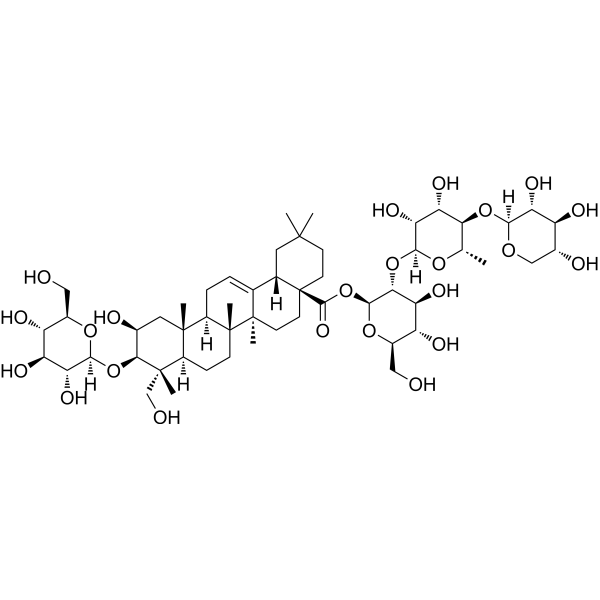
    Polygalasaponin F is an orally active triterpenoid saponin monomer. Polygalasaponin F downregulates the expression of Bax, p53, caspase-3, NF-κB p65 and MEK1; restores and upregulates the expression of Bcl-2; activates the PI3K/Akt signaling pathway; inhibits the phosphorylation of p38 MAPK, nuclear translocation of NF-κB, TLR4-mediated signaling pathway, mitophagy (Mitophagy) and ROS production; enhances cell viability and suppresses apoptosis (Apoptosis). Polygalasaponin F maintains mitochondrial function, alleviates Ca 2+ overload, upregulates pCREB and BDNF, preserves cell viability and inhibits the release of inflammatory cytokines. Polygalasaponin F alleviates lung injury induced by influenza A H1N1 and cerebral ischemia-reperfusion injury. Polygalasaponin F is applicable to researches related to Parkinson's disease, cerebral ischemia, pneumonia induced by influenza A H1N1, stroke and Alzheimer's disease .
    Polygalasaponin F
  • HY-118020A

    Loliolid; Digiprolactone

    Endogenous Metabolite Caspase PI3K Apoptosis Akt Sirtuin Reactive Oxygen Species (ROS) NF-κB MMP Neurological Disease Cancer
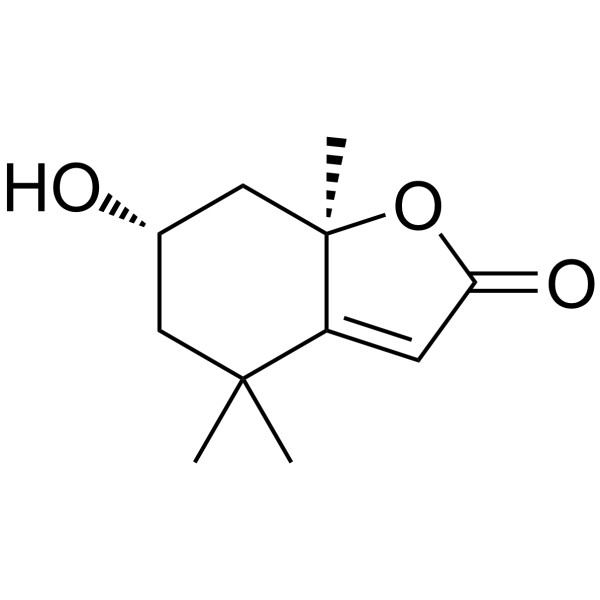
    Loliolide (Loliolid) is a β-carotene metabolite. Loliolide reduces caspase 3, 8, 9 expression, enhances PI3K, AKT, SIRT1, inhibits ROS, apoptosis, and blocks NF-κB p65 nuclear translocation. Loliolide protects mitochondria, reduces oxidative stress, and increases cell viability in neuroblastoma cells. Loliolide can be used for the research of UV-induced skin damage and Parkinson’s disease .
    Loliolide
  • HY-100603

    PI4K PI3K Infection
    GSK-F1 (Compound F1) is an orally active PI4KA inhibitor with pIC50 values of 8.0, 5.9, 5.8, 5.9, 5.9 and 6.4 against PI4KA, PI4KB, PI3KA, PI3KB, PI3KG and PI3KD, respectively. GSK-F1 can be used for HCV infection research .
    GSK-F1
  • HY-12286

    Proteasome Apoptosis Autophagy Caspase Bcl-2 Family NF-κB PARP Cancer
    PI-1840 is a potent and selective chymotrypsin-like (CT-L) inhibitor for with an IC50 value of 27 nM. PI-1840 inhibits cell proliferation and arrest cell cycle at G2/M phase. PI-1840 induces apoptosis and induces autophagy. PI-1840 induces the accumulation of proteasome substrates p27, Bax, and IκB-α .
    PI-1840
  • HY-N4205

    Cytochrome P450 Cancer
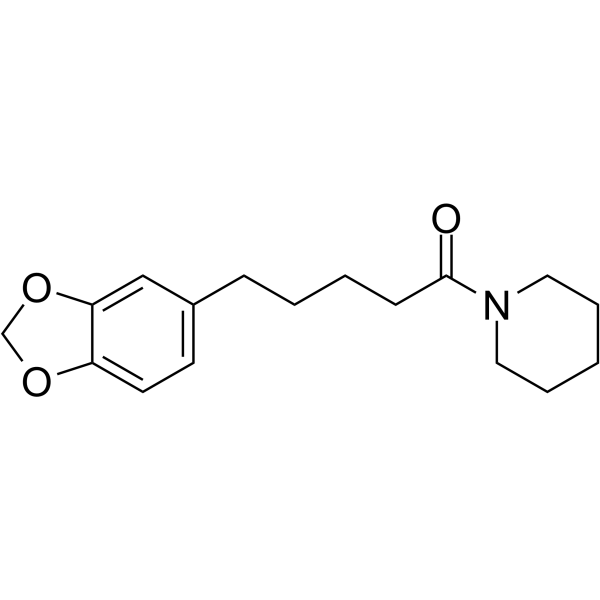
    Tetrahydropiperine is an orally effective, selective inhibitor of NF-κB and MAPKs<、b>, and an activator of the PI3K/Akt/mTOR<、b> pathway. Tetrahydropiperine reduces the production of pro-inflammatory cytokines such as TNF-α, IL-6, and nitric oxide (NO) by inhibiting the nuclear translocation of NF-κB and the phosphorylation of MAPKs such as ERK, JNK, and p38. At the same time, Tetrahydropiperine inhibits excessive autophagy by activating the PI3K/Akt/mTOR pathway, protecting neurons from oxidative damage. Tetrahydropiperine has anti-inflammatory, anti-apoptotic, and neuroprotective effects, and is mainly used in the study of inflammatory diseases (such as endotoxemia, arthritis) and neurological diseases such as ischemic stroke .
    Tetrahydropiperine
  • HY-N3312

    p38 MAPK JNK NF-κB Metabolic Disease Inflammation/Immunology Cancer
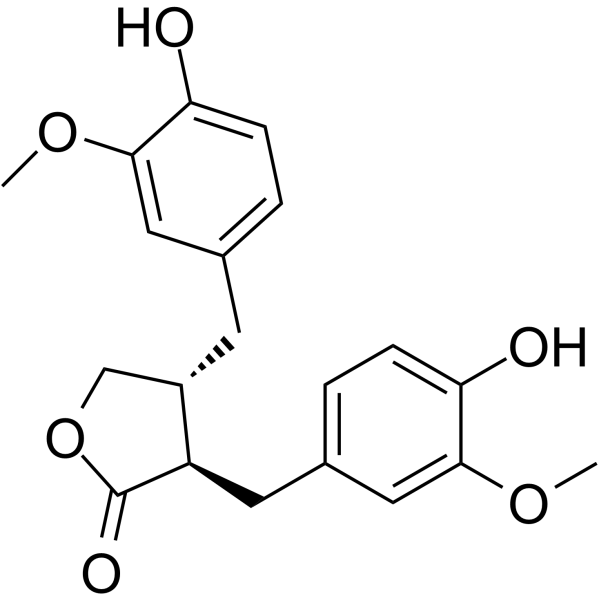
    Matairesinol is an orally active bioactive compound with anti-inflammatory, antioxidant and anticancer activities. Matairesinol inhibits the phosphorylation of MAPK, JNK and NF-κB, downregulates RANKL-induced NFATc1 expression and activity, and suppresses the activation of the PI3K/AKT/FOXO1 pathway. Matairesinol can be used in research related to sepsis-mediated brain injury, osteoporosis, heart failure, atopic dermatitis and cancer .
    Matairesinol
  • HY-Y1322

    Environmental Pollutants Mitophagy Apoptosis NF-κB p38 MAPK ERK JNK PI3K Akt Monoamine Oxidase Reactive Oxygen Species (ROS) PPAR Indoleamine 2,3-Dioxygenase (IDO) Cardiovascular Disease Neurological Disease Metabolic Disease Inflammation/Immunology Endocrinology
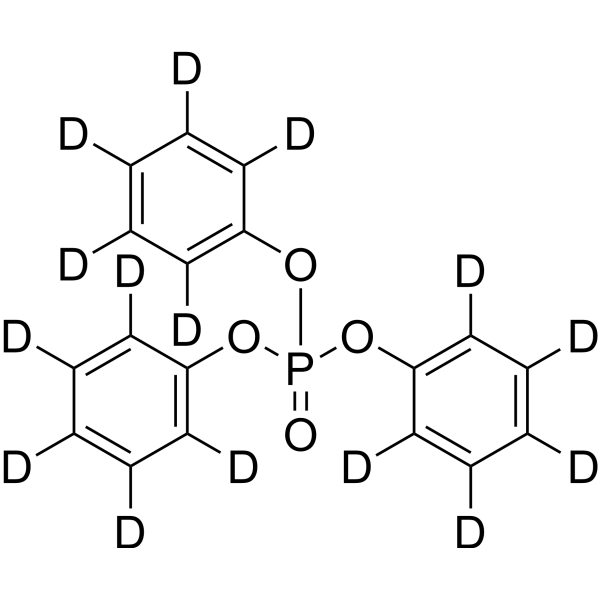
    Triphenyl phosphate is an orally active, blood-brain barrier-permeable aryl organophosphate flame retardant and endocrine disruptor. Triphenyl phosphate disrupts mitochondrial dynamic balance through oxidative stress, induces excessive mitophagy and apoptosis, and ultimately leads to myocardial fibrosis. In the brain, Triphenyl phosphate activates the NF-κB inflammatory pathway by disrupting the gut microbiota, alters tryptophan metabolism and elevates neurotoxins, thereby inducing anxiety- and depression-like behaviors. In the skeletal and reproductive systems, Triphenyl phosphate inhibits osteoblast differentiation and induces germ cell apoptosis by suppressing the MAPK/ERK pathway and activating the JNK signal, respectively. In adipose and placental tissues, Triphenyl phosphate promotes lipid accumulation by activating the PI3K/AKT-PPARγ axis, and disrupts placental metabolism via the MAOA/ROS/NF-κB cascade, impairing neurodevelopment of offspring .
    Triphenyl phosphate
  • HY-N5027
    Oxyberberine
    2 Publications Verification

    Oxyberberin; Berlambine; 8-Oxoberberine

    Others Infection Neurological Disease Inflammation/Immunology
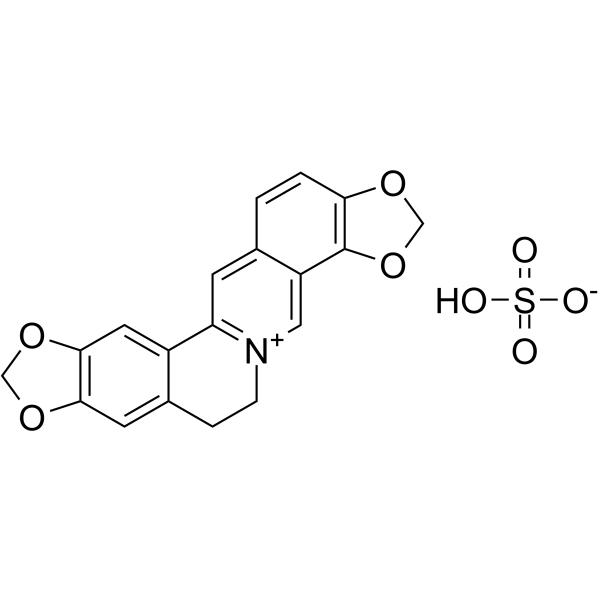
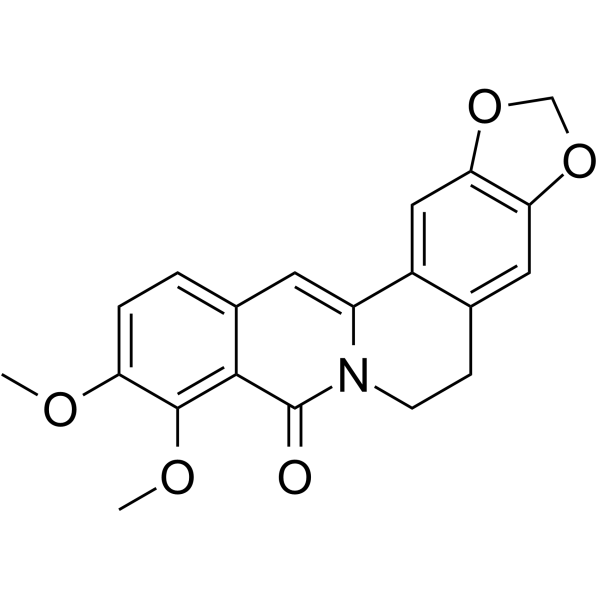
    Oxyberberine (Oxyberberin; Berlambine) is an orally effective heme oxygenase HO-1 agonist that can activate antioxidant mechanisms by regulating the PI3K/Akt/AMPK signaling pathway. Oxyberberine induces HO-1 expression, increases SOD and GSH-Px activity, inhibits NF-κB-mediated inflammatory responses, and improves insulin sensitivity and glucose metabolism. Oxyberberine has anti-diabetic, neuroprotective, anti-inflammatory and antioxidant effects, and can be used to study type 2 diabetes, traumatic brain injury (TBI) and inflammatory bowel disease .
    Oxyberberine
  • HY-N0670
    Tenacissoside H
    1 Publications Verification

    Tenacissimoside C

    PI3K Akt NF-κB Apoptosis Neurological Disease Inflammation/Immunology Cancer
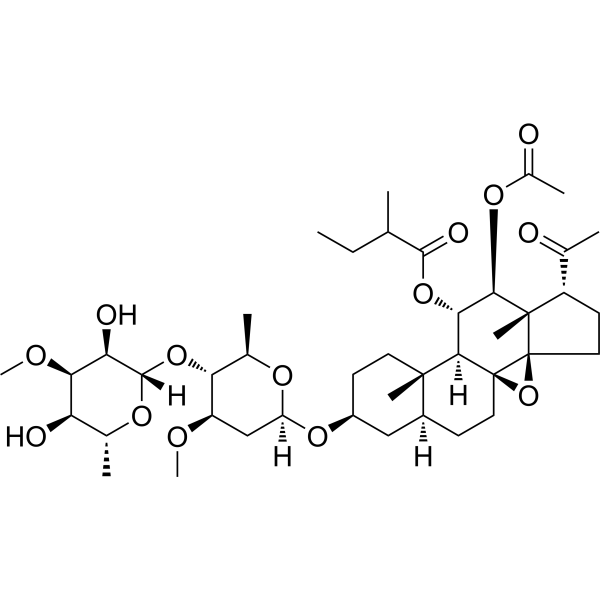
    Tenacissoside H (Tenacissimoside C) is a compound found in Caulis Marsdeniae Tenacissimae. Tenacissoside H shows anti-inflammation, anti-tumor and neuroprotective effects. Tenacissoside H inhibits PI3K/Akt and NF-κB signaling pathway. Tenacissoside H inhibits cancer cells proliferation, S phase arrest, and inhibits tumor growyh in mice. Tenacissoside H promotes neurological recovery of ischemia-reperfusion injury in mice by inhibiting inflammation and apoptosis. Tenacissoside H can be used for the research of cancer, inflammation and neurological diseases, such as esophageal cancer and cerebral ischemia .
    Tenacissoside H
  • HY-126066

    Drug Isomer NO Synthase NF-κB TNF Receptor Interleukin Related IFNAR COX CD20 CDK Bcl-2 Family Apoptosis Akt p38 MAPK GSK-3 Neurological Disease Inflammation/Immunology Cancer
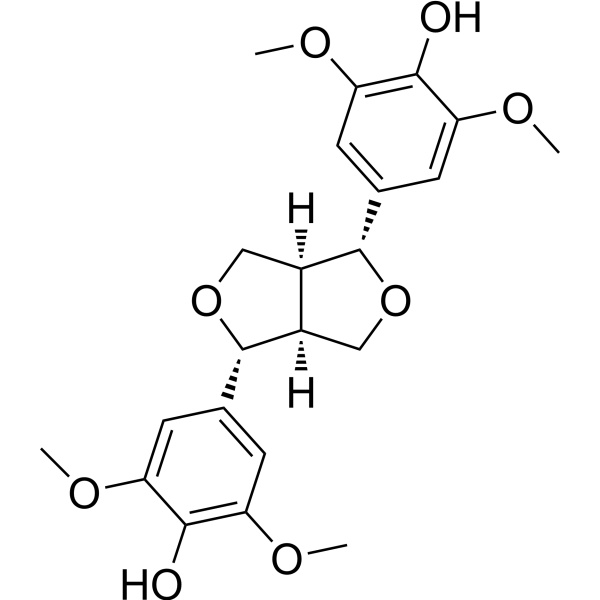
    (-)-Syringaresinol is an orally active isomer of syringaresinol (HY-N8307) found in Annona Montana. (-)-Syringaresinol exhibits antioxidant, anti-inflammatory, and anticancer activities. (-)-Syringaresinol can alleviate ulcerative colitis via the PI3K-Akt/MAPK/Wnt signaling pathway. (-)-Syringaresinol inhibits HL-60 cell proliferation by arresting the G1 phase and inducing apoptosis. (-)-Syringaresinol inhibits LPS (HY-D1056)-induced microglial activation by downregulating the NF-κB p65 signaling pathway and its interaction with ERβ, exerting anti-neuroinflammatory effects .
    (-)-Syringaresinol
  • HY-N0427

    Akt NF-κB AMPK mTOR PKC STAT Interleukin Related p38 MAPK COX Reactive Oxygen Species (ROS) Apoptosis Autophagy PI3K MMP Neurological Disease Inflammation/Immunology Cancer
    Phellodendrine is an orally active plant alkaloid. Phellodendrine inhibits the proliferation of KRAS-mutated pancreatic cancer cells by suppressing macropinocytosis and glutamine metabolism, inducing ROS accumulation and mitochondrial apoptosis. Phellodendrine promotes autophagy by activating the AMPK/mTOR pathway, alleviating intestinal damage in ulcerative colitis. Phellodendrine can alleviate gouty arthritis by inhibiting the IL-6/STAT3 signaling pathway. Phellodendrine suppresses allergic reactions by altering the conformation of MRGPRB3/MRGPRX2 protein, thereby inhibiting the activation of PKC and subsequent downstream MAPK and NF-κB signaling. Phellodendrine inhibits the AKT/NF-κB pathway and down-regulates the expression of COX-2, thereby protecting zebrafish embryos from oxidative stress. Phellodendrine has an anti-major depressive disorder (MDD) effect by down-regulating CHRM1, HTR1A, and the PI3K/Akt signaling pathway .
    Phellodendrine
  • HY-90003A
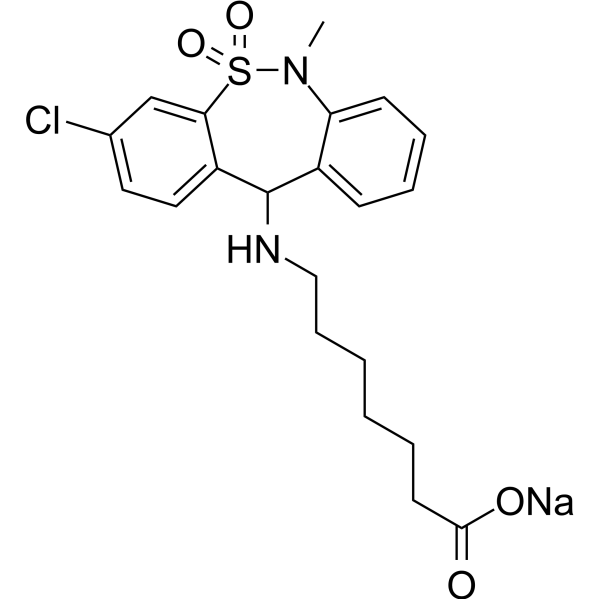
    Tianeptine sodium salt
    1 Publications Verification

    Opioid Receptor iGluR MMP PI3K Akt NF-κB Neurological Disease Inflammation/Immunology
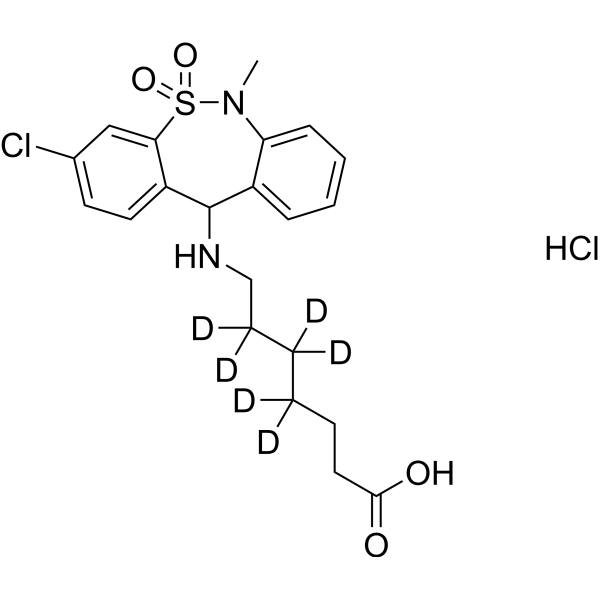
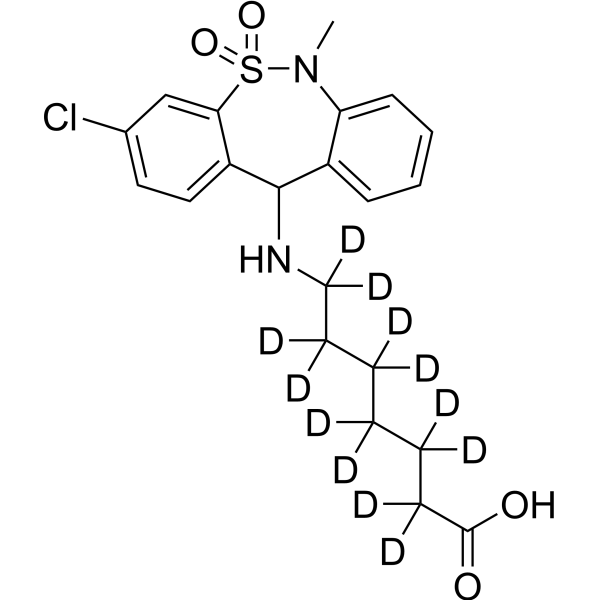
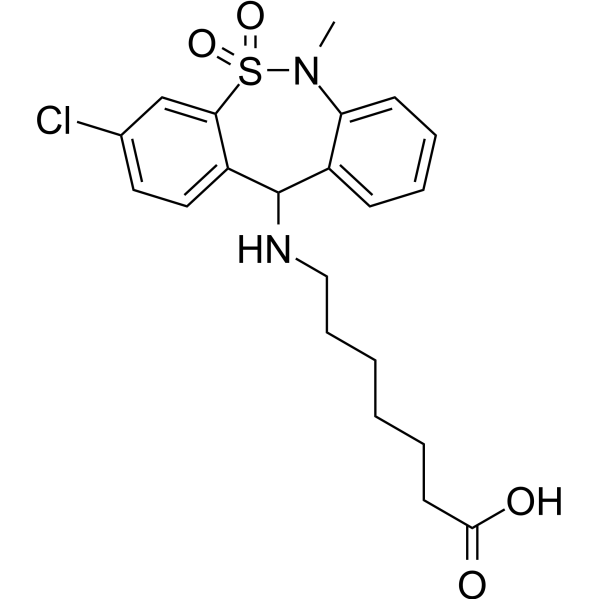
    Tianeptine sodium salt is an atypical antidepressant. Tianeptine sodium salt is a moderate-intensity agonist of the μ-opioid receptor (MOR), and to a lesser extent, is an agonist of the δ-opioid receptor (DOR). Tianeptine sodium salt is a glutamate modulator that can enhance AMPA receptor and antagonize NMDA receptor. Tianeptine sodium salt increases sensitivity of the α1 adrenergic receptor, which only manifests in chronic treatment. Tianeptine sodium salt exerts neuroprotective effects under stress/inflammation-induced conditions, exhibiting anti-inflammatory and antioxidant properties. Tianeptine sodium salt inhibits MMP-9 by suppressing the PI3K/Akt-mediated NF-κB pathway. Tianeptine sodium salt can be used to alleviate symptoms of depression and anxiety, but does not cause sedative effects .
    Tianeptine sodium salt
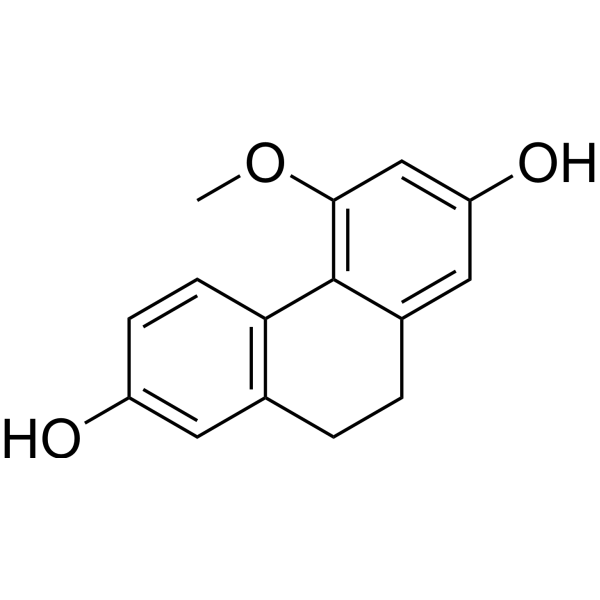
  • HY-N8884

    PTEN Akt NF-κB Interleukin Related TNF Receptor Inflammation/Immunology
    Coelonin is a dihydrophenanthrene with anti-inflammation activity. Coelonin inhibits LPS-induced PTEN phosphorylation. Coelonin inhibits NF-κB activation and p27Kip1 degradation by regulating the PI3K/AKT pathway negatively. Coelonin can inhibit IκBα phosphorylation and degradation and increases the expression of IκBα protein .
    Coelonin
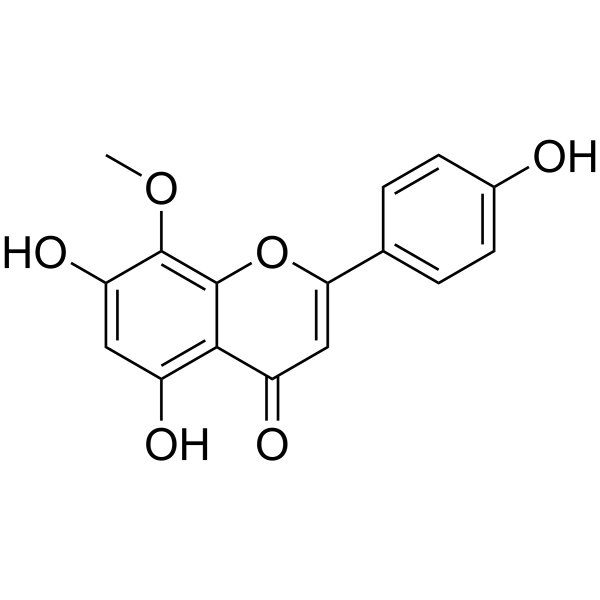
  • HY-N1904

    8-Methoxyapigenin

    IKK NF-κB p38 MAPK PI3K Akt Reactive Oxygen Species (ROS) Interleukin Related TNF Receptor Apoptosis Caspase Bcl-2 Family Cardiovascular Disease Inflammation/Immunology Cancer
    4′-Hydroxywogonin (8-Methoxyapigenin), a flavonoid, could be isolated from a variety of plants including Scutellaria barbata and Verbena littoralis. 4′-Hydroxywogonin has anti-inflammatory activity via TAK1/IKK/NF-κB, MAPKs and PI3/AKT signaling pathways. 4′-Hydroxywogonin inhibits angiogenesis by disrupting PI3K/AKT signaling. 4′-Hydroxywogonin inhibits cell proliferation and induces apoptosis .
    4′-Hydroxywogonin
  • HY-112440

    Methuosis inducer 1

    Microtubule/Tubulin NF-κB MDM-2/p53 PI3K Akt c-Myc Cancer
    HZX-02-059 is a potent methuosis inducer and dual-target PIKfyve/tubulin inhibitor with anticancer activity. Methuosis mainly disrupts the balance of endocytosis and exocytosis, forming a large number of vesicles and inducing cell death. HZX-02-059 also induces cell vacuolization, promotes apoptosis, downregulates the p53 pathway, inhibits PI3K/AKT phosphorylation, and inhibits c-Myc and NF-κB transcription .
    HZX-02-059
  • HY-153894

    CDK Epigenetic Reader Domain PI3K NF-κB SARS-CoV Infection Neurological Disease Metabolic Disease Inflammation/Immunology Cancer
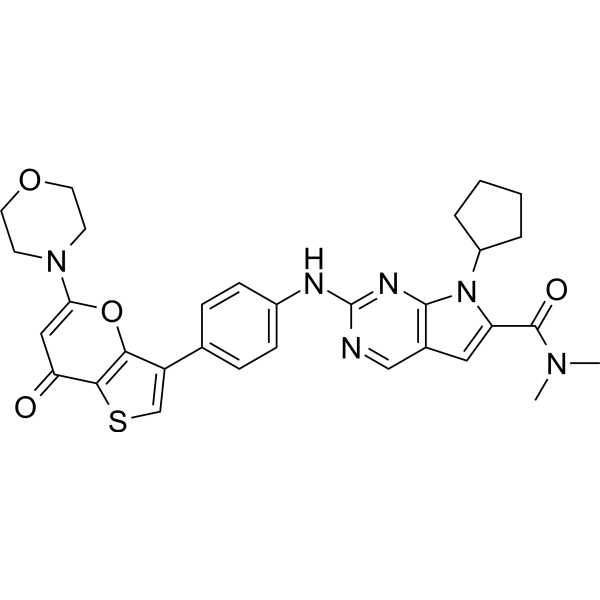
    SRX3177 is a triple inhibitor of CDK4/6, PI3K, and BRD4, with IC50s of <2.5 nM (CDK4), 3.3 nM (CDK6), 33 nM (BRD4 BD1), 89 nM (BRD4 BD2), 79 nM (PI3Kα), 83 nM (PI3Kδ), 3.18 μM (PI3Kγ) , respectively. SRX3177 blocks the interaction between the SARS-CoV-2 E protein and the BRD2/4 BD1 domain, restores E protein-attenuated NF-κB activity. SRX3177 exerts broad cytotoxic activity against cancer cells. SRX3177 can be used for the study of anti-SARS-CoV-2 and cancer .
    SRX3177
  • HY-N0143A
    Phlorizin dihydrate
    10+ Cited Publications

    Floridzin dihydrate

    SGLT PI3K Akt GLUT NF-κB JAK STAT Caspase Apoptosis DNA/RNA Synthesis mTOR Bacterial Infection Neurological Disease Metabolic Disease Cancer
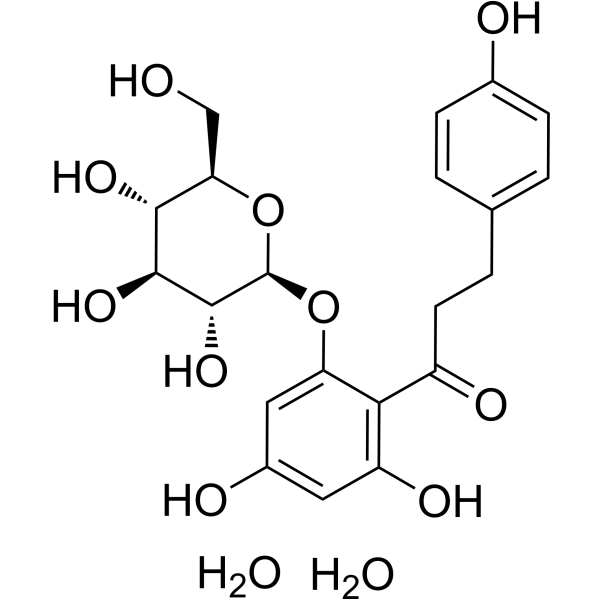
    Phlorizin (Floridzin) dihydrate is an orally active non-selective sodium-glucose cotransporter (SGLT) inhibitor, with an IC50 of 0.04 μM and a Ki of 39 nM against hSGLT2, and an IC50 of 0.17 μM and a Ki of 0.31 μM against hSGLT1. Phlorizin dihydrate promotes GLUT4 translocation, inhibits gluconeogenesis and promotes glycogen synthesis by activating the PI3K/Akt/mTOR pathway. Phlorizin dihydrate reduces DNA damage and apoptosis (apoptosis) by inhibiting the NF-κB inflammatory pathway. Phlorizin dihydrate induces apoptosis via activating the Caspase pathway by antagonizing the JAK/STAT3 and PCK pathways. Phlorizin dihydrate also exhibits antibacterial, anti-inflammatory and neuroprotective activities .
    Phlorizin dihydrate
  • HY-168710

    Toll-like Receptor (TLR) NF-κB IKK Inflammation/Immunology
    TLR4/NF-κB-IN-1 (Compound 7x) is an orally available inhibitor that specifically targets the TLR4/NF-κB signaling pathway, offering anti-inflammatory effects and the ability to cross the blood-brain barrier. TLR4/NF-κB-IN-1 can reduce acute neuroinflammation in mice caused by LPS (HY-D1056) and downregulate the expression of TLR4, P-NF-κB and P-IκB-α proteins .
    TLR4/NF-κB-IN-1
  • HY-17457

    Levosalbutamol hemitartrate

    Adrenergic Receptor PI3K Inflammation/Immunology
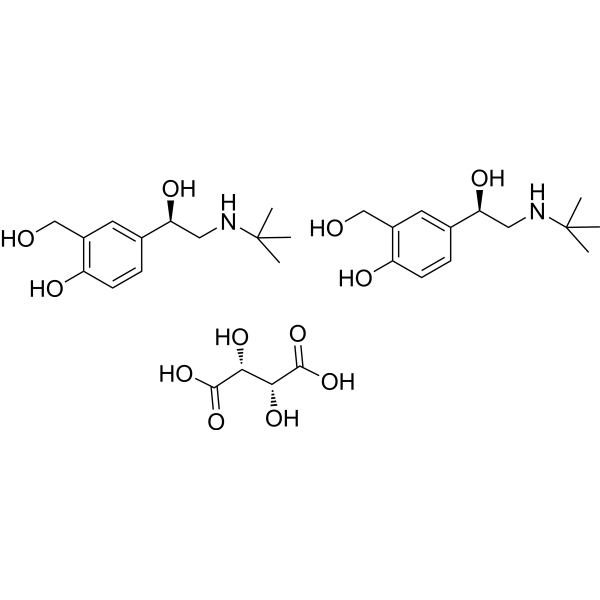
    Levalbuterol (Levosalbutamol) hemitartrate is a β2-adrenergic receptor agonist and PI3K inhibitor. Levalbuterol hemitartrate inhibits PI3K activity, reduces NF-κB and Rb protein expression, activates the cAMP/PKA pathway, and stimulates cAMP release. Levalbuterol hemitartrate relaxes airway smooth muscle, reduces intracellular calcium levels, and inhibits spasmogen-induced contractions. Levalbuterol hemitartrate can be used for the research of moderate-to-severe asthma .
    Levalbuterol hemitartrate

Inquiry Online

Your information is safe with us. * Required Fields.

Salutation


Country or Region *

Applicant Name *


Organization Name *

Department *


Email Address *


Product Name *

Cat. No.


Requested quantity *

Phone Number *


Remarks

Inquiry Online

Inquiry Information

Product Name:
Cat. No.:
Quantity:
MCE Japan Authorized Agent: