Search Result
Results for "
Ubiquitin Inhibitors
" in MedChemExpress (MCE) Product Catalog:
6
Isotope-Labeled Compounds
| Art. -Nr. |
Produktname |
Target |
Forschungsgebiete |
Chemical Structure |
-
- HY-A0003
-
|
CC-5013
|
Ligands for E3 Ligase
Molecular Glues
Apoptosis
|
Inflammation/Immunology
Cancer
|
|
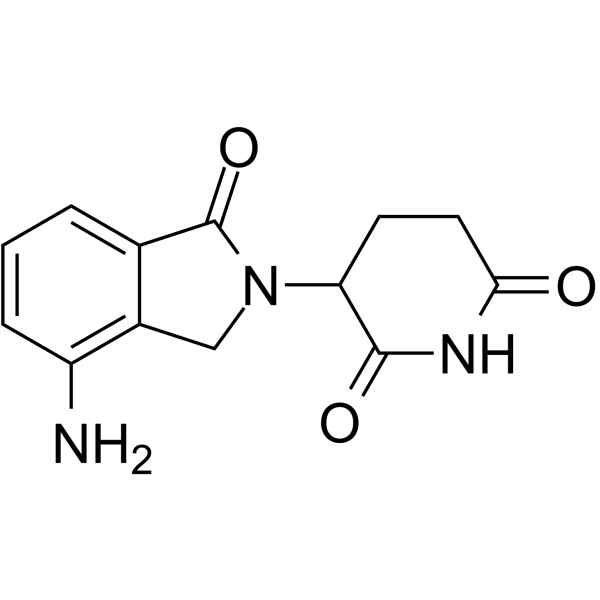
Lenalidomide (CC-5013), a derivative of Thalidomide, acts as molecular glue. Lenalidomide is an orally active immunomodulator. Lenalidomide (CC-5013) is a ligand of ubiquitin E3 ligase cereblon (CRBN), and it causes selective ubiquitination and degradation of two lymphoid transcription factors, IKZF1 and IKZF3, by the CRBN-CRL4 ubiquitin ligase. Lenalidomide (CC-5013) specifically inhibits growth of mature B-cell lymphomas, including multiple myeloma, and induces IL-2 release from T cells .
|
-
-
- HY-100487
-
|
MLN7243
|
E1/E2/E3 Enzyme
NF-κB
Apoptosis
|
Cancer
|
|
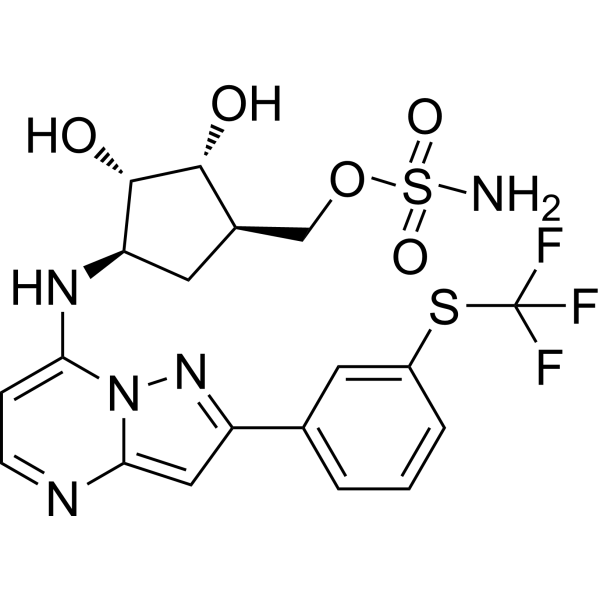
TAK-243 (MLN7243) is a first-in-class, selective ubiquitin activating enzyme, UAE (UBA1) inhibitor (IC50=1 nM), which blocks ubiquitin conjugation, disrupting monoubiquitin signaling as well as global protein ubiquitination. TAK-243 (MLN7243) induces endoplasmic reticulum (ER) stress, abrogates NF-κB pathway activation and promotes apoptosis .
|
-
-
- HY-16658
-
|
Z-Val-Ala-Asp(OMe)-FMK
|
Caspase
|
Cancer
|
|
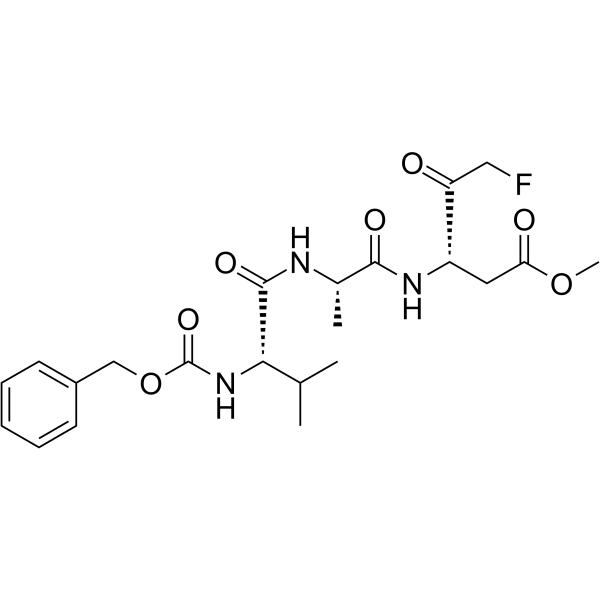
Z-VAD(OMe)-FMK (Z-Val-Ala-Asp(OMe)-FMK) is a cell-permeable and irreversible pan-caspase inhibitor . Z-VAD(OMe)-FMK is an ubiquitin carboxy-terminal hydrolase L1 (UCHL1) inhibitor. Z-VAD(OMe)-FMK irreversibly modifies UCHL1 by targeting the active site of UCHL1 .
|
-
-
- HY-12990
-
-
-
- HY-108702
-
|
|
E1/E2/E3 Enzyme
|
Cancer
|
|
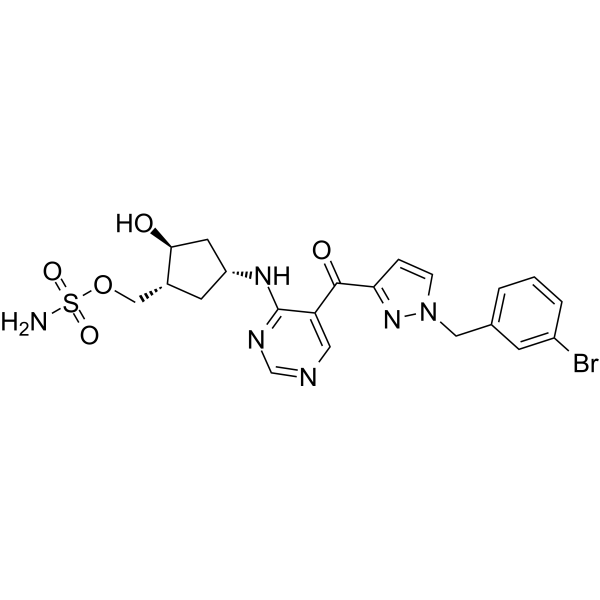
ML-792 is a potent and selective inhibitor of SAE/SUMO1 and SAE/SUMO2 in enzymatic assays (IC50 values of 3 and 11 nM, respectively) compared with NAE/NEDD8 and UAE/ubiquitin (IC50> values of 32 μM and >100 μM, respectively) .
|
-
-
- HY-15667
-
|
P5091
|
Deubiquitinase
|
Cancer
|
|
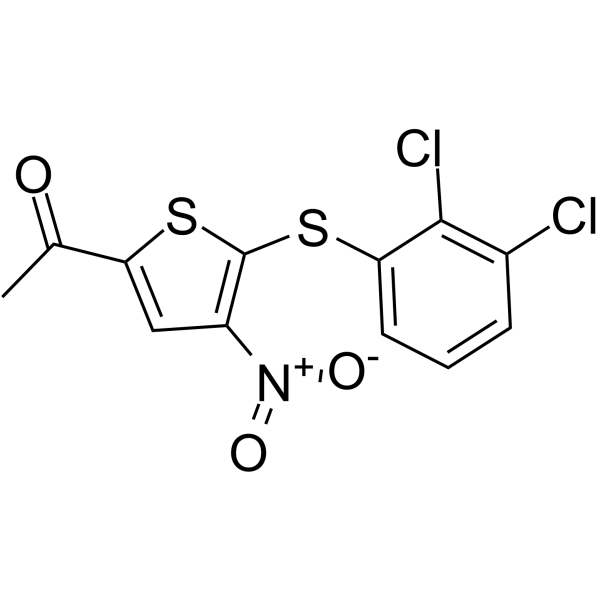
P005091 is a selective and potent inhibitor of ubiquitin-specific protease 7 (USP7) with an EC50 of 4.2 μM.
|
-
-
- HY-13296
-
|
|
E1/E2/E3 Enzyme
Apoptosis
|
Cancer
|
|
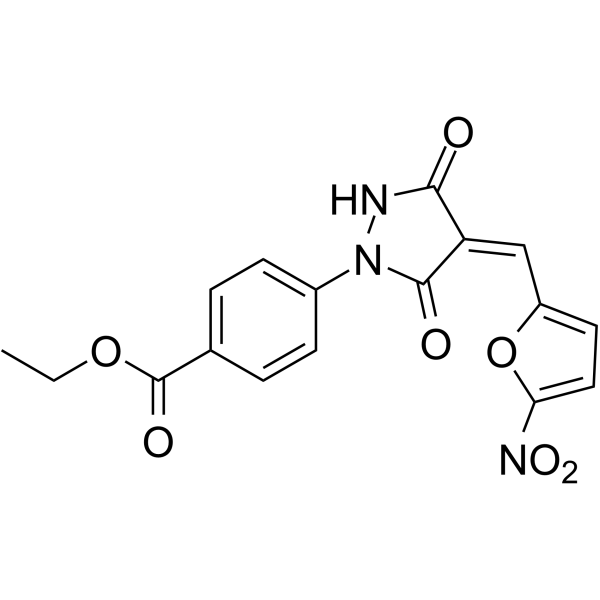
PYR-41 is a selective and cell permeable inhibitor of ubiquitin-activating enzyme E1 with an IC50 of < 10 μM, with little activity at E2 and E3.
|
-
-
- HY-N2306
-
|
Aclarubicin
|
Topoisomerase
DNA/RNA Synthesis
Proteasome
Antibiotic
|
Cancer
|
|
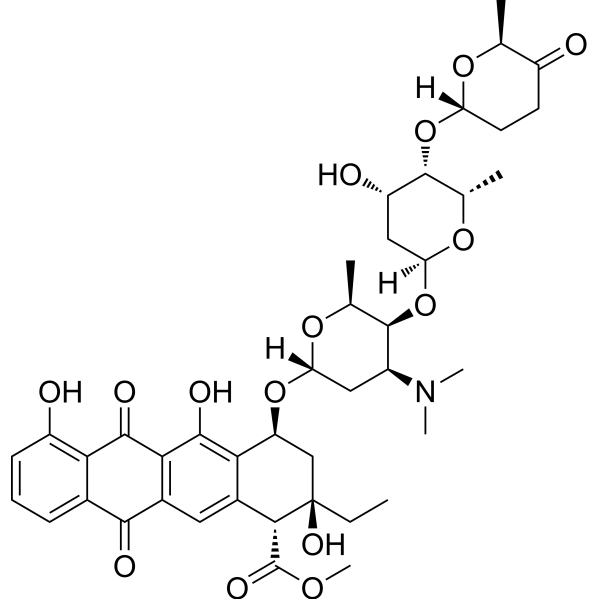
Aclacinomycin A (Aclarubicin) is an orally active and potent anthracycline antitumor antibiotic. Aclacinomycin A is an inhibitor of topoisomerase I and II. Aclacinomycin A inhibits synthesis of nucleic acid, especially RNA. Aclacinomycin A might inhibit the 26S protease complex as well as the ubiquitin-ATP-dependent proteolysis .
|
-
-
- HY-135844
-
|
|
E1/E2/E3 Enzyme
|
Inflammation/Immunology
|
|
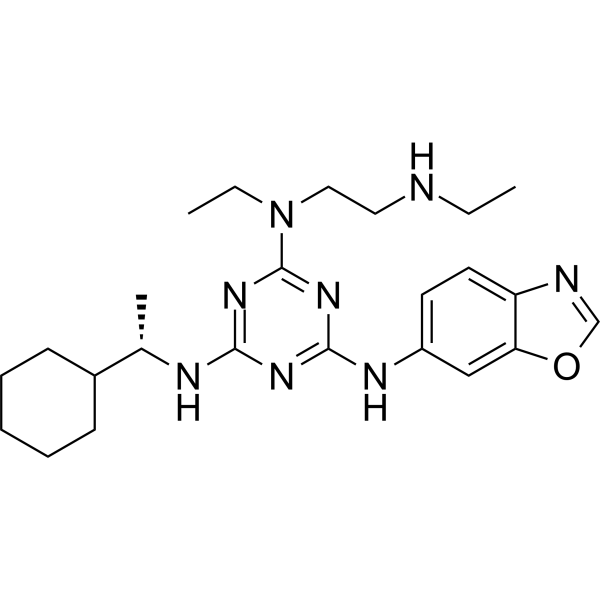
LS-102 is a selective E3 ubiquitin ligase synoviolin (Syvn1) inhibitor. LS-102 inhibits the autoubiquitination of synoviolin with an IC50 of 35 μM. LS-102 has the potential for rheumatoid arthritis treatment .
|
-
-
- HY-141432
-
|
Cbl-b-IN-3
|
E1/E2/E3 Enzyme
|
Cancer
|
|
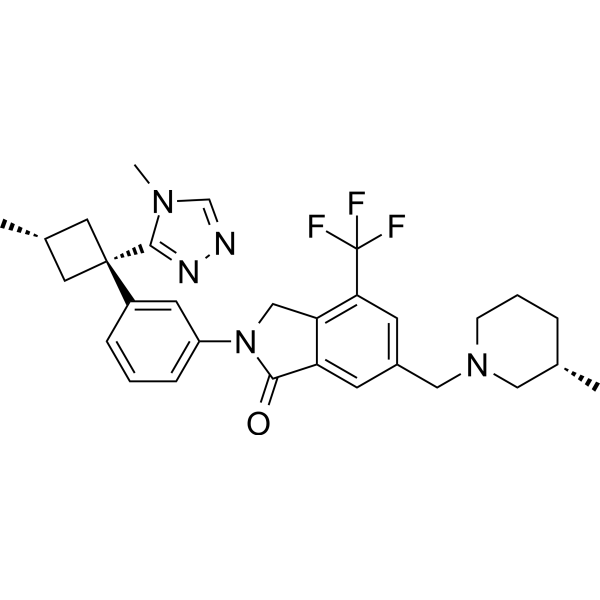
NX-1607 (Compound 23) is an inhibitor of Cbl-b, an E3 enzyme in the ubiquitin-proteasome pathway, with an IC50 value of less than 1 nM. NX-1607 can be used in cancer research .
|
-
-
- HY-N0170
-
-
-
- HY-152859
-
|
BI 907828
|
E1/E2/E3 Enzyme
MDM-2/p53
|
Cancer
|
|
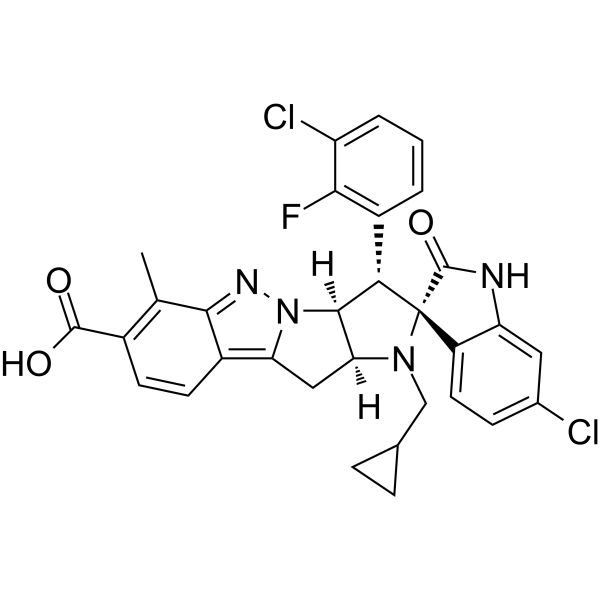
Brigimadlin (BI 907828) is an orally active E3 ubiquitin-protein ligase MDM-2 inhibitor, preventing MDM-2 from negatively regulating the tumor suppressor p53. Brigimadlin can be used for antineoplastic research .
|
-
-
- HY-13865
-
|
|
Deubiquitinase
|
Cancer
|
|
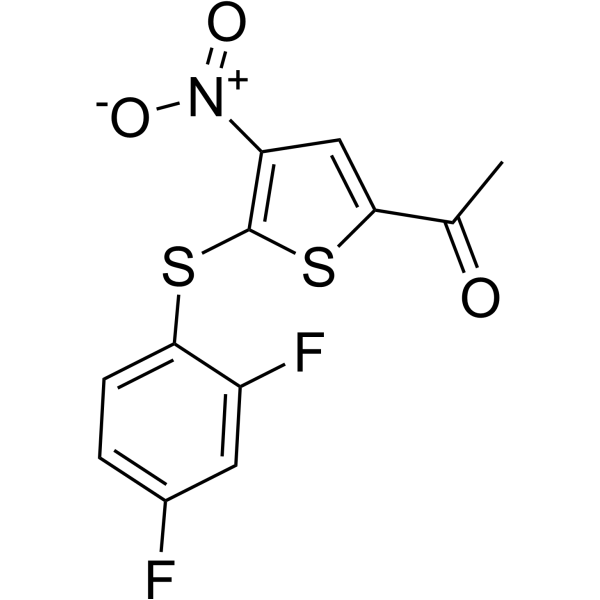
P 22077 is a cell-permeable ubiquitin-specific protease 7 (USP7) inhibitor with an EC50 of 8.01 μM. P 22077 also inhibits USP47 with an EC50 of 8.74 μM.
|
-
-
- HY-110204
-
Heclin
3 Publications Verification
|
E1/E2/E3 Enzyme
Akt
MyD88
|
Others
|
|
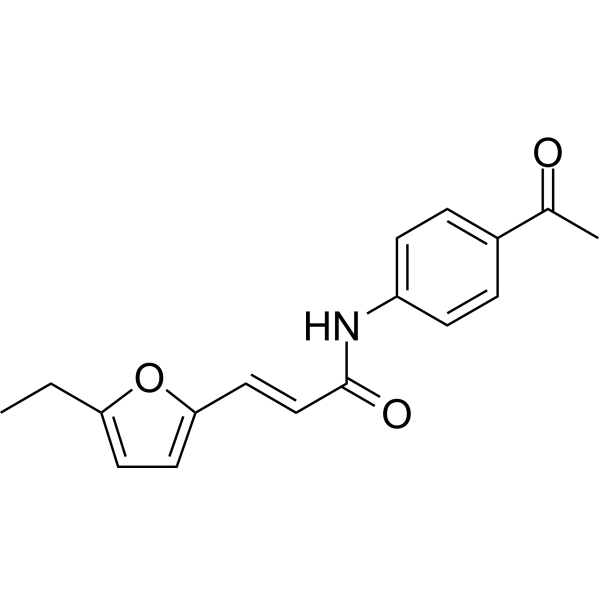
Heclin is a HECT E3 ubiquitin ligases inhibitor. Heclin inhibits Smurf2, Nedd4, WWP1 (IC50 values are 6.8, 6.3, 6.9 μM) and can be used for the research of gastric cancer .
|
-
-
- HY-129241
-
|
|
DNA/RNA Synthesis
DNA Alkylator/Crosslinker
|
Cancer
|
|
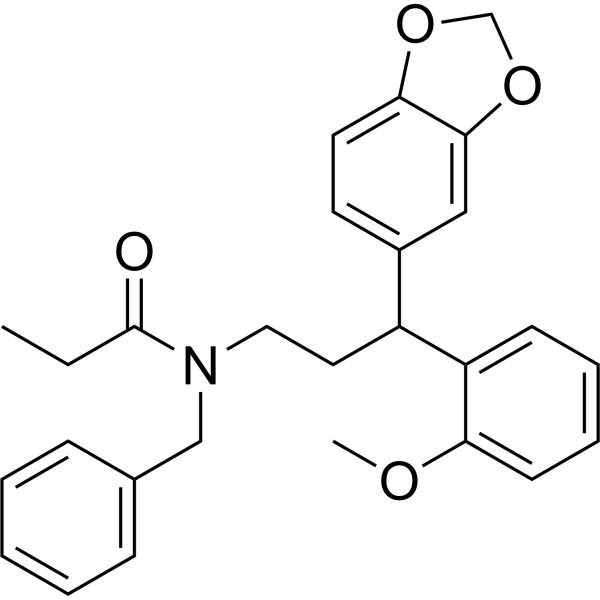
AGX51 is the first-in-class pan-Id (inhibitors of DNA-binding/differentiation proteins) antagonist and degrader. AGX51 inhibits Id1-E47 interaction, leading to ubiquitin-mediated degradation of Ids, cell growth arrest, and viability reduction. AGX51 can inhibit TNBC and has an IC50 of about 25 nM. AGX51 can be used in cancer research.
|
-
-
- HY-18637
-
|
|
Deubiquitinase
Apoptosis
|
Neurological Disease
|
|
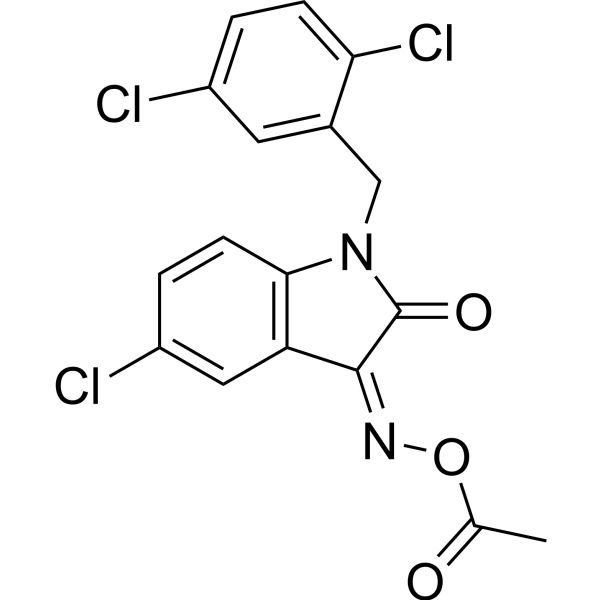
LDN-57444 is a reversible, competitive and site-directed inhibitor of ubiquitin C-terminal hydrolase L1 (UCH-L1), with an IC50 of 0.88 μM and a Ki of 0.40 μM; LDN-57444 also suppresses UCH-L3 activity, with an IC50 of 25 μM.
|
-
-
- HY-150505
-
|
|
Deubiquitinase
Apoptosis
|
Cancer
|
|
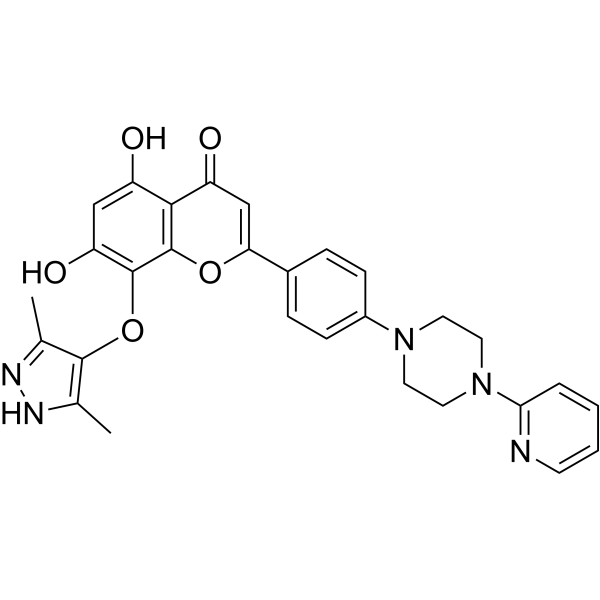
DC-U4106 is a USP8 targeting inhibitor with the Kdvalue of 4.7 μM and the IC50 value of 1.2 μM. DC-U4106 can target the ubiquitin pathway and facilitate the degradation of Erα. DC-U4106 inhibits tumor growth with minimal toxicity and has the potential for the research of breast cancer .
|
-
-
- HY-128724
-
CB-5339
2 Publications Verification
|
p97
|
Cancer
|
|
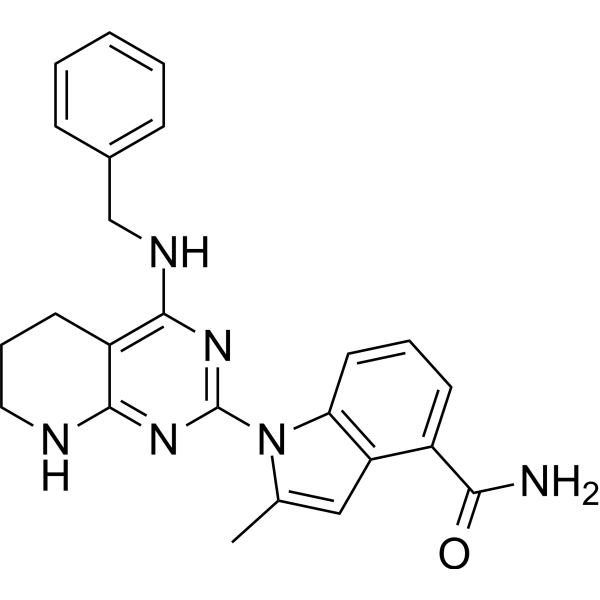
CB-5339 is an oral activity potent p97 inhibitor with an IC50 <30 nM. CB-5339 can be used for leukemia research . CB-5339 extracted from WO2015109285A1 compound FF07.
|
-
-
- HY-153045
-
BAY-805
3 Publications Verification
|
Deubiquitinase
|
Cancer
|
|
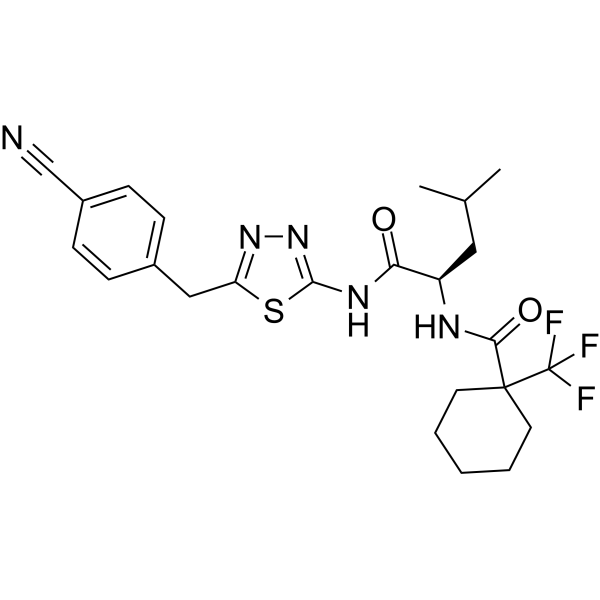
BAY-805, a chemical probe, is a selective inhibitor of ubiquitin-specific protease USP21. BAY-805 has high selectivity for deubiquitinating enzyme (DUB) targets, kinases, proteases and other common target enzymes .
|
-
-
- HY-117370
-
|
AZ1
|
Deubiquitinase
|
Cancer
|
|
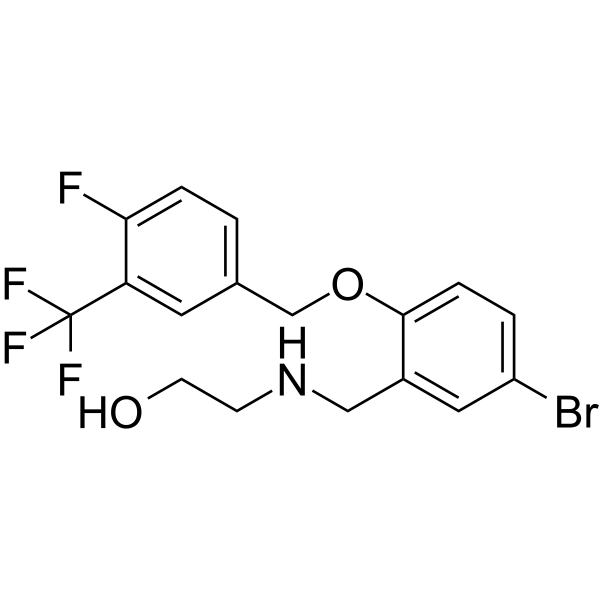
USP25/28 inhibitor AZ1 (AZ1) is an orally active, selective, noncompetitive, dual ubiquitin specific protease (USP) 25/28 inhibitor with IC50s of 0.7 μM and 0.6 μM, respectively. USP25/28 inhibitor AZ1 attenuates colitis and tumorigenesis in the mice model .
|
-
-
- HY-17421
-
|
TU-199
|
Proton Pump
|
Infection
Inflammation/Immunology
|
|
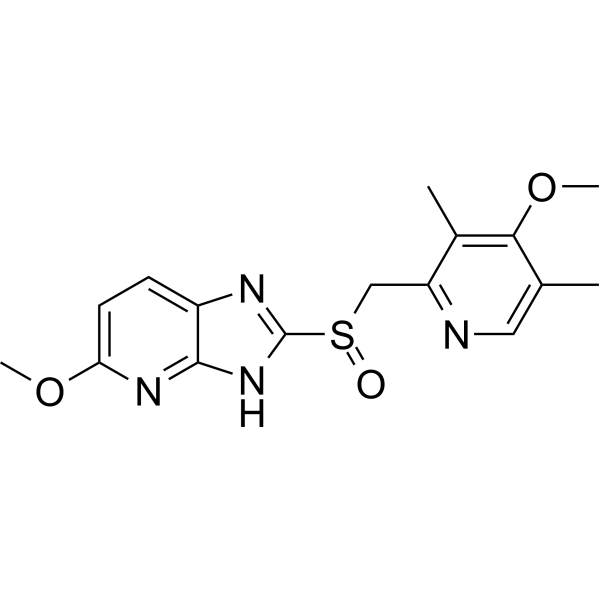
Tenatoprazole (TU-199) is an orally active imidazopyridine-based proton pump inhibitor with a prolonged plasma half-life. Tenatoprazole inhibits hog gastric H +/K +-ATPase activity with an IC50 of 6.2 μM. Tenatoprazole blocks the interaction of ubiquitin with the ESCRT-1 factor Tsg101, inhibits production of several enveloped viruses, including EBV .
|
-
-
- HY-100739
-
RA190
4 Publications Verification
|
Proteasome
|
Cancer
|
|
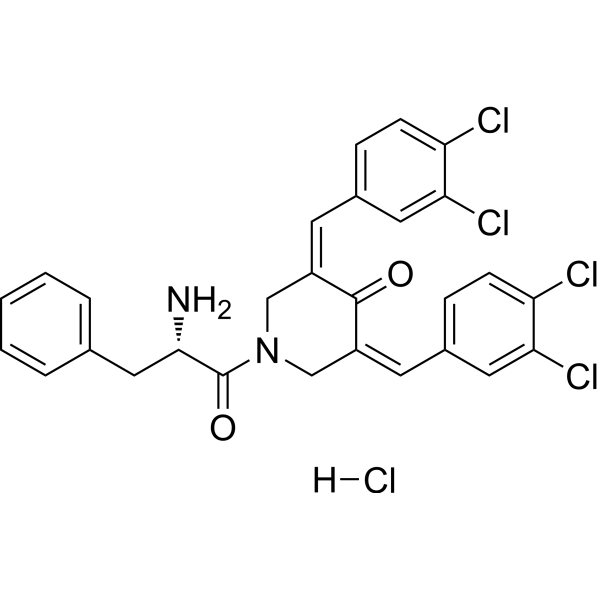
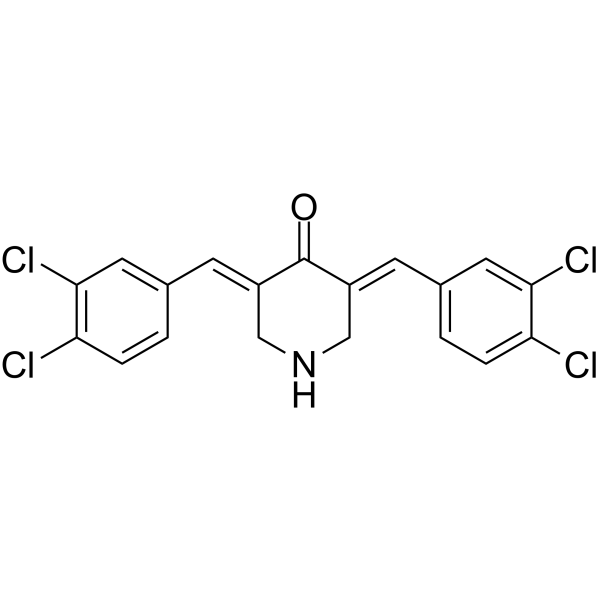
RA190, a bis-benzylidine piperidon, inhibits proteasome function by covalently binding to cysteine 88 of ubiquitin receptor RPN13.
|
-
-
- HY-13487
-
|
|
Deubiquitinase
|
Cancer
|
|
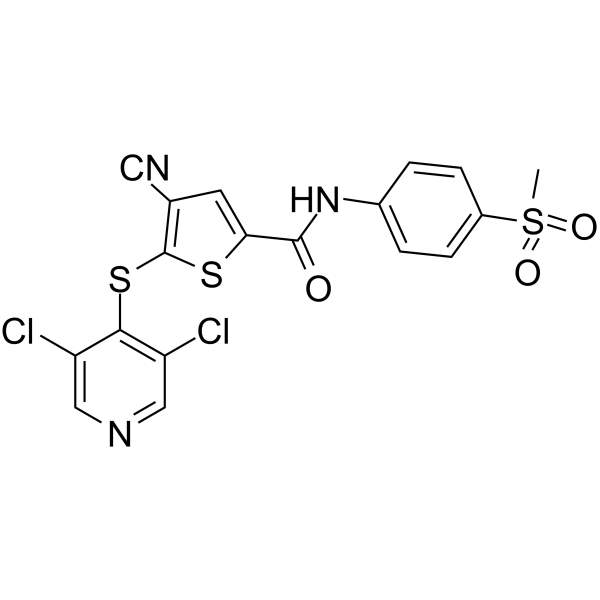
USP7/USP47 inhibitor is a selective ubiquitin-specific protease 7/47 (USP7/USP47) inhibitor, with EC50s of 0.42 μM and 1.0 μM, respectively.
|
-
-
- HY-120204
-
BI8626
3 Publications Verification
|
E1/E2/E3 Enzyme
|
Cancer
|
|
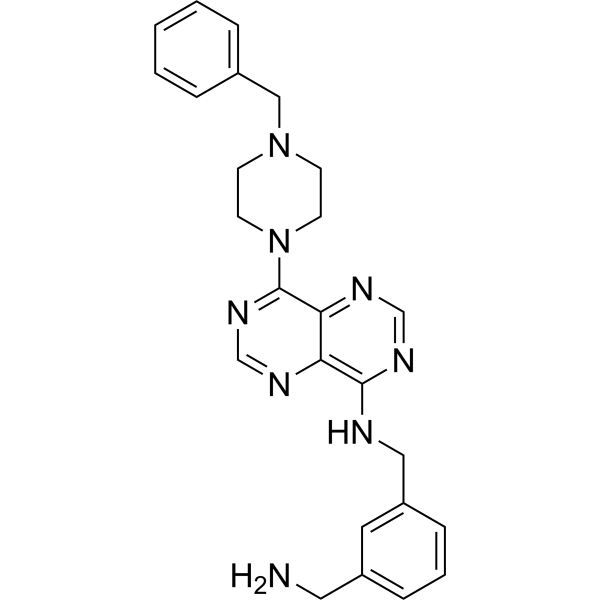
BI8626 is a specific inhibitor of the ubiquitin ligase HUWE1 with an IC50 of 0.9 μM .
|
-
-
- HY-17540
-
|
|
Deubiquitinase
|
Cancer
|
|
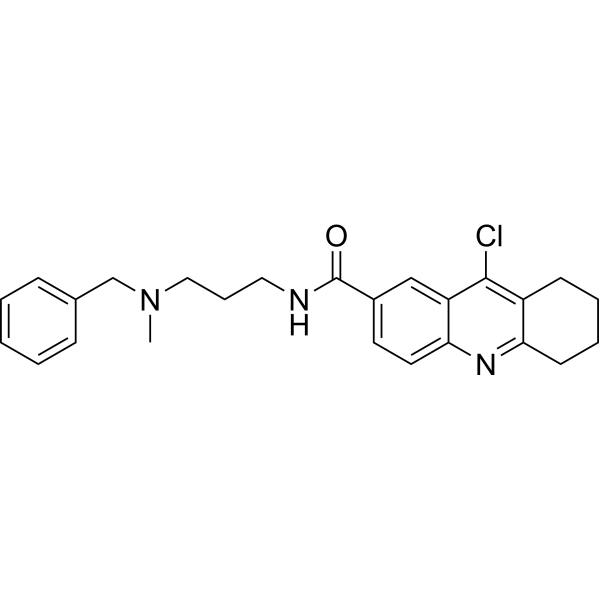
HBX 19818 is a specific inhibitor of ubiquitin-specific protease 7 (USP7), with an IC50 of 28.1 μM.
|
-
-
- HY-139979
-
|
|
Deubiquitinase
|
Cancer
|
|
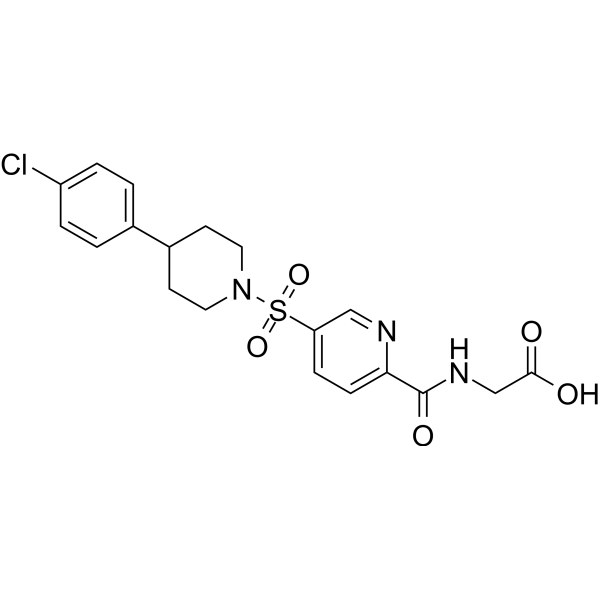
USP5-IN-1 (compound 64) is a selective competitive inhibitor of USP5 zinc finger ubiquitin binding domain (ZnF-UBD) (KD=2.8 μM). USP5-IN-1 competitively blocks the binding of ubiquitin to ZnF-UBD, inhibits the catalytic activity of USP5, and thus hinders the hydrolysis of ubiquitin chains. USP5-IN-1 can inhibit USP5 cleavage of Lys48-linked diubiquitin substrates in vitro and is a potential USP5 chemical probe and potential inhibitor of USP5-related cancers.
|
-
-
- HY-50736
-
|
|
Deubiquitinase
|
Cancer
|
|
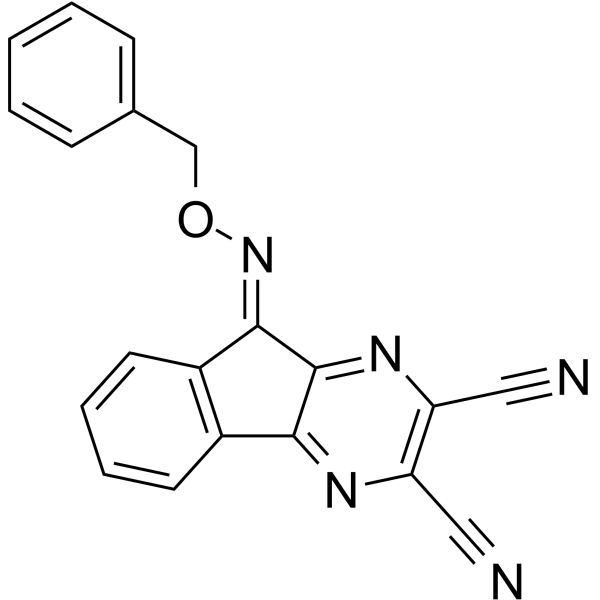
DUB-IN-1 is an active inhibitor of ubiquitin-specific proteases (USPs), with an IC50 of 0.85 μM for USP8 .
|
-
-
- HY-138698
-
FT206
1 Publications Verification
|
Deubiquitinase
|
Cancer
|
|
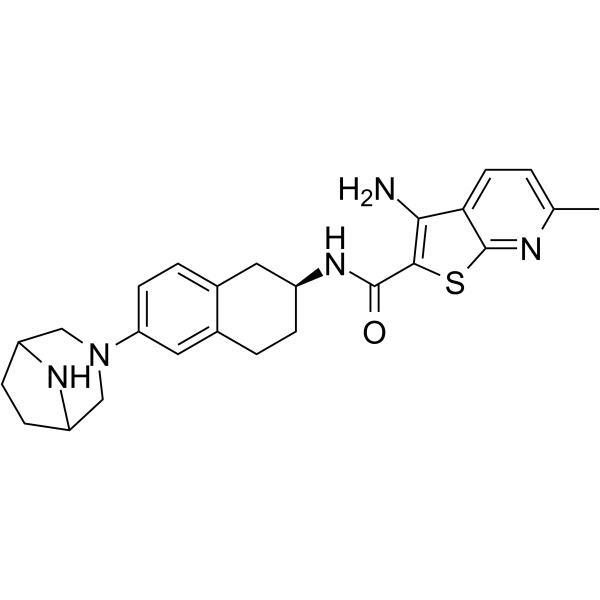
FT206 is the inhibitor for ubiquitin-specific protease that inhibits USP28 and USP25 with IC50s of 0.15 μM and 1.01 μM .
|
-
-
- HY-134417
-
NSC2805
1 Publications Verification
|
E1/E2/E3 Enzyme
|
Cancer
|
|
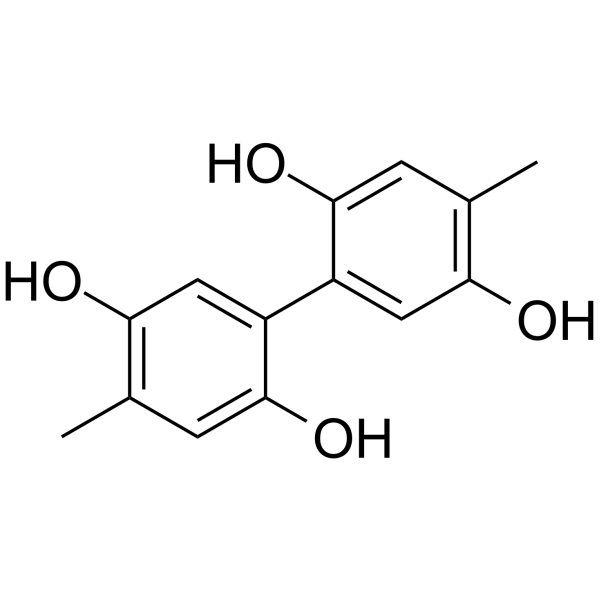
NSC2805 is a WWP2 ubiquitin ligase inhibitor that can significant inhibit WWP2 activity with an IC50 of 0.38 μM. NSC2805 can be used for the research of cancer .
|
-
-
- HY-114304
-
COH000
2 Publications Verification
|
E1/E2/E3 Enzyme
|
Cancer
|
|
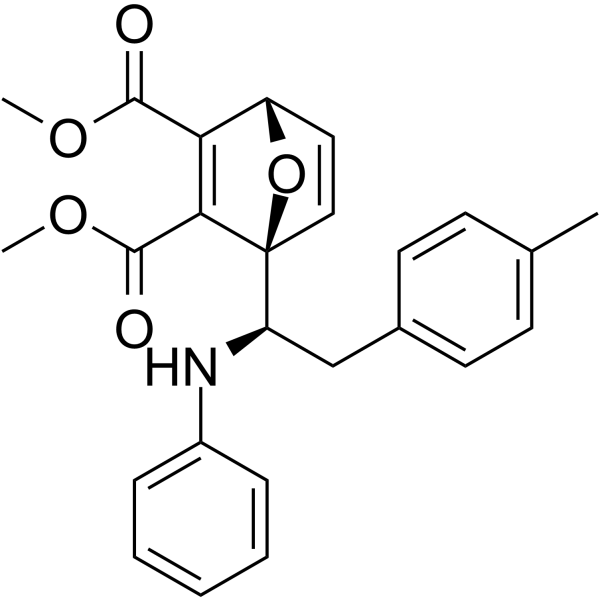
COH000 is an allosteric, covalent and irreversible inhibitor of ubiquitin-like 1-activating enzyme (SUMO-activating enzyme) (E1), with an IC50 of 0.2 μM for SUMOylation in vitro .
|
-
-
- HY-13297
-
|
|
E1/E2/E3 Enzyme
|
Cancer
|
|
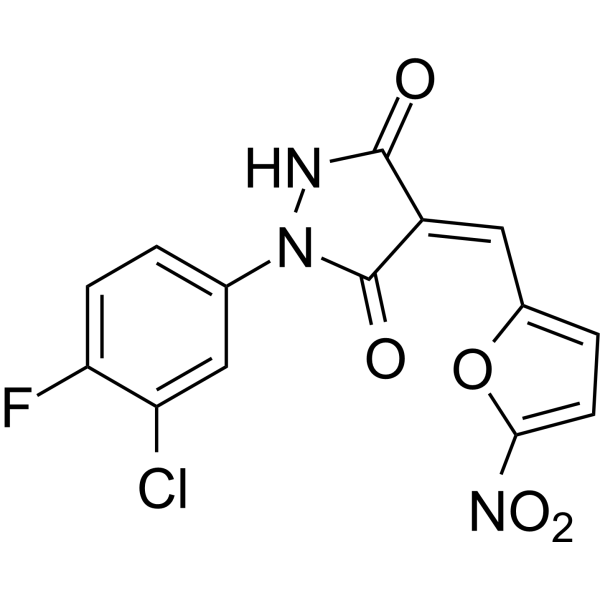
PYZD-4409 is a specific inhibitor of the ubiquitin-activating enzyme UBA1 with an IC50 of 20 μM (cell-free enzymatic assay). PYZD-4409 induces cell death in malignant cells and preferentially inhibits the clonogenic growth of primary acute myeloid leukemia cells .
|
-
-
- HY-101666
-
|
|
Deubiquitinase
Apoptosis
MDM-2/p53
|
Metabolic Disease
Cancer
|
|
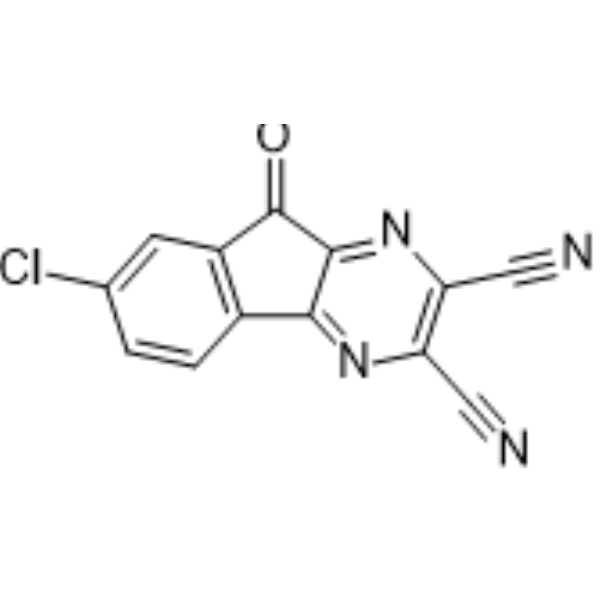
HBX 41108 is an inhibitor of ubiquitin-specific protease 7 (USP7) with an IC50 of 424 nM. HBX 41108 inhibits USP7-mediated p53 deubiquitination to stabilize p53 and inhibits cancer cell growth. BX 41108 can be used in cancer and diabetes research .
|
-
-
- HY-114402
-
|
|
PROTACs
Androgen Receptor
|
Cancer
|
|
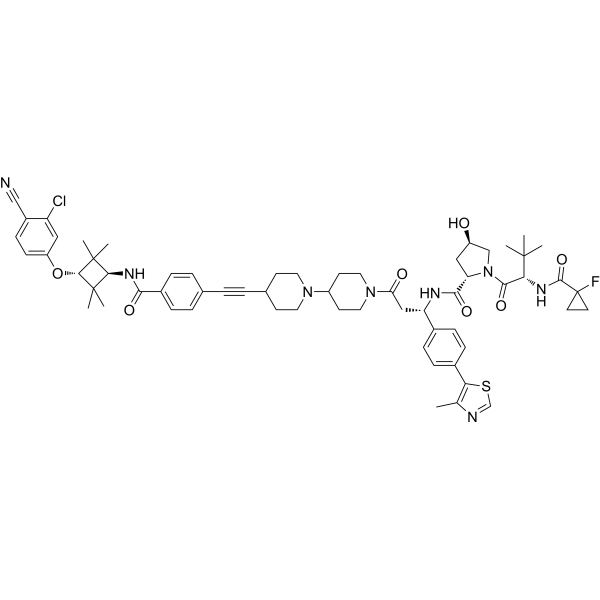
ARD-69 is a PROTAC degrader based on the E3 ubiquitin ligase VHL and targeting the androgen receptor, which can induce androgen receptor (AR) protein degradation in AR-positive prostate cancer cells. ARD-69 inhibits AR-regulated gene expression, binds to the AR ligand binding domain at one end and binds to VHL at the other end, prompting AR to be recruited to the E3 ubiquitin ligase complex, triggering proteasome degradation, thereby inhibiting AR signaling pathways and downstream gene expression (such as PSA, TMPRSS2). ARD-69 can be used to study of castration-resistant prostate cancer (mCRPC) .
|
-
-
- HY-100738
-
|
NSC144303
|
Apoptosis
|
Cancer
|
|
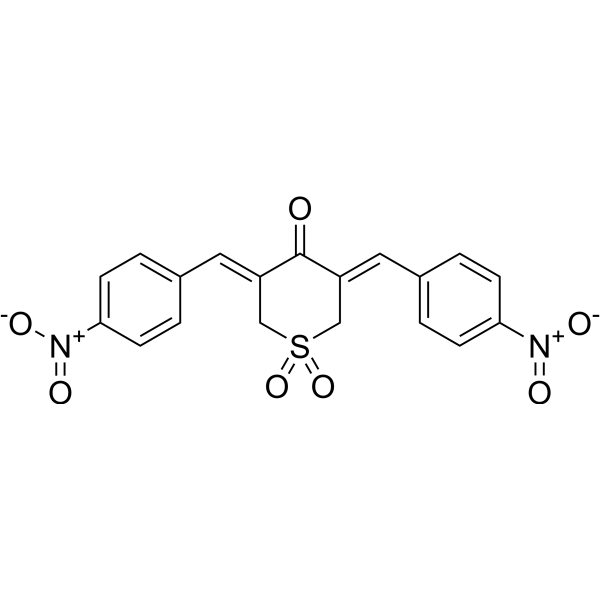
Ubiquitin Isopeptidase Inhibitor I, G5 (NSC 144303) is an apoptosome-independent caspase and apoptosis activator with IC50 values of 1.76 and 1.6 μM in E1A and E1A/C9DN cells, respectively.
|
-
-
- HY-160700
-
|
|
Deubiquitinase
JNK
|
Cancer
|
|
TNG348 is an orally available allosteric inhibitor of the ubiquitin-specific protease USP1. TNG348 specifically and efficiently inhibits the activity of USP1, inhibiting its deubiquitination of proliferative PCNA and FANCD2, thereby disrupting the DNA repair process. TNG348 has inhibitory activity against breast and ovarian cancers carrying BRCA1/2 mutations and other homologous recombination defects (HRD) .
|
-

-
- HY-16709
-
|
|
Deubiquitinase
|
Cancer
|
|
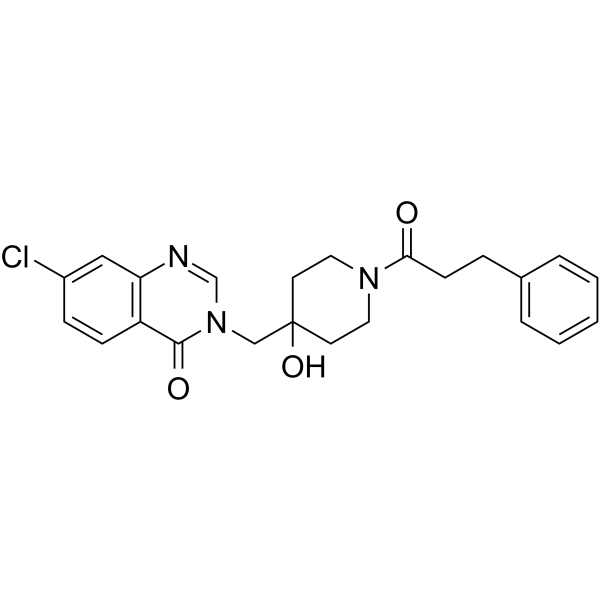
USP7-IN-1 is a selective and reversible inhibitor of ubiquitin-specific protease 7 (USP7), with an IC50 of 77 μM, and can be used for the research of cancer.
|
-
-
- HY-15301
-
|
|
E1/E2/E3 Enzyme
|
Cancer
|
|
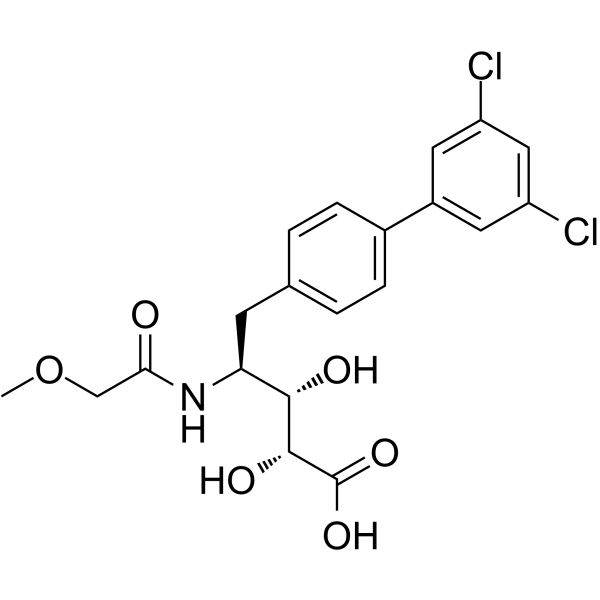
CC0651 is an allosteric inhibitor of the human Cdc34 ubiquitin-conjugating enzyme. CC0651 potently (IC50=1.72 μM) inhibits the ubiquitination of p27 Kip1, as confirmed by dose-response analysis.
|
-
-
- HY-N2306A
-
|
Aclarubicin hydrochloride
|
Topoisomerase
DNA/RNA Synthesis
Proteasome
Antibiotic
|
Cancer
|
|
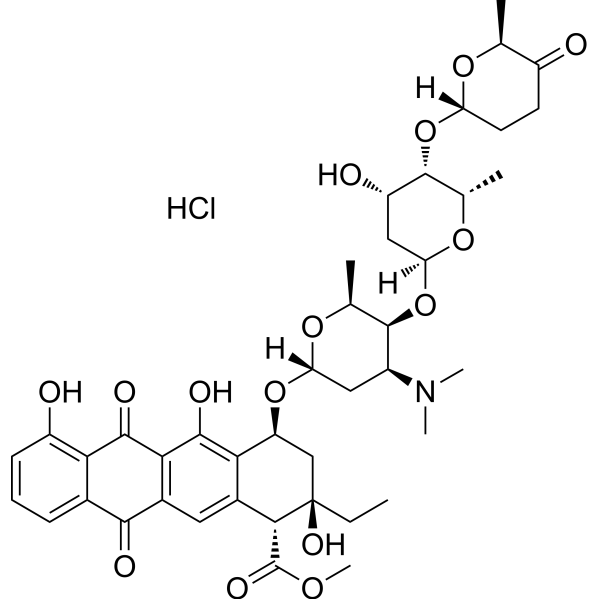
Aclacinomycin A (Aclarubicin) hydrochloride is an orally active and potent anthracycline antitumor antibiotic. Aclacinomycin A hydrochloride is an inhibitor of topoisomerase I and II. Aclacinomycin A hydrochloride inhibits synthesis of nucleic acid, especially RNA. Aclacinomycin A hydrochloride might inhibit the 26S protease complex as well as the ubiquitin-ATP-dependent proteolysis .
|
-
-
- HY-10949
-
|
|
E1/E2/E3 Enzyme
|
Cancer
|
|
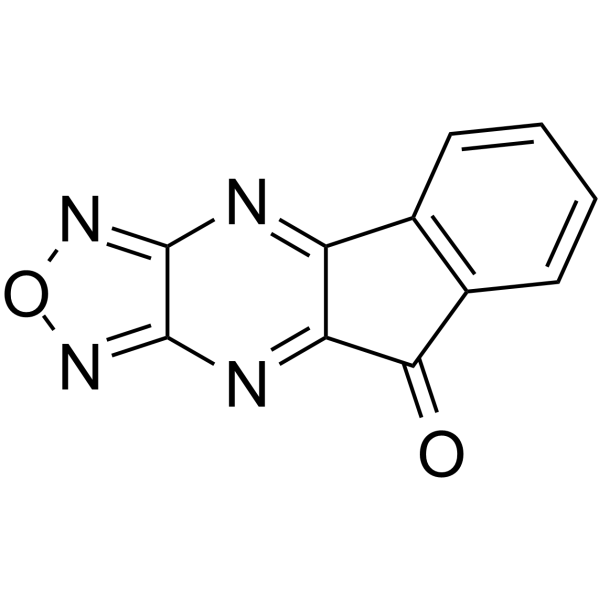
SMER3, a Rapamycin enhancer, is a selective Skp1-Cullin-F-box (SCF) Met30 ubiquitin ligase inhibitor. SMER3 enhances Rapamycin's growth inhibitory effect by inhibition of SCF Met30 .
|
-
-
- HY-A0003B
-
|
CC-5013 hemihydrate
|
Ligands for E3 Ligase
Molecular Glues
Apoptosis
|
Cancer
|
|
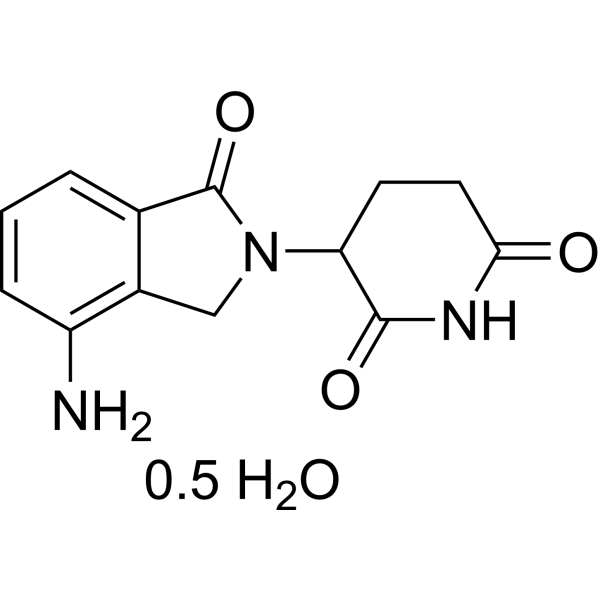
Lenalidomide hemihydrate (CC-5013 hemihydrate), a derivative of Thalidomide, acts as molecular glue. Lenalidomide hemihydrate is an orally active immunomodulator. Lenalidomide hemihydrate (CC-5013 hemihydrate) is a ligand of ubiquitin E3 ligase cereblon (CRBN), and it causes selective ubiquitination and degradation of two lymphoid transcription factors, IKZF1 and IKZF3, by the CRBN-CRL4 ubiquitin ligase. Lenalidomide hemihydrate (CC-5013 hemihydrate) specifically inhibits growth of mature B-cell lymphomas, including multiple myeloma, and induces IL-2 release from T cells .
|
-
-
- HY-19747
-
HPOB
3 Publications Verification
|
HDAC
Apoptosis
|
Cancer
|
|
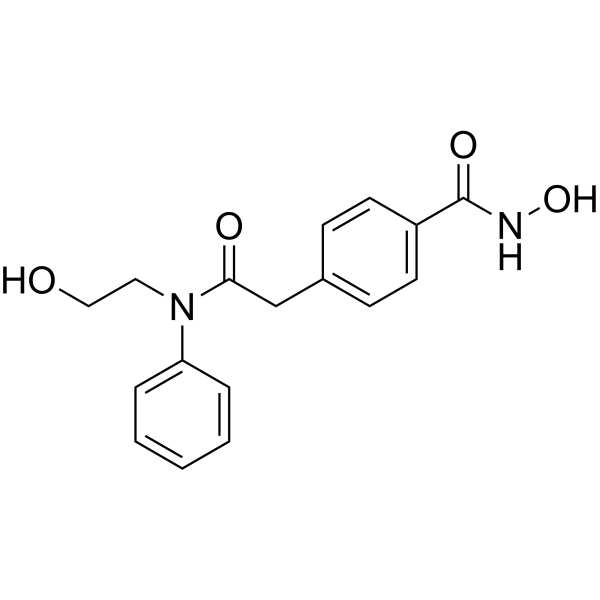
HPOB is a highly potent and selective inhibitor of HDAC6 with an IC50 of 56 nM. HPOB displays >30 fold less potent against other HDACs. HPOB enhances the effectiveness of DNA-damaging anticancer agents in transformed cells but not normal cells. HPOB does not block the ubiquitin-binding activity of HDAC6 .
|
-
-
- HY-W145436
-
-
-
- HY-103436
-
|
|
E1/E2/E3 Enzyme
|
Cancer
|
|
NSC624206 is an inhibitor of ubiquitin E1 (UBA1), with an IC50 of ~9 μM. NSC624206 specifically blocks ubiquitin-thioester formation (IC50=13 μM) but has no effect on ubiquitin adenylation .
|
-
-
- HY-12989
-
-
-
- HY-108640A
-
|
|
MDM-2/p53
Parasite
Apoptosis
|
Infection
Cancer
|
|
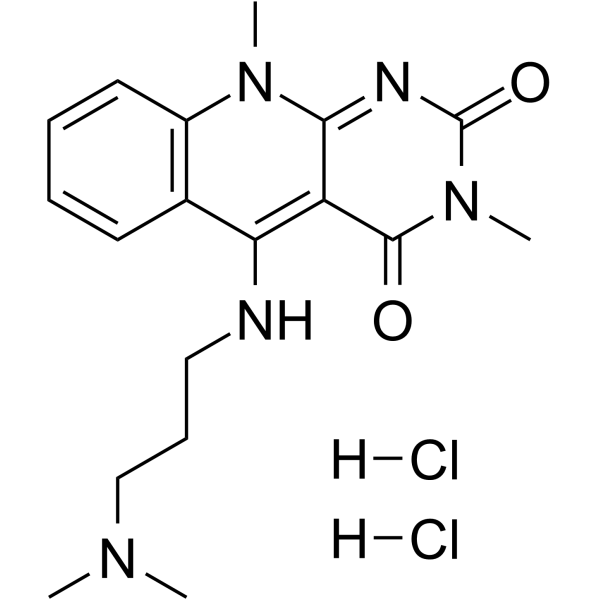
HLI373 dihydrochloride is an efficacious Hdm2 inhibitor. HLI373 dihydrochloride inhibits the ubiquitin ligase activity of Hdm2. HLI373 dihydrochloride is effective in inducing apoptosis of several tumor cells that are sensitive to DNA-damaging agents . Antimalarial activity .
|
-
-
- HY-111623
-
|
|
Deubiquitinase
|
Cancer
|
|
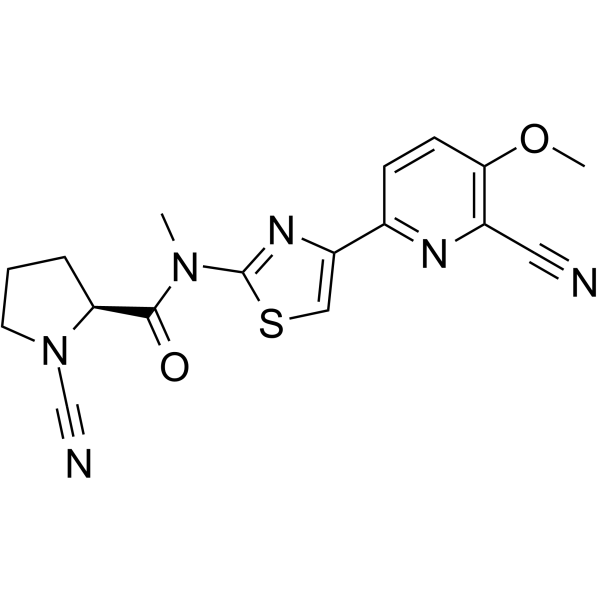
USP30 inhibitor 11 is a selective and potent ubiquitin specific peptidase 30 (USP30) inhibitor with an IC50 of 0.01 μΜ, the example 83 extracted from patent WO2017009650A1. USP30 inhibitor 11 is used for the study of cancer and conditions involving mitochondrial dysfunction .
|
-
-
- HY-122881
-
|
JTP-0819958
|
IKK
|
Cancer
|
|
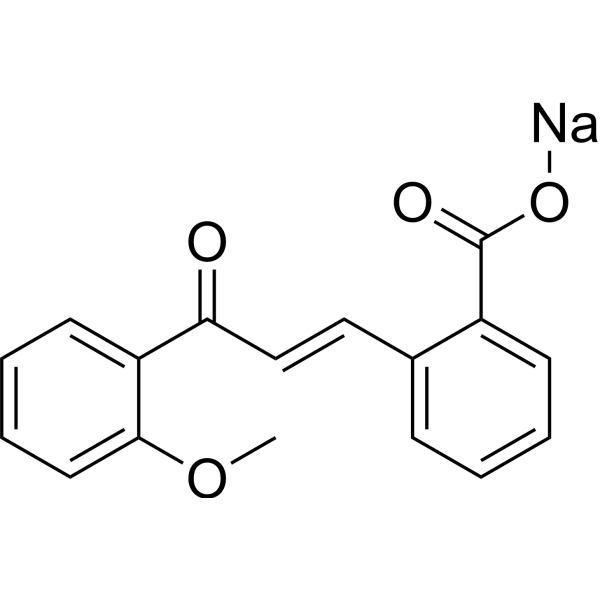
HOIPIN-1 (JTP-0819958) is a selective linear ubiquitin chain assembly complex (LUBAC) inhibitor with an IC50 of 2.8 μM . HOIPIN-1 suppress LUBAC-mediated NF-kB activation in vitro .
|
-
-
- HY-148482
-
|
|
Deubiquitinase
|
Cancer
|
|
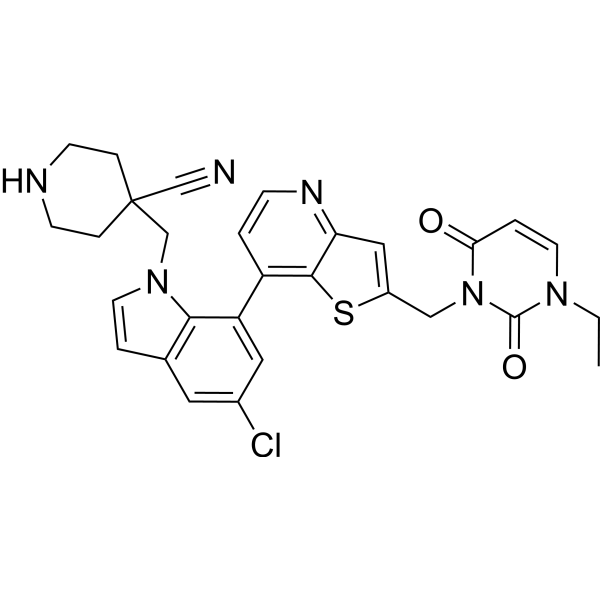
USP7-IN-11 is a potent ubiquitin-specific protease 7 (USP7) (Deubiquitinase) inhibitor with an IC50 of 0.37 nM. USP7-IN-11 has anticancer effects (WO2022048498A1; Example 187) .
|
-
-
- HY-148099
-
|
|
Deubiquitinase
|
Cancer
|
|
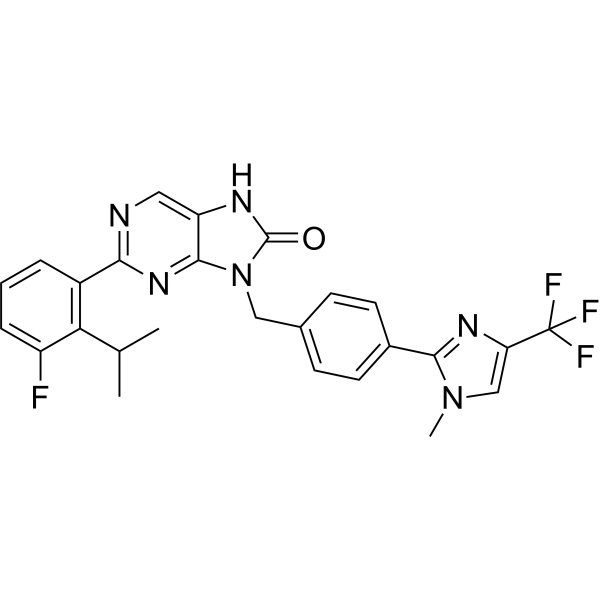
USP1-IN-2 (Compound I-193) is a potent ubiquitin-specific protease 1 (USP1) inhibitor with an IC50 of less than about 50 nM. USP1-IN-2 can be used for the study of cancers such as osteosarcoma .
|
-
-
- HY-139606
-
|
|
p97
|
Cancer
|
|
VCP/p97 inhibitor-1 is a potent inhibitor of VCP/p97 (also called Cdc48, CDC-. 48, or Ter94) with an IC50 of 54.7 nM. VCP/p97 inhibitor-1 causes the dysregulation of protein homeostasis and disturbs the degradation of misfolded polypeptides by the ubiquitin-proteasome system (UPS) .
|
-
- HY-156382
-
|
|
Akt
ERK
E1/E2/E3 Enzyme
|
Cancer
|
|
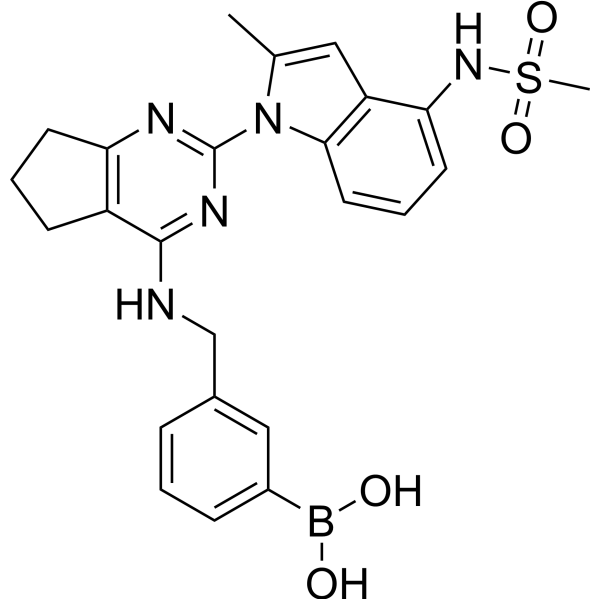
SPOP-IN-1 is a selective SPOP E3 ubiquitin ligase inhibitor. SPOP-IN-1 leads to the accumulation of tumor suppressors PTEN and DUSP7 and decreased levels of phosphorylated AKT and ERK in clear-cell renal cell carcinoma .
|
-
- HY-131232
-
|
Desmorpholinyl ABT-263-NH-Me
|
Bcl-2 Family
Ligands for Target Protein for PROTAC
|
Cancer
|
|
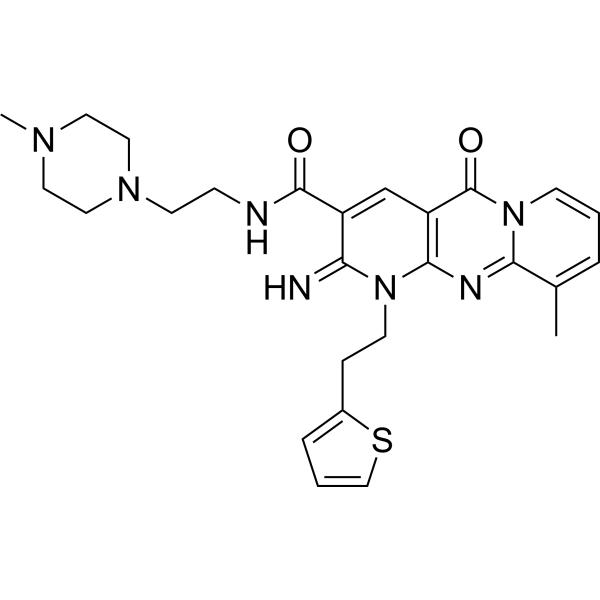
Desmorpholinyl Navitoclax-NH-Me is a Bcl-xL inhibitor. Desmorpholinyl Navitoclax-NH-Me and a CRBN ligand for the E3 ubiquitin ligase can be used in the synthesis of PROTAC BCL-XL degrader XZ739 (HY-133557) .
|
-
- HY-149316
-
|
|
E1/E2/E3 Enzyme
|
Cardiovascular Disease
|
|
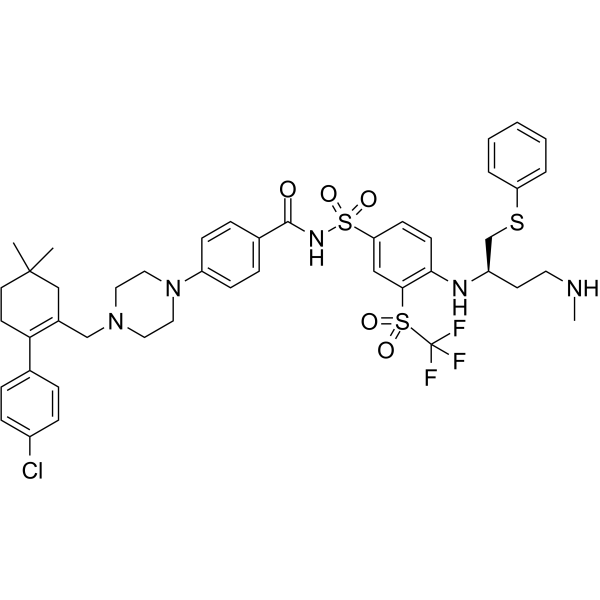
Smurf1-IN-1 is an orally active and selective inhibitor of specific E3 ubiquitin protein ligase 1 (SMURF1) with an IC50 of 92 nM. Smurf1-IN-1 has significant efficacy in rats model of pulmonary hypertension .
|
-
- HY-176861
-
|
|
E1/E2/E3 Enzyme
Cadherin
|
Cancer
|
|
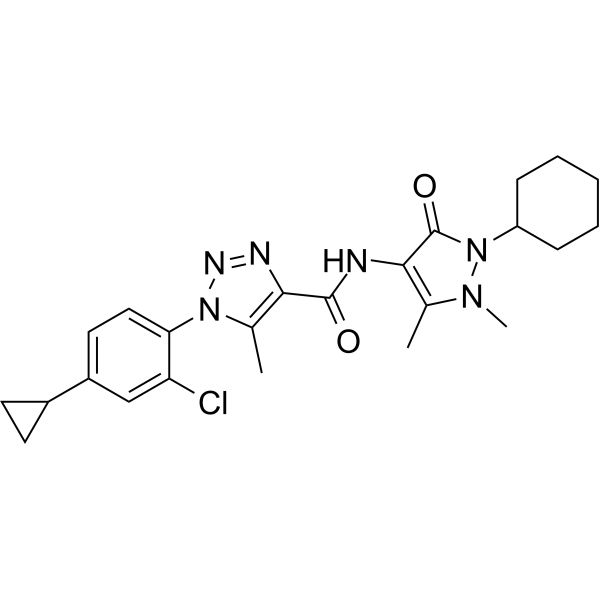
Hakin-1 is a E3 Ubiquitin-Ligase Hakai inhibitor. Hakin-1 blocks Hakai-mediated global ubiquitination and specific ubiquitination of E-cadherin and inhibits epithelial-mesenchymal transition (EMT) progression. Hakan-1 inhibits tumor progression and cancer metastasis. Hakin-1 can be used for the study of carcinoma such as colorectal cancer .
|
-

- HY-A0003R
-
|
CC-5013 (Standard)
|
Reference Standards
Ligands for E3 Ligase
Molecular Glues
Apoptosis
|
Inflammation/Immunology
Cancer
|
|
Lenalidomide (Standard) is the analytical standard of Lenalidomide. This product is intended for research and analytical applications. Lenalidomide (CC-5013), a derivative of Thalidomide, acts as molecular glue. Lenalidomide is an orally active immunomodulator. Lenalidomide (CC-5013) is a ligand of ubiquitin E3 ligase cereblon (CRBN), and it causes selective ubiquitination and degradation of two lymphoid transcription factors, IKZF1 and IKZF3, by the CRBN-CRL4 ubiquitin ligase. Lenalidomide (CC-5013) specifically inhibits growth of mature B-cell lymphomas, including multiple myeloma, and induces IL-2 release from T cells .
|
-

- HY-N0170R
-
-

- HY-P1259A
-
|
|
Proteasome
Bacterial
|
Inflammation/Immunology
|
|
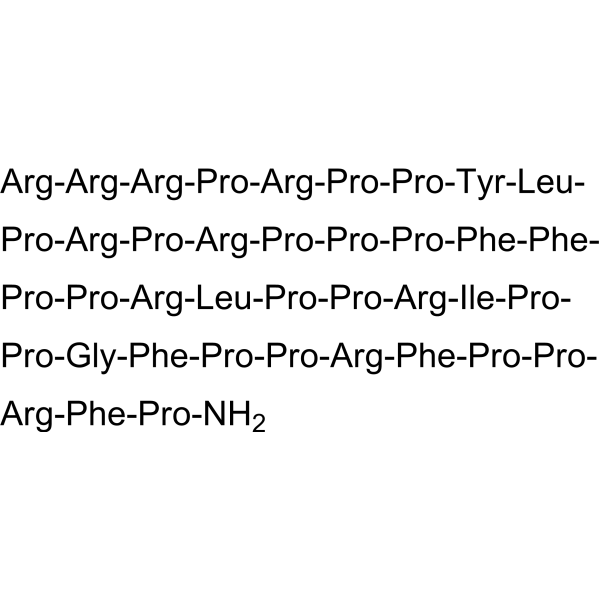
PR-39 TFA, a natural proline- and arginine-rich antibacterial peptide, is a noncompetitive, reversible and allosteric proteasome inhibitor. PR-39 TFAreversibly binds to the α7 subunit of the proteasome and blocks degradation of NF-κB inhibitor IκBα by the ubiquitin-proteasome pathway. PR-39 TFA stimulates angiogenesis, inhibits inflammatory responses and significant reduces myocardial infarct size in mice .
|
-
- HY-143715
-
|
|
Ligands for E3 Ligase
|
Cancer
|
|
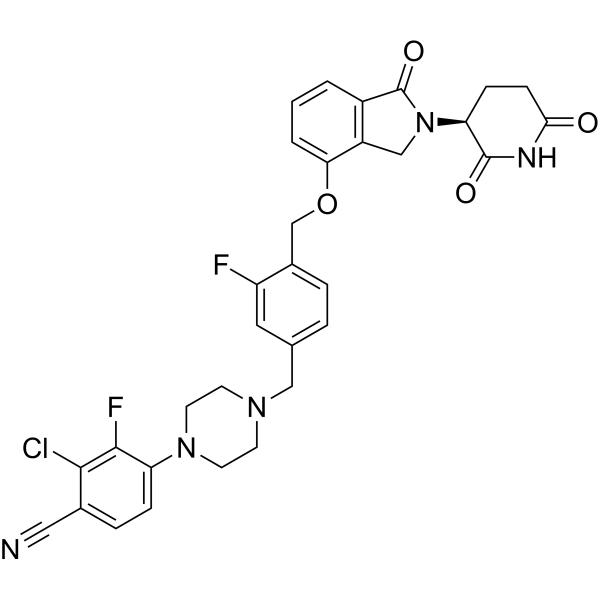
Cereblon inhibitor 1, an isoindoline derivative, is a cereblon E3 ubiquitin ligase modulating agent. Cereblon inhibitor 1 has the potential for cancer research.
|
-
- HY-148481
-
|
|
Deubiquitinase
|
Cancer
|
|
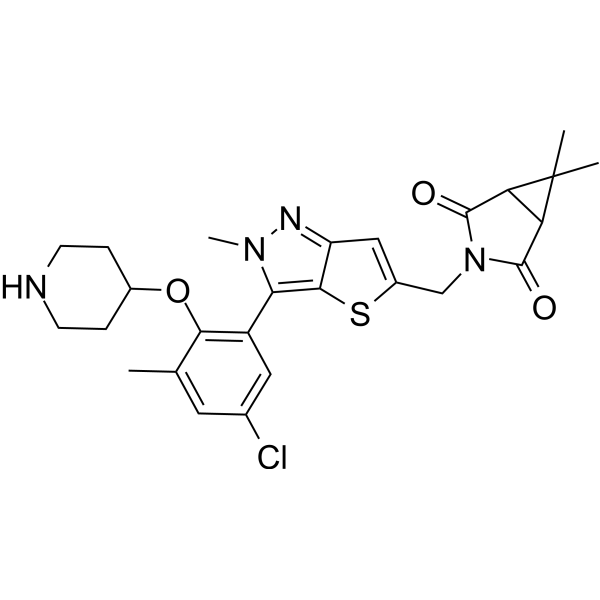
USP7-IN-10 (compound 1) is a potent ubiquitin-specific protease 7 (USP7) inhibitor, with an IC50 of 13.39 nM .
|
-
- HY-W062696
-
|
|
E1/E2/E3 Enzyme
|
Inflammation/Immunology
|
|
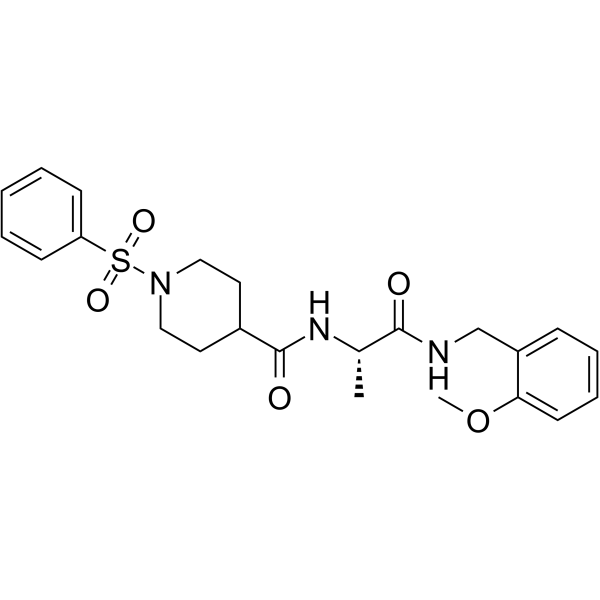
BC-1382 is a potent ubiquitin E3 ligase HECTD2 inhibitor that specificly disrupts the HECTD2/PIAS1 interaction (IC50≈ 5 nM).Anti-inflammatory activity .
|
-
- HY-112128
-
|
|
Deubiquitinase
MDM-2/p53
|
Cancer
|
|
USP7-IN-3 (Compound 5) is an effective and selective allosteric inhibitor of ubiquitin-specific protease 7 (USP7). USP7-IN-3 can be used for research on acute lymphoblastic leukemia .
|
-
- HY-161378
-
|
|
Deubiquitinase
|
Cancer
|
|
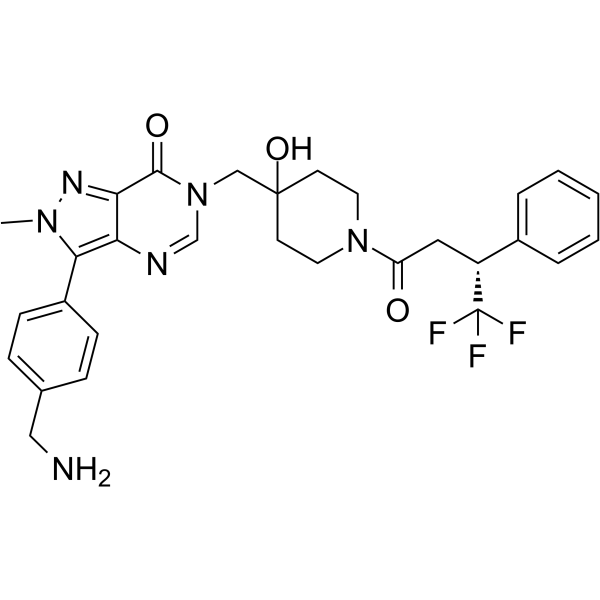
UCHL1-IN-1 (Compound 46) is an inhibitor for Ubiquitin C-terminal Hydrolase L1 (UCHL1), with an IC50 of 5.1 μM. UCHL1-IN-1 can be used for cancer research .
|
-
- HY-128843
-
|
|
PROTACs
MDM-2/p53
E1/E2/E3 Enzyme
|
Cancer
|
|
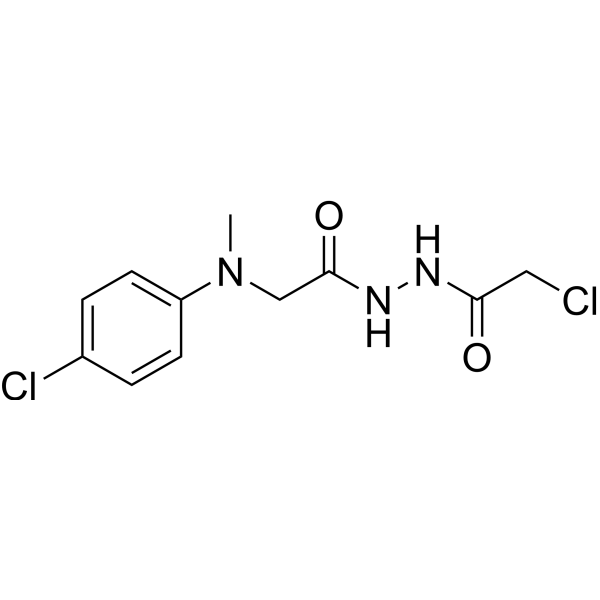
PROTAC MDM2 Degrader-4 is a MDM2 degrader based on PROTAC technology. PROTAC MDM2 Degrader-4 composes of a potent MDM2 inhibitor, linker, and the MDM2 ligand for E3 ubiquitin ligase .
|
-
- HY-N2306R
-
|
Aclarubicin (Standard)
|
Reference Standards
Topoisomerase
DNA/RNA Synthesis
Proteasome
Antibiotic
|
Cancer
|
|
Aclacinomycin A (Standard) is the analytical standard of Aclacinomycin A. This product is intended for research and analytical applications. Aclacinomycin A (Aclarubicin) is an orally active and potent anthracycline antitumor antibiotic. Aclacinomycin A is an inhibitor of topoisomerase I and II. Aclacinomycin A inhibits synthesis of nucleic acid, especially RNA. Aclacinomycin A might inhibit the 26S protease complex as well as the ubiquitin-ATP-dependent proteolysis .
|
-

- HY-W054146
-
RAMB4
1 Publications Verification
|
Proteasome
|
Cancer
|
|
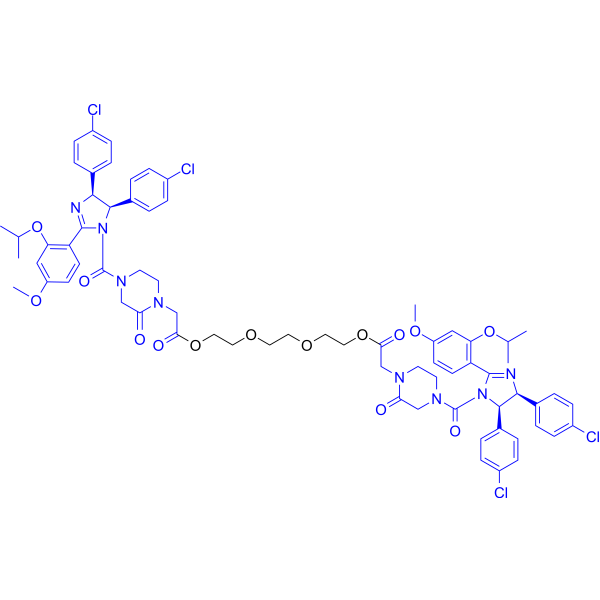
RAMB4 is a ubiquitin-proteasome system (UPS)-stressor. RAMB4 inhibits ubiquitin-mediated protein degradation upstream of the 20S proteasomal catalytic activites. RAMB4 triggers a ubiquitin-proteasome-system (UPS)-stress response without affecting 20S proteasome catalytic activities. Anticancer activity .
|
-
- HY-148481A
-
|
|
Deubiquitinase
|
Cancer
|
|
USP7-IN-10 hydrochloride (compound 1) is a potent ubiquitin-specific protease 7 (USP7) inhibitor, with an IC50 of 13.39 nM .
|
-
- HY-108640
-
|
|
MDM-2/p53
Parasite
Apoptosis
|
Infection
Cancer
|
|
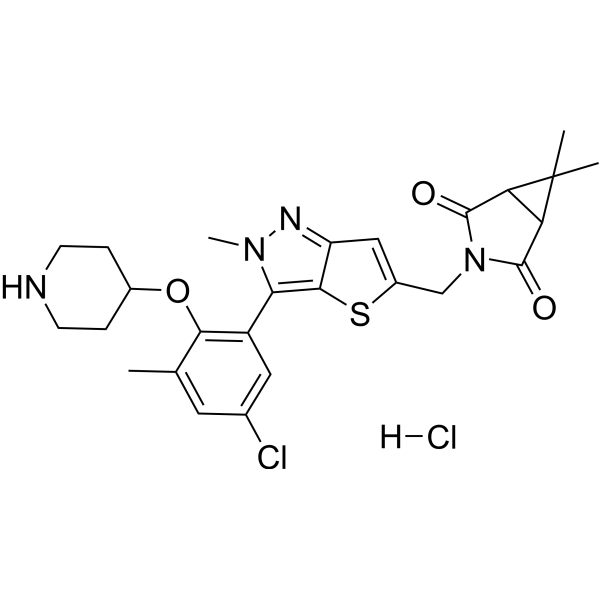
HLI373 is an efficacious Hdm2 inhibitor. HLI373 inhibits the ubiquitin ligase activity of Hdm2. HLI373 is effective in inducing apoptosis of several tumor cells that are sensitive to DNA-damaging agents . Antimalarial activity .
|
-
- HY-A0003S
-
|
CC-5013-d5
|
Isotope-Labeled Compounds
Ligands for E3 Ligase
Molecular Glues
Apoptosis
|
Inflammation/Immunology
Cancer
|
|
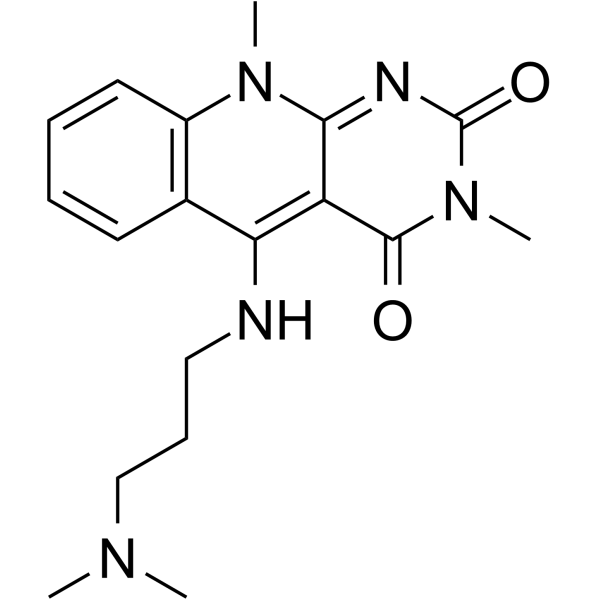
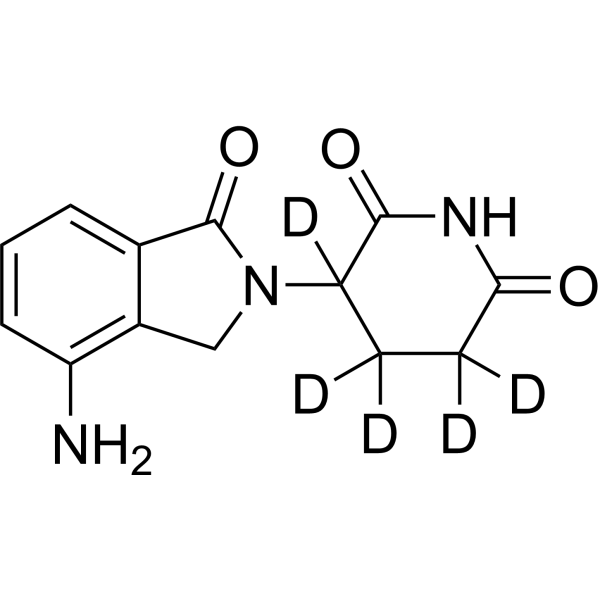
Lenalidomide-d5 is deuterium labeled Lenalidomide. Lenalidomide (CC-5013), a derivative of Thalidomide, acts as molecular glue. Lenalidomide is an orally active immunomodulator. Lenalidomide (CC-5013) is a ligand of ubiquitin E3 ligase cereblon (CRBN), and it causes selective ubiquitination and degradation of two lymphoid transcription factors, IKZF1 and IKZF3, by the CRBN-CRL4 ubiquitin ligase. Lenalidomide (CC-5013) specifically inhibits growth of mature B-cell lymphomas, including multiple myeloma, and induces IL-2 release from T cells .
|
-
- HY-175700
-
|
|
Topoisomerase
Apoptosis
|
Cancer
|
|
YCJ-02 is a selective Topoisomerase I (Top I) inhibitor. YCJ-02 can inhibit cell proliferation and induce apoptosis and G2/M phase arrest. YCJ-02 can induce DNA damage and increaseγ-H2AX levels. YCJ-02 can promote Top I deqradation via a ubiquitin/26S proteasome pathway. YCJ-02 increases the expressions of pro-apoptotic proteins Bad, Bax, and cleaved
caspase-3. YCJ-02 shows broad-spectrum antitumor activity. YCJ-02 can be used for the research of cancer, such as intrahepatic cholangiocarcinoma (ICC) .
|
-

- HY-P1259
-
|
|
Proteasome
Bacterial
|
Inflammation/Immunology
|
|
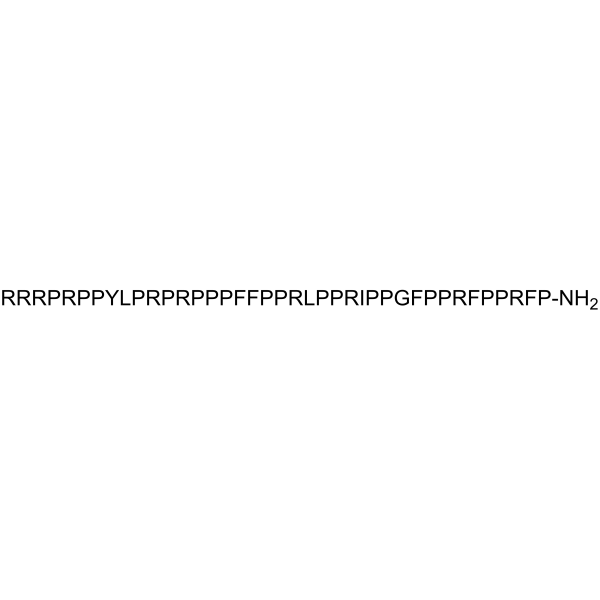
PR-39, a natural proline- and arginine-rich antibacterial peptide, is a noncompetitive, reversible and allosteric proteasome inhibitor. PR-39 reversibly binds to the α7 subunit of the proteasome and blocks degradation of NF-κB inhibitor IκBα by the ubiquitin-proteasome pathway. PR-39 stimulates angiogenesis, inhibits inflammatory responses and significant reduces myocardial infarct size in mice .
|
-
- HY-179035
-
|
|
Molecular Glues
CXCR
|
Cancer
|
|
TBS6b is a potent and selective ACKR3 molecular glue degrader. TBS6b degrades ACKR3 via the ubiquitin-proteasome pathway. TBS6b inhibits hepatocellular carcinoma cell proliferation, migration, and invasion. TBS6b is relevant to hepatocellular carcinoma (HCC) research .
|
-

- HY-168869
-
|
|
PROTACs
Estrogen Receptor/ERR
|
Cancer
|
|
Tamoxifen-PEG-Clozapine is an estrogen receptor α (ERα) PROTAC degrader. Tamoxifen-PEG-Clozapine degrades ERα via a ubiquitin-proteasome system that uses the ubiquitin protein ligase E3 component N-recognin 5. Tamoxifen-PEG-Clozapine can be used for the research of cancer . (Pink: ERα inhibitor (HY-W271653); Black: linker (HY-168870); Blue: CRBN Ligand (HY-G0021))
|
-

- HY-111878
-
|
|
SNIPERs
|
Cancer
|
|
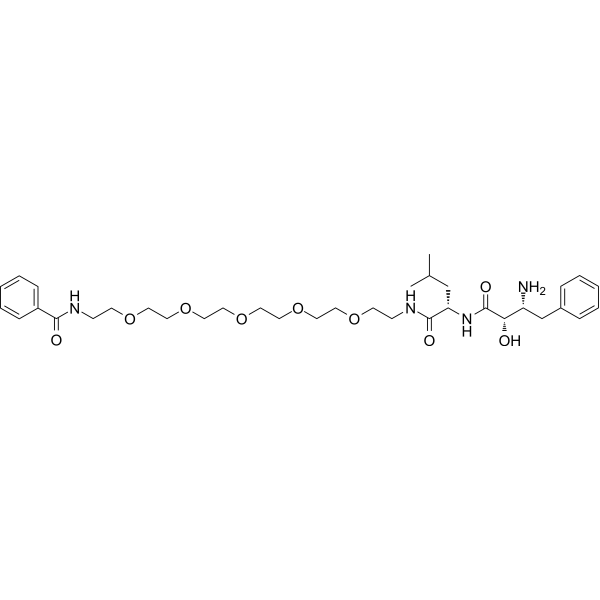
BzNH-BS contains two different ligands, methyl-bestatin (MeBS) for cIAP1 and benzoyl-amide, which are connected by linkers. MeBS as a ligand for cellular inhibitor of apoptosis protein 1 (cIAP1) ubiquitin ligase .
|
-
- HY-A0003A
-
|
CC-5013 hydrochloride
|
Ligands for E3 Ligase
Molecular Glues
|
Inflammation/Immunology
Cancer
|
|
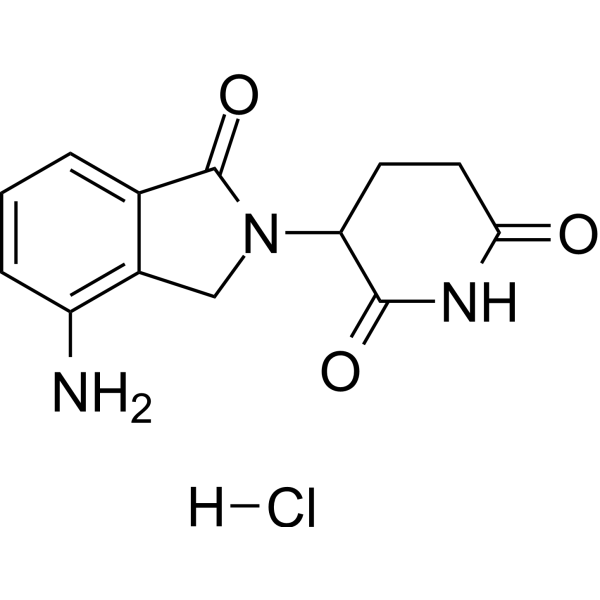
Lenalidomide hydrochloride (CC-5013 hydrochloride), a derivative of Thalidomide, acts as molecular glue. Lenalidomide hydrochloride is an orally active immunomodulator. Lenalidomide hydrochloride (CC-5013 hydrochloride) is a ligand of ubiquitin E3 ligase cereblon (CRBN), and it causes selective ubiquitination and degradation of two lymphoid transcription factors, IKZF1 and IKZF3, by the CRBN-CRL4 ubiquitin ligase. Lenalidomide hydrochloride (CC-5013 hydrochloride) specifically inhibits growth of mature B-cell lymphomas, including multiple myeloma, and induces IL-2 release from T cells .
|
-
- HY-178458
-
|
|
E1/E2/E3 Enzyme
|
Metabolic Disease
Cancer
|
|
UBA5-IN-2 (Compound 50) is a potent ubiquitin-like modifier activating enzyme 5 (UBA5) inhibitor (IC50=0.063 μM). UBA5-IN-2 is promising for research of cancers and protein homeostasis-related diseases .
|
-

- HY-161180
-
|
|
NAMPT
|
Cancer
|
|
Antitumor Agent-136 (Compound 17) is a potent broad-spectrum antitumor agent and a NAMPT inhibitor with an IC50 of 9.5 nM. Antitumor Agent-136 can reduce the levels of intracellular and extracellular NAMPT protein through the ubiquitin proteasome pathway, thus achieving tumor inhibition .
|
-
- HY-179292
-
|
|
Deubiquitinase
|
Inflammation/Immunology
Cancer
|
|
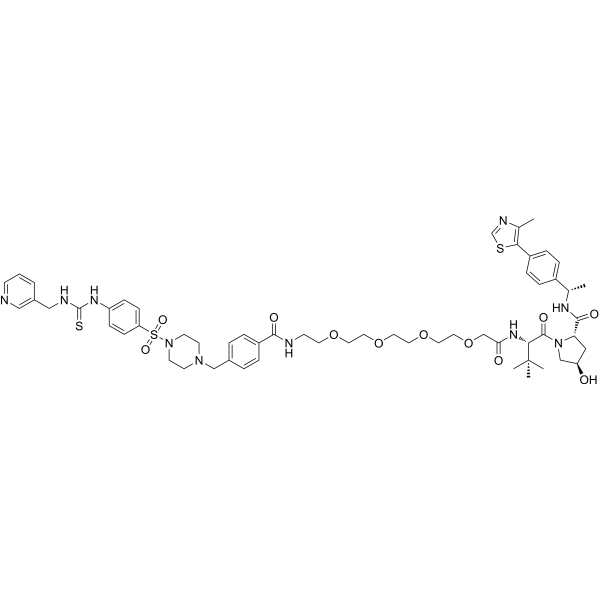
USP1-IN-14 (compound 27) is a ubiquitin-specific protease 1 (USP1) inhibitor with an IC50 of 0.001 µM. USP1-IN-14 can be used for USP1-related cancers, autoimmune and inflammatory disorders research .
|
-

- HY-A0003BR
-
|
CC-5013 hemihydrate (Standard)
|
Ligands for E3 Ligase
Molecular Glues
Apoptosis
Reference Standards
|
Cancer
|
|
Lenalidomide (hemihydrate) (Standard) is the analytical standard of Lenalidomide (hemihydrate). This product is intended for research and analytical applications. Lenalidomide hemihydrate (CC-5013 hemihydrate), a derivative of Thalidomide, acts as molecular glue. Lenalidomide hemihydrate is an orally active immunomodulator. Lenalidomide hemihydrate (CC-5013 hemihydrate) is a ligand of ubiquitin E3 ligase cereblon (CRBN), and it causes selective ubiquitination and degradation of two lymphoid transcription factors, IKZF1 and IKZF3, by the CRBN-CRL4 ubiquitin ligase. Lenalidomide hemihydrate (CC-5013 hemihydrate) specifically inhibits growth of mature B-cell lymphomas, including multiple myeloma, and induces IL-2 release from T cells .
|
-

- HY-117846
-
|
|
DNA/RNA Synthesis
|
Cancer
|
|
MLAF50 is apotent REV1 UBM2-Ubiquitin interaction inhibitor. MLAF50 inhibits chromatin co-localization of REV1 with PCNA following DNA-damage induction .
|
-

- HY-47879
-
-
- HY-165161
-
|
|
HIV
|
Infection
|
|
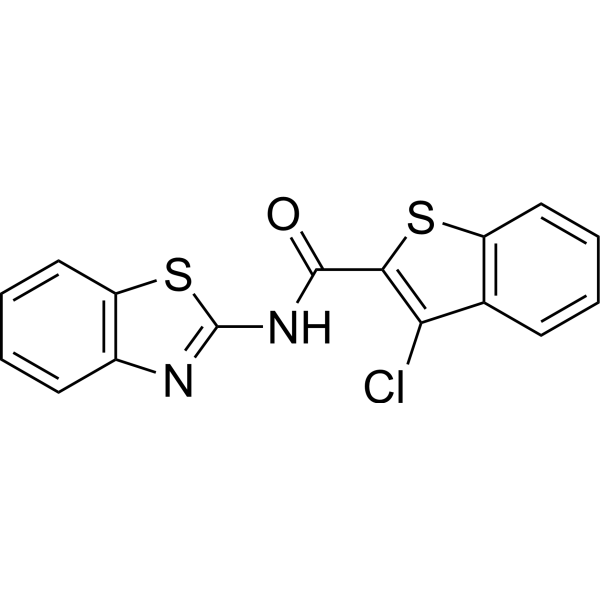
POSH-IN-1 (Compound 108) is an inhibitor for POSH polypeptide, that inhibits the ubiquitin ligase of POSH with an IC50 of 900 nM .
|
-

- HY-18327
-
|
|
E1/E2/E3 Enzyme
MDM-2/p53
|
Cancer
|
|
HLI98C is a ubiquitin ligase inhibitor. HLI98C inhibits p53 ubiquitylation. HLI98C inhibits HDM2 auto-ubiquitylation .
|
-
- HY-169796
-
|
|
E1/E2/E3 Enzyme
|
Cancer
|
|
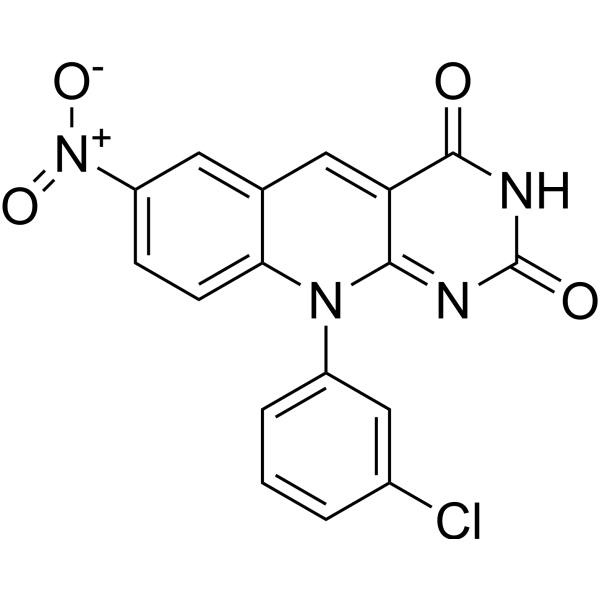
Panepophenanthrin is a compound that can be isolated from the mushroom strain, Panus rudis Fr. IFO 8994. Panepophenanthrin is a ubiquitin-activating enzyme inhibitor .
|
-

- HY-157230
-
|
|
IAP
|
Cancer
|
|
XIAP antagonist 1 degrades rather than inhibits XIAP, catalyzing rapid degradation of XIAP through the ubiquitin-proteasome pathway [2].
|
-
- HY-131667
-
|
|
MDM-2/p53
E1/E2/E3 Enzyme
|
Cancer
|
|
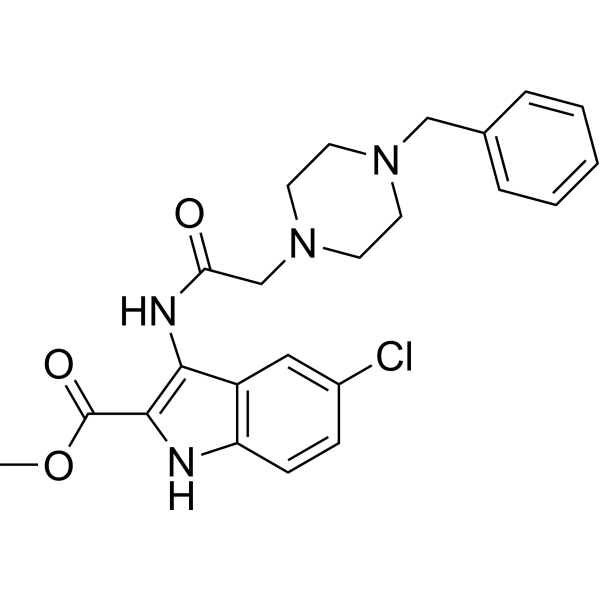
Hdm2 E3 ligase inhibitor 1 (Compound 1) is a reversible inhibitor for Hdm2 (an E3 ubiquitin ligase)-mediated ubiquitination of the p53 protein with an IC50 of 12.7 μM. Hdm2 E3 ligase inhibitor 1 binds Hdm2, blocks Hdm2-catalyzed ubiquitin transfer from preligated Ub-Ubc4 to p53, inhibits p53 ubiquitination, stabilizes p53 protein in tumor cell and exhibits antitumor efficacy .
|
-

- HY-W598456
-
|
|
Drug Intermediate
|
Cancer
|
|
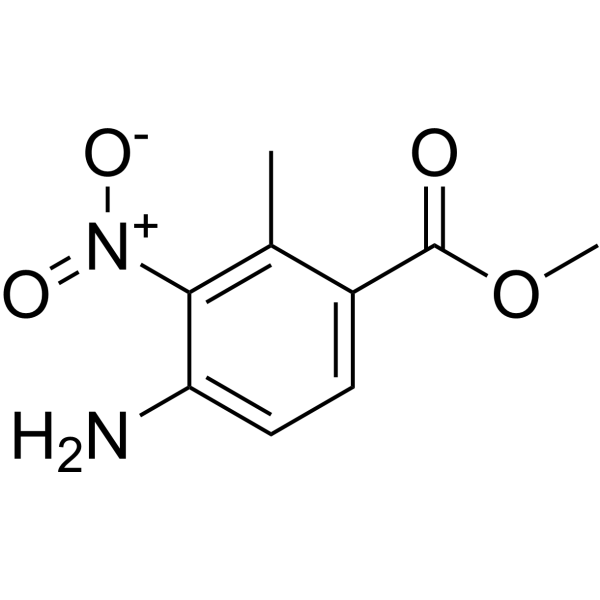
Brigimadlin intermediate-1 is an intermediate of the E3 ubiquitin protein ligase MDM-2 inhibitor Brigimadlin (HY-152859) and can be used to synthesize Antibody-Drug Conjugates (ADCs) .
|
-
- HY-129169
-
|
|
Deubiquitinase
|
Cancer
|
|
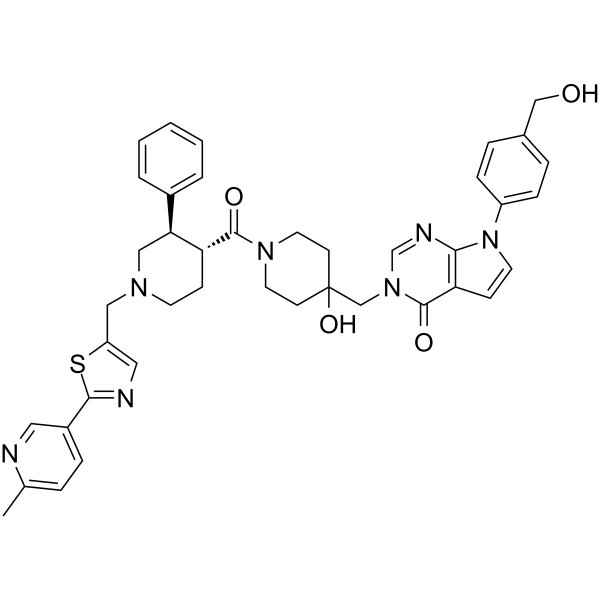
USP7-IN-6 is a potent ubiquitin specific protease 7 (USP7) inhibitor, extracted from patent WO2017212010A1, example 25, has an IC50 of 6.8 nM .
|
-
- HY-N10332
-
|
|
Proteasome
|
Cancer
|
|
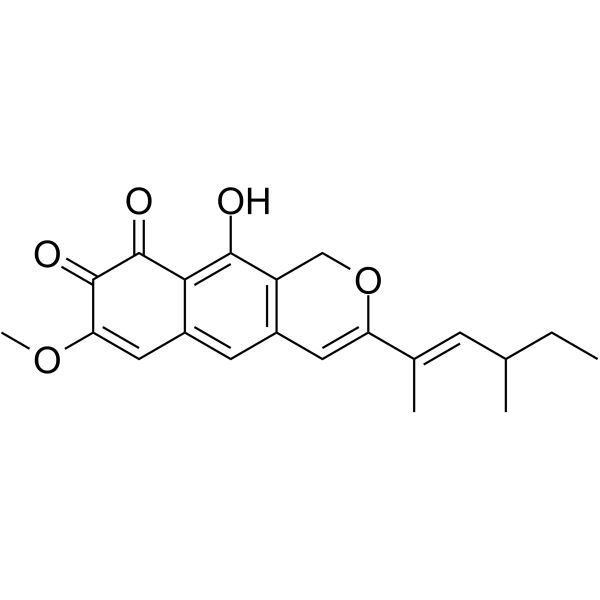
Leptosphaerodione, isolated from Remotididymella sp. Fungus, is a potent ubiquitin-proteasome system (UPS) inhibitor. Leptosphaerodione exhibits cytotoxicity in HeLa cells with IC50 value of 3.2 μM. Anti-tumor agent .
|
-
- HY-122881A
-
|
(E/Z)-JTP-0819958
|
IKK
|
Cancer
|
|
(E/Z)-HOIPIN-1 ((E/Z)-JTP-0819958) is a selective linear ubiquitin chain assembly complex (LUBAC) inhibitor with an IC50 value >2.8 μM. HOIPIN-1 inhibits LUBAC-mediated NF-kB activation.
|
-

- HY-111879
-
|
|
SNIPERs
|
Cancer
|
|
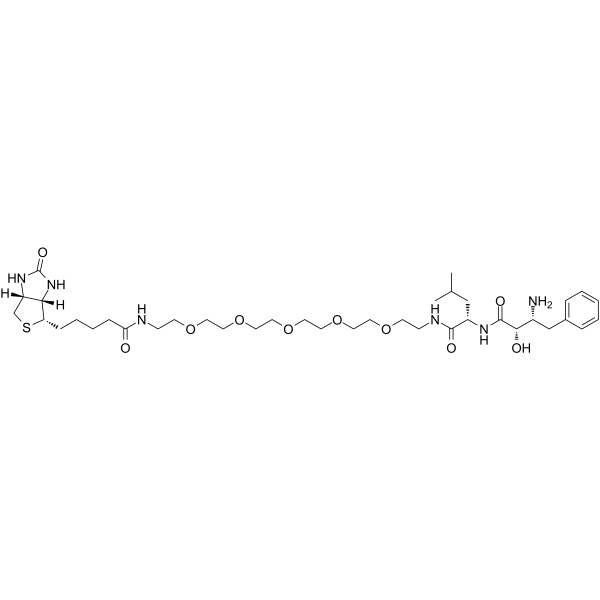
Biotin-BS contains two different ligands, methyl-bestatin (MeBS) for cIAP1 and biotin, which are connected by linkers. MeBS as a ligand for cellular inhibitor of apoptosis protein 1 (cIAP1) ubiquitin ligase .
|
-
- HY-169850
-
|
|
Drug Intermediate
|
Others
|
|
7,8-Dihydroxy-4H-chromen-4-one is an active small molecule, that can be used as building block for synthesis of E3 ubiquitin-protein ligase inhibitor .
|
-

- HY-139095
-
|
|
Phosphodiesterase (PDE)
|
Inflammation/Immunology
|
|
Cipamfylline is a PDE4 inhibitor that can cause PDE4A4 to accumulate in specific areas of the cell through interaction with the ubiquitin scaffolding protein p62. Cipamfylline can be used in the research of atopic dermatitis .
|
-

- HY-161446
-
|
|
Deubiquitinase
|
Cancer
|
|
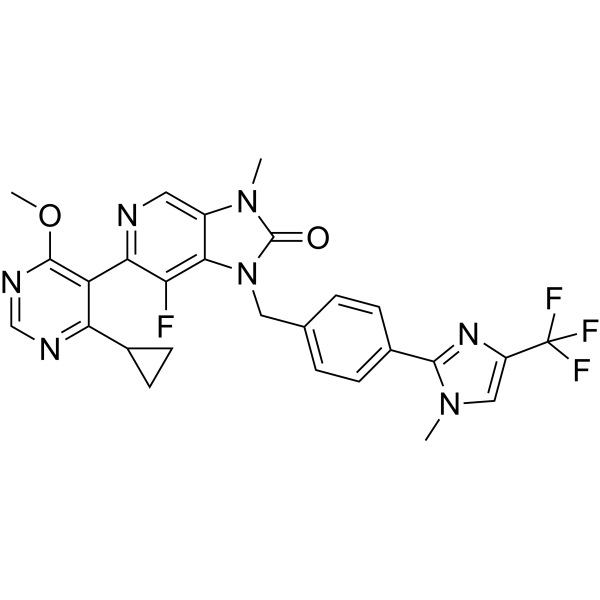
USP1-IN-7 (Compound 3) is an inhibitor for ubiquitin specific peptidase 1 (USP1) and its cofactor UAF1, with IC50 ≤50 nM. USP1-IN-7 inhibits proliferation of MDA-MB-436 with IC50 ≤50 nM .
|
-
- HY-161447
-
|
|
Deubiquitinase
|
Cancer
|
|
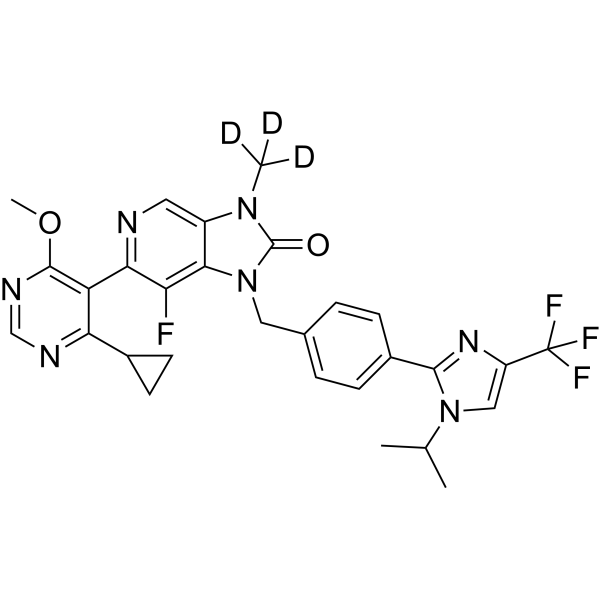
USP1-IN-8 (Compound 16) is an inhibitor for ubiquitin specific peptidase 1 (USP1) and its cofactor UAF1, with IC50 ≤50 nM. USP1-IN-8 inhibits proliferation of MDA-MB-436 with IC50 ≤50 nM .
|
-
- HY-125660
-
|
|
E1/E2/E3 Enzyme
MDM-2/p53
|
Infection
|
|
Leucettamol A is an inhibitor of Ubc13 (ubiquitin E2 enzyme)-Uev1A interaction, with an IC50 of 50 μg/mL. Leucettamol A can potentially activate the expression of cancer suppressor p53 and is a precursor of anticancer agents. Leucettamol A can be isolated from a marine sponge, Leucetta aff. Microrhaphis .
|
-

- HY-100738R
-
|
NSC144303 (Standard)
|
Apoptosis
Reference Standards
|
Cancer
|
|
Ubiquitin Isopeptidase Inhibitor I, G5 (Standard) is the analytical standard of Ubiquitin Isopeptidase Inhibitor I, G5 (HY-100738). This product is intended for research and analytical applications. Ubiquitin Isopeptidase Inhibitor I, G5 (NSC 144303) is an apoptosome-independent caspase and apoptosis activator with IC50 values of 1.76 and 1.6 μM in E1A and E1A/C9DN cells, respectively.
|
-

- HY-180994
-
|
|
HDAC
|
Cancer
|
|
HDAC6-IN-72 is a HDAC6 zinc finger ubiquitin-binding domain (ZnF-UBD) inhibitor that inhibits the interaction between HDAC6 ZnF-UBD and ubiquitin with an IC50 of 2.7 μM. HDAC6-IN-72 can be used for the research of breast cancer, colorectal cancer, multiple myeloma .
|
-

- HY-181949
-
|
|
PROTACs
Epigenetic Reader Domain
|
Cancer
|
|
PROTAC BRD9 Degrader-10 is a PROTAC degrader targeting BRD9, with an IC50 of 2.97 μM against BRD9. PROTAC BRD9 Degrader-10 induces BRD9 degradation via the ubiquitin-proteasome system by recruiting the VHL E3 ubiquitin ligase. PROTAC BRD9 Degrader-10 reduces the viability and inhibits the proliferation of myeloid leukemia cells. PROTAC BRD9 Degrader-10 is applicable for the research of acute myeloid leukemia .
|
-

- HY-100487R
-
|
MLN7243 (Standard)
|
E1/E2/E3 Enzyme
Reference Standards
NF-κB
Apoptosis
|
Cancer
|
|
TAK-243 (Standard) is the analytical standard of TAK-243 (HY-100487). This product is intended for research and analytical applications. TAK-243 (MLN7243) is a first-in-class, selective ubiquitin activating enzyme, UAE (UBA1) inhibitor (IC50=1 nM), which blocks ubiquitin conjugation, disrupting monoubiquitin signaling as well as global protein ubiquitination. TAK-243 (MLN7243) induces endoplasmic reticulum (ER) stress, abrogates NF-κB pathway activation and promotes apoptosis .
|
-

- HY-100739R
-
|
|
Proteasome
Reference Standards
|
Cancer
|
|
RA190 (Standard) is the analytical standard of RA190 (HY-100739). This product is intended for research and analytical applications. RA190, a bis-benzylidine piperidon, inhibits proteasome function by covalently binding to cysteine 88 of ubiquitin receptor RPN13.
|
-

- HY-A0003S2
-
|
CC-5013-13C5,15N
|
Ligands for E3 Ligase
Apoptosis
Molecular Glues
Isotope-Labeled Compounds
|
Inflammation/Immunology
Cancer
|
|
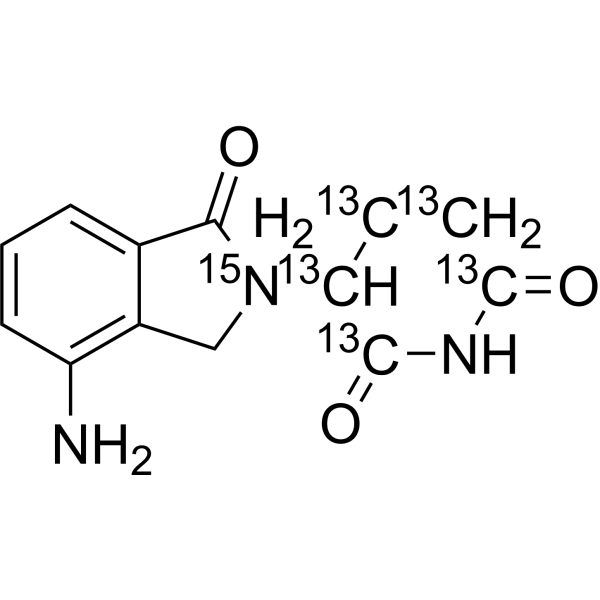
Lenalidomide- 13C5, 15N is 15N and 13C labeled Lenalidomide (HY-A0003). Lenalidomide (CC-5013), a derivative of Thalidomide, acts as molecular glue. Lenalidomide is an orally active immunomodulator. Lenalidomide (CC-5013) is a ligand of ubiquitin E3 ligase cereblon (CRBN), and it causes selective ubiquitination and degradation of two lymphoid transcription factors, IKZF1 and IKZF3, by the CRBN-CRL4 ubiquitin ligase. Lenalidomide (CC-5013) specifically inhibits growth of mature B-cell lymphomas, including multiple myeloma, and induces IL-2 release from T cells .
|
-
- HY-A0003S3
-
|
CC-5013-d4
|
Isotope-Labeled Compounds
Apoptosis
Molecular Glues
Ligands for E3 Ligase
|
Inflammation/Immunology
Cancer
|
|
Lenalidomide-d4 (CC-5013-d4) is deuterium labeled Lenalidomide. Lenalidomide (CC-5013), a derivative of Thalidomide, acts as molecular glue. Lenalidomide is an orally active immunomodulator. Lenalidomide (CC-5013) is a ligand of ubiquitin E3 ligase cereblon (CRBN), and it causes selective ubiquitination and degradation of two lymphoid transcription factors, IKZF1 and IKZF3, by the CRBN-CRL4 ubiquitin ligase. Lenalidomide (CC-5013) specifically inhibits growth of mature B-cell lymphomas, including multiple myeloma, and induces IL-2 release from T cells .
|
-

- HY-183689
-
|
|
Deubiquitinase
|
Cancer
|
|
OAT-4828 is an orally active ubiquitin-specific protease 7 (USP7) inhibitor with an IC50 of 32 nM. OAT-4828 induces antileukemic activity in B-cell-derived non-Hodgkin's lymphoma models via inhibition of USP7. OAT-4828 is applicable to research related to chronic lymphocytic leukemia .
|
-

- HY-14658
-
-
- HY-172595
-
|
|
Apoptosis
E1/E2/E3 Enzyme
|
Cancer
|
|
Apoptosis inducer 48 (5d) is an apoptotic agent. Apoptosis inducer 48 inhibits the growth of triple-negative breast cancer cells. Apoptosis inducer 48 attenuates proteasomal degradation via the ubiquitin-proteasome pathway, leading to G2/M phase cell cycle arrest and the induction of apoptotic .
|
-

- HY-173002
-
|
|
DNA Methyltransferase
|
Cancer
|
|
MS9024 is the degrader for DNA methyltransferase 1 that degrades DNMT1 in cell HCT116 through the ubiquitin-proteasome pathway with a DC50 of 35 nM (DC50 in MDA-MB-468 and H1299 is 254 nM and 101 nM). MS9024 also inhibits DNMT1 with an IC50 of 0.43 μM .
|
-

- HY-101666R
-
|
|
Deubiquitinase
Reference Standards
Apoptosis
MDM-2/p53
|
Metabolic Disease
Cancer
|
|
HBX 41108 (Standard) is the analytical standard of HBX 41108 (HY-101666). This product is intended for research and analytical applications. HBX 41108 is an inhibitor of ubiquitin-specific protease 7 (USP7) with an IC50 of 424 nM. HBX 41108 inhibits USP7-mediated p53 deubiquitination to stabilize p53 and inhibits cancer cell growth. BX 41108 can be used in cancer and diabetes research .
|
-

- HY-14658S
-
-
- HY-18638
-
|
4,5,6,7-Tetrachloroindan-1,3-dione
|
Deubiquitinase
|
Neurological Disease
|
|
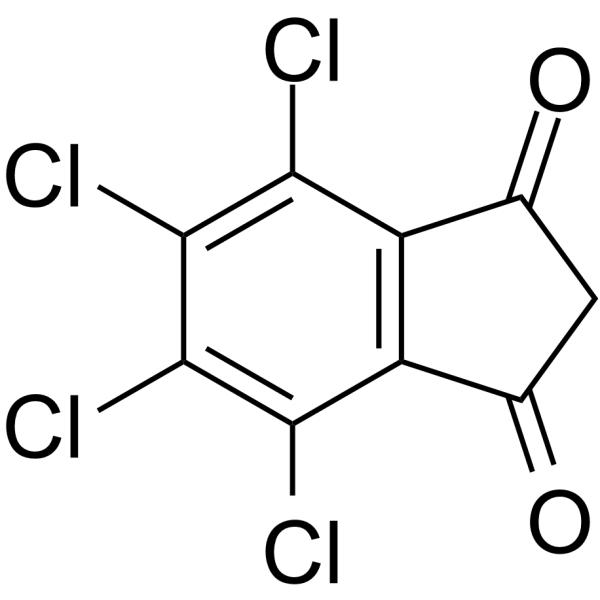
TCID (4,5,6,7-Tetrachloroindan-1,3-dione) is a potent and selective neuronal ubiquitin C-terminal hydrolase (UCH-L3) inhibitor with an IC50 of 0.6 μM . TCID diminishes glycine transporter GlyT2 ubiquitination in brainstem and spinal cord primary neurons .
|
-
- HY-17421R
-
|
TU-199 (Standard)
|
Proton Pump
Reference Standards
|
Infection
Inflammation/Immunology
|
|
Tenatoprazole (Standard) is the analytical standard of Tenatoprazole. This product is intended for research and analytical applications. Tenatoprazole (TU-199) is an orally active imidazopyridine-based proton pump inhibitor with a prolonged plasma half-life. Tenatoprazole inhibits hog gastric H+/K+-ATPase activity with an IC50 of 6.2 μM. Tenatoprazole blocks the interaction of ubiquitin with the ESCRT-1 factor Tsg101, inhibits production of several enveloped viruses, including EBV .
|
-

- HY-44432
-
|
ABT-263-piperazine
|
Ligands for Target Protein for PROTAC
Bcl-2 Family
|
Cancer
|
|
Navitoclax-piperazine (ABT-263-piperazine) is a Navitoclax (HY-10087) analog and BCL-XL inhibitor. Navitoclax-piperazine is the ligand for target protein of PROTAC DT2216 (HY-130604). Navitodax-pperaie and E3 ubiquitin ligase VHL ligand can be used to synthesize PROTAC DT2216 (HY-130604) .
|
-
- HY-114366
-
|
|
CXCR
|
Others
|
|
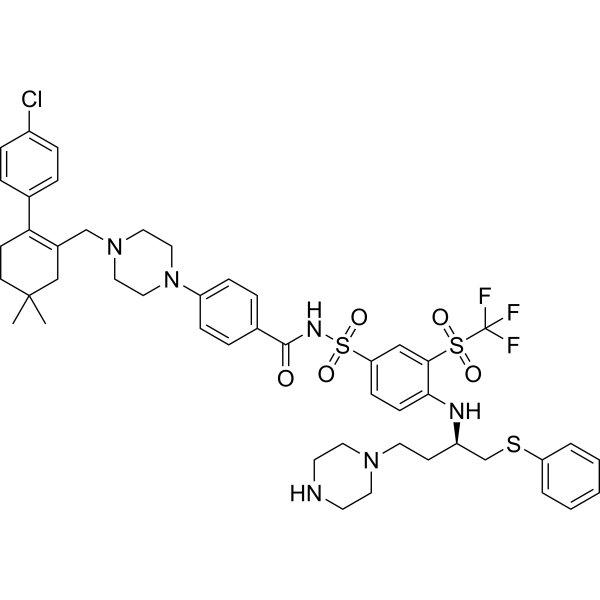
BC-1485 is a small molecule inhibitor of Fibrosis-inducing E3 ligase 1 (FIEL1). BC-1485 protects PIAS4 from ubiquitin-mediated degradation. BC-1485 decreases α-SMA, BAL and CXCL1. BC-1485 ameliorates fibrotic lung injury in murine models .
|
-

- HY-103046
-
|
|
E1/E2/E3 Enzyme
|
Inflammation/Immunology
|
|
UbcH5c-IN-1 (compound 6d) is a potent and selective small-molecule inhibitor of Ubiquitin-conjugating enzyme UbcH5c, with a Kd of 283 nM for E2 UbcH5c-IN-1 by covalent binding with Cys85. A promising lead compound for the development of new antirheumatoid arthritis (RA) agent .
|
-
- HY-160864
-
|
HWA 448
|
Phosphodiesterase (PDE)
|
Cancer
|
|
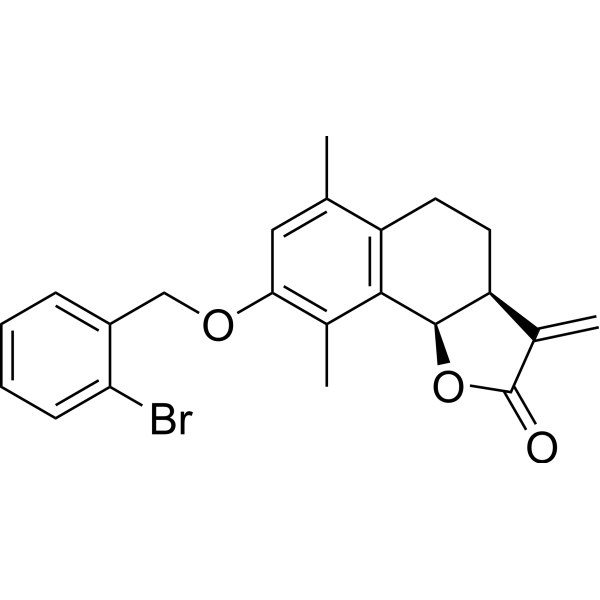
Torbafylline is a PDE inhibitor. Torbafylline mitigates protein breakdown in rat skeletal muscle following burns by activating the PDE4/cAMP/EPAC/PI3K/Akt signaling pathway. Torbafylline suppresses the increased ubiquitin-proteasome-dependent protein degradation observed in the skeletal muscles of rats susceptible to cancer and sepsis .
|
-
- HY-N7695
-
|
|
Apoptosis
Autophagy
|
Cancer
|
|
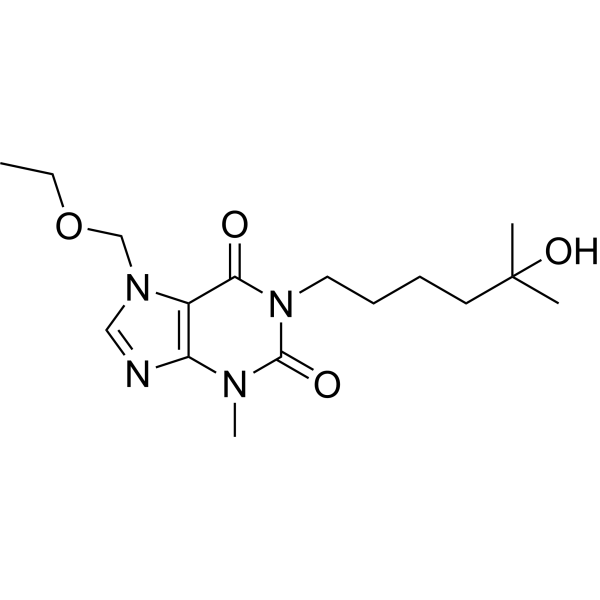
Physalin B, one of the major active steroidal constituents of Cape gooseberry, induces cell cycle arrest and triggers apoptosis in breast cancer cells through modulating p53-dependent apoptotic pathway. Physalin B inhibits the ubiquitin-proteasome pathway and induces incomplete autophagic response in human colon cancer cells in vitro .
|
-
- HY-162281
-
|
|
PROTACs
SOS1
Ras
|
Cancer
|
|
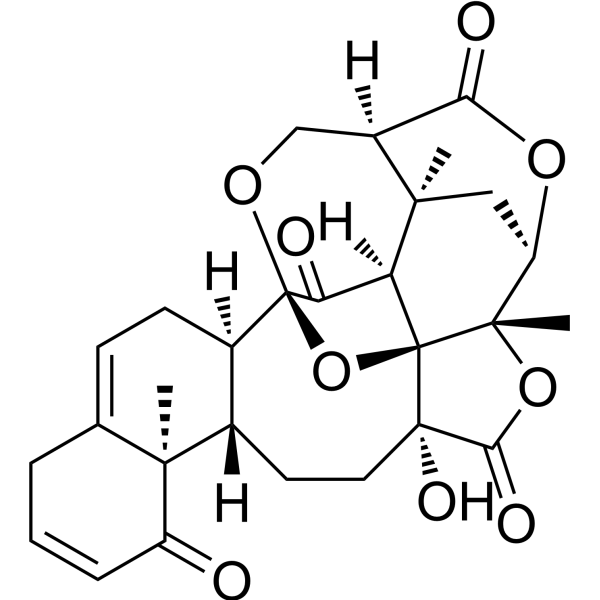
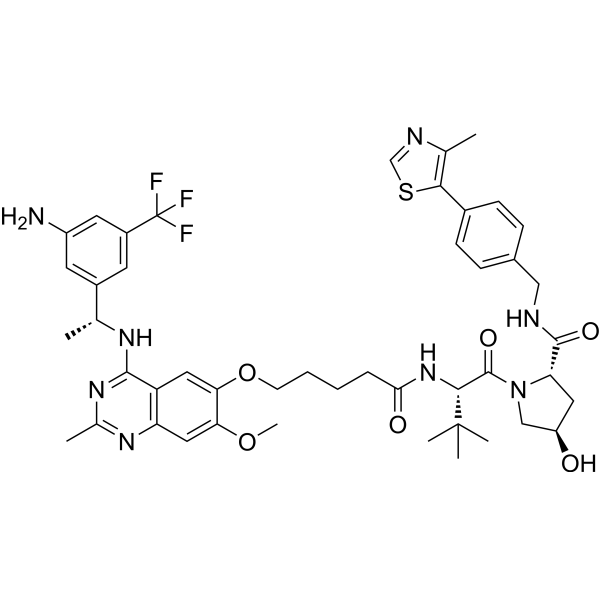
PROTAC SOS1 degrader-6 (compound 23) is an effective SOS1 PROTACs degrader that synergizes with KRAS G12C inhibitors . PROTAC SOS1 degrader-6 consists of the target protein ligand (red part) SOS1 Ligand intermediate-7 (HY-169371), E3 ubiquitin ligase ligand (blue part) (S,R,S)-AHPC (HY-125845), and PROTAC linker (black part) 5-Bromopentanoic acid (HY-W016456). Among them, the E3 ubiquitin ligase ligand + linker can form (S,R,S)-AHPC-CO-C4-bromine (HY-169372).
|
-
- HY-182392
-
|
|
DNA/RNA Synthesis
|
Inflammation/Immunology
|
|
NFYi5 is a nuclear transcription factor-Y (NF-Y) inhibitor. NFYi5 disrupts the binding of NF-Y to DNA, accelerates the ubiquitin-independent degradation of the NF-YA subunit, and reduces the transcriptional activity of NF-Y. As an antimitotic agent, NFYi5 decreases the mRNA levels of NF-Y target genes without affecting the expression of housekeeping genes, and inhibits cell proliferation. NFYi5 can be used in the research of tissue fibrosis .
|
-

- HY-W679138
-
|
|
E1/E2/E3 Enzyme
Heme Oxygenase (HO)
|
Neurological Disease
|
|
N,N-dimethyldithiocarbamate potassium is a ubiquitin-activating enzyme E1 inhibitor. N,N-dimethyldithiocarbamate potassium inhibits the activation of E1 and reduces the level of activated ubiquitinated E1 (ub-E1). N,N-dimethyldithiocarbamate potassium increases intracellular copper levels, enhances oxidative stress, elevates protein carbonyl levels, and upregulates the expression of HO-1 . N,N-dimethyldithiocarbamate potassium is applicable to research related to Parkinson's disease .
|
-

- HY-162679
-
|
|
c-Met/HGFR
Apoptosis
|
Cancer
|
|
c-Met degrader-1 (Compound H11) is an orally active c-Met degrader (through the ubiquitin proteasome system). c-Met degrader-1 has anti-hepatocellular carcinoma activity (HCC) and inhibits tumor growth in MHCC97H xenografts. c-Met degrader-1 inhibits HCC cell growth, arrests cell cycle, and induces apoptosis. c-Met degrader-1 may overcome resistance to type Ib inhibitors .
|
-

- HY-171825
-
|
|
PROTACs
Anaplastic lymphoma kinase (ALK)
|
Cancer
|
|
SIAIS001 is a CRBN-dependent ALK PROTAC degrader with a DC50 of 3.9 nM. SIAIS001 induces ALK protein degradation via the ubiquitin-proteasome system. SIAIS001 induces G1/S phase cell cycle arrest and inhibits proliferation of cancer cells. SIAIS001 can be used for the research of anaplastic large-cell lymphomas .
|
-

- HY-134817
-
|
|
Deubiquitinase
|
Cancer
|
|
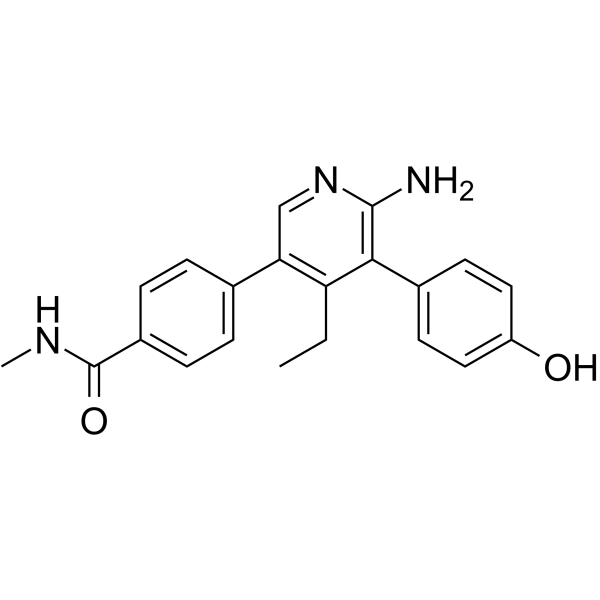
USP7-IN-8 (example 81) is a selective ubiquitin-specific protease 7 (USP7) inhibitor with an IC50 of 1.4 μM in an Ub-Rho110 assay. USP7-IN-8 shows no activity against USP47 and USP5. USP7-IN-8 has anticancer effects .
|
-
- HY-130604
-
DT2216
2 Publications Verification
|
Bcl-2 Family
PROTACs
Apoptosis
|
Inflammation/Immunology
Cancer
|
|
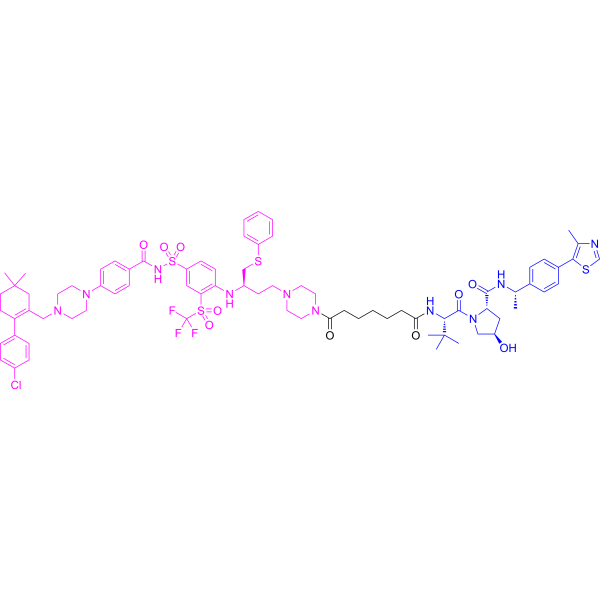
DT2216 is a potent and selective BCL-XL (Bcl-2 family member) degrader based on PROTAC technology. DT2216 causes effective degradation of BCL-XL protein by recruiting Von Hippel-Lindau (VHL) E3 ubiquitin ligase. DT2216 inhibits various BCL-XL-dependent leukemia and cancer cells but considerably less toxic to platelets .
|
-
- HY-147942
-
|
|
PROTACs
EGFR
|
Cancer
|
|
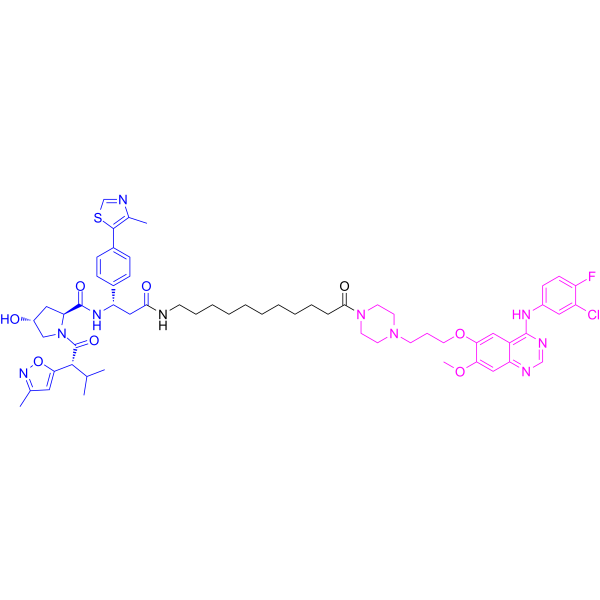
MS9449 is a potent PROTAC EGFR degrader with Kds of 17 nM and 10 nM for EGFR WT and EGFR L858R, respectively. MS9449 effectively induces degradation of mutant EGFRs through both the ubiquitin/proteasome system (UPS) and autophagy/lysosome pathways. MS9449 potently inhibits the proliferation of NSCLC cells. MS9449 can be used for researching anticancer .
|
-
- HY-168267
-
|
|
Deubiquitinase
|
Infection
Cancer
|
|
XH161-180 is a potent and orally active ubiquitin carboxyl-terminal hydrolase 2 (USP2) inhibitor. XH161-180 decreases the protein of cyclin D and ACE2. XH161-180 shows antiproliferative activity. XH161-180 has the potential for the research of cancer and virus infection depending on ACE2 .
|
-

- HY-112937
-
|
|
Deubiquitinase
|
Cancer
|
|
GNE-6640 is a selective and non-covalent inhibitor of ubiquitin epecific peptidase 7 (USP7), with IC50 values of 0.75 μM, 0.43 μM, 20.3 μM and 0.23 μM for full length USP7, USP7 catalytic domain, full length USP47 and Ub-MDM2, respectively .
|
-
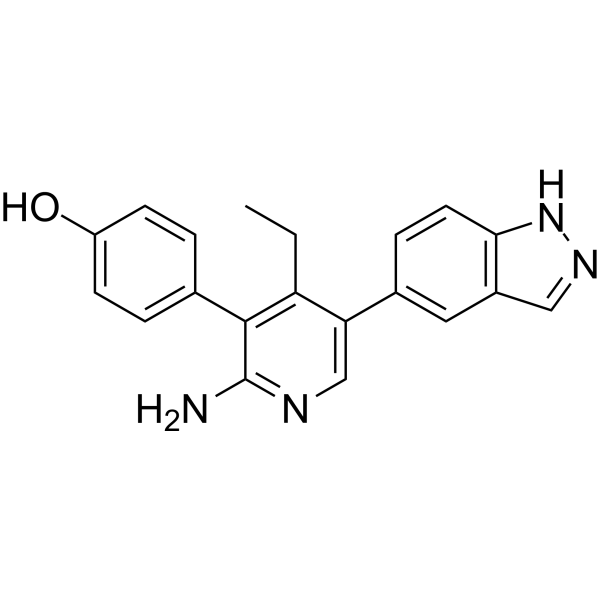
- HY-179688
-
|
|
PROTACs
CDK
|
Cancer
|
|
PROTAC CDK2/4 Degrader-1 (Compound 5) is a CDK2/4 PROTAC degrader, with its DC50 values for CDK2 and CDK4 both ≤ 10 nM. PROTAC CDK2/4 Degrader-1 exhibits excellent inhibitory activity against cell proliferation in OVCAR3 and T47D cells. PROTAC CDK2/4 Degrader-1 can be used for research on breast cancer and ovarian cancer .
|
-

- HY-122570
-
|
|
E1/E2/E3 Enzyme
|
Others
|
|
VHL Ligand 38 (Compound 1) is a competitive E3 ubiquitin-protein ligase VHL inhibitor with IC50s of 4.1 and 7.0 μM in 1% and 10% DMSO, respectively. VHL Ligand 38 contains a hydroxyproline residue and an isoxazolylacetamide fragment. VHL Ligand 38 significantly inhibits the binding of a fluorescent peptide derived from HIF1α (FAM-DEALA-Hyp-YIPD) (HY-P5908F) to VHL .
|
-

- HY-147941
-
|
|
PROTACs
EGFR
|
Inflammation/Immunology
Cancer
|
|
MS9427 is a potent PROTAC EGFR degrader with Kds of 7.1 nM and 4.3 nM for EGFR WT and EGFR L858R, respectively. MS9427 selectively degrades the mutant but not the WT EGFR through both the ubiquitin/proteasome system (UPS) and autophagy/lysosome pathways. MS9427 potently inhibits the proliferation of NSCLC cells. MS9427 can be used for researching anticancer .
|
-
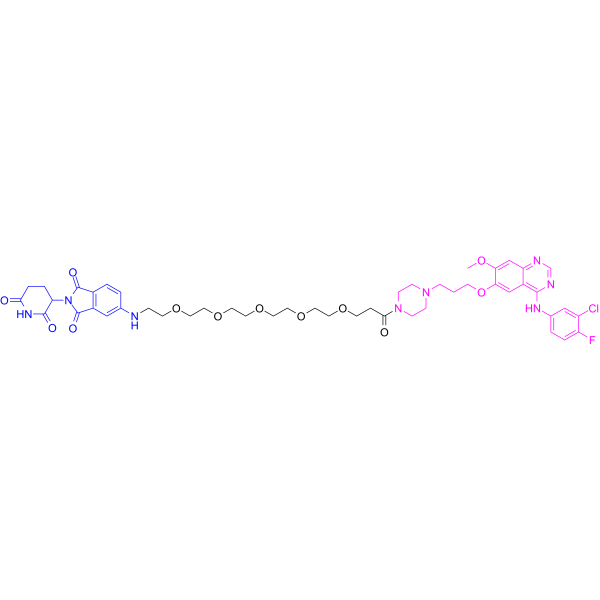
- HY-183799
-
|
|
PROTACs
IRAK
NF-κB
p38 MAPK
|
Inflammation/Immunology
|
|
GSI526 is a IRAK4 PROTAC degrader (DC50=40.17 nM, Dmax=97%; THP-1) based on the VHL ubiquitin-proteasome system. GSI526 inhibits IRAK4-mediated NF-κB and MAPK inflammatory signaling pathways, and induces IRAK4 degradation in myeloid cells. GSI526 is applicable to inflammation-related research .
|
-

- HY-D1726
-
|
|
Deubiquitinase
|
Cancer
|
|
8RK59, a Bodipy probe, is a potent UCHL1 (ubiquitin C-terminal hydrolase L1) inhibitor, with an IC50 close to 1 μM. 8RK59 could penetrate and label living cells. BodipyFL-alkyne is coupled to the azide of 8RK64 (HY-148254) using copper(I)-mediated click chemistry, resulting in compound 8RK59 .
|
-
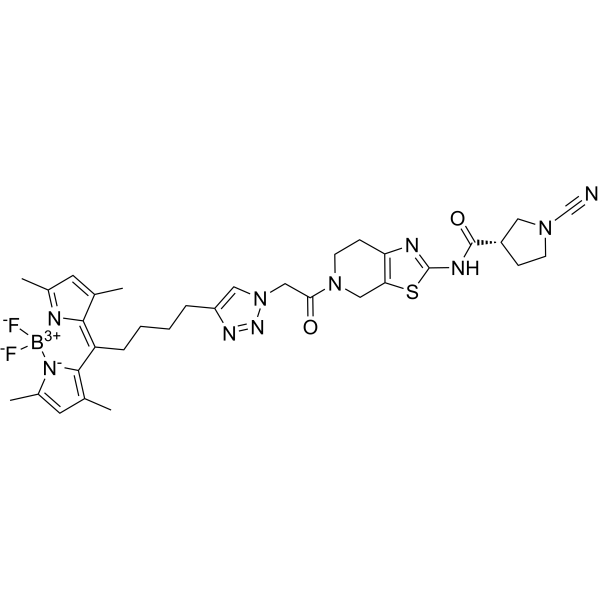
- HY-181787
-
|
|
PROTACs
Histone Methyltransferase
|
Cardiovascular Disease
|
|
DOT1L705 is a PROTAC degrader that targets DOT1L. DOT1L705 recruits the VHL E3 ubiquitin ligase to induce proteasomal degradation of DOT1L. DOT1L705 reduces the viability of leukemia cells. DOT1L705 inhibits H3K79 methylation. DOT1L705 can be used in studies related to MLL-rearranged leukemia .
|
-

- HY-181153
-
|
|
PROTACs
FGFR
|
Cancer
|
|
PROTAC FGFR3 Degrader-1 is a fibroblast growth factor receptor 3 (FGFR3) PROTAC degrader, promotes FGFR3 degradation via the ubiquitin-proteasome pathway, and inhibits the downstream FGFR3/PI3K/AKT signaling pathway. PROTAC FGFR3 Degrader-1 can be used for the research of hepatocellular carcinoma .
|
-

- HY-14658R
-
|
|
Ligands for E3 Ligase
Autophagy
Apoptosis
Reference Standards
|
Inflammation/Immunology
Cancer
|
|
Thalidomide (Standard) is the analytical standard of Thalidomide. This product is intended for research and analytical applications. Thalidomide inhibits cereblon (CRBN), a part of the cullin-4 E3 ubiquitin ligase complex CUL4-RBX1-DDB1, with a Kd of ∼250 nM, and has immunomodulatory, anti-inflammatory and anti-angiogenic cancer properties. Thalidomide can work as molecular glue to potentiate substrate.
|
-

- HY-183997
-
|
|
E1/E2/E3 Enzyme
Interleukin Related
|
Cancer
|
|
Cbl-b-IN-33 is an orally active, selective inhibitor of Casitas B-lineage lymphoma-b (Cbl-b) with an IC50 of 7 nM and a Kd of 1.2 nM. Cbl-b-IN-33 inhibits non-phosphorylated E3 ubiquitin ligase Cbl-b, induces IL-2 activation in peripheral blood mononuclear cells, and exerts tumor growth inhibitory effects in a mouse colon cancer model. Cbl-b-IN-33 can be used for the research of colon cancer .
|
-

- HY-13811
-
|
|
E1/E2/E3 Enzyme
Apoptosis
|
Cancer
|
|
NSC697923 is a potent UBE2N (ubiquitin-conjugating enzyme E2 N, Ubc13) inhibitor. NSC697923 induces neuroblastoma (NB) cell death via promoting nuclear importation of p53 in p53 wild-type NB cells. NSC697923 also induces cell death in p53 mutant NB cells by activation of JNK-mediated apoptotic pathway. NSC697923 inhibits DNA damage and NF-κB signaling. Antitumor activity .
|
-
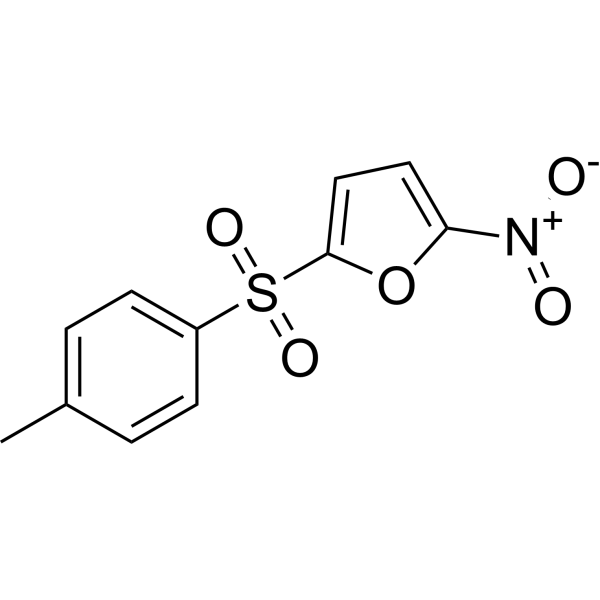
- HY-P10412
-
|
ANXA1-derived 11 amino acid-long peptide
|
Ephrin Receptor
Annexin A
|
Cancer
|
|
A11 (ANXA1-derived 11 amino acid-long peptide) is a ANXA1-EphA2 interaction-blocking peptide. A11 reduces ANXA1 bound to EphA2 and increases Cbl (the E3 ubiquitin ligase of EphA2) bound to EphA2. A11 inhibits the proliferation, migration and invasion of nasopharyngeal carcinoma cells. A11 inhibits angiogenesis. A11 can be used in studies related to nasopharyngeal carcinoma .
|
-

- HY-P10412A
-
|
ANXA1-derived 11 amino acid-long peptide acetate
|
Ephrin Receptor
Annexin A
|
Cancer
|
|
A11 (ANXA1-derived 11 amino acid-long peptide) acetate is a ANXA1-EphA2 interaction-blocking peptide. A11 acetate reduces ANXA1 bound to EphA2 and increases Cbl (the E3 ubiquitin ligase of EphA2) bound to EphA2. A11 acetate inhibits the proliferation, migration and invasion of nasopharyngeal carcinoma cells. A11 acetate inhibits angiogenesis. A11 acetate can be used in studies related to nasopharyngeal carcinoma .
|
-

- HY-100900
-
|
|
Deubiquitinase
|
Cancer
|
|
ML364 is a selective ubiquitin specific peptidase 2 (USP2) inhibitor (IC50=1.1 μM) with anti-proliferative activity, which direct binds to USP2 (Kd=5.2 μM), induces an increase in cellular cyclin D1 degradation and causes cell cycle arrest. ML364 increases the levels of mitochondrial ROS and decreases in the intracellular content of ATP .
|
-
- HY-108702R
-
|
|
Reference Standards
E1/E2/E3 Enzyme
|
Cancer
|
|
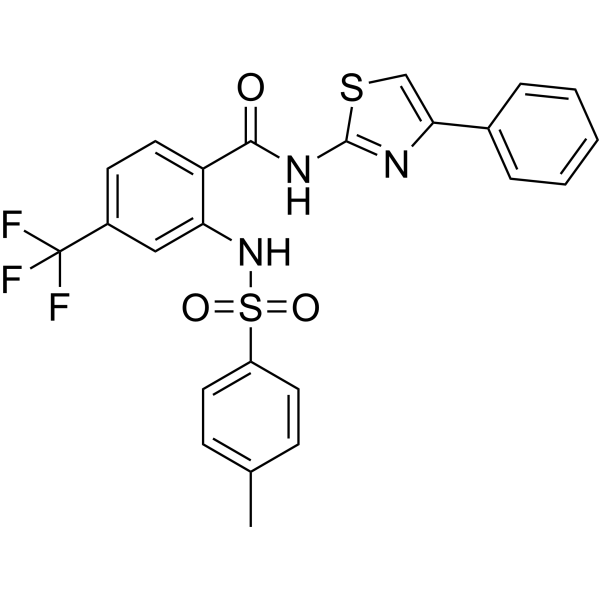
ML-792 (Standard) is the analytical standard of ML-792 (HY-108702). This product is intended for research and analytical applications. ML-792 is a potent and selective inhibitor of SAE/SUMO1 and SAE/SUMO2 in enzymatic assays (IC50 values of 3 and 11 nM, respectively) compared with NAE/NEDD8 and UAE/ubiquitin (IC50> values of 32 μM and >100 μM, respectively) .
|
-

- HY-147941A
-
|
|
PROTACs
EGFR
|
Infection
Inflammation/Immunology
Cancer
|
|
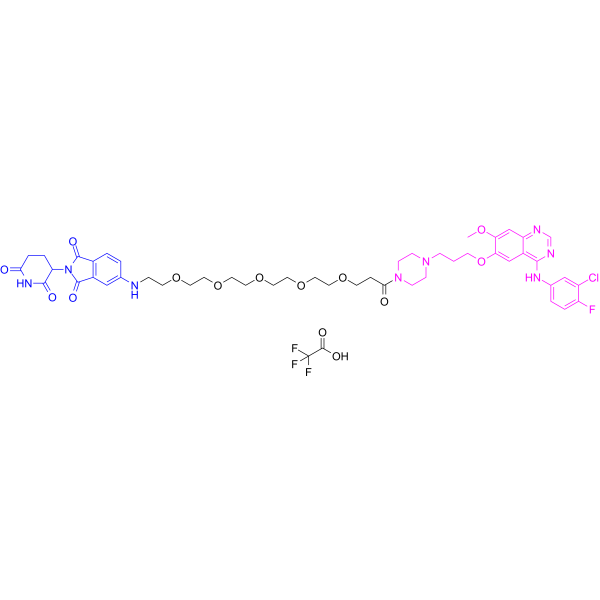
MS9427 TFA is a potent PROTAC EGFR degrader with Kds of 7.1 nM and 4.3 nM for EGFR WT and EGFR L858R, respectively. MS9427 TFA selectively degrades the mutant but not the WT EGFR through both the ubiquitin/proteasome system (UPS) and autophagy/lysosome pathways. MS9427 TFA potently inhibits the proliferation of NSCLC cells. MS9427 TFA can be used for researching anticancer .
|
-
- HY-150797
-
|
QA-68-ZU81
|
PROTACs
Epigenetic Reader Domain
|
Inflammation/Immunology
Cancer
|
|
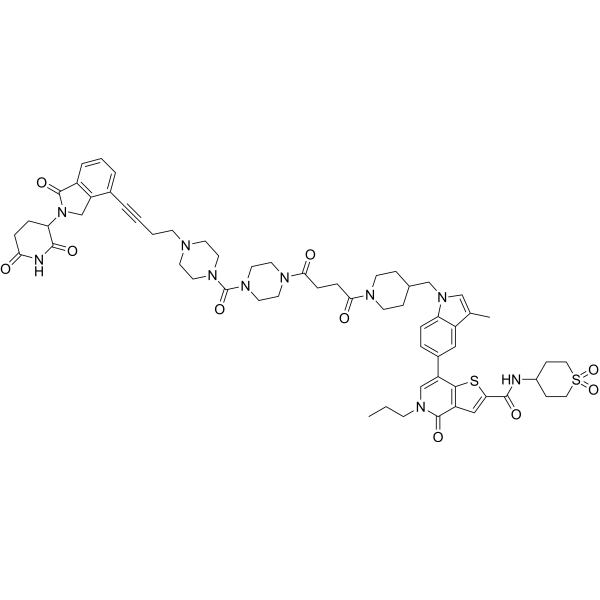
QA-68 (QA-68-ZU81) is an effective PROTAC-class BRD9 degrader. QA-68 can inhibit cell cycle progression and cell colony formation. QA-68 has antiproliferative activity against acute myeloid leukemia (AML) cell lines . QA-68 can be formed by a target protein ligand (red part) EA-89 (HY-170314), an E3 ubiquitin ligase ligand (blue part) Lenalidomide-I (HY-131318), and a PROTAC linker (black part) Ethyne-C2-Pip-CO-Pip-Boc (HY-170315). E3 ubiquitin ligase and linker can form Lenalidomide-ethyne-C2-Pip-CO-Pip (HY-170319).
|
-
- HY-141431
-
|
|
E1/E2/E3 Enzyme
|
Inflammation/Immunology
Cancer
|
|
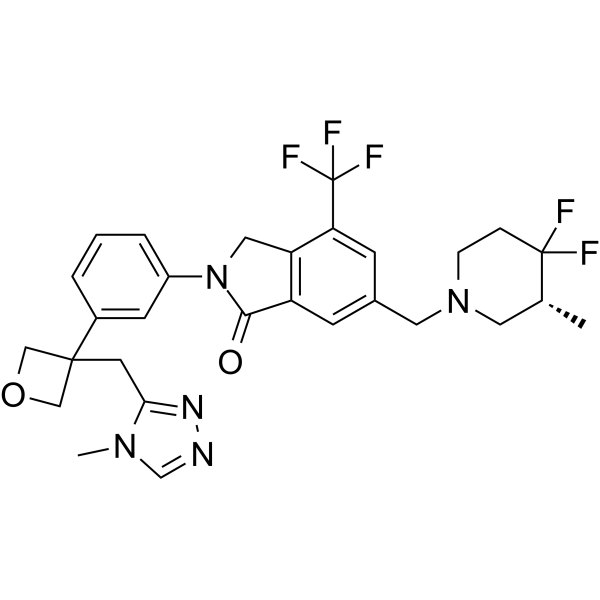
Cbl-b-IN-2 (Example 8) is an orally bioavailable compound, can inhibit the E3 enzyme Casitas B-lineage lymphoma proto-oncogene-b (Cbl-b) in the ubiquitin proteasome pathway. Cbl-b-IN-2 can be used to modulate the immune system and diseases amenable to immune system modulation. Cbl-b-IN-2 (Example 8) also may be administered to an individual with cancer, either alone or as part of a combination, with one or more of an immune checkpoint inhibitor, an anti-neoplastic agent, and radiation agent .
|
-
- HY-168566
-
|
|
HSP
|
Cancer
|
|
EV206 is a Hsp70 binder and apoptosis inducer that binds to the N-terminal domain of Hsp70, promotes Hsp70 degradation via the ubiquitin-proteasome system, and reduces Hsp70 protein stability. EV206 induces apoptotic cell death, inhibits colony formation, and downregulates the expression of cancer stem cell-related markers in non-small cell lung cancer cells. EV206 inhibits the growth of H460 xenograft tumors in nude mice and can be used for the research of non-small cell lung cancer .
|
-

- HY-P2483B
-
|
|
Bacterial
Proteasome
|
Infection
Inflammation/Immunology
Cancer
|
|
Octaarginine acetate is a cell-penetrating peptide and proteasome inhibitor. Octaarginine acetate exhibits mixed-type inhibition against 20S proteasome chymotrypsin-like, caspase-like, and trypsin-like activities, and inhibits 26S proteasome activity with decreased efficiency. Octaarginine acetate induces ubiquitin-conjugated protein accumulation, mediates HSPG-dependent cellular internalization via macropinocytosis, enhances liposomal cargo uptake and gene delivery. Octaarginine acetate can be used for the research of cervix carcinoma, collagen antibody-induced arthritis, and bacterial infections .
|
-

- HY-P2483
-
|
|
Proteasome
Bacterial
|
Infection
Inflammation/Immunology
Cancer
|
|
Octaarginine is a cell-penetrating peptide and proteasome inhibitor. Octaarginine exhibits mixed-type inhibition against 20S proteasome chymotrypsin-like, caspase-like, and trypsin-like activities, and inhibits 26S proteasome activity with decreased efficiency. Octaarginine induces ubiquitin-conjugated protein accumulation, mediates HSPG-dependent cellular internalization via macropinocytosis, enhances liposomal cargo uptake and gene delivery. Octaarginine can be used for the research of cervix carcinoma, collagen antibody-induced arthritis, and bacterial infections .
|
-

- HY-13453
-
BAY 11-7082
Maximum Cited Publications
450 Publications Verification
BAY 11-7821
|
IKK
Deubiquitinase
Autophagy
Apoptosis
NF-κB
|
Inflammation/Immunology
Cancer
|
|
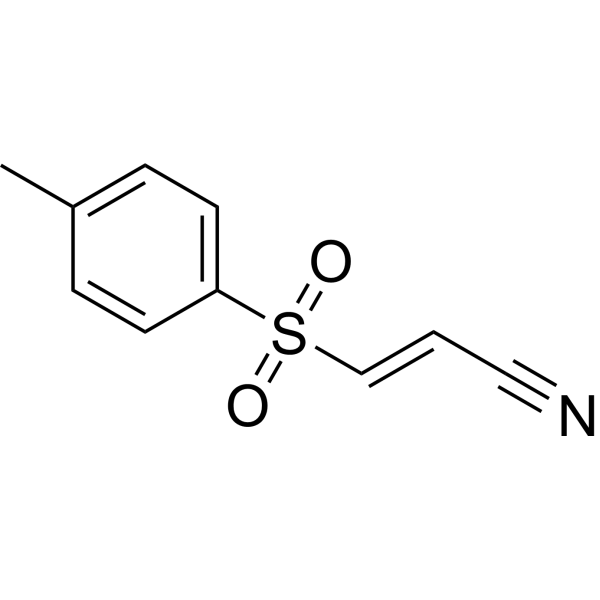
BAY 11-7082 is an IκBα phosphorylation and NF-κB inhibitor. BAY 11-7082 selectively and irreversibly inhibits the TNF-α-induced phosphorylation of IκB-α, and decreases NF-κB and expression of adhesion molecules. BAY 11-7082 inhibits ubiquitin-specific protease USP7 and USP21 (IC50=0.19, 0.96 μM, respectively). BAY 11-7082 inhibits gasdermin D (GSDMD) pore formation in liposomes and inflammasome-mediated pyroptosis and IL-1β secretion in human and mouse cells .
|
-
- HY-15887
-
|
Tip60 HAT inhibitor
|
Histone Acetyltransferase
Epigenetic Reader Domain
Apoptosis
PINK1/Parkin
|
Cardiovascular Disease
Neurological Disease
Inflammation/Immunology
Cancer
|
|
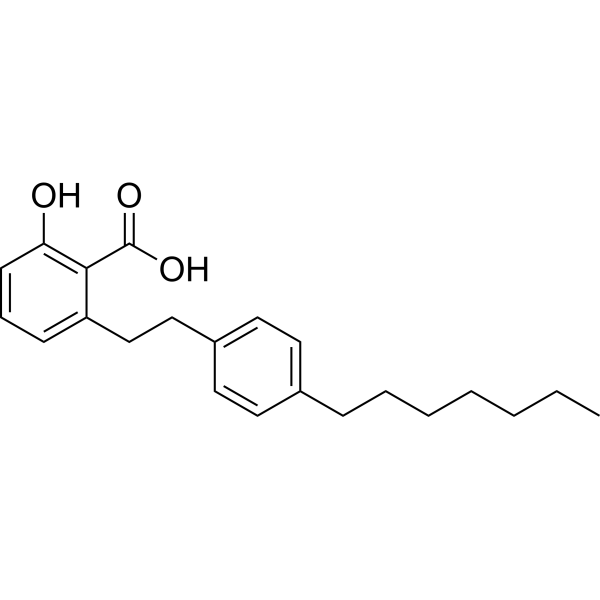
MG149 (Tip60 HAT inhibitor) is a selective and potent Tip60 inhibitor with IC50 of 74 uM, similar potentcy for MOF (IC50 = 47 uM); little potent for PCAF and p300 (IC50 >200 uM). MG 149 inhibits KAT8 and blocks PINK1 kinase activity. MG149 inhibits the phosphorylation of Parkin and ubiquitin, thereby suppressing the initiation of PINK1-dependent mitophagy. MG 149 can reverse chronic restraint stress (CRS) induced hypertension and related molecular changes. MG 149 commonly used in research on diseases such as hypertension and Parkinson's disease .
|
-
- HY-177948
-
|
|
G Protein-coupled Receptor Kinase (GRK)
|
Cardiovascular Disease
|
|
GRK2 degrader-1 (compound 1) is a potent and orally active GRK2 degrader. GRK2 degrader-1 degrades GRK2 via the ubiquitin-proteasome pathway. GRK2 degrader-1 inhibits right ventricular remodeling and elevation of pulmonary artery pressure in a pulmonary artery hypertension (PAH) mouse model. GRK2 degrader-1 can be used for PAH research .
|
-

- HY-163502
-
|
|
PROTACs
STAT
|
Cancer
|
|
PROTAC STAT3 degrader-3 is a STAT3 PROTAC degrader. PROTAC STAT3 degrader-3 recruits the E3 ubiquitin ligase CRBN and induces the degradation of STAT3 protein. PROTAC STAT3 degrader-3 inhibits the proliferation of malignant tumor cells. PROTAC STAT3 degrader-3 can be used for the research of non-small cell lung cancer and liver cancer .
|
-
- HY-174416
-
|
|
E1/E2/E3 Enzyme
|
Cardiovascular Disease
|
|
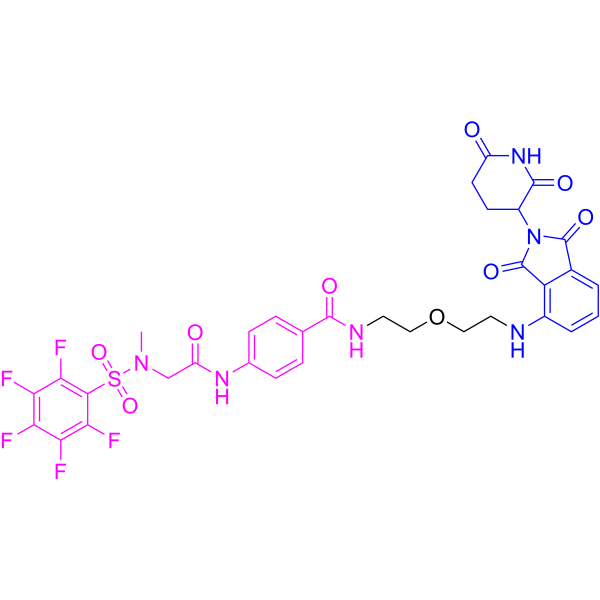
Smurf1-IN-5 (Compound cpd-6) is an allosteric SMAD ubiquitin regulatory factor 1 (SMURF1) inhibitor. Smurf1-IN-5 leads to a reduction in the ubiquitylation of substrates such as BMPR2 (bone morphogenetic protein receptor 2) and SMAD1, enhancing the BMP (bone morphogenetic protein) signaling pathway. Smurf1-IN-5 is promising for research of pulmonary arterial hypertension (PAH) .
|
-

- HY-153775
-
|
|
E1/E2/E3 Enzyme
Apoptosis
|
Cancer
|
|
UC-764864 is a selective UBE2N inhibitor. UC-764864 covalently binds UBE2N catalytic Cys87, blocks ubiquitin-UBE2N thioester formation and polyubiquitin chain synthesis. UC-764864 blocks ubiquitination of innate immune- and inflammatory-related substrates, and induces cell apoptosis. UC-764864 can be used for the research of acute myeloid leukemia .
|
-
- HY-175538
-
|
|
Deubiquitinase
YAP
MDM-2/p53
CDK
Apoptosis
|
Cancer
|
|
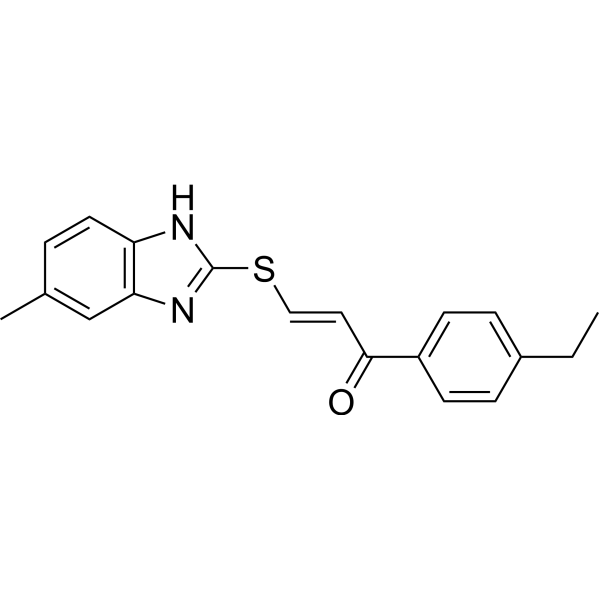
USP10-IN-4 is a potent ubiquitin-specific protease 10 (USP10) inhibitor with an IC50 of 10.87 μM and a Kd of 365 nM. USP10-IN-4 effectively inhibits USP10-mediated proteasomal degradation of downstream proteins YAP and p53, leading to the subsequent downregulation of CDK4 in the p53 signaling pathway. USP10-IN-4 promotes apoptosis in HCC cells and inhibits the onset and progression of liver cancer. USP10-IN-4 can used for the study of hepatocellular carcinoma (HCC) .
|
-

- HY-183718
-
|
|
PROTACs
Anaplastic lymphoma kinase (ALK)
|
Neurological Disease
Cancer
|
|
M4K3250 is a selective ALK2 PROTAC degrader with a pDC50 of 7.9. M4K3250 induces the formation of a ternary complex between ALK2 and the E3 ubiquitin ligase CRBN, thereby causing ALK2 degradation and inhibiting ALK2 activity. M4K3250 exhibits cytotoxicity in glioblastoma cells. M4K3250 can be used in studies related to glioblastoma .
|
-

- HY-158325
-
|
|
PROTACs
FLT3
Apoptosis
|
Cancer
|
|
PROTAC FLT-3 degrader 4 is an orally active CRBN-based FLT3-PROTAC degrader that potently induces FLT3-ITD degradation through the ubiquitin-proteasome system. PROTAC FLT-3 degrader 4 shows highly selective to FLT3-ITD mutant acute myeloid leukemia (AML) cells. (Blue: CRBN ligand, Black: linker; Pink: FLT3 inhibitor) .
|
-

- HY-180171
-
|
|
Deubiquitinase
|
Cancer
|
|
USP11-IN-1 (Compound 26) is a selective ubiquitin-specific protease 11 (USP11) inhibitor with an IC50 of 10.9 μM. USP11-IN-1 shows IC50 values of 18.1 and >500 μM for USP4 (SI = 1.7 fold) and USP15 (SI > 100 fold). USP11-IN-1 can be used for the research of USP11-related malignant tumors .
|
-

- HY-12842
-
|
|
IAP
Survivin
Apoptosis
Caspase
|
Inflammation/Immunology
Cancer
|
|
UC-112 is a XIAP inhibitor with anticancer activity. UC-112 selectively downregulates and degrades survivin via the ubiquitin-mediated proteasomal degradation pathway. UC-112 reduces XIAP levels in in vivo tumor models. UC-112 activates caspase-3/7 and caspase-9, and induces cancer cell apoptosis. UC-112 is applicable to studies on melanoma, prostate cancer and cancer-related research .
|
-
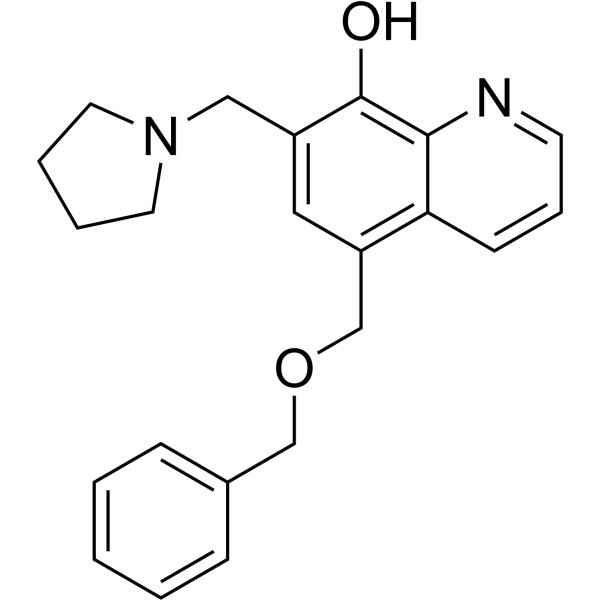
- HY-125834
-
-
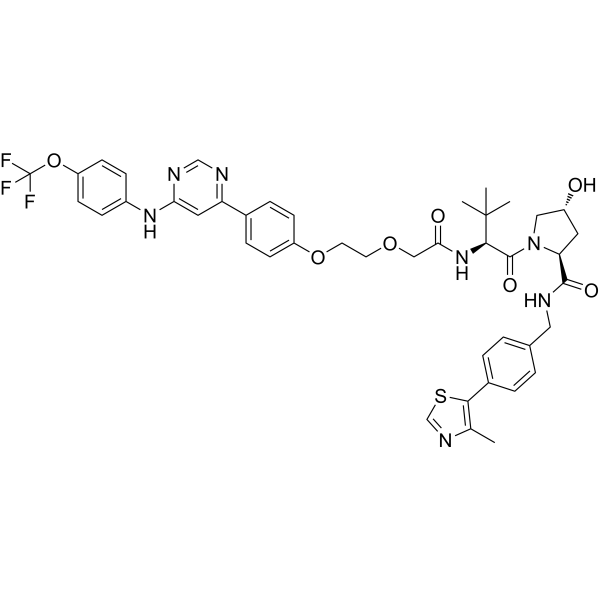
- HY-122882
-
|
|
E1/E2/E3 Enzyme
|
Inflammation/Immunology
|
|
HOIPIN-8 is a potent inhibitor of linear ubiquitin chain assembly complex (LUBAC) with an IC50 of 11 nM. HOIPIN-8 is a HOIPIN-1 derivative with enhanced the potency by 255-fold in the petit-LUBAC inhibition, and 10-fold and 4-fold in the LUBAC- and TNF-α-mediated NF-κB activation, respectively than HOIPIN-1. HOIPIN-1 is a promising tool to explore the cellular functions of LUBAC .
|
-
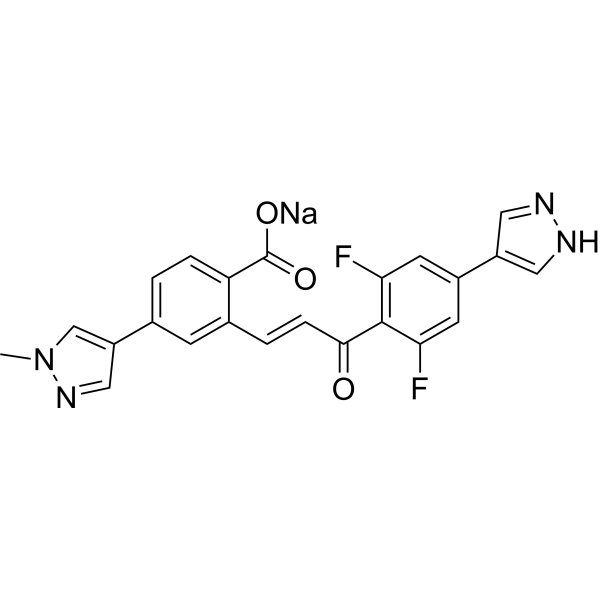
- HY-178825B
-
|
|
PROTACs
Histone Demethylase
Apoptosis
|
Cancer
|
|
LD-110 trihydrochloride is a highly efficient and effective LSD1 PROTAC degrader (DC50 = 0.44 μM). LD-110 trihydrochloride promotes LSD1 degradation and increases the level of H3K4 dimethylation in a ubiquitin-proteasome-dependent manner. LD-110 trihydrochloride inhibits the growth and survival of multiple esophagus squamous cancer cell (ESCC) lines by inducing apoptosis. LD-110 trihydrochloride can be used for the study of esophagus squamous cancer .
|
-

- HY-178825
-
|
|
PROTACs
Histone Demethylase
Apoptosis
|
Cancer
|
|
LD-110 is a highly efficient and effective LSD1 PROTAC degrader (DC50 = 0.44 μM). LD-110 promotes LSD1 degradation and increases the level of H3K4 dimethylation in a ubiquitin-proteasome-dependent manner. LD-110 inhibits the growth and survival of multiple esophagus squamous cancer cell (ESCC) lines by inducing apoptosis. LD-110 can be used for the study of esophagus squamous cancer .
|
-

- HY-183785
-
|
|
PROTACs
Anaplastic lymphoma kinase (ALK)
|
Inflammation/Immunology
|
|
PROTAC ALK5 Degrader-1 is a selective ALK5 PROTAC degrader. PROTAC ALK5 Degrader-1 induces ALK5 degradation via ALK5 ATP-binding pocket engagement, CRBN recruitment, and the ubiquitin-proteasome system.PROTAC ALK5 Degrader-1 inhibits ALK5 downstream signaling. PROTAC ALK5 Degrader-1 can be used for the research of pulmonary fibrosis .
|
-

- HY-179617
-
|
|
E1/E2/E3 Enzyme
Interleukin Related
|
Cancer
|
|
Cbl-b-IN-30 is an orally active Casitas B-lineage lymphoma-b (CBLB) inhibitor. Cbl-b-IN-30 specifically binds to CBLB and inhibits its E3 ubiquitin ligase activity with an IC50 of 9.1 nM. Cbl-b-IN-30 can promote IL-2 secretion (EC50 = 187.5 nM) and enhance T cell activation. Cbl-b-IN-30 exerts antitumor activity and can induce immune memory. Cbl-b-IN-30 can be used for the research of colon cancer .
|
-

- HY-180108
-
|
|
E1/E2/E3 Enzyme
|
Endocrinology
|
|
H111-H7 is a WW domain containing E3 ubiquitin 27 protein ligase 2 (WWP2) inhibitor with a KD of 717 nM. H111-H7 inhibits WWP2 expression, restores the succinate dehydrogenase complex subunit C (SDHC) level, and defers the acute kidney injury (AKI)-to-chronic kidney disease (CKD) transition in unilateral kidney ischemia–reperfusion (UIR) mice. H111-H7 can be used for AKI-to-CKD transition research .
|
-

- HY-179575
-
|
|
E1/E2/E3 Enzyme
Interleukin Related
|
Inflammation/Immunology
Cancer
|
|
Cbl-b-IN-29 is an orally active CBL-B inhibitor. Cbl-b-IN-29 binds to the CBL-B active pocket. Cbl-b-IN-29 induces Jurkat cell release IL-2 with an EC50 of 159 nM, effectively inhibiting the function of immune E3 ubiquitin ligase. Cbl-b-IN-29 demonstrates robust anti-tumor efficacy in vivo with good tolerability and no observed adverse reactions. Cbl-b-IN-29 can be used for cancer immunotherapy, colorectal cancer and immune-oncology combination research .
|
-

- HY-P2483A
-
|
|
Proteasome
Bacterial
|
Infection
Neurological Disease
Cancer
|
|
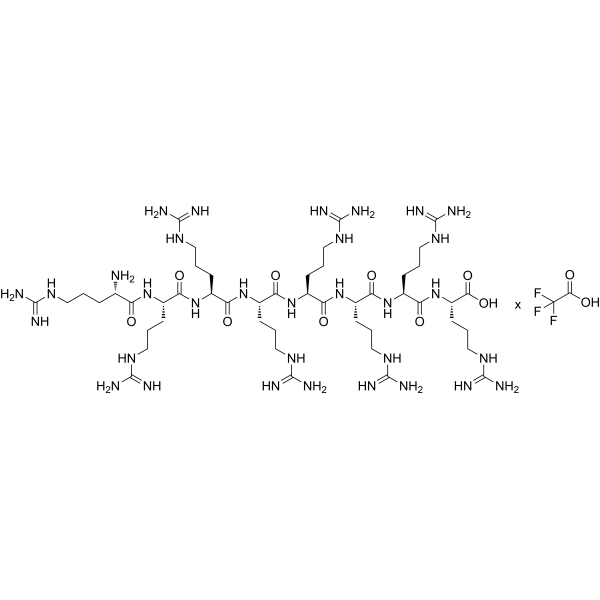
Octaarginine TFA is a cell-penetrating peptide and proteasome inhibitor. Octaarginine TFA exhibits mixed-type inhibition against 20S proteasome chymotrypsin-like, caspase-like, and trypsin-like activities, and inhibits 26S proteasome activity with decreased efficiency. Octaarginine TFA induces ubiquitin-conjugated protein accumulation, mediates HSPG-dependent cellular internalization via macropinocytosis, enhances liposomal cargo uptake and gene delivery. Octaarginine TFA can be used for the research of cervix carcinoma, collagen antibody-induced arthritis, and bacterial infections .
|
-
- HY-163105
-
|
|
Microtubule/Tubulin
|
Cancer
|
|
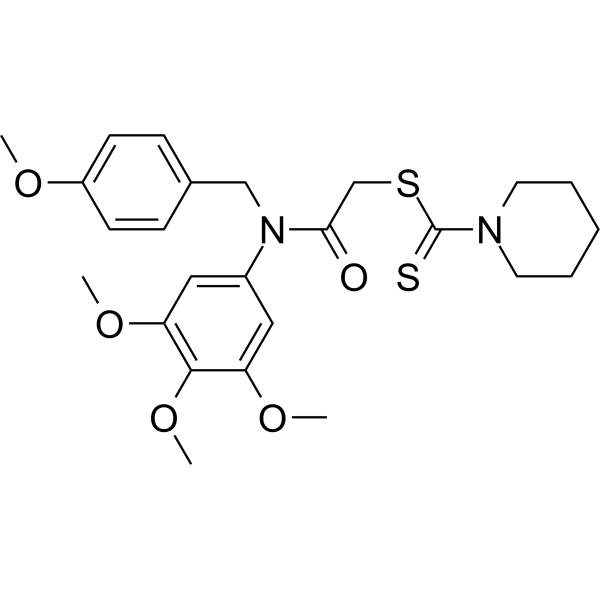
Tubulin/NEDDylation-IN-1 (compound C11) is a dual inhibitor of tubulin (Microtubule/Tubulin)-NEDDylation (IC50 for tubulin=2.40 μM), which has strong anti-proliferative activity. Neddylation is a protein post-translational modification that covalently tags the ubiquitin-like protein NEDD8 to target proteins. Tubulin/NEDDylation-IN-1 forms hydrogen bonds with residues of tubulin and E1 NEDD8 activating enzyme (NAE) through methoxy and dithiocarbamate groups and inhibits NEDDylation and microtubulin in an ATP-dependent manner. tube polymerization .
|
-
- HY-137487
-
|
|
PROTACs
Raf
|
Cancer
|
|
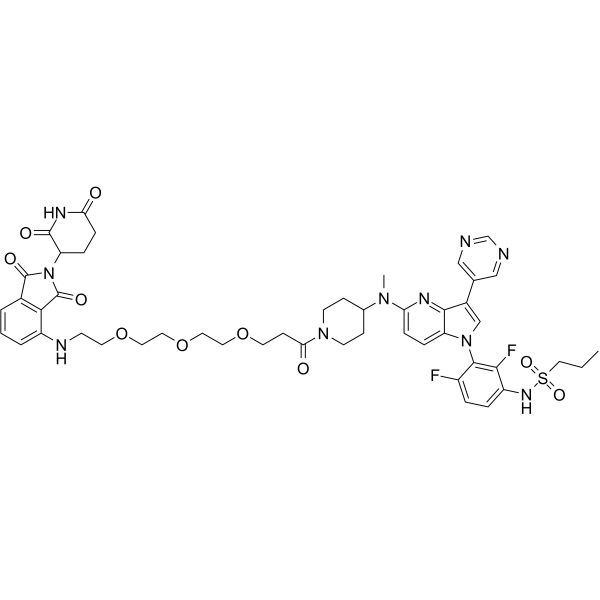
PROTAC BRAF-V600E degrader-1 (compound 23) is a potent PROTAC BRAF-V600E degrader whlie no degradation activity against BRAF-WT. PROTAC BRAF-V600E degrader-1 exhibits Kd values of 2.4 nM and 2 nM for BRAF and BRAF-V600E, respectively. PROTAC BRAF-V600E degrader-1 degrades BRAF-V600E via the ubiquitin-proteasome system (UPS) and inhibits the growth of melanoma cells . (In the molecular structure, target protein ligand: BI-882370 (HY-107779), red part; E3 ubiquitin enzyme ligand: Pomalidomide (HY-10984), blue part; PROTAC linker: G007-LK (HY-12438), black part.
|
-
- HY-157213
-
|
|
Apoptosis
PROTACs
FLT3
|
Cancer
|
|
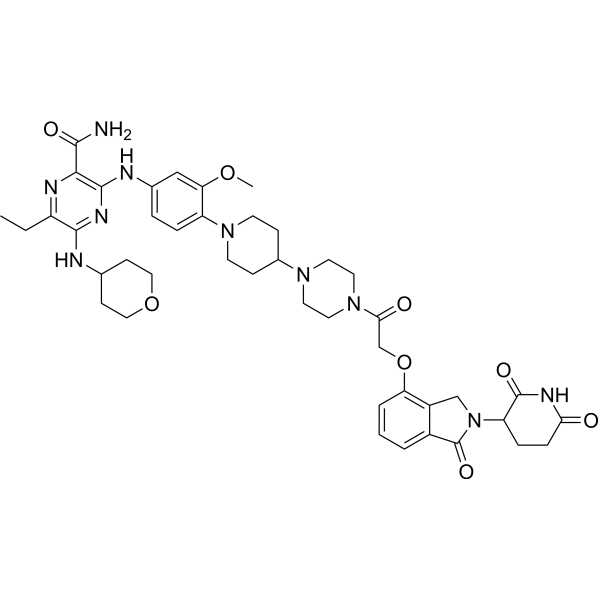
LWY713 is a PROTAC-class FLT3 degrader (DC50=0.64 nM), which selectively induces FLT3 degradation via cereblon and proteasome-dependent pathways. LWY713 inhibits cell proliferation and induces G0/G1 phase arrest and apoptosis in MV4-11 cells. LWY713 shows effective in vivo antitumor activity in MV4-11 xenograft models . LWY713 consists of a target protein ligand (red part) Gilteritinib (HY-12432), an E3 ubiquitin ligase ligand (blue part) Lenalidomide-F (HY-W039233), and a PROTAC linker (black part) Glycolic acid (HY-W015967). E3 ubiquitin ligase and linker can form Lenalidomide-Glycolic acid (HY-169373); the active control for the target protein ligand is Naproxen Gilteritinib (HY-169374).
|
-
- HY-161958
-
|
|
PROTACs
Histone Acetyltransferase
|
Cancer
|
|
dCE-2 (compound 5) is a PROTAC targeting CREB binding protein (CBP) and E1A-associated protein (EP300), which was developed based on the crystal structure of bromodomain (BRD) inhibitors. dCE-2 is composed of E3 ubiquitin ligase ligand Thalidomide-4-OH (HY-103596) (blue part), PROTAC Linker tert-Butyl 11-aminoundecanoate (HY-130715) (black part) and PROTAC target protein ligand EP300/CBP ligand 2 (HY-161960) (red part), of which the target protein ligand activity control is EP300/CBP ligand 1 (HY-161959), and the conjugate of E3 ubiquitin ligase ligand + Linker is Thalidomide-NH-C10-Boc (HY-161961) [1] .
|
-

- HY-W181530
-
|
|
Molecular Glues
CDK
Apoptosis
Ligands for E3 Ligase
|
Cancer
|
|
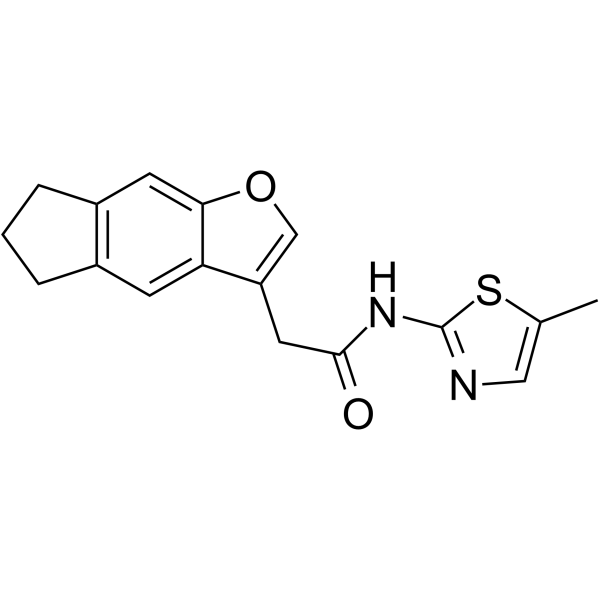
NCT02 is a molecular glue degrader based on the E3 ubiquitin ligase DDB1 that targets CDK12 and its binding partner CCNK. NCT02 triggers the ubiquitination and proteasomal degradation of CCNK, thereby downregulating CDK12 protein levels and inhibiting its downstream signaling pathways. NCT02 can induce tumor cell apoptosis, arrest the cell cycle, and selectively inhibit the proliferation of colorectal cancer cells carrying TP53 defects or belonging to the consensus molecular subtype CMS4. NCT02 has the potential to inhibit tumor growth in in vitro and in vivo models .
|
-
- HY-155008
-
|
|
PROTACs
Hexokinase
|
Cancer
|
|
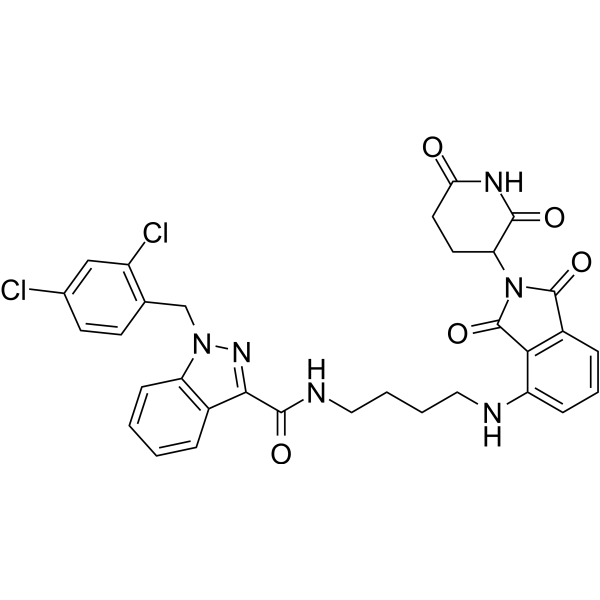
PROTAC HK2 Degrader-1 is a PROTAC consisting of Lonidamine (HY-B0486) as a target protein Hexokinase 2 (HK2) inhibitor and Thalidomide (HY-14658) as a CRBN ligand-linked PROTAC. PROTAC HK2 Degrader-1 selectively inhibits the proliferation of breast cancer cells by forming a ternary complex through the ubiquitin-proteasome system to degrade Hexokinase 2 (HK2) protein leading to mitochondrial damage and cell death. PROTAC HK2 Degrader-1 effectively inhibits breast tumor growth and reduces the colonic side effects of cisplatin for breast cancer research .
|
-
- HY-123967
-
|
|
E1/E2/E3 Enzyme
Atg8/LC3
|
Inflammation/Immunology
|
|
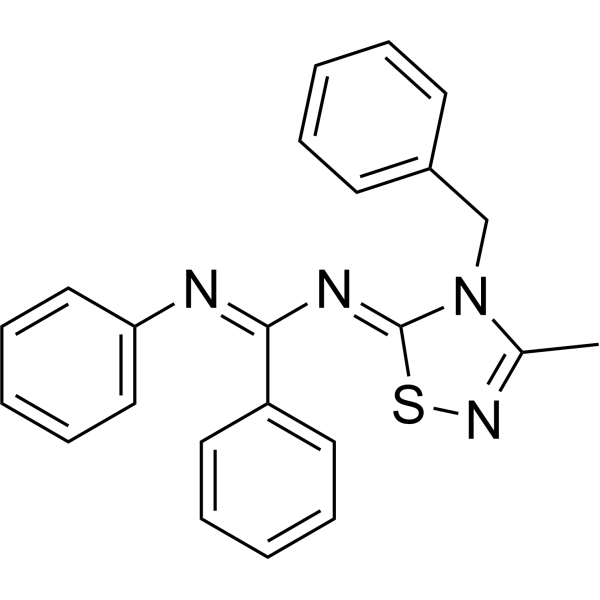
RNF5 inhibitor inh-02 is a potent inhibitor of E3 ubiquitin ligase RNF5/RMA1. RNF5 inhibitor inh-02 rescues F508del-CFTR function in F508del-CFTR-expressing immortalized cells (CFBE41o⁻, EC50 = 2.6 μM; FRT, EC 50 = 2.2 μM). RNF5 inhibitor inh-02 increases LC3IIB expression and autophagic vacuole number via reducing ATG4B ubiquitylation and promotes cell motility. RNF5 inhibitor inh-02 can be used for the study of cystic fibrosis .
|
-
- HY-172162
-
|
|
Molecular Glues
NEKs
Interleukin Related
|
Inflammation/Immunology
Cancer
|
|
LC-04-045 is a selective NIMA-related kinase 7 (NEK7) molecular glue degrader. LC-04-045 induces NEK7 degradation via the CRBN-based ubiquitin-proteasome system, dependent on the glycine 57-containing degron motif. LC-04-045 inhibits secretion of downstream cytokines IL-1β and IL-18. LC-04-045 can be used for the research of lymphoblastic leukemia .
|
-

- HY-181728
-
|
|
PROTACs
Ras
|
Cancer
|
|
MS243 is a potent KRAS G12D PROTAC degrader with a DC50 of 4.2 nM. MS243 promotes the proximity between KRAS G12D and the VHL E3 ubiquitin ligase, drives the ubiquitination and proteasomal degradation of KRAS G12D, and inhibits the proliferation of cancer cells harboring KRAS G12D. MS243 can be used in the research of KRAS G12D-carrying cancers, such as colon cancer and pancreatic cancer .
|
-

- HY-179512
-
|
|
PROTACs
FAK
|
Cancer
|
|
BSJ-04-146 is a highly efficient and selective PROTAC targeting focal adhesion kinase (FAK) inhibitor(IC50 = 26 nM). BSJ-04-146 achieves rapid and potent FAK degradation with high proteome-wide specificity in cancer cells and induces durable degradation in mice. BSJ-04-146 binds FAK and requires the ubiquitin-proteasome machinery to achieve FAK degradation. BSJ-04-146 can be used for the study of pancreatic cancer and triple-negative breast cancer .
|
-

- HY-178825A
-
|
|
Histone Demethylase
Apoptosis
PROTACs
|
Cancer
|
|
LD-110 triTFA is a highly efficient and effective LSD1 PROTAC degrader (DC50 = 0.44 μM). LD-110 triTFA promotes LSD1 degradation and increases the level of H3K4 dimethylation in a ubiquitin-proteasome-dependent manner. LD-110 triTFA inhibits the growth and survival of multiple esophagus squamous cancer cell (ESCC) lines by inducing apoptosis. LD-110 triTFA can be used for the study of esophagus squamous cancer .
|
-

- HY-181653
-
|
|
PROTACs
E1/E2/E3 Enzyme
DNA/RNA Synthesis
JAK
STAT
Apoptosis
|
Cancer
|
|
PROTAC SKP2 Degrader-1 is a PROTAC degrader targeting SKP2, with a Kd value of 6.28 μM. PROTAC SKP2 Degrader-1 induces targeted degradation of SKP2 via the ubiquitin-proteasome system. PROTAC SKP2 Degrader-1 stabilizes the expression of SOCS1 and regulates the expression of immunoproteasomes through the JAK/STAT pathway, thereby inhibiting tumor cell proliferation. PROTAC SKP2 Degrader-1 is applicable for cancer-related research .
|
-

- HY-153896
-
|
|
c-Met/HGFR
|
Cancer
|
|
LMTK3-IN-1 (compound C28) is an ATP-competitive inhibitor of lemur tyrosine kinase 3 (LMTK3) (Kd=2.5 μM),that acts by degrading LMTK3 via the ubiquitin-proteasome pathway. LMTK3-IN-1 shows anticancer activity in a variety of cancer cell lines and in vivo BC mouse models. LMTK3-IN-1 induces apoptosis in BC cell lines at 10-20 μM .
|
-
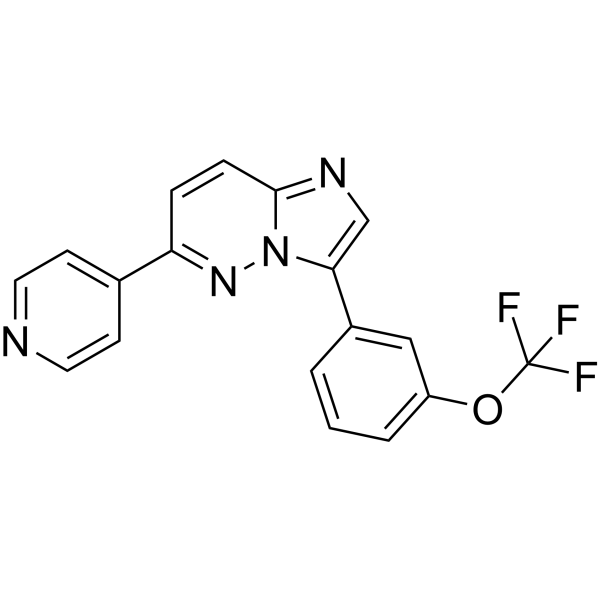
- HY-136528
-
|
|
Deubiquitinase
Apoptosis
|
Cancer
|
|
RA-9 is a potent and selective proteasome-associated deubiquitinating enzymes (DUBs) inhibitor with favorable toxicity profile and anticancer activity. RA-9 blocks ubiquitin-dependent protein degradation without impacting 20S proteasome proteolytic activity. RA-9 selectively induces onset of apoptosis in ovarian cancer cell lines and primary cultures derived from donors. RA-9 induces endoplasmic reticulum (ER)-stress responses in ovarian cancer cells .
|
-
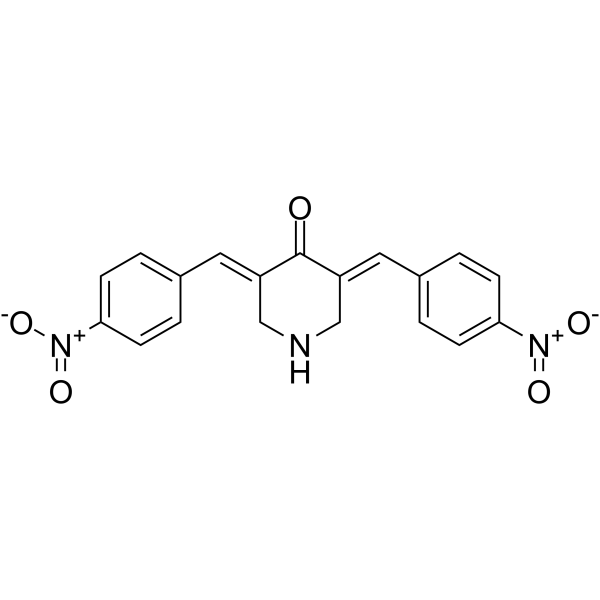
- HY-173414
-
|
|
PROTACs
STING
NF-κB
|
Inflammation/Immunology
|
|
PROTAC STING degrader-3 is a STING PROTAC degrader (DC50: 0.62 μM). PROTAC STING degrader-3 induces STING degradation via the ubiquitin-proteasome pathway. PROTAC STING degrader-3 exerts anti-inflammatory effects by inhibiting STING/TBK1/NF-κB signaling. PROTAC STING degrader-3 has renal protective effects and can be used in the study of acute kidney injury (AKI) .
|
-

- HY-182797
-
|
|
Molecular Glues
IKZF Family
IFNAR
|
Cancer
|
|
NHWL071065 is a CRBN-targeting IKZF1/IKZF3 molecular glues degrader. NHWL071065 selectively degrades IKZF1 and IKZF3 in lymphoma cells via the ubiquitin-proteasome pathway. NHWL071065 inhibits the proliferation of lymphoma cells. NHWL071065 downregulates proteins involved in cytoskeleton assembly, cell adhesion and immune regulation in cells, while upregulating proteins related to the type I IFN signaling pathway. NHWL071065 can be used in the research of lymphoma .
|
-

- HY-179123
-
|
|
Androgen Receptor
Apoptosis
|
Cancer
|
|
ZC9 is a novel androgen receptor (AR) degrader. ZC9 directly binds to AR and inhibits Dihydrotestosterone-induced nuclear translocation of AR. ZC9 promotes AR degradation via the ubiquitin-proteasome system and suppresses AR transcriptional activity. ZC9 significantly decreases the mRNA levels of other AR downstream genes, including PSA, TMPRSS2, and PMEPA1. ZC9 promotes Apoptosis. ZC9 exhibits anticancer activity against prostate cancer .
|
-

- HY-103636
-
|
|
Sirtuin
PROTACs
|
Cancer
|
|
PROTAC Sirt2 Degrader-1 is a SirReal-based PROTAC, acts as a Sirt2 degrader, composed of a highly potent and isotype-selective Sirt2 inhibitor, a linker, and a bona fide Cereblon ligand for E3 ubiquitin ligase. PROTAC Sirt2 Degrader-1 shows an IC50 of 0.25 μM for Sirt2, with no effect on Sirt1/Sirt3 (IC50s>100 μM) .
|
-
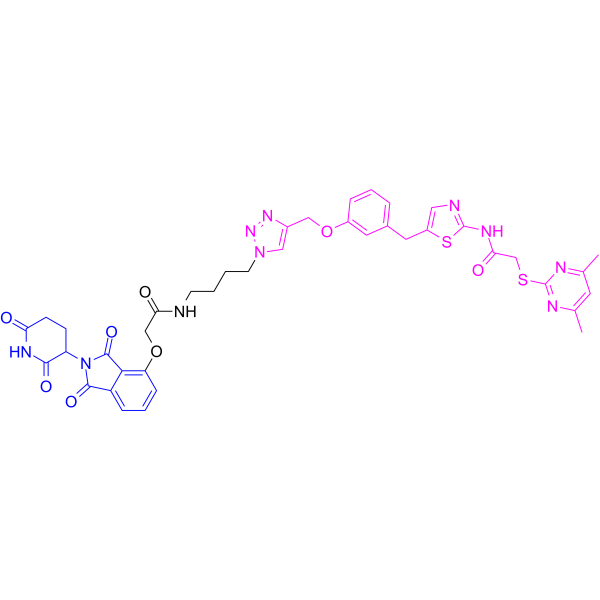
- HY-141659
-
CMPD-39
3 Publications Verification
|
Mitophagy
Deubiquitinase
|
Neurological Disease
|
|
CMPD-39 is a selective non-covalent inhibitor of the ubiquitin-specific protease USP30 (IC50=~20 nM), with high selectivity over other DUB family members (1-100 μM). CMPD-39 inhibits the deubiquitinating activity of USP30, enhances the ubiquitination of mitochondrial proteins TOMM20 and SYNJ2BP; thus, CMPD-39 promotes phosphoubuitin accumulation, thereby accelerating mitochondrial autophagy (mitophagy) and peroxisomal autophagy (pexophagy). CMPD-39 significantly restores impaired mitochondrial function in dopaminergic neurons derived from Parkinson's disease patients .
|
-
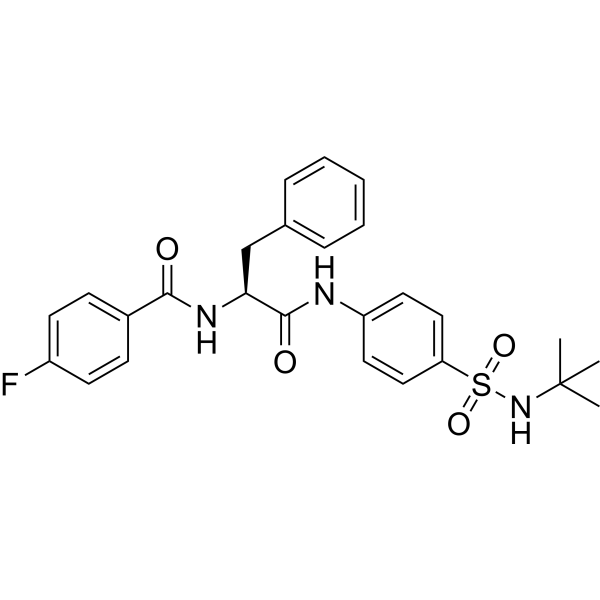
- HY-180107
-
|
|
E1/E2/E3 Enzyme
|
Endocrinology
|
|
H36-E4 is a WW domain containing E3 ubiquitin 27 protein ligase 2 (WWP2) inhibitor with a KD of 6.25 μM. H36-E4 inhibits WWP2 expression, restores the succinate dehydrogenase complex subunit C (SDHC) level, and defers the acute kidney injury (AKI)-to-chronic kidney disease (CKD) transition in unilateral kidney ischemia-reperfusion (UIR) mice. H36-E4 can be used for AKI-to-CKD transition research .
|
-

- HY-153803
-
|
|
PROTACs
Molecular Glues
Btk
|
Cancer
|
GBD-9 is a degrader based on the E3 ubiquitin ligase CRBN that targets BTK and the G1 to S phase transition protein GSPT1. GBD-9 has both PROTAC and molecular glue properties by inducing ubiquitination and proteasomal degradation of target proteins. GBD-9 can efficiently degrade wild-type and mutant BTK (such as C481S mutation) and GSPT1. GBD-9 significantly inhibits tumor cell proliferation by inducing G1 phase arrest in cancer cells, downregulating anti-apoptotic proteins (BCL-2, MCL-1) and activating Caspase-3 to induce apoptosis. GBD-9 is mainly used in the research of hematological tumors such as diffuse large B-cell lymphoma (DLBCL) and acute myeloid leukemia (AML) .
GBD-9 is composed of E3 ubiquitin ligase ligand (pink part) 5-Aminothalidomide (HY-W023573), target protein ligand (blue part) Btk Inhibitor: IBT6A (HY-13036A), and PROTAC linker (black part) Nonanoic acid (HY-N7057).
|
-
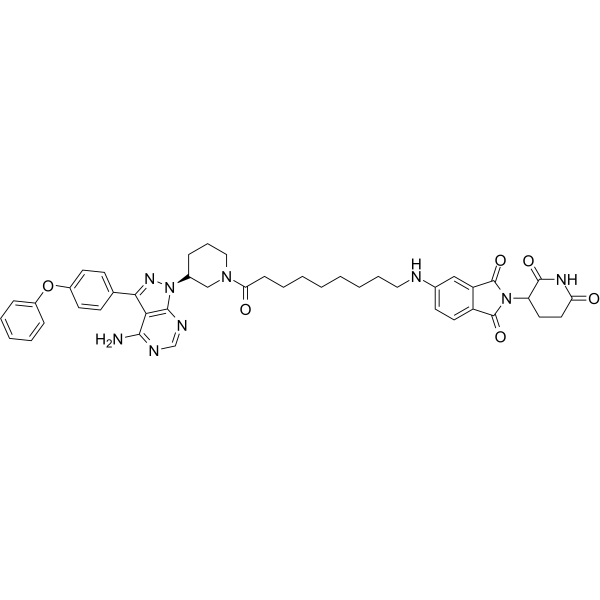
- HY-P10416
-
|
Q14 peptide
|
Deubiquitinase
Mitophagy
|
Others
Neurological Disease
|
|
Q14 is a polypeptide derived from the USP30 (ubiquitin specific peptidase 30) transmembrane (TM) domain with the ability to inhibit the deubiquitination activity of USP30 (IC50=57.2 nM). Q14 reduces USP30 activity by inhibiting the interaction between the USP30 transmembrane domain and its catalytic domain. Q14 peptide contains the LC3 interaction region (LIR) motif, which enables it to bind to the LC3 and accelerate the formation of autophagosomes, thereby promoting mitophagy. Q14 can be used in the study of neurodegenerative diseases as well as mitochondrial quality control and cell metabolism .
|
-

- HY-173369
-
|
|
PROTACs
MAGL
|
Cancer
|
|
PROTAC MAGL degrader-1 is an orally active PROTAC agent that simultaneously targets monoacylglycerol lipase (MAGL) and E3 ubiquitin ligase MDM2. PROTAC MAGL degrader-1 degrades MAGL and inhibits the binding of MDM2 to p53. PROTAC MAGL degrader-1 can partially penetrate the blood-brain barrier (BBB). PROTAC MAGL degrader-1 induces glioblastoma stem cells (GSCs) apoptosis. (E3 ligase ligand: HY-128837; target protein ligand + linker: HY-173370; target protein inhibitor: HY-15249) .
|
-

- HY-179033
-
|
|
Nuclear Hormone Receptor 4A/NR4A
Apoptosis
ASK1
JNK
p38 MAPK
|
Cancer
|
|
Nur77 antagonist 2 (Compound 12b) is an orally active Nur77 antagonist with a KD value of 0.42 μM. Nur77 antagonist 2 exhibits proliferative activity on liver cancer cells. Nur77 antagonist 2 stabilizes Nur77 by inhibiting its ubiquitin-proteasomal degradation,
leading to Nur77-dependent apoptosis via the ASK1-JNK/p38 pathway. Nur77 antagonist 2 inhibits tumor growth in the HCCLM3 xenograft model. Nur77 antagonist 2 can be used for the study of hepatocellular carcinoma (HCC) .
|
-

- HY-171808
-
|
|
Androgen Receptor
PROTACs
Apoptosis
|
Cancer
|
|
ITRI-90 is an orally active androgen receptor (AR) PROTAC degrader. ITRI-90 effectively degrades both full-length AR (AR-FL) and the splice variant AR-V7 protein via the ubiquitin-proteasome system, thereby inhibiting AR transcriptional activity and the target gene expression. ITRI-90 significantly inhibits the proliferation of prostate cancer cells and induces apoptosis, include Enzalutamide-resistant growth cell. ITRI-90 exhibits favorable pharmacokinetic properties and demonstrates potent antitumor efficacy in vivo. ITRI-90 can be used for prostate cancer research .
|
-

- HY-100900R
-
|
|
Deubiquitinase
Reference Standards
|
Cancer
|
|
ML364 (Standard) is the analytical standard of ML364 (HY-100900). This product is intended for research and analytical applications. ML364 is a selective ubiquitin specific peptidase 2 (USP2) inhibitor (IC50=1.1 μM) with anti-proliferative activity, which direct binds to USP2 (Kd=5.2 μM), induces an increase in cellular cyclin D1 degradation and causes cell cycle arrest. ML364 increases the levels of mitochondrial ROS and decreases in the intracellular content of ATP .
|
-

- HY-157511
-
|
|
E3 Ligase Ligand-Linker Conjugates
|
Cancer
|
|
Thalidomide-O-C5-azide is a click chemistry modification of the cereblon (CRBN) inhibitor Thalidomide (HY-14658). Thalidomide-O-C5-azide contains an azide group and can undergo copper-catalyzed azide-alkyne cycloaddition reaction (CuAAc) with molecules containing alkyne groups. Thalidomide-O-C5-azide can be used as a ligand of E3 ubiquitin ligase and Linker conjugates (E3 Ligase Ligand-Linker Conjugates) for the synthesis of PROTACs .
|
-
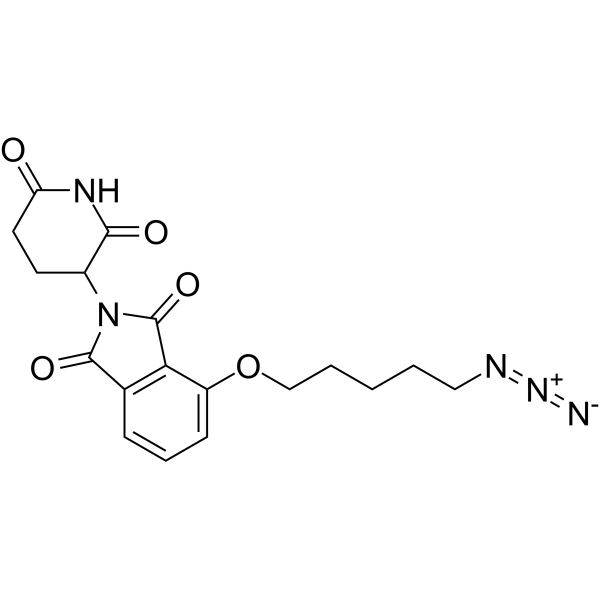
- HY-146887
-
|
|
Deubiquitinase
Apoptosis
|
Cancer
|
|
USP7-IN-9 is a highly potent ubiquitin-specific protease 7 (USP7) inhibitor with an IC50 value of 40.8 nM. USP7-IN-9 can induce apoptosis and arrest cell progression at G0/G1 and S phases in RS4; 11 cells. USP7-IN-9 reduces the protein levels of oncoproteins MDM2 and DNMT1 and increases the protein levels of tumor suppressors p53 and p21 .
|
-
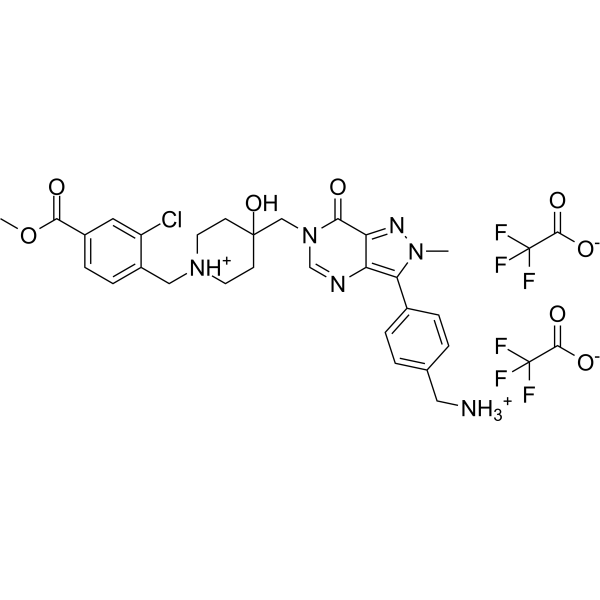
- HY-171860
-
|
|
PROTACs
HIV
|
Infection
Cancer
|
|
FC-14369 is a PROTAC degrader targeting the HIV-1 Nef protein, with a DC50 value of 160 nM. Through its bifunctional structure, FC-14369 binds to Nef and the Cereblon E3 ubiquitin ligase, induces Nef ubiquitination and proteasomal degradation, restores the expression of cell-surface CD4 and MHC-I, and inhibits HIV-1 replication. FC-14369 can be used in research on HIV infection and AIDS. FC-14369 is applicable to studies related to HIV-1 infection .
|
-

- HY-129619
-
|
|
SNIPERs
Estrogen Receptor/ERR
|
Cancer
|
|
SNIPER(ER)-87 consists of an inhibitor of apoptosis protein (IAP) ligand LCL161 derivative that is conjugated to the estrogen receptor α (ERα) ligand 4-hydroxytamoxifen by a PEG linker, and efficiently degrades the ERα protein (IC50=0.097 μM). SNIPER(ER)-87 preferentially recruits XIAP to ERα in the cells, and XIAP is the primary E3 ubiquitin ligase responsible for the SNIPER(ER)-87-induced ERα degradation .
|
-
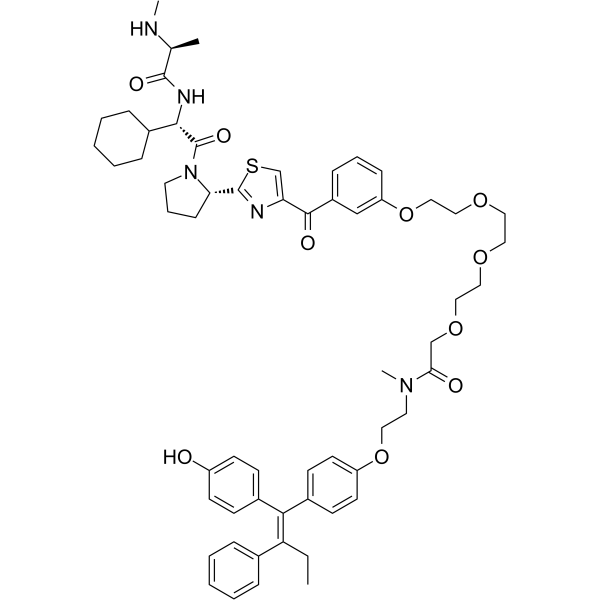
- HY-157510
-
|
|
E3 Ligase Ligand-Linker Conjugates
|
Cancer
|
|
Thalidomide-O-C3-azide is a click chemistry modification of the cereblon (CRBN) inhibitor Thalidomide (HY-14658). Thalidomide-O-C3-azide contains an azide group and can undergo copper-catalyzed azide-alkyne cycloaddition reaction (CuAAc) with molecules containing alkyne groups. Thalidomide-O-C3-azide can be used as a ligand of E3 ubiquitin ligase and Linker conjugates (E3 Ligase Ligand-Linker Conjugates) for the synthesis of PROTACs .
|
-
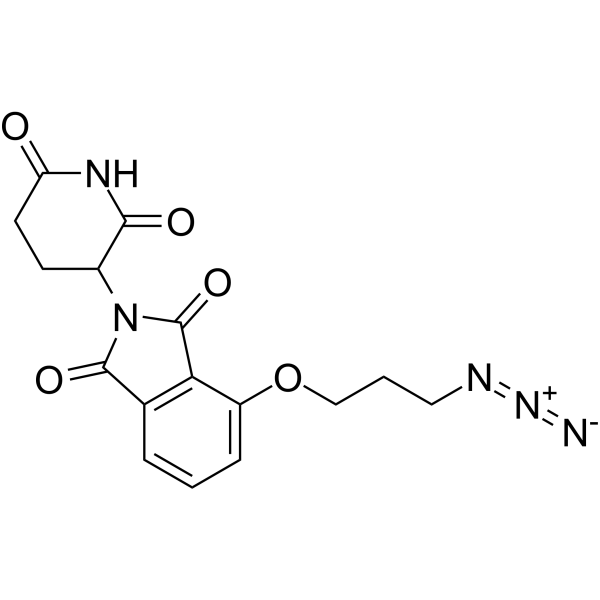
- HY-164476
-
|
|
EGFR
GSK-3
PD-1/PD-L1
|
Cancer
|
|
ES-072 is an orally effective selective EGFR mutant (EGFR-T790M) inhibitor. ES-072 activates GSK3α by inhibiting EGFR-T790M activity, which promotes phosphorylation of PD-L1 at Ser279 and Ser283. The phosphorylated PD-L1 recruits the E3 ubiquitin ligase ARIH1, leading to ubiquitination and proteasomal degradation of PD-L1. This mechanism not only reduces cancer cell growth but also enhances anti-tumor immune response by lowering PD-L1 levels. ES-072 can be used to inhibit proliferation in non-small cell lung cancer (NSCLC) cells .
|
-

- HY-P10899
-
|
|
PROTACs
TGF-beta/Smad
|
Endocrinology
|
|
ETTAC-2 is a LRG1 PROTAC degrader, degrading LRG1 via the ubiquitin-proteasome pathway with a DC50 value of 8.38 μM. ETTAC-2 penetrates damaged renal cells to reduce the extracellular secretion of LRG1. ETTAC-2 effectively inhibits the TGF-β-Smad3 signaling pathway and diminishes the secretion of fibrosis-associated extracellular matrix proteins. ETTAC-2 degrades LRG1 within fibrotic kidneys and the efficacy in inhibiting the TGF-β-Smad3 pathway both in vitro and vivo. ETTAC-2 can be used for renal fibrosis research .
|
-

- HY-183942
-
|
|
Deubiquitinase
Apoptosis
MDM-2/p53
PARP
Caspase
|
Cancer
|
|
USP7-IN-20 is a highly selective USP7 inhibitor that binds allosterically to the allosteric pocket of USP7 in a non-competitive and reversible manner. USP7-IN-20 downregulates MDM2 protein levels and stabilizes p53, thereby inducing p21 expression and enhancing the ubiquitin-dependent degradation of MDM2. USP7-IN-20 effectively binds endogenous USP7 to inhibit cancer cell proliferation, and also induces apoptosis by promoting the cleavage of PARP and caspase 3. USP7-IN-20 can be widely used in cancer-related basic and translational research.
|
-

- HY-179630
-
|
|
Deubiquitinase
SARS-CoV
VISTA
|
Infection
Cancer
|
|
MS102 is an orally active ubiquitin specific peptidase 2 (USP2) inhibitor with an IC50 of 5.46 μM. MS102 has viable antiviral activity against ACE2-dependent coronaviruses. MS102 significantly reduces V-domain Ig suppressor of T cell activation (VISTA) protein abundance in vitro and in vivo. MS102 can be used for the study of SARS-CoV-2. MS102 can be used in combination with anti-PD-1 immunotherapy to enhance the anti-tumor immune response .
|
-

- HY-157515
-
|
|
E3 Ligase Ligand-Linker Conjugates
|
Cancer
|
|
Thalidomide 4'-ether-PEG2-azide is a click chemistry modified cereblon (CRBN) inhibitor Thalidomide (HY-14658). Thalidomide 4'-ether-PEG2-azide contains an azide group and can undergo copper-catalyzed azide-alkyne cycloaddition reaction (CuAAc) with molecules containing alkynyl groups. Thalidomide 4'-ether-PEG2-azide can be used as a ligand of E3 ubiquitin ligase and Linker conjugates (E3 Ligase Ligand-Linker Conjugates) for the synthesis of PROTACs .
|
-
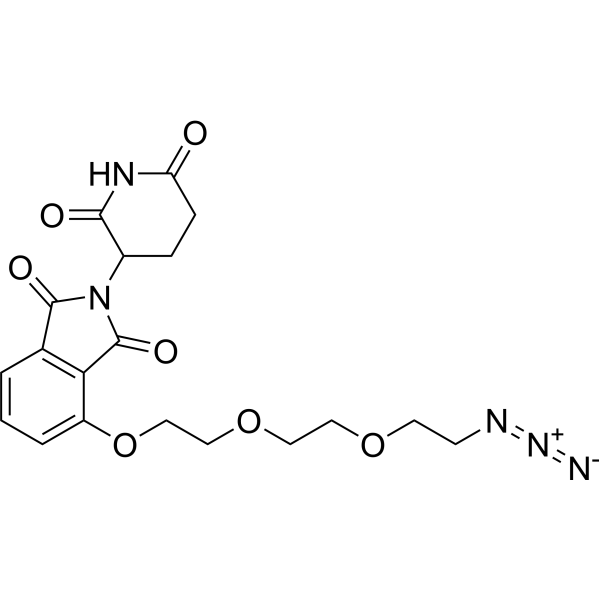
- HY-168274
-
|
|
PROTACs
Apoptosis
|
Cancer
|
|
PROTAC TRIB2 degrader-1 (Compound 5k) is an effective TRIB2 degrader that selectively induces TRIB2 degradation through the CRBN-dependent ubiquitin-proteasome pathway. PROTAC TRIB2 degrader-1 can inhibit cell proliferation and induce cell apoptosis, and can be used in cancer research. (Target protein ligand (Pink): HY-168275; linker (black): HY-168276; E3 Ligase Ligand-Linker Conjugates: HY-168277; E3 ligase (Blue): HY-W023573) .
|
-

- HY-141659A
-
|
|
Mitophagy
Deubiquitinase
|
Neurological Disease
|
|
(R)-CMPD-39 is the R enantiomer of CMPD-39 ( HY-141659 ). CMPD-39 is a selective non-covalent inhibitor of the ubiquitin-specific protease USP30 (IC50 =~20 nM), with high selectivity over other DUB family members (1-100 μM). CMPD-39 inhibits the deubiquitinating activity of USP30, enhances the ubiquitination of mitochondrial proteins TOMM20 and SYNJ2BP; thus, CMPD-39 promotes phosphoubuitin accumulation, thereby accelerating mitochondrial autophagy (mitophagy) and peroxisomal autophagy (pexophagy). CMPD-39 significantly restores impaired mitochondrial function in dopaminergic neurons derived from Parkinson's disease patients .
|
-

- HY-182331
-
|
|
PROTACs
RAR/RXR
Androgen Receptor
Apoptosis
Caspase
MDM-2/p53
|
Cancer
|
|
WCF-598 is a RXRγ (Kd: 234.2 nM) PROTAC degrader. WCF-598 induces RXRγ degradation via the ubiquitin-proteasome pathway and binds directly to RXRγ. WCF-598 indirectly induces AR-V7 degradation, impairs the stability of the RXRγ-AR-V7 complex, downregulates AR-V7 levels, and inhibits the transcription of downstream target genes of AR-V7. WCF-598 induces tumor cell apoptosis, inhibits cell proliferation, activates the p53 signaling pathway, and suppresses cell cycle progression. WCF-598 can be used for the research of prostate cancer .
|
-

- HY-184244
-
|
CAS-13312-010
|
Deubiquitinase
|
Cancer
|
|
CAS-010 (CAS-13312-010) is a potent and selective USP28 inhibitor with an IC50 of 2.2 nM against full-length USP28. CAS-010 acts as a ubiquitin-competitive inhibitor and shows higher selectivity over USP25 (IC50 = 51 nM) and other USP family members, disrupting the 53BP1-USP28 interaction and suppressing p53-dependent transcription of CDKN1A (p21), MDM2, and BAX. CAS-010 can be used for studying USP28-mediated DNA damage response and p53 signaling in cancer-related research .
|
-

- HY-181506
-
|
|
Fluorescent Dye
Molecular Glues
CaMK
c-Myc
Bcl-2 Family
Cadherin
|
Cancer
|
|
TYMJ-01 is a fluorescent probe and eEF2K degrader. TYMJ-01 induces dose-dependent and specific degradation of eEF2K via the ubiquitin-proteasome pathway, with a DC50 of 82 nM. TYMJ-01 inhibits the proliferation, migration and invasion of triple-negative breast cancer cells. TYMJ-01 enables dynamic fluorescent imaging of eEF2K degradation in triple-negative breast cancer cells; it enhances the anti-tumor activity of Paclitaxel (HY-B0015). TYMJ-01 can be used for the research of triple-negative breast cancer .
|
-

- HY-171859
-
|
|
PROTACs
HIV
|
Cancer
|
|
FC-14367 is a PROTAC degrader targeting HIV-1 Nef protein. FC-14367 forms a ternary complex by binding Nef and Cereblon E3 ubiquitin ligase, inducing Nef ubiquitination and proteasomal degradation, restoring cell-surface CD4 and MHC-I expression and inhibiting HIV-1 replication. FC-14367 can be used in research on HIV infection and AIDS . (Black: Glycolic acid (HY-W015967); Blue: 2-(2,6-Dioxopiperidin-3-yl)phthalimidine (HY-138793))
|
-

- HY-176184
-
|
|
PROTACs
Discoidin Domain Receptor
MMP
|
Cancer
|
|
PROTAC DDR1 degrader-1 is a potent and selective DDR1-targeting PROTAC degrader. PROTAC DDR1 degrader-1 selectively induces full-length DDR1 degradation via the ubiquitin proteasome system, blocking downstream signaling pathways. PROTAC DDR1 degrader-1 inhibits tumor cell migration and invasion. PROTAC DDR1 degrader-1 exhibits anti-tumor activity in mice. PROTAC DDR1 degrader-1 can be used for the research of DDR1-driven cancers .
|
-

- HY-P11228
-
|
|
PROTACs
Apoptosis
DNA/RNA Synthesis
|
Cancer
|
|
FPP29 is a potent peptide-based FOXM1 PROTAC degrader. FPP29 induces ubiquitination and degradation of FOXM1. FPP29 inhibits FOXM1 via the ubiquitin-proteasome degradation pathway. FPP29 induces Apoptosis. FPP29 suppresses tumor growth in hepatocellular carcinoma xenograft models. FPP29 can be used in the research of hepatocellular carcinoma (cell-penetrating peptide: (HY-P0133); VHL ligase ligand: (HY-P11493); linker: (HY-W013664); FOXM1 ligand: (HY-P11494)) .
|
-

- HY-170921
-
|
|
Deubiquitinase
|
Cancer
|
|
USP1-IN-11 (compound 38-P2) is a selective, reversible, and noncompetitive USP1 (Ubiquitin-specific protease 1) inhibitor. USP1-IN-11 activates the DDR (DNA damage repair) pathway, induces cell cycle arrest and cell Apoptosis, and inhibits cell survival. USP1-IN-11 enhances the sensitivity of Olaparib (HY-10162)-resistant cells to Olaparib (HY-10162) and shows a synergetic effect with Andrographolide (HY-N0191) in BRCA-proficient cancer cells. USP1-IN-11 displays significant, dose-dependent antitumor efficacy in the MDA-MB-436 xenograft model .
|
-

- HY-103435
-
|
Terrestrin A
|
Deubiquitinase
TNF Receptor
E1/E2/E3 Enzyme
Keap1-Nrf2
|
Inflammation/Immunology
Cancer
|
|
Vialinin A (Terrestrin A) is a p-terphenyl compound that can be derived from a Chinese edible mushroom. Vialinin A is an inhibitor of ubiquitin-specific peptidase 4 (USP4) and has anti-inflammatory and antioxidant properties. Vialinin A can alleviate cerebral ischaemia-reperfusion injury-induced neurological deficits and neuronal apoptosis. Vialinin A promotes activation of Keap1-Nrf2-ARE signaling pathway and increases the protein degradation of Keap1. Vialinin A possesses various pharmacological activities in cancer, Kawasaki disease, asthma, and pathological scarring. Vialinin A is a potent inhibitor of TNF-α, USP4, USP5, and sentrin/SUMO-specific protease 1 (SENP1). Vialinin A can be studied in reseach for autoimmune diseases, cancer and ischaemic stroke .
|
-
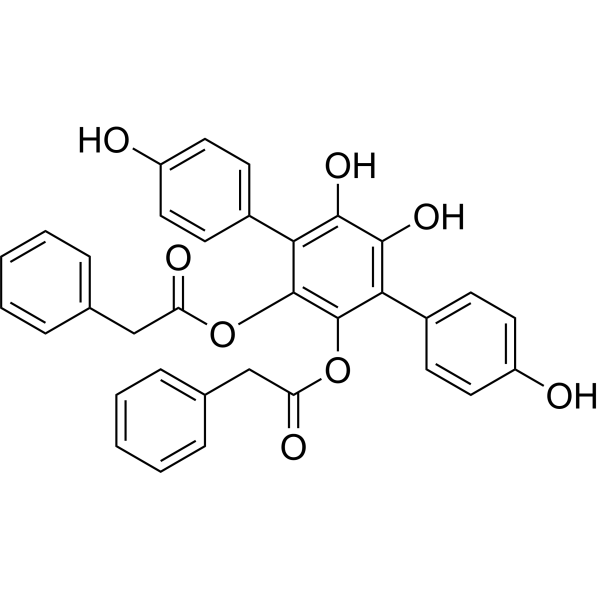
- HY-179293
-
|
|
SARS-CoV
Virus Protease
|
Infection
|
|
SARS-CoV-2 PLpro-IN-3 (Compound 15) is a covalent inhibitor of the SARS-CoV-2 papain-like protease (PLpro), with an IC50 of 25 nM. SARS-CoV-2 PLpro-IN-3 has similar inhibitory activity against SARS-CoV PLpro (IC50 = 59 nM), but shows no inhibitory effect on human ubiquitin-specific protease 7 (USP7). The EC50 of SARS-CoV-2 PLpro-IN-3 in inhibiting SARS-CoV-2 replication in cells is 96 nM, significantly reducing the viral titer and viral RNA levels. SARS-CoV-2 PLpro-IN-3 can be used for studying SARS-CoV-2 drug resistance mutations .
|
-

- HY-N10549
-
|
|
Ferroptosis
c-Myc
Glutathione Peroxidase
JNK
Reactive Oxygen Species (ROS)
GSK-3
|
Infection
Metabolic Disease
Cancer
|
|
Gigantol is an orally active bibenzyl compound. Gigantol targets MYC to promote its ubiquitin-proteasomal degradation and inhibit the growth of lung cancer cells. Gigantol exerts anti-lung cancer activity by inducing ferroptosis (Ferroptosis) via the SLC7A11-GPX4 axis. Gigantol restores the sensitivity of mcr-harboring multidrug-resistant bacteria to colistin. Gigantol ameliorates carbon tetrachloride-induced liver injury by inhibiting the activation of the JNK/cPLA2/12-LOX inflammatory pathway. Gigantol promotes cholesterol metabolism and progesterone biosynthesis in Leydig cells. Gigantol can be used in studies related to diseases such as lung cancer, multidrug-resistant Gram-negative bacterial infections, and acute liver injury .
|
-
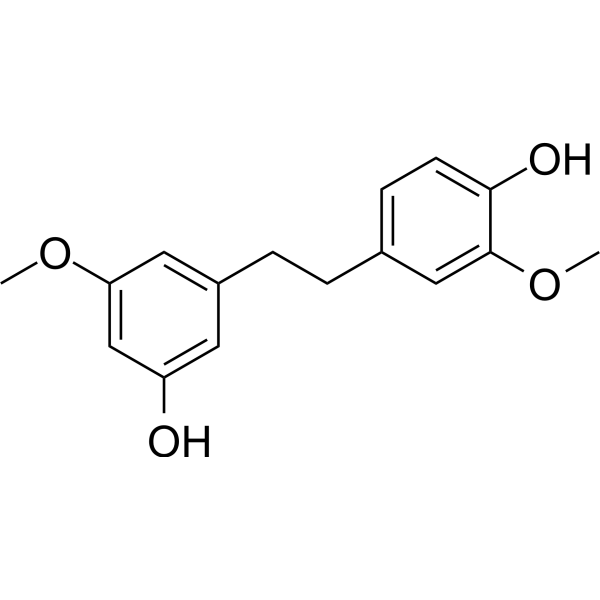
- HY-101460
-
|
|
E3 Ligase Ligand-Linker Conjugates
Drug Derivative
|
Cancer
|
|
Tz-Thalidomide is a tetrazine-tagged Thalidomide (HY-14658), an E3 ligase ligand. Tz-Thalidomide self-assembles with TCO-labeled target protein inhibitors, forming a CLIP-TAC (targeted protein degradation chimera) via click chemistry. This chimera recruits the E3 ubiquitin ligase CRBN to the target protein, thereby inducing ubiquitination and subsequent degradation of the target protein. When used in combination with JQ1-TCO (HY-148864), Tz-Thalidomide induces concentration-dependent degradation of BRD4 in cells. When combined with ERK-targeting protein inhibitors, Tz-Thalidomide induces degradation of ERK1/2 in cells. Tz-Thalidomide can be used in cancer-related research .
|
-
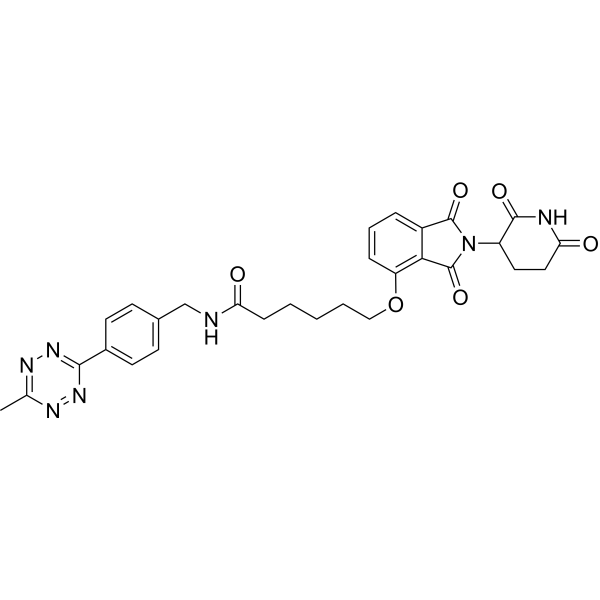
- HY-182796
-
|
|
HyT
JNK
|
Cancer
|
|
JNK1 degrader-1 is a JNK1 HyT degrader. JNK1 degrader-1 can induce JNK1 degradation through the HyT-mediated ubiquitin-proteasome system and autophagy-lysosome pathway. JNK1 degrader-1 inhibits TGF-β1-induced epithelial-mesenchymal transition (EMT). JNK1 degrader-1 can be used for research on fibrotic diseases and cancer metastasis. (Pink: JNK1 ligand (HY-183006); Blue: Hyt hydrophobic group (HY-W037848); Black: Linker (HY-B1008)) .
|
-

- HY-150184
-
|
|
DNA/RNA Synthesis
|
Cancer
|
|
And1-IN-1 is a potent And1 inhibitor with an IC50 of 2.08 μM. And1-IN-1 binds to the N-terminus of And-1 and induces a conformational change in And-1, which promotes the interaction of And-1 with E3 ligase CUL4B for ubiquitin-mediated degradation. And1-IN-1 suppresses the growth of a broad range of cancers and resensitizes platinum-resistant ovarian cancer cells to platinum agents. And1-IN-1 can be used for the studies of ovarian cancer and breast cancer .
|
-
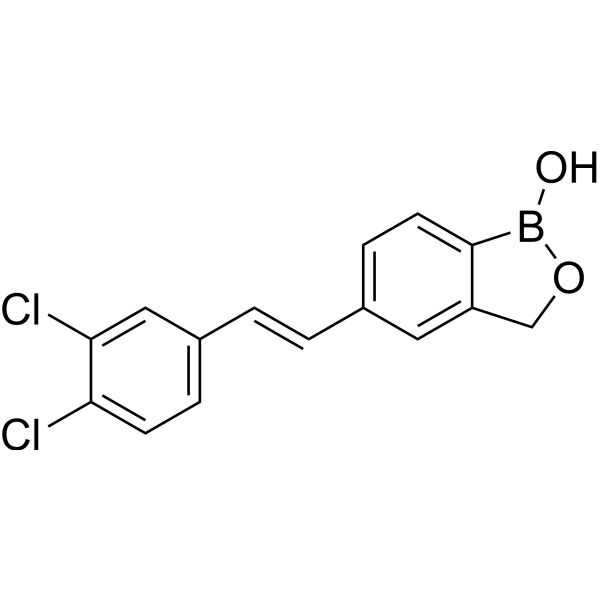
- HY-155552
-
|
|
Apoptosis
CDK
Caspase
|
Cancer
|
|
GSPT1 degrader-1 is a highly selective degrader targeting GSPT1. GSPT1 degrader-1 induces degradation via the ubiquitin-proteasome system. GSPT1 degrader-1 induces G0/G1 phase arrest, apoptosis (apoptosis) and inhibits proliferation in leukemia cells. GSPT1 degrader-1 reduces the levels of CDK6 and Cyclin B1, while increases the levels of activated caspase-3 and caspase-9 in leukemia cells. GSPT1 degrader-1 can be used in leukemia research .
|
-
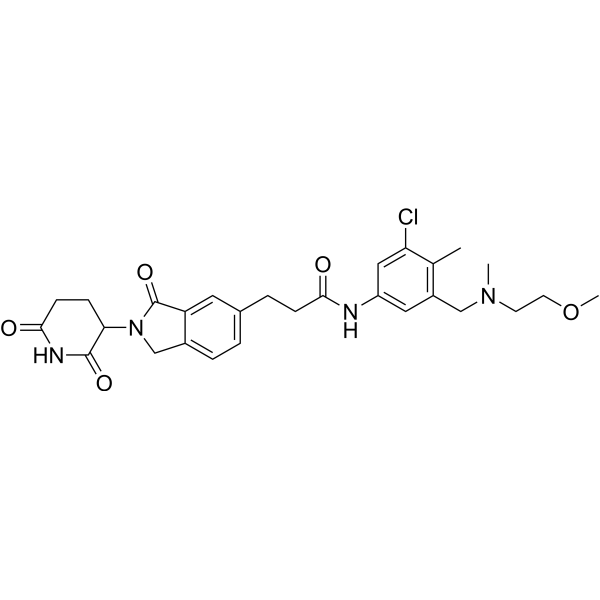
- HY-162250
-
|
|
PROTACs
Histone Methyltransferase
|
Cancer
|
|
MS8847 is a PROTAC degrader and antiproliferative agent targeting EZH2 (DC50=34.4 nM in EOL-1 MLL-rAML cells). MS8847 recruits the E3 ligase von Hippel-Lindau (VHL) to mediate the degradation of EZH2 via the ubiquitin-proteasome system. MS8847 induces antiproliferative effects in MLL-rearranged acute myeloid leukemia cells and inhibits the growth of triple-negative breast cancer cell lines or 3D triple-negative breast cancer models. MS8847 is applicable to research related to MLL-rearranged acute myeloid leukemia and triple-negative breast cancer .
|
-
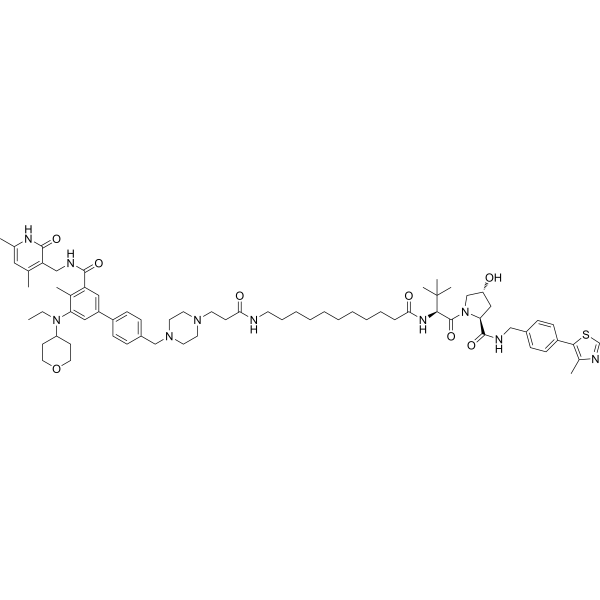
- HY-149230
-
|
|
Deubiquitinase
|
Cancer
|
|
USP28-IN-4 is a USP28 inhibitor (IC50=0.04 μM) with high selectivity over USP2, USP7, USP8, USP9x, UCHL3 and UCHL5. USP28-IN-4 shows cytotoxicity against cancer cells, down-regulates the cellular level of c-Myc through ubiquitin-proteasome system. USP28-IN-4 also decreases the ankyrase-1/2 level in vitro. USP28-IN-4 enhance the sensitivity of colorectal cancer cells to Regorafenib (HY-10331) .
|
-
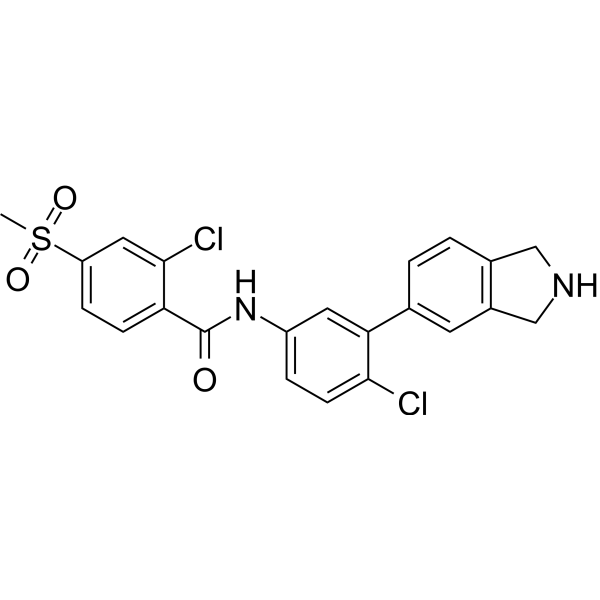
- HY-149127
-
|
ASC-JM17; ALZ-003
|
Keap1-Nrf2
Androgen Receptor
HSP
Mitophagy
Ferroptosis
Apoptosis
Reactive Oxygen Species (ROS)
Autophagy
|
Metabolic Disease
|
|
Rosolutamide (ASC-JM17) is an orally active Nrf1/Nrf2 activator. Rosolutamide activates Hsf1 pathways, upregulates proteasome subunits and antioxidant enzymes, induces proteasome complex structural rearrangement, and enhances ubiquitin-proteasome system-mediated degradation. Rosolutamide reduces mutant androgen receptor and ataxin-3 aggregates, restores mitochondrial function, attenuates reactive oxygen species (ROS) levels, induces apoptosis and ferroptosis, and inhibits cancer cell growth. Rosolutamide can be used for the research of spinal and bulbar muscular atrophy, Huntington’s disease, and temozolomide-resistant glioblastoma .
|
-

- HY-149229
-
|
|
Deubiquitinase
|
Cancer
|
|
USP28-IN-3 is a USP28 inhibitor (IC50=0.1 μM) with high selectivity over USP2, USP7, USP8, USP9x, UCHL3 and UCHL5. USP28-IN-3 shows cytotoxicity against cancer cells, down-regulates the cellular level of c-Myc through ubiquitin-proteasome system. USP28-IN-3 also decreases the ankyrase-1/2 level in vitro. USP28-IN-3 enhance the sensitivity of colorectal cancer cells to Regorafenib (HY-10331) .
|
-
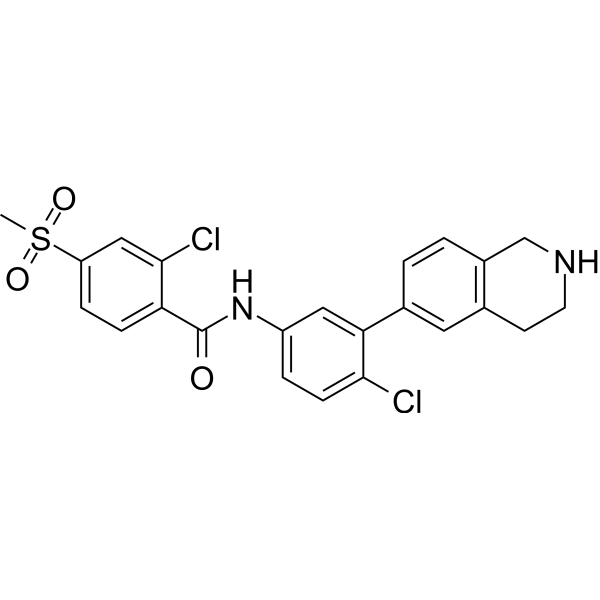
- HY-149228
-
|
|
Deubiquitinase
|
Cancer
|
|
USP28-IN-2 is a USP28 inhibitor (IC50=0.3 μM) with high selectivity over USP2, USP7, USP8, USP9x, UCHL3 and UCHL5. USP28-IN-2 shows cytotoxicity against cancer cells, down-regulates the cellular level of c-Myc through ubiquitin-proteasome system. USP28-IN-2 also decreases the ankyrase-1/2 level in vitro. USP28-IN-2 enhance the sensitivity of colorectal cancer cells to Regorafenib (HY-10331) .
|
-
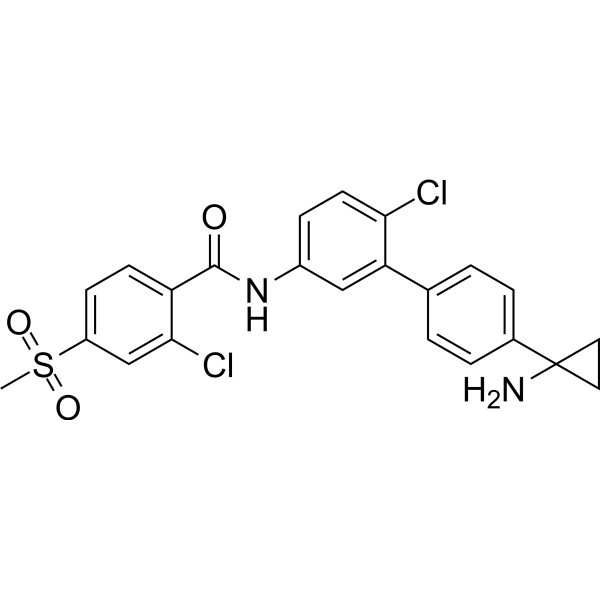
- HY-130646
-
|
|
PROTACs
PARP
|
Cancer
|
|
iVeliparib-AP6 is a proteolysis-targeting chimera (PROTAC) molecule designed based on Veliparib (HY-10129), which targets PARP1/2. The DC50s of iVeliparib-AP6 for inducing the degradation of PARP1 and PARP2 are 36 nM and 63 nM, respectively, and its IC50s are 69 nM and 21 nM, respectively. iVeliparib-AP6 contains a Veliparib-based PARP inhibitor warhead linked to a CRBN E3 ligase binder; it uses Thalidomide (HY-14658) as a ligand to recruit CRBN E3 ubiquitin ligase and exerts the PARP2 degradation mechanism .
|
-

- HY-175525
-
|
|
PROTACs
Aurora Kinase
|
Cancer
|
|
MS44 is a potent aurora kinase B (AURKB PROTAC) degrader (DC50 = 103 nM). MS44 effectively degrades AURKB in a time- and ubiquitin-proteasome system (UPS)-dependent manner and is selective for AURKB over AURKA and AURKC. MS44 effectively inhibits the proliferation in multiple cancer cell lines and potently induces G2/M arrest. MS44 can be used for the study of AURKB-dependent tumors (Pink: Target protein ligand (HY-175526); Blue: E3 ligand (HY-112078); Black: Linker; E3 ligand + Linker (HY-132938)) .
|
-

- HY-182760
-
|
|
DNA Alkylator/Crosslinker
Bcl-2 Family
Caspase
Apoptosis
Topoisomerase
|
Cancer
|
|
MN33-63 is a Bcl-2 inhibitor, caspase-3 activator and DNA crosslinker with broad-spectrum anticancer activity. MN33-63 improves the water solubility of SN-38 (HY-13704), inhibits tumor growth and proliferation in a dose-dependent manner, and causes no obvious toxicity. MN33-63 relieves the inhibition of the mitochondrial apoptotic pathway, initiates the apoptosis program, inhibits Topo I activity, and promotes its degradation via the ubiquitin-proteasome and autophagy-lysosome pathways. MN33-63 induces DNA crosslinking, G2/M cell cycle arrest, inhibition of cancer cell migration, and cancer cell apoptosis through the mitochondrial pathway. MN33-63 can be used in the research of colorectal cancer, cervical cancer, hepatocellular carcinoma, lung adenocarcinoma and gastric cancer .
|
-

- HY-163944
-
|
|
DNA/RNA Synthesis
Molecular Glues
CDK
Apoptosis
RAD51
ATM/ATR
PARP
|
Cancer
|
LL-K12-18 is a CDK12 kinase inhibitor and a dual-site molecular glue. LL-K12-18 inhibits human CDK12 with an IC50 value of 283.9 nM, and selectively degrades cyclin K via the ubiquitin-proteasome system by stabilizing the CDK12-DDB1 complex. LL-K12-18 downregulates DNA damage response genes, reduces the phosphorylation level of CTD Ser2 in RNA polymerase II, and modulates biomarkers such as ATM, RAD51, γ-H2AX and cleaved PARP, thereby effectively inducing apoptosis and inhibiting proliferation of breast cancer cells. LL-K12-18 exhibits high target selectivity and serves as a research tool for studies on triple-negative breast cancer .
|
-

- HY-103636R
-
|
|
Reference Standards
Sirtuin
PROTACs
|
Cancer
|
|
PROTAC Sirt2 Degrader-1 (Standard) is the analytical standard of PROTAC Sirt2 Degrader-1 (HY-103636). This product is intended for research and analytical applications. PROTAC Sirt2 Degrader-1 is a SirReal-based PROTAC, acts as a Sirt2 degrader, composed of a highly potent and isotype-selective Sirt2 inhibitor, a linker, and a bona fide Cereblon ligand for E3 ubiquitin ligase. PROTAC Sirt2 Degrader-1 shows an IC50 of 0.25 μM for Sirt2, with no effect on Sirt1/Sirt3 (IC50s>100 μM) .
|
-

- HY-183098
-
|
|
PROTACs
IKK
Apoptosis
|
Cancer
|
|
UNC8209 is a selective PROTAC-based TANK-binding kinase 1 (TBK1) degrader. UNC8209 recruits cereblon (CRBN) to mediate ubiquitin-proteasome pathway-dependent TBK1 degradation and reduces AAK1, GAK, and AURKA abundance. UNC8209 suppresses tumor cell proliferation, impairs in vivo tumor growth, inhibits colony and clonogenic growth and enhances tumor cell sensitivity to TNFα or IFN-γ. UNC8209 modulates cell cycle and induces mild apoptosis. UNC8209 can be used for the research of clear cell renal cell carcinoma, non-small cell lung cancer, pancreatic ductal adenocarcinoma .
|
-

- HY-183783
-
|
|
PROTACs
RET
STAT
ERK
Apoptosis
|
Endocrinology
Cancer
|
|
PROTAC RET Degrader 2 is a RET degrader with a target IC50 of 0.36 nM. PROTAC RET Degrader 2 is mainly composed of RET-IN-34 (HY-183729) and Thalidomide (HY-14658). PROTAC RET Degrader 2 mediates RET degradation via the ubiquitin-proteasome system. PROTAC RET Degrader 2 induces apoptosis, inhibits colony-forming ability, and exhibits antiproliferative activity in cancer cells. PROTAC RET Degrader 2 suppresses tumor growth in xenograft models. PROTAC RET Degrader 2 can be used in research related to medullary thyroid carcinoma, papillary thyroid carcinoma, and RET fusion-positive lung adenocarcinoma .
|
-

- HY-168007
-
|
|
p97
|
Neurological Disease
Cancer
|
|
NSC804515 is an inhibitor of wild-type and R155H mutant p97/VCP ATPase, with an IC50 of about 15 nM for both targets. NSC804515 acts as an antiproliferative agent, disrupts the function of the ubiquitin-proteasome system, induces UbG76V-GFP accumulation, and shows reduced inhibitory potency against p97 variants carrying P510S, K512N, N616F and F618S mutations. NSC804515 can be used in research related to cancer, inclusion body myopathy with early-onset Paget's disease and frontotemporal dementia, as well as familial amyotrophic lateral sclerosis .
|
-

- HY-163609
-
|
|
PROTACs
Aldose Reductase
|
Cancer
|
|
PROTAC AKR1C3 degrader-1 (compound 5) is a potent AKR1C3 PROTAC degrader. PROTAC AKR1C3 degrader-1 decreases the protein expression of AKR1C3, AKR1C1/2, and ARv7. PROTAC AKR1C3 degrader-1 has the potential for the research of prostate cancer. (Blue:ubiquitin E3 ligase cereblon ligand (HY-A0003), Black: linker (HY-163647); Pink: AKR1C3 inhibitor (HY-163610)) .
|
-

- HY-174428
-
|
|
PROTACs
JAK
STAT
Apoptosis
|
Cancer
|
|
PROTAC JAK2 degrader-1 is a JAK2 PROTAC degrader, with a DC50 of 27.35 nM. PROTAC JAK2 degrader-1 induces JAK2 degradation via the ubiquitin-proteasome pathway. PROTAC JAK2 degrader-1 inhibits the JAK2-STAT signaling pathway. PROTAC JAK2 degrader-1 induces G2/M phase arrest and apoptosis in cancer cells. PROTAC JAK2 degrader-1 exhibits antiproliferative activity against cancer cells. PROTAC JAK2 degrader-1 inhibits recombinant human erythropoietin (rhEPO)-mediated polycythemia and splenomegaly in mice. PROTAC JAK2 degrader-1 can be used for research on myeloproliferative neoplasms, including polycythemia vera .
|
-

- HY-182902
-
|
|
BMX Kinase
Apoptosis
|
Cancer
|
|
IHMT-15137 is a BMX inhibitor with an IC50 of 26.97 nM. IHMT-15137 covalently binds to BMX Cys496 within the ATP-binding pocket, inhibits BMX phosphorylation at Tyr566, and disrupts the BMX-ERK1/2-Cyclin D1/CDK4/6-E2F1 signaling axis. IHMT-15137 reduces E2F1 protein stability via decreased Ser332/337 phosphorylation, increased ubiquitination, and ubiquitin-proteasome pathway degradation. IHMT-15137 induces cell cycle arrest, apoptosis, DNA damage, and suppresses cell migration and invasion. IHMT-15137 can be used for the research of small cell lung cancer .
|
-

- HY-162633
-
|
|
Deubiquitinase
|
Cancer
|
|
USP1-IN-9 (Compound 1m) is reversible and noncompetitive ubiquitin-specific proteases (USP1) inhibitors with an IC50 of 8.8 nM, which is designed and synthesized to pyrido[2,3-d]pyrimidin-7(8H)-one derivative based on the disclosed structure of ML323(HY-17543) and KSQ-4279(HY-145471). USP1-IN-9 displays excellent USP1/UAF inhibition and exhibits strong antiproliferation effect in breast cancer cells. USP1-IN-9 can generate enhanced cell killing with PARP inhibitor olaparib(HY-10162) in olaparib-resistant MDA-MB-436/OP cells, which is promising for research in the field of cancer .
|
-

- HY-137341
-
|
|
PROTACs
YTHDF
|
Cancer
|
|
SK-3-91 is a PROTAC-type multi-kinase degrader that can jointly induce the degradation of the largest number of unique kinases (more than 125 unique kinases). SK-3-91 induces protein degradation through the ubiquitin biotinylation (E-STUB) pathway. SK-3-91 degrades YTHDF2. SK-3-91 inhibits cell proliferation and induces morphological changes. (Pink: TAE648 ligand (HY-169396); Blue: E3 ligase ligand (HY-131717); Black: Linker (HY-140819). The E3 ligase ligand and linker can form a conjugate (HY-169397)) .
|
-
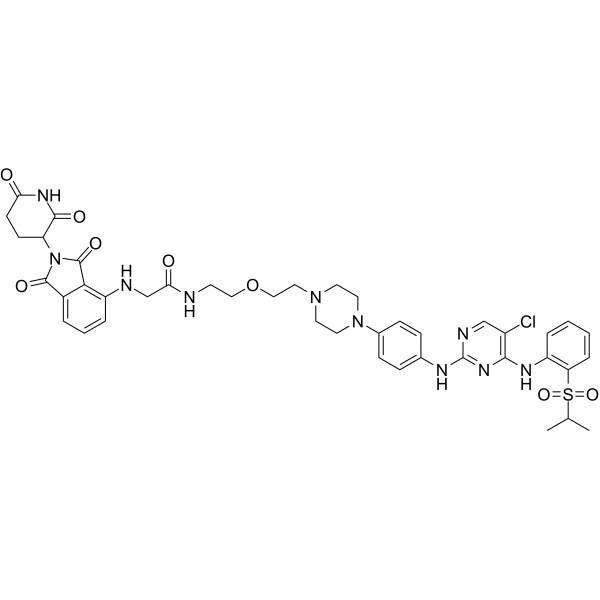
- HY-163709
-
|
|
PROTACs
FAK
Akt
ERK
|
Cancer
|
|
PROTAC FAK degrader 2 is an orally active PROTAC FAK degrader with a DC50 of 60.10 nM. PROTAC FAK degrader 2 forms a ternary complex with FAK and CRBN E3 ubiquitin ligase, driving proteasome-mediated degradation of total and phosphorylated FAK. PROTAC FAK degrader 2 inhibits phosphorylation of AKT and ERK, suppressing their downstream signaling pathways. PROTAC FAK degrader 2 reduces cancer cell viability, adhesion, migration, and invasion. PROTAC FAK degrader 2 exerts anti-tumor activity in HCT8/T tumor xenografts in mice. PROTAC FAK degrader 2 can be used for the research of breast cancer, colorectal cancer, lung cancer .
|
-

- HY-181868
-
|
|
E3 Ligase Ligand-Linker Conjugates
|
Cancer
|
Lenalidomide-CO-C7-NH2 is a CRBN-dependent intermediate of BET PROTAC degrader. Consisting of the E3 ubiquitin ligase ligand Lenalidomide (HY-A0003) conjugated with a PROTAC linker, Lenalidomide-CO-C7-NH2 induces the protein degradation. By depleting BRD4, PROTAC BET Degrader-16 effectively inhibits cancer cell proliferation, induces cell cycle arrest and promotes apoptosis, thereby exhibiting significant anti-tumor activity in xenograft models. Lenalidomide-CO-C7-NH2 serves as an important tool molecule for the study of acute myeloid leukemia .
|
-

- HY-173097
-
|
VH032-Boc derivative 1
|
MALT1
|
Cancer
|
|
(S,R,S)-AHPC-Boc derivative 1 (Compound 80-9; VH032-Boc derivative 1) is a selective proteasomal degrader targeting MALT1, which recruits the E3 ubiquitin ligase CRBN to form a ternary complex with MALT1, leading to ubiquitination and subsequent proteasomal degradation of MALT1. (S,R,S)-AHPC-Boc derivative 1 inhibits the NF-κB signaling pathway by disrupting the CBM complex, demonstrating potential for inducing apoptosis in ABC-DLBCL cells. (S,R,S)-AHPC-Boc derivative 1 is promising for research of MALT1-dependent cancers, such as diffuse large B-cell lymphoma (DLBCL) .
|
-

- HY-175236
-
|
|
PD-1/PD-L1
Apoptosis
ERK
JNK
Cadherin
p38 MAPK
GSK-3
IFNAR
Caspase
Bcl-2 Family
|
Cancer
|
|
SF-9-2 is a PD-L1/PD-1 binding inhibitor (IC50 = 24.9 nM). SF-9-2 inhibits epithelial-mesenchymal transition, migration, invasion, and proliferation of SK-N-SH cells, and also induces apoptosis and cell cycle arrest. SF-9-2 blocks PD-L1-induced SK-N-SH cell growth through the MAPK signaling pathway. SF-9-2 restores GSK-3β activity and enhances PD-L1 degradation through the ubiquitin-proteasome pathway. SF-9-2 inhibits tumor growth in the SK-N-SH NOG mouse model without significant toxicity. SF-9-2 also acts as an immune checkpoint inhibitor, blocking PD-L1 to restore T cell function. SF-9-2 can be used in neuroblastoma research .
|
-

- HY-157435
-
|
|
E1/E2/E3 Enzyme
Cytochrome P450
Proteasome
|
Cancer
|
|
PELI1-IN-1 (compound 3d) is a potent inhibitor of PELI1, E3 ubiquitin ligase. PELI1-IN-1 has anti-tumPELI1-IN-1, a Resveratrol (HY-16561) derivative, is an orally active PELI1 Inhibitor (Kd = 8.2 μM). PELI1-IN-1 markedly interrupts the interaction of PELI1 and SNAIL/SLUG, and inhibits the K63-polyubiquitization of SNAIL/SLUG by PELI1, subsequently downregulating the protein levels of epithelial-mesenchymal transition (EMT) effectors SNAIL/SLUG. PELI1-IN-1 significantly reduces the level of SNAIL, SLUG and Vimentin without affecting the PELI1 expression. PELI1-IN-1 targets the FHA domain of PELI1 and disrupts the interaction, leading to the anti-metastasis of TNBC cells in vitro and in vivo. PELI1-IN-1 shows no evident toxicity in vivo .
|
-
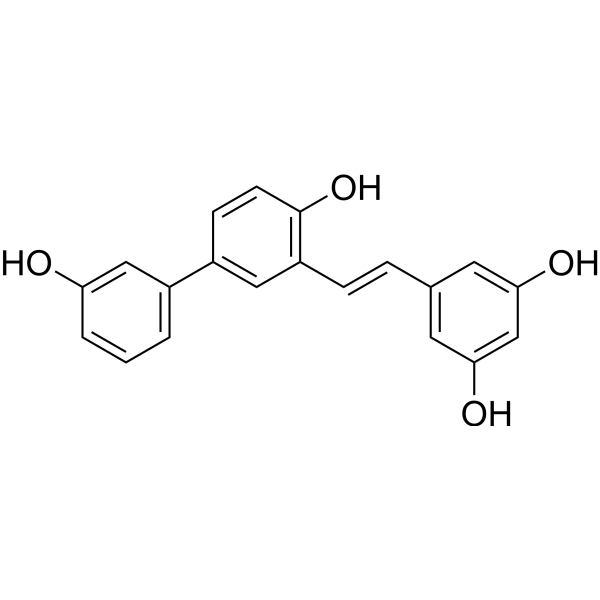
- HY-179433
-
|
|
PROTACs
Androgen Receptor
Estrogen Receptor/ERR
Src
|
Cancer
|
|
PROTAC AR Degrader-12 is a highly efficient PROTAC targeting AR coactivator binding site (AR-CBS). PROTAC AR Degrader-12 induces AR degradation in a ubiquitin proteasome system (UPS) pathway-dependent manner. PROTAC AR Degrader-12 inhibits tumor cell growth by affecting DNA replication and cell division PROTAC AR Degrader-12 could not only effectively degrade AR, but also potently inhibit the proliferation of MCF-7 and multiple mutant or resistant BC cells. PROTAC AR Degrader-12 effectively blocked estrogen receptor α (ERα) signaling through a dual mechanism involving ERα protein downregulation and suppression of its transcriptional activity. PROTAC AR Degrader-12 significantly inhibits the mRNA expression of FOXA1, GREB1, SRC, and PELP1. PROTAC AR Degrader-12 can be used for the study of breast cancer .
|
-

- HY-182239
-
|
|
PD-1/PD-L1
|
Cancer
|
|
PDL1 degrader-3 (compound e24) is a DUBTAC-like PD-L1 degrader. PDL1 degrader-3 inhibits CSN5 enzymatic activity, increases PD-L1 ubiquitination, and induces PD-L1 degradation via the ubiquitin-proteasome pathway, reducing PD-L1 expression on tumor cell membranes. PDL1 degrader-3 blocks PD-1/PD-L1 interaction, activates the tumor immune microenvironment, enhances tumor-infiltrating T-cell immunity, and inhibits activation of immunosuppressive MDSCs and Tregs. PDL1 degrader-3 exerts antitumor effects in mouse tumor models. PDL1 degrader-3 can be used for the research of colorectal cancer, lung cancer .
|
-

- HY-119264
-
|
|
Molecular Glues
Ras
Apoptosis
HIF/HIF Prolyl-Hydroxylase
|
Cancer
|
|
PRLX-93936 is a molecular Glues that binds to and reprograms the TRIM21 ubiquitin ligase to degrade nuclear pore complexes. PRLX-93936 binds to TRIM21, forms a ternary complex with TRIM21 and NUP98, and mediates the ubiquitination and proteasomal degradation of NUP98 and other nuclear pore complex proteins. PRLX-93936 induces the loss of short-lived cytoplasmic mRNA transcripts, triggers cancer cell apoptosis (Apoptosis), and inhibits the activated Ras pathway. PRLX-93936 inhibits HIF-1 under hypoxic conditions (IC50 = 0.09 μM in cell-based reporter gene assay). PRLX-93936 suppresses tumor growth in mouse models and improves survival rates in mouse models of multiple myeloma. PRLX-93936 is applicable to research related to pancreatic cancer and multiple myeloma .
|
-

- HY-14571
-
E7820
5 Publications Verification
ER68203-00
|
Molecular Glues
Integrin
|
Infection
Metabolic Disease
Cancer
|
|
E7820 (ER68203-00), an orally active aromatic sulfonamide derivative, is a molecular glue that induces the targeted degradation of splicing factor RBM39 by recruiting the E3 ubiquitin ligase CUL4-RBX1-DDB1-DCAF15 (CRL4 DCAF15). E7820 is an angiogenesis inhibitor suppressing an expression of integrin alpha2 subunit on endothelium. E7820 inhibits rat aorta angiogenesis with an IC50 of 0.11 μg/ml. E7820 modulates α-1, α-2, α-3, and α-5 integrin mRNA expression. E7820 can be used for the study of acute myeloid leukemia (AML) .
|
-
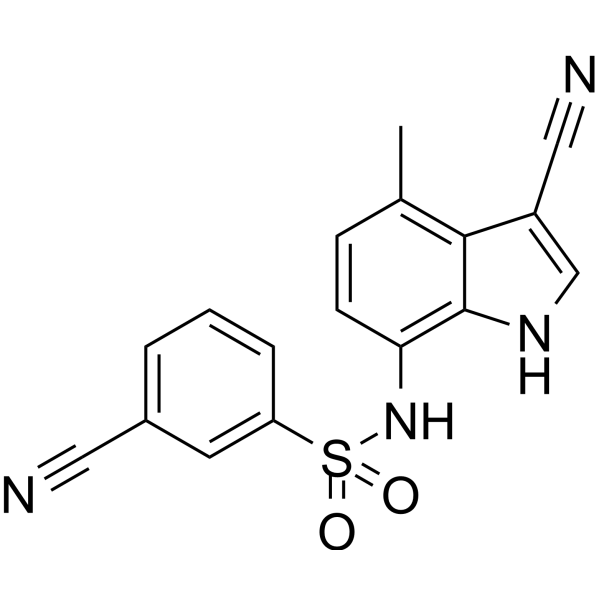
- HY-119264A
-
|
|
Molecular Glues
Apoptosis
Ras
HIF/HIF Prolyl-Hydroxylase
|
Cancer
|
|
PRLX-93936 dihydrochloride is a molecular Glues that binds to and reprograms the TRIM21 ubiquitin ligase to degrade nuclear pore complexes. PRLX-93936 dihydrochloride binds to TRIM21, forms a ternary complex with TRIM21 and NUP98, and mediates the ubiquitination and proteasomal degradation of NUP98 and other nuclear pore complex proteins. PRLX-93936 dihydrochloride induces the loss of short-lived cytoplasmic mRNA transcripts, triggers cancer cell apoptosis (Apoptosis), and inhibits the activated Ras pathway. PRLX-93936 dihydrochloride inhibits HIF-1 under hypoxic conditions (IC50 = 0.09 μM in cell-based reporter gene assay). PRLX-93936 dihydrochloride suppresses tumor growth in mouse models and improves survival rates in mouse models of multiple myeloma. PRLX-93936 dihydrochloride is applicable to research related to pancreatic cancer and multiple myeloma .
|
-
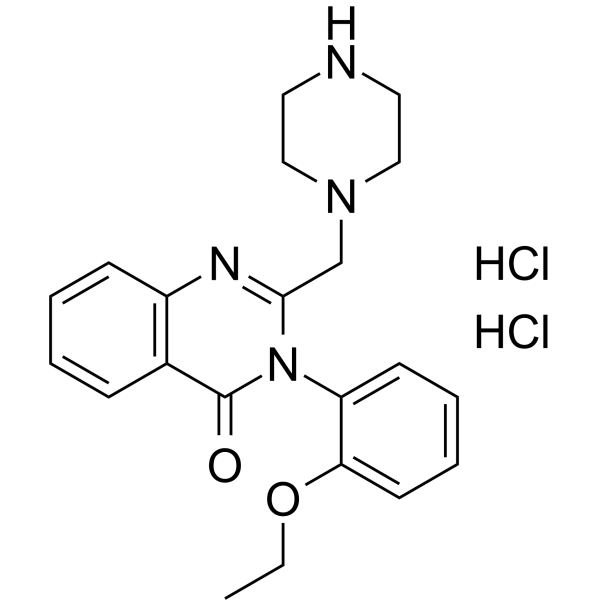
- HY-132580
-
|
BIIB067; ISIS-SOD1Rx; ISIS 333611
|
SOD
|
Neurological Disease
|
|
Tofersen (BIIB067) is an antisense oligonucleotide and SOD1 mRNA inhibitor with an IC50 of 320 pM. Tofersen mediates RNase H-dependent degradation of SOD1 mRNA to reduce SOD1 protein levels in cerebrospinal fluid and serum. Tofersen downregulates cerebrospinal fluid neurofilament light chain, neurofilament heavy chain, amyloid-beta 1-40, amyloid-beta 1-42, neuropeptide Y, ubiquitin C-terminal hydrolase L1, neuropentraxins 1, 2, R, corticotropin-releasing hormone, IL-15, and serum neurofilament light chain, neurofilament heavy chain. Tofersen can be used for the research of superoxide dismutase 1-associated amyotrophic lateral sclerosis .
|
-

- HY-179421
-
|
|
PROTACs
HDAC
NF-κB
NOD-like Receptor (NLR)
Interleukin Related
TNF Receptor
|
Inflammation/Immunology
|
|
PROTAC HDAC6 degrader 7 is an orally active, highly efficient, and selective PROTAC degrader targeting histone deacetylase 6 (HDAC6) (IC50 = 118 nM). PROTAC HDAC6 degrader 7 can eliminate both the catalytic and zinc-finger ubiquitin-binding domain. PROTAC HDAC6 degrader 7 inhibits NLRP3 inflammasome assembly and activation, as well as blocks NF-κB signaling, thereby reducing the transcription and release of key inflammatory factors. PROTAC HDAC6 degrader 7 can reduce the mRNA levels of NLRP3, pro-IL-1β, TNF-α, and IL-6. PROTAC HDAC6 degrader 7 can be used for the study of inflammatory bowel disease (IBD) .
|
-

- HY-182924
-
|
|
PROTACs
Enterovirus
|
Infection
|
|
Jun15702 is a PROTAC degrader targeting the capsid protein VP1 of enterovirus D68. Jun15702 recruits the Cereblon (CRBN) E3 ligase and activates the ubiquitin-proteasome pathway. Jun15702 inhibits viral entry and exerts inhibitory effects during the early, middle and late stages of viral replication. Jun15702 exhibits antiviral activity against multiple wild-type enterovirus D68 strains, and also shows submicromolar antiviral activity against the Pleconaril (HY-19952)-resistant enterovirus D68 variant rMO-VP1 F159V. Jun15702 can be used in studies related to enterovirus D68 (EV-D68) infection .
|
-

- HY-182275
-
|
|
PROTACs
Histone Methyltransferase
|
Cancer
|
|
PROTAC PRMT1 degrader-1 (compound 4) is a PRMT1 PROTAC degrader, with a DC50 of 0.77 μM (MCF-7 cells). PROTAC PRMT1 degrader-1 recruits the CRBN E3 ubiquitin ligase to induce proteasome-dependent degradation of PRMT1; it also forms a ternary complex with PRMT1 and CRBN, promoting ubiquitination and subsequent proteasomal degradation of PRMT1. PROTAC PRMT1 degrader-1 reduces the level of asymmetric dimethylarginine in cancer cells, as well as the level of asymmetric dimethylation of arginine 3 on histone H4, while inhibiting the growth of various cancer cells. PROTAC PRMT1 degrader-1 can be used in the research of breast cancer and melanoma .
|
-

- HY-145925B
-
CFT8634
1 Publications Verification
|
PROTACs
Epigenetic Reader Domain
|
Cancer
|
|
CFT8634 is an orally bioavailable PROTAC BRD9 targeted degrader based on the E3 ubiquitin ligase CRBN mechanism. CFT8634 can be used for the study of synovial sarcoma and SMARCB1-deficient solid tumors (Pink: BRD9 ligand (HY-169988); Blue: E3 ligase ligand (HY-169989); Black: linker (HY-169991). CFT8634 is a heterobifunctional molecule that binds to BRD9 at one end and recruits CRBN at the other end, which can inhibit the growth of tumor cells that depend on BRD9. CFT8634 can be used for the study of SMARCB1-related cancers (such as synovial sarcoma and malignant rhabdoid tumor) .
|
-
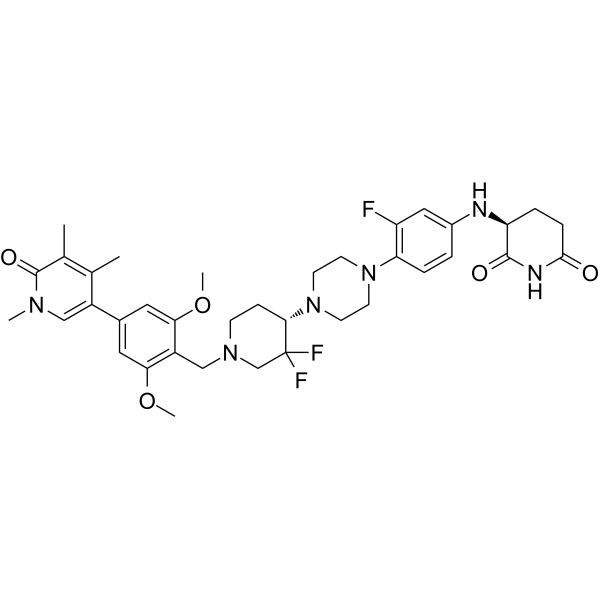
- HY-132580A
-
|
BIIB067 sodium; ISIS-SOD1Rx sodium; ISIS 333611 sodium
|
SOD
|
Neurological Disease
|
|
Tofersen (BIIB067) sodium is an antisense oligonucleotide and SOD1 mRNA inhibitor with an IC50 of 320 pM. Tofersen sodium mediates RNase H-dependent degradation of SOD1 mRNA to reduce SOD1 protein levels in cerebrospinal fluid and serum. Tofersen sodium downregulates cerebrospinal fluid neurofilament light chain, neurofilament heavy chain, amyloid-beta 1-40, amyloid-beta 1-42, neuropeptide Y, ubiquitin C-terminal hydrolase L1, neuropentraxins 1, 2, R, corticotropin-releasing hormone, IL-15, and serum neurofilament light chain, neurofilament heavy chain. Tofersen sodium can be used for the research of superoxide dismutase 1-associated amyotrophic lateral sclerosis .
|
-

- HY-159728
-
|
|
PROTACs
Histone Methyltransferase
Apoptosis
Early 2 Factor (E2F)
c-Myc
|
Cancer
|
|
PROTAC PRMT3 degrader 1 is a selective PRMT3 PROTAC degrader with a DC50 of 2.566 μM. PROTAC PRMT3 degrader 1 forms a ternary complex with MDM2 E3 ubiquitin ligase to induce proteasomal and neddylation-dependent degradation of PRMT3. PROTAC PRMT3 degrader 1 activates intrinsic apoptosis, endoplasmic reticulum stress signaling pathways. PROTAC PRMT3 degrader 1 downregulates E2F, MYC, oxidative phosphorylation pathways. PROTAC PRMT3 degrader 1 reduces cellular asymmetric dimethylarginine (ADMA) levels. PROTAC PRMT3 degrader 1 inhibits acute leukemia cell growth. PROTAC PRMT3 degrader 1 acts with glycolysis inhibitor 2-DG to reduce ATP production, induce intrinsic apoptosis, drive synergistic antiproliferative effects. PROTAC PRMT3 degrader 1 can be used for the research of acute leukemia .
|
-

- HY-139997
-
|
|
PROTACs
EGFR
|
Cancer
|
|
DDC-01-163 is an allosteric PROTAC degrader targeting EGFR. DDC-01-163 is dependent on the ubiquitin–proteasome system. DDC-01-163 can selectively inhibit the proliferation of L858R/T790M (L/T) mutant Ba/F3 cells. DDC-01-163 is effective against Osimertinib (HY-15772)-resistant cells with L/T/C797S and L/T/L718Q EGFR mutations. DDC-01-163 exhibits enhanced anti-proliferative activity against L858R/T790M EGFR-Ba/F3 cells when combined with the ATP-site EGFR inhibitor Osimertinib. DDC-01-163 can be used for the study of non-small cell lung cancer .
|
-

- HY-178176
-
|
|
PROTACs
Cannabinoid Receptor
Akt
ERK
Bcl-2 Family
Apoptosis
|
Cancer
|
|
PROTAC CB1R Degrader-1 is a potent and selective CB1R PROTAC degrader that exploits the ubiquitin-proteasome system (UPS) achieving a DC50 of 3.37 μM in MCF-7 cells and showing no impact on CB2R. PROTAC CB1R Degrader-1 reduces CB1R-associated downstream signaling (p-AKT, p-ERK, BCL2, and MCM5), thereby inhibiting breast cancer cell proliferation and inducing apoptosis. PROTAC CB1R Degrader-1 can be used for breast cancer research. (Blue: CRBN ligand (HY-41547); Black: linker (HY-178198); Pink: CB1R ligand (HY-134497)) .
|
-

- HY-170824
-
|
|
PROTACs
SWI/SNF Complex
Epigenetic Reader Domain
|
Cancer
|
|
SMD-3236 is a SMARCA2 PROTAC degrader with a DC50 of 0.5 nM, a Dmax of 98%, and an IC50 of 42.2 nM against human SMARCA2. SMD-3236 induces proteasome- and ubiquitin-like modification-dependent degradation of SMARCA2 protein by binding to SMARCA2 and VHL-1. SMD-3236 inhibits the growth of SMARCA4-deficient cancer cells. SMD-3236 induces significant and persistent depletion of SMARCA2 in tumor tissues. SMD-3236 suppresses tumor growth in SMARCA4-deficient human cancer xenograft models. SMD-3236 can be used in research related to SMARCA4-deficient cancers such as melanoma, non-small cell lung cancer, and acute myeloid leukemia .
|
-

- HY-120929
-
BI8622
4 Publications Verification
|
E1/E2/E3 Enzyme
c-Myc
|
Inflammation/Immunology
Cancer
|
|
BI8622 is a specific inhibitor of the ubiquitin ligase HUWE1 with an IC50 of 3.1 μM. BI8622 can decrease the protein expression levels of c-myc and glycolytic markers as well as immune modulatory markers after HUWE1 inhibition in triple-negative breast cancer (TNBC) cell lines. BI8622 significantly protects against cisplatin (HY-17394)-induced acute kidney injury (AKI). BI8622 significantly reduces the growth of multiple myeloma (MM) cell lines and induces cell cycle arrest. BI8622 can prevent HUWE1-dependent TTBK2 ubiquitination. BI8622 can be studied in research for various diseases including medulloblastoma, acute kidney injury, breast cancer and MM .
|
-
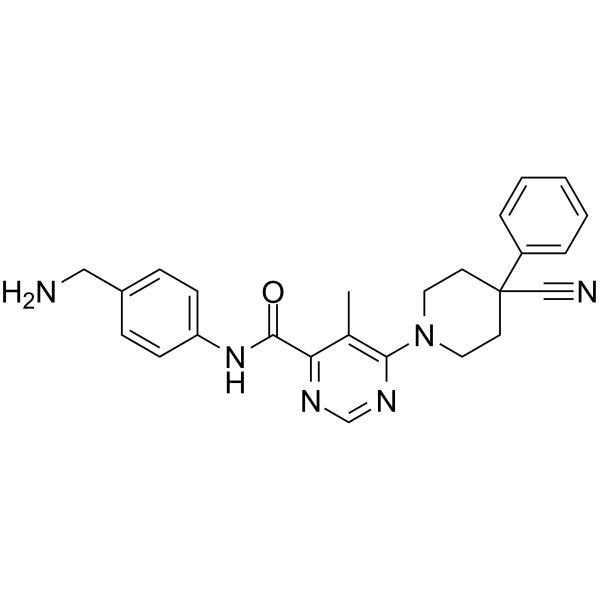
- HY-129602
-
|
|
PROTACs
STAT
Apoptosis
|
Cancer
|
|
SD-36 is a potent and efficacious STAT3 PROTAC degrader (Kd=~50 nM), and demonstrates high selectivity over other STAT members. SD-36 also effectively degrades mutated STAT3 proteins in cells and suppresses the transcriptional activity of STAT3 (IC50=10 nM). SD-36 exerts robust anti-tumor activity, and achieves complete and long-lasting tumor regression in mouse tumor models. SD-36 is composed of the STAT3 inhibitor SI-109, a linker, and an analog of Cereblon ligand Lenalidomide for E3 ubiquitin ligase . SD-36 is a click chemistry reagent, it contains an Alkyne group and can undergo copper-catalyzed azide-alkyne cycloaddition (CuAAc) with molecules containing Azide groups.
|
-
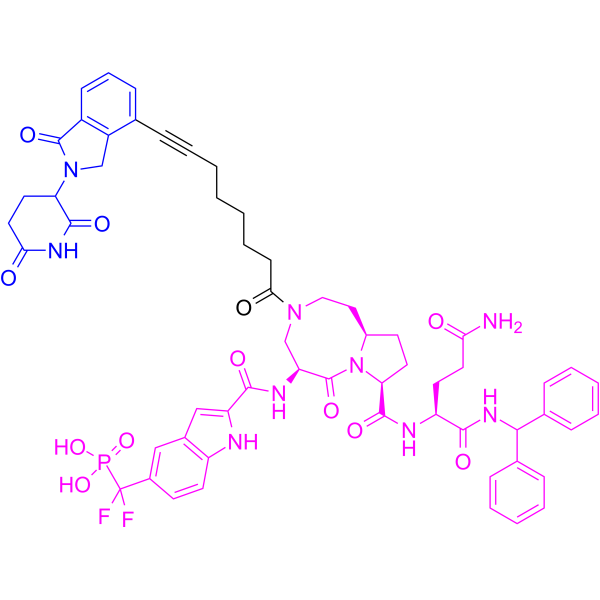
- HY-175885
-
|
|
PROTACs
Fat Mass and Obesity-associated Protein (FTO)
Apoptosis
Caspase
PARP
YTHDF
|
Cancer
|
|
PROTAC FTO degrader 1 is a Fat Mass and Obesity-associated Protein (FTO) PROTAC degrader. PROTAC FTO degrader 1 selectively degrades FTO depending on VHL E3 ligase and ubiquitin-proteasome system. PROTAC FTO degrader 1 can increase m6A modifications on mRNAs associated with ribosome biogenesis and promote their YTHDF2-mediated decay. PROTAC FTO degrader 1 can inhibit cancer cells proliferation and induce apoptosis. PROTAC FTO degrader 1 can be used for the research of cancer, such as acute myeloid leukemia (AML) . (Structure Note: Pink: FTO ligand (HY-175886); Blue: VHL ligand (HY-112078); Black: linker (HY-W002042); VHL ligand-Linker: (HY-139218))
|
-

- HY-132580S
-
|
BIIB067-d27; ISIS-SOD1Rx-d27; ISIS 333611-d27
|
Isotope-Labeled Compounds
SOD
|
Neurological Disease
|
|
Tofersen-d27 (BIIB067-d27) is the deuterium labeled Tofersen (HY-132580). Tofersen (BIIB067) is an antisense oligonucleotide and SOD1 mRNA inhibitor with an IC50 of 320 pM. Tofersen mediates RNase H-dependent degradation of SOD1 mRNA to reduce SOD1 protein levels in cerebrospinal fluid and serum. Tofersen downregulates cerebrospinal fluid neurofilament light chain, neurofilament heavy chain, amyloid-beta 1-40, amyloid-beta 1-42, neuropeptide Y, ubiquitin C-terminal hydrolase L1, neuropentraxins 1, 2, R, corticotropin-releasing hormone, IL-15, and serum neurofilament light chain, neurofilament heavy chain. Tofersen can be used for the research of superoxide dismutase 1-associated amyotrophic lateral sclerosis.
|
-

- HY-173679
-
|
|
PROTACs
PARP
Interleukin Related
STAT
Integrin
HSV
VSV
|
Infection
Cancer
|
|
RBN012811 is a highly selective PROTAC-based PARP14 degrader. RBN012811 forms a ternary complex with cereblon by binding to the NAD + site of PARP14, and mediates the specific degradation of PARP14 via the ubiquitin-proteasome pathway (IC50=10 nM). RBN012811 effectively depletes endogenous PARP14 in various cell lines and primary human macrophages, thereby downregulating IL-10 production and IFN-β mRNA levels, increasing phosphorylated STAT1 levels to enhance inflammatory signaling, and inhibiting interferon-induced ADPr condensate formation. RBN012811 also modulates viral replication, exhibiting increased HSV1 replication while reducing VSV replication. RBN012811 has important application value in research related to cancer and viral infections .
|
-

- HY-159147
-
|
|
PROTACs
ROS Kinase
Apoptosis
|
Cancer
|
|
SIAIS039 is an orally active c-ros oncogene 1 (ROS1)-specific PROTAC with DC50s of 154.46 nM, 126.47 nM, 143.69 nM for HCC78 cells, Ba/F3 expressing the CD74-ROS1 fusion and Ba/F3 expressing the SDC4-ROS1 fusion, respectively. SIAIS039 suppresses cell proliferation, induces cell cycle arrest and apoptosis, and inhibits clonogenicity against ROS1-positive cells. SIAIS039 demonstrates anti-tumour effects against ROS1-driven tumor growth vivo. SIAIS039 is composed of the ALK inhibitor Brigatinib (HY-12857), a linker EM-12 (HY-138793), and a VHL ligand E3 ubiquitin ligase 1-Butyne (Red: Brigatinib; Blue: VHL ligand; Black: linker) .
|
-

- HY-128586A
-
|
|
NEDD8-activating Enzyme
Carbonic Anhydrase
Apoptosis
|
Cancer
|
|
TAS4464 hydrochloride is a long-acting, highly selective covalent inhibitor targeting NEDD8-activating enzyme (NAE) (IC50=0.955 nM), and also inhibits CAII with an IC50 of 0.73 μM, which is less potent than MLN4924 (HY-70062). The IC50 values of TAS4464 hydrochloride against other E1 enzymes UAE and SAE are 449 nM and 1280 nM, respectively. TAS4464 hydrochloride targets NEDD8 in an ATP-dependent manner to inhibit NAE, blocks the neddylation pathway, causes accumulation of CRL ubiquitin ligase substrates (such as CDT1, p27, phosphorylated IκBα), and further induces tumor cell apoptosis. TAS4464 hydrochloride exhibits antiproliferative and cytotoxic effects, and has broad-spectrum antitumor activity against various hematologic and solid tumor cell lines as well as patient-derived tumor cells. TAS4464 hydrochloride has a wide therapeutic window, without obvious toxicity. TAS4464 hydrochloride can be used in the research of hematologic malignancies (leukemia, lymphoma, multiple myeloma, etc.) and solid tumors (small cell lung cancer, colorectal cancer, sarcoma, endometrial cancer, ovarian cancer, etc.) .
|
-
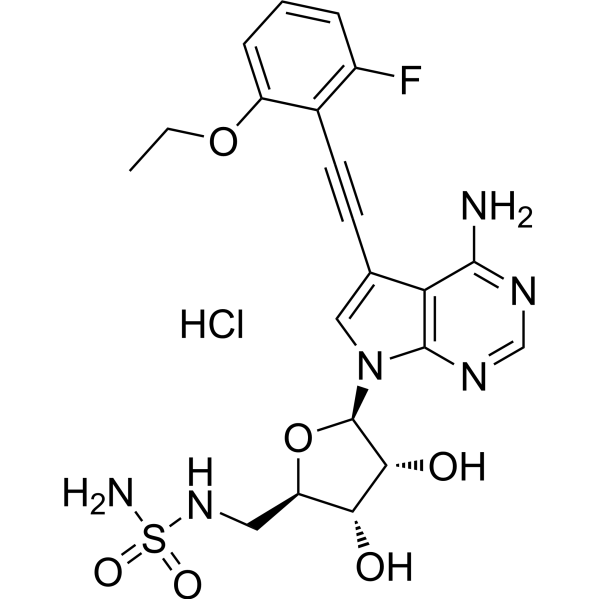
- HY-128586
-
|
|
Apoptosis
Carbonic Anhydrase
NEDD8-activating Enzyme
|
Cancer
|
|
TAS4464 is a long-acting, highly selective covalent inhibitor targeting NEDD8-activating enzyme (NAE) (IC50=0.955 nM), and also inhibits CAII with an IC50 of 0.73 μM, which is less potent than MLN4924 (HY-70062). The IC50 values of TAS4464 against other E1 enzymes UAE and SAE are 449 nM and 1280 nM, respectively. TAS4464 targets NEDD8 in an ATP-dependent manner to inhibit NAE, blocks the neddylation pathway, causes accumulation of CRL ubiquitin ligase substrates (such as CDT1, p27, phosphorylated IκBα), and further induces tumor cell apoptosis. TAS4464 exhibits antiproliferative and cytotoxic effects, and has broad-spectrum antitumor activity against various hematologic and solid tumor cell lines as well as patient-derived tumor cells. TAS4464 has a wide selcetive window, without obvious toxicity. TAS4464 can be used in the research of hematologic malignancies (leukemia, lymphoma, multiple myeloma, etc.) and solid tumors (small cell lung cancer, colorectal cancer, sarcoma, endometrial cancer, ovarian cancer, etc.) .
|
-
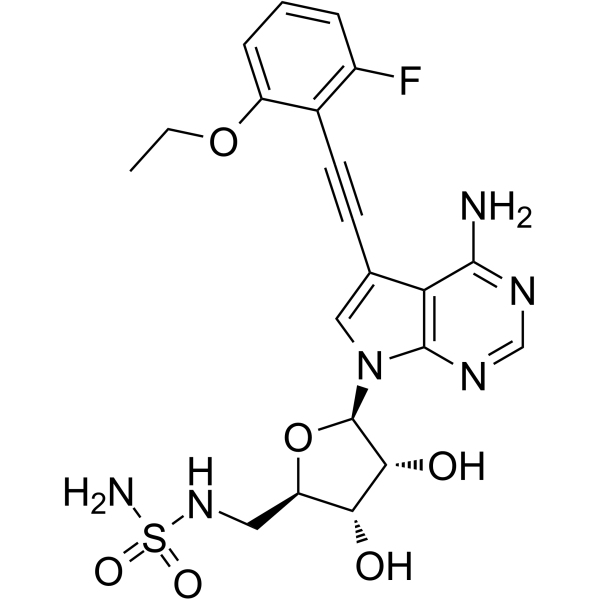
- HY-162875
-
|
|
PROTACs
Epigenetic Reader Domain
|
Cancer
|
|
PROTAC BRD4 Degrader-27 (compound 6b) is a PROTAC that selectively targets BRD4 (rather than BRD2/BRD3) and can also inhibit the expression of KLF5 transcription factor and exert anti-cancer activity. PROTAC BRD4 Degrader-27 is composed of E3 ubiquitinase ligand Thalidomide-4-OH (HY-103596) (red part), PROTAC Linker γ-Aminobutyric acid (HY-N0067) (black part) and PROTAC target protein ligand PROTAC BRD4 ligand-3 (HY-162876) (blue part), of which the active control of the target protein ligand is Mivebresib (HY-100015), and the conjugate of E3 ubiquitin ligase ligand + Linker is Pomalidomide 4'-alkylC3-acid (HY-131875) [1] .
|
-

- HY-153321A
-
|
(R,R)-NX-5948; (R,R)-BTK-IN-24
|
Drug Isomer
PROTACs
Btk
|
Inflammation/Immunology
Cancer
|
|
(R,R)-Bexobrutideg is the (R,R)-enantiomer of Bexobrutideg (HY-153321). Bexobrutideg (NX-5948) is an orally active PROTAC that induces specific BTK protein degradation via a cereblon E3 ligase (CRBN) complex without degrading other cereblon neo substrates. Bexobrutideg mediates potent anti-inflammatory activity through BTK degradation, thereby inhibiting B cell activation. Bexobrutideg exhibits potent tumor growth inhibition in TMD8 xenograft models containing wild-type BTK or BTKi resistance mutations. Bexobrutideg is effective in a mouse model of collagen-induced arthritis (CIA). Bexobrutideg can cross the blood-brain barrier. NX-5948 consists of a target protein ligand, a linker, and a VHL E3 ubiquitin ligase (Red: BTK ligand (HY-170324); Blue: CRBN ligand (HY-171893); Black: linker) .
|
-

- HY-179424
-
|
|
PROTACs
HIF/HIF Prolyl-Hydroxylase
p38 MAPK
Akt
PI3K
MEK
Apoptosis
|
Cancer
|
|
PROTAC HIF-1α degrader-2 is a highly efficient and selective PROTAC degrader targeting HIF-1α. PROTAC HIF-1α degrader-2 promotes HIF-1α degradation via the ubiquitin-proteasome pathway by facilitating the formation of a HIF-1α/VHL ternary complex. PROTAC HIF-1α degrader-2 inhibits HeLa cell proliferation, migration, and colony formation, and induces apoptosis. PROTAC HIF-1α degrader-2 reduces p-MEK and p-AKT expression in the MAPK and PI3K/AKT pathways. PROTAC HIF-1α degrader-2 can be used for the study of cervical cancer .
|
-

- HY-168996
-
|
|
CDK
Apoptosis
|
Cancer
|
|
LA-CB1 is an Abemaciclib (HY-16297A) derivative that targets CDK4/6 and promotes its degradation via the ubiquitin-proteasome pathway, thereby disrupting the CDK4/6-Cyclin D1-Rb-E2F axis and inducing G0/G1 cell cycle arrest and apoptosis. LA-CB1 exhibits antiproliferative activity against MDA-MB-231 cells, with an IC50 of 0.27 µM, and effectively inhibits epithelial-mesenchymal transition (EMT), cell migration, invasion, and angiogenesis. In highly aggressive models such as triple-negative breast cancer (TNBC), LA-CB1 significantly suppresses tumor growth in a dose-dependent manner. LA-CB1 holds potential for research in the field of breast cancer .
|
-

- HY-175459
-
|
|
PROTACs
FAK
|
Inflammation/Immunology
Cancer
|
|
PROTAC FAK degrader 3 is a selective FAK PROTAC degrader (DC50 = 1.08 nM). PROTAC FAK degrader 3 induces FAK degradation dependent on the ubiquitin-proteasome system and its binding to FAK and CRBN. PROTAC FAK degrader 3 upregulates MHC-I gene transcription and tumor cell surface expression by inhibiting the non-catalytic activity of FAK, leading to increased antigen presentation and activation of cytotoxic CD8 T cells. PROTAC FAK degrader 3 enhances in vivo anti-tumor activity by promoting MHC-I expression and enhancing T cell activation. PROTAC FAK degrader 3 can be used in cancer research targeting FAK degradation in ovarian cancer, hepatocellular carcinoma, and other cancers. (Pink: FAK-IN-3:HY-143407, Blue: Thalidomide-4-OH:HY-103596, Blue + Black: FAK ligand-3: HY-W939883, Black: Linker) .
|
-

- HY-179499
-
|
|
PROTACs
Histone Methyltransferase
Apoptosis
|
Cancer
|
|
PROTAC EZH2 Degrader-9 is orally active EZH2 PROTAC degrader degrading EZH2 via the ubiquitin-proteasome pathway. PROTAC EZH2 Degrader-9 downregulates PRC2 core subunits and potent inhibition of H3K27me3 without affecting common CRBN neosubstrates while it was selective over GSp'T1 and ikZF1/3. PROTAC EZH2 Degrader-9 exhibits potent antiproliferative activity against multiple cancer cell lines by inducing cell cycle and apoptosis. PROTAC EZH2 Degrader-9 reverses PRC2-mediated gene silencing and inhibiting EZH2 non-catalytic target gene activation. PROTAC EZH2 Degrader-9 can be used for leukemia, lymphoma, and non-small cell lung cancer research .
|
-

- HY-182759
-
|
|
DNA Alkylator/Crosslinker
Topoisomerase
Caspase
Bcl-2 Family
Apoptosis
|
Cancer
|
|
MN33-47 is a multi-target anti-tumor compound with broad-spectrum anti-proliferative activity. MN33-47 relieves the inhibition of the mitochondrial apoptosis pathway by downregulating the anti-apoptotic protein Bcl-2, while activating caspase-3 and inhibiting Topoisomerase I activity, thereby promoting its degradation through the ubiquitin-proteasome and autophagy-lysosome pathways. MN33-47 can also induce DNA cross-linking and G2/M cell cycle arrest, inhibit cancer cell migration and activate the mitochondrial apoptosis pathway, thus exerting potent anti-tumor effects. MN33-47 can improve the water solubility of SN-38 (HY-13704), and exhibits dose-dependent tumor growth inhibition effects in CT26 tumor-bearing mouse models without obvious toxic and side effects. MN33-47 can be used in related studies on colorectal adenocarcinoma, cervical adenocarcinoma, hepatocellular carcinoma, alveolar basal epithelial adenocarcinoma, gastric cancer and colon cancer .
|
-

- HY-13817
-
|
|
Deubiquitinase
Autophagy
Apoptosis
|
Cardiovascular Disease
Neurological Disease
Endocrinology
Cancer
|
|
IU1 is a selective, reversible USP14 inhibitor with an IC50 of 4-5 μM. IU1 binds USP14’s catalytic cleft to block deubiquitinase activity. IU1 induces calpain-dependent Tau cleavage, causes ATP deficits, reduces E1~Ub thioester levels and 26S proteasome assembly. IU1 enhances 26S proteasome chymotrypsin-like activity, modulates LC3B-dependent autophagy flux, reduces cancer cell proliferation and migration, and blocks G0/G1 to S phase cell cycle transition in follicular thyroid cancer cells. IU1 activates autophagy-lysosomal and ubiquitin-proteasome pathways, triggers apoptosis, and reduces cervical cancer cell growth. IU1 enhances degradation of proteasome substrates linked to neurodegenerative disease, accelerates oxidized protein degradation, and increases oxidative stress resistance. IU1 can be used for the research of Alzheimer’s disease, follicular thyroid cancer, ischemic stroke, cervical cancer, and neurodegenerative disease .
|
-
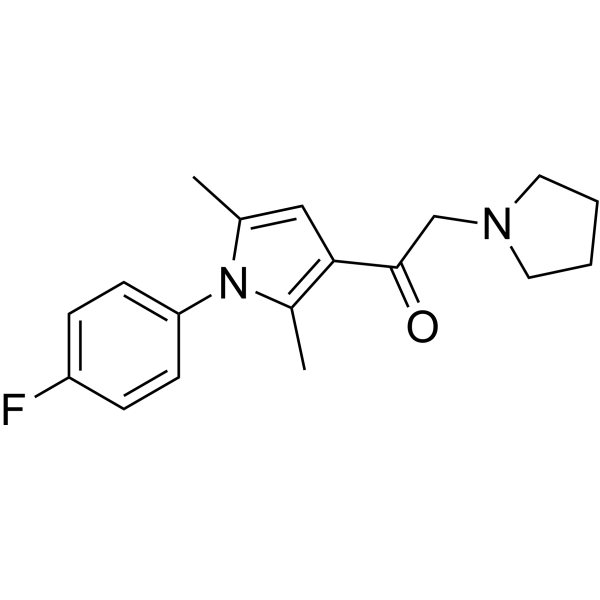
-
-
HY-L128
-
|
|
177 compounds
|
|
Proteolysis-targeting chimera (PROTAC) has been developed to be a useful technology for targeted protein degradation. PROTACs consist of a ligand for E3 ligase (E3 ligase binder), a linker and a ligand (mostly small-molecule inhibitor) for protein of interest(target binder). Upon binding to the target protein, the PROTACs can recruit E3 for target protein ubiquitination, which is subjected to proteasome-mediated degradation.
Although there are more than 600 E3 ubiquitin ligases, only several with small molecule ligands have been used for designing PROTACs, including Skp1-Cullin-F box complex containing Hrt1 (SCF), Von Hippel-Lindau tumor suppressor (VHL), Cereblon (CRBN), inhibitor of apoptosis proteins (IAPs), and mouse double minute 2 homolog (MDM2).
MCE carefully prepared a unique collection of 177 ligands for E3 ligase, which have been reported to be used in PROTAC design. MCE E3 ligase ligand library is a useful tool for PROTAC development.
|
| Art. -Nr. |
Produktname |
Type |
-
- HY-N2306R
-
|
Aclarubicin (Standard)
|
Fluorescent Dyes
|
|
Aclacinomycin A (Standard) is the analytical standard of Aclacinomycin A. This product is intended for research and analytical applications. Aclacinomycin A (Aclarubicin) is an orally active and potent anthracycline antitumor antibiotic. Aclacinomycin A is an inhibitor of topoisomerase I and II. Aclacinomycin A inhibits synthesis of nucleic acid, especially RNA. Aclacinomycin A might inhibit the 26S protease complex as well as the ubiquitin-ATP-dependent proteolysis .
|
-
- HY-D1726
-
|
|
Fluorescent Dyes
|
|
8RK59, a Bodipy probe, is a potent UCHL1 (ubiquitin C-terminal hydrolase L1) inhibitor, with an IC50 close to 1 μM. 8RK59 could penetrate and label living cells. BodipyFL-alkyne is coupled to the azide of 8RK64 (HY-148254) using copper(I)-mediated click chemistry, resulting in compound 8RK59 .
|
| Art. -Nr. |
Produktname |
Target |
Research Area |
-
- HY-P10899
-
|
|
PROTACs
TGF-beta/Smad
|
Endocrinology
|
|
ETTAC-2 is a LRG1 PROTAC degrader, degrading LRG1 via the ubiquitin-proteasome pathway with a DC50 value of 8.38 μM. ETTAC-2 penetrates damaged renal cells to reduce the extracellular secretion of LRG1. ETTAC-2 effectively inhibits the TGF-β-Smad3 signaling pathway and diminishes the secretion of fibrosis-associated extracellular matrix proteins. ETTAC-2 degrades LRG1 within fibrotic kidneys and the efficacy in inhibiting the TGF-β-Smad3 pathway both in vitro and vivo. ETTAC-2 can be used for renal fibrosis research .
|
-
- HY-P10412
-
|
ANXA1-derived 11 amino acid-long peptide
|
Ephrin Receptor
Annexin A
|
Cancer
|
|
A11 (ANXA1-derived 11 amino acid-long peptide) is a ANXA1-EphA2 interaction-blocking peptide. A11 reduces ANXA1 bound to EphA2 and increases Cbl (the E3 ubiquitin ligase of EphA2) bound to EphA2. A11 inhibits the proliferation, migration and invasion of nasopharyngeal carcinoma cells. A11 inhibits angiogenesis. A11 can be used in studies related to nasopharyngeal carcinoma .
|
-
- HY-P11228
-
|
|
PROTACs
Apoptosis
DNA/RNA Synthesis
|
Cancer
|
|
FPP29 is a potent peptide-based FOXM1 PROTAC degrader. FPP29 induces ubiquitination and degradation of FOXM1. FPP29 inhibits FOXM1 via the ubiquitin-proteasome degradation pathway. FPP29 induces Apoptosis. FPP29 suppresses tumor growth in hepatocellular carcinoma xenograft models. FPP29 can be used in the research of hepatocellular carcinoma (cell-penetrating peptide: (HY-P0133); VHL ligase ligand: (HY-P11493); linker: (HY-W013664); FOXM1 ligand: (HY-P11494)) .
|
-
- HY-P1259A
-
|
|
Proteasome
Bacterial
|
Inflammation/Immunology
|
|
PR-39 TFA, a natural proline- and arginine-rich antibacterial peptide, is a noncompetitive, reversible and allosteric proteasome inhibitor. PR-39 TFAreversibly binds to the α7 subunit of the proteasome and blocks degradation of NF-κB inhibitor IκBα by the ubiquitin-proteasome pathway. PR-39 TFA stimulates angiogenesis, inhibits inflammatory responses and significant reduces myocardial infarct size in mice .
|
-
- HY-P2483B
-
|
|
Bacterial
Proteasome
|
Infection
Inflammation/Immunology
Cancer
|
|
Octaarginine acetate is a cell-penetrating peptide and proteasome inhibitor. Octaarginine acetate exhibits mixed-type inhibition against 20S proteasome chymotrypsin-like, caspase-like, and trypsin-like activities, and inhibits 26S proteasome activity with decreased efficiency. Octaarginine acetate induces ubiquitin-conjugated protein accumulation, mediates HSPG-dependent cellular internalization via macropinocytosis, enhances liposomal cargo uptake and gene delivery. Octaarginine acetate can be used for the research of cervix carcinoma, collagen antibody-induced arthritis, and bacterial infections .
|
-
- HY-P2483
-
|
|
Proteasome
Bacterial
|
Infection
Inflammation/Immunology
Cancer
|
|
Octaarginine is a cell-penetrating peptide and proteasome inhibitor. Octaarginine exhibits mixed-type inhibition against 20S proteasome chymotrypsin-like, caspase-like, and trypsin-like activities, and inhibits 26S proteasome activity with decreased efficiency. Octaarginine induces ubiquitin-conjugated protein accumulation, mediates HSPG-dependent cellular internalization via macropinocytosis, enhances liposomal cargo uptake and gene delivery. Octaarginine can be used for the research of cervix carcinoma, collagen antibody-induced arthritis, and bacterial infections .
|
-
- HY-P1259
-
|
|
Proteasome
Bacterial
|
Inflammation/Immunology
|
|
PR-39, a natural proline- and arginine-rich antibacterial peptide, is a noncompetitive, reversible and allosteric proteasome inhibitor. PR-39 reversibly binds to the α7 subunit of the proteasome and blocks degradation of NF-κB inhibitor IκBα by the ubiquitin-proteasome pathway. PR-39 stimulates angiogenesis, inhibits inflammatory responses and significant reduces myocardial infarct size in mice .
|
-
- HY-P10416
-
|
Q14 peptide
|
Deubiquitinase
Mitophagy
|
Others
Neurological Disease
|
|
Q14 is a polypeptide derived from the USP30 (ubiquitin specific peptidase 30) transmembrane (TM) domain with the ability to inhibit the deubiquitination activity of USP30 (IC50=57.2 nM). Q14 reduces USP30 activity by inhibiting the interaction between the USP30 transmembrane domain and its catalytic domain. Q14 peptide contains the LC3 interaction region (LIR) motif, which enables it to bind to the LC3 and accelerate the formation of autophagosomes, thereby promoting mitophagy. Q14 can be used in the study of neurodegenerative diseases as well as mitochondrial quality control and cell metabolism .
|
-
- HY-P2483A
-
|
|
Proteasome
Bacterial
|
Infection
Neurological Disease
Cancer
|
|
Octaarginine TFA is a cell-penetrating peptide and proteasome inhibitor. Octaarginine TFA exhibits mixed-type inhibition against 20S proteasome chymotrypsin-like, caspase-like, and trypsin-like activities, and inhibits 26S proteasome activity with decreased efficiency. Octaarginine TFA induces ubiquitin-conjugated protein accumulation, mediates HSPG-dependent cellular internalization via macropinocytosis, enhances liposomal cargo uptake and gene delivery. Octaarginine TFA can be used for the research of cervix carcinoma, collagen antibody-induced arthritis, and bacterial infections .
|
| Art. -Nr. |
Produktname |
Category |
Target |
Chemical Structure |
| Art. -Nr. |
Produktname |
Chemical Structure |
-
- HY-A0003S
-
|
|
|
Lenalidomide-d5 is deuterium labeled Lenalidomide. Lenalidomide (CC-5013), a derivative of Thalidomide, acts as molecular glue. Lenalidomide is an orally active immunomodulator. Lenalidomide (CC-5013) is a ligand of ubiquitin E3 ligase cereblon (CRBN), and it causes selective ubiquitination and degradation of two lymphoid transcription factors, IKZF1 and IKZF3, by the CRBN-CRL4 ubiquitin ligase. Lenalidomide (CC-5013) specifically inhibits growth of mature B-cell lymphomas, including multiple myeloma, and induces IL-2 release from T cells .
|
-
-
- HY-14658S
-
|
|
|
Thalidomide-d4 is a deuterium labeled Thalidomide. Thalidomide inhibits cereblon (CRBN), a part of the cullin-4 E3 ubiquitin ligase complex CUL4-RBX1-DDB1, with a Kd of ~250 nM, and has immunomodulatory, anti-inflammatory and anti-angiogenic cancer properties .
|
-
-
- HY-A0003S2
-
|
|
|
Lenalidomide- 13C5, 15N is 15N and 13C labeled Lenalidomide (HY-A0003). Lenalidomide (CC-5013), a derivative of Thalidomide, acts as molecular glue. Lenalidomide is an orally active immunomodulator. Lenalidomide (CC-5013) is a ligand of ubiquitin E3 ligase cereblon (CRBN), and it causes selective ubiquitination and degradation of two lymphoid transcription factors, IKZF1 and IKZF3, by the CRBN-CRL4 ubiquitin ligase. Lenalidomide (CC-5013) specifically inhibits growth of mature B-cell lymphomas, including multiple myeloma, and induces IL-2 release from T cells .
|
-
-
- HY-132580S
-
|
|
|
Tofersen-d27 (BIIB067-d27) is the deuterium labeled Tofersen (HY-132580). Tofersen (BIIB067) is an antisense oligonucleotide and SOD1 mRNA inhibitor with an IC50 of 320 pM. Tofersen mediates RNase H-dependent degradation of SOD1 mRNA to reduce SOD1 protein levels in cerebrospinal fluid and serum. Tofersen downregulates cerebrospinal fluid neurofilament light chain, neurofilament heavy chain, amyloid-beta 1-40, amyloid-beta 1-42, neuropeptide Y, ubiquitin C-terminal hydrolase L1, neuropentraxins 1, 2, R, corticotropin-releasing hormone, IL-15, and serum neurofilament light chain, neurofilament heavy chain. Tofersen can be used for the research of superoxide dismutase 1-associated amyotrophic lateral sclerosis.
|
-
-
- HY-161447
-
|
|
|
USP1-IN-8 (Compound 16) is an inhibitor for ubiquitin specific peptidase 1 (USP1) and its cofactor UAF1, with IC50 ≤50 nM. USP1-IN-8 inhibits proliferation of MDA-MB-436 with IC50 ≤50 nM .
|
-
-
- HY-A0003S3
-
|
|
|
Lenalidomide-d4 (CC-5013-d4) is deuterium labeled Lenalidomide. Lenalidomide (CC-5013), a derivative of Thalidomide, acts as molecular glue. Lenalidomide is an orally active immunomodulator. Lenalidomide (CC-5013) is a ligand of ubiquitin E3 ligase cereblon (CRBN), and it causes selective ubiquitination and degradation of two lymphoid transcription factors, IKZF1 and IKZF3, by the CRBN-CRL4 ubiquitin ligase. Lenalidomide (CC-5013) specifically inhibits growth of mature B-cell lymphomas, including multiple myeloma, and induces IL-2 release from T cells .
|
-
| Art. -Nr. |
Produktname |
|
Classification |
-
- HY-129602
-
|
|
|
PROTAC Synthesis
|
|
SD-36 is a potent and efficacious STAT3 PROTAC degrader (Kd=~50 nM), and demonstrates high selectivity over other STAT members. SD-36 also effectively degrades mutated STAT3 proteins in cells and suppresses the transcriptional activity of STAT3 (IC50=10 nM). SD-36 exerts robust anti-tumor activity, and achieves complete and long-lasting tumor regression in mouse tumor models. SD-36 is composed of the STAT3 inhibitor SI-109, a linker, and an analog of Cereblon ligand Lenalidomide for E3 ubiquitin ligase . SD-36 is a click chemistry reagent, it contains an Alkyne group and can undergo copper-catalyzed azide-alkyne cycloaddition (CuAAc) with molecules containing Azide groups.
|
-
- HY-114402
-
|
|
|
PROTAC Synthesis
|
|
ARD-69 is a PROTAC degrader based on the E3 ubiquitin ligase VHL and targeting the androgen receptor, which can induce androgen receptor (AR) protein degradation in AR-positive prostate cancer cells. ARD-69 inhibits AR-regulated gene expression, binds to the AR ligand binding domain at one end and binds to VHL at the other end, prompting AR to be recruited to the E3 ubiquitin ligase complex, triggering proteasome degradation, thereby inhibiting AR signaling pathways and downstream gene expression (such as PSA, TMPRSS2). ARD-69 can be used to study of castration-resistant prostate cancer (mCRPC) .
|
-
- HY-101460
-
|
|
|
Tetrazine
|
|
Tz-Thalidomide is a tetrazine-tagged Thalidomide (HY-14658), an E3 ligase ligand. Tz-Thalidomide self-assembles with TCO-labeled target protein inhibitors, forming a CLIP-TAC (targeted protein degradation chimera) via click chemistry. This chimera recruits the E3 ubiquitin ligase CRBN to the target protein, thereby inducing ubiquitination and subsequent degradation of the target protein. When used in combination with JQ1-TCO (HY-148864), Tz-Thalidomide induces concentration-dependent degradation of BRD4 in cells. When combined with ERK-targeting protein inhibitors, Tz-Thalidomide induces degradation of ERK1/2 in cells. Tz-Thalidomide can be used in cancer-related research .
|
-
- HY-159147
-
|
|
|
Azide
|
|
SIAIS039 is an orally active c-ros oncogene 1 (ROS1)-specific PROTAC with DC50s of 154.46 nM, 126.47 nM, 143.69 nM for HCC78 cells, Ba/F3 expressing the CD74-ROS1 fusion and Ba/F3 expressing the SDC4-ROS1 fusion, respectively. SIAIS039 suppresses cell proliferation, induces cell cycle arrest and apoptosis, and inhibits clonogenicity against ROS1-positive cells. SIAIS039 demonstrates anti-tumour effects against ROS1-driven tumor growth vivo. SIAIS039 is composed of the ALK inhibitor Brigatinib (HY-12857), a linker EM-12 (HY-138793), and a VHL ligand E3 ubiquitin ligase 1-Butyne (Red: Brigatinib; Blue: VHL ligand; Black: linker) .
|
-
- HY-157510
-
|
|
|
Azide
|
|
Thalidomide-O-C3-azide is a click chemistry modification of the cereblon (CRBN) inhibitor Thalidomide (HY-14658). Thalidomide-O-C3-azide contains an azide group and can undergo copper-catalyzed azide-alkyne cycloaddition reaction (CuAAc) with molecules containing alkyne groups. Thalidomide-O-C3-azide can be used as a ligand of E3 ubiquitin ligase and Linker conjugates (E3 Ligase Ligand-Linker Conjugates) for the synthesis of PROTACs .
|
-
- HY-157511
-
|
|
|
Azide
|
|
Thalidomide-O-C5-azide is a click chemistry modification of the cereblon (CRBN) inhibitor Thalidomide (HY-14658). Thalidomide-O-C5-azide contains an azide group and can undergo copper-catalyzed azide-alkyne cycloaddition reaction (CuAAc) with molecules containing alkyne groups. Thalidomide-O-C5-azide can be used as a ligand of E3 ubiquitin ligase and Linker conjugates (E3 Ligase Ligand-Linker Conjugates) for the synthesis of PROTACs .
|
-
- HY-157515
-
|
|
|
Azide
|
|
Thalidomide 4'-ether-PEG2-azide is a click chemistry modified cereblon (CRBN) inhibitor Thalidomide (HY-14658). Thalidomide 4'-ether-PEG2-azide contains an azide group and can undergo copper-catalyzed azide-alkyne cycloaddition reaction (CuAAc) with molecules containing alkynyl groups. Thalidomide 4'-ether-PEG2-azide can be used as a ligand of E3 ubiquitin ligase and Linker conjugates (E3 Ligase Ligand-Linker Conjugates) for the synthesis of PROTACs .
|
| Art. -Nr. |
Produktname |
|
Classification |
-
- HY-132580
-
|
BIIB067; ISIS-SOD1Rx; ISIS 333611
|
|
Antisense Oligonucleotides
|
|
Tofersen (BIIB067) is an antisense oligonucleotide and SOD1 mRNA inhibitor with an IC50 of 320 pM. Tofersen mediates RNase H-dependent degradation of SOD1 mRNA to reduce SOD1 protein levels in cerebrospinal fluid and serum. Tofersen downregulates cerebrospinal fluid neurofilament light chain, neurofilament heavy chain, amyloid-beta 1-40, amyloid-beta 1-42, neuropeptide Y, ubiquitin C-terminal hydrolase L1, neuropentraxins 1, 2, R, corticotropin-releasing hormone, IL-15, and serum neurofilament light chain, neurofilament heavy chain. Tofersen can be used for the research of superoxide dismutase 1-associated amyotrophic lateral sclerosis .
|
-
- HY-132580A
-
|
BIIB067 sodium; ISIS-SOD1Rx sodium; ISIS 333611 sodium
|
|
Antisense Oligonucleotides
|
|
Tofersen (BIIB067) sodium is an antisense oligonucleotide and SOD1 mRNA inhibitor with an IC50 of 320 pM. Tofersen sodium mediates RNase H-dependent degradation of SOD1 mRNA to reduce SOD1 protein levels in cerebrospinal fluid and serum. Tofersen sodium downregulates cerebrospinal fluid neurofilament light chain, neurofilament heavy chain, amyloid-beta 1-40, amyloid-beta 1-42, neuropeptide Y, ubiquitin C-terminal hydrolase L1, neuropentraxins 1, 2, R, corticotropin-releasing hormone, IL-15, and serum neurofilament light chain, neurofilament heavy chain. Tofersen sodium can be used for the research of superoxide dismutase 1-associated amyotrophic lateral sclerosis .
|
-
- HY-132580S
-
|
BIIB067-d27; ISIS-SOD1Rx-d27; ISIS 333611-d27
|
|
Antisense Oligonucleotides
|
|
Tofersen-d27 (BIIB067-d27) is the deuterium labeled Tofersen (HY-132580). Tofersen (BIIB067) is an antisense oligonucleotide and SOD1 mRNA inhibitor with an IC50 of 320 pM. Tofersen mediates RNase H-dependent degradation of SOD1 mRNA to reduce SOD1 protein levels in cerebrospinal fluid and serum. Tofersen downregulates cerebrospinal fluid neurofilament light chain, neurofilament heavy chain, amyloid-beta 1-40, amyloid-beta 1-42, neuropeptide Y, ubiquitin C-terminal hydrolase L1, neuropentraxins 1, 2, R, corticotropin-releasing hormone, IL-15, and serum neurofilament light chain, neurofilament heavy chain. Tofersen can be used for the research of superoxide dismutase 1-associated amyotrophic lateral sclerosis.
|
Your information is safe with us. * Required Fields.
Inquiry Information
- Produktname:
- Art. -Nr.:
- Menge:
- MCE Japan Authorized Agent:








