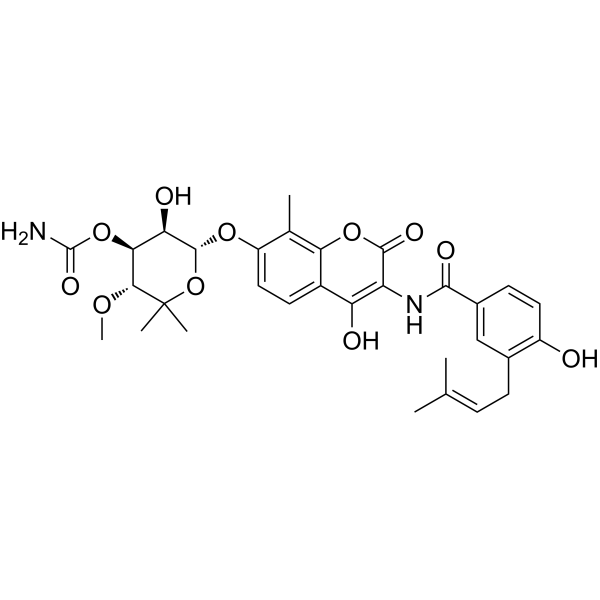
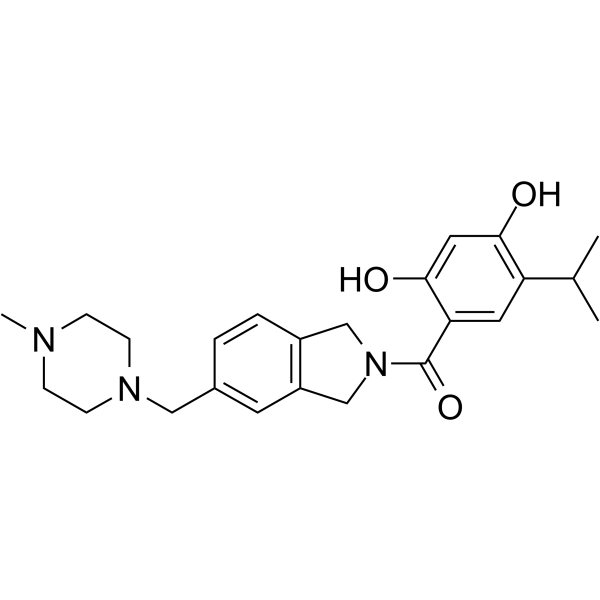
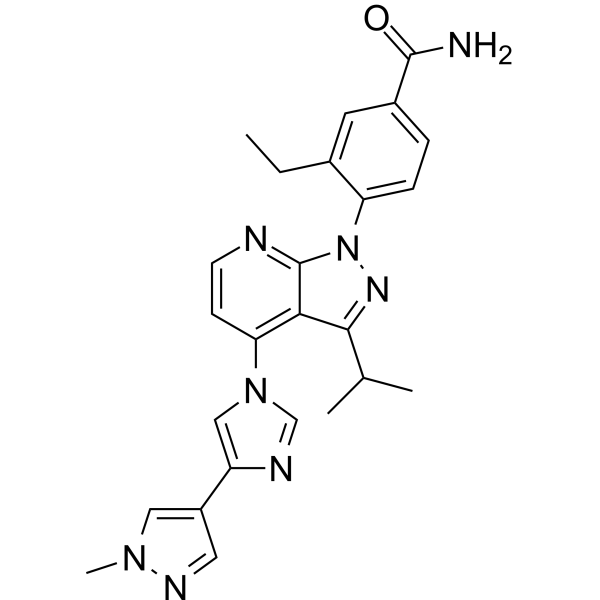
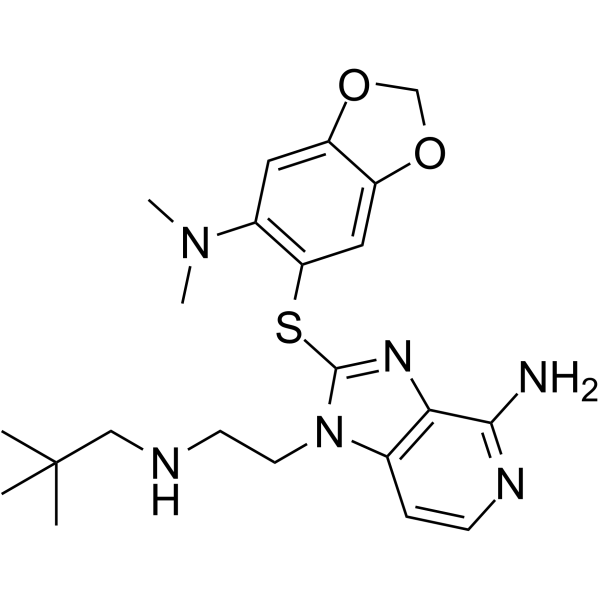
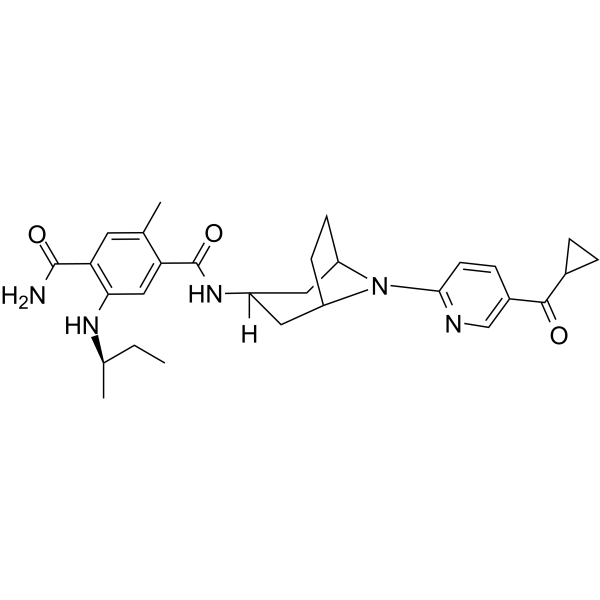
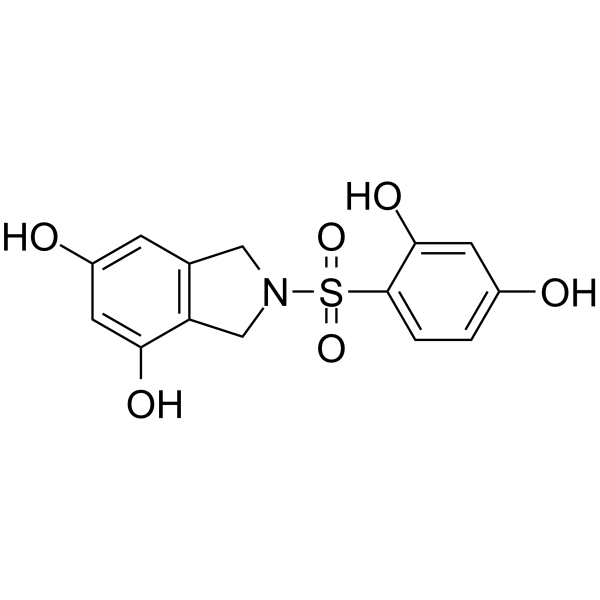
1. Search Result
Search Result
Results for "

Hsp90 Inhibitor

" in MedChemExpress (MCE) Product Catalog:

233

Inhibitors & Agonists

2

Fluorescent Dyes

1

Peptides

17

Natural
Products

4

Isotope-Labeled Compounds

3

Click Chemistry

Targets Recommended:
Cat. No. Product Name Target Research Areas Chemical Structure
  • HY-10211
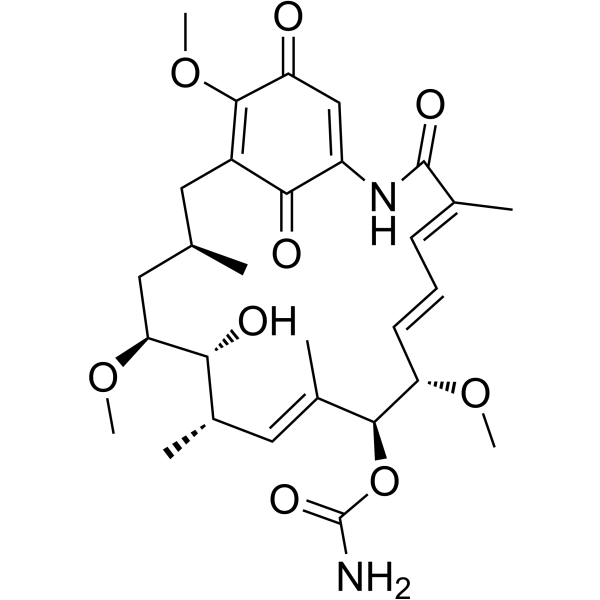
    Tanespimycin
    65+ Cited Publications

    17-AAG; NSC 330507; CP 127374

    HSP Autophagy Mitophagy Bacterial Apoptosis Antibiotic Infection Cancer
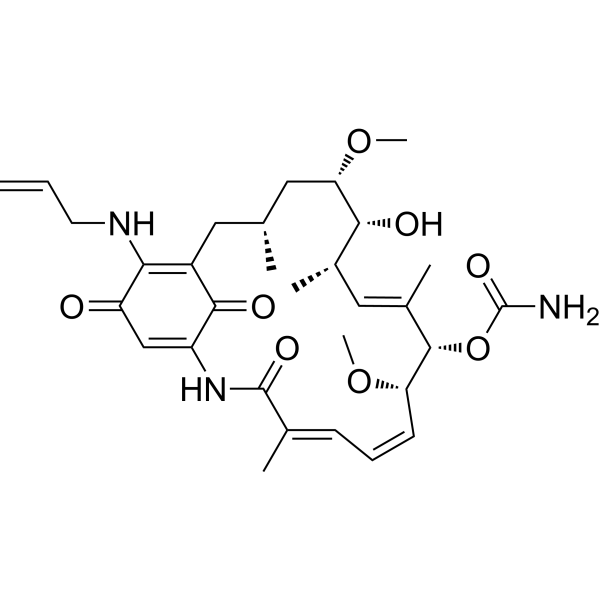
    Tanespimycin (17-AAG) is a potent HSP90 inhibitor with an IC50 of 5 nM, having a 100-fold higher binding affinity for tumour cell derived HSP90 than normal cell derived HSP90 . Tanespimycin depletes cellular STK38/NDR1 and reduces STK38 kinase activity. Tanespimycin also downregulates the stk38 gene expression .
    Tanespimycin
  • HY-10215
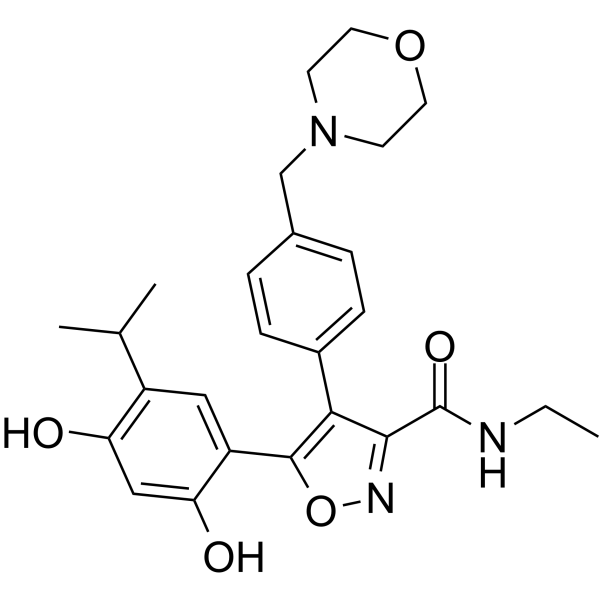
    Luminespib
    20+ Cited Publications

    VER-52296; AUY922; NVP-AUY922

    HSP Autophagy Apoptosis Cancer
    Luminespib (VER-52296) is a potent HSP90 inhibitor with IC50s of 7.8 and 21 nM for HSP90α and HSP90β, respectively .
    Luminespib
  • HY-15190
    NVP-HSP990
    4 Publications Verification

    Hsp-990

    HSP Apoptosis Cancer
    NVP-HSP990 is a potent, selective and orally active Hsp90 inhibitor, with IC50 values of 0.6, 0.8, and 8.5 nM for Hsp90α, Hsp90β, and Grp94, respectively.
    NVP-HSP990
  • HY-12024
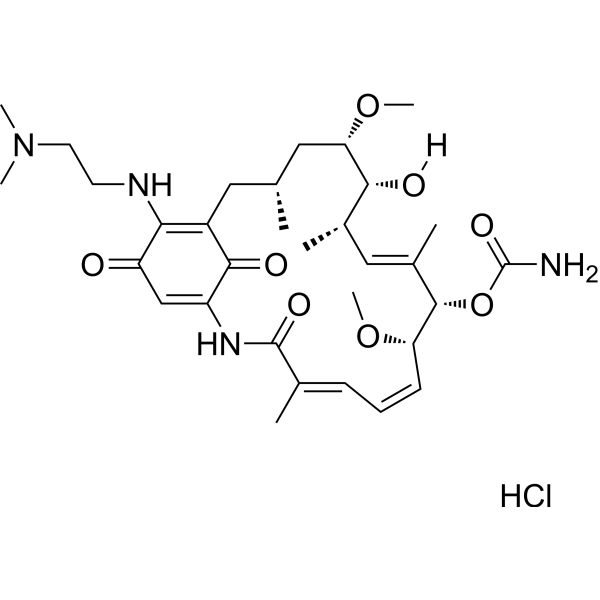
    Alvespimycin hydrochloride
    15+ Cited Publications

    17-DMAG hydrochloride; KOS-1022 hydrochloride; BMS 826476

    HSP Apoptosis Cancer
    Alvespimycin hydrochloride (17-DMAG hydrochloride; KOS-1022; BMS 826476) is a potent inhibitor of Hsp90, binding to Hsp90 with EC50 of 62±29 nM.
    Alvespimycin hydrochloride
  • HY-10389
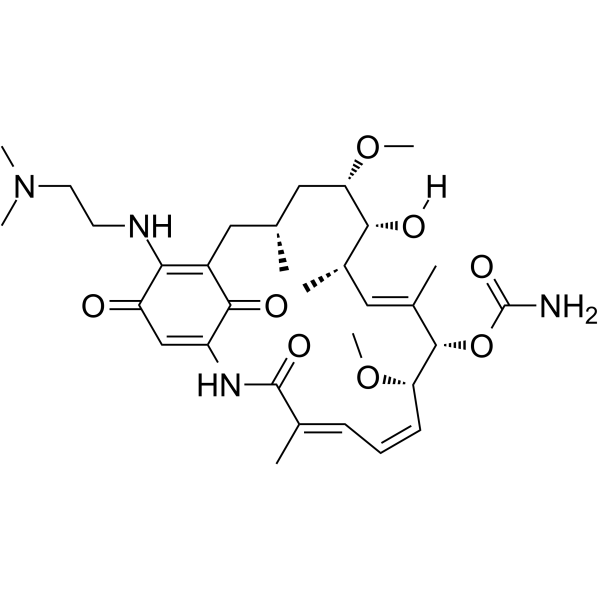
    Alvespimycin
    15+ Cited Publications

    17-DMAG; KOS-1022; NSC 707545

    HSP Cancer
    Alvespimycin (17-DMAG) is a potent inhibitor of Hsp90, binding to Hsp90 with an EC50 of 62 nM.
    Alvespimycin
  • HY-10210
    Retaspimycin Hydrochloride
    5 Publications Verification

    IPI-504

    HSP Cancer
    Retaspimycin Hydrochloride is a potent inhibitor of Hsp90 with EC50s of 119 nM for both Hsp90 and Grp9.
    Retaspimycin Hydrochloride
  • HY-10214
    SNX-2112
    3 Publications Verification

    PF-04928473

    HSP Autophagy Cancer
    SNX-2112 (PF 04928473) is an orally active Hsp90 inhibitor, with a Kd of 16 nM for Hsp90 and IC50s of 30 nM, 30 nM for Hsp90 α and Hsp90 β, also induces Her-2 degradation, and inhibits Grp94 and Trap-1, with IC50s of 10 nM, 4.275 μM and 0.862 μM, respectively . SNX-2112 (PF 04928473) binds Hsp90 isoforms Hsp90α, Hsp90β and Hsp90b1/Grp94 with Kds of 4 nM, 6 nM and 484 nM, respectively .
    SNX-2112
  • HY-13469
    Debio 0932
    5+ Cited Publications

    CUDC-305

    HSP Cancer
    Debio 0932 (CUDC-305) is an orally active HSP90 inhibitor, with IC50s of 100 and 103 nM for HSP90α and HSP90β, respectively .
    Debio 0932
  • HY-107577

    HSP Infection Inflammation/Immunology Cancer
    Gedunin is a limonoid with anti-cancer, anti-viral, anti-inflammatory and insecticidal activities. Gedunin acts as a potent Hsp90 inhibitor and induces the degradation of Hsp90-dependent client proteins. Geduni may obstructs the entry of SARS-CoV-2 virus into human host cells and can be used for COVID-19 research .
    Gedunin
  • HY-115997

    PROTACs HSP Cancer
    PROTAC HSP90 degrader BP3 is a potent and selective degradation of HSP90 in a CRBN-dependent fashion. PROTAC HSP90 degrader BP3 has a certain degradation effect on HSP90 protein in MCF-7 cells (DC50=0.99 μM). PROTAC HSP90 degrader BP3 inhibits the growth of breast cancer cell . PROTAC HSP90 degrader BP3 is a click chemistry reagent, it contains an Alkyne group and can undergo copper-catalyzed azide-alkyne cycloaddition (CuAAc) with molecules containing Azide groups.
    PROTAC HSP90 degrader BP3
  • HY-130851

    HSP Cancer
    HS-27, a fluorescently-tethered Hsp90 inhibitor, assays surface Hsp90 expression on intact tissue specimens. HS-27 is made up of the core elements of SNX-5422, an Hsp90 inhibitor, tethered via a PEG linker to a fluorescein derivative (fluorescein isothiocyanate or FITC), that binds to ectopically expressed Hsp90. HS-27 has potential use in a see-and-treat paradigm in breast cancer .
    HS-27
  • HY-15986

    CCT 129397

    HSP Cancer
    VER-49009 is a Hsp90 inhibitor, with an IC50 of 25 nM and a Kd of 78 nM.
    VER-49009
  • HY-15984
    VER-50589
    1 Publications Verification

    HSP Apoptosis Cancer
    VER-50589 is a Hsp90 inhibitor, with an IC50 of 21 nM and a Kd of 4.5 nM.
    VER-50589
  • HY-139301
    DDO-5936
    1 Publications Verification

    HSP Cancer
    DDO-5936 is a potent and specific Hsp90-Cdc37 PPI inhibitor. DDO-5936 can be used for the research of colorectal cancer .
    DDO-5936
  • HY-148215A

    HSP Neurological Disease Cancer
    Hsp90-IN-17 (Example 5) hydrochloride is an HSP90 inhibitor that can be used in the study of proliferative diseases, such as cancer and neurodegenerative diseases .
    Hsp90-IN-17 hydrochloride
  • HY-119906

    FW-04-806

    HSP Apoptosis Cancer
    Conglobatin (FW-04-806), a macrolide dilactone, is isolated from the culture of Streptomyces conglobatus. Conglobatin is an orally active Hsp90 inhibitor. Conglobatin can bind to the N-terminal domain of Hsp90 and disrupt Hsp90-Cdc37 complex formation. Conglobatin induces apoptosis in human breast cancer cells and esophageal squamous cell carcinoma cells, and exhibits antitumor activity in vivo .
    Conglobatin
  • HY-119046
    SNX-0723
    2 Publications Verification

    HSP Parasite Infection
    SNX-0723 is a potent Hsp90 Inhibitor with anti-Plasmodium activity. SNX-0723 shows high binding affinity for HsHsp90 and PfHsp90 with Kis of 4.4 and 47 nM, respectively. SNX-0723 inhibits liver-stage P. berghei ANKA parasites with the EC50 of 3.3 μM .
    SNX-0723
  • HY-133705
    Geldanamycin-FITC
    1 Publications Verification

    HSP Others
    Geldanamycin-FITC, a Geldanamycin fluorescent probe, can be used in a fluorescence polarization assay for HSP90 inhibitors. Geldanamycin-FITC also can be used for detection of cell surface HSP90 (Ex/Em = 488/515 nm) .
    Geldanamycin-FITC
  • HY-W107935

    HSP Cancer
    Hsp90-IN-37 (Z-2) is a heat shock protein 90 (Hsp90) inhibitor that inhibits Hsp90 enzymatic activity by 69%. Hsp90-IN-37 has antitumor activity .
    Hsp90-IN-37
  • HY-11038D
    Zelavespib formic
    10+ Cited Publications

    PU-H71 formic

    HSP Cancer
    Zelavespib formic (PU-H71 formic) is a potent Hsp90 inhibitor with an IC50 value of 51 nM for Hsp90 in MDA-MB-468 cells .
    Zelavespib formic
  • HY-149891

    HSP Cancer
    HSP90-IN-23 (Comp 12-1) is an inhibitor of heat shock protein 90(HSP90) with an IC50 of 9 nM. HSP90-IN-23 induces apoptosis of tumor cells and arrests the tumor cell cycle in G0/G1 phase. HSP90-IN-23 can be used for cancer research .
    HSP90-IN-23
  • HY-111414

    HSP Cancer
    Hsp90-Cdc37-IN-1 is an Hsp90-Cdc37 interaction disruptor that inhibit cell migration and reverse agent resistance, with an IC50 of 140 nM.
    Hsp90-Cdc37-IN-1
  • HY-151335

    HSP Cancer
    KU-177 is a potent inhibitor of Hsp90 ATPase homologue 1 (Aha1), ablates Aha1-driven enhancement of Hsp90-dependent tau aggregation. KU-177 also disrupts Aha1/Hsp90 interactions (IC50=4.08 μM) without inhibition of Hsp90’s ATPase activity. KU-177 can be used for tauopathies research .
    KU-177
  • HY-115781
    DN401
    1 Publications Verification

    Panvotinib-401; Pan-401

    HSP Cancer
    DN401 is a potent TRAP1 inhibitor with an IC50 of 79 nM. DN401 shows a weak inhibition of Hsp90 (IC50 of 698 nM). DN401 inactivates mitochondrial TRAP1 and has potent anticancer activities .
    DN401
  • HY-153588

    HSP Cancer
    HSP90-IN-22 (Compound 35) is an Hsp90 inhibitor with antiproliferative properties on cells with IC50 values of 3.65 μM for MCF7 breast cancer cells and 2.71 μM for SKBr3 breast cancer cells, respectively.
    HSP90-IN-22
  • HY-117395

    HSP Cancer
    PU-H54, a Grp94-selective inhibitor, can be used for the research of breast cancer. Hsp90 chaperone family, comprised in humans of four paralogs, Hsp90α, Hsp90β, Grp94 and Trap-1, has important roles in malignancy . PU-H54 is a click chemistry reagent, it contains an Alkyne group and can undergo copper-catalyzed azide-alkyne cycloaddition (CuAAc) with molecules containing Azide groups.
    PU-H54
  • HY-152184

    SEW04784

    HSP Metabolic Disease
    SEW84 is an inhibitor of Aha1-stimulated Hsp90 (ASH) ATPase activity. SEW84 inhibits Aha1-stimulated Hsp90 (ASH) activity with an IC50 value of 0.3 μM. SEW84 can be used in the study of protein deposition diseases .
    SEW84
  • HY-146325

    HSP Cancer
    HSP90-IN-11 (Compound 12c) is a potent inhibitor of HSP90. HSP90-IN-11 displays potent HSP90α inhibition comparable to AUY-922 (Luminespib). HSP90-IN-11 shows significant antiproliferative activity in CRC and NSCLC cells in a double digit nM range. HSP90-IN-11 leads to rapid degradation of client proteins EGFR and Akt in NSCLC cells. HSP90-IN-11 induces significant accumulation of a sub-G1 phase population .
    HSP90-IN-11
  • HY-144650

    Apoptosis HSP Cancer
    Hsp90-Cdc37-IN-3 (Compound 9) is a novel celastrol−imidazole derivative with anticancer activity. Hsp90-Cdc37-IN-3 inhibits Hsp90Cdc37 by covalent-binding, and induces apoptosis .
    Hsp90-Cdc37-IN-3
  • HY-146228

    HSP Apoptosis Topoisomerase EGFR VEGFR Cancer
    HSP90-IN-13 (compound 5k) is a highly potent HSP90 pan inhibitor with an IC50 value of 25.07 nM. HSP90-IN-13 has multi-target activity against EGFR, VEGFR-2 and Topoisomerase-2. HSP90-IN-13 causes cell cycle arrest at G2/M phase and induces apoptosis of MCF-7 cells through mitochondrial-mediated pathway .
    HSP90-IN-13
  • HY-176279

    HSP Cancer
    Hsp90-IN-42 (Compound 13l) is a potent heat shock protein 90 (Hsp90) inhibitor (IC50=15.65 nM). Hsp90-IN-42 reduces the stability of the epidermal growth factor receptor (EGFR), suppressing the activation of the EGFR-Akt signaling pathway, inducing G0/G1 phase arrest in colorectal cancer cells (such as HT-29 cells), and slightly triggering apoptosis. Hsp90-IN-42 also inhibits cell proliferation and migration by down-regulating the expression of CDK12, CDK13, and Bcl-2 proteins, and up-regulating the expression of Bax protein. Hsp90-IN-42 is promising for research of colorectal cancer .
    Hsp90-IN-42
  • HY-10211R

    17-AAG (Standard); NSC 330507 (Standard); CP 127374 (Standard)

    Reference Standards HSP Autophagy Mitophagy Bacterial Apoptosis Antibiotic Infection Cancer
    Tanespimycin (Standard) is the analytical standard of Tanespimycin. This product is intended for research and analytical applications. Tanespimycin (17-AAG) is a potent HSP90 inhibitor with an IC50 of 5 nM, having a 100-fold higher binding affinity for tumour cell derived HSP90 than normal cell derived HSP90 . Tanespimycin depletes cellular STK38/NDR1 and reduces STK38 kinase activity. Tanespimycin also downregulates the stk38 gene expression .
    Tanespimycin (Standard)
  • HY-162589

    PROTACs HSP Apoptosis Cancer
    Lw13 is a Hsp90-targeting PROTAC and achieves maximum degradation at a concentration of 0.05 μM in Siha cells. Lw13 induces cell apoptosis and exhibits potent anti-tumor activity both in vitro and in vivo(Sturcture Note:(Blue: Cereblon ligand (HY-A0003), Black: linker;Pink: Hsp90 inhibitor SNX-5422 (HY-10213)) .
    Lw13
  • HY-144694

    HSP HDAC Fungal Infection
    HDAC/HSP90-IN-3 (compound J5) is a potent and selective fungal Hsp90 and HDAC dual inhibitor, with IC50 values of 0.83 and 0.91 μM, respectively. HDAC/HSP90-IN-3 shows antifungal activity against azole resistant C. albicans. HDAC/HSP90-IN-3 can suppress important virulence factors and down-regulate drug-resistant genes ERG11 and CDR1 .
    HDAC/HSP90-IN-3
  • HY-174476

    HSP Drug Intermediate Cancer
    HSP90i is a HSP90 inhibitor. HSP90i can be used as a drug intermediate to synthesize LYTACs, such as dPDL1-4 (HY-174468) .
    HSP90i
  • HY-147125

    HSP Akt CDK Raf Apoptosis Cancer
    DDO-6600 is a covalent Hsp90 inhibitor. DDO-6600 disrupts the interaction between Hsp90 and its co-chaperone protein Cdc37, thereby inducing the degradation of kinase client proteins (such as AKT, CDK4, c-Raf). DDO-6600 has inhibitory activity against various cancer cells. DDO-6600 inhibits the migration and invasion of HCT-116 cells, and induces cell cycle arrest and apoptosis. DDO-6600 significantly inhibits tumor growth in the HCT-116 xenograft tumor model. DDO-6600 can be used for research on colorectal cancer .
    DDO-6600
  • HY-133571

    AHGDM

    HSP ADC Payload Cancer
    Aminohexylgeldanamycin (AHGDM), a Geldanamycin derivative, is a potent HSP90 inhibitor. Aminohexylgeldanamycin shows antiangiogenic and antitumor activities .
    Aminohexylgeldanamycin
  • HY-170895

    HSP Na+/K+ ATPase Cancer
    Hsp90-IN-38 (compound 20m) is a HSP90 (heat shock protein) inhibitor. Hsp90-IN-38 exhibits strong HSP90 binding affinity with a Kd of 87 nM. Hsp90-IN-38 inhibits ATPase with an IC50 of 0.13 μM. Hsp90-IN-38 inhibits HCT116, MCF-7, SKBr3, K562 and A549 cells with IC50s of 0.187, 0.072, 0.105, 0.403 and 031 μM, respectively .
    Hsp90-IN-38
  • HY-170326

    Ligands for Target Protein for PROTAC HSP Cancer
    Hsp90-in-35 (Compound 379) is an inhibitor of Hsp90. The IC50 of HSP90-IN-35 for Her2 is between 0.05 and 0.5 μM. HSP90-IN-35 has antitumor activity. HSP90-IN-35 can be used to synthesize PROTAC (HY-153881) .
    HSP90-IN-35
  • HY-144724

    HSP Apoptosis Cancer
    HSP90-IN-10 (Compound 16s) is a potent inhibitor of HSP90. HSP90-IN-10 exhibits high antiproliferative potency against HCC1954 breast cancer cells with the IC50 value of 6 µM. HSP90-IN-10 does not inhibit the growth of normal epithelial cells. HSP90-IN-10 also induces apoptosis .
    HSP90-IN-10
  • HY-150655

    HSP Cancer
    Hsp90-IN-15 is an Hsp90 inhibitor with anticancer activity. Hsp90-IN-15 induces cell apoptosis, arrests the cell cycle at S phase and decreases the expression level of Hsp90 in Hela cell .
    Hsp90-IN-15
  • HY-171755

    HSP Cancer
    Hsp90-IN-40 (Compound 15b) is a heat shock protein 90 (Hsp90) C-terminal inhibitor. Hsp90-IN-40 exhibits antiproliferative activity against SKBr3 and MCF-7 breast cancer cells (IC50 of 2.57 µM and 2.43 µM, respectively). Hsp90-IN-40 inhibits cancer cell growth by inhibiting the Hsp90 C-terminal function, leading to Hsp90-dependent protein degradation. Hsp90-IN-40 can be used in breast cancer research .
    Hsp90-IN-40
  • HY-113574

    HSP Cancer
    HSP90-IN-29 (Compound 13), a benzoxazole derivative, is a potent and selective HSP-90 inhibitor with an IC50 value of 30 nM. HSP90-IN-29 has antitumor activity .
    HSP90-IN-29
  • HY-148963

    HSP Cancer
    HSP90-IN-20 (compound 78p) is a potent HSP90 inhibitor with an IC50 of ≤10 μM. HSP90-IN-20 has the potential for cancers research .
    HSP90-IN-20
  • HY-145814

    HSP Fungal Infection
    HSP90-IN-9 is a potent and selective HSP90 inhibitor. HSP90-IN-9 displays a fungicidal effect in a dose-dependent manner. HSP90-IN-9 inhibits fungal biofilm formation and fungal morphological changes after being combined with FLC. HSP90-IN-9 recovers FLC resistance by down-regulating the expression of related genes (ERG11, CDR1 and CDR2) .
    HSP90-IN-9
  • HY-179377

    HSP Tau Protein Neurological Disease
    Aha1/Hsp90-IN-2 is a selective inhibitor of the Hsp90/Aha1 interaction, with its IC50 being 1.46 μM. Aha1/Hsp90-IN-2 inhibits the activation of Hsp90 ATPase activity mediated by Aha1 by specifically blocking the binding of Hsp90 to Aha1, thereby reducing tau protein aggregation. Aha1/Hsp90-IN-2 can be used for the study of neurodegenerative diseases, such as Alzheimer's disease .
    Aha1/Hsp90-IN-2
  • HY-177042

    HSP Fungal Infection Cancer
    Hsp90-IN-41 (Compound C1) is an inhibitor of Hsp90 (IC50 = 0.044 μM). Hsp90-IN-41 exhibits antifungal and antitumor (IC50 = 0.049 μM) activities in vitro .
    Hsp90-IN-41
  • HY-151137

    mTOR HSP Apoptosis Autophagy Cancer
    HSP90/mTOR-IN-1 is a potent and orally active Hsp90 and mTOR inhibitor with IC50 values of 69 nM and 29 nM, respectively. HSP90/mTOR-IN-1 suppresses the proliferation of SW780 cells through the over-activation of the PI3K/AKT/mTOR pathway. HSP90/mTOR-IN-1 induces apoptosis and autophagy via selective Hsp90 and mTOR inhibition. HSP90/mTOR-IN-1 also has considerable in vivo anti-tumor activity. HSP90/mTOR-IN-1 can be used for researching bladder cancer .
    HSP90/mTOR-IN-1
  • HY-170910

    HSP Cancer
    Hsp90-IN-39 (Compound 16t) is a HSP90 inhibitor with notable selectivity for the HSP90α isoform. Hsp90-IN-39 demonstrates significant antiproliferative activity in various cancer cell lines, including MCF-7, HCT116, SKBr3, K562, and A549. Hsp90-IN-39 holds potential for cancer research .
    Hsp90-IN-39
  • HY-168205

    HSP Apoptosis Cancer
    HSP90-IN-33 (compound 24e) is a potent Hsp90 inhibitor with Kd values of ≥200, 7.3 µM for Hsp90α, Hsp90β, respectively. HSP90-IN-33 induces apoptosis and cell cycle arrest at G0/G1 phase. HSP90-IN-33 decreases the protein expression of ERα, CDK4 and Akt .
    HSP90-IN-33

Inquiry Online

Your information is safe with us. * Required Fields.

Salutation


Country or Region *

Applicant Name *


Organization Name *

Department *


Email Address *


Product Name *

Cat. No.


Requested quantity *

Phone Number *


Remarks

Inquiry Online

Inquiry Information

Product Name:
Cat. No.:
Quantity:
MCE Japan Authorized Agent:

