1. Search Result
Search Result
Results for "

Ph Inhibitors

" in MedChemExpress (MCE) Product Catalog:

202

Inhibitors & Agonists

7

Fluorescent Dyes

15

Biochemical Assay Reagents

11

Peptides

4

Inhibitory Antibodies

21

Natural
Products

15

Isotope-Labeled Compounds

1

Click Chemistry

1

Oligonucleotides

Cat. No. Product Name Target Research Areas Chemical Structure
  • HY-18749
    SC79
    Maximum Cited Publications
    308 Publications Verification

    Akt Neurological Disease Inflammation/Immunology Cancer
    SC79, a unique specific and BBB permeable Akt activator, activates Akt in the cytosol and inhibits Akt membrane translocation. SC79 specifically binds to the PH domain of Akt .
    SC79
  • HY-Y1269
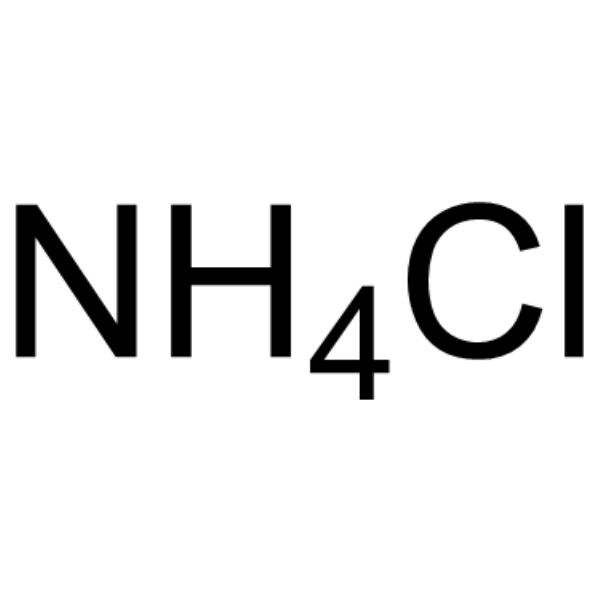
    Ammonium chloride, AR, 99.5%
    Maximum Cited Publications
    47 Publications Verification

    Environmental Pollutants Autophagy Cancer
    Ammonium chloride, as a heteropolar compound with pH value regulation, can cause intracellular alkalization and metabolic acidosis thus effecting enzymatic activity and influencing the process of biological system. Ammonium chloride is an autophagy inhibitor. Ammonium chloride is also a lysosome inhibitor .
    Ammonium chloride, AR, 99.5%
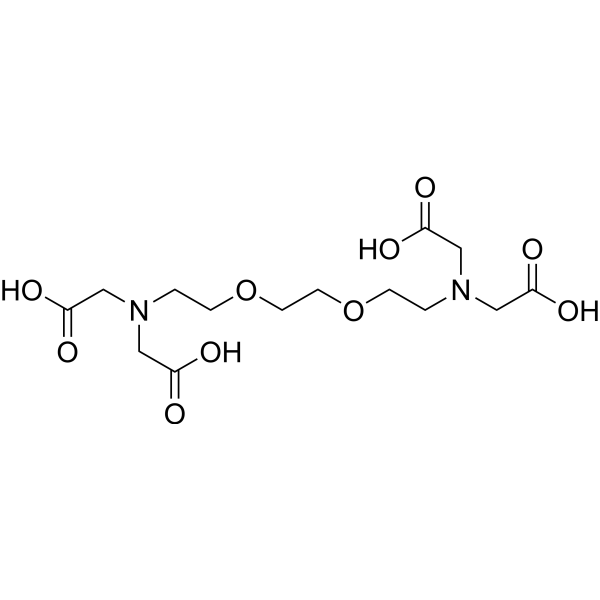
  • HY-D0861
    EGTA
    20+ Cited Publications

    Biochemical Assay Reagents Inflammation/Immunology
    EGTA is a cell-impermeant specific calcium ion chelator. EGTA has an apparent calcium dissociation constant (Kd) of 60.5 nM at physiological pH (7.4) and has very high specificity for Ca 2+ over Mg 2+ (Mg 2+ Kd 1-10 mM). EGTA significantly inhibits the substrate adherence capacity of inflammatory macrophages .
    EGTA
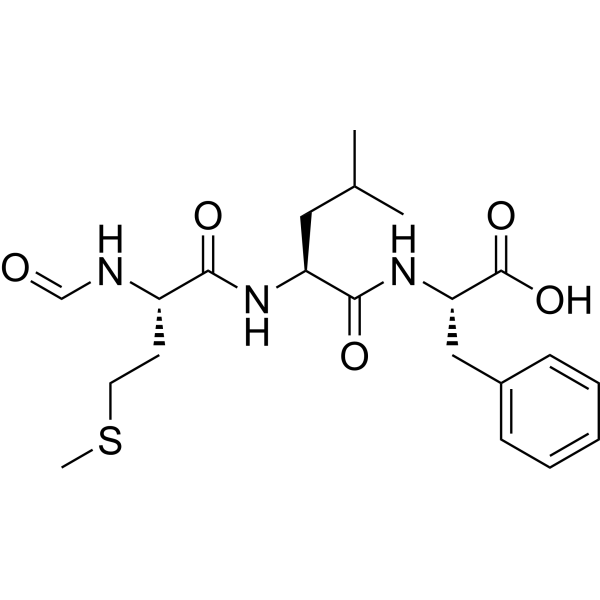
  • HY-P0224
    N-Formyl-Met-Leu-Phe
    15+ Cited Publications

    fMLP; N-Formyl-MLF

    TNF Receptor Inflammation/Immunology
    N-Formyl-Met-Leu-Phe (fMLP; N-Formyl-MLF) is a chemotactic peptide and a specific ligand of N-formyl peptide receptor (FPR). N-Formyl-Met-Leu-Ph is reported to inhibit TNF-alpha secretion.
    N-Formyl-Met-Leu-Phe
  • HY-Y1269C
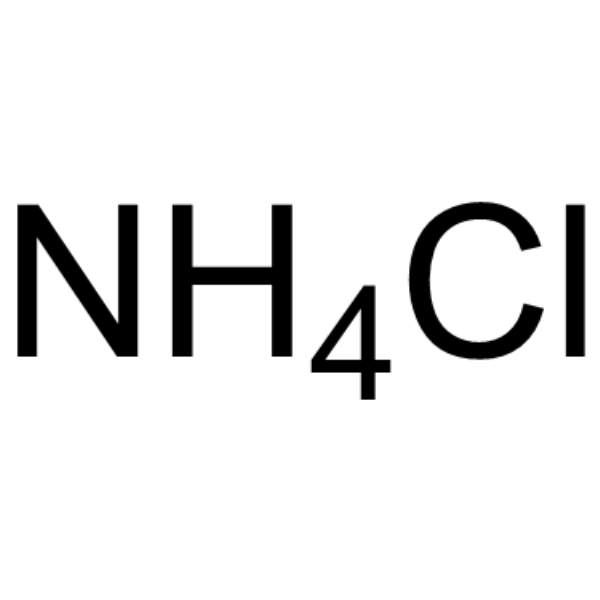
    Ammonium chloride, for cell culture
    Maximum Cited Publications
    47 Publications Verification

    Salmiac, for cell culture

    Environmental Pollutants Biochemical Assay Reagents Autophagy Cancer
    Ammonium chloride, for cell culture (Salmiac, for cell culture) is a reagent that can be used in cell culture to provide a source of nitrogen. Ammonium chloride can be used as a heteropolar compound to regulate pH value, which can cause intracellular alkalination and metabolic acidosis, thus affecting the activity of enzymes and affecting the process of biological systems. Ammonium chloride acts as an autophagy inhibitor.Ammonium chloride is also a lysosome inhibitor.
    Ammonium chloride, for cell culture
  • HY-17608
    Daprodustat
    15+ Cited Publications

    GSK1278863

    HIF/HIF Prolyl-Hydroxylase Cardiovascular Disease
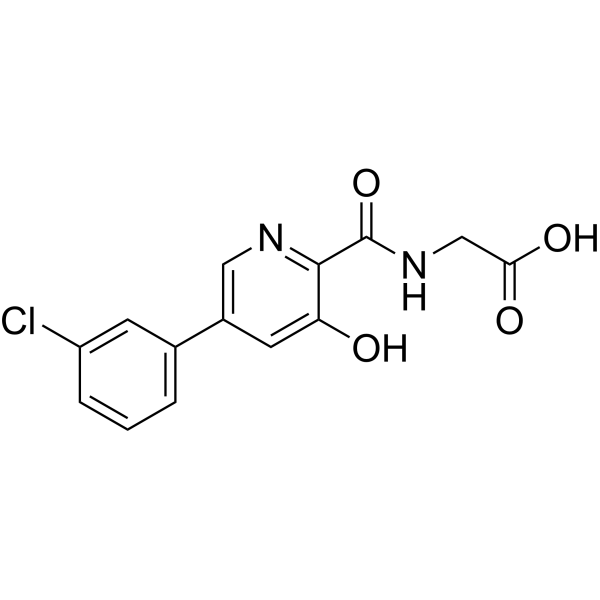
    Daprodustat (GSK1278863) is an orally active hypoxia-inducible factor prolyl hydroxylase (HIF-PH) inhibitor being developed for the treatment of anemia associated with chronic kidney disease.
    Daprodustat
  • HY-B1329
    Apramycin sulfate
    4 Publications Verification

    Nebramycin II sulfate

    Bacterial Antibiotic Infection
    Apramycin (EBL 1003) sulfate is an orally active, acidic pH tolerant and aminoglycoside-modifying-enzymes-tolerant aminoglycoside antibiotic which inhibits protein biosynthesis by targeting the bacterial ribosome. Apramycin sulfate is a potential anti-drug-resistance antibiotic .
    Apramycin sulfate
  • HY-10403
    PH-797804
    5+ Cited Publications

    p38 MAPK Autophagy Inflammation/Immunology Cancer
    PH-797804 is a ATP-competitive, selective p38α/p38β inhibitor (IC50=26 nM and Ki=5.8 nM for p38α; Ki=40 nM for p38β) and does not inhibit JNK2.
    PH-797804
  • HY-15295
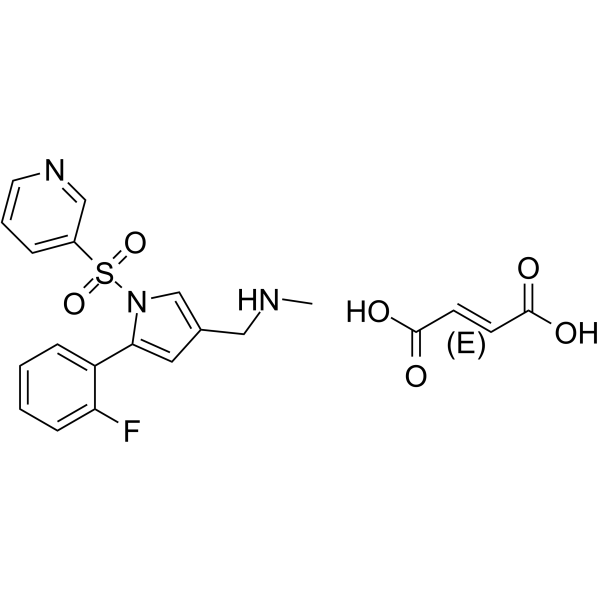
    Vonoprazan Fumarate
    5+ Cited Publications

    TAK-438

    Proton Pump Metabolic Disease Cancer
    Vonoprazan Fumarate (TAK-438), a proton pump inhibitor (PPI), is a potent and orally active potassium-competitive acid blocker (P-CAB), with antisecretory activity. Vonoprazan Fumarate inhibits H +,K +-ATPase activity in porcine gastric microsomes with an IC50 of 19 nM at pH 6.5. Vonoprazan Fumarate is developed for the research of acid-related diseases, such as gastroesophageal reflux disease and peptic ulcer disease .
    Vonoprazan Fumarate
  • HY-Y1269S

    Autophagy Isotope-Labeled Compounds Cancer
    Ammonium chloride- 15N is the 15N labeled Ammonium chloride (HY-Y1269). Ammonium chloride, as a heteropolar compound with pH value regulation, can cause intracellular alkalization and metabolic acidosis thus effecting enzymatic activity and influencing the process of biological system. Ammonium chloride is an autophagy inhibitor. Ammonium chloride is also a lysosome inhibitor .
    Ammonium chloride-15N
  • HY-101277
    Vadadustat
    5+ Cited Publications

    PG-1016548; AKB-6548

    HIF/HIF Prolyl-Hydroxylase Cardiovascular Disease
    Vadadustat (PG-1016548) is a titratable, oral hypoxia-inducible factor prolyl hydroxylase (HIF-PH) inhibitor . Vadadustat is an erythropoiesis-stimulating agent and has the potential for anemia treatment in chronic kidney disease in vivo .
    Vadadustat
  • HY-17507
    Pantoprazole
    4 Publications Verification

    BY1023; SKF96022

    Proton Pump Autophagy Apoptosis Bacterial Inflammation/Immunology Cancer
    Pantoprazole (BY10232) is an orally active and potent proton pump inhibitor (PPI) . Pantoprazole, a substituted benzimidazole, is a potent H +/K +-ATPase inhibitor with an IC50 of 6.8 μM. Pantoprazole improves pH stability and has anti-secretory, anti-ulcer activities. Pantoprazole significantly increased tumor growth delay combined with Doxorubicin (HY-15142) .
    Pantoprazole
  • HY-P99965

    SKY59; RO7112689; RG-6107

    Complement System Cardiovascular Disease Metabolic Disease
    Crovalimab (SKY59; RO7112689) is a novel humanized antibody against C5 in a pH-dependent manner with KDs of 15.2 nM and 16.8 μM at pH 7.4 and 5.8, respectively. Crovalimab binds human FcRn with great affinity (KD: 17 μM at pH 6.0). Crovalimab can block cleavage of C5 by the C5 convertase and inhibite the activity of a C5 variant (p.Arg885His). Crovalimab inhibits C5b-9 formation significantly in all three complement pathways, the classical pathway (CP), lectin pathway (LP), and alternative pathway (AP). Crovalimab has the potential for paroxysmal nocturnal hemoglobinuria (PNH) and complement-mediated diseases research .
    Crovalimab
  • HY-129457
    FINO2
    10+ Cited Publications

    Ferroptosis Cancer
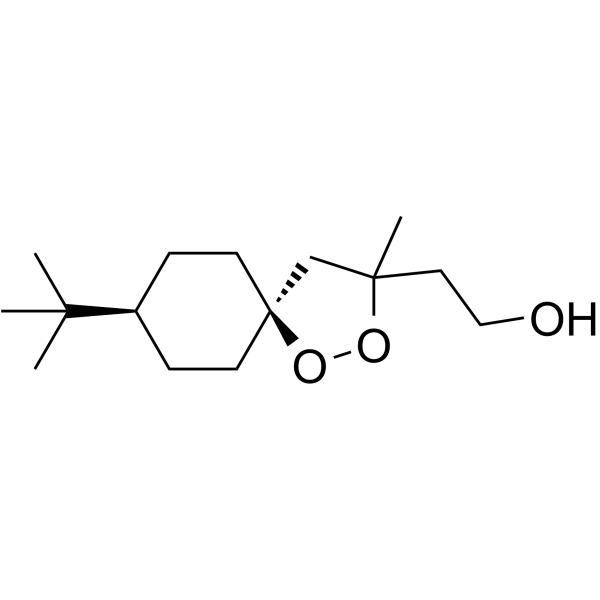
    FINO2 is a potent ferroptosis inducer. FINO2 inhibits GPX4 activity. FINO2 is a stable oxidant that oxidizes ferrous iron and stable at varying pH levels. FINO2 causes widespread lipid peroxidation .
    FINO2
  • HY-B1422
    9-Aminoacridine
    4 Publications Verification

    Aminacrine

    Bacterial HIV Infection
    9-Aminoacridine, a fluorescent probe, acts as an indicator of pH for quantitative determination of transmembrane pH gradients (inside acidic). 9-Aminoacridine is an antimicrobial. 9-Aminoacridine exerts its antimicrobial activity by interacting with specific bacterial DNA and disrupting the proton motive force in K. pneumoniae. 9-Aminoacridine is a HIV-1 inhibitor and inhibits HIV LTR transcription highly dependent on the presence and location of the amino moiety. 9-Aminoacridine inhibits virus replication in HIV-1 infected cell lines. 9-Aminoacridine is used as a Rifampin (RIF; HY-B0272) adjuvant for the multidrug-resistant K. pneumoniae infections .
    9-Aminoacridine
  • HY-132588

    ALN-G01

    Small Interfering RNA (siRNA) Glycolate Oxidase Metabolic Disease
    Lumasiran (ALN-G01), a siRNA product, reduces hepatic oxalate production by targeting glycolate oxidase. By silencing the gene encoding glycolate oxidase, Lumasiran depletes glycolate oxidase and thereby inhibits the synthesis of oxalate, which is the toxic metabolite that is directly associated with the clinical manifestations of Primary hyperoxaluria type 1 (PH1) .
    Lumasiran
  • HY-19548A
    BEC hydrochloride
    1 Publications Verification

    Arginase Metabolic Disease
    BEC hydrochloride is a slow-binding and competitive Arginase II inhibitor with Ki of 0.31 μM and 30 nM at pH 7.5 and pH 9.5, respectively .
    BEC hydrochloride
  • HY-148530

    PROTACs CDK Cancer
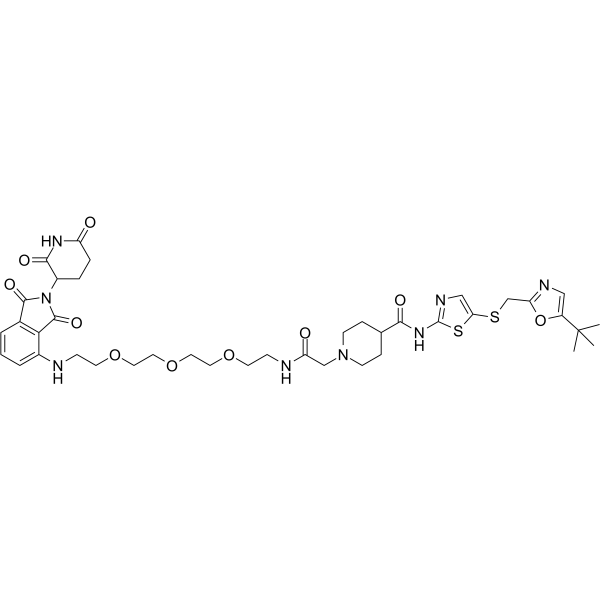
    YX-2-107 is a PROTAC (IC50= 4.4 nM) that selectively degrades CDK6. YX-2-107 effectively inhibits RB phosphorylation and FOXM1 expression in vitro and inhibits the development of Ph + ALL in rats. YX-2-107 can be used in the study of Ph chromosome-positive (Ph +) acute lymphoblastic leukemia (ALL) .
    YX-2-107
  • HY-15529
    S0859
    4 Publications Verification

    Na+/HCO3- Cotransporter Cardiovascular Disease
    S0859 is a selective, high-affinity generic Na +/HCO3 - transporter (NBC) inhibitor. S0859 reversibly inhibits NBC-mediated intracellular pH (pHi) recovery (Ki=1.7 μM, full inhibition at approximately 30 μM).
    S0859
  • HY-100230A
    ML133 hydrochloride
    2 Publications Verification

    Potassium Channel Others
    ML133 hydrochloride is a selective Kir2 family channels inhibitor, with an IC50 of 1.8 μM at pH 7.4 and 290 nM at pH 8.5 .
    ML133 hydrochloride
  • HY-112798

    Apolipoprotein Neurological Disease
    PH-002 is an inhibitor of apolipoprotein (apo) E4 intramolecular domain interaction in neuronal cells that could rescue impairments of mitochondrial motility and neurite outgrowth.
    PH-002
  • HY-17507B
    Pantoprazole sodium hydrate
    4 Publications Verification

    BY1023 sodium hydrate; SKF96022 sodium hydrate

    Proton Pump Autophagy Apoptosis Bacterial Inflammation/Immunology Cancer
    Pantoprazole sodium hydrate (BY10232 sodium hydrate) is an orally active and potent proton pump inhibitor (PPI) . Pantoprazole sodium hydrate, a substituted benzimidazole, is a potent H +/K +-ATPase inhibitor with an IC50 of 6.8 μM. Pantoprazole sodium hydrate improves pH stability and has anti-secretory, anti-ulcer activities. Pantoprazole sodium hydrate significantly increased tumor growth delay combined with Doxorubicin (HY-15142) .
    Pantoprazole sodium hydrate
  • HY-17507A
    Pantoprazole sodium
    4 Publications Verification

    BY1023 sodium; SKF96022 sodium

    Proton Pump Autophagy Apoptosis Bacterial Inflammation/Immunology Cancer
    Pantoprazole sodium (BY10232 sodium) is an orally active and potent proton pump inhibitor (PPI) . Pantoprazole sodium, a substituted benzimidazole, is a potent H +/K +-ATPase inhibitor with an IC50 of 6.8 μM. Pantoprazole sodium improves pH stability and has anti-secretory, anti-ulcer activities. Pantoprazole sodium significantly increased tumor growth delay combined with Doxorubicin (HY-15142) .
    Pantoprazole sodium
  • HY-10499
    PH-064
    2 Publications Verification

    BIM-46187

    Serotonin Transporter Akt Neurological Disease Inflammation/Immunology Cancer
    PH-064 (BIM-46187) is an orally active inhibitor of the heterotrimeric G-protein complex. PH-064 inhibits SERT activity and attenuates shear stress-induced Akt phosphorylation. PH-064 has potent anti-hyperalgesia activity. PH-064 inhibits G protein-coupled receptor-dependent tumorigenesis. PH-064 can be used in the study of pain (e.g., inflammatory pain, neuropathic pain), GPCR-dependent tumors, and inflammatory lung injury .
    PH-064
  • HY-12063
    PHT-427
    2 Publications Verification

    Akt Apoptosis Cancer
    PHT-247 is an inhibitor of the pleckstrin homology (PH) domain of Akt, and it is also an inhibitor of PDPK1 with Kis of 2.7 µM and 5.2 µM and for Akt and PDPK1, respectively.
    PHT-427
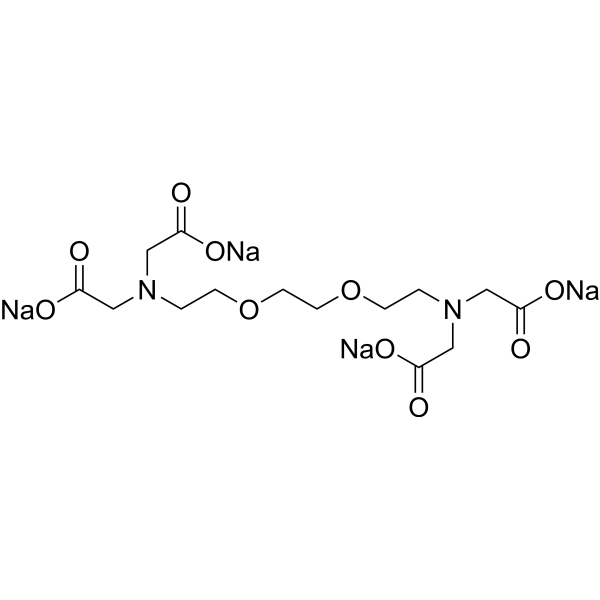
  • HY-D0861A
    EGTA tetrasodium
    20+ Cited Publications

    Biochemical Assay Reagents Inflammation/Immunology
    EGTA tetrasodium is a cell-impermeant specific calcium ion chelator. EGTA tetrasodium has an apparent calcium dissociation constant (Kd) of 60.5 nM at physiological pH (7.4) and has very high specificity for Ca 2+ over Mg 2+ (Mg 2+ Kd 1-10 mM). EGTA tetrasodium significantly inhibits the substrate adherence capacity of inflammatory macrophages .
    EGTA tetrasodium
  • HY-14179
    PPQ-102
    4 Publications Verification

    CFTR Inhibitor

    CFTR Others
    PPQ-102 (CFTR Inhibitor) is a reversible CFTR inhibitor that completely inhibits CFTR chloride currents (IC50 ~90 nM). PPQ-102 is not affected by membrane potential-dependent cell allocation or blocking efficiency (uncharged at physiological pH) and effectively prevents cyst enlargement in polycystic kidney disease .
    PPQ-102
  • HY-114174
    Fmoc-Ala-Glu-Asn-Lys-NH2
    3 Publications Verification

    Amyloid-β Neurological Disease
    Fmoc-Ala-Glu-Asn-Lys-NH2 is a selective asparagine endopeptidase (AEP) inhibitor peptide and suppresses amyloid precursor protein (APP) cleavage. AEP, a pH-controlled cysteine proteinase, is activated during ageing and mediates APP proteolytic processing .
    Fmoc-Ala-Glu-Asn-Lys-NH2
  • HY-115062

    Phospholipase NADPH Oxidase p38 MAPK Akt NF-κB AP-1 Reactive Oxygen Species (ROS) Cardiovascular Disease Inflammation/Immunology Cancer
    MJ-33 lithium salt is a competitive phospholipase A2 (PLA2) inhibitor with an IC50 of 0.3 μM. MJ-33 lithium salt inhibits NOX2 activation and reduces ROS production by blocking the PLA2 activity of Prdx6. MJ-33 lithium salt effectively inhibits the activity of acidic PLA2 (pH 4.0) and reduces the degradation of alveolar surfactant phosphatidylcholine (PC), but exerts no effect on alkaline PLA2 (pH 8.5). MJ-33 lithium salt significantly alleviates lung oxidative injury induced by ischemia-reperfusion (I/R). MJ-33 lithium salt significantly inhibits the invasion, migration and adhesion abilities of prostate cancer cells by suppressing the MAPK, AKT, NF-κB and AP-1 signaling pathways. MJ-33 lithium salt can be used for the research of ROS-related diseases and prostate cancer .
    MJ33 lithium salt
  • HY-124473

    NaPhthafluorescein

    HIF/HIF Prolyl-Hydroxylase Cancer
    Naphthofluorescein inhibits the interaction between HIF-1 and Mint3. Naphthofluorescein suppresses Mint3-dependent HIF-1 activity and glycolysis in cancer cells and macrophages without cytotoxicity in vitro and adverse effect in vivo . Naphthofluorescein is also a fluorescent pH-sensitive probe that can be used for functional Cerenkov imaging .
    Naphthofluorescein
  • HY-148825

    iGluR Histamine Receptor Potassium Channel Cytochrome P450 Adrenergic Receptor Metabolic Disease Inflammation/Immunology Cancer
    NP10679 is a selective, pH dependent GluN2B subunit-specific N-methyl-D-aspartate (NMDA) receptor inhibitor with high oral bioavailability and good brain penetration. NP10679 inhibits GluN2B with IC50s of 23 and 142 nM at pH 6.9 and 7.6, respectively. NP10679 is a histamine H1 antagonist and a hERG channel inhibitor with IC50s of 73 and 620 nM, respectively. NP10679 is a reversible inhibitor of human liver CYP enzymes .
    NP10679
  • HY-176550

    Sodium Channel Neurological Disease
    ASIC1a antagonist-1 (Compound 5b) is an orthosteric noncompetitive Acid sensing ion channels 1a (ASIC1a) antagonist with an IC50 of 27 nM (pH 6.7). ASIC1a antagonist-1 shifts pH dependence of ASIC1a activation and inhibits its maximal evoked response. ASIC1a antagonist-1 completely inhibits long-term potentiation (LTP) induction in CA3-CA1 pathway. ASIC1a antagonist-1 can be used for brain diseases and pathologies research .
    ASIC1a antagonist-1
  • HY-15369

    Akt Apoptosis Cancer
    FPA-124, a cell-permeable copper complex, is a selective Akt inhibitor with an IC50 of 0.1 μM. FPA-124 interacts with both the pleckstrin homology (PH) and the kinase domains of Akt. FPA-124 induces apoptosis .
    FPA-124
  • HY-D0876

    Biochemical Assay Reagents Others
    POPSO is a zwitterionic buffer, increases osmolality and shows marked inhibition of anion uniport. POPSO inhibits chloride uniport with an IC50 value of 24 mM. POPSO enhances copper uptake and toxicity in alga, impairs mitochondrial inner membrane. The working pH range of POPSO sesquisodium salt is 7.2-8.5 .
    POPSO
  • HY-149669

    PI3K HDAC Apoptosis Cancer
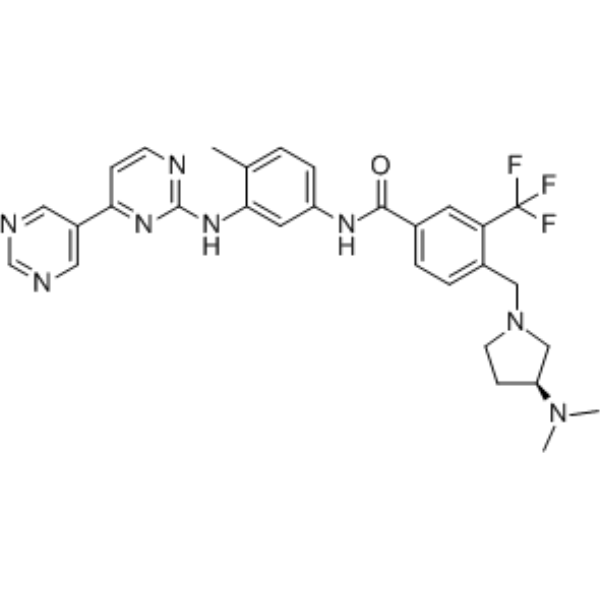
    PH14 is a dual PI3K/HDAC inhibitor with IC50 values of 20.3 nM and 24.5 nM for PI3Kα and HDAC3, respectively. PH14 has antiproliferative activity and also induces apoptosis in Jeko-1 cells. PH14 can be used in cancer research, such as lymphoma .
    PH14
  • HY-Y1269AS

    Isotope-Labeled Compounds Autophagy Cancer
    Ammonium chloride-d4 is the deuterium labeled Ammonium chloride. Ammonium chloride, as a heteropolar compound with pH value regulation, can cause intracellular alkalization and metabolic acidosis thus effecting enzymatic activity and influencing the process of biological system. Ammonium chloride is an autophagy inhibitor. Ammonium chloride is also a lysosome inhibitor .
    Ammonium chloride-d4
  • HY-W009245

    HIV Infection Cancer
    Bz-RS-iSer(3-Ph)-OMe (compound 2), a Taxol derivative, inhibits HSV replication cycle at low cytotoxicity, blocks mitotic divisions of Vero cells, influences M-MSV induced tumor size and affects immune response by inhibiting PHA-induced T lymphocyte proliferation .
    Bz-RS-iSer(3-Ph)-OMe
  • HY-W251598I

    Sodium hydrogen carbonate, meets analytical specification of Ph. Eur., BP, USP, FCC, E500

    Bacterial NO Synthase Inflammation/Immunology Cancer
    Sodium bicarbonate, meets analytical specification of Ph. Eur., BP, USP, FCC, E500 is an inorganic salt that is neutral to slightly alkaline and easily decomposes when exposed to moisture in the air. Sodium bicarbonate can maintain the pH of the culture medium, thereby affecting the expression of inducible nitric oxide synthase (iNOS) and nitric oxide (NO) production in macrophages and reversing the acidosis of the tumor microenvironment. Sodium bicarbonate is widely used in the fields of food, medicine, cosmetics, etc. Its main uses include buffers, flavoring agents, disinfectants, pharmaceuticals, and proton gradient regulators. Sodium bicarbonate is also commonly used as an antacid to inhibit gastrointestinal diseases, neutralize gastric acid, and reduce gastric discomfort .
    Sodium bicarbonate, meets analytical specification of Ph. Eur., BP, USP, FCC, E500
  • HY-108798

    VEGFR Cardiovascular Disease Cancer
    Ziv-aflibercept is a soluble inhibitor of vascular endothelial growth factor (VEGF). Ziv-aflibercept is an adaptive variant of Aflibercept (HY-108801), Ziv-aflibercept has a low PH value and high osmotic pressure when compared to Aflibercept. Ziv-aflibercept has potential applications in metastatic colorectal carcinoma and retinal diseases .
    Ziv-aflibercept
  • HY-Y1269H

    Salmiac, meets analytical specification of Ph. Eur. BP USP FCC

    Autophagy Biochemical Assay Reagents Cancer
    Ammonium chloride, meets analytical specification of Ph. Eur. BP USP FCC (Salmiac, meets analytical specification of Ph. Eur. BP USP FCC) can be used as a heteropolar compound to regulate pH value, which can cause intracellular alkalination and metabolic acidosis, thus affecting the activity of enzymes and affecting the process of biological systems. Ammonium chloride is an autophagy inhibitor. Ammonium chloride is also a lysosome inhibitor .
    Ammonium chloride, meets analytical specification of Ph. Eur. BP USP FCC
  • HY-148949A

    Kallikrein Others
    Kallikrein 5-IN-2 TFA is the TFA salt form of Kallikrein 5-IN-2 (HY-148949). Kallikrein 5-IN-2 TFA is a selective inhibitor for kallikrein 5 (KLK5) with pIC50 of 7.1. Kallikrein 5-IN-2 TFA is non-phototoxic (100 μg/mL) and non-irritant. Kallikrein 5-IN-2 is stable at pH 4-pH 8 under non-oxidative condition. Kallikrein 5-IN-2 is potent in ameliorating the Netherton syndrome .
    Kallikrein 5-IN-2 TFA
  • HY-175216

    Drug-Linker Conjugates for ADC Topoisomerase Cancer
    Maleimide-Ph(3,5-F)-PEG4-Val-Ala-MF-6 is a drug-linker conjugate for ADC. Maleimide-Ph(3,5-F)-PEG4-Val-Ala-MF-6 consists of a topoisomerase 1 inhibitor (Topi MF-6) (HY-175203) and a cleavable linker (Maleimide-Ph(3,5-F)-PEG4-Val-Ala) (HY-175218). Maleimide-Ph(3,5-F)-PEG4-Val-Ala-MF-6 can be used for synthesis of ADCs .
    Maleimide-Ph(3,5-F)-PEG4-Val-Ala-MF-6
  • HY-169960

    mTOR Cancer
    2DII is a potent and selective mTORC2 inhibitor. 2DII selectively binds mSin1 PH domain and decreases the expression of AKT1 phosphorylation .
    2DII
  • HY-111549

    Arf Family GTPase Cancer
    Bragsin1 is a potent, selective and noncompetitive inhibitor of the ArfGEF BRAG2, inhibits Arf GTPase activation, with an IC50 of 3 μM. Bragsin1 binds to PH domain of BRAG2, and is a noncompetitive interfacial inhibitor. Bragsin1 has no effect on the Sec7 domain of human ArfGEFs. Anti-cancer activity .
    Bragsin1
  • HY-B1329R

    Nebramycin II sulfate (Standard)

    Reference Standards Bacterial Antibiotic Infection
    Apramycin (sulfate) (Standard) is the analytical standard of Apramycin (sulfate). This product is intended for research and analytical applications. Apramycin (EBL 1003) is an orally active, acidic pH tolerant and aminoglycoside-modifying-enzymes-tolerant aminoglycoside antibiotic which inhibits protein biosynthesis by targeting the bacterial ribosome. Apramycin is a potential anti-drug-resistance antibiotic .
    Apramycin sulfate (Standard)
  • HY-P4599

    Biochemical Assay Reagents Others
    H-His-His-OH is an oligopeptide. H-His-His-OH can chelate with Ruthenium (II). H-His-His-OH inhibits the hydrolysis of metal ions at pH 7.4 .
    H-His-His-OH
  • HY-17558
    Apramycin
    4 Publications Verification

    Nebramycin II

    Bacterial Antibiotic Infection
    Apramycin (Nebramycin II) is an orally active, acidic pH tolerant and aminoglycoside-modifying-enzymes-tolerant aminoglycoside antibiotic which inhibits protein biosynthesis by targeting the bacterial ribosome. Apramycin is a potential anti-drug-resistance antibiotic .
    Apramycin
  • HY-148610

    Others Metabolic Disease
    LDH-IN-2, a salicylic acid derivative, is an inhibitor of glycolate oxidase (GO). LDH-IN-2 decreases oxalate output in hyperoxaluric hepatocytes. LDH-IN-2 can be used for research of primary hyperoxaluria type 1 (PH1) .
    LDH-IN-2
  • HY-124348

    3,5-Dimethyl PIT-1

    PI3K Cancer
    DM-PIT-1 is a PIP3/PH (phosphatidylinositol-3,4,5-triphosphate/Pleckstrin) interaction inhibitor. DM-PIT-1 decreases he expression of P-Akt, P-GSK-3-β, P-p70S6K, P-S6, P-4E-BP1. DM-PIT-1 induces apoptosis and shows anticancer activity. DM-PIT-1 has the potential for the research of ovarian cancer .
    DM-PIT-1
  • HY-128590
    PHT-7.3
    1 Publications Verification

    Ras Cancer
    PHT-7.3 is a selective inhibitor of connector enhancer of kinase suppressor of Ras 1 (Cnk1) pleckstrin homology (PH) domain (Kd=4.7 μM). PHT-7.3 inhibits mut-KRas, but not wild-type KRas cancer cell and tumor growth and signaling. PHT-7.3 has antitumor activity .
    PHT-7.3

Inquiry Online

Your information is safe with us. * Required Fields.

Salutation


Country or Region *

Applicant Name *


Organization Name *

Department *


Email Address *


Product Name *

Cat. No.


Requested quantity *

Phone Number *


Remarks

Inquiry Online

Inquiry Information

Product Name:
Cat. No.:
Quantity:
MCE Japan Authorized Agent:

