



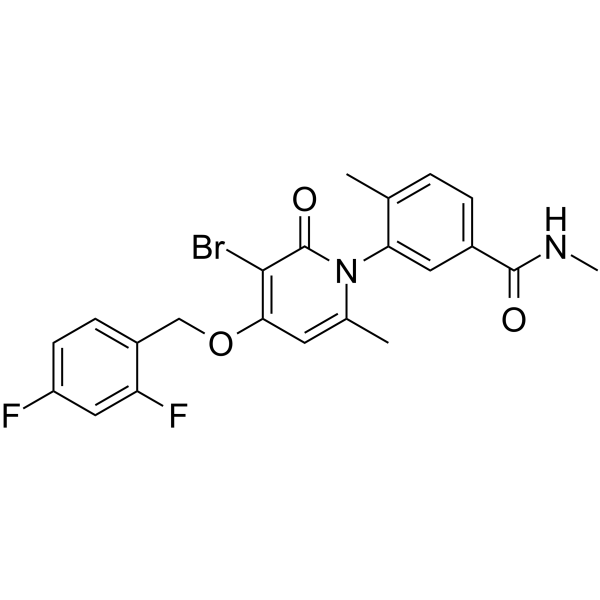
PH-797804
Based on 7 publication(s) in Google Scholar
PH-797804 is a ATP-competitive, selective p38α/p38β inhibitor (IC50=26 nM and Ki=5.8 nM for p38α; Ki=40 nM for p38β) and does not inhibit JNK2.
For research use only. We do not sell to patients.
- Purity : 98.94%
- CAS No.: 586379-66-0
- Formula: C22H19BrF2N2O3
- Molecular Weight:477.30
-
Storage:Powder -20°C, 3 years , 4°C, 2 years ; In solvent -80°C, 2 years , -20°C, 1 year

To place orders, for customer services and technical support, please contact: MedChemExpress USA
Tel: 609-228-6898 E-mail: [email protected] [email protected]


-
 Biological Activity
-
Chemical Information
-
Solvent & Solubility
- Purity & Documentation
- References
-
 Help & FAQs


-
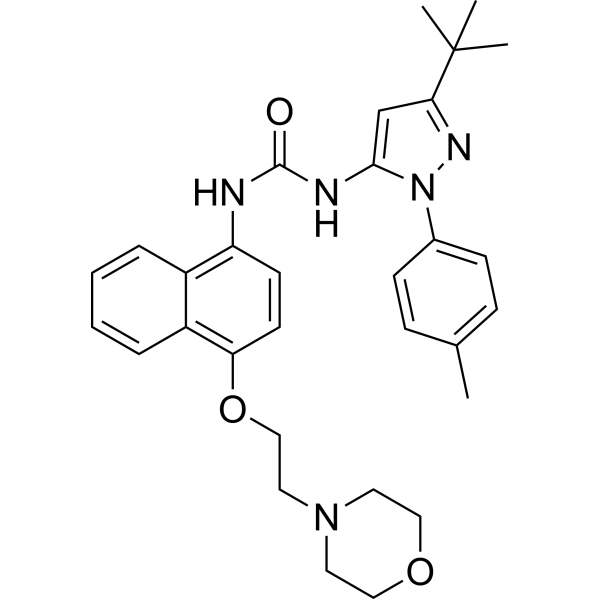
HY-10320
Doramapimodp38 MAPK Inhibitor -
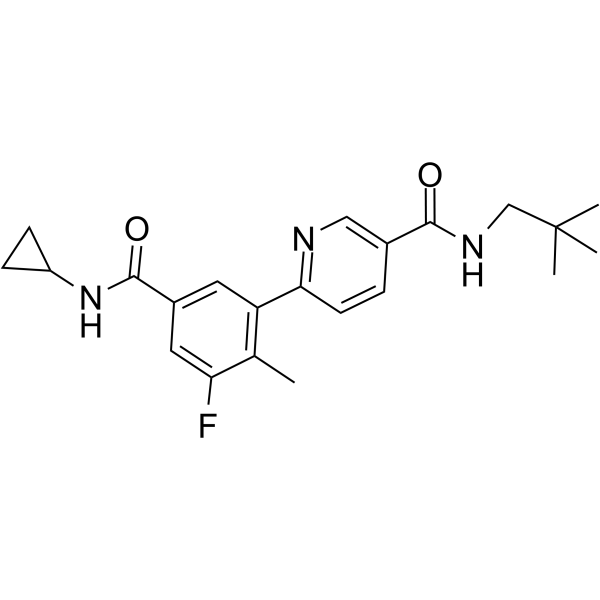
HY-10402
Losmapimodp38α/β MAPK Inhibitor -
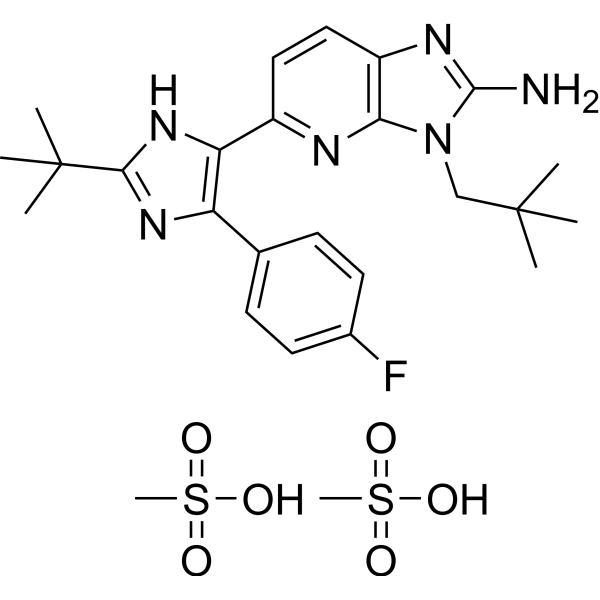
HY-13241
Ralimetinib dimesylateApoptosis Inducer -
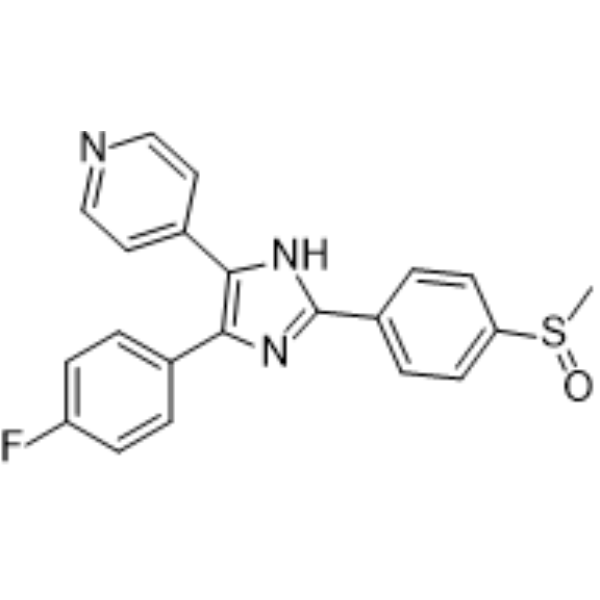
HY-10256
Adezmapimodp38 MAPK Inhibitor -
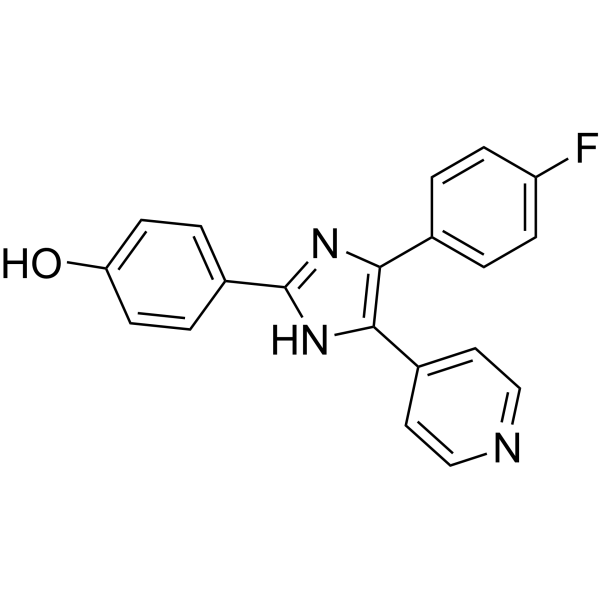
HY-10295
SB 202190p38 MAPK Inhibitor -
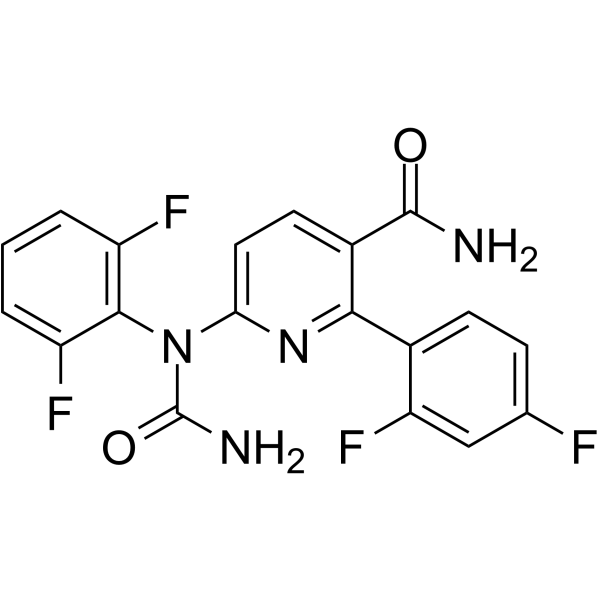
HY-10401
VX-702p38α MAPK Inhibitor -
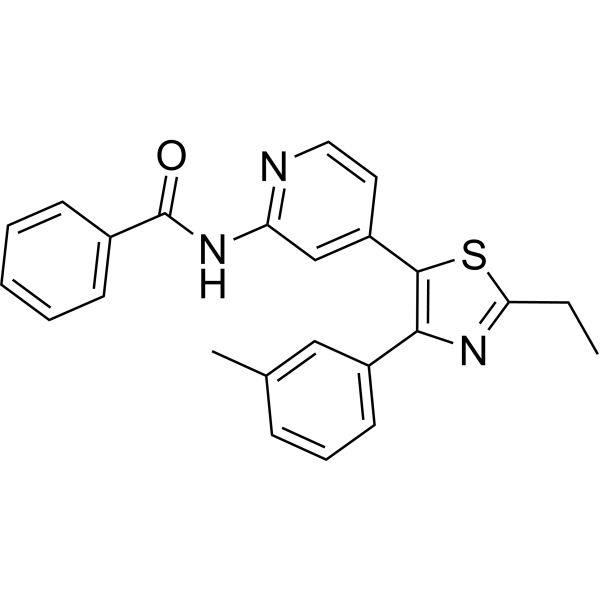
HY-10456
TAK-715p38 MAPK Inhibitor -
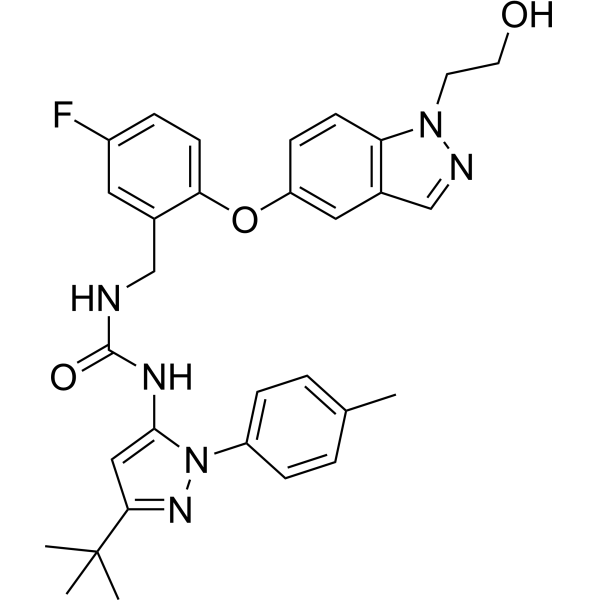
HY-16782
PexmetinibTie-2/p38 MAPK Inhibitor -
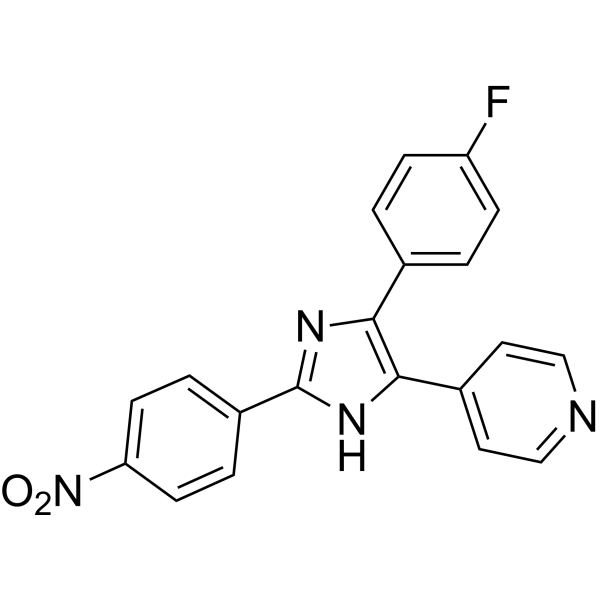
HY-10578
PD 169316p38 MAP Kinase Inhibitor -
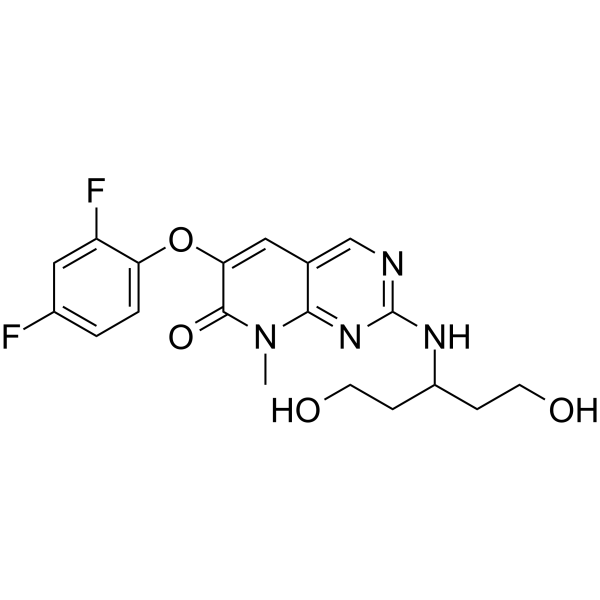
HY-10405
Pamapimodp38α Inhibitor -
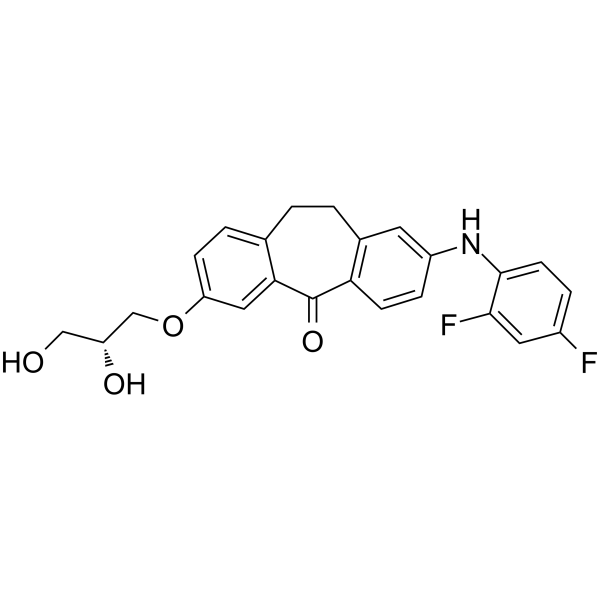
HY-15300
Skepinone-Lp38 MAPK Inhibitor -
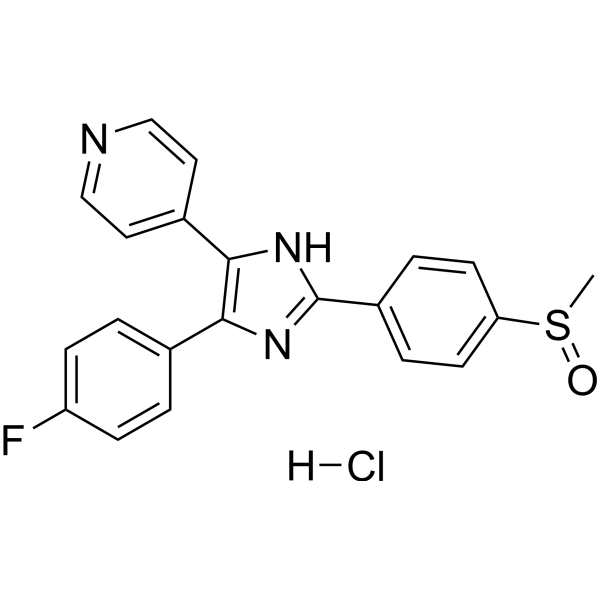
HY-10256A
Adezmapimod hydrochloridep38 MAPK Inhibitor
Publications Citing Use of MedChemExpress (MCE) PH-797804
More- Sci Transl Med. 2018 Jul 18;10(450):eaaq1093. [Abstract]
- Cell Death Dis. 2021 Oct 23;12(11):994. [Abstract]
- Cell Death Dis. 2018 May 1;9(5):500. [Abstract]
- Osteoarthritis Cartilage. 2022 Aug;30(8):1140-1153. [Abstract]
- J Pharmacol Exp Ther. 2019 Aug;370(2):219-230. [Abstract]
- Oral Dis. 2025 Oct 27. [Abstract]
- bioRxiv. 2023 Feb 8.


Biological Activity
Description
IC50 & Target
Cellular Effect
|
Cell Line

|
Type | Value | Description | References |
|---|---|---|---|---|
| Caco-2 | CC50 |
19.97 μM
Compound: PH-797804
|
Toxicity against Caco-2 cells determined at 48 hours by intracellular ATP concentration using the CellTiter-Glo Luminescent Cell Viability Assay
Toxicity against Caco-2 cells determined at 48 hours by intracellular ATP concentration using the CellTiter-Glo Luminescent Cell Viability Assay
|
10.21203/rs.3.rs-23951/v1 |
| Caco-2 | IC50 |
18.85 μM
Compound: PH-797804
|
Determination of IC50 values for inhibition of SARS-CoV-2 induced cytotoxicity of Caco-2 cells after 48 hours by high content imaging
Determination of IC50 values for inhibition of SARS-CoV-2 induced cytotoxicity of Caco-2 cells after 48 hours by high content imaging
|
10.21203/rs.3.rs-23951/v1 |
| Monocyte | IC50 |
3.4 nM
Compound: 1
|
Antiinflammatory activity in human monocytes assessed as inhibition of LPS-induced IL1-beta production
Antiinflammatory activity in human monocytes assessed as inhibition of LPS-induced IL1-beta production
|
[PMID: 21620699] |
| Monocyte | IC50 |
3.4 nM
Compound: 1
|
Antiinflammatory activity in human monocytes assessed as inhibition of LPS-induced TNFalpha production
Antiinflammatory activity in human monocytes assessed as inhibition of LPS-induced TNFalpha production
|
[PMID: 21620699] |
| U-937 | IC50 |
1.05 nM
Compound: 1
|
Inhibition of p38alpha kinase-dependent HSP-27 phosphorylation in human U937 cells
Inhibition of p38alpha kinase-dependent HSP-27 phosphorylation in human U937 cells
|
[PMID: 21620699] |
| U-937 | IC50 |
5.9 nM
Compound: 1
|
Antiinflammatory activity in human U937 cells assessed as inhibition of LPS-induced TNFalpha production
Antiinflammatory activity in human U937 cells assessed as inhibition of LPS-induced TNFalpha production
|
[PMID: 21620699] |
In Vitro
PH-797804 blocks LPS-induced TNF-α production and p38 kinase activity in the human monocytic U937 cell line, with comparable IC50 of 5.9 nM and 1.1 nM. PH-797804 has no inhibitory effect on either the JNK pathway (c-Jun phosphorylation) or ERK pathway (ERK phosphorylation) in U937 cells at concentrations up to 1 μM. PH-797804 inhibits RANKL- and M-CSF-induced osteoclast formation in a concentration-dependent manner, with IC50 of 3 nM in primary rat bone marrow cells[1].
IC50 values for PH-797804 against the following targets have been determined to be greater than 200 μM (unless specified): CDK2, ERK2, IKK1, IKK2, IKKi, MAPKAP2, MAPKAP3, MKK7 (>100 μM), MNK, MSK (>164 μM), PRAK, RSK2, and TBK1, which means the activity of PH-797804 is specific[2].
MedChemExpress (MCE) has not independently confirmed the accuracy of these methods. They are for reference only.
In Vivo
MedChemExpress (MCE) has not independently confirmed the accuracy of these methods. They are for reference only.
Clinical Trial
| NCT Number | Sponsor | Condition | Start Date |
Phase
|
|---|---|---|---|---|
| NCT01329991 | 2011-05 | PHASE1 |


Chemical Information
-
CAS No. 586379-66-0
-
Appearance Solid
-
Molecular Weight 477.30
-
Formula C22H19BrF2N2O3
-
Color White to off-white
-
SMILES
O=C(C1=CC=C(C(N2C(C)=CC(OCC3=CC=C(C=C3F)F)=C(C2=O)Br)=C1)C)NC
-
Shipping
Room temperature in continental US; may vary elsewhere.
-
Storage
Powder -20°C 3 years 4°C 2 years In solvent -80°C 2 years -20°C 1 year


Publications (7)
-
Journal Impact Factor
-
Most Recent
-
Sci Transl Med
PP2A inhibition is a druggable MEK inhibitor resistance mechanism in KRAS-mutant lung cancer cells. [Abstract]2018 Jul 18;10(450):eaaq1093. PMID: 30021885 -
Cell Death Dis
Quantitative analysis of phosphoproteome in necroptosis reveals a role of TRIM28 phosphorylation in promoting necroptosis-induced cytokine production. [Abstract]2021 Oct 23;12(11):994. PMID: 34689152 -
Cell Death Dis
Necroptosis promotes cell-autonomous activation of proinflammatory cytokine gene expression. [Abstract]2018 May 1;9(5):500. PMID: 29703889 -
Osteoarthritis Cartilage
Chondrocyte apoptosis in temporomandibular joint osteoarthritis promotes bone resorption by enhancing chemotaxis of osteoclast precursors. [Abstract]2022 Aug;30(8):1140-1153. PMID: 35513247 -
J Pharmacol Exp Ther
Clinically Advanced p38 Inhibitors Suppress DUX4 Expression in Cellular and Animal Models of Facioscapulohumeral Muscular Dystrophy. [Abstract]2019 Aug;370(2):219-230. PMID: 31189728 -
Oral Dis
2025 Oct 27. PMID: 41146398 -


Solvent & Solubility
In Vitro:
DMSO : 50 mg/mL (104.76 mM; Need ultrasonic; Hygroscopic DMSO has a significant impact on the solubility of product, please use newly opened DMSO)
Please refer to the solubility information to select the appropriate solvent. Once prepared, please aliquot and store the solution to prevent product inactivation from repeated freeze-thaw cycles.
Storage method and period of stock solution: -80°C, 2 years; -20°C, 1 year. When stored at -80°C, please use it within 2 years. When stored at -20°C, please use it within 1 year.
Please refer to the solubility information to select the appropriate solvent. Once prepared, please aliquot and store the solution to prevent product inactivation from repeated freeze-thaw cycles.
Storage method and period of stock solution: -80°C, 2 years; -20°C, 1 year. When stored at -80°C, please use it within 2 years. When stored at -20°C, please use it within 1 year.
Concentration (start) × Volume (start) = Concentration (final) × Volume (final)
In Vivo:
Select the appropriate dissolution method based on your experimental animal and administration route.
- For the following dissolution methods, please ensure to first prepare a clear stock solution using an In Vitro approach and then sequentially add co-solvents:
- To ensure reliable experimental results, the clarified stock solution can be appropriately stored based on storage conditions. As for the working solution for In Vivo experiments, it is recommended to prepare freshly and use it on the same day.
- The percentages shown for the solvents indicate their volumetric ratio in the final prepared solution. If precipitation or phase separation occurs during preparation, heat and/or sonication can be used to aid dissolution.
Add each solvent one by one: 10% DMSO 40% PEG300 5% Tween-80 45% Saline
Solubility: ≥ 3 mg/mL (6.29 mM); Clear solution
This protocol yields a clear solution of ≥ 3 mg/mL (saturation unknown).
Taking 1 mL working solution as an example, add 100 μL DMSO stock solution (30.0 mg/mL) to 400 μL PEG300, and mix evenly; then add 50 μL Tween-80 and mix evenly; then add 450 μL Saline to adjust the volume to 1 mL.
Preparation of Saline: Dissolve 0.9 g sodium chloride in ddH₂O and dilute to 100 mL to obtain a clear Saline solution.
In Vivo Dissolution Calculator
Please enter the basic information of animal experiments:
-
-
-
-
Recommended: Prepare an additional quantity of animals to account for potential losses during experiments.
Please enter your animal formula composition:
-
%DMSO +
Recommended: Keep the proportion of DMSO in working solution below 2% if your animal is weak.
-
%+
-
+%Tween-80 + +
-
%Saline +
The co-solvents required include: DMSO, . All of co-solvents are available by MedChemExpress (MCE). , Tween 80. All of co-solvents are available by MedChemExpress (MCE).
Working solution concentration: 0.22 mg/mL
Method for preparing stock solution: mg drug dissolved in μL DMSO. Stock solution concentration: mg/mL.
1. Take μL DMSO stock solution;
2. Add μL .
μL , mix evenly;
3. Then add μL Tween 80, mix evenly;
4. Then add μL
Please ensure that the stock solution in the first step is dissolved to a clear state, and add co-solvents in sequence. You can use ultrasonic heating (ultrasonic cleaner, recommended frequency 20-40 kHz), vortexing, etc. to assist dissolution.


Purity & Documentation
-
Data Sheet (274 KB)
-
SDS (393 KB)
- English - EN (393 KB)
- Français - FR (393 KB)
- Deutsch - DE (393 KB)
- Norwegian - NO (393 KB)
- Español - ES (393 KB)
- Swedish - SV (393 KB)
- Italian - IT (393 KB)
- Korean - KR (393 KB)
- Portuguese - PT (393 KB)
-
Handling Instructions (2659 KB)
References
[1]. Hope HR, et al. Anti-inflammatory properties of a novel N-phenyl pyridinone inhibitor of p38 mitogen-activated protein kinase: preclinical-to-clinical translation. J Pharmacol Exp Ther, 2009, 331(3), 882-895. [Content Brief]
[2]. Xing L, et al. Structural bioinformatics-based prediction of exceptional selectivity of p38 MAP kinase inhibitor PH-797804. Biochemistry, 2009, 48(27), 6402-6411. [Content Brief]


Complete Stock Solution Preparation Table
Please refer to the solubility information to select the appropriate solvent. Once prepared, please aliquot and store the solution to prevent product inactivation from repeated freeze-thaw cycles.
Storage method and period of stock solution: -80°C, 2 years; -20°C, 1 year. When stored at -80°C, please use it within 2 years. When stored at -20°C, please use it within 1 year.
| Optional Solvent | Concentration Solvent Mass | 1 mg | 5 mg | 10 mg | 25 mg |
|---|---|---|---|---|---|
| DMSO | 1 mM | 2.0951 mL | 10.4756 mL | 20.9512 mL | 52.3780 mL |
| 5 mM | 0.4190 mL | 2.0951 mL | 4.1902 mL | 10.4756 mL | |
| 10 mM | 0.2095 mL | 1.0476 mL | 2.0951 mL | 5.2378 mL | |
| 15 mM | 0.1397 mL | 0.6984 mL | 1.3967 mL | 3.4919 mL | |
| 20 mM | 0.1048 mL | 0.5238 mL | 1.0476 mL | 2.6189 mL | |
| 25 mM | 0.0838 mL | 0.4190 mL | 0.8380 mL | 2.0951 mL | |
| 30 mM | 0.0698 mL | 0.3492 mL | 0.6984 mL | 1.7459 mL | |
| 40 mM | 0.0524 mL | 0.2619 mL | 0.5238 mL | 1.3094 mL | |
| 50 mM | 0.0419 mL | 0.2095 mL | 0.4190 mL | 1.0476 mL | |
| 60 mM | 0.0349 mL | 0.1746 mL | 0.3492 mL | 0.8730 mL | |
| 80 mM | 0.0262 mL | 0.1309 mL | 0.2619 mL | 0.6547 mL | |
| 100 mM | 0.0210 mL | 0.1048 mL | 0.2095 mL | 0.5238 mL |


PH-797804 Related Classifications
HY-10403 Related Classifications
 Powered by Bioz