


Search Result
Results for "
bearing
" in MedChemExpress (MCE) Product Catalog:
17
Biochemical Assay Reagents
2
Isotope-Labeled Compounds
| Cat. No. |
Product Name |
Target |
Research Areas |
Chemical Structure |
-
- HY-D0975
-
|
|
ADC Linker
|
Cancer
|
|
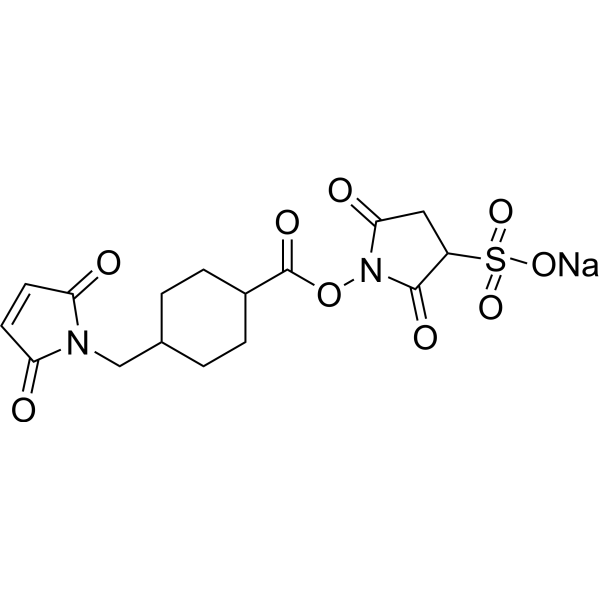
Sulfo-SMCC sodium is a commonly used hetero-bifunctional, noncleavable ADC crosslinker bearing N-hydroxysuccinimide (NHS) ester and maleimide groups to react with primary amines and sulfhydryl groups, respectively.
|
-
-
- HY-139156
-
SK-575
5 Publications Verification
|
PROTACs
PARP
|
Cancer
|
|
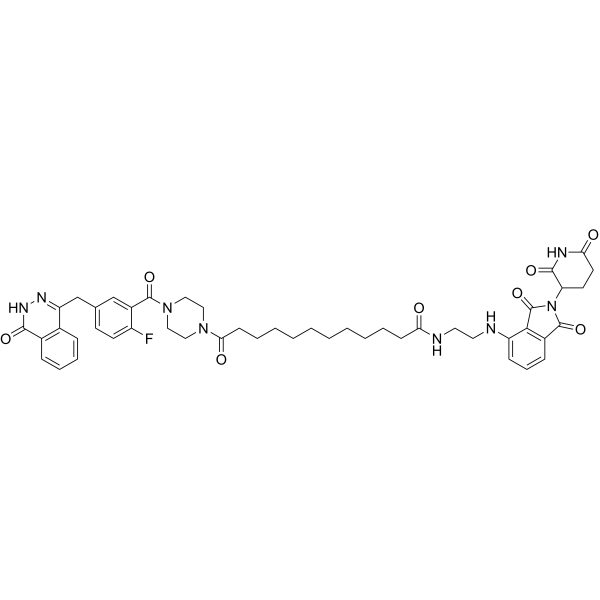
SK-575 is a highly potent and specific proteolysis-targeting chimera (PROTAC) degrader of PARP1, with an IC50 of 2.30 nM. SK-575 potently inhibits the growth of cancer cells bearing BRCA1/2 mutations .
|
-
-
- HY-177475
-
|
1-Arachidonoyl-sn-glycero-3-phosphocholine
|
Endogenous Metabolite
|
Metabolic Disease
Cancer
|
|
LysoPC 20:4 (20:4) (1-Arachidonoyl-sn-glycero-3-phosphocholine) is a serum metabolite. LysoPC 20:4 (20:4) decreases in tumor-bearing mice, but the reduction is not significant. LysoPC (20:4) can be used in cancer and obesity-related research .
|
-
-
- HY-N6607
-
-
-
- HY-125870
-
|
Agar substitute gelling agent, for cell culture
|
Environmental Pollutants
Biochemical Assay Reagents
|
Inflammation/Immunology
|
|
Gellan gum is a linear microbial exopolysaccharide that can be used as a cell scaffold for both soft tissue and load bearing applications. Gellan gum has many advantages such as biocompatibility, biodegradability, nontoxic in nature, and physical stability in the presence of cations .
|
-
-
- HY-171689
-
|
AZD 8205; P-Sam
|
Antibody-Drug Conjugates (ADCs)
Topoisomerase
|
Cancer
|
|
Puxitatug samrotecan (AZD 8205) is a B7-H4-directed antibody-drug conjugate (ADC) bearing a Topoisomerase I inhibitor (TOP1i) payload. Puxitatug samrotecan improves HR +/HER2 - breast cancer .
|
-
-
- HY-114440
-
|
GR-MD-02
|
Galectin
Apoptosis
|
Cancer
|
|
Belapectin (GR-MD-02) is a Galectin-3 (Gal-3) inhibitor. Belapectin drives tumor-induced immunosuppression by inducing T cell Apoptosis. Belapectin promotes tumor regression and improves survival of tumor-bearing mice through a CD8+ T cell-dependent mechanism. Belapectin binds to Gal-3 with affinity Ki of 2.8 μM .
|
-
-
- HY-W088929
-
|
|
Amino Acid Derivatives
|
Others
|
|
H-Glu(OtBu)-NH2 hydrochloride is a specialized amino acid derivative that is crucial for the synthesis of peptides bearing a C-terminal glutamine amide.
|
-
-
- HY-41404
-
|
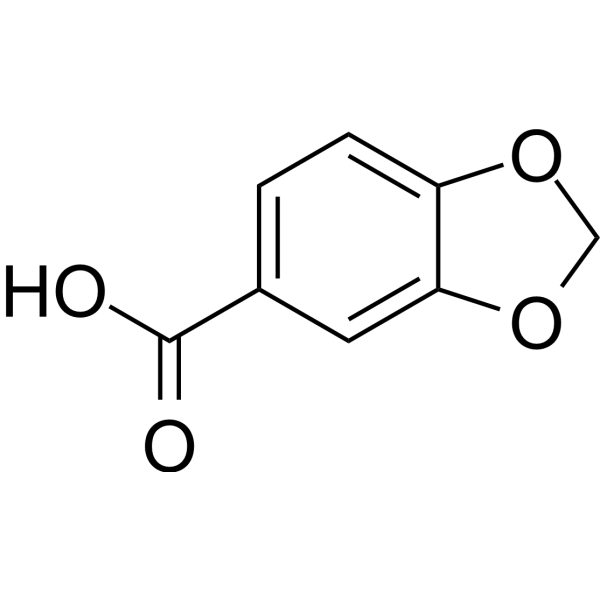
2H-1,3-benzodioxole-5-carboxylic acid
|
Cytochrome P450
Interleukin Related
EGFR
IGF-1R
|
Infection
Others
Cancer
|
|
Piperonylic acid is a natural molecule bearing a methylenedioxy function that closely mimics the structure of trans-cinnamic acid. Piperonylic Acid is a selective, mechanism-based inactivator of the trans-cinnamate 4-Hydroxylase. Piperonylic acid has anticancer, antioxidant and antibacterial activities .
|
-
-
- HY-Y0102
-
|
2-Mercaptobenzoic acid
|
Biochemical Assay Reagents
Drug Intermediate
|
Infection
|
|
Thiosalicylic acid (2-Mercaptobenzoic acid) is an organosulfur compound bearing both sulfhydryl and carboxyl functional groups. Thiosalicylic acid acts as a desulfurizing agent. Thiosalicylic acid also serves as a ligand to synthesize azosulfonamide derivatives with antibacterial and antifungal activities, as well as their Fe 3+, Cu 2+ and Hg 2+ chelates .
|
-
-
- HY-110120
-
|
|
Toll-like Receptor (TLR)
|
Cancer
|
|
DSR-6434 is a potent and selective Toll-like receptor 7 (TLR7) agonist, with EC50s of 7.2 nM and 4.6 nM for human and mice TLR7, respectively. DSR-6434 has a strong antitumor effect .
|
-
-
- HY-130080
-
|
Maytansinoid DM3
|
ADC Payload
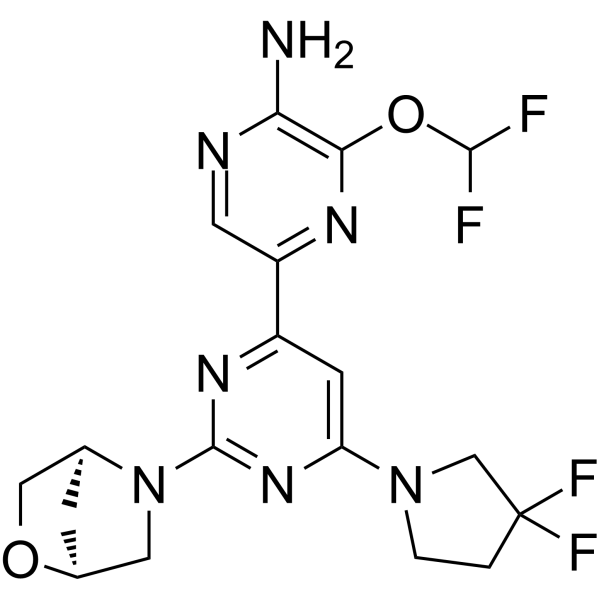
Microtubule/Tubulin
|
Cancer
|
|
DM3 (Maytansinoid DM3), a Maytansine (HY-13674) analog bearing disulfide or thiol groups, and is a tubulin inhibitor. DM3 a cytotoxic moiety of antibody-drug conjugates (ADCs) .
|
-
-
- HY-154636
-
|
|
Biochemical Assay Reagents
|
Endocrinology
|
Liquid Paraffin is a petroleum-derived mixture of saturated hydrocarbons and an orally active fecal lubricant. Liquid Paraffin is widely used in studies of constipation and fecal incontinence in children through its lubricating effect and the osmotic effect generated by its conversion to hydroxy fatty acids. Liquid Paraffin has high safety, is non-carcinogenic, and does not affect fat-soluble vitamin levels with long-term use. Liquid Paraffin does not cause abdominal pain or electrolyte disorders, but may lead to lipoid pneumonia and granulomas caused by rectal administration. Liquid Paraffin can also be used as a phase change material for thermal energy storage, or combined with nanoparticles to form a protective boundary film to reduce mechanical wear .
|
-
-
- HY-133887
-
|
|
Antifolate
DNA/RNA Synthesis
|
Cancer
|
|
Methotrexate α-tert-butyl ester, capped by OtBu, significantly reduces tumor growth in HT1080 tumor bearing mice. Methotrexate is an antimetabolite and antifolate agent and is also an immunosuppressant and antineoplastic agent .
|
-
-
- HY-172946
-
|
|
PROTACs
STAT
|
Cancer
|
|
SD-2301 is a selective STAT3 PROTAC degrader. SD-2301 induces STAT3 degradation without affecting the protein levels of other STAT family members (STAT1, STAT2, STAT4, STAT5, STAT6). SD-2301 exerts anti-tumor effects in B16F10-bearing mice. SD-2301 can be used for the study of cancer. (Pink: STAT3 ligand (HY-172947), Blue: VHL Ligand (HY-172948), Black: Linker (HY-W577012), VHL ligand-linker conjugate (HY-172949)) .
|
-
-
- HY-P11195
-
|
|
Drug Derivative
|
Neurological Disease
|
|
Angiopep-2 azide is a peptide derivative of Angiopep-2 (HY-P2341) bearing a side chain azide (N3) group. Angiopep-2 exhibits high blood-brain barrier (BBB) penetration capability and can be used for brain compound delivery .
|
-
-
- HY-151727
-
|
|
ADC Linker
|
Others
|
|
Norbornene-NHS is a norbornene-functionalized antibody-drug conjugate linker (ADC Linker) bearing an NHS ester, which is applicable for highly efficient and specific antibody conjugation reactions in ADC research and development. Norbornene-NHS also acts as an azide-group-containing click chemistry reagent, serving as a dienophile for copper-free click reaction conjugation .
|
-
-
- HY-155339
-
|
|
Apoptosis
DNA/RNA Synthesis
|
Cancer
|
|
Anticancer agent 168 (compound d16) is a inhibitor of DNA2. Anticancer agent 168 induces apoptosis and cell-cycle arrest mainly at S-phase, and exhibits anticancer activities and overcomes chemotherapy resistance in mutp53-bearing cancers .
|
-
-
- HY-174935
-
|
|
Biochemical Assay Reagents
|
Others
|
|
DBCO-PEG1000-NHS is a dibenzocyclooctyne-conjugated polyethylene glycol derivative bearing an NHS group. DBCO-PEG-NHS forms a stable covalent linkage with the amino group of target molecules via the NHS ester at one end, while introducing a DBCO group at the other end, thus preparing for subsequent click chemical conjugation with any azide-bearing molecule or material .
|
-
-
- HY-W879048
-
|
|
ADC Linker
|
Others
|
|
DBCO-PEG24-Maleimide contains a maleimide and a DBCO group. DBCO-PEG24-Maleimide can be used for thiol-containing biomolecule conjugations. DBCO-PEG24-Maleimide can be used in click chemistry with azide-bearing biomolecules .
|
-
-
- HY-D2500
-
|
|
Fluorescent Dye
|
Others
|
|
CY7 DBCO chloride is a dye derivative of CY7 (HY-D0825) bearing a DBCO group. CY7 DBCO chloride is a click chemistry reagent. CY7 DBCO chloride contains a DBCO group that can undergo strain-promoted alkyne-azide cycloaddition (SPAAC) with molecules containing Azide groups .
|
-
-
- HY-126458
-
|
E3 ligase Ligand-Linker Conjugates 32
|
E3 Ligase Ligand-Linker Conjugates
Autophagy
Apoptosis
|
Cancer
|
|
Thalidomide-O-PEG2-propargyl (E3 ligase Ligand-Linker Conjugates 32) is an E3 ligase ligand-linker conjugate. Thalidomide-O-PEG2-propargyl is also a click chemistry reagent containing an alkyne group, which can undergo copper-catalyzed azide-alkyne cycloaddition (CuAAC) with molecules bearing an azide group .
|
-
-
- HY-W025438
-
|
|
Nucleoside Antimetabolite/Analog
Drug Intermediate
|
Others
|
|
5’-O-(4,4’-Dimethoxytrityl)-2’-O-methyluridine is a 2'-O-methyluridine derivative bearing a 5'-O-(4,4'-dimethoxytrityl) protecting group.5’-O-(4,4’-Dimethoxytrityl)-2’-O-methyluridine serves as a starting material for synthesis of a conformationally rigid cyclic uridylic acid derivative .
|
-
-
- HY-174935A
-
|
|
Biochemical Assay Reagents
|
Others
|
|
DBCO-PEG2000-NHS is a dibenzocyclooctyne-conjugated polyethylene glycol derivative bearing an NHS group. DBCO-PEG-NHS forms a stable covalent linkage with the amino group of target molecules via the NHS ester at one end, while introducing a DBCO group at the other end, thus preparing for subsequent click chemical conjugation with any azide-bearing molecule or material .
|
-
-
- HY-103262
-
-
-
- HY-149241
-
|
|
SHP2
|
Cancer
|
|
SHP2-IN-13 is a highly selective and orally active SHP2 “tunnel site” allosteric inhibitor with an IC50 of 83.0 nM. SHP2-IN-13 has the potential for cancers bearing RTK oncogenic drivers and SHP2-related diseases research.
|
-
-
- HY-151742
-
|
|
ADC Linker
|
Others
|
|
Norbornene-methyl-NHS is a norbornene-based antibody-drug conjugate linker (ADC Linker) bearing methyl and NHS ester functional groups, which can be used for specific antibody conjugation. Norbornene-methyl-NHS is also a click chemistry reagent containing a TCO group, acting as a dienophile for conjugation via the Diels-Alder reaction, namely the copper-free click reaction with tetrazine .
|
-
-
- HY-D2143
-
|
|
Fluorescent Dye
|
Others
|
|
Cy5-PEG3-TCO is a dye derivative of Cyanine 5 (Cy5) (HY-D0821) containing 3 PEG units. Cy5-PEG3-TCO utilizes its own TCO group to undergo an inverse electron demand Diels-Alder reaction (iEDDA) with molecules bearing Tetrazine groups.
|
-
-
- HY-160258
-
|
GDP-Fucose-Am-Tz
|
Biochemical Assay Reagents
|
Others
|
|
GDP-Fucose-Tz (GDP-Fucose-Am-Tz) is a non-natural GDP-fucose analog bearing a Tetrazine group. As a precursor, GDP-Fucose-Tz enables the synthesis of GDP-fucose-ssDNA probes via inverse electron demand Diels-Alder reaction. GDP-Fucose-Tz participates in chemoenzymatic reactions to prepare GDP-fucose-Herceptin derivatives through conjugation with TCO-Herceptin .
|
-
-
- HY-139798
-
|
|
Bacterial
|
Infection
|
|
Iboxamycin is a potent antibiotic candidate bearing a fused bicyclic amino acid residue. Iboxamycin is orally bioavailable, safe and effective in researching both Gram-positive and Gram-negative bacterial infections in mice .
|
-
-
- HY-156304
-
|
|
Fluorescent Dye
|
Others
|
|
Coumarin-C2-TCO is a dye derivative of Coumarin (HY-N0709). Coumarin-C2-TCO utilizes its TCO group to undergo an inverse electron demand Diels-Alder reaction (iEDDA) with molecules bearing Tetrazine groups.
|
-
-
- HY-W259542
-
|
|
Biochemical Assay Reagents
|
Others
|
|
O-Proparagyl-N-Boc-ethanolamine is crosslinker consisting of a propargyl group and a t-Boc protected amine group. The propargyl group reacts with azide-bearing compounds or biomolecules via copper catalyzed Click Chemistry reactions. The t-Boc protected amine can be deprotected under mild acidic conditions.
|
-
-
- HY-175187
-
|
|
CDK
E1/E2/E3 Enzyme
|
Cancer
|
|
LO-3-63, a Ribociclib (HY-15777) analog bearing a truncated fumaramide handle, is a PROTAC-like CDK4/6 degrader. LO-3-63 induces CUL4 DCAF16-dependent degradation of CDK4/6 in cells .
|
-
-
- HY-171745
-
|
|
ATM/ATR
|
Cancer
|
|
ATR-IN-32 is an orally active ATR inhibitor. ATR-IN-32 potently inhibits the proliferation of MIA PaCa-2 cells. ATR-IN-32 exerts significant tumor growth inhibition in mice bearing LOVO and HT-29 xenografts. ATR-IN-32 can be used for the study of cancers mediated by ATR protein kinase, such as colorectal cancer, pancreatic cancer .
|
-
-
- HY-D2147
-
|
|
Fluorescent Dye
|
Others
|
|
Cy5-PEG7-TCO4 is a dye derivative of Cyanine 5 (Cy5) (HY-D0821) containing 7 PEG units. Cy5-PEG7-TCO4 utilizes its own TCO group to undergo an inverse electron demand Diels-Alder reaction (iEDDA) with molecules bearing Tetrazine groups.
|
-
-
- HY-174935C
-
|
|
Biochemical Assay Reagents
|
Others
|
|
DBCO-PEG5000-NHS is a dibenzocyclooctyne-conjugated polyethylene glycol derivative bearing an NHS group. DBCO-PEG-NHS forms a stable covalent linkage with the amino group of target molecules via the NHS ester at one end, while introducing a DBCO group at the other end, thus preparing for subsequent click chemical conjugation with any azide-bearing molecule or material .
|
-
-
- HY-135667
-
-
-
- HY-111945
-
|
|
Fluorescent Dye
|
Others
|
|
Cys modifier 1 (compound 7) is a cysteine-selective protein modifier for protein bioconjugation. A fluorescent carbonylacrylic derivative bearing nitrobenzofurazan (λex=465nm and λem539 nm)[1].
|
-
-
- HY-W017590
-
|
1-Fluoro-3-nitrobenzene; 3-Fluoronitrobenzene; m-FNBZ
|
Drug Derivative
|
Others
|
|
m-Fluoronitrobenzene (1-Fluoro-3-nitrobenzene) is a meta-substituted benzene derivative bearing fluoro and nitro functional groups. m-Fluoronitrobenzene finds applications in the fields of pharmaceuticals, dyes, pesticides, and synthetic rubber .
|
-
-
- HY-107593
-
|
|
IKK
|
Inflammation/Immunology
|
|
PS-1145 (dihydrochloride) is a potent IκB kinase-2 inhibitor with an IC50 value of 88 nM. PS-1145 (dihydrochloride) inhibits activity of NF-κB by blocking IκB kinase phosphorylation in tumor-bearing rats .
|
-
-
- HY-174437
-
|
|
FLT3
Apoptosis
|
Cancer
|
|
FLT3-IN-32 is a potent and orally active FLT3 inhibitor. FLT3-IN-32 shows high selectivity for FLT3 and efficiently inhibits FLT3-activating mutations and induces apoptosis. FLT3-IN-32 shows good tolerability in non-tumor bearing mice. FLT3-IN-32 demonstrates outstanding anti-tumor efficacy in MV4-11 bearing NOD/SCID mice, prolonging the survival noticeably. FLT3-IN-32 can be used for the research of acute myeloid leukemia .
|
-
-
- HY-P10697
-
|
|
LDLR
|
Metabolic Disease
|
|
VH4127 is a cyclic peptide targeting the low density lipoprotein receptor (LDLR) with a KD of 18 nM for hLDLR. VH4127, bearing non-natural amino acid residues, specifically binds to rodent and human epidermal growth factor (EGF) homology domain of LDLR .
|
-
-
- HY-149298
-
|
|
PSMA
|
Cancer
|
|
PSMA-IN-2 is an inhibitor of PSMA with a Ki value of 1.07 nM. PSMA-IN-2 displays favorable in vivo NIR imaging (λEM = 1088 nm, λex = 808 nm), and can be used for NIRII image-guided tumor resection surgery in PSMA-positive tumor-bearing mice .
|
-
-
- HY-129990
-
|
|
Liposome
|
Cancer
|
|
Dios-Arg diTFA, a cationic lipid with an arginine-bearing headgroup, shows obvious double bond proton signals at around 5.2-5.3 ppm. Dios-Arg diTFA is used, coupled to DOPE, to bind siRNA and plasmid to for cationic LNPs for intracellular transport .
|
-
-
- HY-W451405
-
|
|
Biochemical Assay Reagents
|
Others
|
|
2,5-Dioxopyrrolidin-1-yl hept-6-ynoate is an amine reactive four carbon reagent that can be used for derivatizing peptides, antibodies, amine coated surfaces etc. The alkyne group reacts with azide-bearing compounds or biomolecules in copper catalyzed Click Chemistry reactions.
|
-
-
- HY-177059
-
|
NBMPR-P
|
Nucleoside Antimetabolite/Analog
|
Cancer
|
|
Nitrobenzylthioinosine 5'-monophosphate (NBMPR-P), a nucleoside analog, is a prodrug of the potent nucleoside transport inhibitor Nitro-benzylthioinosine (NBMPR) (HY-W010936). Nitrobenzylthioinosine 5'-monophosphate blocks nucleoside transport in vivo and prevents host toxicity in tumor-bearing mice administered with highdoses of Tubercidin (HY-100126) .
|
-
-
- HY-118184
-
|
|
PGE synthase
|
Cancer
|
|
AF3485 is a human mPGES-1 inhibitor that exhibits antitumor activity in vitro and in vivo. AF3485 inhibits tumor-associated angiogenesis by reducing PGE2 production, inhibiting EGFR signaling, and decreasing VEGF and FGF-2 expression. AF3485 reduced tumor growth in mice bearing human A431 xenograft tumors by subchronic administration.
|
-
-
- HY-D2242
-
|
|
Fluorescent Dye
|
Others
|
|
Sulfo-Cy7.5 DBCO is a dye derivative of Cyanine 7.5 (Cy7.5) (HY-D0926) bearing a DBCO group. The sulfonate ion increases the water solubility of the compound, making it suitable for use in aqueous solutions. Sulfo-Cy7.5 DBCO can bind to biomolecules such as proteins and antibodies to track their location and dynamic changes in biological samples .
|
-
-
- HY-153699
-
|
|
SHP2
|
Cancer
|
|
SHP2-IN-14 (compound 27) is an orally active and potent SHP2 allosteric inhibitor (IC50=7 nM) with anti-tumor activity. SHP2-IN-14 inhibits tumor progression in NCI-H358 tumor bearing mice, exhibits good pharmacokinetic characteristics and safty .
|
-
-
- HY-P991587
-
|
|
Orphan GPCR
|
Cancer
|
|
SAR-446523 is a humanized IgG1 monoclonal antibody inhibitor targeting GPRC5D. SAR-446523 significantly induces antibody-dependent cell-mediated cytotoxicity (ADCC). SAR-446523 has potent antitumor activity with improvement of mouse survival in NK humanized NOG huIL15 transgenic mice model bearing MM cells. SAR-446523 can be used for multiple myeloma (MM) research .
|
-
- HY-U00199A
-
|
(S)-N-Desmethyl zopiclone; SEP-174559
|
GABA Receptor
nAChR
iGluR
|
Neurological Disease
|
|
(S)-Norzopiclone ((S)-N-Desmethyl zopiclone; SEP-174559) is a metabolite of Zopiclone with anxiolytic and anticonvulsant effects. (S)-Norzopiclone has benzodiazepine-like actions at γ2-bearing subtypes of the GABAA receptor and inhibits nACh and NMDA receptors .
|
-
- HY-129762
-
|
NSC-102627
|
DNA/RNA Synthesis
|
Cancer
|
|
Yoshi-864 (NSC-102627) is an alkylsulfonate DNA crosslinker with anticancer activity. Yoshi-864 extends markedly the survival times of mice bearing L1210 leukemia or Ehrlich ascites carcinoma. Yoshi-864 also has a persistent reduction in ability to synthesize DNA in tumor cells from mice bearing the Ehrlich tumor .
|
-
- HY-174935B
-
|
|
Biochemical Assay Reagents
|
Others
|
|
DBCO-PEG3400-NHS is a dibenzocyclooctyne-conjugated polyethylene glycol derivative bearing an NHS group. DBCO-PEG-NHS forms a stable covalent linkage with the amino group of target molecules via the NHS ester at one end, while introducing a DBCO group at the other end, thus preparing for subsequent click chemical conjugation with any azide-bearing molecule or material .
|
-
- HY-174935D
-
|
|
Biochemical Assay Reagents
|
Others
|
|
DBCO-PEG10000-NHS is a dibenzocyclooctyne-conjugated polyethylene glycol derivative bearing an NHS group. DBCO-PEG-NHS forms a stable covalent linkage with the amino group of target molecules via the NHS ester at one end, while introducing a DBCO group at the other end, thus preparing for subsequent click chemical conjugation with any azide-bearing molecule or material .
|
-
- HY-W048303
-
|
|
Antibiotic
|
Infection
Cancer
|
|
L-Azatyrosine is an antitumor antibiotic isolated from Streptomyces chibaensis. L-Azatyrosine can restore normal phenotypic behavior to transformed cells bearing oncogenic Ras genes .
|
-
- HY-130219
-
|
|
Endogenous Metabolite
|
Others
|
|
18-HETE (compound 3) is a monooxygenase metabolite of cytochrome P450 (CYP450).18- HETE consists of arachidonic acid bearing a hydroxy substituent at position 18 .
|
-
- HY-155966
-
|
|
CDK
|
Cancer
|
|
CDK2-IN-19 (Compound 32) is a selective and orally active CDK2 inhibitor (Ki: 0.18 nM). CDK2-IN-19 shows anticancer activity in mice bearing OVCAR3 tumors .
|
-
- HY-162239
-
|
|
Drug Intermediate
|
Cancer
|
|
Anticancer agent 187 (Compound 4) is an anticancer agent that can target sarcoma cells in tumor-bearing mouse models. Anticancer agent 187 exhibits cytotoxic activity against HepG2, Caco2, and MCF-7 cells .
|
-
- HY-160077
-
|
|
E3 Ligase Ligand-Linker Conjugates
|
Cancer
|
|
Pomalidomide-CO-C5-azide (Compound PA) is a ligand for E3 ligase bearing a bioorthogonal group azide. Pomalidomide-CO-C5-azide can be used to synthesize PROTACs with anticancer activity .
|
-
- HY-121431
-
|
|
Fungal
|
Inflammation/Immunology
|
|
FR-901235 is a new type of immunoactive substance produced by an imperfect fungus, Paecilomyces carneus F-4882. FR-901235 partially restored the impaired delayed-type hypersensitivity to sheep red blood cells in tumor-bearing mice .
|
-
- HY-10084
-
|
|
Kinesin
|
Cancer
|
|
CK0106023 is a potent and specific allosteric inhibitor of KSP with a Ki value of 12 nM, showing antitumor activity. CK0106023 causes mitotic arrest and growth inhibition in several tumor cell lines. CK0106023 exhibits antitumor activity in tumor-bearing mice .
|
-
- HY-P5742
-
|
|
EGFR
|
Cancer
|
|
ELAAWCRWGFLLALLPPGIAG (P5) is derived from rat HER2/neu protein with 21 amino acid length (aa 5-25). ELAAWCRWGFLLALLPPGIAG can induce cytotoxic T lymphocyte (CTL) responses in mice bearing HER2-positive tumours .
|
-
- HY-P10052
-
|
|
VEGFR
|
Cancer
|
|
CBO-P11 specifically binds to receptor of VEGFR-2 and is used as targeting ligand for tumor angiogenesis. CBO-P11 is modified with a nearinfrared cyanine dye bearing an alkyne function, allowing both “click” coupling on azido-modified nanoparticles and fluorescence labelling .
|
-
- HY-P5742A
-
|
|
EGFR
|
Cancer
|
|
ELAAWCRWGFLLALLPPGIAG TFA (P5) is derived from rat HER2/neu protein with 21 amino acid length (aa 5-25). ELAAWCRWGFLLALLPPGIAG TFA can induce cytotoxic T lymphocyte (CTL) responses in mice bearing HER2-positive tumours .
|
-
- HY-D2737
-
|
BHQ-2 DMT amidite
|
Fluorescent Dye
|
Others
|
|
DMT-BH2 amidite (BHQ-2 DMT amidite) is a black quencher dye for the synthesis of dual-labeled oligonucleotide probes for qPCR bearing 5'-quencher. This quencher is ideal for HEX, JOE, ROX, Cyanine5, and other dyes with emissions in the orange and red parts of the spectrum.
|
-
- HY-N10390
-
|
|
Others
|
Cancer
|
|
3β-Hydroxylanosta-8,24-dien-21-al is a lanostane-type triterpene. 3β-Hydroxylanosta-8,24-dien-21-al can inhibit the tumor promotion, reducing the percentage of mice bearing papillomas .
|
-
- HY-156303
-
|
|
Fluorescent Dye
|
Others
|
|
Coumarin-PEG2-TCO is a dye derivative of Coumarin (HY-N0709) containing 2 PEG units. Coumarin-PEG2-TCO utilizes its TCO group to undergo an inverse electron demand Diels-Alder reaction (iEDDA) with molecules bearing Tetrazine groups.
|
-
- HY-107075A
-
|
|
Bacterial
|
Infection
|
|
WCK-1152 is a fluoroquinolone antibacterial agent. WCK-1152 is active against resistant pathogens bearing mutations of DNA gyrase and/or topoisomerase IV which also express efflux pumps. WCK-1152 can be used for the research of infection, such as respiratory infections caused by resistant pneumococci and staphylococci .
|
-
- HY-156306
-
|
|
Fluorescent Dye
|
Others
|
|
Coumarin-PEG3-TCO is a dye derivative of Coumarin (HY-N0709) containing 3 PEG units. Coumarin-PEG3-TCO utilizes its TCO group to undergo an inverse electron demand Diels-Alder reaction (iEDDA) with molecules bearing Tetrazine groups.
|
-
- HY-128708
-
|
|
Biochemical Assay Reagents
|
Others
|
|
ACPK is a pyrrolysine analogue bearing an azide residue. ACPK is a click chemistry reagent, it contains an Azide group and can undergo copper-catalyzed azide-alkyne cycloaddition reaction (CuAAc) with molecules containing Alkyne groups. It can also undergo strain-promoted alkyne-azide cycloaddition (SPAAC) reactions with molecules containing DBCO or BCN groups.
|
-
- HY-41404R
-
|
2H-1,3-benzodioxole-5-carboxylic acid (Standard)
|
Cytochrome P450
Interleukin Related
EGFR
IGF-1R
Reference Standards
|
Infection
Others
Cancer
|
|
Piperonylic acid (Standard) is the analytical standard of Piperonylic acid. This product is intended for research and analytical applications. Piperonylic acid is a natural molecule bearing a methylenedioxy function that closely mimics the structure of trans-cinnamic acid. Piperonylic Acid is a selective, mechanism-based inactivator of the trans-cinnamate 4-Hydroxylase. Piperonylic acid has anticancer, antioxidant and antibacterial activities .
|
-
- HY-W190974
-
|
Perylene, 3-ethynyl-
|
Biochemical Assay Reagents
|
Others
|
|
3-Ethynylperylene (Perylene, 3-ethynyl-) is a polyaromatic hydrocarbon with five fused rings and has a terminal propargyl group. 3-Ethynyl perylene possesses intrinsic fluorescence and pyrene derivatives are known for their ability to intercalate dsDNA. The propargyl group can react with azide-bearing compounds to form stable triazole rings.
|
-
- HY-163085
-
|
|
HIV
|
Infection
|
|
HIV capsid modulator 1(compound 21a2) is a potent HIV capsid modulator. HIV capsid modulator 1 is a quinazolin-4-one-bearing phenylalanine derivative. HIV capsid modulator 1 has antiviral activities against both HIV-1 and HIV-2 .
|
-
- HY-D2742
-
|
BHQ-1 DMT amidite
|
Fluorescent Dye
|
Others
|
|
DMT-BH1 amidite (BHQ-1 DMT amidite) is a true dark quencher with broad absorption curve which covers the visible spectrum with maximum in green to yellow region. It is used for the synthesis of dual labeled oligonucleotide probes for qPCR bearing 5'-quencher DusQ 1 and other FRET applications for multiplexing assays.
|
-
- HY-D2499
-
|
|
Fluorescent Dye
|
Others
|
|
Sulfo Cy7 DBCO potassium is a dye derivative of CY7 (HY-D0825) bearing a DBCO group. Sulfo Cy7 DBCO potassium is a click chemistry reagent. Sulfo Cy7 DBCO potassium contains a DBCO group that can undergo strain-promoted alkyne-azide cycloaddition (SPAAC) with molecules containing Azide groups .
|
-
- HY-149366
-
|
|
P-glycoprotein
|
Cancer
|
|
ABCB1-IN-1 (compound 3) is a potent ABCB1 inhibitor. ABCB1-IN-1 induces cell apoptosis. ABCB1-IN-1 bearing 1-benzylimidazole has IC50 values of 1.26 μM and 2.21 μM for Colo205 and Colo320 cells, respectively .
|
-
- HY-155807
-
|
|
STAT
JAK
Apoptosis
|
Cancer
|
|
DPP is a Platinum(IV) complex, bearing pterostilbene-derived axial ligand. DPP inhibit the JAK2-STAT3 pathway in breast cancer (BC) cells with antiproliferative activity, and activates caspase-3 and cleaved poly ADP-ribose polymerase to induces apoptosis. DPP promotes the maturation and antigen presentation of dendritic cells, and exhibits in vivo safety .
|
-
- HY-161067
-
|
|
EGFR
Apoptosis
|
Cancer
|
|
EGFR-IN-96 (compound 7a) is a thieno[2,3-d]pyrimidine EGFR inhibitor that can induce apoptosis. EGFR-IN-96 arrests the growth of HepG2 cells in the S phase and G2/M phase, and inhibits the growth of cancer cells bearing EGFR wild-type and EGFR T790M .
|
-
- HY-146497
-
|
|
Topoisomerase
|
Cancer
|
|
Topoisomerase I inhibitor 7 (Compound 8) is a potent inhibitor of Topoisomerase I. Topoisomerase I inhibitor 7 significantly inhibits tumor growth (up to 79%) and increases the lifespan (153%) of mice bearing P388 lymphoma transplants. Topoisomerase I inhibitor 7 indicates prospects for further search of new antitumor agent candidates among the heteroarene-fused anthraquinones .
|
-
- HY-E70393J
-
|
|
Factor XI
|
Others
|
|
Bovine Factor XIa is an enzyme, which is involved in the intrinsic pathway of blood coagulation. Bovine Factor XIa is highly selective and exhibits a minimal extended substrate recognition site of at least five residues long. Bovine Factor XIa is reactive as Bovine Factor IXa (HY-E70393I) does, that it cleaves all the peptides bearing factor IX activation site sequences .
|
-
- HY-162867
-
|
|
Ferroptosis
|
Cancer
|
Photosensitizer-5 is a photosensitizer. Photosensitizer-5 has cytotoxicity against HeLa and HepG2 cells, with IC50 values of 10.4 nM and 6.9 nM, respectively. Photosensitizer-5 can lead to lipid peroxidation and induces cell death through an iron-independent ferroptosis-like pathway. Photosensitizer-5 shows anti-tumor activity in HeLa tumor-bearing mice .
|
-
- HY-D2144
-
|
|
Fluorescent Dye
|
Others
|
|
Cy5-PEG7-TCO is a dye derivative of Cyanine 5 (Cy5) (HY-D0821) containing 7 PEG units. Cy5-PEG7-TCO utilizes its own TCO group to undergo an inverse electron demand Diels-Alder reaction (iEDDA) with molecules bearing Tetrazine groups.
|
-
- HY-139795
-
|
|
HDAC
|
Cancer
|
|
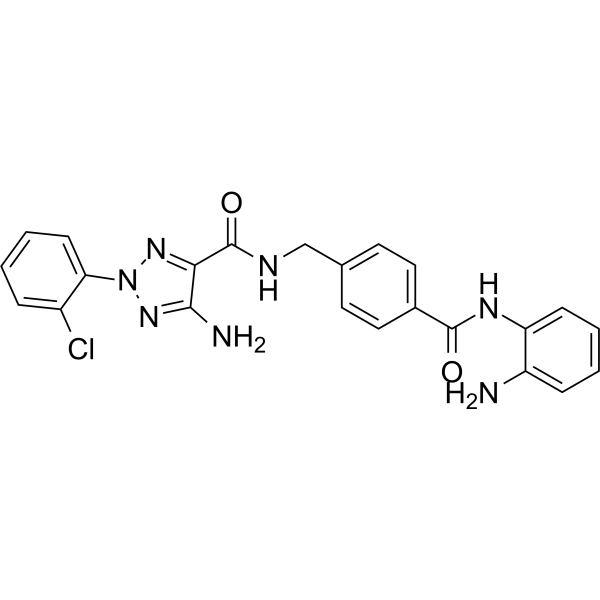
ZYJ-25e is a potent histone deacetylase inhibitor (HDACi) with IC50s of 0.047 μM and 0.139 μM for HDAC6 and HDAC8, respectively. ZYJ-25e is a tetrahydroisoquinoline-bearing hydroxamic acid analogue. ZYJ-25e shows marked antitumor potency in the MDA-MB231 xenograft model .
|
-
- HY-W800670
-
|
|
Biochemical Assay Reagents
|
Others
|
|
Mal-amido-PEG5-alkyne is a PEG linker containing a maleimide group and an alkyne. The hydrophilic PEG spacer increases solubility in aqueous media. The alkyne group can react with azide-bearing compounds or biomolecules via copper catalyzed azide-alkyne Click Chemistry to yield a stable triazole linkage. The maleimide group will react with a thiol group to form a covalent bond, enabling the connection of biomolecule with a thiol.
|
-
- HY-D2146
-
|
|
Fluorescent Dye
|
Others
|
|
Cy5-PEG3-TCO4 is a dye derivative of Cyanine 5 (Cy5) (HY-D0821) containing 3 PEG units. Cy5-PEG3-TCO4 utilizes its own TCO group to undergo an inverse electron demand Diels-Alder reaction (iEDDA) with molecules bearing Tetrazine groups.
|
-
- HY-W591970
-
|
|
Biochemical Assay Reagents
|
Others
|
|
8-Bromooct-1-yne is a six carbon reagent containing an alkyne group and a bromide group. The alkyne group can react with azide-bearing compounds or biomolecules in Click Chemistry reactions under the catalyzation of copper.
|
-
- HY-N13016
-
|
|
Transmembrane Glycoprotein
|
Cancer
|
|
Yinyanghuo C is a prenylated flavonoid isolated from the leaves of Epimedium sagittatum. Yinyanghuo C increases the mRNA expression levels of endothelial cell markers and enhances cancer-associated angiogenesis in the 4T1 breast tumor-bearing model .
|
-
- HY-116562
-
|
|
Drug Derivative
|
Cancer
|
|
DK-139 is a polyphenol compound bearing a cinnamaldehyde scaffol. DK-139 inhibits clonogenic growth of Cisplatin (HY-17394)-resistant human ovarian cancer. DK-139 can be used for the research of Cisplatin-resistant ovarian cancer .
|
-
- HY-W591441
-
|
|
Biochemical Assay Reagents
|
Others
|
|
Fmoc-Ala-PAB-PNP is an Alanine linked to 4-aminobenzoiate (PAB) with terminal Fmoc and PNP groups. The Fmoc group can be deprotected under basic conditions to release the free amine which can be used for further conjugations. PNP is a good leaving group when reacting with an amine-bearing payload.
|
-
- HY-W591440
-
|
|
Biochemical Assay Reagents
|
Others
|
|
Fmoc-Cit-PAB-PNP is a Citrulline linked to 4-aminobenzoiate (PAB) with terminal Fmoc and PNP groups. The Fmoc group can be deprotected under basic conditions to release the free amine which can be used for further conjugations. PNP group is a good leaving group when reacting with an amine-bearing payload.
|
-
- HY-W909314
-
|
|
Biochemical Assay Reagents
|
Others
|
|
t-Butyoxycarboxy-PEG4-para-nitrophenyl carbonate is a PEG linker with a nitrophenyl group linked to a carbonate, four PEG units, and a t-butyl group that can be deprotected under acidic conditions. The PEG units enhance the solubility of the molecule in aqueous media. Nitrophenyl group is reactive towards the amino-bearing molecules.
|
-
- HY-W454989
-
|
|
Biochemical Assay Reagents
|
Others
|
|
Hept-6-yn-1-yl 4-methylbenzenesulfonate is a linker containing a tosyl group and a propargyl group. The tosyl group is a very good leaving group for nucleophilic substitution reactions. The propargyl group can react with azide-bearing compounds or biomolecules via copper catalyzed azide-alkyne Click Chemistry to yield a stable triazole linkage.
|
-
- HY-105433
-
|
|
Drug Derivative
|
Cancer
|
|
Perrimustine is a cysteamine (CysA) derivative with potent antitumor activity. Perrimustine exhibits significant effect on B16 melanoma and metastasized melanoma cells by causing DNA damage. Perrimustine exhibits antitumor effects in mice bearing various cancers, including lung carcinoma, leukemia, lymphoma, melanoma, colon carcinoma, and glioma. Perrimustine can be used for cancer research, such as melanoma and leukemia .
|
-
- HY-178999
-
|
|
Drug Derivative
|
Cancer
|
|
Carnosol analog 1 (Compound 10) is a derivative of carnosol. Carnosol analog 1 attenuates myotube atrophy (67.08% reversal) and adipocyte lipolysis in C26 tumor-conditioned models. Carnosol analog 1 alleviates cachexia-related weight loss without altering tumor progression in C26 tumor-bearing mice. Carnosol analog 1 can be used for the study of cancer cachexia .
|
-
- HY-182400
-
|
|
Methionine Adenosyltransferase (MAT)
|
Cancer
|
|
AGI-25696 is an orally active ethionine adenosyltransferase 2A (MAT2A) inhibitor with an IC50 of 97 nM. AGI-25696 reduces intracellular SAM levels in cancer cells. AGI-25696 inhibits tumor growth in mice bearing subcutaneous KP4 MTAP-null pancreatic xenografts. AGI-25696 can be used for the research of mtap-deleted pancreatic cancer .
|
-
- HY-165504
-
|
|
Glycosidase
|
Inflammation/Immunology
Cancer
|
|
Nagstatin is a naturally derived competitive inhibitor of N-acetyl-β-D-glucosaminidase (NAG-ase), with an IC50 of 0.0012 μg/mL and a Ki of 1.7×10 -8 M against porcine-derived enzyme. Nagstatin enhances cellular immune responses in normal mice and reactivates suppressed cellular immune responses in tumor-bearing mice. Nagstatin can be used in the research of various diseases such as diabetes and leukemia .
|
-
- HY-179712
-
|
|
TrxR
Apoptosis
Reactive Oxygen Species (ROS)
|
Cancer
|
|
As-CA11 is a Thioredoxin reductase (TrxR) inhibitor with an IC50 of 18.7 nM. As-CA11 can induce cancer cells apoptosis and ROS production. As-CA11 can reduce the level of reduced Trx and increase the level of oxidized Trx. As-CA11 demonstrates anti-tumor activity in the 4T1 tumor-bearing mouse model .
|
-
- HY-185694
-
|
|
Biochemical Assay Reagents
|
Cancer
|
|
DBCO2-SS2-PEG24 is a bivalent shielding agent containing dibenzocyclooctyne (DBCO) and PEG24 domains, synthesized for copper-free click reaction-mediated postmodification of azide-bearing siRNA lipo-polyplexes.DBCO2-SS2-PEG24 can be used for the research of cervical carcinoma, hepatocellular carcinoma .
|
-
- HY-W353622
-
|
|
Biochemical Assay Reagents
|
Others
|
|
2,5-Dioxopyrrolidin-1-yl 4-(5-((3aS,4S,6aR)-2-oxohexahydro-1H-thieno[3,4-d]imidazol-4-yl)pentanamido)butanoate represents a special biotinylation reagent with a terminal NHS ester that reacts specifically and efficiently with amine-bearing compounds.
|
-
- HY-D3143
-
|
|
Fluorescent Dye
|
Cancer
|
|
QM-B-CF is a sequential dual-lock chemiluminescent/fluorescent dual-mode probe designed for the specific detection of H2O2, and it can produce enhanced chemiluminescence upon photoirradiation. QM-B-CF generates chemiluminescent signals only under the conditions of H2O2 and light exposure in vitro, in cancer cells, and in tumor-bearing nude mice (Ex/Em = 514 nm/600 nm) .
|
-
- HY-D2145
-
|
|
Fluorescent Dye
|
Others
|
|
Cy5-PEG2-TCO4 is a dye derivative of Cyanine 5 (Cy5) (HY-D0821) containing 2 PEG units. Cy5-PEG2-TCO4 utilizes its own TCO group to undergo an inverse electron demand Diels-Alder reaction (iEDDA) with molecules bearing Tetrazine groups.
|
-
- HY-164546
-
|
|
STAT
Apoptosis
|
Cancer
|
WB436B is a highly selective STAT3 inhibitor. WB436B can selectively inhibit STAT3-Tyr705 phosphorylation and the expression of STAT3 target genes, showing cytotoxic effects on pancreatic cancer cells and inducing apoptosis. WB436B can suppress tumor growth and metastasis in pancreatic cancer mouse models, extending the survival of tumor-bearing mice .
|
-
- HY-182793
-
|
|
Histone Methyltransferase
|
Cancer
|
|
MLL1-IN-1 is an orally active MLL1 inhibitor with an IC50 of 0.043 μM. MLL1-IN-1 induces Menin protein degradation and inhibits the proliferation of leukemia cells. MLL1-IN-1 can induce tumor regression in leukemia-bearing mice. MLL1-IN-1 is useful for research into MLL1-associated leukemia .
|
-
- HY-12758
-
|
|
BCRP
|
Cancer
|
|
YHO-13351 is an orally active ABCG2 inhibitor . YHO-13351 modulates the function of ABCG2, blocks BCRP-mediated compound efflux, downregulates the expression of breast cancer resistance protein at the post-transcriptional level, and reverses ABCG2-associated tolerance. YHO-13351 restores the toxicity of SN-38 to SN-38-resistant cancer cells and sensitizes cancer cells to Irinotecan. YHO-13351 is a water-soluble prodrug that is rapidly converted to YHO-13177 (HY-12757) in mice. YHO-13351 prolongs the median survival time of mice bearing cancer cell xenografts when combined with IMMU-132. YHO-13351 extends the survival time of tumor-bearing mice and inhibits the growth of xenograft tumors when combined with Irinotecan. YHO-13351 can be used for the research of breast cancer, gastric cancer, BCRP-mediated drug-resistant cancers, and cervical cancer .
|
-
- HY-173639
-
|
|
Antibody-Drug Conjugates (ADCs)
Topoisomerase
Apoptosis
|
Cancer
|
|
AZD0516 is a first-in-class antibody-drug conjugate (ADC) targeting six-transmembrane epithelial antigen of the prostate-2 (STEAP2). The anti-STEAP2 monoclonal antibody (mAb) is conjugated via interchain cysteines to a maleimide-reactive, β-glucuronidase-cleavable linker (HY-173635) bearing the topoisomerase 1 inhibitor, Exatecan (HY-13631). AZD0516 can be used for the study of prostate cancer .
|
-
- HY-168374
-
|
|
Biochemical Assay Reagents
Liposome
Small Interfering RNA (siRNA)
|
Cancer
|
|
DSPE-PEG 2000-Mannose is a mannose-containing lipid. DSPE-PEG 2000-Mannose is used to prepare mannose-conjugated Liposome (Man-lipo) for siRNA delivery. Mannose-modified liposomes encapsulating IDO siRNA (Man-lipo-siIDO) preferentially knock down IDO expression in the draining lymph nodes and spleens of melanoma-bearing mice. Man-lipo-siIDO delays the onset time of melanoma and reduces tumor volume .
|
-
- HY-152142
-
DN-1289
1 Publications Verification
|
JNK
|
Neurological Disease
|
|
DN-1289 is an orally active and selective inhibitor of dual leucine zipper kinase (DLK; IC50=17 nM) and leucine zipper-bearing kinase (LZK; IC50=40 nM). DN-1289 results significant attenuation of optic nerve crush (ONC)-induced p-c-Jun in mice model. DN-1289 has excellent in vivo plasma half-life and blood-brain barrier permeability .
|
-
- HY-149092
-
|
|
TAM Receptor
|
Cancer
|
|
Anticancer agent 109 (compound 6-15) is an inhibitor of the Gas6-Axl axis with anti-cancer activity. Anticancer agent 109 inhibits the expression of Gas6 and Axl, and the expression p-PI3K and p-AKT in cancer cells, leads to G1 phase arrest and promotes cancer cells apoptosis, and inhibits tumor growth significantly in nude mouse tumor bearing models .
|
-
- HY-W575291
-
|
N-Boc-oct-7-yn-1-amine
|
Biochemical Assay Reagents
|
Others
|
|
tert-Butyl oct-7-yn-1-ylcarbamate (N-Boc-oct-7-yn-1-amine) is crosslinker consisting of a propargyl group and a t-Boc protected amine group. The propargyl group reacts with azide-bearing compounds or biomolecules via copper catalyzed Click Chemistry reactions. The t-Boc protected amine can be deprotected under mild acidic conditions.
|
-
- HY-176806
-
|
Doxorubicin-LNAA-Boc
|
Drug Derivative
|
Cancer
|
|
Legubicin (Doxorubicin-LNAA-Boc) is a novel conjugate of Doxorubicin (HY-15142A) and a Legumain-cleavable peptide linker. Legubicin is activated by Legumain to release leucine-doxorubicin while sparing normal tissues. Legubicin inhibits tumor cell growth and reduces DNA binding in non-legumain expressing cells. Legubicin completely arrests tumor growth in mice bearing CT26 tumors. Legubicin can be used for the study of colon carcinoma (CRC) .
|
-
- HY-P10816
-
|
Ac-(DLeu)LLLRVK-Amba
|
Bacterial
|
Infection
Cancer
|
|
PACE4 Inhibitory peptide C23 (Compound C23; Ac-(DLeu)LLLRVK-Amba)), a potent peptidomimetic inhibitor, is a PACE4 inhibitor. PACE4 Inhibitory peptide C23e shows antiproliferative effects against PCa cell lines (Ki = 5 nM; IC50 = 25 and 40 μM for DU145 and LNCaP, respectively). PACE4 Inhibitory peptide C23 also blocks tumor growth in vivo in LNCaP xenograft-bearing mice .
|
-
- HY-123201
-
|
|
FLT3
|
Cancer
|
|
KRN383 analog is an analog of KRN383. KRN383 is an orally active Flt3 inhibitor that inhibits the autophosphorylation of Flt3 bearing internal tandem duplications (ITDs) and the Asp835Tyr (D835Y) point mutation with IC50 values of < or =5.9 and 43 nM, respectively. KRN383 also inhibits the proliferation of the ITD-positive cell lines with IC50 values of < or =2.9 nM. KRN383 can be used for the research of acute myeloid leukemia .
|
-
- HY-122168
-
|
|
Prostaglandin Receptor
|
Inflammation/Immunology
Cancer
|
|
AAT-008 is a potent, selective, and orally active prostaglandin EP4 receptor antagonist with Kis of 0.97 and 6.1 nM for recombinant human EP4 and recombinant rat EP4, respectively. AAT-008 exerts tumor growth delay in mice bearing CT26WT colon tumors when combined with radiotherapy. AAT-008 can be used for the study of acute and chronic inflammatory pain and cancer
.
|
-
- HY-P99156
-
|
BMS-986016
|
LAG-3
|
Cancer
|
|
Relatlimab (BMS-986016) is a human monoclonal antibody anti-LAG-3 antibody generated by immunization of transgenic mice bearing human immunoglobulin miniloci with recombinant LAG-3 protein. Relatlimab blocks LAG-3/MHC II interaction with an IC50 value of 0.67 nM and LAG-3/FGL1 interaction with an IC50 value of 0.019 nM. Relatlimab can be used in research of cancer .
|
-
- HY-182023
-
|
|
Reactive Oxygen Species (ROS)
GABA Receptor
|
Neurological Disease
|
|
Anticonvulsant agent 11 (Compound 8b) is an anticonvulsant agent. Anticonvulsant agent 11 exerts neuroprotective effects by enhancing cell viability and reducing ROS levels. Anticonvulsant agent 11 induces the expression of GABAA α1, resulting in neuronal hyperpolarization. Anticonvulsant agent 11 increases the number of neurite-bearing cells and the length of neurites. Anticonvulsant agent 11 exhibits dose-dependent anticonvulsant effects in mice. Anticonvulsant agent 11 can be used for the research of epilepsy .
|
-
- HY-174421
-
|
|
FAP
|
Cancer
|
|
FAPI-JNU is a molecule targeting fibroblast activation protein (FAP). FAPI-JNU specifically binds to FAP highly expressed in the tumor microenvironment, and uses radionuclides [ 68Ga]Ga or [ 177Lu]Lu to achieve tumor imaging diagnosis. [177Lu]Lu−FAPI−JNU can effectively target and inhibit tumor growth in tumor-bearing mice. FAPI-JNU is promising for research of FAP-positive tumors (such as various solid tumors) .
|
-
- HY-178045
-
|
|
c-Myc
|
Cancer
|
|
MYC-IN-4 is a MYC inhibitor. MYC-IN-4 impairs MYC/MAX protein-protein interaction (IC50 = 3.06 μM). MYC-IN-4 inhibits MYC-aberrant PC-3 prostate cancer cells with an IC50 of 0.440 μM. MYC-IN-4 demonstrates potent antitumor efficacy in FVB mice bearing Myc-CaP prostate tumor allografts. MYC-IN-4 can be used for the study of prostate cancer .
|
-
- HY-118112
-
|
|
Biochemical Assay Reagents
|
Others
|
|
4-N-Maleimidobenzoicacid-NHS is a PEG linker that finds utility in bioconjugation endeavors and protein labeling ventures. Specifically designed for selective reaction with thiol groups, the maleimide group establishes covalent linkages, thereby facilitating the coupling of proteins, peptides, or diverse molecules to thiol-bearing biomolecules. The NHS ester is able to react specifically and efficiently with primary amines (e.g. the side chain of lysine residues or aminosilane-coated surfaces) at neutral or slightly basic conditions to form a covalent bond.
|
-
- HY-131802
-
|
|
Nucleoside Antimetabolite/Analog
|
Cancer
|
|
3'-Azido-3'-deoxyadenosine is a purine nucleoside analog. 3'-Azido-3'-deoxyadenosine acts as a click chemistry reagent bearing an Azide group, which undergoes copper-catalyzed azide-alkyne cycloaddition (CuAAc) with molecules containing an Alkyne group. 3'-Azido-3'-deoxyadenosine also undergoes strain-promoted alkyne-azide cycloaddition (SPAAC) with molecules containing DBCO or BCN groups .
|
-
- HY-D1852
-
|
|
Fluorescent Dye
|
Others
|
|
Cy3B amine chloride is a dye derivative of Cyanine 3 (Cy3) (HY-D0822) bearing an amine group. Cy3 is a fluorescent dye with a fluorescence spectrum typically in the green to orange wavelength range. The amine functionality of Sulfo-Cy3 amine can react with carboxyl groups to form covalent bonds. Sulfo-Cy3 amine can bind to biological molecules such as proteins and antibodies to track their location and dynamic changes in biological samples.
|
-
- HY-177483
-
|
Oxaliplatin-artesunate
|
Ferroptosis
Mitochondrial Metabolism
Glutathione Peroxidase
Transferrin Receptor
MMP
Dihydroorotate Dehydrogenase
|
Cancer
|
|
OART (Oxaliplatin-artesunate) is a ferroptosis inducer. OART significantly inhibits tumor cell proliferation. OART induces cytoplasmic and mitochondrial LPO to promote tumor ferroptosis, via destroying glutathione-mediated ferroptosis defense system and enhancing iron-dependent Fenton reaction. OART enhances tumor immunogenicity, transforming tumor environment from immunosuppressive to immunosensitive. OART has strong tumor regression in tumor-bearing mouse models. OART can be used for cancer immunotherapy research .
|
-
- HY-P991318
-
|
|
Mucin
|
Cancer
|
|
AR20.5 is a human monoclonal antibody (mAb) targeting MUC1. AR20.5 increases the number of activated CD8 T cells, CD3+CD4−CD8−(DN) T cells, and mature dendritic cells in pancreatic tumor-bearing mice. AR20.5 can be used in anti-pancreatic cancer immunity research .
|
-
- HY-N6607R
-
|
|
Reference Standards
Leukotriene Receptor
NO Synthase
NF-κB
COX
TNF Receptor
Interleukin Related
|
Inflammation/Immunology
Cancer
|
|
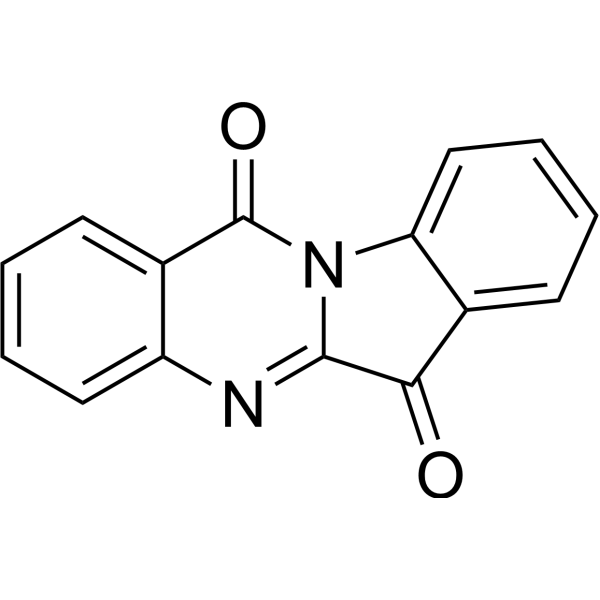
Tryptanthrin (Standard) is the analytical standard of Tryptanthrin. This product is intended for research and analytical applications. Tryptanthrin is an indole quinazoline that could be an alkaloid from indigo-bearing plants. Tryptanthrin is a potent and orally active cellular Leukotriene (LT) biosynthesis inhibitor. Tryptanthrin has anticancer activity. Tryptanthrin suppresses the expression levels of NOS1, COX-2, and NF-κB and regulates the expression levels of IL-2, IL-10, and TNF-α .
|
-
- HY-P10925
-
|
FOG-001; I-66
|
β-catenin
|
Cancer
|
|
Zolucatetide (FOG-001;I-66) is a potent β-catenin inhibitor with an IC50 of <50 nM. Zolucatetide can inhibits β-catenin and T-cell factor (TCF) transcription factor interaction. Zolucatetide inhibits cell proliferation and induces cell cycle arrest in target cells. Zolucatetide exhibits anti-tumor efficacy in mice bearing COLO320DM colon cancer cell (with APC, TP53 mutations) xenografts. Zolucatetide can be used for the study of colon cancer .
|
-
- HY-175014
-
|
|
PD-1/PD-L1
Biochemical Assay Reagents
|
Cancer
|
|
LGT-1 is a PD-L1 ligand. LGT-1 labeled with 18F has an excellent specific uptake in B16-F10 tumor cells, and shows a high tumor uptake but a low liver uptake with good stability in B16-F10 tumor-bearing mice model. LGT-1 can be used as a radiotracer for PET imaging of PD-L1 expression in tumors .
|
-
- HY-162006
-
|
|
Pim
Apoptosis
Autophagy
|
Metabolic Disease
Inflammation/Immunology
Cancer
|
|
Pim-1 kinase inhibitor 8 is a potent PIM-1 inhibitor with an IC50 value of 14.3 nM. Pim-1 kinase inhibitor 8 impedes cell proliferation and migration through PIM-1 inhibition and the induction of both apoptosis and autophagy. Pim-1 kinase inhibitor 8 inhibits solid tumor growth in Solid Ehrlich Carcinoma (SEC)-bearing mice. Pim-1 kinase inhibitor 8 can be used for breast and liver cancer research .
|
-
- HY-186088
-
|
|
Drug Intermediate
|
Others
|
|
DOTA-tris (t-Bu) ester-PEG3-C2-amine (Compound 9) is a conjugate of DOTA-based chelator and linker, bearing tris (t-Bu) ester and PEG3-C2-amine functional groups. DOTA-tris (t-Bu) ester-PEG3-C2-amine can be conjugated to payloads via bioorthogonal click chemistry for targeted delivery .
|
-
- HY-112611
-
|
|
Estrogen Receptor/ERR
|
Cancer
|
|
H3B-5942 is a selective, irreversible and orally active estrogen receptor covalent antagonist, inactivates both wild-type and mutant ERα by targeting Cys530, with Kis of 1 nM and 0.41 nM, respectively. H3B-5942 reduces ERα target gene GREB1, shows potent antitumor activity both in multiple cell lines or animals bearing ERα WT or ERα mutations .
|
-
- HY-W087027
-
|
|
Radionuclide-Drug Conjugates (RDCs)
Biochemical Assay Reagents
Integrin
|
Cancer
|
|
Maleimide-NOTA is a chelate. Maleimide-NOTA can be site-specifically coupled to the hPD-L1 nanobody bearing the Cys-tag. Maleimide-NOTA can specifically conjugate to A20FMDV2 (HY-P1654). The [ 68Ga]Ac-CG6 formed by the conjugation of 68Ga radiolabeled Maleimide-NOTA with A20FMDV2 can be used for PET imaging of αvβ6 integrin-positive pancreatic ductal adenocarcinoma .
|
-
- HY-175179
-
|
|
Epigenetic Reader Domain
E1/E2/E3 Enzyme
|
Cancer
|
|
LO-3-61, a JQ-1 (HY-13030) analog bearing a truncated fumaramide handle, is a PROTAC (proteolysis-targeting chimeras)-like BRD4 degrader. LO-3-61 degrades both the long and short isoforms of BRD4 CUL4DcAr16-dependently in cells. LO-3-61 shows selectivity for BRD3 and BRD4 degradation in MDA-MB-231 cells .
|
-
- HY-149618
-
|
|
Fluorescent Dye
|
Others
|
|
Cy5-PEG3-endo-BCN is a derivative of the Cyanine 5 (Cy5) (HY-D0821) dye bearing 3 PEG units. Cy5-PEG3-endo-BCN contains the lyophilic bidentate macrocyclic ligand endo-BCN, which allows for further synthesis of macrocyclic complexes. In click chemistry, endo-BCN forms stable triazoles with azide-containing molecules under catalyst-free conditions .
|
-
- HY-D1851
-
|
|
Fluorescent Dye
|
Others
|
|
Cy3B amine chloride is a dye derivative of Cyanine 3 (Cy3) (HY-D0822) bearing an amine group in the disodium salt form. Cy3 is a fluorescent dye with a fluorescence spectrum typically in the green to orange wavelength range. The amine functionality of Sulfo-Cy3 amine can react with carboxyl groups to form covalent bonds. Sulfo-Cy3 amine can bind to biological molecules such as proteins and antibodies to track their location and dynamic changes in biological samples.
|
-
- HY-D2169
-
|
|
Fluorescent Dye
|
Others
|
|
AF 568 carboxylic acid is the non-reactive form of the orange fluorescent dye AF 568. AF 568 has an absorption wavelength of 590-720 nm (FRET) and an emission wavelength of 515-720 nm. AF 568 alkyne forms stable covalent bonds by reacting carboxylic acid groups with molecules bearing amino groups. Copper-catalyzed azide-alkyne cycloaddition (CuAAc) can occur with molecules containing Alkyne groups. Strain-promoted alkyne-azide cycloaddition (SPAAC) can also occur with molecules containing DBCO or BCN groups .
|
-
- HY-115552
-
|
|
PARP
|
Cancer
|
|
Simmiparib is a highly potent and orally active PARP1 and PARP2 inhibitor with IC50 values of 1.75 nM and 0.22 nM, respectively. Simmiparib has more potent PARP1/2 inhibition than its parent Olaparib (HY-10162). Simmiparib induces DNA double-strand breaks (DSB) accumulation and G2/M arrest in homologous recombination repair (HR)-deficient cells, thereby inducing apoptosis. Simmiparib exhibits remarkable anticancer activities in cells and nude mice bearing xenografts .
|
-
- HY-175555
-
|
|
Microtubule/Tubulin
Apoptosis
|
Cancer
|
|
Tubulin-IN-54 is a tubulin inhibitor. Tubulin-IN-54 exhibits anti-proliferative activity against various cancer cells. Tubulin-IN-54 inhibits tubulin polymerization, disrupts microtubule networks, induces G2/M cell cycle arrest, and promotes cancer cell apoptosis. Tubulin-IN-54 demonstrates significant anti-tumor efficacy in mice bearing PC-3/TxR xenografts. Tubulin-IN-54 can be used for the study of taxane-resistant cancers (prostate cancer, melanoma) .
|
-
- HY-149208
-
|
|
HDAC
Apoptosis
|
Cancer
|
HDAC-IN-53 is an orally active, and selective HDAC1-3 inhibitor with IC50 values of 47 nM, 125 nM, and 450 nM, respectively. HDAC-IN-53 does not inhibit class II HDACs (HDAC4, 5, 6, 7, 9; IC50>10 μM). HDAC-IN-53 induces caspase-dependent apoptosis. HDAC-IN-53 significantly inhibits the growth of human tumor xenografts in nude mice and murine tumor growth in immune-competent mice bearing MC38 colon cancer .
|
-
- HY-178489
-
|
|
Nectin-4
|
Cancer
|
|
BGC1614 is a Nectin-4-targeting bicyclic toxin conjugate (BTC) belonging to the category of peptide-drug conjugates (PDCs). BGC1614 exhibits strong targeted binding ability to Nectin-4, with an KD of 3.859 × 10 -7 M. BGC1614 exhibits superior antitumor efficacy in nude mice bearing PC-3 and N87 tumor xenografts. BGC1614 can be used for research related to Nectin-4-overexpressing tumors (such as prostate cancer, gastric cancer) .
|
-
- HY-175981
-
|
|
Drug Derivative
|
Cancer
|
|
Paclitaxel-bromothiophene is a semisynthetic taxane analogue of Paclitaxel (HY-B0015). Paclitaxel-bromothiophene exhibits potent antiproliferative activity against 4-T1 breast cancer cells, with an IC50 value of 15.18 nM. Paclitaxel-bromothiophene shows high binding affinity to C5aR1 (Kd = 19.4 μM). Paclitaxel-bromothiophene demonstrates excellent anti-tumor efficacy in 4-T1 breast cancer-bearing mice. Paclitaxel-bromothiophene can be used for the study of breast cancer .
|
-
- HY-D1847
-
|
|
Fluorescent Dye
|
Others
|
|
Cy7.5 tetrazine tetrafluoroborate is a dye derivative of Cyanine 7.5 (Cy7.5) (HY-D0926) bearing a tetrazine group. Cy7.5 is a near-infrared fluorescent dye commonly used for biolabeling and cell imaging. Cy7.5 tetrazine tetrafluoroborate can perform efficient click reactions with molecules containing alkyne functional groups (such as alkyne) to form covalent bonds. It can be combined with biological molecules such as proteins and antibodies to track their location and dynamic changes in biological samples.
|
-
- HY-P1408
-
|
|
Integrin
VEGFR
|
Cancer
|
|
Obtustatin is a non-RGD disintegrin consisting of 41 residues. Obtustatin inhibits the adhesion of α1β1 integrin to type IV Collagen (HY-NP003), blocks α1β1 integrin signaling in endothelial cells, and suppresses FGF2-induced angiogenesis. Obtustatin inhibits tumor progression in mouse models and upregulates VEGF expression in sarcoma-bearing mice. Obtustatin can be used in research related to Lewis lung carcinoma and S-180 sarcoma .
|
-
- HY-174929
-
|
DBCO-PEG3400-NH2
|
Biochemical Assay Reagents
|
Others
|
|
DBCO-PEG3400-Amine (DBCO-PEG3400-NH2) is a polyethylene glycol derivative containing dibenzocyclooctyne. DBCO-PEG-Amine is a universal, modular "bridge molecule": it forms stable covalent linkage with target materials (e.g., MSN or polymers) via the amino group at one end, while the DBCO group at the other end enables efficient, specific, and biocompatible click chemical conjugation with any azide-bearing biological entities (e.g., bacteria, cells) in subsequent steps .
|
-
- HY-140678
-
|
mPEG10000-NH2
|
PROTAC Linkers
|
Cancer
|
|
DBCO-PEG10000-Amine (DBCO-PEG10000-NH2) is a polyethylene glycol derivative containing dibenzocyclooctyne. DBCO-PEG-Amine is a universal, modular "bridge molecule": it forms stable covalent linkage with target materials (e.g., MSN or polymers) via the amino group at one end, while the DBCO group at the other end enables efficient, specific, and biocompatible click chemical conjugation with any azide-bearing biological entities (e.g., bacteria, cells) in subsequent steps .
|
-
- HY-174929A
-
|
DBCO-PEG5000-NH2
|
Biochemical Assay Reagents
|
Others
|
|
DBCO-PEG5000-Amine (DBCO-PEG5000-NH2) is a polyethylene glycol derivative containing dibenzocyclooctyne. DBCO-PEG-Amine is a universal, modular "bridge molecule": it forms stable covalent linkage with target materials (e.g., MSN or polymers) via the amino group at one end, while the DBCO group at the other end enables efficient, specific, and biocompatible click chemical conjugation with any azide-bearing biological entities (e.g., bacteria, cells) in subsequent steps .
|
-
- HY-122830
-
|
|
PROTACs
Btk
NF-κB
|
Cardiovascular Disease
Cancer
|
|
DD-03-171 is a PROTAC BTK degrader. DD-03-171 inhibits mantle cell lymphoma (MCL) cell proliferation (IC50 = 5.1 nM) and prolongs the survival of mice bearing a lymphoma PDX model by degrading BTK, IKFZ1, and IKFZ3. DD-03-171 also inhibits platelet function and thrombosis. (Pink: BTK ligand 9 (HY-168292); Black: linker (HY-28875); Blue: Thalidomide-NH-CH2-COOH (HY-131717)) .
|
-
- HY-173267
-
|
|
Carboxylesterase (CES)
|
Metabolic Disease
Cancer
|
|
CES2A-IN-2 (compound 14n) is an orally active, highly specific, irreversible and covalent CES2A inhibitor with an IC50 of 0.04 nM for human CES2A. CES2A-IN-2 covalently binds to CES2A by specifically targeting the catalytic serine residue (Ser-228). CES2A-IN-2 can significantly ameliorate Irinotecan-triggered gut toxicity (ITGT) without diminishing the anti-tumor effects of Irinotecan (HY-16562) in tumor-bearing mice .
|
-
- HY-D1375
-
|
|
Fluorescent Dye
|
Others
|
|
Sulfo-Cy5 amine is a dye derivative of Cyanine 5 (Cy5) (HY-D0821) bearing an amine group. The sulfonate ion increases the water solubility of the compound, making it suitable for use in aqueous solutions. Cy5 is a near-infrared fluorescent dye commonly used in biolabeling and cell imaging. The amine functionality of Sulfo-Cy5 amine can react with carboxyl groups to form covalent bonds. Sulfo-Cy5 amine can bind to biomolecules such as proteins and antibodies to track their location and dynamic changes in biological samples.
|
-
- HY-P11060
-
|
Adpgk peptide
|
MHC
|
Cancer
|
|
MC38 SLP Adpgk (Adpgk peptide) is an H-2 K b-restricted colorectal cancer neoantigen peptide. MC38 SLP Adpgk is formulated into PCNP nanocomplexes together with CpG ODN. PCNP vaccines significantly enhance the co-delivery efficiency of neoantigens and adjuvants to lymphoid organs, and activate cytotoxic T cells. PCNP vaccines not only protect mice from MC-38 colorectal tumor invasion, but also exhibit anti-tumor efficacy in established colorectal tumor models and significantly prolong the survival of tumor-bearing mice .
|
-
- HY-164575B
-
|
|
Radionuclide-Drug Conjugates (RDCs)
PSMA
|
Cancer
|
|
NH2-NODAGA hydrochloride is a NODAGA-type metal chelator that can bind to radionuclides to prepare radionuclide conjugates (RDCs). NH2-NODAGA hydrochloride can react with diethyl squarate in 0.5M phosphate buffer to obtain NODAGA.SA. NODAGA.SA can target L-lysine urea-L-glutamate (KuE), which is a key structure of prostate-specific membrane antigen (PSMA). NODAGA.SA.KuE can bind [68]Ga and can be used for PET examination of NMRInu/nu nude mice bearing LNCaP tumors.
|
-
- HY-146323
-
|
|
Apoptosis
|
Cancer
|
|
Antitumor agent-58 (Compound C18) is an anti-tumor agent. Antitumor agent-58 effectively inhibits colony formation and cell migration of MGC-803 cells. Antitumor agent-58 induces apoptosis of MGC-803 cells through activation of the p38 and JNK signaling pathways. Antitumor agent-58 induces mitochondrial dysfunction of MGC-803 cells. Antitumor agent-58 effectively inhibits tumor growth of xenograft model bearing MGC-803 cells .
|
-
- HY-P11253
-
|
|
VISTA
|
Inflammation/Immunology
|
|
DOTA-Bn-CA-170 is a molecular probe targeting the VISTA protein, with a Kd value of 0.124 nM. DOTA-Bn-CA-170 is formed by covalently linking the p-SCN-Bn-DOTA ligand with CA-170 (HY-101093). DOTA-Bn-CA-170 labeled with [ 68Ga]Ga successfully achieves specific and high-contrast PET imaging of VISTA expression in various tumor-bearing mouse models. DOTA-Bn-CA-170 can be used for the study of VISTA-targeted immunotherapy .
|
-
- HY-164575
-
|
|
Radionuclide-Drug Conjugates (RDCs)
PSMA
|
Cancer
|
|
NH2-NODAGA is a NODAGA-type metal chelator that can bind to radionuclides to prepare radionuclide conjugates (RDCs). NH2-NODAGA can react with diethyl squarate in 0.5M phosphate buffer to obtain NODAGA.SA. NODAGA.SA can target L-lysine urea-L-glutamate (KuE), which is a key structure of prostate-specific membrane antigen (PSMA). NODAGA.SA.KuE can bind [68]Ga and can be used for PET examination of NMRInu/nu nude mice bearing LNCaP tumors.
|
-
- HY-P11737
-
|
|
Radionuclide-Drug Conjugates (RDCs)
Carbonic Anhydrase
|
Cancer
|
|
IPM-N001 is a carbonic anhydrase IX (CAIX) ligand with a Kd value of <0.0337 nM for hCAIX. When radio-conjugated with 68Ga, IPM-N001 serves as a CAIX-targeted radionuclide tracer. [ 68Ga]Ga-IPM-N001 exhibits excellent tumor uptake and significantly improves the tumor-to-background ratio in PET/CT imaging studies using OS-RC-2 tumor-bearing mice. IPM-N001 can be used for the research of clear cell renal cell carcinoma .
|
-
- HY-160421
-
|
|
Apoptosis
|
Inflammation/Immunology
Cancer
|
|
TREM2-IN-1 (OPA) is a TREM2 inhibitor derived from oxaliplatin and artesunate. TREM2-IN-1 can relieves immunosuppressive tumor microenvironment and enhancing chemical anticancer efficiency. TREM2-IN-1 deters the tumor growth in mice models bearing MC38 colorectal tumor by reducing the number of CD206 + and CX3CR1 + immunosuppressive macrophages. TREM2-IN-1 also promotes the expansion and infiltration of immunostimulatory dendritic, cytotoxic T and natural killer cells .
|
-
- HY-D1272
-
|
Sulfo-Cyanine3 amine
|
Fluorescent Dye
|
Others
|
|
Sulfo-Cy3 amine is a dye derivative of Cyanine 3 (Cy3) (HY-D0822) bearing an amine group. The sulfonate ion increases the water solubility of the compound, making it suitable for use in aqueous solutions. Cy3 is a fluorescent dye with a fluorescence spectrum typically in the green to orange wavelength range. The amine functionality of Sulfo-Cy3 amine can react with carboxyl groups to form covalent bonds. Sulfo-Cy3 amine can bind to biological molecules such as proteins and antibodies to track their location and dynamic changes in biological samples.
|
-
- HY-P991918
-
|
IgG2-AAS
|
Transmembrane Glycoprotein
Interleukin Related
|
Inflammation/Immunology
Cancer
|
|
KHK2840 is a potent CD40 agonist with a Kd value of 0.485 nM for hCD40. KHK2840 delivers agonistic signals in tumor-bearing hCD40 transgenic mice and human peripheral blood B cells. KHK2840 upregulates CD80, CD86, CD95 and IL-12p70 expression. KHK2840 enhances antitumor efficacy of anti-PD-1 antibody and Paclitaxel (HY-B0015). KHK2840 can be used for the research of cancer, such as colon cancer and melanoma .
|
-
- HY-164575A
-
|
|
Radionuclide-Drug Conjugates (RDCs)
PSMA
|
Cancer
|
|
NH2-NODAGA TFA is a NODAGA-type metal chelator that can bind to radionuclides to prepare radionuclide conjugates (RDCs). NH2-NODAGA TFA can react with diethyl squarate in 0.5M phosphate buffer to obtain NODAGA.SA. NODAGA.SA can target L-lysine urea-L-glutamate (KuE), which is a key structure of prostate-specific membrane antigen (PSMA). NODAGA.SA.KuE can bind [68]Ga and can be used for PET examination of NMRInu/nu nude mice bearing LNCaP tumors.
|
-
- HY-16498
-
|
PCK-3145
|
Apoptosis
PTHR
|
Metabolic Disease
Cancer
|
|
Tigapotide (PCK-3145) is a synthetic 15-mer peptide derived from prostate-secretory protein, and acts as an antineoplastic agent. Tigapotide inhibits tumor growth, experimental bone metastasis, and malignancy-associated hypocalcemia. Tigapotide induces apoptosis in prostate cancer cells and tumors, and suppresses the growth of prostate cancer cells. Tigapotide inhibits the production of parathyroid hormone-related protein (PTHrP) in tumors and plasma. Tigapotide reduces plasma calcium levels in hypercalcemic tumor-bearing rats. Tigapotide is applicable for the research of prostate cancer and malignancy-associated hypercalcemia .
|
-
- HY-114256
-
|
|
PSMA
|
Cancer
|
|
EC1169 is a cytotoxic maytansinoid conjugate that specifically binds to prostate-specific membrane antigen (PSMA). EC1169 precisely delivers the maytansinoid B hydrazide payload to PSMA-positive cells to exert antitumor activity. EC1169 only inhibits the growth of PSMA-positive cells but has no effect on PSMA-negative cells, and enables complete recovery in mice bearing PSMA-positive tumors. EC1169 exhibits safety with no body weight loss or major organ damage induced. EC1169 is used in studies of prostate cancer and other PSMA-expressing malignancies .
|
-
- HY-174811
-
|
|
PROTACs
Epigenetic Reader Domain
PD-1/PD-L1
|
Inflammation/Immunology
Cancer
|
|
PROTAC BRD4 Degrader-33 is an enzyme activated clickable BRD4 PROTAC degrader with favorable tumor microenvironment-response. PROTAC BRD4 Degrader-33 has superior tumor tissue penetration capabilities and efficiently inhibits PD-L1 protein expression. PROTAC BRD4 Degrader-33 shows potent anti-tumoral immunomodulation activity in 4T1 tumor-bearing mice model . Pink: BRD4 ligand (HY-174812); Blue: CRBN ligase ligand (HY-10984); Black: linker
|
-
- HY-W110138
-
|
|
DNA/RNA Synthesis
Cytochrome P450
ROCK
|
Cancer
|
|
Chloroxoquinoline is an anticancer agent. Chloroxoquinoline damages the DNA templates of cancer cells, inducing DNA breaks and cell death, and inhibits cell invasion via down-regulating Rho/Rho kinase signaling pathway. Chloroxoquinoline enhances the radiation sensitivity of Lewis lung cancer cells and xenograft tumors in tumor-bearing mouse models but decreases efficacy after long term exposure in rat models by auto-induction effects on CYP1A and CYP3A. Chloroxoquinoline has a broad-spectrum anticancer activity, such as non-small-cell lung carcinoma (NSCLC), breast cancer and gastric cancer .
|
-
- HY-159067
-
|
DEAE-dextran, MW 500000 hydrochloride, from bacterial (Leuconostoc mesenteroides); Diethylaminoethyl-dextran, MW 500000 hydrochloride
|
Biochemical Assay Reagents
|
Cancer
|
|
DEAE-dextran, MW 500000 hydrochloride (DEAE-dextran, MW 500000 hydrochloride, from bacterial (Leuconostoc mesenteroides)) is a high-molecular-weight positively charged polymer that significantly enhances the uptake of viral RNA by tissue culture cells. When employed in the delivery system for "tumor immunity" RNA-splenocyte transfer, DEAE-dextran can markedly extend the lifespan of tumor-bearing animals, comparable to that of actively immunized animals. Furthermore, DEAE-dextran serves as a complexing agent for nucleic acids, forming composite particles with DNA/RNA for extensive applications in gene delivery. Additionally, DEAE-dextran can be utilized as a coating for liposomes .
|
-
- HY-175544
-
|
|
Drug Derivative
|
Cancer
|
|
anti-TNBC agent-10 is an anti-TNBC agent. anti-TNBC agent-10 shows potent anti-TNBC activity against BT549 cells (IC50 = 0.018 μM) and maintains activity against MDA-MB-231 cells (IC50 = 4.16 μM). anti-TNBC agent-10 9 demonstrates significant anti-tumor efficacy in mice bearing subcutaneous MDA-MB-231 TNBC xenografts. anti-TNBC agent-10 can be used for the study of triple-negative breast cancer (TNBC) .
|
-
- HY-W1048555A
-
|
|
Biochemical Assay Reagents
|
Others
|
|
Mal-PEG2000-SCM is a heterobifunctional PEG crosslinker bearing maleimide and succinimidyl carboxymethyl ester functional groups. MMal-PEG2000-SCM conjugates the F3 peptide to nanoparticles: the SCM group reacts with amino groups on the nanoparticle surface to form amide groups, while the MAL group reacts with thiol groups of the F3 peptide to form carbon-sulfur bonds. Mal-PEG-SCM enables unidirectional addition of linkers, ensuring that appropriate functional groups are available for RGD incorporation. Mal-PEG2000-SCM can be used in the development of nanoparticles targeting specific tumor cells .
|
-
- HY-D1863
-
|
|
Fluorescent Dye
|
Others
|
|
sulfo-Cy7.5 amine is a dye derivative of Cyanine 7.5 (Cy7.5) (HY-D0926) bearing an amine group. The sulfonate ion increases the water solubility of the compound, making it suitable for use in aqueous solutions. Cy7.5 is a near-infrared fluorescent dye commonly used for biolabeling and cell imaging. The amine functionality of sulfo-Cy7.5 amine can react with carboxyl groups to form covalent bonds. Sulfo-Cy7.5 amine can bind to biomolecules such as proteins and antibodies to track their location and dynamic changes in biological samples.
|
-
- HY-180575
-
|
|
Nucleoside Antimetabolite/Analog
Apoptosis
AMPK
Acetyl-CoA Carboxylase
|
Cardiovascular Disease
|
|
LCB-2122 is an adenosine-like nucleoside analogue bearing a C2'-stereogenic all-carbon quaternary center. LCB-2122 can prevent Doxorubicin (HY-15142A)-induced cardiomyocytes apoptosis with an IC50 of 0.5 μM and prevent Imatinib (HY-15463)-induced apoptosis. LCB-2122 can activate AMPK signaling and induce the phosphorylation of AMPK and its downstream substrate, acetyl-CoA carboxylase (ACC). LCB-2122 can reduce Doxorubicin-induced mitochondrial damage. LCB-2122 can be used for the research of heart failure .
|
-
- HY-178370
-
|
|
Ferroptosis
Reactive Oxygen Species (ROS)
|
Cancer
|
|
Ferroptosis inducer-12 is a potent and selective ferroptosis inducer. Ferroptosis inducer-12 exhibits potent antiproliferative activity against HT1080 and OS-RC-2, with IC50 values of 3 nM and 5 nM, respectively. Ferroptosis inducer-12 strongly inhibits GPX4 enzymatic activity, induces intracellular ROS and elevates intracellular Fe 2+ levels in OS-RC-2 cells. Ferroptosis inducer-12 significantly inhibits tumor growth in BALB/c nude mice bearing OS-RC-2 xenografts. Ferroptosis inducer-12 can be used for the study of cancer .
|
-
- HY-N3389
-
|
|
SARS-CoV
Sirtuin
CDK
Apoptosis
|
Infection
Metabolic Disease
Cancer
|
|
Licoisoflavone A is an orally active isoflavone. Licoisoflavone A inhibits proliferation, induces apoptosis, and causes G1/S phase arrest in colorectal cancer (CRC) cells. Licoisoflavone A inhibits the CDK2-Cyclin E1 axis. Licoisoflavone A inhibits lipid peroxidation with an IC50 of 7.2 μM. Licoisoflavone A shows a dose-dependent inhibition effect on SARS-CoV-2 infection. Licoisoflavone A exhibits significant anti-tumor efficacy in mice bearing CT26 cell subcutaneous xenografts. Licoisoflavone A can be used for the study of colorectal cancer and SARS-CoV-2 infection .
|
-
- HY-N13352
-
|
|
Mitochondrial Metabolism
STAT
JAK
Interleukin Related
Atg7
Autophagy
Pim
|
Inflammation/Immunology
Cancer
|
|
Bufothionine is an alkaloid. Bufothionine can be isolated from Cinobufacini. Bufothionine induces mitochondria-mediated Apoptosis. Bufothionine significantly reduces serum IL-6 concentration, suppresses p-Stat3 tyr705, p-Stat3 ser727 and Jak2 expressions. Bufothionine upregulates Atg5, Atg7 and LC3Ⅱ expressions. Bufothionine induces Autophagy. Bufothionine suppresses PIM3 expression. Bufothionine relieves symptoms of H22-tumor-bearing mice and exerts anti-inflammation activity. Bufothionine exerts anti-cancer activities against gastric cancer .
|
-
- HY-175589
-
|
|
Topoisomerase
Apoptosis
Bcl-2 Family
|
Cancer
|
|
XSJ81 is an orally active anti-cancer agent. XSJ81 significantly inhibits the proliferation of ampullary carcinoma (AC) DPC-X3 cells with an IC50 of 0.655 μM. XSJ81 inhibits the colony formation, arrests cell cycle at the G2/M phase and inhibits the migration in DPC-X3 cells. XSJ81 induces DNA damage and apoptosis in DPC-X3 cells. XSJ81 demonstrates significant anti-tumor efficacy in mice bearing DPC-X3 xenografts. XSJ81 can be used for the study of ampullary carcinoma .
|
-
- HY-P991584
-
|
|
FGFR
|
Cancer
|
|
HuGAL-FR21 is a humanized antiFGFR2IIIb IgG1 monoclonal antibody. HuGAL-FR21 can block the binding of FGF2, FGF7, and FGF10 to FGFR2IIIb and inhibit FGF-induced phosphorylation of FGFR2IIIb. HuGAL-FR21 can downregulate the expression of FGFR2 in SNU-16 cells. HuGAL-FR21 shows the significant anti-tumor activity in athymic nude mice bearing gastric cancer xenograft models. HuGAL-FR21 can be used for research on cancer such as gastric cancer .
|
-
- HY-173390
-
|
|
Drug Intermediate
Biochemical Assay Reagents
|
Others
|
|
BCN-E-BCN is a strained cycloalkyne-based probe designed for detecting protein sulfenylation, the primary intermediate in protein oxidation. This structurally constrained cycloalkyne compound specifically recognizes sulfenic acid groups formed during thiol oxidation, while remaining completely unreactive toward other oxidative states (such as free thiols, sulfinic, or sulfonic acid groups). Researchers can leverage its efficient conjugation with azide-bearing tags through copper-free click chemistry to amplify detection signals. Compared to conventional detection methods, BCN-E-BCN demonstrates superior reaction kinetics and enhanced sensitivity. With these advantages, BCN-E-BCN shows great promise as an effective tool for protein oxidation research .
|
-
- HY-175857
-
|
|
HDAC
Apoptosis
|
Cancer
|
|
HDAC-IN-92 is a pan-HDAC inhibitor with an IC50 of 12.58 µM in A2780 cells. HDAC-IN-92 demonstrates broad-spectrum, notable cytotoxic activity against a range of human cancer cell lines, including ovarian, liver, and breast carcinomas. HDAC-IN-92 causes apoptosis and demonstrates a notable decrease in tumor cell colony formation. HDAC-IN-92 inhibits the formation of blood vessels in the chick chorioallantoic membrane (CAM). HDAC-IN-92 exhibits anti-tumor effect in a 4T1 tumor-bearing mouse model. HDAC-IN-92 can be used for research targeting solid tumor .
|
-
- HY-P11287
-
|
|
Interleukin Related
Radionuclide-Drug Conjugates (RDCs)
|
Cancer
|
|
DOTA-Pep-1L is a polypeptide formed by the conjugation of DOTA and Pep-1L. DOTA-Pep-1L specifically binds to IL13RA2 and can be used for the synthesis of targeted polypeptides. DOTA-Pep-1L yields the isotopically labeled product [ 225Ac]DOTA-Pep-1L, which exerts α-radiation killing effects on orthotopic glioma cells and extends the median survival time of mice bearing orthotopic glioma models after stereotactic injection. DOTA-Pep-1L can be used for PET imaging, tumor targeting and glioma research .
|
-
- HY-178042
-
|
|
Ras
Akt
ERK
|
Cancer
|
|
SS-3091 is a pan-KRas inhibitor active across KRas G12D, KRas G12C, KRas G12V, KRas G12S mutants, with minimal effects on non-KRas-driven cancer cells. SS-3091 binds to the KRas·ARaf interaction interface, destabilizes the complex, and attenuates KRas activity. SS-3091 suppresses phosphorylation of S6K, Akt, and ERK. SS-3091 reduces proliferation and decreases colony formation of cancer cells bearing KRas G12 mutations. SS-3091 can be used for the research of KRas-driven cancers .
|
-
- HY-151728
-
|
|
Fluorescent Dye
|
Others
|
|
Trisulfo-Cy3-Alkyne is a water soluble cyanine linker containing an alkyne group, which enables Click Chemistry to attach trisulfo-Cy3 to various azide-bearing molecules. Trisulfo-Cyanine3 is a fluorophore which is compatible with a wide range of fluorescent scanners, imagers, microscopes, etc. It is a bright and photostable dye and can be easily detected in gels by naked eye in low amounts (nmol). Reagent grade, for research use only . Trisulfo-Cy3-Alkyne is a click chemistry reagent, it contains an Alkyne group and can undergo copper-catalyzed azide-alkyne cycloaddition (CuAAc) with molecules containing Azide groups.
|
-
- HY-124792
-
|
|
HDAC
Apoptosis
Bcr-Abl
HSP
|
Cancer
|
|
MRLB-223 is a preferential HDAC1 and HDAC2 inhibitor with activity against tumor cells.MRLB-223 induces histone hyperacetylation, intrinsic apoptotic pathway activation, tumor cell apoptosis, Hsp90 hyperacetylation, and caspase-dependent Bcr-Abl degradation.MRLB-223 mediates p53-independent tumor cell death, with activity suppressed by Bcl-2 overexpression, and kills Bcr-Abl-expressing myeloid cells.MRLB-223 exerts effects in mice bearing Eμ-myc lymphomas.MRLB-223 can be used for the research of Eμ-myc lymphoma .
|
-
- HY-D0837
-
|
Glyoxaline; 1,3-Diaza-2,4-cyclopentadiene
|
MOFs
Ser/Thr Protease
Thrombopoietin Receptor
|
Neurological Disease
Inflammation/Immunology
|
|
Imidazole (Glyoxaline; 1,3-Diaza-2,4-cyclopentadiene) is a heterocyclic aromatic compound. Imidazole bearing molecules have been used as corrosion, acetylcholinesterase (AChEI) and xanthine oxidase (XO) inhibitors, performing biological activities such as antifungal, antituberculosis, anti-inflammatory, antioxidant, and analgesic, amongst many others. Imidazole inhibits the enzymatic conversion of the endoperoxides (PGG2 and PGH2) to thromboxane A2 by platelet microsomes. Imidazole derivatives exhibits inhibition on SARS-CoV-2 3CL Pro enzyme, which is promising for research in the field of Alzheimer’s disease, gout, COVID-19 and thrombo-embolic disease .
|
-
- HY-158684
-
|
|
PROTACs
MDM-2/p53
Apoptosis
|
Cancer
|
|
YX-02-030 is a VHL-dependent MDM2 PROTAC degrader with a Kd of 35 nM. YX-02-030 recruits the VHL E3 ligase to form a ternary complex, leading to ubiquitination and proteasome-mediated degradation of MDM2. YX-02-030 inhibits MDM2-p53 and VHL-HIF1α binding with IC50 values of 63 and 1350 nM. YX-02-030 activates TAp73, upregulates p53 family target genes and induces apoptosis. YX-02-030 demonstrates on-target efficacy in TNBC xenograft-bearing mice, extending survival without normal cell toxicity .
|
-
- HY-P11287A
-
|
|
Interleukin Related
Radionuclide-Drug Conjugates (RDCs)
|
Cancer
|
|
DOTA-Pep-1L TFA is a polypeptide formed by the conjugation of DOTA and Pep-1L. DOTA-Pep-1L TFA specifically binds to IL13RA2 and can be used for the synthesis of targeted polypeptides. DOTA-Pep-1L TFA yields the isotopically labeled product [ 225Ac]DOTA-Pep-1L, which exerts α-radiation killing effects on orthotopic glioma cells and extends the median survival time of mice bearing orthotopic glioma models after stereotactic injection. DOTA-Pep-1L TFA can be used for PET imaging, tumor targeting and glioma research .
|
-
- HY-175591
-
|
|
Photosensitizer
Apoptosis
Reactive Oxygen Species (ROS)
|
Cancer
|
|
Photosensitizer-7 is a endoplasmic reticulum (ER)-targeted photosensitizer (PS) (λab = 610 nm, λem = 622 nm). Photosensitizer-7shows an IC50 of 4.006 μM in HeLa cells and 3.28 μM in MCF-7 cells under light irradiation. Photosensitizer-7 exhibits dose-dependent cellular uptake and predominant colocalization with ER. Photosensitizer-7 induces dose-dependent intracellular ROS generation, reduces mitochondrial membrane potential, and increases apoptosis upon light irradiation in cells. Photosensitizer-7 significantly inhibits tumor growth in MCF-7 tumor-bearing mice. Photosensitizer-7 can be used for the study of photodynamic anticancer applications .
|
-
- HY-175502
-
|
|
Molecular Glues
IKZF Family
Apoptosis
|
Cancer
|
|
MGD-22, a molecular glue, is an orally active IKZF1/2/3 degrader with DC50 values of 8.33 nM, 9.91 nM, and 5.74 nM, respectively. MGD-22 exhibits extremely potent anti-proliferative activity against diverse hematological cancer cells. MGD-22 induces apoptosis in cancer cells. MGD-22 demonstrates potent anti-tumor efficacy in mice bearing NCI-H929 xenografts or WSU-DLCL-2 xenografts. MGD-22 can be used for the study of hematological cancers, including multiple myeloma (MM), acute myeloid leukemia (AML), and diffuse large B-cell lymphoma (DLBCL) .
|
-
- HY-105369
-
|
|
Anaplastic lymphoma kinase (ALK)
Apoptosis
|
Cancer
|
|
KF-20444 is an orally active ALK inhibitor with blood-brain barrier penetration. KF-20444 exhibits strong inhibitory activity against ALK fusion proteins (EML4-ALK) and ALK resistance mutations (including L1196M, G1202R, and F1174L). KF-20444 effectively suppresses the phosphorylation of ALK in ALK-driven cancer cell lines, thereby inhibiting cancer cell proliferation and inducing apoptosis. KF-20444 demonstrates anti-tumor efficacy in mouse models bearing ALK-positive non-small cell lung cancer (NSCLC) or neuroblastoma. KF-20444 can be used for the study of ALK-driven malignancies .
|
-
- HY-175541
-
|
|
PROTACs
Btk
|
Cancer
|
|
TQ-3959 is an orally active BTK PROTAC degrader, with a DC50 of 14.6 nM. TQ-3959 exerts antiproliferative activity against both wild-type BTK and C481S mutant BTK cell lines. TQ-3959 exhibits tumor growth inhibition in female NOD-SCID mice bearing TMD-8 xenografts. TQ-3959 can be used in the research on B-cell malignancies such as lymphoma.(Pink: BTK ligand (HY-150885), Blue: CRBN Ligand (HY-W733888), Black: Linker (HY-W061884), E3 ligase ligand-linker conjugate (HY-175545)) .
|
-
- HY-114340
-
|
|
Histone Methyltransferase
Apoptosis
|
Cancer
|
|
LEM-14 is a potent and selective NSD2 inhibitor with an IC50 of 132 µM. LEM-14 has very weak activitv
against NSD1 and has no activity against NSD3. LEM-14 inhibits fibrotic gene expression in ND but not DIO BMDMs. LEM-14 combined with ionizing radiation (IR) enhances the apoptosis rate and reduces the colony-formation ability of CRC cells. LEM-14 exhibits enhanced anti-tumor efficacy in Balb/c nude mice bearing LoVo cell xenografts when combined with ionizing radiation. LEM-14 has the potential for the research of multiple myeloma and colorectal cancer .
|
-
- HY-175497
-
|
|
ROR
Apoptosis
Bcl-2 Family
PARP
|
Cancer
|
|
ROR1-IN-4 is a selective ROR1 inhibitor with a Kd of 52 nM. ROR1-IN-4 shows potent anti-proliferative activity against TNBC cell line MDA-MB-231 (IC50 = 75 nM). ROR1-IN-4 reduces colony formation, induces apoptosis and inhibits the phosphorylation of ROR1 (Tyr786) in MDA-MB-231 cells. ROR1-IN-4 demonstrates superior anti-tumor efficacy in nude mice bearing MDA-MB-231 subcutaneous xenografts. ROR1-IN-4 can be used for the study of triple-negative breast cancer (TNBC) .
|
-
- HY-178018
-
|
iOXCT1
|
Mitochondrial Metabolism
|
Cancer
|
|
D574-0246 is a dual-activity inhibitor of OXCT1, inhibiting both the ketolytic and succinyltransferase activities of OXCT1. D574-0246 reduces substrate-specific (LACTB K284) and global protein succinylation and decreases OXCT1 ketolytic activity in HepG2 cells. D574-0246 inhibits the viability of HCC cells (IC50: 16.49 μM in PLC cells, 6.656 μM in HepG2 cells). D574-0246 exerts anti-tumor efficacy in nude mice bearing OXCT1-overexpressing HepG2 xenograft tumors. D574-0246 can be used for the study of hepatocellular carcinoma (HCC) .
|
-
- HY-175381
-
|
|
PROTACs
Pyroptosis
Reactive Oxygen Species (ROS)
Caspase
|
Cancer
|
|
DeFer-2 is a ferritin PROTAC degrader (Kd = 17.1 μM). DeFer-2 induces ferritin degradation, triggering caspase 3-GSDME-mediated pyroptosis in cancer cells through free iron accumulation and elevated ROS. DeFer-2 significantly inhibits tumor growth and prolongs survival in mice bearing B16F10 subcutaneous tumors. DeFer-2 can be used to study melanoma. (Pink: Oleic acid: HY-N1446, Blue: (S,R,S)-AHPC: HY-125845, Black: γ-Aminobutyric acid: HY-N0067, Blue + Black: (S,R,S)-AHPC-C3-NH2: HY-130711) .
|
-
- HY-156397
-
|
|
AMPK
YAP
|
Cancer
|
|
HTH-02-006 is a NUAK2 inhibitor, with an IC50 value of 126 nM. HTH-02-006 inhibits NUAK2-mediated signaling by reducing phosphorylation of its substrate MYPT1 at S445 and downstream MLC. HTH-02-006 shows growth inhibitory efficacy in YAP-high cancer cells (HuCCT-1, SNU475). HTH-02-006 significantly suppresses YAP-induced hepatomegaly (reduced liver/body weight ratio) in TetO-YAP S127A transgenic mice and demonstrates significant anti-tumor efficacy in mice bearing HMVP2 prostate cancer allografts. HTH-02-006 can be used for the study of liver cancer and prostate cancer .
|
-
- HY-W699983
-
|
Glyoxaline-15N2; 1,3-Diaza-2,4-cyclopentadiene-15N2
|
Isotope-Labeled Compounds
Thrombopoietin Receptor
Ser/Thr Protease
Xanthine Oxidase
|
Neurological Disease
Inflammation/Immunology
|
|
Imidazole- 15N2 (Glyoxaline- 15N2) is 15N labeled Imidazole. Imidazole (Glyoxaline; 1,3-Diaza-2,4-cyclopentadiene) is a heterocyclic aromatic compound. Imidazole bearing molecules have been used as corrosion, acetylcholinesterase (AChEI) and xanthine oxidase (XO) inhibitors, performing biological activities such as antifungal, antituberculosis, anti-inflammatory, antioxidant, and analgesic, amongst many others. Imidazole inhibits the enzymatic conversion of the endoperoxides (PGG2 and PGH2) to thromboxane A2 by platelet microsomes. Imidazole derivatives exhibits inhibition on SARS-CoV-2 3CL Pro enzyme, which is promising for research in the field of Alzheimer’s disease, gout, COVID-19 and thrombo-embolic disease .
|
-
- HY-D0837R
-
|
Glyoxaline (Standard); 1,3-Diaza-2,4-cyclopentadiene (Standard)
|
Xanthine Oxidase
Reference Standards
Ser/Thr Protease
Thrombopoietin Receptor
|
Neurological Disease
Inflammation/Immunology
|
|
Imidazole (Standard) is the analytical standard of Imidazole. This product is intended for research and analytical applications. Imidazole (Glyoxaline; 1,3-Diaza-2,4-cyclopentadiene) is a heterocyclic aromatic compound. Imidazole bearing molecules have been used as corrosion, acetylcholinesterase (AChEI) and xanthine oxidase (XO) inhibitors, performing biological activities such as antifungal, antituberculosis, anti-inflammatory, antioxidant, and analgesic, amongst many others. Imidazole inhibits the enzymatic conversion of the endoperoxides (PGG2 and PGH2) to thromboxane A2 by platelet microsomes. Imidazole derivatives exhibits inhibition on SARS-CoV-2 3CLPro enzyme, which is promising for research in the field of Alzheimer’s disease, gout, COVID-19 and thrombo-embolic disease .
|
-
- HY-153358
-
|
|
HDAC
|
Cancer
|
|
TNG260 is a selective, orally effective inhibitor of HDAC1 and CoREST complex, with a 10-fold selectivity for HDAC1 over HDAC3 and a 500-fold selectivity for CoREST complex over NuRD and Sin3 complex. TNG260 reshapes the tumor immune microenvironment, reduces immunosuppressive neutrophil infiltration, promotes effector T cell recruitment, and reverses anti-PD-1 resistance caused by STK11 deficiency by inhibiting the activity of the CoREST-HDAC1 complex. TNG260 induces durable tumor regression in combination with α-PD1 in MC38 tumor-bearing mice with STK11 mutations, and has lower toxicity to bone marrow cells than non-selective HDAC inhibitors .
|
-
- HY-161176
-
|
|
PROTACs
Ras
ERK
|
Cancer
|
|
PROTAC KRAS G12D degrader 1 is a selective PROTAC KRAS G12D degrader. PROTAC KRAS G12D degrader 1 inhibits proliferation of KRAS G12D-mutant cells and suppresses ERK phosphorylation. PROTAC KRAS G12D degrader 1 inhibits tumor growth in mice bearing AsPC-1 xenografts. PROTAC KRAS G12D degrader 1 can be used for the study of KRAS G12D-driven cancers.(Pink: KRAS ligand (HY-175892), Blue: VHL Ligand (HY-112078), Black: Linker, E3 ligase ligand-linker conjugate (HY-175893)) .
|
-
- HY-W440913
-
|
|
Liposome
Fluorescent Dye
|
Cancer
|
|
DSPE-PEG-Cy5, MW 5000 is a fluorescently labeled PEGylated phospholipid with a molecular weight of 5000 Da. After intravenous injection, DSPE-PEG-Cy5, MW 5000 shows only extremely low fluorescence accumulation at tumor sites in orthotopic tumor-bearing mice, and can be used as a negative control for evaluating tumor accumulation of nanoparticles. DSPE-PEG-Cy5, MW 5000 can serve as a fluorescent marker to prepare Cy5-labeled NPs-DPPA and NPs-DPPA (C3F8) for pharmacokinetic and biodistribution studies in mice. DSPE-PEG-Cy5, MW 5000 is widely applicable to research in fields related to triple-negative breast cancer, hepatocellular carcinoma and so on .
|
-
- HY-P10792
-
|
|
EGFR
|
Cancer
|
|
HER2-targeted peptide H6F is a HER2 targeting peptide that binds to HER2 to target breast cancer cells, with the amino acid sequence YLFFVFER. The HER2-targeted peptide H6F can be conjugated with the bifunctional chelating agent hydrazinonicotinamide (HYNIC) for radiolabeling with 99mTc. Single-photon emission computed tomography (SPECT) imaging shows that the labeled HER2-targeted peptide H6F specifically accumulates in HER2-positive MDA-MBA-453 tumor-bearing mice models. The HER2-targeted peptide H6F can be used for tumor molecular imaging studies .
|
-
- HY-145836
-
|
|
FGFR
|
Cancer
|
|
FGFR4-IN-8 (Compound 7v) is an ATP-competitive, highly selective covalent inhibitor of wild-type and gatekeeper mutant FGFR4. FGFR4-IN-8 exhibits excellent potency against FGFR4, FGFR4 V550L, FGFR4 V550M and FGFR4 C552S with IC50s of 0.5, 0.25, 1.6, 931 nM, respectively. FGFR4-IN-8 exhibits potent antiproliferative activity against Hep3B hepatocellular carcinoma cells with the IC50 value of 29 nM. FGFR4-IN-8 demonstrates modest in vivo antitumor efficacy in nude mice bearing the Huh-7 xenograft model .
|
-
- HY-175660
-
|
|
Heme Oxygenase (HO)
|
Cancer
|
|
KCL-HO-1i is an orally active heme oxygenase-1 (HO-1) inhibitor (rat HO-1: IC50 = 123 nM) and human HO-1: IC50 = 128 nM). KCL-HO-1i targets immunosuppressive LYVE-1 + perivascular tumor-associated macrophages (PvTAMs) in the tumor microenvironment (TME), reduces PvTAM-mediated immune exclusion. KCL-HO-1i demonstrates synergistic anti-tumor efficacy with chemotherapy in MMTV-PyMT spontaneous breast cancer mice or C57Bl/6 mice bearing subcutaneous MN-MCA1 sarcomas. KCL-HO-1i can be used for the study of cancer .
|
-
- HY-N7700A
-
|
G2013 sodium
|
VEGFR
Toll-like Receptor (TLR)
COX
NO Synthase
NF-κB
MMP
|
Inflammation/Immunology
Cancer
|
|
Guluronic acid (G2013) sodium is an orally active oxidative stress regulator and anti-inflammatory agent that exerts pharmacological effects by down-regulating various pro-inflammatory and oxidative stress-related genes (such as TLR4, NF-κB, iNOS, etc.) and inhibiting the activities of COX-2, MMPs and VEGF. Low-dose Guluronic acid sodium up-regulates the expression of immunoregulatory genes SHIP1 and SOCS1, thereby effectively inhibiting cancer-related inflammation, tumor angiogenesis, cell adhesion and metastasis, while reducing the accumulation of immunosuppressive cells. Guluronic acid sodium significantly prolongs the survival time of tumor-bearing hosts within a concentration range without direct cytotoxicity, demonstrating favorable safety. Guluronic acid sodium has involved in the research of multiple sclerosis, ankylosing spondylitis, breast cancer and other inflammatory diseases .
|
-
- HY-124813
-
|
113B7
|
FAK
EGFR
MMP
NF-κB
SDCBP
|
Cancer
|
|
PDZ1i (113B7) is a inhibitor of MDA-9/Syntenin, with selective binding to the PDZ1 domain. PDZ1i inhibits radiation-induced invasion of glioblastoma (GBM) cells, radiosensitizes GBM cells, and impairs GBM-related signaling pathways (including Src/EphA2, EGFRvIII/FAK, and NF-κB). PDZ1i reduces radiation-induced secretion of invasion-related proteases (MMP-2, MMP-9, ADAM9). PDZ1i shows anti-tumor effects in nude mice bearing intracranial U1242-luc xenografts or GBM xenografts. PDZ1i can be used for the study of glioblastoma (GBM), breast cancer and prostate cancer .
|
-
- HY-155994
-
|
|
PROTACs
PIKfyve
Autophagy
|
Cancer
|
|
PIK5-12d is a PROTAC PIKfyve degrader (DC50 = 1.48 nM). PIK5-12d induces massive cytoplasmic vacuolization and blocks autophagic flux in multiple prostate cancer cells. PIK5-12d inhibits prostate cancer cell proliferation. PIK5-12d significantly suppresses tumor proliferation in mice bearing LTL-331R human prostate cancer PDX tumors. PIK5-12d can be used for the study of prostate cancer. (Pink: PIKfyve ligand (HY-175631), Blue: VHL Ligand (HY-125845), Black: Linker, PIKfyve ligand-linker conjugate (HY-175632)) .
|
-
- HY-156096
-
|
|
HDAC
Histone Methyltransferase
Caspase
Apoptosis
DNA/RNA Synthesis
|
Cancer
|
|
HDAC3-IN-2 (compound 4i) is a pyrazinyl hydrazide-based HDAC3 inhibitor (IC50: 14 nM) that efficiently targets triple-negative breast cancer cells. HDAC3-IN-2 is cytotoxic with an IC50 of 0.55 μM against 4T1 and an IC50 of 0.74 μM against MDA-MB-231. HDAC3-IN-2 has anti-tumor efficacy in vivo in tumor-bearing mouse models, selectively increasing the acetylation levels of H3K9, H3K27 and H4K12, increasing the contents of apoptosis-related caspase-3, caspase-7 and cytochrome c, and reducing Proliferation-related Bcl-2, CD44, EGFR, and Ki-67 levels .
|
-
- HY-N7700
-
|
G2013
|
MMP
COX
VEGFR
Toll-like Receptor (TLR)
NF-κB
NO Synthase
|
Inflammation/Immunology
Cancer
|
|
Guluronic acid (G2013) is an orally active oxidative stress regulator and anti-inflammatory agent that exerts pharmacological effects by down-regulating various pro-inflammatory and oxidative stress-related genes (such as TLR4, NF-κB, iNOS, etc.) and inhibiting the activities of COX-2, MMPs and VEGF. Low-dose Guluronic acid up-regulates the expression of immunoregulatory genes SHIP1 and SOCS1, thereby effectively inhibiting cancer-related inflammation, tumor angiogenesis, cell adhesion and metastasis, while reducing the accumulation of immunosuppressive cells. Guluronic acid significantly prolongs the survival time of tumor-bearing hosts within a concentration range without direct cytotoxicity, demonstrating favorable safety. Guluronic acid has involved in the research of multiple sclerosis, ankylosing spondylitis, breast cancer and other inflammatory diseases .
|
-
- HY-181494
-
|
|
FAP
|
Cancer
|
|
FAPI-X5 is a fibroblast activation protein (FAP) inhibitor. FAPI-X5 binds to the FAP catalytic domain, forming hydrogen bonds with key active residues and engaging in π-π stacking to drive functional inhibition. FAPI-X5 exhibits albumin binding activity to prolong systemic circulation half-life. FAPI-X5 induces cytostatic effects on glioblastoma tumors, slowing tumor growth without regression. FAPI-X5, when labeled with 68Ga, acts as a PET tracer with rapid tumor uptake and high-contrast imaging in glioblastoma tumor-bearing mice. FAPI-X5, when labeled with 177Lu or 47Sc, functions as a targeted radionuclide agent with prolonged tumor retention. FAPI-X5 can be used for the research of glioblastoma .
|
-
- HY-175527
-
|
|
HyT
Anaplastic lymphoma kinase (ALK)
Apoptosis
|
Inflammation/Immunology
Cancer
|
|
ALK degrader 2 is an orally active ALK HyT degrader that degrades EML4-ALK levels (DC50 = 8 nM) and nucleophosmin (NPM)-ALK protein levels (DC50 = 102 nM). ALK degrader 2 mediates ALK degradation via the Hsp70 chaperone system and ubiquitin-proteasome pathway. ALK degrader 2 induces significant S-phase cell cycle arrest and apoptosis in H3122 cells. ALK degrader 2 shows anti-tumor activity in mice bearing H3122 xenografts. ALK degrader 2 can be used for the study of non-small cell lung cancer (NSCLC). (Pink: ALK ligand (HY-W754809), Blue: Hyt (HY-W013021), Black: Linker (HY-Y1760), ALK ligand-linker conjugate (HY-175528)) .
|
-
- HY-Y0070
-
|
|
Phytohormone
Aldehyde Dehydrogenase (ALDH)
|
Cancer
|
|
Cyanamide is a cell division and plant growth inhibitor, as well as an allelochemical derived from Vicia villosa. Cyanamide inhibits root growth and biomass accumulation in a dose-dependent manner by disrupting the formation of mitotic spindles and phragmoplast complexes, reducing the number of mitotic cells and blocking the cell cycle. The effects of Cyanamide are partially reversible after removal from low-concentration environments. Cyanamide is also a specific inhibitor of aldehyde dehydrogenase (ALDH). Although Cyanamide has no direct effect on tumor growth, it can significantly enhance the anti-tumor efficacy of Cyclophosphamide (HY-17420) at non-toxic doses by inhibiting the inactivation of Cyclophosphamide. Cyanamide enables Cyclophosphamide to exert equivalent therapeutic effects at lower doses, effectively inhibiting the growth of primary and metastatic tumors and prolonging the lifespan of tumor-bearing mice. Cyanamide is commonly used in studies related to ha-1 hepatoma and rls lymphosarcoma .
|
-
- HY-182066
-
|
|
PANoptosis
|
Cancer
|
|
Photosensitizer-9 is an iridium (III)-based photosensitizer with anti-melanoma activity. Photosensitizer-9 exhibits significant phototoxicity (IC50=0.98 μM) and an ideal phototoxicity index (PI=3.05). Under light irradiation, Photosensitizer-9 generates large amounts of intracellular •OH in an oxygen-independent manner. Photosensitizer-9 mediates photodynamic therapy under hypoxic conditions and synergistically activates PANoptosis (by upregulating cleaved Caspase-3, GSDMD-N, p-MLKL), ferroptosis (by disrupting the GSH-GPX4-LPO axis), apoptosis, pyroptosis and necroptosis in melanoma cells. Photosensitizer-9 induces immunogenic cell death by promoting the release of damage-associated molecular patterns under hypoxic conditions and increases the maturation rate of dendritic cells. Photosensitizer-9 reduces tumor volume in melanoma-bearing mice. Photosensitizer-9 is applicable to relevant studies on melanoma .
|
-
- HY-124084
-
|
|
Stearoyl-CoA Desaturase (SCD)
|
Cancer
|
|
SW203668 is an irreversible stearoyl CoA desaturase (SCD) inhibitor with an IC50 of 54 nM. SW203668 covalently binds and inhibits SCD, depletes unsaturated fatty acids, and triggers cell death in sensitive cells. SW203668 requires demethylation by CYP4F11 to form its active SCD-inhibiting form; differential CYP4F11 expression drives selective cytotoxicity. SW203668 exerts cytotoxicity toward CYP4F11-expressing non-small cell lung cancer (NSCLC) cells and spares CYP4F11-lacking NSCLC cells. SW203668 inhibits tumor growth in immunodeficient mice bearing CYP4F11-expressing NSCLC xenografts and spares mouse skin sebocytes. SW203668 can be used for the research of non-small cell lung cancer .
|
-
- HY-174086
-
|
|
Glutathione Peroxidase
Ferroptosis
ROS Kinase
PROTACs
|
Cancer
|
|
PROTAC GPX4 degrader-4 is a GPX4 PROTAC degrader (DC50: 5.32 nM). PROTAC GPX4 degrader-4 inhibits the activity of RT4, T24, and J82 cancer cells (IC50 values are 0.09, 2.97, and 7.58 μM, respectively). PROTAC GPX4 degrader-4 increases lipid ROS levels and induces ferroptosis in T24 and RT4 cells. PROTAC GPX4 degrader-4 has antitumor activity in T24 tumor-bearing BALB/c nude mouse model. PROTAC GPX4 degrader-4 can be used for bladder cancer research. (Pink: target protein ligand (HY-N0193); blue: E3 ligase ligand (HY-1035960); black: linker (HY-W013907); E3 ligase ligand + linker (HY-174087)) .
|
-
- HY-148511
-
|
CMP-001
|
Toll-like Receptor (TLR)
IFNAR
PD-1/PD-L1
Indoleamine 2,3-Dioxygenase (IDO)
|
Cancer
|
|
Vidutolimod (CMP-001) is a virus-like particle containing a TLR9 activator . Vidutolimod induces human peripheral blood mononuclear cells to secrete IFNα, and upregulates the gene expression of CXCL10, PDL1, IDO and CD80. Vidutolimod activates TLR9, which in turn triggers plasmacytoid dendritic cell activation, production of IFNγ and TNFα, induction of CXCL10, and recruitment of antitumor T cells. Vidutolimod causes influenza-like symptoms, hypotension and tumor regression, and its activity depends on the presence of anti-Qβ antibodies. Vidutolimod modulates monocyte function, promotes CD4 T cell proliferation, and activates multiple immune cell types in an environment with anti-Qβ antibodies. Vidutolimod prolongs the survival of tumor-bearing mice. Vidutolimod is used in research related to advanced melanoma, head and neck squamous cell carcinoma, and advanced non-small cell lung cancer .
|
-
- HY-157763
-
|
|
PROTAC-Linker Conjugates for PAC
Btk
|
Cancer
|
|
Mal-PEG1-Val-Cit-PABC-diphosphate-BTK degrader-1 is a cleavable linker-payload conjugate and cereblon-binding BTK bifunctional degrader. Mal-PEG1-Val-Cit-PABC-diphosphate-BTK degrader-1 induces BTK degradation and exerts cytotoxic effects when delivered via CD79b monoclonal antibody. Mal-PEG1-Val-Cit-PABC-diphosphate-BTK degrader-1, when formulated as a CD79b antibody-drug conjugate, achieves sustained in vivo BTK degradation in tumor-bearing mice with reduced systemic payload exposure. Mal-PEG1-Val-Cit-PABC-diphosphate-BTK degrader-1 can be used for the research of activated b-cell-like diffuse large b-cell lymphoma (ADC linker: (HY-130944); PROTAC: (HY-163295)) .
|
-
- HY-165603
-
|
|
Liposome
VEGFR
FGFR
|
Cardiovascular Disease
Inflammation/Immunology
Cancer
|
|
Si5-N14 is a key component of siloxane-incorporated lipid nanoparticles (SiLNP), possessing pro-vascular repair and anti-tumor activities. In the transgenic GFP mouse model, Si5-N14 can mediate CRISPR-Cas9 editing. In the Lewis lung carcinoma (LLC) tumor-bearing mouse model, Si5-N14 can knock out the expression of Vascular Endothelial Growth Factor Receptor 2 (VEGFR2) to exert an anti-tumor effect. In a mouse model of lung injury induced by viral infection, the delivery of Fibroblast Growth Factor-2 (FGF-2) mRNA via Si5-N14 can promote vascular repair, increase blood oxygen levels, and improve lung function. Si5-N14 shows promise for research in the fields of oncology, pneumonia, and cardiovascular diseases .
|
-
- HY-124084A
-
|
|
Stearoyl-CoA Desaturase (SCD)
|
Cancer
|
|
SW203668 TFA is an irreversible stearoyl CoA desaturase (SCD) inhibitor with an IC50 of 54 nM. SW203668 TFA covalently binds and inhibits SCD, depletes unsaturated fatty acids, and triggers cell death in sensitive cells. SW203668 TFA requires demethylation by CYP4F11 to form its active SCD-inhibiting form; differential CYP4F11 expression drives selective cytotoxicity. SW203668 TFA exerts cytotoxicity toward CYP4F11-expressing non-small cell lung cancer (NSCLC) cells and spares CYP4F11-lacking NSCLC cells. SW203668 TFA inhibits tumor growth in immunodeficient mice bearing CYP4F11-expressing NSCLC xenografts and spares mouse skin sebocytes. SW203668 TFA can be used for the research of non-small cell lung cancer .
|
-
- HY-172581
-
|
|
FLT3
Apoptosis
Ras
p38 MAPK
PI3K
Akt
JAK
STAT
|
Cancer
|
|
Clifutinib is an orally active and selective internal tandem duplication mutation of FMS-like tyrosine kinase 3 (FLT3-ITD) inhibitor with an IC50 value of 15.1 nM. Clifutinib exerts strong antiproliferative effects on FLT3-ITD acute myeloid leukemia (AML) cell lines (MV-4-11: IC50 = 1.5 nM; MOLM-13: IC50 = 1.4 nM). Clifutinib inhibits the activity of FLT3-ITD kinase and blocks the downstream RAS/MAPK, PI3K/AKT, and JAK/STAT5 signaling pathways of FLT3. Clifutinib induces apoptosis of acute myeloid leukemia (AML) cells with FLT3-ITD mutations. Clifutinib demonstrates significant antitumor efficacy in mice bearing MV-4-11 or MOLM-13 xenografts. Clifutinib is promising for research of relapsed/refractory FLT3-ITD-positive acute myeloid leukemia .
|
-
- HY-W720629
-
|
|
Isotope-Labeled Compounds
Phytohormone
Aldehyde Dehydrogenase (ALDH)
|
Others
|
|
Cyanamide- 15N2 is the 15N-labeled Cyanamide (HY-Y0070). Cyanamide is a cell division and plant growth inhibitor, as well as an allelochemical derived from Vicia villosa. Cyanamide inhibits root growth and biomass accumulation in a dose-dependent manner by disrupting the formation of mitotic spindles and phragmoplast complexes, reducing the number of mitotic cells and blocking the cell cycle. The effects of Cyanamide are partially reversible after removal from low-concentration environments. Cyanamide is also a specific inhibitor of aldehyde dehydrogenase (ALDH). Although Cyanamide has no direct effect on tumor growth, it can significantly enhance the anti-tumor efficacy of Cyclophosphamide (HY-17420) at non-toxic doses by inhibiting the inactivation of Cyclophosphamide. Cyanamide enables Cyclophosphamide to exert equivalent therapeutic effects at lower doses, effectively inhibiting the growth of primary and metastatic tumors and prolonging the lifespan of tumor-bearing mice. Cyanamide is commonly used in studies related to ha-1 hepatoma and rls lymphosarcoma .
|
-
- HY-183764
-
|
|
COX
Lipoxygenase
TNF Receptor
Interleukin Related
MMP
|
Inflammation/Immunology
|
|
COX-2/5-LOX-IN-8 is an orally active dual COX-2/5-LOX inhibitor, with an IC50 of 6.30 μM against sheep-derived COX-2 and an IC50 of 8.09 μM against 5-LOX. COX-2/5-LOX-IN-8 acts as a membrane stabilizer that stabilizes erythrocyte membranes against hypotonicity-induced hemolysis. COX-2/5-LOX-IN-8 functions as a protein stabilizer that inhibits heat-induced denaturation of bovine serum albumin. COX-2/5-LOX-IN-8 reduces paw swelling, improves hind limb weight-bearing function, decreases serum levels of pro-inflammatory cytokines (TNF-α, IL-1β, IL-6, CRP), and lowers serum levels of cartilage degradation biomarkers (COMP, MMP-3, CTX-II). COX-2/5-LOX-IN-8 can be used in the research of osteoarthritis .
|
-
- HY-101532
-
|
β-CDN3; 6A-deoxy-6A-azido-β-cyclodextrin
|
Biochemical Assay Reagents
|
Others
|
|
6A-Azido-6A-deoxy-β-cyclodextrin (β-CDN3) is a site-specifically modified β-cyclodextrin with a single azido group replacing the hydroxyl group at the C6 position. 6A-Azido-6A-deoxy-β-cyclodextrin forms a host-guest inclusion complex with Dexamethasone (HY-14648), localizing the drug within its hydrophobic cavity, which restricts the rotational mobility of the drug and places Dexamethasone in a less polar environment. 6A-Azido-6A-deoxy-β-cyclodextrin acts as a coupling agent to graft β-cyclodextrin onto thermosensitive nanogels via strain-promoted alkyne-azide cycloaddition (SPAAC). 6A-Azido-6A-deoxy-β-cyclodextrin also serves as a click chemistry reagent. It contains an azide group and undergoes copper-catalyzed azide-alkyne cycloaddition (CuAAc) with molecules bearing an alkyne group. It also undergoes strain-driven alkyne-azide cycloaddition (SPAAC) with molecules containing DBCO or BCN groups .
|
-
- HY-P992201
-
|
CL1-R2
|
MHC
Apoptosis
IFNAR
TNF Receptor
Interleukin Related
Akt
mTOR
|
Cardiovascular Disease
Neurological Disease
Cancer
|
|
Anti-CD160 Antibody (MAT 302) (CL1-R2) is a human monoclonal antibody targeting CD160. Anti-CD160 Antibody (MAT 302) blocks the CD160-HVEM protein interaction, inhibits FGF2-mediated renal tubular vascular growth, and induces endothelial cell apoptosis. Anti-CD160 Antibody (MAT 302) targets CD160 on neovascularization to exert anti-angiogenic and vascular normalization effects, trigger the production of IFN-γ, TNF and IL-6 by NK cells, and enhance glucose metabolism of NK cells through the AKT/mTOR/s6k signaling pathway. Anti-CD160 Antibody (MAT 302) reduces vascular density, normalizes remaining tumor blood vessels, and inhibits tumor growth in melanoma-bearing mice. Anti-CD160 Antibody (MAT 302) can be used in research related to neovascularization, proliferative diabetic retinopathy, and melanoma .
|
-
- HY-182759
-
|
|
DNA Alkylator/Crosslinker
Topoisomerase
Caspase
Bcl-2 Family
Apoptosis
|
Cancer
|
|
MN33-47 is a multi-target anti-tumor compound with broad-spectrum anti-proliferative activity. MN33-47 relieves the inhibition of the mitochondrial apoptosis pathway by downregulating the anti-apoptotic protein Bcl-2, while activating caspase-3 and inhibiting Topoisomerase I activity, thereby promoting its degradation through the ubiquitin-proteasome and autophagy-lysosome pathways. MN33-47 can also induce DNA cross-linking and G2/M cell cycle arrest, inhibit cancer cell migration and activate the mitochondrial apoptosis pathway, thus exerting potent anti-tumor effects. MN33-47 can improve the water solubility of SN-38 (HY-13704), and exhibits dose-dependent tumor growth inhibition effects in CT26 tumor-bearing mouse models without obvious toxic and side effects. MN33-47 can be used in related studies on colorectal adenocarcinoma, cervical adenocarcinoma, hepatocellular carcinoma, alveolar basal epithelial adenocarcinoma, gastric cancer and colon cancer .
|
-
- HY-178858
-
|
|
PROTACs
FLT3
Checkpoint Kinase (Chk)
STAT
ERK
c-Myc
Akt
|
Cancer
|
|
PROTAC FLT3/CHK1 Degrader-1 is a PROTAC FLT3/CHK1 degrader, with DC50 values of 5.88 nM (FLT3) and 4.17 nM (CHK1), respectively. PROTAC FLT3/CHK1 Degrader-1 can inhibit the phosphorylation of FLT3 downstream signaling effectors STAT5 (Tyr694), AKT (Ser473), and ERK (Tyr204), downregulate the protein level of c-Myc and maintain the expression of p53 protein. PROTAC FLT3/CHK1 Degrader-1 induces apoptosis in MV-4-11 cells. PROTAC FLT3/CHK1 Degrader-1 shows significant anti-tumor efficacy in mice bearing MV-4-11 subcutaneous xenografts. PROTAC FLT3/CHK1 Degrader-1 can be used for the study of acute myeloid leukemia (AML). (Pink: FLT3/CHK1 ligand (HY-178869 ), Blue: CRBN Ligand (HY-W093272), Black: Linker, E3 ligase ligand-linker conjugate (HY-W998238)) .
|
-
- HY-112288
-
C188-9
Maximum Cited Publications
32 Publications Verification
TTI-101
|
STAT
Apoptosis
DNA Methyltransferase
|
Metabolic Disease
Inflammation/Immunology
Cancer
|
|
C188-9 (TTI-101) is a STAT3 inhibitor with a Kd value of 4.7 nM. C188-9 targets the SH2 domain of STAT3, blocks the processes of STAT3 ligand binding, receptor recruitment, homodimerization and phosphorylation, and regulates STAT3-mediated genes associated with tumorigenesis and radioresistance. C188-9 regulates STAT1-mediated genes related to radioresistance and reduces the activation level of STAT1. C188-9 downregulates the expression of DNMT1, enhances DAC-induced demethylation and re-expression of RASSF1A, and simultaneously potentiates the anti-tumor effect of DAC on pancreatic cancer cells. C188-9 inhibits both anchorage-dependent and anchorage-independent growth of cancer cells, induces Apoptosis, blocks the growth of tumor xenografts, and suppresses muscle atrophy. C188-9 maintains muscle mass, increases body weight and improves grip strength in tumor-bearing mice. C188-9 can be used in research related to head and neck squamous cell carcinoma, pancreatic cancer, sepsis-related skeletal muscle wasting, non-small cell lung cancer, acute myeloid leukemia and cancer cachexia .
|
-
| Cat. No. |
Product Name |
Type |
-
- HY-173639
-
|
|
Fluorescent Dyes
|
|
AZD0516 is a first-in-class antibody-drug conjugate (ADC) targeting six-transmembrane epithelial antigen of the prostate-2 (STEAP2). The anti-STEAP2 monoclonal antibody (mAb) is conjugated via interchain cysteines to a maleimide-reactive, β-glucuronidase-cleavable linker (HY-173635) bearing the topoisomerase 1 inhibitor, Exatecan (HY-13631). AZD0516 can be used for the study of prostate cancer .
|
-
- HY-D1375
-
|
|
Fluorescent Dyes
|
|
Sulfo-Cy5 amine is a dye derivative of Cyanine 5 (Cy5) (HY-D0821) bearing an amine group. The sulfonate ion increases the water solubility of the compound, making it suitable for use in aqueous solutions. Cy5 is a near-infrared fluorescent dye commonly used in biolabeling and cell imaging. The amine functionality of Sulfo-Cy5 amine can react with carboxyl groups to form covalent bonds. Sulfo-Cy5 amine can bind to biomolecules such as proteins and antibodies to track their location and dynamic changes in biological samples.
|
-
- HY-149618
-
|
|
Fluorescent Dyes
|
|
Cy5-PEG3-endo-BCN is a derivative of the Cyanine 5 (Cy5) (HY-D0821) dye bearing 3 PEG units. Cy5-PEG3-endo-BCN contains the lyophilic bidentate macrocyclic ligand endo-BCN, which allows for further synthesis of macrocyclic complexes. In click chemistry, endo-BCN forms stable triazoles with azide-containing molecules under catalyst-free conditions .
|
-
- HY-D2500
-
|
|
Fluorescent Dyes
|
|
CY7 DBCO chloride is a dye derivative of CY7 (HY-D0825) bearing a DBCO group. CY7 DBCO chloride is a click chemistry reagent. CY7 DBCO chloride contains a DBCO group that can undergo strain-promoted alkyne-azide cycloaddition (SPAAC) with molecules containing Azide groups .
|
-
- HY-D1272
-
|
Sulfo-Cyanine3 amine
|
Fluorescent Dyes
|
|
Sulfo-Cy3 amine is a dye derivative of Cyanine 3 (Cy3) (HY-D0822) bearing an amine group. The sulfonate ion increases the water solubility of the compound, making it suitable for use in aqueous solutions. Cy3 is a fluorescent dye with a fluorescence spectrum typically in the green to orange wavelength range. The amine functionality of Sulfo-Cy3 amine can react with carboxyl groups to form covalent bonds. Sulfo-Cy3 amine can bind to biological molecules such as proteins and antibodies to track their location and dynamic changes in biological samples.
|
-
- HY-D2143
-
|
|
Fluorescent Dyes
|
|
Cy5-PEG3-TCO is a dye derivative of Cyanine 5 (Cy5) (HY-D0821) containing 3 PEG units. Cy5-PEG3-TCO utilizes its own TCO group to undergo an inverse electron demand Diels-Alder reaction (iEDDA) with molecules bearing Tetrazine groups.
|
-
- HY-156304
-
|
|
Fluorescent Dyes
|
|
Coumarin-C2-TCO is a dye derivative of Coumarin (HY-N0709). Coumarin-C2-TCO utilizes its TCO group to undergo an inverse electron demand Diels-Alder reaction (iEDDA) with molecules bearing Tetrazine groups.
|
-
- HY-D2147
-
|
|
Fluorescent Dyes
|
|
Cy5-PEG7-TCO4 is a dye derivative of Cyanine 5 (Cy5) (HY-D0821) containing 7 PEG units. Cy5-PEG7-TCO4 utilizes its own TCO group to undergo an inverse electron demand Diels-Alder reaction (iEDDA) with molecules bearing Tetrazine groups.
|
-
- HY-D2242
-
|
|
Fluorescent Dyes
|
|
Sulfo-Cy7.5 DBCO is a dye derivative of Cyanine 7.5 (Cy7.5) (HY-D0926) bearing a DBCO group. The sulfonate ion increases the water solubility of the compound, making it suitable for use in aqueous solutions. Sulfo-Cy7.5 DBCO can bind to biomolecules such as proteins and antibodies to track their location and dynamic changes in biological samples .
|
-
- HY-D2737
-
|
BHQ-2 DMT amidite
|
Fluorescent Dyes
|
|
DMT-BH2 amidite (BHQ-2 DMT amidite) is a black quencher dye for the synthesis of dual-labeled oligonucleotide probes for qPCR bearing 5'-quencher. This quencher is ideal for HEX, JOE, ROX, Cyanine5, and other dyes with emissions in the orange and red parts of the spectrum.
|
-
- HY-156303
-
|
|
Fluorescent Dyes
|
|
Coumarin-PEG2-TCO is a dye derivative of Coumarin (HY-N0709) containing 2 PEG units. Coumarin-PEG2-TCO utilizes its TCO group to undergo an inverse electron demand Diels-Alder reaction (iEDDA) with molecules bearing Tetrazine groups.
|
-
- HY-156306
-
|
|
Fluorescent Dyes
|
|
Coumarin-PEG3-TCO is a dye derivative of Coumarin (HY-N0709) containing 3 PEG units. Coumarin-PEG3-TCO utilizes its TCO group to undergo an inverse electron demand Diels-Alder reaction (iEDDA) with molecules bearing Tetrazine groups.
|
-
- HY-D2499
-
|
|
Fluorescent Dyes
|
|
Sulfo Cy7 DBCO potassium is a dye derivative of CY7 (HY-D0825) bearing a DBCO group. Sulfo Cy7 DBCO potassium is a click chemistry reagent. Sulfo Cy7 DBCO potassium contains a DBCO group that can undergo strain-promoted alkyne-azide cycloaddition (SPAAC) with molecules containing Azide groups .
|
-
- HY-D2144
-
|
|
Fluorescent Dyes
|
|
Cy5-PEG7-TCO is a dye derivative of Cyanine 5 (Cy5) (HY-D0821) containing 7 PEG units. Cy5-PEG7-TCO utilizes its own TCO group to undergo an inverse electron demand Diels-Alder reaction (iEDDA) with molecules bearing Tetrazine groups.
|
-
- HY-D2146
-
|
|
Fluorescent Dyes
|
|
Cy5-PEG3-TCO4 is a dye derivative of Cyanine 5 (Cy5) (HY-D0821) containing 3 PEG units. Cy5-PEG3-TCO4 utilizes its own TCO group to undergo an inverse electron demand Diels-Alder reaction (iEDDA) with molecules bearing Tetrazine groups.
|
-
- HY-D2145
-
|
|
Fluorescent Dyes
|
|
Cy5-PEG2-TCO4 is a dye derivative of Cyanine 5 (Cy5) (HY-D0821) containing 2 PEG units. Cy5-PEG2-TCO4 utilizes its own TCO group to undergo an inverse electron demand Diels-Alder reaction (iEDDA) with molecules bearing Tetrazine groups.
|
-
- HY-D1852
-
|
|
Fluorescent Dyes
|
|
Cy3B amine chloride is a dye derivative of Cyanine 3 (Cy3) (HY-D0822) bearing an amine group. Cy3 is a fluorescent dye with a fluorescence spectrum typically in the green to orange wavelength range. The amine functionality of Sulfo-Cy3 amine can react with carboxyl groups to form covalent bonds. Sulfo-Cy3 amine can bind to biological molecules such as proteins and antibodies to track their location and dynamic changes in biological samples.
|
-
- HY-D1851
-
|
|
Fluorescent Dyes
|
|
Cy3B amine chloride is a dye derivative of Cyanine 3 (Cy3) (HY-D0822) bearing an amine group in the disodium salt form. Cy3 is a fluorescent dye with a fluorescence spectrum typically in the green to orange wavelength range. The amine functionality of Sulfo-Cy3 amine can react with carboxyl groups to form covalent bonds. Sulfo-Cy3 amine can bind to biological molecules such as proteins and antibodies to track their location and dynamic changes in biological samples.
|
-
- HY-D2169
-
|
|
Fluorescent Dyes
|
|
AF 568 carboxylic acid is the non-reactive form of the orange fluorescent dye AF 568. AF 568 has an absorption wavelength of 590-720 nm (FRET) and an emission wavelength of 515-720 nm. AF 568 alkyne forms stable covalent bonds by reacting carboxylic acid groups with molecules bearing amino groups. Copper-catalyzed azide-alkyne cycloaddition (CuAAc) can occur with molecules containing Alkyne groups. Strain-promoted alkyne-azide cycloaddition (SPAAC) can also occur with molecules containing DBCO or BCN groups .
|
-
- HY-D1847
-
|
|
Fluorescent Dyes
|
|
Cy7.5 tetrazine tetrafluoroborate is a dye derivative of Cyanine 7.5 (Cy7.5) (HY-D0926) bearing a tetrazine group. Cy7.5 is a near-infrared fluorescent dye commonly used for biolabeling and cell imaging. Cy7.5 tetrazine tetrafluoroborate can perform efficient click reactions with molecules containing alkyne functional groups (such as alkyne) to form covalent bonds. It can be combined with biological molecules such as proteins and antibodies to track their location and dynamic changes in biological samples.
|
-
- HY-D1863
-
|
|
Fluorescent Dyes
|
|
sulfo-Cy7.5 amine is a dye derivative of Cyanine 7.5 (Cy7.5) (HY-D0926) bearing an amine group. The sulfonate ion increases the water solubility of the compound, making it suitable for use in aqueous solutions. Cy7.5 is a near-infrared fluorescent dye commonly used for biolabeling and cell imaging. The amine functionality of sulfo-Cy7.5 amine can react with carboxyl groups to form covalent bonds. Sulfo-Cy7.5 amine can bind to biomolecules such as proteins and antibodies to track their location and dynamic changes in biological samples.
|
-
- HY-D3143
-
|
|
Fluorescent Dyes
|
|
QM-B-CF is a sequential dual-lock chemiluminescent/fluorescent dual-mode probe designed for the specific detection of H2O2, and it can produce enhanced chemiluminescence upon photoirradiation. QM-B-CF generates chemiluminescent signals only under the conditions of H2O2 and light exposure in vitro, in cancer cells, and in tumor-bearing nude mice (Ex/Em = 514 nm/600 nm) .
|
| Cat. No. |
Product Name |
Type |
-
- HY-D0975
-
|
|
Biochemical Assay Reagents
|
|
Sulfo-SMCC sodium is a commonly used hetero-bifunctional, noncleavable ADC crosslinker bearing N-hydroxysuccinimide (NHS) ester and maleimide groups to react with primary amines and sulfhydryl groups, respectively.
|
-
- HY-D0837
-
|
Glyoxaline; 1,3-Diaza-2,4-cyclopentadiene
|
Biochemical Assay Reagents
|
|
Imidazole (Glyoxaline; 1,3-Diaza-2,4-cyclopentadiene) is a heterocyclic aromatic compound. Imidazole bearing molecules have been used as corrosion, acetylcholinesterase (AChEI) and xanthine oxidase (XO) inhibitors, performing biological activities such as antifungal, antituberculosis, anti-inflammatory, antioxidant, and analgesic, amongst many others. Imidazole inhibits the enzymatic conversion of the endoperoxides (PGG2 and PGH2) to thromboxane A2 by platelet microsomes. Imidazole derivatives exhibits inhibition on SARS-CoV-2 3CL Pro enzyme, which is promising for research in the field of Alzheimer’s disease, gout, COVID-19 and thrombo-embolic disease .
|
-
- HY-125870
-
|
Agar substitute gelling agent, for cell culture
|
Biochemical Assay Reagents
|
|
Gellan gum is a linear microbial exopolysaccharide that can be used as a cell scaffold for both soft tissue and load bearing applications. Gellan gum has many advantages such as biocompatibility, biodegradability, nontoxic in nature, and physical stability in the presence of cations .
|
-
- HY-Y0102
-
|
2-Mercaptobenzoic acid
|
Biochemical Assay Reagents
|
|
Thiosalicylic acid (2-Mercaptobenzoic acid) is an organosulfur compound bearing both sulfhydryl and carboxyl functional groups. Thiosalicylic acid acts as a desulfurizing agent. Thiosalicylic acid also serves as a ligand to synthesize azosulfonamide derivatives with antibacterial and antifungal activities, as well as their Fe 3+, Cu 2+ and Hg 2+ chelates .
|
-
- HY-140678
-
|
mPEG10000-NH2
|
Biochemical Assay Reagents
|
|
DBCO-PEG10000-Amine (DBCO-PEG10000-NH2) is a polyethylene glycol derivative containing dibenzocyclooctyne. DBCO-PEG-Amine is a universal, modular "bridge molecule": it forms stable covalent linkage with target materials (e.g., MSN or polymers) via the amino group at one end, while the DBCO group at the other end enables efficient, specific, and biocompatible click chemical conjugation with any azide-bearing biological entities (e.g., bacteria, cells) in subsequent steps .
|
-
- HY-174935
-
|
|
Biochemical Assay Reagents
|
|
DBCO-PEG1000-NHS is a dibenzocyclooctyne-conjugated polyethylene glycol derivative bearing an NHS group. DBCO-PEG-NHS forms a stable covalent linkage with the amino group of target molecules via the NHS ester at one end, while introducing a DBCO group at the other end, thus preparing for subsequent click chemical conjugation with any azide-bearing molecule or material .
|
-
- HY-159067
-
|
DEAE-dextran, MW 500000 hydrochloride, from bacterial (Leuconostoc mesenteroides); Diethylaminoethyl-dextran, MW 500000 hydrochloride
|
Biochemical Assay Reagents
|
|
DEAE-dextran, MW 500000 hydrochloride (DEAE-dextran, MW 500000 hydrochloride, from bacterial (Leuconostoc mesenteroides)) is a high-molecular-weight positively charged polymer that significantly enhances the uptake of viral RNA by tissue culture cells. When employed in the delivery system for "tumor immunity" RNA-splenocyte transfer, DEAE-dextran can markedly extend the lifespan of tumor-bearing animals, comparable to that of actively immunized animals. Furthermore, DEAE-dextran serves as a complexing agent for nucleic acids, forming composite particles with DNA/RNA for extensive applications in gene delivery. Additionally, DEAE-dextran can be utilized as a coating for liposomes .
|
-
- HY-W1048555A
-
|
|
Biochemical Assay Reagents
|
|
Mal-PEG2000-SCM is a heterobifunctional PEG crosslinker bearing maleimide and succinimidyl carboxymethyl ester functional groups. MMal-PEG2000-SCM conjugates the F3 peptide to nanoparticles: the SCM group reacts with amino groups on the nanoparticle surface to form amide groups, while the MAL group reacts with thiol groups of the F3 peptide to form carbon-sulfur bonds. Mal-PEG-SCM enables unidirectional addition of linkers, ensuring that appropriate functional groups are available for RGD incorporation. Mal-PEG2000-SCM can be used in the development of nanoparticles targeting specific tumor cells .
|
-
- HY-174935A
-
|
|
Biochemical Assay Reagents
|
|
DBCO-PEG2000-NHS is a dibenzocyclooctyne-conjugated polyethylene glycol derivative bearing an NHS group. DBCO-PEG-NHS forms a stable covalent linkage with the amino group of target molecules via the NHS ester at one end, while introducing a DBCO group at the other end, thus preparing for subsequent click chemical conjugation with any azide-bearing molecule or material .
|
-
- HY-174929A
-
|
DBCO-PEG5000-NH2
|
Biochemical Assay Reagents
|
|
DBCO-PEG5000-Amine (DBCO-PEG5000-NH2) is a polyethylene glycol derivative containing dibenzocyclooctyne. DBCO-PEG-Amine is a universal, modular "bridge molecule": it forms stable covalent linkage with target materials (e.g., MSN or polymers) via the amino group at one end, while the DBCO group at the other end enables efficient, specific, and biocompatible click chemical conjugation with any azide-bearing biological entities (e.g., bacteria, cells) in subsequent steps .
|
-
- HY-W440913
-
|
|
Biochemical Assay Reagents
|
|
DSPE-PEG-Cy5, MW 5000 is a fluorescently labeled PEGylated phospholipid with a molecular weight of 5000 Da. After intravenous injection, DSPE-PEG-Cy5, MW 5000 shows only extremely low fluorescence accumulation at tumor sites in orthotopic tumor-bearing mice, and can be used as a negative control for evaluating tumor accumulation of nanoparticles. DSPE-PEG-Cy5, MW 5000 can serve as a fluorescent marker to prepare Cy5-labeled NPs-DPPA and NPs-DPPA (C3F8) for pharmacokinetic and biodistribution studies in mice. DSPE-PEG-Cy5, MW 5000 is widely applicable to research in fields related to triple-negative breast cancer, hepatocellular carcinoma and so on .
|
-
- HY-174935C
-
|
|
Biochemical Assay Reagents
|
|
DBCO-PEG5000-NHS is a dibenzocyclooctyne-conjugated polyethylene glycol derivative bearing an NHS group. DBCO-PEG-NHS forms a stable covalent linkage with the amino group of target molecules via the NHS ester at one end, while introducing a DBCO group at the other end, thus preparing for subsequent click chemical conjugation with any azide-bearing molecule or material .
|
-
- HY-174929
-
|
DBCO-PEG3400-NH2
|
Biochemical Assay Reagents
|
|
DBCO-PEG3400-Amine (DBCO-PEG3400-NH2) is a polyethylene glycol derivative containing dibenzocyclooctyne. DBCO-PEG-Amine is a universal, modular "bridge molecule": it forms stable covalent linkage with target materials (e.g., MSN or polymers) via the amino group at one end, while the DBCO group at the other end enables efficient, specific, and biocompatible click chemical conjugation with any azide-bearing biological entities (e.g., bacteria, cells) in subsequent steps .
|
-
- HY-D0837R
-
|
Glyoxaline (Standard); 1,3-Diaza-2,4-cyclopentadiene (Standard)
|
Biochemical Assay Reagents
|
|
Imidazole (Standard) is the analytical standard of Imidazole. This product is intended for research and analytical applications. Imidazole (Glyoxaline; 1,3-Diaza-2,4-cyclopentadiene) is a heterocyclic aromatic compound. Imidazole bearing molecules have been used as corrosion, acetylcholinesterase (AChEI) and xanthine oxidase (XO) inhibitors, performing biological activities such as antifungal, antituberculosis, anti-inflammatory, antioxidant, and analgesic, amongst many others. Imidazole inhibits the enzymatic conversion of the endoperoxides (PGG2 and PGH2) to thromboxane A2 by platelet microsomes. Imidazole derivatives exhibits inhibition on SARS-CoV-2 3CLPro enzyme, which is promising for research in the field of Alzheimer’s disease, gout, COVID-19 and thrombo-embolic disease .
|
-
- HY-174935B
-
|
|
Biochemical Assay Reagents
|
|
DBCO-PEG3400-NHS is a dibenzocyclooctyne-conjugated polyethylene glycol derivative bearing an NHS group. DBCO-PEG-NHS forms a stable covalent linkage with the amino group of target molecules via the NHS ester at one end, while introducing a DBCO group at the other end, thus preparing for subsequent click chemical conjugation with any azide-bearing molecule or material .
|
-
- HY-174935D
-
|
|
Biochemical Assay Reagents
|
|
DBCO-PEG10000-NHS is a dibenzocyclooctyne-conjugated polyethylene glycol derivative bearing an NHS group. DBCO-PEG-NHS forms a stable covalent linkage with the amino group of target molecules via the NHS ester at one end, while introducing a DBCO group at the other end, thus preparing for subsequent click chemical conjugation with any azide-bearing molecule or material .
|
-
- HY-Y0070
-
|
|
Biochemical Assay Reagents
|
|
Cyanamide is a cell division and plant growth inhibitor, as well as an allelochemical derived from Vicia villosa. Cyanamide inhibits root growth and biomass accumulation in a dose-dependent manner by disrupting the formation of mitotic spindles and phragmoplast complexes, reducing the number of mitotic cells and blocking the cell cycle. The effects of Cyanamide are partially reversible after removal from low-concentration environments. Cyanamide is also a specific inhibitor of aldehyde dehydrogenase (ALDH). Although Cyanamide has no direct effect on tumor growth, it can significantly enhance the anti-tumor efficacy of Cyclophosphamide (HY-17420) at non-toxic doses by inhibiting the inactivation of Cyclophosphamide. Cyanamide enables Cyclophosphamide to exert equivalent therapeutic effects at lower doses, effectively inhibiting the growth of primary and metastatic tumors and prolonging the lifespan of tumor-bearing mice. Cyanamide is commonly used in studies related to ha-1 hepatoma and rls lymphosarcoma .
|
| Cat. No. |
Product Name |
Target |
Research Area |
-
- HY-P10925
-
|
FOG-001; I-66
|
β-catenin
|
Cancer
|
|
Zolucatetide (FOG-001;I-66) is a potent β-catenin inhibitor with an IC50 of <50 nM. Zolucatetide can inhibits β-catenin and T-cell factor (TCF) transcription factor interaction. Zolucatetide inhibits cell proliferation and induces cell cycle arrest in target cells. Zolucatetide exhibits anti-tumor efficacy in mice bearing COLO320DM colon cancer cell (with APC, TP53 mutations) xenografts. Zolucatetide can be used for the study of colon cancer .
|
-
- HY-P1408
-
|
|
Integrin
VEGFR
|
Cancer
|
|
Obtustatin is a non-RGD disintegrin consisting of 41 residues. Obtustatin inhibits the adhesion of α1β1 integrin to type IV Collagen (HY-NP003), blocks α1β1 integrin signaling in endothelial cells, and suppresses FGF2-induced angiogenesis. Obtustatin inhibits tumor progression in mouse models and upregulates VEGF expression in sarcoma-bearing mice. Obtustatin can be used in research related to Lewis lung carcinoma and S-180 sarcoma .
|
-
- HY-P11287A
-
|
|
Interleukin Related
Radionuclide-Drug Conjugates (RDCs)
|
Cancer
|
|
DOTA-Pep-1L TFA is a polypeptide formed by the conjugation of DOTA and Pep-1L. DOTA-Pep-1L TFA specifically binds to IL13RA2 and can be used for the synthesis of targeted polypeptides. DOTA-Pep-1L TFA yields the isotopically labeled product [ 225Ac]DOTA-Pep-1L, which exerts α-radiation killing effects on orthotopic glioma cells and extends the median survival time of mice bearing orthotopic glioma models after stereotactic injection. DOTA-Pep-1L TFA can be used for PET imaging, tumor targeting and glioma research .
|
-
- HY-P10816
-
|
Ac-(DLeu)LLLRVK-Amba
|
Bacterial
|
Infection
Cancer
|
|
PACE4 Inhibitory peptide C23 (Compound C23; Ac-(DLeu)LLLRVK-Amba)), a potent peptidomimetic inhibitor, is a PACE4 inhibitor. PACE4 Inhibitory peptide C23e shows antiproliferative effects against PCa cell lines (Ki = 5 nM; IC50 = 25 and 40 μM for DU145 and LNCaP, respectively). PACE4 Inhibitory peptide C23 also blocks tumor growth in vivo in LNCaP xenograft-bearing mice .
|
-
- HY-P11195
-
|
|
Drug Derivative
|
Neurological Disease
|
|
Angiopep-2 azide is a peptide derivative of Angiopep-2 (HY-P2341) bearing a side chain azide (N3) group. Angiopep-2 exhibits high blood-brain barrier (BBB) penetration capability and can be used for brain compound delivery .
|
-
- HY-P11060
-
|
Adpgk peptide
|
MHC
|
Cancer
|
|
MC38 SLP Adpgk (Adpgk peptide) is an H-2 K b-restricted colorectal cancer neoantigen peptide. MC38 SLP Adpgk is formulated into PCNP nanocomplexes together with CpG ODN. PCNP vaccines significantly enhance the co-delivery efficiency of neoantigens and adjuvants to lymphoid organs, and activate cytotoxic T cells. PCNP vaccines not only protect mice from MC-38 colorectal tumor invasion, but also exhibit anti-tumor efficacy in established colorectal tumor models and significantly prolong the survival of tumor-bearing mice .
|
-
- HY-P10792
-
|
|
EGFR
|
Cancer
|
|
HER2-targeted peptide H6F is a HER2 targeting peptide that binds to HER2 to target breast cancer cells, with the amino acid sequence YLFFVFER. The HER2-targeted peptide H6F can be conjugated with the bifunctional chelating agent hydrazinonicotinamide (HYNIC) for radiolabeling with 99mTc. Single-photon emission computed tomography (SPECT) imaging shows that the labeled HER2-targeted peptide H6F specifically accumulates in HER2-positive MDA-MBA-453 tumor-bearing mice models. The HER2-targeted peptide H6F can be used for tumor molecular imaging studies .
|
-
- HY-16498
-
|
PCK-3145
|
Apoptosis
PTHR
|
Metabolic Disease
Cancer
|
|
Tigapotide (PCK-3145) is a synthetic 15-mer peptide derived from prostate-secretory protein, and acts as an antineoplastic agent. Tigapotide inhibits tumor growth, experimental bone metastasis, and malignancy-associated hypocalcemia. Tigapotide induces apoptosis in prostate cancer cells and tumors, and suppresses the growth of prostate cancer cells. Tigapotide inhibits the production of parathyroid hormone-related protein (PTHrP) in tumors and plasma. Tigapotide reduces plasma calcium levels in hypercalcemic tumor-bearing rats. Tigapotide is applicable for the research of prostate cancer and malignancy-associated hypercalcemia .
|
-
- HY-P11287
-
|
|
Interleukin Related
Radionuclide-Drug Conjugates (RDCs)
|
Cancer
|
|
DOTA-Pep-1L is a polypeptide formed by the conjugation of DOTA and Pep-1L. DOTA-Pep-1L specifically binds to IL13RA2 and can be used for the synthesis of targeted polypeptides. DOTA-Pep-1L yields the isotopically labeled product [ 225Ac]DOTA-Pep-1L, which exerts α-radiation killing effects on orthotopic glioma cells and extends the median survival time of mice bearing orthotopic glioma models after stereotactic injection. DOTA-Pep-1L can be used for PET imaging, tumor targeting and glioma research .
|
-
- HY-178489
-
|
|
Nectin-4
|
Cancer
|
|
BGC1614 is a Nectin-4-targeting bicyclic toxin conjugate (BTC) belonging to the category of peptide-drug conjugates (PDCs). BGC1614 exhibits strong targeted binding ability to Nectin-4, with an KD of 3.859 × 10 -7 M. BGC1614 exhibits superior antitumor efficacy in nude mice bearing PC-3 and N87 tumor xenografts. BGC1614 can be used for research related to Nectin-4-overexpressing tumors (such as prostate cancer, gastric cancer) .
|
-
- HY-P10697
-
|
|
LDLR
|
Metabolic Disease
|
|
VH4127 is a cyclic peptide targeting the low density lipoprotein receptor (LDLR) with a KD of 18 nM for hLDLR. VH4127, bearing non-natural amino acid residues, specifically binds to rodent and human epidermal growth factor (EGF) homology domain of LDLR .
|
-
- HY-P11253
-
|
|
VISTA
|
Inflammation/Immunology
|
|
DOTA-Bn-CA-170 is a molecular probe targeting the VISTA protein, with a Kd value of 0.124 nM. DOTA-Bn-CA-170 is formed by covalently linking the p-SCN-Bn-DOTA ligand with CA-170 (HY-101093). DOTA-Bn-CA-170 labeled with [ 68Ga]Ga successfully achieves specific and high-contrast PET imaging of VISTA expression in various tumor-bearing mouse models. DOTA-Bn-CA-170 can be used for the study of VISTA-targeted immunotherapy .
|
-
- HY-P5742
-
|
|
EGFR
|
Cancer
|
|
ELAAWCRWGFLLALLPPGIAG (P5) is derived from rat HER2/neu protein with 21 amino acid length (aa 5-25). ELAAWCRWGFLLALLPPGIAG can induce cytotoxic T lymphocyte (CTL) responses in mice bearing HER2-positive tumours .
|
-
- HY-P10052
-
|
|
VEGFR
|
Cancer
|
|
CBO-P11 specifically binds to receptor of VEGFR-2 and is used as targeting ligand for tumor angiogenesis. CBO-P11 is modified with a nearinfrared cyanine dye bearing an alkyne function, allowing both “click” coupling on azido-modified nanoparticles and fluorescence labelling .
|
-
- HY-P5742A
-
|
|
EGFR
|
Cancer
|
|
ELAAWCRWGFLLALLPPGIAG TFA (P5) is derived from rat HER2/neu protein with 21 amino acid length (aa 5-25). ELAAWCRWGFLLALLPPGIAG TFA can induce cytotoxic T lymphocyte (CTL) responses in mice bearing HER2-positive tumours .
|
-
- HY-P11737
-
|
|
Radionuclide-Drug Conjugates (RDCs)
Carbonic Anhydrase
|
Cancer
|
|
IPM-N001 is a carbonic anhydrase IX (CAIX) ligand with a Kd value of <0.0337 nM for hCAIX. When radio-conjugated with 68Ga, IPM-N001 serves as a CAIX-targeted radionuclide tracer. [ 68Ga]Ga-IPM-N001 exhibits excellent tumor uptake and significantly improves the tumor-to-background ratio in PET/CT imaging studies using OS-RC-2 tumor-bearing mice. IPM-N001 can be used for the research of clear cell renal cell carcinoma .
|
-
- HY-P10989
-
|
|
Peptides
|
Cancer
|
|
NG2 binding peptide is a short peptide that specifically recognizes NG2 proteoglycan and can be obtained by phage screening technology. NG2 binding peptide interacts with NG2 binding sites to achieve precise targeting of tumor angiogenesis in vitro and in vivo. NG2 binding peptide exhibits significant homing ability in wild-type tumor-bearing mice, but has no localization effect in NG2 knockout mice. Due to the tissue specificity of NG2 expression, NG2 binding peptide can be used in scenarios such as tumor targeted therapy, drug delivery, and molecular imaging diagnosis .
|
| Cat. No. |
Product Name |
Target |
Research Area |
Image |
-
- HY-P99156
-
|
BMS-986016
|
LAG-3
|
Cancer
|
|
Relatlimab (BMS-986016) is a human monoclonal antibody anti-LAG-3 antibody generated by immunization of transgenic mice bearing human immunoglobulin miniloci with recombinant LAG-3 protein. Relatlimab blocks LAG-3/MHC II interaction with an IC50 value of 0.67 nM and LAG-3/FGL1 interaction with an IC50 value of 0.019 nM. Relatlimab can be used in research of cancer .
|
-
(5)
-
- HY-P991584
-
|
|
FGFR
|
Cancer
|
|
HuGAL-FR21 is a humanized antiFGFR2IIIb IgG1 monoclonal antibody. HuGAL-FR21 can block the binding of FGF2, FGF7, and FGF10 to FGFR2IIIb and inhibit FGF-induced phosphorylation of FGFR2IIIb. HuGAL-FR21 can downregulate the expression of FGFR2 in SNU-16 cells. HuGAL-FR21 shows the significant anti-tumor activity in athymic nude mice bearing gastric cancer xenograft models. HuGAL-FR21 can be used for research on cancer such as gastric cancer .
|
-
(5)
-
- HY-P991587
-
|
|
Orphan GPCR
|
Cancer
|
|
SAR-446523 is a humanized IgG1 monoclonal antibody inhibitor targeting GPRC5D. SAR-446523 significantly induces antibody-dependent cell-mediated cytotoxicity (ADCC). SAR-446523 has potent antitumor activity with improvement of mouse survival in NK humanized NOG huIL15 transgenic mice model bearing MM cells. SAR-446523 can be used for multiple myeloma (MM) research .
|
-
(5)
-
- HY-P991318
-
|
|
Mucin
|
Cancer
|
|
AR20.5 is a human monoclonal antibody (mAb) targeting MUC1. AR20.5 increases the number of activated CD8 T cells, CD3+CD4−CD8−(DN) T cells, and mature dendritic cells in pancreatic tumor-bearing mice. AR20.5 can be used in anti-pancreatic cancer immunity research .
|
-
(5)
-
- HY-P991918
-
|
IgG2-AAS
|
Transmembrane Glycoprotein
Interleukin Related
|
Inflammation/Immunology
Cancer
|
|
KHK2840 is a potent CD40 agonist with a Kd value of 0.485 nM for hCD40. KHK2840 delivers agonistic signals in tumor-bearing hCD40 transgenic mice and human peripheral blood B cells. KHK2840 upregulates CD80, CD86, CD95 and IL-12p70 expression. KHK2840 enhances antitumor efficacy of anti-PD-1 antibody and Paclitaxel (HY-B0015). KHK2840 can be used for the research of cancer, such as colon cancer and melanoma .
|
-
(5)
-
- HY-P992201
-
|
CL1-R2
|
MHC
Apoptosis
IFNAR
TNF Receptor
Interleukin Related
Akt
mTOR
|
Cardiovascular Disease
Neurological Disease
Cancer
|
|
Anti-CD160 Antibody (MAT 302) (CL1-R2) is a human monoclonal antibody targeting CD160. Anti-CD160 Antibody (MAT 302) blocks the CD160-HVEM protein interaction, inhibits FGF2-mediated renal tubular vascular growth, and induces endothelial cell apoptosis. Anti-CD160 Antibody (MAT 302) targets CD160 on neovascularization to exert anti-angiogenic and vascular normalization effects, trigger the production of IFN-γ, TNF and IL-6 by NK cells, and enhance glucose metabolism of NK cells through the AKT/mTOR/s6k signaling pathway. Anti-CD160 Antibody (MAT 302) reduces vascular density, normalizes remaining tumor blood vessels, and inhibits tumor growth in melanoma-bearing mice. Anti-CD160 Antibody (MAT 302) can be used in research related to neovascularization, proliferative diabetic retinopathy, and melanoma .
|
-
(5)
| Cat. No. |
Product Name |
Category |
Target |
Chemical Structure |
-
- HY-N6607
-
-
-
- HY-41404
-
-
-
- HY-N3389
-
-
-
- HY-N7700A
-
|
G2013 sodium
|
Structural Classification
Classification of Application Fields
Ketones, Aldehydes, Acids
Endogenous metabolite
Inflammation/Immunology
Disease Research Fields
Source Classification
|
VEGFR
Toll-like Receptor (TLR)
COX
NO Synthase
NF-κB
MMP
|
|
Guluronic acid (G2013) sodium is an orally active oxidative stress regulator and anti-inflammatory agent that exerts pharmacological effects by down-regulating various pro-inflammatory and oxidative stress-related genes (such as TLR4, NF-κB, iNOS, etc.) and inhibiting the activities of COX-2, MMPs and VEGF. Low-dose Guluronic acid sodium up-regulates the expression of immunoregulatory genes SHIP1 and SOCS1, thereby effectively inhibiting cancer-related inflammation, tumor angiogenesis, cell adhesion and metastasis, while reducing the accumulation of immunosuppressive cells. Guluronic acid sodium significantly prolongs the survival time of tumor-bearing hosts within a concentration range without direct cytotoxicity, demonstrating favorable safety. Guluronic acid sodium has involved in the research of multiple sclerosis, ankylosing spondylitis, breast cancer and other inflammatory diseases .
|
-
-
- HY-N6607R
-
-
-
- HY-W048303
-
-
-
- HY-121431
-
|
|
Microorganisms
Phenols
Polyphenols
Source Classification
|
Fungal
|
|
FR-901235 is a new type of immunoactive substance produced by an imperfect fungus, Paecilomyces carneus F-4882. FR-901235 partially restored the impaired delayed-type hypersensitivity to sheep red blood cells in tumor-bearing mice .
|
-
-
- HY-N10390
-
-
-
- HY-41404R
-
-
-
- HY-N13016
-
-
-
- HY-N13352
-
-
| Cat. No. |
Product Name |
Chemical Structure |
-
- HY-W699983
-
|
|
|
Imidazole- 15N2 (Glyoxaline- 15N2) is 15N labeled Imidazole. Imidazole (Glyoxaline; 1,3-Diaza-2,4-cyclopentadiene) is a heterocyclic aromatic compound. Imidazole bearing molecules have been used as corrosion, acetylcholinesterase (AChEI) and xanthine oxidase (XO) inhibitors, performing biological activities such as antifungal, antituberculosis, anti-inflammatory, antioxidant, and analgesic, amongst many others. Imidazole inhibits the enzymatic conversion of the endoperoxides (PGG2 and PGH2) to thromboxane A2 by platelet microsomes. Imidazole derivatives exhibits inhibition on SARS-CoV-2 3CL Pro enzyme, which is promising for research in the field of Alzheimer’s disease, gout, COVID-19 and thrombo-embolic disease .
|
-
-
- HY-W720629
-
|
|
|
Cyanamide- 15N2 is the 15N-labeled Cyanamide (HY-Y0070). Cyanamide is a cell division and plant growth inhibitor, as well as an allelochemical derived from Vicia villosa. Cyanamide inhibits root growth and biomass accumulation in a dose-dependent manner by disrupting the formation of mitotic spindles and phragmoplast complexes, reducing the number of mitotic cells and blocking the cell cycle. The effects of Cyanamide are partially reversible after removal from low-concentration environments. Cyanamide is also a specific inhibitor of aldehyde dehydrogenase (ALDH). Although Cyanamide has no direct effect on tumor growth, it can significantly enhance the anti-tumor efficacy of Cyclophosphamide (HY-17420) at non-toxic doses by inhibiting the inactivation of Cyclophosphamide. Cyanamide enables Cyclophosphamide to exert equivalent therapeutic effects at lower doses, effectively inhibiting the growth of primary and metastatic tumors and prolonging the lifespan of tumor-bearing mice. Cyanamide is commonly used in studies related to ha-1 hepatoma and rls lymphosarcoma .
|
-
| Cat. No. |
Product Name |
|
Classification |
-
- HY-101532
-
|
β-CDN3; 6A-deoxy-6A-azido-β-cyclodextrin
|
|
Azide
|
|
6A-Azido-6A-deoxy-β-cyclodextrin (β-CDN3) is a site-specifically modified β-cyclodextrin with a single azido group replacing the hydroxyl group at the C6 position. 6A-Azido-6A-deoxy-β-cyclodextrin forms a host-guest inclusion complex with Dexamethasone (HY-14648), localizing the drug within its hydrophobic cavity, which restricts the rotational mobility of the drug and places Dexamethasone in a less polar environment. 6A-Azido-6A-deoxy-β-cyclodextrin acts as a coupling agent to graft β-cyclodextrin onto thermosensitive nanogels via strain-promoted alkyne-azide cycloaddition (SPAAC). 6A-Azido-6A-deoxy-β-cyclodextrin also serves as a click chemistry reagent. It contains an azide group and undergoes copper-catalyzed azide-alkyne cycloaddition (CuAAc) with molecules bearing an alkyne group. It also undergoes strain-driven alkyne-azide cycloaddition (SPAAC) with molecules containing DBCO or BCN groups .
|
-
- HY-P11195
-
|
|
|
Azide
|
|
Angiopep-2 azide is a peptide derivative of Angiopep-2 (HY-P2341) bearing a side chain azide (N3) group. Angiopep-2 exhibits high blood-brain barrier (BBB) penetration capability and can be used for brain compound delivery .
|
-
- HY-151727
-
|
|
|
Tetrazine
|
|
Norbornene-NHS is a norbornene-functionalized antibody-drug conjugate linker (ADC Linker) bearing an NHS ester, which is applicable for highly efficient and specific antibody conjugation reactions in ADC research and development. Norbornene-NHS also acts as an azide-group-containing click chemistry reagent, serving as a dienophile for copper-free click reaction conjugation .
|
-
- HY-149618
-
|
|
|
Labeling and Fluorescence Imaging
BCN
|
|
Cy5-PEG3-endo-BCN is a derivative of the Cyanine 5 (Cy5) (HY-D0821) dye bearing 3 PEG units. Cy5-PEG3-endo-BCN contains the lyophilic bidentate macrocyclic ligand endo-BCN, which allows for further synthesis of macrocyclic complexes. In click chemistry, endo-BCN forms stable triazoles with azide-containing molecules under catalyst-free conditions .
|
-
- HY-174935
-
|
|
|
DBCO
|
|
DBCO-PEG1000-NHS is a dibenzocyclooctyne-conjugated polyethylene glycol derivative bearing an NHS group. DBCO-PEG-NHS forms a stable covalent linkage with the amino group of target molecules via the NHS ester at one end, while introducing a DBCO group at the other end, thus preparing for subsequent click chemical conjugation with any azide-bearing molecule or material .
|
-
- HY-W879048
-
|
|
|
DBCO
|
|
DBCO-PEG24-Maleimide contains a maleimide and a DBCO group. DBCO-PEG24-Maleimide can be used for thiol-containing biomolecule conjugations. DBCO-PEG24-Maleimide can be used in click chemistry with azide-bearing biomolecules .
|
-
- HY-D2500
-
|
|
|
DBCO
|
|
CY7 DBCO chloride is a dye derivative of CY7 (HY-D0825) bearing a DBCO group. CY7 DBCO chloride is a click chemistry reagent. CY7 DBCO chloride contains a DBCO group that can undergo strain-promoted alkyne-azide cycloaddition (SPAAC) with molecules containing Azide groups .
|
-
- HY-126458
-
|
E3 ligase Ligand-Linker Conjugates 32
|
|
PROTAC Synthesis
Alkynes
|
|
Thalidomide-O-PEG2-propargyl (E3 ligase Ligand-Linker Conjugates 32) is an E3 ligase ligand-linker conjugate. Thalidomide-O-PEG2-propargyl is also a click chemistry reagent containing an alkyne group, which can undergo copper-catalyzed azide-alkyne cycloaddition (CuAAC) with molecules bearing an azide group .
|
-
- HY-174935A
-
|
|
|
DBCO
|
|
DBCO-PEG2000-NHS is a dibenzocyclooctyne-conjugated polyethylene glycol derivative bearing an NHS group. DBCO-PEG-NHS forms a stable covalent linkage with the amino group of target molecules via the NHS ester at one end, while introducing a DBCO group at the other end, thus preparing for subsequent click chemical conjugation with any azide-bearing molecule or material .
|
-
- HY-151742
-
|
|
|
TCO
|
|
Norbornene-methyl-NHS is a norbornene-based antibody-drug conjugate linker (ADC Linker) bearing methyl and NHS ester functional groups, which can be used for specific antibody conjugation. Norbornene-methyl-NHS is also a click chemistry reagent containing a TCO group, acting as a dienophile for conjugation via the Diels-Alder reaction, namely the copper-free click reaction with tetrazine .
|
-
- HY-D2143
-
|
|
|
TCO
Labeling and Fluorescence Imaging
|
|
Cy5-PEG3-TCO is a dye derivative of Cyanine 5 (Cy5) (HY-D0821) containing 3 PEG units. Cy5-PEG3-TCO utilizes its own TCO group to undergo an inverse electron demand Diels-Alder reaction (iEDDA) with molecules bearing Tetrazine groups.
|
-
- HY-160258
-
|
GDP-Fucose-Am-Tz
|
|
Tetrazine
|
|
GDP-Fucose-Tz (GDP-Fucose-Am-Tz) is a non-natural GDP-fucose analog bearing a Tetrazine group. As a precursor, GDP-Fucose-Tz enables the synthesis of GDP-fucose-ssDNA probes via inverse electron demand Diels-Alder reaction. GDP-Fucose-Tz participates in chemoenzymatic reactions to prepare GDP-fucose-Herceptin derivatives through conjugation with TCO-Herceptin .
|
-
- HY-174929A
-
|
DBCO-PEG5000-NH2
|
|
DBCO
|
|
DBCO-PEG5000-Amine (DBCO-PEG5000-NH2) is a polyethylene glycol derivative containing dibenzocyclooctyne. DBCO-PEG-Amine is a universal, modular "bridge molecule": it forms stable covalent linkage with target materials (e.g., MSN or polymers) via the amino group at one end, while the DBCO group at the other end enables efficient, specific, and biocompatible click chemical conjugation with any azide-bearing biological entities (e.g., bacteria, cells) in subsequent steps .
|
-
- HY-156304
-
|
|
|
TCO
Labeling and Fluorescence Imaging
|
|
Coumarin-C2-TCO is a dye derivative of Coumarin (HY-N0709). Coumarin-C2-TCO utilizes its TCO group to undergo an inverse electron demand Diels-Alder reaction (iEDDA) with molecules bearing Tetrazine groups.
|
-
- HY-D2147
-
|
|
|
TCO
Labeling and Fluorescence Imaging
|
|
Cy5-PEG7-TCO4 is a dye derivative of Cyanine 5 (Cy5) (HY-D0821) containing 7 PEG units. Cy5-PEG7-TCO4 utilizes its own TCO group to undergo an inverse electron demand Diels-Alder reaction (iEDDA) with molecules bearing Tetrazine groups.
|
-
- HY-151728
-
|
|
|
Alkynes
Labeling and Fluorescence Imaging
|
|
Trisulfo-Cy3-Alkyne is a water soluble cyanine linker containing an alkyne group, which enables Click Chemistry to attach trisulfo-Cy3 to various azide-bearing molecules. Trisulfo-Cyanine3 is a fluorophore which is compatible with a wide range of fluorescent scanners, imagers, microscopes, etc. It is a bright and photostable dye and can be easily detected in gels by naked eye in low amounts (nmol). Reagent grade, for research use only . Trisulfo-Cy3-Alkyne is a click chemistry reagent, it contains an Alkyne group and can undergo copper-catalyzed azide-alkyne cycloaddition (CuAAc) with molecules containing Azide groups.
|
-
- HY-174935C
-
|
|
|
DBCO
|
|
DBCO-PEG5000-NHS is a dibenzocyclooctyne-conjugated polyethylene glycol derivative bearing an NHS group. DBCO-PEG-NHS forms a stable covalent linkage with the amino group of target molecules via the NHS ester at one end, while introducing a DBCO group at the other end, thus preparing for subsequent click chemical conjugation with any azide-bearing molecule or material .
|
-
- HY-D2242
-
|
|
|
DBCO
|
|
Sulfo-Cy7.5 DBCO is a dye derivative of Cyanine 7.5 (Cy7.5) (HY-D0926) bearing a DBCO group. The sulfonate ion increases the water solubility of the compound, making it suitable for use in aqueous solutions. Sulfo-Cy7.5 DBCO can bind to biomolecules such as proteins and antibodies to track their location and dynamic changes in biological samples .
|
-
- HY-174929
-
|
DBCO-PEG3400-NH2
|
|
DBCO
|
|
DBCO-PEG3400-Amine (DBCO-PEG3400-NH2) is a polyethylene glycol derivative containing dibenzocyclooctyne. DBCO-PEG-Amine is a universal, modular "bridge molecule": it forms stable covalent linkage with target materials (e.g., MSN or polymers) via the amino group at one end, while the DBCO group at the other end enables efficient, specific, and biocompatible click chemical conjugation with any azide-bearing biological entities (e.g., bacteria, cells) in subsequent steps .
|
-
- HY-178370
-
|
|
|
Alkynes
|
|
Ferroptosis inducer-12 is a potent and selective ferroptosis inducer. Ferroptosis inducer-12 exhibits potent antiproliferative activity against HT1080 and OS-RC-2, with IC50 values of 3 nM and 5 nM, respectively. Ferroptosis inducer-12 strongly inhibits GPX4 enzymatic activity, induces intracellular ROS and elevates intracellular Fe 2+ levels in OS-RC-2 cells. Ferroptosis inducer-12 significantly inhibits tumor growth in BALB/c nude mice bearing OS-RC-2 xenografts. Ferroptosis inducer-12 can be used for the study of cancer .
|
-
- HY-174935B
-
|
|
|
DBCO
|
|
DBCO-PEG3400-NHS is a dibenzocyclooctyne-conjugated polyethylene glycol derivative bearing an NHS group. DBCO-PEG-NHS forms a stable covalent linkage with the amino group of target molecules via the NHS ester at one end, while introducing a DBCO group at the other end, thus preparing for subsequent click chemical conjugation with any azide-bearing molecule or material .
|
-
- HY-174935D
-
|
|
|
DBCO
|
|
DBCO-PEG10000-NHS is a dibenzocyclooctyne-conjugated polyethylene glycol derivative bearing an NHS group. DBCO-PEG-NHS forms a stable covalent linkage with the amino group of target molecules via the NHS ester at one end, while introducing a DBCO group at the other end, thus preparing for subsequent click chemical conjugation with any azide-bearing molecule or material .
|
-
- HY-160077
-
|
|
|
Azide
|
|
Pomalidomide-CO-C5-azide (Compound PA) is a ligand for E3 ligase bearing a bioorthogonal group azide. Pomalidomide-CO-C5-azide can be used to synthesize PROTACs with anticancer activity .
|
-
- HY-156303
-
|
|
|
Labeling and Fluorescence Imaging
TCO
|
|
Coumarin-PEG2-TCO is a dye derivative of Coumarin (HY-N0709) containing 2 PEG units. Coumarin-PEG2-TCO utilizes its TCO group to undergo an inverse electron demand Diels-Alder reaction (iEDDA) with molecules bearing Tetrazine groups.
|
-
- HY-156306
-
|
|
|
Labeling and Fluorescence Imaging
TCO
|
|
Coumarin-PEG3-TCO is a dye derivative of Coumarin (HY-N0709) containing 3 PEG units. Coumarin-PEG3-TCO utilizes its TCO group to undergo an inverse electron demand Diels-Alder reaction (iEDDA) with molecules bearing Tetrazine groups.
|
-
- HY-128708
-
|
|
|
Azide
|
|
ACPK is a pyrrolysine analogue bearing an azide residue. ACPK is a click chemistry reagent, it contains an Azide group and can undergo copper-catalyzed azide-alkyne cycloaddition reaction (CuAAc) with molecules containing Alkyne groups. It can also undergo strain-promoted alkyne-azide cycloaddition (SPAAC) reactions with molecules containing DBCO or BCN groups.
|
-
- HY-D2499
-
|
|
|
DBCO
|
|
Sulfo Cy7 DBCO potassium is a dye derivative of CY7 (HY-D0825) bearing a DBCO group. Sulfo Cy7 DBCO potassium is a click chemistry reagent. Sulfo Cy7 DBCO potassium contains a DBCO group that can undergo strain-promoted alkyne-azide cycloaddition (SPAAC) with molecules containing Azide groups .
|
-
- HY-D2144
-
|
|
|
Labeling and Fluorescence Imaging
TCO
|
|
Cy5-PEG7-TCO is a dye derivative of Cyanine 5 (Cy5) (HY-D0821) containing 7 PEG units. Cy5-PEG7-TCO utilizes its own TCO group to undergo an inverse electron demand Diels-Alder reaction (iEDDA) with molecules bearing Tetrazine groups.
|
-
- HY-D2146
-
|
|
|
TCO
Labeling and Fluorescence Imaging
|
|
Cy5-PEG3-TCO4 is a dye derivative of Cyanine 5 (Cy5) (HY-D0821) containing 3 PEG units. Cy5-PEG3-TCO4 utilizes its own TCO group to undergo an inverse electron demand Diels-Alder reaction (iEDDA) with molecules bearing Tetrazine groups.
|
-
- HY-D2145
-
|
|
|
TCO
Labeling and Fluorescence Imaging
|
|
Cy5-PEG2-TCO4 is a dye derivative of Cyanine 5 (Cy5) (HY-D0821) containing 2 PEG units. Cy5-PEG2-TCO4 utilizes its own TCO group to undergo an inverse electron demand Diels-Alder reaction (iEDDA) with molecules bearing Tetrazine groups.
|
| Cat. No. |
Product Name |
|
Classification |
-
- HY-168374
-
|
|
|
Pegylated Lipids
|
|
DSPE-PEG 2000-Mannose is a mannose-containing lipid. DSPE-PEG 2000-Mannose is used to prepare mannose-conjugated Liposome (Man-lipo) for siRNA delivery. Mannose-modified liposomes encapsulating IDO siRNA (Man-lipo-siIDO) preferentially knock down IDO expression in the draining lymph nodes and spleens of melanoma-bearing mice. Man-lipo-siIDO delays the onset time of melanoma and reduces tumor volume .
|
-
- HY-154636
-
|
|
|
Others
|
Liquid Paraffin is a petroleum-derived mixture of saturated hydrocarbons and an orally active fecal lubricant. Liquid Paraffin is widely used in studies of constipation and fecal incontinence in children through its lubricating effect and the osmotic effect generated by its conversion to hydroxy fatty acids. Liquid Paraffin has high safety, is non-carcinogenic, and does not affect fat-soluble vitamin levels with long-term use. Liquid Paraffin does not cause abdominal pain or electrolyte disorders, but may lead to lipoid pneumonia and granulomas caused by rectal administration. Liquid Paraffin can also be used as a phase change material for thermal energy storage, or combined with nanoparticles to form a protective boundary film to reduce mechanical wear .
|
-
- HY-148511
-
|
CMP-001
|
|
CpG ODNs
|
|
Vidutolimod (CMP-001) is a virus-like particle containing a TLR9 activator . Vidutolimod induces human peripheral blood mononuclear cells to secrete IFNα, and upregulates the gene expression of CXCL10, PDL1, IDO and CD80. Vidutolimod activates TLR9, which in turn triggers plasmacytoid dendritic cell activation, production of IFNγ and TNFα, induction of CXCL10, and recruitment of antitumor T cells. Vidutolimod causes influenza-like symptoms, hypotension and tumor regression, and its activity depends on the presence of anti-Qβ antibodies. Vidutolimod modulates monocyte function, promotes CD4 T cell proliferation, and activates multiple immune cell types in an environment with anti-Qβ antibodies. Vidutolimod prolongs the survival of tumor-bearing mice. Vidutolimod is used in research related to advanced melanoma, head and neck squamous cell carcinoma, and advanced non-small cell lung cancer .
|
-
- HY-W025438
-
|
|
|
Nucleoside Analogs
Uridine
|
|
5’-O-(4,4’-Dimethoxytrityl)-2’-O-methyluridine is a 2'-O-methyluridine derivative bearing a 5'-O-(4,4'-dimethoxytrityl) protecting group.5’-O-(4,4’-Dimethoxytrityl)-2’-O-methyluridine serves as a starting material for synthesis of a conformationally rigid cyclic uridylic acid derivative .
|
-
- HY-131802
-
|
|
|
Nucleoside Analogs
Adenosine
|
|
3'-Azido-3'-deoxyadenosine is a purine nucleoside analog. 3'-Azido-3'-deoxyadenosine acts as a click chemistry reagent bearing an Azide group, which undergoes copper-catalyzed azide-alkyne cycloaddition (CuAAc) with molecules containing an Alkyne group. 3'-Azido-3'-deoxyadenosine also undergoes strain-promoted alkyne-azide cycloaddition (SPAAC) with molecules containing DBCO or BCN groups .
|
-
- HY-W440913
-
|
|
|
Pegylated Lipids
Fluorescent Lipids
|
|
DSPE-PEG-Cy5, MW 5000 is a fluorescently labeled PEGylated phospholipid with a molecular weight of 5000 Da. After intravenous injection, DSPE-PEG-Cy5, MW 5000 shows only extremely low fluorescence accumulation at tumor sites in orthotopic tumor-bearing mice, and can be used as a negative control for evaluating tumor accumulation of nanoparticles. DSPE-PEG-Cy5, MW 5000 can serve as a fluorescent marker to prepare Cy5-labeled NPs-DPPA and NPs-DPPA (C3F8) for pharmacokinetic and biodistribution studies in mice. DSPE-PEG-Cy5, MW 5000 is widely applicable to research in fields related to triple-negative breast cancer, hepatocellular carcinoma and so on .
|
-
- HY-129990
-
|
|
|
Cationic Lipids
|
|
Dios-Arg diTFA, a cationic lipid with an arginine-bearing headgroup, shows obvious double bond proton signals at around 5.2-5.3 ppm. Dios-Arg diTFA is used, coupled to DOPE, to bind siRNA and plasmid to for cationic LNPs for intracellular transport .
|
Your information is safe with us. * Required Fields.
Inquiry Information
- Product Name:
- Cat. No.:
- Quantity:
- MCE Japan Authorized Agent:

