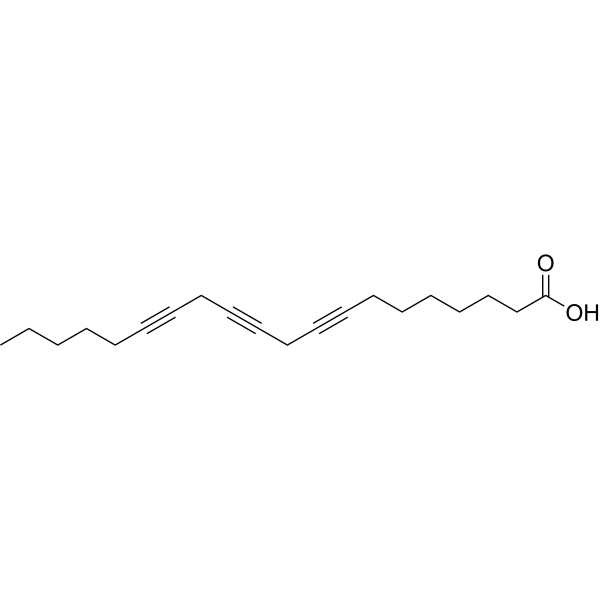
1. Search Result
Search Result
Results for "

plant growth inhibitors

" in MedChemExpress (MCE) Product Catalog:

193

Inhibitors & Agonists

7

Biochemical Assay Reagents

2

Peptides

81

Natural
Products

16

Isotope-Labeled Compounds

1

Click Chemistry

Cat. No. Product Name Target Research Areas Chemical Structure
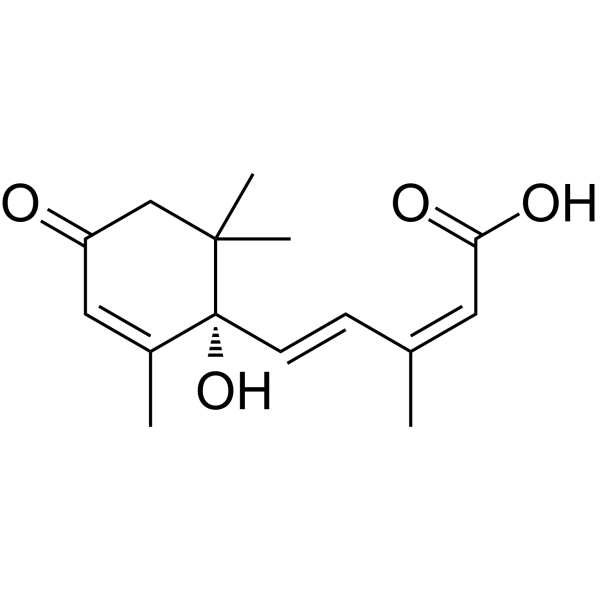
  • HY-100560
    Abscisic acid
    3 Publications Verification

    (S)​-​(+)​-​Abscisic acid; ABA

    Environmental Pollutants Endogenous Metabolite ABA Receptor Proton Pump Metabolic Disease
    Abscisic acid ((S)-(+)-Abscisic acid), an orally active phytohormone in fruits and vegetables, is an endogenously produced mammalian hormone. Abscisic acid is a growth inhibitor and can regulate many aspects of plant growth and development. Abscisic acid inhibits proton pump (H +-ATPase) and leads to the plasma membrane depolarization in a Ca 2+-dependent manner. Abscisic acid, a LANCL2 natural ligand, is a potent insulin-sensitizing compound and has the potential for pre-diabetes, type 2 diabetes and metabolic syndrome .
    Abscisic acid
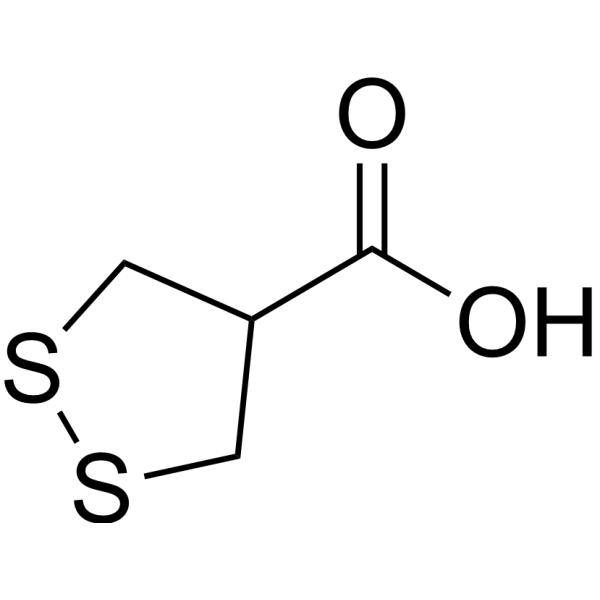
  • HY-50730
    Asparagusic acid
    4 Publications Verification

    Parasite Endogenous Metabolite Infection
    Asparagusic acid is a sulfur-containing flavor component produced by Asparagus officinalis Linn., with anti-parasitic effect. Asparagusic acid is a plant growth inhibitor .
    Asparagusic acid
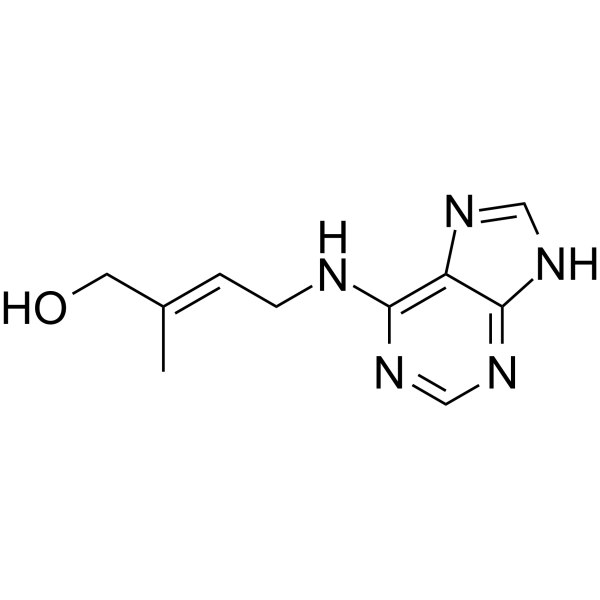
  • HY-19700
    trans-Zeatin
    3 Publications Verification

    Environmental Pollutants Endogenous Metabolite MEK ERK Others
    trans-Zeatin is a plant cytokinin, which plays an important role in cell growth, differentiation, and division; trans-Zeatin also inhibits UV-induced MEK/ERK activation.
    trans-Zeatin
  • HY-N11420

    Bacterial Phytohormone Others
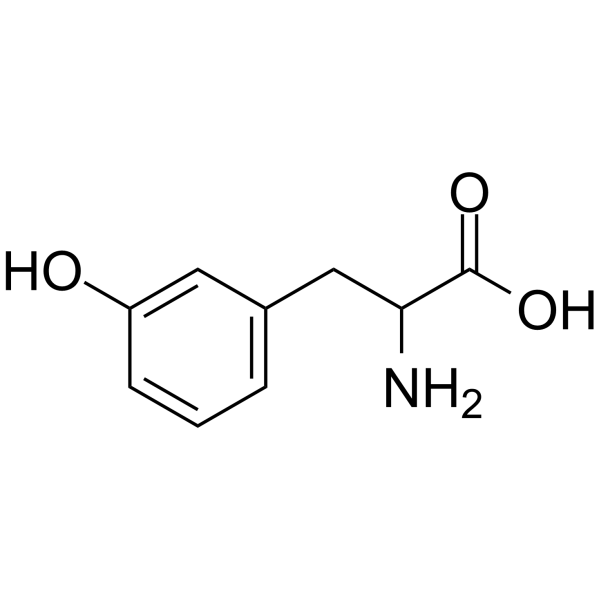
    Coronatine is a plant growth regulator that mimicks the jasmonic acid-isoleucine conjugate (JA-Ile), targets the jasmonic acid receptor COI1, activates the jasmonic acid signaling pathway, thereby inhibiting salicylic acid (SA)-dependent defense responses. Coronatine antagonizes the stomatal closure, induces plant cell necrosis and chlorosis, interfers with plant hormone balance, thereby promoting pathogen infection .
    Coronatine
  • HY-122464

    Herbicide Others
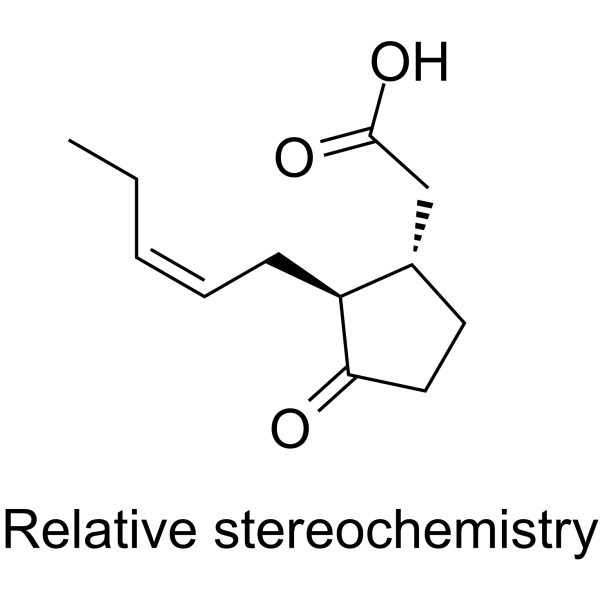
    (±)-Jasmonic acid is an endogenous growth regulator closely related to plant resistance to abiotic stresses, used to activate defense responses to wounding, herbivory, and pathogen attacks. (±)-Jasmonic acid does not play an independent regulatory role, but works in a complex signaling network with other plant hormone signaling pathways. In addition, (±)-Jasmonic acid can also reduce chlorophyll levels in green and etiolated barley leaf segments and inhibit the elongation of rice seedlings .
    (±)-Jasmonic acid
  • HY-121161A
    Brassinazole
    2 Publications Verification

    Cytochrome P450 Others
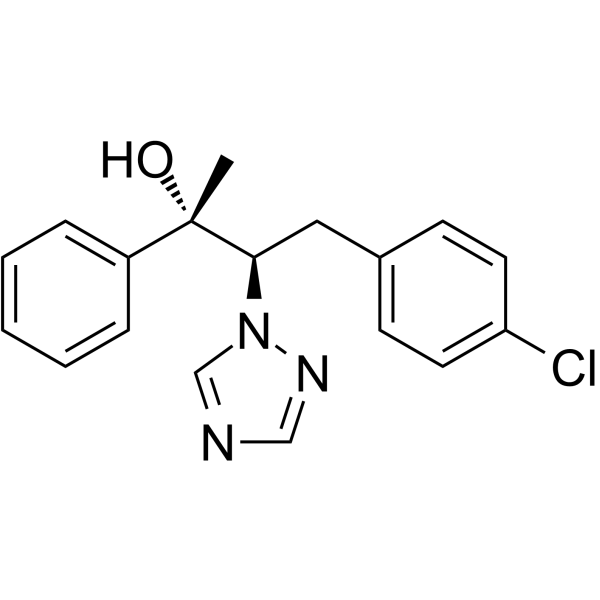
    Brassinazole is a selective triazole-type brassinosteroid (BR) biosynthesis inhibitor. Brassinazole is used for regulating plant growth and development .
    Brassinazole
  • HY-B0853
    Paclobutrazol
    2 Publications Verification

    Environmental Pollutants Fungal Infection
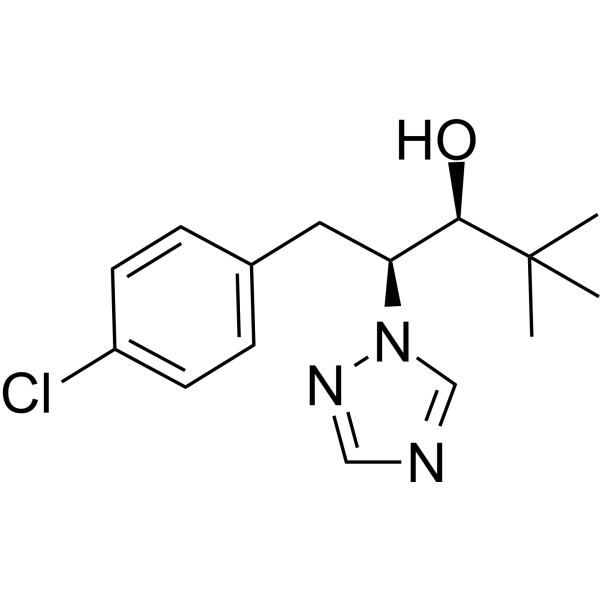
    Paclobutrazol is a triazole-containing plant growth retardant that is known to inhibit the biosynthesis of gibberellins. Paclobutrazol also has antifungal activities. Paclobutrazol, transported acropetally in plants, can also suppress the synthesis of abscisic acid and induce chilling tolerance in plants. Paclobutrazol is typically used to support research on the role of gibberellins in plant biology .
    Paclobutrazol
  • HY-B0941
    6-Benzylaminopurine
    4 Publications Verification

    Benzyladenine; 6-BAP; N6-Benzyladenine

    Environmental Pollutants Endogenous Metabolite Others
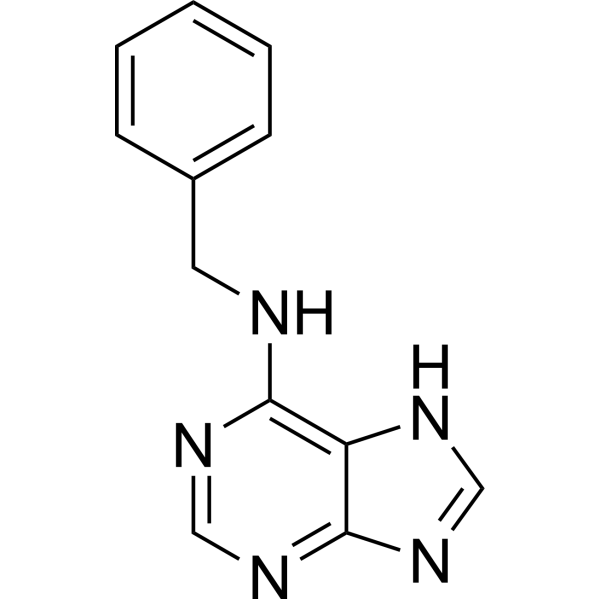
    6-Benzylaminopurine (Benzyladenine) is a cytokinin that causes plant growth and development by stimulating cell division and inhibiting respiratory kinases, thereby prolonging the preservation of green vegetables .
    6-Benzylaminopurine
  • HY-134094
    Fluridone
    2 Publications Verification

    Environmental Pollutants Herbicide Inflammation/Immunology
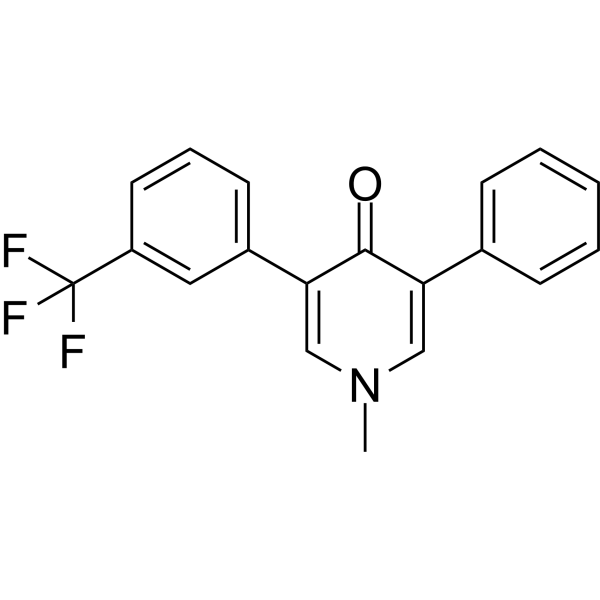
    Fluridone is a herbicide, particularly to eliminate aquatic plant growth in water reservoirs and irrigation channels. Fluridone is a potent Abscisic acid (ABA) biosynthesis inhibitor, and has anti-inflammatory effects .
    Fluridone
  • HY-18570
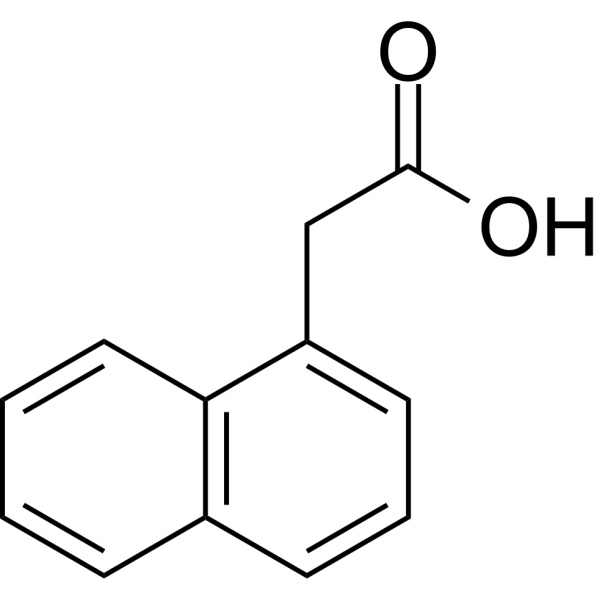
    1-Naphthaleneacetic acid
    1 Publications Verification

    1-Naphthylacetic acid

    Environmental Pollutants Phospholipase Others
    1-Naphthaleneacetic acid (1-Naphthylacetic acid), a auxin, can promote plant growth. 1-Naphthaleneacetic acid is also an inhibitor of PLA2, with an IC50 of 13.16 μM .
    1-Naphthaleneacetic acid
  • HY-Y0892
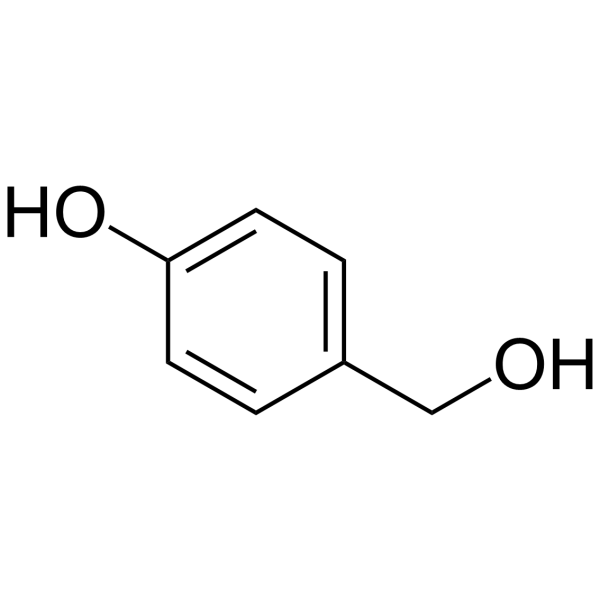
    4-Hydroxybenzyl alcohol
    1 Publications Verification

    Apoptosis Endogenous Metabolite Neurological Disease Inflammation/Immunology Cancer
    4-Hydroxybenzyl alcohol is a phenolic compound widely distributed in various kinds of plants. Anti-inflammatory, anti-oxidant, anti-nociceptive activity. Neuroprotective effect. Inhibitor of tumor angiogenesis and growth .
    4-Hydroxybenzyl alcohol
  • HY-B1886

    Phytohormone Others
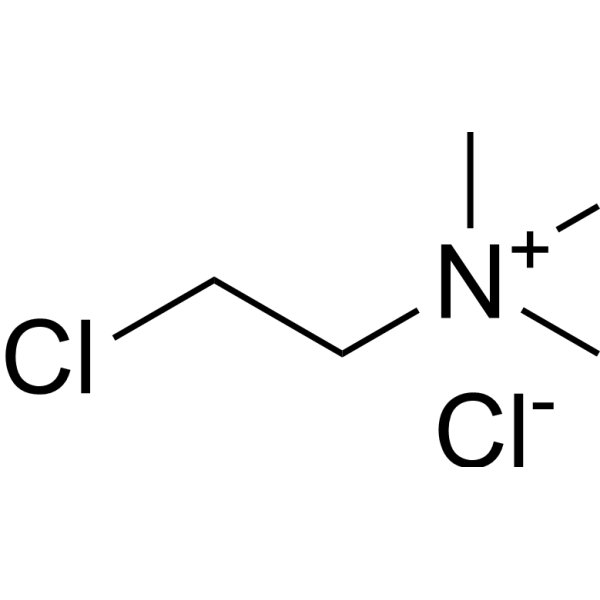
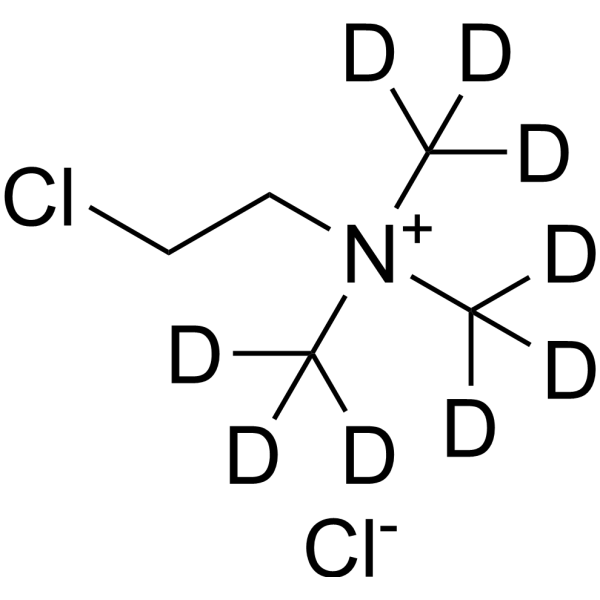
    Chlorocholine chloride is an effective plant growth regulator. Chlorocholine chloride can inhibit gibberellin (GA) biosynthesis. Chlorocholine chloride can be used for the research of the mechanisms and effects of GA on plant cell growth and differentiation .
    Chlorocholine chloride
  • HY-B0873

    Environmental Pollutants Cytochrome P450 ROS Kinase Others
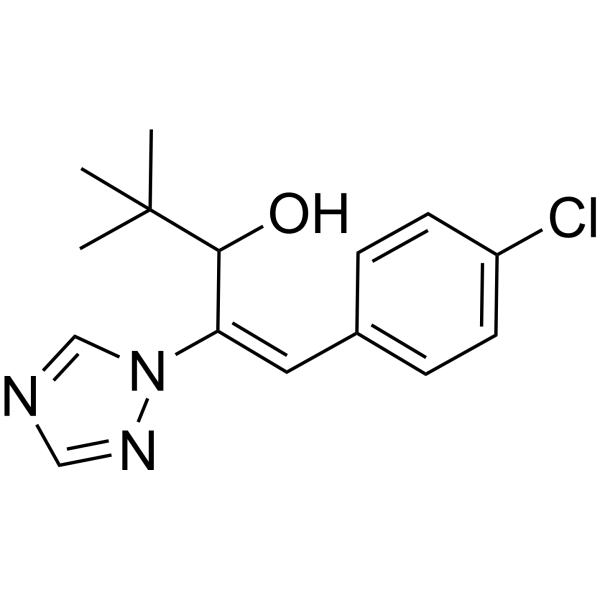
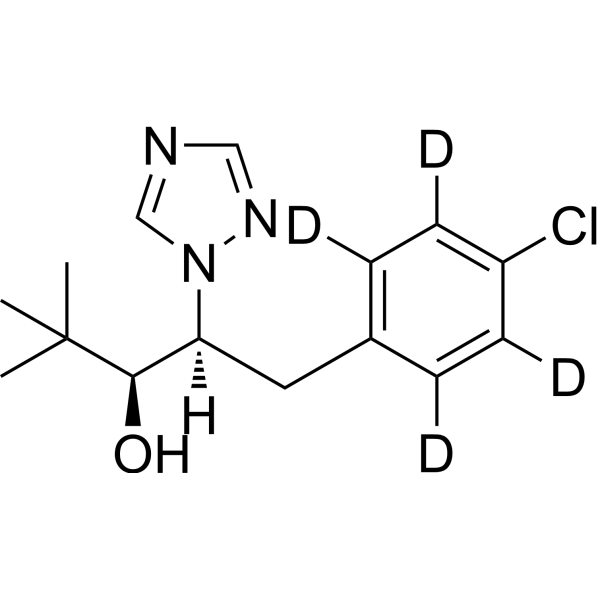
    Uniconazole, a plant growth retardant, is a potent inhibitor of abscisic acid (ABA) catabolism with an IC50 of 68 nM against ABA 8’-hydroxylase. Uniconazole is a potent competitive inhibitor of CYP707A3 activity with a Ki of 8 nM. Uniconazole evidently inhibits gibberellin biosynthesis, and brassinosteroid biosynthesis is also inhibited to some extent .
    Uniconazole
  • HY-112105

    BX-112

    Environmental Pollutants Biochemical Assay Reagents Others
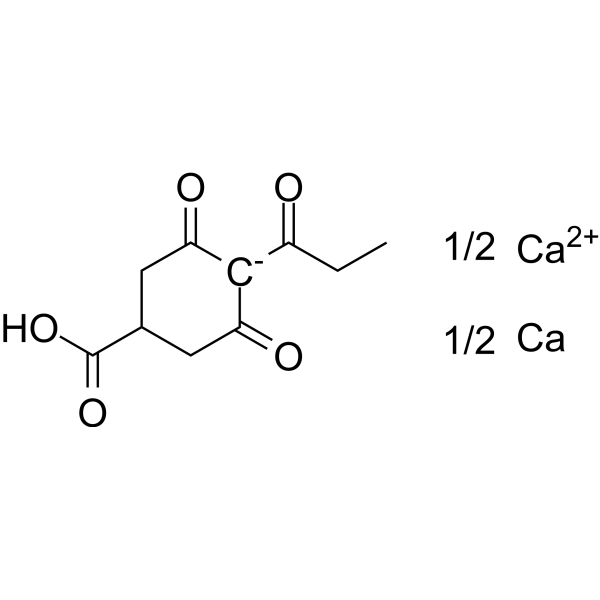
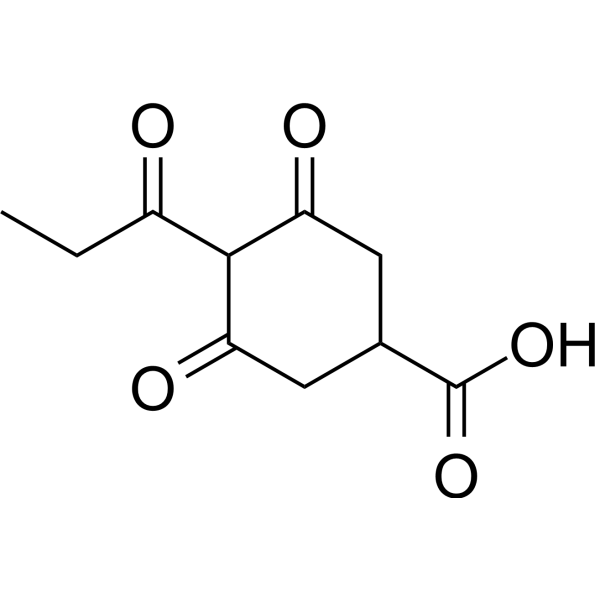
    Prohexadione (BX-112) calcium is a plant growth regulator. Prohexadione inhibits gibberellin biosynthesis of plants .
    Prohexadione calcium
  • HY-107805

    Cholinesterase (ChE) Bacterial Infection Neurological Disease Cancer
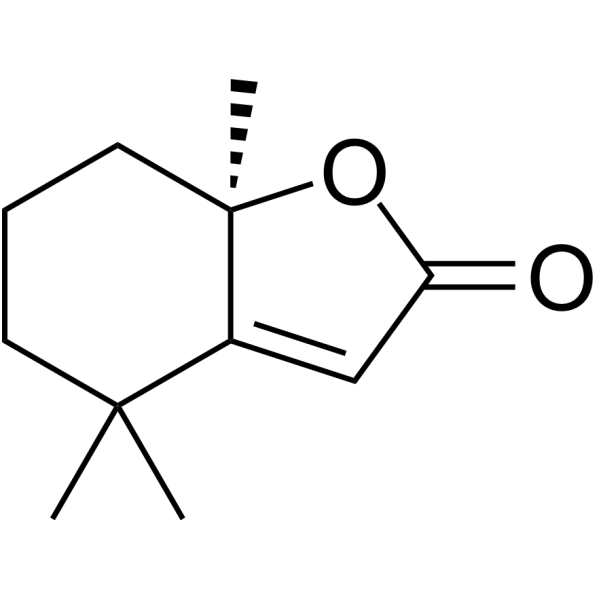
    Dihydroactinidiolide, existing in plant leaves and fruits, is a potent plant growth inhibitor, a regulator of gene expression and is responsible for photo acclimation in Arabidopsis. Dihydroactinidiolide has antioxidant activity, antibacterial activity, anticancer activity and neuroprotective effect . Dihydroactinidiolide is also an inhibitor of AChE (IC50=34.03 nM) and has scavenging activities for DPPH and (.NO). Dihydroactinidiolide is present in plant leaves and fruits and is a potent plant growth inhibitor, regulator of gene expression, and responsible for light adaptation in Arabidopsis.
    Dihydroactinidiolide
  • HY-100427

    CL29926; (±)-Imazamox

    Environmental Pollutants Acetolactate Synthase (ALS) Others
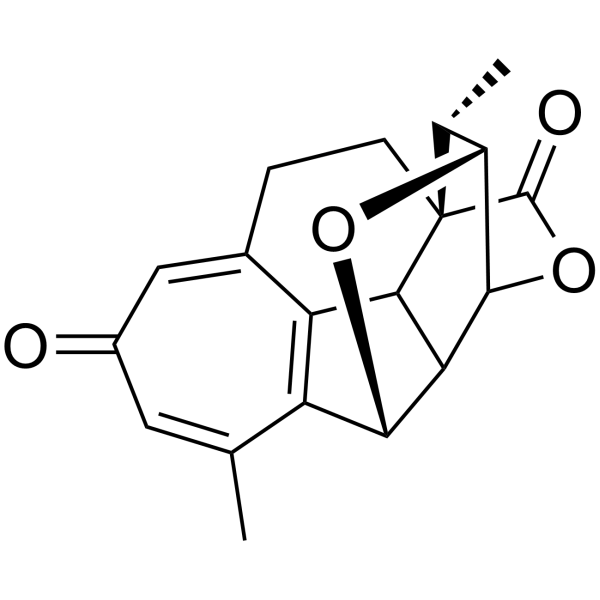
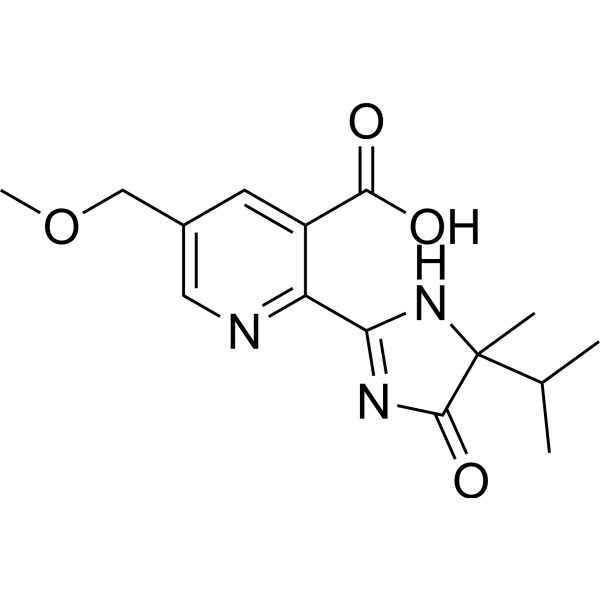
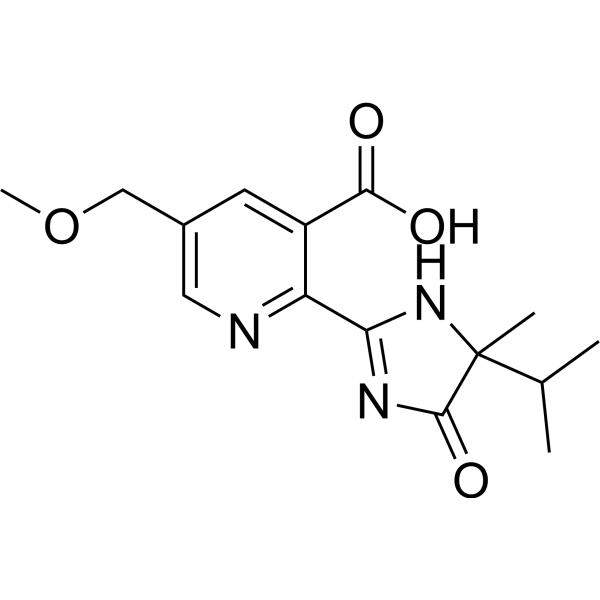
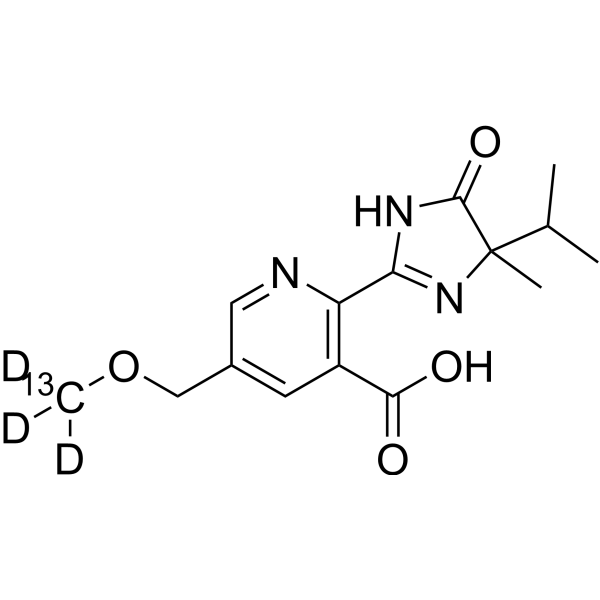
    Imazamox (CL29926) is a systemic herbicide that inhibits the production of acetolactate synthase (ALS) in plants with high selectivity, high activity, safety and broadspectrum activity, which would then inhibit plant growth and ultimately lead to plant death .
    Imazamox
  • HY-136403

    Phytohormone Others
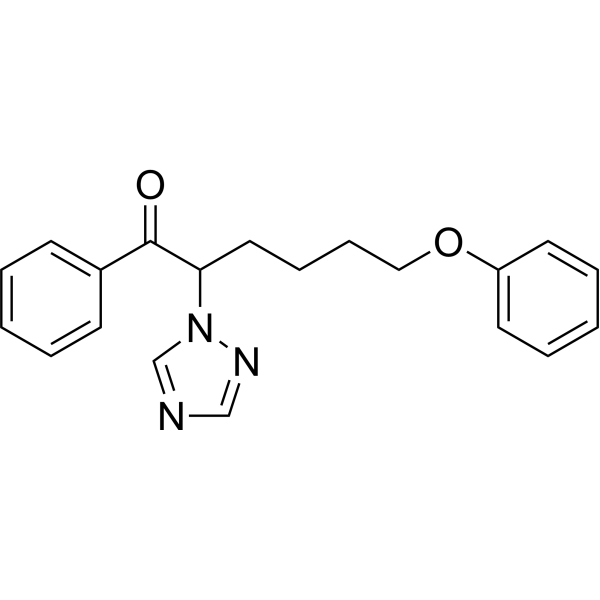
    TIS108 is a triazole-type strigolactone biosynthesis inhibitor. TIS108 inhibits Arabidopsis embryogenesis and root hair growth, and promotes shoot branching. TIS108 can also increase the gibberellin content in Gastrodia elata. TIS108 can be used in the research of plant growth and development as well as plant responses to the environment .
    TIS108
  • HY-122464S2

    Isotope-Labeled Compounds Others
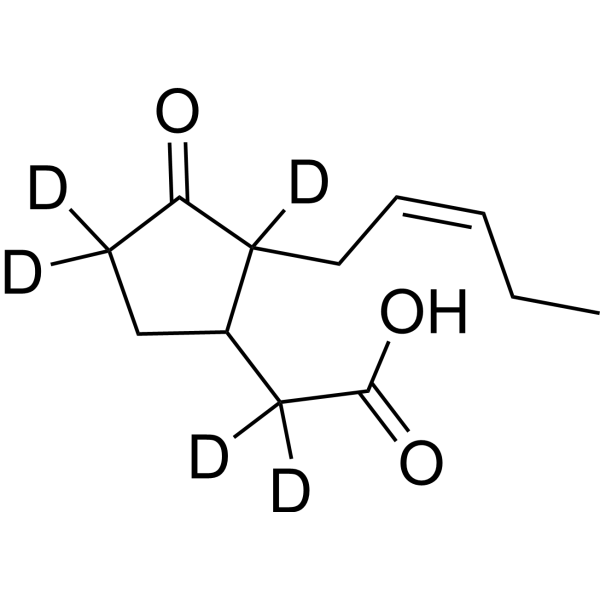
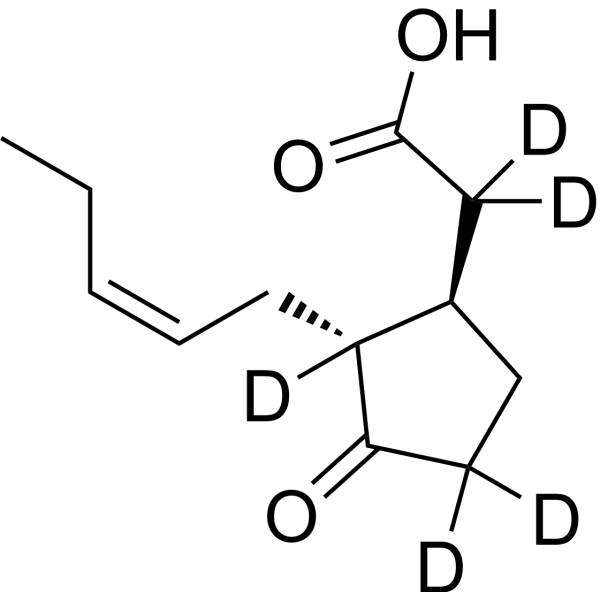
    (±)-Jasmonic acid-d5 is the deuterium labeled (±)-Jasmonic acid. (±)-Jasmonic acid is a plant growth regulator and a derivative of α-linolenic acid. (±)-Jasmonic acid decreases chlorophyll levels in green and etiolated barley leaf segments and inhibits elongation of rice seedlings.
    (±)-Jasmonic acid-d5
  • HY-N1633

    Fungal Infection
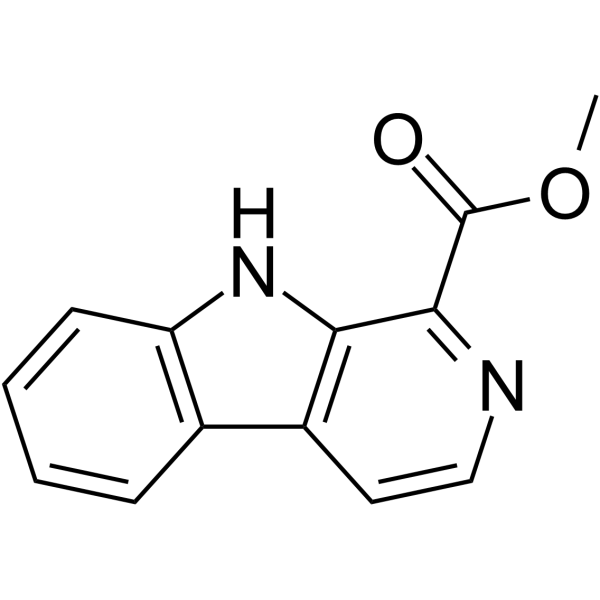
    1-Methoxycarbonyl-β-carboline is a phytopathogenic fungal growth inhibitor with moderate to weak in vitro antifungal activity. 1-Methoxycarbonyl-β-carboline can be used for the research of phytopathogenic fungal infections .
    1-Methoxycarbonyl-β-carboline
  • HY-18570A
    1-Naphthaleneacetic acid potassium salt
    1 Publications Verification

    Potassium 1-Naphthaleneacetate

    Environmental Pollutants Phospholipase Others
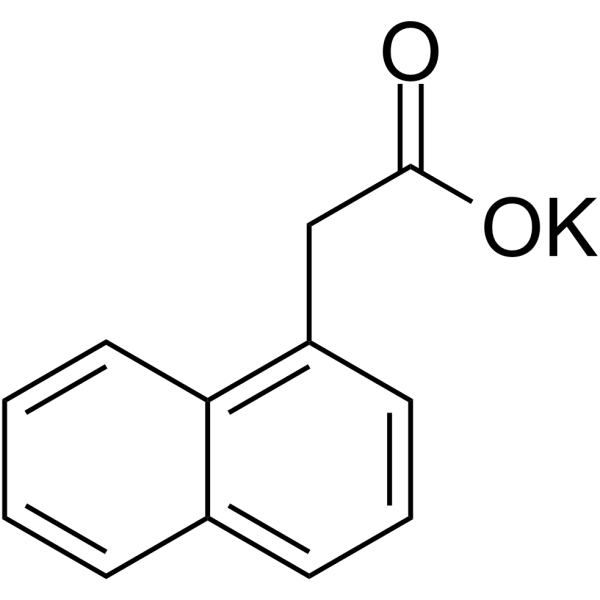
    1-Naphthaleneacetic acid potassium salt (Potassium 1-Naphthaleneacetate), a synthetic auxin, can promote plant growth. 1-Naphthaleneacetic acid potassium salt is also an inhibitor of PLA2, with an IC50 of 13.16 μM .
    1-Naphthaleneacetic acid potassium salt
  • HY-19700S

    MEK ERK Endogenous Metabolite Others
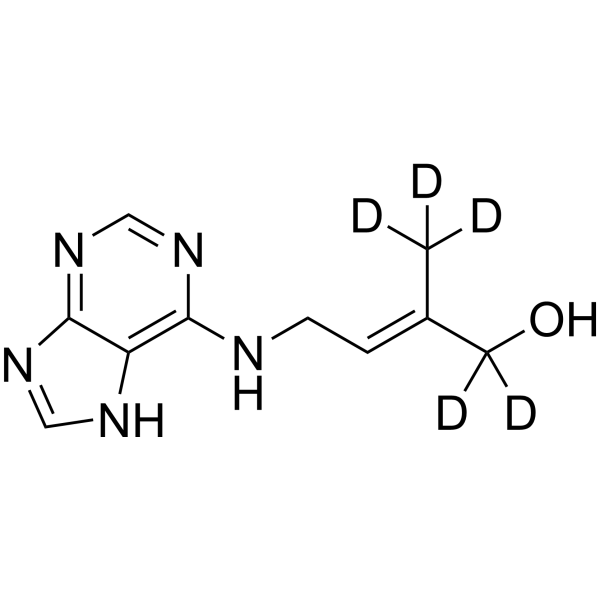
    trans-Zeatin-d5 is deuterium labeled trans-Zeatin. trans-Zeatin is a plant cytokinin, which plays an important role in cell growth, differentiation, and division; trans-Zeatin also inhibits UV-induced MEK/ERK activation.
    trans-Zeatin-d5
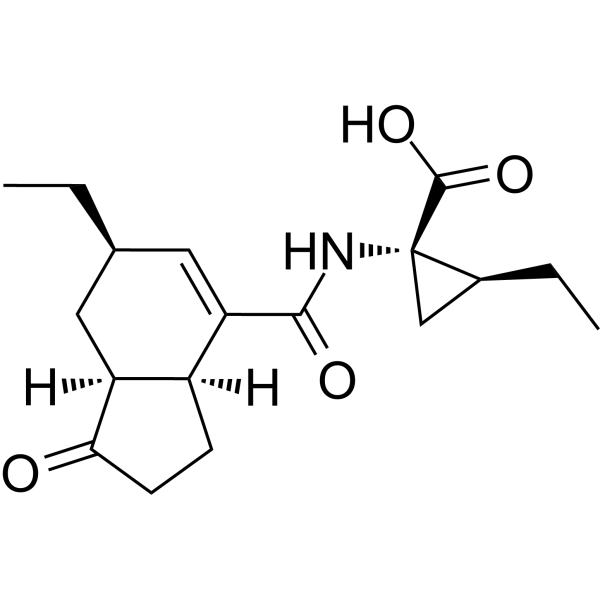
  • HY-151931

    Jasmonyl-ACC

    Phytohormone Metabolic Disease
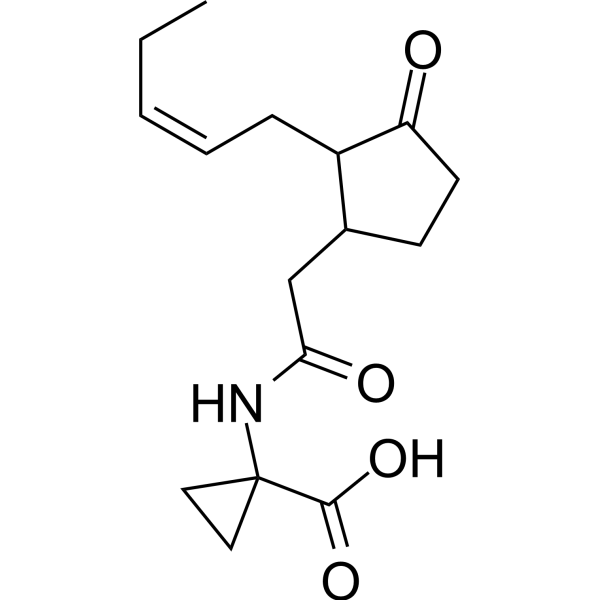
    JA-ACC (Jasmonyl-ACC) is a derivative of 1-aminocyclopropane-1-carboxylic acid (ACC). ACC is the direct precursor of the plant hormone ethylene. JA-ACC inhibits root growth in Arabidopsis and the inhibition is independent of jasmonic acid (JA) signaling .
    JA-ACC
  • HY-122464A

    (-)-Jasmonic acid

    Drug Derivative Others
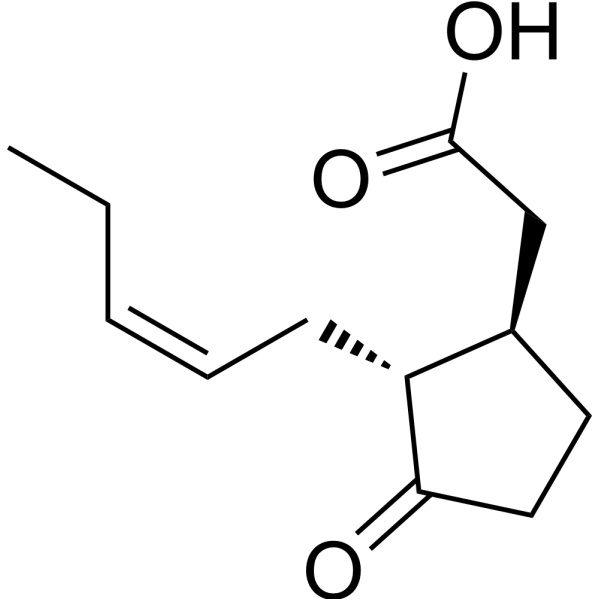
    Jasmonic acid ((-)-Jasmonic acid) is a plant growth regulator and a derivative of Linolenic acid (HY-N0728). Jasmonic acid enhances plant resistance and is widely used as a stress protectant. Jasmonic acid is an endogenous plant hormone and a plant growth inhibitor .
    Jasmonic acid
  • HY-W115752

    Diamine sulfate (99%)

    PEPCK Aldehyde Dehydrogenase (ALDH) Neurological Disease Metabolic Disease Cancer
    Hydrazine sulfate is an orally active PEPCK inhibitor. Hydrazine sulfate inhibits PEPCK and low-Km ALDH. Hydrazine sulfate impairs gluconeogenesis and enhances the protective effect of energy substrates against MPP + toxicity. Hydrazine sulfate exacerbates liver damage in rats when combined with Ethanol. Hydrazine sulfate can be used in the research of shock, non-small cell lung cancer, colorectal cancer and Parkinson's disease .
    Hydrazine sulfate (99%)
  • HY-B0941A

    Benzyladenine, suitable for plant cell culture; 6-BAP, suitable for plant cell culture; N6-Benzyladenine, suitable for plant cell culture

    Biochemical Assay Reagents Others
    6-Benzylaminopurine,suitable for plant cell culture is a cytokinin that induces plant growth and development by stimulating cell division, and prolongs the freshness of green vegetables through inhibiting respiratory kinases .
    6-Benzylaminopurine, suitable for plant cell culture
  • HY-N3045

    Drug Isomer Others
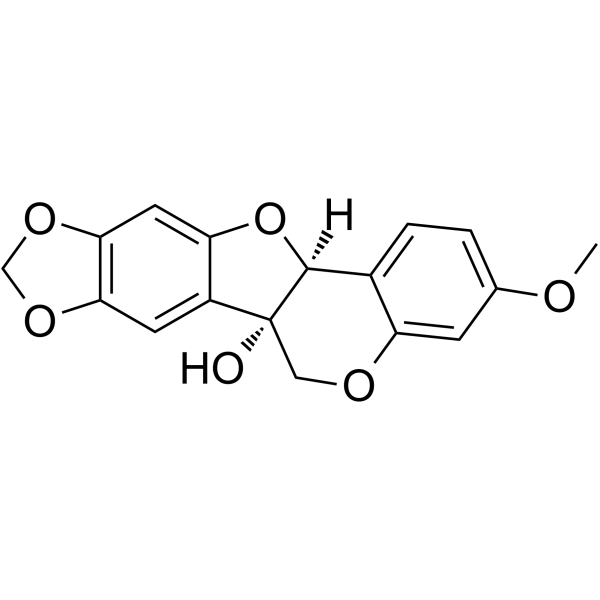
    (S,S)-Pisatin is a dimeric pterocarpan derivative. (S,S)-Pisatin can inhibit plant growth .
    (S,S)-Pisatin
  • HY-112176
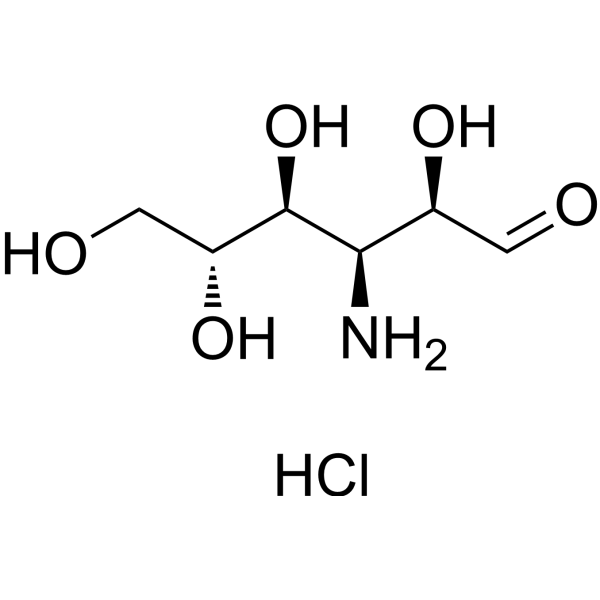
    Kanosamine hydrochloride
    2 Publications Verification

    Fungal Bacterial Antibiotic Infection
    Kanosamine hydrochloride is an antibiotic which inhibits the growth of plant-pathogenic oomycetes, certain fungi and a few bacterial species. Kanosamine inhibits Phytophthora medicaginis M2913 and Aphanomyces euteiches WI-98 with MICs of 25 and 60 μg/mL, respectively.
    Kanosamine hydrochloride
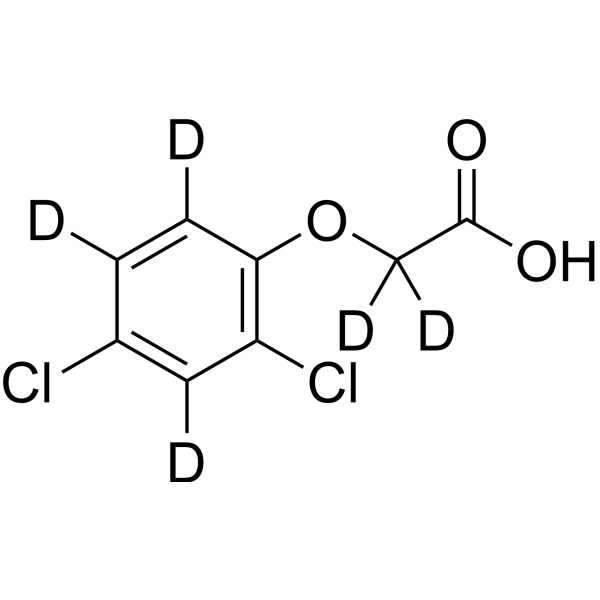
  • HY-18572S2

    Isotope-Labeled Compounds Herbicide DNA/RNA Synthesis Apoptosis Cancer
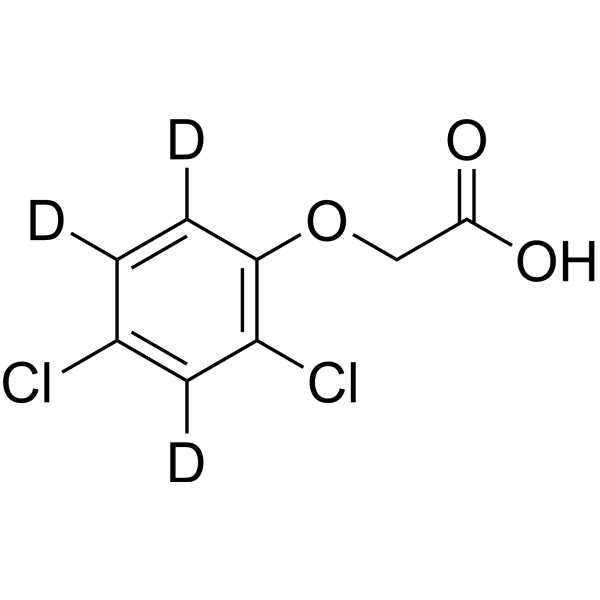
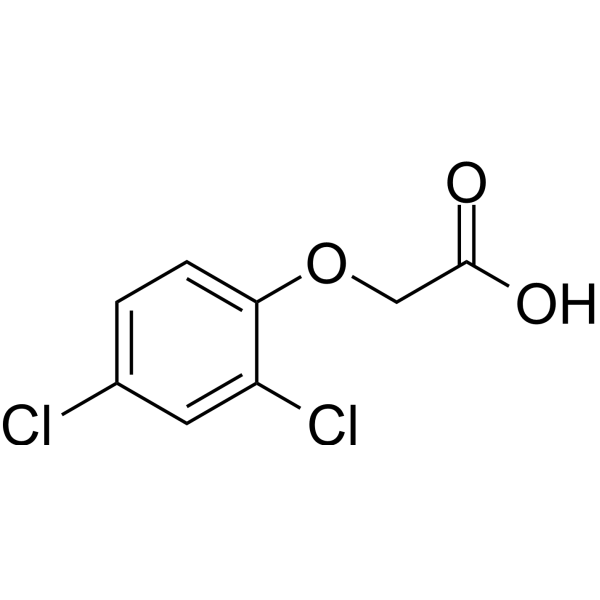
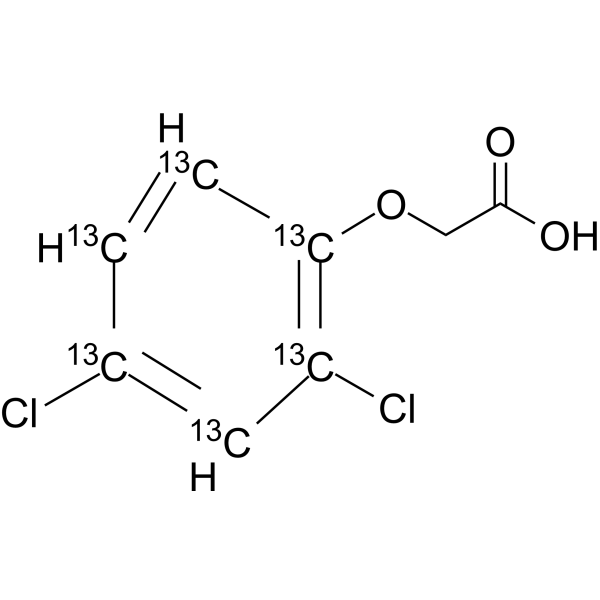
    2,4-D-d5 (2,4-Dichlorophenoxyacetic acid-d5) is the deuterium labeled 2,4-D (HY-18572) . 2,4-D (2,4-Dichlorophenoxyacetic acid) is a selective systemic herbicide for the control of broad-leaved weeds. 2,4-D acts as a plant hormone, causing uncontrolled growth in the meristematic tissues. 2,4-D inhibits DNA and protein synthesis and thereby prevents normal plant growth and development .
    2,4-D-d5
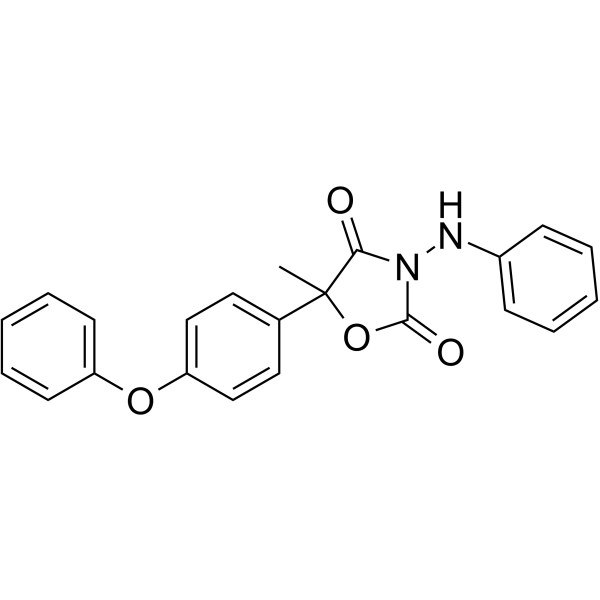
  • HY-B2008

    DPX-JE874

    Environmental Pollutants Fungal Infection
    Famoxadone is a fungicide active against various oomycetes. Famoxadone induces rapid lysis of zoospores of P. viticola and P. infestans, and inhibits sporangial differentiation, zoospore release, sporangial germination and mycelial growth. Famoxadone exerts a preventive control effect on plant diseases. Famoxadone can be used in research related to grape downy mildew, potato late blight, tomato late blight and plant oomycete diseases .
    Famoxadone
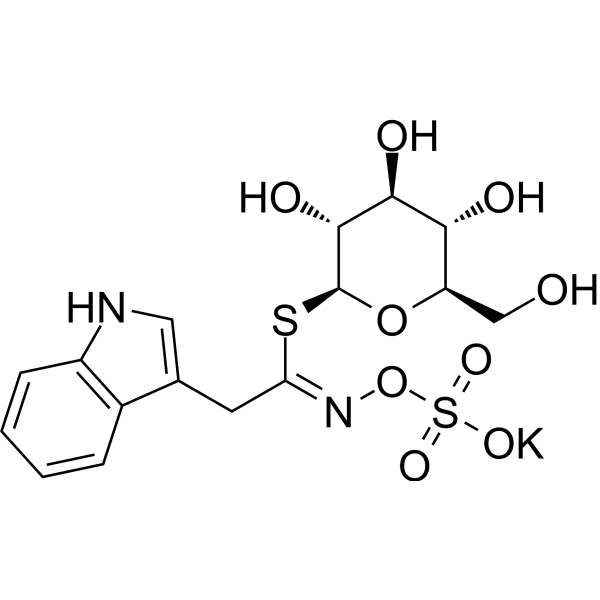
  • HY-N7659A

    Phytohormone Microtubule/Tubulin Apoptosis Others
    Glucobrassicin potassium is an indole-based anticancer agent and plant growth-regulating hormone. Glucobrassicin potassium exerts its biological activity by disrupting the integrity of microtubule networks in both plant and mammalian cells. At high concentrations, Glucobrassicin potassium inhibits seed germination and root growth; it can also specifically induce apoptosis in mammalian cancer cells and interfere with the intercellular transmission of viruses that rely on microtubules. In plants, Glucobrassicin potassium can be catalyzed by myrosinase to release growth-regulating substances, exhibiting a concentration-dependent growth-regulating effect .
    Glucobrassicin potassium
  • HY-N7659

    Phytohormone Apoptosis Microtubule/Tubulin Cancer
    Glucobrassicin is an indole-based anticancer agent and plant growth-regulating hormone. Glucobrassicin exerts its biological activity by disrupting the integrity of microtubule networks in both plant and mammalian cells. At high concentrations, Glucobrassicin inhibits seed germination and root growth; it can also specifically induce apoptosis in mammalian cancer cells and interfere with the intercellular transmission of viruses that rely on microtubules. In plants, Glucobrassicin can be catalyzed by myrosinase to release growth-regulating substances, exhibiting a concentration-dependent growth-regulating effect .
    Glucobrassicin
  • HY-W014240
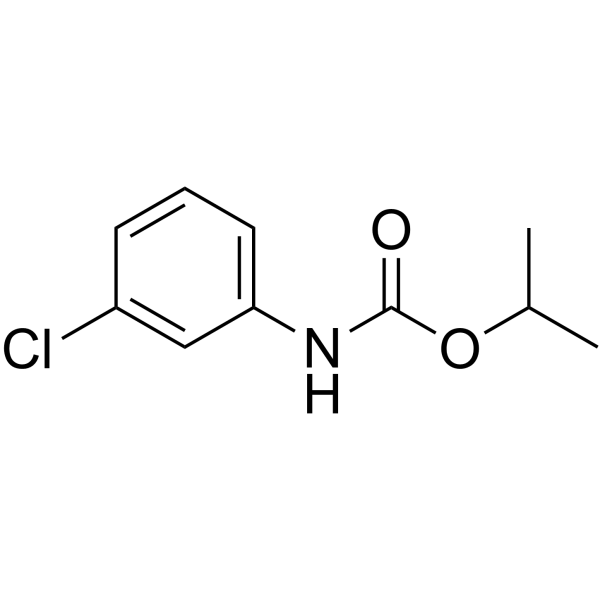
    Chlorpropham
    1 Publications Verification

    Environmental Pollutants Herbicide Others
    Chlorpropham is a carbamate herbicide and plant growth regulator. Chlorpropham inhibits mitosis and cell division by interfering with the organisation of the spindle microtubules .
    Chlorpropham
  • HY-59354

    Environmental Pollutants DNA/RNA Synthesis Cancer
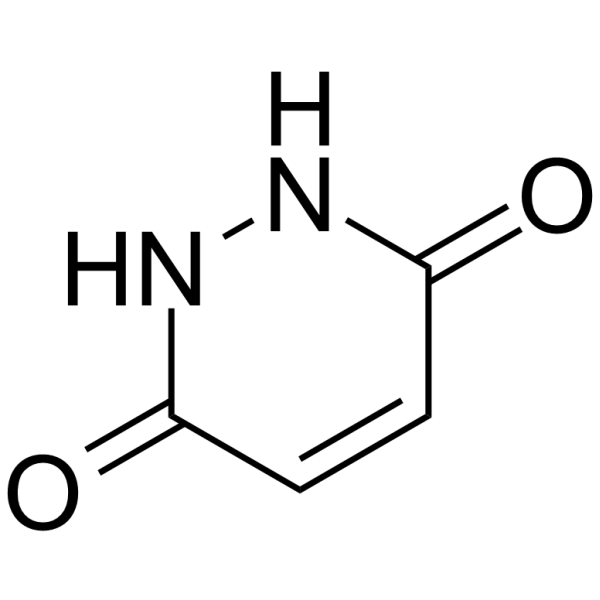
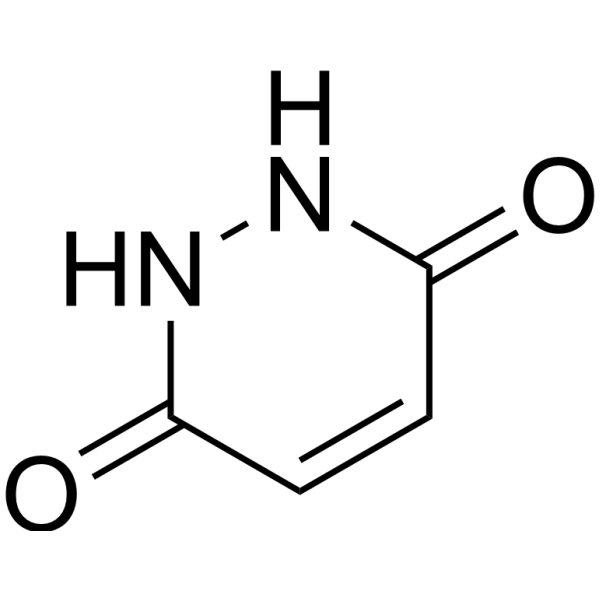
    Maleic hydrazide is extensively used as a systemic plant growth regulator and as a herbicide. Maleic hydrazide acts as an inhibitor of the synthesis of nucleic acids and proteins .
    Maleic hydrazide
  • HY-W001940

    Amino Acid Derivatives Bacterial Infection Cardiovascular Disease
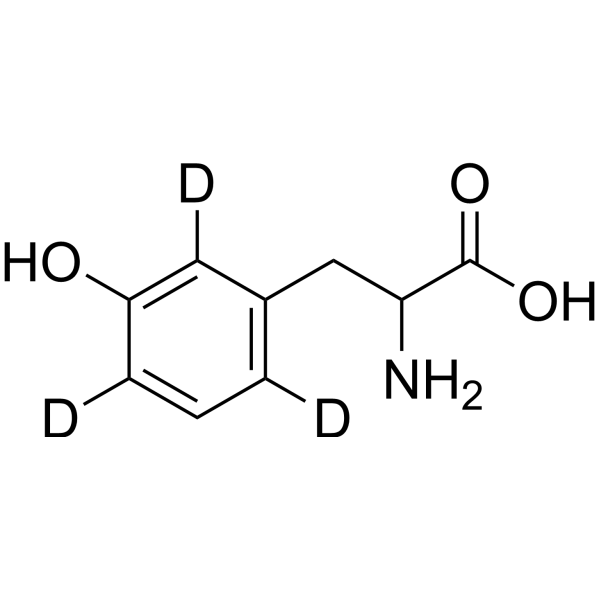
    DL-m-Tyrosine is a non-protein amino acid. DL-m-Tyrosine inhibits microbial growth and spore formation. DL-m-Tyrosine also inhibits root growth in various plants, such as lettuce and Arabidopsis. DL-m-Tyrosine, when used in combination with Carbidopa (HY-B0311), has a potent antihypertensive effect. DL-m-Tyrosine can be used in research on biopesticide design .
    DL-m-Tyrosine
  • HY-121935

    Environmental Pollutants Fungal Infection
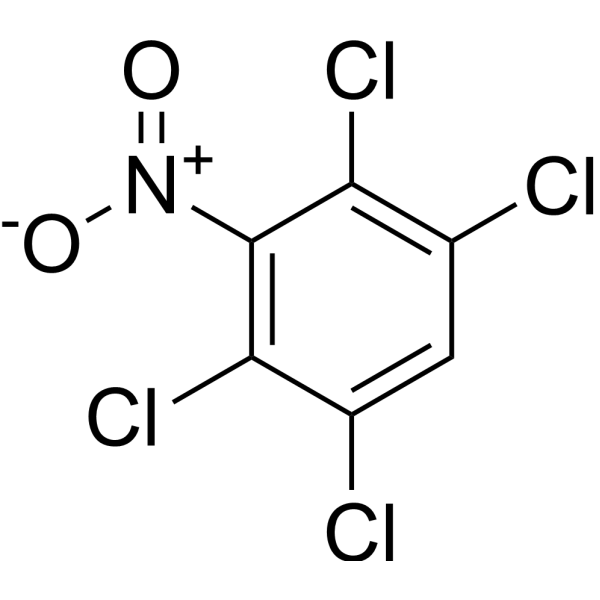
    Tecnazene is a dinitroaromatic fungicide and plant growth regulator. Tecnazene binds irreversibly to human skin tissues and exhibits acute toxicity in Rattus norvegicus (brown rat). Tecnazene exerts sprouting-inhibiting and antifungal activities by inhibiting the sprouting of potato tuber buds and blocking the growth and reproduction of fungi that cause dry rot. Tecnazene has significant antifungal and sprouting-inhibiting activities, and shows high toxicity to aquatic organisms such as freshwater fish and crustaceans. Tecnazene is used for sprouting inhibition and dry rot control during potato storage .
    Tecnazene
  • HY-W774934

    Fungal
    Isopyrazam is a plant protection product with fungal activity. Isopyrazam exhibits excellent disease resistance on crops and effectively inhibits the growth of multiple plant pathogenic fungi. The application of Isopyrazam can significantly improve the yield and quality of crops.
    Isopyrazam
  • HY-B0853R

    Reference Standards Fungal Infection
    Paclobutrazol (Standard) is the analytical standard of Paclobutrazol. This product is intended for research and analytical applications. Paclobutrazol is a triazole-containing plant growth retardant that is known to inhibit the biosynthesis of gibberellins. Paclobutrazol also has antifungal activities. Paclobutrazol, transported acropetally in plants, can also suppress the synthesis of abscisic acid and induce chilling tolerance in plants. Paclobutrazol is typically used to support research on the role of gibberellins in plant biology .
    Paclobutrazol (Standard)
  • HY-124504

    Endogenous Metabolite Others
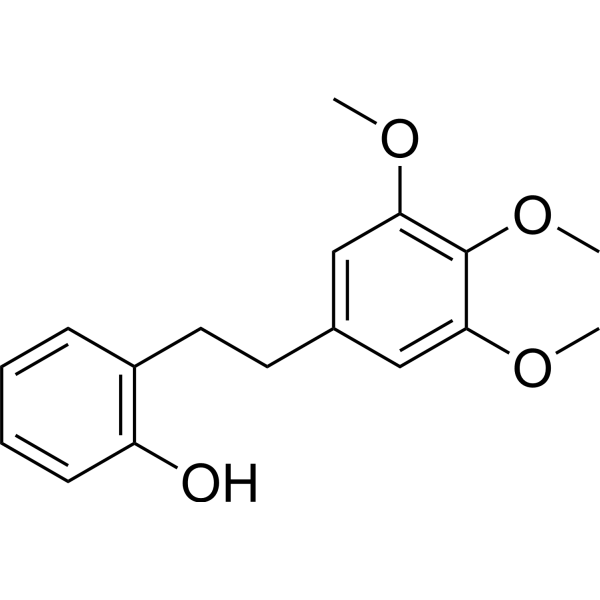
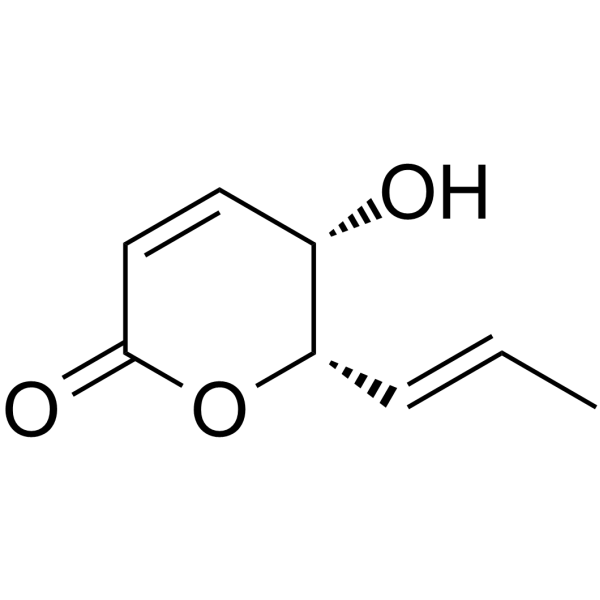
    Lunularic acid is a dihydrostilbene compound with anti-hyaluronidase activity (IC50: 0.13 nM). Lunularic acid can be used as an endogenous growth inhibitor in liverworts, replacing the function of abscisic acid in higher plants .
    Lunularic acid
  • HY-18572S

    2,4-Dichlorophenoxyacetic acid-13C6

    Isotope-Labeled Compounds Herbicide DNA/RNA Synthesis Apoptosis Cancer
    2,4-D- 13C6 is the 13C-labeled 2,4-D (HY-18572). 2,4-D (2,4-Dichlorophenoxyacetic acid) is a selective systemic herbicide for the control of broad-leaved weeds. 2,4-D acts as a plant hormone, causing uncontrolled growth in the meristematic tissues. 2,4-D inhibits DNA and protein synthesis and thereby prevents normal plant growth and development .
    2,4-D-13C6
  • HY-122464S1

    Isotope-Labeled Compounds Others
    Jasmonic acid-d5 is deuterium labeled (±)-Jasmonic acid. (±)-Jasmonic acid is a plant growth regulator and a derivative of α-linolenic acid. (±)-Jasmonic acid decreases chlorophyll levels in green and etiolated barley leaf segments and inhibits elongation of rice seedlings.
    Jasmonic acid-d5
  • HY-134094R

    Herbicide Reference Standards Inflammation/Immunology
    Fluridone (Standard) is the analytical standard of Fluridone. This product is intended for research and analytical applications. Fluridone is a herbicide, particularly to eliminate aquatic plant growth in water reservoirs and irrigation channels. Fluridone is a potent Abscisic acid (ABA) biosynthesis inhibitor, and has anti-inflammatory effects .
    Fluridone (Standard)
  • HY-N8744

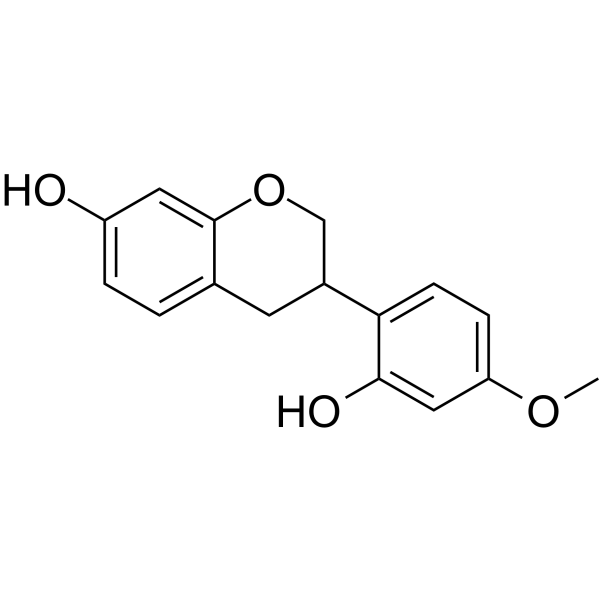
    (±)-Vestitol

    Fungal Infection
    Vestitol ((±)-Vestitol) is an isoflavonoid phytoalexin and Antifungal agent. Vestitol can be isolated from the leaves of Trifolium arvense. Vestitol inhibits the mycelial growth of Helminthosporium carbonum with a ED50 of 17 μg/mL. Vestitol can be used in the research of fungal infections (Helminthosporium carbonum-induced plant diseases) .
    Vestitol
  • HY-100427R

    CL29926 (Standard); (±)-Imazamox (Standard)

    Reference Standards Acetolactate Synthase (ALS) Others
    Imazamox (Standard) is the analytical standard of Imazamox. This product is intended for research and analytical applications. Imazamox (CL29926) is a systemic herbicide that inhibits the production of acetolactate synthase (ALS) in plants with high selectivity, high activity, safety and broadspectrum activity, which would then inhibit plant growth and ultimately lead to plant death .
    Imazamox (Standard)
  • HY-W749242

    Fungal Infection
    Paclobutrazol-d4 is the deuterium labeled Paclobutrazol. Paclobutrazol is a triazole-containing plant growth retardant that is known to inhibit the biosynthesis of gibberellins .
    Paclobutrazol-d4
  • HY-17517

    Fungal Biochemical Assay Reagents Infection
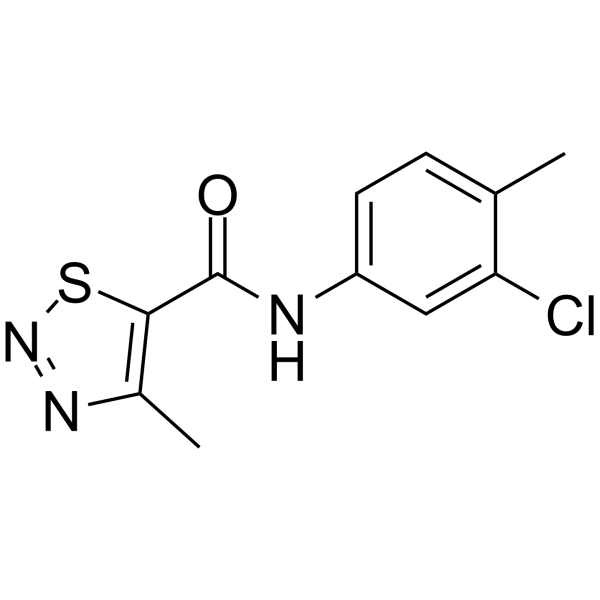
    Tiadinil is a systemic acquired resistance (SAR) inducer, plant elicitor and antifungal agent. Tiadinil promotes the production of herbivore-induced plant volatiles in Camellia sinensis (tea plant). Tiadinil inhibits mycelial growth, spore germination and germ tube elongation of Stagonosporopsis citrulli in vitro. Tiadinil can be used in studies related to vine blight .
    Tiadinil
  • HY-W014240S1

    Isotope-Labeled Compounds Mitosis Others
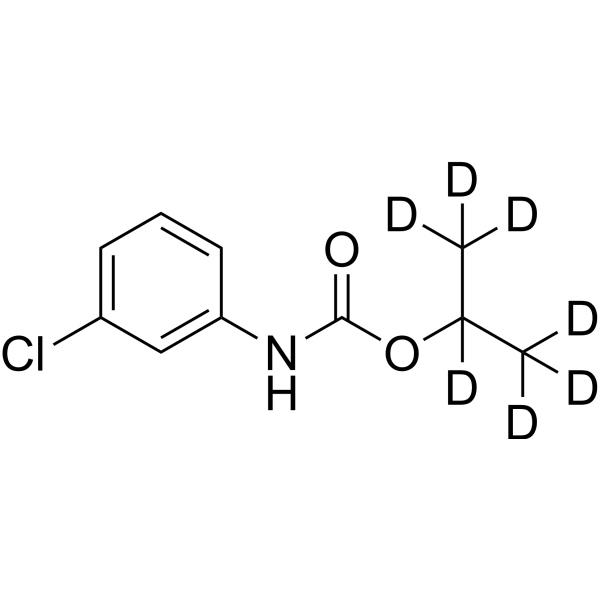
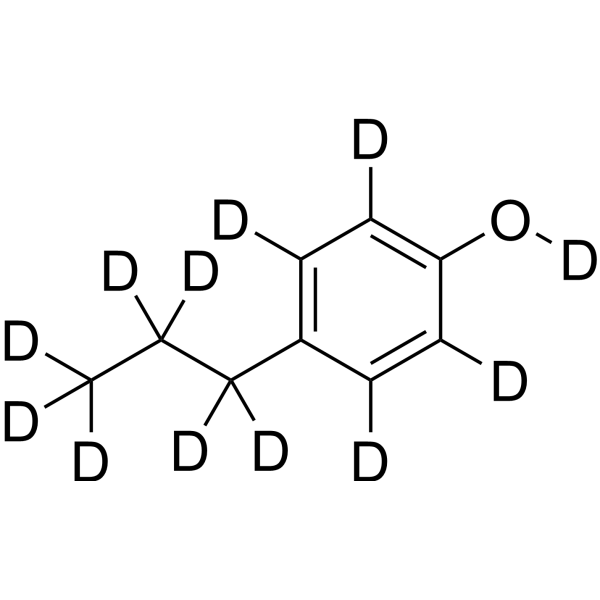
    Chlorpropham-d7 is the deuterium labeled Chlorpropham . Chlorpropham is a carbamate herbicide and plant growth regulator. Chlorpropham inhibits mitosis and cell division by interfering with the organisation of the spindle microtubules .
    Chlorpropham-d7
  • HY-162883

    SHMT Others
    SHMT-IN-4 (Compound 9ay) is a herbicide that targets and inhibits serine hydroxymethyltransferase (SHMT1) with an IC50 value of 193.8 g a.i./ha (active ingredient content per hectare). SHMT-IN-4 interferes with amino acid synthesis and metabolism in plants by binding to SHMT1, thereby inhibiting plant growth. Additionally, SHMT-IN-4 shows no significant toxicity to maize and honeybees .
    SHMT-IN-4
  • HY-59354S

    DNA/RNA Synthesis Cancer
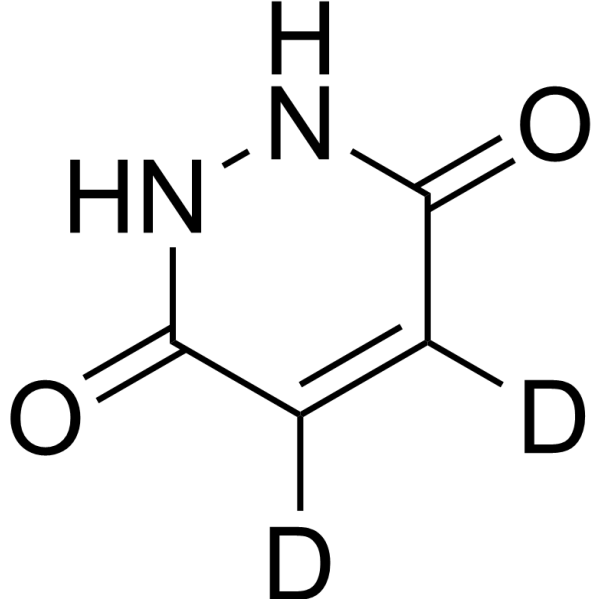
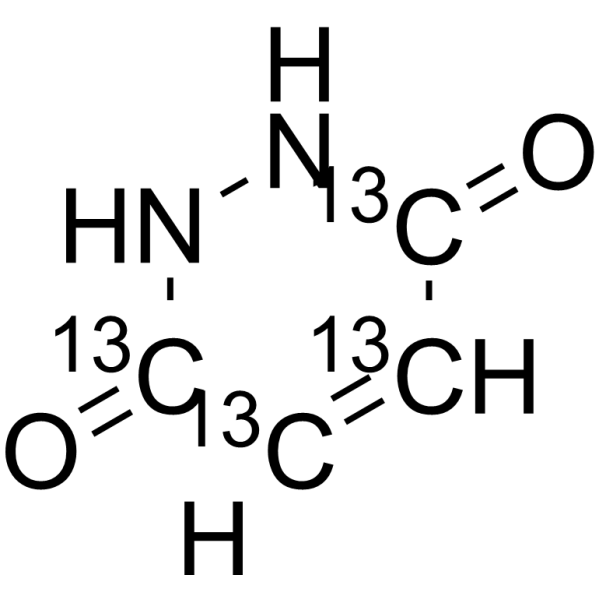
    Maleic hydrazide-d2 is the deuterium labeled Maleic hydrazide . Maleic hydrazide is extensively used as a systemic plant growth regulator and as a herbicide. Maleic hydrazide acts as an inhibitor of the synthesis of nucleic acids and proteins .
    Maleic hydrazide-d2
  • HY-50730R

    Parasite Endogenous Metabolite Reference Standards Infection
    Asparagusic acid (Standard) is the analytical standard of Asparagusic acid. This product is intended for research and analytical applications. Asparagusic acid is a sulfur-containing flavor component produced by Asparagus officinalis Linn., with anti-parasitic effect. Asparagusic acid is a plant growth inhibitor .
    Asparagusic acid (Standard)
  • HY-111744

    Drug Derivative Metabolic Disease
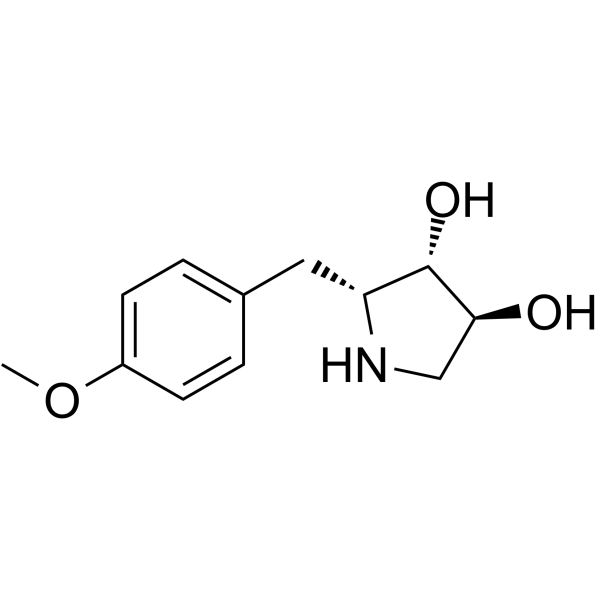
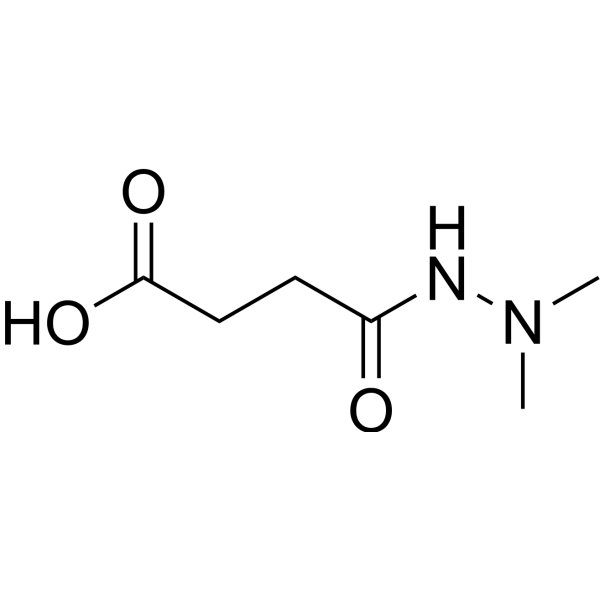
    Deacetylanisomycin is a potent growth regulator in plants and an inactive derivative of Anisomycin. Anisomycin is a potent protein synthesis inhibitor .
    Deacetylanisomycin

Inquiry Online

Your information is safe with us. * Required Fields.

Salutation


Country or Region *

Applicant Name *


Organization Name *

Department *


Email Address *


Product Name *

Cat. No.


Requested quantity *

Phone Number *


Remarks

Inquiry Online

Inquiry Information

Product Name:
Cat. No.:
Quantity:
MCE Japan Authorized Agent: