1. Search Result
Search Result
Results for "

tRNA

" in MedChemExpress (MCE) Product Catalog:

206

Inhibitors & Agonists

1

Fluorescent Dyes

2

Biochemical Assay Reagents

4

Peptides

1

MCE-Kits

2

Inhibitory Antibodies

49

Natural
Products

23

Recombinant Proteins

15

Isotope-Labeled Compounds

14

Antibodies

2

Click Chemistry

10

Oligonucleotides

Targets Recommended:
Art. -Nr. Produktname Target Forschungsgebiete Chemical Structure
  • HY-N10574
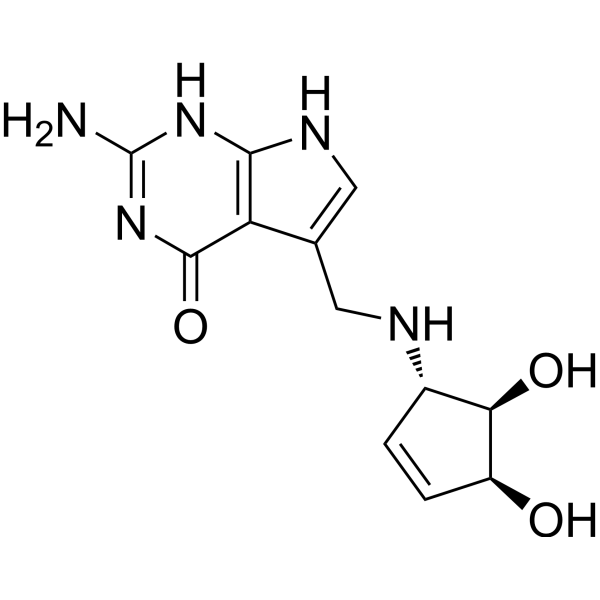
    Queuine
    1 Publications Verification

    Bacterial Metabolic Disease Cancer
    Queuine is a selective substrate for tRNA guanine transglycosylase (TGT) and can be incorporated into eukaryotic tRNA. Queuine promotes tRNA modification, affecting mitochondrial function and Warburg metabolic phenotype. If Queuine is deficient, aerobic glycolysis can be enhanced, oxidative phosphorylation can be inhibited, and Warburg metabolism can be promoted, accompanied by increased ammonia and lactate production and increased lactate dehydrogenase activity. Queuine can be used for autoimmune diseases (such as experimental models of multiple sclerosis) and cancer metabolic regulation, and its deficiency is associated with low tRNA modification in tumor cells .
    Queuine
  • HY-D0971
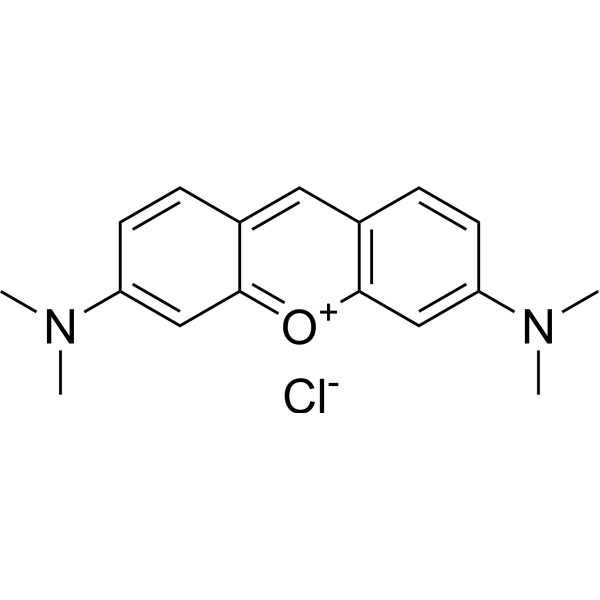
    Pyronin Y
    4 Publications Verification

    Pyronine G; C.I. 45005

    DNA Stain Others
    Pyronin Y (Pyronine G) is a cationic dye that intercalates RNA and has been used to target cell structures including RNA, DNA and organelles. Pyronin Y forms fluorescent complexes with double-stranded nucleic acids (especially RNA) enabling semi-quantitative analysis of cellular RNA. Pyronin Y can be used to identify specific RNA subspecies of ribonuclear proteins complexes in live cells .
    Pyronin Y
  • HY-113061
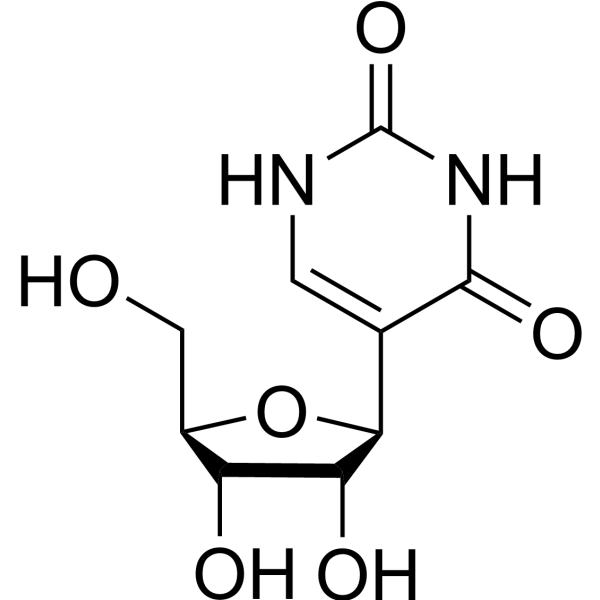
    Pseudouridine
    1 Publications Verification

    Endogenous Metabolite Nucleoside Antimetabolite/Analog DNA/RNA Synthesis Cancer
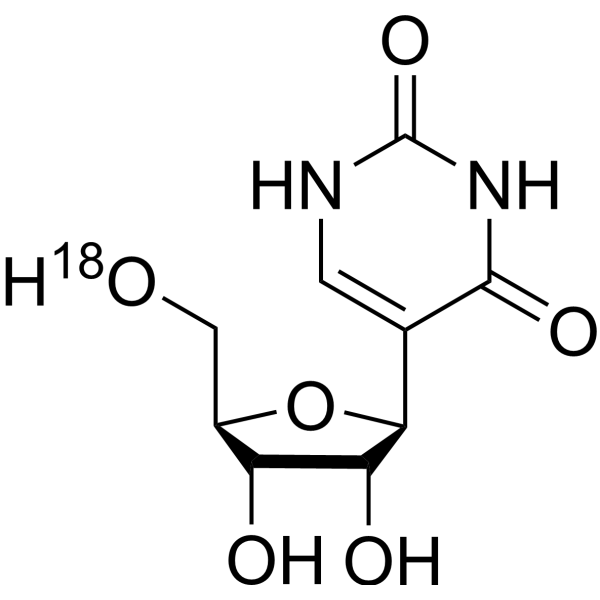
    Pseudouridine is an isomer of uridine and the most abundant modified nucleoside in non-coding RNA. It fine-tunes and stabilizes regional structures in rRNA and tRNA, maintaining their functions in mRNA decoding, ribosome assembly, processing, and translation. Pseudouridine-modified tRNA fragments can inhibit aberrant protein synthesis and hold promise for research on myelodysplastic syndrome (MDS)-related leukemia. .
    Pseudouridine
  • HY-W011824

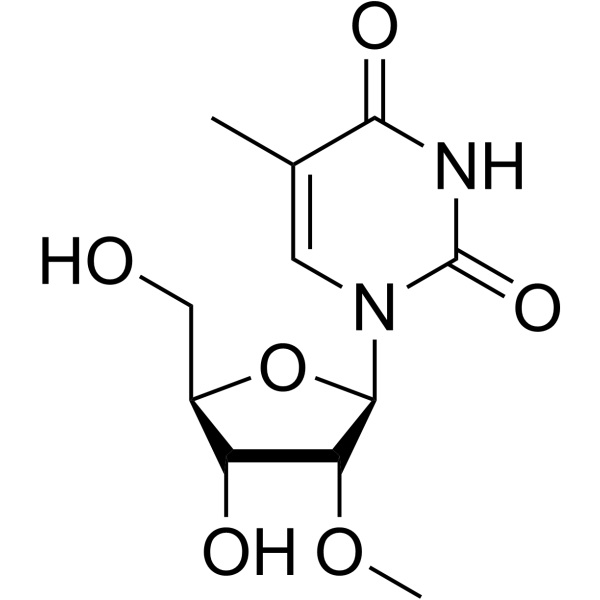
    Endogenous Metabolite Apolipoprotein Inflammation/Immunology Cancer
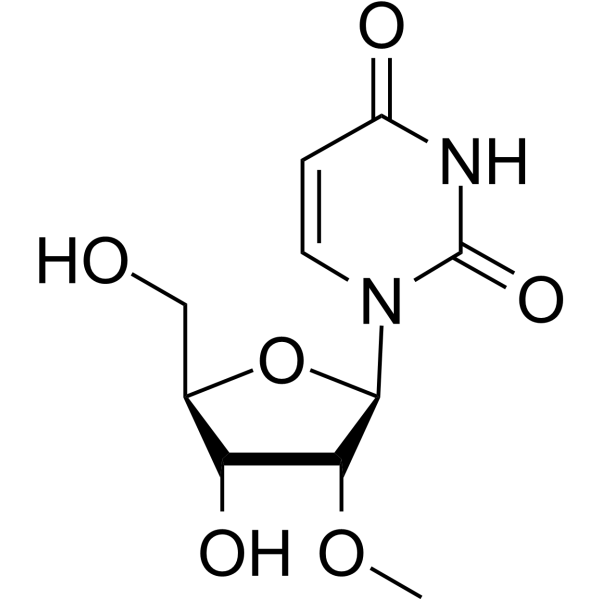
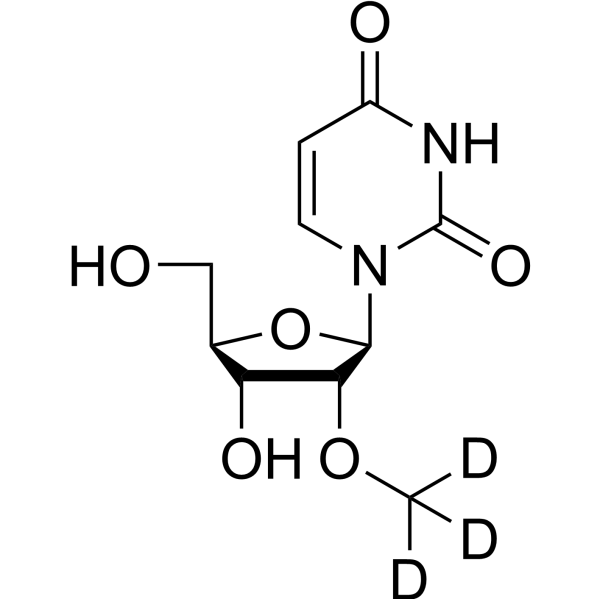
    2’-O-Methyluridine is a modified nucleoside that can be found in T. thermophile tRNA. 2’-O-Methyluridine level in serum is decreased in patients with breast cancer .
    2′-O-Methyluridine
  • HY-W019670
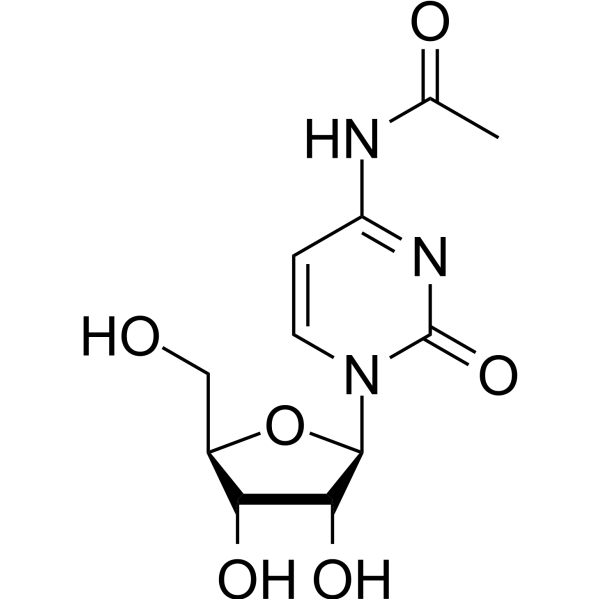
    N4-Acetylcytidine
    1 Publications Verification

    Endogenous Metabolite Histone Acetyltransferase Enterovirus NOD-like Receptor (NLR) Infection Neurological Disease Metabolic Disease Inflammation/Immunology Cancer
    N4-acetylcytidine (N4A) is an endogenous nucleoside metabolite from the degradation of tRNA. N4-Acetylcytidine is formed by N-acetyltransferase 10 and other enzymes. N4-acetylcytidine might sustain NLRP3 inflammasome activation via induction of HMGB1 expression and releasee. N4-Acetylcytidine modifies mRNA, tRNA and rRNA, affecting their stability, translation efficiency (such as enterovirus 71 RNA). N4-Acetylcytidine is used in the study of cancer, neuroinflammatory diseases, viral infections and obesity .
    N4-Acetylcytidine
  • HY-W013260

    Nucleoside Antimetabolite/Analog Apoptosis DNA/RNA Synthesis Infection Cancer
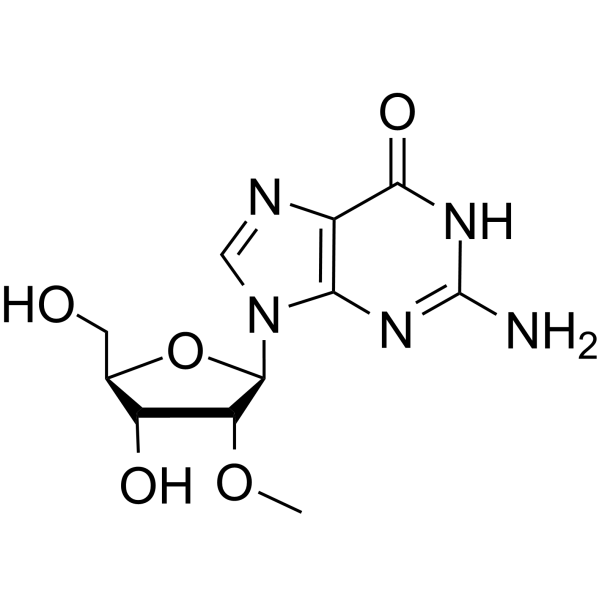
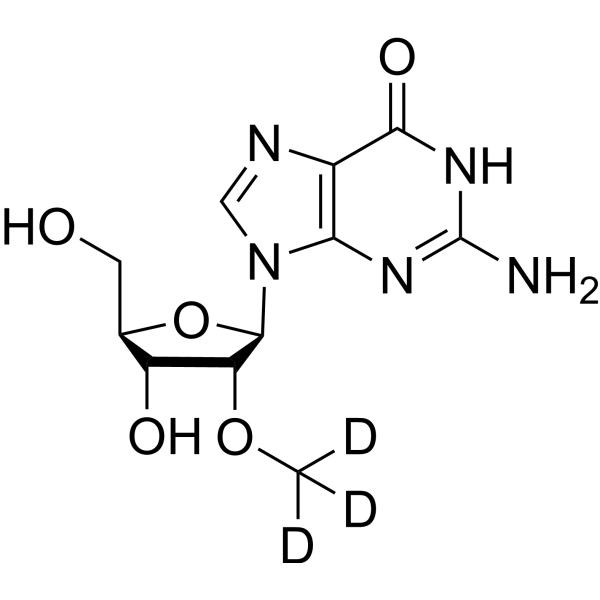
    2'-O-Methylguanosine is a modified nucleoside produced in tRNAs by the action of tRNA guanosine-2’-O-methyltransferase. 2'-O-Methylguanosine results in apoptotic changes of cells .
    2'-O-Methylguanosine
  • HY-W011209
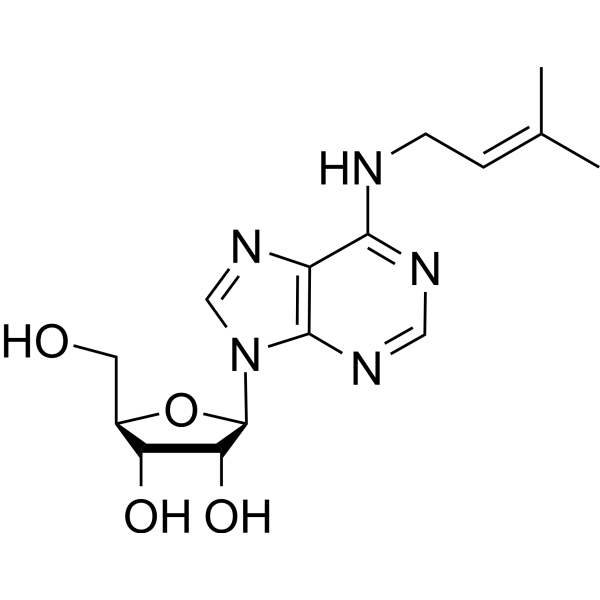
    N6-Isopentenyladenosine
    1 Publications Verification

    Riboprine

    Autophagy Endogenous Metabolite Cancer
    N6-Isopentenyladenosine (Riboprine), an RNA modification found in cytokinins, which regulate plant growth/differentiation, and a subset of tRNAs, where it improves the efficiency and accuracy of translation. N6-Isopentenyladenosine, an end product of the mevalonate pathway, is an autophagy inhibitor with an interesting anti-melanoma activity .
    N6-Isopentenyladenosine
  • HY-17560
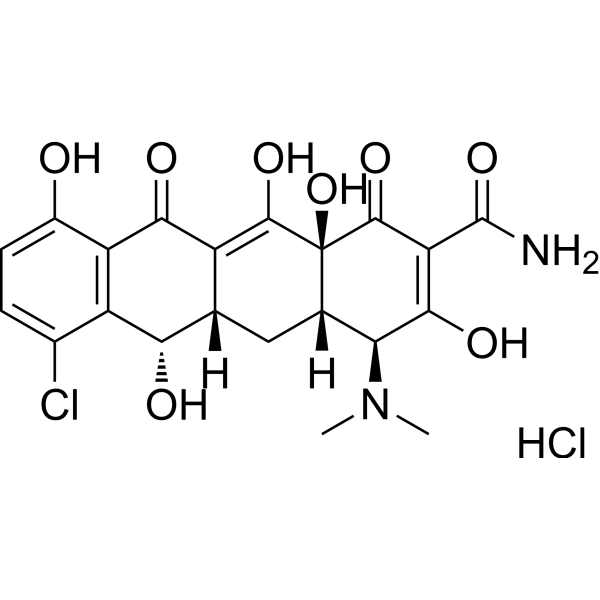
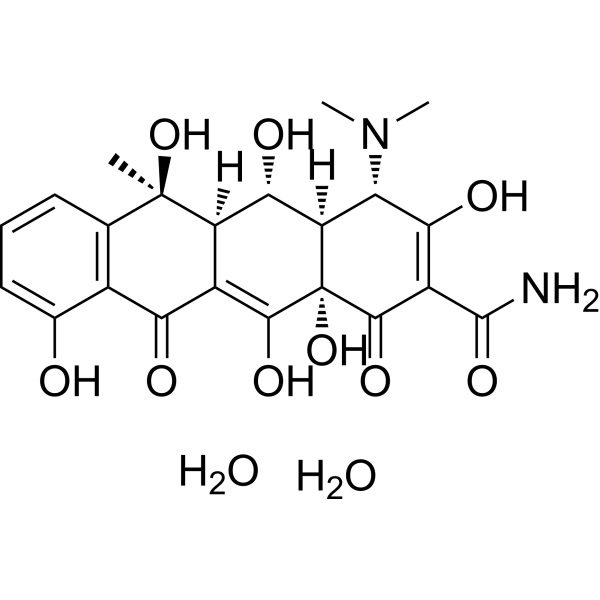
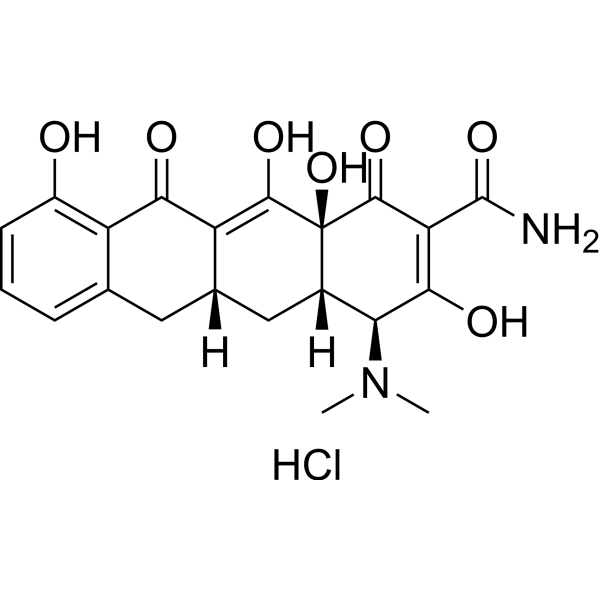
    Demeclocycline hydrochloride
    5 Publications Verification

    Antibiotic Bacterial Infection Inflammation/Immunology Cancer
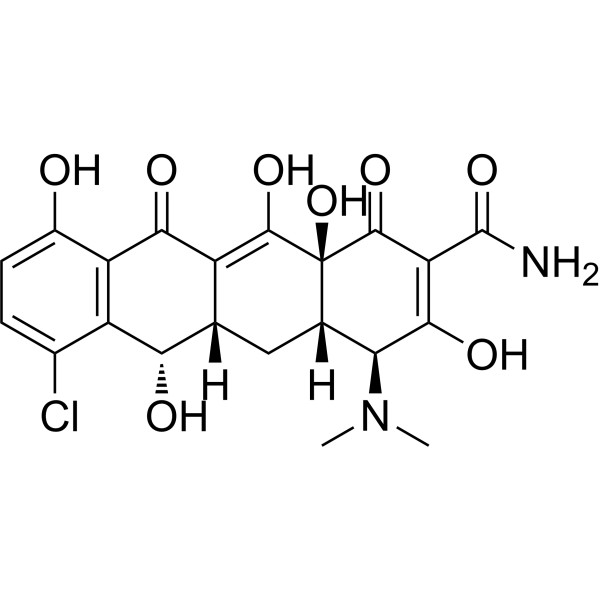
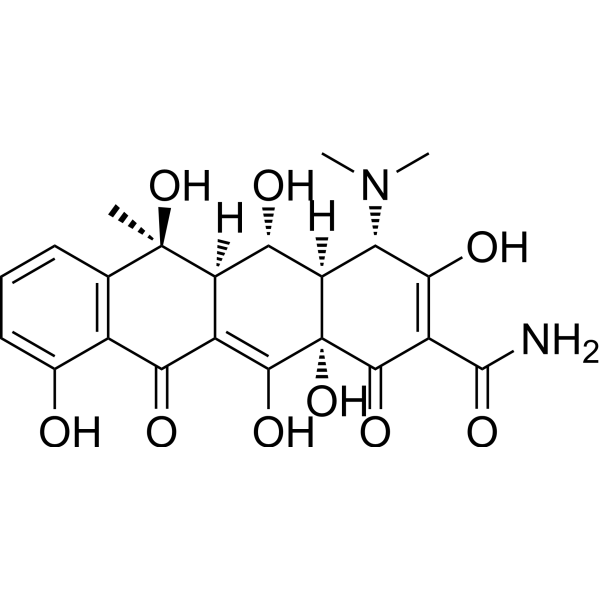
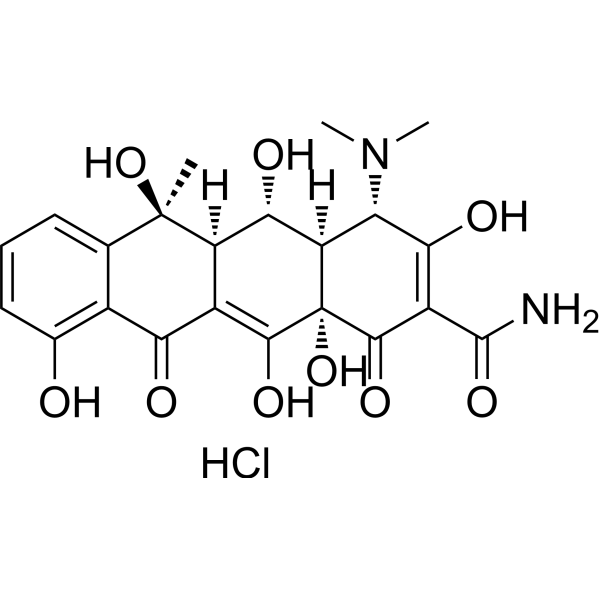
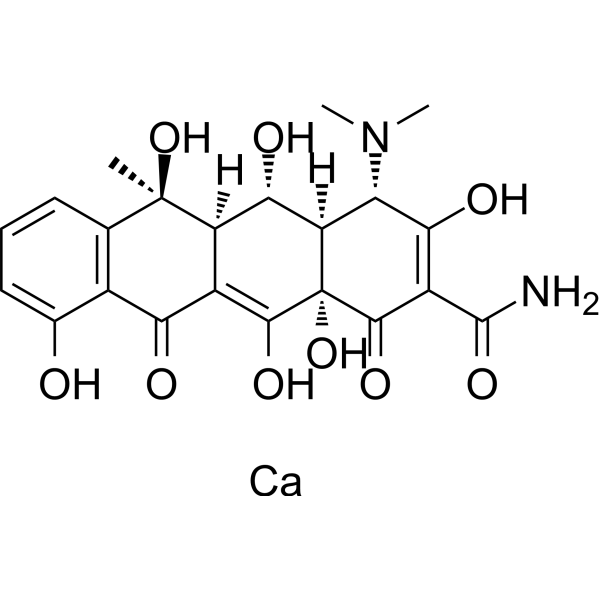
    Demeclocycline hydrochloride is an orally active tetracycline antibiotic that inhibits the binding of aminoacyl tRNA by binding to the 30S ribosomal subunit, thereby affecting protein synthesis. Demeclocycline hydrochloride exhibits antibacterial activity against a broad spectrum of bacterial infections .
    Demeclocycline hydrochloride
  • HY-111647
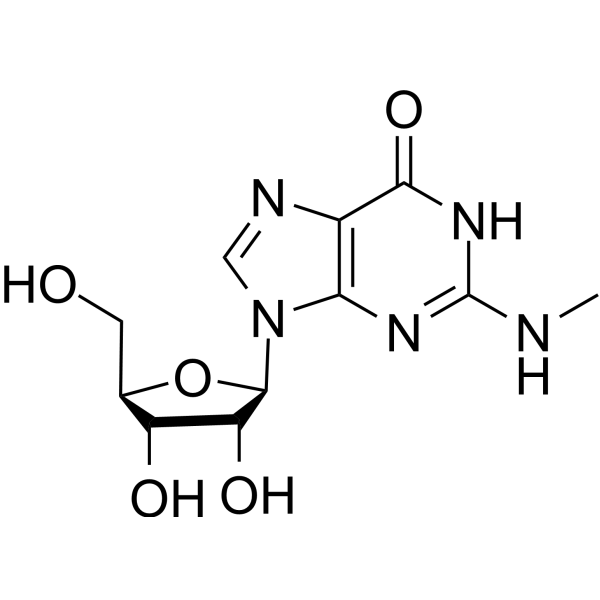
    N2-Methylguanosine
    1 Publications Verification

    Nucleoside Antimetabolite/Analog Endogenous Metabolite Others
    N2-Methylguanosine is a commonly modified nucleoside in rRNA and tRNA, with specific distributions in both E. coli rRNA and eukaryotic tRNA. N2-Methylguanosine can be found in urine. N2-Methylguanosine affects the structure and stability of RNA .
    N2-Methylguanosine
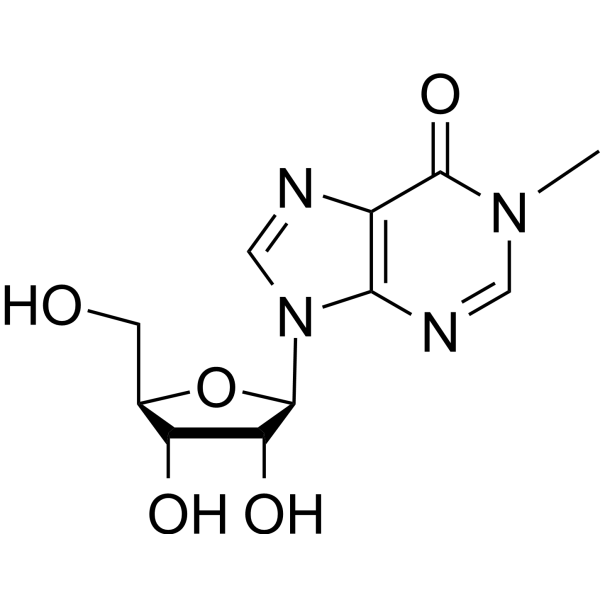
  • HY-113139
    1-Methylinosine
    3 Publications Verification

    N1-Methylinosine

    Nucleoside Antimetabolite/Analog Endogenous Metabolite Cancer
    1-Methylinosine (N1-MetHYlinosine) is a modified nucleotide located at position 37 of eukaryotic tRNA, 3' to the tRNA anticodon. 1-Methylinosine is a minor metabolite of 1-methyladenosine (HY-113081). The level of 1-Methylinosine is significantly elevated in urine samples from breast cancer models .
    1-Methylinosine
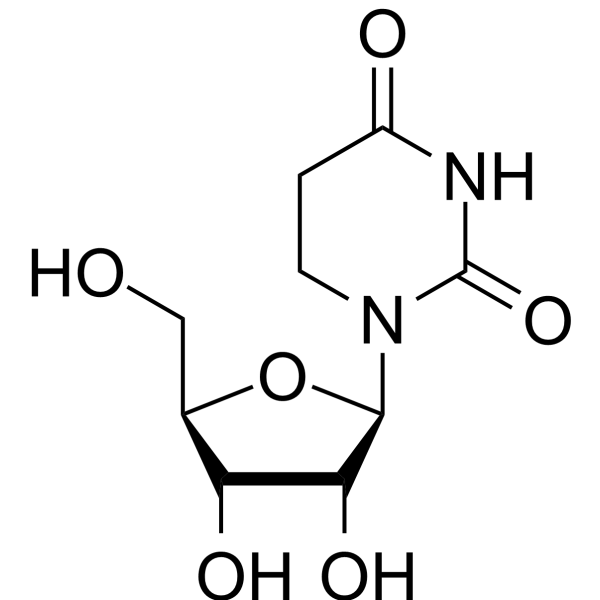
  • HY-113047
    5,6-Dihydrouridine
    2 Publications Verification

    Endogenous Metabolite Others
    5,6-Dihydrouridine is a modified base found in conserved positions in the D-loop of tRNA in Bacteria, Eukaryota, and some Archaea.
    5,6-Dihydrouridine
  • HY-107775
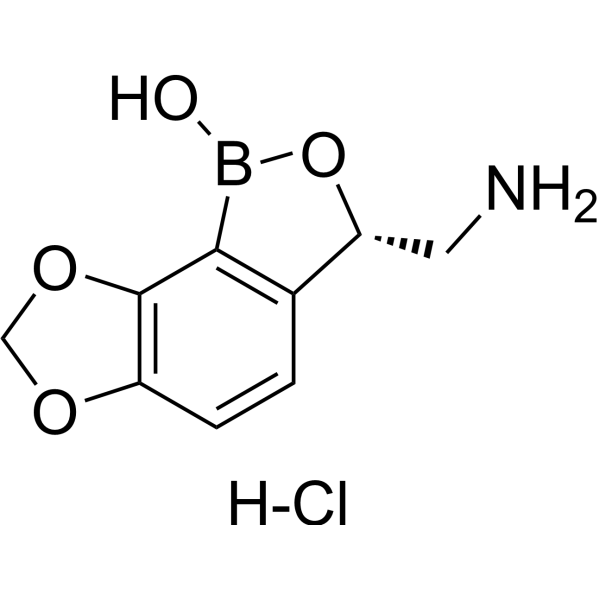
    Ganfeborole hydrochloride
    5 Publications Verification

    GSK656; GSK3036656; GSK070

    Bacterial Infection
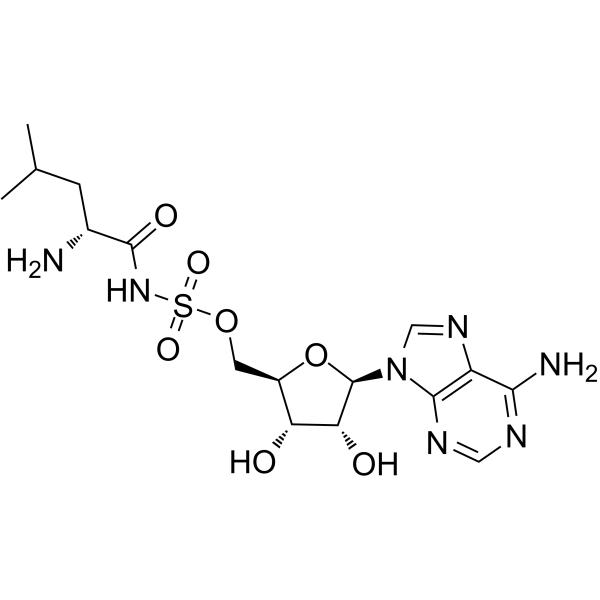
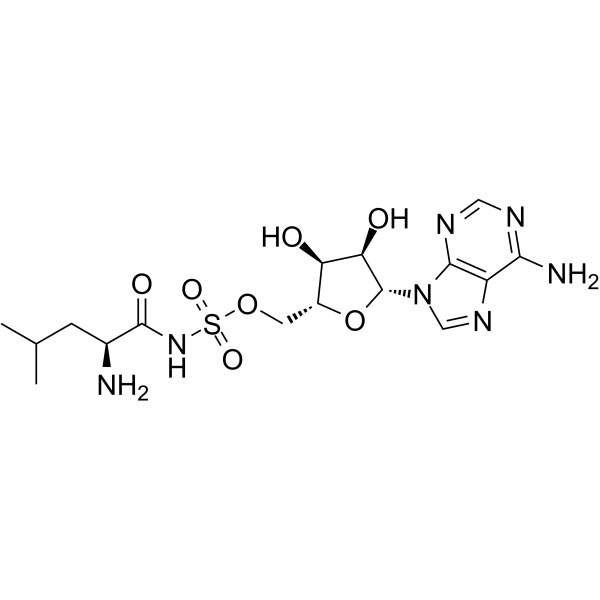
    Ganfeborole hydrochloride (GSK656) is a potent antitubercular agent, acting as an inhibitor of Mycobacterium tuberculosis (Mtb) leucyl-tRNA synthetase (LeuRS), with an IC50 of 0.2 μM.
    Ganfeborole hydrochloride
  • HY-W009444
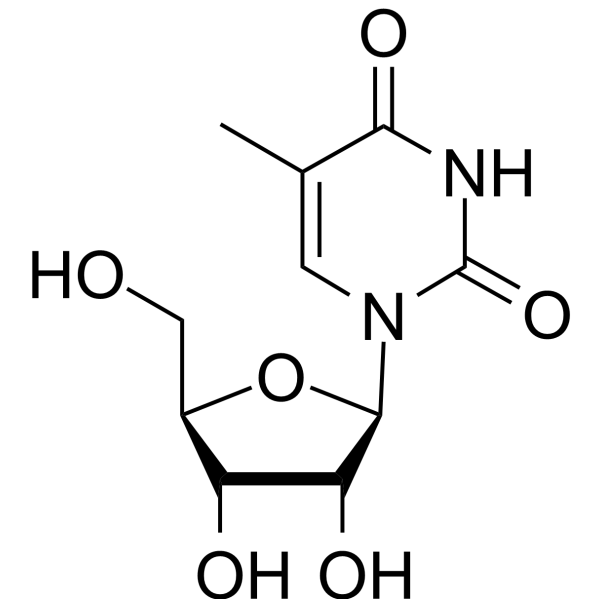
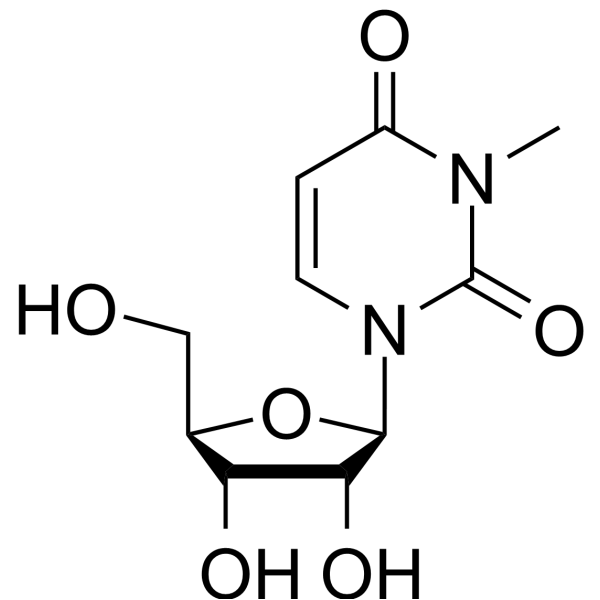
    5-Methyluridine
    1 Publications Verification

    Endogenous Metabolite Others
    5-Methyluridine (m 5U) is an RNA modified nucleotide generated by RNA methyltransferases (such as TrmA and RumA), which mainly targets specific uracil sites in RNA molecules such as the T arm of tRNA and rRNA. 5-Methyluridine relies on enzyme recognition of RNA secondary/tertiary structures (such as the T loop of tRNA or the specific stem-loop structure of rRNA) and participates in physiological processes such as translation accuracy and ribosome function by stabilizing RNA folding or regulating base pairing .
    5-Methyluridine
  • HY-108939

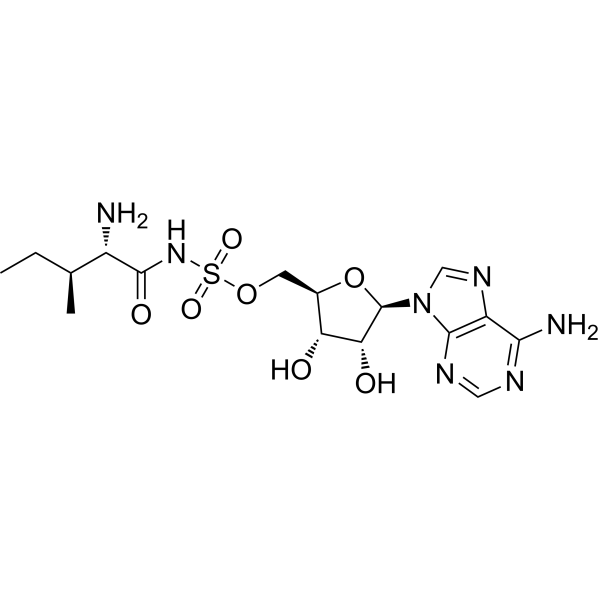
    IleSA

    Bacterial Aminoacyl-tRNA Synthetase Infection
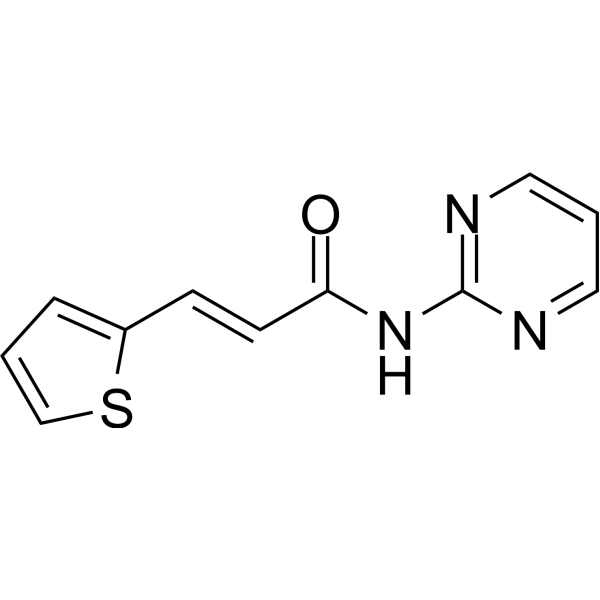
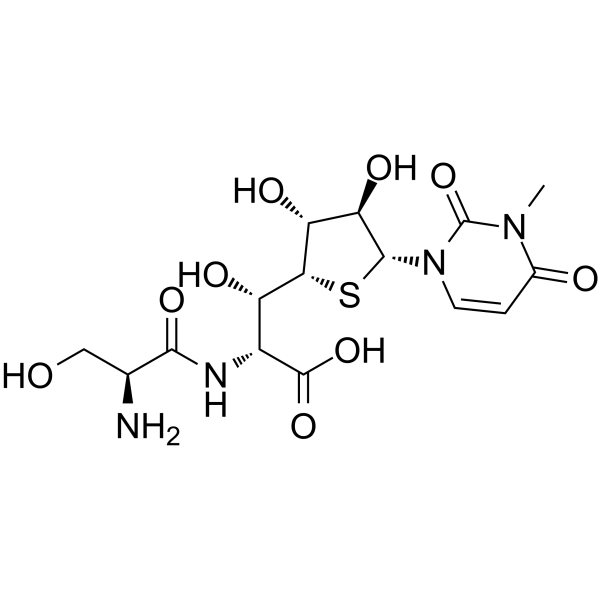
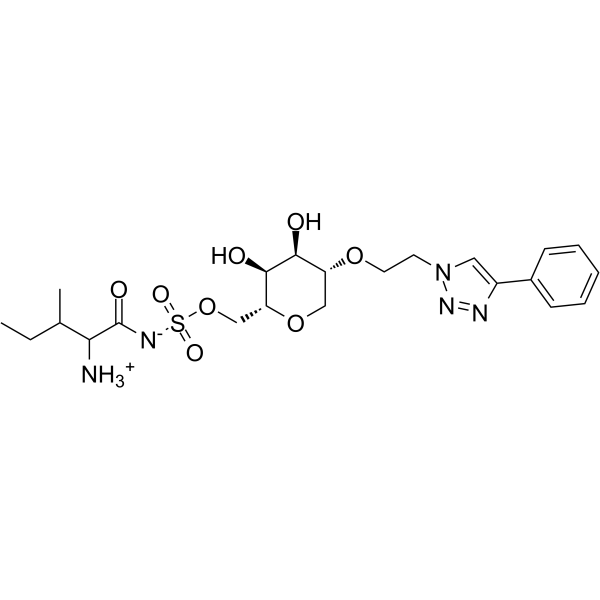
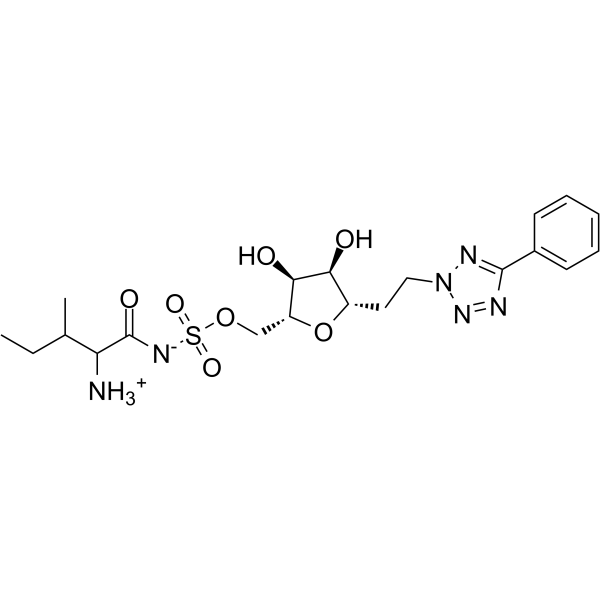
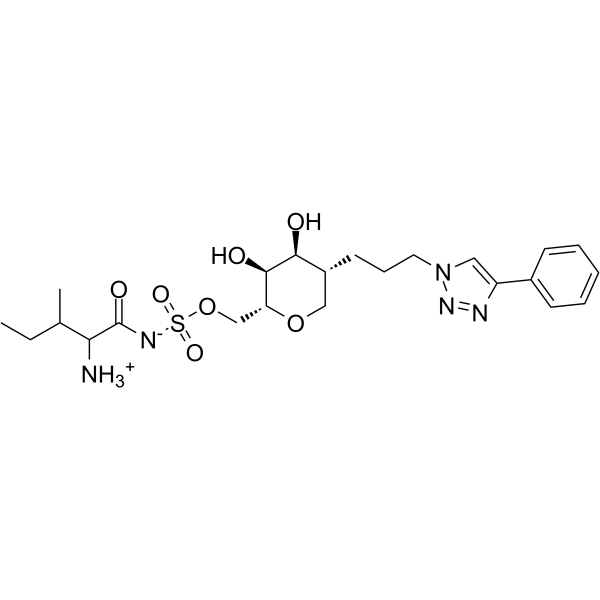
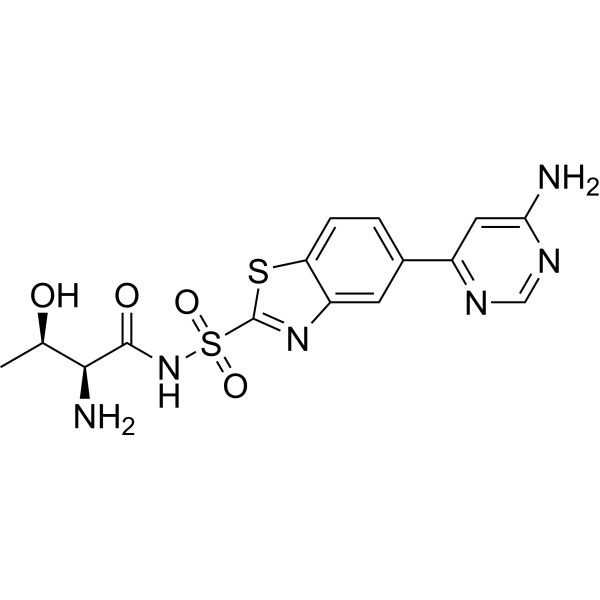
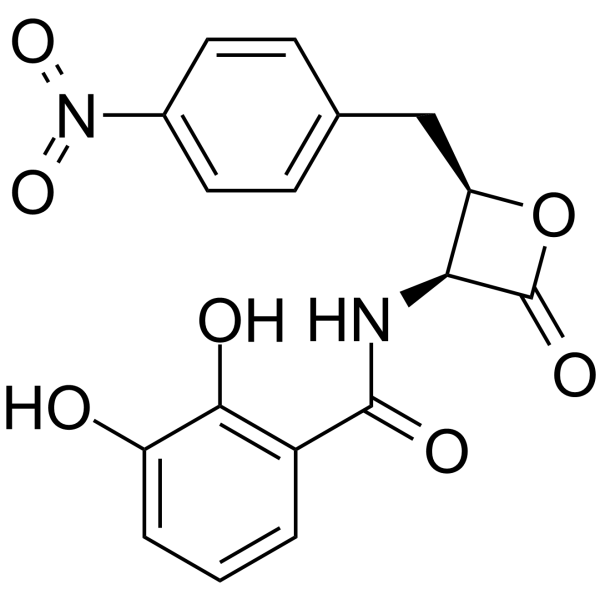
    Aminoacyl tRNA synthetase-IN-1 (IleSA) is an inhibitor of bacterial aminoacyl-tRNA synthetase (aaRS). Aminoacyl tRNA synthetase-IN-1 is applicable to studies on bacterial infections .
    Aminoacyl tRNA synthetase-IN-1
  • HY-18398

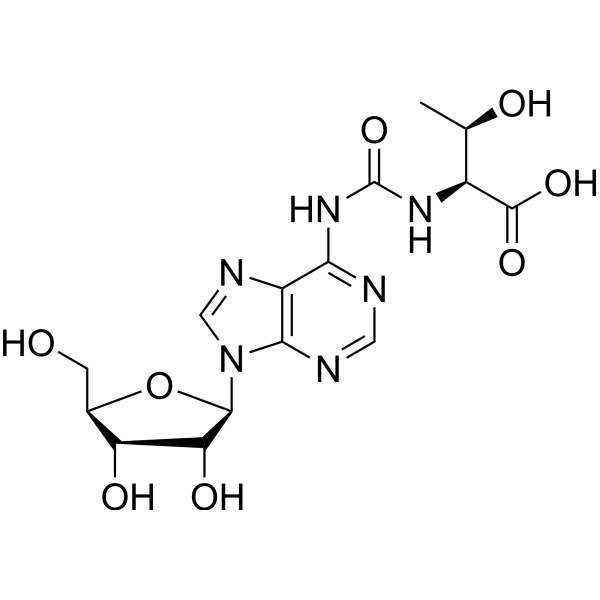
    N6-(N-Threonylcarbonyl)adenosine

    Nucleoside Antimetabolite/Analog Others
    N6-Threonylcarbamoyladenosine (N6-(N-Threonylcarbonyl) adenosine) is a ubiquitous nucleoside that modifies tRNA .
    N6-Threonylcarbamoyladenosine
  • HY-111648

    Nucleoside Antimetabolite/Analog Others
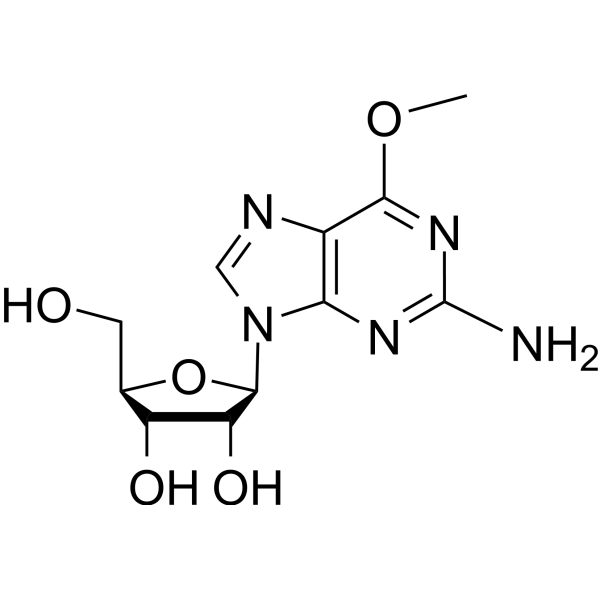
    6-O-Methyl Guanosine is a Ribonucleoside. Replacement of the conserved G5, G8 or G12 residues in hammerhead ribozymes with 6-O-Methyl Guanosine reduces kcat without altering Km. 6-O-Methyl Guanosine exerts position-dependent regulatory effects on ribosomal velocity and fidelity. When 6-O-Methyl Guanosine is located at the first or third position of a codon, it decreases the accuracy of tRNA selection. When 6-O-Methyl Guanosine is located at the second position of a codon, it slows down the peptide bond formation rate of cognate aminoacyl-tRNA but does not change the reaction rate of near-cognate aminoacyl-tRNA .
    6-O-Methyl Guanosine
  • HY-113137
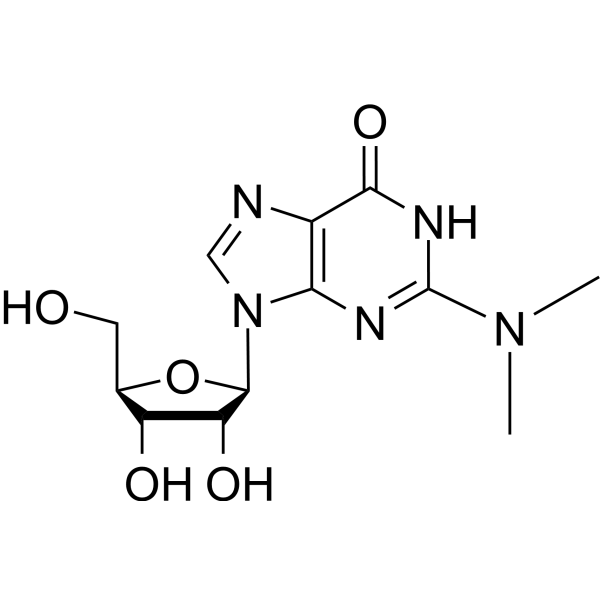
    N2,N2-Dimethylguanosine
    4 Publications Verification

    Endogenous Metabolite Cancer
    N2,N2-Dimethylguanosine is a methylated modified nucleoside present in RNA and serves as a structural modification component of tRNA. N2,N2-Dimethylguanosine inhibits reverse transcriptase-mediated cDNA synthesis and is one of the key modifications affecting sequencing efficiency in high-throughput RNA sequencing. N2,N2-Dimethylguanosine can be selectively demethylated at one methyl group by AlkB mutant enzymes (such as D135S/L118V) and converted to N2-methylguanosine, thereby reducing the inhibition of reverse transcription .
    N2,N2-Dimethylguanosine
  • HY-112860

    Aminoacyl-tRNA Synthetase Mitochondrial Metabolism Metabolic Disease
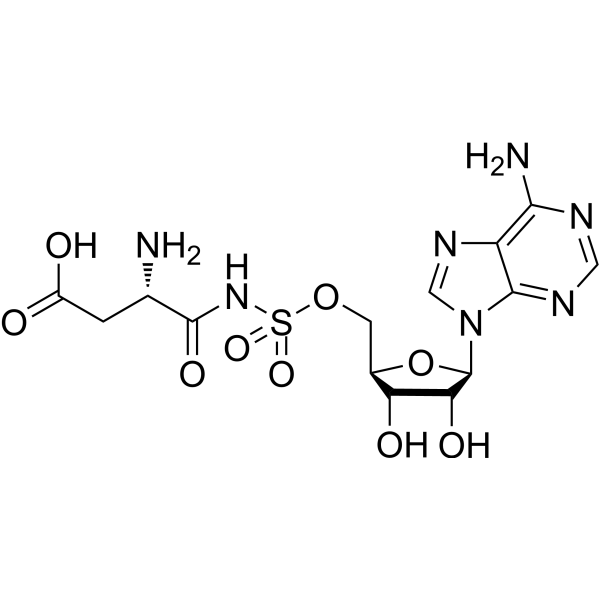
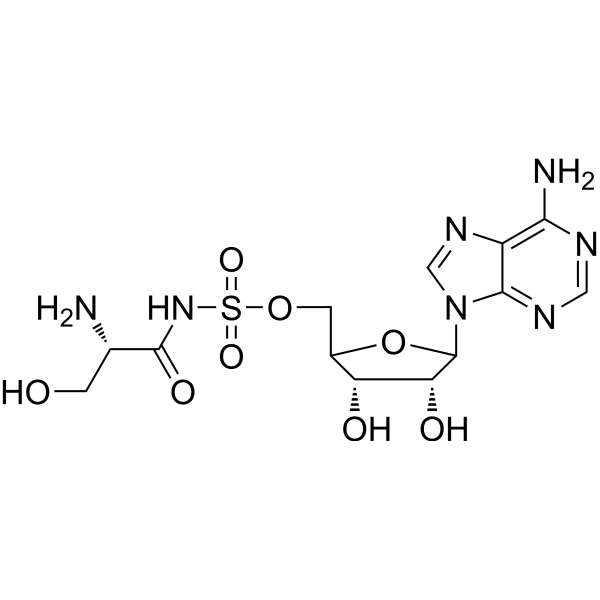
    Asp-AMS, an analogue of aspartyl-adenylate, is an aspartyl-tRNA synthetase inhibitor and also a strong competitive inhibitor of the mitochondrial enzyme.
    Asp-AMS
  • HY-121268
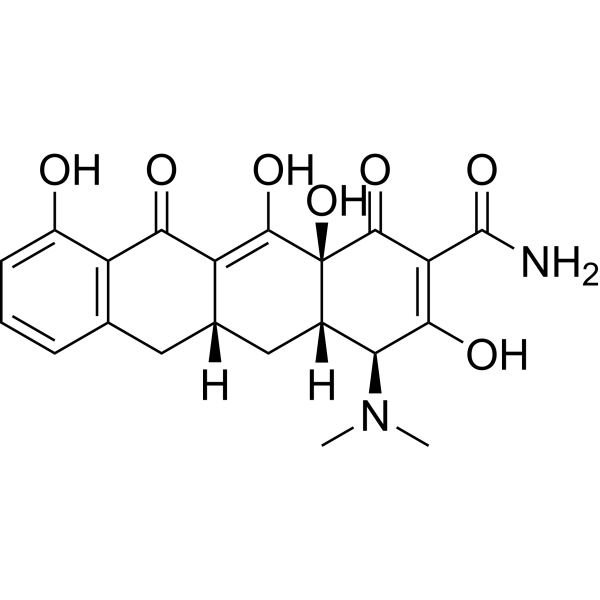
    Demeclocycline
    5 Publications Verification

    Antibiotic Bacterial Infection Inflammation/Immunology Cancer
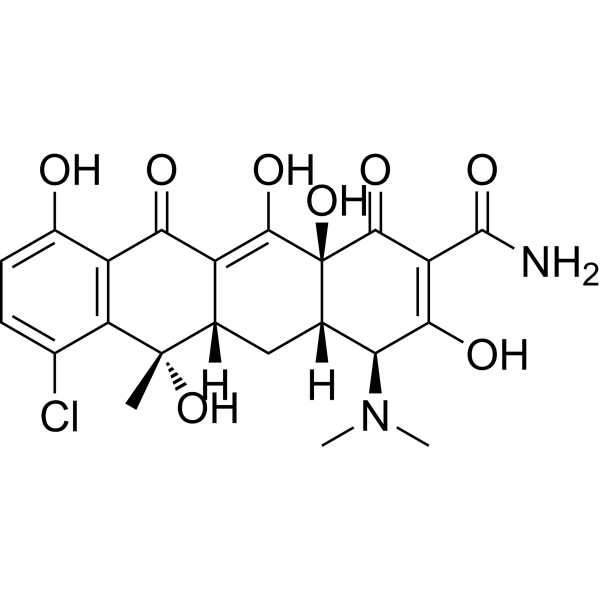
    Demeclocycline is an orally active tetracycline antibiotic. Demeclocycline impairs protein synthesis by binding to the 30S ribosomal subunit to inhibit binding of aminoacyl tRNA. Demeclocycline shows anti-bacterial activitise to a wide variety of bacterial infections .
    Demeclocycline
  • HY-126130
    LysRs-IN-2
    1 Publications Verification

    Aminoacyl-tRNA Synthetase Infection
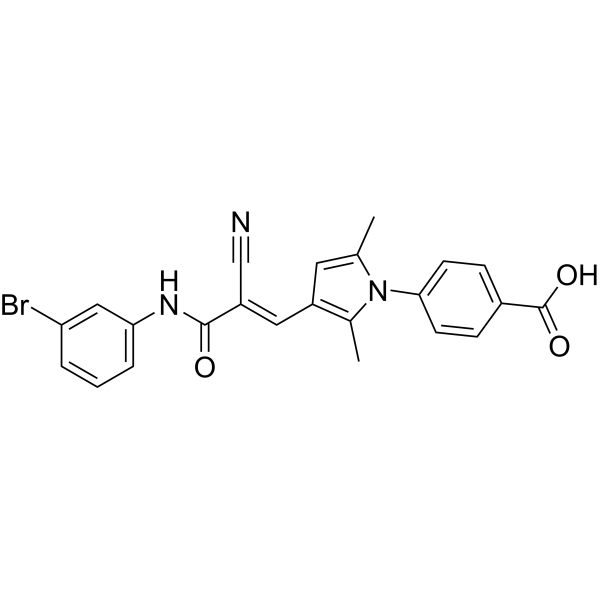
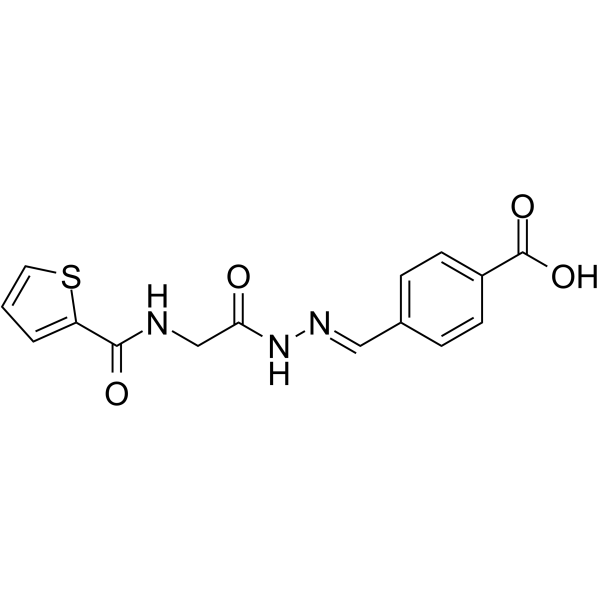
    LysRs-IN-2 is a lysyl-tRNA synthetase (KRS) inhibitor with IC50s of 0.015 μM and 0.13 μM for Plasmodium falciparum lysyl-tRNA synthetase (PfKRS) and Cryptosporidium parvum lysyl-tRNA synthetase (CpKRS), respectively .
    LysRs-IN-2
  • HY-160971

    DNA/RNA Synthesis Others
    Ribonucleic Acid, Transfer from Brewing yeast is tRNA, which is isolated from brewer yeast. Ribonucleic Acid, Transfer from Brewing yeast is arranged in a cloverleaf model in total sequence. Ribonucleic Acid, Transfer from Brewing yeast is utilized as a substrate in reactions with participant of tRNAs .
    Ribonucleic Acid, Transfer from Brewing yeast
  • HY-112861
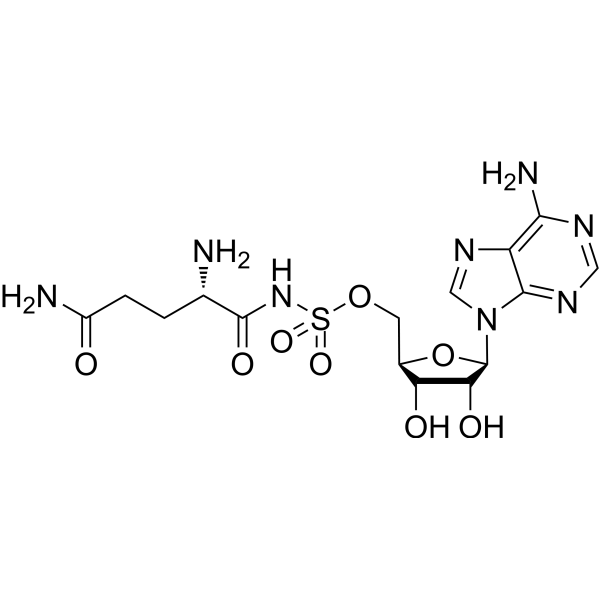
    Gln-AMS
    3 Publications Verification

    Aminoacyl-tRNA Synthetase Bacterial Infection
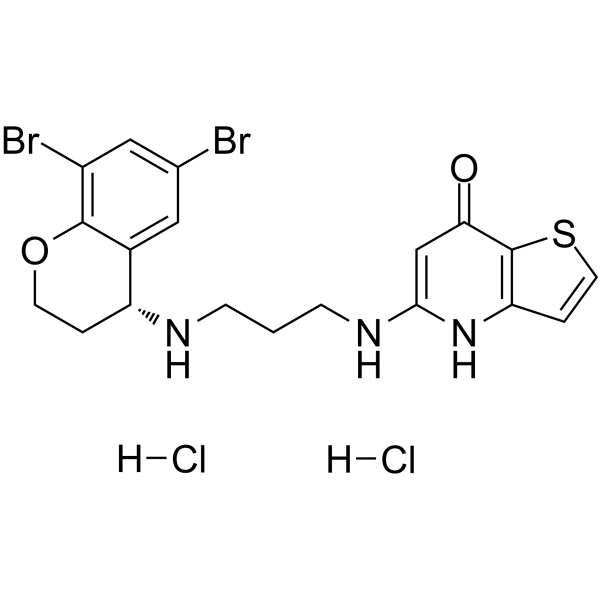
    Gln-AMS is an aminoacyl-tRNA synthetases (AARS) inhibitor, which binds the A-domain within the NRPS enzymes.
    Gln-AMS
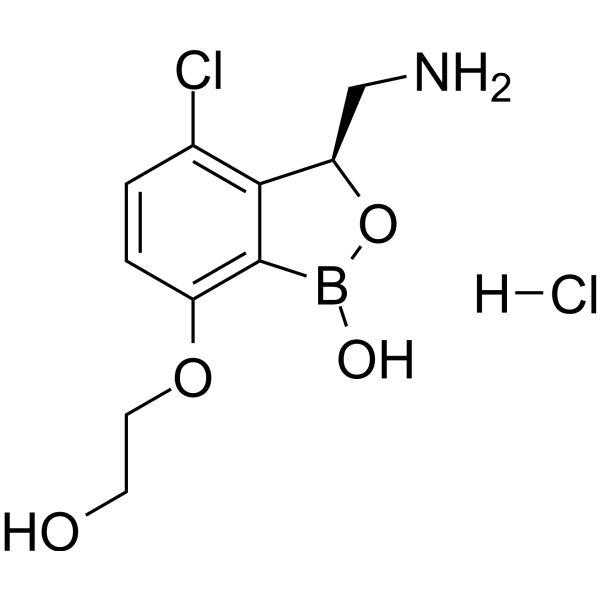
  • HY-100527

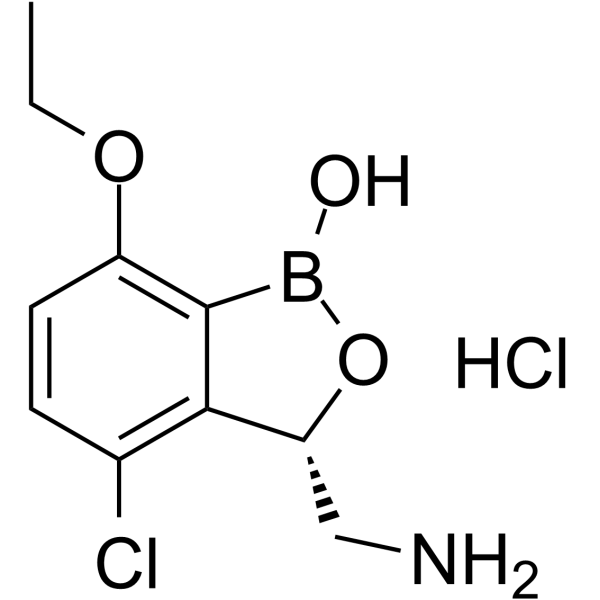
    Fungal Infection
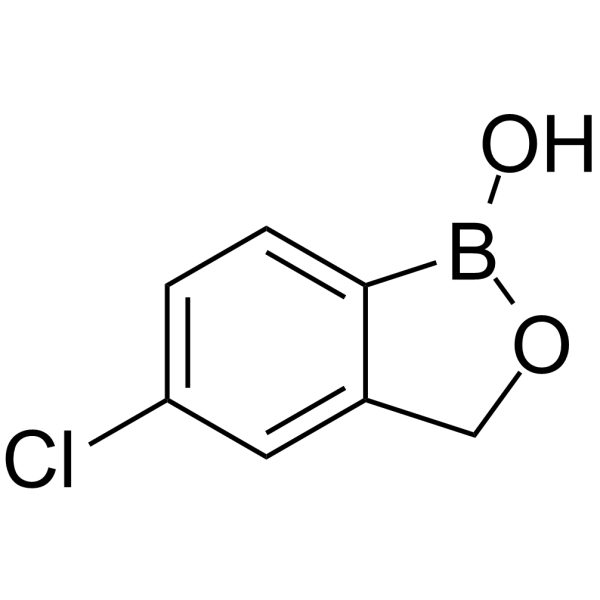
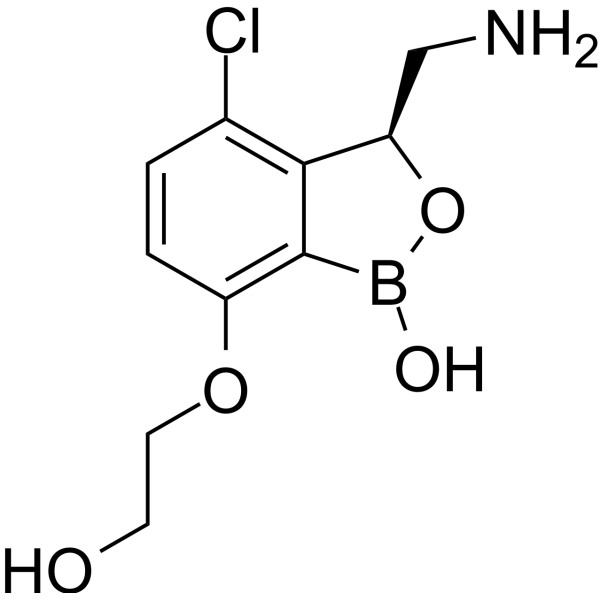
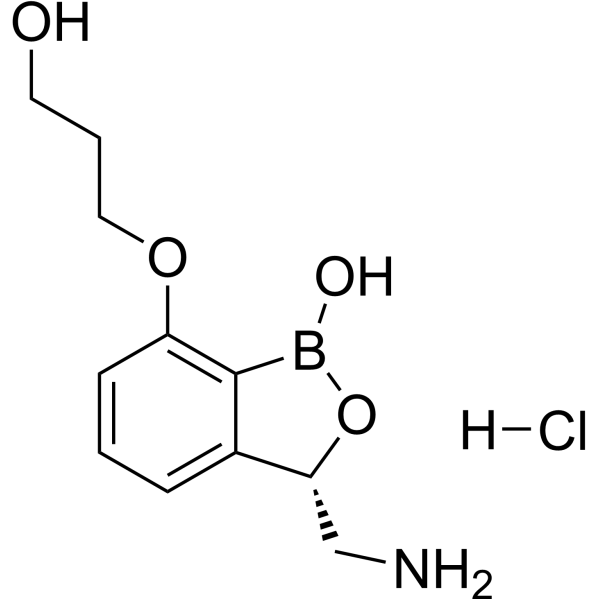
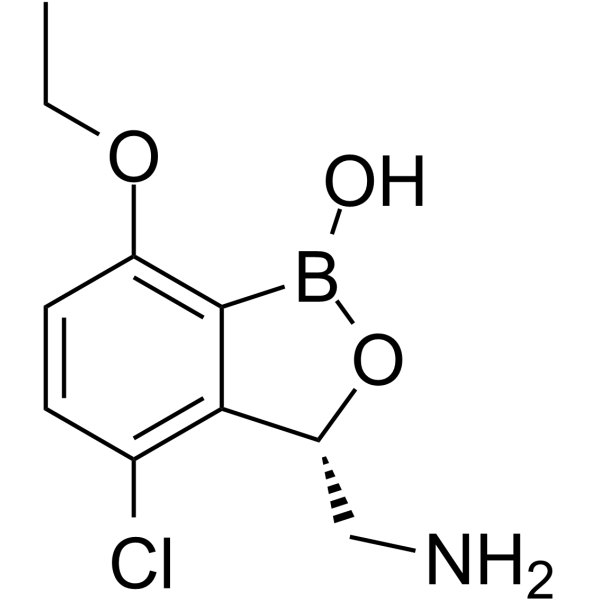
    AN2718 inhibits fungal growth by blocking protein synthesis using the oxaborole tRNA trapping (OBORT) mechanism.
    AN2718
  • HY-108940
    GlyRS-IN-1
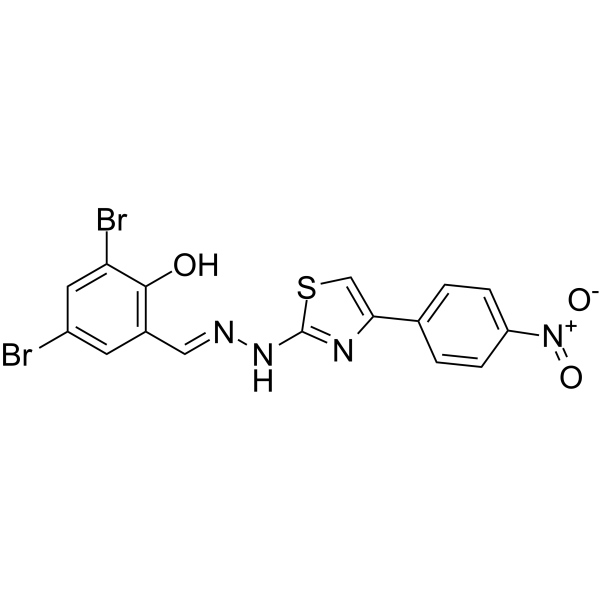
    2 Publications Verification

    Aminoacyl-tRNA Synthetase Bacterial Infection Cancer
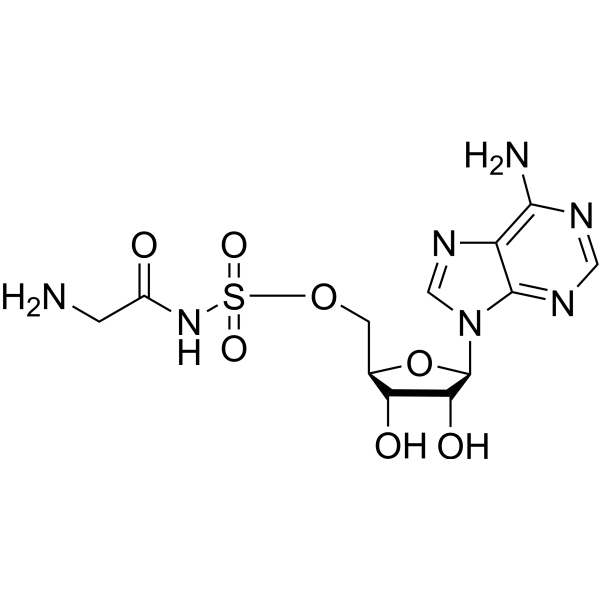
    GlyRS-IN-1 is a glycyl-tRNA synthase (GlyRS) inhibitor extracted from patent WO 2017066459 A1. GlyRS-IN-1 can also inhibit the growth of bacteria .
    GlyRS-IN-1
  • HY-112862
    Arg-AMS
    1 Publications Verification

    Aminoacyl-tRNA Synthetase Infection
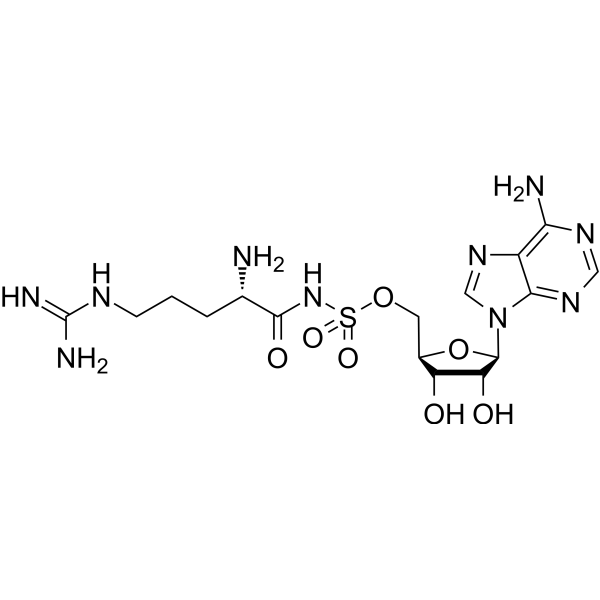
    Arg-AMS (compound 24) is a potent nanomolar inhibitor of arginyl tRNA synthetase, which displays tightly bound inhibitory characteristics for the A-domains in non-ribosomal peptide synthetases (NRPS) enzymes .
    Arg-AMS
  • HY-N10574A
    Queuine dihydrochloride
    1 Publications Verification

    Others Metabolic Disease Cancer
    Queuine dihydrochloride is a selective substrate for tRNA guanine transglycosylase (TGT) and can be incorporated into eukaryotic tRNA. Queuine dihydrochloride promotes tRNA modification, affecting mitochondrial function and Warburg metabolic phenotype. If Queuine dihydrochloride is deficient, aerobic glycolysis can be enhanced, oxidative phosphorylation can be inhibited, and Warburg metabolism can be promoted, accompanied by increased ammonia and lactate production and increased lactate dehydrogenase activity. Queuine dihydrochloride can be used for autoimmune diseases (such as experimental models of multiple sclerosis) and cancer metabolic regulation, and its deficiency is associated with low tRNA modification in tumor cells .
    Queuine dihydrochloride
  • HY-W016256

    Bacterial Infection
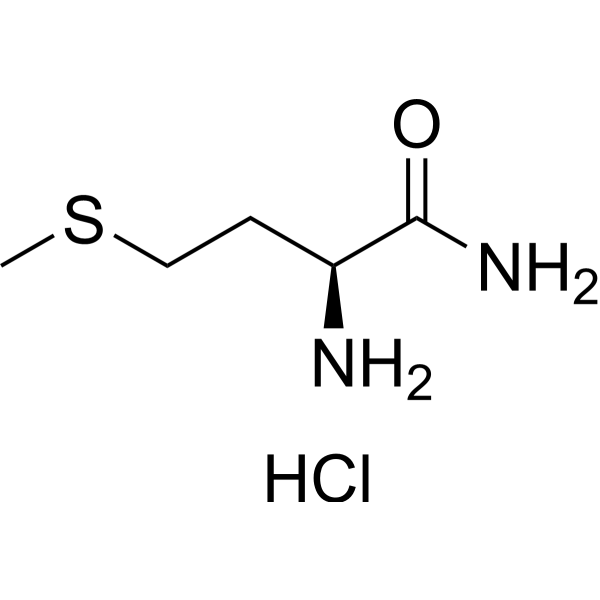
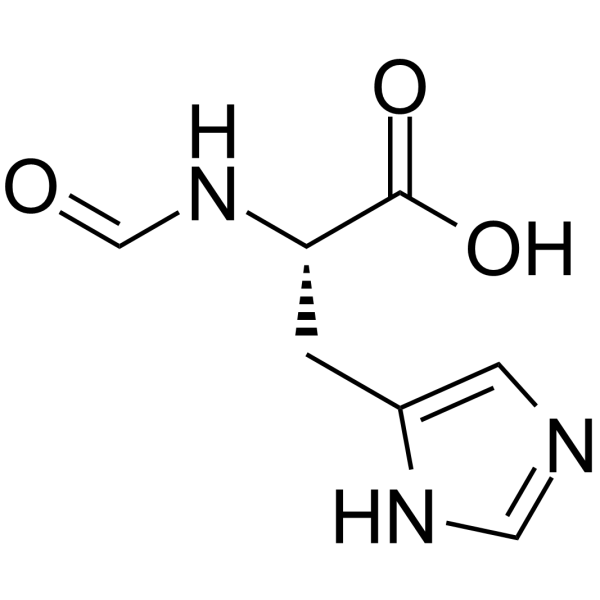
    L-Methioninamide hydrochloride, a Methionine analogue, is Methionyl-tRNA synthetase inhibitor .
    L-Methioninamide hydrochloride
  • HY-N10479

    DNA/RNA Synthesis Drug Intermediate Endogenous Metabolite Bacterial Infection
    Chorismic acid is a precursor for the biosynthesis of aromatic amino acids and vitamins, as well as a key metabolite in tRNA modification. Chorismic acid is a critical metabolite for the synthesis of cmo 5U. Deficiency of Chorismic acid inhibits the formation of cmo 5U and mcmo 5U. Chorismic acid can be used in studies of S. typhimurium and E. coli infections .\n


    Chorismic acid
  • HY-112861A
    Gln-AMS TFA
    3 Publications Verification

    Aminoacyl-tRNA Synthetase Bacterial Infection
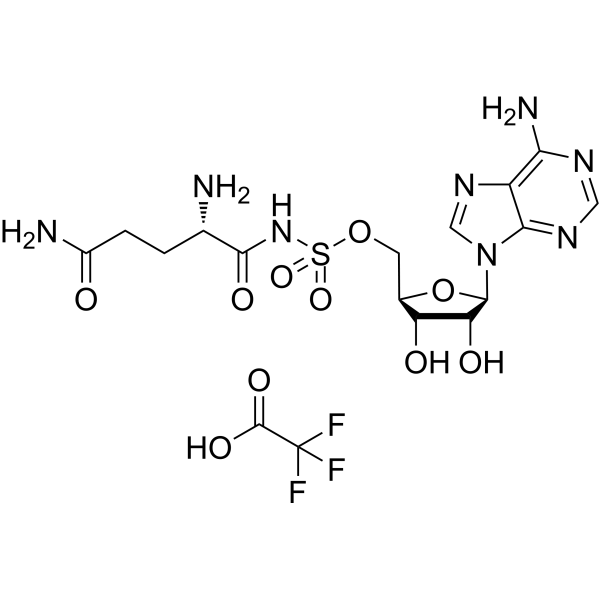
    Gln-AMS (TFA) is a type Ia aminoacyl-tRNA synthetase (AARS) inhibitor. Gln-AMS inhibits glutaminyl-tRNA synthetase (GlnRS) with a Ki of 1.32 µM.
    Gln-AMS TFA
  • HY-P2862

    Biochemical Assay Reagents Others
    Enolase is a glycolytic enzyme present in the cell wall of S. cerevisiae. Enolase exhibits specific affinity to imported tRNA and can facilitate formation of preMsk1p-tRNA complex. Enolase can be overproduced in tumor cells where rate of glycolysis is increased. Enolase depletion can lead to tRNA inhibition in vivo .
    Enolase, S.cerevisiae
  • HY-103280

    Aminoacyl-tRNA Synthetase Others
    LysRs-IN-1 is a Lysyl-tRNA synthetase (LysRs) inhibitor.
    LysRs-IN-1
  • HY-153100A
    (S)-mchm5U
    1 Publications Verification

    Others Others
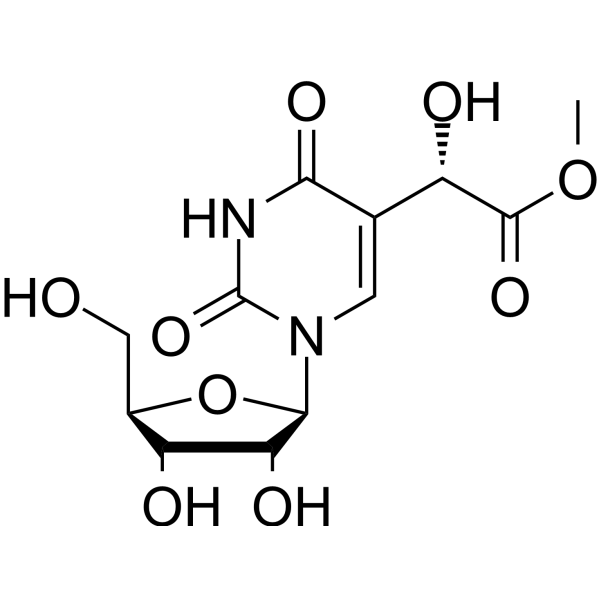
    (S)-mchm5U is a hydroxylated form of mcm5U, may be present in tRNA from the silkworm Bombyx mori. (S)-mchm5U may be present also in mammalian tRNA, and that the ALKBH8 oxygenase could be responsible for its formation. (S)-mchm5U can be used for RNA modification synthesis .
    (S)-mchm5U
  • HY-14784

    REP8839

    Bacterial Infection
    Bederocin (REP8839) is a Methionyl-tRNA synthetase inhibitor. Bederocin can be used in research of bacterial infection, including S. aureus and MRSA .
    Bederocin
  • HY-113139S

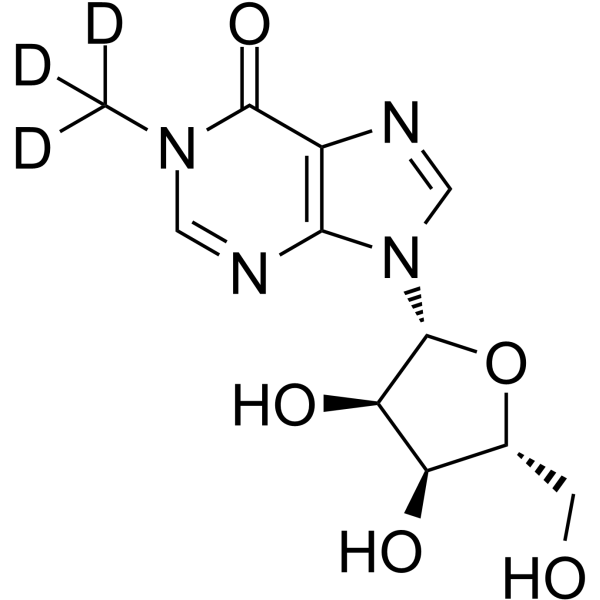
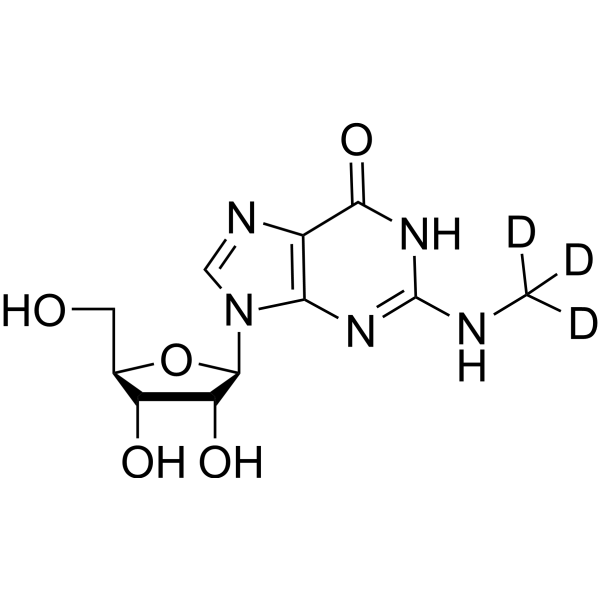
    N1-Methylinosine-d3

    Isotope-Labeled Compounds Endogenous Metabolite Nucleoside Antimetabolite/Analog Cancer
    1-Methylinosine-d3 (N1-MetHYlinosine-d3) is the deuterium labeled 1-Methylinosine. 1-Methylinosine is a modified nucleotide located at position 37 of eukaryotic tRNA, 3' to the tRNA anticodon. 1-Methylinosine is a minor metabolite of 1-methyladenosine (HY-113081). The level of 1-Methylinosine is significantly elevated in urine samples from breast cancer models.
    1-Methylinosine-d3
  • HY-159627A

    Bacterial Infection
    Met-AMS TEA (compound 50), a sulfamate analogue of methionyl adenylate, is a potent Escherichia coli methionyl-tRNA synthetase (MetRS) inhibitor (IC50 of 7 nM) .
    Met-AMS TEA
  • HY-117938

    Aminoacyl-tRNA Synthetase Cancer
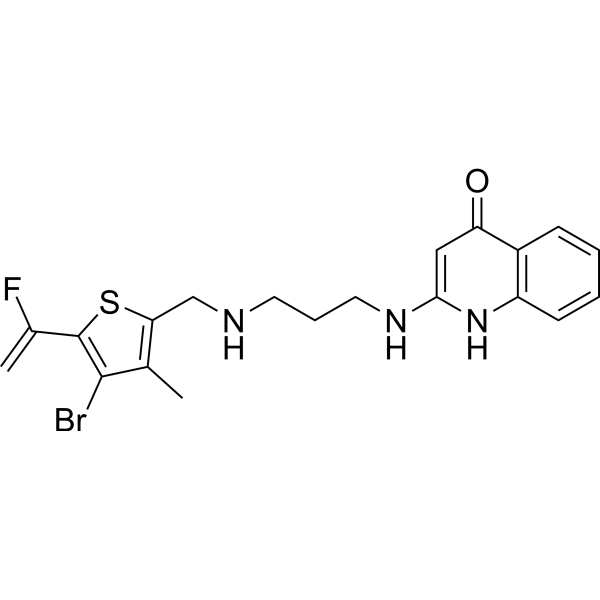
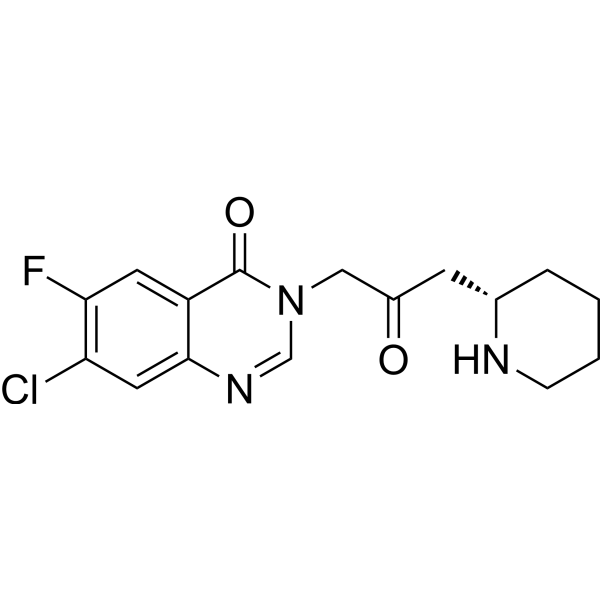
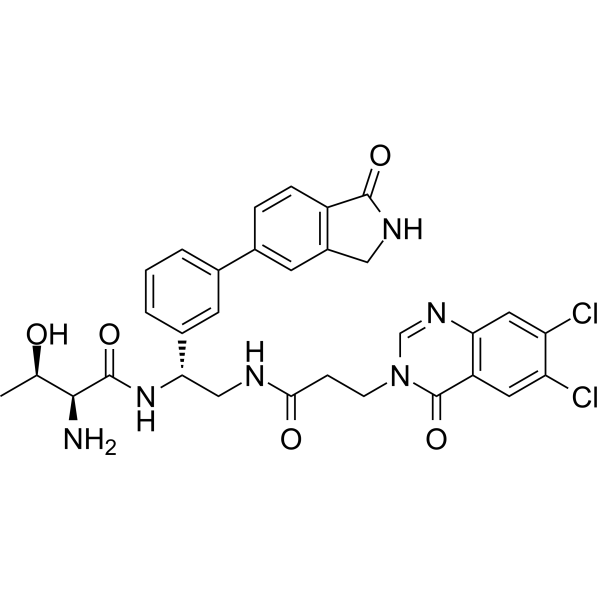
    T-3861174 is an inhibitor of prolyl-tRNA synthetase (PRS, Aminoacyl-tRNA Synthetase) without completely inhibiting its translation process. T-3861174 activates the GCN2-ATF4 pathway and induces death in multiple tumor cell lines, including SK-MEL-2. T-3861174 demonstrated significant antitumor activity in multiple xenograft models without significantly affecting body weight .
    T-3861174
  • HY-B1327S

    7-Chlorotetracycline-d6 hydrochloride

    Bacterial Antibiotic Infection
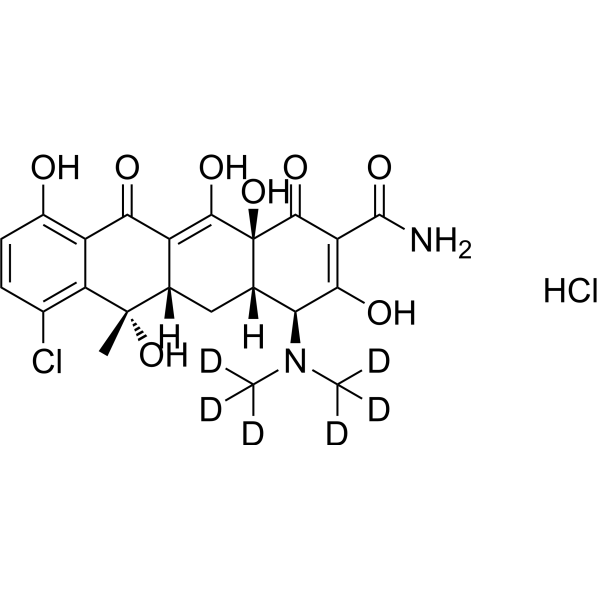
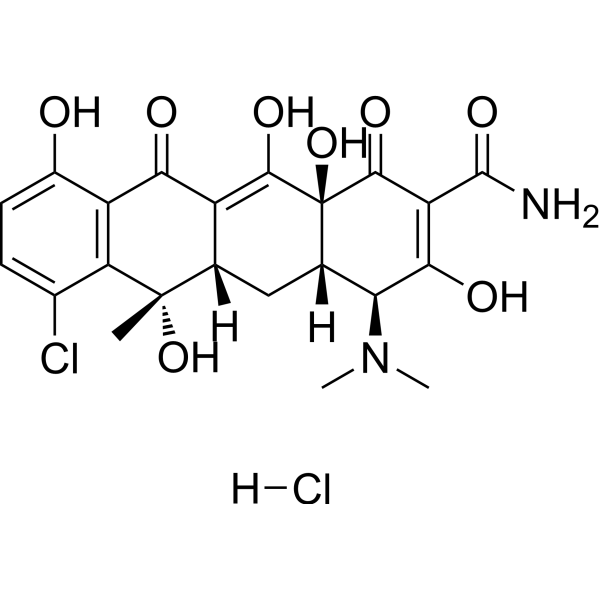
    Chlortetracycline-d6 (hydrochloride) is the deuterium labeled Chlortetracycline hydrochloride. Chlortetracycline hydrochloride (7-Chlorotetracycline hydrochloride) is a specific and potent calcium ionophore antibiotic, inhibits binding of aminoacyl-tRNA to ribosomes.
    Chlortetracycline-d6 hydrochloride
  • HY-117319

    TAK-083; PA-155A

    Antibiotic Bacterial Infection Inflammation/Immunology
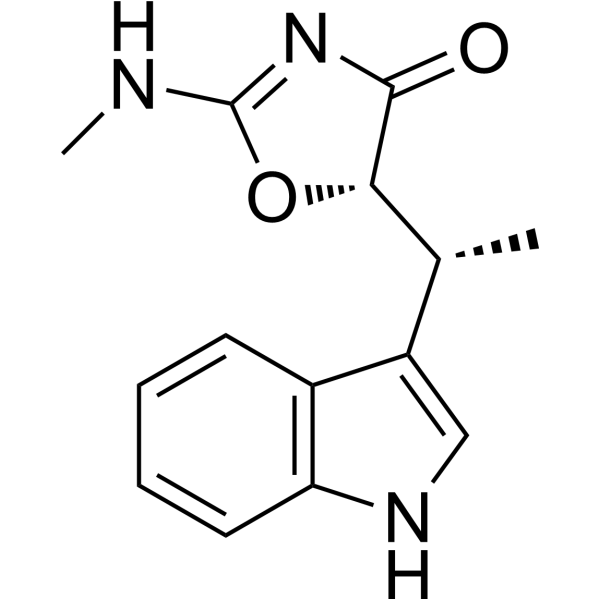
    Indolmycin (TAK-083), an antibiotic, is a competitive inhibitor of prokaryotic tryptophanyl-tRNA synthetase (TrpS). Indolmycin (TAK-083) possesses both anti-viral and anti-bacterial activity .
    Indolmycin
  • HY-B1864
    Kasugamycin
    1 Publications Verification

    Ksg

    Antibiotic Bacterial Infection
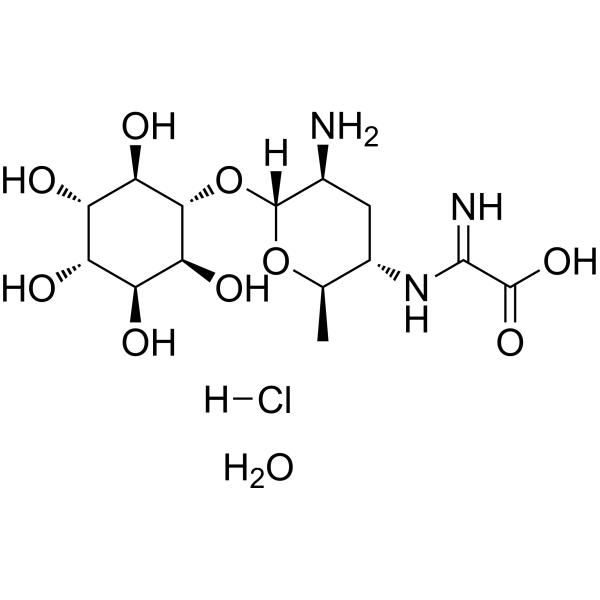
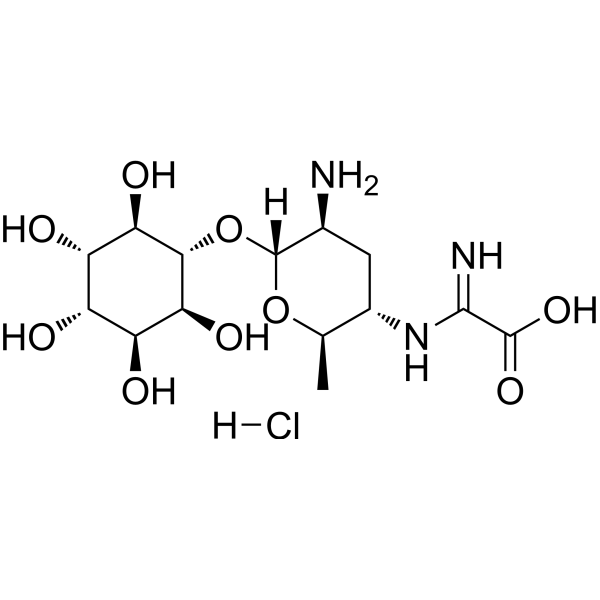
    Kasugamycin (Ksg) is an antibiotic which binds both the 30S and 70S ribosome but not isolated 50S subunits. Kasugamycin mimics mRNA nucleotides to destabilize tRNA binding and inhibit canonical translation initiation .
    Kasugamycin
  • HY-W019670R

    Reference Standards Endogenous Metabolite Histone Acetyltransferase Enterovirus NOD-like Receptor (NLR) Infection Neurological Disease Metabolic Disease Inflammation/Immunology Cancer
    N4-acetylcytidine (N4A) is an endogenous nucleoside metabolite from the degradation of tRNA. N4-Acetylcytidine is formed by N-acetyltransferase 10 and other enzymes. N4-acetylcytidine might sustain NLRP3 inflammasome activation via induction of HMGB1 expression and releasee. N4-Acetylcytidine modifies mRNA, tRNA and rRNA, affecting their stability, translation efficiency (such as enterovirus 71 RNA). N4-Acetylcytidine is used in the study of cancer, neuroinflammatory diseases, viral infections and obesity .
    N4-Acetylcytidine (Standard)
  • HY-131481

    Nucleoside Antimetabolite/Analog Others
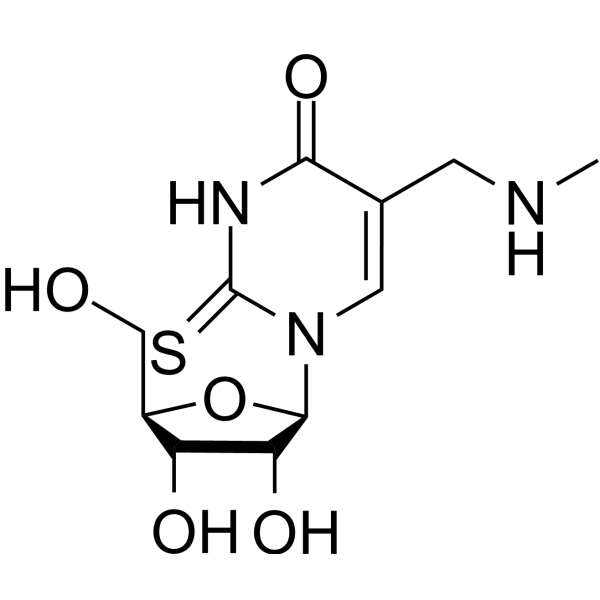
    Mnm5s2U, found in lysine and glutamate tRNA anticodon, has an wobble modification function in tRNA .
    Mnm5s2U
  • HY-131800

    ATP Synthase Metabolic Disease
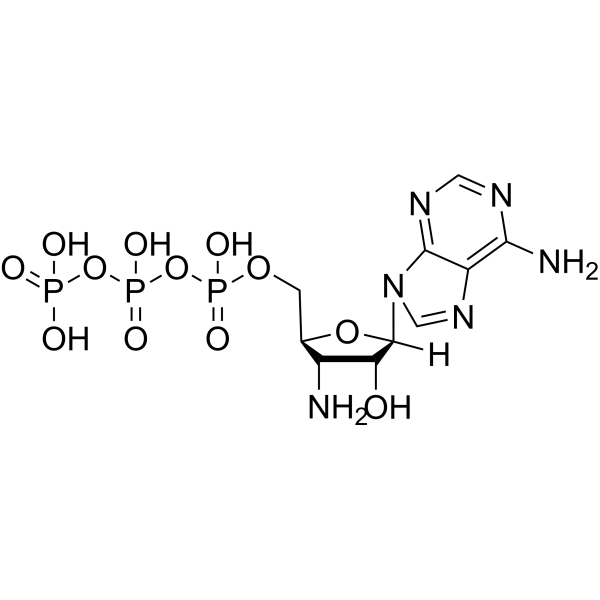
    3'-NH2-ATP, an ATP analogue, is a potent and competitive inhibitor of ATP, with a Ki of 2.3 μM. 3'-NH2-ATP can be used to synthesis of 3′-Amino-3′-deoxy transfer RNA by incorporation into the 3' terminus of tRNA-C-C .
    3'-NH2-ATP
  • HY-160841

    DNA Stain DNA/RNA Synthesis Others
    Biotin-16-dCTP is a biotinylated deoxycytidine triphosphate that serves as an important DNA labeling substrate. Biotin-16-dCTP can be enzymatically incorporated into the 3' end of DNA probes via terminal deoxynucleotidyl transferase, forming a 1-3 nucleotide-long tail to achieve biotinylation of the probes. Biotin-16-dCTP enhances chemiluminescent detection of low-abundance targets such as specific tRNA isoacceptors through Northern blotting. Biotin-16-dCTP can also replace conventional dCTP to be integrated into single-stranded DNA generated by asymmetric polymerase chain reaction, which is applicable for bioconjugation or pull-down assays. Repeated freeze-thaw cycles of Biotin-16-dCTP should be avoided to prevent degradation of its function for probe biotinylation .
    Biotin-16-dCTP
  • HY-W190984

    Biochemical Assay Reagents Others
    Desthiobiotin-PEG4-alkyne is a biotinylated biochemical reagent, which can be utilized in conjunction with click chemistry for the selective labeling and enrichment of certain tRNAs .
    Desthiobiotin-PEG4-alkyne
  • HY-163540

    Aminoacyl-tRNA Synthetase Fungal Infection
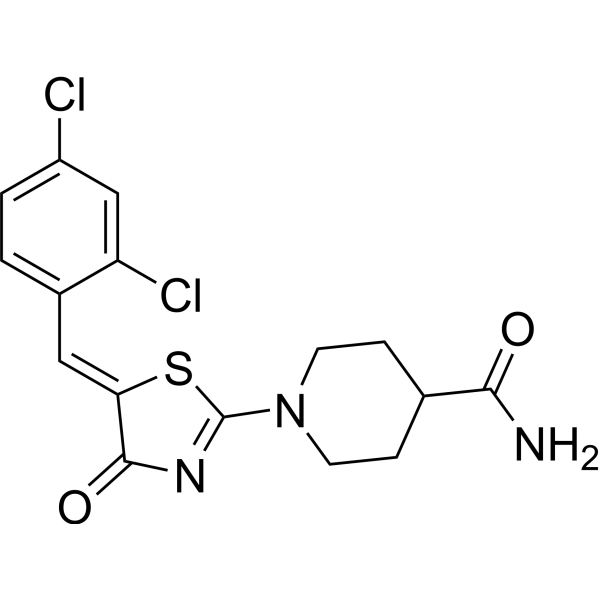
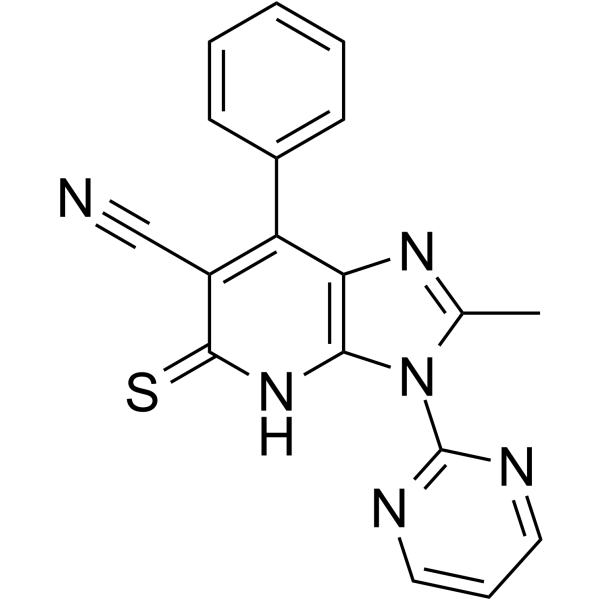
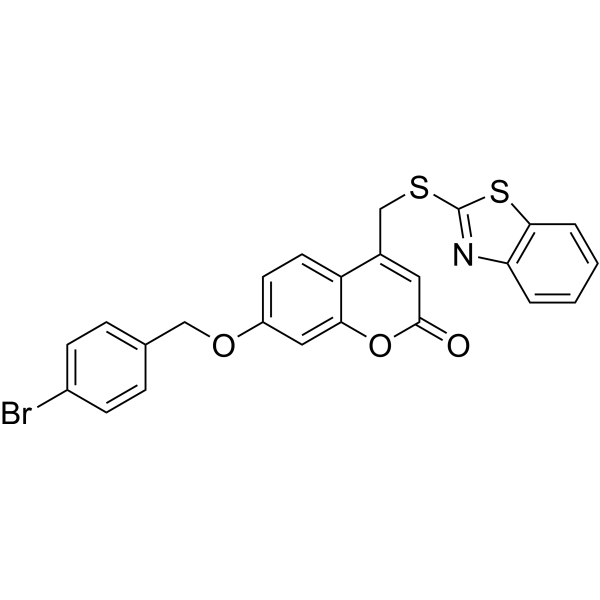
    NP-BTA is an allosteric inhibitor for glutaminyl-tRNA synthetase (GlnRS). NP-BTA exhibits antifungal efficacy against Candida albicans, with MIC50 of 6.25 μM .
    NP-BTA
  • HY-151880

    DNA/RNA Synthesis Infection
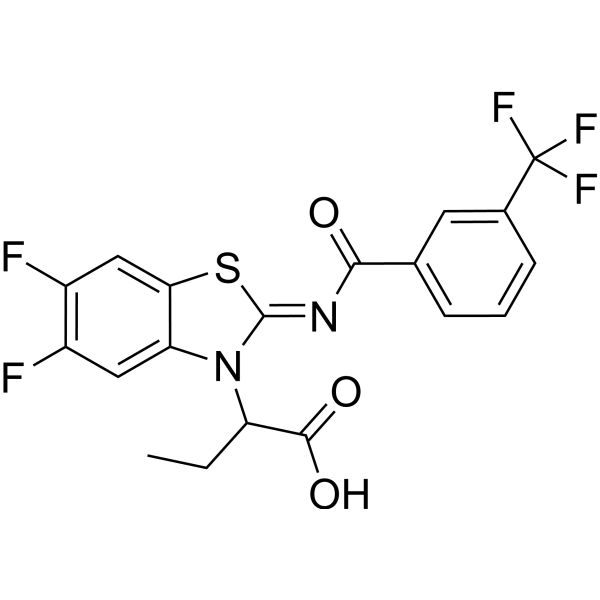
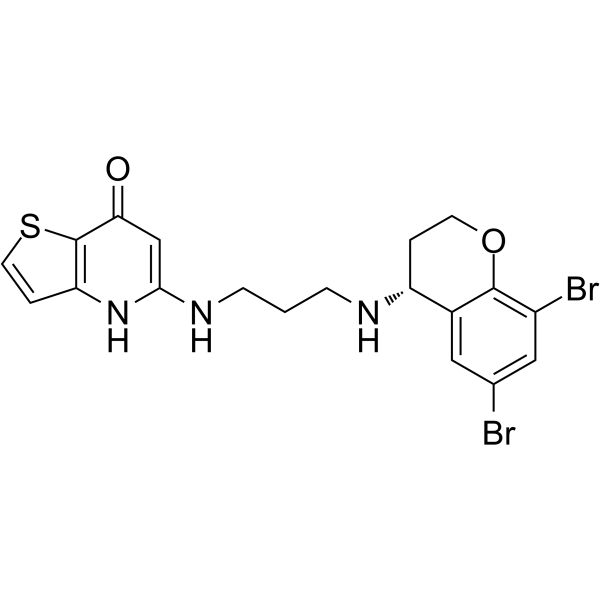
    Antibacterial agent 124 (Compound 3) is a potent bacterial prolyl-tRNA synthetase (ProRS) inhibitor with an IC50 of 0.18 μM against Staphylococcus aureus ProRS (SaProRS) .
    Antibacterial agent 124
  • HY-145555

    DWN12088

    Aminoacyl-tRNA Synthetase Inflammation/Immunology
    Bersiporocin (DWN12088) is an orally effective prolyl-tRNA synthetase (PRS) inhibitor. Bersiporocin exerts antifibrotic effects by inhibiting collagen synthesis. Bersiporocin can be used in the research of pulmonary fibrosis .
    Bersiporocin
  • HY-15782

    Aminoacyl-tRNA Synthetase Cancer
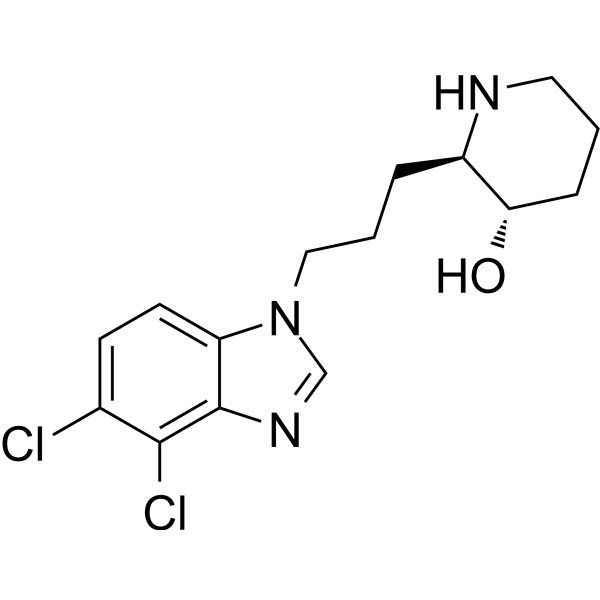
    YH16899 binds Lysyl-tRNA synthetase (KRS), and inhibits membrane translocation of KRS. YH16899 impares the interaction of KRS with 67LR. YH16899 inhibits tumor metastasis in mouse models .
    YH16899
  • HY-147643

    Aminoacyl-tRNA Synthetase Infection
    Aminoacyl tRNA synthetase-IN-2 (Compound 14) is an aminoacyl-tRNA synthetase (aaRS) inhibitor. Aminoacyl tRNA synthetase-IN-2 can be used for development of a new family of antibiotics .
    Aminoacyl tRNA synthetase-IN-2
  • HY-W013260R

    Reference Standards Nucleoside Antimetabolite/Analog Apoptosis DNA/RNA Synthesis Infection Cancer
    2'-O-Methylguanosine (Standard) is the analytical standard of 2'-O-Methylguanosine (HY-W013260). This product is intended for research and analytical applications. 2'-O-Methylguanosine is a modified nucleoside produced in tRNAs by the action of tRNA guanosine-2’-O-methyltransferase. 2'-O-Methylguanosine results in apoptotic changes of cells.
    2'-O-Methylguanosine (Standard)

Online-Anfrage

Your information is safe with us. * Required Fields.

Anrede


Country or Region *

Name des Antragstellers *


Name der Organisation *

Department *


E-Mail-Addresse *


Produktname *

Art. -Nr.


Requested quantity *

Telefonnummer *


Bemerkungen

Online-Anfrage

Inquiry Information

Produktname:
Art. -Nr.:
Menge:
MCE Japan Authorized Agent: