1. Search Result
Search Result
Results for "

EcΔFΔTΔtolC-TgDHFR-TS E. coli

" in MedChemExpress (MCE) Product Catalog:

100

Inhibitors & Agonists

12

Biochemical Assay Reagents

7

Peptides

14

MCE Kits

7

Natural
Products

100

Recombinant Proteins

1

Oligonucleotides

Cat. No. Product Name Target Research Areas Chemical Structure
  • HY-D1056

    LPS, from Escherichia coli (O55:B5)

    Toll-like Receptor (TLR) Infection Neurological Disease Inflammation/Immunology Cancer
    Lipopolysaccharides, from E. coli O55:B5 (LPS, from Escherichia coli (O55:B5)) are endotoxins and TLR4 activators extracted from Escherichia coli (E. coli O55:B5) and are classified as S (smooth) type LPS. Lipopolysaccharides, from E. coli O55:B5 possess the typical three-part structure: O-antigen, core oligosaccharide, and lipid A. Lipopolysaccharides, from E. coli O55:B5 activate TLR-4 in immune cells, exhibit high pyrogenicity, and demonstrate dose and serotype specificity. Lipopolysaccharides, from E. coli O55:B5 can be widely used to induce cellular inflammation and establish animal models related to inflammation .
    It is recommended to prepare a solution with concentration ≥2 mg/mL. Vortex thoroughly for more than 10 minutes. Due to the adsorption characteristics of LPS, silanized container or low adsorption centrifuge tubes should be used for aliquoting and storage, and mix thoroughly before use.
    Lipopolysaccharides, from E. coli O55:B5
  • HY-D1056A1

    LPS, from Escherichia coli (O111:B4)

    Toll-like Receptor (TLR) Infection Cancer
    Lipopolysaccharides, from E. coli O111:B4 (LPS, from Escherichia coli (O111:B4)) are endotoxins and TLR4 activators extracted from Escherichia coli (E. coli O111:B4) and are classified as S (smooth) type LPS. Lipopolysaccharides (LPS), from E. coli O111:B4 possess the typical three-part structure: O-antigen, R3-type core oligosaccharide, and lipid A. Lipopolysaccharides (LPS), from E. coli O111:B4 activate TLR-4 in immune cells and can cause significant gastric diseases. Lipopolysaccharides (LPS), from E. coli O111:B4 can be used to induce cellular inflammation and establish animal models related to inflammation .
    It is recommended to prepare a solution with concentration ≥2 mg/mL. Vortex thoroughly for more than 10 minutes. Due to the adsorption characteristics of LPS, silanized container or low adsorption centrifuge tubes should be used for aliquoting and storage, and mix thoroughly before use.
    Lipopolysaccharides, from E. coli O111:B4
  • HY-P2869

    EC 3.2.1.23; GAL

    Glycosidase Metabolic Disease
    β-Galactosidase, E. coli (EC 3.2.1.23; GAL) is a glycoside hydrolase that hydrolyzes the β-glycosidic bonds formed between galactose and its organic moieties. β-Galactosidase, E. coli can hydrolyze lactose to form glucose and galactose, and enter glycolysis; it can also catalyze the transgalactosylation of lactose into allolactose; allolactose can be cracked into monosaccharides .
    β-Galactosidase, E. coli
  • HY-D1056A3

    LPS, from Escherichia coli (O26:B6)

    Toll-like Receptor (TLR) Inflammation/Immunology
    Lipopolysaccharides, from E. coli (Escherichia coli) O26:B6 are lipopolysaccharide endotoxins and TLR-4 activators derived from E. coli, classified as S-type LPS, which can activate pathogen-associated molecular patterns (PAMP) of the immune system and induce cellular secretion of migrasomes. Lipopolysaccharides, from E. coli O26:B6 exhibit a typical three-part structure: O-antigen, core oligosaccharide, and lipid A, and can be recognized by the core-specific monoclonal antibody MAb J8-4C10. Lipopolysaccharides, from E. coli O26:B6 can promote an increase in pro-inflammatory cytokines in plasma, thereby triggering hypothalamic-pituitary-adrenal (HPA) activation and leading to adrenal oxidative damage. The pathogenic effects of Lipopolysaccharides, from E. coli O26:B6 can be used to construct various models, such as cellular inflammation models, sepsis, acute lung injury models, adrenal dysfunction models, and bladder infection models, etc .
    It is recommended to prepare a solution with concentration ≥2 mg/mL. Vortex thoroughly for more than 10 minutes. Due to the adsorption characteristics of LPS, silanized container or low adsorption centrifuge tubes should be used for aliquoting and storage, and mix thoroughly before use.
    Lipopolysaccharides, from E. coli O26:B6
  • HY-118827

    Quadrisol; CERM 10202; PM 150

    COX Inflammation/Immunology
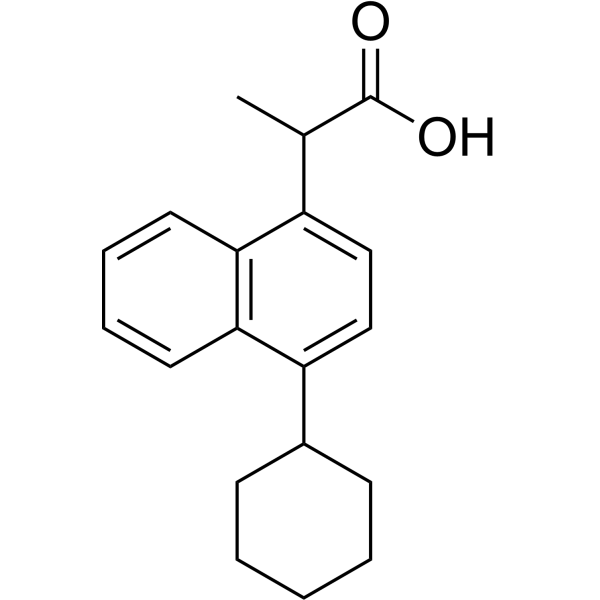
    Vedaprofen (Quadrisol) is a COX-1 selective nonsteroidal anti-inflammatory agent (NSAID) for serum TxB2 and exudate PGE2 inhibition . Vedaprofen is a Escherichia coli (E. coli) sliding clamp (SC) inhibitor with the IC50 of 222 μM .
    Vedaprofen
  • HY-P2834

    PGA

    Biochemical Assay Reagents Others
    Penicillin amidase, E. coli (Immobilized) (PGA) is an amidohydrolase commonly used in industrial biocatalysis. Penicillin amidase, E. coli (Immobilized) serves as a starting material in the synthesis of semi-synthetic penicillins. Penicillin amidase, E. coli (Immobilized) promotes the production of semi-synthetic β-lactam antibiotics, participates in peptide synthesis, and catalyzes the formation of chiral compounds. Penicillin amidase, E. coli (Immobilized) is regulated by temperature and phenylacetic acid in E. coli. In free E. coli, it participates in the assimilation of aromatic compounds as a carbon source. Penicillin amidase, E. coli (Immobilized) is hypothesized to act as a scavenging enzyme for phenylacetyl-containing compounds in microbial metabolism and is associated with bacterial quorum sensing .
    Penicillin amidase, E. coli (Immobilized)
  • HY-D1056A2

    LPS, from Escherichia coli (O127:B8)

    Toll-like Receptor (TLR) Inflammation/Immunology
    Lipopolysaccharides, from E. coli O127:B8 (LPS, from Escherichia coli (O127:B8)) are endotoxins and TLR4 activators extracted from Escherichia coli (E. coli O127:B8) and are classified as S (smooth) type LPS. Lipopolysaccharides, from E. coli O127:B8 possess the typical three-part structure: O-antigen, R3-type core oligosaccharide, and lipid A. Lipopolysaccharides, from E. coli O127:B8 activate TLR-4 in immune cells, can induce inflammatory responses and ileal contractility, and can be used to construct intestinal inflammation models .
    It is recommended to prepare a solution with concentration ≥2 mg/mL. Vortex thoroughly for more than 10 minutes. Due to the adsorption characteristics of LPS, silanized container or low adsorption centrifuge tubes should be used for aliquoting and storage, and mix thoroughly before use.
    Lipopolysaccharides, from E. coli O127:B8
  • HY-P2733
    Glycerol-3-phosphate oxidase, E. coli
    2 Publications Verification

    GPO

    Endogenous Metabolite Bacterial Infection Metabolic Disease
    Glycerol-3-phosphate oxidase, E. coli (GPO) is a key intermediate in glycerol metabolism. Glycerol-3-phosphate oxidase, E. coli is the skeleton of phospholipids in membrane lipids, and also a substrate in the respiratory chain. Glycerol-3-phosphate oxidase, E. coli produces electrons through oxidation. Glycerol-3-phosphate oxidase, E. coli is an enzyme with important functions in the field of biochemistry, and is widely used in medical testing and scientific research .
    Glycerol-3-phosphate oxidase, E. coli
  • HY-P2818A
    Alkaline phosphatase, Escherichia coli
    1 Publications Verification

    Apase, Escherichia coli

    Endogenous Metabolite Phosphatase Glutathione Peroxidase Bacterial Infection Inflammation/Immunology
    Alkaline Phosphatase (Apase), Escherichia coli is an alkaline phosphatase from Escherichia coli, and is one of the most active alkaline phosphatases. Alkaline phosphatase, Escherichia coli is an orally active membrane-bound glycoprotein that catalyzes the hydrolysis of phosphate monoesters at alkaline pH. Alkaline phosphatase, Escherichia coli reduces myeloperoxidase activity and bacterial translocation. Alkaline phosphatase, Escherichia coli improves survival rate of mice infected with E. coli. Alkaline phosphatase, Escherichia coli improves TNBS-induced colon inflammation .
    Alkaline phosphatase, Escherichia coli
  • HY-P2807

    LAD

    Endogenous Metabolite Inflammation/Immunology Cancer
    L-Lactate dehydrogenase, E.coli is a redox enzyme. L-Lactate dehydrogenase, E.coli catalyzes the reduction of pyruvate to L-lactate by NADH in vivo with absolute enantiospecificity .
    L-Lactate dehydrogenase, E.coli
  • HY-174940

    Biochemical Assay Reagents Others
    E. coli Extract Polar is a polar lipid extract of Escherichia coli containing phosphatidylethanolamine, phosphatidylglycerol, and cardiolipin for reconstitution of membrane proteins.
    E. coli Extract Polar
  • HY-D1056A4

    LPS, from Escherichia coli (O128:B12)

    Toll-like Receptor (TLR) Inflammation/Immunology
    Lipopolysaccharides, from E. coli O128:B12 (LPS, from Escherichia coli (O128:B12)) are endotoxins and TLR4 activators extracted from Escherichia coli (E. coli O128:B12) and are classified as S (smooth) type LPS. Lipopolysaccharides, from E. coli O128:B12 possess the typical three-part structure: O-antigen, R3-type core oligosaccharide, and lipid A. Lipopolysaccharides, from E. coli O128:B12 activate TLR-4 in immune cells, can be used to construct animal models of neonatal brain inflammation, and may influence preterm birth in neonates .
    It is recommended to prepare a solution with concentration ≥2 mg/mL. Vortex thoroughly for more than 10 minutes. Due to the adsorption characteristics of LPS, silanized container or low adsorption centrifuge tubes should be used for aliquoting and storage, and mix thoroughly before use.
    Lipopolysaccharides, from E. coli O128:B12
  • HY-D1056F

    Biotin-LPS, from Escherichia coli (O111:B4)

    Biochemical Assay Reagents Inflammation/Immunology
    Biotin-Lipopolysaccharide, from E.coli O111:B4 (Biotin-LPS, from Escherichia coli (O111:B4)) is a biotin-conjugated Lipopolysaccharide (LPS) (HY-D1056A1) that can be coupled with streptavidin protein. Biotin-Lipopolysaccharide, from E.coli O111:B4 can be used to identify Lipopolysaccharide ligands. Lipopolysaccharides, from E. coli O111:B4 (LPS, from Escherichia coli (O111:B4)) are endotoxins and TLR4 activators extracted from Escherichia coli (E. coli O111:B4) and are classified as S (smooth) type LPS. Lipopolysaccharides, from E. coli O111:B4 possess the typical three-part structure: O-antigen, R3-type core oligosaccharide, and lipid A. Lipopolysaccharides, from E. coli O111:B4 activate TLR-4 in immune cells and can cause significant gastric diseases. Lipopolysaccharides, from E. coli O111:B4 can also induce M1-type polarization in mouse macrophages .
    It is recommended to prepare a solution with concentration ≥2 mg/mL. Vortex thoroughly for more than 10 minutes. Due to the adsorption characteristics of LPS, silanized container or low adsorption centrifuge tubes should be used for aliquoting and storage, and mix thoroughly before use.
    Biotin-Lipopolysaccharide, from E.coli O111:B4
  • HY-124819

    Bacterial Infection
    D13-9001 is a potent AcrB (AcrAB-TolC efflux pump subunit) and MexB (MexAB-OprM efflux pump subunit) inhibitor with the KD values of 1.15 μM and 3.57 μM in E. coli and P. aeruginosa, respectively . D13-9001 exhibits antibiotic activities .
    D13-9001
  • HY-P2869B

    Endogenous Metabolite Metabolic Disease
    β1-4 Galactosidase, E. coli is a highly specific exoglycosidase that catalyzes the hydrolysis of terminal, non-reducing β1-4 linked galactose residues from oligosaccharides .
    β1-4 Galactosidase, E. coli
  • HY-W001941

    Drug Isomer Bacterial Antibiotic Others
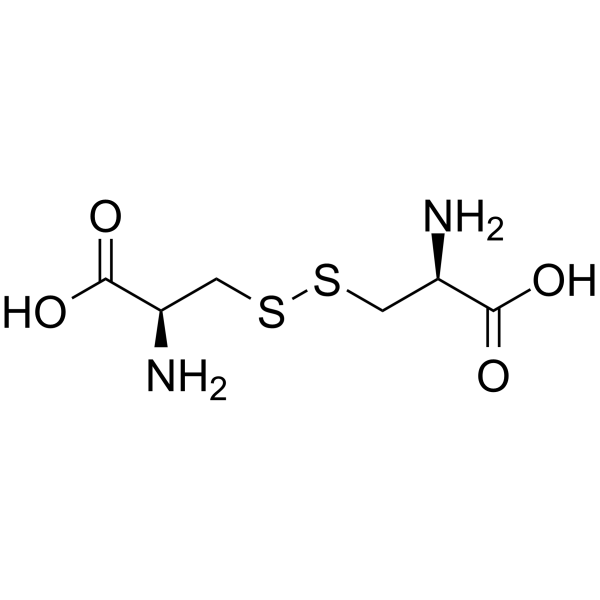
    D-Cystine is the D-enantiomer of L-Cystine. D-Cystine inhibits L-aspartate-β-semialdehyde dehydrogenase (ASADH) from Escherichia coli .
    D-Cystine
  • HY-133154
    Carboxyaminoimidazole ribotide
    2 Publications Verification

    CAIR; 4-Carboxy-AIR

    Endogenous Metabolite Infection
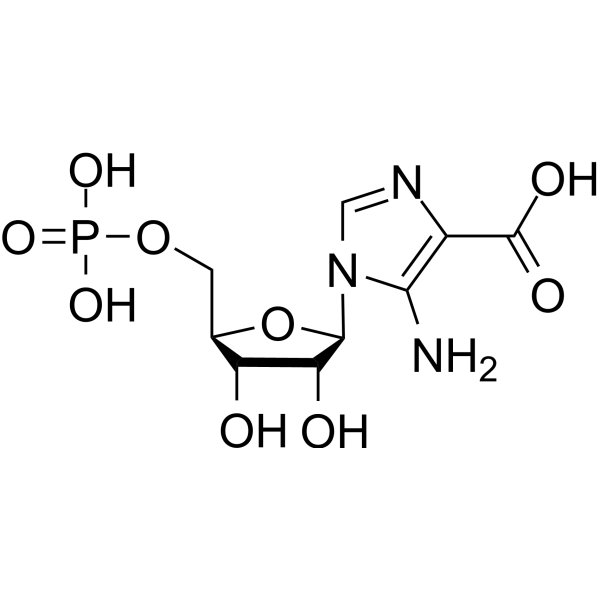
    Carboxyaminoimidazole ribotide (CAIR) is a metabolite of E. coli. Carboxyaminoimidazole ribotide can be used to detect distinctive features of E. coli PurE active site and synthesis fungal de novo purine .
    Carboxyaminoimidazole ribotide
  • HY-148442

    MetAP Bacterial Infection
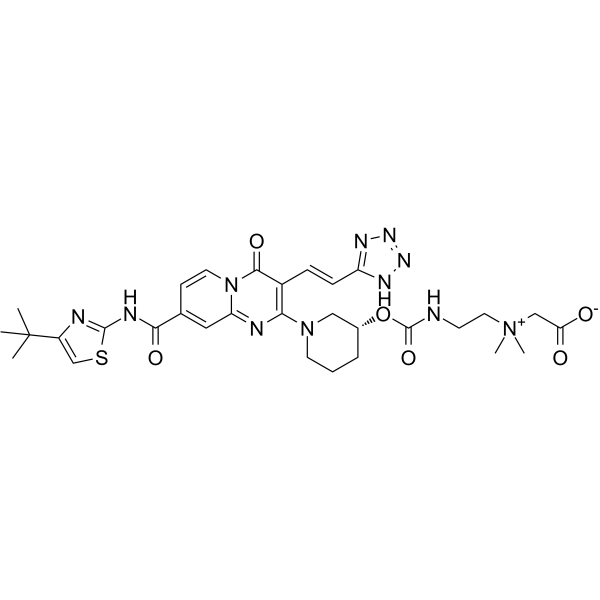
    ecMetAP-IN-1 is an inhibitor of E. coli methionine aminopeptidase (ecMetAP) with an IC50 of 2.086 μM. ecMetAP-IN-1 is applicable to research related to bacterial infections caused by E. coli .
    ecMetAP-IN-1
  • HY-P10848

    Bacterial Infection
    RJPXD33 is the inhibitor for LpxD and LpxA with IC50 of 3.5 μM and 19 μM. RJPXD33 RJPXD33 inhibits LpxD and LpxA in E. coli with Kd of 6 μM and 20 μM .
    RJPXD33
  • HY-W009912

    Amino Acid Derivatives Others
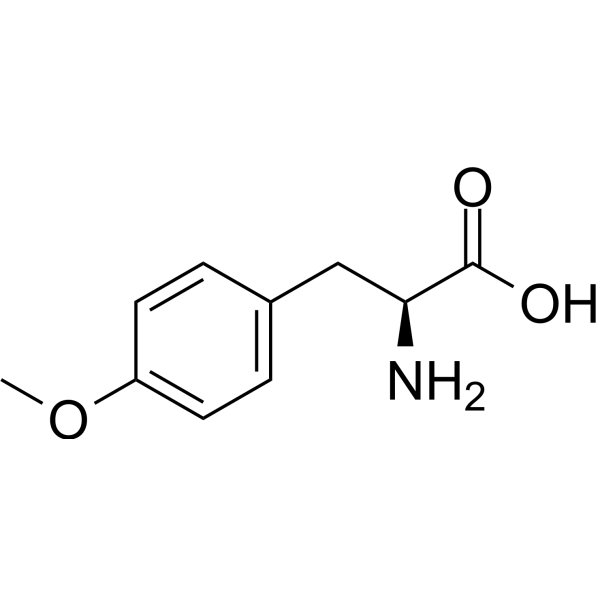
    H-Tyr(Me)-OH is a synthetic amino acid, and can enter into protein in E. coli in response to an amber nonsense codon .
    H-Tyr(Me)-OH
  • HY-E70284

    Biochemical Assay Reagents Others
    Keratanase II,bacillus circulans,expressed in E.coli has transglycosylation activity. Keratanase II,bacillus circulans,expressed in E.coli efficiently catalyzes the transglycosylation of α(2→3)-sialylated 6,6′-di-sulfo-LacNAc with two kinds of glycosyl acceptors, 6-sulfo-Lewis X and 6,6'-di-sulfo-LacNAc derivatives, providing Sialyl sulfo-hexasaccharide and Sialyl sulfo-pentasaccharide .
    Keratanase II,bacillus circulans,expressed in E.coli
  • HY-123515

    Infection
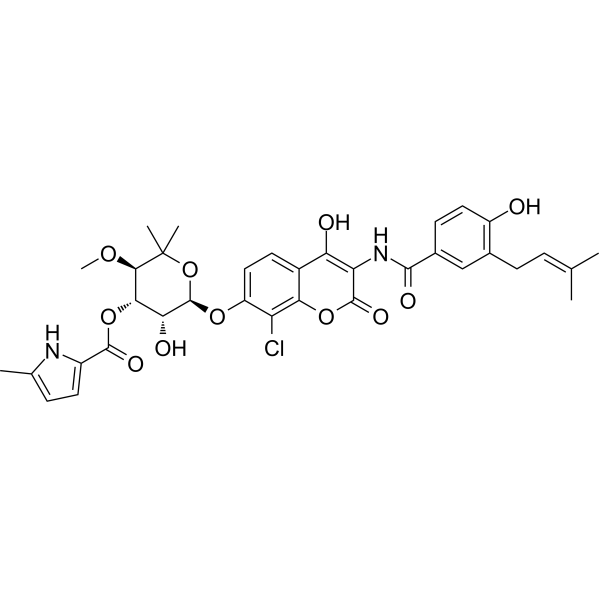
    Clorobiocin is an antibacterial agent with an IC50 of 0.21 μM against the B subunit of E. coli DNA gyrase. Clorobiocin targets the mLaC protein of Gram-negative bacteria. Clorobiocin potently inhibits bacterial DNA replication. Clorobiocin can be used in studies on Gram-negative bacterial infections, such as Acinetobacter baumannii and E. coli infections .
    Clorobiocin
  • HY-107824A

    Bacterial Metabolic Disease
    Allolactose, a disaccharide, is a lac operon inducer in Escherkhiu coli and other bacteria .
    Allolactose
  • HY-P5089

    Biochemical Assay Reagents Infection
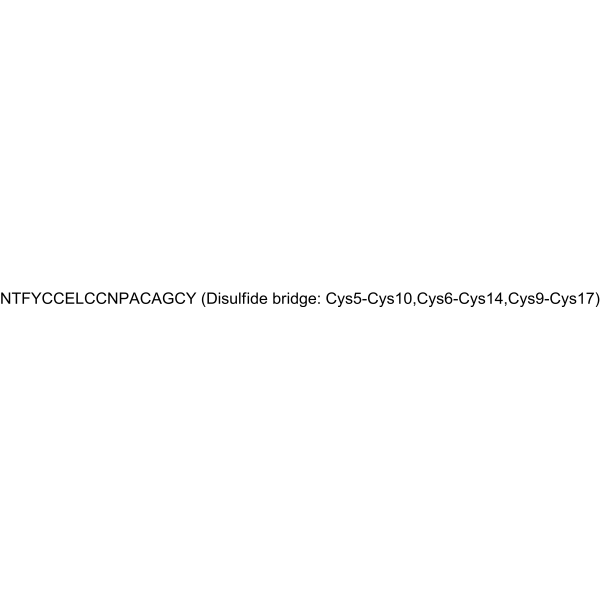
    Enterotoxin STp (E. coli) is a heat-stable enterotoxin that can be used in vaccine research .
    Enterotoxin STp (E. coli)
  • HY-P5089A

    Biochemical Assay Reagents Infection
    Enterotoxin STp (E. coli) TFA is a heat-stable enterotoxin that can be used in vaccine research .
    Enterotoxin STp (E. coli) TFA
  • HY-156859A

    Bacterial Infection
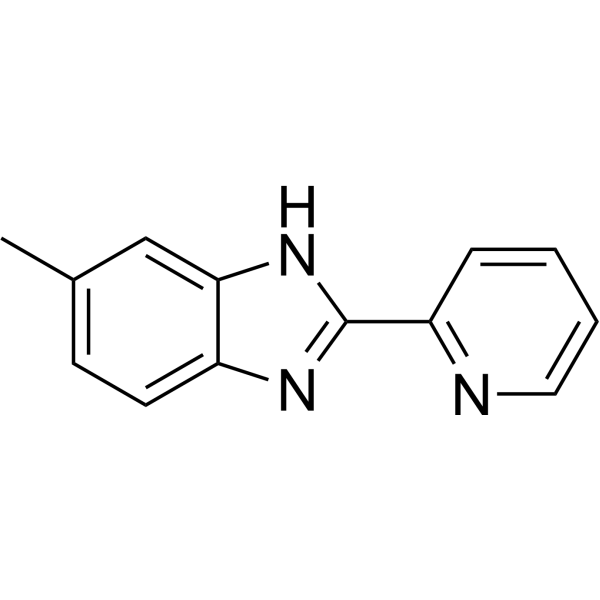
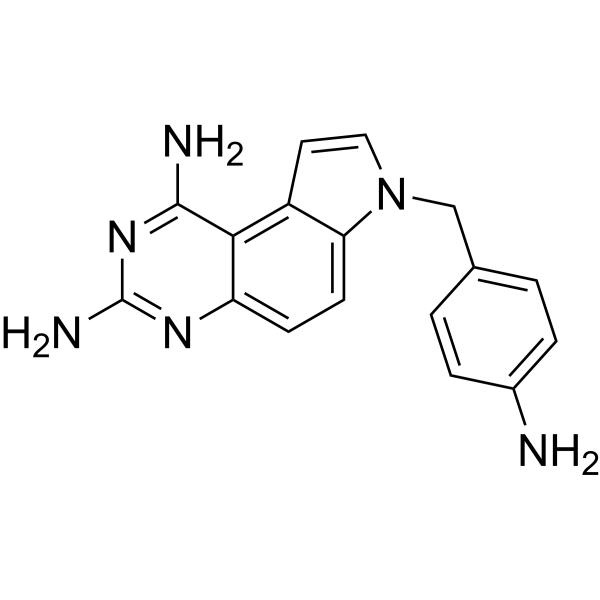
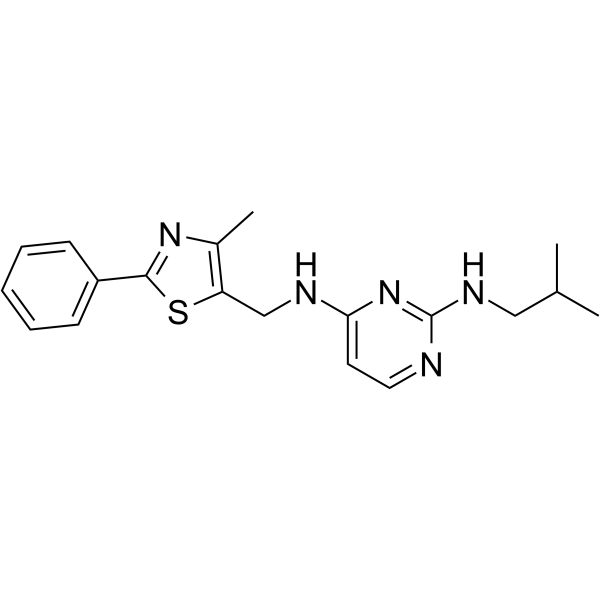
    NSC309401 is an inhibitor of E. coli DHFR (IC50: 189 nM, KD: 14.57 nM) .
    NSC309401
  • HY-155048

    Bacterial Infection
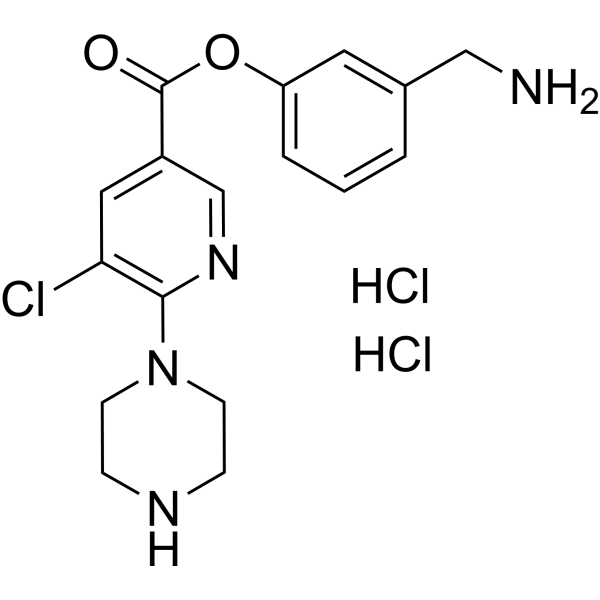
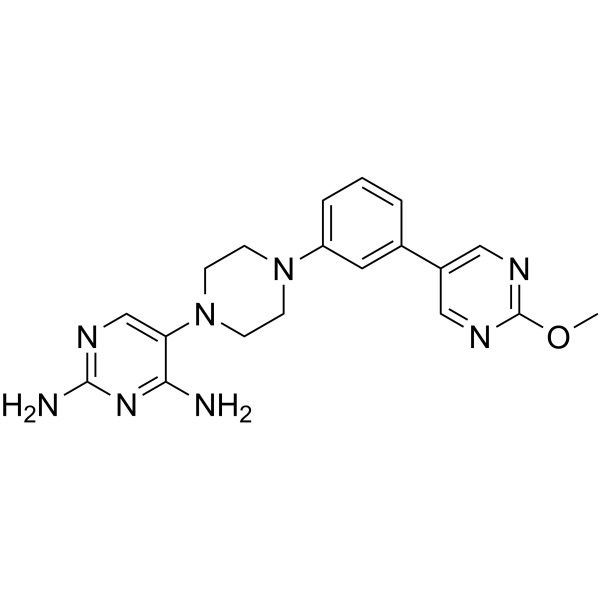
    BDM91270 (compound 29) is an E. coli AcrAB-TolC efflux pump inhibitor with an EC90 of 0.6 μM for wild-type E. coli AcrB. BDM91270 can be used in the study of Escherichia coli drug resistance .
    BDM91270
  • HY-P2854

    Endogenous Metabolite Metabolic Disease
    Alanine dehydrogenase, expressed in E. coli is a microbial enzyme that catalyzes a reversible conversion of L-alanine to pyruvate .
    Alanine dehydrogenase, expressed in E. coli
  • HY-148197

    Endogenous Metabolite Others
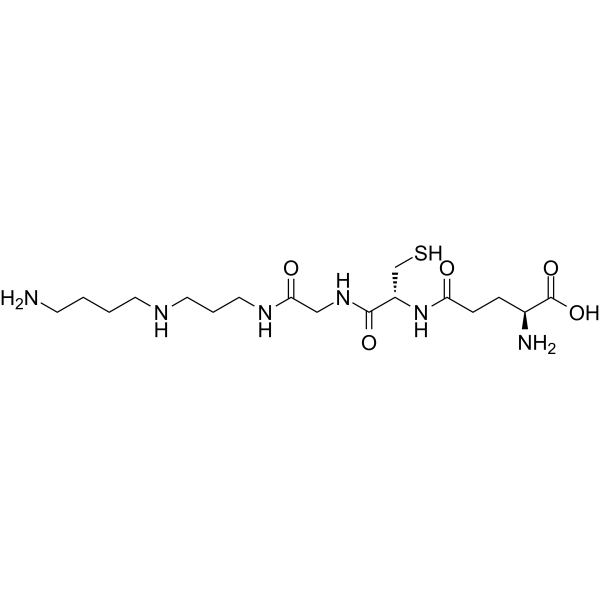
    Glutathionylspermidine is a peptide and a metabolite of E. coli .
    Glutathionylspermidine
  • HY-119172

    Bacterial Infection Inflammation/Immunology Cancer
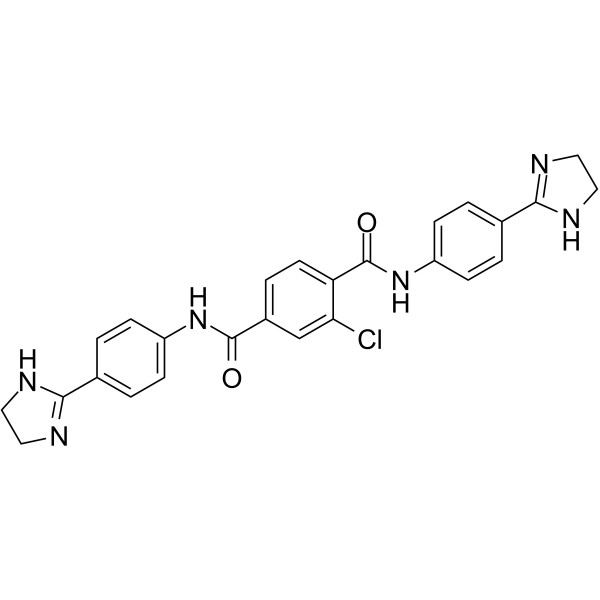
    NSC-60339, an efflux pump inhibitor and a substrate of AcrAB-TolC, is a polybasic terephthalic acid derivative studied as a potential cancer chemotherapeutic agent .
    NSC-60339
  • HY-118211

    Bacterial Infection
    EcDsbB-IN-9 (Compound 9) is a potent E. coli DsbB (EcDsbB) inhibitor with an IC50 of 1.7 μM and a Ki of 46 nM .
    EcDsbB-IN-9
  • HY-154171

    Nucleoside Antimetabolite/Analog Others
    Deoxyribosyl dihydropyrimido[4,5-c][1,2]oxazin-7-one (Compound dP) exhibits mutagenicity for Escherichia coli and Salmonella typhimurium, that induces the conversion between GC and AT through replication error. eoxyribosyl dihydropyrimido[4,5-c][1,2]oxazin-7-one is stable in Escherichia coli, and can be detected at wavelength >300 nM .
    Deoxyribosyl dihydropyrimido[4,5-c][1,2]oxazin-7-one
  • HY-114509

    Bacterial Infection Metabolic Disease
    Anilazine is a fungicide and inhibit the growth of Rhizobium sp. and E. coli. Anilazine inhibits glucose oxidation and succinate oxidation and also inhibits in vitro succinic dehydrogenase activity .
    Anilazine
  • HY-101444

    Bacterial Infection
    MC-207110 is a broad-spectrum efflux pump inhibitor. MC-207110 is active against all three known Mex efflux pumps from P. aeruginosa and their close Escherichia coli efflux pump homolog (AcrAB-TolC). MC-207110 can decrease the intrinsic resistance of P. aeruginosa to fluoroquinolones. MC-207110 can be used for the research of infection .
    MC-207110
  • HY-D1056A5

    LPS, from Escherichia coli (K-235)

    Toll-like Receptor (TLR) Inflammation/Immunology
    Lipopolysaccharides, from E. coli (Escherichia coli) K-235 are lipopolysaccharide endotoxins and TLR-4 activators derived from E. coli, classified as S-type LPS, which can activate pathogen-associated molecular patterns (PAMP) of the immune system and induce cellular secretion of migrasomes. Lipopolysaccharides, from E. coli K-235 exhibit a typical three-part structure: O-antigen (O-antigen), core oligosaccharide (core oligosaccharide), and lipid A (Lipid A). Lipopolysaccharides, from E. coli K-235 have a mitogenic effect on C57BL/10ScN spleen cells. Additionally, LPS purified using butanol and deoxycholic acid methods stimulates spleen cells in C57BL/10ScCR and C3H/HeJ mice .
    It is recommended to prepare a solution with concentration ≥2 mg/mL. Vortex thoroughly for more than 10 minutes. Due to the adsorption characteristics of LPS, silanized container or low adsorption centrifuge tubes should be used for aliquoting and storage, and mix thoroughly before use.
    Lipopolysaccharides, from E. coli K-235
  • HY-W794670

    Aminopeptidase Others
    H-Ala-Pro-Ala-OH, tripeptide, is a substrate for Escherichia coli PepP (Xaa-Pro aminopeptidase). H-Ala-Pro-Ala-OH acts as a nitrogen source for wild-type Escherichia coli .
    H-Ala-Pro-Ala-OH
  • HY-159628A

    Aminoacyl-tRNA Synthetase Bacterial Infection
    Glu-AMS TEA is a competitive inhibitor of Escherichia coli glutamyl-tRNA synthetase (GluRS), with the Ki of 2.8 nM .
    Glu-AMS TEA
  • HY-W130307

    N-Tricosane

    Environmental Pollutants Bacterial Infection
    Tricosane (N-Tricosane) is a straight-chain alkane. Tricosane exhibits a certain degree of antibacterial activity against E. coli .
    Tricosane
  • HY-146078

    Bacterial Infection
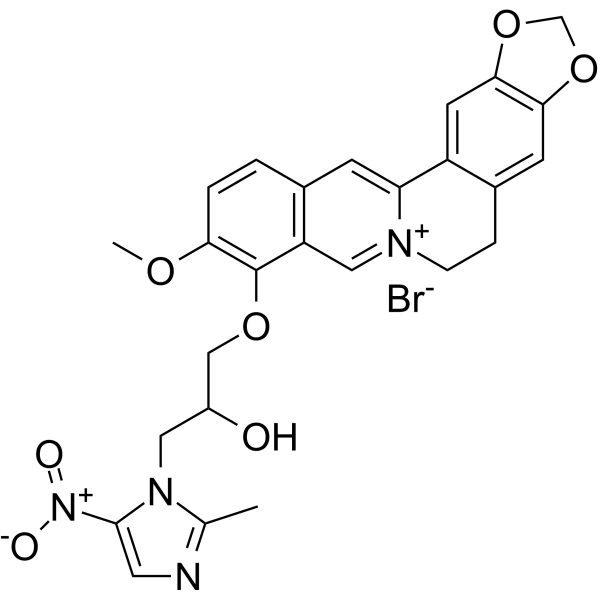
    Antimicrobial agent-1 (compound 6C) possesses potent activity against TolC mutant E. coli with an MIC value of 2 μg/mL. Antimicrobial agent-1 and Colistin exhibit synergistic activity against Gram-negative bacteria. Antimicrobial agent-1 has no cytotoxicity on mammalian cell lines, with MICs > 128 μg/mL in Caco-2 and Vero cell lines .
    Antimicrobial agent-1
  • HY-157351

    Biochemical Assay Reagents Others
    E.Coli Broth is a selectively concentrated broth that can be used to isolate, detect or culture E. coli.
    E.Coli Broth
  • HY-NP020

    E.coli DH-5 alpha protein

    Bacterial Others
    E.coli DH-5 alpha Bacterial protein is a purified native protein from E.coli DH-5 alpha bacterial .
    E.coli DH-5 alpha Bacterial protein
  • HY-E70414

    Others Others
    DNase B, Escherichia coli is an enzyme that specializes in the degradation of DNA and can be extracted from E.coli .
    DNase B, Escherichia coli
  • HY-NP025

    EPEC

    Bacterial Infection
    E.coli Bacterial protein is a native protein that can be isolated from E.coli .
    E.coli Bacterial protein
  • HY-170810

    Bacterial Infection
    E.coli Gyrase B-IN-1 (Compound 10g) is a E.coli Gyrase B inhibitor with antibacterial activities. E.coli Gyrase B-IN-1 has potent inhibitory activity against E. coli, with a MIC value of 0.12 mM. E.coli Gyrase B-IN-1 is promising for research of antimicrobial agents .
    E.coli Gyrase B-IN-1
  • HY-E70412

    Endogenous Metabolite Metabolic Disease
    Galactose 1-dehydrogenase, E.coli is a dehydrogenase expressed in E. coli. Galactose 1-dehydrogenase, E.coli catalyzes the oxidation of L-arabinose and D-galactose using NADP +/NAD + as cofactors. Galactose 1-dehydrogenase, E.coli can be used in diagnostic tests to determine total galactose content and can also serve as a biocatalyst for producing galacturonate .
    Galactose 1-dehydrogenase, E.coli
  • HY-174940A

    Biochemical Assay Reagents Others
    E. coli Extract Total is an extract of Escherichia coli (ATCC 11303) grown in culture at 37°C and at the 3/4 logarithmic growth phase, which can be used to prepare unilamellar vesicles.
    E. coli Extract Total
  • HY-E70407

    1-5-Anhydroglucitol-6-phosphate dehydrogenase, escherichia coli

    Endogenous Metabolite Metabolic Disease
    Sorbitol-6-phosphate 2-dehydrogenase, escherichia coli is a dehydrogenase produced by E. coli. Sorbitol-6-phosphate 2-dehydrogenase, escherichia coli can catalyze the conversion between D-sorbitol 6-phosphate and D-fructose 6-phosphate, with the oxidation of D-sorbitol 6-phosphate happening at a rate 10 times faster than the reduction of D-fructose 6-phosphate, and it plays a role in various cellular processes .
    Sorbitol-6-phosphate 2-dehydrogenase, escherichia coli
  • HY-E70582

    Adenosine Deaminase Others
    E.coli tRNA adenosine deaminase is derived from E.coli and is an adenine deaminase that can deaminate adenine in single-stranded RNA (ssRNA, mainly the loop region within tRNA) or double-stranded RNA (dsRNA), but has no deamination activity on DNA. E.coli tRNA adenosine deaminase is a protein-modified mutant of adenine deaminase, which can efficiently deaminate adenine in ssDNA and can be applied to adenine base editors (ABE) and RNA m6A methylation sequencing .
    E.coli tRNA adenosine deaminase
  • HY-E70604

    DNA/RNA Synthesis Others
    E. coli DNA ligase is a NAD +-dependent DNA ligase that catalyzes the formation of a phosphodiester bond between the complementary 3′-OH and 5′-P ends of dsDNA .
    E. coli DNA ligase
  • HY-142080A

    Endogenous Metabolite Metabolic Disease
    Pimeloyl-CoA lithium is a biotin precursor of Escherichia coli. Pimeloyl-CoA lithium can be used for the research of the pathway of de novo biotin biosynthesis in Escherichia coli .
    Pimeloyl-CoA lithium

Inquiry Online

Your information is safe with us. * Required Fields.

Salutation


Country or Region *

Applicant Name *


Organization Name *

Department *


Email Address *


Product Name *

Cat. No.


Requested quantity *

Phone Number *


Remarks

Inquiry Online

Inquiry Information

Product Name:
Cat. No.:
Quantity:
MCE Japan Authorized Agent: