1. Search Result
Search Result
Results for "

Japan melanin Inhibitors

" in MedChemExpress (MCE) Product Catalog:

220

Inhibitors & Agonists

2

Fluorescent Dyes

4

Biochemical Assay Reagents

21

Peptides

1

Inhibitory Antibodies

88

Natural
Products

3

Recombinant Proteins

15

Isotope-Labeled Compounds

Targets Recommended:
Cat. No. 상품명 Target 연구분야 Chemical Structure
  • HY-113485
    Melanin
    1 Publications Verification

    Endogenous Metabolite Others
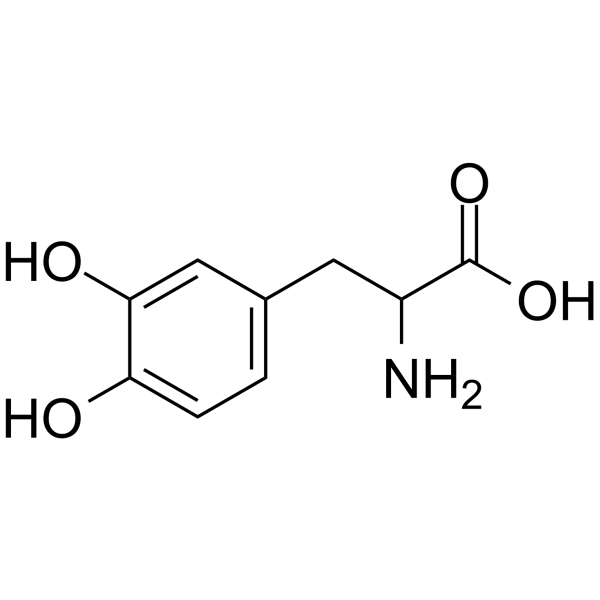
    Melanin is a unique pigment with myriad functions. It is multifunctional, providing defense against environmental stresses such as ultraviolet (UV) light, oxidizing agents and ionizing radiation.
    Melanin
  • HY-N6006

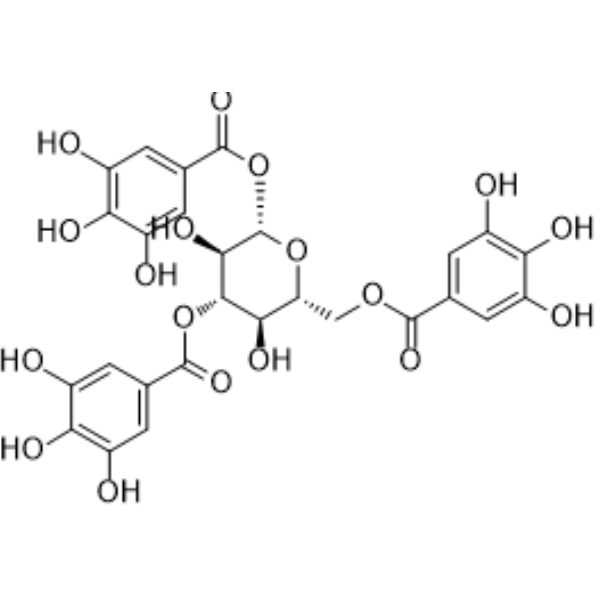
    1,3,6-Tri-O-galloyl-β-D-glucose

    Others Others
    1,3,6-Tri-O-galloyl-beta-D-glucose is a non-covalent inhibitor of tyrosinase (TYR), which can block the rate-limiting step of melanin synthesis and inhibit melanin deposition. 1,3,6-Tri-O-galloyl-beta-D-glucose has antioxidant and anti-inflammatory activities and can be used as a natural active ingredient to develop anti-freckle and whitening skin care products .
    1,3,6-Tri-O-galloyl-beta-D-glucose
  • HY-W015967
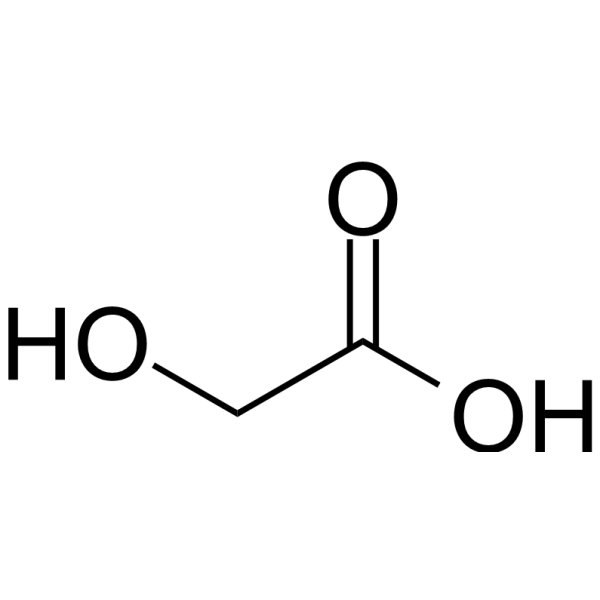
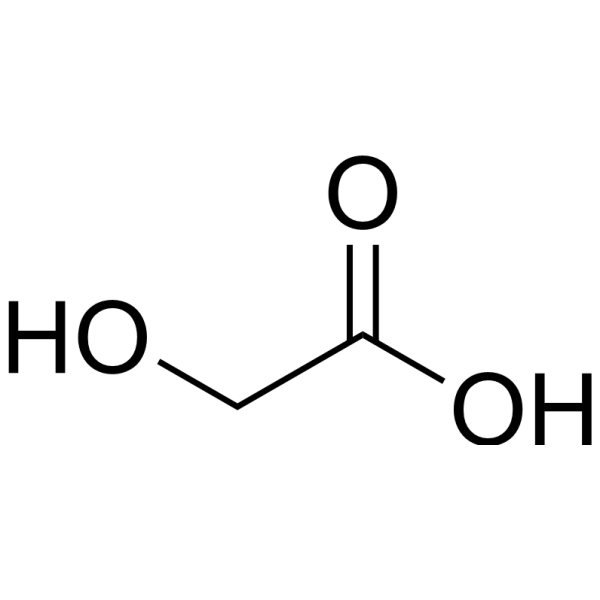
    Glycolic acid
    1 Publications Verification

    Hydroxyethanoic acid

    Environmental Pollutants Endogenous Metabolite Tyrosinase Metabolic Disease
    Glycolic acid is an inhibitor of tyrosinase, suppressing melanin formation and lead to a lightening of skin colour.
    Glycolic acid
  • HY-U00257

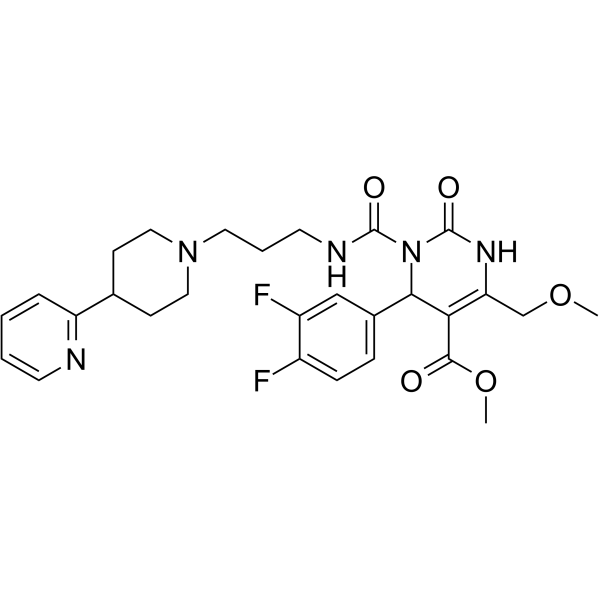
    MCHR1 (GPR24) Metabolic Disease Endocrinology
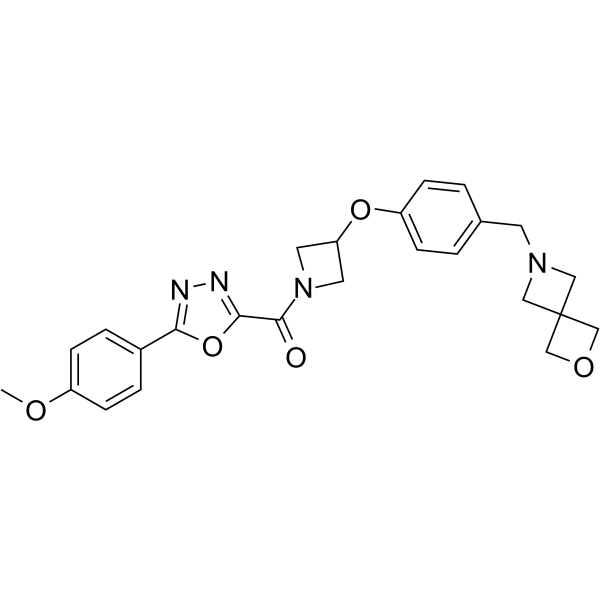
    AZD1979 is a Melanin-concentrating hormone receptor 1 (MCHr1) antagonist with an IC50 of ~12 nM.
    AZD1979
  • HY-N6821

    Drug Derivative Inflammation/Immunology Cancer
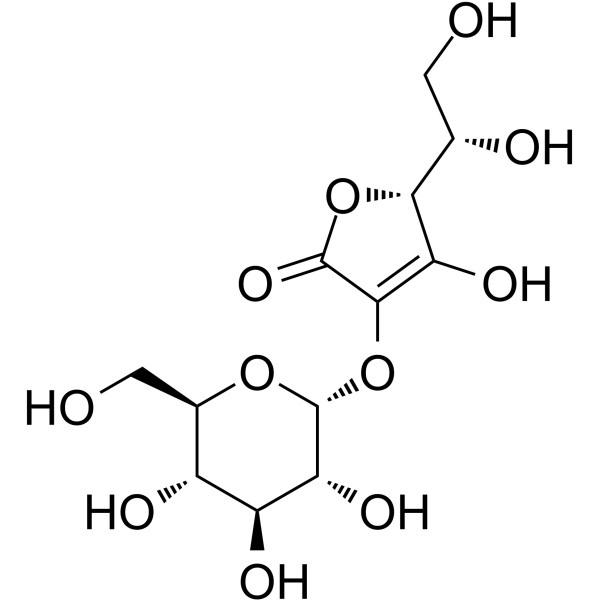
    2-O-α-D-Glucopyranosyl-L-ascorbic Acid is an orally active glucoside derivative of ascorbic acid. 2-O-α-D-Glucopyranosyl-L-ascorbic Acid can be hydrolyzed by α-glucosidase to release ascorbic acid. 2-O-α-D-Glucopyranosyl-L-ascorbic Acid inhibits melanin synthesis, prevents UV-induced cell damage, and promotes collagen synthesis in skin fibroblasts. 2-O-α-D-Glucopyranosyl-L-ascorbic Acid also induces oxidative stress to inhibit tumor growth. 2-O-α-D-Glucopyranosyl-L-ascorbic Acid can be used in research related to tumors, inflammation, and other conditions .
    2-O-α-D-Glucopyranosyl-L-ascorbic Acid
  • HY-101900

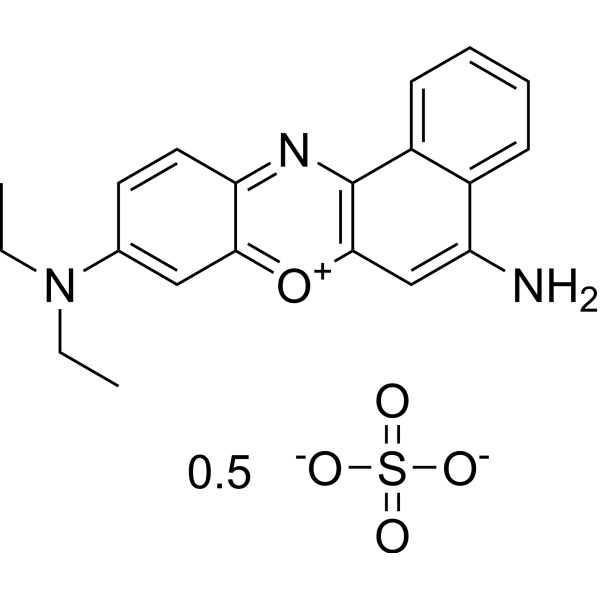
    Nile blue sulfate

    Fluorescent Dye Others
    Nile Blue A (Nile blue sulfate) is used to differentiate melanins and lipofuscins. It is also useful for staining fats and preparation of an amperometric glucose sensor .
    Nile Blue A sulfate
  • HY-W004288

    Tetradecanoic acid methyl ester

    Environmental Pollutants Drug Derivative Others
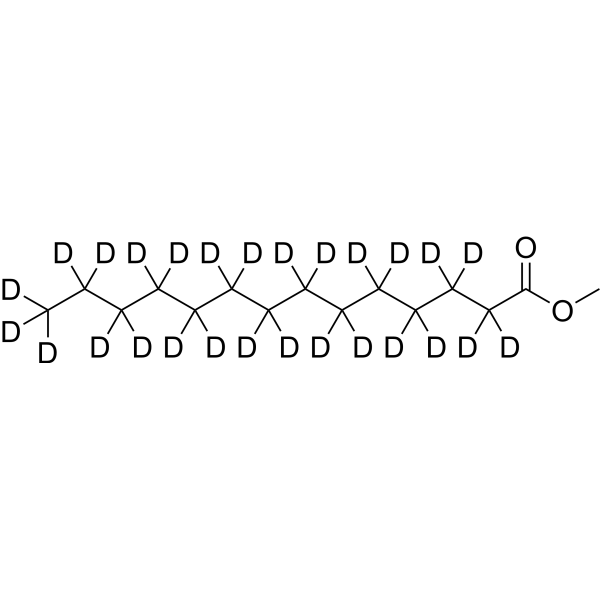
    Methyl myristate is a saturated fatty acid methyl ester obtained from the esterification of myristic acid. Methyl myristate shows a high melanin induction in B16F10 melanoma .
    Methyl myristate
  • HY-W018025

    Bacterial Fungal Parasite Endogenous Metabolite Infection Inflammation/Immunology
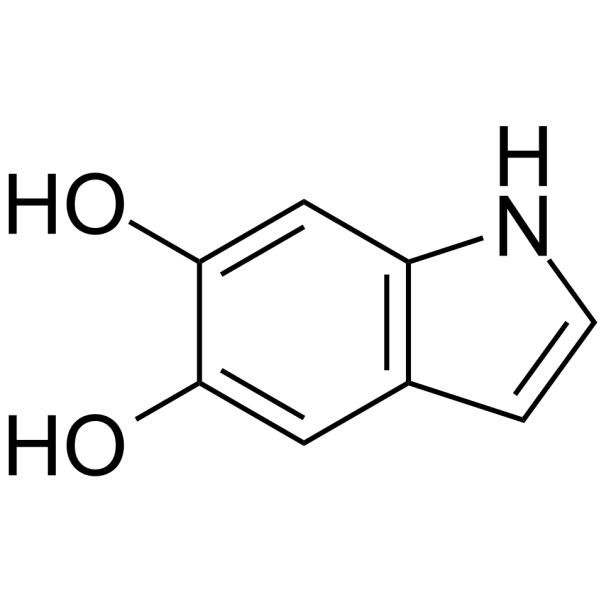
    5,6-Dihydroxyindole, a melanin precursor, has a broad-spectrum antibacterial, antifungal, antiviral, antiparasitic activity. 5,6-Dihydroxyindole has cytotoxic effects and is strongly toxic against various pathogens .
    5,6-Dihydroxyindole
  • HY-Y0444

    Tyrosinase Metabolic Disease
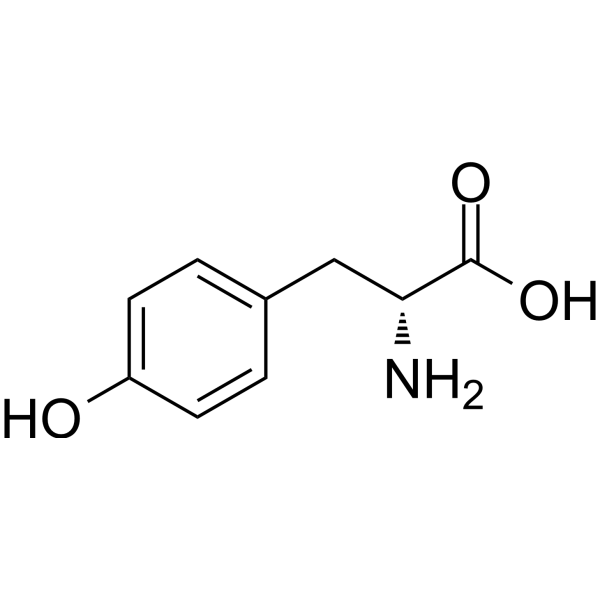
    D-Tyrosine is the D-isomer of tyrosine. D-Tyrosine negatively regulates melanin synthesis by inhibiting tyrosinase activity. D-Tyrosine inhibits biofilm formation and trigger the self-dispersal of biofilms without suppressing bacterial growth .
    D-Tyrosine
  • HY-P0097
    Nonapeptide-1
    2 Publications Verification

    Melanostatine-5

    Melanocortin Receptor Metabolic Disease Endocrinology Cancer
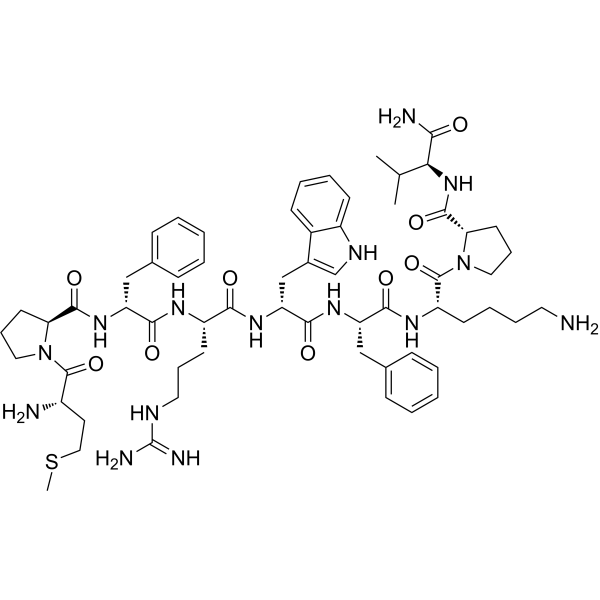
    Nonapeptide-1 (Melanostatine-5), a peptide hormone, is a selective antagonist of MC1R (Ki: 40 nM). Nonapeptide-1 is a competitive α-MSH antagonist that potently inhibits intracellular cAMP and melanosome dispersion induced by α-MSH in melanocytes (IC50: 2.5 nM and 11 nM, respectively). Nonapeptide-1 inhibits melanin synthesis, and can be used in the research of skin pigmentation and regulation of steroid production in the adrenal gland, skin cancer .
    Nonapeptide-1
  • HY-126052

    COX Tyrosinase HDAC Metabolic Disease Cancer
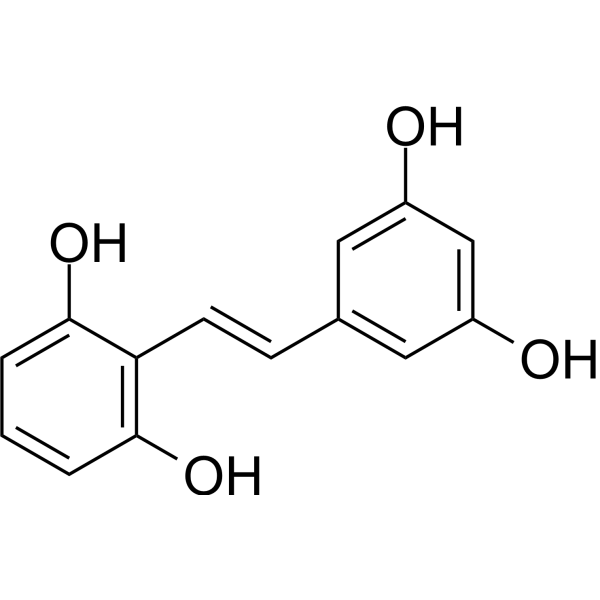
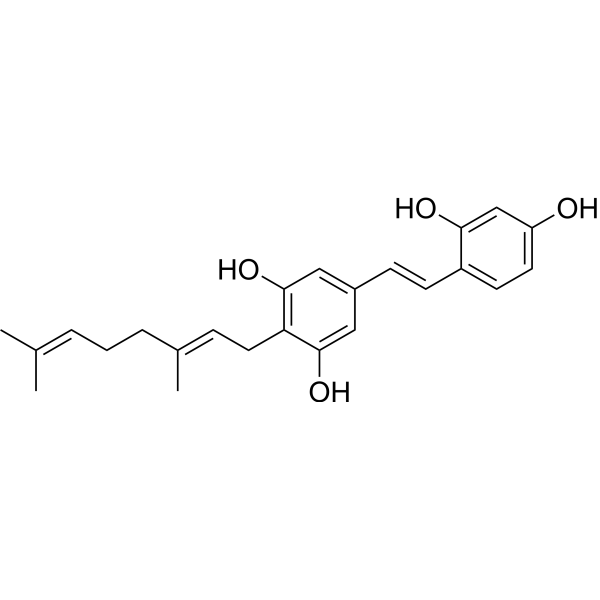
    Gnetol is a phenolic compound isolated from the root of Gnetum montanum . Gnetol potently inhibits COX-1 (IC50 of 0.78 μM) and HDAC. Gnetol is a potent tyrosinase inhibitor with an IC50 of 4.5 μM for murine tyrosinase and suppresses melanin biosynthesis. Gnetol has antioxidant, antiproliferative, anticancer and hepatoprotective activity. Gnetol also possesses concentration-dependent α-Amylase, α-glucosidase, and adipogenesis activities .
    Gnetol
  • HY-17516

    Environmental Pollutants Insecticide Mitochondrial Metabolism Bacterial Infection
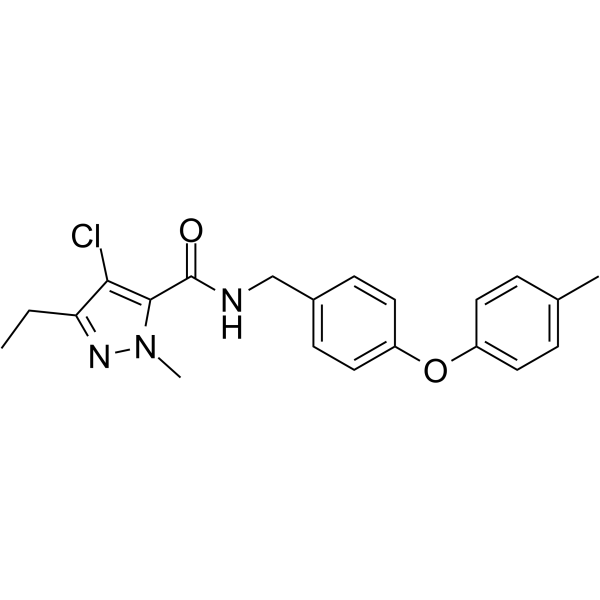
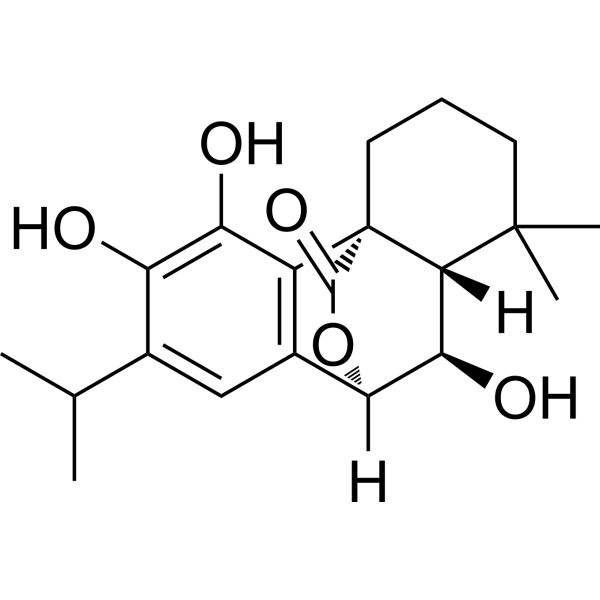
    Tolfenpyrad is an insecticide approved for marketing in Japan in 2002.
    Tolfenpyrad
  • HY-101371

    Keap1-Nrf2 Cancer
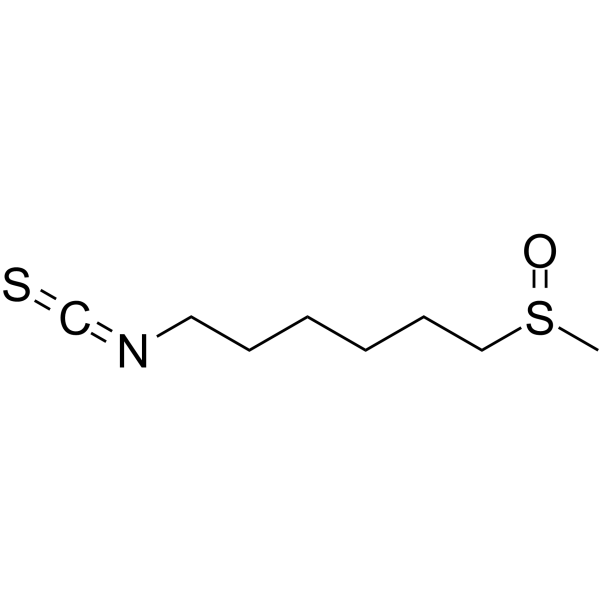
    Hesperin is a bioactive ingredient present in Japanese horseradish (wasabi) and has been shown to be an Nrf2 activator.
    Hesperin
  • HY-N1481

    Environmental Pollutants Tyrosinase Metabolic Disease
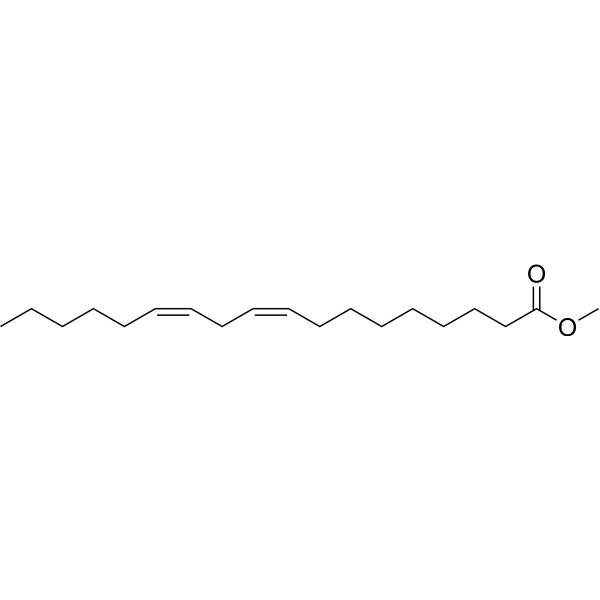
    Methyl linoleate, a major active constituent of Sageretia thea fruit (HFSF), is a major anti-melanogenic compound. Methyl linoleate downregulates microphthalmia-associated transcription factor (MITF) and tyrosinase-related proteins .
    Methyl linoleate
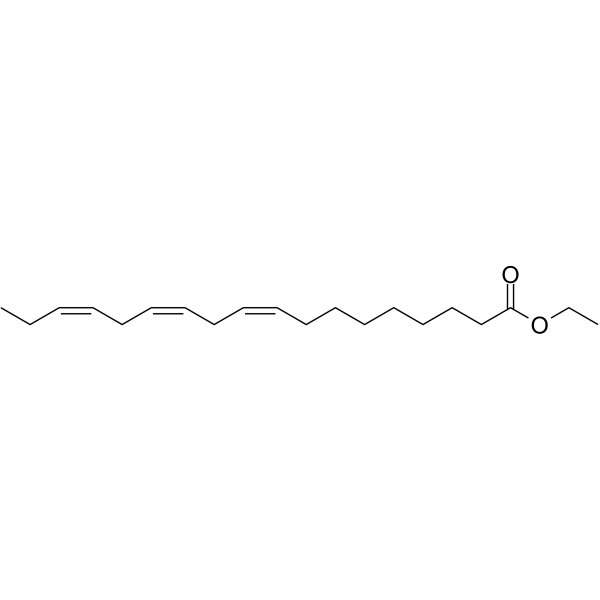
  • HY-N2073

    MCHR1 (GPR24) Cardiovascular Disease
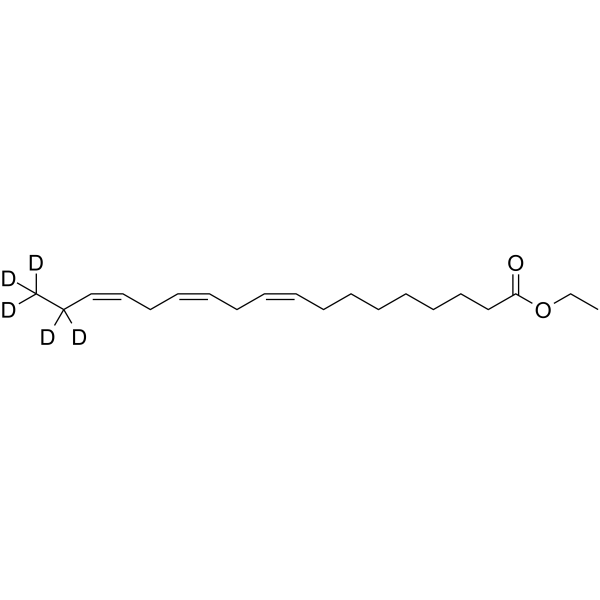
    Ethyl linolenate is a fatty acid ethyl ester (FAEE). Ethyl linolenate plays an active role in inhibition of the cellular production on melanin with an IC50 of 70 μM. Anti-melanogenesis Effects .
    Ethyl linolenate
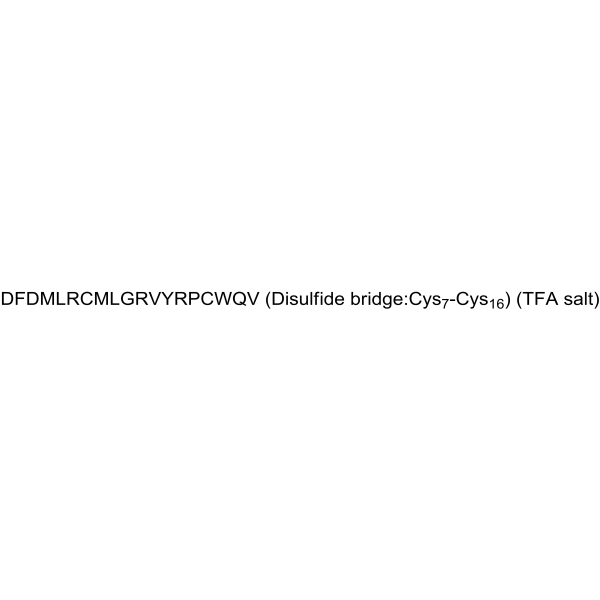
  • HY-P1205A
    MCH(human, mouse, rat) TFA
    1 Publications Verification

    melanin-concentrating hormone(human, mouse, rat) TFA

    MCHR1 (GPR24) Neurological Disease Metabolic Disease
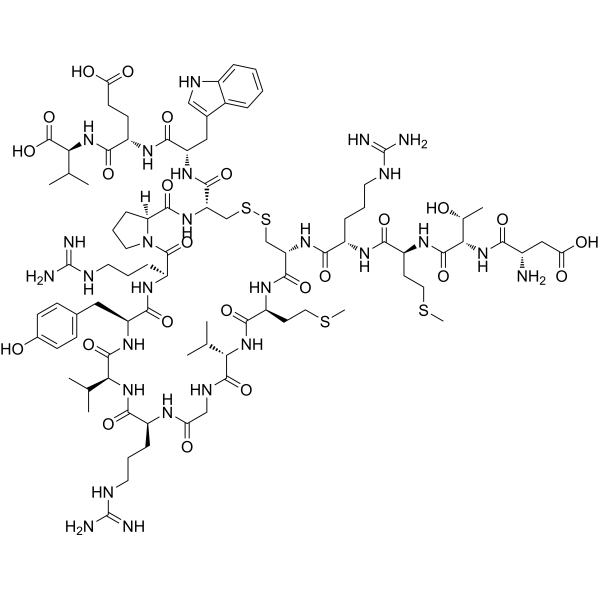
    MCH (human, mouse, rat) TFA is a cyclic neuropeptide mainly synthesized by neurons in the lateral hypothalamic area. MCH (human, mouse, rat) TFA also serves as an endogenous ligand for the melanin-concentrating hormone receptor (MHC receptor), with a binding IC50 of 0.3 nM and 1.5 nM for human MCH-1R and MCH-2R, respectively; its functional EC50 values are 3.9 nM and 88.7 nM. MCH (human, mouse, rat) TFA acts not only as an orexigenic signal but also as a key integrating and regulatory hormone for energy homeostasis and sleep-wake cycles. MCH (human, mouse, rat) TFA can be used in studies related to obesity, sleep disorders, and other associated conditions .
    MCH(human, mouse, rat) TFA
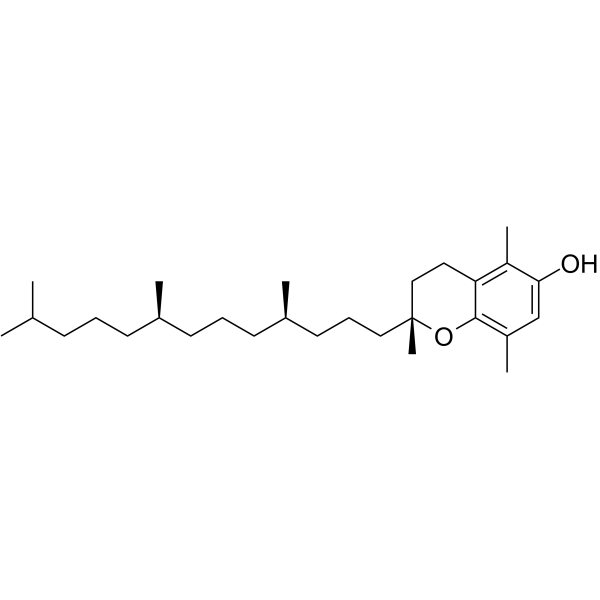
  • HY-133680

    Tyrosinase Others
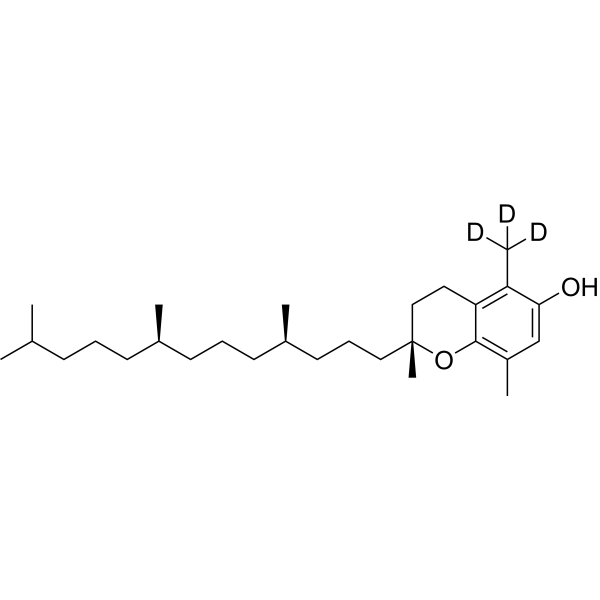
    β-Tocopherol is an analogue of vitamin E, exhibits antioxidant properties. β-Tocopherol can inhibit tyrosinase activity and melanin synthesis. β-Tocopherol also can prevent the inhibition of cell growth and of PKC activity caused by d-alpha-tocopherol .
    β-Tocopherol
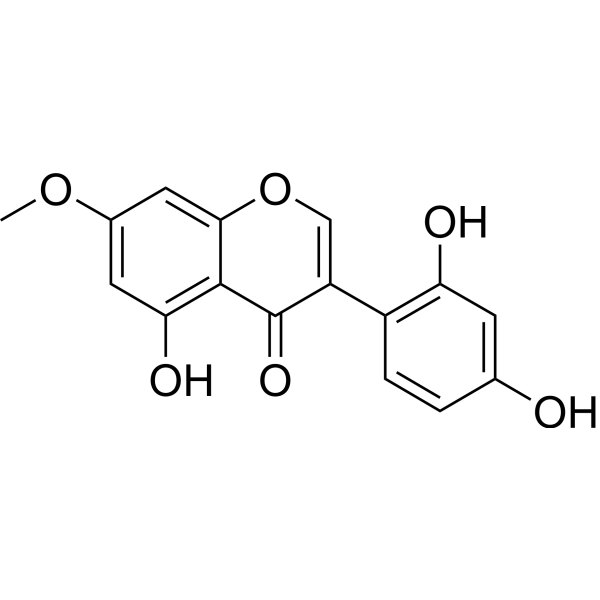
  • HY-N2983

    Tyrosinase Others
    Cajanin is a potent and orally active anti-melanogenic agent. Cajanin shows antiproliferative activity in MNT1 Cells. Cajanin efficiently decreases the melanin content. Cajanin down-regulates the mRNA and protein expression levels of MITF, tyrosinase, TRP-1 and Dct (TRP-2). Cajanin induces cell cycle arrest at G2/M and S phase. Cajanin stimulates osteoblast proliferation. Cajanin has the potential for the research of human hyperpigmented disorders and menopausal osteoporosis .
    Cajanin
  • HY-P0097A
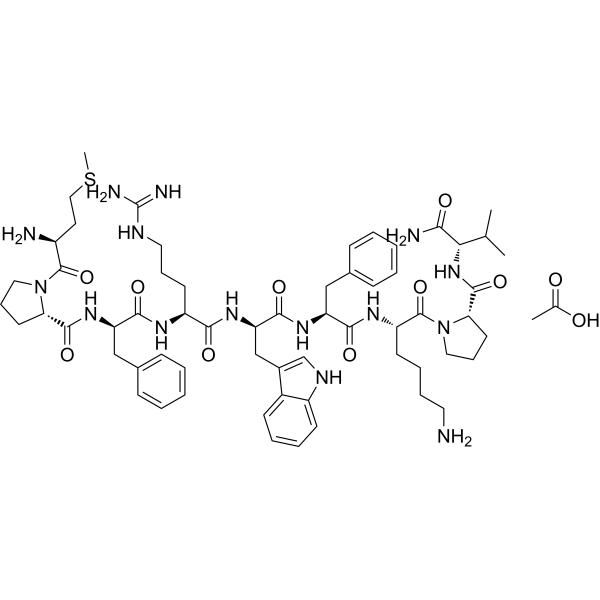
    Nonapeptide-1 acetate salt
    2 Publications Verification

    Melanostatine-5 acetate salt

    Melanocortin Receptor Metabolic Disease Endocrinology Cancer
    Nonapeptide-1 (Melanostatine-5) acetate salt, a peptide hormone, is a selective antagonist of MC1R (Ki: 40 nM). Nonapeptide-1 acetate salt is a competitive α-MSH antagonist that potently inhibits intracellular cAMP and melanosome dispersion induced by α-MSH in melanocytes (IC50: 2.5 nM and 11 nM, respectively). Nonapeptide-1 acetate salt inhibits melanin synthesis, and can be used in the research of skin pigmentation and regulation of steroid production in the adrenal gland, skin cancer .
    Nonapeptide-1 acetate salt
  • HY-B1428

    Ethenzamide

    Tyrosinase Reactive Oxygen Species (ROS) PERK Neurological Disease Inflammation/Immunology Cancer
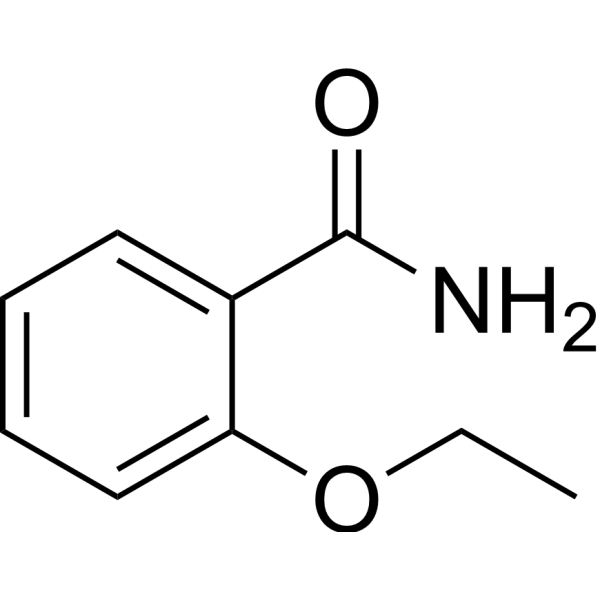
    2-Ethoxybenzamide (Ethenzamide) is a nonsteroidal anti-inflammatory agent that shows analgesic and antipyretic effects. 2-Ethoxybenzamide induces melanin synthesis via cAMP response element-binding protein (CREB) phosphorylation. 2-Ethoxybenzamide can be used in the research of hypopigmentation and inflammation-related diseases .
    2-Ethoxybenzamide
  • HY-N1434

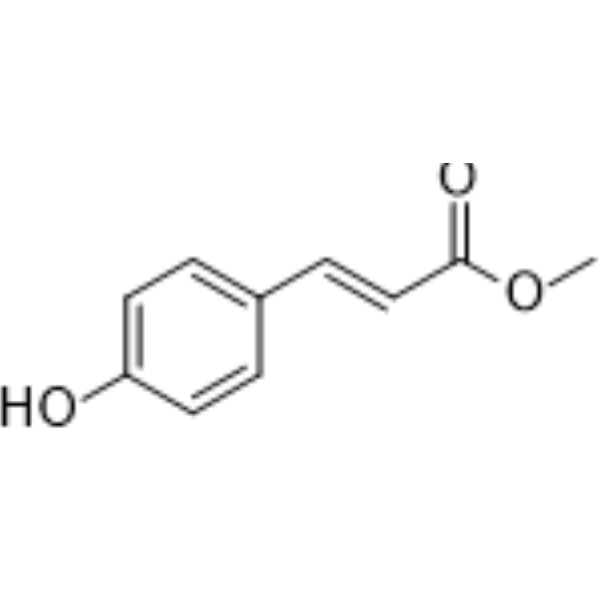
    Methyl 4-hydroxycinnamate

    Fungal Infection Cancer
    Methyl p-coumarate (Methyl 4-hydroxycinnamate), an orally active esterified derivative of p-Coumaric acid (pCA), can be isolated from the flower of Trixis michuacana var longifolia. Methyl p-coumarate could inhibit the melanin formation in B16 mouse melanoma cells. Methyl p-coumarate also has strong in vitro inhibitory effect on A. alternata and other pathogens .
    Methyl p-coumarate
  • HY-W250120

    Environmental Pollutants Biochemical Assay Reagents Others
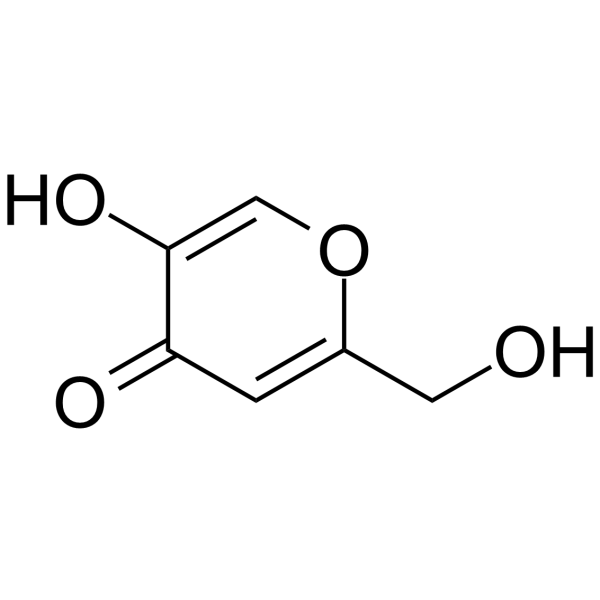
    Konjac glucomannan (Viscosity≥15000mPa.s) is an acetylated (1-4)-beta-D-glucomannan extracted from the tuber of konjac or konjac root. In Japan, it is a dietary supplement intended to reduce calorie intake because it swells in water.
    Konjac glucomannan (Viscosity≥15000mPa.s)
  • HY-W015967S

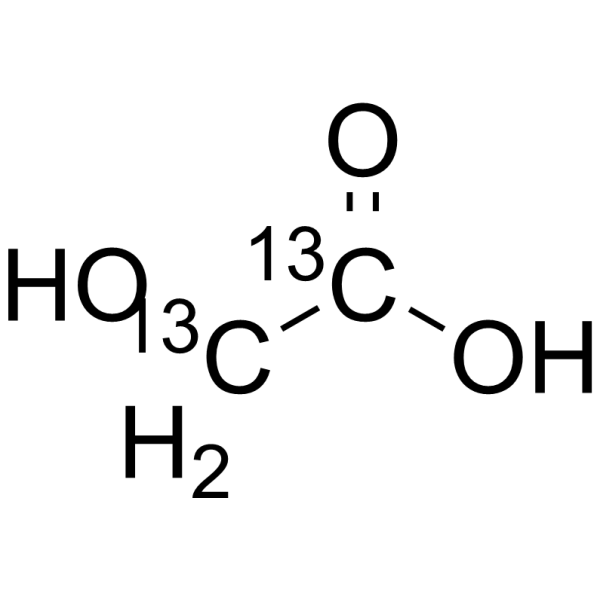
    Endogenous Metabolite Tyrosinase Metabolic Disease
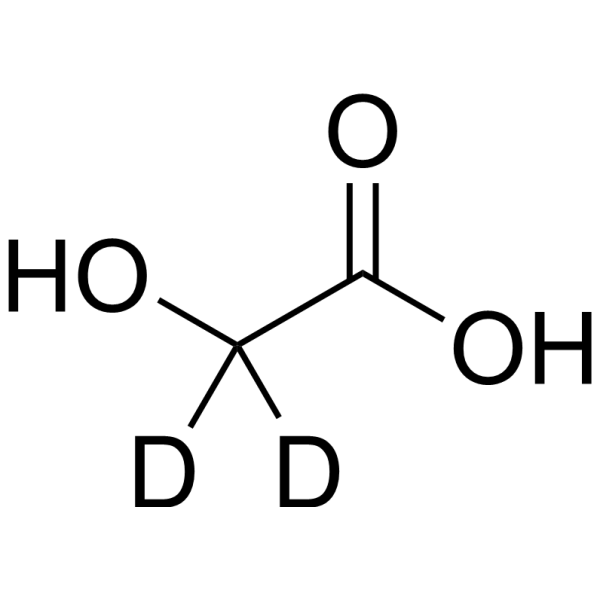
    Glycolic acid-d2 is the deuterium labeled Glycolic acid. Glycolic acid is an inhibitor of tyrosinase, suppressing melanin formation and lead to a lightening of skin colour.
    Glycolic acid-d2
  • HY-11083

    GW-3430

    MCHR1 (GPR24) Metabolic Disease
    GW-803430 (GW-3430) is a potent and selective melanin-concentrating hormone receptor 1 (MCH R1) antagonist with a pIC50 of 9.3. GW-803430 is orally active in an animal model of obesity .
    GW-803430
  • HY-111398
    ALB-127158(a)
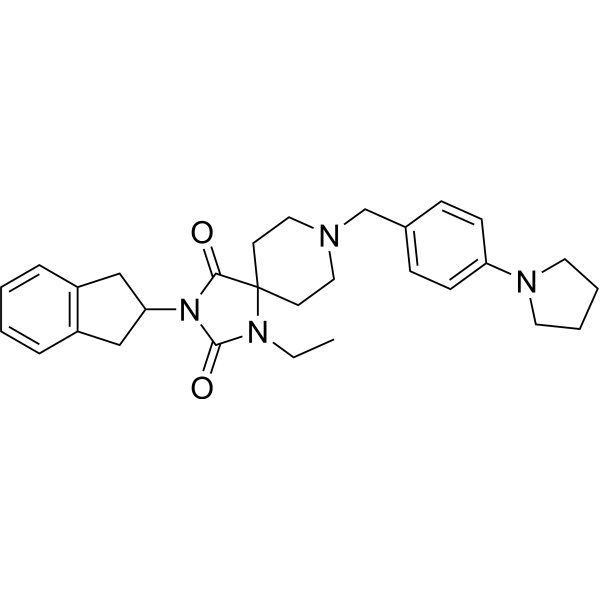
    1 Publications Verification

    MCHR1 (GPR24) Metabolic Disease Endocrinology
    ALB-127158(a) is a potent and selective melanin concentrating hormone 1 (MCH1) receptor antagonist.
    ALB-127158(a)
  • HY-100321

    MCHR1 (GPR24) Potassium Channel Metabolic Disease Endocrinology
    MCHR1 antagonist 2 is an antagonist of melanin concentrating hormone receptor 1, with an IC50 of 65 nM; MCHR1 antagonist 2 also inhibits hERG, with an IC50 of 4.0 nM in IMR-32 cells .
    MCHR1 antagonist 2
  • HY-N6901

    Epigenetic Reader Domain Metabolic Disease
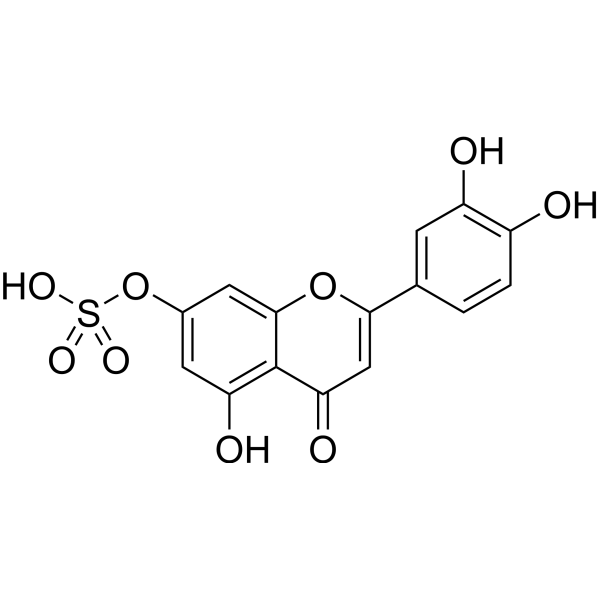
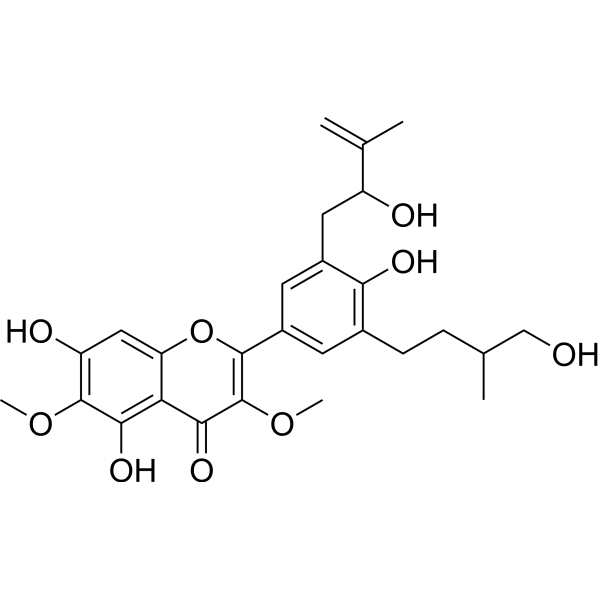
    Luteolin 7-sulfate is isolated from Phyllospadix iwatensis Makino, a marine plant. Luteolin 7-sulfate attenuates TYR gene expression through the intervention of a cAMP-responsive element binding protein (CREB)- and microphthalmia-associated transcription factor (MITF)-mediated signaling pathway, leading to the decreased melanin synthesis .
    Luteolin 7-sulfate
  • HY-P0096

    Tyrosinase Sirtuin Inflammation/Immunology Endocrinology
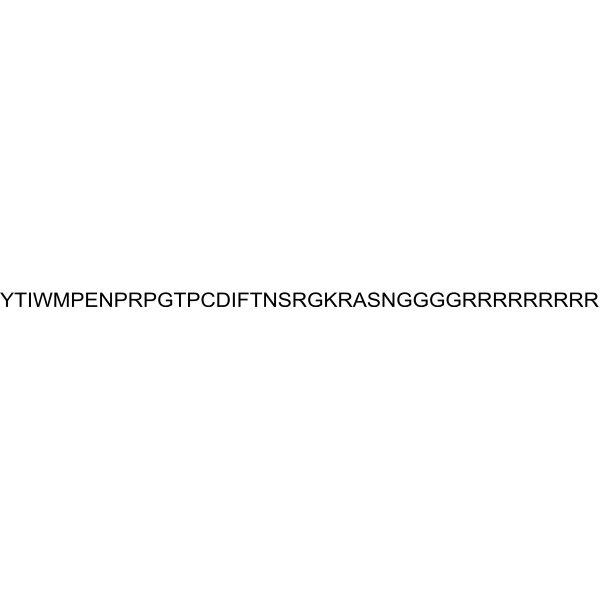
    Decapeptide-12, a small oligopeptide, is a tyrosinase inhibitor that interacts with C-terminal residue of tyrosinase (Kd: 61.1 μM). Decapeptide-12 is a competitive inhibitor of mushroom tyrosinase (IC50: 40 μM). Decapeptide-12 also increases transcription of SIRT. Decapeptide-12 reduces melanin content in melanocytes. Decapeptide-12 is used for the research of melanogenesis, senescence, inflammation .
    Decapeptide-12
  • HY-N6243

    Fungal Infection
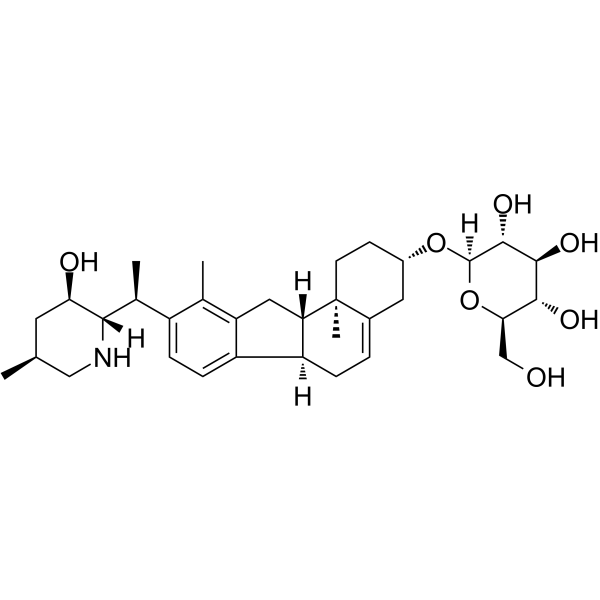
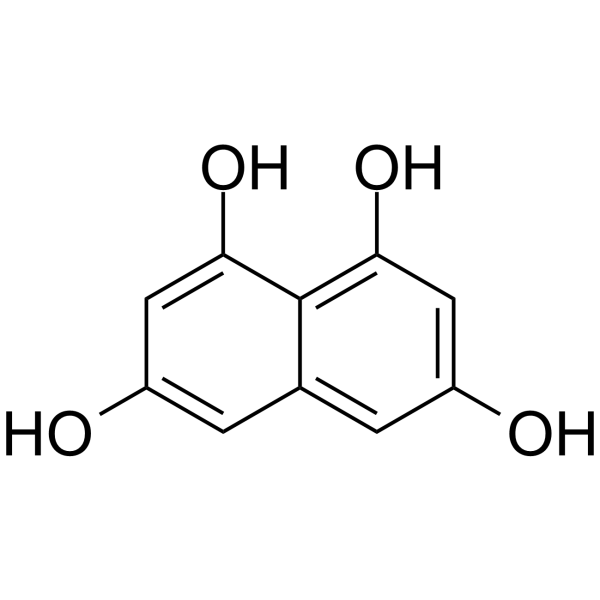
    Veratrosine is a Trihydroxynapthalene reductase (THR) inhibitor and fungal plant pathogen inhibitor. Veratrosine interacts with THR, an enzyme in the DHN melanin biosynthesis pathway of Curvularia lunata. Veratrosine can be used for the research of leaf blight of rice, brown spot of rice, and blast disease of foxtail millet .
    Veratrosine
  • HY-P1525

    MCH (salmon)

    MCHR1 (GPR24) Cardiovascular Disease Neurological Disease Metabolic Disease Endocrinology
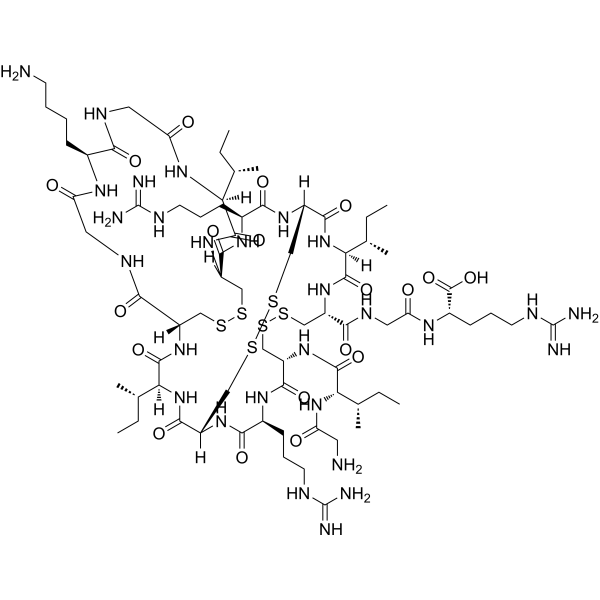
    Melanin Concentrating Hormone, salmon is a 19-amino-acid neuropeptide initially identified in the pituitary gland of teleost fish, which regulates food intake, energy balance, sleep state, and the cardiovascular system. Melanin-concentrating hormone is a ligand for an orphan G protein-coupled receptor (SLC-1/GPR24) and MCHR2.
    Melanin Concentrating Hormone, salmon
  • HY-P1525A

    MCH (salmon) TFA

    MCHR1 (GPR24) Cardiovascular Disease Neurological Disease Metabolic Disease Endocrinology
    Melanin Concentrating Hormone, salmon TFA (MCH (salmon) TFA) is a 19-amino-acid neuropeptide initially identified in the pituitary gland of teleost fish, which regulates food intake, energy balance, sleep state, and the cardiovascular system. Melanin-concentrating hormone is a ligand for an orphan G protein-coupled receptor (SLC-1/GPR24) and MCHR2.
    Melanin Concentrating Hormone, salmon TFA
  • HY-P1205
    MCH(human, mouse, rat)
    1 Publications Verification

    melanin-concentrating hormone(human, mouse, rat)

    MCHR1 (GPR24) Neurological Disease Metabolic Disease
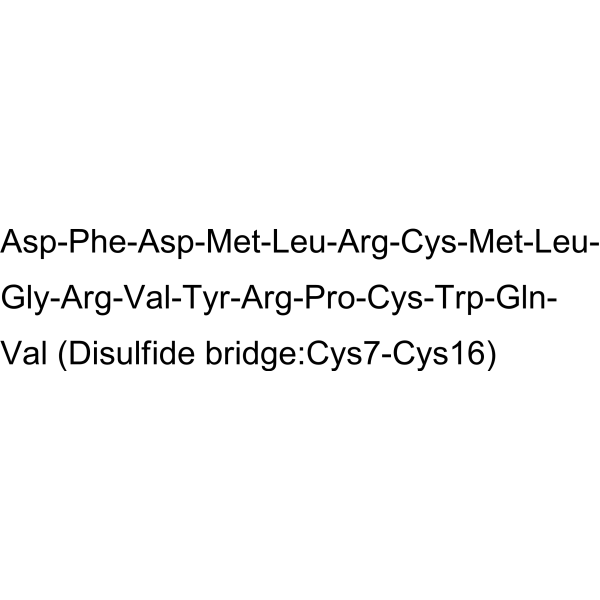
    MCH (human, mouse, rat) is a cyclic neuropeptide mainly synthesized by neurons in the lateral hypothalamic area. MCH (human, mouse, rat) also serves as an endogenous ligand for the melanin-concentrating hormone receptor (MHC receptor), with a binding IC50 of 0.3 nM and 1.5 nM for human MCH-1R and MCH-2R, respectively; its functional EC50 values are 3.9 nM and 88.7 nM. MCH (human, mouse, rat) acts not only as an orexigenic signal but also as a key integrating and regulatory hormone for energy homeostasis and sleep-wake cycles. MCH (human, mouse, rat) can be used in studies related to obesity, sleep disorders, and other associated conditions .
    MCH(human, mouse, rat)
  • HY-148400

    TXC hydrochloride

    Ser/Thr Protease Drug Derivative Metabolic Disease
    Cetyl tranexamate (TXC) hydrochloride is an ester derivative of Tranexamic acid (HY-B0149). Cetyl tranexamate hydrochloride is an inhibitor of fibrinogen activation and can reduce the production of fibrinogen in keratinocytes induced by ultraviolet rays or damage, indirectly inhibiting the melanin production pathway. Cetyl tranexamate hydrochloride also targets melanin (dark spots) and hemoglobin (red spots), reducing vascular dilation and pigmentation by inhibiting inflammatory mediators (such as prostaglandins, platelet activating factors). Cetyl tranexamate hydrochloride can be used as a cosmetic ingredient and is suitable for epidermal pigment disorders such as photoaging, post-inflammatory hyperpigmentation (PIH), and melasma .
    Cetyl tranexamate hydrochloride
  • HY-N9506

    GABA Receptor Neurological Disease
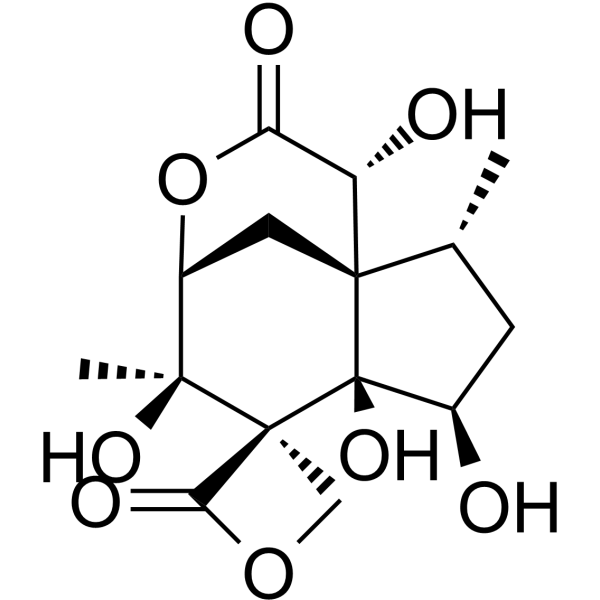
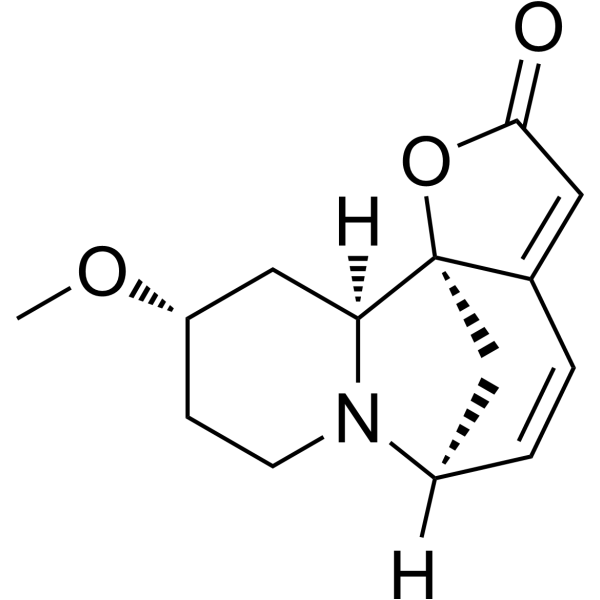
    Anisatin, a pure toxic substance isolated from the seeds of a Japanese plant (Illicium anisatum) acts as a picrotoxin-like, non-competitive GABA antagonist. Anisatin suppresses GABA-induced currents in a concentration-dependent manner with an EC50 of ~1.10 μM .
    Anisatin
  • HY-133680R

    Reference Standards Tyrosinase Others
    β-Tocopherol (Standard) is the analytical standard of β-Tocopherol. This product is intended for research and analytical applications. β-Tocopherol is an analogue of vitamin E, exhibits antioxidant properties. β-Tocopherol can inhibit tyrosinase activity and melanin synthesis. β-Tocopherol also can prevent the inhibition of cell growth and of PKC activity caused by d-alpha-tocopherol .
    β-Tocopherol (Standard)
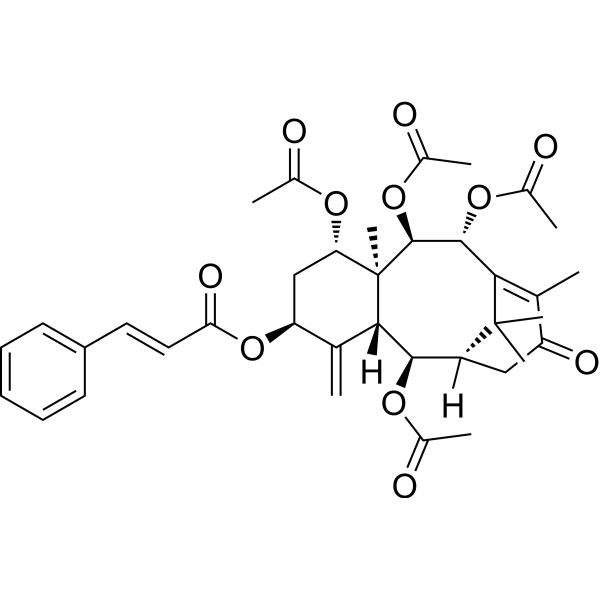
  • HY-N7348

    Others Others
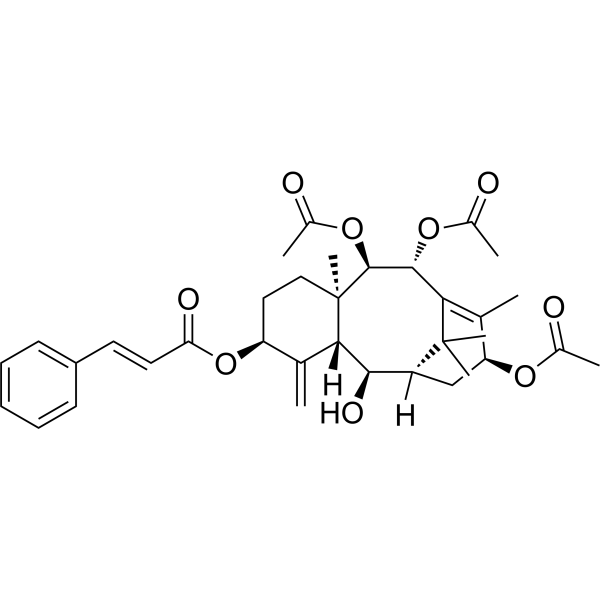
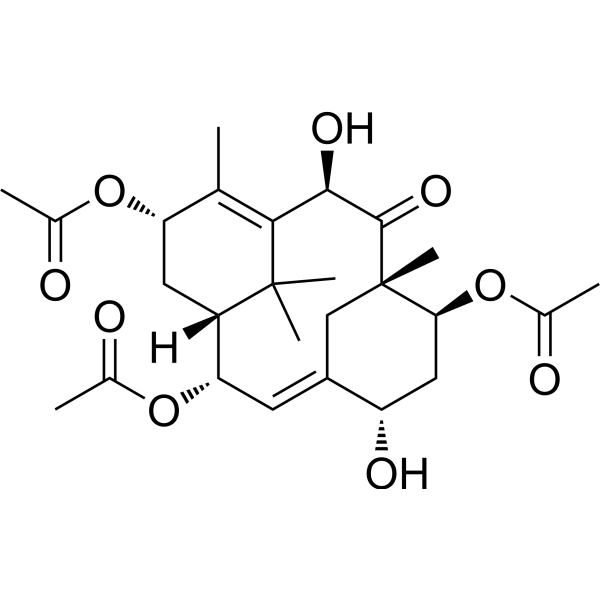
    Taxezopidine G is a natural product, that can be isolated from the seeds and stems of Japanese Yew Taxus cuspidata .
    Taxezopidine G
  • HY-122450

    pGlu-Leu; pyroGlu-Leu

    Bacterial Infection
    Pyroglutamylleucine (pGlu-Leu) is an orally active peptide. Pyroglutamylleucine can be present in certain food protein hydrolysates and traditional Japanese fermented foods. Pyroglutamylleucine attenuates dysbiosis by increasing in the host antimicrobial peptide, Rattusin (HY-P11548) .
    Pyroglutamylleucine
  • HY-P3155

    MCHR1 (GPR24) Neurological Disease Metabolic Disease
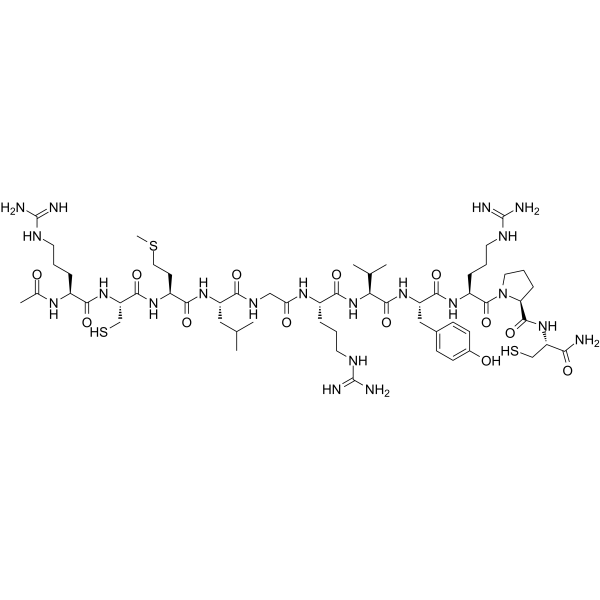
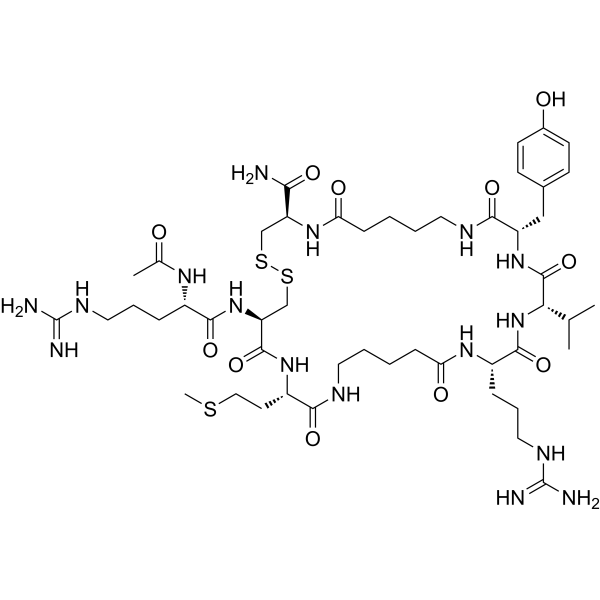
    Ac-hMCH(6-16)-NH2 binds to and activates equally well both human MCH receptors present in the brain (non-selective agonist), with IC50 values of 0.16 nM and 2.7 nM for MCH-1R and MCH-2R .
    Ac-hMCH(6-16)-NH2
  • HY-W775186

    Fungal Infection
    Tolprocarb is an oomyces fungicide, which has a strong inhibitory effect on rice blast fungus Magnaporthe grisea by inhibiting polyketide synthase in melanin synthesis pathway .
    Tolprocarb
  • HY-112367
    SB 202474
    1 Publications Verification

    p38 MAPK Cancer
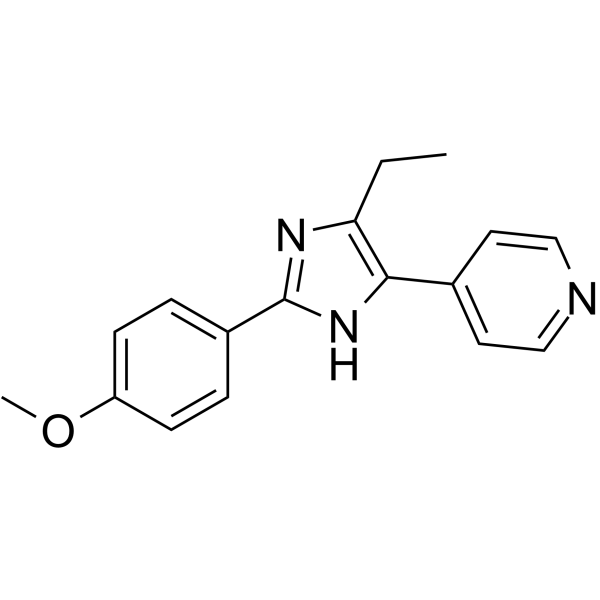
    SB 202474, a negative analog of SB203580. SB 202474, which has no ability to inhibit p38 MAPK activity and is widely used as a negative control compound in p38 MAPK studies, also suppressed melanin synthesis induction .
    SB 202474
  • HY-P5265

    DNA/RNA Synthesis Metabolic Disease
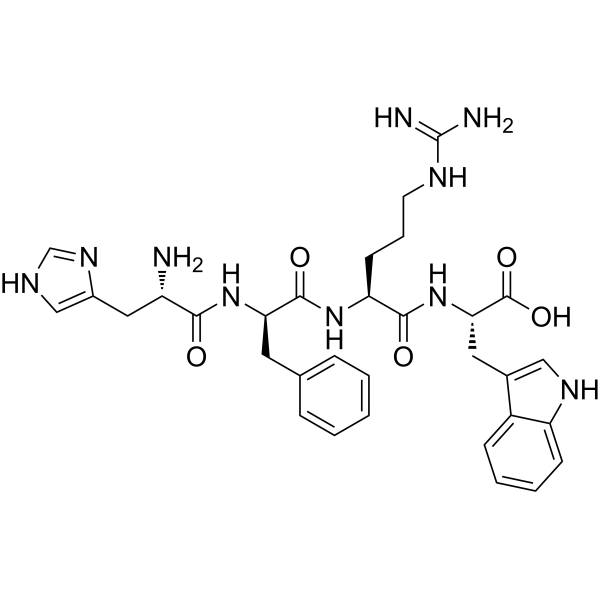
    Tetrapeptide, an analogue of α-MSH, induces melanin synthesis. Tetrapeptide diminishes DNA damage by reducing the production of reactive oxidative species and enhancing repair of DNA photoproducts .
    Tetrapeptide
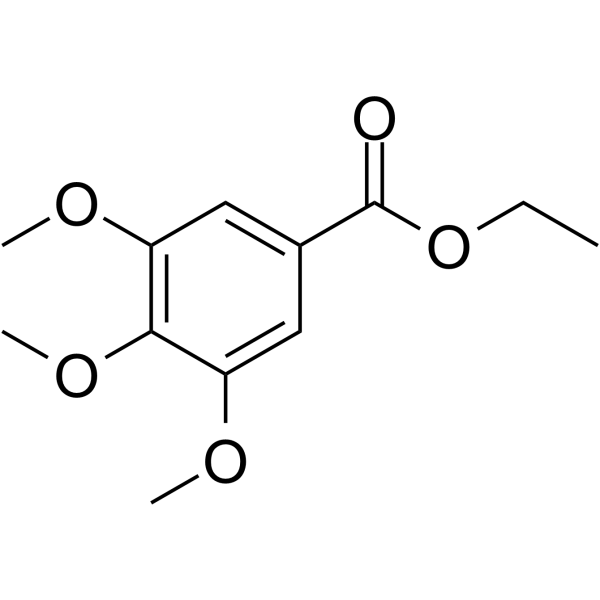
  • HY-W012092

    Tyrosinase Reactive Oxygen Species (ROS) Metabolic Disease Inflammation/Immunology
    Ethyl 3,4,5-trimethoxybenzoate is a melanogenesis inhibitor. Ethyl 3,4,5-trimethoxybenzoate does not directly target tyrosinase activity, but inhibits melanin synthesis in a dose-dependent manner by downregulating α-MSH (HY-P0252)-induced tyrosinase protein expression and scavenging ROS. Ethyl 3,4,5-trimethoxybenzoate scavenges DPPH free radicals. Ethyl 3,4,5-trimethoxybenzoate can be used in the research of hyperpigmentation .
    Ethyl 3,4,5-trimethoxybenzoate
  • HY-N9521

    Others Cancer
    3-O-β-D-Glucopyranosyl(1→2)-[a-Lrhamnopyranosyl(1→3)]-β-D-glucopyranosyl 28-O-β-D-glucuronopyranoside, a saponin, is isolated from Polaskia chichipe Backbg. 3-O-β-D-Glucopyranosyl(1→2)-[a-Lrhamnopyranosyl(1→3)]-β-D-glucopyranosyl 28-O-β-D-glucuronopyranoside shows ability to inhibit melanin biosynthesis by B16 melanoma cell with inhibitory activity 84.2% at 100μM[1].
    3-O-β-D-Glucopyranosyl(1→2)-[a-Lrhamnopyranosyl(1→3)]-β-D-glucopyranosyl 28-O-β-D-glucuronopyranoside
  • HY-N1171

    Taxinin B

    Microtubule/Tubulin Cancer
    Taxinine B is a taxoid that can be isolated from Japanese Yew Taxus Cuspid. Taxinine B inhibits CaCl2-induced depolymerization of microtubule. Taxinine B is useful for overcoming multidrug resistance in tumor cells .
    Taxinine B
  • HY-P6294

    Tyrosinase Others
    Pseudostellarin G is a natural cyclic octapeptide. Pseudostellarin G has the activity of inhibiting tyrosinase. Pseudostellarin G can inhibit the production of melanin .
    Pseudostellarin G
  • HY-P1869

    MCHR1 (GPR24) Melanocortin Receptor Neurological Disease Endocrinology
    Neuropeptide EI, rat displays functional melanin concentrating hormone (MCH)-antagonist and melanocyte-stimulating hormone (MSH) agonist activity in different behavioral paradigms .
    Neuropeptide EI, rat
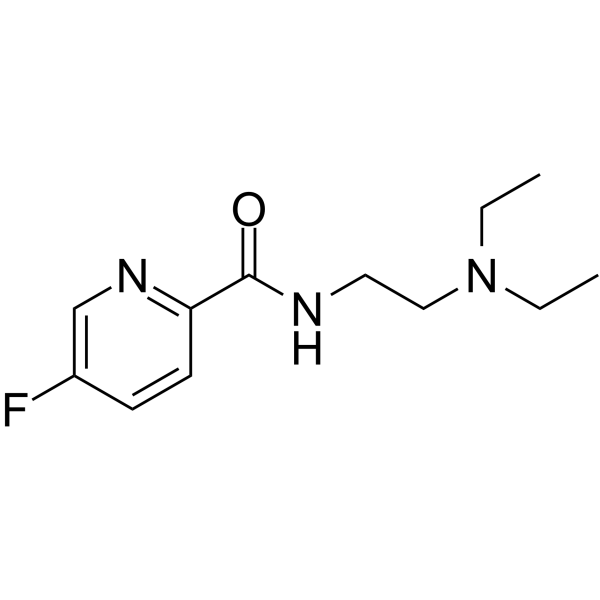
  • HY-136404

    Fluorescent Dye Cancer
    Melanin probe-1 is an 18F-picolinamides based PET probe. Melanin probe-1 can be used for PET imaging of malignant melanoma. Melanin probe-1 exhibits high tumor targeting efficiency, excellent tumor imaging contrasts, desirable biodistribution patterns, and good in vivo stability .
    Melanin probe-1
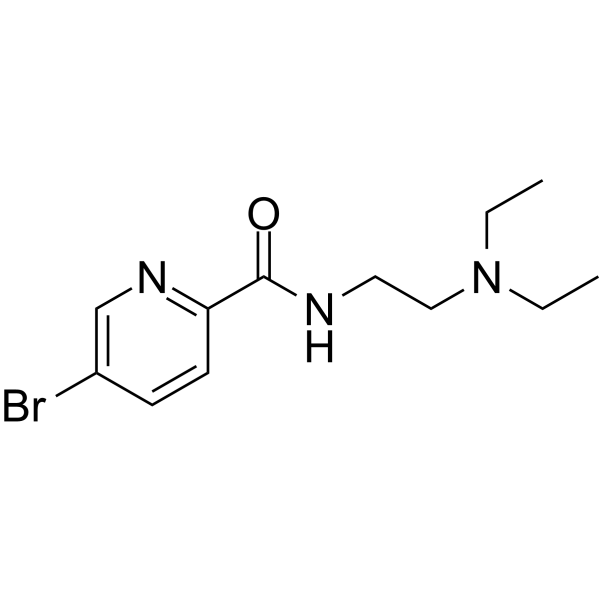
  • HY-136405

    Fluorescent Dye Others
    Melanin probe-2 (compound 5) is a non-radioactive bromopicolinamide precursor. Melanin probe-2 can be used for 18F-Labeled Picolinamide PET probe synthesis (HY-136404) .
    Melanin probe-2
  • HY-N2640

    Fungal Infection
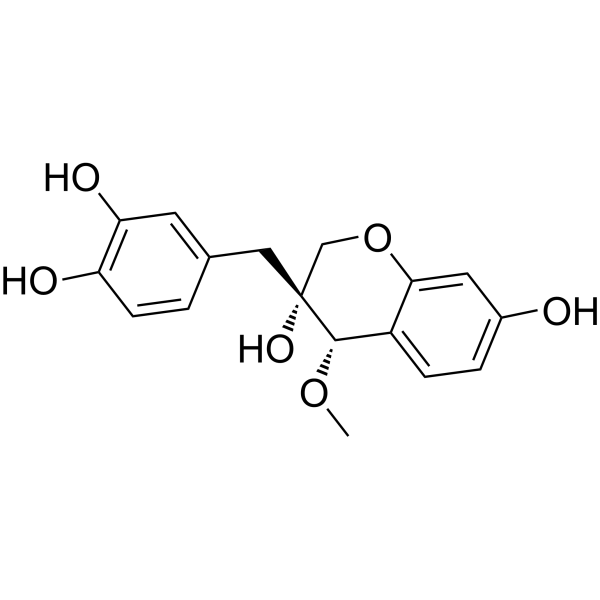
    4-O-Methylsappanol is a natural isoflavonoid with antifungal activities. 4-O-Methylsappanol shows activity against Beauveria bassiana . 4-O-Methylsappanol (EC50 of 4.6 μM) strongly suppresses Melanin (Melanin) synthesis in HMV-II cells .
    4-O-Methylsappanol
  • HY-163326

    Tyrosinase Cancer
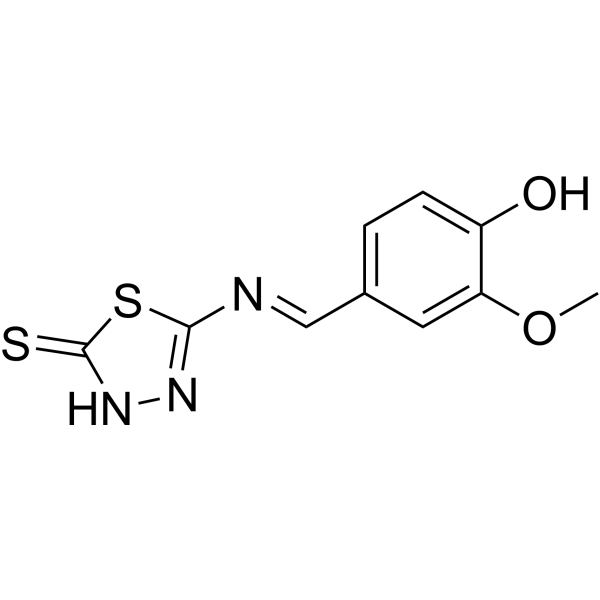
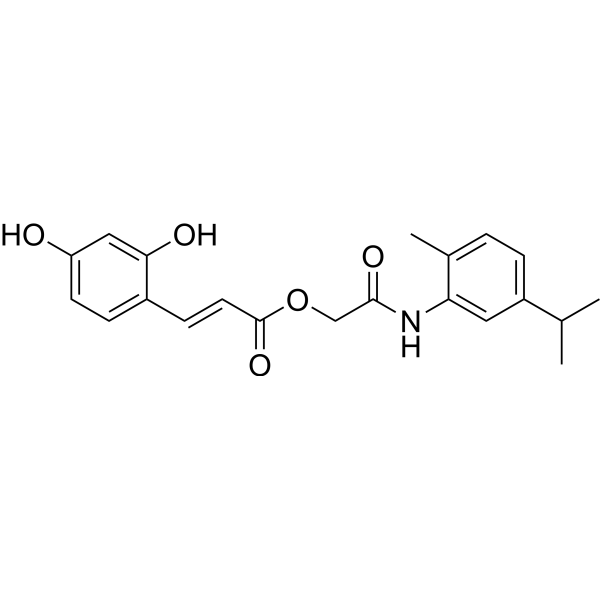
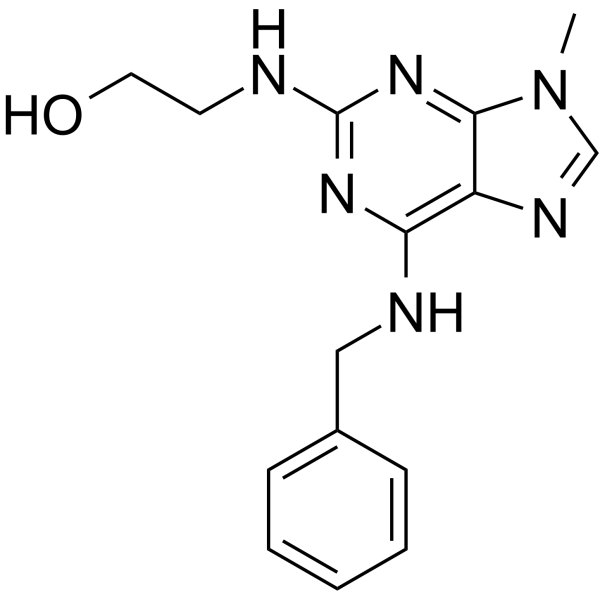
    Tyrosinase-IN-25 (compound 1l) is an inhibitor of tyrosinase and melanin biosynthesis in human melanoma cells .
    Tyrosinase-IN-25

온라인 문의

Your information is safe with us. * Required Fields.

호칭


Country or Region *

고객명 *


회사명 *

Department *


메일주소 *


상품명 *

Cat. No.


Requested quantity *

전화번호 *


비고

온라인 문의

Inquiry Information

상품명:
Cat. No.:
수량:
MCE Japan Authorized Agent: