1. Search Result
Search Result
Results for "

STAT3 activation

" in MedChemExpress (MCE) Product Catalog:

166

Inhibitors & Agonists

1

Screening Libraries

2

Fluorescent Dyes

4

Biochemical Assay Reagents

6

Peptides

2

Inhibitory Antibodies

61

Natural
Products

7

Isotope-Labeled Compounds

4

Oligonucleotides

2

GMP Molecules

Targets Recommended:
Cat. No. Product Name Target Research Areas Chemical Structure
  • HY-112288
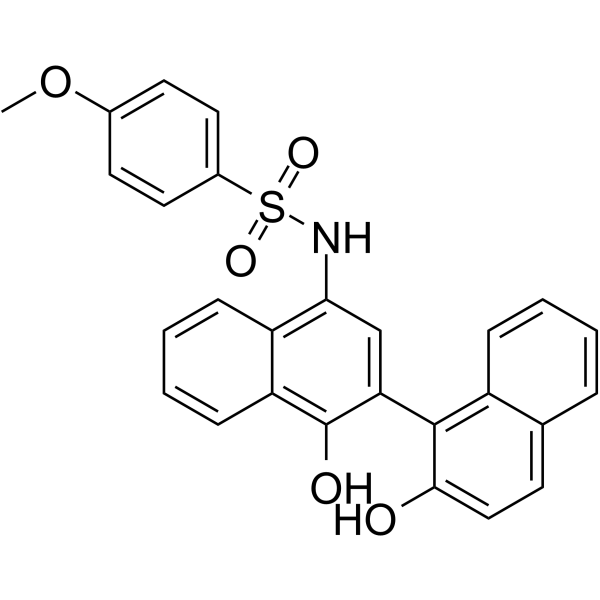
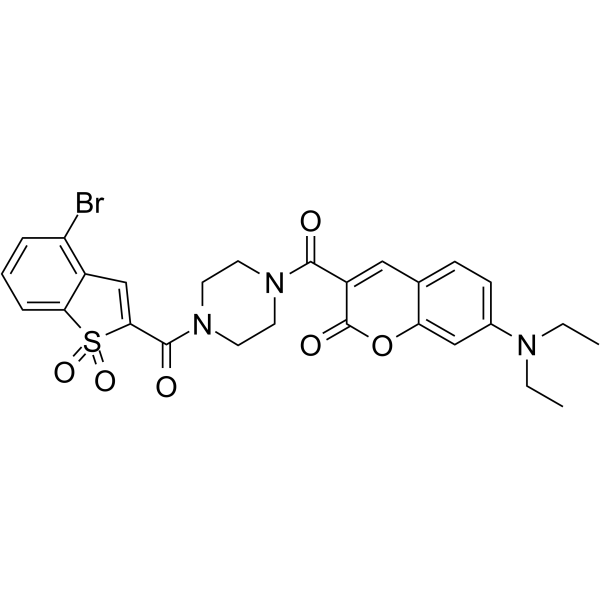
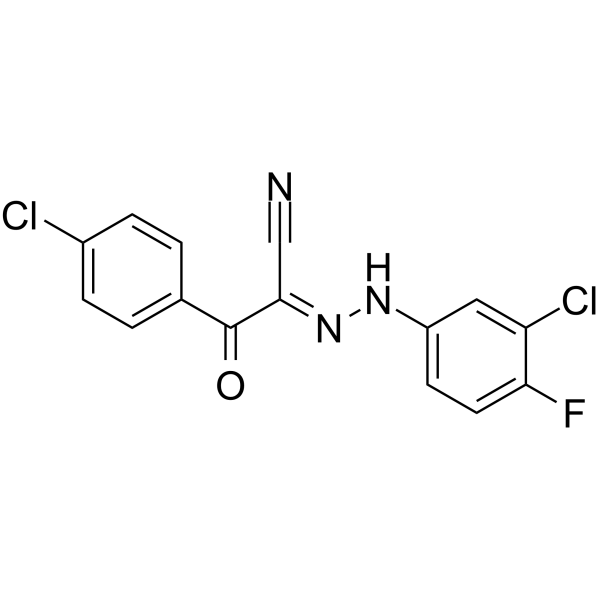
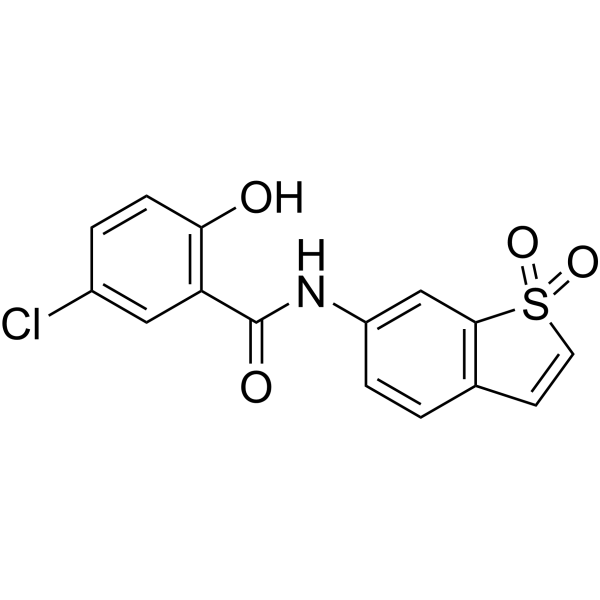
    C188-9
    30+ Cited Publications

    TTI-101

    STAT Apoptosis DNA Methyltransferase Metabolic Disease Inflammation/Immunology Cancer
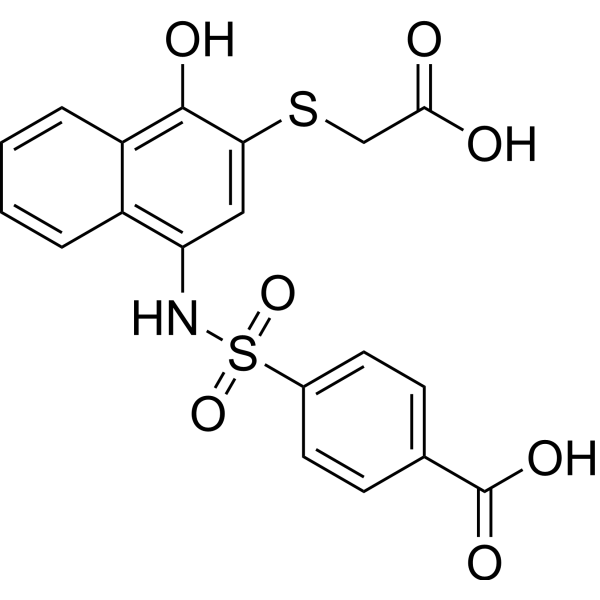
    C188-9 (TTI-101) is a STAT3 inhibitor with a Kd value of 4.7 nM. C188-9 targets the SH2 domain of STAT3, blocks the processes of STAT3 ligand binding, receptor recruitment, homodimerization and phosphorylation, and regulates STAT3-mediated genes associated with tumorigenesis and radioresistance. C188-9 regulates STAT1-mediated genes related to radioresistance and reduces the activation level of STAT1. C188-9 downregulates the expression of DNMT1, enhances DAC-induced demethylation and re-expression of RASSF1A, and simultaneously potentiates the anti-tumor effect of DAC on pancreatic cancer cells. C188-9 inhibits both anchorage-dependent and anchorage-independent growth of cancer cells, induces Apoptosis, blocks the growth of tumor xenografts, and suppresses muscle atrophy. C188-9 maintains muscle mass, increases body weight and improves grip strength in tumor-bearing mice. C188-9 can be used in research related to head and neck squamous cell carcinoma, pancreatic cancer, sepsis-related skeletal muscle wasting, non-small cell lung cancer, acute myeloid leukemia and cancer cachexia .
    C188-9
  • HY-P1061
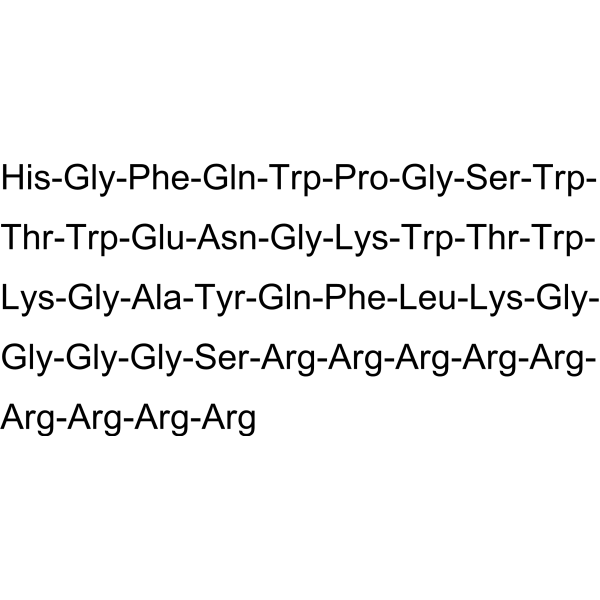
    Colivelin
    Maximum Cited Publications
    92 Publications Verification

    STAT Amyloid-β Neurological Disease
    Colivelin is a brain penetrant neuroprotective peptide and a potent activator of STAT3, suppresses neuronal death by activating STAT3 in vitro . Colivelin exhibits long-term beneficial effects against neurotoxicity, Aβ deposition, neuronal apoptosis, and synaptic plasticity deficits in neurodegenerative disease . Colivelin has the potential for the treatment of alzheimer's disease and ischemic brain injury
    Colivelin
  • HY-N0177
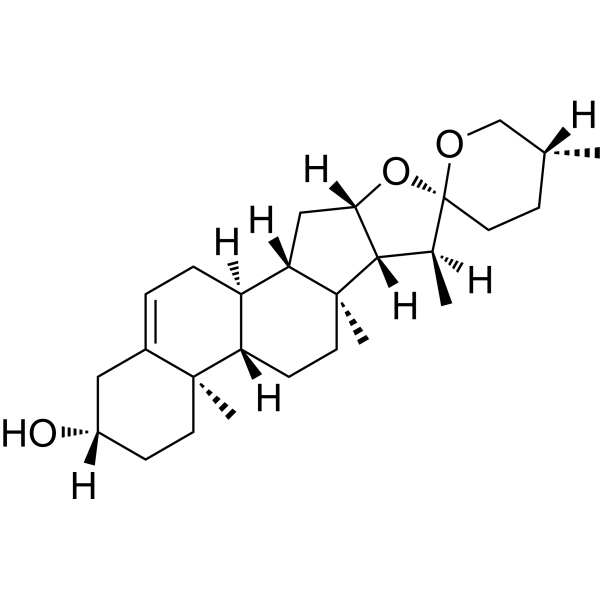
    Diosgenin
    5+ Cited Publications

    STAT MicroRNA Metabolic Disease
    Diosgenin, a steroidal saponin, can inhibit STAT3 signaling pathway . Diosgenin is an exogenous activator of Pdia3/ERp57 . Diosgenin inhibits aortic atherosclerosis progression by suppressing macrophage miR-19b expression .
    Diosgenin
  • HY-148748
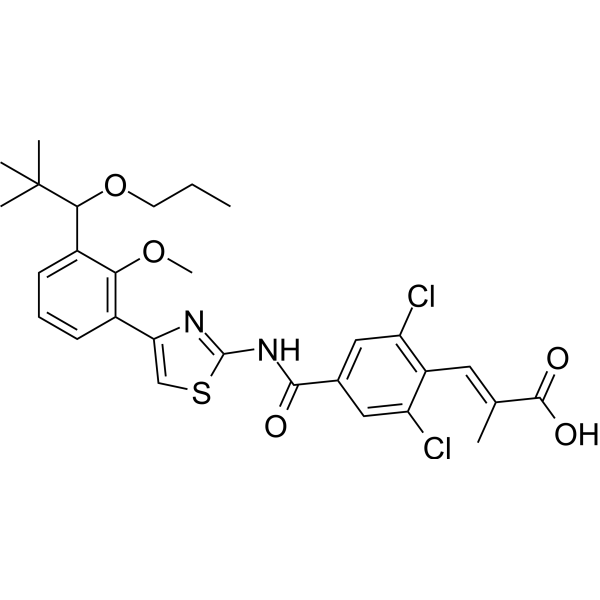
    Butyzamide
    3 Publications Verification

    JAK STAT p38 MAPK Cardiovascular Disease
    Butyzamide is an orally active activator of Mpl, a thrombopoietin (TPO) receptor. Butyzamide increases the phosphorylation level of JAK2, STAT3, STAT5 and MAPK. Butyzamide increases the level of platelets in mouse xenotransplantation assay .
    Butyzamide
  • HY-113261

    Endogenous Metabolite Metabolic Disease Cancer
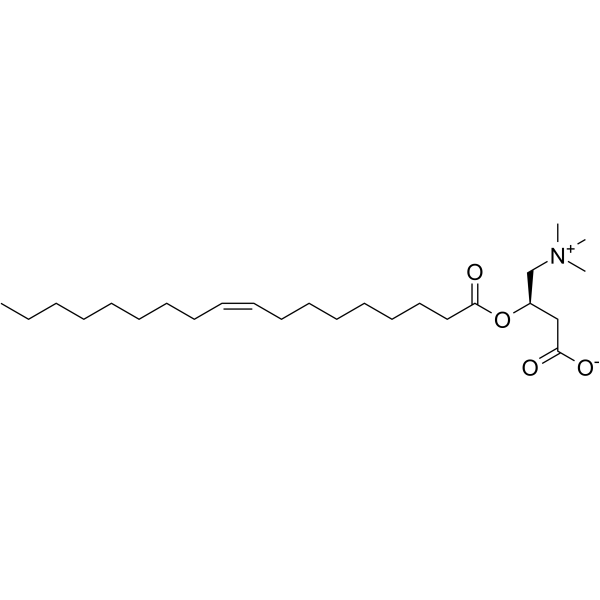
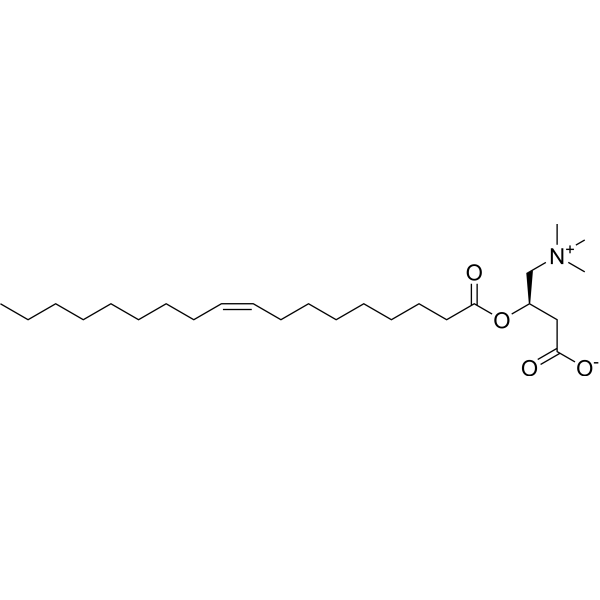
    Oleoylcarnitine, the metabolite which accumulates through suppression of fatty acid β-oxidation, can enhance hepatocarcinogenesis via STAT3 activation .
    Oleoylcarnitine
  • HY-B0130
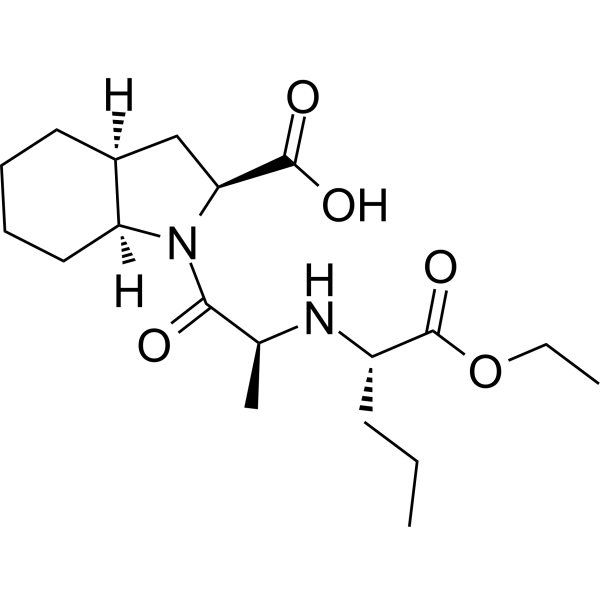
    Perindopril
    5+ Cited Publications

    S-9490

    Angiotensin-converting Enzyme (ACE) NF-κB STAT Sirtuin Cardiovascular Disease Neurological Disease Cancer
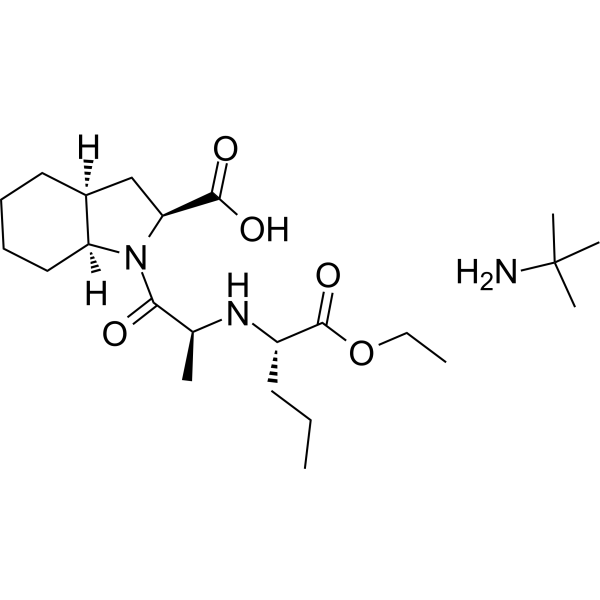
    Perindopril erbumine is an angiotensin-converting enzyme inhibitor. Perindopril erbumine modulates NFκB and STAT3 signaling and inhibits glial activation and neuroinflammation. Perindopril erbumine can be used for the research of Chronic Kidney Disease and high blood pressure .
    Perindopril
  • HY-N0516
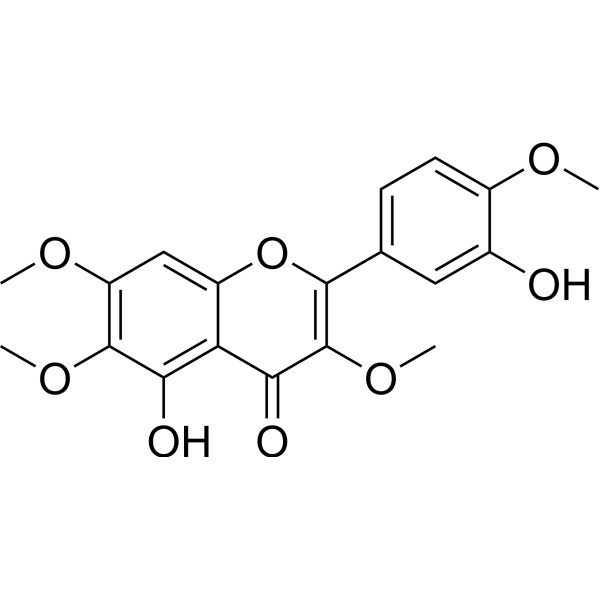
    Casticin
    5+ Cited Publications

    Vitexicarpin

    STAT Inflammation/Immunology
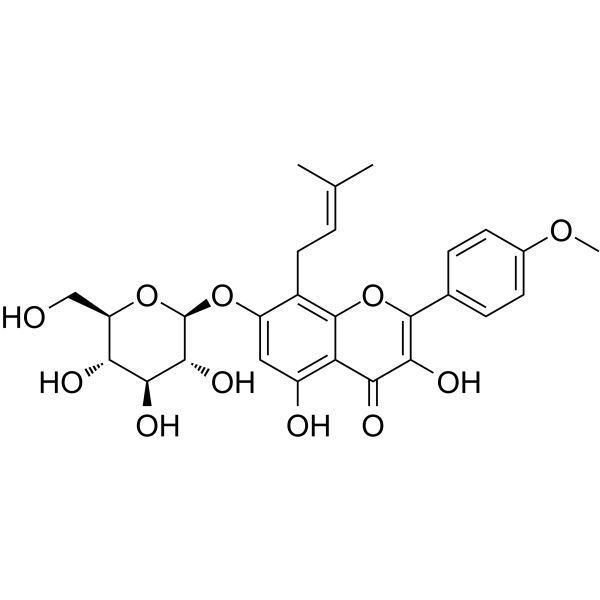
    Casticin is a methyoxylated flavonol isolated from Vitex rotundifolia, with antimitotic and anti-inflammatory effect. Casticin inhibits the activation of STAT3.
    Casticin
  • HY-N0250
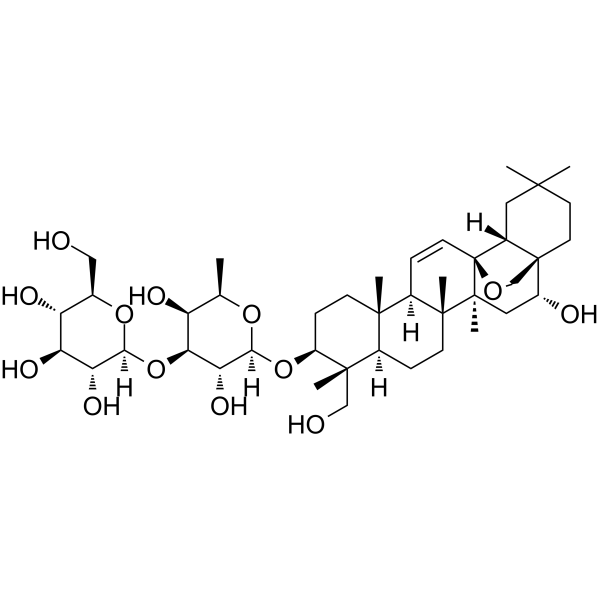
    Saikosaponin D
    5+ Cited Publications

    STAT NF-κB Estrogen Receptor/ERR Bacterial Infection Inflammation/Immunology Cancer
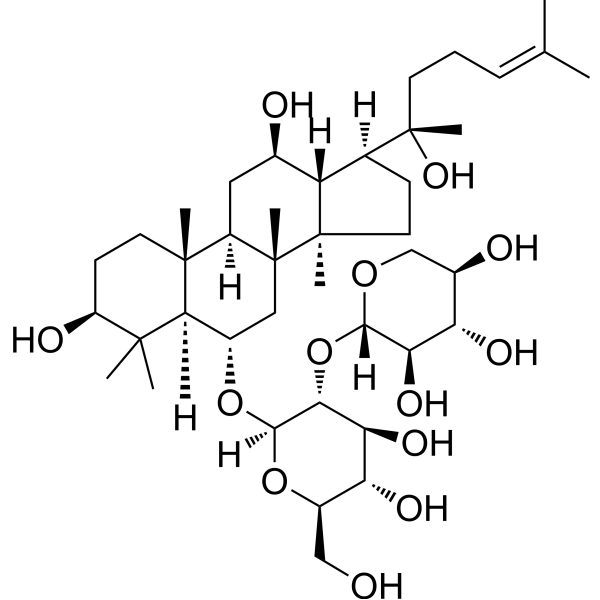
    Saikosaponin D is a triterpene saponin isolated from Bupleurum, with anti-inflammatory, anti-bacterial, anti-tumor, and anti-allergic activities; Saikosaponin D inhibits selectin, STAT3 and NF-kB and activates estrogen receptor-β.
    Saikosaponin D
  • HY-B0294
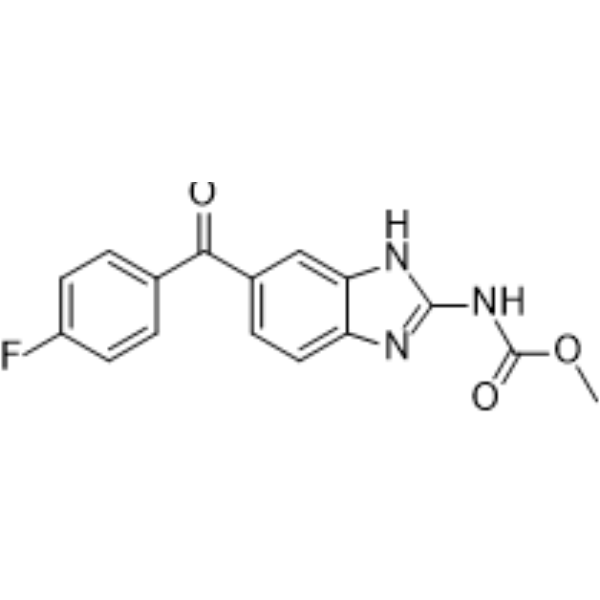
    Flubendazole
    5+ Cited Publications

    Parasite Microtubule/Tubulin STAT MDM-2/p53 Apoptosis Autophagy Infection Cancer
    Flubendazole is an anthelmintic drug based on altering microtubule structure, inhibition of tubulin polymerization and disruption of microtubule function. Flubendazole induces apoptosis in human colorectal cancer (CRC) by blocking the STAT3 signaling axis and activation of autophagy. Flubendazole induces P53 expression and reduced Cyclin B1 and p-cdc2 expression. Flubendazole is an antitumor agent. Flubendazole can be used for worm and intestinal parasites .
    Flubendazole
  • HY-128588
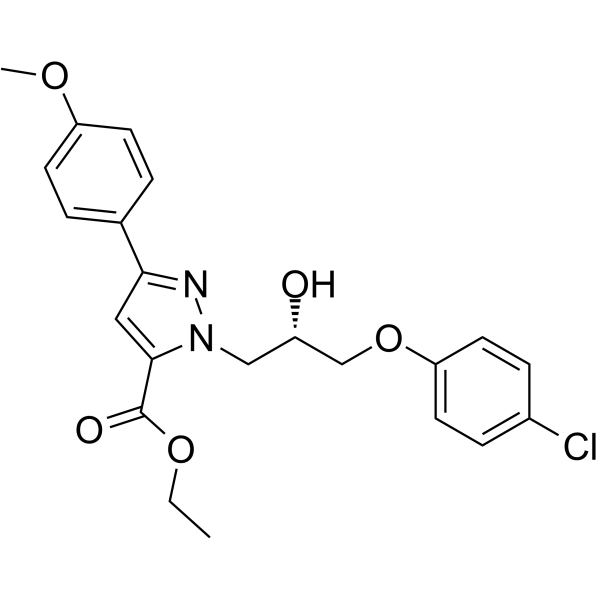
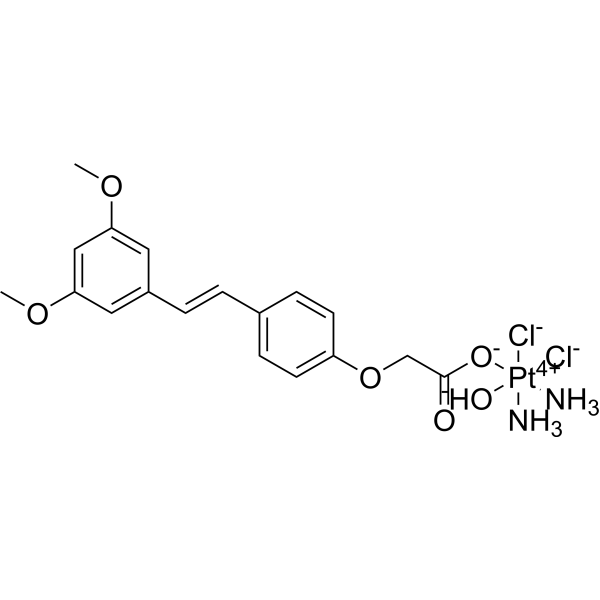
    STAT3-IN-3
    5+ Cited Publications

    STAT Apoptosis Cancer
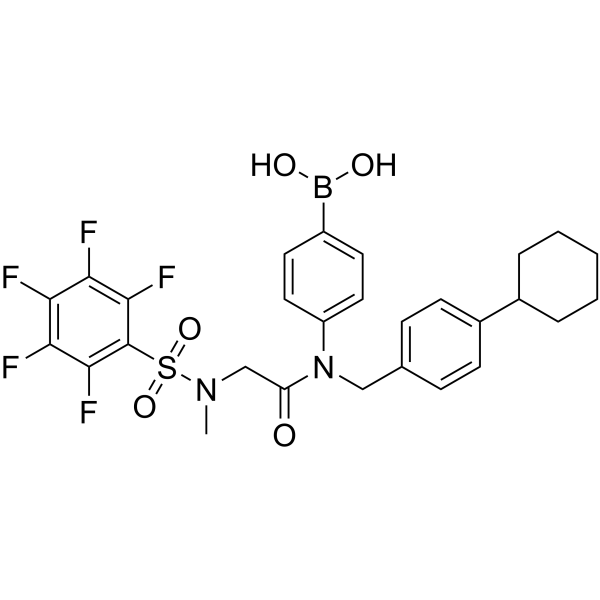
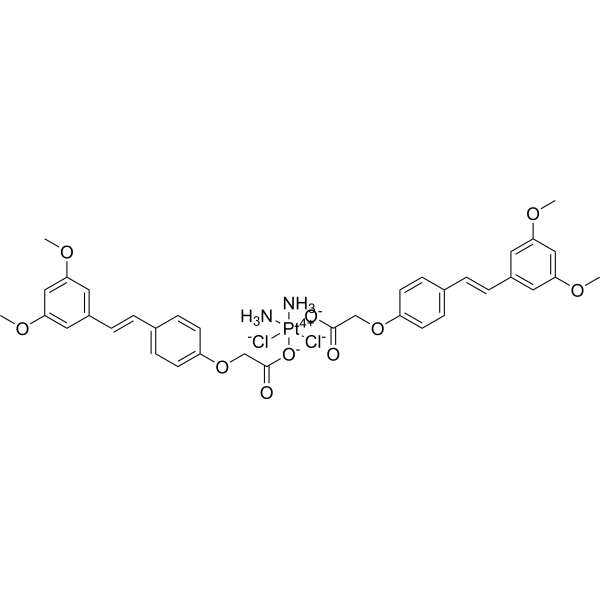
    STAT3-IN-3 is a potent and selective inhibitor of signal transducer and activator of transcription 3 (STAT3), with anti-proliferative activity. STAT3-IN-3 induces apoptosis in breast cancer cells. STAT3-IN-3 acts as a promising mitochondria-targeting STAT3 inhibitor for cancer research .
    STAT3-IN-3
  • HY-P1061A
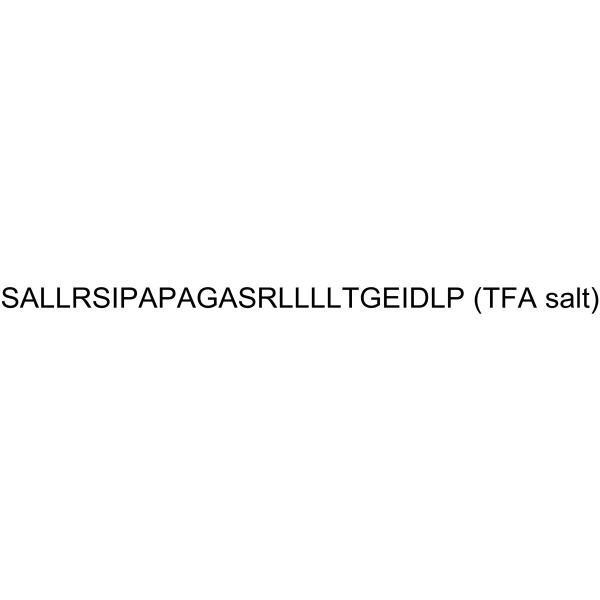
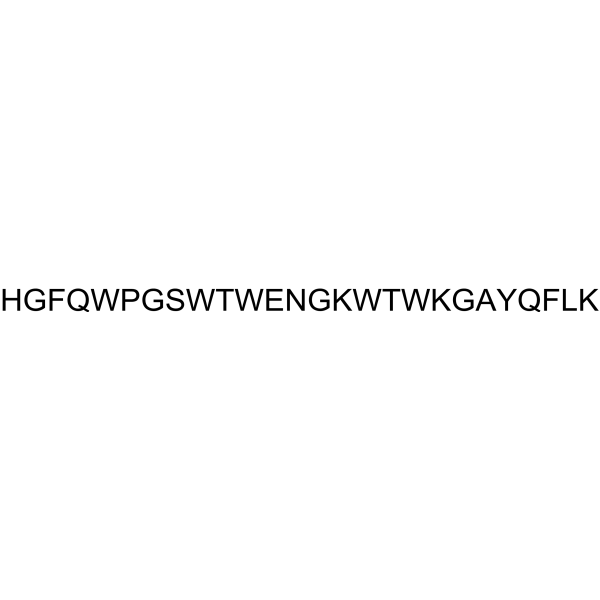
    Colivelin TFA
    Maximum Cited Publications
    92 Publications Verification

    STAT Amyloid-β Apoptosis Neurological Disease
    Colivelin TFA is a brain penetrant neuroprotective peptide and a potent activator of STAT3, suppresses neuronal death by activating STAT3 in vitro . Colivelin TFA exhibits long-term beneficial effects against neurotoxicity, Aβ deposition, neuronal apoptosis, and synaptic plasticity deficits in neurodegenerative disease . Colivelin TFA has the potential for the treatment of alzheimer's disease and ischemic brain injury .
    Colivelin TFA
  • HY-N0897
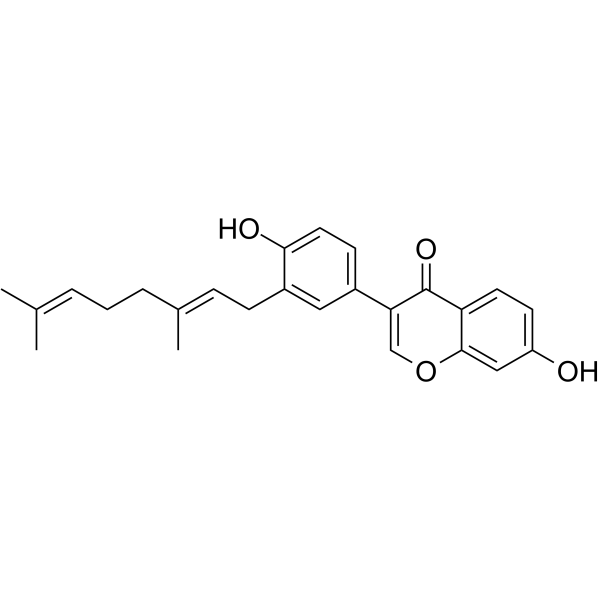
    Corylifol A
    4 Publications Verification

    Corylifol-A; Corylinin

    UGT STAT Others
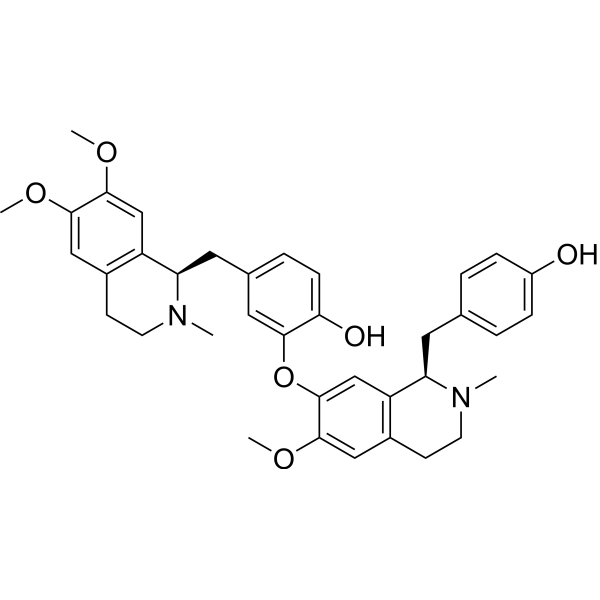
    Corylifol A inhibits IL-6-induced STAT3 activation and phosphorylation, with an IC50 of 0.81 μM.
    Corylifol A
  • HY-N6069
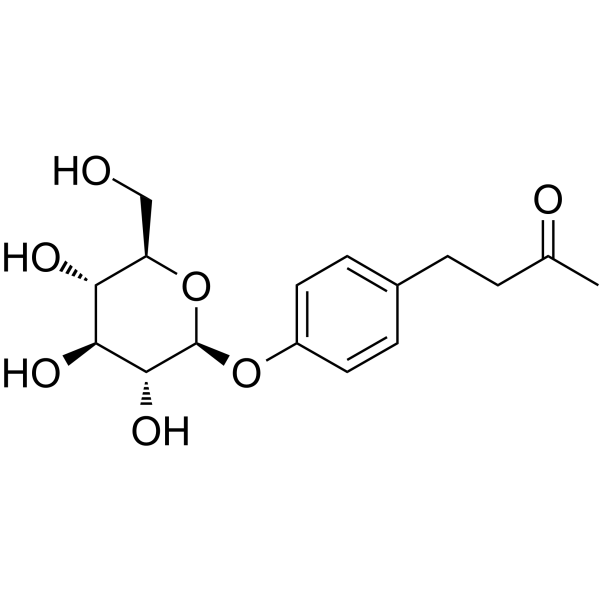
    Raspberry ketone glucoside
    1 Publications Verification

    Interleukin Related JAK STAT Inflammation/Immunology
    Raspberry ketone glucoside is a melanogenesis inhibitor. Raspberry ketone glucoside inhibits melanogenesis by activating the IL6/JAK1/STAT3 pathway, inhibiting the transcriptional activity of MITFa, and its downstream expression levels of the TYR and TYRP1a genes. Raspberry ketone glucoside shows remarkable whitening activity on both B16F10 cells in vitro and zebrafish model in vivo .
    Raspberry ketone glucoside
  • HY-P9916

    Anti-Human IL6Rα, Human Antibody

    Interleukin Related STAT Apoptosis Inflammation/Immunology Cancer
    Sarilumab is a monoclonal antibody targeting IL6 that binds to IL6R and blocks the binding of IL6, thereby inhibiting the activation of the downstream STAT3 phosphorylation signaling pathway. In tumor cells with active IL6/STAT3 signaling pathways, Sarilumab induces Apoptosis and inhibits cell growth. Sarilumab is applicable to research related to prostate cancer, lung cancer and rheumatoid arthritis .
    Sarilumab
  • HY-B0130A
    Perindopril erbumine
    5+ Cited Publications

    Perindopril (tert-butylamine salt); S-9490 erbumine

    Sirtuin NF-κB STAT Angiotensin-converting Enzyme (ACE) Cardiovascular Disease Cancer
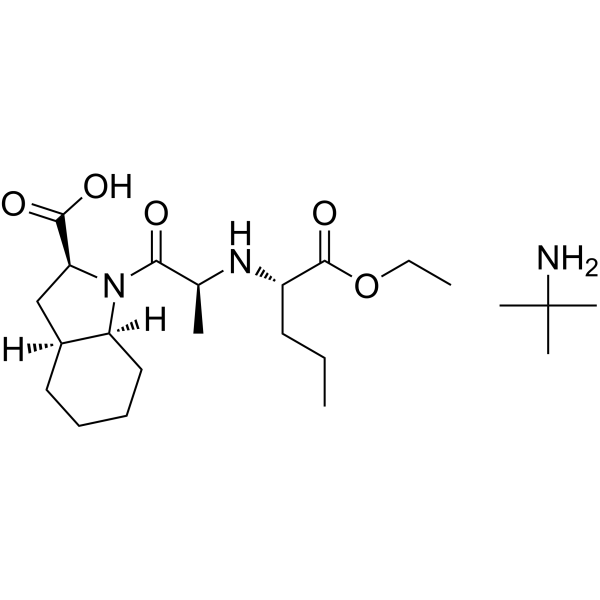
    Perindopril erbumine is an angiotensin-converting enzyme inhibitor. Perindopril erbumine modulates NF-κB and STAT3 signaling and inhibits glial activation and neuroinflammation. Perindopril erbumine can be used for the research of Chronic Kidney Disease and high blood pressure .
    Perindopril erbumine
  • HY-113205

    15-keto-PGE2

    Endogenous Metabolite Prostaglandin Receptor STAT PPAR Fungal Drug Metabolite Cardiovascular Disease Infection Endocrinology Cancer
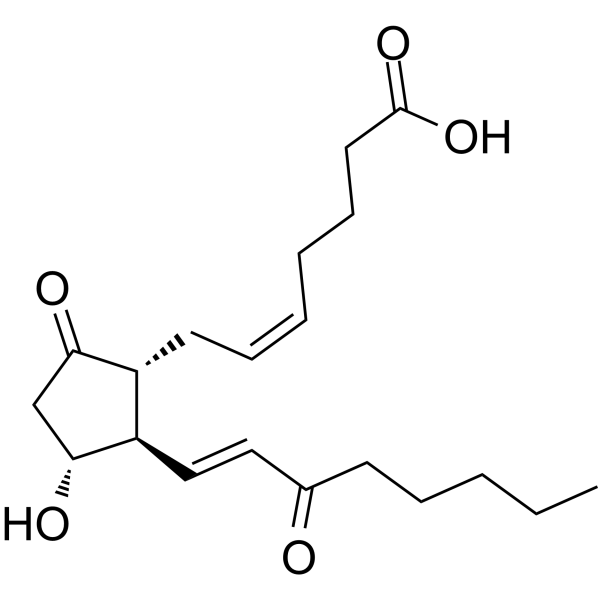
    15-keto-Prostaglandin E2 (15-keto-PGE2) is an endogenous PGE2 metabolite. 15-keto-Prostaglandin E2 inhibits STAT3 activation by binding to the Cys259 residue of STAT3. 15-keto-Prostaglandin E2 binds to and stabilizes EP2 and EP4 receptors. 15-keto-Prostaglandin E2 inhibits the growth and progression of breast cancer cells. 15-keto-Prostaglandin E2 activates PPAR-γ and promotes fungal growth. 15-keto-Prostaglandin E2 disrupts glomerular vascularization during zebrafish development and reduces the surface area of the glomerular filtration barrier .
    15-keto-Prostaglandin E2
  • HY-112338

    CPD188

    STAT Apoptosis Cancer
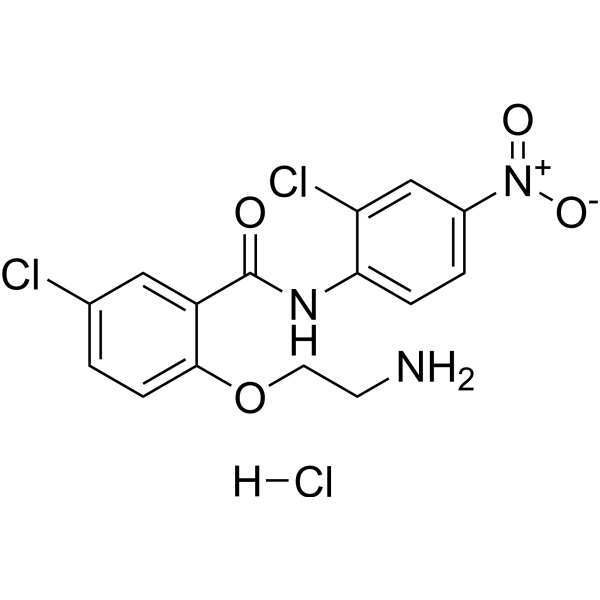
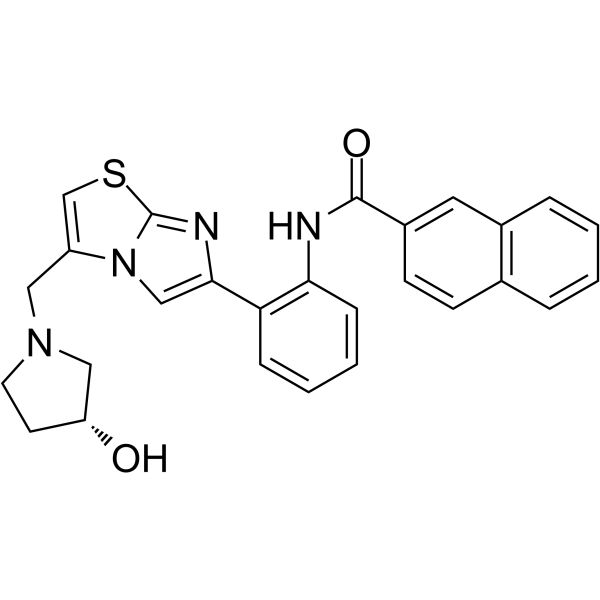
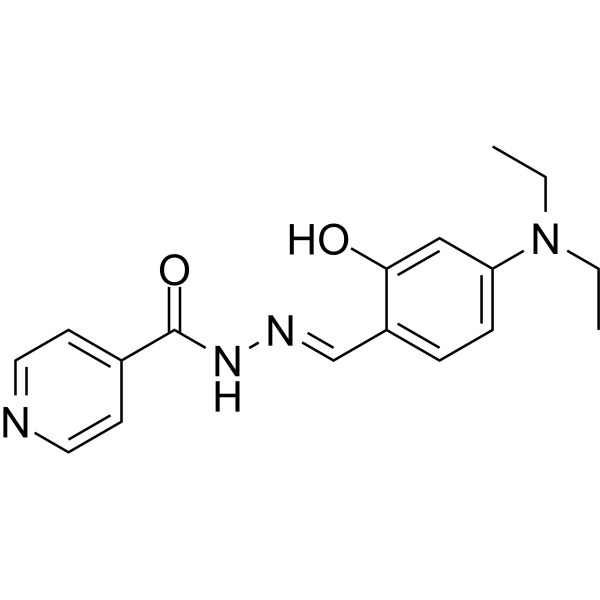
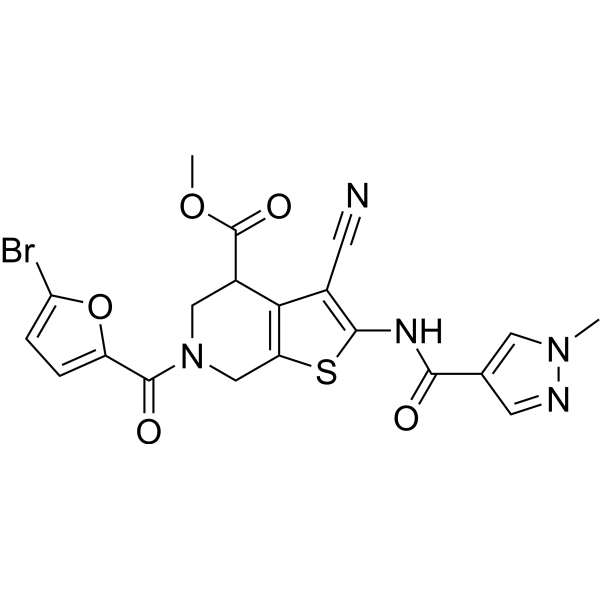
    C188 (CPD188) is a STAT3 inhibitor with anticancer effects. C188 inhibits STAT3 SH2/pY-peptide binding (IC50 of 20 µM against pY-peptide binding) and IL-6-mediated STAT3 phosphorylation. C188 is selective for STAT3 over STAT1. C188 inhibits nuclear-to-cytoplasmic translocation of Stat3. C188 shows highly active induces apoptosis in breast cancer cell lines with constitutive Stat3 activation (EC50s of 0.73 µM, 3.96 µM, and 7.01 µM in MDA-MB-468, MDA-MB-231, and MDA-MB-435 cultures, respectively) .
    C188
  • HY-100602
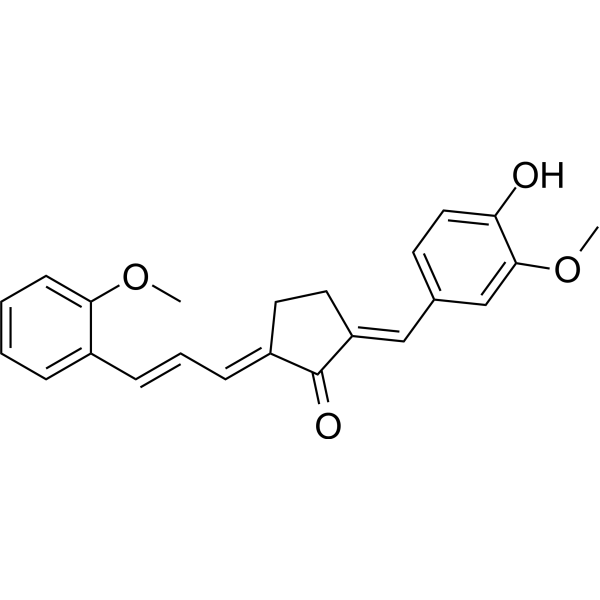
    HJC0152
    3 Publications Verification

    STAT Apoptosis Cancer
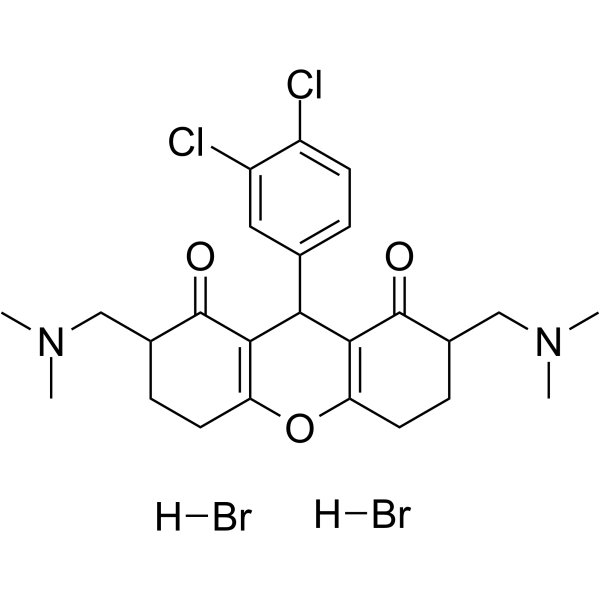
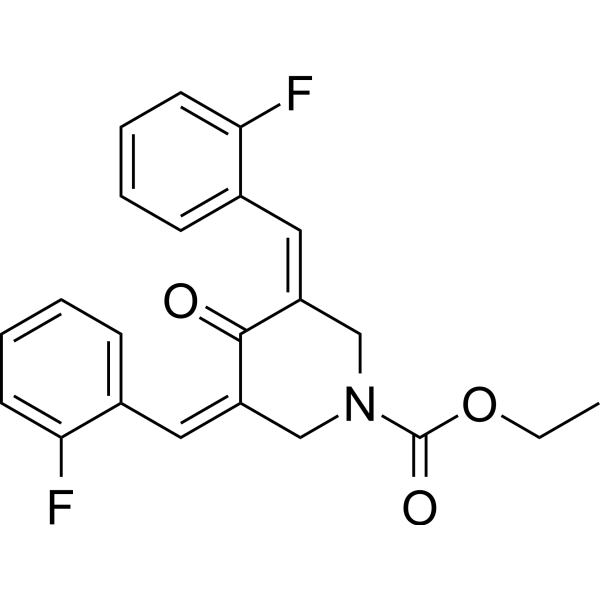
    HJC0152 is a signal transducers and activators of transcription 3 (STAT3) inhibitor.
    HJC0152
  • HY-N2312
    Mogrol
    2 Publications Verification

    ERK STAT Cancer
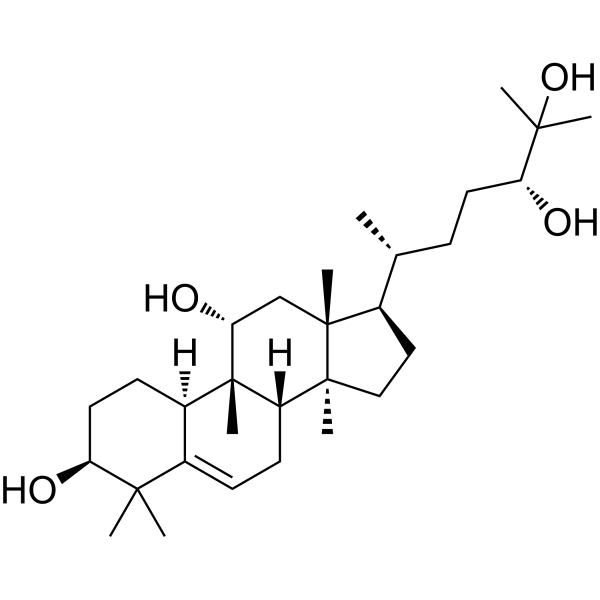
    Mogrol is a biometabolite of mogrosides, and acts via inhibition of the ERK1/2 and STAT3 pathways, or reducing CREB activation and activating AMPK signaling.
    Mogrol
  • HY-N6953
    Garcinone D
    4 Publications Verification

    STAT Keap1-Nrf2 Reactive Oxygen Species (ROS) Neurological Disease
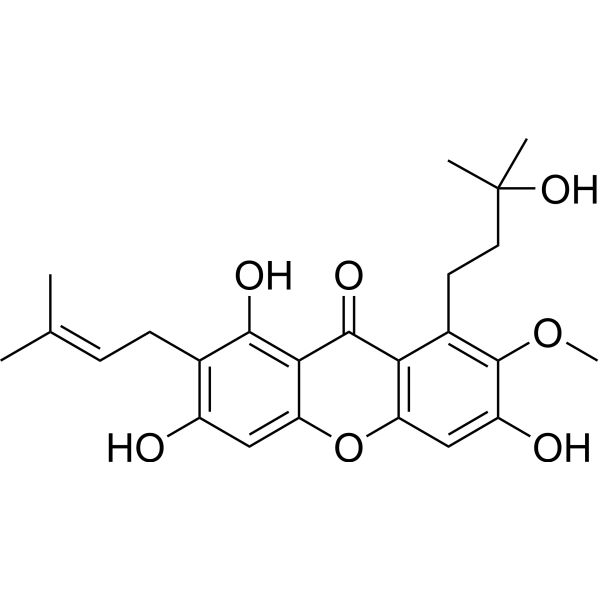
    Garcinone D is an activator of the STAT3/Cyclin D1 and Nrf2/HO-1 pathways, and an inhibitor of CDK2/CyclinE1 (IC50 for CDK2/CyclinE1 is 28.23 μM). Garcinone D promotes neural stem cell proliferation by activating STAT3 phosphorylation and Cyclin D1 expression and enhancing the Nrf2/HO-1 signaling pathway. In addition, Garcinone D blocks the tumor cell cycle by inhibiting CDK2/CyclinE1. Garcinone D can promote the proliferation of C17.2 neural stem cells and inhibit prostate and breast cancer .
    Garcinone D
  • HY-N2963
    Broussonin E
    2 Publications Verification

    ERK p38 MAPK JAK STAT TNF Receptor Interleukin Related COX Arginase Inflammation/Immunology
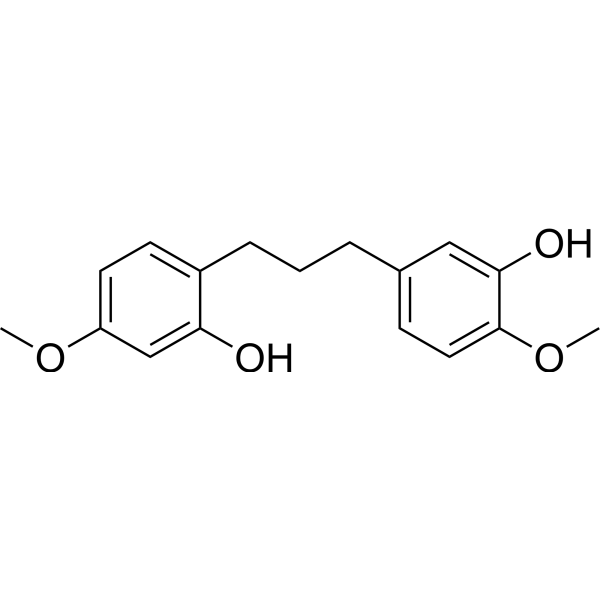
    Broussonin E is a phenolic compound and shows anti-inflammatory activity. Broussonin E can suppress inflammation by modulating macrophages activation statevia inhibiting the ERK and p38 MAPK and enhancing JAK2-STAT3 signaling pathway. Broussonin E can be used for the research of inflammation-related diseases such as atherosclerosis .
    Broussonin E
  • HY-19759
    SRT 2183
    3 Publications Verification

    Sirtuin Apoptosis Cancer
    SRT 2183 is a selective Sirtuin-1 (SIRT1) activator with an EC1.5 value of 0.36 μM . SRT 2183 induces growth arrest and apoptosis, concomitant with deacetylation of STAT3 and NF-κB, and reduction of c-Myc protein levels .
    SRT 2183
  • HY-N1407

    Cytochrome P450 STAT Infection Inflammation/Immunology
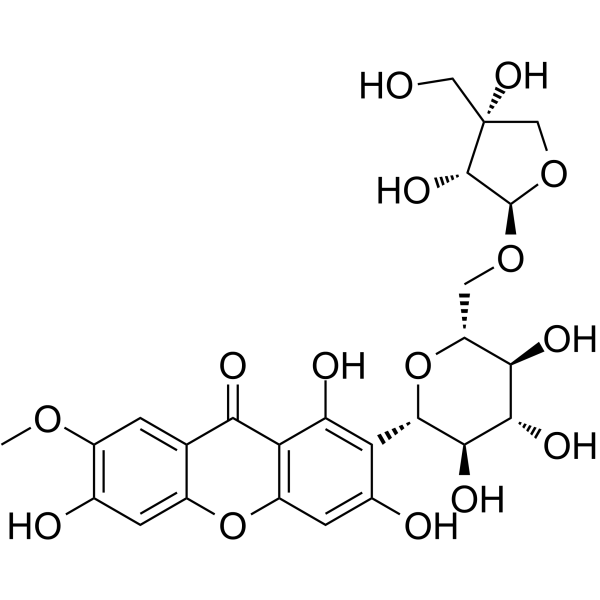
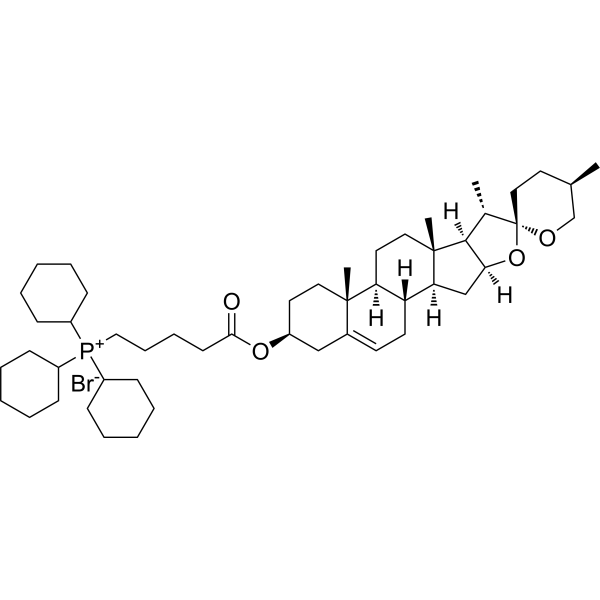
    Polygalaxanthone III is a representative xanthone component of Polygala tenuifolia. Polygalaxanthone III inhibits chlorzoxazone 6-hydroxylation catalyzed by CYP2E1, with an IC50 of 50.56 μM. Polygalaxanthone III repairs skin damage induced by M. furfur via activating STAT3 phosphorylation and exerts anti-inflammatory effects. Polygalaxanthone III can be used for research on M. furfur-related skin damage .
    Polygalaxanthone III
  • HY-112391
    SD-1029
    1 Publications Verification

    JAK STAT Cancer
    SD-1029 is a JAK2/STAT3 inhibitor . SD-1029 inhibits STAT3 nuclear translocation. SD-1029 is an inhibitor of STAT3 activation due to inhibition of JAK2 phosphorylation .
    SD-1029
  • HY-146066

    nAChR JAK STAT NO Synthase Interleukin Related Inflammation/Immunology
    α7 nAchR-JAK2-STAT3 agonist 1 is a potent α7 nAchR-JAK2-STAT3 agonist, with an IC50 value of 0.32 μM for nitric oxide (NO). α7 nAchR-JAK2-STAT3 agonist 1 effectively suppresses the expression of iNOS, IL-1β, and IL-6 in murine RAW264.7 macrophages. α7 nAchR-JAK2-STAT3 agonist 1 can inhibit LPS-induced NO release, NF-κB activation and cytokine production. α7 nAchR-JAK2-STAT3 can be used for researching sepsis .
    α7 nAchR-JAK2-STAT3 agonist 1
  • HY-107460
    LDN-211904 oxalate
    1 Publications Verification

    Ephrin Receptor Cancer
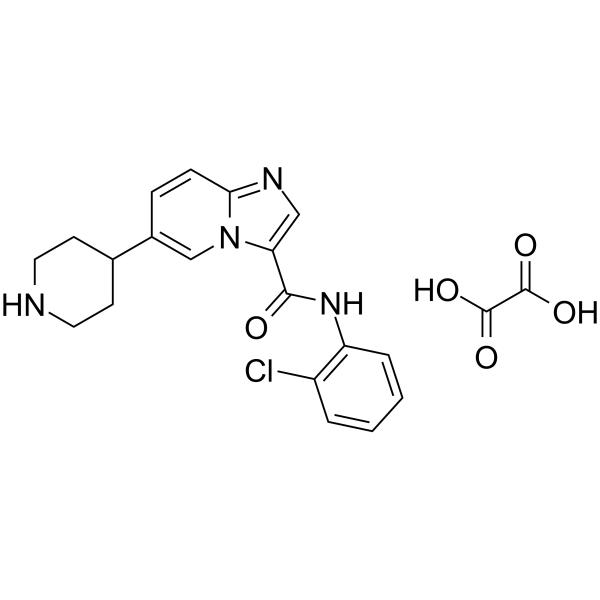
    LDN-211904 oxalate is a potent and reversible EphB3 inhibitor with an IC50 of 79 nM. LDN-211904 oxalate shows good metabolic stability in mouse liver microsomes. LDN-211904 oxalate with Cetuximab (HY-P9905) could be effective in inhibiting STAT3-activated colorectal cancer (CRC) stemness and Cetuximab resistance in CRC .
    LDN-211904 oxalate
  • HY-P10953

    PSP 29-mer, anti-inflammatory peptide

    ERK STAT Inflammation/Immunology
    Fulipiftide is a short peptide derived from pigment epithelium-derived factor (PEDF). Fulipiftide induces the expansion of nuclear stem cell factor +TSPC by activating ERK2 and STAT3 signaling pathways. Fulipiftide has anti-inflammatory activity and can be used in the study of acute tendon injury .
    Fulipiftide
  • HY-103238
    RSVA405
    1 Publications Verification

    AMPK STAT Autophagy Neurological Disease Metabolic Disease Inflammation/Immunology
    RSVA405 is a potent, orally active activator of AMPK, with an EC50 of 1 μM. RSVA405 facilitates CaMKKβ-dependent activation of AMPK, inhibits mTOR, and promotes autophagy to increase Aβ degradation. RSVA405 has anti-inflammatory effects through the inhibition of STAT3 function. RSVA405 can also be used for the research of obesity .
    RSVA405
  • HY-115452

    JAK Apoptosis Cancer
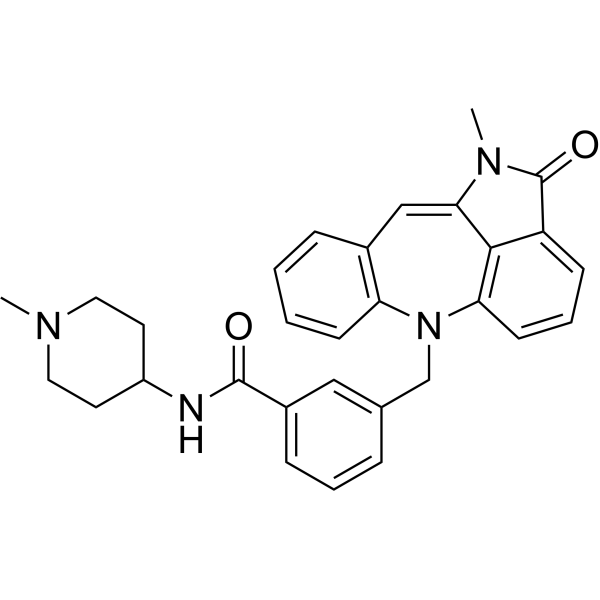
    G5-7, an orally active and allosteric JAK2 inhibitor, selectively inhibits JAK2 mediated phosphorylation and activation of EGFR (Tyr 1068) and STAT3 by binding to JAK2. G5-7 induces cell cycle arrest, apoptosis and possesses antiangiogenic effect. G5-7 has the potential for glioma study .
    G5-7
  • HY-150538
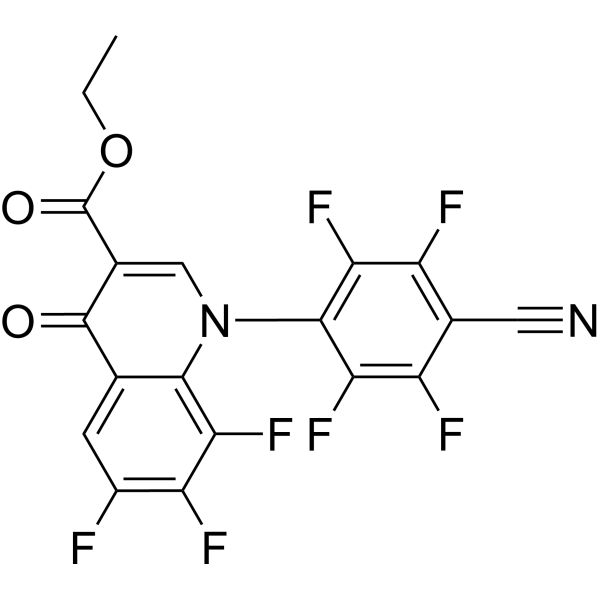
    STAT3-IN-12
    1 Publications Verification

    STAT Apoptosis Cancer
    STAT3-IN-12 is a potent STAT3 signal inhibitor that can inhibit IL-6 induced JAK/STAT3 signalling pathway activation. STAT3-IN-12 inhibits cancer cell growth, migration, and induce cell apoptosis as well as cycle arrest. STAT3-IN-12 can be used in cancer-related research, such as hepatocellular carcinoma (HCC) and oesophageal carcinoma .
    STAT3-IN-12
  • HY-151577

    STAT Apoptosis Cancer
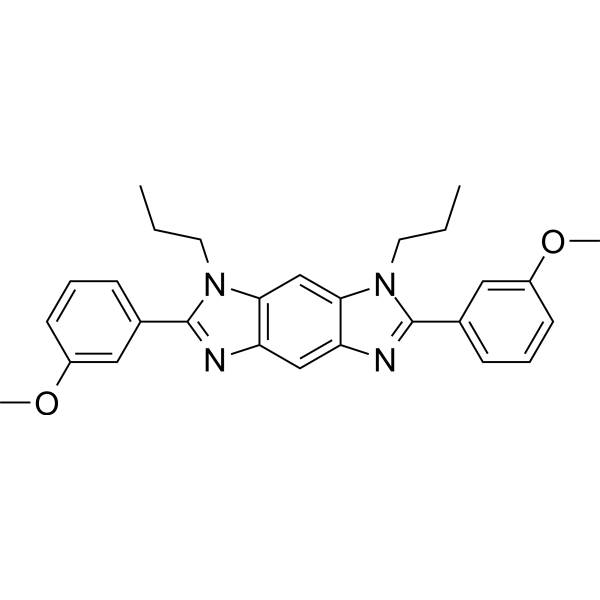
    STAT3-SH2 domain inhibitor 1 is a potent Src Homology 2 (SH2) Domain of STAT3 (STAT3-SH2 domain) inhibitor with a Kd value of 1.57 μM. STAT3-SH2 domain inhibitor 1 inhibits STAT3 signaling transduction and transcriptional activation. STAT3-SH2 domain inhibitor 1 induces apoptosis in gastric cancer cells. STAT3-SH2 domain inhibitor 1 can be used in research of cancer .
    STAT3-SH2 domain inhibitor 1
  • HY-P2282
    APTSTAT3-9R
    1 Publications Verification

    STAT Cancer
    APTSTAT3-9R, a specific STAT3-binding peptide, inhibits STAT3 activation and downstream signaling by specifically blocking STAT3 phosphorylation. APTSTAT3-9R exerts antiproliferative effects and antitumor activity .
    APTSTAT3-9R
  • HY-124858

    STAT JAK Apoptosis Cardiovascular Disease Cancer
    SC99 is an orally active, selective STAT3 inhibitor targeting JAK2-STAT3 pathway. SC99 docks into the ATP-binding pocket of JAK2. SC99 inhibits phosphorylation of JAK2 and STAT3 with no effects on the other kinases associated with STAT3 signaling. SC99 inhibits platelet activation, aggregation and displays potent anti-myeloma, anti-thrombotic activities .
    SC99
  • HY-N8146

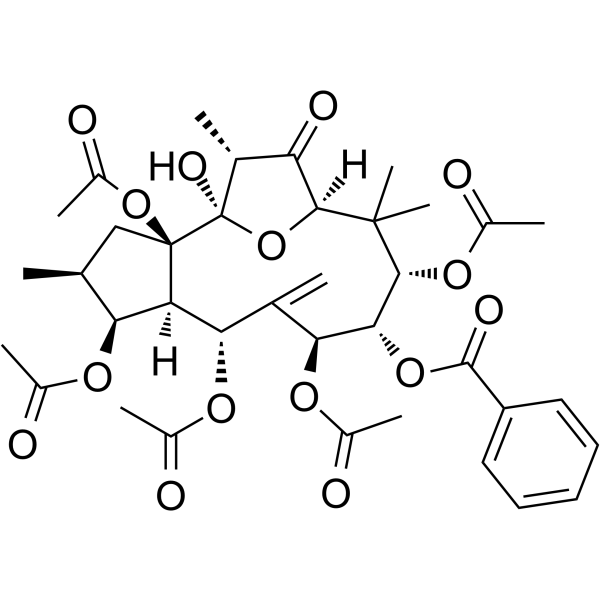
    STAT Bcl-2 Family Ser/Thr Kinase Survivin c-Myc Apoptosis Necroptosis CDK Infection Cancer
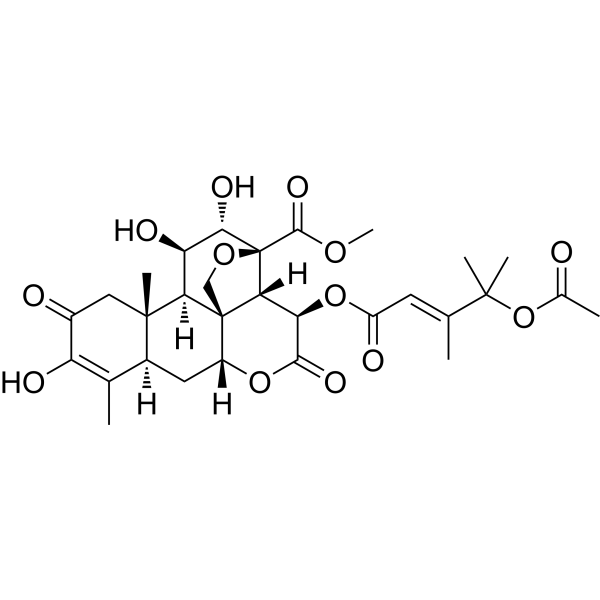
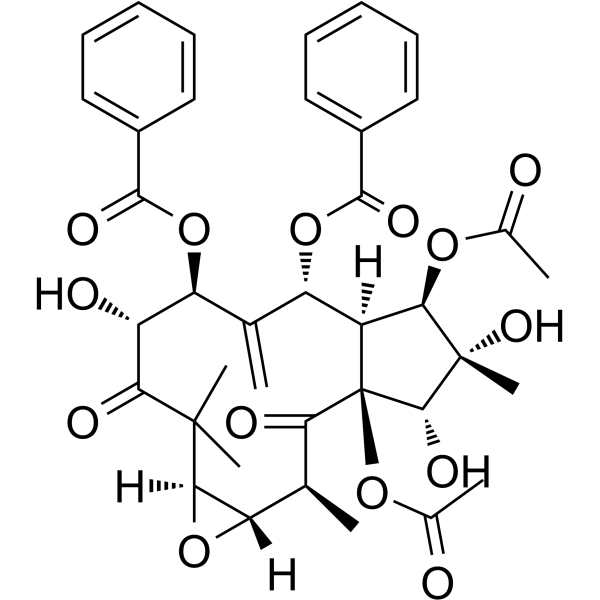
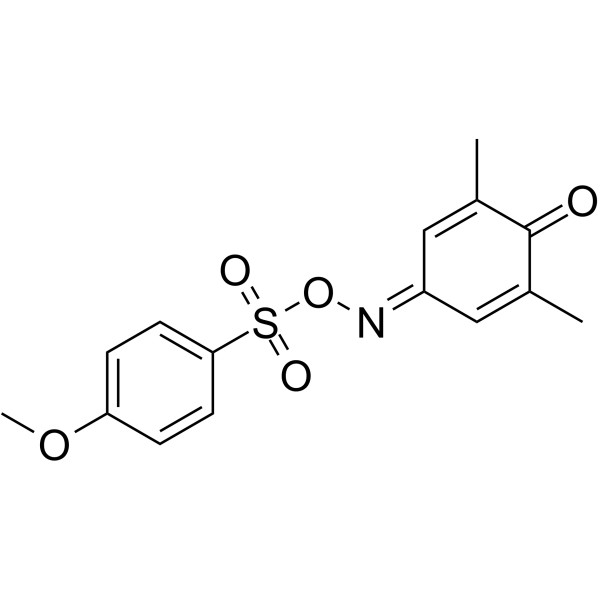
    Bruceantinol is a quassinoid that can be isolated from Brucea javanica, inhibits pepper mottle virus (PepMoV) in pepper. Bruceantinol is a STAT3 inhibitor demonstrating potent antitumor activity in in vitro and in vivo human colorectal cancer (CRC) models. Bruceantinol has potent anti-leukemic activity. Bruceantinol strongly inhibits STAT3 DNA-binding ability (IC50 = 2.4 pM), blocks the constitutive and IL-6-induced STAT3 activation, and suppresses transcription of MCL-1, PTTG1, survivin and c-Myc. Bruceantinol binds with CDK2/4/6 to facilitate protein degradation through proteasome pathway. Bruceantinol can dose- and time-dependently reduces the cell growth, impede cell proliferation, disrupts the cell cycle, and induces necrosis in MCF-7 cells and apoptosis in MDA-MB-231 cells .
    Bruceantinol
  • HY-P10115

    STAT Cancer
    APT STAT3 is a specific STAT3-binding peptide. APT STAT3 can bind STAT3 with high specificity and affinity (~231 nmol/L). APT STAT3 is a tractable agent for translation to target the broad array of cancers harboring constitutively activated STAT3 .
    APT STAT3
  • HY-172767

    PROTACs STAT Apoptosis Cancer
    STAT3-D11-PROTAC-VHL (Compound D11-PROTAC) is a PROTAC degrader targeting Signal Transducer and Activator of Transcription 3 (STAT3). STAT3-D11-PROTAC-VHL exhibits anti-tumor activity with IC50 values of 1335 nM and 1973 nM against HeLa and MCF-7 cells, respectively. STAT3-D11-PROTAC-VHL binds to the DNA-binding domain of STAT3 and recruits the E3 ligase VHL to form a ternary complex, leading to the ubiquitination of STAT3 and subsequent degradation by the proteasome. STAT3-D11-PROTAC-VHL also inhibits tumor cell growth, induces cell cycle arrest and apoptosis, and suppresses tumor immune evasion .
    STAT3-D11-PROTAC-VHL
  • HY-N3255

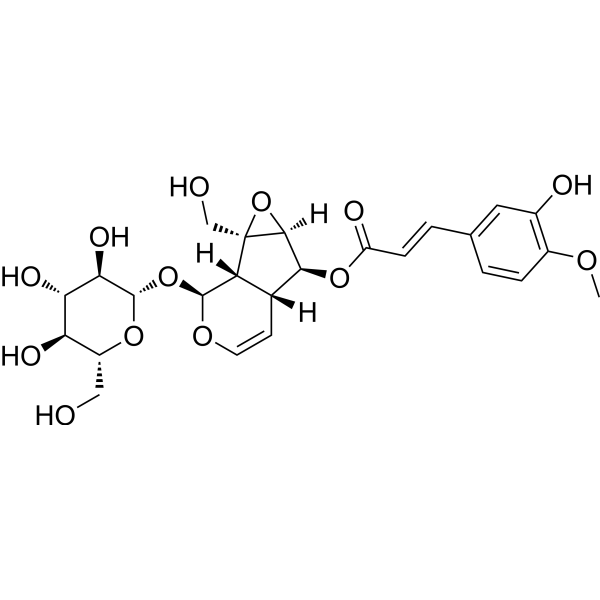
    CXCR STAT Inflammation/Immunology Cancer
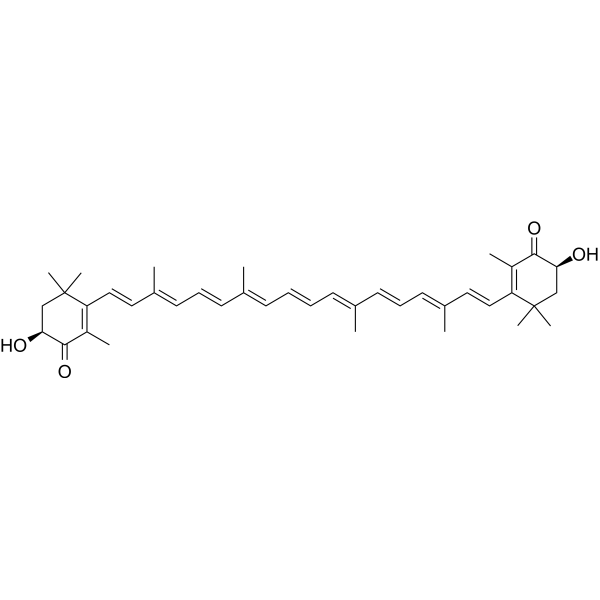
    Minecoside is a CXCR4/STAT3 inhibitor with anticancer and anti-inflammatory activity. Minecoside decreases CXCR4 expression and suppresses STAT3 activation, thus to inhibit CXCL 12-induced invasion. Minecoside potently inhibits cancer metastasis and promotes apoptotic progression .
    Minecoside
  • HY-126421

    Interleukin Related Infection Cancer
    Kansuinine A inhibits IL-6-induced Stat3 activation. Kansuinine A possesses antiviral and anticancer activity .
    Kansuinine A
  • HY-147187

    STAT Apoptosis Bcl-2 Family Survivin Cancer
    MNK8 is a potent STAT3 (signal transducer and activator of transcription 3) inhibitor. MNK8 inhibits STAT3 activation and reduced its DNA binding ability. MNK8 shows good growth inhibition against hepatocellular carcinoma (HCC) cells. MNK8 induces apoptosis in HCC cells. MNK8 reduces prosurvival proteins expression and migration/invasion of HCC cells .
    MNK8
  • HY-125355
    SEC
    1 Publications Verification

    Apoptosis Annexin A Cancer
    SEC induces activation of ANXA7 GTPase via the AMPK/mTORC1/STAT3 signaling pathway. SEC selectively promotes apoptosis in cancer cells, expressing a high level of ITGB4 by inducing ITGB4 nuclear translocation .
    SEC
  • HY-137974
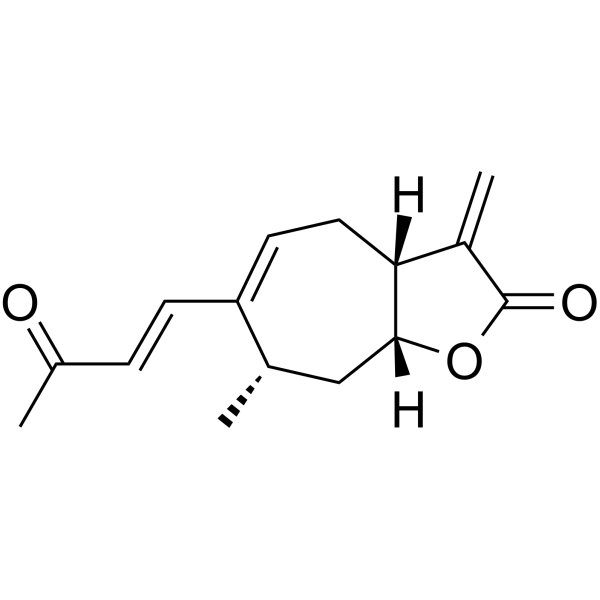
    8-Epixanthatin
    1 Publications Verification

    STAT Apoptosis Cancer
    8-Epixanthatin is a potential colchicine binding site inhibitor isolated from Xanthium chinese Mill. 8-Epixanthatin can inhibit the activation of STAT3, induce apoptosis, and has anti-tumor activity .
    8-Epixanthatin
  • HY-168929

    SHP1 Fluorescent Dye Phosphatase STAT Apoptosis Cancer
    SHP1 activator 1 (Compound 3n) is an activator for src homology-2 domain-containing protein tyrosine phosphatase 1(SHP1) with an EC50 of 17.66 μM. SHP1 activator 1 inhibits the proliferation of ABC-DLBCL cells, induces apoptosis by inhibiting STAT3 signaling pathway. SHP1 activator 1 emitts blue and green fluorescence signalis in MDA-MB-231 cell, and can be used as a cell imaging agent .
    SHP1 activator 1
  • HY-179243

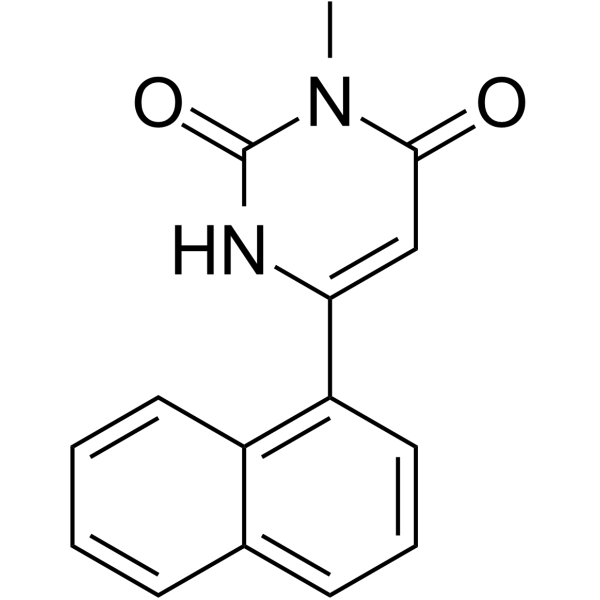
    PROTACs STAT MDM-2/p53 Cancer
    S3D5 is a highly efficient and selective PROTAC degrader targeting STAT3 (KD = 4.35 μM). S3D5 induces degradation of STAT3 in HepG2 cells without significant effects on other STAT proteins. S3D5 exhibits good anti-hepatocellular carcinoma cell proliferation activity, which can be explained by activating the p53 pathway. S3D5 degradation of the STAT3 protein is mediated by the ubiquitin–proteasome system (UPS). S3D5 can be used for the study of hepatocellular carcinoma .
    S3D5
  • HY-124843
    LLL3
    1 Publications Verification

    CLT-005

    STAT Apoptosis Cancer
    LLL3 (CLT-005) is a STAT3 inhibitor. LLL3 inhibits dimerization and phosphorylation of STAT3, thereby preventing intraconuclear transfer of STAT3 and inhibits the expression of STAT3 dependent genes, which encode proteins such as Bcl-xL and cyclin D1. In addition, LLL3 can induce cell growth inhibition and apoptosis in human breast cancer and rhabdomyosarcoma cells via the caspase pathway. LLL3 can be used in the study of STAT3 persistent activation types of cancer .
    LLL3
  • HY-118618

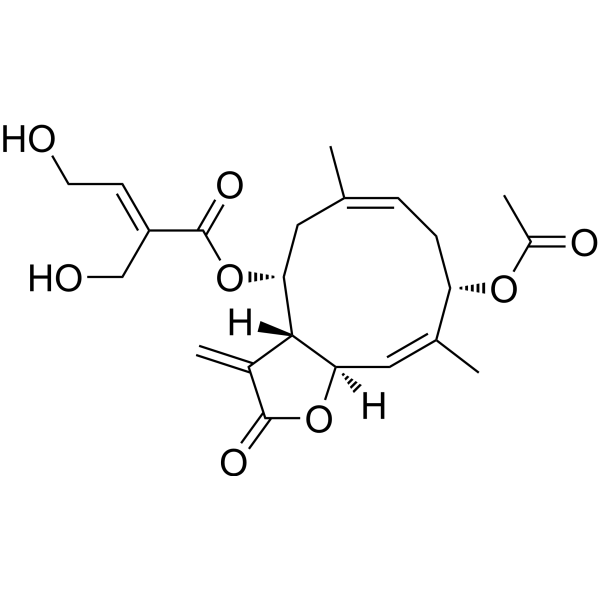
    Hiyodorilactone A; Schkuhrin I

    STAT Cancer
    Eucannabinolide is a STAT3 inhibitor. Eucannabinolide suppresses STAT3 activation at tyrosine 705, inhibiteds its translocation to nucleus, and decreases its DNA binding capacity. Eucannabinolide can be used for triple negative breast cancer (TNBC) diseases research .
    Eucannabinolide
  • HY-167692

    STAT Others
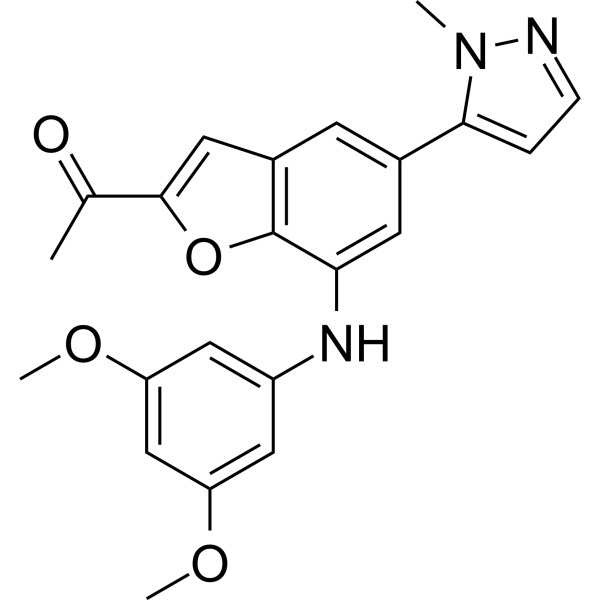
    JI069 is a novel JAK-STAT inhibitor that demonstrates potent activity in suppressing Th1, Th2, and Th17 differentiation while promoting iTreg differentiation. JI069 effectively inhibits STAT3 activation as well as the activation of other STATs, including STAT1, STAT5, and STAT6. JI069 has shown significant therapeutic potential in alleviating symptoms of collagen-induced arthritis in mice while inhibiting cytokine production from T cells and the phosphorylation of STAT3 in synovial cells.
    JI069
  • HY-N0516R

    Vitexicarpin (Standard)

    Reference Standards STAT Inflammation/Immunology
    Casticin (Standard) is the analytical standard of Casticin. This product is intended for research and analytical applications. Casticin is a methyoxylated flavonol isolated from Vitex rotundifolia, with antimitotic and anti-inflammatory effect. Casticin inhibits the activation of STAT3.
    Casticin (Standard)
  • HY-13559

    Azaspirane ; SKF 106615-12; SKF 106615A12

    STAT Apoptosis Autophagy Reactive Oxygen Species (ROS) Caspase Bcl-2 Family p62 Atg8/LC3 PARP NF-κB PERK JAK Cardiovascular Disease Inflammation/Immunology Cancer
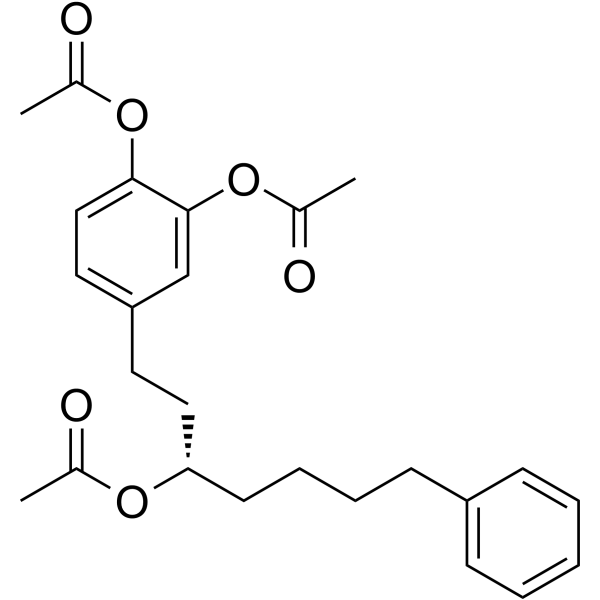
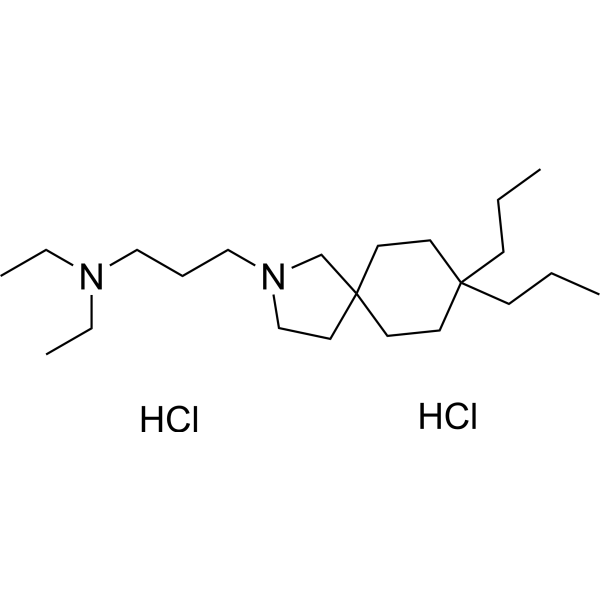
    Atiprimod (Azaspirane) is a STAT3 inhibitor with antitumor, anti-inflammatory, and anti-angiogenic activities. Atiprimod blocks the signaling pathways of IL-6 and VEGF by inhibiting the phosphorylation of signal transducer and activator of STAT3. Atiprimod blocks the JAK-STAT signaling pathway by inhibiting the phosphorylation of JAK2 and JAK3. Atiprimod also inhibits cell proliferation, induces cell cycle arrest, and induces autophagy and apoptosis. Atiprimod triggers persistent ER stress-mediated apoptosis in breast cancer cells by activating the PERK/eIF2α/ATF4/CHOP axis and inhibiting the nuclear translocation of STAT3/NF-κB. Atiprimod shows great anti-tumor activities in tumor xenograft mouse models. Atiprimod can be used for the study of pituitary adenoma, breast cancer, multiple myeloma and acute myeloid leukemia (AML) .
    Atiprimod
  • HY-148748G

    JAK STAT p38 MAPK Cardiovascular Disease
    Butyzamide (GMP) is Butyzamide (HY-148748) produced by using GMP guidelines. GMP small molecules works appropriately as an auxiliary reagent for cell therapy manufacture. Butyzamide is an orally active activator of Mpl, a thrombopoietin (TPO) receptor. Butyzamide increases the phosphorylation level of JAK2, STAT3, STAT5 and MAPK. Butyzamide increases the level of platelets in mouse xenotransplantation assay .
    Butyzamide
  • HY-112447

    STAT Cancer
    STAT3-IN-5 is a potent STAT3 inhibitor. STAT3-IN-5 inhibits STAT3-Y705 phosphorylation with an EC50 value of 170 nM. STAT3-IN-5 inhibits cytokine induced JAK activation. STAT3-IN-5 induces apoptosis. STAT3-IN-5 can be used in research of cancer .
    STAT3-IN-5

Inquiry Online

Your information is safe with us. * Required Fields.

Salutation


Country or Region *

Applicant Name *


Organization Name *

Department *


Email Address *


Product Name *

Cat. No.


Requested quantity *

Phone Number *


Remarks

Inquiry Online

Inquiry Information

Product Name:
Cat. No.:
Quantity:
MCE Japan Authorized Agent: