



Saikosaponin D
Based on 13 publication(s) in Google Scholar
Saikosaponin D is a triterpene saponin isolated from Bupleurum, with anti-inflammatory, anti-bacterial, anti-tumor, and anti-allergic activities; Saikosaponin D inhibits selectin, STAT3 and NF-kB and activates estrogen receptor-β.
연구목적의 판매만을 진행합니다. 환자를 대상으로 한 판매는 하지 않습니다.
- Purity : 99.81%
- CAS No.: 20874-52-6
- 화학식: C42H68O13
- 분자량:780.98
-
보관:Powder -20°C, 3 years , 4°C, 2 years ; In solvent -80°C, 6 months , -20°C, 1 month

To place orders, for customer services and technical support, please contact: MedChemExpress USA
Tel: 609-228-6898 E-mail: [email protected] [email protected]


-
 Biological Activity
-
Chemical Information
-
용액&용해도
- Protocol
- 순도&문서
- References
-
 Help & FAQs


-
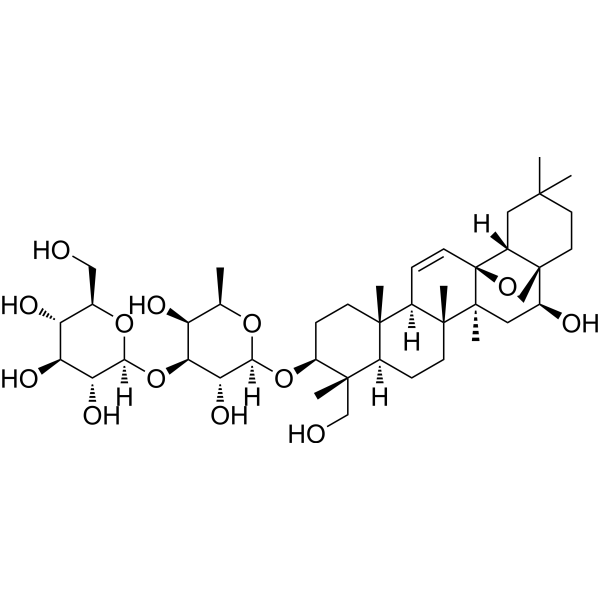
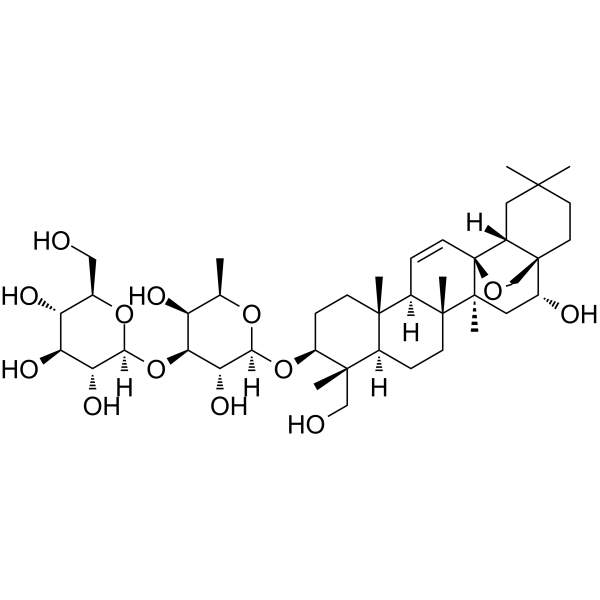
HY-N0246
Saikosaponin AAnti-inflammatory Agent -
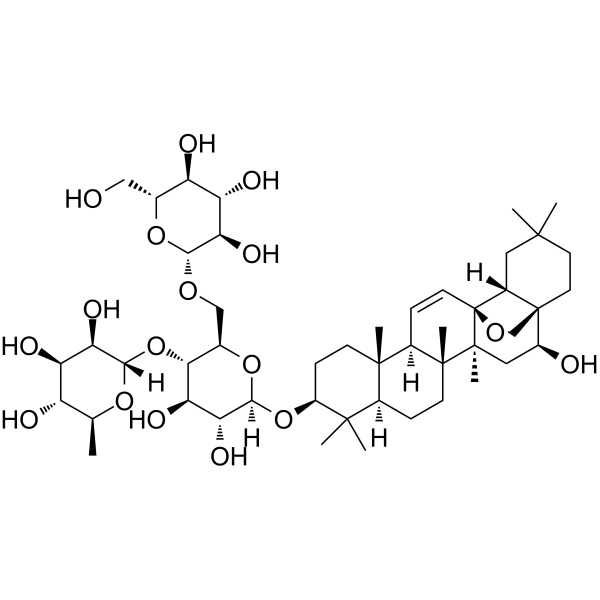
HY-N0249
Saikosaponin CMMP-2 Inducer -
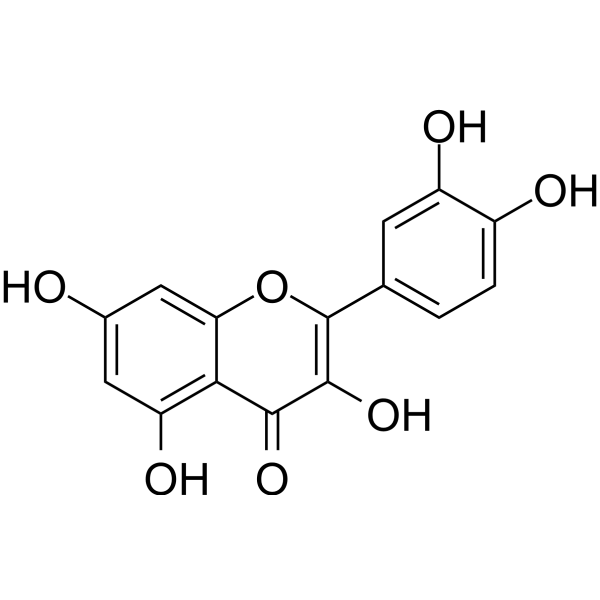
HY-18085
QuercetinFlavonoid Antioxidant -
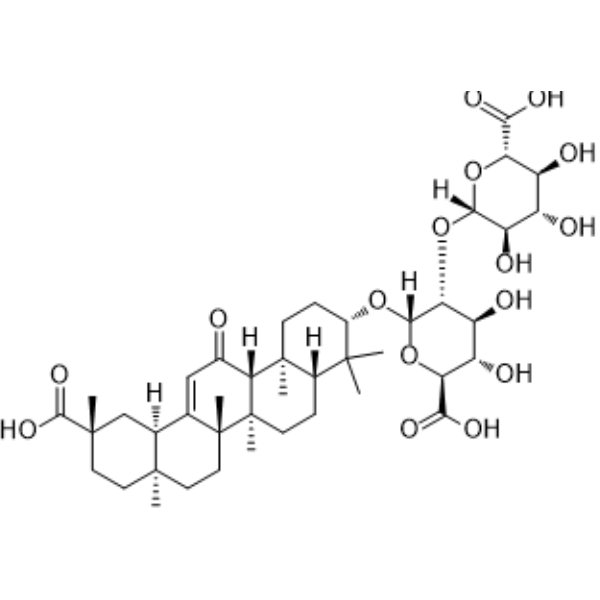
HY-N0184
Glycyrrhizic acidHMGB1 Antagonist -
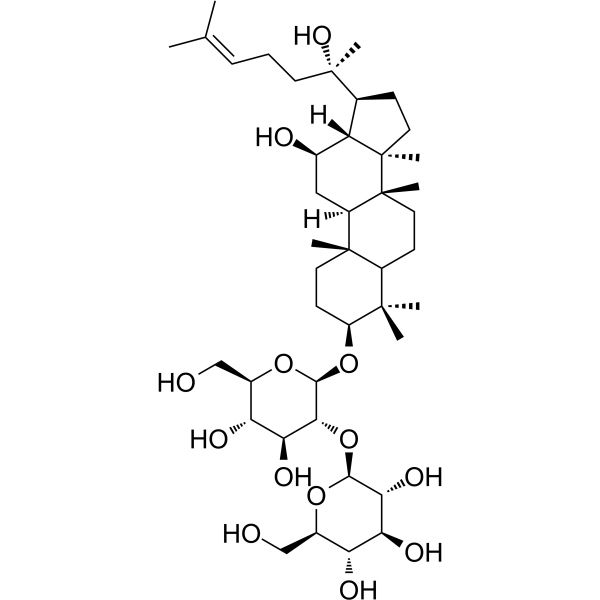
HY-N0603
20(S)-Ginsenoside Rg3Sodium Channel Inhibitor -
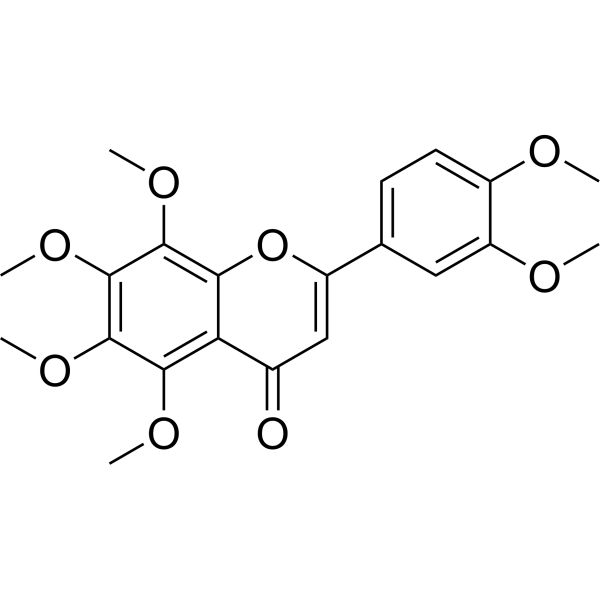
HY-N0155
NobiletinROR Agonist -
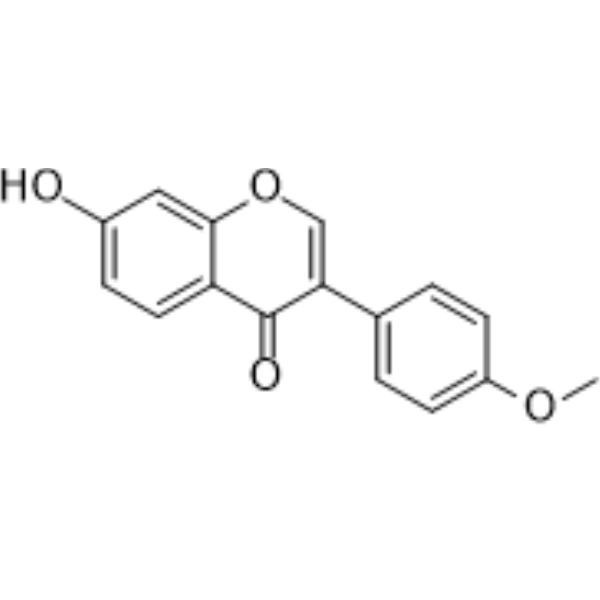
HY-N0183
FormononetinFGFR2 Inhibitor -
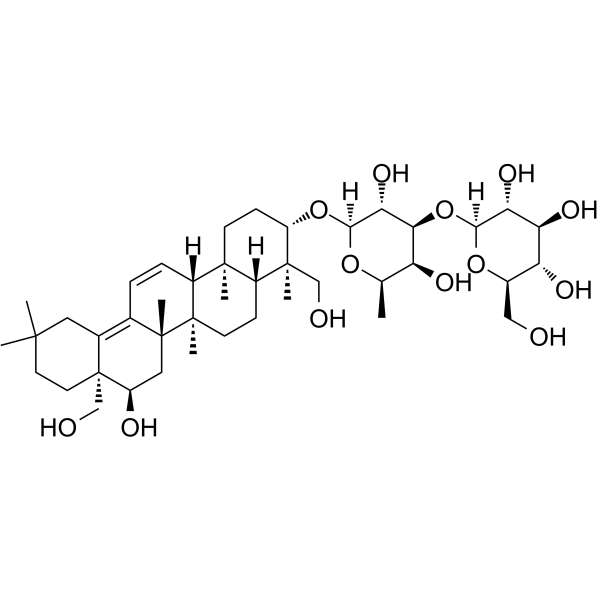
HY-N0248
Saikosaponin B2Solute Carrier Modulator, ATP-Binding Cassette Transporter Modulator -
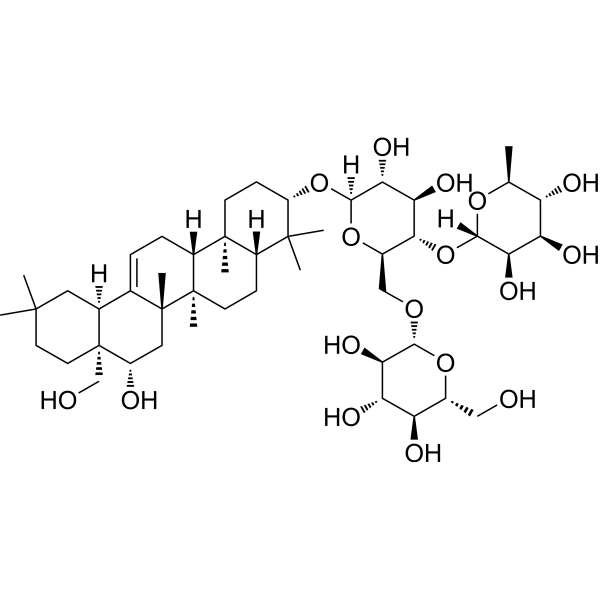
HY-N2178
Saikosaponin FNatural Product -
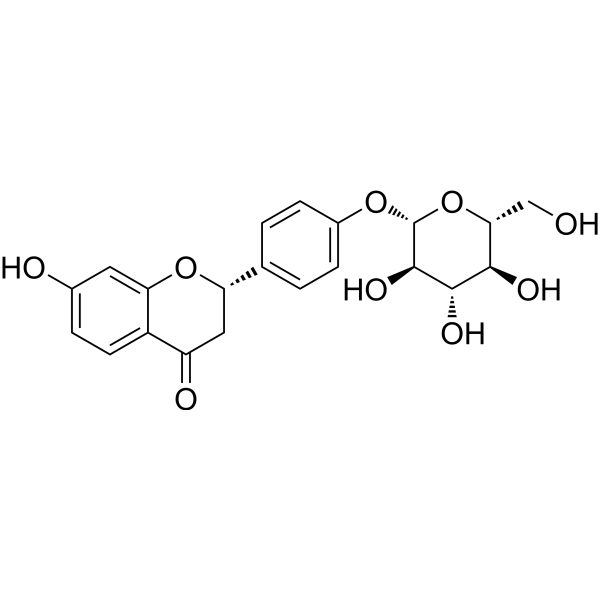
HY-N0376
LiquiritinAKR1C1 Inhibitor -

HY-N0250R
Saikosaponin D (Standard)Triterpenoid Saponin -
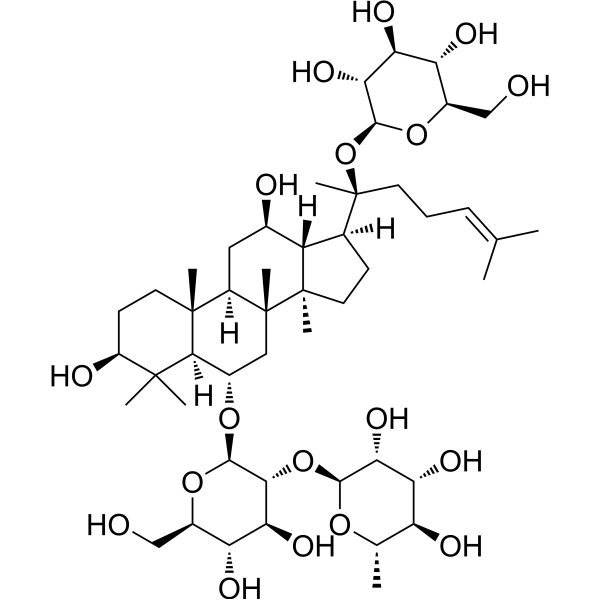
HY-N0044
Ginsenoside ReEndogenous Metabolite
Publications Citing Use of MedChemExpress (MCE) Saikosaponin D
More- Adv Sci (Weinh). 2025 Jul;12(27):e2504293. [Abstract]
- Chem Eng J. 2024 Jul 15, 492, 152263.
- Phytomedicine. 2026 Oct:160:158679.
- Phytomedicine. 2026 May 15:157:158301. [Abstract]
- Drug Des Devel Ther. 2021 Nov 23;15:4741-4757. [Abstract]
- J Inflamm Res. 2025 Nov 26:18:16487-16507. [Abstract]
- J Inflamm Res. 2025 Jun 18:18:7973-7988. [Abstract]
- Naunyn Schmiedebergs Arch Pharmacol. 2025 May;398(5):6059-6070. [Abstract]
- Cancer Manag Res. 2026 Jan 21;18:1-13.
- Biochem Biophys Res Commun. 2025 Aug 30:776:152184. [Abstract]
- Inhal Toxicol. 2025 Apr;37(4):195-207. [Abstract]
- Biochem Genet. 2026 May 8. [Abstract]
- Evid Based Complement Alternat Med. 2021 Aug 18:2021:5451758. [Abstract]
 Customer Validation & Images

-
Cell Proliferation/Viability Assay
-
Cell Imaging/Staining
-
RT-PCR
-
WB
-
Histological Imaging/Staining


Biological Activity
제품 설명
|
STAT3 |
NF-κB |
ERβ |
Cellular Effect
|
Cell Line

|
Type | Value | Description | References |
|---|---|---|---|---|
| A549 | IC50 |
30.82 μM
Compound: 9
|
Cytotoxicity against human A549 cells assessed as induction of cell death incubated for 2 days by MTT assay
Cytotoxicity against human A549 cells assessed as induction of cell death incubated for 2 days by MTT assay
|
[PMID: 26259802] |
| Bcap37 | IC50 |
10.67 μM
Compound: 9
|
Cytotoxicity against human Bcap37 cells assessed as induction of cell death incubated for 2 days by MTT assay
Cytotoxicity against human Bcap37 cells assessed as induction of cell death incubated for 2 days by MTT assay
|
[PMID: 26259802] |
| HeLa | IC50 |
10 μM
Compound: 26
|
Antiproliferative activity against human HeLa cells
Antiproliferative activity against human HeLa cells
|
[PMID: 32030976] |
| Hep 3B2 | IC50 |
9.61 μM
Compound: 9
|
Cytotoxicity against human Hep3B cells assessed as induction of cell death incubated for 2 days by MTT assay
Cytotoxicity against human Hep3B cells assessed as induction of cell death incubated for 2 days by MTT assay
|
[PMID: 26259802] |
| HepG2 | IC50 |
4.88 μM
Compound: 9
|
Cytotoxicity against human HepG2 cells assessed as induction of cell death incubated for 2 days by MTT assay
Cytotoxicity against human HepG2 cells assessed as induction of cell death incubated for 2 days by MTT assay
|
[PMID: 26259802] |
| MCF7 | IC50 |
7.68 μM
Compound: 9
|
Cytotoxicity against human MCF7 cells assessed as induction of cell death incubated for 2 days by MTT assay
Cytotoxicity against human MCF7 cells assessed as induction of cell death incubated for 2 days by MTT assay
|
[PMID: 26259802] |
In Vitro
Saikosaponin D (Compound 3) is a triterpene saponin, which inhibits E-selectin, L-selectin and P-selectin binding to THP-1 cells, with IC50s of 1.8 μM, 3.0 μM and 4.3 μM, and such effects are not due to cytotoxic action. Saikosaponin D (1, 5, 10 μM) dose-dependently inhibits the THP-1 adhesion to the HUVECs monolayer activated by TNF-α. Saikosaponin D (30 μM) also inhibits the expression of P-selectin ligand (CD162) in THP-1 cells[1]. Saikosaponin D (5 μM) suppresses the proliferation of HSC-T6 cells induced by H2O2 treatment, reduces the expression levels of α-SMA, TGF-β1, Hyp, COL1 and TIMP-1, and increases MMP-1 expressioon, thus inhibiting H2O2-induced excessive extracellular matrix (ECM) formation, with similar effects to estradiol (E2), and these effects are blocked by ER antagonists. Saikosaponin D also inhibits oxidative stress-induced ROS generation and down reduates MAPK signaling pathway, and the inhibition is also suppressed by ER antagonists[3].
MedChemExpress (MCE) has not independently confirmed the accuracy of these methods. They are for reference only.
In Vivo
MedChemExpress (MCE) has not independently confirmed the accuracy of these methods. They are for reference only.


Chemical Information
-
CAS No. 20874-52-6
-
Appearance Solid
-
분자량 780.98
-
화학식 C42H68O13
-
Color White to off-white
-
SMILES
CC1(C)CC[C@]2(CO3)[C@H](O)C[C@@]4(C)[C@]([C@]5([H])C=C[C@]43[C@]2([H])C1)(C)CC[C@@]([C@]5(C)CC6)([H])[C@@](CO)(C)[C@H]6O[C@@](O[C@H](C)[C@@H]7O)([H])[C@H](O)[C@H]7O[C@@]8([H])[C@H](O)[C@@H](O)[C@H](O)[C@@H](CO)O8
-
Structure Classification
-
선적
Room temperature in continental US; may vary elsewhere.
-
보관
Powder -20°C 3 years 4°C 2 years In solvent -80°C 6 months -20°C 1 month


Publications (13)
-
Journal Impact Factor
-
Most Recent
-
Adv Sci (Weinh)
Ultrasound-Responsive Piezoelectric Membrane Promotes Osteoporotic Bone Regeneration via the "Two-Way Regulation" Bone Homeostasis Strategy. [Abstract]2025 Jul;12(27):e2504293. PMID: 40289898 -
-
-
Phytomedicine
6''-O-acetylsaikosaponin D targets STAT3-mediated transcriptional remodeling to induce ferroptosis and apoptosis. [Abstract]2026 May 15:157:158301. PMID: 42166974 -
Drug Des Devel Ther
Inhibition of Lipopolysaccharide-Induced Inflammatory Bone Loss by Saikosaponin D is Associated with Regulation of the RANKL/RANK Pathway. [Abstract]2021 Nov 23;15:4741-4757. PMID: 34848946
Saikosaponin D purchased from MedChemExpress. Usage Cited in: Drug Des Devel Ther. 2021 Nov 23;15:4741-4757. [Abstract]
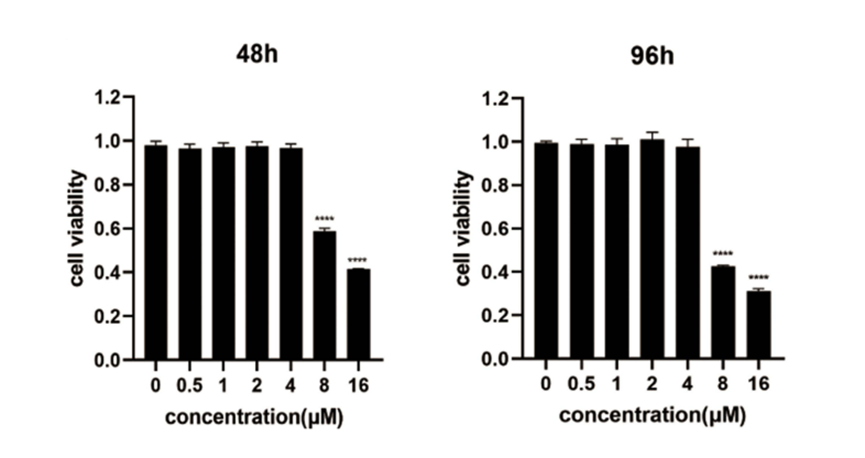
Cell viability of BMMs (bone marrow-derived macrophages) was evaluated by CCK-8 at 48, 96 h treated with Saikosaponin D (0.5, 1, 2, 4, 8, 16 μM).
Saikosaponin D purchased from MedChemExpress. Usage Cited in: Drug Des Devel Ther. 2021 Nov 23;15:4741-4757. [Abstract]
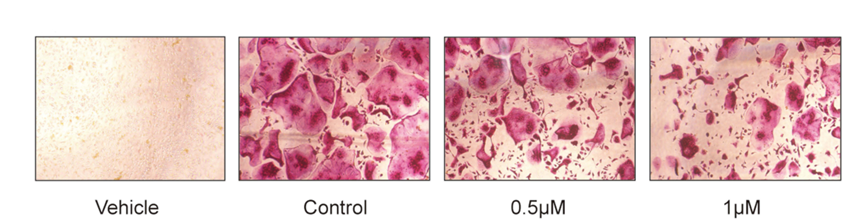
The role of Saikosaponin D (SSD) (0.5, 1 μM) in osteoclast formation in a dose-dependent manner. BMMs stimulated by RANKL (50 ng/mL) were treated with or without various concentrations of SSD for 7 days. After fixing, the cells subjected to TRAP staining.
Saikosaponin D purchased from MedChemExpress. Usage Cited in: Drug Des Devel Ther. 2021 Nov 23;15:4741-4757. [Abstract]
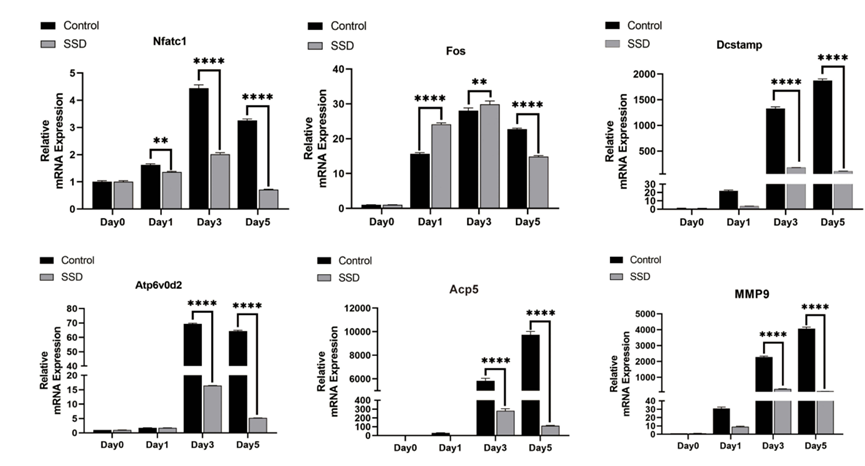
mRNA expression profile of OMG (osteoclast marker genes) (time-dependent). RT-qPCR (real-time quantitative PCR) was performed on total RNA extracted from cells stimulated by RANKL (50 ng/mL) and treated with 2 μM Saikosaponin D (SSD) for the indicated time points during the 5 day osteoclast culture.
Saikosaponin D purchased from MedChemExpress. Usage Cited in: Drug Des Devel Ther. 2021 Nov 23;15:4741-4757. [Abstract]
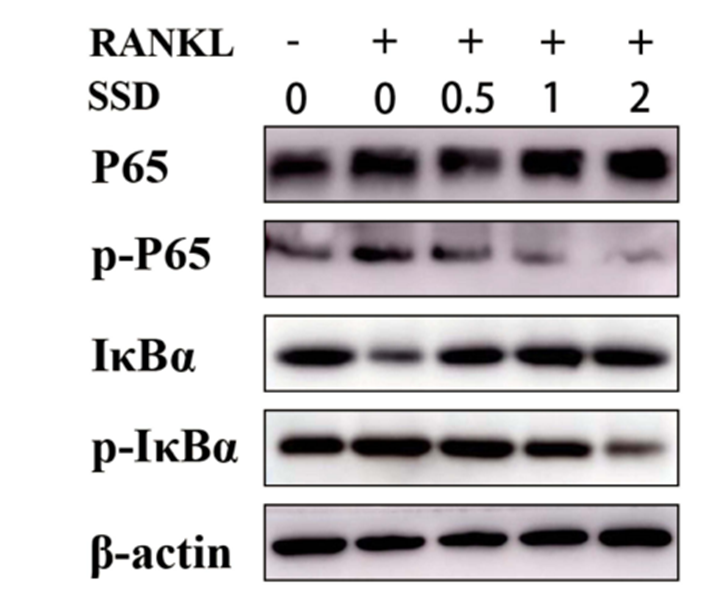
BMMs were treated without or with various concentrations of SSD (0.5, 1 and 2 μmol/L) for 1 h and then were treated with RANKL (50 ng/mL) for 15 min. Total proteins extracted from BMMs were probed for protein levels using immunoblot analyses.
Saikosaponin D purchased from MedChemExpress. Usage Cited in: Drug Des Devel Ther. 2021 Nov 23;15:4741-4757. [Abstract]
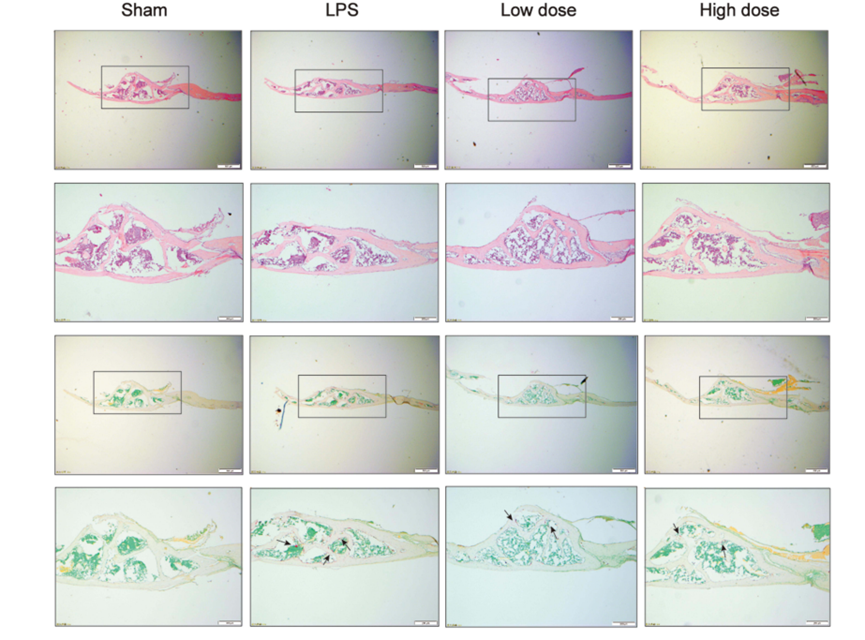
H&E staining and TRAP staining of calvaria from the high-dose Saikosaponin D (SSD) (4 mg/kg) group, low-dose SSD (2 mg/kg) group, LPS group, and sham group.
-
J Inflamm Res
Potential Targets and Mechanisms of Saikosaponin D in Psoriasis: A Bioinformatic and Experimental Study on Oxidative Stress. [Abstract]2025 Nov 26:18:16487-16507. PMID: 41333037 -
J Inflamm Res
Saikosaponin-d Attenuates Irinotecan-Induced Intestinal Toxicity via TAK1/NF-κB Pathway and Enhances Antitumor Efficacy. [Abstract]2025 Jun 18:18:7973-7988. PMID: 40546408 -
Naunyn Schmiedebergs Arch Pharmacol
Saikosaponin D suppresses esophageal squamous cell carcinoma via the PI3K-AKT signaling pathway. [Abstract]2025 May;398(5):6059-6070. PMID: 39638887 -
-
Biochem Biophys Res Commun
Engineered MAP30ER: A plant toxin-derived platform for EGFR-Targeted delivery of protein and chemotherapeutic payloads. [Abstract]2025 Aug 30:776:152184. PMID: 40517671 -
Inhal Toxicol
Saikosaponin D ameliorates sepsis-induced acute lung injury by maintaining alveolar epithelial barrier integrity and inhibiting ferroptosis via Nrf2/HO-1 pathway. [Abstract]2025 Apr;37(4):195-207. PMID: 40569790 -
Biochem Genet
Saikosaponin D Attenuates Postherpetic Neuralgia and Reduces Inflammation by Regulating Gut Microbiota in a Rodent Model. [Abstract]2026 May 8. PMID: 42101756 -
Evid Based Complement Alternat Med
Saikosaponin D Inhibits the Proliferation and Promotes the Apoptosis of Rat Hepatic Stellate Cells by Inducing Autophagosome Formation. [Abstract]2021 Aug 18:2021:5451758. PMID: 34457023


용액&용해도
In Vitro:
DMSO : 50 mg/mL (64.02 mM; Need ultrasonic; Hygroscopic DMSO has a significant impact on the solubility of product, please use newly opened DMSO)
H2O : < 0.1 mg/mL (insoluble)
Please refer to the solubility information to select the appropriate solvent. Once prepared, please aliquot and store the solution to prevent product inactivation from repeated freeze-thaw cycles.
Storage method and period of stock solution: -80°C, 6 months; -20°C, 1 month. When stored at -80°C, please use it within 6 months. When stored at -20°C, please use it within 1 month.
Please refer to the solubility information to select the appropriate solvent. Once prepared, please aliquot and store the solution to prevent product inactivation from repeated freeze-thaw cycles.
Storage method and period of stock solution: -80°C, 6 months; -20°C, 1 month. When stored at -80°C, please use it within 6 months. When stored at -20°C, please use it within 1 month.
Concentration (start) × Volume (start) = Concentration (final) × Volume (final)
In Vivo:
Select the appropriate dissolution method based on your experimental animal and administration route.
- For the following dissolution methods, please ensure to first prepare a clear stock solution using an In Vitro approach and then sequentially add co-solvents:
- To ensure reliable experimental results, the clarified stock solution can be appropriately stored based on storage conditions. As for the working solution for In Vivo experiments, it is recommended to prepare freshly and use it on the same day.
- The percentages shown for the solvents indicate their volumetric ratio in the final prepared solution. If precipitation or phase separation occurs during preparation, heat and/or sonication can be used to aid dissolution.
Add each solvent one by one: 10% DMSO 90% (20% SBE-β-CD in Saline)
Solubility: ≥ 2.5 mg/mL (3.20 mM); Clear solution
This protocol yields a clear solution of ≥ 2.5 mg/mL (saturation unknown).
Taking 1 mL working solution as an example, add 100 μL DMSO stock solution (25.0 mg/mL) to 900 μL 20% SBE-β-CD in Saline, and mix evenly.
Preparation of 20% SBE-β-CD in Saline (4°C, storage for one week): 2 g SBE-β-CD powder is dissolved in 10 mL Saline, completely dissolve until clear.
In Vivo Dissolution Calculator
Please enter the basic information of animal experiments:
-
-
-
-
Recommended: Prepare an additional quantity of animals to account for potential losses during experiments.
Please enter your animal formula composition:
-
%DMSO +
Recommended: Keep the proportion of DMSO in working solution below 2% if your animal is weak.
-
%+
-
+%Tween-80 + +
-
%Saline +
The co-solvents required include: DMSO, . All of co-solvents are available by MedChemExpress (MCE). , Tween 80. All of co-solvents are available by MedChemExpress (MCE).
Working solution concentration: 0.22 mg/mL
Method for preparing stock solution: mg drug dissolved in μL DMSO. Stock solution concentration: mg/mL.
1. Take μL DMSO stock solution;
2. Add μL .
μL , mix evenly;
3. Then add μL Tween 80, mix evenly;
4. Then add μL
Please ensure that the stock solution in the first step is dissolved to a clear state, and add co-solvents in sequence. You can use ultrasonic heating (ultrasonic cleaner, recommended frequency 20-40 kHz), vortexing, etc. to assist dissolution.


순도&문서
-
Data Sheet (283 KB)
-
SDS (393 KB)
- English - EN (393 KB)
- Français - FR (393 KB)
- Deutsch - DE (393 KB)
- Norwegian - NO (393 KB)
- Español - ES (393 KB)
- Swedish - SV (393 KB)
- Italian - IT (393 KB)
- Korean - KR (393 KB)
- Portuguese - PT (393 KB)
-
Handling Instructions (2659 KB)
References
[1]. Jang MJ, et al. Saikosaponin D isolated from Bupleurum falcatum inhibits selectin-mediated cell adhesion. Molecules. 2014 Dec 4;19(12):20340-9. [Content Brief]
[2]. Liu A, et al. Saikosaponin d protects against acetaminophen-induced hepatotoxicity by inhibiting NF-κB and STAT3 signaling. Chem Biol Interact. 2014 Nov 5;223:80-6. [Content Brief]
[3]. Que R, et al. Estrogen receptor-β-dependent effects of saikosaponin‑d on the suppression of oxidative stress-induced rat hepatic stellate cell activation. Int J Mol Med. 2018 Mar;41(3):1357-1364. [Content Brief]


Complete Stock Solution Preparation Table
Please refer to the solubility information to select the appropriate solvent. Once prepared, please aliquot and store the solution to prevent product inactivation from repeated freeze-thaw cycles.
Storage method and period of stock solution: -80°C, 6 months; -20°C, 1 month. When stored at -80°C, please use it within 6 months. When stored at -20°C, please use it within 1 month.
| Optional Solvent | Concentration Solvent Mass | 1 mg | 5 mg | 10 mg | 25 mg |
|---|---|---|---|---|---|
| DMSO | 1 mM | 1.2804 mL | 6.4022 mL | 12.8044 mL | 32.0111 mL |
| 5 mM | 0.2561 mL | 1.2804 mL | 2.5609 mL | 6.4022 mL | |
| 10 mM | 0.1280 mL | 0.6402 mL | 1.2804 mL | 3.2011 mL | |
| 15 mM | 0.0854 mL | 0.4268 mL | 0.8536 mL | 2.1341 mL | |
| 20 mM | 0.0640 mL | 0.3201 mL | 0.6402 mL | 1.6006 mL | |
| 25 mM | 0.0512 mL | 0.2561 mL | 0.5122 mL | 1.2804 mL | |
| 30 mM | 0.0427 mL | 0.2134 mL | 0.4268 mL | 1.0670 mL | |
| 40 mM | 0.0320 mL | 0.1601 mL | 0.3201 mL | 0.8003 mL | |
| 50 mM | 0.0256 mL | 0.1280 mL | 0.2561 mL | 0.6402 mL | |
| 60 mM | 0.0213 mL | 0.1067 mL | 0.2134 mL | 0.5335 mL |


Saikosaponin D Related Classifications
HY-N0250 Related Classifications
 Powered by Bioz