1. Search Result
Search Result
Results for "

kinase domain

" in MedChemExpress (MCE) Product Catalog:

220

Inhibitors & Agonists

2

Screening Libraries

1

Fluorescent Dyes

1

Biochemical Assay Reagents

25

Peptides

5

Inhibitory Antibodies

7

Natural
Products

25

Recombinant Proteins

10

Isotope-Labeled Compounds

20

Antibodies

4

Oligonucleotides

1

GMP Molecules

Cat. No. Product Name Target Research Areas Chemical Structure
  • HY-117287
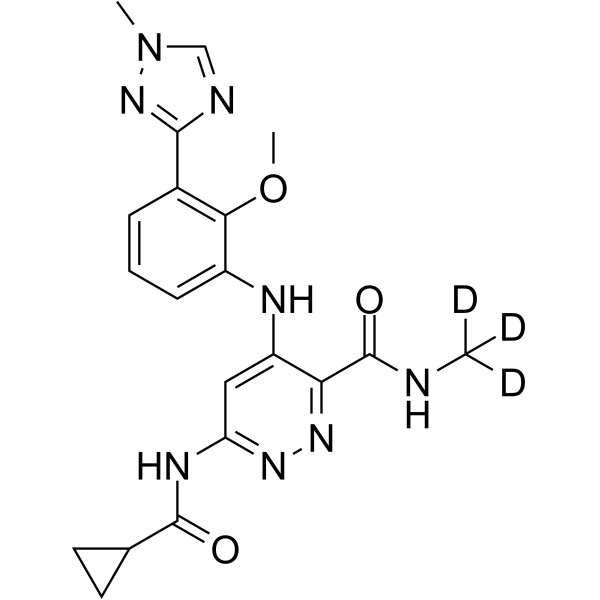
    Deucravacitinib
    30+ Cited Publications

    BMS-986165

    JAK STAT Interleukin Related IFNAR Inflammation/Immunology
    Deucravacitinib (BMS-986165) is an orally active allosteric inhibitor of tyrosine kinase 2 (TYK2), with an IC50 of 0.2 nM and a Ki of 0.02 nM against the JH2 domain of TYK2, and it exhibits selectivity over other JAK subtypes and most of the kinome. Deucravacitinib blocks IL-23, IL-12, p-STAT1/3 and Type I IFN signaling, and inhibits Th17/Th1-mediated psoriasis inflammation . Deucravacitinib can be used in research related to moderate-to-severe plaque psoriasis, inflammatory bowel disease and systemic lupus erythematosus .
    Deucravacitinib
  • HY-50898
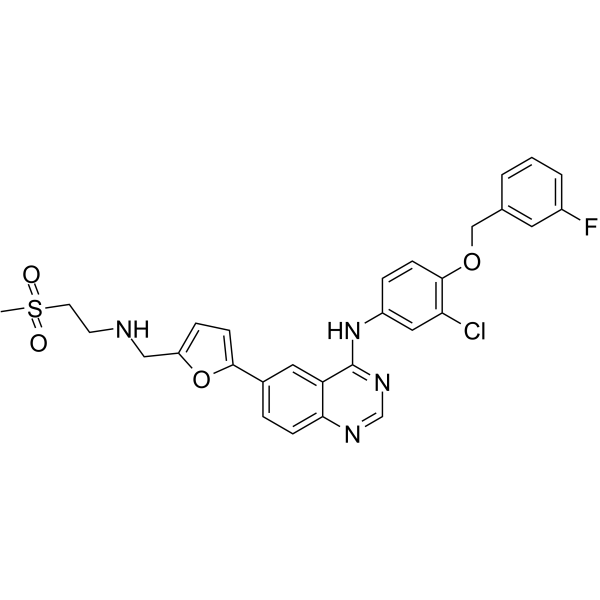
    Lapatinib
    90+ Cited Publications

    GW572016; GW2016

    EGFR Autophagy Ferroptosis Infection Neurological Disease Metabolic Disease Cancer
    Lapatinib (GW572016) is a potent, orally active inhibitor of the ErbB-2 and EGFR tyrosine kinase domains with IC50 values against purified EGFR and ErbB-2 of 10.2 and 9.8 nM, respectively .
    Lapatinib
  • HY-N0135
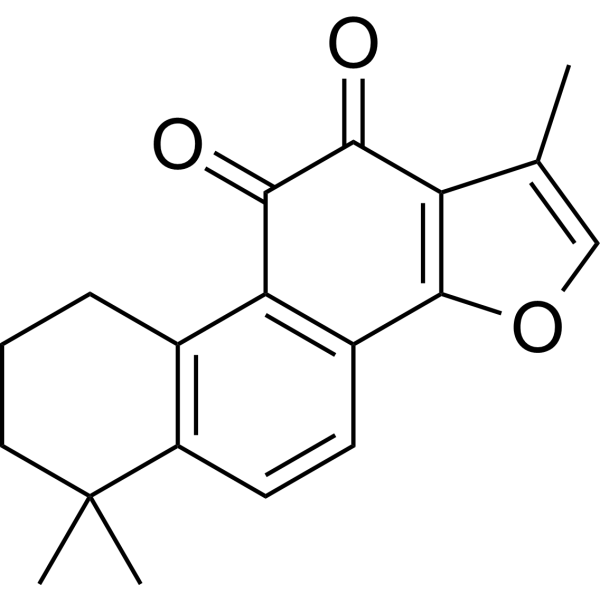
    Tanshinone IIA
    35+ Cited Publications

    Dan Shen ketone

    VEGFR Cardiovascular Disease Cancer
    Tanshinone IIA (Tan IIA) is one of the main compositions in the root of Salvia miltiorrhiza Bunge. Tanshinone IIA may suppress angiogenesis by targeting the protein kinase domains of VEGF/VEGFR2.
    Tanshinone IIA
  • HY-101872
    GSK-872
    95+ Cited Publications

    RIP kinase Inflammation/Immunology
    GSK-872 is a RIPK3 inhibitor, which binds RIP3 kinase domain with an IC50 of 1.8 nM, and inhibits kinase activity with an IC50 of 1.3 nM. GSK-872 decreases the RIPK3-mediated necroptosis and subsequent cytoplasmic translocation and expression of HMGB1, as well as ameliorates brain edema and neurological deficits in early brain injury .
    GSK-872
  • HY-14392

    DRB

    CDK Apoptosis Cancer
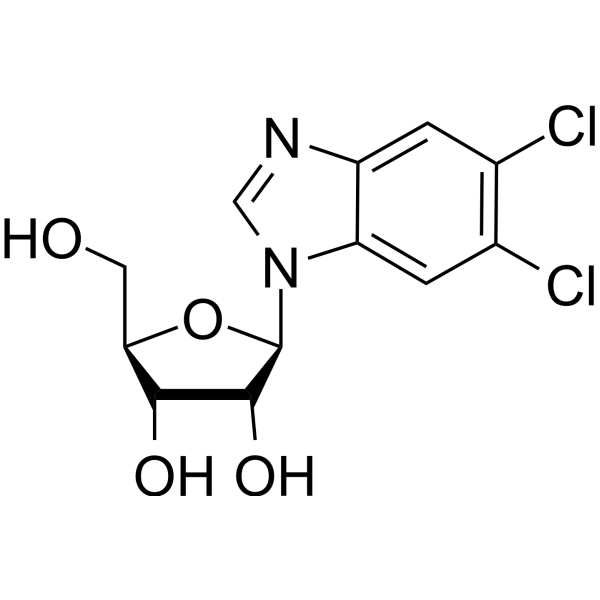
    5,6-Dichlorobenzimidazole riboside (DRB) is a nucleoside analog that inhibits several carboxyl-terminal domain kinases, including casein kinase II and cell cycle-dependent kinases (CDK). 5, 6-dichlorobenzimidazole riboside has antitumor activity. 5, 6-dichlorobenzimidazole riboside can induce apoptosis .
    5,6-Dichlorobenzimidazole riboside
  • HY-135985
    DCLK1-IN-1
    4 Publications Verification

    Fluorescent Dye Cancer
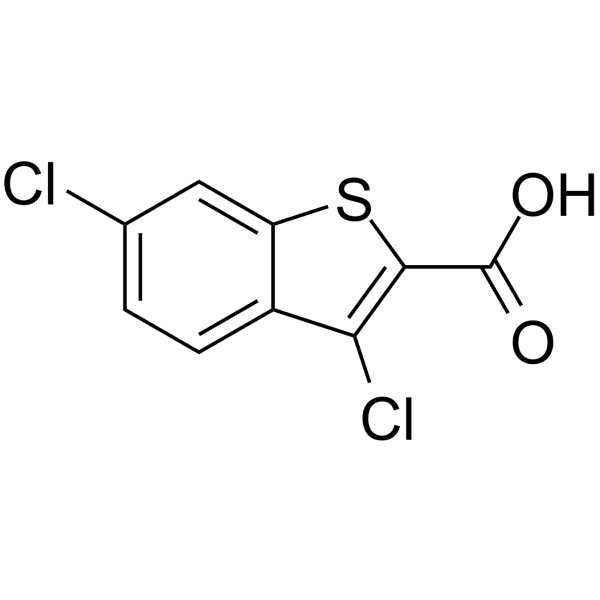
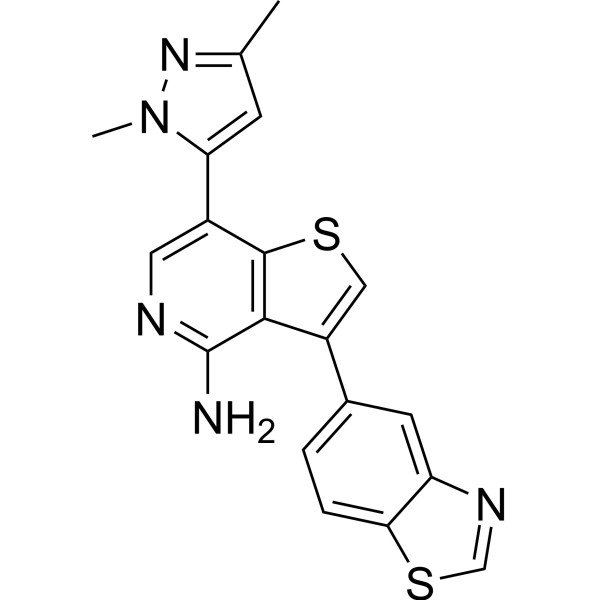
    DCLK1-IN-1 is a selective, oral bioavailability in vivo-compatible chemical probe of the doublecortin like kinase 1 (DCLK1 kinase) domain. DCLK1-IN-1 inhibits DCLK1 and DCLK2 kinases (IC50: DCLK1=9.5/57.2 nM and DCLK2=31/103 nM in binding and kinase assay, respectively). DCLK1-IN-1 shows low toxicity, and can investigate DCLK1 biology and establish its role in cancer, like DCLK1 + pancreatic ductal adenocarcinoma (PDAC) .
    DCLK1-IN-1
  • HY-19730
    Olmutinib
    10+ Cited Publications

    HM61713; BI 1482694

    EGFR Cancer
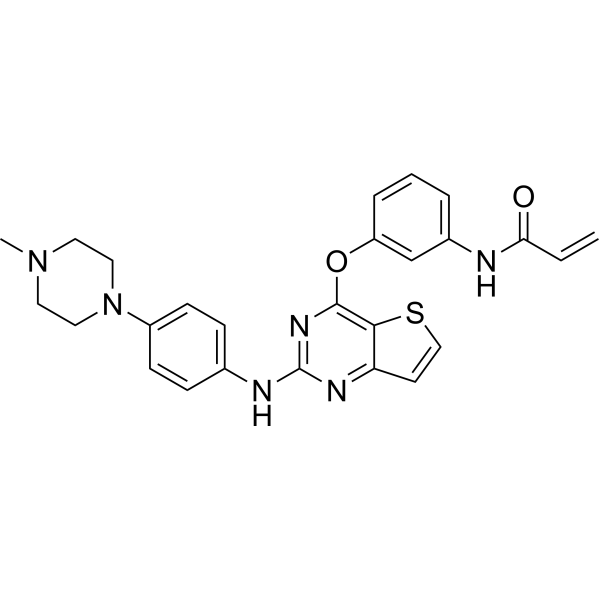
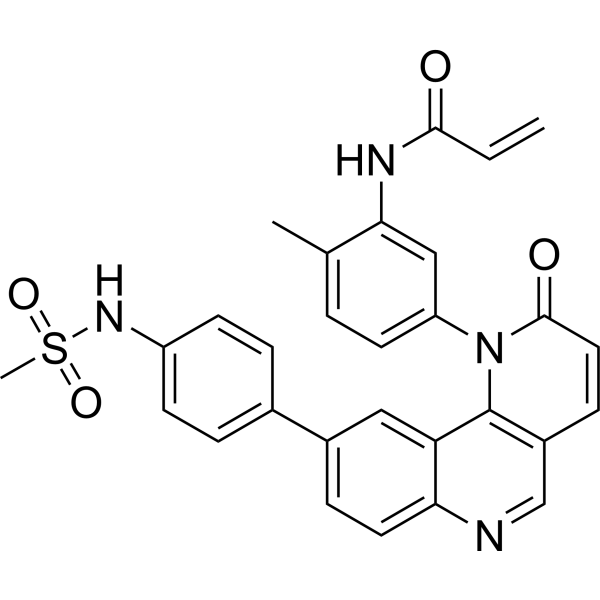
    Olmutinib (HM61713; BI-1482694) is an orally active and irreversible third EGFR tyrosine kinase inhibitor that binds to a cysteine residue near the kinase domain. Olmutinib is used for NSCLC .
    Olmutinib
  • HY-101084
    NSC 228155
    15+ Cited Publications

    EGFR Histone Acetyltransferase Epigenetic Reader Domain Cancer
    NSC 228155 is an activator of EGFR, binds to the extracellular region of EGFR and enhance tyrosine phosphorylation of EGFR . NSC 228155 is also a potent inhibitor of KIX-KID interaction, inhibits kinase-inducible domain (KID) from CREB and KID-interacting domain (KIX) from CBP, with an IC50 of 0.36 μM .
    NSC 228155
  • HY-101524
    TC13172
    3 Publications Verification

    Mixed Lineage Kinase Cancer
    TC13172 is a mixed lineage kinase domain-like protein (MLKL) inhibitor with an EC50 value of 2 nM for HT-29 cells .
    TC13172
  • HY-112292
    GW806742X
    20+ Cited Publications

    Mixed Lineage Kinase VEGFR Others
    GW806742X, an ATP mimetic and a potent MLKL (Mixed Lineage Kinase Domain-Like protein) inhibitor, binds the MLKL pseudokinase domain with a Kd of 9.3 μM. GW806742X has activity against VEGFR2 (IC50=2 nM). GW806742X retards MLKL membrane translocation and inhibits necroptosis .
    GW806742X
  • HY-50898A
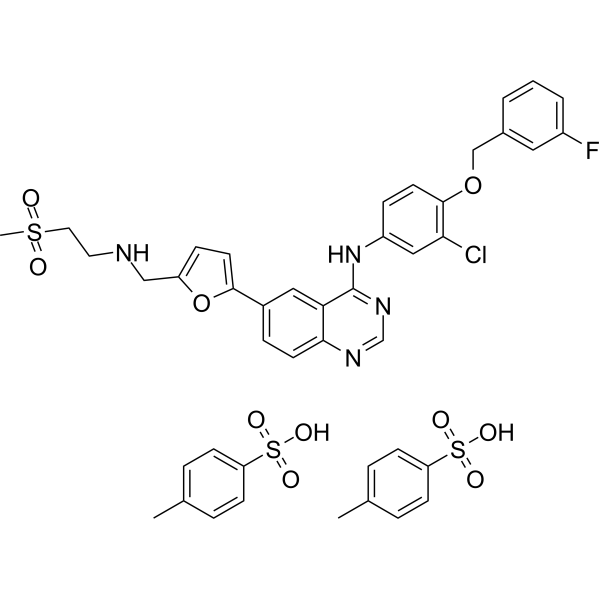
    Lapatinib ditosylate
    90+ Cited Publications

    GW572016 ditosylate; GW2016 ditosylate

    EGFR Autophagy Ferroptosis Infection Neurological Disease Metabolic Disease Cancer
    Lapatinib ditosylate (GW572016 ditosylate) is a potent, orally active inhibitor of the ErbB-2 and EGFR tyrosine kinase domains with IC50 values against purified EGFR and ErbB-2 of 10.2 and 9.8 nM, respectively .
    Lapatinib ditosylate
  • HY-125402
    GSK-843
    5+ Cited Publications

    GSK'843

    RIP kinase Apoptosis Inflammation/Immunology
    GSK-843 (GSK'843) is a receptor-interacting protein kinase 3 (RIP3 or RIPK3) inhibitor, which binds RIP3 kinase domain with an IC50 of 8.6 nM, and inhibits kinase activity with an IC50 of 6.5 nM. GSK-843 can be used for the research of inflammation .
    GSK-843
  • HY-50898B
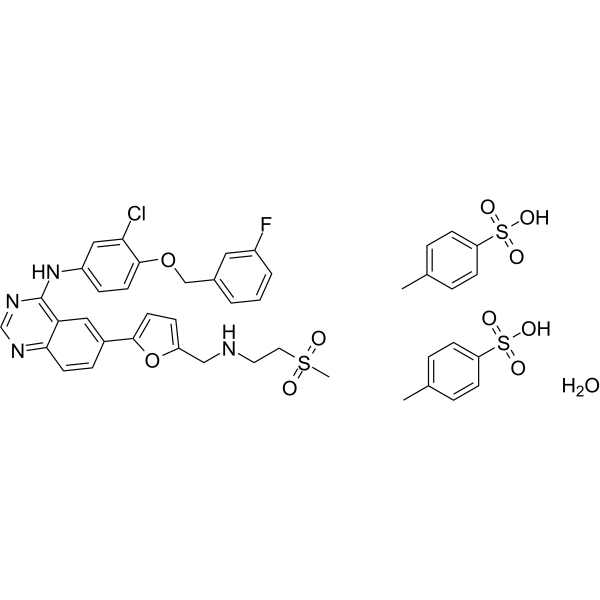
    Lapatinib ditosylate monohydrate
    90+ Cited Publications

    GW572016 ditosylate monohydrate; GW2016 ditosylate monohydrate

    EGFR Autophagy Ferroptosis Infection Metabolic Disease Cancer
    Lapatinib ditosylate monohydrate (GW572016 ditosylate monohydrate) is a potent, orally active inhibitor of the ErbB-2 and EGFR tyrosine kinase domains with IC50 values against purified EGFR and ErbB-2 of 10.2 and 9.8 nM, respectively .
    Lapatinib ditosylate monohydrate
  • HY-101872A
    GSK-872 hydrochloride
    95+ Cited Publications

    RIP kinase Inflammation/Immunology
    GSK-872 hydrochloride is a RIPK3 inhibitor, which binds RIP3 kinase domain with an IC50 of 1.8 nM, and inhibits kinase activity with an IC50 of 1.3 nM. GSK-872 hydrochloride decreases the RIPK3-mediated necroptosis and subsequent cytoplasmic translocation and expression of HMGB1, as well as ameliorates brain edema and neurological deficits in early brain injury .
    GSK-872 hydrochloride
  • HY-141796

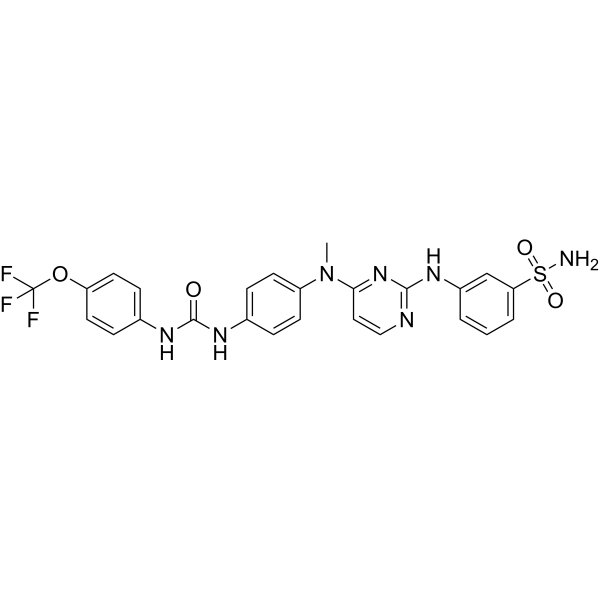
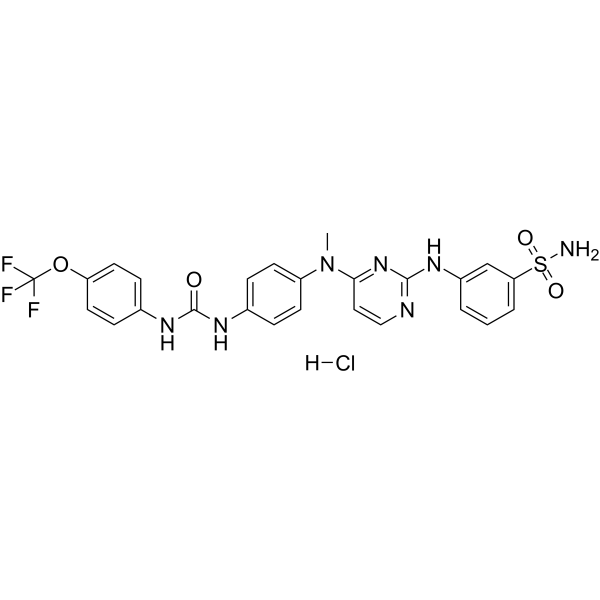
    PROTACs WDR5 Cancer
    MS67 is a potent and selective WD40 repeat domain protein 5 (WDR5) degrader with a Kd of 63 nM. MS67 is inactive against other protein methyltransferases, kinases, GPCRs, ion channels, and transporters. MS67 shows potent acticancer effects .
    MS67
  • HY-104021
    GSK840
    1 Publications Verification

    GSK'840

    RIP kinase Inflammation/Immunology
    GSK840 (GSK'840) is a receptor-interacting protein kinase 3 (RIP3 or RIPK3) inhibitor, which binds RIP3 kinase domain with an IC50 of 0.9 nM, and inhibits kinase activity with an IC50 of 0.3 nM .
    GSK840
  • HY-12134
    Poloxin
    3 Publications Verification

    Polo-like Kinase (PLK) Cancer
    Poloxin is a non-ATP competitive Polo-like Kinase 1 (PLK1) inhibitor that targets the polo-box domain, with an IC50 of appr 4.8 μM.
    Poloxin
  • HY-18937
    WEHI-345
    3 Publications Verification

    RIP kinase Cancer
    WEHI-345 is a potent and selective RIPK2 kinase inhibitor with an IC50 of 0.13 μM, which delays RIPK2 ubiquitylation and NF-κB activation on oligomerization domain (NOD) stimulation .
    WEHI-345
  • HY-138779
    ICCB-19 hydrochloride
    1 Publications Verification

    Autophagy RIP kinase Apoptosis Inflammation/Immunology
    ICCB-19 hydrochloride is a TRADD (TNFRSF1A associated via death domain) inhibitor. ICCB-19 hydrochloride binds with N-terminal domain of TRADD (TRADD-N), disrupting its binding to both TRADD-C and TRAF2. ICCB-19 hydrochloride is indirect inhibitor of RIPK1 kinase activity. ICCB-19 hydrochloride effectively induces autophagy and the degradation of long-lived proteins .
    ICCB-19 hydrochloride
  • HY-136179
    ZAP-180013
    3 Publications Verification

    Tyrosinase Inflammation/Immunology
    ZAP-180013 is a zeta-chain-associated protein kinase 70 (ZAP-70) inhibitor with an IC50 of 1.8 μM. ZAP-180013 inhibits the interaction of ZAP-70 SH2 domain with immunoreceptor tyrosine-based activation motif (ITAMs) .
    ZAP-180013
  • HY-109143
    Elsubrutinib
    2 Publications Verification

    ABBV-105

    Btk Inflammation/Immunology
    Elsubrutinib (ABBV-105) is an orally active, potent, selective and irreversible Bruton's tyrosine kinase (BTK) inhibitor. The IC50 of Elsubrutinib for BTK catalytic domain is 0.18 μM. Elsubrutinib can be used for the research of inflammatory disease .
    Elsubrutinib
  • HY-80002
    BMX-IN-1
    5+ Cited Publications

    BMX kinase inhibitor

    Btk BMX Kinase Cancer
    BMX-IN-1 is a selective, irreversible inhibitor of bone marrow tyrosine kinase on chromosome X (BMX) that targets Cys 496 in the BMX ATP binding domain with an IC50 of 8 nM, also targets the related Bruton’s tyrosine kinase (BTK) with an IC50 value of 10.4 nM, but is more than 47-656-fold less potent against Blk, JAK3, EGFR, Itk, or Tec activity.
    BMX-IN-1
  • HY-104001
    BAY-524
    1 Publications Verification

    Ser/Thr Kinase Cancer
    BAY-524 is a potent Bub1 kinase inhibitor. BAY-524 inhibits the recombinant catalytic domain of human Bub1 with an IC50 of 450 nM. BAY-524 can be used for the research of anti-cancer in combination with other agents .
    BAY-524
  • HY-N2521

    FLLL31

    STAT Apoptosis Inflammation/Immunology Cancer
    Tetramethylcurcumin (FLLL31), derived from curcumin, specifically suppresses the phosphorylation of STAT3 by binding selectively to Janus kinase 2 and the STAT3 Src homology-2 domain. Tetramethylcurcumin exhibits anti-inflammatory and anti-cancer effects .
    Tetramethylcurcumin
  • HY-52101A
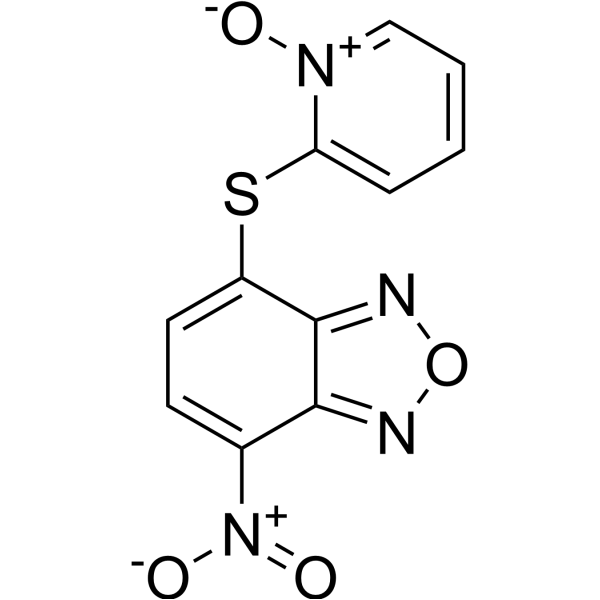
    FMK
    4 Publications Verification

    Ribosomal S6 Kinase (RSK) Cancer
    FMK is a an irreversible RSK2 kinase inhibitor, that covalently modifies the C-terminal kinase domain of RSK.
    FMK
  • HY-132203

    RIP kinase Inflammation/Immunology Cancer
    Necrostatin-34 (Nec-34), a RIPK1 kinase inhibitor, stabilizes RIPK1 kinase in an inactive conformation by occupying a distinct binding pocket in the kinase domain .
    Necrostatin-34
  • HY-120097

    LIM Kinase (LIMK) Reverse Transcriptase Infection
    R-10015, a broad-spectrum antiviral compound for HIV infection, acts as a potent and selective inhibitor of LIM domain kinase (LIMK) and binds to the ATP-binding pocket, with an IC50 of 38 nM for human LIMK1 .
    R-10015
  • HY-P10579
    123B9
    1 Publications Verification

    Ephrin Receptor Cancer
    123B9, a tumor-homing agent, is a potent and selective EphA2 agonist with a Kd value of 4.0 μM. 123B9 selectively targets the EphA2 tyrosine kinase receptor ligand-binding domain. 123B9 does not appreciably inhibit the ligand binding domains of the most closely related EphA3 and EphA4 receptors .
    123B9
  • HY-15369

    Akt Apoptosis Cancer
    FPA-124, a cell-permeable copper complex, is a selective Akt inhibitor with an IC50 of 0.1 μM. FPA-124 interacts with both the pleckstrin homology (PH) and the kinase domains of Akt. FPA-124 induces apoptosis .
    FPA-124
  • HY-P5904

    Caveolin-1 scaffolding domain peptide

    c-Met/HGFR Others
    Caveolin-1 (82-101) amide (human, mouse, rat) (Caveolin-1 scaffolding domain peptide) is a peptide that reverses aging-associated deleterious changes in multiple organs. Caveolin-1 (82-101) amide (human, mouse, rat) inhibits tyrosine kinases .
    Caveolin-1 (82-101) amide (human, mouse, rat)
  • HY-145425

    IRE1 Apoptosis FGFR Inflammation/Immunology
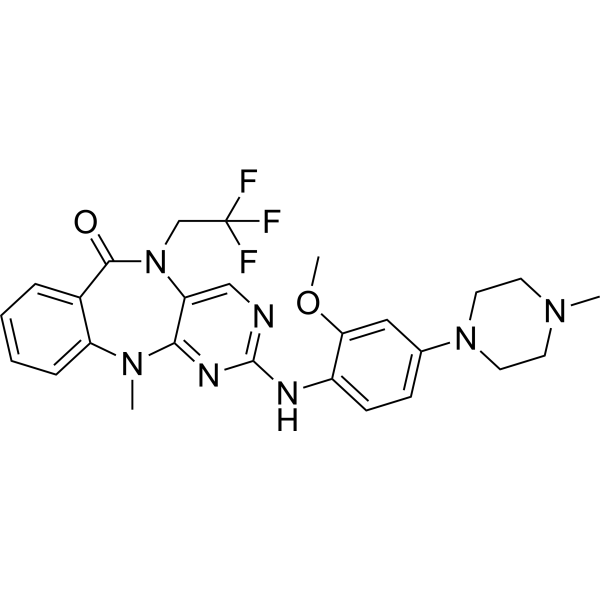
    PAIR2 is a highly selective inhibitor targeting the kinase domain of human IRE1α, with a Ki value of 8.8 nM against human IRE1α. PAIR2 fully occupies the ATP-binding site of the IRE1α kinase domain, partially antagonizes the ribonuclease activity of IRE1α, specifically inhibits regulated IRE1α-dependent decay (RIDD) and its mediated substrate cleavage, while preserving the splicing function of Xbp1 mRNA. PAIR2 also promotes the differentiation of B cells into plasma cells, blocks IRE1α-induced cell apoptosis, and restores the expression of Fgfr2 mRNA in AT2 cells. PAIR2 effectively reaches a steady-state concentration in the lung tissues of Mus musculus, and serves as an important tool for investigating the function of the IRE1α signaling pathway in diseases such as pulmonary fibrosis .
    PAIR2
  • HY-P1746
    Protein Kinase C (19-31)
    1 Publications Verification

    PKC (19-31)

    PKC Inflammation/Immunology
    Protein Kinase C (19-31), a peptide inhibitor of protein kinase C (PKC), derived from the pseudo-substrate regulatory domain of PKCa (residues 19-31), is used as protein kinase C substrate peptide for testing the protein kinase C activity .
    Protein Kinase C (19-31)
  • HY-P99969

    CMAB-302; Cipterbin

    EGFR Cancer
    Inetetamab is a monoclonal antibody binding to domain IV of HER2 receptor. Inetetamab alone or together with tyrosine kinase inhibitors has antitumor activities .
    Inetetamab
  • HY-N7177

    Drug Metabolite VEGFR Cancer
    Hydroxytanshinone IIA is a hydroxylated metabolite of Tanshinone IIA. Tanshinone IIA may suppress angiogenesis by targeting the protein kinase domains of VEGF/VEGFR2 .
    Hydroxytanshinone IIA
  • HY-112292A
    GW806742X hydrochloride
    20+ Cited Publications

    Mixed Lineage Kinase VEGFR Cancer
    GW806742X hydrochloride, an ATP mimetic and a potent MLKL (Mixed Lineage Kinase Domain-Like protein) inhibitor, binds the MLKL pseudokinase domain with a Kd of 9.3 μM. GW806742X hydrochloride has activity against VEGFR2 (IC50=2 nM). GW806742X hydrochloride retards MLKL membrane translocation and inhibits necroptosis .
    GW806742X hydrochloride
  • HY-P1396

    G Protein-coupled Receptor Kinase (GRK) Others
    GRK2i is a Gβγ-inhibitory peptide that selectively prevents Gβγ-mediated signaling. GRK2i corresponds to the Gβγ-binding domain of GRK2 (G-protein-coupled receptor kinase 2) .
    GRK2i
  • HY-P10471E

    MARCKS-ED control peptide TFA

    MARCKS Others
    MPSD control peptide (MARCKS-ED control peptide) TFA is the control peptide of MPSD (HY-P10471). MPSD (MARCKS-ED) is a 25-amino acid peptide based on the effector domain sequence of the intracellular membrane protein myristoylated alanine-rich C-kinase substrate (MARCKS) .
    MPSD control peptide TFA
  • HY-E70873

    JAK Cancer
    TYK2 is a member of the JAK family of non-receptor tyrosine kinases that act together with signal transducer and activator of transcription (STAT) factors in mediating intracellular signal transduction. JAKs are characterized by dual kinase domain: a tyrosine kinase domain (JH1) that is preceded by a pseudokinase domain (JH2). Tyk2(JH1/JH2) Recombinant Human Active Protein Kinase is a recombinant Tyk2(JH1/JH2) protein that can be used to study Tyk2(JH1/JH2)-related functions .
    Tyk2(JH1/JH2) Recombinant Human Active Protein Kinase
  • HY-P3892

    PKC Inflammation/Immunology
    Protein Kinase C (19-35) Peptide is the PKC pseudosubstrate inhibitor/region. Protein Kinase C (19-35) Peptide possibly blocks the substrate-binding site in its kinase domain, makes the cytoplasmic form of PKC inactive .
    Protein Kinase C (19-35) Peptide
  • HY-P1088

    PKC Others
    [Ser25] Protein Kinase C (19-31) is a substrate of protein kinase C (PKC) (Km: 0.3 μM). [Ser25] Protein Kinase C (19-31) is derived from the pseudo-substrate regulatory domain of PKCα (19-31) with a Serine at position 25 replacing the wild-type Alanine .
    [Ser25] Protein Kinase C (19-31)
  • HY-W107722

    LRRK2 Endocrinology
    IN04 is a inhibitor of leucine-rich repeat kinase 1 (LRRK1). IN04 can completely block the binding of ATP to the human LRRK1 kinase domain, thereby inhibiting the kinase activity of LRRK1. IN04 can significantly impair the bone resorption ability of osteoclasts, with an IC50 value of 5.72 μM. IN04 can be used for the study of osteoporosis .
    IN04
  • HY-18899

    RIP kinase Cancer
    Nec-3a is a Necrostatin-3 analogue. Nec-3a is a RIP1 inhibitor (IC50: 0.44 μM). Nec-3a inhibits the autophosphorylation activity of the RIP1 kinase domain .
    Nec-3a
  • HY-100112

    RIP kinase Others
    WEHI-345 analog is the analog of WEHI-345. WEHI-345 is a potent and selective RIPK2 kinase inhibitor with an IC50 of 0.13 μM, which delays RIPK2 ubiquitylation and NF-κB activation on oligomerization domain (NOD) stimulation .
    WEHI-345 analog
  • HY-50898S1

    GW572016-d7 dihydrochloride; GW2016-d7 dihydrochloride

    Isotope-Labeled Compounds EGFR Autophagy Ferroptosis Cancer
    Lapatinib-d7 dihydrochloride is the deuterium labeled Lapatinib dihydrochloride. Lapatinib (GW572016) dihydrochloride is a potent, orally active inhibitor of the ErbB-2 and EGFR tyrosine kinase domains with IC50 values against purified EGFR and ErbB-2 of 10.2 and 9.8 nM, respectively .
    Lapatinib-d7 dihydrochloride
  • HY-50898S

    GW572016-d4; GW2016-d4

    EGFR Autophagy Ferroptosis Cancer
    Lapatinib-d4 is the deuterium labeled Lapatinib (HY-50898). Lapatinib is a potent, orally active inhibitor of the ErbB-2 and EGFR tyrosine kinase domains with IC50 values against purified EGFR and ErbB-2 of 10.2 and 9.8 nM, respectively .
    Lapatinib-d4
  • HY-P10316

    Calmodulin-Dependent Protein kinase I (299-320) Binding domain

    CaMK Others
    CaMKI (299-320) refers to a peptide consisting of residues 299-320 of Calcium/calmodulin-dependent protein kinase I (CaMKI). CaMKI (299-320), as a protein kinase, has a high affinity interaction with Ca 2+-CAM (Kd≤1 nM≤1 nM), which can phosphorylate specific substrate proteins, thereby regulating their activity. CaMKI (299-320) contains the CAM-binding domain and the self-inhibition domain, and CaMKI (299-320) can be used to study cell physiological processes, including cell proliferation, differentiation, and apoptosis .
    CaMKI(299-320)
  • HY-180888

    Src CD3 Inflammation/Immunology
    Lck-IN-5 (example C10) is a potent and selective lymphocyte-specific protein tyrosine kinase (LCK) inhibitor. Lck-IN-5 selectively disrupts the interaction between the SH3 domain of LCK and the RK motif of CD3ε, thereby impairing LCK recruitment to the TCR. Lck-IN-5 modulates the activity of CD3ε-containing CAR and TRuC T cells, attenuating cytokine production and promoting a central-memory-like phenotype associated with enhanced persistence. Lck-IN-5 can be used for autoimmune diseases and graft-versus-host disease research .
    Lck-IN-5
  • HY-E70869

    Trk Receptor Neurological Disease
    TRKA (also named NTRK1) is a potential new member of the tyrosine kinase gene family. TRKA is a receptor tyrosine kinase that is phosphorylated in response to NGF. A single transmembrane domain divides TRKA into an extracellular domain, important for NGF binding, and an intracellular tyrosine kinase domain, important for signal transduction. TRKA(NTRK1) Recombinant Human Active Protein Kinase is a recombinant TRKA(NTRK1) protein that can be used to study TRKA(NTRK1)-related functions .
    TRKA(NTRK1) Recombinant Human Active Protein Kinase
  • HY-19730A

    HM61713 hydrochloride; BI 1482694 hydrochloride

    EGFR Cancer
    Olmutinib hydrochloride is an orally active and irreversible third EGFR tyrosine kinase inhibitor that binds to a cysteine residue near the kinase domain. Olmutinib hydrochloride is used for NSCLC .
    Olmutinib hydrochloride
  • HY-P10569

    EGFR Cancer
    Biotin HER-2 substrate peptide is a substrate of Her4 and Her2/neu tyrosine kinase with a Km value of 60 μm for Her2/neu kinase domain .
    Biotin HER-2 substrate peptide

Inquiry Online

Your information is safe with us. * Required Fields.

Salutation


Country or Region *

Applicant Name *


Organization Name *

Department *


Email Address *


Product Name *

Cat. No.


Requested quantity *

Phone Number *


Remarks

Inquiry Online

Inquiry Information

Product Name:
Cat. No.:
Quantity:
MCE Japan Authorized Agent:

